
🔥 Would you like to save this?
🔥 Would you like to save this?
A couple of years ago my wife and I visited Palm Springs and while there did a self-directed tour of several iconic mid-century modern homes in the area.

Below is our extensive guide all about mid-century modern design which features exterior and interior examples of this iconic architectural style.
In order to come up with the very specific design ideas, we create most designs with the assistance of state-of-the-art AI interior design software. Also, assume links that take you off the site are affiliate links such as links to Amazon. this means we may earn a commission if you buy something.
Related: All interior design styles | Mid-Century Armchair Ideas
Mid-Century Modern Homes (Exteriors)
We kick off our epic guide showcasing 15 fabulous historic mid-century modern houses (exterior and interior photos). All featured examples are historic except for one contemporary mid-century modern example (#13 below). You’ll also notice that many of the examples below have been nicely renovated.
1. Meryl Streep’s Fabulous Mid-Century Modern House in Pasadena

A sprawling Mid-century modern mansion of Meryl Streep, which boasts a large courtyard filled with plants and trees.

See more of this home here. Source: Trulia
The home’s formal living room boasts hardwood flooring and a tall ceiling with a single beam on the center. The room features a cozy sofa set and a stylish fireplace.
[su_divider text=”GO TO TOP” divider_color=”#8a8a8a” link_color=”#2aa4cf” size=”5″ margin=”10″]
2. Kristen Wiig’s Mid-Century Pasadena Home

An outdoor view of Kristen Wiig’s Pasadena home, mid-century style. A house that is surrounded by stunning nature.

Kristen Wiig’s home boasts hardwood floors, white walls and a white shed ceiling, along with a modish living set with a stylish rug.
[su_divider text=”GO TO TOP” divider_color=”#8a8a8a” link_color=”#2aa4cf” size=”5″ margin=”10″]
3. Contemporary Mid-Century Project By Jamie Bush & Co.

A mix of contemporary style and mid-century style house. The exterior looks absolutely stylish.

See more. Designed by Jamie Bush & Co.
The stylish exterior of the house continues to the indoor, boasting black tiles floors and rich wooden walls lighted by wall lights.
[su_divider text=”GO TO TOP” divider_color=”#8a8a8a” link_color=”#2aa4cf” size=”5″ margin=”10″]
4. Paseo Miramar – Luxurious Hilltop Residence in Southern California By Hughes Umbanhowar Architects

Paseo Miramar is a hillside mid-century modern home that was expanded with a pool and deck jutting out from the structure surrounded by shrubbery and greenery and with panoramic views.

The living room has floor to ceiling windows overlooking the lush landscape. It features sparse lines and a streamlined natural look with beam ceiling and a neutral color scheme.
[su_divider text=”GO TO TOP” divider_color=”#8a8a8a” link_color=”#2aa4cf” size=”5″ margin=”10″]
5. Jamie Dornan’s Hollywood Hills Home

The mid-century estate with a fabulous patio area featuring a large rectangular pool and a loggia that also serves as an outdoor dining space.

See more. Source: stylish furniture set with a neutral color scheme.
[su_divider text=”GO TO TOP” divider_color=”#8a8a8a” link_color=”#2aa4cf” size=”5″ margin=”10″]
6. The Courtyard House by Mark Odom Studio

See more of this home here. Designed by Mark Odom Studio
This is a close look at the front of the house with a large brick car port and a concrete driveway that matches the earthy tones of the house exteriors complemented by the landscaping.
[su_divider text=”GO TO TOP” divider_color=”#8a8a8a” link_color=”#2aa4cf” size=”5″ margin=”10″]
7. Two Classic Midcentury Modern Homes In One Property

🔥 Would you like to save this?
See more of this home here. Source: TopTenRealEstateDeals.com
This is a view of the front of the house with a large concrete driveway and courtyard leading to the glass-enclosed house with a tall roof and tall trees.
[su_divider text=”GO TO TOP” divider_color=”#8a8a8a” link_color=”#2aa4cf” size=”5″ margin=”10″]
What is Mid-Century Modern Style?
Midcentury Modern style appeared in the 1930s through the 1960s. However, the influence and popularity of the style can still be seen today. As the name suggests, the midcentury modern style is a departure from more ornate designs.
It emphasizes flat planes, clean lines, and function as well as form. The style is characterized by flat roofs, large glass panes, and an open floor plan. On the inside, you’ll find a minimalist design with unique furniture pieces. Geometric shapes and nontraditional materials are also hallmarks of the midcentury style.
The midcentury-style became popular after the war, with young adults buying their first homes. They wanted a style separate from the ornate and indulgent decor of their parents. The homes were often small suburban houses, so the use of available space was paramount. Homes were designed to be family-friendly and functional as well as stylish.
New futuristic materials like plywood and plexiglass were utilized in designs. Traditional materials like metal and glass were used in nontraditional ways. Materials weren’t the only thing designers and architects experimented with. New geometric shapes were utilized in both the exterior and interior of the home creating an interesting contrast to the simplicity and functionality of the style.
Interior style features
Midcentury interior style features include:
- Geometric and organic shapes
- uncluttered minimalistic style
- neutral base colors with bold accent colors
- Clean lines
- Bold patterns and graphics
- Art
- Wood furniture
- Hanging lights
Geometric and organic shapes are signatures of midcentury modern design. They combine to give the home a modern and futuristic look.
The minimalistic style is very notable. You’ll find a few statement pieces, an open floor plan, and a lack of clutter. These homes are designed to be highly functional, with each piece serving a purpose. The style allows the eye to travel from one area to the next, taking in the overall beauty of the look.
Walls are often neutral or white. Color is generally reserved for a statement furniture piece or artwork. However, you’ll also see color in bold upholstery patterns and occasional accent walls with geometric wallpaper. You’ll often find a few quality art pieces, usually from the modernist time period. Abstract paintings are very popular.
Most of the furniture is designed from high-quality wood. It is simple and has a modern feel.
Hanging lights is an essential part of the midcentury style. It provides interest and ornamentation that blends beautifully with the modern and understated look of the room. Chandeliers and pendant lighting work well. Table lamps are often slender and understated.
Exterior Style Features
Midcentury modern exterior style features include:
- Large windows
- Flat or low gabled roofs
- Stone, unpolished granite, brick, concrete block, or wood exterior walls
- Angular shapes
- Minimalistic
- Asymmetrical
Large windows and sliding glass doors create natural light and an open feel that are iconic aspects of the style, along with the flat or low pitched gable style roofs. The architecture is very horizontal. Typically houses are a rectangle shape, but many feature an L-shape that adds extra interest to the exterior.
Walls are made from many materials, including stone, granite, concrete blocks, and wood. The colors are neutral. White is popular. The exterior is as minimalist as the interior, with a lack of ornamentation and clean simple lines.
Angular shapes are often featured prominently. Asymmetry is popular as well and helps create a modern and futuristic appearance, particularly when paired with the minimalistic facade.
Furniture style
Midcentury furniture has clean lines and functionality. It is generally smaller scale, a far cry from the oversized chairs of other styles. Pieces with more than one use are highly desired. Everything has a place and a purpose with this style. Unique shapes, materials, and patterns are the hallmarks of midcentury modern furniture.
In addition to geometric patterns, the style features bold use of color to contrast the simplicity of the designs themselves. Bright blue, citron, and fire-engine red are classic. However, in keeping with the minimalistic design, color and patterns should be used carefully and paired with neutral elements to keep from being overwhelming or too busy feeling.
Natural and unique materials are a staple of midcentury style. Curved plywood chairs and steel and glass tables are a few examples. Wood and leather were popular elements as well. Even the most innovative designs like the Eames lounge chair with its futuristic look holds true to the basic principles of the style. Simplicity, function, and clean lines.
Biomorphic pieces were often created from flexible plastics or plywood. They are organic curved shapes. The pronounced curves aren’t typically seen in furniture, but they are common in nature. They have a futuristic look that adds interest to any room.
They can easily become a statement piece. They are often designed to be more in line with the shapes of the body than other styles. In direct contrast to the biomorphic design is machine design. These pieces can be mass-produced. They maintain simplicity and often have clean or angular lines.
Some of the most popular Midcentury styles today include:
- Modway Two-tier display stand in walnut
- Edloe Finch dining room table with brass legs
- Rivet Metal side end table
- Novagratz Brittany sofa futon
- Lexington fabric accent chair
Materials
Midcentury design features an honesty and authenticity that makes the style iconic. Plastic looked like plastic. Wood looked like wood. Steel looked like steel. There was no move to cover up or hide the materials used to create furniture. Each material was embraced for its merits and allowed to be what it was.
Materials like plexiglass and plywood were new and novel and brought a futuristic feel. Lucite and vinyl also began to appear. Manmade and natural materials were often mixed for unique looks that are signature to the time period.
Granite, marble, stone, and wood were popular for both exteriors and interiors. The materials were often unfinished to give them an authentic look. Large windows and extensive use of glass is another signature trait of Midcentury homes. This gives a futuristic appearance without feeling overdone or unanchored because it also highlights natural beauty which is grounding and timeless.
Decor
Midcentury Modern decor still looks fresh and modern today. Key aspects of the style include:
- Use of color
- Use of patterns and geometric shapes
- Natural elements
- Unique lighting
- Glass
- Wallpaper
- Textures
Interior walls are often neutral, allowing for statement furniture and accent pieces. Geometric patterns and shapes are popular as well. Abstract art, geometric rugs, brightly colored furniture, and accent pillows are all great ways to showcase the Mid-century love of color. Natural elements are often incorporated into the design as well. This ranges from stone fireplaces and granite countertops to wood ceilings.
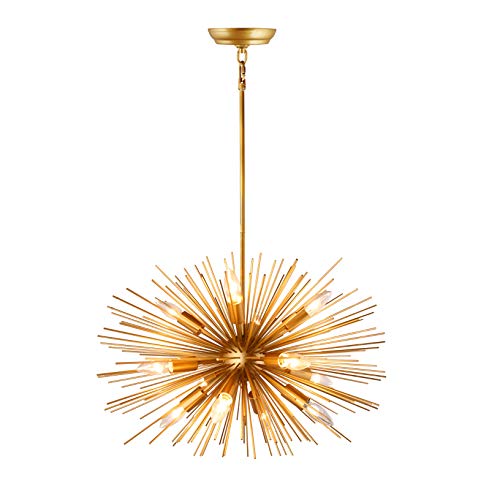
Midcentury modern design created very unique lighting. You’ll find the same affinity for unique shapes and lines displayed in lighting fixtures as in furniture. Lots of curves or very linear lines are often used. Pendant lighting, table lamps with unique geometric shapes, and innovative chandeliers like the starburst are all popular.
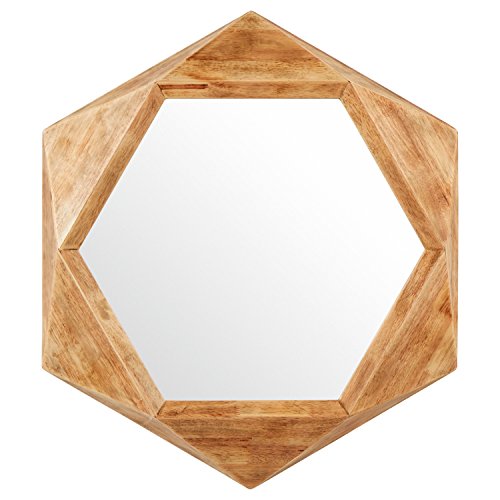
Glass is used in several ways in Midcentury decor. Large windows or sliding doors are often highlighted by understated decoration in the room to allow it to take center stage. Mirrors are often statement pieces. The Sunburst design has metal pieces encompassing a round mirror for a starburst look. The hexagon frame mirror provides a unique shape and combines the materials of wood and glass in an unexpected way. Glass and metal tables and shelves are also popular designs.
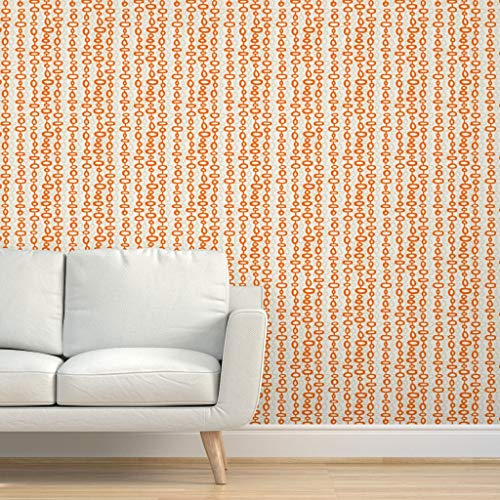
Wallpaper is often used as an accent. Bright colors and bold geometric patterns add interest to the room, making it feel modern and sophisticated. It can easily be the difference between drab and fab. In keeping with the minimalistic approach, other elements of the room should be understated when the wallpaper is used in this way.
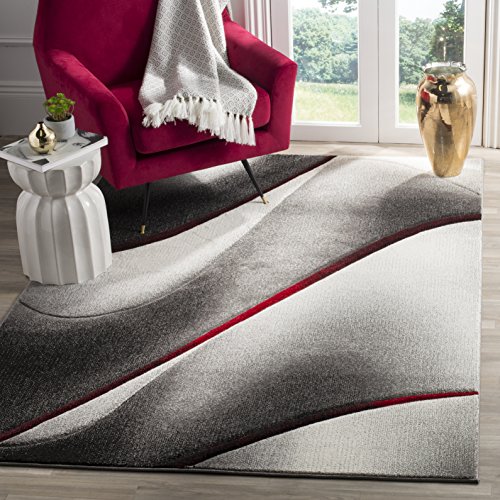
Textures are another way the Midcentury modern style creates interest. Natural materials like stone and wood have their own inherent texture. Often, sleek textures like fiberglass or metal are combined with rougher textures like a stone for classic contrast. Tweed was another popular way to add texture. Shag rugs were often paired with sleek leather furniture or molded chairs.
Styles that Mix Well With it
Midcentury mixes surprisingly well with other styles. Many people find that adding a few midcentury pieces to another style keeps the decor looking modern without feeling dated.
Traditional style pairs well with midcentury. The unique shapes, clean lines, and punchy colors of midcentury pieces can be the perfect accent to a more traditional feel. The reverse also works well, with a few traditional pieces serving as an accent for midcentury decor. This can create a timeless feel instead of feeling like a time capsule.
For a more surprising combination, consider pairing midcentury with rustic or cottage style. The modern look of midcentury is a perfect contrast for the rustic look. When done correctly, it brings out the best of both styles, allowing them to complement each other instead of clashing. Antiques also make a great contrast for midcentury modern decor. Consider a few antique pieces to give your home a look that is timeless.
When pairing styles, there are a few rules of thumb to keep in mind. You’ll want most of your decor to be one style, with a few pieces of the other. Your styles should balance each other. They should either complement or contrast. Chairs are one of the easiest ways to add midcentury style, particularly paired with a traditional or antique table.
Brief History Overview
The term Midcentury Modern was first coined in 1983, with an article written by Cara Greenburg. The next year, the phrase would make its way into the everyday lexicon with the publishing of her book “Midcentury Modern: Furniture of the 1950s”. As the name suggests, Midcentury modern is a subset of the modernist movement. It has roots in the industrial revolution, but it was likely the ending of World War One that truly set the stage for the Midcentury modern movement.
The period extends from 1933 to 1965, although its heyday was 1947-1957. The midcentury modern movement branched out from the Bauhaus and Danish modernist movements. By the late 60s, Midcentury modern had fallen out of fashion.
Design, like fashion, is cyclical, however. It began making a resurgence in the 1980s, perhaps due in large part to Greenburg’s book. By the Mid 90s, a vintage Eames plywood screen was worth $10,000. Around the turn of the century, a George Nelson marshmallow sofa sold for an astounding $66,000.
The resurgence of the period wouldn’t be relegated to wealthy collectors, however. By the 90s, most of the original midcentury pieces were out of production and only within reach of the affluent. Even the pieces that were still being produced weren’t available to the average Joe but to designers and architects.
A downturn in the office furniture market caused major changes. Knoll, a manufacturer of classic midcentury designs, opened a showroom in Soho. Their stores were normally open only to designers, but this one was a retail store. Suddenly, the average joe could buy a piece off the showroom floor. Herman Miller also felt the downturn of the office furniture market and followed in the footsteps of Knoll, reissuing midcentury modern pieces for the retail consumer.
Why it looks great
Generations have chosen the midcentury modern look for their homes. There are likely a few reasons for this. First, its emphasis on functionality appeals to those with limited space, which is common for today’s city and suburban dwellers.
Its simplicity and innovation are also factors. Midcentury’s clean lines and minimalist approach pair with bold colors, patterns, and unique materials for something that’s unique as well as practical. The open concept and purposeful rooms are designed to meet the needs of the modern family, which differed from that of generations past. The midcentury modern style also leaves lots of room for expression. The style is well defined without limiting the options.