
Your Home Does Not Need More Stuff. It May Not Need Less Either. It Needs Better Decisions.
Minimalism is not “get rid of everything and paint it white.” Done well, it can make an ordinary home feel calmer, larger, more intentional and dramatically more expensive. Done badly, it makes a home feel empty, cold and unfinished. This system shows you the difference — room by room, decision by decision.
- 84 lessons across 12 complete modules
- 300+ custom room designs showing the principles in action
- 30+ specific paint references from major brands
- Room-by-room guidance for 8 major spaces plus exterior and landscape
- 5 serious renovation and design planning tools
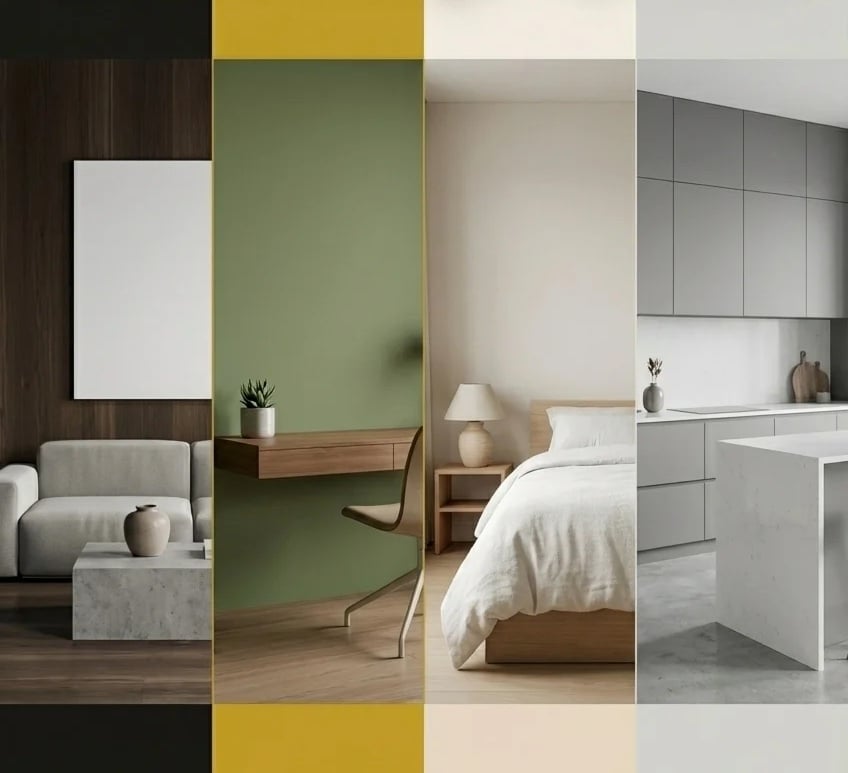
You Can Spend Thousands Improving a Room and Still Make It Feel More Cluttered, Smaller or Less Finished.
Most homeowners are not short on inspiration. They are drowning in it. New sofa. New paint. New rug. New light fixture. Another basket. Another shelf. Another “finishing touch.”
The room changes, but the feeling does not.
Minimalist design is useful even if you never want a stark minimalist house. It teaches you how to control visual weight, scale, negative space, color, materials, lighting, storage and the relationship between everything already in the room.
That is why a well-designed minimalist room can contain less and somehow feel like more.
Minimalism Is Not About Owning Less. It Is About Needing Fewer Things to Make the Room Work.
The best minimalist rooms do not feel deprived. They feel resolved. The furniture is the right scale. The lighting has layers. The materials carry visual interest. Storage disappears into the architecture. Empty space feels deliberate instead of forgotten.
Once you understand those decisions, you stop decorating by accumulation. You start designing by elimination, proportion and hierarchy.
These Are the Decisions That Make a Minimalist Home Look Designed Instead of Empty.
We are deliberately not giving you the answers on the sales page. But if even a few of these questions make you wonder what you are doing in your own rooms, the system was built for you.
Why can a room with almost nothing in it still feel cluttered?
Because visual clutter is not the same thing as having too many possessions.
What makes one white wall look architectural and another look cheap?
The paint name is only part of the answer.
Which item should usually be the visual anchor in a minimalist living room?
Pick the wrong anchor and everything else starts competing.
Why does clearing every surface sometimes make a room look worse?
There is a point where editing stops looking intentional and starts looking unfinished.
What is the fastest way to make an ordinary room feel larger without changing the square footage?
It is not simply painting everything white.
Which furniture proportion makes a room look more expensive almost immediately?
The effect comes from scale, not the price tag.
Why is your area rug probably making the room look smaller?
One common sizing decision compresses the entire furniture arrangement.
What should you remove first when a room feels busy?
The answer is not automatically the smallest object.
Which type of storage makes a minimalist home easier to live in instead of harder?
Some storage hides clutter. Better storage prevents the room from becoming cluttered in the first place.
Why do some neutral rooms feel luxurious while others feel dead?
The difference is usually in material contrast and tonal range.
How many light sources does a minimalist room actually need?
Fewer objects does not mean fewer layers of light.
Which bulb choice can make an expensive room look wrong every night?
A beautiful palette can collapse under the wrong temperature.
What makes black accents look sophisticated instead of harsh?
The secret is not just using fewer of them.
How do you mix wood tones without making the room look mismatched?
Trying to match everything perfectly can make the problem worse.
What belongs on a minimalist coffee table — and what should never be there?
The best arrangement often follows a rule most people never consciously use.
Why can expensive furniture make a minimalist room look cheaper?
One wrong scale relationship can overpower the entire room.
When should a window be left completely bare?
There are rooms where adding a treatment is the design mistake.
What makes a minimalist kitchen feel warm instead of clinical?
The answer has more to do with hierarchy and texture than adding decorative clutter.
How do you make a minimalist bedroom feel comfortable without covering it in pillows and throws?
Warmth can come from decisions that add almost no visual noise.
Which renovation choices should disappear visually instead of becoming features?
Not every expensive finish deserves attention.
How do you apply minimalism to a Victorian, mid-century or builder-grade house?
Good minimalism works with the bones of the home instead of pretending they do not exist.
Can minimalism actually work with children?
Yes — but family minimalism requires a different storage and editing strategy.
What should you buy first when starting a minimalist room?
The obvious answer is often the wrong one.
What is the one-page design brief that can make every future purchase easier?
Once you define the rules of the room, shopping becomes much less random.
Which cheap change can sometimes outperform a furniture replacement?
Some of the highest-impact corrections cost almost nothing.
What makes a room feel finished when there are very few objects in it?
This is one of the central differences between minimalism and emptiness.
A $27 Design System Can Be Cheaper Than One Wrong Gallon of Paint.
And considerably cheaper than the wrong rug, the wrong sofa, the wrong pendant lights, the wrong flooring or the renovation choice you only realize you hate after installation.
Three Steps From “Something Is Off” to Knowing Exactly What to Change.
You do not need to become an interior designer. You need a reliable way to judge the room before spending more money on it.
See the Room Differently
Learn the principles behind scale, negative space, visual weight, color, materials, lighting and storage.
Apply Them to Your Home
Work room by room instead of trying to force an internet aesthetic onto the architecture you actually have.
Stop Buying Blind
Use the system before purchasing paint, furniture, lighting, flooring and finishes so fewer expensive decisions need undoing later.
Not Another Decluttering Checklist. A Complete Home Design System.
The course goes far beyond “own fewer things.” It teaches the decisions that make fewer things look substantially better.
The Complete Minimalism System
84 lessons across 12 modules that move from the underlying philosophy into actual room decisions.
300+ Custom Room Designs
See the principles applied visually instead of trying to translate abstract design advice into your own home.
30+ Paint References
Specific colors from Farrow & Ball, Benjamin Moore and Sherwin-Williams, plus the thinking behind the palette.
Room-by-Room Design Briefs
Living room, dining room, kitchen, bedroom, bathroom, office, entryway and outdoor guidance, plus exterior architecture and landscape.
Three-Layer Lighting System
Specific guidance for light quality, temperature, fixture selection and how multiple sources work together.
Material + Surface Hierarchy
Learn which surfaces deserve attention, which should recede and how finishes can create richness without adding more stuff.
Furniture + Proportion Guidance
Measurements and scale principles that help prevent expensive furniture from overwhelming the room.
Storage + Concealment
Build a home that can stay visually controlled without making everyday life irritating or impractical.
The Minimalist Audit
A framework for deciding what stays, what goes and what the room actually needs next.
Budget Transformation Strategies
High-impact changes that do not require a full renovation.
Family Minimalism
How to preserve the design principles while living with children, partners and the normal accumulation of real life.
Personal Design Brief
Create the document that gives future purchases and renovation decisions a consistent direction.
$27 Before the Next $2,000, $10,000 or $50,000 You Spend on Your Home.
A single light fixture can cost more than this. So can one faucet. So can return shipping on the wrong piece of furniture. Learn the system before the room gets expensive.
Get the Complete System — $27 →5 Serious Planning Tools for the Part Where Inspiration Turns Into Spending Money.
The astrology system gives you the design direction. These tools help stop the actual project from becoming chaos.
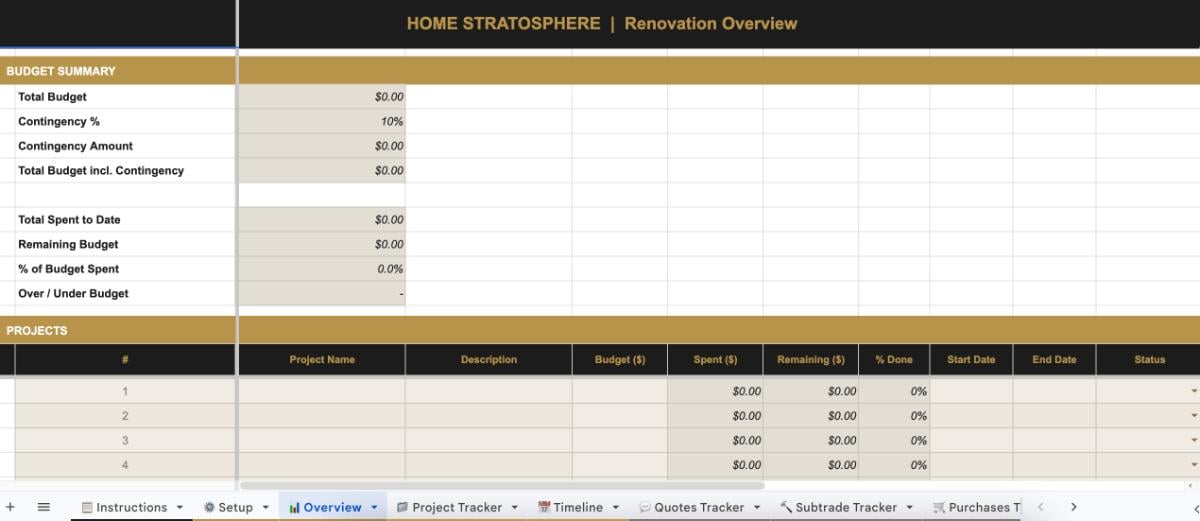
RenoRevolution Home Renovation Planner
Budget dashboard, project tracker, Gantt timeline, contractor quotes and paint log in one connected sheet.
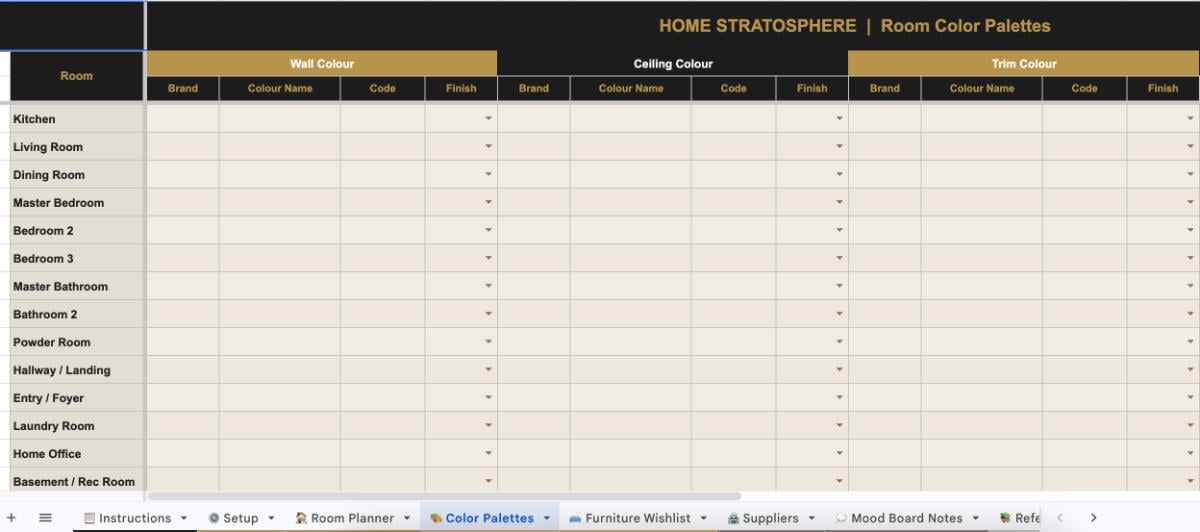
Room-by-Room Design Planner
Track dimensions, flooring, palette, furniture, suppliers, wishlist items and budget for every room.
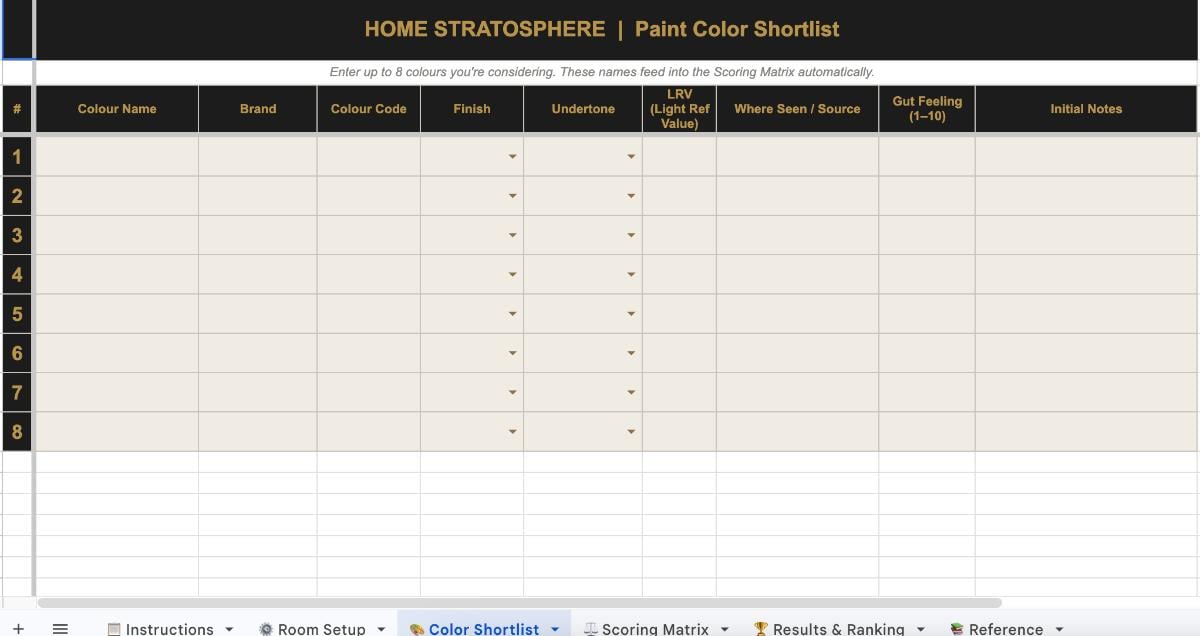
Paint Color Decision Matrix
Compare up to eight colors against weighted criteria so a wall of nearly identical samples stops running the project.
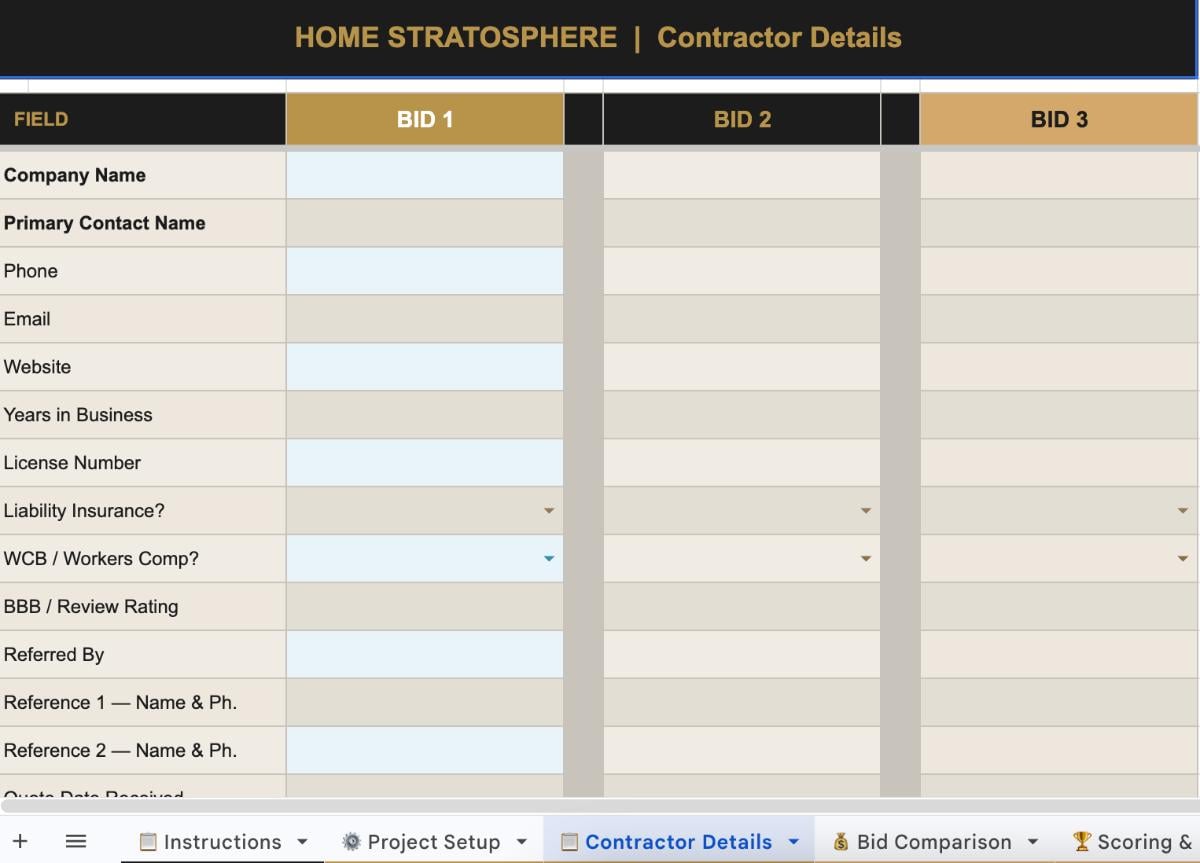
Contractor Bid Comparison Sheet
Compare three bids line by line, flag large price differences and score contractors against weighted criteria.
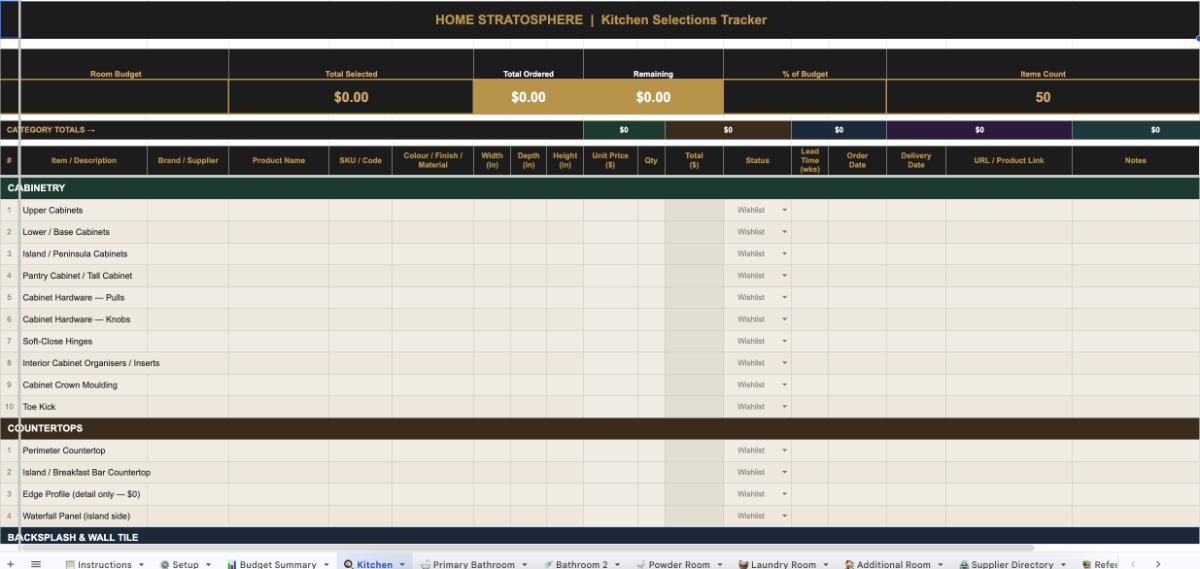
Kitchen & Bathroom Selections Tracker
Keep finishes, fixtures, fittings, costs and installation status together so the renovation does not become a scavenger hunt.
This Is for Far More Homeowners Than People Who Call Themselves Minimalists.
- Your rooms feel busier, smaller or less polished than you want
- You keep buying “finishing touches” but the room never actually feels finished
- You are planning a renovation and want fewer expensive decisions to regret
- You love clean, sophisticated rooms but do not want your home to feel cold
- You want to understand what should stay, what should go and what deserves your money
- You want exact paint direction, measurements, material guidance and room-by-room rules
- You live with children or a partner and need a system that works in a real household
- You want heavily layered, maximalist rooms with lots of pattern and ornament
- You only want a decluttering checklist rather than a design system
- You are seeking professional accreditation rather than practical homeowner guidance

Built for Homeowners Who Are Tired of Guessing.
Jon Dykstra is the founder of Home Stratosphere and a former owner of an interior design firm. Home Stratosphere has spent years publishing home-design content at scale.
The Minimalism Home Design System was built around a simple idea: homeowners deserve more than inspiration. They deserve a framework they can use when making real design and renovation decisions.
The Minimalism Home Design System
Learn the rules before the next expensive decision.
- 84 lessons across 12 complete modules
- 300+ custom minimalist room designs
- 30+ specific paint references
- Room-by-room briefs for 8 major spaces plus exterior and landscape
- Three-layer lighting system with bulb and fixture guidance
- Flooring, window treatment, furniture and proportion guidance
- Storage, concealment and family-living strategies
- Minimalist Audit + personal design brief
- Budget transformation strategies
- 5 professional Google Sheet planning tools
Questions
No. The first part of the course establishes the principles from the ground up before moving into practical application. It is designed for homeowners, renovators and design-curious readers.
Yes. Many of the core lessons — scale, visual weight, negative space, lighting, storage, palette control and material hierarchy — are useful even if your end result is warmer and more furnished than textbook minimalism.
Yes. Many high-impact changes involve layout, editing, rug sizing, lighting, window treatments and furniture choices rather than permanent construction. The course also includes budget transformation strategies.
Yes. The system includes guidance for applying minimalist principles to existing architecture instead of requiring a blank modern box.
Yes. Family minimalism is addressed directly. The course treats storage, adaptation and the realities of a lived-in household as design problems to solve rather than reasons to abandon the system.
They are included with enrollment and linked inside the course as Google Sheets you can copy and use.
You have 14 days to use the course and decide whether it is right for you. If it is not, email us for a complete refund.
Everything is delivered through Teachable and is available immediately on desktop, tablet or phone. It is designed to work both as a course and as a reference when you are making a specific design decision.
Your Home Does Not Need Another Random Upgrade. It Needs a System.
The next sofa, paint color, rug, light fixture, cabinet finish or renovation decision can make your home feel more intentional — or create another expensive problem to solve. Learn how to judge the room before you buy the next thing for it.
Get the Minimalism System — $27 →This system was developed with AI-assisted research and writing with human editorial oversight. Room imagery may include AI-generated examples used to illustrate design principles. © Home Stratosphere. All rights reserved.