Would you like to save this?
Home renovations can be a double-edged sword for homeowners looking to increase their property’s value. While many improvements genuinely boost resale potential, others can quietly sabotage your investment without you realizing it until listing day arrives.
The most well-intentioned renovations can actually drive away potential buyers and decrease your home’s market value, costing you thousands when you’re ready to sell. From overly personalized design choices to functional changes that don’t align with buyer expectations, these renovation mistakes can significantly impact your home’s worth. Understanding which improvements to avoid can save you from making costly decisions that seem appealing now but will haunt you later.
27. Choosing outdated, overly ornate chandeliers
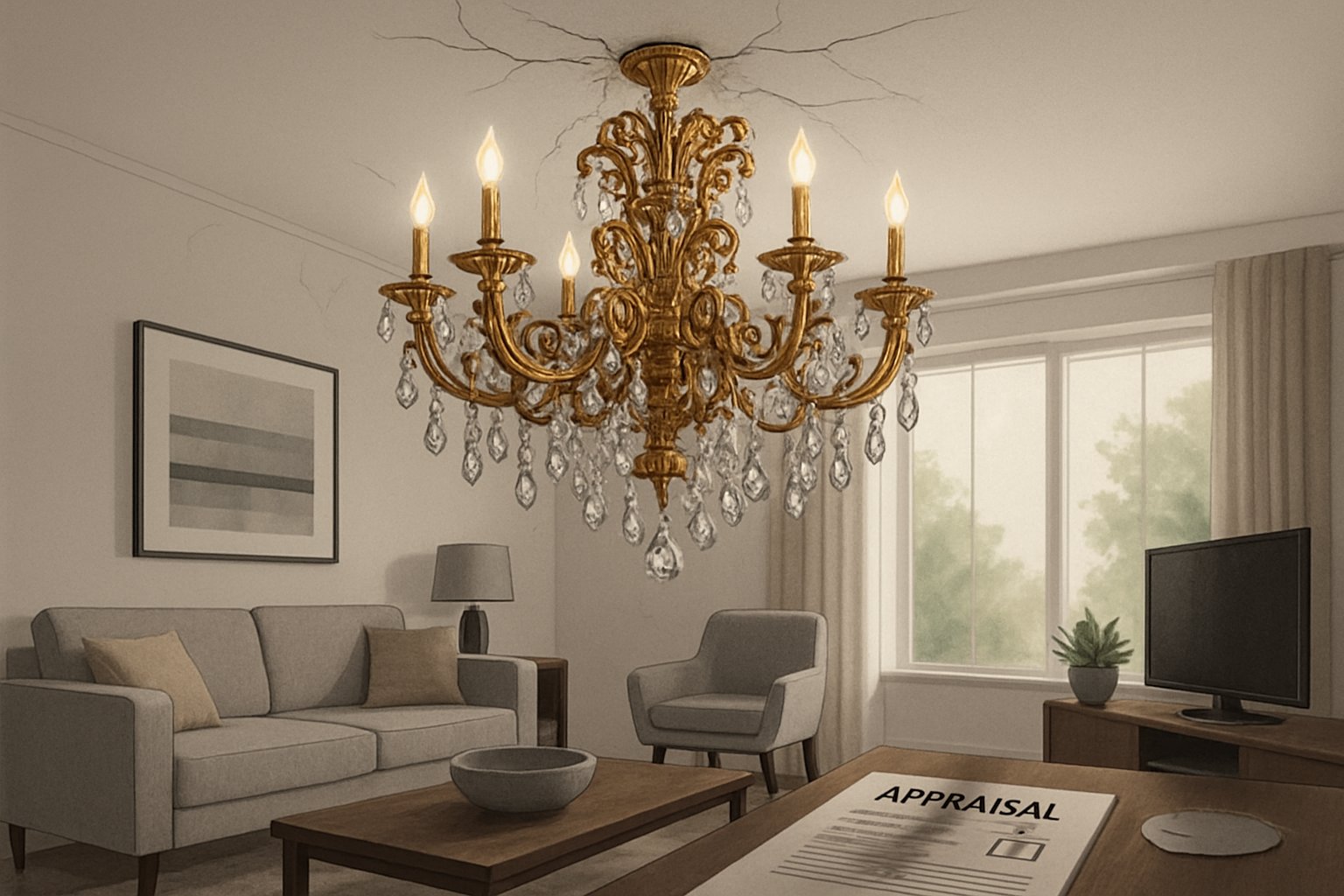
That crystal monstrosity hanging in your foyer isn’t making the statement you think it is. Brass chandeliers with polished glass tend to feel outdated and overly formal, especially with their ornate details and faux candlestick bulbs.
Modern buyers walk into homes and immediately notice gaudy chandeliers. These fixtures scream “I haven’t updated since 1995” louder than a dial-up modem.
Heavy chandeliers and old brass finishes hold your decor in the past instead of letting it shine. Today’s lighting should have more warmth and depth, not look like it belongs in a vampire’s dining room.
The good news? Chandeliers aren’t out of style entirely. You just need to choose wisely.
Skip the overly ornate pieces with excessive crystal dangles and brass arms. Instead, opt for cleaner lines, mixed materials, or modern interpretations that complement contemporary design trends.
Your home’s value depends on fixtures that feel current, not like museum pieces from a bygone era.
26. Adding oversized fireplaces that dominate the living room
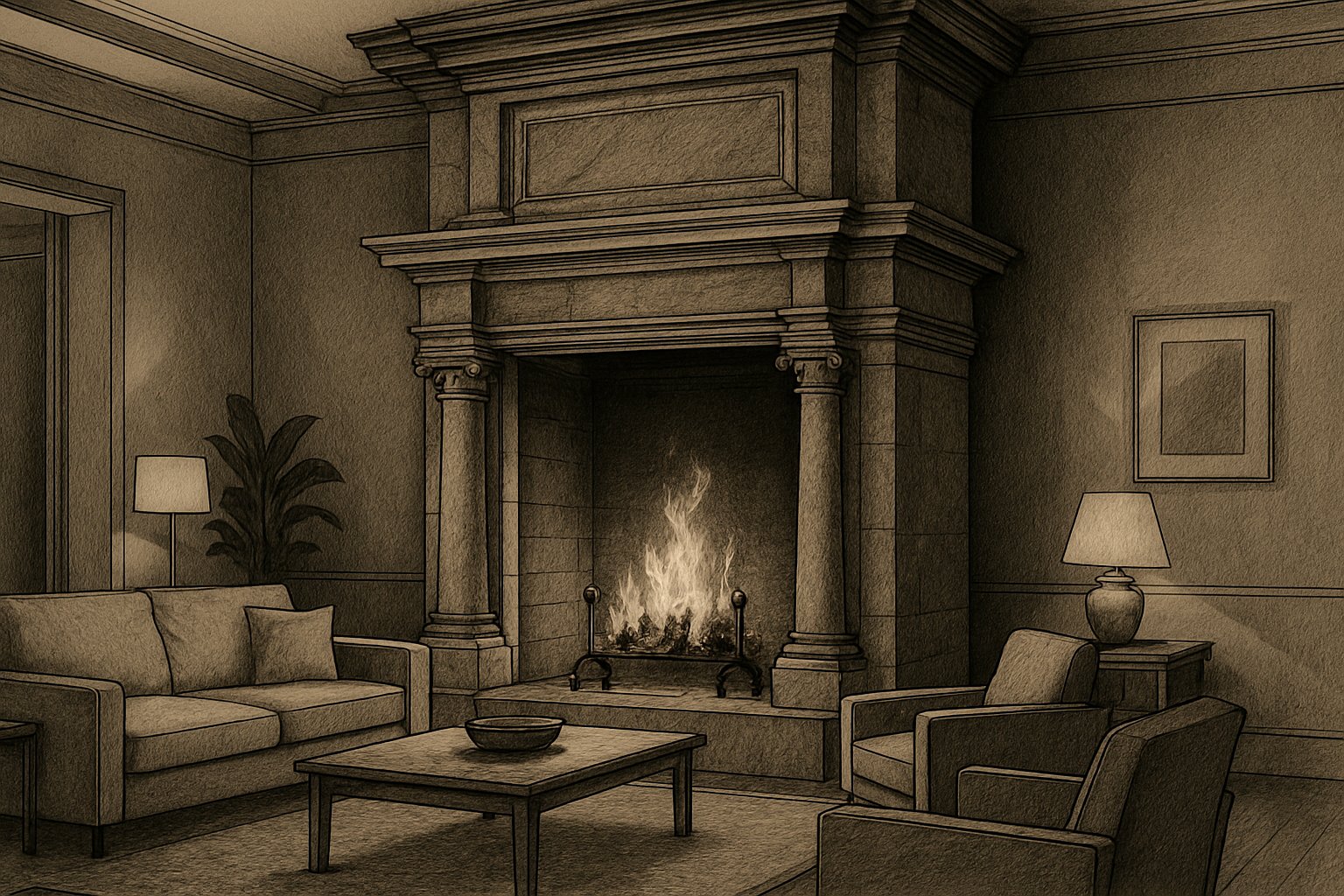
You might think bigger is better when it comes to fireplaces, but your future buyers will disagree. An oversized fireplace can dominate a living room and throw off the entire space’s proportions.
These massive hearths eat up valuable floor space and furniture placement options. Your cozy living room suddenly feels cramped and awkward, with seating pushed into corners.
Buyers today prefer balanced, functional spaces over statement pieces that limit flexibility. That grand fireplace you installed might force them into awkward living room layouts they can’t easily fix.
Scale matters more than size when it comes to fireplaces. A properly proportioned fireplace enhances the room without overwhelming it.
Consider your room’s dimensions before going big. A fireplace should complement your space, not consume it. Your wallet will thank you when appraisers don’t dock points for poor spatial planning.
25. Replacing functional windows with fixed, non-opening ones
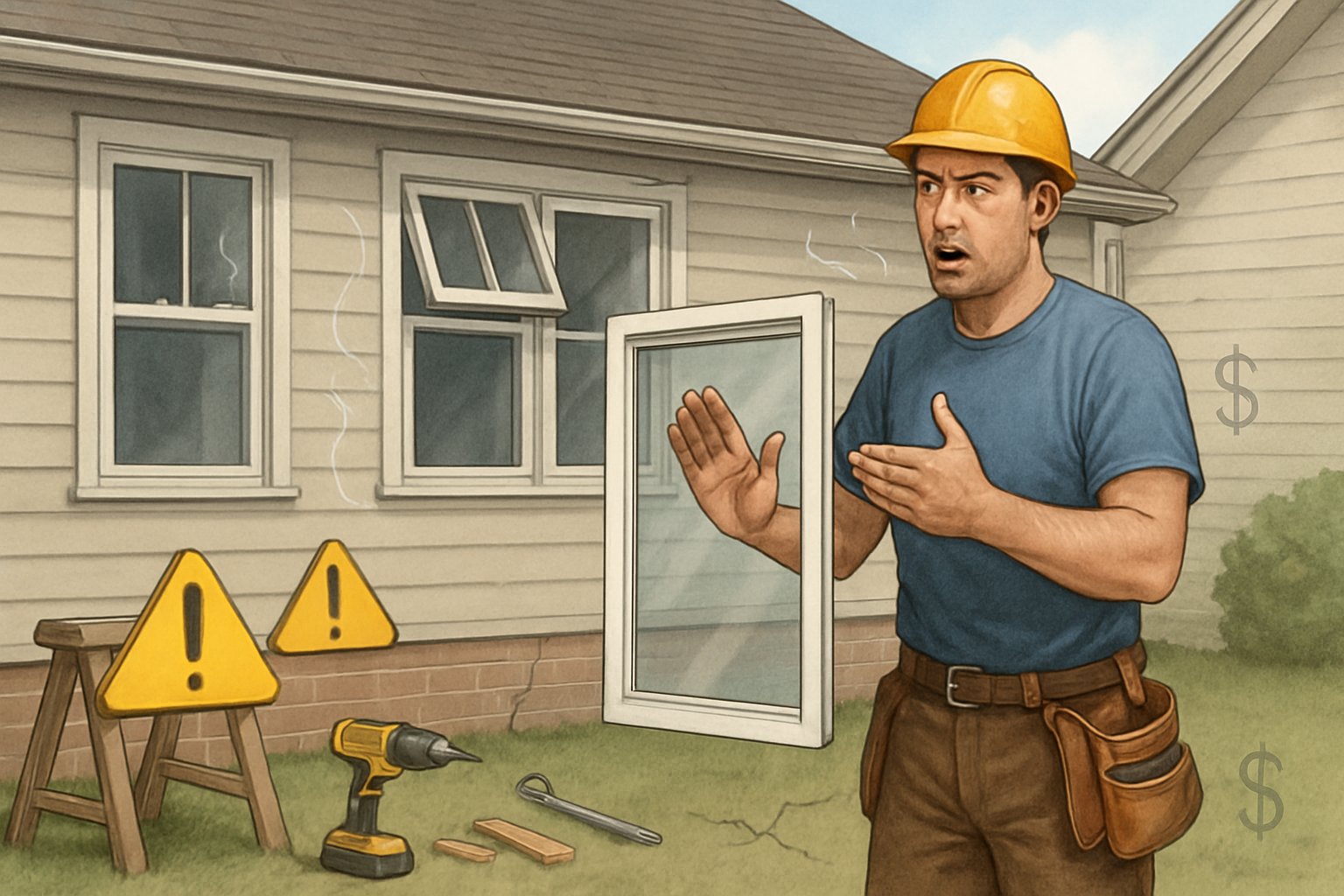
You might think fixed windows look sleek and modern, but swapping out operable windows for non-opening ones is like trading your car for a really expensive paperweight.
Sure, fixed windows maximize natural light and can improve energy efficiency by reducing air leaks. They also require less maintenance than their opening counterparts.
But here’s the catch – you’re eliminating natural ventilation entirely. Future buyers will notice they can’t crack a window for fresh air during pleasant weather.
This becomes especially problematic in bedrooms and living areas where people expect to control airflow. Building codes often require operable windows in certain rooms for emergency egress too.
The lack of ventilation options forces complete reliance on HVAC systems, potentially increasing energy costs. Smart buyers recognize this limitation immediately during home tours.
Converting fixed windows back to operable ones is possible but requires additional investment from future owners. Why create work for your buyers when functional windows already exist?
Fixed windows work beautifully as accent pieces alongside operable windows. But replacing all your functional windows with fixed ones trades essential functionality for minimal aesthetic gain.
24. Installing a basement bar in a market that doesn’t value it
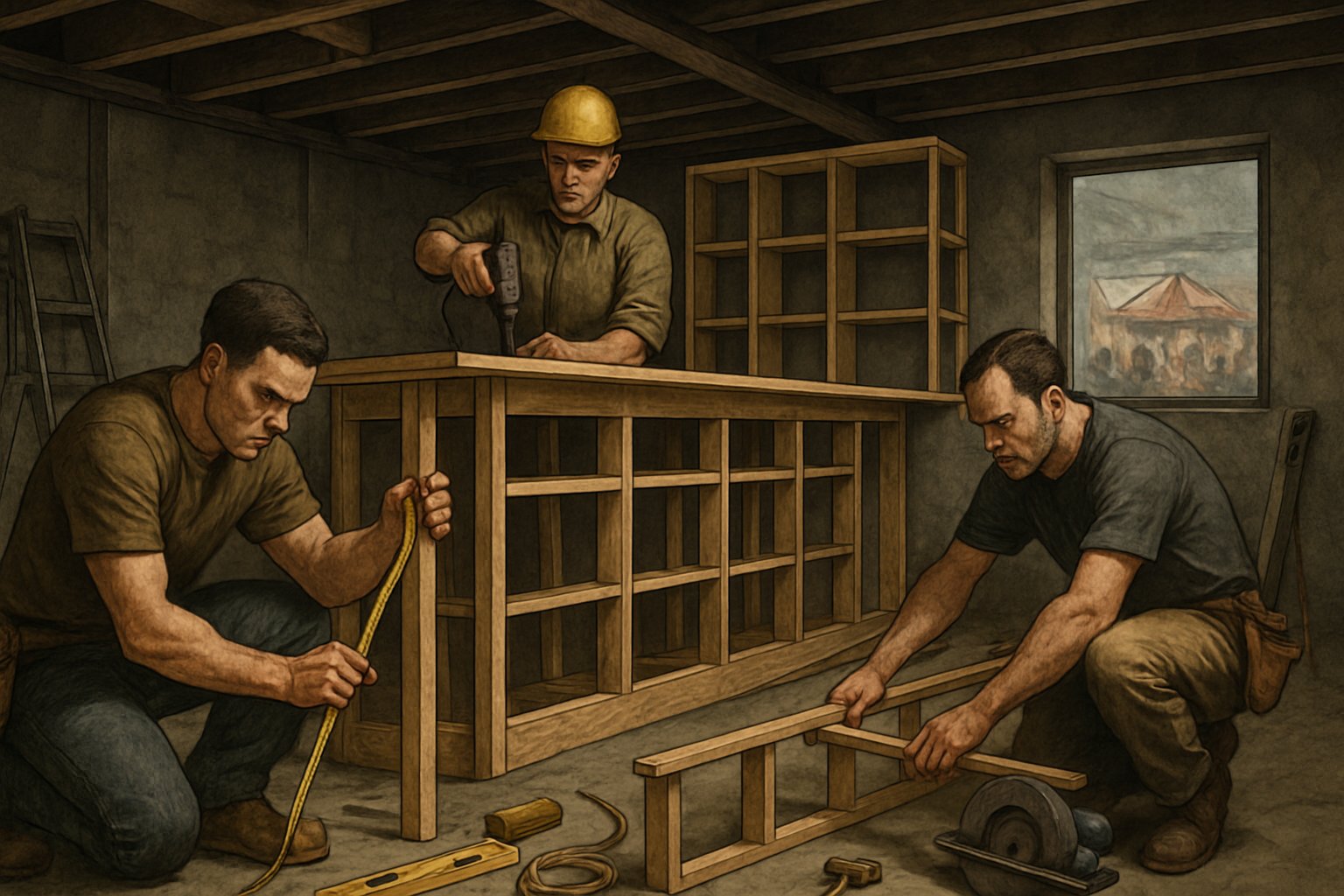
You might think a basement bar sounds like the perfect entertainment upgrade. But before you start dreaming of cocktail hours, consider your local market carefully.
The return on investment from adding a basement bar depends heavily on buyer preferences and market trends in your area. What feels like a smart investment to you might leave future buyers scratching their heads.
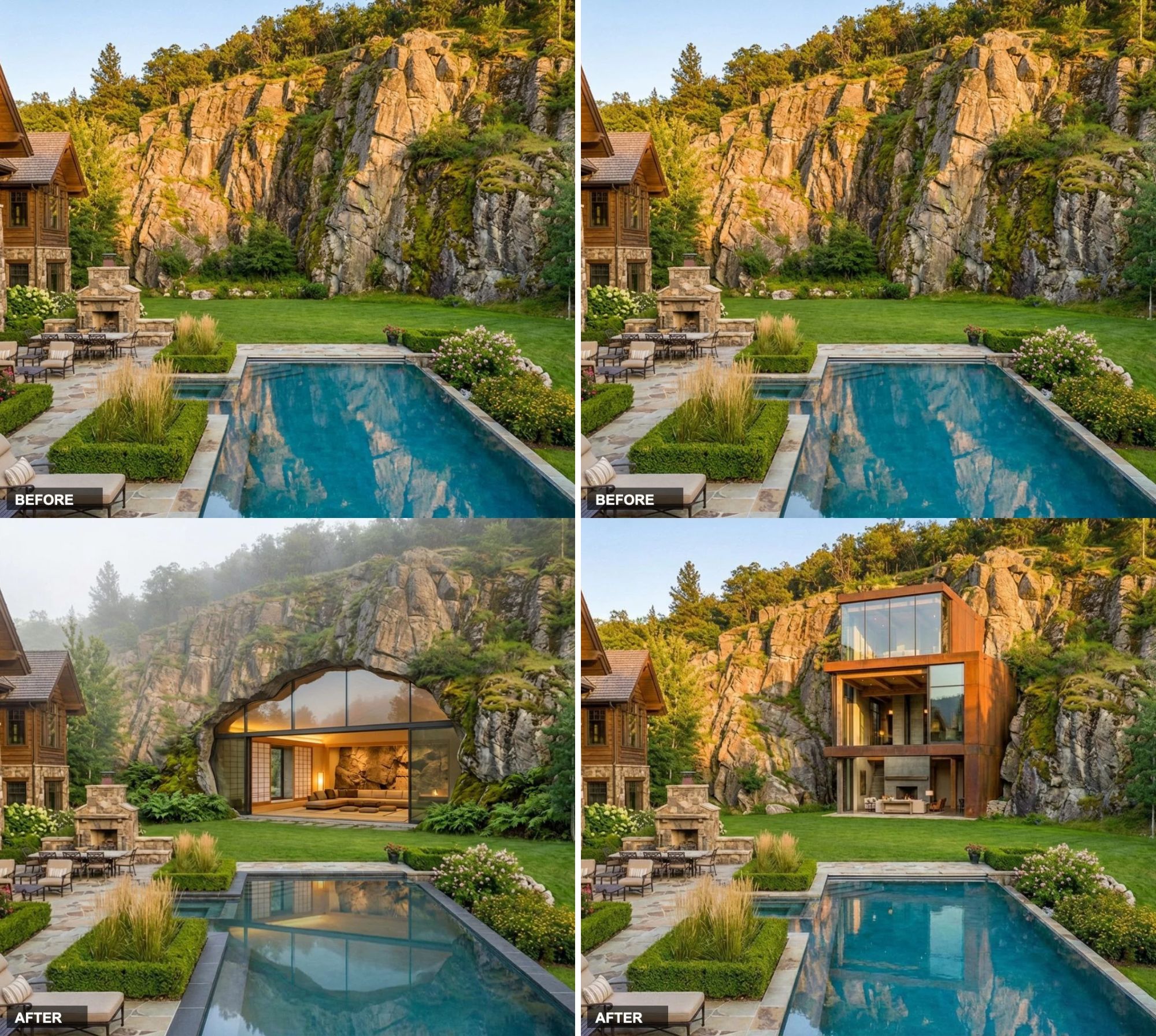
In family-oriented neighborhoods, potential buyers often prefer additional bedrooms or play areas over entertainment spaces. Your elaborate bar setup could actually work against you when competing with homes offering more practical square footage.
High installation costs can make basement bars add minimal value to your home overall. You’re essentially paying premium prices for a feature that might appeal to a narrow slice of buyers.
Markets with strict liquor laws or conservative communities often view basement bars as unnecessary luxuries. Your investment becomes even more questionable when local culture doesn’t embrace home entertaining.
Before committing to this project, research recent sales in your neighborhood. If similar homes with basement bars aren’t commanding higher prices, you’re better off investing in universally appealing upgrades instead.
23. Over-customizing landscaping with hard-to-maintain exotic plants

Your Japanese maple collection might look stunning, but potential buyers see dollar signs flying away. Exotic plants require specialized care that most homeowners simply don’t want to tackle.
Those rare orchids and tropical specimens you’ve babied for years? They’re actually high-maintenance designs that often turn people away from your property.
Most buyers prefer low-maintenance landscaping over your botanical masterpiece. They want to water some shrubs on weekends, not become part-time horticulturists.
Your prize-winning bird of paradise needs winter protection, specific soil conditions, and regular feeding schedules. The average buyer sees this as expensive homework they didn’t sign up for.
Native plants always win the resale game. They’re adapted to your climate, need less water, and won’t die if someone forgets to fertilize them monthly.
Consider this: while attractive landscaping can increase home value by 10 to 15%, your exotic garden might actually decrease it.
Replace those finicky specimens with hardy, region-appropriate plants. Your future buyers will thank you, and your water bill will too.
22. Using flashy neon lighting in rooms that should feel naturally lit
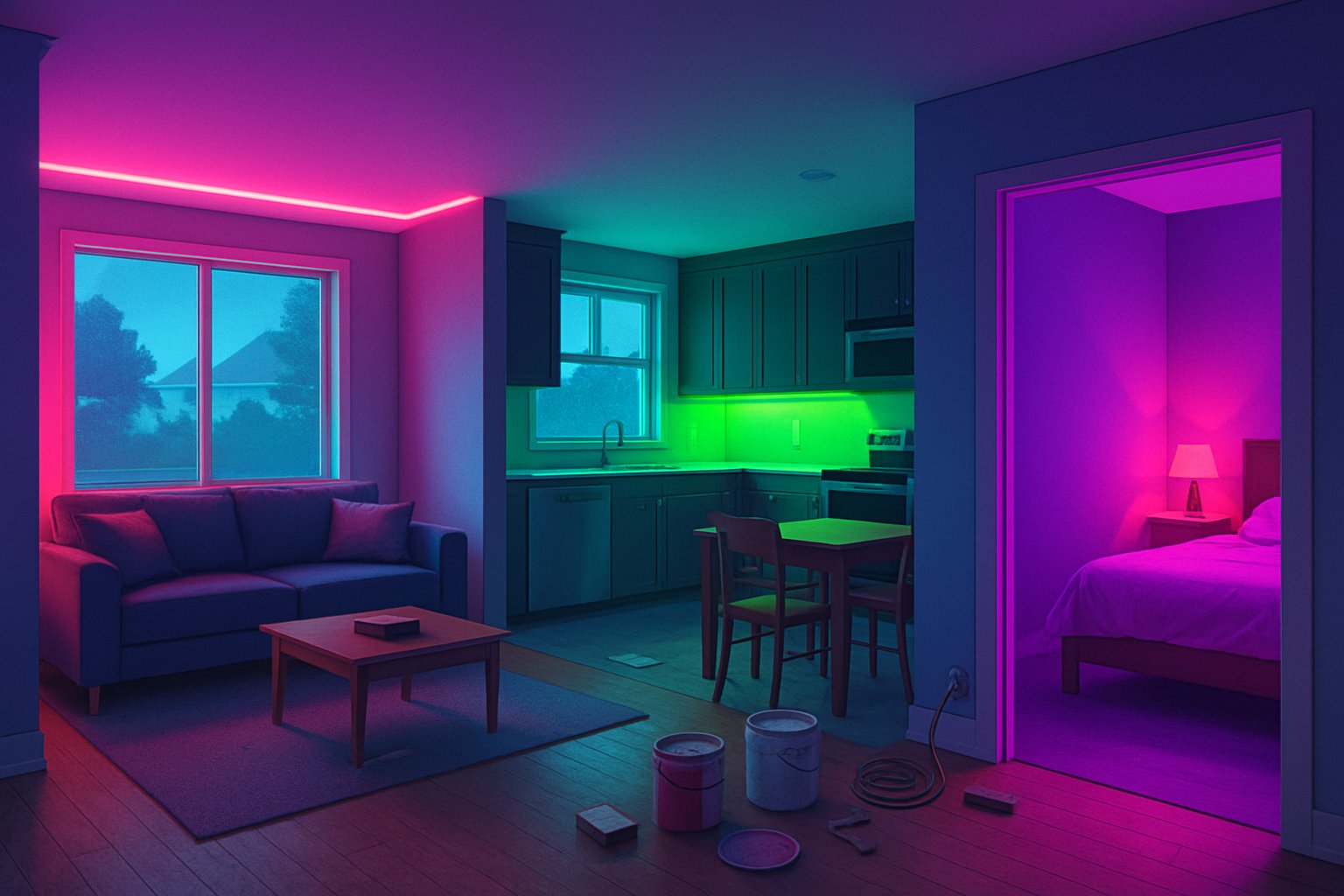
You might think that hot pink neon strip lighting will make your kitchen feel “modern” and “edgy.” Trust me, potential buyers will think it feels like a nightclub that serves cereal.
Natural light is crucial for creating an inviting home atmosphere. When you install bright neon accents in spaces like kitchens, living rooms, or bedrooms, you’re fighting against this fundamental design principle.
The problem isn’t neon lighting itself. Modern neon accents can work when used thoughtfully. But when you replace warm, natural lighting with electric blue LED strips under your kitchen cabinets, you’re creating an atmosphere that feels artificial and cold.
Buyers want spaces that feel livable and comfortable. Your electric purple accent wall might look great on social media, but it will have potential buyers wondering how much they’ll need to spend on normal lighting fixtures.
Maximizing natural light should be your priority. Save the neon for a basement bar or game room where the nightclub vibe actually makes sense.
21. Installing a rooftop deck without proper waterproofing concerns
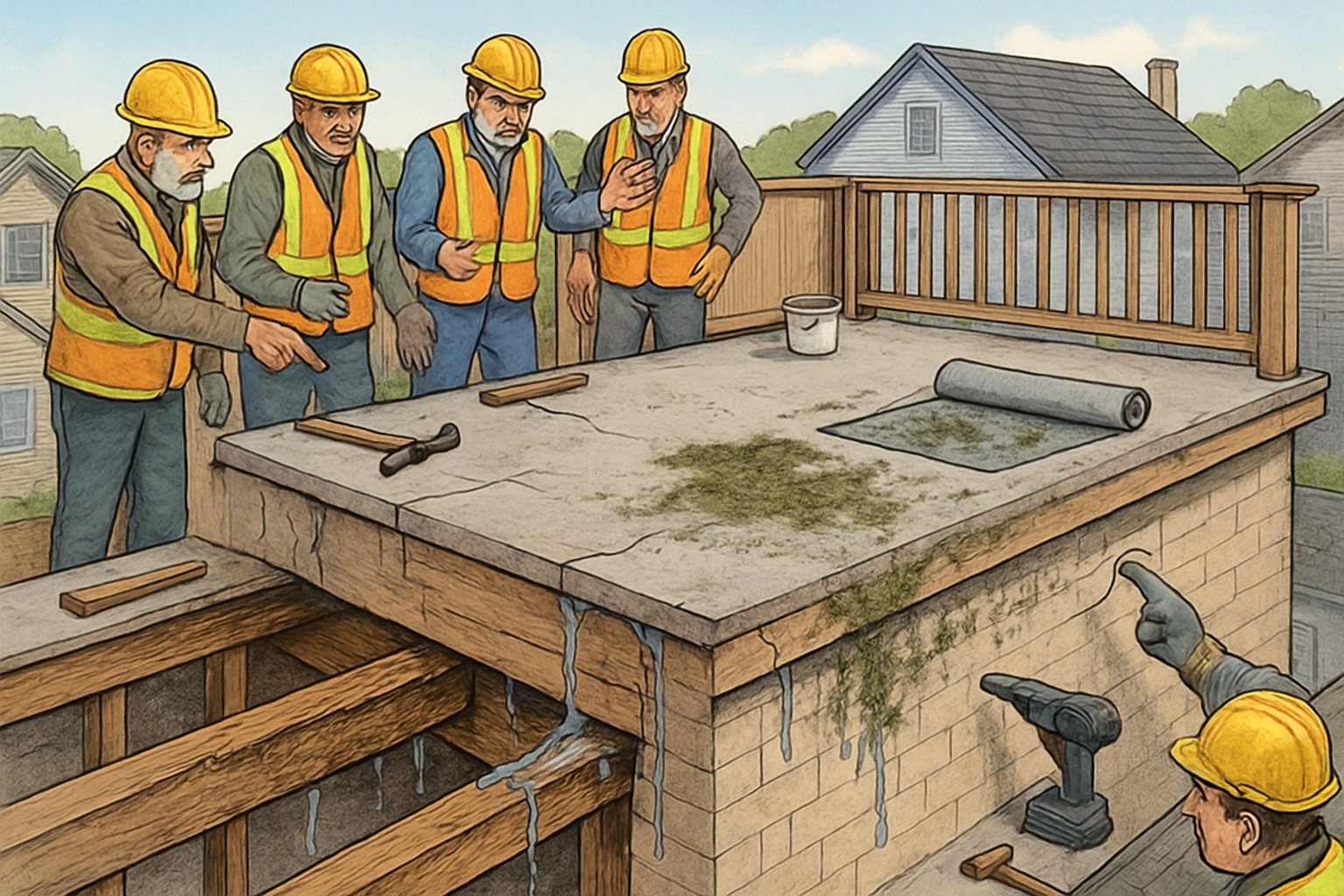
Your rooftop deck dreams can quickly become your waterproofing nightmare if you skip the essential moisture protection steps. Trust me, I’ve seen too many homeowners learn this lesson the expensive way.
Building a rooftop deck over living space requires critical waterproofing details that many contractors unfortunately overlook. Without proper membrane installation, water will find its way through even the smallest gaps.
The real trouble starts when contractors anchor deck posts directly through your roof membrane without adequate sealing. This creates multiple penetration points where water can infiltrate and cause structural damage below.
Common rooftop deck problems arise when drainage isn’t properly planned around the deck framework. Water needs clear pathways to flow away from your home’s structure.
Your home’s value plummets when water damage appears in ceiling stains, rotted framing, or mold growth. These issues often remain hidden until significant damage has already occurred.
Working with experienced rooftop deck contractors makes the difference between a beautiful outdoor space and a costly structural disaster. The right professional will prioritize waterproofing from day one.
20. Adding too many mirrors that make spaces feel disorienting
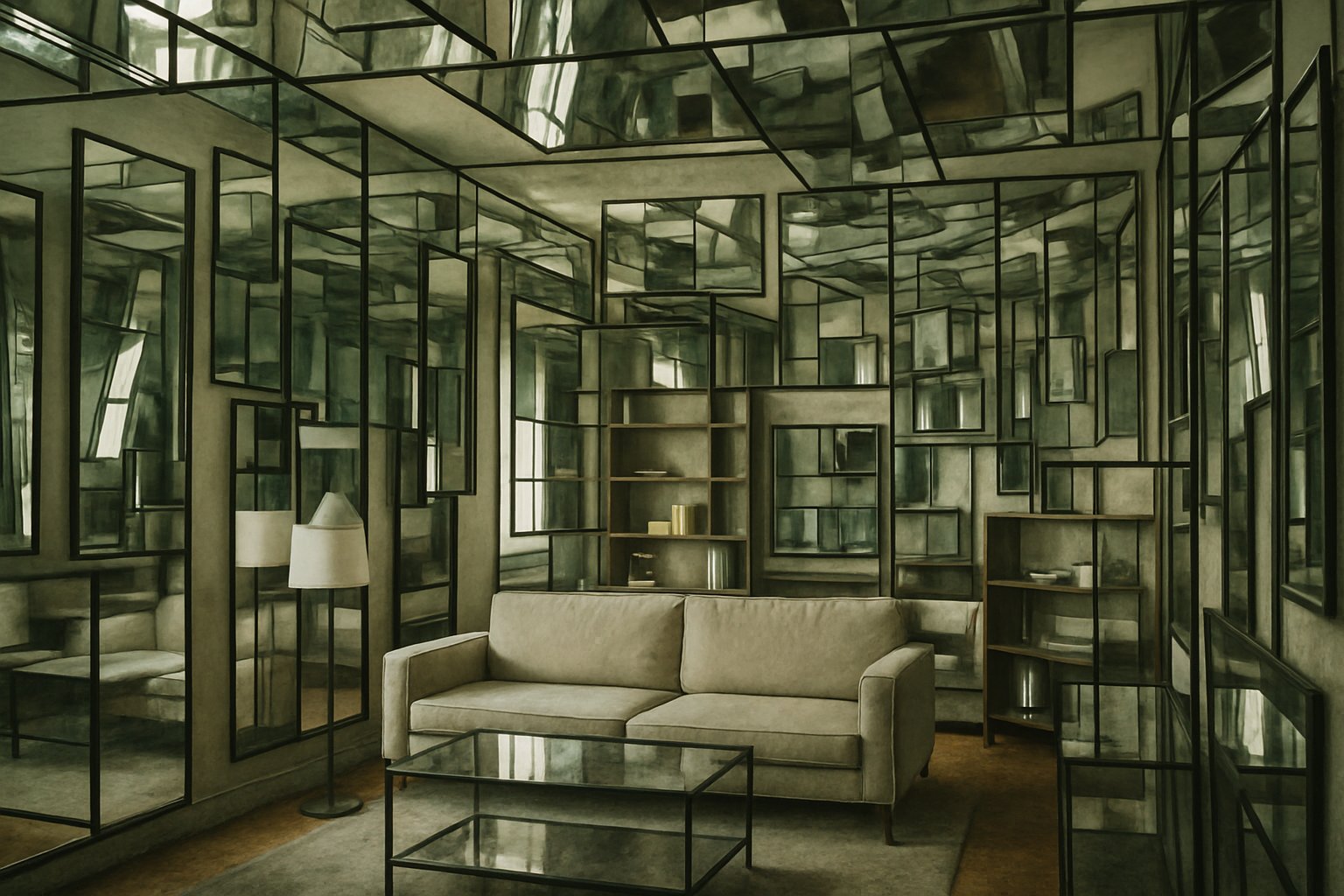
Your mirror addiction might be quietly sabotaging your home’s value. While one well-placed mirror can brighten a room, cramming multiple mirrors into a single space creates a funhouse effect that buyers find unsettling.
Too many mirrors in one space can create a chaotic or disorienting effect. Your guests shouldn’t feel dizzy trying to navigate your living room.
Most rooms need only one mirror to achieve the desired impact. Having more than a couple of mirrors in each room is too many, according to interior designers who know what they’re talking about.
A wall of mirrors in any room tends to overwhelm the space. The endless reflections create visual chaos that makes potential buyers want to run for the exit.
Stick to one or two strategically placed mirrors per room. Your home should feel welcoming, not like a carnival attraction that leaves visitors questioning their sense of direction.
19. Converting bedrooms into walk-in closets, reducing bedroom count
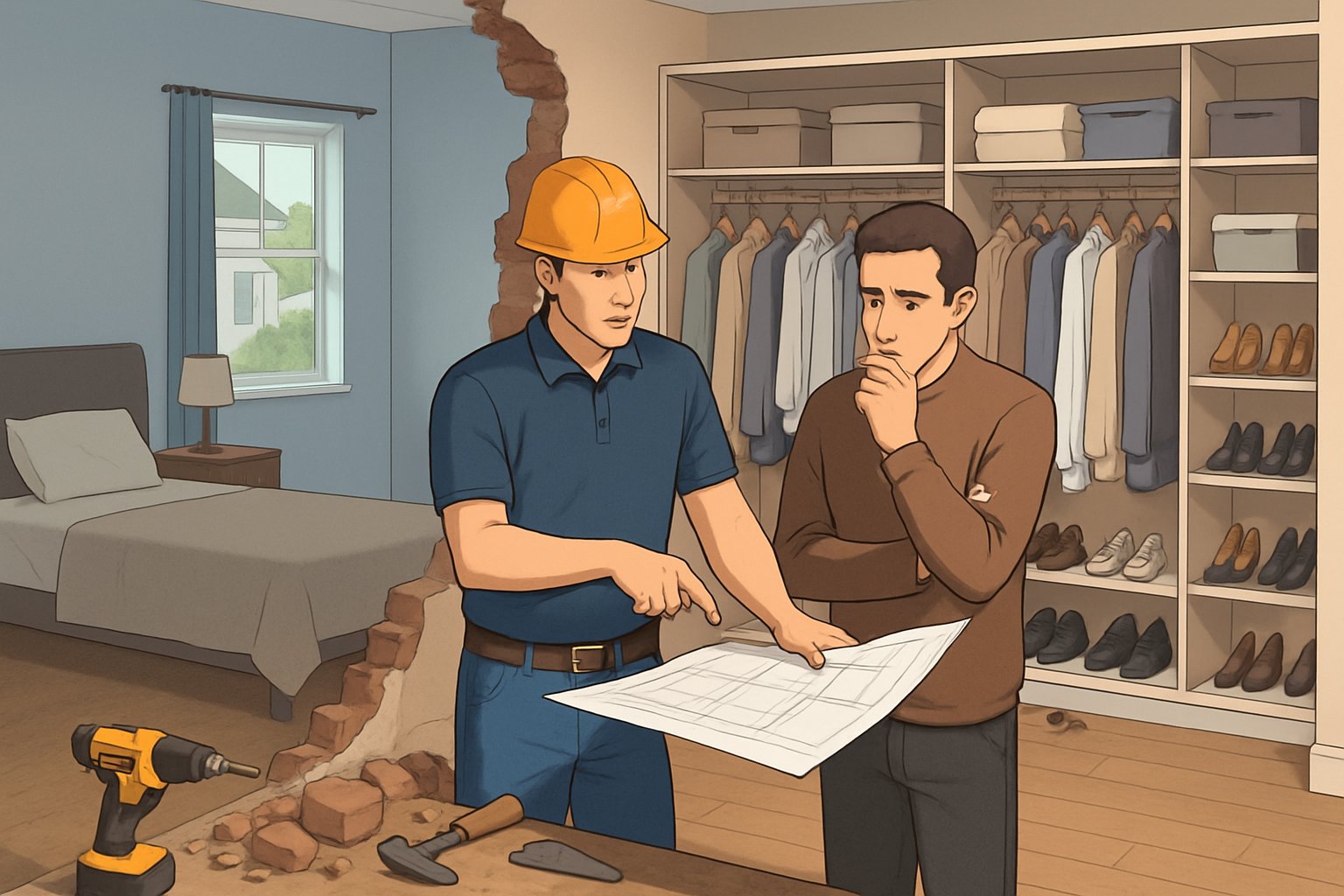
You might think that luxurious walk-in closet will impress buyers, but you’re actually shrinking your home’s appeal. Converting a bedroom into a walk-in closet can significantly impact your resale value when you reduce the bedroom count.
Real estate agents consistently warn that bedroom count drives home values more than fancy closets. Your dream dressing room becomes the next owner’s nightmare when they discover you’ve eliminated a functional bedroom.
The golden rule? If you have fewer than four bedrooms, consider a reversible conversion that future owners can easily undo. Otherwise, you’re betting your equity on finding buyers who share your storage obsession.
Transforming a spare bedroom into storage space works best when it’s truly excess space. But remember, what feels excessive to you might be essential to families needing that extra bedroom for children or guests.
Your closet conversion might solve today’s organization problems while creating tomorrow’s selling challenges. Smart homeowners weigh storage needs against long-term value preservation.
18. Over-personalized themed rooms like a Star Wars shrine

Your love for lightsabers and the Force might be strong, but potential buyers will find your Jedi cave less than appealing. Star Wars-themed rooms work great for superfans, but they’re kryptonite for resale value.
Buyers want to envision themselves in your space. That’s tough when they’re staring at a life-sized Darth Vader helmet mounted on the wall.
The problem isn’t Star Wars itself – it’s the over-personalization. Themed room decorations create immediate buyer resistance because they signal expensive changes ahead.
Your carefully curated collection of memorabilia becomes someone else’s renovation headache. They’ll mentally subtract thousands from their offer just thinking about repainting those Death Star walls.
Even fellow fans might not share your specific tastes. Your Empire-themed bedroom could clash with their Rebel Alliance preferences.
The safest approach? Keep themed elements portable and subtle. Wall decals remove easily, but custom murals require professional painters to fix.
Remember, you’re selling a home, not a museum. Save the shrine for your next place where you can enjoy it without worrying about market appeal.
17. Constructing a giant man cave that eats usable family space
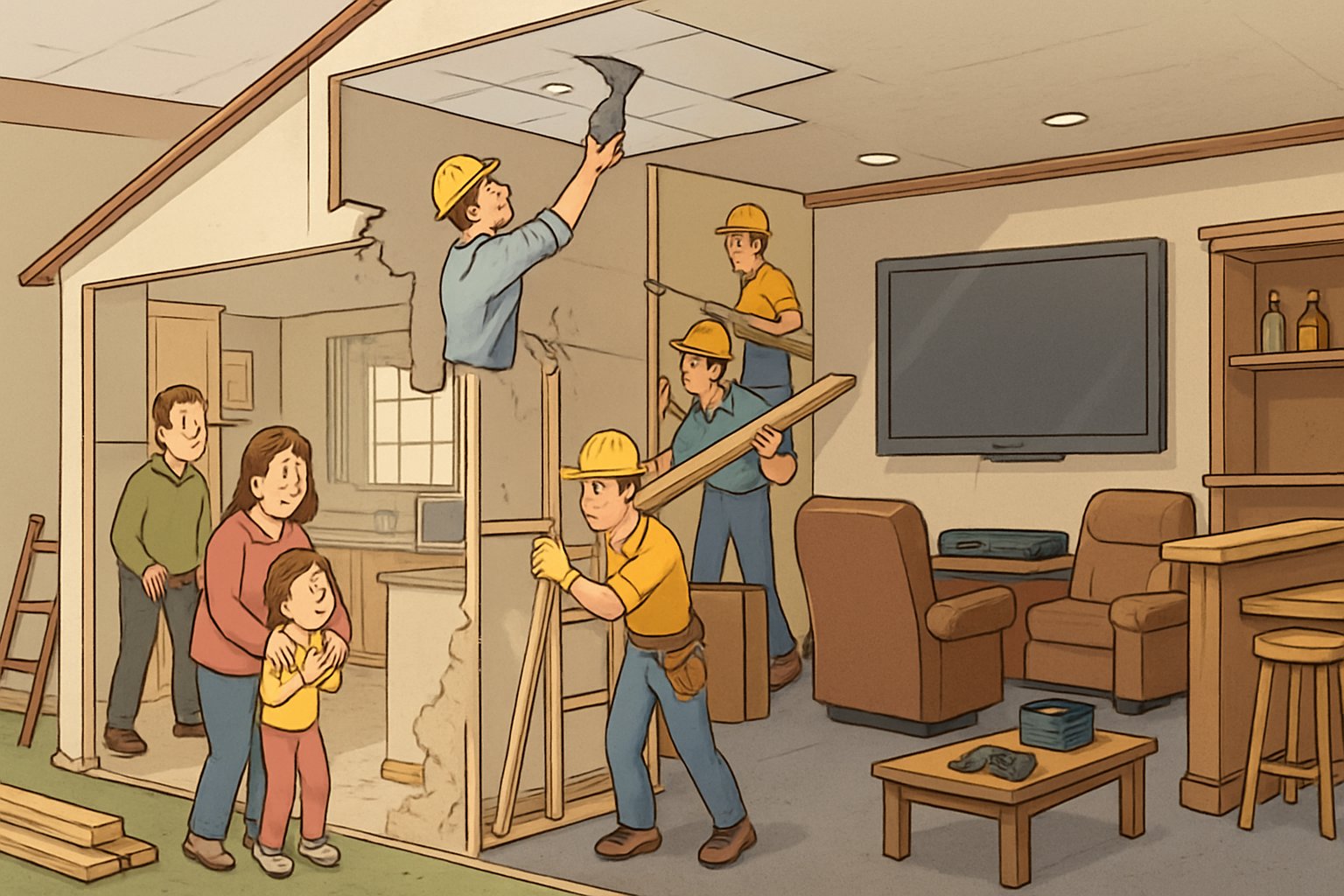
Your man cave renovation might feel like the ultimate retreat, but it’s quietly sabotaging your home’s marketability. Most buyers aren’t impressed by your oversized entertainment bunker when it comes at the expense of functional living space.
Converting your entire basement into a custom man cave eliminates potential bedrooms, offices, or playrooms that families actually need. Real estate agents cringe when they see elaborate themed spaces that scream “personal preference” rather than “universal appeal.”
Your leather recliners and neon beer signs might bring you joy, but they’re sending buyers running. They see expensive renovations they’ll need to undo rather than move-in ready space.
The worst offenders sacrifice bedrooms or dining rooms for these entertainment spaces. Young families need functional rooms, not elaborate shrines to sports memorabilia.
Consider building your dream space in a detached structure instead. This preserves your home’s layout while giving you the sanctuary you want without destroying resale value.
16. Putting in an indoor water feature that collects mold and mildew
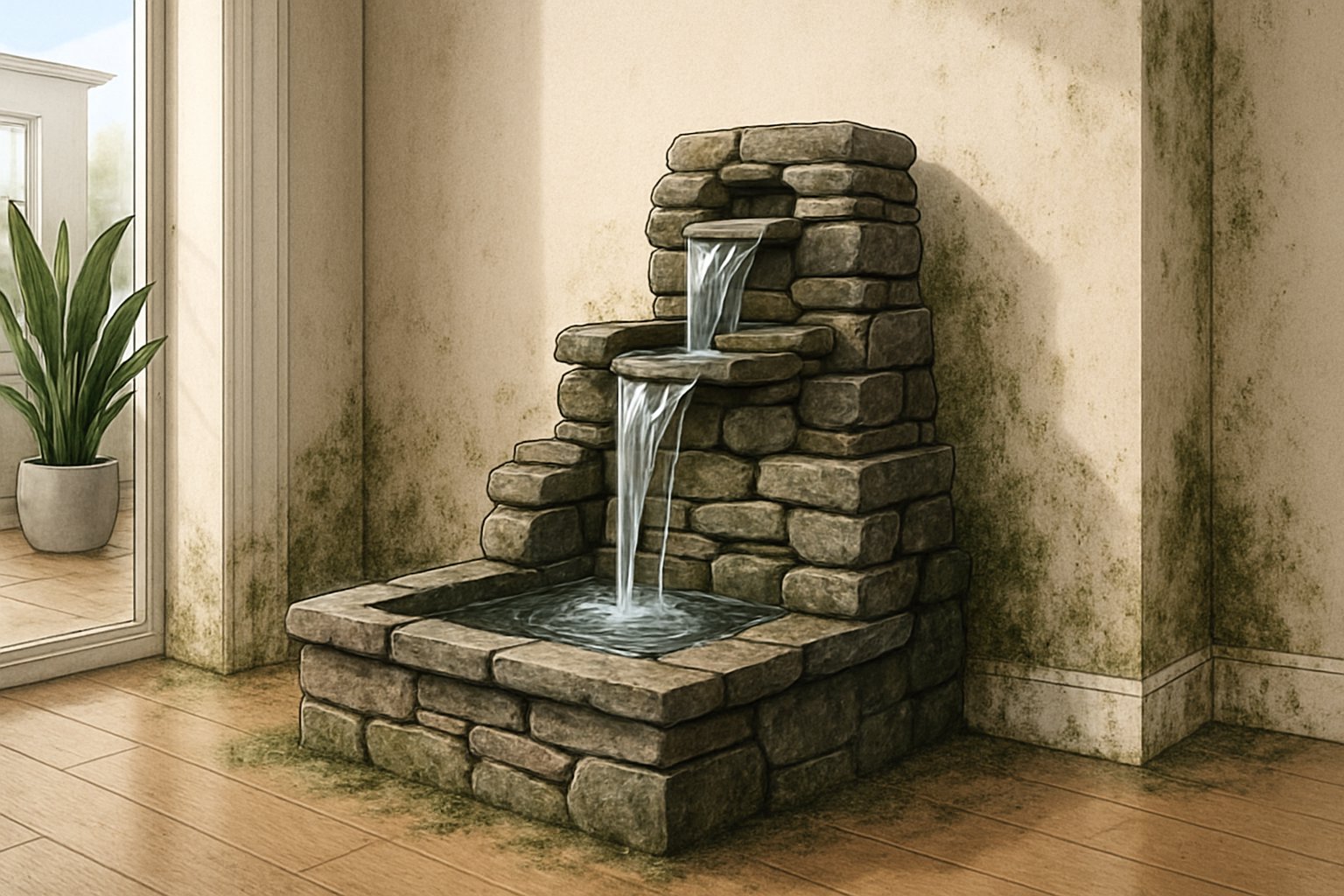
Your Pinterest-inspired indoor waterfall might seem like a zen sanctuary, but it’s actually a mold factory waiting to happen. Water damage and mold growth can devastate your home’s value faster than you can say “meditation fountain.”
Indoor water features create constant moisture in your living space. Without proper ventilation and maintenance, this humidity becomes a breeding ground for mold spores.
The problem gets worse when you neglect regular cleaning. Stagnant water develops bacteria and algae within days. Your relaxing water sounds quickly turn into musty odors that permeate nearby rooms.
Buyers immediately notice these moisture issues during home inspections. Mold problems raise serious health concerns and signal potential structural damage.
Professional remediation costs thousands of dollars. You’ll need to remove contaminated materials, treat affected areas, and install proper moisture control systems.
The irony? Most homeowners install these features thinking they add luxury appeal. Instead, they create maintenance nightmares that scare away potential buyers who understand the hidden risks of indoor water features.
15. Replacing all original hardwood floors with cheap laminate
Would you like to save this?
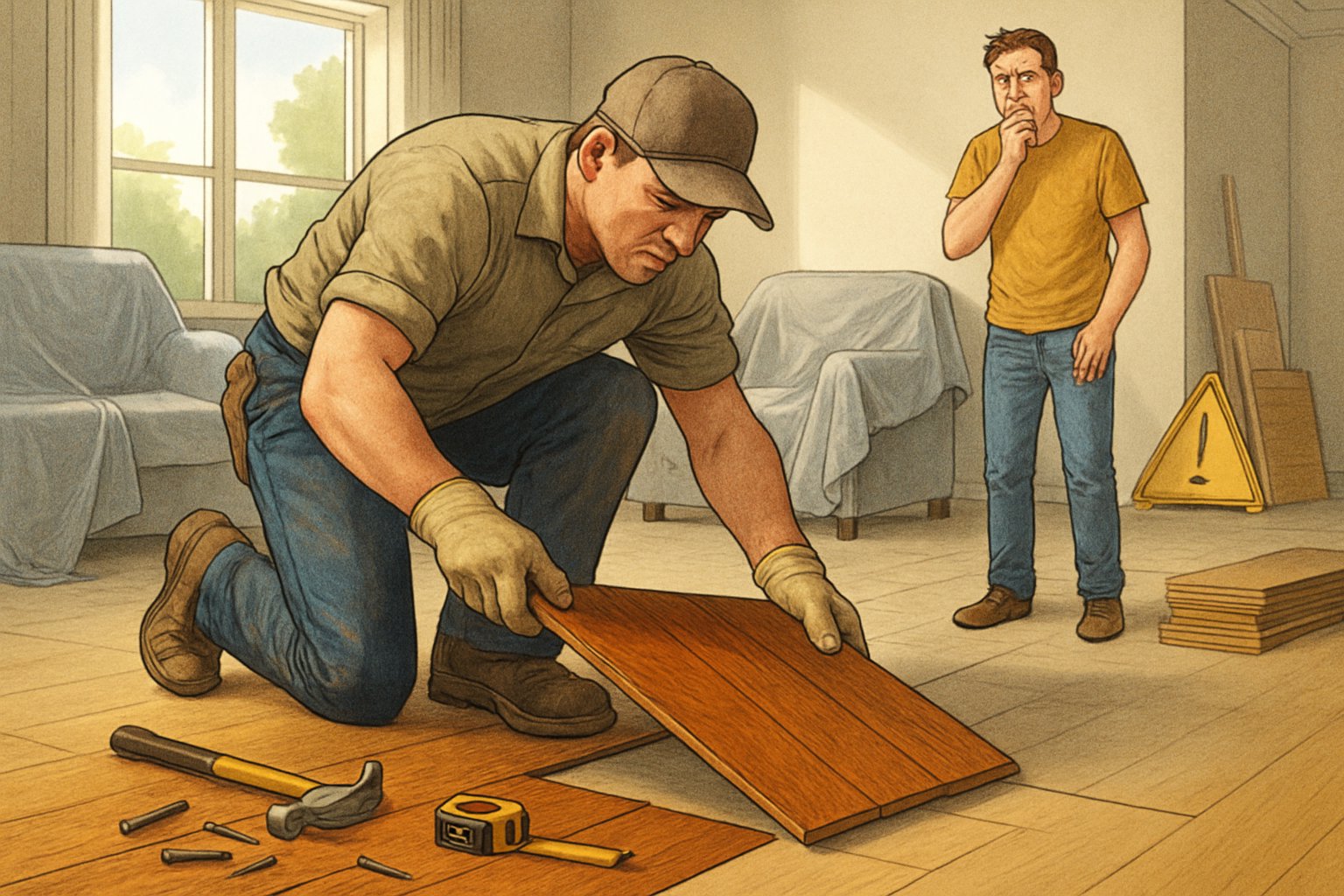
You might think you’re being practical, but ripping out original hardwood for bargain-bin laminate is like trading a vintage Rolex for a gas station watch. Both tell time, but only one holds value.
Original hardwood flooring in historic homes brings stunning character while preserving historical value. When you cover or remove these floors, you’re essentially erasing decades of craftsmanship that buyers actually want.
The cruel irony? Hardwood floors can be refinished several times to bring them back to mint condition. That “unsalvageable” floor you’re about to demolish probably just needs some sandpaper and stain.
Cheap laminate screams “budget renovation” to potential buyers. They’ll spot the hollow sound and plastic feel immediately. Your cost-cutting shortcut becomes their negotiating ammunition.
Refinishing is generally more cost-effective than replacement anyway. You’ll spend less money and actually increase your home’s value instead of tanking it.
Save the laminate for basements where it belongs. Your beautiful hardwood deserves better than a dumpster.
14. Installing a backsplash with overly busy or controversial patterns
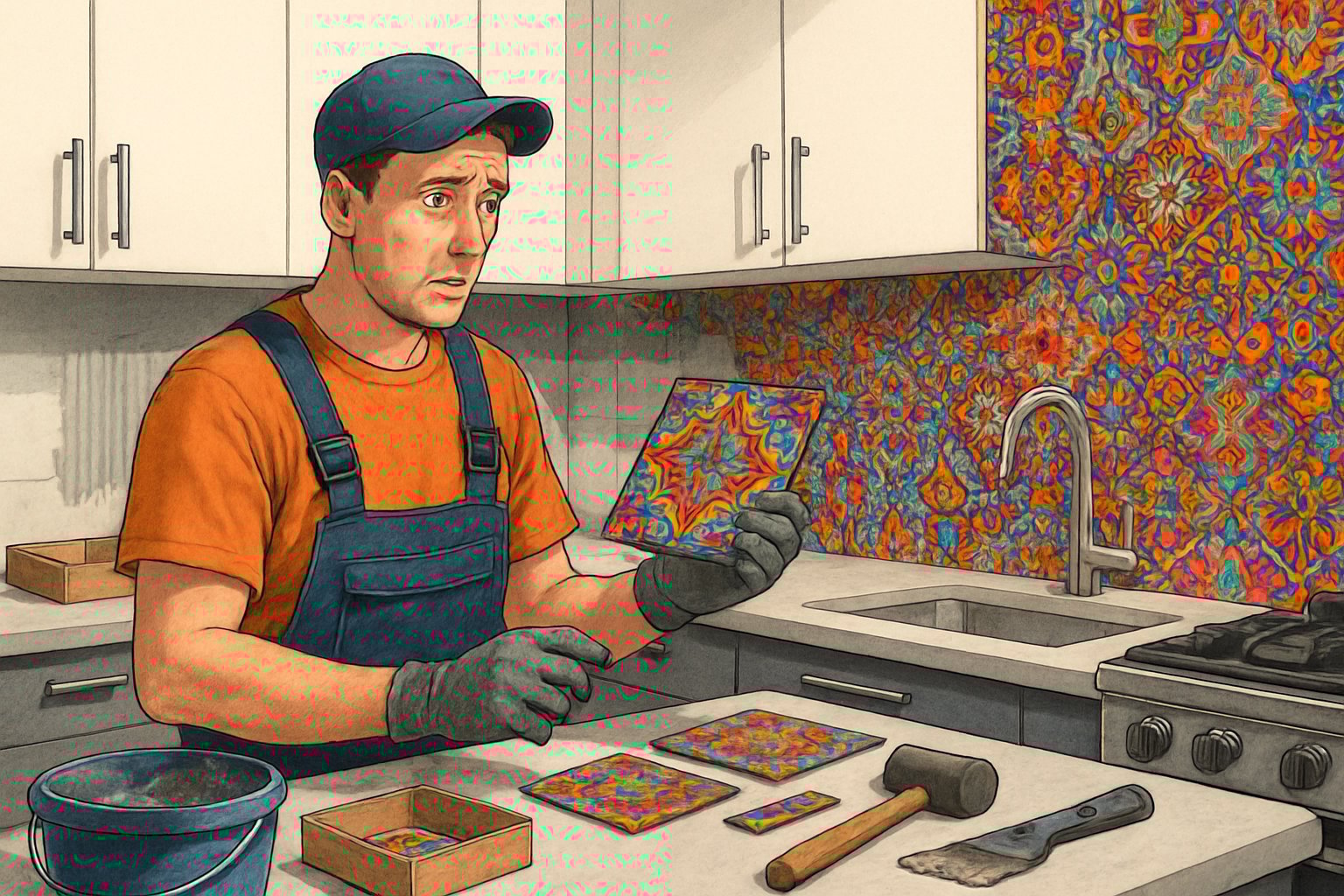
Your kitchen backsplash should complement your space, not dominate it like an overzealous interior decorator on a caffeine bender. Bold geometric patterns and clashing colors might seem trendy today, but they’ll look dated faster than avocado appliances from the 1970s.
Potential buyers often struggle to envision themselves in kitchens with aggressive patterns. That rainbow mosaic or zebra-print tile you adore becomes a visual obstacle that screams “expensive renovation required.”
Kitchen backsplash mistakes to avoid include choosing designs that fight with your countertops and cabinets. Your backsplash should be the supporting actor, not the scene-stealing diva.
Controversial patterns like animal prints, neon colors, or overly personal themes limit your buyer pool significantly. What reads as “artistic expression” to you translates to “renovation headache” for most buyers.
Stick to classic subway tiles, natural stone, or subtle patterns that won’t send potential buyers running for the hills. Your future self will thank you when it’s time to sell, and your wallet will appreciate not having to explain why you thought leopard print belonged in the kitchen.
13. Overly dark paint colors in common areas
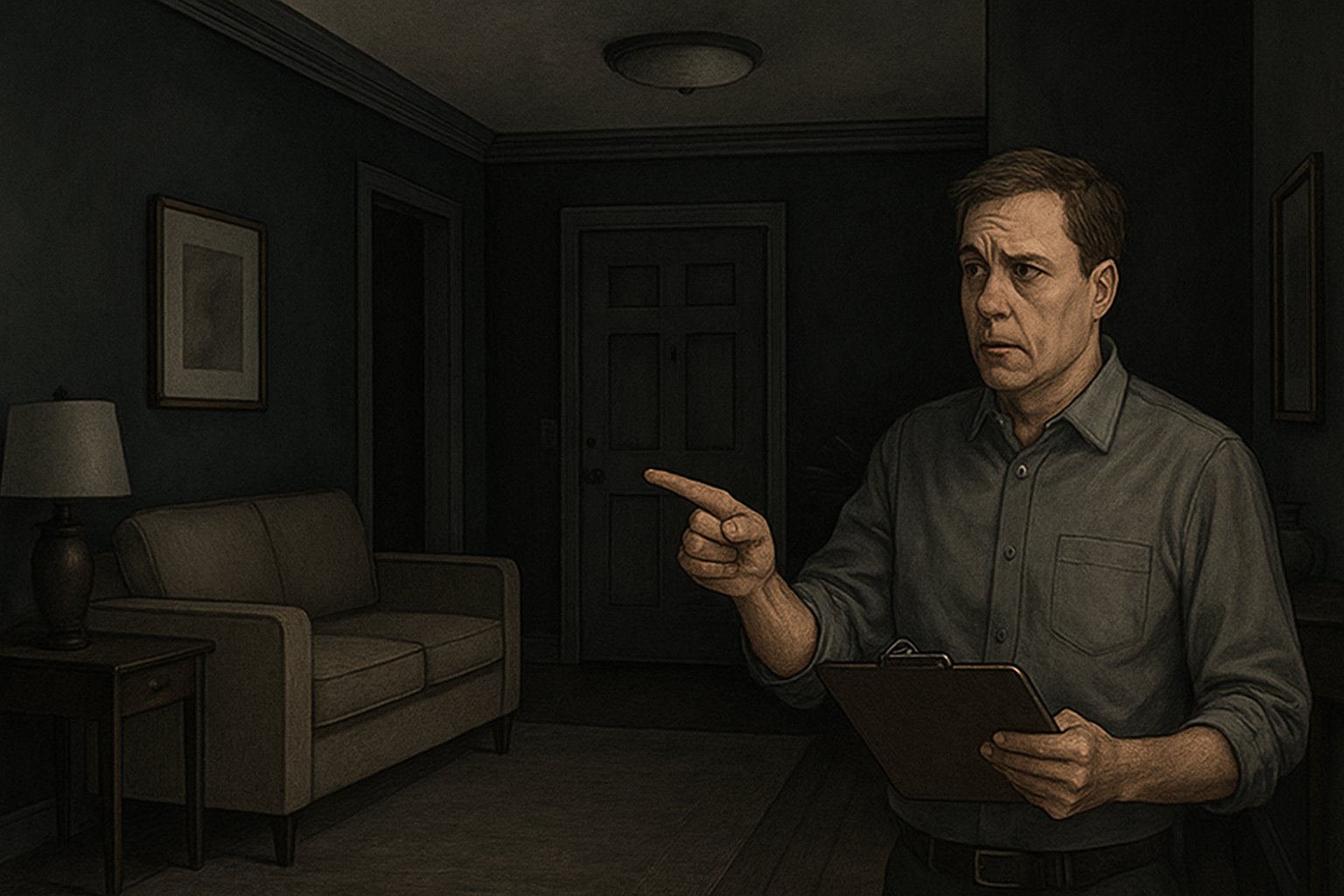
You might think that dramatic charcoal living room looks sophisticated, but dark-colored accent walls are one of homeowners’ biggest painting regrets. Your bold design choice today becomes tomorrow’s eyesore.
Dark colors make spaces feel smaller and more closed-in than they actually are. This is particularly problematic in common areas where you want an open, welcoming atmosphere for family and guests.
Professional painters report seeing numerous color disasters involving overly dark paint choices. The repair costs add up quickly when you need multiple coats of primer to cover deep colors.
Your home’s resale value takes a hit when potential buyers walk into a cave-like living room. Most people struggle to envision themselves in dramatically dark spaces, making your property harder to sell.
Certain paint colors can destroy your dream room according to design experts. Dark paint also shows every scuff, fingerprint, and imperfection more readily than lighter alternatives.
If you crave drama, consider using dark colors sparingly as accents rather than covering entire walls in your main living spaces.
12. Adding a bidet in every bathroom, unnerving some potential buyers

Installing bidets in every bathroom might seem like a luxury upgrade, but it can backfire with certain buyers. While more than two in five renovating homeowners are installing bidets, going overboard creates regional resistance.
Your well-intentioned spa-like atmosphere may confuse buyers unfamiliar with bidet etiquette. Many Americans still view bidets as foreign bathroom fixtures they’d rather avoid than learn to operate.
The placement matters too. Bidet toilet seats are a budget-friendly alternative that feels less intimidating than standalone units dominating bathroom real estate.
Regional preferences vary dramatically. What appeals to urban millennials might perplex suburban families who see bidets as unnecessary complications rather than hygiene improvements.
Your bathroom renovations should enhance comfort without alienating mainstream buyers. Consider starting with one strategically placed bidet rather than overwhelming every bathroom with fixtures that may puzzle half your potential market.
The key is moderation – having a built-in bidet may increase bathroom value, but installing them everywhere risks creating buyer hesitation instead of enthusiasm.
11. Building a garage that’s too large for neighborhood standards
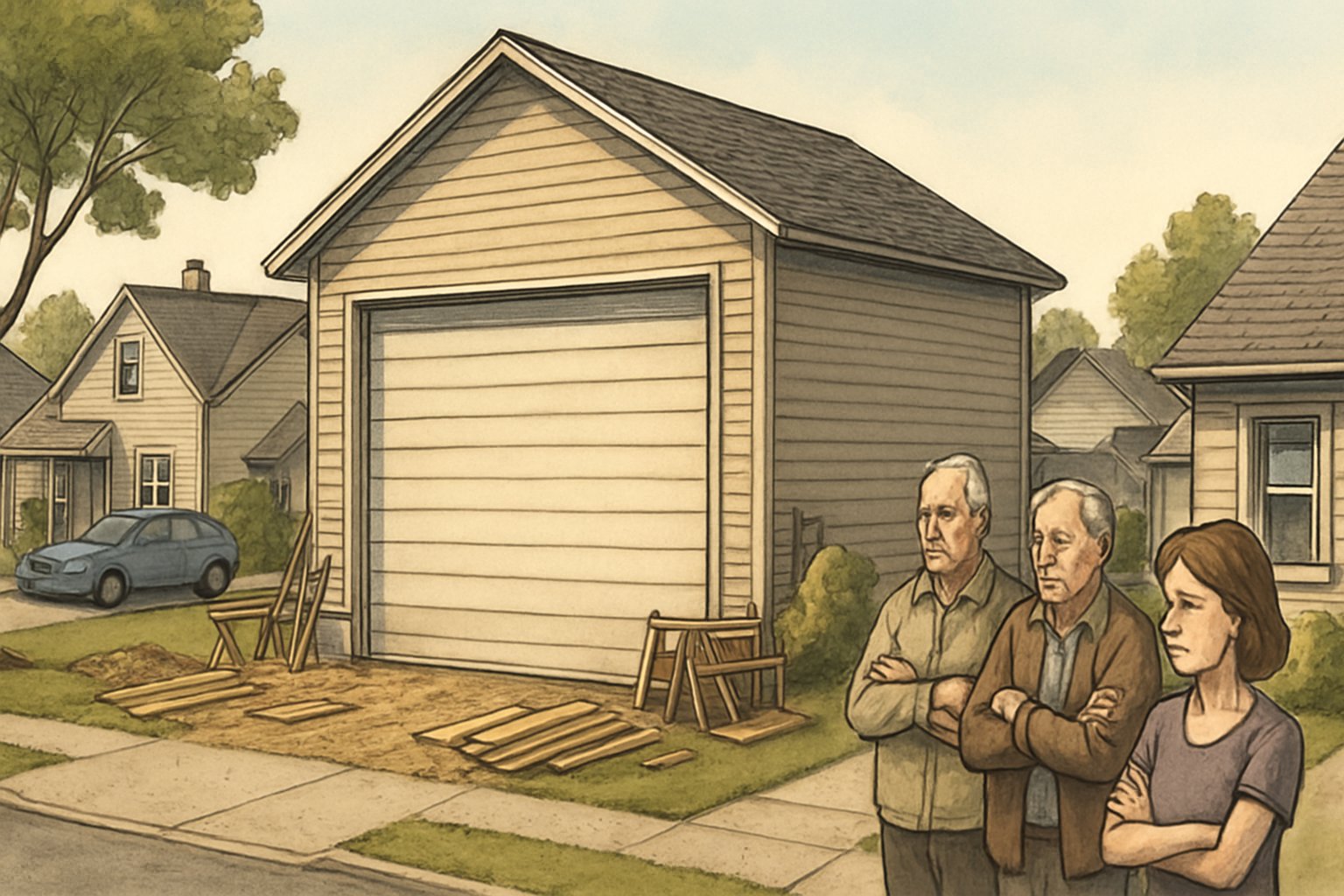
Your massive garage might seem like a dream come true, but it’s actually a real estate nightmare waiting to happen. While you’re busy admiring your automotive palace, potential buyers are quietly calculating how much your oversized structure hurts the home’s value.
Most jurisdictions limit garage height to about 13 feet and require reasonable sizing that matches neighborhood standards. Anything beyond these specs typically needs special permits and raises red flags for future buyers.
The problem isn’t just size—it’s proportion. When your garage dwarfs your neighbor’s modest two-car structures, it screams “I don’t understand my neighborhood.” Smart buyers notice these things immediately.
Understanding local building regulations before construction prevents costly mistakes. Your garage should complement the neighborhood, not dominate it like some suburban fortress.
Zoning restrictions often limit garage size and location to maintain neighborhood character. Ignoring these guidelines creates a structure that future buyers will see as a liability rather than an asset.
The sweet spot? Build something that adds storage without making your neighbors feel inadequate about their perfectly normal garages.
10. Creating too much custom cabinetry that doesn’t appeal to most buyers
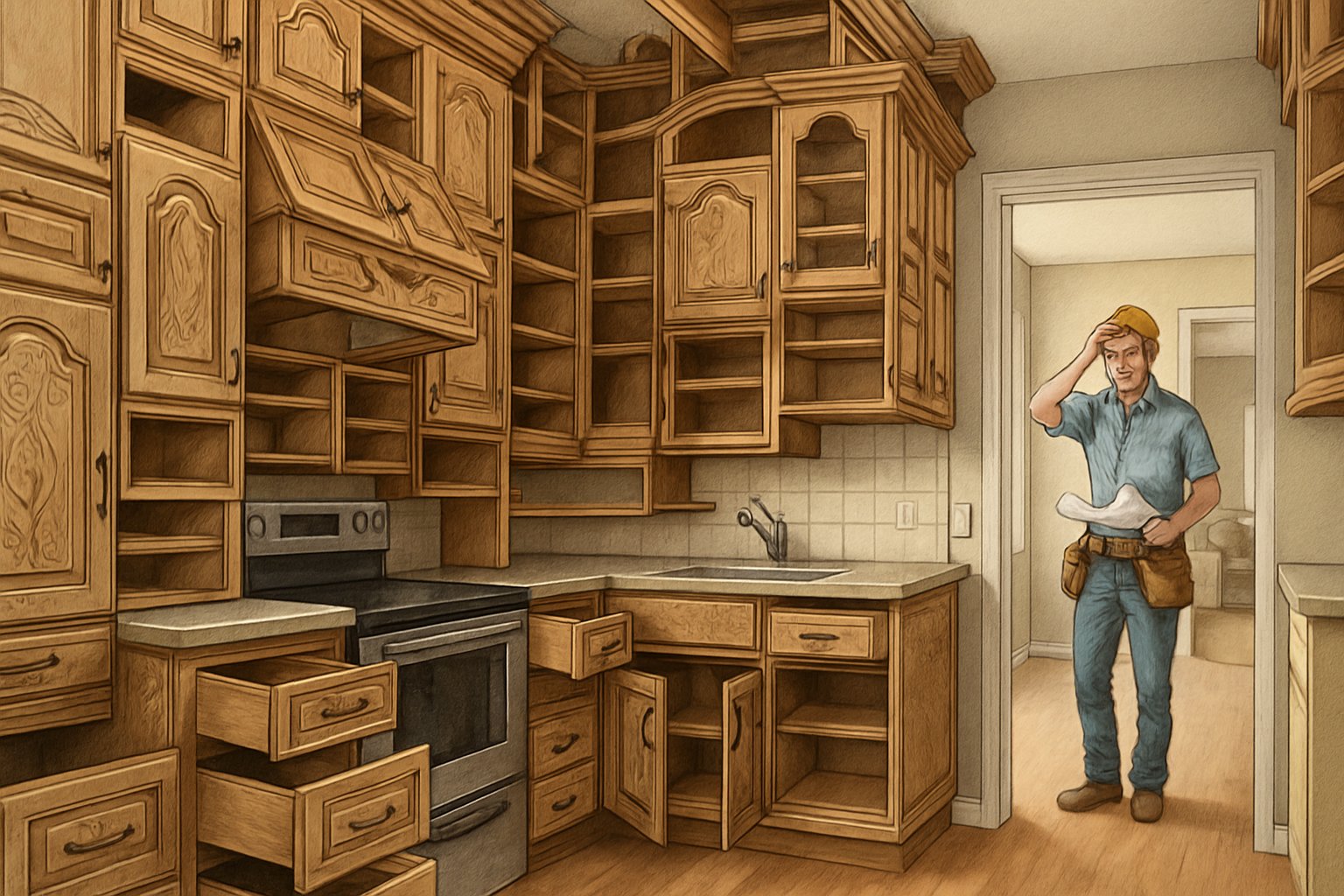
Custom cabinets can be a double-edged sword in your renovation arsenal. While high-quality custom cabinetry can increase your home’s value, going overboard with ultra-personalized designs might leave future buyers scratching their heads.
Your obsession with that vintage apothecary-style spice cabinet might seem brilliant now. But potential buyers may view your quirky organizational system as more puzzle than perk.
Custom cabinets offer higher resale value when they enhance functionality without overwhelming the space. The key is striking a balance between personalization and broad appeal.
Avoid creating storage solutions that only make sense to you. That built-in wine rack for your 500-bottle collection might intimidate buyers who prefer their beverages from the corner store.
Well-designed custom cabinetry can significantly increase property value when it serves universal needs. Focus on timeless designs that showcase quality craftsmanship rather than your personal hobbies.
Remember, you’re not just building for today’s convenience. You’re creating features that future owners can appreciate and actually use.
9. Installing a hot tub in a small backyard with limited space
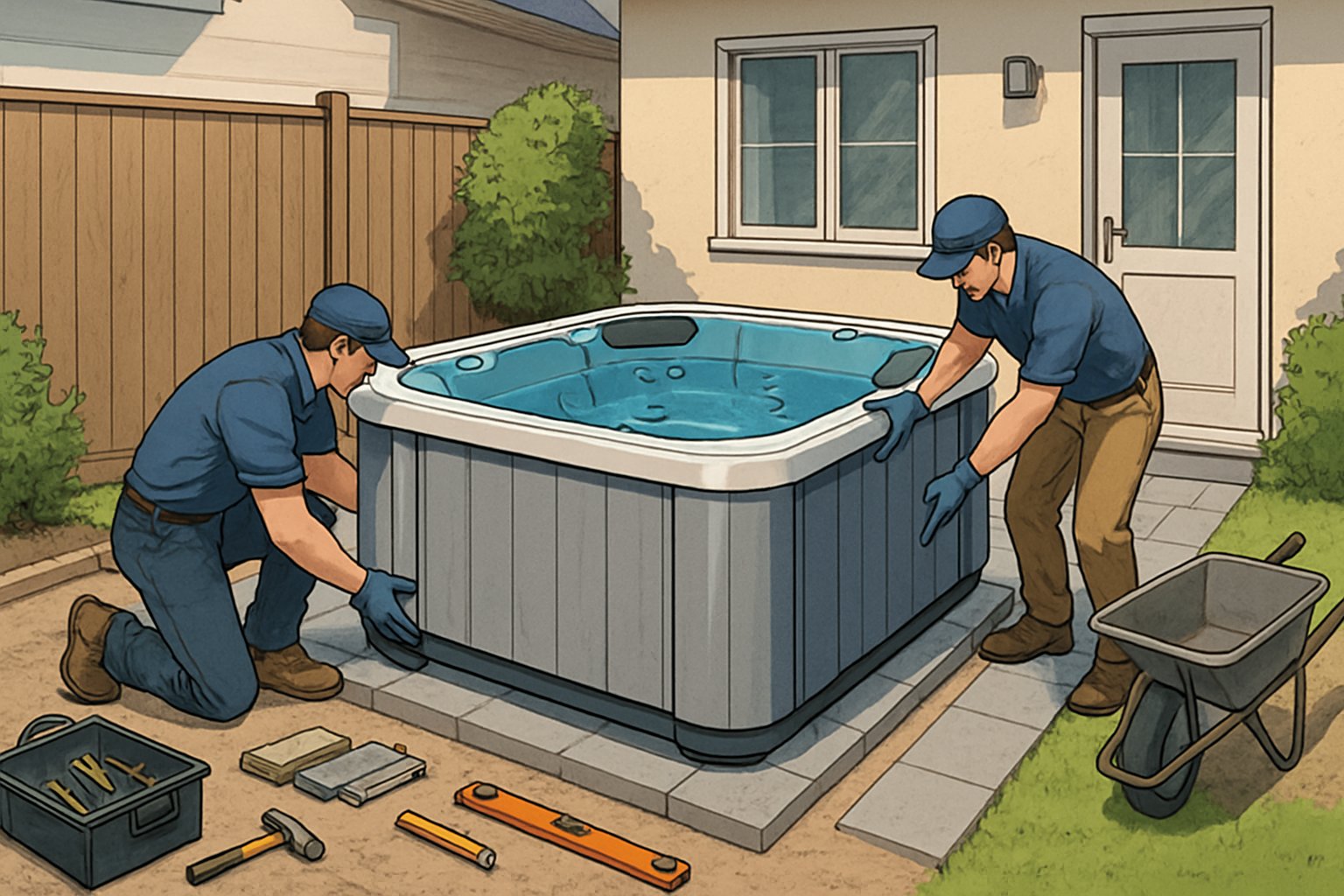
Installing a hot tub in a cramped backyard might seem like creating your own personal spa, but it often becomes a space-eating monster that potential buyers will question.
Small backyards require every square foot to feel intentional and functional. A hot tub can dominate the entire area, leaving no room for gardening, entertaining, or children’s play.
Limited access to your property creates additional installation challenges. Cranes, special equipment, and potentially removing fence sections drive up costs significantly.
The maintenance reality hits hard in tight spaces. You’ll need constant access for cleaning, chemical balancing, and repairs. This means permanent pathways that further reduce your usable yard space.
Determining whether you can install a hot tub requires assessing size, location, and terrain. Most small yards fail this basic test spectacularly.
Buyers often view hot tubs as maintenance headaches rather than luxury amenities. They’re imagining the electricity costs, water treatment, and eventual removal expenses.
The resale market tends to favor flexible outdoor spaces over single-purpose installations. Your relaxation investment might become someone else’s expensive removal project.
8. Over-renovating kitchens with super high-end appliances but poor layout
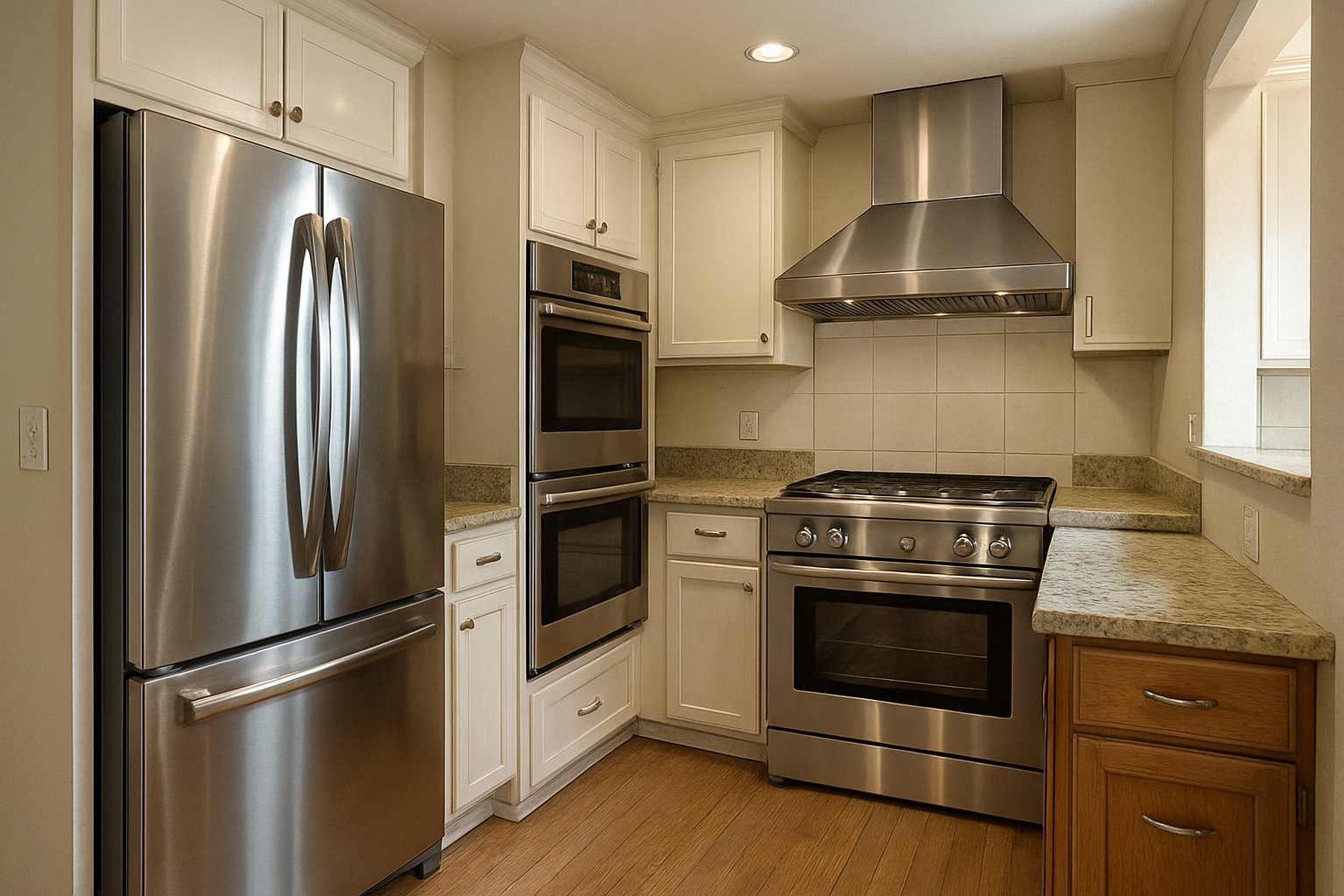
You can install a $15,000 professional range, but if your kitchen triangle makes you walk marathons while cooking, you’ve missed the point entirely. Poor layout kills functionality faster than cheap appliances kill your cooking dreams.
Buyers notice when your luxury kitchen appliances are crammed into a dysfunctional space. That gleaming Sub-Zero refrigerator loses its appeal when it blocks cabinet doors or creates traffic bottlenecks.
The harsh truth? A well-designed kitchen with mid-range appliances outperforms a poorly planned space stuffed with high-end culinary equipment. Your $8,000 cooktop becomes a liability when there’s no prep space nearby.
Smart buyers recognize when you’ve prioritized flash over function. They’ll mentally calculate the cost of ripping out your expensive mistakes to create a workable layout.
Before you blow your budget on that commercial-grade range, ask yourself: can you actually use this kitchen efficiently? If moving from sink to stove requires a GPS, even the fanciest appliances won’t save your investment.
Function always trumps features when it comes to long-term value.
7. Replacing classic fixtures with ultra-modern hyper-minimalist ones
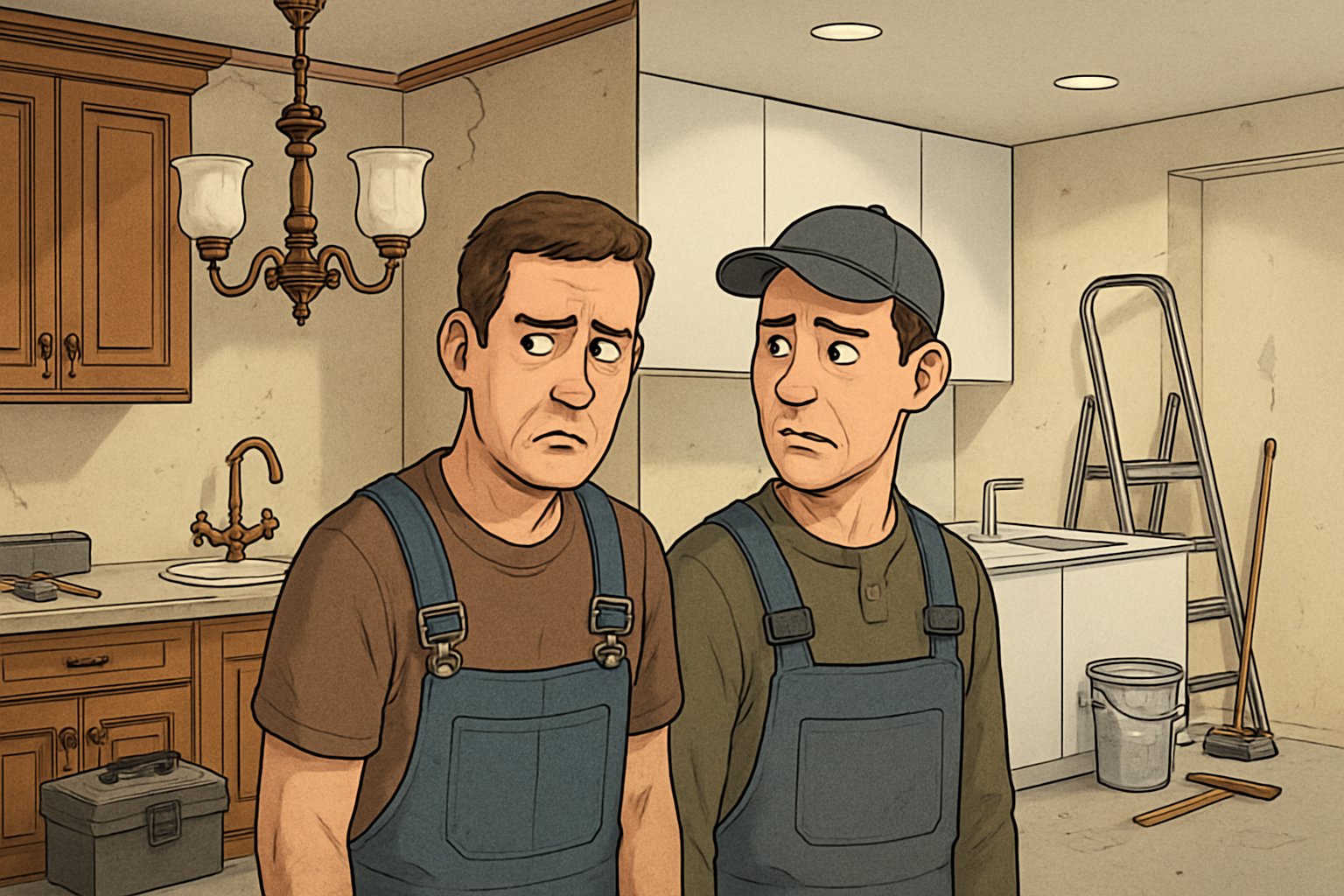
You might think swapping out that vintage chandelier for a stark geometric fixture will instantly modernize your space. Trust me, I’ve seen this backfire more times than I care to count.
Classic fixtures have timeless appeal for good reason. They add character and warmth that many buyers find irresistible. When you replace them with ultra-minimalist designs, you risk creating spaces that feel cold and unwelcoming.
The biggest mistake homeowners make is going too extreme. That single pendant light with harsh lines might photograph well for Instagram, but it won’t charm potential buyers who value comfort over trendiness.
Your hyper-modern fixtures could date your home faster than you think. What feels cutting-edge today often looks tired in five years. Modernizing fixtures works best when you strike a balance between contemporary style and classic appeal.
Consider updating classic fixtures instead of replacing them entirely. A fresh finish or new bulbs can refresh vintage pieces without sacrificing their inherent charm and value.
6. Removing too many walls for an open floor plan that kills coziness
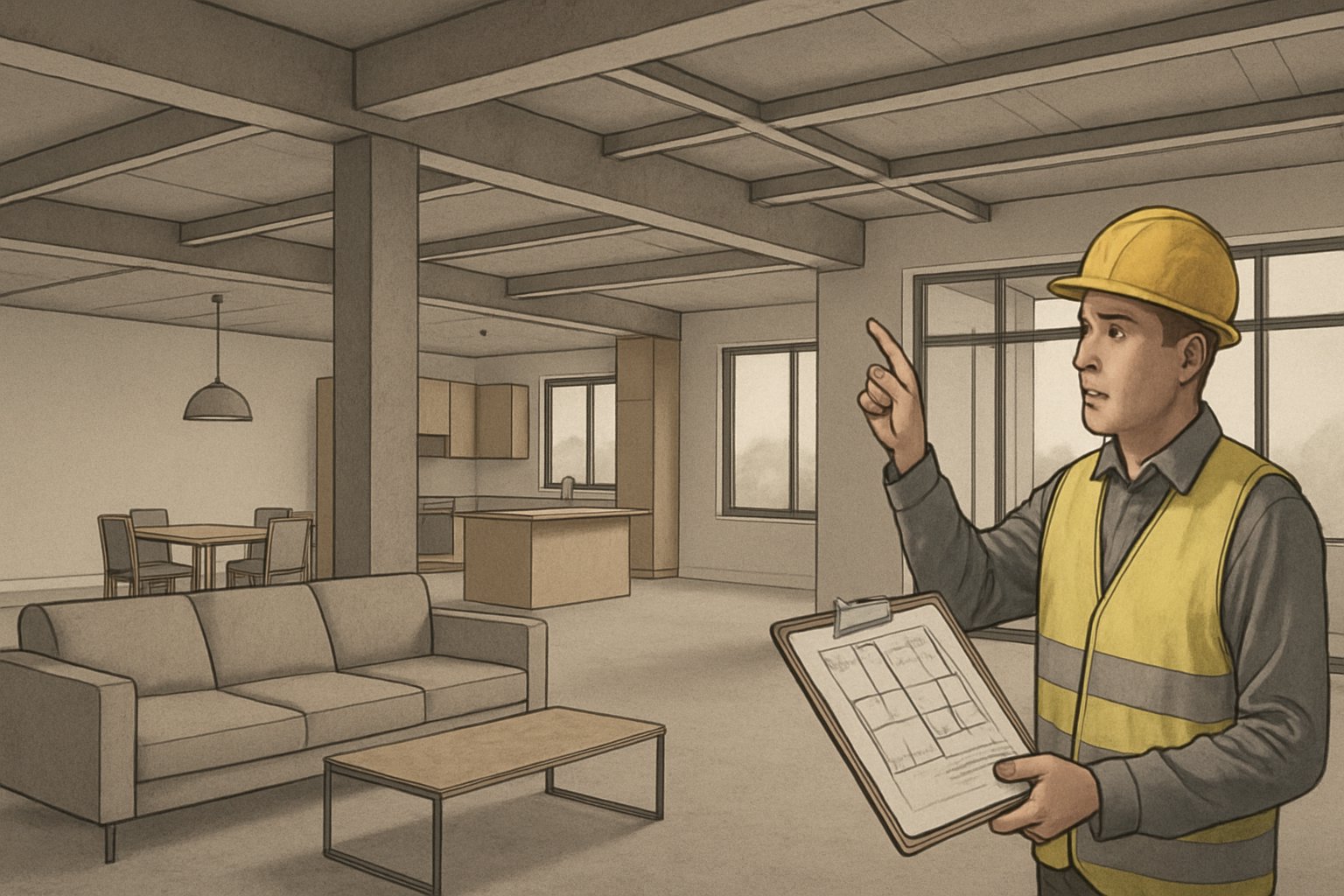
Open concept floor plans have become the holy grail of home design. Everyone wants that coveted kitchen island and flowing space.
But here’s the thing your real estate agent won’t tell you. Sometimes you can go too far with the sledgehammer therapy.
These large open spaces can feel much less cozy than broken-up homes, even if you love the space and light they provide. Your living room becomes an airport terminal.
Buyers often crave intimate spaces where they can curl up with a book. When you remove every wall in sight, you eliminate those cozy nooks that make a house feel like home.
Before you dream of removing walls, consider whether you’re solving a problem or creating one. Sometimes walls actually serve a purpose beyond holding up the ceiling.
The key is balance. Keep some walls to define spaces and create that sense of intimacy buyers secretly want but rarely admit to needing.
5. Adding a wall-to-wall shag carpet
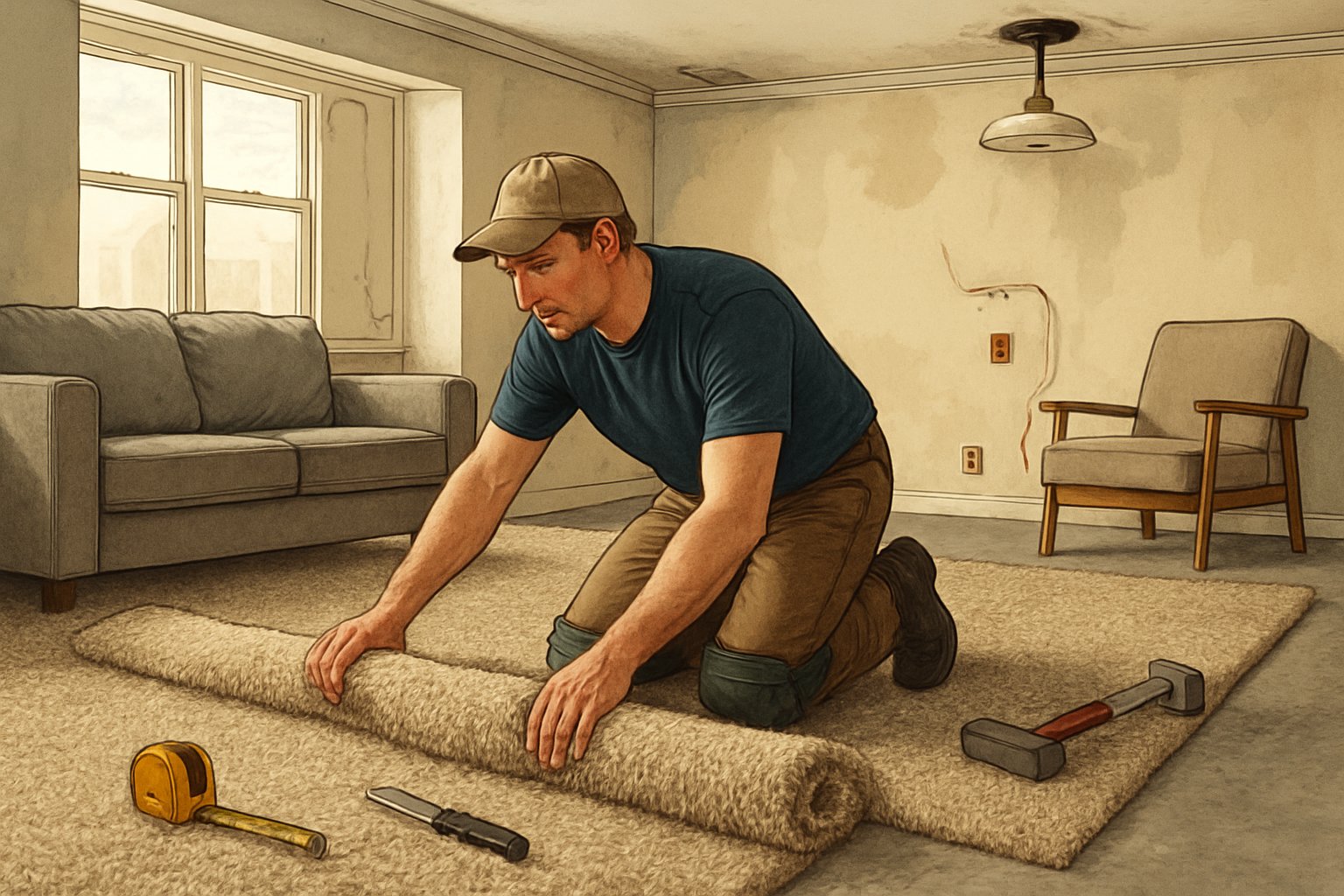
Your groovy 1970s revival might seem like a bold design choice, but it’s actually a financial misstep. Shag carpet is notoriously difficult to maintain, requiring special rakes and combs just to keep the fibers untangled.
The deep pile traps dirt, pet hair, and spills in ways that make thorough cleaning nearly impossible. Food spills become permanent residents, and vacuum cleaners struggle with fibers that constantly wrap around beater bars.
Modern buyers view wall-to-wall shag as outdated and problematic. Professional house flippers consistently remove carpeting in favor of hardwood floors, knowing it adds value rather than detracts from it.
If you’re craving that textured look, consider layering a shag rug on top of existing flooring instead. This gives you the aesthetic without the permanent commitment that scares away potential buyers.
Your home’s resale value takes a hit when buyers calculate the cost of ripping out and replacing dated carpeting throughout entire rooms.
4. Excessive use of bold, trendy wallpaper
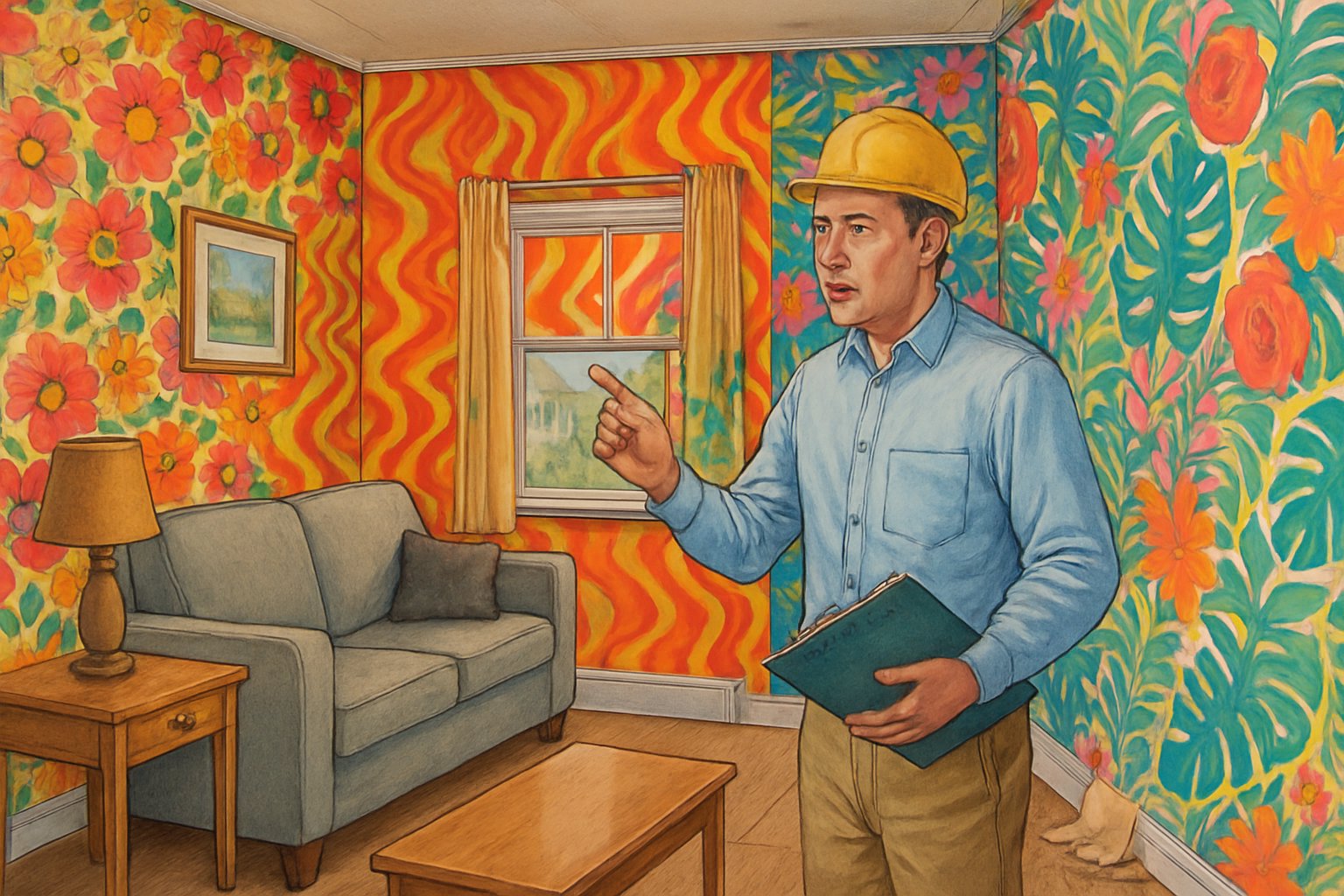
That Instagram-worthy geometric wallpaper might feel cutting-edge today, but it’s screaming “dated” to tomorrow’s buyers. Bold, trendy designs might look fantastic today, but will you still love it in five or ten years?
Your neon chevron accent wall isn’t adding character—it’s subtracting equity. Most buyers see bold patterns as homework they’ll need to tackle before moving in.
The problem isn’t wallpaper itself. It’s choosing designs that feel like fashion statements rather than timeless additions to your home.
Classic designs tend to have more staying power, so if you’re concerned about resale value, stick with subtle textures or neutral patterns.
Save the personality for removable elements like artwork and furniture. Your walls should whisper, not shout at potential buyers who are already calculating removal costs in their heads.
If you must wallpaper, think hotel lobby elegant rather than nightclub bold. Your future self will thank you when it’s time to sell.
3. Converting spaces into overly niche rooms like indoor golf simulators
Would you like to save this?
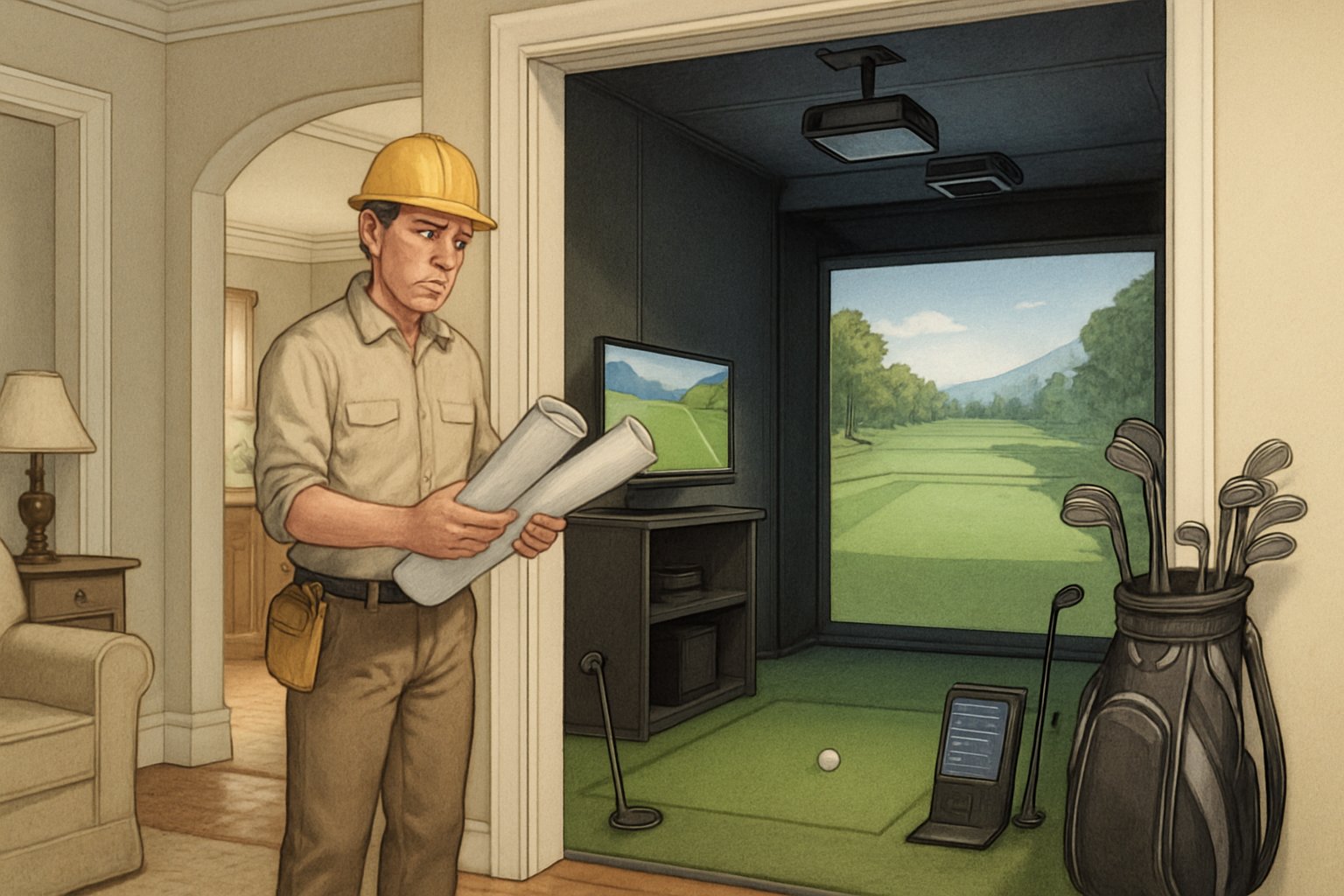
Your basement conversion into a personal golf paradise might feel like a hole-in-one, but future buyers will likely see it as a costly mistake. Golf simulator rooms require specific ceiling heights, electrical work, and structural modifications that don’t translate to other uses.
The reality is brutal: most homebuyers can’t swing a golf club, let alone afford the maintenance costs of simulator equipment. You’ve essentially created a very expensive room that appeals to maybe 5% of potential buyers.
Converting functional spaces like bedrooms, dining rooms, or family rooms into specialized golf simulator setups removes versatility from your home. Buyers want flexible spaces they can adapt to their needs, not your hobbies.
The financial math is unforgiving. While luxury golf simulator rooms can cost $50,000 or more to install, they rarely add equivalent value to your home’s appraisal.
Smart homeowners keep their golf obsessions portable. Install temporary setups or choose spaces that can easily revert to conventional uses when it’s time to sell.
2. Overbuilding with an extravagant home theater system
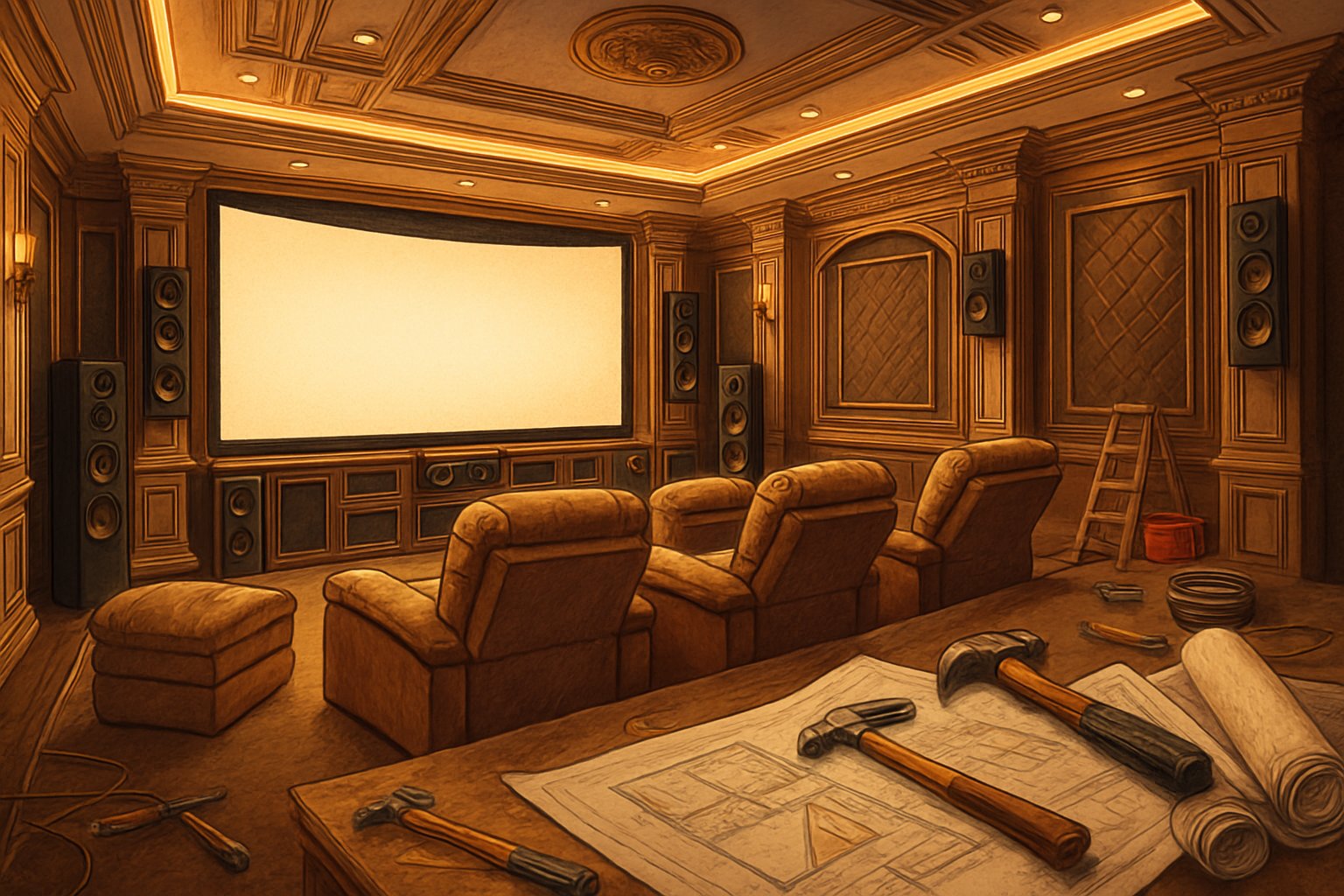
You might think that massive home theater with stadium seating and professional-grade sound equipment will impress buyers. The reality is far different than your Hollywood dreams.
Most buyers won’t pay extra for your $50,000 sound system or custom acoustic panels. They see a weird room with uncomfortable furniture and wonder what else they’ll need to change.
Poor wall construction can make expensive audio systems sound worse than basic setups. Your investment becomes a liability when buyers hear echoes bouncing off improperly treated walls.
The space often feels too specialized for practical use. Families want flexible rooms that can serve multiple purposes, not a single-use cave that screams “man cave from 2005.”
Your neighborhood matters more than your surround sound. If you’re the only house with a dedicated theater room, you’ve likely overbuilt for your area.
High-end systems can boost property value when done thoughtfully. The key is moderation and ensuring the space can adapt to different uses beyond movie nights.
1. Installing a swimming pool without considering maintenance costs

You dream of backyard bliss, but many homeowners make critical mistakes during pool installation that haunt them for years. The biggest oversight? Ignoring the financial reality after the contractors leave.
Your shiny new pool isn’t just a one-time purchase. It’s a demanding roommate that never pays rent.
Weekly chemical treatments, filter replacements, and energy costs add up quickly. Pools with rough surfaces like concrete require regular resurfacing, chemical balancing, and more frequent cleaning.
Your monthly utility bills will spike from running pumps and heaters. In colder climates, winterization becomes another annual expense.
Pool installation is an expensive project requiring ongoing maintenance plus extra utility costs. Smart buyers calculate these hidden costs when evaluating your home’s value.
If your pool looks neglected or potential buyers see dollar signs instead of relaxation, you’ve created a liability rather than an asset. The math is simple: maintenance-heavy features scare away budget-conscious buyers.