🔥 Would you like to save this?
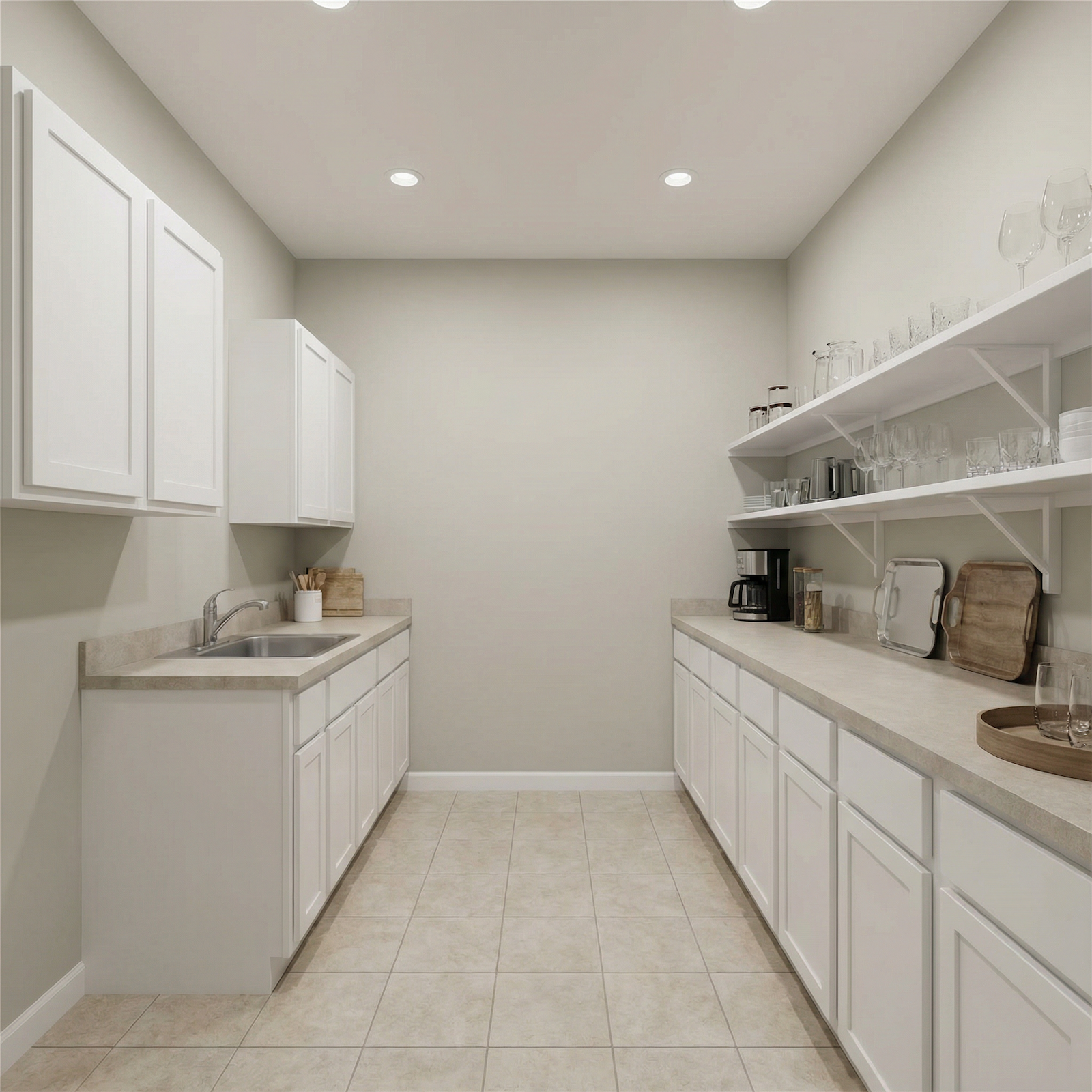
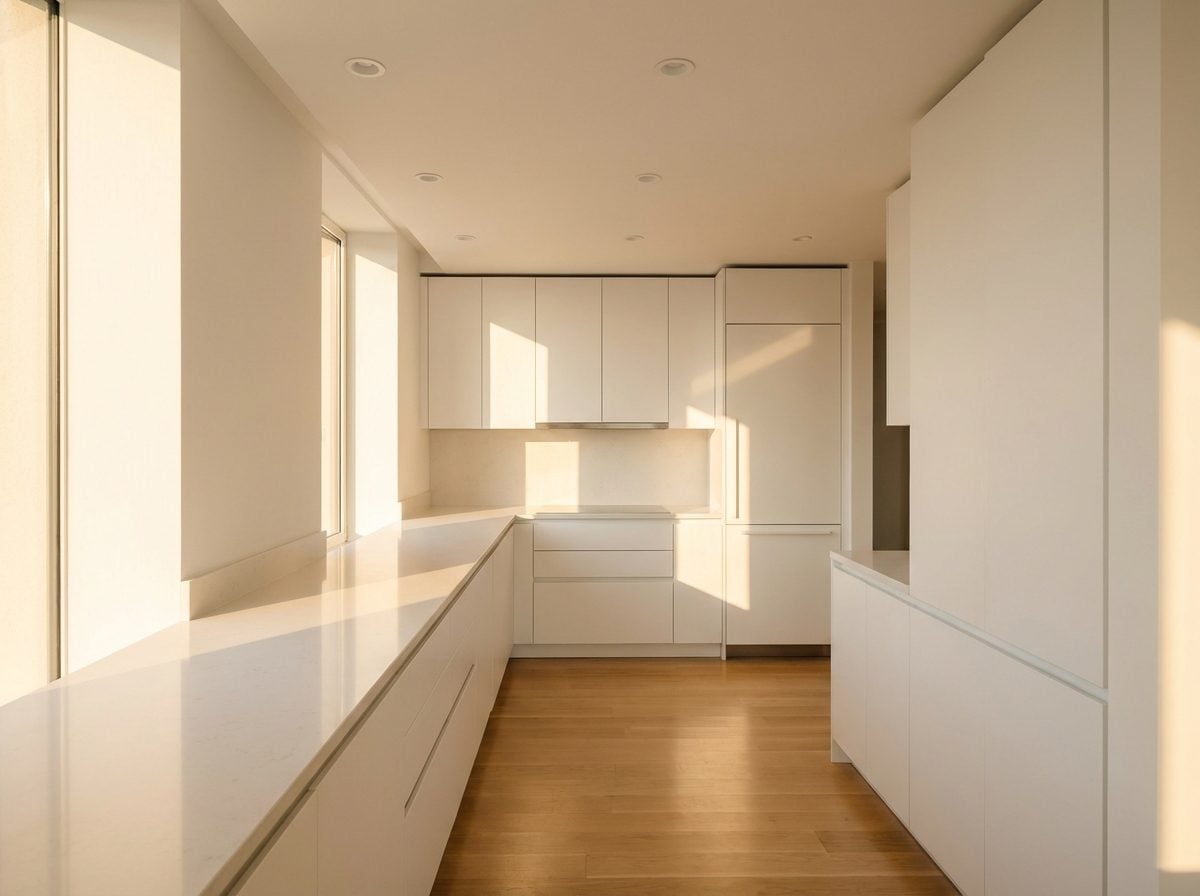
You wake up, walk into your spotless kitchen, and something feels off. The counters are bare. Every appliance is tucked away. The cabinet doors are closed, the surfaces wiped, the whole room looks like it belongs in a magazine. And yet, by mid-afternoon, you’re running on empty, foggy, irritable, and weirdly depleted for someone who’s barely left the house.
Most people blame stress, bad sleep, or too much screen time. But what if the room you thought was helping you feel calm is actually the thing quietly draining you? The answer sits at the intersection of neuroscience, behavioral psychology, and a design culture that optimized your kitchen for likes instead of life.
In order to come up with the very specific design ideas, we create most designs with the assistance of state-of-the-art AI interior design software. Also, assume links that take you off the site are affiliate links such as links to Amazon. this means we may earn a commission if you buy something.
The Hidden Tax Your ‘Perfect’ Kitchen Charges Your Brain Every Single Morning
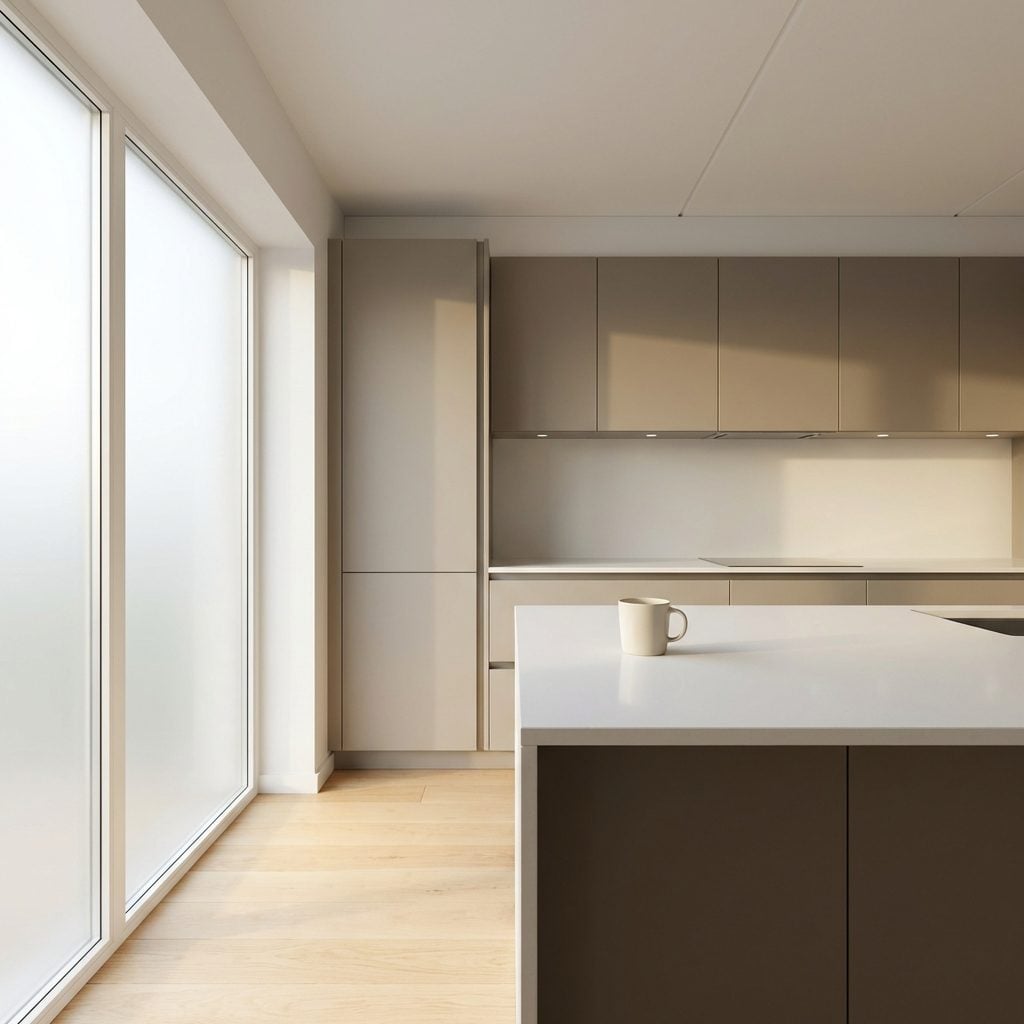
Your kitchen looks like a magazine spread. Counters bare, every appliance tucked away, not a utensil in sight. And yet, by 9AM, something feels subtly off, a low-grade drain you can’t name. Here’s what’s actually happening: your brain is paying a tax on every micro-decision that spotless kitchen forces you to make.
Consider what a “perfectly clean” kitchen actually demands of you. Coffee? Open a cabinet. Grab the mug. Close it. Find the coffee. Open another cabinet. Close it. Every step requires a small conscious retrieval decision, and those stack up fast. According to an integrative review published in Frontiers in Cognition (Source), an average adult makes roughly 35,000 decisions per day, ranging from the mundane to the strategic. Your kitchen isn’t neutral territory in that count, it’s an active contributor, right from the first minute you’re awake.
The cruel irony is that the more you’ve optimized for aesthetics, hiding everything, resetting constantly, the more effortful your most basic morning routines become. It’s friction disguised as order. And friction, repeated dozens of times before breakfast, is a form of cognitive taxation your brain can’t ignore.
Why the Most Photographed Kitchens Are Often the Most Exhausting to Live In
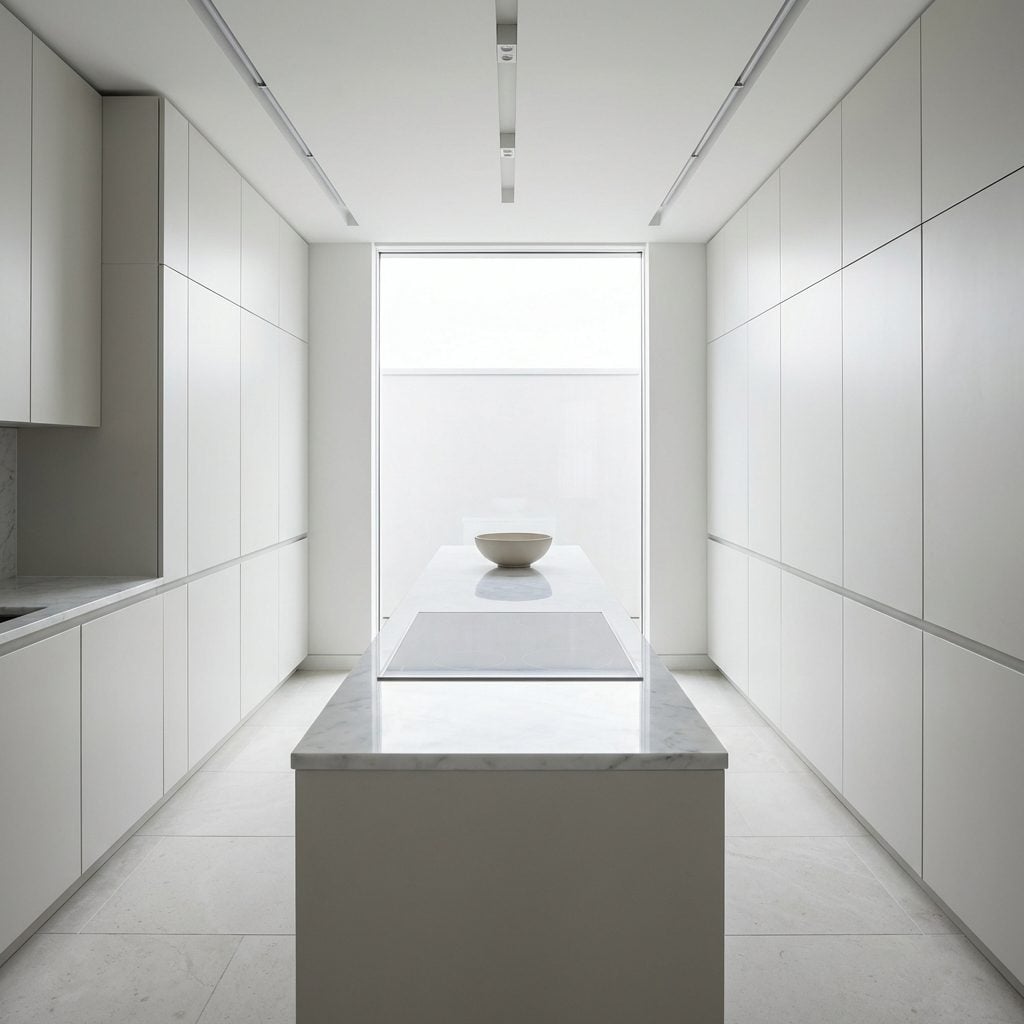
There’s a particular kind of kitchen that dominates Pinterest boards and Instagram saves, the all-white or contemporary kitchen with handleless cabinetry, integrated appliances, and not a single object sitting out. It photographs like a dream. It functions like a chore.
The problem is architectural but the damage is psychological. Spaces optimized for photography are optimized for a single moment of stillness, not for the rhythmic, repetitive, unpredictable nature of actual cooking. When you live inside a photograph, you spend your mental energy maintaining the illusion rather than using the space freely. Every time you pull out the cutting board, use the olive oil, leave a dish to soak, you’ve broken the visual contract of the room, and somewhere in your brain, a background process flags it as something to fix.
Psychologists describe this phenomenon partly through what’s known as “open loops”, unresolved visual cues that continue to compete for your attention even when you’re not consciously focused on them. According to Northwell Health’s article on how clutter affects your brain health (Source), even objects you think you’re ignoring are still being registered at the subconscious level, consuming cognitive resources. When your entire kitchen is a visual standard you feel compelled to maintain, every small act of cooking becomes a small act of transgression, and that tension accumulates quietly across the whole day.
The Cognitive Trap Hidden Inside Every Spotless Countertop
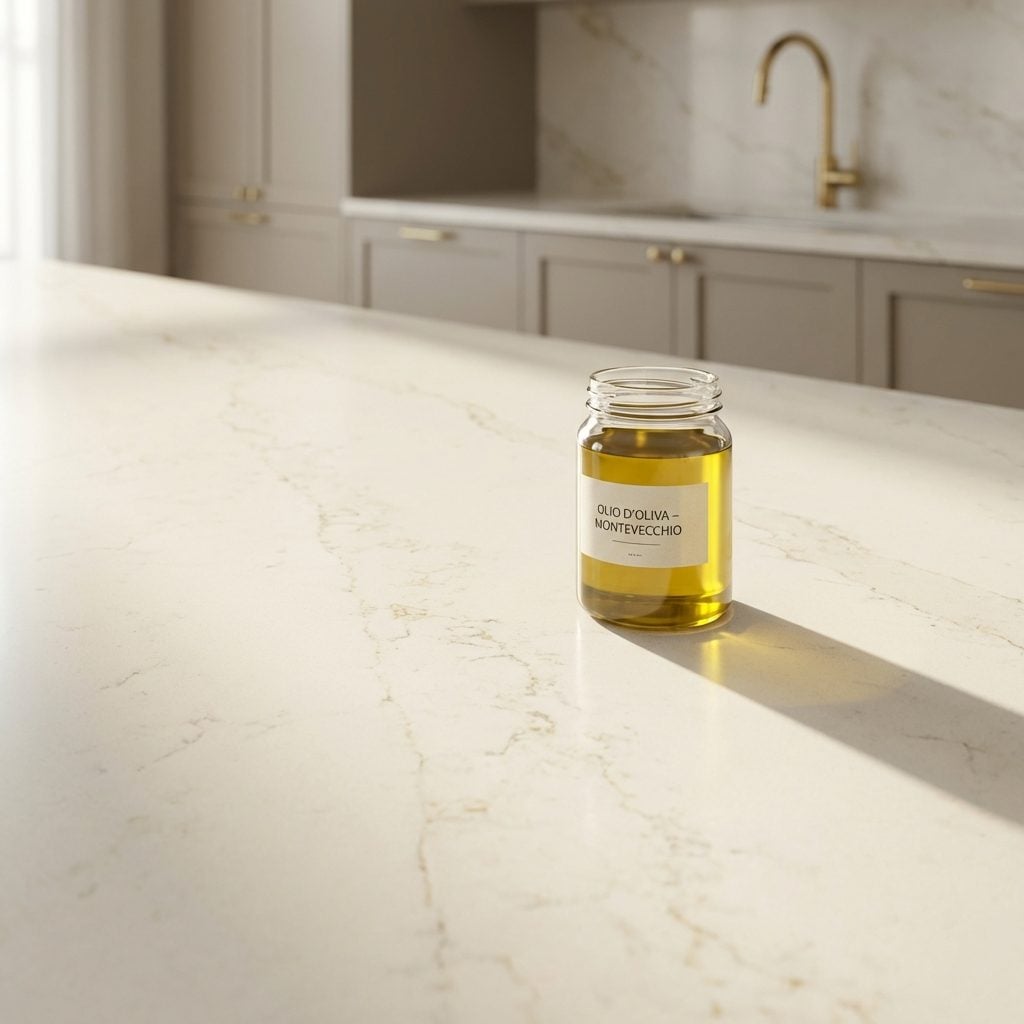
A bare countertop isn’t a neutral surface. To your brain, it’s an active maintenance task.
Princeton neuroscientist Sabine Kastner spent two decades studying how the visual environment interacts with cognitive function. Her findings, detailed in a Princeton Alumni Weekly article on her attention research (Source), revealed something counterintuitive: the brain doesn’t passively see a room. It actively scans it, simultaneously pushing attention toward desired objects and experiencing a “pull” from everything else competing for notice. A spotless kitchen doesn’t switch off this system, it just changes what the brain is scanning for.
When your countertop is perfectly clear, any object that lands on it becomes immediately prominent. Your brain registers it. It flags it. It competes with whatever else you’re trying to focus on. Researchers at Yale confirmed this mechanism in a 2024 study published in the journal Neuron, showing that visual clutter alters how information flows (Source) in the primary visual cortex, but the flip side of that finding is that a hyper-clean space turns every new object into a high-contrast visual event your brain can’t help but notice.
The trap, then, is this: the very cleanliness you maintain to feel calmer makes every deviation from that order more mentally disruptive. You’ve essentially set the sensitivity dial on your visual attention system to maximum.
What Neuroscientists Found When They Studied People Who Hide Everything Away
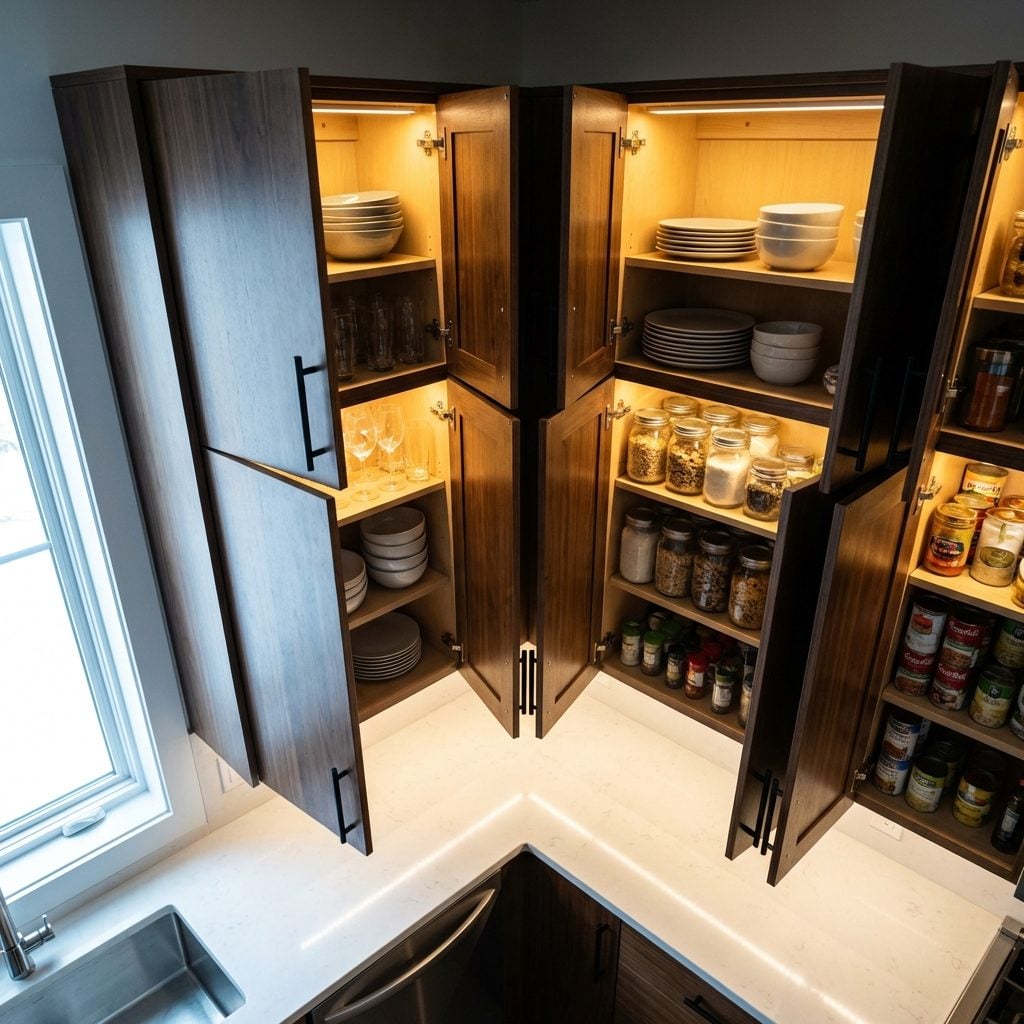
The “hidden storage” kitchen trend, where every single item lives behind a closed door, was sold to us as the peak of organized living. But when researchers began studying how people actually perform in environments optimized for visual tidiness, a more complicated picture emerged.
Neuroscientists studying cognitive load found that while reducing visible clutter does lower a certain kind of visual noise, hiding essential tools creates a different cognitive cost: retrieval effort. According to the Global Council for Behavioral Science (Source), our working memory, the active mental workspace where we process information in real time, has severely limited capacity. Every time you open a cabinet to retrieve something, locate it, use it, and then consciously return it, you’re burning working memory resources that could be allocated elsewhere.
This is distinct from the fatigue of seeing too much. It’s the fatigue of constant retrieval. The kitchen becomes a series of mini-quests, each one trivial in isolation, but collectively adding up to a form of extraneous cognitive load, the kind that research identifies as the most wasteful, because it’s caused by environmental friction rather than the inherent difficulty of the task. You’re not tired from cooking. You’re tired from the architecture of your kitchen.
The Invisible Friction That’s Quietly Draining You Before Lunch Even Starts
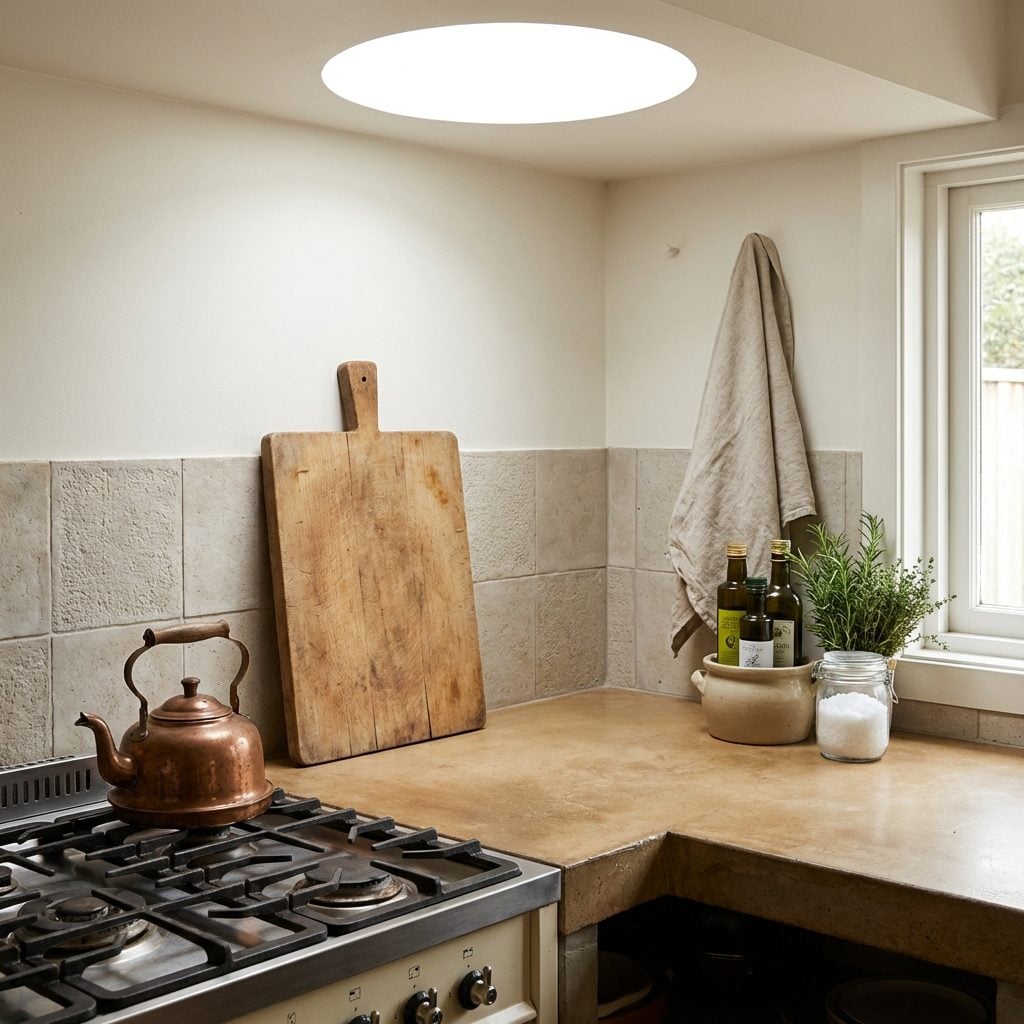
Friction, in behavioral psychology, refers to any unnecessary steps or barriers that sit between you and a desired action. Designers eliminate friction in apps, websites, and checkout flows because research consistently shows that even a single extra step reduces completion rates, and produces measurable frustration. Your kitchen operates by the same rules.
A Global Council for Behavioral Science analysis of cognitive load (Source) confirms that performance degradation occurs predictably once environmental demands exceed working memory capacity. In kitchen terms, this means the number of steps between intention and action matters enormously. Wanting coffee and immediately reaching for your go-to ceramic pour-over set sitting on the counter is cognitively cheap. Wanting coffee, opening two cabinets, locating the device, pulling it out, and resetting it afterward is cognitively expensive.
Multiply that across every task in your morning kitchen routine, making breakfast, packing lunch, finding the vitamins, locating the coffee filters, and you’ve made dozens of small withdrawals from a cognitive bank account that was already limited when you woke up. The kitchen isn’t causing you stress in any dramatic way. It’s charging micro-fees. And micro-fees compound.
Why Your Brain Treats a ‘Clean’ Kitchen Like an Unsolvable Puzzle
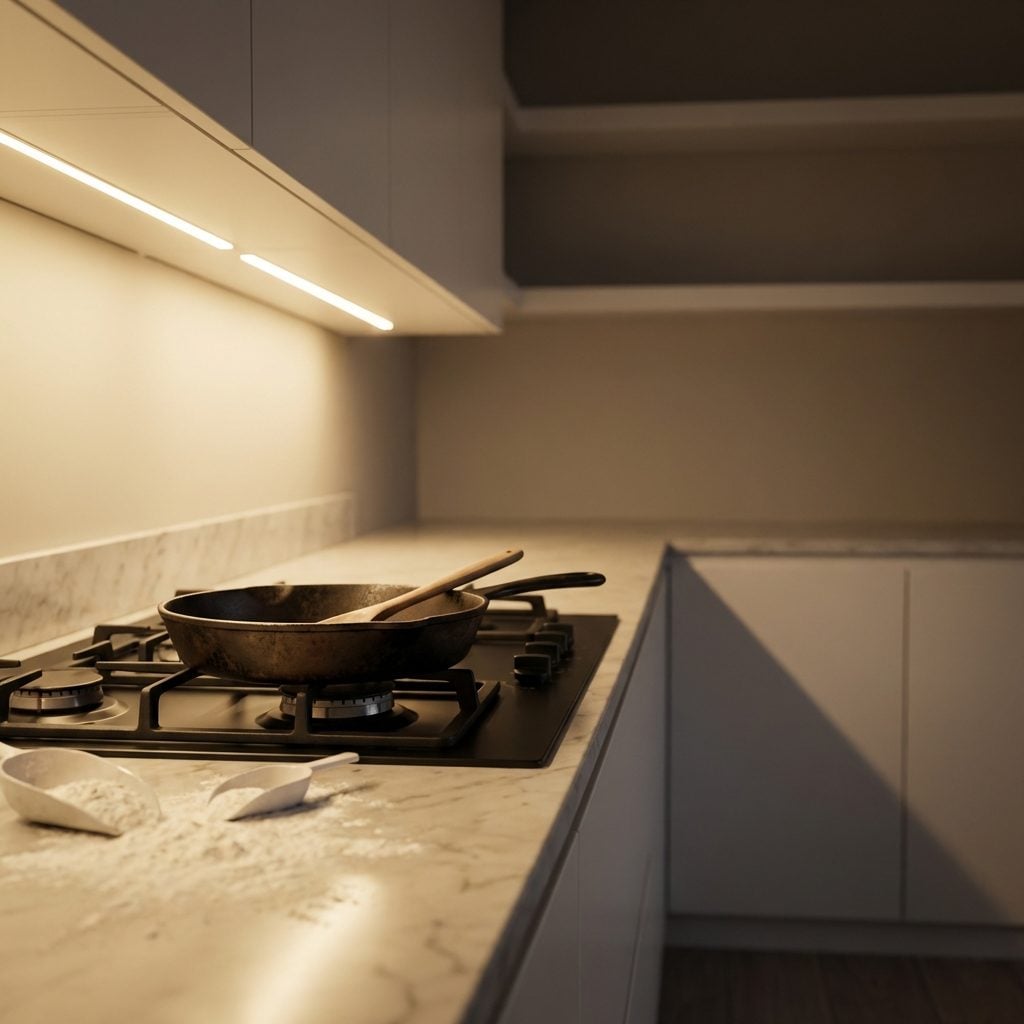
Here’s something your brain does without asking permission: it scans every environment for what psychologists call “open loops”, unresolved tasks, unfinished states, things that signal incompleteness. A red kitchen decor element or a bright herb pot on the windowsill reads as a deliberate, resolved choice. But a hyper-clean kitchen, paradoxically, can register as a perpetually open loop, a standard that constantly needs to be maintained, never fully achieved.
Every time you use the kitchen, you “break” it. The cutting board comes out, the oil gets used, a pot stays on the stove, a glass sits by the sink. Each of these is a micro-deviation from the visual standard your brain has been primed to maintain. According to research on the psychology of decision fatigue (Source), each act of self-regulation, including the constant impulse to restore order, draws from the same finite pool of cognitive energy as any other demanding task. Resisting the urge to immediately put things away, or conversely acting on that urge every time, both cost you.
The real puzzle your brain is trying to solve isn’t cooking, it’s an unsatisfying equation: use the kitchen without it looking used. That’s not a design problem. It’s a cognitive trap. And most people living in minimalist kitchens are solving it, silently, dozens of times a day.
The Surprising Reason a Slightly Messy Kitchen Might Actually Make You Smarter

Kathleen Vohs, a psychological scientist at the University of Minnesota, ran a series of experiments that upended a lot of assumptions about order and performance. Her findings, published in the journal Psychological Science (Source), showed that participants working in a disordered environment generated ideas that were rated as significantly more creative and original than those from participants in a tidy room, even when both groups produced the same total number of ideas.
The implications for a kitchen are genuinely interesting. A slightly lived-in kitchen, the one with the herbs out, the cookbooks stacked on the counter, the garlic braid hung near the stove, may actually prime your brain for more associative, flexible thinking. Order, Vohs found, encourages convention and playing it safe. Disorder signals that the normal rules don’t fully apply here, which loosens cognitive rigidity.
This doesn’t mean chaos is the goal. But it does suggest that the pressure to maintain a pristine kitchen may be costing you something beyond just time and micro-decisions. It may be costing you a particular quality of mind, the relaxed, improvisational state in which the best cooking (and sometimes the best thinking) actually happens. A craftsman kitchen decor approach, with tools hung in view and ingredients within reach, tends to support exactly that kind of flow.
What the Military Figured Out About Perfect Order That Interior Designers Haven’t Told You
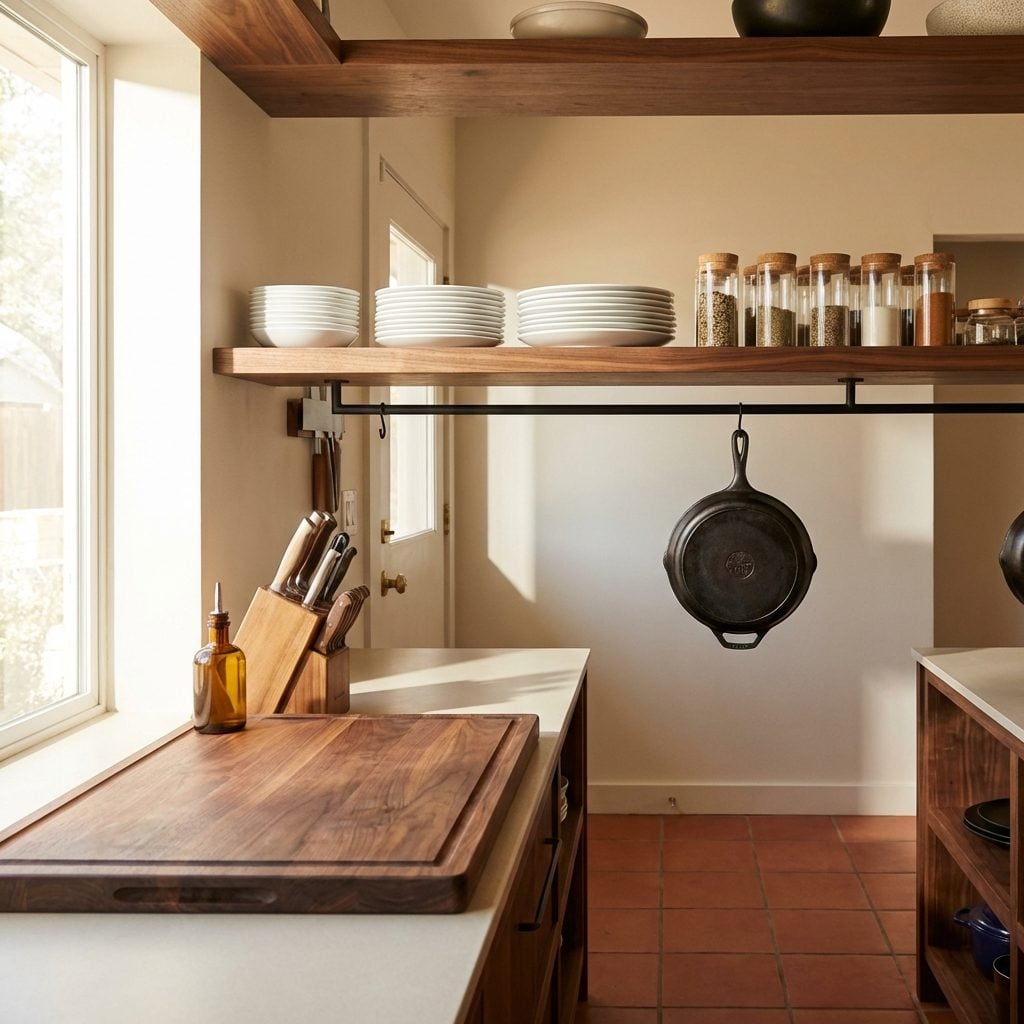
Military operational psychology has spent decades studying a problem that sounds nothing like kitchen design but maps onto it almost perfectly: how does an environment’s configuration affect a person’s ability to make rapid, accurate decisions under load?
The answer they kept arriving at was counterintuitive. Perfect procedural order, every item in its place, every system rigidly maintained, can actually increase cognitive vulnerability in high-tempo situations. According to research on cognitive performance enhancement published in the Army War College’s Parameters (Source), what degrades decision quality most isn’t disorganization, it’s extraneous cognitive load, the mental effort burned on understanding and navigating a system rather than executing a task. A kitchen that demands constant maintenance of its own visual standard imposes exactly this kind of load.
The military’s solution, developed across decades of human factors research, centers on a principle called “task-relevant accessibility.” The most mission-critical tools should be the most immediately accessible, not the most aesthetically hidden. Function precedes form. The warfighter who has to open a case to retrieve equipment under pressure is at a measurable disadvantage compared to one whose tools are staged for immediate use.
Apply that logic to your morning routine and the implications are clear. A before and after comparison of kitchens redesigned around flow rather than appearance almost universally shows the same result: users report less fatigue, faster execution, and, perhaps most surprisingly, a greater sense of calm. Not because the kitchen looks calmer, but because it functions without resistance.
The Psychological Phenomenon That Makes Minimalist Kitchens Feel Like a Second Job
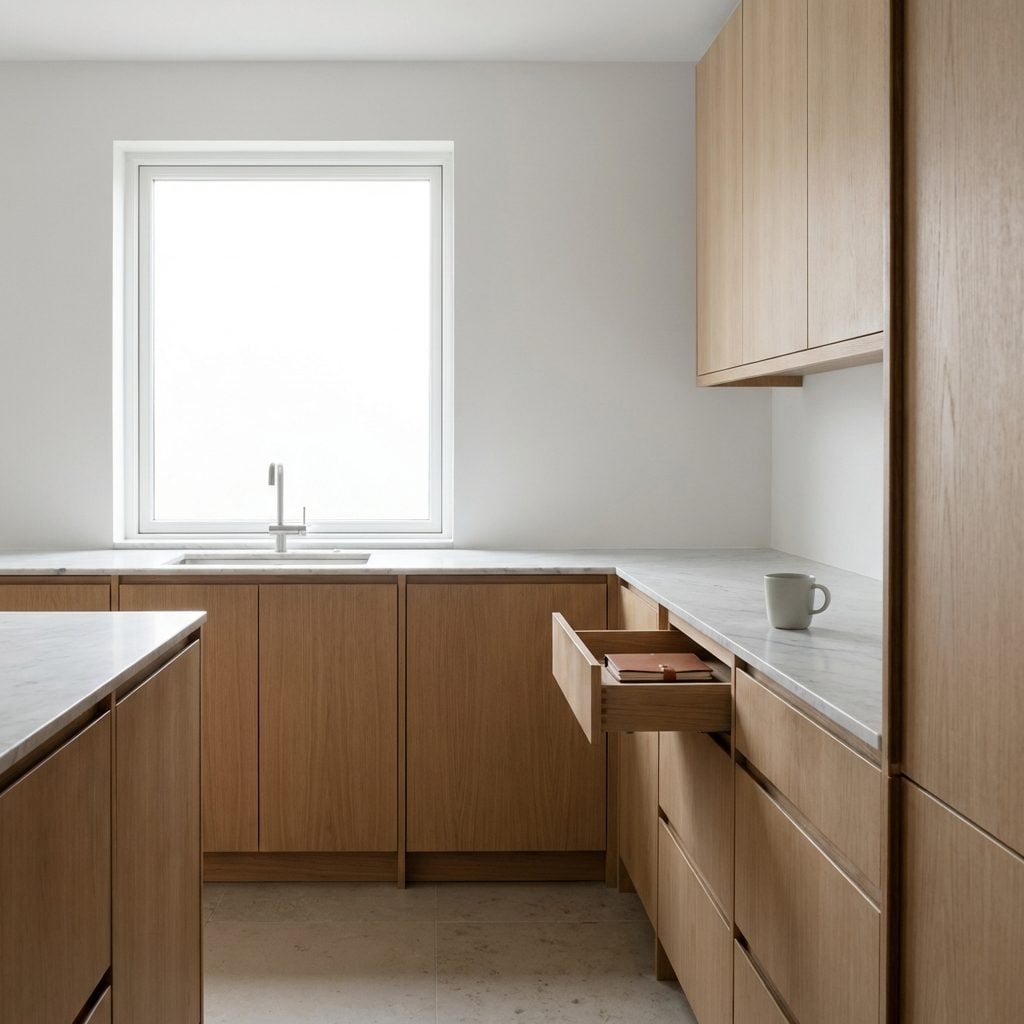
Here’s a disorienting truth about that flawless, everything-hidden kitchen you worked so hard to create: it might be working against you. Psychologists call it cognitive load, the total amount of mental effort your working memory is handling at any given moment. Research from the Global Council for Behavioral Science (Source) explains that every piece of information your brain processes, every micro-choice it navigates, chips away at a limited mental budget. A kitchen that hides everything equally, that treats the coffee maker and the rarely-used blender as the same category of object, forces your brain to mentally reconstruct the space every time you enter it.
The result is a kind of invisible tax. A Global Council for Behavioral Science review of cognitive load (Source) found that “performance degradation occurs predictably when cognitive demands exceed working memory capacity”, and that redesigning environments to reduce extraneous load is far more effective than trying to push through mental fatigue. A minimalist kitchen that sacrifices usability for visual order doesn’t reduce your mental load. It just relocates it, spreading it invisibly across every meal you make.
Why Hiding Your Coffee Maker Is Costing You More Energy Than Making the Coffee
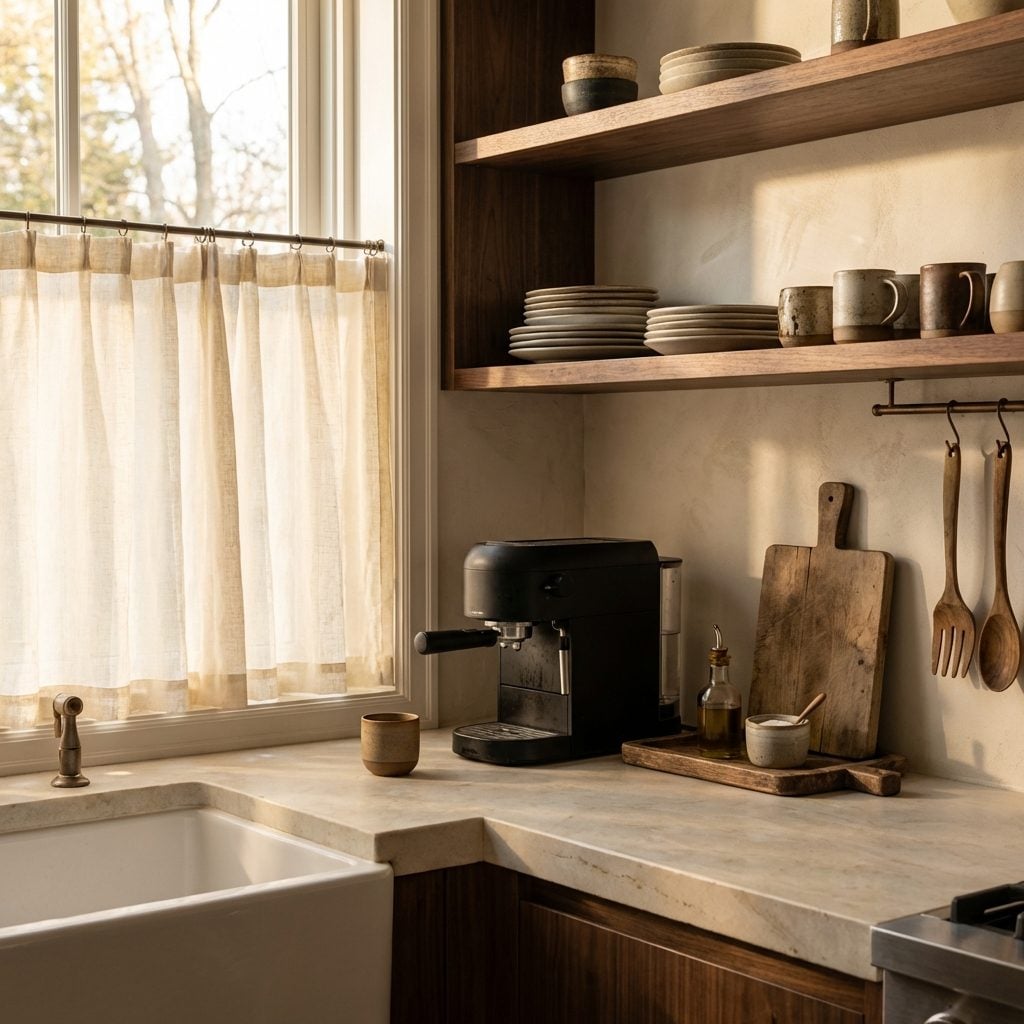
It sounds almost too small to matter. You open an appliance garage, pull out the coffee maker, brew, put it back. Thirty seconds, maybe forty. But consider how many times a day your kitchen asks you to perform small sequences like that: retrieve the cutting board, find the knife, locate the measuring spoons, remember which cabinet the olive oil lives in now. Wellness writers at Just Everyday Joy (Source) describe these tiny repeated resistance points as “Focus Credits” that get quietly spent throughout the day, each one individually negligible, but collectively capable of leaving you running on empty by mid-afternoon.
This is the hidden cost of designing a kitchen for a camera rather than for a human. Kitchen psychology research suggests the real goal should be “reducing the number of tiny decisions you make daily” to create what designers call cognitive ease. When frequently used tools are always visible and always ready, your brain stops negotiating and starts operating on autopilot. That’s not laziness. That’s the brain conserving resources for things that actually matter. A contemporary kitchen that factors in how you actually move through the space, not just how it photographs, works with your brain instead of against it.
The Design Principle Chefs Have Always Known That Could Save Your Mental Bandwidth

Professional restaurant kitchens are almost never pretty. They’re dense, utilitarian, and relentlessly organized around one philosophy: everything needed for the next task should already be within arm’s reach. The French term for this is mise en place, which translates literally to “everything in its place.” Johnson & Wales University’s culinary program (Source) describes mise en place as an approach that “encourages culinary professionals to focus on the task rather than constantly dealing with the mental clutter” of searching, retrieving, and resetting.
The key insight: chefs don’t hide their tools. They stage them. Knives are on magnetic strips. Salt sits right at the stove. Oils are grouped by how often they’re used. A culinary guide to setting up your kitchen workspace (Source) puts it plainly: “workspace organization isn’t cosmetic or optional, it’s the infrastructure that determines whether cooking flows smoothly or becomes a constant battle against your environment.”
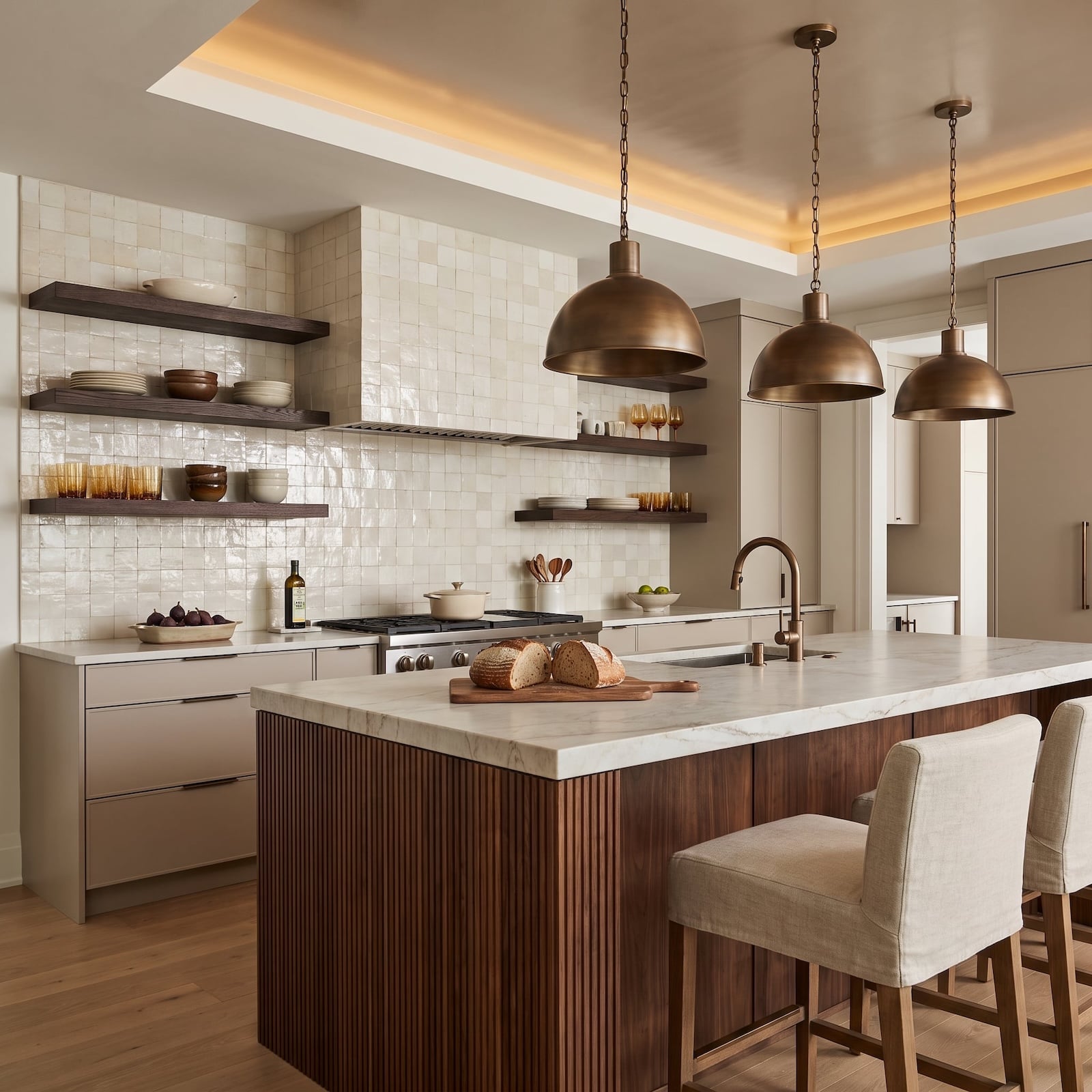
The home kitchen rarely applies this logic. We organize for aesthetics, hiding daily-use items in deep cabinets because bare counters photograph better. But each retrieval step is a small interruption to your cognitive flow. Multiply that across every meal, every snack, every morning routine, and you begin to understand why a craftsman kitchen decor style, with its open shelves and tool-forward staging, often feels more mentally restful to work in than a pristine white box ever could.
The Quiet Exhaustion That Comes From Living in a Space Optimized for Instagram, Not for You
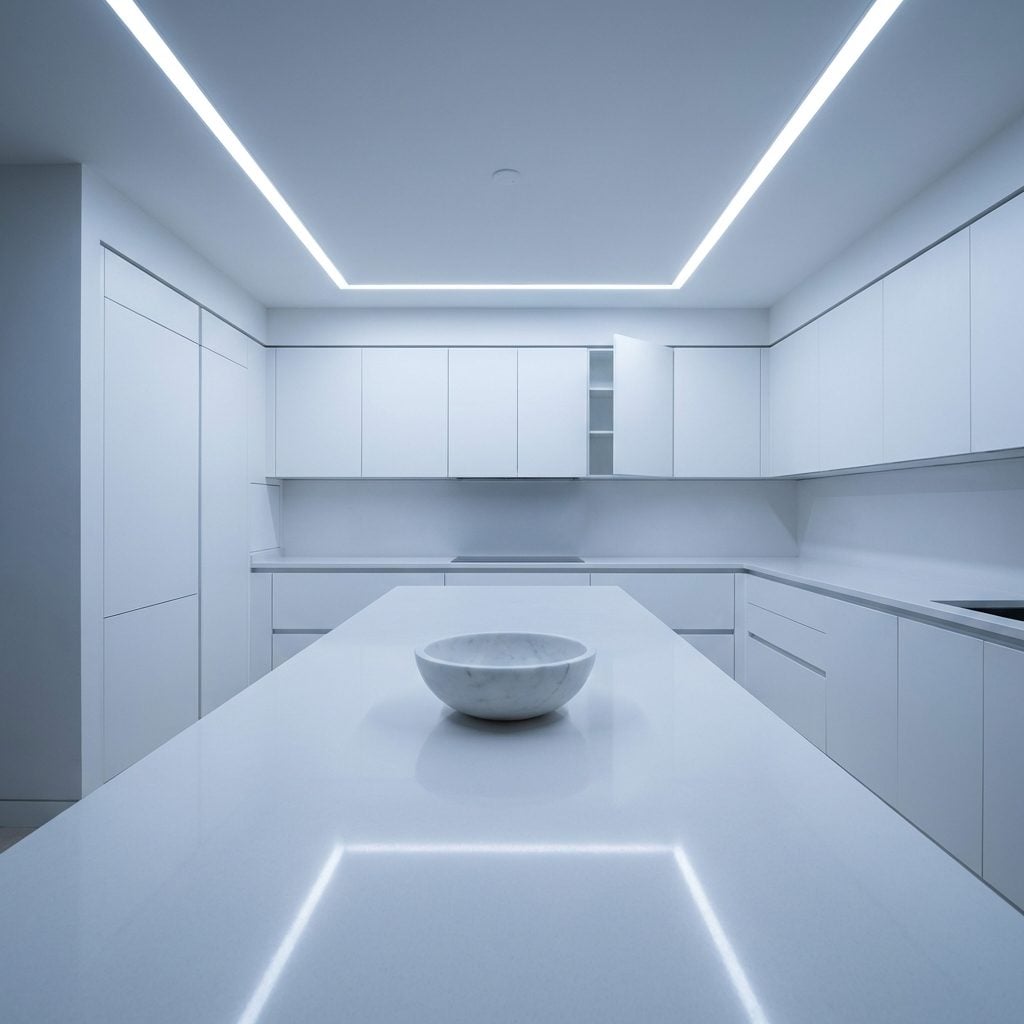
There is a specific kind of tired that comes from maintaining a performance. Not the satisfying tired of a hard day’s work, but the hollow, low-grade exhaustion of someone who has been holding a posture all day. Living in a kitchen designed to look a certain way, rather than function a certain way, produces exactly that feeling. You’re not just using the space. You’re maintaining it, constantly resetting it to its staged state, editing your own behavior to fit the aesthetic.
A qualitative study of personal psychological agency in Instagram use (Source) found that users experience harm specifically through upward social comparison, measuring their real, complex lives against the curated “highlight reel” of others. The same mechanism operates inside your own home when the kitchen you designed from Pinterest boards makes your actual Wednesday night cooking feel like a failure by comparison. describes this as “aspirational exhaustion”, depletion that comes not from life itself, but from the constant effort of making life look like something it isn’t. The space you cook in every day should feel like yours, not like a set you’re required to maintain.
What Decision Fatigue Looks Like When It’s Disguised as a Beautiful Kitchen
🔥 Would you like to save this?
Most people picture decision fatigue as the foggy feeling after a long meeting or a complicated workday. But an integrative review on the causes and effects of decision fatigue (Source) makes clear that one of decision fatigue’s primary causes is simply “high workload, organizational demands, and cognitive load” accumulating over time, and that it increases predictably as the day progresses. Your kitchen, visited three to five times before noon, may be your earliest and most consistent source of that accumulating load.
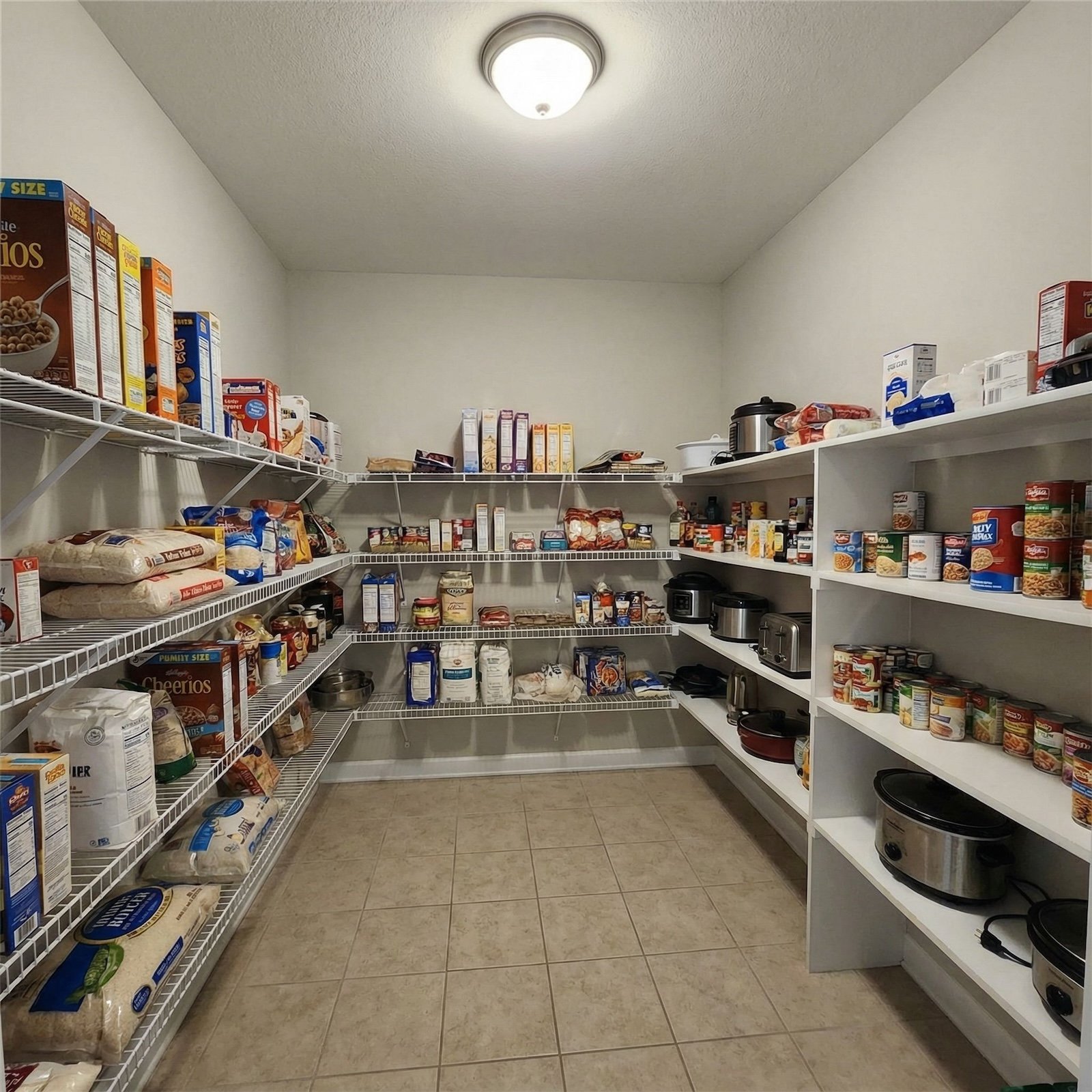
The disguise is in the aesthetics. A kitchen that looks calm and orderly signals to the conscious mind that nothing is wrong. But the brain doesn’t experience the space visually. It experiences it operationally. Every time a frequently used item requires an extra step to access, a micro-decision fires. Every time you open a cabinet and reassess where something is stored after a recent reorganization, another fires. The Decision Lab (Source) describes how even abundant food in a fridge can trigger a paralysis response at the end of the day, where having “nothing to eat” is actually a decision-fatigue signal, not a pantry problem. A beautiful kitchen with poor cognitive flow produces the same effect before the day has even properly started.
The One Psychological Signal Your ‘Tidy’ Kitchen Sends That Your Brain Never Stops Responding To
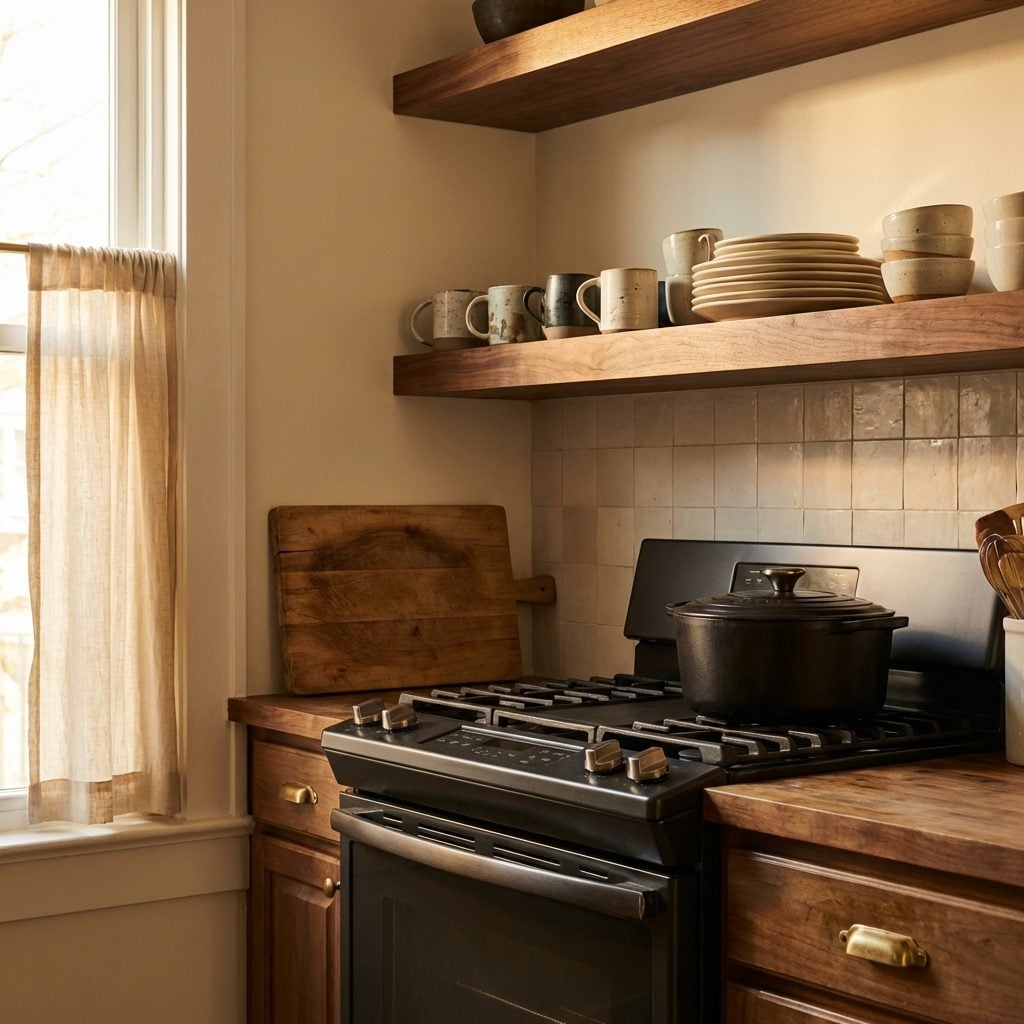
Imagine walking into your kitchen and every single thing you need is exactly where you expect it. Now imagine doing that again after a full reorganization, when all the expectations you built up over months are suddenly wrong. That recalibration takes more energy than it seems. The brain doesn’t just register where objects are once. It builds predictive maps of frequently used spaces, and when those maps are violated, even slightly, it generates a low-level stress signal to update the model.
Design experts at Rocky Mountain College of Art + Design (Source) point to the Zeigarnik Effect as one mechanism at work: any item that represents an unresolved decision or an unfinished task keeps generating low-level cognitive processing until the brain gets closure. In a perfectly tidy kitchen that reorganizes constantly in pursuit of a better aesthetic, that closure never comes. Meanwhile, a kitchen that’s organized around how you actually use it, even if that means the olive oil lives next to the stove rather than in a cabinet, builds stable predictive maps that let your brain stop monitoring and start trusting. The signal a well-used, well-organized kitchen sends isn’t “perfect.” It’s “I know this place.” And that signal is profoundly calming. Consider exploring a neutral kitchen renovation approach that prioritizes intuitive flow over visual minimalism.
Why the Kitchens That Feel Most Calming Are Never the Ones You’d Expect
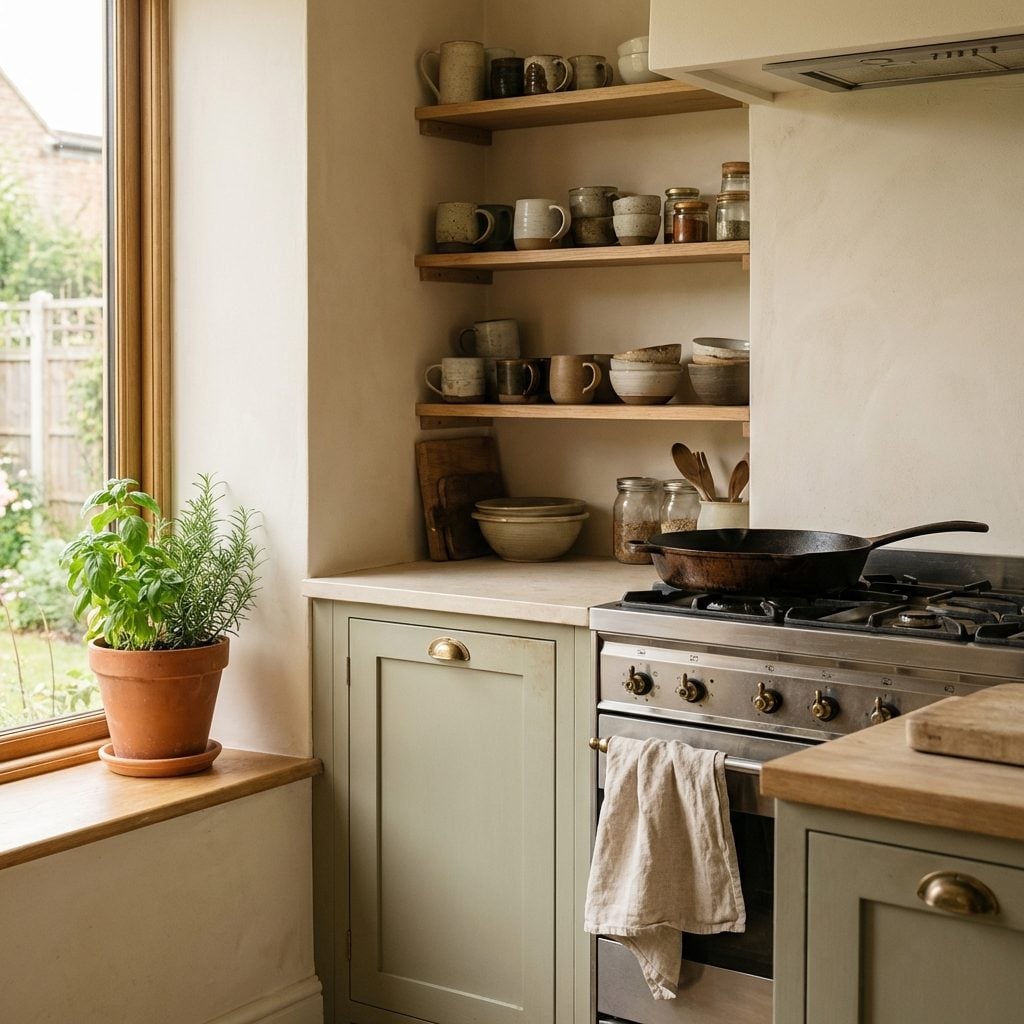
Scroll through design inspiration and the kitchens that stop the scroll are usually the extreme ones: the all-white lacquer box, the matte black industrial fit-out, the spare Japandi space where a single wooden bowl is the only object on a ten-foot island. They read as calm. But calm is not the same as restful, and there’s a meaningful psychological difference between the two.
Genuinely restful spaces, the kitchens people describe as feeling “easy” or “like a deep breath,” tend to share a different quality: they reduce friction without erasing warmth. Neuropsychologist Dr. Joel Frank notes that a well-designed environment restores us, sharpens cognition, and improves mood, but that these effects emerge from environments that support inhabitants’ needs rather than perform for observers. The kitchens that consistently deliver that feeling are the ones organized around real behavior: a rust kitchen with warm patina and tools staged for use, a red kitchen decor scheme that creates warmth without sacrificing function. They’re not trying to look calm. They’re designed to make you feel capable, and capability, it turns out, is the deepest source of calm a kitchen can offer.
The Bottom Line
The unsettling truth is this: a kitchen optimized for visual order is optimized for a viewer, not a user, and your brain knows the difference every single time you walk in. The exhaustion you’ve been blaming on your morning, your sleep, or your schedule has been coming, in part, from a space that silently demands performance instead of supporting function. So today, move one thing you use daily out of a cabinet and onto the counter, and notice whether your morning feels even slightly lighter, because that small shift is what living in a kitchen built for you actually feels like.