🔥 Would you like to save this?
The squeak of metal on metal. A screen door slapping its frame so hard you felt it in your chest. Cigarette smoke drifting across a painted concrete step while somebody’s dad talked about absolutely nothing. Front porches in the 1940s weren’t designed so much as accumulated — one odd detail at a time, layered over years of habit and hand-me-downs, until the whole arrangement just felt right. Here are ten of those details, each a small monument to a decade that treated the front porch like a living room with better airflow.
37. Metal Glider Benches That Squeaked Gently with Every Movement
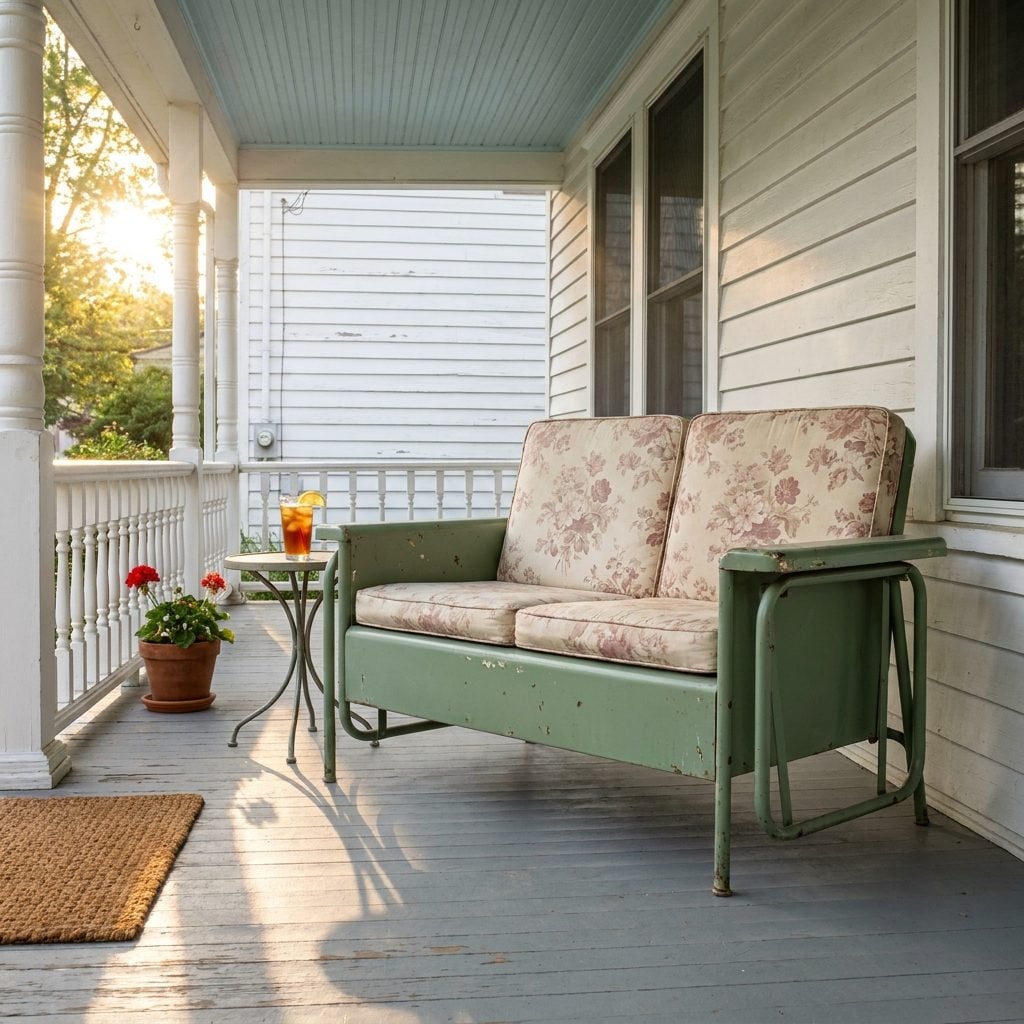
That rhythmic squeak was the soundtrack of every summer evening. The metal glider bench didn’t glide so much as complain — a soft metallic groan with each push that somehow became the most relaxing sound on earth. Nobody ever oiled them. The squeak was the whole reason you sat there.
In order to come up with the very specific design ideas, we create most designs with the assistance of state-of-the-art AI interior design software. Also, assume links that take you off the site are affiliate links such as links to Amazon. this means we may earn a commission if you buy something.
Most had tubular steel frames in green or white, with cushions that smelled faintly of mildew no matter how often they were aired out. Two people could sit on one and rock in near-silence, or one person could stretch out entirely and drift off before the streetlights clicked on. The motion was gentler than a rocking chair — closer to floating. Every family seemed to inherit one rather than buy one, and nobody could tell you where it originally came from.
36. Aluminum Lawn Chairs with Woven Plastic Webbing
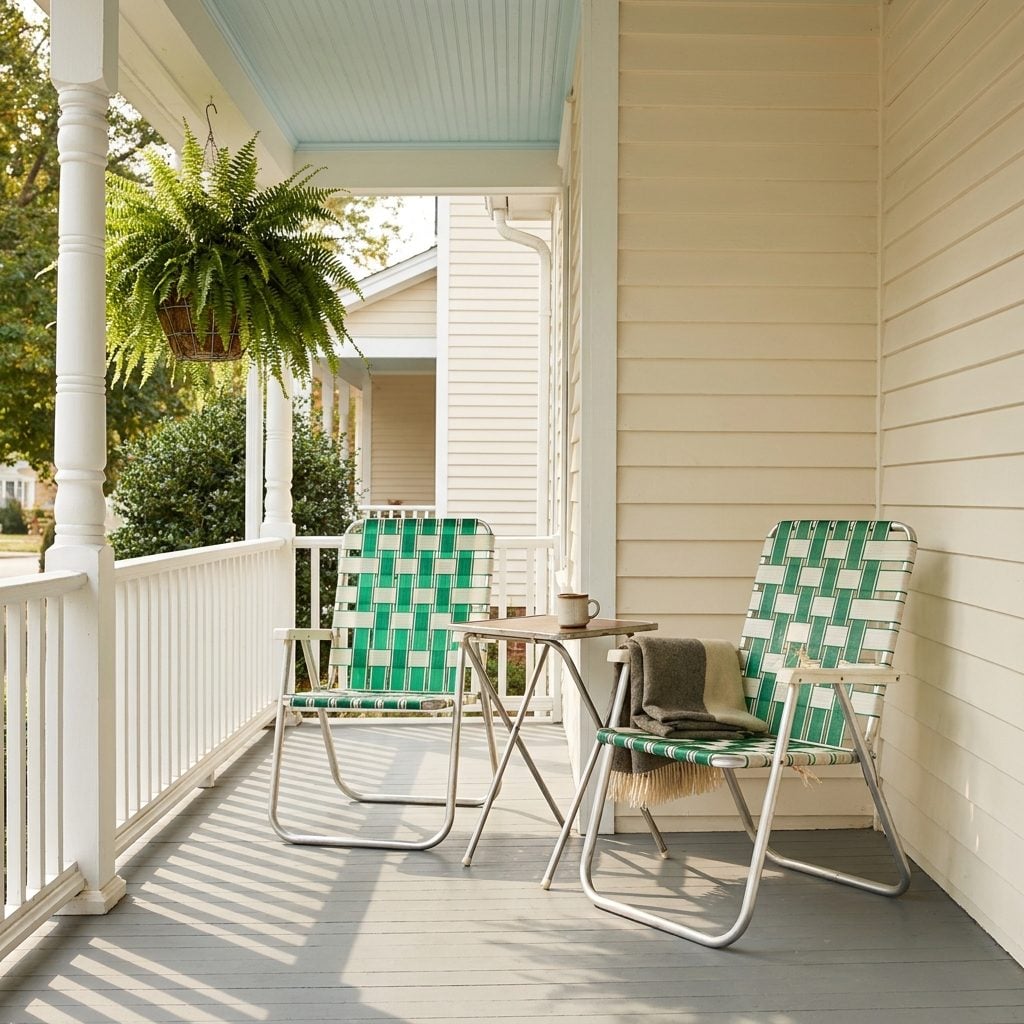
They pinched. Everyone knew they pinched. The webbing sagged after one season, the aluminum frame got scorching hot in direct sun and ice cold after dark — and yet these chairs multiplied like rabbits on every porch in America.
The appeal was bluntly practical: they folded flat, weighed almost nothing, cost even less. You could drag four of them out for company and stack them behind the door when the visit was over. The aluminum frame never rusted, which felt like a minor miracle if you’d grown up watching wooden porch furniture rot through. Green-and-white webbing was the default color scheme, though you could find any combination imaginable. I’m convinced half the country sat in the exact same chair and nobody minded.
35. Concrete Porch Steps Painted Battleship Gray
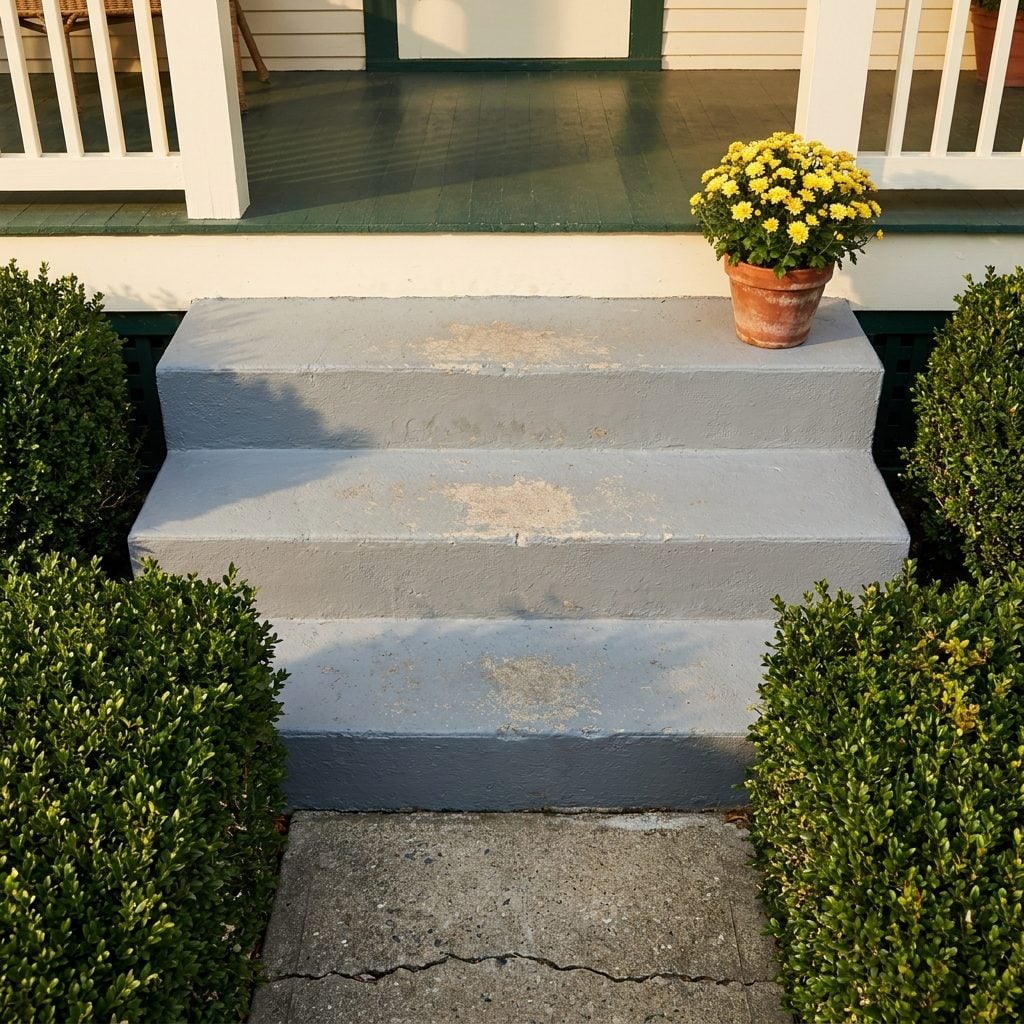
Why gray? Always gray. Not charcoal, not silver, not slate — battleship gray, like the Navy had run a surplus paint sale and every homeowner in the country showed up at dawn. Those steps got repainted every spring. By August the center of each tread was already worn through to bare concrete, a pale ghost of all the foot traffic summer had carried.
The paint was supposedly for waterproofing. It also made the steps slippery as glass when wet, which nobody seemed to factor in. Kids sat on them, deliverymen stood on them, grandmothers swept them daily. Gray just felt like the natural color of a front porch entryway — as inevitable as the house number nailed above the door.
34. A Porch Swing That Quietly Became the Best Seat in the House
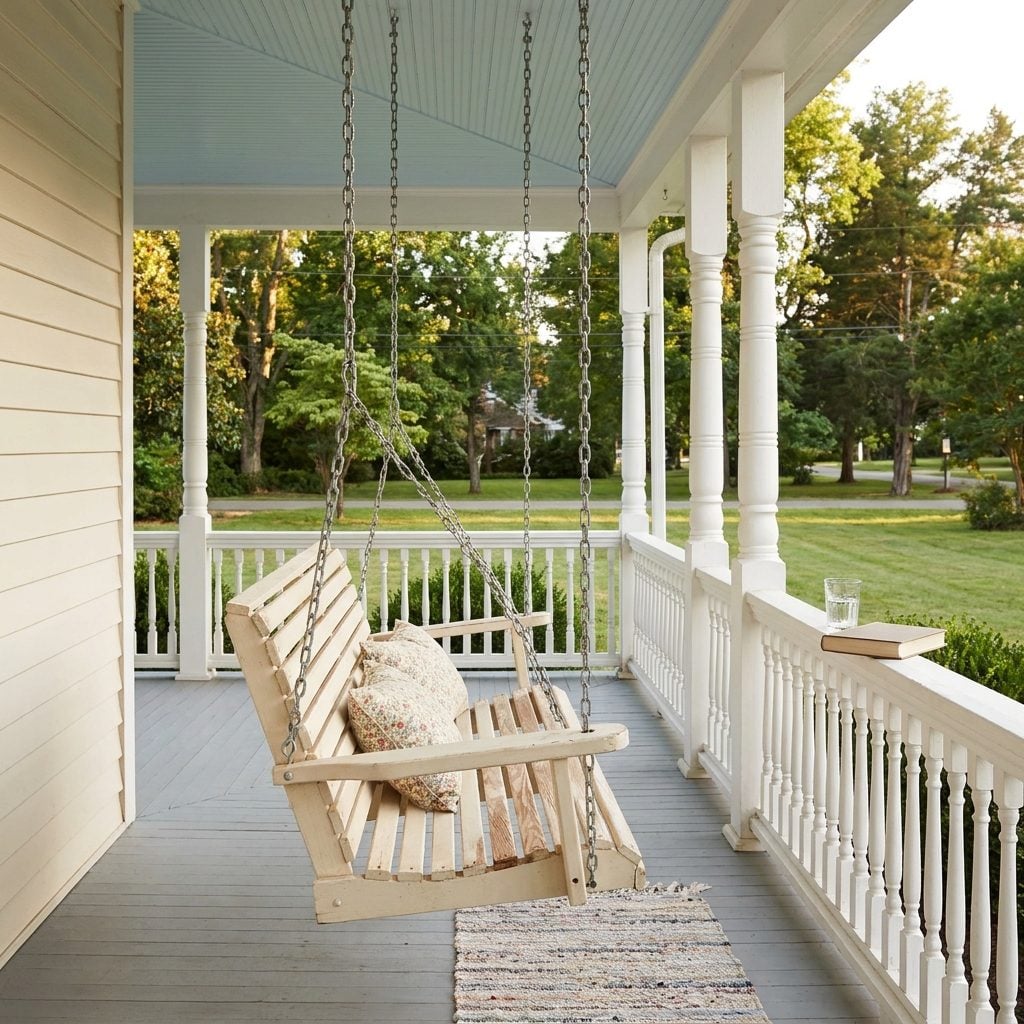
A wooden porch swing didn’t ask for much. Two ceiling hooks, a length of chain, and suddenly you had the most fought-over spot in the household. Nobody bought porch swings on impulse — they were deliberate, almost ceremonial additions, and once one went up, it stayed.
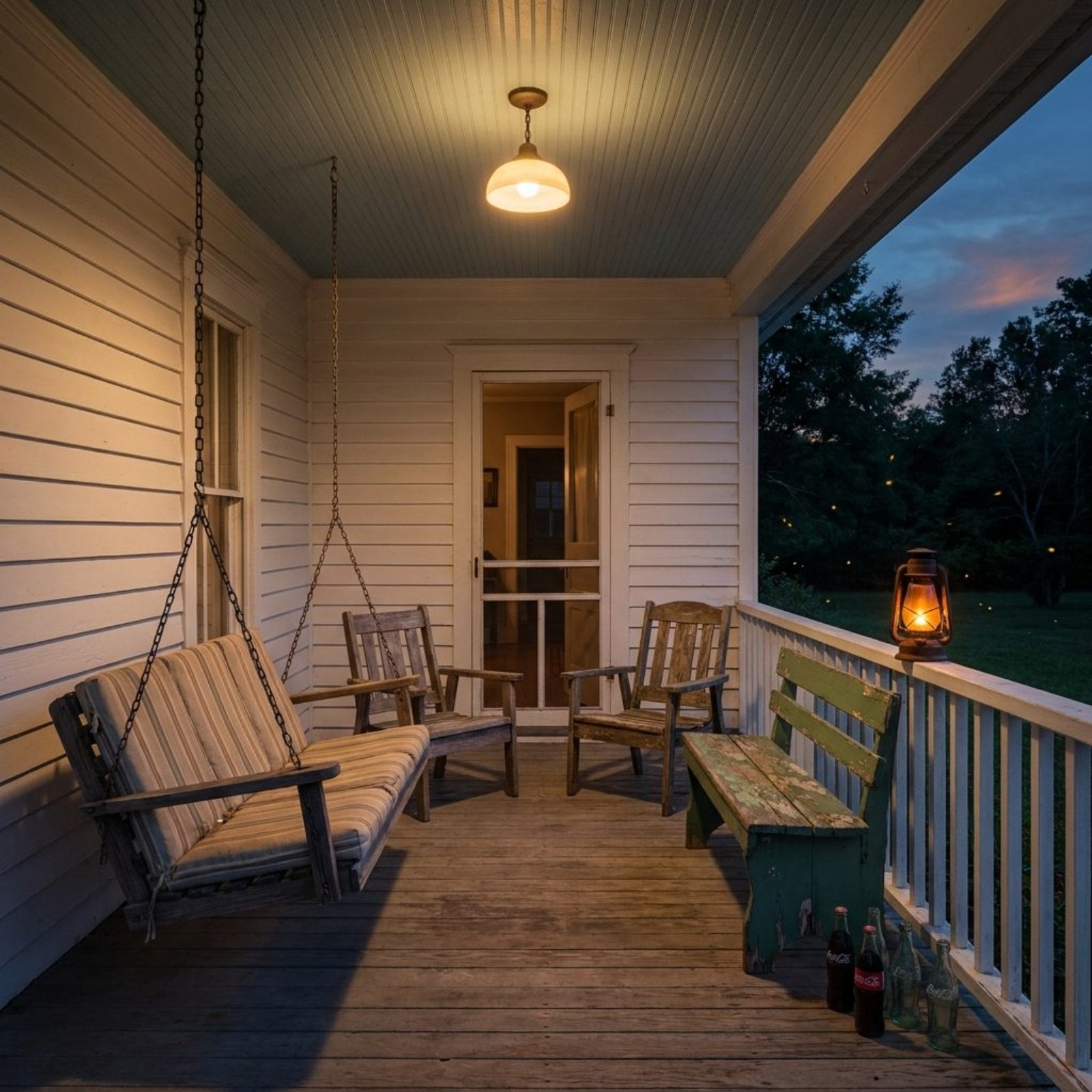
The creak of the chains carried a different register than a glider’s complaint. Lower. Slower. Almost like the house itself exhaling. Couples courted on porch swings, children fell asleep on them, older folks claimed them at dusk and didn’t surrender until the mosquitoes got intolerable. Something about that gentle arc of motion turned an ordinary farmhouse porch from a passageway into a destination — and that transformation felt almost holy, even when the swing was just two planks and a chain.
33. Screen Doors That Announced Every Arrival with a Loud Slam
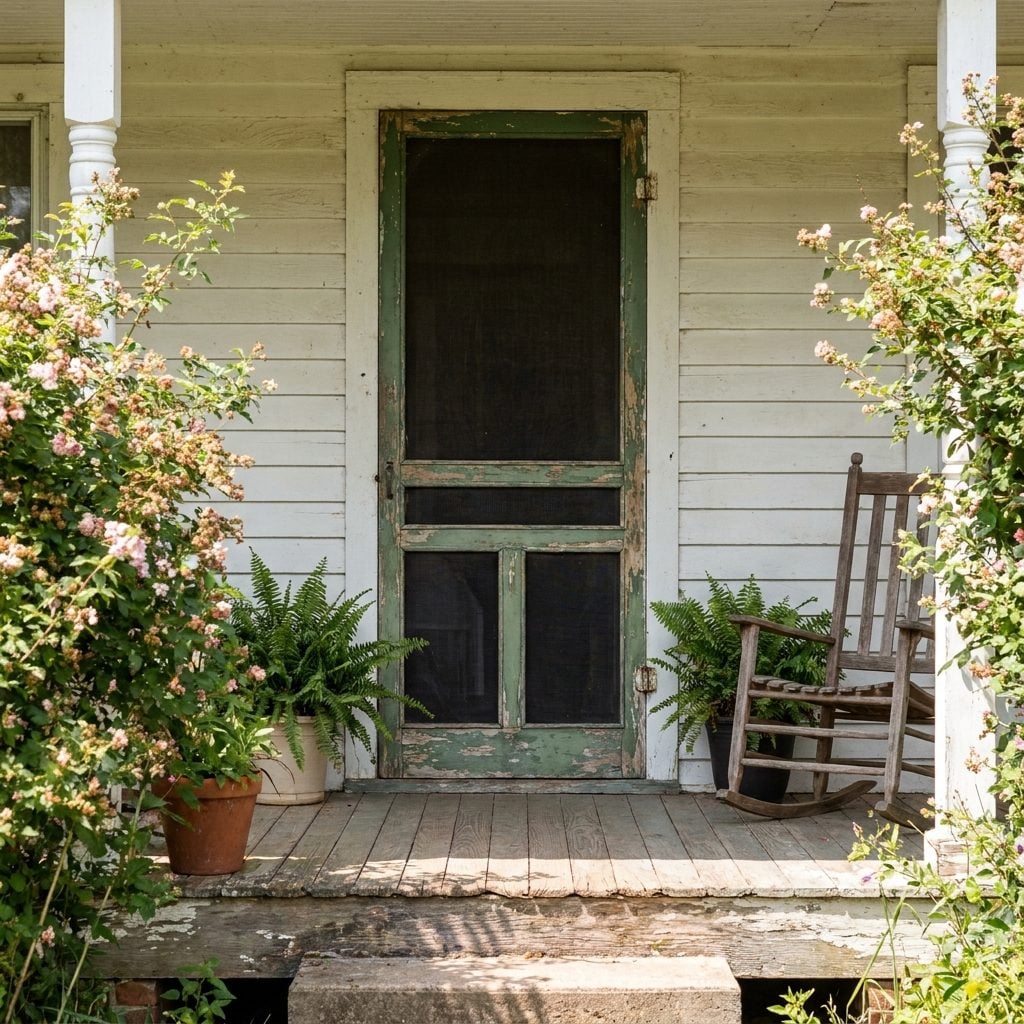
BANG. The universal sound of someone getting home. That spring-loaded screen door had one volume setting: maximum. Mothers yelled about it constantly. Children promised to close it gently every single time, and every single time they lied.
The door itself was beautiful in a completely accidental way — a wooden frame with fine wire mesh, painted to match the house trim, fitted with a simple chrome handle that got hot enough to brand you in July. The coiled spring at the top was the real workhorse, strong enough to yank the door shut from any angle but absolutely incapable of doing so quietly. Some families installed pneumatic closers to solve the problem. The door just slammed slower. Same bang, more suspense.
32. Ashtrays Sitting on Side Tables for Evening Visitors
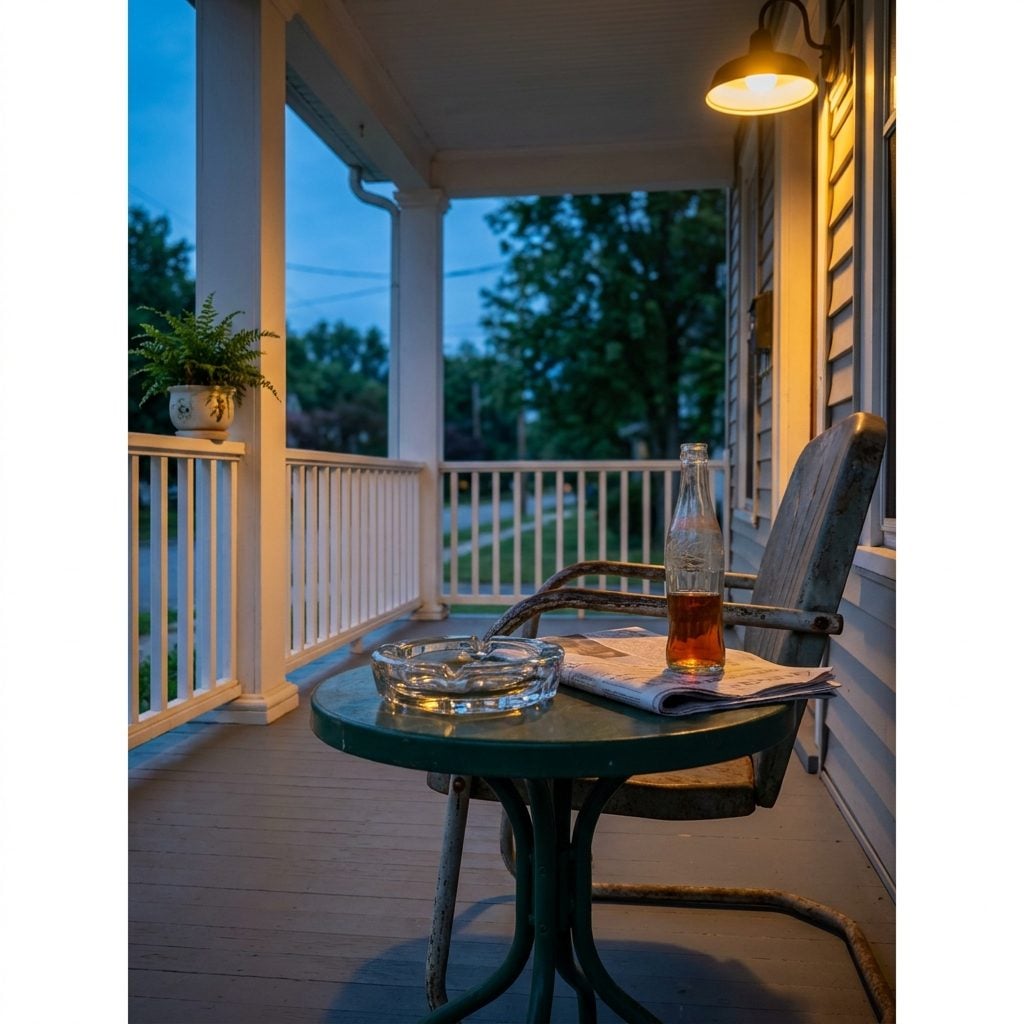
Every porch had at least one, and nobody thought twice about it. The glass ashtray was as standard as the welcome mat — a thick, heavy thing with notches for resting cigarettes, parked on whatever flat surface was within arm’s reach. It lived there year-round, rain or shine.
Smoking on the porch was the social ritual of the decade. Neighbors visited after supper, dropped into those aluminum chairs, and smoked while they talked about the weather, the war, the garden. Offering an ashtray was like offering a drink — a small gesture of hospitality that meant you’d been expecting company. Not having one out was borderline unwelcoming. That detail has completely vanished from the American porch now. The side table just sits there holding a phone, and honestly it looks a little lonely.
31. A Small Metal Mailbox Mounted Near the Front Door
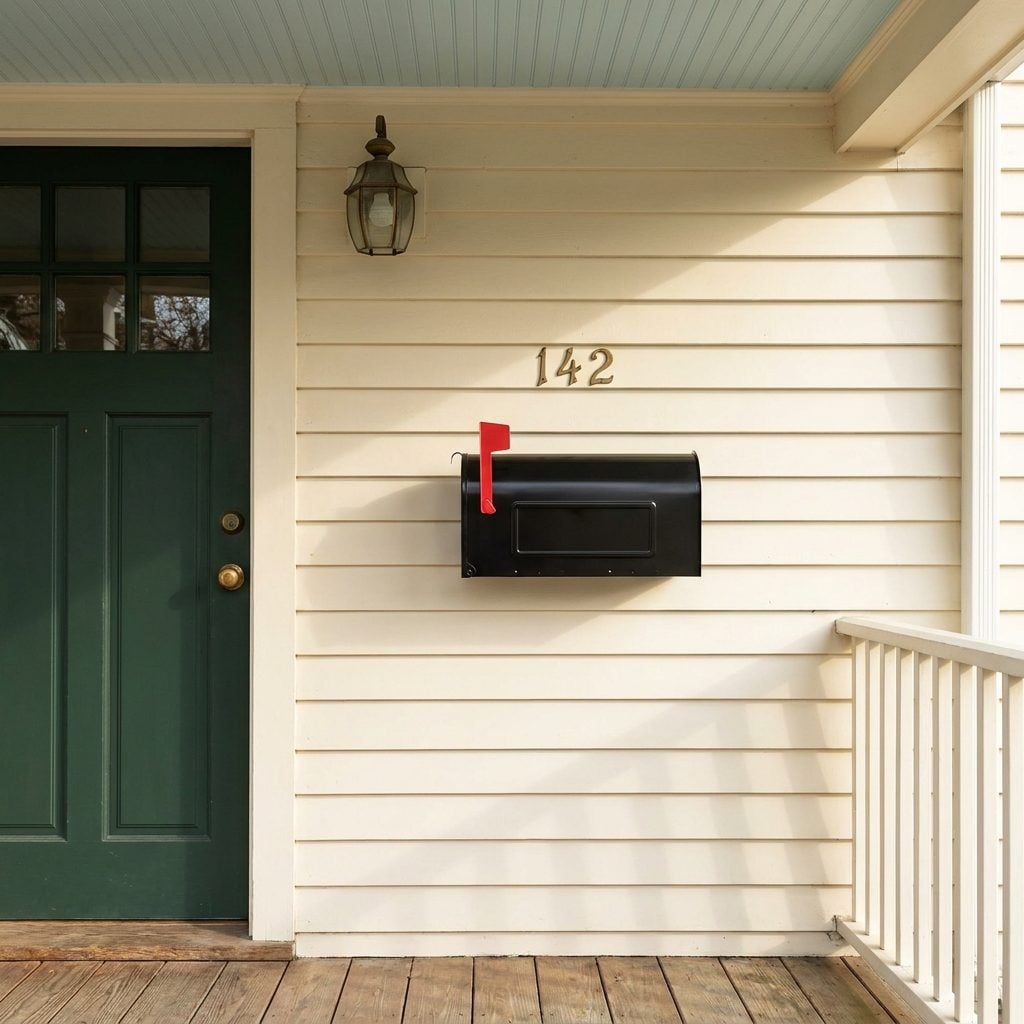
Not at the curb. Not at the end of the walkway. Right there, bolted to the wall beside the door — close enough that the mailman practically knocked when he delivered. The wall-mounted black metal mailbox was small, maybe ten inches wide, with a hinged flap that creaked open on tiny rivets.
It held the day’s mail and nothing more. No packages. No catalogs thick as bricks. Just envelopes. The little red flag served as a binary communication system — up meant outgoing, down meant the carrier had come — and children checked it obsessively while adults checked it once, right around four o’clock, like a private appointment with fate. The mailbox sat at the last stop before entering the house, which gave it an odd emotional weight. Good news or bad, the day’s verdict waited in that little metal box.
30. Porch Lights Left On Until Bedtime Instead of Controlled by Timers
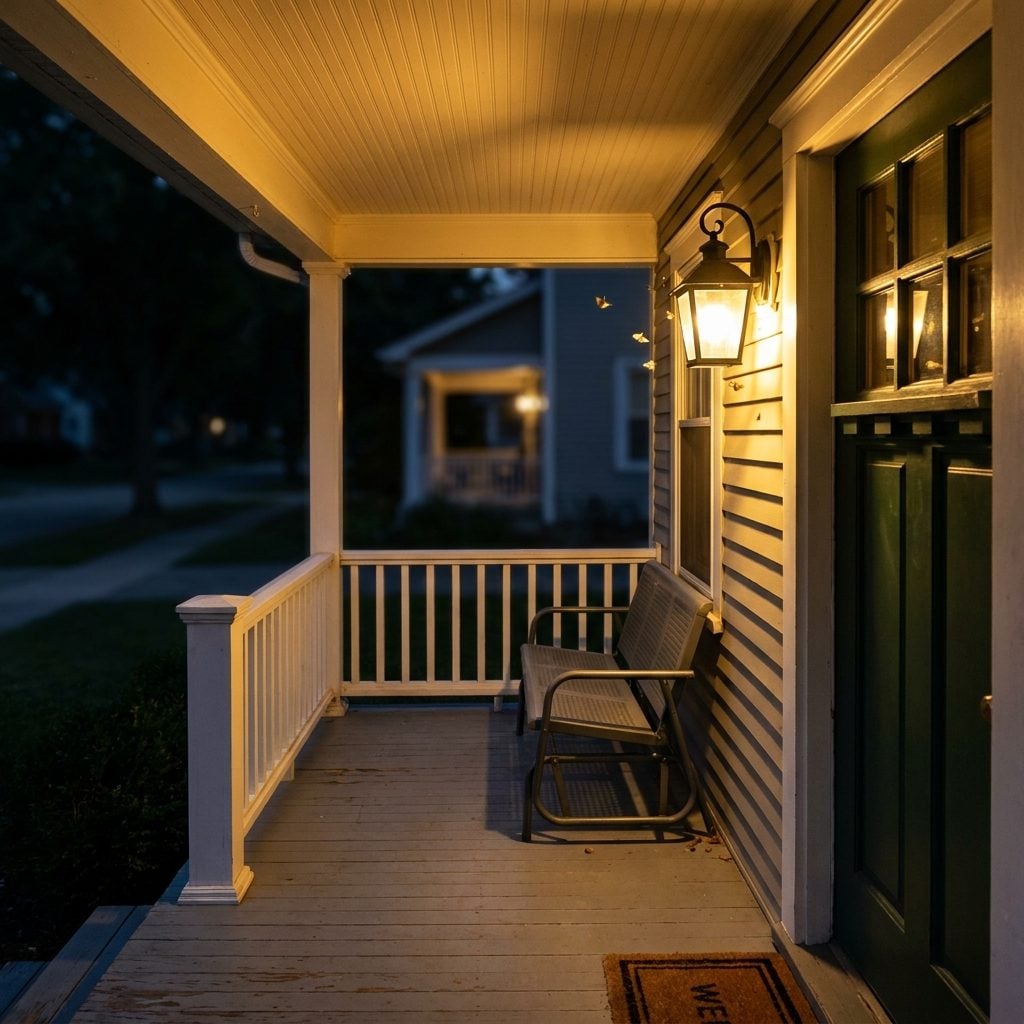
On meant someone was home, or someone was expected. Off meant the house was asleep. No timer, no sensor, no automation of any kind — somebody physically flipped the switch by the front door, and somebody physically flipped it off before climbing the stairs to bed.
That single incandescent bulb attracted every moth in the neighborhood. It also lit the porch just enough to see who was coming up the walk without turning the yard into a stadium. Warm glow spilling past the railing, pooling on the steps. When it went dark, the whole block knew the day was done.
29. Outdoor Thermometers Mounted Near the Door Frame
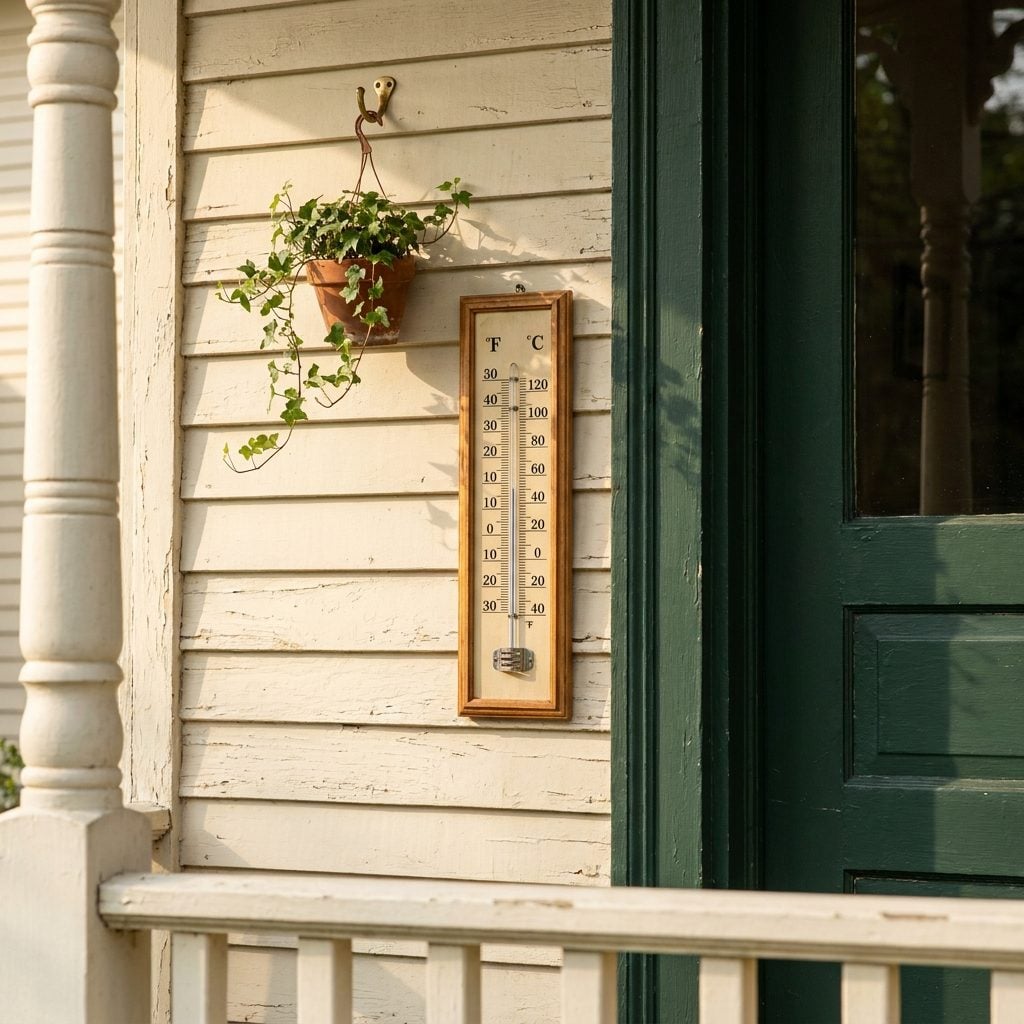
Before stepping off the porch, you checked the thermometer. Quick glance at the mercury line, and you either grabbed a jacket or didn’t. That was the entire weather forecast.
These things hung at eye level near the front door like a tiny oracle — simple mercury-in-glass models on painted wooden backplates, the kind hardware stores gave away as promotional items with the store name printed at the bottom. Accurate? Barely. Off by several degrees, probably more. But nobody cared because everybody’s thermometer was wrong by roughly the same margin, so the neighborhood agreed on the temperature through collective inaccuracy. There’s something oddly charming about that — a whole system running on approximation and mutual trust, and it worked fine for decades until someone decided we needed satellite data for a walk to the corner store.
28. Wrought Iron Railings with Decorative Scrollwork
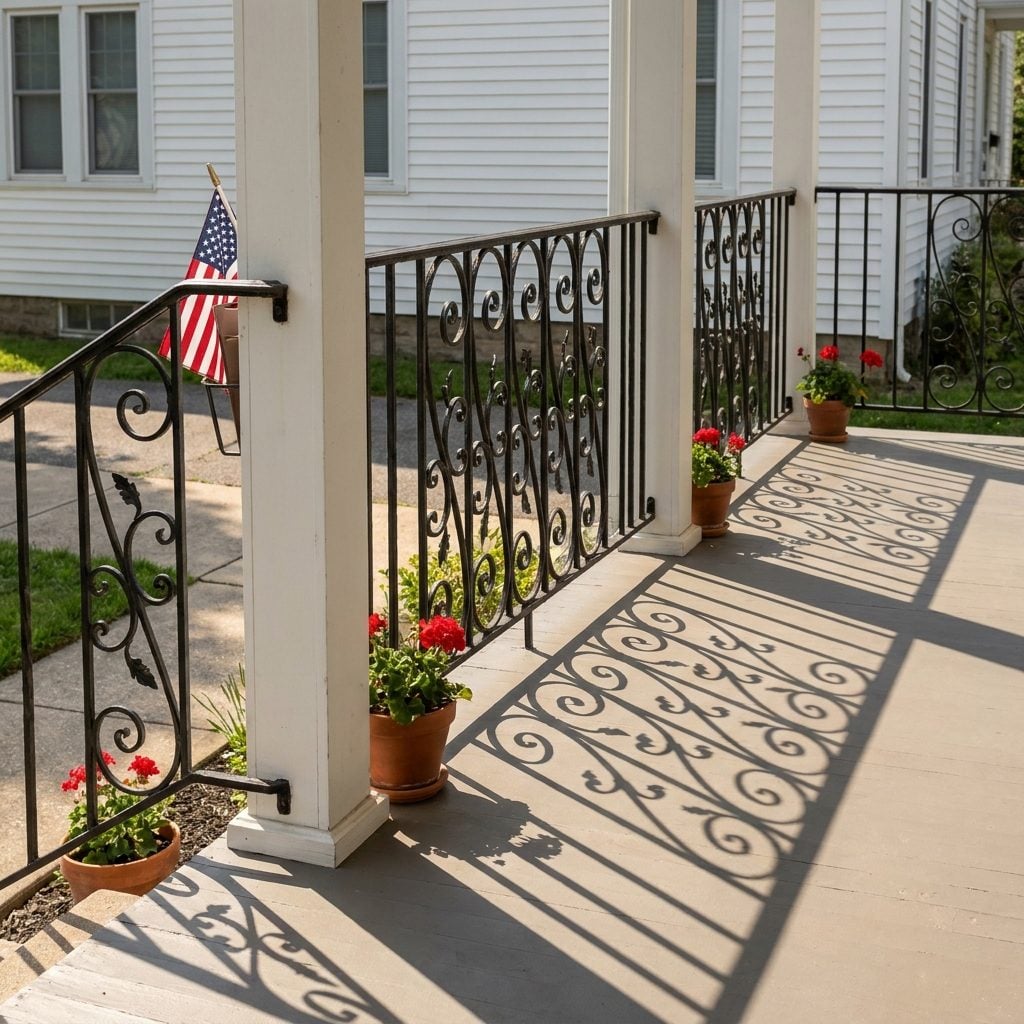
The scrollwork was doing serious heavy lifting. A plain porch with a simple wooden railing? Functional. Add wrought iron railings with those S-curves and leaf details, and suddenly the whole house looked like it had opinions about itself.
Why Every Neighborhood Had Them
Local blacksmiths and ironworkers were still common trades in the 1940s, and a custom railing was surprisingly affordable — each set slightly different because they were bent and hammered on an anvil by hand. Your scrollwork was genuinely one of a kind. Mass-produced aluminum replacements didn’t flood the market until the 1960s, and frankly, they never captured the same weight or warmth.
Morning light threw incredible shadow patterns from the iron across the porch floor. That alone justified the upkeep, even though the upkeep was considerable: sanding, priming, repainting every few years to hold rust at bay. People did it anyway, almost ritualistically. A country porch renovation in that era almost always started with the ironwork.
27. Concrete Planters Stuffed With Petunias and Geraniums Like It Was a Competition
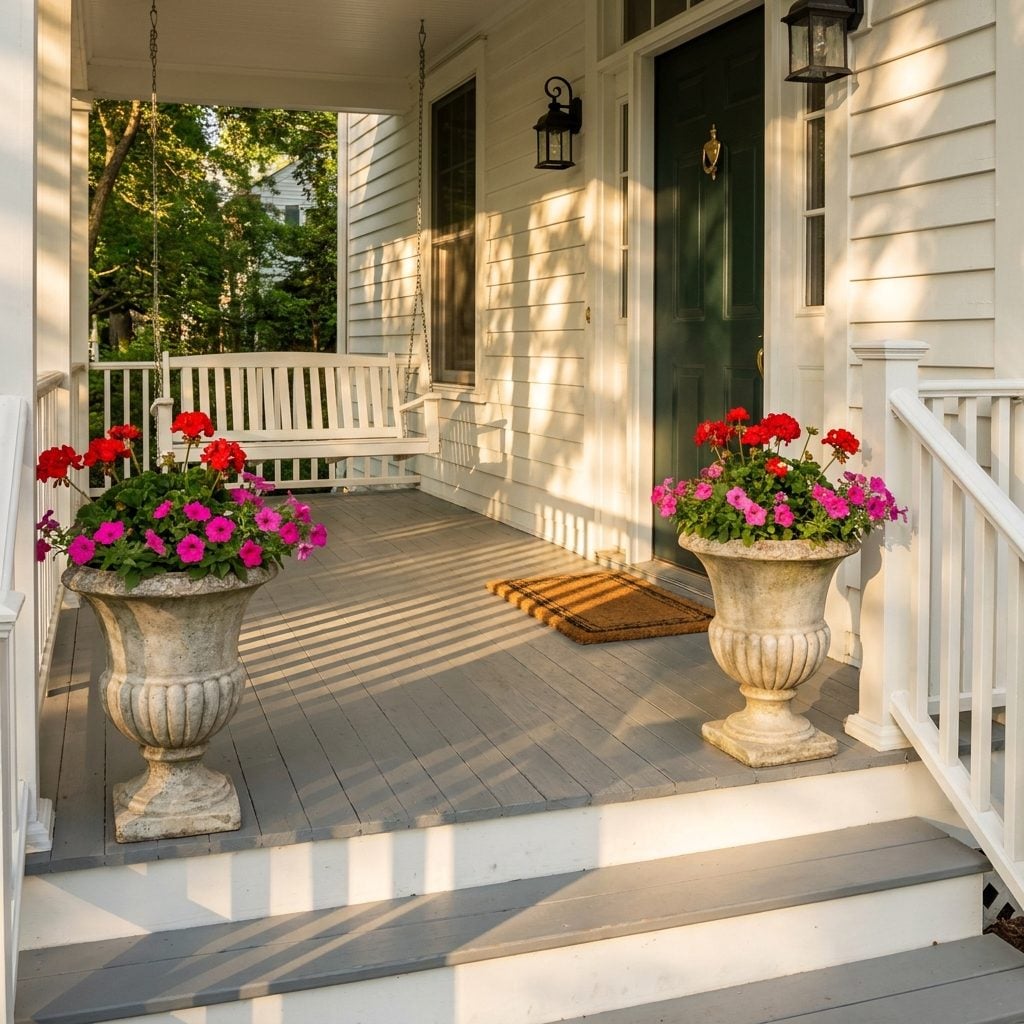
Every porch on the block had them, and somehow every grandmother acted like hers were the only ones worth mentioning. Those heavy concrete urn planters, poured thick and slightly lopsided, parked on either side of the steps like sentries. Red geraniums were the default. Petunias if someone felt adventurous.
The planters themselves weighed a small fortune. Nobody moved them once placed. They just stayed, year after year, the concrete slowly staining green at the base from decades of watering. Kids used them as home base during tag. Delivery men navigated around them like pylons.
What’s funny is nobody bought them at a garden center. They came from hardware stores, sometimes church sales, and they all looked vaguely Greco-Roman in a way that had no business being on a porch in Ohio. But there they sat, packed with soil and blooming their hearts out every June.
26. Neighbors Just Showing Up Because the Porch Was Basically a Public Invitation
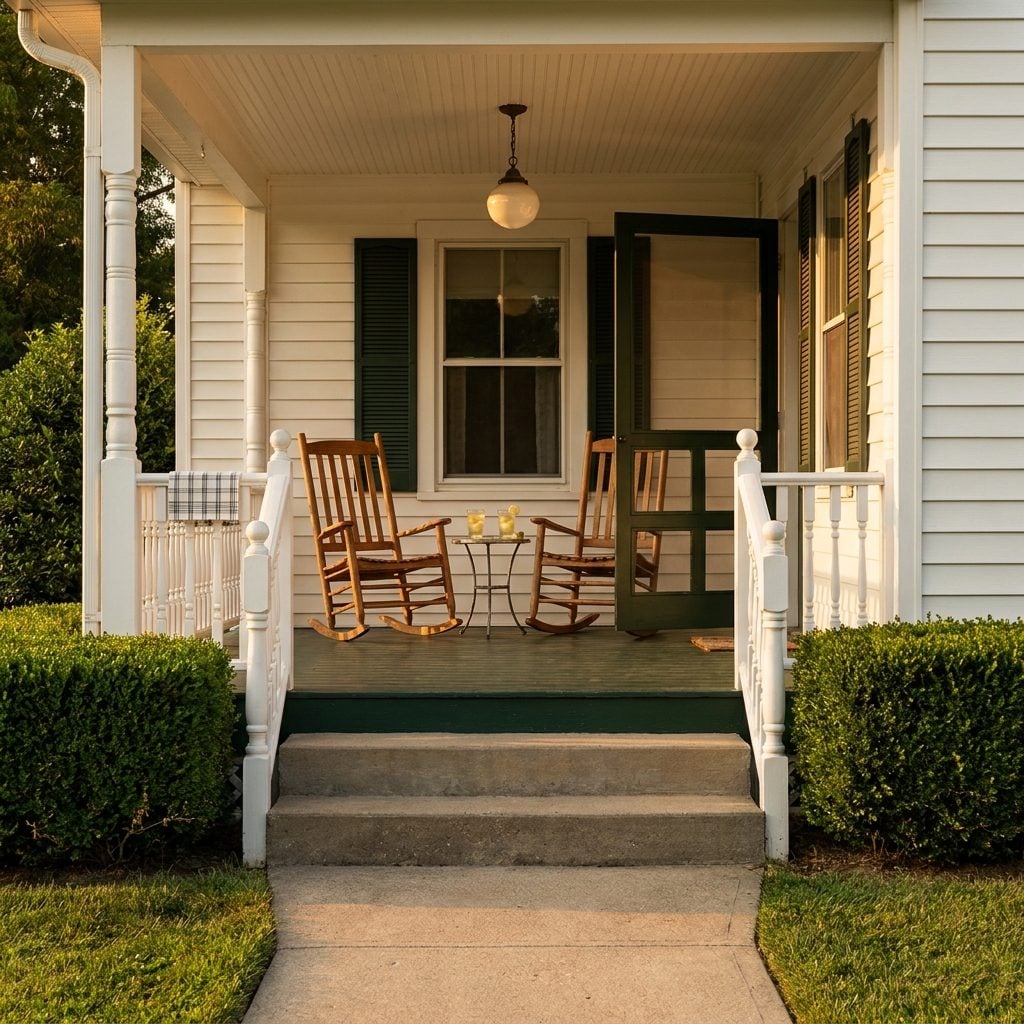
There was no texting ahead. No calling first. If someone was sitting on their porch, that was the invitation. You walked up, said hello, and suddenly forty-five minutes had passed and you knew everything about Mildred’s gallbladder.
The light front porch culture of the 1940s operated on an unspoken rule: visible presence meant available for conversation. Two wooden rocking chairs facing the street weren’t furniture. They were a social broadcast. And the screen door was always unlocked.
25. Kids Parked on the Porch Steps With Popsicles Melting Faster Than They Could Eat Them
🔥 Would you like to save this?
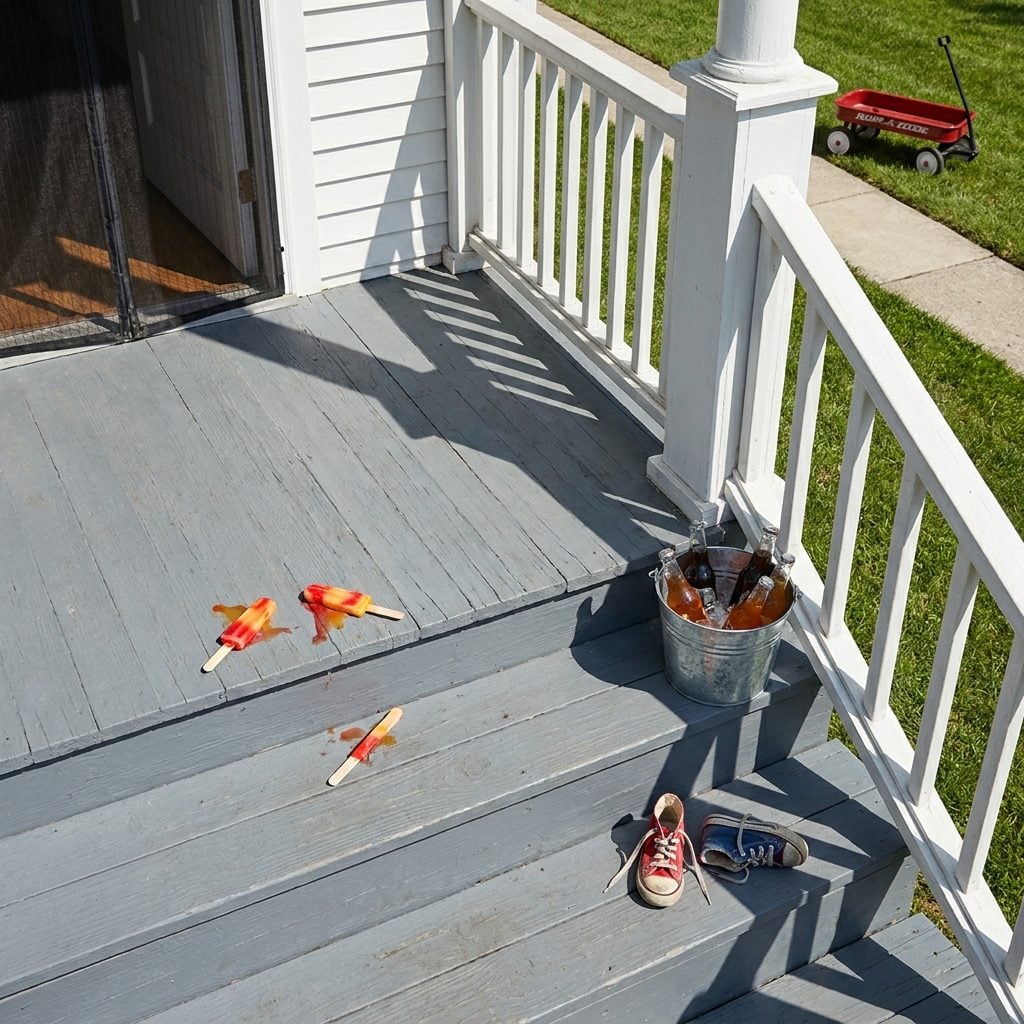
Sticky. That’s the word. Those porch steps were permanently sticky from May through September, coated in a thin glaze of grape and cherry Popsicle residue that no amount of hosing could fully remove. The gray paint showed every drip like a crime scene.
Nobody ate Popsicles inside. That was the rule, spoken or otherwise. You got your treat and you went to the steps. You sat there in the direct sun, racing the melt, juice running down your wrist to your elbow while wasps circled. The wooden sticks ended up wedged between porch boards. Some of them are probably still there.
24. Moms Keeping Watch From Porch Chairs While Kids Tore Up and Down the Block on Bikes
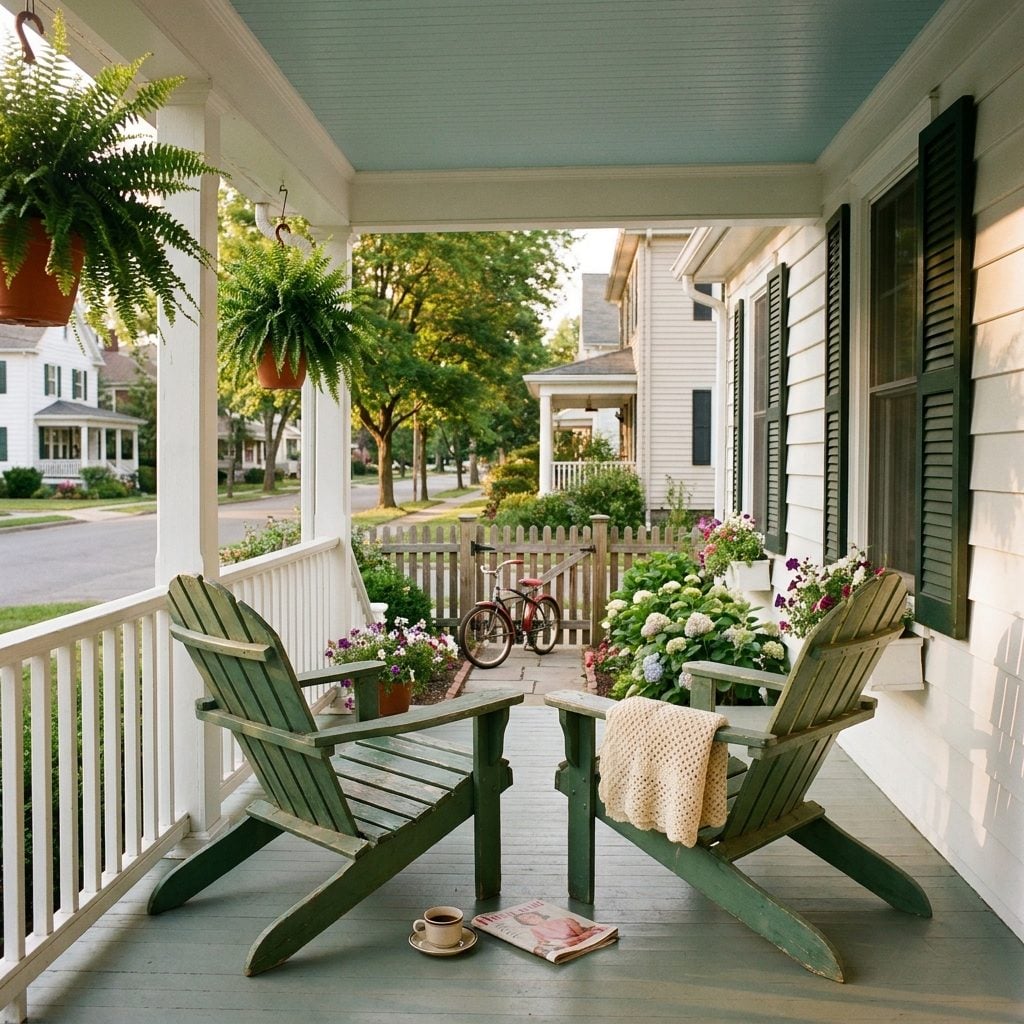
She didn’t hover. She didn’t follow on foot. She sat in a painted Adirondack chair with a cup of coffee that had gone cold an hour ago, and she could tell by the sound of the bicycle wheels on the pavement exactly where the kids were, how fast they were going, and whether someone was about to do something stupid.
This was the 1940s version of a security camera: one woman on a porch with peripheral vision and the ability to shout a full name, middle included, at a volume that carried three houses down. No child ever outran that voice. And every mom on the block had the same setup, creating a relay network of eyes that covered the entire street. The farmhouse porch wasn’t just a sitting area. It was a command center.
23. Freshly Painted Porch Floors in That Specific Shade of Battleship Gray
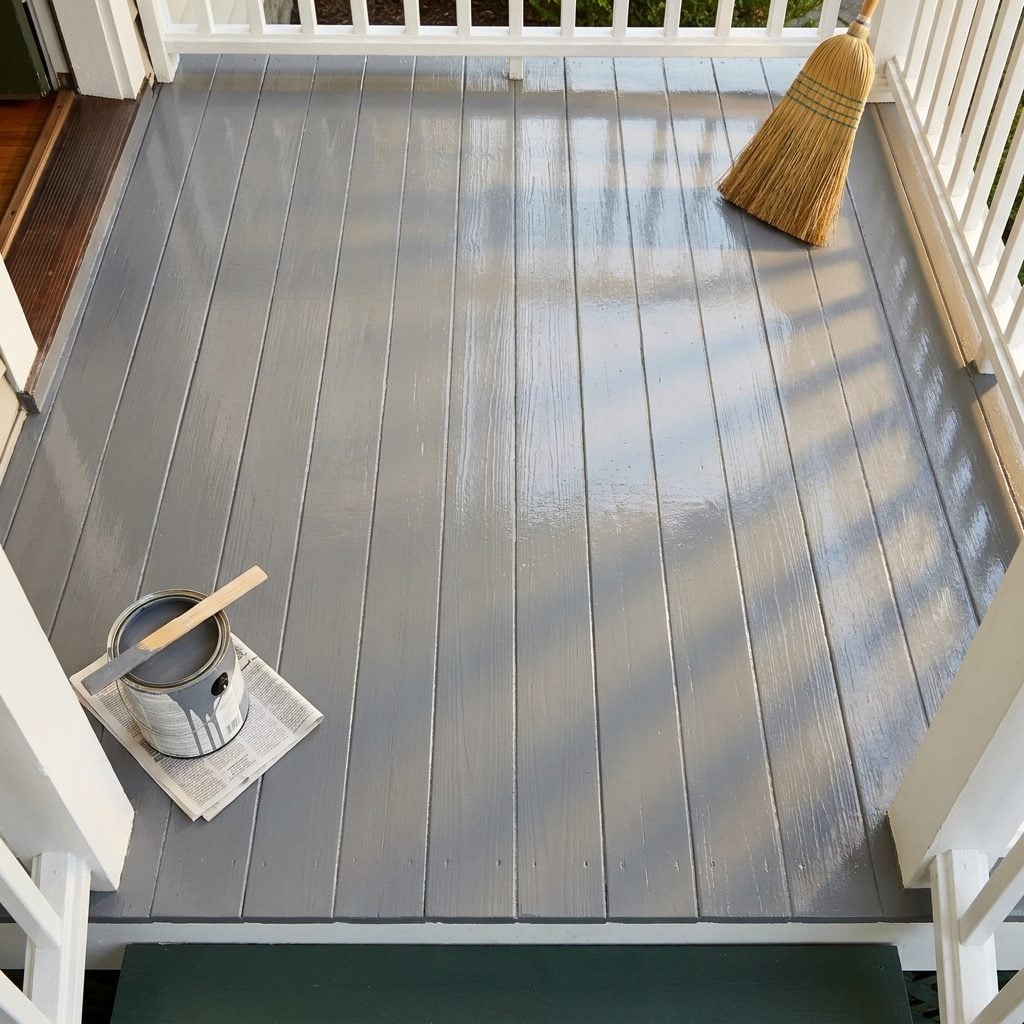
Battleship gray. That exact shade. Not charcoal, not dove, not slate. Battleship gray, straight from the can, and every dad on the block applied it the same weekend in early spring like they’d all received the same memo.
Fresh porch paint was a ritual that signaled respectability. Peeling porch paint was practically a moral failing. The whole operation took a Saturday: sweep, scrape, prime the bad spots, then roll on that gray like you were sealing a contract with the neighborhood. The smell of oil-based porch enamel drifting through the screen door is one of those scent memories that hits without warning, decades later.
And everyone knew not to walk on it for at least two days. There was always a makeshift barrier, usually a kitchen chair turned sideways, guarding the wet surface like a velvet rope.
22. The Milk Delivery Box Still Sitting by the Door Like a Tiny Monument to a Vanishing Era
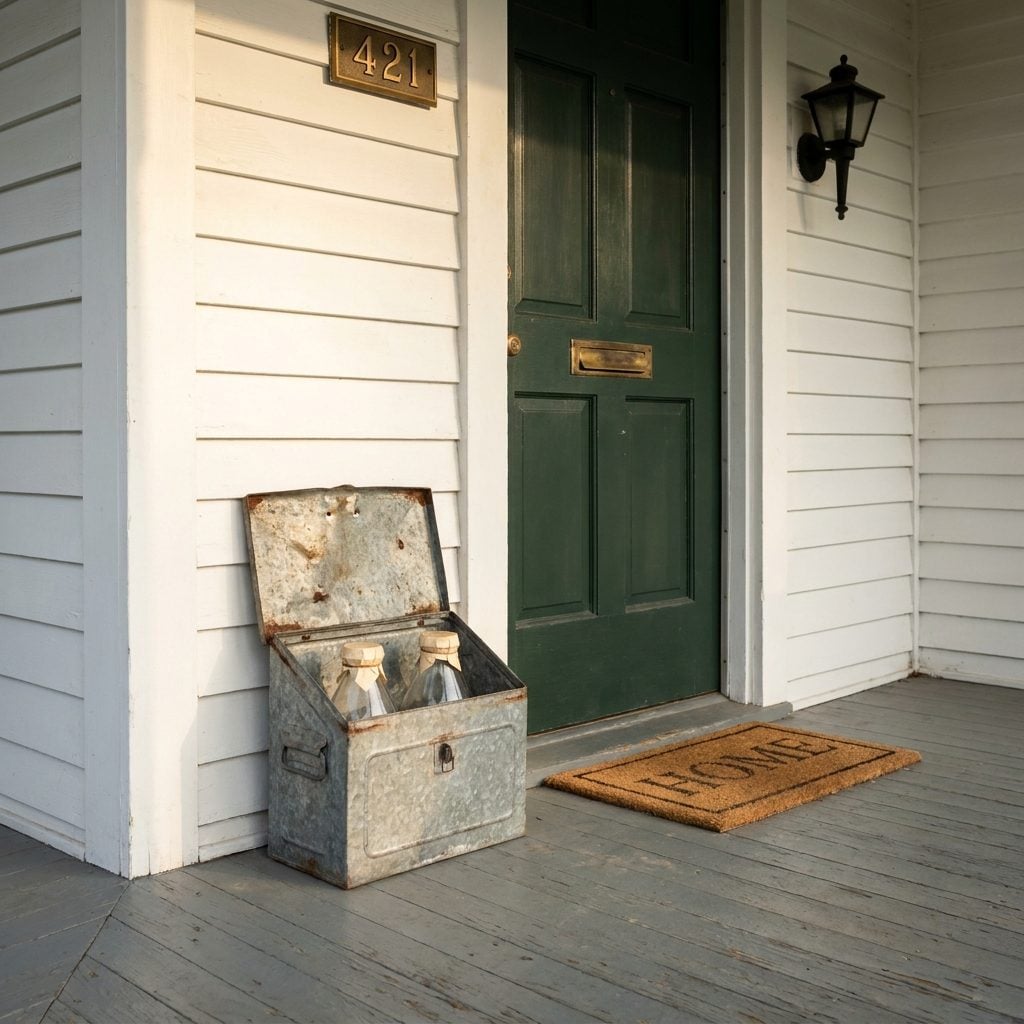
By the mid-1940s, home milk delivery was already starting its slow fade, but plenty of porches still had the box. That little insulated metal cabinet, usually galvanized steel with a hinged lid, sitting faithfully beside the front door like a loyal dog nobody remembered to feed.
Mornings meant the clink of glass bottles, the quiet thud of the lid closing. The milkman came before anyone was awake. You’d open the door to find two cold quarts sweating in the box, cream risen to the top in a thick yellow line. Kids fought over who got to shake the bottle.
21. Front Doors With Those Decorative Aluminum Storm Doors Nobody Could Open Quietly
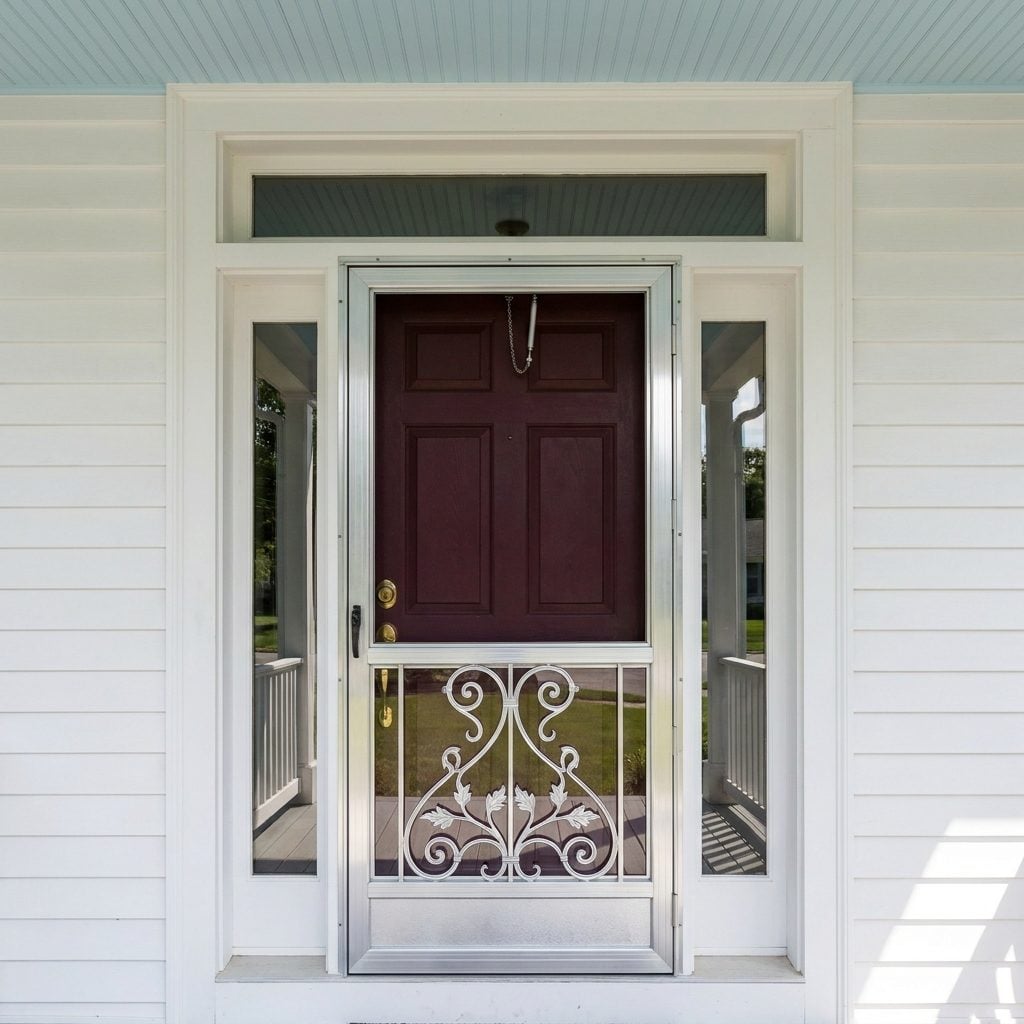
BANG. That’s how you knew someone was home. The aluminum storm door announced every arrival and departure with the subtlety of a cannon, its pneumatic closer either too tight or completely shot, producing a signature slam that echoed through the house.
The scrollwork on those doors was genuinely ambitious. Vine patterns, curlicues, sometimes a vaguely colonial eagle, all stamped into lightweight aluminum and screwed onto a frame that warped slightly more each winter. They were decorative and functional, keeping out flies and letting in breeze, but their real legacy is acoustic. That specific metallic WHAP followed by the rattle of the frame. You can probably still hear it if you close your eyes.
20. House Numbers Mounted on Porch Columns With More Pride Than the Address Warranted
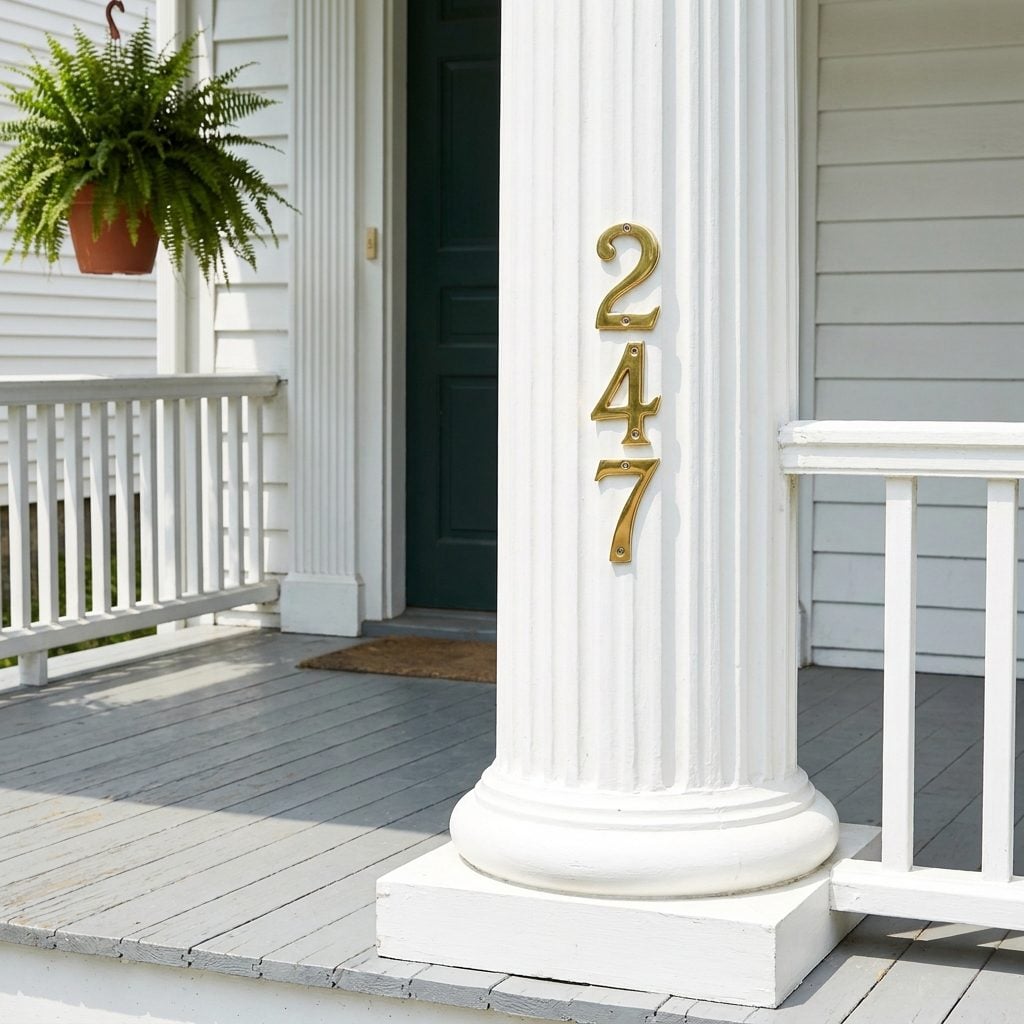
Individual brass house numbers, each one mounted separately with its own tiny screws, positioned dead center on the porch column where the afternoon sun would catch them. This was not about helping the mailman. This was about declaring, with quiet authority, that someone cared about this house.
The font choices alone told a story. Serif numbers meant traditional. Script meant someone had aspirations. Block numbers meant no-nonsense. And every few years, someone would take them down, polish them with Brasso until they gleamed like new jewelry, and screw them right back in the same holes.
19. The Morning Newspaper Folded Tight and Tossed Beside the Front Door Like Clockwork
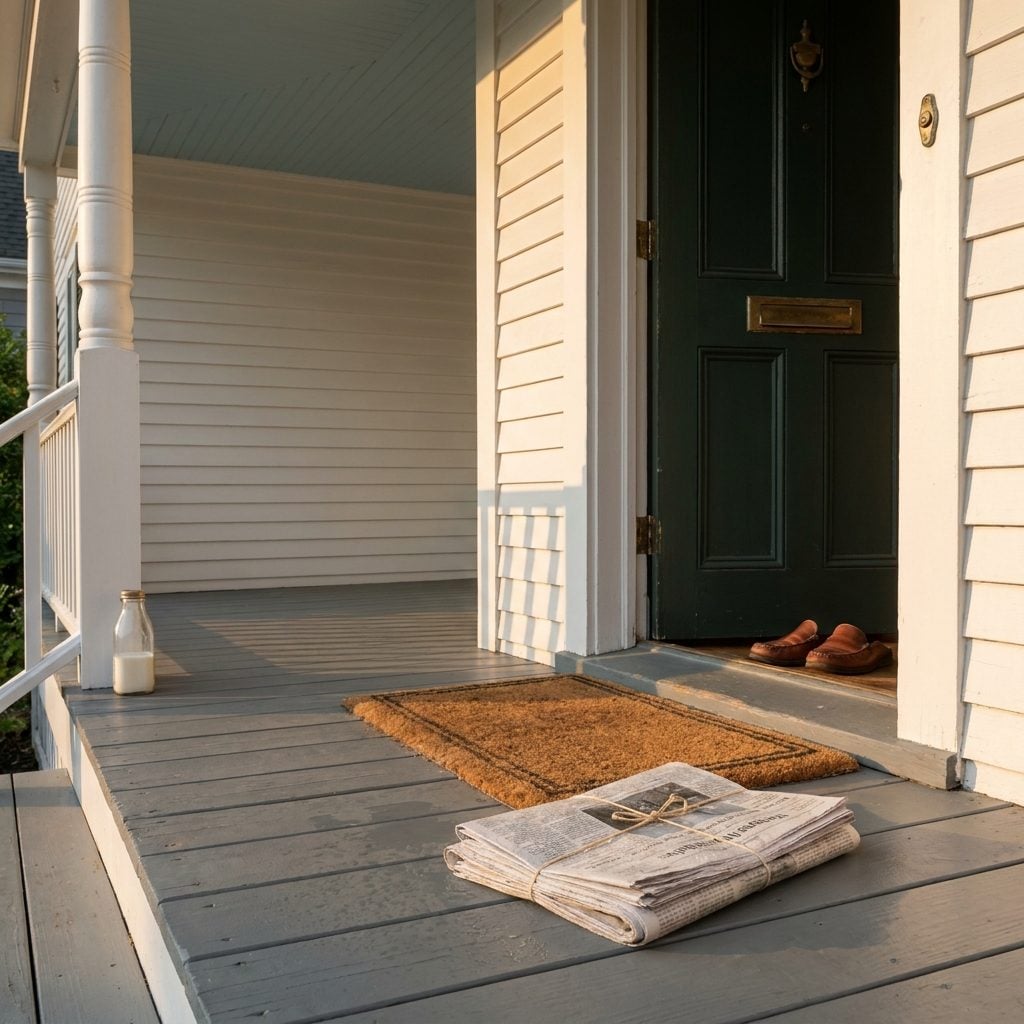
Thud. 5:45 AM. Every morning, same spot, same sound. The paper boy had an arm like a pitcher and the aim of someone who’d been doing the route for three years. That folded newspaper, rubber-banded tight, landed beside the door with military precision.
Picking it up was part of the morning ritual, right between opening the door and taking the first sip of coffee. The paper was often slightly damp, the ink still sharp enough to leave smudges on your fingertips that you’d find later on your coffee cup, your shirt collar, the porch railing where you leaned while reading the front page before going inside. Nobody read the paper at the kitchen table first. You read the headlines on the porch. Always.
18. Cigarette Smoke Drifting Across Every Evening Porch Conversation Like Weather
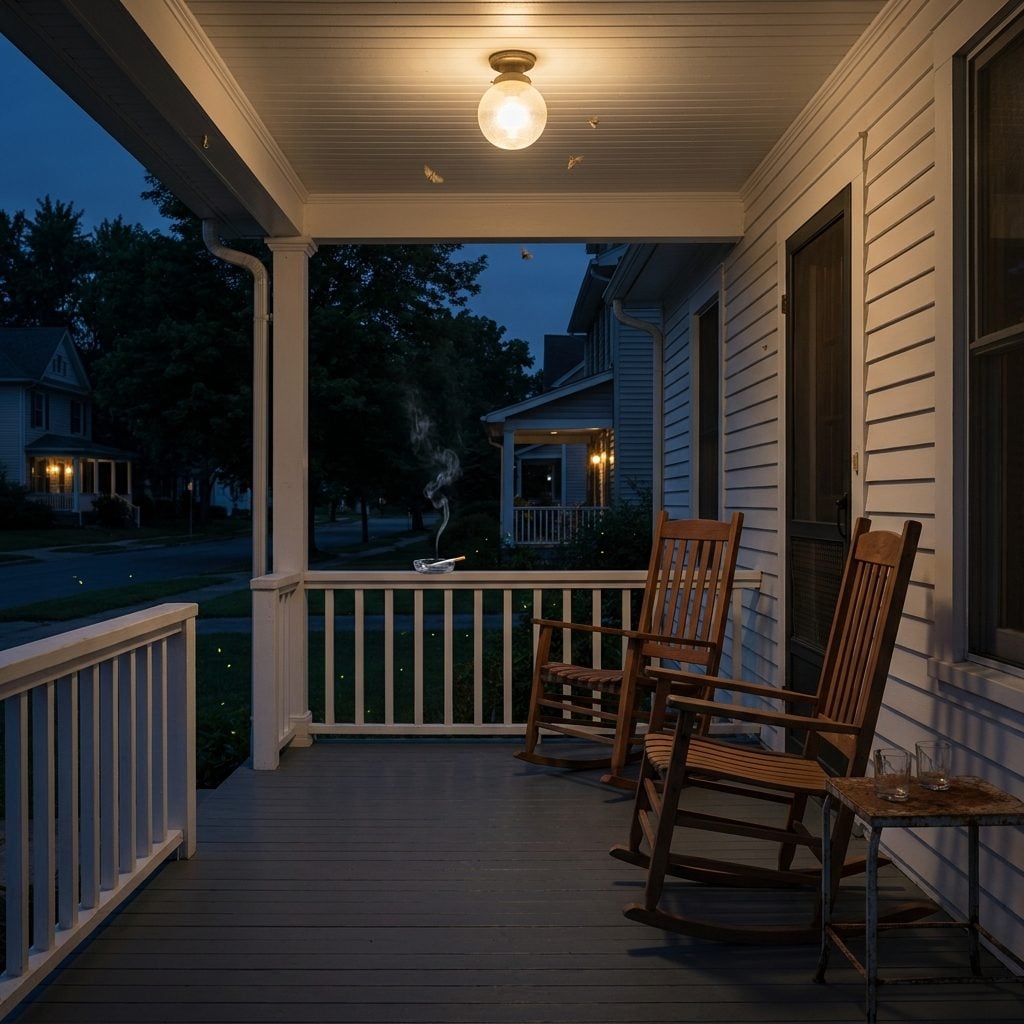
It hung in the air like a second atmosphere. That thin blue layer of cigarette smoke, hovering just below the porch ceiling, barely moving on still summer nights. Everybody smoked, or sat next to somebody who did, and the porch was where it happened. The living room had ashtrays too, but the porch was the preferred venue.
The glow of the cigarette tip was sometimes the only way you could tell someone was sitting out there in the dark. A small orange dot, rising and falling. The smell mixed with honeysuckle and cut grass until it became its own distinct thing: the smell of an evening at home in the 1940s. Not romantic. Not condemned. Just there, as constant and unremarkable as the porch light itself.
Glass ashtrays lived on porch railings full-time, collecting rainwater between uses. Nobody brought them inside.
17. The Metal Porch Chairs That Could Brand Your Thighs on a July Afternoon
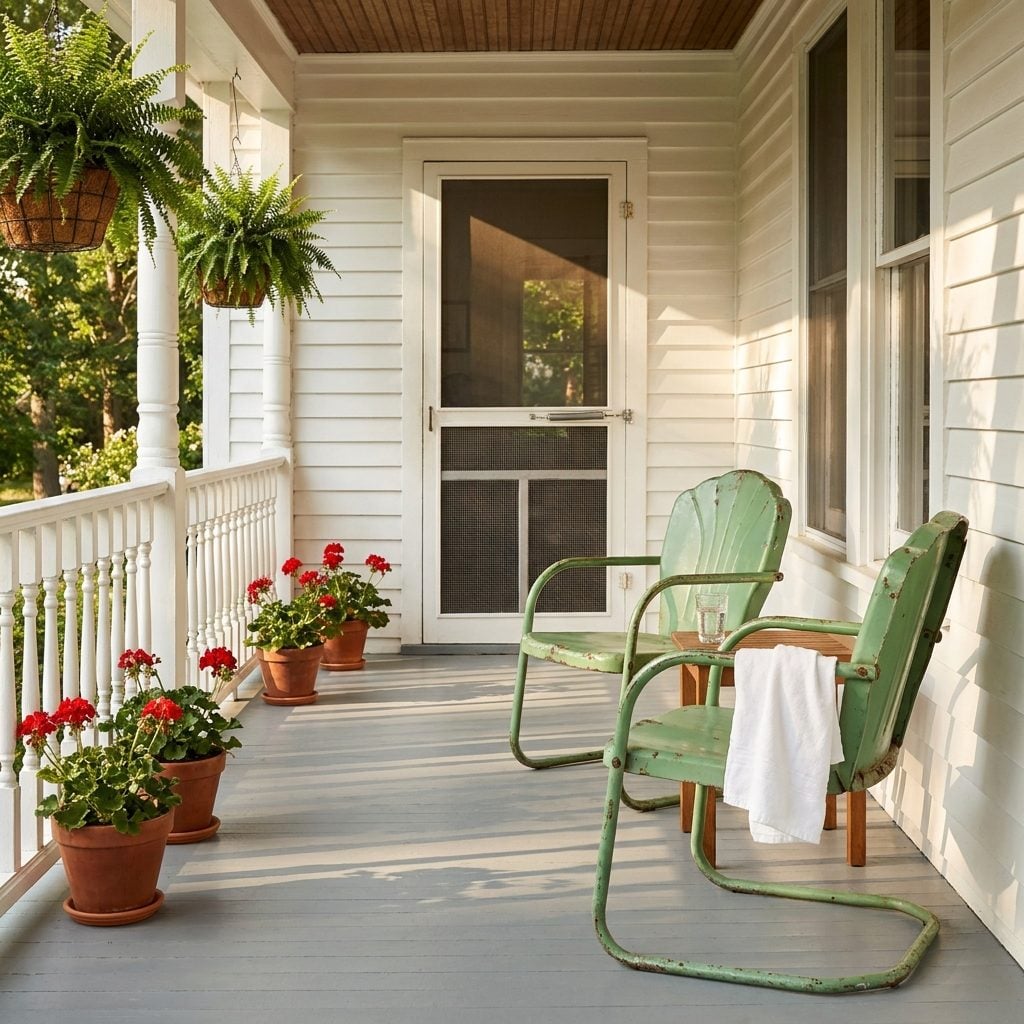
Nobody warned you. You’d come tearing out the screen door in shorts, drop into that shell-shaped metal chair, and learn a lesson about thermal conductivity that no science class could match. Those vintage metal porch chairs, usually painted white or that chalky green, looked so inviting from a distance. After four hours of direct sun, though, they were griddles with armrests.
The paint blistered and flaked over the years, leaving little rust spots shaped like tiny continents. Families kept using them anyway — you’d see a folded towel draped over the seat, the universal 1940s hack for not searing your skin. The chairs were indestructible. That was the trade-off. They outlasted everything on the porch, including the porch itself in some cases.
16. A Radio Crackling Through the Screen Door with the Evening’s Ballgame
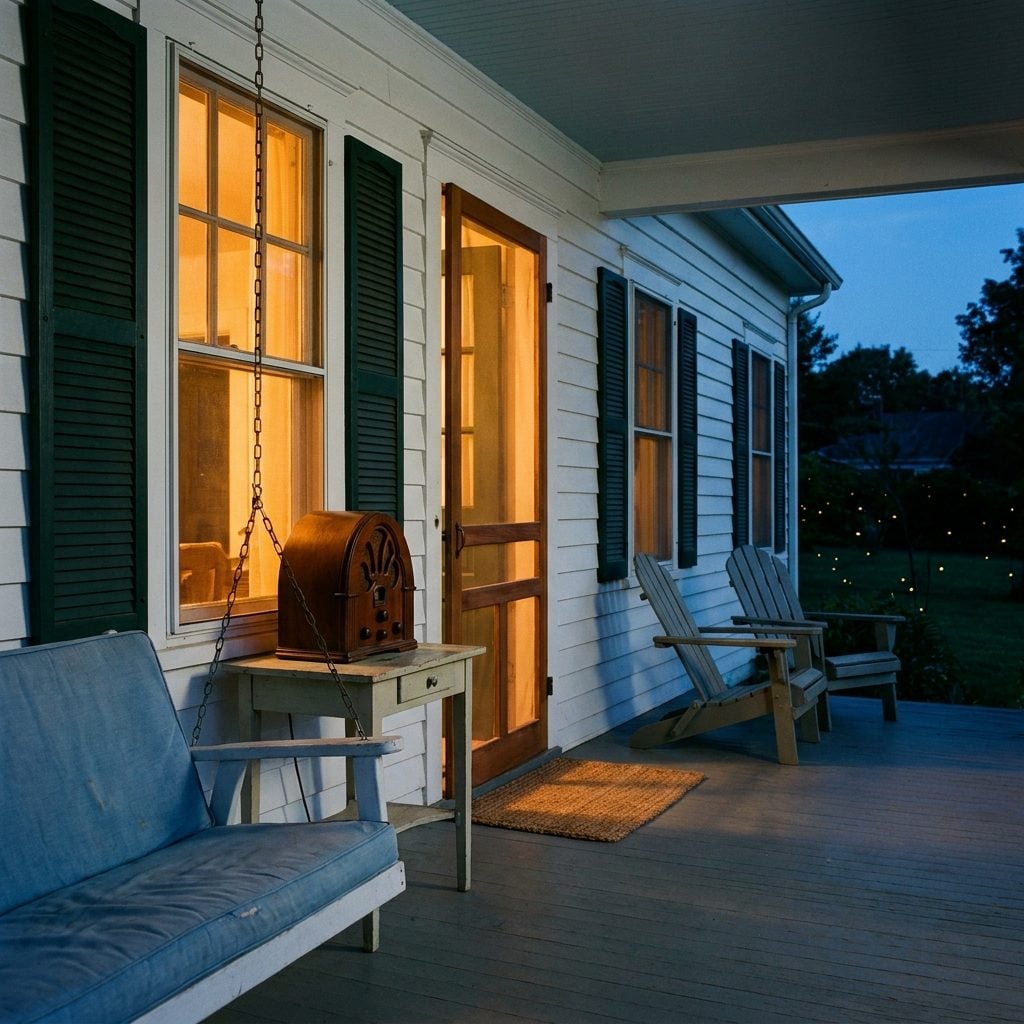
The sound carried — you didn’t even need to be on the porch. Some tabletop Philco or Zenith sat just inside the window, volume cranked enough that the play-by-play drifted through the screen door and settled over the whole front yard like a second layer of weather. Nobody owned the broadcast. The whole block could follow the score if they wanted to.
Warm evenings, the announcer’s voice mixed with crickets and the occasional car. Fathers tilted back in their chairs. Mothers half-listened while shelling peas. It wasn’t appointment listening so much as ambient companionship — this voice narrating something happening far away while nothing much happened right here — and that was exactly right.
15. Garden Hoses Stretched Across the Whole Yard Like Some Kind of Obstacle Course
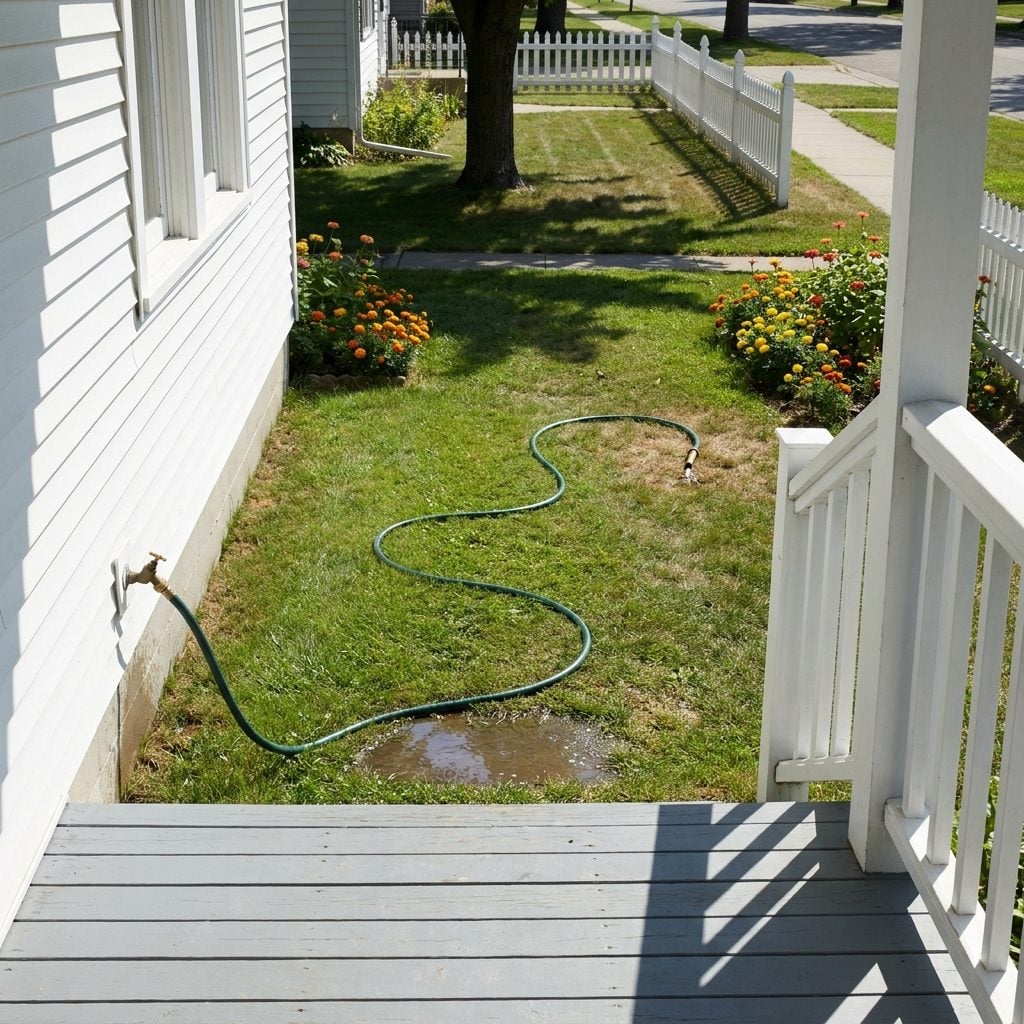
Every 1940s front yard had a garden hose that seemed to grow longer the more you looked at it — dark green rubber, heavy, kinked in at least three places, snaking from the spigot on the side of the house all the way past the flower beds and into territory that didn’t obviously need watering. Trip hazard? Absolutely. But parents sat on the porch watching kids hop over it without a flicker of concern.
The brass nozzle leaked at the connection. Always. A little puddle formed near the porch steps, turning that one patch of dirt into permanent mud. And when left in the sun, the hose dispensed water hot enough to scald for the first thirty seconds before it ran cool. Everyone knew to let it run. Nobody thought to move it into the shade. Some problems people just accepted as facts of life.
14. Striped Canvas Window Awnings That Gave the Whole Porch a Café Feel
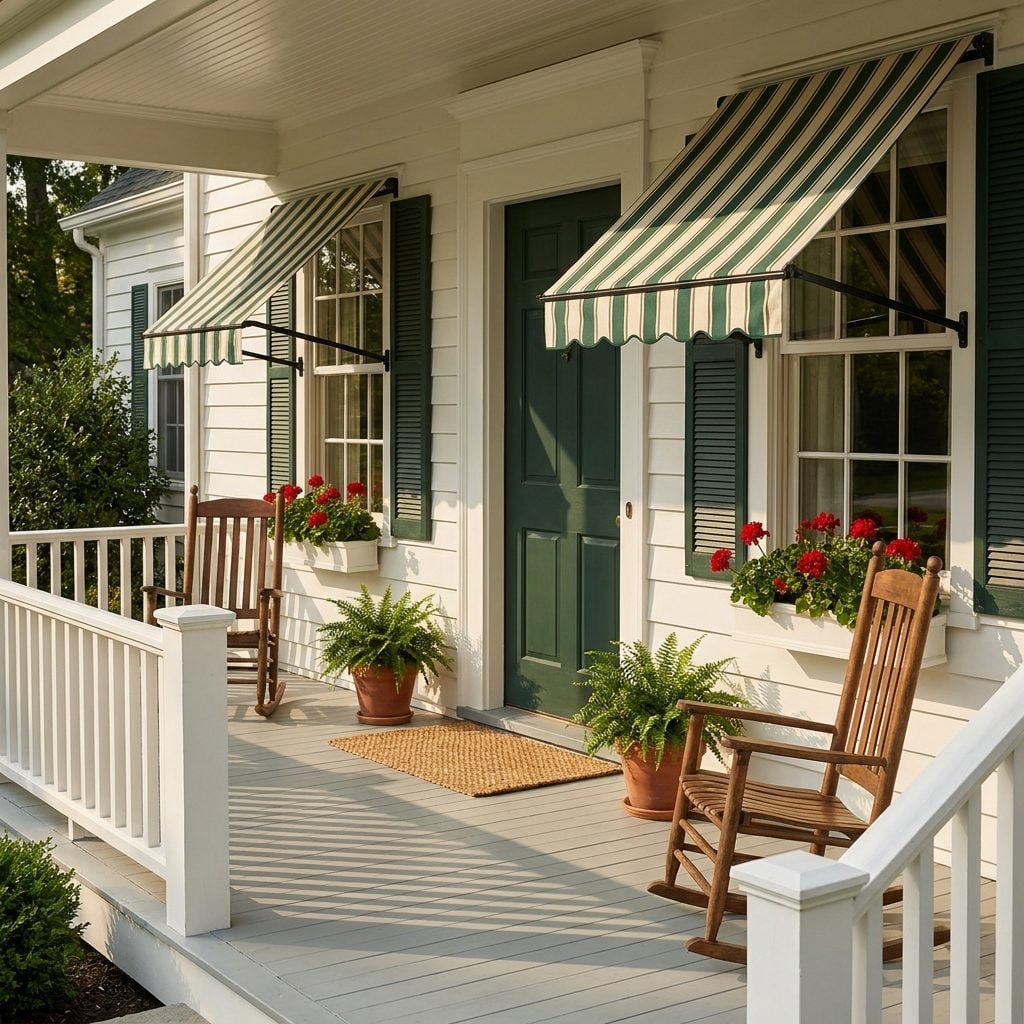
Before central air became the default answer to everything, window awnings were actual infrastructure. Striped canvas — forest green and cream, burgundy and white — bolted above porch-facing windows on simple metal frames. They cut the direct sun before it could turn the front room into an oven.
Shade the glass, cool the room, spend less time wilting indoors. Sound logic. But the side effect was purely aesthetic: a light front porch filtered through those awnings took on this soft, diffused quality. Almost romantic. The canvas faded over seasons, the stripes softening from crisp to chalky, and somehow that made them better looking. I’ve never understood why faded stripes improve a thing, but they do.
Roll-up versions existed for winter storage. Most people forgot to roll them up until the first hard freeze cracked the metal fittings.
13. Neighborhood Conversations That Just Happened Without Anyone Sending a Single Text
🔥 Would you like to save this?
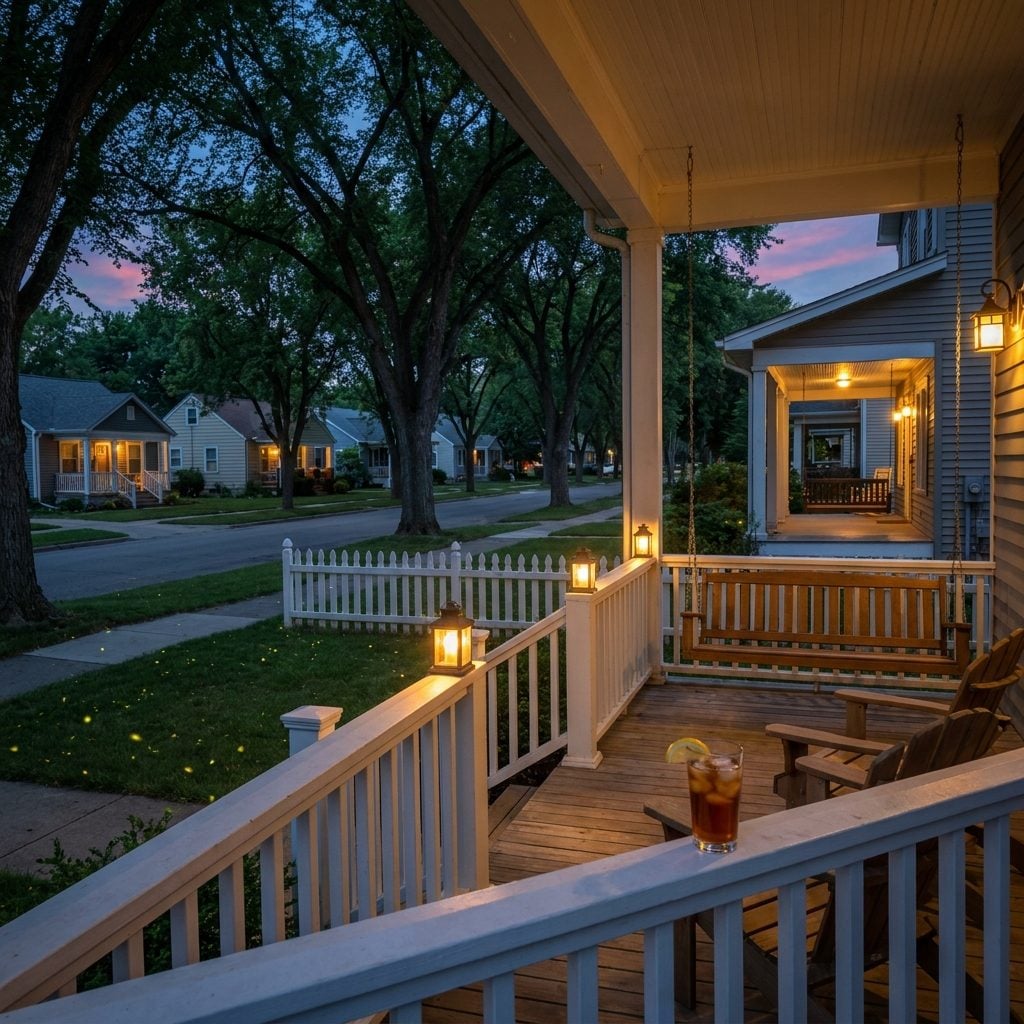
This one stings a little in hindsight. There was no coordination. Someone sat on their porch after supper. A neighbor walking the block slowed down near the steps. A sentence became a conversation became an hour, and then a third person drifted over from two houses down, arms crossed, leaning on the railing like they’d been expected.
The porch faced the street on purpose. It had chairs on purpose. The whole layout of a 1940s farmhouse porch was a standing invitation — you didn’t need to be extroverted, just visible.
Topics ranged from gardens to the war to who was selling their car. Nobody called it community building. It was just Tuesday.
12. The Broom Leaning Against the Wall, Always Within Arm’s Reach
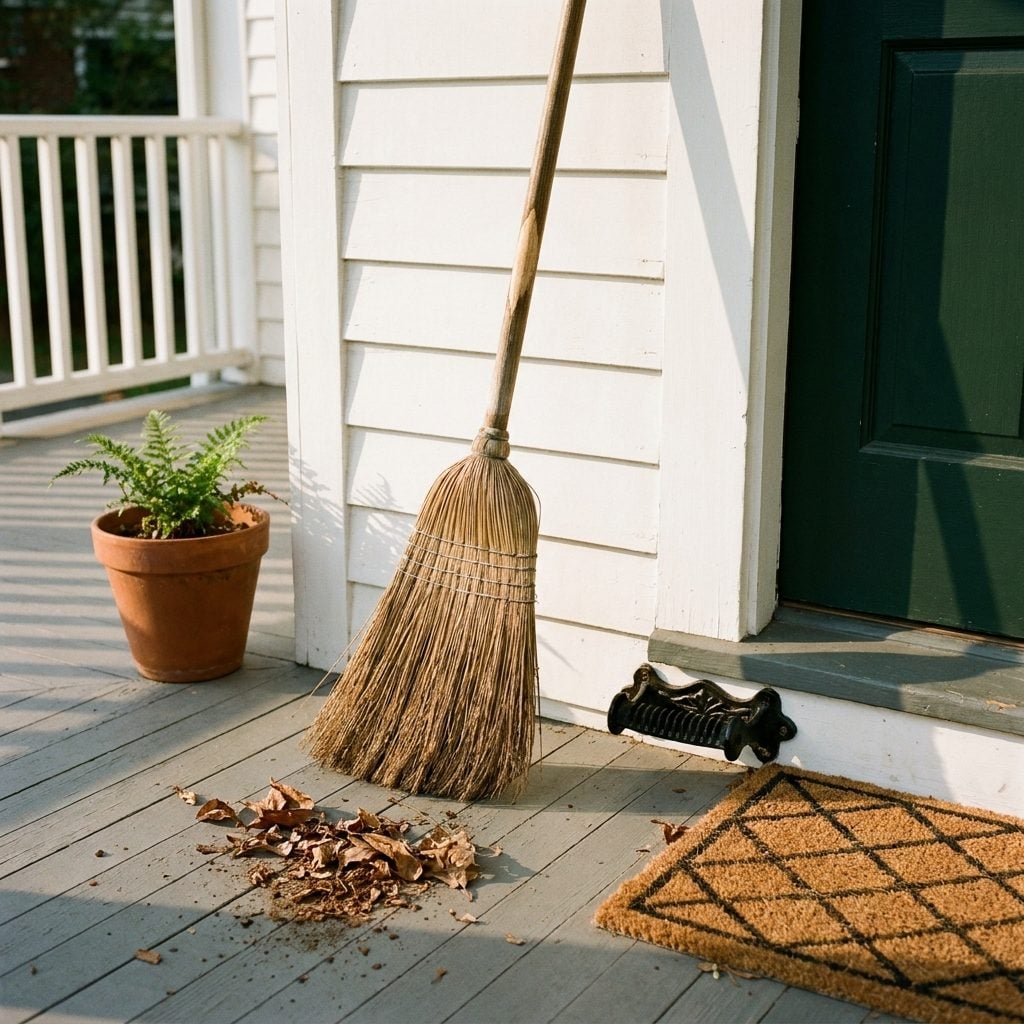
It never got put away. That corn broom lived on the porch like it paid rent — propped against the clapboard siding near the door, bristles splayed from years of sweeping leaves and dirt and whatever the wind deposited overnight. Grabbing it was reflex, not chore. A quick sweep before sitting down. A fast pass after the kids tracked in mud.
The handle was smooth from use, lighter in color where hands gripped it most. Some porches had a small nail or hook for it. Most didn’t bother. Leaning worked fine, and it looked right there, in a way that a broom tucked in a closet never quite does.
11. Concrete Front Porches That Became the Block’s Living Room After Dinner
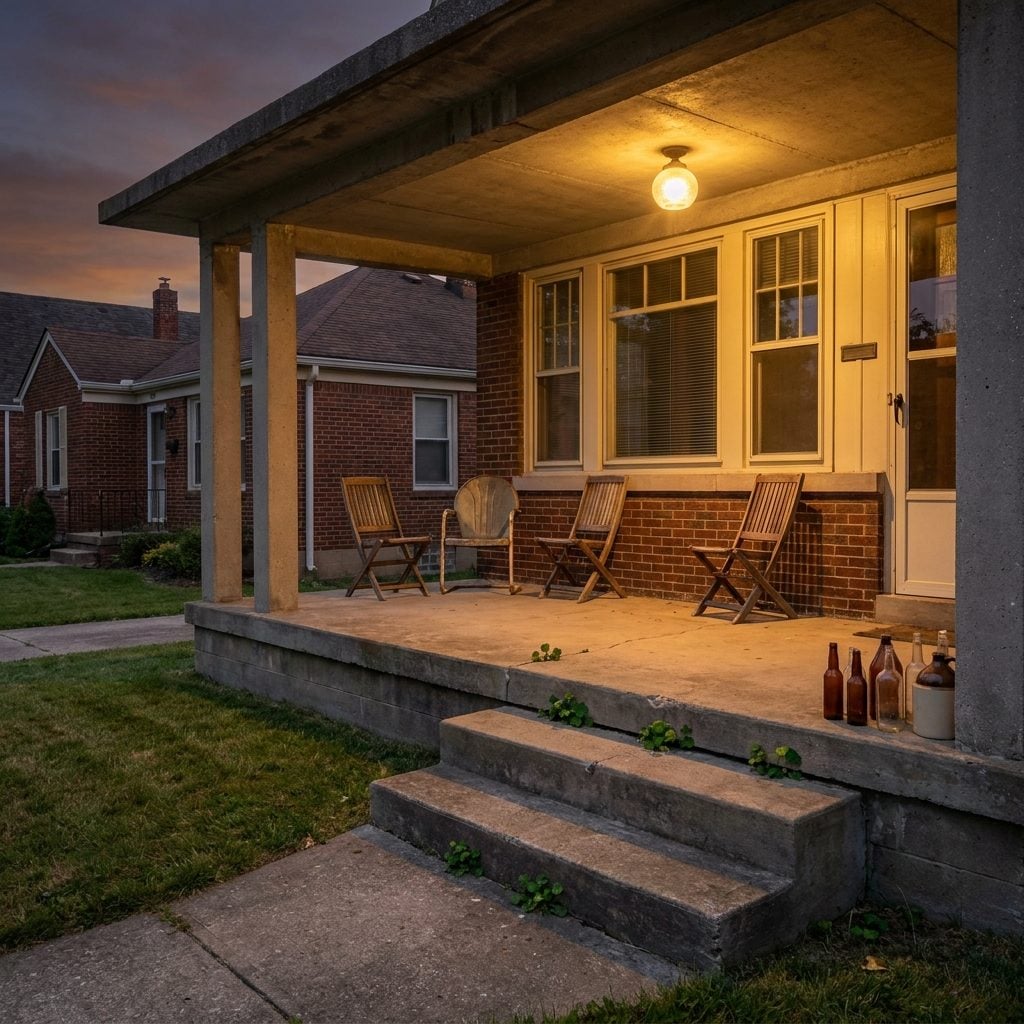
Poured concrete. No cushions. Absolutely no concept of ergonomics. And yet, after supper, those slabs filled up like they were the best seats in the house — kids on the steps, adults with chairs pulled to the edge, the concrete still holding the day’s heat and releasing it slowly into the evening, warm under bare feet and through cotton slacks.
These weren’t decorative porches. Wide enough for a few chairs, deep enough to stretch your legs without your shoes hanging over the edge into the flower bed. Every crack in the surface grew a little line of moss or clover. Nobody fixed it.
The social mechanics were simple: after-dinner porches faced the street, streets had foot traffic, foot traffic stopped to talk. A concrete rectangle — no railing, no ornamentation, barely a step up from a sidewalk — became the center of neighborhood life for three seasons out of four. Maybe that’s the whole lesson about gathering spaces. The less designed they are, the more people actually gather.
10. Porch Ceilings Painted “Haint Blue” to Trick Wasps, Spirits, or Both
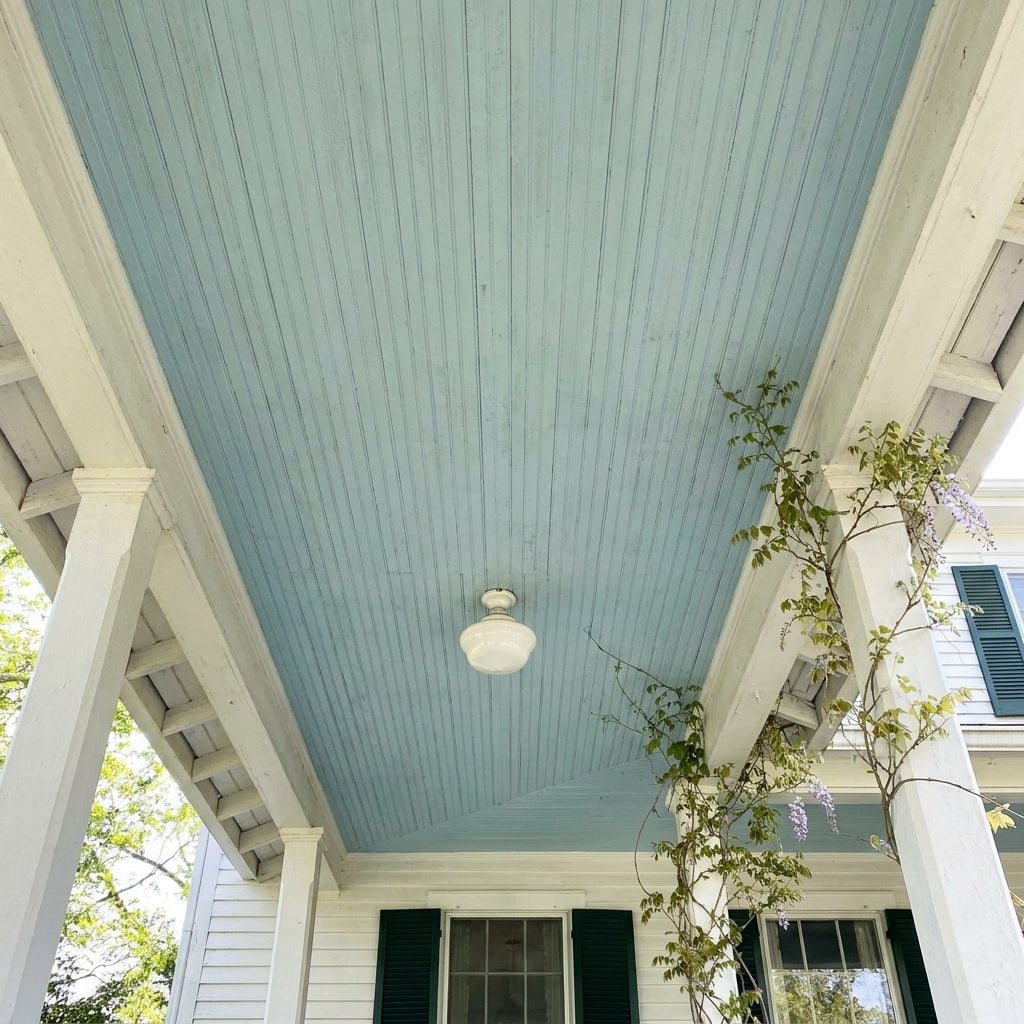
Walk through certain neighborhoods in the American South and you’ll still see it: porch ceilings painted a pale, watery blue. In the 1940s, the explanation depended entirely on who you asked. Some said it fooled dirt daubers and wasps into thinking the ceiling was open sky, discouraging them from nesting. Others — particularly in the Lowcountry — said the color kept haints, restless spirits, from crossing the threshold because the spirits couldn’t pass over water and the blue mimicked it.
The practical truth is murkier. Traditional milk-paint formulations sometimes contained lye, which genuinely did repel some insects. Whether the color alone did anything? Debatable. But a haint blue porch ceiling against white columns and dark green shutters gave the whole entrance a cool, airy quality — like standing under a permanent piece of morning sky. Hard to argue with that.
9. The Cooler of Soda Pop or Sweet Tea That Lived on the Porch All Weekend
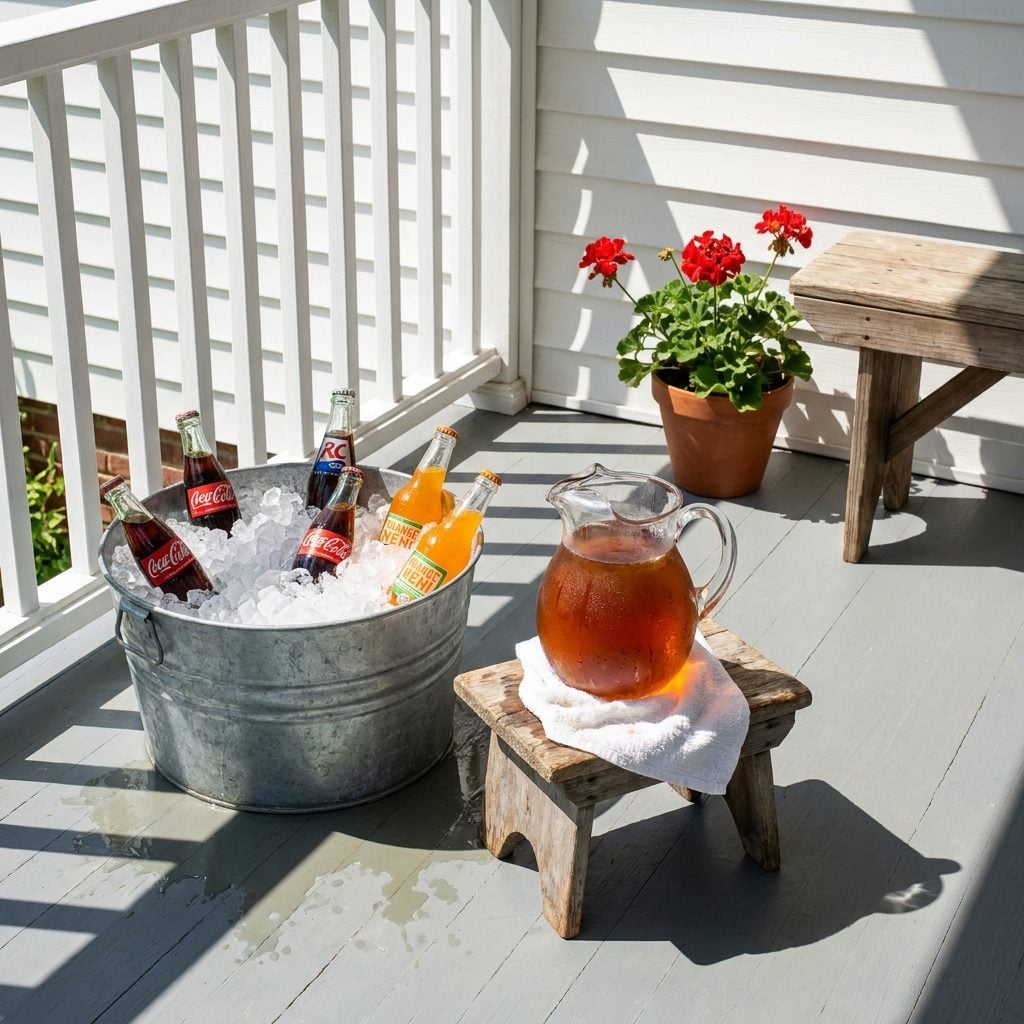
A galvanized steel tub. Ice from the icebox or, if the family was lucky, a bag from the filling station. Bottles of Coca-Cola, RC Cola, or Orange Nehi standing upright in meltwater, maybe a glass pitcher of sweet tea wrapped in a damp towel. The whole setup migrated to the porch on the first truly hot Saturday and didn’t come back inside until the ice was soup.
Kids knew the rules without being told: take one, close the lid, don’t leave it open. The clank of a bottle being pulled from ice — that was the signal. The afternoon had officially shifted from work to leisure, and everyone within earshot registered it.
8. Christmas Lights and Holiday Decorations That Didn’t Require an Engineering Degree
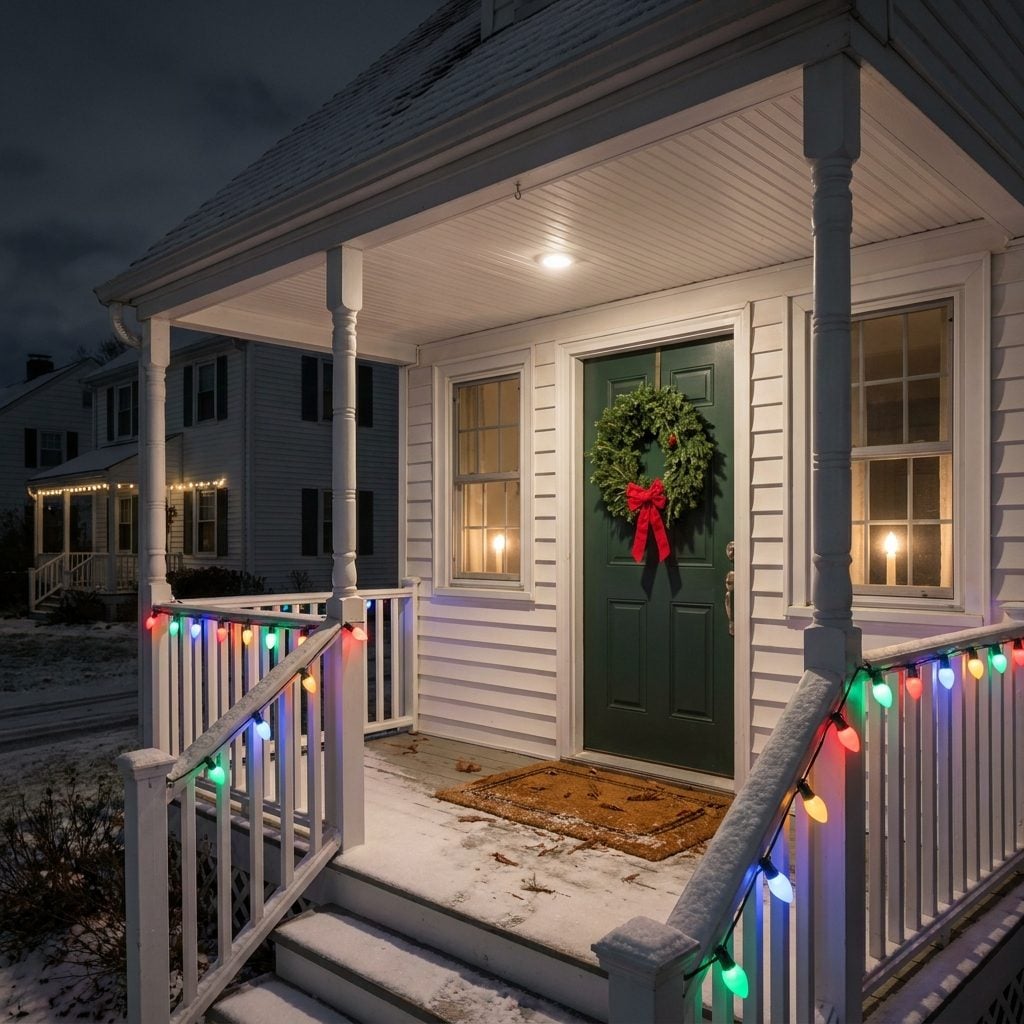
A single strand of fat C9 bulbs. Maybe two if the house sat on a corner lot. Someone clipped them along the porch railing or roofline with those little green plastic holders, plugged them into the outdoor socket, and called it December. The bulbs burned hot enough to melt snow on contact and popped with a satisfying little flash when one finally died.
A wreath on the door — usually real balsam, shedding needles into a growing pile on the welcome mat. Perhaps a candle in each front window, electric if the family was modern about it, actual flame if they weren’t. That was the full holiday display, and frankly it was plenty. The restraint wasn’t minimalism. People just hadn’t yet decided the roof needed to look like a runway.
7. The Magazine Rack and Yesterday’s Newspaper Parked Right Beside the Favorite Porch Chair
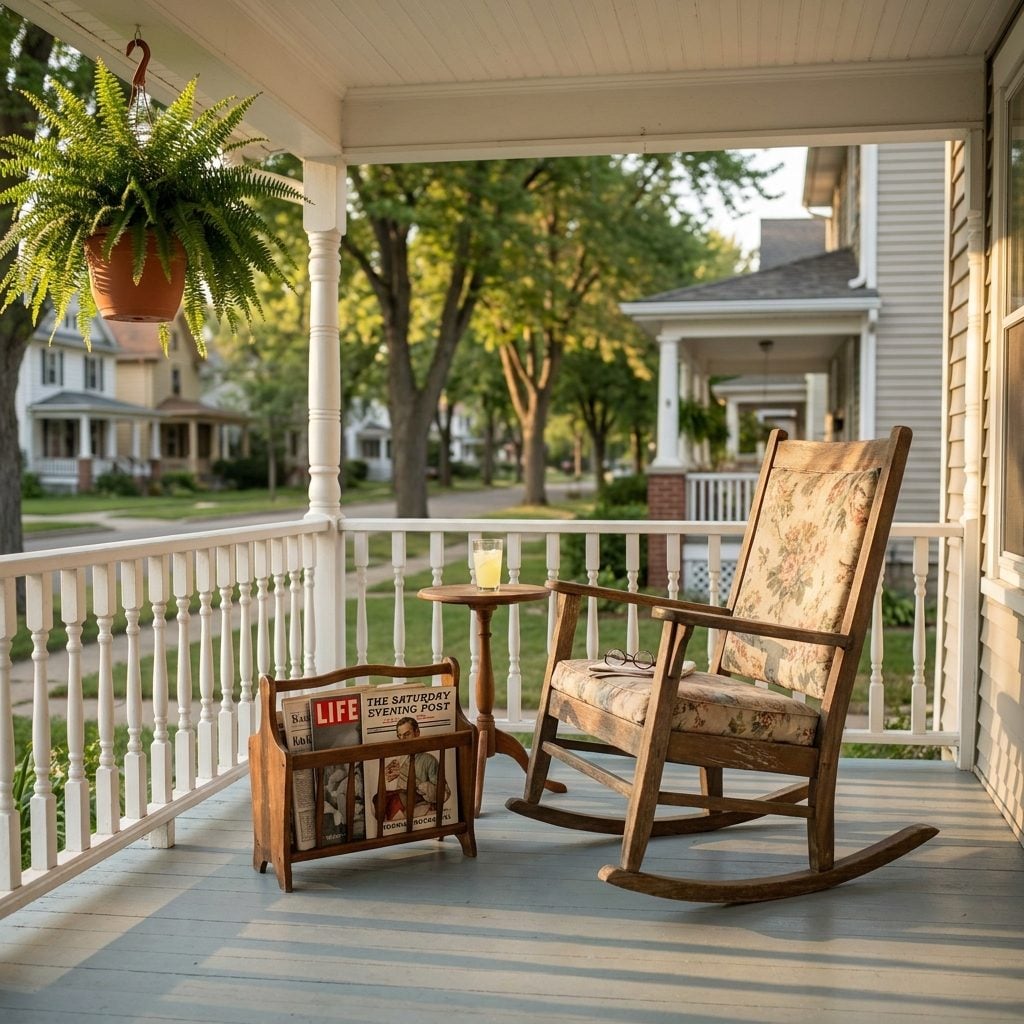
Nobody carried reading material back inside. Unwritten rule. The porch kept its own library — a wooden magazine rack crammed with three weeks of newspapers, a dog-eared Saturday Evening Post, and whatever Sears catalog had arrived that month, all parked next to one specific chair that belonged to one specific person and nobody dared move it.
Porch reading wasn’t leisure the way we’d recognize it. People stayed informed this way: arguing about the war, checking crop prices, comparing Philco radio advertisements. A newspaper got read section by section across days, then folded back wrong and shoved into the rack for the next person to wrestle open.
6. Porch Railings That Doubled as Race Cars, Forts, and Pirate Ships
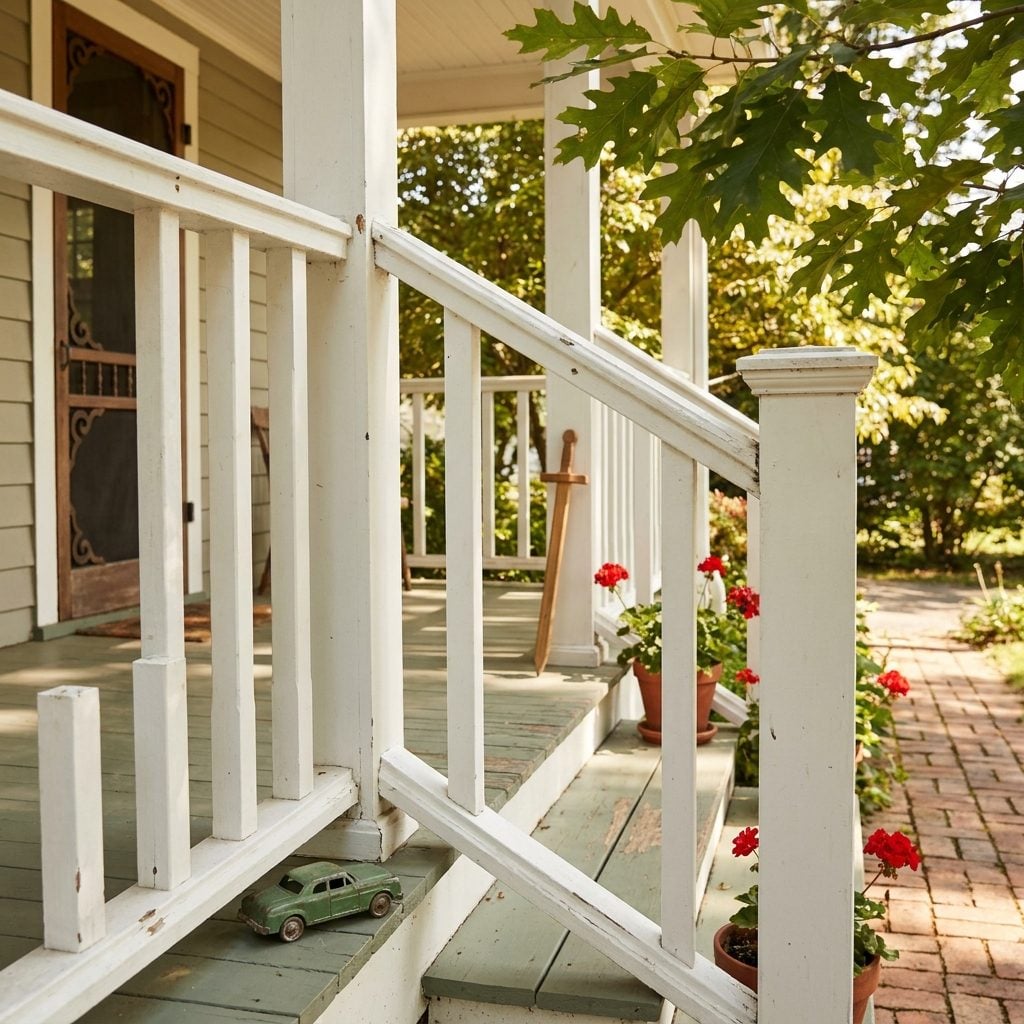
Those railings took a beating. Every kid on the block treated them like personal jungle gyms — straddling the top rail and pretending it was a horse, or crouching behind the balusters with a stick rifle during elaborate war games nobody’s parents had approved but nobody’s parents stopped either.
Paint on the top rail always wore down to bare wood in the same spot. Right where small hands gripped it to swing up. And the balusters had gaps just wide enough to stick a head through, which every child tried exactly once before getting stuck and screaming.
What made it work was the height. Forties porch railings weren’t the towering code-compliant barriers we build now. Low enough for a seven-year-old to climb, solid enough to hold weight, positioned right at the boundary between the safe world of the house and the wilder territory of the yard. That liminal quality — half playground, half frontier — is why kids gravitated there instead of anywhere else.
5. That Clear, Unobstructed View of the Street That Quietly Held the Whole Neighborhood Together
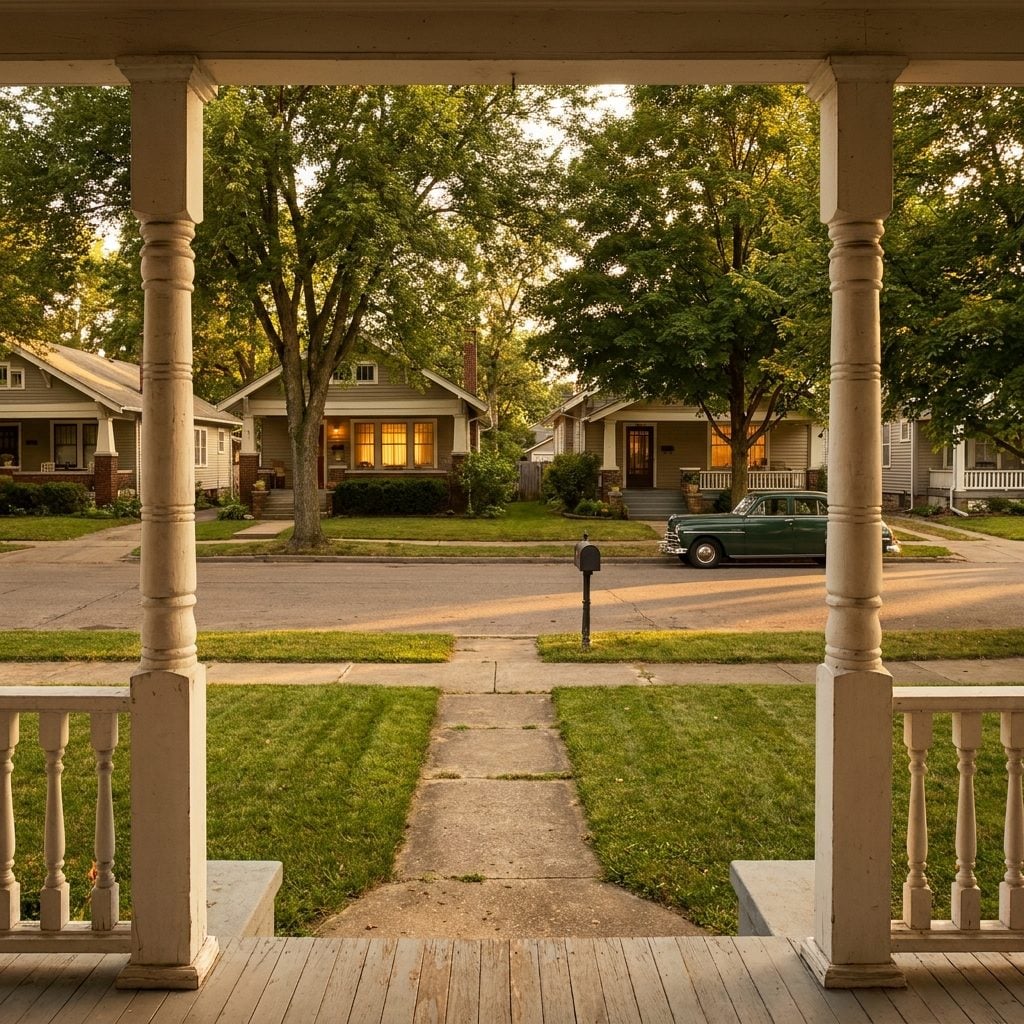
Forties front porches were observation decks wearing the disguise of leisure furniture. Sit in any rocker and the sightline ran straight to the street — unbroken by privacy hedges or six-foot fences. You knew when the Hendersons got a new car. You noticed if Mrs. Dalton’s lights didn’t come on by dusk, and you walked over to check.
Call it nosiness if you want. But it was also a design choice that generated passive social connection. Porches faced the street because the street functioned as the neighborhood’s shared room. An open view made it easy to wave, call someone over, notice trouble. Today we engineer privacy; back then they engineered proximity, and the porch was the instrument.
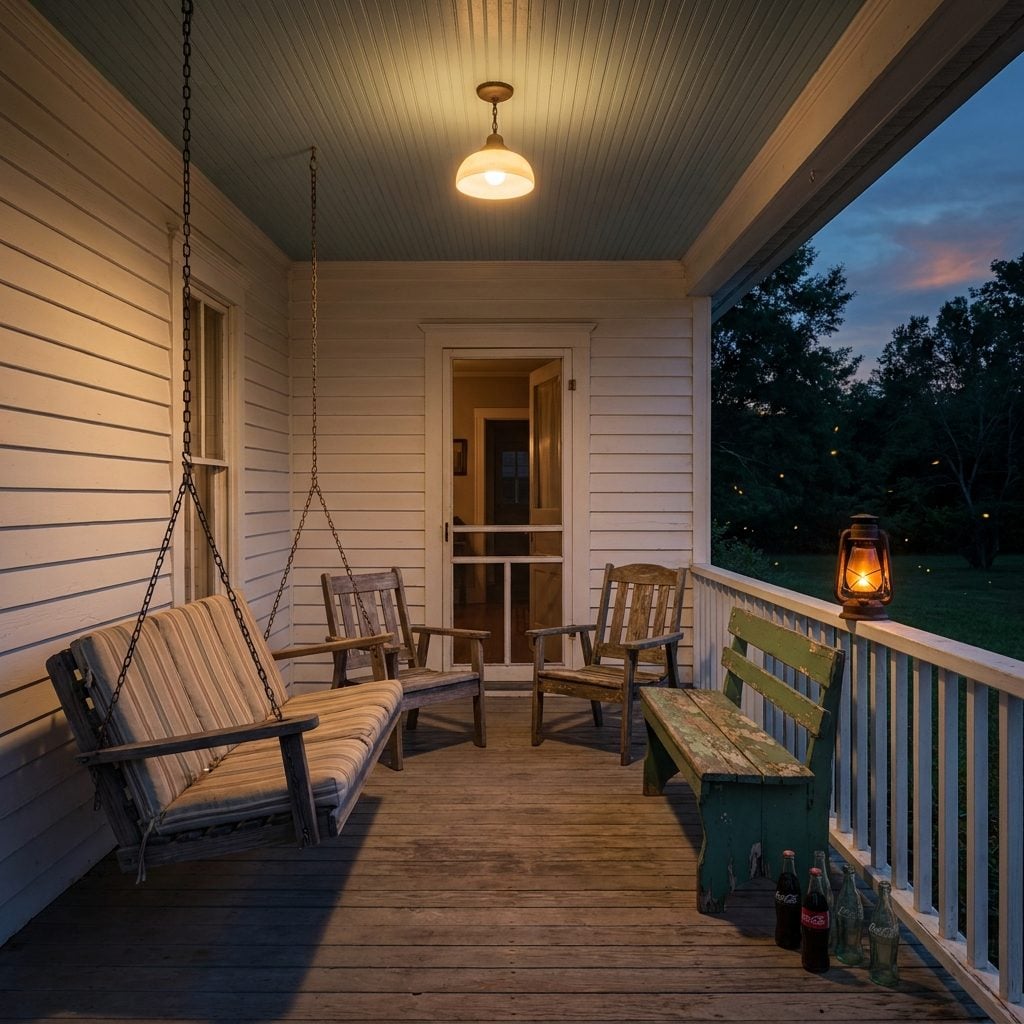
4. The Unofficial Teenage Hangout Where Conversations Ran Past Midnight
🔥 Would you like to save this?
Parents could hear the screen door open from the kitchen, but they couldn’t make out the conversation from the swing. That arrangement was the whole point — close enough for supervision, far enough for freedom.
Teenagers claimed the porch after dinner like clockwork. The swing was prime real estate; whoever got there first owned it, and everyone else dragged chairs from inside or sat on the steps, which honestly had better sightlines anyway. Conversations about nothing lasted hours. Where else were you going to go? No device competed for attention. No car keys in your pocket until you were older. Just the porch.
A light front porch was all they needed — bright enough to see faces, dim enough to feel like the rules had softened. That gray zone between indoors and out, between parental authority and personal autonomy, gave a whole generation its first taste of independence without ever leaving home.
3. Muddy Work Boots and Wet Shoes Drying in a Row by the Front Door
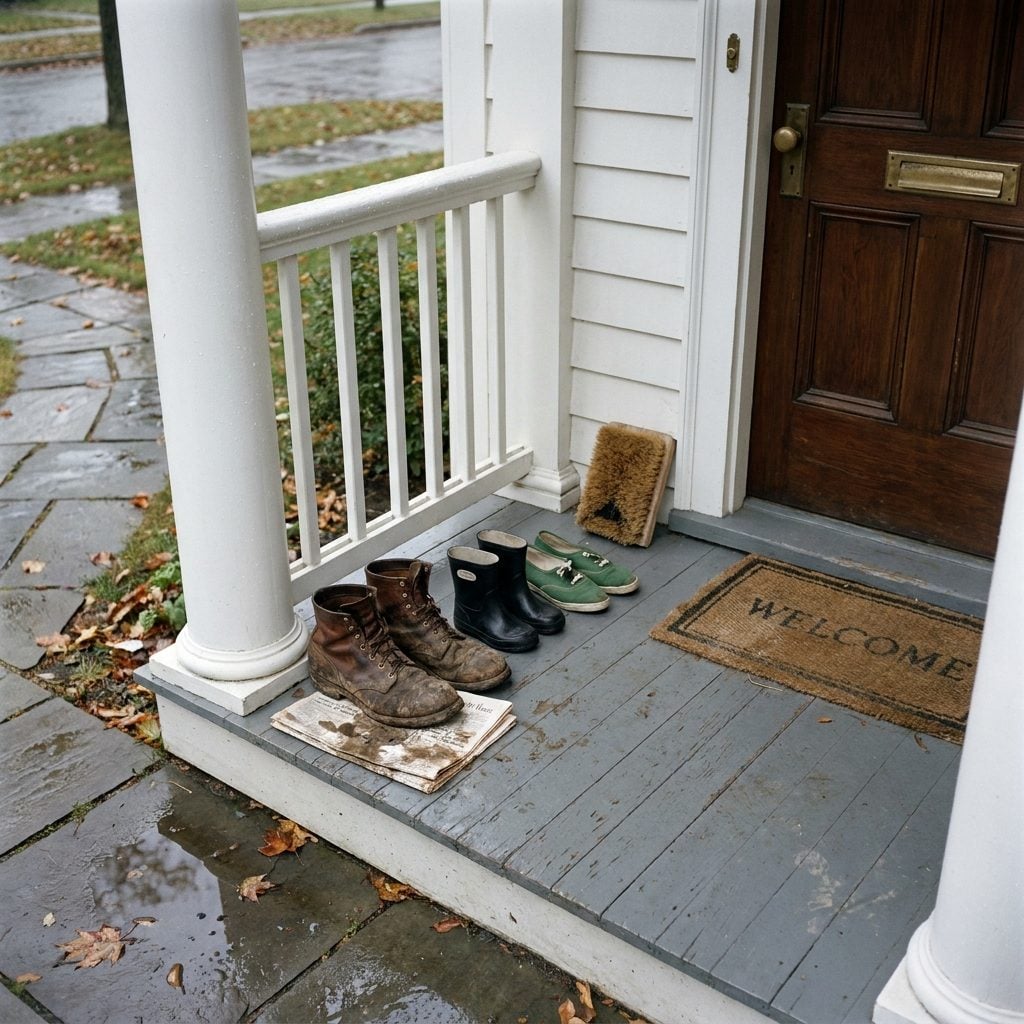
Wet shoes never came inside. Non-negotiable. After rain or yard work, every pair got lined up on the porch like soldiers at inspection — toes pointing out, newspaper stuffed inside to pull the moisture. A faint muddy silhouette always marked the boards where the boots sat.
Practical, not decorative. Floors were harder to clean, and nobody wanted to mop a hallway because somebody tracked in red clay. But the lineup told a story every evening, almost by accident. Four pairs of boots meant the whole family was home. One pair missing? Dad still at work. The shoes became a kind of household telegraph nobody thought to read deliberately but everyone read anyway.
2. Door-to-Door Salesmen and Neighborhood Kids with Fundraiser Catalogs Climbing Those Steps All Day Long
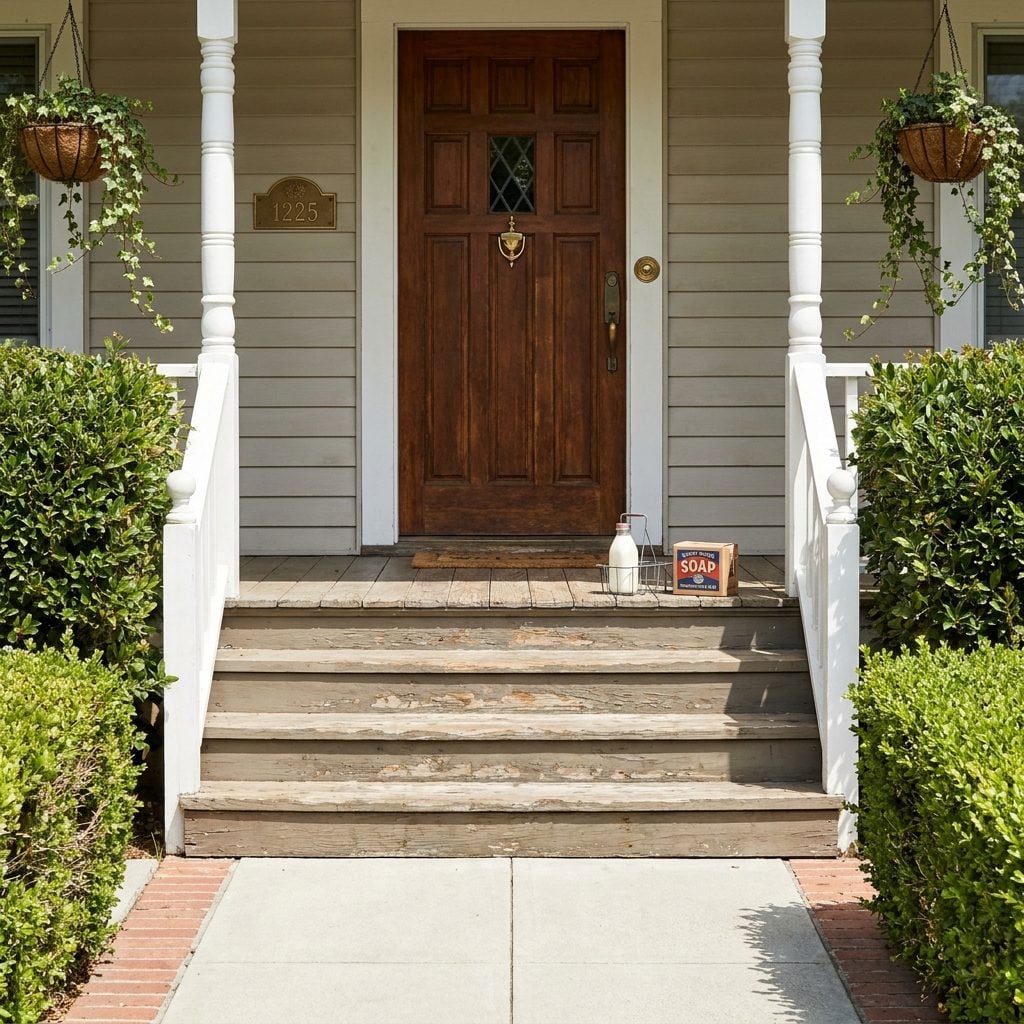
The front porch was a commercial district. Fuller Brush men, encyclopedia salesmen, vacuum demonstrators, insurance agents, and every kid within six blocks hawking candy bars for the school band — they all climbed those steps. Nobody invited strangers past the front door. But the porch? Fair game.
What strikes me now is how routine it was. Multiple strangers per week walked up, knocked, and stood there with a sample case or a catalog, and everyone accepted this as ordinary life. The porch acted as a buffer — a place where commerce happened without fully entering the home, keeping things polite but at arm’s length. We’d call it a security risk today. Back then it was Tuesday.
The steps recorded all that traffic. Center of each tread wore down faster than the edges, paint scraped to bare wood, a physical log of every salesman and every neighbor kid who’d made the climb.
1. Summer Evenings That Stretched for Hours Because People Actually Sat Outside and Watched Life Happen
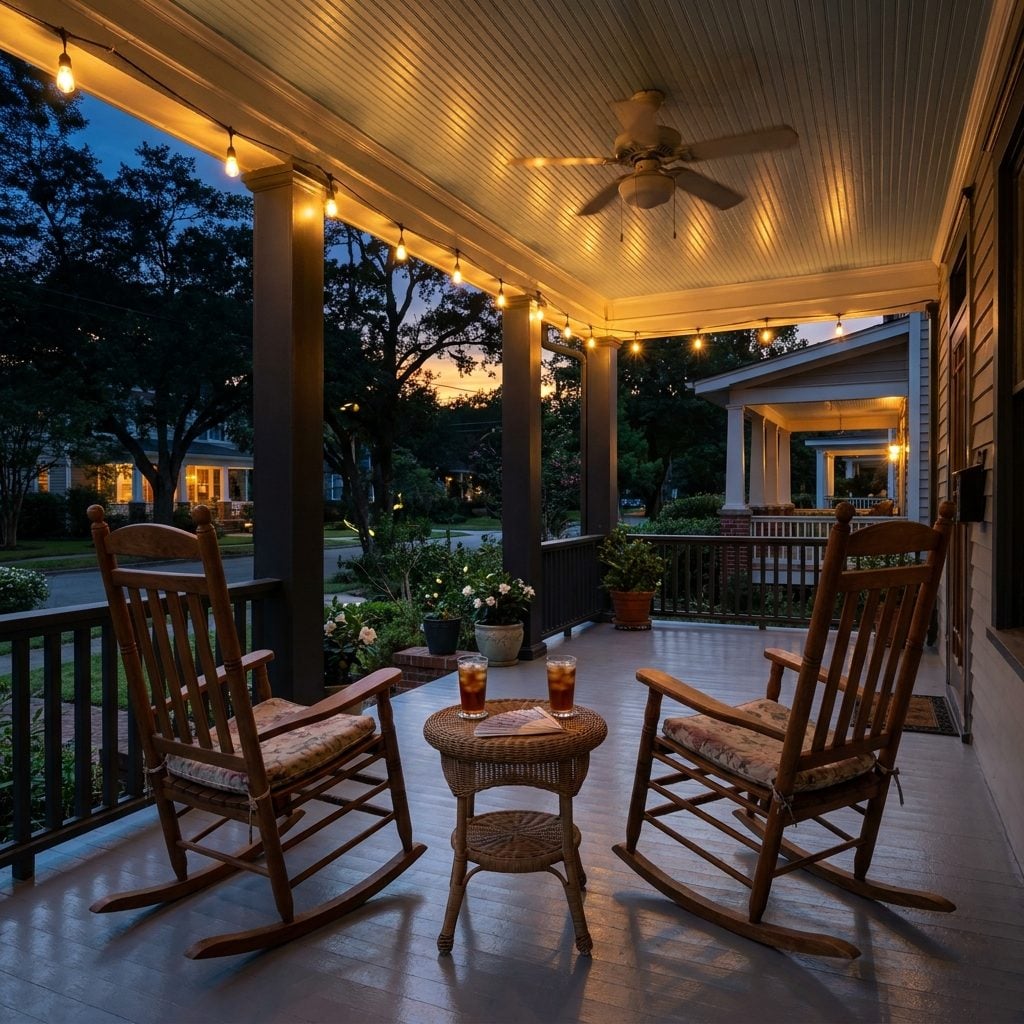
No air conditioning pushed everyone outside — that’s the practical explanation. But the real reason those evenings stretched so long is simpler and stranger: nothing pulled anyone back in. No television worth watching in the early forties. No phone buzzing. No algorithm feeding you one more thing. Just the porch, and whoever wandered out.
The ritual kept its own clock. Dinner ended, dishes got done, somebody drifted outside. Then someone else followed. By eight o’clock the wooden rocking chairs were full, the wicker side table held sweating glasses, and conversation had that loose, nowhere-to-be quality that only happens when nobody is managing their time.
Lightning bugs around nine. Somebody might walk over from two houses down. The haint blue ceiling overhead supposedly kept mosquitoes away — or that was the claim, anyway, and nobody was about to test it by painting over. And the evening just kept going until someone finally admitted they ought to sleep. No formal ending. It dissolved.
The 1940s porch ran on iced tea and proximity — the original social network, before we needed a better word for it.