🔥 Would you like to save this?
There’s a difference between a house that’s clean and a house that’s alive. Some homes walk through the door and wrap you up. Others just sit there, perfect and quiet and completely indifferent to the person standing in them. If you’ve ever come home after a long day and felt nothing, not relief, not comfort, not even a flicker of warmth, this list is for you. These are the specific, observable signs that your space has style on the surface but no soul underneath. Some of them will sting. They’re supposed to.
In order to come up with the very specific design ideas, we create most designs with the assistance of state-of-the-art AI interior design software. Also, assume links that take you off the site are affiliate links such as links to Amazon. this means we may earn a commission if you buy something.
35. The Furniture That Looks Like It’s Still Waiting to Be Lived In
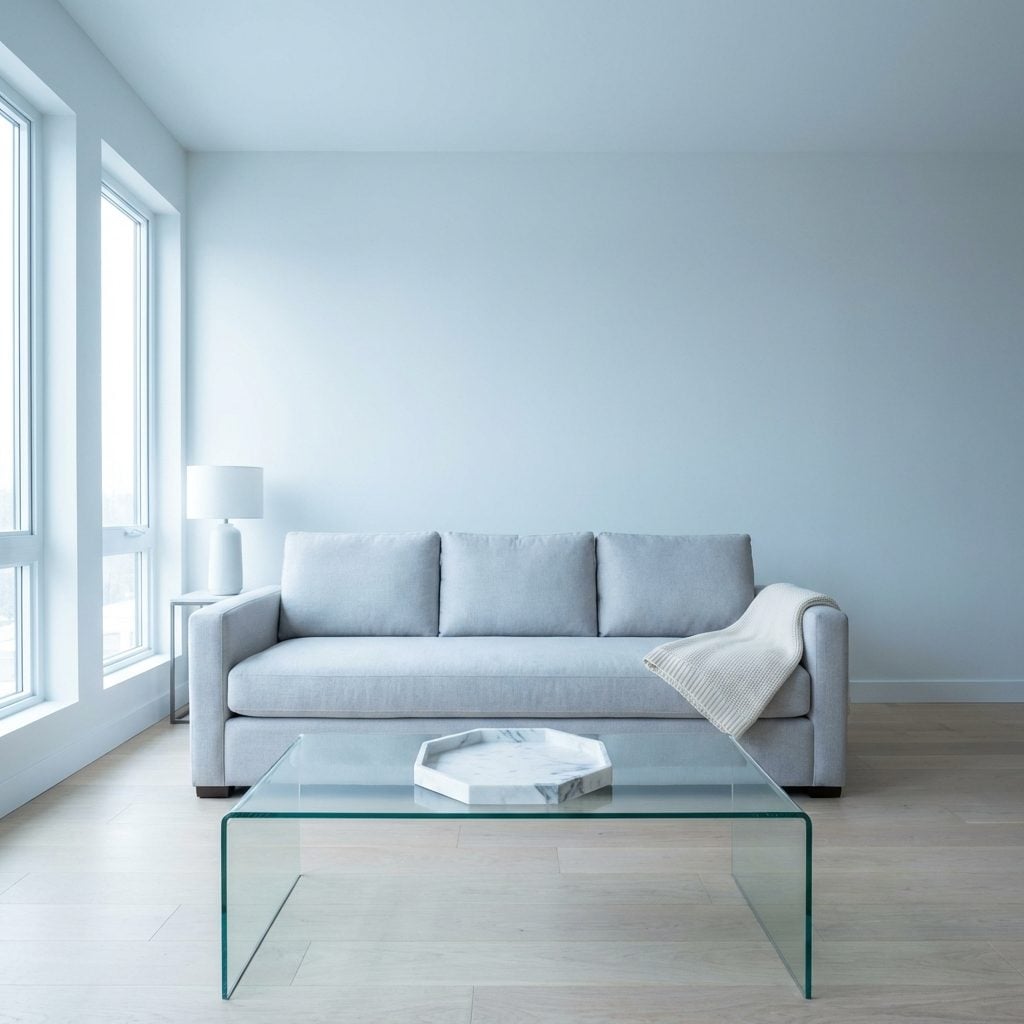
Every cushion is plumped to the same height. The throw is folded at a perfect right angle. The coffee table is clear except for one artfully placed round marble tray holding nothing. Showrooms do this on purpose because it helps buyers project their own life onto the space. But when your actual home looks like this permanently, something has gotten stuck between buying furniture and actually inhabiting it.
A sofa that has never been sat in sideways, with feet over the armrest and a bowl of cereal balanced on a knee, is a sofa that hasn’t been let in yet. Warmth comes from use, not arrangement. The dent in the cushion, the scuff on the leg of the side table, the slight lean of the lamp nobody has ever corrected, those are the marks that tell a room someone actually chose it.
34. You Clean Before Guests Arrive But Never Make It Smell Like Anything
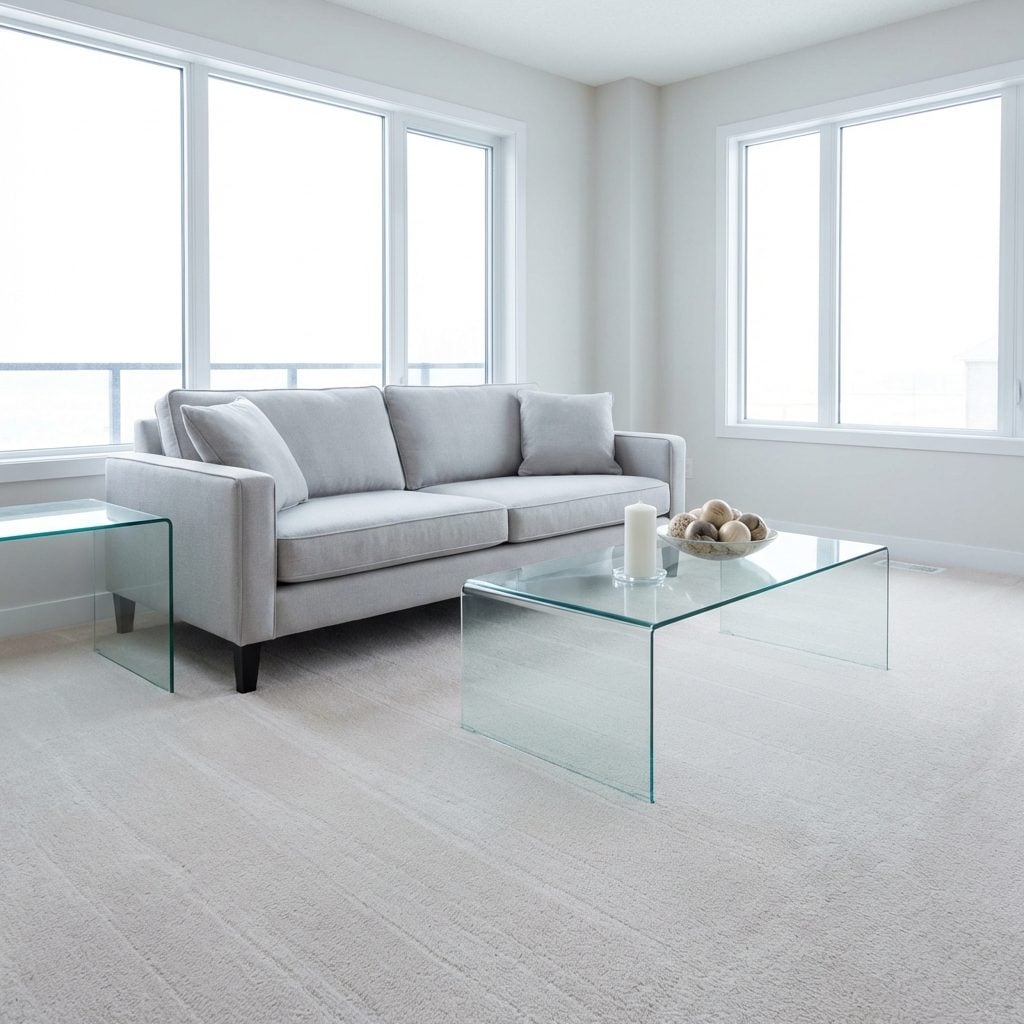
There is a particular kind of home-keeping that prioritizes appearance over atmosphere. Surfaces wiped, floors vacuumed, a fresh dish towel on the oven handle. The place looks fine. But scent is the fastest route to warmth, and if there is nothing burning, simmering, or blooming, the room is doing a lot of visual work to compensate for a sensory flat line.
Scent is the one design element you cannot photograph, which might be why it gets overlooked in homes where everything is managed visually. A linen scented candle on the kitchen counter or a diffuser with eucalyptus doing its quiet thing in the hallway changes how a room feels before anyone consciously registers it. Cleaning is maintenance. Scent is hospitality.
33. The Kitchen That Smells Like a Room, Not a Kitchen
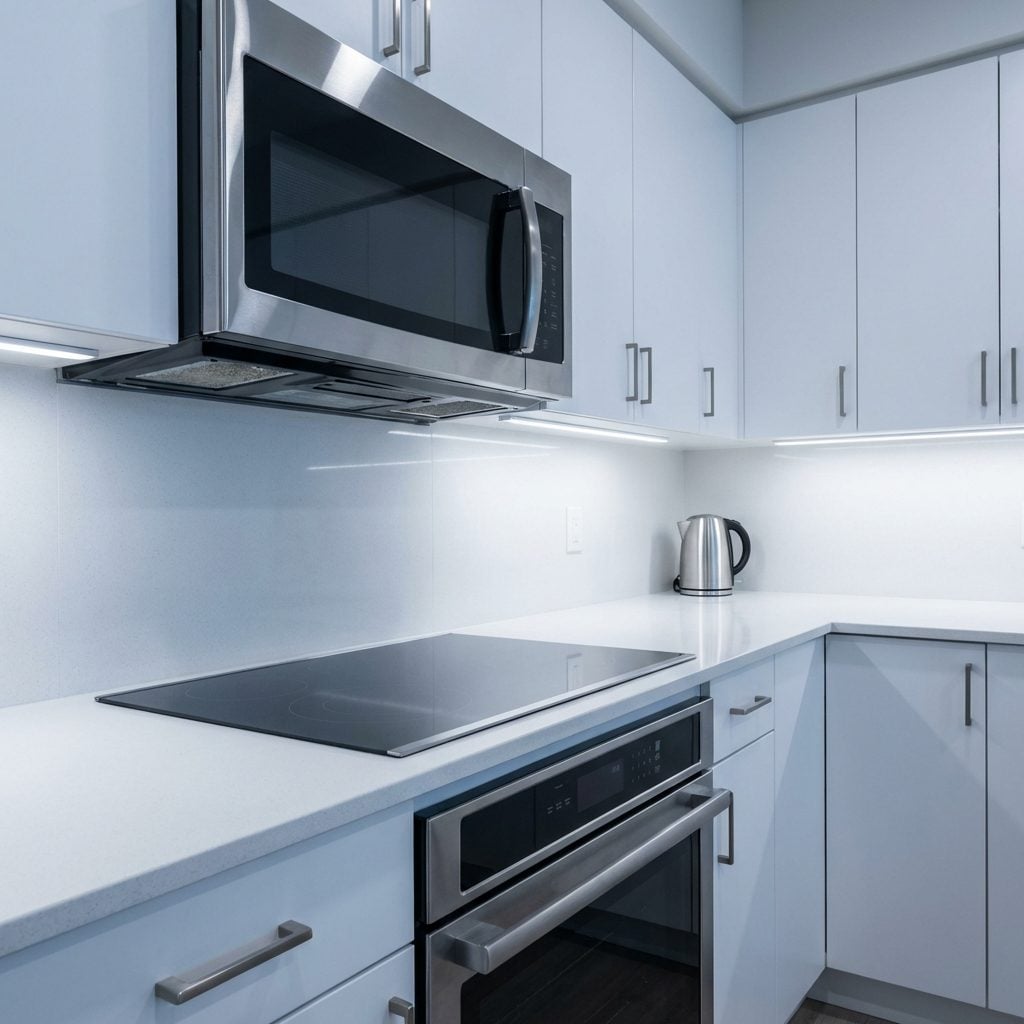
Every kitchen has a default scent, and it tells you everything. A kitchen used regularly carries something, coffee from the morning, a faint trace of whatever was roasted last Tuesday, the ghost of garlic from a pan scraped clean. When a kitchen smells like nothing at all, or like the plastic lining of the bin, it usually means the oven has not been on in a while and the stovetop is mostly decorative.
This is not a judgment about cooking ability. Some people genuinely prefer to eat out or order in, and that is fine. But a cold, scentless kitchen reads in a room the way silence reads in a conversation. A wooden fruit bowl with actual fruit, a bunch of herbs sitting in water on the windowsill, even a quality dish soap that smells like something real, small things that signal the kitchen is part of the home, not just a room adjacent to it.
32. Your Guest Room Has More Personality Than Your Own Bedroom
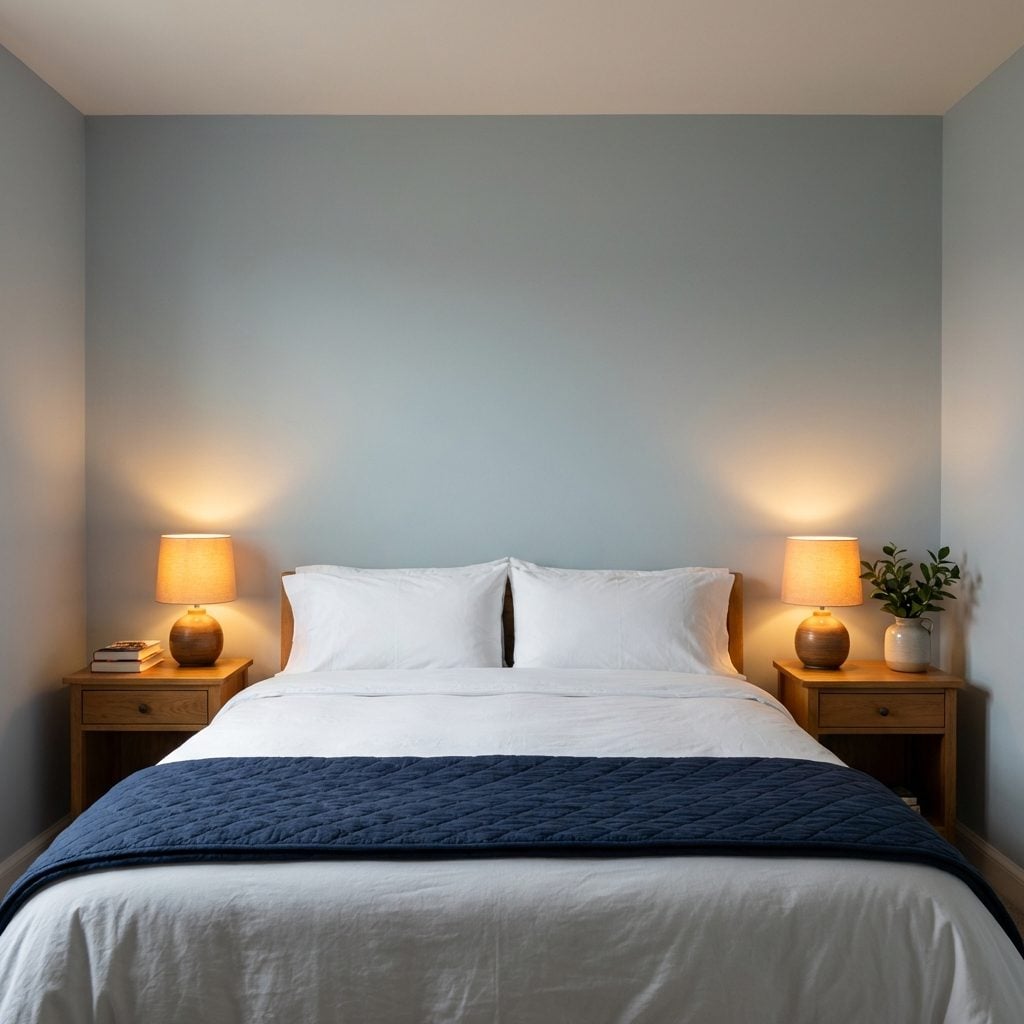
It happens gradually. You pick up a few nice things for the guest room so visitors feel welcomed. A good quilted cotton throw at the foot of the bed, a small stack of actual books on the nightstand, a lamp with a warm bulb instead of the builder-grade overhead. Meanwhile your own bedroom still has the curtain rod you meant to replace two years ago and a laundry chair that has become structural.
The guest room got the version of yourself that cares about how a room feels. Your bedroom got the version that gave up and adapted. That imbalance is worth paying attention to, it usually points to something about how much you think your own daily comfort deserves investment.
31. Holiday Decorations That Go Up Like a Project and Come Down Like a Relief
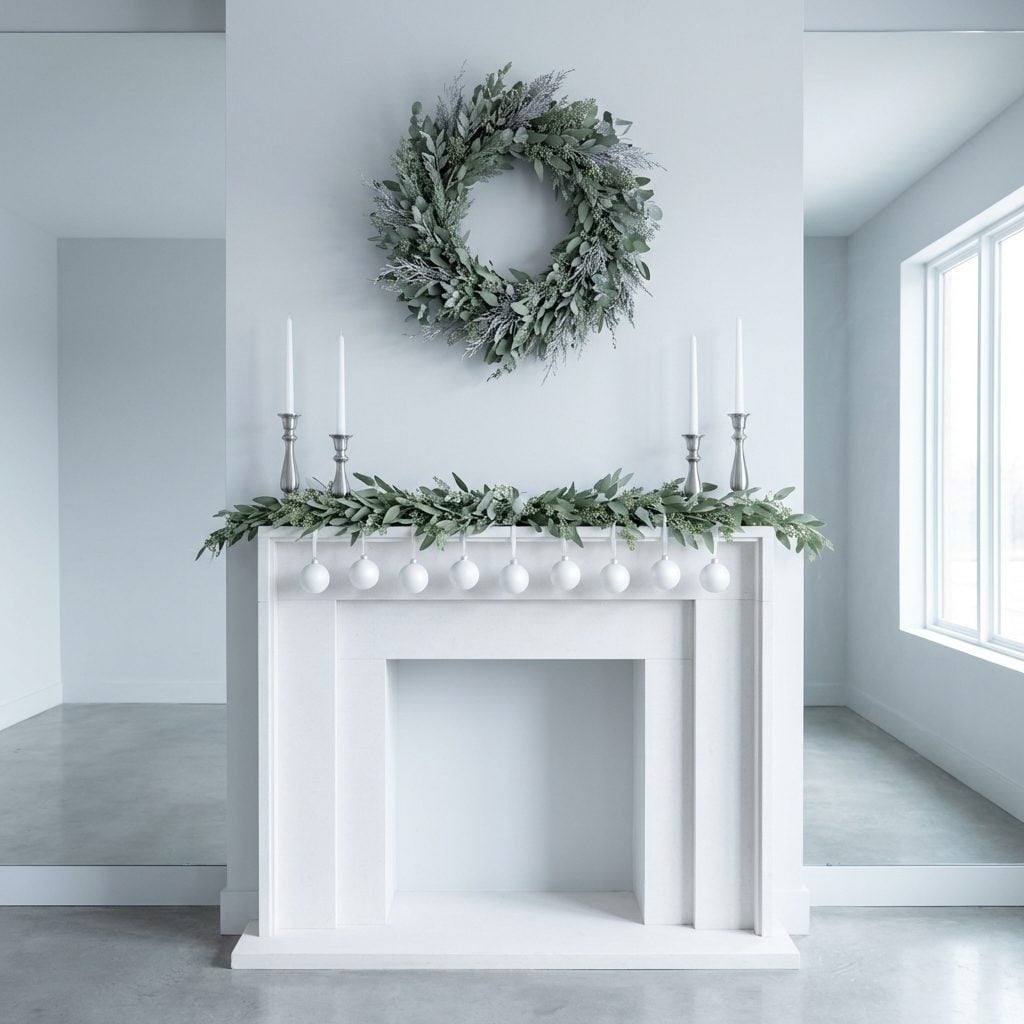
There is a version of seasonal decorating that is joyful and a version that is performative. The performative version involves buying a matching set of ornaments in a single colorway, arranging them according to an unspoken rule about spacing, and then quietly counting the days until January second when the whole thing can be packed away in labeled boxes and returned to the garage.
If taking the decorations down feels less like loss and more like completion, the decorating was never really about celebrating anything, it was about compliance with the idea of what a decorated home should look like. Warmth in seasonal decor comes from the mismatched ornaments, the slightly embarrassing garland, the brass pillar candleholders that have been around so long they feel like family.
30. Everything Is Pristine in a Way That Makes You Nervous to Touch It
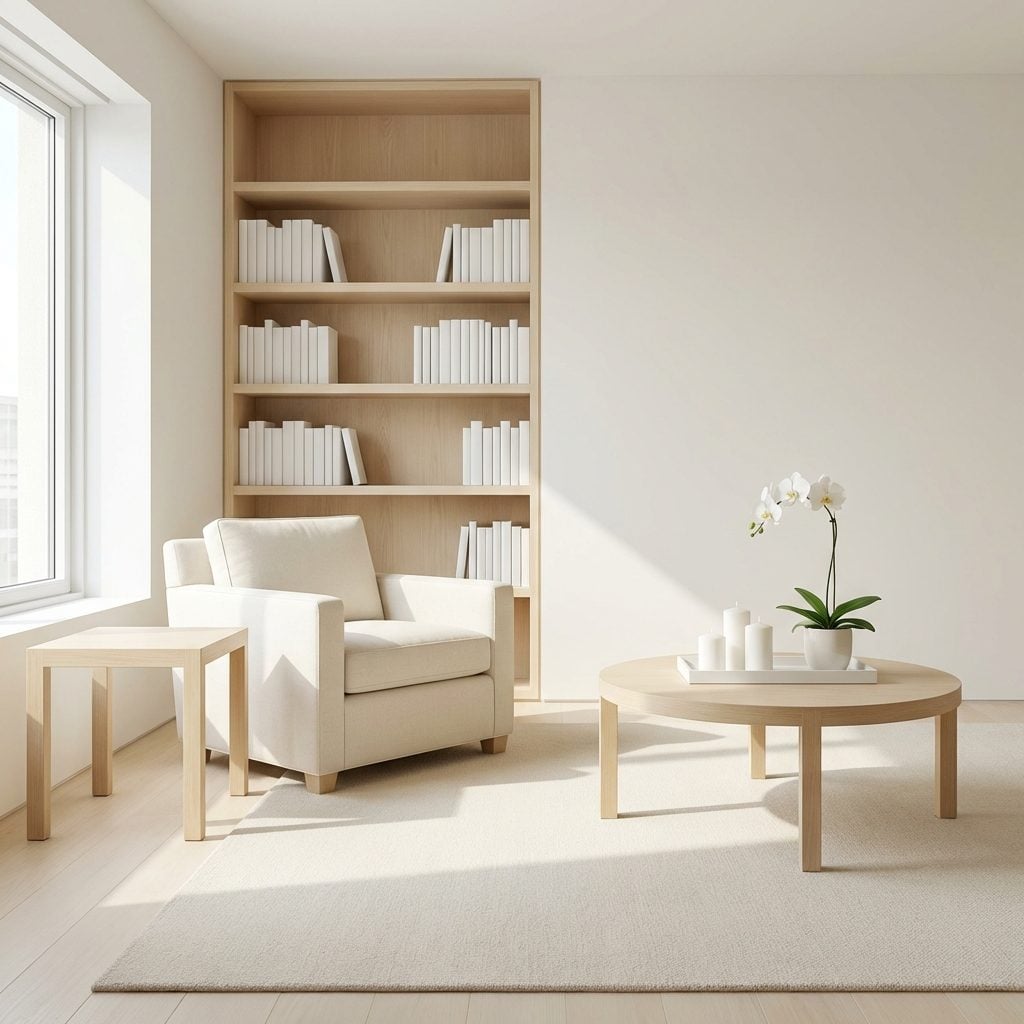
Love leaves marks. A dining chair where someone always sits has a slightly worn patch on the back rung. A favorite book’s spine cracks in three places. A side table that actually gets used has a faint ring from a mug that someone forgot to put a coaster under. These things are not damage. They are evidence.
A home where nothing shows any wear, where every surface looks like it was photographed this morning for a home makeover feature, has a nervous energy to it. Guests pick up objects carefully and put them back more precisely than they found them. Nobody puts their feet up. The room protects itself from being used, which means it also protects itself from becoming warm.
29. The Dining Table That Functions as a Horizontal Surface First and a Table Second
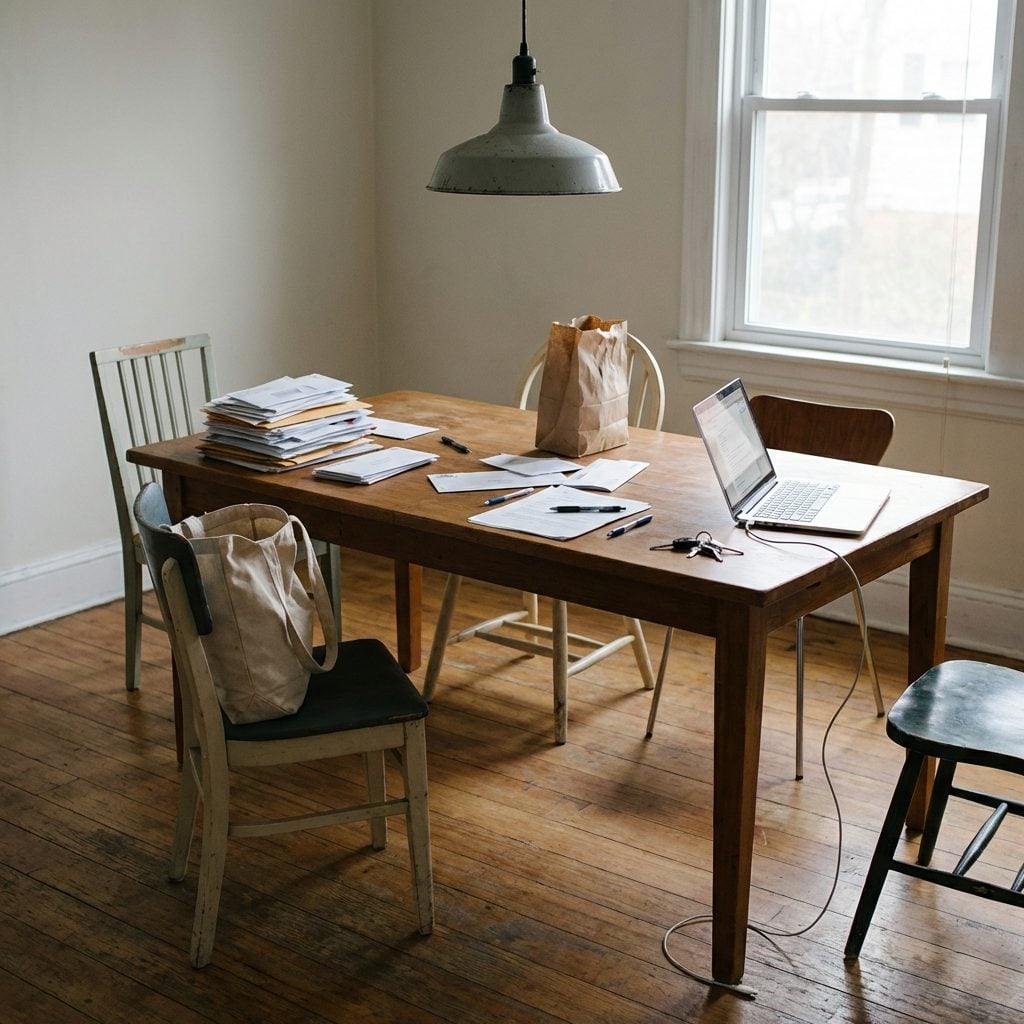
You know this table. It is where mail gets sorted and never fully dealt with, where bags get put down on the way in and stay for three days, where the laptop lives during tax season and doesn’t quite leave after. For meals, it gets cleared with the energy of moving a temporary obstacle.
A dining table that never hosts a meal is a room that never makes a memory.
Eating at the table regularly, even alone, changes how a home feels in ways that are hard to articulate but easy to feel. It makes the dining room do its job, which is to be the room where people slow down together. A set of linen napkins in a basket, a few pillar candle centerpiece pieces that live on the table permanently, small signals to yourself that this surface has an actual purpose.
28. You’ve Been Calling It Minimalist, But That’s Being Generous
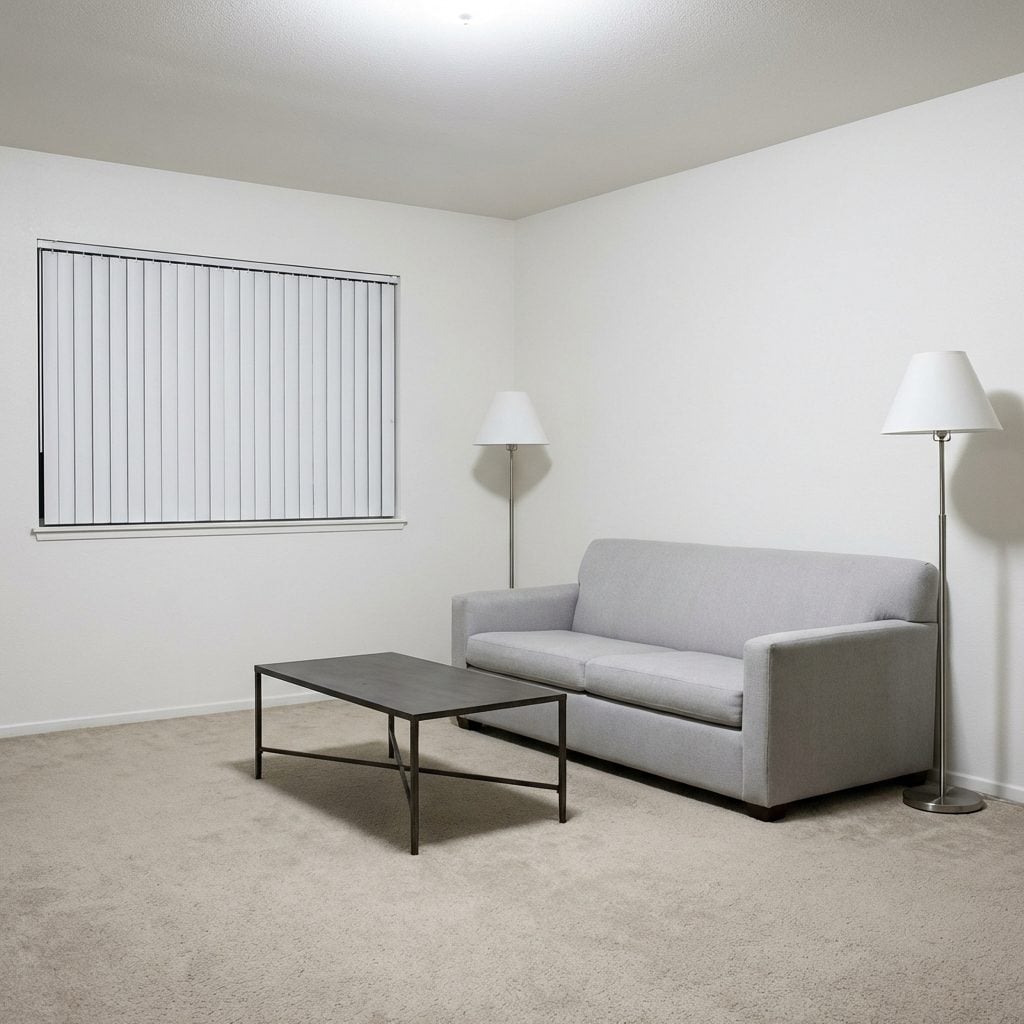
True minimalism is a deliberate philosophy. Every object that remains has survived a rigorous selection, it earns its place through function, beauty, or meaning. The result has a particular kind of tension: spare but intentional, quiet but considered. What some people call minimalism is actually just a home that was never fully moved into.
The difference shows up in texture. A genuinely minimalist room has a natural linen curtain with some weight to it, a single ceramic piece chosen because it is extraordinary, a rug with enough pile to register underfoot. The “minimalism” that reads as cold usually just means bare walls, flat surfaces, and an absence of decisions rather than the presence of good ones.
27. The Walls Hold Nothing You Made, Found, or Were Given
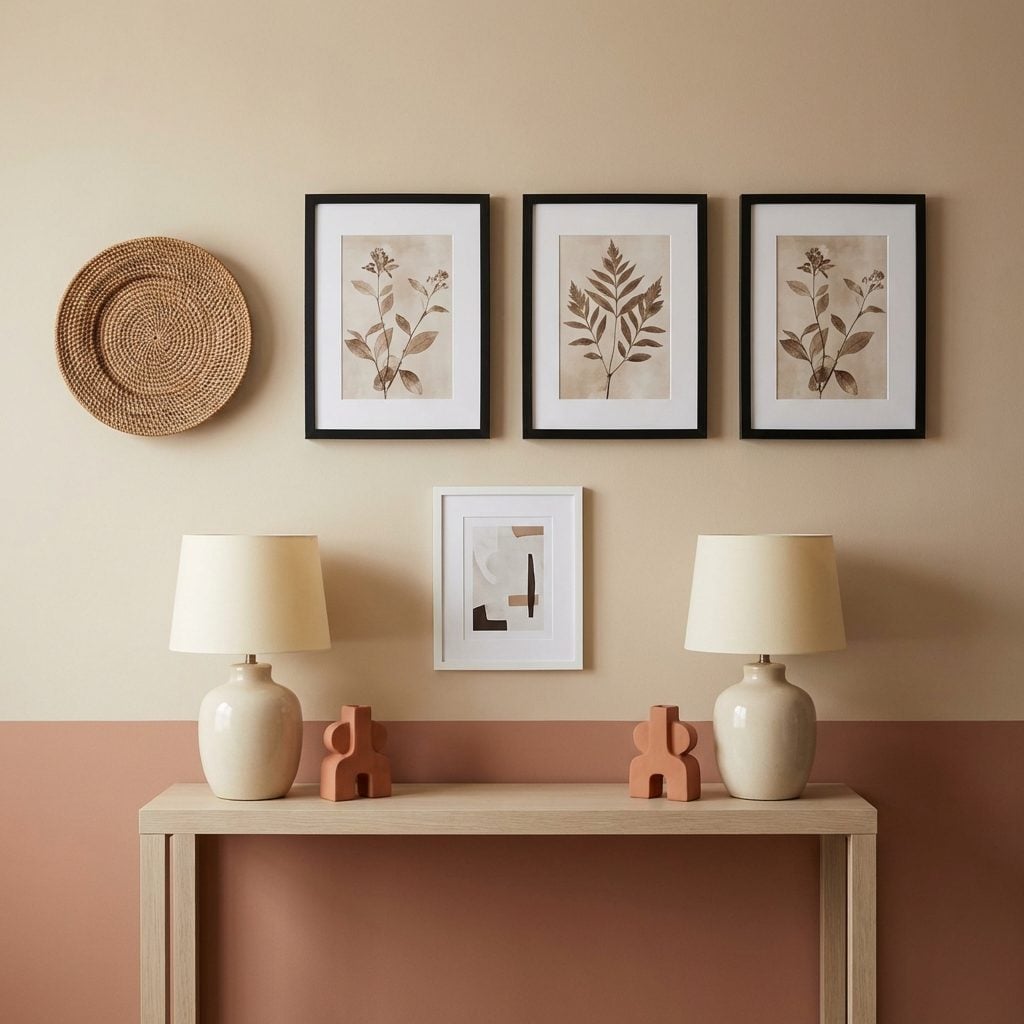
Everything on display came from a shop, in a box, in packaging. Nothing has a provenance that involves you specifically. The framed prints match the sofa. The sculpture matches the lamp base. It all coordinates in the way that things do when they were chosen together rather than gathered over time.
There is nothing wrong with buying art or decor you love. But a home that holds nothing made by hand, found by accident, or given by someone who knows you tends to feel like a set, convincingly decorated but ultimately about appearances rather than a life actually being lived. A photograph you took yourself printed large, a small painting from a market, a piece of pottery you made badly in a class once, these things carry a frequency that framed art prints sourced to match a color palette simply cannot replicate.
26. You Tidy Instinctively Before Anyone Enters Because Living Here Leaves Evidence
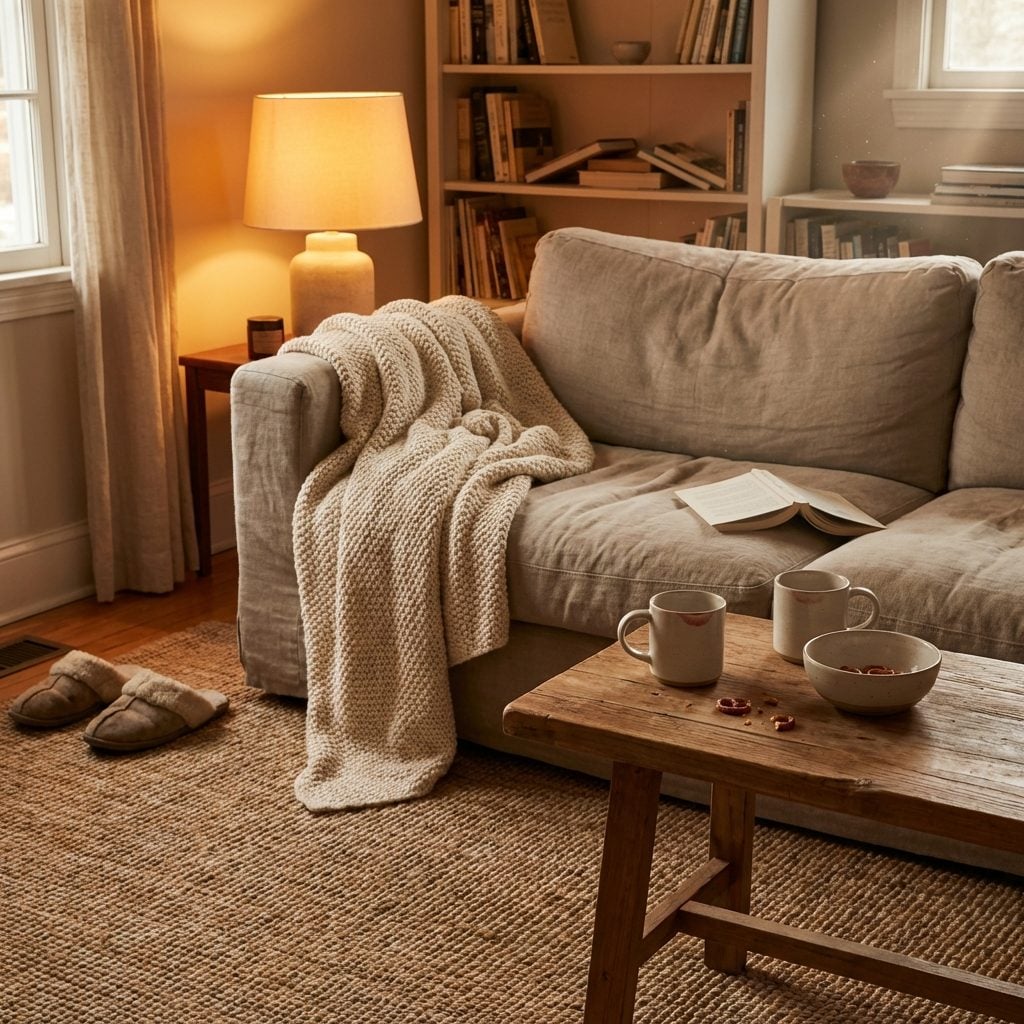
The moment you hear a key in the lock or a knock at the door, something activates. The blanket gets folded, the mug goes to the kitchen, the shoes get kicked to the wall. Not because you are a particularly tidy person, but because the mess tells the truth about how you actually live, and that truth feels somehow unacceptable to show.
There is a difference between tidying because you want your home to feel welcoming and tidying because you need to hide evidence that you exist in the space. The latter is exhausting, and it means the home is working against you rather than with you. A house that can absorb daily life without becoming shameful is a house that has been set up for living, not for looking at.
Warmth in a home often lives exactly in the things you rush to put away: the book left open on the coffee table, the chunky knit throw blanket in a heap, the two mugs that prove two people sat here this morning. Those are not messes. Those are signs of a home that is doing its job.
25. Every Purchase Was Based on Someone Else’s Instagram
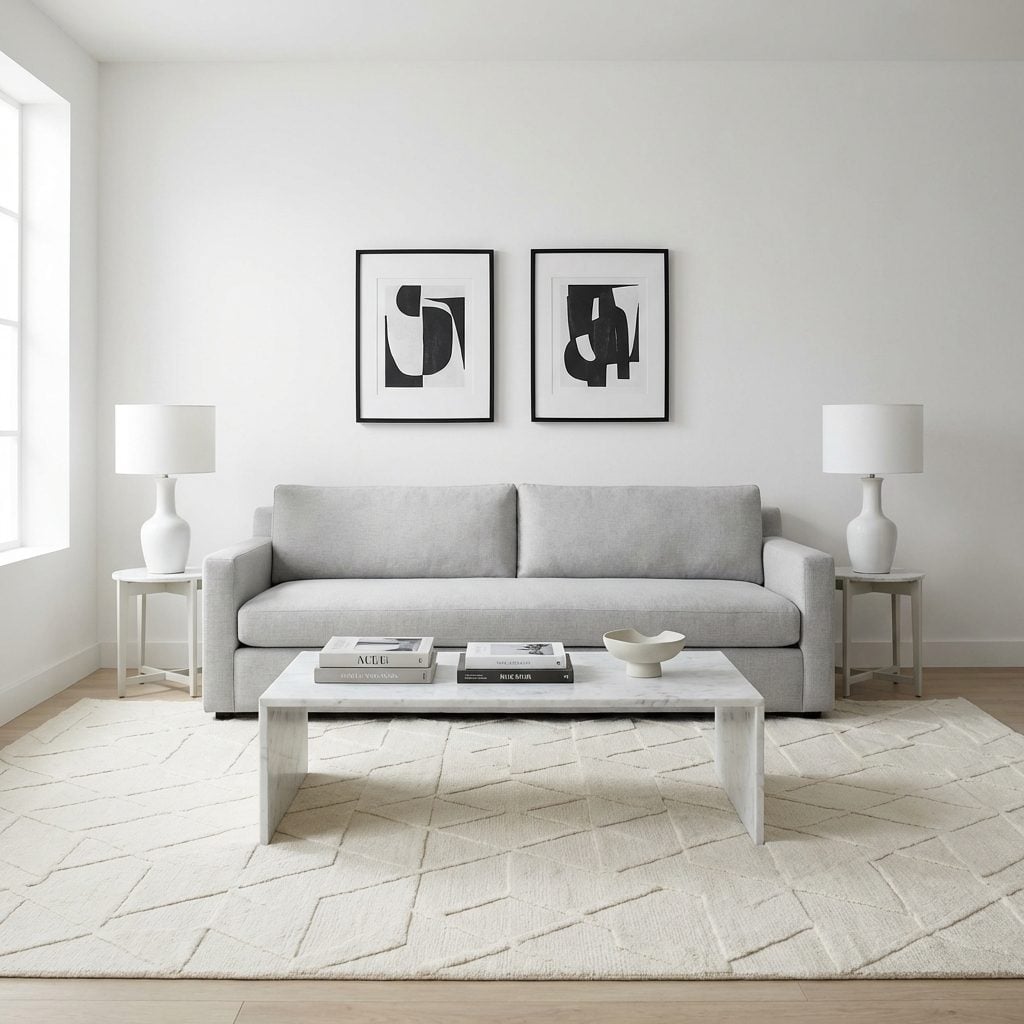
There’s a particular kind of exhaustion that comes from decorating for an audience that isn’t there. You saved the photo, you sourced the exact marble coffee table, you arranged it the way they arranged it, and the room still feels like it belongs to someone else. That’s because it does.
When every decision runs through the filter of “does this look good?” instead of “does this feel right?”, the result is a space that performs rather than lives. The objects are correct. The palette is cohesive. Nothing is wrong, and yet nothing is you. That gap between aesthetic accuracy and personal resonance is exactly what makes a room feel cold even when it’s technically well-decorated.
24. There’s Art on Every Wall and You Remember None of It
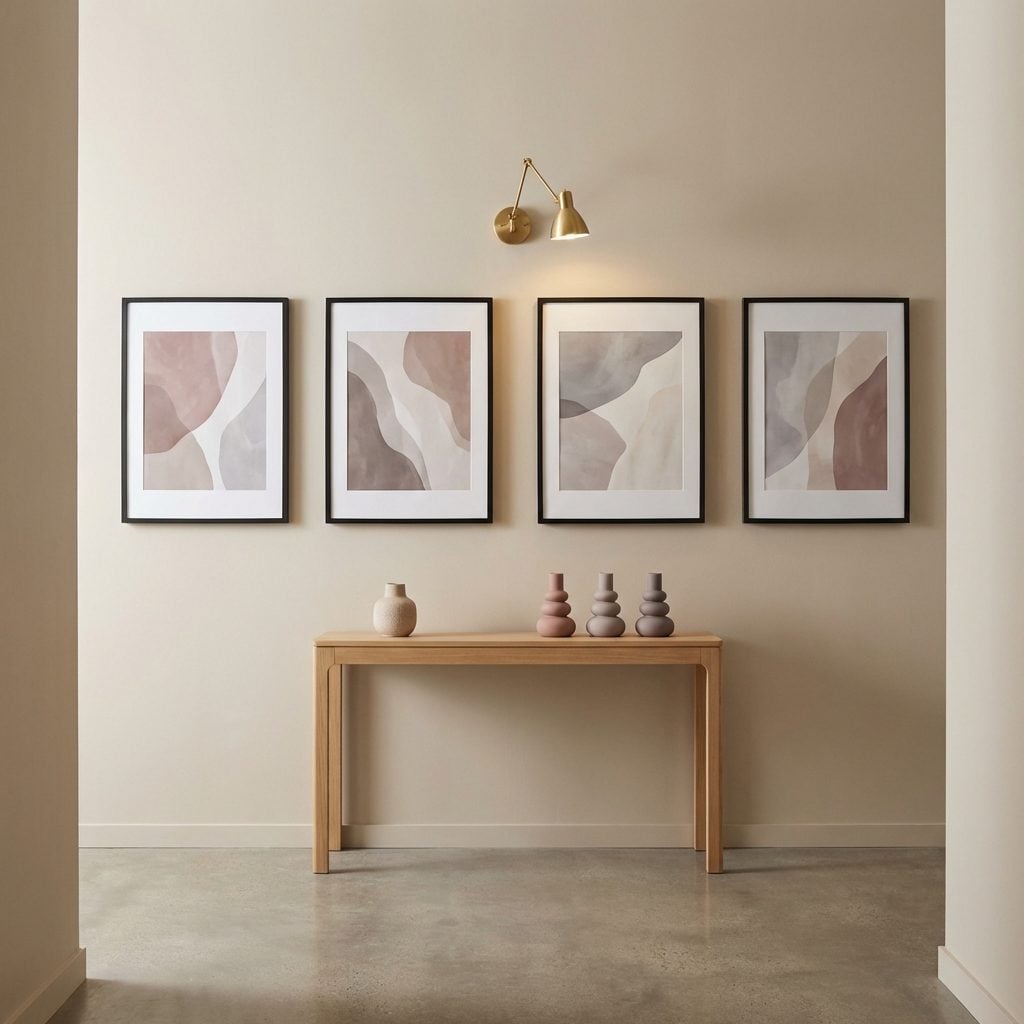
Walk through your home right now and try to tell the story of one piece of art on your walls. Not just where you bought it, why you bought it. What it made you feel the first time. Whether it still makes you feel anything at all.
Art chosen because it matched the sofa or filled an awkward wall tells you nothing about who lives in the house. And rooms that tell you nothing feel like hotel corridors, visually complete, emotionally inert. The framed abstract print above the console might be perfectly sized and properly hung at eye level, but if you’d swap it out for anything else without a second thought, it’s not doing what art is supposed to do.
23. The Rug Is Clearly Not Meant to Be Touched
🔥 Would you like to save this?
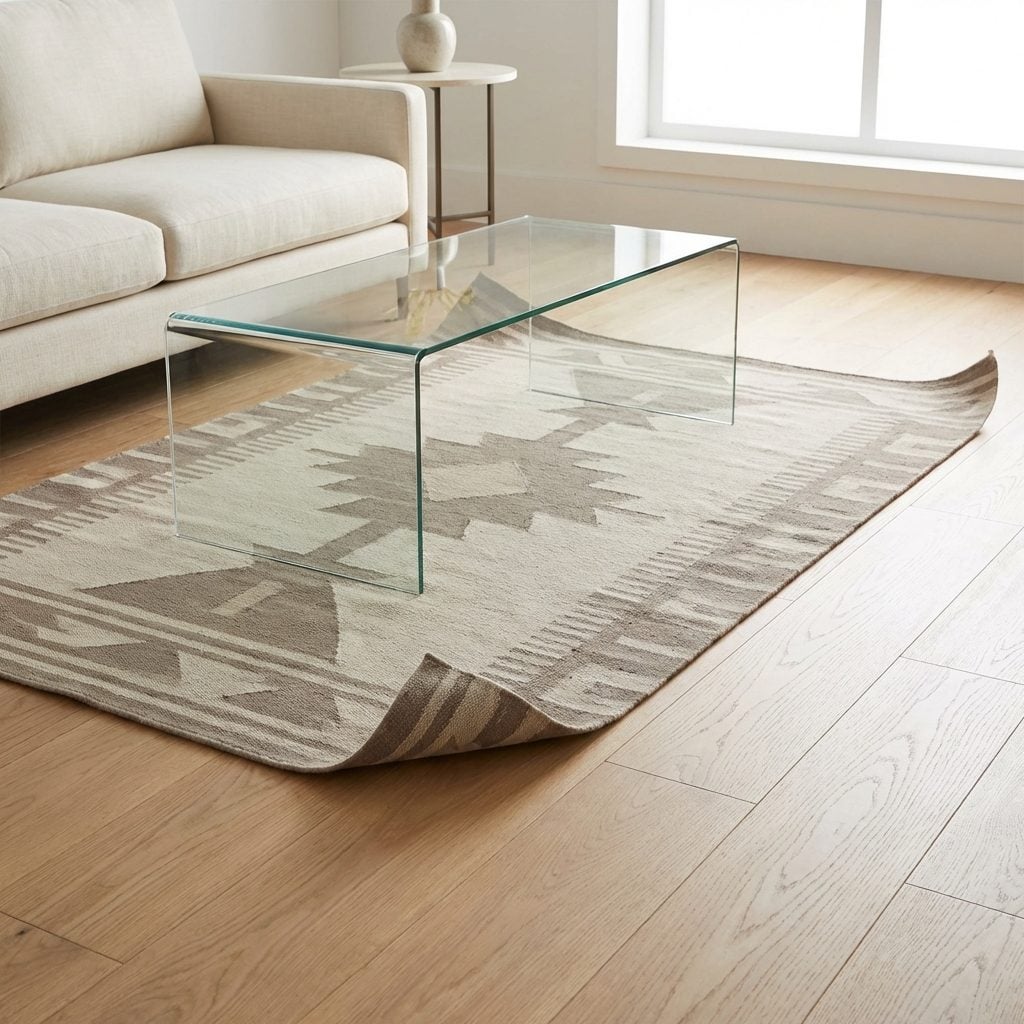
A rug that no one wants to sit on is just wall-to-wall apology flooring. You know the type, flat, tight-weave, looks like it cost more than it should, and you’d never actually lower yourself onto it. Maybe it’s a jute. Maybe it’s a thin flatweave. Whatever the material, it sends an unmistakable message: this surface is for looking at, not living on.
Homes that feel warm almost always have at least one soft landing, a wool shag rug you can sink your feet into, something with enough pile to muffle footsteps and invite you downward. Tactile comfort is one of the most underrated signs of a livable home. When rugs are chosen for their visual pattern instead of their physical invitation, rooms lose a layer of warmth that no throw pillow can replace.
22. The Furniture Hasn’t Moved Because Moving It Would Mean Caring
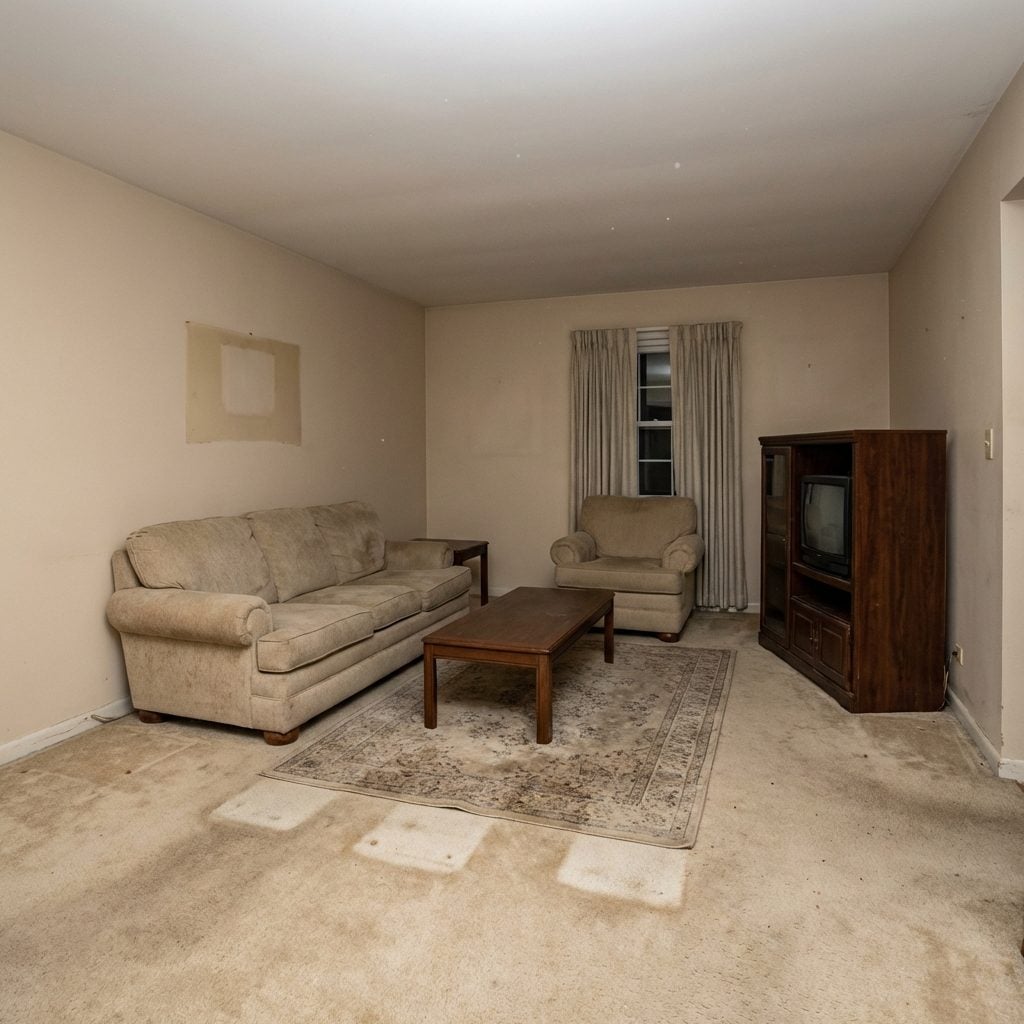
There’s a difference between a room arrangement that has stood the test of time and one that simply hasn’t been questioned. The first is intentional. The second is inertia wearing the costume of contentment.
When you stop rearranging, you stop engaging. And there’s something telling about a room where the sofa has indented the rug in the exact same four spots for years, not because the arrangement is perfect, but because you stopped imagining it differently. A home makeover doesn’t always mean new furniture. Sometimes it’s just rotating the sofa six inches toward the window and realizing the room had more options than you let yourself see.
21. Mirrors Everywhere, Warmth Nowhere
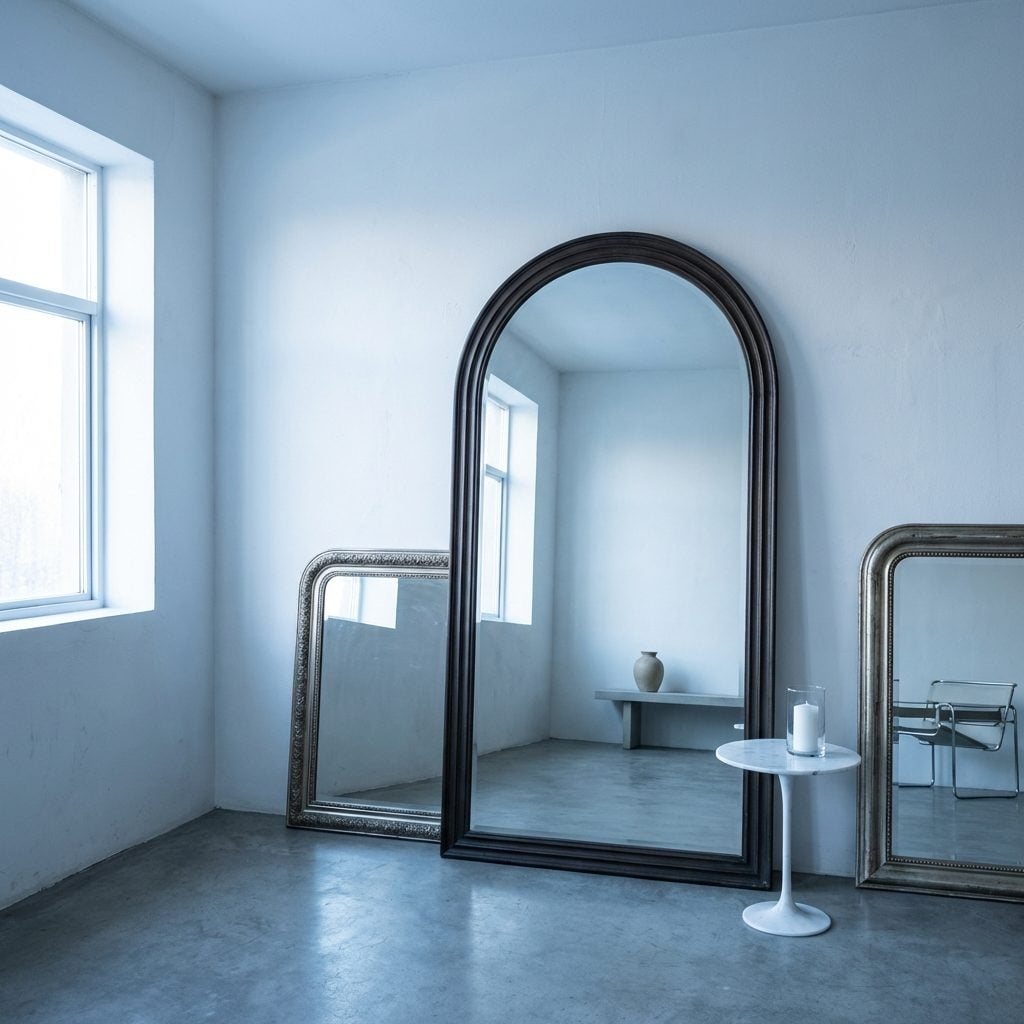
Mirrors are the oldest trick in the small-space playbook, and they work, technically. A large arched floor mirror doubles the apparent depth of a room, bounces natural light back into dim corners, and makes a modest square footage feel airy. But when mirrors are the primary design tool rather than one element among many, the room starts to feel like a dressing room or a gym rather than a home.
Cold light doubled is still cold light. Bare walls reflected in a mirror are still bare walls, just more of them. Mirrors amplify whatever a room already has, which means in a warm, layered space they’re a gift, and in a sparse, lifeless one they’re a liability. The fix isn’t fewer mirrors. It’s more of everything else first.
20. You Feel More Like Yourself on the Back Porch Than Anywhere Inside
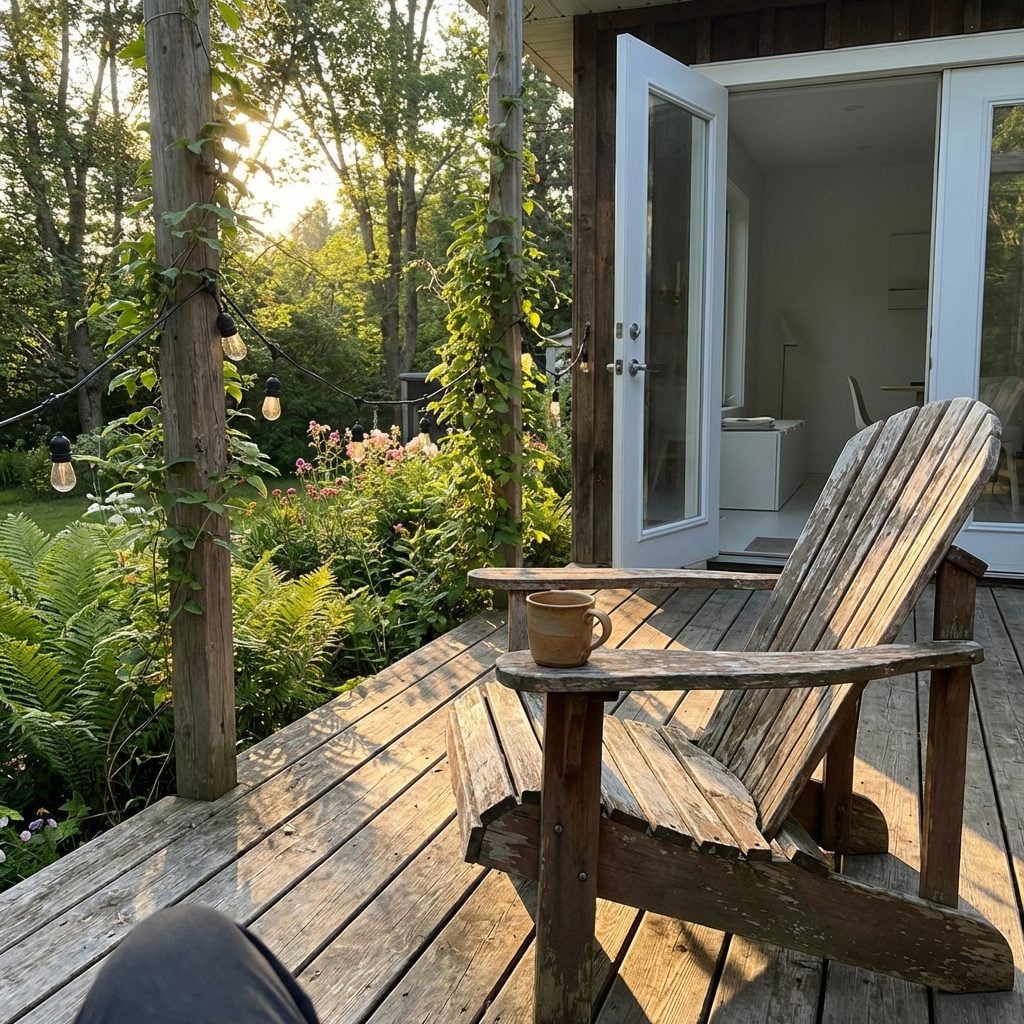
Notice where you actually decompress. If it’s a corner of your backyard, the front stoop, a coffee shop three blocks away, anywhere but the interior of your own home, that gap is telling you something. Homes that feel good to be in have a quality that’s hard to name but immediately recognizable: they lower your shoulders. You stop thinking about what needs doing and just exist inside them.
When that quality lives outside instead of in, the interior has stopped functioning as refuge. Maybe it’s the lighting, harsh overheads instead of layered, low lamps. Maybe it’s the palette, which reads as crisp and correct rather than personal and warm. The outdoors forgives a lot: it has texture, variation, ambient sound, and changing light all day. Your interiors have to work harder to compete, and a cold home simply hasn’t tried.
19. You’re Physically Present But the Room Doesn’t Register
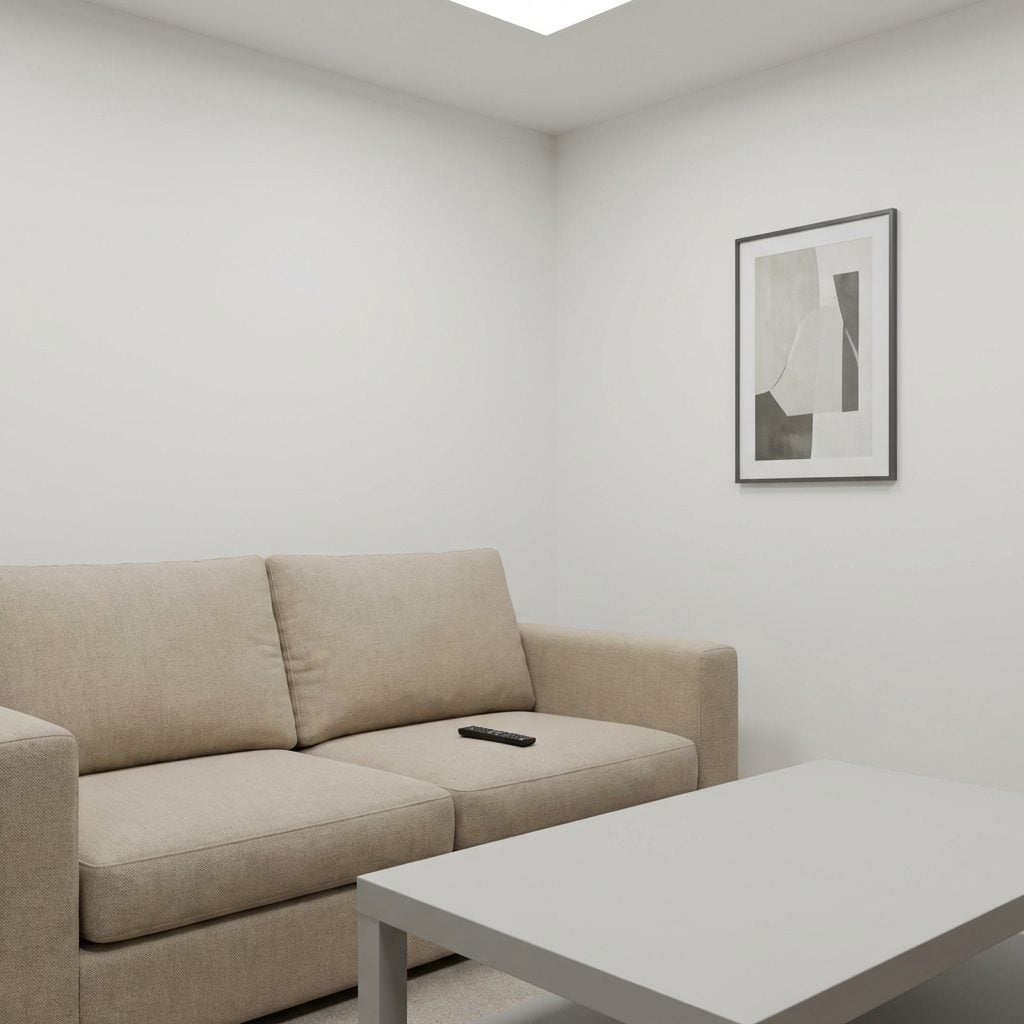
Disconnection from a space isn’t dramatic, it’s quiet and cumulative. It’s sitting in your living room scrolling your phone not because you prefer your phone but because there’s nothing in the room drawing your attention outward. No light catching a particular texture. No object you’re glad you own. Nothing that gives you any reason to look up.
Spaces that feel alive have what designers call “points of interest”, something unexpected in each corner of your visual field when you sit down. A textured ceramic vase catching the afternoon light. A vintage brass lamp with an interesting silhouette. Even a plant with good structure. When every surface is either empty or identically arranged, your brain stops scanning for detail and tunes the whole room out.
18. January Looks Exactly Like July in Here
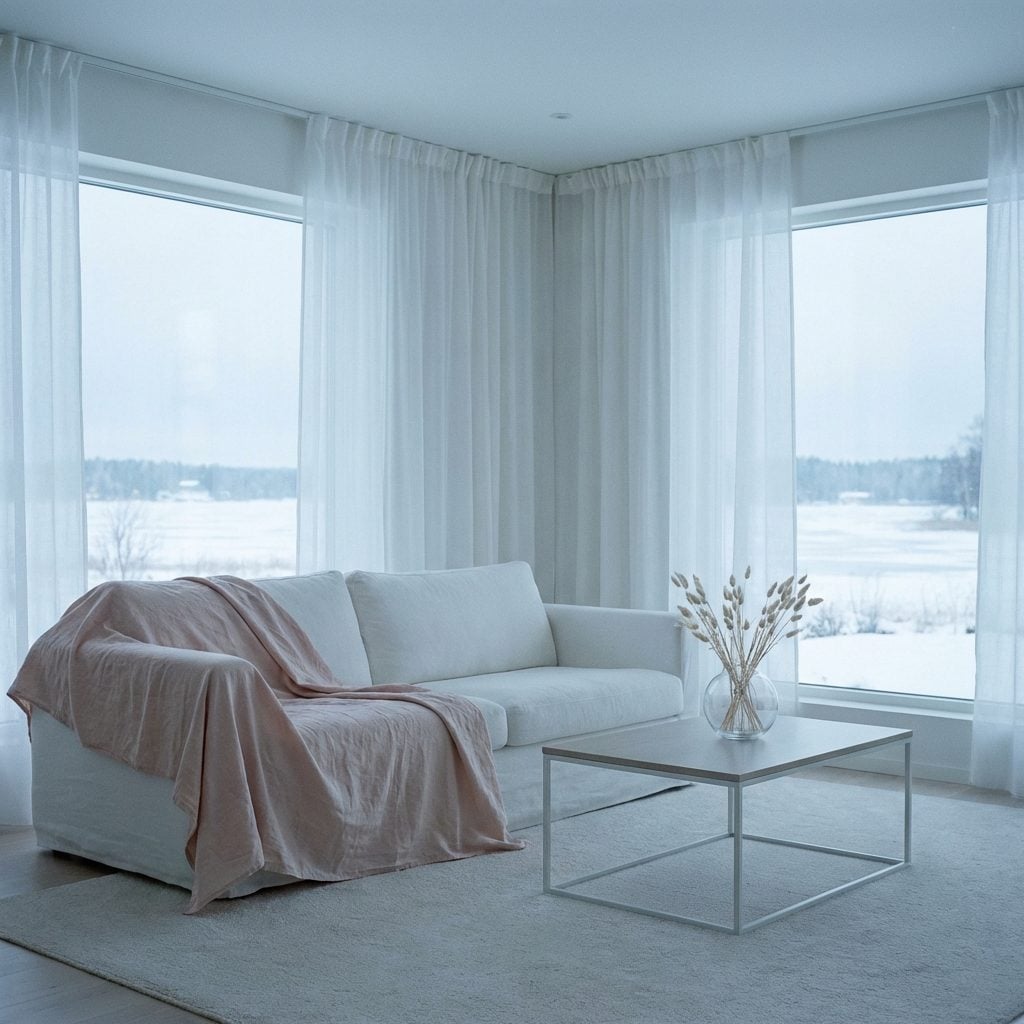
Homes that breathe with the seasons, heavier linen in autumn, chunky knit throws on every surface by December, brighter colors back on the table come March, feel inhabited in a specific, alive way. The objects in them track time. They tell you what month it is without a calendar.
A home frozen in one permanent setting has given up on that conversation. Same lightweight throw. Same pale palette. Same candles, same centerpiece, same light. Not because nothing is wrong, but because no one has been paying attention to the room as a living thing that might want to change.
17. The Room Works Better as a Floor Plan Than as a Place to Sit
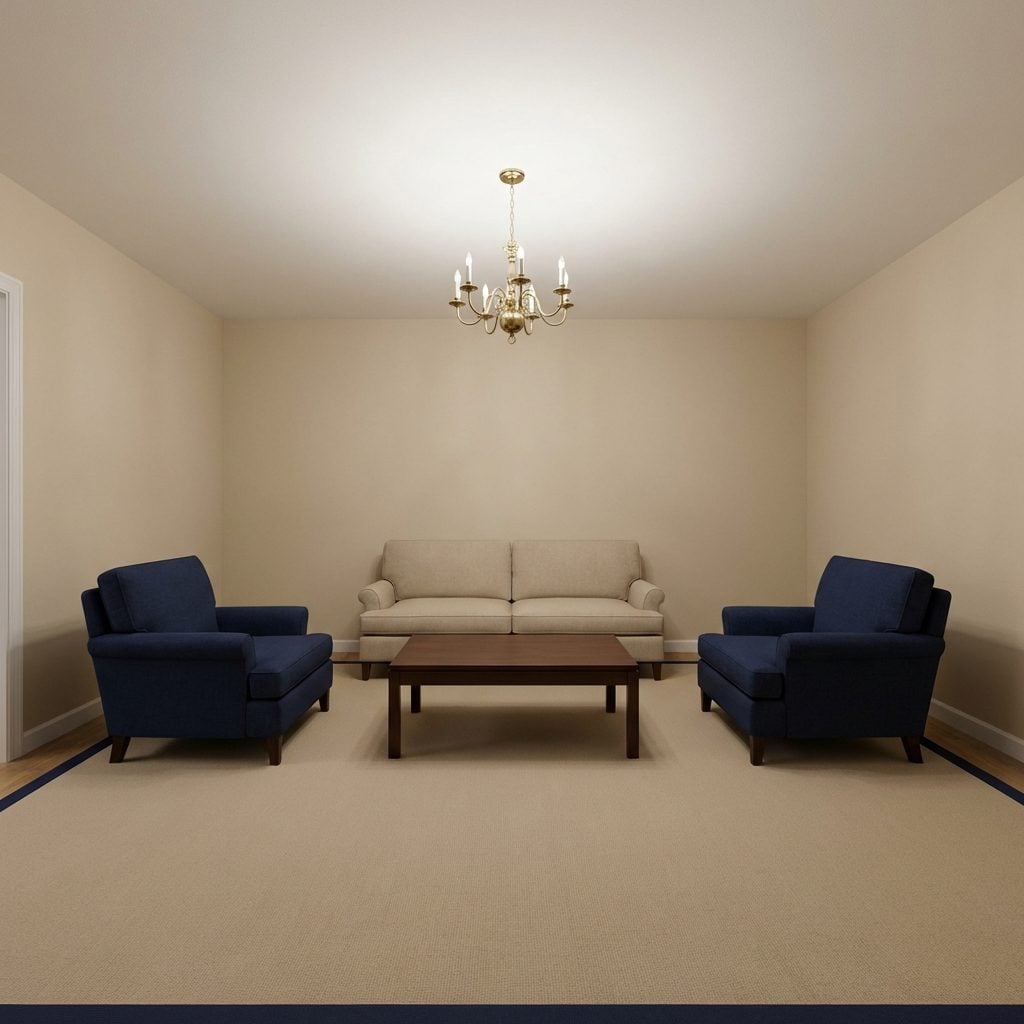
Formal layouts, furniture pushed to the perimeter, a clean pathway through the center, nothing blocking the sightline from the entry, look excellent in overhead diagrams and real estate listings. They also feel hollow to actually occupy. When you prioritize traffic flow and visual openness over clustered, conversational groupings, you end up with a room that functions like a lobby.
A traditional home office layout, a symmetrical front parlor, a dining room where the table is exactly centered with nothing else competing, these spaces telegraph formality first. Warmth requires a little visual compression. Chairs pulled closer than “correct.” A side table near the sofa even if it partially blocks the window. Livable rooms are rarely perfectly efficient.
16. You’re Maintaining the Room, Not Living In It
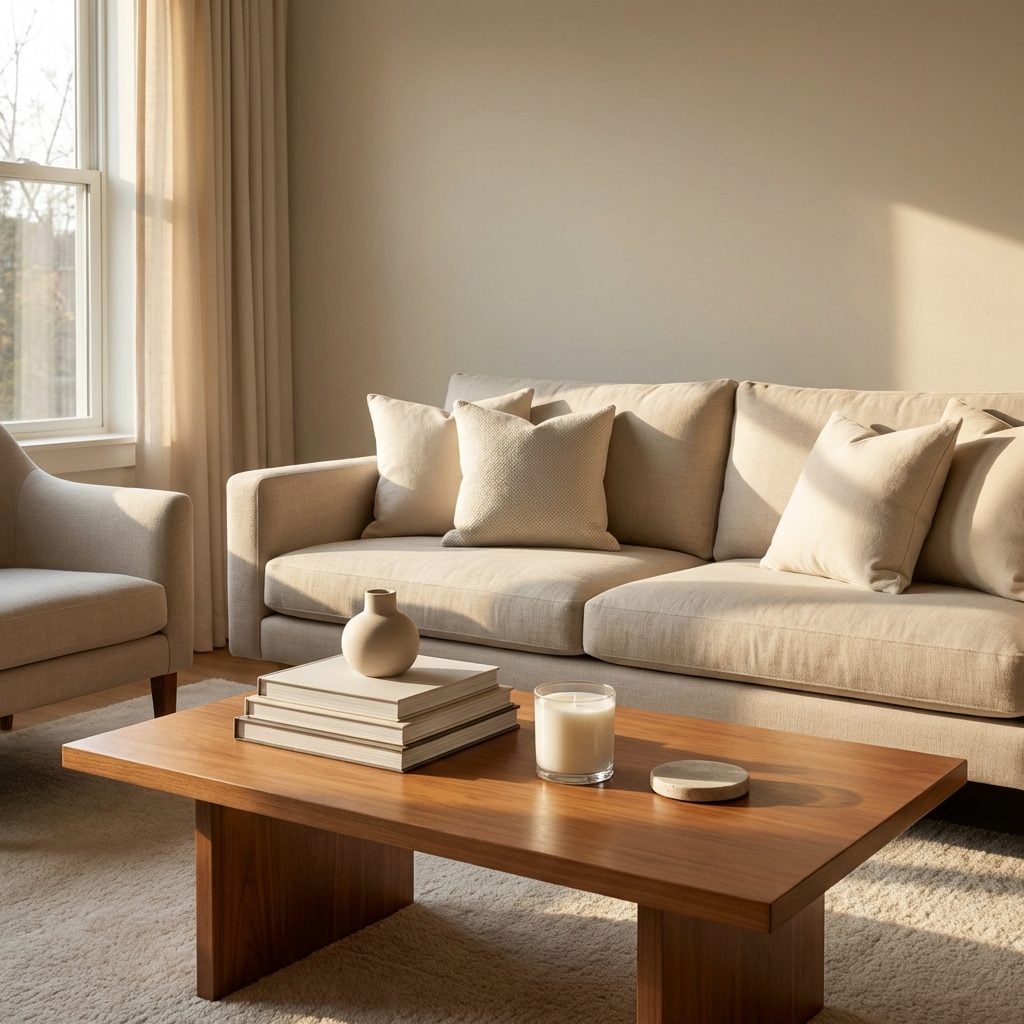
The first sign: you straighten throw pillows the moment someone uses them. The second: the coffee table books haven’t been opened. Third, and this one is specific, you feel a faint anxiety when someone sets a glass down without a coaster, not because of the furniture, but because a mark would disturb the appearance of the room.
When the home becomes something to be managed rather than inhabited, it has crossed into display territory. Linen throw pillows should be squashed and restacked regularly. Coffee table books should be opened. Candles should be burned down unevenly. A room that shows no evidence of use is a room no one is comfortable in.
15. The Last Personal Thing You Added Was Years Ago
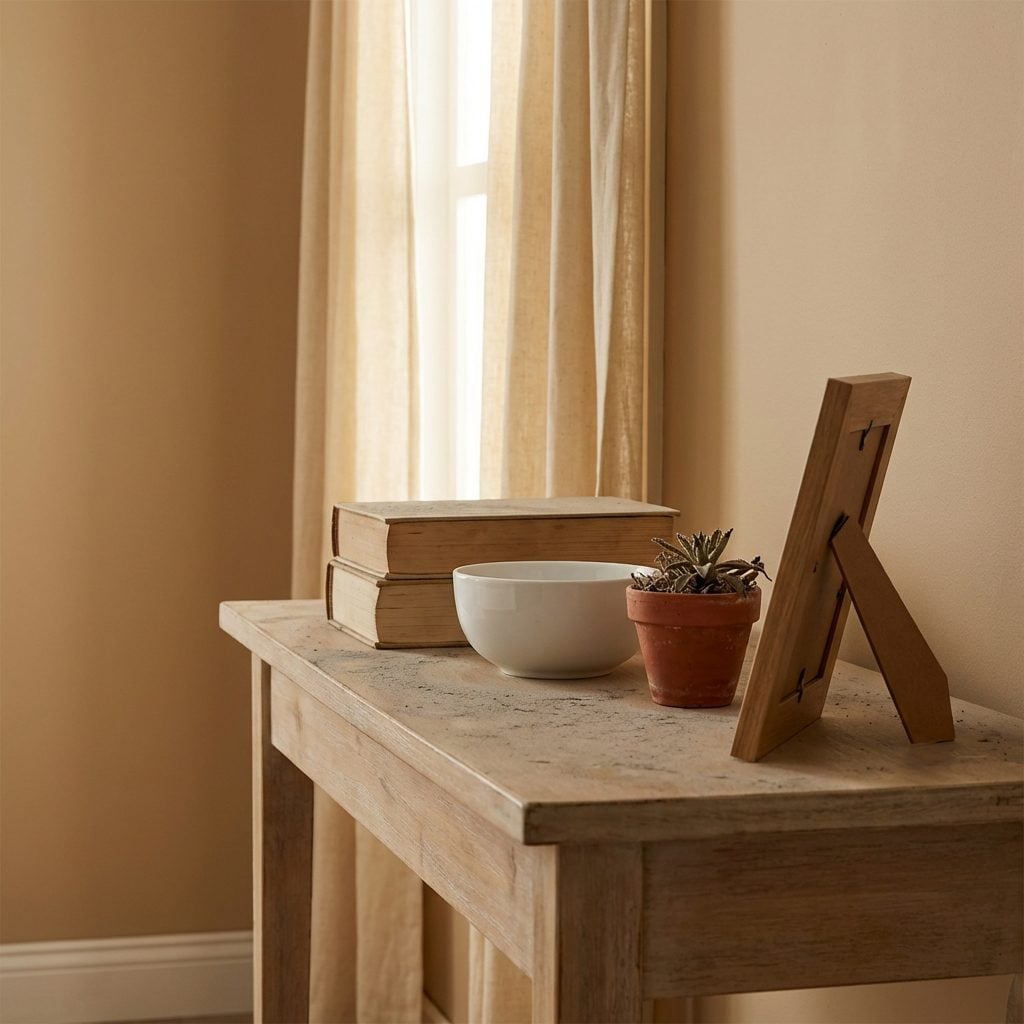
A home that stopped accumulating personal objects is a home that stopped growing. Think about the last thing you added not because a space needed filling but because you wanted it, a piece picked up somewhere specific, a print that made you laugh, something that now reminds you of a particular afternoon. If you have to reach back more than a year or two to find that moment, the home has plateaued.
Living spaces should collect evidence of a life in motion. Small additions, even imperfect ones, are what separate a decorated room from an inhabited one. The home makeover fantasy tells us change has to be big and expensive. Usually it’s just a small ceramic piece you brought back from a trip, a plant you’re mildly obsessed with, or a photo printed and framed on a Tuesday. The impulse to add something because you love it, that impulse kept alive is what keeps a home from going cold.
14. You Keep Finding Excuses Not to Have People Over
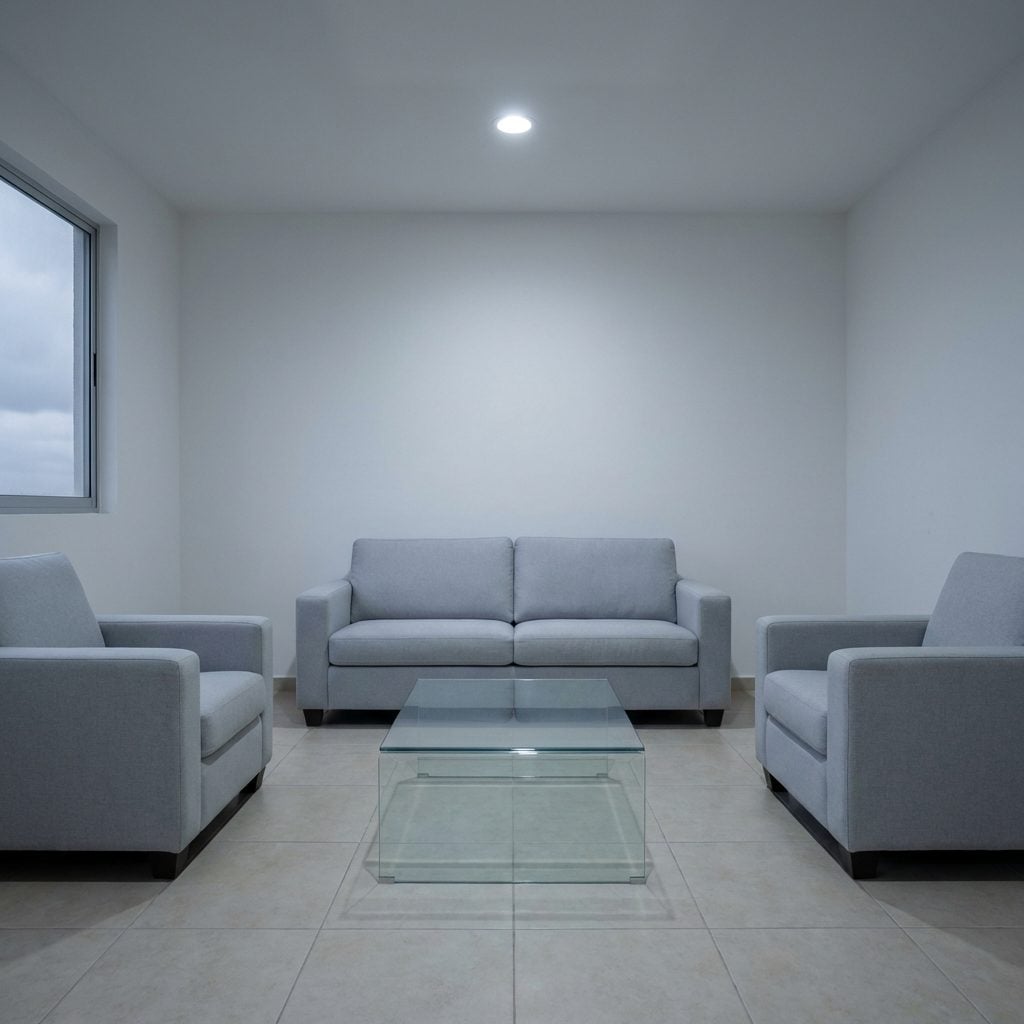
There’s always a reason, isn’t there? The timing’s off, the place isn’t ready, maybe next month. But if you’re honest with yourself, the real reason you don’t invite people over is that the space doesn’t feel like somewhere you’d want to bring people you care about. It’s not about cleanliness or square footage. It’s about whether the room feels like it could hold a conversation.
A home that feels cold and lifeless makes hosting feel like a performance you haven’t rehearsed. You’d have to explain away the stiffness of it, apologize for the atmosphere before anyone even sat down. That instinct to avoid it is worth paying attention to, your gut already knows what your eye hasn’t fully admitted yet. A good home makeover doesn’t always mean a full renovation. Sometimes it means adding one warm layer that makes you want to say yes next time someone asks to come by.
13. The Evening Light Makes You Want to Leave, Not Stay
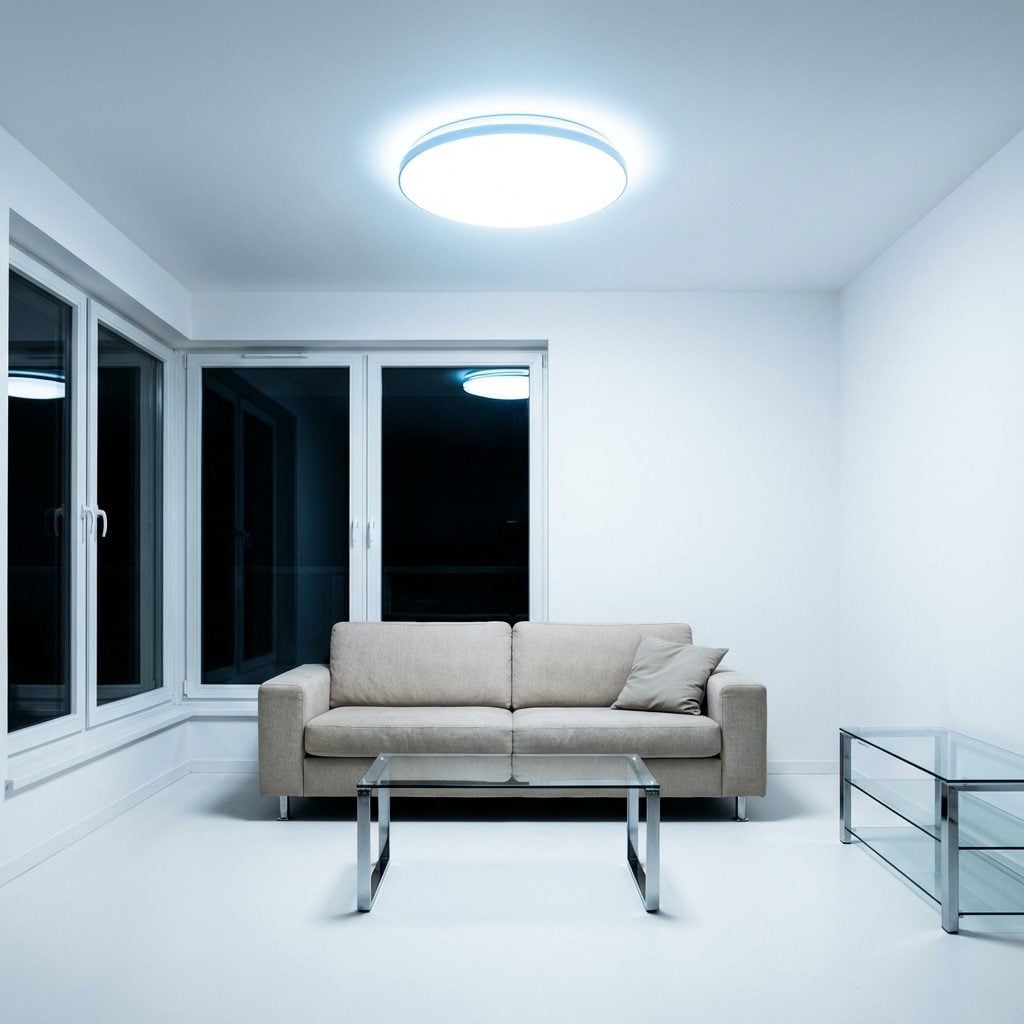
Lighting is the single most underestimated factor in how a room feels, and in a cold home, the evenings expose everything. When the sun goes down, warm spaces come alive. Cold ones just get more depressing. If your lights flip on at dusk and the room feels exactly the same as it did at noon, flat and clinical, that’s the sign.
The culprit is almost always a reliance on cool-toned bulbs or a total absence of ambient light sources. There’s no warm table lamp casting a soft pool of light in the corner. No dimmable floor lamp softening the edges of the room. Just the harsh overhead glare that makes everyone look tired and every surface look flat.
12. The Thermostat Says 70 But Something Still Feels Off
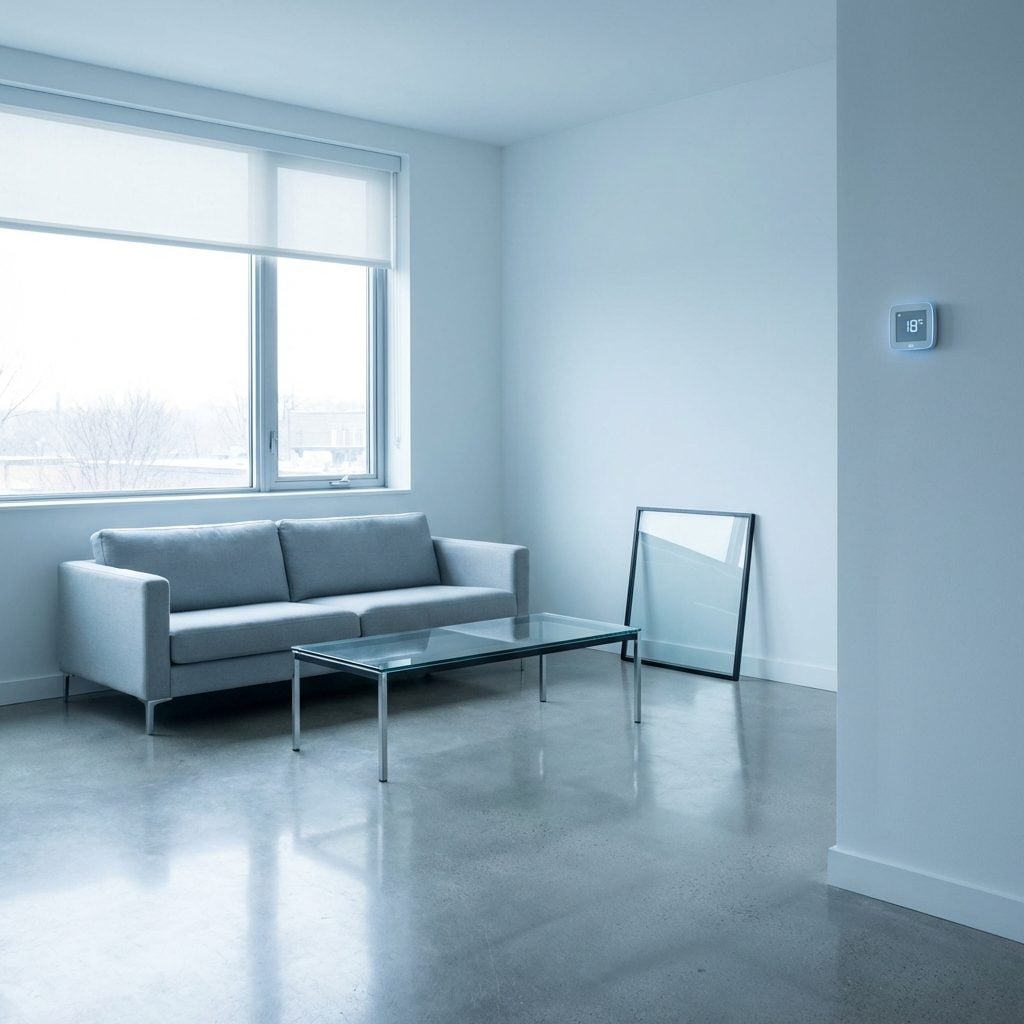
This one is harder to name, which is exactly why it lingers. The room is technically warm enough. You’re not reaching for a sweater. But there’s no sense of comfort, no feeling of being held by the space. Emotional warmth in a home doesn’t come from HVAC systems. It comes from color, texture, softness, and the accumulation of things that signal life is lived here.
Hard surfaces amplify this disconnect. A room full of stone floors, glass surfaces, and white walls will feel cold even in July. The eye reads those materials as temperature cues, and the brain follows. Layering in a wool area rug, some linen throw pillows, or even a chunky knit blanket draped over a chair introduces materials the brain registers as warmth, even before you’ve touched them.
A room can meet every standard of comfort on paper and still feel like nowhere you’d want to be.
11. Walking from Room to Room Feels Like Changing Channels
🔥 Would you like to save this?
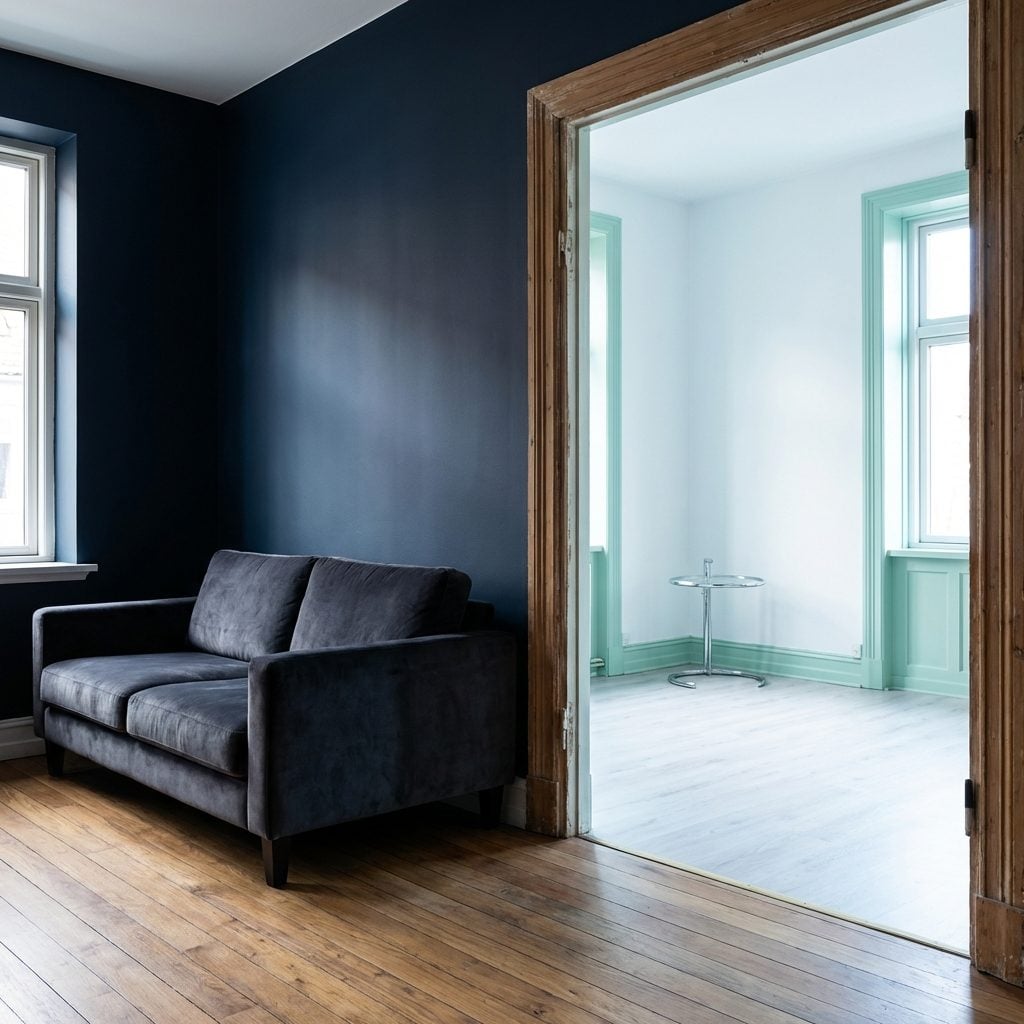
In a home that works, there’s a visual conversation between spaces. Colors carry through, materials echo each other, and you feel like you’re moving through a coherent place rather than a collection of disconnected rooms. When that thread is missing, each room feels like it belongs to a different house, a different owner, a different life.
This usually happens when rooms are decorated in isolation, a trend picked up here, a sale piece grabbed there, a paint color chosen without reference to anything else. The result is visual noise disguised as variety. No single room feels settled because none of them have anything to say to the others.
The fix isn’t matching everything, it’s choosing a few repeating elements that create continuity. A consistent wood tone. A color that shows up in three rooms in three different ways. A material like rattan or brass that appears throughout and ties the whole floor together without making it feel like a catalog set.
10. Everything in the Room Is Exactly Where You Put It Six Months Ago
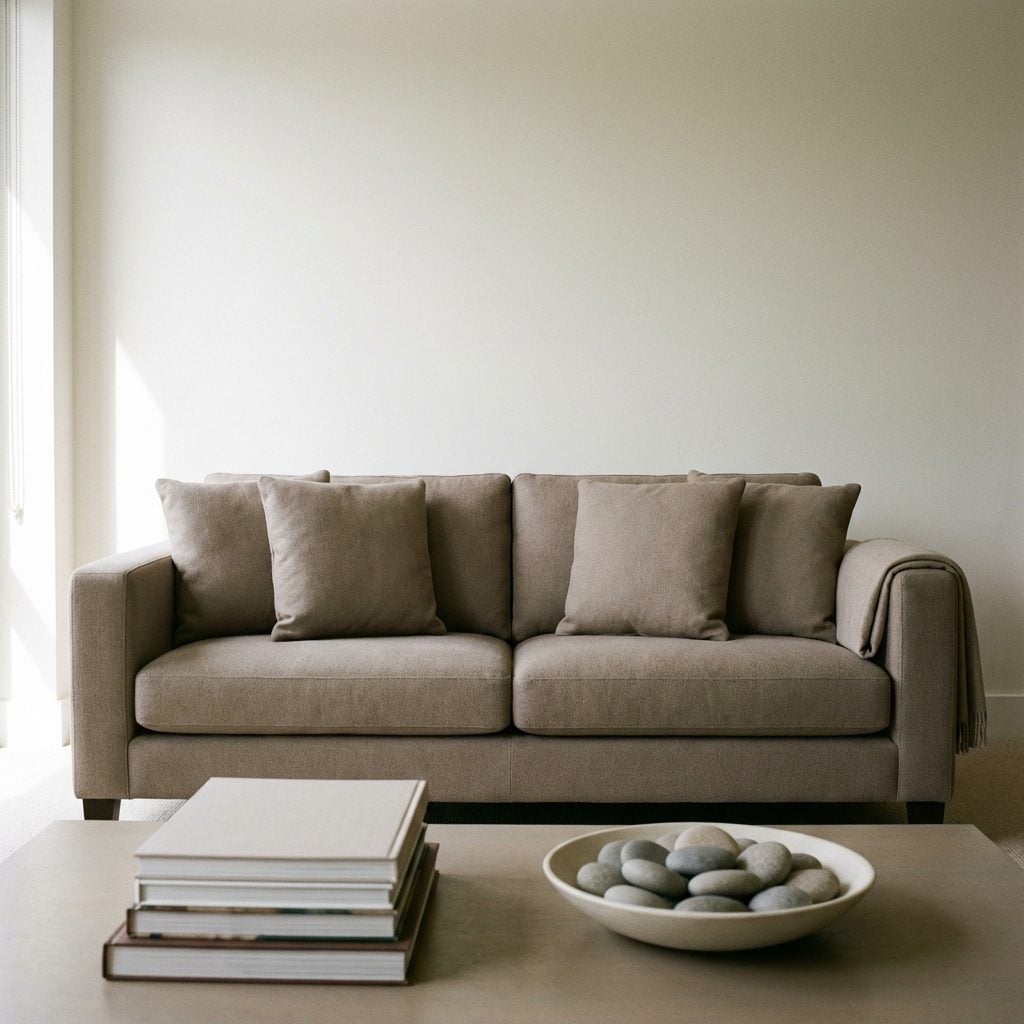
A room that doesn’t invite use doesn’t get used. If your sofa pillows have never been disturbed, your coffee table books have never been opened, and your decorative bowl has never held anything other than its original styling prop, the room is telling you something. It’s a showroom, not a living space.
Homes feel alive because they respond to the people in them. A chair angles slightly toward the window because someone moves it to read. A stack of books migrates from the nightstand to the kitchen counter because life is messy and curious. When nothing in a room ever shifts, it’s usually because nothing in the room is actually being used.
9. Your Eyes Have Nowhere to Land and Nowhere to Rest
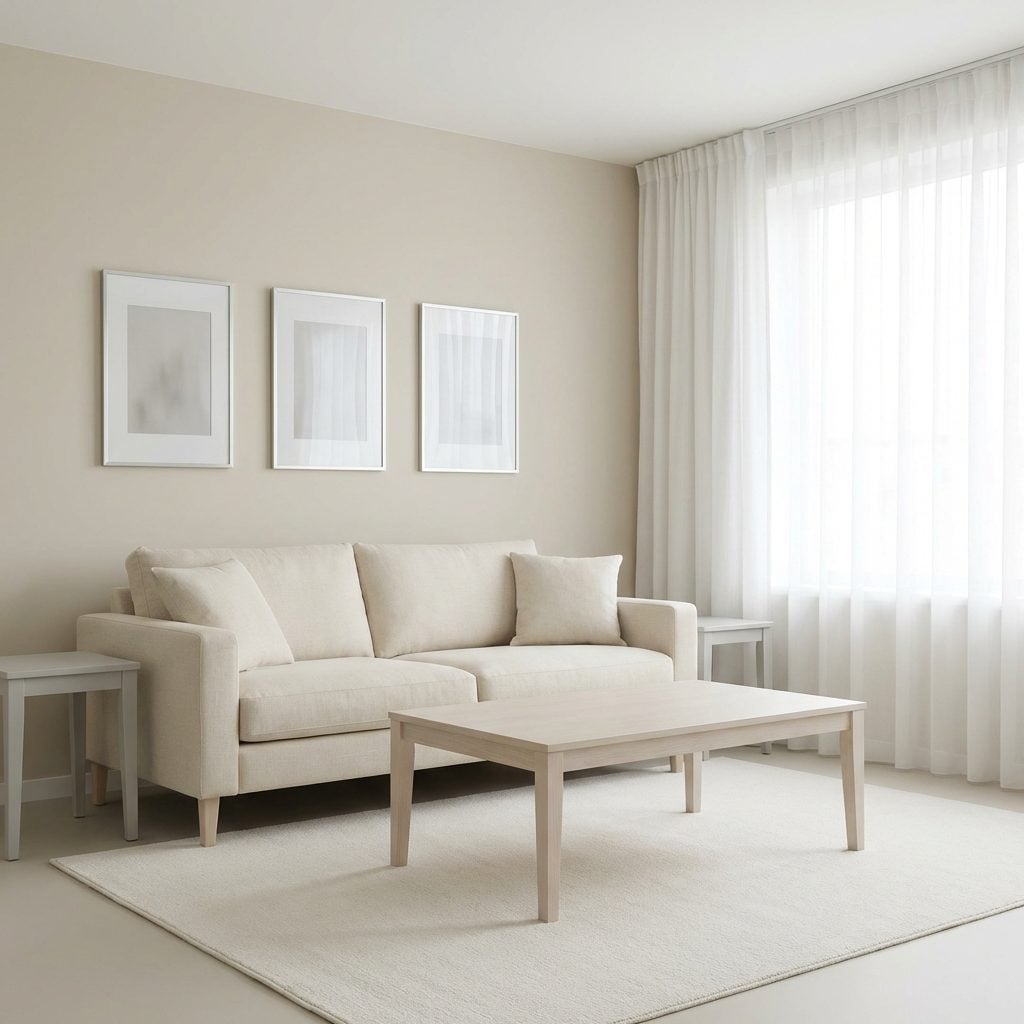
Visual interest in a room isn’t about filling every surface, it’s about creating moments of contrast, depth, and variation that give the eye somewhere to go. In a flat, lifeless room, the whole space reads at the same visual volume. Every surface is equally present, equally uninteresting, and equally forgettable.
Contrast is what creates depth: a dark wall against pale furniture, a rough-textured jute basket beside a smooth ceramic lamp, a matte finish next to a glossy one. Without these variations, a room looks like it was designed to avoid offense rather than to invite any feeling at all. The eye scans it quickly, finds nothing to grip, and the brain files it as empty.
8. You Spend More Time Cleaning It Than Actually Being in It
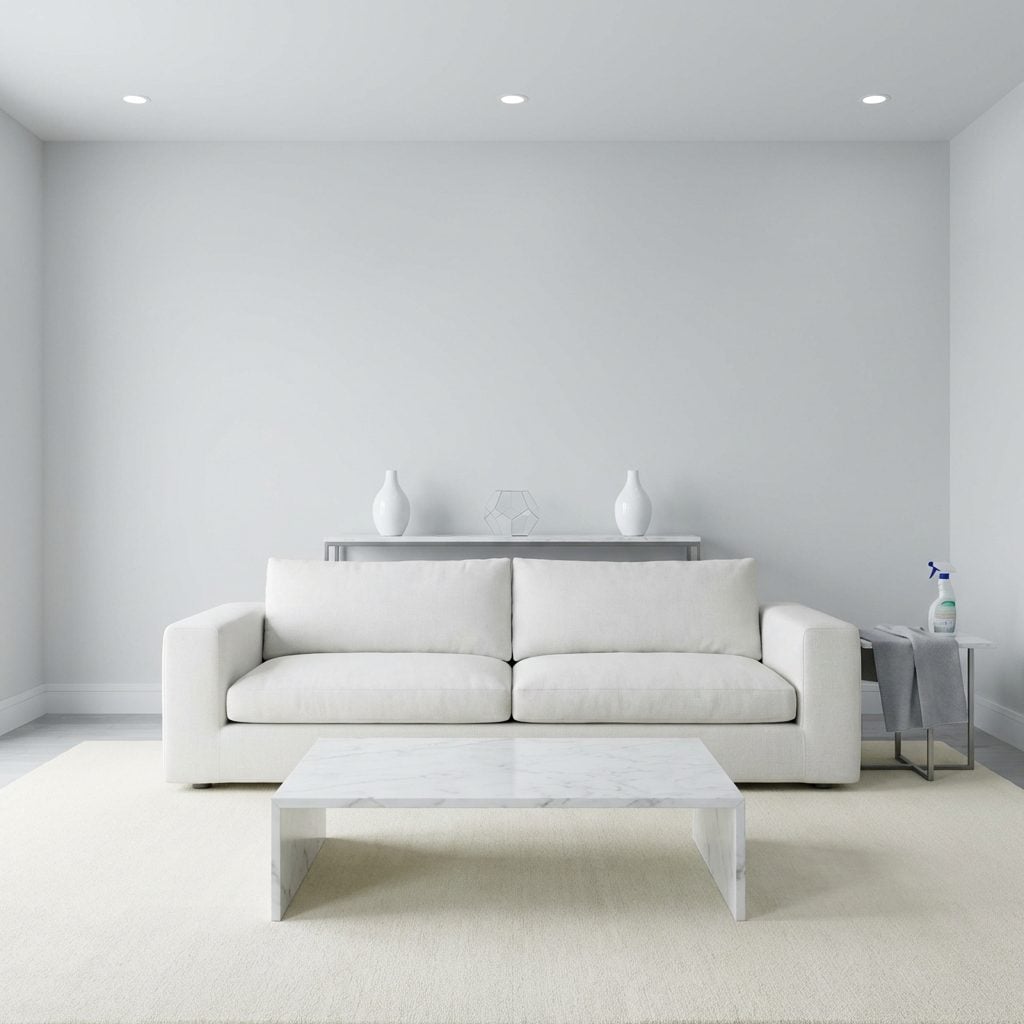
When your primary relationship with your home is maintenance, something has gone wrong. Not with the cleaning routine, with the design. Spaces that are beautiful to maintain but joyless to inhabit are usually optimized for looking a certain way rather than for being lived in. Every object is chosen for aesthetics over comfort. Every surface requires upkeep that doesn’t feel worth it.
This manifests in specific ways: white fabric sofas that can’t be touched without anxiety, marble coffee tables that show every ring and fingerprint, decorative objects with no function that just collect dust. The home starts to feel like a job, and when a home feels like a job, you spend as little time in it as possible.
7. Every Surface Is Hard, Cold, or Reflective
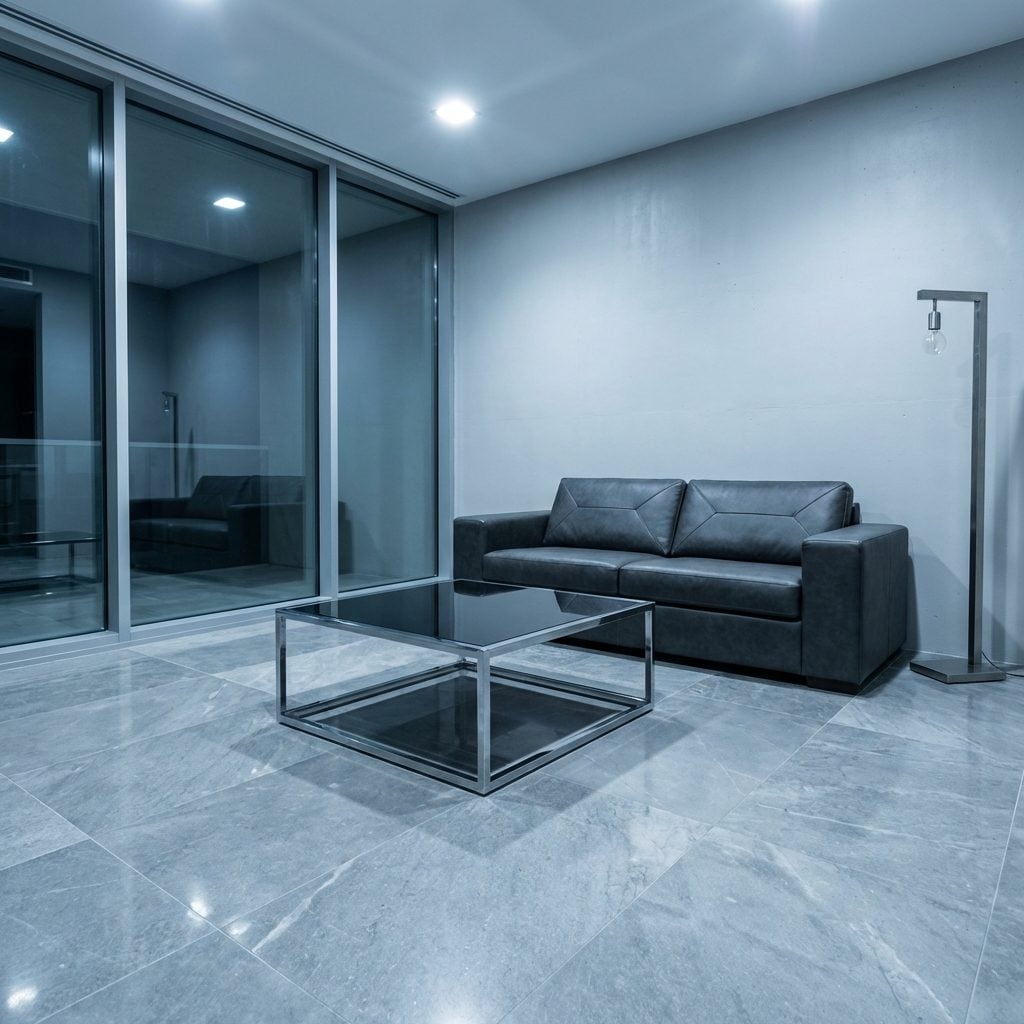
Touch matters more than most people think when it comes to how a room feels. Spaces dominated by glass, polished metal, stone, and lacquered finishes register as cold to the eye long before anyone sits down in them. The brain reads material as temperature, and hard surfaces read as the emotional equivalent of a waiting room.
A gray home gym or industrial workspace can pull off this kind of aesthetic because the function matches the feeling. But in a living room or bedroom, an abundance of cold materials without any softness to balance them creates a space that feels uncomfortable even when it technically looks composed. One sheepskin throw, a velvet accent chair, or even a woven rattan pendant light introduces enough organic softness to shift the whole emotional register of the room.
6. The Silence in Your Home Feels Heavy, Not Restorative
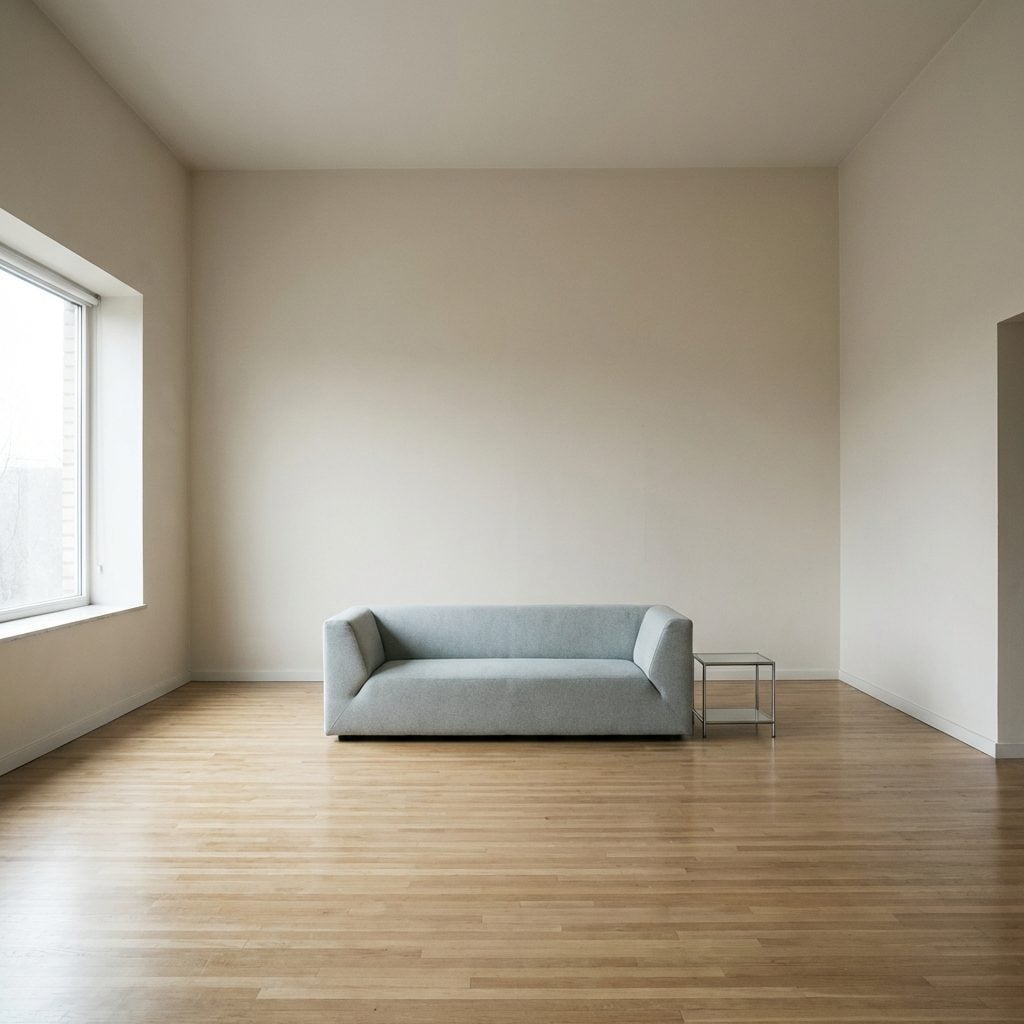
Peaceful quiet and empty quiet are not the same thing, and a room will tell you which one it’s producing the moment you sit alone in it. A peaceful space wraps around you. An empty one amplifies your awareness of being alone in it. If sitting in silence in your own home makes you want to put on a podcast, scroll your phone, or simply leave, the room may be contributing to the feeling rather than soothing it.
Acoustic softness plays a real role here. Rooms with too many hard surfaces create subtle echo and resonance that registers as sterile and institutional. Soft furnishings, layered rugs, upholstered furniture, and even bookshelves full of books all absorb sound in ways that make silence feel fuller, not louder. This is one reason a traditional home office lined with built-in bookshelves and upholstered seating feels so conducive to quiet focus, while a minimal glass-and-metal room of the same size feels like an echo chamber.
5. Every Light in the House Is Doing the Same Job
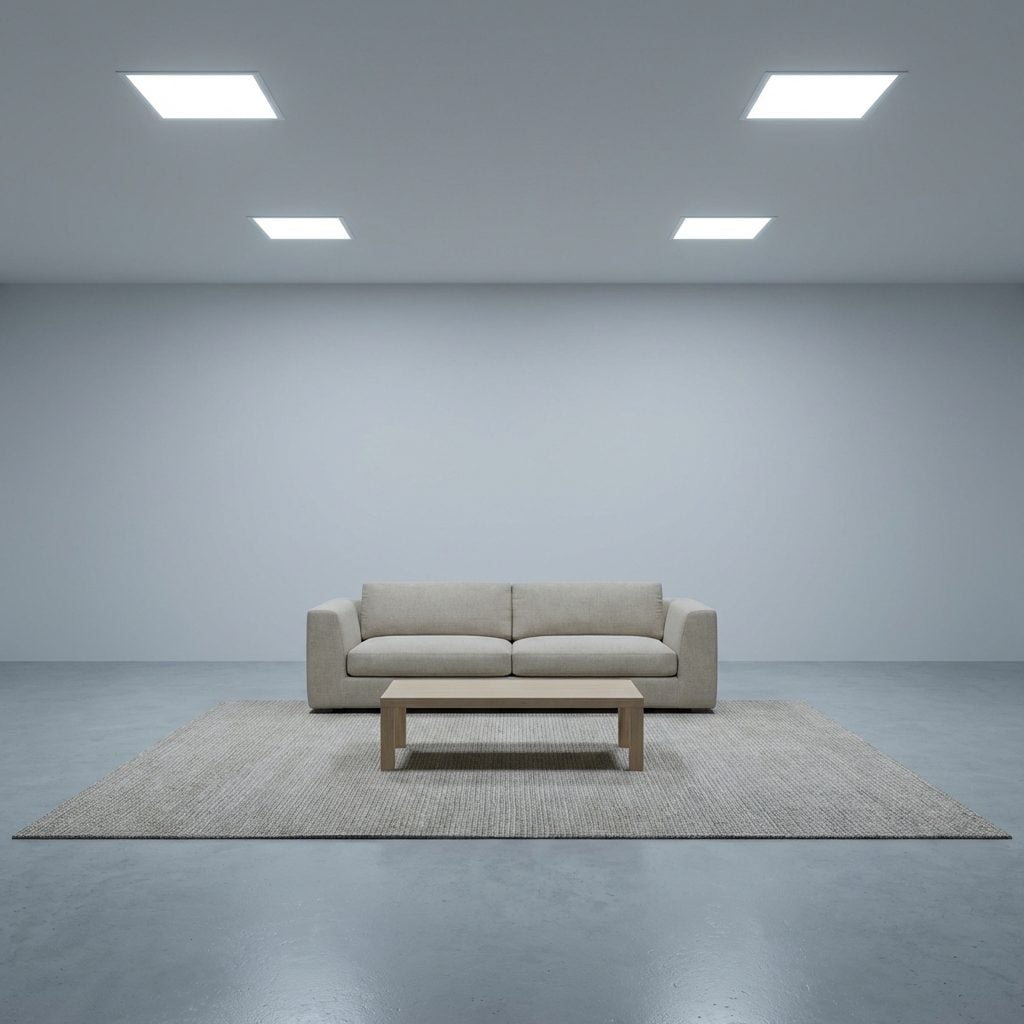
Layered lighting is one of the fastest indicators of whether a home has been thought about or just equipped. In cold, lifeless spaces, overhead lights are doing all the work: ceiling fixtures or recessed lights that illuminate the entire room evenly, removing all shadow and depth in the process. It looks like a grocery store, not a home.
The warmest rooms use three types of light without necessarily thinking about it: ambient (overall fill light), task (directed light for doing things), and accent (light that highlights an object or surface for pure visual pleasure). No single fixture can do all three. A room without a arc floor lamp in a reading corner, a brass table lamp on a console, or a candle cluster on the coffee table is a room that hasn’t been lit, it’s been illuminated. Those are very different things.
4. Your Decor Feels Like It Came From a Mood Board That Isn’t Yours
Generic decor is the quiet culprit behind more cold homes than bad taste or budget ever could be. The room looks fine in photos. It matches. The tones are cohesive. But nothing in it reflects anything specific about the person who lives there, no inherited piece, no unusual find, no color that someone chose because they simply love it.
Personality in a room doesn’t require a lot. One object with a real story, one color that feels genuinely chosen rather than safely selected, one piece of art that someone bought because it stopped them in their tracks rather than because it matched the sofa. Without any of that, a room feels like it could belong to anyone, which means it feels like it belongs to no one.
3. The Coffee Table Is Bare and the Couch Has Never Been Napped On
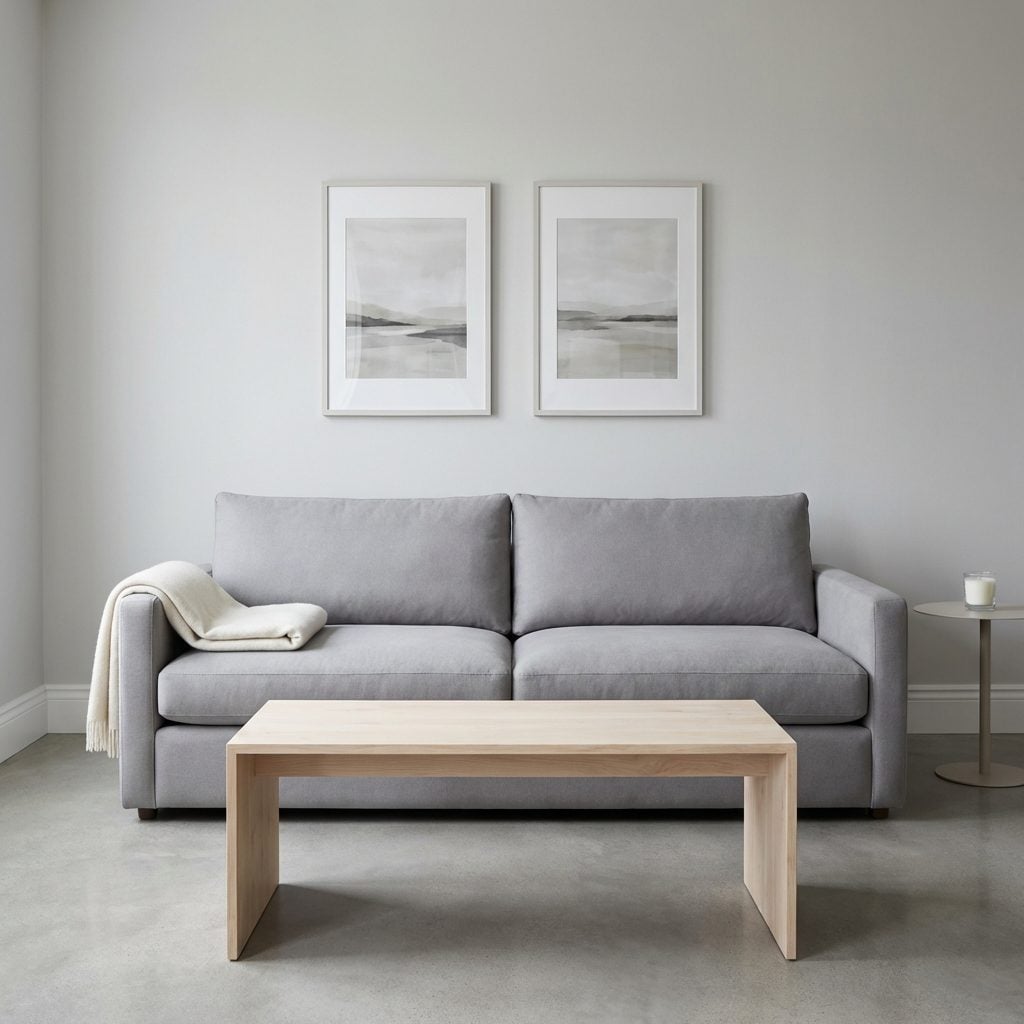
Lived-in doesn’t mean messy. It means there are signs that someone actually occupies this space and finds pleasure in it. A book face-down because someone stepped away mid-chapter. A knitted throw blanket bunched up at one end of the sofa because someone pulled it over themselves on a Sunday. A small cluster of pillar candles with wax that’s actually been burned.
Cold homes often look like the people in them are trying very hard not to disturb anything. Every surface is cleared. Every cushion is upright. The blanket is folded. It’s not that the home is unloved, it’s that the tidiness has crossed into a kind of emotional withholding. Letting a space look like someone lives in it is one of the most direct forms of permission you can give yourself to actually enjoy your home.
2. Every Object Was Chosen With Your Eyes, Not Your Body
🔥 Would you like to save this?
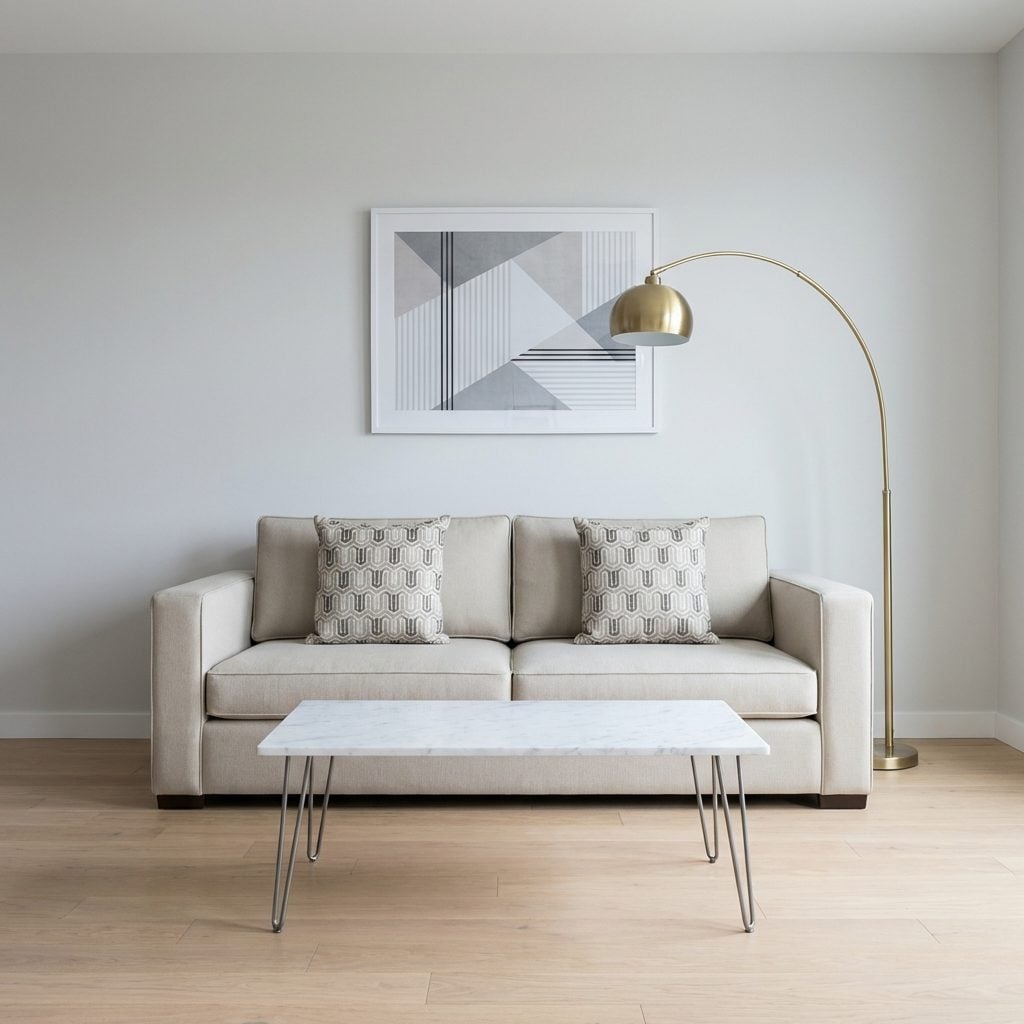
There’s a specific kind of exhaustion that comes from living in a room that looks right but feels wrong. The linen sofa photographs well but seats like a park bench. The marble coffee table is technically striking, but you’ve never once rested a mug on it without a coaster, never propped your feet on it, never felt comfortable around it. You chose it for the imaginary version of your life, not the actual one.
This is one of the quietest ways a home turns cold. Every object was auditioned for a role in a photoshoot that never happens. Nothing was chosen because it feels good under your hands or invites you to stay longer. When a room is styled but not lived in, your nervous system knows. You move through the space carefully, at a distance, like a guest in someone else’s house. That low-grade tension? That’s your home asking you to actually move in.
1. Walking Through Your Own Front Door Has Never Once Felt Like Relief
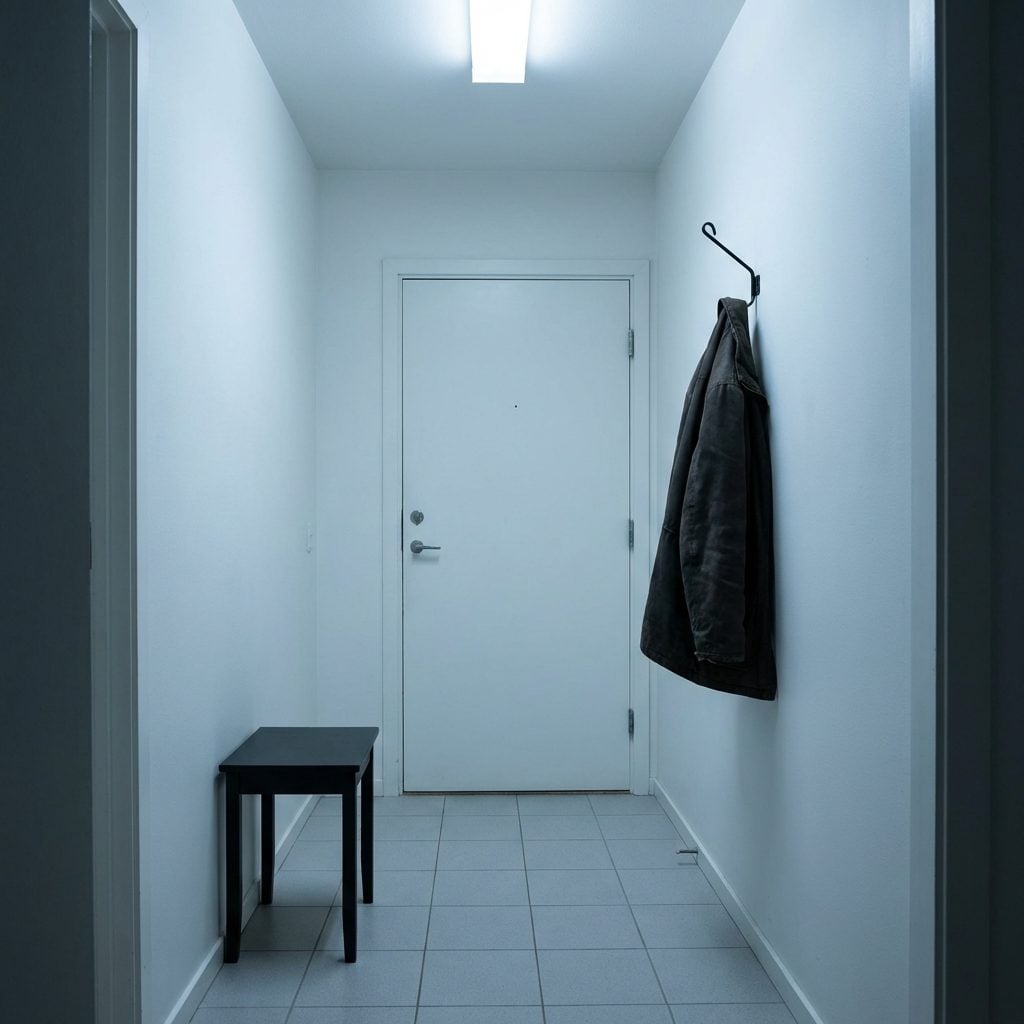
Think about the last time you came home after a hard day. Did your shoulders drop when you crossed the threshold? Did something in you settle? Or did you just… continue? The front door opened and you were inside instead of outside, but nothing shifted. No exhale. No sense of arrival.
That absence is worth paying attention to. A home that makes you feel genuinely glad to be back is doing something invisible and specific: it’s signaling safety, warmth, and belonging the moment you step in. The scent, the temperature, the quality of light, the first surface your eye lands on, these things register before you’ve even set down your bag. If none of that is working in your favor, a home makeover doesn’t have to mean gutting the whole space. Sometimes the entry alone is the fix. A warm amber table lamp on a narrow entryway console, something at eye level that reads as welcome, can change the entire emotional register of a homecoming.
Your home should feel like it’s been waiting for you. Not indifferently, but with something ready.