🔥 Would you like to save this?
Somebody once paid a man to carve those baseboards by hand. Now there’s a dumpster in the driveway and a sledgehammer leaning against the porch rail. Hold on a second. The stuff that makes an old house feel like an old house is almost never the stuff you can buy back, and reproduction molding reads as reproduction from across the room. Original plaster doesn’t. So before you demo anything, walk the house slowly and look at what the first builders actually got right. Here are the features that reward repair over replacement — and why keeping them beats anything from the big-box aisle.
44. The Floor Under the Carpet Is Probably the Best Thing in the House
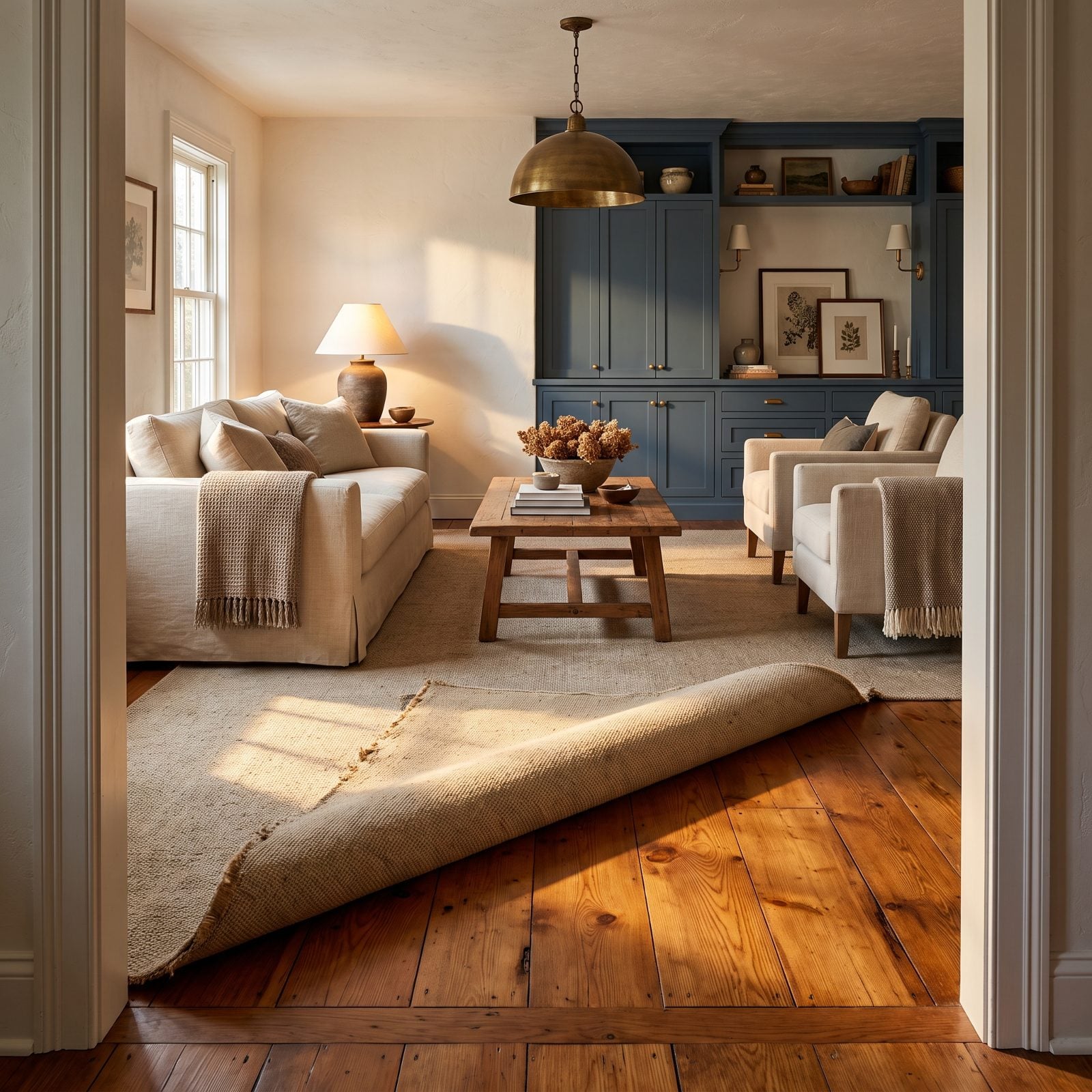
Pull up the carpet in a house built before 1950 and you’ll usually find old-growth oak or heart pine underneath — the kind of wood that isn’t commercially available anymore at any price. Dense, tight-grained, thick enough to sand four or five times over a lifetime. New engineered flooring gets refinished once, and then it’s done.
In order to come up with the very specific design ideas, we create most designs with the assistance of state-of-the-art AI interior design software. Also, assume links that take you off the site are affiliate links such as links to Amazon. this means we may earn a commission if you buy something.
So restore it. A gentle sanding and a satin oil finish keeps the honey patina along with the little dings that tell you the floor has lived through something. Don’t chase a factory-flat, mirror-shine look — the slight cupping and the square-cut nail heads are what you’re here for.
43. Real Plaster Has a Depth Drywall Can’t Fake
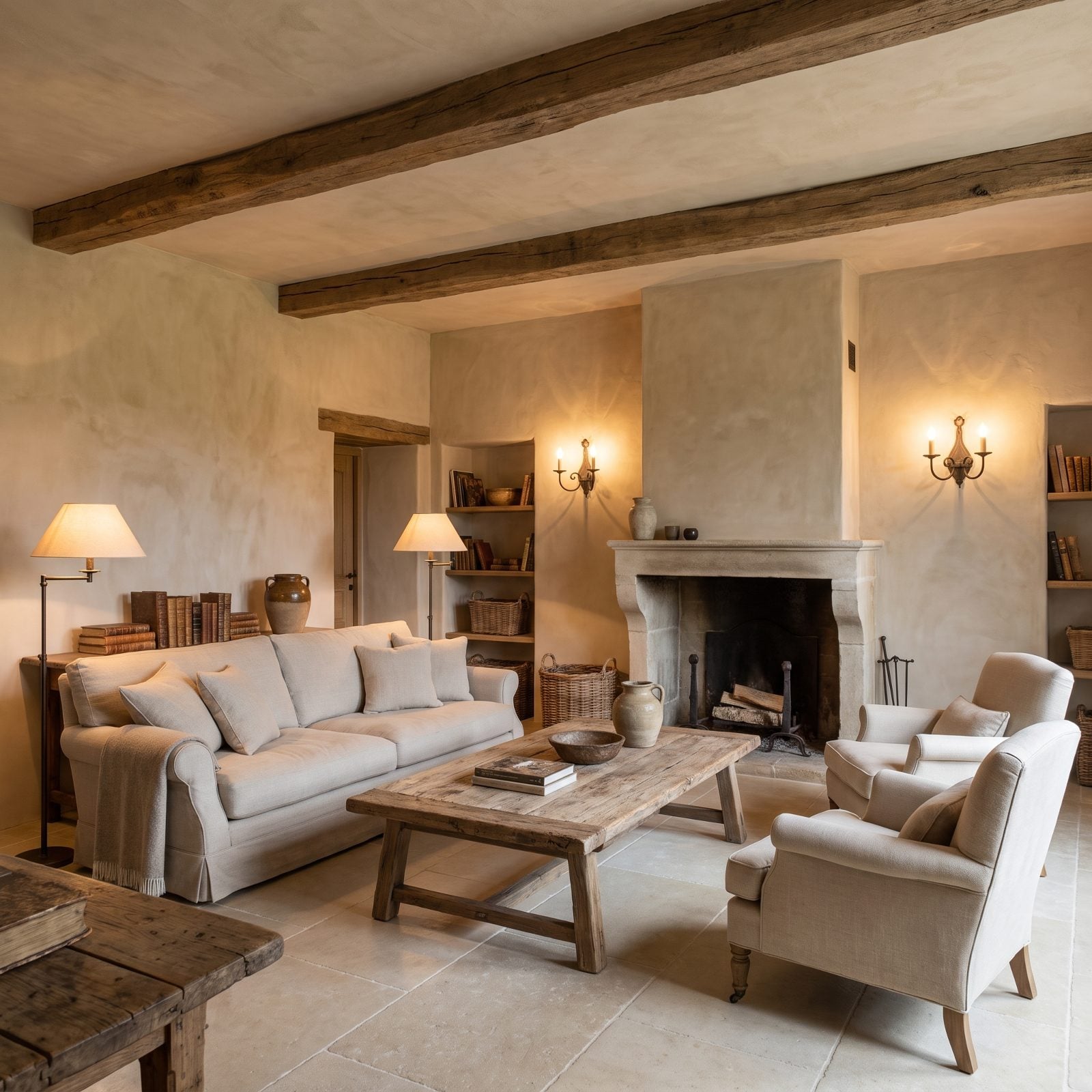
Knock on a plaster wall, then knock on drywall. You’ll hear it instantly. Plaster is dense, slightly irregular, and it holds light like nothing from a sheet-goods aisle, and that soft undulation across the surface is what gives an old room its quiet depth.
Hairline cracks scare people into gutting walls that only needed patching. Most cracks are cosmetic. A skim coat fixes them. Bring in a plasterer who knows lime work before you reach for the demo bar, because ripping out sound plaster for drywall is one of those renovation regrets you can’t undo.
42. Layered Crown Molding Is the Detail You Can’t Buy at a Big Box
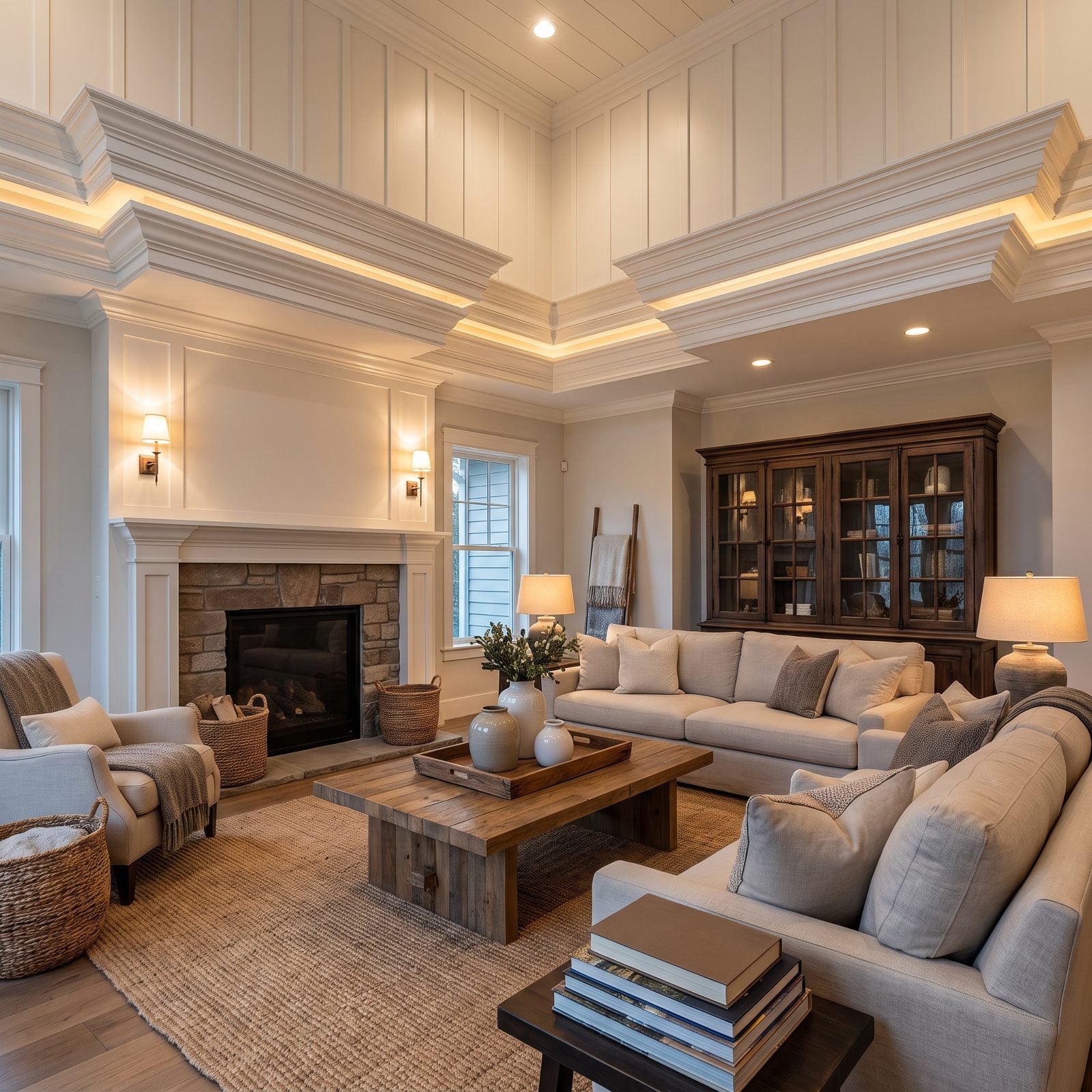
That crown isn’t one piece. Look closely and you’ll count three or four separate profiles stacked and fitted by a carpenter who did it by eye — a cove, a bead, sometimes a run of dentils. Modern crown is a single foam or MDF strip pretending to have that depth.
Caulk the gaps, fill the old nail holes, repaint in a soft warm white, and the shadow lines come right back. When a section is water-damaged, a good millwork shop can match the profiles instead of swapping the whole run for something flatter.
41. Those Tall Baseboards Are Doing More Than You Think
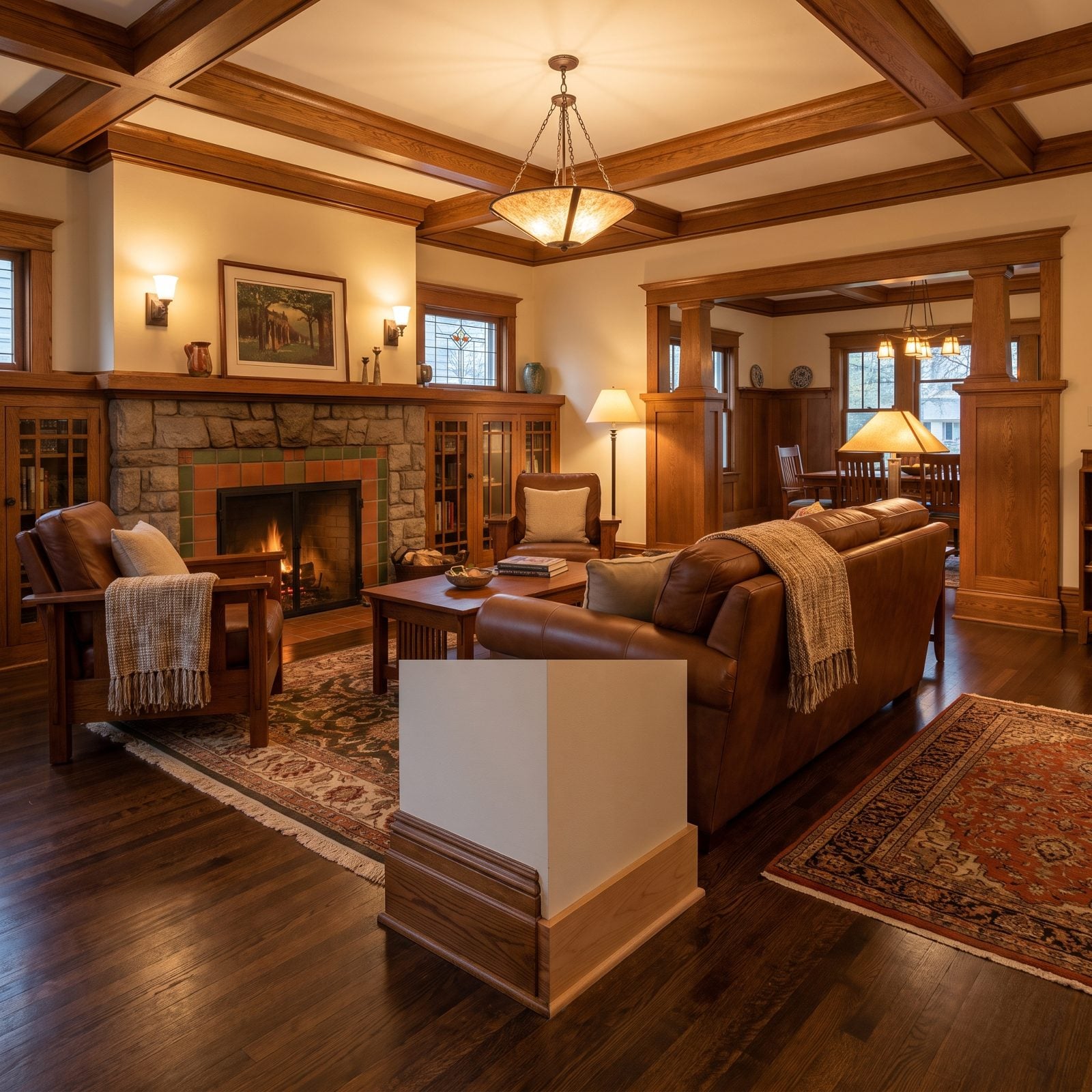
Swap a tall original baseboard for a skinny modern one and the whole room shrinks. It happens every time. It’s grim.
Deep baseboards give a wall a visual foundation — a heavier line at the floor that makes the ceiling read taller by contrast — and the molded cap catches light the way a flat board never will. Strip the old paint carefully, fix the dents, repaint. If a piece is rotted, have a shop mill a match. Height is the thing to protect above all else.
40. Picture Rails: The Old Trick That Saves Your Plaster
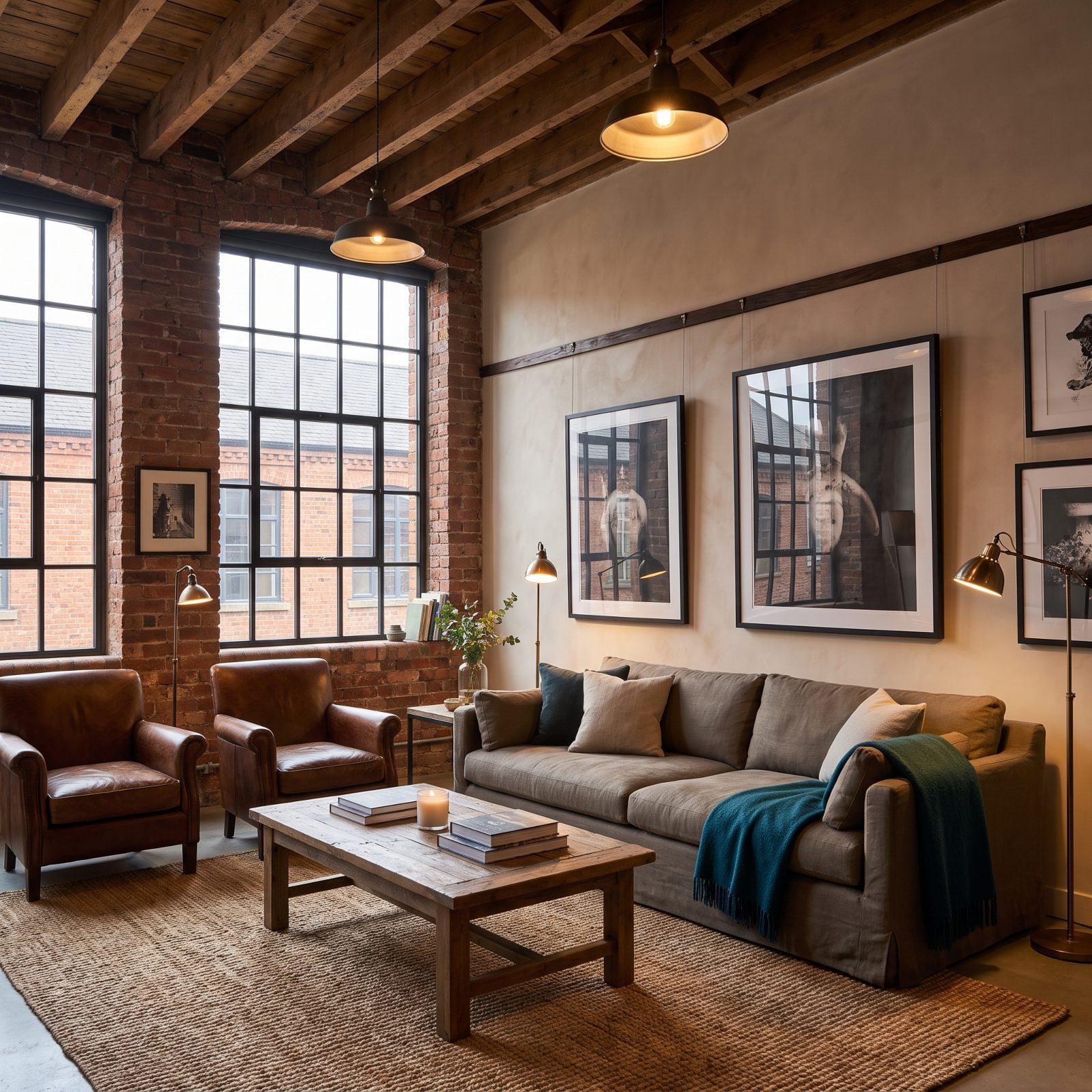
That slim strip running near the top of the wall isn’t just trim. It’s a working hanging system, invented to keep you from punching holes in plaster every time you move a frame.
Hooks slide along it, pictures hang from cord or brass chain, and nothing touches the wall. For a minimalist hallway renovation it’s a quiet gift — rearrange art endlessly and the plaster stays pristine. Repaint the rail, buy a handful of reproduction hooks, put it back in service.
39. The Ceiling Medallion Nobody Looks At (Until It’s Gone)
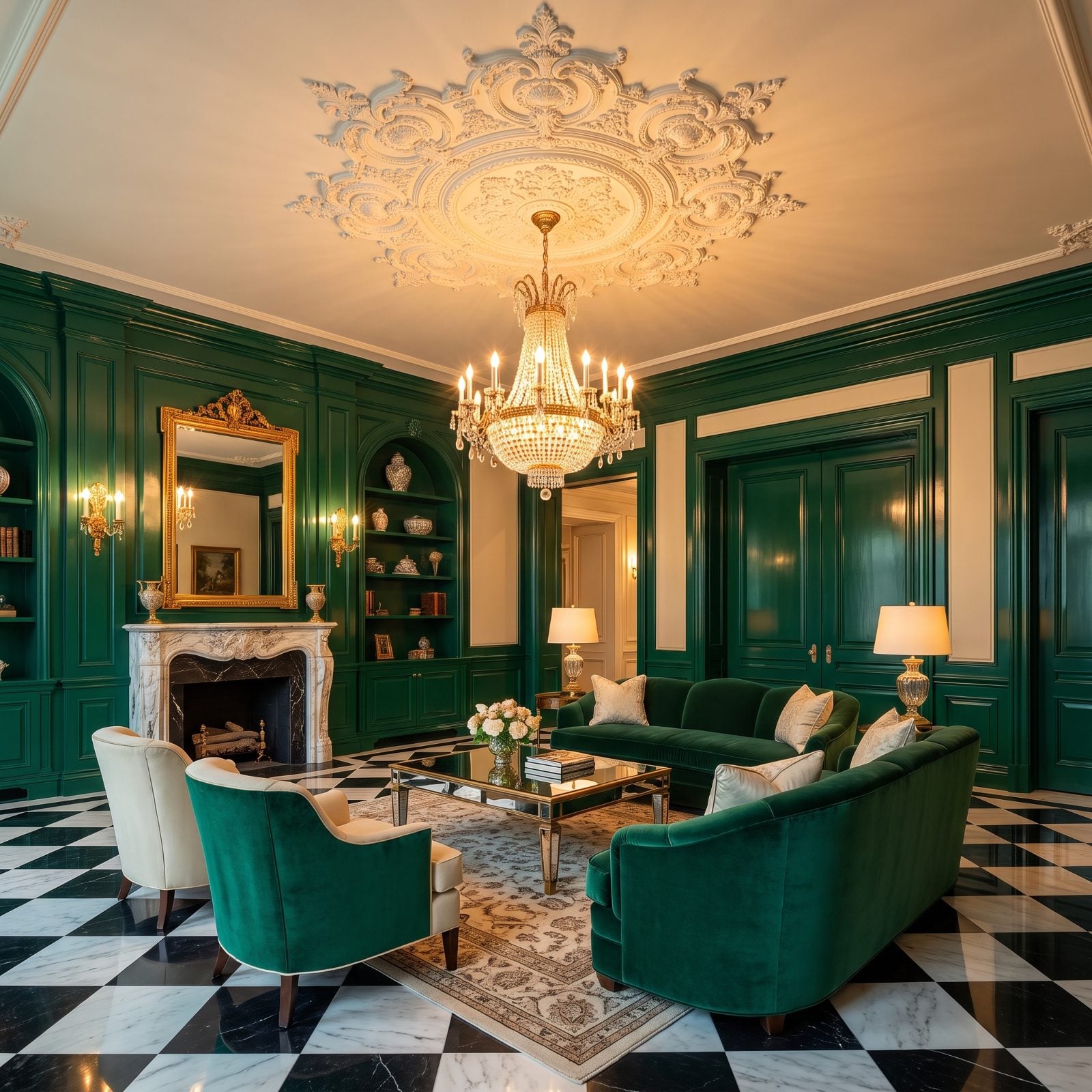
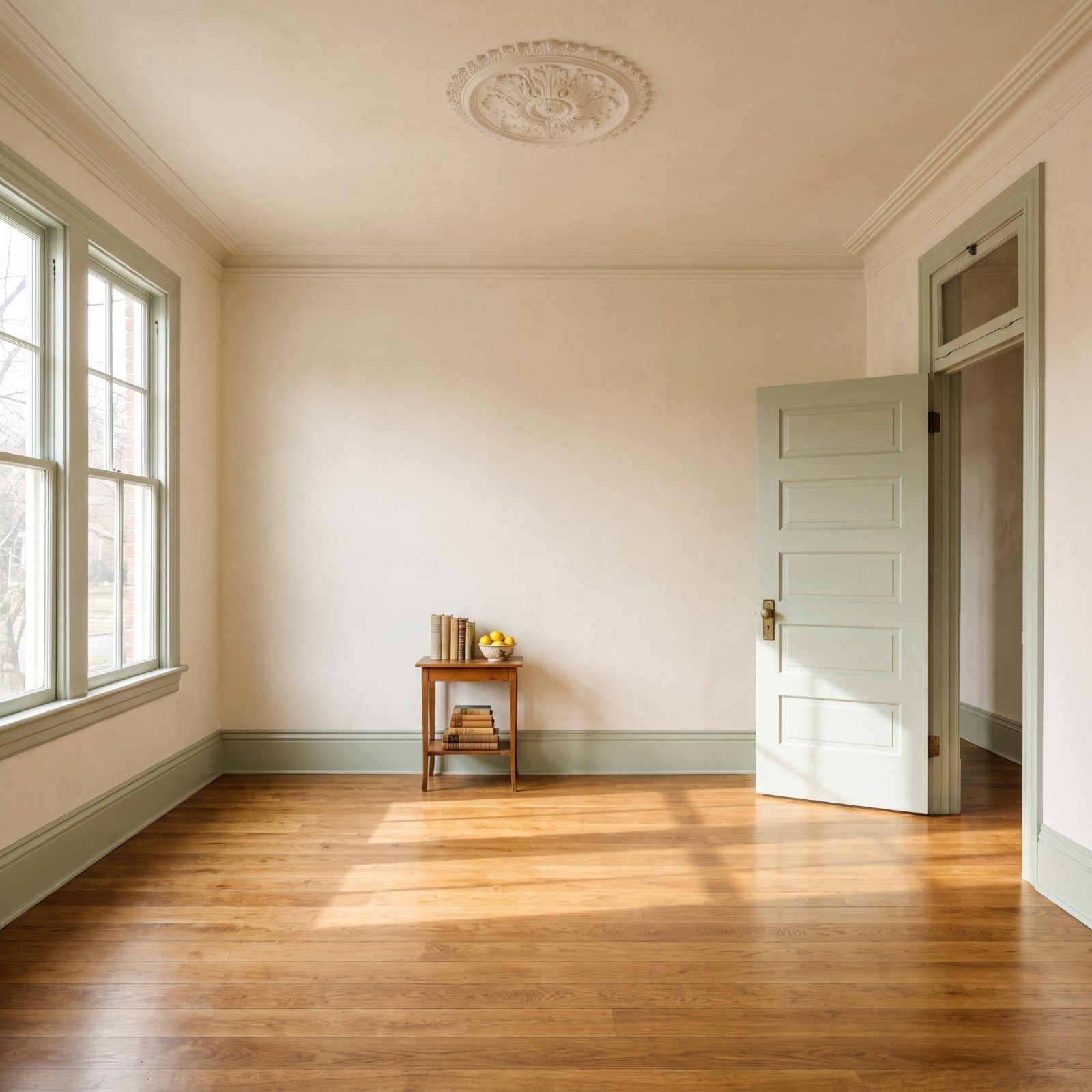
Original plaster medallions were cast in sections and hand-finished, which is why no two are quite identical and every one has crisp, undercut relief that polyurethane reproductions flatten right out.
They were functional too, built to hide the soot and heat from a gas chandelier. Keep yours even if your fixture is electric now. Clean the painted-over detail out with a soft brush, repair chipped leaves with plaster rather than filler, and hang something with real presence below it. A plain modern pendant under an ornate medallion? That’s a conversation worth starting.
38. Pocket Doors That Still Glide, If You Let Them
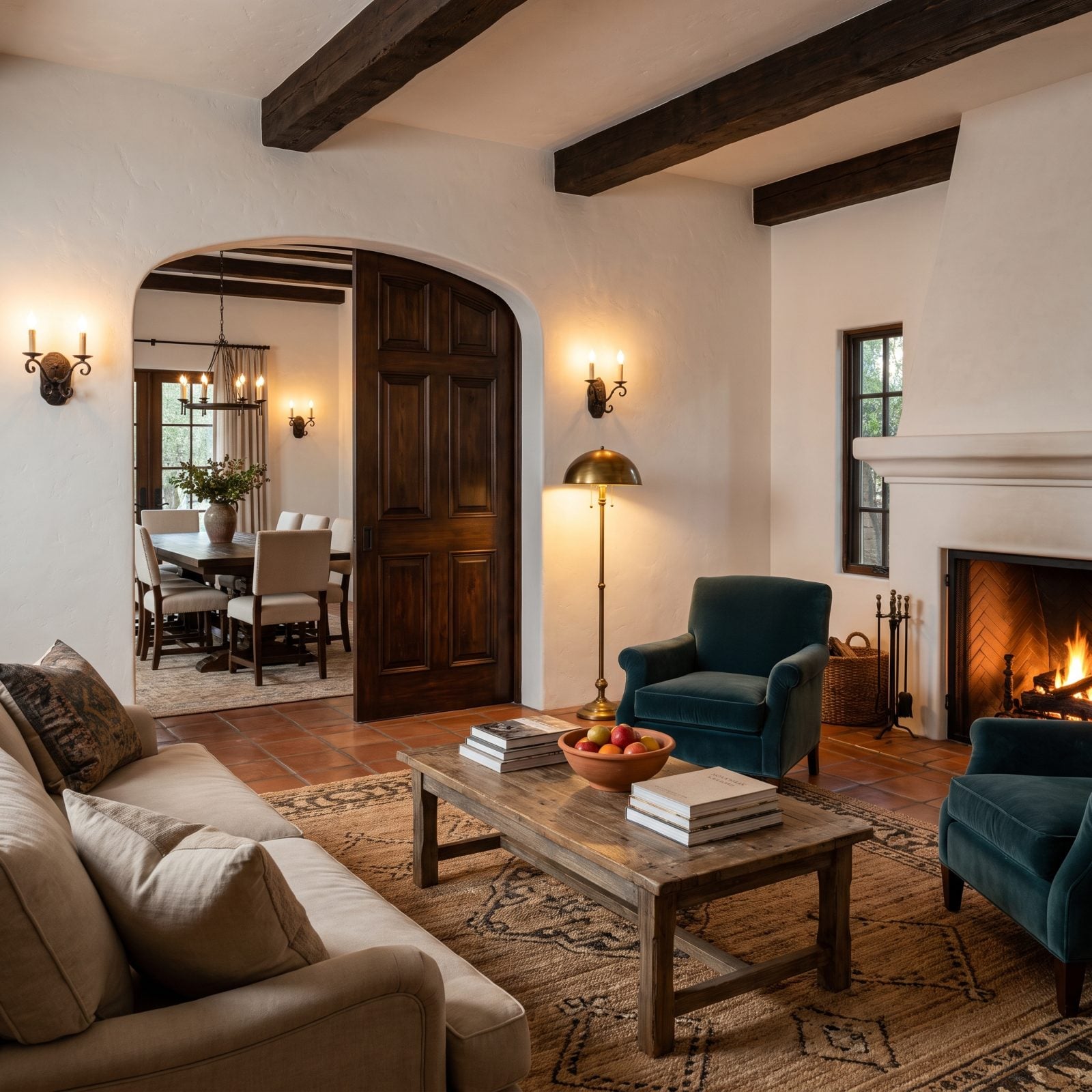
Say you’ve got two rooms and a doorway, and you want them separate sometimes, open others. A swinging door eats wall space and never quite solves it. The original builders already had the answer: a solid-wood pocket door that disappears into the wall.
Most stuck pocket doors aren’t broken — they’re off their rollers or riding bad hardware. Pull the door, replace the roller assembly, clean the track. A door that slides shut with one finger is a genuinely satisfying thing, and it hands you flexibility no modern floor plan offers for free.
37. Transom Windows Moved Air Before Anyone Had a Thermostat
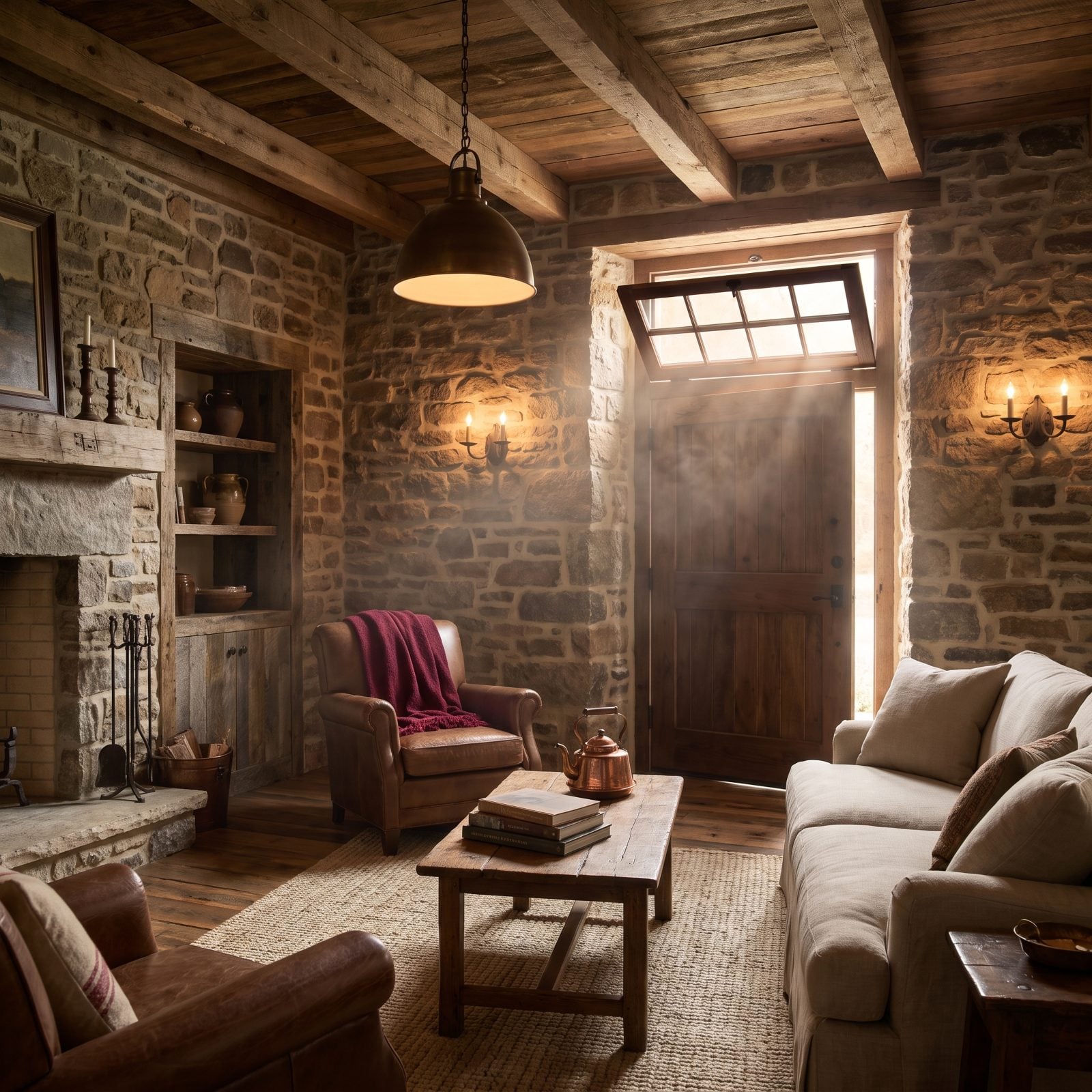
Before air conditioning, air had to move, and the transom above the door was how it did it. Tilt it open and warm air escapes over the top of the room while the door below stays shut for privacy. Simple, quiet, and it still works a century later.
Most transoms get painted shut and forgotten. Free the hinge, scrape the paint off the operator arm, and you’ve got passive ventilation back — plus borrowed light into a dark hallway. The brass operator mechanism is usually original. Clean it, don’t swap it.
36. Five-Panel Doors Have a Weight Hollow-Core Can Only Dream Of
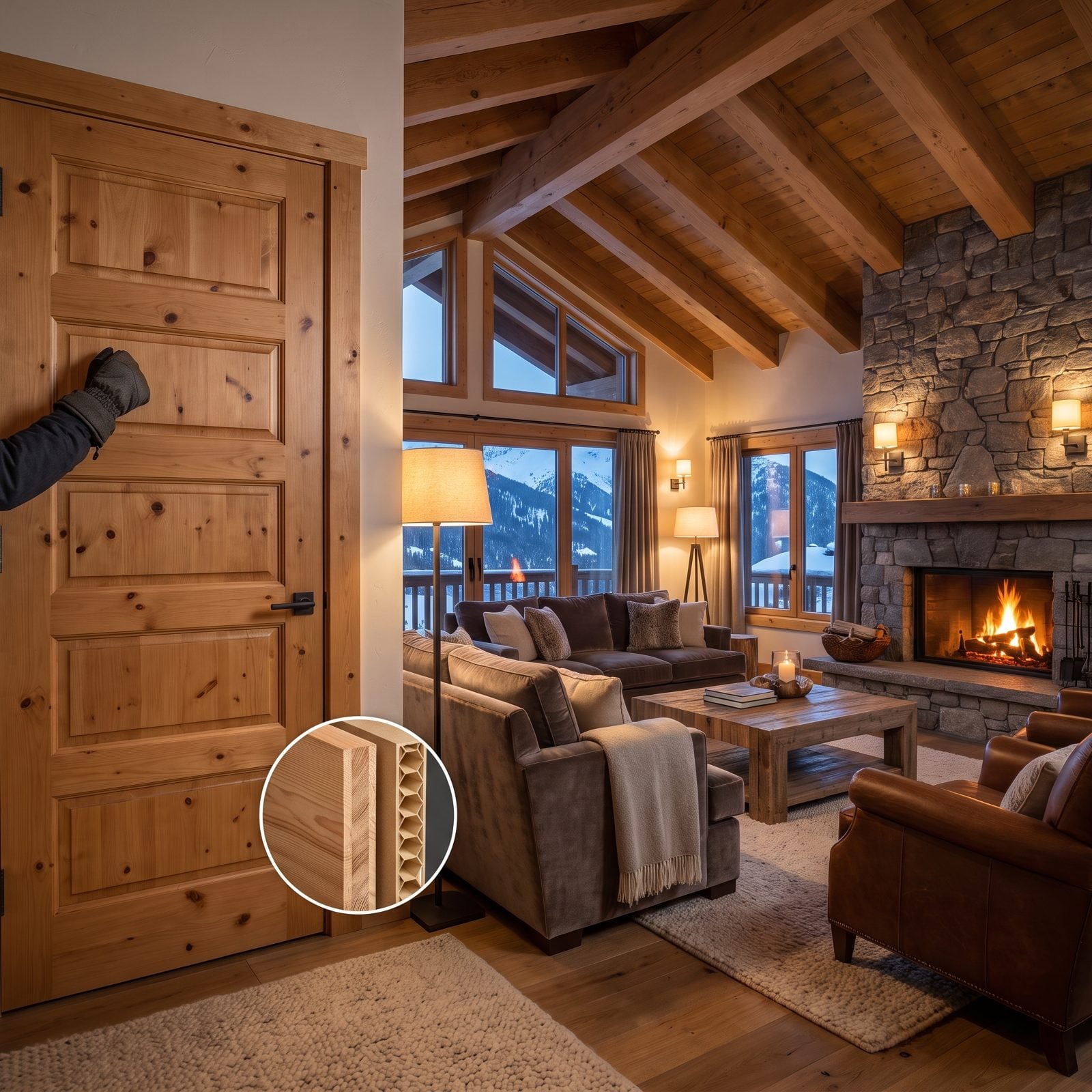
Knock on a hollow-core door and you hear cardboard. Knock on an original five-panel and you hear a slab of real wood. You feel that difference every single day.
These doors close with a solid, quiet thud, take a century of hardware, and strip and repaint forever. Here’s the part people miss: standardize the paint and the knobs across all of them, and a house full of mismatched old doors suddenly reads as deliberate. They’re also the backbone of a craftsman walk-in closet where everything else is brand new.
35. The Brass Knob You Keep Meaning to Replace Is the One to Keep
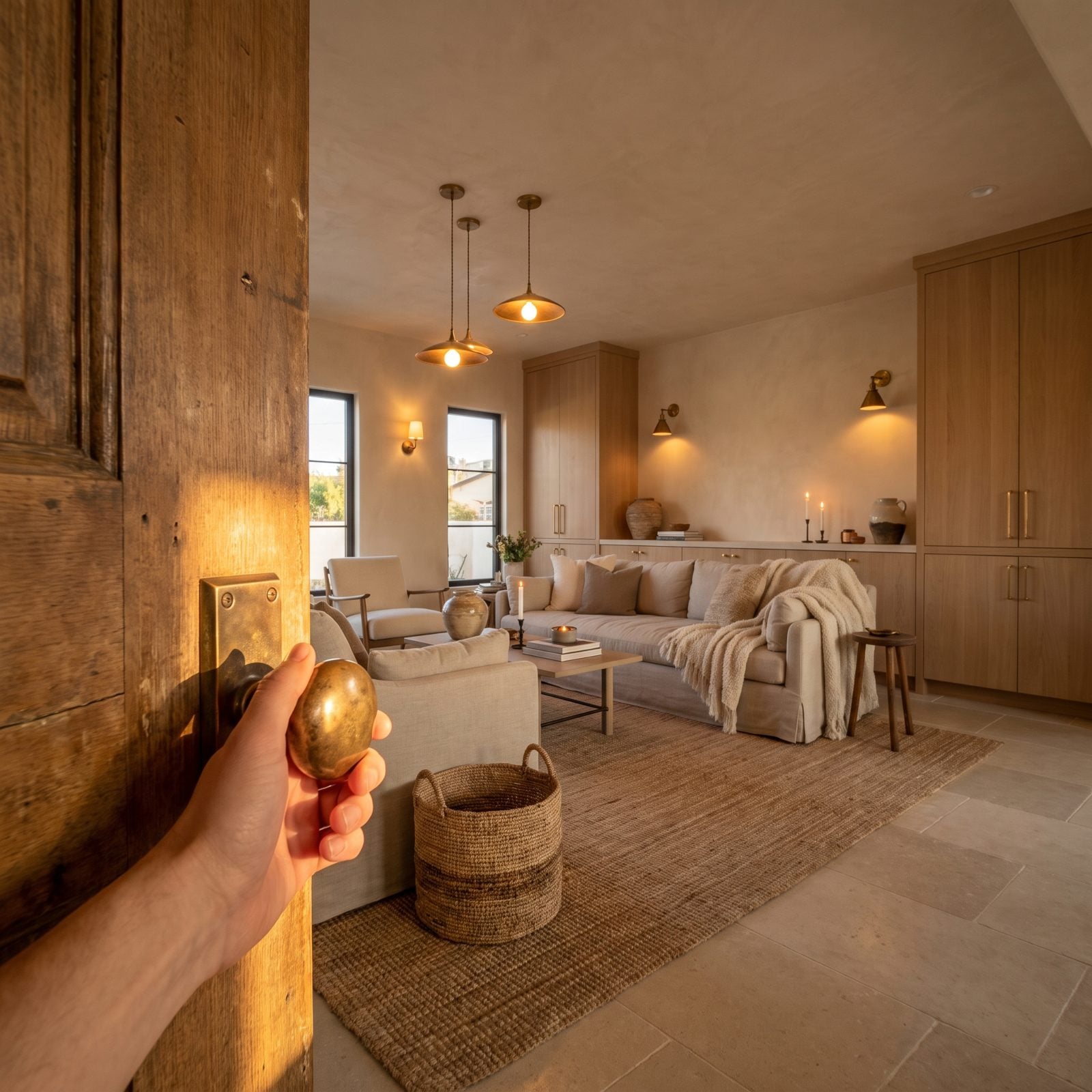
Pick up an original brass knob and feel the weight. Solid cast, not plated. The mortise lock behind it is a small mechanical marvel most people have never opened, built to outlast the house around it.
The patina is the value, not the flaw. A light polish on the high-touch spots, a drop of oil in the mortise mechanism, and you keep hardware a reproduction can only imitate. If the key’s long gone, a locksmith can usually fit the old mortise rather than replacing the whole set. Keep the knobs. Keep the backplates. They’re the handshake of an old house, and once they’re gone you almost never get them back.
34. Leaded and Stained-Glass Feature Windows Worth Keeping
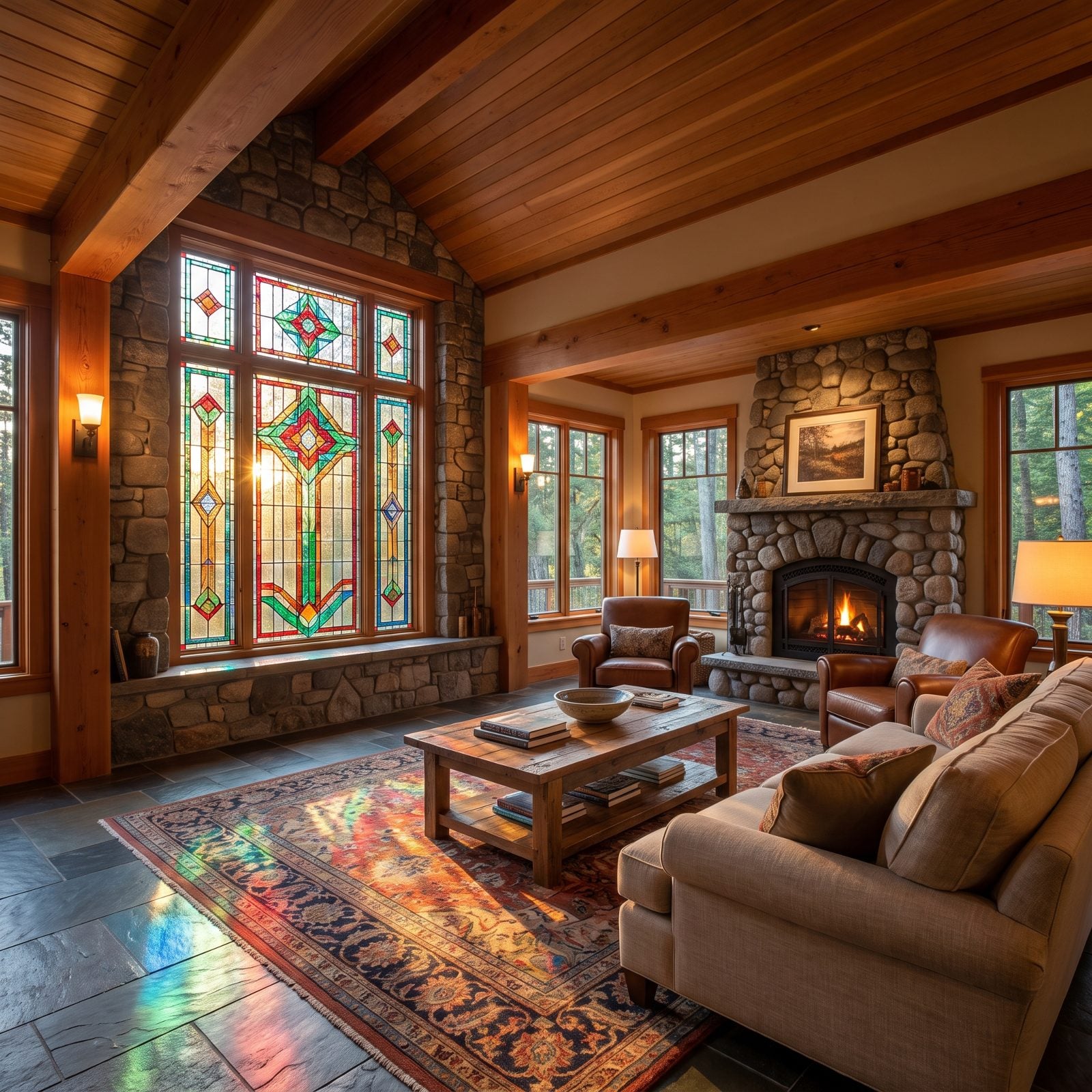
That window is not decoration. It’s the single most valuable object on the wall, and almost nobody realizes it until a contractor quotes the cost of a real replacement. Leaded and stained-glass windows were made by hand, panel by panel, with color that runs through the glass rather than sitting on top of it.
When the came sags or a pane cracks, the fix is re-leading, not tearing it out. A glass conservator can take the whole panel apart and put it back together with new lead and the old glass. The transitional stair landing here keeps its amber-and-sage window as the hero and lets the greige plaster stay quiet behind it.
33. The Gentle Ripple of Handmade Wavy Window Glass
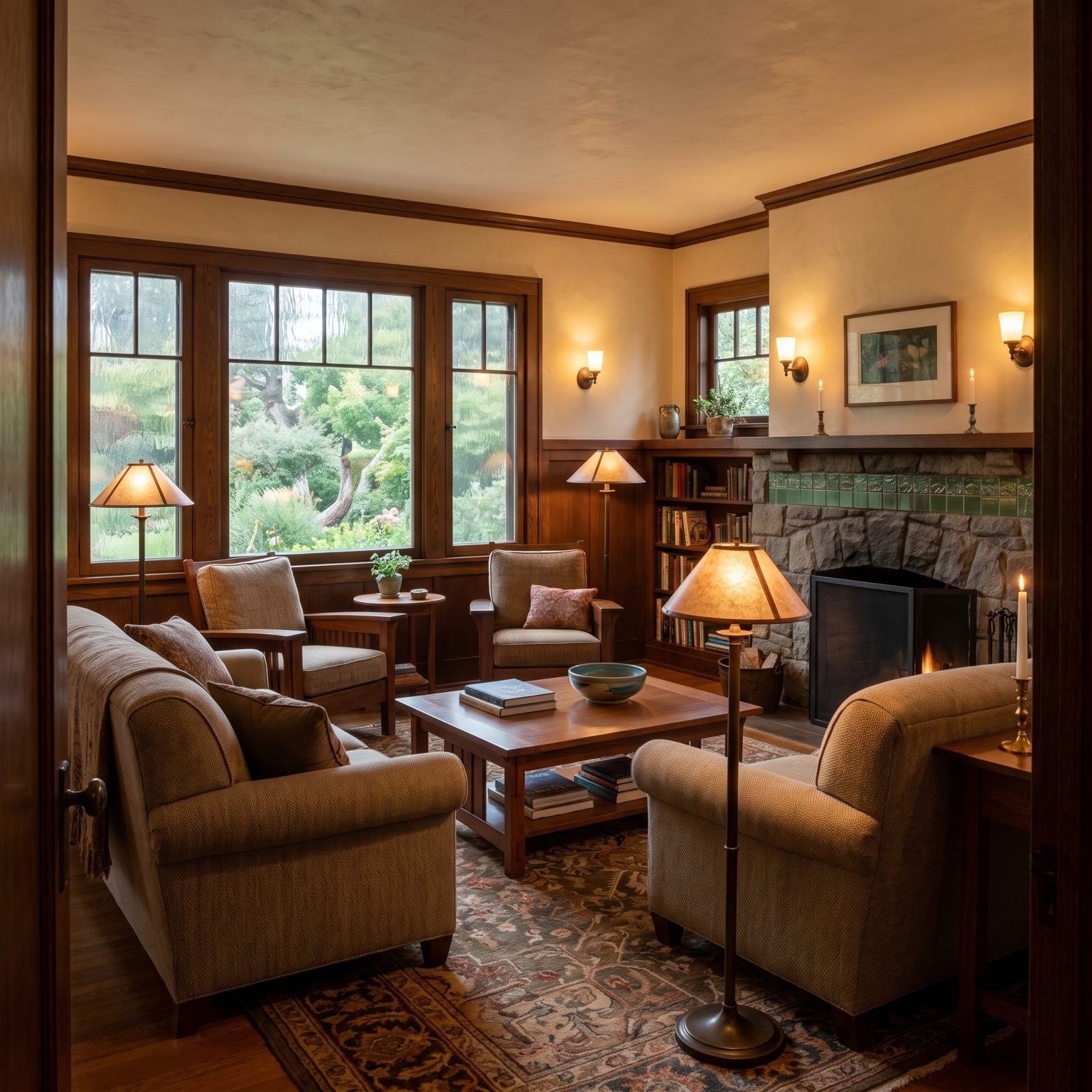
Run your hand across an old pane and you feel nothing. Look through it, though, and the garden outside wobbles slightly, like it’s underwater. That ripple is the thumbprint of hand-blown cylinder glass, and no amount of modern float glass can fake it.
Replacement windows will sell you flat, perfect, dead clarity. The old wavy stuff bends the morning light into soft pools across the floor, and once you notice it you can’t unsee the charm. Keep the panes. If one breaks, salvage yards sell antique wavy glass cut to size.
32. Wood Window Sashes That Want Repair, Not Replacement
🔥 Would you like to save this?
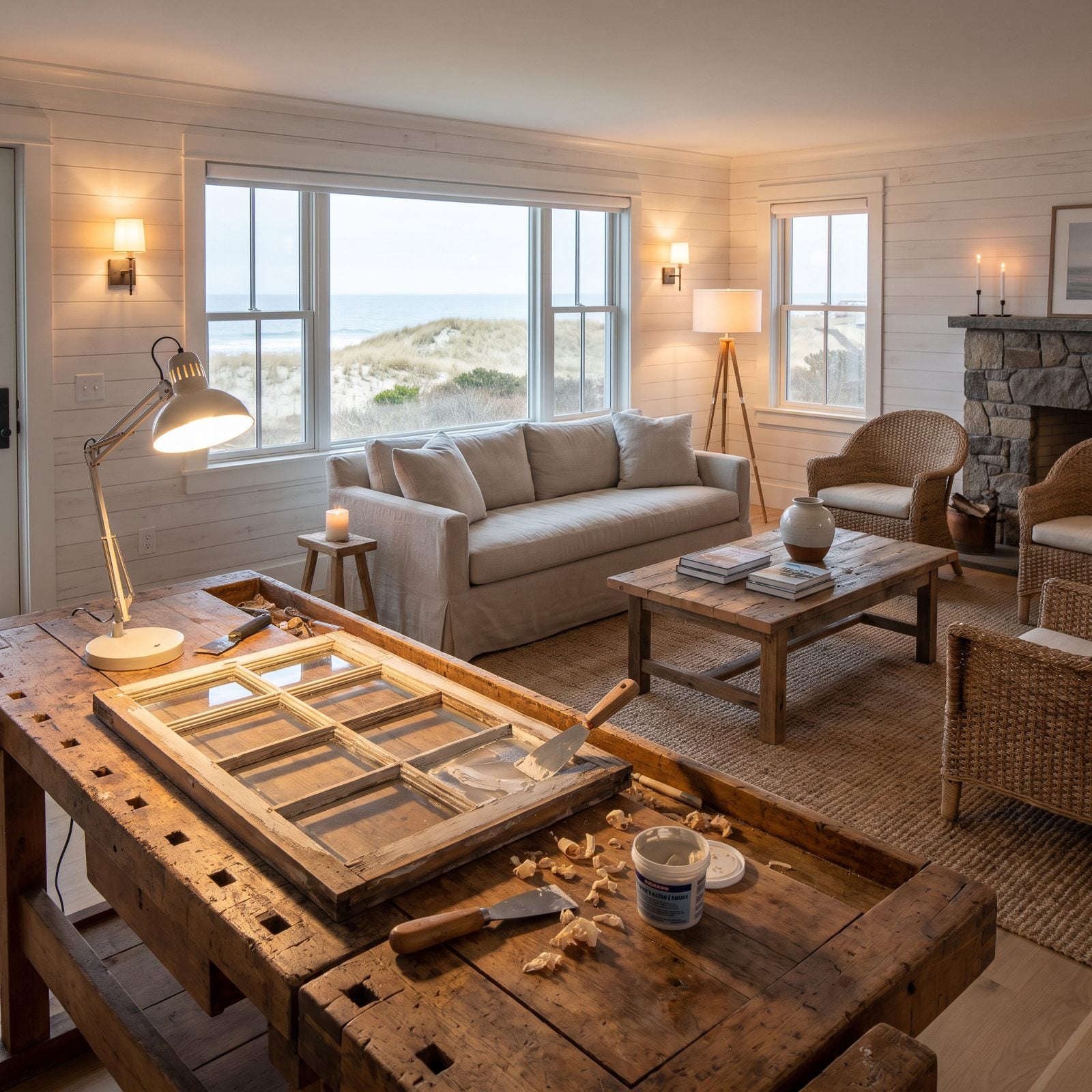
We got this wrong for years. We assumed any drafty old window was a tear-out job. It almost never is.
Old-growth sashes were milled from dense, slow-grown timber that resists rot in a way new pine simply does not. A sash that sticks or leaks usually needs new weatherstripping, fresh glazing putty, and a bit of wax on the pulleys — a weekend, not a demolition. The craftsman window here keeps its oak casing and aged brass sash lifts, and the deep sill becomes a reading bench.
31. Built-In Interior Shutters That Fold Back Into the Wall
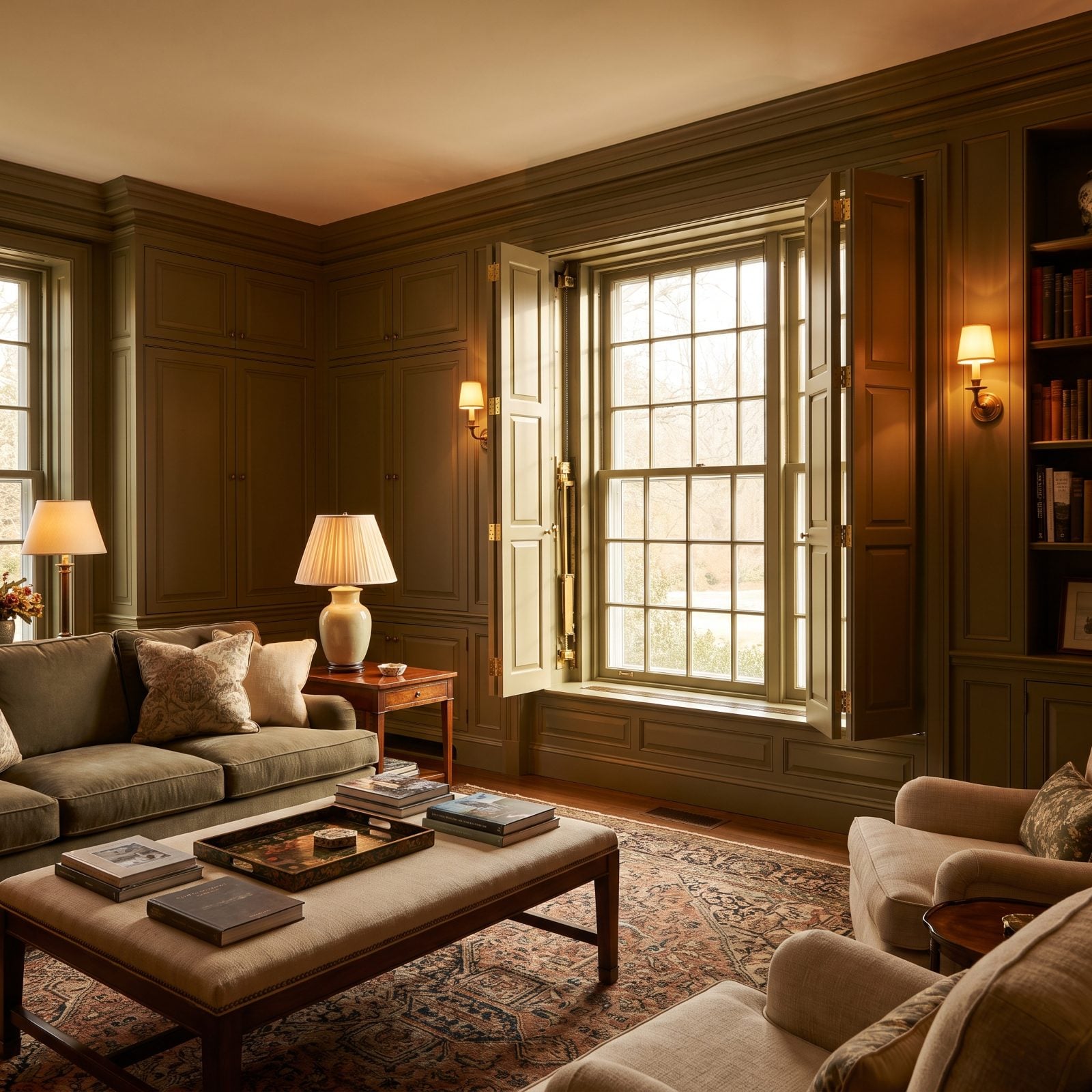
Most people board over these without ever knowing they’re there. Interior shutters fold into the thickness of the wall, hidden in the window reveal until you swing them out. No curtains needed, no hardware to buy, nothing to dust.
The same logic behind a rustic entryway renovation applies here: find the original feature, clean it, and let it do its job. The sage shutters in this English cottage still have their brass knobs and panel joinery, and they darken the room better than any blind you could buy.
30. Masonry Fireplaces Crowned by Original Carved-Wood Mantels
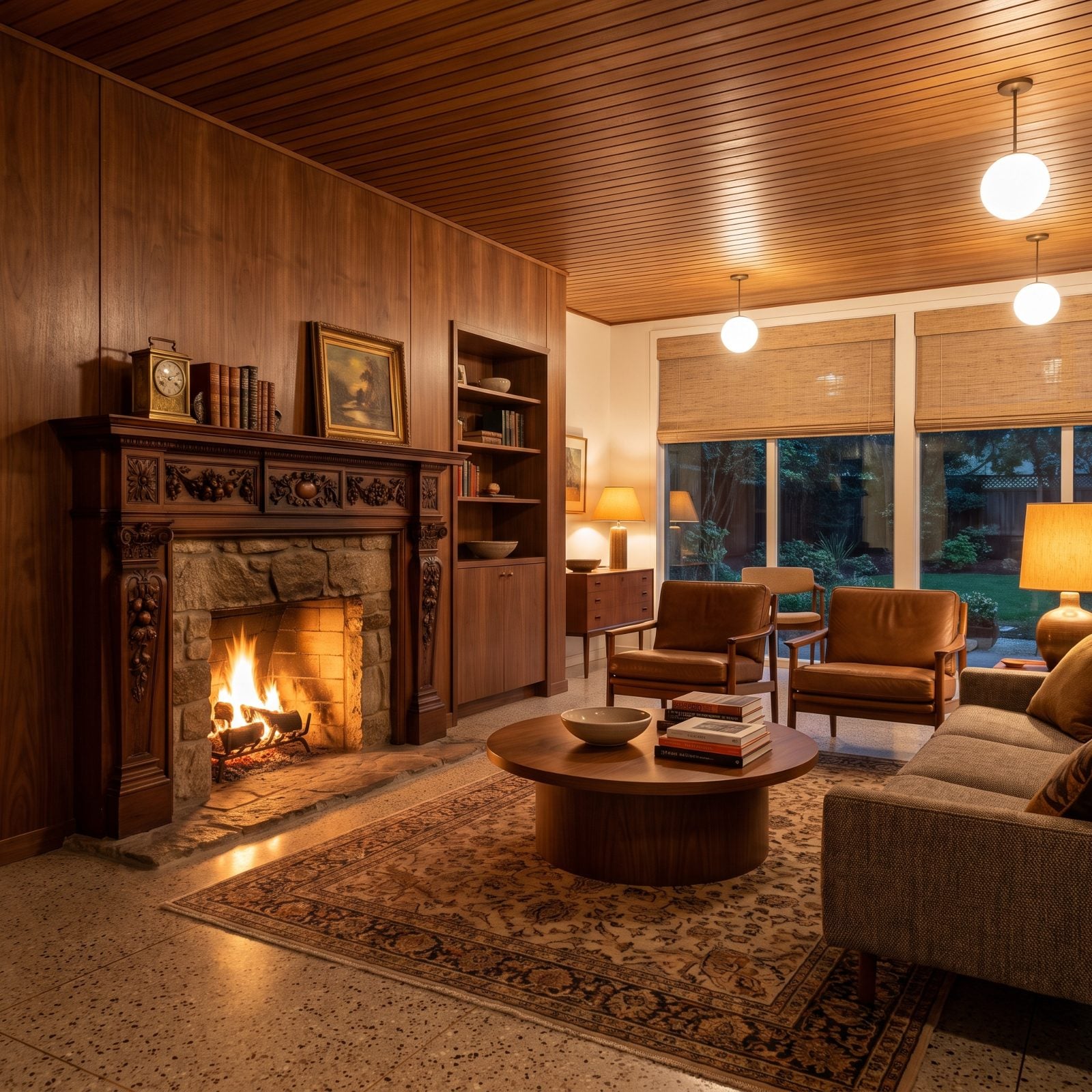
The mantel is the oldest piece of furniture in the room that nobody thinks of as furniture. Original carved-wood versions were made by joiners working entirely by hand, and the dentil molding and fluted pilasters on this walnut one took skill that costs a fortune to reproduce now.
Strip it, sand it, and the patina is gone forever. Clean it instead. A good restorer will tighten loose joints and feed the wood with wax, holding onto a hundred years of color. Pair it with brass candlesticks and leave the rest alone.
29. Glazed-Tile Fireplace Surrounds in Their Original Colors
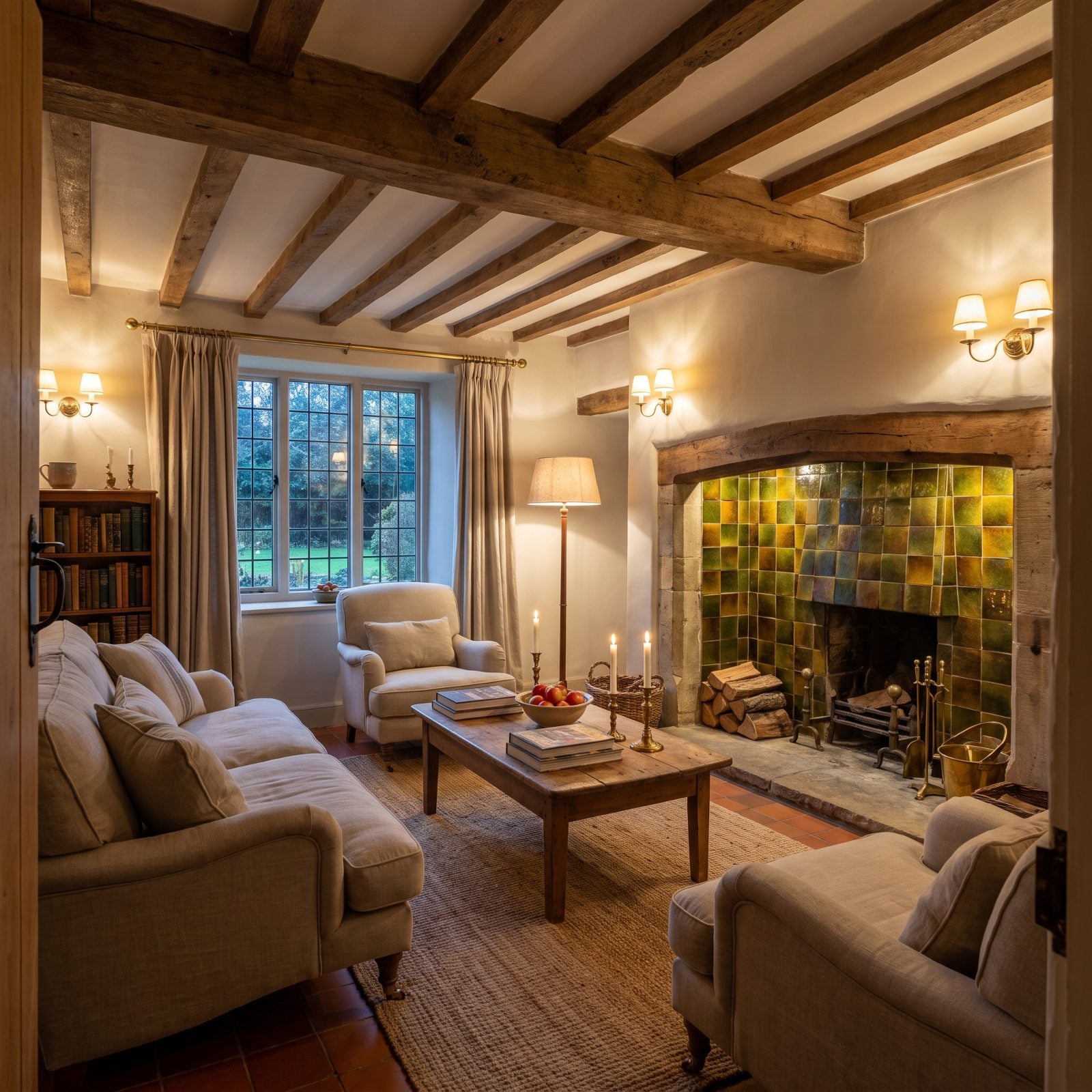
Those tiles aren’t for sale anywhere. The deep moss and ochre glazes on an arts and crafts surround like this came from potteries that shut their doors decades ago, and the fine crazing in the glaze is age, not damage.
Re-grout them. Clean them with nothing harsher than mild soap. And never, ever paint over glazed tile — we’ve watched someone do it and regret it within a year. If a single tile cracks, a salvage yard or a tile matcher can usually turn up a close cousin.
28. Built-In Living-Room Bookcases Flanking the Hearth
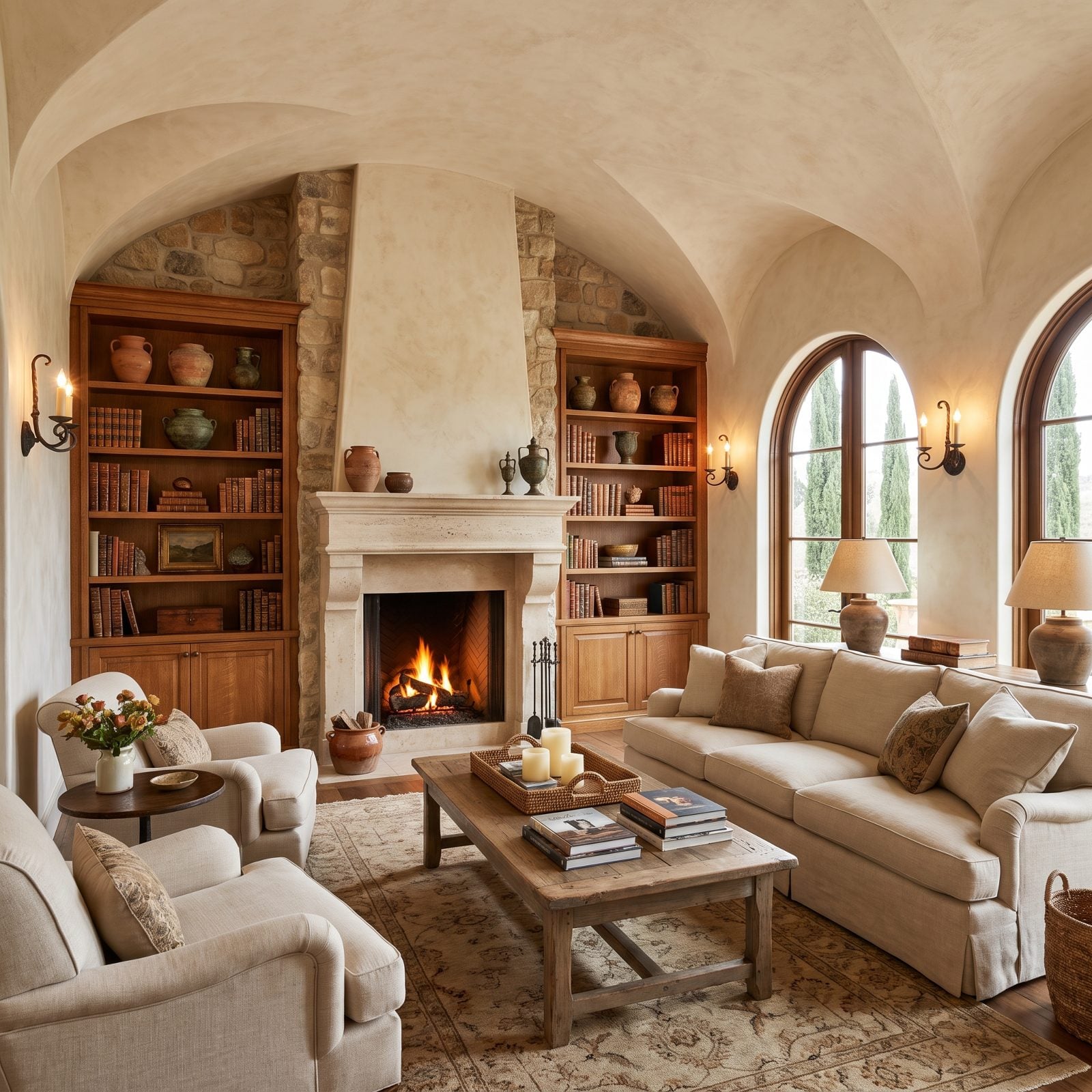
Built-ins are square footage you already paid for. These quarter-sawn oak bookcases flank the hearth the way they were designed to, framing the fire and giving the whole wall a reason to exist.
Ray-fleck grain in craftsman oak is the detail reproductions always miss. If yours are painted over, careful stripping can bring the honey finish back — test a hidden corner first. Keep the glass-front lowers for the things you want behind glass, and the open shelves for the leather reading chair crowd who actually pull books down.
27. Recessed Glass-Front Dining Cabinetry Set Into the Wall
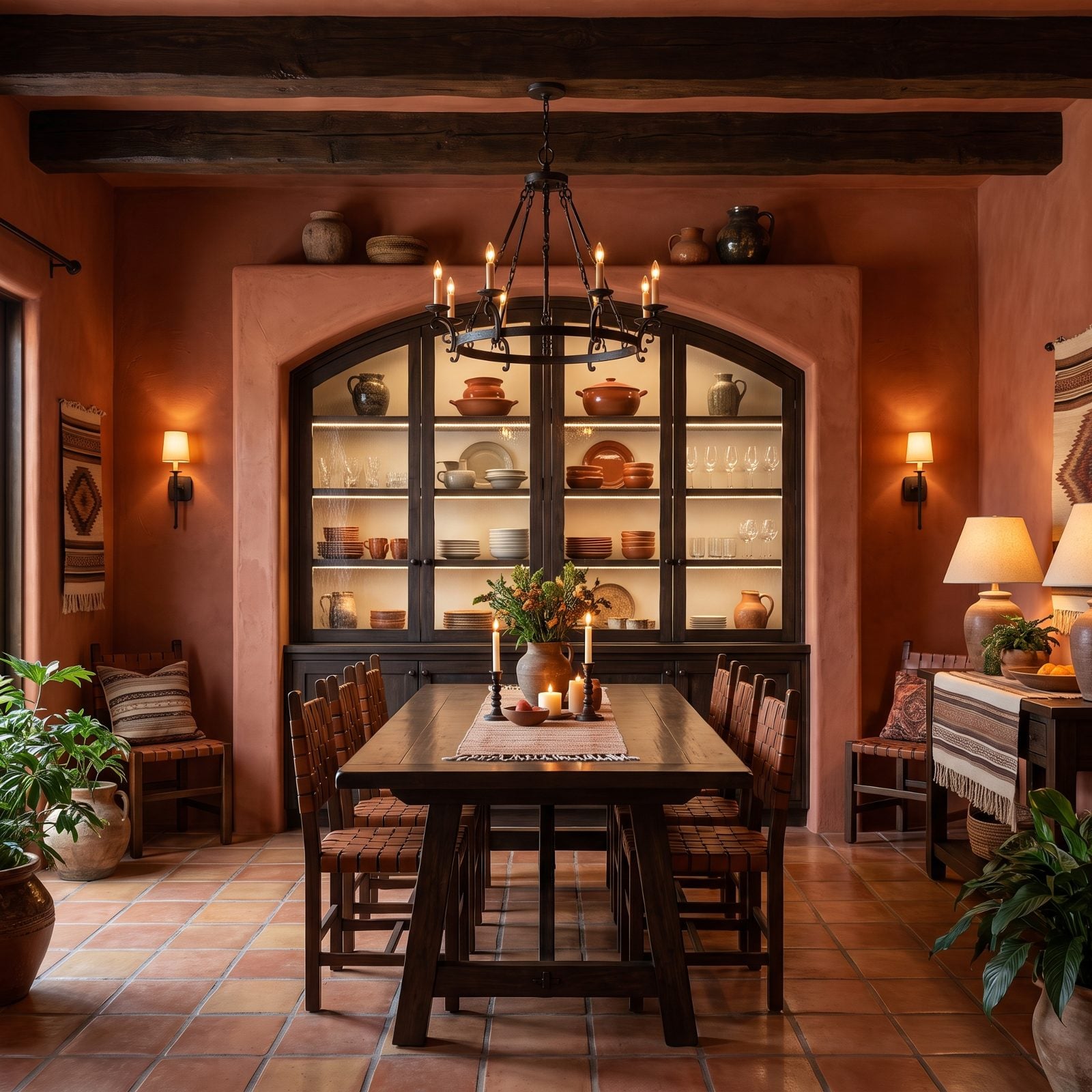
Recessed into the wall, this cabinet hands you storage and display without eating a single inch of floor. The wavy glass in the upper doors is original, which is why the stacked dishes behind it look slightly dreamy instead of catalog-crisp.
Good luck adding something like this to a new build without it looking tacked on. If the hinges sag or the glass rattles, that’s hardware and glazing — both easy. The soft-white paint keeps the millwork quiet so the walnut table carries the room.
26. The Butler’s Pantry That Buffers Kitchen and Dining
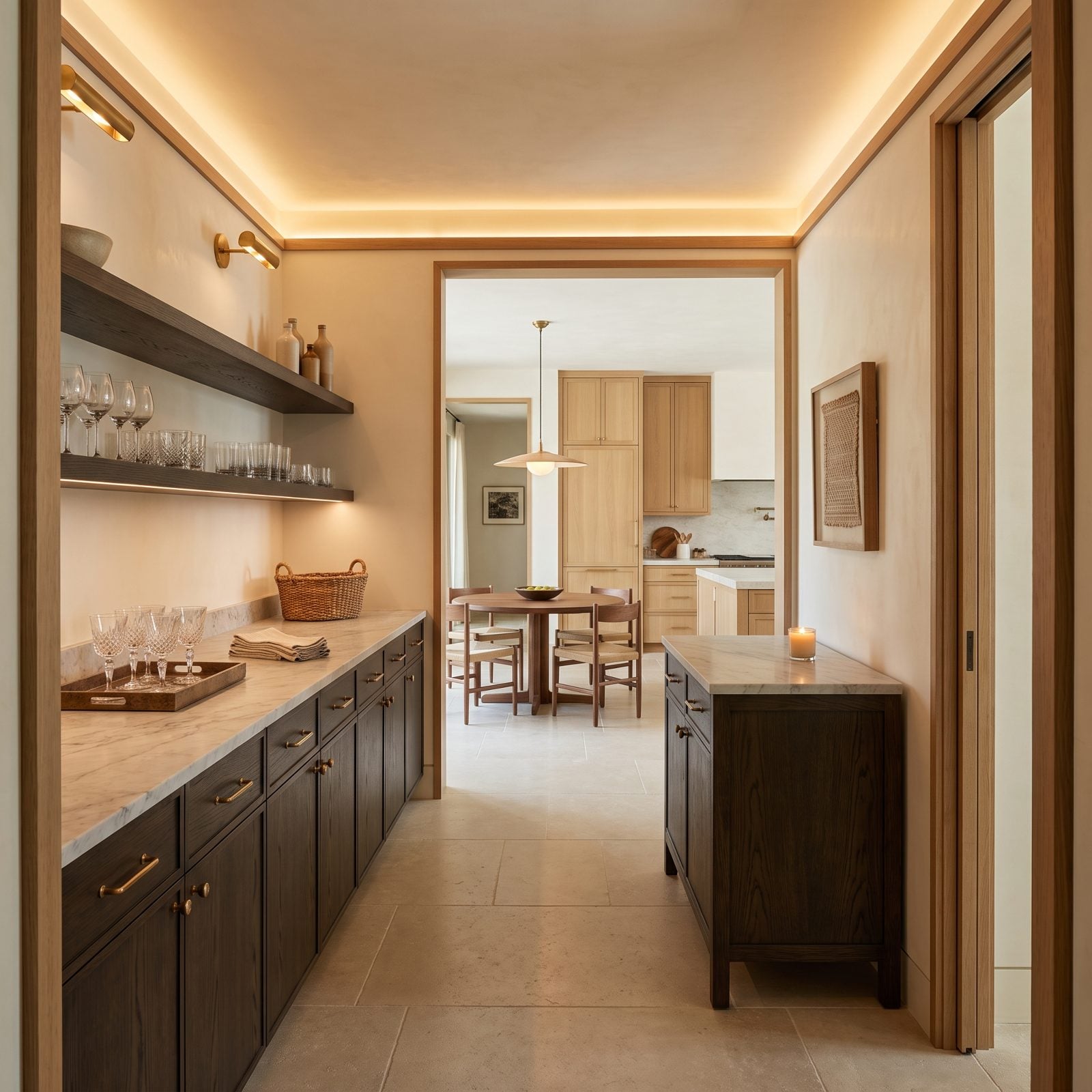
Builders spent a century ripping these out to open up floor plans, and now plenty of people want them back. A butler’s pantry is a staging zone, a bar, and a buffer between the mess of cooking and the calm of the dining room all at once.
The soft-green cabinetry here keeps its glass fronts and wood counter, with a refrigerator and dishwasher hidden behind matching panels and a small sink in the run. A stove waits through the doorway in the main kitchen.
25. Walk-In Food Pantries With Their Original Fixed Shelving
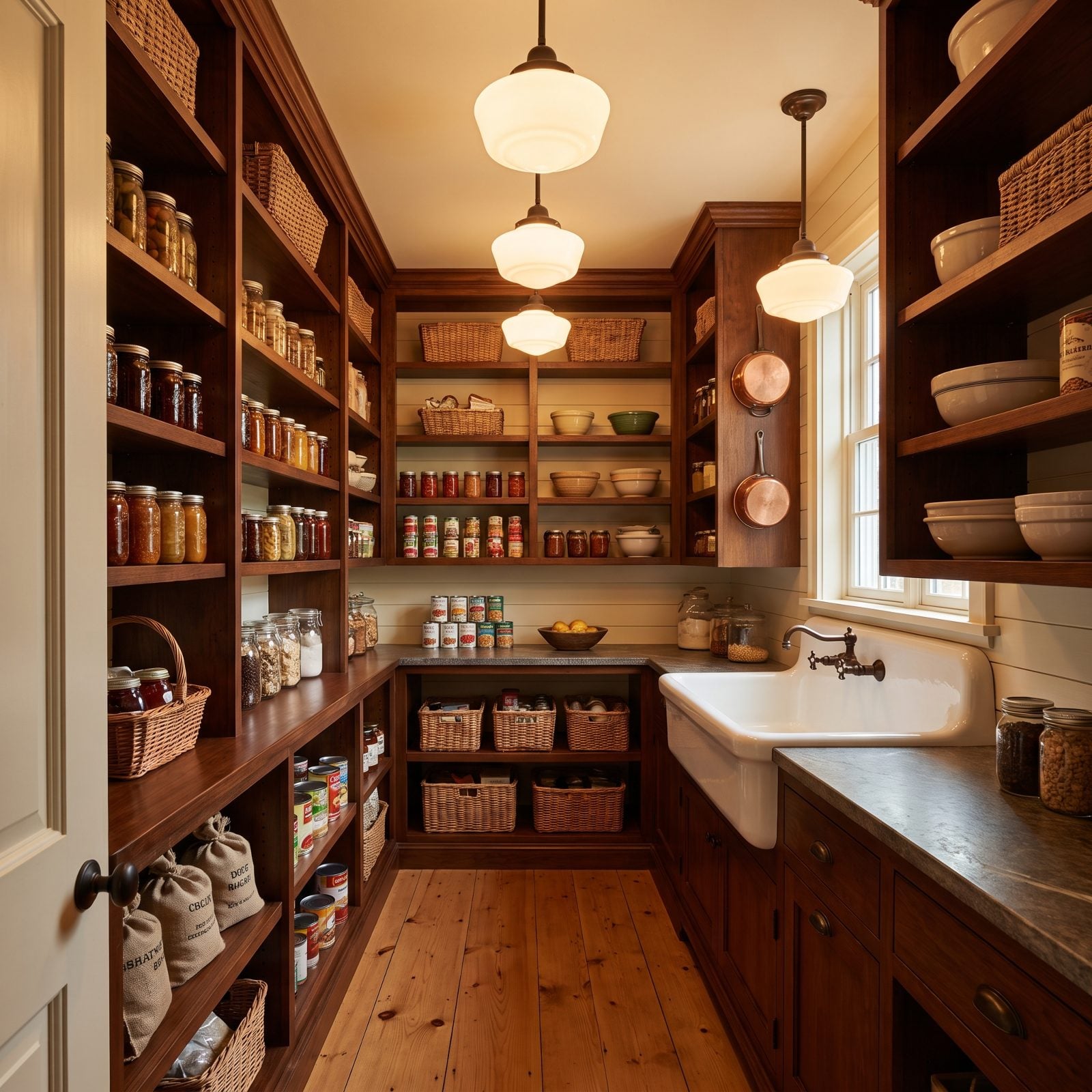
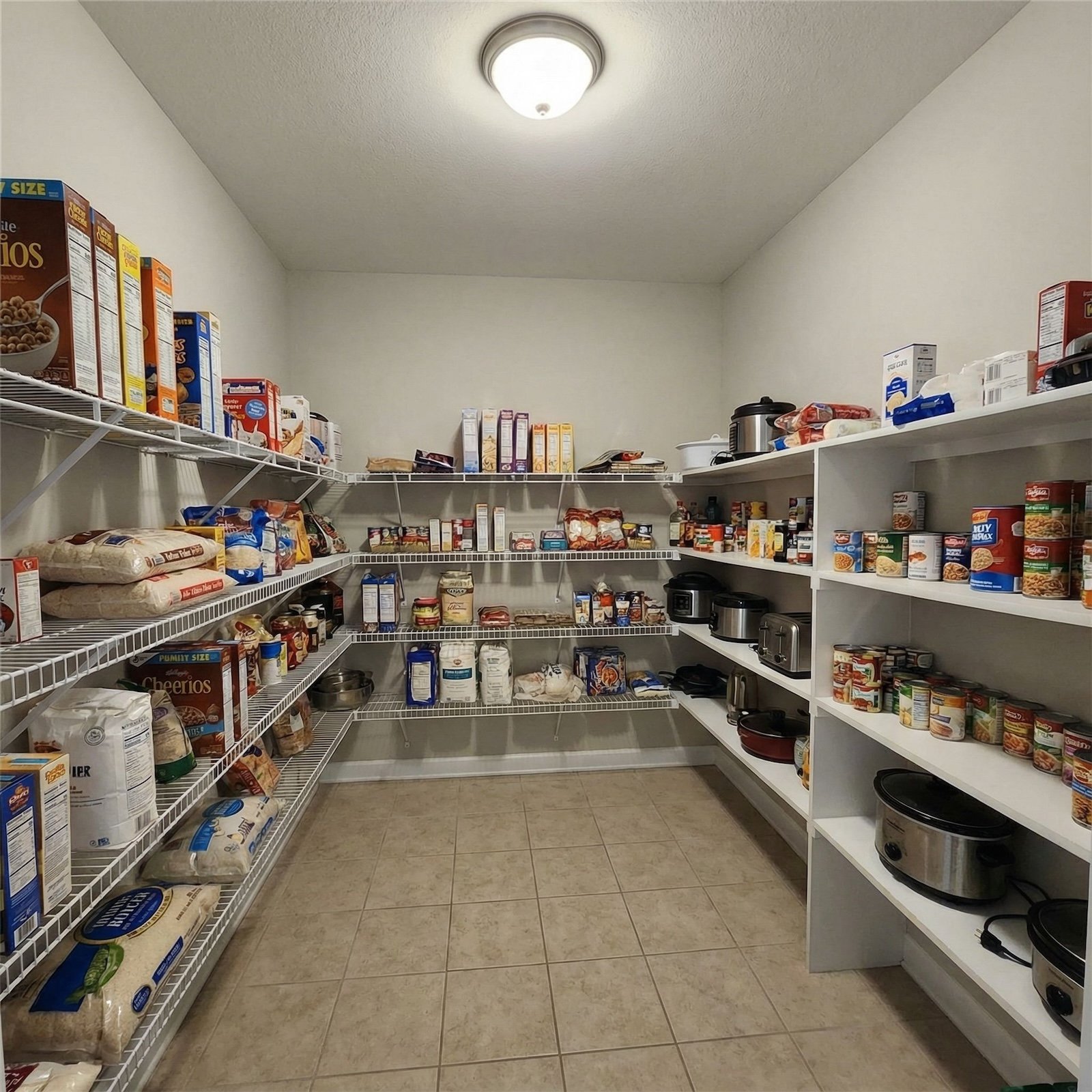
Nobody ever stood in a walk-in pantry and wished it were a cabinet instead. Fixed wood shelving, built deep and solid, holds more than any wire system and doesn’t sag under a decade of canned goods.
Keep the shelves. Repaint them white, add jars and baskets, and you’ve got storage a custom closet company would charge a small fortune to approximate. That wavy-glass window at the back throws real daylight across the hexagonal floor tile, which is more than most modern pantries can claim.
24. The Built-In Breakfast Nook Nobody Should Rip Out
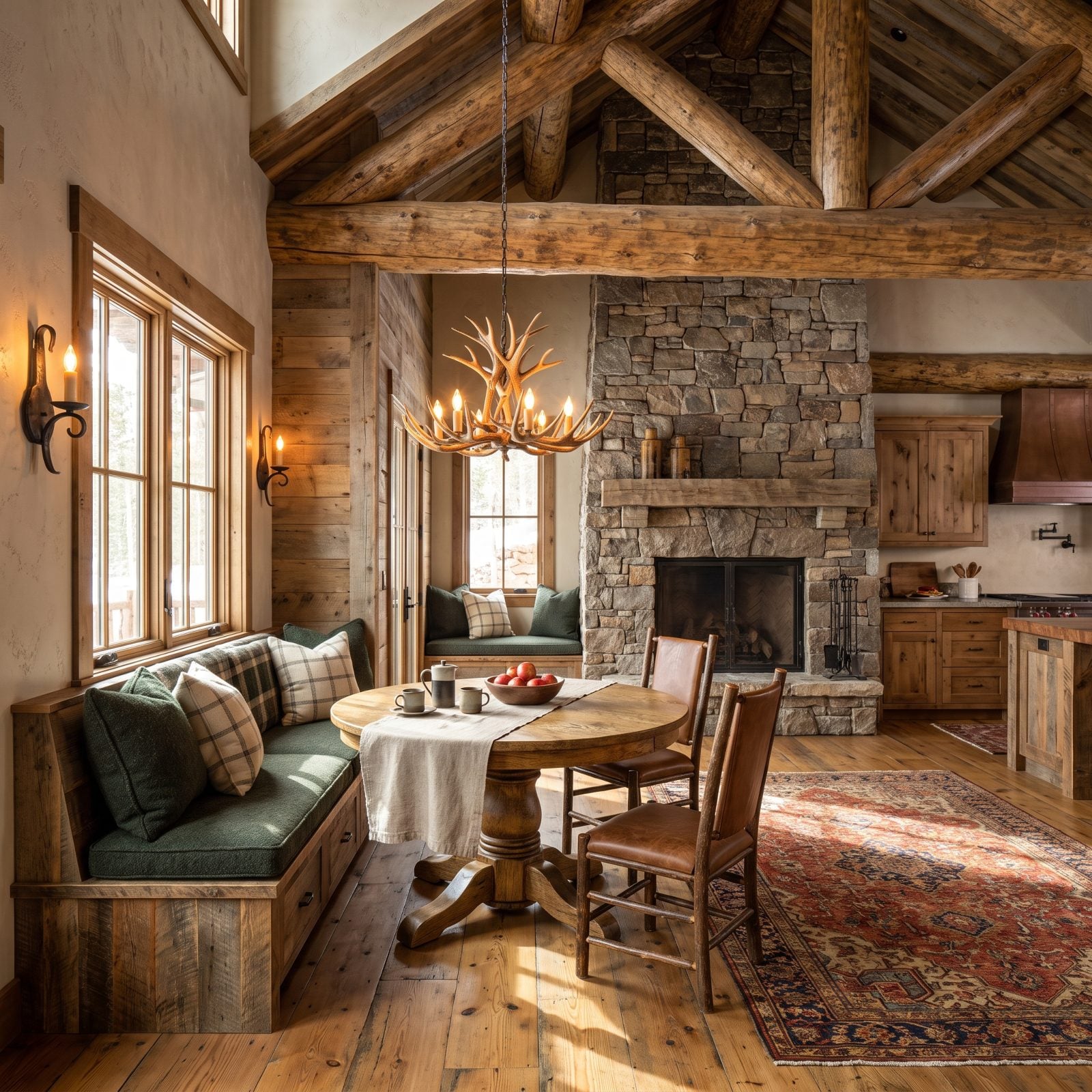
That corner bench is cheaper to keep than to lose. Pull it out and you’ve bought yourself drywall patches, a plumbing rethink, and a room that suddenly feels like every other kitchen on the block. The joinery here — quarter-sawn oak with that honey patina — was cut by someone who assumed it would outlive them, and it has.
So the move is restraint. Strip nothing. A light clean, fresh linen cushions, and leave the brass hooks exactly where they’ve always sat. That worn-smooth edge where hands have gripped the bench for a century? No replica fakes it.
23. A Window Seat Worth the Repair Bill
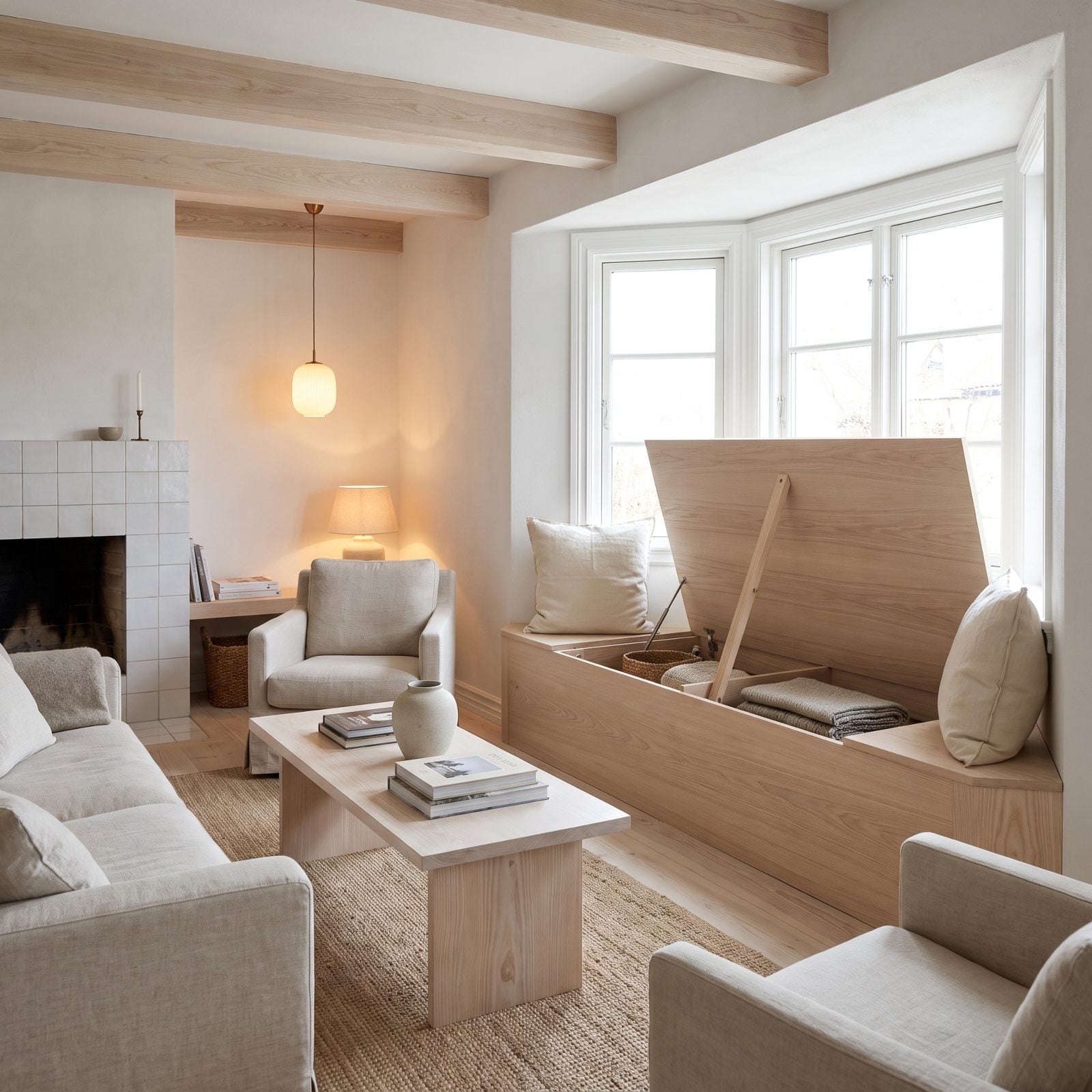
Lift the lid. That’s the part people forget a window seat does — underneath the cushion is storage your renovation budget would otherwise hand a cabinet maker to recreate badly.
Keep the wavy antique glass if it’s still riding in the sashes. Repair the hinges, swap the cushion for fresh oatmeal linen, and leave the painted beadboard alone. A bay window with a bench reads as a room someone planned rather than threw together. If you’re reworking the whole entry sequence too, a good rustic entryway renovation leans on exactly this kind of kept detail.
22. The Fold-Down Ironing Board Cabinet People Keep Tearing Out
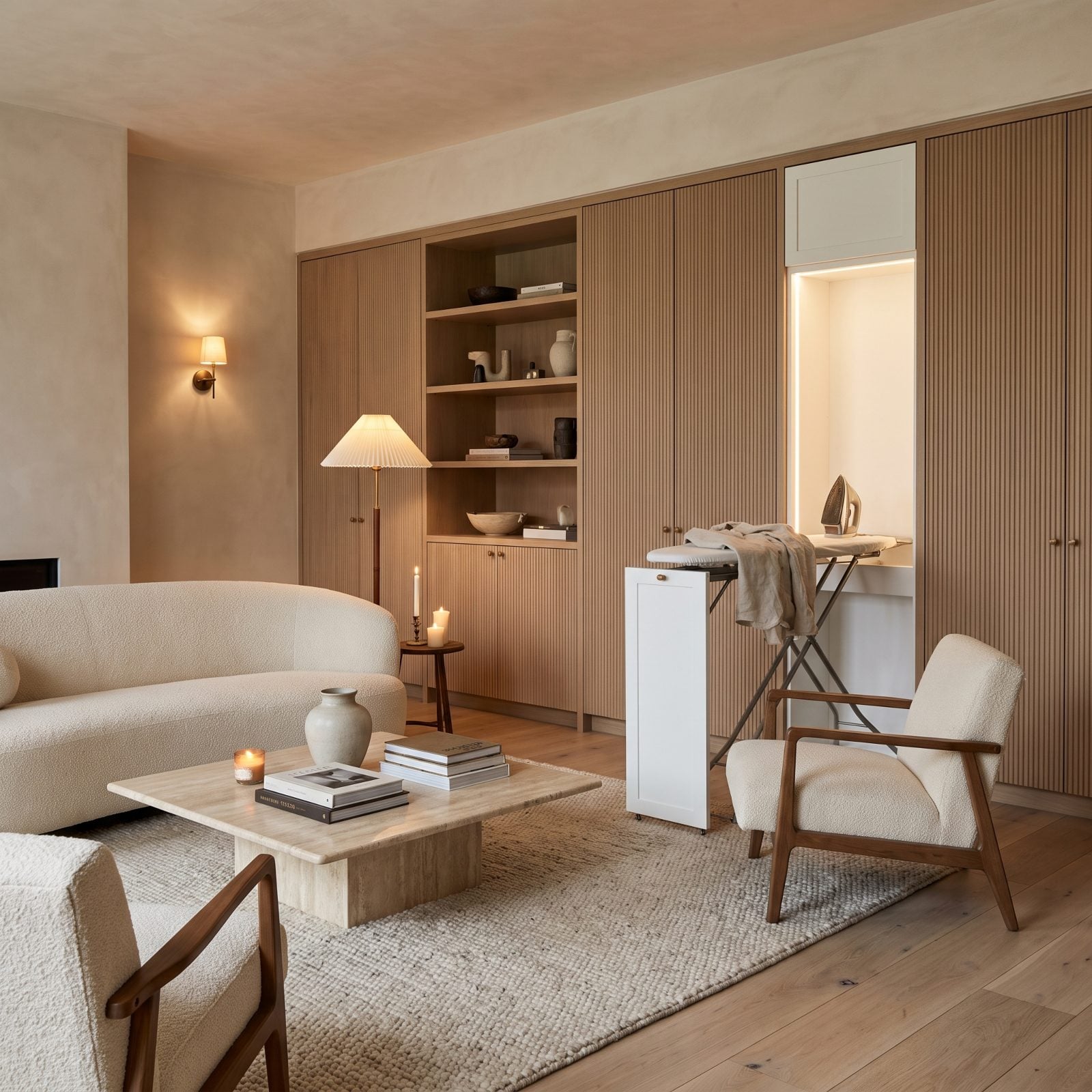
An honest admission: we thought these were useless until we actually used one. A board that folds flat into the wall beats one you drag out of a closet and wrestle upright every single time, and the hinge mechanism — usually cast metal — still works after ninety years.
Repaint the door to match the wall, replace the scorched cover, oil the hinge. Done. It costs almost nothing and buys you a built-in that newer houses can’t offer at any price.
21. The Laundry Chute: Gravity Still Works
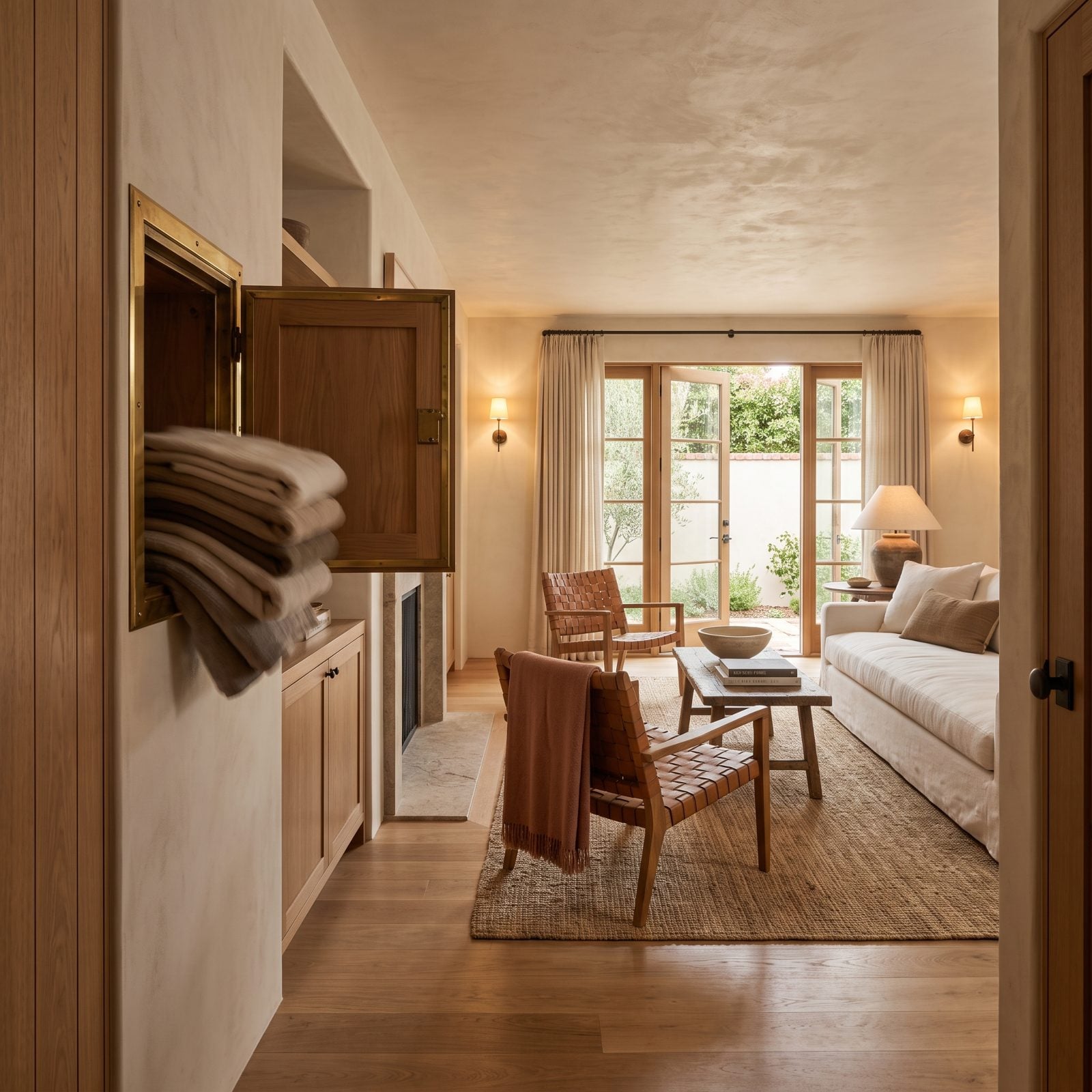
A hole in the wall that drops dirty towels straight to the basement. Low tech, zero maintenance, genuinely useful every day.
Most chutes just need the galvanized sleeve inspected and the little door’s brass latch cleaned up. Modern code sometimes asks for a fire-rated door at each opening, so check that before you celebrate — but it’s worth the hassle. A chute saves you a fistful of trips up the stairs a week, which is more than most smart-home gadgets can claim. Tuck it into a minimalist hallway renovation and it vanishes into the trim.
20. Restoring the Dumbwaiter Instead of Framing It Shut
🔥 Would you like to save this?
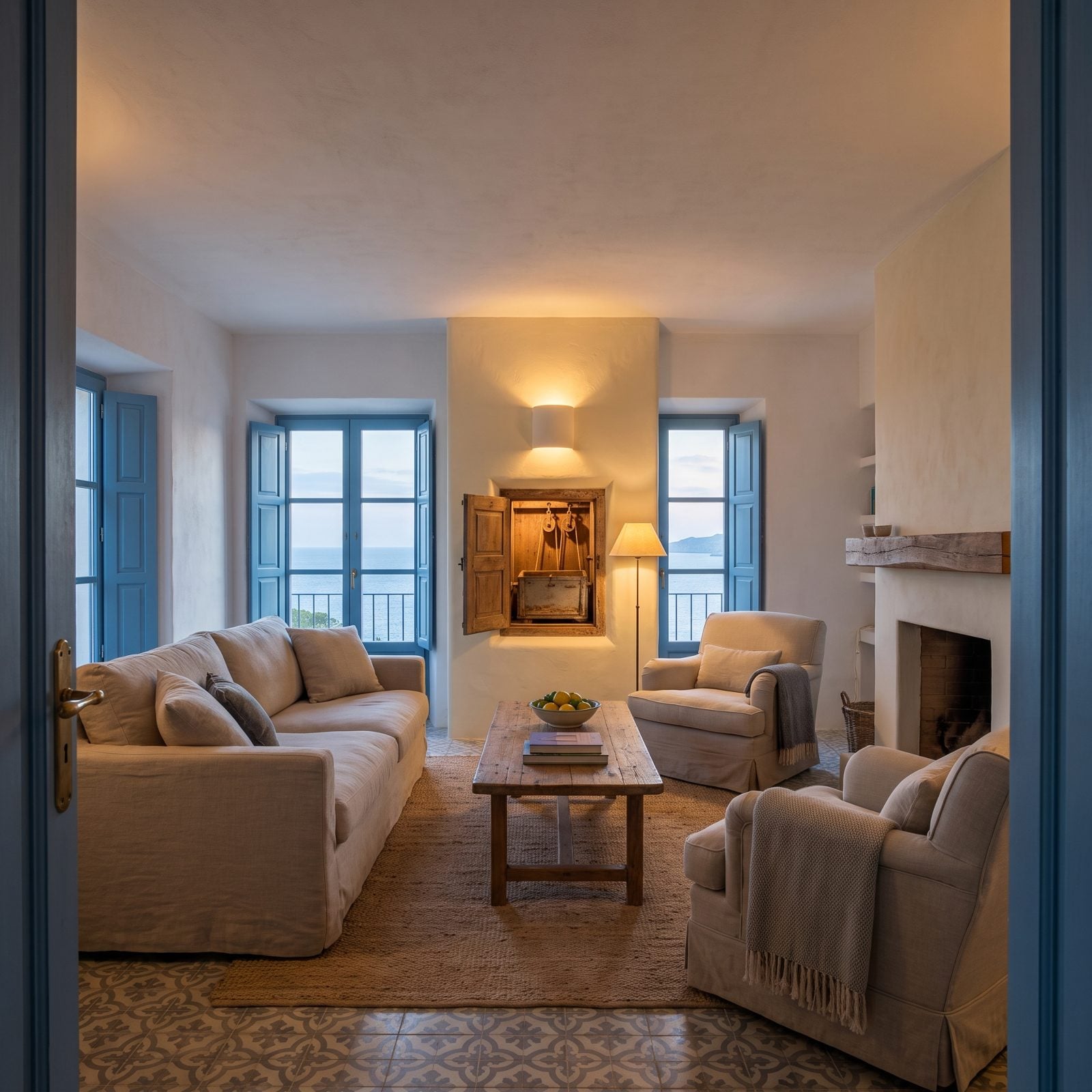
Most people board these over, assuming they’re dead weight. They’re wrong. A dumbwaiter is a hand-cranked elevator for stuff, and the rope-and-pulley guts are fixable by anyone who respects a counterweight.
Service the pulleys, replace frayed rope, refinish the oak car. Then haul groceries from the garage up to the kitchen without a single stair. It’s the quiet kind of convenience that makes a big old house actually livable. Framing it shut is the easy call and almost always the wrong one.
19. Cast-Iron Radiators Earn Their Keep
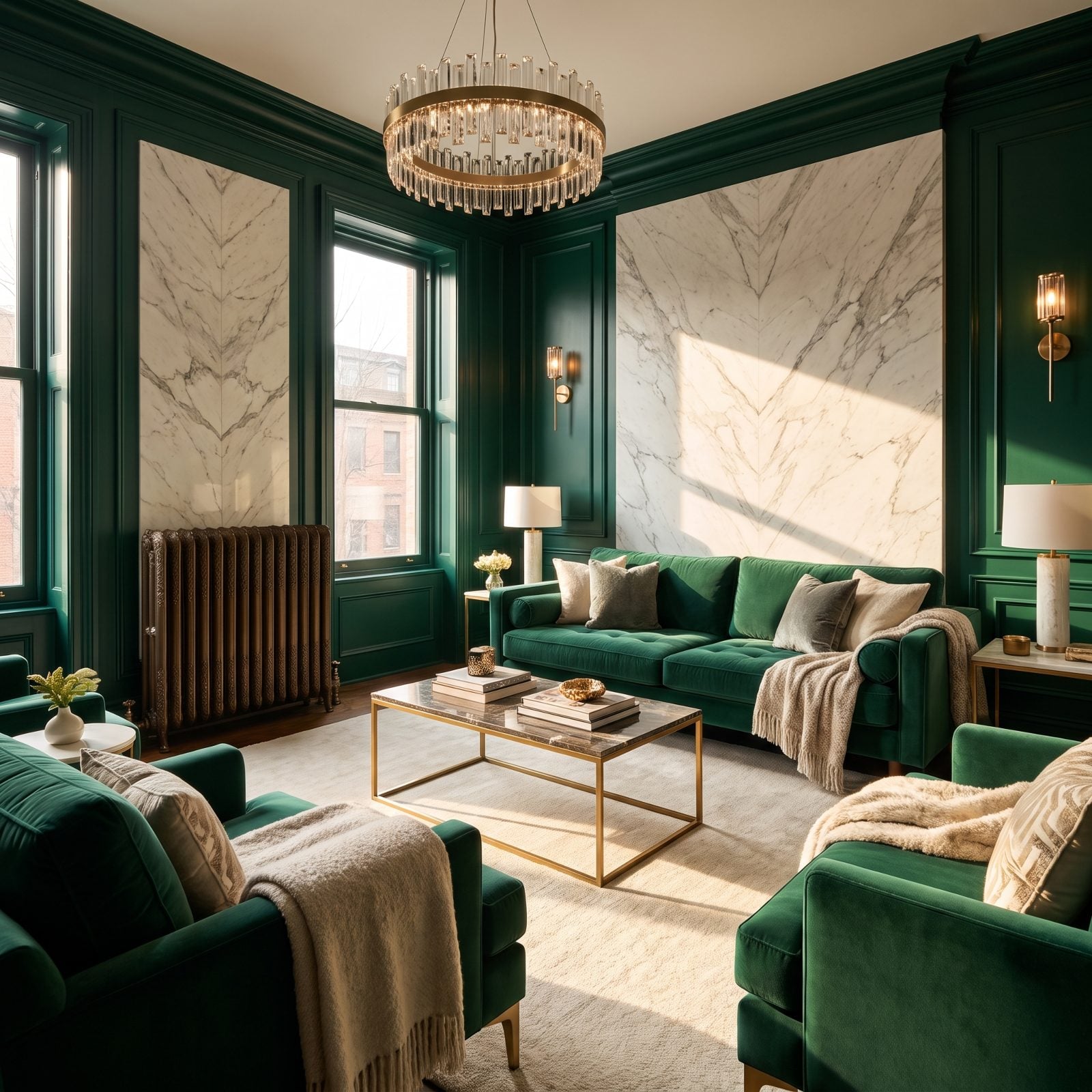
Rip out the radiators, install forced air, and you’ve traded steady radiant warmth for dusty, drafty blowing. We’ll say it flat: the old system often heats better.
Cast iron holds heat long after the boiler cycles off. Flush the valve, replace a worn gasket, repaint in a soft cream so the scrollwork reads instead of shouts. The ornamental ones from the turn of the last century are genuinely good-looking objects, and no modern baseboard heater is going to make anyone stop and look.
18. Ornamental Floor Registers You’d Be Mad to Cover
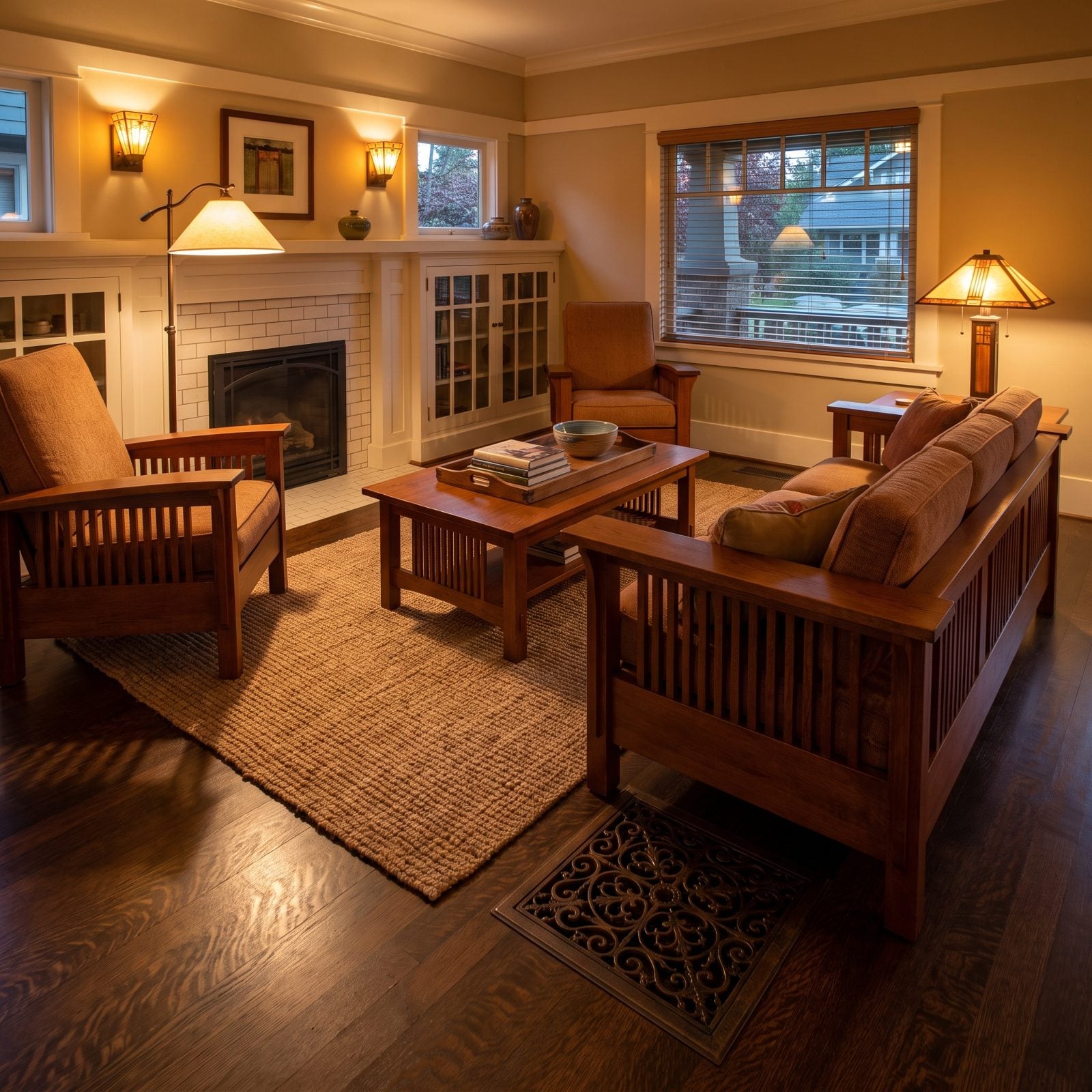
That intricate iron grille in the floor is a piece of hardware no big-box store sells anymore.
Pull it, soak it, wire-brush the rust, seal it, drop it back in — half an afternoon, tops. The openwork throws little shadows across the oak when the light rakes low, and the damper lever usually still slides. People spend good money on reproduction registers that look stamped and flat. You already own the real thing.
17. The Clawfoot Tub Is Worth More Than the New One
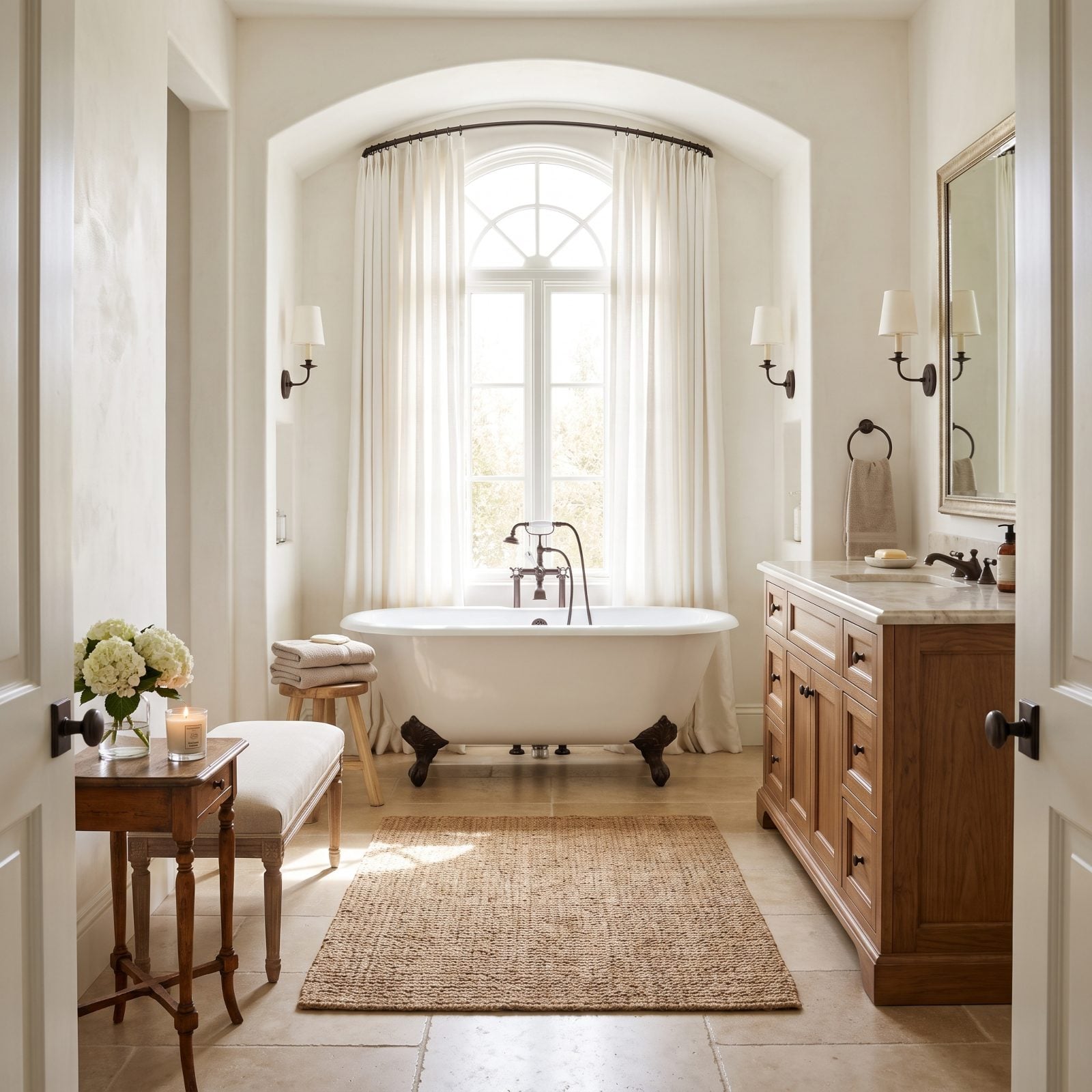
Pound for pound, an original cast-iron clawfoot holds heat better than almost anything sold today. The enamel over iron keeps a bath warm long after a thin acrylic tub has gone cold.
Chipped interior? A professional reglaze brings it back. Paint the exterior a soft sage, pick up the feet in aged bronze, run an exposed brass filler. The thing sits in the room like it was born there — because it was. Pair it with the deep color confidence of a red bedroom decor scheme next door and the whole floor starts to feel intentional.
16. Porcelain Pedestal Sinks That Beat the Replicas
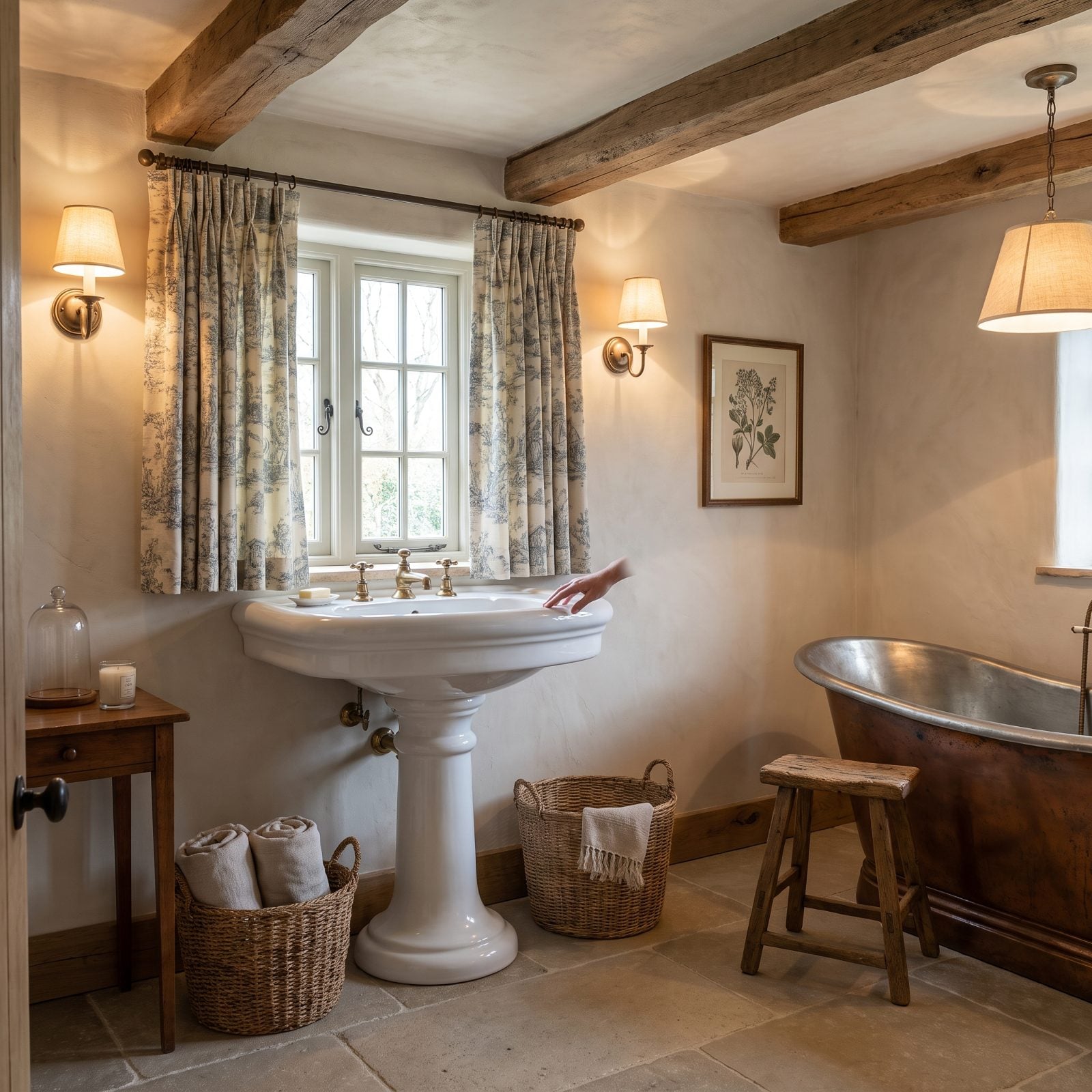
The old pedestal sinks were made of thick vitreous china that still rings when you tap it. Reproductions feel like plastic next to one.
Keep the original, re-set it level, swap the worn washers in the cross-handle faucet, polish the chrome. A pedestal frees up floor space in a tight bathroom and gives the eye room to breathe, which is why a small powder room feels bigger with one standing in it. And the patina on hundred-year-old porcelain? A soft, lived-in white no factory mixes on purpose.
15. Recessed Metal Medicine Cabinets With Good Bones
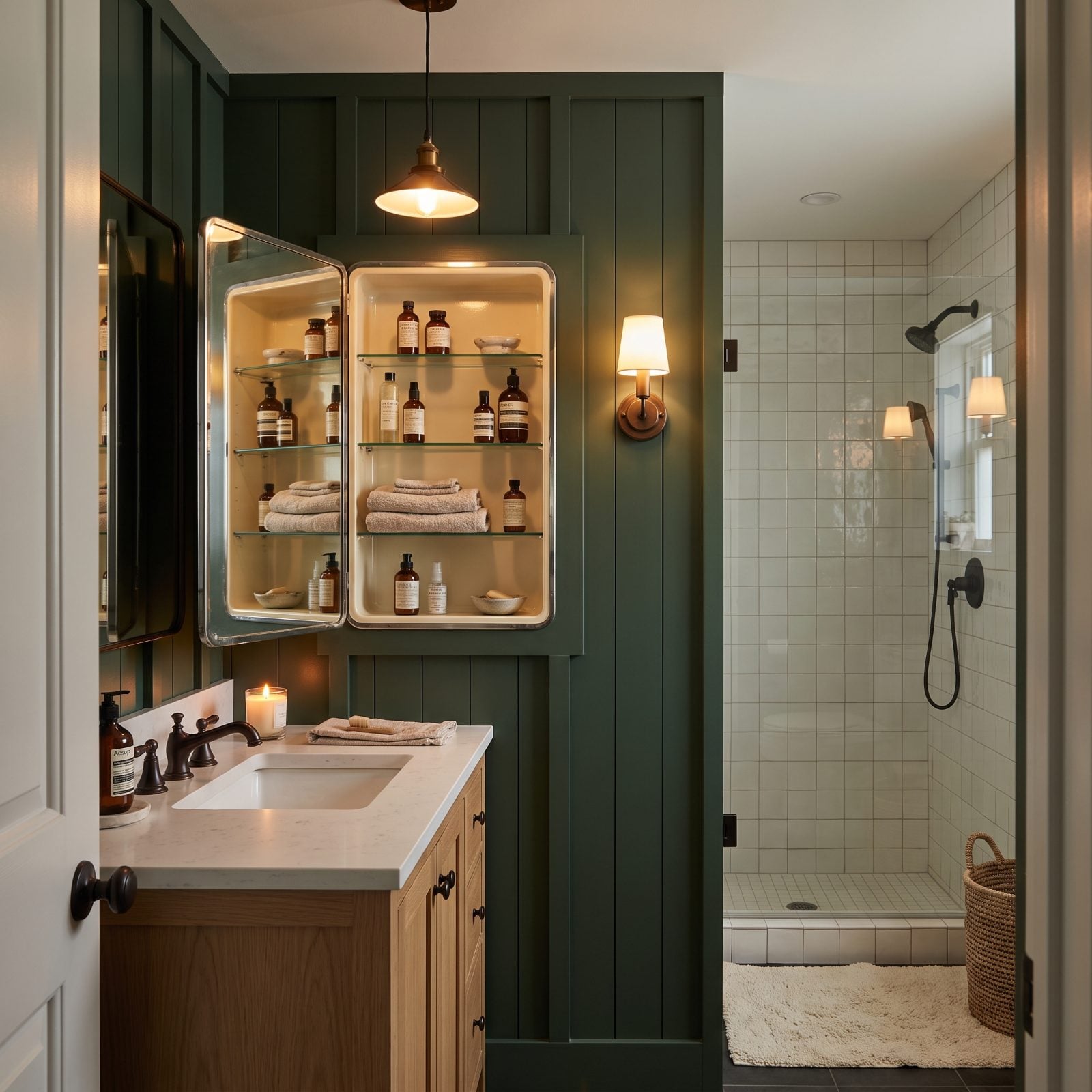
Recessed into the wall, not bolted on top of it. That’s the detail that makes an old medicine cabinet worth saving.
The steel box is already framed into the studs, so you keep that depth for free. Sand the frame, repaint it, and leave the slightly spotted bevel-edge mirror if you can live with a little age at the corners. We’d argue the faint silvering is the best part — soft and warm where a new mirror is cold and flat. Built-in storage you don’t surrender an inch of room to. Keep it.
14. Original Hexagonal Bathroom Tile Worth Saving, Not Smashing
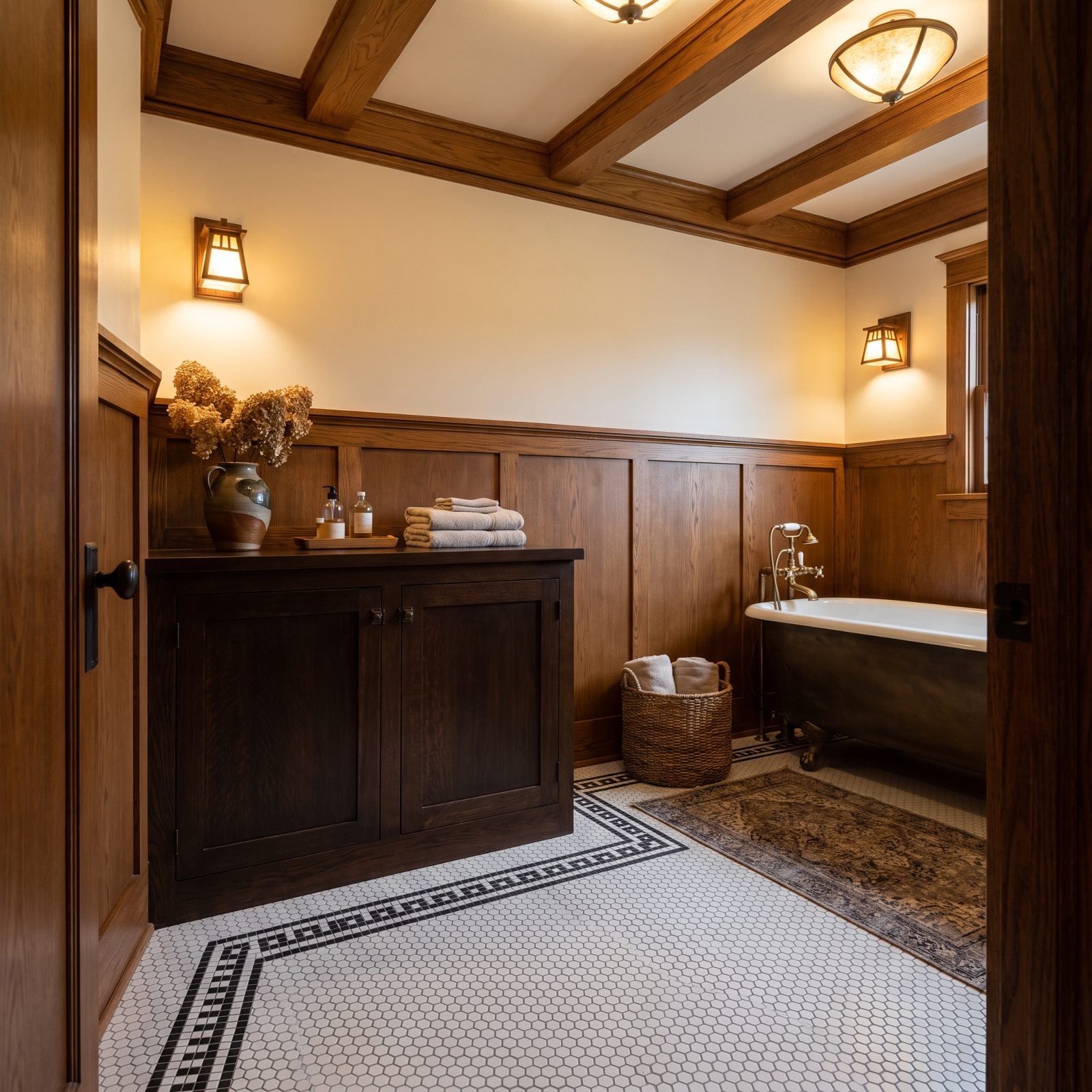
That tiny white hex floor with the black border is the single most imitated bathroom surface in America, and most people are walking over the real thing without knowing it. Repair beats replace here, every time. Lift a few broken tiles, source matching ones from a salvage yard, re-point the grout, and you’ve kept a floor nobody can fake.
Notice that slight dip underfoot where the subfloor settled? A hundred years of use left it there, and it’s no defect. New hex looks flat and dead next to it.
13. Handmade Encaustic Cement Tile With Color Baked All the Way Through
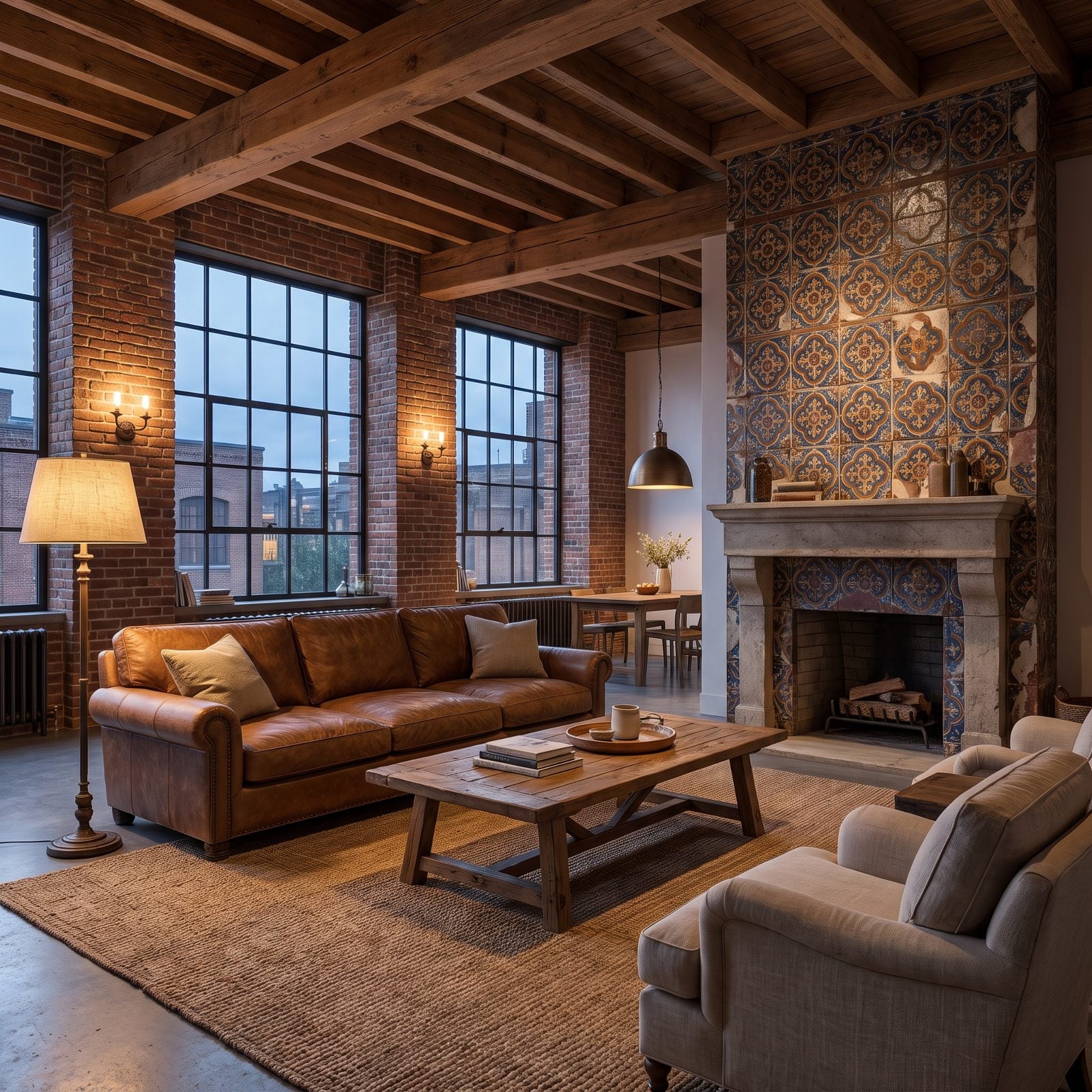
Encaustic cement tile isn’t printed. The pattern is pigment pressed a quarter-inch deep, so it wears beautifully instead of scratching off. Find an original floor under old vinyl or carpet and you’ve found treasure.
Here’s what not to do: don’t sandblast it, and don’t drown it in glossy sealer. A gentle clean, a breathable sealer, and swapping only the cracked pieces keeps the color depth that made these floors famous. The same patterns show up in every rustic entryway renovation worth copying, and the vintage original always beats the reproduction.
12. Early Poured Terrazzo That Only Gets Better With Age
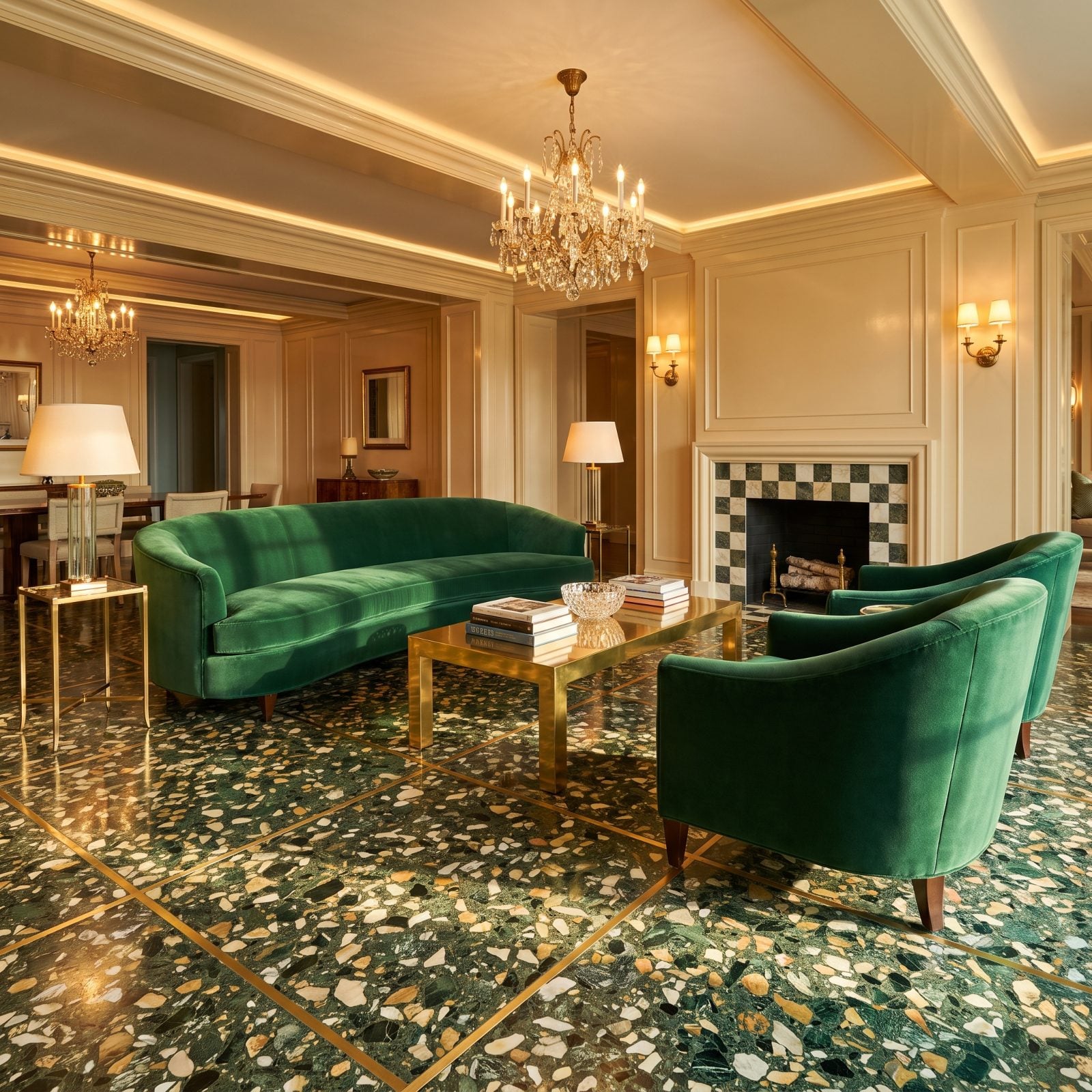
Terrazzo outlives everyone who ever installed it. Early poured terrazzo, with its brass divider strips and chips of real marble, was built to last generations, and it does exactly that. If you’ve got it, you’ve got the most practical floor in the house.
Chips and cracks grind out and fill. A proper polish brings back the depth. And the brass strips? They darken into something you couldn’t buy new if you tried.
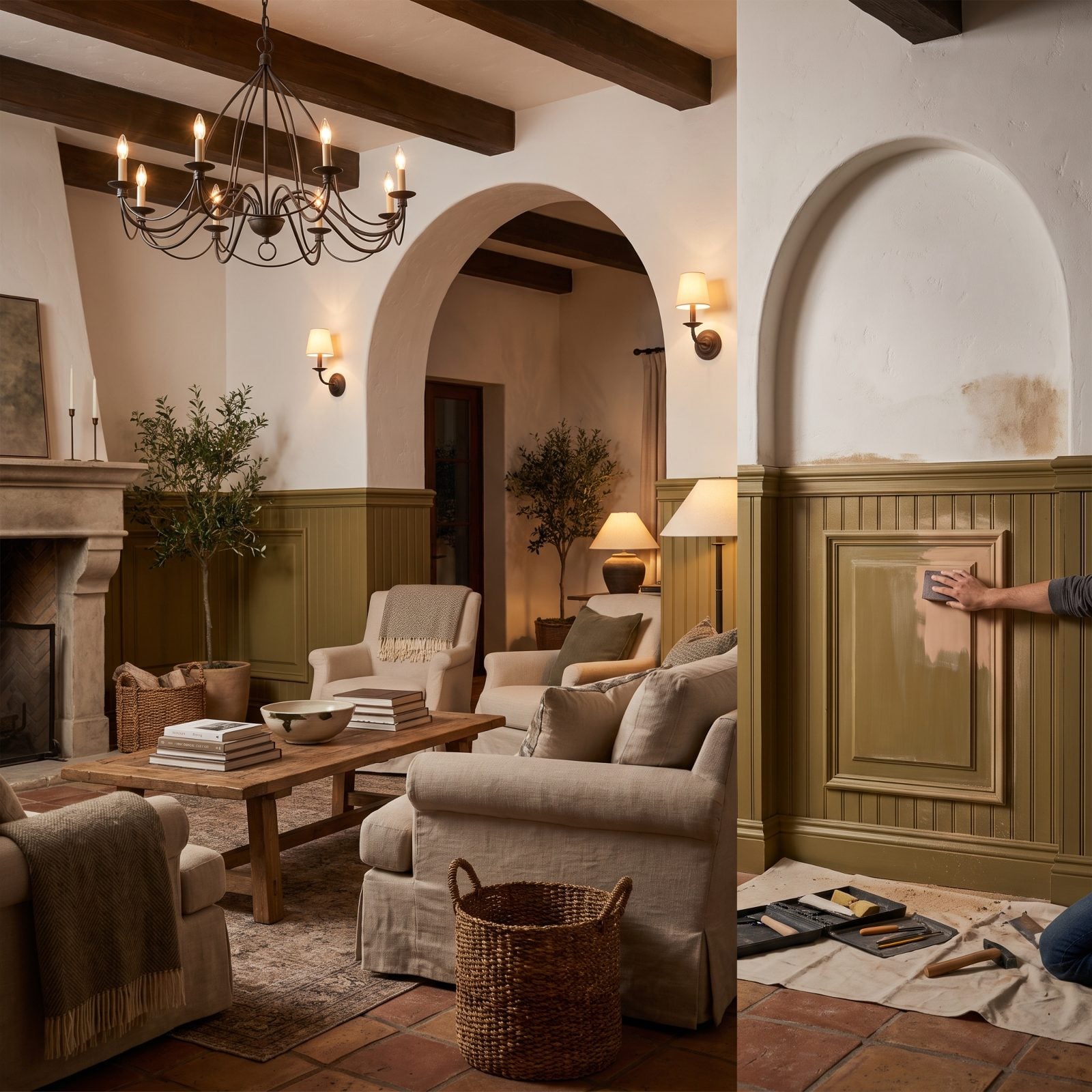
11. Beadboard and Raised-Panel Wainscoting, Repaired Not Ripped Out
🔥 Would you like to save this?
Original wainscoting is solid wood that’s been doing its job for a century. The newer stuff is MDF that swells the first time a pipe leaks. Keep the old.
Fill the dings, scrape the drips, give it fresh paint. The raised panels and bead profiles were milled with blades that don’t exist anymore, and that slight irregularity is exactly what makes a room feel real instead of showroom.
10. Full-Height Paneled Walls That Carry a Whole Room
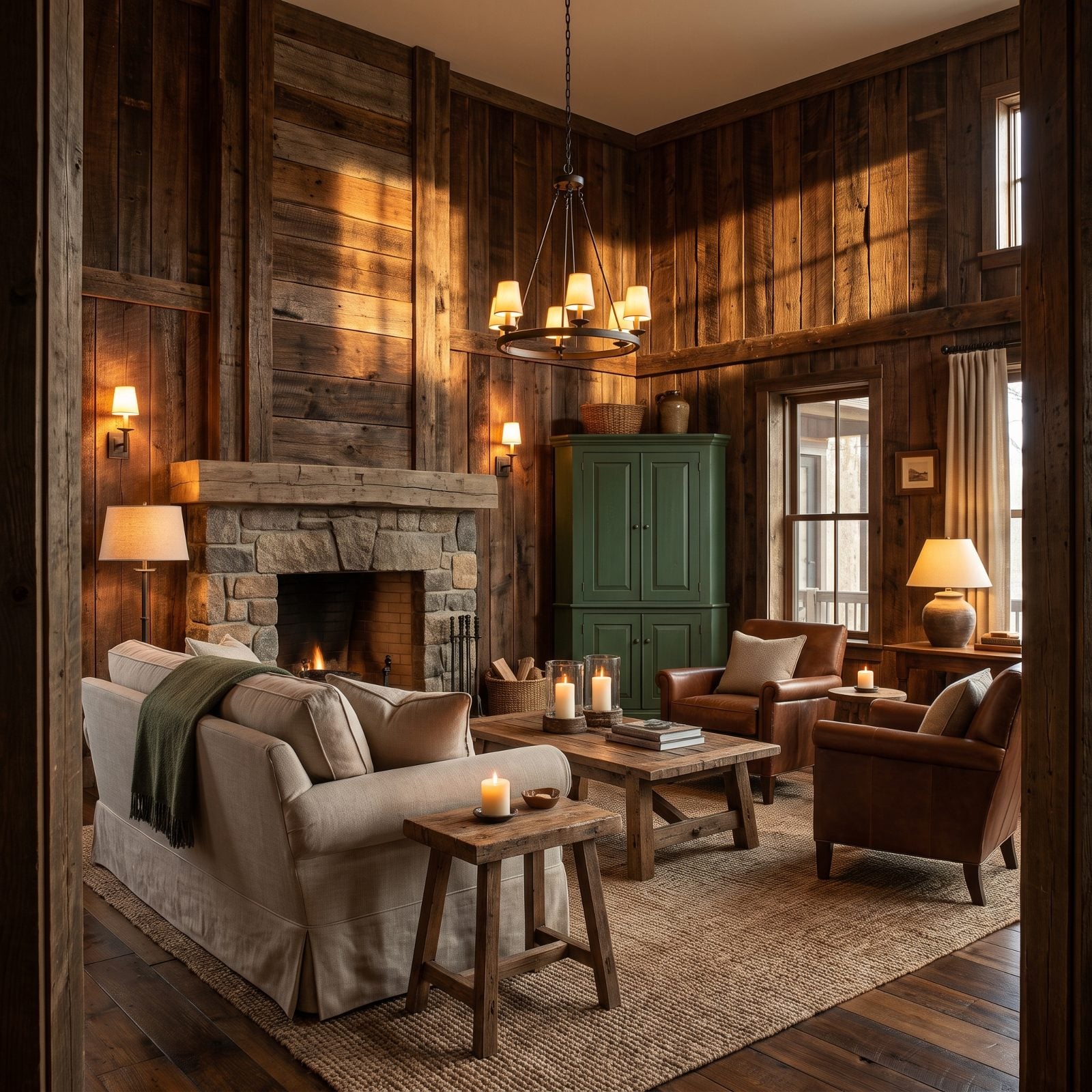
Full-height paneling is a room finished by a joiner, not a drywall crew. The stiles and rails line up with doors and windows for a reason. Pull it out and you lose proportions you’ll never rebuild on a budget.
Strip decades of yellowed varnish, re-glue a loose panel or two, and let the grain breathe again. Oak this old has a figure that reproduction veneer only pretends to have.
A paneled wall done right makes the room feel held, like the architecture is on your side.
9. Coffered Wood Ceilings: Repair the Grid, Keep the Grandeur
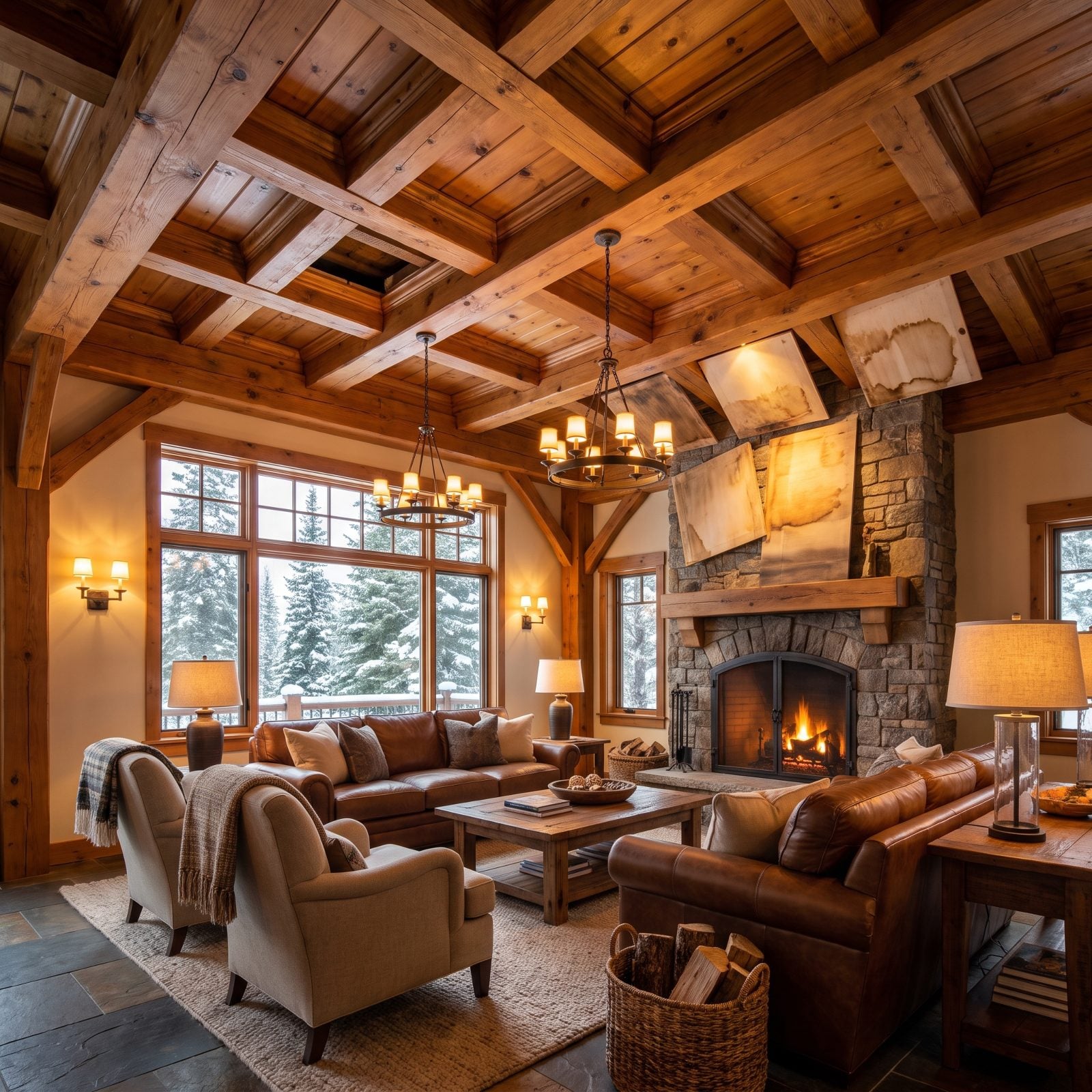
A coffered ceiling is the kind of overhead woodwork most houses never had the budget for, then or now. If yours survived, it’s probably the best feature in the room, and you may not have looked up lately.
Water stains clean. Sagging panels get re-secured. The oak grid just needs honest maintenance, not a drop ceiling hiding it. These are the ceilings every craftsman sauna makeover and lodge build tries to recreate from scratch.
8. Pressed-Tin Ceilings With Patterns You Can’t Buy New
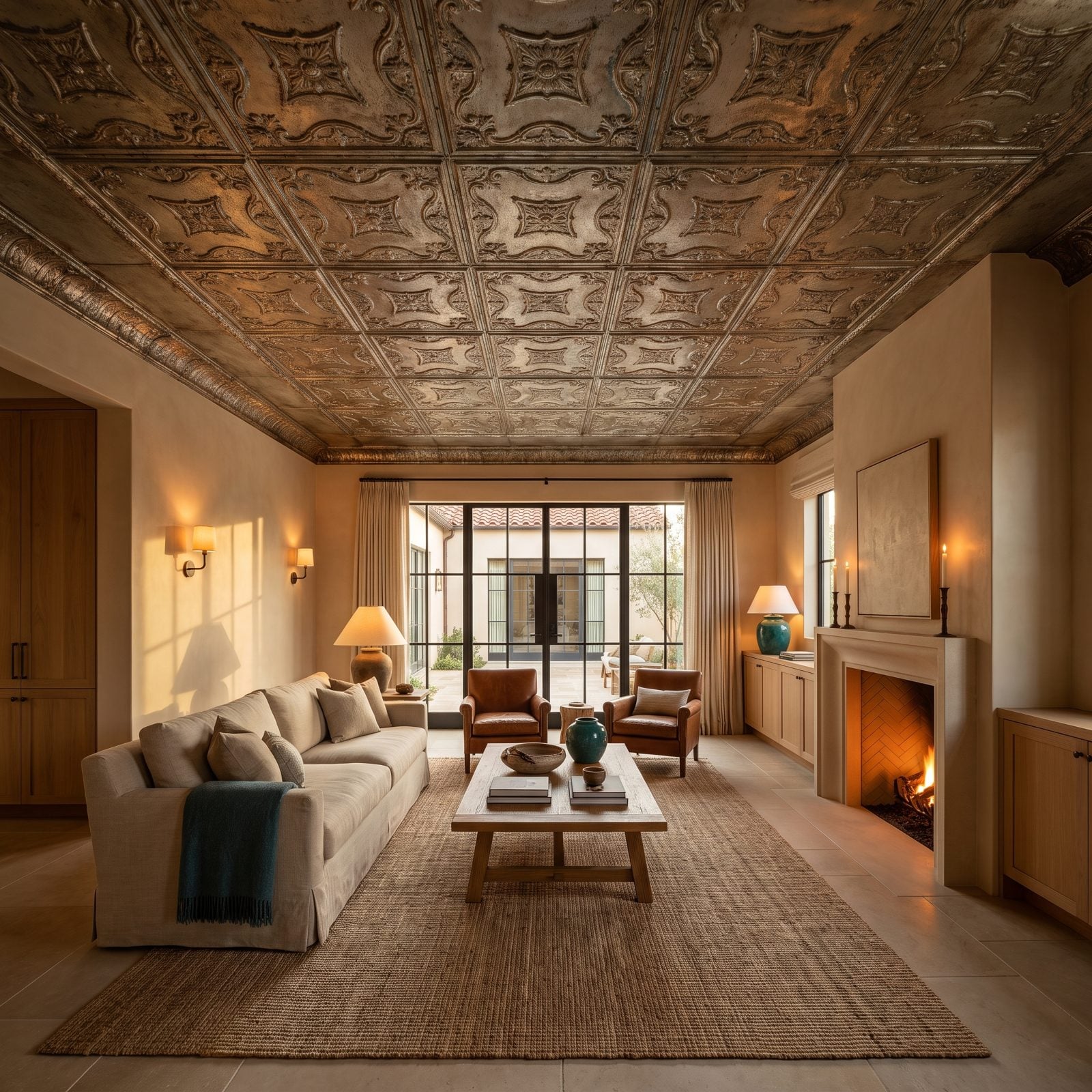
Pressed tin was the cheap ceiling of its day, stamped in patterns that reproduction panels flatten and cheapen. The originals have crisp relief and a weight the modern ones can’t match.
Loose panels re-nail, rust gets treated and primed, and a fresh coat of paint (matte, not glossy) brings the pattern back without hiding its age. Keep it over a kitchen with a stainless range, a panel-front dishwasher, and a classic apron sink, and the ceiling does the storytelling.
7. Structural Timber Ceiling Beams, Exposed and Honored
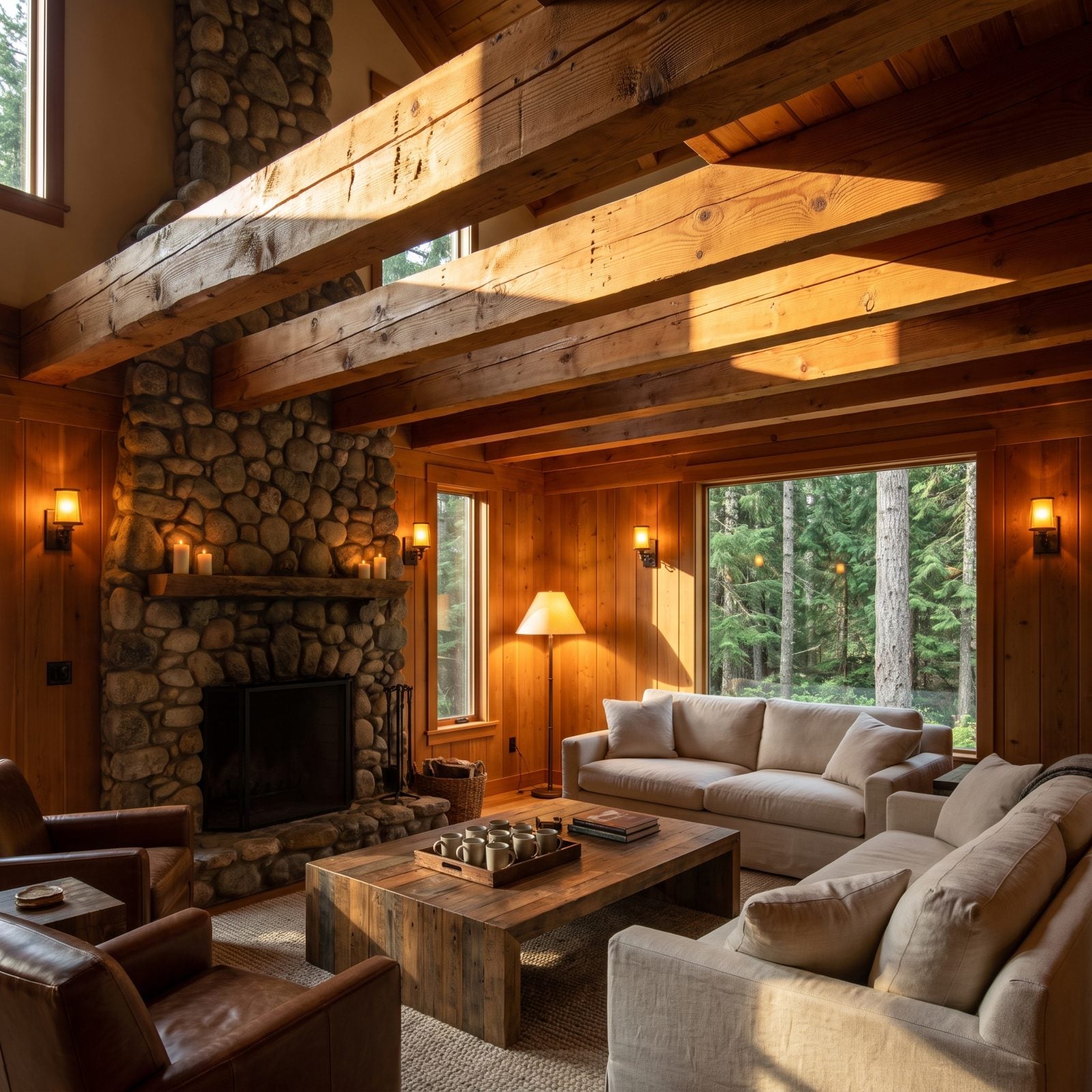
Hand-hewn beams carry the marks of the tool that shaped them, and those adze scallops are a signature no machine reproduces. If your renovation exposed real structural timber, you hit the jackpot.
Put the sandblaster away. A soft clean and a breathable finish keeps the color and the history. Boxing them in with drywall is the one mistake you’ll regret every time you walk into the room.
6. Plaster Archways Softening the Line Between Rooms
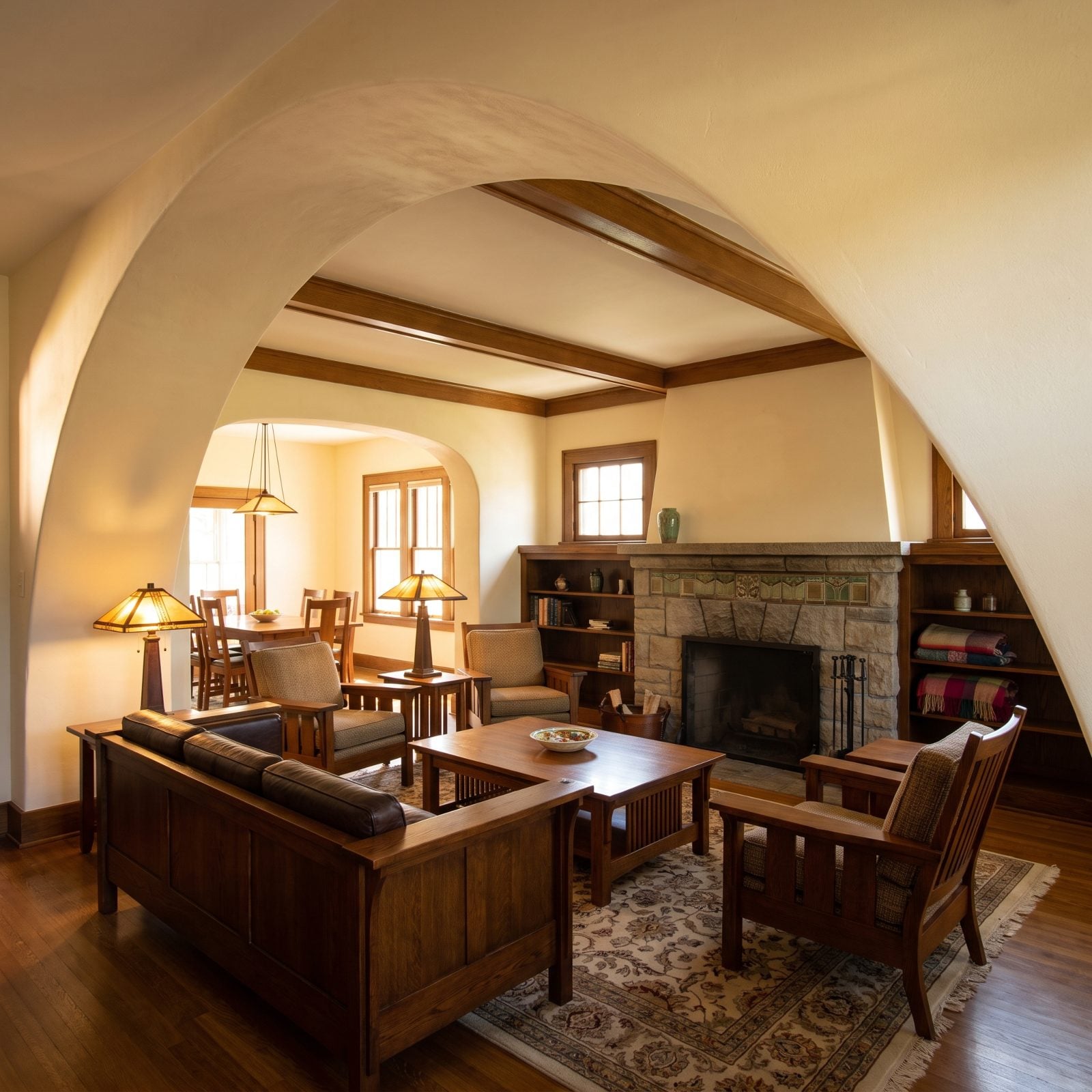
A plaster arch is a curve a human hand pulled, and you can feel the difference. Modern builders square everything off because arches cost labor. The old ones give a doorway a soft, generous shoulder that a flat header never will.
Hairline cracks fill with flexible plaster. That gentle wave in the surface? It’s the hand of whoever troweled it, so skim lightly and leave the character alone.
5. Columned Room Openings That Frame Without Walling Off
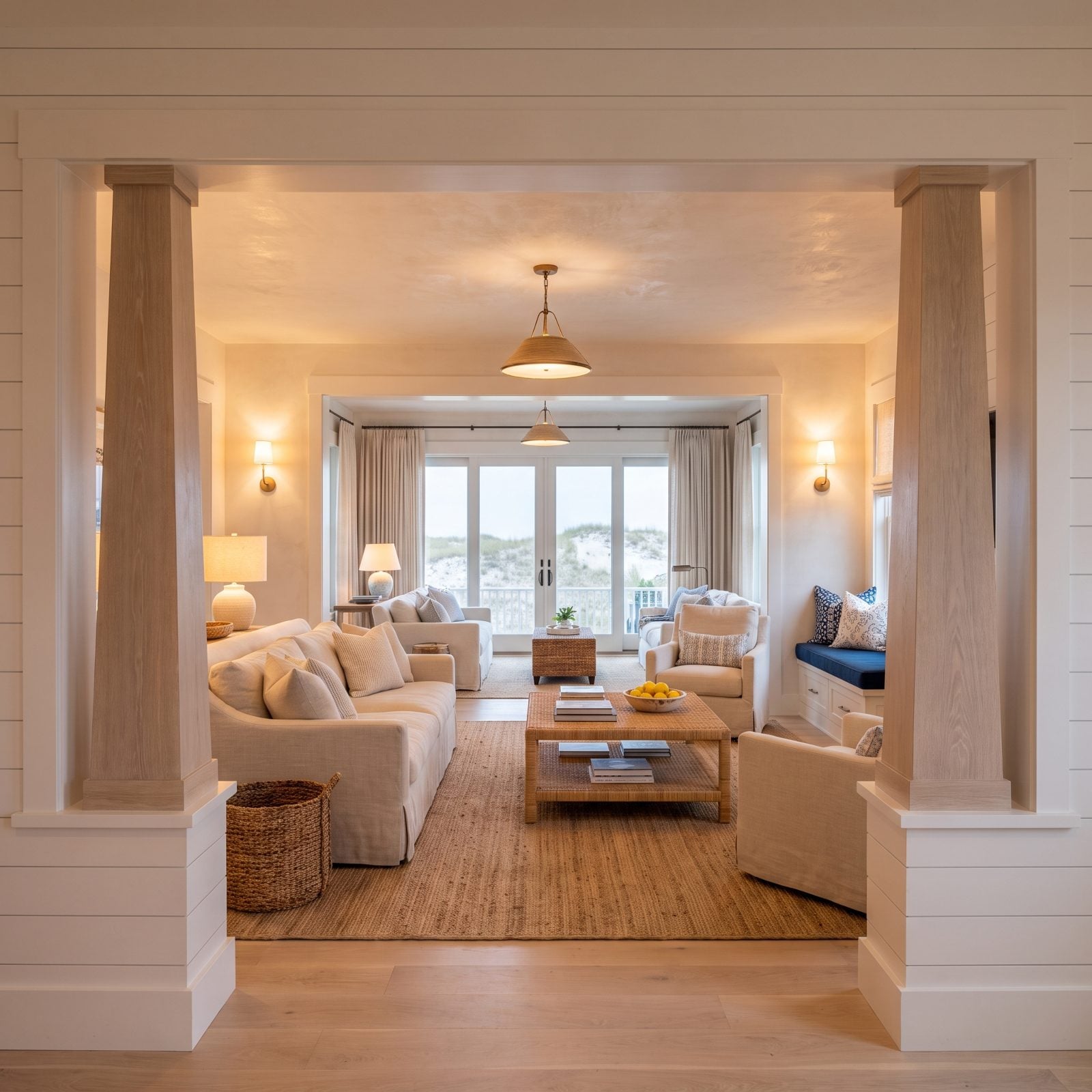
The columned opening is the craftsman era’s answer to open-plan living, pulled off a hundred years before anybody slapped a name on it. Tapered columns rest on paneled half-walls, usually with built-in bookcases tucked into the base, and the whole thing separates two rooms without closing either off.
Keep yours if it’s intact. Tighten loose joints, refresh the finish, and you’ve got a divider that works harder than any modern pass-through while looking far better doing it. The built-in shelving is the kind of storage a craftsman walk-in closet would envy.
4. The Original Staircase, With Its Turned Newel Post Still Earning Its Keep
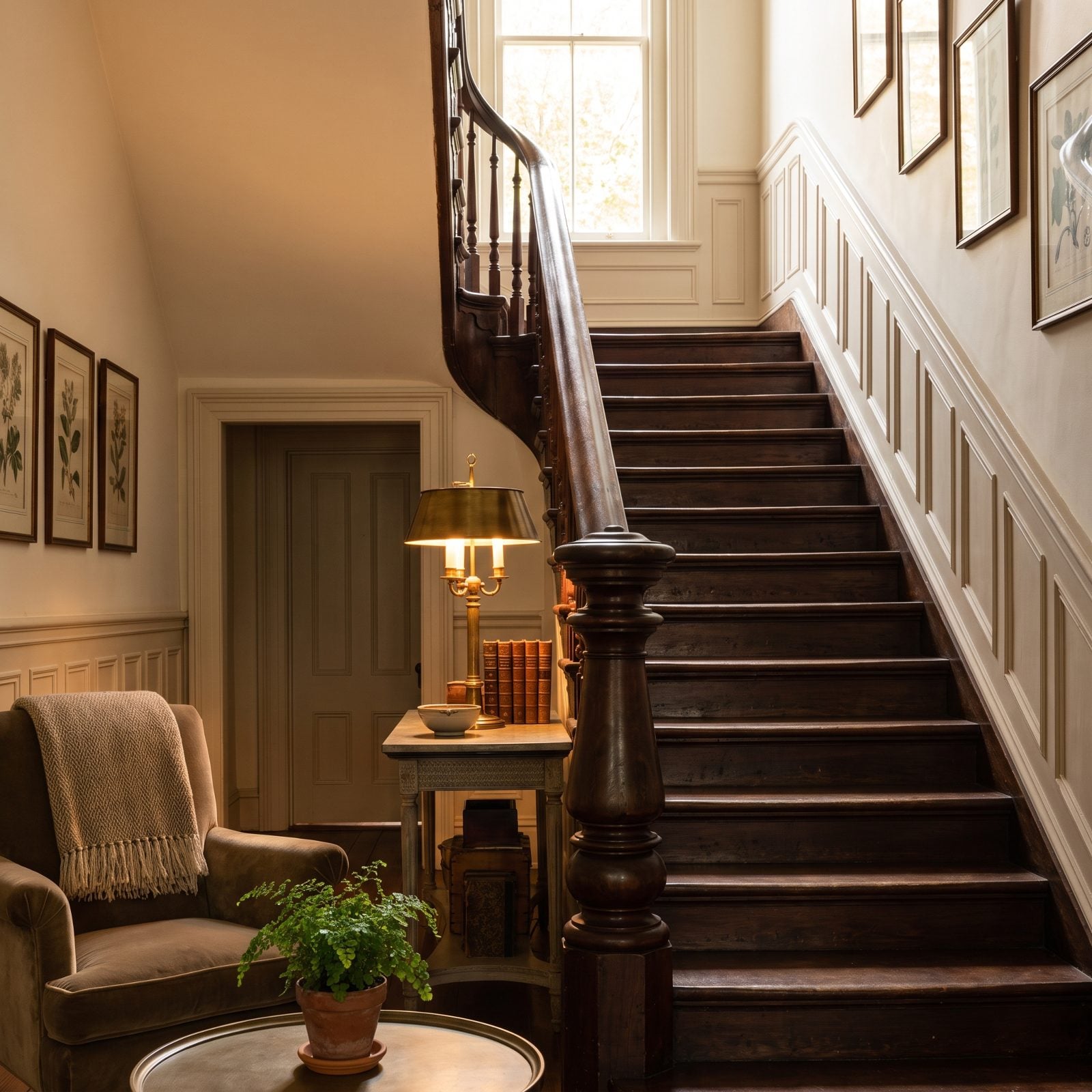
A good newel post is the handshake of an old staircase, and this one still does the job. Grab it on the way down in the dark and you feel a hundred years of other hands worn into that octagonal cap. Nobody strips this kind of oak back to bare and re-stains it — the patina is the point, nicks and all. The balusters march up in a tidy line, and if a couple were swapped out during restoration, you’d never clock which ones. That’s the whole trick to fixing something like this well: you tighten the joints, replace what’s broken, and leave the age alone.
3. Brass Stair-Runner Rods That Hold the Carpet and the History
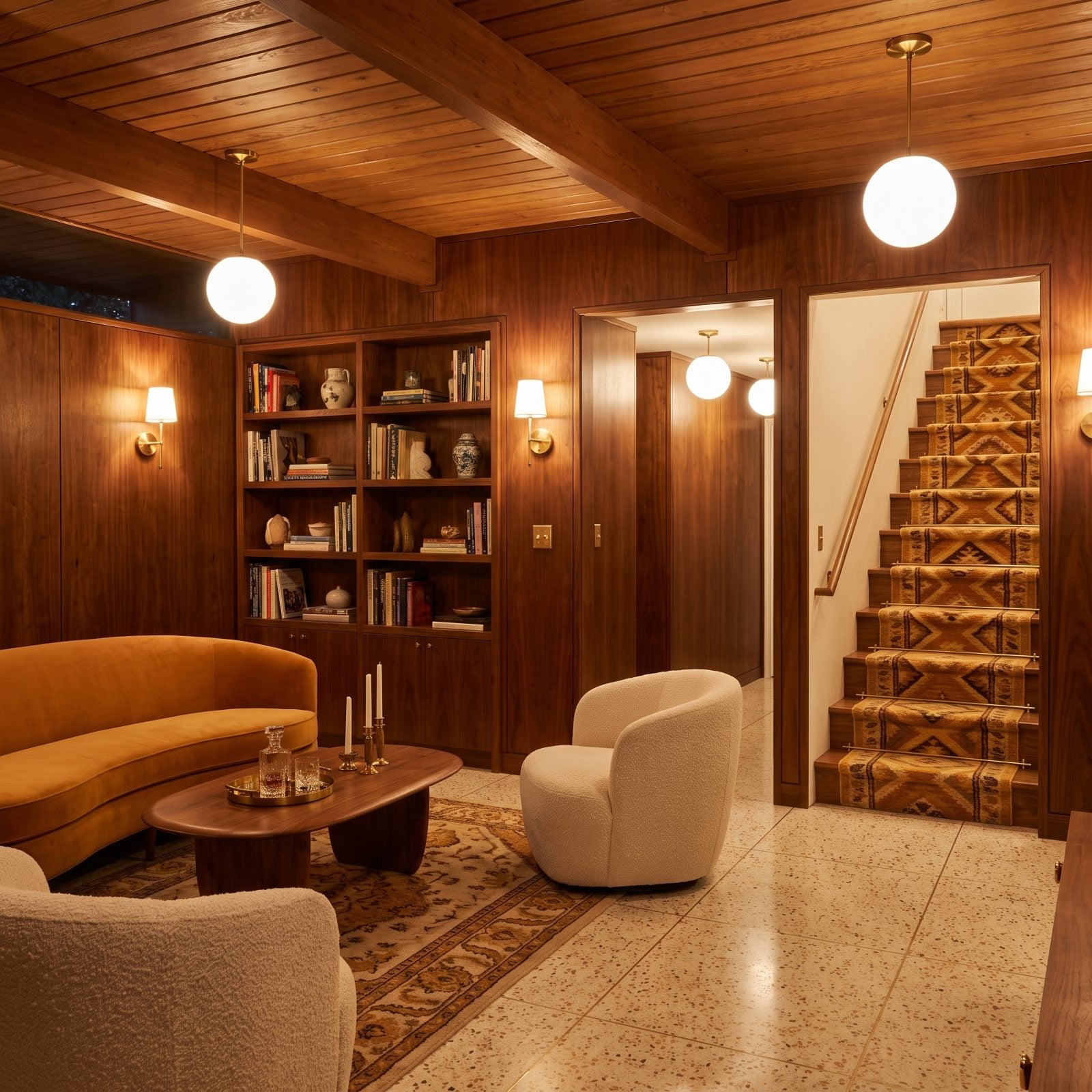
Before anyone stapled carpet down, they pinned it with rods. These slim brass ones tuck the wool runner into the crook of each step and let it loosen when you want to clean underneath. The runner itself is a proper patterned wool, deep red and indigo with an ivory border, worn pale down the middle where feet have always landed. What sells it is the brass — not that showroom mirror-shine, but a soft lived-in gold with a few honest marks near the brackets. Rip the whole lot out and you’d lose something quiet that nobody could name but everyone would miss.
2. Built-In Wardrobes That Run Floor to Ceiling and Mean It
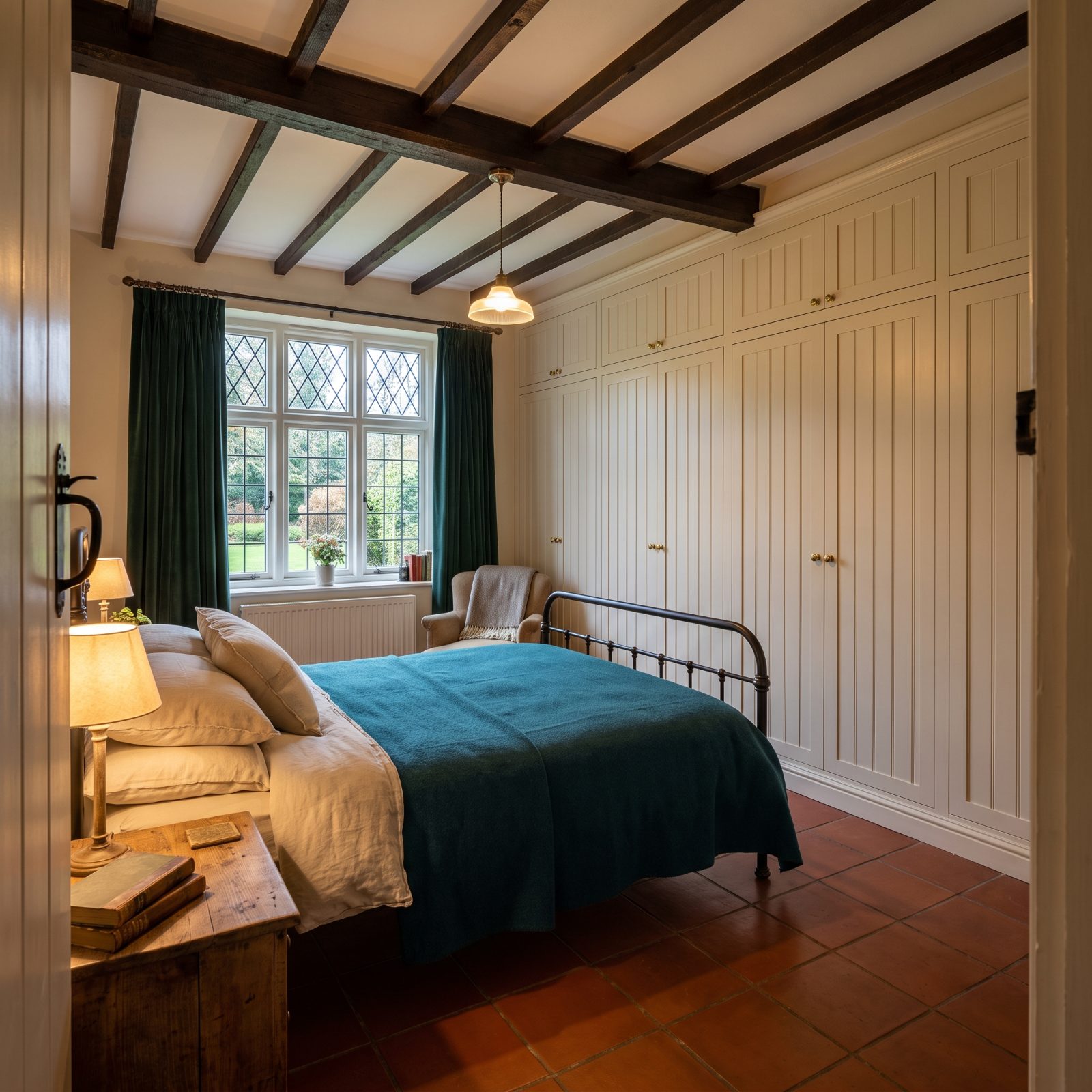
These wardrobes go up into the cornice and stop — no dead gap on top collecting dust, no awkward crown of forgotten shoeboxes. The doors wear a soft warm white, repainted enough times that the surface has a faint brushstroke texture you can only get by hand. Small aged brass pulls, a raised panel, moldings that line up with everything else in the room so the whole wall reads as architecture rather than furniture parked against it. Crack one door and you find deep shelving plus a solid timber hanging rail that’ll outlive the house. Modern flat-packs promise this and sag within a decade; this doesn’t.
1. The Cedar-Lined Closet You Can Smell Before You Open It
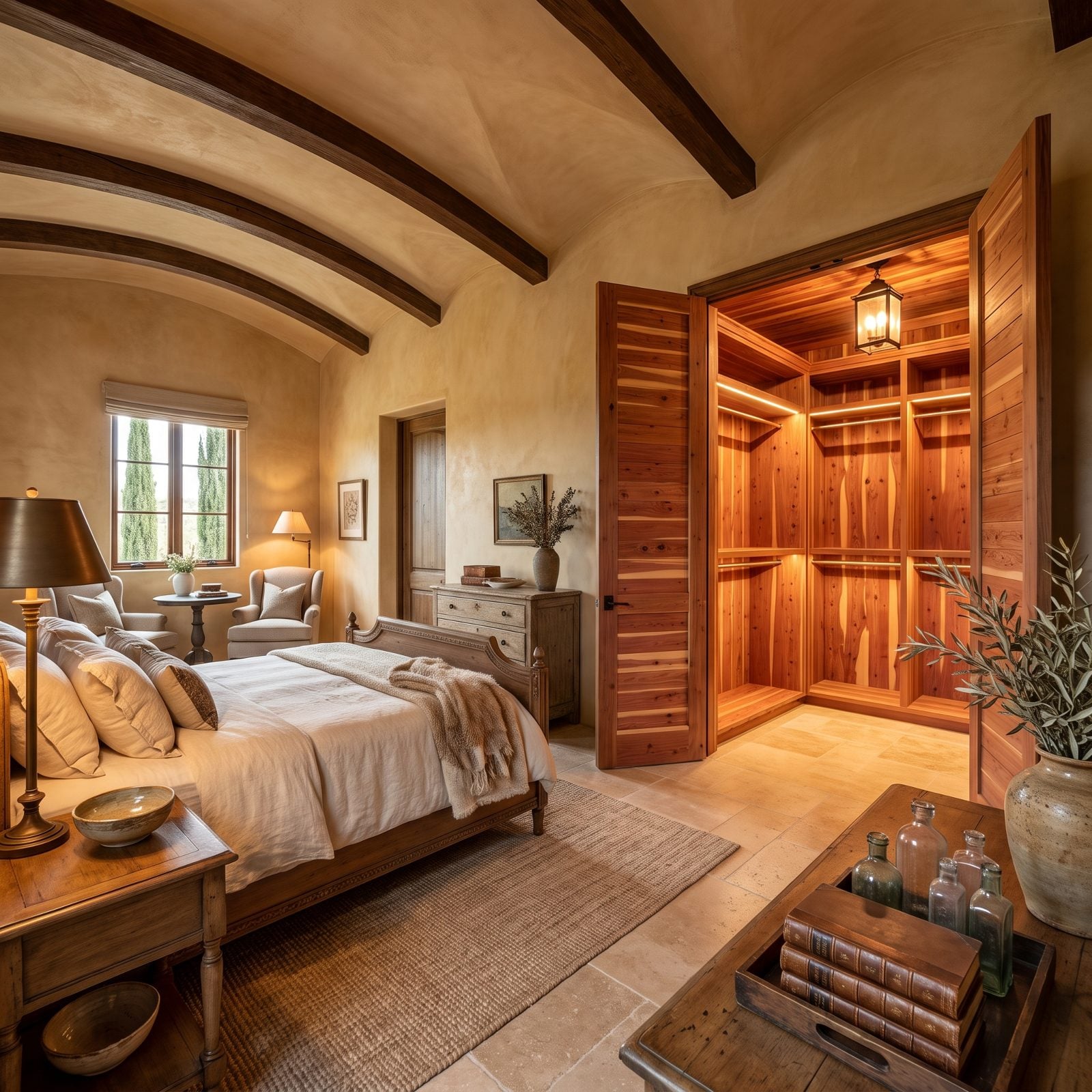
You get the cedar before you get the closet. Open the door and the scent hits — reddish heartwood and pale creamy sapwood in tongue-and-groove boards, knots and streaks on full display, the whole thing recently given a light sanding that woke the smell back up. Cedar kept moths off wool for generations, and the folded blankets stacked on the built-in shelves aren’t there by accident. A few boards up top have darkened with age. Honestly, that’s half the charm — a closet that does one honest job and smells wonderful doing it.