🔥 Would you like to save this?
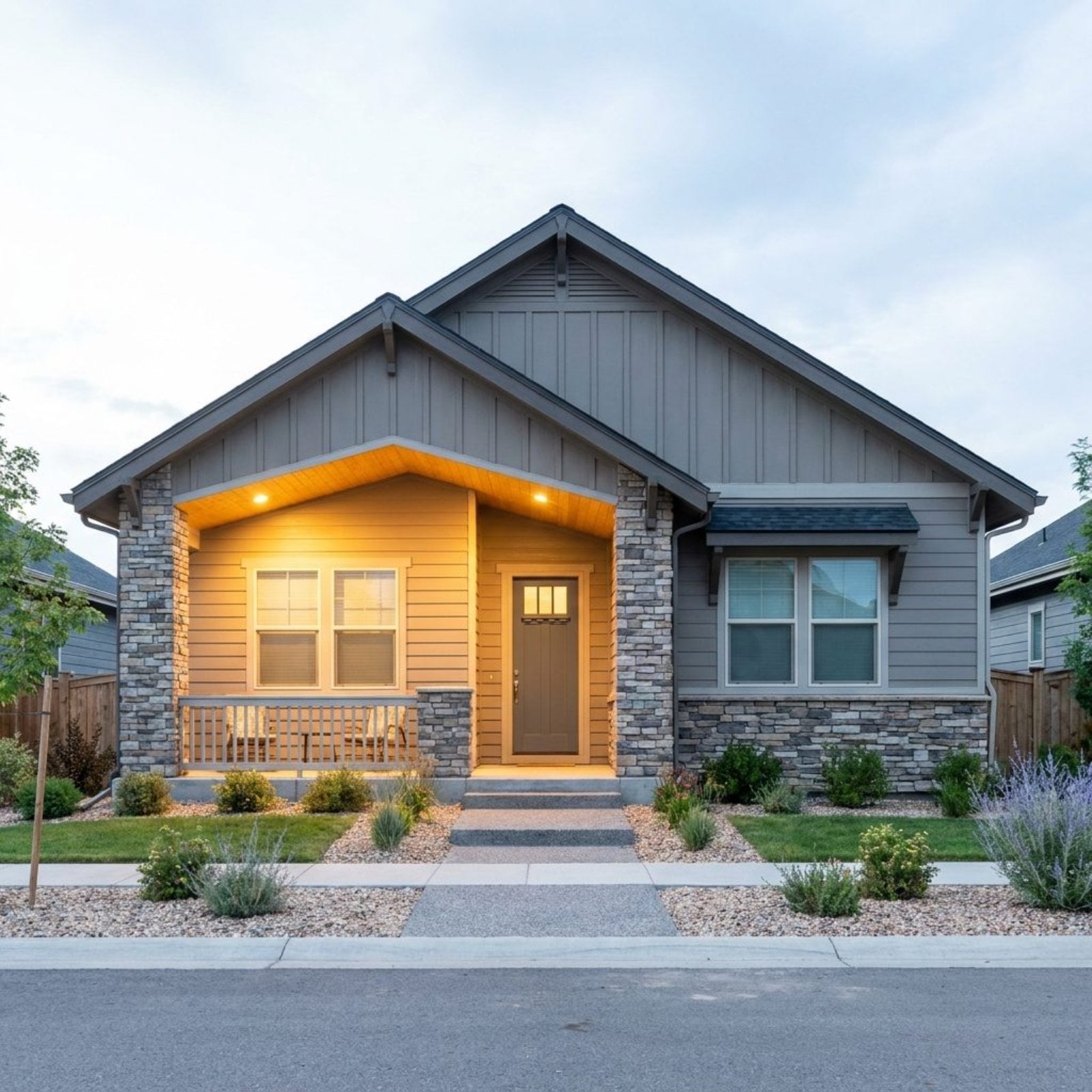
Most people have no idea what their house is actually worth to them. They know what they paid. They know, roughly, what they still owe. The gap between those two numbers has been widening quietly for years, and it’s usually bigger than a retirement account. Equity doesn’t announce itself. It hides in old down payments, in payments you set to autopay and forgot about, in the ugly kitchen you fixed one weekend at a time. You’ve been building wealth in your sleep. Here’s every place it’s been stacking up while you weren’t watching.
See what your equity qualifies you for →
35. The Down Payment You Made Years Ago and Stopped Thinking About

Remember scraping that together? The years of saying no to things, the account you weren’t allowed to touch, and then one terrifying wire transfer that turned it into part of the house.
That money didn’t disappear. It’s still yours, sitting inside the walls as the day-one foundation of your equity, and everything you’ve built since sits on top of it. People treat the down payment like a toll they paid to get in the door. It was never a toll. It was a deposit into the biggest asset you own, and it’s been waiting there patiently the whole time.
You wired that money into the house once and never saw it again. A credit line is how you make a withdrawal — without selling the asset it bought.
34. The Price Appreciation That Crept Up While You Slept

You didn’t do anything and the number went up anyway. That’s the strange gift of home price appreciation. While you were arguing about paint colors and fixing the garbage disposal, the market lifted the whole thing underneath you.
Appreciation is invisible day to day. You don’t feel your house getting more valuable the way you feel a raise land in your account. It shows up all at once, years later, when a neighbor sells and you do the math and blink. Nobody earns this equity and everybody keeps it. It rewards patience more than effort, which is why the people who quietly stayed put for a decade tend to win a game they didn’t know they were playing.
The market handed you money. You’re allowed to spend it.
Appreciation is the rarest kind of gain: you did nothing and it’s entirely yours. Most homeowners let it sit there for another decade because they assume the only way to collect is to sell. There’s a faster way — borrow against the increase, keep the house, keep the mortgage rate you’ll never see again.
About 2 minutes · No obligation
33. The Neighborhood That Got Cooler Around You Without Your Permission
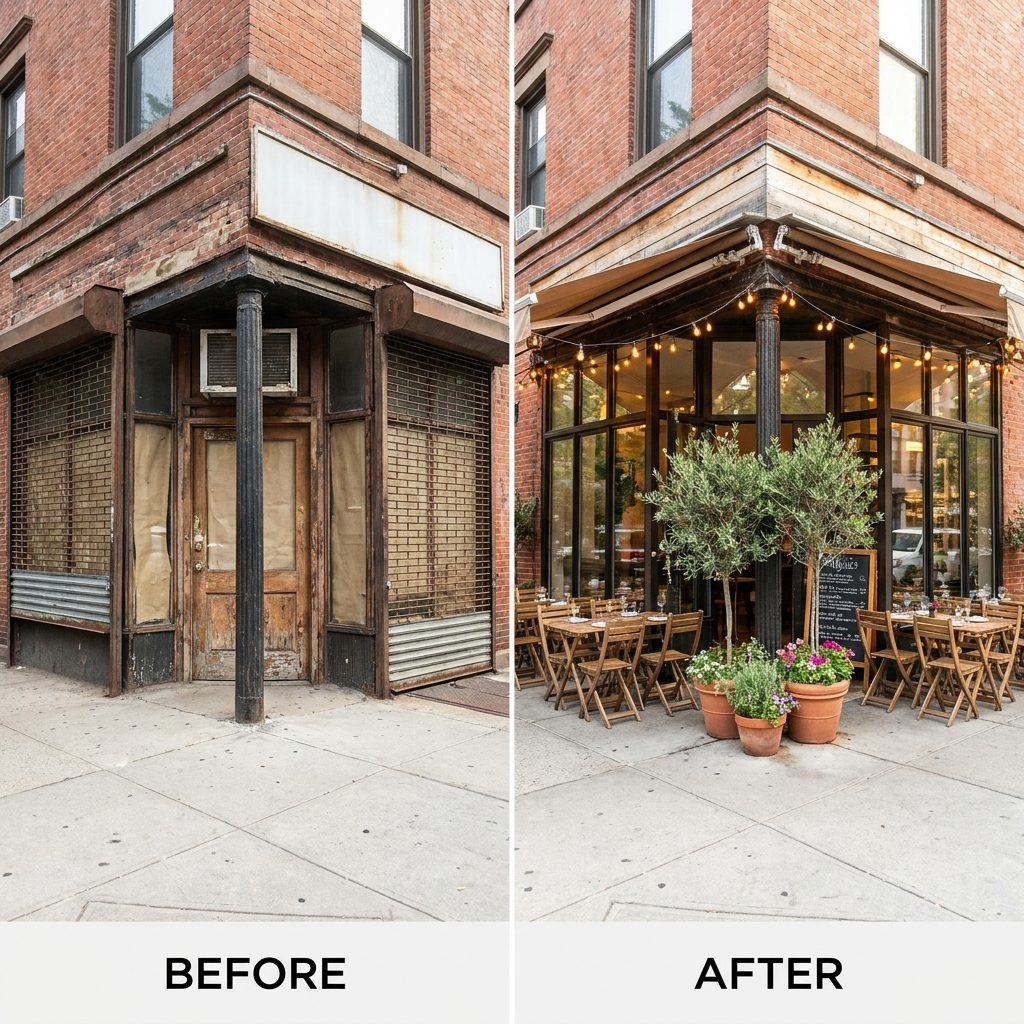
The corner store that closed became a wine bar. The empty lot became a farmers market. And once the elementary school got a better rating, young families started fighting over listings six blocks from yours.
Location appreciation is sneaky. It happens to you, not because of you. You bought into a decent spot and the world decided the whole area was decent-plus. Buyers now pay a premium just to have the address, and that premium is baked into what your house would fetch. If you were lucky enough to watch a sleepy block wake up, some of your equity was handed to you by strangers with good taste and no idea you existed.
Find out what that neighborhood premium is worth →
32. The Neighbor Who Just Sold for Way More Than You Ever Paid
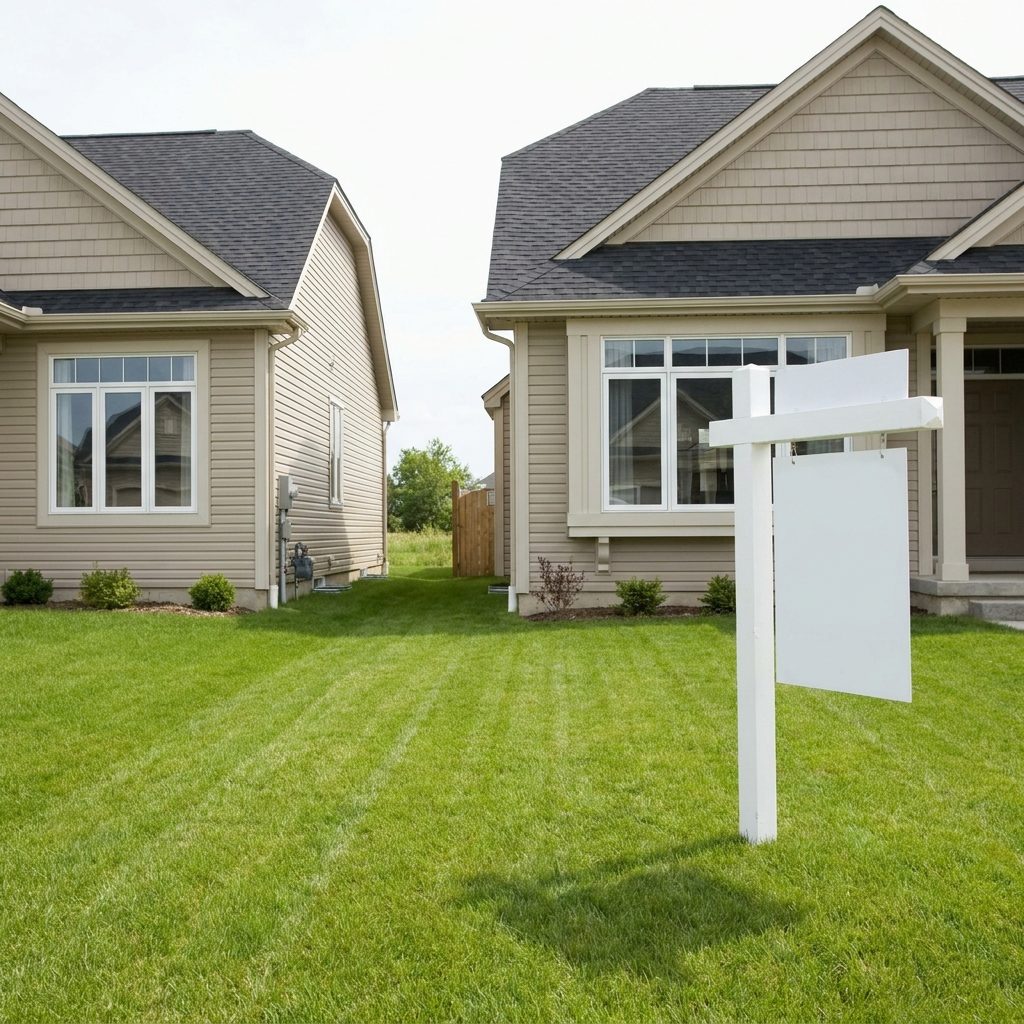
Nothing recalibrates your sense of wealth faster than a comparable sale down the street. Same floor plan, same era, maybe a nicer kitchen. Then it closes at a number that makes you set down your coffee.
Comps are how appraisers and buyers decide what your house is worth, and they couldn’t care less what you paid. They care what the market just proved someone will pay. When a similar home sells high, it drags your value up with it, whether you’ve lifted a finger or not.
This is the equity that feels most real, because you can point at it. It has an address. It has a closing date. And it quietly tells you that if your neighbor’s place is worth that, yours is in the same neighborhood, literally and financially.
Appraisers use that exact sale to size what you can borrow. The closing already happened. Your number already moved. You just haven’t collected it.
See What The Comp Says I Can Borrow
Starts with one question: what kind of home do you own?
31. The Years of Autopay That Chipped Away at Your Balance in the Dark

Set it and forget it. That’s the whole draw of autopay, and it’s also why this equity is so easy to overlook. Every month, without a decision, without a thought, a payment goes out and a little more of the house becomes yours.
Multiply one automatic payment by ten or fifteen years of them and the principal you’ve knocked down is genuinely large. You never celebrated a single one. They just happened, silent, while you got on with your life. Boring, relentless consistency is the least glamorous wealth-building tool there is, and it’s been running in the background of your finances the entire time you owned the place.
Ten years of silent payments built something. Go look at it.
You never celebrated a single one of those withdrawals, and you’ve never once seen the total they add up to. Two minutes is all it takes to find out what all that boring consistency is worth in borrowing power today.
30. The Extra Payments You Threw at It on Good Months
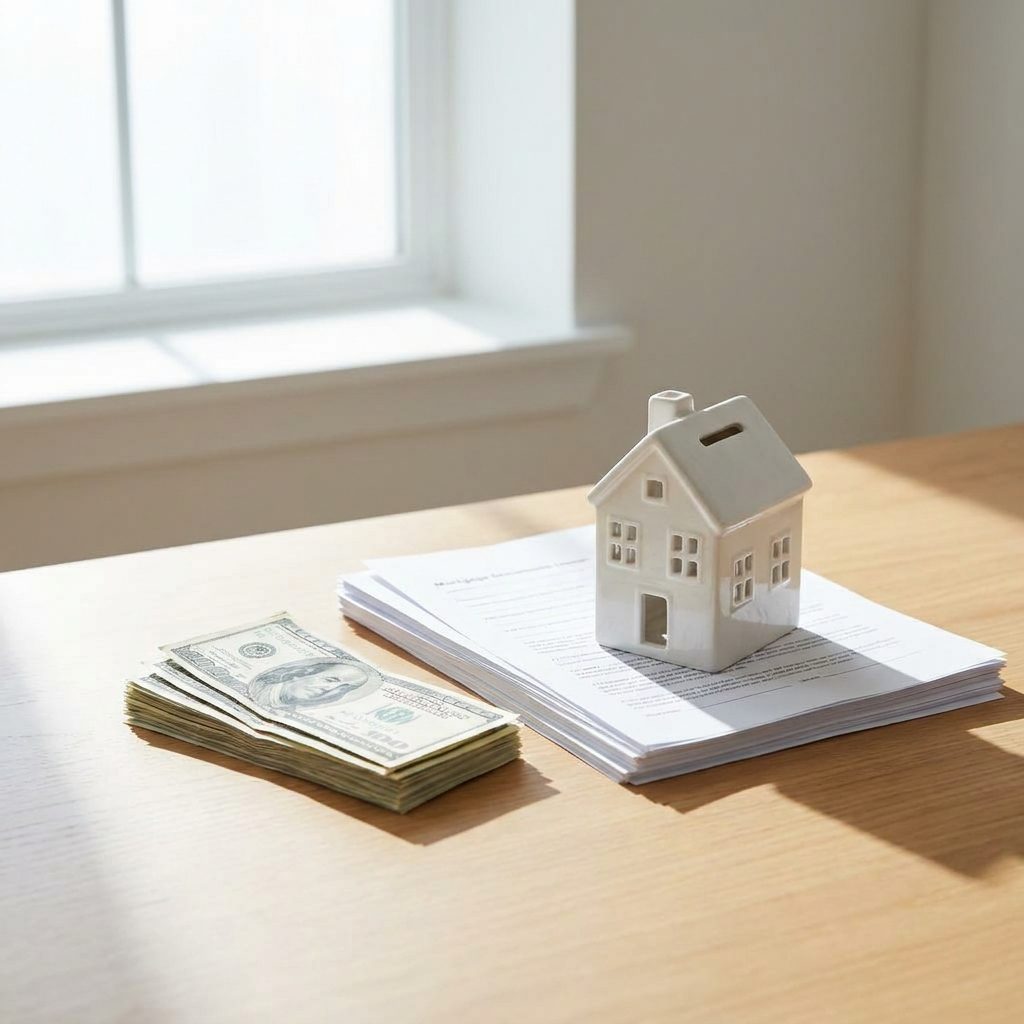
The tax refund you didn’t blow on a trip. The bonus you sent to the mortgage instead of the mattress store. The occasional month you rounded the payment up just because you could.
Extra principal payments are quiet overachievers. Every dollar goes straight to the balance, skips the interest entirely, and compounds by shaving down future interest too. Even a handful of them over the years can knock months, sometimes years, off the loan. You forgot you made them almost immediately. The math didn’t. It’s been faithfully tracking every extra dollar, folding each one into equity you can’t see but absolutely have.
See what that discipline can fund now →
29. The Lump Sum You Dropped In and Genuinely Can’t Remember

Somewhere back there you came into money. An inheritance, the sale of a car, a settlement, a year the business did well. And instead of spending it, past-you did something responsible and put a chunk against the mortgage.
Now you can barely remember doing it. That’s how lump-sum payments work, vanishing from memory almost instantly but never from the balance. A single large payment early in a loan removes an outsized amount of lifetime interest, which means that one forgotten decision may have built more equity than a whole year of regular payments.
One responsible decision you can barely remember may have built more equity than a whole year of payments. It’s still there, and it’s still yours to draw on.
28. Every Weekend You Spent Making the House Worth More
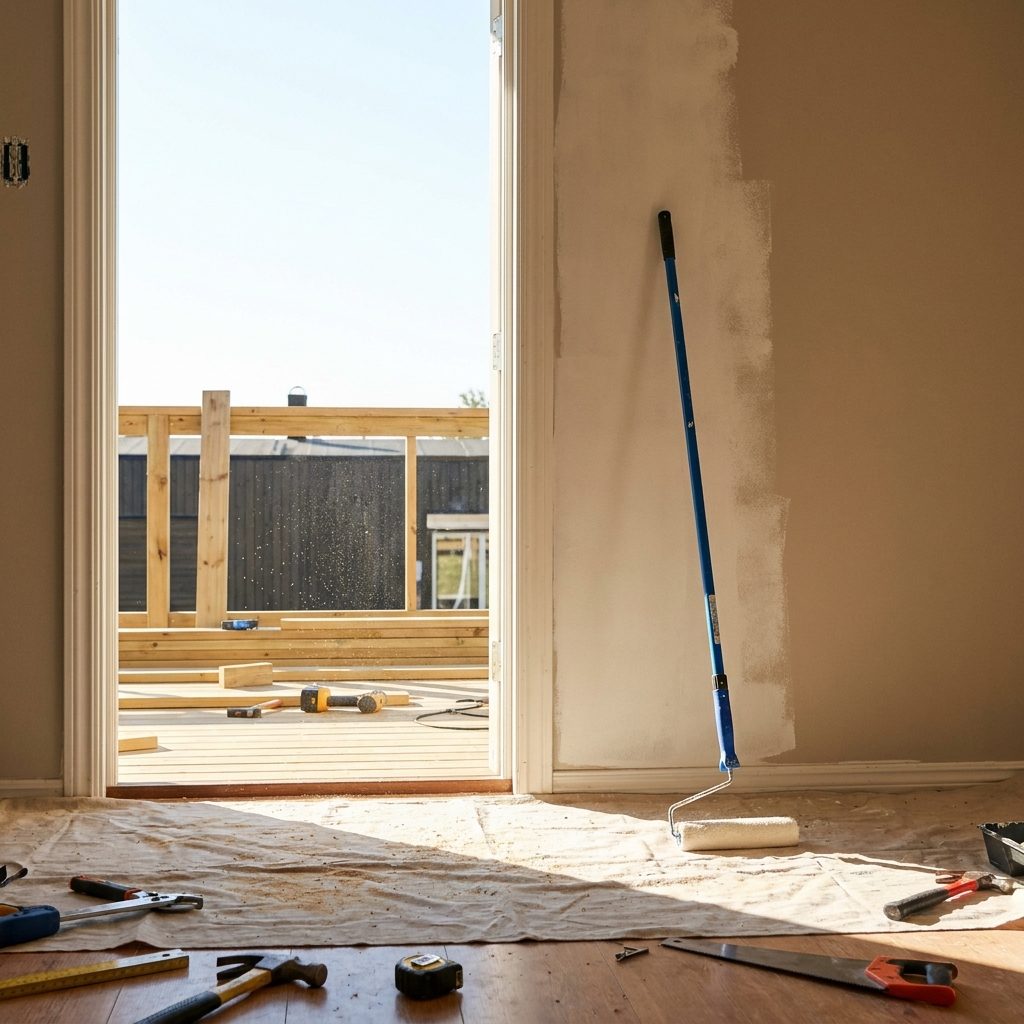
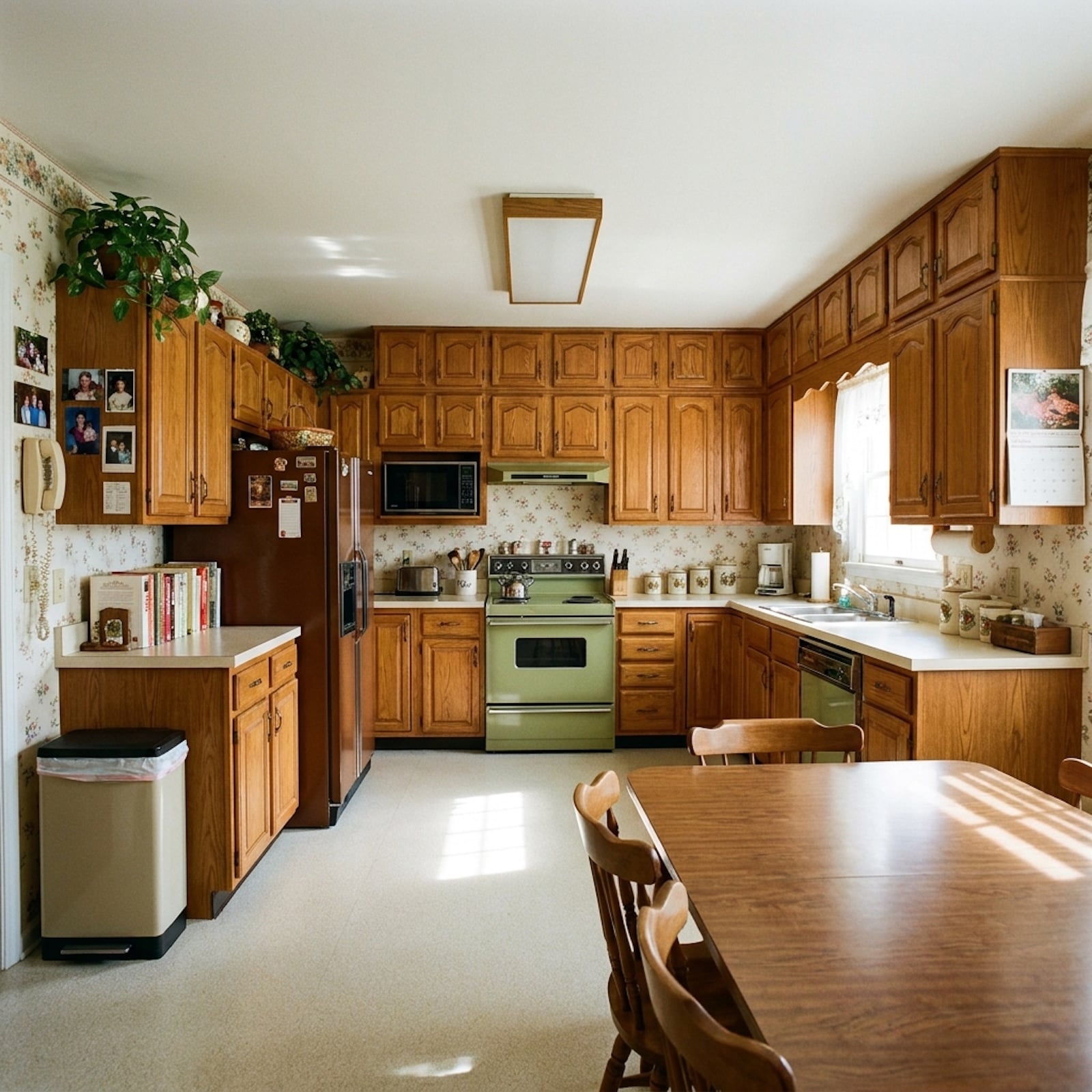
The kitchen you gutted one cabinet at a time. The bathroom you finally fixed after five years of hating it. The deck you built, the floors you refinished, that ugly popcorn ceiling you scraped down yourself and swore you’d never touch again.
Not every improvement returns dollar for dollar, and anyone who tells you otherwise is selling something. But the good ones add real market value on top of the equity you were already building, and a smart small kitchen is often the highest-return project going. A refreshed cottage sitting room or a considered bohemian sitting room nudges the number up too.
The sweat counts double here. You spent the labor and you spent the materials, and both got poured into a value bump you’ll only fully collect the day you sell. Every weekend you lost to a project quietly bought you a slice of equity that a lazier owner never earned.
You already funded one renovation with weekends. Fund the next one with the equity those weekends built.
Every project you finished raised the home’s value, which raised what you can borrow against it. That’s the loop most homeowners never notice: the kitchen pays for the bathroom, the bathroom pays for the basement. You’ve already proved you can do the work — this is how you stop paying for it out of the checking account.
2 minutes · Your mortgage rate stays untouched
27. The Slice of the House You Already Own Outright
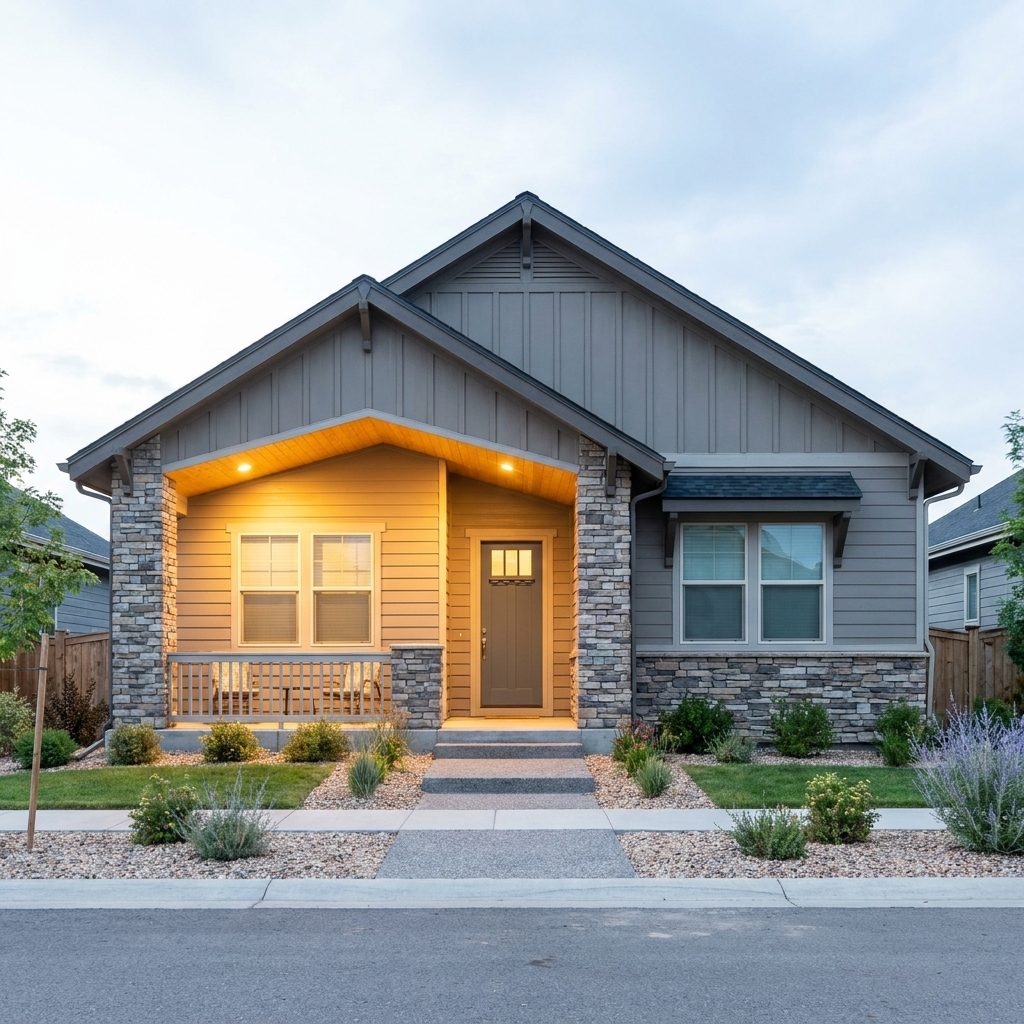
Every mortgage payment splits in two. Part vanishes into interest, gone forever, while the other part buys back a sliver of your own house. In the early years that sliver is embarrassingly thin. By year ten it’s a real chunk, and somewhere around year fifteen you own more of the place than the bank does. Most people never notice the day that flipped.
Pull your amortization schedule sometime. It’s the least exciting document you’ll ever love. Run your finger down the principal column and watch it fatten year over year while the interest column shrinks. That growing number is money you’ve already put in the walls.
You can run your finger down an amortization schedule, or you can let lenders do the arithmetic and tell you exactly what they’d put behind the answer. One of those comes with real numbers.
26. The Fixer-Upper Discount You Paid Off With a Paintbrush
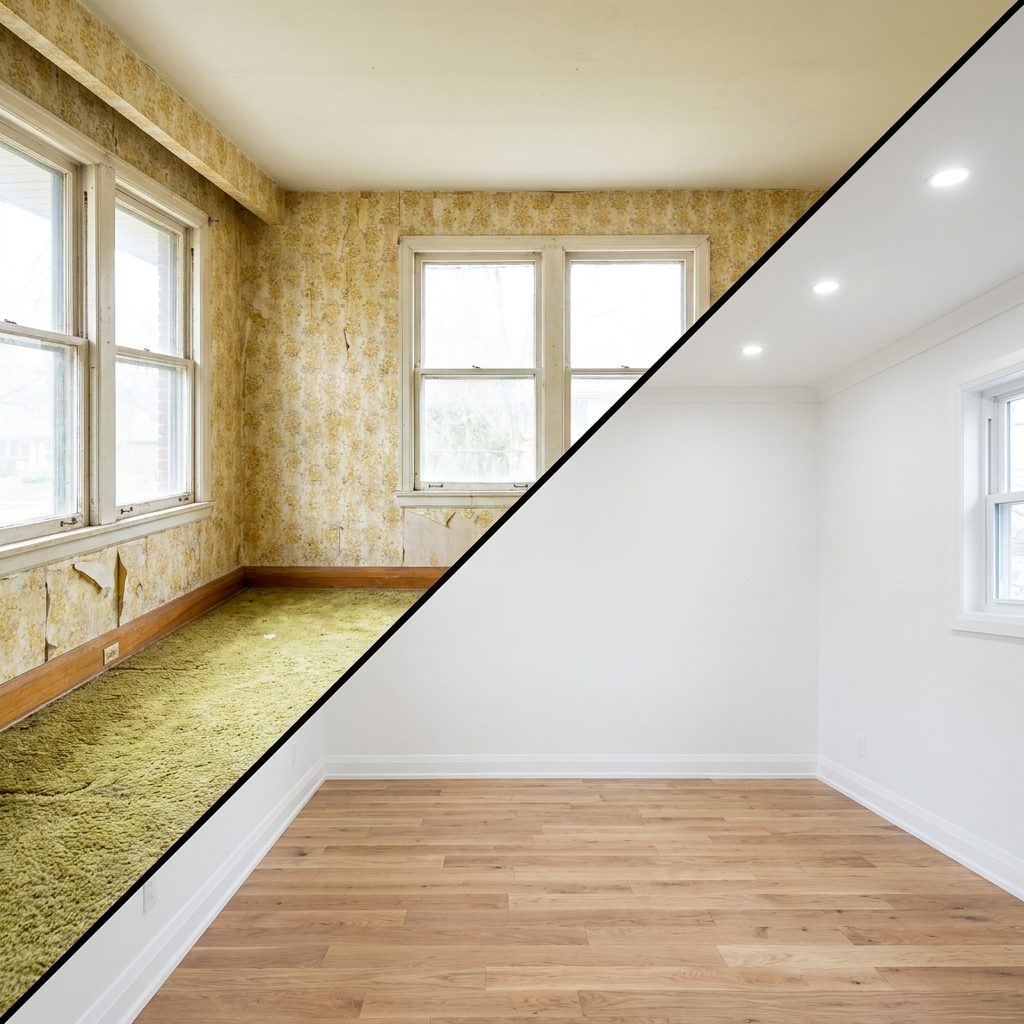
You bought the ugly one. The house other buyers walked out of, the one with the smell and the wallpaper and a kitchen from a decade nobody misses. You got it cheap because it needed everything.
That discount was never free money. It was a job. And as you worked through the list, patched the roof, ripped out the carpet, dropped in a green velvet sofa and a brass floor lamp where there used to be gloom, you slowly closed the gap between what you paid and what a fixed-up version is worth.
That closing gap is pure equity, the kind you built with your own hands. Fixer-upper buyers play a longer game than the move-in-ready crowd, but the discount they inherited turns into value nobody can take back. You didn’t buy a house. You bought the space between rough and finished, and you spent years filling it in.
You closed the gap with your own hands. Now let it pay you back.
The discount you inherited turned into value nobody can take away — and value is exactly what a lender sizes a credit line against. The fixer-upper crowd has the highest equity-per-dollar-paid of any buyer out there, and almost none of them ever use it.
About 2 minutes · No obligation
25. The Kitchen That’s Worth More Today Than When You Renovated It
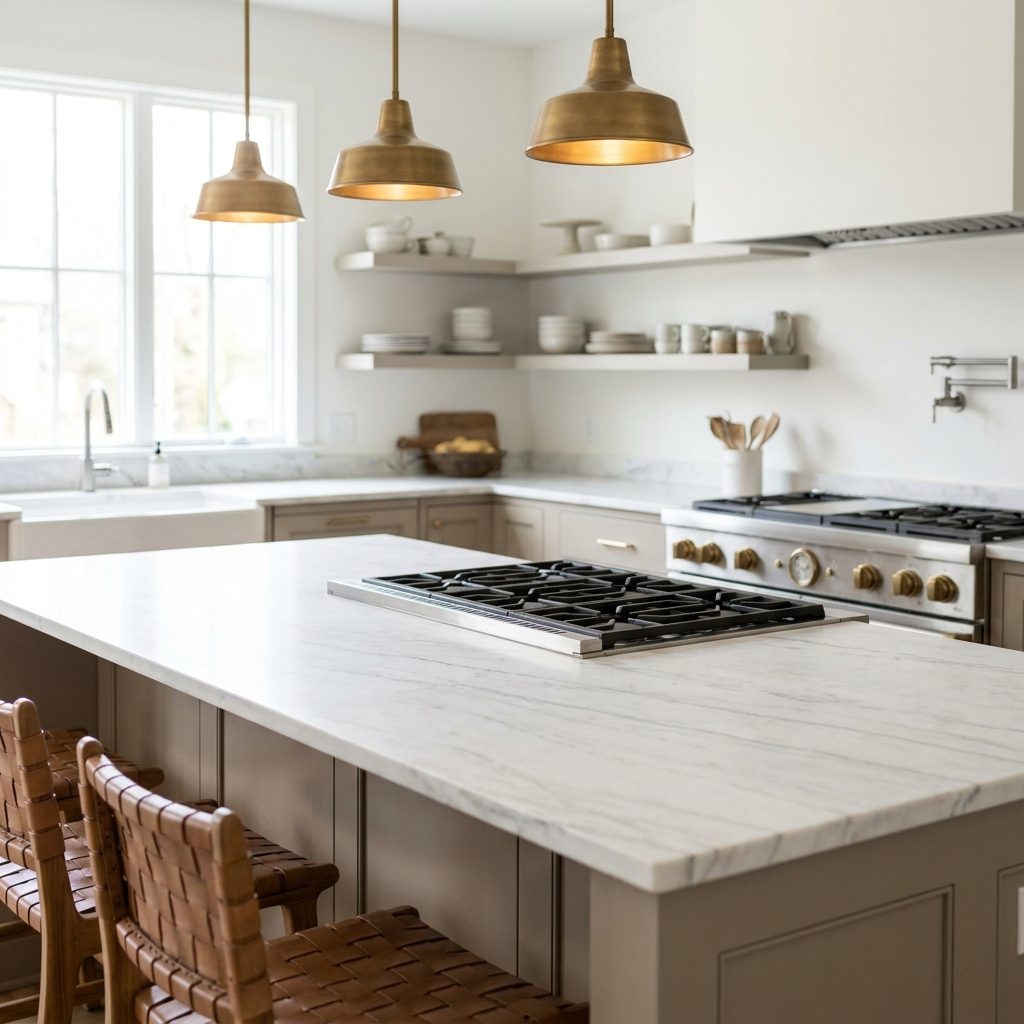
Renovating a kitchen used to feel like pouring money into a hole. Not anymore. That honed marble counter and the range you agonized over? Buyers now expect them, and the ones stuck without are paying to catch up.
The small kitchen is no exception. A tight galley with good bones, real materials, and unlacquered brass cabinet pulls reads as intentional now, not cramped. Square footage matters less than the decisions you made inside it.
What appreciated wasn’t the tile. It was the choice to skip the trend that dated in three years and pick the marble that still looks right two decades on.
Good materials aged into an asset. That asset is borrowable — which is how the next room gets done.
24. The Finished Basement Nobody Counted When You Signed

You bought the house. The basement was drywall and a bare bulb, so you finished it — and the county still lists the whole thing as unfinished square footage on the tax card.
That’s equity hiding in plain sight. A finished lower level with real flooring, egress windows, and a proper home update like a media wall adds usable living space most buyers pay a premium for without blinking.
The forest-green built-ins do the heavy lifting here. They signal permanence, not a temporary fix. Finish a basement with the same care as the floors above it and it reads as a bonus; leave it as carpet remnants and a folding table and it reads as a liability.
The county still calls it unfinished. Lenders won’t — a proper finished lower level shows up in the valuation they lend against.
23. The Extra Quarter-Acre Buyers Now Fight Over
🔥 Would you like to save this?
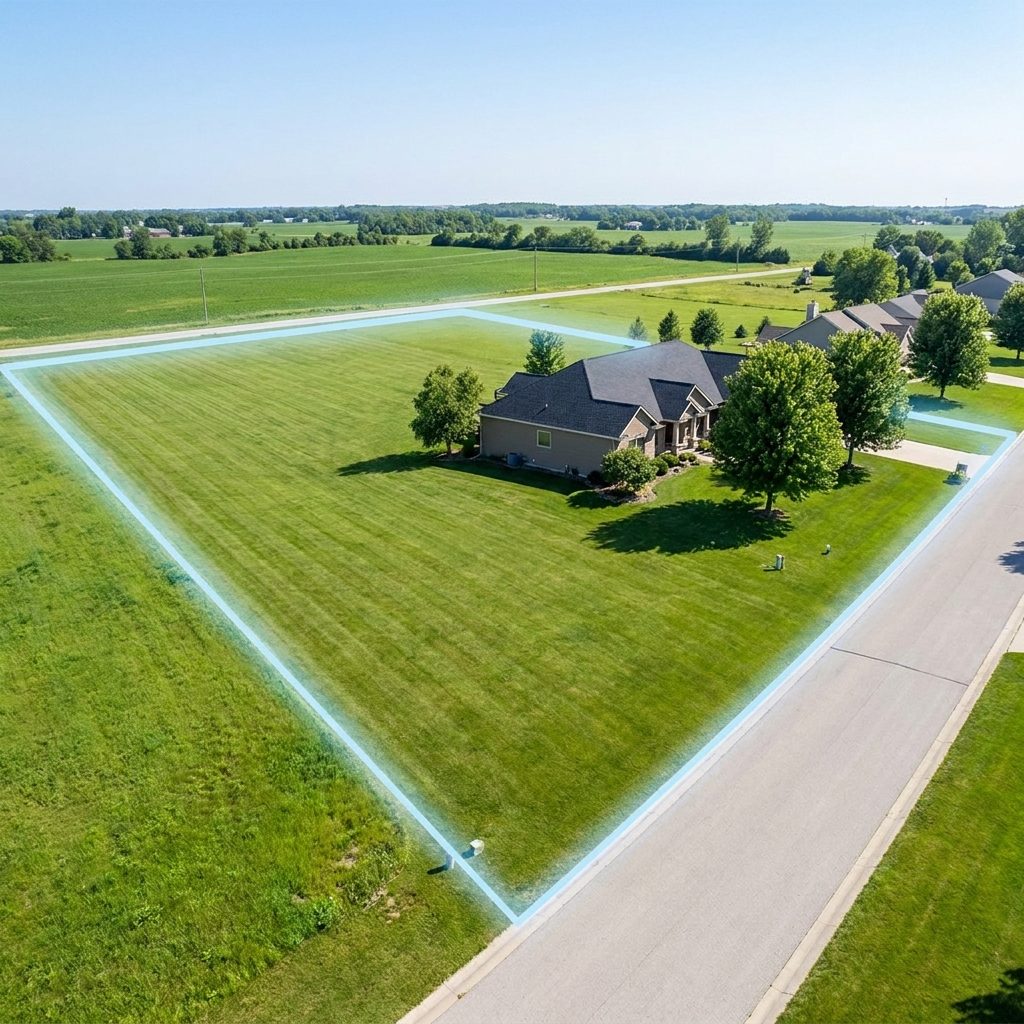
Land stopped being cheap. The extra quarter-acre that once felt like too much yard to mow now reads as breathing room, and buyers are paying for breathing room like never before.
Lots aren’t getting bigger. New construction sits on ever-tighter parcels, which means your older home on a deep, tree-lined lot is quietly rarer every year. And those mature oaks? Forty years to grow. You can’t buy that at a garden center.
22. The View That Got Rarer While You Weren’t Looking

When you moved in, the view was just the view. Now the empty field across the way is protected green space, or the tree line matured into a wall of privacy, or the development stopped short and left your sightline whole.
Views appreciate quietly. As an area fills in, an unobstructed line to hills, water, or open sky becomes the thing money can’t manufacture. A bohemian sitting room angled toward that glass turns the outside into the most expensive artwork you’ll never have to buy.
The caramel leather chair isn’t the point. It just aims you at it.
You’ve got the rare part. Give yourself the room to enjoy it.
Bigger windows. A proper deck. The back wall opened up so the whole house finally faces the thing you bought it for. These are the projects people put off for a decade and then wish they’d done in year two — and the equity to do them has been in the same walls the entire time.
2 minutes · Mortgage rate untouched
21. The Walkability Your Street Grew Into

The corner used to be a gas station and a vacant lot. Now it’s a coffee shop with a striped awning and a grocer that knows your order.
Walkability is one of the few things that reliably pushes home values up, and you didn’t lift a finger for it. When your neighborhood grew a walkable core, your address quietly got more desirable to every buyer who’s tired of driving for a gallon of milk.
Put that gain into the part you can actually renovate →
20. The Shops, Schools, and Restaurants That Showed Up After You Did
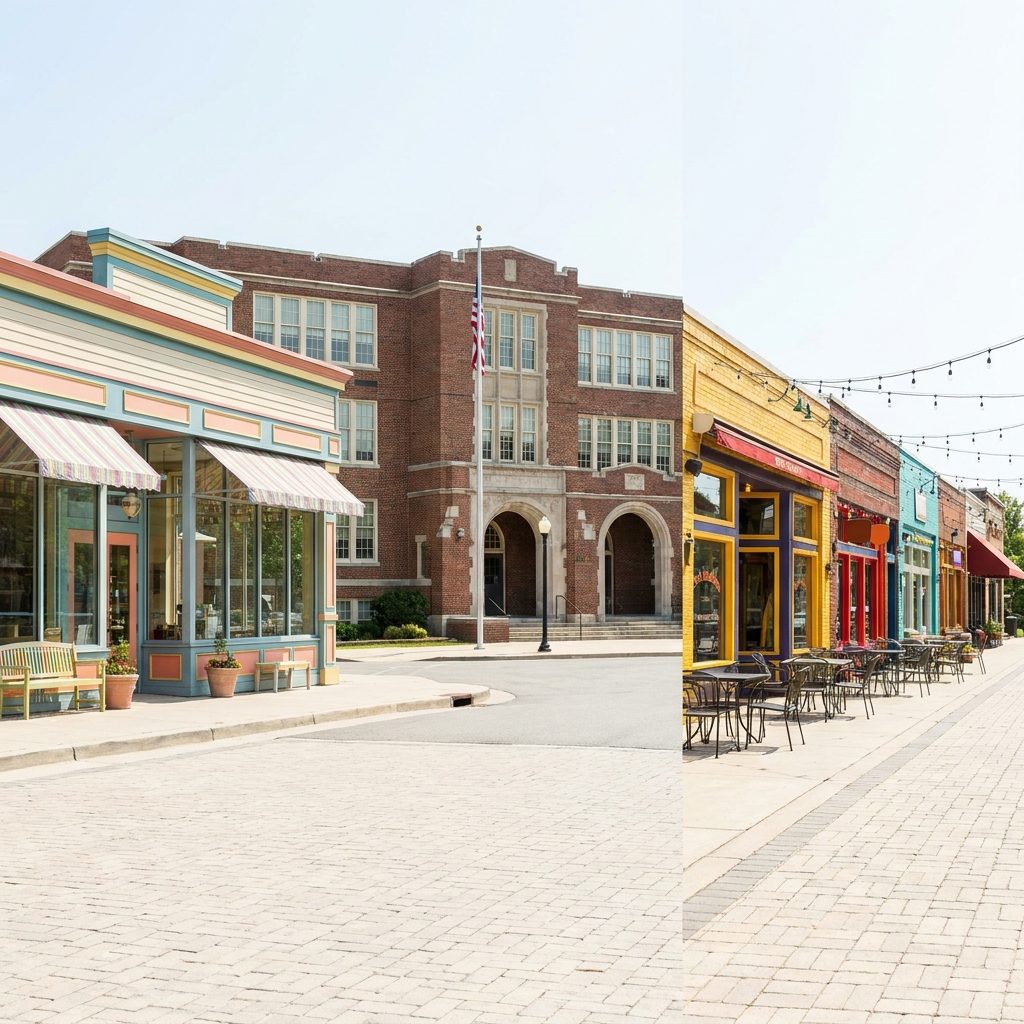
Amenities move markets. A new charter school, a grocery store within walking distance, a restaurant strip that finally gave people a reason to stay in the neighborhood on a Friday night — none of it existed when you signed, and all of it now props up your number.
School districts alone do enormous work. Families pay a premium to land inside a good boundary, and those boundaries shift as districts build and rezone.
You paid for potential. The potential arrived. That’s the best return in real estate, and the only one you earned by simply staying put.
Everything that showed up after you signed is priced into your home today. That increase is borrowable, and it can go straight back into the house.
19. The New Rail Line That Put the City Twenty Minutes Closer
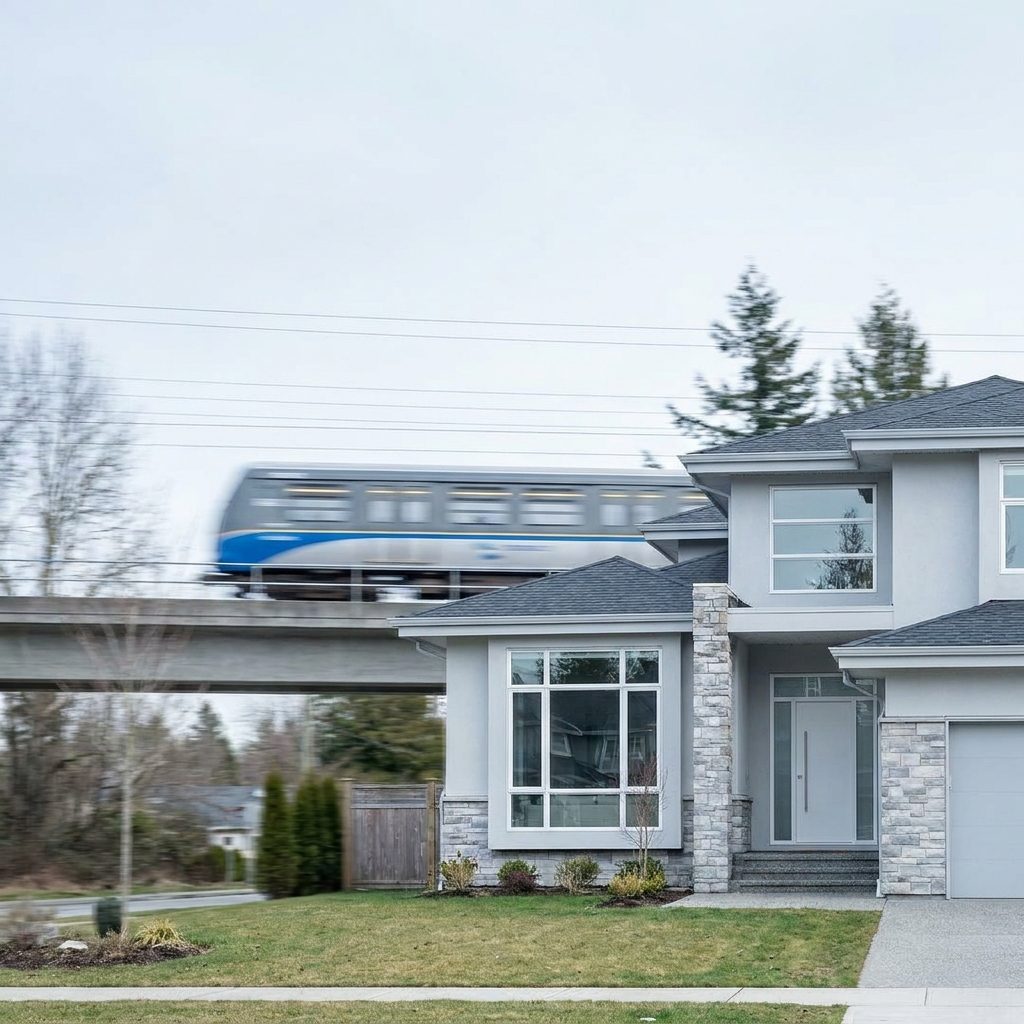
Nothing moves a suburb’s value like a train that wasn’t there before. A new rail stop, a widened highway interchange, a bus rapid transit line — each one shrinks the distance between your front door and everywhere people want to go.
Proximity to transit is one of the cleanest premiums going. Measurable, permanent, and it shows up in every comp near the line.
The infrastructure that made your commute bearable is the same infrastructure making your home worth more.
You bought a location. It got better while you slept.
See what the second one is worth →
18. The Cranes on the Horizon That Are Pulling Your Number Up

Cranes are a leading indicator. When new construction crowds the edges of your neighborhood, the whole area gets re-rated upward, and your unassuming older home rides the wave.
Development sends a double signal. It tells buyers the area is desirable, and it raises the replacement cost of everything around it. When the new builds next door list high, your comps chase them.
Developers already ran the numbers on your block. Run yours.
They’re building because they know the area is being re-rated upward. Your unassuming older house is riding that same wave — and unlike them, you don’t need to buy anything to profit from it. You already own the asset.
17. The Zoning Change That Quietly Doubled What You Can Do
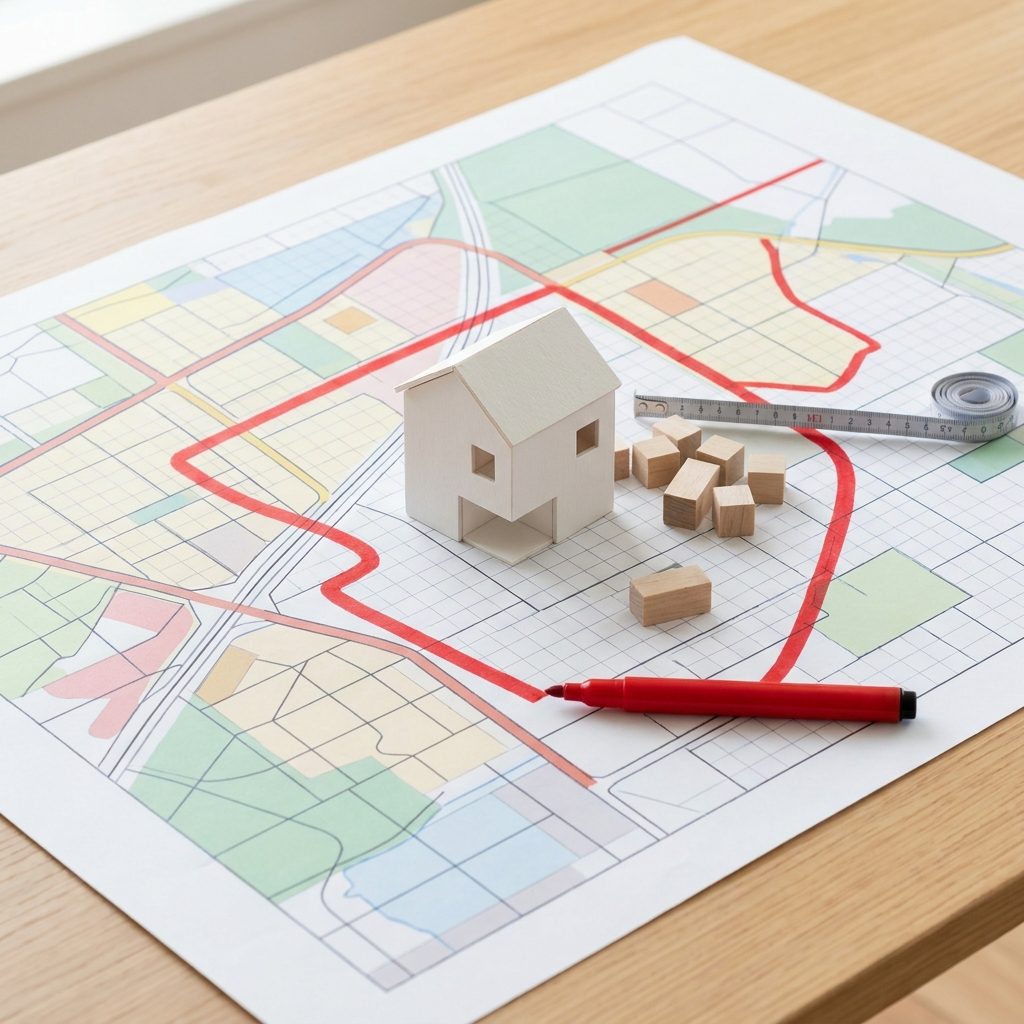
Plenty of cities rewrote their rules while you were living your life. Where you once had one buildable house, you may now be allowed a backyard cottage, a garage conversion, or a legal rental unit.
That’s not a small thing. An accessory dwelling unit can throw off real income or house a parent, and the mere permission to build one raises the ceiling on your property’s worth — even if you never pour a single footing.
The cedar-clad ADU here is what the zoning change looks like once someone acts on it. But the value showed up the moment the rule changed, long before any shovel touched dirt.
Borrow once. Collect every month after.
This is the boldest thing homeowners are doing with equity right now: draw against the house, build the backyard unit, then rent it. The unit adds square footage to your appraisal and throws off income against the money you borrowed to build it. Check your zoning first — then check your number.
2 minutes · No obligation
16. The Teardown Value Your Lot Grew Into Overnight

Sometimes the house isn’t the asset. The dirt is.
When a neighborhood appreciates fast enough, the modest home you love becomes worth more sold as land than as a house. Builders start knocking on doors. The offer isn’t for your kitchen or your cottage sitting room — it’s for the parcel underneath and everything it now allows.
Strange thing to hear about a place where you’ve made memories, and you’re under no obligation to sell a square inch of it. But knowing your lot carries redevelopment value changes the math entirely. The equity was never only in the walls. It was in the ground they stand on.
Builders want your dirt. You don’t have to sell them a square inch of it.
Redevelopment value changes the math on what your property is worth — and lenders price the land right along with the house. You can access that value and still be standing in your kitchen tomorrow morning.
15. The Basement Apartment That Quietly Pays Its Own Mortgage
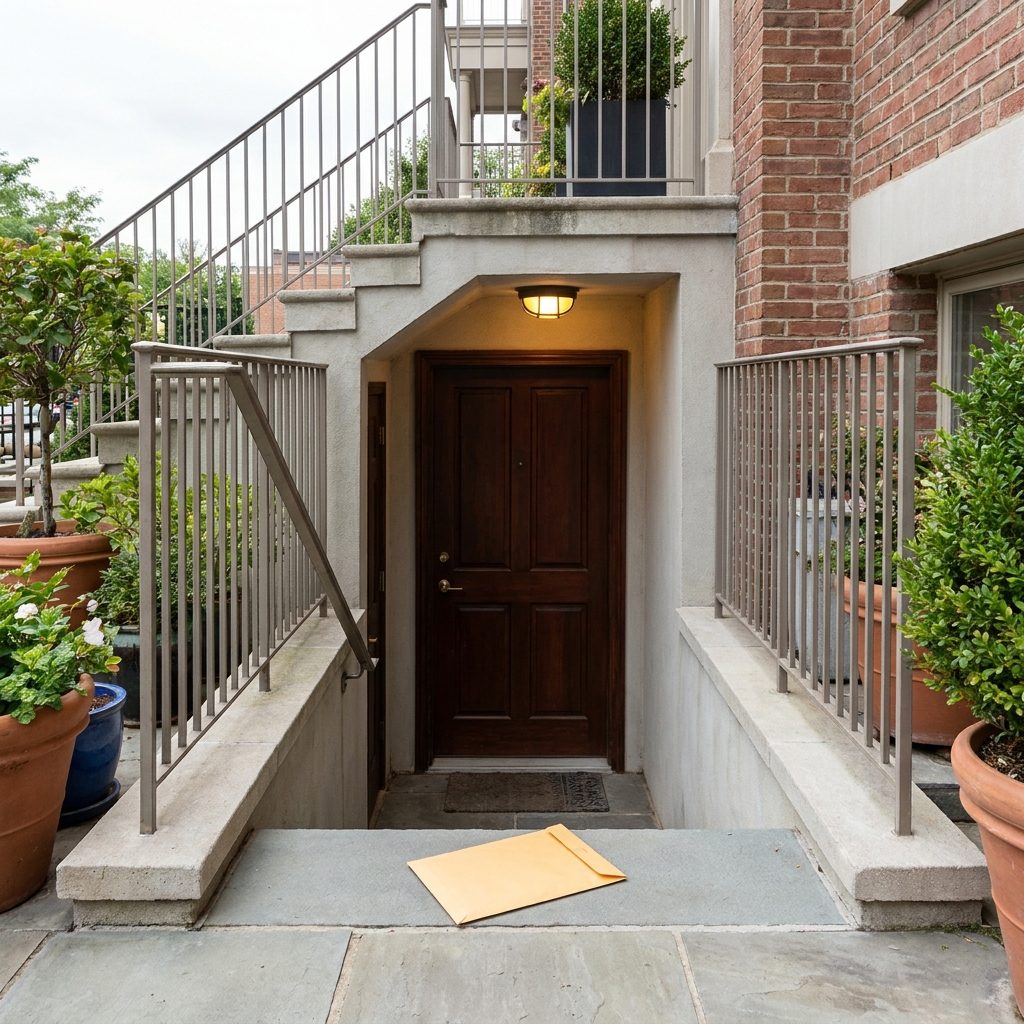
The finished basement with its own entrance stopped being a spare room the moment your neighbor rented one out for the price of a car payment. Most homeowners miss the shift. A legal secondary suite barely adds square footage on paper, but it adds a second income line that buyers underwrite in their heads before they’ve even walked the place.
The math is blunt. Monthly rent lowers a buyer’s carrying cost, and they’ll pay up for that relief. Zoning changes across North America have made these units easier to add and harder to ignore. Got a kitchenette, an egress window, and a separate door? You’re sitting on more than storage.
Build the unit with the equity. Let the tenant cover the payment.
A legal secondary suite is the rare renovation with a monthly return instead of a resale-day one. Homeowners are funding these builds by drawing on the equity already in the house, then using the rent to service it. Kitchenette, egress window, separate door — that’s a business plan, not storage.
See What I Could Draw To Build
2 minutes · No obligation
14. The Garage Everyone on Your Street Wishes They Still Had
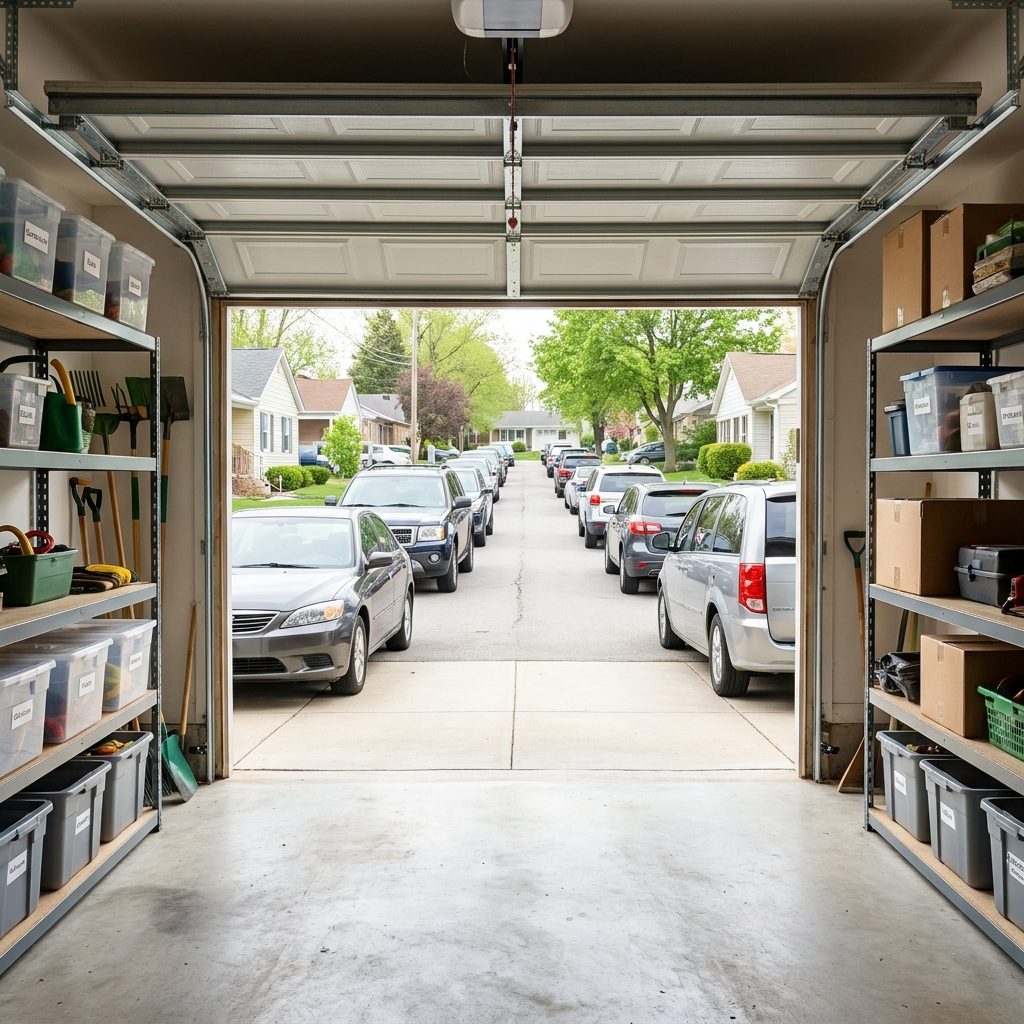
Off-street parking used to be a given. Now it’s a bidding chip.
In older neighborhoods where street permits are capped and driveways vanish under new density, a real garage has quietly become one of the scarcer things a house can offer. Buyers coming from condos, or from streets where they circle the block for twenty minutes every night, understand its worth instantly. Enclosed, dry, lockable storage reads as luxury to anyone who has ever kept a snowblower in a hallway.
And the value isn’t only the parking. It’s the workbench, the ceiling racks, the room to hold a decade of life without renting a unit across town. That’s equity you built by not tearing it down.
See what your equity could build →
13. The Trees You Planted a Decade Ago Are Worth More Than the Fence

Nurseries will sell you a whip of a maple for forty dollars. What they can’t sell you is fifteen years.
Mature landscaping is the one home asset that literally can’t be bought at full size, and appraisers know it. A canopy shade tree, established hedging, a garden that has filled in and settled all read to a buyer as a home someone loved and stayed in. Curb appeal isn’t fluff here. It sets the emotional tone before anyone reaches the front step.
I killed a fair number of shrubs learning this, so I say it with feeling: the slow stuff is the valuable stuff. A yard that took ten years to establish adds real points to the sale price, and it grows while you sleep.
Fifteen years of growth is sitting in your yard, priced into your home, and available to borrow against for the projects that can’t wait fifteen years.
12. The Renovation You Did in 2016 Would Cost Double Today
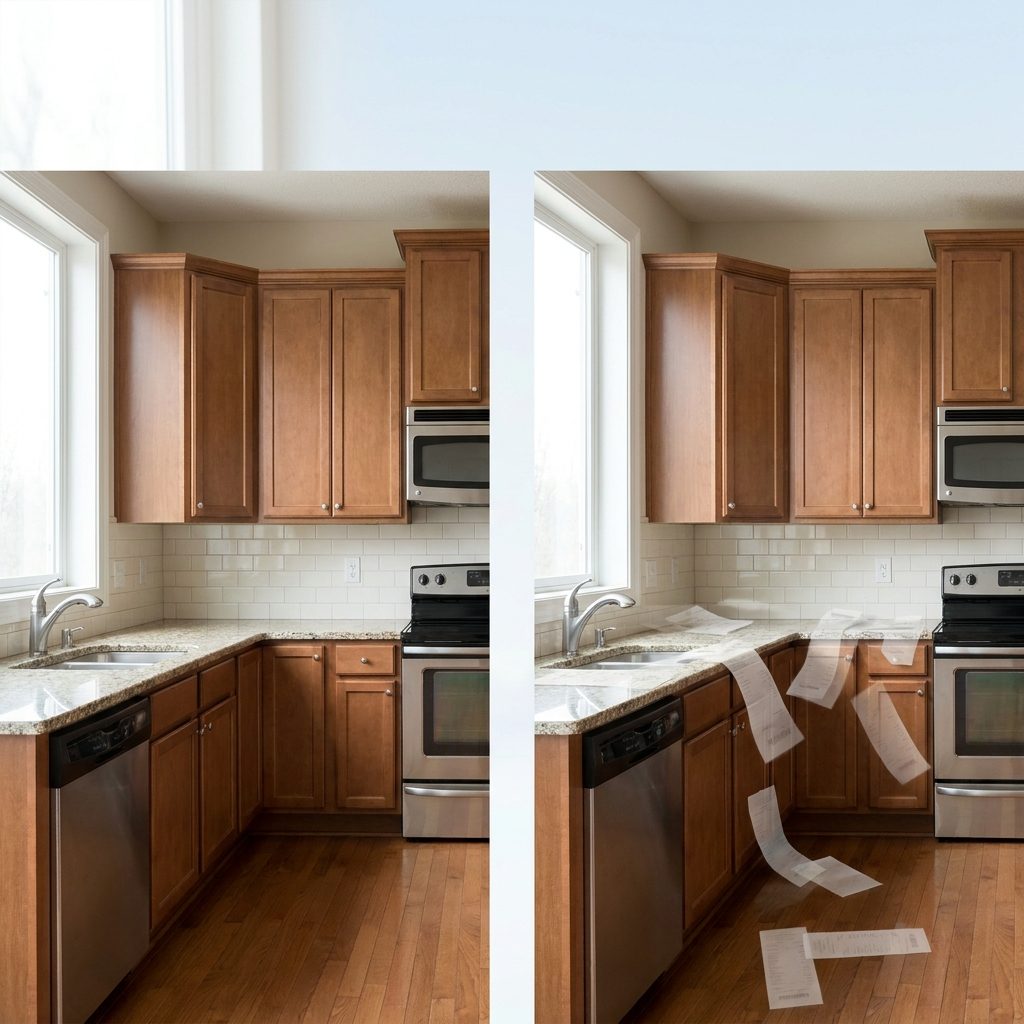
Look at what you paid for that kitchen, then go price the exact same job now. The gap is your equity, and it grew without you lifting a finger.
Lumber, labor, cabinetry, appliances — all of it has climbed hard since the last building boom. The renovation you wrapped up a few years back would run far more to reproduce today, and any buyer pricing a fixer-upper against your finished home is already doing that comparison. A done kitchen with honed marble and walnut cabinetry isn’t just nice to look at. It’s a job they don’t have to fund at current rates.
Even a smaller home update follows the same logic. What cost you a weekend and a modest budget back then would be a real project and a real invoice now.
The project you’re putting off will never be cheaper than it is today.
You already know this from the last renovation — the same job costs far more now than when you did it. Every year you wait for the savings account to catch up, the quote goes up faster. This is the argument for funding it from equity instead: the money is already there, and the price isn’t waiting for you.
About 2 minutes · No obligation
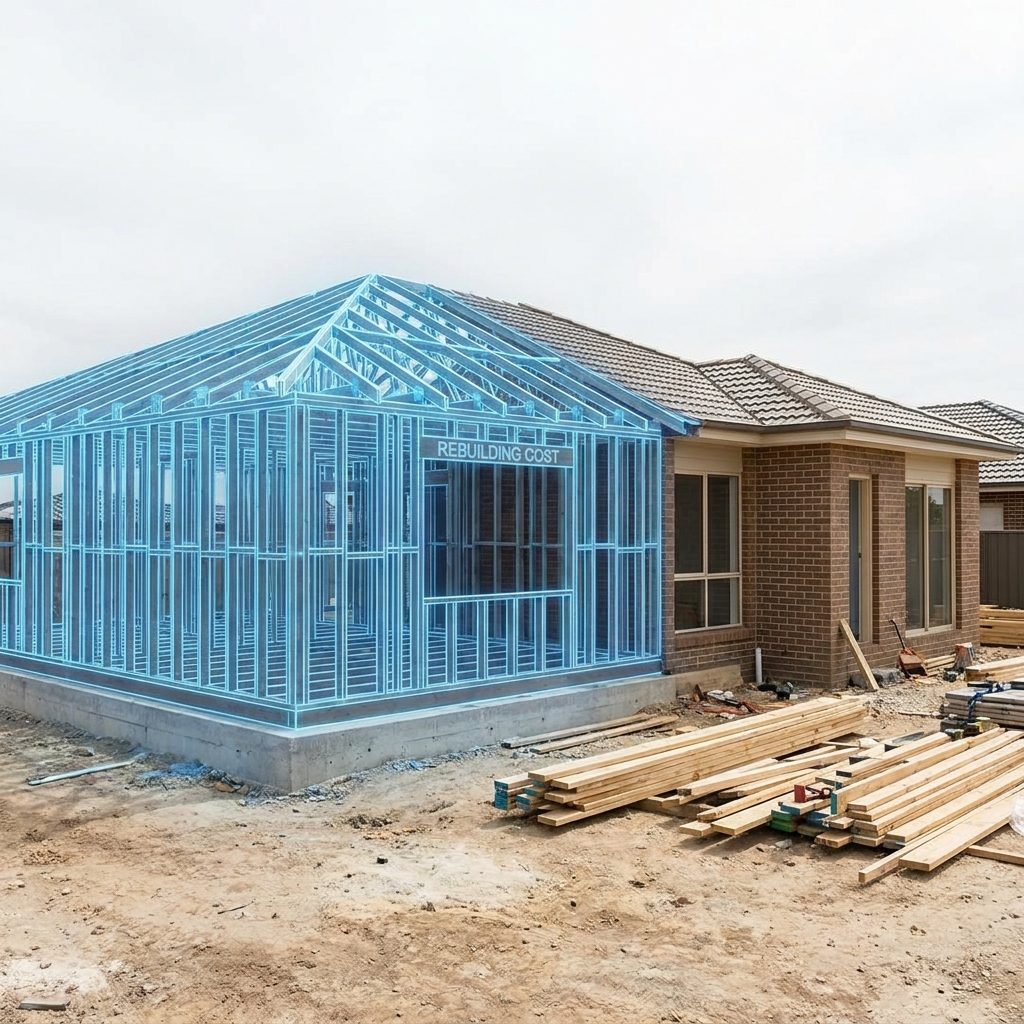
11. What It Would Actually Cost to Rebuild Your House From Scratch
🔥 Would you like to save this?
Replacement cost is the quietest form of equity there is, because nobody thinks about it until the insurance renewal jumps.
The number to rebuild your home to current code, with today’s materials and today’s labor, has climbed steadily and probably outpaces what you’d guess. That figure props up your home’s floor value. A buyer can’t recreate your house for the land price plus a modest budget anymore, and that scarcity of new construction at any sane cost pushes existing homes higher.
Check your dwelling coverage against actual local rebuild estimates. If your policy still runs on old numbers, you’re underinsured — and you’re underestimating what you own.
Rebuild costs prop up what your home is worth — and what a lender will lend against it. Most owners are underestimating both.
10. There Are Only So Many Houses Like Yours, and Buyers Know It
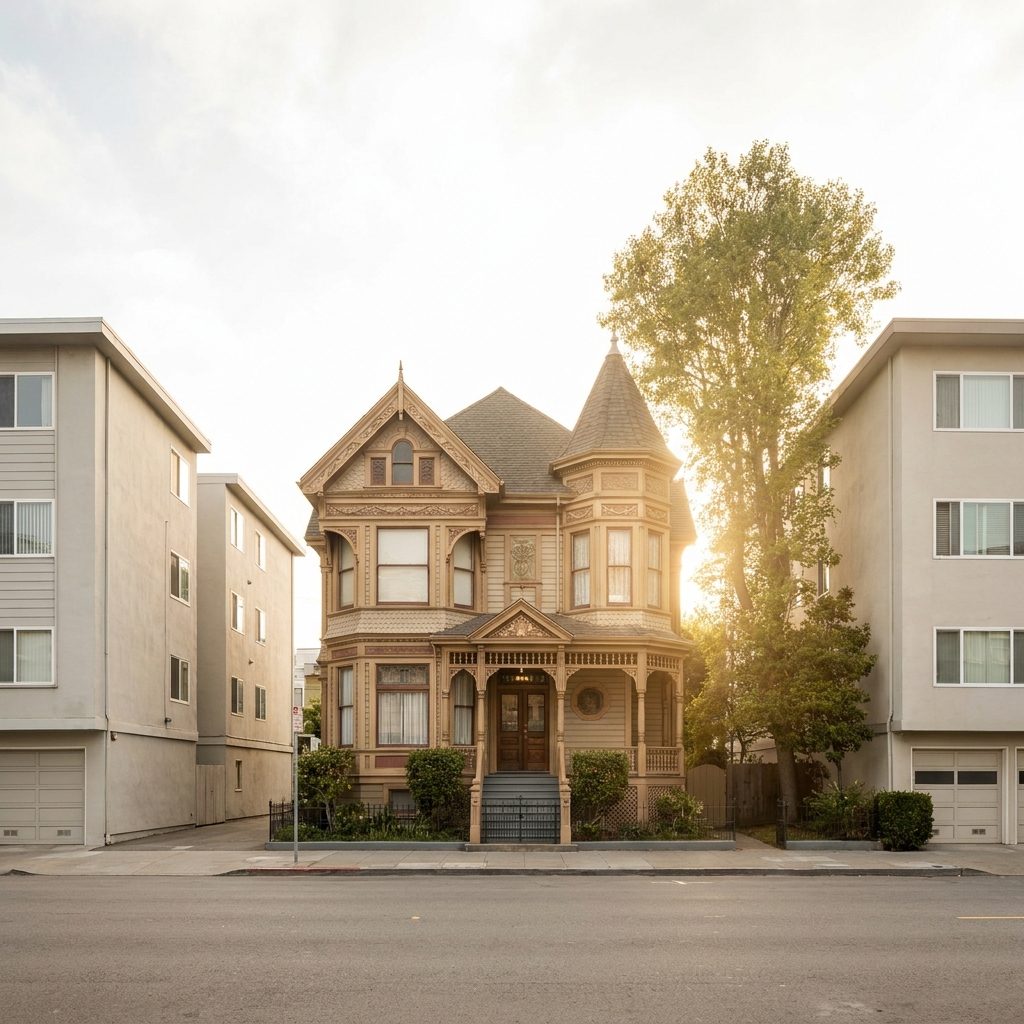
Scarcity does more for your price than any upgrade you could bolt on.
If your home sits in a pocket of older character houses, or it’s the only three-bedroom with a flat backyard on the block, buyers competing for that specific thing bid against each other. No substitute waits two streets over. That uniqueness is a lever, and you didn’t have to install it.
Watch how home trends funnel demand into certain layouts and eras. When your house is one of the few that fits what people want right now, the shortage quietly works in your favor.
See what that’s worth in borrowing power →
9. Nobody Is Building New Homes Anywhere Near You
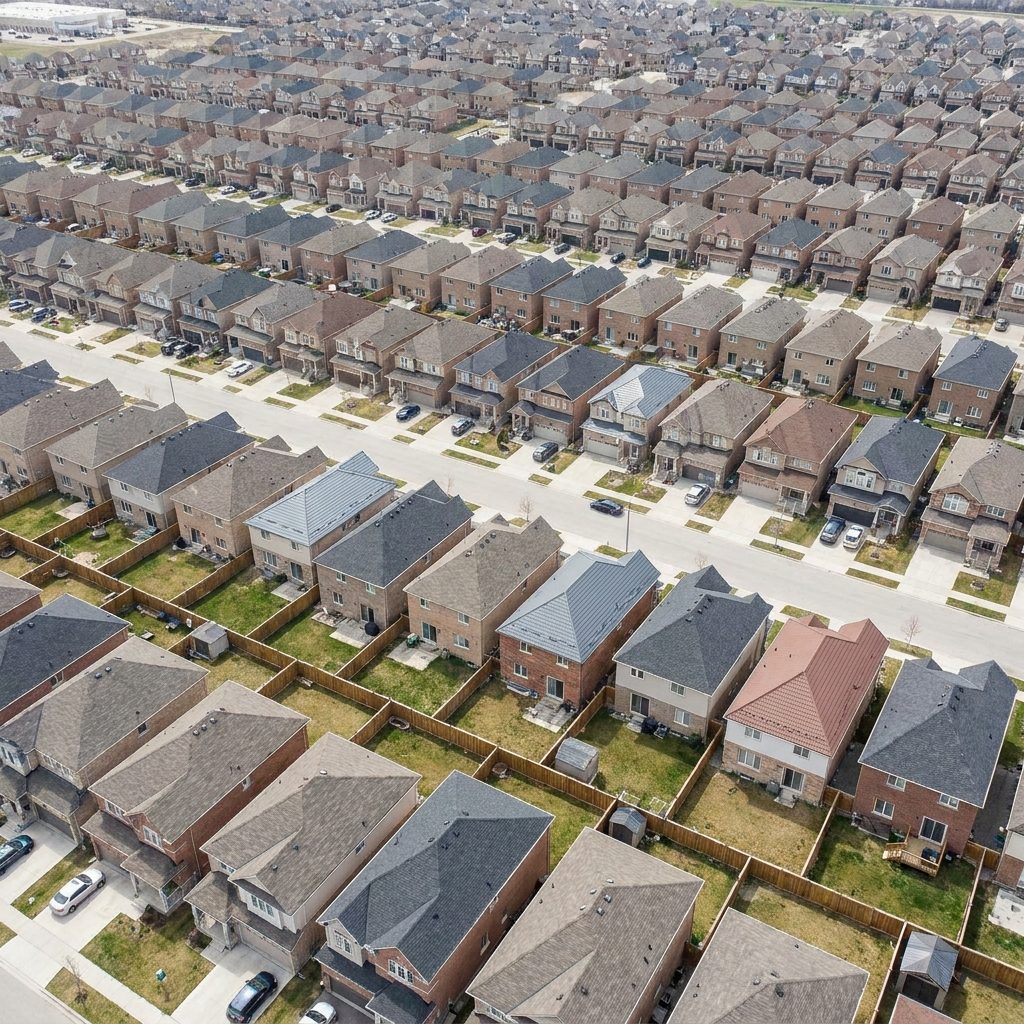
Go look for the last empty lot near you. Can’t find one? That’s your equity story in a single glance.
Built-out neighborhoods stop making new houses. Zoning, land constraints, and the sheer cost of construction mean supply near you barely moves while people keep wanting in, and basic economics takes over from there. When almost nothing new comes online, every existing home carries a premium simply for existing where it does.
This is the slow, invisible force under your value. You earned it by buying before the door closed. That’s the whole trick.
8. The School Catchment Line That Turns Buyers Into Competitors
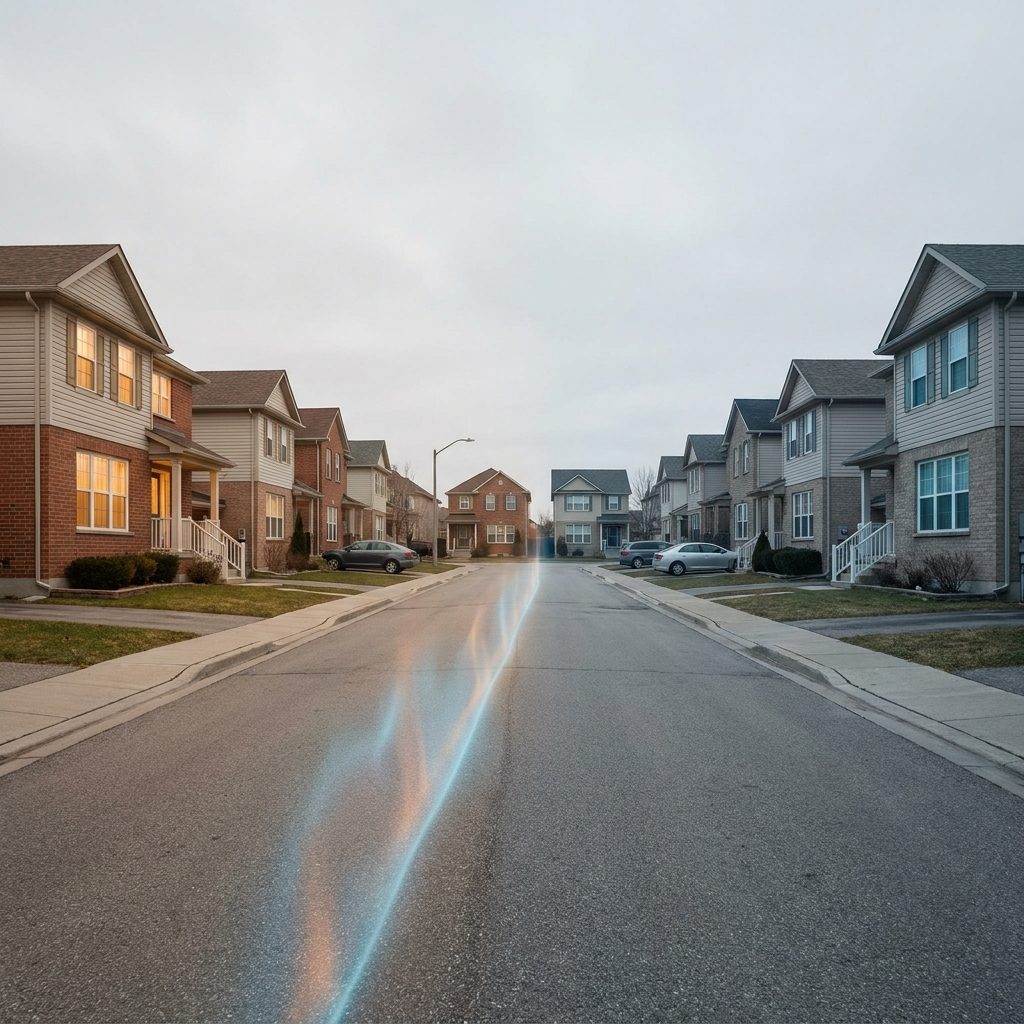
An invisible line on a district map can add more to your home than a new roof.
Homes inside sought-after school catchments command a documented premium, and the reason is simple: parents will pay almost anything to lock in a good school assignment, and they’ll fight each other to do it. You bought a house. They’re buying twelve years of education attached to it.
The catch — and it’s worth saying flat out — is that boundaries get redrawn. Confirm the current lines before you bank on them. But when your address sits solidly inside a strong district, that one fact does a lot of pricing work you never see.
A strong catchment does pricing work you never see — and it shows up in the valuation a lender uses to size your credit line.
7. The Boring, Finished, Ready-to-Live-In House Wins the Bidding War
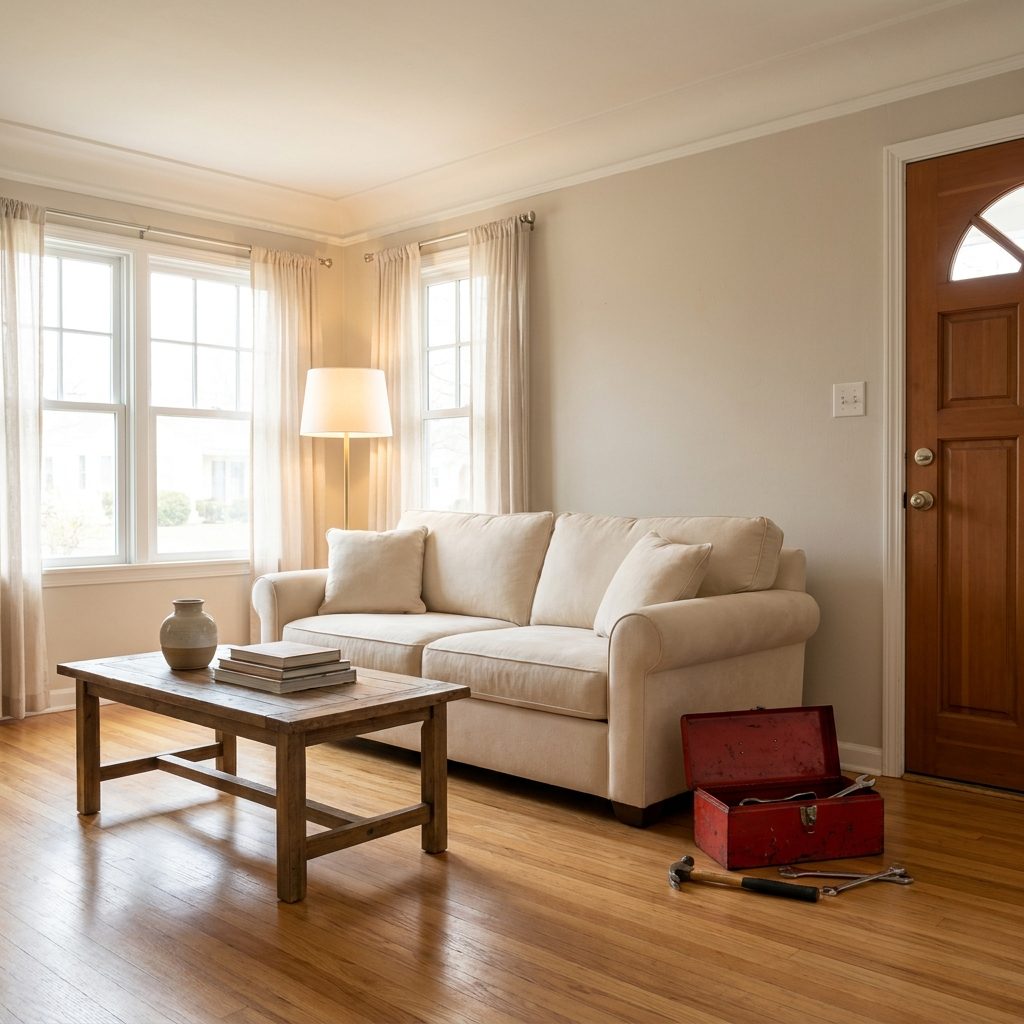
Buyers swear they want a project. Then they walk into a finished house and the resolve just evaporates.
Move-in-ready commands a premium because most people badly underestimate the cost, hassle, and decision fatigue of renovating. A home with fresh paint, sound floors, and no visible to-do list lets a buyer picture their own life instead of a contractor’s schedule, and that emotional ease turns straight into higher offers.
You don’t need a gut job for this. A calm, resolved small sitting room or a tidy, complete space signals the whole house is cared for. A caramel leather accent chair and a travertine coffee table against fresh walls read as intentional, and intentional reads as valuable.
Move-in-ready wins bidding wars. Getting there costs money you already own.
Buyers pay a premium for a house with no visible to-do list — which means every project you finish does double duty: you enjoy it now, and it pays at resale. Homeowners are funding exactly this kind of work from equity rather than waiting for savings, precisely because the payback is real.
2 minutes · Mortgage rate untouched
6. The Mortgage Number You’ve Been Too Nervous to Open

And here’s the one hiding in plain sight. You’ve been making payments for years, and you have no real idea what you actually owe anymore.
Every payment chipped principal off that balance, and the older the loan, the faster that share grows while the home’s value likely climbed. The distance between what you owe and what it’s worth is your equity — and most people carry a mental number that’s badly stale, usually far too gloomy.
So do the thing you’ve been dodging. Pull the current payoff figure, pull a realistic value estimate for your street, subtract. The result surprises almost everyone, and it’s usually a happy surprise.
5. The Gap Between Your Mortgage Balance and Today’s Selling Price
The number that matters most isn’t what you paid. It’s the difference between what you still owe and what a buyer would hand you tomorrow. That gap is your equity, and for most folks who bought before the last big run-up, it slipped quietly past six figures with zero fanfare.
Say you bought in 2015 and owe $190,000, and the house down the street — smaller than yours — just sold for $410,000. You didn’t do anything clever. You kept paying and kept living there while the market shifted underneath you.
Nobody mails you a statement for this. Your mortgage bill shows the debt going down and says nothing about the value going up. The equity hides in the space between those two facts, and you only see it clearly the day you decide to sell or borrow against it.
You only see it clearly the day you sell — or the day you borrow against it. One of those lets you keep the house, the street, and the mortgage rate you’ll never get back.
About 2 minutes · No obligation
4. The Equity Inflation Handed You While Your Loan Stayed Exactly the Same
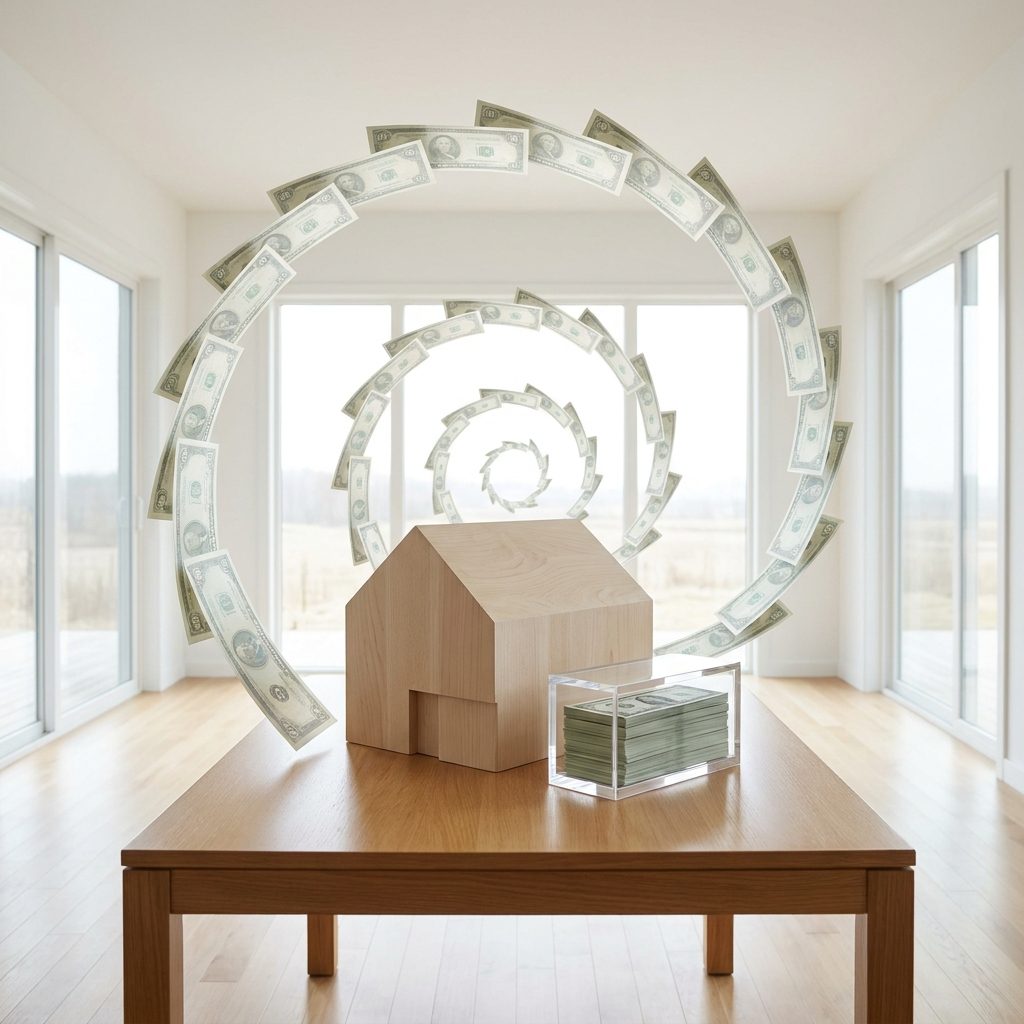
Here’s the quiet magic of a fixed-rate mortgage. The dollar amount you owe never changes, but the dollar itself does.
The loan you took out ten years ago was written in ten-year-old dollars, and you’re paying it back with today’s dollars, which buy less bread, less gas, less everything. Inflation eroded your debt while it pushed your home’s price higher. Both moved in your favor at once.
Picture your mortgage as a boulder that stays the same weight forever while the ground beneath it slowly rises. You didn’t lift anything. The floor came up to meet you.
Most homeowners never account for this piece, because inflation feels like an enemy at the grocery store. Inside your mortgage, though, it’s been working the whole time on your side, shrinking a fixed number against a rising world. The house appreciated. The debt did not. That spread is real money, and following broader home trends shows how consistently it plays out across markets.
Inflation has been quietly working for you. Collect while it is.
Your fixed loan gets lighter every year in real terms while the house gets heavier in value. That spread is real money, and it’s the cheapest equity you’ll ever build — because you didn’t build it at all.
3. The Purchase Price That Sounds Made Up When You Say It Out Loud Today

Read your original closing documents and you’ll laugh, then wince. The number you paid for the whole house wouldn’t cover a kitchen renovation now.
People who bought in the 1990s or early 2000s often paid less than $150,000 for homes now worth three or four times that. Say it at a dinner party and someone half your age assumes you’re rounding down for effect. You’re not.
That old price isn’t just nostalgia — it’s the entire foundation of your equity. Every dollar the market piled on top of that low base belongs to you, and the lower you got in, the taller the stack sitting on it.
The lower your original price, the bigger the pile the market built on it. That whole stack belongs to you, and you can borrow against it today.
2. The Decade of Ownership That Did More Financial Work Than It Ever Felt Like
🔥 Would you like to save this?
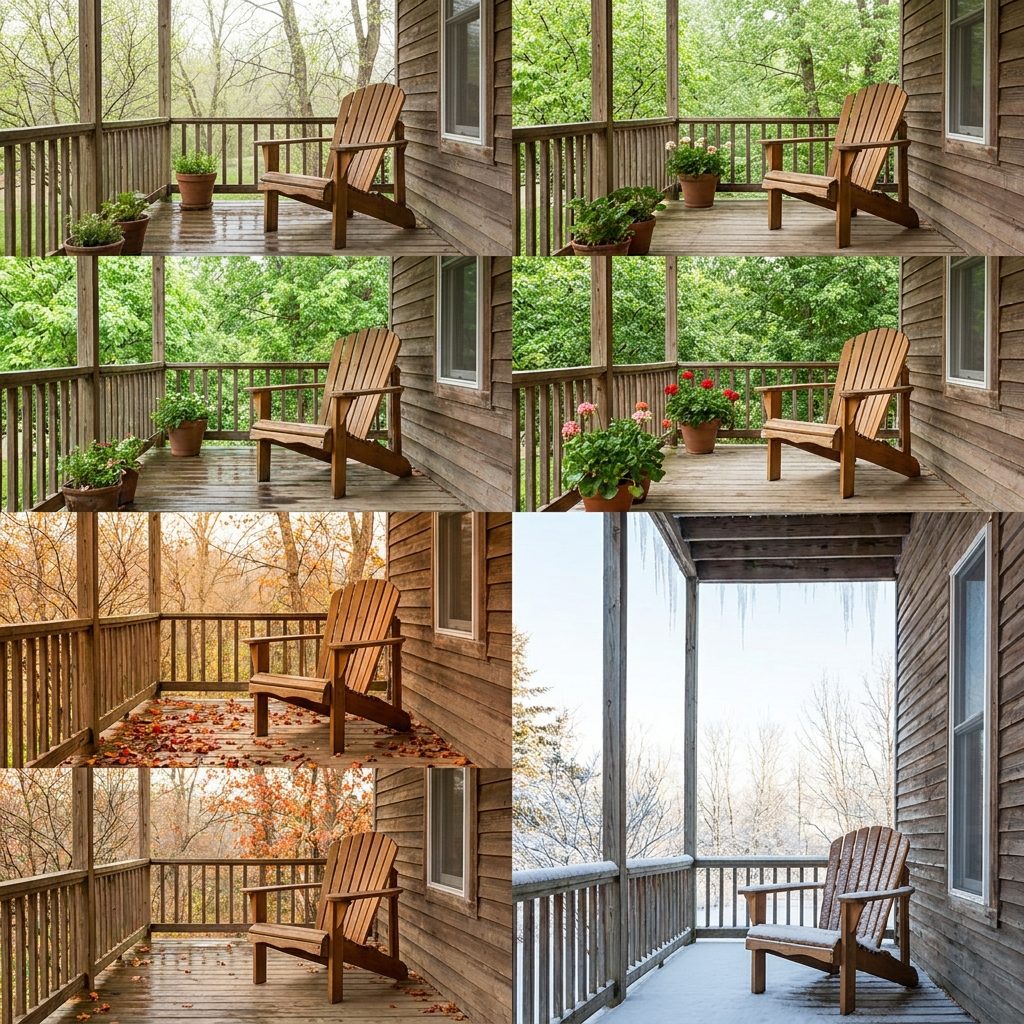
Ten years feels like a slow stretch of ordinary mornings. Coffee, commute, repairs you kept meaning to do. It doesn’t feel like a financial machine running in the background.
But it was. Each mortgage payment in those early years went mostly to interest, then slowly the balance started shifting toward principal. By year eight or nine, you were knocking real chunks off the loan every single month without noticing the acceleration.
Meanwhile the house appreciated on its own schedule, indifferent to whether you painted the trim or finally fixed the deck. A decade compounds both forces quietly, which is exactly why it feels like nothing while it happens. Give a home a peaceful bohemian sitting room corner to grow old in, and the years slip past unmeasured. Then one day you check the numbers and realize the boring decade did the heavy lifting.
Find out what ten years built →
1. The Simple Fact That Your Home Kept Climbing While Your Debt Kept Shrinking

Two lines on a graph, moving in opposite directions. One is your home’s value, drifting up over the years. The other is your loan balance, sliding down every month. The space that opens up between them is your equity, and it widens from both ends at once.
That’s the whole trick, and it’s almost too plain to feel impressive. Most wealth-building schemes ask you to time something, pick something, outsmart something. This one asked you to make a payment and not move.
A red sitting room or a fresh kitchen might make you love the place more, but the equity was piling up whether you upgraded a thing or not. Value up, debt down, year after year. Six figures shows up not because you were brilliant, but because you were patient — and patience is rarer than brilliance anyway.
You just read every place your equity is hiding. Here’s how to actually reach it.
Two lines on a graph, moving apart: the value up, the debt down. Everything on this list widened that gap, and none of it does you any good while it sits in the drywall.
You don’t have to sell the house, move off the street, or refinance away the rate you’ll never see again. Answer a few questions — it starts with what kind of home you own — and see which lenders would put that gap to work. Then go build the kitchen.
About 2 minutes · No obligation · Your mortgage stays exactly as it is