
🔥 Would you like to save this?
You paid your mortgage this morning without a second thought, same as last month, same as five years ago. Meanwhile something quiet has been happening in the background, and most people never bother to look. The gap between what you owe and what your home is worth has probably grown into a number that would surprise you. Not a little. A lot. Equity builds in the dark, one payment and one market shift at a time, and nobody mails you a congratulations card when it crosses a threshold. Here are the signs it’s already happened, and you just haven’t checked.
See what your equity qualifies you for →
35. Your Home Is Worth Way More Than the Day You Signed for It

You remember the number on the sale contract. It felt enormous at the time, and it probably keeps that same weight in your head, frozen right where you left it.
But the house didn’t stay frozen. Neighborhoods mature, schools improve, that awkward vacant lot down the street became townhomes. The place you bought and the place you own now are two different assets wearing the same address.
Say you bought for $310,000. You still think of it that way. Six years later it’s a $460,000 home. That gain didn’t announce itself — it just accrued, quietly, while you were worrying about the gutters.
You don’t have to sell the house to touch that. A line of credit turns the gap into money you can actually use, and your original mortgage — and its rate — never move.
About 2 minutes · No obligation
34. The House Down the Street Just Sold for a Number That Made You Blink
Word travels fast on a street. The Hendersons’ place — the one that always needed a new roof — went for a figure that made you set your coffee down.
Comparable sales are the truest signal you’ll ever get, better than any online estimate. If a home with your floor plan, your lot size, and your school district just closed high, then yours is worth roughly the same. Not aspirationally. Actually.
People assume the neighbor got lucky, or that their own place has some hidden flaw dragging it down. It usually doesn’t. A hot comp holds a mirror up to your own value, and the reflection tends to be flattering.
The Hendersons Just Raised Your Limit
Lenders size a credit line off the same comps the appraiser uses. That sale down the street didn’t just make you blink — it made you bigger.
33. You Got In Right Before the Whole Area Took Off
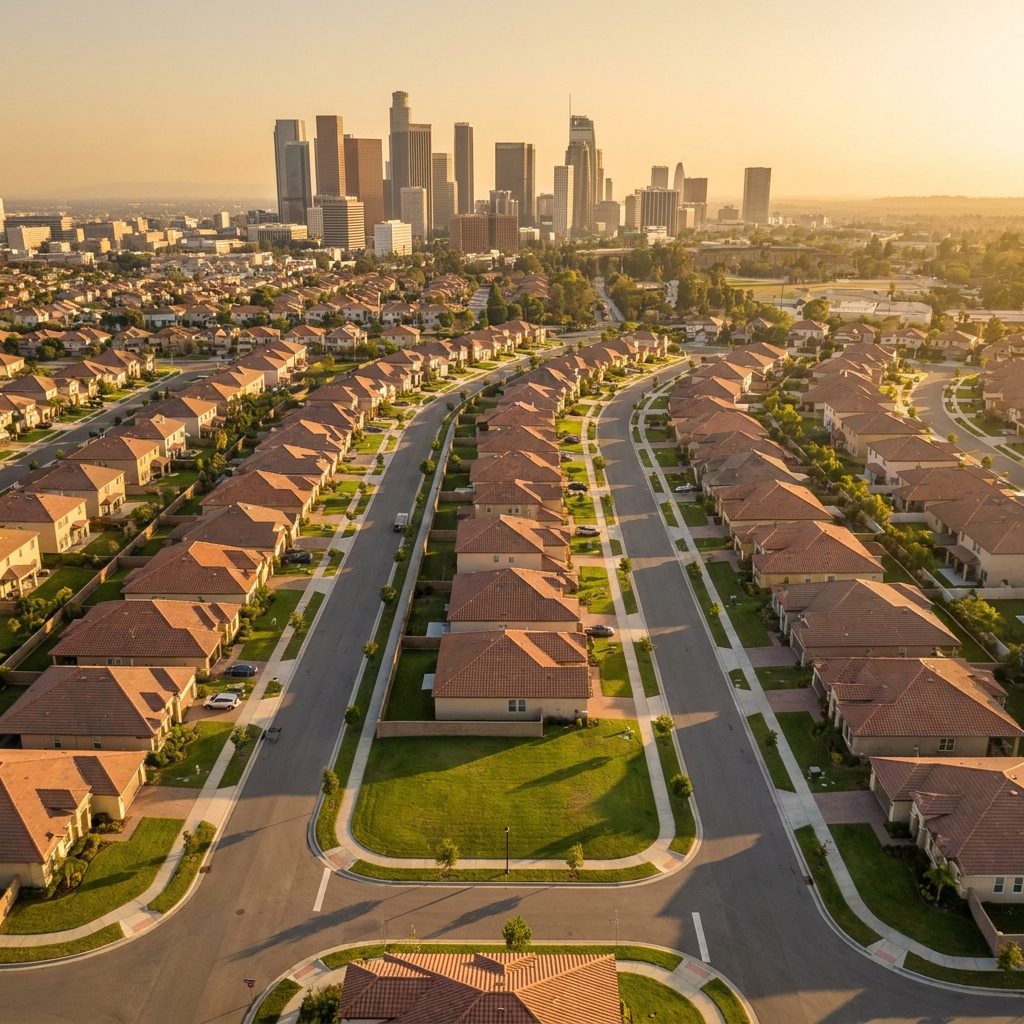
Timing you didn’t plan can pay you for a decade. Buying just before an area’s inflection point is the closest thing real estate has to catching a wave you never saw building.
Maybe a tech employer moved in. Maybe a transit line got approved. Maybe the neighborhood two over got expensive and yours became the sensible alternative. These shifts don’t hit all at once — they compound, and the person who bought before the crowd noticed gets the whole ride.
You can spot this in your local home trends without any real estate license. New restaurants opening. Older homes getting gutted and reborn. Bidding wars on listings that would’ve sat untouched two years ago.
Collect on the timing without selling the house →
32. You’ve Lived There Longer Than You’ve Owned Any Car
Five years feels like nothing while you’re living it. Then you count the birthdays that happened in that kitchen and the paint colors you cycled through, and it lands differently.
Time is doing two jobs at once here. Your loan balance shaved down payment by payment — slow at first, then faster as more of each check attacks the principal — while the market kept moving underneath you the entire time.
Half a decade in, both forces have been grinding in your favor long enough to matter. The tan leather sofa you bought new has faded and softened. So has your mortgage. One of those is a loss and one is a gain, and it isn’t the couch.
The couch wore out. The house didn’t.
All those years of payments bought something real, and it’s just sitting there. Most homeowners find out it’s enough for the kitchen they’ve been putting off since the second year — without selling, moving, or refinancing away the rate they’ll never see again.
Turn Those Years Into A Renovation
2 minutes · Your mortgage rate stays exactly where it is
31. You Put Down a Fat Chunk of Cash at Closing
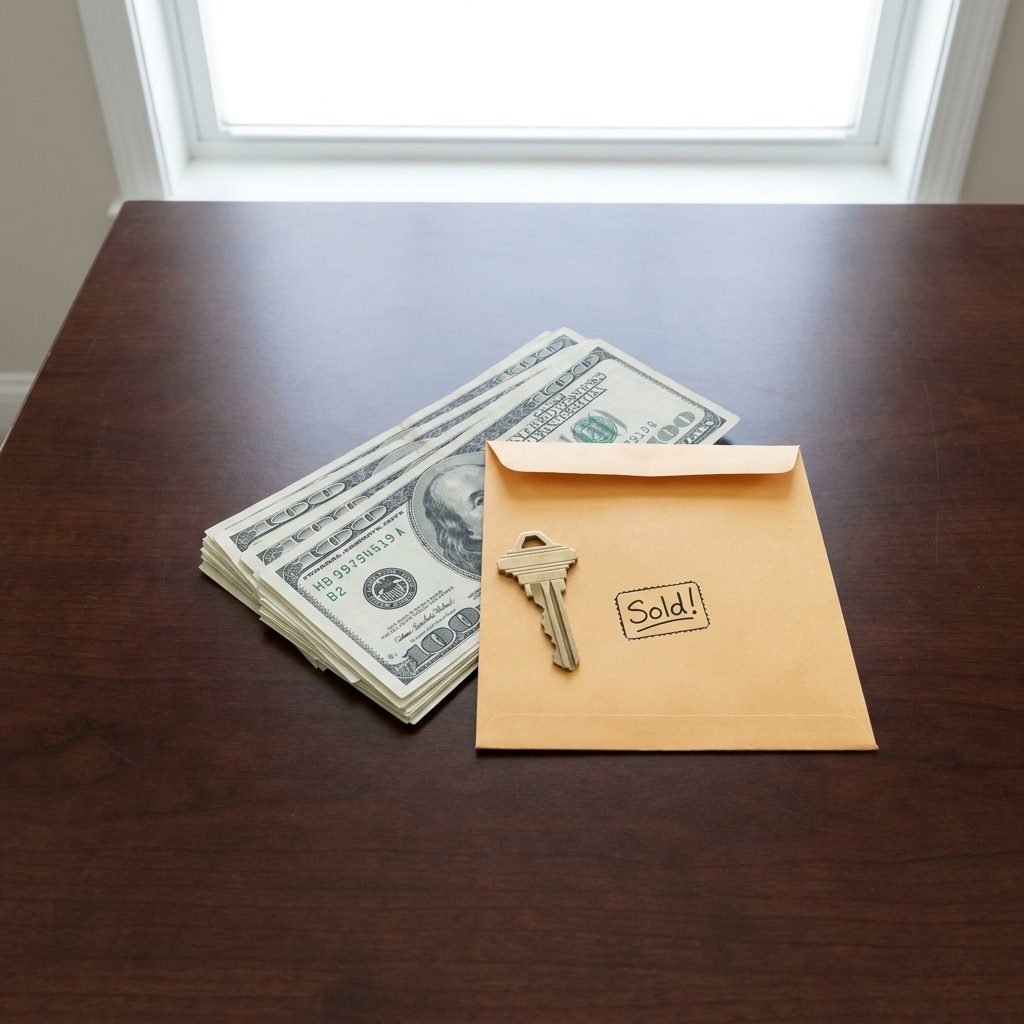
That 20% (or more) you scraped together, borrowed from relatives, and lost sleep over? It never left. It’s still in the house, and it’s been earning the entire time.
A big down payment gives you a running start most buyers never get. You began ownership with real equity already on the board instead of zero, and every dollar of appreciation stacked on top of that base rather than underneath a mountain of debt.
People forget their own down payment because it isn’t a monthly reminder. It doesn’t show up on any statement. It just sits there, quietly, worth exactly what you put in plus everything the house gained since.
It Never Left. You Can Call It Back.
You scraped that money together once and then locked it in a wall for a decade. A credit line is how you get at it again — without giving up the house it bought.
30. You’ve Been Paying the Mortgage on Autopilot for Years

Autopay is a beautiful, dangerous thing. It quietly does the most important financial work of your life while you never once open the statement.
Here’s what you’ve been missing. Early on, most of your payment went to interest. But every month tips the ratio a little further toward principal, and by year seven or eight a real slice of each check is buying actual ownership instead of renting money from the bank.
You’ve been building wealth in a folder you never open.
The set-it-and-forget-it habit that keeps you from ever missing a payment is the same one keeping you blind to how much you’ve already gained.
Autopay built you something. Go look at it.
Every silent withdrawal for the last however-many years has been buying you ownership. You’ve never once seen the total. It takes about two minutes to find out what those payments are actually worth in borrowing power today.
29. Your Balance Is Way Below What You Originally Borrowed
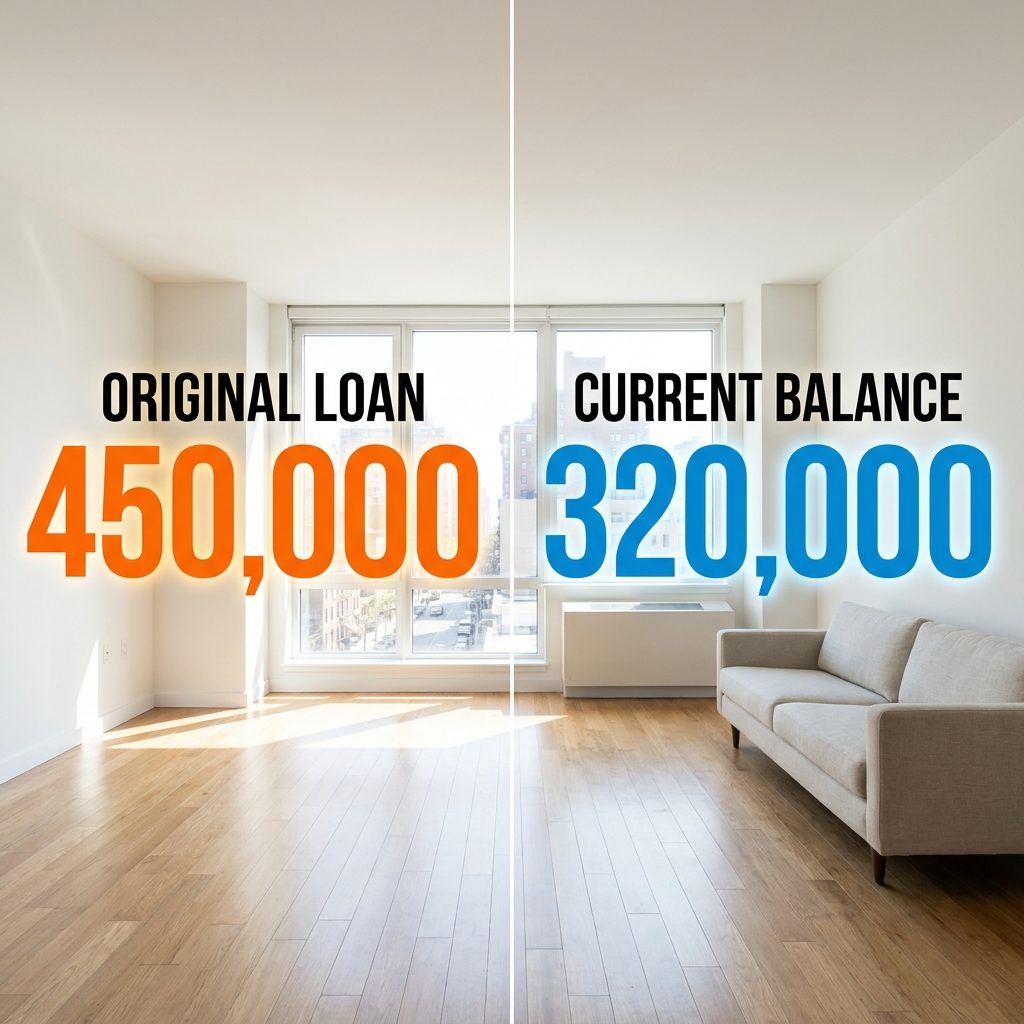
Pull up the original loan amount, then look at today’s balance. The distance between those two numbers is money that’s now yours, free and clear.
This is the part of equity that has nothing to do with the market — it’s pure debt paydown. Whatever housing does next, that gap already belongs to you. It can’t be inflated away or corrected out of existence.
Most people never do this simple subtraction. They carry the original loan figure around in their heads and assume they’ve barely dented it. Then they actually look. The gap is thousands larger than they guessed.
You can do this on the back of an envelope, or you can let lenders do it and tell you exactly what they’d lend against the answer. One of those takes two minutes and comes with real numbers.
Starts with one question: what kind of home do you own?
28. You’ve Thrown Extra at the Principal More Than Once
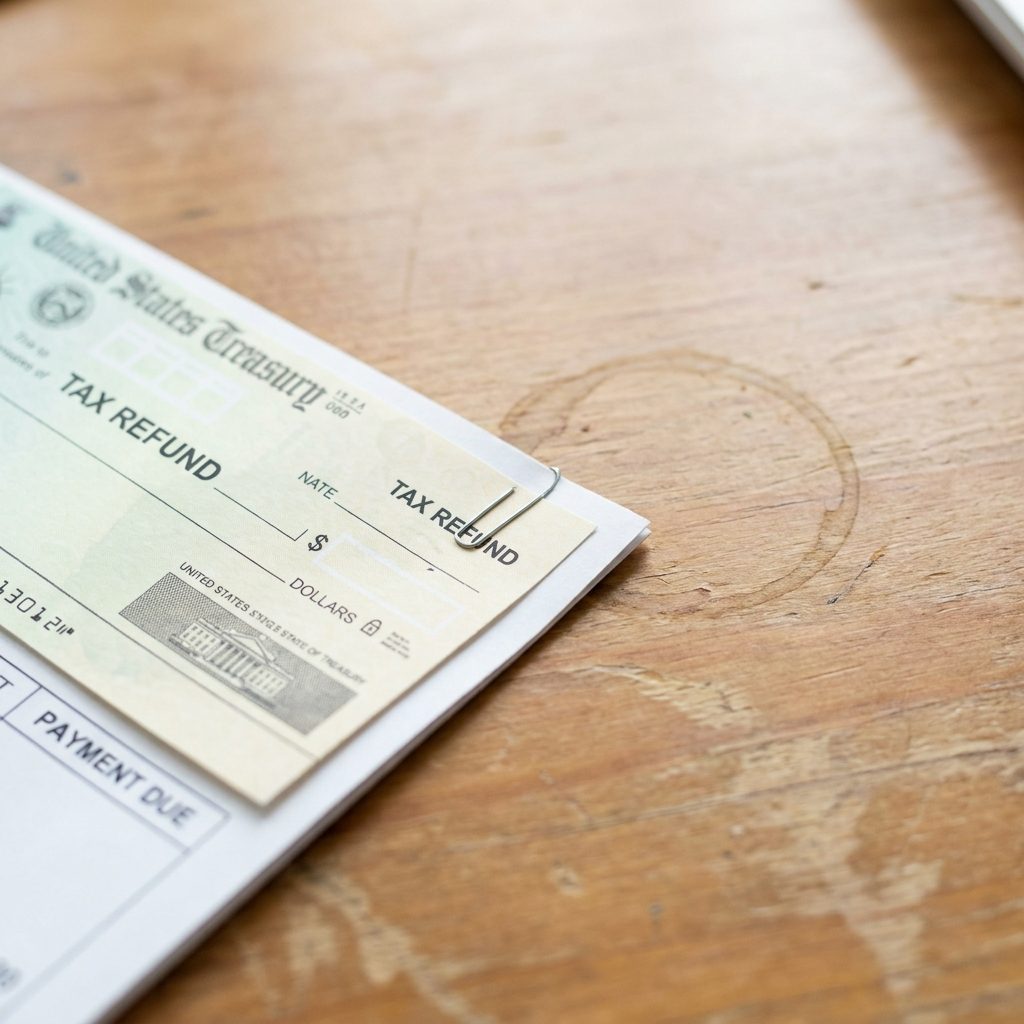
A tax refund you tossed at the loan one spring. A bonus that went to the mortgage instead of a vacation. You may have forgotten those small acts of discipline. Your amortization schedule did not.
Extra principal payments punch above their weight in a way that feels almost unfair. Every dollar you send early skips ahead in the schedule and kills the interest it would’ve racked up over the remaining years. One lump payment in year three can erase far more than its face value in total cost.
Do this even a handful of times and your balance sits meaningfully lower than the standard schedule suggests, with your equity correspondingly higher.
Find out how much that discipline is worth →
27. You Signed Up for a 15-Year Loan and Felt the Squeeze
You felt it every month. The 15-year payment stung compared to what your friends paid on their 30, and you wondered occasionally if you’d made a mistake.
You hadn’t. That extra sting was equity being built at double speed. A shorter amortization front-loads your ownership, throwing a much larger portion of every early payment straight at the principal instead of feeding it to interest for three decades.
The people who chose the comfortable 30-year payment are still mostly renting from the bank in those early years. You’ve been buying the house outright, one aggressive payment at a time. The squeeze had a purpose, and the purpose was this exact moment of surprise.
The Squeeze Had A Purpose
You’ve been paying like someone who’s serious about owning this house. Lenders can see that in your numbers, and it’s exactly the profile they compete for.
26. You Finally Checked and Nearly Fell Off Your Chair

You went online to check the balance for some boring reason — a refinance quote, maybe, or plain idle curiosity. The number stopped you cold.
That reaction is the whole reason this list exists. Equity accumulates below the radar, invisible until the day you actually look. When you do, the gap between what you owe and what your home is worth almost always dwarfs the version you’d been carrying in your head.
This is the moment people decide to do something. Maybe you use that equity to finally build a proper reading nook, or the home update you’ve put off for years. Or maybe you just sit with the knowledge that you’re wealthier than you thought.
25. You Bought the Cheapest House on a Street That Kept Getting Nicer
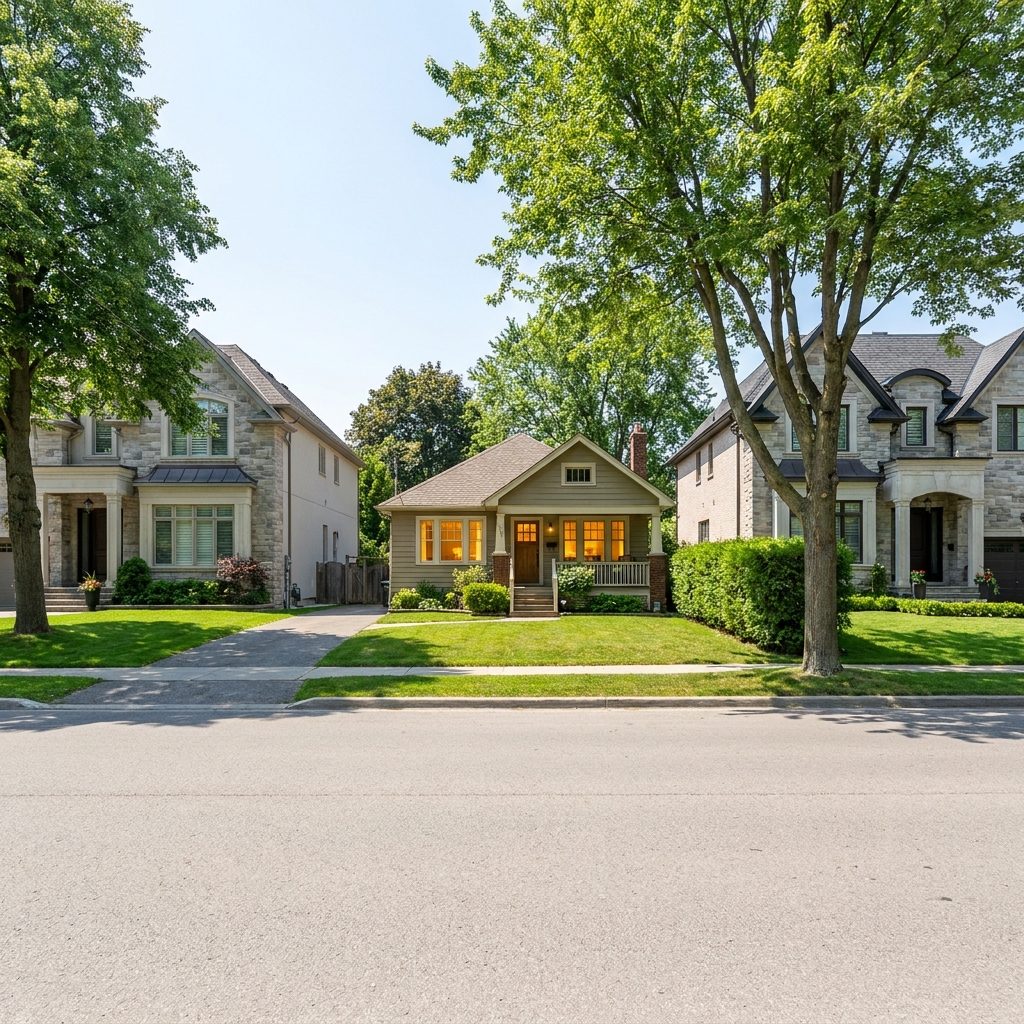
The oldest advice in real estate still holds up better than most of the newer stuff: buy the worst house on the best street. If that’s what you did, even by accident, you might be sitting on a quiet pile of equity you never planned for.
The logic is simple. Your home’s value gets pulled upward by everything around it, so when neighbors renovate, extend, and repaint, the comparable sales on your street climb and your appraisal rides along without you lifting a paintbrush. The nicer the block gets, the harder your modest little house works for you.
I’ve watched people apologize for their small, dated kitchen while they’re sitting on a lot worth more than the house bolted to it. Land does the heavy lifting. You just have to be standing on the right dirt.
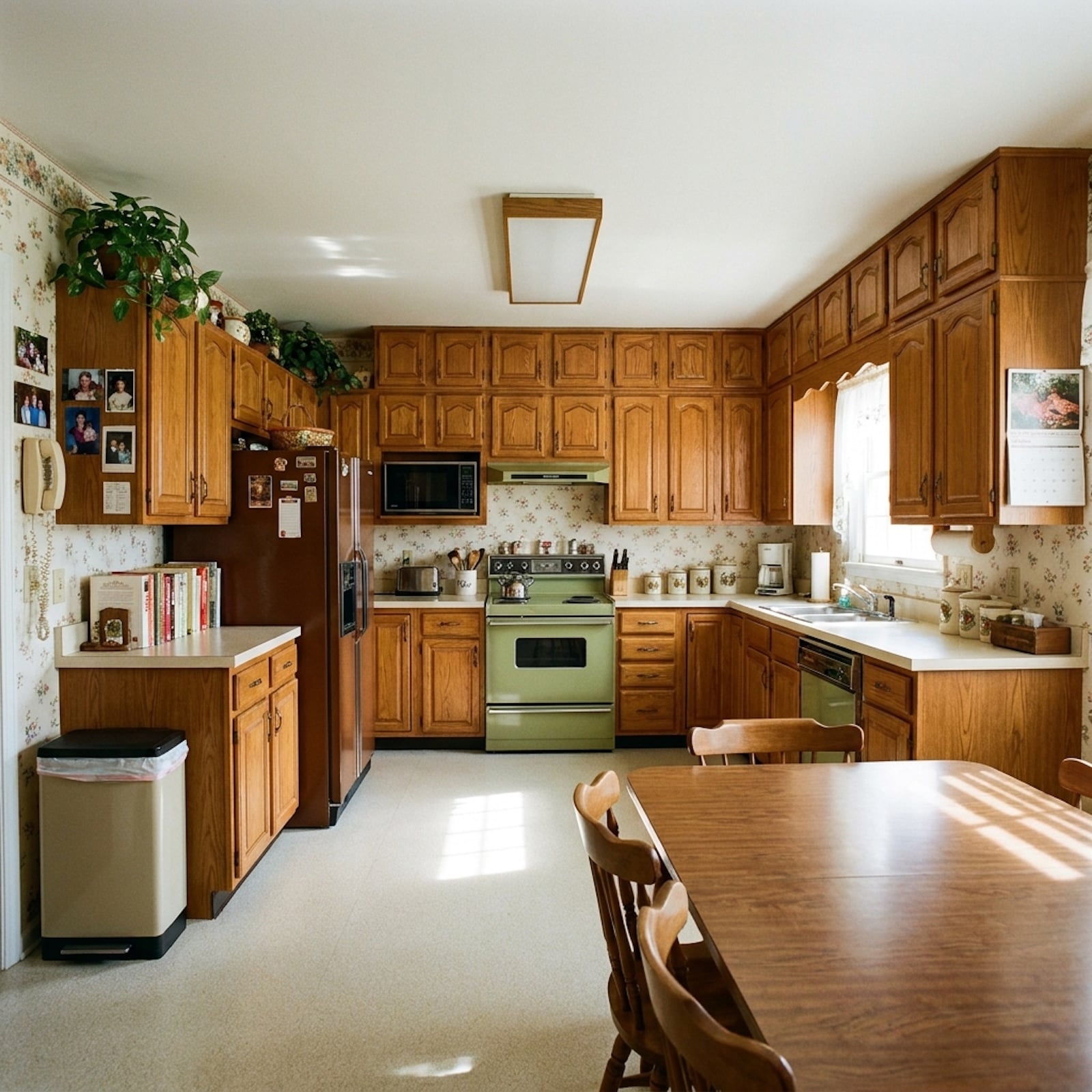
The street got nicer. Your kitchen didn’t.
There’s something backwards about living in the dated house on an appreciating block — the value is right there in your walls and you’re the last one enjoying it. This is the single most common reason homeowners open a line of credit: draw on what the neighborhood built, spend it on the rooms you actually stand in.
2 minutes · No obligation
24. Nobody on Your Street Ever Seems to Move
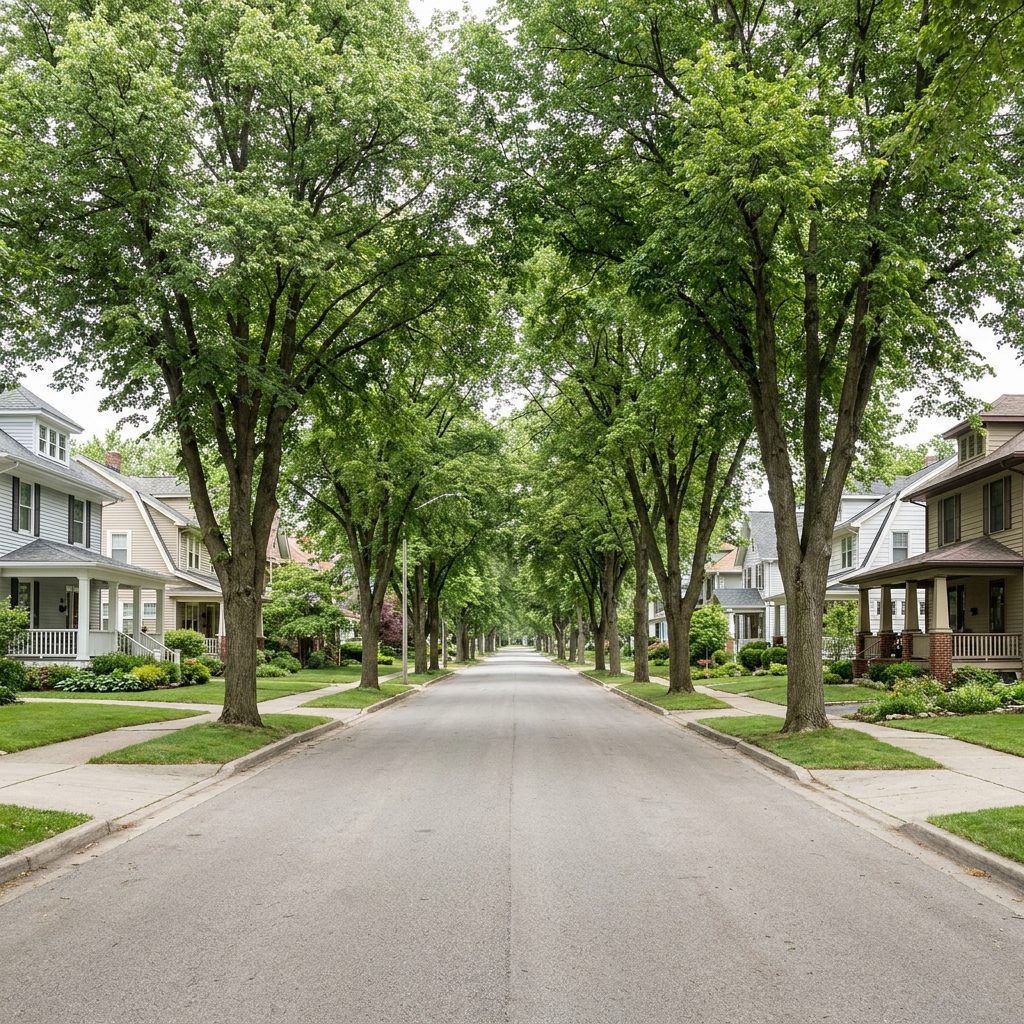
Scarcity is its own kind of currency. When homes on your street almost never hit the market, buyers who want in have to fight over the rare listing that appears, and that competition props up prices for everyone who already lives there.
Low turnover usually means people are happy to stay, and that’s a signal to buyers, appraisers, and anyone paying attention. A street where houses change hands every two years reads as transient. A street where families dig in for decades? Buyers will overpay just to belong to it.
If you can’t remember the last time a moving truck idled outside a neighbor’s door, take note. Your address might be quietly appreciating precisely because so few of them ever come up for grabs.
See what your equity could remodel →
23. The Last Few Listings Nearby Sparked a Bidding War
🔥 Would you like to save this?
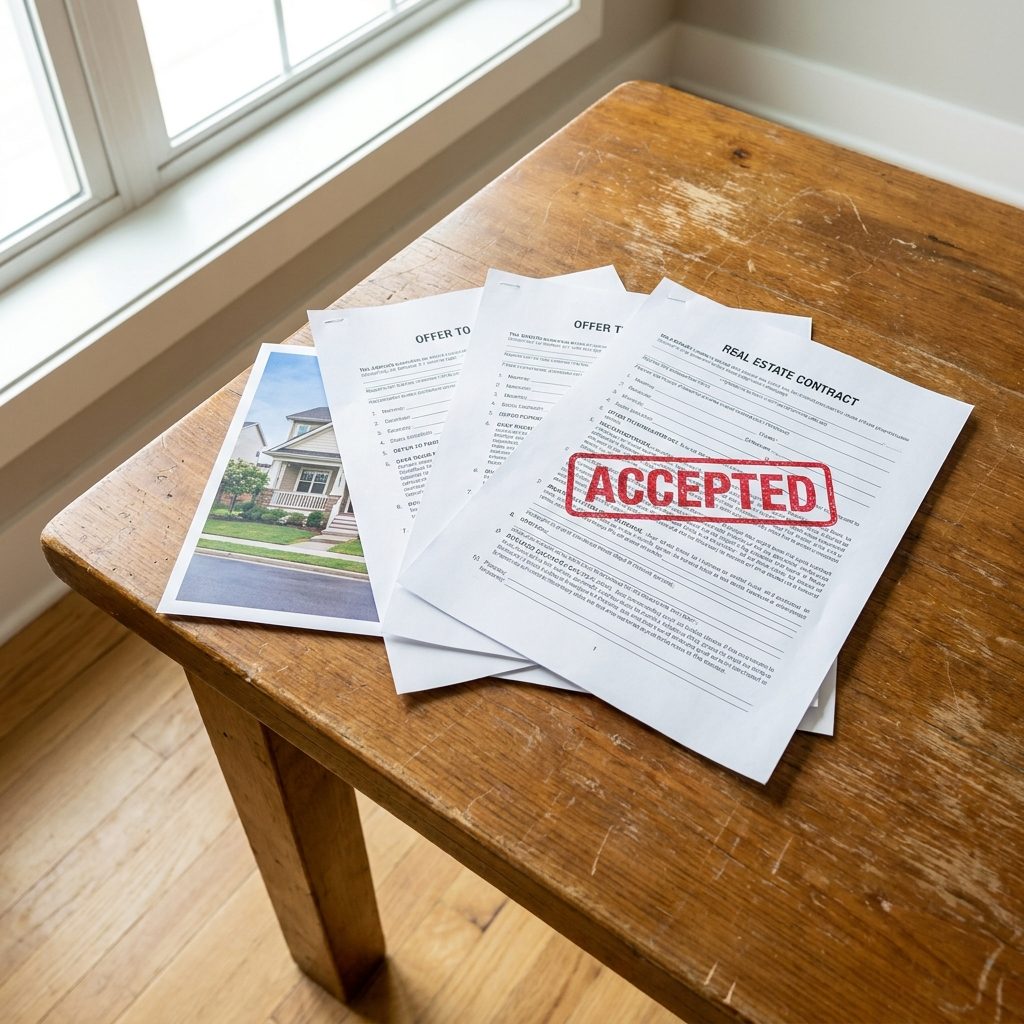
Multiple offers are the market telling you it’s hungry. When the last three homes near you sold with five, ten, or fifteen competing bids, that pressure doesn’t stay politely contained to those addresses. It sets a new floor for the whole area.
Bidding wars push sale prices well above asking, and those inflated numbers become the comps your own valuation leans on. Every over-asking sale nearby is quietly writing a bigger figure next to your name.
Pay attention to how listings behave, not just what they list for. A home that goes pending in a weekend with offers stacked to the ceiling says more about your equity than any online estimate ever will.
Every Over-Asking Sale Wrote You A Bigger Number
Strangers bid each other up on your street, and your borrowing ceiling rose with theirs. You never had to enter the auction to win it.
22. Listings Disappear Before You Even Finish Reading Them
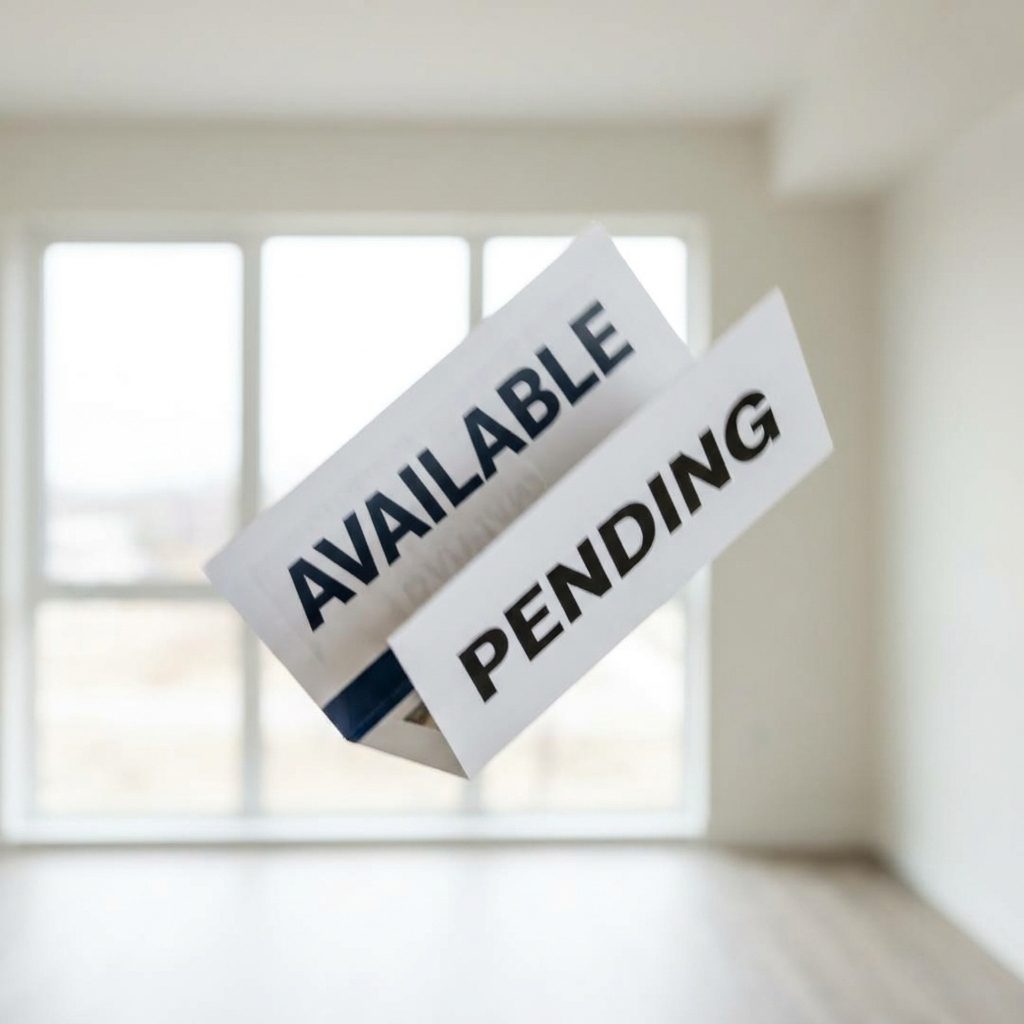
Speed tells you almost everything. When homes in your area go from listed to pending in a matter of days, demand is outrunning supply, and short days-on-market is one of the cleanest indicators of a rising area you’ll ever get.
A house that lingers for months is negotiating with itself. A house that vanishes over a weekend never had to. If the sign in your neighbor’s yard flipped to pending faster than you expected, your own home is probably worth more than the last time you bothered to check.
Check it now →
21. The Tax Assessor Started Seeing Your House Very Differently

Nobody celebrates a bigger tax bill. But a jump in your assessed value, annoying as it is to write the check, is the county’s own paperwork admitting your home is worth more than it used to be.
Assessors don’t raise valuations on a whim. They track sales data across your area, and when local prices climb, assessments follow. A big increase means the official record has finally caught up to what the market has been quietly doing for a while.
Read the assessment closely instead of just groaning at the total. The land value, the improvement value, the year-over-year change: that’s a free appraisal of sorts, courtesy of people whose entire job is knowing what your dirt is worth.
20. The Online Estimate Keeps Climbing Every Time You Peek

Those automated home value tools are blunt instruments. They miss the renovated bathroom, the finished basement, the fact that your kitchen actually functions like a kitchen. Direction, though, matters more than the exact figure they spit out.
Check your estimate every few months out of curiosity, and if it keeps ticking upward, the algorithm is picking up on rising sales nearby. The trend line is real even when the precise dollar amount is nonsense.
Treat the number as a mood ring, not a promise. A steady climb across three or four different platforms tells you the underlying comps are moving in your favor, and your equity is thickening while you sleep.
A Mood Ring Vs. A Real Answer
Those estimates are guesses dressed up as numbers. Lenders deal in the real one — and they’ll tell you what they’d actually put behind it.
19. A Realtor Threw Out a Number That Made You Blink

You called an agent expecting one figure and heard another entirely. When a working professional who lives and breathes local comps quotes you well above your own guess, that gap is worth sitting with for a minute.
Realtors have every incentive to be honest here, since an inflated listing price that doesn’t sell only wastes their time. If several agents independently land on numbers higher than you assumed, that consensus is a strong tell.
Get more than one opinion before you believe it, mostly because agents chasing your listing occasionally aim high to win it. But when the higher valuation arrives with recent sold comparables stapled to it, the number isn’t flattery. It’s arithmetic.
The agent’s number is good for more than selling.
Everyone assumes a big valuation only matters the day you put up a sign. It doesn’t. That same figure is what a lender uses to size a line of credit — except you keep the house, keep the mortgage, keep the street you like, and still get the money.
Use The Valuation, Keep The House
About 2 minutes · No obligation
18. Strangers Keep Asking to Buy a House You Never Listed
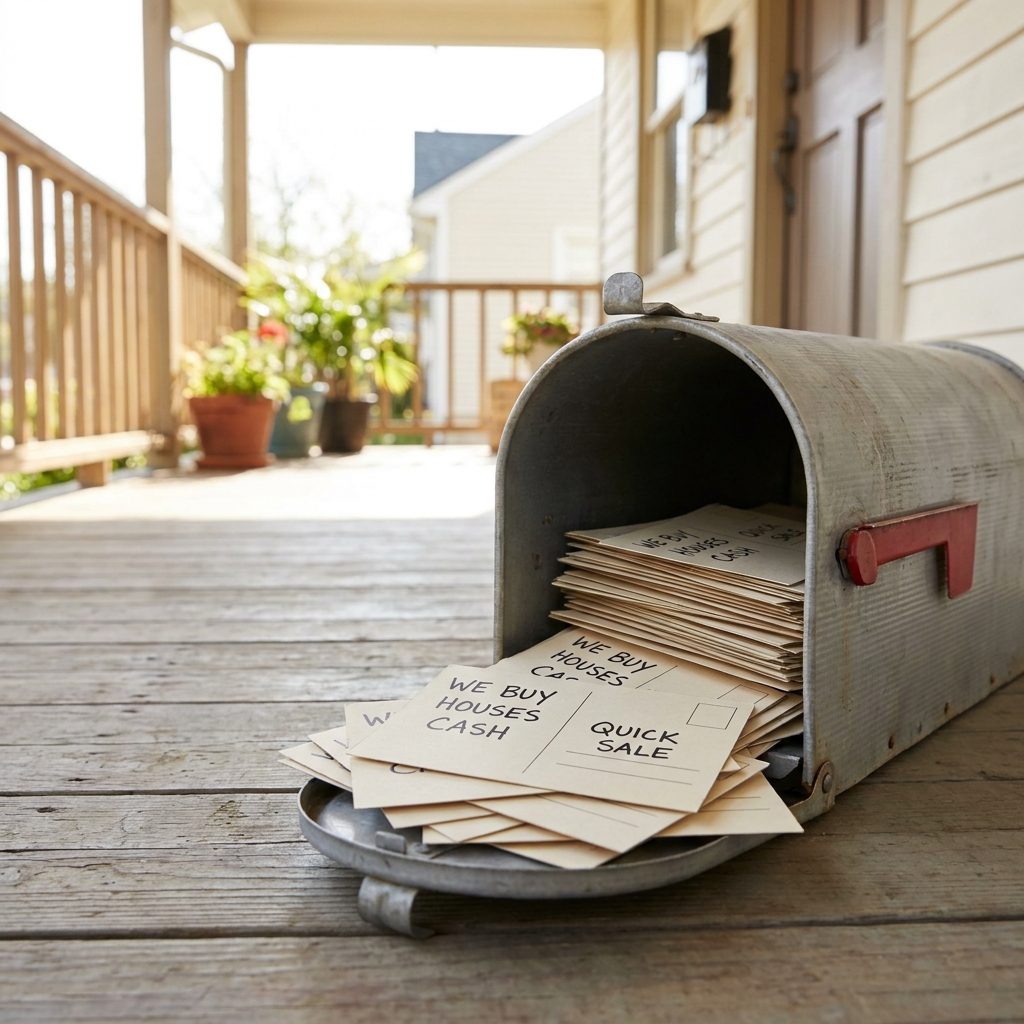
The postcards start showing up. “We buy houses in your area.” “Interested in selling?” A knock at the door, a note in the mailbox, a call that opens with your address like it’s a password.
Some of that is investor noise blasted across whole zip codes. But volume matters. When the offers pile up, buyers and flippers and cash investors have flagged your neighborhood as somewhere worth pursuing, and nobody spends money chasing streets they think are flat.
Don’t sell to the first postcard. Do notice that people with capital keep circling your block. That interest is a signal your equity has caught someone’s professional attention.
They’re circling because it’s worth having. So have it yourself.
Every postcard in your mailbox is a professional telling you your equity is worth chasing — at a discount, on their terms. There’s a version where you get the cash and keep the house, the street, and the mortgage rate. Takes about two minutes to see what that looks like.
17. Developers Have Quietly Started Buying Up the Block
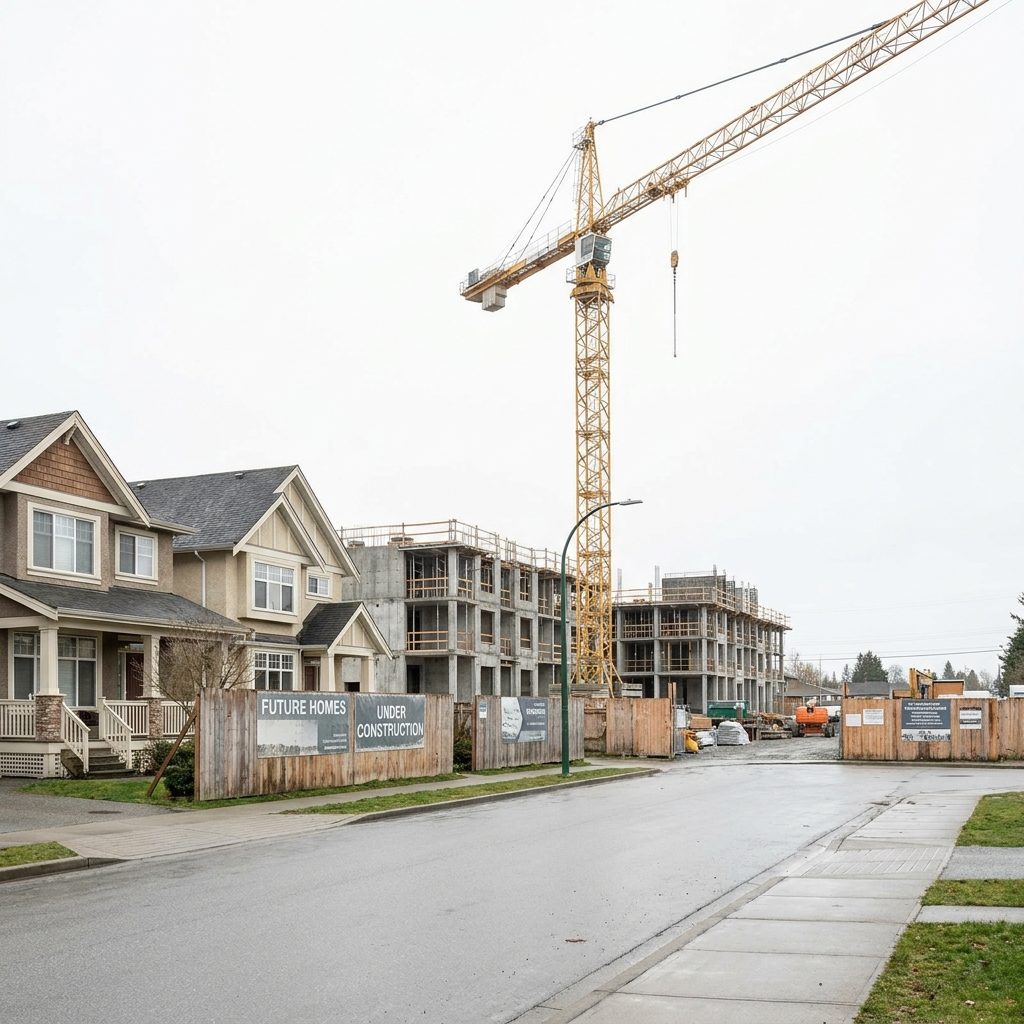
Developers are professional pattern-spotters. When they start acquiring properties near you, tearing down and building up, they’ve already run the numbers and decided your area is going to be worth more tomorrow than it is today.
New construction lifts a whole street. A row of tired ranches gives way to larger, higher-priced homes, and every fresh build resets the comparable sales upward. Your unchanged house rides along on the ambition happening around it.
Watch what gets replaced and what it turns into. If modest homes are being swapped for premium ones, the market has already voted on where prices are heading, and you own a seat at that table.
See what your house could borrow against theirs →
16. The Neighborhood You Moved Into Barely Resembles Itself Now
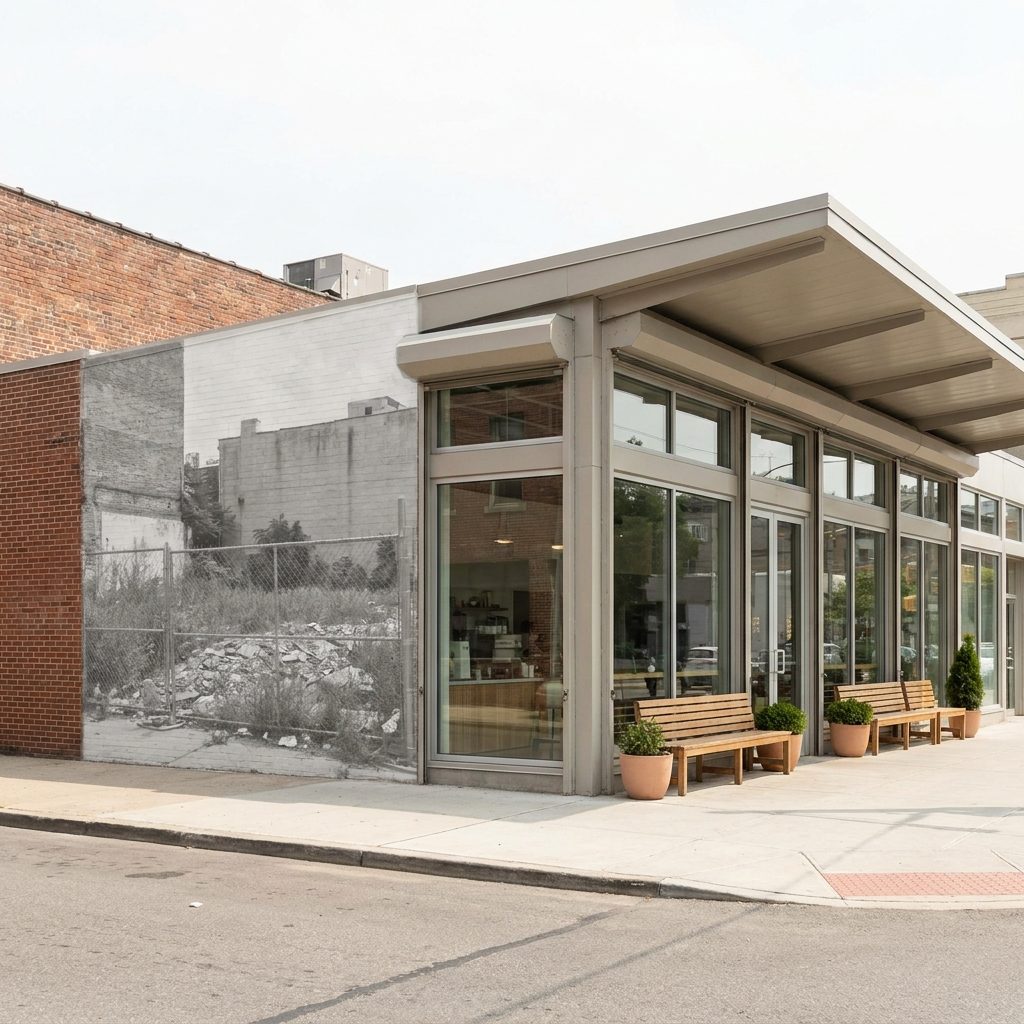
You remember when the corner was empty. Now there’s a coffee shop with a line out the door, a wine bar, a bakery, and a boutique that somehow sells forty-dollar candles to people who keep coming back. The bones of the neighborhood haven’t changed. The pulse of it has, completely.
Amenities drive desirability, and desirability drives price. When walkable shops, good restaurants, and better schools cluster around your address, buyers pay a premium just to live inside that convenience. You bought the location before anyone thought of it as a destination.
Here’s the odd part. Neighborhood change is almost invisible from the inside, because you absorbed each new opening one at a time. Step back, though, and the cumulative shift is dramatic, and it’s already baked into your home’s value whether you clocked it or not.
15. A Coffee Shop, a Train Stop, and a New School All Opened Within Walking Distance
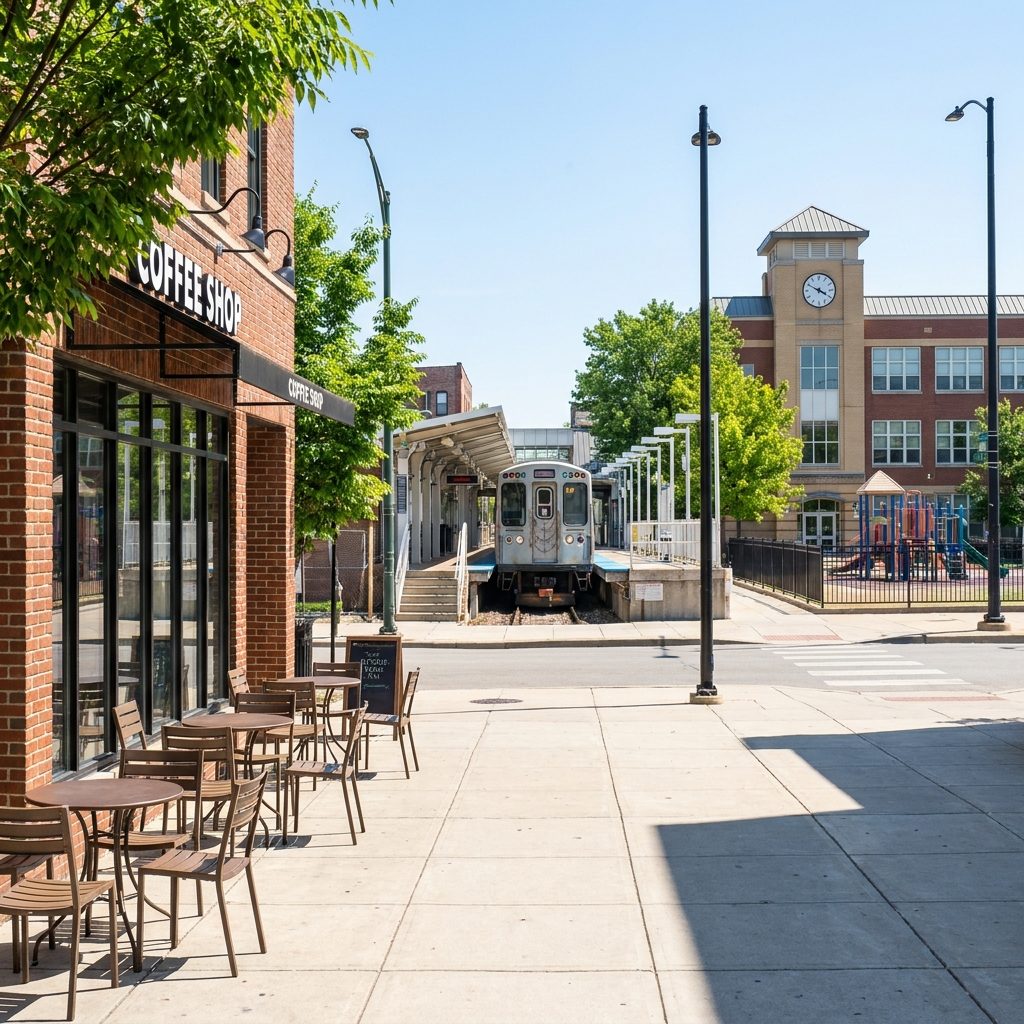
The strongest signal your equity is climbing isn’t inside your house. It’s on the corner. When a coffee roaster moves in, a light-rail stop breaks ground, and a school posts better scores, buyers start circling your zip code before you even notice.
Amenities move value quietly, and a grocery store within a ten-minute walk can lift nearby home prices in ways no fresh coat of paint ever will. You didn’t pour a dime into any of it. The neighborhood did the work while you were busy paying down the mortgage.
You Didn’t Pour A Dime Into Any Of It
The corner got better and your house got more valuable. That increase is borrowable — and it can go straight into the inside of the house to match the outside.
14. Strangers Keep Telling You Your Block Landed on a “Best Places to Live” List
Your neighborhood used to be a well-kept secret. Now it’s a headline.
When a place shows up on ranked lists for schools, safety, or lifestyle, demand follows fast, and plenty of people move for the label as much as the reality. That surge in interest reprices every house on the street, yours included, whether you’ve touched a single thing or not. So if you keep hearing your area name-dropped by folks who don’t even live there, that’s outside money noticing your corner of the map. Watch these shifts in home trends — reputation tends to arrive before the appraisal does.
See what that reputation is worth to a lender →
13. Every Upgrade You’ve Made Since Closing Is Now Baked Into the Number
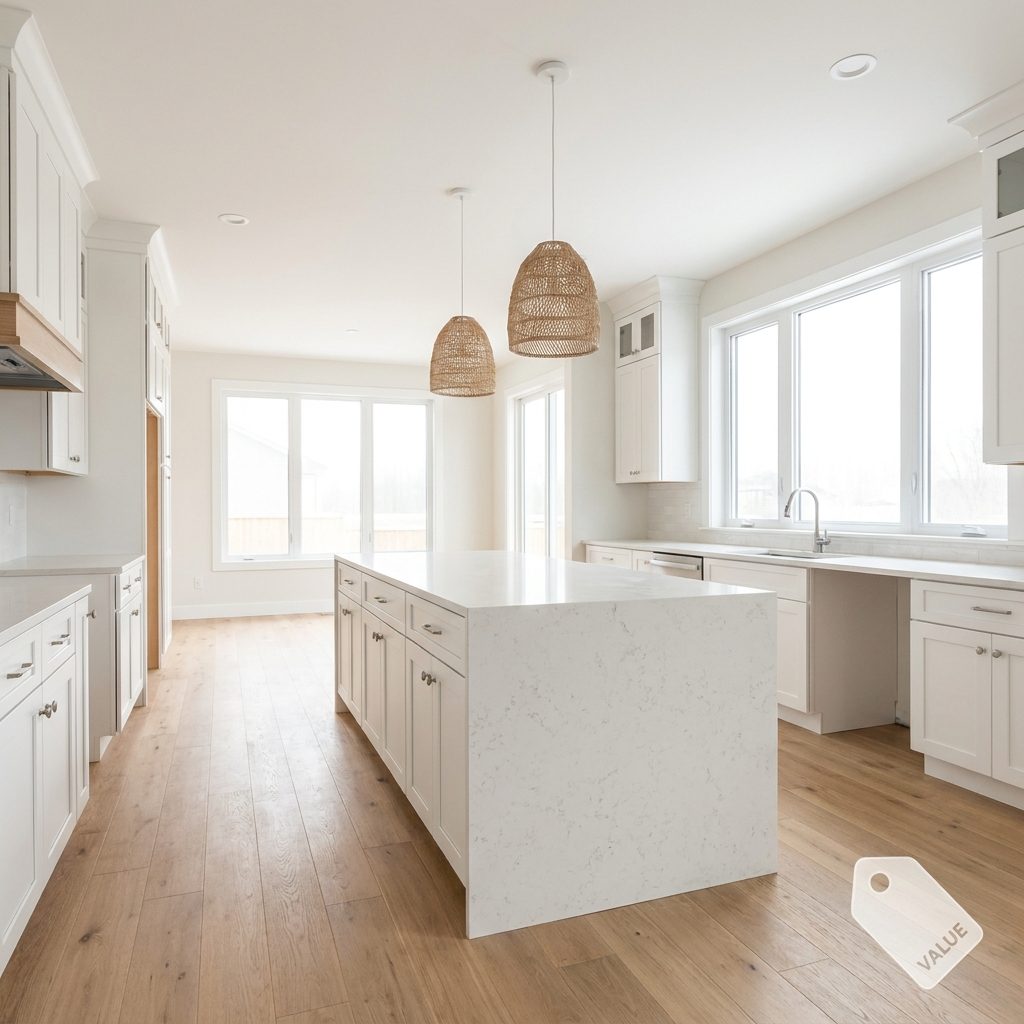
You didn’t renovate to flip. You renovated to live. But those choices compound whether you meant them to or not.
A reworked kitchen, an added bathroom, refinished floors, a finished basement — each one nudged your home away from what you paid and toward what it’s now worth. Here’s the catch: improvements don’t announce themselves on your monthly statement. They sit in the walls, quietly widening the gap between your purchase price and today’s market.
Kitchens and bathrooms carry the most weight. Swap laminate for quartz counters, hang brass cabinet pulls, add a second bath, and you’ve probably bought yourself more equity than you’d guess. Even a smart home update down in a finished basement can tilt the comps your way.
Each renovation pays for the next one.
The kitchen you finished raised the home’s value. That raised the equity you can borrow against. Which funds the basement — which raises it again. Homeowners run this loop for years and end up with the house they always wanted, financed by the house itself.
2 minutes to see what the loop can fund
12. You Bought the Worst House on the Block and Quietly Fixed That
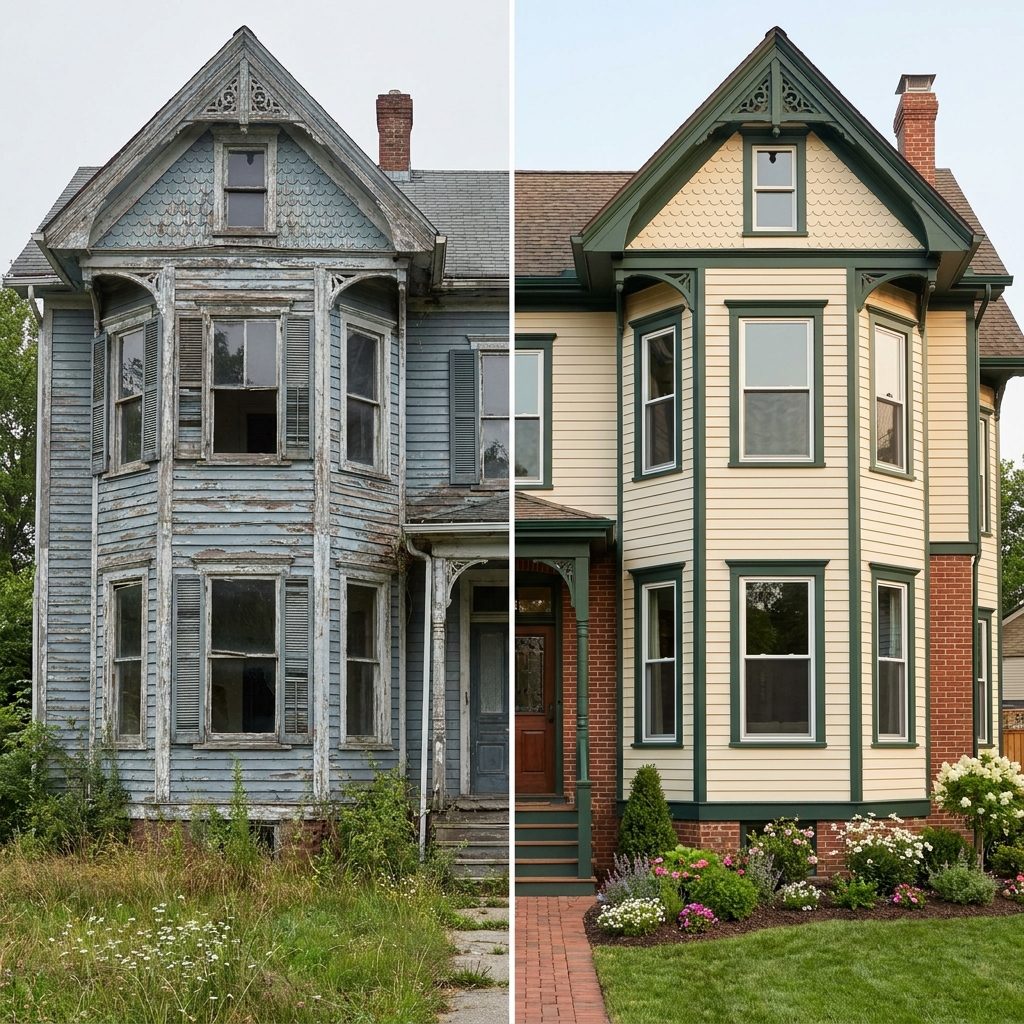
The fixer-upper is the oldest equity play there is, and it still works.
You bought a house that scared other people off — sloped porch, dated wiring, a kitchen last touched in the seventies. Then you spent a few years turning it into something the neighbors point at approvingly. That gap between the discount you got and the value you built is real money, and most of it stays invisible until an appraiser walks through the door.
People underestimate this constantly. They remember the purchase price and forget everything they poured in afterward. Add up the new roof, the rewired panel, the reworked layout. That’s not maintenance. You moved the whole house up a tier.
You’ve Already Proved You Can Do This
You took a house nobody wanted and moved it up a tier. The equity you created doing it is exactly what funds the next round.
11. Yours Is the House That Makes the Others on the Street Look Tired
🔥 Would you like to save this?
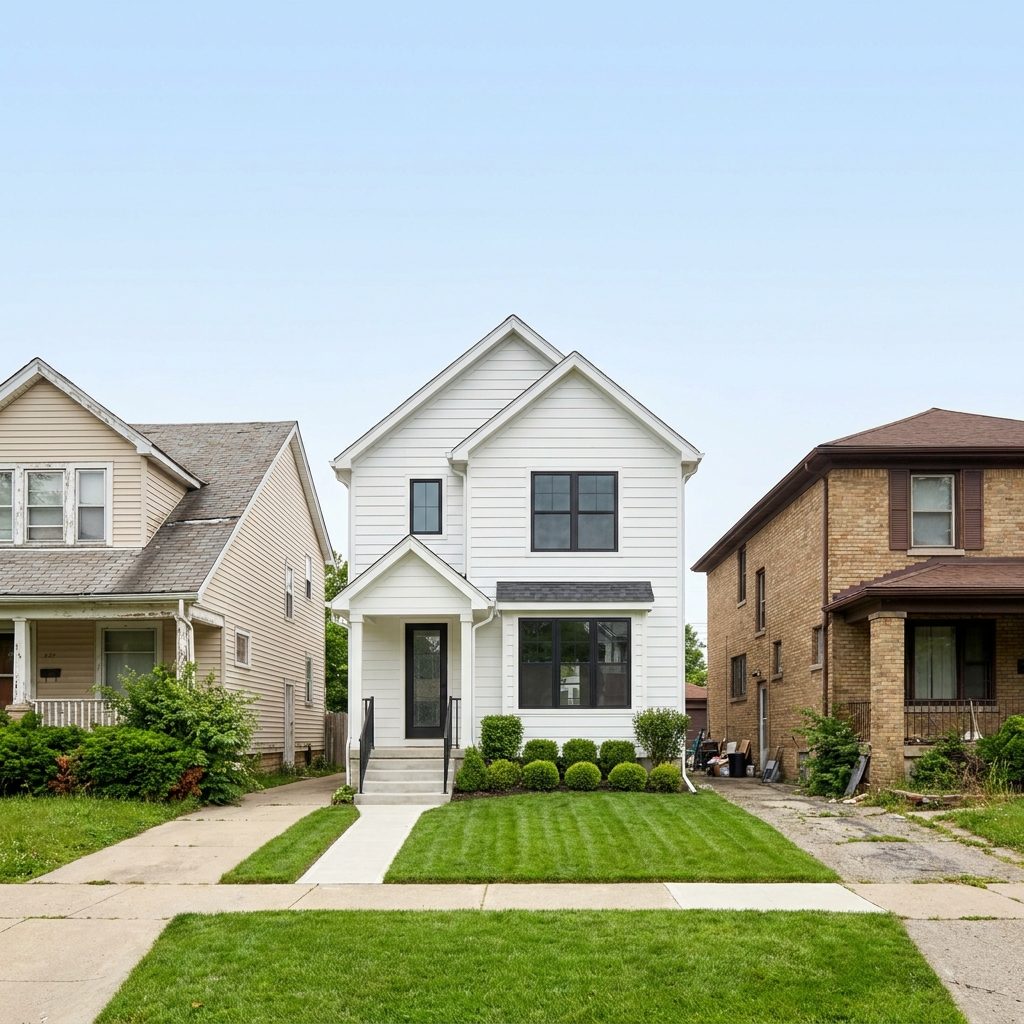
Condition is comparative. Your house isn’t just good — it’s better than the ones a buyer tours right before yours.
Newer roof, updated systems, an exterior that clearly gets looked after, and suddenly you’re sitting at the top of the pile in your price band. Appraisers lean on comparable sales, but a home in noticeably better shape gets adjusted upward. Buyers run their own math too, and most would rather pay more now than inherit a list of deferred repairs.
All that maintenance nobody ever thanked you for? It’s been holding your value above the average this whole time.
See what you could draw to keep the lead →
10. You’ve Got More Land Than Anyone Else on the Street, and Land Doesn’t Depreciate

Structures wear out. Land doesn’t. That difference matters more than most homeowners ever stop to consider.
If your lot runs wider, deeper, or simply bigger than the neighbors’, you’re holding an asset that appreciates on its own terms. Extra frontage, a double lot, a rare pocket of usable acreage — it all reads as scarcity, and scarcity gets paid for. Buyers who want a pool, an addition, a workshop, or just some breathing room will compete hard for the parcel that gives them room to do it.
9. That Extra Slice of Land Could Legally Become a Second Home
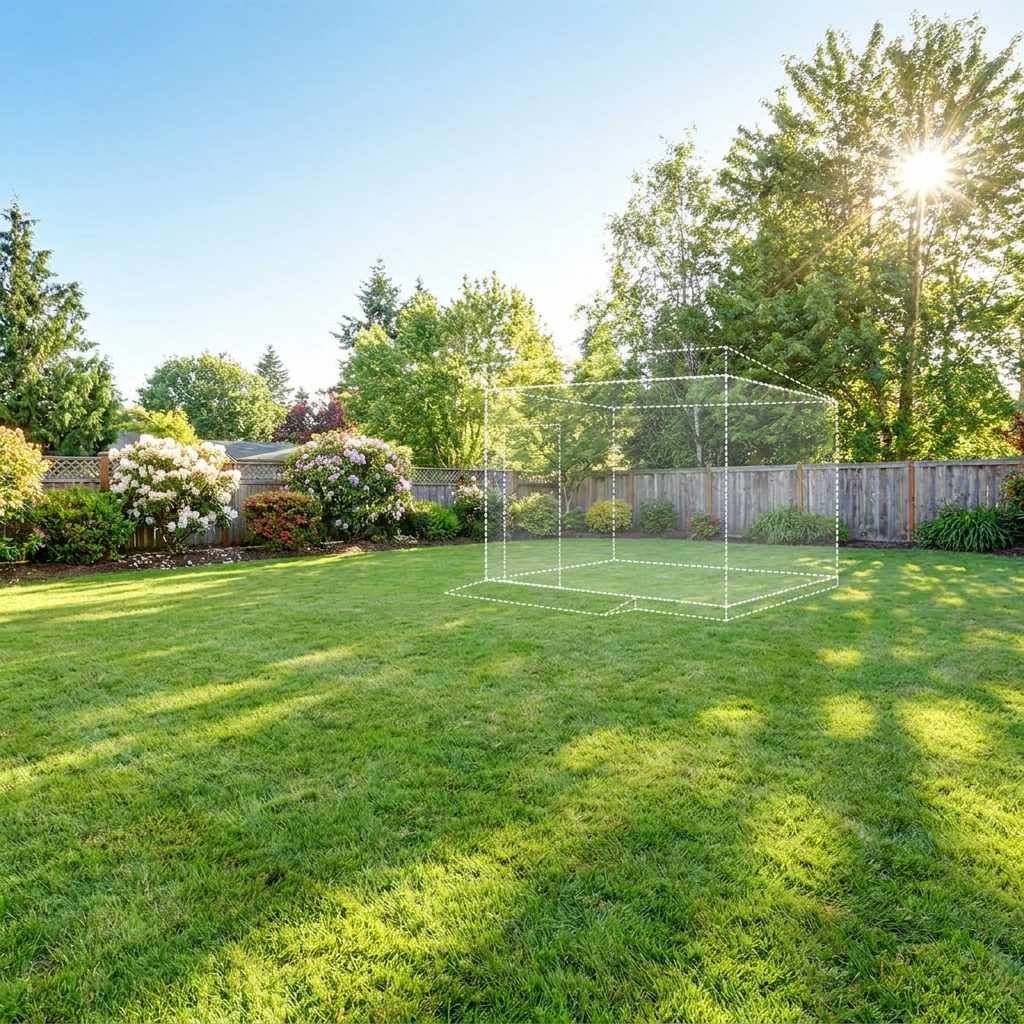
Some yards are just yards. Others are a building lot hiding in plain sight.
If your parcel is large enough to split under local rules, you may be sitting on value that has nothing to do with the house you live in. A second buildable lot can be worth a surprising amount on its own, sometimes rivaling the home itself. Developers and builders hunt for exactly this — land that already carries services and sits in a proven neighborhood.
It won’t show up on a standard appraisal, since appraisers value what’s there, not what could be. Call a land-use consultant or the planning office and you’ll learn quick whether your backyard is a backyard or a paycheck.
Builders hunt for lots like yours. You could just build on it.
If the rules allow a second dwelling, the money to build it is usually already in the first one. Draw against the house you own, put up the unit, and end up with an asset the appraiser has to count — instead of selling the slice to someone else.
8. A Zoning Change Rewrote the Rules and Nobody Told You You’d Won
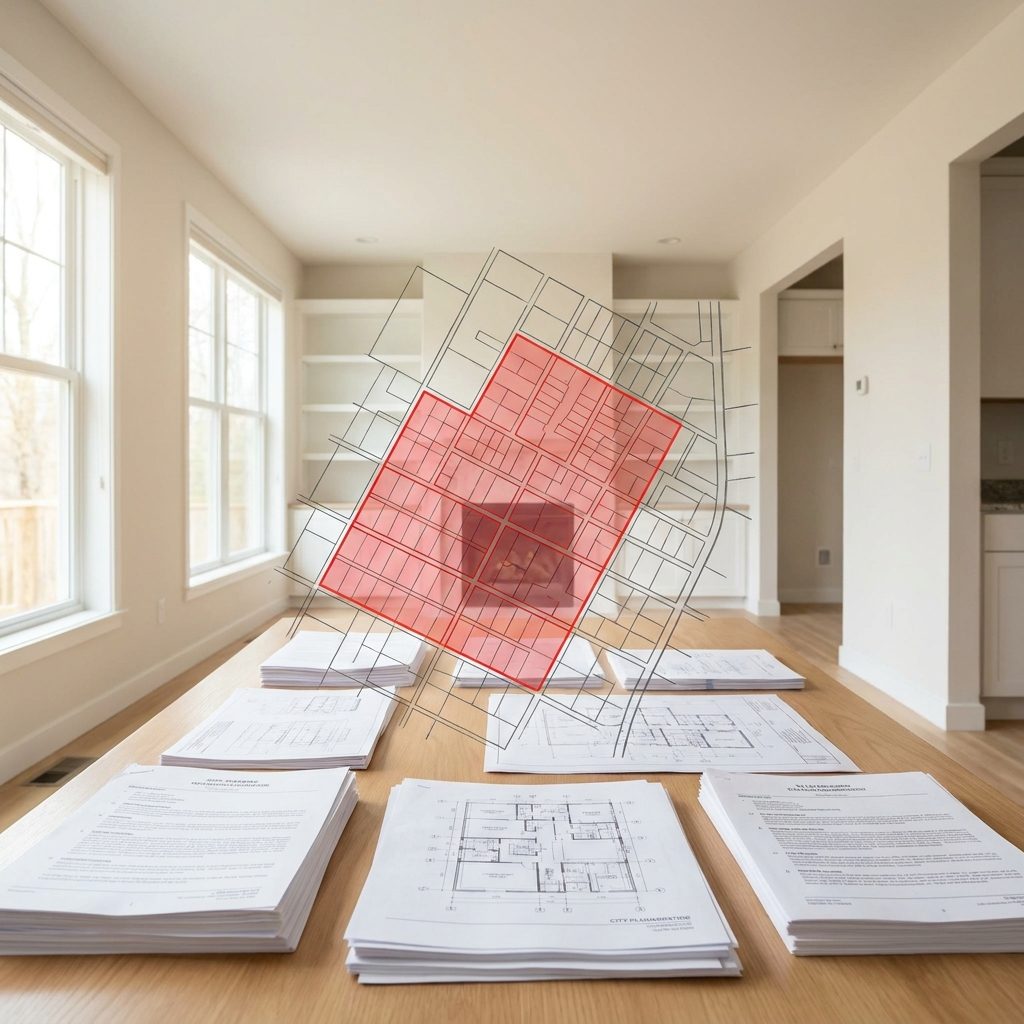
Cities change zoning constantly, and those pen strokes can quietly make you richer.
Got upzoned? Did accessory dwelling units become legal, or multi-unit builds suddenly get permitted where they weren’t? Your property’s ceiling just moved. The right to build more is worth money even if you never lift a hammer, because a lot that can hold a backyard rental or a duplex is simply a different asset than one locked to a single house.
Check your municipal planning updates once a year. Dull reading, sure. Also, occasionally, the most profitable half-hour you’ll spend all year.
Borrow once. Collect every month after.
This is the boldest thing homeowners are doing with equity right now: draw against the house, build the backyard unit, then rent it. The unit adds square footage to your appraisal and produces income against the money you borrowed to build it. Check your zoning first — then check your number.
2 minutes · No obligation
7. Your House Happens to Have the One Thing Buyers Now Fight Over

Buyer priorities shift, and sometimes the feature you took for granted becomes the thing everyone wants.
A dedicated home office, a separate in-law suite, a garage workshop, a finished basement that doubles as a red sitting room or a proper theater. After the remote-work reset, an extra room with a door stopped being a nice-to-have and turned into a premium line item on wish lists. If your floor plan already carries the feature buyers are paying up for, you’re ahead of the pricing curve.
Same story with a private bohemian sitting room off the main bedroom, or a small sitting room nook that reads as flexible bonus space. Hold your layout up against what’s selling fast right now. The overlap is your hidden equity.
Missing The Room Everyone Wants?
If your layout doesn’t have the office, the suite, or the door — adding it is the renovation with the clearest payback. And your equity is what funds it.
6. The View You Barely Notice Anymore Is Worth More Every Year

You stopped seeing your view years ago. Buyers won’t.
Water, skyline, mountains, protected green space — a view that can’t be replicated or built out is one of the few things a competitor simply can’t add. As the land around you fills in, an unobstructed sightline gets rarer, and rarer means pricier. If a park nearby was designated protected, or a height restriction locked in the vista from your windows, that scenery is now a permanent part of your asset.
Frame it well and it does the selling for you. A picture window against a quiet wall lets the outside do the talking, and a room styled around that sightline — a calm green sitting room, say, or a snug cottage sitting room facing the glass — banks the premium. The view was free when you bought it. It isn’t anymore, and that difference is yours to keep.
You stopped seeing it. Give yourself a reason to look again.
Bigger windows. A proper deck. The back wall opened up so the whole house finally faces the thing you bought it for. These are the projects people put off for a decade and then wish they’d done in year two — and the equity to do them has been sitting in the same walls the entire time.
2 minutes · Mortgage rate untouched
5. You Can Walk to a Coffee Shop That Wasn’t There When You Signed the Papers

Location is the one thing about your house you never renovated, and it’s often the thing that appreciated the most. When you bought, that corner was a shuttered dry cleaner and a parking lot. Now? A coffee roaster, a wine bar, and a farmers market that shows up every Saturday like clockwork. You didn’t lift a finger — the neighborhood grew up around you.
Walkability carries real dollar weight. Homes where you can leave the car parked and still get to groceries, coffee, and dinner command a premium that keeps climbing, and every new business that opens within a ten-minute stroll quietly nudges your value up.
Put that gain into the part you can renovate →
4. Your Mortgage Balance Is Less Than Half of What the Neighbors Just Sold For
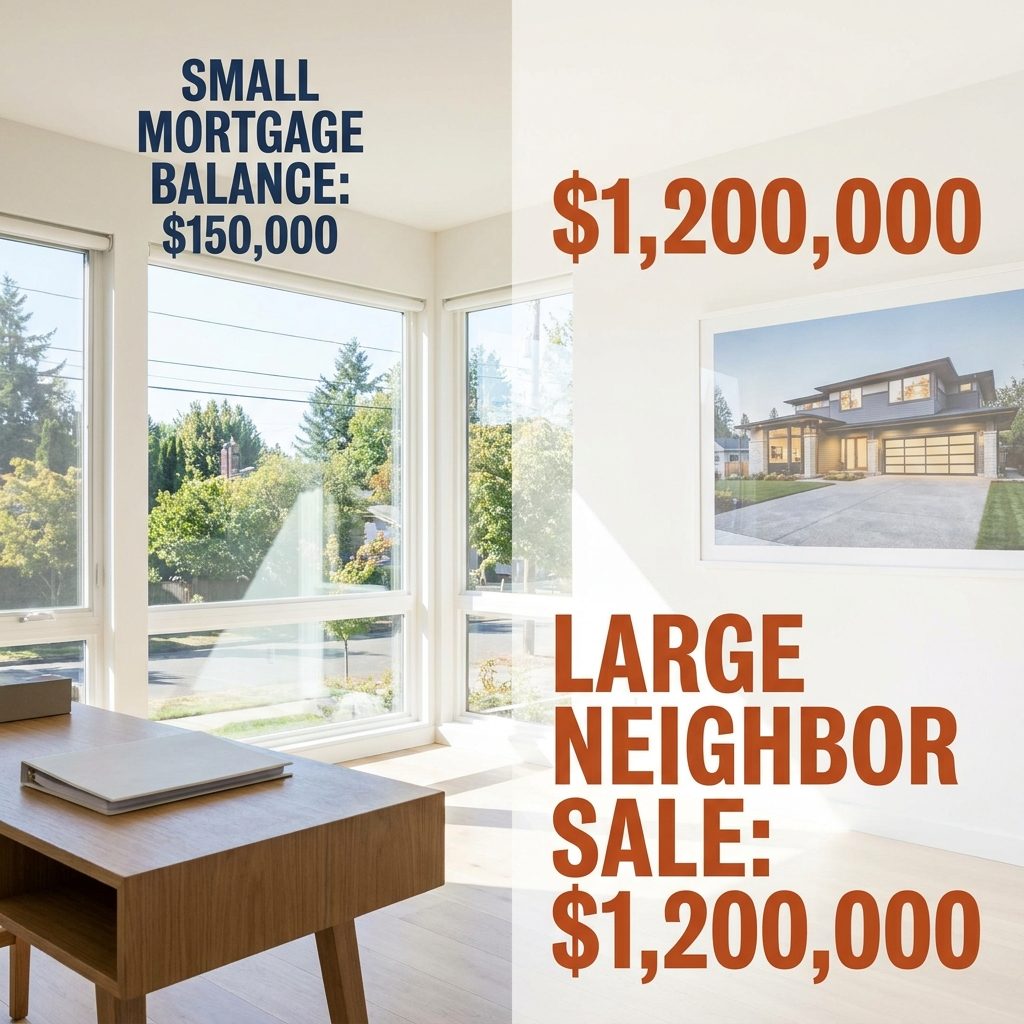
Here’s a quiet bit of arithmetic worth doing some rainy afternoon. Pull up what similar homes on your street closed for in the last six months, then look at your remaining mortgage balance. If that balance sits under half the sale price, you’re perched on a stack of equity that has nothing to do with anything you actually did.
Prices climbed while you kept chipping away at principal — two forces pulling in the same direction. The gap between what you owe and what your home commands is your money, whether you ever cash it out or not.
Most people never run this comparison because it feels like bragging to yourself. Run it anyway.
3. Your Loan-to-Value Ratio Slipped Below 80% and Nobody Told You

Loan-to-value is the least glamorous number in your financial life and one of the most useful. It’s what you owe divided by what the home is worth. Cross below 80% and doors open.
That threshold is where private mortgage insurance can drop off, which puts real money back in your pocket every month. It’s also where lenders quietly start treating you like a better bet — friendlier refinance terms, easier home equity lines, more room to haggle.
The catch is that your ratio shifts silently. Your value rises, your balance falls, and no bank calls to congratulate you. You have to notice on your own.
Nobody at the bank is going to call and congratulate you.
Under 80% loan-to-value you stop being an applicant and start being the customer lenders compete over: bigger lines, better terms, more room to negotiate. You have to notice on your own — and then make them prove it. That part takes about two minutes.
See Which Lenders Want My Business
No obligation · Starts with your home type
2. You Could Sell, Clear the Loan, and Still Pocket More Than You’d Guess
🔥 Would you like to save this?
Play out the scenario. Say you list tomorrow at what comparable homes are fetching, then subtract the agent commission, the closing costs, and every dollar left on your mortgage. What’s left is the number that tends to surprise people.
Homeowners anchor to the price they paid and the debt they took on, and both figures are frozen in the past. Meanwhile the market moved and your balance shrank, and the difference compounded into something you’d need a full paragraph to explain to your younger self.
You don’t have to sell to make this true. The walk-away number exists right now, sitting inside your walls. A well-kept living room like this one, with its caramel leather sofa and honey-oak floors, is exactly the kind of space that pulls competing offers and pushes that final figure higher.
Skip The Commission, Keep The House
The walk-away number costs you an agent’s fee, closing costs, and your address. There’s a way to reach most of it and keep all three.
1. You Genuinely Have No Idea What Your Home Is Worth Right Now

When was the last time you actually looked? Not a passing glance at a listing site — a real check. If the answer is years, you’re almost certainly underestimating what you’ve got.
Home values rarely move in the direction your gut assumes. Someone who bought during a slow stretch often figures the house crawled along right beside them, when in fact it quietly outran the whole neighborhood. The number in your head has gone stale, and stale numbers cost you leverage at exactly the moments you’d want it — a refinance, a line of credit, a decision about whether to stay or go.
This is the equity hiding behind unopened mail and old paperwork you keep meaning to file. Costs nothing to find out. Ten minutes and a fresh valuation, and that mustard-velvet reading corner you’ve barely thought about might turn out to be anchoring a home worth far more than you’d ever assumed.
You just read 30 signs. There’s exactly one way to know for sure.
Every item on this list points the same direction: the number in your head is out of date, and the gap is bigger than you think. You don’t have to sell the house, give up the mortgage rate you’ll never see again, or wait for anything to find out what that gap is actually worth.
Answer a few questions — it starts with what kind of home you own — and see which lenders would put your equity to work. Then go build the kitchen.
About 2 minutes · No obligation · Your mortgage stays exactly as it is