🔥 Would you like to save this?
The lease is signed. The boxes are unpacked. And suddenly every design decision feels loaded in a way nobody warned you about. A room that should feel like freedom keeps triggering something older, something that lived in a different house. Most survivors redecorate from a place of relief, which is understandable, but relief alone makes for some specific, recurring mistakes: wrong scale, wrong light, spaces that look finished but don’t actually feel safe. The fixes are real, and most of them cost nothing.
27. Hanging Every Single Thing You Own on the Gallery Wall
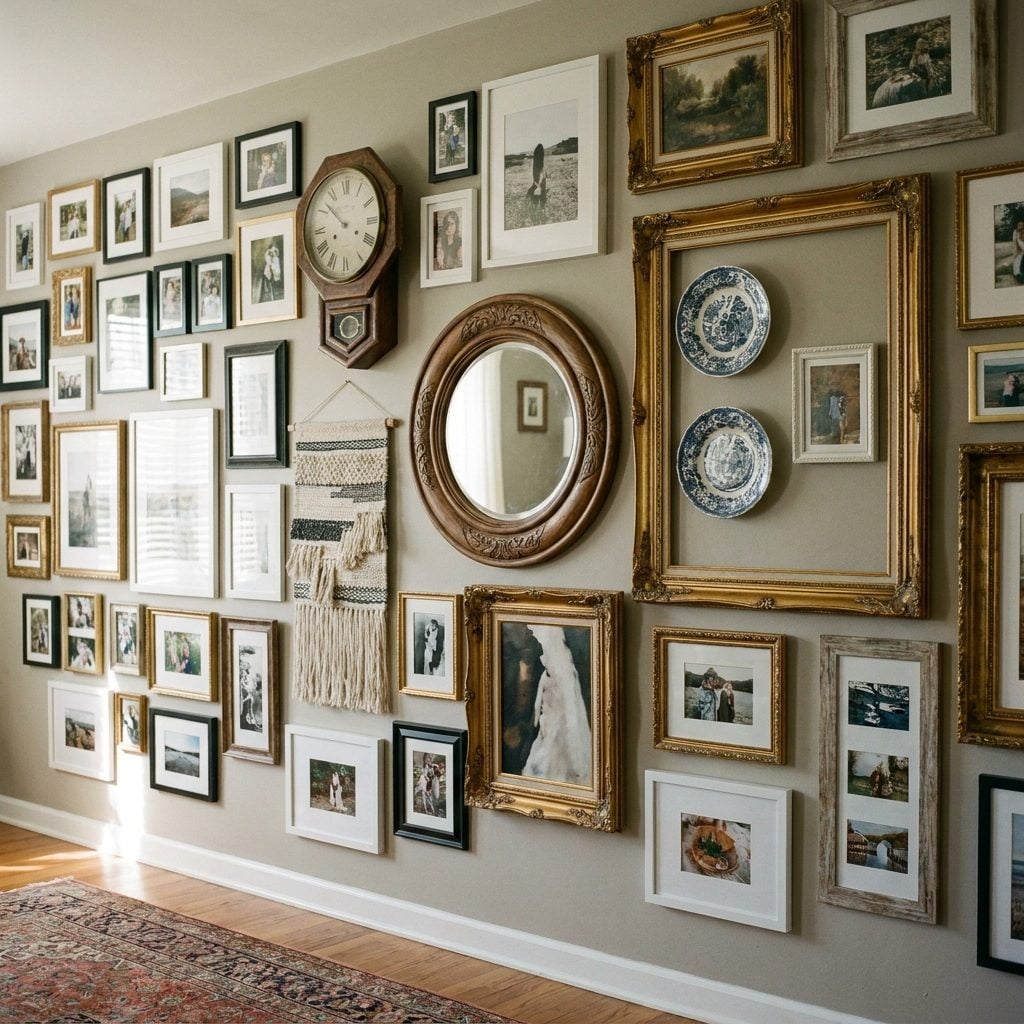
The gallery wall that covers every available inch of drywall. It’s a natural impulse for someone decorating their first solo space, finally, a wall that’s entirely yours, so fill it. But a wall packed edge to edge with art, prints, mirrors, a clock, a macrame piece, and three floating shelves reads as noise. The room feels smaller. The eye panics.
In order to come up with the very specific design ideas, we create most designs with the assistance of state-of-the-art AI interior design software. Also, assume links that take you off the site are affiliate links such as links to Amazon. this means we may earn a commission if you buy something.
Pick a focal anchor. One or three larger pieces with breathing room around them will do more for a wall than fifteen smaller ones jammed together. The negative space is doing real work. Let it.
26. Choosing Paint Colors From a Two-Inch Chip Under Fluorescent Store Lighting
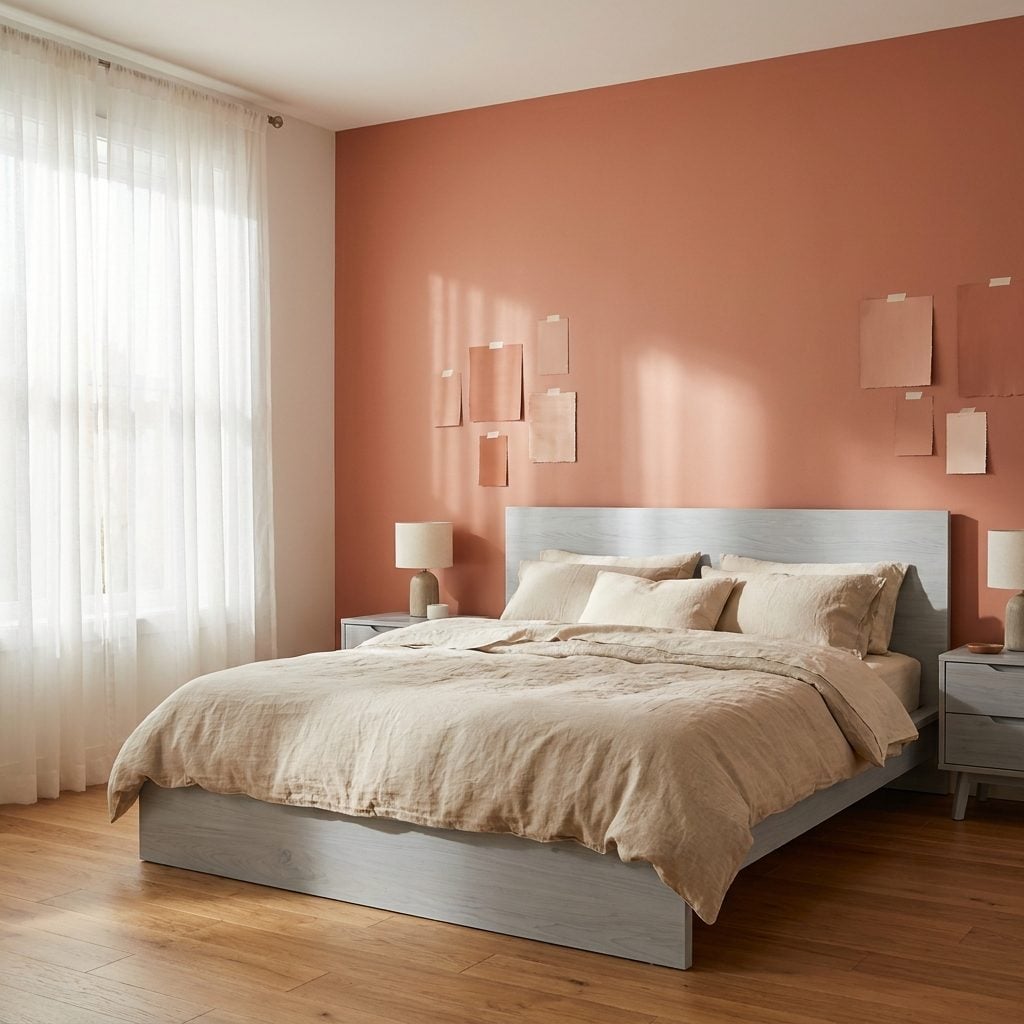
Paint color swatches lie. Not maliciously, they’re just two inches square, backlit by fluorescent tubes, and surrounded by forty other colors fighting for your attention. That sage green that looked serene at the hardware store becomes something between hospital mint and avocado once it covers 200 square feet of bedroom wall under your actual windows.
Buy a sample pot. Paint a 12-by-12-inch patch directly on your wall and watch it for 48 hours across different times of day. Morning light, noon, afternoon, lamp-lit evening. The color will look like four different colors. Pick the one that works in the worst light, not the best.
25. Buying Every Piece of Furniture in the Same Wood Tone
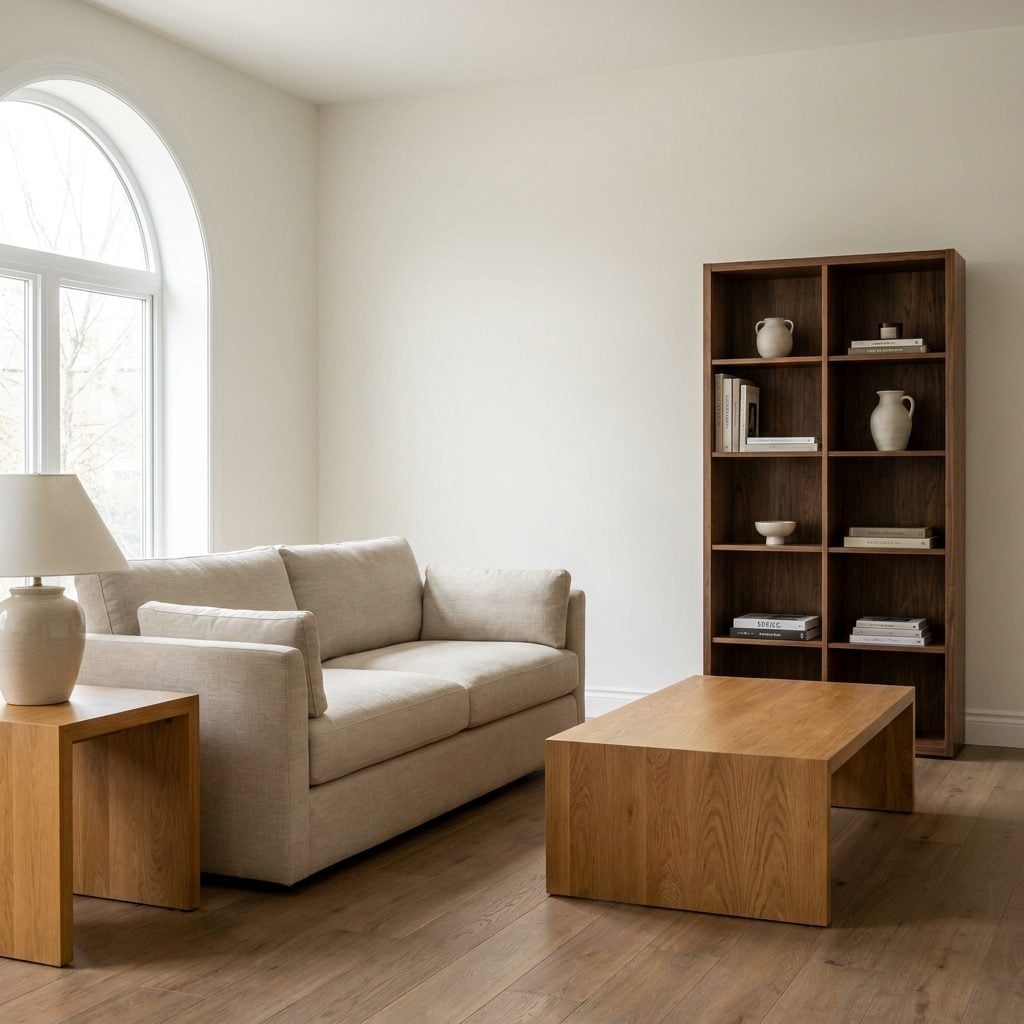
Three wood tones, all within the same caramel band, sitting in the same room together. It reads as an accident, not a choice. The eye has nowhere to land because everything is competing at the same visual frequency, and the effect is flat. Matchy-matchy furniture sends a signal you probably don’t mean to send: that everything came from the same showroom floor on the same Saturday afternoon.
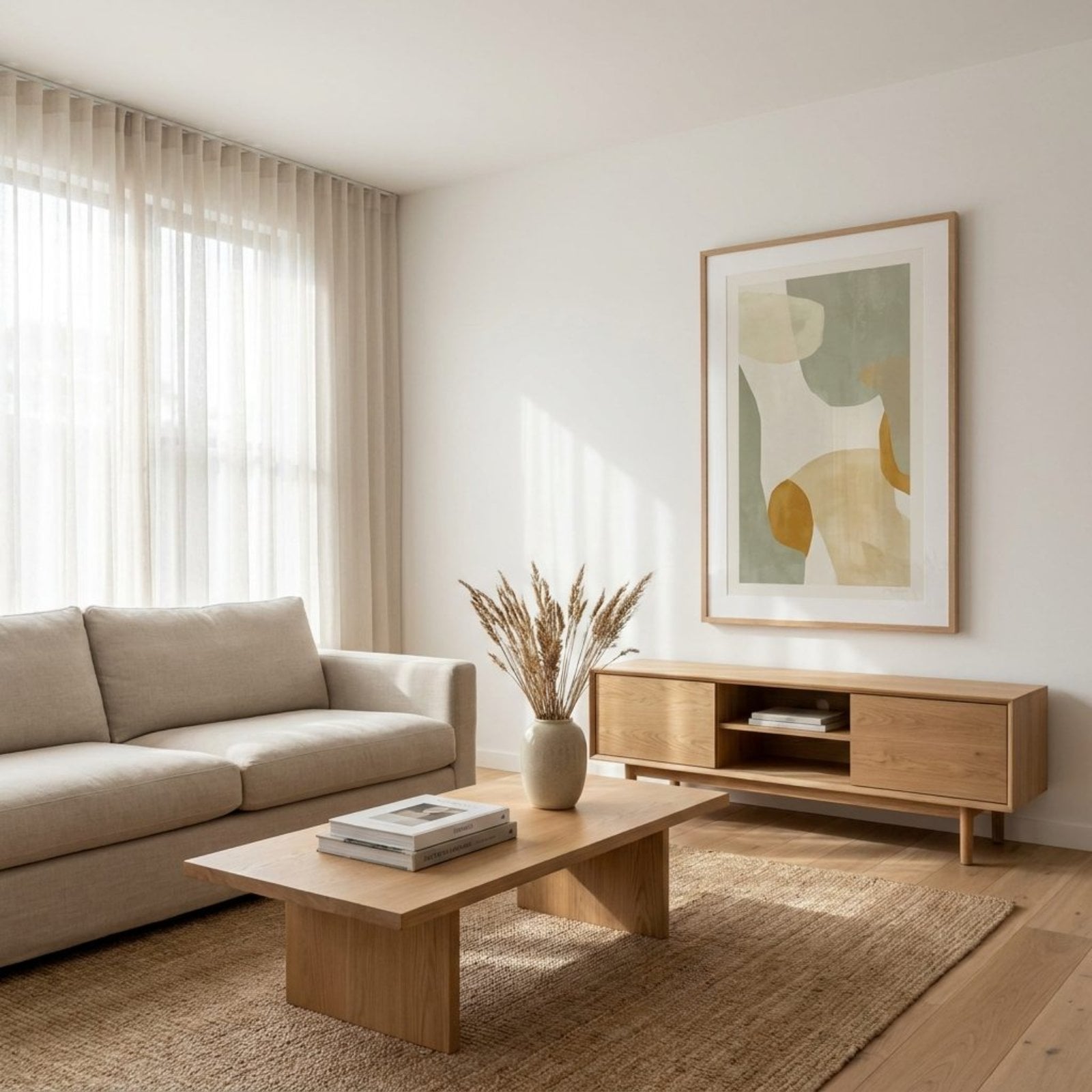
Mix at least two distinct tones intentionally. Pair a light ash with a dark walnut, or a white oak side table against a richer mahogany bookshelf. The contrast creates visual punctuation the room desperately needs. Designers call it tension. It’s the thing that makes a space feel like it was collected, not purchased all at once.
24. Treating the Bedroom Like a Storage Room With a Bed In It
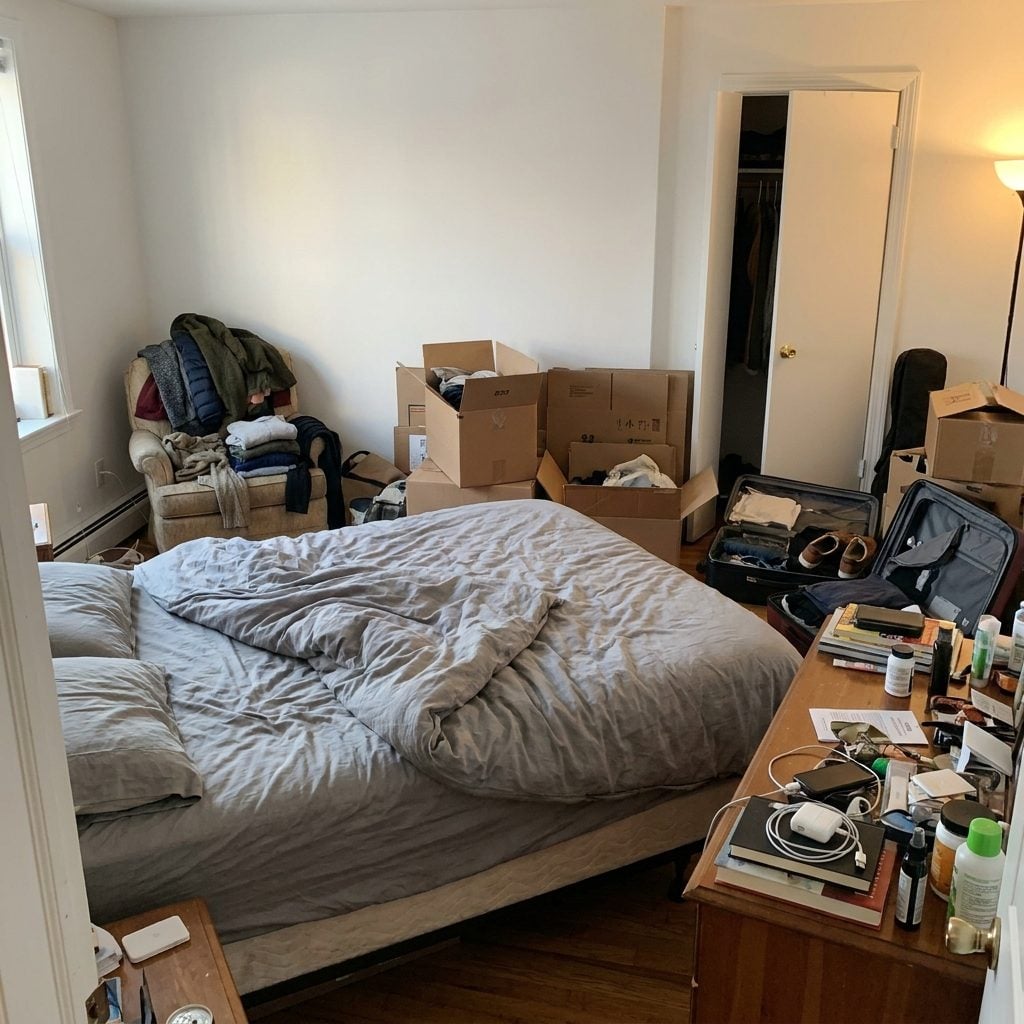
After divorce or separation, the bedroom often absorbs everything that doesn’t have a home yet. Boxes. Paperwork. The stuff still being sorted. It’s understandable and it’s also making sleep harder than it needs to be. The brain registers visual clutter as unfinished business, which is the last thing a bedroom should communicate.
The bedroom doesn’t have to be perfect. It has to be calm. Clear one flat surface, just one. Add a single ceramic bedside lamp with warm-toned bulbs. Put one thing on the nightstand that you actually love. The rest can wait. Start with sleep.
23. Scaling Down Every Piece of Furniture Because the Space ‘Feels Small’
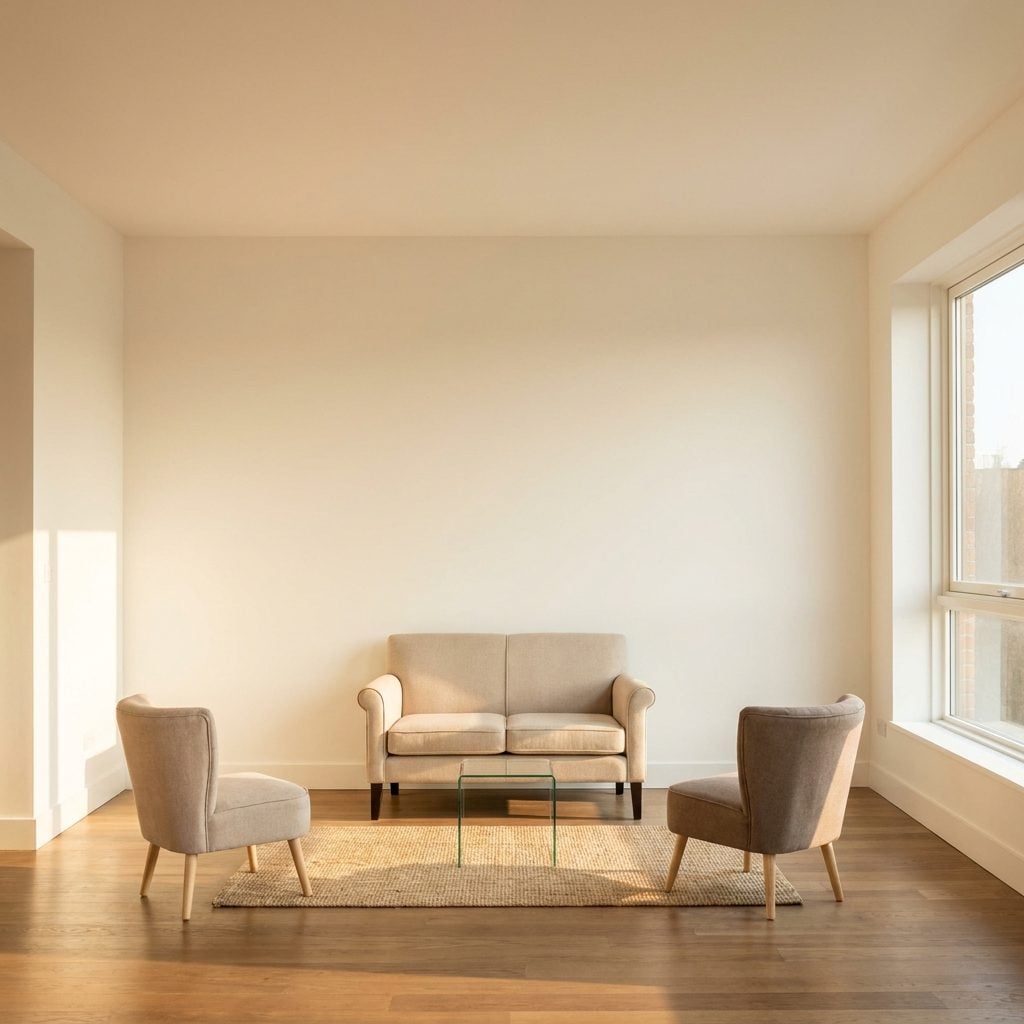
Small rooms get small furniture. It sounds logical. It’s almost always wrong. A room full of dinky scaled-down pieces reads as crowded and tentative, like someone apologizing for taking up space.
One larger anchor piece, a proper sofa with real depth, a substantial dining table, gives the room something to organize around. The furniture should fit the room’s proportions, not its square footage. Scale up the main piece, leave breathing room around it, and the space reads as intentional rather than cramped.
22. Installing Overhead Lighting Only and Wondering Why the Room Feels Like a Doctor’s Office
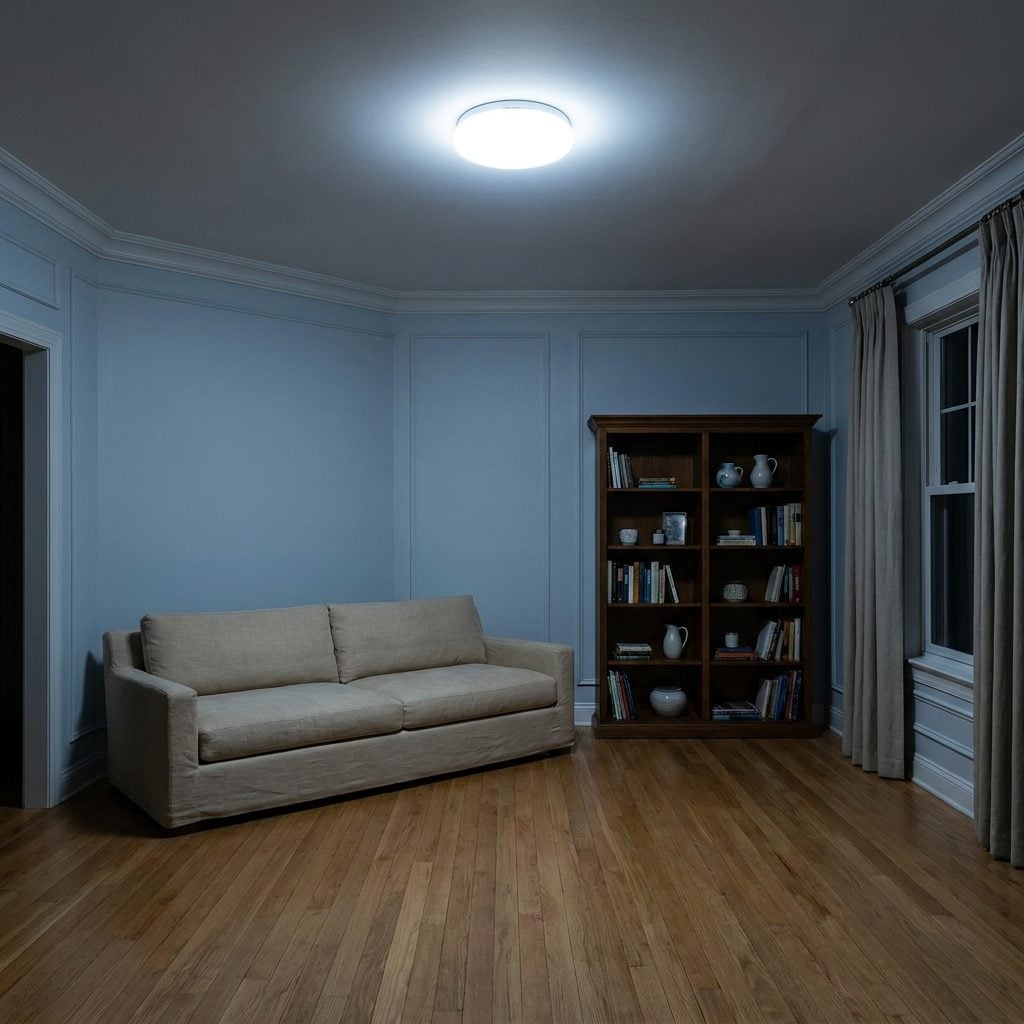
One ceiling fixture, centered, switched on. It lights the room the way an interrogation room is lit: evenly, without mercy, with no shadow to give anything depth. It’s the default setting of every rental and the thing most people don’t touch because it feels like too much work. It is also the single biggest drag on how a room feels at night.
Layer three light sources: ambient (the overhead), task (a lamp near where you read), and accent (something that hits a wall or a shelf). Warm-toned bulbs, 2700K is the sweet spot, turn a flat room into one that actually feels like home. A arc floor lamp in the corner costs less than a dinner out and does more for a room than almost any other single change.
21. Leaving the Dining Area Undefined Because You’re Not Sure You’ll Use It
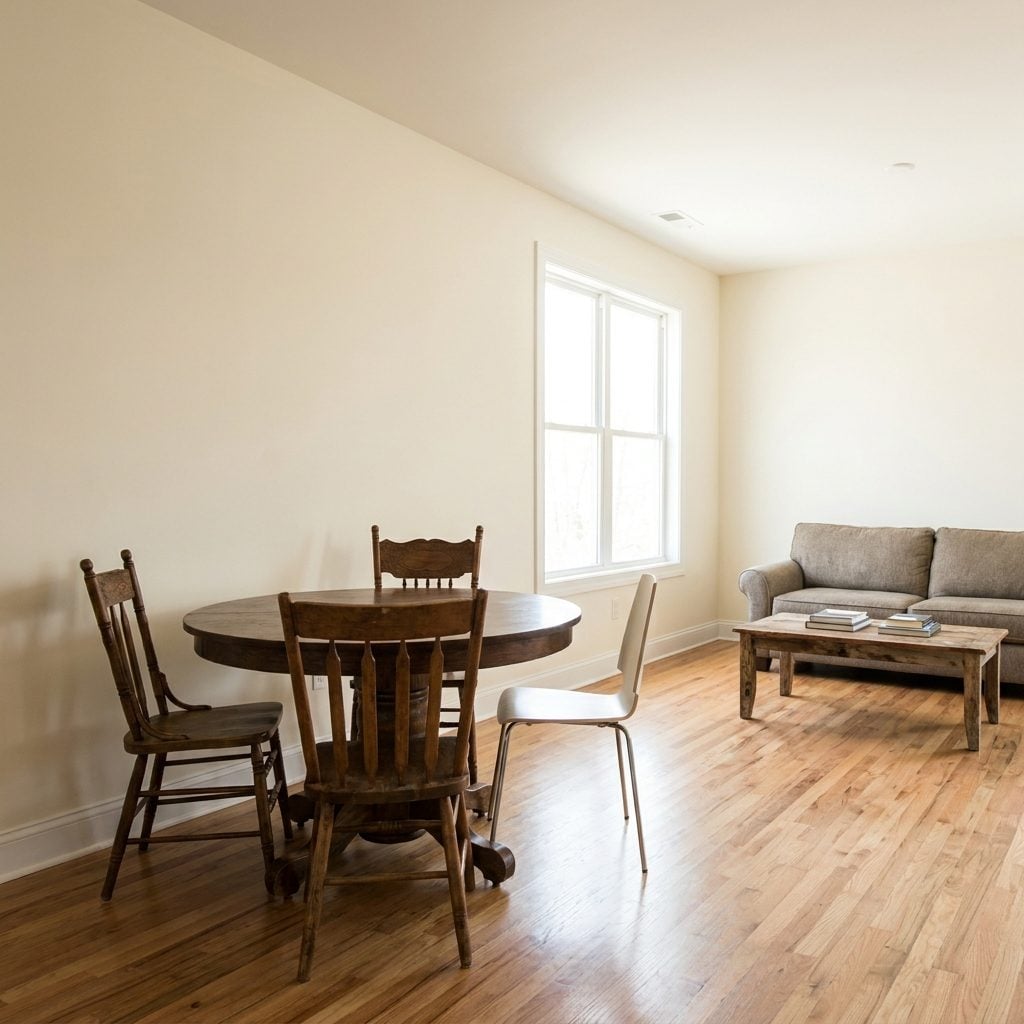
A solo survivor redecorting their first independent space often skips the dining area. Who am I cooking for? Who’s sitting here? The table becomes a place to charge laptops and sort mail, and the zone stays visually unresolved in the room.
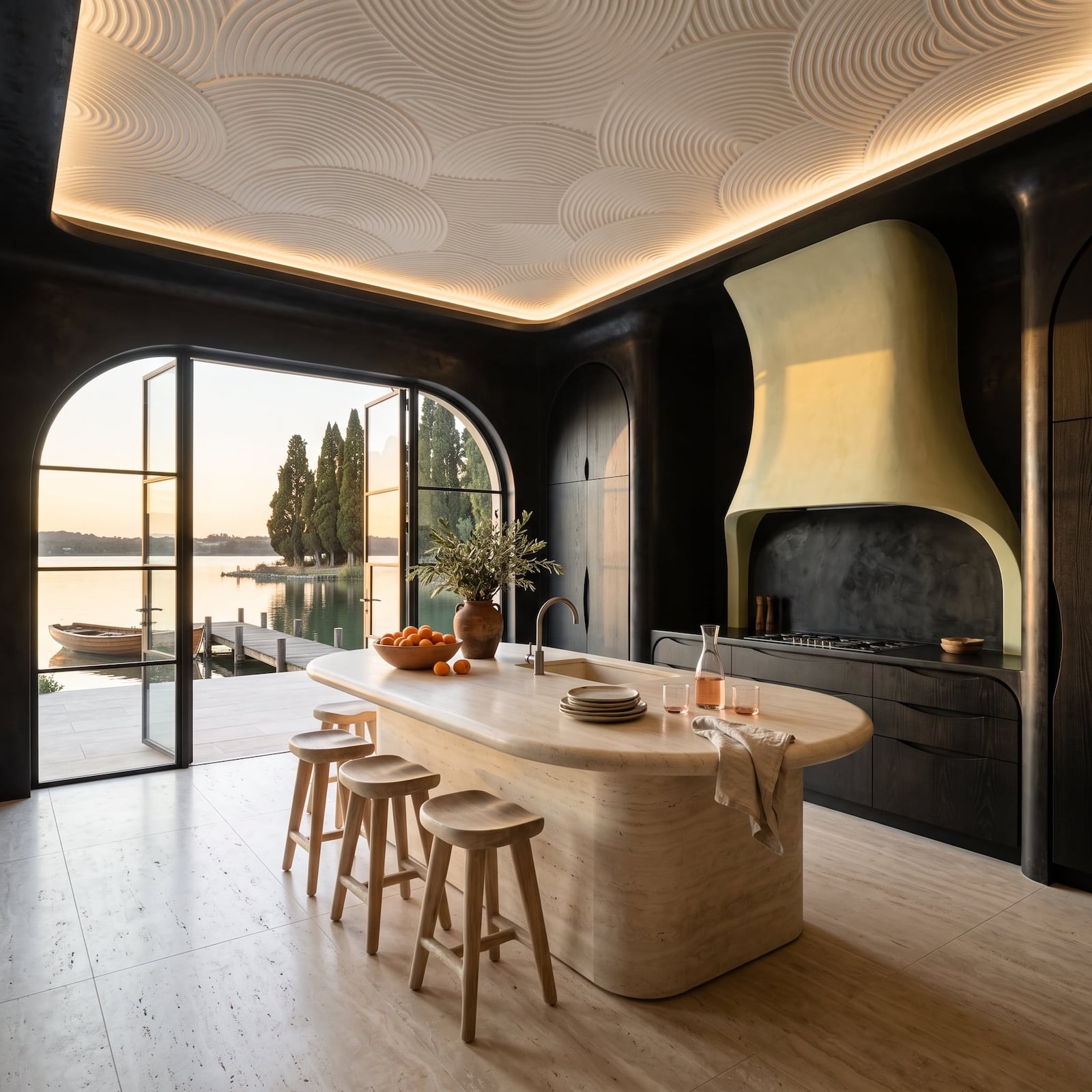
Define it anyway. An oval dining table with even two good chairs, a rug underneath, and one pendant overhead turns that corner from a dead zone into a room with intention. Eating alone at a proper table, it turns out, feels different than eating on the couch. It feels like you live there.
The table you set for yourself is the first one that’s entirely on your terms.
20. Keeping the Ex’s Aesthetic Out of Obligation or Inertia
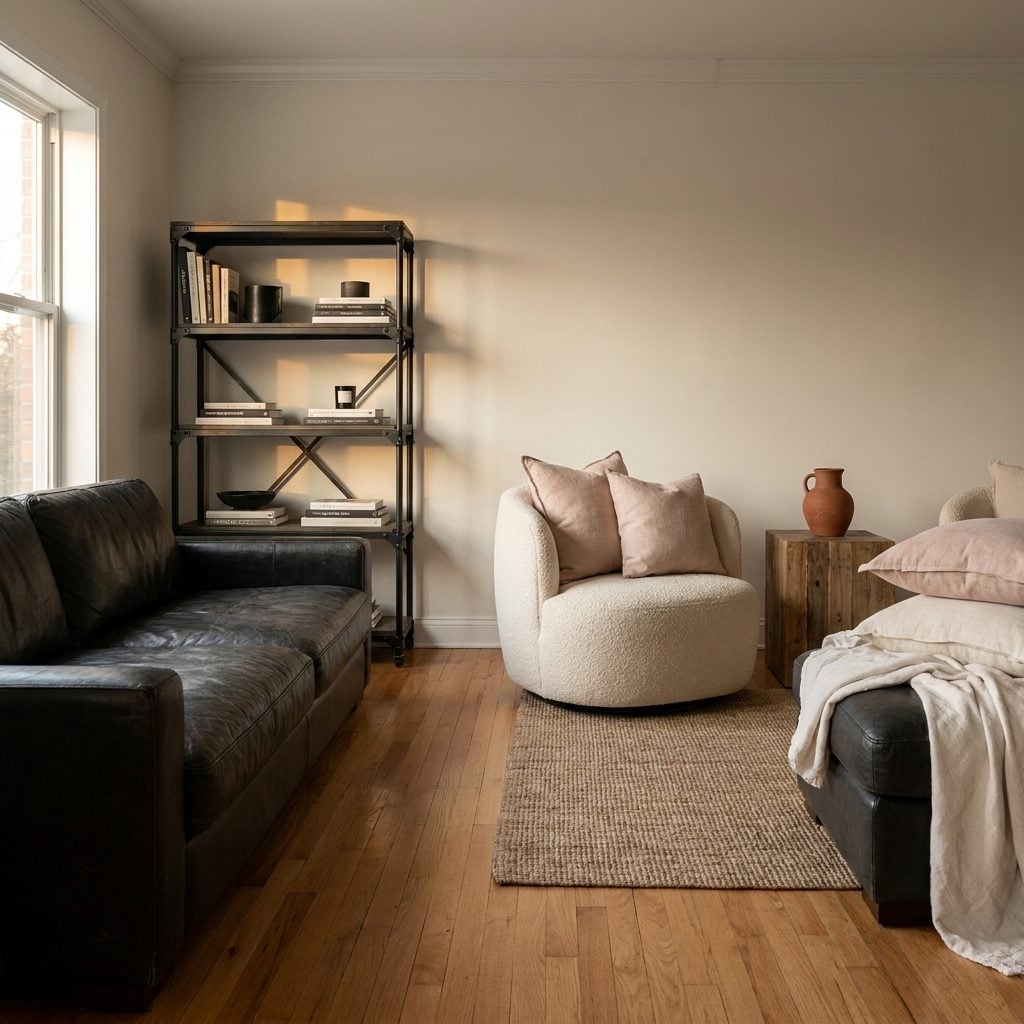
Dark leather sofa. Industrial shelving. A color palette that screamed ‘minimalist man cave’, and it was his. Not because you chose it. Because it was there and felt wrong to change, or because changing it felt like admitting something. Survivors do this constantly: keep the old aesthetic running because starting over feels like too large a statement.
It is a large statement, actually. That’s the whole point. Your first solo home is the first space that gets to be entirely yours, down to the velvet throw pillows and the terracotta ceramic vase you keep on the bookshelf because you like it, not because anyone agreed it was fine. You don’t need to redecorate all at once. Start by removing one thing that was never yours. See how the room breathes.
19. Buying All Your Furniture from the Same Store on the Same Weekend
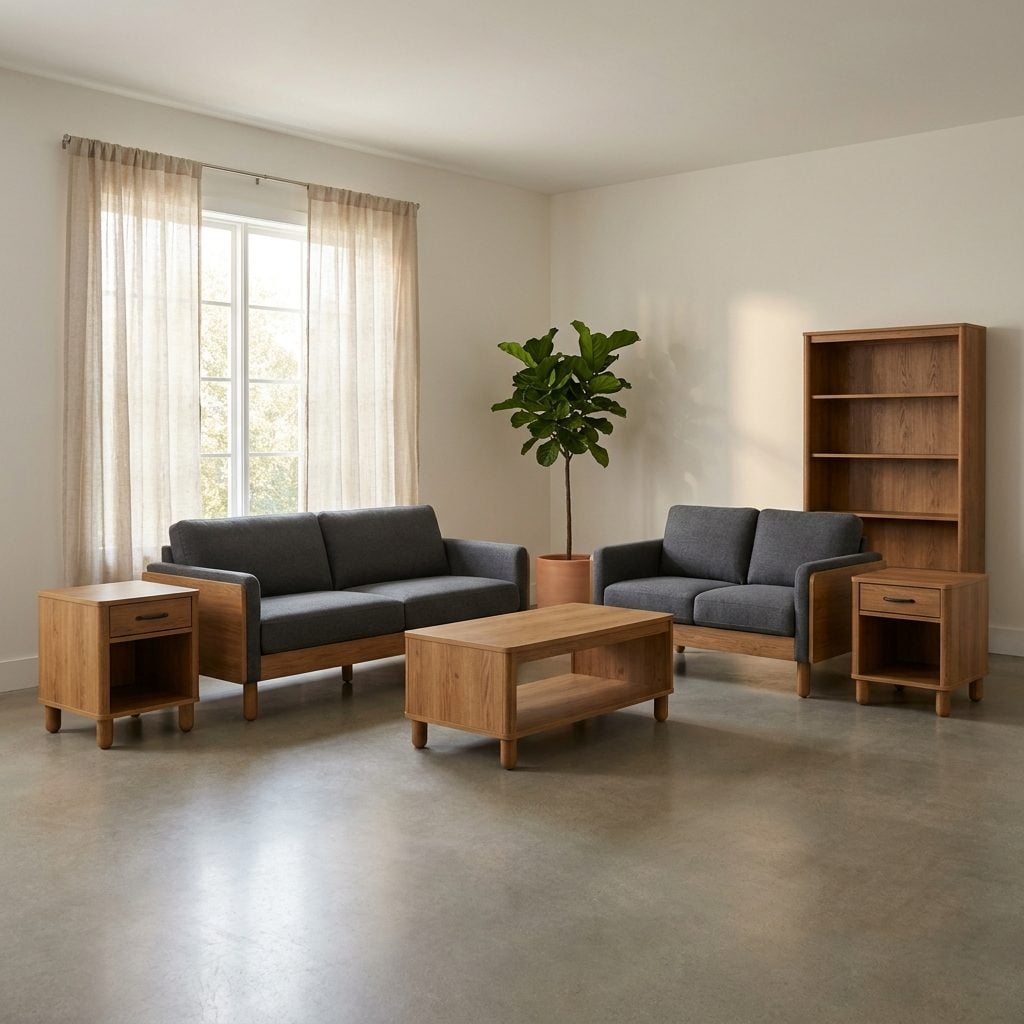
Every piece matches. The sofa, the armchair, the coffee table, the side table, same collection, same finish, same store tag. It looks coordinated and it feels like a hotel lobby that ran out of budget halfway through.
When everything is from one place and one moment in time, the room has no history. Real homes accumulate. They have the lamp from a grandmother’s spare room, the rug found at a weekend market, the chair that was a deliberate splurge. Mix your sources deliberately, one anchor piece from a furniture store, then layer in vintage finds, hand-me-downs worth keeping, and a few things bought slowly over time. The mismatch is the point.
18. Painting the Walls a Safe Greige Because You’re Scared of Getting It Wrong
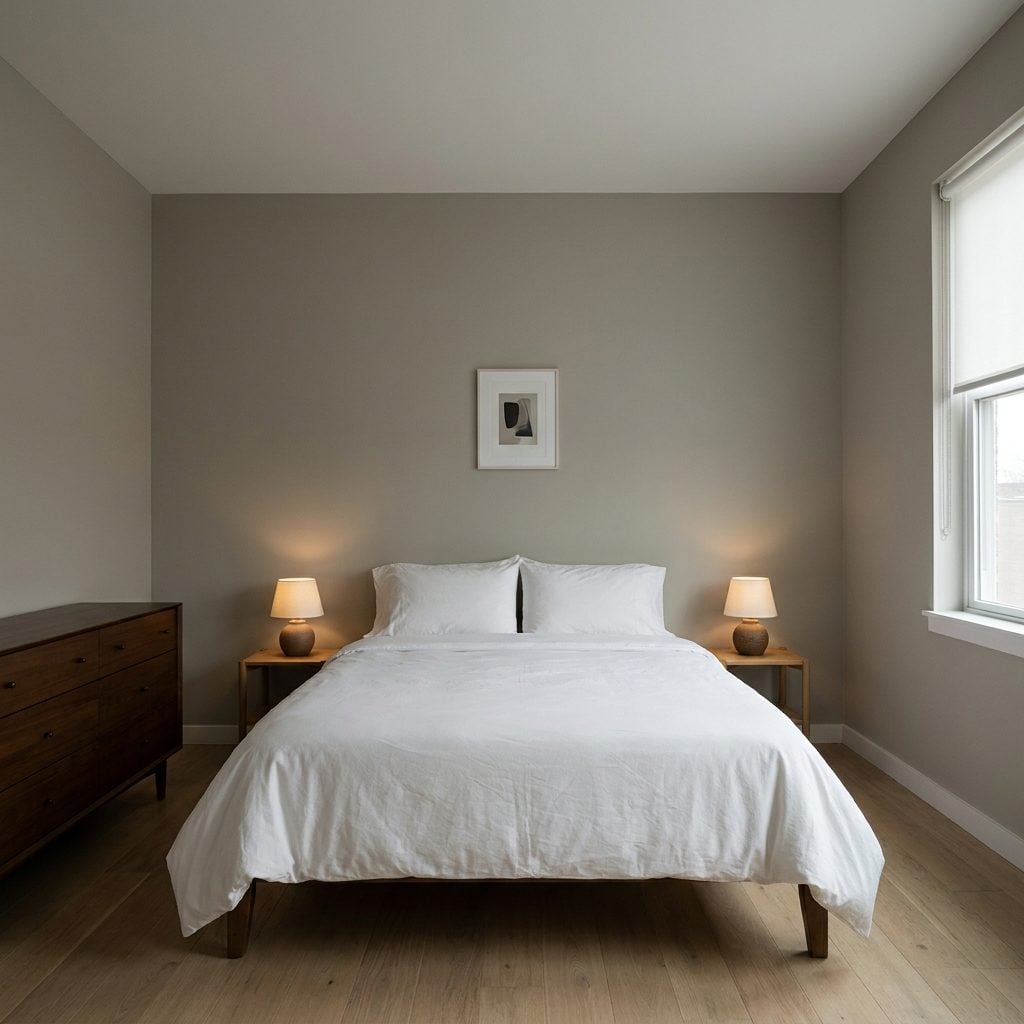
Greige is the color of not deciding. It’s everywhere in first solo homes because it feels safe, it goes with everything, offends no one, and costs you nothing. What it also costs you is atmosphere, warmth, and any sense that this room belongs to a specific person.
Pick a real color. A warm terracotta. A deep sage. Even a true warm white with actual yellow undertones. Colors that commit to something give a room a mood you can feel when you walk in. If you’re nervous, paint one wall first and live with it for a week. You’ll know within three days.
17. Leaving Every Wall Completely Bare for the First Six Months
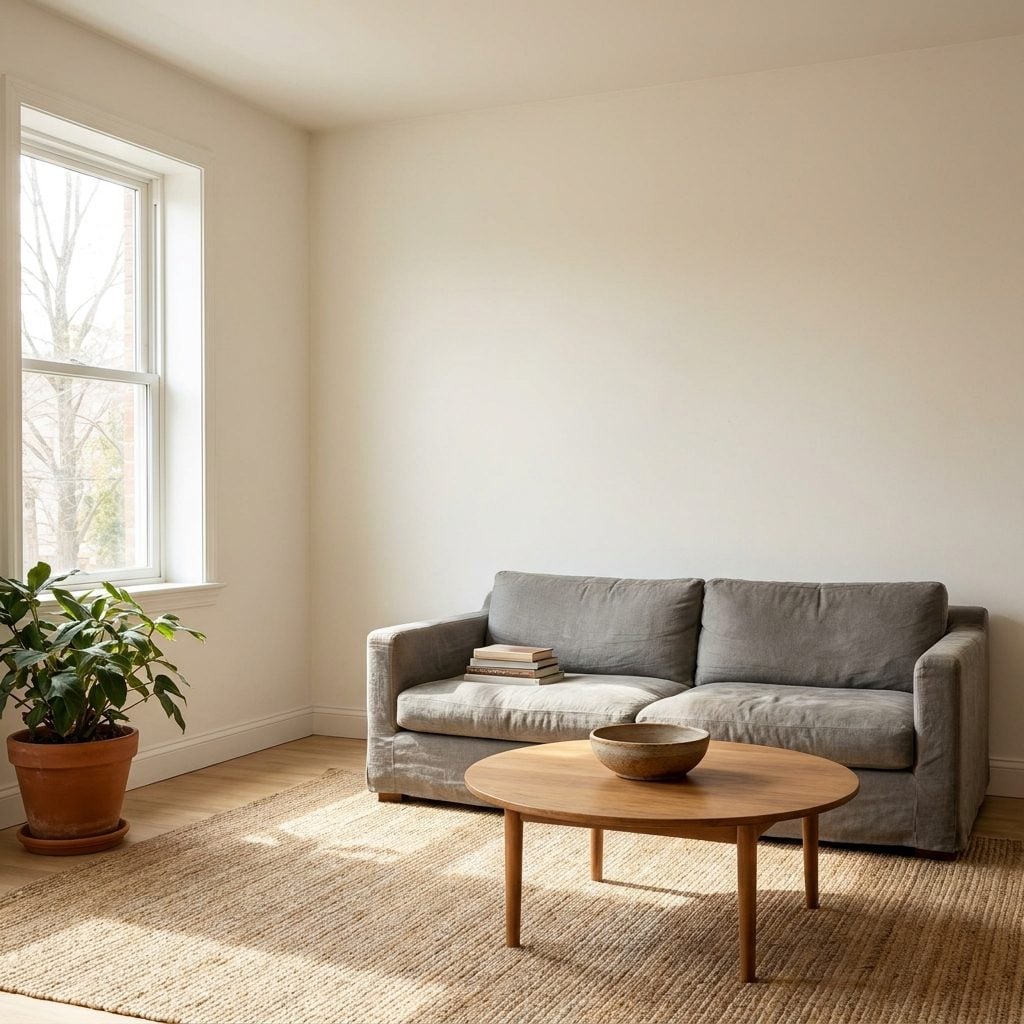
The furniture is in. The rug is down. But the walls are still blank white rectangles and the room feels like a waiting room nobody bothered to finish decorating. This is the most common first-solo-home condition there is, I held out for almost four months convinced I’d find the perfect art eventually.
You don’t need to solve the whole wall in one go. Lean a framed print against the baseboard while you decide where it belongs. Hang a woven wall hanging as a placeholder. Put up a single mirror. Something on the wall, imperfectly placed, does more for a room than nothing waiting to be perfect.
16. Using a Rug That’s Too Small and Calling It an Accent Rug
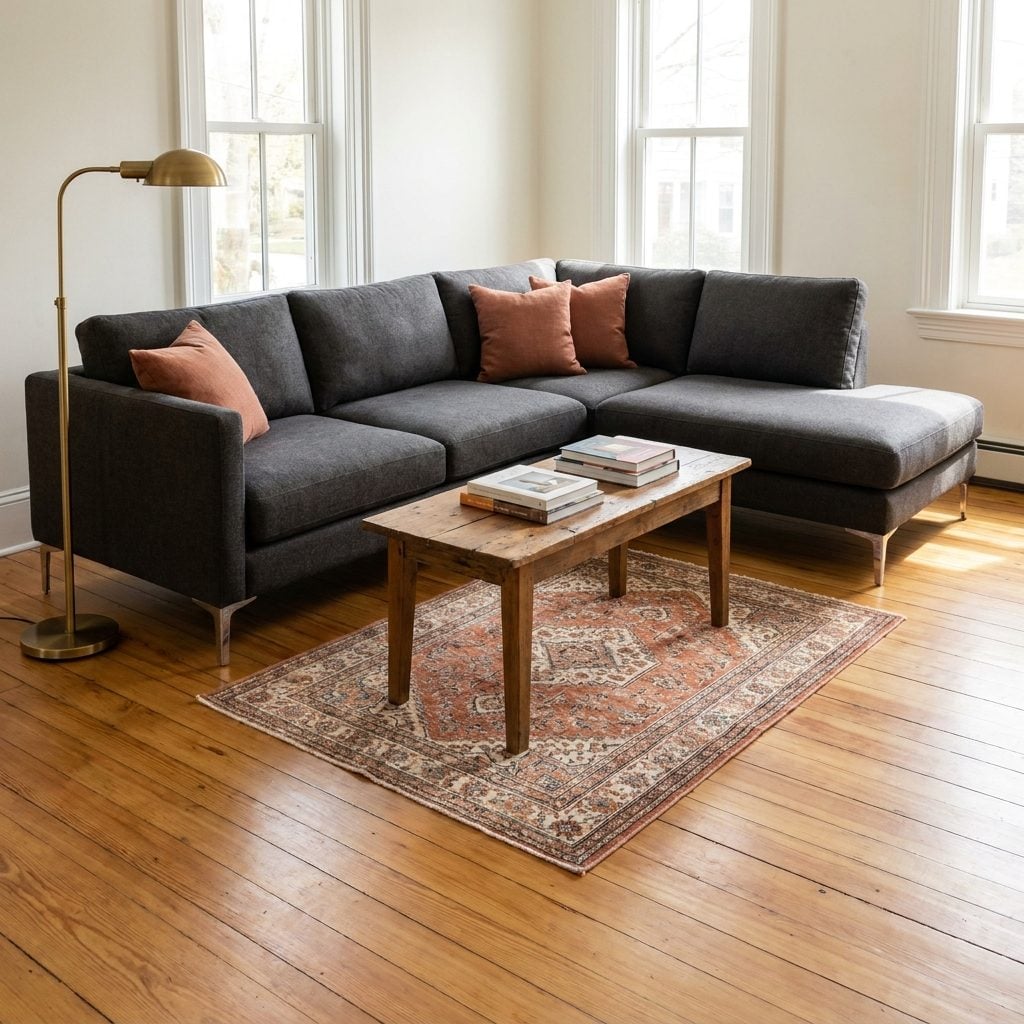
The rug is on the floor. The furniture is also on the floor. But they have nothing to do with each other because the rug is two sizes too small and everything is floating.
A rug’s job is to anchor a seating group, to tie the furniture into a defined zone so the room reads as intentional. For a typical living room, that means at least the front legs of every major piece sitting on the large area rug. The minimum size for a sofa-and-chairs arrangement is usually 8×10. When in doubt, size up. A rug that’s too big reads as generous. A rug that’s too small reads as an afterthought.
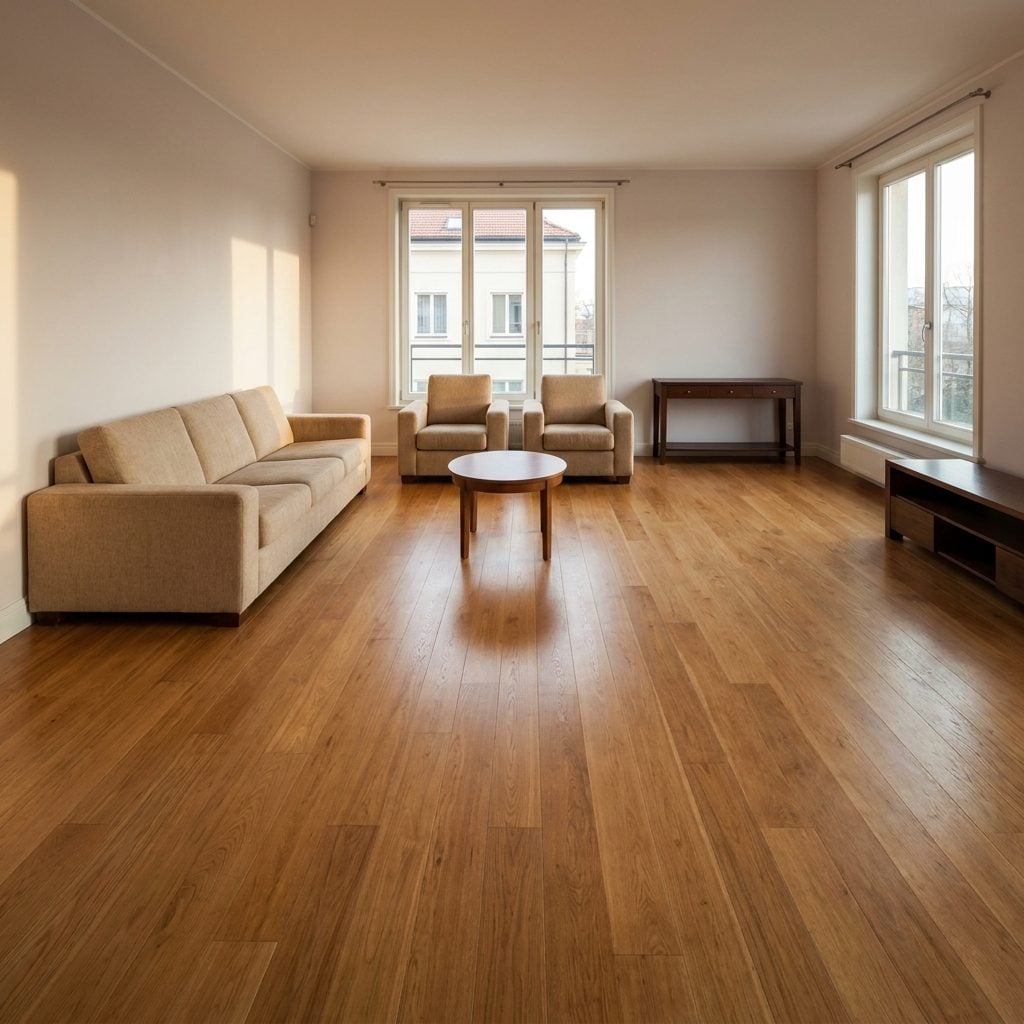
15. Arranging All the Furniture Against the Walls Like a Middle School Gym Dance
🔥 Would you like to save this?
Every chair against every wall. The sofa pushed flat to the baseboard. A wide-open desert of floor in the middle. This layout feels logical, more space to walk around!, but it actually makes rooms feel smaller and more awkward, not larger.
Furniture pulled away from the walls creates conversational zones and makes a room feel like someone thought about how it would actually be used. Try pulling the sofa 12 to 18 inches off the wall and floating it around the coffee table. Good sitting room decor is built on proximity, not perimeter.
14. Buying a Bed Frame You Love and Ignoring the Headboard Situation Entirely
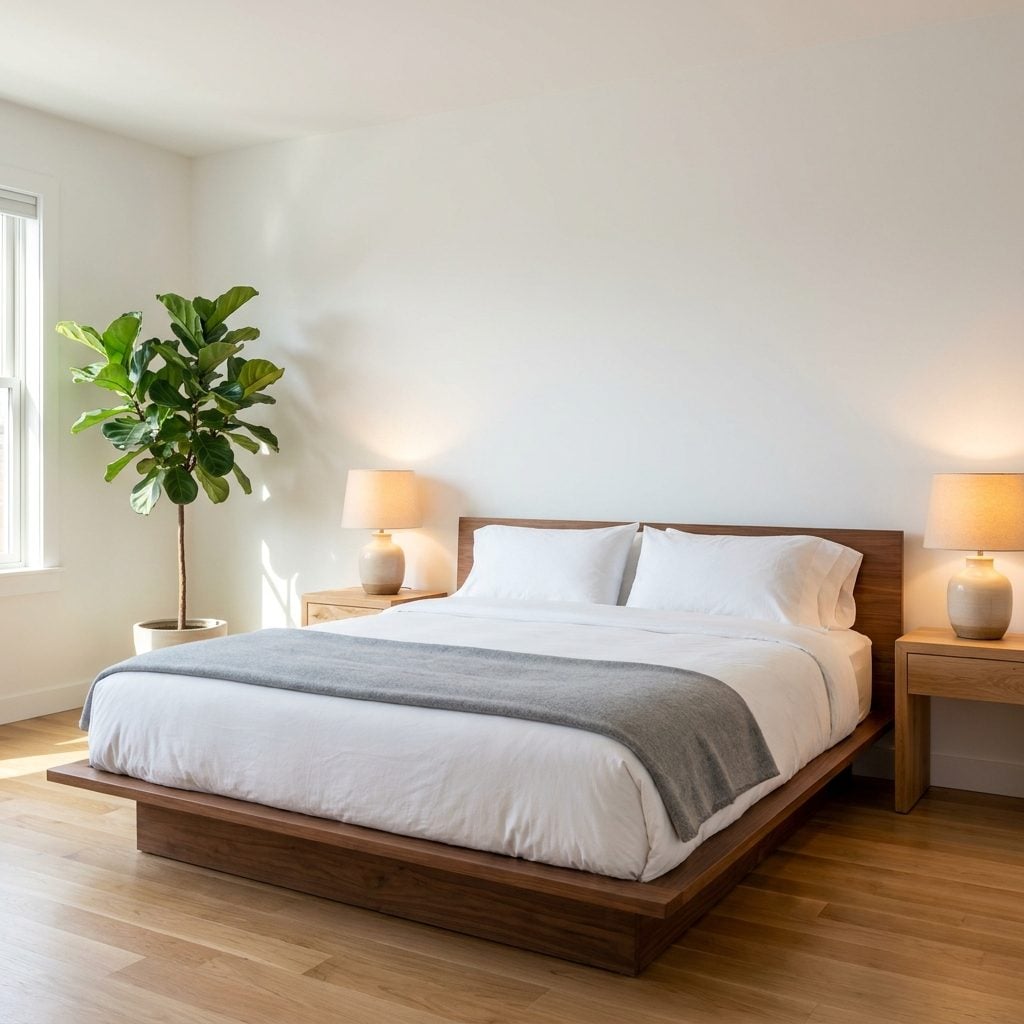
The bed is beautiful. The bedding is right. But there’s just a flat white wall behind it, and no matter how good everything else is, that wall reads as unfinished every single time you walk in the room.
The headboard anchors the whole composition. Without it, the bed floats. You don’t have to buy a traditional frame-mounted headboard, a large piece of art hung low and centered works, as do two sconces mounted symmetrically with nothing else needed. A leaned oversized canvas. A fabric panel. Even a horizontal row of three frames in matching matte black. The wall behind the bed needs something.
13. Buying Lighting as an Afterthought and Living Under Overhead Fluorescents Forever
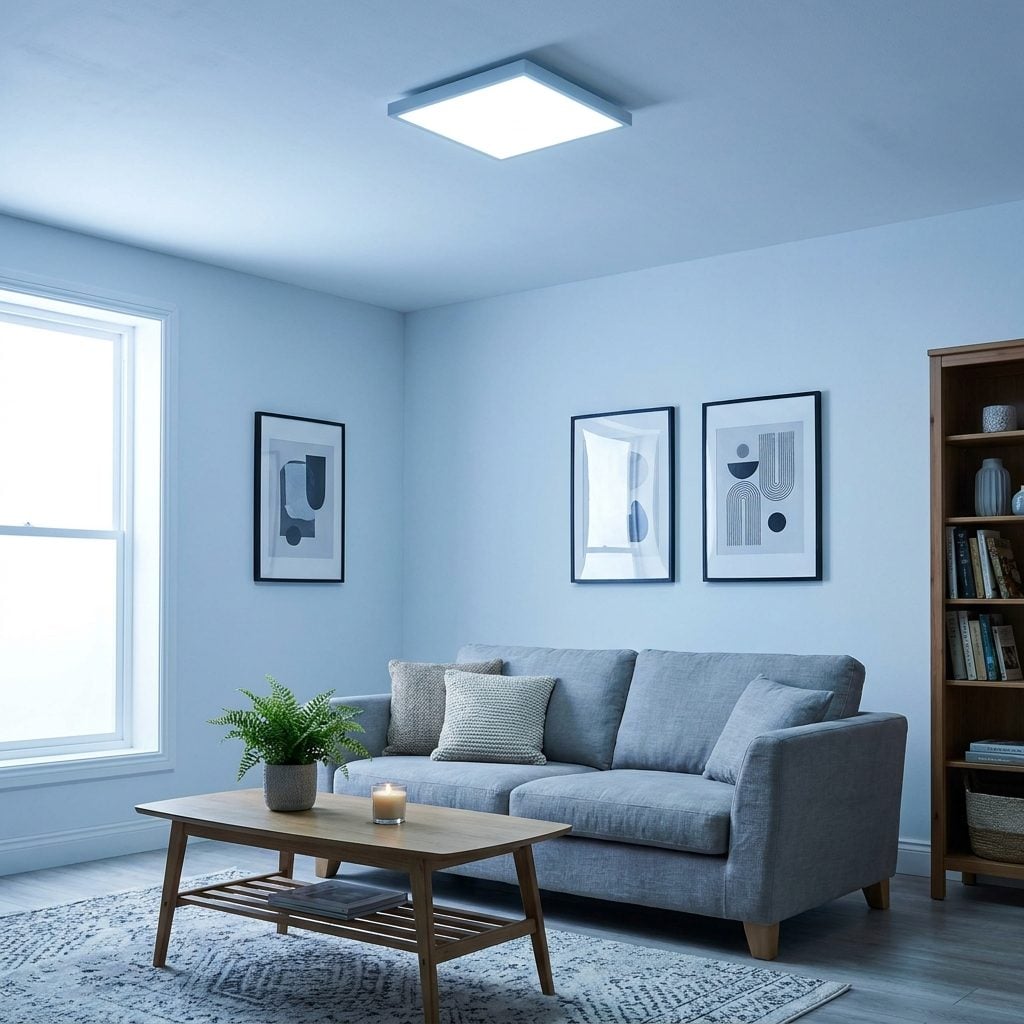
Overhead lighting does one thing: it illuminates a room evenly and without mercy. No shadows, no warmth, no mood. Every flaw visible. Every corner identically lit. It’s the lighting equivalent of a phone call where someone reads their own resume aloud.
Layer your light from multiple sources at different heights. A arc floor lamp behind the sofa. A ceramic table lamp on the side table. Candles when you’re not worried about falling asleep. Keep the overhead for tasks, cleaning, finding things, and turn it off the rest of the time. The room you’ve been trying to build with furniture and paint was there all along. It just needed the right light to show up.
12. Ignoring the Entryway Because It’s Small and You Figure Nobody Notices
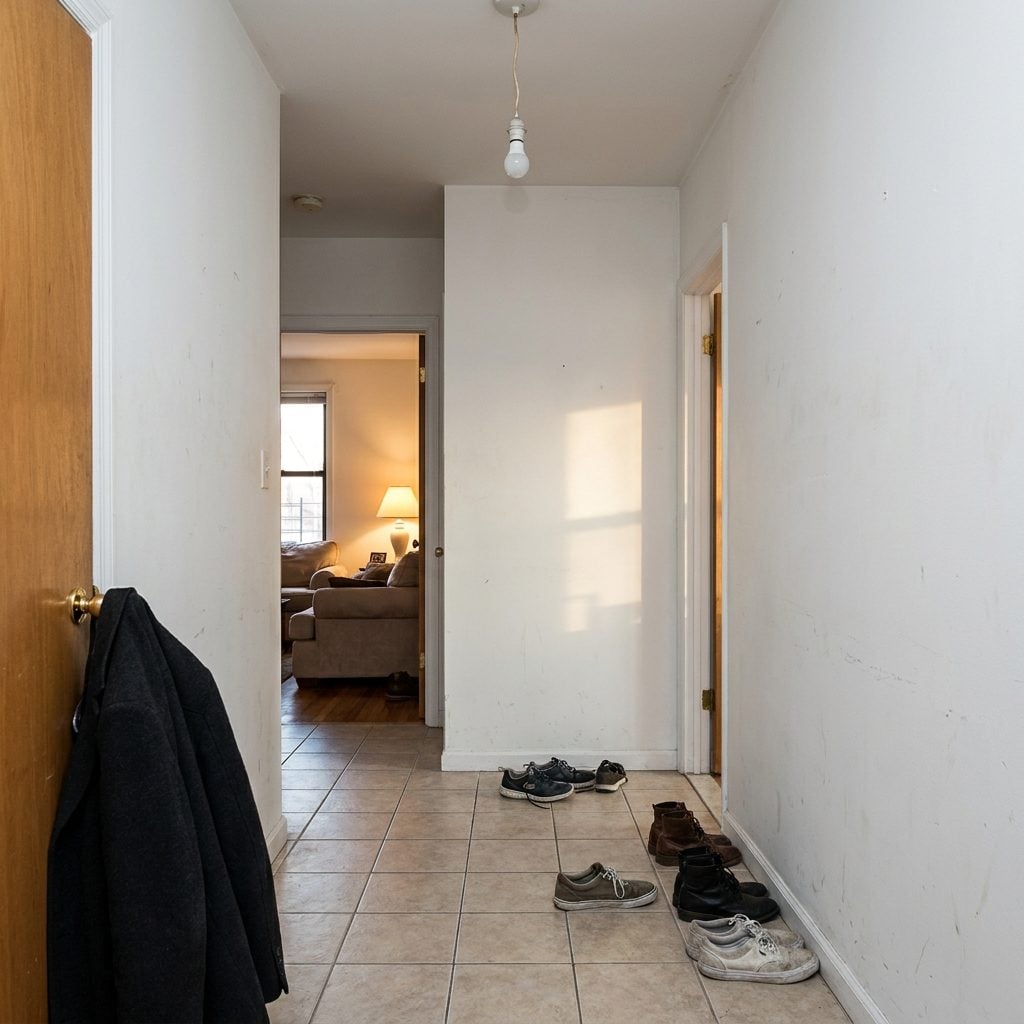
The entryway is three feet wide and gets walked through in two seconds flat, so it’s always the last thing on the list. But it’s the first impression your home makes, on guests, on you, every single day when you come home.
A small entryway needs exactly three things: something to hang coats and bags on, a surface to put keys and mail, and one piece that signals this is a home someone cares about. A wall mounted coat hooks, a narrow console, a mirror that bounces light back into the space. Even finding home inspiration through a single framed print makes the difference between a hallway and an arrival.
11. Filling Every Wall With Framed Memories Before the Room Has a Foundation
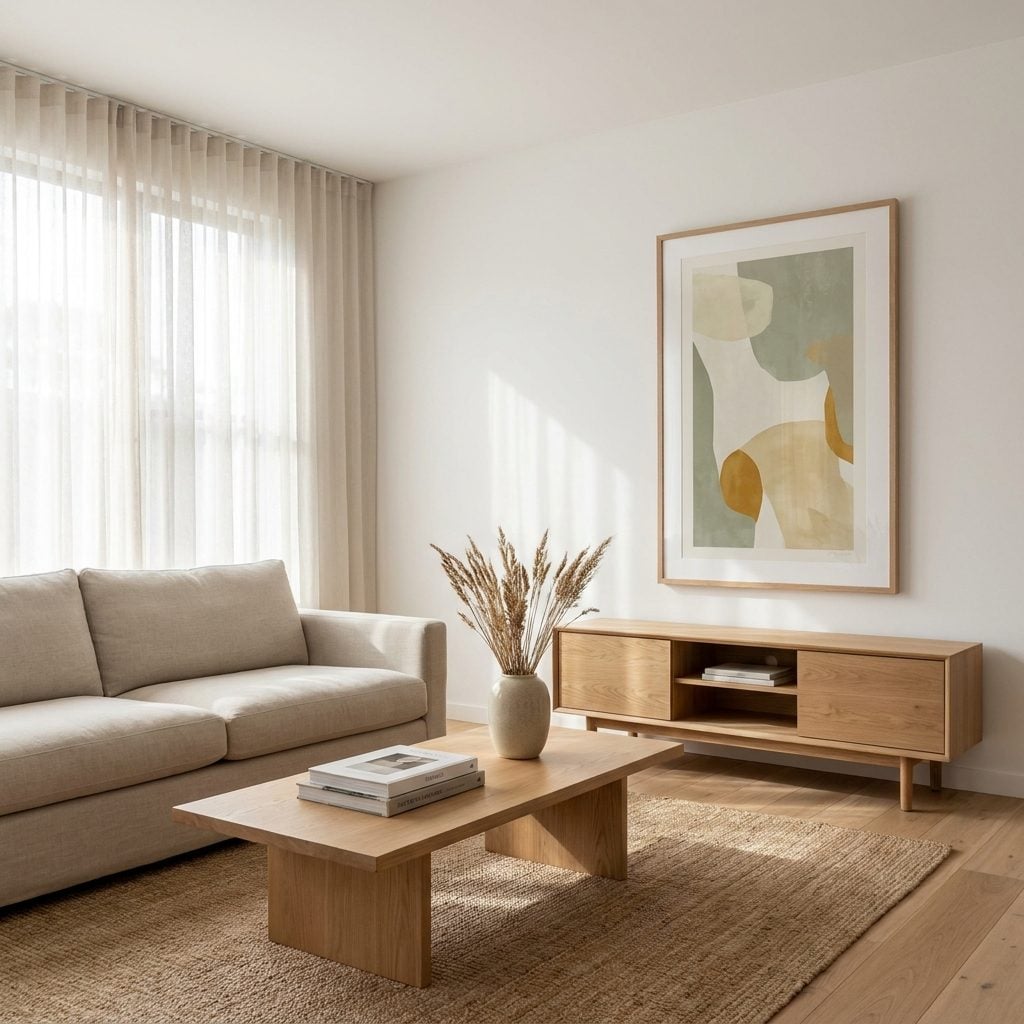
The impulse is real and it makes sense: you finally have walls that belong to you, so you cover every inch of them with the photos, certificates, and mementos that prove you survived something. What ends up happening is the room looks like a shrine rather than a home. Thirty frames of different sizes and finishes compete with each other and the furniture underneath them never gets a chance to land.
Start with the room itself, the sofa, the rug, the light. Let those settle for a few weeks. Then add one or two large pieces of art that belong to the space, not just to your history. The photographs can live in a single gallery cluster on one wall, in matching frames, with intentional spacing. Your story doesn’t have to be everywhere to be present.
10. Buying All Your Furniture the Same Week Because You Want It Done
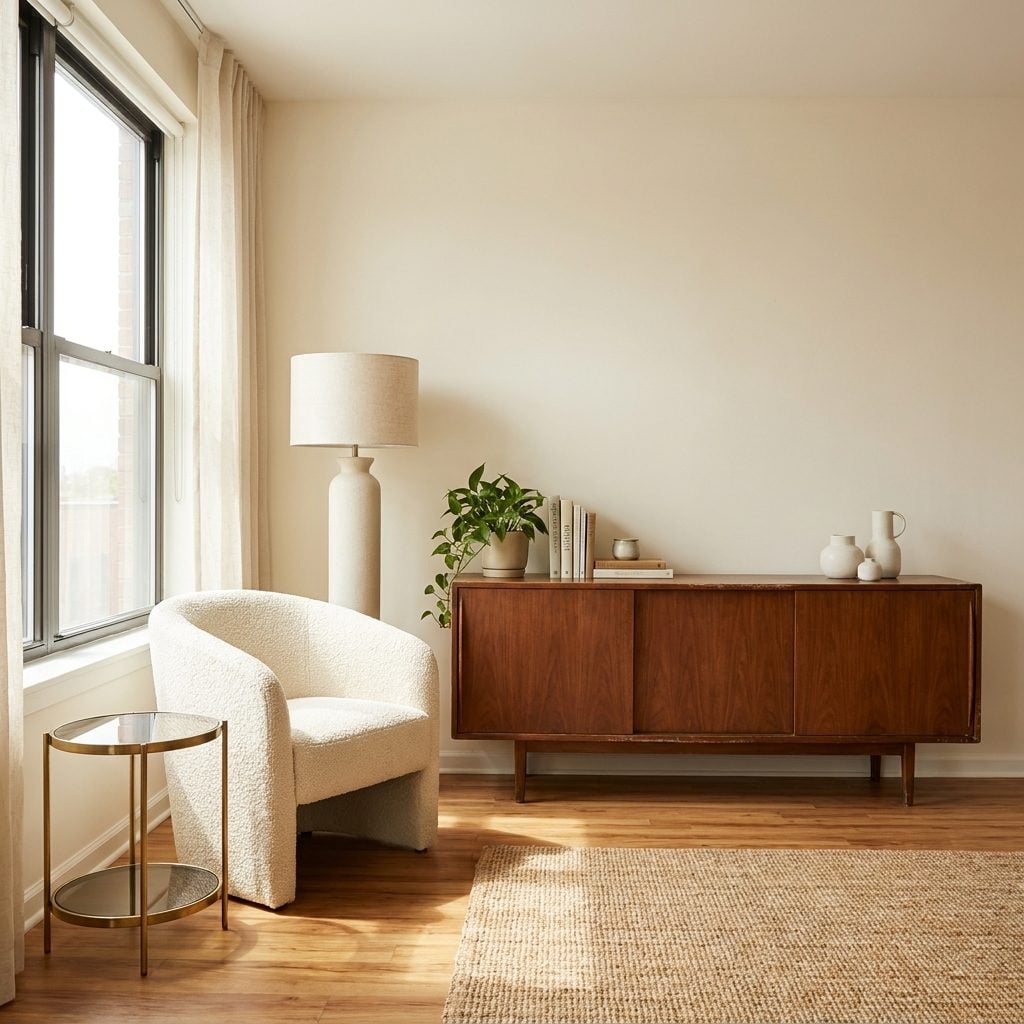
There is a specific kind of living room that comes from buying everything at once: it looks like the floor model at a mid-range furniture store. Every piece matches too perfectly because they were all purchased from the same collection in the same panic of wanting to feel settled.
The rooms that actually feel like someone lives there were built piece by piece. A mid-century walnut credenza from an estate sale. A bouclé armchair added three months later. A rug that arrived last. Give yourself six months and a loose wishlist. The room will end up more interesting, and so will you.
9. Defaulting to All-White Walls Because It Feels Safe and Neutral
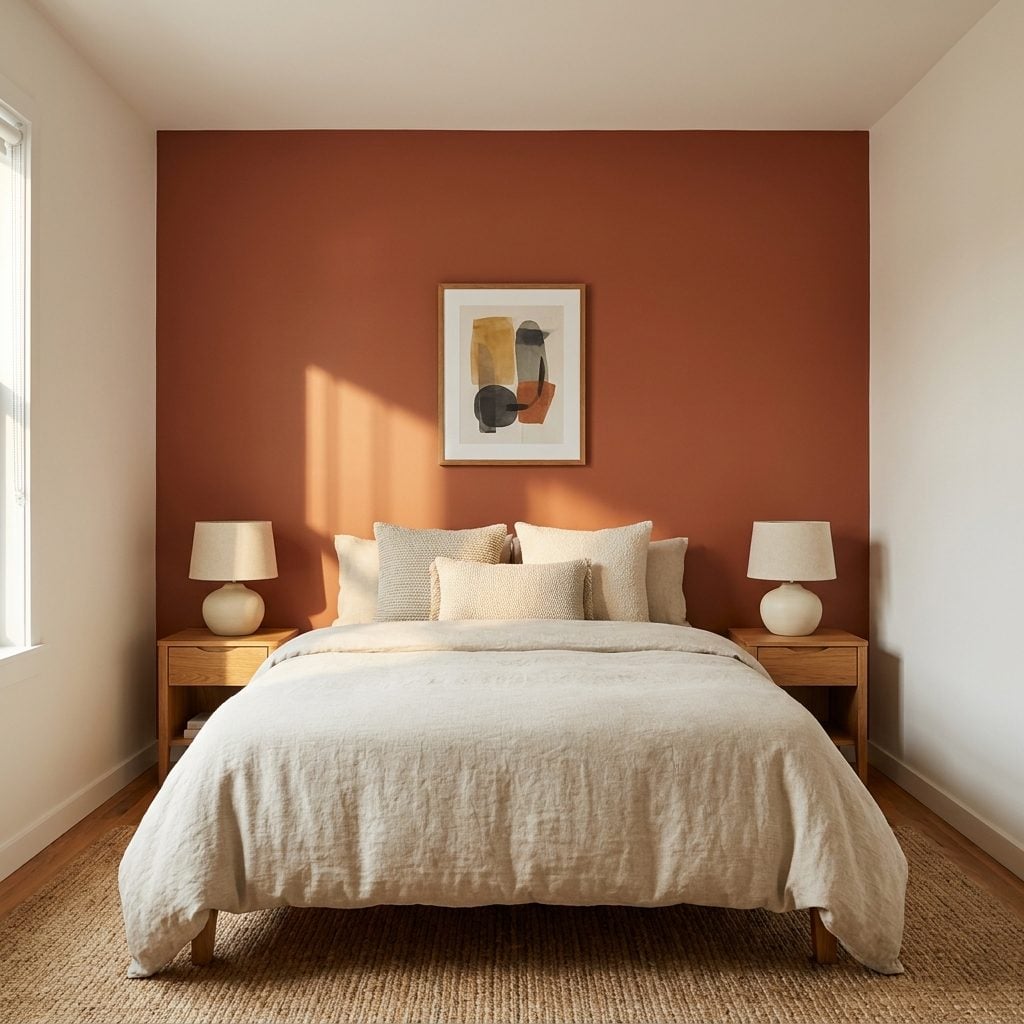
All-white walls aren’t neutral. They’re a decision that says you haven’t made a decision yet. In a rental you couldn’t personalize, white made sense. In your own space, white walls without intention just look unfinished, like you’re still waiting to move in.
Color doesn’t mean bold. One wall in a warm clay, a soft sage, or a deep warm grey does more for a room than most furniture purchases. Paint is the cheapest thing you can change and one of the highest-impact. For home inspiration, look at rooms with a single accent wall first, it’s the lowest-commitment way to understand how color actually changes a space. Pick the wall behind your bed or sofa, and commit to one shade deeper than feels comfortable. That slight discomfort is almost always the right answer.
8. Matching Every Metal Finish Because Someone Once Told You Metals Have to Match
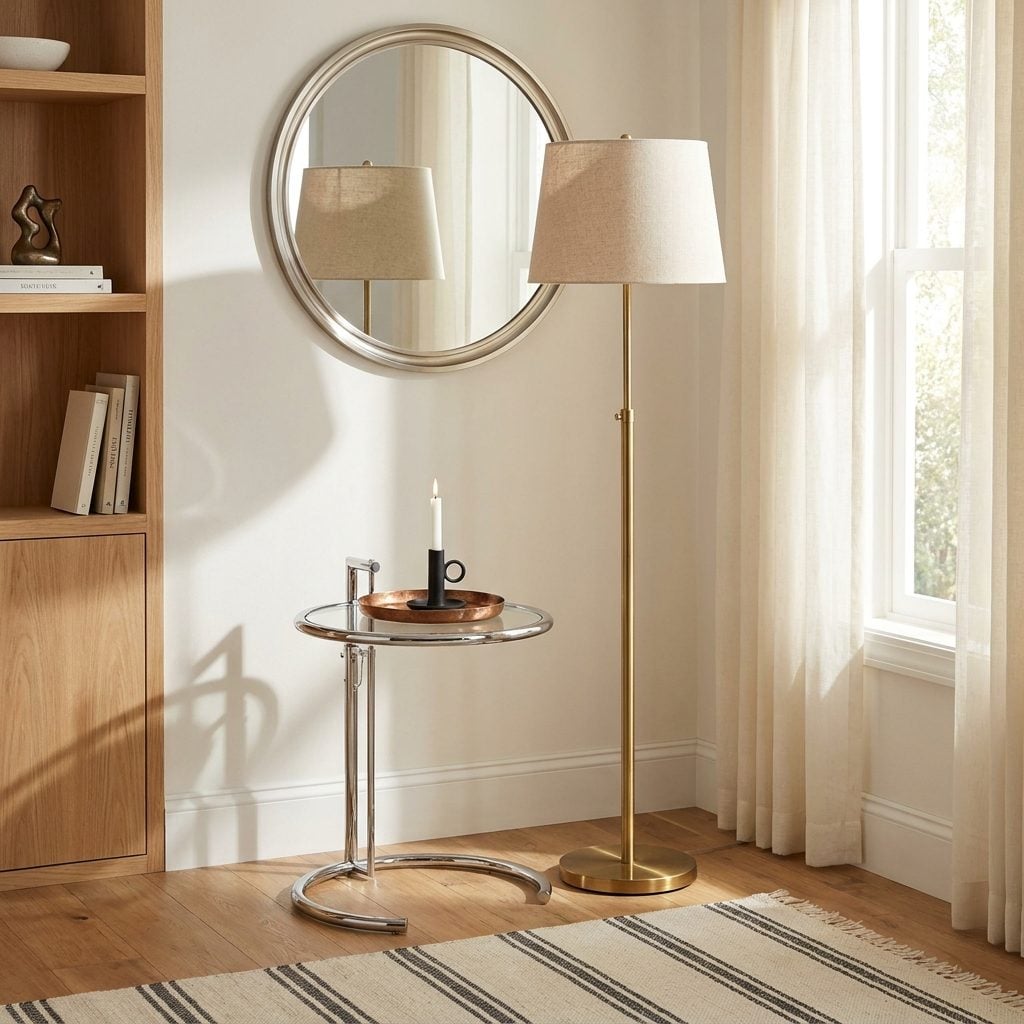
Every brass knob, every gold frame, every warm-toned fixture in the room—identical. It reads like a showroom display, not a home. A single metal finish repeated everywhere flattens a room the same way a single note held for four minutes flattens a song.
Mixed metals aren’t chaos. They’re depth. Pair a brass table lamp with chrome cabinet pulls and a matte black picture frame. The ratio that works: dominant metal at about 60%, a secondary around 30%, and one accent filling the rest. That gives the room enough consistency to feel intentional and enough variation to feel like a real person lives there. You’re building a life here, not staging a catalog shoot.
7. Throwing Out Everything From Your Old Life in One Cathartic Purge
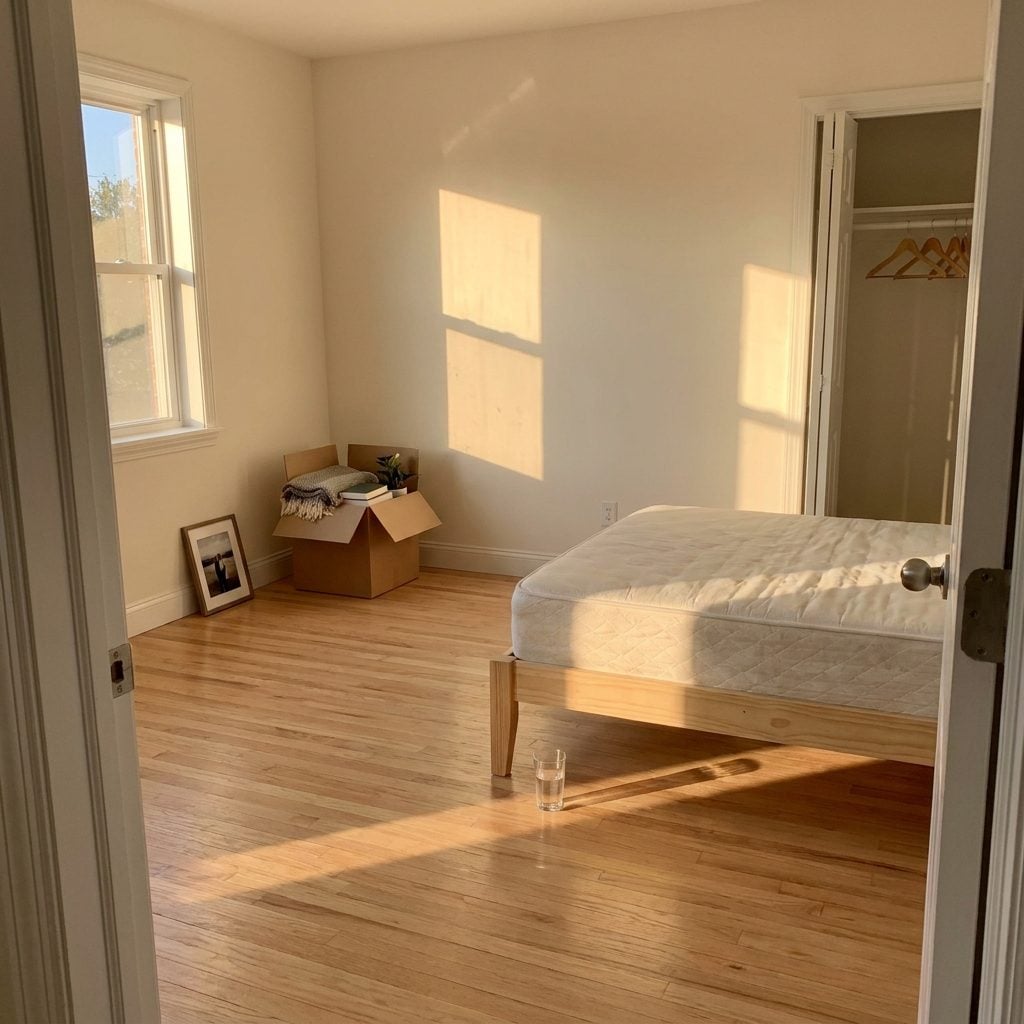
The impulse is understandable. You want to gut it all—every plate, every throw pillow, every piece of furniture that carries someone else’s fingerprints. I get it. I’ve been the person standing in an empty apartment with nothing but a mattress on the floor and a conviction that this counted as freedom.
It doesn’t. It counts as an empty room. And an empty room isn’t a fresh start; it’s a void that pressures you into buying everything at once, which leads straight to the “bought all my furniture the same weekend” trap.
Keep what’s genuinely yours. The lamp you picked out alone. The bookshelf that predates the relationship. The mug you actually like drinking from. Edit, don’t demolish. A home built on nothing takes twice as long to feel like one.
6. Decorating the Whole Place to Look Like a Pinterest Board Instead of a Place You Actually Live
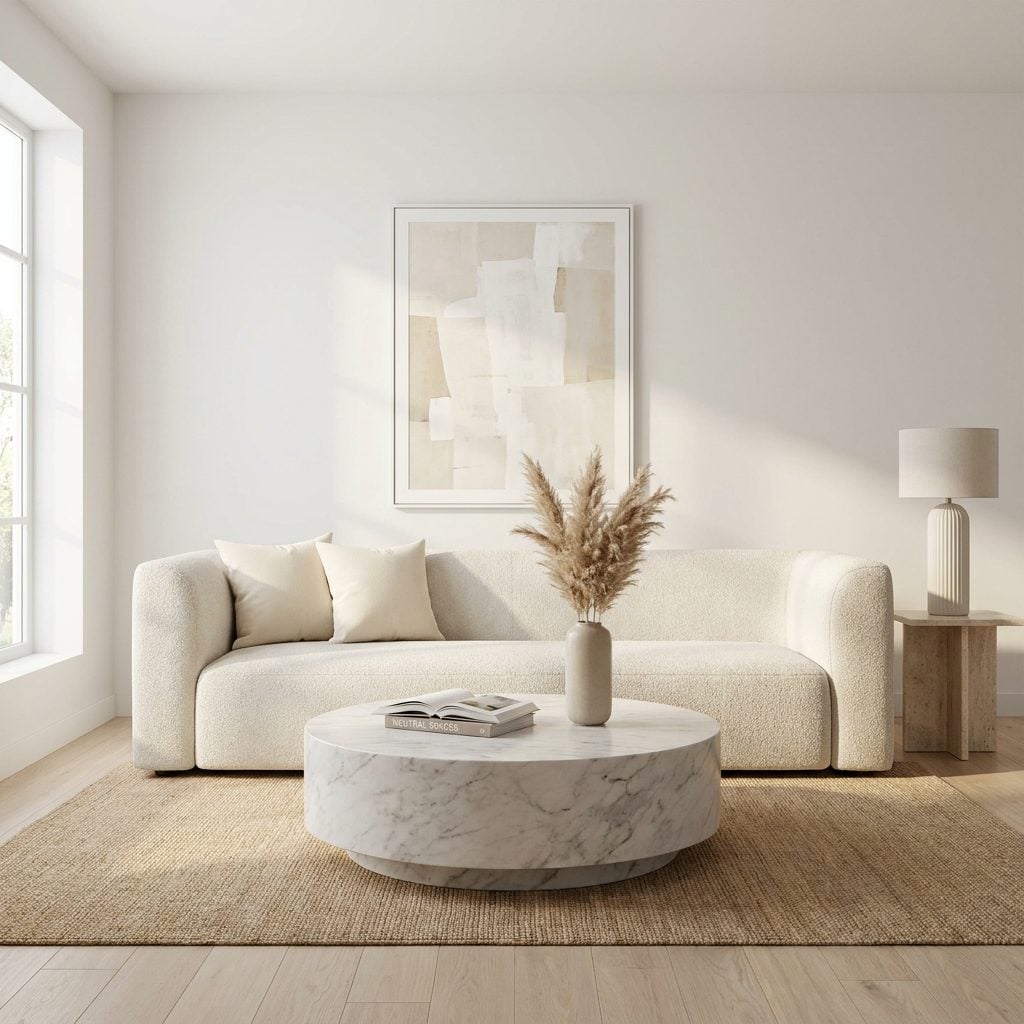
The room looks incredible in photos. In person, it feels like sitting inside someone else’s mood board—every surface says “I saw this on the internet” and nothing says “I live here.”
Trend-driven decorating is a costume, not a personality. When every object in the room exists because an algorithm showed it to you, the space has no center of gravity. No weight. It photographs well and feels hollow.
Use trends as seasoning, not the main course. The foundation should come from what you’re drawn to when nobody’s watching: the weird vintage find, the color you keep returning to, the linen throw blanket you bought because it felt right in your hands rather than matching some aesthetic. Build from there. A room that looks like you will always outlast the room that looks like everyone else’s.
5. Avoiding Bold Color in the Bedroom Because You Think It Won’t Be ‘Restful’
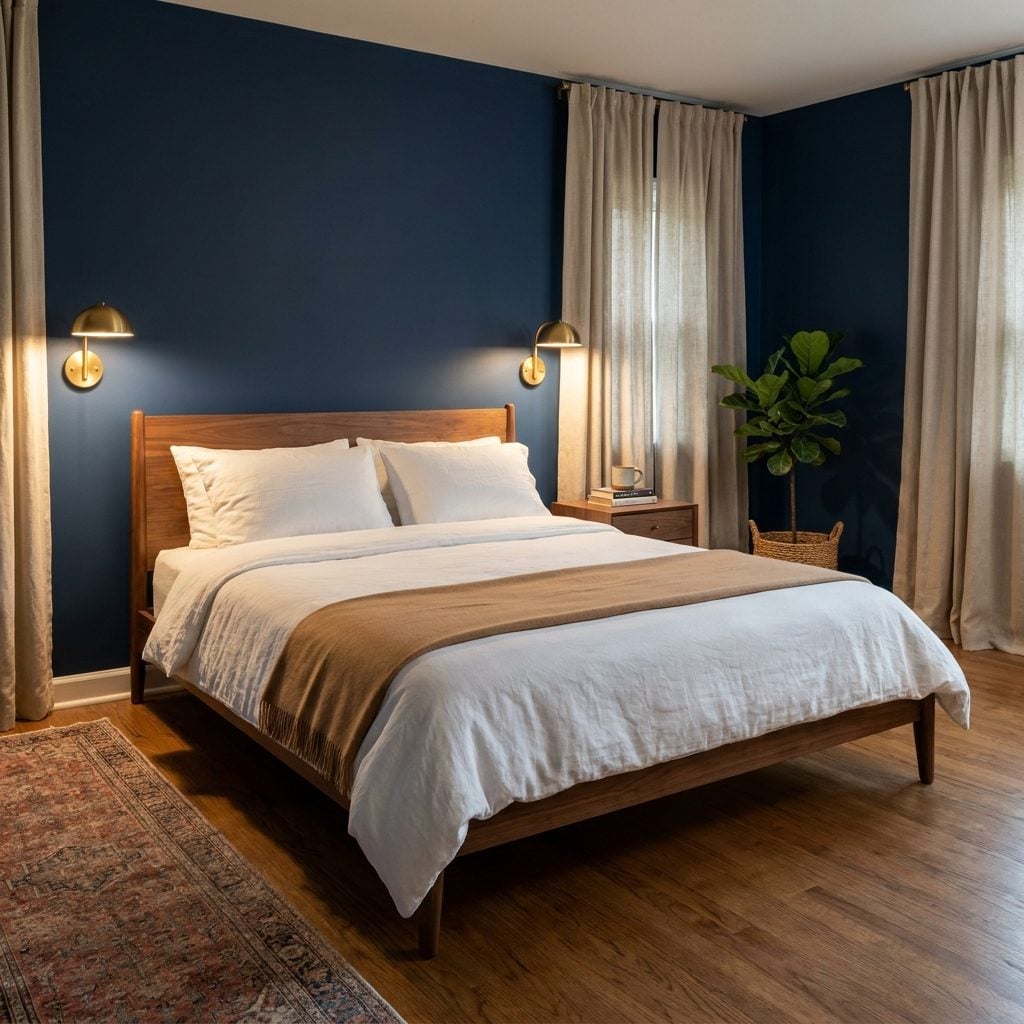
White bedroom. Grey bedroom. Greige bedroom. Another greige bedroom. The reasoning is always the same: “I need it to be calming.” But what you’ve actually built is a room with zero personality that your brain registers as a hotel you forgot to check out of.
Deep color is one of the most restful things you can put on a wall. A saturated navy, a warm forest green, a moody clay—these hues contract a room inward and lower the visual noise. There’s a reason people sleep well in dark spaces: your brain reads saturation as shelter.
If painting the whole room feels like too much, start with a single wall behind the headboard. Use a walnut nightstand and warm brass wall sconces to keep the palette grounded. A bold bedroom isn’t a loud bedroom. It’s a room that’s finally stopped hedging.
4. Buying ‘Grown-Up’ Furniture You Don’t Even Like Because You Think You Should
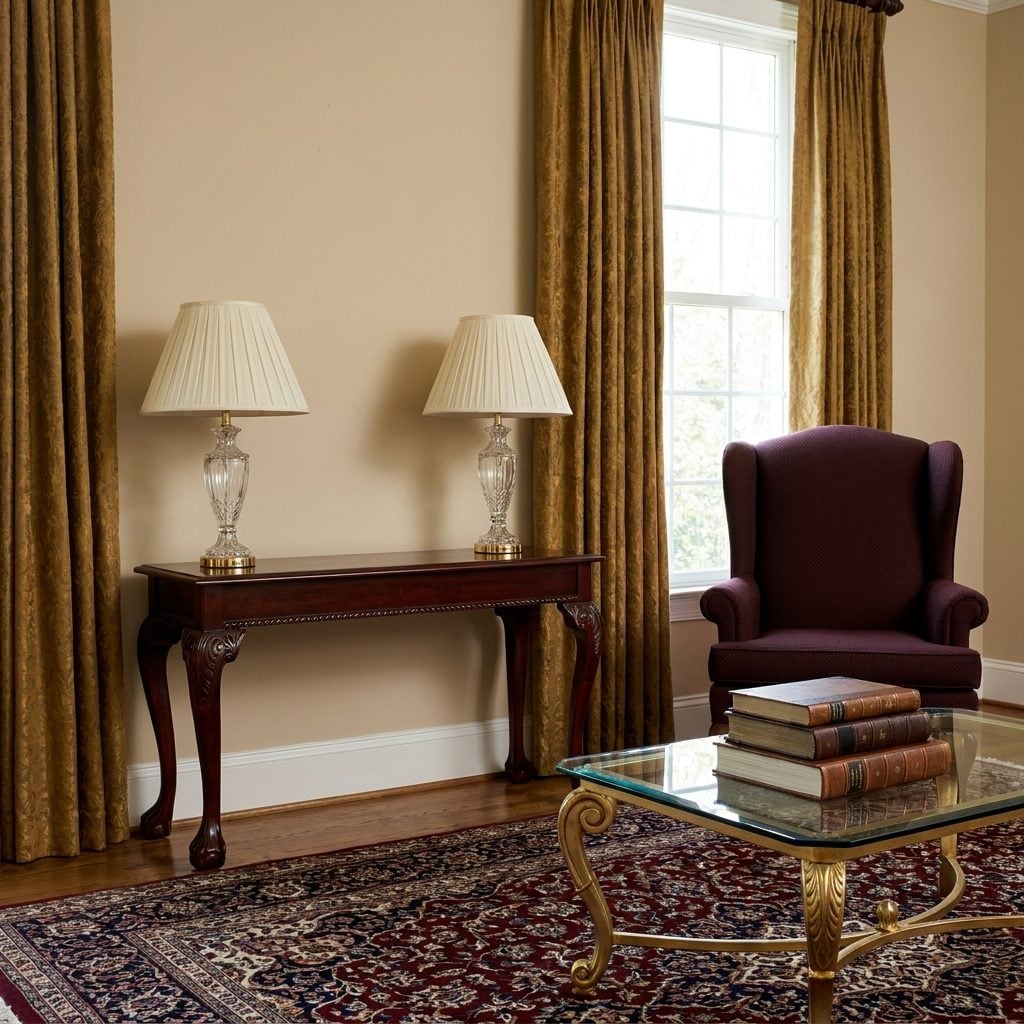
You know this furniture. The formal sofa you’d never actually nap on. The dining set that looks like it belongs to someone twenty years older. The “investment pieces” a salesperson convinced you a proper adult should own. You brought them home and they sit there, expensive and uncomfortable, belonging to a version of you that doesn’t exist.
Nobody tells you this after a major life transition: you don’t owe maturity to your furniture. A home that reflects who you actually are right now is more grown-up than one that performs sophistication for an imaginary audience. If you want a mid-century leather sofa instead of a formal settee, get the sofa. If you eat on the couch most nights, maybe you need a great coffee table more than a dining room set. Let the room serve your real life—not the life you think you’re supposed to be performing.
3. Refusing to Hang Anything on the Walls Because You’re Afraid of Commitment to the Space
🔥 Would you like to save this?
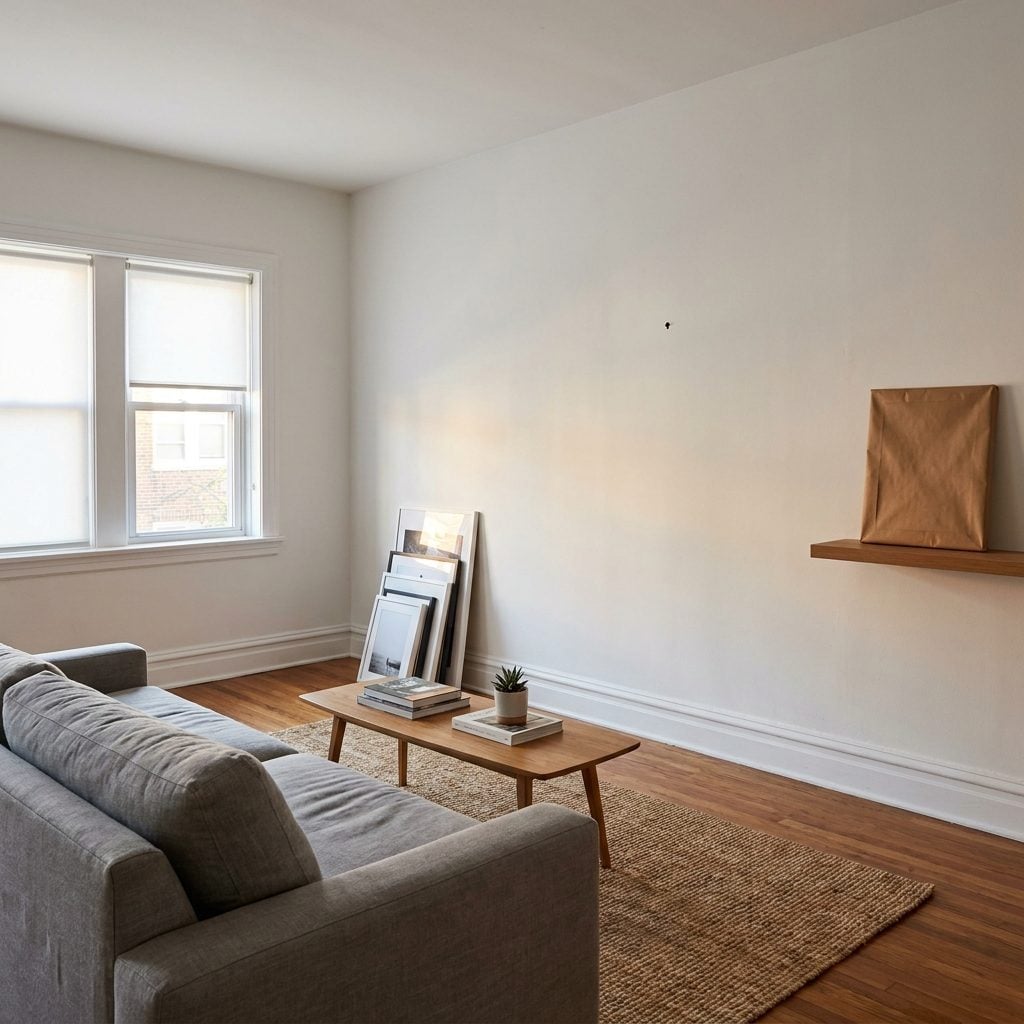
Six months in and the walls are still bare. Not minimalist-bare—undecided-bare. Frames lean against baseboards. There’s a single nail hole from the previous tenant that you keep meaning to address. The room broadcasts “I’m not sure I’m staying,” and your subconscious hears it every single day.
Hanging something on a wall isn’t a blood oath to the apartment forever. It’s a commitment to yourself right now. And the psychological gap between blank walls and even one piece of home inspiration on the wall? It’s the gap between camping and actually living somewhere.
Start With One Wall
Pick the wall you see most often. Hang one thing—a print, a mirror, a piece of textile art. Use proper hardware, not a thumbtack. The act of drilling into a wall in your own space is quietly radical when you haven’t done it in a while. It says: I’m here. This is mine. And honestly, that small assertion of permanence does more for your mental state than most people expect.
2. Recreating Your Childhood Home’s Layout Because It’s the Only Floor Plan You Know
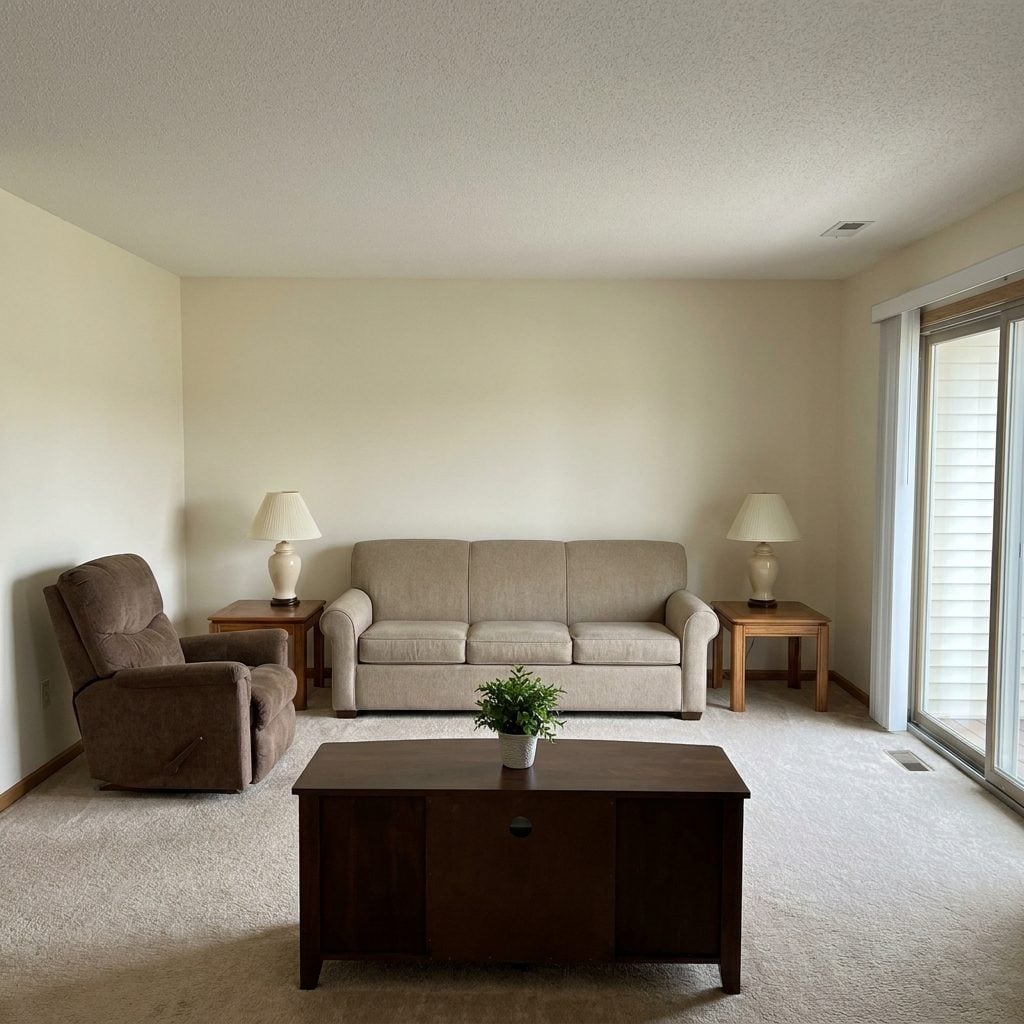
Sofa against the long wall. TV centered on the opposite wall. Two end tables flanking the couch like sentries. You didn’t plan this layout—you inherited it from every living room you grew up in, and it landed in your new apartment without you ever questioning whether it worked.
Most people default to the floor plan imprinted on them in childhood. Spatial muscle memory. Hard to override. But your first solo home is a different shape, a different size, and serves a different life than the one you grew up watching from the carpet.
Pull the linen sofa away from the wall, even six inches. Angle a chair. Let the room have a conversation pit instead of a viewing gallery. Furniture doesn’t have to line up like a waiting room—it has to make the space feel like yours. And yours doesn’t look like theirs. That’s the whole reason you’re starting over.
1. Spending Your Entire Budget on the Living Room and Ignoring the Room You Actually Spend the Most Time In
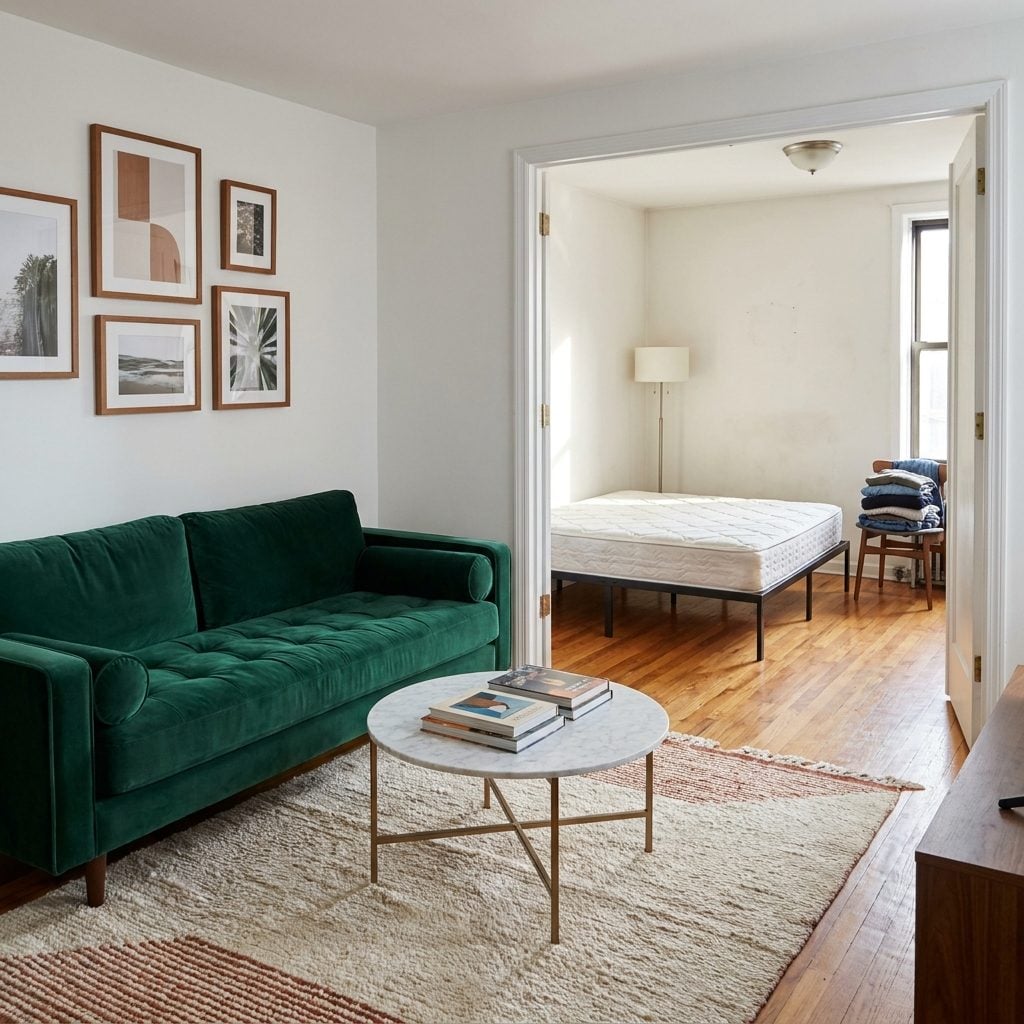
The living room looks like it belongs in a magazine. The bedroom has a mattress on a frame and a lamp on the floor. I’ve done this—spent everything making the room guests see look finished and slept in what amounted to a dorm room for eight months.
You spend a huge portion of your life in the bedroom, and if you’re going through a major transition, that share only grows. The room where you wake up sets the tone for every morning. A bare, neglected space whispers “temporary” into your ear before your feet hit the floor.
Redistribute. A good cotton percale sheet set, actual curtains, a nightstand with a drawer—these cost less than that accent chair you agonized over for the living room. The room that holds you at your most vulnerable deserves at least as much attention as the room that holds your guests for an hour. Probably more, frankly.