🔥 Would you like to save this?
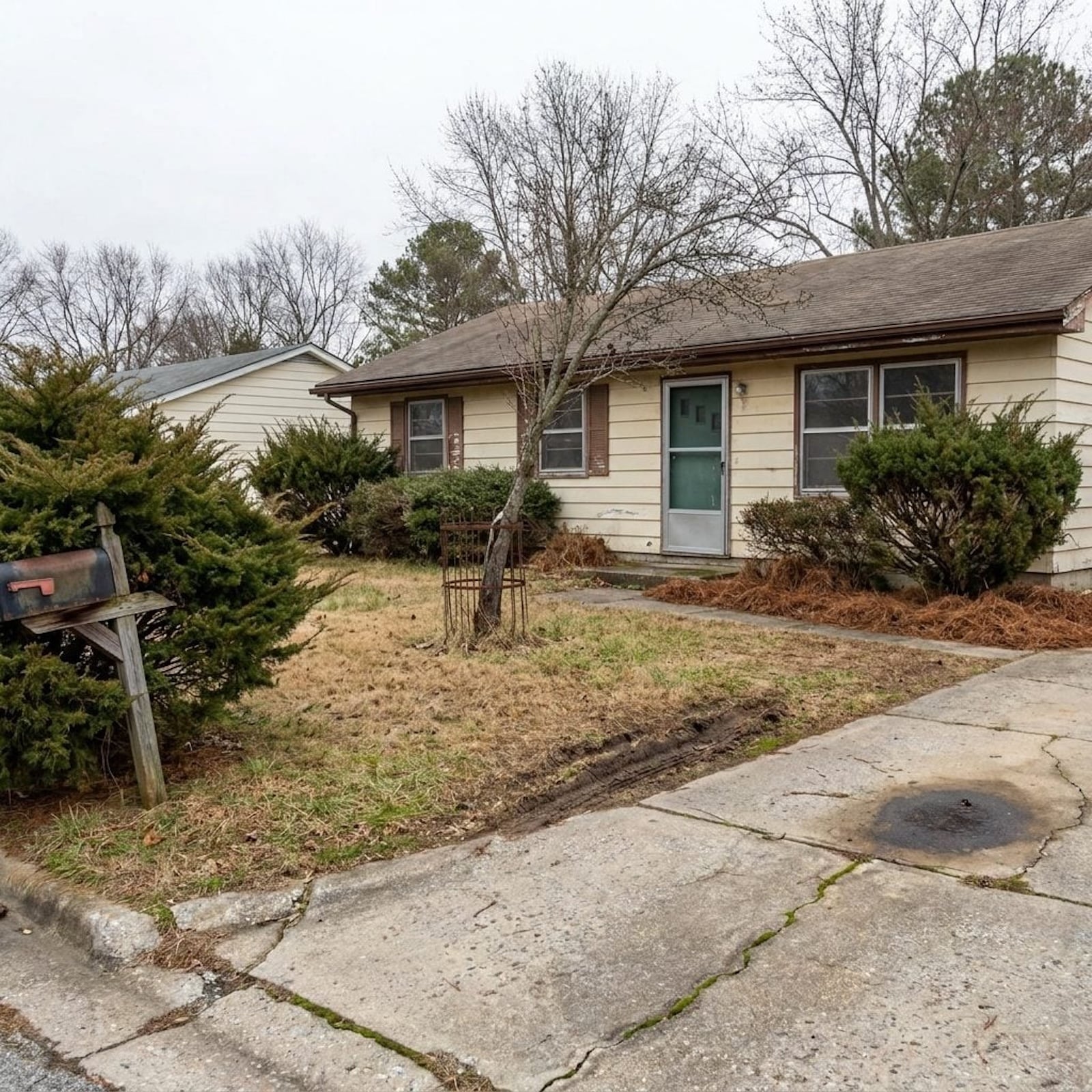
The house itself was fine. Solid bones, decent size, nothing wrong with the structure. But the front yard had gone fully feral somewhere around 1994 and nobody stopped it. Overgrown junipers swallowing the foundation. A concrete path cracked down the middle. Grass that had given up and sent in sod as a replacement. Twenty-five redesigns take the same neglected yard in completely different directions. What comes back is a catalog of what a front yard can become when someone decides to care about it again.
25. Modern Farmhouse Curb Appeal with White Fencing, Black Shutters, and a Winding Stone Walkway
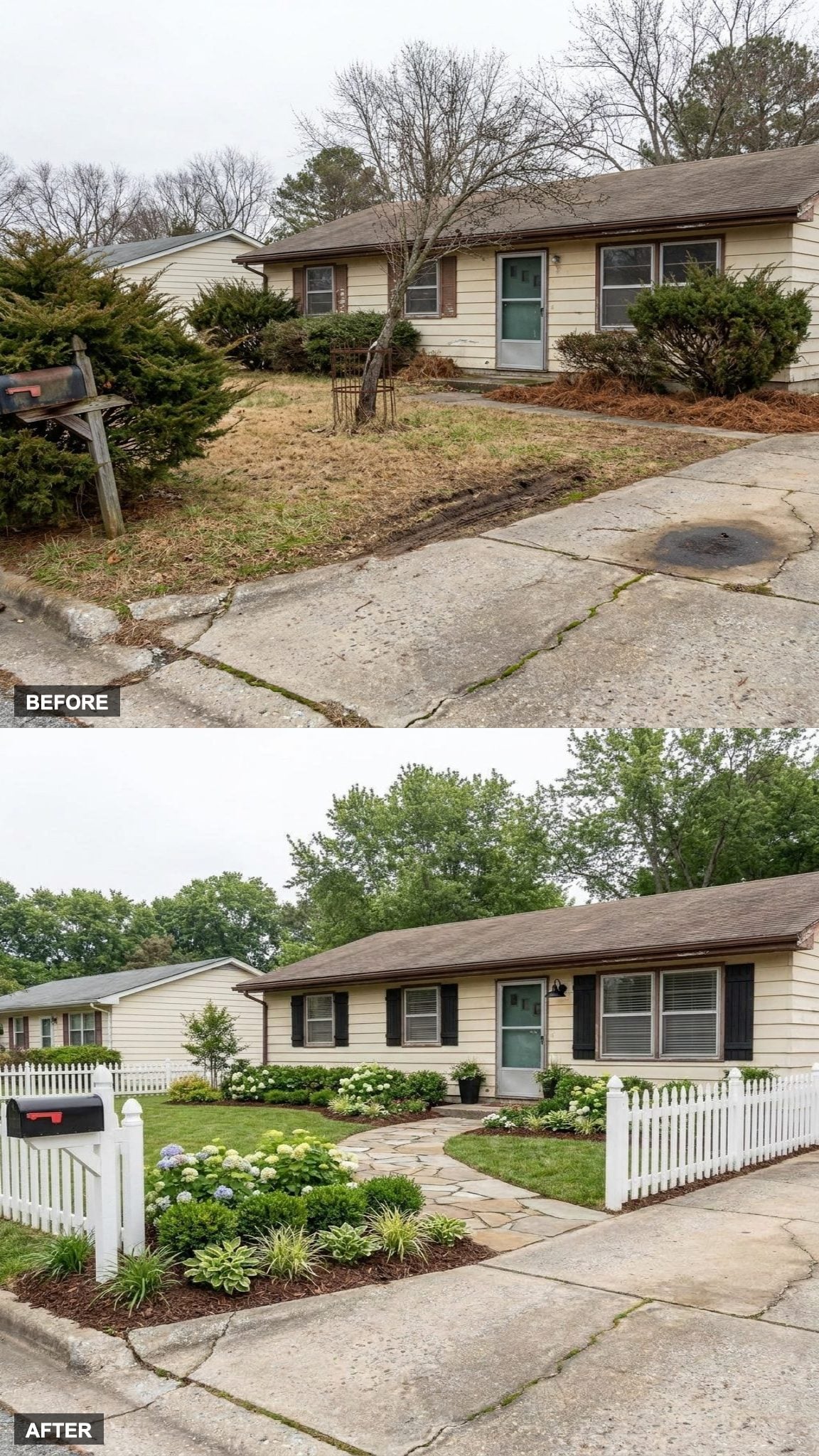
The overgrown 1980s sprawl gets a clean, confident reset here. White board fencing draws the eye straight to the front door, black shutters give the facade a graphic edge that reads from the street, and layered flower beds add depth without looking accidental. The stone walkway does the quiet heavy lifting. A winding path feels intentional in a way a straight concrete slab rarely does.
In order to come up with the very specific design ideas, we create most designs with the assistance of state-of-the-art AI interior design software. Also, assume links that take you off the site are affiliate links such as links to Amazon. this means we may earn a commission if you buy something.
This is one of the most livable curb appeal styles going. It photographs well and ages well, although the fence, planting beds, edging, and path still need regular care. The white board fence alone does more visual work than most full landscaping overhauls.
24. Contemporary Minimalist Landscape with Concrete Paths, Sculptural Plants, and Architectural Lighting
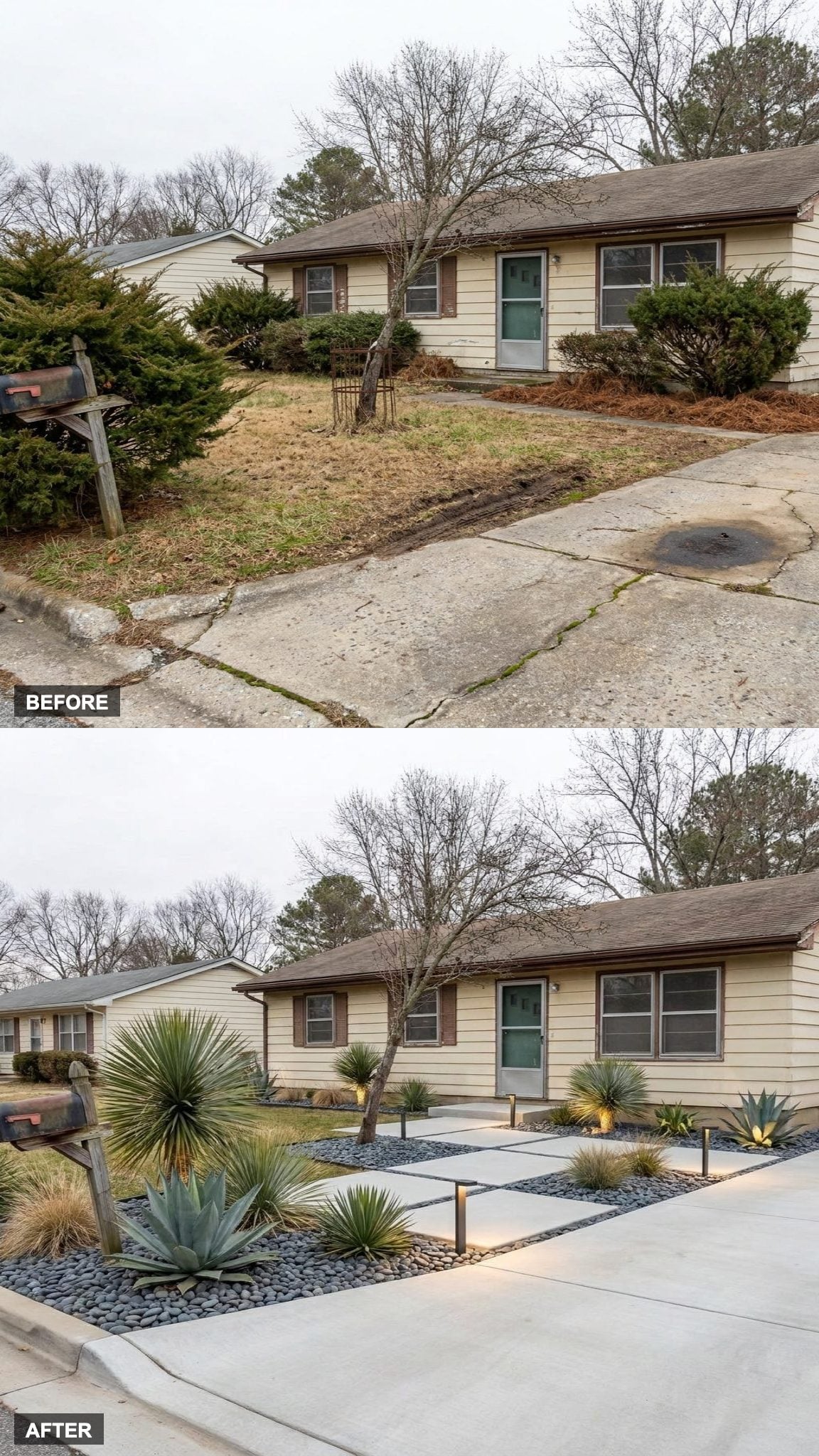
Restraint is doing everything here. Concrete paths cut clean lines across gravel beds, sculptural plants stand where a dozen forgettable shrubs used to be, and low architectural lighting makes the whole composition look just as sharp at 9pm as it does at noon.
Most front yards fail because they try to fill every inch. This one succeeds by leaving space on purpose. The architectural outdoor lighting is what turns a nice daytime look into a front yard that actually has a mood.
23. English Cottage Garden with Overflowing Roses, Climbing Vines, and Brick Pathways
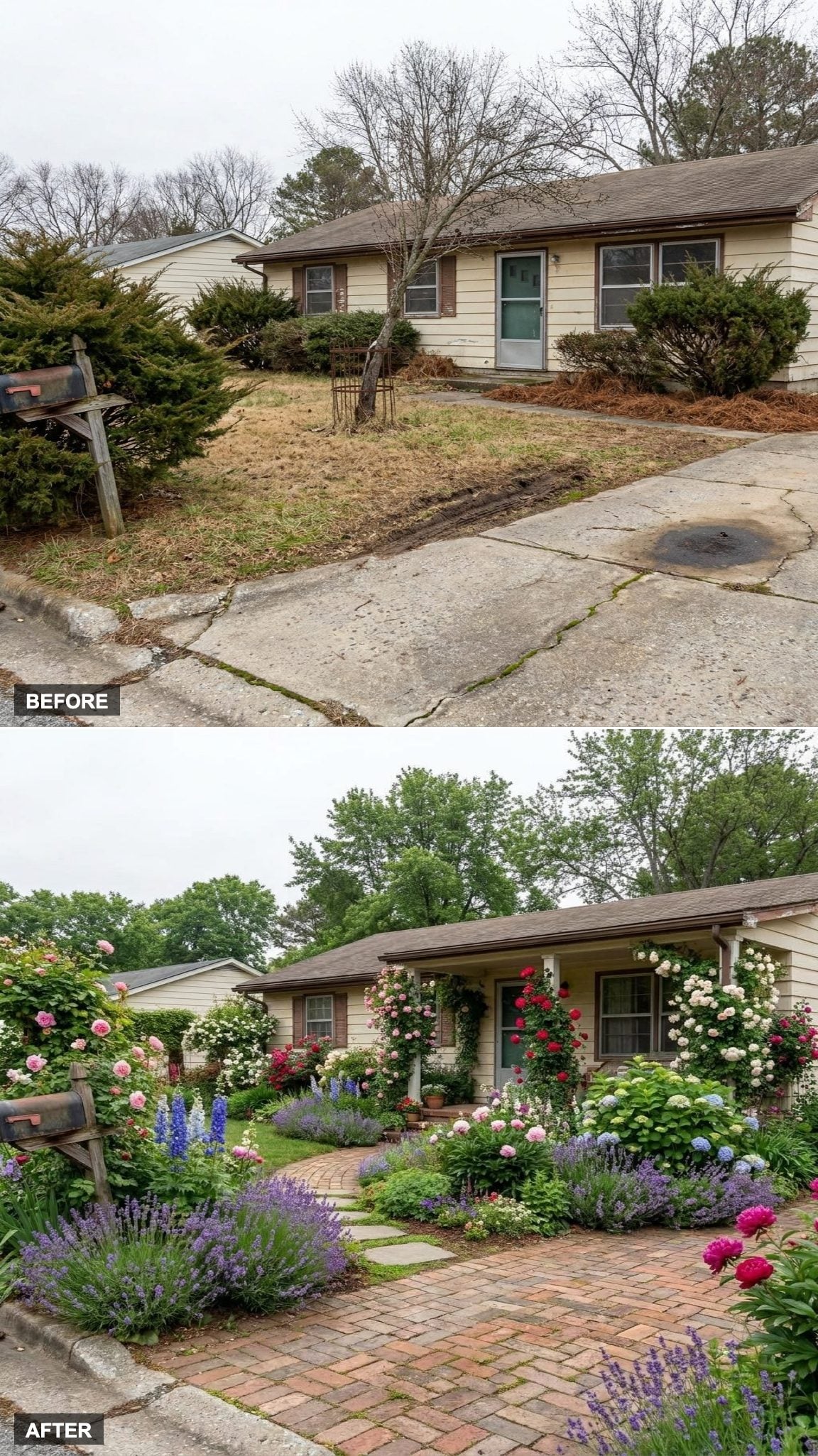
Controlled chaos, done right. Roses tumble over each other, lavender softens every edge, and climbing vines have clearly been given permission to go wherever they want. The brick pathways anchor it all. Without them, this much planting could simply look like the yard nobody mows.
The trick with a garden like this is accepting that it takes two or three seasons to fully arrive. The first year looks thin. By year three, it looks like the yard has always been exactly this generous.
22. French Country Entrance with Boxwood Hedges, Limestone Pavers, and Wrought-Iron Lanterns
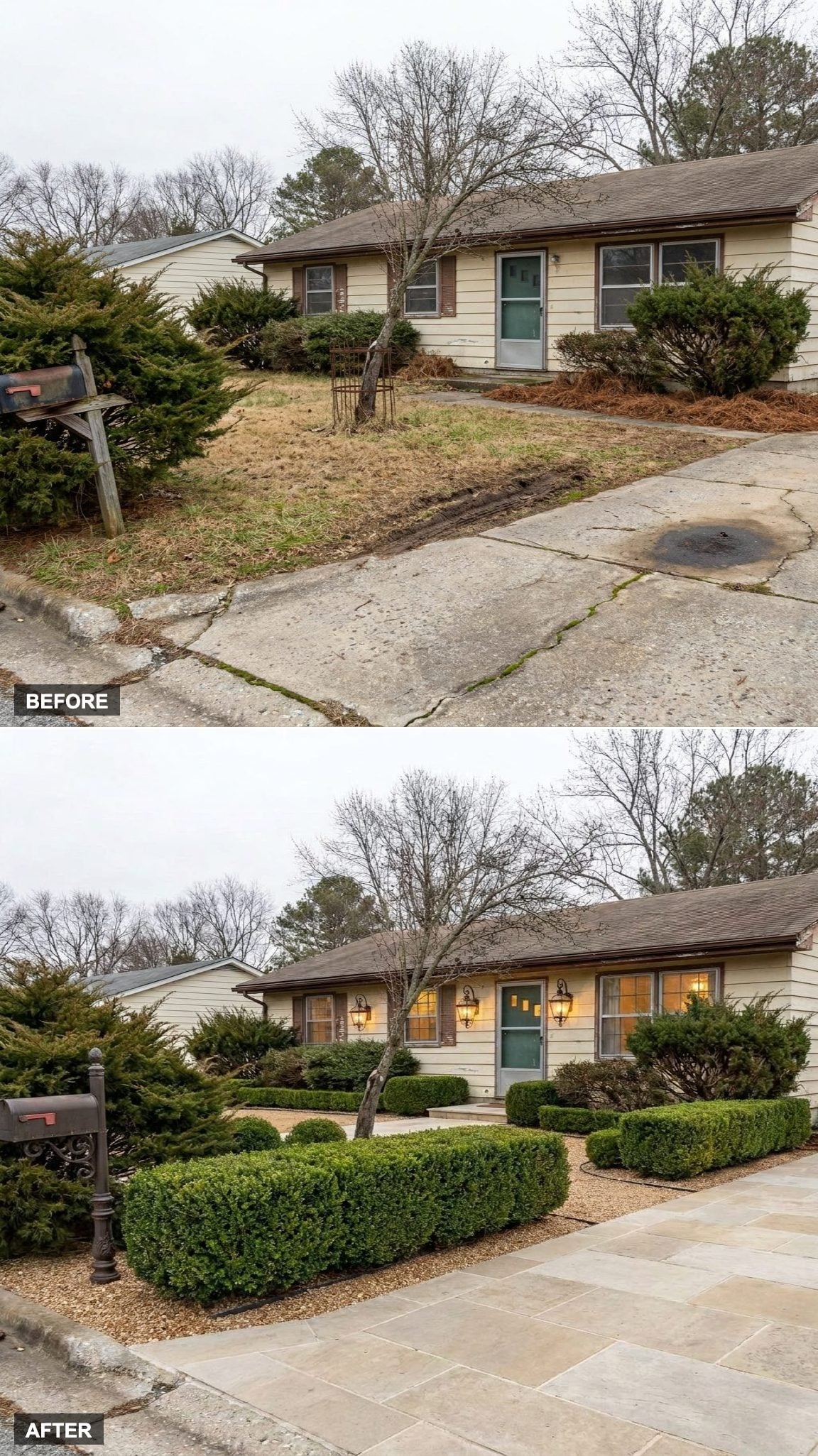
Symmetry is doing the work a renovation budget usually does. Boxwood hedges flank the entry. Limestone pavers run in clean lines, while wrought-iron lanterns cast warm pools of light. It reads as expensive mostly because everything is in its exact right place.
The before yard had probably never made a deliberate decision in its life. This one makes about fifteen of them before you even reach the door. That contrast is what curb appeal actually is: evidence that someone thought about it.
21. Japanese Zen Garden with Natural Boulders, Maple Trees, and Raked Gravel Patterns
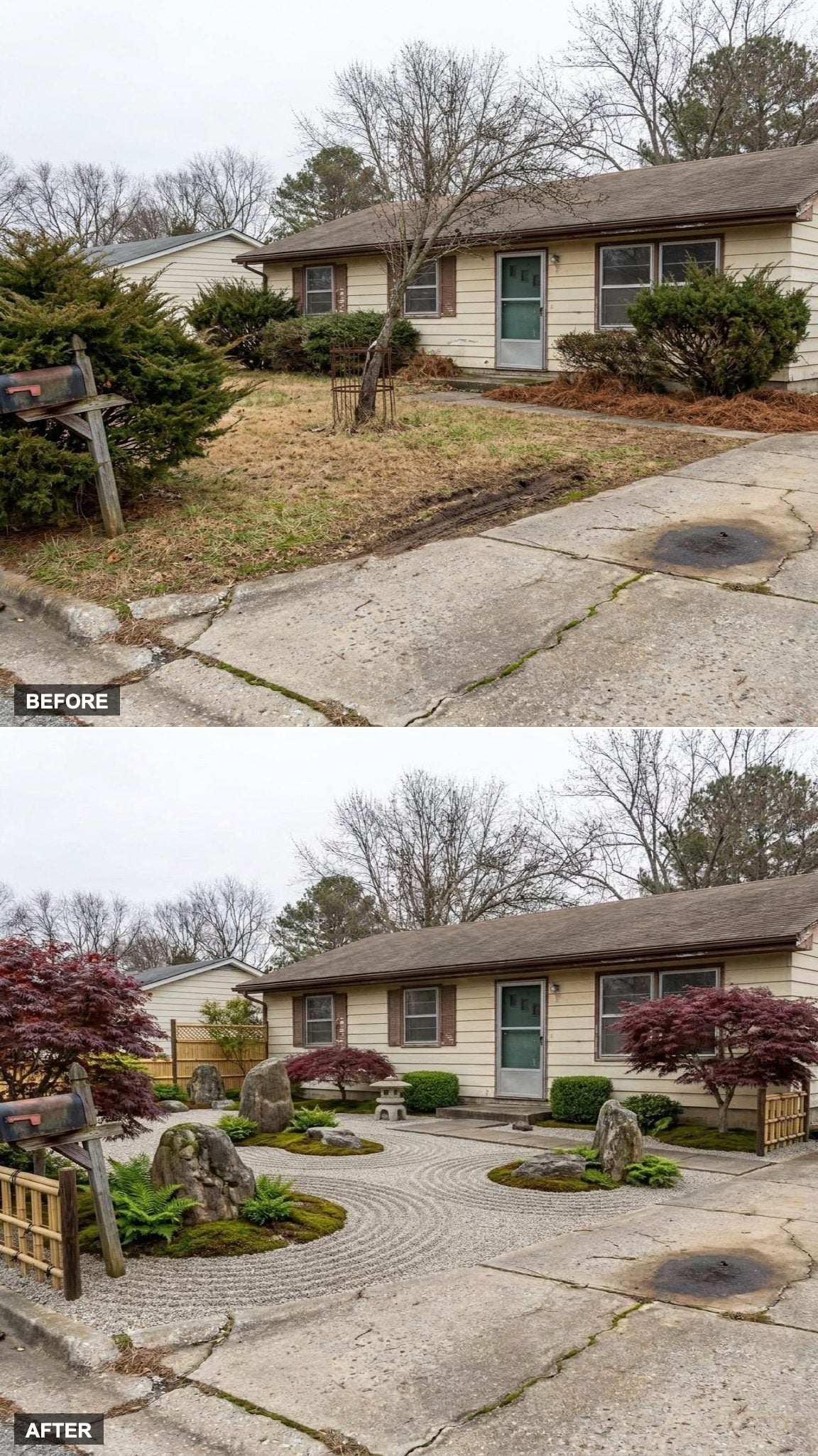
Quiet is a design choice. Natural boulders placed with obvious care, a Japanese maple pulling color into the composition, bamboo accents breaking the horizontal lines, the raked gravel patterns tie it all together and signal that this yard has a philosophy, not just plants.
Once correctly installed, this design avoids mowing and heavy seasonal planting. The raked gravel still needs grooming, windblown debris and weeds need removing, and the maple and bamboo must suit the site. It is quieter work, not no work.
20. Mediterranean Villa Front Yard with Olive Trees, Terracotta Pots, and Warm Stone Paving
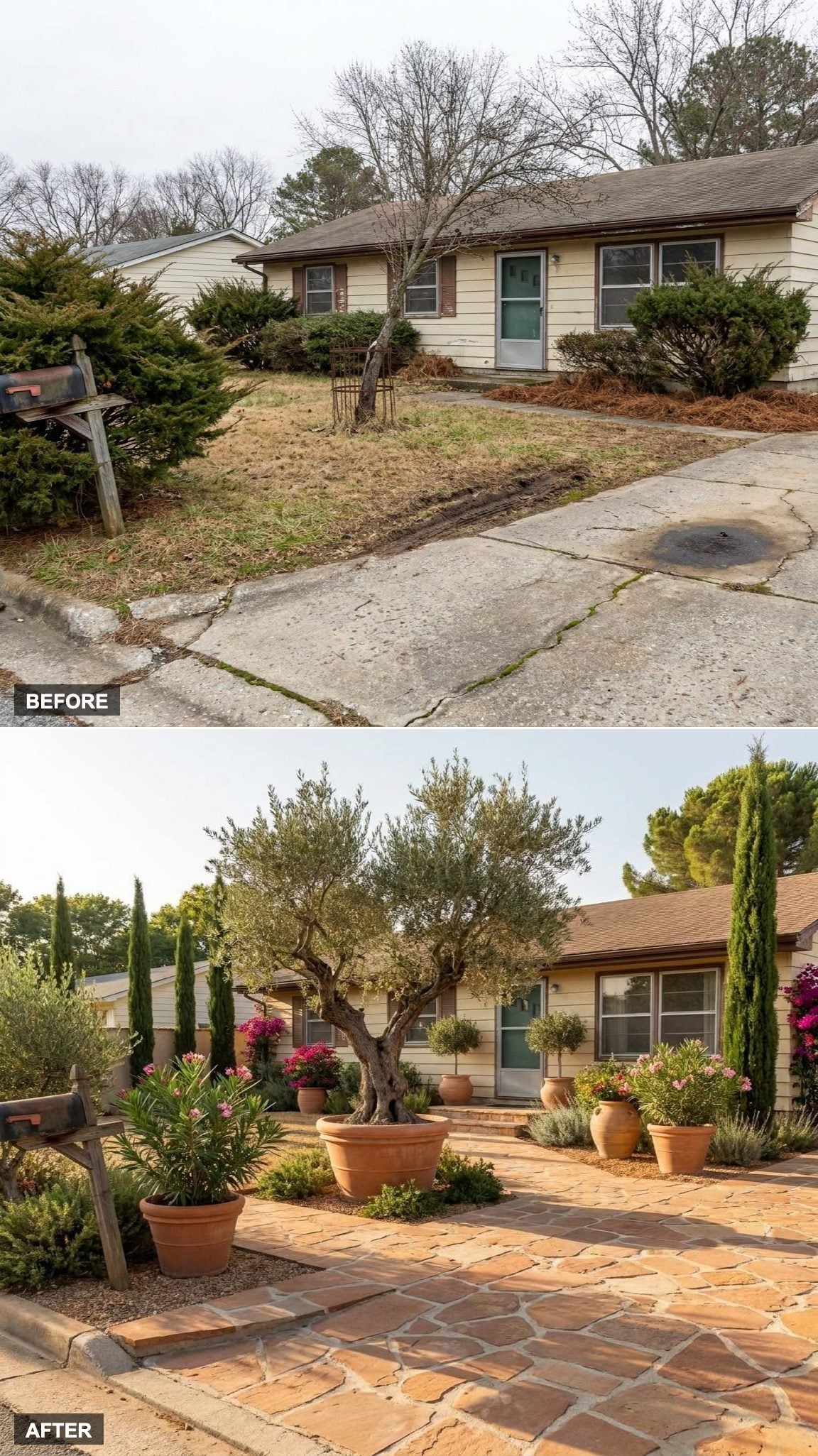
Warm stone paving, cypress trees cutting vertical lines against the sky, and terracotta pots clustered at the entrance with the kind of casual confidence that only looks effortless after someone made about thirty decisions. The olive trees bring age to a yard that has none yet. Something about a gnarled trunk cannot be replicated by a freshly planted shrub.
19. Coastal Cottage Landscape with a White Picket Fence, Hydrangeas, and Shell Pathways
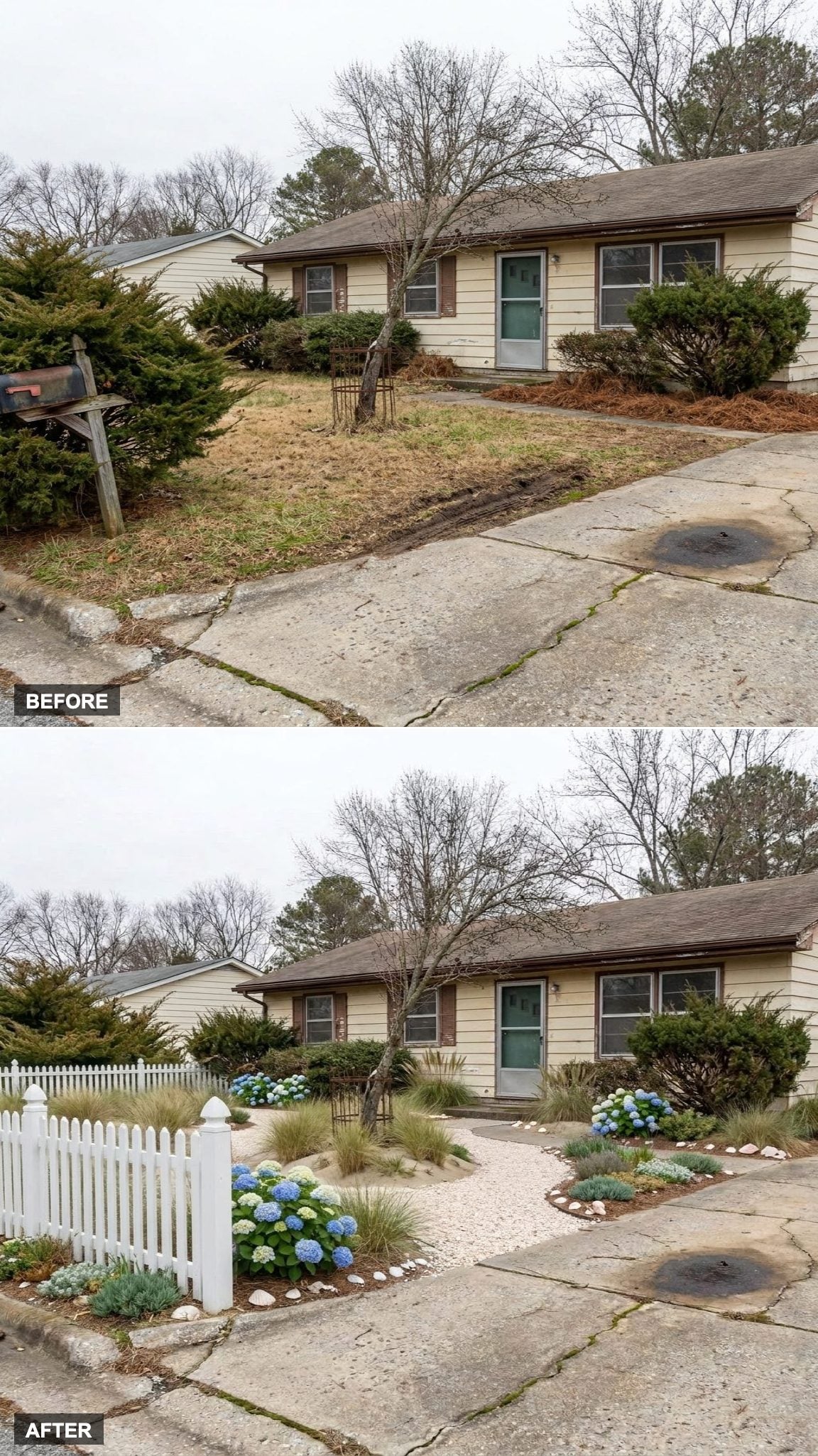
Beach grasses move in the wind. Hydrangeas stack soft blue and white along the fence line. Shell pathways crunch underfoot and catch the light in a way no poured concrete ever will. The white picket fence is almost a cliché, except when it’s done right, it’s a cliché because it works.
The compact, clearly defined space knows exactly what it wants to be: breezy, salt-worn, a little romantic, and completely at odds with what was there before. Crushed shell works best where it is locally available and appropriate; inland, pale gravel can create a similar effect.
18. Desert Modern Xeriscape with Agaves, Cacti, and Decomposed Granite
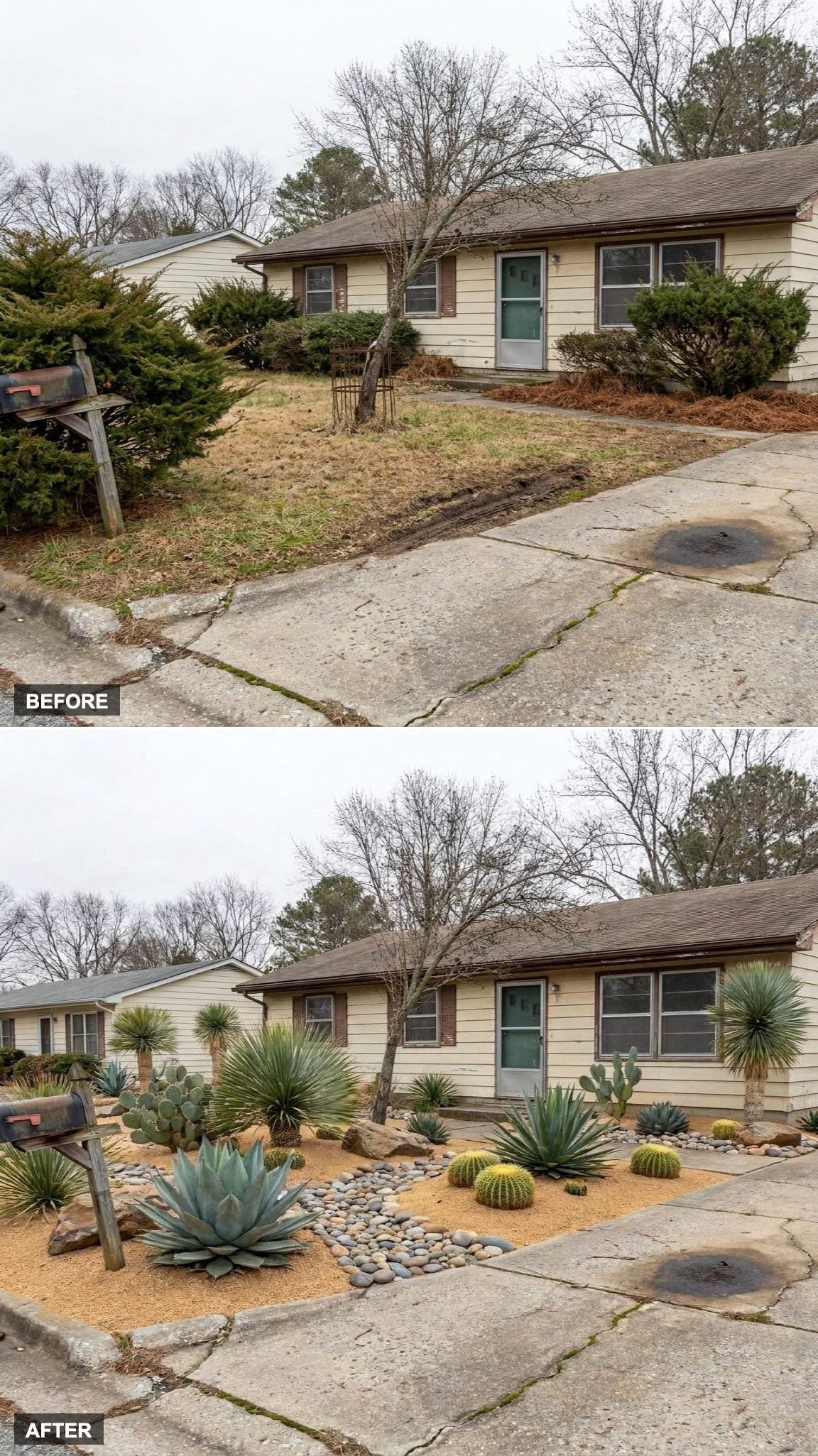
The former yard probably drank hundreds of gallons a summer to stay mediocre. This one can use far less irrigation and looks like a decision was made. Agaves anchor the composition with their architectural bulk, cacti add vertical interest, and decomposed granite ties the whole front yard together in a warm, sandy tone that reads desert-modern rather than neglected.
Xeriscape gets dismissed as sparse. That’s a failure of imagination, not of the style. When the plant selection is deliberate, as it is here, the result feels considered in a way that a standard lawn-and-hedges setup rarely does. The architectural agave alone earns more visual attention than an entire bed of impatiens.
17. Birch Trees and Ornamental Grasses Turn a Dead Lawn Into a Scandinavian Sanctuary
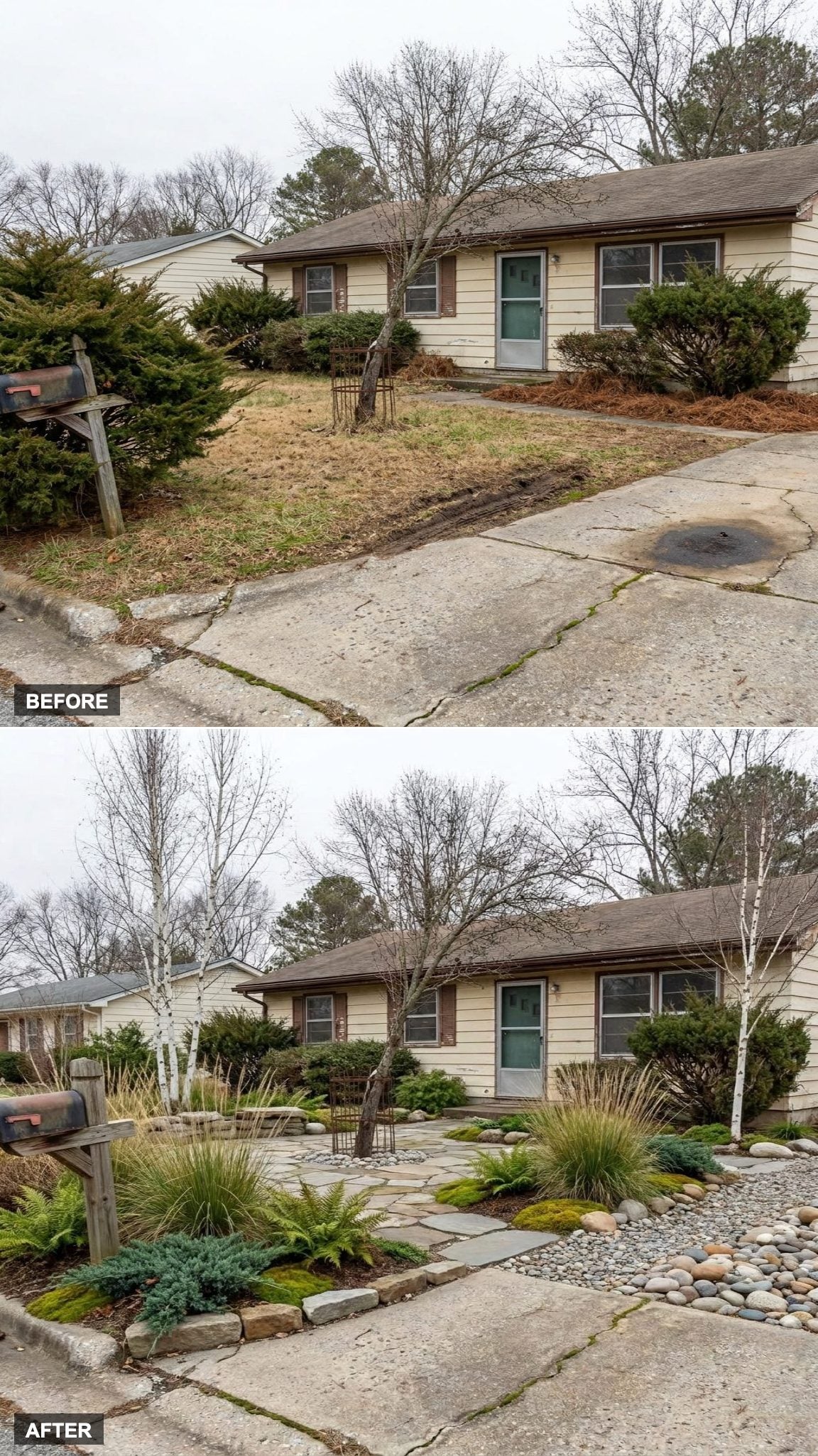
The secret weapon here is restraint. Scandinavian landscape design wins by knowing what to leave out: no overstuffed flower beds, no decorative clutter, just slender birch trees and ornamental grasses doing the heavy lifting against natural stone. The before yard was chaos. This is the opposite of chaos.
Natural stone pathways anchor the whole composition without demanding attention. The palette—gray stone, white bark, and soft green—is so quiet it almost disappears, which is exactly the point.
16. Boulder Retaining Walls and Timber Accents Give This Entry a Mountain Lodge Personality
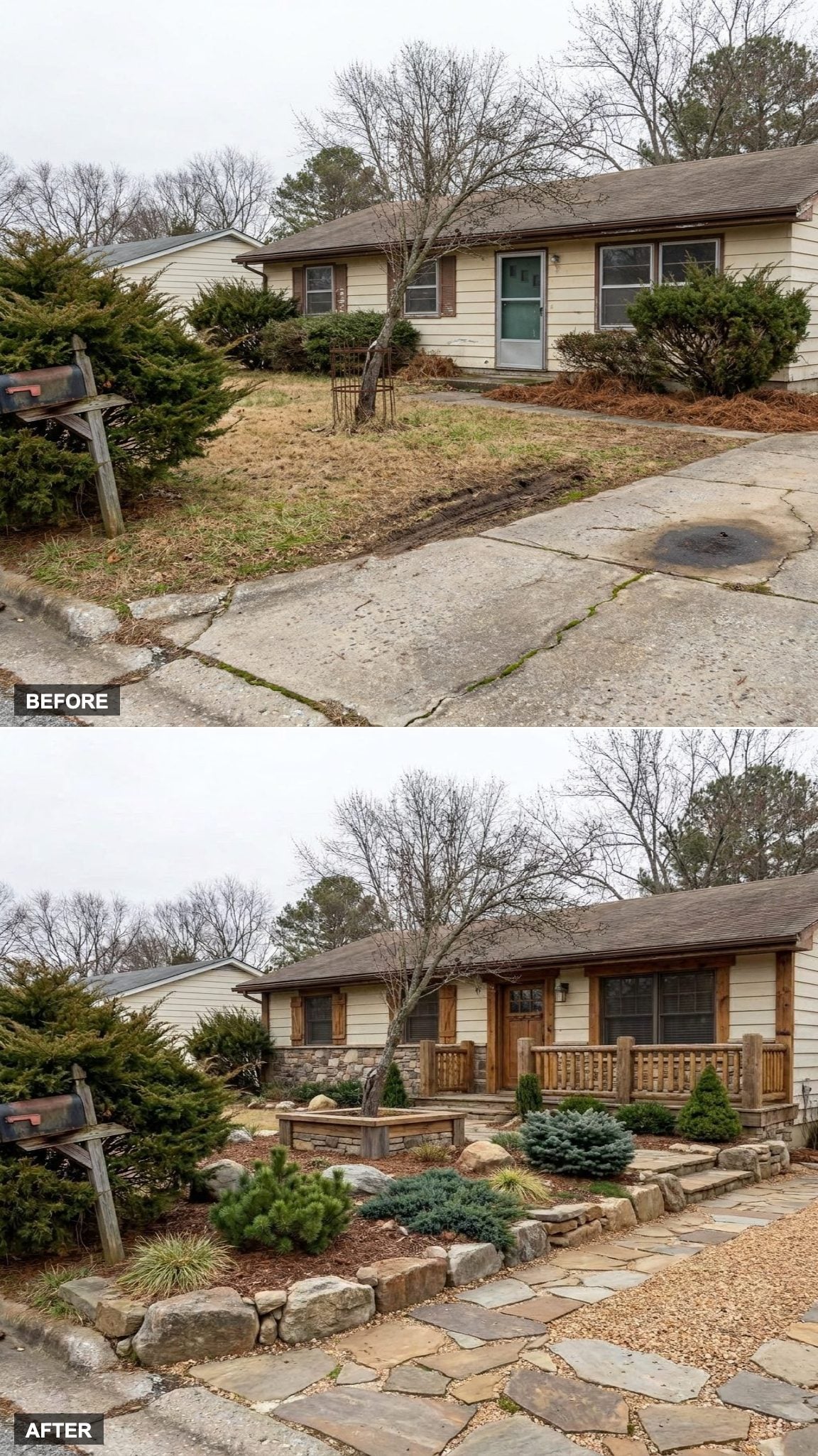
Some front yards want to look like a resort. This one wanted to look like it belongs to the mountain behind it. Massive boulder retaining walls replace the crumbling concrete edging, evergreen plantings soften the engineered slope and help protect exposed soil, and a rustic flagstone path draws you in like an invitation rather than a formality.
The timber accents, a beam detail here, a post there, are the kind of thing you don’t consciously notice but would immediately miss. That’s good rustic timber accent work. It reads as honest rather than decorated.
15. A Circular Paver Driveway and Fountain Centerpiece That Reads Pure Luxury Estate
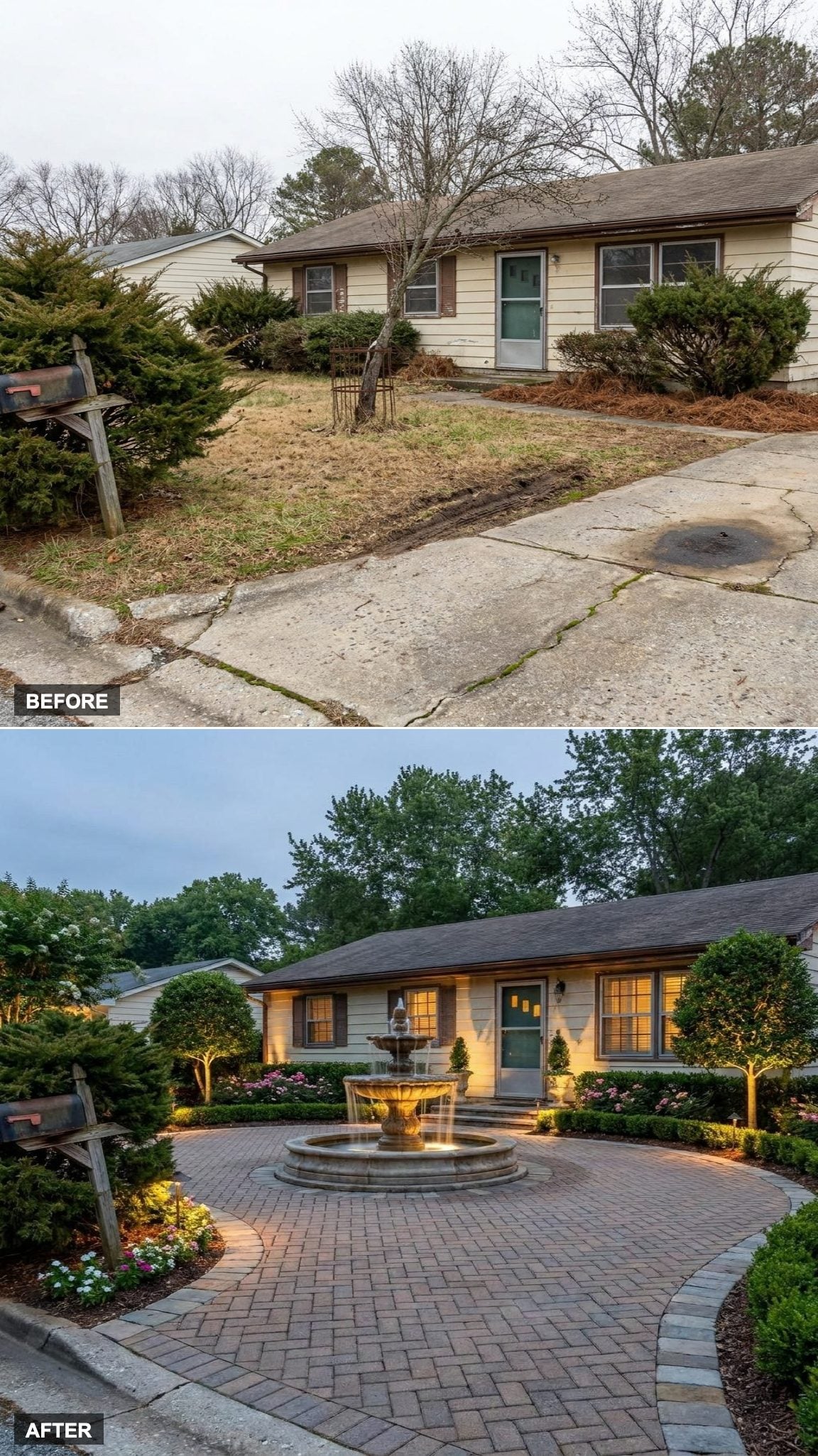
There’s a version of this that goes wrong fast, the circular driveway that just looks like a suburban attempt at something it isn’t. This isn’t that. Mature trees frame the approach, the circular paver driveway has enough scale to justify itself, and the fountain centerpiece hits the right note, present without being desperate for attention.
The dramatic uplighting is what locks it in at night. During the day this looks like a well-managed estate. After dark it looks like an event.
14. Palm Trees, Lush Foliage, and Resort Uplighting Turn the Front Yard Into a Tropical Escape
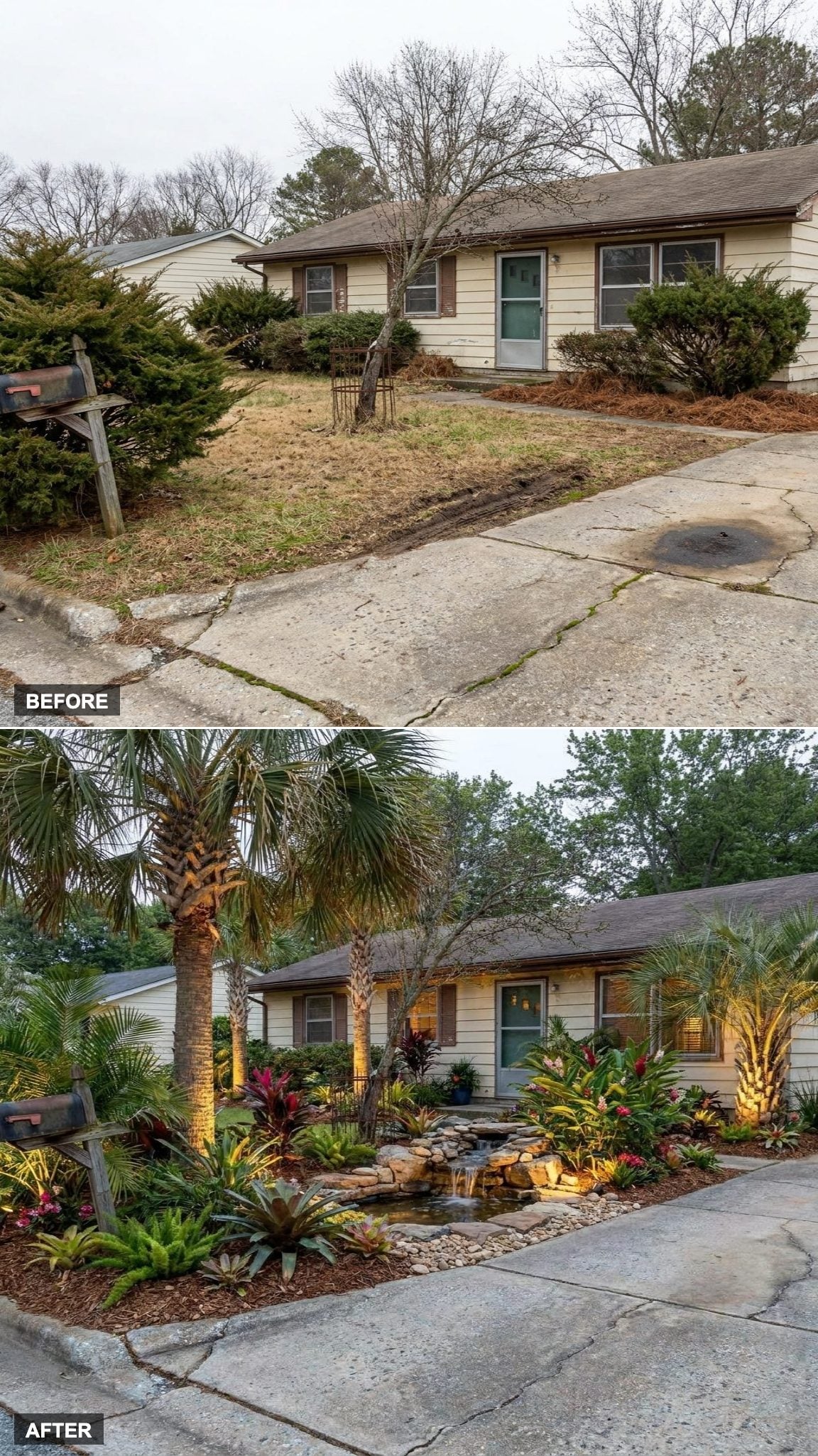
The result lands somewhere between a boutique-hotel entrance and a tropical villa garden. The palm trees anchor the vertical scale, the dense tropical foliage fills the mid-layer, and the water feature gives the whole space a sound as good as its look. Resort-style uplighting does the night shift, casting everything in that warm amber glow that makes even a Tuesday feel like vacation.
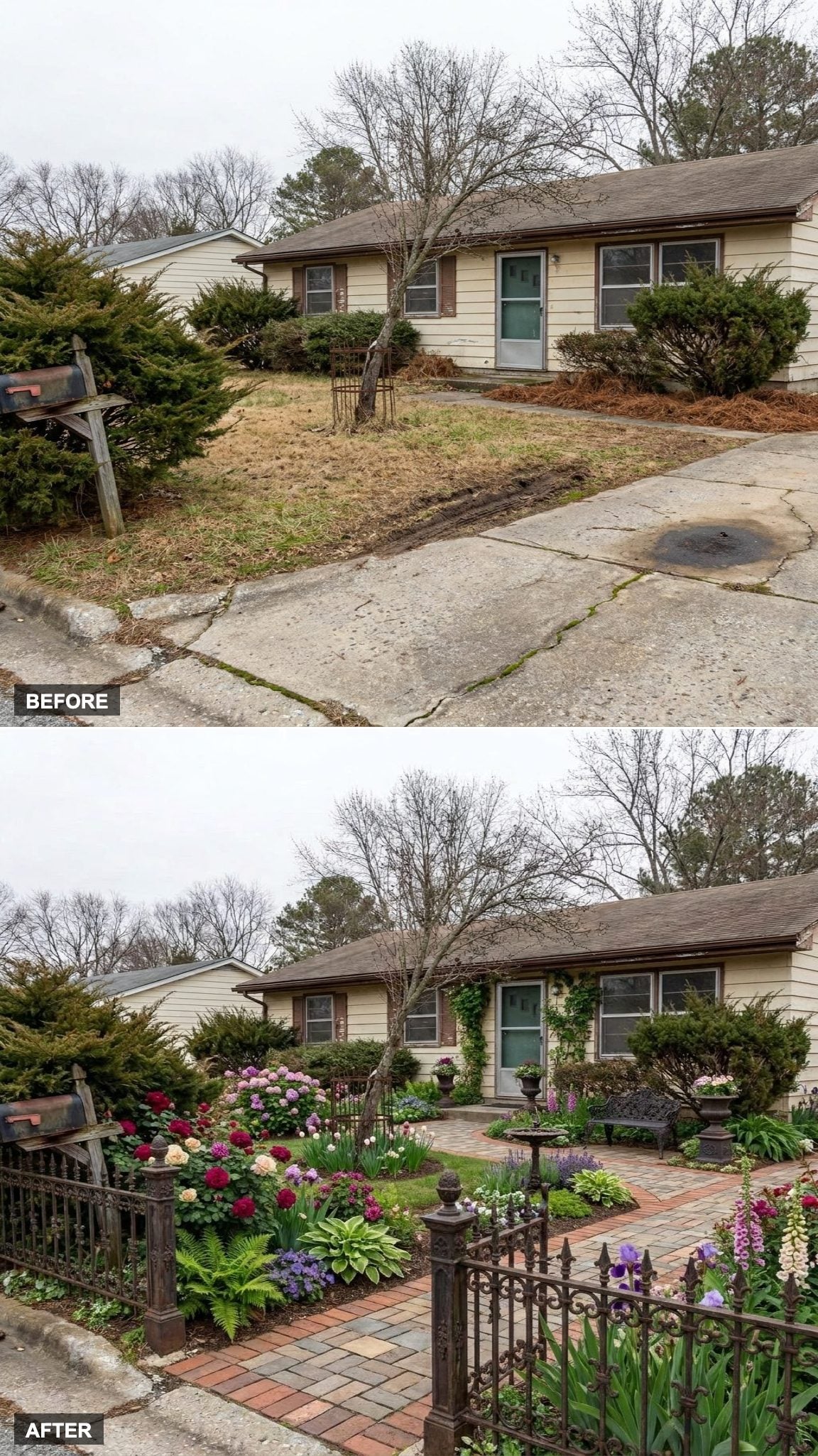
13. Decorative Iron Fencing and Perennial Beds Restore the Victorian Charm This Yard Was Born With
🔥 Would you like to save this?
Victorian Revival landscaping is not for the indecisive. It asks for commitment: ornate decorative iron fencing, colorful perennial beds, pathways with actual detail work. The before yard had none of it, just overgrown shrubs crowding a cracked walk. This after earns its visual weight by staying true to the era rather than cherry-picking one or two gestures and hoping for the best.
The pathway is the spine of the whole design. Get that right and the perennial beds on either side fall into place naturally.
12. Symmetrical Shrubs, Brick Walkways, and Window Boxes Nail the Classic Colonial Look
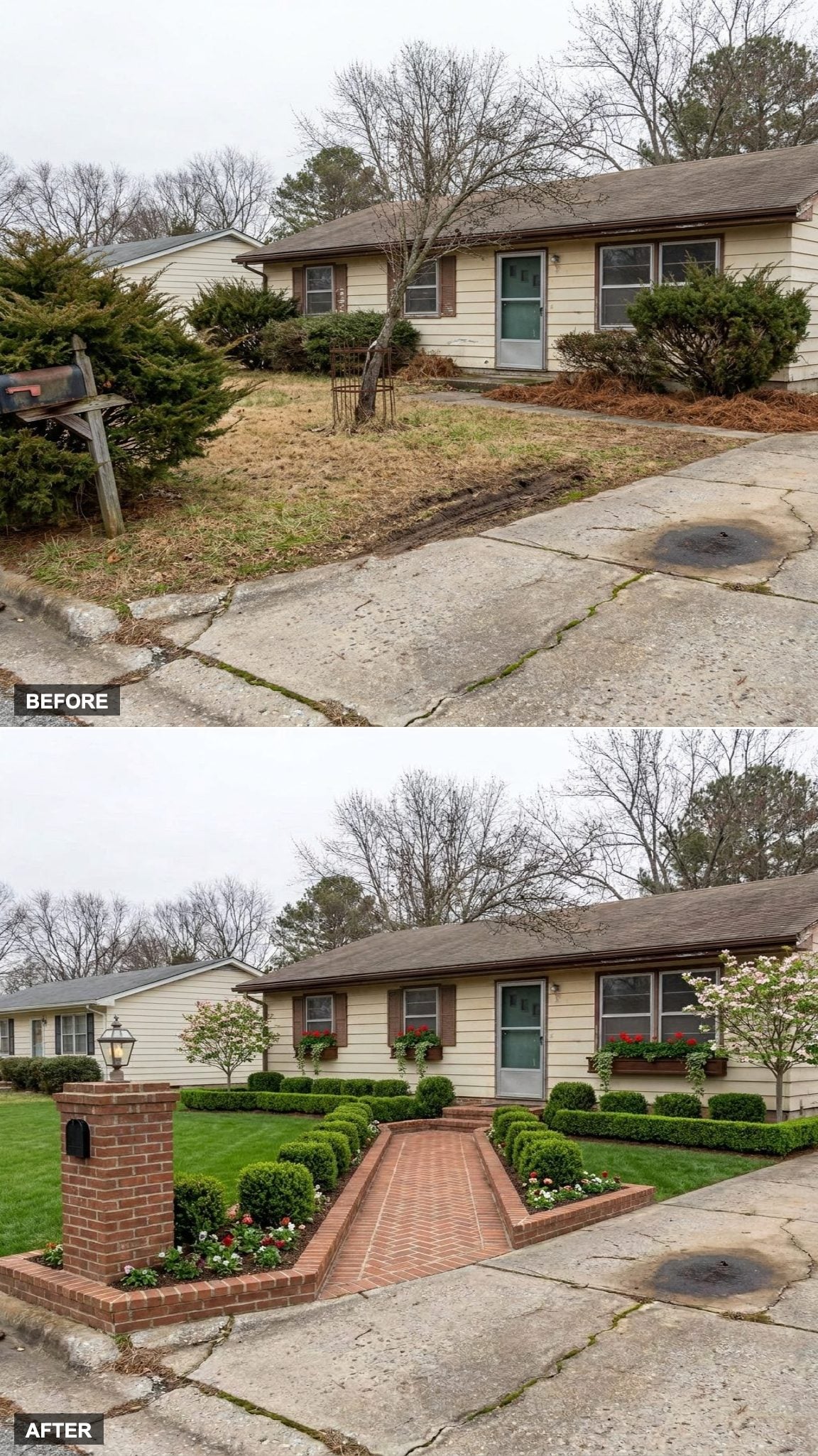
Colonial Revival curb appeal often begins with symmetry. Matching shrubs flanking the entrance, a centered brick walkway with clean edges, window boxes repeat at every opening. Everything mirrors something else, and the effect is immediate calm. You look at this house and your brain relaxes before you’ve even parked.
11. Native Wildflowers, Ornamental Grasses, and Stone Edging Create a Prairie Garden That Actually Works
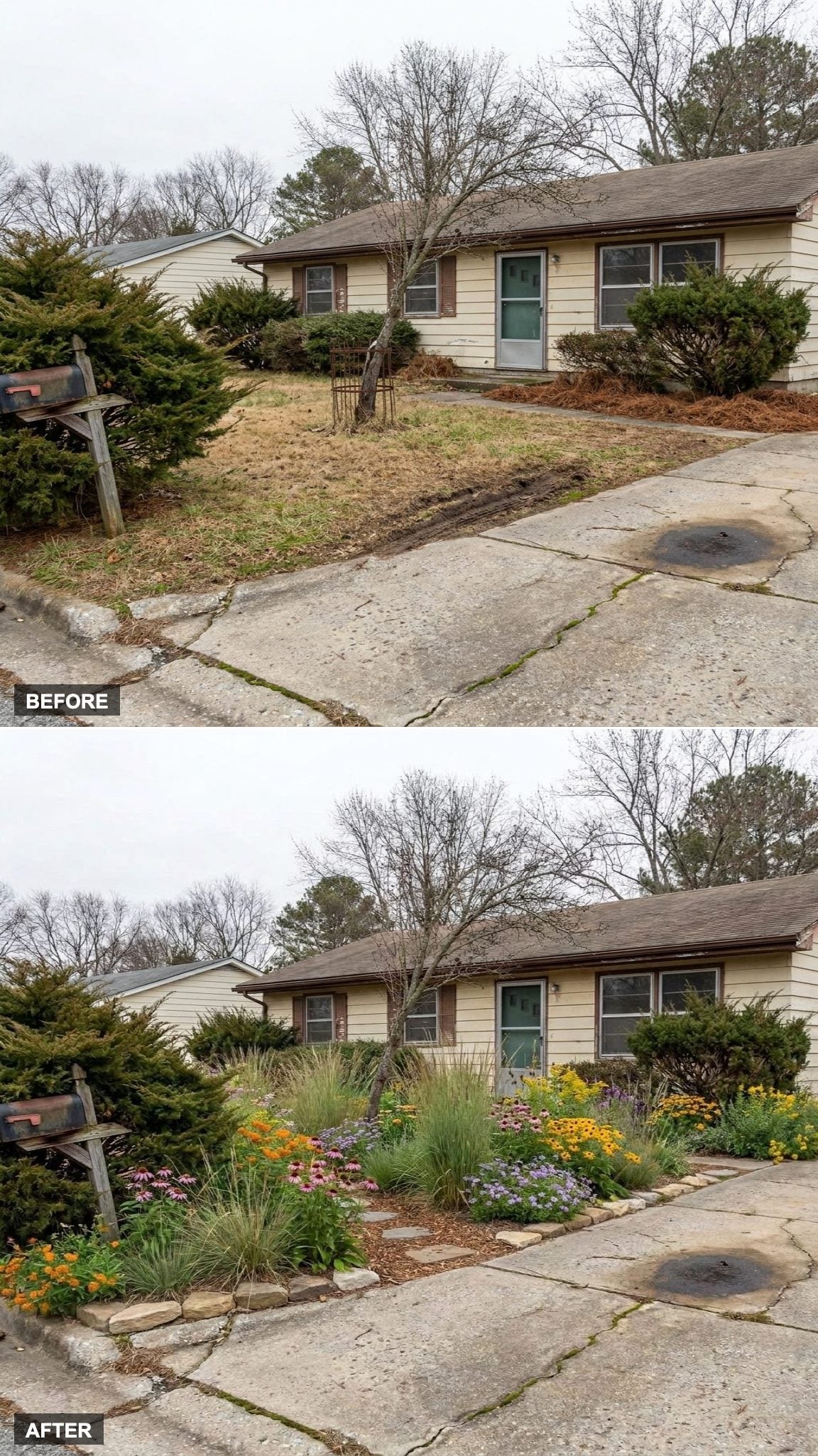
Prairie-style landscaping has a reputation problem. Done badly it looks like nobody mowed. Done right, with real stone edging holding the composition together and native grasses chosen for their movement, not just their survival rate, it looks intentional in a way that a clipped boxwood hedge never quite achieves.
This is the done-right version. Native wildflowers fill the mid-border with color that changes month to month. The stone edging gives the eye a clean line to follow. And the whole thing uses a fraction of the water the old lawn did, which isn’t a small thing.
10. Geometric Pavers, Sleek Planting Beds, and a Black-and-White Exterior That Means Business
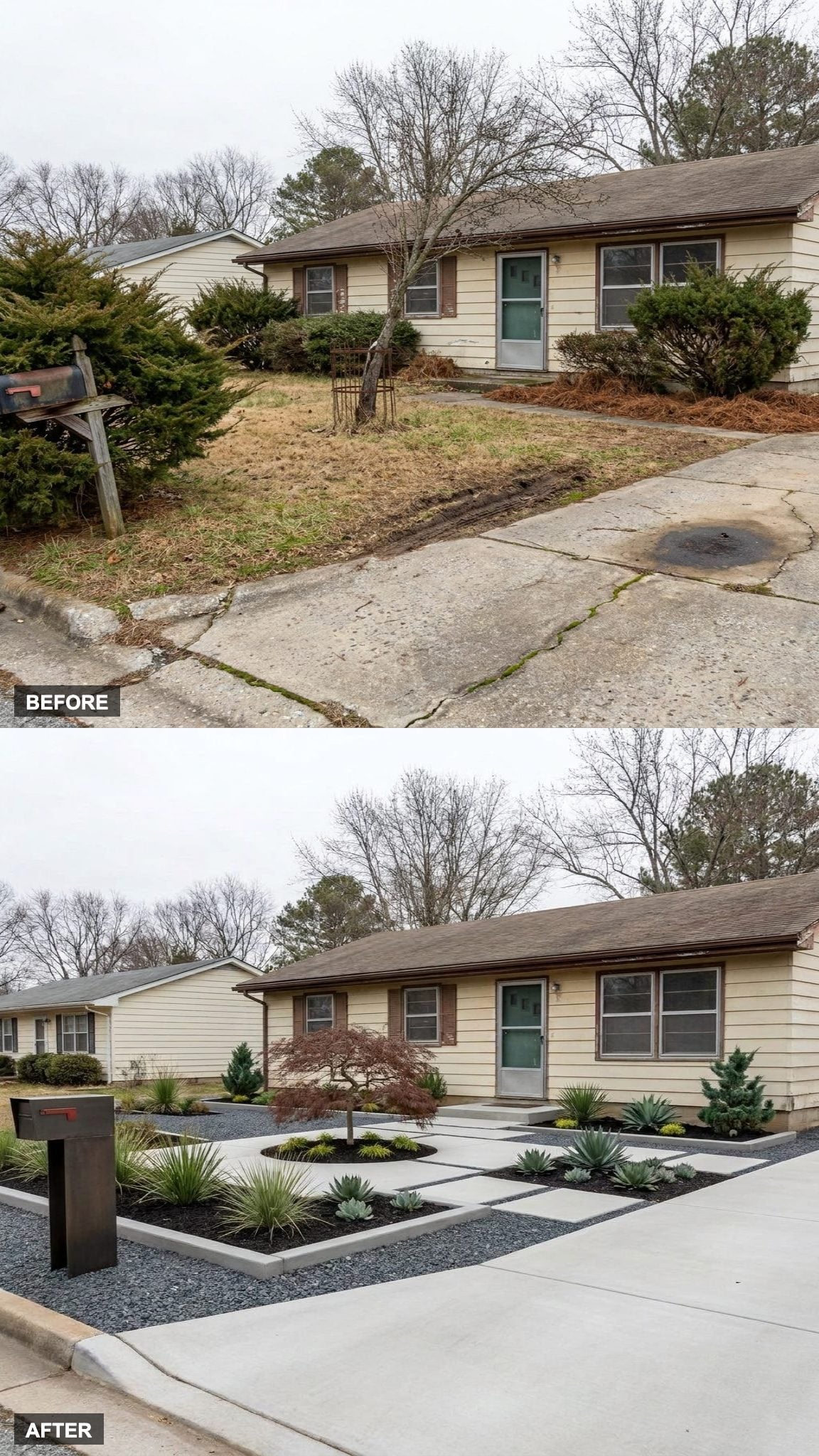
High contrast is a commitment. The moment you paint the exterior black and run white geometric geometric pavers up to the door, you’ve told every neighbor exactly where you stand on the matter of curb appeal. This design doesn’t hedge. The minimalist planting beds are clipped and spare, a few structural plants in the right spots, nothing fussy. The greenery exists to soften the geometry, not compete with it.
What makes it work is discipline. One extra decorative element and it tips into try-hard. As it stands, it just looks confident.
9. Bohemian Garden Escape with Natural Stone, Layered Planting, and Hanging Lanterns
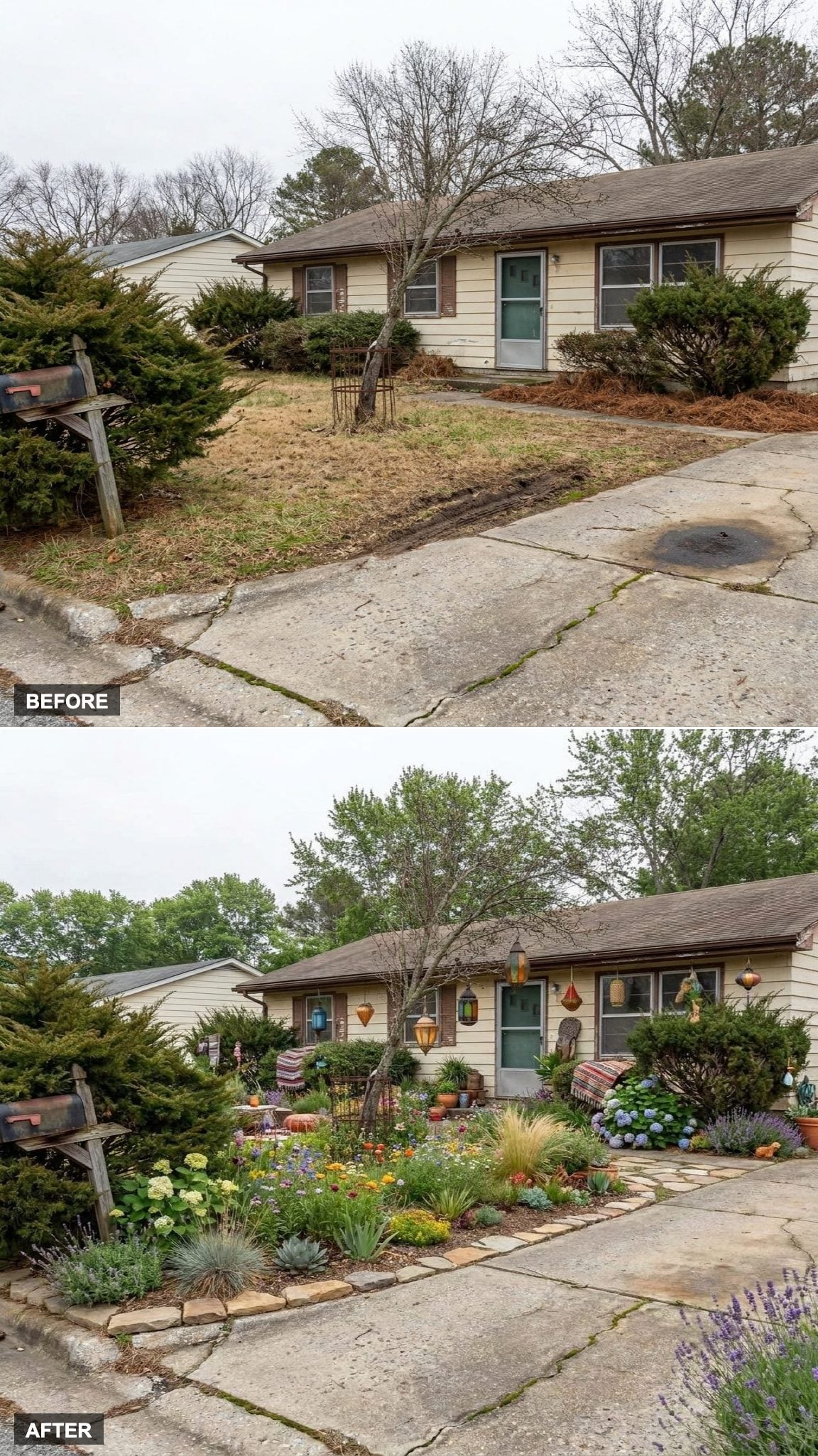
Where the old yard had one scraggly boxwood and a cracked concrete strip, this design brings in a natural-stone garden path underfoot and a wild, intentional layering of flowering plants rising around it. Hanging lanterns catch the late-afternoon light between the blossoms. It’s the opposite of tidy, and that’s entirely the point.
Bohemian front yards work because they signal personality before you even reach the door. Every plant, every hanging outdoor lantern, every color choice says someone made a decision here. The old yard said nothing at all.
8. Woodland Cottage Entrance with Ferns, Mossy Stones, and Winding Shade Paths
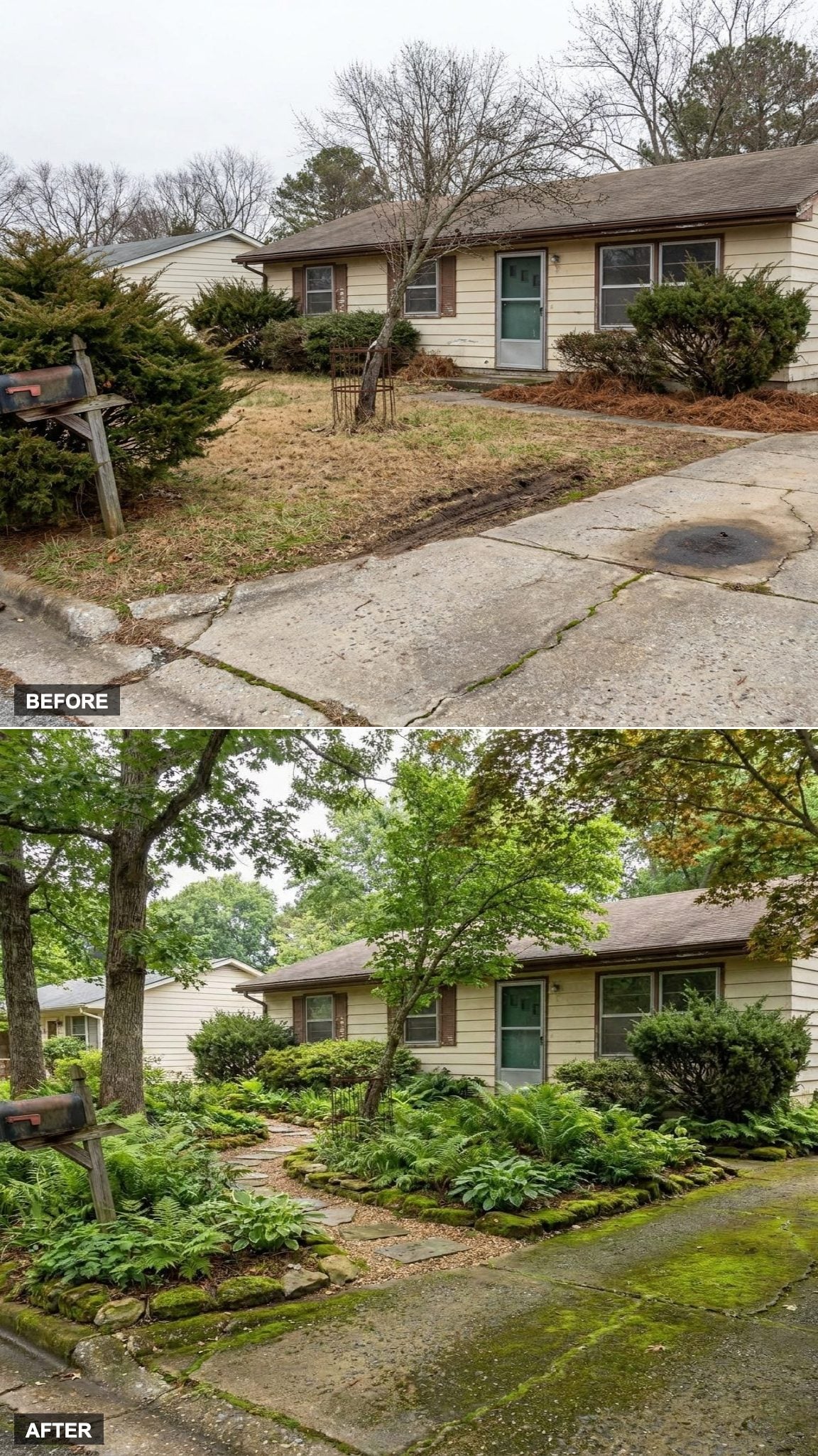
The 1980s concrete path got replaced with a winding route through mature shade trees, mossy stones tucked along the edges, and dense fern plantings that make the front door feel like a discovery rather than a destination. This design doesn’t fight the shade. It builds around it.
Most people tear out struggling grass under big trees and never replant anything. This yard proves that ferns and moss aren’t a consolation prize. They’re a whole mood.
7. Luxury Nighttime Curb Appeal with Uplighted Trees and Illuminated Pathways
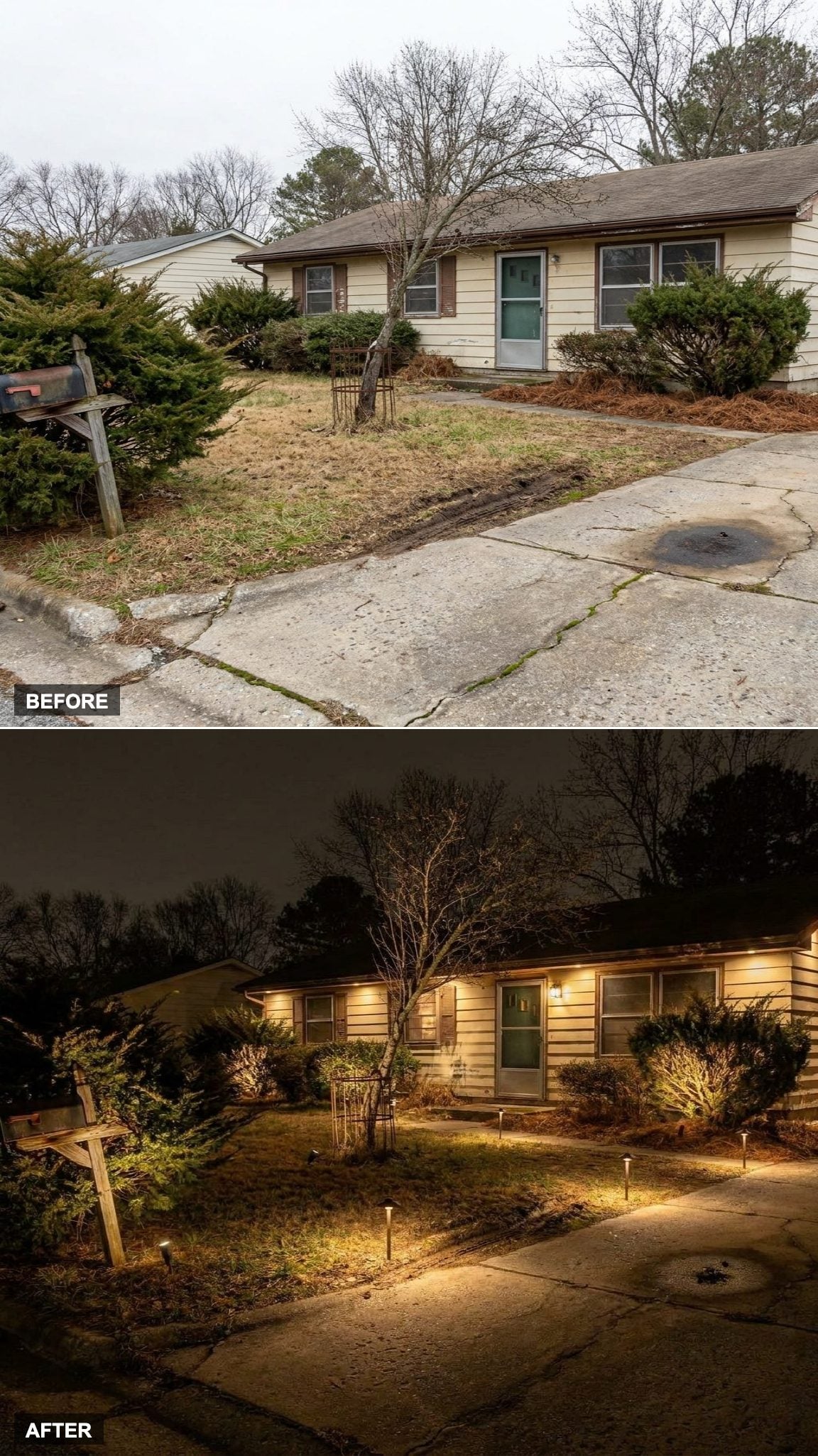
After dark, most front yards disappear. This one doesn’t. Pathway lights trace the route to the door in warm amber, while uplighting turns the specimen trees into architecture. The effect is quiet and confident, the kind of curb appeal that only exists between 7 p.m. and midnight.
Lighting design is the most underrated upgrade in residential landscaping. The bones of this yard don’t change at sunset. The drama does.
6. Family-Friendly Front Yard with Wide Walkways, Shade Trees, and a Welcoming Seating Area
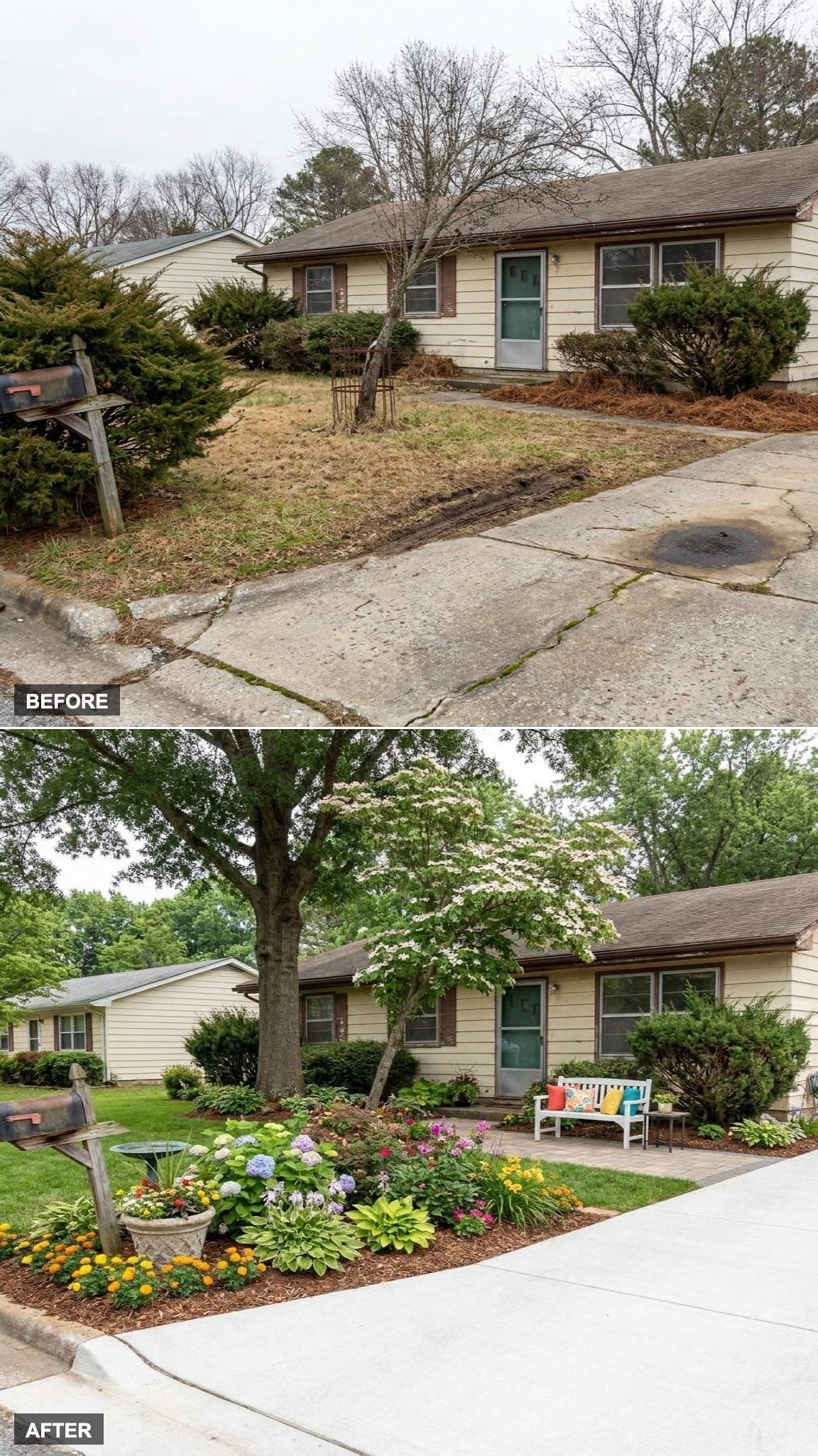
Wide, navigable walkways replace the single-file concrete strip. Colorful flower beds anchor the edges without crowding the path. A outdoor seating bench sits under a shade tree in a spot that actually invites you to stop. The old yard had no place to land. This one has three.
5. Pollinator Paradise with Native Flowering Plants, Butterfly Gardens, and Vibrant Seasonal Color
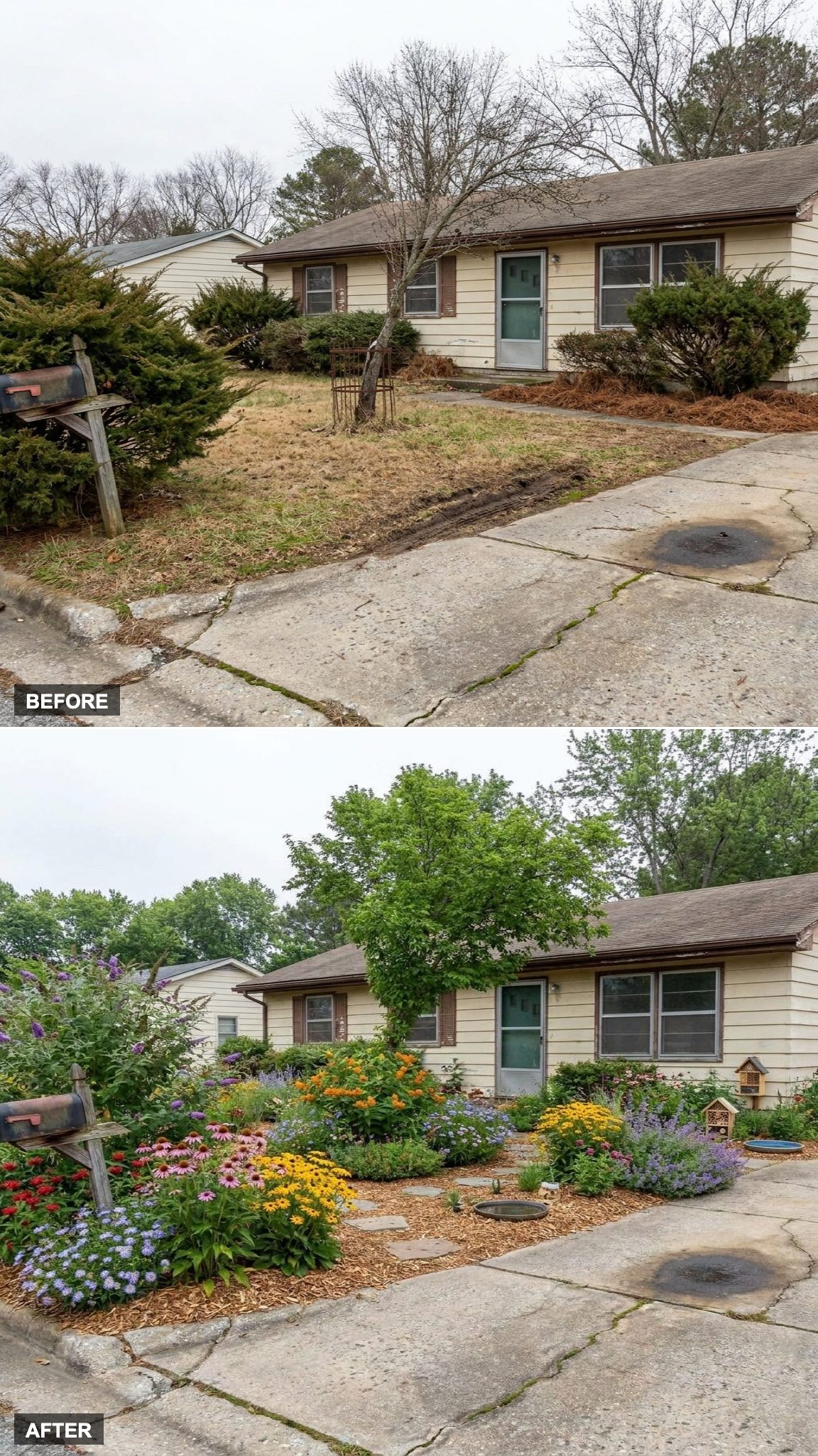
Native plants do something that conventional landscaping almost never does: they show up differently every week. Coneflower, milkweed, black-eyed Susan, salvia. A regionally chosen mix can provide nectar and host plants across much of the local growing season. Milkweed offers monarchs suitable breeding habitat where the species occurs, while the native pollinator plant mix supports bees and other beneficial insects. What reads as beautiful also happens to be useful, which is the best kind of design logic.
4. Four-Season Landscape with Spring Bulbs, Summer Blooms, Autumn Foliage, and Winter Evergreens
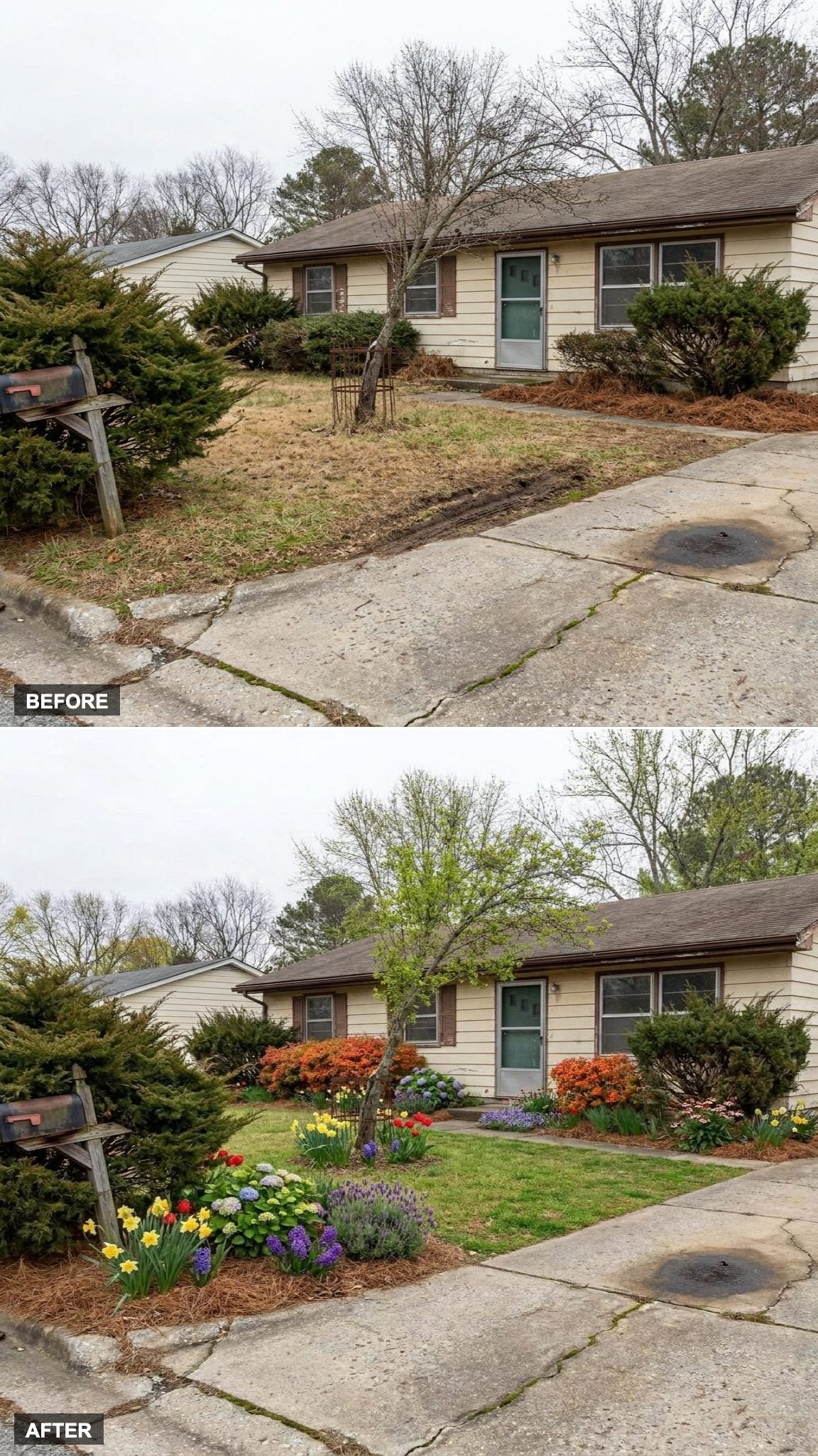
One of the quiet failures of 1980s foundation planting was that it looked okay in June and dead in November. This design builds a calendar: tulips and alliums in spring, daylilies and hydrangeas through summer, a regionally suitable noninvasive shrub and ornamental grasses turning red and gold in fall, then evergreen landscape shrubs holding structure through January. The yard earns its keep twelve months a year.
3. Grand Stone Courtyard Entrance with Cobblestone-Style Pavers, Stone Columns, and Formal Hedges
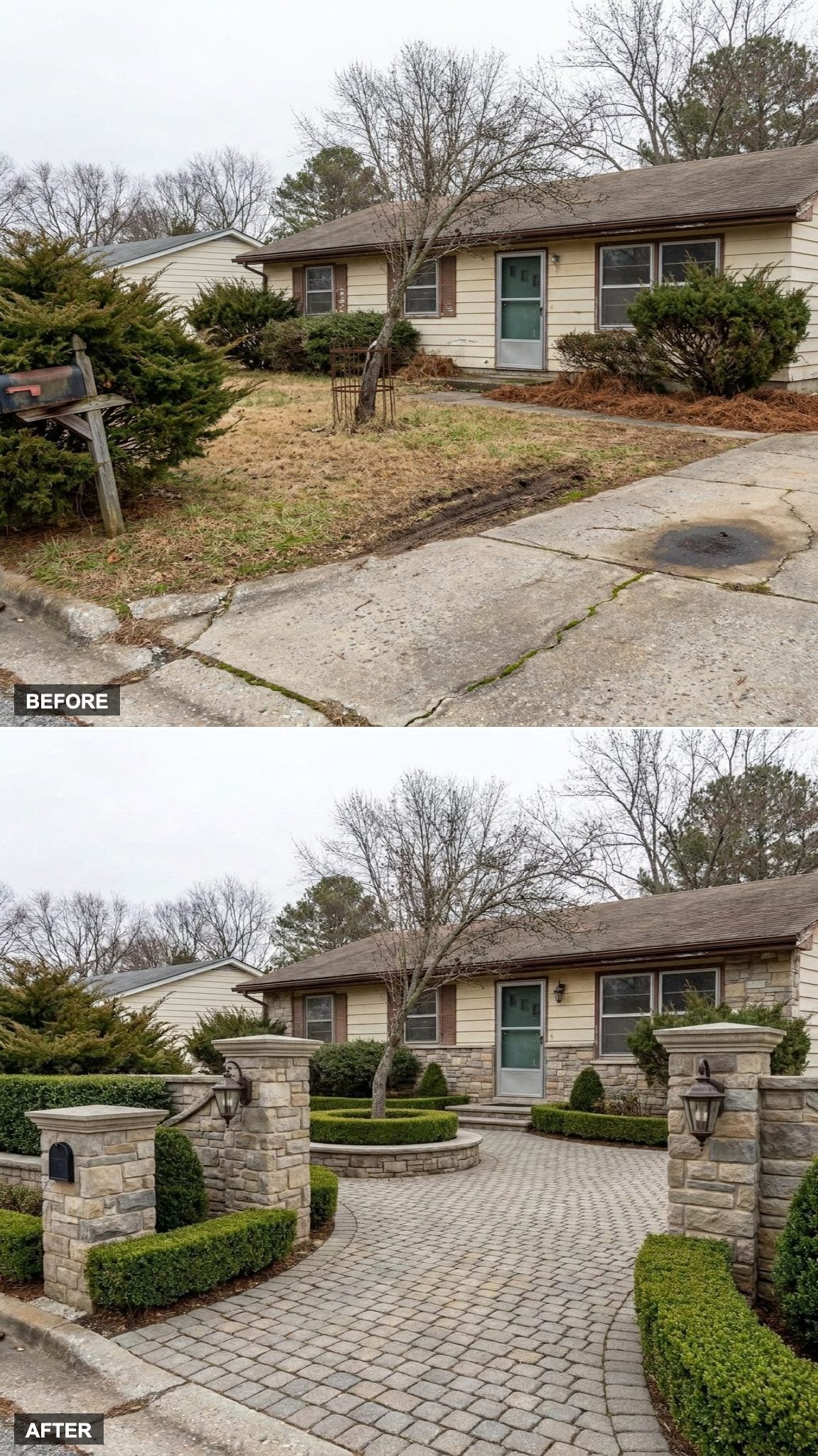
Formal. Deliberate. The kind of front yard that looks like it has a name.
Cobblestone-style pavers replace the worn drive in a herringbone pattern that draws the eye straight to the entry. Stone columns frame the approach. Clipped formal hedges run parallel to the drive with the kind of precision that says someone cares deeply about right angles. The stone garden column detail alone would make the before photos embarrassing to look at.
2. Low-Maintenance Landscape with Artificial Turf, Targeted Irrigation, and Evergreen Plantings
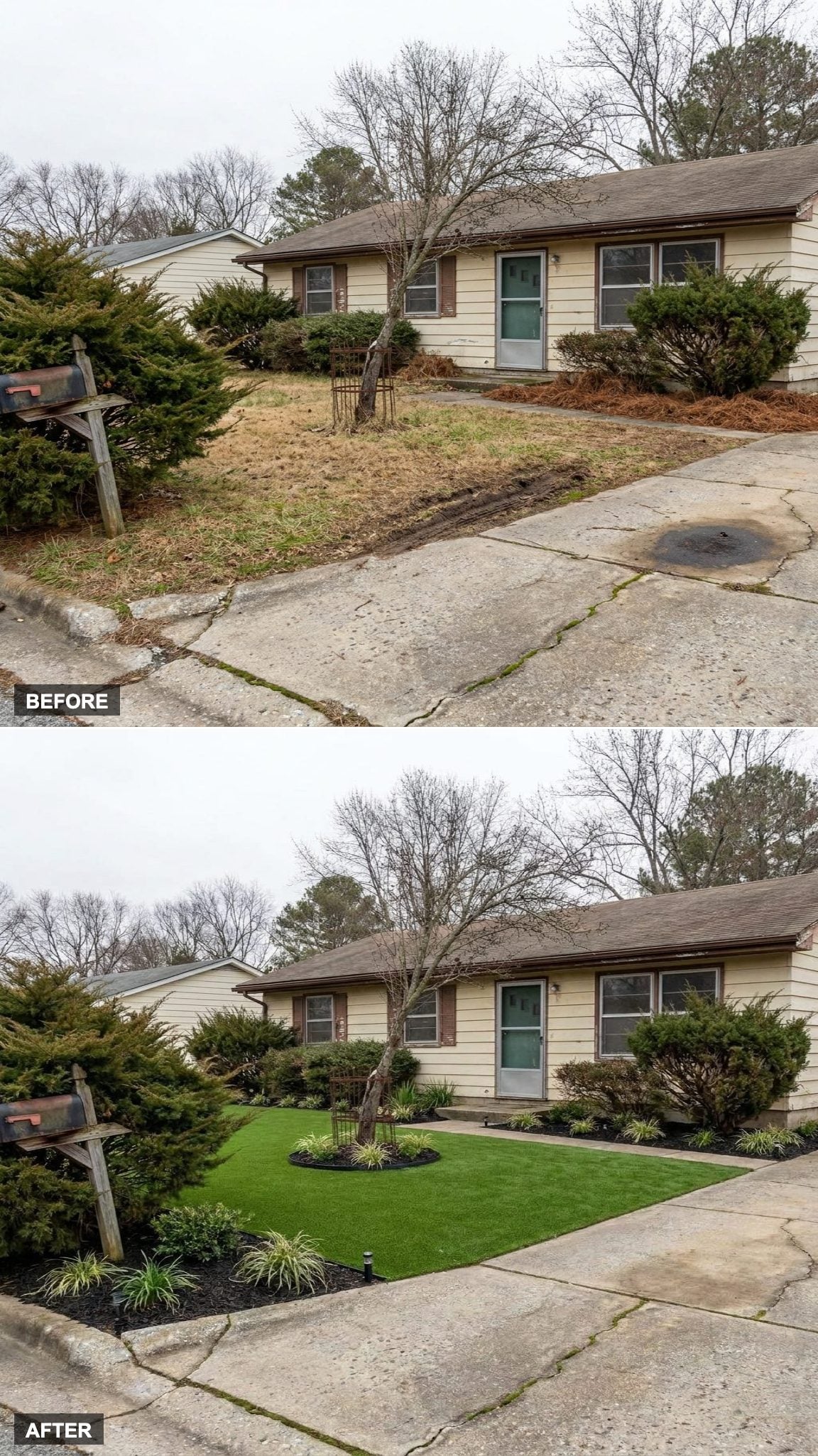
Artificial turf gets a bad reputation it only partly deserves. Modern versions look nothing like the material many people remember from old little-league fields. Paired with evergreen shrubs at the borders and automated irrigation serving only the living plantings, this yard removes mowing and sharply reduces routine watering.
The trade-offs still matter. Artificial turf can retain heat, needs cleaning and brushing, may develop weeds around the edges, and eventually requires replacement. The real value is the decision to stop maintaining a lawn that was never going to thrive and put the effort somewhere it shows.
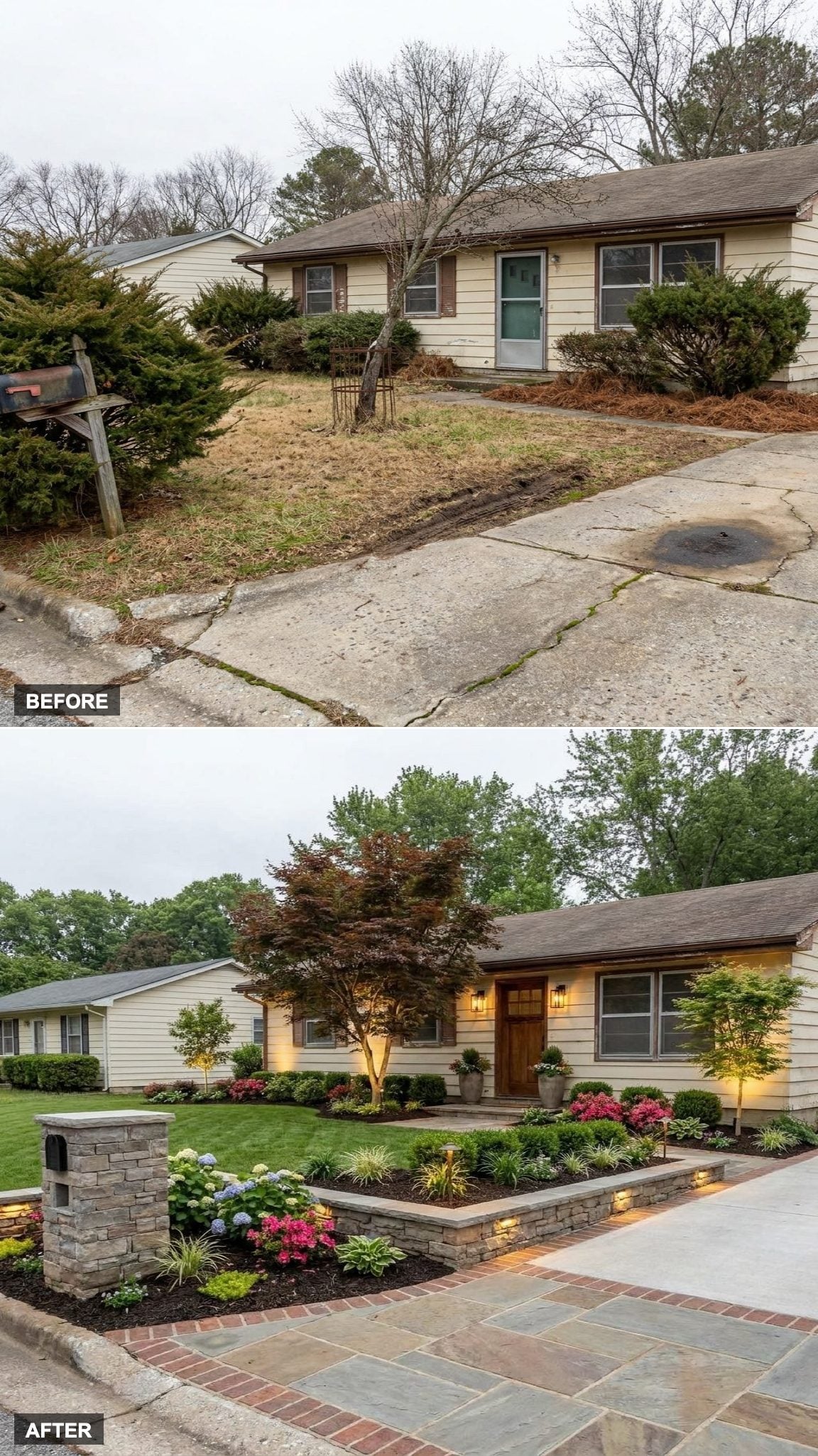
1. Specimen Trees, Architectural Lighting, and Hardscaping That Puts Every Neighbor on Notice
🔥 Would you like to save this?
Everything landed at once here. The hardscaping anchors the composition, the lush garden beds soften the edges, and the specimen trees do what no annual planting ever could: they make the house look like it’s been cared for by someone with taste and patience. The lighting supports the structure rather than becoming the story.
What the 1980s yard had was volume without intention. What this has is mature planting, clear hardscape proportions, and structure. The welcoming front entry pulls it together so the eye knows exactly where to go. That’s the difference between a yard that grew and a yard that was designed.