🔥 Would you like to save this?
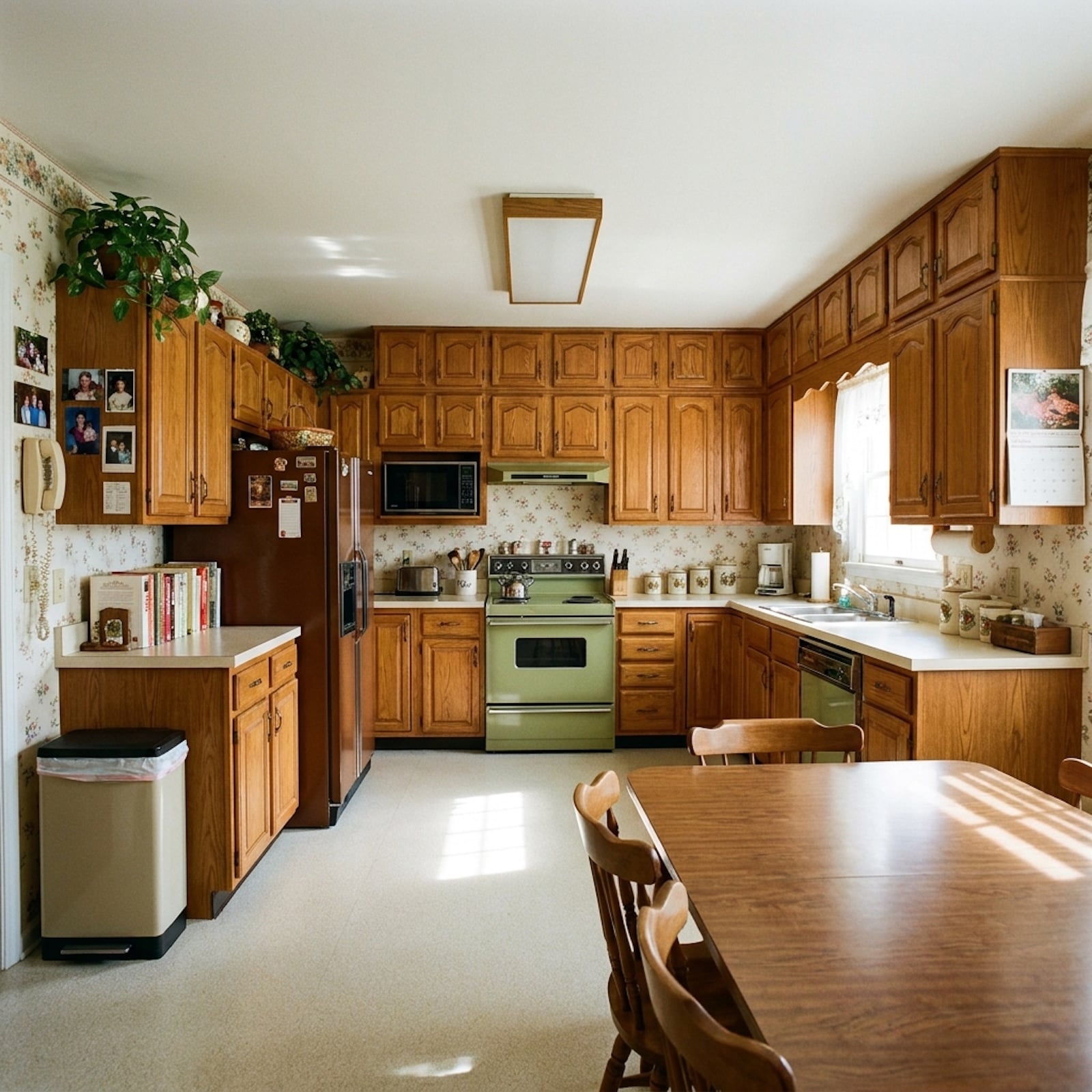
The avocado green refrigerator cost less than a month’s rent. The fondue pot was practically an entry fee to adulthood. And the harvest gold everything in between? Priced in a world where the average American took home around $150 a week and thought that was reasonable. These 27 price tags from the 1970s kitchen tell the whole story of an era when polyester was fashion, stagflation was real, and somehow people still found the budget to carpet their kitchen floors.
27. A Harvest Gold Dishwasher: About $220 at Sears, circa 1973
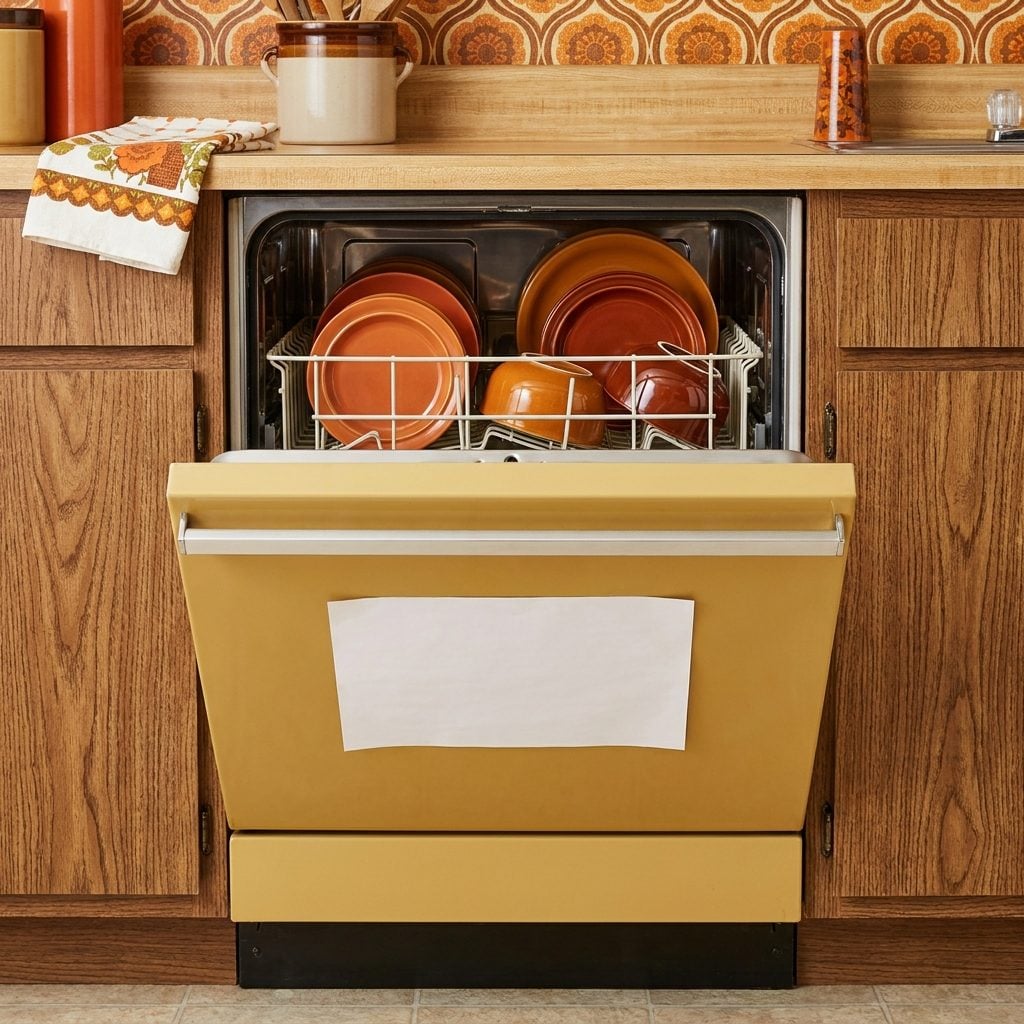
Built-in dishwashers were still a flex in 1973. Roughly half of American kitchens didn’t have one. A harvest gold Sears Kenmore freestanding model cost around $200 to $230, and the top-of-the-line built-ins could push $300 or more. That $220 price tag represented nearly a week’s gross income for a median household worker.
In order to come up with the very specific design ideas, we create most designs with the assistance of state-of-the-art AI interior design software. Also, assume links that take you off the site are affiliate links such as links to Amazon. this means we may earn a commission if you buy something.
The harvest gold finish wasn’t a cost-saving compromise. Appliance manufacturers charged the same whether you ordered white or color. You paid for the coordination, and a lot of families did. The harvest gold kitchen decor aesthetic ran through everything: the dishwasher matched the fridge, the fridge matched the stove, and the whole room felt deliberately assembled. That kind of kitchen cohesion is harder to pull off than it looks.
26. The Fondue Pot That Was on Every 1970s Wedding Registry: Around $30
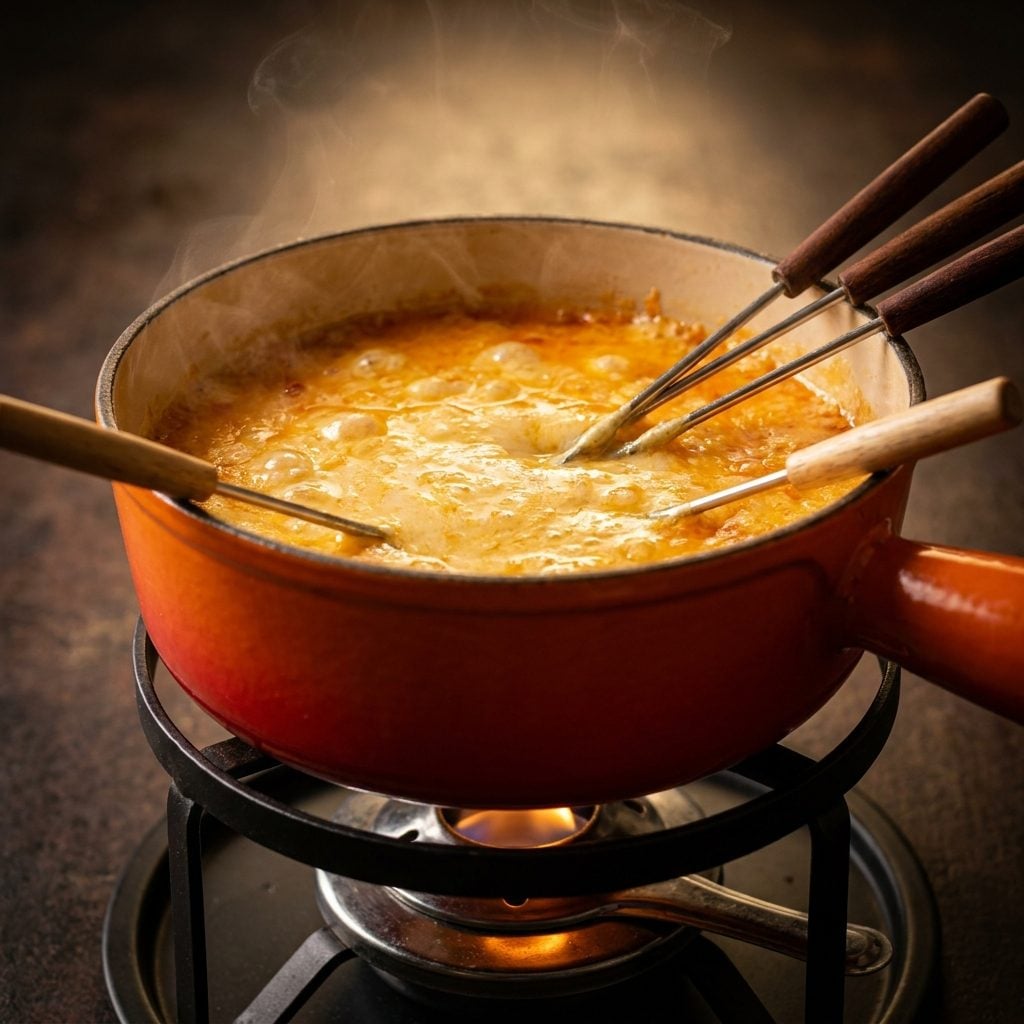
Around $25 to $35 bought you a full fondue set in the mid-1970s, and almost nobody bought one for themselves. This was a wedding gift, a housewarming gift, a birthday gift, and it arrived in the same burnt orange or olive green enamel in approximately 40 percent of all American kitchens by 1976. The enameled cast iron pot was the piece that mattered. The forks were secondary.
At $30, a fondue set cost about six hours of work at the median wage. It felt like a reasonable splurge on something communal, something that turned dinner into an event. Most of them stopped being used by 1979. Most of them still exist somewhere in a cabinet.
25. A Full 1970s Kitchen Remodel: Between $3,000 and $6,000 in 1978
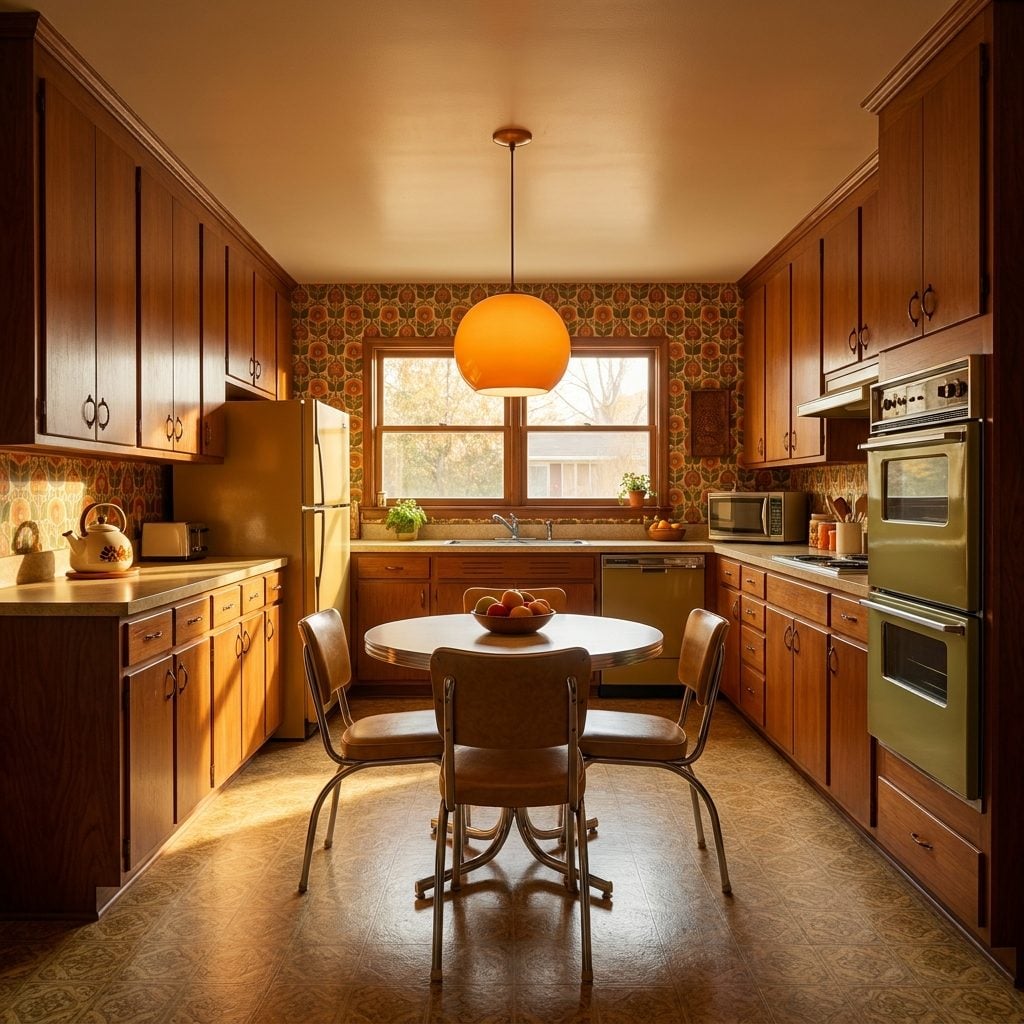
A mid-range kitchen remodel in 1978 ran roughly $3,000 to $6,000, depending on whether you were replacing cabinets or just refacing them, and whether you kept the existing layout or opened a wall. The high end of that range represented close to a full year’s mortgage payments for many families. People agonized over the decision the same way they do now, just with darker wood tones and more ceramic tile.
In today’s dollars, that $4,500 midpoint lands somewhere around $21,000. A comparable renovation today runs $30,000 to $80,000 for most markets. The 1970s version gave you raised-panel oak cabinets, open kitchen makeover potential if you were brave enough to take down a wall, and a color palette that would haunt you for a decade. Worth it, mostly.
24. A Sunbeam Mixmaster on the Counter: Around $40 in 1974
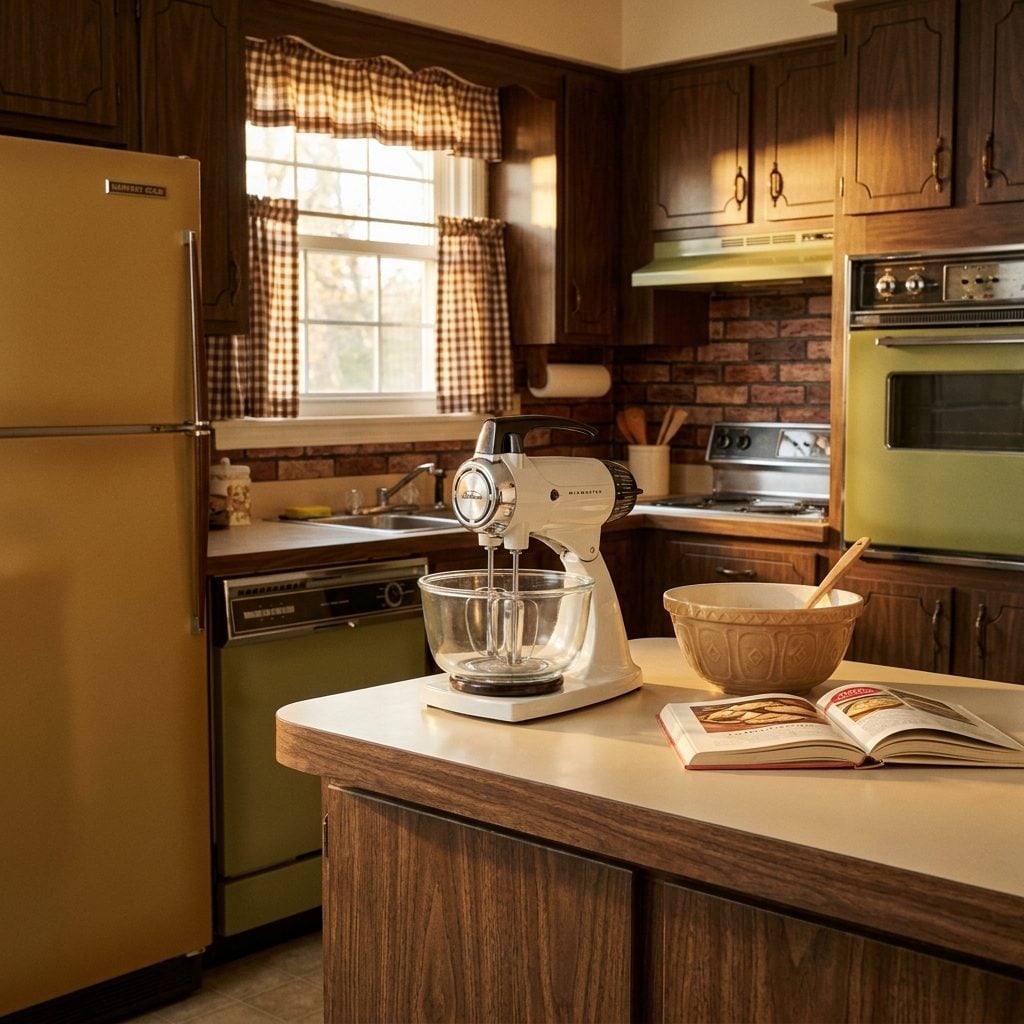
A Sunbeam Mixmaster ran about $40 in the mid-70s, which sounds like nothing until you remember most factory paychecks worked out to a few dollars an hour. That mixer cost most of a day’s work, tax included.
Almost every wedding registry had one. The chrome-and-white version turned up in newlywed kitchens next to a matching set of Pyrex bowls in whatever floral pattern was hot that season, and people kept them for thirty years. Some are still running.
23. Patterned Kitchen Flooring: Vinyl and “Linoleum” From About 90 Cents to $1.50 a Square Foot
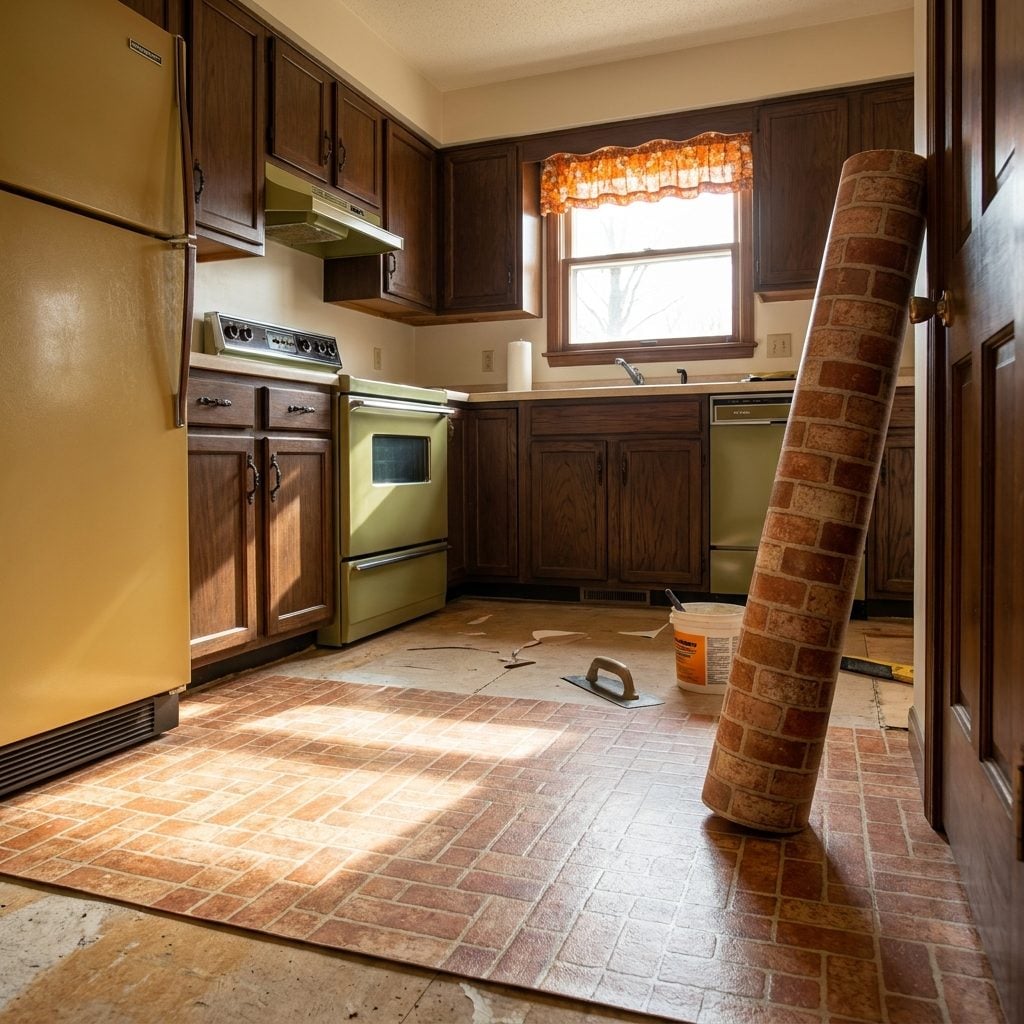
Brick red hexagons. Faux slate. Harvest gold pebbles. Avocado floral medallions. Patterned sheet flooring was one of the cheapest ways to make a 1970s kitchen feel completely finished, and subtlety was never the objective.
Prices varied by material and installation. Basic sheet flooring could run around 90 cents a square foot for materials, while a professionally installed vinyl floor might land closer to $1.50 a square foot. A modest kitchen could often be covered for a few hundred dollars or less.
History Corner: Homeowners routinely called these floors “linoleum,” even when the material was vinyl. True linoleum was made from ingredients such as linseed oil and cork dust, while vinyl was synthetic, usually cheaper, and increasingly dominant in postwar kitchens.
22. A Corning Ware Casserole Set: About $25 for the Boxed Collection
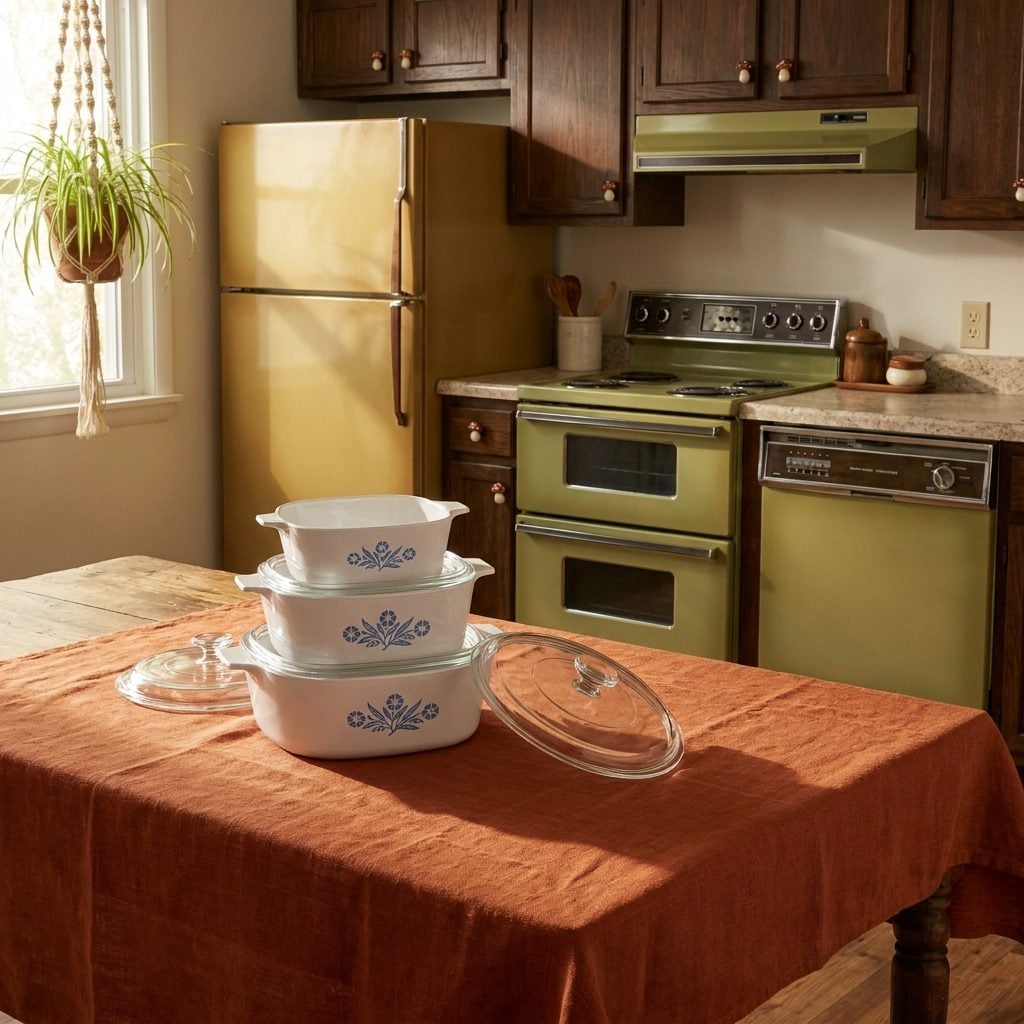
A boxed Corning Ware set with the blue cornflower pattern ran about $25 in the early 70s — a serious wedding gift back then. The pattern is so iconic that intact sets sell for more on resale sites today than they did brand new.
Freezer to oven to table, no cracking. Every casserole recipe in every church cookbook assumed you owned one.
21. A Full Set of Tupperware: Around $50 from a Home Party
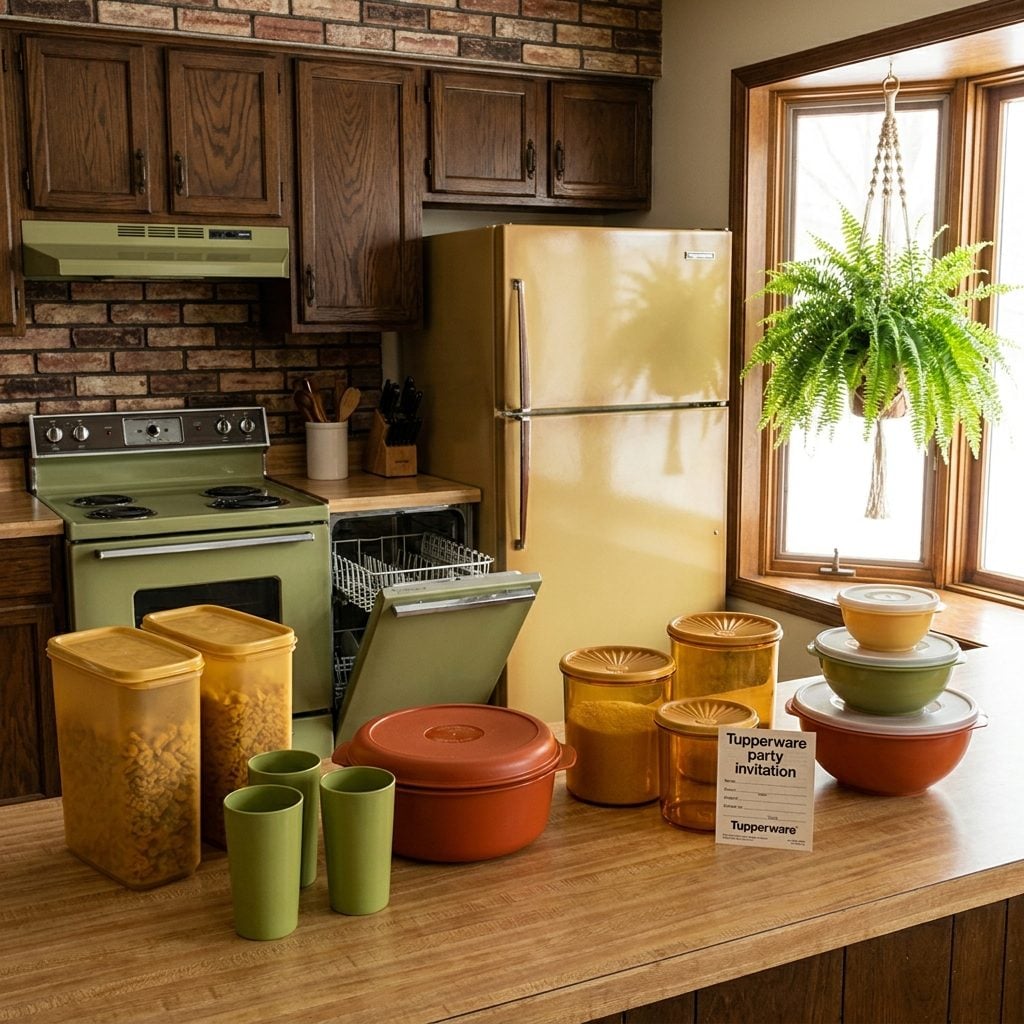
A full starter set of Tupperware, bought at a neighborhood party, ran around $50 in the mid-70s. That was a week of groceries, and people bought it anyway because the hostess needed the credit and because the burping seal actually worked.
Tupperware parties were as much social event as retail. Someone’s living room, coffee and coffee cake, a lady with a case of nesting bowls, half the block showing up. The plastic outlasted the marriages.
20. A Formica Dinette Set with Four Chairs: Between $150 and $250
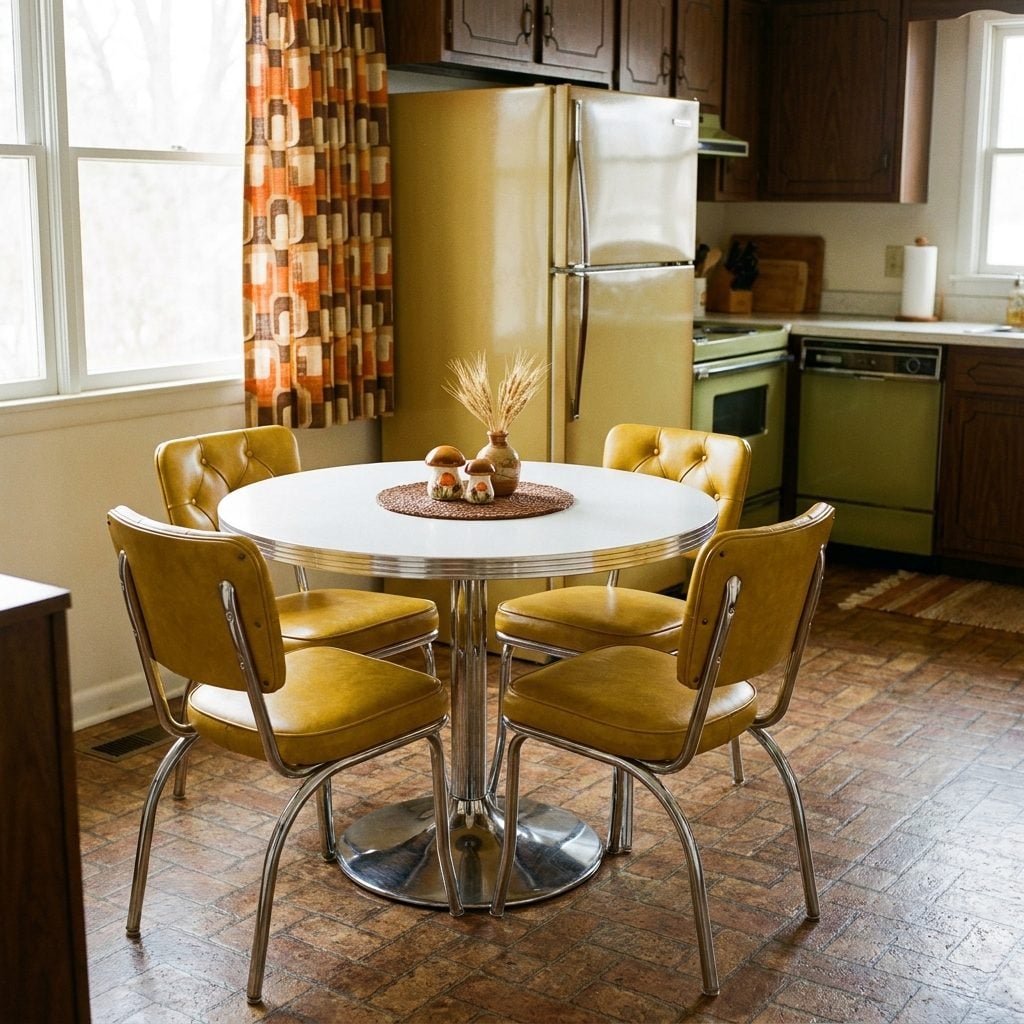
A four-chair Formica dinette set from Sears or Montgomery Ward landed somewhere in the low-to-mid hundreds depending on chair style. Chrome legs, vinyl seats in mustard or burnt orange, a laminate top that wiped clean with a sponge.
They took a beating. Kids doing homework, casseroles landing hot, decades of cereal bowls, and the originals now sell as vintage for triple what they cost new. Same table. Different room around it.
19. A GE Countertop Microwave: Roughly $400 in 1978
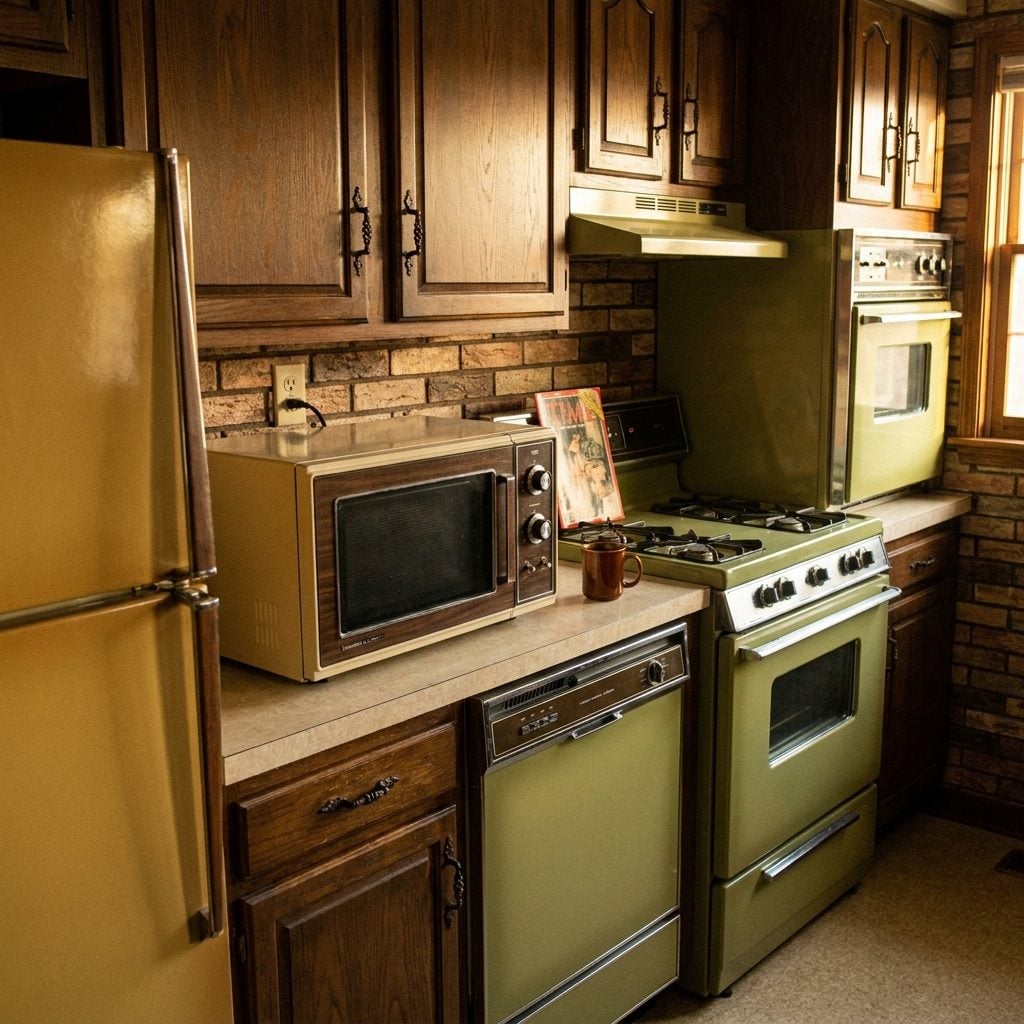
The countertop microwave was the flex appliance of the late 70s. A GE or Amana ran roughly $400 in 1978 — several weeks of a decent paycheck — and most families didn’t own one until well into the early 80s.
They were enormous. The dials were mechanical. The instruction manual was thicker than a novel because nobody trusted the thing yet. Neighbors came over to see it defrost a chicken.
18. Faux-Brick Vinyl Backsplash: Around $8 a Panel
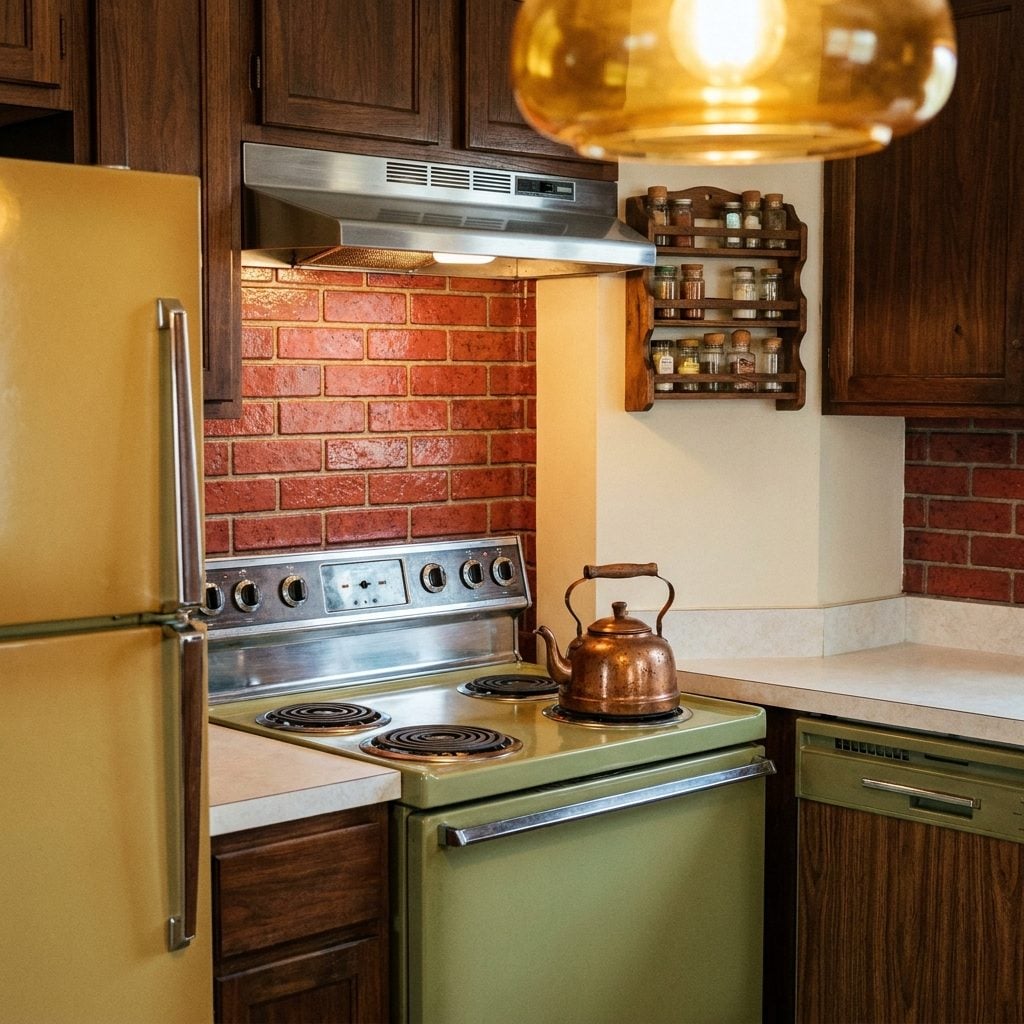
Faux-brick vinyl panels ran roughly $8 per 4-foot section. Two panels covered most kitchens — peel-and-stick adhesive on the back, a razor blade to trim around outlets, and you were done before dinner.
The look was warm, chunky, unmistakably of its moment. It’s the kind of detail that turns up in every farmhouse kitchen design revival shoot now, priced ten times higher and called reclaimed.
17. A Set of Pyrex Mixing Bowls in the Butterprint Pattern: About $12
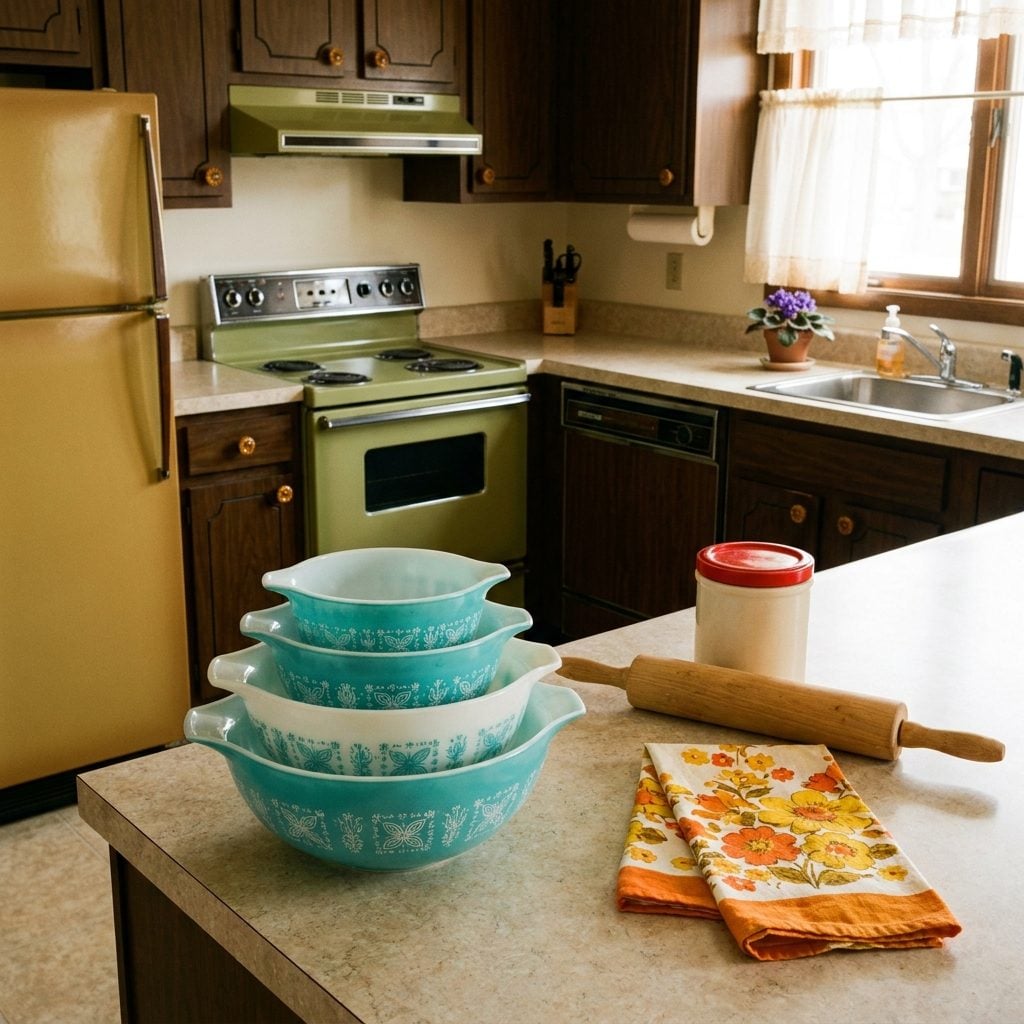
A nested set of four Pyrex mixing bowls ran about $12 in the early 70s. The Butterprint pattern — you know the one, the Amish couple with the wheat — was so common that most people had at least one bowl from the set even if they didn’t buy it themselves.
A single turquoise Butterprint bowl in good shape can clear well over its original set price on resale sites today. A full set goes for real money. Same bowls. Different economy.
16. A Coppertone Range Hood with Built-In Light: Around $75
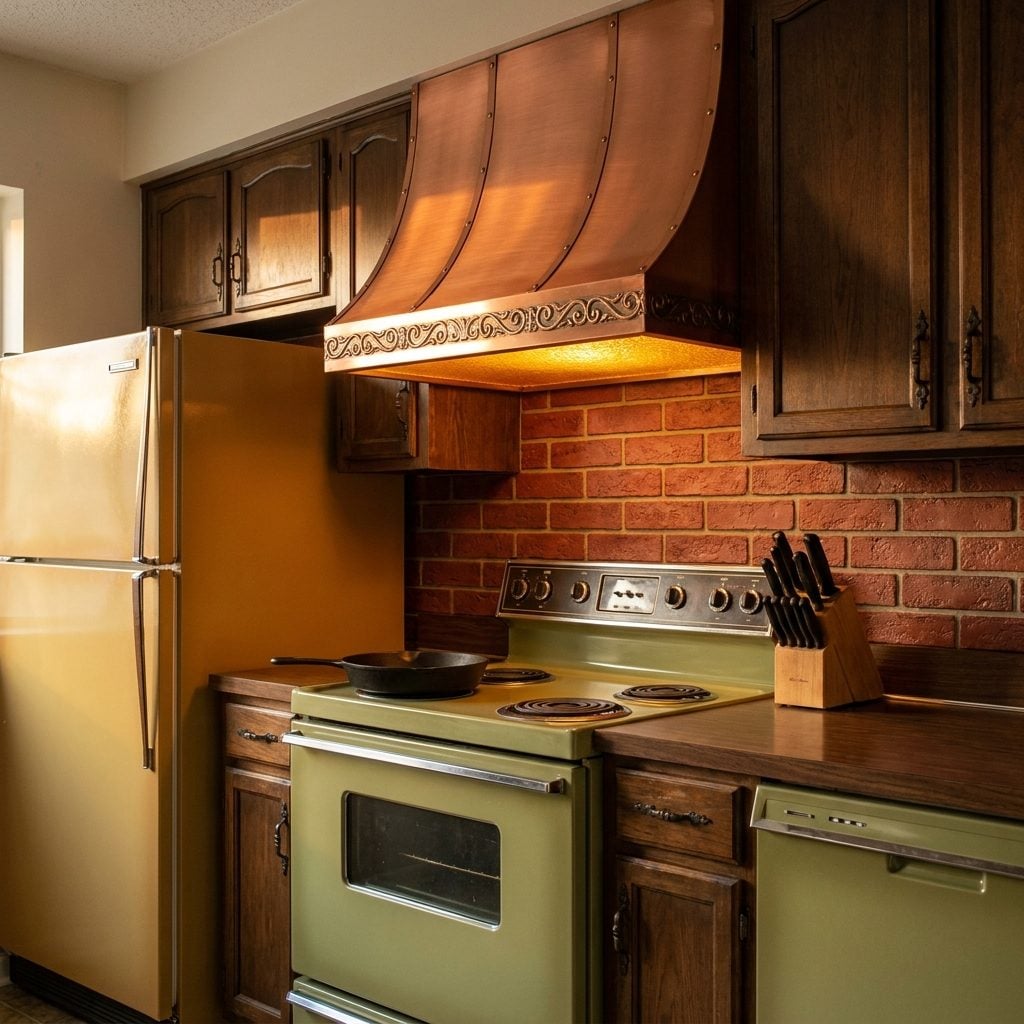
A coppertone range hood with a built-in light and a two-speed fan ran roughly $75. The finish was called Coppertone officially, and it coordinated with a whole matching appliance line most people have forgotten existed.
Scrollwork trim, amber glass light diffuser, a faintly Spanish-colonial vibe — a whole aesthetic decision that treated the kitchen like a themed room instead of a utility space. Some of that thinking is coming back around in the cool kitchen revival happening now.
15. The Avocado Green Refrigerator That Cost Around $350 in 1975
🔥 Would you like to save this?
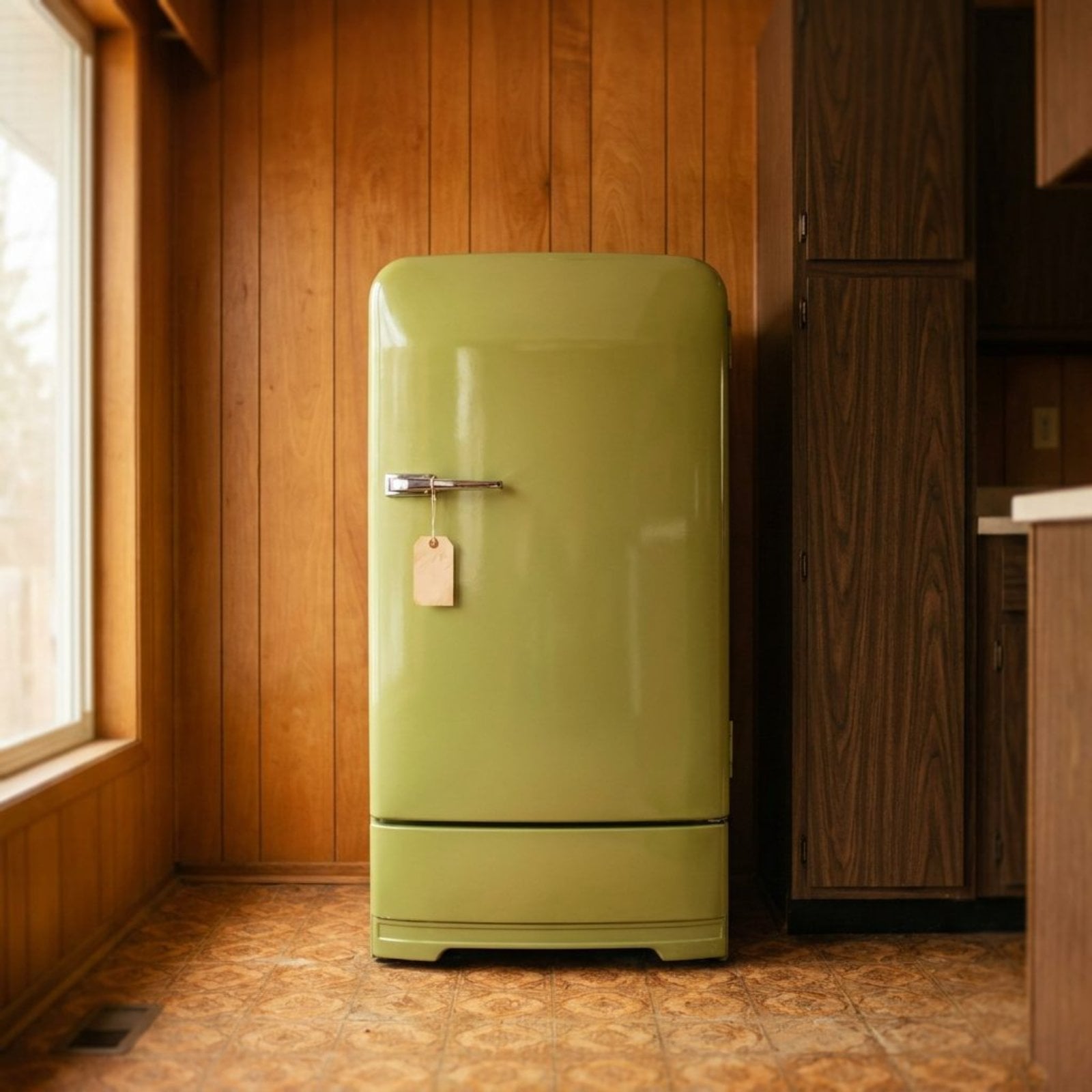
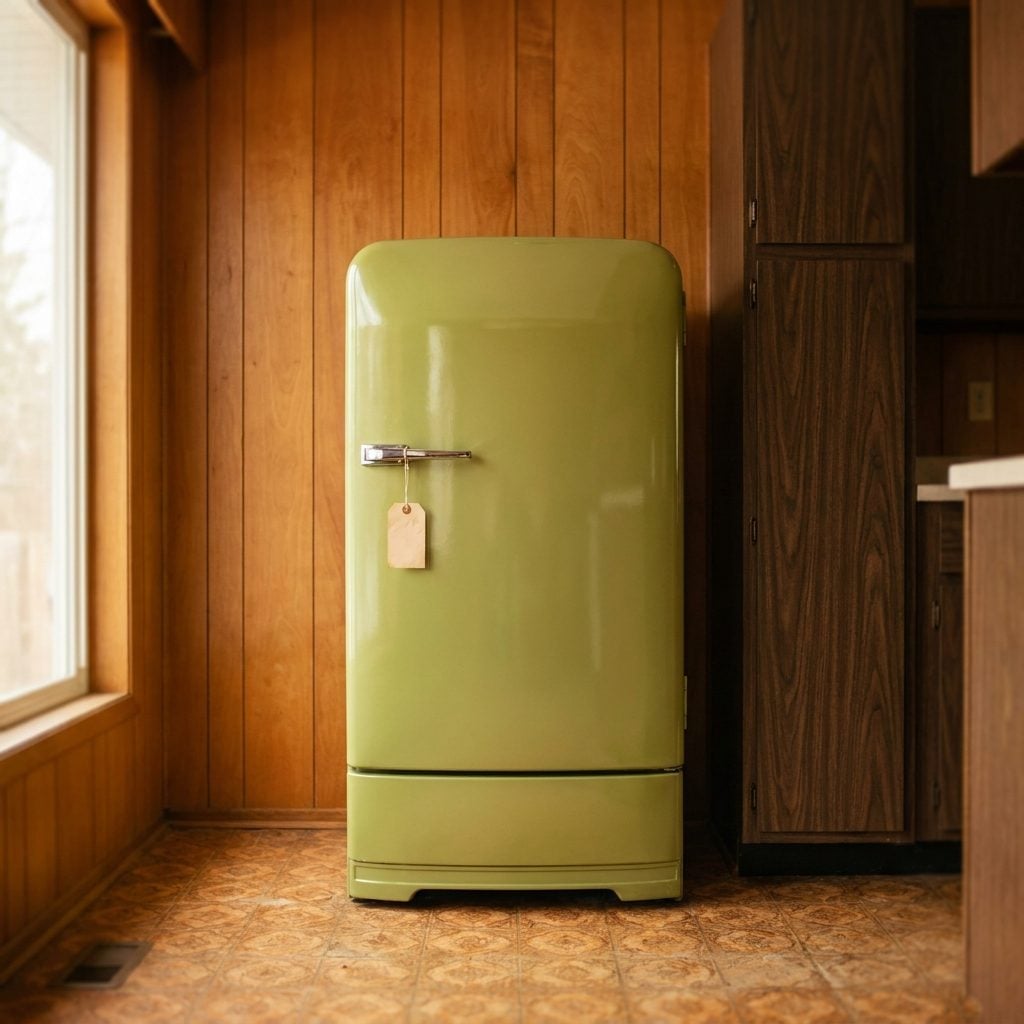
A brand-new, full-size avocado green refrigerator ran about $300 to $400 in the mid-1970s, with the most popular Frigidaire and GE models landing right around $350. The average factory worker was earning roughly $4.50 an hour, which means that fridge cost the better part of two full weeks of pay. It felt like a significant purchase, because it was one.
What made avocado green feel worth the money wasn’t just the color. It was the statement. Harvest gold was fine. Coppertone had its fans. But avocado said you knew what was current, and you had a large kitchen confident enough to carry it. By 1985, every one of these refrigerators looked like a mistake. In 1975, they looked like the future.
14. A Percolator Coffee Pot: About $18 for the Chrome Model
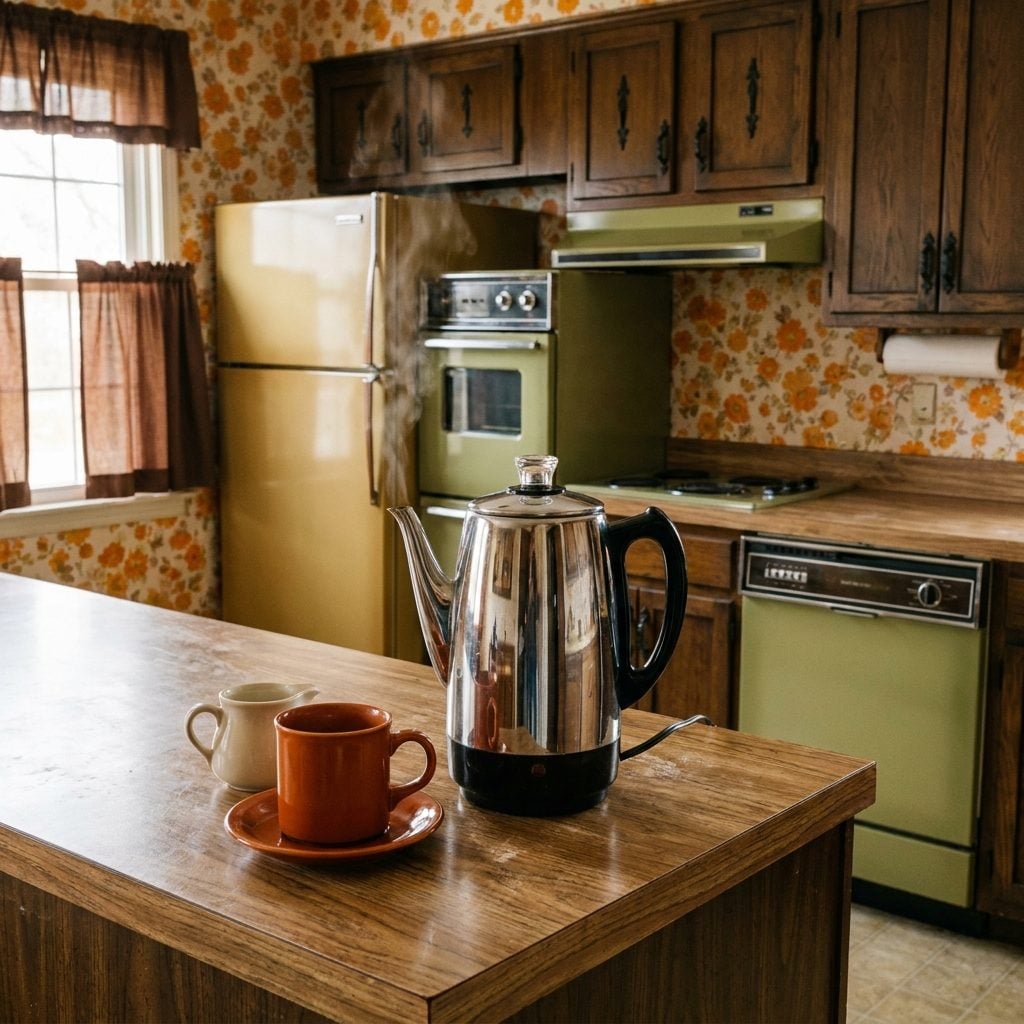
An electric percolator ran about $18 in the early 70s, and the chrome ones with black handles sat on every counter in America. That distinctive glass knob on top, bubbling amber every few seconds — that was the sound of morning for a generation.
Then drip coffee makers took over by the late 70s and percolators became suddenly, permanently uncool. Until they didn’t. Now they cost more used than new ones did originally, and coffee snobs will corner you at parties to argue percolated tastes better anyway.
13. A Set of Melamine Dinnerware in Harvest Gold: Around $15 for Service for Eight
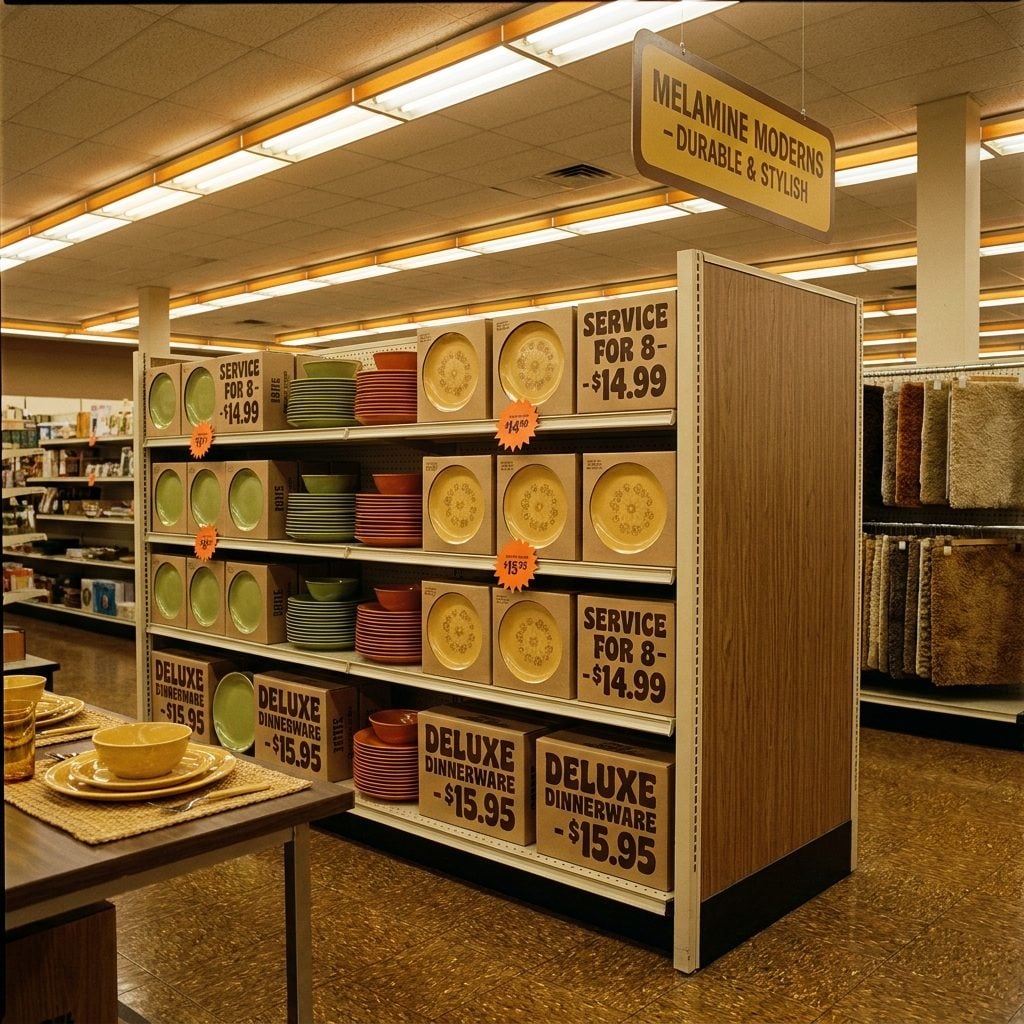
Melamine was the miracle of the decade — nearly unbreakable, dishwasher-friendly, cheap enough that a young couple could kit out the entire table for around fifteen bucks. A boxed service for eight ran anywhere from twelve to twenty depending on the brand. Texas Ware and Boontonware led the pack.
At a factory wage of roughly four dollars an hour in 1974, that came out to under four hours of work for every plate, bowl, cup, and saucer you needed. China, by comparison, could eat a full week’s pay for the same coverage. Melamine won the decade because it survived toddlers, teenagers, and the occasional slammed cabinet door.
12. A Crock-Pot Slow Cooker: About $25 in 1975
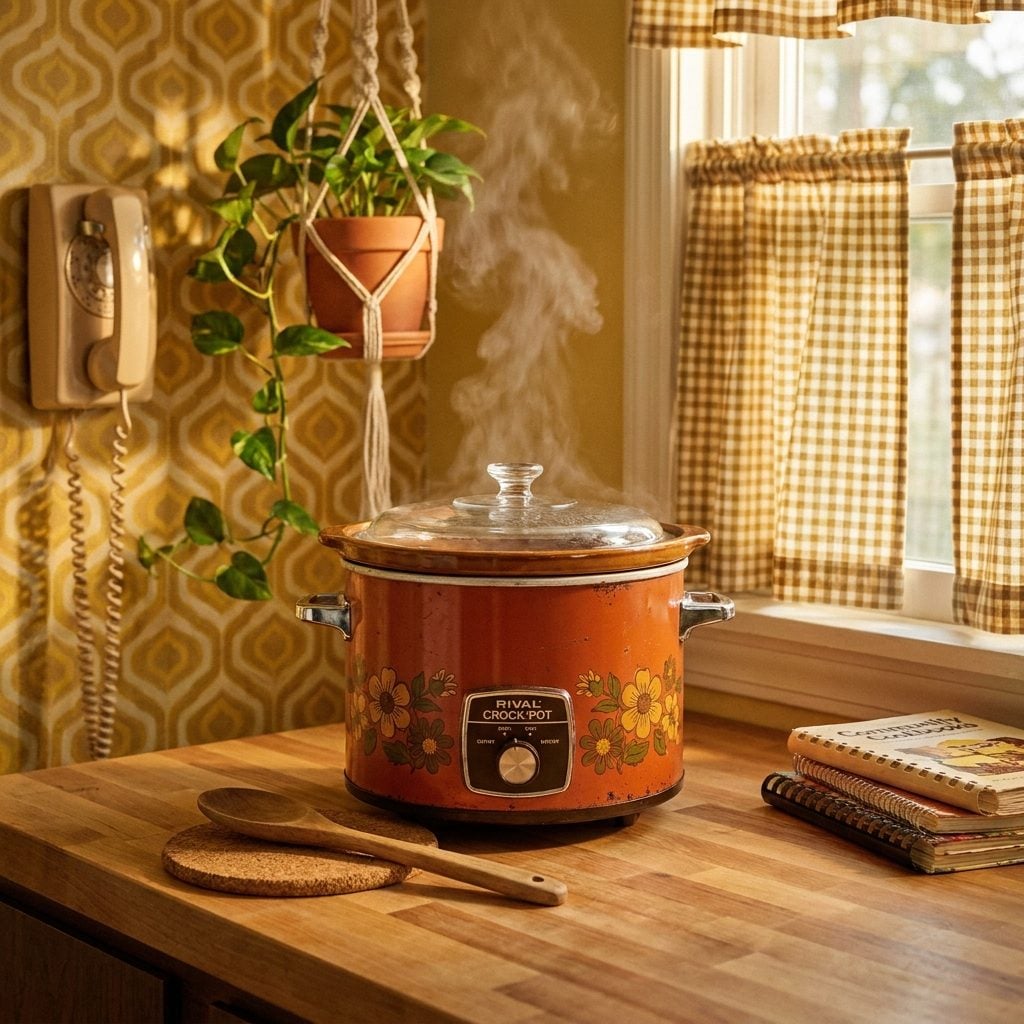
Rival launched the Crock-Pot in 1971, and by mid-decade it had landed on every wedding registry in America. The base model — that burnt orange floral wrap most people remember — sold for around twenty-five dollars. A working mother could brown a chuck roast at breakfast, plug the thing in, and walk back through the door to dinner without ever touching the oven.
Roughly six hours of factory wage for a machine that rewrote weeknight dinner. Honestly, the cookbook that came bundled inside the box was the real gift. Every church potluck from 1975 forward featured at least one dish that began with the words “dump everything in the Crock-Pot.”
11. A Set of Cast Iron Skillets from the Hardware Store: About $12 for Three
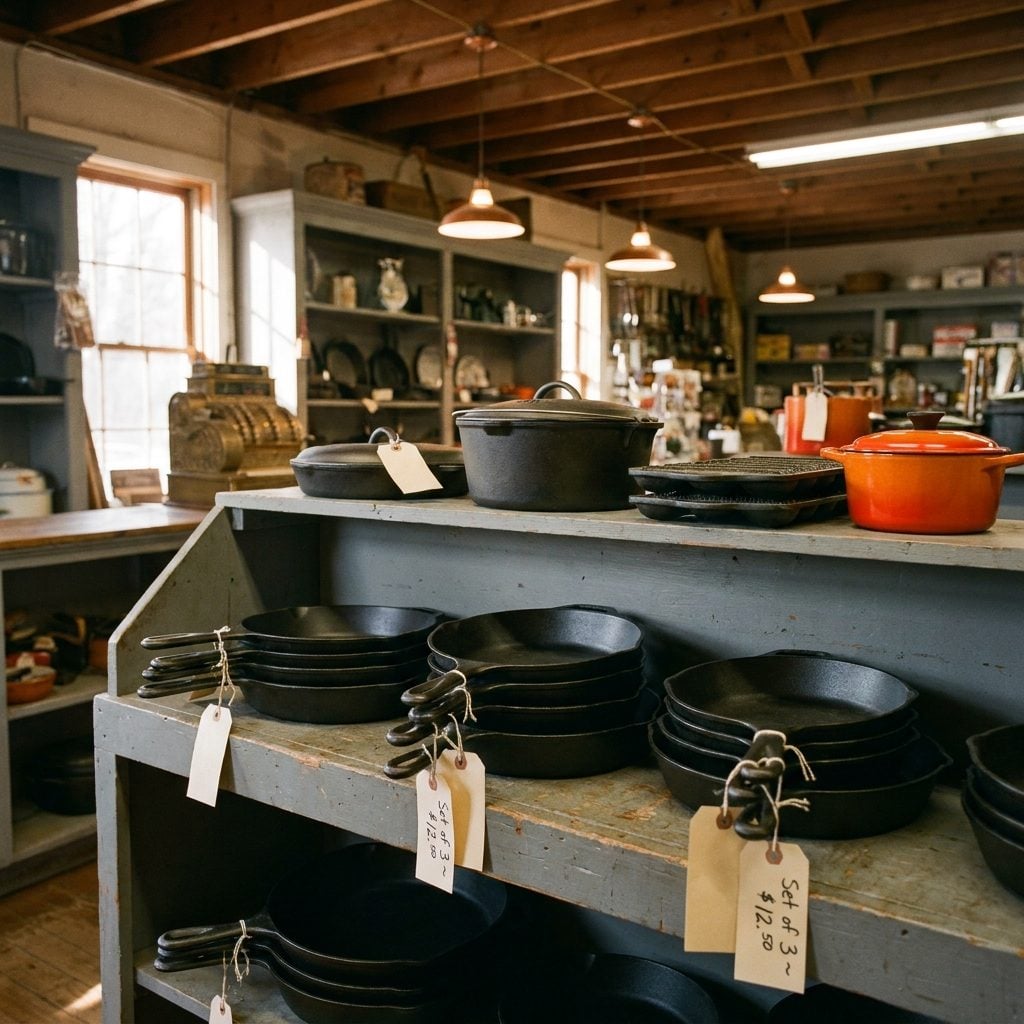
Cast iron in the 1970s was still what your grandmother cooked with, and hardware stores stocked it dirt cheap. A set of three Lodge skillets — six-inch, eight-inch, ten-inch — ran about twelve bucks. Nobody framed it as an investment. It was just what you fried eggs in.
Half the skillets currently going for two hundred dollars on vintage marketplaces were bought new in 1974 for the price of a tank of gas. The seasoning on those pans carries four decades of bacon now, which is exactly why people pay a premium to inherit them instead of buying new.
10. A Chest Freezer for the Garage: Around $200 in 1976
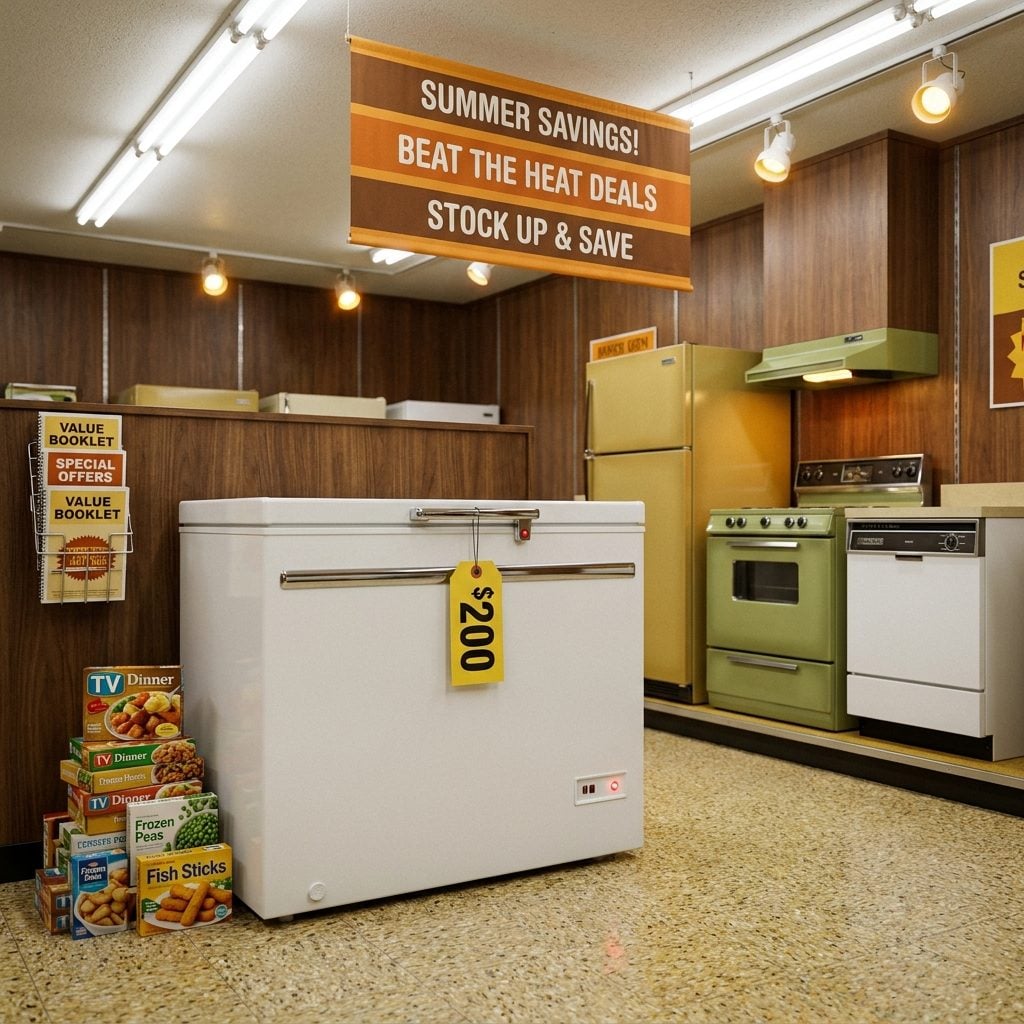
The chest freezer was the pride of the suburban garage. A five-cubic-foot Sears model ran about two hundred dollars; a mid-size seven or eight ran closer to two-fifty. Families bought them to store the half-cow they’d picked up from the local butcher, or a summer’s worth of blackberries from the backyard patch.
Two hundred bucks. Roughly a week and a half of take-home pay for a factory worker, but the freezer paid for itself inside a year once you started buying meat in bulk and freezing garden overflow. Some of those chest freezers are still humming along in basements today. They just refuse to die.
9. A KitchenAid Stand Mixer in Almond: Roughly $130 in 1977
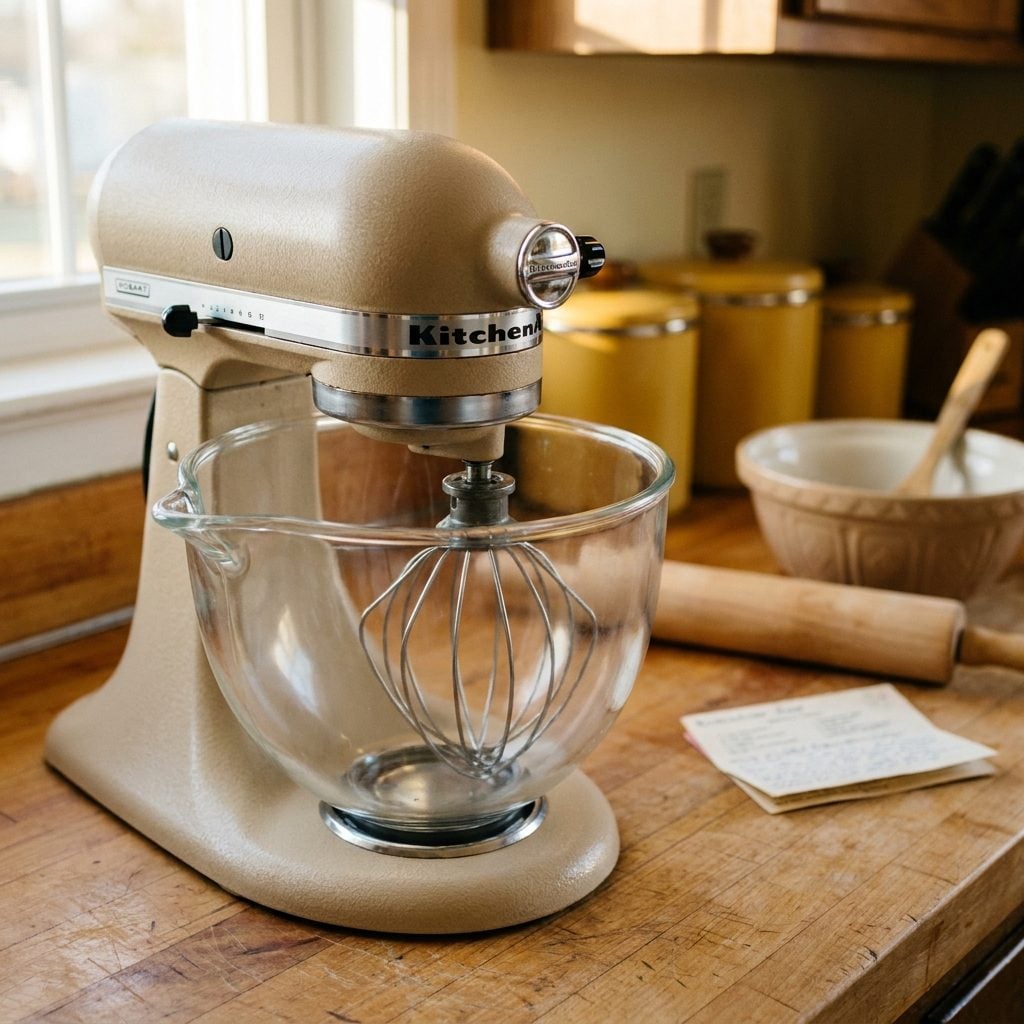
KitchenAid stand mixers weren’t cheap. The K5-A model, the workhorse of any serious home baker, sold for around one-thirty in 1977 — roughly a week of take-home pay for the average worker. Almond, avocado, and copper were the popular color options, matched to whatever else was living on the counter.
Here’s the wild part. That exact same mixer, mechanically speaking, still ships today for over four hundred dollars. The Hobart engineering was so good that KitchenAid never really redesigned it. Buying one in 1977 meant your grandkids would inherit a working appliance, and they usually do.
8. Solid Wood Cabinetry from the Local Cabinet Shop: About $2,000 for a Full Kitchen
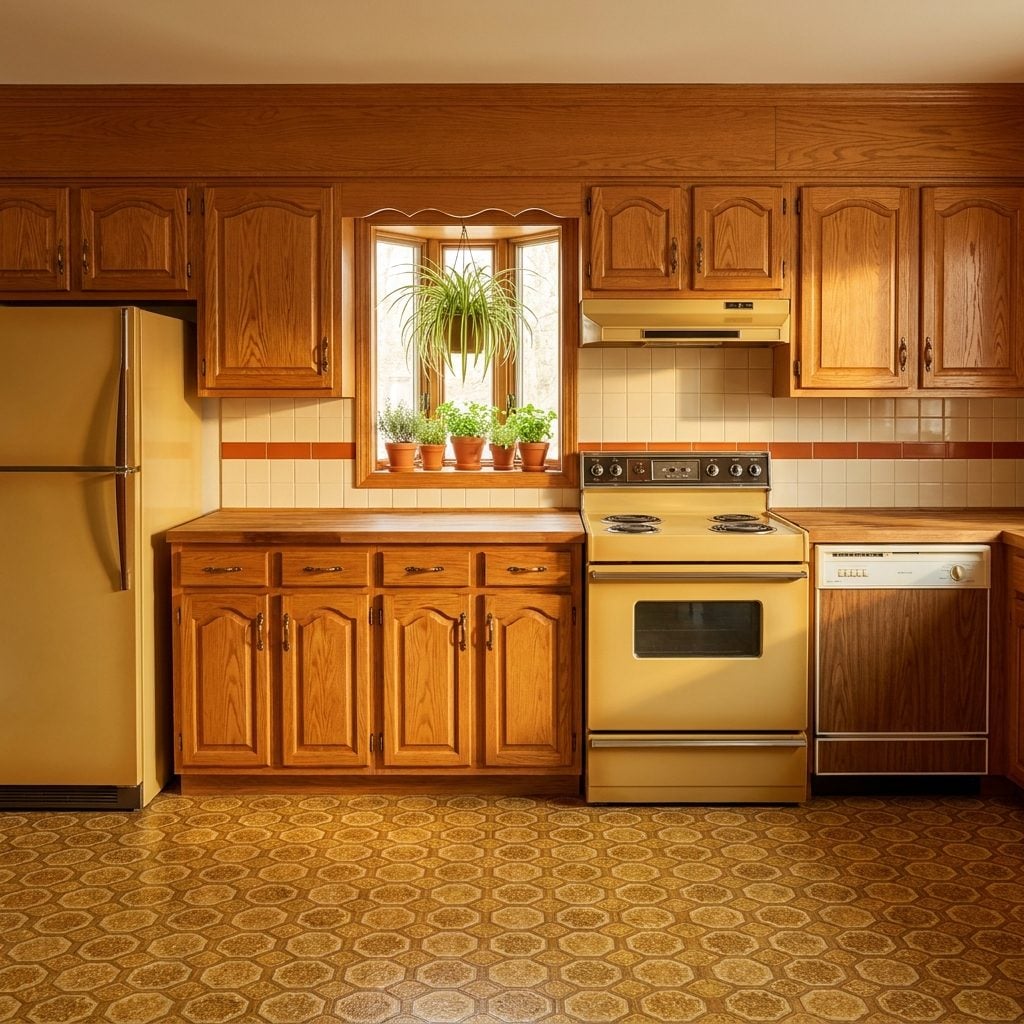
Custom cabinets from the local shop ran about two thousand dollars for a full ten-by-twelve kitchen, installed, and oak was king. Solid wood boxes, dovetailed drawers, brass hinges, and cathedral-arched raised panel doors were the standard middle-class upgrade — the thing you saved for.
Serious money. Close to two months of take-home pay. But the workmanship shows. Walk into a well-kept 1970s home today and the cabinets are usually still square, still functional, still holding weight. The reason a comparable custom kitchen now runs thirty grand isn’t just inflation — it’s that the trades that built them are largely gone. For a modern take on custom wood work, this large kitchen collection shows what similar craftsmanship looks like scaled up.
7. A Set of Cookbook Classics: About $8 for Betty Crocker’s Big Red Book
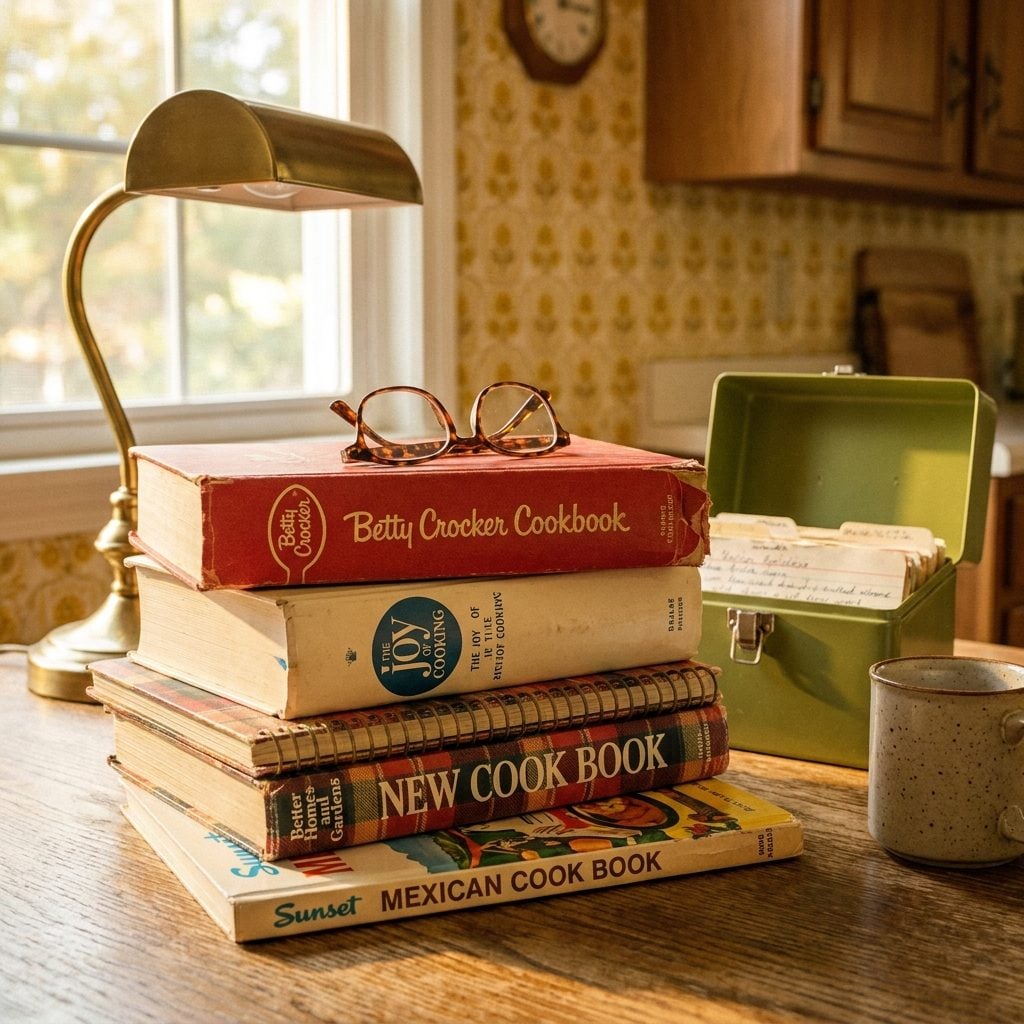
The Betty Crocker Cookbook — that red-bound bible every mother-in-law handed to every new bride — sold for about eight dollars mid-decade. Joy of Cooking ran about ten. A stack of the essentials (Betty Crocker, Joy, and a Better Homes spiral bound) came in around twenty-five dollars total.
Kitchen bookshelves back then held real reference material. No Pinterest. No food blogs. If you needed to know how long to roast a turkey, you cracked the red book and thumbed to the poultry section. Those same cookbooks now sell used for more than they cost new, which says something about how thoroughly the internet replaced them — and how much people miss the tactile version.
6. A Butcher-Block Kitchen Island on Wheels: Around $85 in 1978
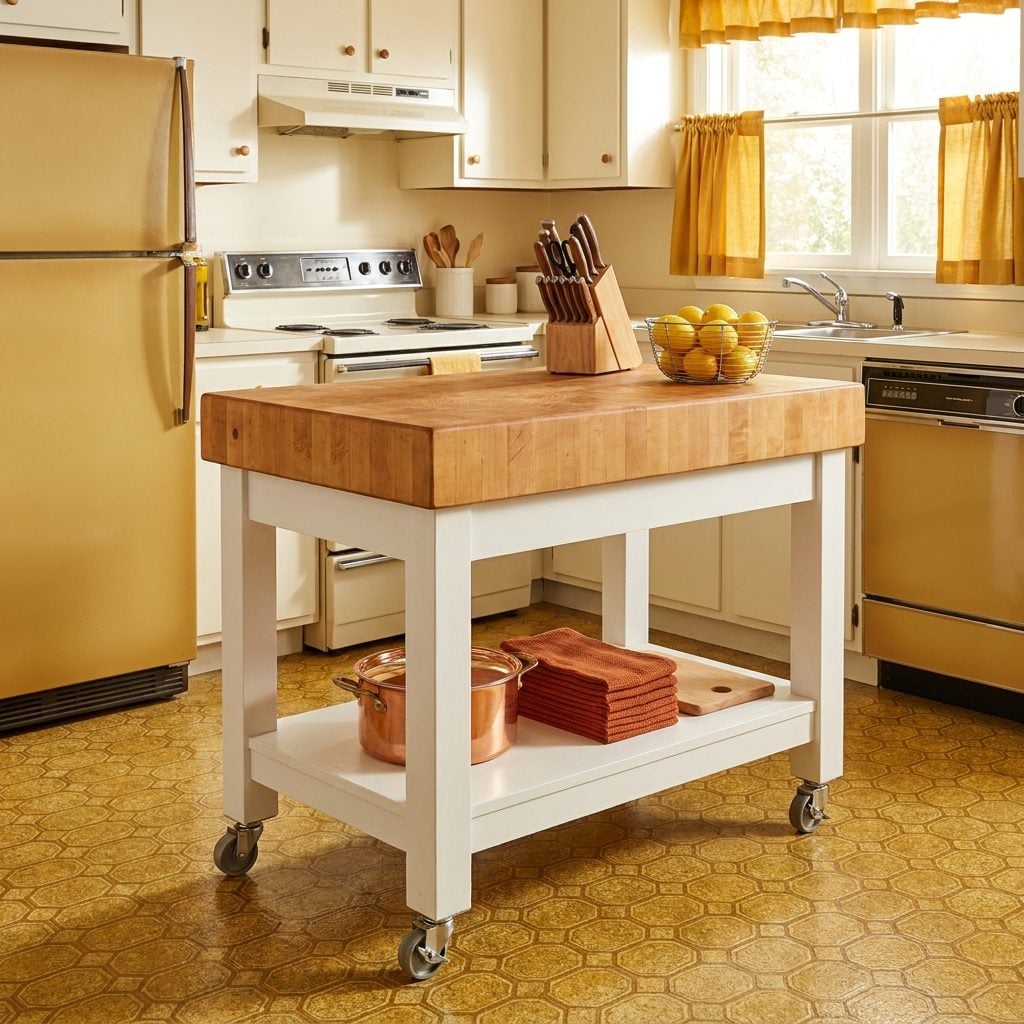
The rolling butcher-block island showed up mid-decade and quickly became a fixture in kitchens that didn’t have room for a permanent island. About eighty-five dollars from a mail-order catalog bought you a solid maple top on a painted white base, four locking casters underneath.
Practical, portable, and beautiful in a way plastic never quite pulls off. You could roll it over to the range to hold hot pans, wheel it to the sink for prep, then shove it against the wall when company came over. The same piece, refurbished, sells for four hundred plus at vintage shops today. The originals were overbuilt because nobody had figured out how to cut corners yet.
5. A Full Set of Anchor Hocking Glassware: About $10 for a Boxed Set of 16
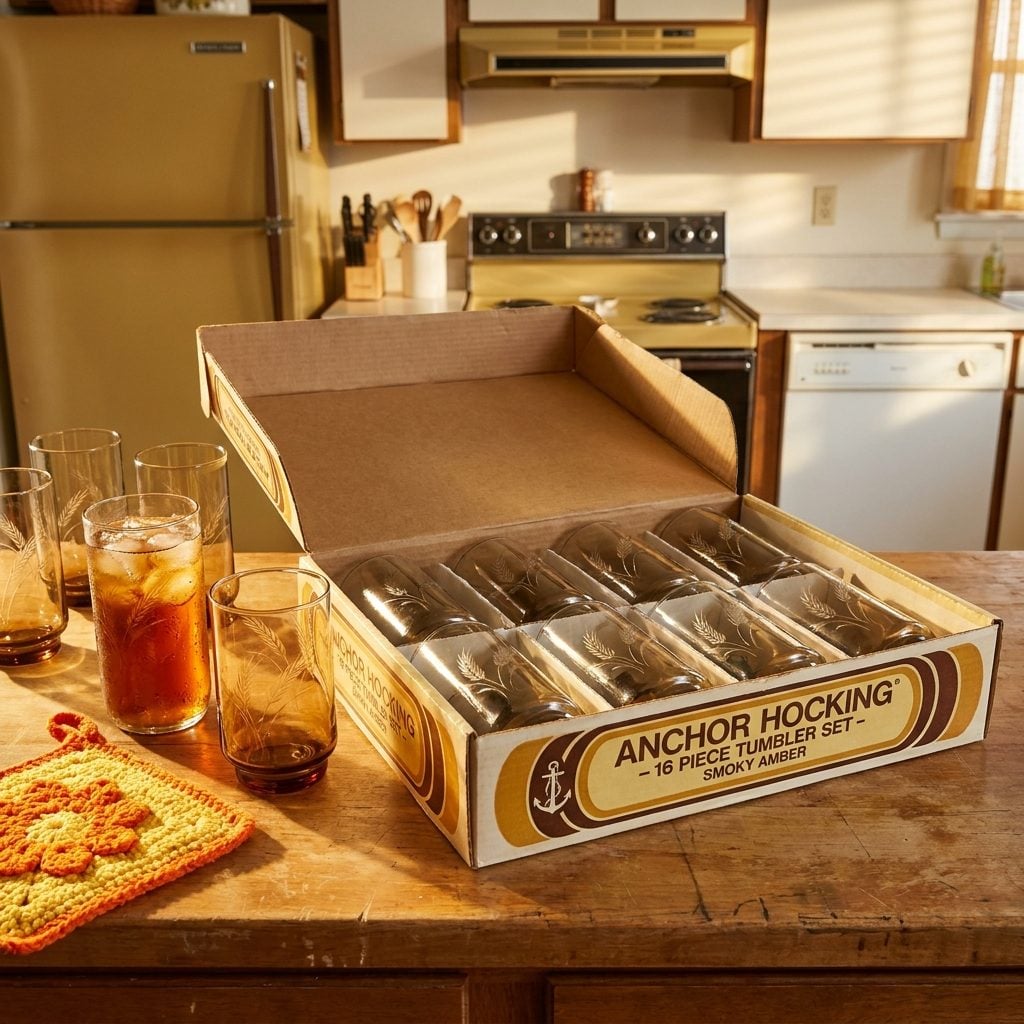
Anchor Hocking’s boxed glassware sets were the go-to housewarming gift. Sixteen pieces — eight tall, eight short — in that signature smoky amber or avocado tint, ran about ten dollars at any grocery store or department store. Wheat pattern, star pattern, or plain, depending on what happened to be on sale that week.
Roughly two and a half hours of work for glassware that would outlast the marriage in many cases. The dense, thick-walled pressed glass shrugged off dishwashers, drops, and decades of daily use. Half the amber tumblers currently sitting on thrift store shelves are still perfect. They just get passed along because someone finally redecorated.
4. A Set of Macramé Plant Hangers for the Kitchen Window: About $5 Each in 1976
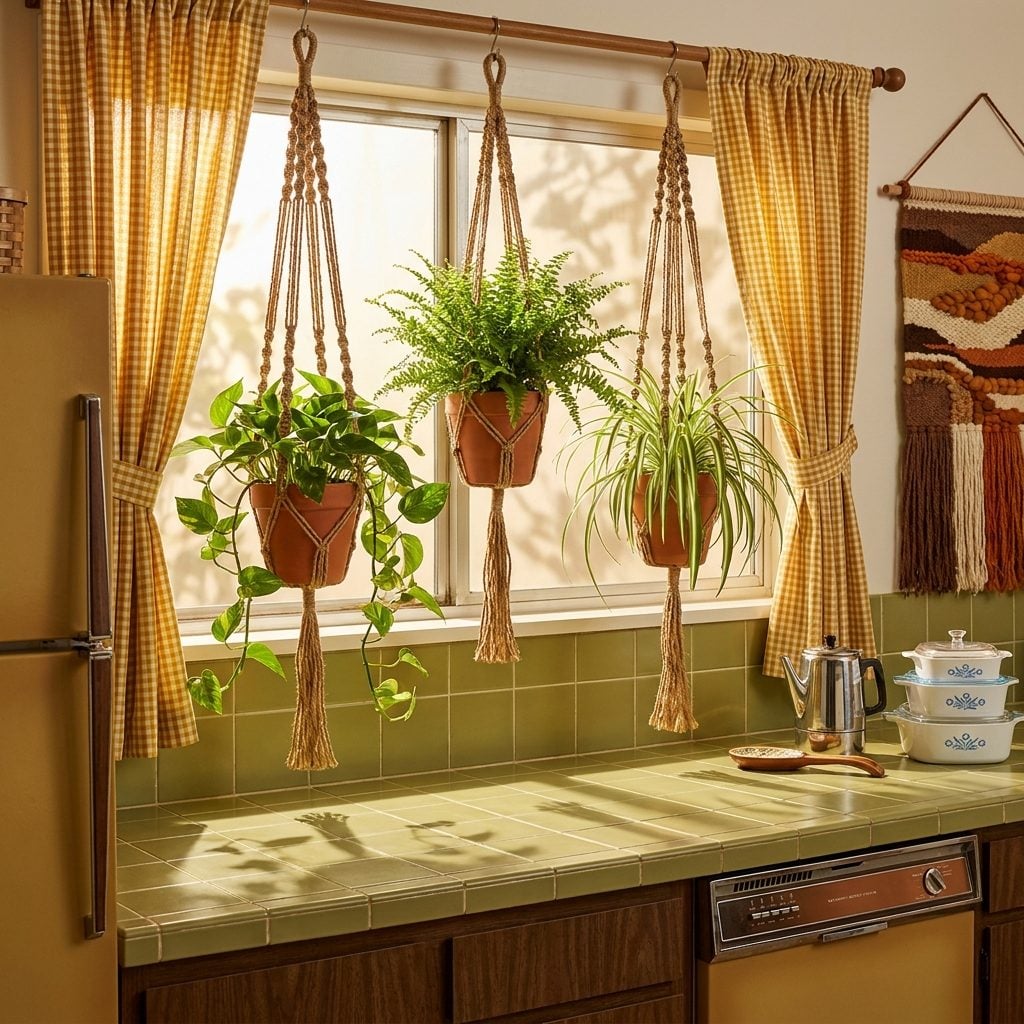
Five bucks got you a jute rope hanger. Sometimes wooden beads. Sometimes a hoop at the bottom to cradle a terracotta pot. Ceramics shop, craft fair, church basement sale — same price everywhere. That’s about an hour of work at minimum wage, which sat at $2.30 that year.
Half the women buying them were also making them, which is the part people forget. A ball of jute at the dime store ran under a dollar, and Reader’s Digest had already printed the knots you needed. You’d walk into a friend’s kitchen and find three spider plants trailing over the sink in hangers she’d knotted while half-watching Carol Burnett.
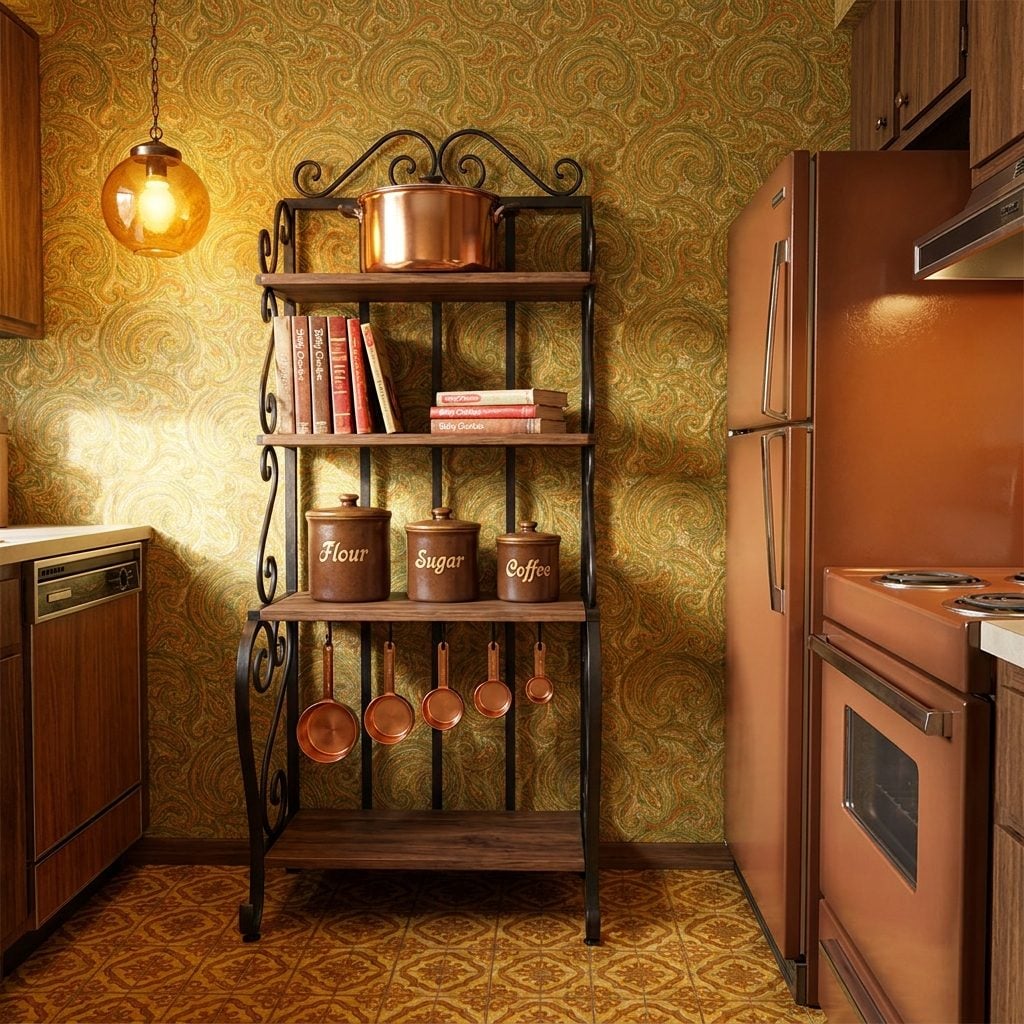
3. A Hoosier-Style Baker’s Rack from the Sears Catalog: Around $65 in 1974
🔥 Would you like to save this?
Sixty-five bucks. That got you a freestanding wooden rack with a pull-out enameled work surface, a flour bin, two drawers, and open shelving up top for cookbooks and the McCoy pottery. Sears moved these by the thousand out of the fall catalog.
Fifteen hours of work at the average wage back then, give or take. Real furniture too — none of that particleboard nonsense — trucked to your door in a giant cardboard box you were supposed to wrestle together at the kitchen table. Good luck with the flour bin hardware.
2. A Set of Chintz Kitchen Curtains with Matching Valance: About $18 in 1975
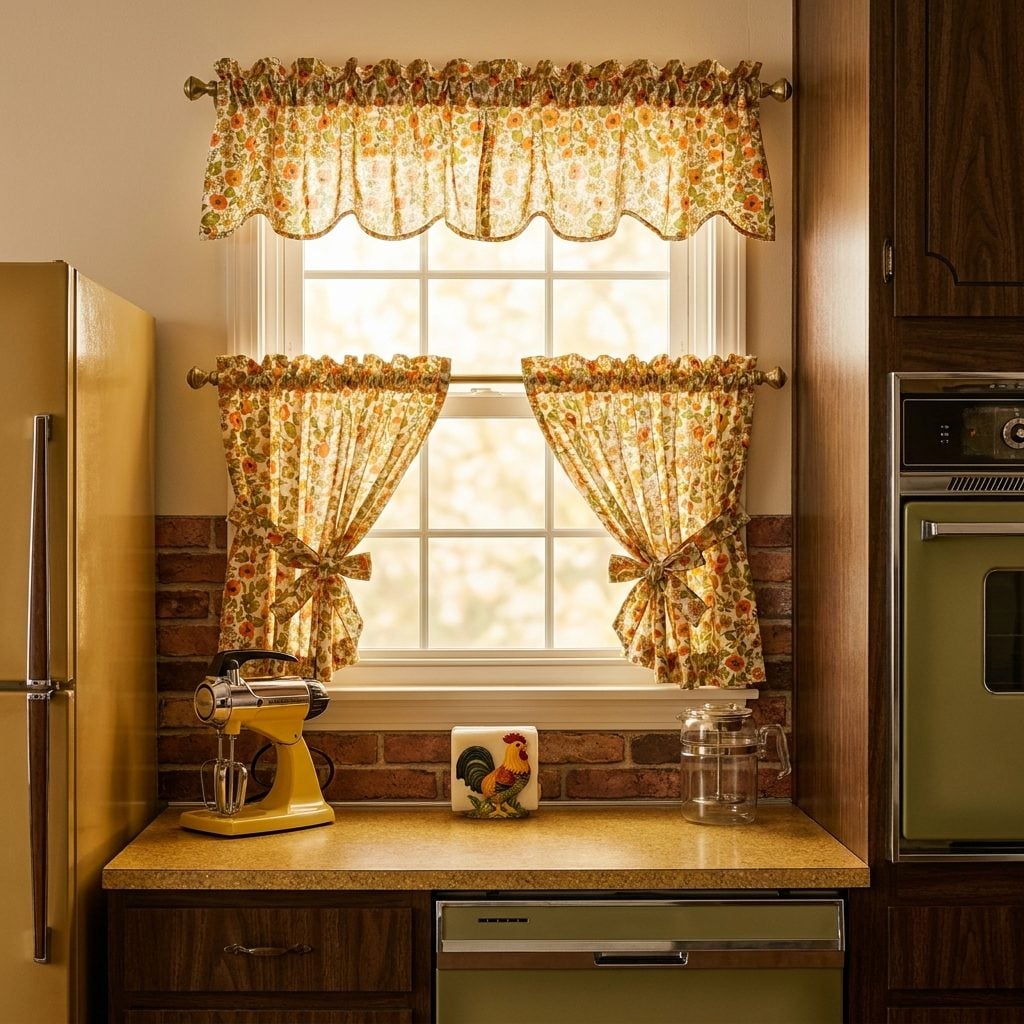
Eighteen dollars got you the whole window treatment at Woolworth’s or JCPenney — cotton chintz, small floral print, tie-backs thrown in, valance stitched to match. Slide them onto a spring rod and suddenly the kitchen felt done.
Five hours of work at minimum wage, give or take. Wage was $2.10 that year. Not nothing, but cheaper than any curtain has a right to be today.
Prints leaned hard on strawberries, roosters, and tiny bouquets on a cream ground. Above the sink, where afternoon sun hammered them, they faded. Nobody swapped them out until the fade got embarrassing — usually around 1983.
1. A Farberware Open-Hearth Electric Broiler on the Counter: Around $55 in 1977
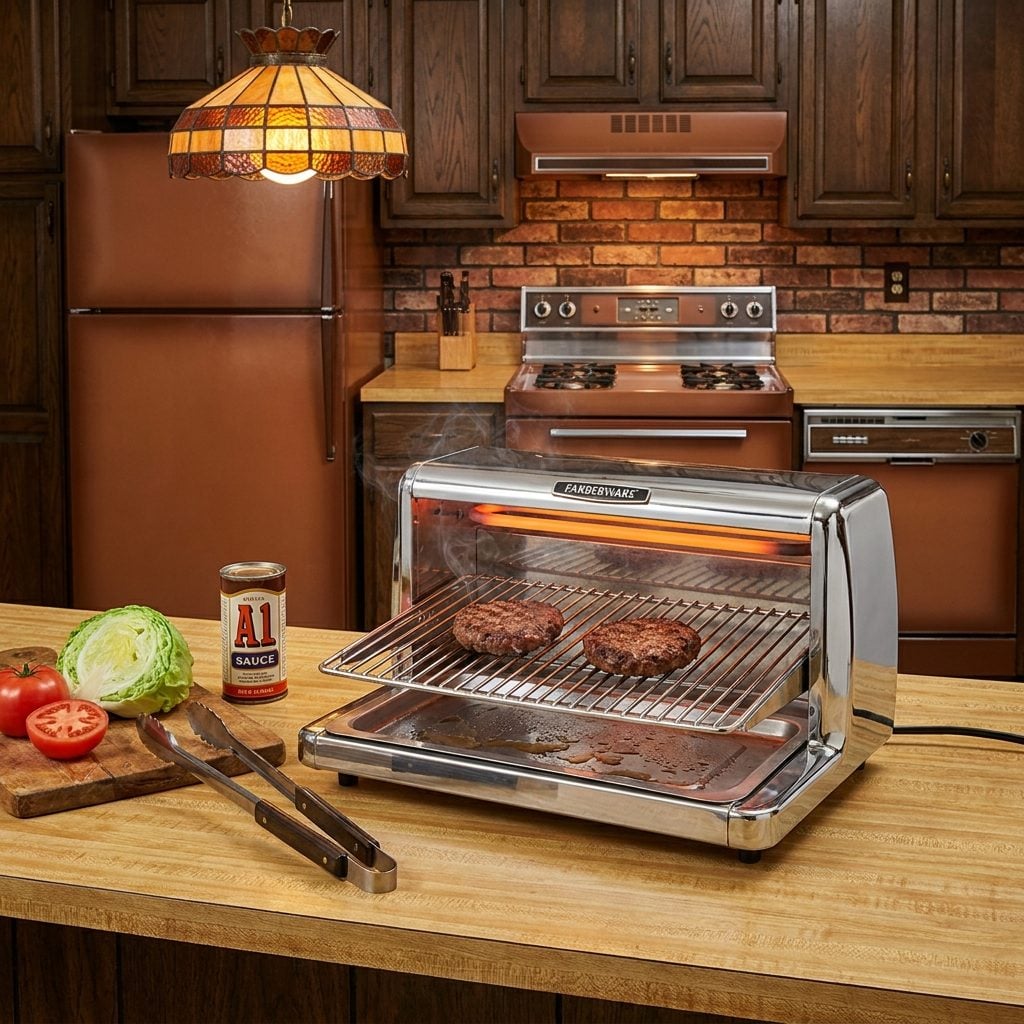
Around $55 got you the countertop broiler your neighbor wouldn’t shut up about. Steaks cooked vertically between two heating elements, fat dripped into a tray below, and the whole contraption sat on the counter looking like a small chrome furnace.
Fifty-five bucks. That was maybe ten hours of factory wages back then, and nobody would call it cheap for a one-trick appliance. People bought them anyway. A broiled steak on a Tuesday night felt like you were getting away with something.