🔥 Would you like to save this?
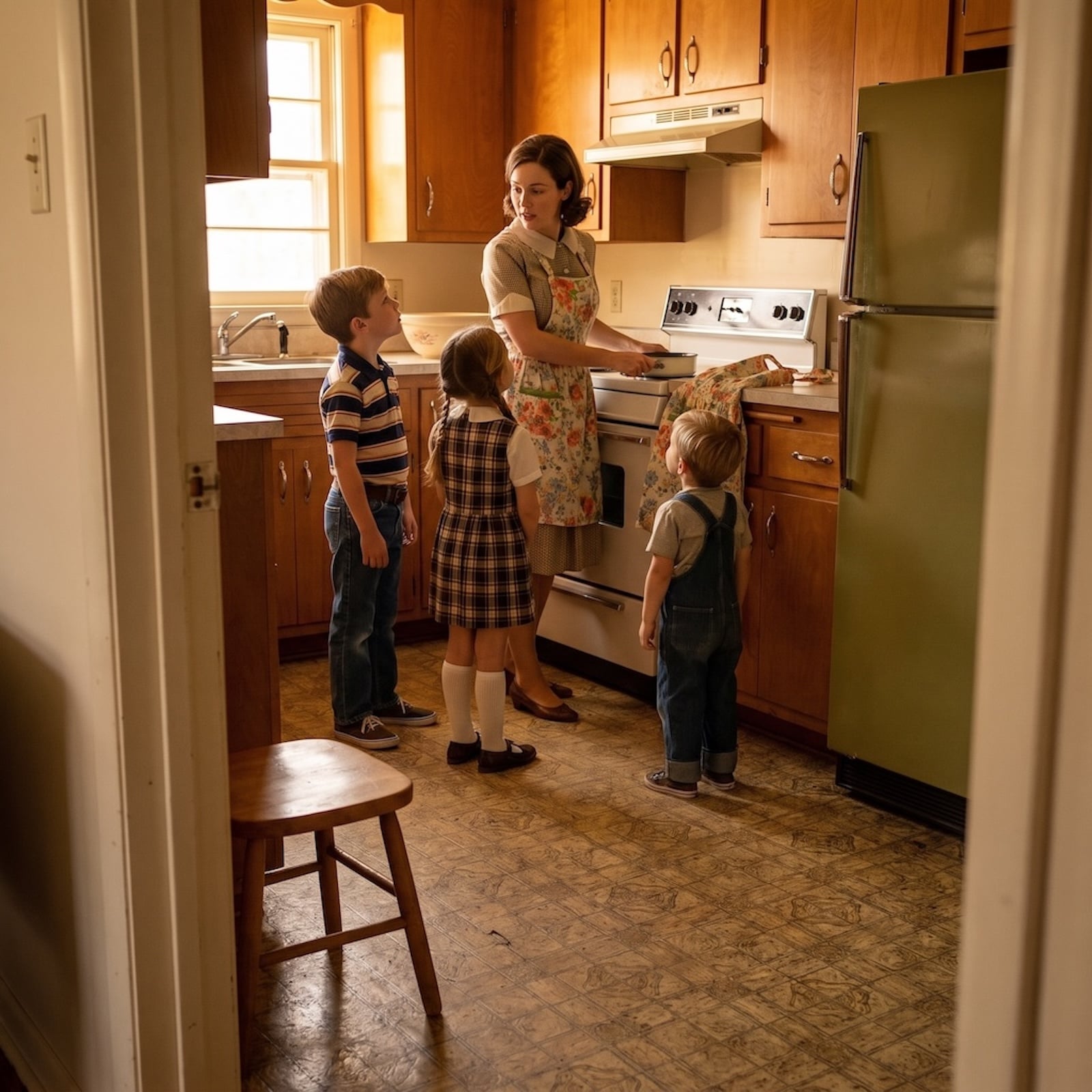
The transistor radio was already playing, the neighbor kids were circling the block on their bikes, and you were still inside holding a dust rag that smelled like lemon furniture polish. Saturday freedom had rules. Before the screen door could slam behind you, the beds had to be made, the porch swept, the dishes dried, and the hardwood polished until Mom could practically check her lipstick in it.
These 31 chores formed the long, unreasonable border between breakfast and the rest of the weekend. Some were quick. Others somehow expanded to fill half the day. Every one came with a correct method, a missed corner, and an adult who could spot a streak from across the room. Finish the list, survive the inspection, ask the dangerous final question—“Is there anything else?”—and the whole neighborhood was yours until the streetlights came on.
In order to come up with the very specific design ideas, we create most designs with the assistance of state-of-the-art AI interior design software. Also, assume links that take you off the site are affiliate links such as links to Amazon. this means we may earn a commission if you buy something.
31. Making Your Bed Before Breakfast
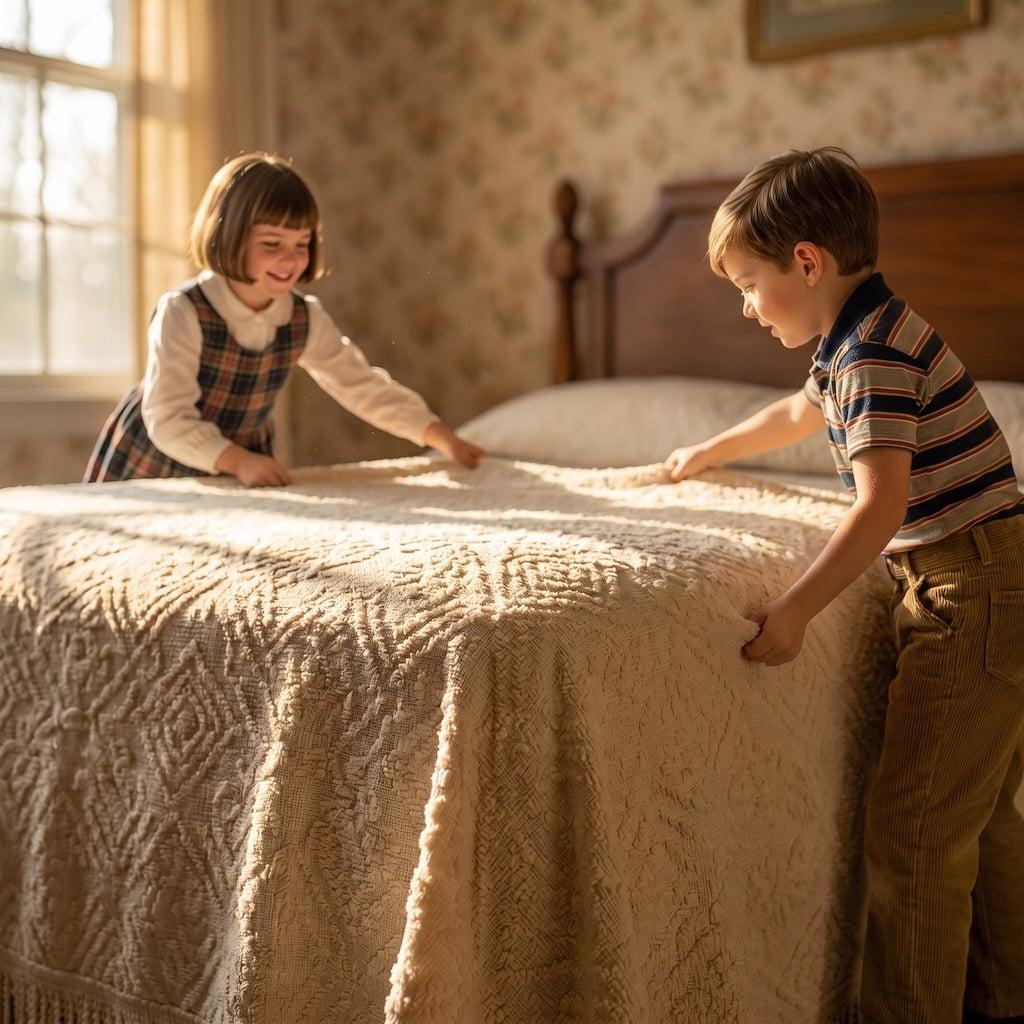
In plenty of homes, breakfast waited until the bed was made. You pulled the chenille spread tight, punched the pillows into shape, and tried to make both sides hang evenly before anyone came in to inspect the work.
Hospital corners were the advanced portion of the assignment, and you never seemed to get all four of them right at once. A neatly made bed still establishes the center of a bedroom, whether the walls are painted in soft green or a quieter neutral.
30. Picking Up Toys and Bedroom Clutter
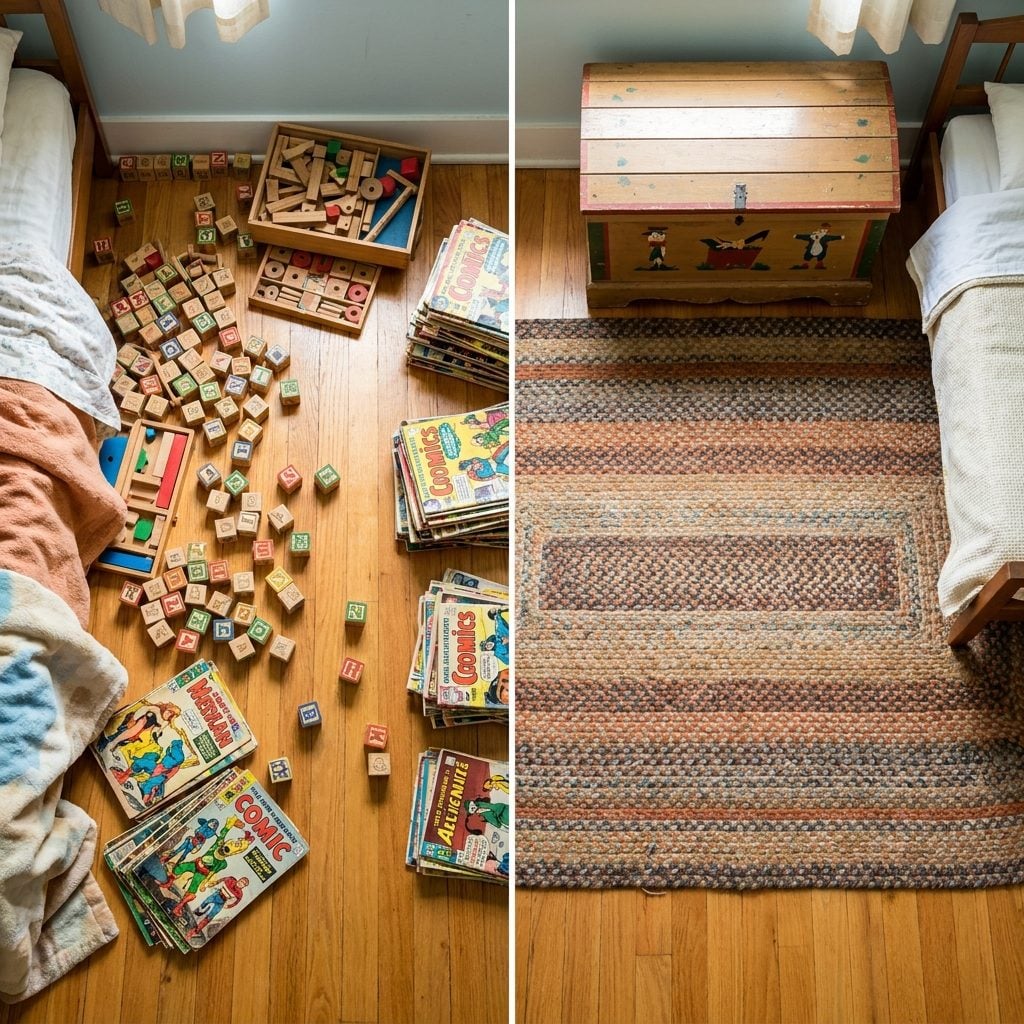
Everything had a place, and the floor was not it. Blocks went into the toy chest, comics were squared into a stack, and the marble you swore had disappeared turned up under the dresser every time.
The room looked cleaner the moment the floor and other visible surfaces were clear. Never mind what had been pushed into the closet. If the door closed and the rug could be seen again, the first inspection usually went better.
29. Dusting Every Piece of Furniture
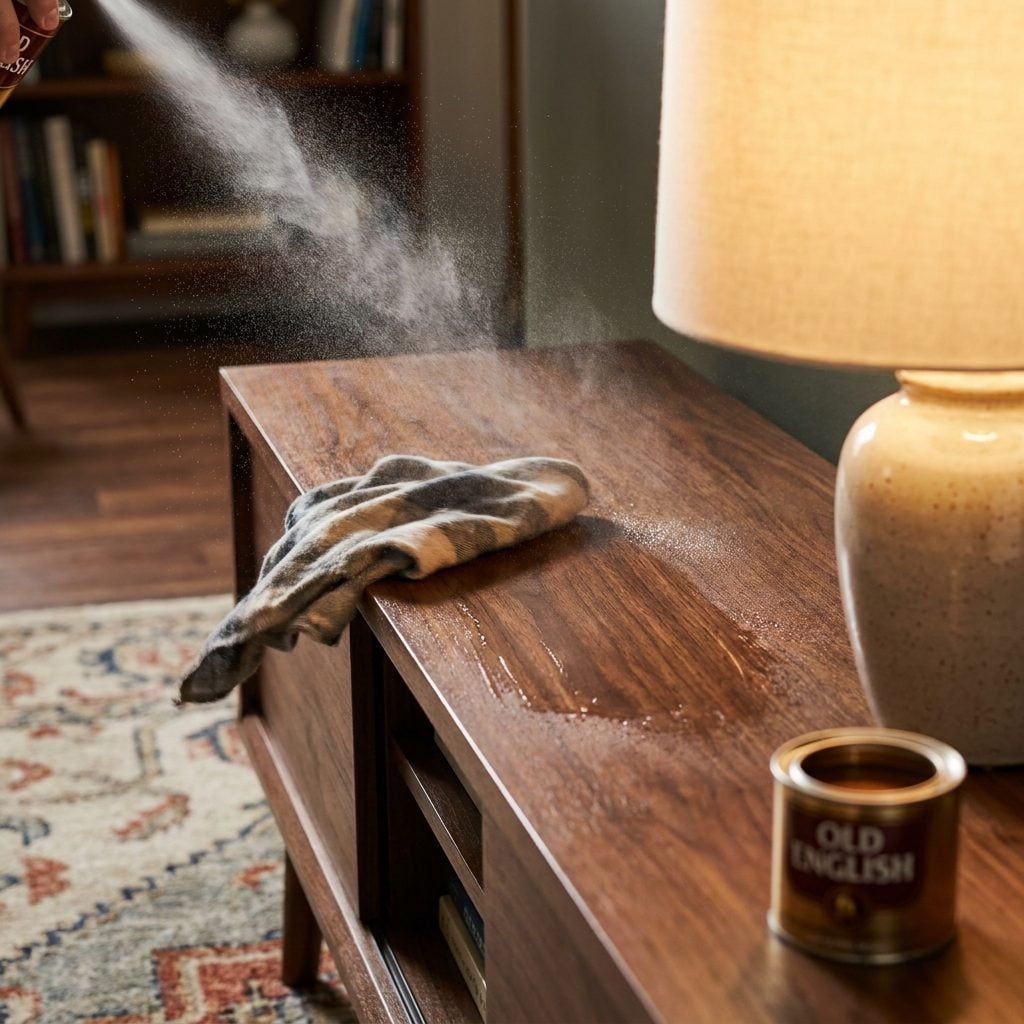
The lemon smell of furniture spray takes you straight back. You misted the walnut console, watched the droplets settle, and wiped until the cloth came away gray. Every figurine had to be lifted, dusted underneath, and returned to the same spot.
Knickknacks multiplied the work. A shelf of milk-glass vases and ceramic poodles meant twenty separate objects to move and replace, which helps explain the enduring appeal of simpler house decor with fewer dust-catching surfaces.
28. Shaking Out the Welcome Mats
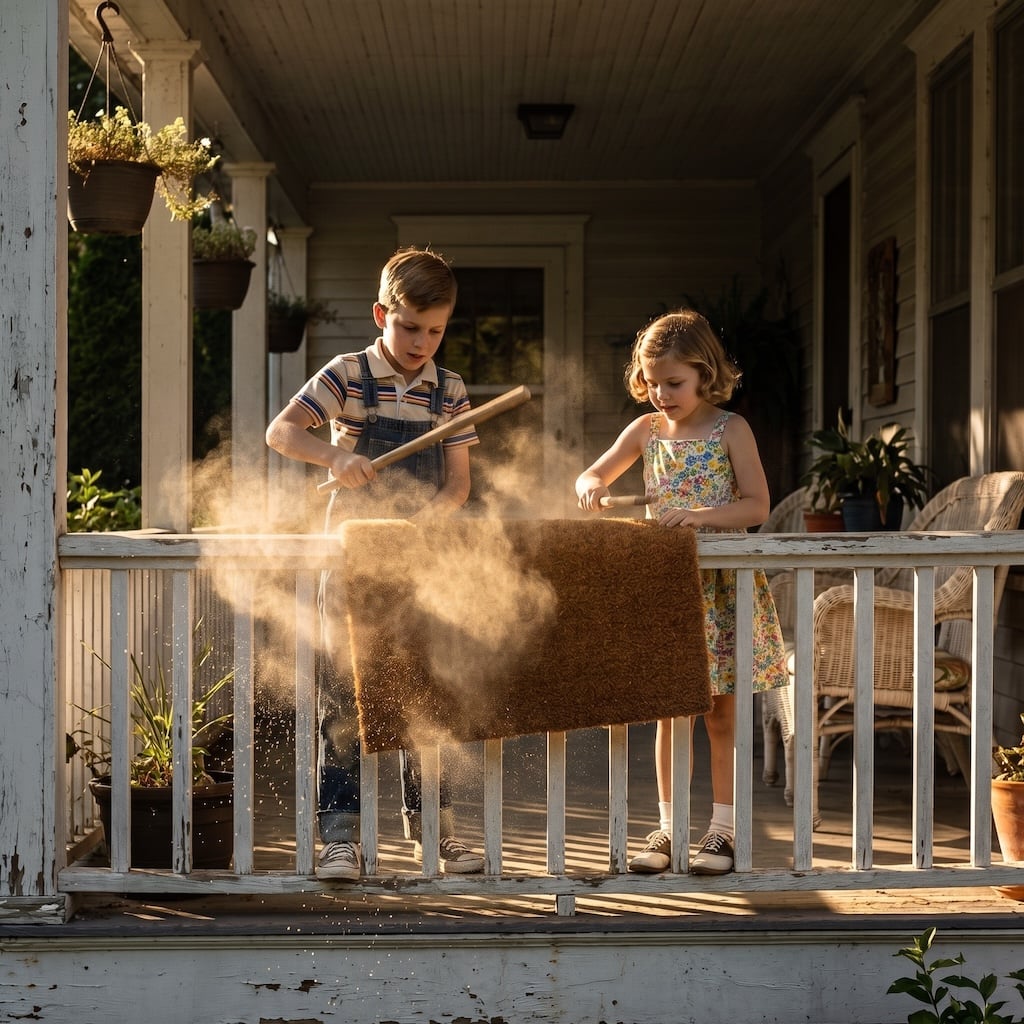
You dragged the stiff coir mat off the porch, held it at arm’s length, and beat it against the railing until the dust stopped falling. Then the mat by the back door received the same treatment, along with the little braided rug from the kitchen.
Nothing complicated here. Just the satisfying thwack and the gritty cloud that made you turn your head away. It was about as close as a household chore came to feeling like play.
27. Sweeping the Front Porch
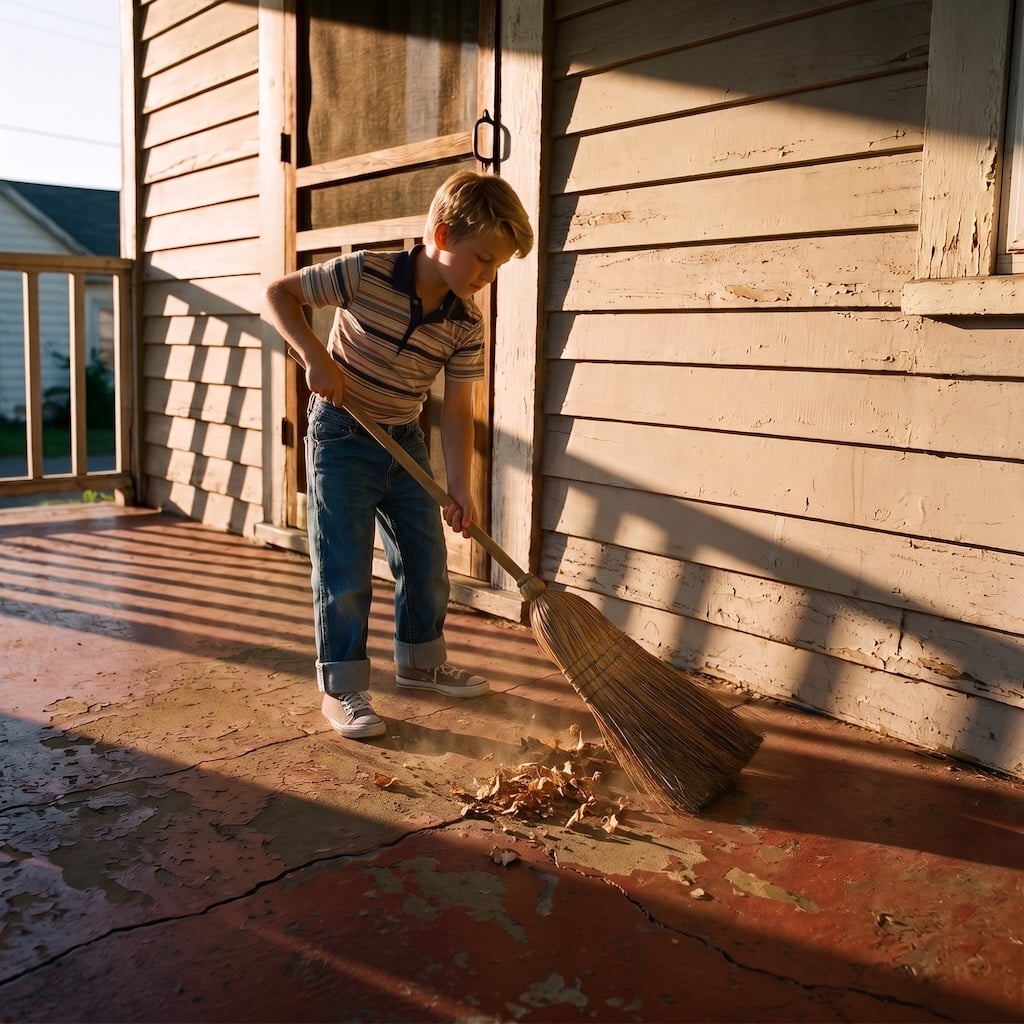
The corn broom was taller than half the children assigned to use it. You swept the painted concrete in long pulls, chased grit and dead leaves into a pile at the top step, and sent everything down onto the walk.
Then came the corners where the porch met the house. Cobwebs, gnats, and windblown debris collected there, safely out of sight until somebody leaned closer. A porch could look swept from the yard and still fail inspection at the threshold.
26. Sweeping the Hardwood Floors
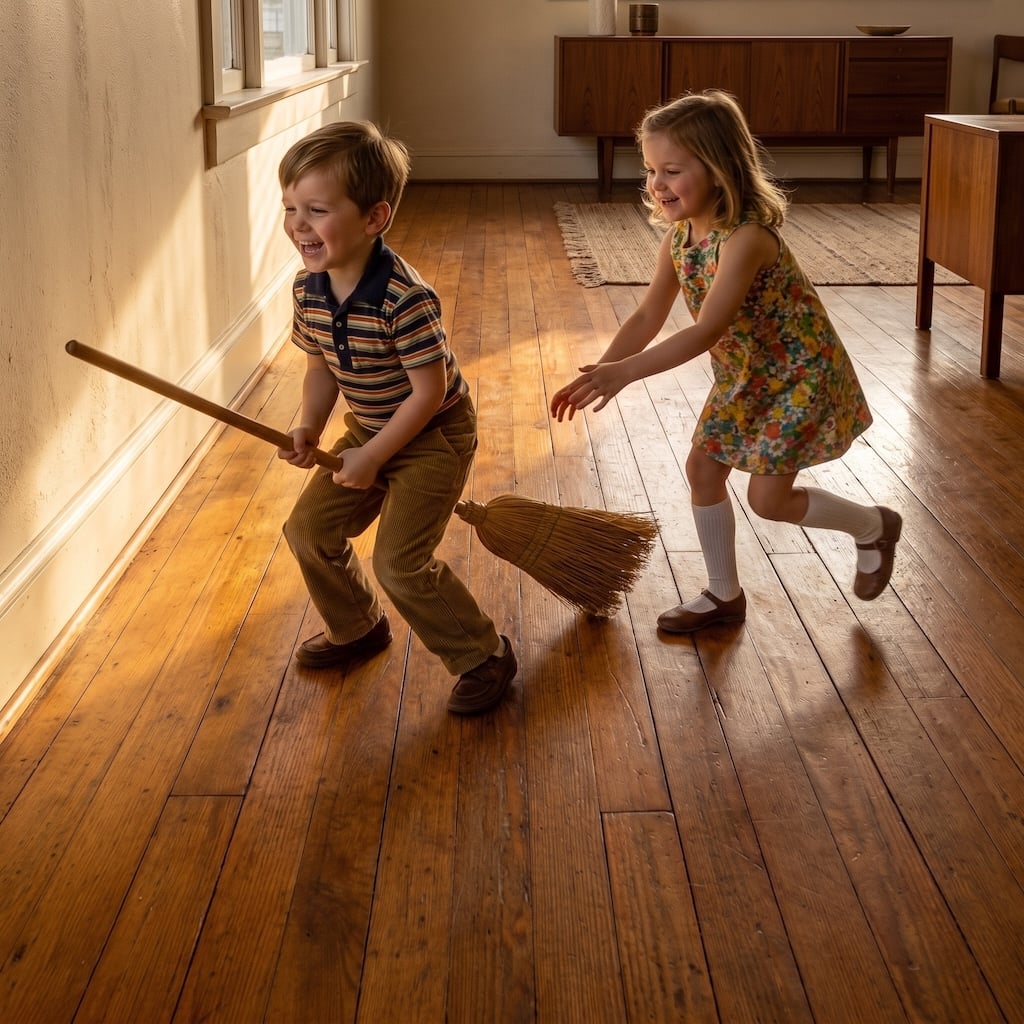
Before any wax touched the wood, the floor had to be swept clean from corner to corner, beneath the table and behind the doors. You worked everything toward one spot, held the dustpan steady, and somehow left behind the same narrow line of dust the pan refused to catch.
Rugs were rolled back and chairs lifted out of the way. This was the unglamorous groundwork, but skipping it meant trapping grit beneath the wax and leaving scratches that no carefully arranged elegant living room could disguise.
25. Vacuuming the Carpets
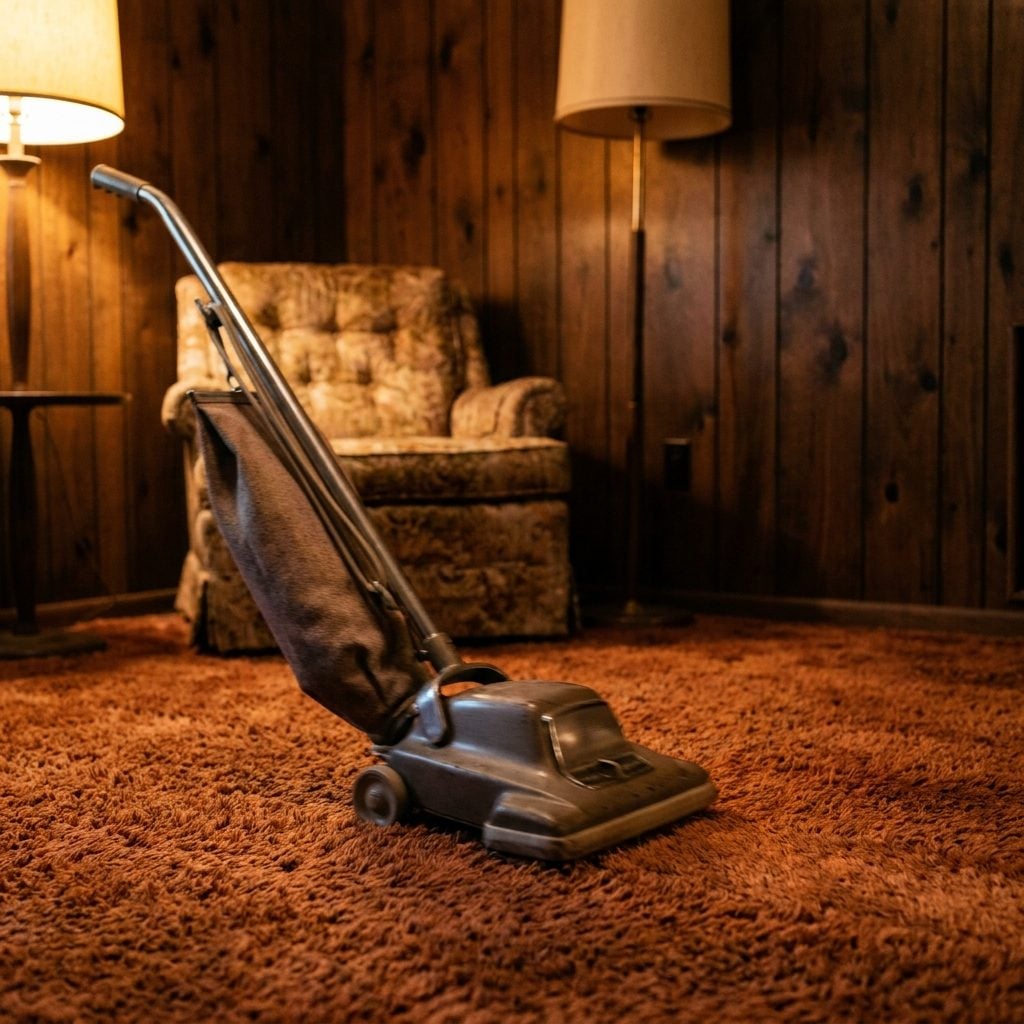
That upright vacuum weighed a ton and roared like a small plane. You pushed it forward and dragged it back until the carpet showed clean parallel tracks. Making those rows line up became a point of pride nobody admitted aloud.
Some machines collected dust in reusable cloth bags that had to be emptied over the trash. You held your breath, shook out a season’s worth of gray fluff, and tried not to send half of it back into the room.
24. Waxing the Hardwood Floors
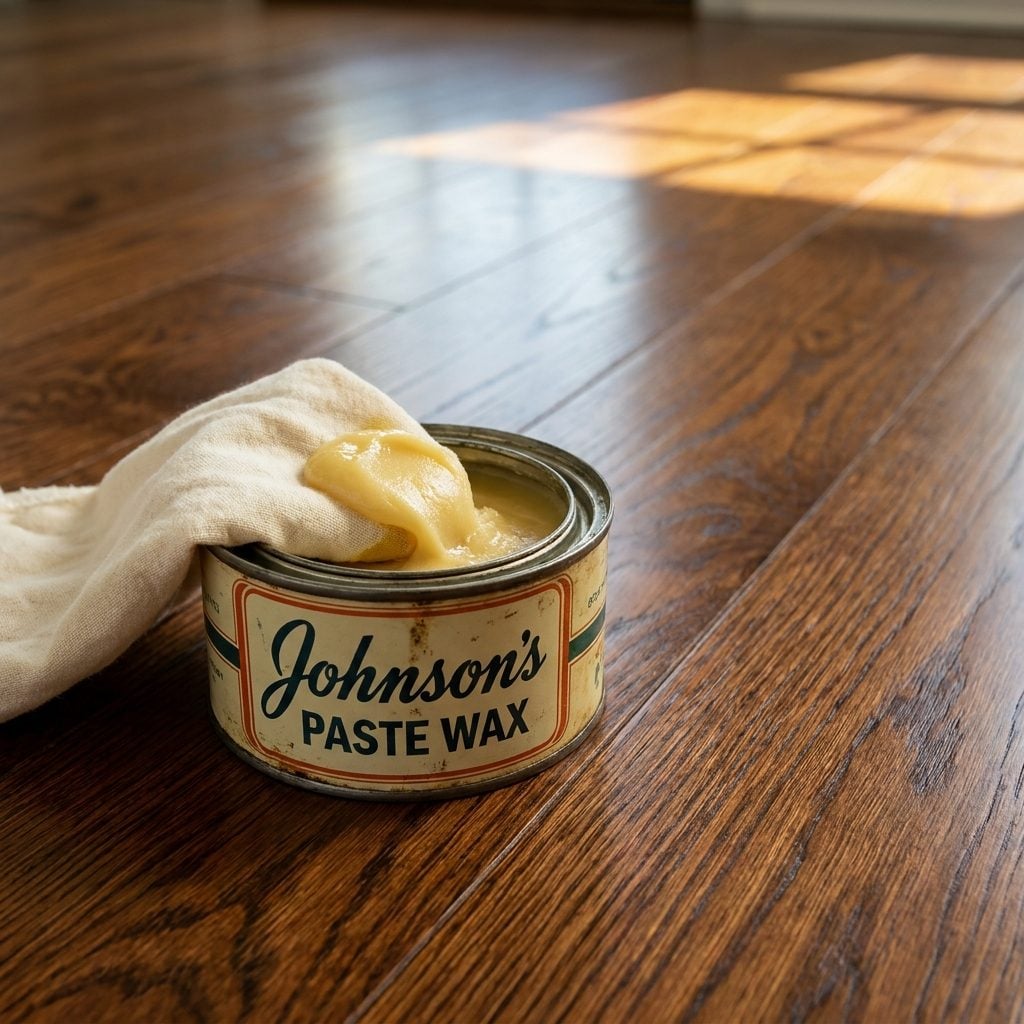
This was the big one, the chore that gave Saturday its title. You opened the tin of paste wax, took a small amount on a soft rag, and worked it across the oak in the small sections your mother insisted on.
Too much wax could remain tacky or collect dirt. An uneven coat left streaks that became more obvious after buffing. The goal was a thin, consistent layer extending all the way to the baseboards.
Then you waited for the surface to haze while your friends gathered outside and the radio played from another room.
A well-waxed floor was the family’s report card, and everyone who walked through the door could read the grade.
23. Buffing the Floors Until They Shined
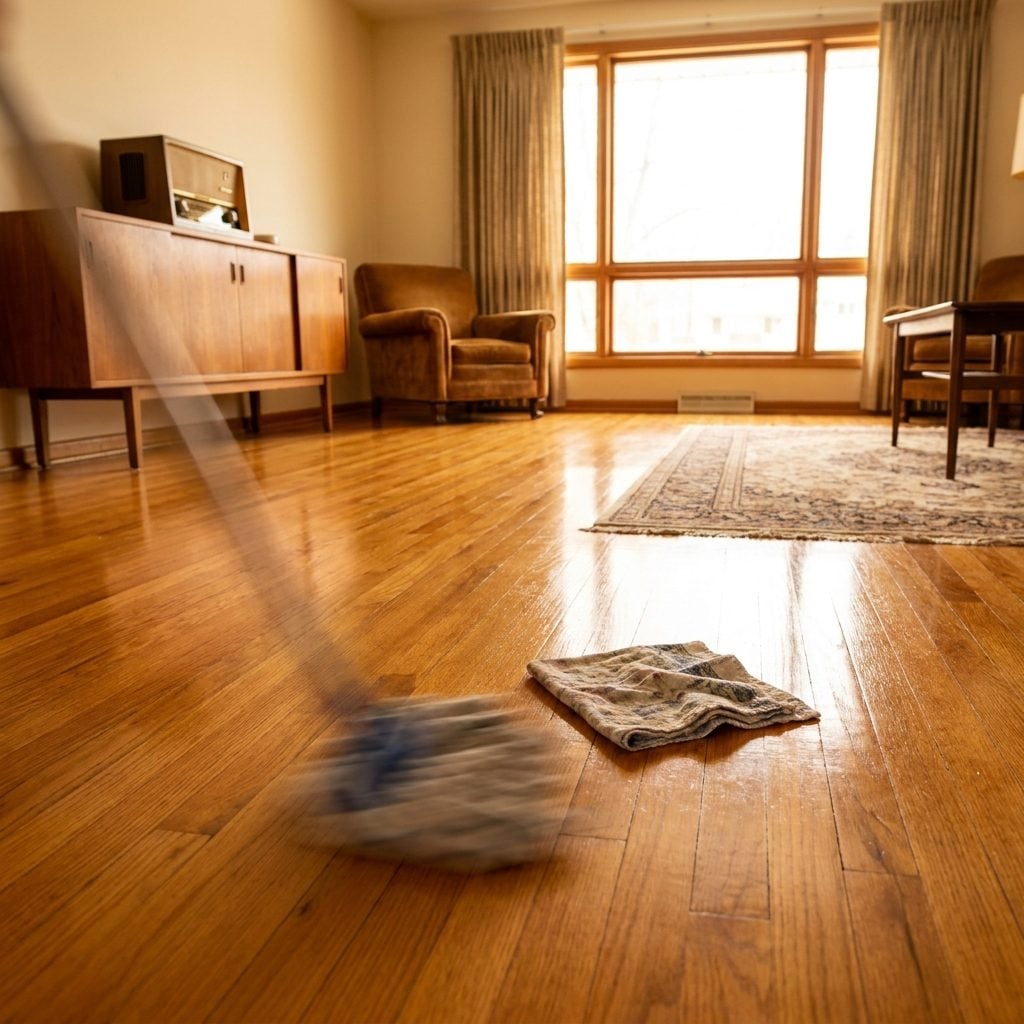
Some houses had an electric buffer that hummed, bucked, and threatened to drag its operator across the room. Others relied on a folded rag, two knees, and more patience than any child wanted to spend indoors.
You rubbed the hazed wax until the dull surface brightened enough to reflect the windows. Socks sometimes became the final polishing tools, sliding across finished sections once the official buffing was done. The biggest indoor job was finally complete, even if the rest of the list was not.
22. Cleaning the Windows Inside and Out
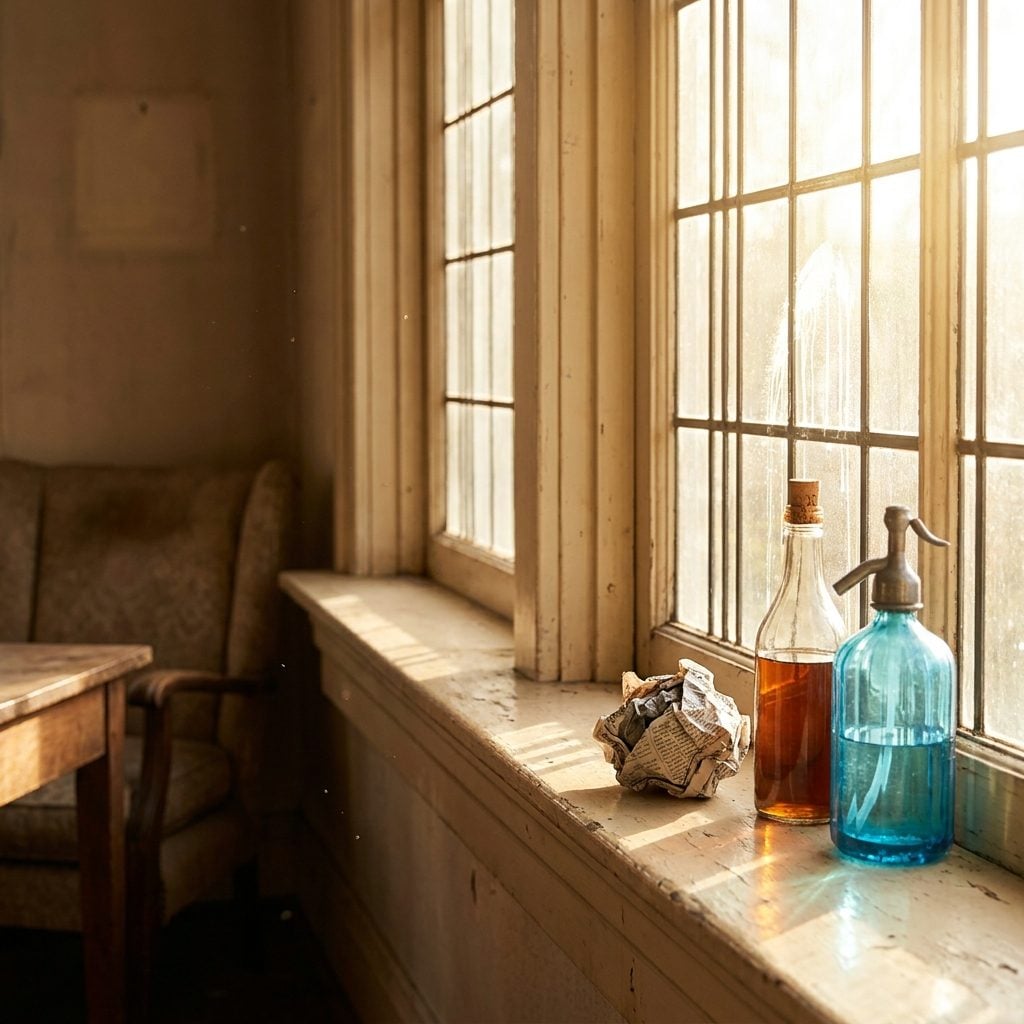
Newspaper was a familiar choice in many homes, paired with diluted vinegar or blue glass cleaner. You sprayed, wiped, and polished until the cloudy marks disappeared and the glass seemed to vanish.
The inside panes were manageable. The outside surfaces meant a step stool, removable storms, or whatever awkward method the house required. Reaching upper windows could become risky, which is one part of the old routine better replaced by stable ladders, extension tools, or professional help.
When the glass was finally clear, the kitchen brightened and daylight landed cleanly on the counters.
21. Washing the Mirrors Until No Streaks Remained
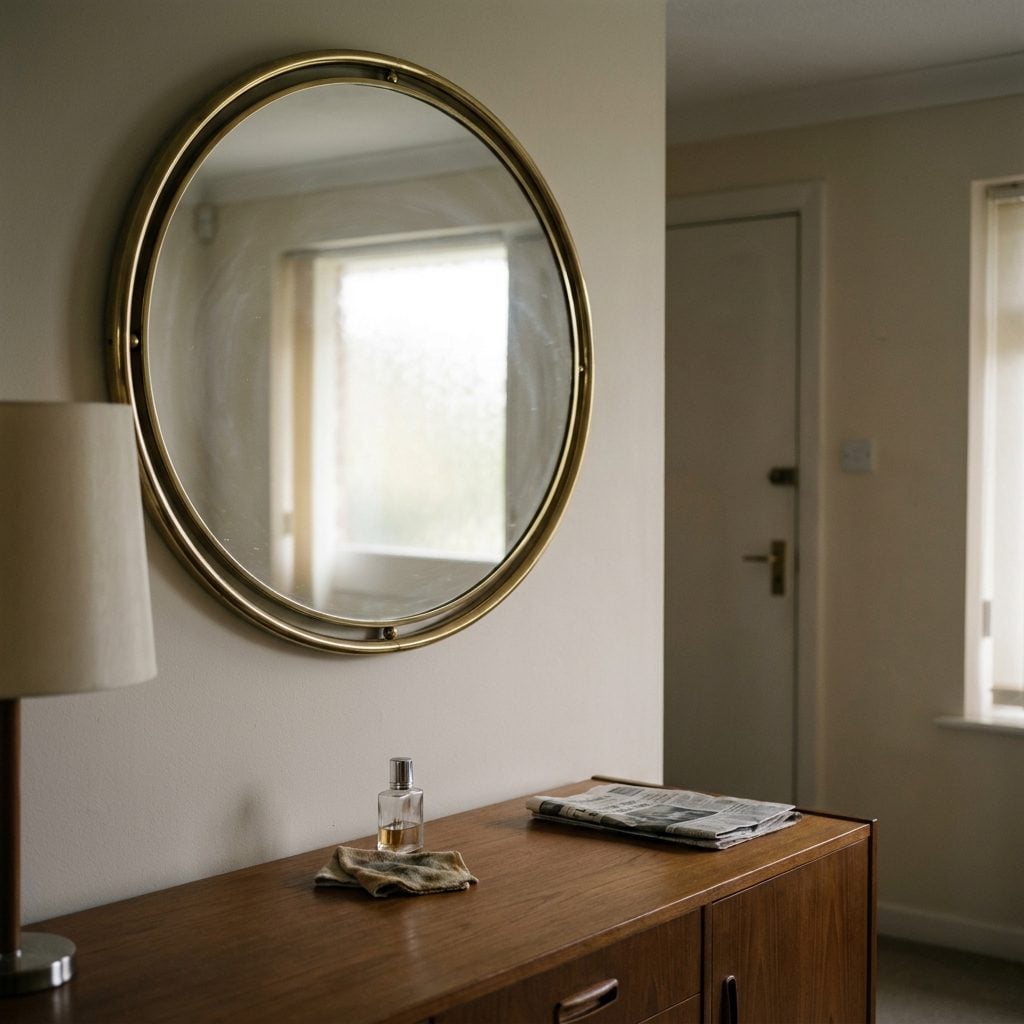
The test was not whether you had wiped the mirror. It was whether somebody could stand several feet back, tilt their head, and find one cloudy swirl in the reflected light. If they could, the rag came out again.
The bathroom mirror had toothpaste specks, fingerprints, and water spots that the windows did not. Newspaper was often used because it was readily available and usually left less lint than many household cloths, although gray fingertips were part of the bargain.
20. Dusting Every Venetian-Blind Slat and the Sill Beneath It
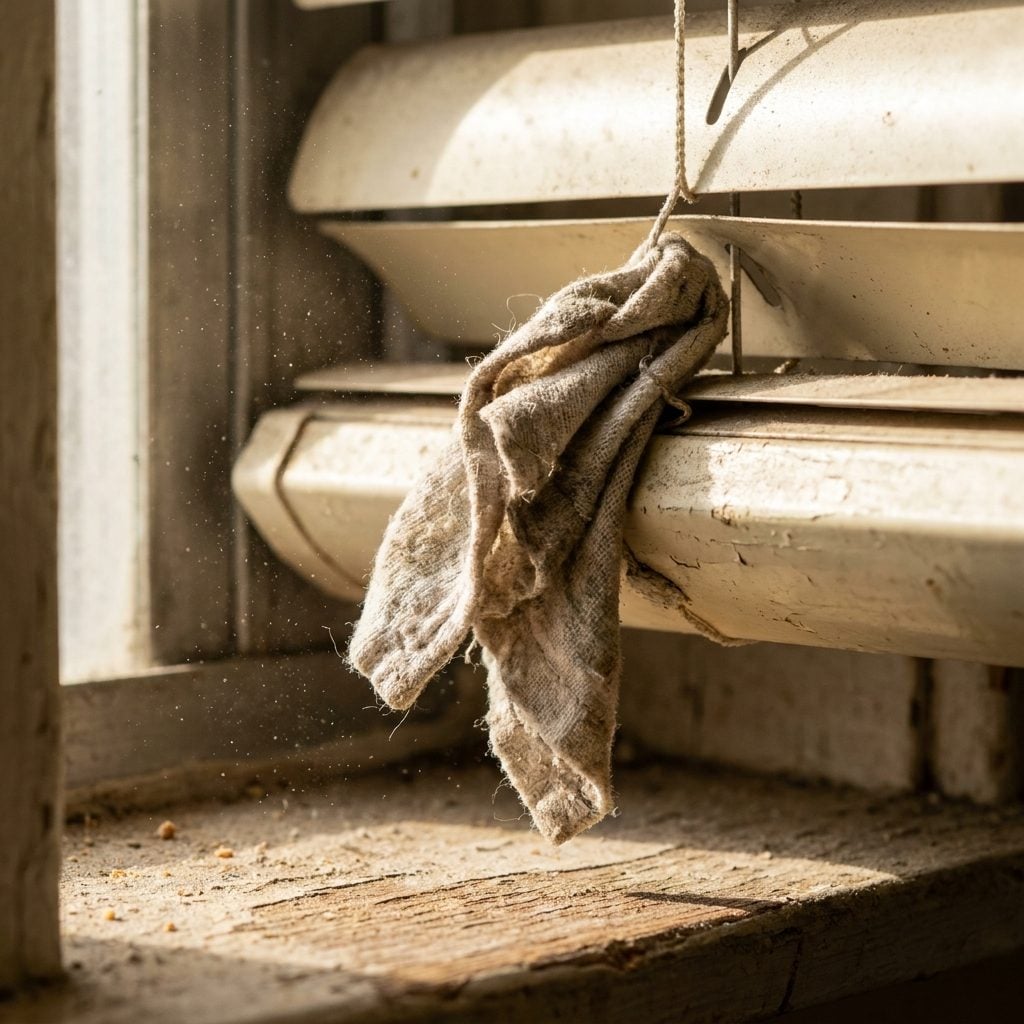
Slat by slat, with no convincing shortcut. You pinched each aluminum blade between a folded rag, drew your hand across it, and watched the gray dust cling to your fingers. One window could contain dozens of slats, and a front room might have several blinds.
The sill beneath them was easier to overlook. That wide painted ledge collected a gritty film that barely showed until a damp cloth passed across it. The blind looked finished only when the surface below it was clean too.
19. Hauling the Rugs Outside and Beating Out the Dust
🔥 Would you like to save this?
You could taste the dust. That was the trouble with rug-beating day.
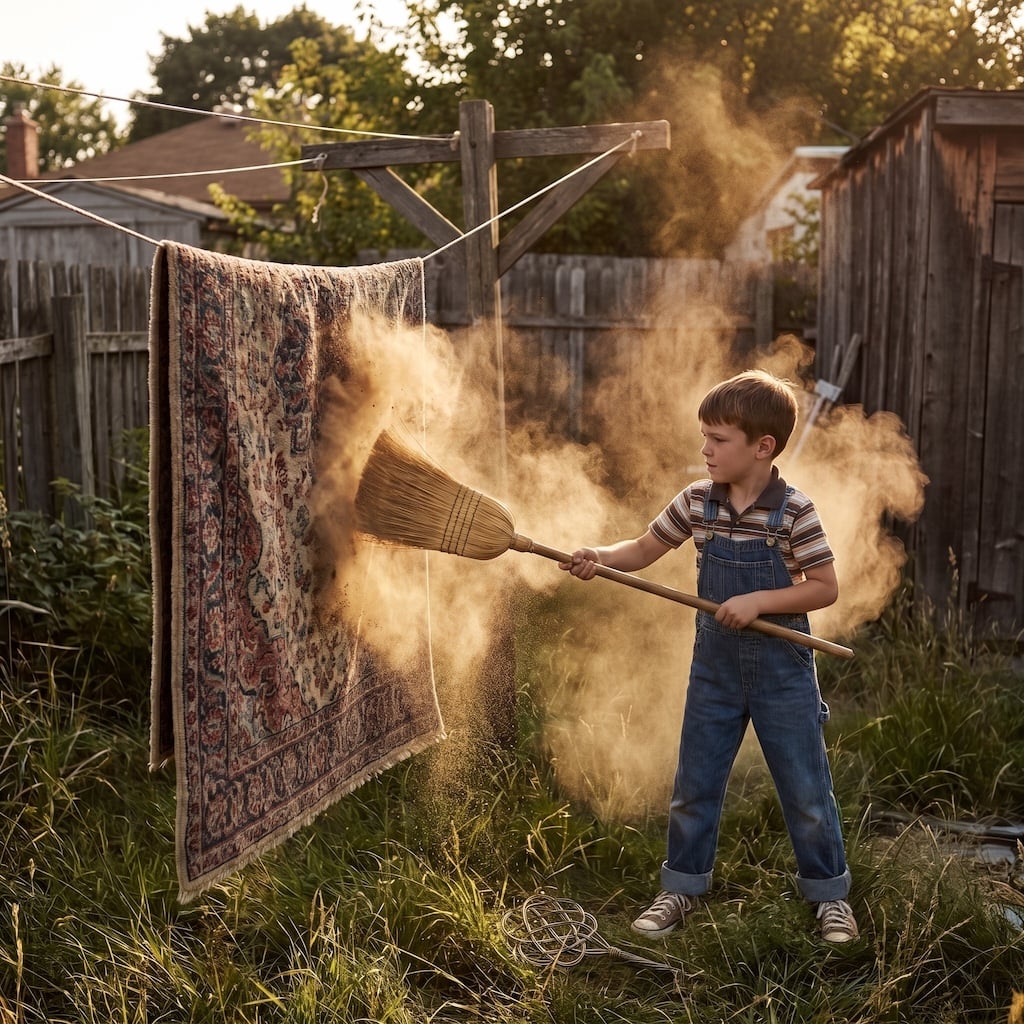
The rug went over a line or railing, and you swung the looping rattan beater. Every strike sent up a gray cloud that drifted back toward your face when the wind changed. By the third rug, your arms ached and your throat felt coated in chalk.
Vacuum cleaners were already common by the 1960s, but some families still carried removable rugs outdoors for a deeper beating and airing. They came back inside smelling faintly of grass, sun, and whatever dust the vacuum had missed.
18. Polishing the Wooden Furniture
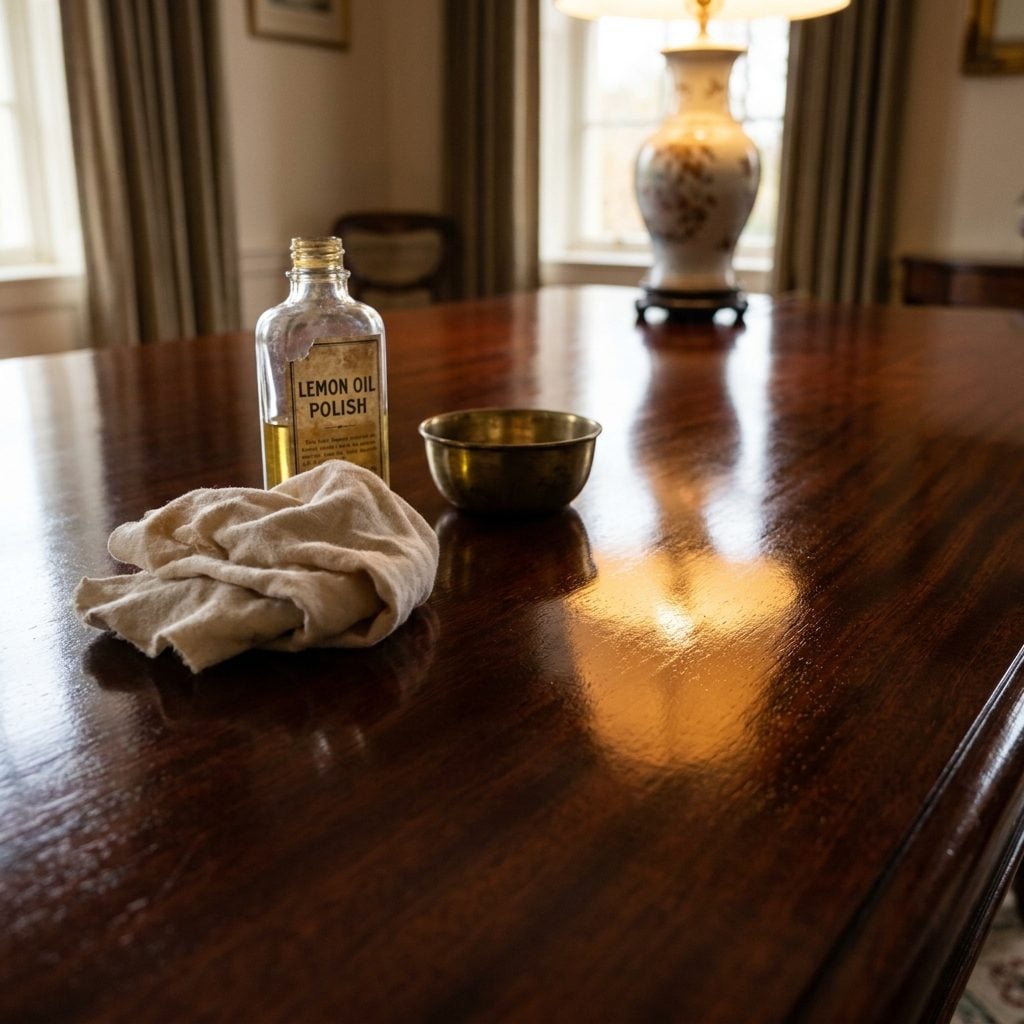
The house smelled like lemon oil or paste polish before you reached the bottom of the stairs. Unlike routine dusting, this was the slower job intended to deepen the finish and leave the tabletop glowing.
One rag applied the product and another buffed it, with the work adjusted to whatever finish was actually on the furniture. Too much polish could leave greasy smears that caught more dust rather than less.
Done properly, the walnut gave back a soft reflection of the furniture, curtains, and green walls around it. Done badly, the whole surface had to be wiped again.
17. Wiping Down the Dining Table Before Lunch
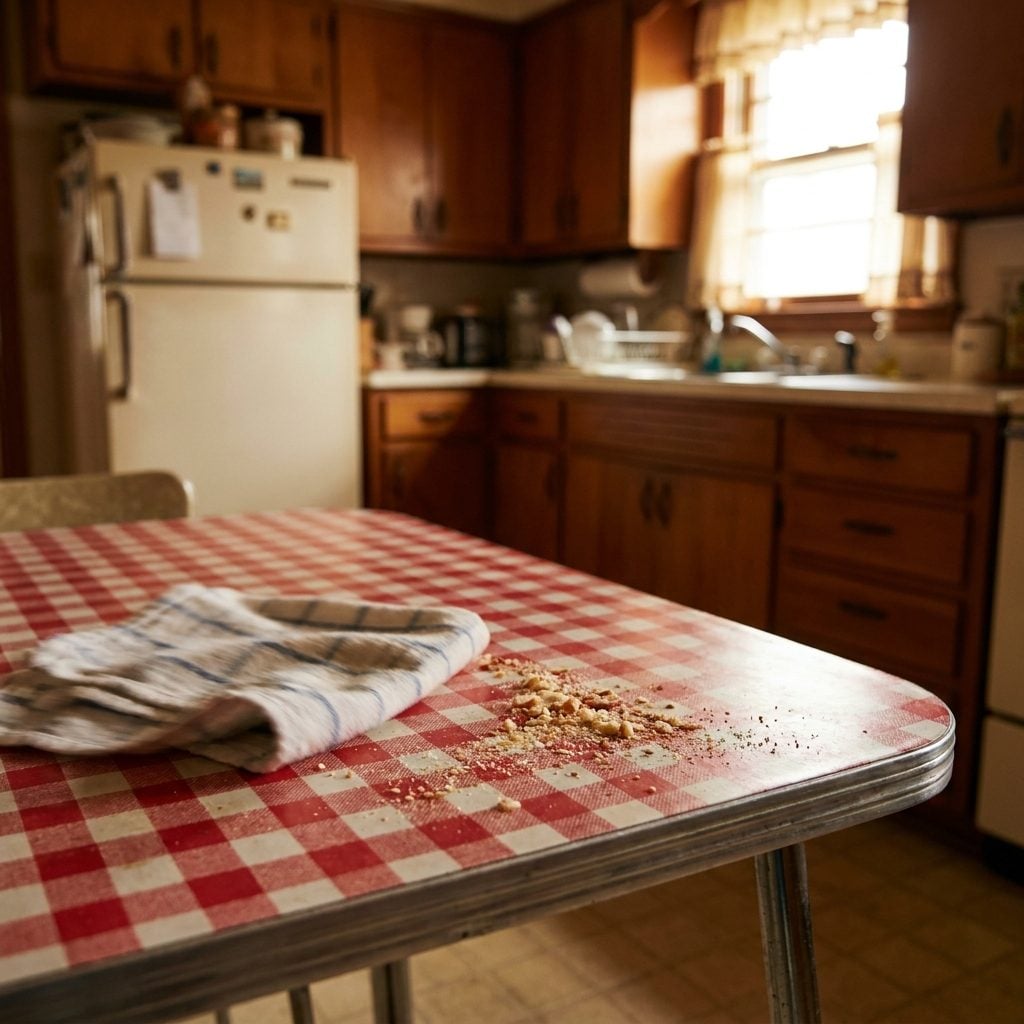
In some homes, lunch waited until the table was clean. A damp rag moved across the checkered vinyl in long pulls, gathering toast crumbs and jam smudges at the edge before the plates came out.
The ritual mattered almost as much as the result. A wiped table signaled that the morning mess had been cleared and the meal could begin. Anyone who grew up with a chrome-legged dinette remembers the sticky drag of a damp cloth across vinyl, a long way from the polished surfaces in many modern kitchen-island layouts.
16. Scrubbing the Kitchen Sink Until It Shined
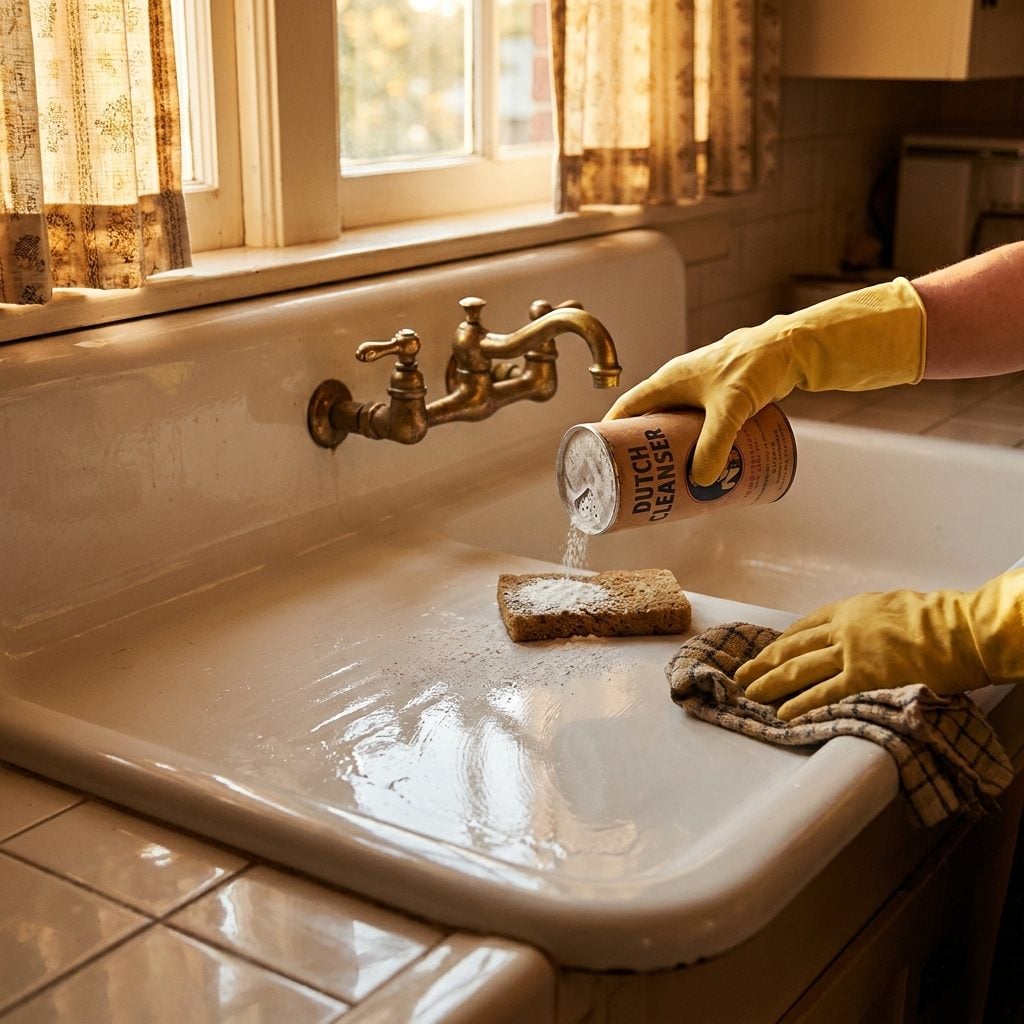
Powdered cleanser came from a cardboard can with a shaker top. You sprinkled it across the wet enamel until the basin turned chalky, then scrubbed at coffee rings, tea stains, and whatever had dried near the drain.
After rinsing, the white enamel looked brighter and felt almost squeaky beneath the cloth. A spotless basin still gives a small kitchen a convincing center, even if the products and finishes have changed.
15. Washing the Dishes by Hand at the Steaming Sink
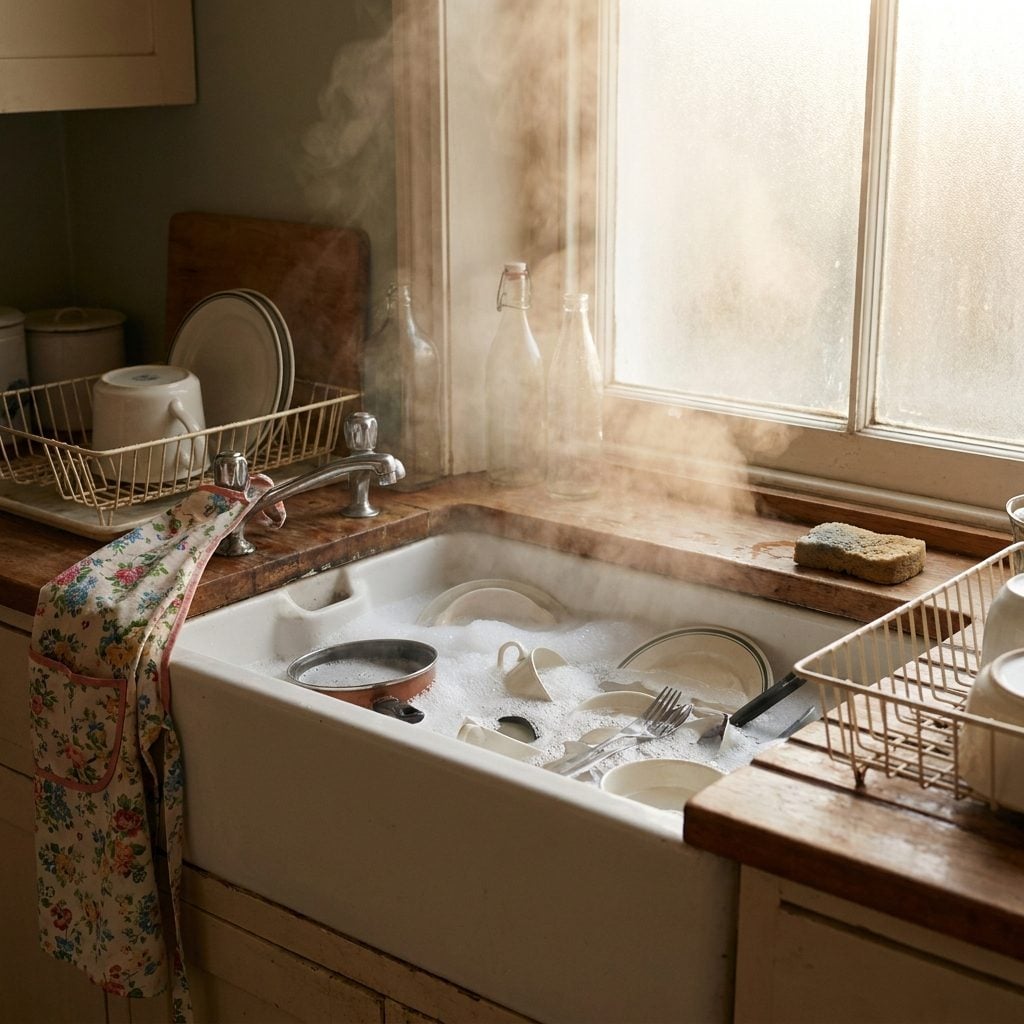
The water was always hotter than you wanted it. Glasses went first, followed by plates and utensils, with the greasiest pans saved for last so the water stayed usable longer.
You washed with one hand and checked for slick spots with the other. If a fork still felt greasy or soapy, back into the basin it went. Dishwashers existed, but in plenty of homes no machine hummed in the corner. There was only the sink, a dishcloth, and a sibling drying beside you while offering a running commentary on the unfairness of the arrangement.
14. Drying Every Dish and Returning It to the Cupboard
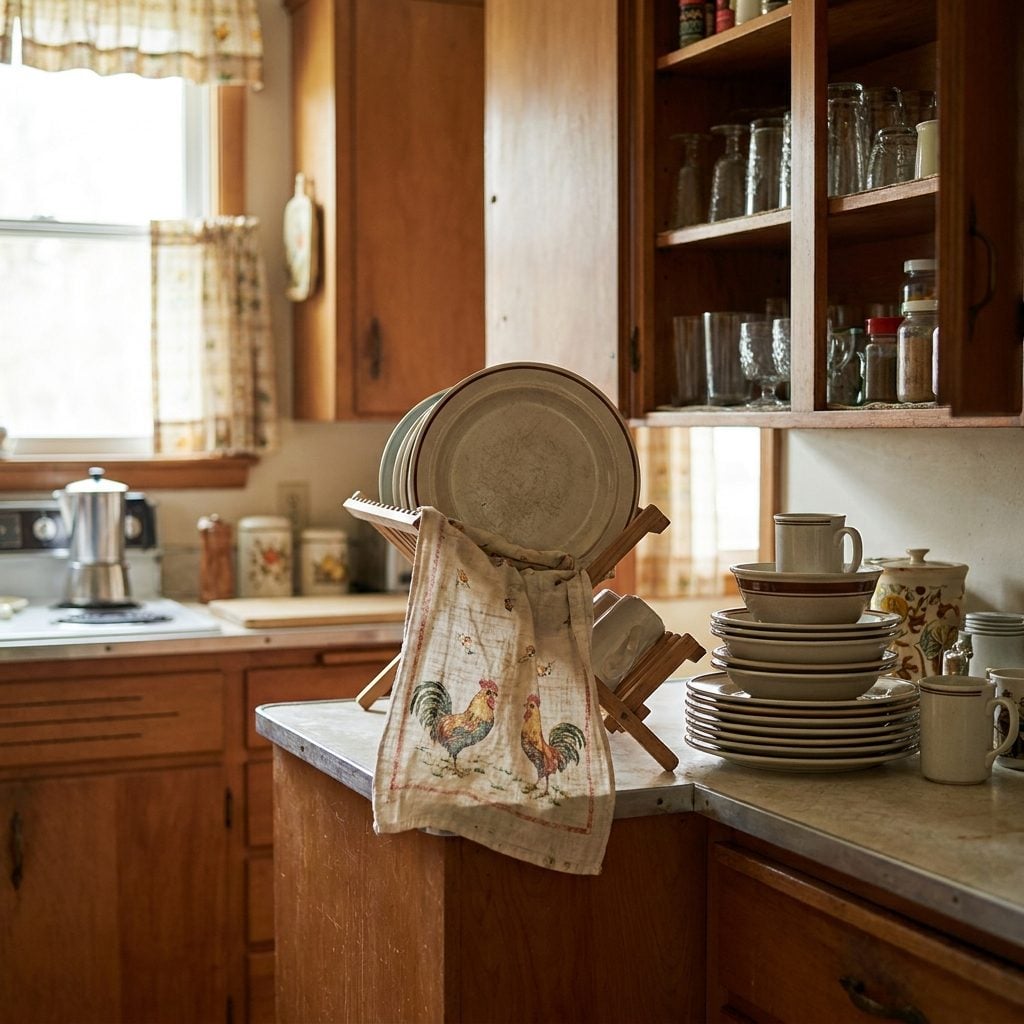
The drying towel had a fruit print or rooster on it and had been thinned by a hundred washings. You dried every plate, glass, and fork, then returned each one to its assigned place.
Water spots were the trap. A glass looked dry until it caught the light and revealed a cloudy film. Then you went over it again with the one remaining dry corner of the towel.
13. Emptying the Kitchen Trash and Relining the Can
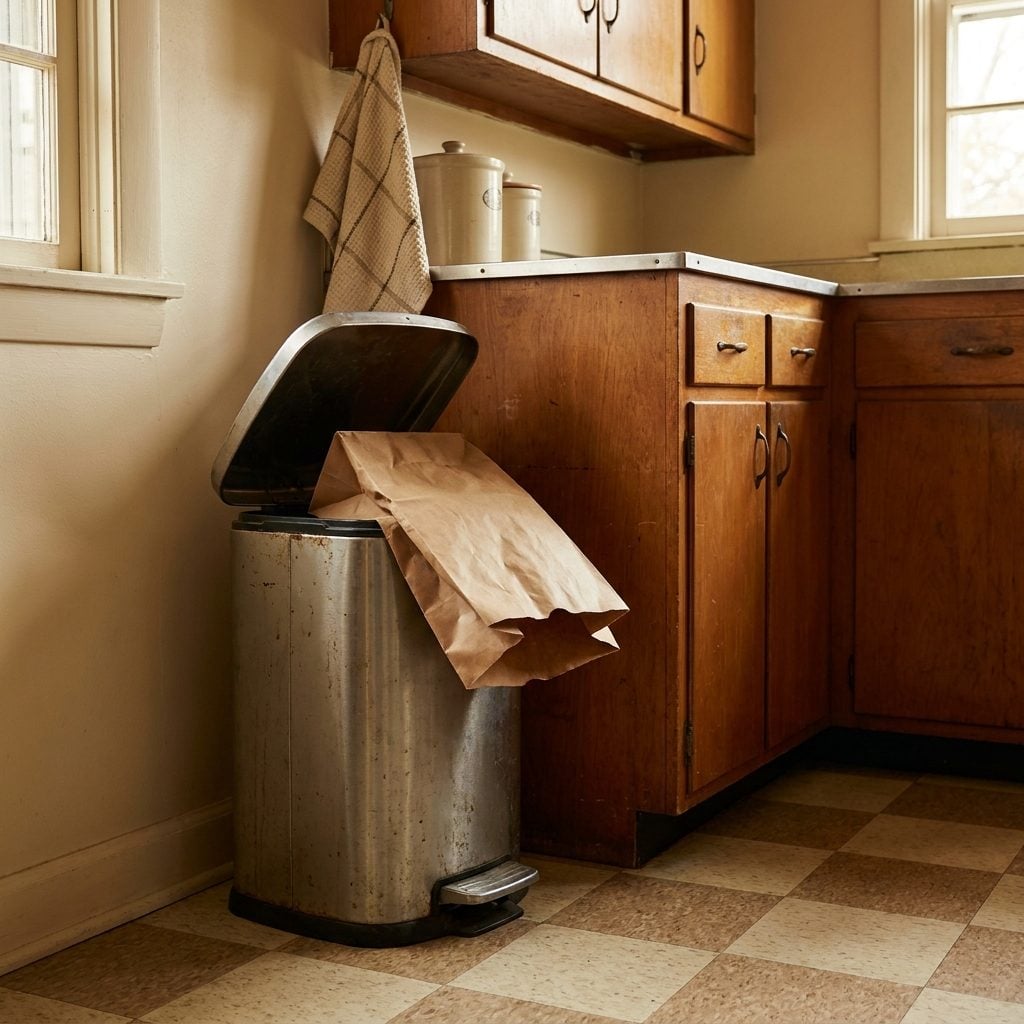
Before plastic liners became routine in every kitchen, plenty of families fitted a brown paper grocery bag inside the metal step-can. When it filled, you hauled the entire sagging package to the garbage cans by the back fence and hoped the bottom survived the journey.
The job was not complete until a fresh bag was folded neatly over the rim. Leaving an empty, unlined can behind only guaranteed that someone would call you back five minutes later.
12. Scrubbing the Bathroom Sink and Tub Ring
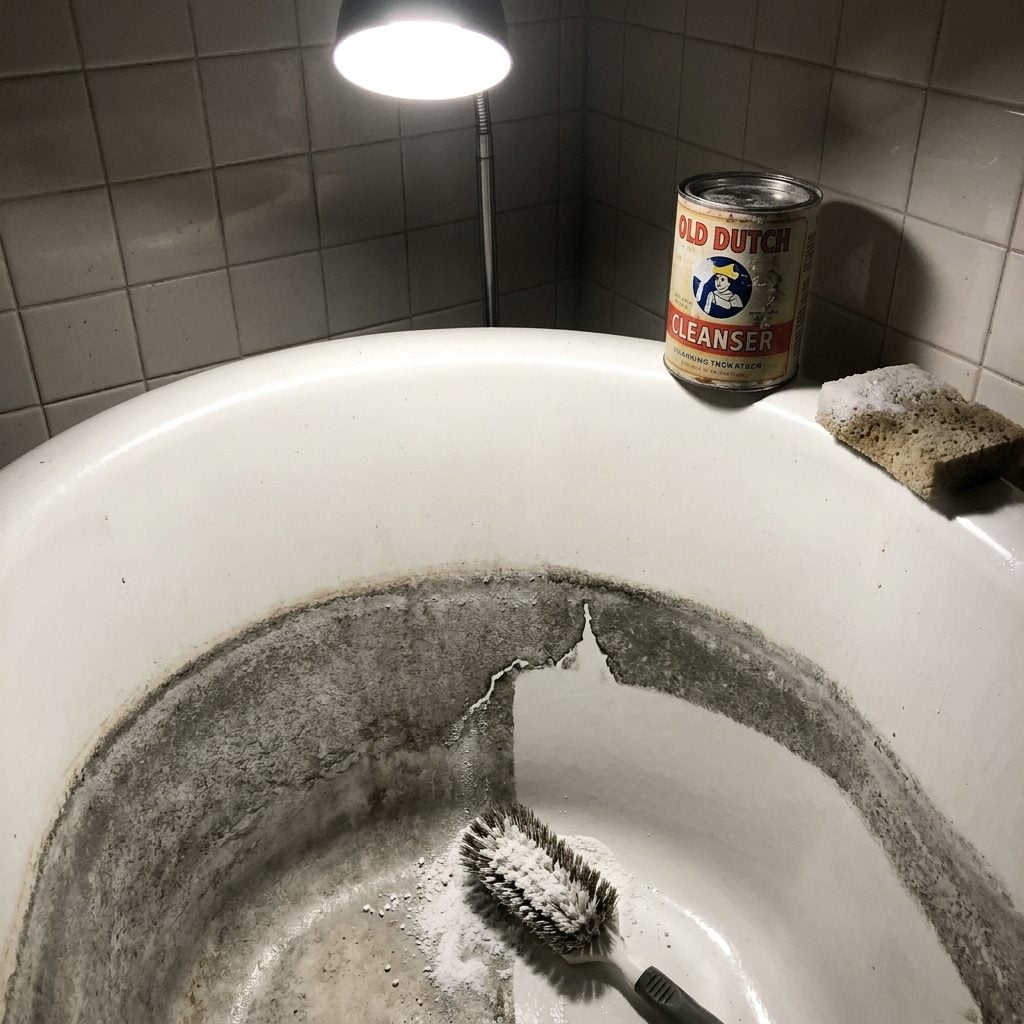
The ring around the tub was the enemy. That gray-brown line near the old water level came off only with cleanser, a stiff cloth, and more effort than seemed fair while kneeling on a hard floor.
Every fixture might be pink, mint, blue, or the particular pale yellow that showed water spots as soon as the light reached it. You scrubbed the sink, polished the faucet with a dry corner of the towel, and worked around the tub until the last mark disappeared.
11. Scrubbing the Toilet Before Anyone Said You Were Done
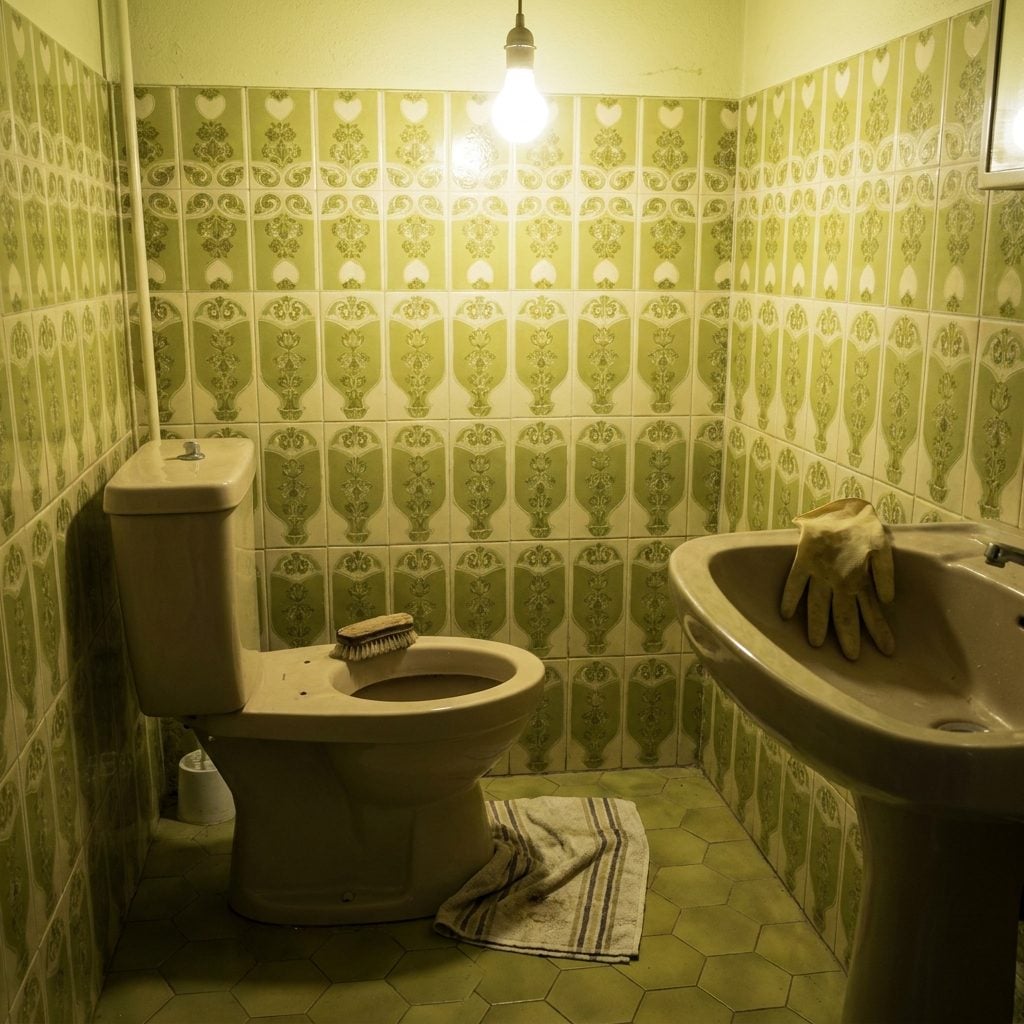
Nobody volunteered for this one. You scrubbed the bowl, checked beneath the rim, wiped the seat and tank, and then found one more mark you had missed.
Powdered cleanser and a toilet brush handled the inside in many households, while a separate cloth took care of the exterior. The whole process turned an ordinary pink or mint fixture into a low-grade test of endurance, with completion determined by whoever was inspecting the bathroom that day.
10. Hanging the Wet Laundry on the Clothesline
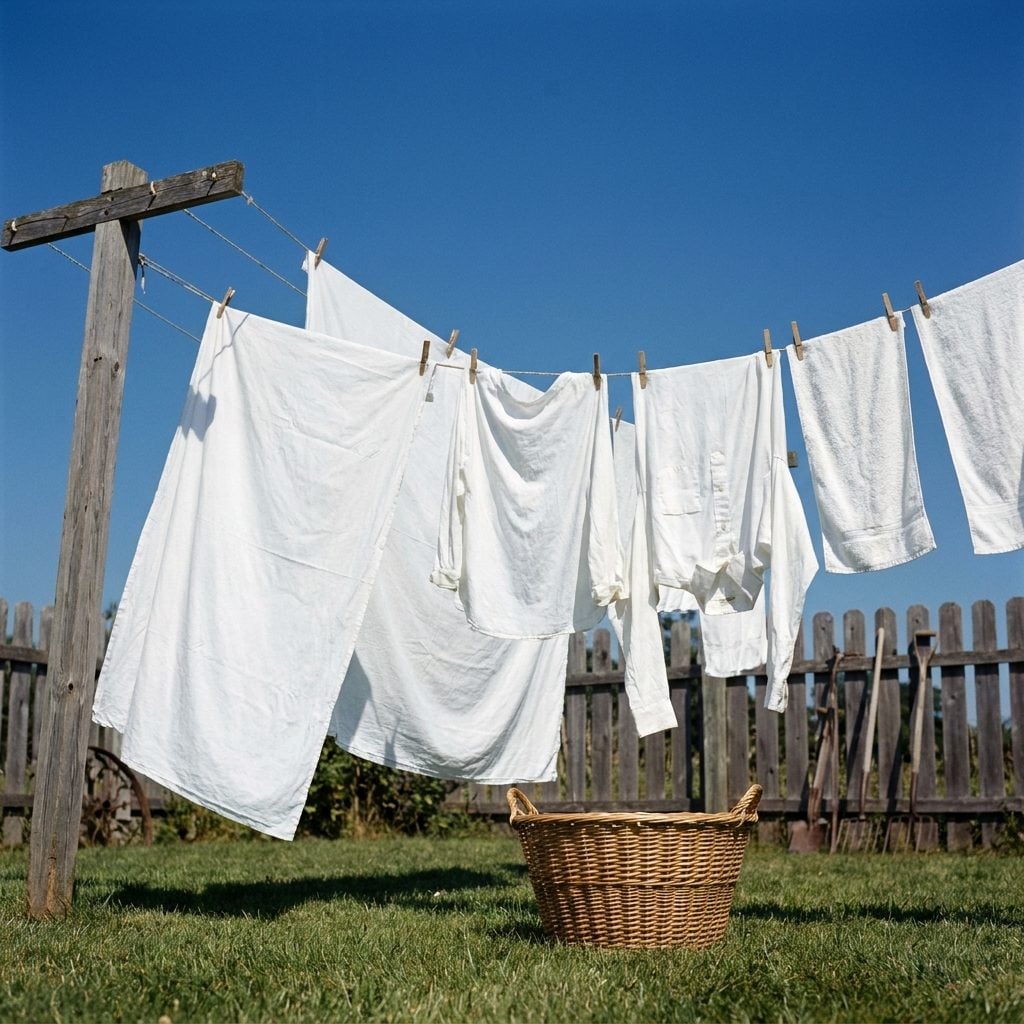
Even as dryers became more common, plenty of backyards still handled much of the weekly wash. You carried a basket of damp cotton to the line and began pinning sheets, shirts, towels, and socks one piece at a time.
There was a rhythm to it, along with family rules about where heavy items belonged and how many wooden pins a windy day required. Sheets came inside smelling of fresh air, though rain, pollen, birds, and stiff towels were part of the same arrangement.
9. Bringing In the Dry Laundry Before the Dew Settled
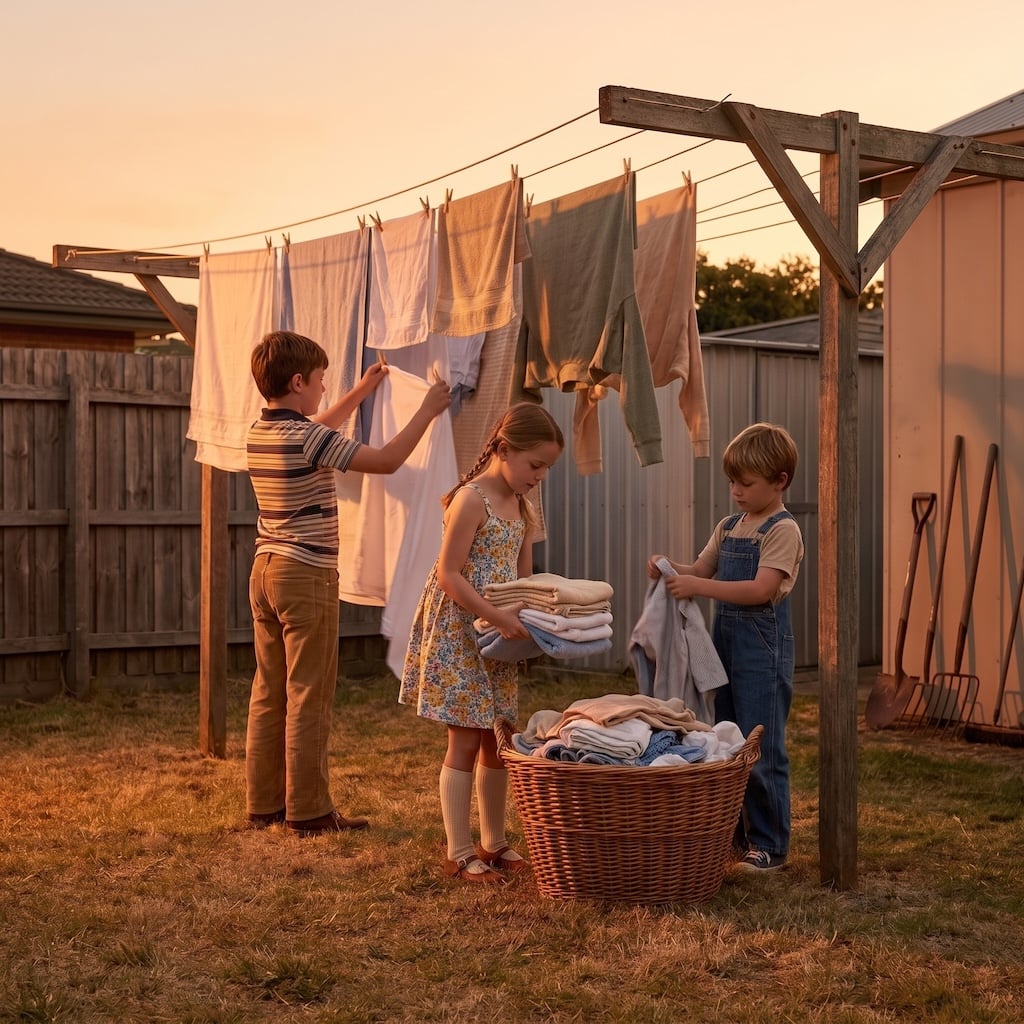
Timing mattered. Leave the wash outside too long and evening dampness could undo hours of drying, so somebody was sent out before dusk to collect it.
Towels came off the line stiff and warm. Sheets gathered under your chin as the stack grew, and socks escaped from the basket on the walk back to the screen door. It was a small job, but beating the fading light gave it a satisfying finish.
8. Folding and Putting Every Last Sock Away
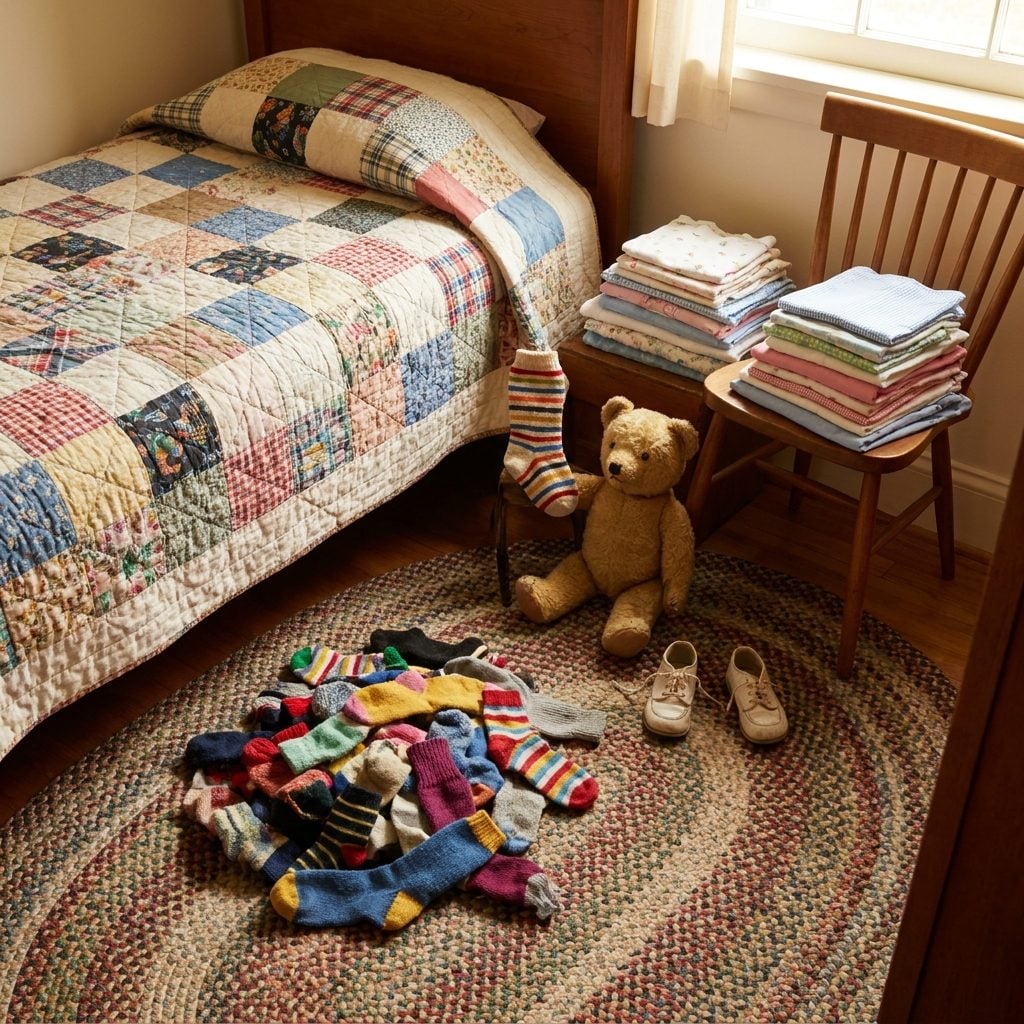
Bringing the laundry inside was only half the assignment. The rest meant matching socks until nearly every one had a partner, folding undershirts into stable stacks, and returning everything to the correct drawer.
Drawers had to close without force. Cramming the last pile inside and leaning against the front might work temporarily, but somebody would discover the problem later. The lesson was simple: a job was not complete merely because its evidence had been hidden.
7. Pulling Weeds From the Flower Beds by Hand
🔥 Would you like to save this?
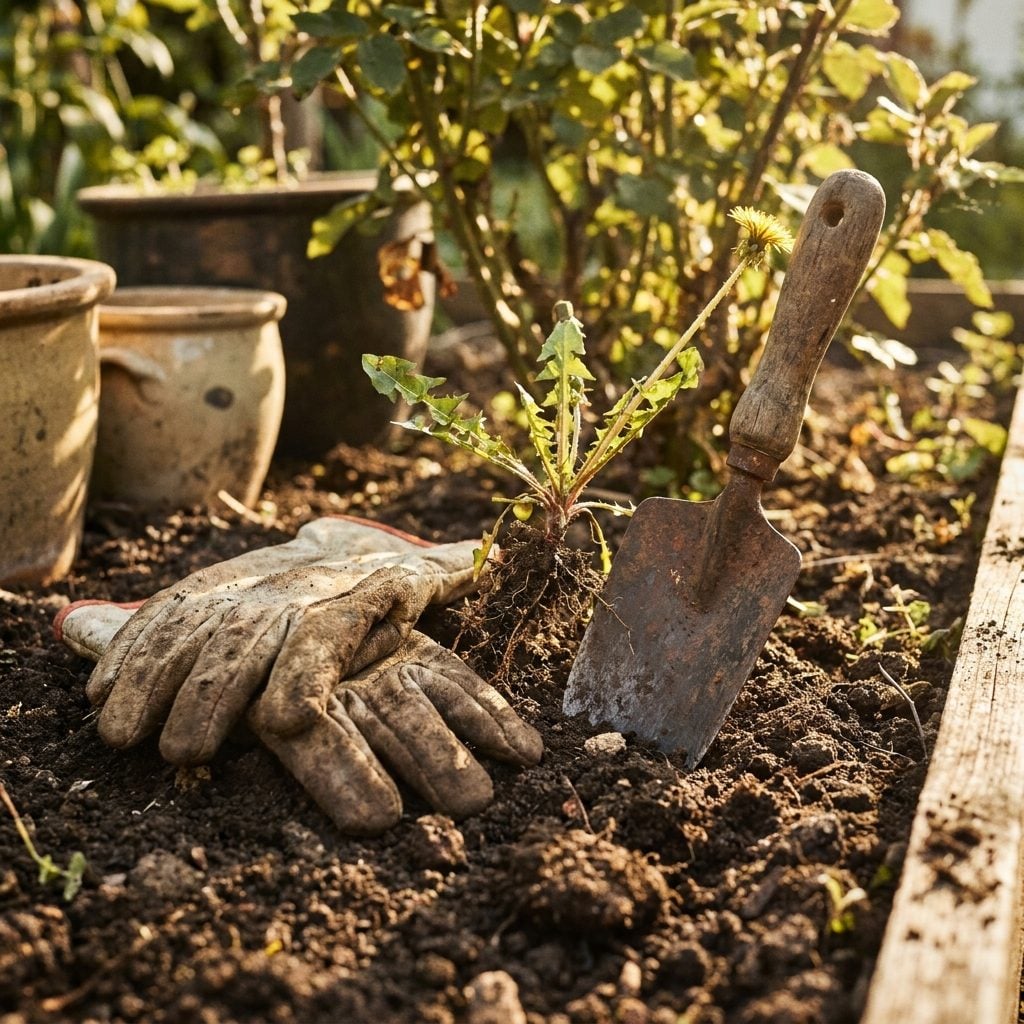
In the flower bed assigned to you, the tools were usually a pair of hands and a trowel that had already served several generations. Dandelions were the main enemy, and the goal was to remove enough root that the plant did not immediately return.
It was slow, knee-staining work beneath the sun. The reward was visible, though: a cleared strip of soil around the marigolds and a pile of weeds large enough to prove how long you had been out there.
6. Mowing the Lawn With the Family’s Push Mower
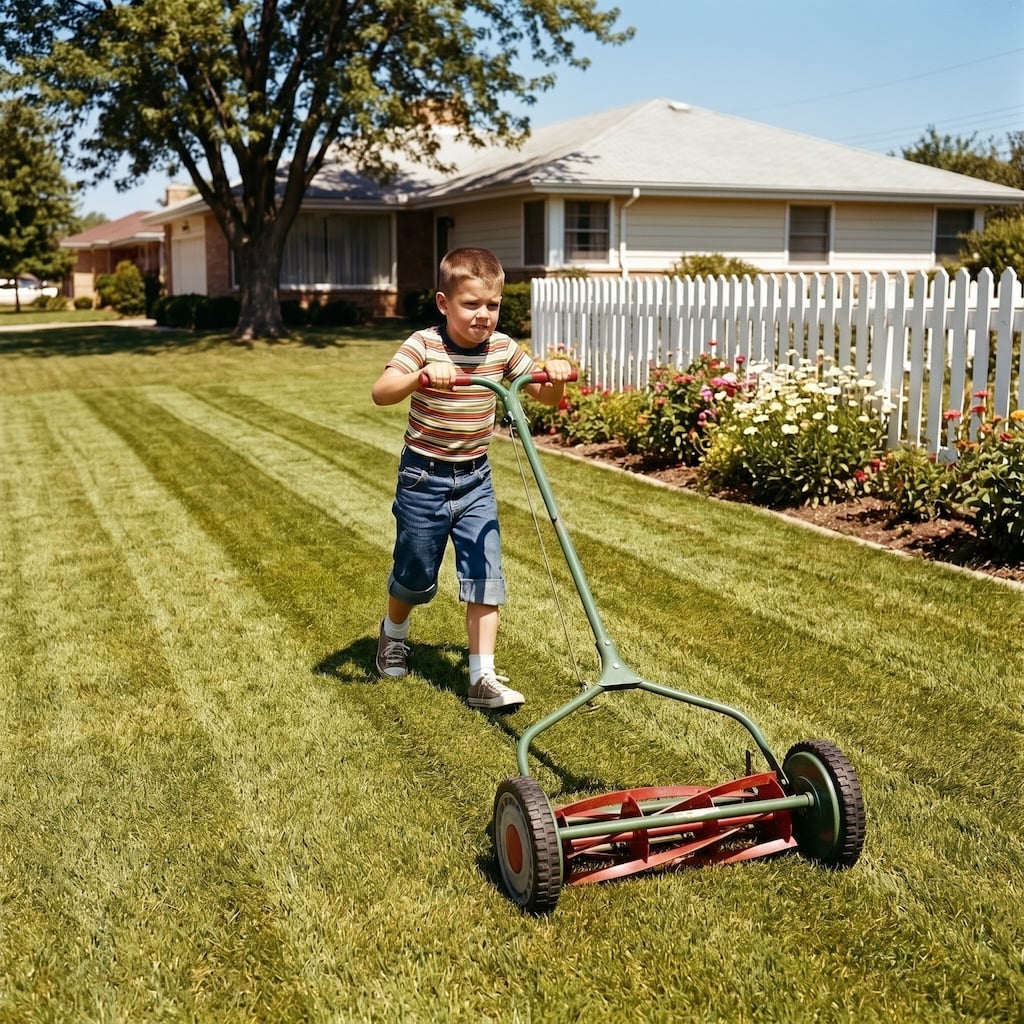
Some families still used reel mowers that needed no gasoline, only a person willing to lean into the handle. Thick patches fought back, and one twig could stop the blades abruptly.
Gas-powered rotary mowers were already common during the 1960s, but the quiet reel mower remained part of many childhood Saturdays. By the time you had crossed the lawn in both directions, your arms had earned whatever cold drink waited inside.
5. Watering the Vegetable Garden With the Hose
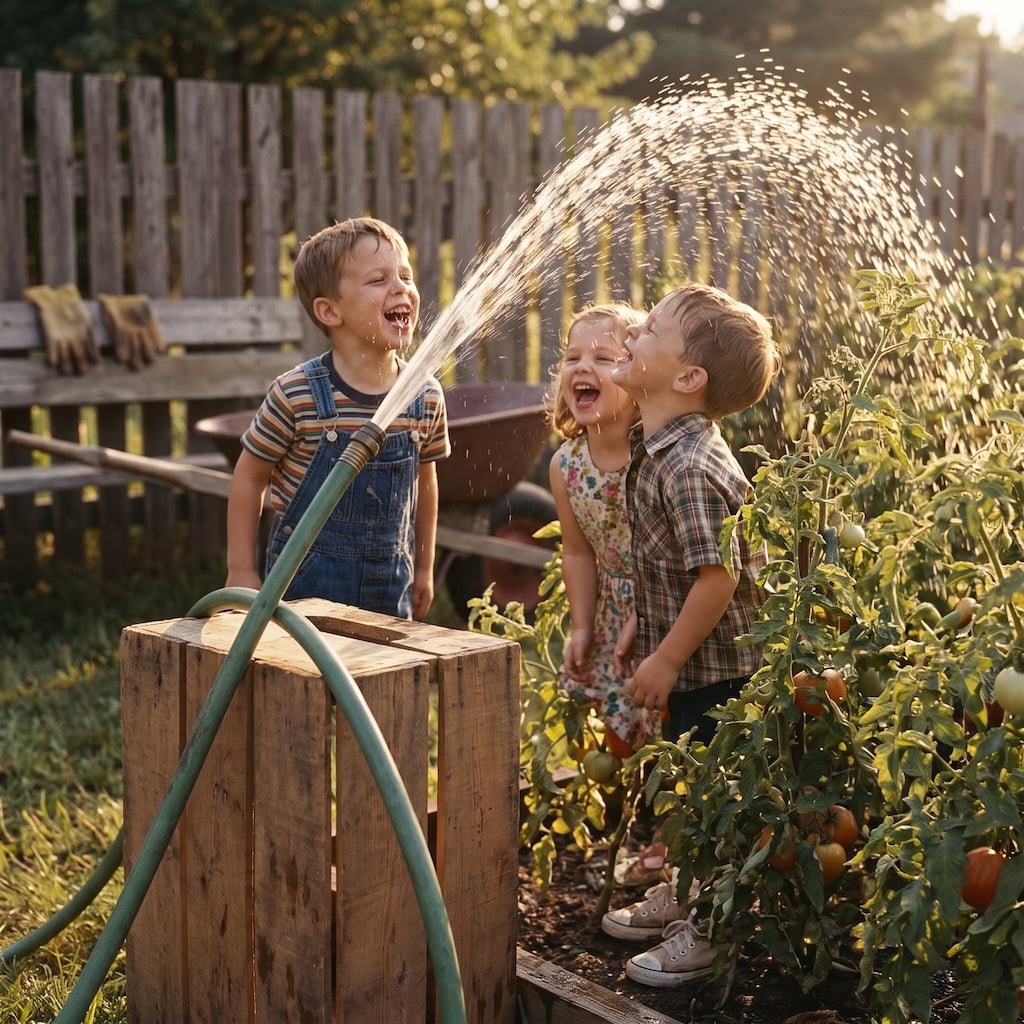
This was one of the better assignments. After harder jobs, being handed the hose and told to water the tomatoes felt almost like a reward.
You thumbed the brass nozzle into a soft spray and moved between rows of beans, lettuce, tomatoes, and whatever climbed the poles that summer. The soil darkened as it absorbed the water. In many households, the garden supplied food that appeared on the table throughout the season, which made the work feel connected to something larger than a tidy yard.
4. Washing the Family Car in the Driveway
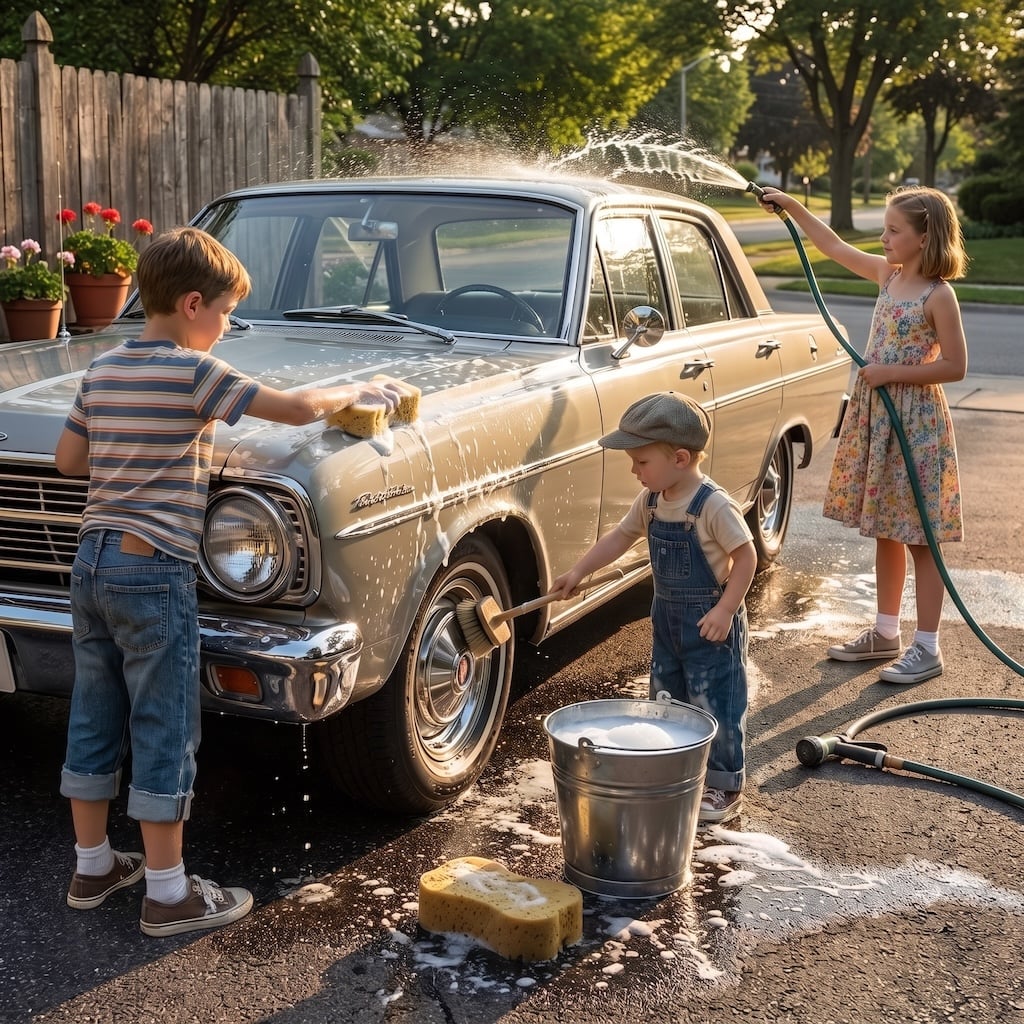
This chore usually became a group assignment, which improved it immediately. One child handled the hood, another aimed the hose over the roof, and the smallest took the wheels and lower fenders.
Chrome bumpers received their own careful pass because the family took pride in a car that shone. Suds ran down the driveway, the hose soaked everyone’s shoes, and a long maintenance job sometimes turned into one of Saturday’s better stretches.
3. Returning Empty Soda Bottles for the Deposit
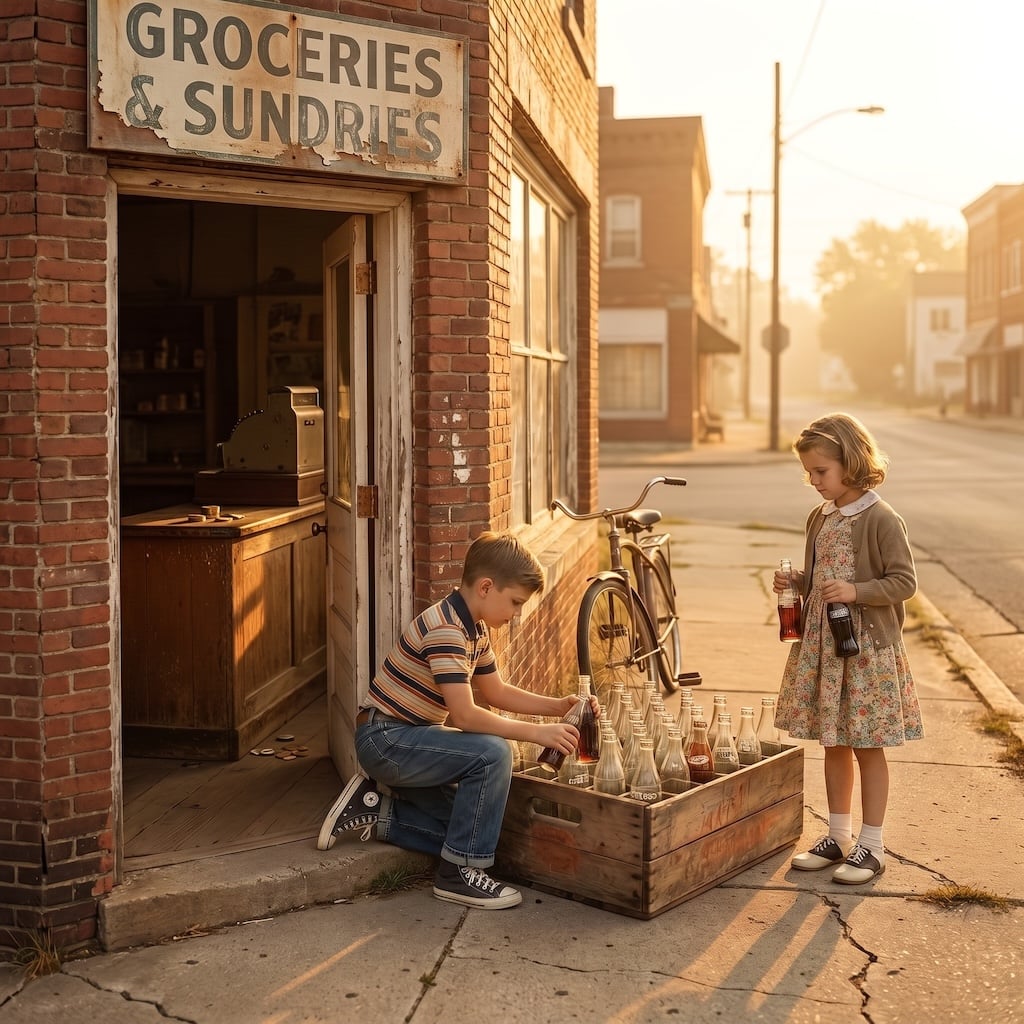
Returnable soda bottles could bring back a few cents apiece, depending on the bottler, store, place, and year. To a child, even a small deposit made the empties worth collecting.
You loaded the bottles into a carton or crate, listened to them clink as you carried them down the sidewalk, and exchanged them at the corner store. The reward was pocket money earned by keeping track of something the household might otherwise have overlooked.
2. Asking Mom, “Is There Anything Else?”
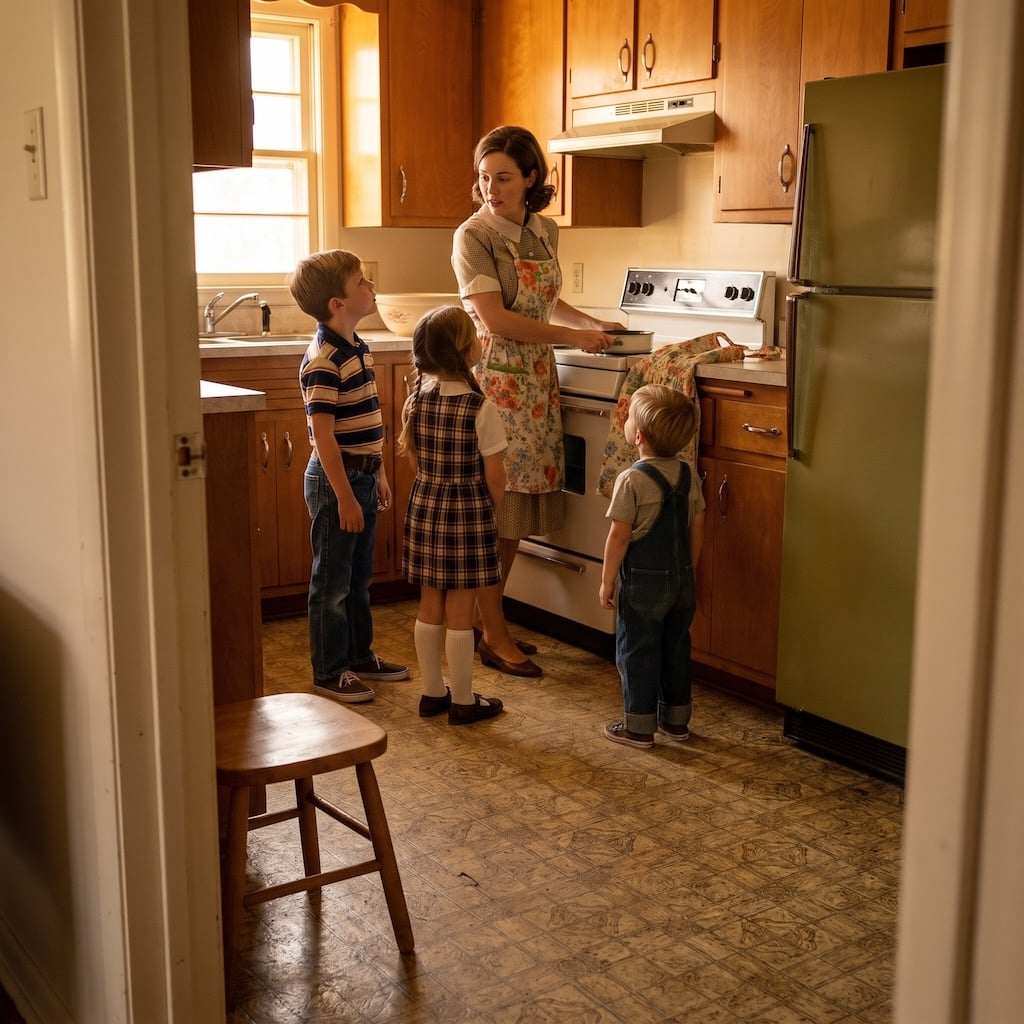
This was the final inspection disguised as a question. You had finished the bathroom, weeds, laundry, and whatever else appeared on the list, but freedom did not begin until somebody confirmed there was nothing more.
The words came out hopeful and quiet. Then came the pause while your mother looked around, dish towel in hand, deciding whether one overlooked job remained. Sometimes the answer was no and you headed for the door. Sometimes a forgotten trash can, baseboard, or basket sent you back for one last round.
1. Finally Being Allowed to Go Play
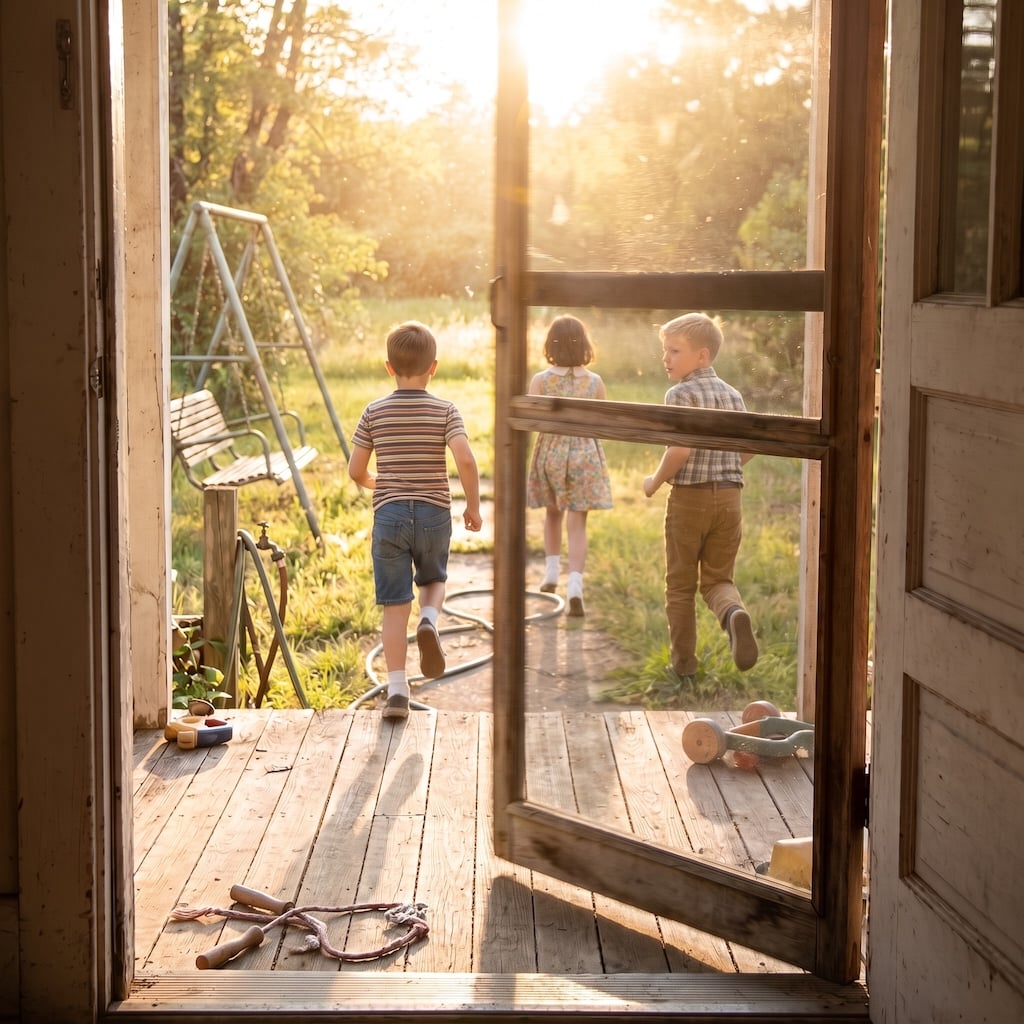
The floors were polished, the last chore had survived inspection, and then came the words that made the whole morning worth it: Go on. Get outside.
You did not walk. You launched through the screen door, climbed onto the bike, and headed toward whichever driveway already held a gathering of children. No scheduled pickup waited. The afternoon remained open until supper, darkness, or the streetlights called everyone home.
That was the Saturday bargain in many families: work first, then freedom. The chores were tedious and sometimes unfairly distributed, but the release afterward felt enormous because nothing stood between you and the rest of the day.