🔥 Would you like to save this?
Coppertone, charcoal starter fluid, cut grass drifting over a chain-link fence. A transistor radio somewhere, playing a Carpenters song nobody asked for. A metal swing set baking so hot in the sun it would blister the backs of your thighs on the slide. That was the 1975 backyard, and it was doing just fine for what it was.
By the early 2000s, the American backyard had started becoming something else. It stopped being merely a yard and began auditioning to be a resort. These 25 before-and-afters show what disappeared, what improved, and what became much more expensive along the way.
In order to come up with the very specific design ideas, we create most designs with the assistance of state-of-the-art AI interior design software. Also, assume links that take you off the site are affiliate links such as links to Amazon. this means we may earn a commission if you buy something.
1. The Yard That Did Chores Now Throws Cocktail Hour
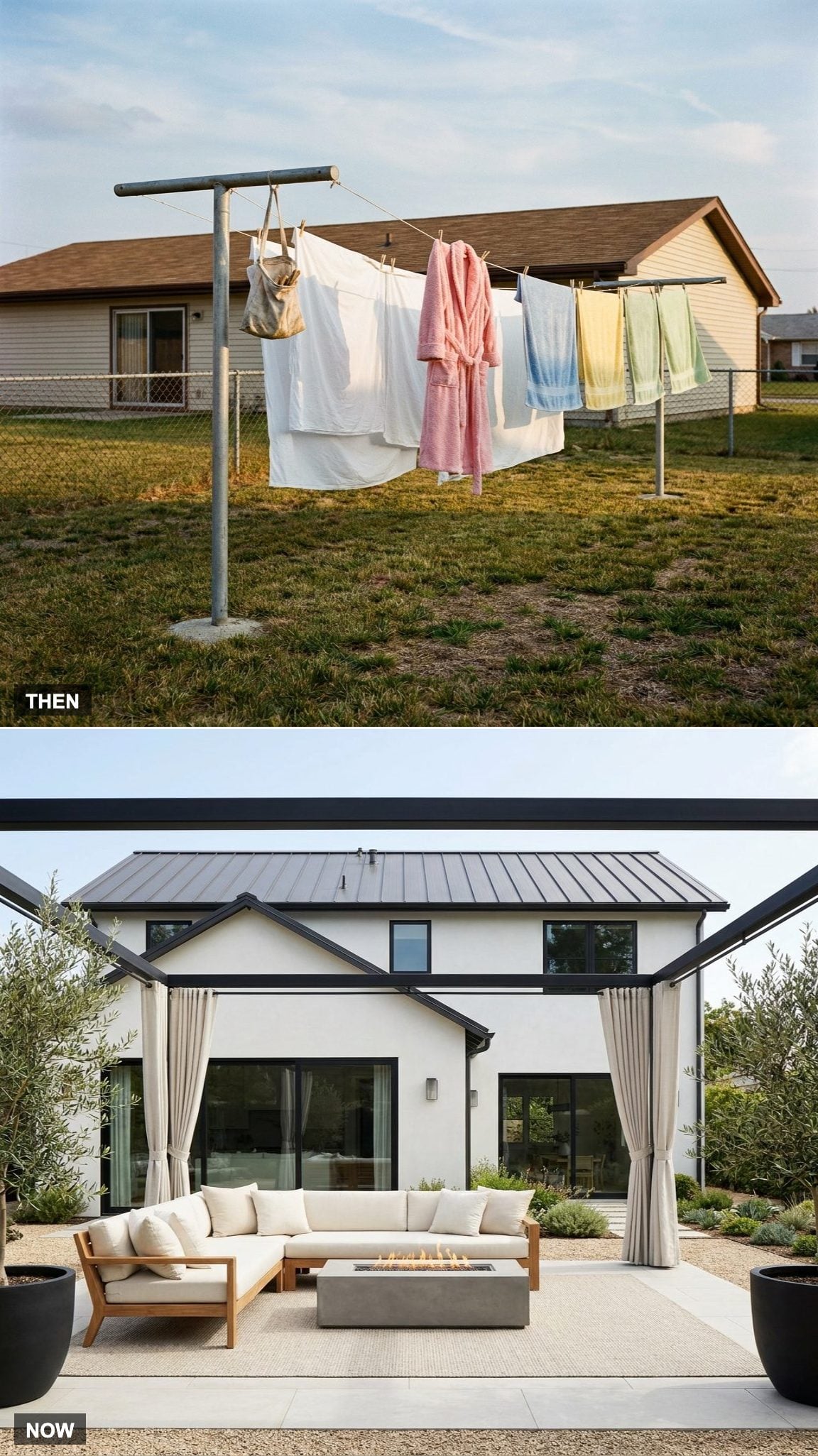
The 1975 backyard had practical work to do. It dried sheets, held folding chairs, gave the kids somewhere to disappear after dinner, and kept the trash cans away from the kitchen door. Nobody staged it or photographed it. The yard was not another room. It was the useful space behind the house.
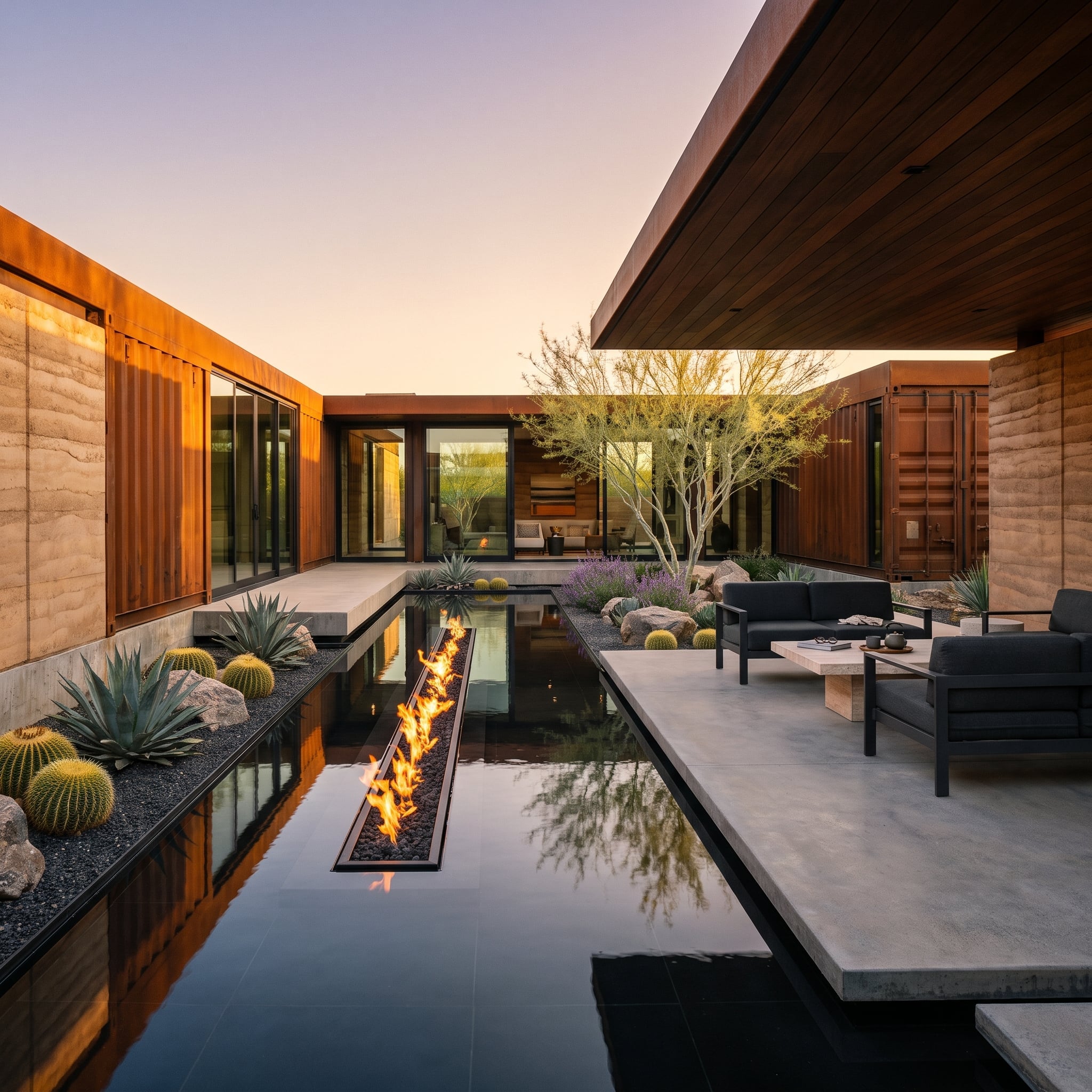
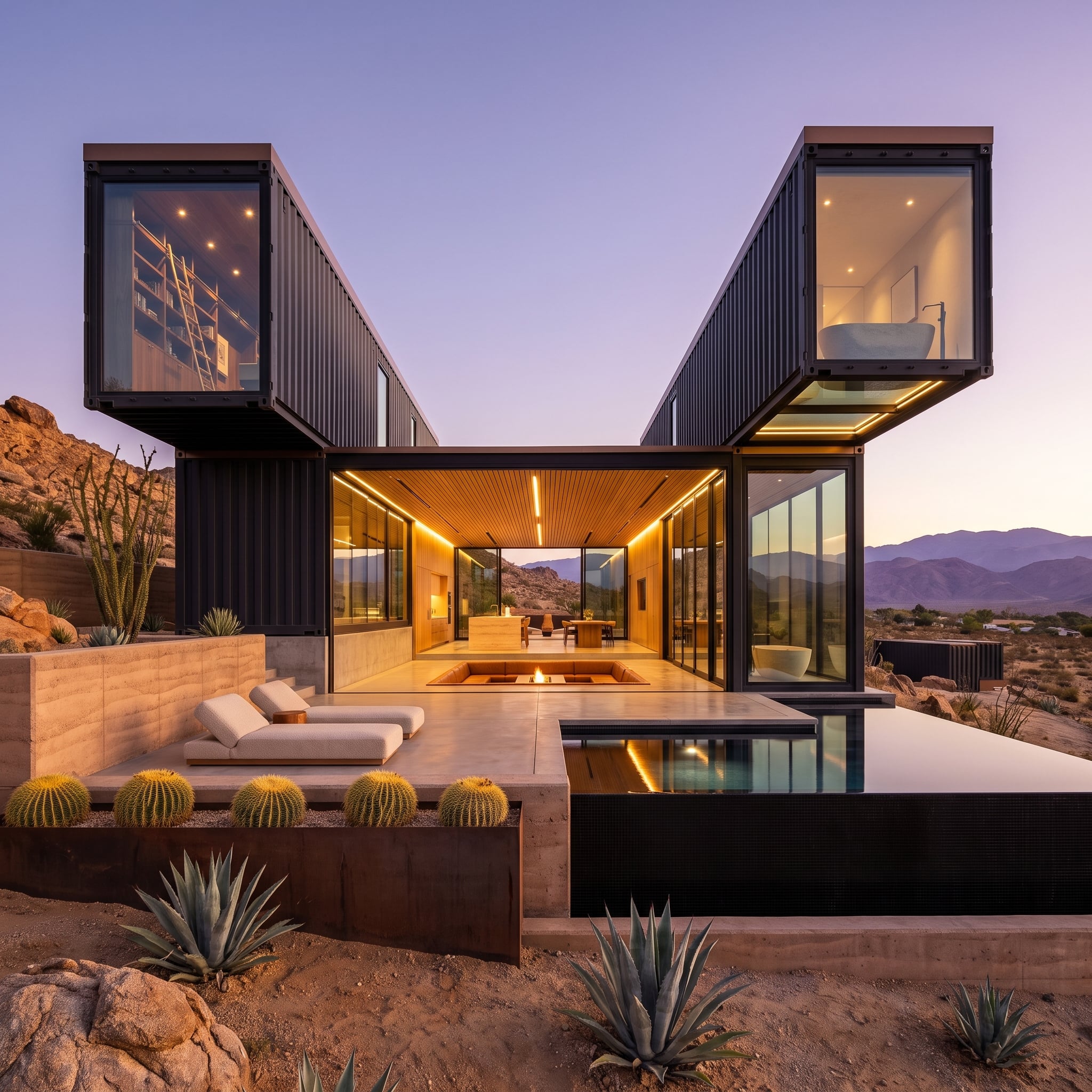
Now the backyard may contain a sectional, rug, fire feature, pergola, and enough coordinated furniture to make the living room jealous. Some of these setups look like hotel lobbies that lost their way. The good ones, though, genuinely extend the house without erasing the fact that they are still outdoors.
2. The Metal Swing Set Leveled Up to a Municipal Playground
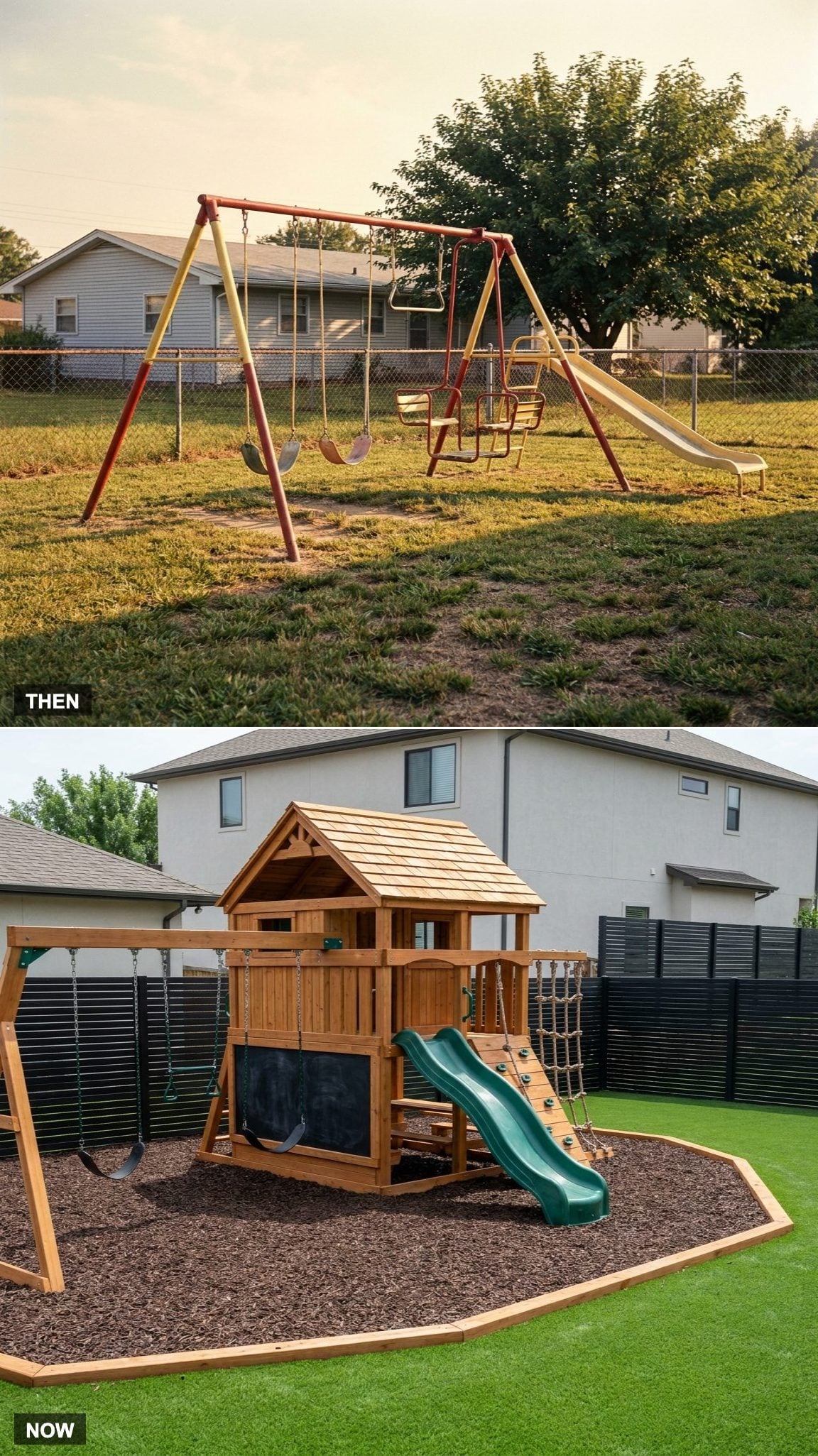
Every other backyard in 1975 seemed to have the same swing set: Sears, Montgomery Ward, or the mystery brand from the hardware store down the road. The legs lifted out of the ground when the swings went high enough, which everyone knew and nobody fixed. That was part of the arrangement.
Today’s version resembles a compact commercial playground, complete with a clubhouse, climbing wall, multiple slides, and a properly surfaced landing area. The children may still prefer a cardboard box and a hill. The adults sleep better knowing the bolts were installed by someone with insurance.
3. The Vegetable Garden Got Replaced by Something You Cannot Eat
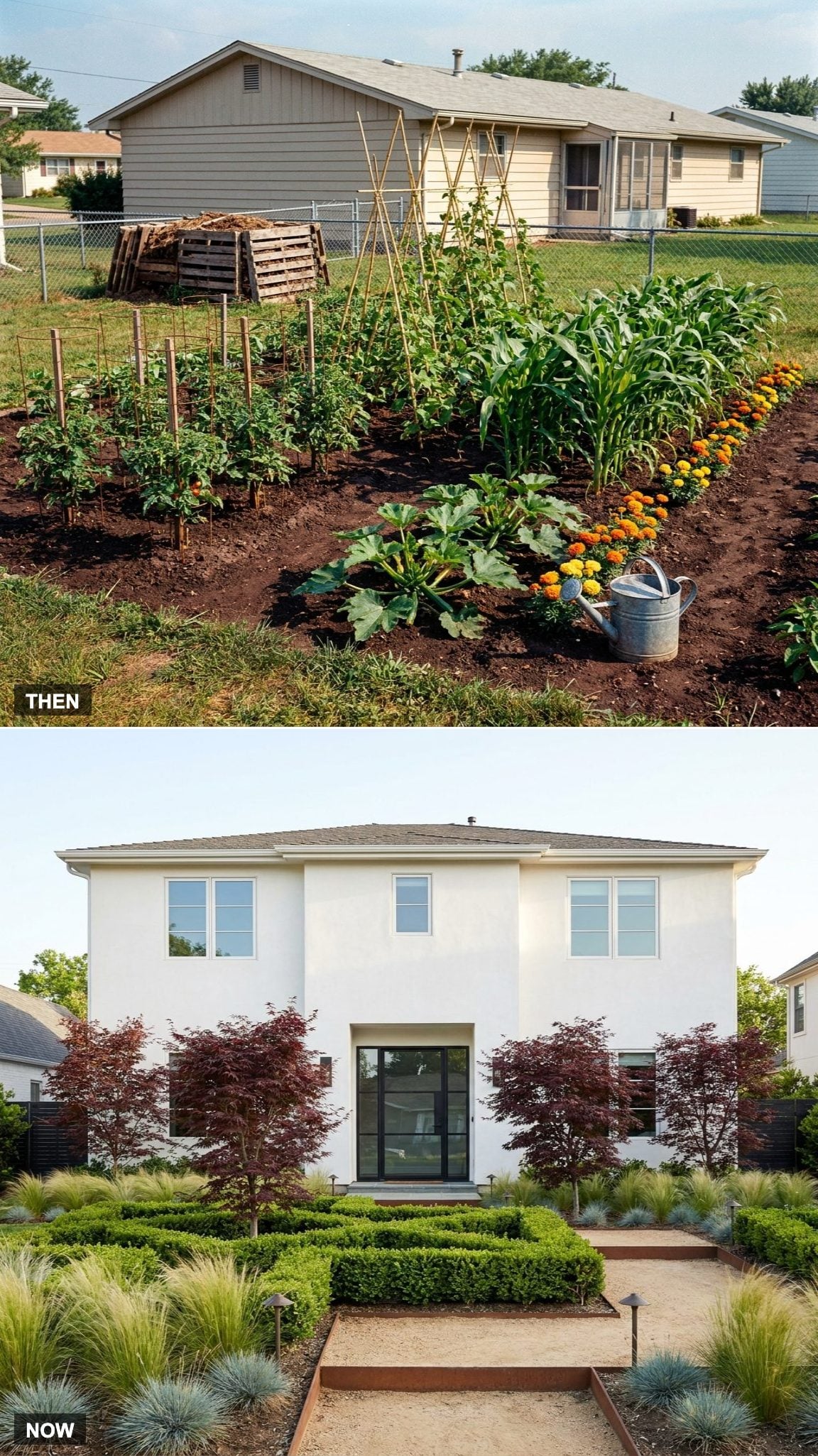
The 1975 backyard often fed the family. Tomatoes crowded the windowsill in August, beans were blanched and frozen by September, and corn filled the freezer by October. It was a small food system with a hose attached, and half the neighborhood seemed to run on similar mathematics.
That same rectangle may now hold ornamental grasses, sculptural evergreens, and a Japanese maple illuminated from below. It looks excellent after dark and produces no calories whatsoever. That feels worth remembering when cherry tomatoes reach six dollars a pint.
4. The Concrete Slab Became a Full Outdoor Room
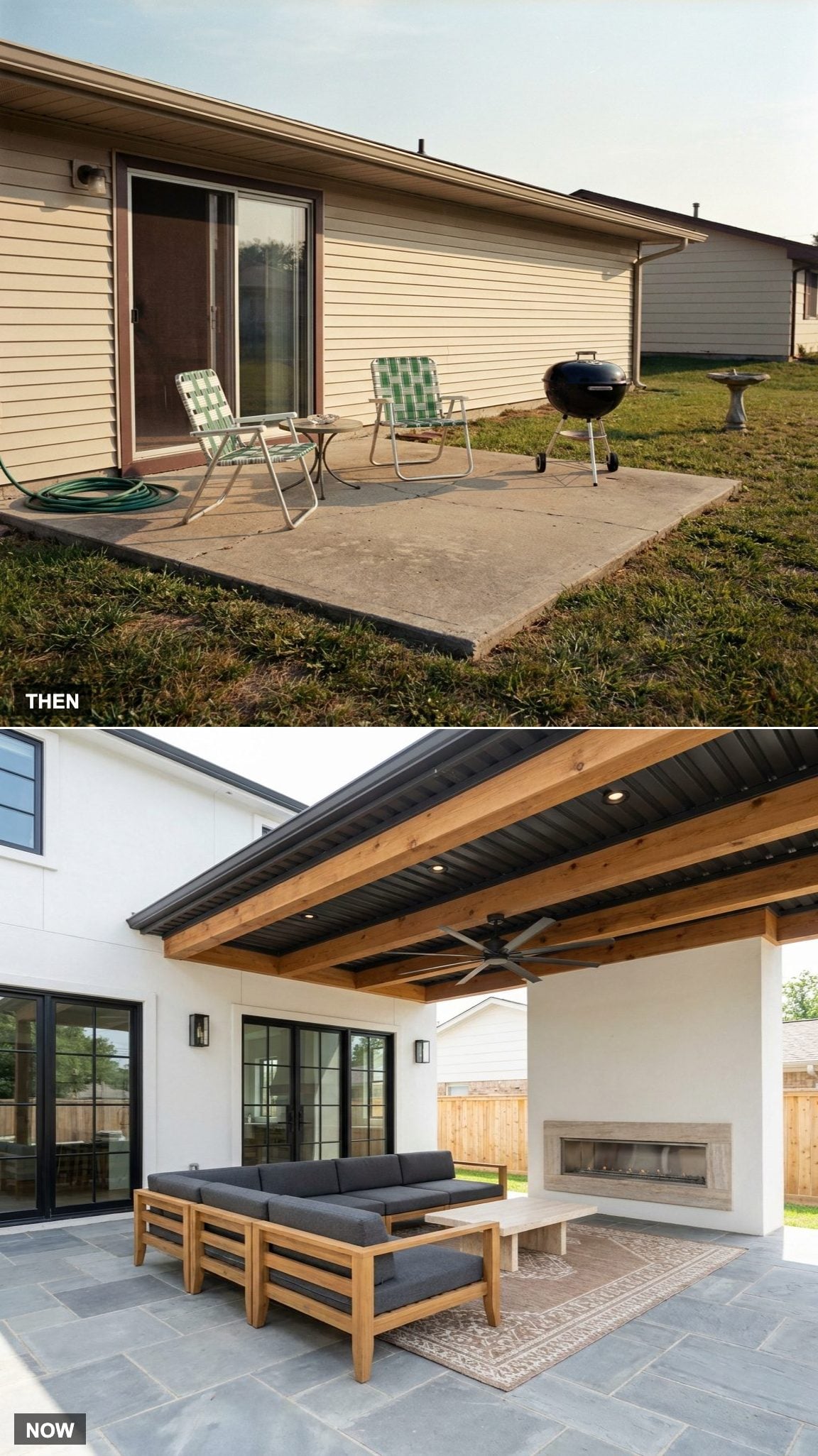
Broom-finished concrete, one Weber grill, and two folding chairs. That was the patio.
By midafternoon it became hot enough to punish bare feet, and nobody complained because the alternative was sitting indoors without air conditioning. Children crossed it in quick hops as though the family had installed ceremonial coals beside the back door.
The modern version may have a roof, ceiling fan, recessed lighting, fireplace, and enough seating for a small book club to develop strong opinions about someone else’s novel. It can cost more than some modest houses did in 1975, and that is barely an exaggeration.
What Our Readers Say
- When Home Stratosphere readers loved an outdoor photo and tapped a reason, overall style came first at 33%, with low care and planting tied at 14% each.
- When our readers disliked an outdoor space, the top reason was “not my style” at 38%, followed by planting at 17% and materials at 15%.
From Home Stratosphere reader polls and votes.
5. The Chain-Link Fence Traded Places With a Privacy Wall
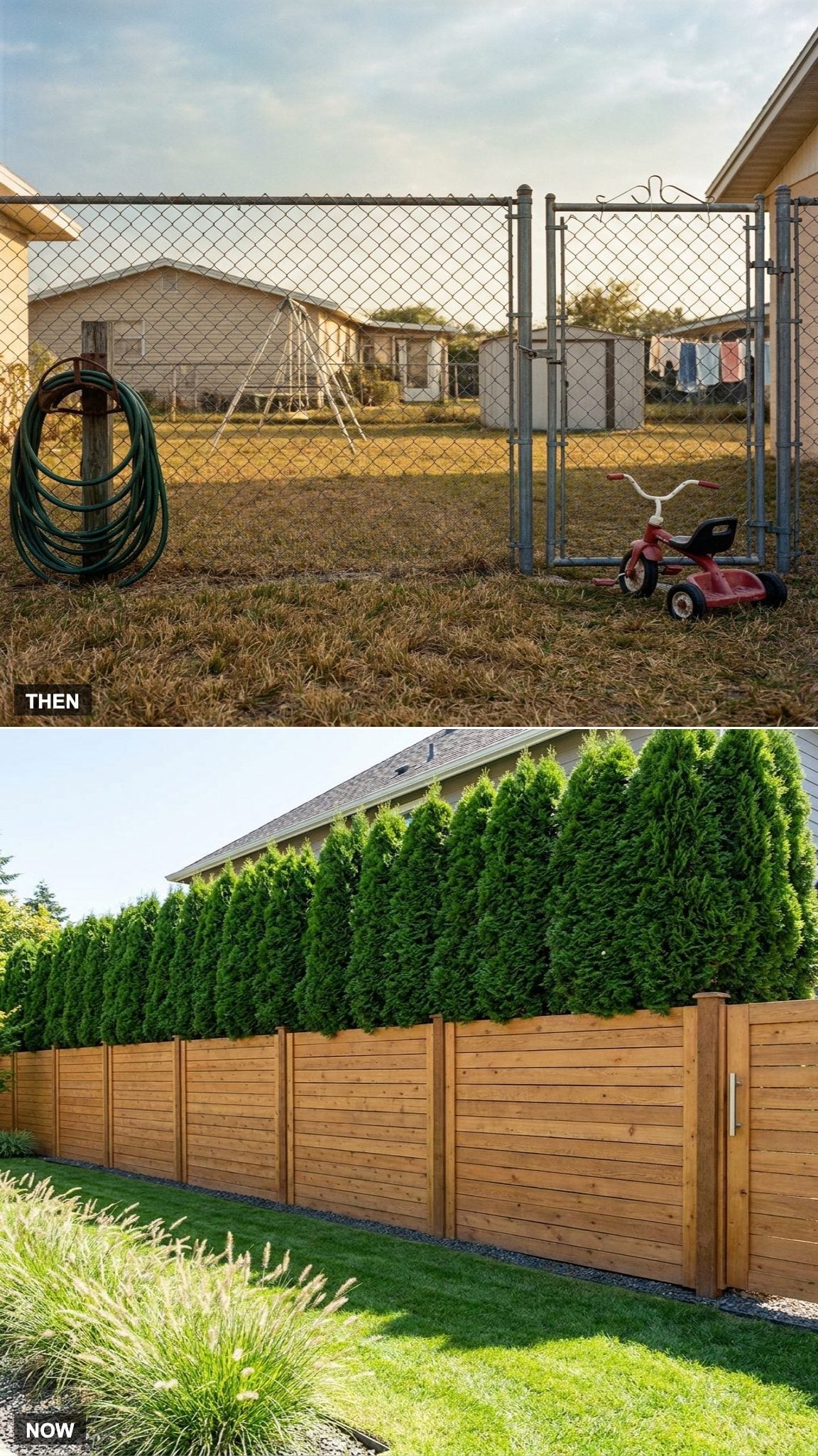
The chain-link fence was more suggestion than barrier. You could see directly into the Petersons’ yard, hear their kitchen phone ringing, and borrow a rake without making a formal appointment. Nobody considered this unusual because neighbors were people you could actually see.
Today the property line may be a six-foot cedar wall backed by arborvitae. The yard feels quieter, more private, and considerably less connected to the one beside it. Privacy won. Whether community had to lose remains less clear.
6. The Picnic Table Grew Up Into a Dining Set
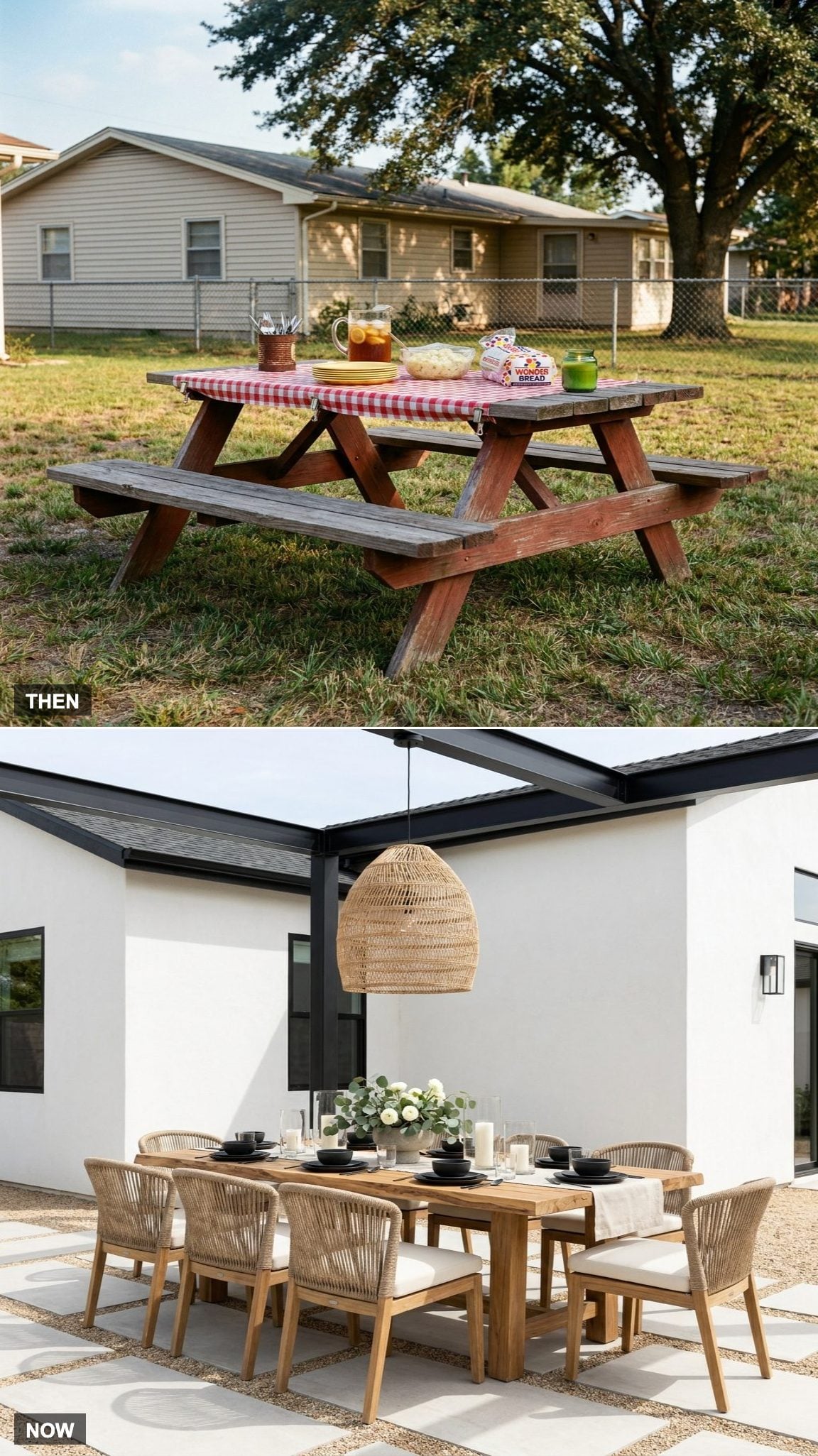
Redwood picnic table, splinters included. A vinyl tablecloth clipped against the wind, potato salad sweating beneath plastic wrap, and nobody photographing any of it because it was simply Tuesday.
Now dinner may happen at a teak dining table beneath a woven pendant light, surrounded by rope-back dining chairs and a runner that probably has care instructions. It is beautiful and undeniably more comfortable. It also makes spilled mustard feel like an event.
7. The Rotary Clothesline Retired and Laundry Moved Indoors
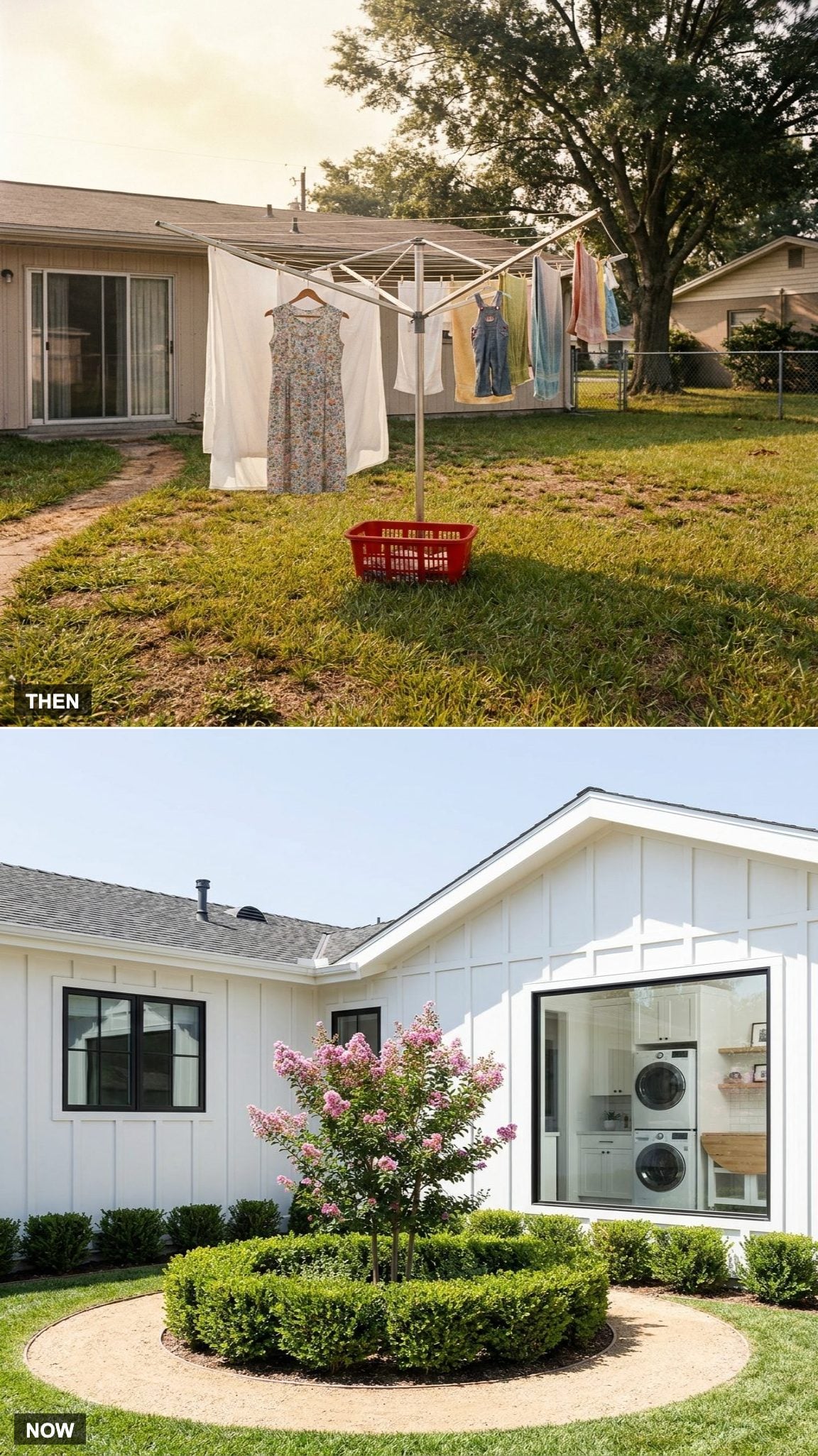
The rotary clothesline stood in the middle of the yard like civic infrastructure, squeaking whenever it turned. Sheets came back smelling of sun, grass, and whatever tree happened to be releasing pollen that week. No detergent company has quite reproduced it.
Then dryers won, laundry moved indoors, and the yard regained its center. Convenience improved. Something sensory disappeared. Opening the windows on the first warm day of spring remains the closest substitute, and it does not work the same way.
8. The Charcoal Grill Multiplied Into a Full Second Kitchen
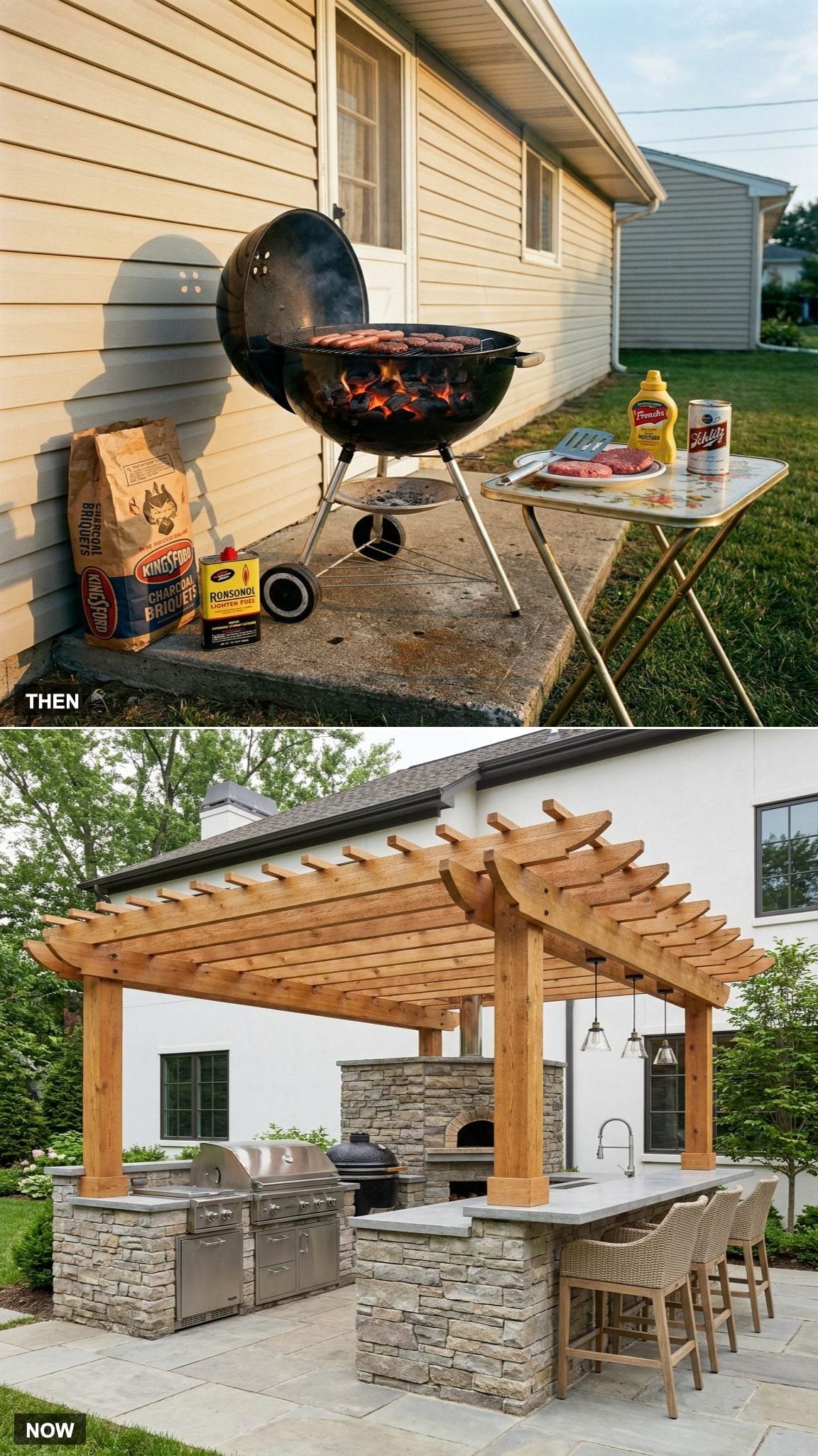
One Weber kettle, one bag of charcoal, and one enthusiastic squeeze of lighter fluid that could remove an eyebrow if anyone leaned too close. Dad cooked. Everyone waited. Burgers were finished when they were finished.
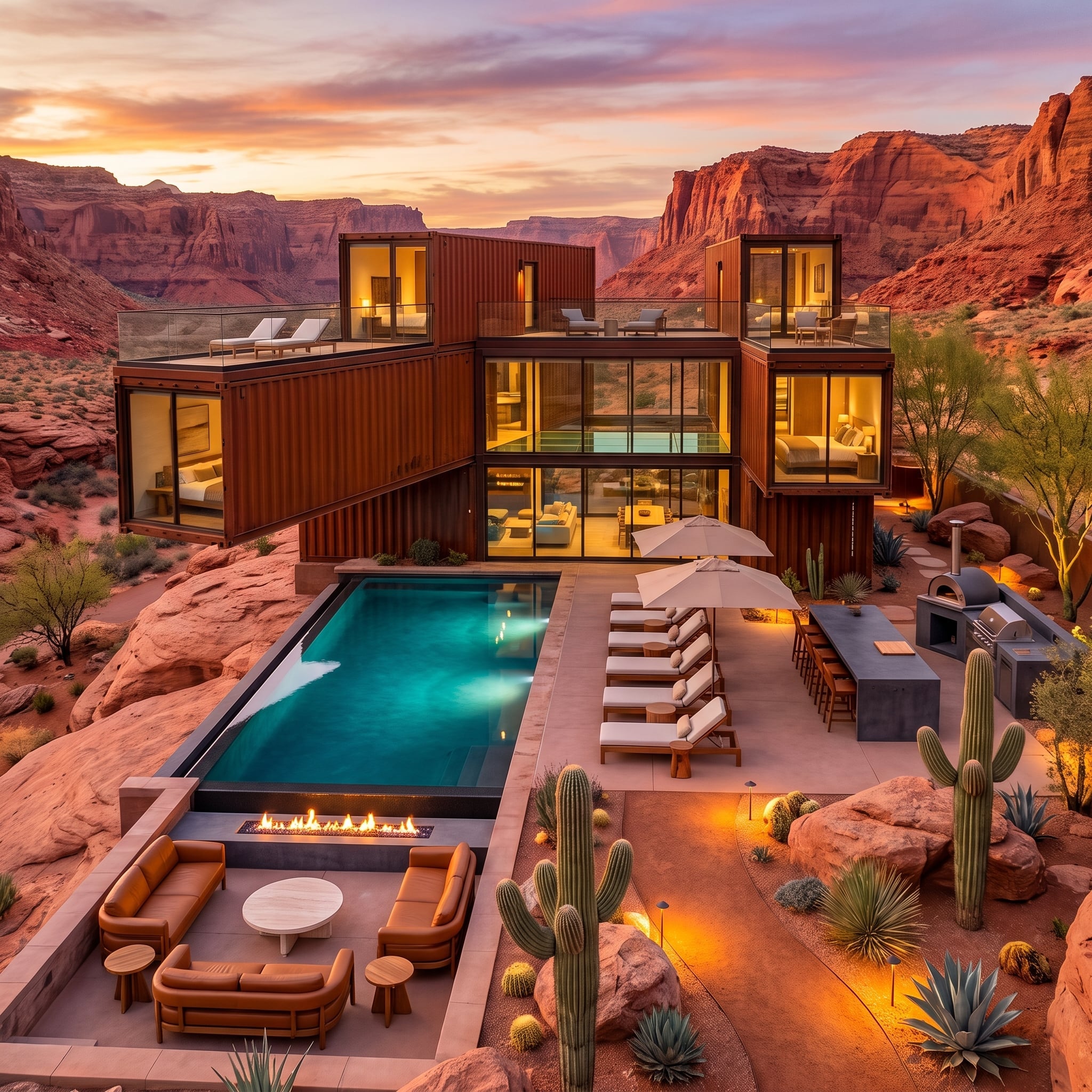
The modern version may include a built-in gas grill, kamado smoker, pizza oven, refrigerator drawers, sink, storage, and counter seating. The entire setup is impressive enough to make the indoor kitchen feel underfunded. Whether it gets used more often than the old kettle is a separate question.
9. A Coffee Can of Nails Built the Original Treehouse
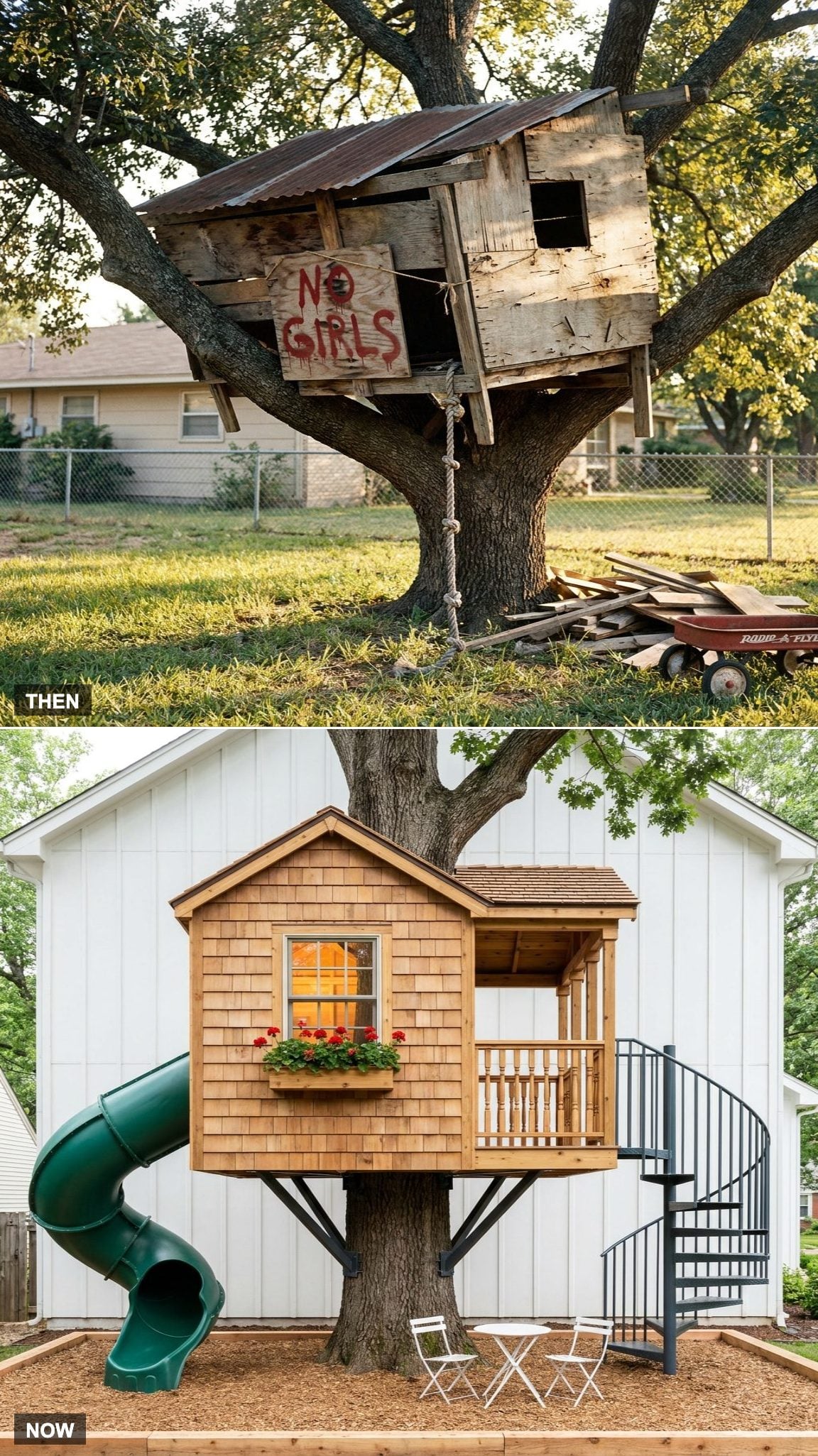
The 1975 treehouse was built by an eleven-year-old with a claw hammer, a coffee can of bent nails, and whatever plywood happened to be leaning against the garage. It leaned, creaked, and had floor gaps wide enough to lose a G.I. Joe through. It was also the greatest structure ever built.
The modern version may have real windows, a spiral staircase, cedar siding, and a flower box full of geraniums. It is safer and better made. A child did not build it, though, and will never stand back from it with the same astonishment.
A treehouse a child builds badly may matter more than one an adult builds perfectly.
10. The Above-Ground Pool Turned Into a Small Resort
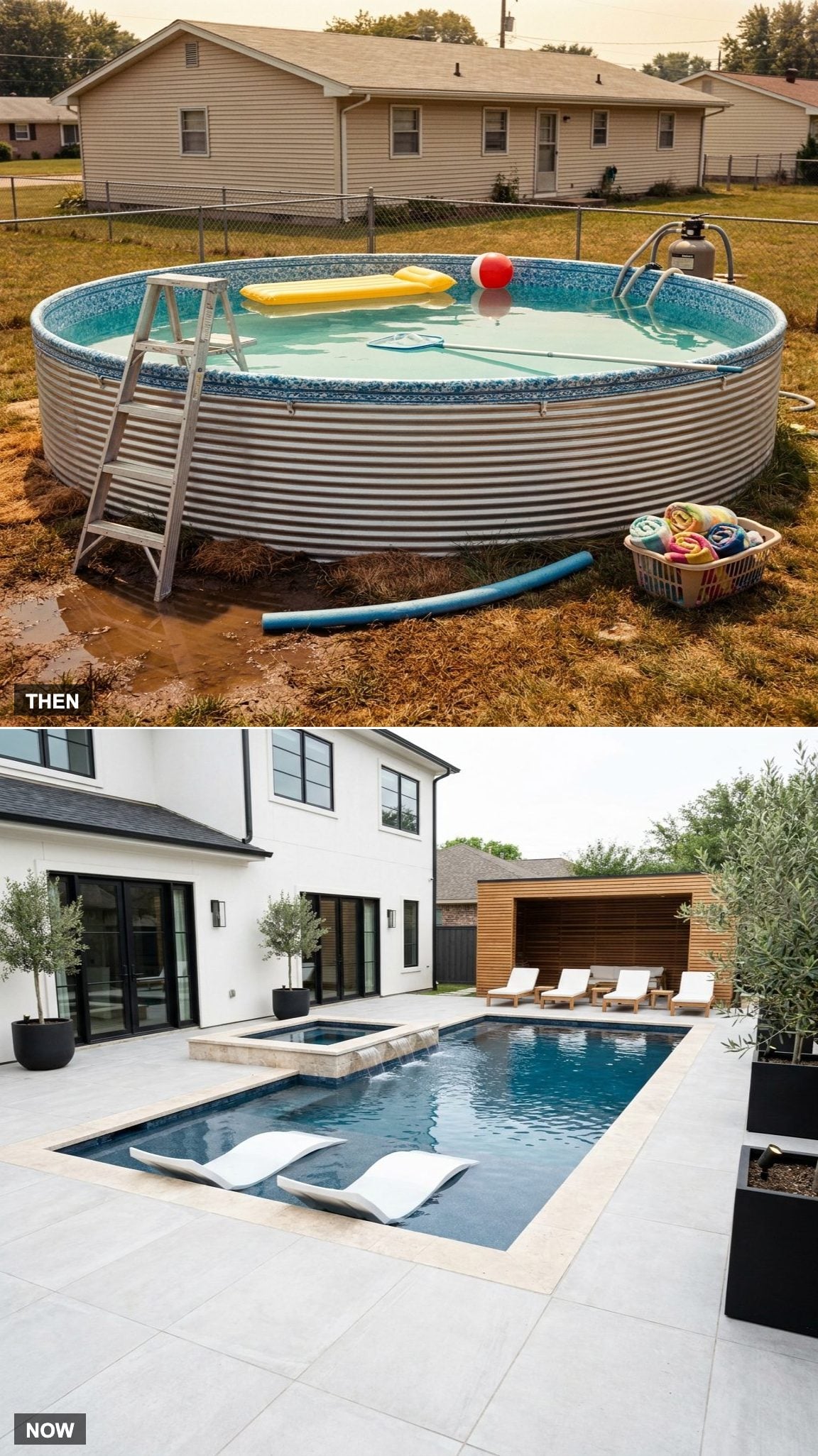
If you were nine in 1975 and someone installed an above-ground pool, the backyard became the center of the known world. Corrugated metal walls, printed vinyl liner, water that turned green by August regardless of what your father did with the chlorine tablets—you lived in it.
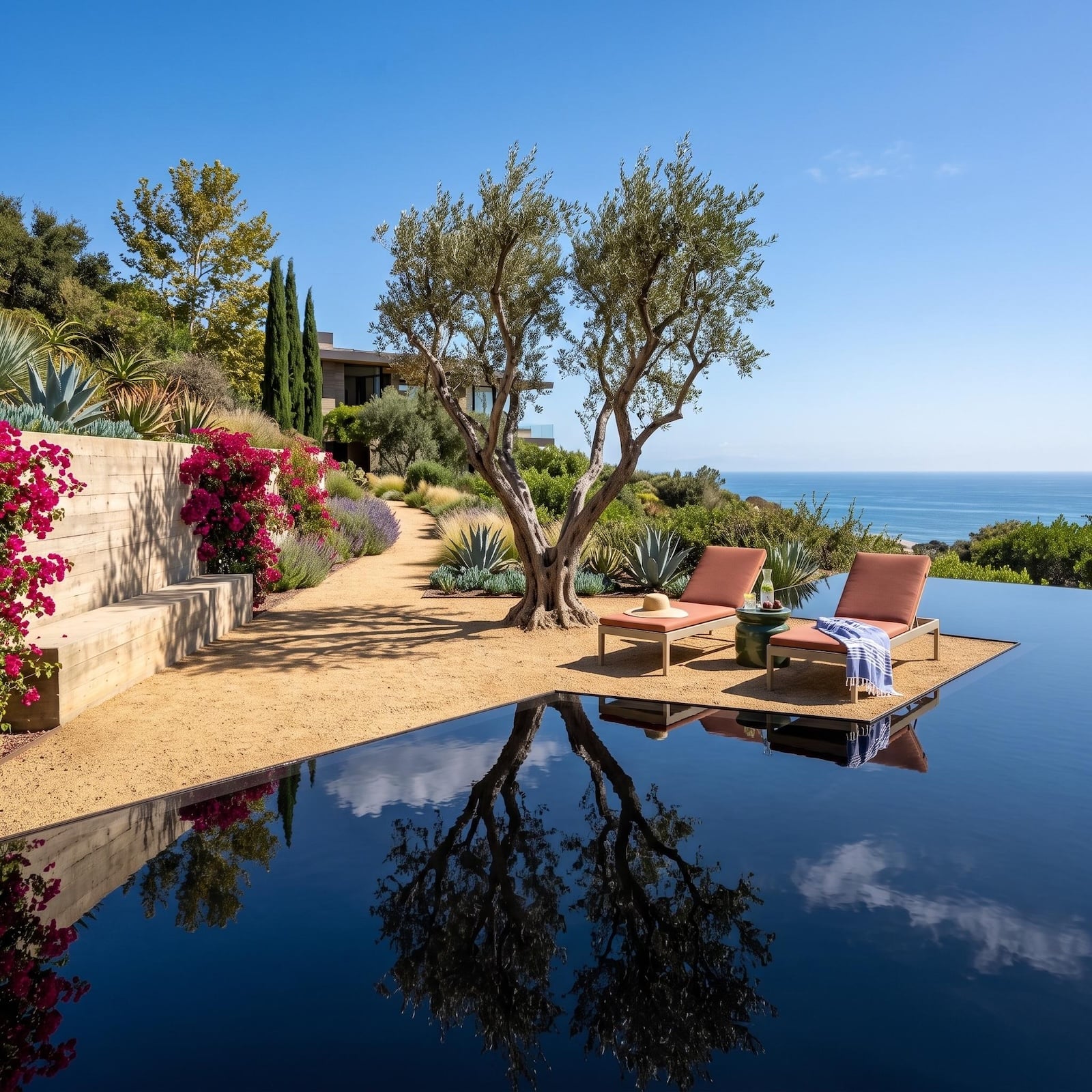
The modern version may be a gunite rectangle with a tanning ledge, an infinity edge, and a spa spilling into it through sheer-descent waterfalls. It costs a fortune. The children swim in it about as enthusiastically as they swam in the metal one.
Today, about half of our readers picked a freeform pool in our polls, well ahead of the 22% who chose a classic rectangle.
11. The Garden Hose Gave Way to Smart Irrigation
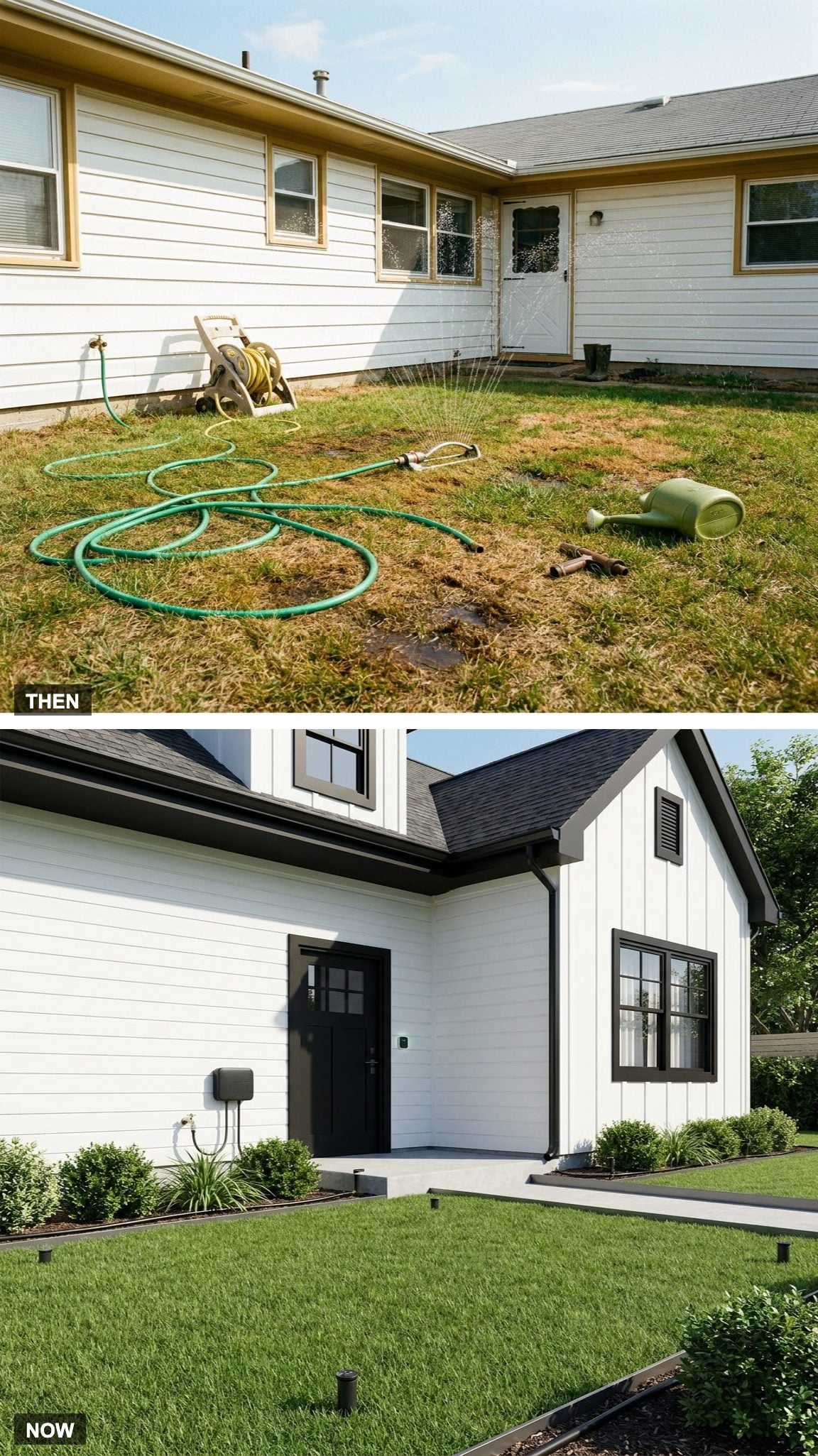
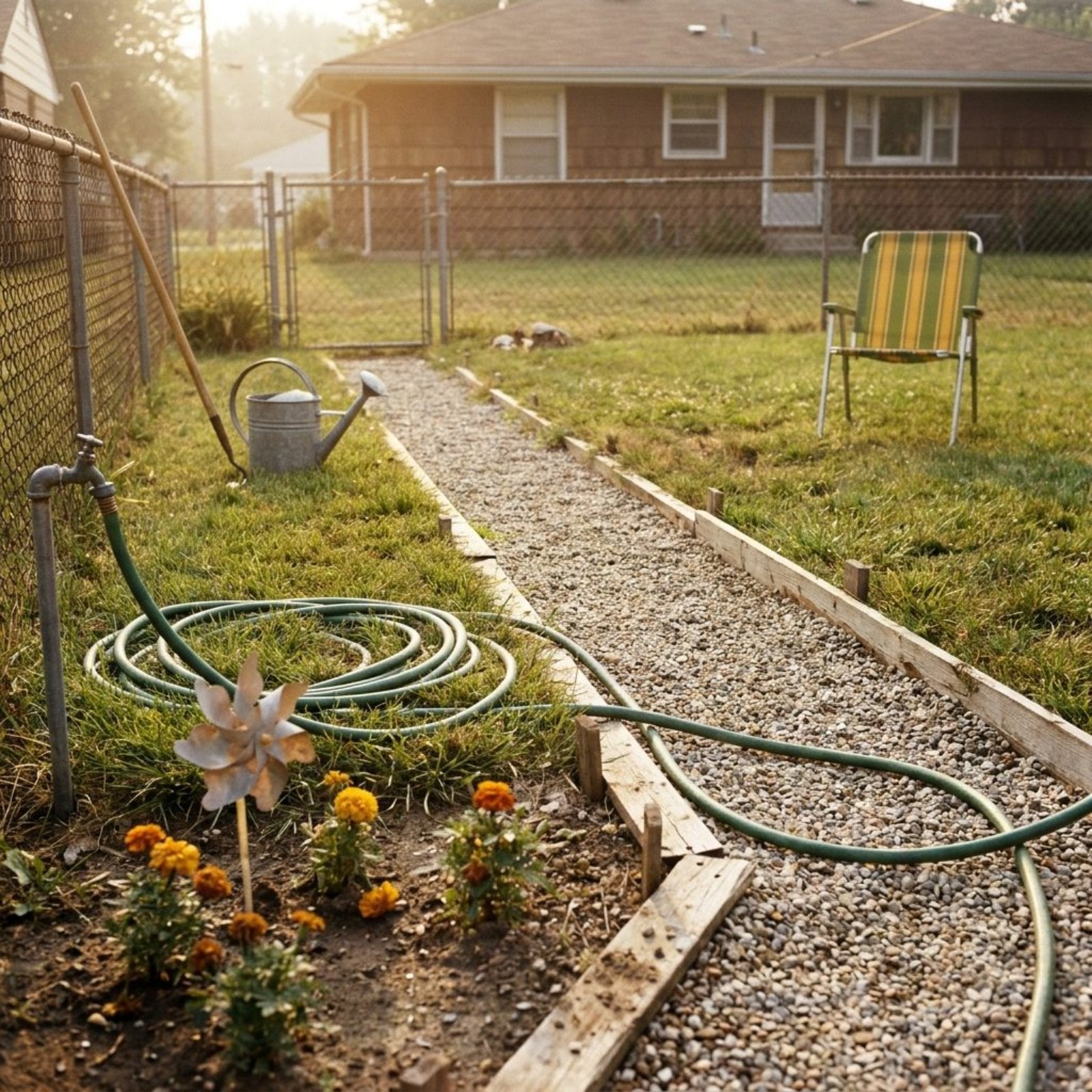
The 1975 garden hose was a full-body workout. You dragged it, kinked it, tripped over it, and still ended up with wet patches and dry patches in equal measure. The oscillating sprinkler represented the height of backyard technology and watered the driveway almost as thoroughly as the lawn.
Now a smart irrigation controller can respond to weather conditions, skip unnecessary watering, and send water directly to roots through drip lines. The lawn can be monitored from an airport while the hose remains coiled against the house, developing no opinions of its own.
12. Seasonal Flower Beds Became Lower-Maintenance Planting
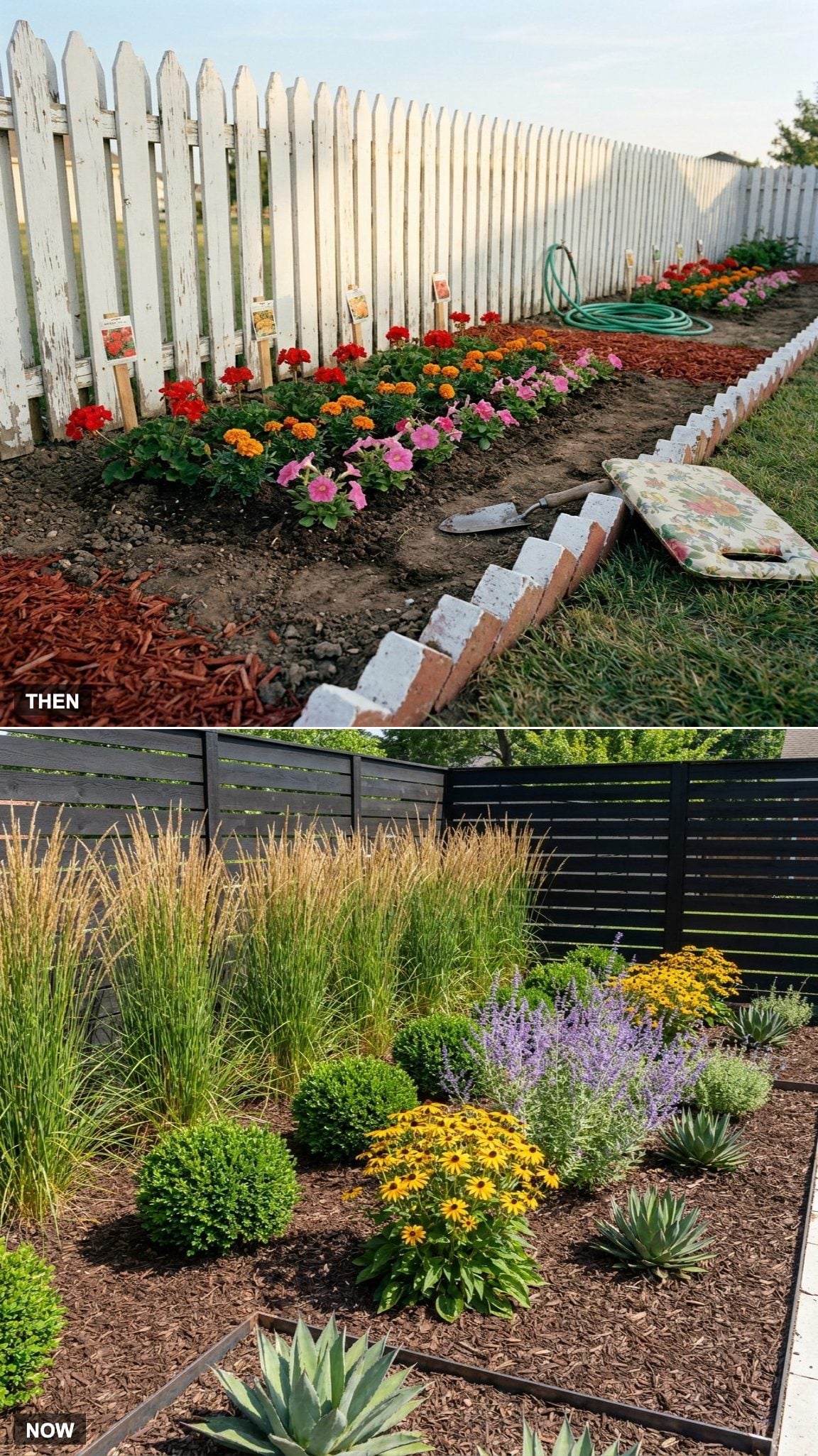
Every spring in 1975, someone surrendered a Saturday to flats of marigolds, petunias, and impatiens. By July they were leggy, by August they had begun negotiating their exit, and the following spring the entire process started again.
The modern bed relies more heavily on structure: shrubs that keep their shape, ornamental grasses that move in the wind, and perennials that return without requiring another trip to the garden center. The result may be less colorful in May and considerably calmer by September.
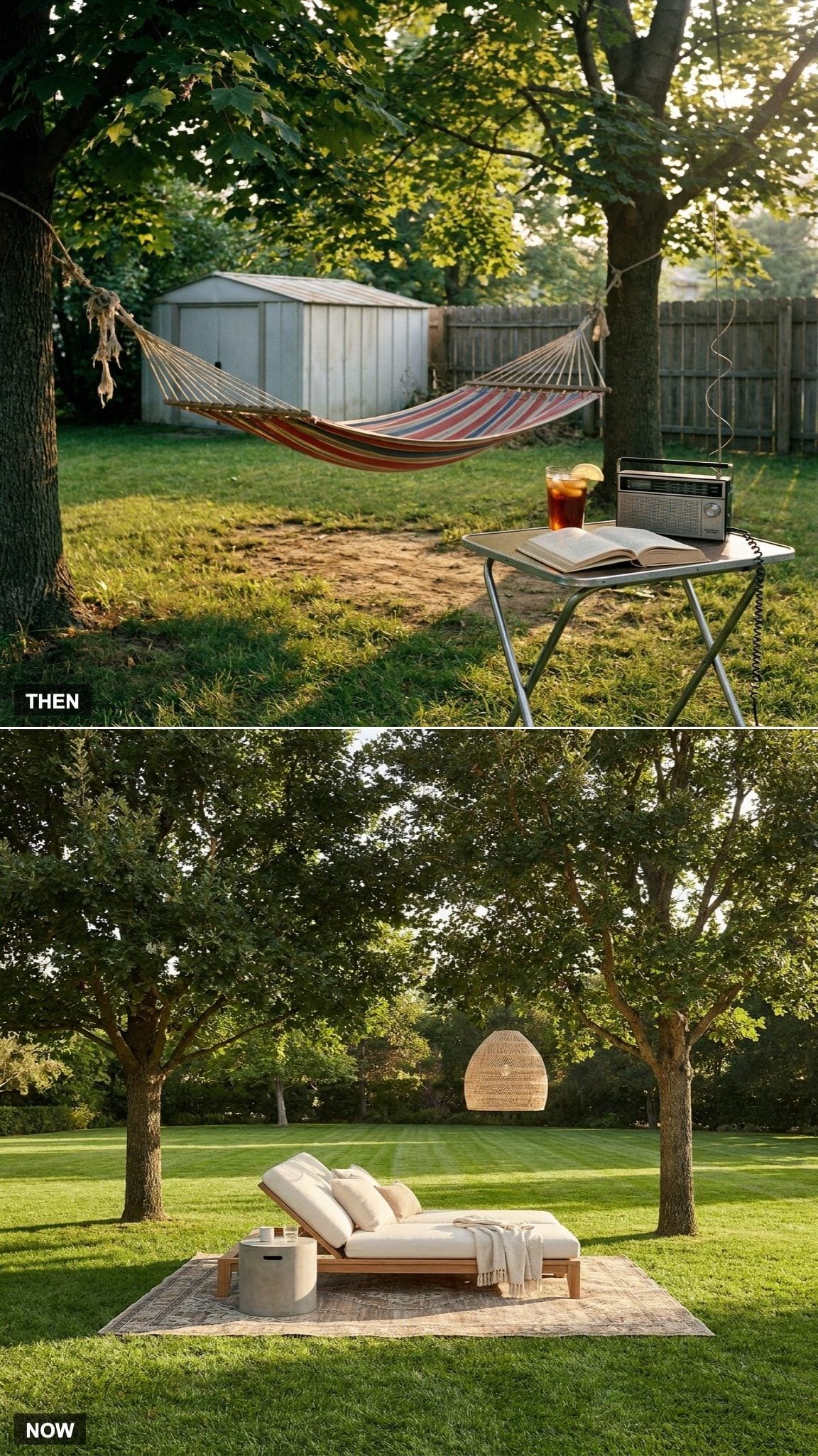
13. Two Trees and a Hammock Upgraded to a Designer Lounge
🔥 Would you like to save this?
The hammock was a commitment device. Once you were in, you were staying for the afternoon, partly because getting out required either athleticism or acceptance.
A modern lounge zone offers less drama: a low teak outdoor daybed, performance-fabric cushions, and a woven outdoor pendant can turn the space beneath two trees into an all-day room without walls.
14. The Firewood Pile Became a Built-In Fire Pit
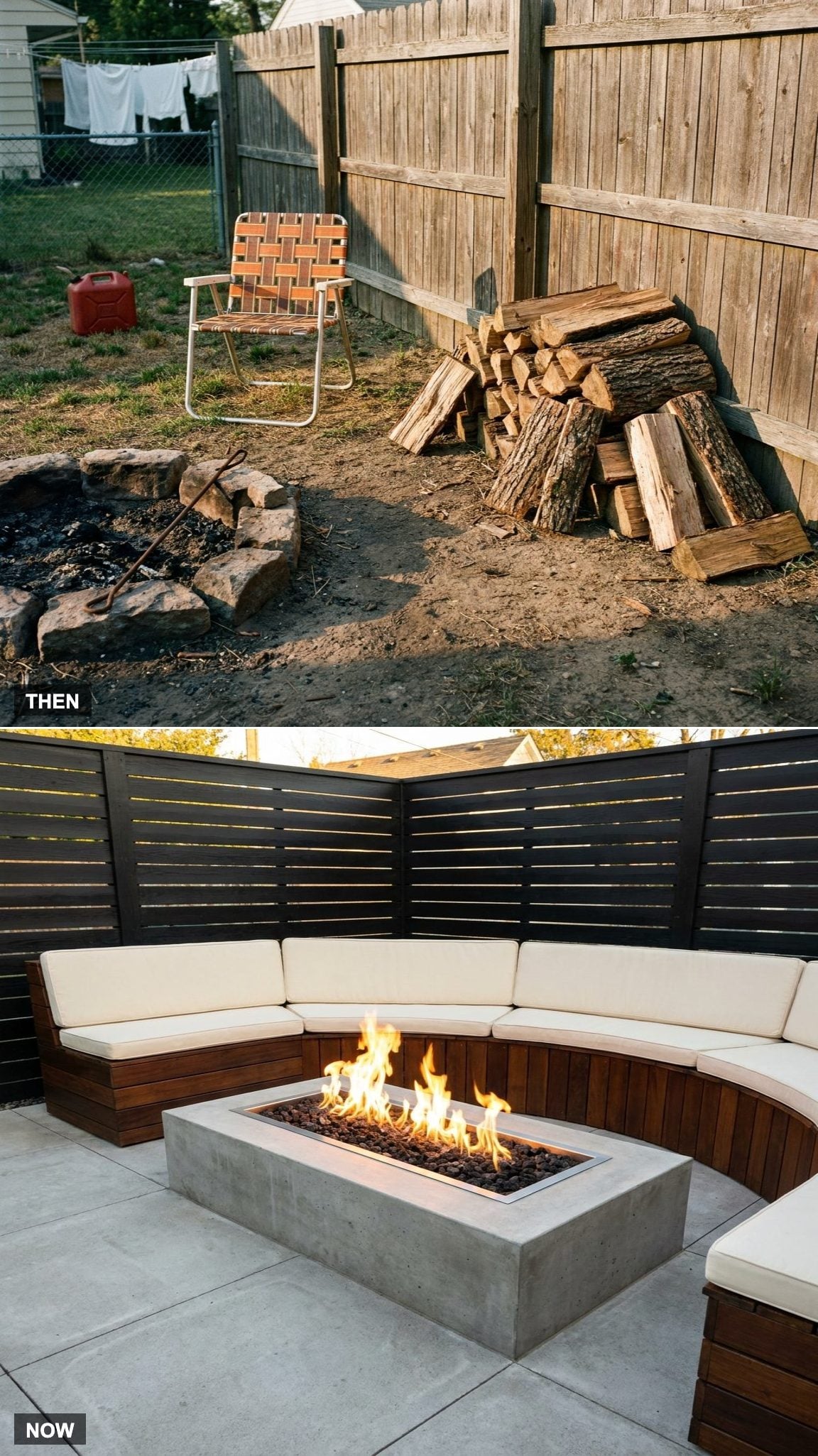
Bonfire night in 1975 meant hauling wood, arranging stones, and hoping the neighbors did not call anyone. The pit lived wherever the grass had already surrendered.
Now the fire feature may be built into the hardscape: a rectangular concrete surround, integrated bench, and flames available at the turn of a key. It anchors the yard the way a fireplace anchors a living room, borrowing from luxury patio designs with sunken seating and tiered stone.
15. The Bird Feeder Expanded Into a Pollinator Garden
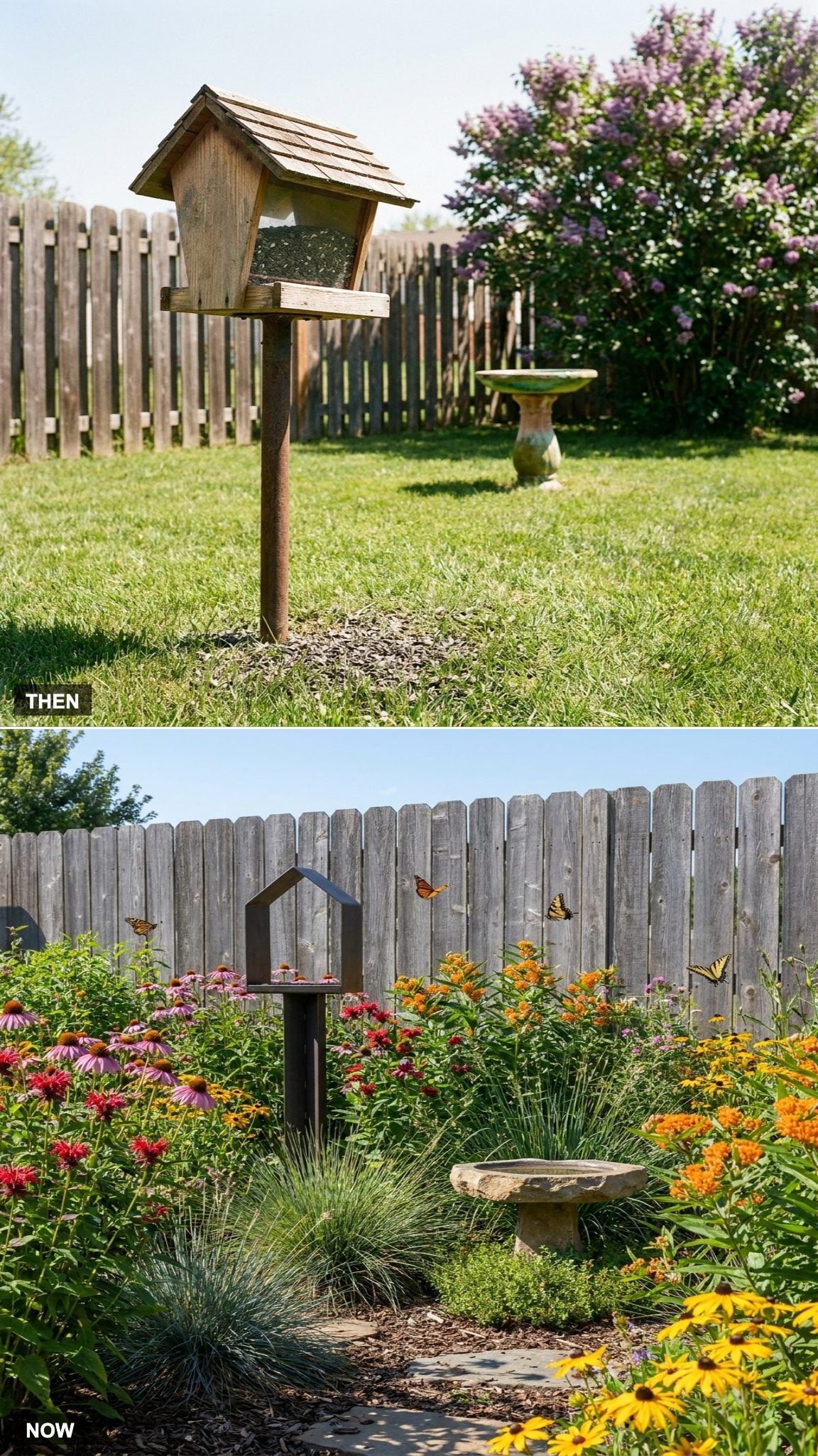
The 1975 bird feeder was a solo operation: one pole, sunflower seeds, and a birdbath ten feet away containing water nobody would willingly drink. The lawn around it remained simply lawn.
A pollinator garden works on a broader scale. Native coneflowers, milkweed, asters, and bee balm support butterflies, bees, and other insects across the growing season. The bed may look less controlled than a clipped foundation planting, but it is doing considerably more than decorating the fence line.
16. The Shed That Held a Mower Now Holds a Yoga Mat
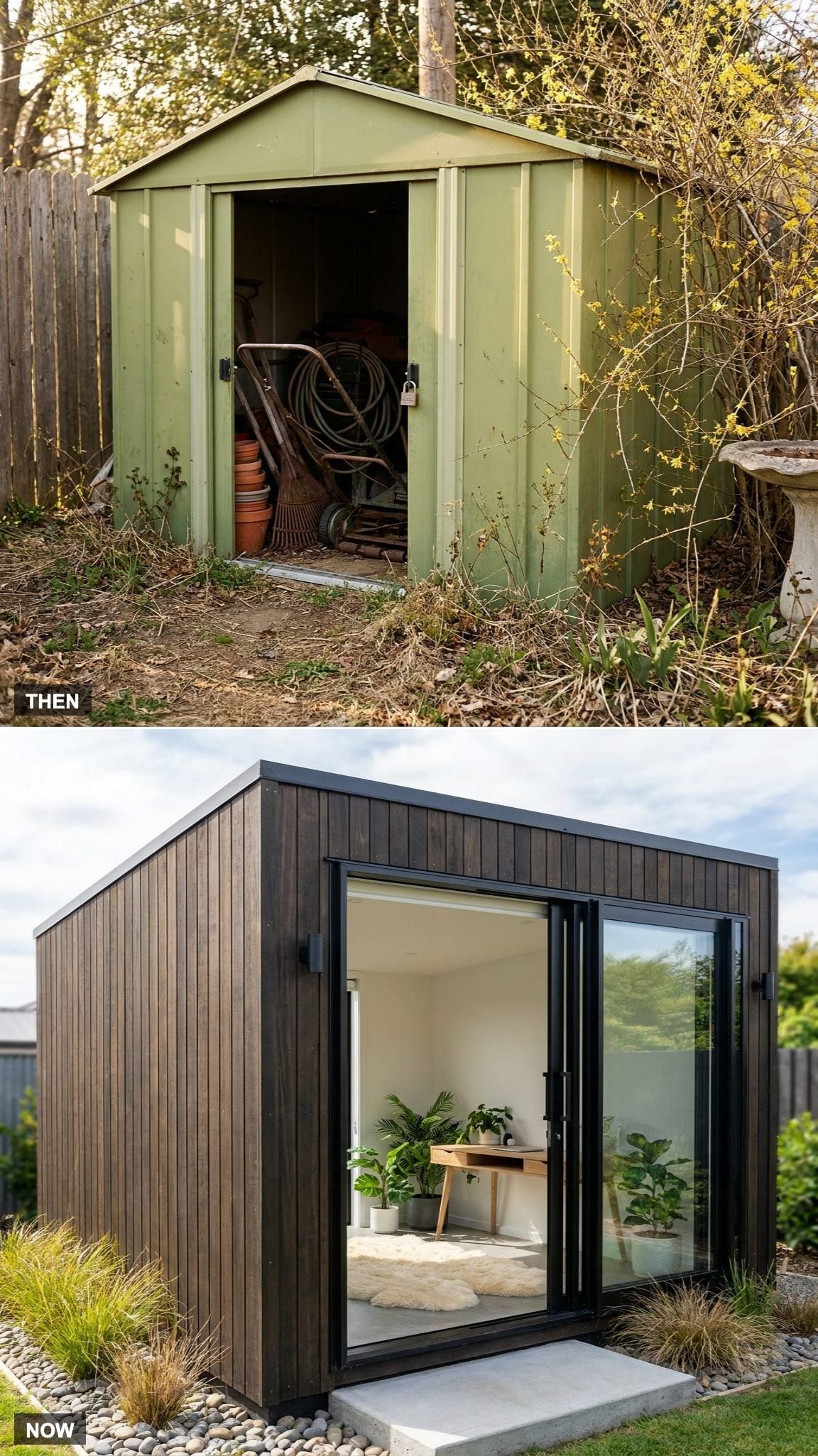
The old shed held the mower, several dull tools, and the memory of a wasp nest. You opened the door as briefly as possible and never stood directly beneath the rafters.
The backyard studio is a room people actively seek out: home office, yoga space, reading room, art studio, or occasional guest room with green walls and a pane of glass facing the garden. These structures became far more visible and desirable during the pandemic, and the appetite for them did not vanish when offices reopened.
17. The Yard Once Belonged to the Kids. Now Adults Design It First.
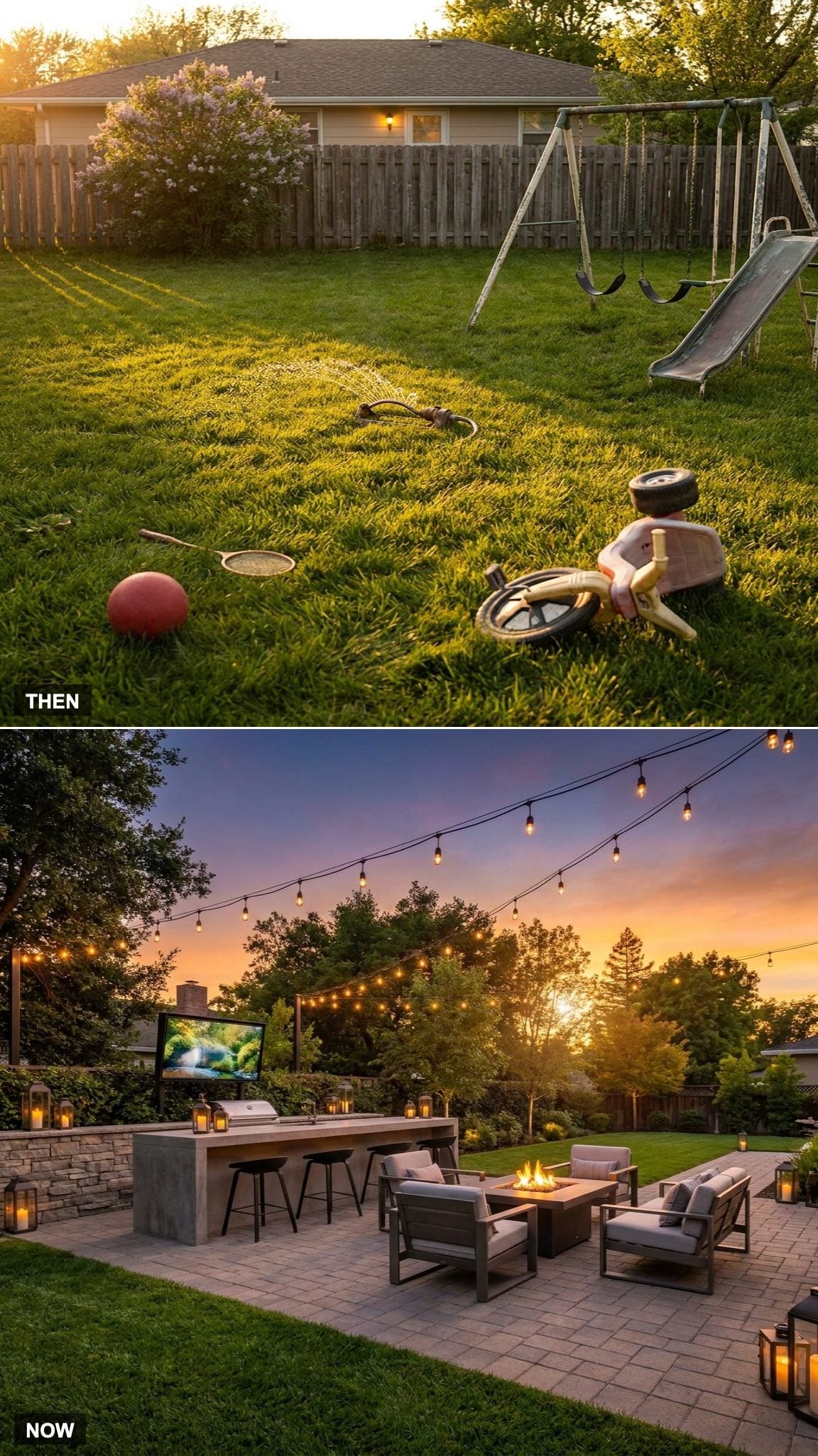
The 1975 yard belonged to the children. Swing set, sprinkler, Big Wheel abandoned in the grass, and everyone called home when the porch light came on.
The modern yard is more likely to begin with adult priorities: outdoor bar, mounted television, café lights, and a fire table kept at a low flame for atmosphere. Children still play there, but the layout often reveals who approved the construction budget.
18. Wire Lawn Chairs Became All-Weather Sectionals
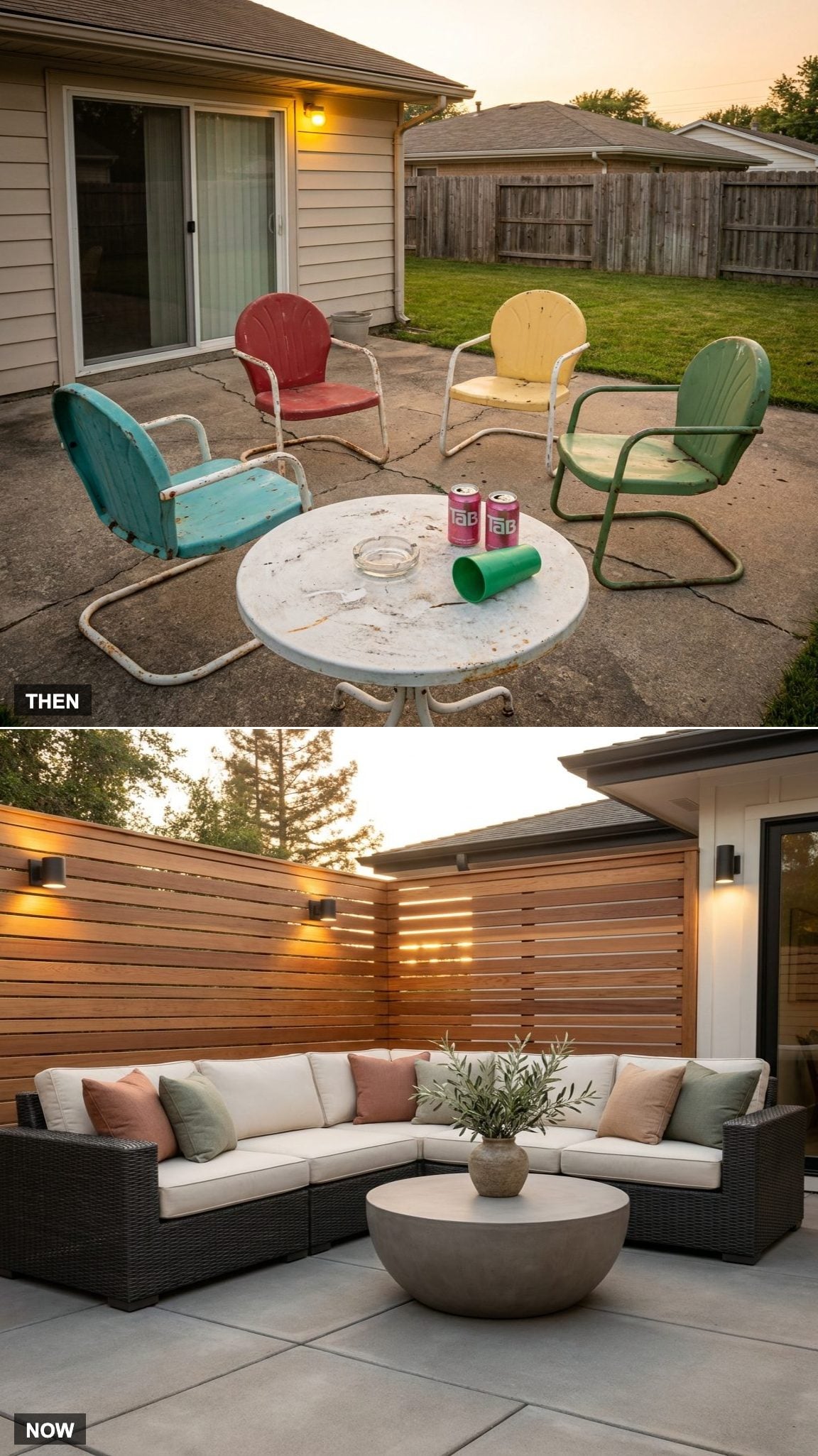
Those painted metal chairs were surprisingly comfortable for objects made of stamped steel. They also burned the backs of your legs in July and left rust marks on the concrete wherever they spent the winter.
A charcoal outdoor sectional with deep cushions changes how long people remain outside. Modern frames, quick-drying foam, and performance fabrics can survive weather that would have ruined indoor upholstery. The improvement here is not symbolic. Sitting down simply became more comfortable.
19. One Porch Light Couldn’t Compete With Layered Landscape Lighting
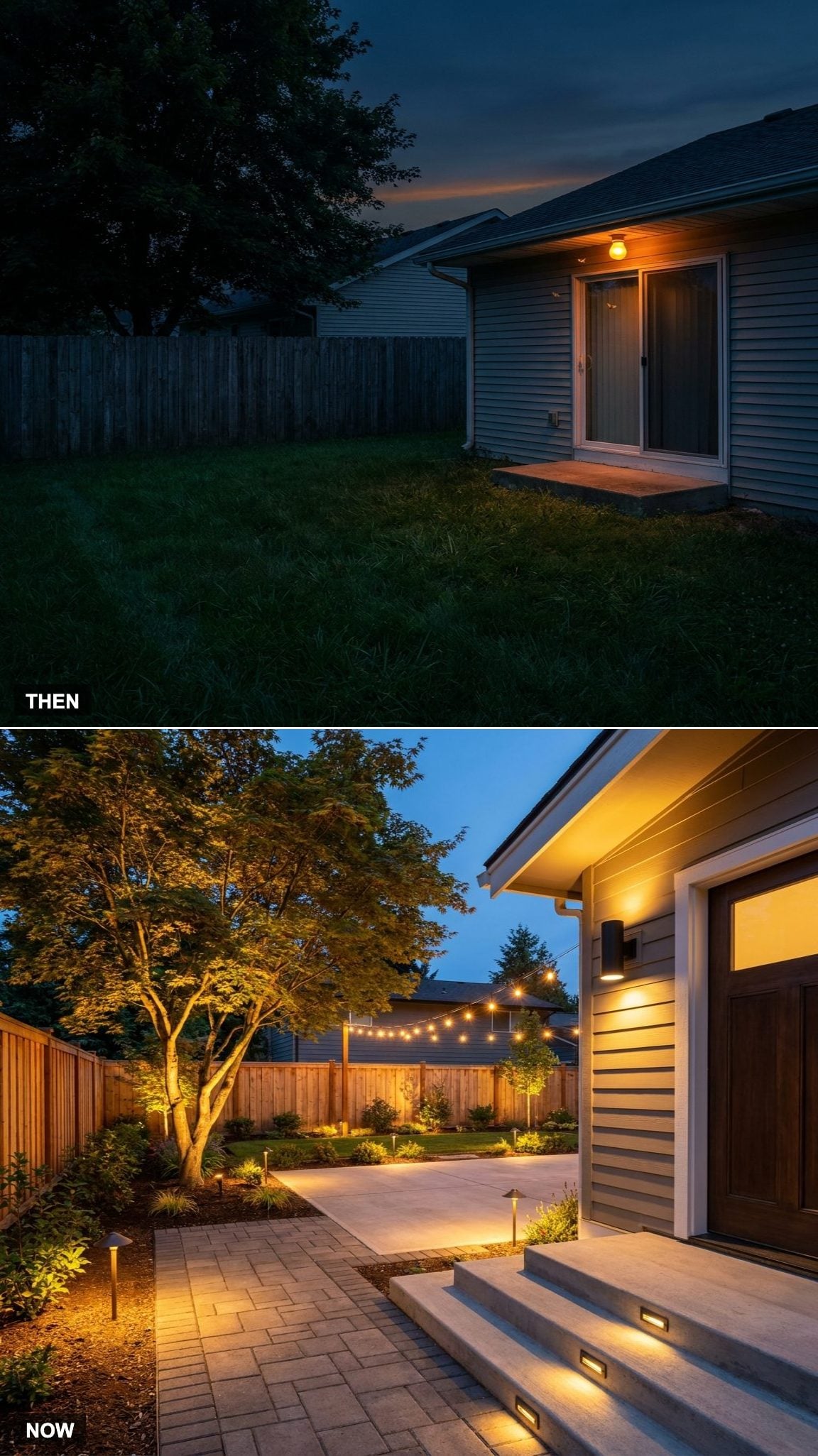
The single porch light in 1975 was more deterrent than design. It attracted moths, flattened every face beneath it, and left most of the yard in darkness.
Layered backyard lighting changed the nighttime view: uplights on trees, path lights along walkways, string lights over the patio, and low illumination on steps. Each zone gets its own source, so the yard reads as a sequence of spaces rather than a dark field behind one glaring bulb.
20. Gravel Paths Became Structured Paver Walkways
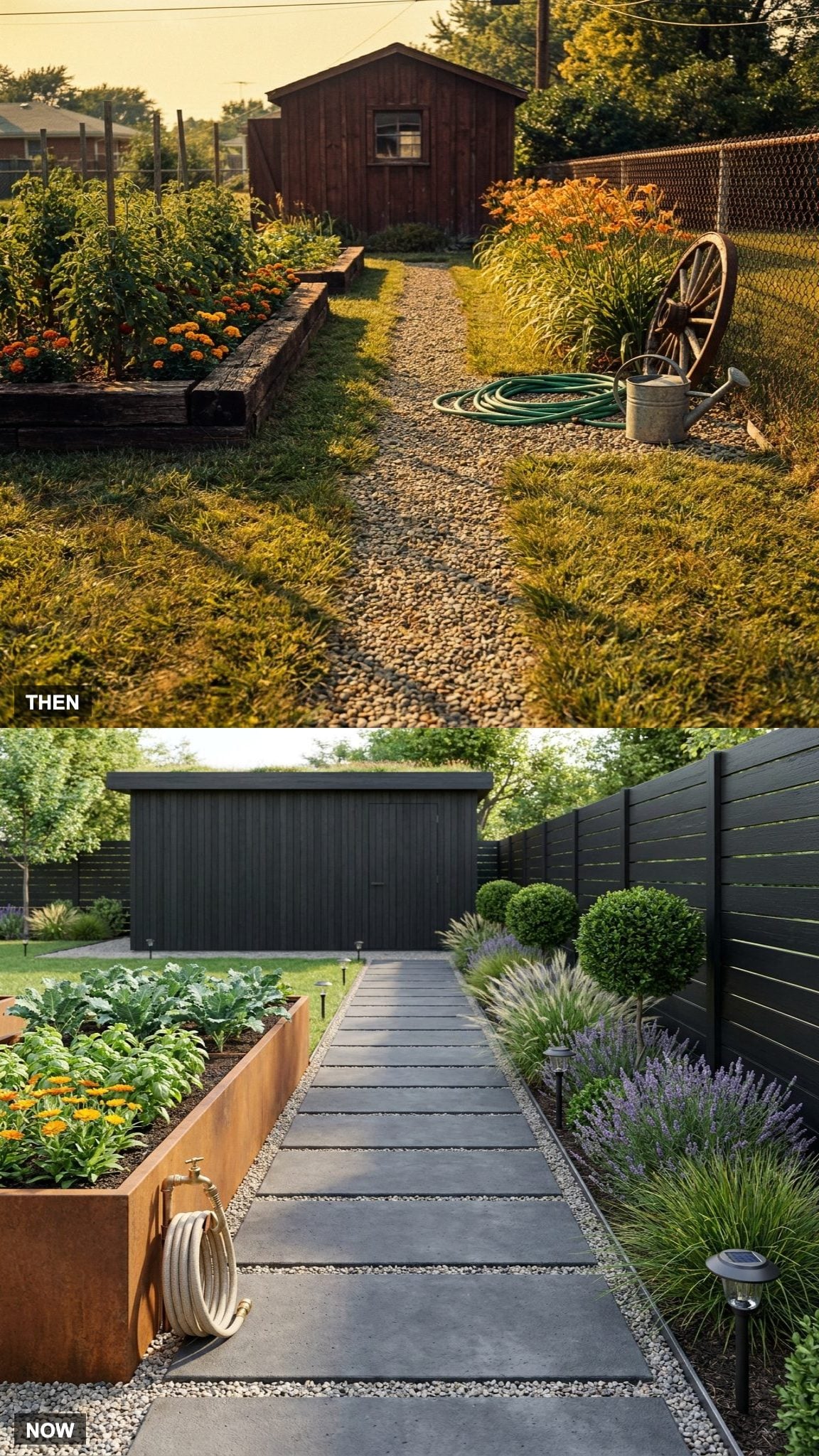
In 1975, the path from the back door to the tomato plants might have been pea gravel that migrated into the grass by August. You raked it back every spring. It crunched beneath bare feet, and railroad ties often edged the whole arrangement, weathering gray while slowly tipping out of line.
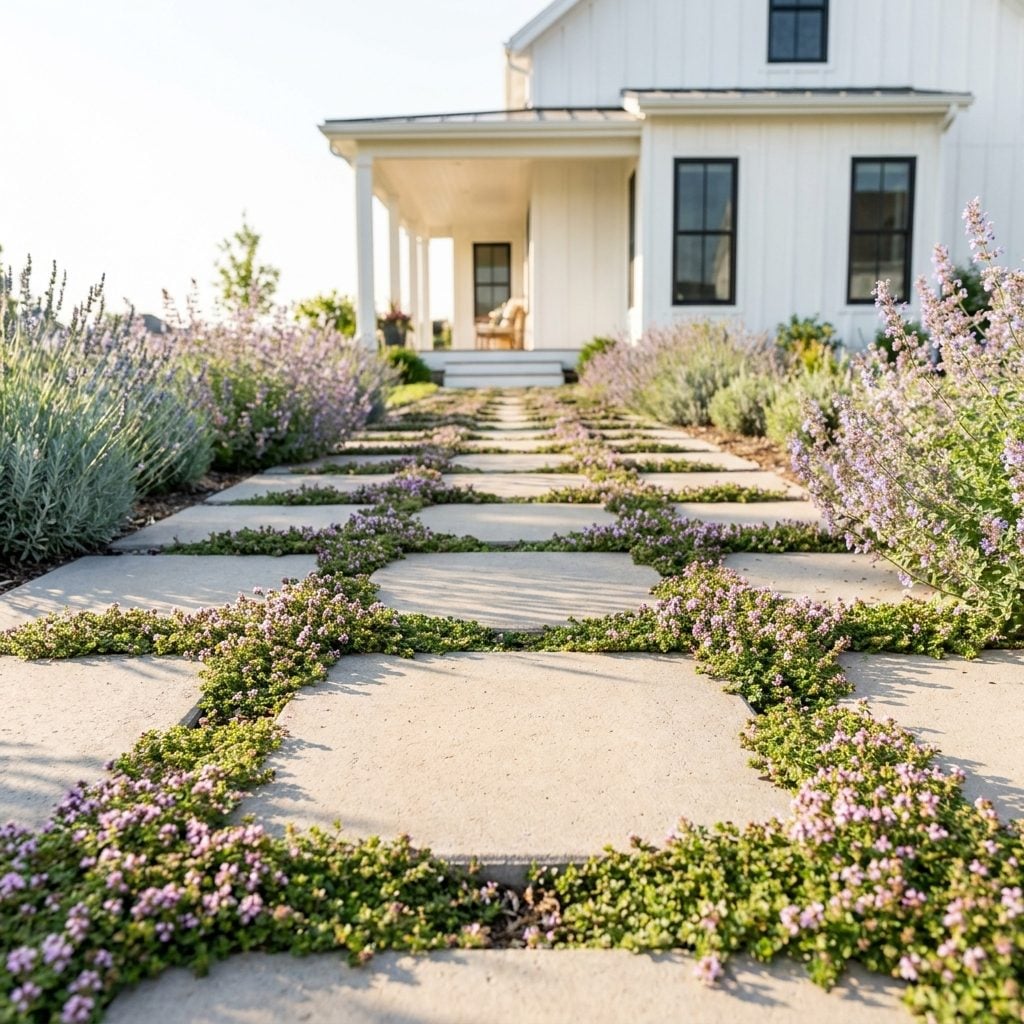
Now the path may be bluestone or a large-format porcelain paver designed to resemble it, installed on a compacted base with polymeric sand in the joints. The route curves toward something specific: a fire pit, pergola, bench, or studio. It is wide enough for two people to walk together without sending one into the mulch.
In our reader polls, about half chose pavers for a walkway, with concrete at 28% and gravel at 21%, so pea gravel still has its fans, just fewer of them.
21. Backyard Projects Moved From Saturday DIY to Professional Plans
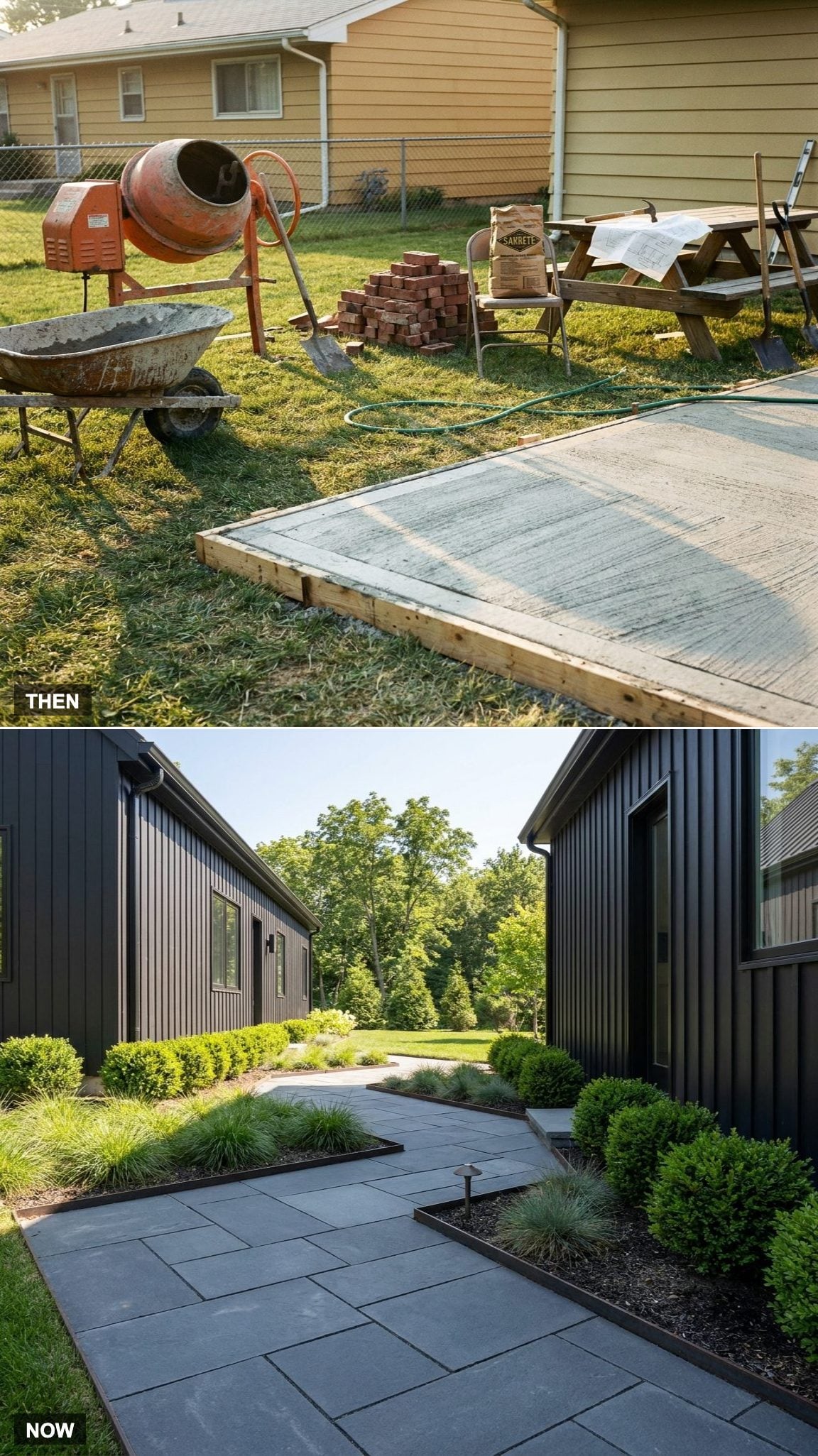
You know the scene. Dad in cutoffs, a rented mixer due back by 6 p.m., and a diagram drawn on the back of an envelope that made sense to nobody but him. Backyards in 1975 were built on Saturdays, powered by beer and stubbornness. If the patio came out crooked, it stayed crooked.
Now a project may begin with a landscape designer, site plan, drainage assessment, mood board, permit review, and phased installation. The results tend to be cleaner and more durable. The soul is different. A professionally graded patio drains better, but nobody tells stories about the afternoon the contractor correctly calculated the slope.
22. The Wall-to-Wall Lawn Broke Into Native Planting Zones
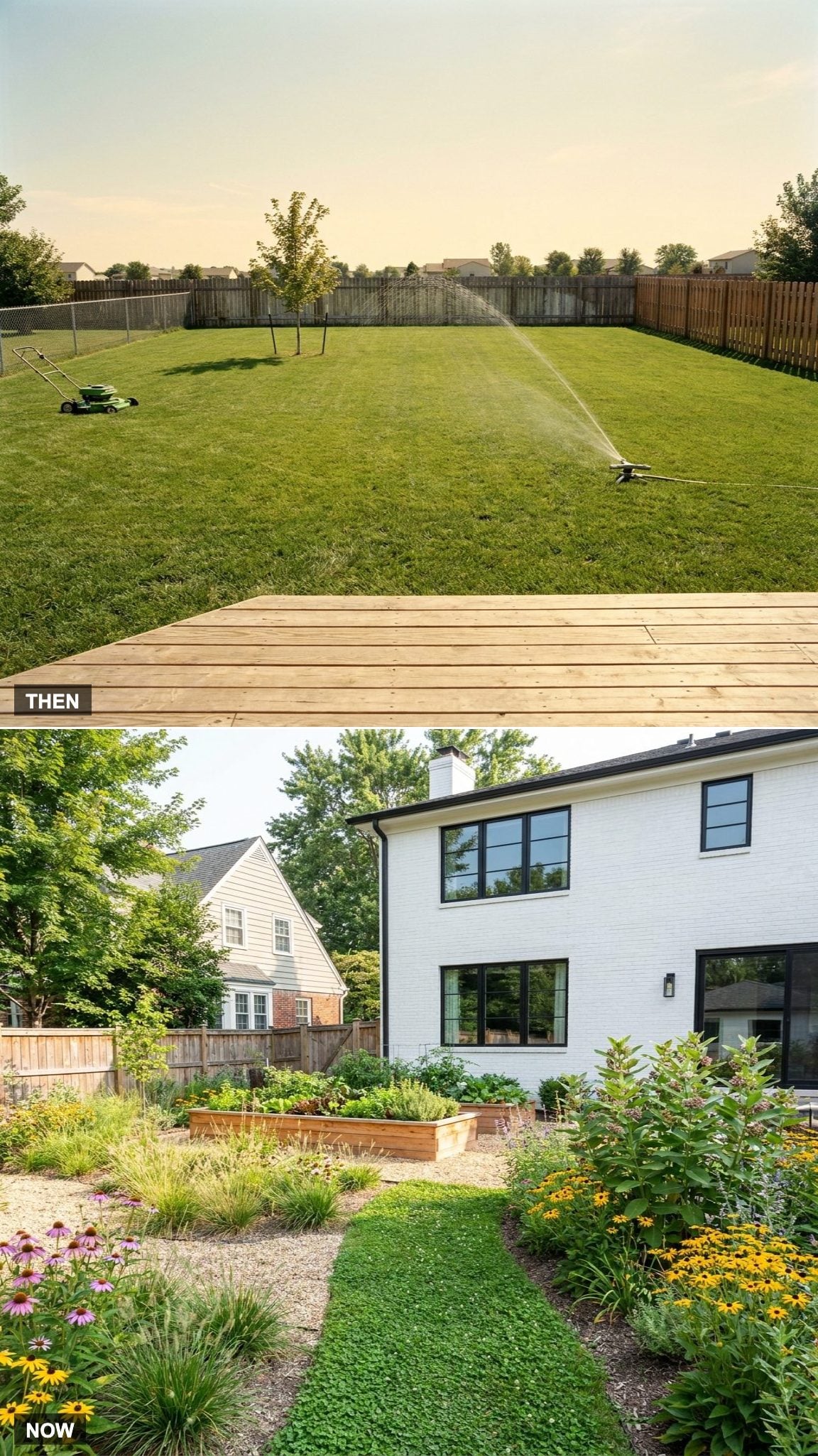
The 1970s backyard had one overriding assignment: be grass. Anything else risked being labeled a weed problem. Children ran across it, adults mowed it every Saturday, and lawn-treatment trucks rolled through the neighborhood on schedule.
Over the past few decades, that logic has begun to loosen. Pollinator beds, native shrubs, clover, meadow planting, shade gardens, and drought-tolerant zones now interrupt the uninterrupted lawn. The transition year can look as though the yard has been abandoned halfway through construction. Once established, though, the landscape holds more life and demands less ceremonial mowing.
23. The Flat Deck Picked Up Levels, Lighting, and a Plan
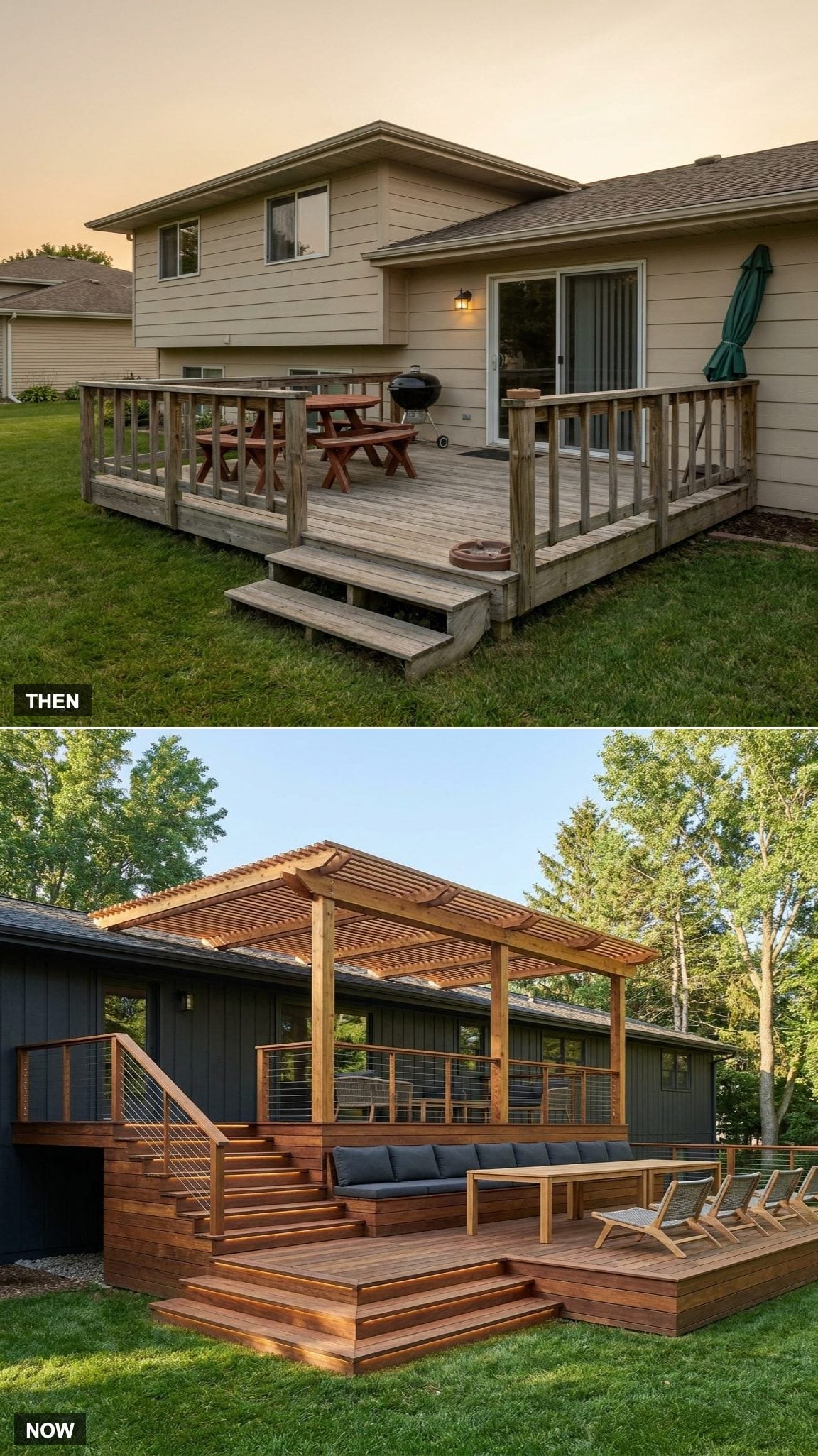
One flat rectangle. That was the deck. You grilled on it, ate on it, spilled Kool-Aid on it, and by year eight the boards had splintered enough to make bare feet an act of optimism.
The modern version may have an upper dining level, a lower lounge, integrated planters, stair lighting, and a pergola overhead. It is undeniably more complicated. When the yard is used often, the separate zones can also make it more functional, especially after sundown with a thoughtful lighting plan.
24. The Backyard Became a Wellness Zone
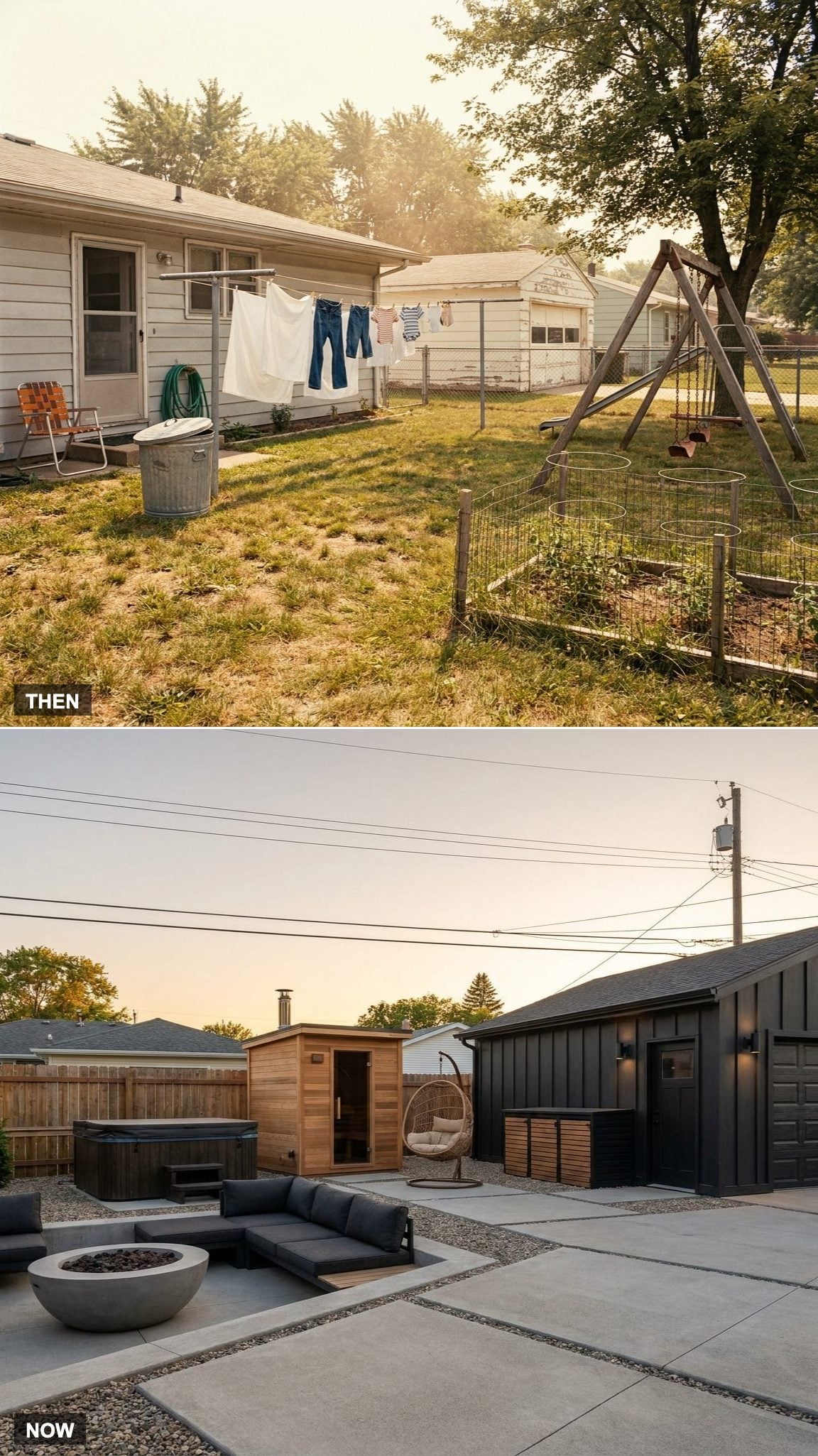
The 1975 backyard earned its keep through ordinary work: laundry, vegetables, children, storage, and whatever repair project had spilled out of the garage. Nobody referred to it as restorative. It was infrastructure with grass.
A modern version may devote the same footprint to a sauna, cold plunge, outdoor shower, yoga platform, or sheltered reading area. These features are less about entertaining a crowd than building a private place to decompress without leaving home.
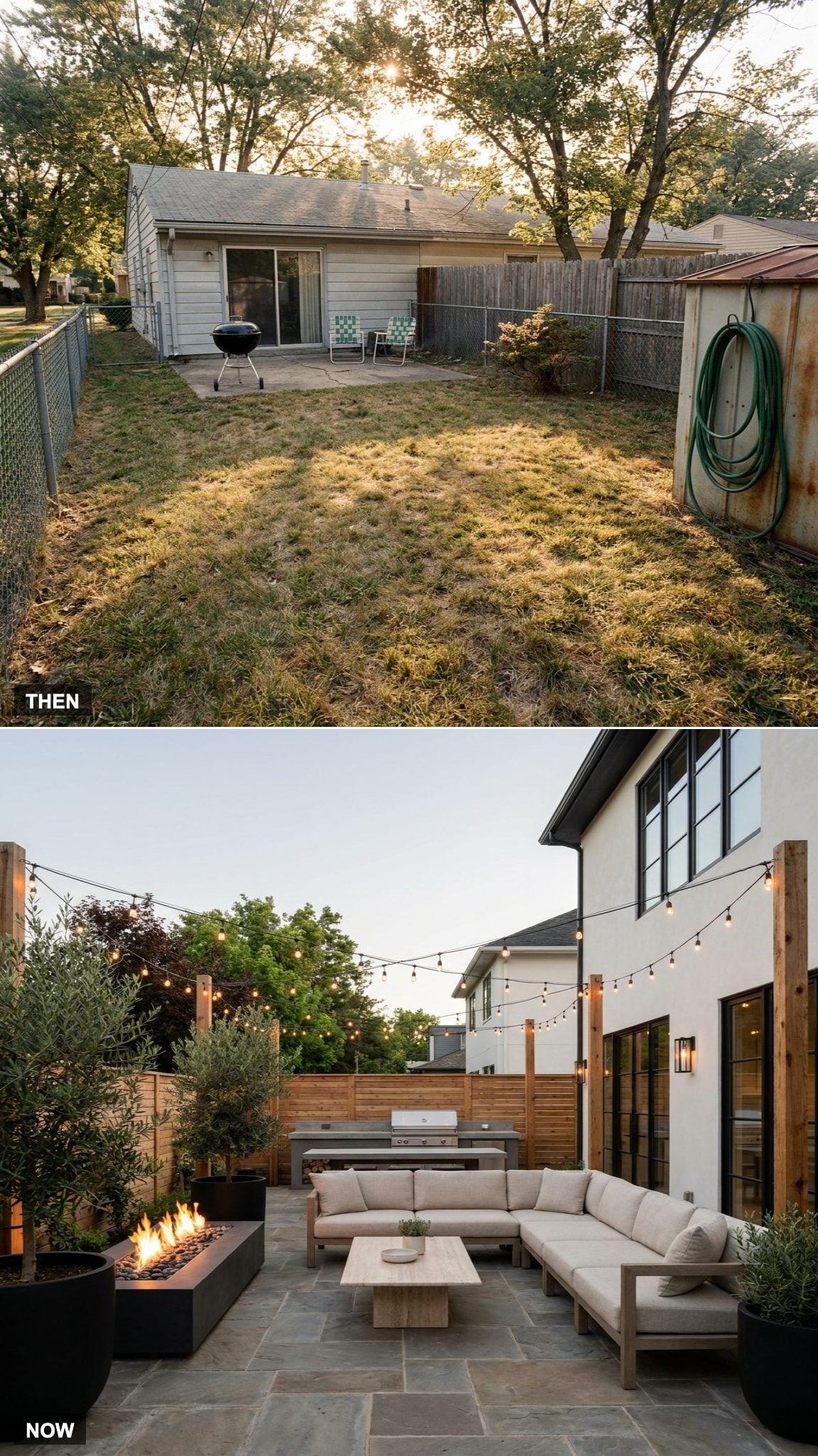
25. The Space Behind the House Became the Favorite Room Without a Roof
🔥 Would you like to save this?
Back then the backyard was where the house was not. You crossed it to reach the garage, mowed it because the neighbors might notice if you did not, and rarely expected it to develop a personality.
Now it may be the favorite room on the property, despite lacking a ceiling. Sectional, fire feature, outdoor kitchen, planting, and string lights are composed with the same attention once reserved for the living room.
That redefinition explains most of the changes in this list. Once the backyard became a room, people began furnishing it like one, lighting it like one, and budgeting for it like one.
The backyard did not get bigger. Our idea of what it was for did.