🔥 Would you like to save this?
The coffee ring stains never fully came off. Neither did the memory of every meal eaten at that table, every argument that started there, every birthday cake that appeared on it without warning. The 1970s Formica kitchen table was not a piece of furniture so much as the center of gravity for an entire household, and if you grew up in that decade, you know exactly what it smelled like after a pot of soup landed on it. These are the things that bring it all back.
29. The Telephone That Lived on the Table Because the Cord Just Barely Reached
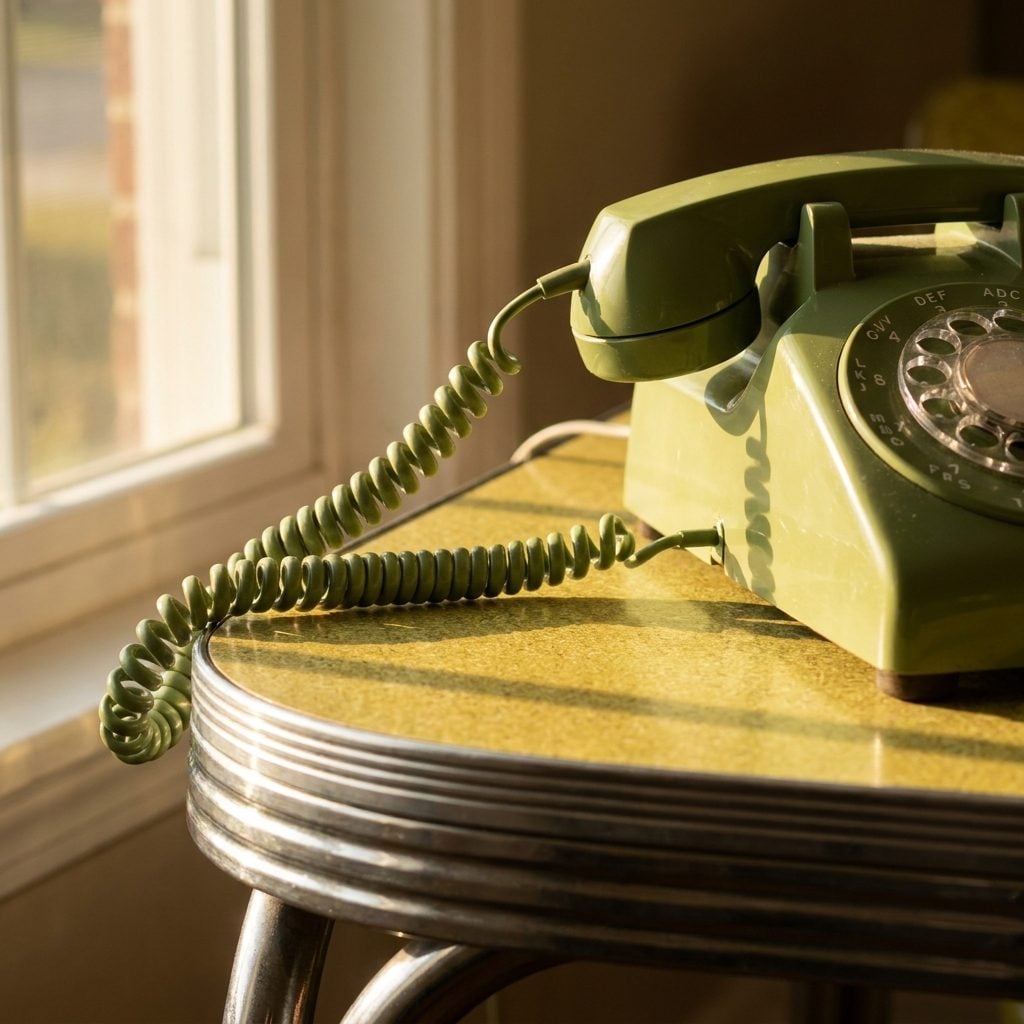
The phone didn’t technically live on the table. It lived on the wall. But the coiled cord had been stretched so many times, so far across the kitchen, that it had developed a permanent droop toward the tabletop. Someone always ended up sitting down mid-call, pulling the receiver across the room on that rubbery tether, hunching over the Formica with a notepad and a bad pencil.
In order to come up with the very specific design ideas, we create most designs with the assistance of state-of-the-art AI interior design software. Also, assume links that take you off the site are affiliate links such as links to Amazon. this means we may earn a commission if you buy something.
The table became the phone desk by default. Numbers got written directly onto the notepad that never left that corner. A few got written on the Formica itself, in ballpoint, which nobody ever fully cleaned off.
28. The Lazy Susan in the Middle That Nobody Could Explain But Everyone Spun
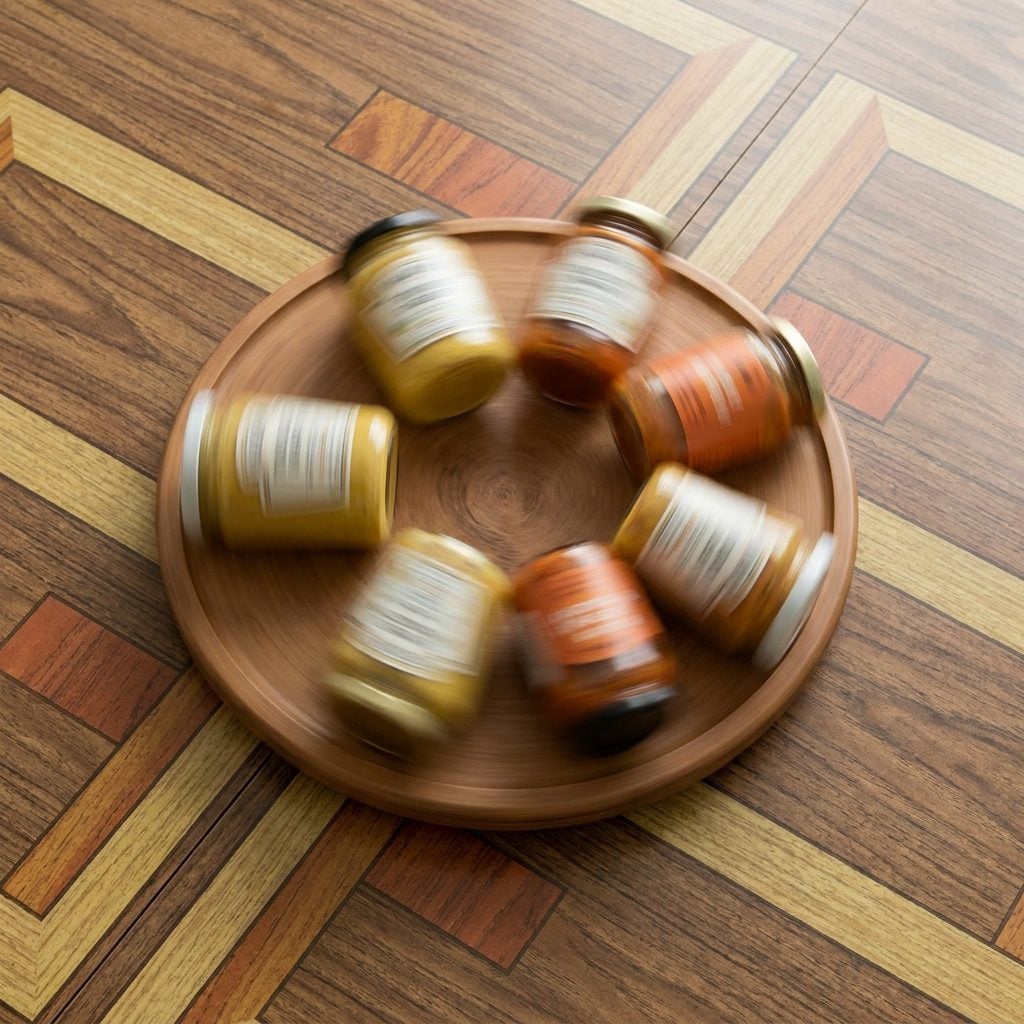
Nobody installed the Lazy Susan for a specific reason. It just appeared one day and immediately became the gravitational center of every meal. Salt, pepper, ketchup, mustard, a bottle of Worcestershire that was somehow always almost empty. You’d spin it to reach the ketchup and overshoot, sending the mustard sliding toward your little brother.
It wobbled. It always wobbled. One little rubber foot had gone missing sometime around 1971 and nobody replaced it. That wobble became part of the sound of dinner, the low plastic skitter every time someone gave it a half-turn.
27. The Wax Tablecloth Laid Over the Formica for Company
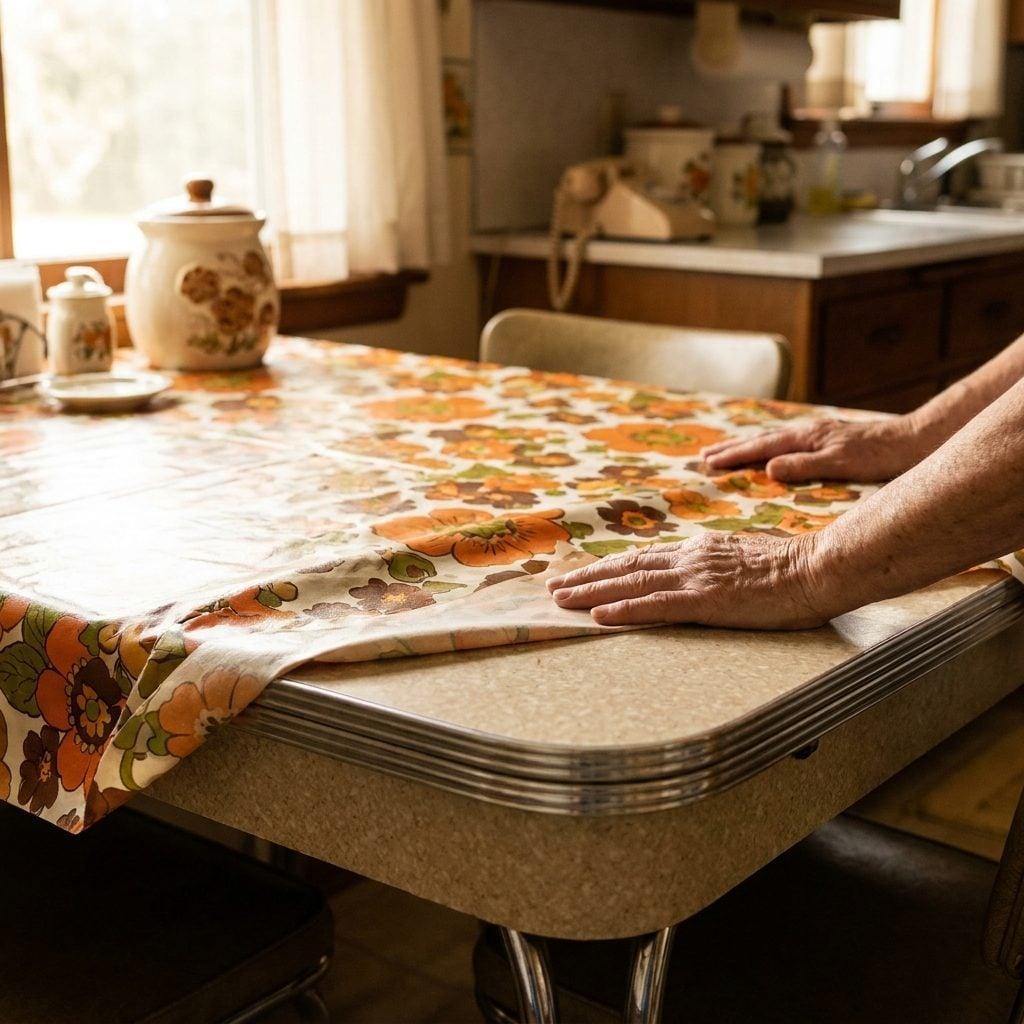
The Formica table had two modes. Everyday mode: bare, wiped down with a damp cloth, condiments directly on the surface. Company mode: covered with the good tablecloth, the vinyl floral one stored folded in the linen drawer, which meant it arrived at the table with four permanent crease lines running across it in a grid.
You smoothed it down with both hands. The creases stayed. Company never commented. It was still the good tablecloth.
26. The Corner Where the Homework Got Done Every Single Night
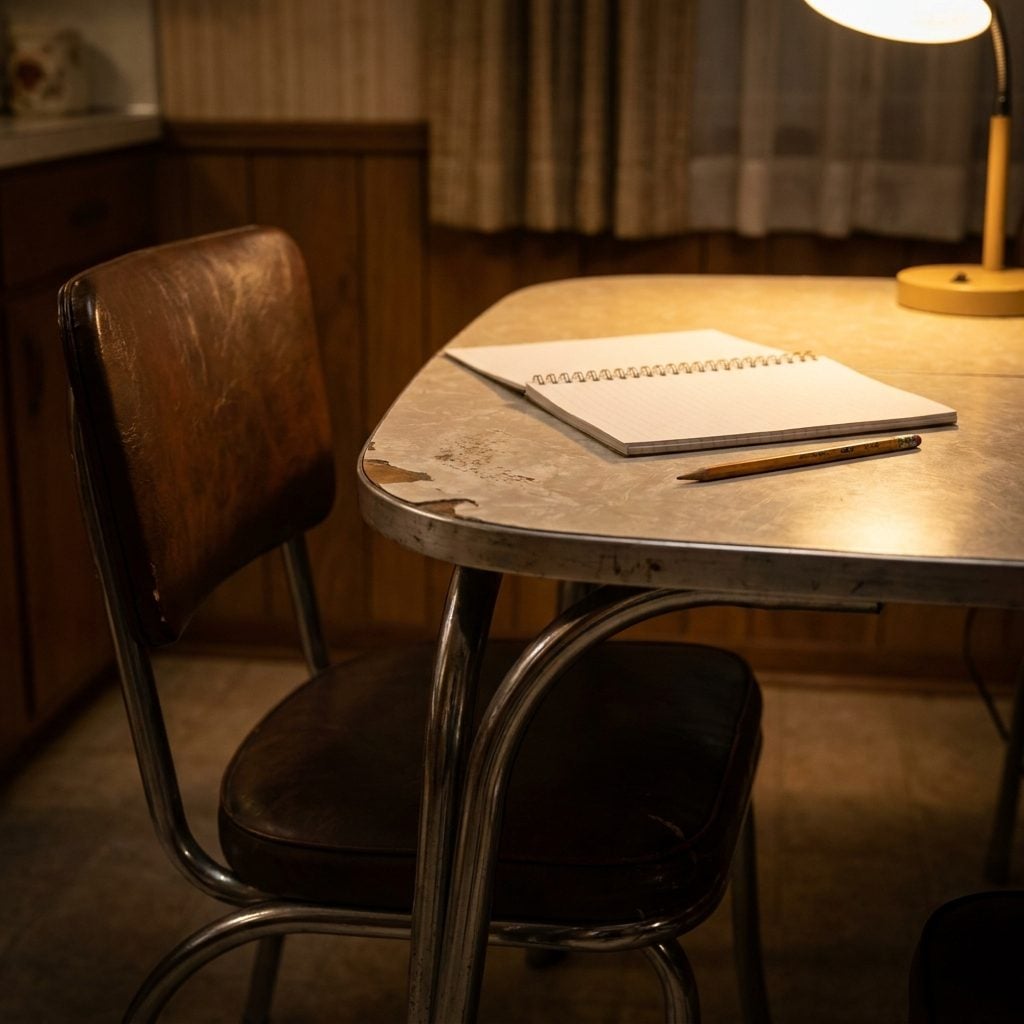
One corner of the table was unofficially assigned. Not formally, not by announcement. Just by repetition. The same chair, the same spot, every weekday from 3:30 until dinner. Textbooks, wide-rule paper, a box of 64 Crayolas with the built-in sharpener in the back that never really worked.
The Formica was better than a desk. More room. And the kitchen smelled like dinner coming together, which made long division at least slightly more bearable. The good cool kitchen of the era wasn’t a showroom, it was the working center of the whole house, and homework belonged in it the same as anything else.
25. The Metal Napkin Holder That Was Always Sticky Near the Bottom
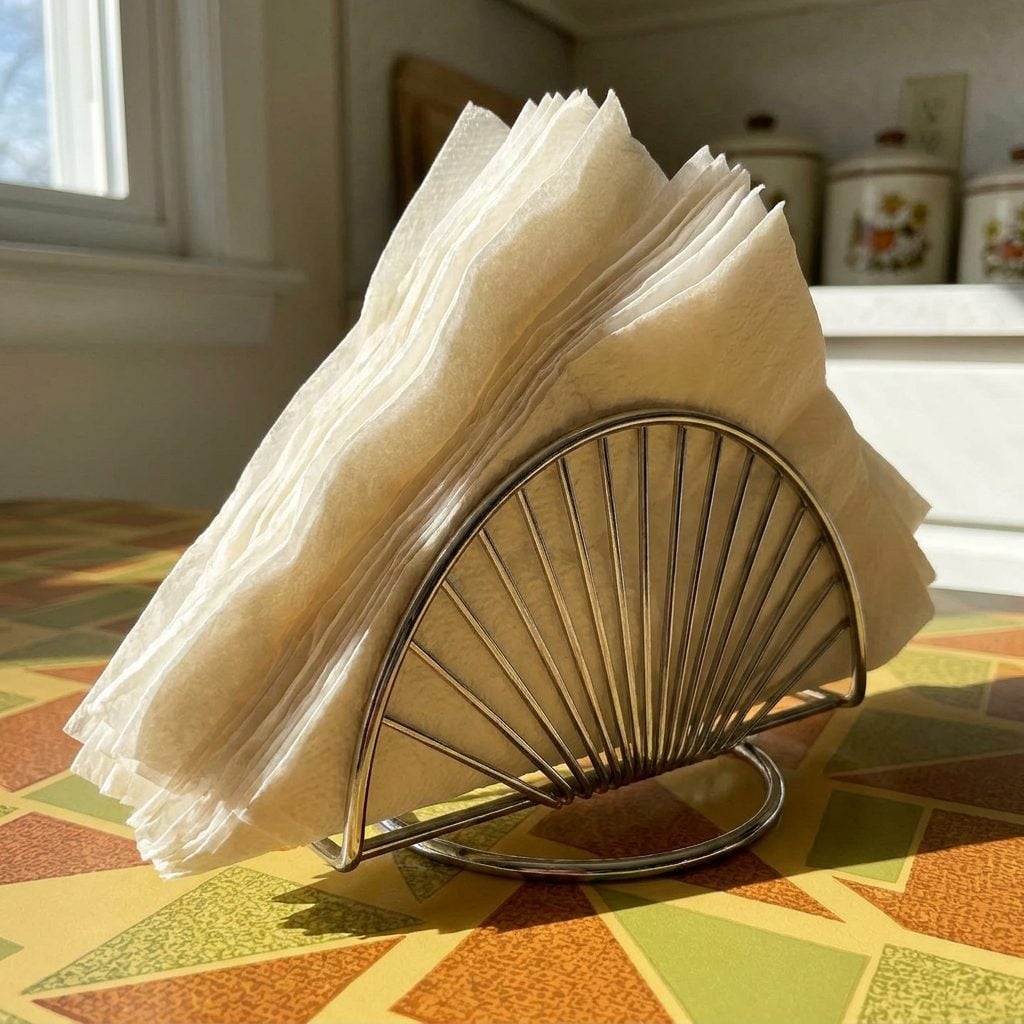
Chrome wire, fan-style, always overstuffed so the napkins fanned at a 40-degree angle and you had to peel one free while the whole stack tried to come with it. It sat in the same spot every meal, which meant syrup and bacon grease had a permanent address about two inches below the napkin line.
You didn’t notice the stickiness until you picked it up to wipe underneath it. Then you put it right back and forgot about it again until next time.
24. Sunday Morning Pancakes and the Syrup Ring That Proved It
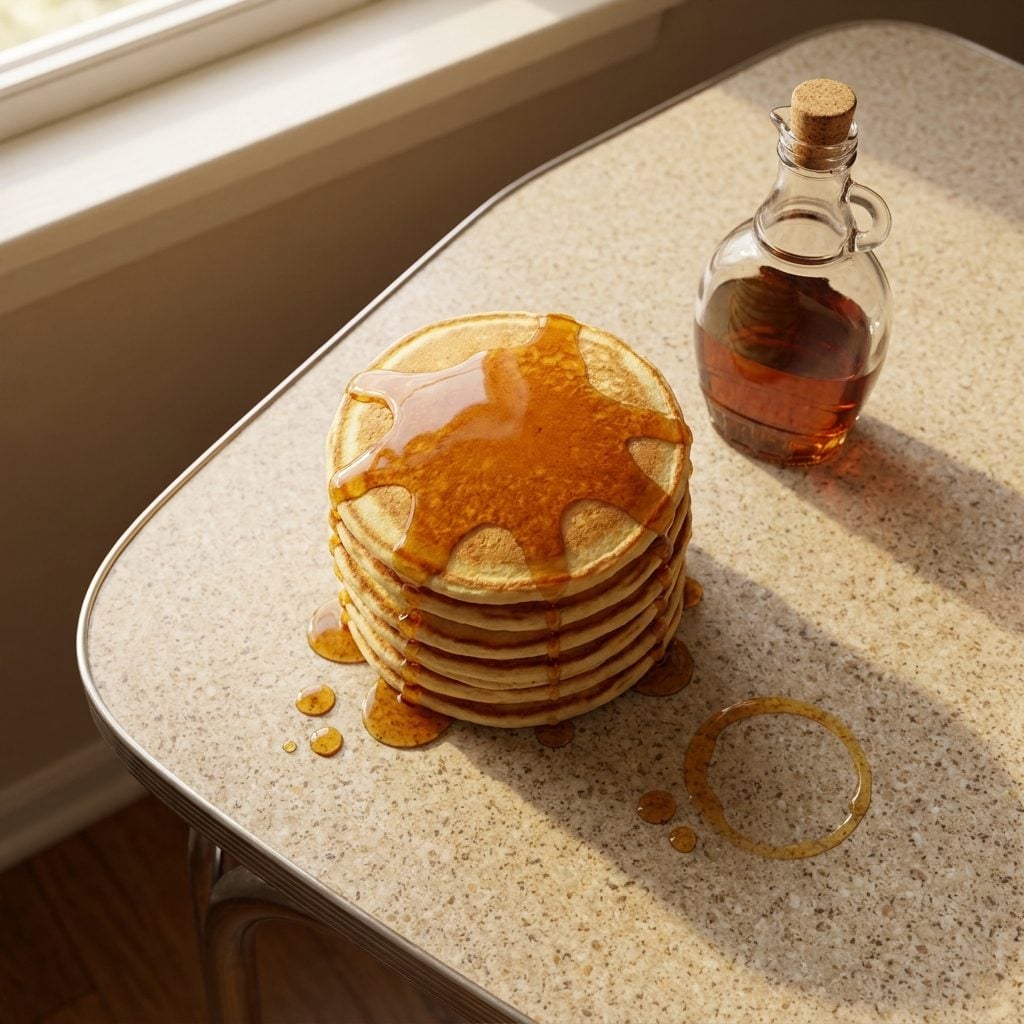
The syrup ring was a permanent feature. Not a stain exactly, more like a record. Evidence. It moved around the table slightly depending on who’d had pancakes most recently, but it was always there, a faint amber circle no dish cloth ever fully erased from the Formica grain.
Sunday pancakes were a different category of morning. The table got fully occupied: the platter in the middle, the butter dish, the syrup, the juice glasses, the mugs. The Formica handled all of it without complaint. That’s what it was made for.
23. The Way the Chrome Edging Cut Your Forearm If You Leaned Just Wrong
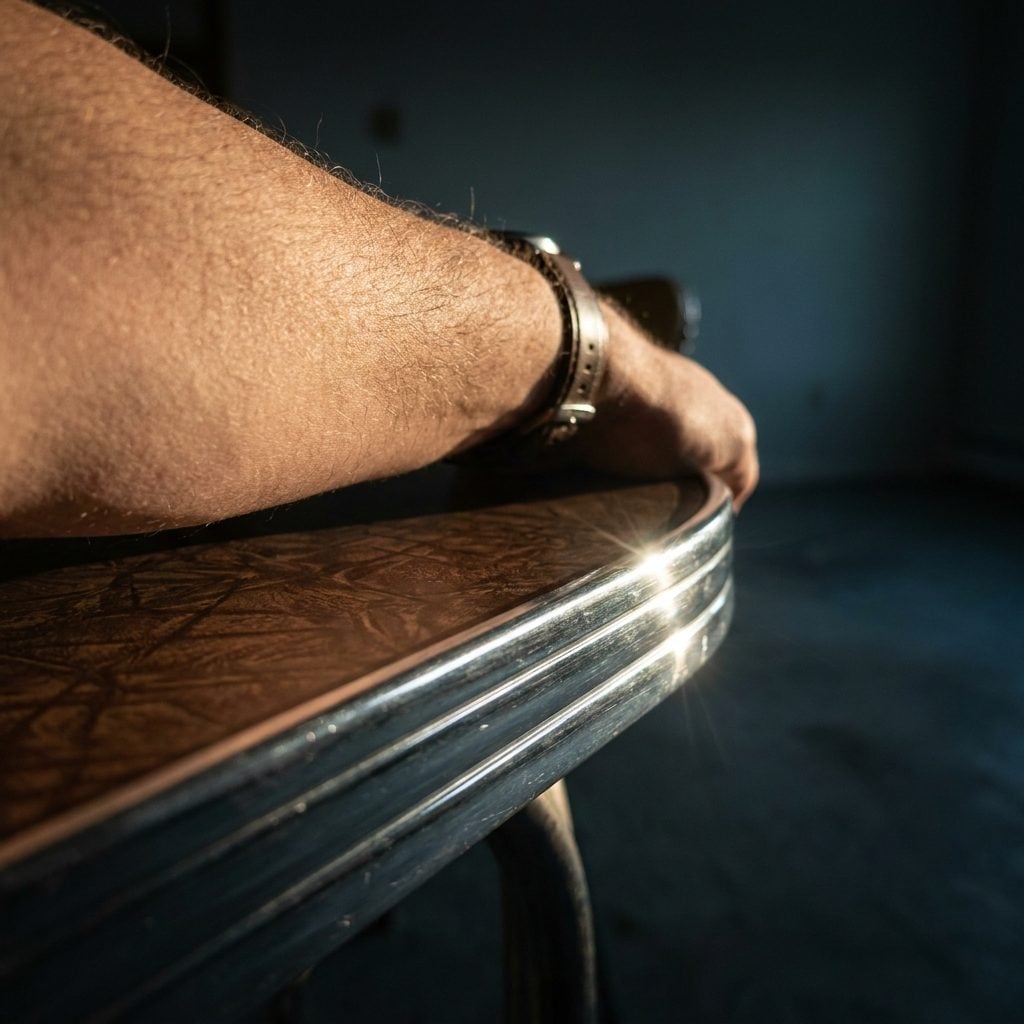
That chrome banding was the defining physical feature of the Formica table. Visually it was just the trim. Practically it was a sharp metal lip running at exactly forearm height for anyone who leaned forward during a long dinner conversation.
You learned the angle. After a few months at that table you knew exactly how far you could lean before the chrome caught you. Guests didn’t know. Guests found out. It wasn’t dangerous, just a little rude, the way a table could be rude. The chrome edge was the table’s one rough edge in an otherwise completely durable, forgiving surface that took everything a family could put on it and asked nothing in return.
22. The Crack That Ran Diagonally Across One Corner (That Everyone Just Accepted)
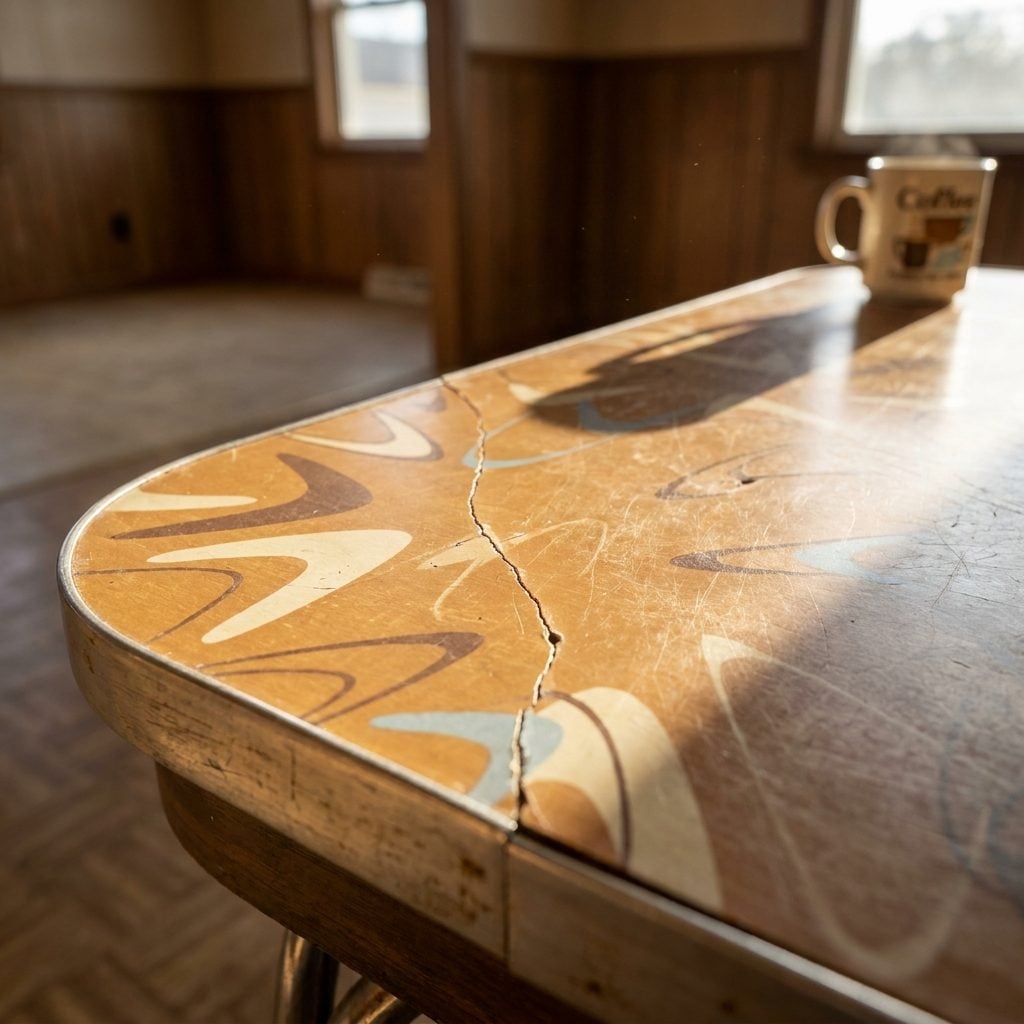
Nobody remembers when the crack appeared. It was just always there, running at that same angle across the corner nearest the window. The Formica had lifted just enough that a fingernail could catch it, and at some point a piece of clear tape appeared over it, turned yellow, and never left.
Dad suggested fixing it every year or two. Nobody ever did. By the time the table finally left the house, the crack felt as permanent as the floor plan.
21. The Way the Overhead Fluorescent Light Made Everyone Look Slightly Greenish at Breakfast
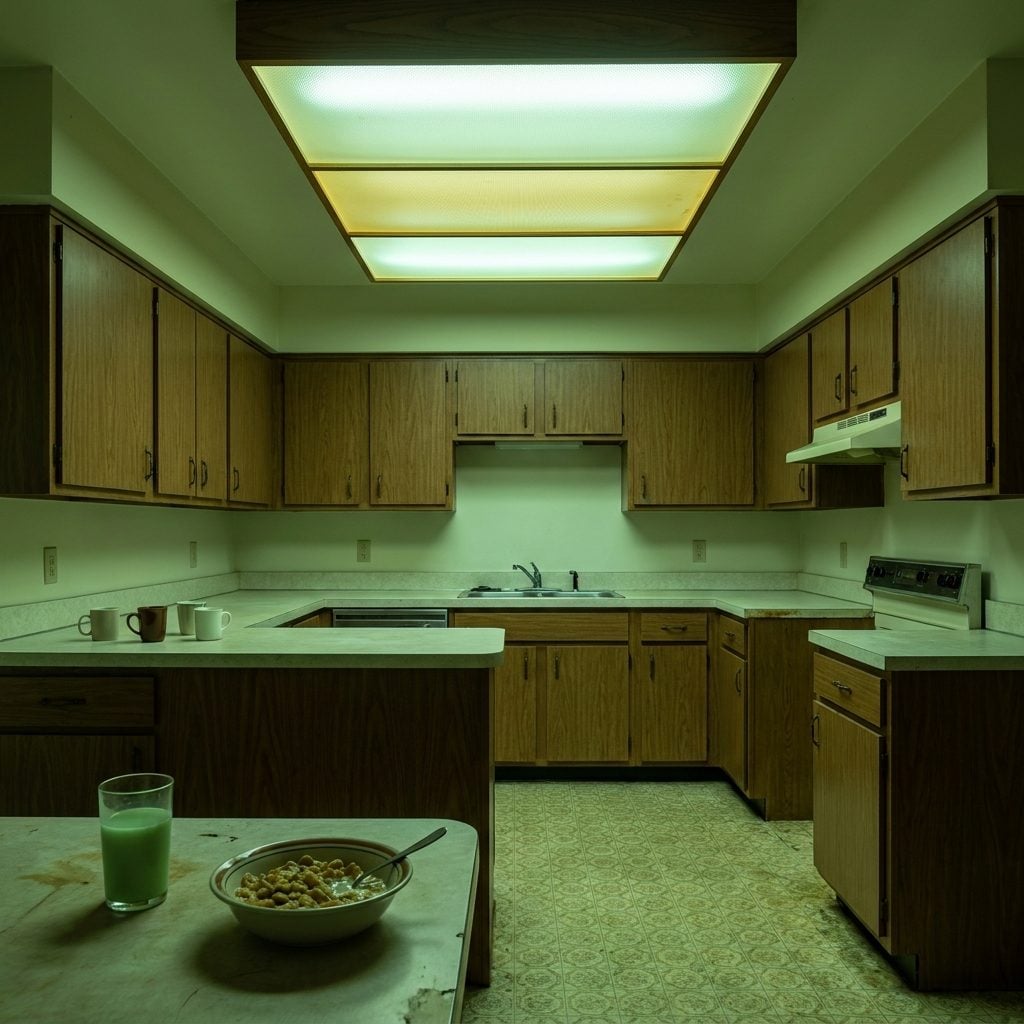
There was nothing flattering about that light. It came from a plastic-diffused panel in the ceiling and it made the entire kitchen feel like a doctor’s waiting room from roughly 7 to 9 a.m. The cereal looked fine. Everyone sitting around the table looked a little unwell.
Nobody complained because it was just the kitchen light. That was the light. You poured your orange juice, you squinted slightly, you got on with it.
20. The Ketchup Bottle That Lived in the Center of the Table for So Long It Had Its Own Territory
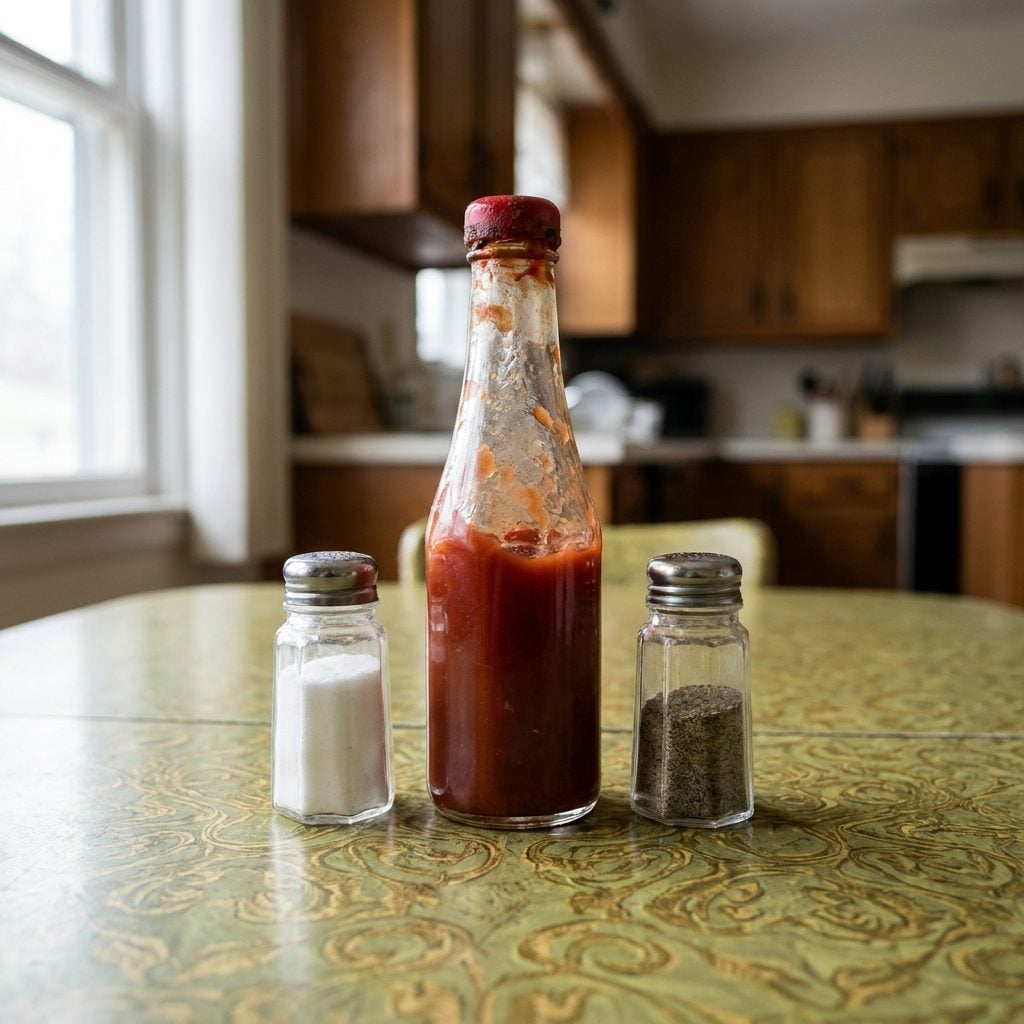
It never went back in the refrigerator. Not consistently, anyway. The ketchup bottle, the salt and pepper, maybe a jar of mustard, possibly a Parmesan shaker if your family was that kind of family. They formed a permanent cluster at the center of the table and everything else worked around them.
The ring stain underneath the ketchup bottle was basically a fossil record. You could date the table by it.
19. Doing Homework There While Mom Made Dinner, the Two Things Happening at Once
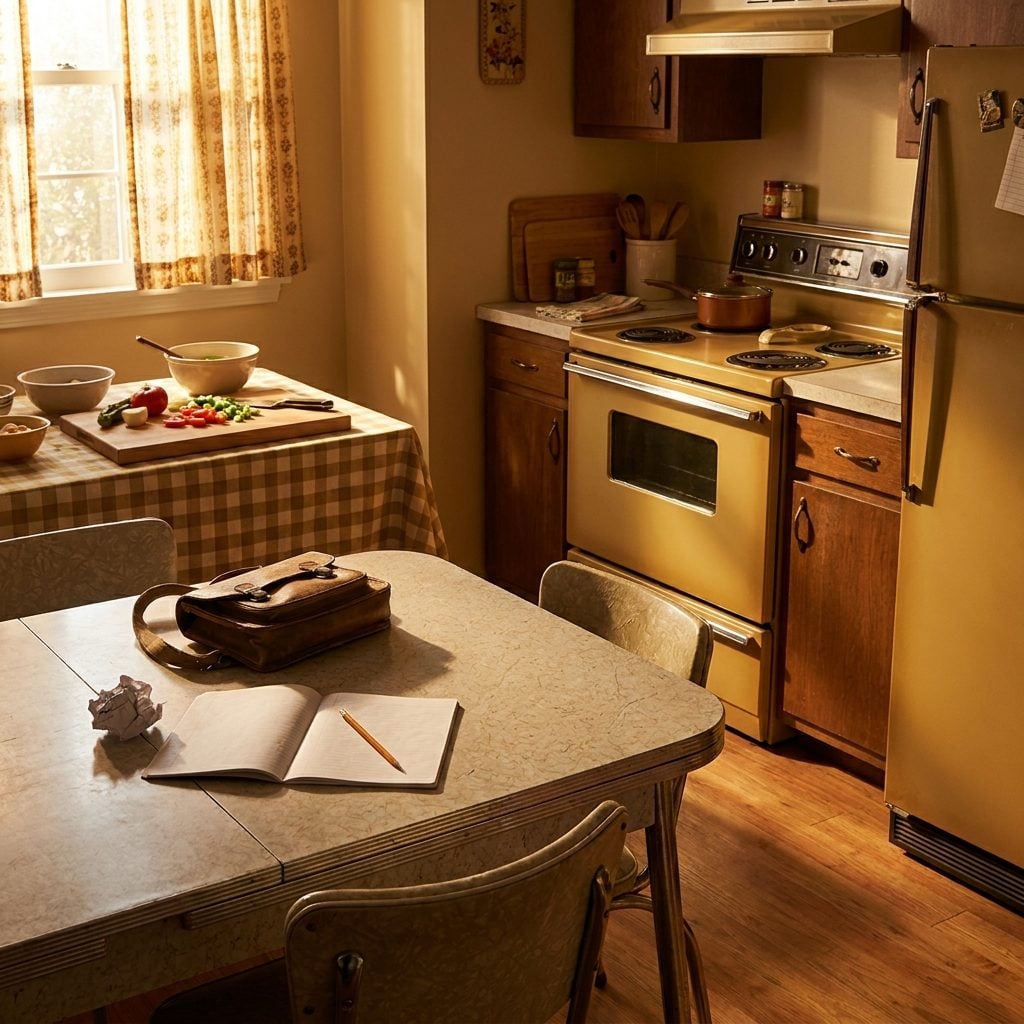
The table pulled double duty every weekday between 3:30 and 6:00 p.m. Homework on one end, dinner prep happening five feet away at the stove. You could hear the oil hitting the pan and smell whatever was cooking while you tried to remember what a participle was.
Nobody designed this arrangement. It just happened because the kitchen was warm and mom was there, and those two things were basically the same thing.
The kitchen table was never just for eating. It was where the day got sorted out.
18. The Plastic Fruit Bowl That Was Purely Decorative and Fooled Nobody
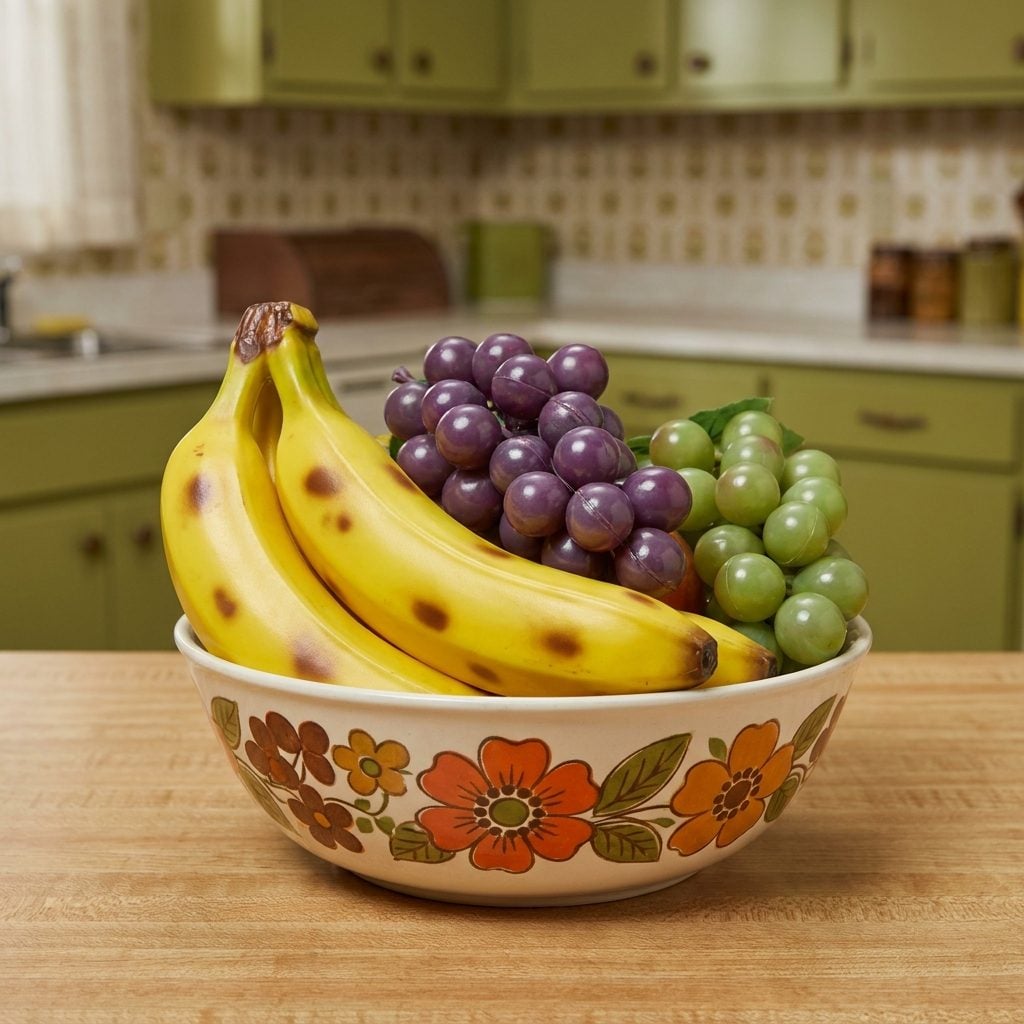
It sat in the center of the table and nobody ever touched it. That was the point, apparently. The plastic bananas were a shade of yellow that no actual banana had ever achieved, the apples had a sheen that suggested they had been lacquered by a professional, and the grapes were the color of something you’d see in a catalog under the heading “decorative accent.”
Company came over and there was fruit on the table. That was the logic, and it was airtight.
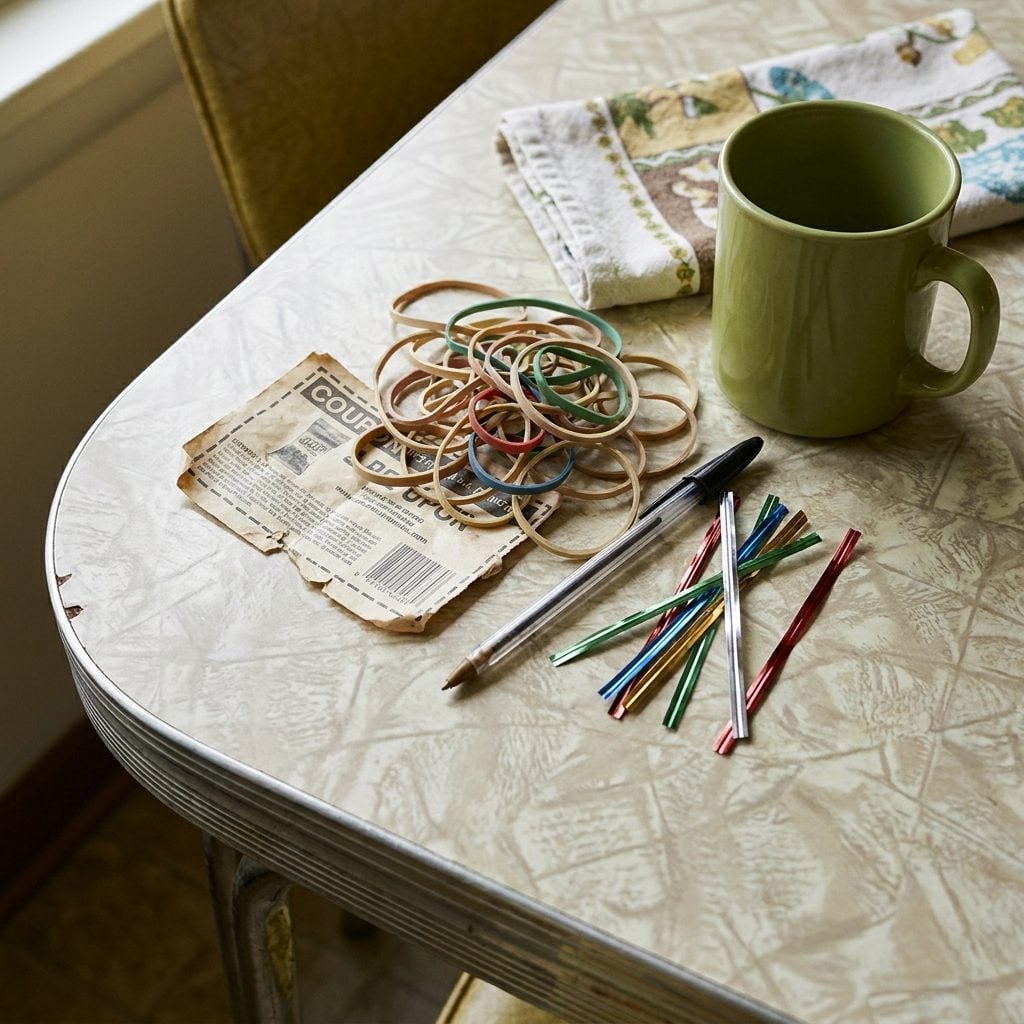
17. The Junk Drawer’s Overflow, Which Always Ended Up on the Table Corner
🔥 Would you like to save this?
Every kitchen table had a corner that functioned as an auxiliary junk drawer. A rubber band. An expired coupon. A pen that may or may not have worked. A single AA battery of unknown charge. These things arrived and stayed, because the actual junk drawer was already full and the counter had its own situation going on.
This corner was not discussed. It was simply understood. You set the table around it, you ate around it, you moved it three inches when you needed to wipe down the surface, and then you put it back.
16. The Chrome Edge Banding That Could Draw Blood If You Weren’t Careful
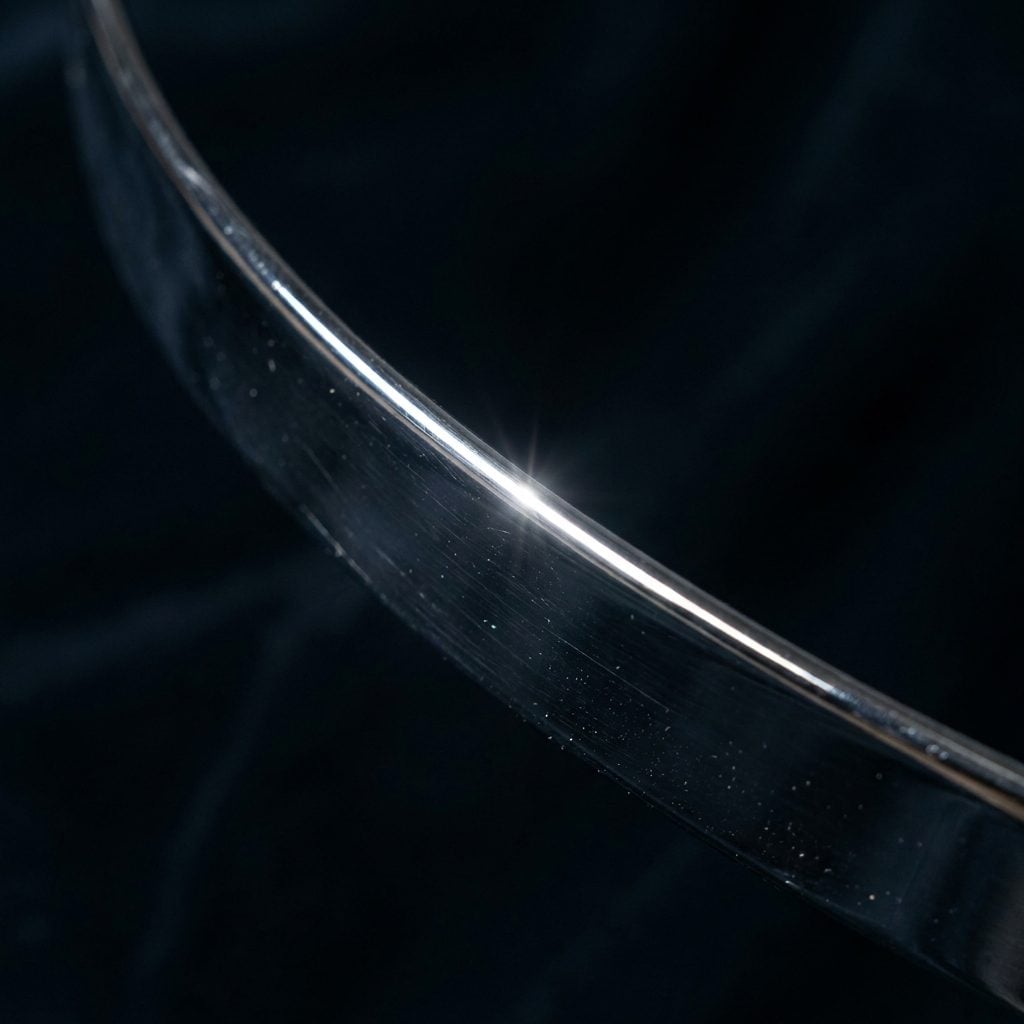
The chrome trim around the edge of the table was there to protect the Formica and look sharp. It did both of those things for about four years. After that, one section would start to lift, creating a small metal tab at roughly thigh height for anyone sitting in the corner chair.
You learned where it was. You communicated its location to guests with a quick “watch the edge there” delivered with the casual authority of someone who had been caught by it twice.
15. Sunday Morning, the Whole Family at the Table at Once, Which Almost Never Happened Any Other Day
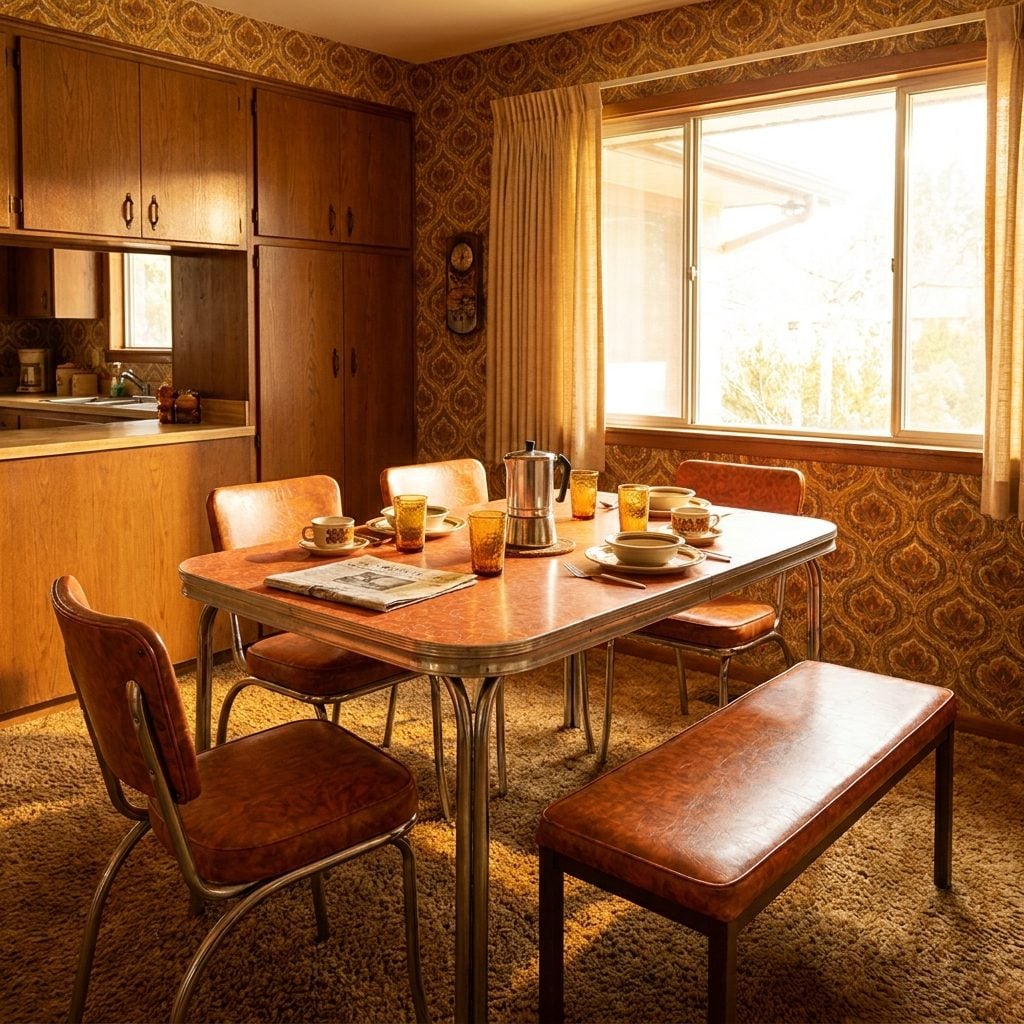
Weekday mornings were staggered departures. Someone grabbed toast, someone was still in the bathroom, someone had already left. The table never saw everyone at once.
Sunday was different. The newspaper came in sections and got passed around. The coffee pot had been running since seven. Nobody was rushing anywhere. The table, which spent most of the week as a surface to pass through, became the actual center of the house for about ninety minutes. That was the whole week compressed into one morning, and you didn’t know it at the time, but that was the thing you’d remember longest.
14. The Corner Where the Linoleum Peeled and Nobody Fixed It
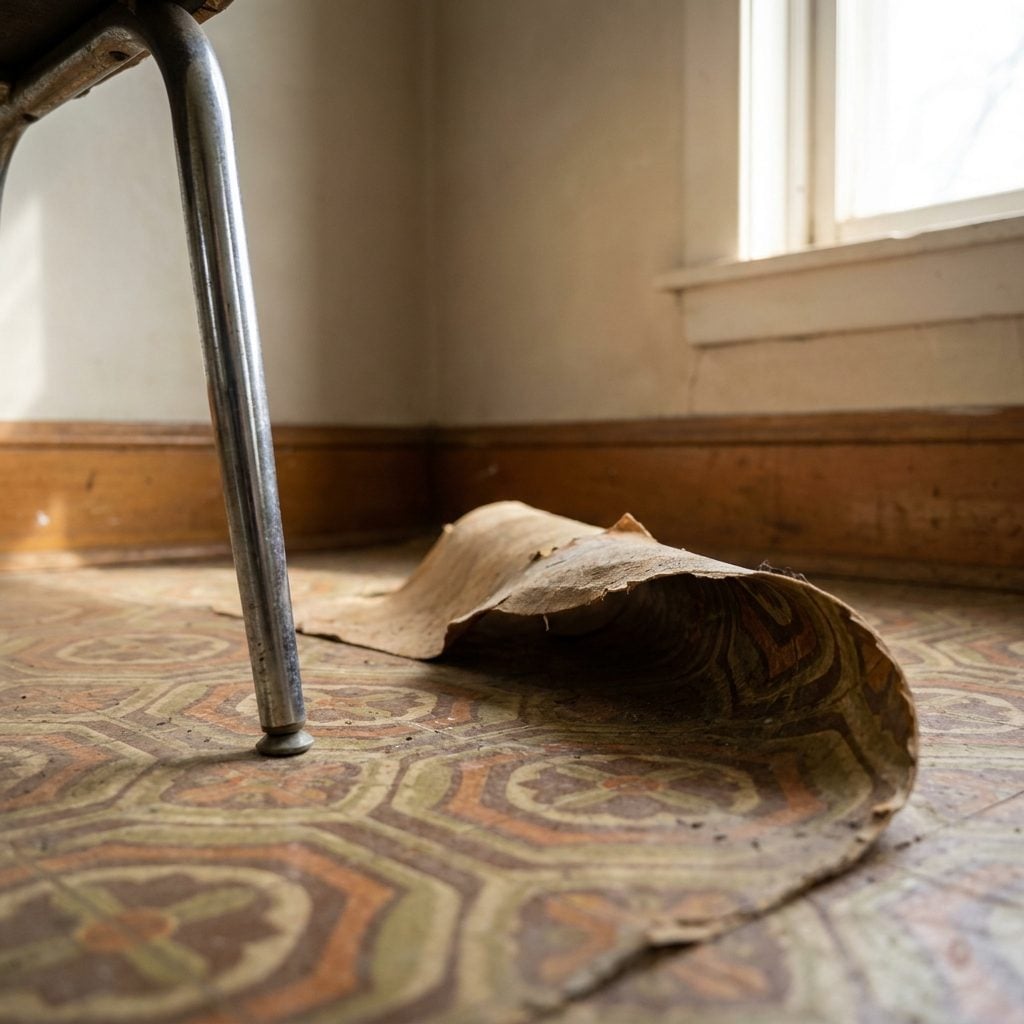
There was always a corner. One specific corner where the linoleum had given up, curling back from the baseboard in a little brown wave that everyone in the house could identify by memory. It was never in an inconvenient place. It was always right there, by the table leg, exactly where you dragged your foot a hundred times a day.
Nobody fixed it. Not because they couldn’t. Because it stopped being a problem the moment it stopped being new. That curl became part of the kitchen the same way the table did, the same way the sound of the percolator did. You just knew not to catch your sock on it.
13. The Junk Drawer That Lived Two Feet From Every Meal
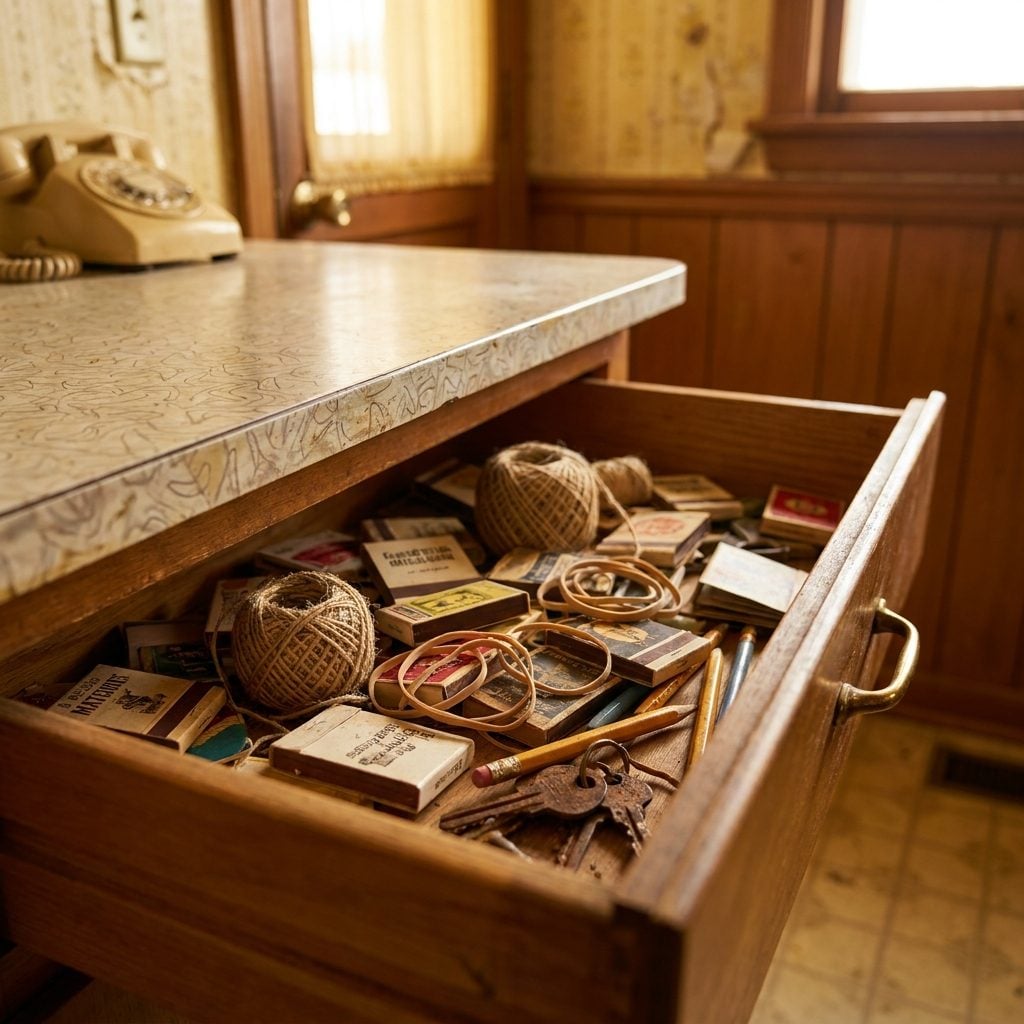
Every kitchen table had a satellite. The junk drawer lived exactly an arm’s reach away, and it held everything the house couldn’t categorize: a rubber band ball someone started and abandoned, a birthday candle left from 1974, three keys that fit nothing anyone could remember. It was the kitchen’s own ecosystem.
You’d pull it open mid-meal without thinking. Someone needed a pen to write a phone number on a napkin. Someone else was looking for the scissors. The drawer never fully closed after a certain point, and that slight gap became its resting state. You stopped noticing it.
The table and the junk drawer were a unit. One fed you. The other held the small wreckage of daily life just close enough to reach.
12. Homework Done in Pen Because the Table Said So
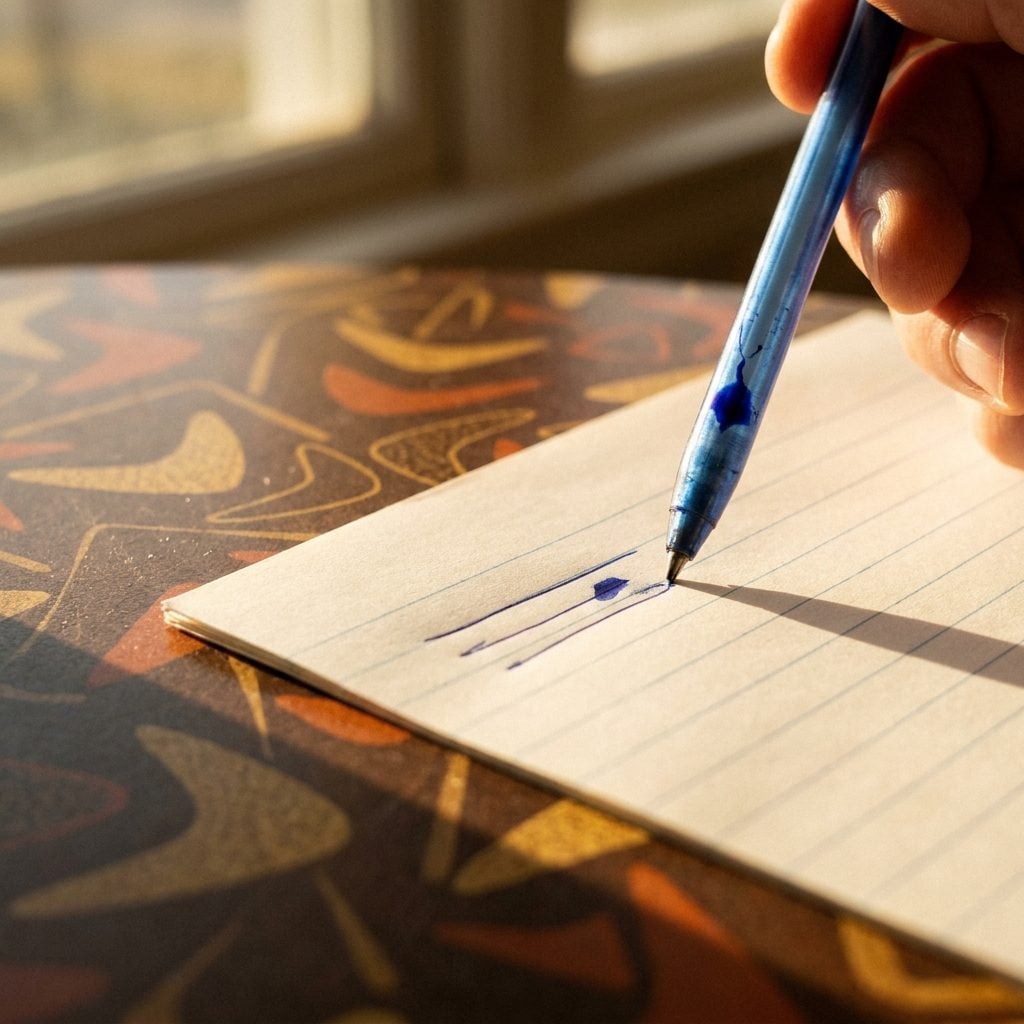
Afternoons at the Formica table had a different energy than dinner. The chairs were still the same chairs, the chrome edge still caught the light the same way, but the table became a desk the moment school let out. Notebook open, pen out, math book propped against the napkin holder because there was nowhere else to put it.
You did homework in pen because someone said to. The table didn’t care. It had already seen worse.
11. The Smell of Coffee That Lived in the Table’s Pores
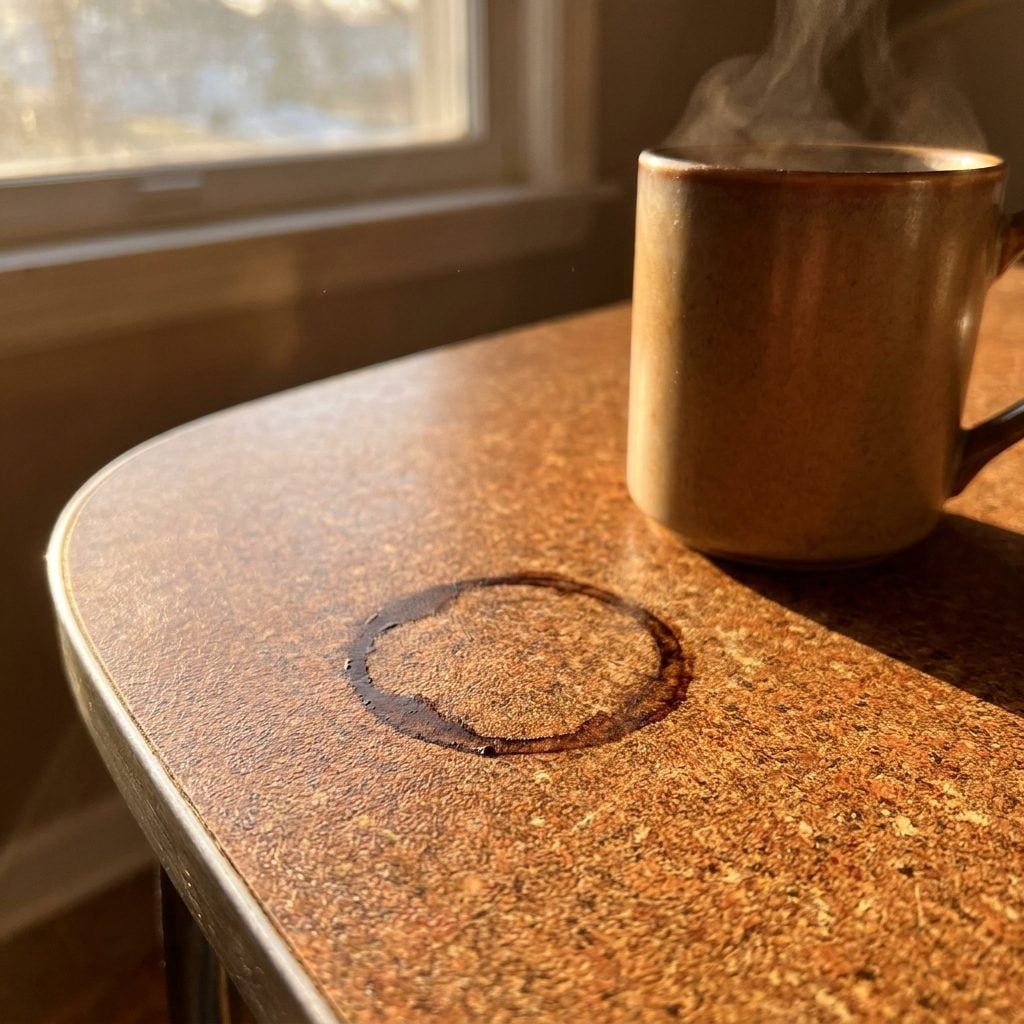
Formica doesn’t absorb anything. That’s the whole point of it. But somehow, the table still smelled like coffee. Not exactly coffee. More like the memory of coffee, baked in over years of mugs placed and lifted and placed again in the same four spots.
The percolator sat on the counter, but the coffee was consumed at that table, every single morning, by every adult in the house. The rings on the surface told you where each person usually sat without anyone having to say it. Dad always left a ring at the corner nearest the window.
10. The Specific Way It Announced Itself When You Knocked It With a Hip
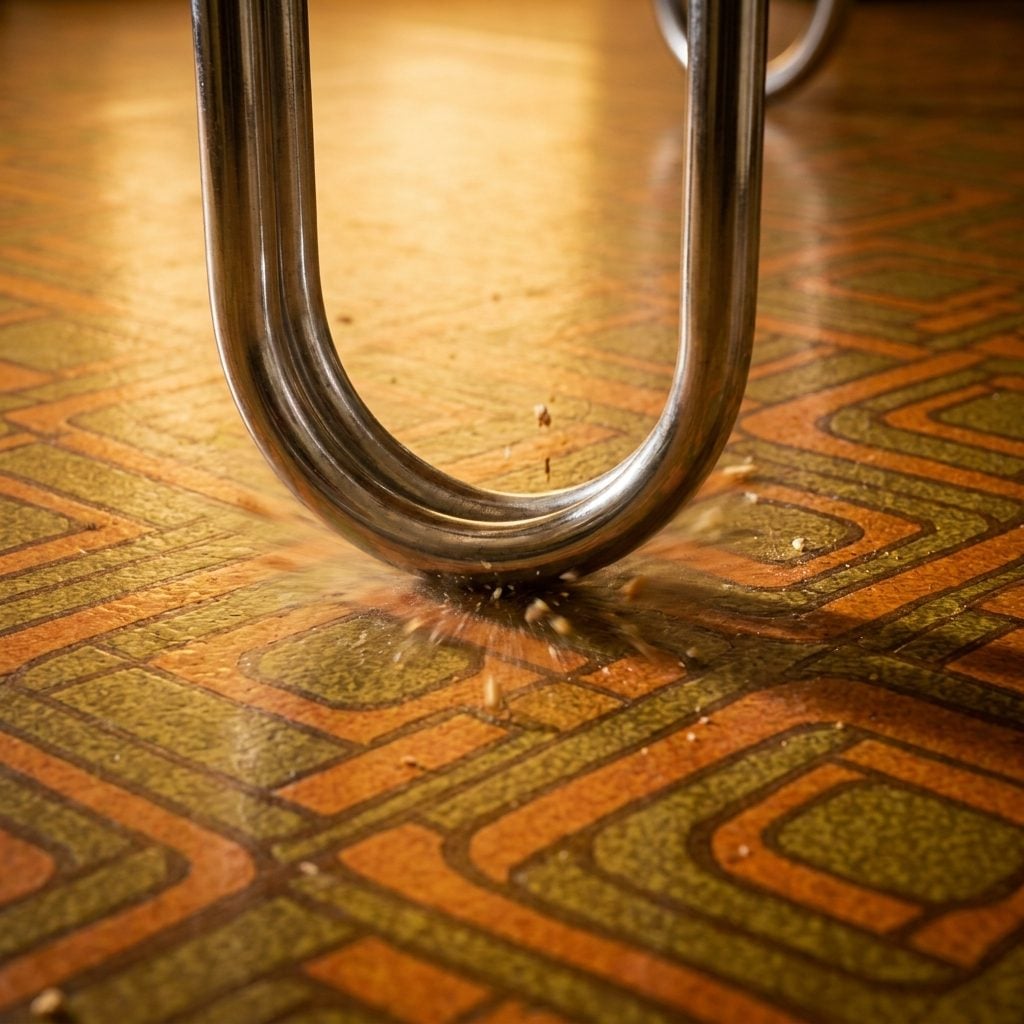
Chrome tubular legs on a hard linoleum floor do not absorb impact. When you caught the table with your hip carrying a pot from the stove, the whole thing rang like a very dull bell and slid exactly two inches. Then the legs scraped back when someone pushed it home. That sound. Both of those sounds.
You learned to navigate around it by feel. The kitchen was never quite big enough, and the table was never quite out of the way, and that was simply the condition of cooking dinner in a house with other people in it.
9. The Silence After Everyone Left the Table That Felt Like Its Own Kind of Full
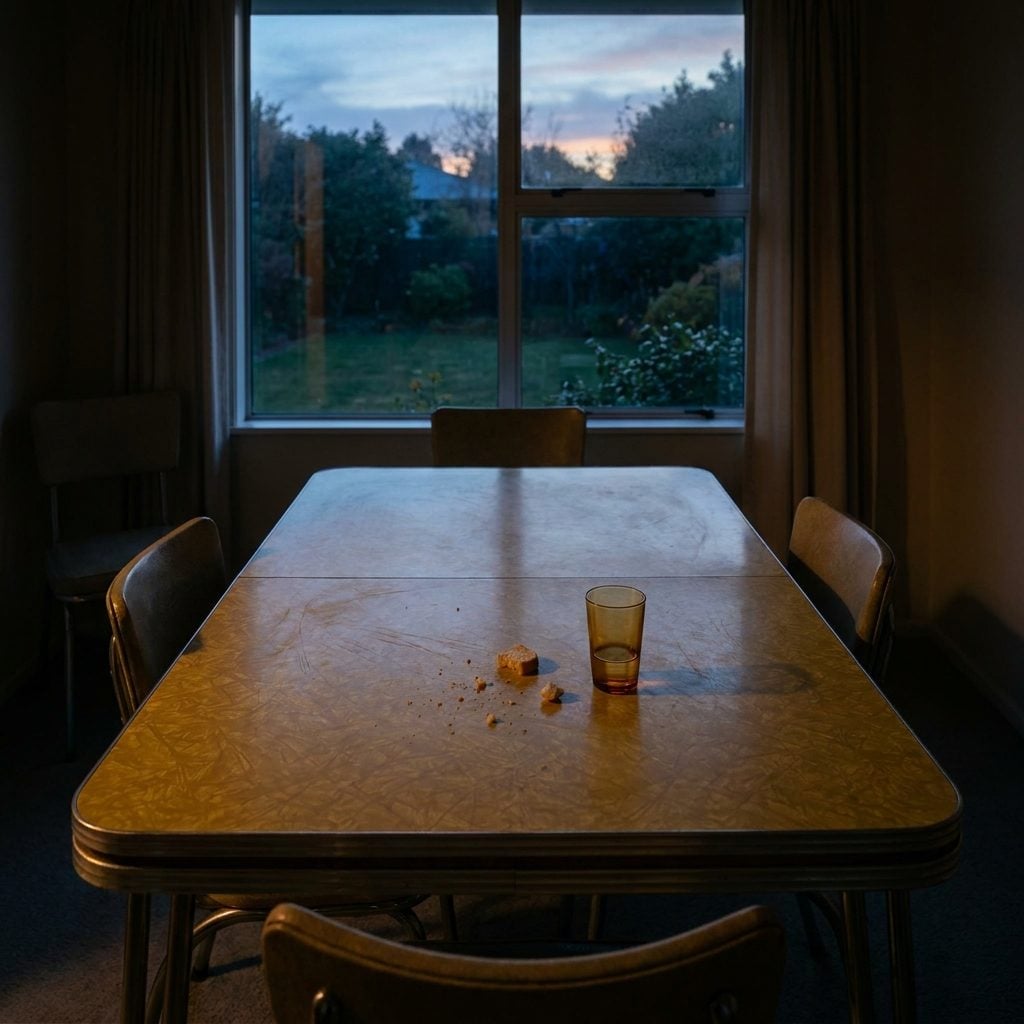
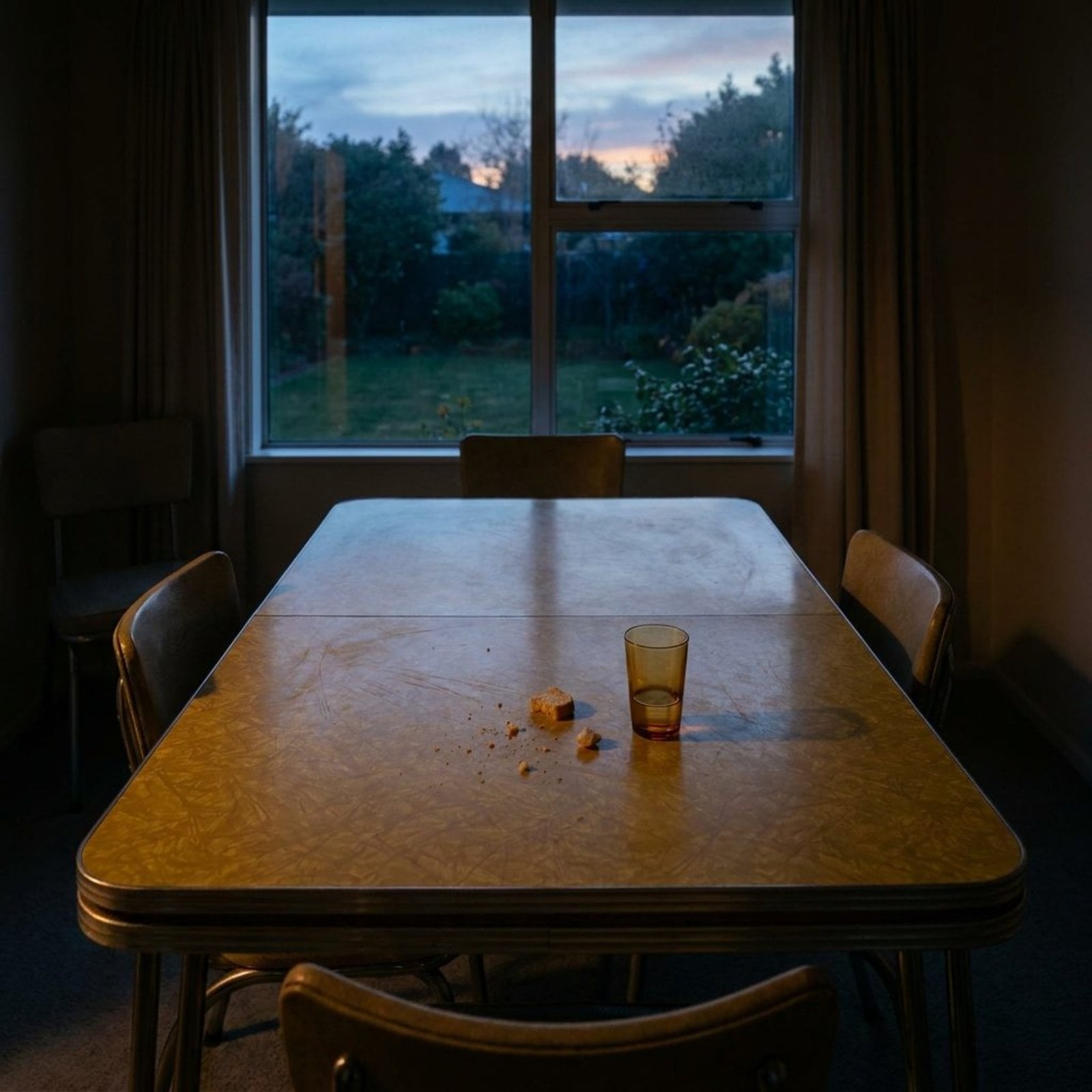
After dinner, the table held the evidence. A few crumbs near the salt shaker. A glass nobody took to the sink yet. One chair pushed out at an angle because that’s how she always left it, and you knew exactly who sat there from the angle alone.
The kitchen stayed warm for a while after everyone scattered to the living room or the yard. The Formica cooled slowly. The overhead light stayed on because someone would be back for a glass of water, or to check something in the refrigerator, or just to stand there for a minute in the quiet.
The table didn’t need anyone at it to feel like the center of something. It held that position regardless.
8. The Boomerang Pattern That Danced Across the Surface Like It Was Trying to Tell You Something
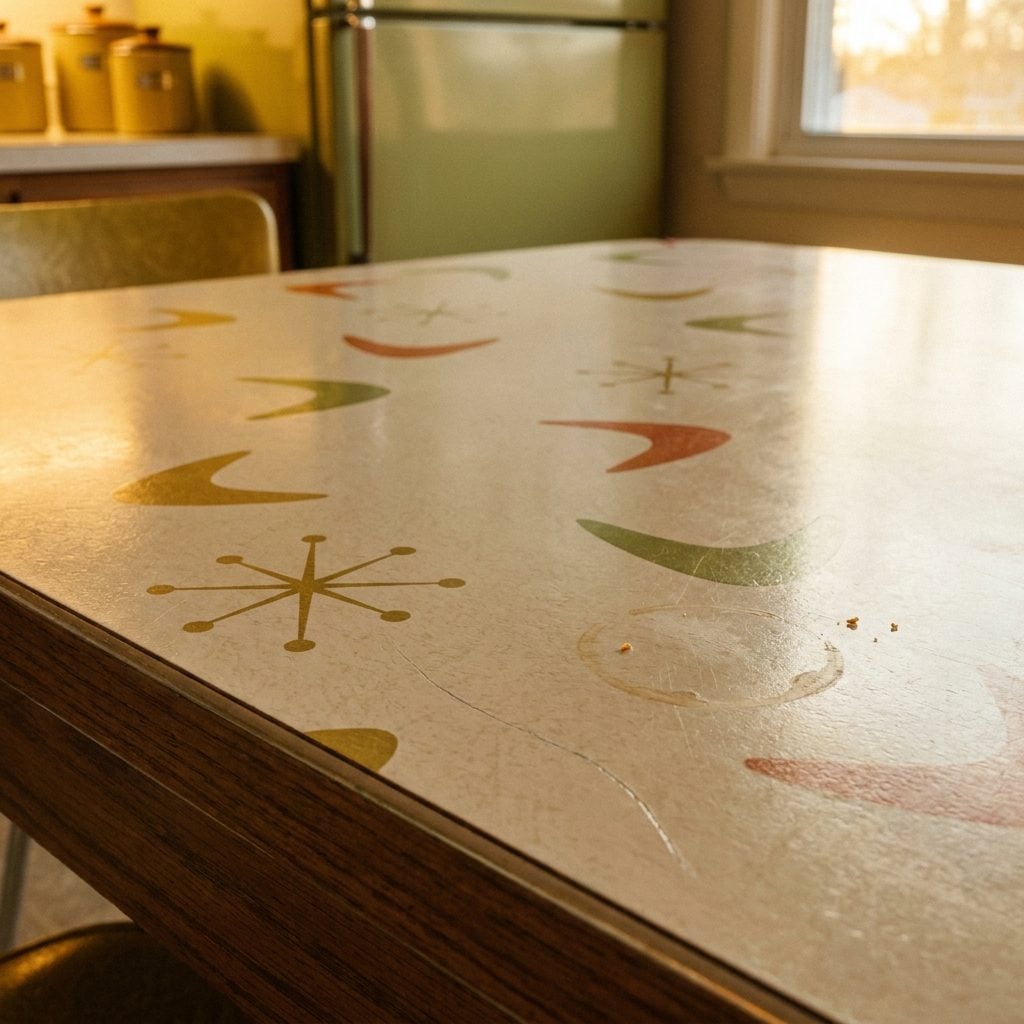
Nobody who grew up eating breakfast on one of these could tell you what a boomerang pattern was actually called. It was just the shapes — the little floating almond things in gold and orange and green your eyes traced while you waited for oatmeal to cool.
The pattern had a name, though. Skylark, or Boomerang, or Atomic, depending on who you asked. Designed to look like the future in 1955, and by 1974 it was in every kitchen your aunt lived in.
7. The One Chair That Wobbled and the Person Who Always Ended Up in It
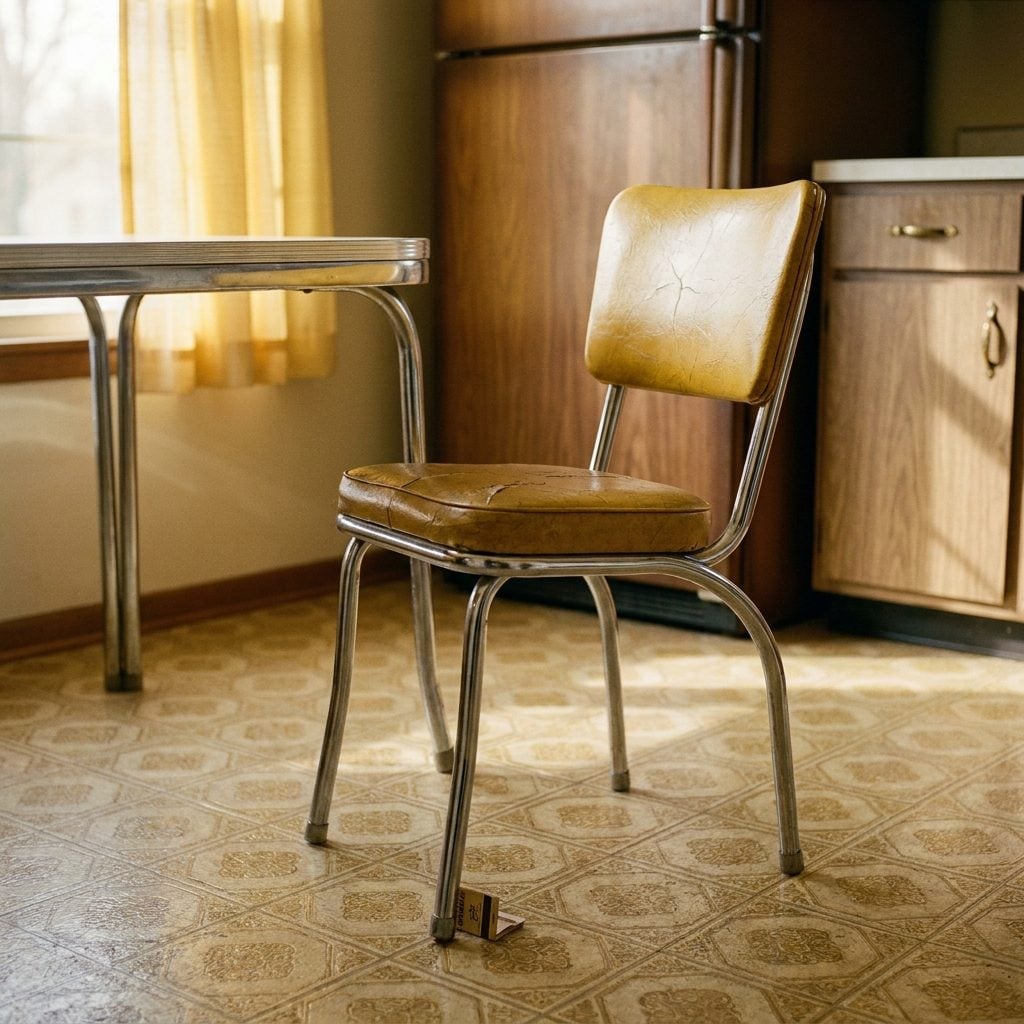
Every family had one.
The chair with the shortened leg, or the loose brace, or the seat cushion that had lost the will to stay flat. It rocked slightly when you shifted your weight, and you learned to sit still or brace against the table. Somehow the same person always got that chair — the youngest, usually, or the guest who didn’t know better. A folded matchbook under one leg was the official repair for about eleven years running.
6. The Drop Leaf That Went Up for Company and Stayed Down the Other 360 Days
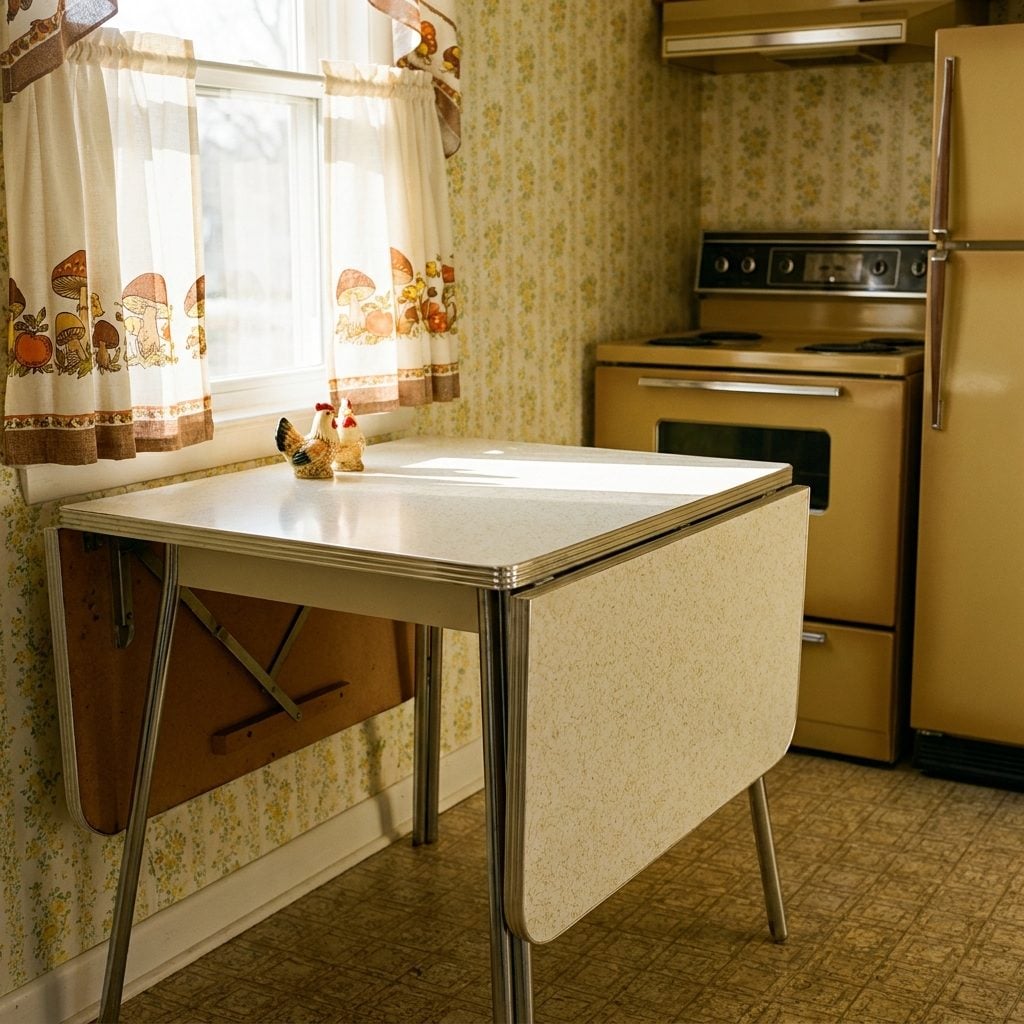
The drop leaf existed for Thanksgiving, Easter, and the one weeknight a year both sets of grandparents happened to be in town at once. The rest of the time it hung down against the wall, gathering dust on its underside and occasionally getting knocked by a knee.
Lifting it into position was a small ceremony. Someone had to hold the leaf while someone else fumbled with the metal support arm underneath, and there was usually a pinched finger involved before the whole operation clicked into place.
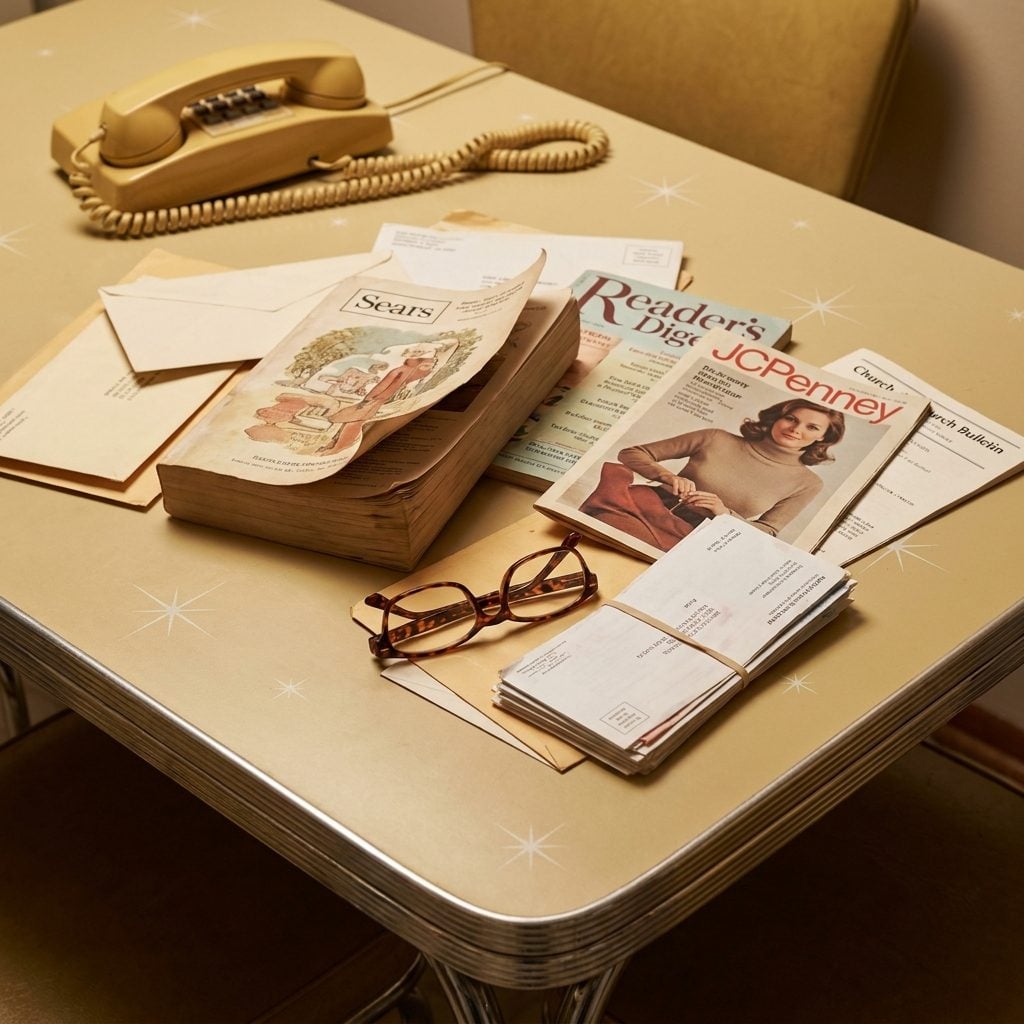
5. The Way It Held Every Single Piece of Mail Until Someone Finally Sorted It
🔥 Would you like to save this?
Mail landed there the second it came in from the box — bills, catalogs, church bulletins, the Sears wish book that would eventually get so worn the pages fell out of the toy section first. It sat in a slowly growing pile until somebody, usually Mom, finally sat down with a cup of coffee and dealt with it.
A whole Saturday morning event. The kitchen table was the family’s inbox, outbox, and filing cabinet all at once.
4. The Cigarette Burn Near the Edge That Nobody Talked About
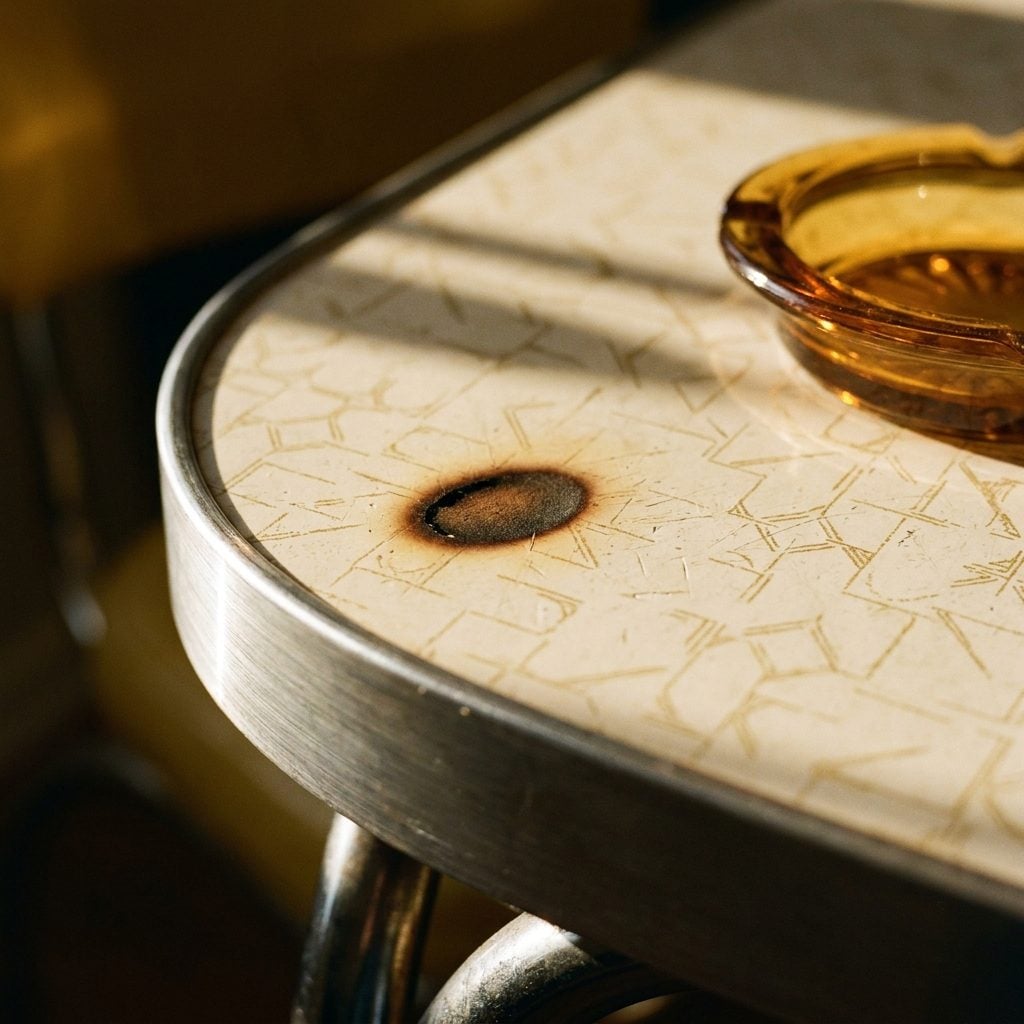
It sat there like a small dark planet on the surface of the table, half an inch long, perfectly oval, right at the edge where somebody had set a cigarette down for one second too long — probably in 1972, probably during a conversation that mattered at the time.
The burn never came out. You learned to eat around it, to set your glass down on the other side, to stop noticing after a while. Just part of the table’s biography by then.
3. The Way Homework Papers Slid Right Off Because Nothing Stuck to That Surface
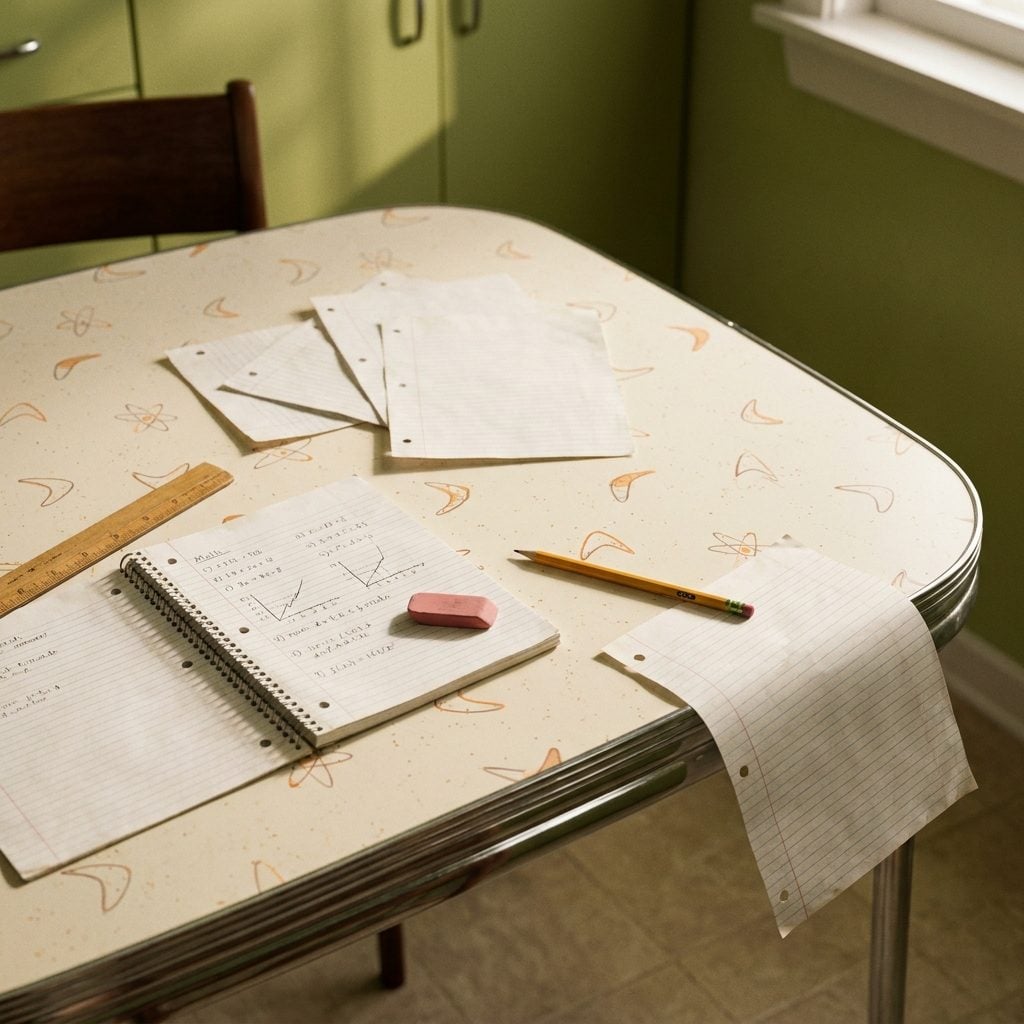
Formica had no grip. None. A sheet of loose-leaf paper slid across it like it was on ice, and pencils rolled off if the table had even a slight tilt — which most of them did after a decade of use.
Doing homework required a small system: one hand pinning the paper, the other writing. Or a book underneath to give the pencil something to bite into. The surface was built to be wiped clean and it did that job beautifully. Did nothing else.
2. The Sound of a Fork Hitting the Surface, Which Was Louder Than Any Wood Table Ever Made
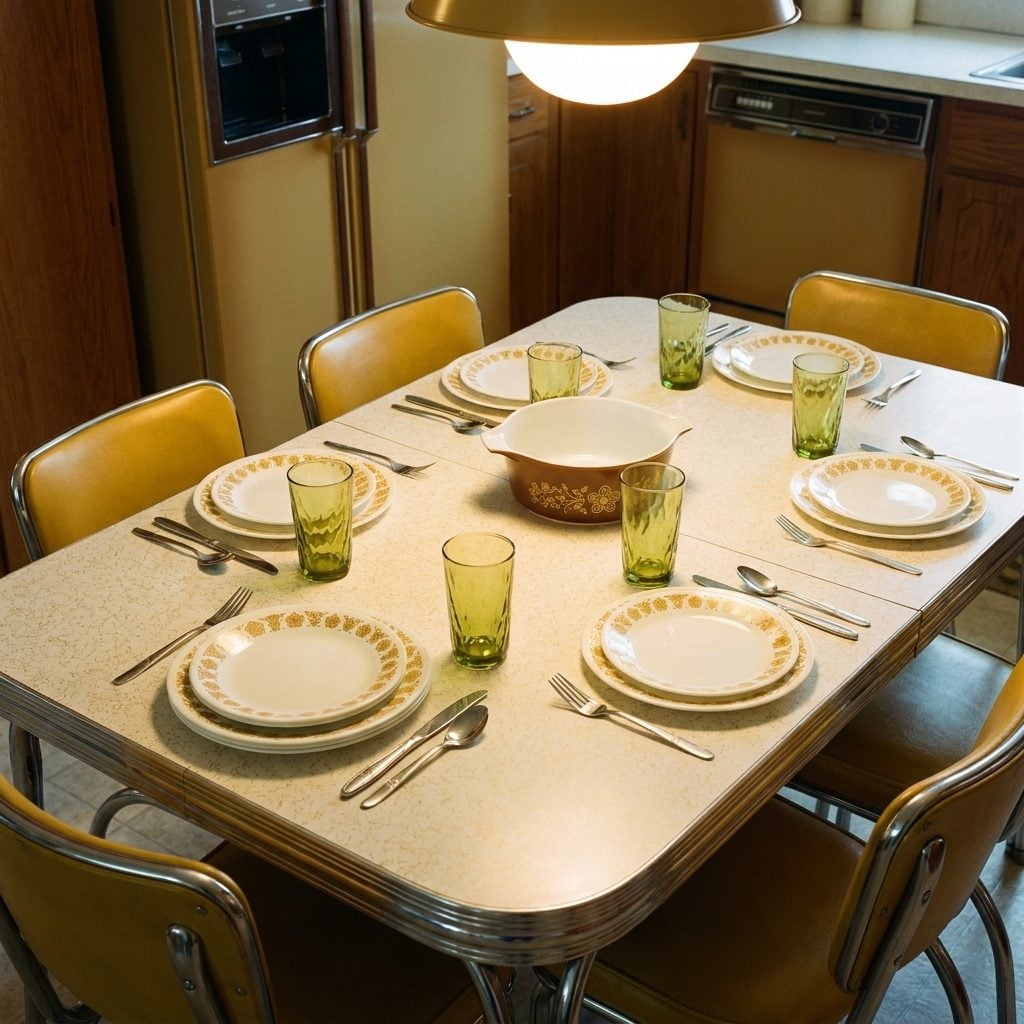
Set a fork down on a Formica table with any conviction and the whole room heard it — a sharp metallic clack that traveled straight through the particleboard core and out into the kitchen like an announcement. Kids figured this out fast. It was a way to register a complaint about dinner without saying anything, and adults figured it out too and had strong opinions about it.
1. The Day It Finally Got Replaced and How Wrong the Kitchen Felt for Weeks
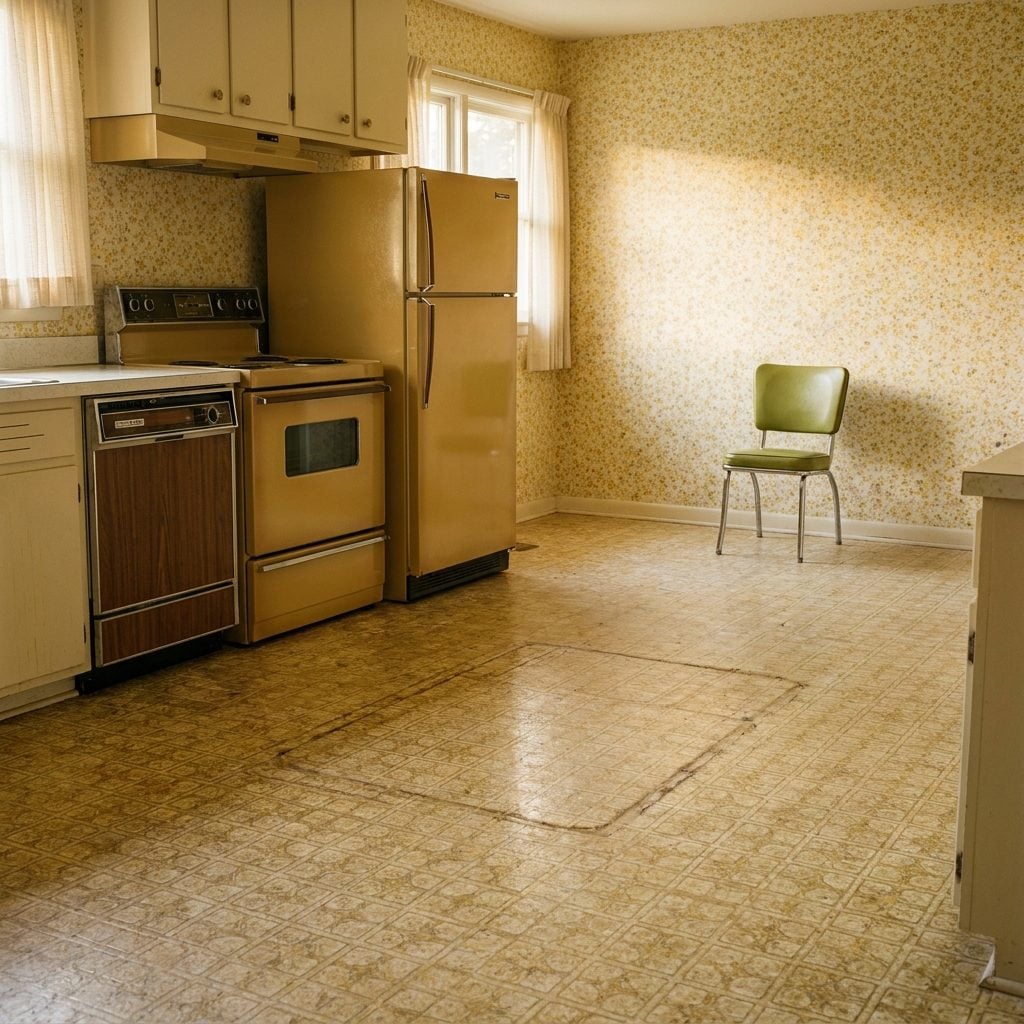
One day it went out to the curb. Or to a garage sale, or to a cousin who was setting up their first apartment. The new table was oak, or glass, or something that matched the cabinets somebody had just put in.
The kitchen felt wrong for months afterward. Sound moved through the room differently. Meals landed differently. And the new table was nicer by every measurable standard, and every single person in the family missed the old one anyway.