🔥 Would you like to save this?
The house smelled like Pine-Sol on Saturday mornings and pot roast by Sunday afternoon. Nobody called it working-class. Nobody called it anything. It was just the house — the one where the thermostat was law and the good scissors lived in a drawer you weren’t allowed to open. If you grew up in one of these homes, the details below aren’t nostalgia so much as evidence. Small, specific proof that you were raised by people who counted every dollar and made it stretch until it snapped. Twenty-seven signs, and you’ll recognize most of them before you finish the first paragraph.
27. Dinner Came From a Can, a Box, and Sometimes a Bag, and Nobody Complained
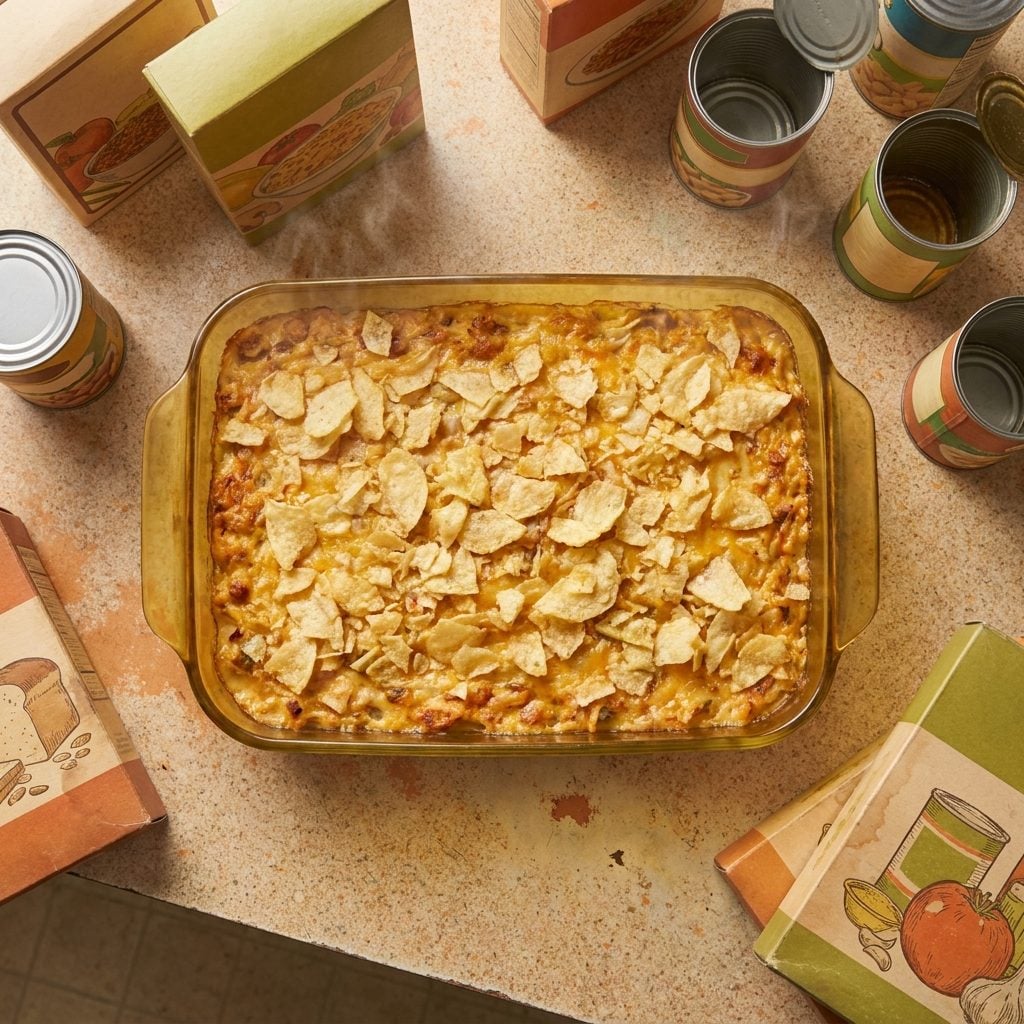
Tuna casserole with crushed potato chips on top. Hamburger Helper on a Tuesday. Fish sticks on Friday because, in some houses, that was still a thing.
In order to come up with the very specific design ideas, we create most designs with the assistance of state-of-the-art AI interior design software. Also, assume links that take you off the site are affiliate links such as links to Amazon. this means we may earn a commission if you buy something.
The magic ingredient in almost everything was a can of cream of mushroom soup — it bound casseroles, turned green beans into a side dish, and stretched a pound of ground beef across Wednesday dinner, Thursday dinner, and Friday lunch. Your mother could feed six people on what a bag of groceries costs now, and she did it every night without a recipe book.
You didn’t know any of it was cheap food. Dinner was at six and you’d better be at the table.
26. The Good Couch Was Wrapped in Plastic That Stuck to Your Legs All Summer
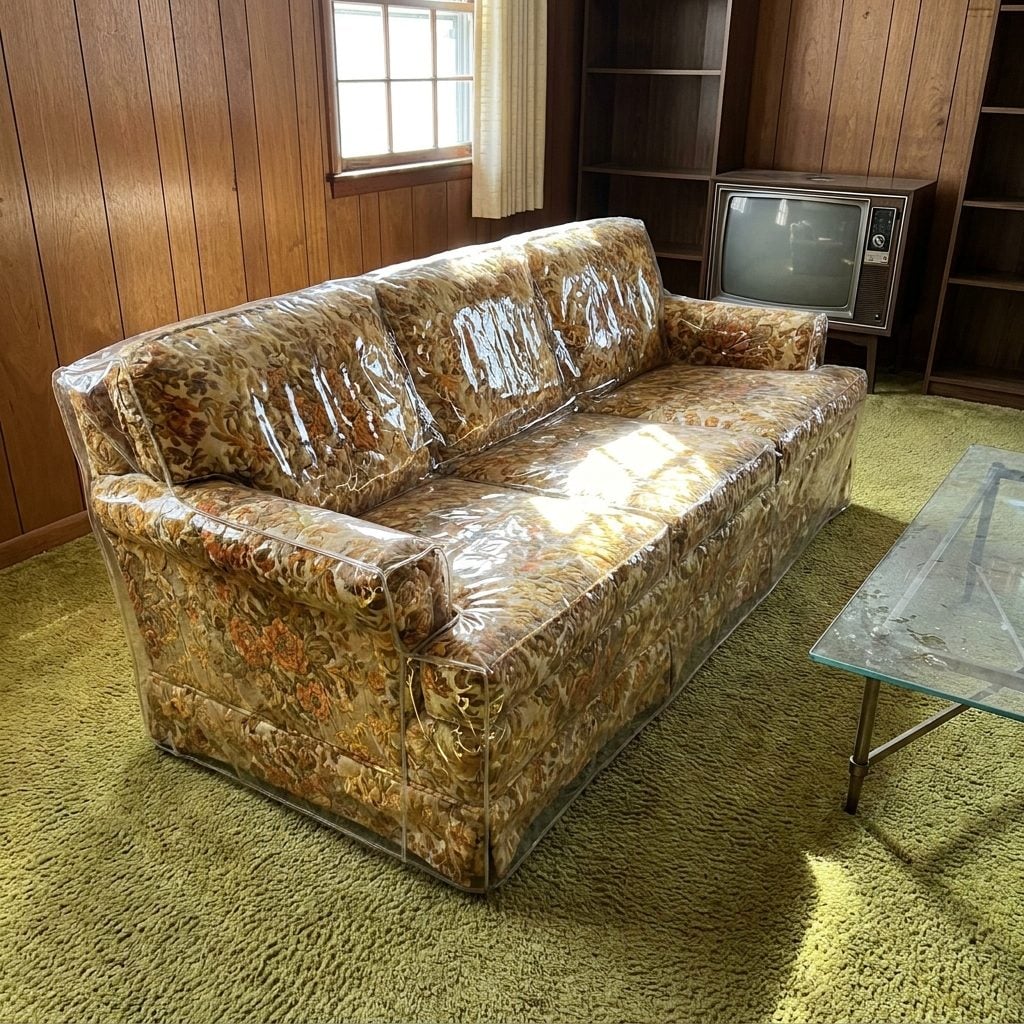
Nobody sat on the good couch. That was the point. The plastic wasn’t protecting the couch from you — it was protecting the couch from time itself, so that in 1994, when the couch was finally uncovered, it would look exactly as it did in 1974. And it did. The couch outlived the plastic. The couch may still be in that living room.
In July, your bare thighs stuck to it and made a sound when you stood up. In January, it was cold enough to shock you. No good season for the plastic couch. That was also the point.
25. You Knew Exactly Which Stair Would Wake Your Parents
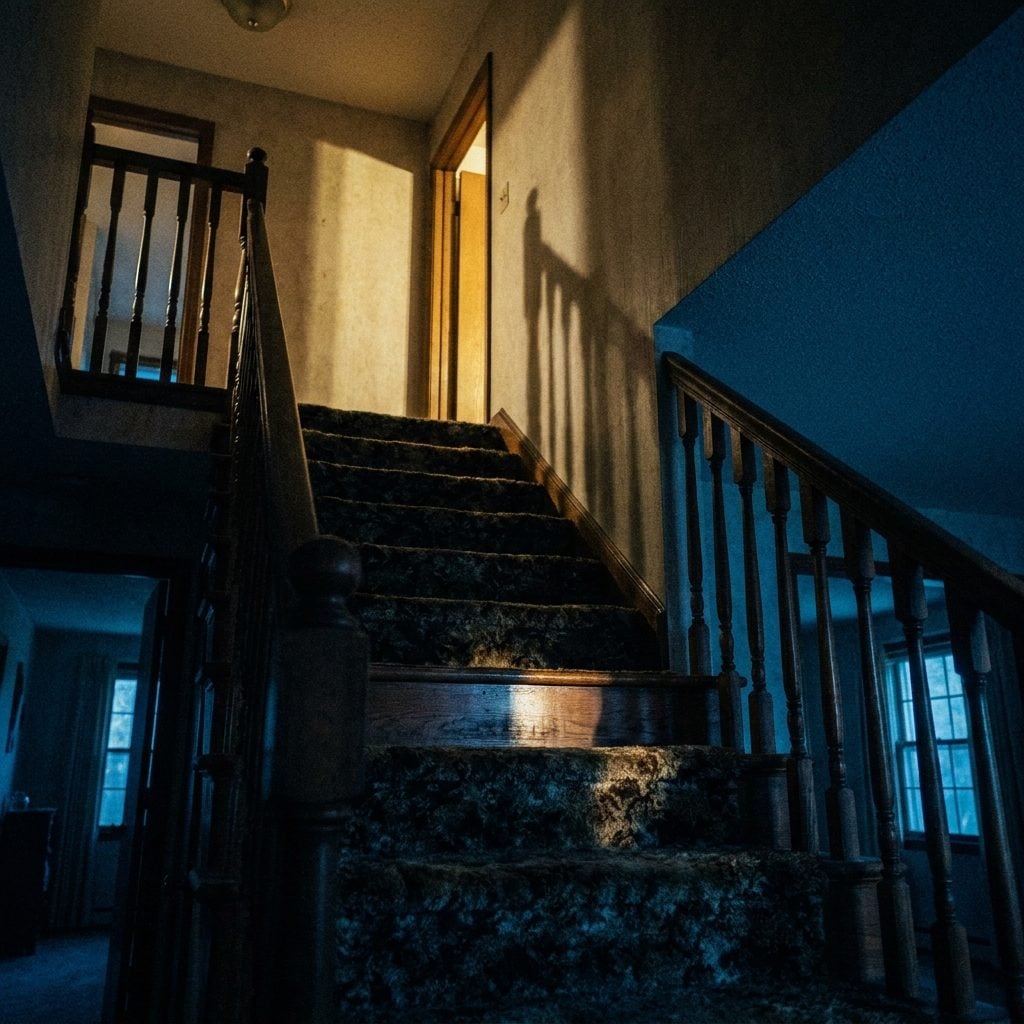
Third from the top, left side — skip it or the whole night was over.
You mapped every squeak in that house like a cartographer: the floorboard outside the bathroom, the kitchen door that groaned if you opened it past a certain angle, the refrigerator handle that clicked. Sneaking downstairs for a bowl of cereal at midnight was a covert operation, and you were good at it because you’d done it a hundred times.
The house was old. The floors talked. You learned to translate.
24. Aluminum Foil Got Washed and Reused Until It Basically Disintegrated
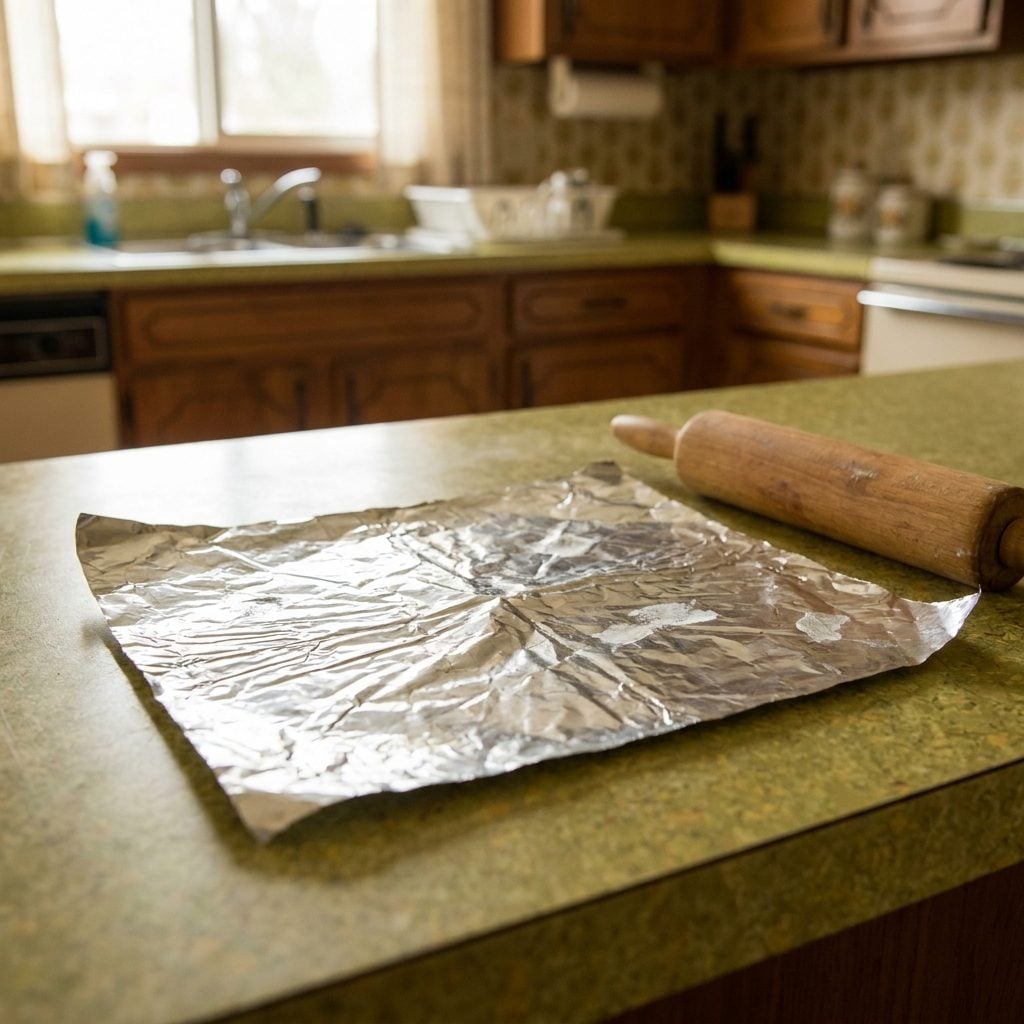
Mom would smooth it out on the counter after dinner, fold it, and file it in the drawer next to the wax paper. That same square would wrap a sandwich, line a baking pan, and eventually tent a Thanksgiving turkey before it retired.
Nothing that could be used again got thrown out. Bread bags became lunch bags. Rubber bands from the newspaper lived in a jar by the phone. Empty margarine tubs graduated into Tupperware. Not a lifestyle choice — just math.
23. The TV Was Furniture and Changing the Channel Was a Chore
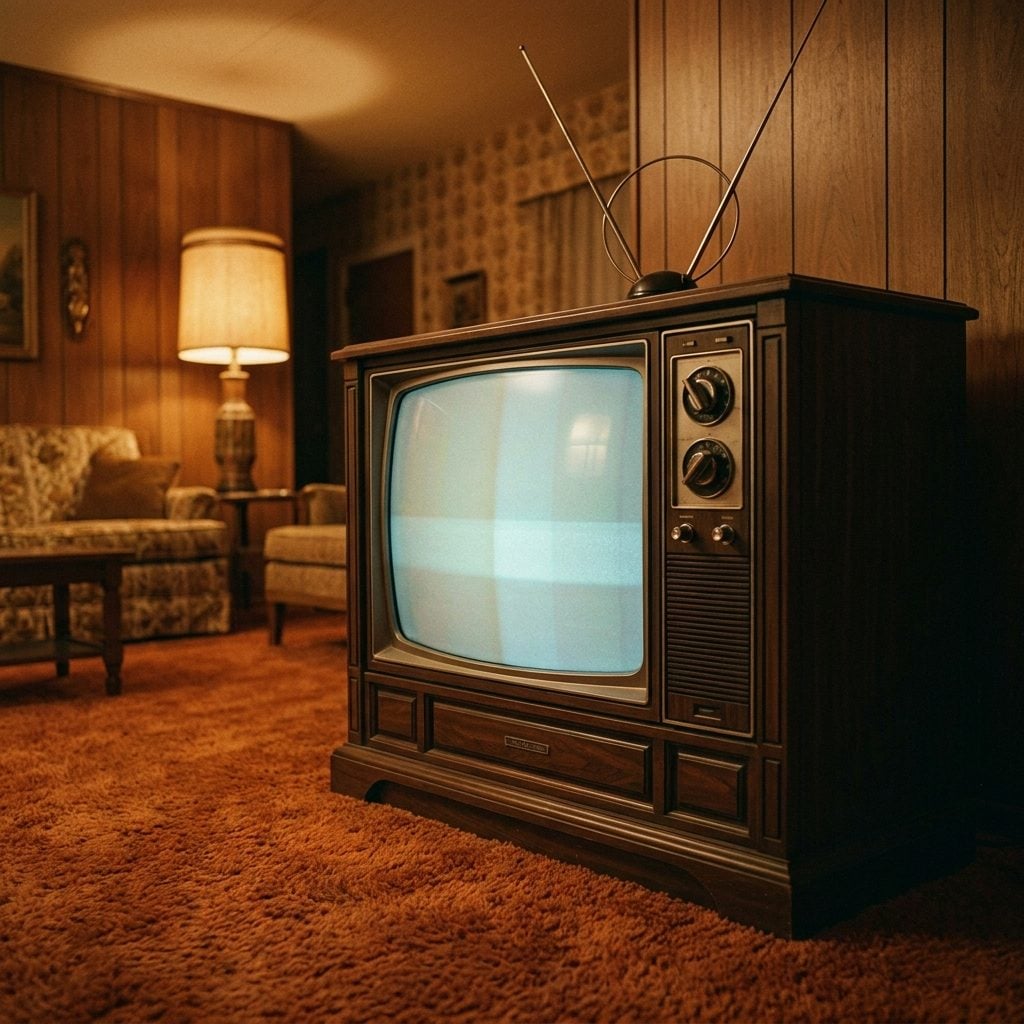
Four channels. Maybe five if the antenna cooperated. Youngest kid was the remote control.
Getting up to change the channel was such an ordeal that families sat through entire shows nobody wanted to watch, because the alternative was standing up. That console TV weighed as much as a small refrigerator and lived in the same spot for fifteen years. When it finally died, three men were needed to carry it out. If you’re curious what those living rooms looked like in full, this house tour aesthetic feels a world away.
The rabbit ears had foil on them, and somebody in the family was the designated human antenna, holding a specific pose during the good part of a show so the picture wouldn’t roll.
22. The Wood Paneling Went All the Way Up and Nobody Questioned It
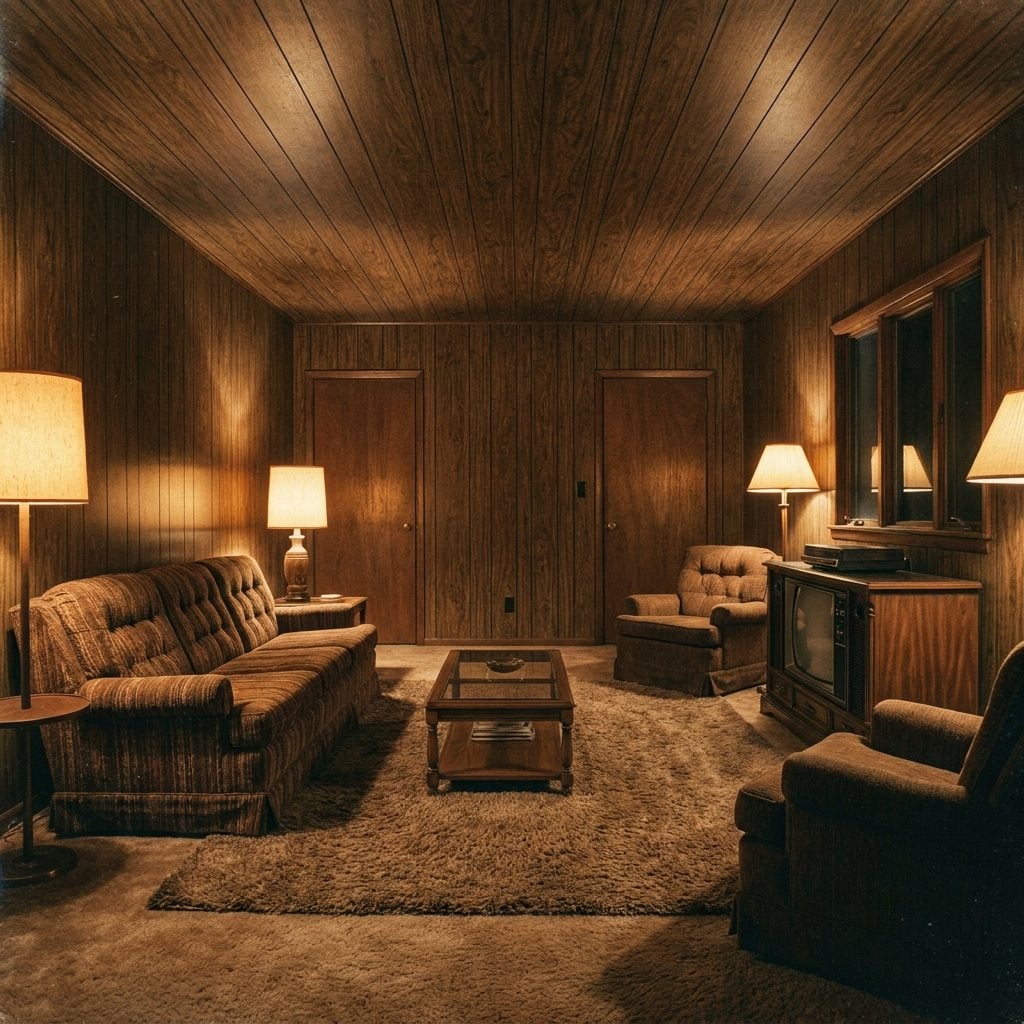
Every wall. Every room. Sometimes the ceiling.
The paneling arrived in 4×8 sheets from the hardware store and Dad put it up over a weekend with a borrowed nail gun. Cheap, quick, and it hid every flaw in the drywall while making the room look — in the parlance of 1974 — finished. Living room, den, basement, hallway. If a surface was vertical, it got paneled.
You lived inside a wooden box and figured this was what houses looked like. Then you visited a friend whose parents had painted walls and you didn’t know what to do with your eyes.
21. Every Butter Container in the Fridge Held Something That Wasn’t Butter
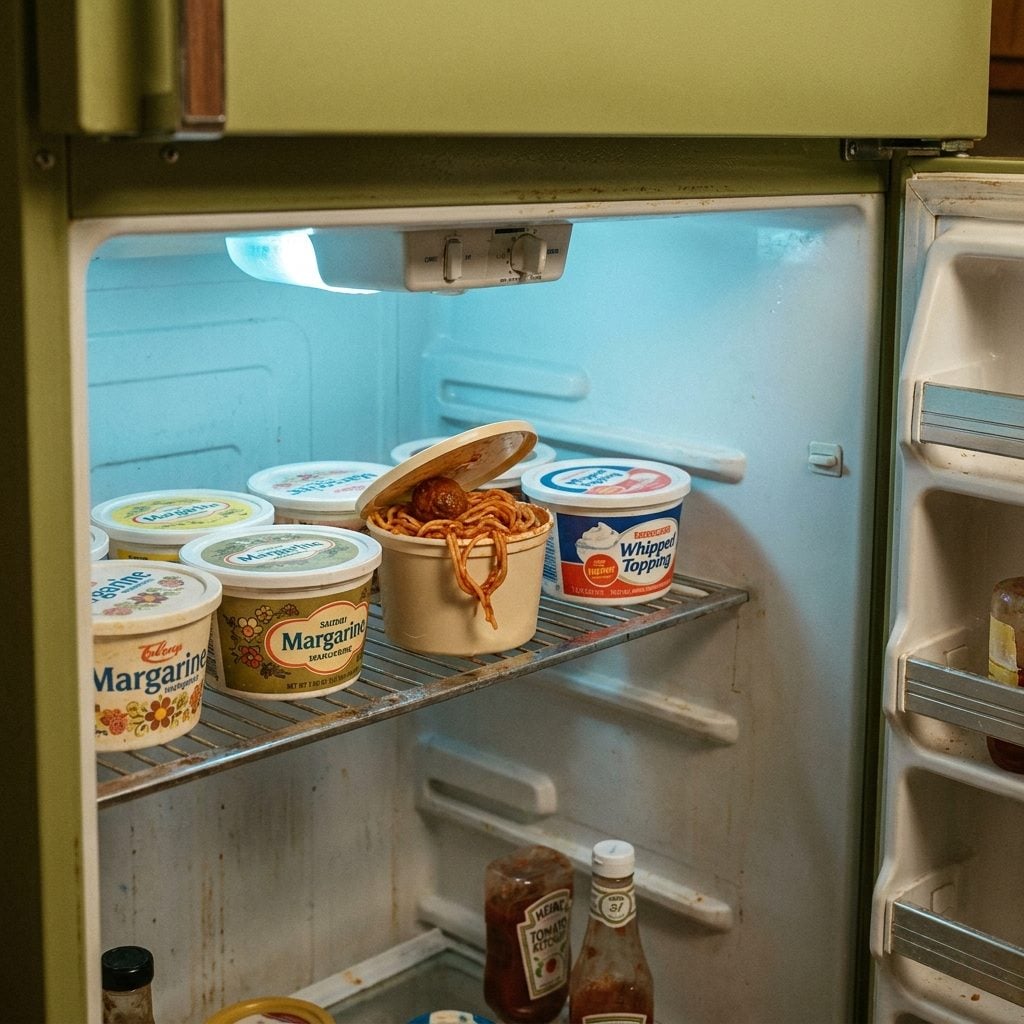
Opening the fridge was a lottery. That Cool Whip tub? Could be chili. Could be leftover spaghetti. Could be, in a rare twist, actual Cool Whip. You had to pop the lid to find out.
Tupperware cost money, so yogurt containers, margarine tubs, and cottage cheese containers all got second lives as storage. Mom’s Sharpie labeling system was inconsistent at best, which meant dinner some nights was whatever the fridge felt like offering.
20. You Wore Your Brother’s Clothes and His Brother’s Clothes Before That
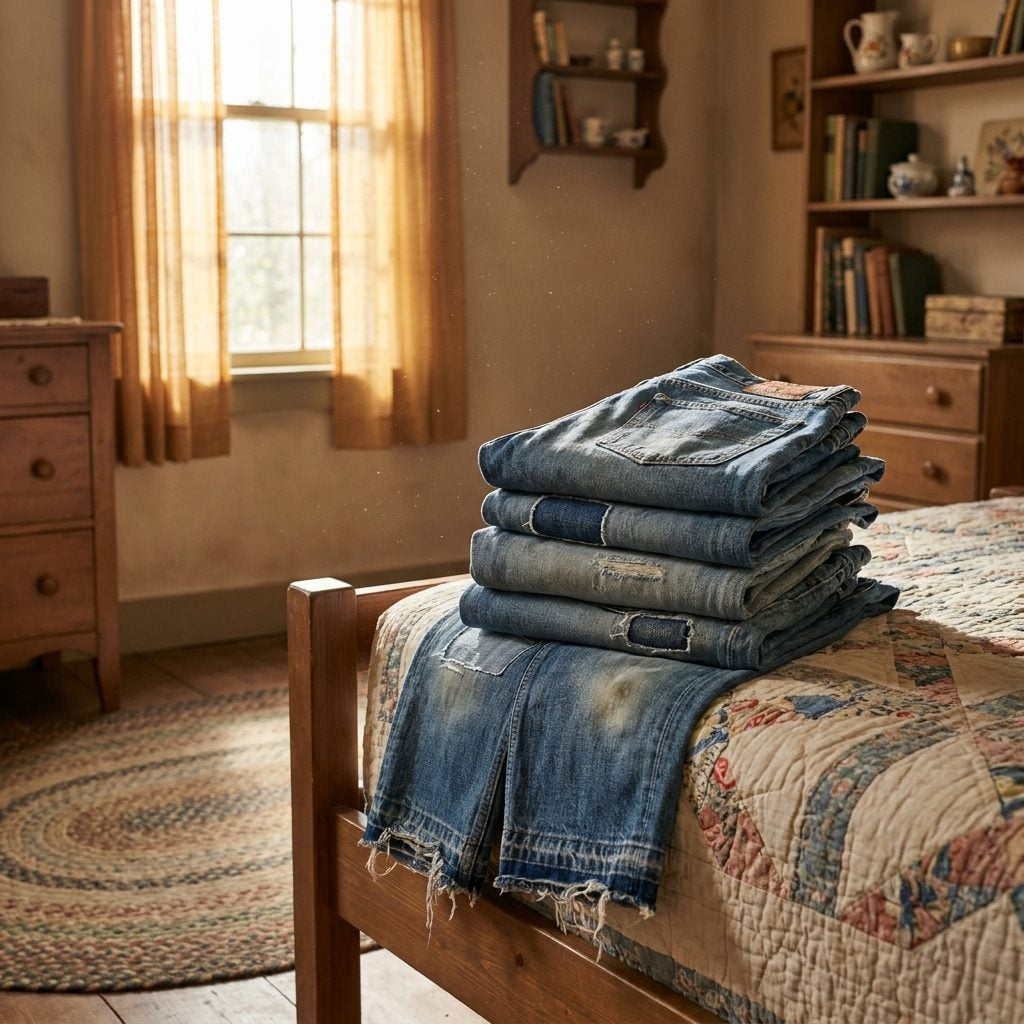
The jeans came with a story. Your older brother wore them until they were too short, then a cousin, then somebody at church. By the time they got to you, the knees were reinforced with iron-on patches shaped like footballs and the pockets had been stitched three times.
Toughskins. Sears. The knees never wore out because they were reinforced with actual plastic. You could kneel on gravel and feel nothing. Those jeans are probably still in a landfill somewhere, fully intact, waiting.
19. The Basement Smelled Like Old Water and Nobody Fixed It
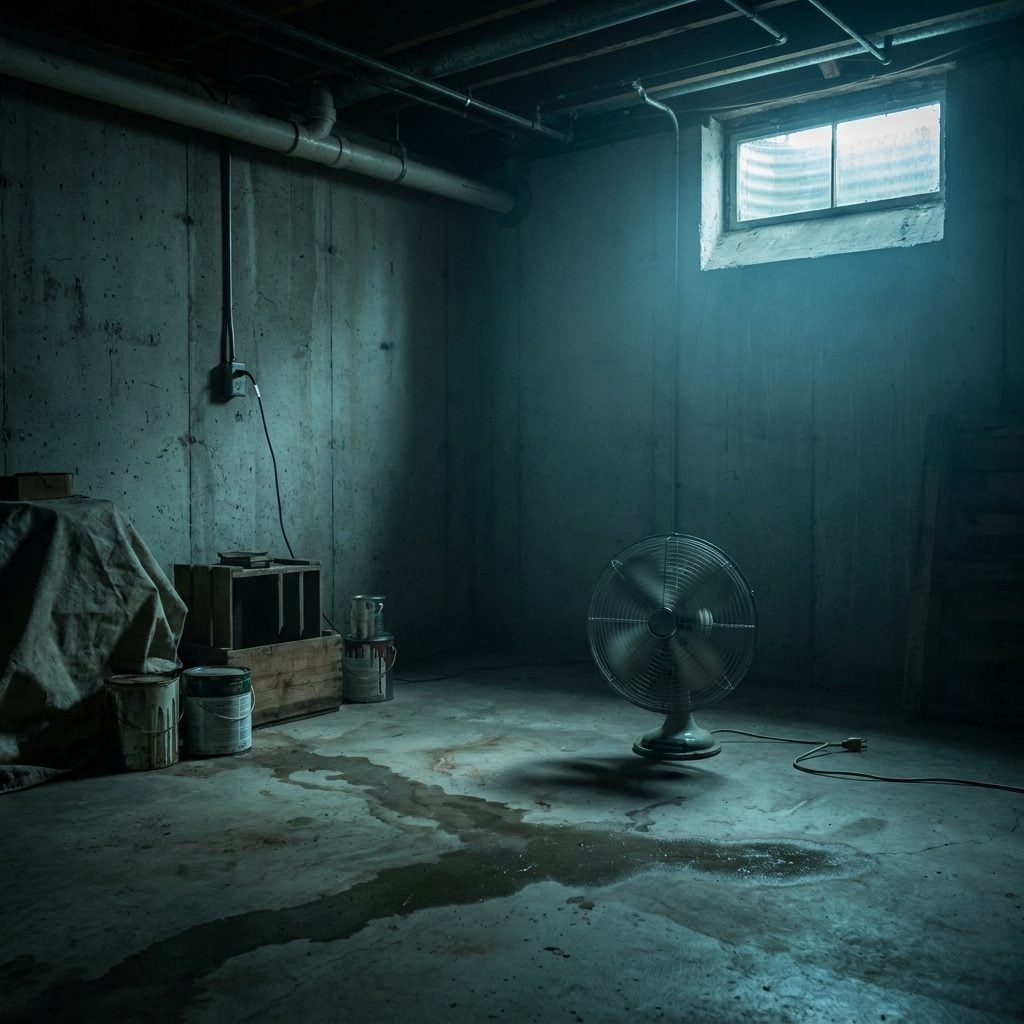
Musty. That’s the polite word.
Every spring the basement took on water and every spring Dad put a fan on it and called it handled. There was a floor drain that sometimes worked and a dehumidifier that ran around the clock and emptied into a bucket you were supposed to remember to dump. Nobody remembered.
The basement was where the freezer lived, where laundry got done, where Dad had a workbench nobody but him touched, and where kids played on rainy days on a piece of orange shag remnant somebody had thrown down over the concrete. The smell got into everything stored down there — Christmas decorations, winter coats, boxes of hand-me-downs. Pull a box out in December and the whole living room would smell like April 1976 for a week.
18. Long Distance Phone Calls Required a Family Meeting
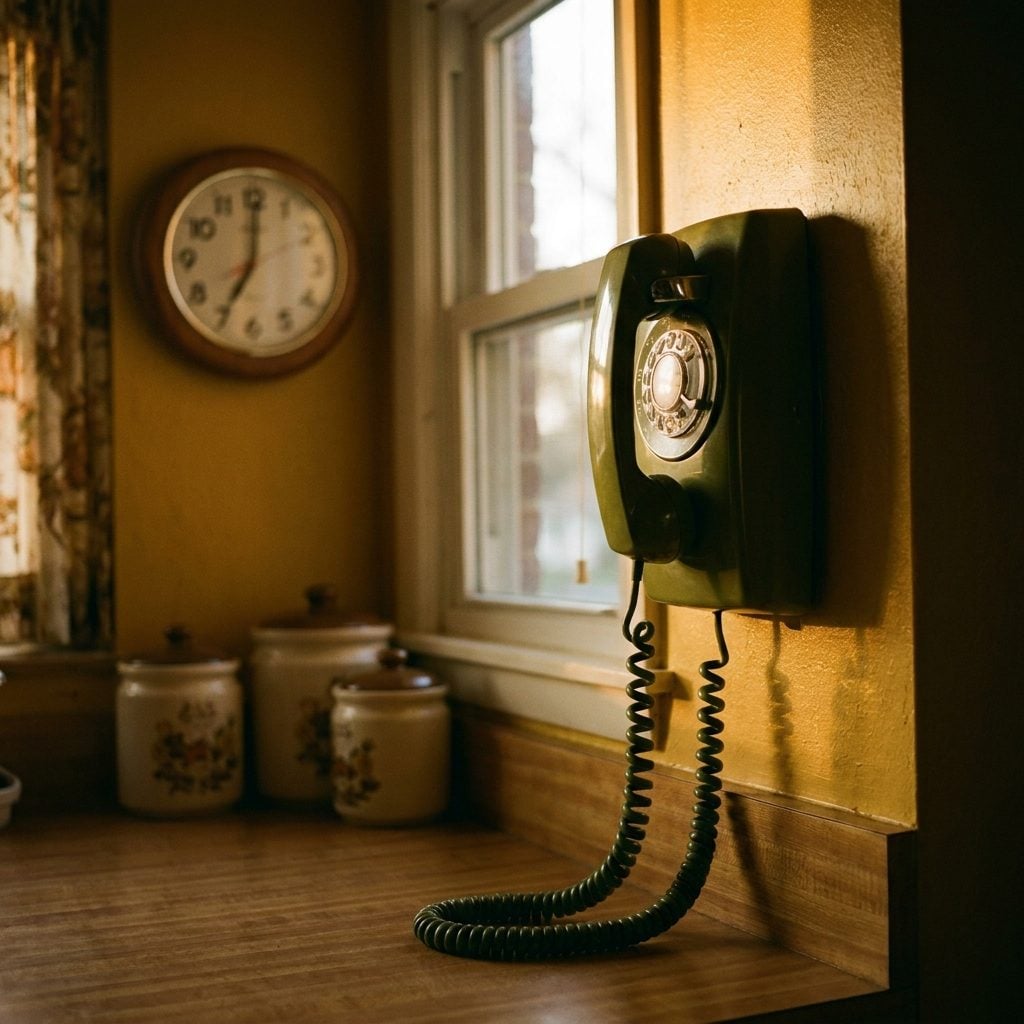
Calling Aunt Marlene in Ohio was a scheduled event. You waited until after 7pm because the rates dropped, and then you kept it under ten minutes because Dad was standing there with his arms crossed like a stopwatch with legs.
Every long distance call started with someone yelling from the kitchen — keep it short — and every one ended with a fight about who was on too long. The phone bill came once a month and it was read out loud like a verdict.
17. The Station Wagon Had a Rust Spot Everyone Pretended Not to See
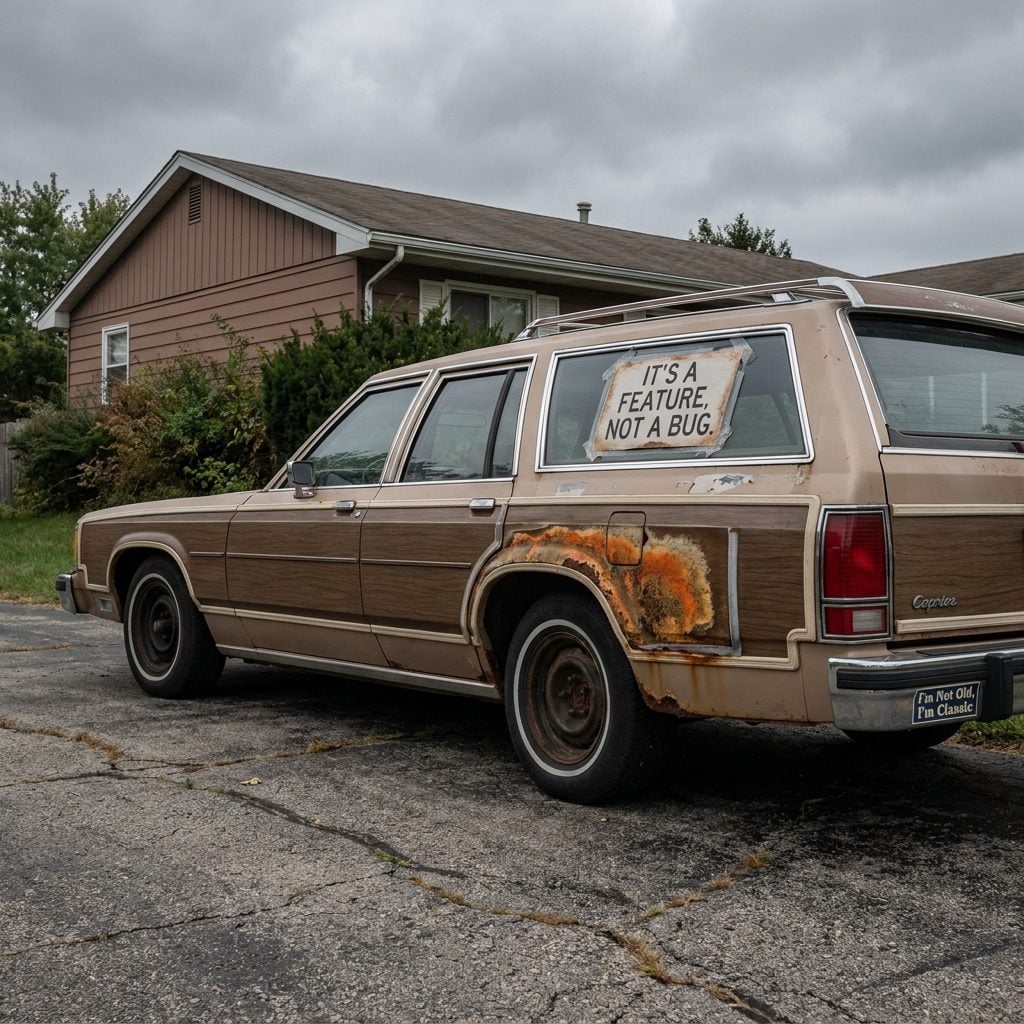
Everyone knew about the rust — you knew, your siblings knew, the neighbors definitely knew, and nobody mentioned it. That car was going to get you to school and the grocery store and Grandma’s in the summer, and complaining about the wheel well slowly returning to the earth wasn’t going to help anything.
Dad touched it up once with a can of spray paint that didn’t quite match. It looked worse. Nobody said that either.
16. Haircuts Happened at the Kitchen Table With a Towel and Bad Scissors
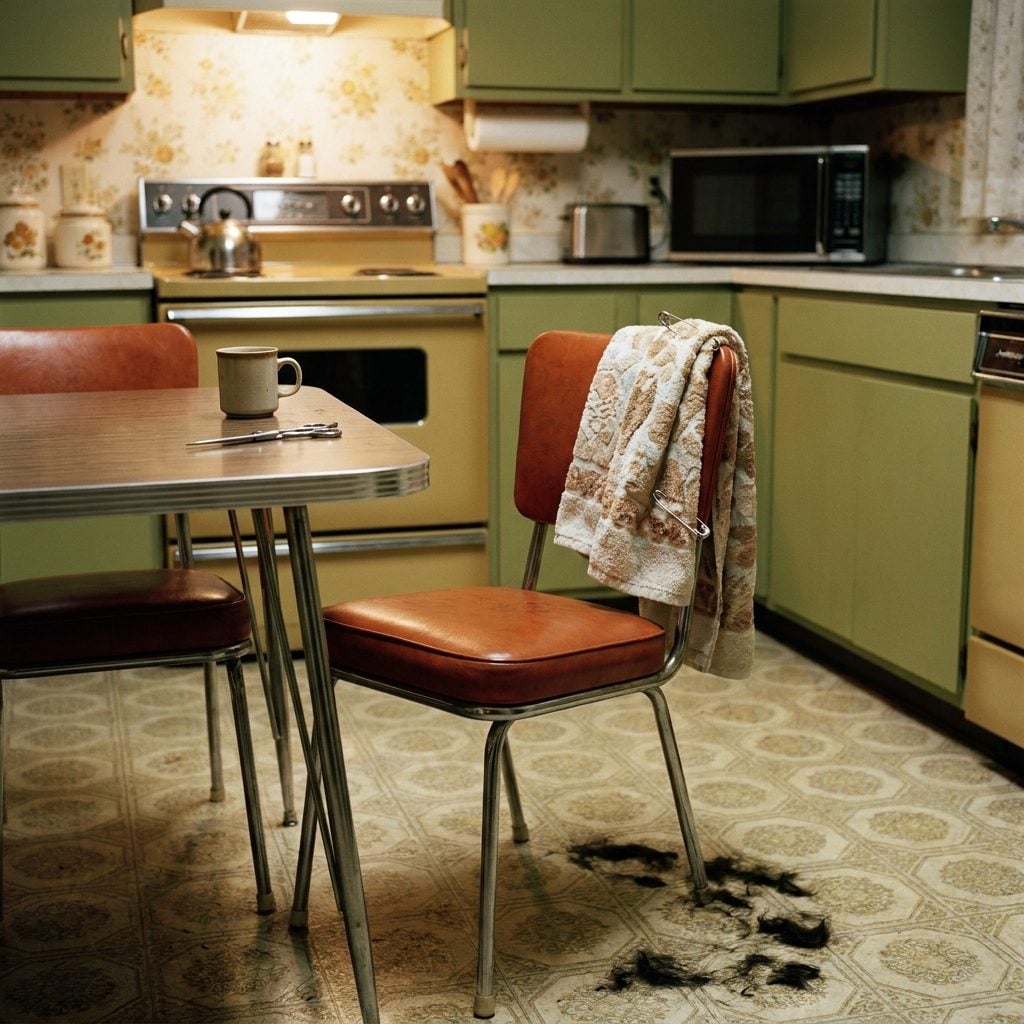
Mom’s haircuts were free and it showed. You sat in a chair from the dinette set with a towel safety-pinned around your neck while she circled you holding the same scissors used for coupons and construction paper.
The bowl cut wasn’t a style choice. It was a tool. She’d hold the comb at an angle she’d invented herself and go to town, and school photo day always arrived about a week too late for it to grow out.
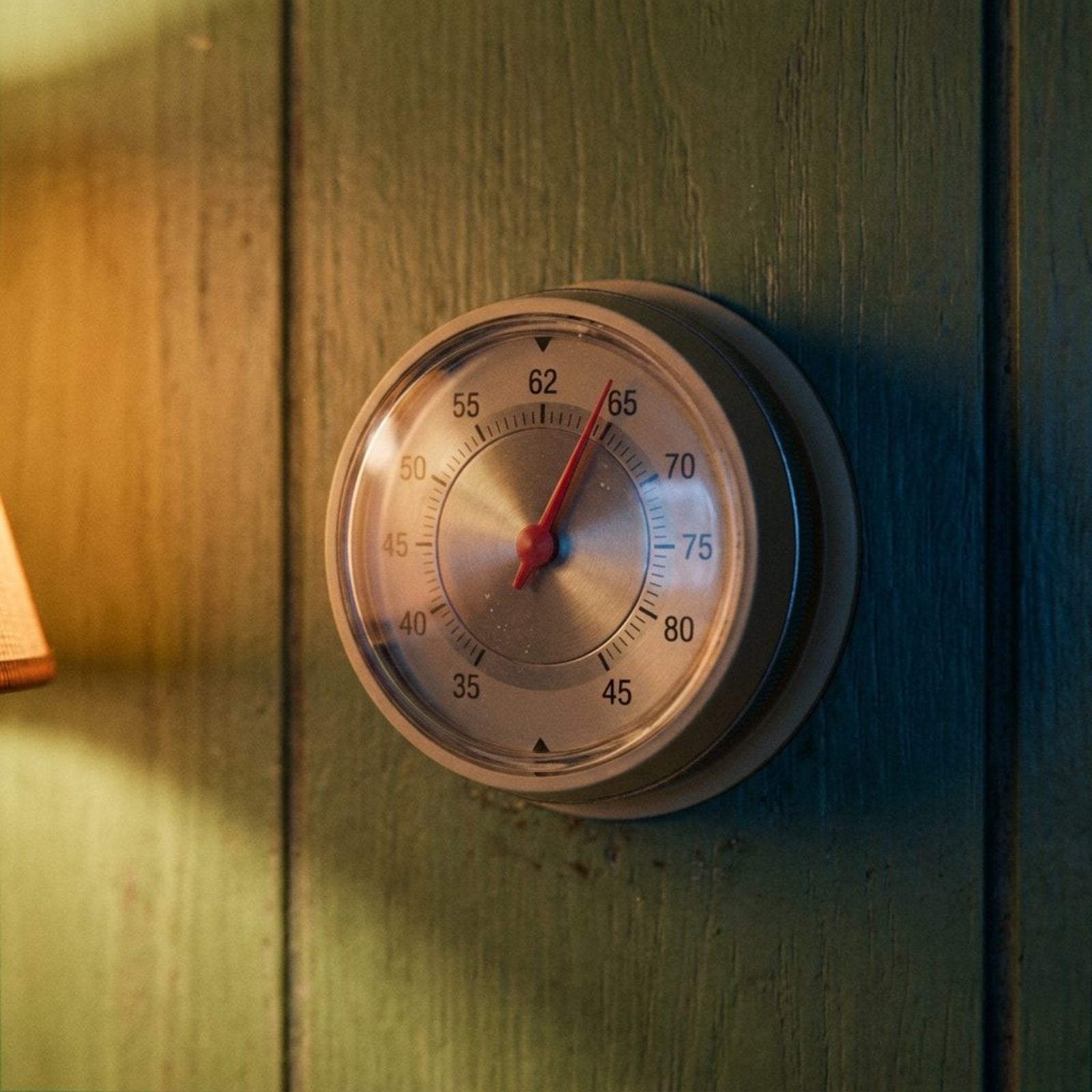
15. The Thermostat Was Set by Dad and Defended Like a National Border

🔥 Would you like to save this?
Sixty-two degrees. Sweaters on. That was the deal.
Dad had a sixth sense for that dial — you could nudge it half a degree and twenty minutes later he’d walk in from the garage, look at it once, and adjust it back without a word. Uncanny. Non-negotiable.
The house had cold spots you learned to avoid and warm spots you fought your siblings for. Kitchen after dinner was prime real estate, and so was the register in the hallway where the heat actually came out. You’d stand on it in socks until your feet went numb from the metal grate pattern.
14. The Curtains Matched the Wallpaper Which Matched the Bedspread
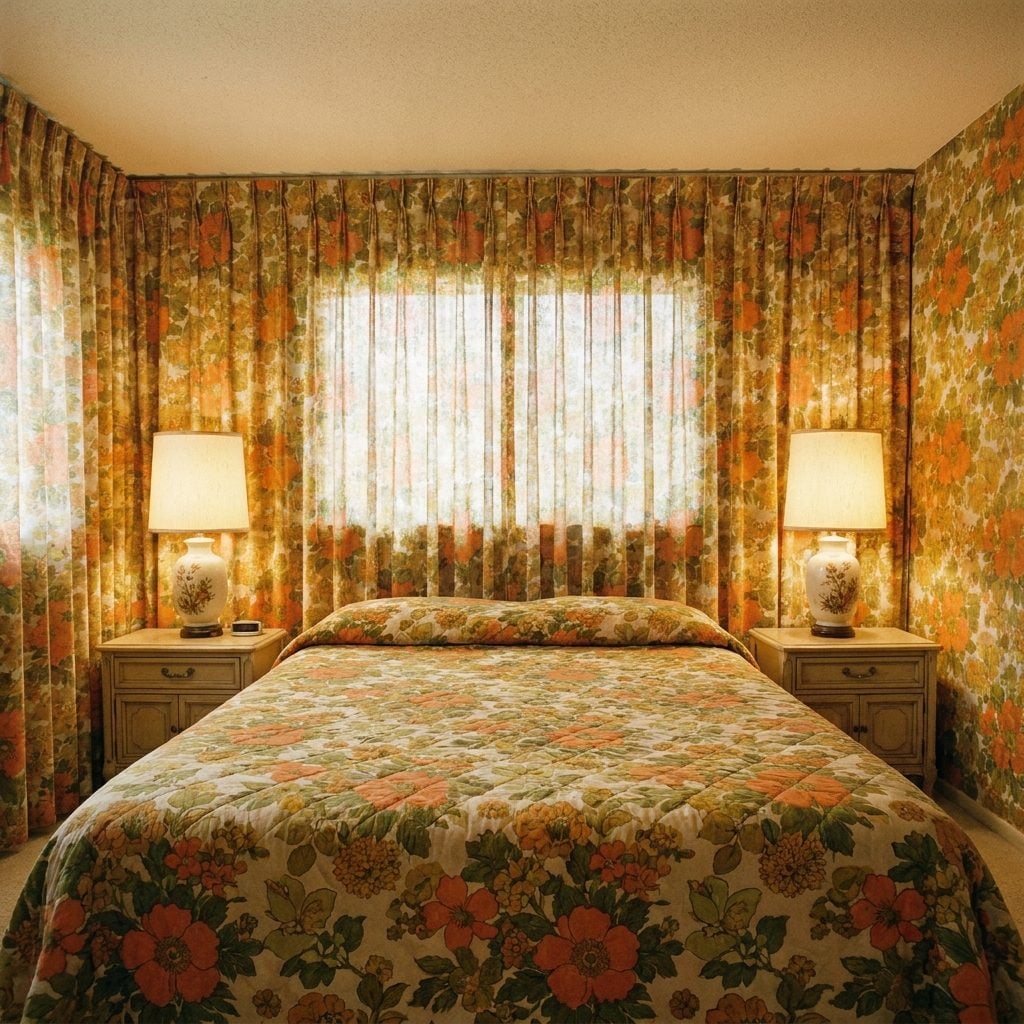
Sears sold whole coordinated bedroom sets and working-class moms bought the entire kit — wallpaper, curtains, bedspread, sometimes even a matching lampshade if you were really committing. The bedroom didn’t have an accent wall. It had an accent everything.
You’d wake up surrounded by the same flowers you fell asleep looking at. Close your eyes and open them again, the pattern was still there, waiting for you, patient and busy.
13. You Learned to Read Off the Sears Catalog Before You Learned in School
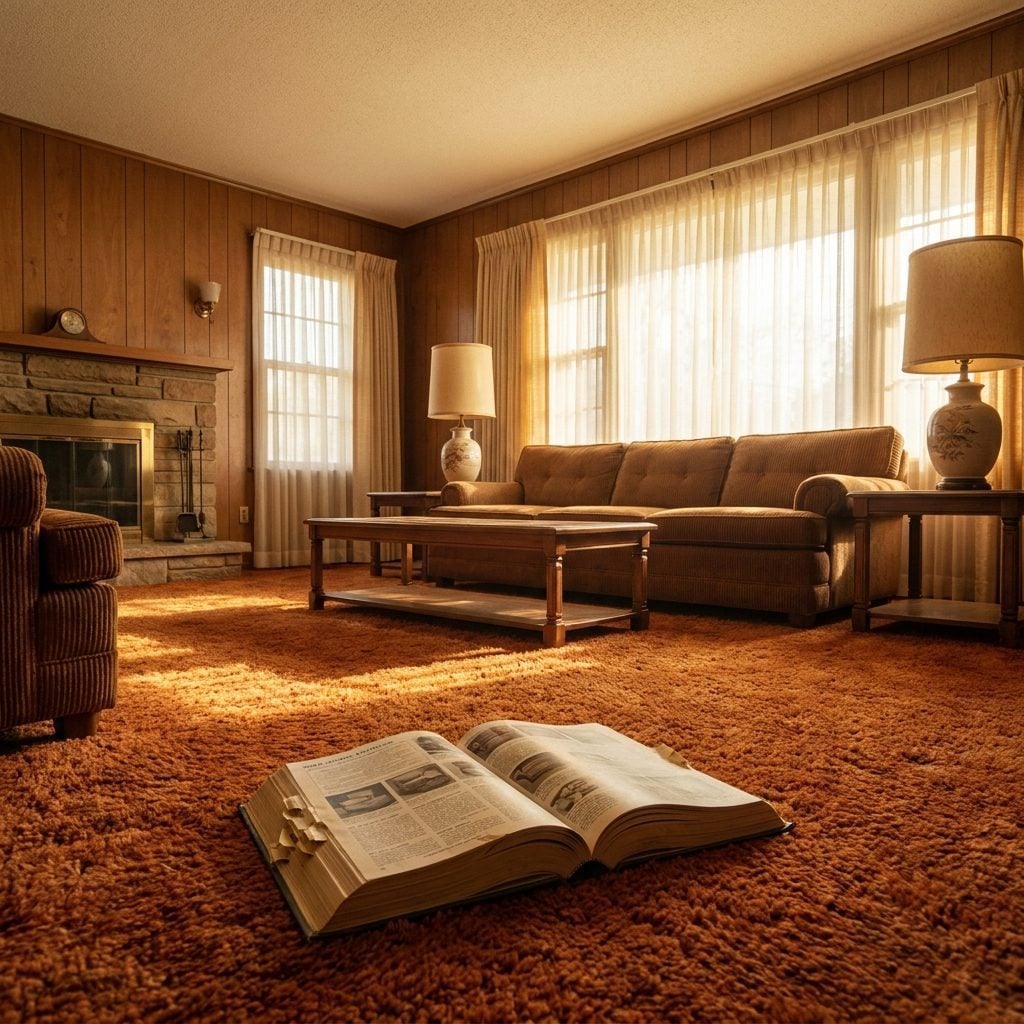
That catalog was part dictionary, part department store, part household encyclopedia. You lay on the shag carpet turning pages until you knew what corduroy looked like, what a chest freezer cost, and why one television was thirty dollars more than another even though they appeared exactly the same.
The Wish Book got the attention at Christmas, but the regular catalog taught you how the adult world was organized. Work boots, bedroom sets, washing machines, winter coats, tools, sewing notions. Everything had a name, a price, and a place in the house. By the time you reached the toy section, you had already absorbed an entire education in what things cost and which version your family was likely to buy.
History Corner: Sears introduced its Christmas Wish Book in 1933. The classic large-format edition lasted until 1993, though smaller holiday catalogs and later revivals kept the name alive in different forms.
12. The Freezer in the Garage Held a Half a Cow and Nobody Asked Questions
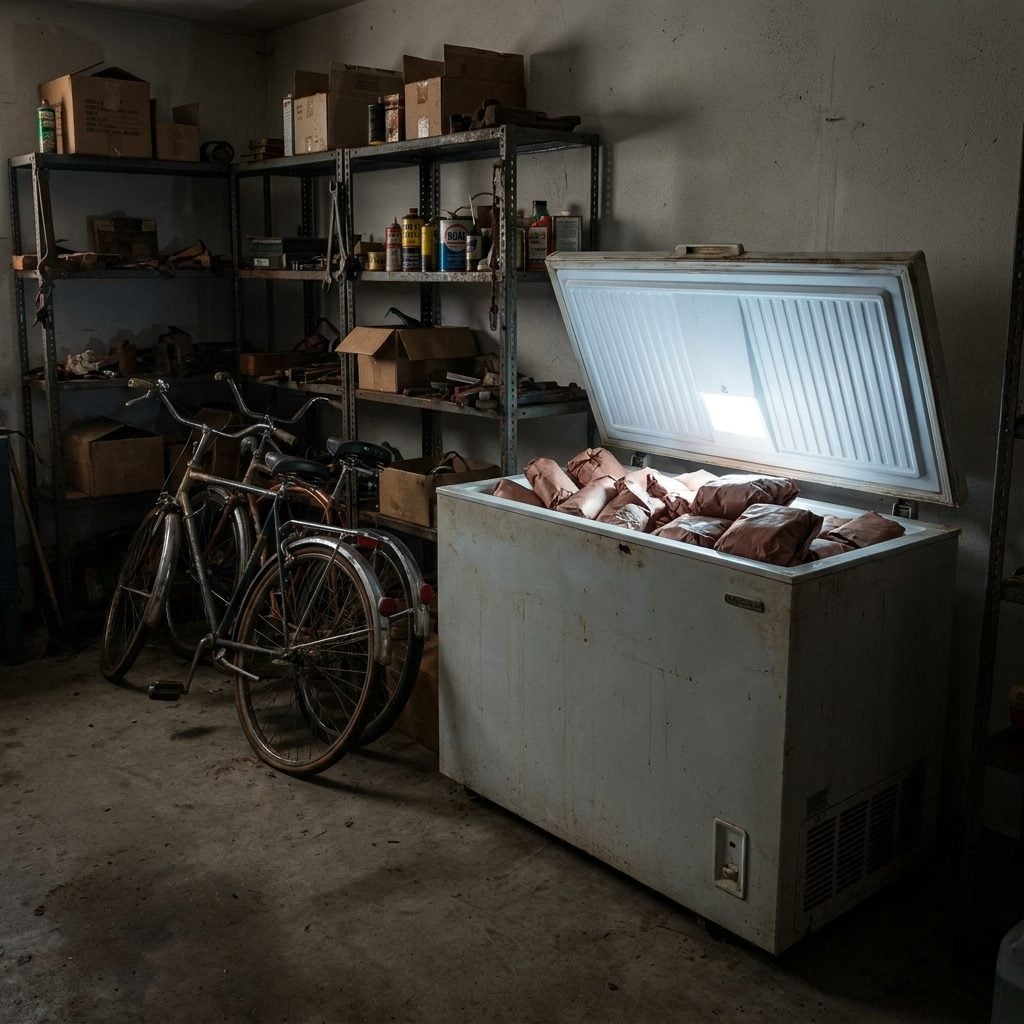
Somewhere in April or October, Dad would come home with a receipt from a butcher two towns over and the freezer in the garage would suddenly weigh a ton. Half a cow. Sometimes a quarter. The packages were wrapped in white paper and labeled in Sharpie by cut and date.
You didn’t ask which cow. You didn’t ask where. You ate hamburgers all summer and roast every Sunday and you understood, without anyone explaining it, that this was how the math worked out.
11. Vacation Meant Driving Somewhere and Sleeping at Your Aunt’s

Vacation didn’t mean a hotel. Vacation meant piling into the station wagon before dawn, driving nine hours with sandwiches wrapped in wax paper on your lap, and arriving at your aunt’s house in a town you’d only ever seen in the summer.
You slept on a pull-out couch or a cot or on the floor with a folded quilt under you. Cousins you barely recognized turned into best friends by Tuesday. You went to a lake or a state park or someone’s above-ground pool. And when you got home a week later, sunburned and exhausted, you called it a trip and meant it.
10. The Ashtrays Were Everywhere and Always Full

Every room had one — living room, kitchen, bathroom, back porch. Big heavy glass ones on the coffee table, tin ones by the sink, plastic ones on TV trays. Nobody thought much of it. Grandma smoked, Dad smoked, the guy who came to fix the washer smoked while he was working on it, and you got him a clean one from the cabinet because that was polite.
You dumped them into the trash when they filled up and you didn’t cough because you didn’t know you were supposed to. The smell got into the couch. It got into your school clothes. It was just what home smelled like.
9. Sunday Dinner Was Non-Negotiable and Started at Exactly 2pm
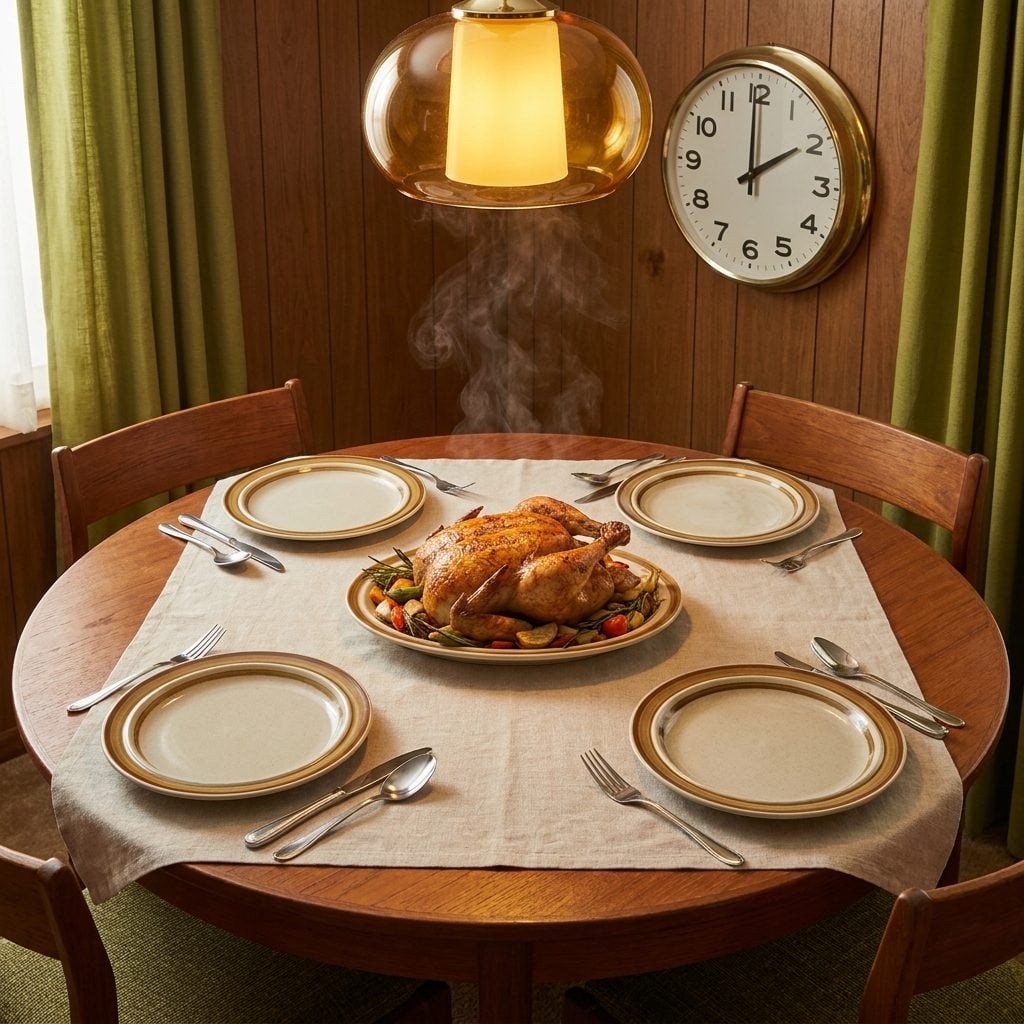
Two o’clock. You could set your watch by it.
Mom started cooking at 11 and by 1:45 the smell of roast was pulling everyone toward the dining room like a magnet. You didn’t skip Sunday dinner, you didn’t come late, and you didn’t say you weren’t hungry. You sat down, said grace or didn’t depending on the household, and ate what was in front of you. The table stayed full for two hours and the dishes took another hour after that.
8. The Yard Had a Clothesline and the Dryer Was Called Summer
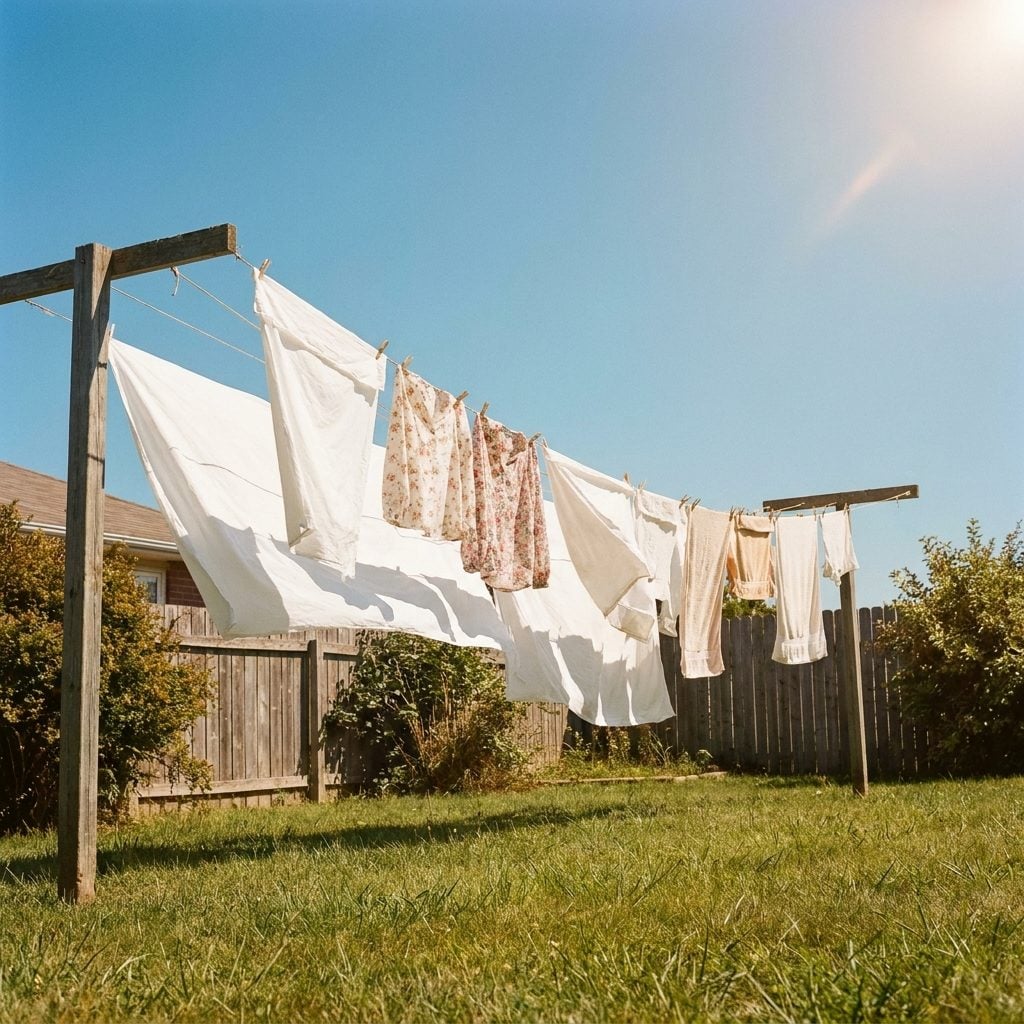
The dryer worked, mostly. But running it cost money and the sun was free, so from May to September the clothesline earned its keep. You’d help Mom carry the basket out to the yard and hand her clothespins in the order she wanted them, which was a system she’d never explained but expected you to follow.
Sheets that dried outside smelled like nothing you can buy in a bottle. Grass and wind and warm cotton. You slept on them that night thinking the world was basically alright.
Winter meant the basement clothesline strung between two beams, or the wooden drying rack in front of the heat register. You knew the difference between line-dried and dryer-dried before you knew the word laundry. Not every kid gets to walk through a house tour of memory this specific — but every kid who grew up like this remembers the smell.
7. You Knew the Price of a Gallon of Milk By Age Seven
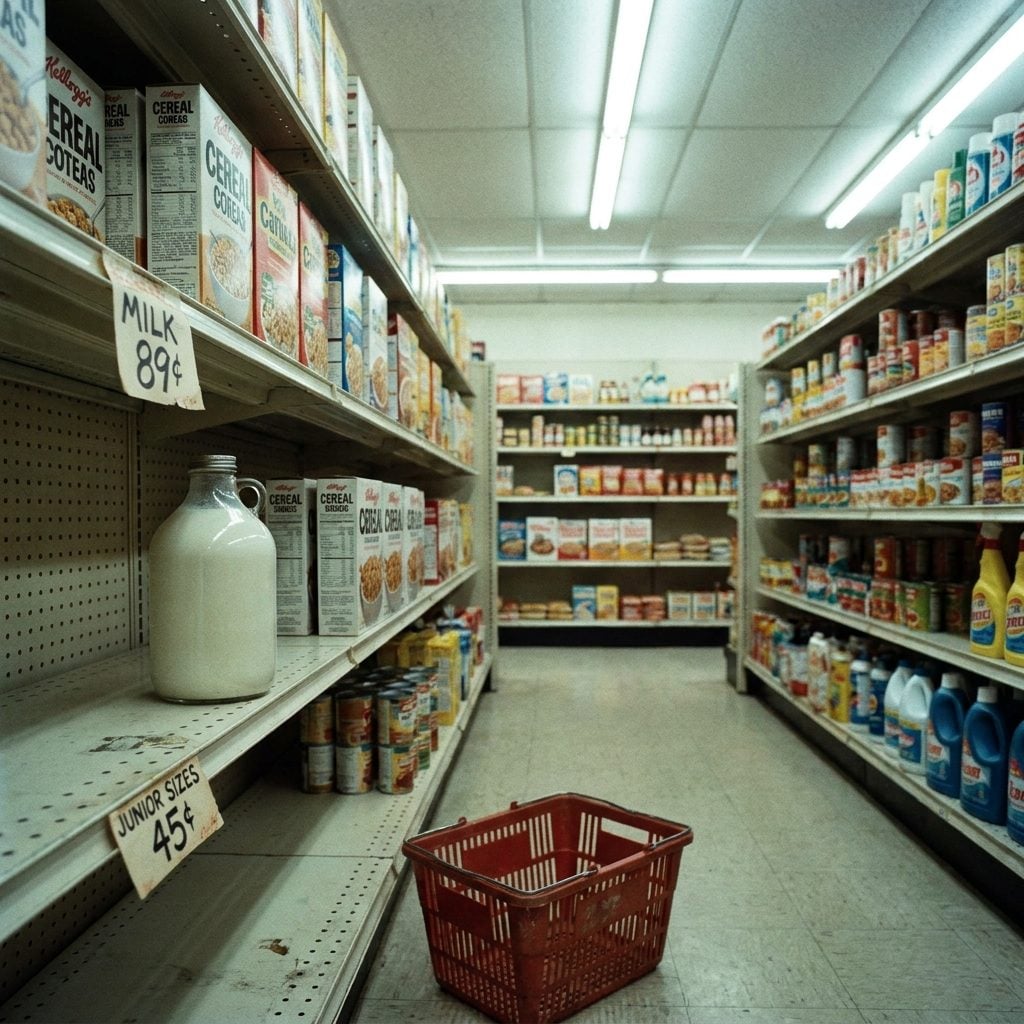
Grocery shopping was a math class you didn’t sign up for. Your mother would send you down the aisle for the cheaper store-brand cereal and quiz you on the way home about what you paid — not because she was testing you, but because that dime mattered.
You could recite the price of milk, bread, eggs, and hamburger without thinking. You knew which grocery store had the better meat, which one ran double coupons on Wednesdays, and by the time you were ten you were rounding up totals in your head faster than the cashier could ring them.
6. The Coffee Can on the Counter Held Bacon Grease, Forever
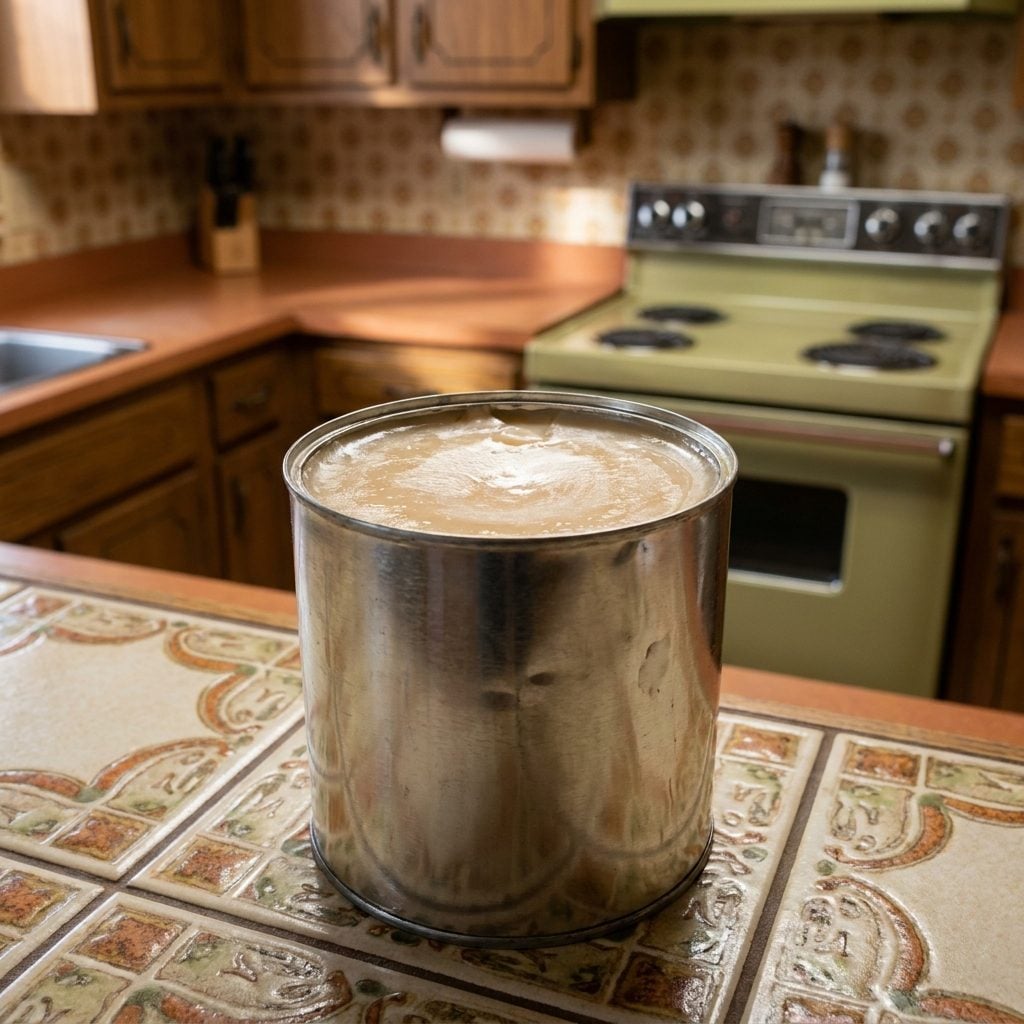
Nobody threw away bacon grease. That was cooking fat, and you were going to use it. Green beans got a spoonful. Cornbread got a spoonful. Sunday morning eggs were fried in yesterday’s leftover breakfast, and nobody complained because it tasted like everything good about being seven years old.
The can lived on the back of the stove, lid off, spoon buried in the middle. When it filled up, your mother poured off the clear liquid and started over. The can itself never left. Might’ve been older than you.
5. Christmas Presents Were Wrapped in the Comics From Sunday’s Paper
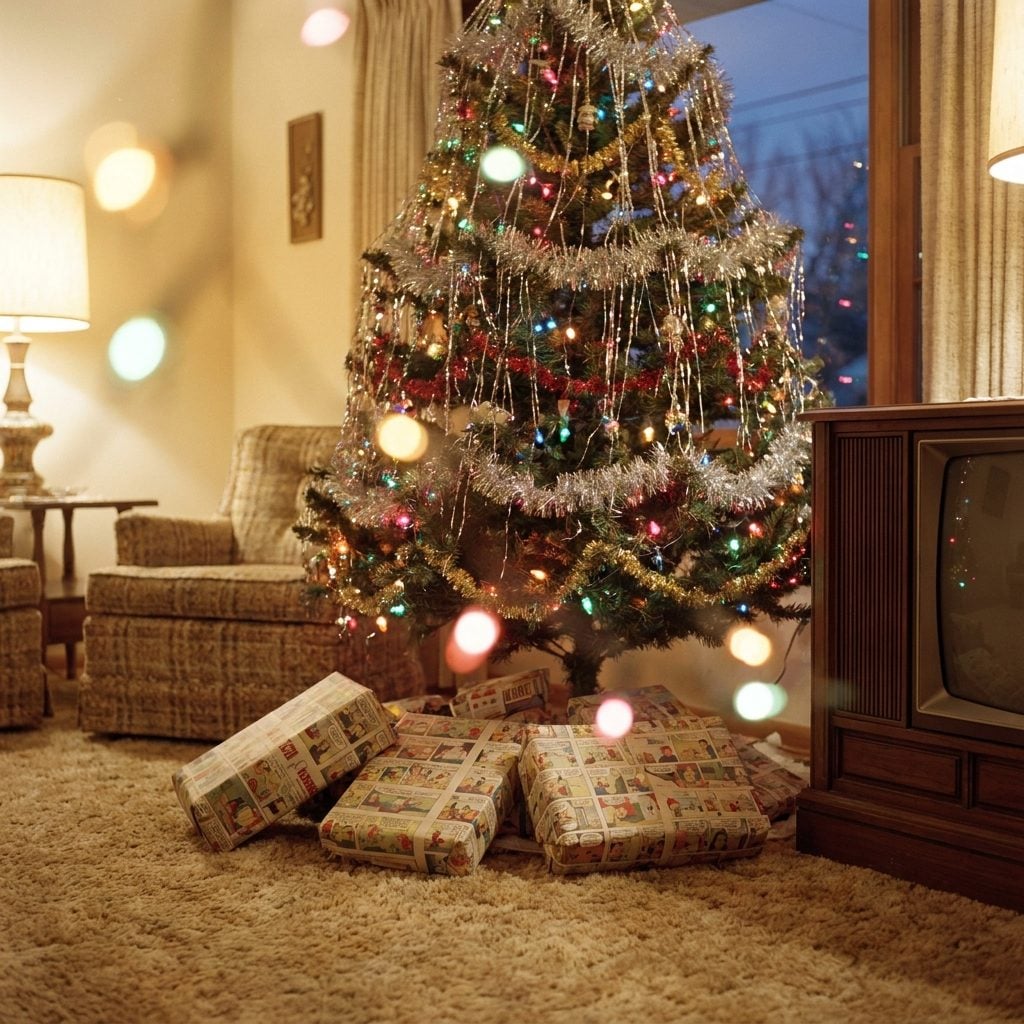
You didn’t know until fourth grade that other kids got presents wrapped in shiny paper with ribbons. You thought the funnies were what you used, because that’s what you always used, and honestly the packages looked pretty good under the tree with all that color splashed across them.
Mom saved the Sunday comics for weeks leading up to December, smoothing them flat and stacking them on top of the fridge. Wrapping paper cost money. The paper was already paid for.
4. The Toolbox in the Garage Fixed the Car, the Toaster, and the Kid’s Bike
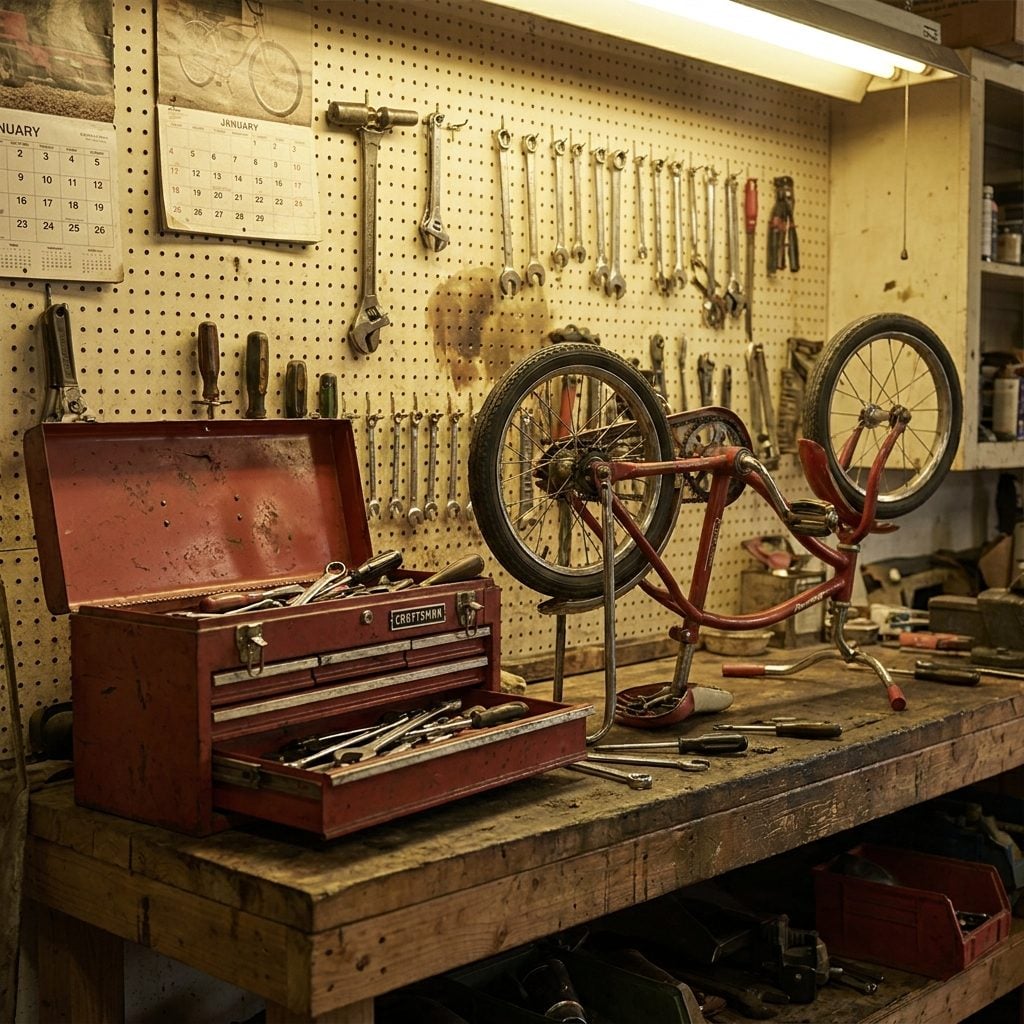
You didn’t call a repairman. You had a father, or an uncle, or a next-door neighbor named Ron — and Ron could fix anything with the right combination of swearing and patience.
Washing machine made a noise? Pull it out from the wall. Lawnmower wouldn’t start? Take the carburetor apart on a piece of newspaper spread across the kitchen table. Bike chain slipped? You learned to fix it yourself by seven because your dad showed you once and expected you to remember the next time.
Nothing got replaced until it was truly, spiritually dead. Even then, half the time it got kept for parts.
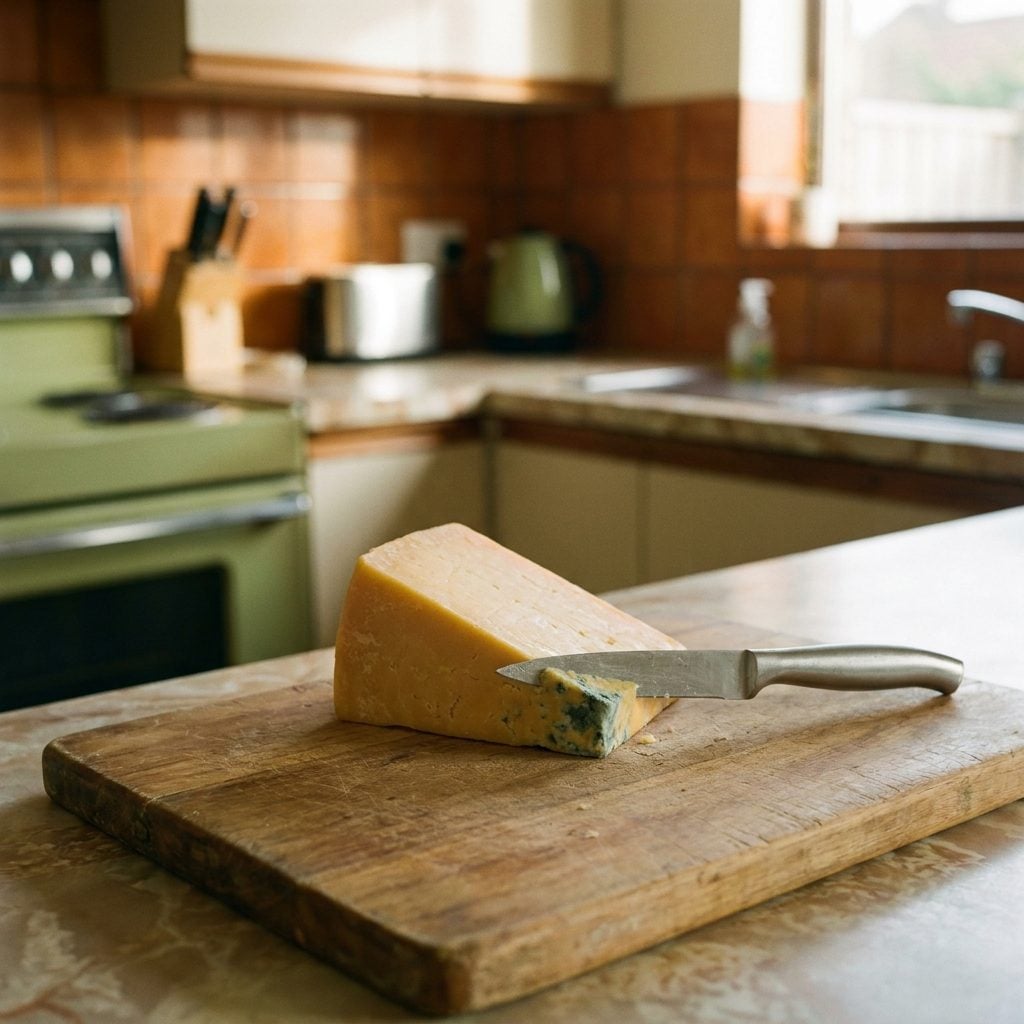
3. Your Mom Cut the Mold Off the Cheese and Kept Going
🔥 Would you like to save this?
Mold was a suggestion, not a rule. Spot on the cheese? Cut around it. Soft patch on the bread? Pick it off and toast the rest. The Tupperware of leftover meatloaf that smelled a little funny got sniffed a second time, declared fine, warmed up, eaten.
Nobody got sick. Or if they did, nobody connected the dots. Food was food, food cost money, and money didn’t grow on trees — a phrase you heard roughly four hundred times before the age of ten.
2. The Living Room Had One Lamp and Everybody Read Under It
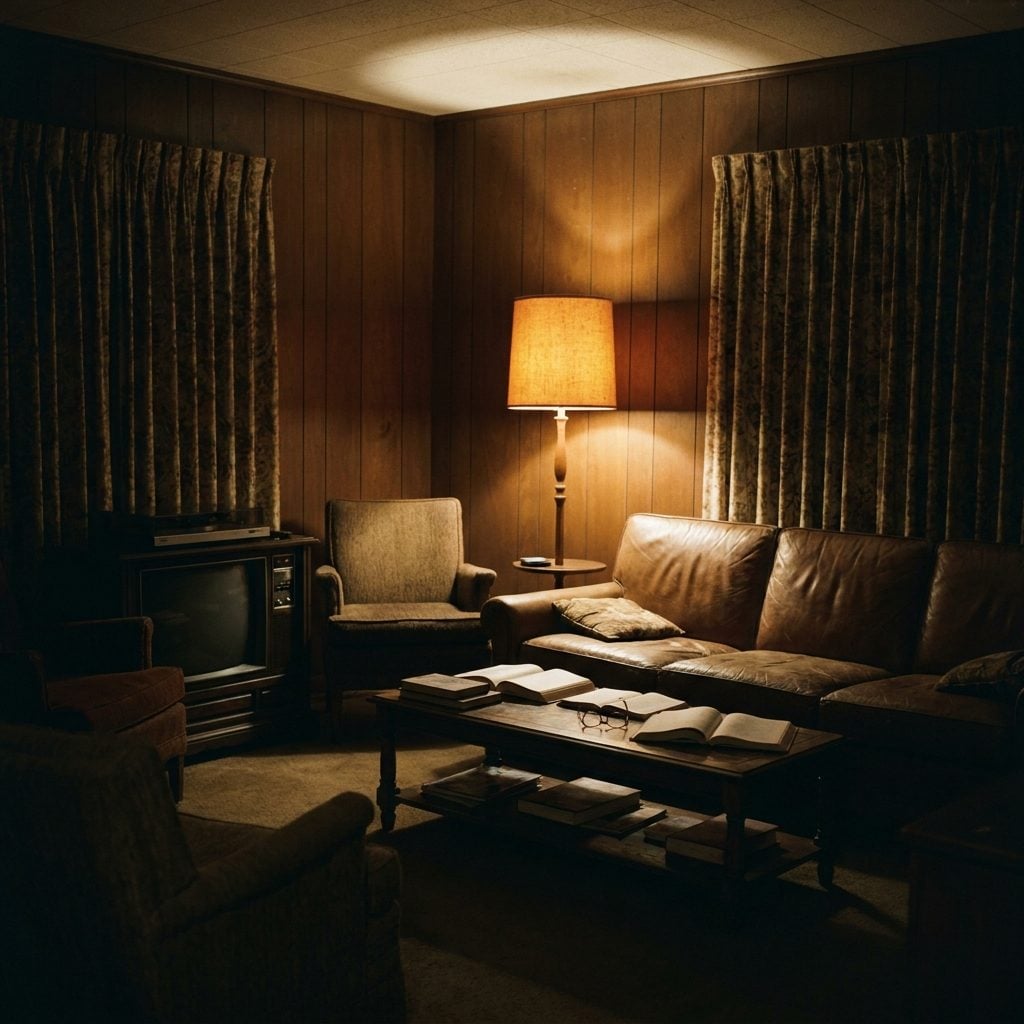
Electricity cost money. You did not have a lamp in every room turned on all evening because you weren’t made of money — and how many times did she have to tell you that?
So the living room had one good lamp, and everybody clustered around it. Dad in the recliner with the newspaper, mom on the couch with a paperback, you on the floor with a library book angled just right to catch the edge of the light. Sounds bleak written out. It wasn’t. Three people in one pool of light, nobody talking, everybody there — it was the closest thing to family togetherness you can imagine, and it looked nothing like the polished spreads in a modern house tour.
1. You Learned Early That Wanting Something and Getting It Were Two Different Things
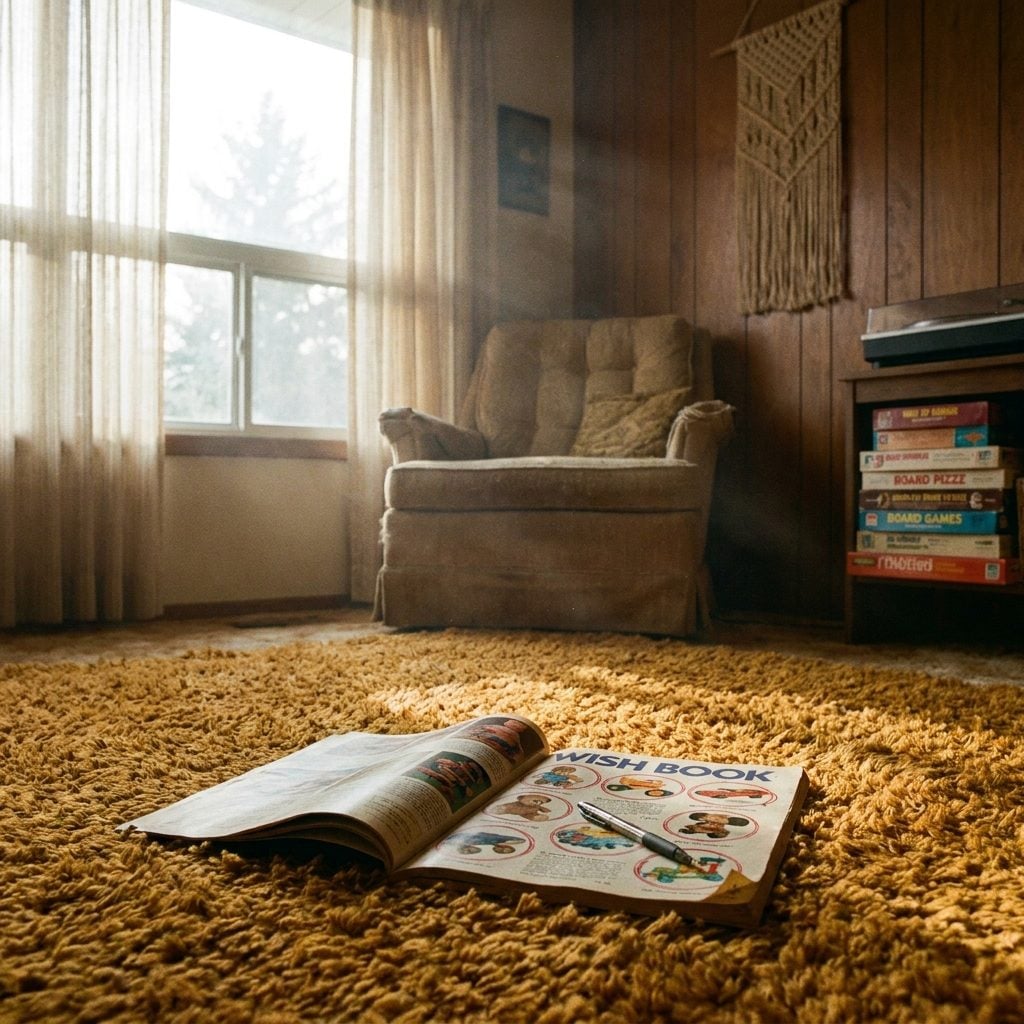
The Sears Wish Book showed up in the fall and you’d lie on your stomach on the carpet for hours, circling things with a pencil. The circles didn’t mean you’d get them. Everyone knew this. Circling was the dreaming, and dreaming was the point.
You wanted the ten-speed. The Atari. The whole Barbie Dream House with the working elevator. You got socks, a book, one real toy, an orange in the toe of the stocking — and you wrote a thank-you note that wasn’t lying, because that was a good Christmas.
The lesson stuck. You still circle things in your head before buying. You still wait a week to see if you actually want it. That thrifty part of your brain never went anywhere.