
🔥 Would you like to save this?
You know your house by history. The porch is where you drink coffee. The dent beside the hallway closet has been there so long it has become part of the architecture. You remember what the kitchen cost, why the sofa sits at that angle, and exactly when the back bedroom became the room where things go to wait. A real estate agent arrives without any of that baggage. They are reading what is actually in front of them.
And they read fast. Before the lockbox opens, an experienced agent is already scanning condition, maintenance, roofline, paint, landscaping, windows, hardware, and anything that might become a buyer objection. Once the door swings open, another set of clues arrives almost at once: smell, daylight, flooring, clutter, visible wear, sightlines, scale. What looks cosmetic? What looks expensive? What will photograph beautifully? Which harmless flaw is going to make a nervous buyer imagine something much worse behind the wall?
In order to come up with the very specific design ideas, we create most designs with the assistance of state-of-the-art AI interior design software. Also, assume links that take you off the site are affiliate links such as links to Amazon. this means we may earn a commission if you buy something.
None of these details determines a home’s value by itself, and an agent cannot diagnose a roof, foundation, or hidden leak from a glance. The skill is pattern recognition. After seeing enough houses, certain small signals become hard to miss because they are the same ones buyers tend to notice, question, remember, and eventually use when they talk about price. The following details are where that first read begins.
Thinking about making these changes at home? Take a look at current home equity rates as you explore your financing options.
36. Whether the Exterior Reads as Cared-For or Quietly Given Up On
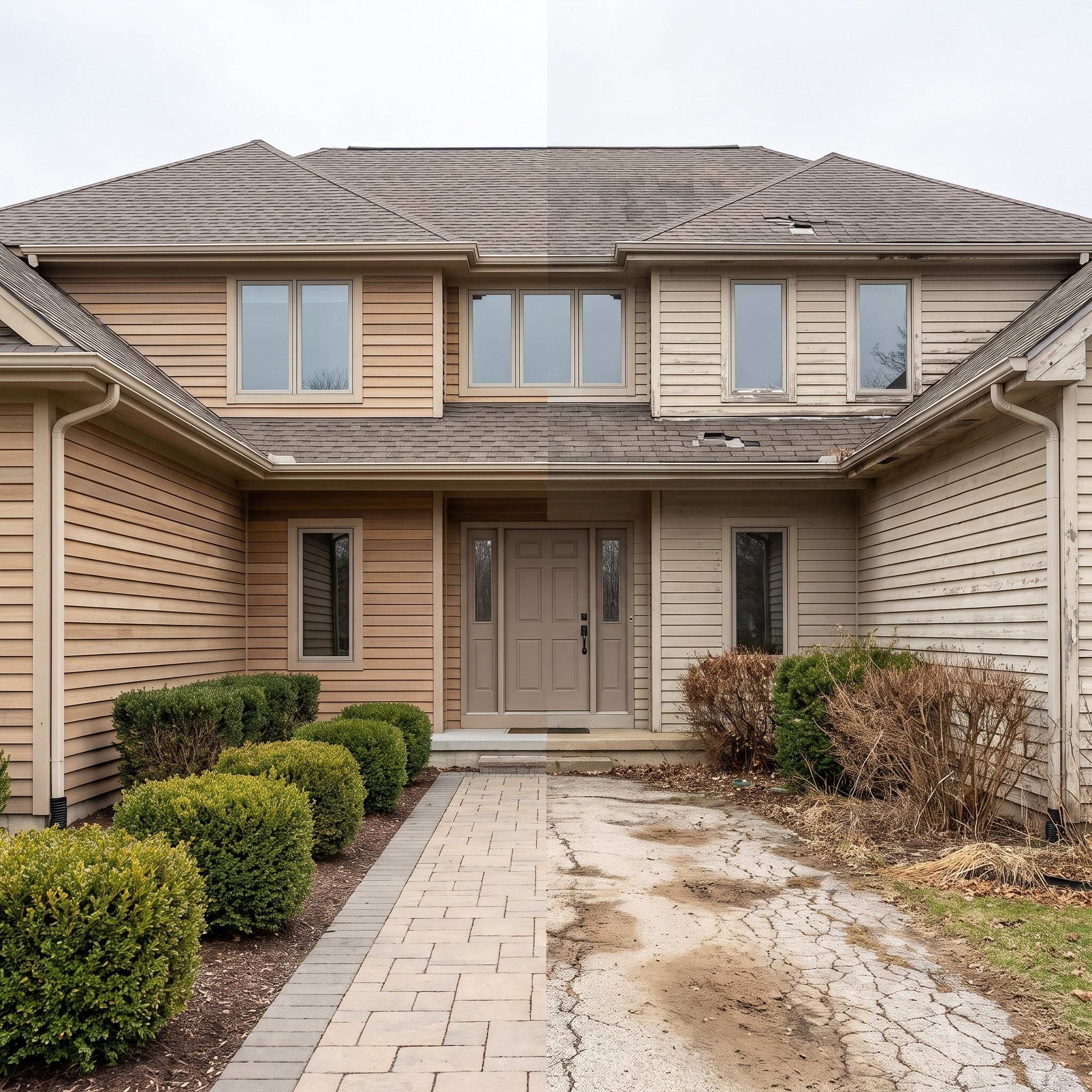
Before anyone isolates the roof, lawn, paint, or porch, the whole front of the house makes one collective impression. Straight gutters. Intact trim. A path that looks maintained. Landscaping that has not started negotiating for possession of the windows. Nothing needs to be spectacular. It just needs to look attended to.
The opposite has its own rhythm: one thing let go, then another, then another. A tired exterior does not prove there are larger problems inside, but it invites the question. Experienced agents know that once buyers start looking for evidence of deferred maintenance, they usually become much better at finding it.
35. The Front Lawn Tells On You Before You Say a Word

A mown lawn with a clean edge buys a surprising amount of goodwill before anyone has seen a room. The edge is the detail that changes the read. Anybody can run a mower across the grass; that crisp line where lawn meets walkway suggests somebody finished the job instead of merely starting it.
Bare patches, weeds, and thirsty grass push the impression the other way. None of them is a serious property defect, but they can make ordinary maintenance look less consistent than it really is.
34. An Overgrown Yard Whispers “What Else Did They Skip?”

Overgrowth is different from a lawn that simply needs mowing because it visibly records time. Shrubs do not swallow a window overnight. Branches do not block the path in a weekend. The longer something appears to have been ignored, the easier it is for a buyer to wonder what other maintenance slipped down the list.
That leap may be unfair. The furnace could be serviced religiously while the hedge runs wild. Buyers do not arrive with that context, though. A shaggy yard can make them start asking interior questions before they have reached the front door.
33. A Tired Roof Is the First Big-Ticket Question Overhead
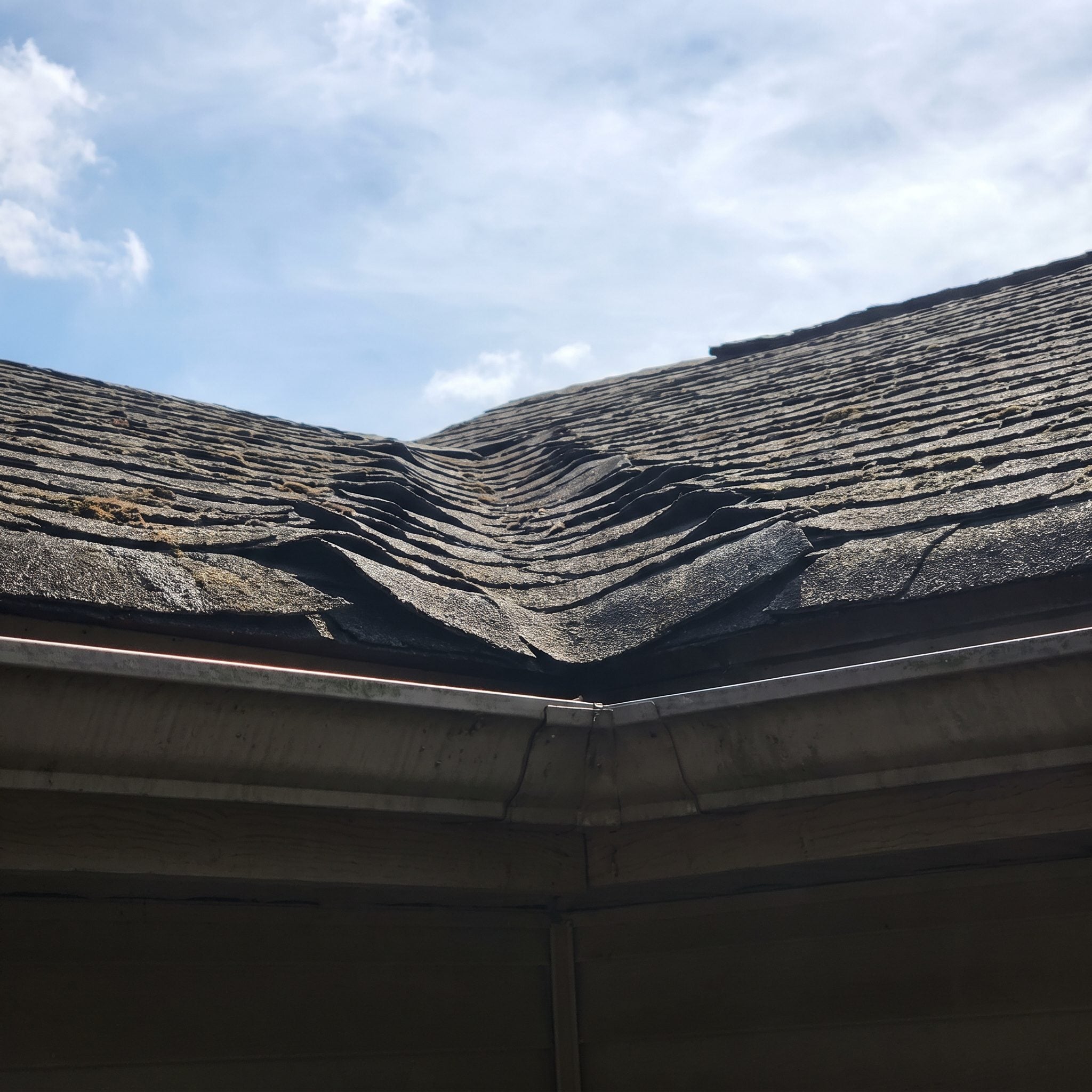
Rooflines attract attention because buyers already know the category can be expensive. Curling shingle edges, missing tabs, heavy staining, sagging lines, or visibly tired materials do not tell an agent exactly what the roof needs, but they do tell everyone that a question is coming.
That uncertainty is what matters. Until there is documentation or a professional opinion, a worn-looking roof becomes a number buyers invent for themselves, and invented renovation numbers rarely arrive on the optimistic side.
32. Peeling Paint Makes a Cosmetic Problem Look More Serious

Peeling exterior paint may be nothing more dramatic than overdue prep and repainting, but exposed wood immediately raises a second question: has moisture been getting where it should not? The visible failure is small. The imagined repair can become much larger.
Chalky, sun-faded paint is less alarming but still dates the maintenance cycle. Touching up failing trim, repairing damaged surfaces, and giving the front door a fresh coat of exterior paint can change the read of an entire facade without pretending an older house is new.
31. Cracks in the Concrete Make Buyers Look Down and Think Bigger

Concrete cracks for plenty of reasons, and many are cosmetic. Buyers standing over one rarely know which kind they are looking at. A thin crack may register as ordinary aging; displacement, heaving, or one side sitting noticeably higher than the other tends to attract much more attention.
A lifted walkway also introduces something simpler than structural anxiety: a trip hazard before anyone has even rung the bell. Repair obvious hazards and have significant movement assessed when necessary rather than relying on filler to make a larger question disappear.
30. The Porch That’s Become a Landing Strip for Stuff

Porches collect things because they sit exactly between inside and outside. Hose. Boots. Empty pots. Recycling. The package nobody carried in yet. One object is life. Twelve objects start making the entry look as though the house has run out of places to put things.
Clear the threshold almost ruthlessly. A clean mat, one healthy plant, maybe a chair if the porch actually has room for it. Empty space at the door is useful because buyers need somewhere to stand, look, and imagine arriving home themselves.
29. The Front Door Gets Inspected From Two Feet Away
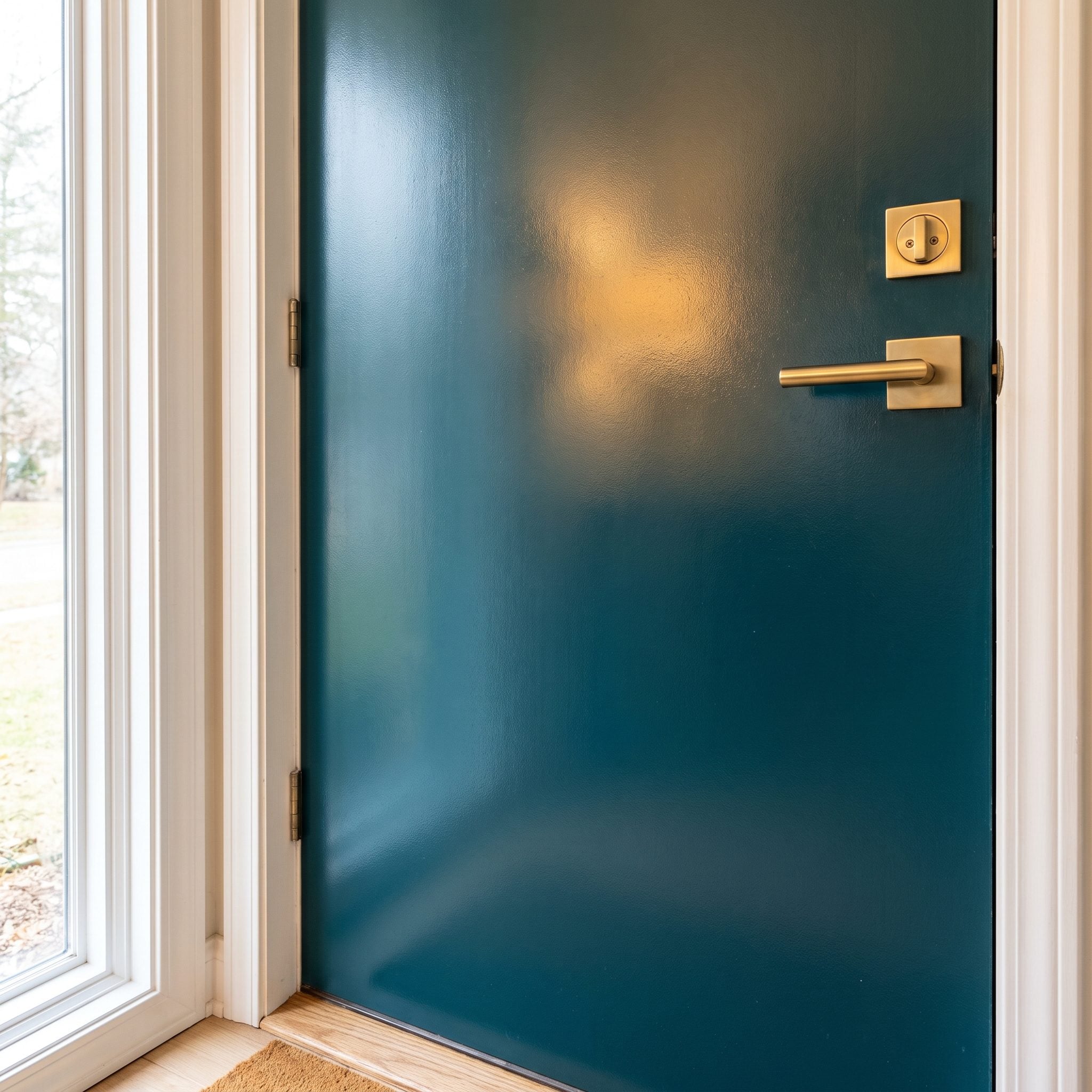
The front door receives an unusual amount of scrutiny because buyers are forced to stand beside it while the agent works the lockbox. That is when scuffs, peeling clear coat, chipped paint, a loose knob, or a sticky latch suddenly get an audience.
A sound door with clean hardware sends a much calmer message. Fresh paint and a solid brass door handle are not glamorous renovations, but this is one of the rare places where a small repair gets examined at arm’s length by nearly everyone who visits.
28. Dated Fixtures and Faded House Numbers Age the Entry Fast

Small metal details carry more visual weight than their size suggests. A tired coach lamp, oxidized hardware, faded numbers, or a yellowed bulb can make an otherwise tidy entrance feel older because all of those details sit exactly where the eye pauses.
Replacing a visibly dated fixture with a black outdoor wall sconce and adding clean modern house numbers can sharpen the entire entry without touching the architecture.
27. The Split-Second Question: Does This Entrance Feel Easy to Enter?

By the time the agent reaches the lock, the individual details have merged into one practical question: does the entrance feel orderly, safe, and easy to approach? A clear path, working light, visible house number, clean threshold, and enough space to stand all contribute to that answer.
Symmetry can help, but nothing needs to look staged within an inch of its life. Two planters will not rescue a peeling door, and a beautiful sconce will not fix a path blocked by boxes. The strongest entrances work because nothing gets in the visitor’s way.
26. The Smell That Arrives Before the Room Does

The first interior impression may arrive through the nose before the eyes have settled on anything. Ideally, a house simply smells clean and neutral. Heavy candles, aggressive air freshener, or a suspicious blast of vanilla can create a new question: what is that fragrance trying to cover?
The difficulty is that residents adapt to the odors they live with. The front door is useful because leaving for a while and returning gives you the closest approximation of what a stranger encounters on entry.
25. Pet, Smoke, and Cooking Odors You’ve Stopped Noticing
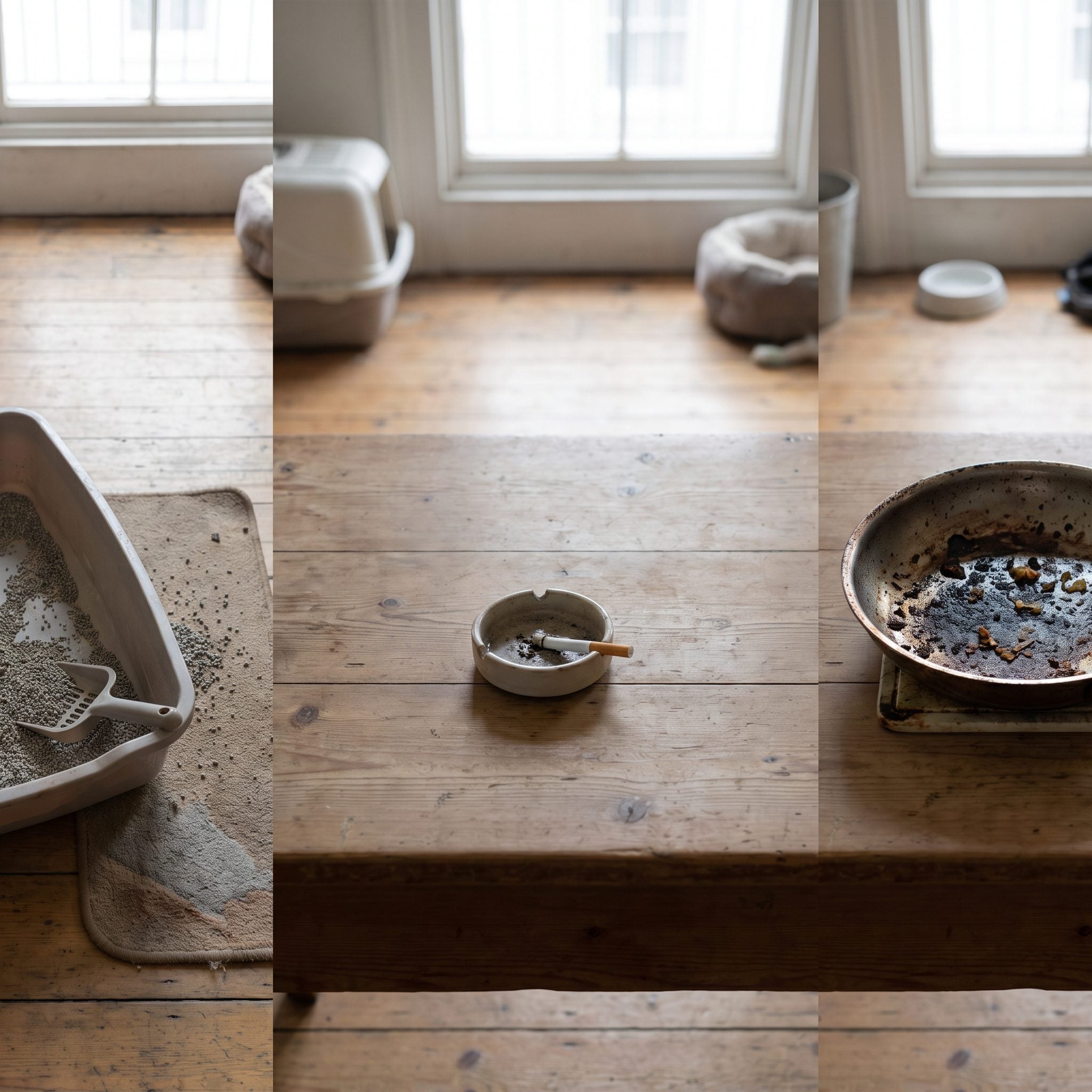
Pet areas, cigarette smoke, and strong cooking odors can announce themselves immediately to someone who does not live with them. Agents tend to notice because they move between many different homes and have fewer chances to acclimate to any one environment.
Open windows when weather allows, clean litter areas, empty garbage, avoid pungent cooking immediately before a showing, and wash fabrics that hold odor. Persistent smoke or moisture smells may require much more than airing out the room, which is exactly why masking them with fragrance usually backfires.
24. Whether the Entryway Greets You or Swallows You Whole
🔥 Would you like to save this?
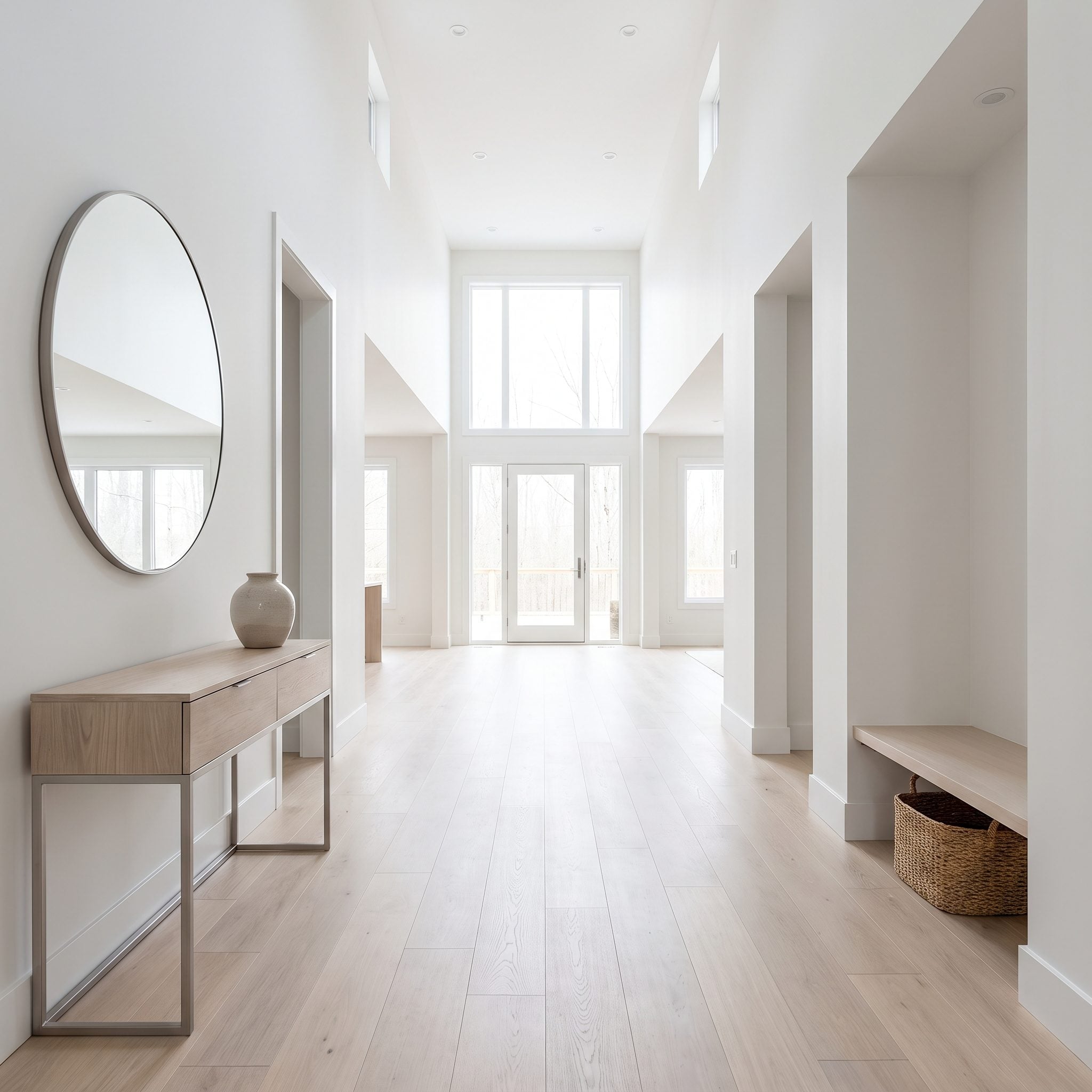
The first few interior feet carry an unfair amount of responsibility. Too many coats, a console blocking circulation, a dead bulb, or a dark corner can make a perfectly adequate entry feel smaller than it is.
Remove what does not need to be there. Use the brightest natural light available. A mirror positioned to catch a window or brighter part of the room can reflect light deeper into the entry, while a warm lamp gives the space some life when daylight is limited.
23. How Much Daylight the House Appears to Pull In

Buyers routinely talk about wanting natural light, but what they are reacting to is often the whole system around the window. Huge glass does not help much if heavy drapes, dirty panes, bulky furniture, or dark finishes swallow the available brightness before it reaches the room.
Agents notice which spaces photograph bright, which corners fall away, and whether the interior feels open at the time of day buyers are likely to see it.
22. Whether the Home Reads Clean in the First Three Seconds
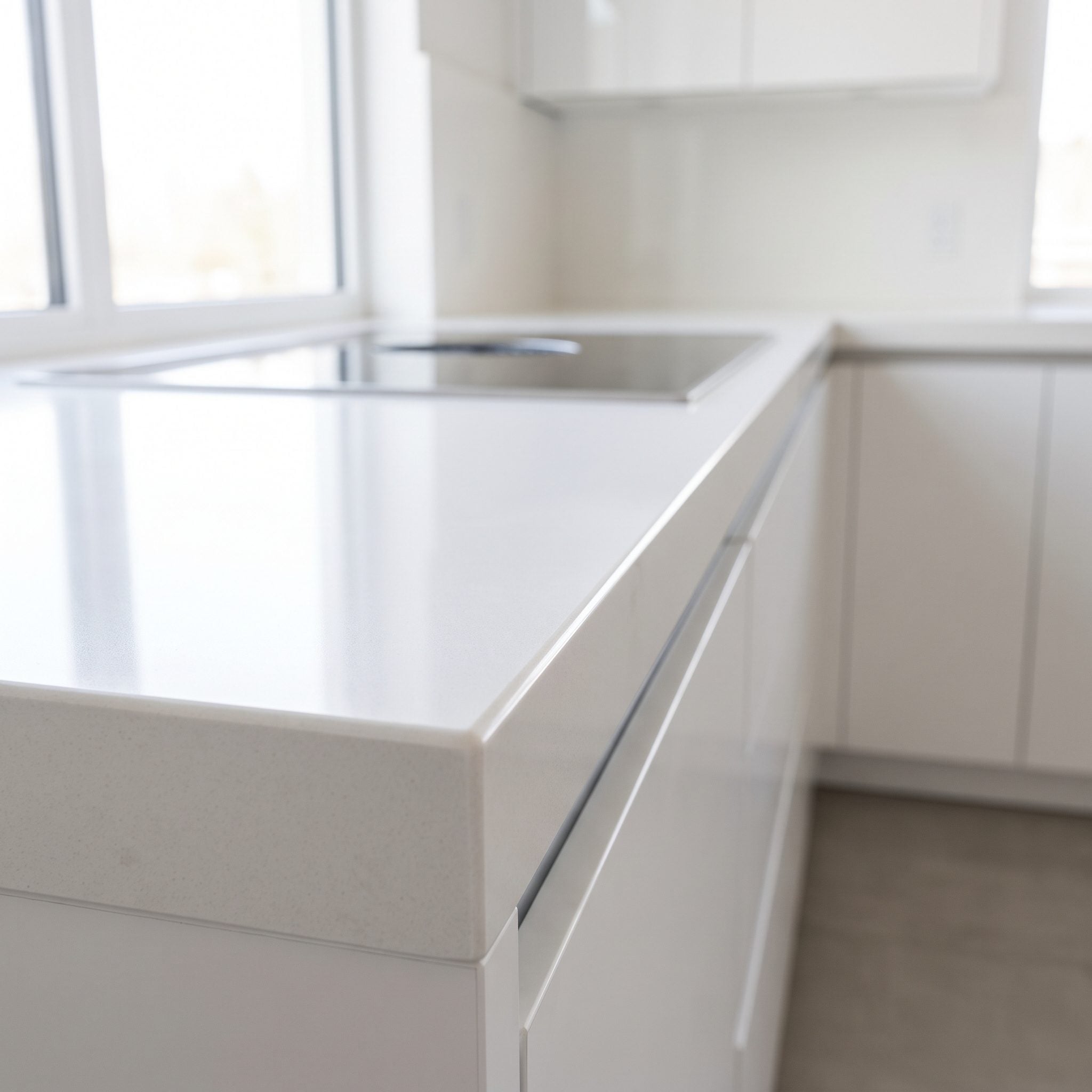
Initial cleanliness is less about whether somebody scrubbed the inside of the oven and more about the surfaces visitors encounter immediately. Entry floor. Countertop. Faucet. Mirror. Glass. These are the areas catching light while everyone is still orienting themselves.
Clear counters and clean reflective surfaces let the room itself come forward. A few crumbs on a busy counter do not condemn a house, but enough visual residue can make the whole place feel less carefully maintained than it may actually be.
Start with what shines. Faucets, mirrors, glass, stainless steel. Light is remarkably good at advertising fingerprints.
21. The Clutter That’s Quietly Shrinking Your Rooms

Clutter does more than make a room busy. It breaks up open surfaces, interrupts sightlines, and can make generous square footage feel harder to use. The kitchen counter, coffee table, dresser top, and shelves visible from the hall often deliver that message before anyone starts counting closets.
The fix is not stripping a house until it resembles a rental showroom. The goal is enough negative space that buyers can see the dimensions of the room instead of the inventory of the household.
20. When You’ve Got One Too Many Pieces of Furniture

Most houses have at least one piece of furniture nobody would buy specifically for that room today. The spare armchair. The console from the old apartment. The ottoman everyone automatically steps around. Residents develop choreography around those pieces. Buyers do not.
Remove enough furniture that circulation becomes obvious. You do not need acres of bare floor, but buyers should be able to cross a room, reach a window, and understand the seating arrangement without solving a puzzle first.
19. Whether the Whole Place Feels Roomy or Boxed In

Square footage is factual. Spaciousness is experiential. Furniture scale, visible floor area, ceiling height, daylight, doorway placement, and how far the eye can travel before hitting an obstacle all affect whether a house feels generous or tight.
Low furniture can preserve longer sightlines. Moving a tall cabinet out of the middle of a visual corridor can reveal more wall and ceiling. A mirror can borrow a view from somewhere brighter. None of those tricks changes the measurements. They change how clearly the measurements can be perceived.
18. The Story Your Walls Tell Whether You Want Them To or Not

Walls occupy too much visual territory to disappear. Scuffs, nail holes, mismatched patches, old water marks, and an intensely personal paint color can pull attention away from the room’s proportions and toward the work a buyer imagines doing after closing.
Fresh paint is useful not because every buyer demands beige, but because a consistent finish removes a layer of visual noise. Neutral does not have to mean lifeless. Warm off-white, soft greige, pale stone, or another restrained color can still have character while allowing furniture and architecture to carry more of the picture.
A bold wall may be somebody’s favorite feature. To the wrong buyer, it is Saturday with a roller.
17. Scuffed Doors, Battered Trim, and the Baseboards You Stopped Seeing

Nobody tours a house announcing an intention to inspect the baseboards. They still register the condition. Scuffed trim, grubby door edges, chipped paint around handles, and battered corners create a cumulative impression because these are exactly the places daily use leaves behind.
The good news is that many of these marks are small jobs. Clean what will clean. Touch up what actually needs paint. Tighten loose hardware. The goal is not perfection; it is removing the little distractions that make ordinary wear look like broader neglect.
16. What the Floor Says Before You’ve Crossed the Room
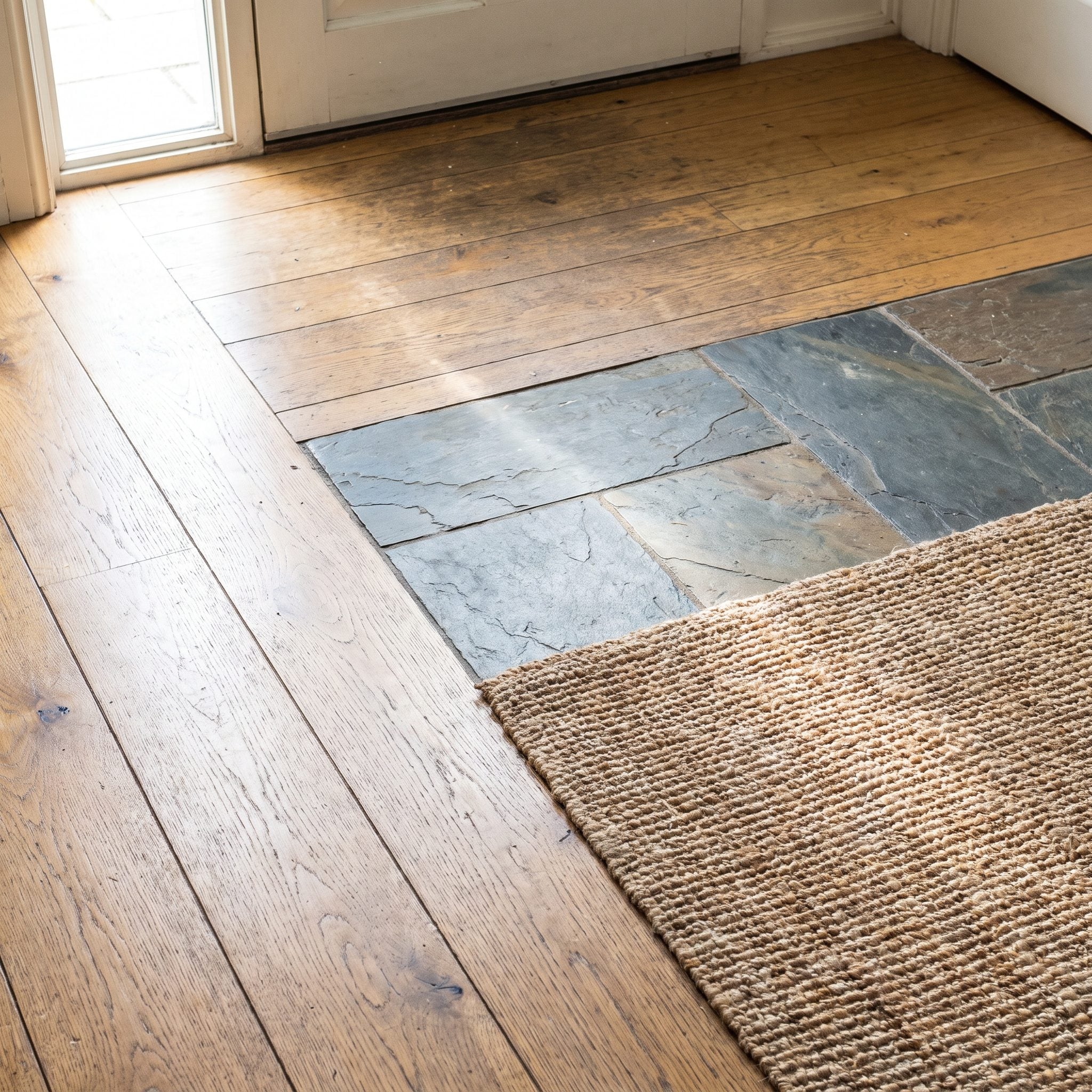
Flooring gets noticed because buyers are literally walking on it. Hardwood in decent condition can feel like a finished asset. Buckled laminate, badly scratched vinyl, cracked tile, or a persistent hollow click underfoot introduces questions about repair, quality, and what lies beneath.
Continuity matters too. When flooring runs cleanly through connected rooms, sightlines stay calmer. Three unrelated surfaces meeting within a short distance can visually chop up the same amount of square footage.
15. The Carpet That Ages a House Before the Furniture Does

Carpet carries both color history and physical history. Mauve, hunter green, older builder beige, flattened pile, dark traffic lanes, and worn seams can place a room in an era before buyers have looked at anything else.
Cleaning helps when the problem is dirt. It does not restore worn fibers or erase a strongly dated color. When replacement makes sense, a quiet neutral can remove a surprisingly large amount of visual age because the floor occupies so much of the frame.
14. That Fast Read: Updated, Original, or Somewhere in Between
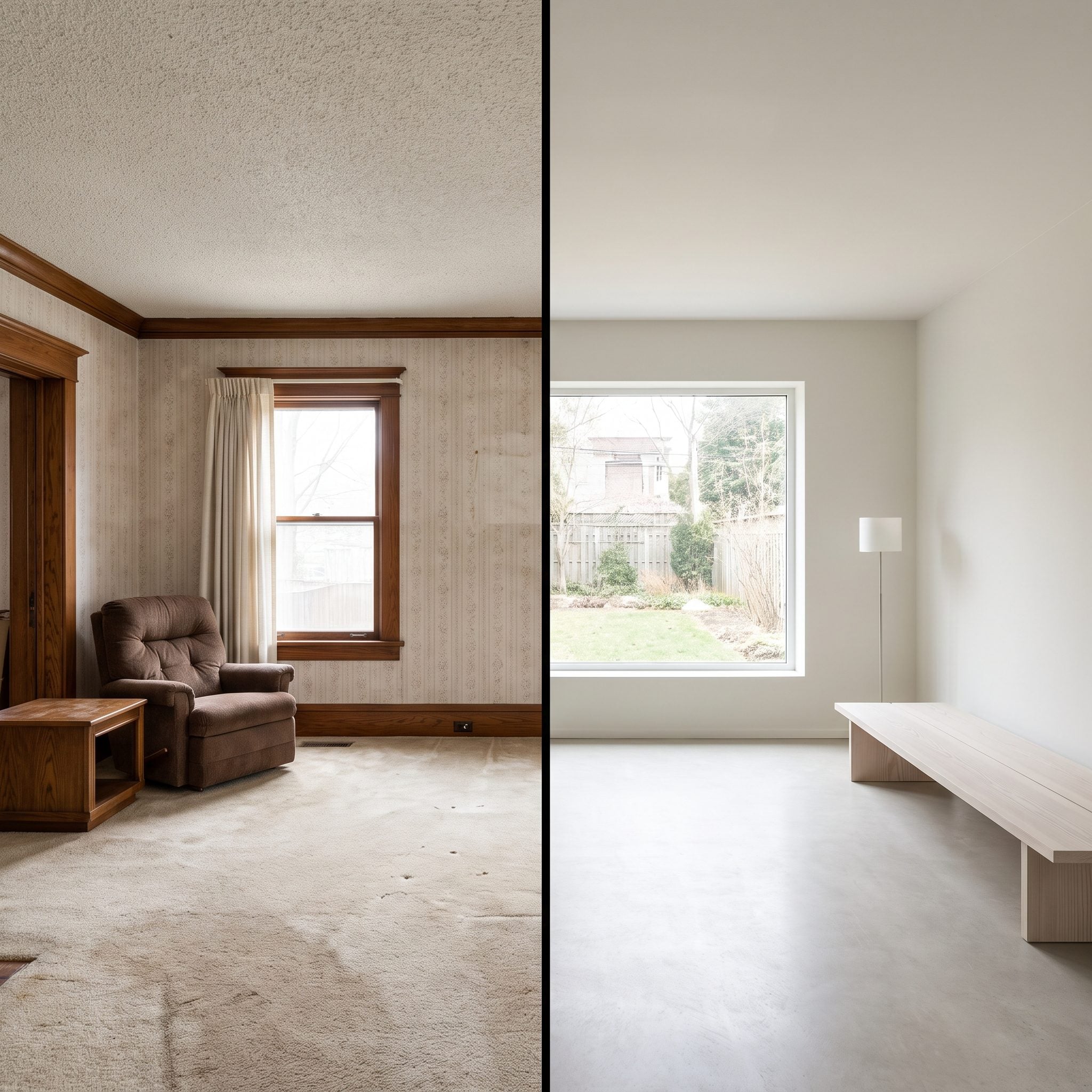
Agents quickly start assembling a renovation timeline from dozens of clues. Popcorn ceilings. Honey oak. Dull brass. Newer flooring beside an older fireplace. Fresh paint with original doors. Most houses are not simply “updated” or “dated”; they are layers of different decades sitting beside one another.
That distinction matters because a home can feel current without being newly renovated. Consistent paint, clean hardware, intentional lighting, and well-maintained original materials often read better than a collection of fashionable replacements that have no relationship to one another.
13. The Kitchen That Confesses the Home’s Renovation History
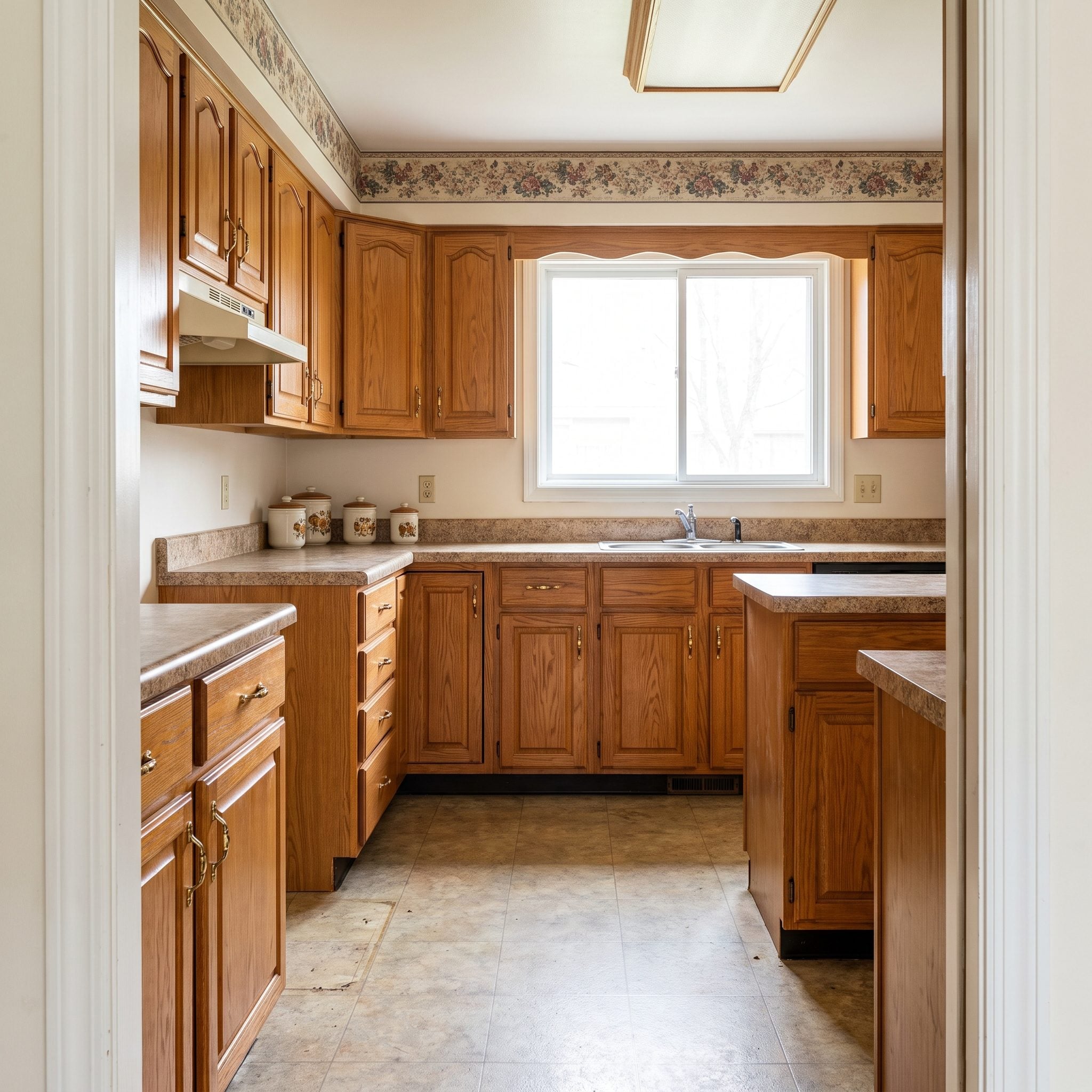
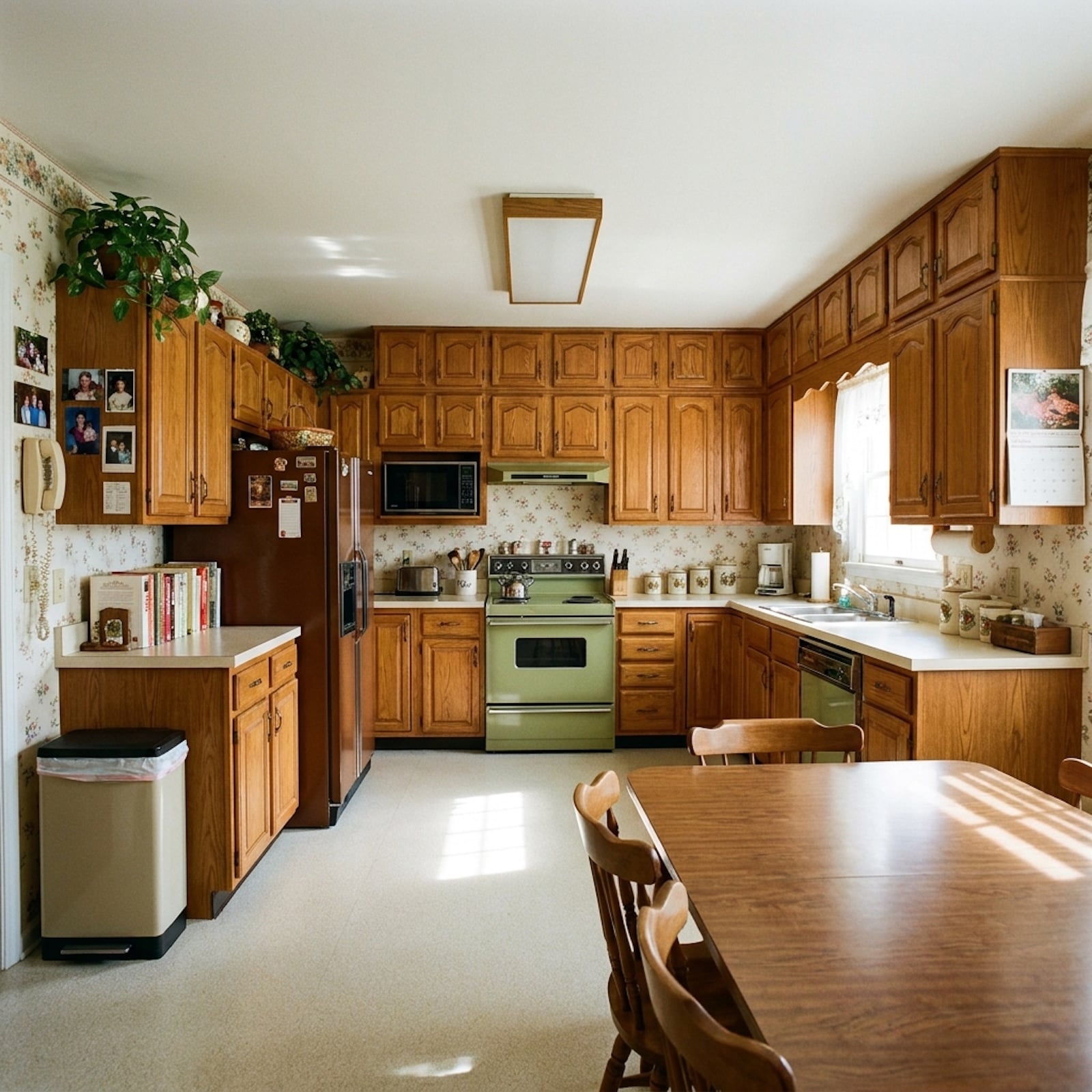
Kitchens are unusually good at revealing when work was done because cabinet profiles, wood tones, countertop materials, backsplashes, flooring, lighting, and appliance finishes all carry recognizable design eras.
That does not automatically make an older kitchen a liability. A clean, functional room with good proportions can be more appealing than a poorly executed update. What the agent is really trying to determine is how much of the kitchen buyers will see as usable now and how much they are likely to mentally assign to a future renovation budget.
12. The Cabinets and Counters Buyers Silently Price Out
🔥 Would you like to save this?
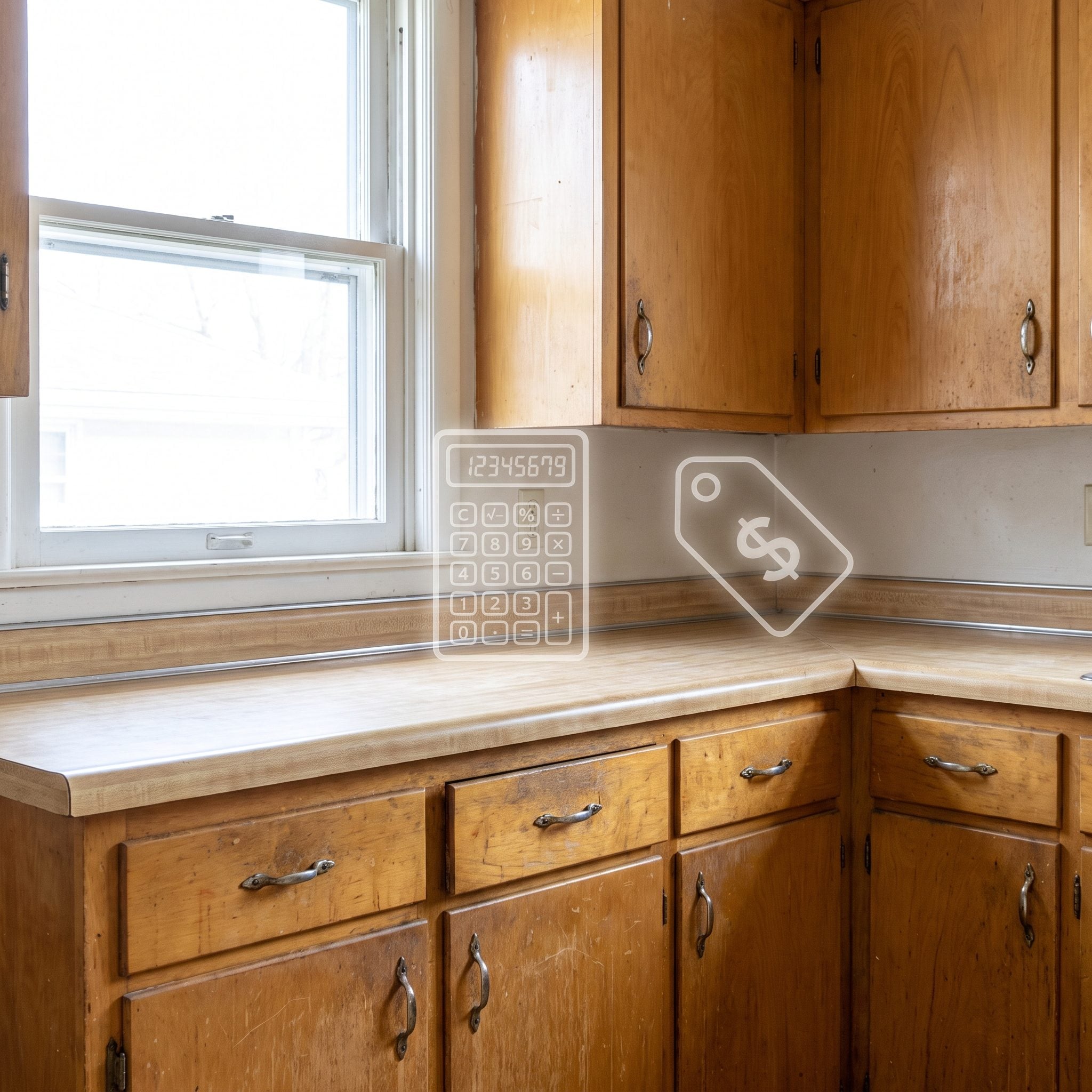
Once buyers decide they would change a kitchen, the imaginary calculator comes out fast. Cabinets. Counters. Appliances. Backsplash. Flooring. Plumbing if the layout moves. The exact numbers vary enormously, but the list grows faster than most sellers expect.
Visible wear accelerates that process. Peeling laminate edges, badly stained grout, damaged cabinet fronts, or counters nearing the end of their useful life are easy to translate into future work. Agents notice because these are the details buyers tend to ask about before they ever request a contractor quote.
11. When the Floor Plan Fights You Instead of Flowing

A good floor plan does not necessarily mean open concept. It means the route through the house makes sense. Rooms connect in ways that support daily use. Doors do not collide. Furniture has somewhere obvious to go. You are not cutting through private space to reach something everyone needs.
Awkward plans announce themselves through hesitation. A dining room used as a corridor. A staircase consuming the living room. A bedroom beside noisy mechanical space. These are not cosmetic problems, which is precisely why agents pay attention to them.
10. The Mystery Room Nobody Can Explain
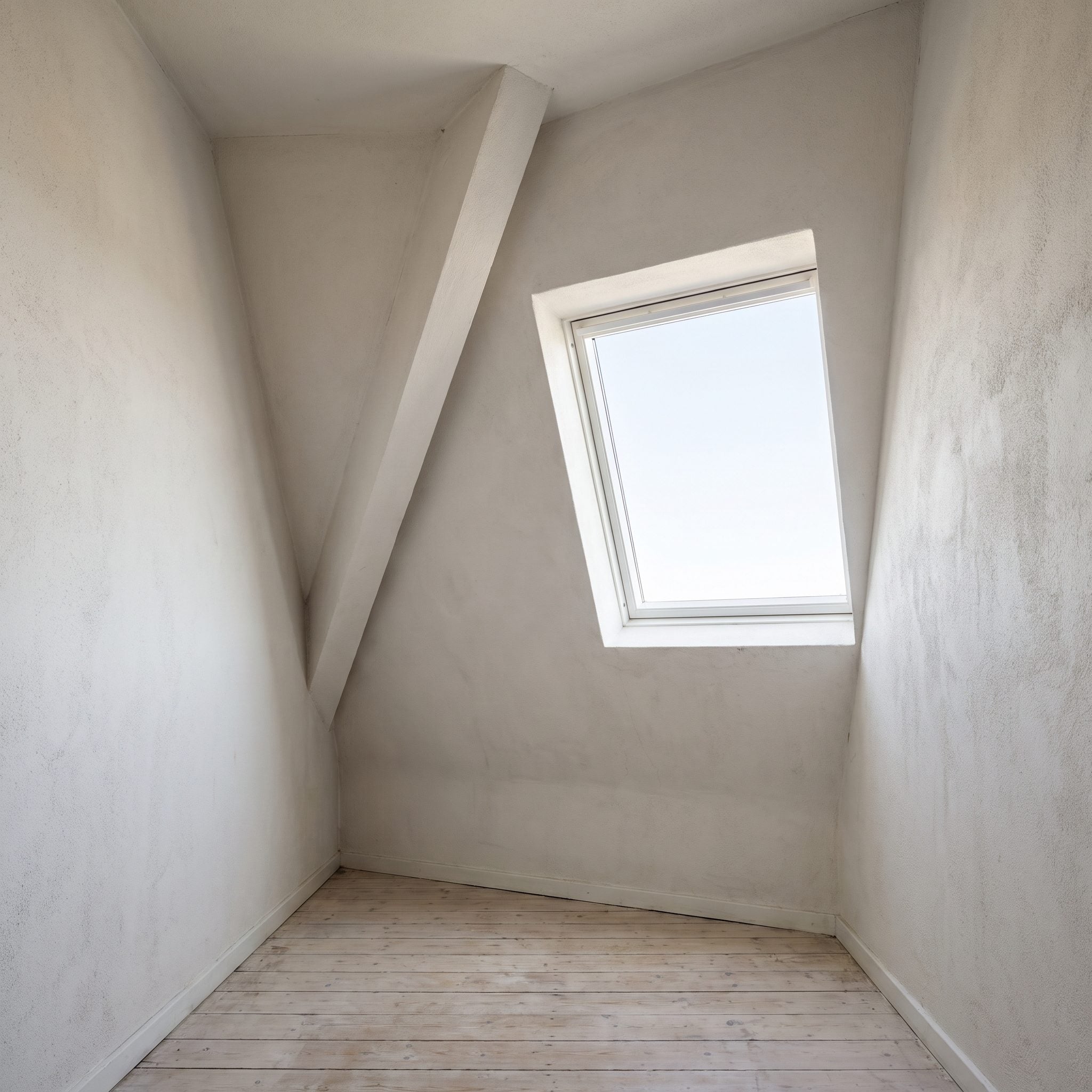
Some houses contain a room that seems to have misplaced its job. Too small for a conventional bedroom, too isolated for the main living area, too awkwardly shaped to explain itself immediately.
Undefined square footage can feel less useful than it really is. Stage the room with one clear purpose and the problem changes. A reading chair and lamp. A compact desk. A small craft setup. Buyers do not need to use it the same way; they simply need proof that the space can do something.
9. The DIY Job That Fools No One
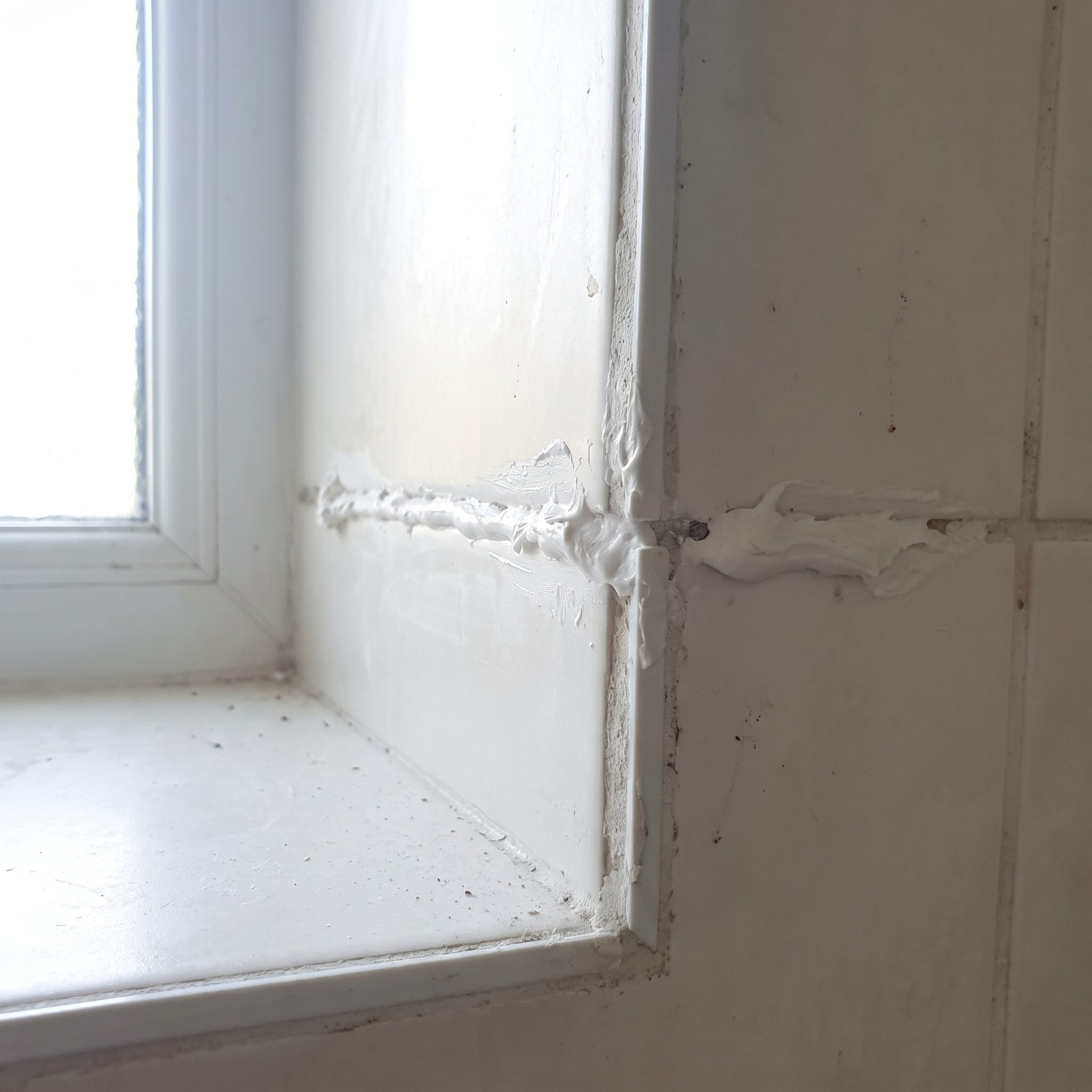
Good workmanship tends to let the finished room take the attention. Sloppy workmanship steals it back. Wandering caulk lines, mismatched trim joints, bleeding paint edges, uneven tile, loose hardware, and visibly crooked fixtures make the eye stop where it should have kept moving.
The larger problem is not that the owner did the work personally. Plenty of DIY is excellent. The concern begins when visible execution looks rushed, because buyers naturally wonder whether the less visible work received the same treatment.
Bad DIY doesn’t just create a flaw. It creates a question about the work you can’t see.
8. The Ceiling Stain That Makes Everyone Look Up
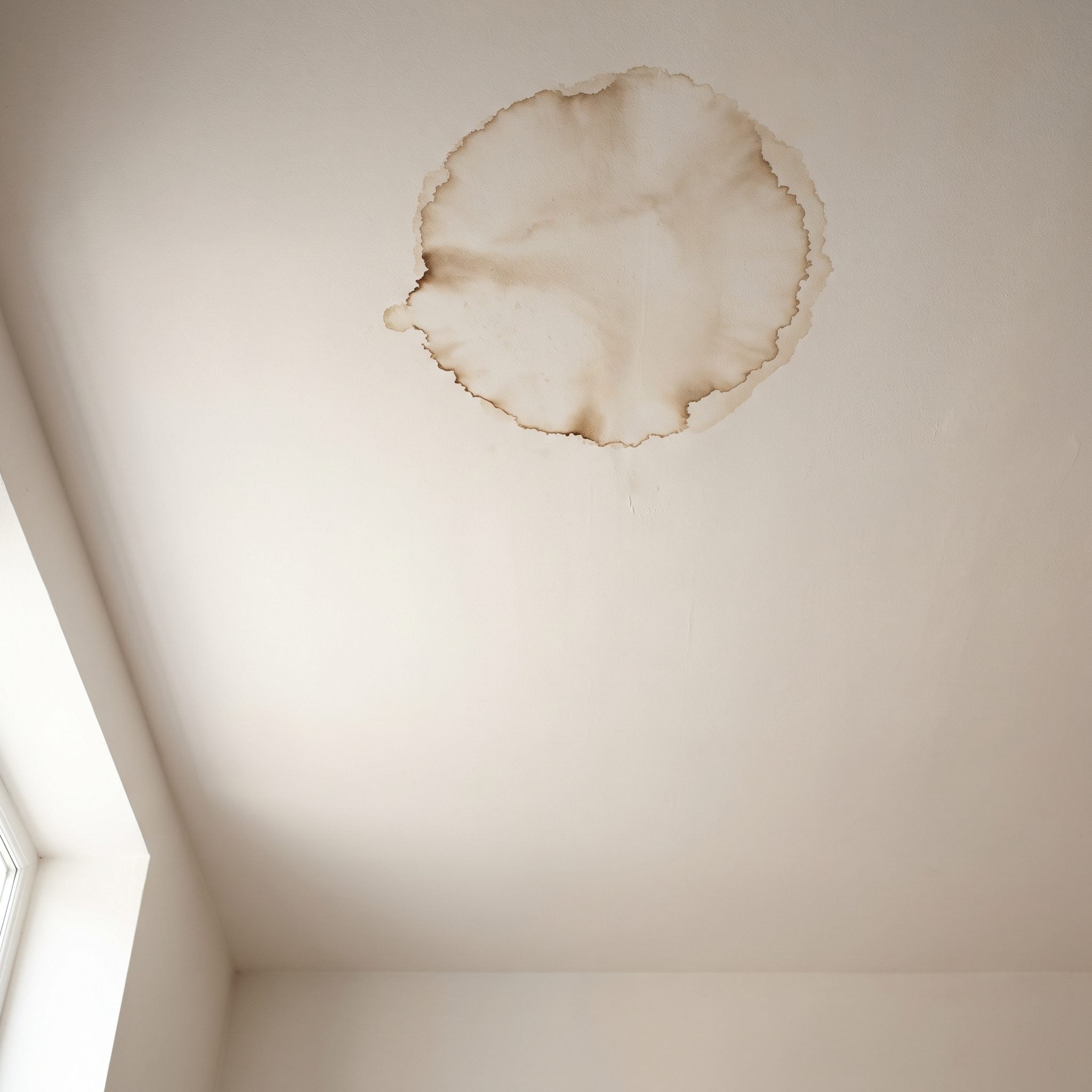
A faint brown ceiling ring can command more attention than a dated kitchen because it carries uncertainty. Maybe the leak was repaired five years ago. Maybe it happened last week. Until somebody explains it, buyers cannot tell the difference.
Agents look for related clues: bubbling paint near a window, musty basement odor, damaged drywall, staining below a bathroom, signs of repeated patching. Water concerns get attention because the visible mark may be smaller than whatever caused it.
7. The Crack That Raises a Question an Agent Shouldn’t Diagnose
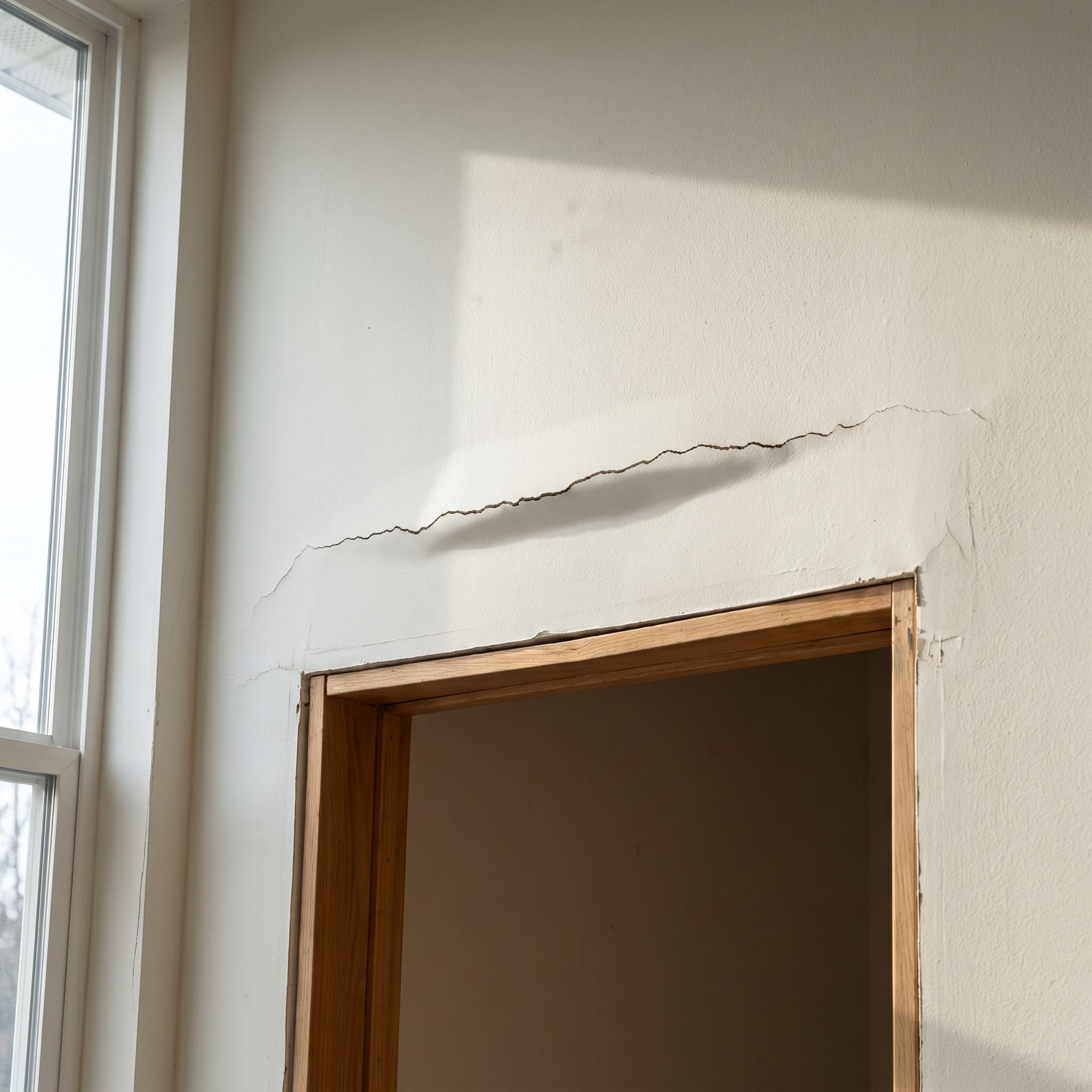
Not every wall crack means structural trouble, and an agent is not the person who should diagnose one from appearance alone. Hairline cracks can result from ordinary movement and finish failure; wider, recurring, displaced, or unusual cracking may deserve closer evaluation.
What the agent notices is the question it creates. If a crack looks significant enough that buyers will ask about it, hiding it under a quick cosmetic patch is rarely the smartest strategy. Understanding the cause and being able to explain what was done about it is much more useful.
6. Windows That Tell You More Than Their Age

Agents notice windows because they affect several things at once: exterior condition, interior light, comfort, maintenance, and sometimes perceived energy efficiency. Fogged insulated glass, peeling frames, cracked panes, failed seals, or windows that no longer operate smoothly invite questions.
Age alone is not the problem. Well-maintained older windows can be part of a house’s character. Dirty, damaged, fogged, or visibly failing windows are different because they interfere with both the view and the amount of clear light reaching the room.
5. The Little Things You Stopped Seeing That Add Up to Deferred Maintenance
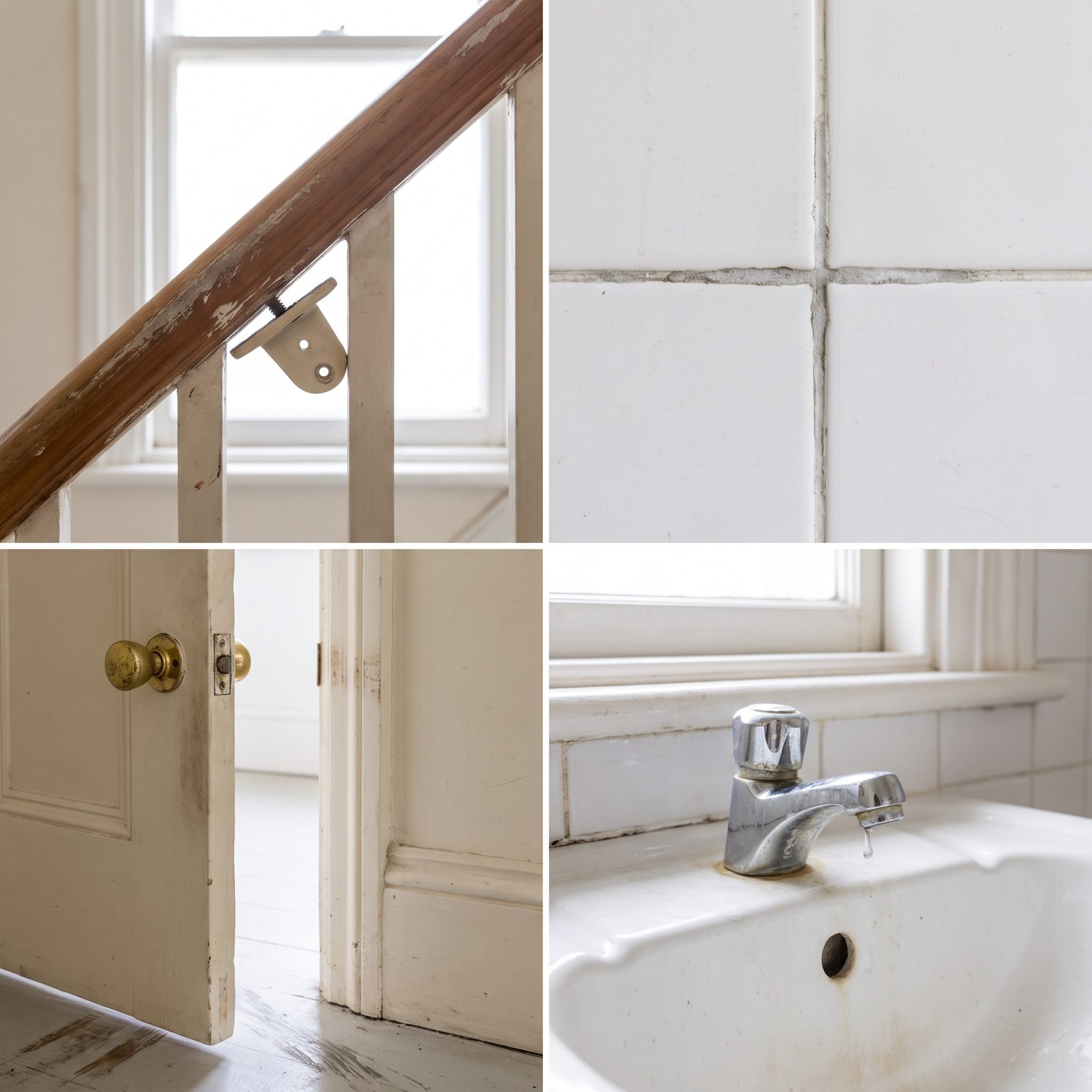
The sticking door, loose banister, gray grout, dripping faucet, leaning fence panel, missing switch plate, squeaking hinge. Residents adapt to small defects because they encounter them every day. Visitors meet all of them at once.
None may matter much independently. Together they can build a pattern that says maintenance has become reactive instead of routine. That is why agents tend to notice clusters of small problems rather than obsessing over one chipped corner.
The fix is gloriously unglamorous. Tighten. Clean. Re-caulk. Touch up. Replace the broken bit. A weekend spent eliminating ten small irritations can make the house feel considerably more settled.
4. When Your Personality Is Standing Between the Buyer and the House

A home should not lose every trace of the people who live there, but intensely personal rooms can make the house itself harder to evaluate. Dense family-photo walls, large collections, highly specific hobby displays, or several competing accent colors pull attention toward the current owner rather than the proportions and possibilities of the room.
That does not mean turning the place into a beige hotel. Edit rather than erase. A calmer blue home office, a few framed pieces, one neutral throw blanket, and some open surface area can leave personality behind without making the buyer feel like a guest in somebody else’s scrapbook.
3. The Test of Whether a Stranger Can Picture Moving In

🔥 Would you like to save this?
By this point in the first sweep, the agent is asking a broader staging question: how much mental work does a buyer have to do before the house starts feeling usable?
If every room requires imaginary repainting, furniture removal, or decluttering before its dimensions make sense, the presentation is getting in the architecture’s way. Neutral walls, clear surfaces, and flexible layouts are useful because they make the room easier to understand, not because every house should look the same.
Simple oatmeal linen bedding and oak bedside tables work in a room like this because they establish scale and function without demanding much attention for themselves.
2. The Silent Judgment of How Your Rooms Will Look on a Phone Screen

Many buyers encounter a property through listing photos on a phone before they ever stand in the driveway. Agents know that, so part of the first walk-through is already happening with photography in mind.
Dark corners collapse on a small screen. Clutter turns into visual static. Oversized furniture can make a perfectly serviceable room photograph cramped. Clear sightlines and balanced light give the camera more of the room to work with.
Clean the glass. Open the curtains. Use enough artificial light to support the daylight rather than fight it, and keep bulb color reasonably consistent throughout connected rooms. A light grey sectional sofa and pale rug can help a room photograph softly, but good exposure and uncluttered composition matter far more than buying pale furniture for the camera.
1. The Complaint Every Buyer Will Reach For, Spotted Before They Do

This is where all the earlier observations become useful. A good agent is not collecting flaws for sport. They are trying to identify the objection most likely to survive the entire showing: the dated kitchen, the low ceiling, the busy street, the awkward bedroom, the maintenance question nobody can quite forget.
Once that issue is clear, the seller can decide what to do with it. Fix it. Price with it in mind. Stage so its strengths are clearer. Document the repair. Or simply acknowledge that the house has a limitation instead of spending money polishing rooms buyers already like.
Every property has something. The useful part of an experienced first impression is recognizing which detail is merely cosmetic and which one is likely to follow the buyer all the way to the offer.
The objection you understand becomes part of the strategy. The one you ignore gets to surprise you later.
The Final Read: Does the Whole Property Hold Together?
After the roofline, windows, paint, entry, light, flooring, layout, maintenance, and all the smaller tells have been clocked, the view pulls back. This is the final question: does the property make sense as a whole? Here, the answer is unusually clear. The architecture, landscaping, terraces, river edge, pathways, planting, and outdoor living spaces all look as though they belong to the same house instead of being improvements accumulated one weekend at a time.
That coherence is what an experienced agent notices after all the individual details have had their turn. The lawn is immaculate without looking precious. Mature trees soften the contemporary lines. Stone, cedar, dark metal, and glass repeat from the building into the landscape. Even the route down to the river feels planned. Nothing here proves what is behind the walls, and no first impression replaces an inspection. But from the driveway, this property gives buyers remarkably little visual evidence of neglect, confusion, or unfinished business.
The Big Picture: Buyers may not consciously inventory every detail, but they do notice when dozens of small decisions point in the same direction. A house feels convincing when condition, architecture, landscaping, maintenance, and presentation reinforce one another. That is what a strong first impression really is: not one perfect feature, but very little fighting for an explanation.