🔥 Would you like to save this?
The kitchen drawer that stuck. The one everybody in the house knew to yank up on before pulling. Inside it lived screwdrivers, a spool of black electrical tape, spare fuses, and a small brown envelope of screws that had already outlived three appliances.
Things weren’t automatically finished just because something broke. The toaster came apart on the kitchen table. The chair spent a night in clamps. A radio tube went to the drugstore for testing, and a good pair of shoes made another trip to the cobbler. What follows is a walk back through the objects families kept alive because repair was still the first instinct.
In order to come up with the very specific design ideas, we create most designs with the assistance of state-of-the-art AI interior design software. Also, assume links that take you off the site are affiliate links such as links to Amazon. this means we may earn a commission if you buy something.
35. The Chrome Toaster With a Heating Element That Finally Quit
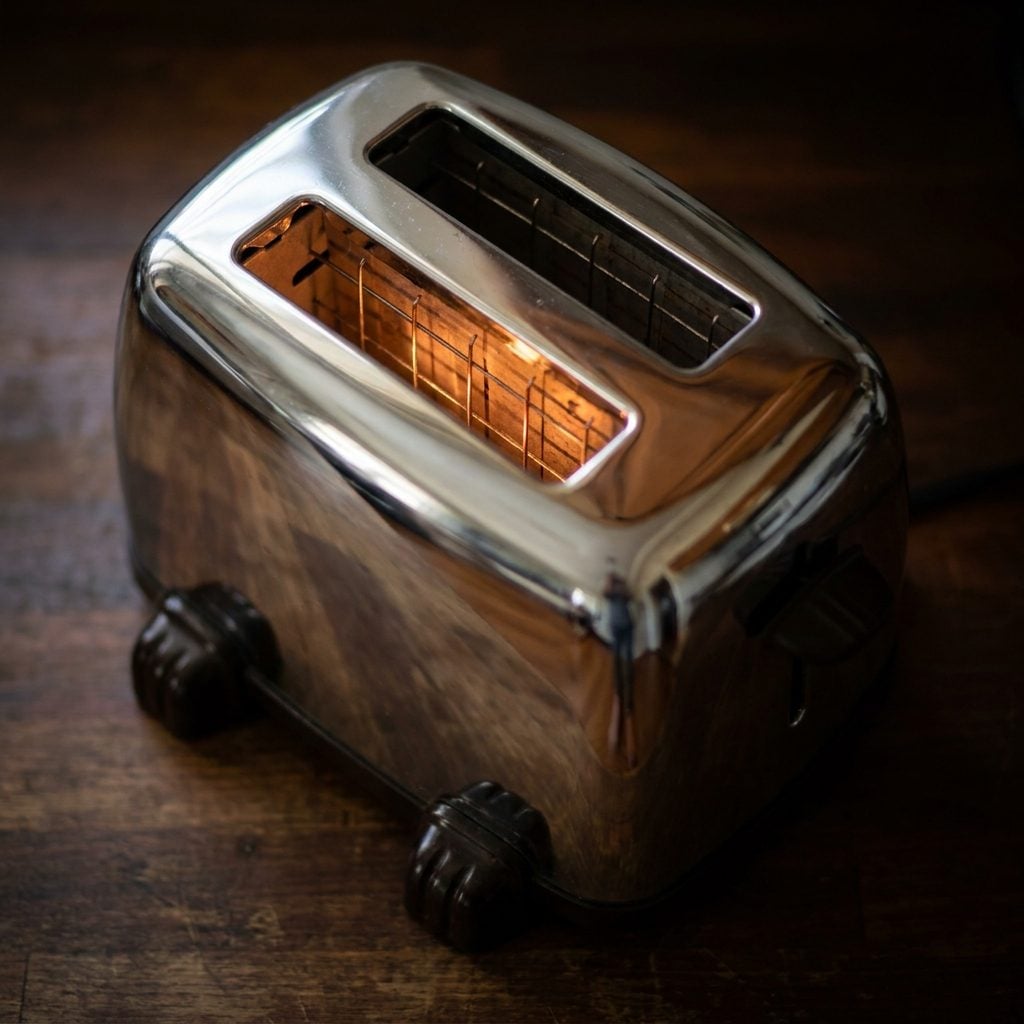
You could smell the burned element before you saw it. A hot metallic tang, and then one slot toasted while the other merely warmed the bread and quietly gave up.
The toaster itself wasn’t necessarily finished. Many older models opened from the bottom, putting heating elements and other serviceable parts within reach. When the appliance represented a meaningful household purchase, the natural question wasn’t what should replace it. It was which part had failed.
34. The Upright Vacuum That Needed a New Belt, Not a New Machine
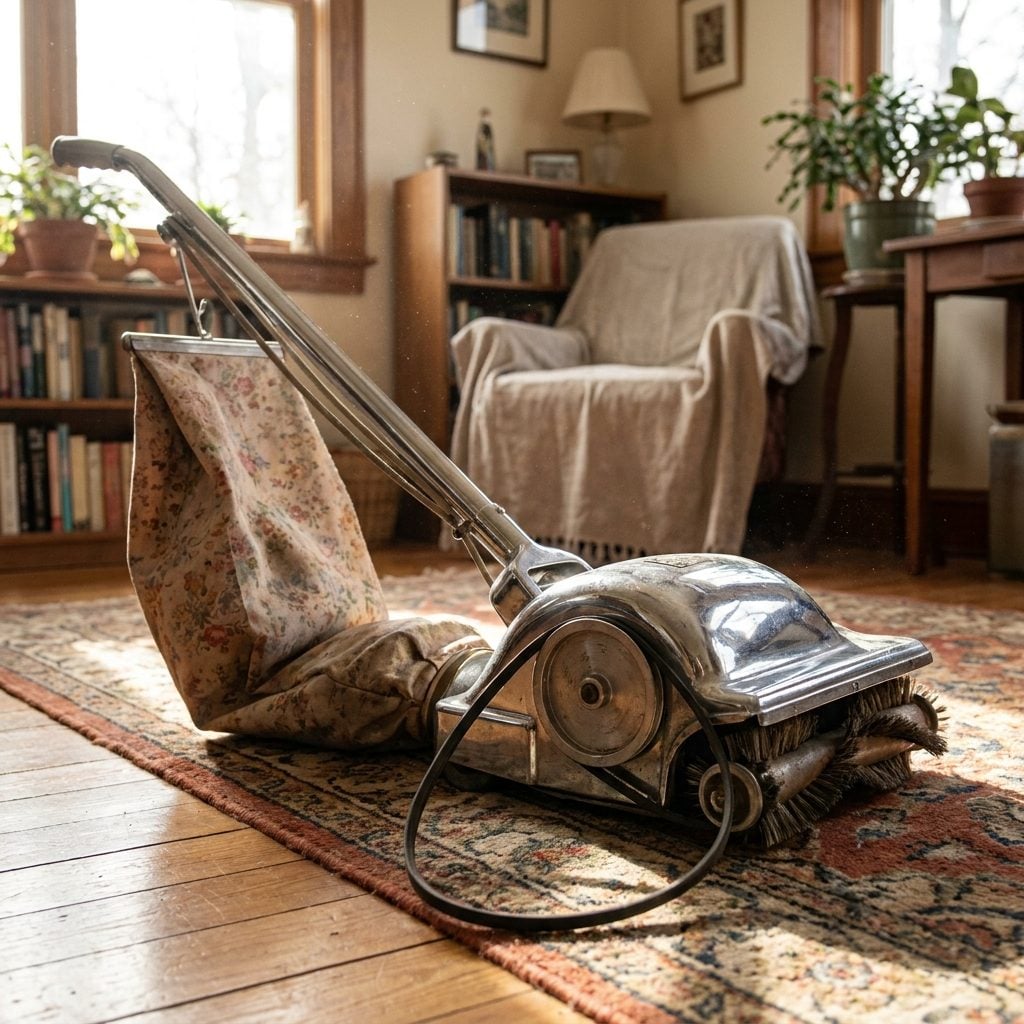
A worn belt changed the whole sound of the vacuum. The motor kept going while the brush roll slowed, slipped, or stopped doing much of anything. You could hear the complaint from two rooms away.
The answer was often an inexpensive replacement belt rather than another machine. Cover off, old belt out, new one stretched into place, and the vacuum returned to duty. Some of those heavy uprights lasted an astonishingly long time, and the living rooms in old houses were cleaned for years by machines that seemed determined to survive every decorating trend around them.
33. The Table Lamp Rewired at the Kitchen Table
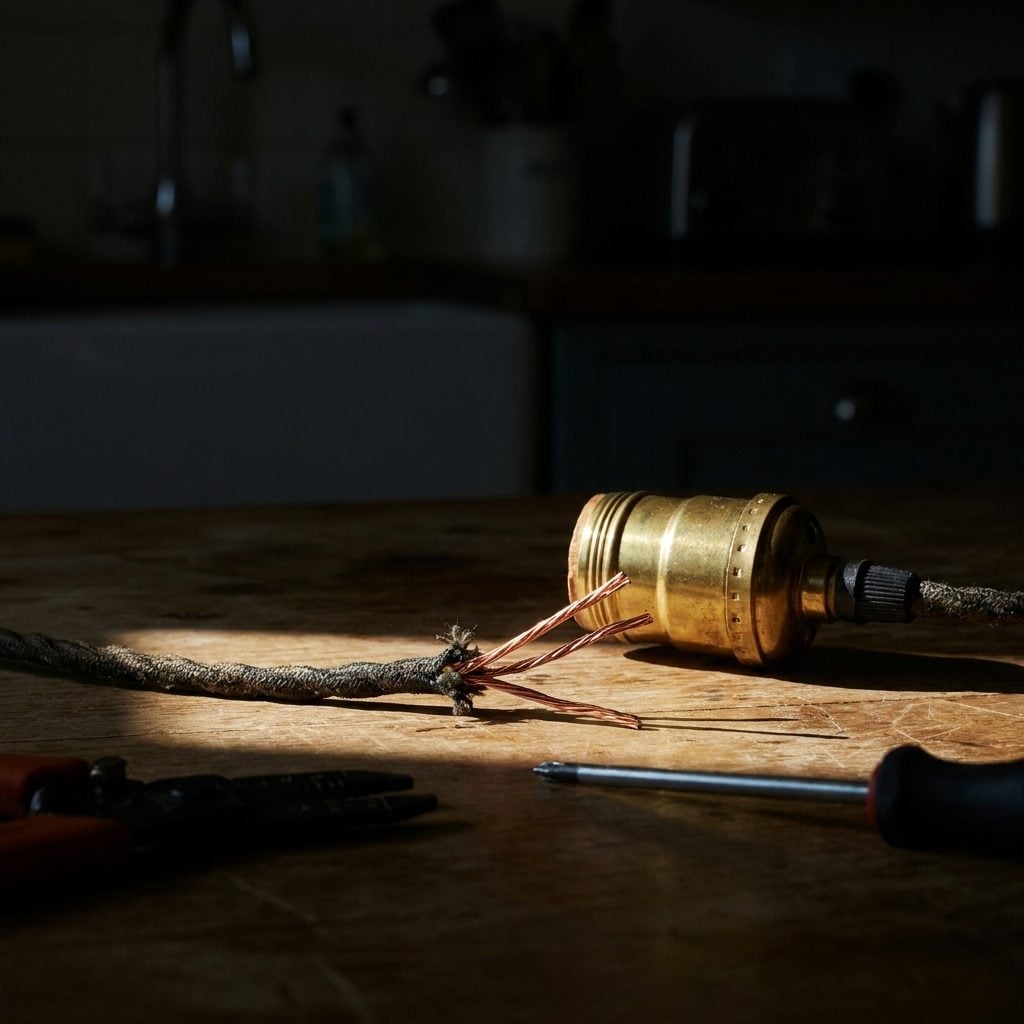
A frayed cloth cord was one of those problems nobody could ignore for long. Once the insulation started wearing through, the lamp beside the reading chair had moved beyond charmingly old and into genuinely unsafe territory.
Older lamps were simple enough that damaged cords and sockets were commonly replaced rather than treated as the end of the fixture. Once repaired, the same familiar lamp went straight back beside the chair, casting light over the evening paper as though nothing had happened.
32. The Console Radio Brought Back to Life With a New Tube

When a console radio went silent, vacuum tubes were among the obvious suspects. Off came the back panel, and the likely tubes could be pulled so the numbers stamped on their glass could be matched to replacements.
Then came one of the great lost errands of mid-century life: taking the tubes to a drugstore or hardware store with a self-service tester. Rows of replacement tubes waited nearby in little boxes. Find the bad one, buy its match, bring it home, and there was a fair chance the living room had music again by supper.
31. The Television That Lost Its Picture and Got It Back

The picture shrank, rolled, collapsed, or disappeared altogether, and the whole family reacted as though somebody had turned off the electricity to the neighborhood.
Television repair was a genuine house-call profession. A repairman arrived with tools, meters, replacement tubes, and enough experience to recognize symptoms before he had finished pulling off the back panel. Watching him work was half the entertainment. The other half was seeing the picture suddenly bloom back onto the screen.
A television was a major household purchase. You didn’t casually replace it. You called somebody who knew how to bring it back.
30. The Oscillating Fan That Stopped Turning Its Head
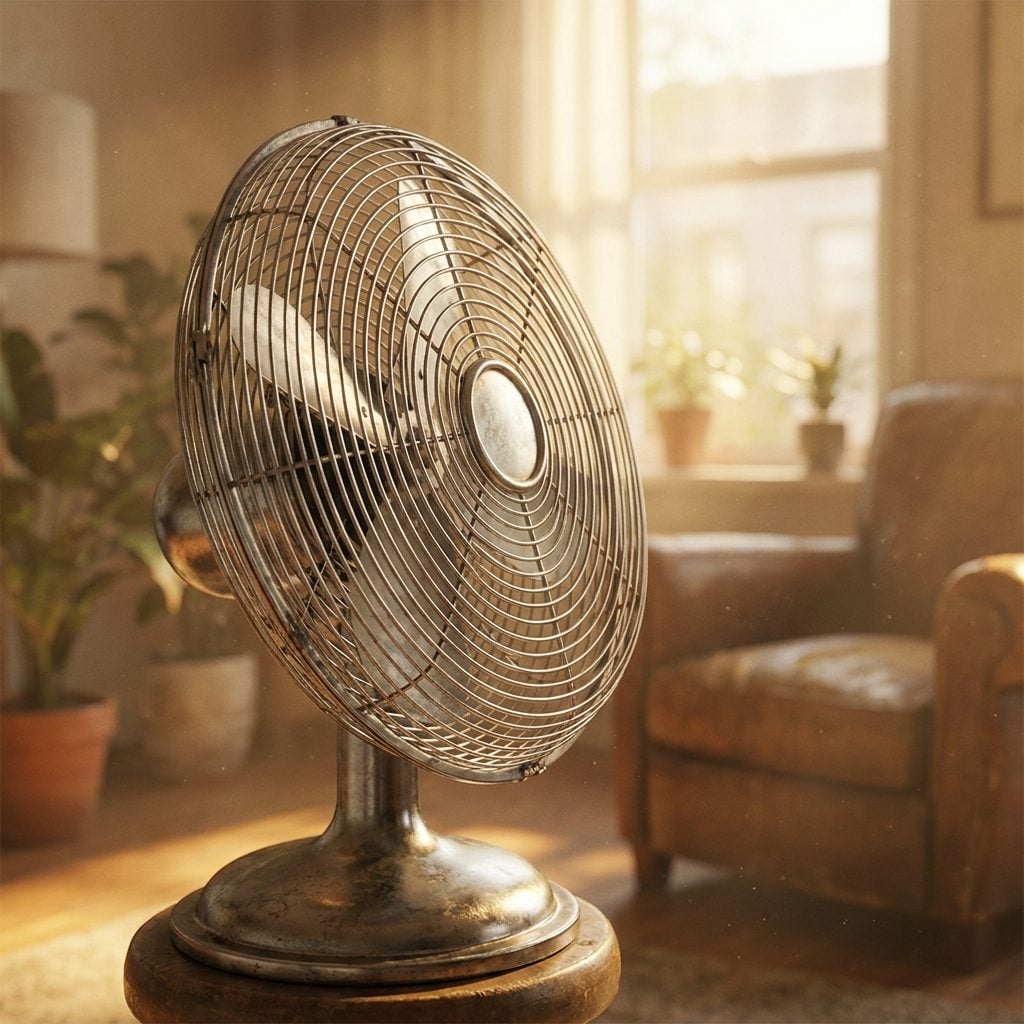
The blades still spun. The head simply stopped sweeping from side to side, which on an August night was about half the reason you owned the thing.
Old oscillating fans had gears and linkages that could dry out, wear, or slip out of adjustment. Cleaning and lubrication could sometimes restore the motion; damaged parts could be replaced on models built to come apart. The better trick was maintaining the mechanism before it seized. Somewhere in the house, somebody usually knew exactly where the oil went.
29. The Wringer Washer Kept Running on Belts and Hoses
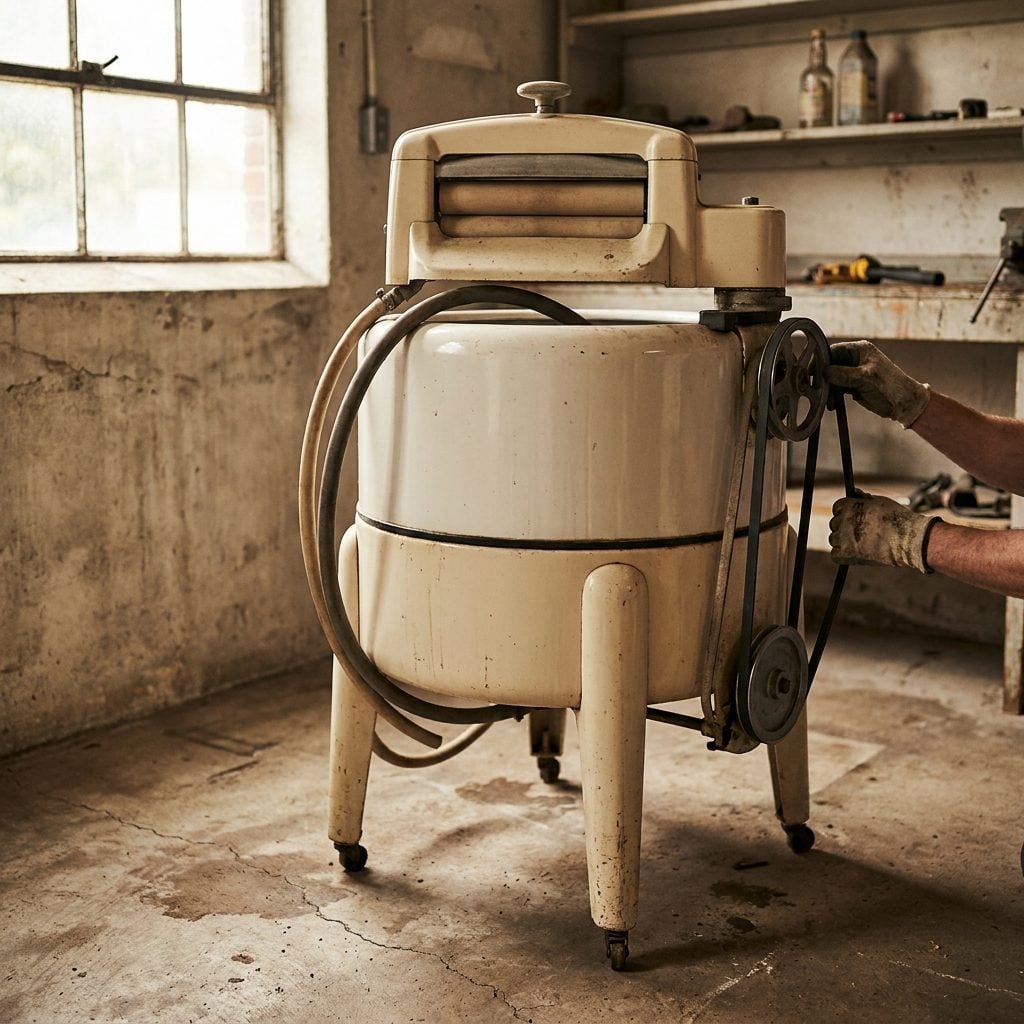
The wringer washer was one of the hardest-working machines in the house, and naturally the parts doing all that work eventually complained. Belts stretched. Hoses cracked. Rollers wore. Pumps and fittings developed problems.
Much of that maintenance happened on a basement floor with a bucket nearby and the machine tipped just far enough to reach whatever had failed. The same washer could remain in service year after year because worn parts were treated as exactly that: parts, not a death certificate for the machine.
28. The Refrigerator Whose Rubber Door Seal Was Replaced by Hand
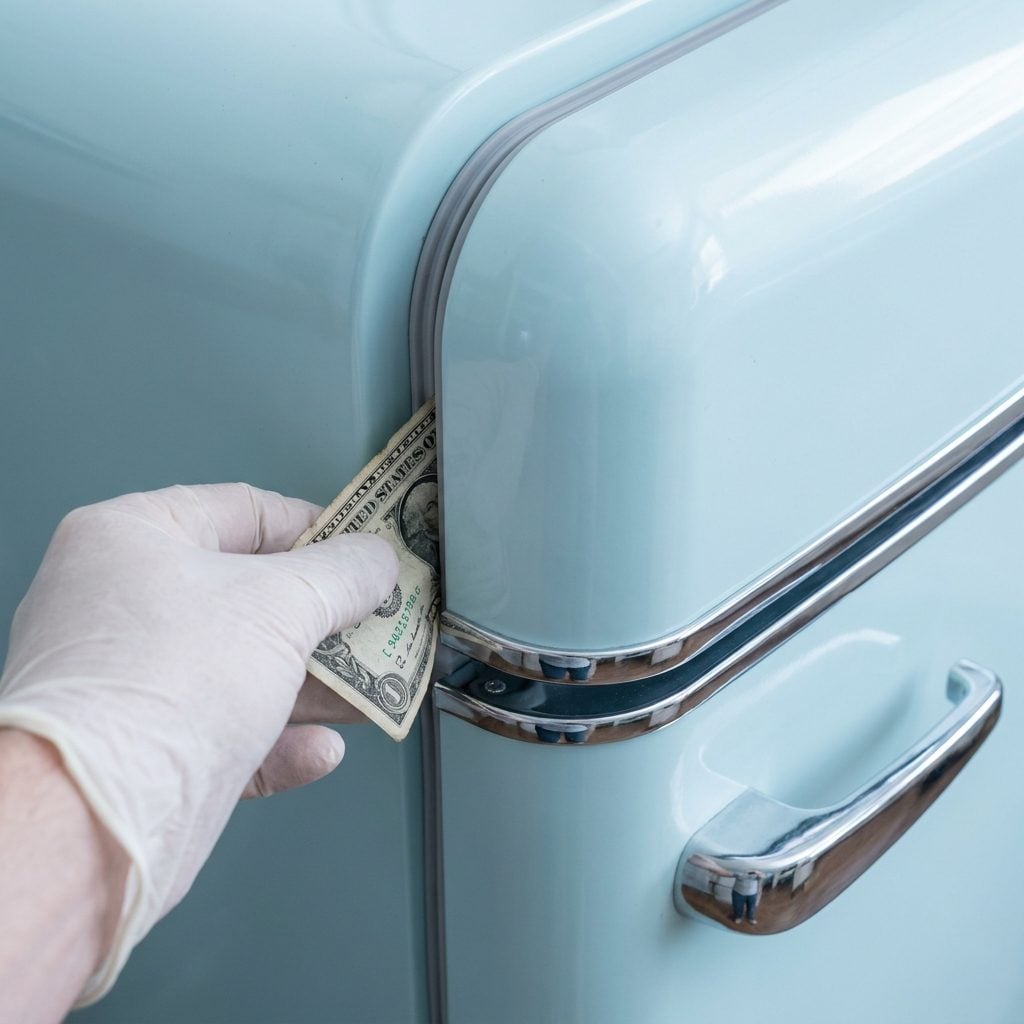
You tested the seal with a dollar bill. Close the refrigerator door on it, give it a tug, and a spot that released too easily suggested the gasket wasn’t sealing as tightly as it should.
A worn gasket could be replaced without surrendering the refrigerator itself. Once the new seal was fitted around the door, that satisfying heavy close returned. It was the kind of small household before and after that mattered: the appliance looked much the same, but the part wasting cold air had been dealt with and the refrigerator carried on.
27. The Treadle Sewing Machine Adjusted Rather Than Retired
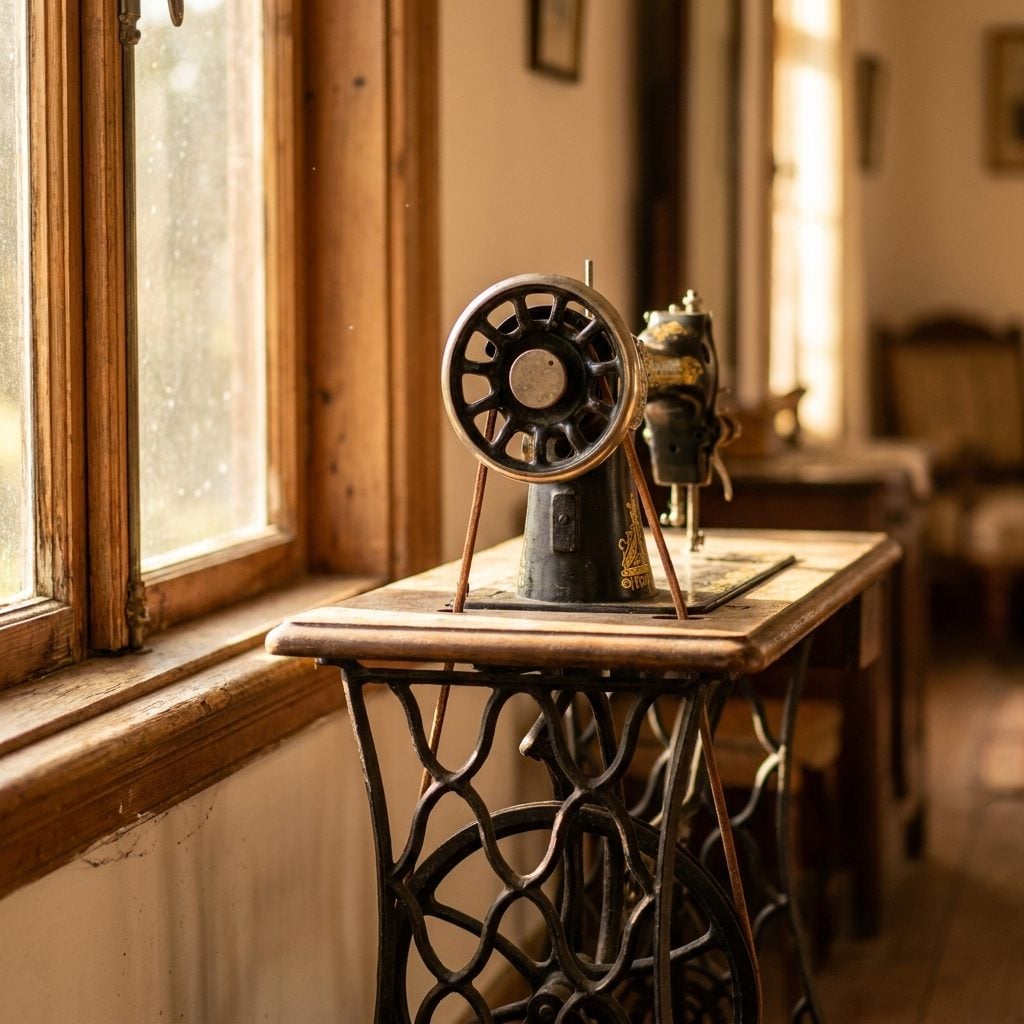
A sewing machine wasn’t easily surrendered. Leather belts stretched, tension drifted, screws loosened, and lint found its way into every place lint wasn’t supposed to be.
Oil, adjustment, a fresh belt, and familiarity kept many treadle machines working for generations. Their cabinets supplied a compact space and cabinet for the machine, thread, fabric, and whatever small tools were always needed nearby. Over the years, knowing exactly how that particular machine was supposed to sound and feel became part of owning it.
26. The Mantel Clock Cleaned, Oiled, and Set Ticking Again
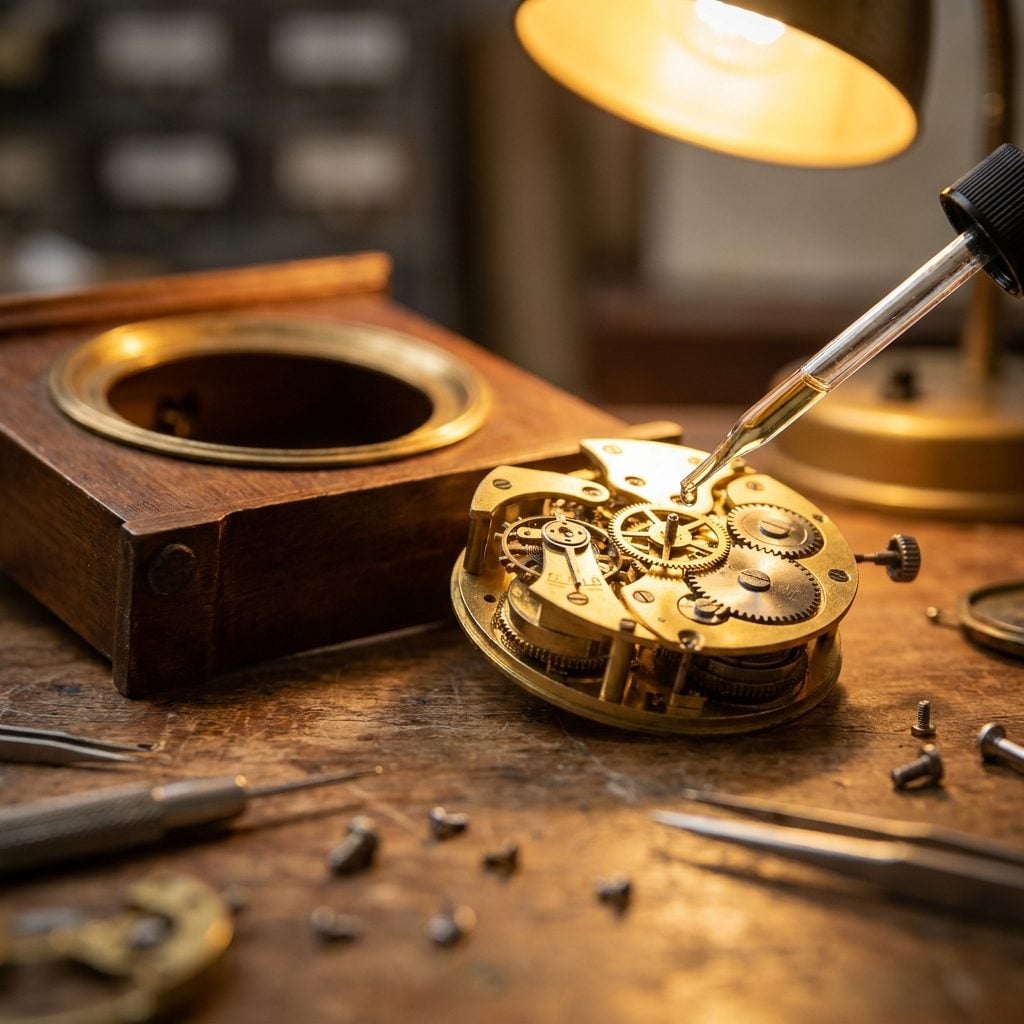
A stopped clock changed the sound of the whole room. You noticed the silence before you noticed the hands hadn’t moved.
Mechanical clocks required cleaning, careful lubrication, adjustment, and, when necessary, the attention of someone who genuinely understood the movement inside. The reward came when the pendulum began its slow swing again and the first steady ticks filled the room.
Some mantel clocks remained in families for generations. Winding one every week wasn’t merely another chore on the list. It was a small recurring agreement that this old thing still had a place in the house.
25. Irons With Frayed Cords That Got Repaired Instead of Replaced
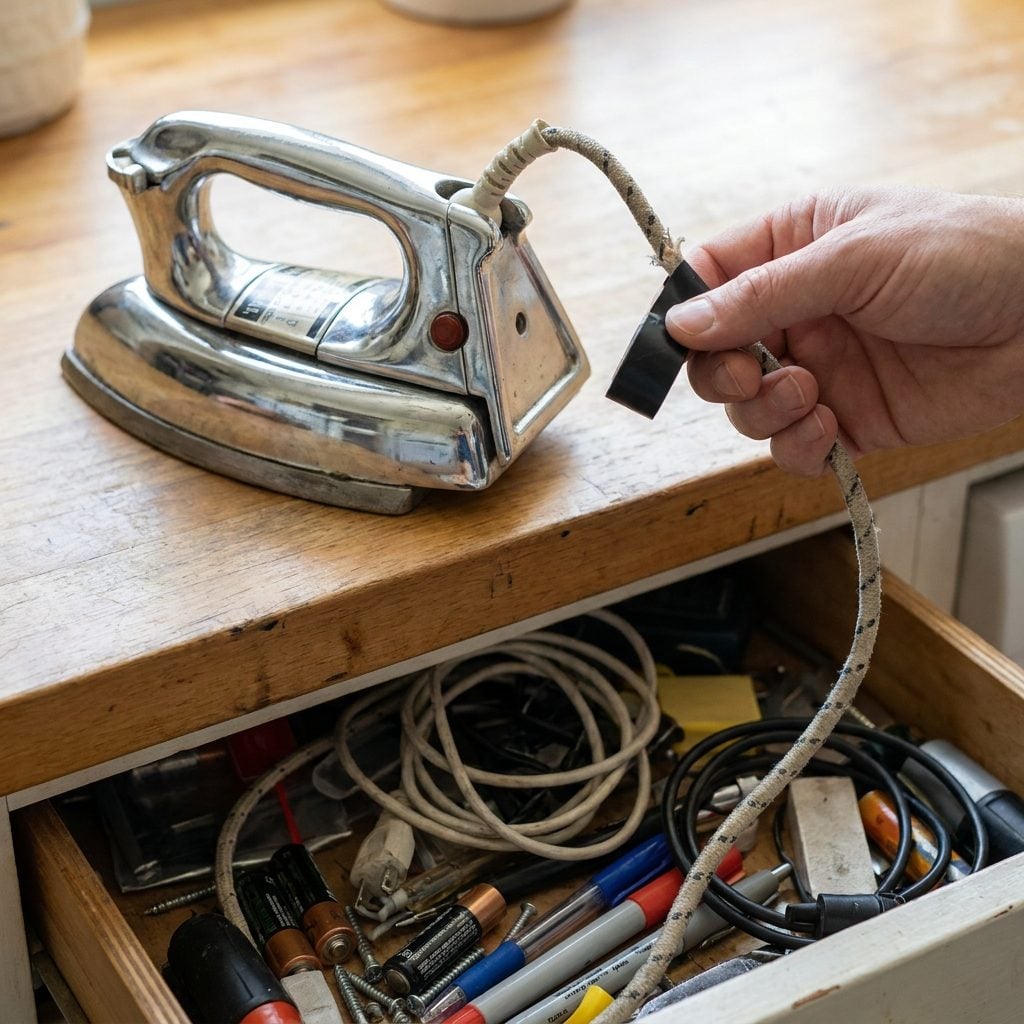
The cord often failed before the iron did. Years of flexing near the handle could fray the outer covering while the heavy metal appliance itself still had decades of work left in it.
People sometimes improvised with electrical tape, but a damaged mains cord is one old-house habit best left in the past. The sound repair was replacing the cord and keeping the iron. Those old models had real weight, substantial metal bodies, and very little reason to retire simply because one replaceable component had worn out.
24. Kitchen Chairs Whose Loose Joints Got Glued and Clamped Overnight
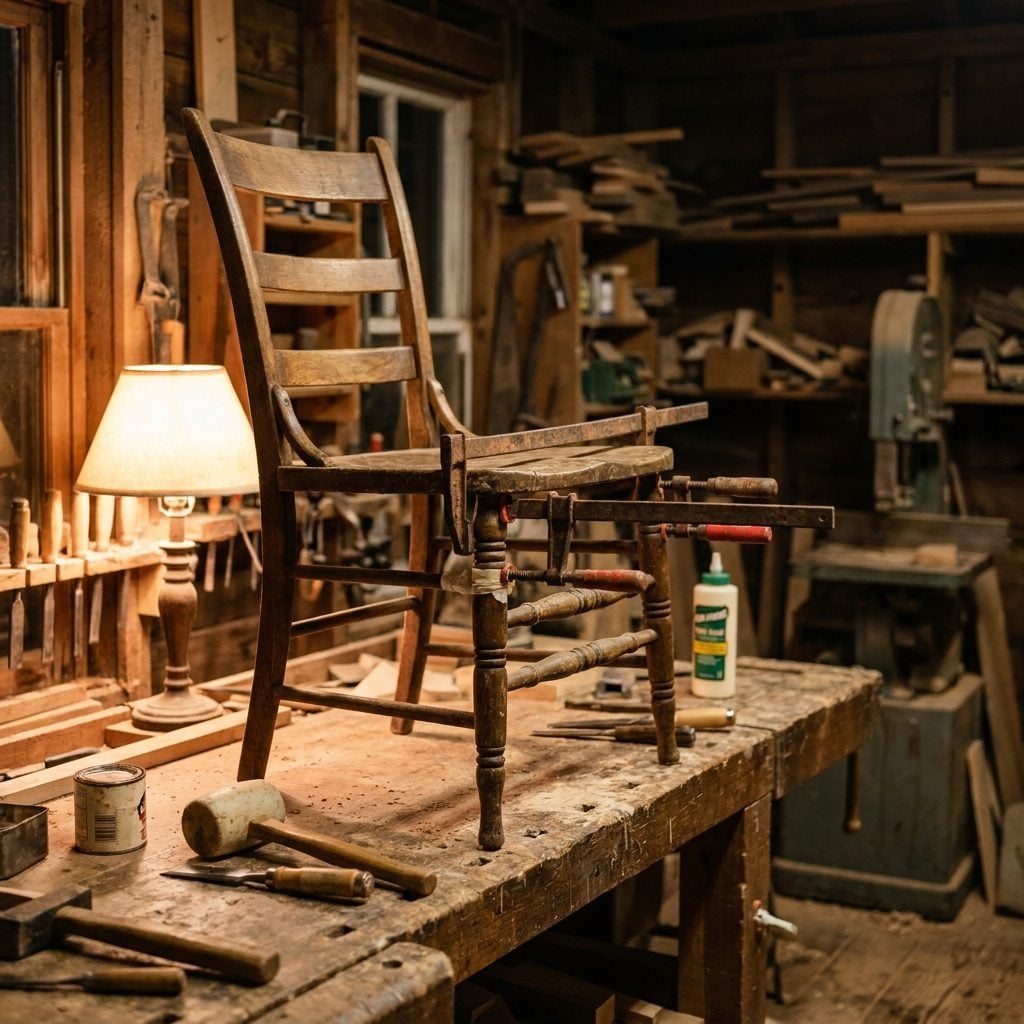
You knew a chair was going in for repair when it vanished from the table and turned up upside down, clamped like a patient in traction. The loose joint came apart, the failed glue was cleaned away, fresh glue went in, and the whole thing spent the night squeezed tightly back into alignment.
By breakfast it was usually a chair again instead of a project. More important, people understood that the first wobble was the moment to act. Keep rocking on a loose joint and eventually wood starts breaking instead of merely separating.
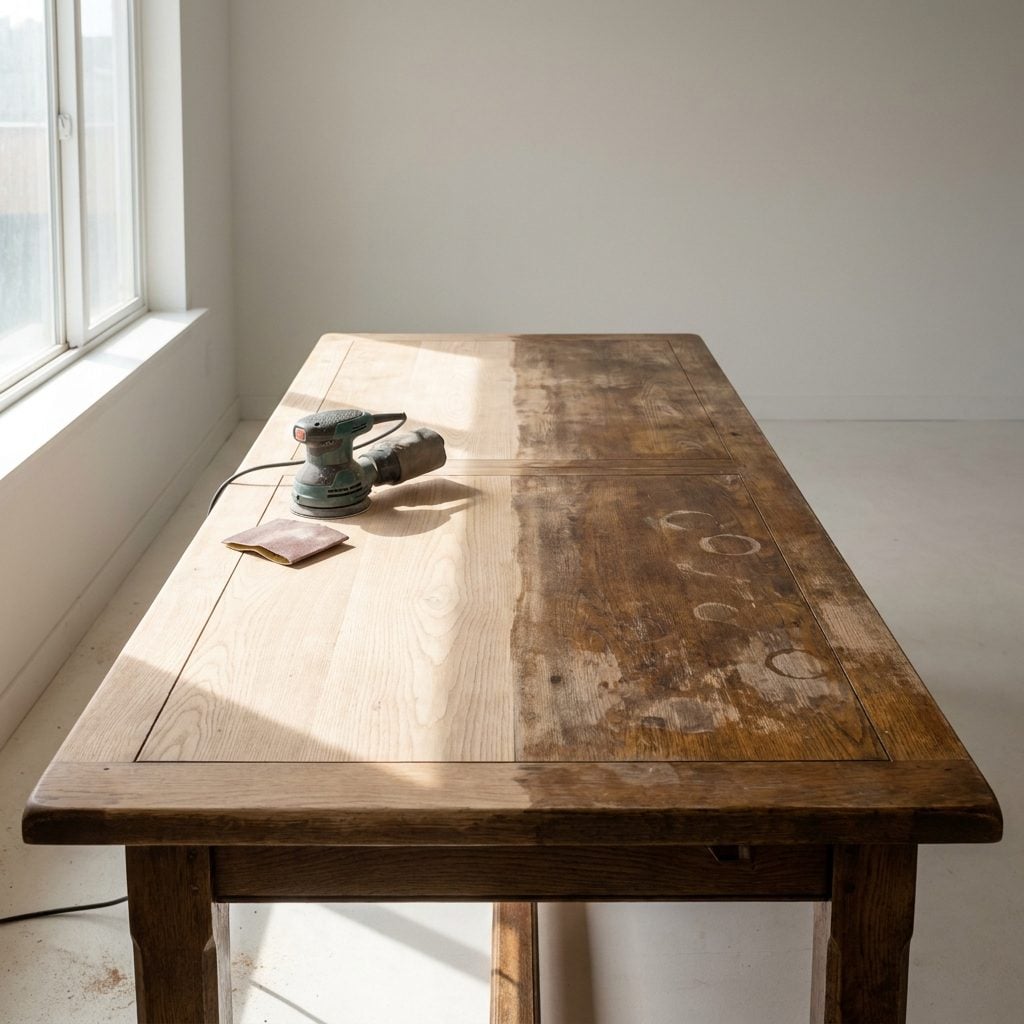
23. Dining Tables Sanded Down and Re-Oiled Instead of Curbed
🔥 Would you like to save this?
The dining table absorbed everything: meals, homework, water rings, knife scratches, elbows, hot dishes, spilled milk, and the occasional mark nobody ever admitted making.
A worn solid-wood top could be refinished rather than discarded. Sanding removed years of accumulated damage, and a fresh finish brought the grain forward again. The old living rooms in these houses could hold the same table for generations, each family leaving evidence before somebody eventually decided it was time for another round of work.
22. Sofas and Armchairs Reupholstered Right in the Living Room
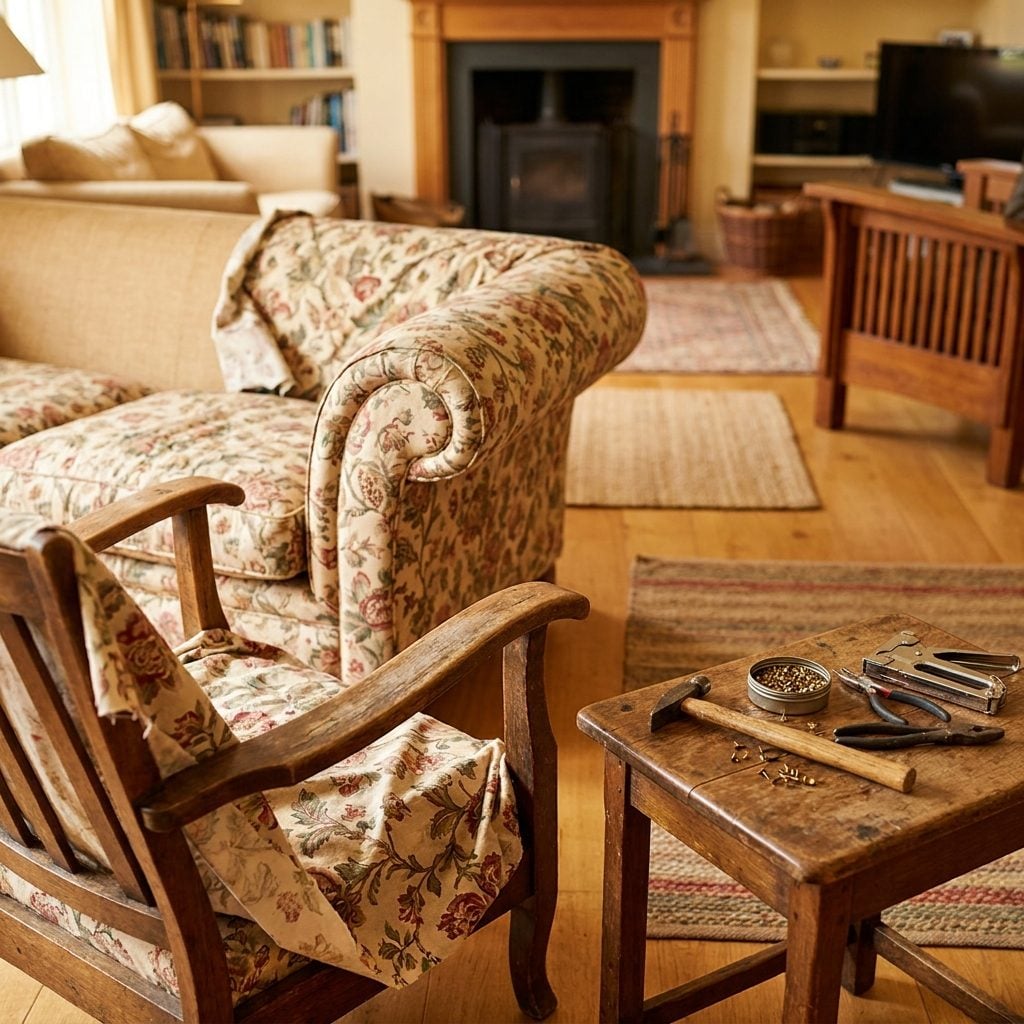
When the arms wore through to the batting and cushions flattened into tired pancakes, a solid piece of furniture still had plenty of life hiding underneath.
Reupholstery meant stripping the piece back, replacing worn padding, repairing or retying support where needed, and stretching fresh fabric across a frame worth saving. Good hardwood frames in particular could justify the work. The floral rolled-arm sofa your grandmother recovered may well have survived long enough to become fashionable, unfashionable, and fashionable again.
21. Sagging Beds Propped With a Plank Under the Mattress
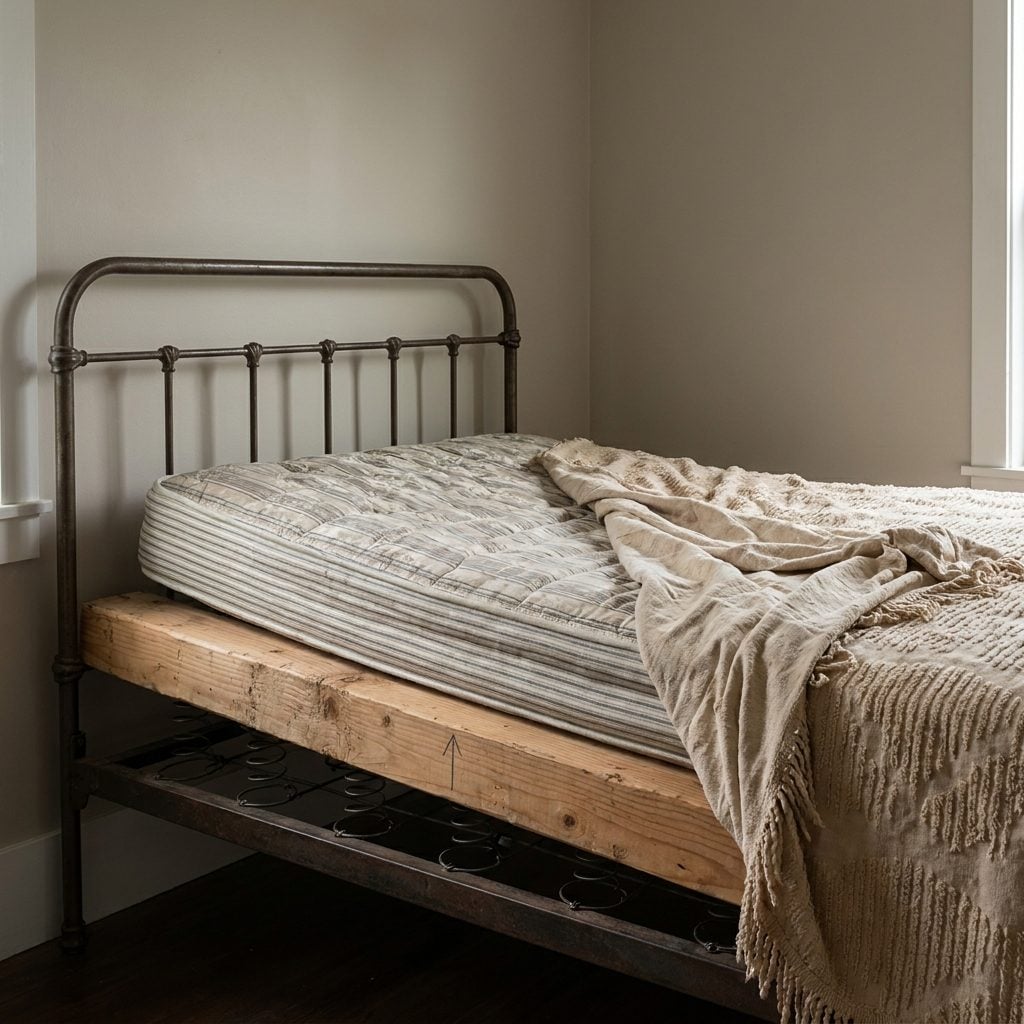
The old answer to a bed that had gone soft in the middle was sometimes remarkably low-tech: add firmer support underneath it.
A board placed between the mattress and its base couldn’t restore worn-out padding or springs, but it could reduce flex and make the bed feel firmer for a while. When replacing a mattress meant a significant household expense, squeezing more usable time from the old one had an obvious appeal.
20. Dresser Drawers Rubbed With a Candle to Slide Again
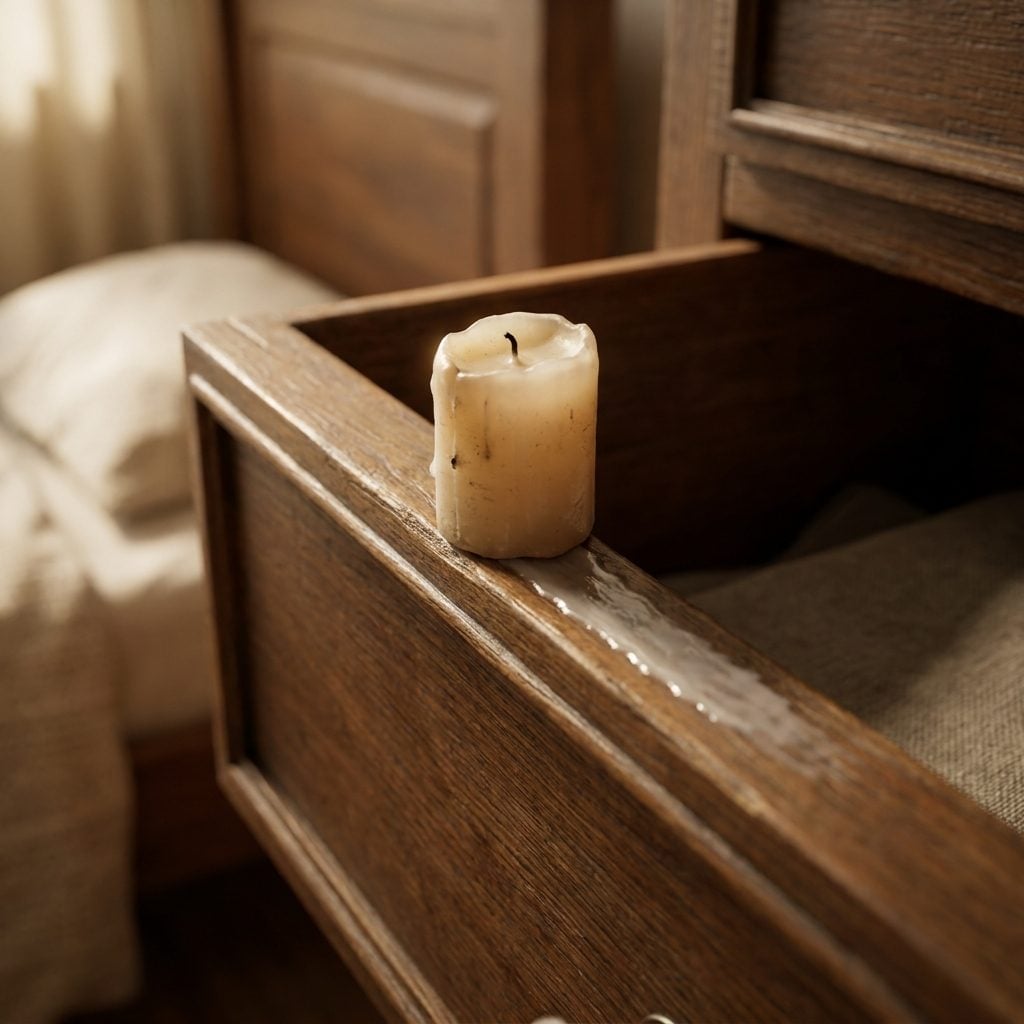
A sticky drawer got a candle, not a complaint. Rub paraffin along the wooden runners, work the drawer back and forth, and friction stopped winning quite so easily.
Humidity could make wood swell just enough for a previously cooperative drawer to bind. Wax or plain soap on the runners was such a simple fix that it barely qualified as an event. A stubborn drawer could be moving again before anybody finished explaining what was wrong with it—which is more than I can say for my own IKEA dresser and its plastic glides, which gave up in two years.
19. Cabinet Doors Whose Loose Hinges Got Toothpick-and-Glue Repairs
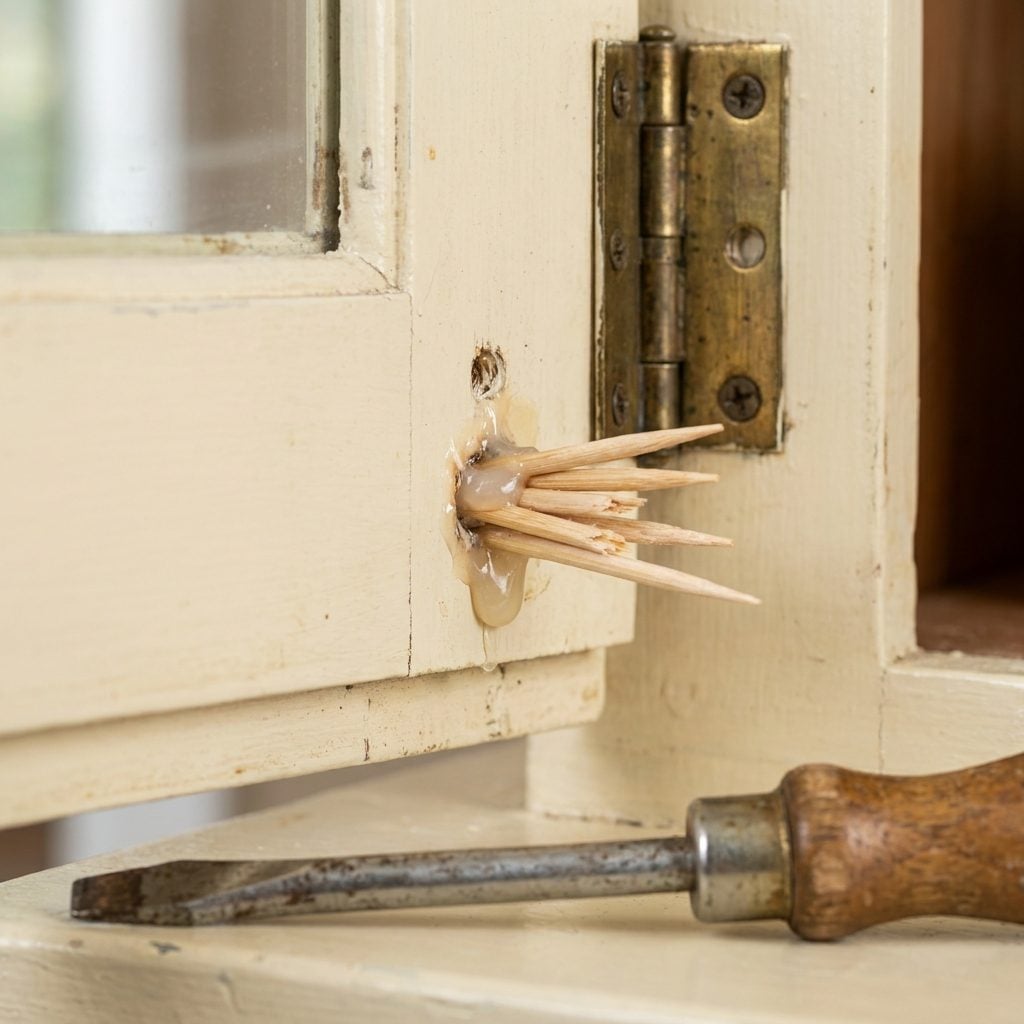
A cabinet door hanging crooked often traced back to one tiny problem: a screw turning uselessly in a hole that had become too large to hold it.
The old toothpick-and-glue repair survived because the principle was so simple. Filling the damaged hole with fresh wood gave the screw something solid to grip again. The same idea worked on many small hinge repairs around the house. Some solutions never needed an upgrade.
18. Window Screens Patched With a Dab of Nail Polish
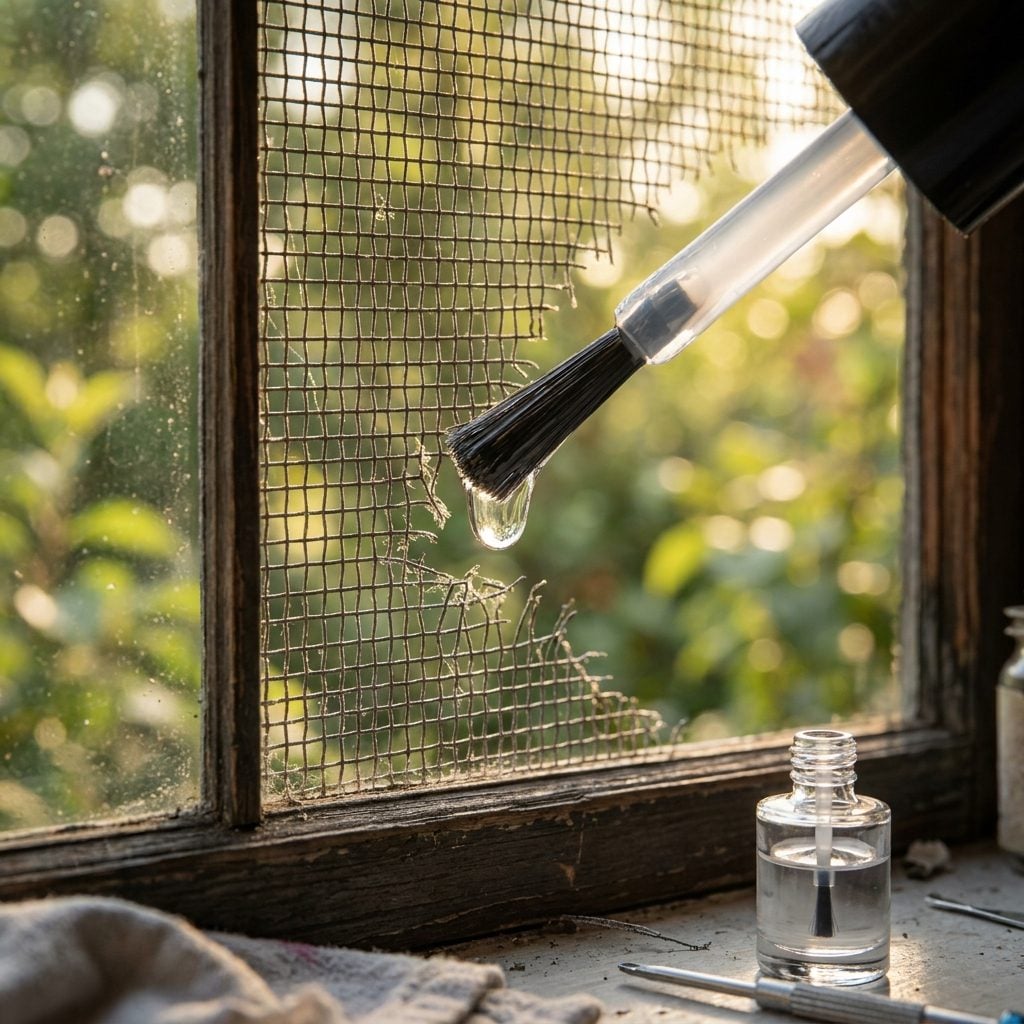
A tiny tear in a window screen could admit an astonishing number of mosquitoes, especially in a house where opening the windows was the air-conditioning system.
Clear nail polish could stabilize a very small hole and help keep the mesh from unraveling farther. Larger damage called for a proper patch of spare screening. Leftover screen wire tended to migrate to the garage, which is why it still turns up in a surprising number of old-house garage before and after projects, hanging from a nail decades after anybody remembers buying it.
17. Wooden Window Frames Filled, Sanded, and Repainted
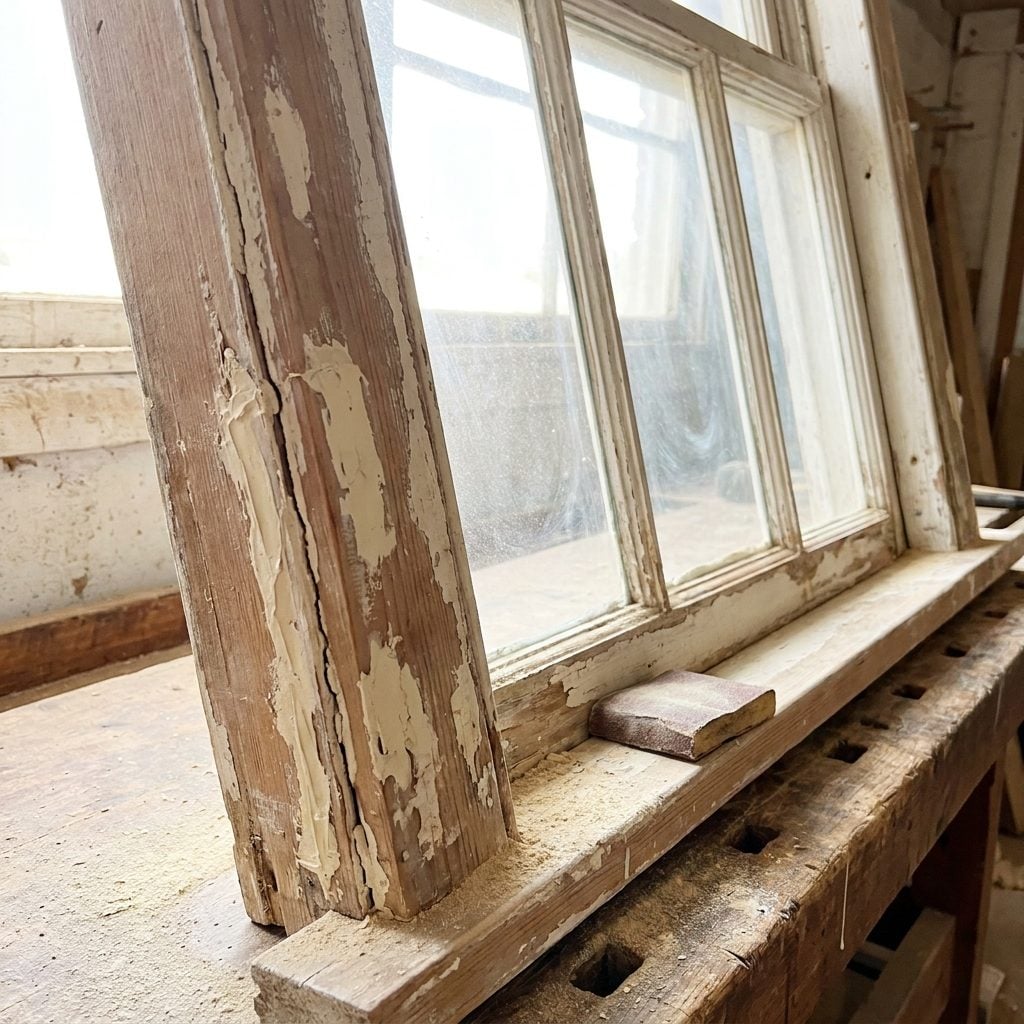
Wooden windows suffered most where water lingered: the sill, the lower sash, the joints, the places paint had failed first. But localized deterioration didn’t automatically mean the entire window had reached the end of its life.
Damaged material could be removed and repaired with new wood or appropriate fillers, then primed and painted against the weather again. Properly maintained old windows can remain serviceable for a very long time. Decorative details survived along with them, from polished latches to brass and off-white combinations that developed naturally as old hardware aged against layers of painted trim.
16. Sticking Doors Planed Down at the Bottom by Hand
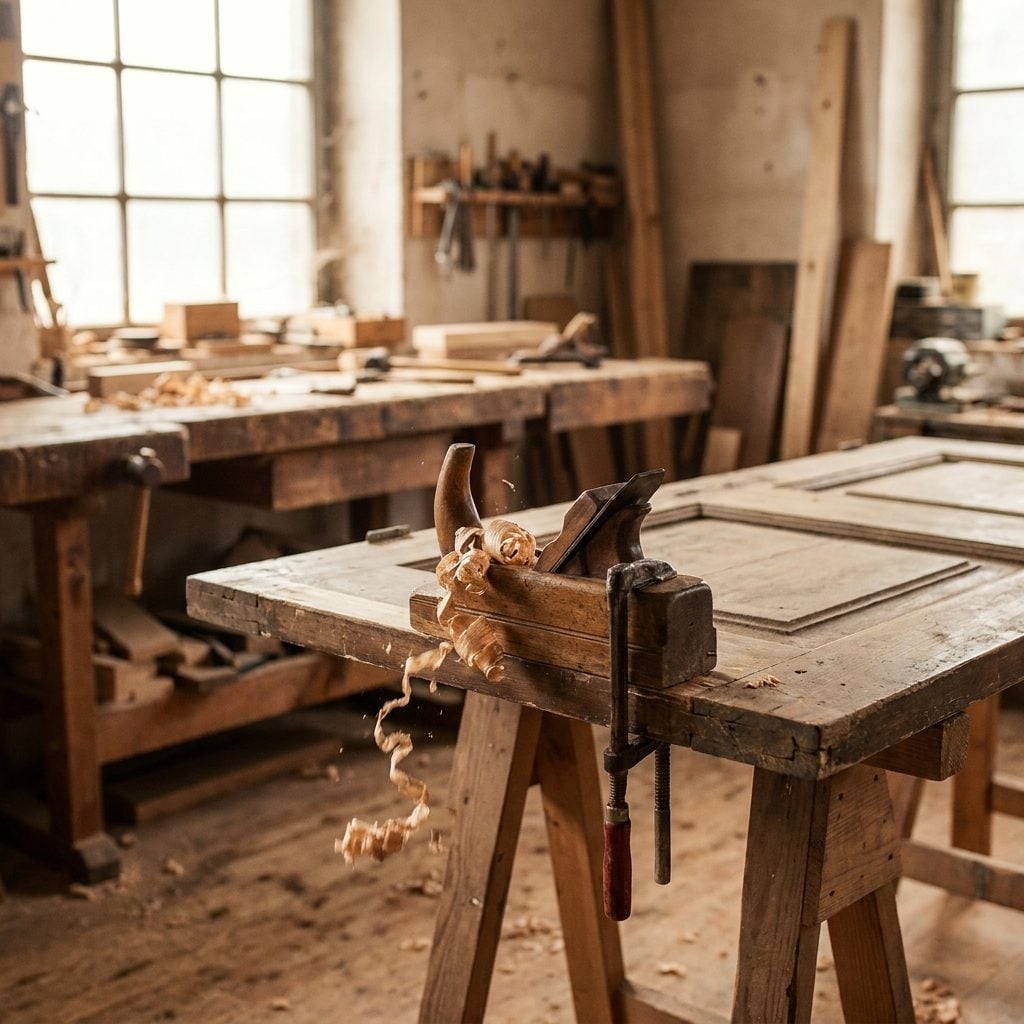
You could hear a sticking door before you saw it: the scrape, the resistance, then the little thud when somebody finally forced it through. Houses settled, wood moved with humidity, and a door that behaved perfectly in winter could complain all summer.
Once hinge problems and other causes were ruled out, a binding wooden edge could be carefully trimmed or planed for clearance. Shavings on the floor meant somebody was getting close. It was precision work on a large object—the same basic problem encountered whenever a tight space and cabinet leaves almost no room for error.
Then came the satisfying test: swing it shut again. No scrape. No thud. Just a door doing what a door should.
15. Leaky Faucets Got a New Washer, Not a New Faucet
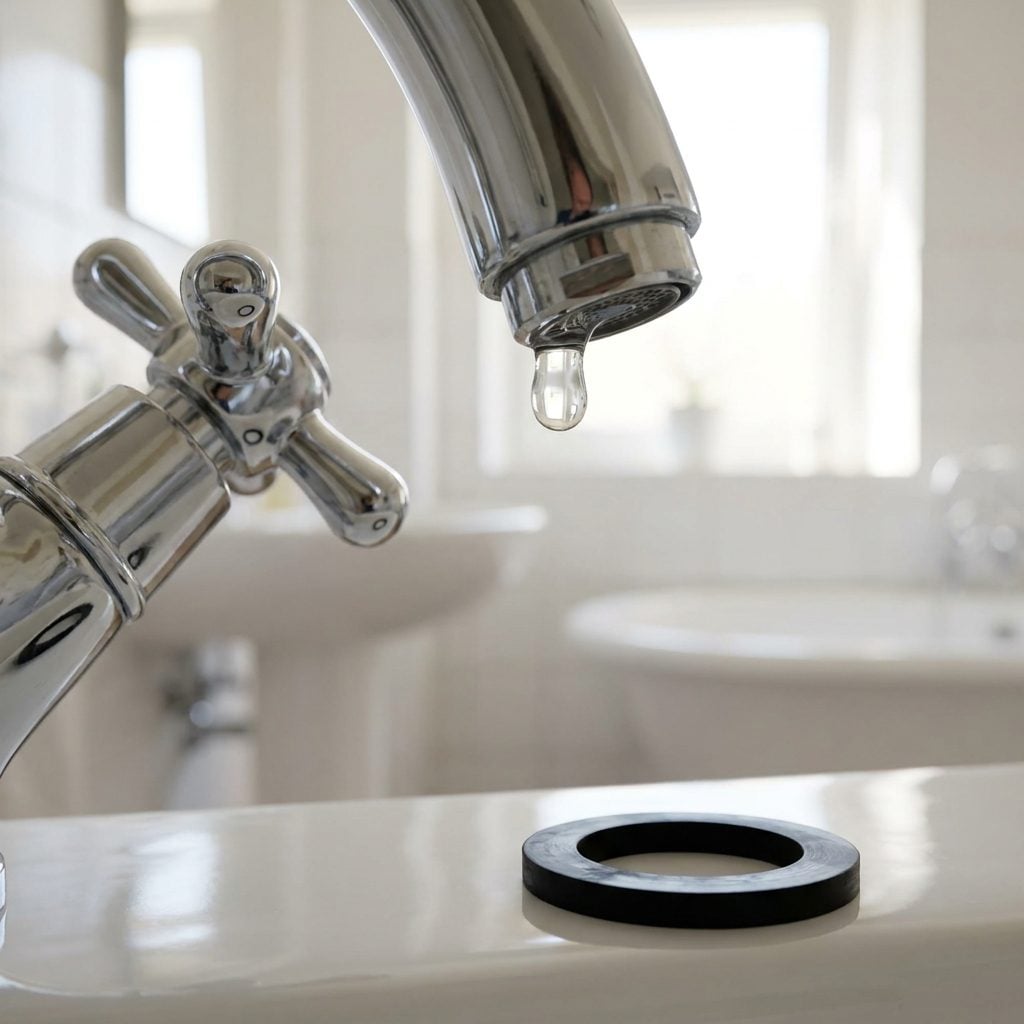
A drip you could set a clock to. One bead of water after another until the whole house either fixed it or learned to sleep through it.
Traditional compression faucets were designed around replaceable wearing parts. A flattened washer could cause the drip while the heavy metal faucet itself remained perfectly serviceable. Assorted washers lived in jars, tins, and little cardboard assortments because somebody eventually needed exactly that size.
14. The Running Toilet Fixed With a New Tank Ball and a Little Adjustment
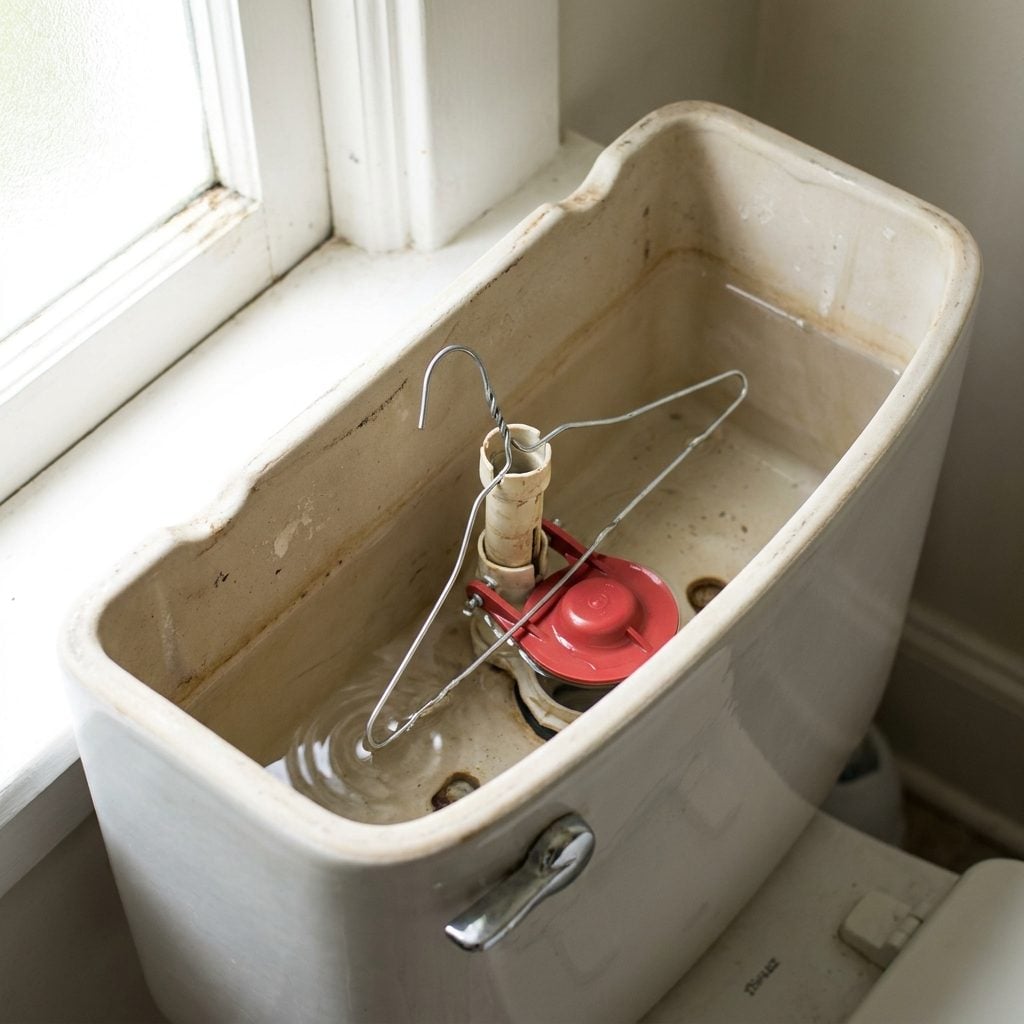
You knew the sound. That endless hiss from the bathroom, followed by the traditional household response: jiggle the handle and see whether the toilet changed its mind.
Older tanks often used a rubber tank ball rather than the later flapper design. If the ball wasn’t seating properly, the float needed adjustment, or the linkage had shifted, the tank could keep refilling long after the flush was finished. Off came the heavy porcelain lid, a few small corrections followed, and silence returned to the bathroom.
13. Chipped Porcelain Sinks and Tubs Got Touched Up, Not Ripped Out
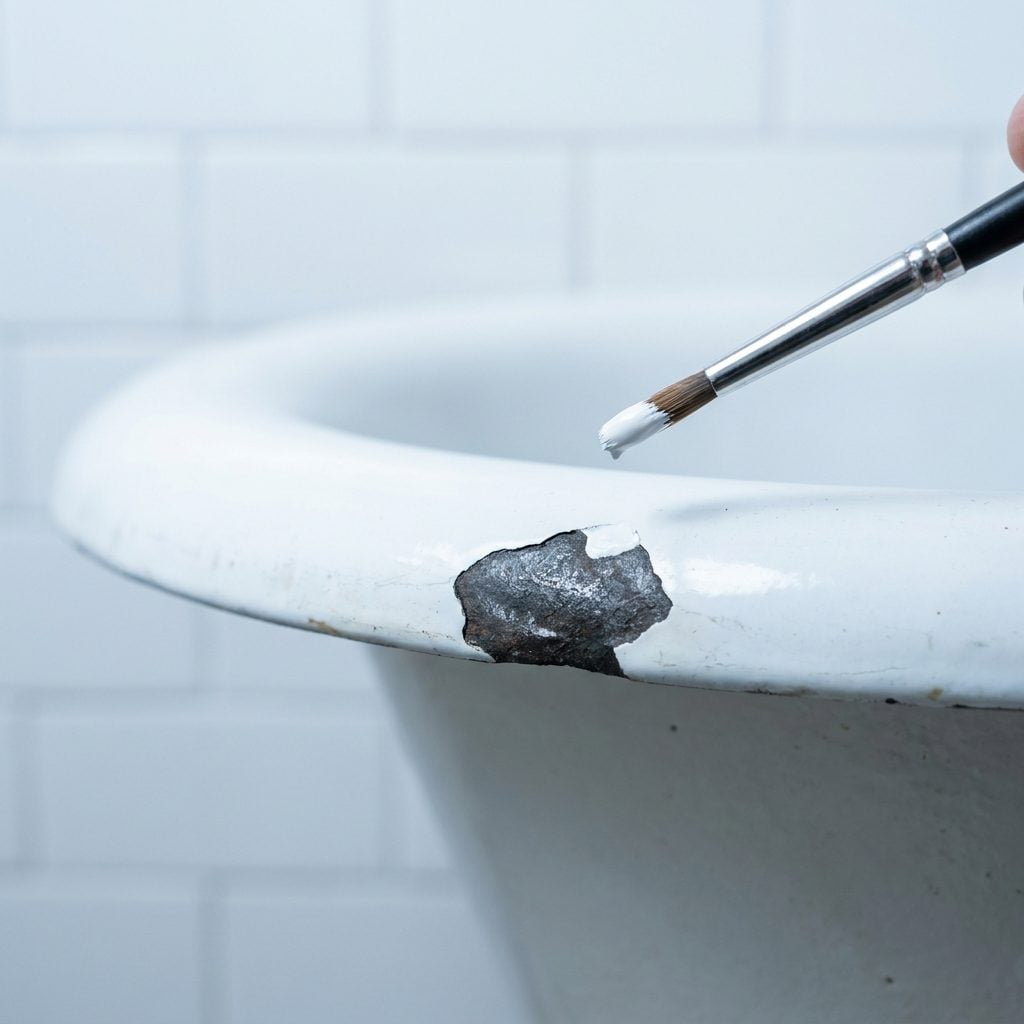
A chip on the rim of an enameled cast-iron tub exposed darker metal underneath and created a small repair job, not an excuse to demolish the bathroom.
Porcelain or enamel touch-up products could protect the exposed spot and make the damage considerably less obvious. The color rarely disappeared perfectly. Families simply learned the location of the tiny brighter patch and carried on. Compared with wrestling a cast-iron tub out of a house, a visible dab of repair enamel seemed like a very reasonable compromise.
12. Cracked Plaster Walls Patched With a Bag of Plaster and a Steady Hand
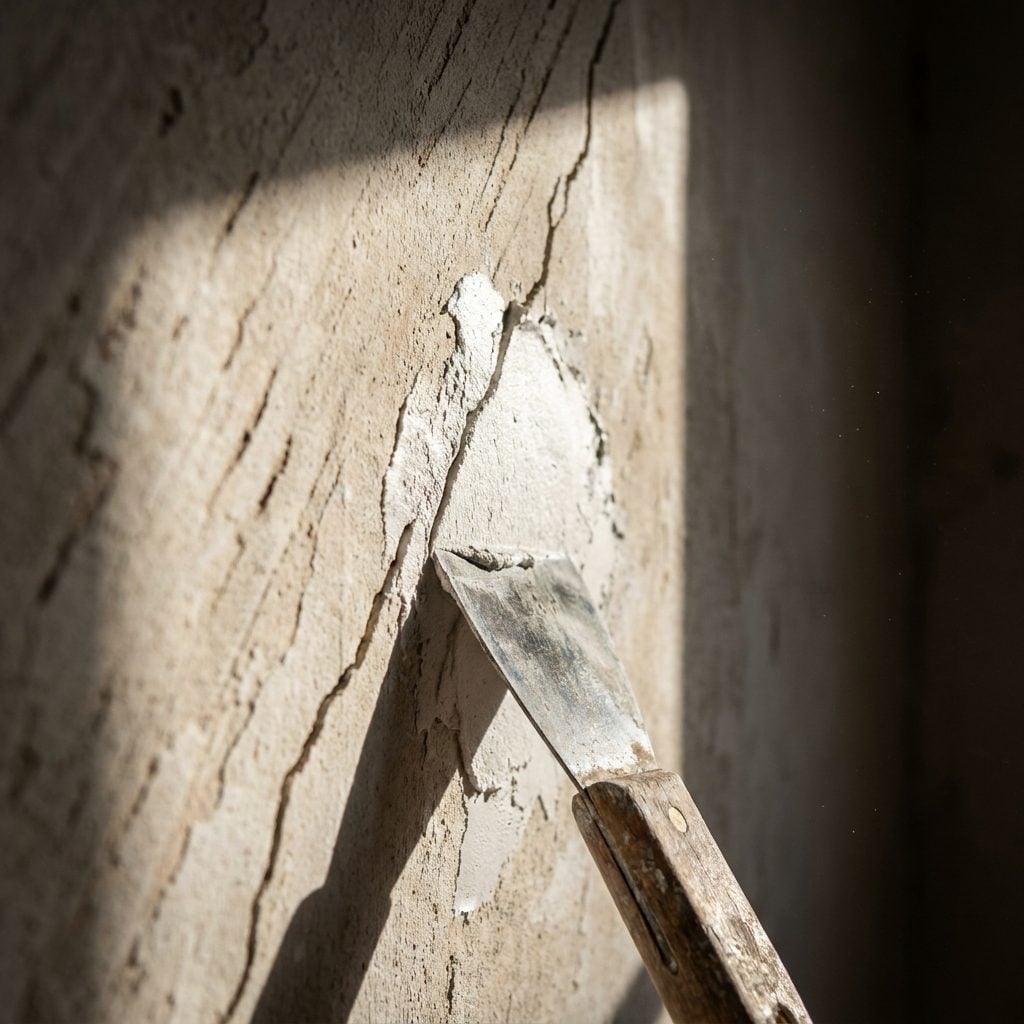
Old houses crack. Seasonal movement, settling, and years of vibration could send a hairline fracture wandering away from a window or door like a river on a map. In a house full of lath-and-plaster walls, that meant patching rather than replacing an entire wall surface.
Small stable cracks could be opened enough for repair material to bond properly, filled, smoothed, and painted. Done well, the evidence disappeared until afternoon light hit the wall from exactly the wrong angle. Then the whole family suddenly remembered where it had been.
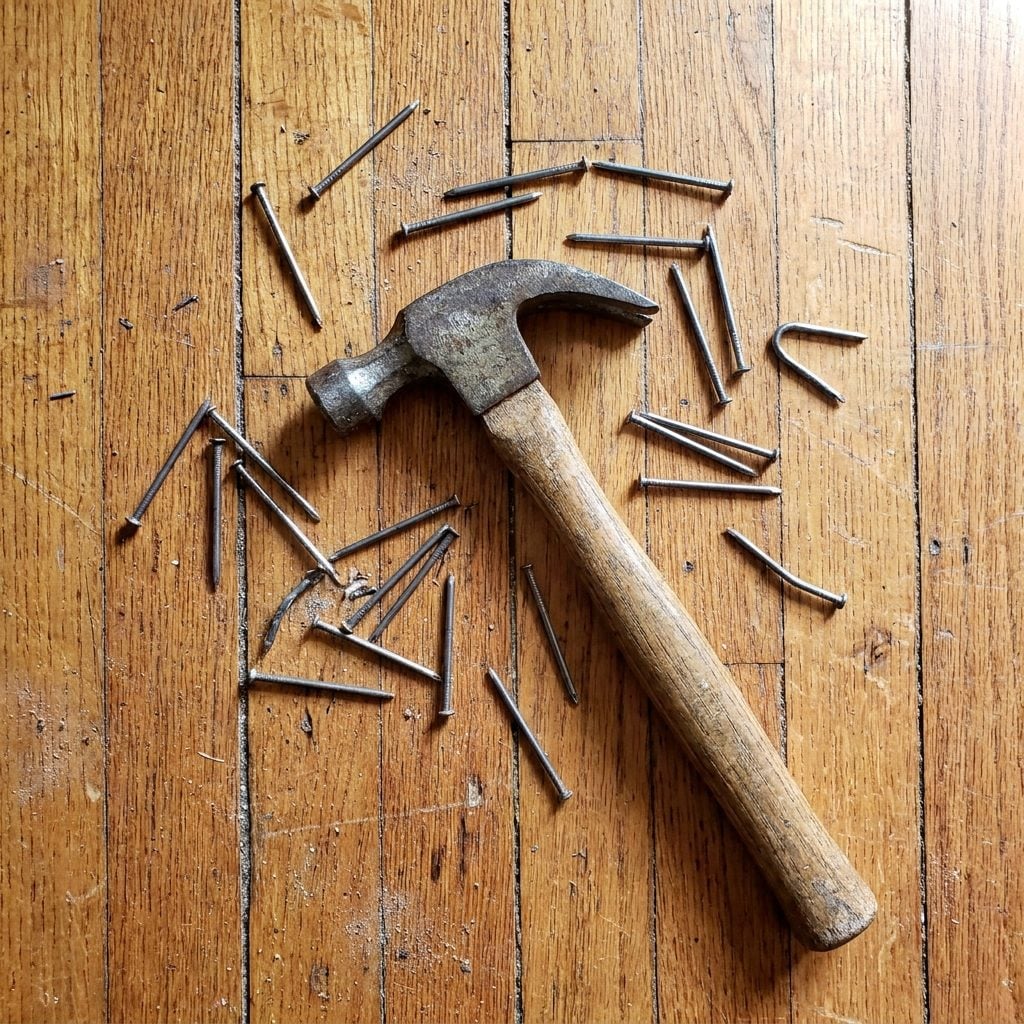
11. Loose Floorboards Silenced With a Few Well-Placed Nails
🔥 Would you like to save this?
Every house seemed to have one. The hallway board that announced every late-night crossing and taught teenagers exactly where not to put a foot after curfew.
A squeak could come from boards or subfloor moving against fasteners or framing below. Once the movement was located, the repair might involve securing the loose material more firmly or stopping two surfaces from rubbing. The floor went quiet, and the family lost a warning system that had worked perfectly for years.
10. Worn Linoleum Floors Patched, Waxed, and Kept Going
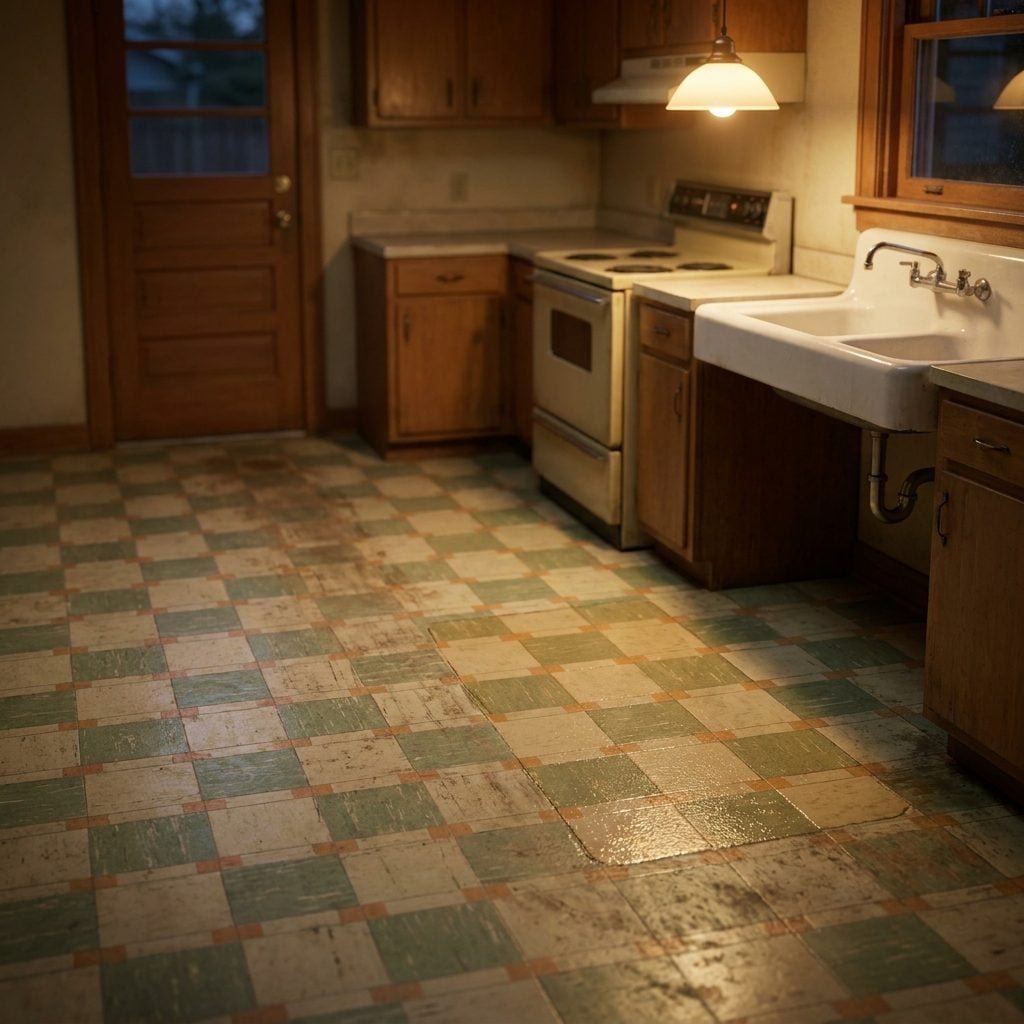
The pattern wore first where everybody walked: back door to stove, stove to sink, sink to table. A faded trail across the kitchen recorded the household’s movements more accurately than any floor plan.
Small damaged areas could be patched from leftover material kept for exactly that reason. The pattern might not line up perfectly, but perfection wasn’t the standard. Regular cleaning and waxing mattered just as much. Hands and knees, rag in hand, then strict orders not to walk across the shine until it was ready.
A well-maintained linoleum floor could serve for decades. Wear wasn’t automatically interpreted as failure. Sometimes it was simply evidence that the room had been doing its job.
9. Torn Window Shades and Venetian Blinds Restrung, Not Retired
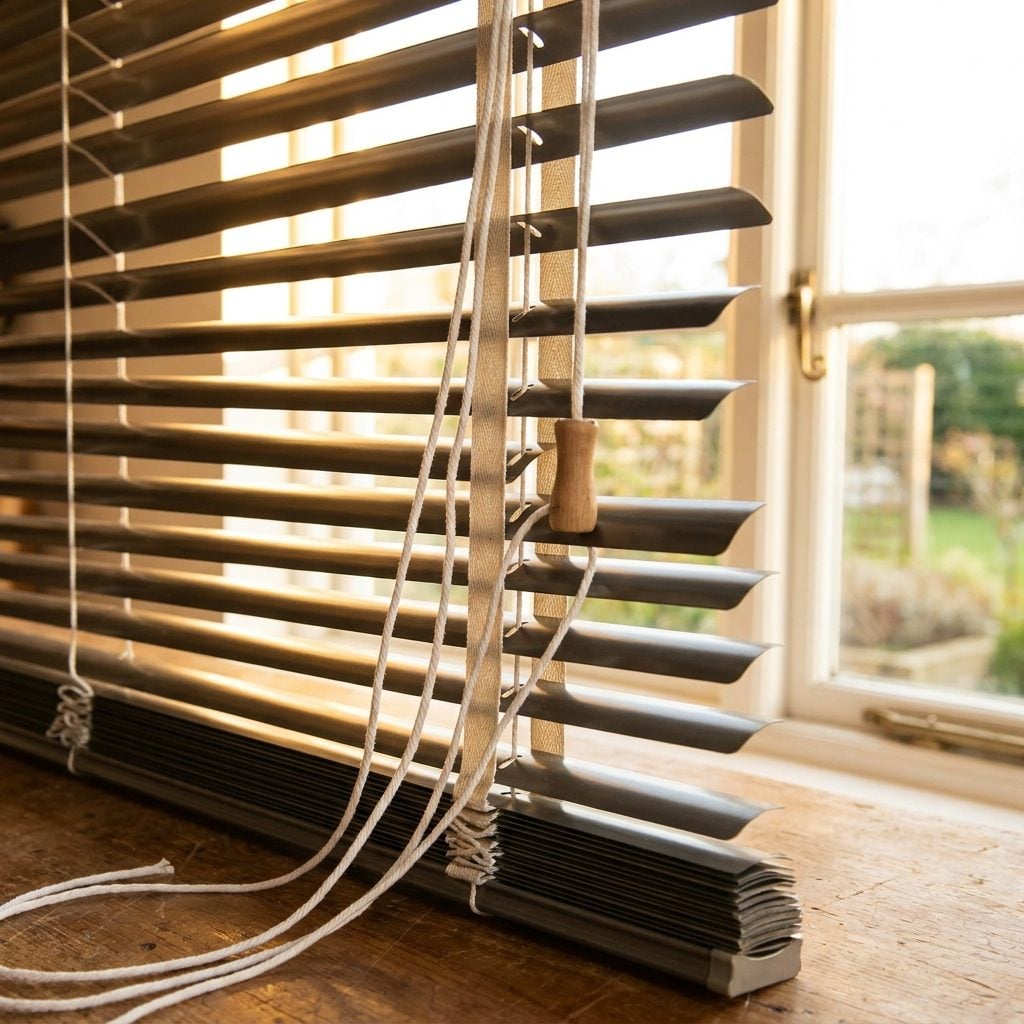
Venetian blinds depended on cords, tapes, slats, and mechanisms that didn’t all wear out at the same time. A frayed cord or bent slat could leave the whole thing hanging crooked even though most of it remained perfectly usable.
Fresh cord could put a blind back into service. Roller shades had their own small rescues when an edge tore or a pull needed attention. The living rooms in those days contained plenty of objects built around the assumption that the person who owned them might eventually have to replace one component without buying everything again.
8. Brooms Rehandled and Kept Working Instead of Thrown Out
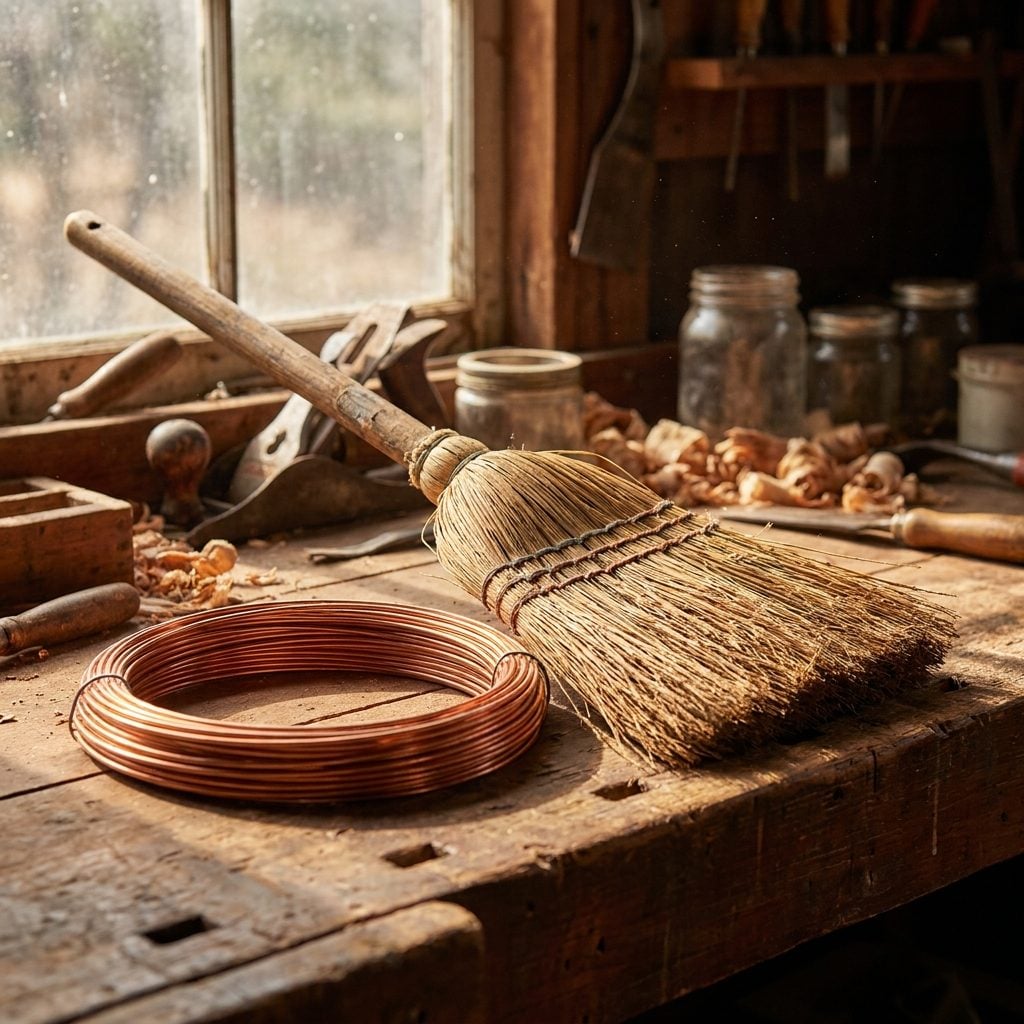
A broom was not automatically disposable. A good handle alone was worth saving.
Handles cracked, fastenings loosened, and natural broom material wore down with use. Depending on the broom and what had failed, there was often something worth repairing before the whole thing headed for the trash. Replacement wooden handles were ordinary hardware-store stock for exactly this reason.
There was a broader logic behind it: tools were assemblies of parts, not single-use objects. The broom by the back door belonged to the same repair culture as everything else in the space and cabinet around it.
7. Mops With Screw-On Replaceable Heads
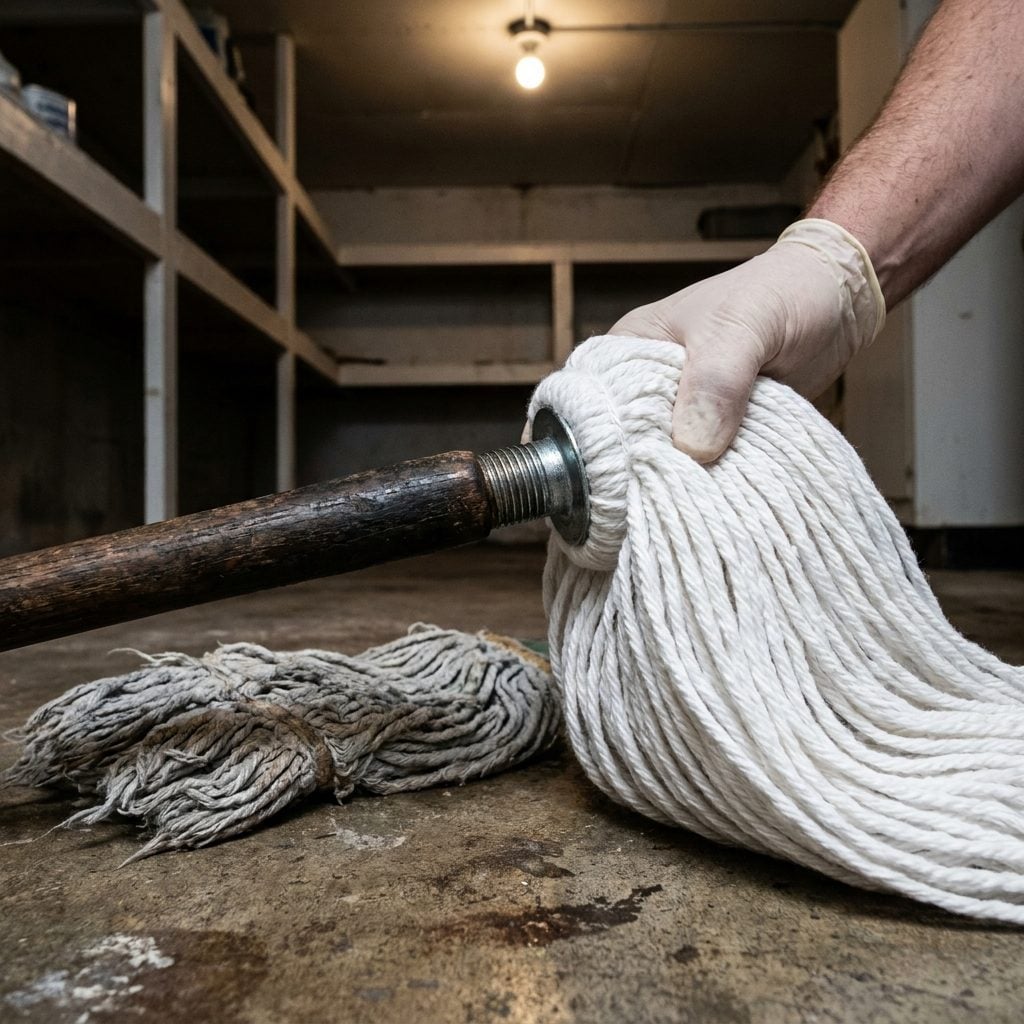
The mop head grayed, frayed, and eventually became too tired to justify another trip across the kitchen. The handle, meanwhile, looked exactly as it had the year before.
That was the point of a replaceable head. Unscrew the worn part, attach a fresh one, and keep the durable piece in service. The design feels almost novel now because the logic is so plain: don’t replace the part that hasn’t worn out.
6. Lawn Mowers That Wouldn’t Start Got Fixed on the Driveway
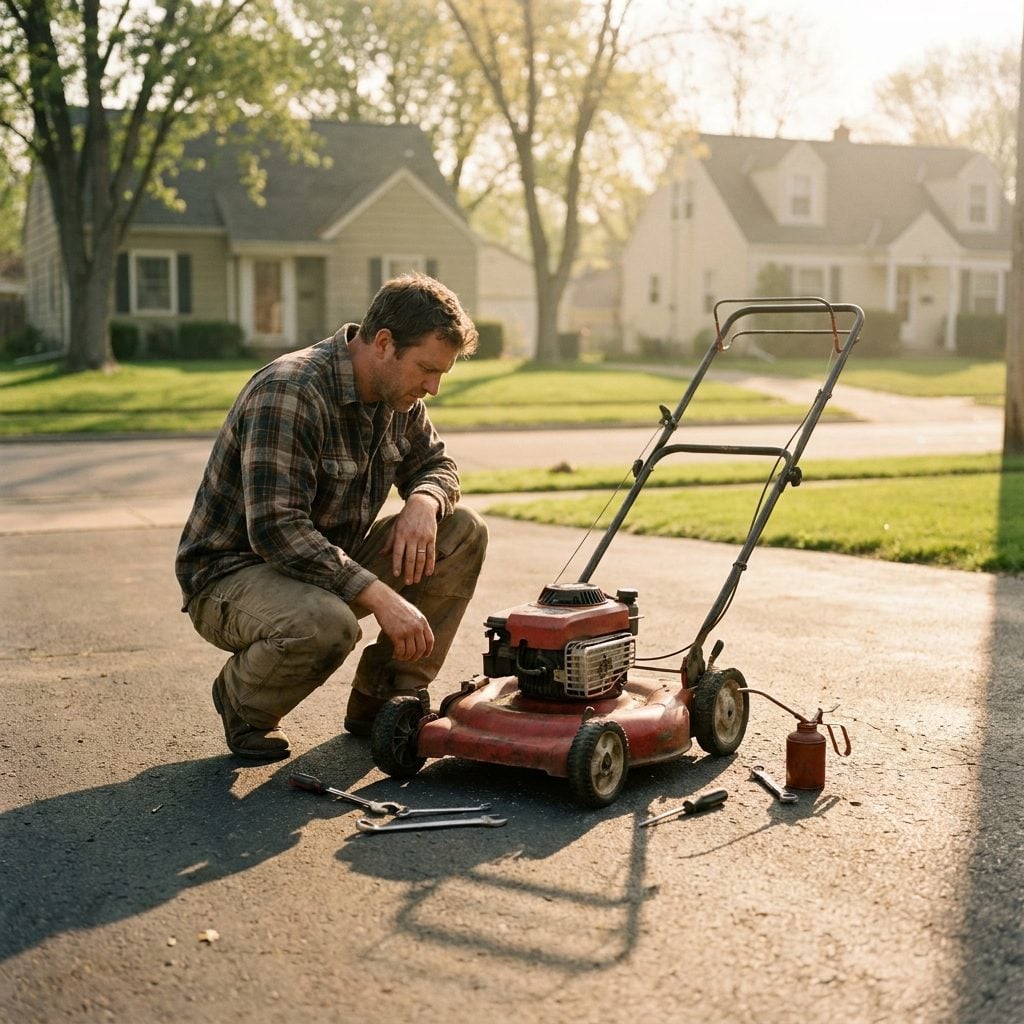
Saturday morning, the mower refused to start, and the neighborhood knew it from the repeated pull of the starter cord. That didn’t automatically trigger a trip to buy another machine. It triggered diagnosis.
The driveway became the workshop. Fuel, ignition, lubrication, and the accumulation of a winter’s neglect all came under suspicion while somebody crouched beside the engine with tools spread across the concrete. Eventually the engine coughed, caught, and disappeared into a cloud of exhaust while the lawn finally met its fate. Garages in a good before and after can look polished now, but this was what many of them were originally for: spreading out the tools and figuring out why something refused to run.
5. Garden Hoses With Leaks That Got a Rubber Patch Instead of the Trash

A pinhole leak turned watering the tomatoes into a small neighborhood fountain, but the rest of the hose might still be perfectly usable.
Rubber patches, repair tape, clamps, and replacement couplings gave homeowners several ways to deal with localized damage. Every old hose eventually seemed to acquire a history written in repairs. Somebody could point to one wrap and remember exactly when it happened.
4. Hammers and Rakes With Cracked Wooden Handles Nobody Threw Out
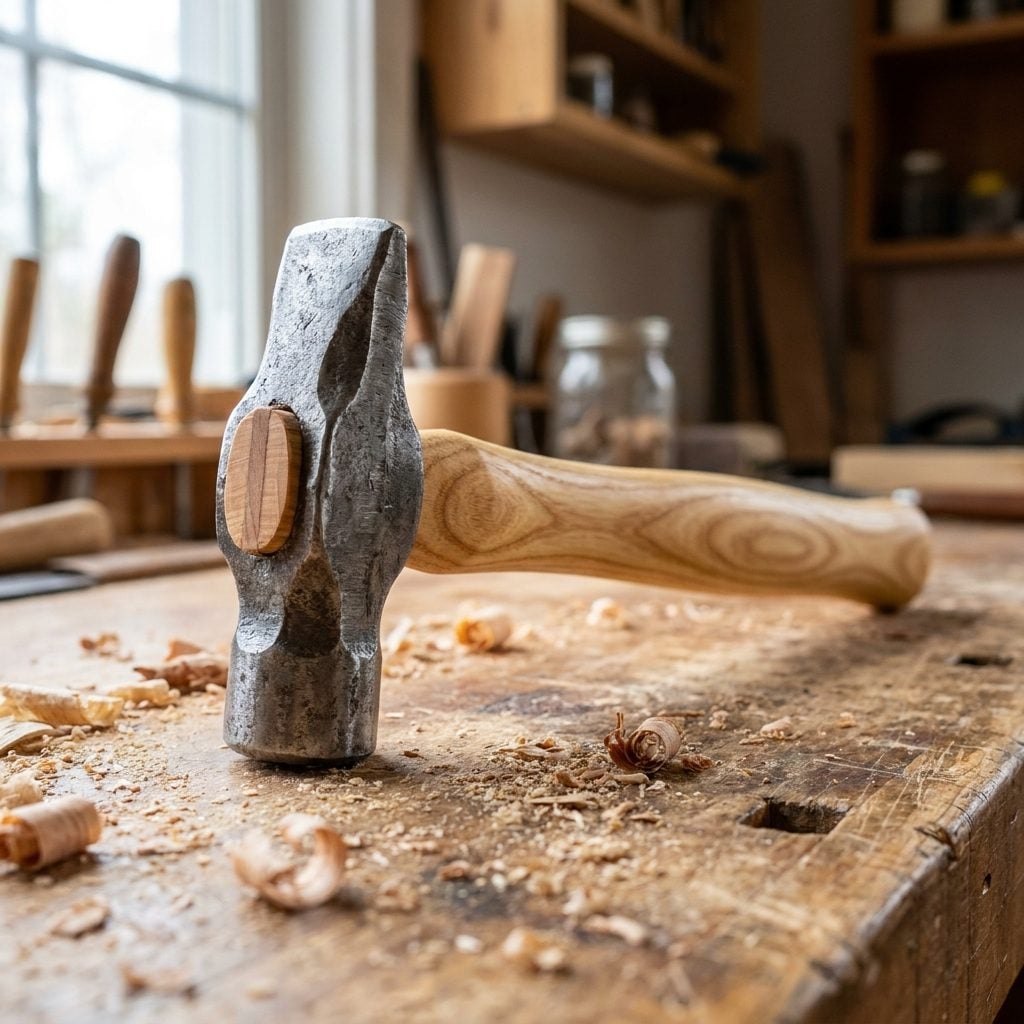
A good steel hammer head could survive several handles. When the wood finally split, the useful part of the tool was sitting right there waiting for another one.
Replacement handles for hammers, axes, rakes, hoes, and similar tools were ordinary hardware-store goods. Fit the new wood properly and an old tool began another chapter. Throwing away a perfectly good steel head because its wooden handle had failed would’ve seemed like getting rid of a car because the tires wore out.
3. Dull Knives and Scissors That Met the Whetstone Every Sunday
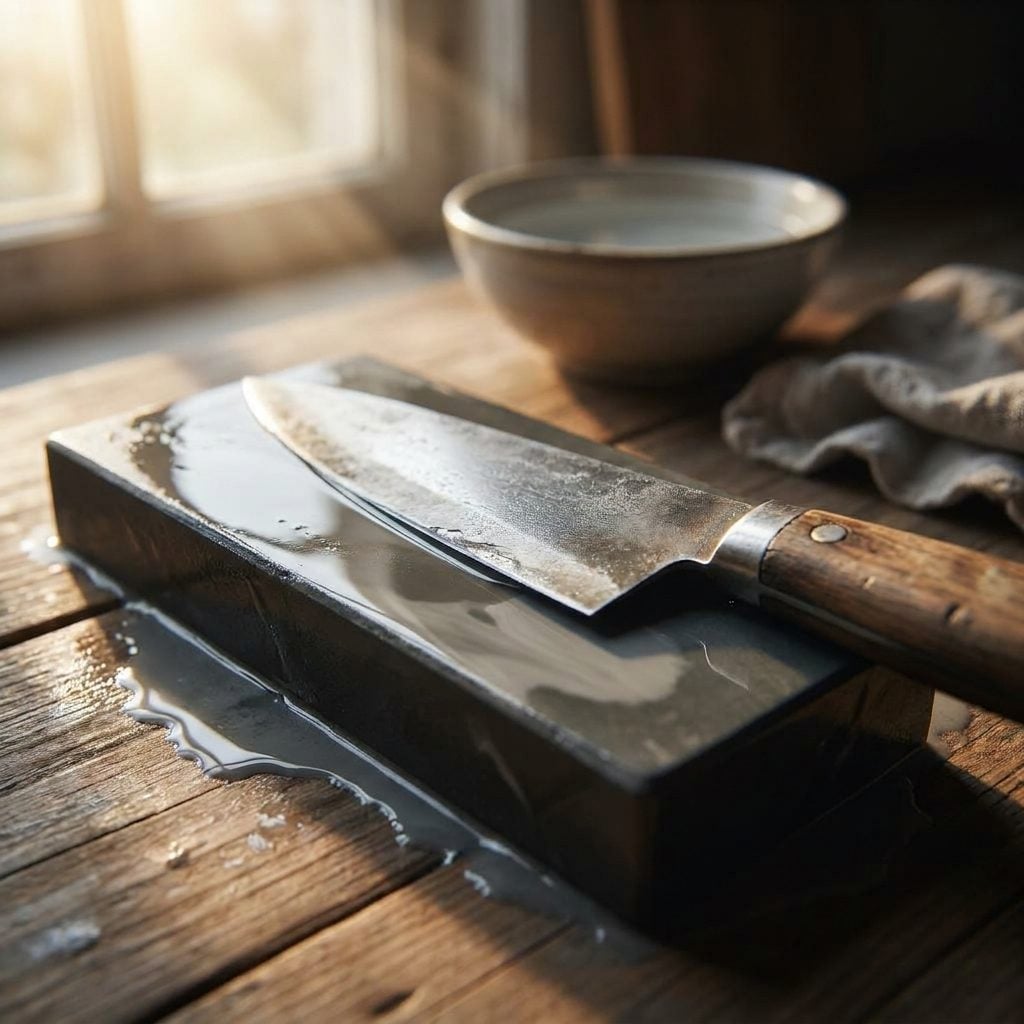
The whetstone lived in the kitchen drawer because dullness was considered maintenance, not terminal illness. Slow strokes against the stone brought an edge back to a knife that might already have prepared thousands of meals.
Carbon-steel blades in particular rewarded regular care, though they also demanded it. Scissors might be sharpened at home or handed to a professional sharpener, back when itinerant grinders and neighborhood sharpening shops were familiar sights. Buying a new knife because the old one had gone dull would have missed the whole point of owning a sharpenable blade.
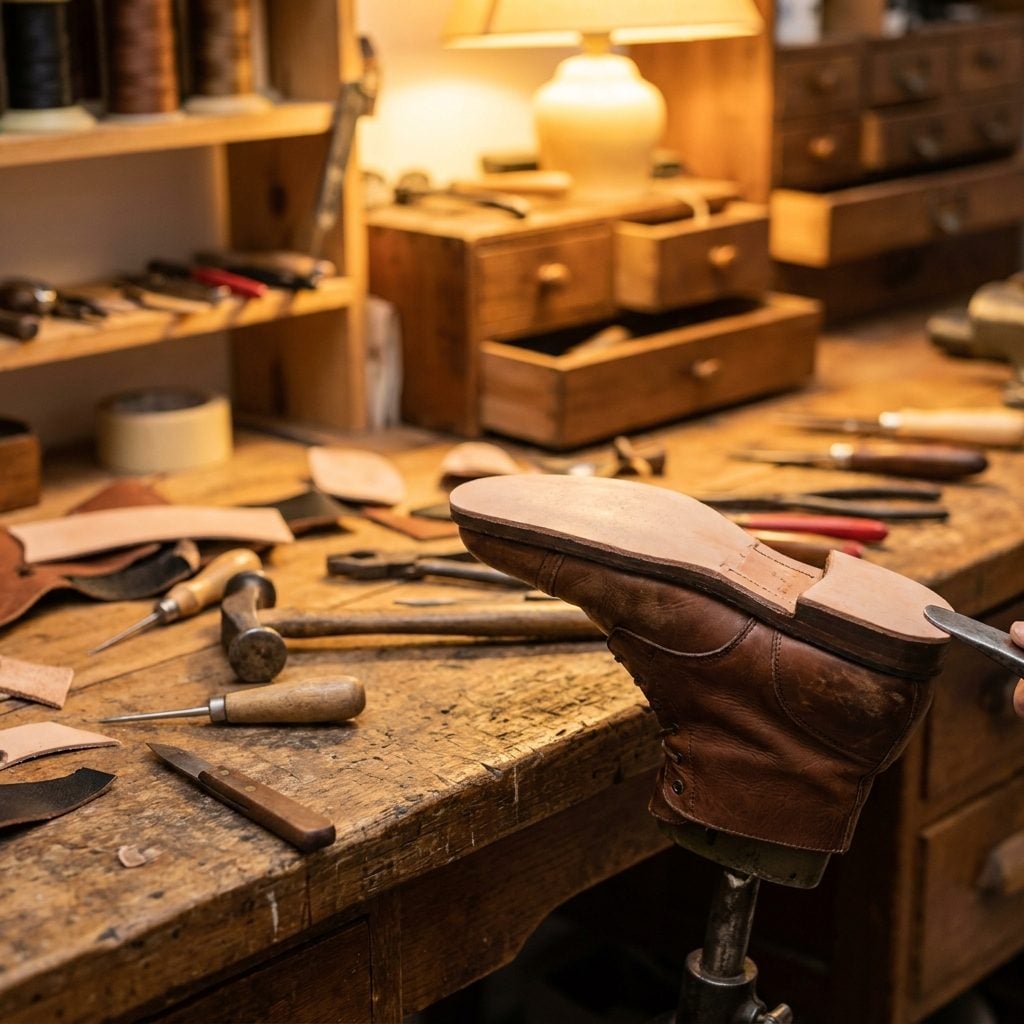
2. Worn-Out Shoes Sent to the Cobbler for New Soles and Heels
🔥 Would you like to save this?
Shoes weren’t finished because the soles were. A well-made pair went to the cobbler and returned with new material underneath, repaired heels, fresh polish, and several more years suddenly back on the calendar.
You could smell the shop from the sidewalk: leather, glue, wax, machinery. Good shoes might return more than once over their lives, accumulating repairs while the uppers slowly molded themselves to the person wearing them.
A good pair of shoes was expected to last years, not merely until the first component wore through.
1. Torn Clothes, Popped Buttons, and Busted Zippers That the Sewing Basket Handled
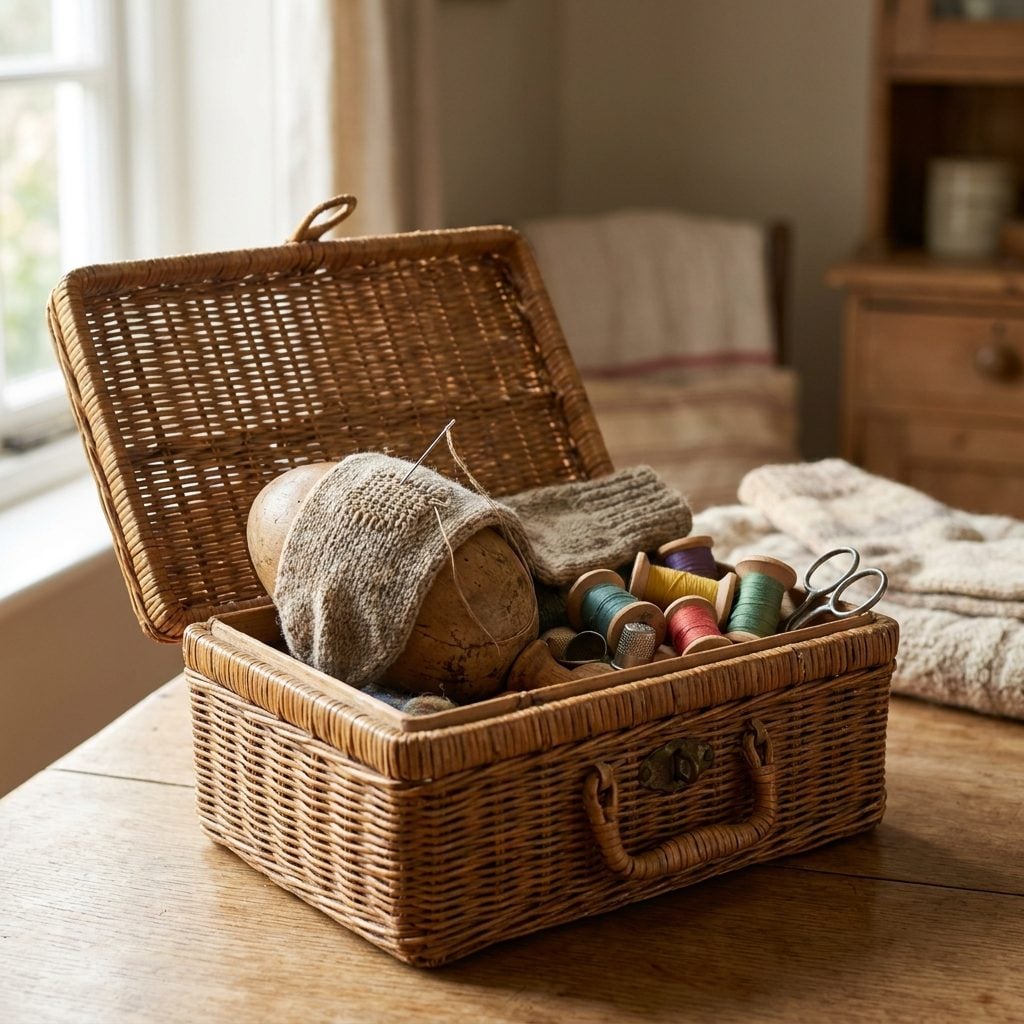
Every home seemed to have a sewing basket, and many held a wooden darning egg polished smooth by years of socks stretched over it. A hole didn’t automatically send clothing to the trash. Thread crossed the opening until fabric existed there again.
Buttons came from tins full of survivors. Zippers could be replaced. Trouser knees received patches, sometimes followed later by patches over the patches. Mending happened in the evening under a lamp while the radio played, less as a hobby than as another ordinary piece of household maintenance.
Fast forward to now, and a torn seam can easily become an excuse to shop again. Something changed when the sewing basket stopped being permanent furniture beside the chair.