🔥 Would you like to save this?
The thermostat had a rule, and the rule was you. Touch it and someone noticed from two rooms away. Money was never discussed in front of children, but you learned it anyway, in the gaps between what was asked for and what showed up. We grew up in houses that ran on repair instead of replacement, on routines nobody wrote down, on a kind of practical love that rarely announced itself. These are the small things that marked those homes. Not poverty, not plenty. Something in between that had its own logic, and if you lived it, you’ll feel it the second you read it.
28. The Thermostat Nobody Was Allowed to Touch
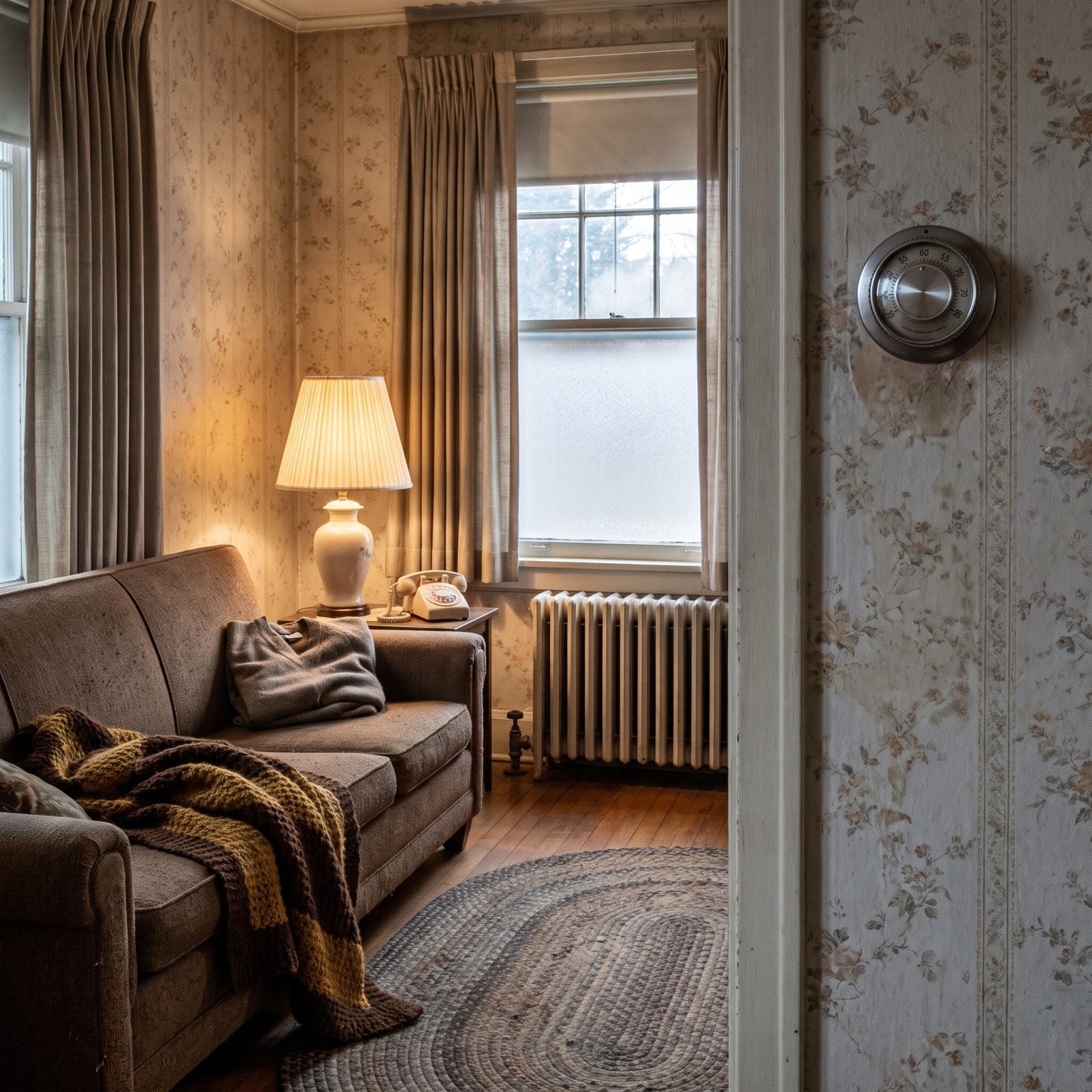
Sixty-eight degrees was a special occasion. Most days the needle sat at sixty, maybe fifty-eight if the bills had been rough, and you learned to read the mood of the house by how cold the hallway was in the morning.
In order to come up with the very specific design ideas, we create most designs with the assistance of state-of-the-art AI interior design software. Also, assume links that take you off the site are affiliate links such as links to Amazon. this means we may earn a commission if you buy something.
You wore the sweater. That was the answer to being cold. Not the dial. The dial belonged to whoever paid the heating bill, and touching it without permission was its own small crime.
Winters meant an afghan on every couch arm and socks you slept in. You got dressed fast, in front of the one warm register, hopping on the cold linoleum. The whole thing taught you that comfort cost money and money was finite, a lesson that stuck longer than most.
27. Dinner Came From a Pot That Fed You All Week
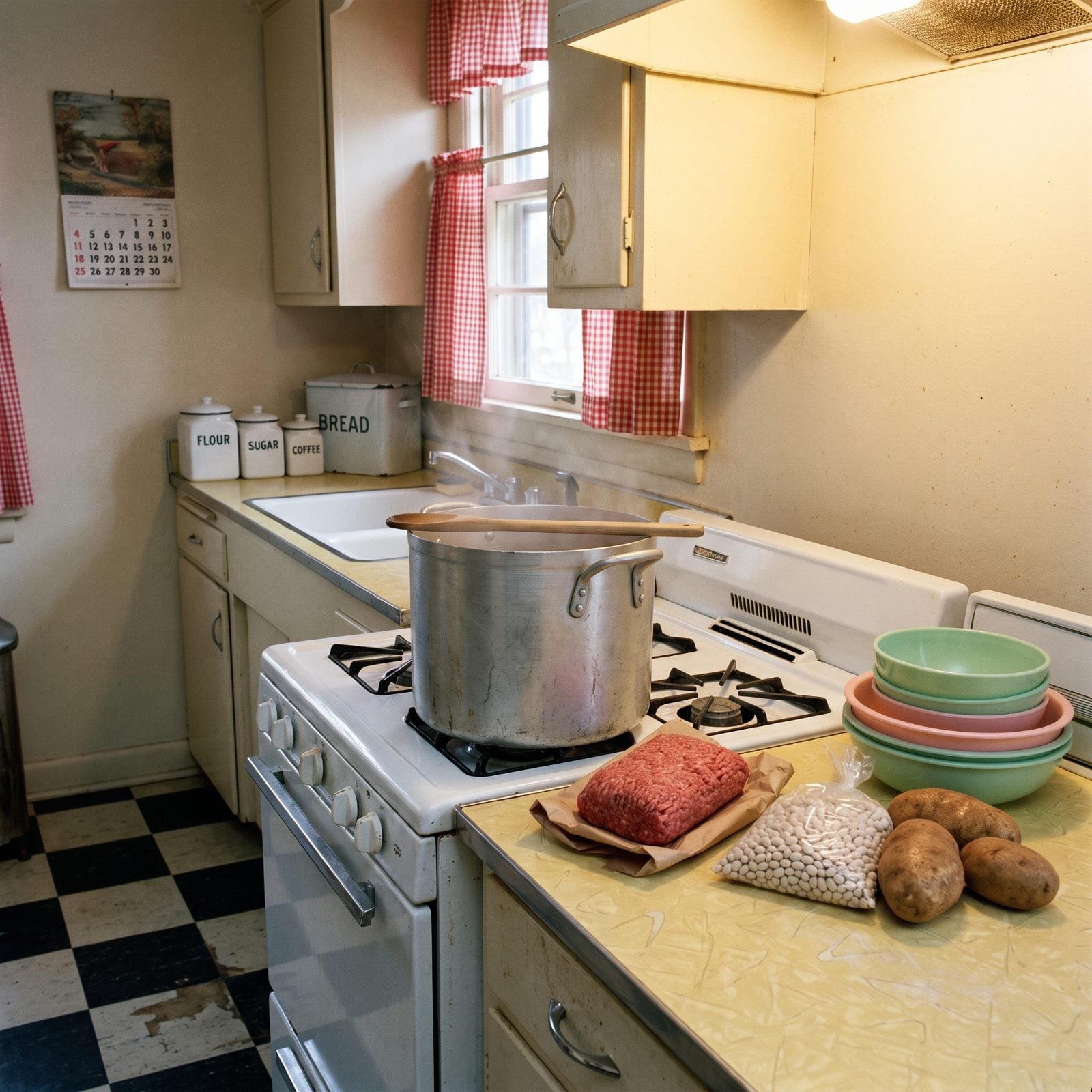
One big pot on Sunday became Monday, Tuesday, and most of Wednesday. Stew, a pot of beans, a soup that got thinner and more creative as the week went on. You knew the rhythm by the smell.
Meat stretched. A single pound of ground beef fed six if you added enough potatoes and onions and let it cook long enough that nobody counted. Leftovers weren’t a sad option. They were the plan from the start.
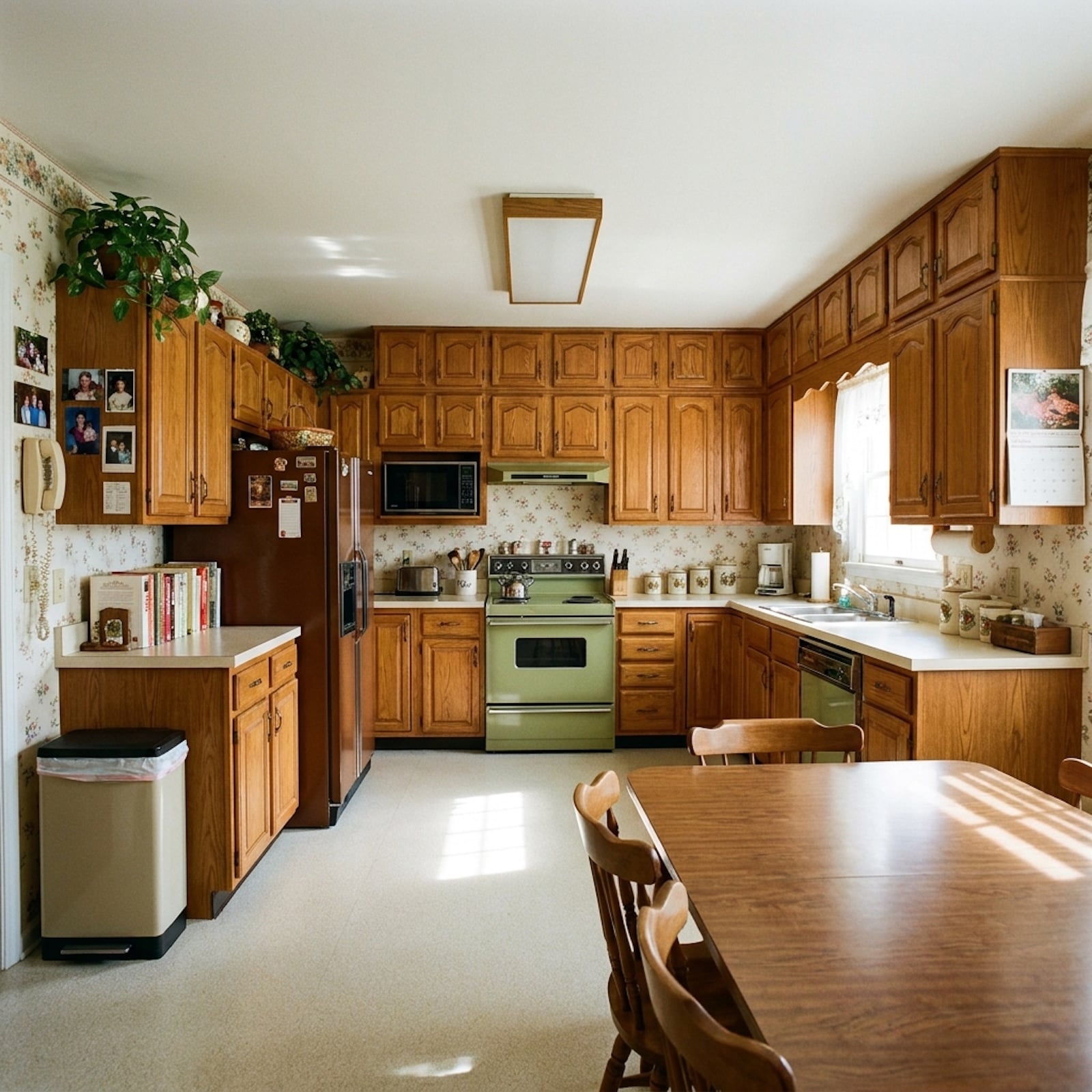
The modern kitchen is built for variety and speed. Back then the kitchen was built for making a little go far, and the cook who could do that was quietly running the whole household economy.
26. The Couch Wore a Second Skin of Clear Plastic
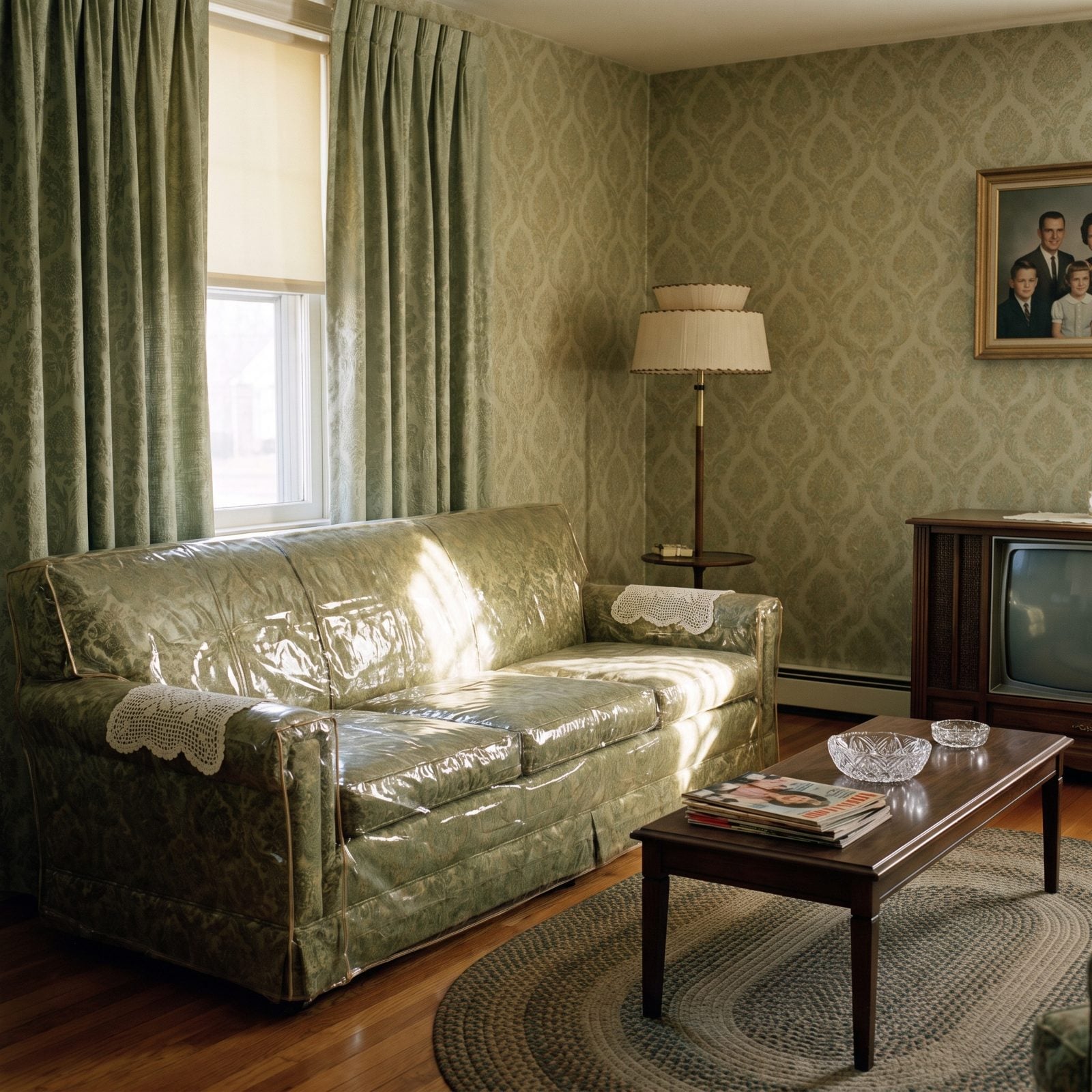
You peeled yourself off it in summer. That was the sound of the good couch, the one saved for company that rarely came, sealed under clear vinyl that squeaked when you sat and stuck to the backs of your legs.
The logic was airtight. The furniture cost real money, it had to last, and plastic meant it would outlive everyone. So the nicest thing in the house was also the least comfortable thing in the house, and nobody saw the contradiction because the contradiction was the whole point.
That instinct to protect what you’d saved for still shapes how people treat a glam family room today, minus the vinyl.
25. Clothes Dried on a Line Strung Across the Backyard
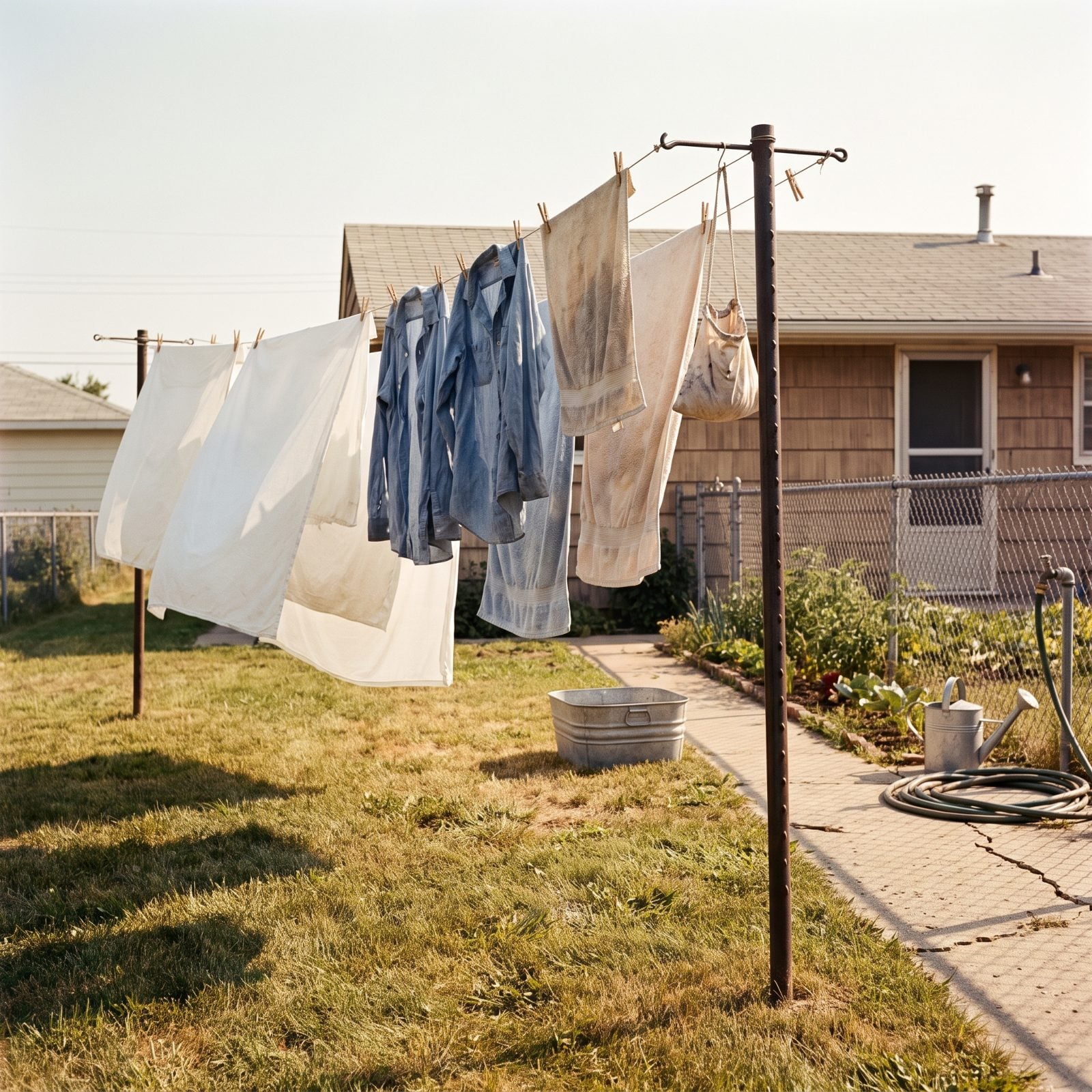
The dryer was the sun and the wind, and a basket of wet laundry hauled out the back door every wash day. You pinned it up in order: sheets first, then shirts, socks last along the end.
Everything smelled like outside afterward. Line-dried towels came in stiff as cardboard, and you learned to work the fabric soft with your hands. Rain meant a scramble to pull it all down before it soaked through again.
It wasn’t a charming lifestyle choice. An electric dryer was an expense you didn’t have, and the line was free. The ritual just happened to leave behind a smell nobody has managed to bottle since.
24. Two, Sometimes Three, Kids to a Bedroom
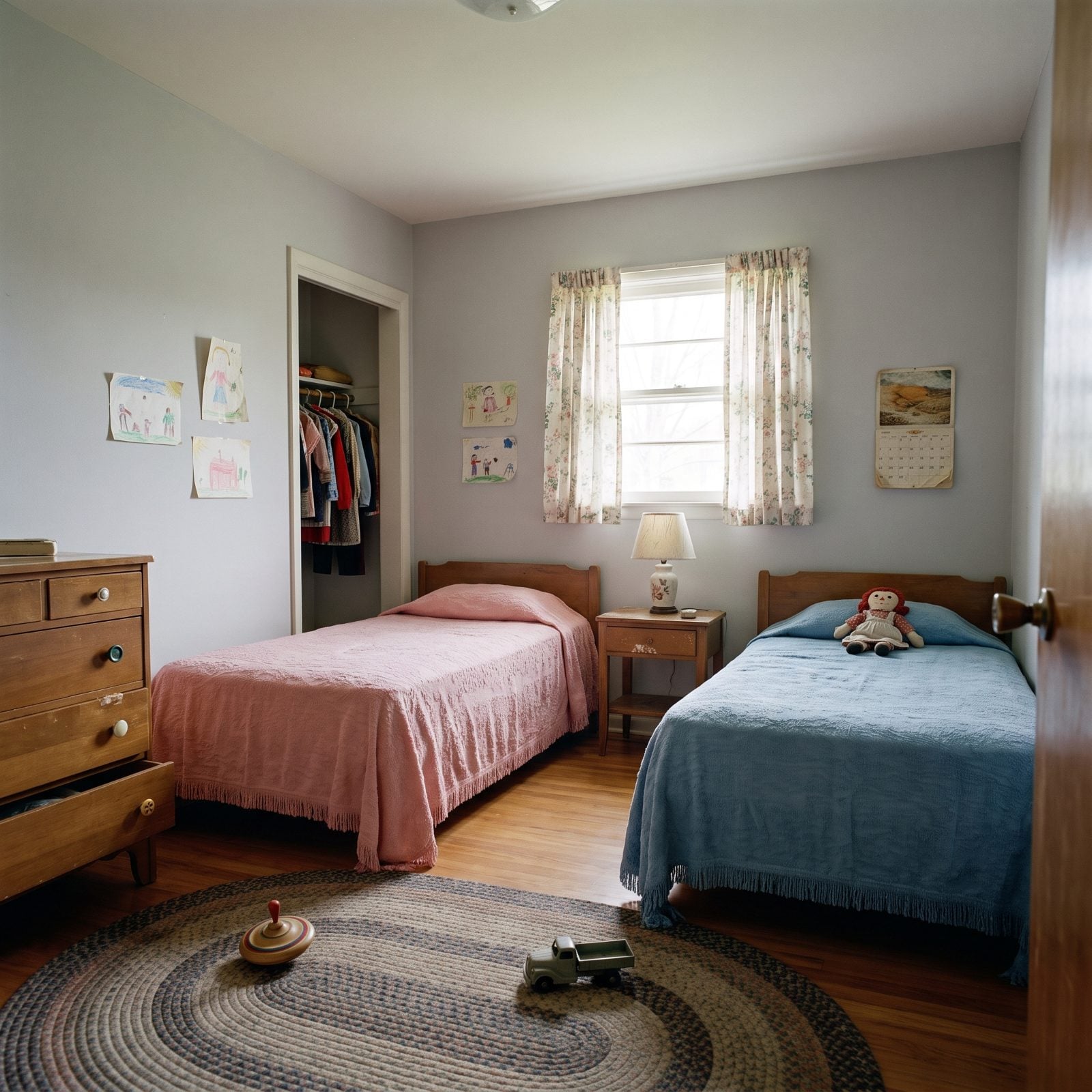
Privacy was a concept you read about in books. You shared a room, a dresser, sometimes a bed, and you negotiated the territory with a line of tape down the mattress or an unspoken treaty about which drawer was whose.
You learned to fall asleep to someone else breathing. You learned to get dressed with your back turned. The space was small and the rules were many, and somehow it worked because nobody had ever known it any other way.
Hand-me-down clothes moved down the line from oldest to youngest, and you wore your brother’s shirts whether you liked the color or not.
23. Nothing Got Thrown Out If It Could Be Fixed First
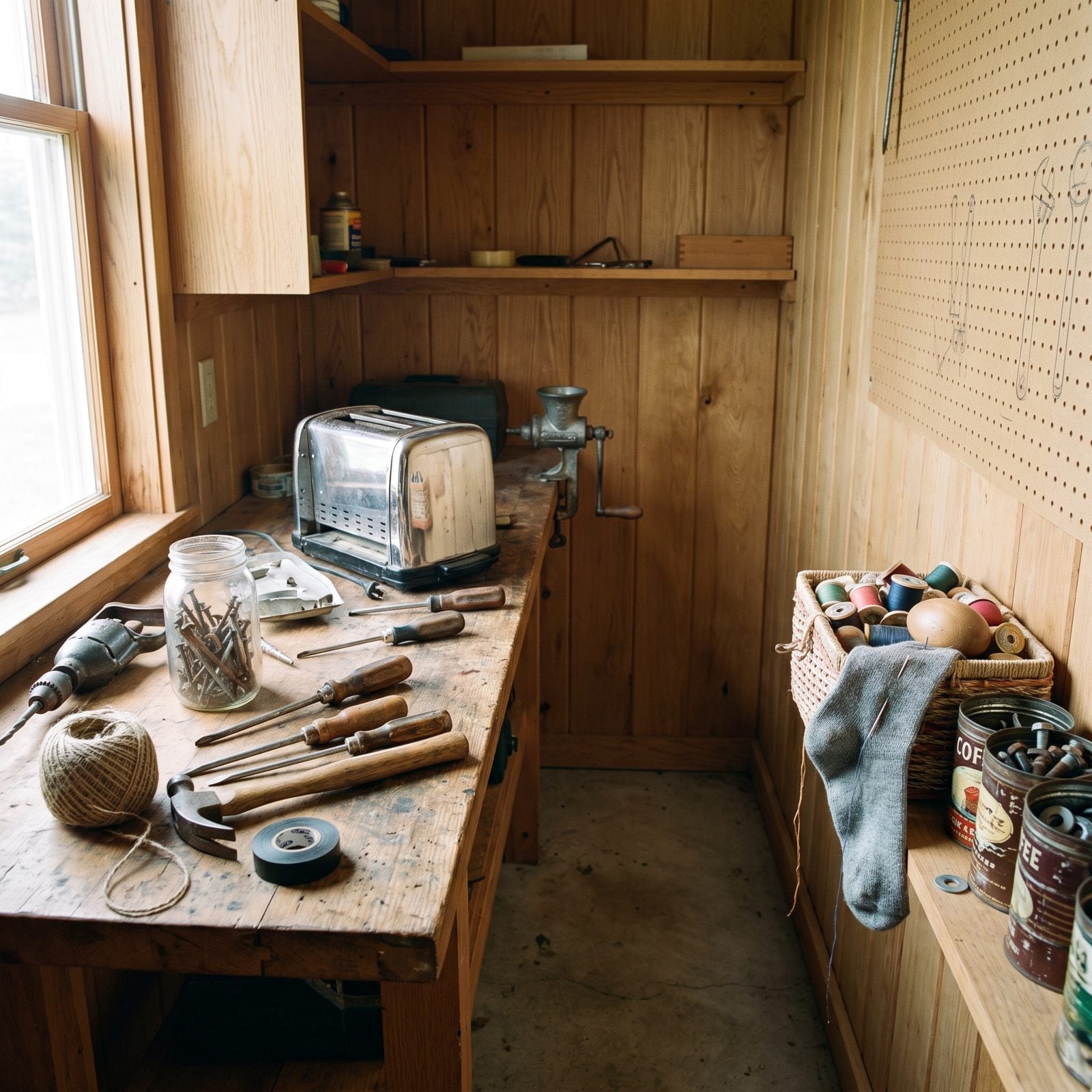
A ripped seam got sewn. A worn sock got darned over a wooden egg. A toaster that quit got opened on the kitchen table before anyone dreamed of buying a new one. Throwing something away was the last resort, not the first.
Jars of saved buttons. Coffee cans full of nails sorted by size. A drawer of rubber bands and twist ties that would, you were told, come in handy someday. And they did.
This was repair as reflex, not hobby. Replacing things cost money the house didn’t have, so everyone learned to patch, mend, and make do. The habit outlasted the hardship. People raised this way still can’t toss a working appliance without a flicker of guilt.
22. Supper Came From Whatever Was on Sale That Week
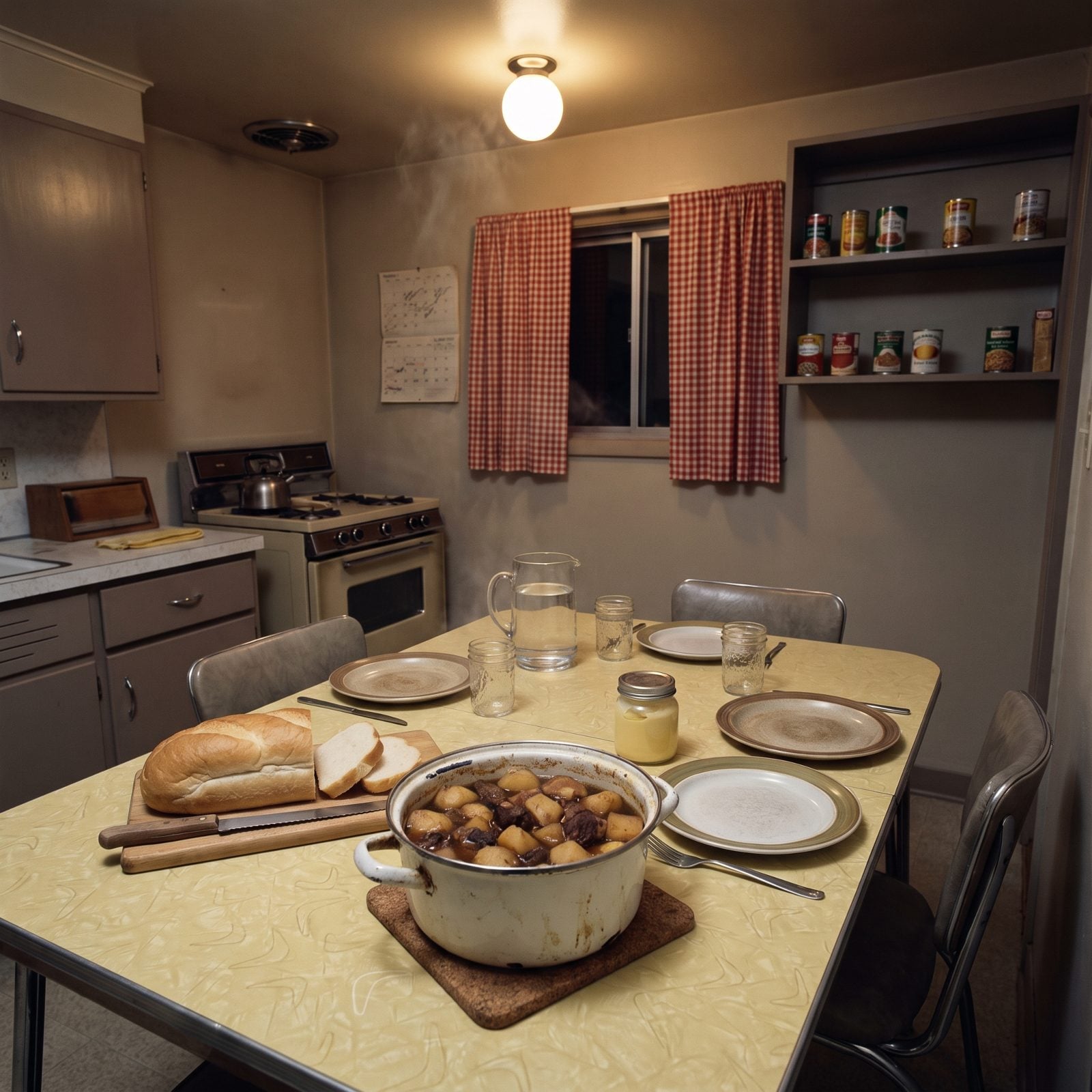
The menu followed the circular from the grocery store. Pork when pork was cheap. Liver when nothing else was. A whole chicken stretched across three nights, roasted on Sunday, picked clean by Tuesday, its bones boiled into Wednesday’s soup.
Nothing got wasted because waste wasn’t a moral failing, it was a budget problem. You ate what was put in front of you, and you learned that stew tastes better on the second day. The kitchen is where that economy ran its whole quiet operation.
Casseroles did heavy lifting. A can of soup, some noodles, whatever meat was around, baked into one dish that fed everybody. People romanticize that cooking now. Back then it was just arithmetic you could eat.
21. Shoes Got Resoled, Not Replaced
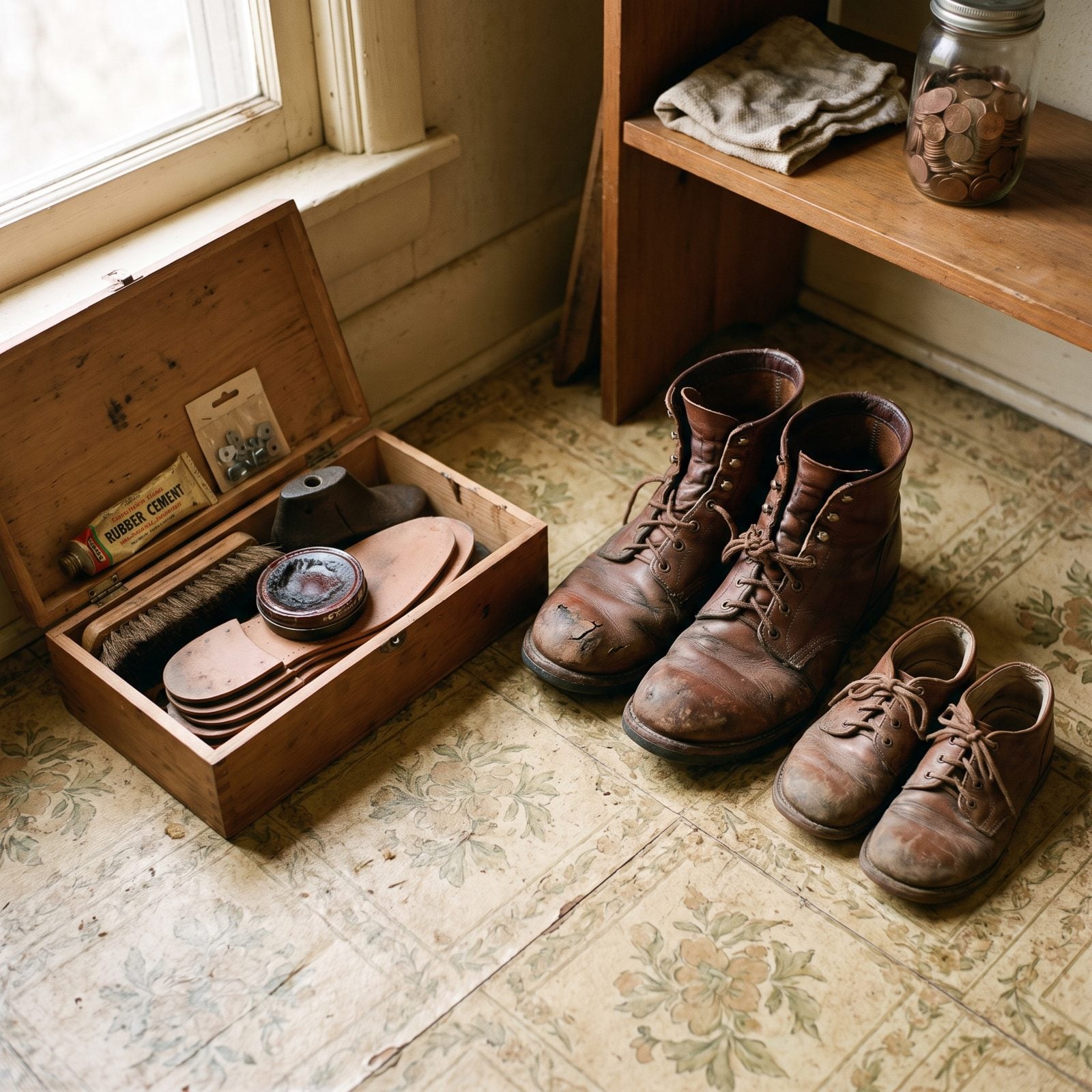
A good pair of shoes was expected to last years, and when the soles wore through you took them to the cobbler, or your dad did it himself at the kitchen table with a tin of cement and a worn iron last.
You got your brother’s shoes when he outgrew them. Then your younger cousin got them from you. A single pair of sturdy lace-ups might pass through three kids before anyone threw it out. New shoes meant your feet had grown past rescuing the old ones, which happened roughly once a year, usually right before school.
20. Saturday Morning Was for Chores, Not Cartoons (At Least Not First)
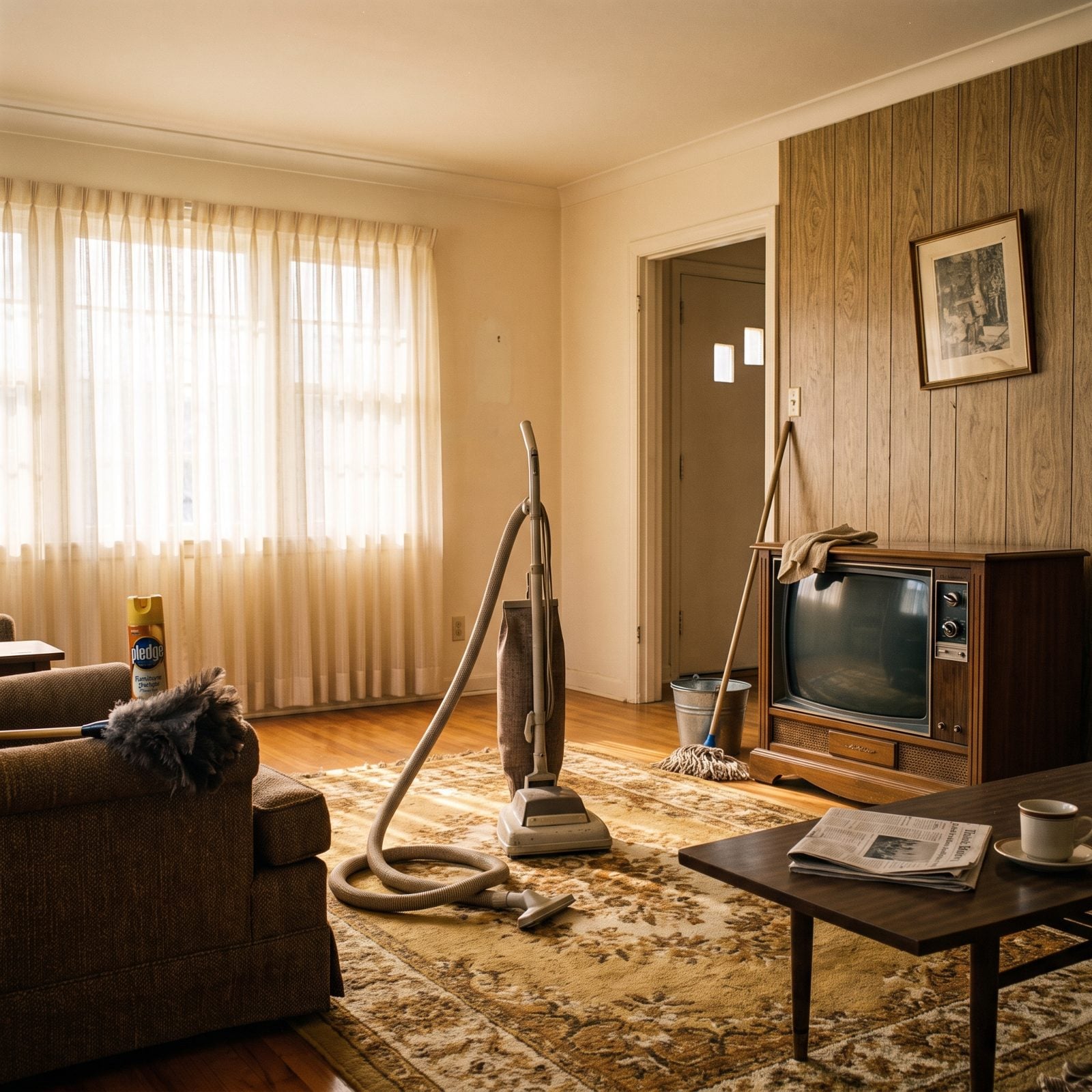
The rule was simple and non-negotiable. Chores first. You dusted, you ran the heavy upright vacuum that smelled faintly of hot electric motor, you took out the trash and maybe scrubbed the tub. Only then did the television get turned on.
Everybody had a job and everybody knew it. The work got divided up by age and height, and nobody asked whether you felt like it. A child who finished early might earn the good spot on the rug in front of the set, which was the whole prize. That early-morning light on a freshly vacuumed cool family room is a specific memory for a lot of people.
19. The Soap Slivers Pressed Into a New Bar Until They Vanished
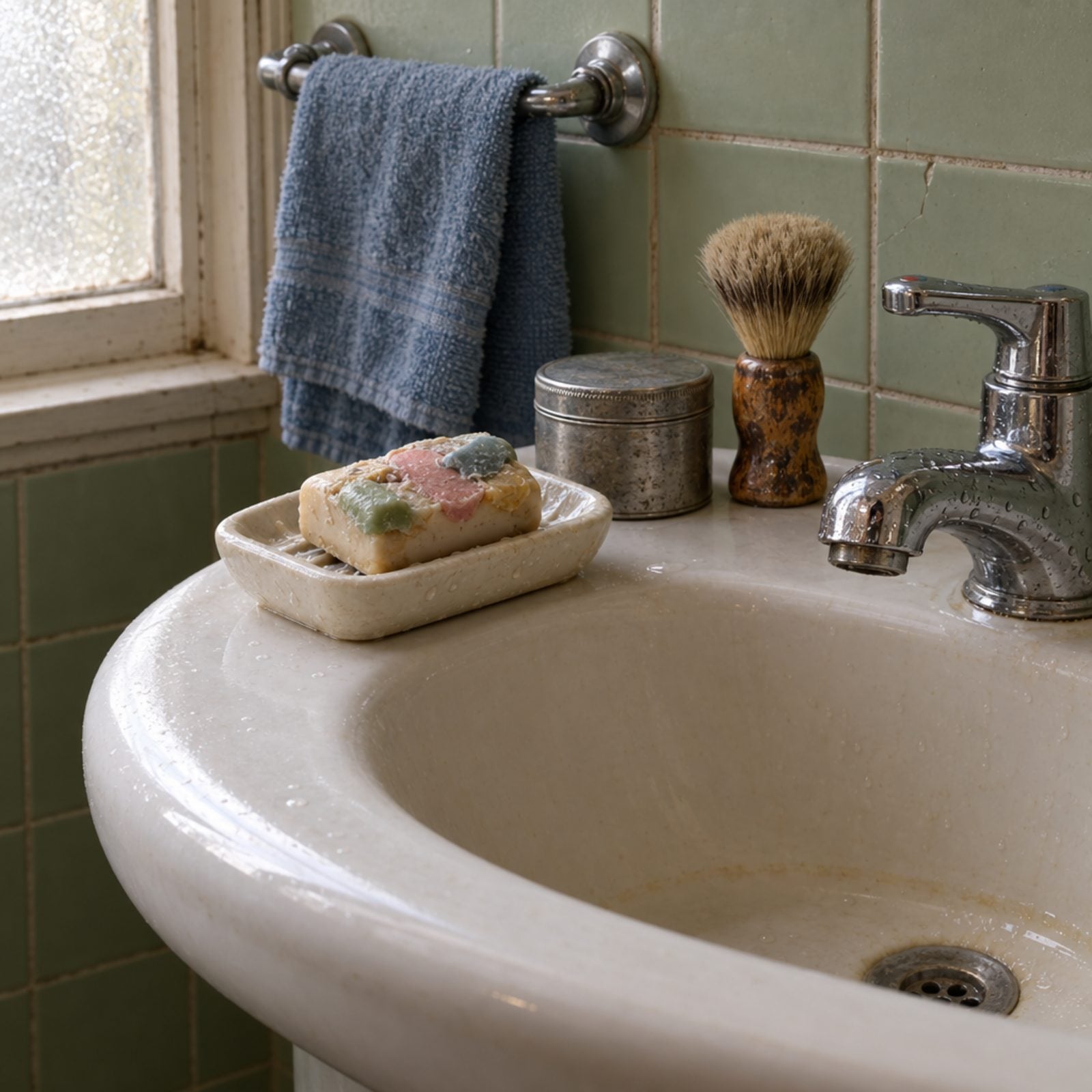
Nobody threw away soap. You pressed the last thin sliver against the new bar and smooshed them together under hot water until they bonded. For a few days you’d be washing with a lumpy archipelago of four colors, one blue, one pink, one green, one creamy yellow.
It looked ridiculous. It also meant not a cent of soap hit the drain. That was the whole logic of the house, really, running right there in the soap dish.
18. The Dinner That Showed Up Every Thursday Like Clockwork
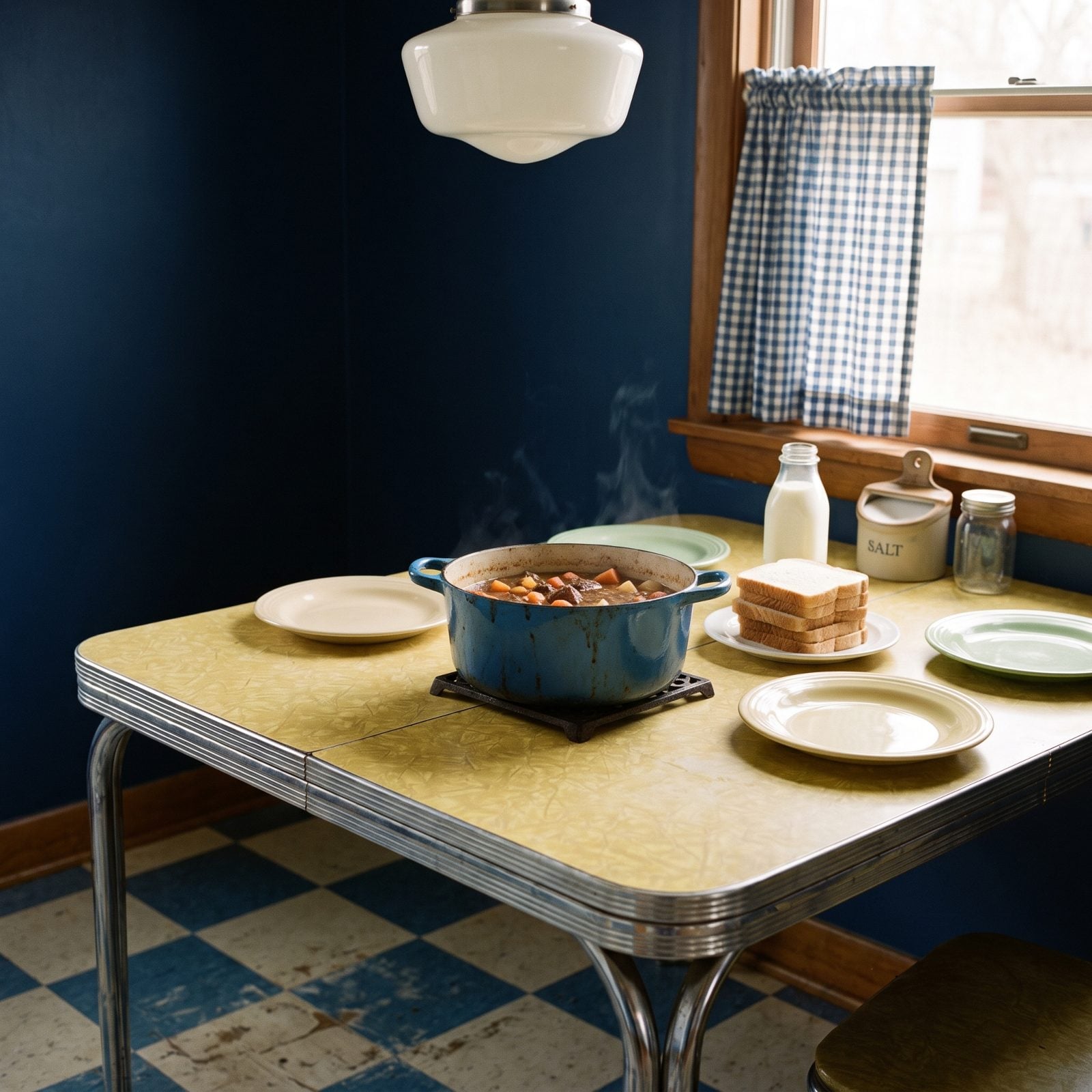
The week had a menu and the menu didn’t change. Meatloaf on Monday. Stew on Thursday, when the cheap cut of beef needed stretching. Fish on Friday whether or not anyone was keeping the rule anymore.
You knew what day it was by what was on your plate. There was comfort in it and there was boredom in it, usually at the same time. The repetition wasn’t lack of imagination. It was a budget that only worked if you bought the same things every week and knew exactly what they’d cost.
17. One Phone, Bolted to the Wall, and Everyone Within Earshot
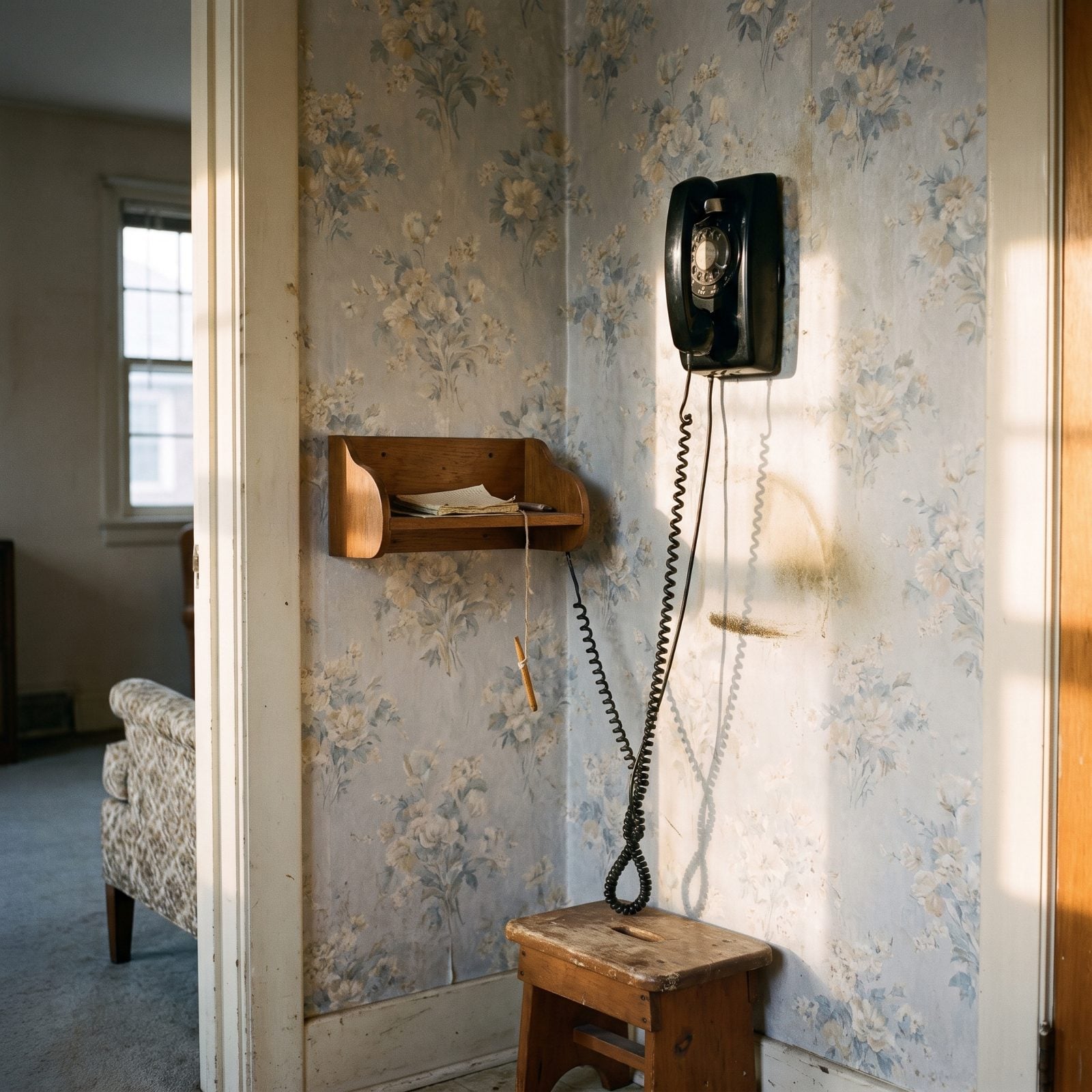
There was one phone and it lived in the hallway where there was no privacy whatsoever. The handset rested in its cradle, its coiled cord trailing down to a little wooden stool on the floor, and whenever you picked it up your mother could still hear every word from the kitchen.
Long distance was for emergencies and birthdays. You kept calls short because the operator was practically family by now. A kitchen with a phone nook built in was a mark of a house doing alright, the way a kitchen is judged today by its island.
Nobody lingered. The whole house was listening.
16. The Coffee Can That Caught Bacon Grease and Nobody Questioned Why
🔥 Would you like to save this?
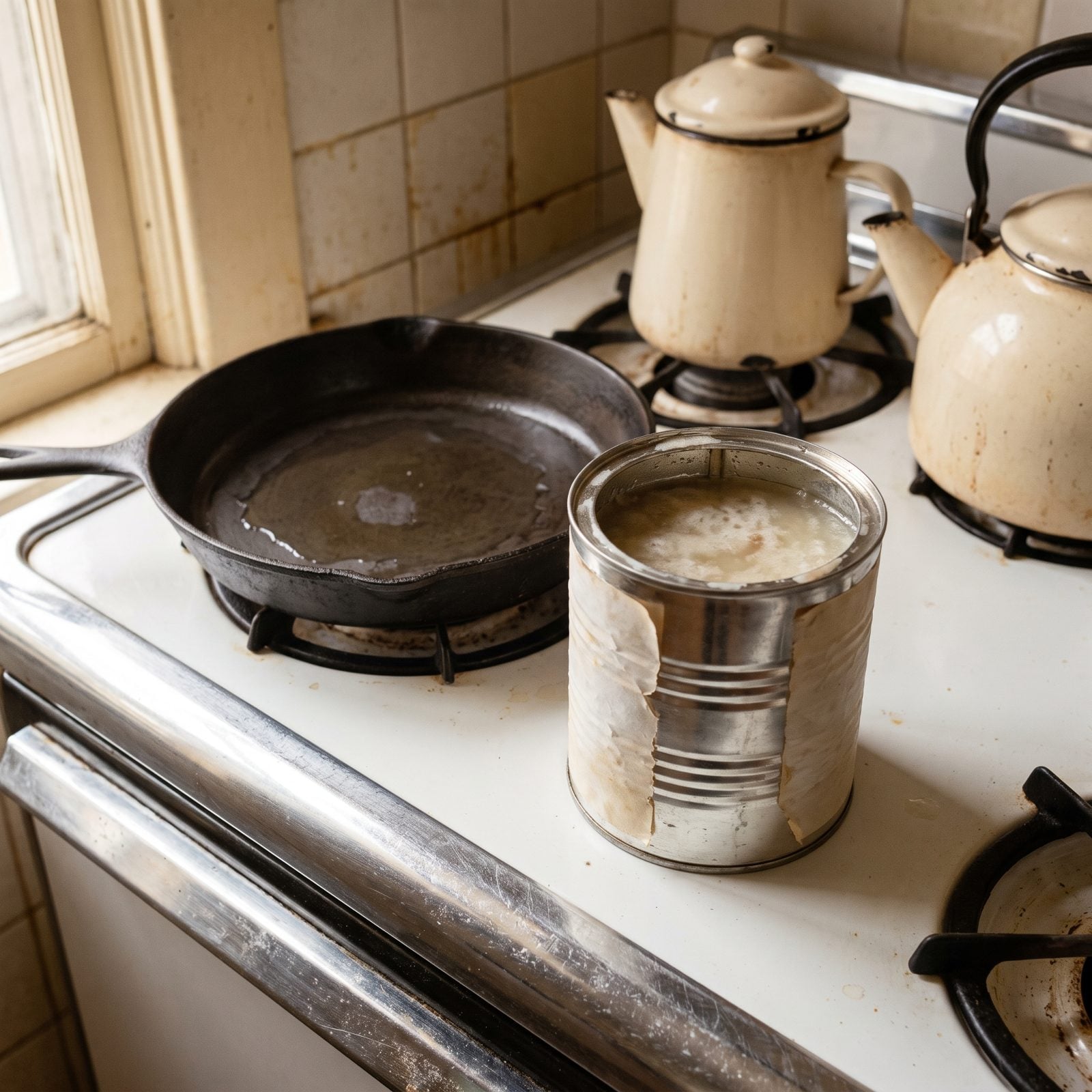
Every stove had one. A coffee can by the back burner, slowly filling with cooled bacon grease, going from clear to cloudy to solid white.
You cooked eggs in it. Fried potatoes in it. Greased the pan for cornbread with a spoonful of it. Throwing out fat was close to a sin, and that can was proof the kitchen wasted nothing it could reuse.
15. Clothes That Started on the Oldest and Ended as Dust Rags
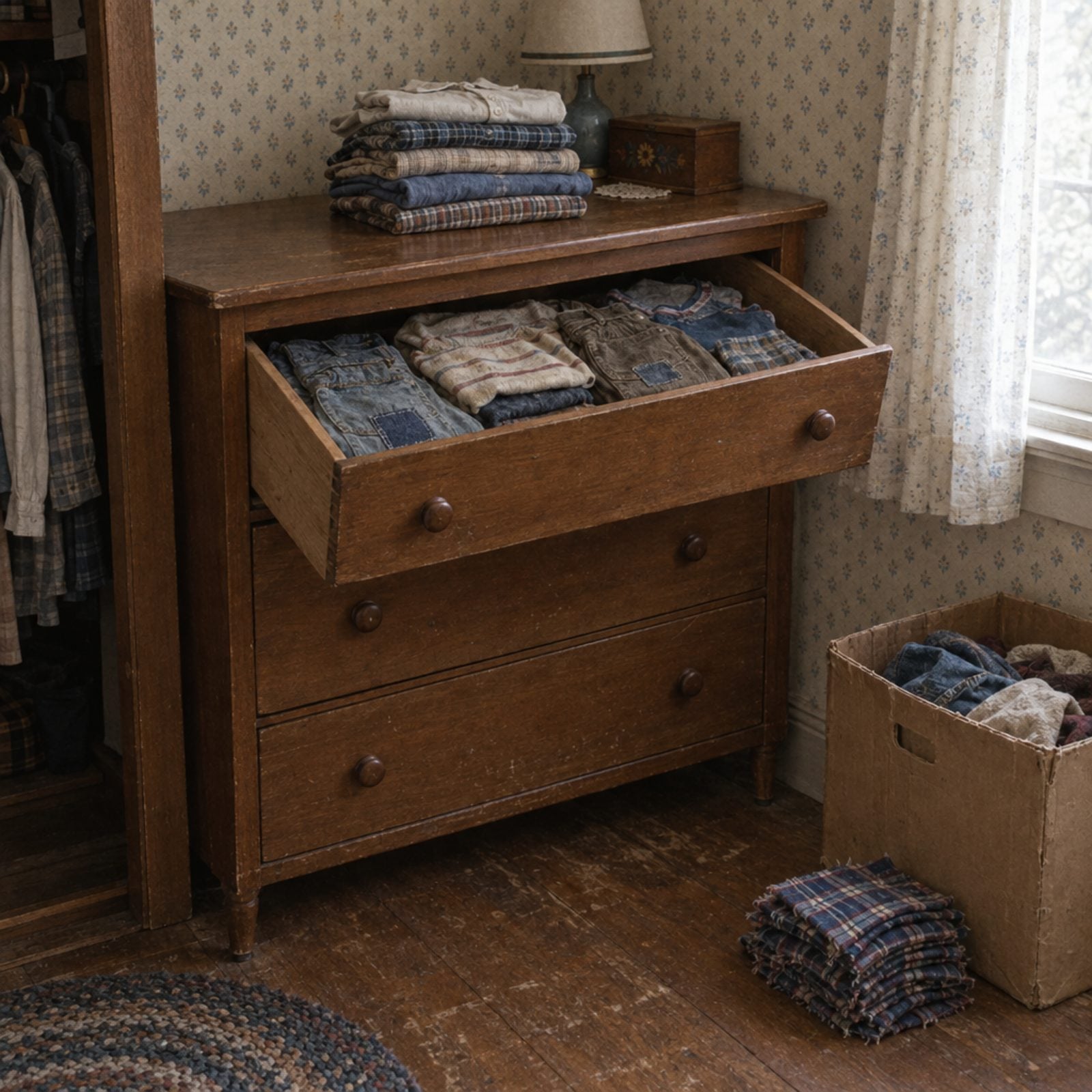
A shirt had a whole career. It started on the oldest kid, moved down the line as each one outgrew it, got the elbows patched somewhere around the third child, and finally retired into the rag bag under the sink where it spent its last years wiping down the stove.
By the time the youngest wore it, the thing was soft as tissue and faded to no particular color. You didn’t buy clothes to match an outfit. You bought them to survive four kids and then some cleaning.
Hand-me-downs weren’t an insult. They were the normal way clothing worked.
14. The TV Took Five Minutes to Warm Up and You Waited for It
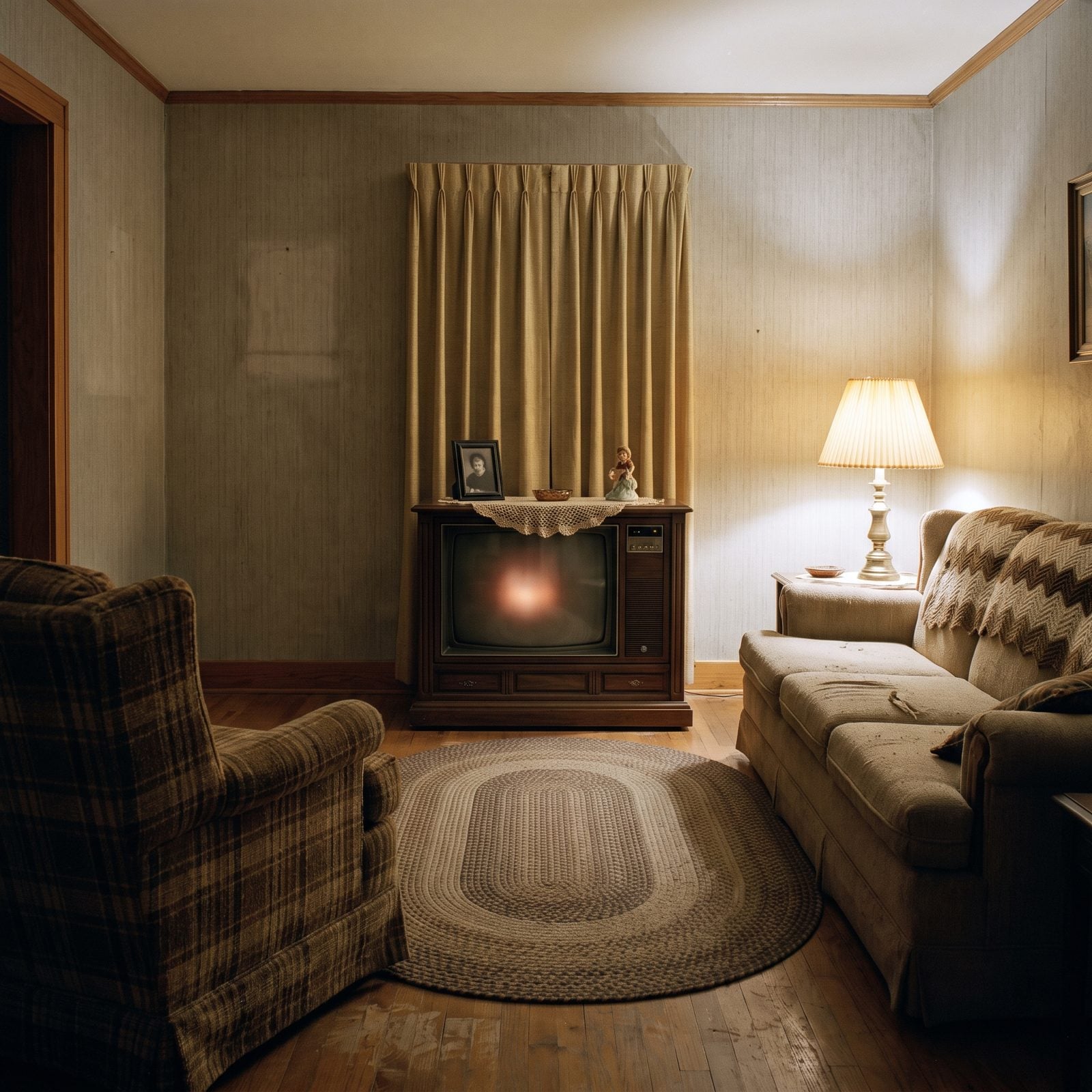
You pressed the power button and nothing happened. Not right away. The set had to warm up, the tubes glowing to life somewhere inside that wooden box, and a pinpoint of light slowly bloomed in the center of the screen before the picture snapped open.
There was one television and one antenna, and changing the channel meant getting up and turning the dial on the set. The whole family watched the same thing because there was no other option, and that console was the gravity well of the house long before anyone dreamed up a cool family room built around a screen.
13. The Milk Bottles Left on the Porch Like a Standing Promise
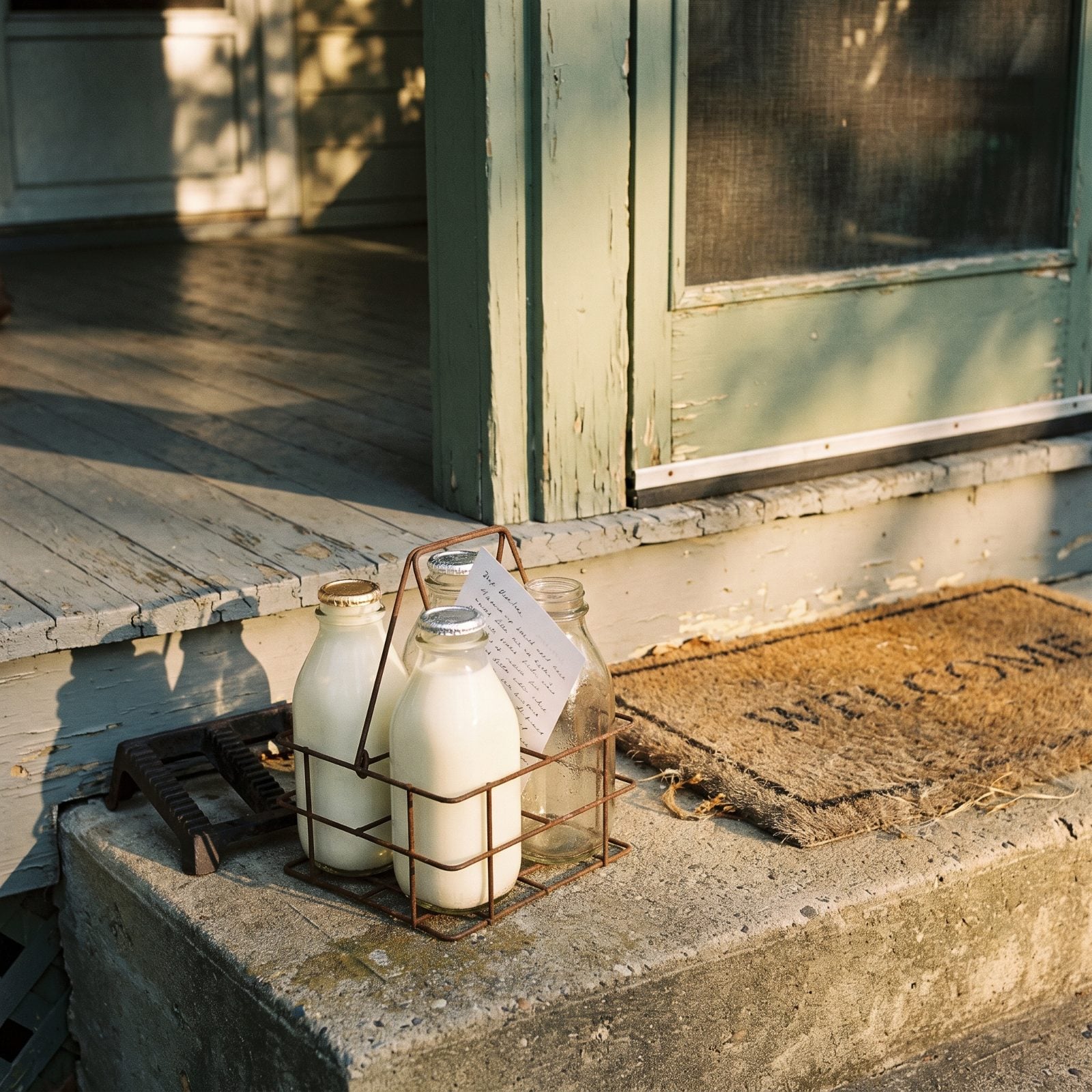
The clink woke you before the alarm did. Glass on concrete, then the slow rumble of the truck pulling away.
You put the empties out the night before, rinsed, sometimes with a note folded under the cap asking for cream or an extra pint. By morning the full ones were there, cold, a band of cream risen to the top on a good day. You fought your brother for the cream.
Nobody locked the bottles up. Nobody worried. The milkman knew your name and your usual, and the bill came monthly, settled at the kitchen table with coins counted into his hand.
12. Saturday Was Bath Night, and Everyone Knew the Order
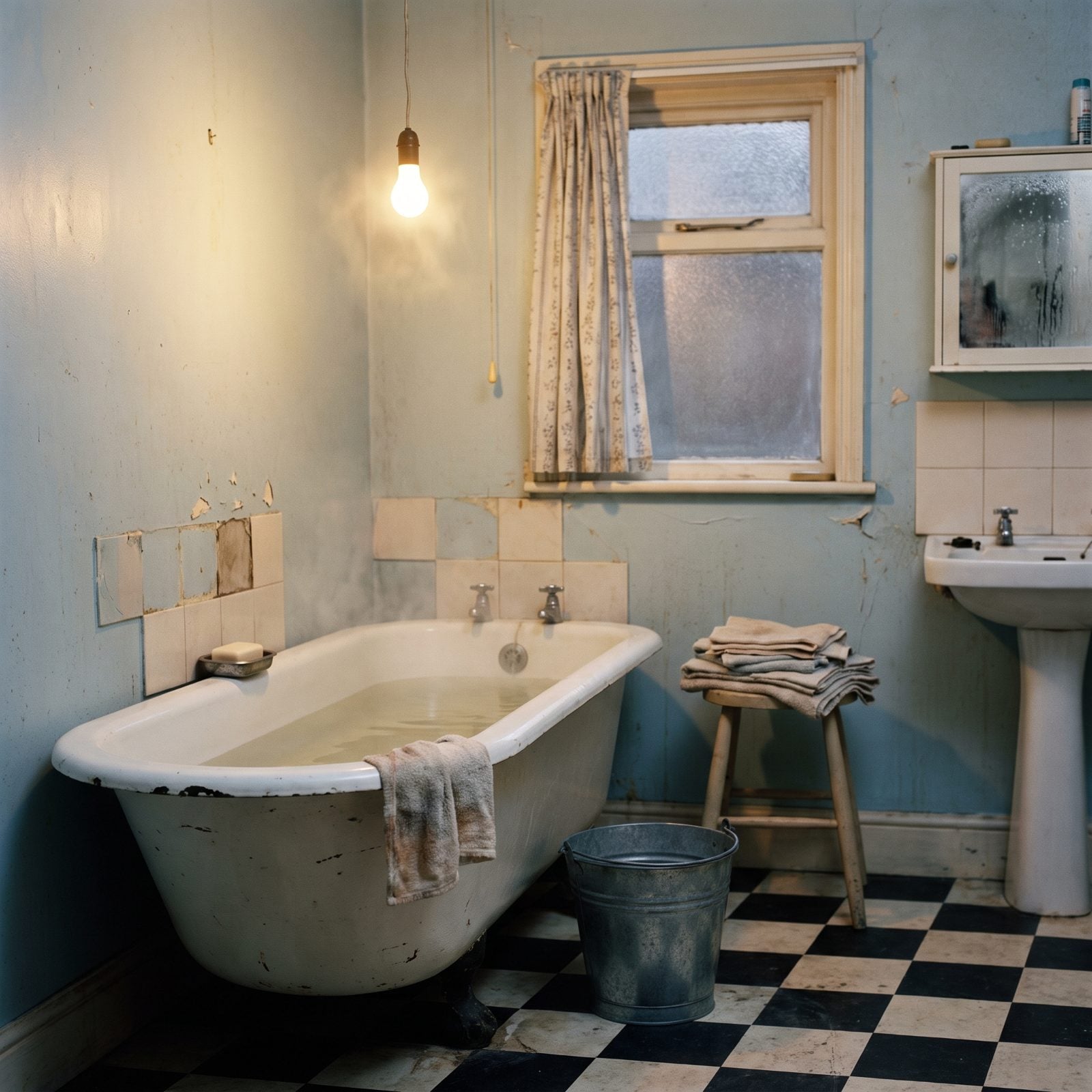
One tub. One batch of hot water. You went in by age, and heaven help you if you were last.
The water heater couldn’t refill fast enough for everyone to get a fresh fill, so the little ones went first while it was clean and warm, and the oldest got the lukewarm dregs with a grey film on top. Being youngest had exactly one advantage, and this was it.
Sunday morning you were scrubbed, pressed, and presentable. The rest of the week, honestly, a flannel and the kitchen sink did the job fine.
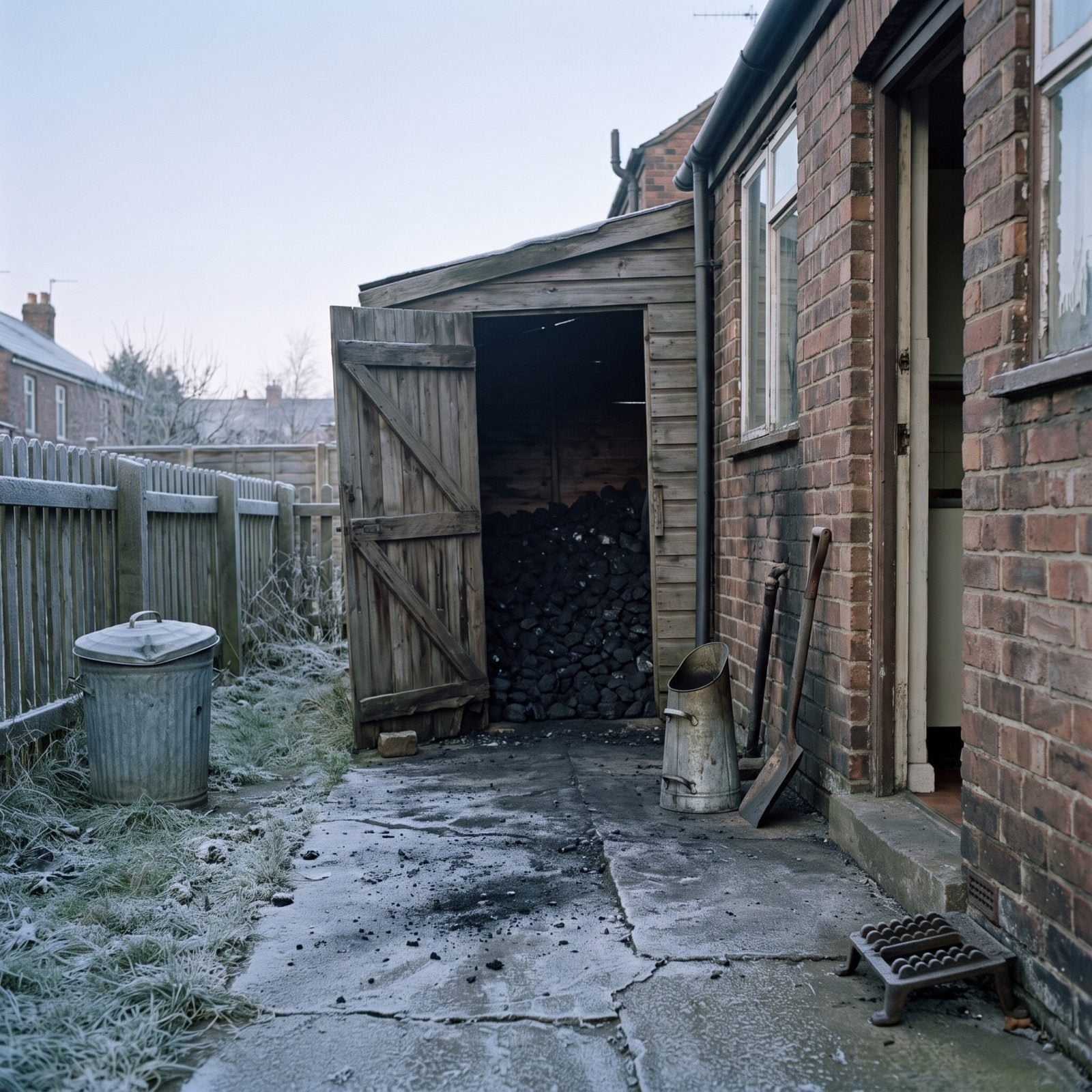
11. The Coal Shed Out Back and the Ritual of a Cold Morning
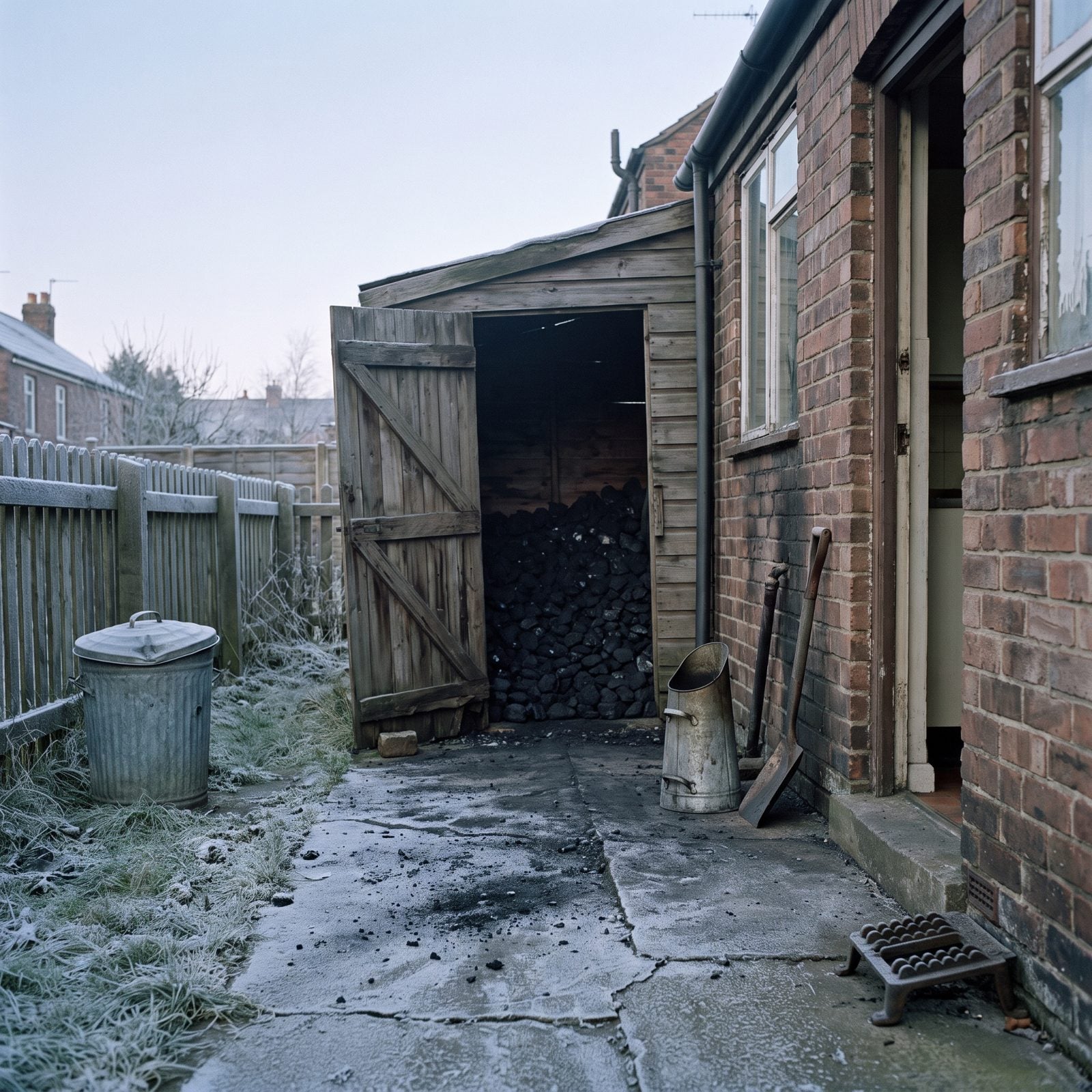
Cold mornings had a sound: the scrape of the shovel, the rattle of coal into the scuttle, the first reluctant crackle of a fire being coaxed awake.
Somebody had to do it, usually before anyone else was up, kneeling at the grate with rolled newspaper and kindling and a box of matches that were down to the last few. You dressed in front of that fire or you didn’t dress warm at all. The rest of the house stayed cold until the heat found its way down the hall, which it mostly didn’t.
Ash got carried out every morning. Coal got carried in. It was a whole economy of buckets.
10. Clothes Dried on a Pulley Line Strung Across the Ceiling
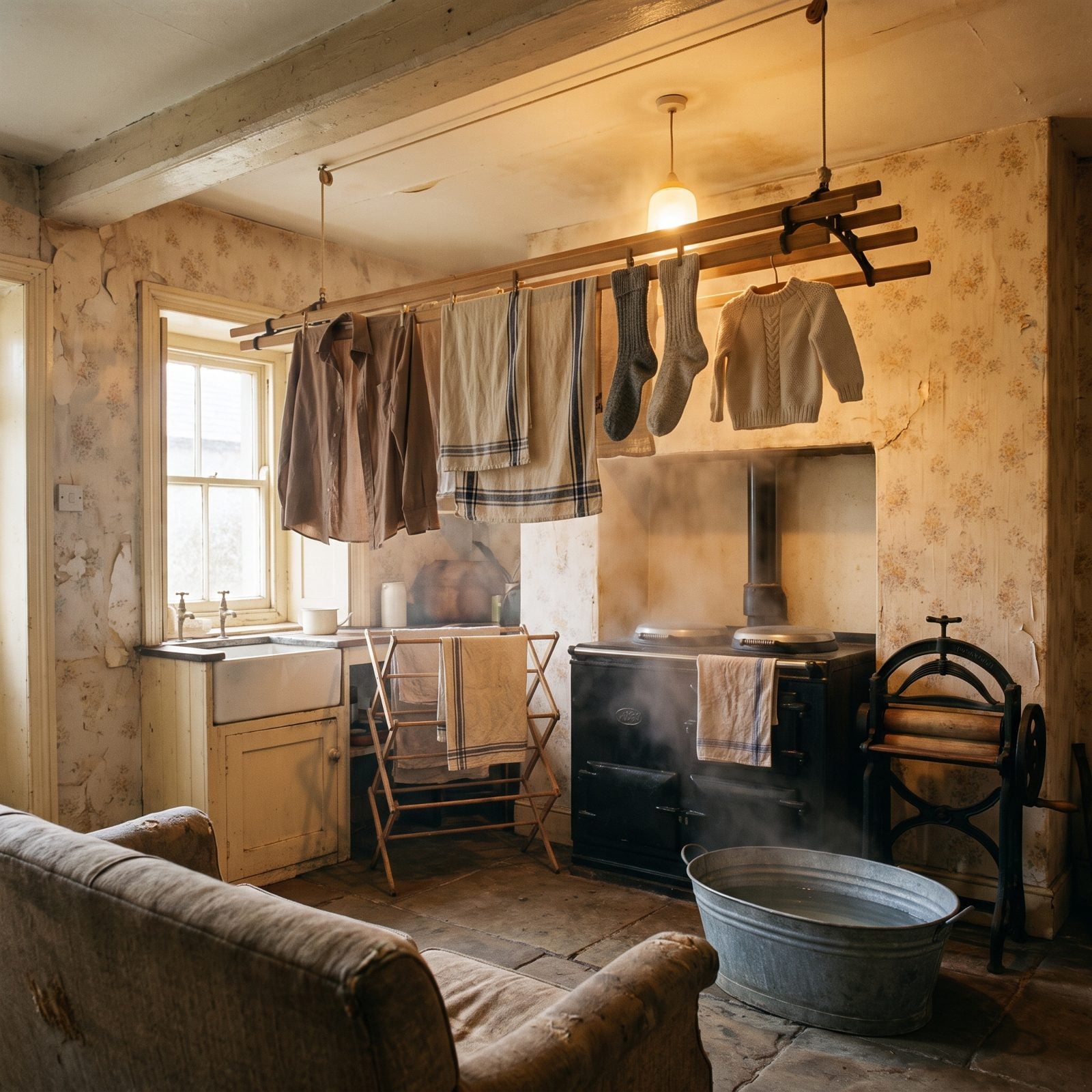
Wet weather meant the whole house smelled of damp wool and clean cotton for days.
The pulley line lived up near the ceiling where the warm air gathered, and you hauled it down with a cord wrapped round a cleat on the wall, pegged everything up, then winched the whole heavy load back toward the heat. The socks took the longest. There were always socks.
Monday was wash day, and only Monday, because washing was an all-day event involving a copper, a mangle, and forearms of iron. Nobody owned enough clothes to need more than one wash a week anyway.
9. The Sunday Roast That Fed You Right Through to Wednesday
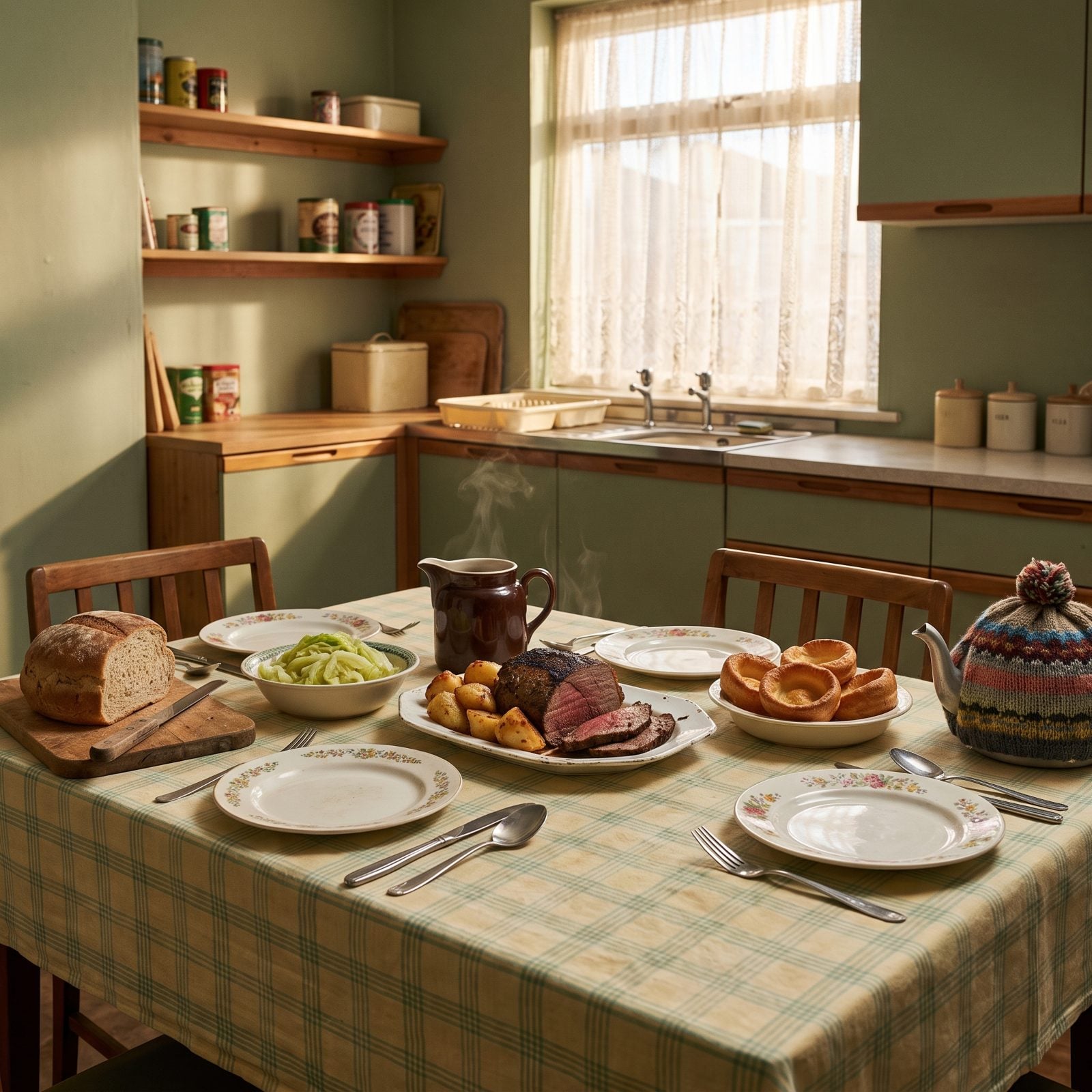
The roast was the event of the week, and it worked for a living. Sunday it was a proper dinner, the one meal with meat as the centre of the plate.
Monday the cold cuts turned up in sandwiches. Tuesday the scraps went into a hash or a pie with whatever was left. By Wednesday the bones were still earning their keep in a pot of soup. Nothing was thrown out until it had been eaten three ways.
You learned without being told that a chicken had more meals in it than you’d think, and that dripping on toast was a treat, not a hardship.
8. Shoes Polished in a Row on Newspaper Every Sunday Night
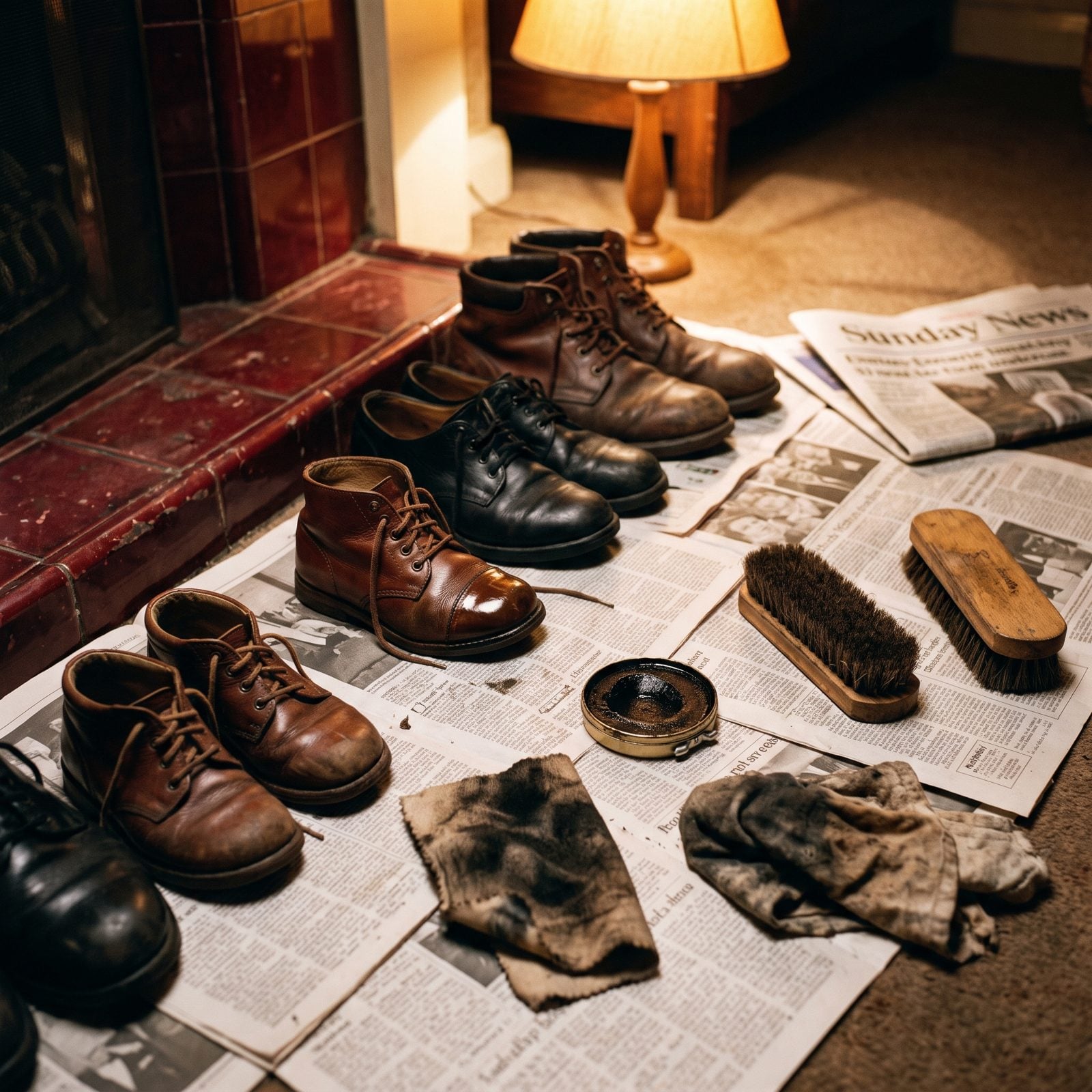
Sunday night, before school and work, the shoes came out and got done properly.
Spread the newspaper, open the tin, work the polish in with the old brush, then buff until you could nearly see yourself. School shoes had to last the year, so they were cleaned, dubbined, and re-heeled rather than replaced. You knew the local cobbler by name because you saw him more than you’d like.
Scuffed shoes said something about a family, and nobody wanted them saying it. So the ritual held, every week, a small act of keeping up that cost almost nothing but a bit of elbow grease.
7. The Bread Bag That Lived Three Lives Before It Was Thrown Away
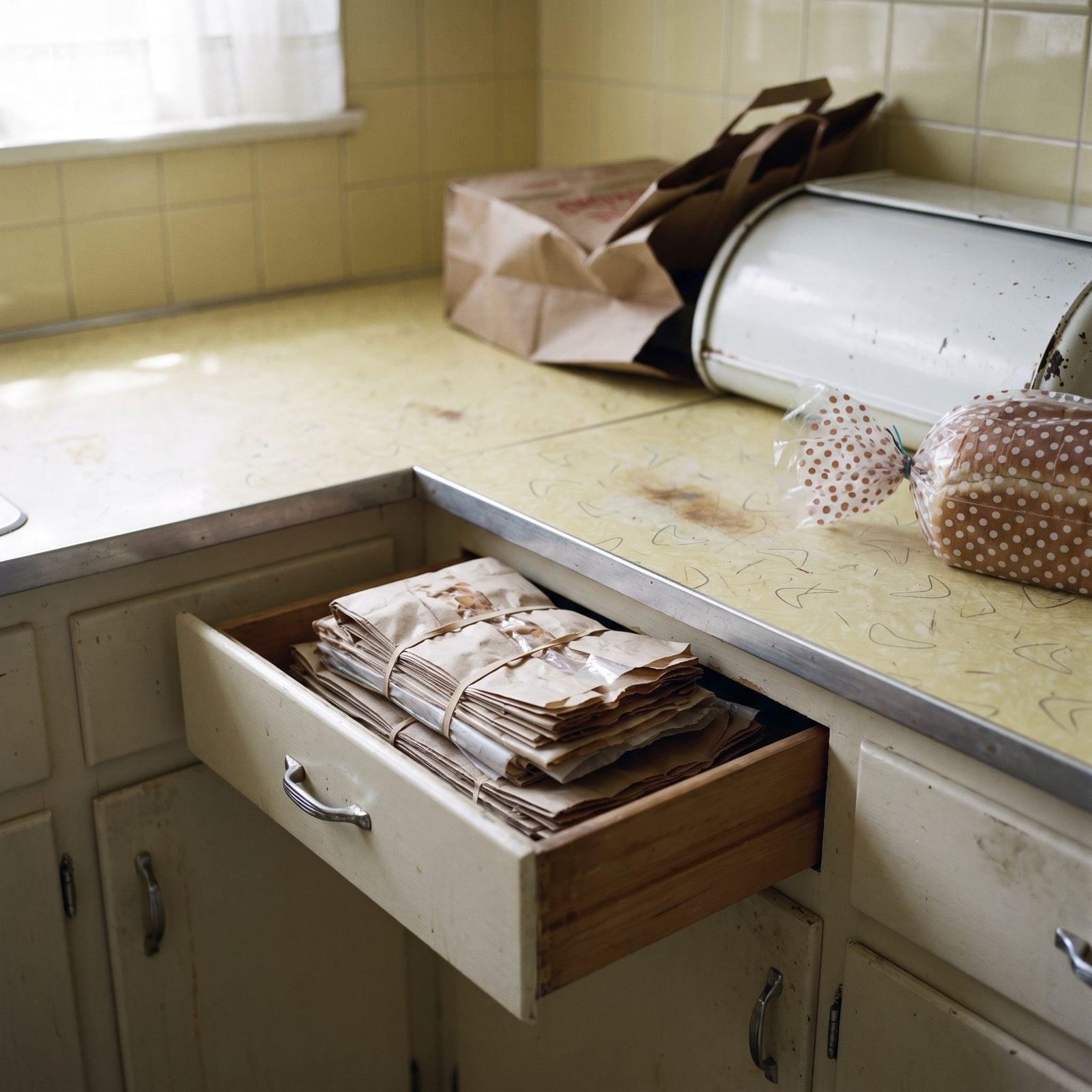
Nobody threw out a bread bag. Not at first. It got shaken out, folded flat, and tucked in the drawer for the next sandwich, the next thawing chicken, the next pair of wet socks going into winter boots.
You knew the ones that had already done time. They smelled faintly of yeast and had a soft, worn feel, like fabric almost. The twist tie got saved too, wrapped around a finger and dropped in the junk drawer with forty of its cousins.
This wasn’t cute. It was arithmetic. A box of bags cost money, and money was accounted for down to the dime.
6. Hand-Me-Downs Arrived In A Paper Bag And Nobody Pretended Otherwise
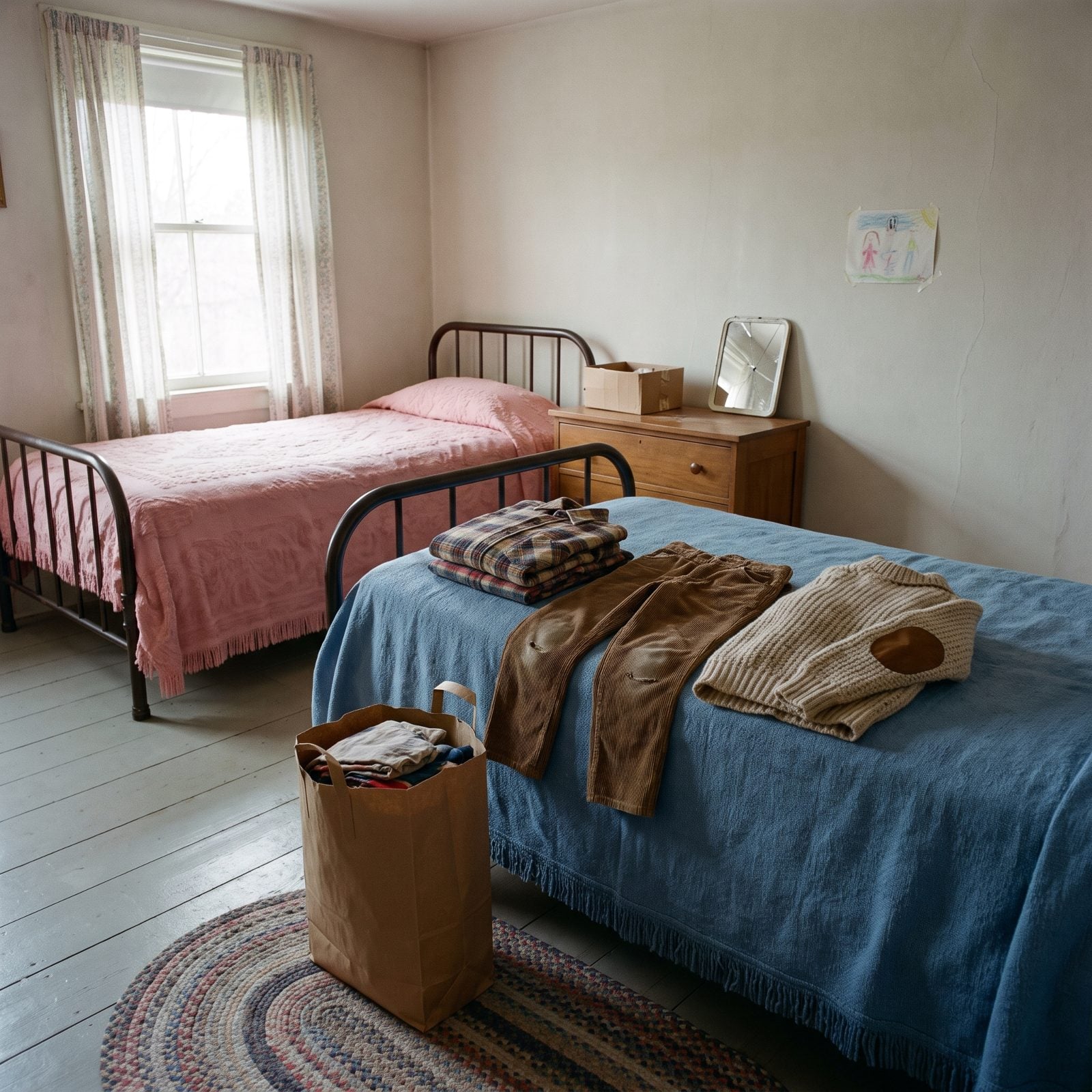
New clothes were birthdays and the first day of school, if that. The rest came down the chain, from a cousin, an older sibling, the neighbor’s kid who’d grown a size.
You knew the sweater before it was yours. You’d seen it on someone bigger. By the time it reached you the elbows were thin and the cuffs were a different shade, but it got patched and worn and handed on again.
There was no shame in it that anyone admitted to. A brown paper sack showed up, and inside was your fall wardrobe. The patched knee on a pair of corduroys wasn’t a style choice. It was a second life squeezed out of something that cost real money the first time around.
5. Dinner Was Whatever Stretched Furthest, And Sunday Carried The Whole Week
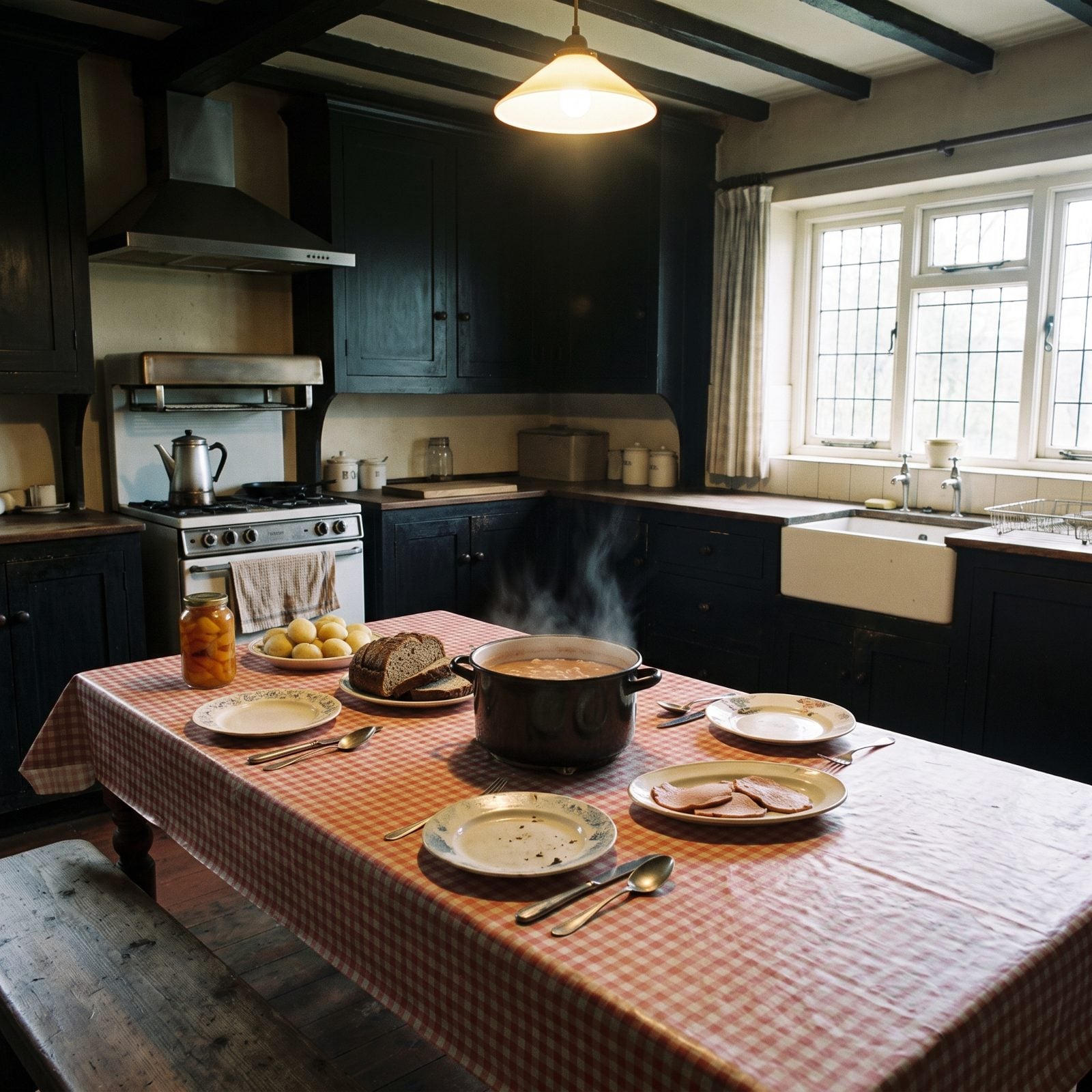
Meat was the small part of the plate, not the center. A chicken fed a family for days and then became soup. A ham bone flavored a pot of beans that showed up Monday, Tuesday, and again on Thursday in a slightly different disguise.
Sunday was the one real meal, the roast everyone waited on, and its leftovers were planned before anyone finished eating. Nothing got scraped into the trash. Grease went in a can on the back of the stove. Stale bread became pudding or stuffing.
The modern kitchen is built around abundance and choice. Back then the whole room ran on stretching one dollar into three, and the cooking that came out of that constraint is the comfort food people still chase.
4. The Sunday Roast That Fed You Until Wednesday
🔥 Would you like to save this?
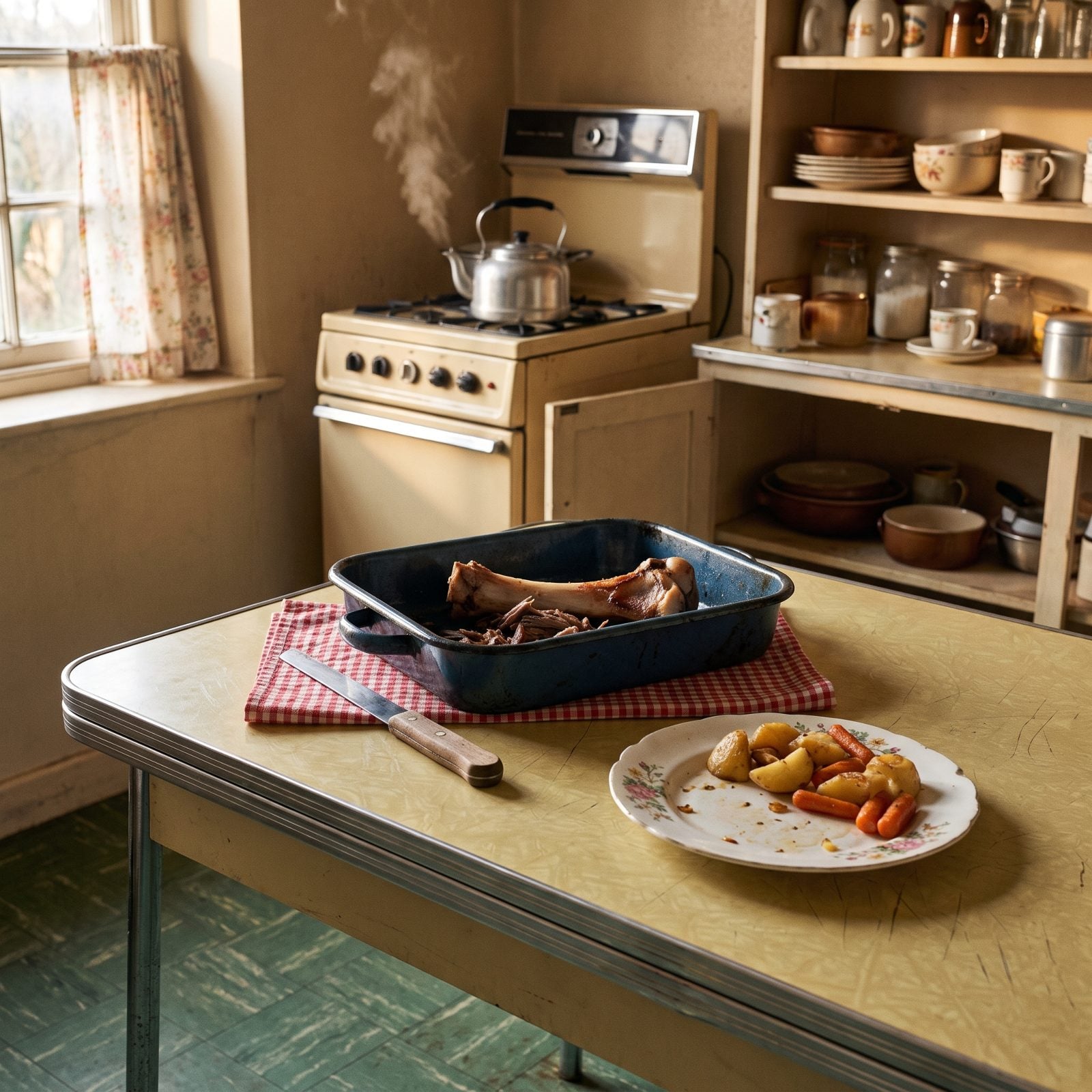
One roast. That was the whole plan. Sunday it came out carved thin and proud. Monday it was cold with pickle. Tuesday it went into a pie with gravy stretching it further than it had any right to go. By Wednesday you were eating the last of it in a sandwich and nobody complained because that was just how meat worked.
Nothing got thrown out. The bone went into a pot for stock. The dripping went into a bowl in the larder and came back as fat on your bread, which tasted better than anyone young today would believe.
3. The Immersion Heater Nobody Was Allowed to Leave On
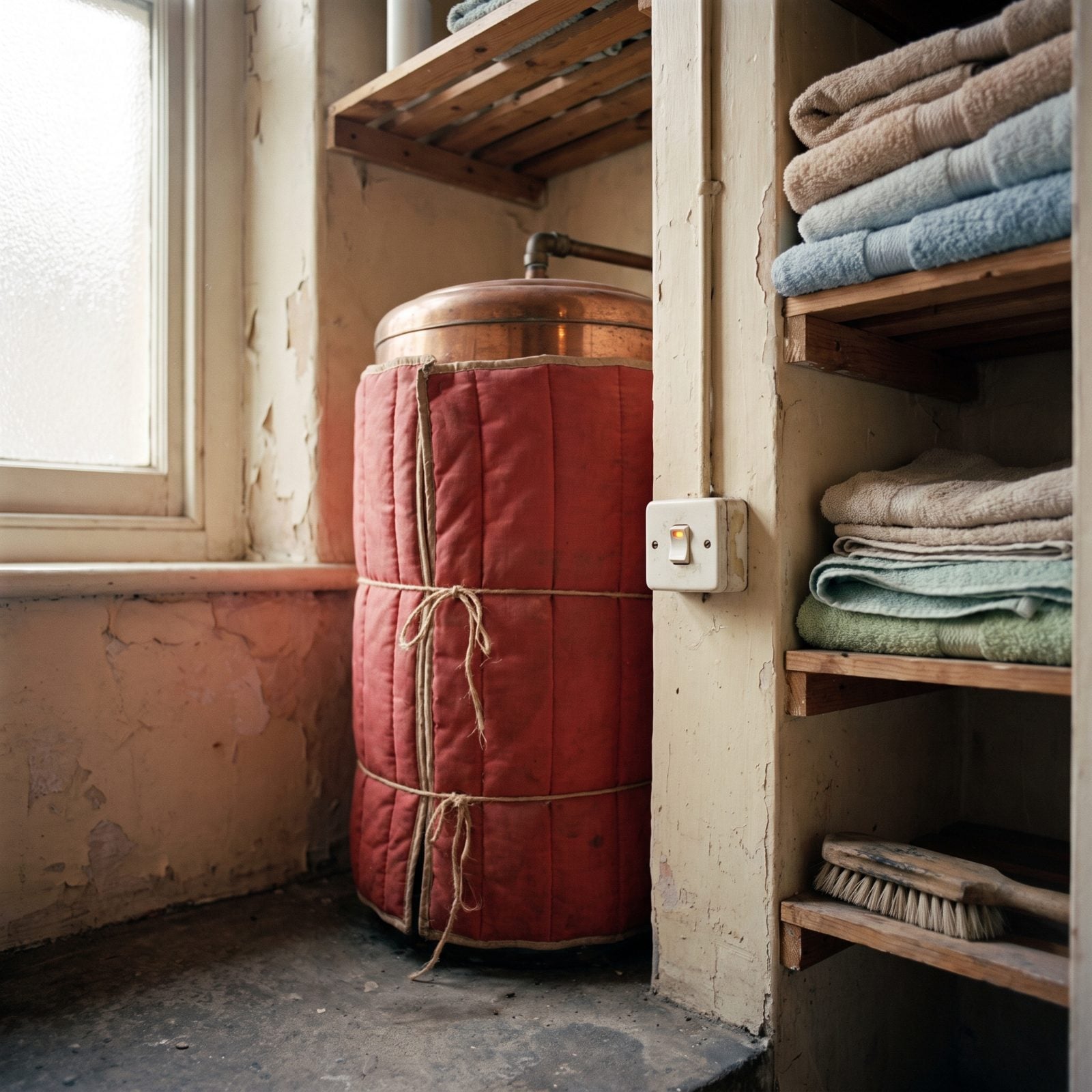
There was a switch on the wall and a rule about it so firm it felt like law. The immersion heater warmed the water, and electricity cost money, and leaving it on was the kind of crime that got brought up at dinner.
You learned to time your bath around it. Switch on an hour before, switch off the second you were done, and heaven help you if you forgot and it ran all afternoon. The guilt of a wasted tank of hot water followed you up the stairs.
2. The Coal Fire You Laid Before You Could Tie Your Shoes
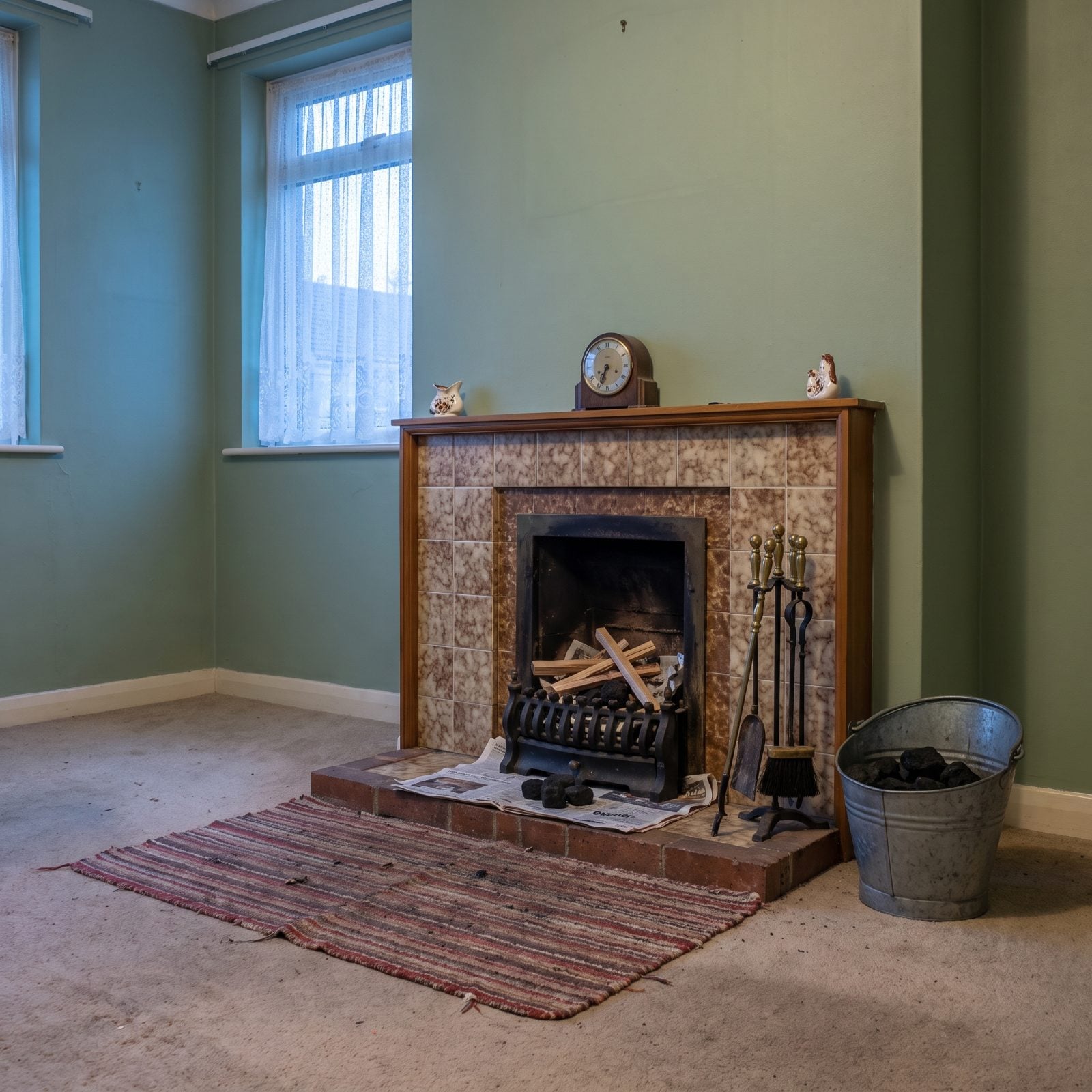
Cold mornings had a job attached. Rake out yesterday’s ash. Twist newspaper into tight little logs. Build the kindling into a loose pyramid and balance the coal on top, not too much or it would smother the flame. You knew all of this by about six years old.
The house stayed cold until it caught. You dressed fast in front of a fire that wasn’t warm yet, breath visible, lino freezing under your feet. One fire, one warm room, and everyone crowded into it come evening while the rest of the house stayed arctic.
1. The Ration-Era Thrift That Outlived the Rationing
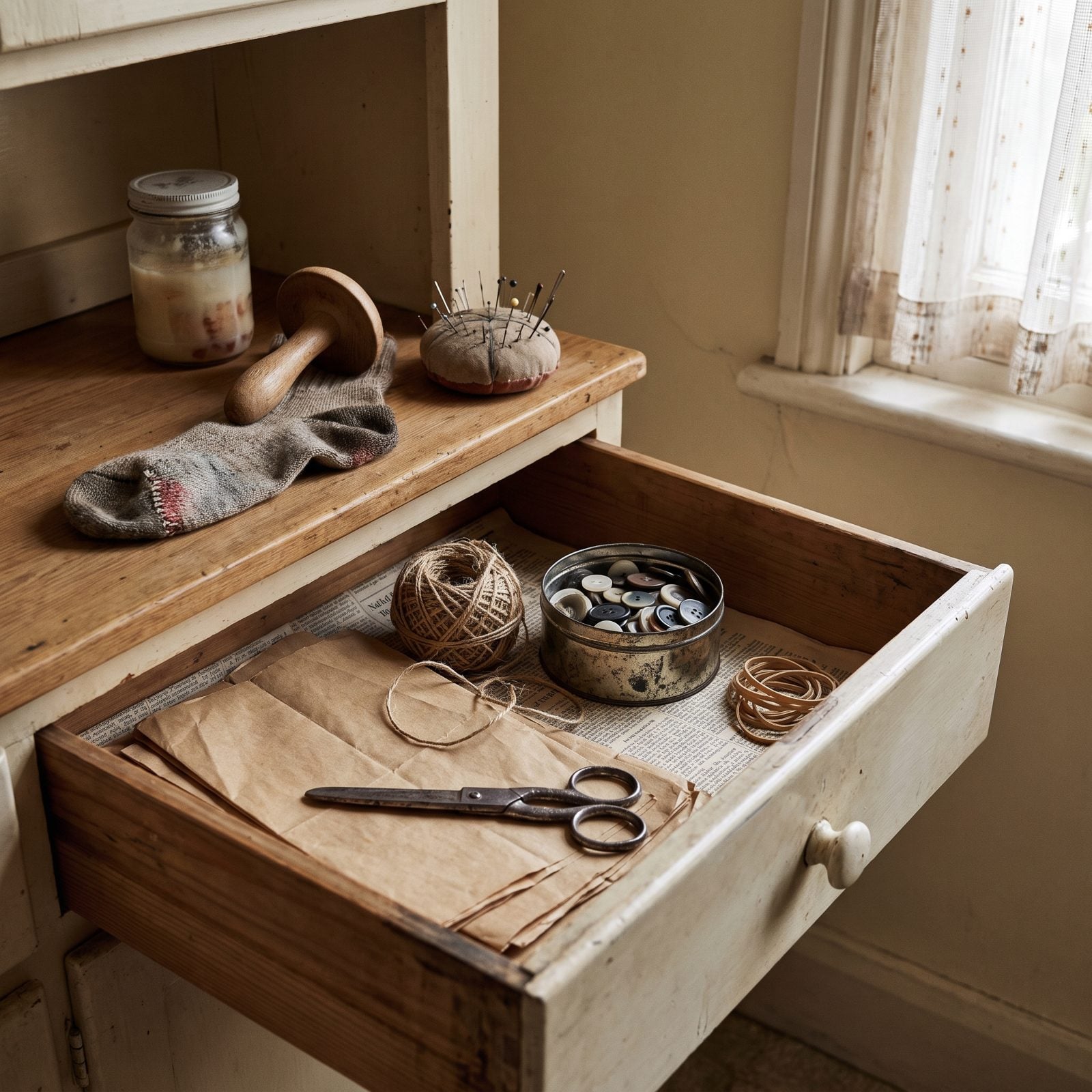
Rationing ended years before, but the habits it carved into people never left. Wrapping paper was folded, smoothed, and kept in a drawer to be used again. String went into a ball that grew for years. Buttons came off worn-out shirts and went into a tin that every household seemed to own.
Socks got darned over a wooden mushroom instead of thrown away. Nothing useful left the house. The idea of binning something that still had life in it felt almost shameful, a waste the grandparents would have flinched at.