
🔥 Would you like to save this?
Fifty thousand dollars for a roof, windows and HVAC lands on the kitchen table and the room goes quiet. The smart answer isn’t draining savings or touching retirement; it’s shrinking the bill first, staging the work by what fails first, and financing only what’s left. These 26 moves do both: some cut the cost, and some cover the rest without wrecking your budget.
This article contains affiliate links. If you sign up or buy through them, Home Stratosphere may earn a commission at no extra cost to you.
In order to come up with the very specific design ideas, we create most designs with the assistance of state-of-the-art AI interior design software. Also, assume links that take you off the site are affiliate links such as links to Amazon. this means we may earn a commission if you buy something.
26. Ask Whether the Roof Needs Replacing or Just Repairing
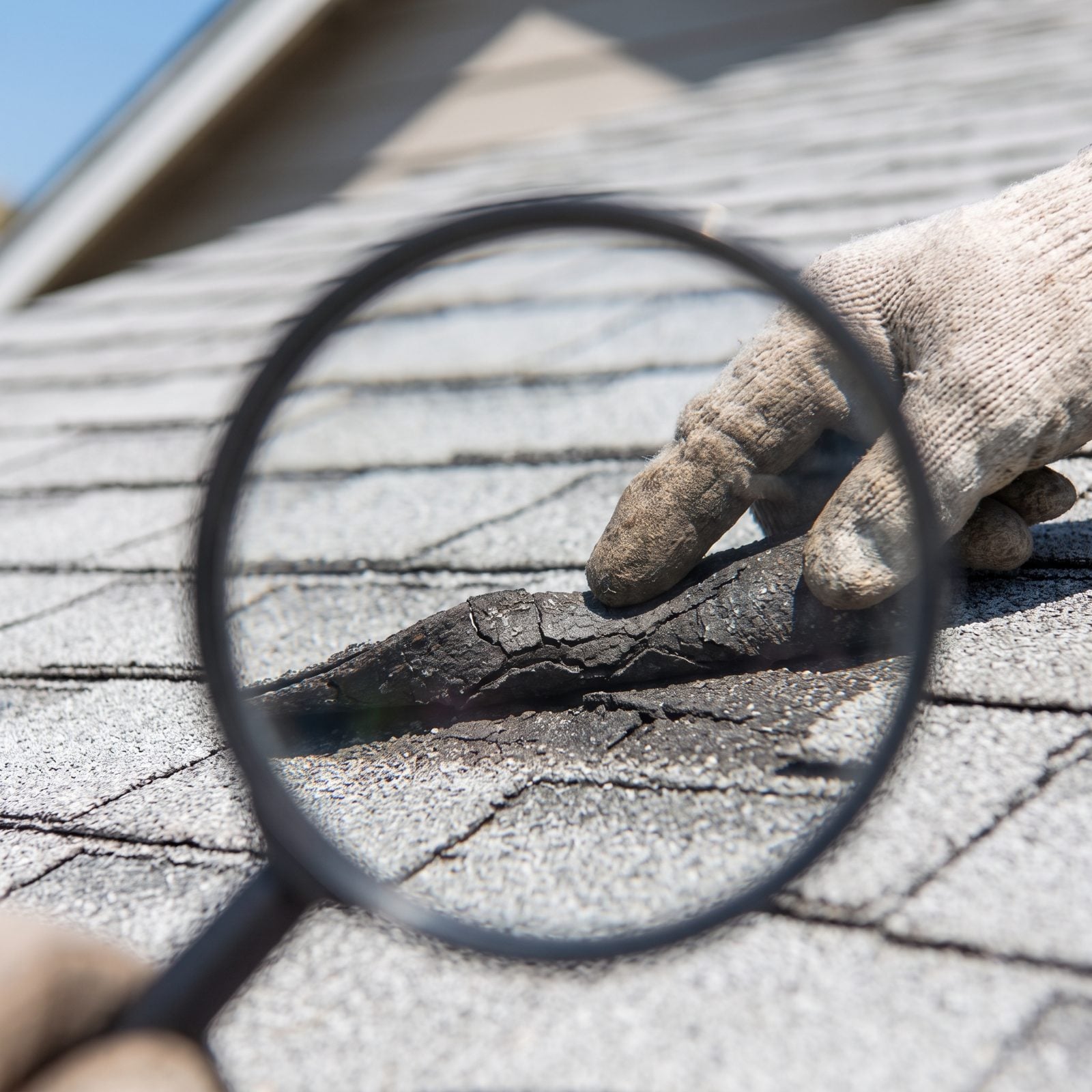
Not every tired roof needs tearing off. A contractor who actually inspects might find the field is sound and only the valleys, the flashing, or the one slope that faces weather need attention.
A targeted repair on a roof with years left runs a fraction of a full replacement, which frees that money for the HVAC or the windows that genuinely can’t wait. Get a second opinion when the first quote leaps straight to a full tear-off. A roofer worth hiring will tell you flat out when there are still good years in the shingles over your head.
25. Compare HELOC Rates Before a $50,000 Bill Forces a Rushed Decision
A home equity line uses your house as collateral. That makes it cheaper than a credit card and a lot more dangerous if you overborrow. Shop at least three lenders before the roof starts leaking, not after — rushed quotes cost more, every time.
Picture this. The project lands at $50,000, insurance covers part of the roof, and you pay cash for a chunk of the rest. You draw only what you actually need from the line, never the full approved limit. Rates and approval swing with your credit and your equity, so compare the real cost over the full term instead of fixating on the monthly payment.
24. Check What Your Homeowners Insurance Will Actually Cover
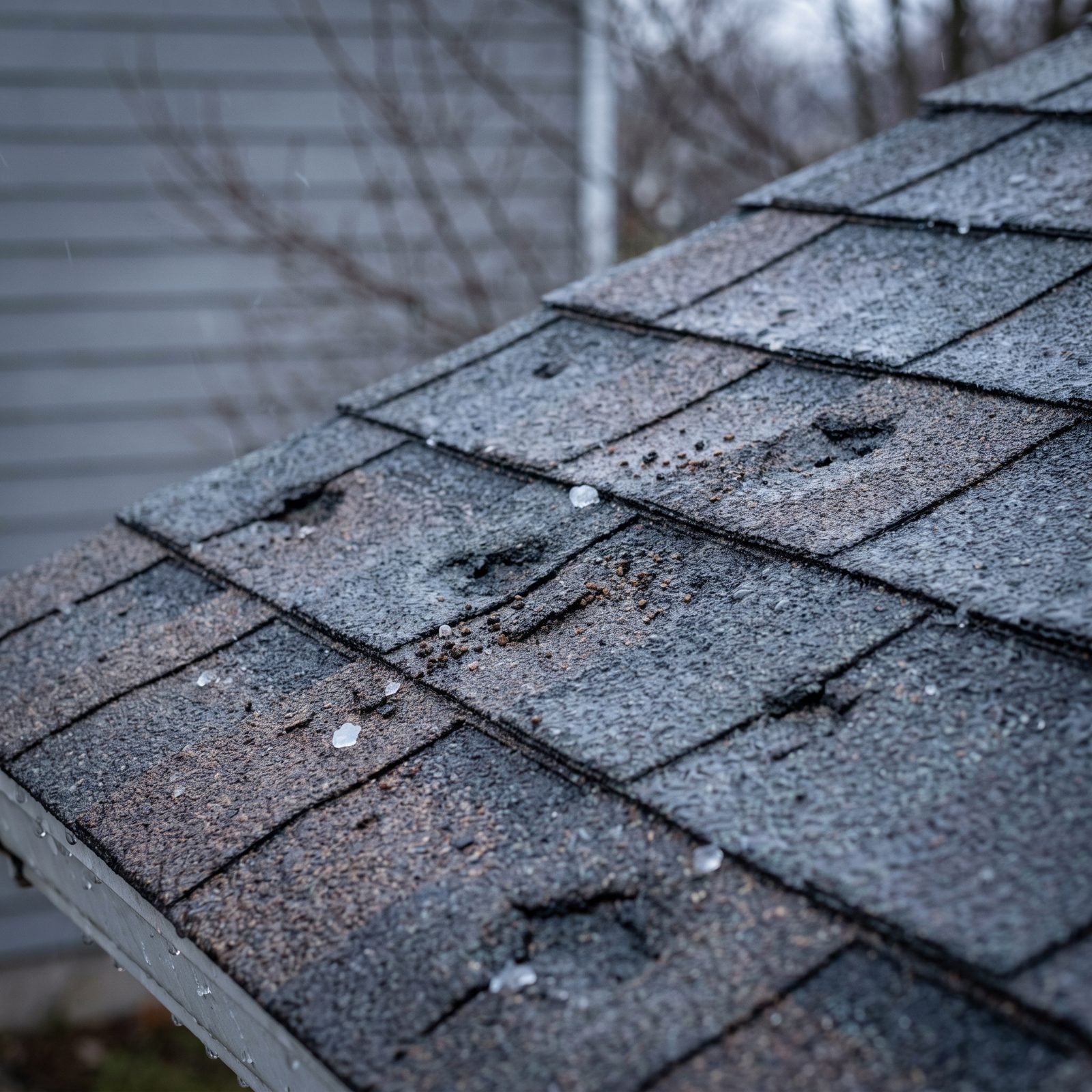
Roof damage from a covered event like hail or wind often qualifies for an insurance claim, and that can knock a serious amount off your out-of-pocket roof cost before you borrow a dime.
Call your insurer and read your policy before you call a contractor. Document existing damage with dated photos. Age and ordinary wear usually aren’t covered, but storm damage frequently is — a legitimate claim can turn what felt like a full roof replacement into a deductible you cover in cash.
While you’re reading the policy, compare home insurance quotes with GetYourInsurance — a new roof can change what you should be paying.
Compare Home Insurance Quotes →
23. Prioritize by What Fails First: Roof, Then HVAC, Then Windows
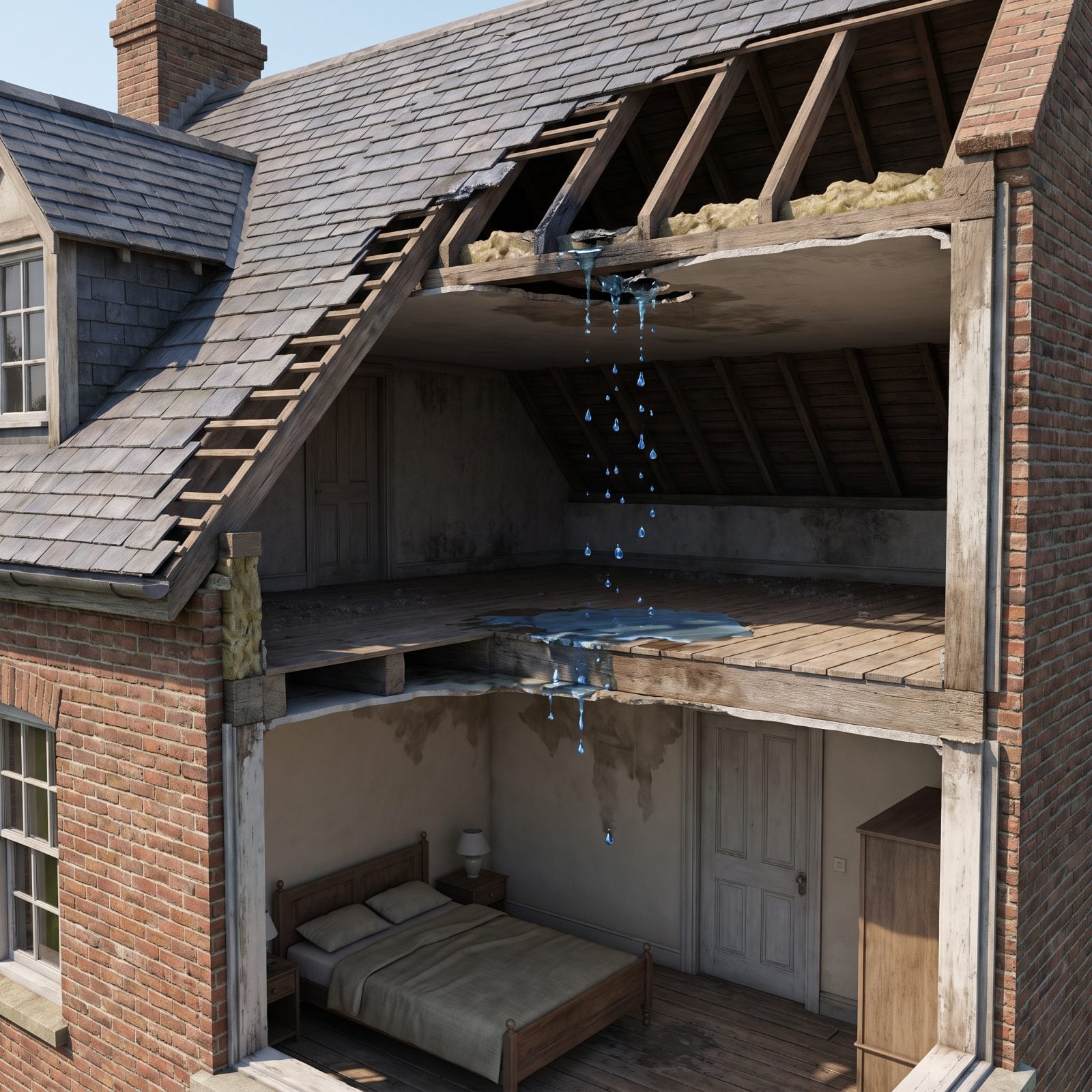
Water wins. A failing roof damages everything underneath it, so it goes first no matter what the other quotes say.
HVAC comes next, because a dead furnace in January or an air conditioner that quits during a heat wave isn’t something you can shrug off. Windows, for all their drafts, rarely cause an emergency — they can hang on a season or two while you fund the rest. Stage it this way and you might borrow a portion now and the rest later, after you’ve saved or after rates shift. Spreading the spend out beats borrowing the full fifty in one swing.
22. Look Up Federal Tax Credits for Qualifying Efficient Windows and Heat Pumps
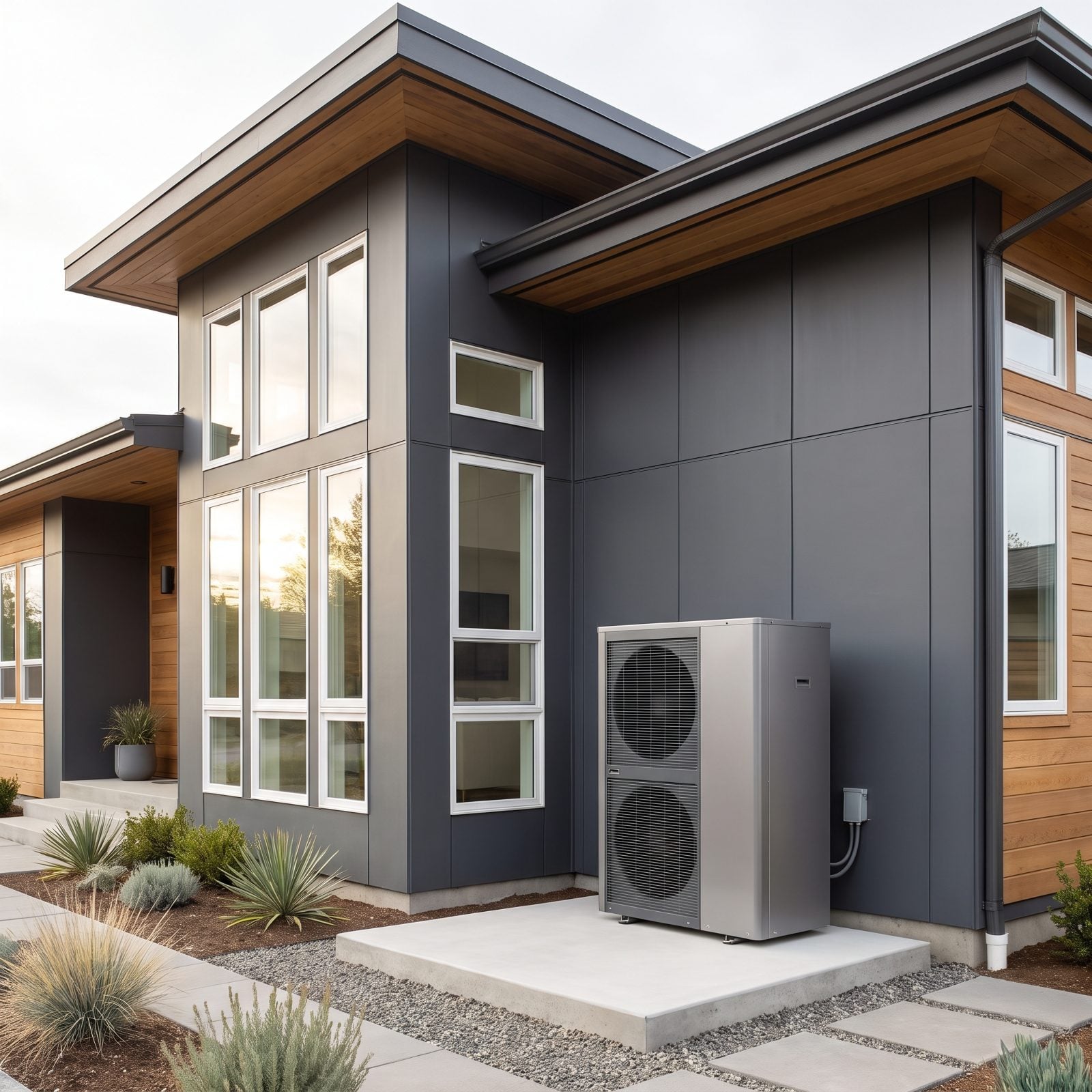
The federal government hands out energy-efficiency tax credits for qualifying heat pumps, efficient windows, and a handful of other improvements. They reduce what you owe come tax time — real money back in your pocket for upgrades you were buying anyway.
Not every product qualifies, and the rules shift. Confirm eligibility for the specific equipment and the tax year before you count on a credit, and hang onto every receipt and manufacturer certification. A model that barely misses the efficiency threshold leaves the credit sitting on the table, so ask your installer which ones qualify before you choose.
21. Call Your Utility About Rebates and On-Bill Financing

Your electric or gas utility may offer rebates on efficient heat pumps, furnaces, even window upgrades, often handed over as a check or a bill credit once the work is done.
Some utilities also run on-bill financing, where the equipment cost gets tacked onto your monthly bill at a set rate. Weigh that cost against a HELOC or home equity loan before you commit — convenient and cheapest aren’t the same thing. And call before you buy, because plenty of rebates require pre-approval or a specific contractor.
20. Get a Tax Pro to Make Sure You Claim Every Energy Credit
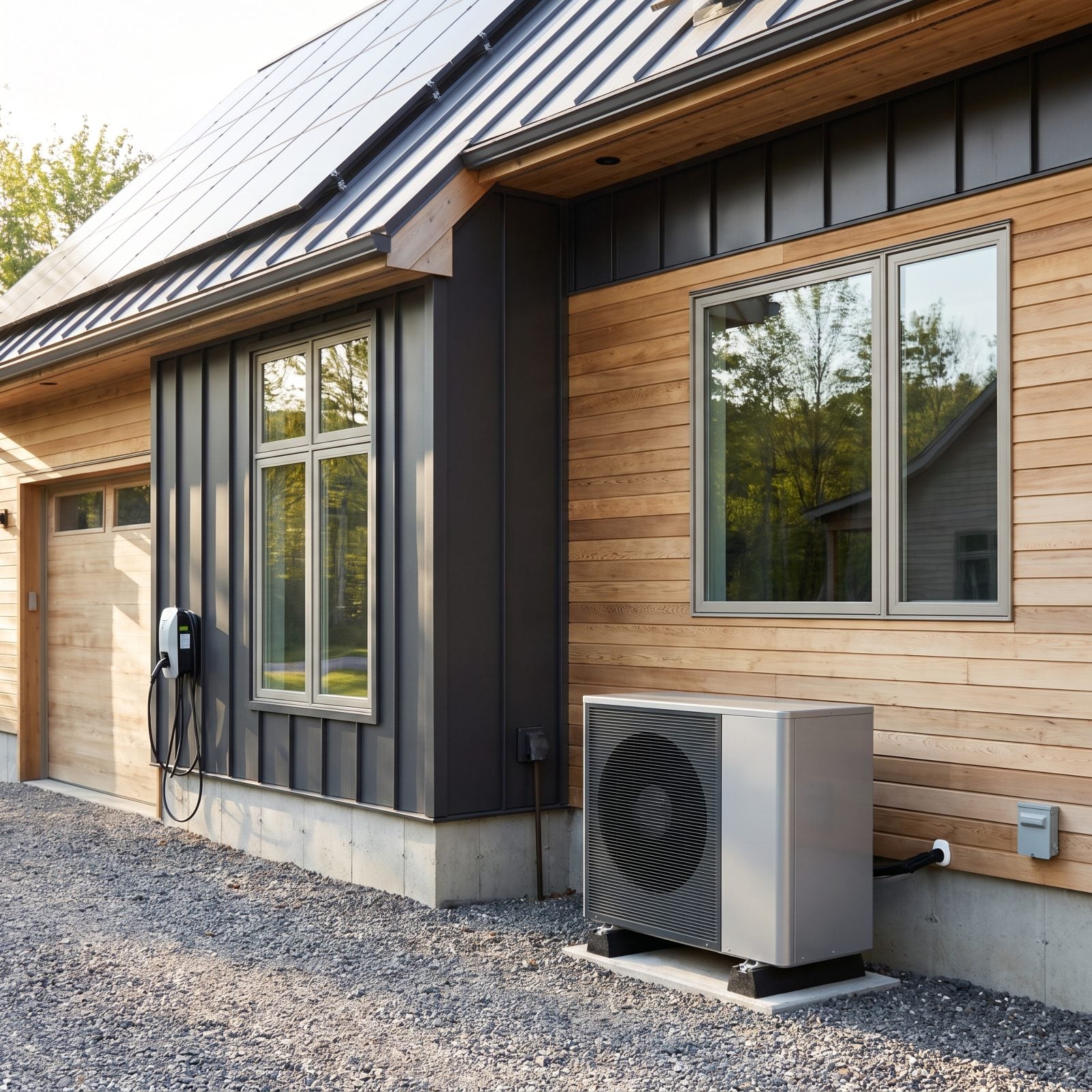
Energy credits come loaded with income limits, annual caps, and paperwork most people miss on their own. A tax professional knows which improvements stack in the same year and which ones to push to the next.
An hour of their time often pays for itself in credits you’d otherwise overlook. Bring your receipts and the manufacturer certifications. Keep everything in one folder so nothing wanders off before filing season.
You can talk to a tax expert online through Tax Expert Now to make sure every qualifying credit lands on your return.
19. Ask About State and Local Energy-Efficiency Programs
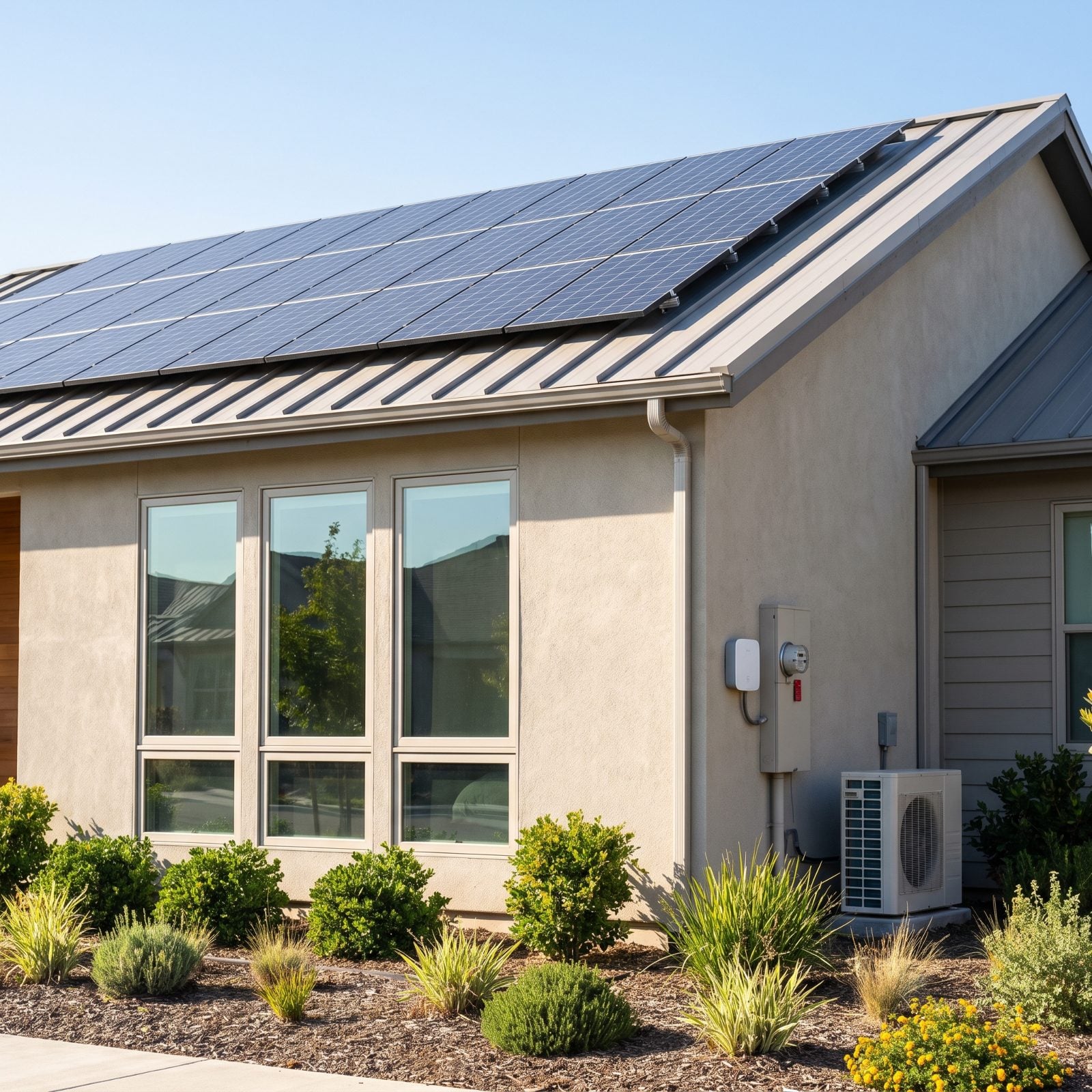
Beyond the federal credits, plenty of states, counties, and cities run their own rebate and low-interest loan programs for efficient home upgrades. In a lot of places these stack right on top of utility rebates.
They’re easy to miss because nobody shouts about them. Search your state energy office and your county’s housing or weatherization programs. Some offer financing at better terms than a bank, especially for income-qualified households. Confirm the details and eligibility before you plan around any of it — program funding runs out, and the rules shift from one zip code to the next.
18. Replace Only the Worst Windows Now

You don’t have to do every window in one swing. Start with the south and west units that bake in the afternoon sun and the drafty ones over the living space — the rooms where you actually sit.
A half-house window job runs roughly half a whole-house job, and the comfort gain lands exactly where you spend your evenings. Those bedroom windows you barely notice? They can wait for next year’s budget. Hit the worst performers first and you pocket most of the benefit for a fraction of the upfront cost.
17. Have an HVAC Expert Check Whether the Quote Is Oversized
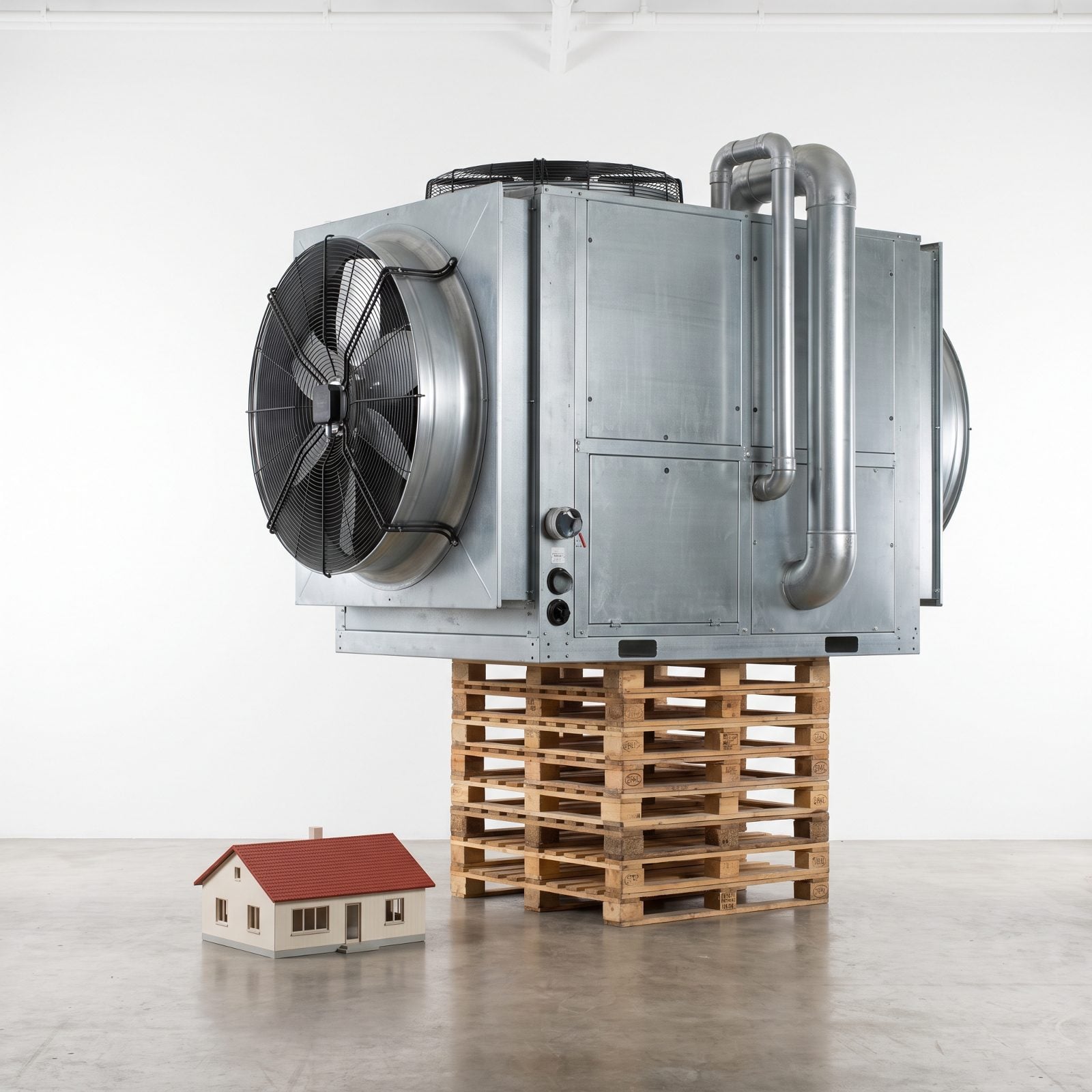
Oversized HVAC equipment is one of the most common ways homeowners overpay. A bigger unit costs more upfront, cycles on and off too fast, and heats the house unevenly on top of all that.
Ask whether your contractor ran a proper load calculation built around your actual house — not a rule-of-thumb guess pulled from square footage. The right-sized system is often a smaller, cheaper unit that runs better and lasts longer. A second opinion on sizing can shave real money off the HVAC line and leave more room in the budget for the roof and windows.
Before you sign, ask an HVAC expert on JustAnswer whether the tonnage and the equipment on the quote actually fit your house.
16. Get Three Itemized Bids for Each Trade
One bid tells you nothing. Three bids tell you where the padding lives. Get itemized quotes for the roof, the windows and the HVAC separately, and insist each one breaks out materials from labor.
On a $50,000 package, the gap between a high and low bid for the same work often runs several thousand dollars — not because one crew is better, but because one assumed you wouldn’t ask. Line items let you compare apples to apples, swap a mid-tier shingle for a premium one, or cut a window from the order and keep the price honest.
15. Schedule the Roof in Spring or Fall and the HVAC Before Peak Season
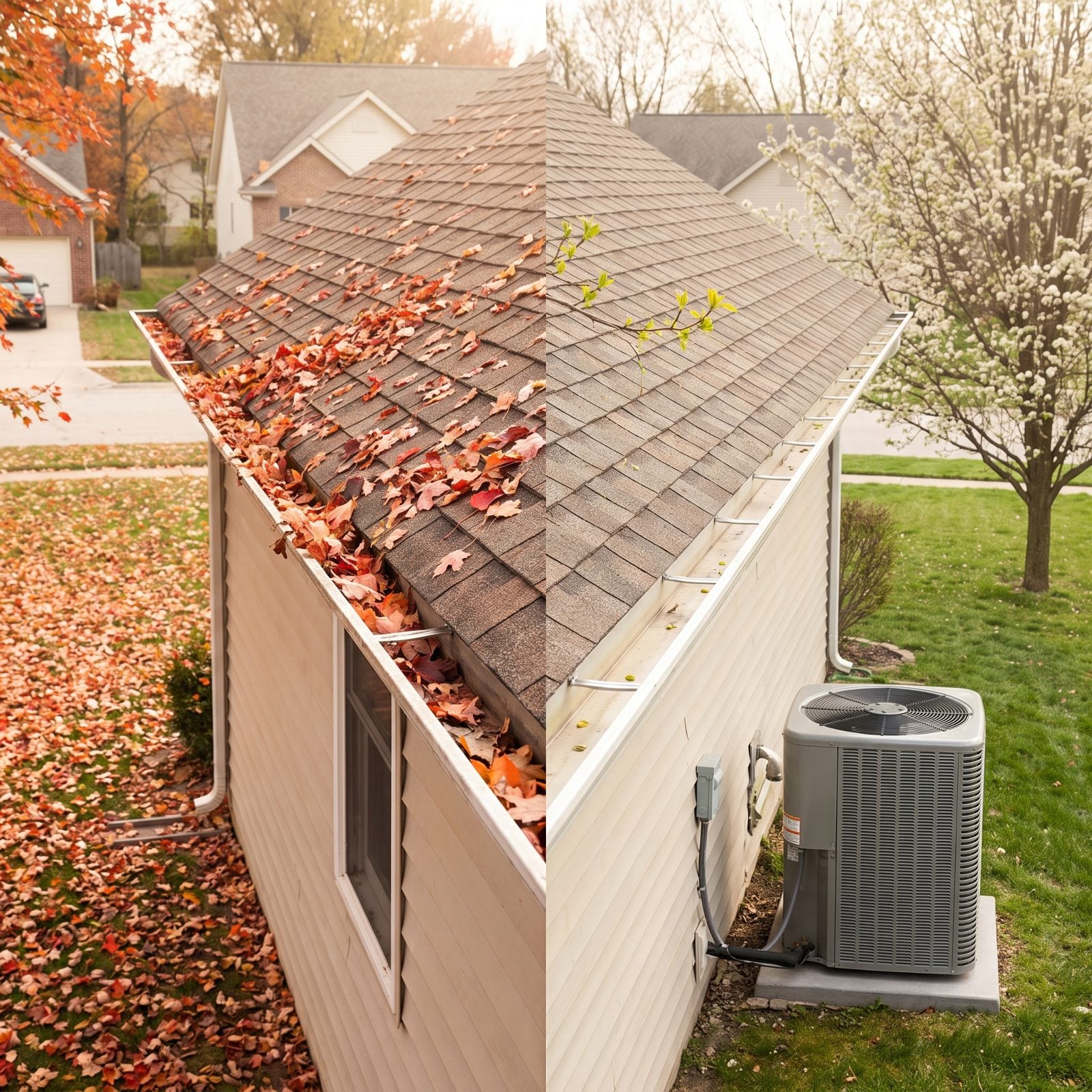
Contractors have slow weeks and busy weeks like everyone else. The trick is booking your work into theirs.
Roofers and window installers get quieter in spring and fall, in the lull between the storm-damage rush and the deep-freeze shutdown. HVAC shops, meanwhile, are swamped the first hot week of summer and the first cold snap of winter — which is exactly when a tired furnace likes to quit. Book the heat pump or furnace in the shoulder season, before the panic calls flood in, and you often land a better price and a crew that isn’t sprinting to the next emergency.
14. Earn Extra Cash for the Smaller Line Items
🔥 Would you like to save this?
You don’t need to finance the whole $50,000. You need to finance less of it.
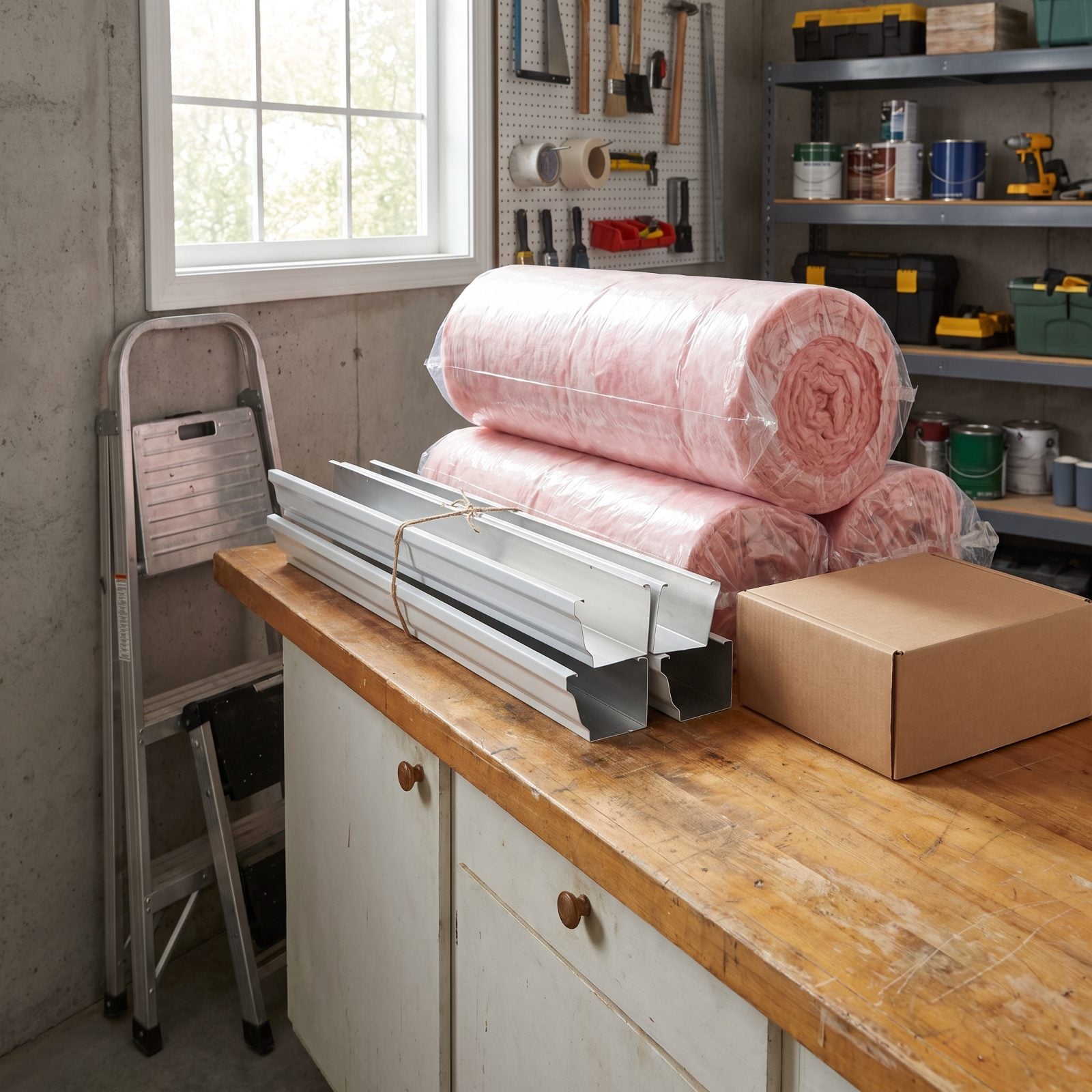
The small stuff adds up fast: gutter upgrades, attic insulation, a smart thermostat, debris haul-off. Those line items often run a few thousand combined — exactly the range you can cover with a focused weekend of selling things you’ve stopped using. Clear out the garage, sell the furniture nobody sits on, pick up a seasonal side gig for a month. Knock a few thousand off the top and that’s money you never pay interest on.
One easy way to chip in is to earn with Branded Surveys and put every payout toward the small line items.
Start Earning With Branded Surveys →
13. Choose Architectural Shingles Over Metal or Slate When the Budget Is Tight
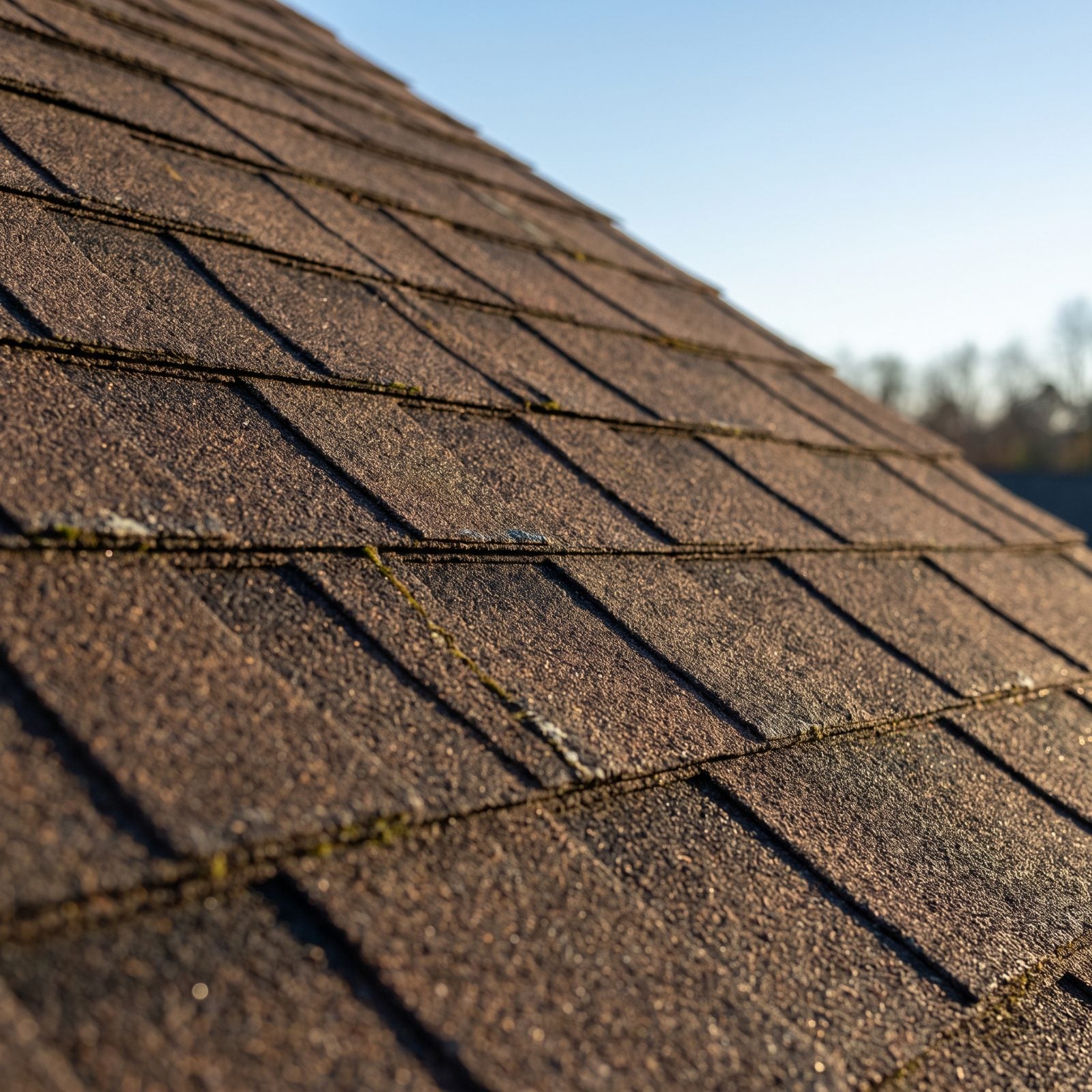
Metal and slate roofs look incredible and last decades. They also cost two to four times what asphalt does, and on a $50,000 budget that single choice can swallow your whole HVAC line.
Architectural shingles are the smart middle. They carry long warranties, throw dimensional shadow lines that read almost like cedar shake, and come in color blends that flatter brick, siding and stone alike. You get the curb appeal without gambling the rest of the project on one material.
12. Use a Fixed-Rate Home Equity Loan for the Whole Package

Once you’ve shrunk the project, finance what’s left in one clean piece.
A fixed-rate home equity loan hands you a lump sum and a payment that never moves. For a big one-time package — roof, windows and HVAC together — that predictability is exactly what you’re buying: you know the term, the rate and the monthly number before you sign. But it’s a second loan secured by your house, so borrow only what the project actually needs after you’ve cut costs, and compare the total cost across a couple of lenders. Rates and approval swing with your credit and equity. Spread the numbers out and read every line before you commit.
11. Look at Manufacturer and Dealer Financing With a Real Promo End Date
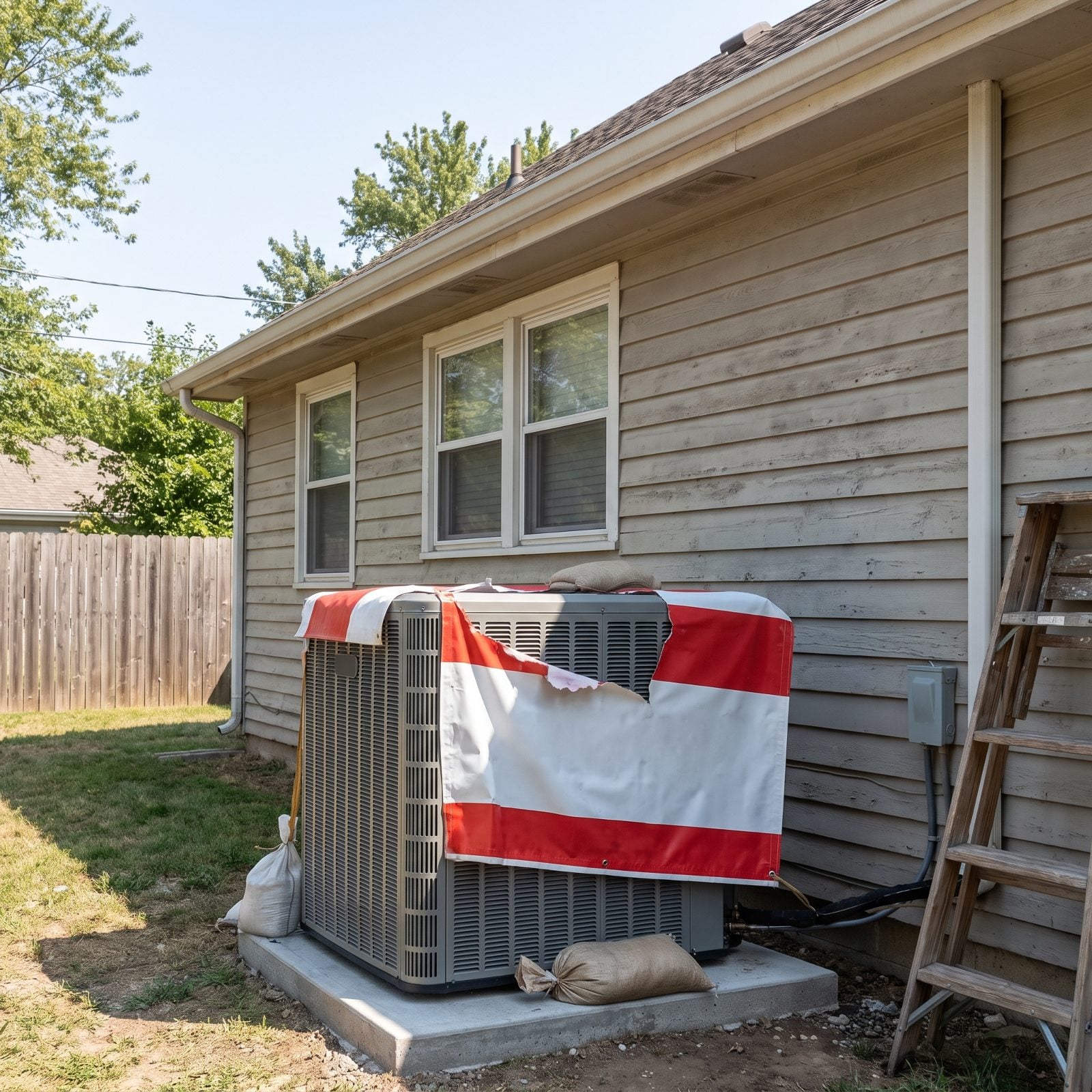
HVAC manufacturers and their dealers run promotional financing constantly, usually tied to a specific equipment line and a hard expiration date. Sometimes it’s a low introductory rate. Sometimes it’s a deferred-interest window where you pay nothing extra if you clear the balance by the deadline.
Read exactly how that deferred-interest version works, because this is where people get burned. Miss the payoff date even by a day and the interest can be charged retroactively, all the way back to day one. These offers can genuinely beat other borrowing — but only if the promo end date is real and you’ve got a written plan to be done by it. Terms vary by dealer, so get it in writing.
10. Ask About PACE Financing and Read the Fine Print
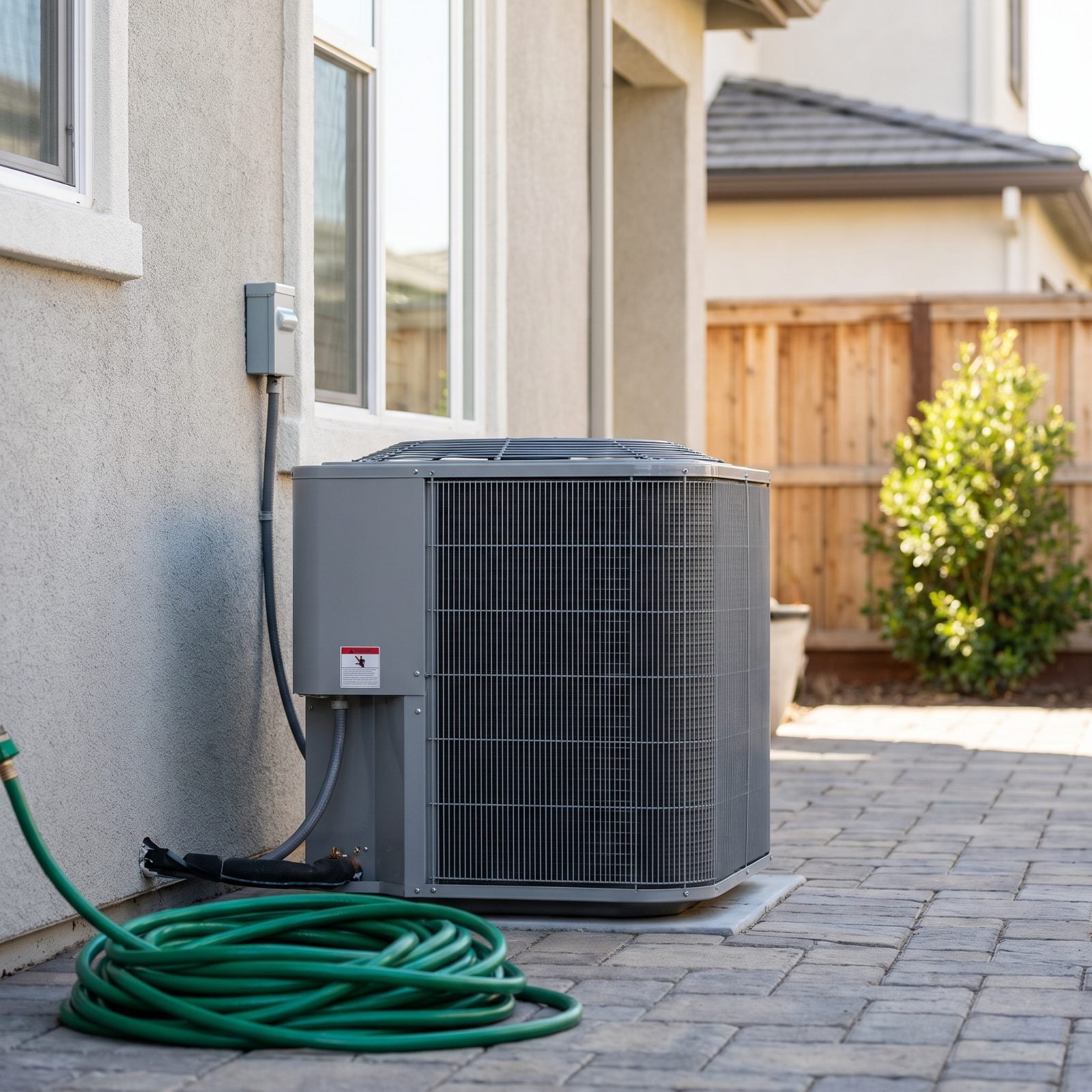
PACE financing lets some homeowners pay for energy-efficient upgrades — new windows, a heat pump, sometimes a cool roof — through an assessment tacked onto the property tax bill.
The draw is that approval can lean more on home equity than on credit score, and the obligation can stay with the property. The catch sits in the fine print. It becomes a lien on your home, it can complicate a future sale or refinance, and the total cost over time can run higher than a conventional loan. Availability depends entirely on where you live. If someone pitches it, read every term and weigh it against a home equity loan before you agree to anything.
9. Keep the Ductwork If It Tests Fine
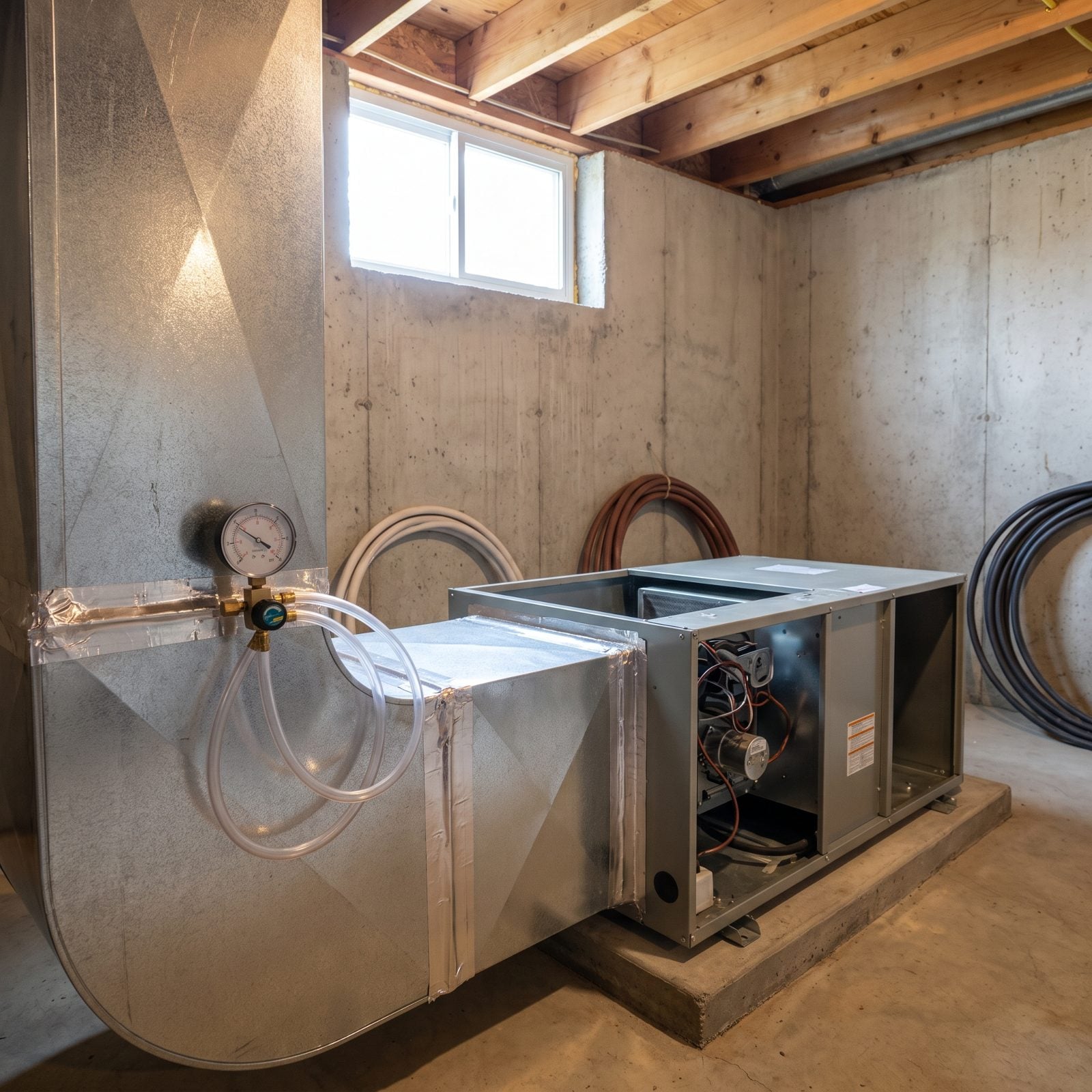
A good installer will tell you the air handler and the ductwork are two separate decisions. A salesperson sometimes bundles them so the whole system becomes the quote.
Ask for a duct inspection and a basic airflow test before you agree to replace anything you can’t see. If the existing runs are properly sized, well sealed, and not crushed or corroded, keeping them can shave real money off the HVAC line. Sealing a few leaky joints with mastic costs almost nothing compared to ripping it all out. Replace ducts when the test says so — not when the proposal assumes so.
8. Put a Small Repair on a Card You Can Clear Quickly
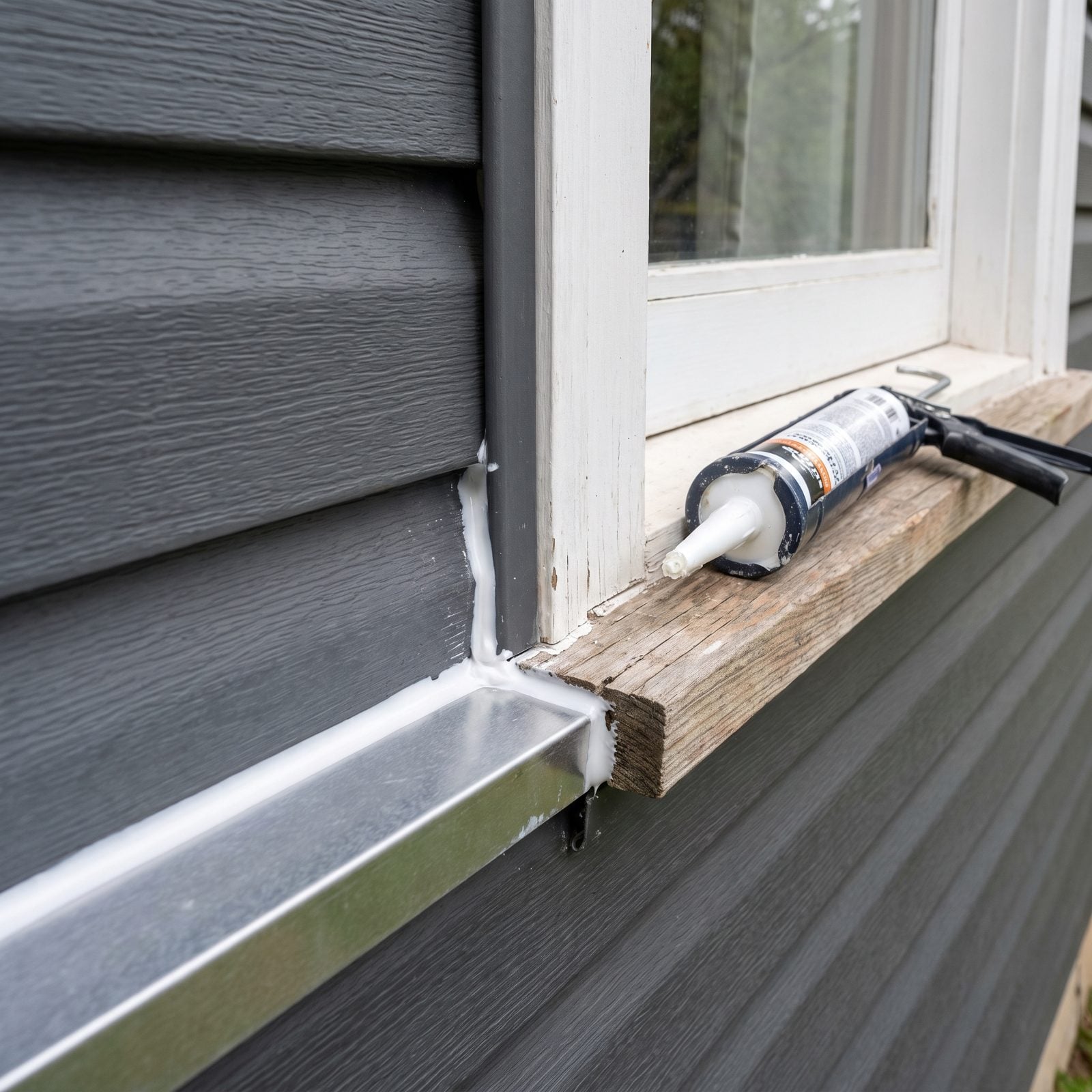
Not every expense needs a loan behind it. A single leaking window flashing or a cracked vent boot might run a few hundred dollars.
For something that size, a card you can pay off in a billing cycle or two works fine, especially if it earns a little cash back. The rule is simple: only put it on plastic if you already know where the money to clear it is coming from. Carry a high-interest balance on a small repair and that’s how a four-hundred-dollar fix quietly becomes a six-hundred-dollar one.
If your credit is thin, you can see if you pre-qualify for a Yendo card, which uses your car to secure the line.
See If You Pre-Qualify for Yendo →
7. Bundle Projects With One Contractor for a Package Discount
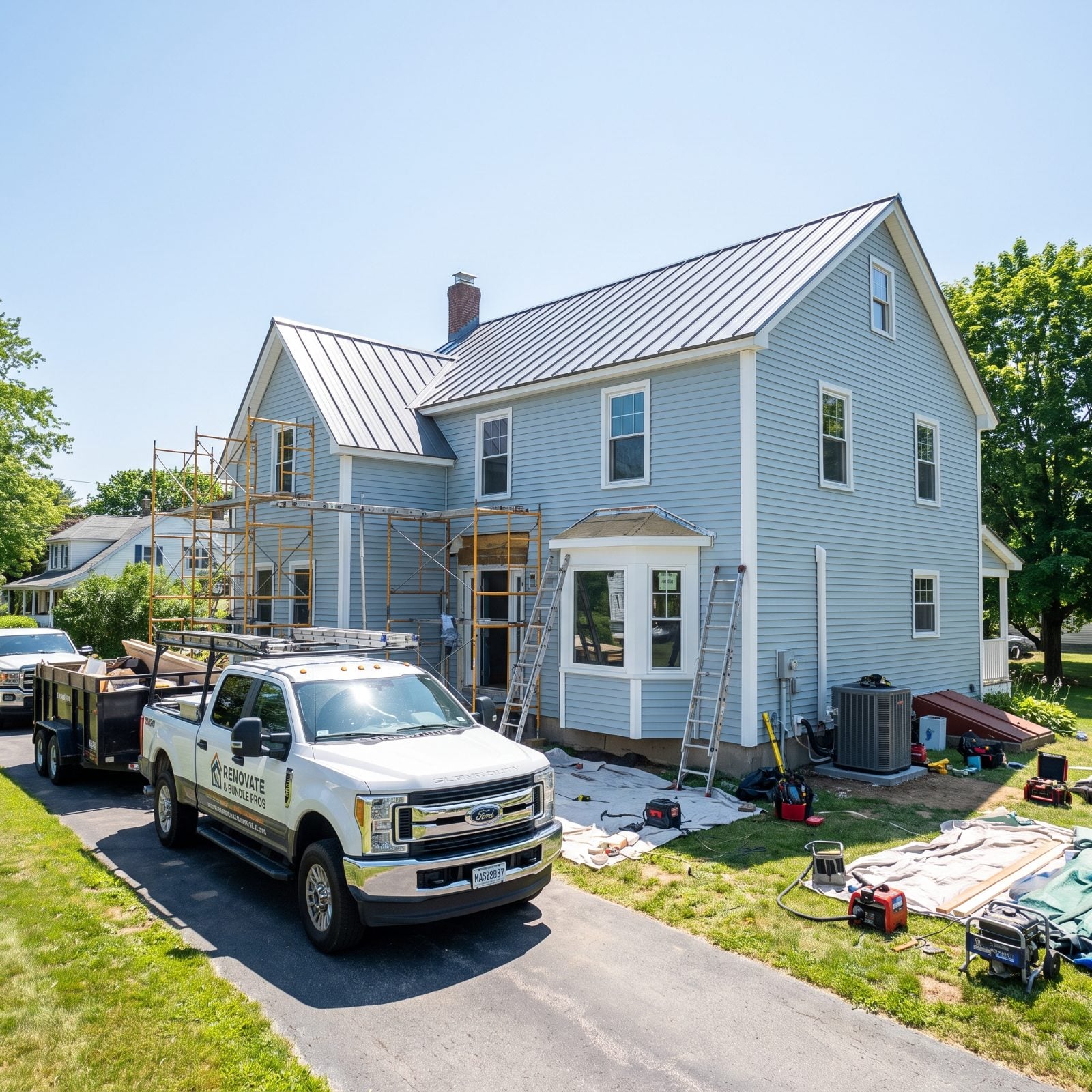
Plenty of exterior companies handle roofing, windows and HVAC under one roof, and that’s where a package deal can quietly save you money.
One crew means one mobilization, one dumpster, one project manager and one set of overhead costs spread across all three jobs. Ask flat-out for a bundle price versus the sum of three standalone bids, then hold it against your separate itemized quotes from earlier. Sometimes the bundle wins by a few thousand. Sometimes the specialist roofer still beats the generalist on the roof alone. The only way to know is to make them compete on paper.
Make the bundle justify itself against three separate bids. If it can’t, you’ve learned something worth more than the discount.
6. Leave the Retirement Account Alone
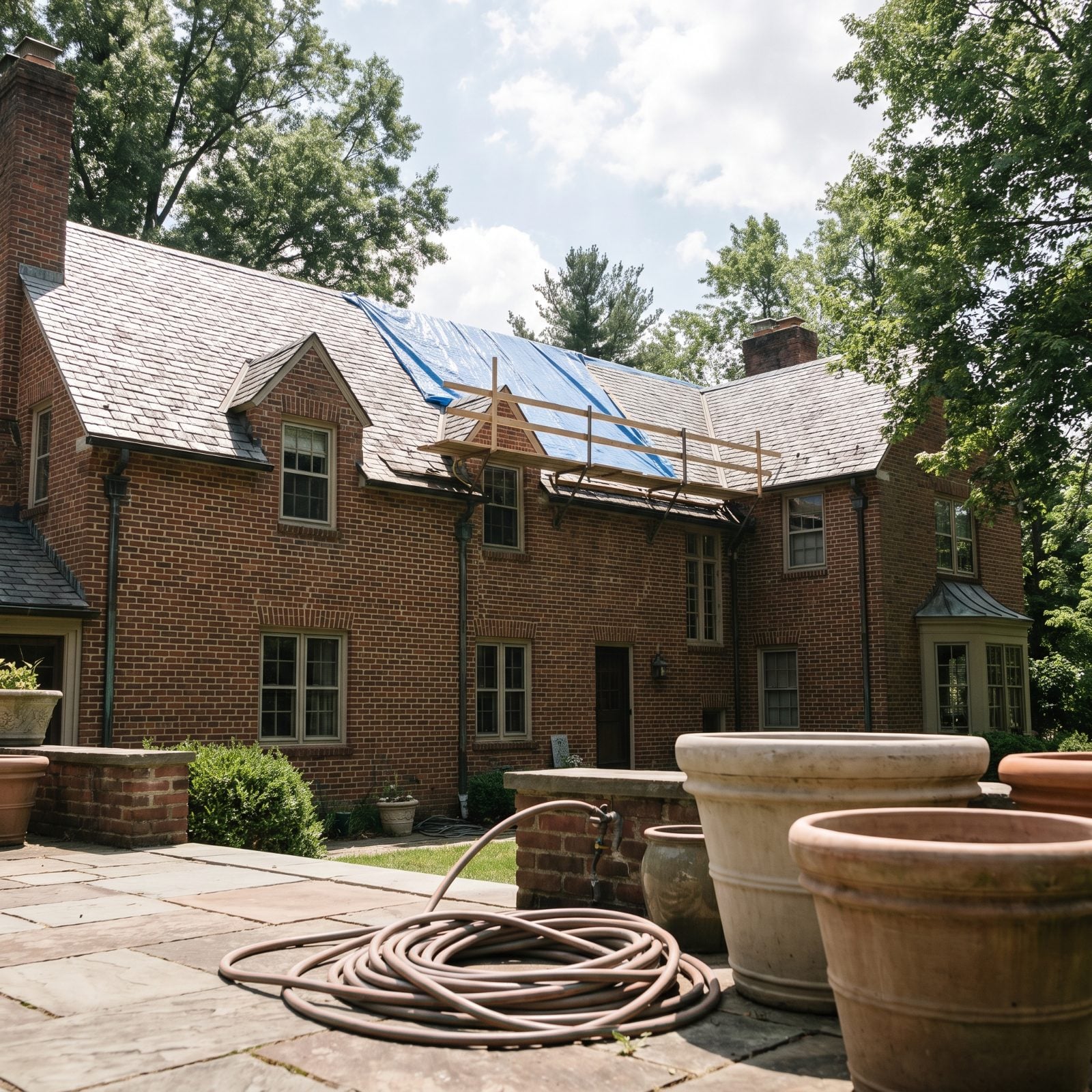
There’s a quiet logic to raiding a 401(k) for a roof. The money’s sitting right there, the repair’s urgent, and it feels like your own cash solving your own problem.
It isn’t that simple. Pull funds early and you can owe income tax plus a penalty, but the bigger loss is the growth those dollars would have earned over the next fifteen or twenty years. A $50,000 withdrawal can cost far more than $50,000 by the time you add it all up. Rates and tax outcomes vary, so confirm the specifics with a professional before you touch anything.
Shrink the project, use some cash, finance the rest. Your future self is not a line of credit.
5. Trade Two Machines for One Heat Pump
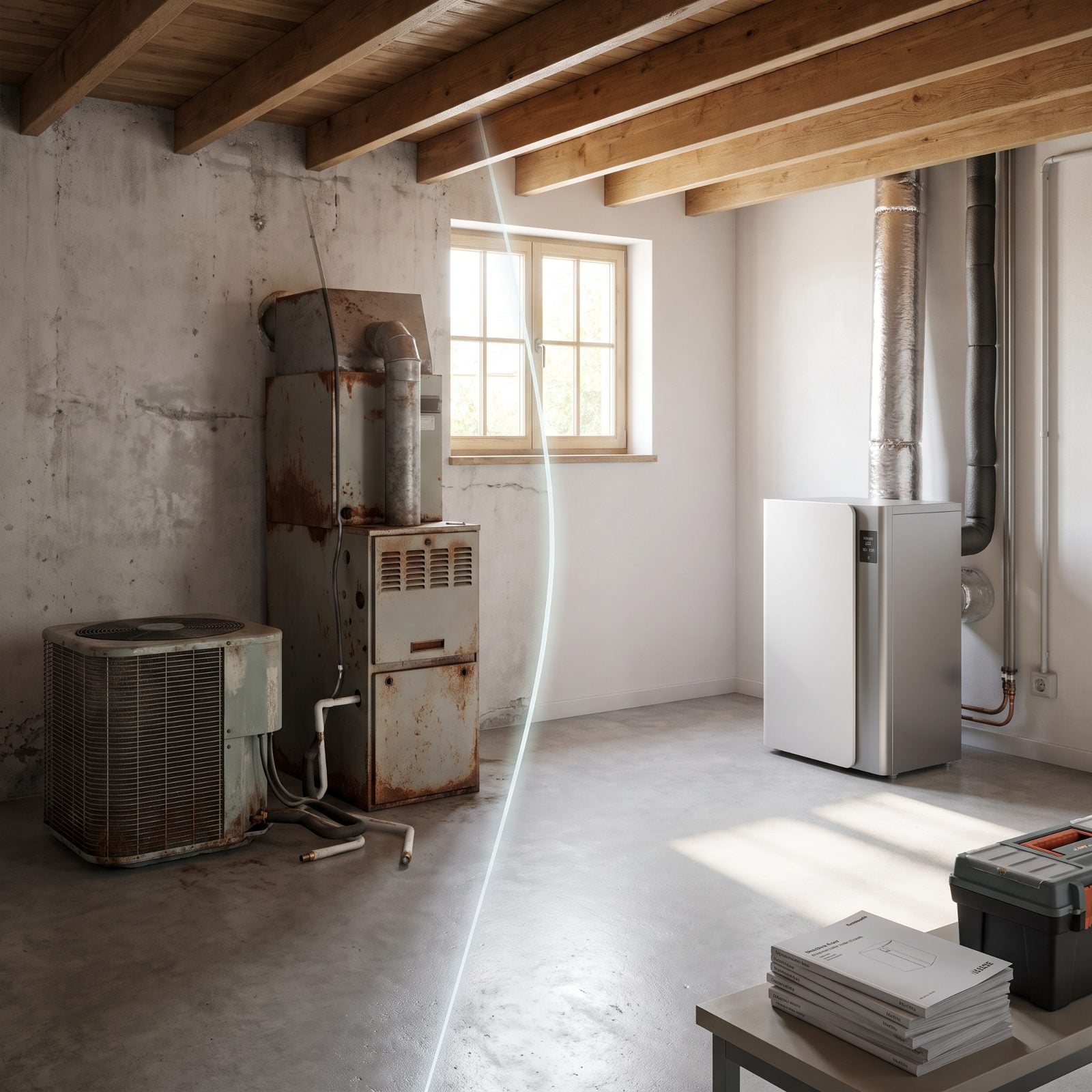
When your furnace and air conditioner are both on their last legs, the old instinct is to swap in new versions of the exact same thing. There’s a cleaner option worth pricing out.
A single heat pump handles heating and cooling from one outdoor unit. You buy one system instead of two, which can take real money off the HVAC slice of your $50,000 budget. It may also qualify for energy efficiency tax credits or utility rebates — but eligibility and amounts shift constantly, so confirm what applies to your home and equipment before you bank on any of it.
Get at least two bids that lay both options side by side. Sometimes the heat pump wins outright. Sometimes it doesn’t. You won’t know until you ask.
4. Fix Your Credit Score Before You Apply
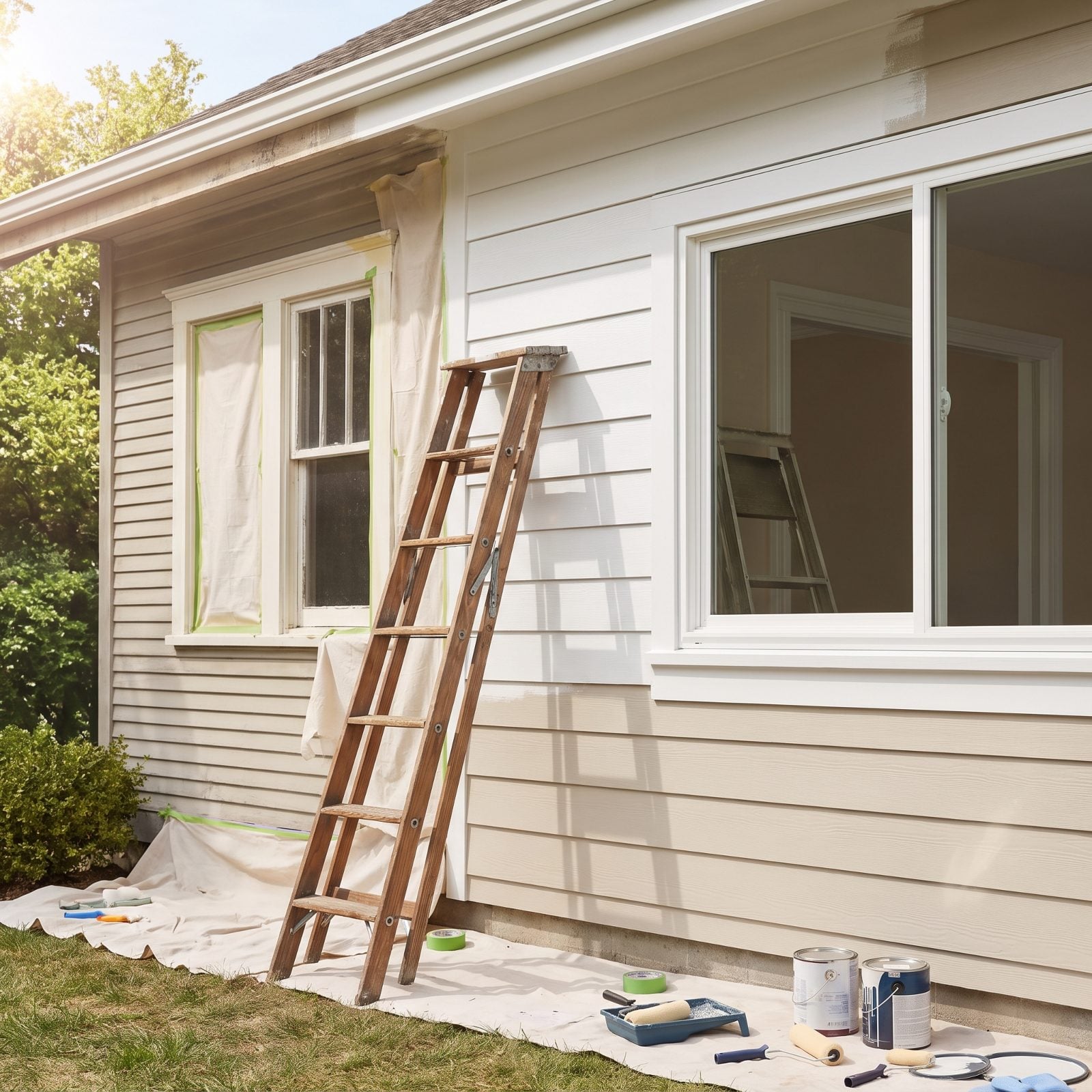
A better credit score before you borrow can mean a lower rate, and on a loan this size, the rate is where the real money hides.
Spend a few weeks on the basics. Pay balances down below a third of your limits, and clear any small past-due amounts while you’re at it. Don’t open new accounts right before you apply, and don’t close old ones either. Pull your reports, hunt for errors, and dispute anything wrong, because a single mistake can drag your number down for no good reason.
None of this guarantees approval or a particular rate. But walking in with a clean file gives you leverage you’d otherwise hand the lender for free. A few weeks of patience can beat a few hours of frantic shopping.
Tools like Brigit’s credit-building features can help you raise your score before you apply.
3. Ask Whether an Overlay Beats a Full Tear-Off
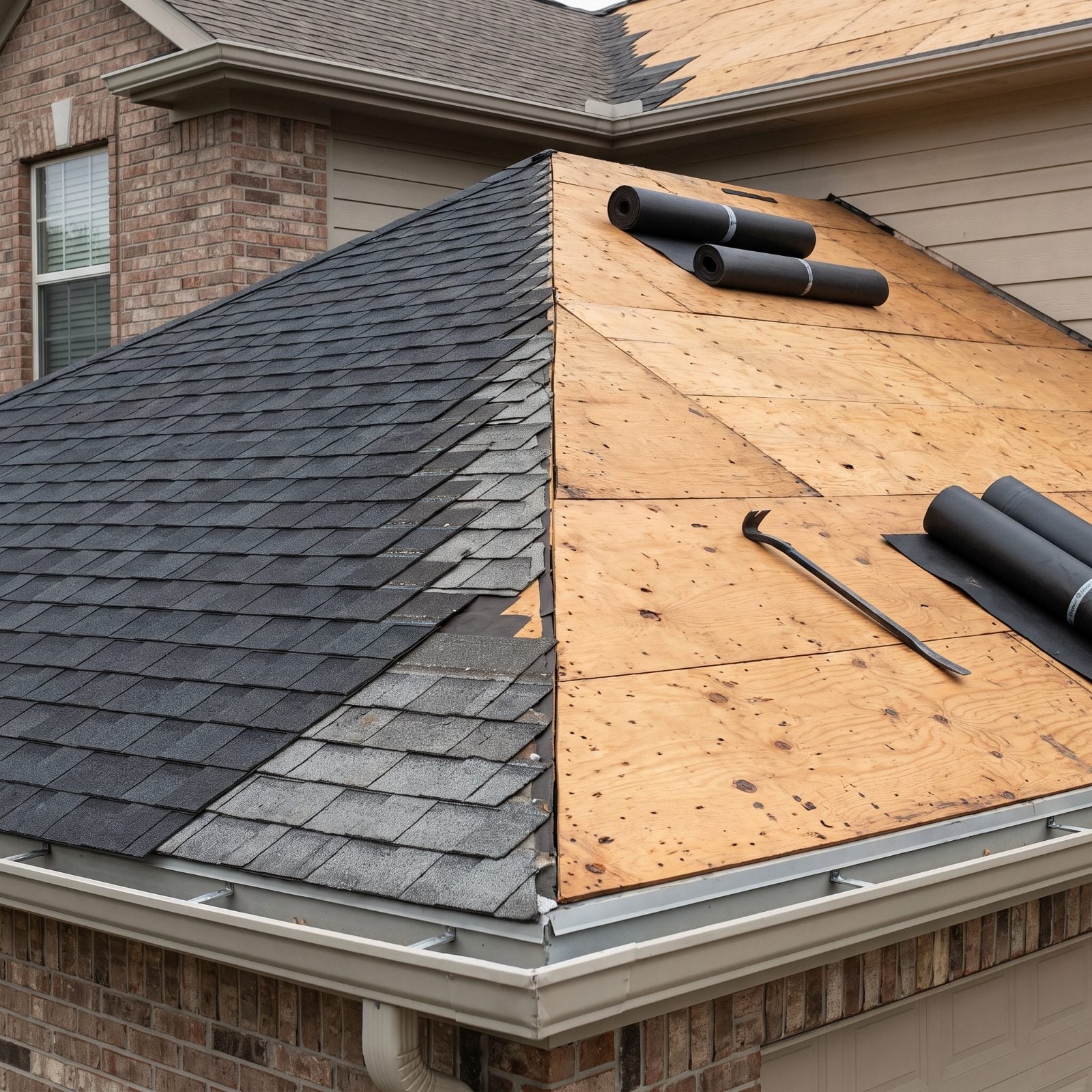
A full tear-off means stripping the old shingles down to the deck before new ones go on. Thorough, yes. It’s also where a big chunk of roofing labor and disposal cost lives.
Sometimes, if the existing roof is sound and local codes allow it, a roofer can lay new shingles right over the old layer. That’s an overlay, and it can shave a meaningful amount off the roof line of your budget.
It won’t suit every house. An overlay adds weight, can hide problems lurking underneath, and may shorten how long the new roof lasts. Get a reputable roofer up there to inspect first and tell you straight whether your roof qualifies. If they push a tear-off, make them show you why.
2. Let the Energy Savings Pay You Back

🔥 Would you like to save this?
New windows, a tight roof, and efficient HVAC quietly lower your utility bills every single month. Most people never notice, because the savings just melt into normal spending and vanish.
Give that money a job instead. Jot down what you were paying before the project, then watch what you pay after. Whatever the gap turns out to be, send that amount straight at the loan or into a repair fund. The upgrade starts covering part of its own cost.
1. Build a Repair Fund So the Next One Isn’t a Crisis
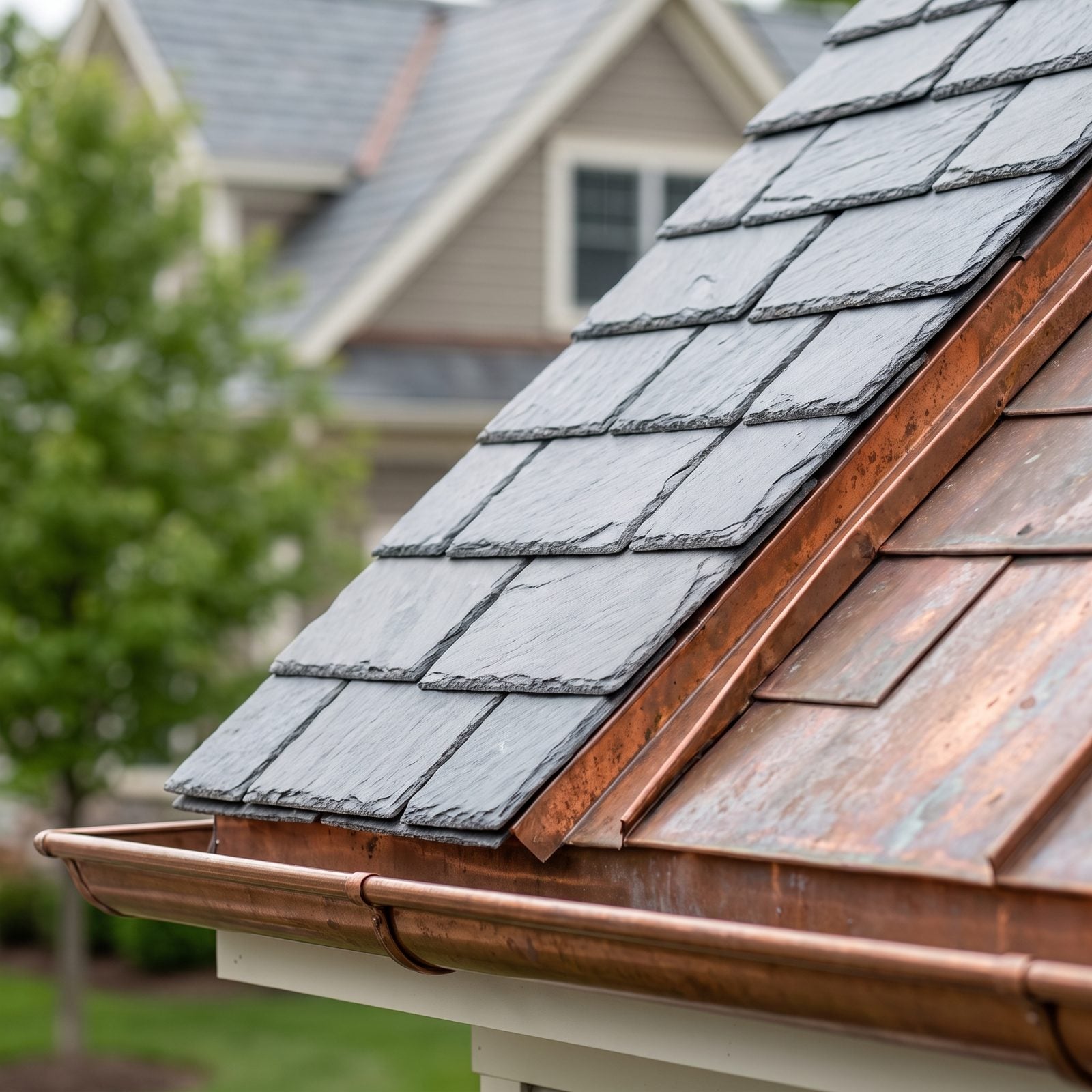
Why does a roof, a set of windows, and the HVAC all fail at once? Usually because nobody planned for any of them. Big-ticket parts of a house wear out on a schedule — the schedule just never bothers to send a reminder.
So build your own. Set up a small automatic transfer into a separate account every month, even if it’s laughably modest at first. Give it a few years and you’ve got a cushion that turns the next broken water heater or dying furnace from an emergency into an errand.
The homeowners who never seem rattled by repairs aren’t luckier than you. They just started the fund before they needed it.
A repair fund doesn’t make the furnace last longer. It just means you get to decide how to replace it, instead of the furnace deciding for you.