🔥 Would you like to save this?
The phone would ring, and everything would change. Someone was coming over, maybe Sunday, maybe Saturday, maybe tomorrow night, and that was all it took. The house that had been perfectly fine five minutes ago was suddenly, urgently, not fine enough. What followed was a collection of rituals so specific and choreographed that you could set a clock to them. The smell of Lemon Pledge. The sound of cushions being slapped back into shape. If you grew up in a 1970s household, you already know exactly where this is going.
25. Hiding Everything Embarrassing in the Back Bedroom
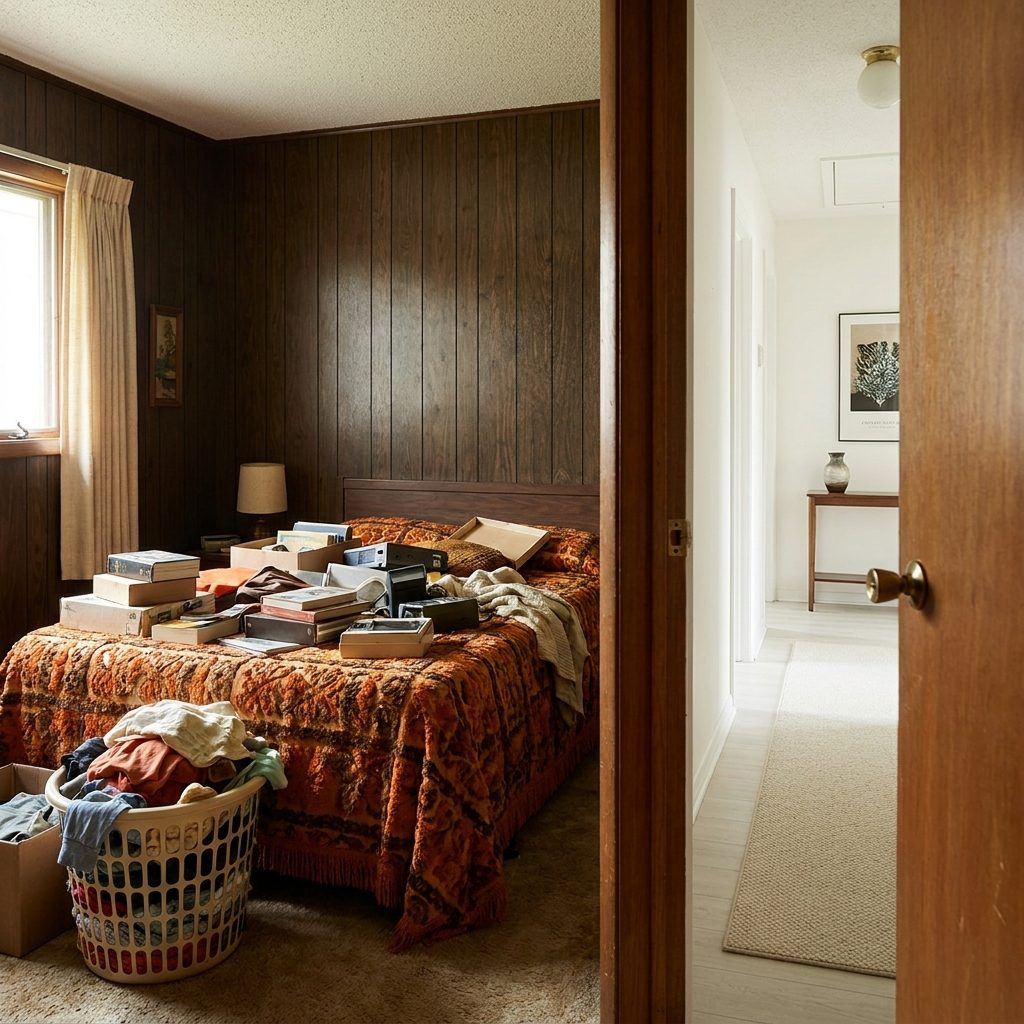
The back bedroom was where the truth lived. On company days, anything without an obvious home got carried there and the door got closed. A laundry basket that hadn’t been dealt with. The broken clock radio. Whatever craft project was mid-disaster on the kitchen table. The kids’ bikes sometimes.
In order to come up with the very specific design ideas, we create most designs with the assistance of state-of-the-art AI interior design software. Also, assume links that take you off the site are affiliate links such as links to Amazon. this means we may earn a commission if you buy something.
Nobody went back there. That was the agreement, unspoken and absolute. The house presented its best face and the back bedroom absorbed everything that complicated that story. Every house seemed to have one, and every family used it much the same way.
24. Hiding the Junk Mail and Bills in the Top Drawer of the Buffet
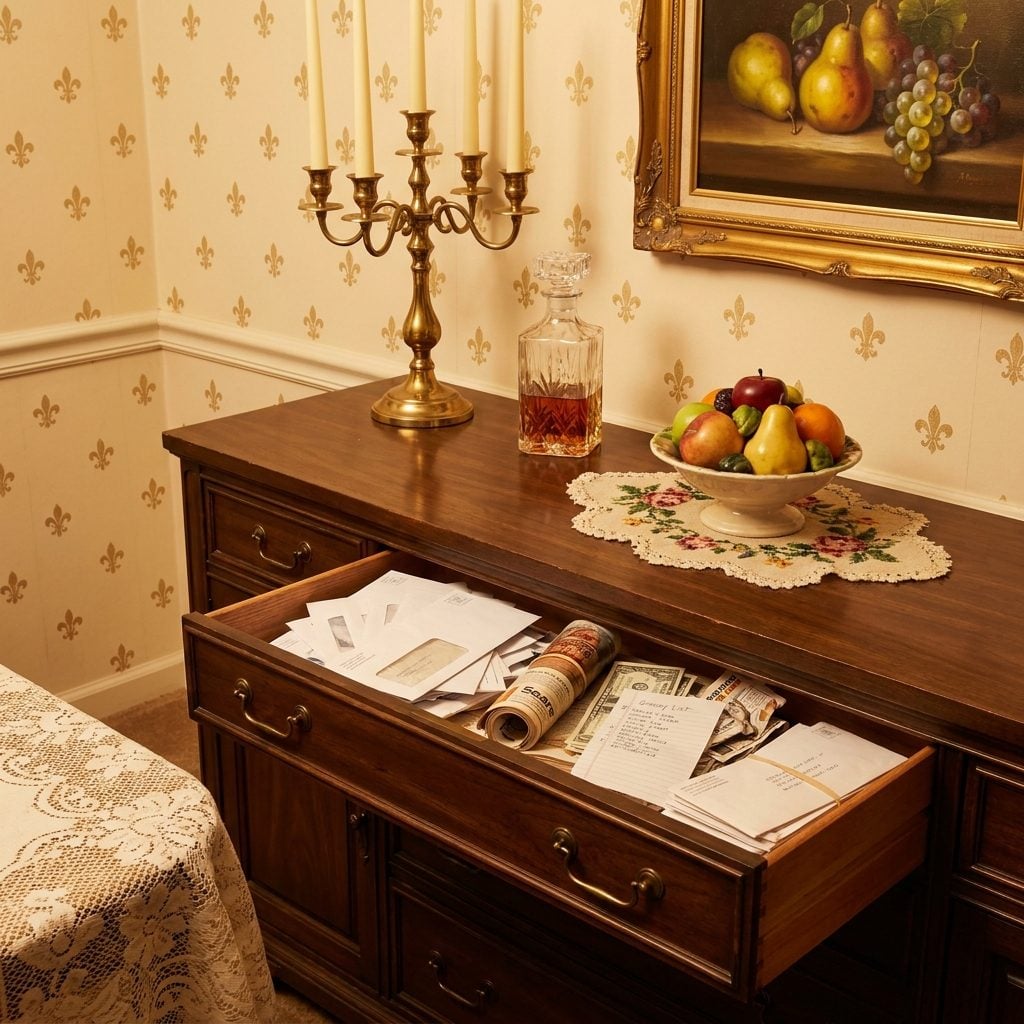
The kitchen counter accumulated paper the way a river accumulates driftwood. Bills, mail-order catalogs, PTA newsletters, coupons Mom swore she’d use one day. By four o’clock on the day of company, all of it went into the top drawer of the dining room buffet in one sweeping armful.
The drawer barely closed. She’d press her hip against it and shove until the latch caught. For the few hours company was there, it worked—every flat surface said calm, in charge, on top of it all. The instinct survives. Only the hiding places have gotten more decorative.
23. Vacuuming the Shag Carpet in One Direction So the Lines Showed
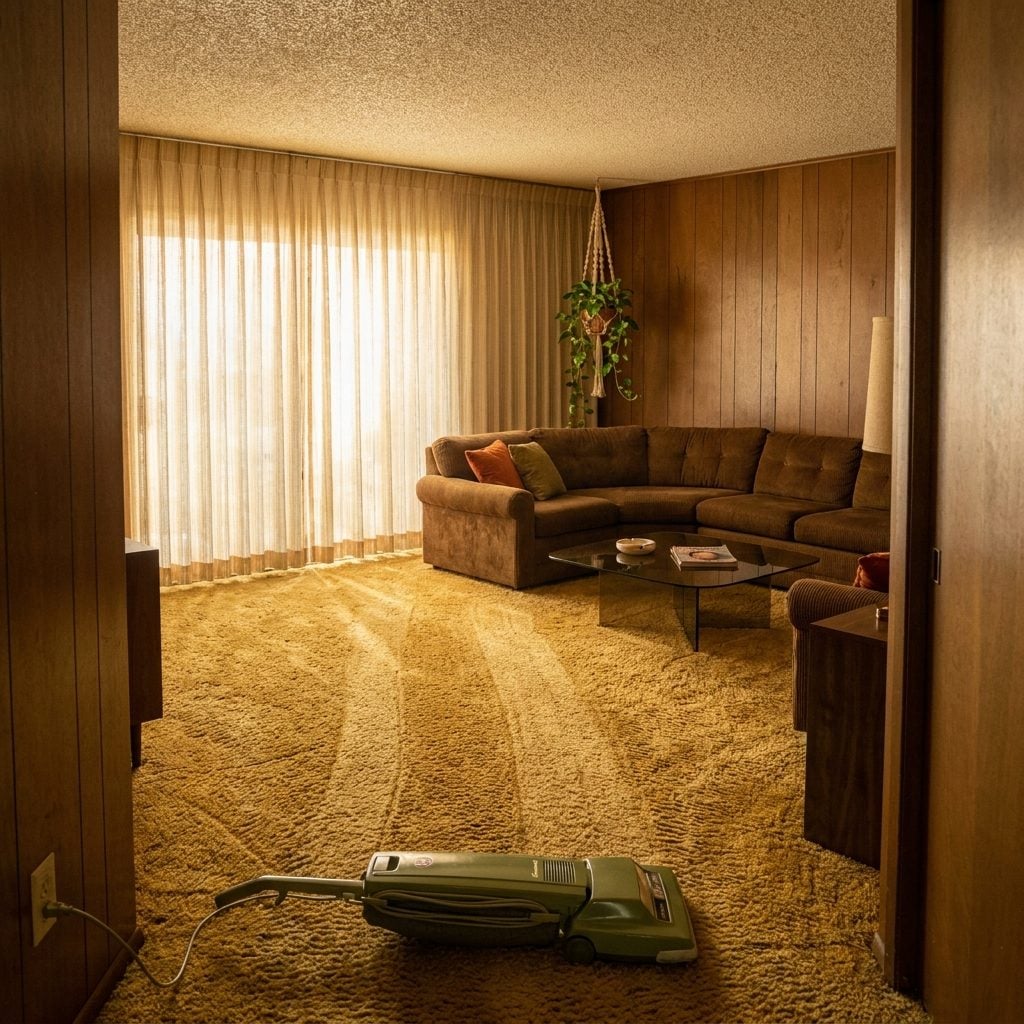
The lines were the whole point. Mom vacuumed the shag in one direction, from the far wall back toward the doorway, and then she made you take your shoes off at the entrance so nobody would ruin them before the Petersons arrived.
You could see the pattern from the hallway—perfect parallel rows in harvest gold, like a freshly mowed lawn had wandered indoors. Walking across that carpet before company came felt criminal, so you didn’t. You went around, through the kitchen, and hoped nobody clocked that you were avoiding the good room entirely.
22. Lifting the Cat Hair From the Couch With a Piece of Masking Tape
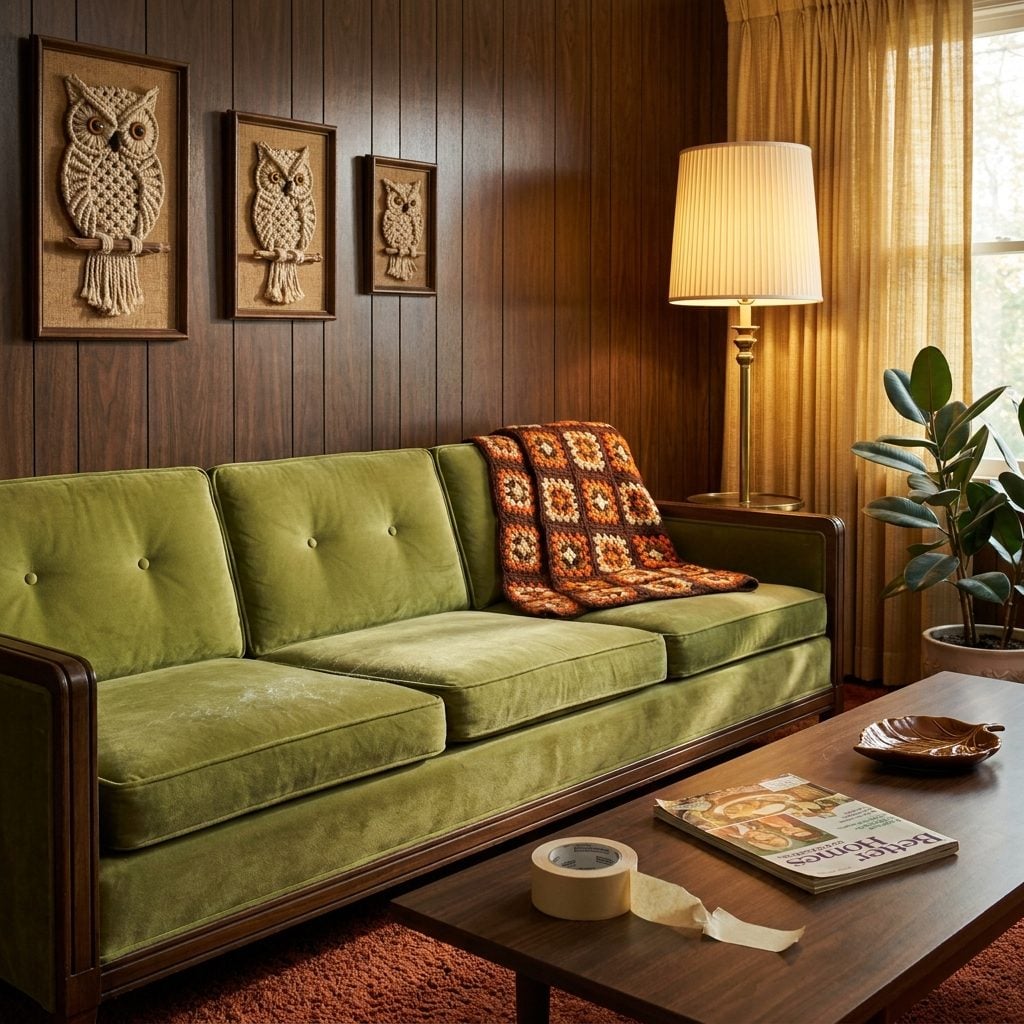
The cat was somewhere—banished to the basement or the back bedroom—but the evidence remained. Fine pale hair pressed into the nap of the green velvet sofa like it had been embroidered there on purpose.
A lint roller may have existed somewhere, but not in this house. Mom tore off a strip of masking tape, wrapped it around her hand sticky-side out, and dabbed across every cushion in slow, methodical passes. The tape came away gray. Fresh piece. Again.
By the time Mom finished, that couch looked like nothing had ever lived on it. The cat, from wherever it was hiding, took this as a personal insult.
21. Wiping Down the Fingerprints on the Refrigerator Handle
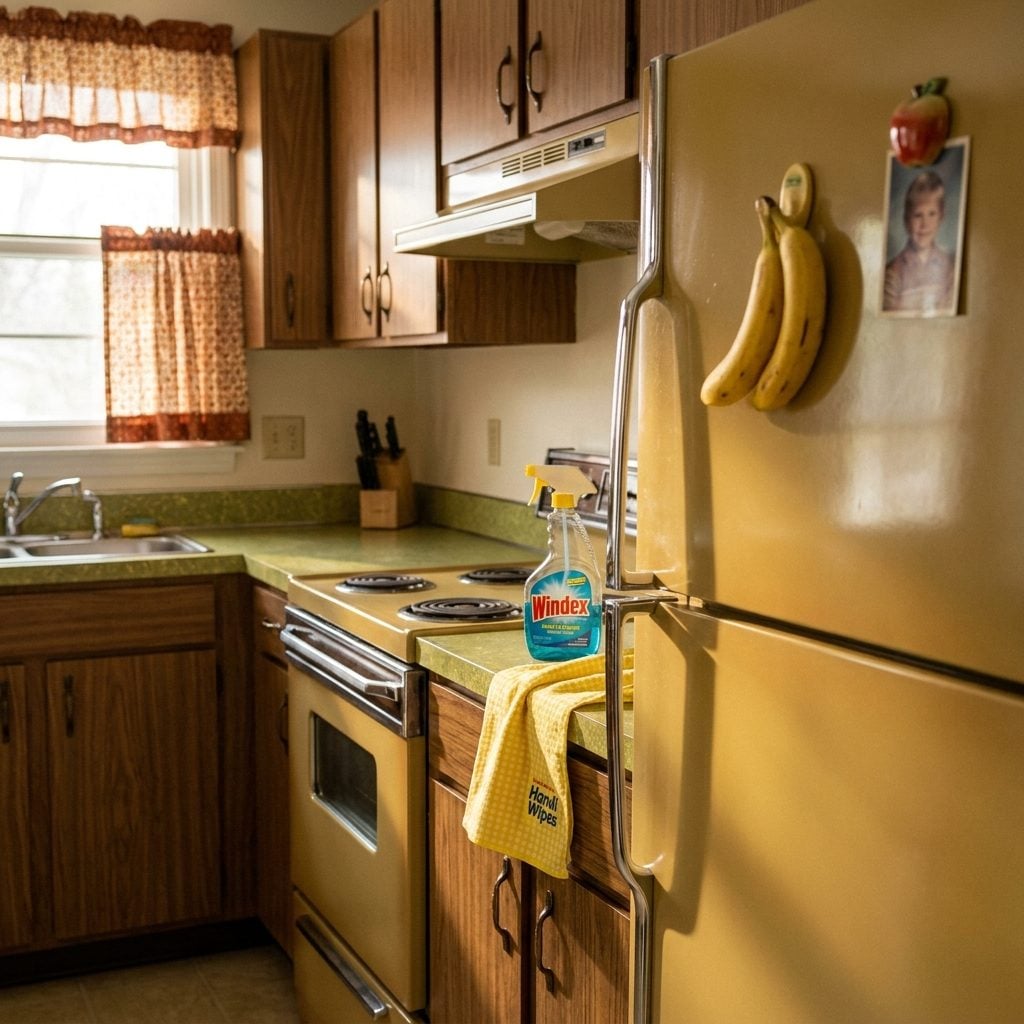
Kid fingerprints on the fridge handle told the whole story: peanut butter at nine in the morning, jelly at three, and a sticky ring of grape juice around the top edge where somebody grabbed on with a full cup.
Windex and a paper towel, always. Mom hit the handle, then the front panel, then the freezer door for good measure. That chrome had to shine like it had just rolled off the showroom floor at Sears.
20. Emptying the Kitchen Trash So It Wouldn’t Smell During Dinner
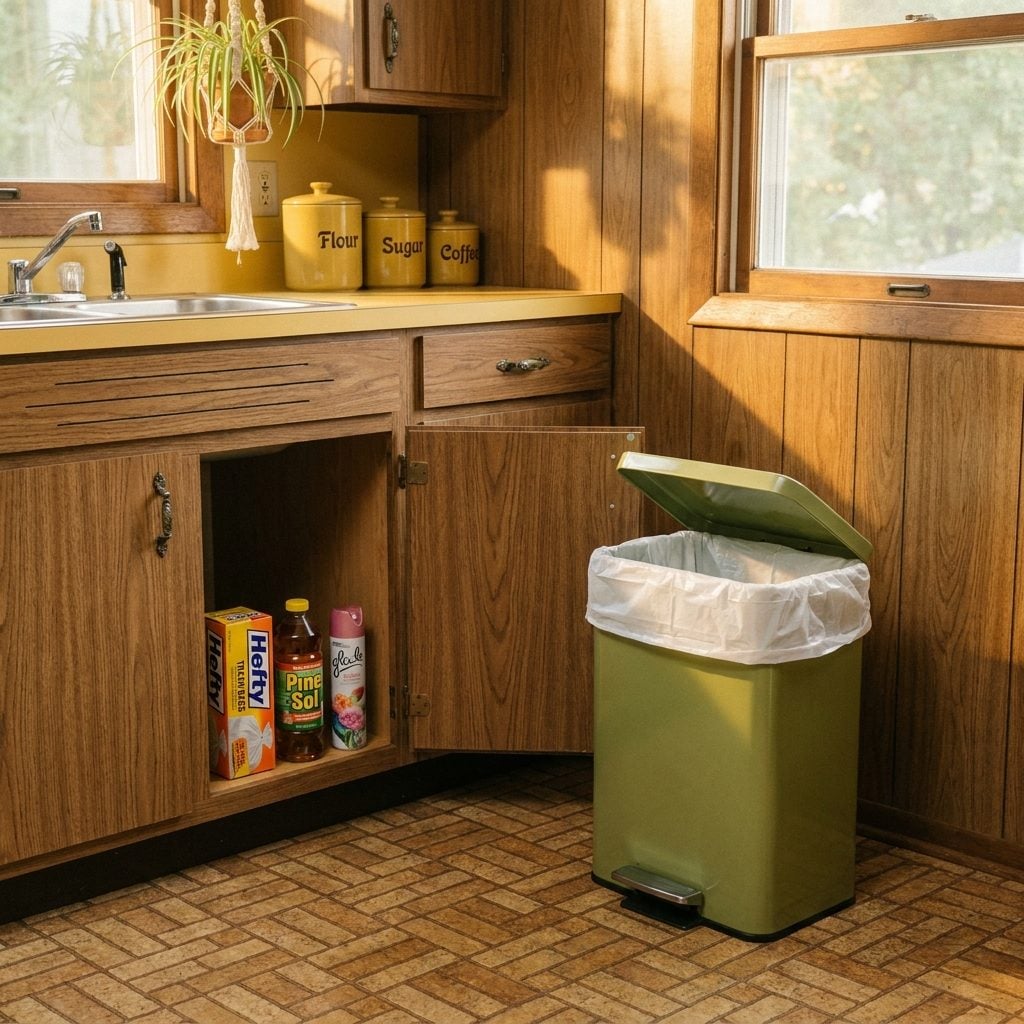
The lecture that came with this one? Dinner smells belong in the dining room, and garbage smells belong three houses down. Mom hauled the bag out to the metal can in the garage, tied the top, and slammed the lid before the raccoons could get any ideas.
Then a little Glade in the kitchen. Just enough. Not enough to taste it.
19. Checking That the Bathroom Mirror Was Streak-Free
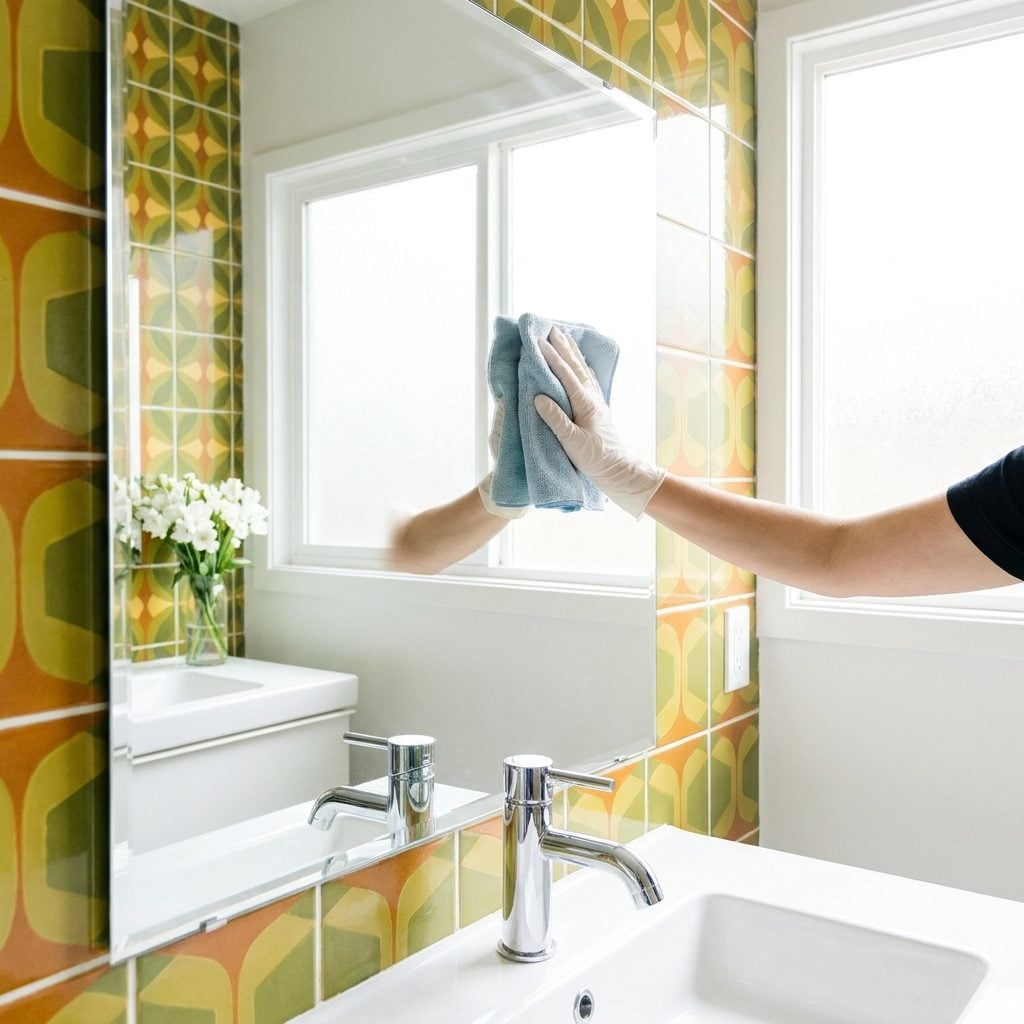
Windex on a paper towel, then a dry paper towel right behind it before any streaks could dry. That mirror got checked twice. Maybe three times. There was something about a streaky bathroom mirror that felt like an indictment of the entire household, and no company was going to walk in and find one.
The bathroom received a particular kind of scrutiny on company days—somehow even more thorough than the living room. It was the one room guests used privately, which meant it was the one room that actually had to be clean, not merely look clean from a distance.
18. Setting Out the Company Soap, Still in the Original Box
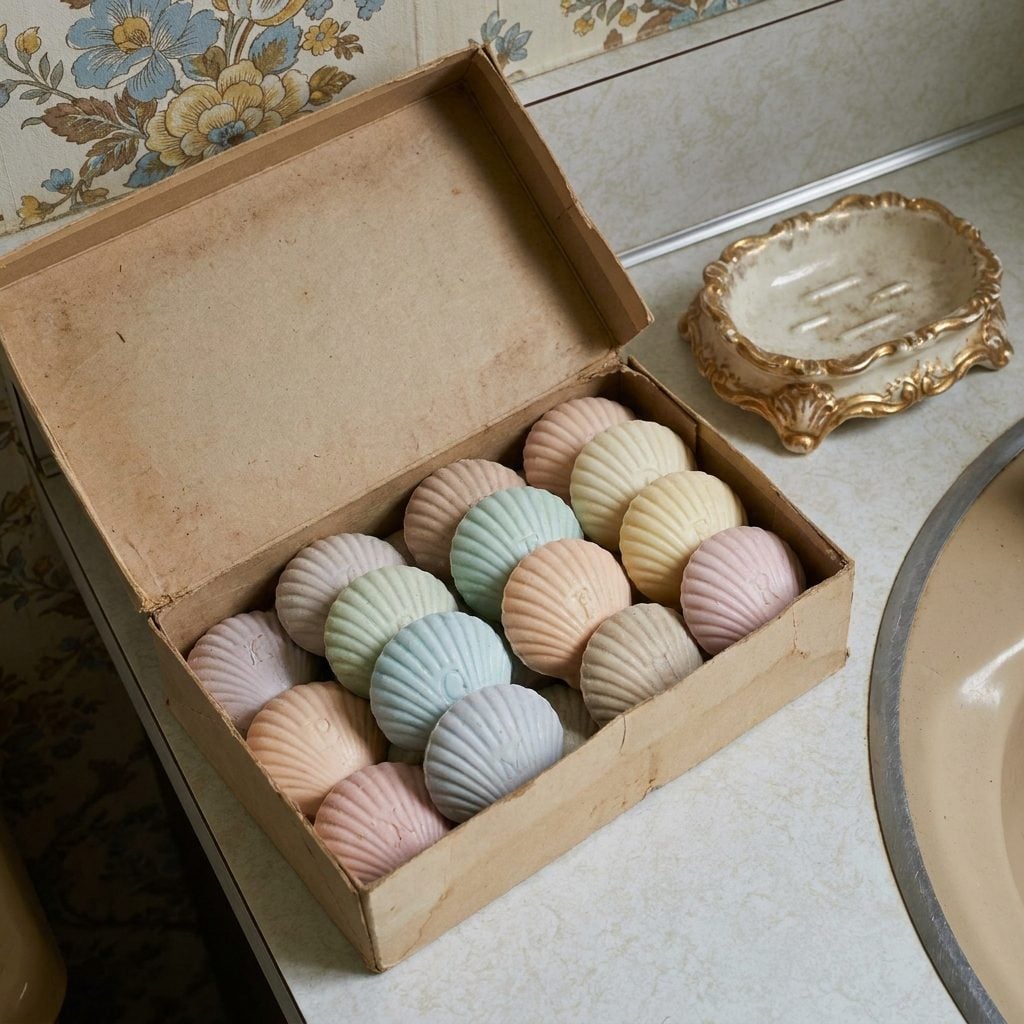
There was a whole category of soap that existed purely to be looked at. Shell-shaped. Monogrammed. Sometimes a pastel fish or a small rose pressed right into the surface. It sat in a scalloped dish on the bathroom sink, and if you actually reached for it, you felt the atmosphere in the room shift slightly.
The box it came in, usually a cellophane-windowed gift set from the drugstore, lived in the back of the linen closet until company was coming. Then out it came. The everyday Dial bar disappeared, replaced by something that smelled faintly of roses and communicated that this household had standards.
17. Putting the Nice Guest Towels Out That Nobody Was Actually Allowed to Use
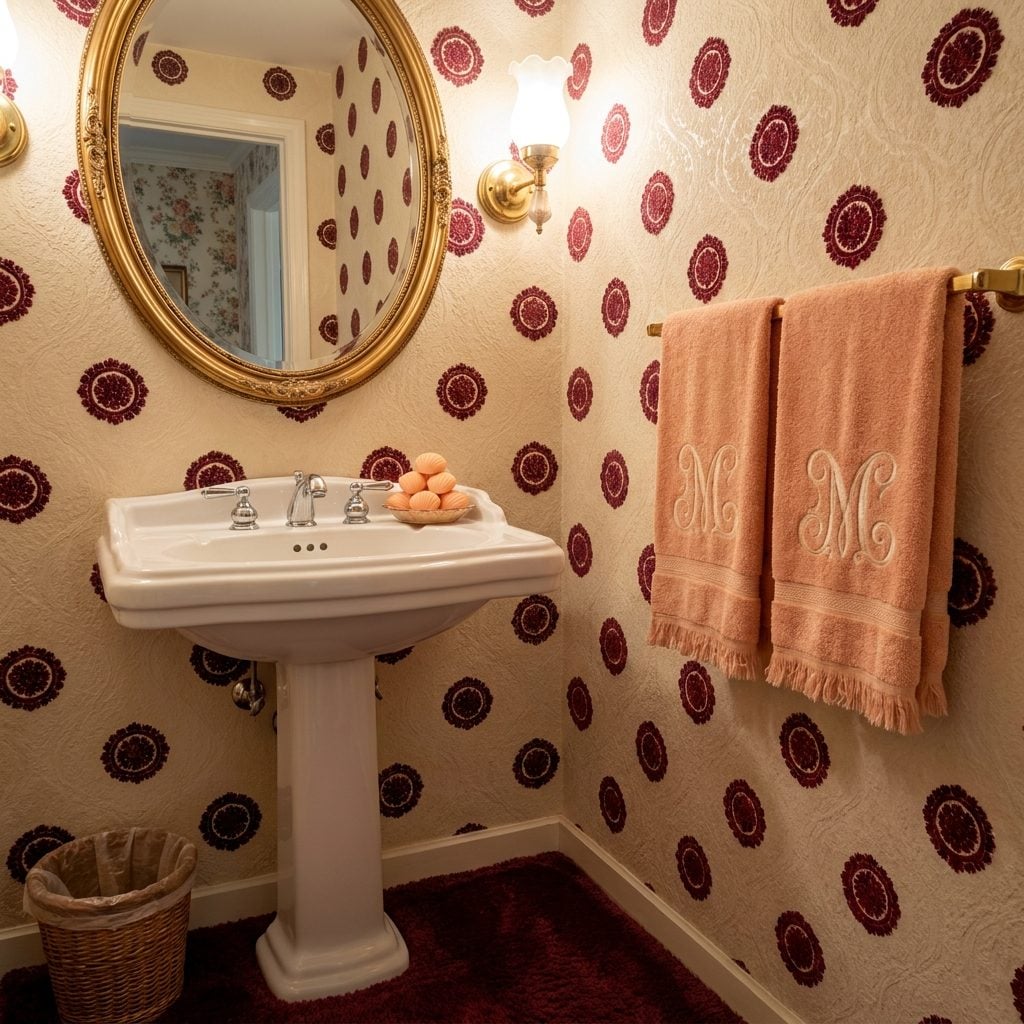
Peach. Monogrammed. Fringe you could comb with your fingers. If a guest ever used one to actually dry their hands, there’d be a small crisis in the kitchen after everyone left.
The real towel—the working towel—was tucked behind the door on a hook, damp from earlier in the day. You were supposed to know. Somehow, guests always did.
16. Lighting the Scented Candle in the Bathroom Twenty Minutes Before
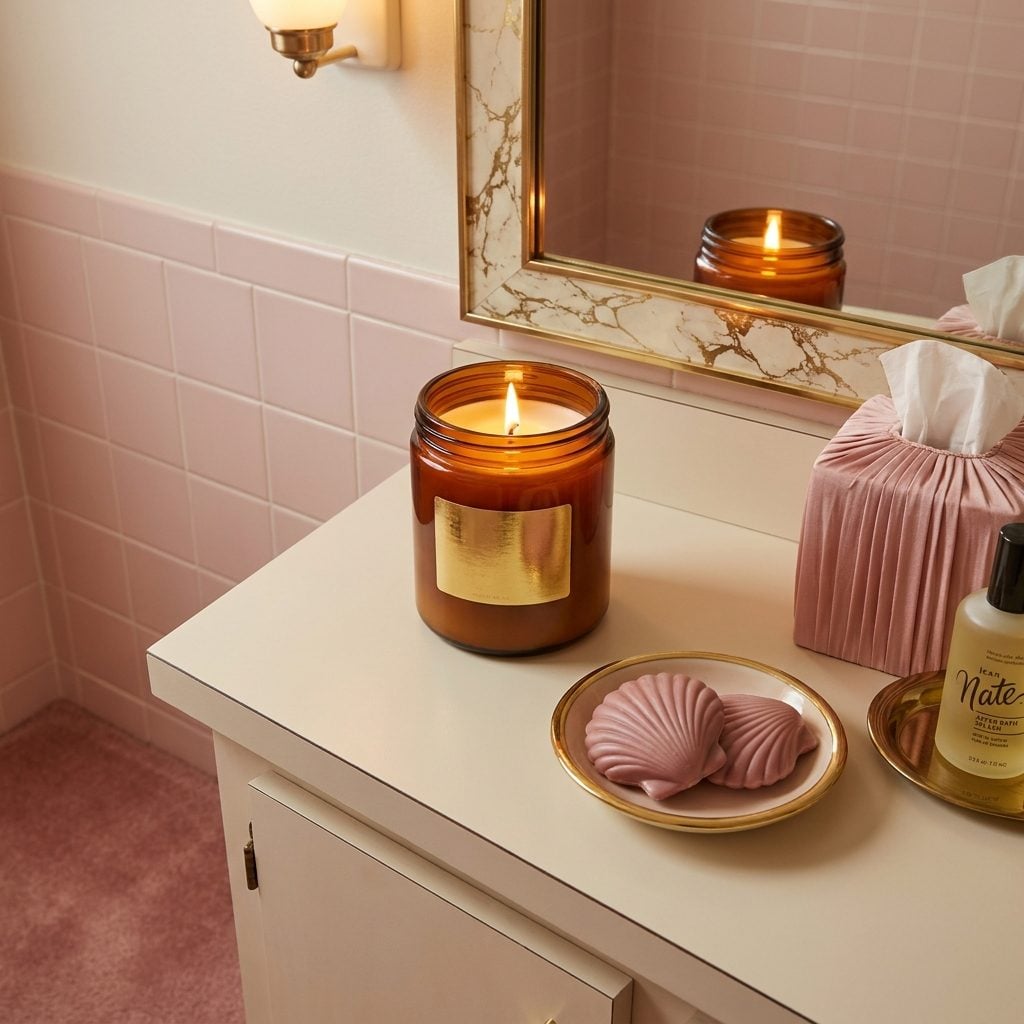
Twenty minutes was the sweet spot—long enough for the scent to reach the hallway, but not long enough to overwhelm the whole first floor. Nobody wanted the house smelling as though someone had emptied a spice cabinet into the furnace before the first coat came off.
Apple cinnamon in the fall, something floral in spring, and always the same jar Mom had been rationing since her sister gave it to her for her birthday. She burned it for exactly the length of one dinner party, blew it out, and put it back in the linen closet for next time.
15. Pulling the Good Tablecloth Out of the Linen Closet
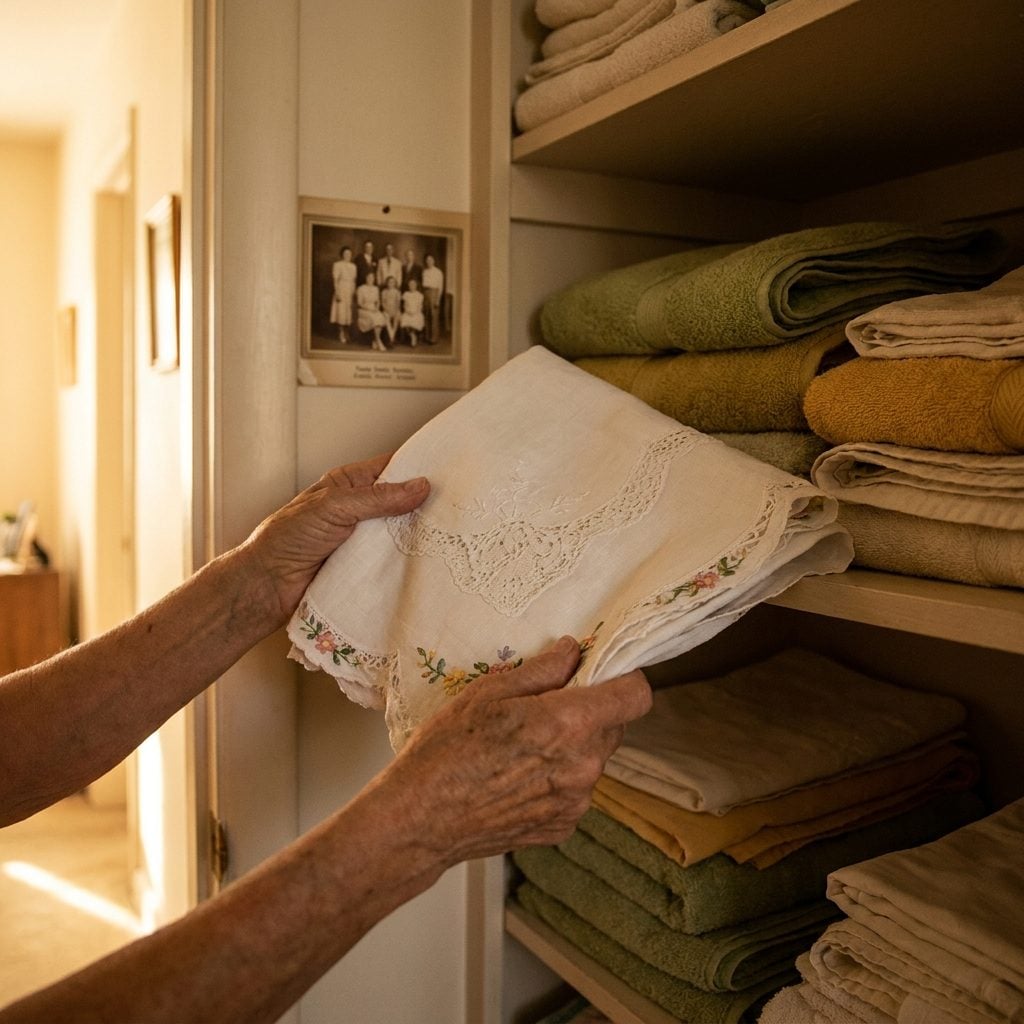
It lived on the top shelf, folded in thirds, and it only came down for company. The everyday tablecloth, a wipe-clean vinyl situation in a geometric print, got swapped out for something with actual weight to it. Damask, usually. Or a lace-edged cotton that had been a wedding gift and treated like evidence of that fact ever since.
The fold lines from months in the closet never quite ironed out, but nobody mentioned it. The good tablecloth meant this meal counted. That distinction mattered in a way that was never spoken aloud but everyone understood completely.
14. Polishing the Good Silver Before It Went on the Table
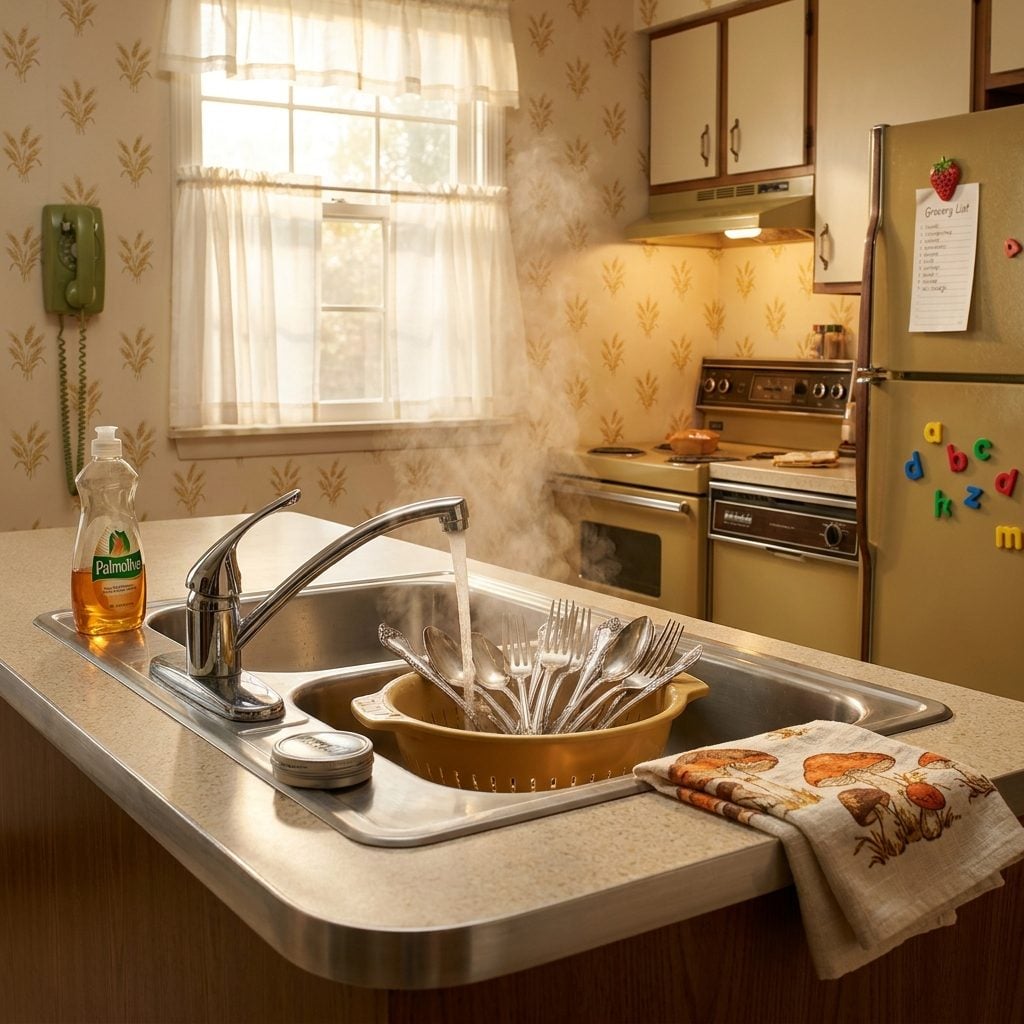
The silver came out of the felt-lined chest twice a year, and it always needed attention before going near the table. Mom worked over each piece with a soft cloth, turning forks and spoons toward the light until the cloudy spots and fingerprints disappeared.
Nobody ever noticed she had done it. Good.
13. Ironing the Cloth Napkins Even Though Nobody Would Unfold Them All the Way
🔥 Would you like to save this?
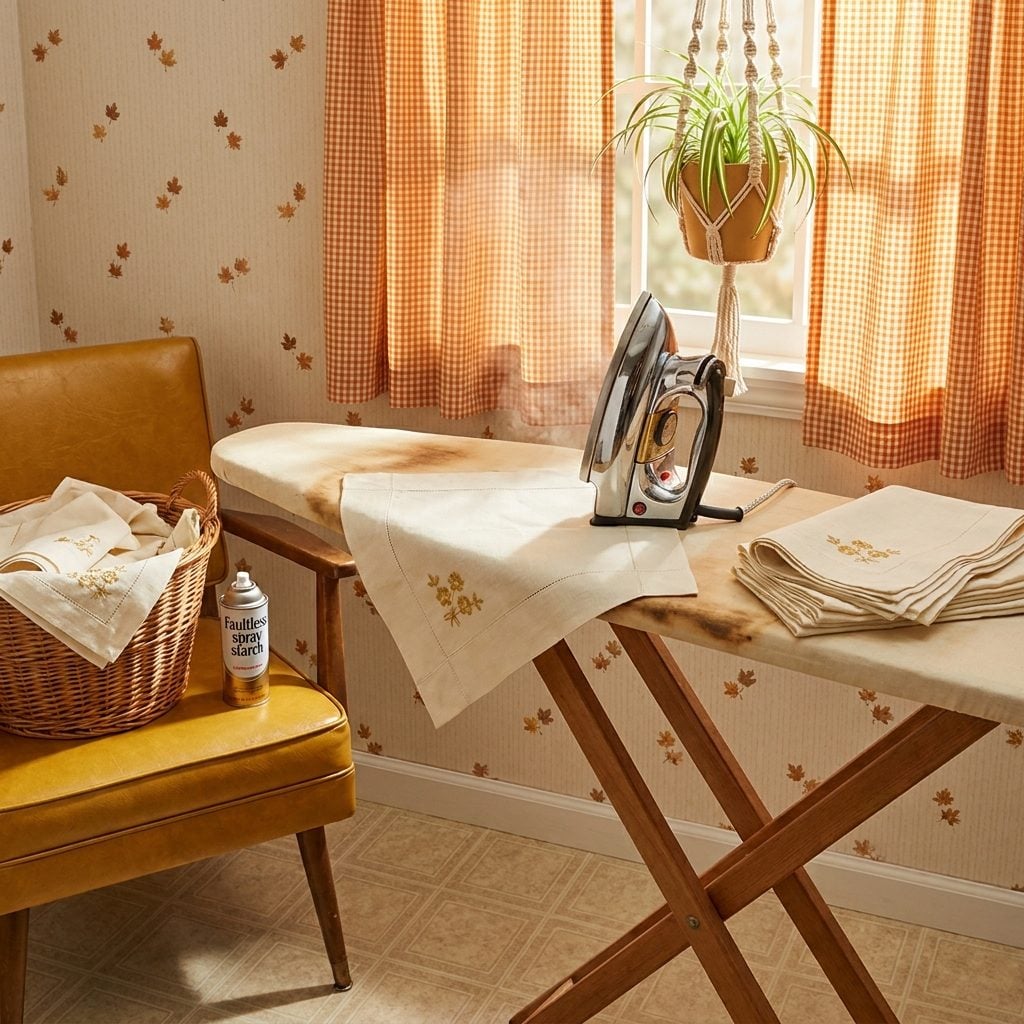
Paper napkins existed. They sat in the drawer next to the drinking straws. When company was coming, though, Mom hauled out the cloth ones her mother had given her and pressed each one into a stiff triangle sharp enough to stand on its edge.
Half the guests would drop theirs in their lap and forget about them entirely, while the other half would dab once at the corner of a mouth and set the napkin beside the plate, still folded. Didn’t matter. The table needed to look as though every place setting had been considered. That was reason enough to run the iron for another twenty minutes while the roast was already in the oven.
12. The Relish Tray, Olives, Pickles, and Celery Sticks on Ice
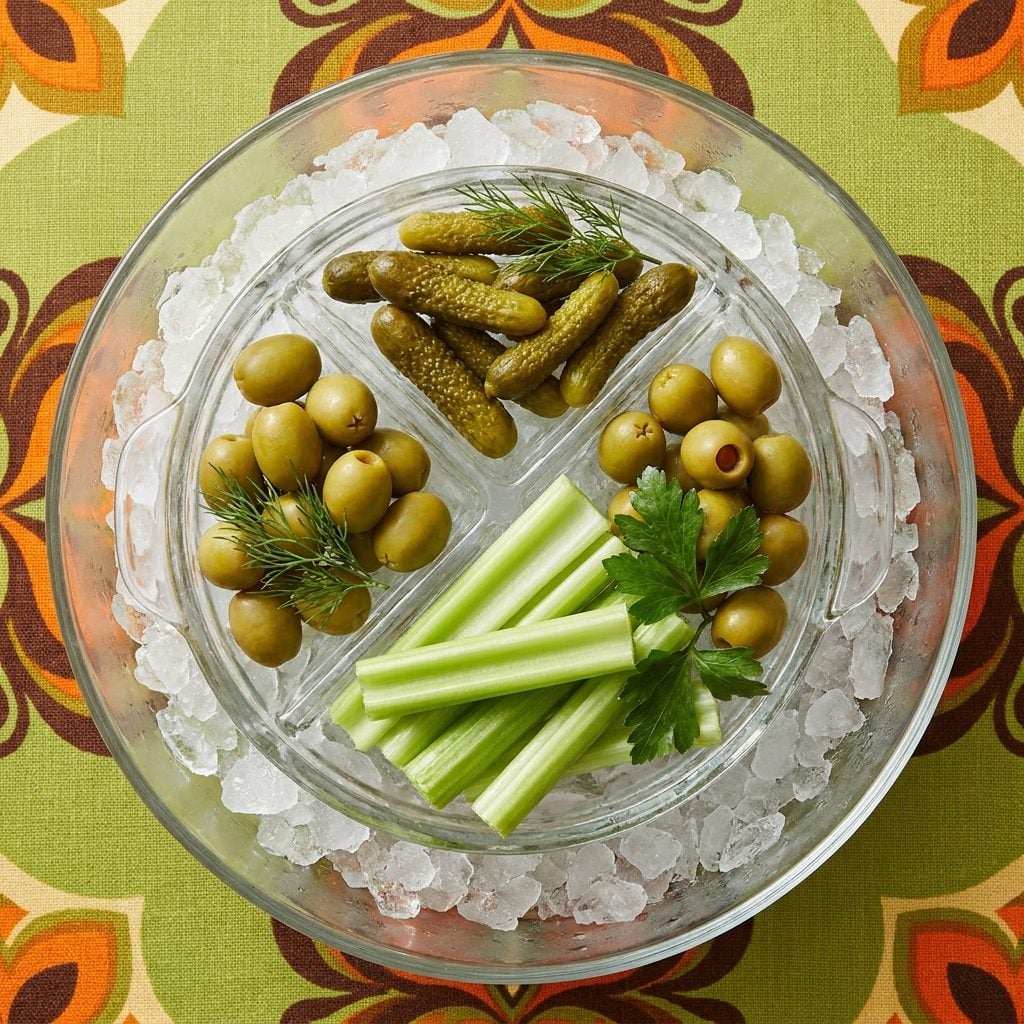
The relish tray was non-negotiable. It appeared before dinner, before the appetizers, before anything else was decided. It came in a divided dish—sometimes pressed glass, sometimes chrome-edged—holding olives in two colors, a few pickle slices fanned out, and celery sticks that nobody ever really wanted but that completed the picture.
It was the signal that something was happening in this house tonight. The house could be simple and the meal could be a casserole, but if the relish tray came out, the evening had been treated with seriousness. Kids ate all the olives immediately. Adults pretended this was fine.
11. Filling the Candy Dish on the Coffee Table With Something Fancy
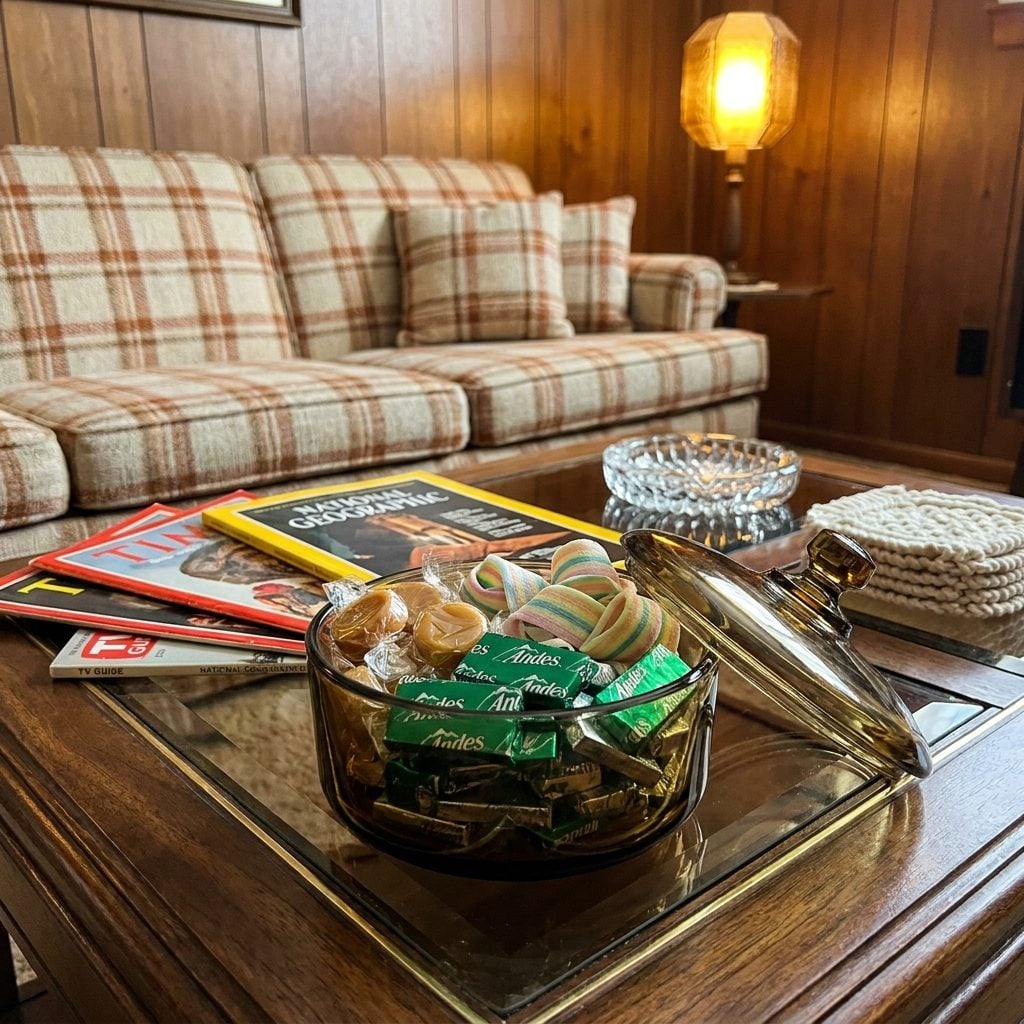
The candy dish was never for the kids. Rule Number One, carved in stone. It existed for the adults, to be admired, to be occasionally sampled with a small nod of appreciation, and to be refilled before the level got embarrassing.
Andes mints were the gold standard. Ribbon candy meant somebody was really trying, and butterscotch discs meant Grandma was coming and Mom had raided her stash. Whatever ended up in there had to shine through the glass and look pricier than it was.
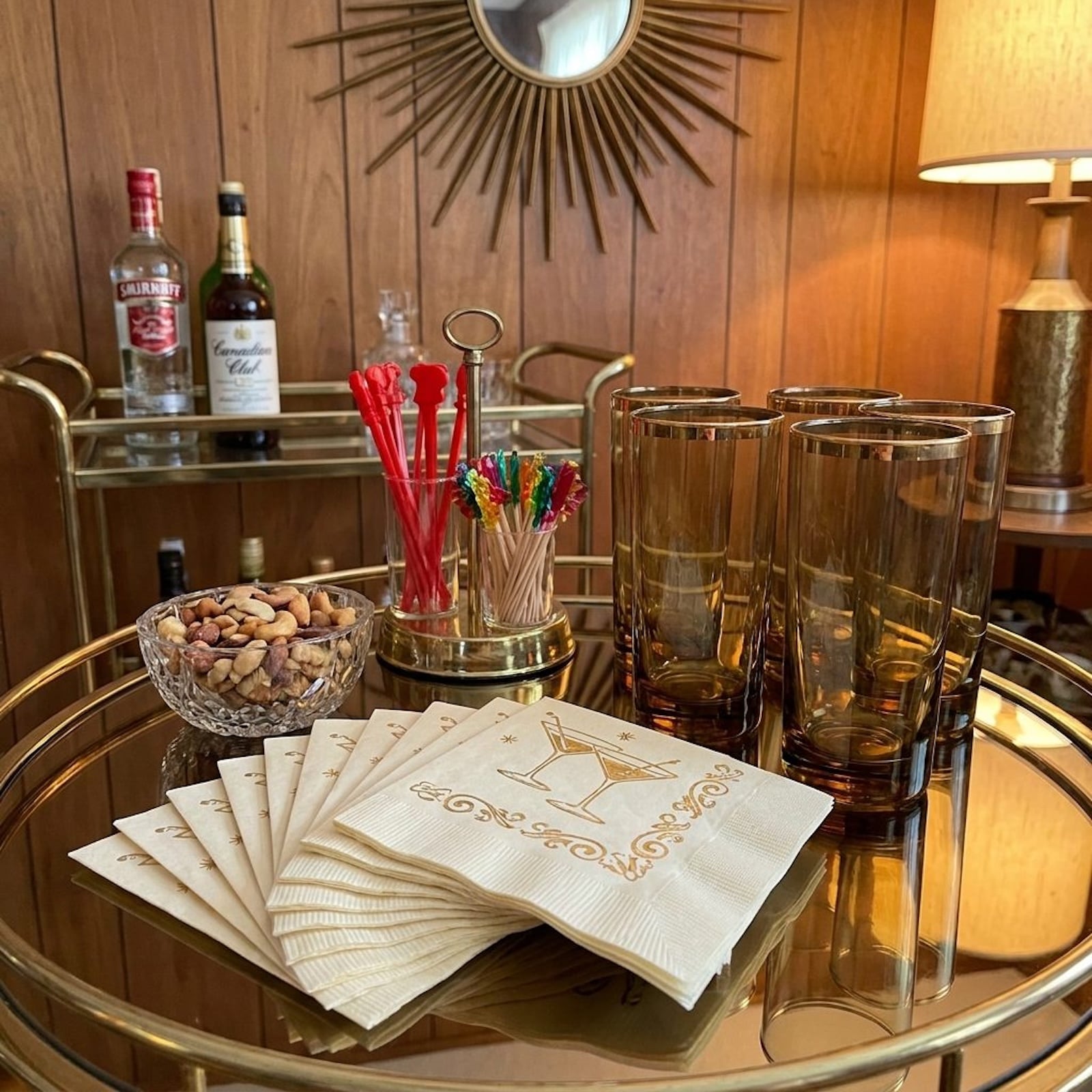
10. Setting Out the Cocktail Napkins She’d Been Saving for a Special Occasion
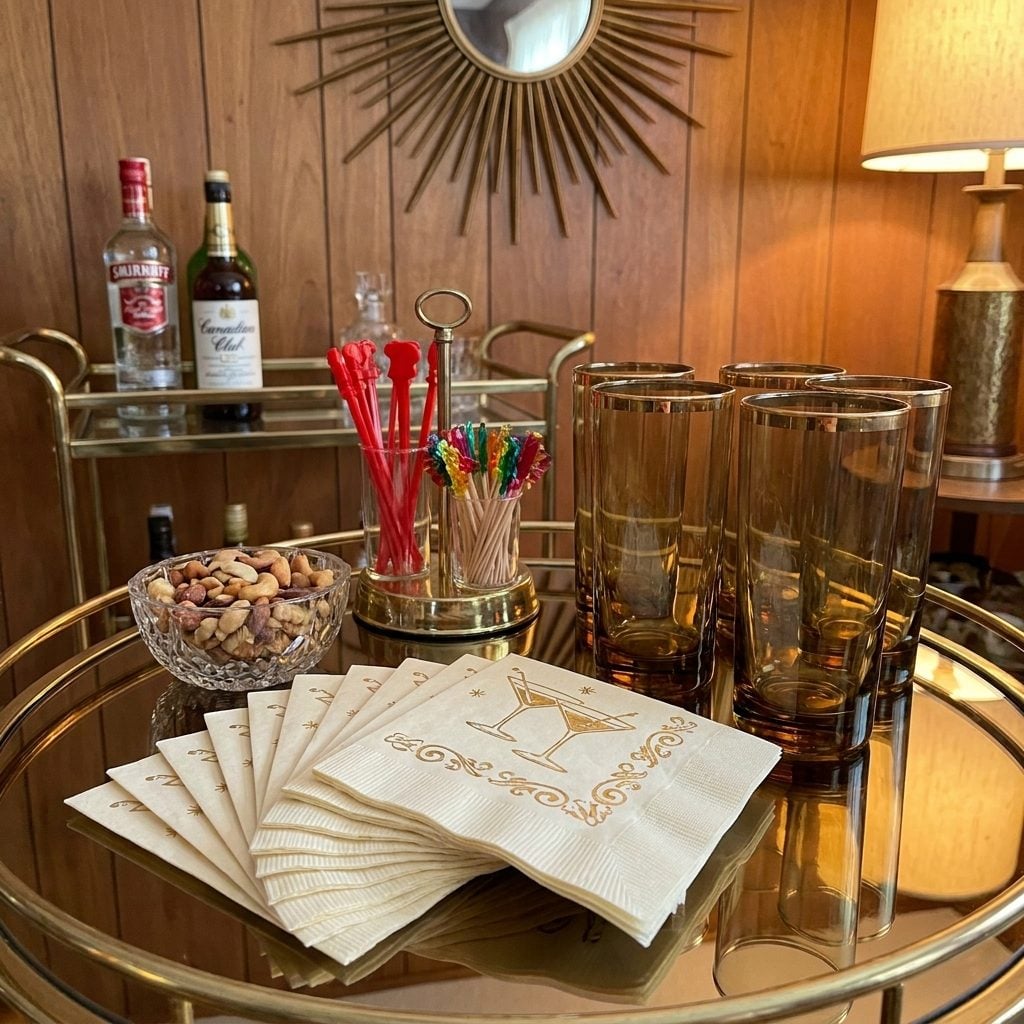
Every mother had a stash. Cocktail napkins printed with martini glasses, little pineapples, or a monogram of her married initials stayed tucked in a drawer in the dining room hutch, never wasted on regular Tuesdays.
When the good napkins came out, you knew this dinner mattered. She fanned a neat stack next to the highball glasses, and by the end of the night they were crumpled up next to lipstick-stained tumblers—and nobody thought a thing about it.
9. The Ice Bucket Filled and Ready on the Bar Cart
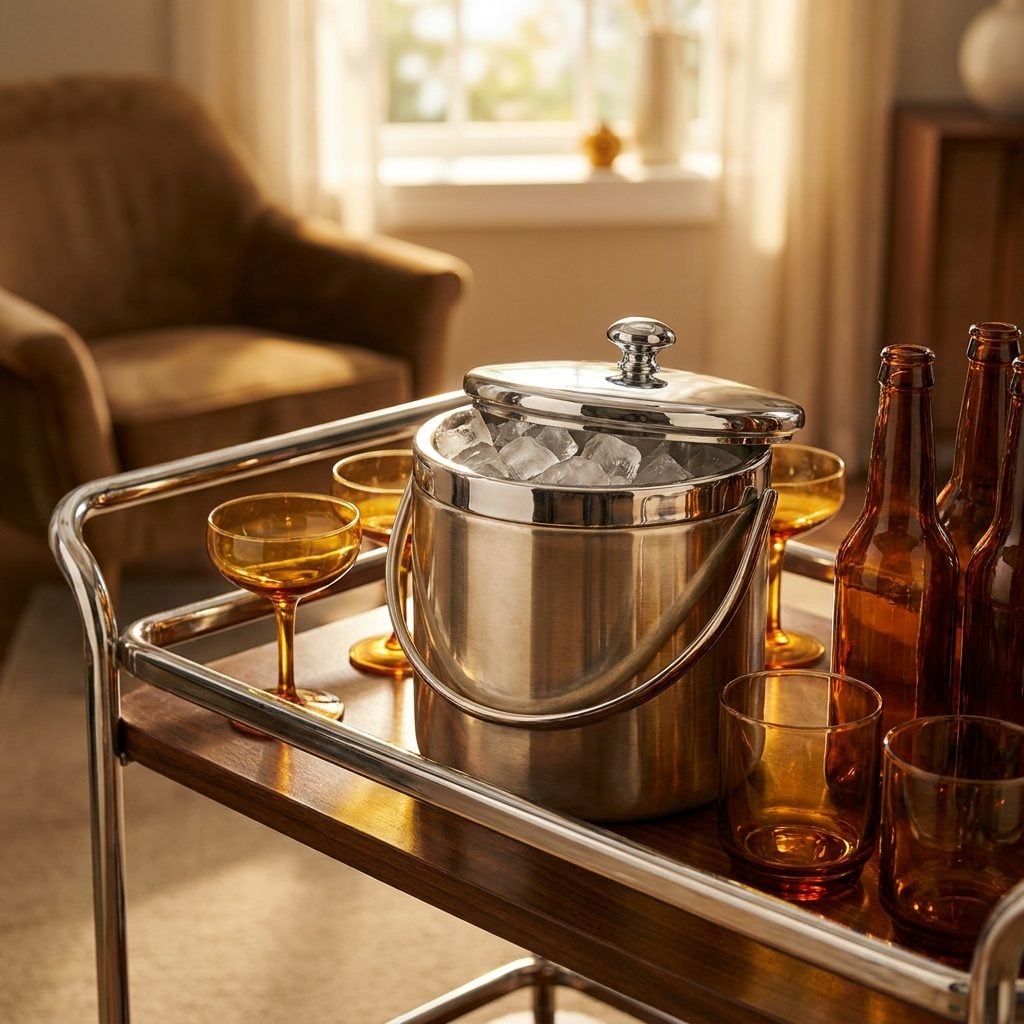
The ice bucket was a serious piece of equipment. Usually silver-plated, sometimes a heavy acrylic with a chrome lid, always kept in the hutch or sideboard until it was needed. On company days it came out early, filled from the metal ice trays in the freezer, tongs balanced on the rim like it had somewhere to be.
The living rooms in these homes had a particular social architecture, and the bar cart was its command center. Everything else in the room arranged itself around that cart on the night of a party. The adults gathered there first and the evening started from that spot.
8. Chilling the Wine Glasses in the Freezer Next to the Peas
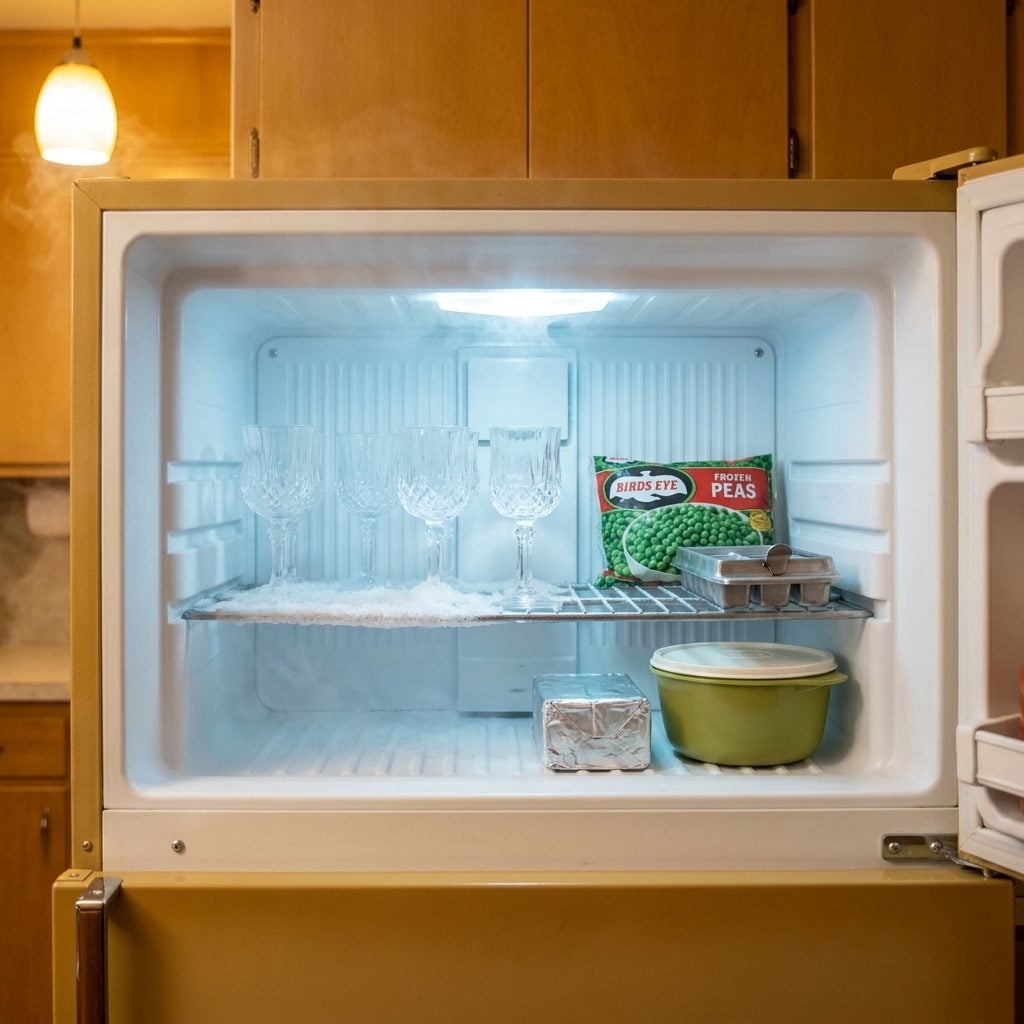
Twenty minutes in the freezer and the glasses came out with a thin white haze that clouded the second you touched them. Mom poured the Riunite or the Blue Nun straight from the fridge, and the chilled glass gave the wine a few extra minutes before it warmed.
She had picked up the tip somewhere years earlier and never once reconsidered it. The peas didn’t mind sharing the space.
7. Sending Dad Out for Ice Even Though There Was Plenty in the Freezer
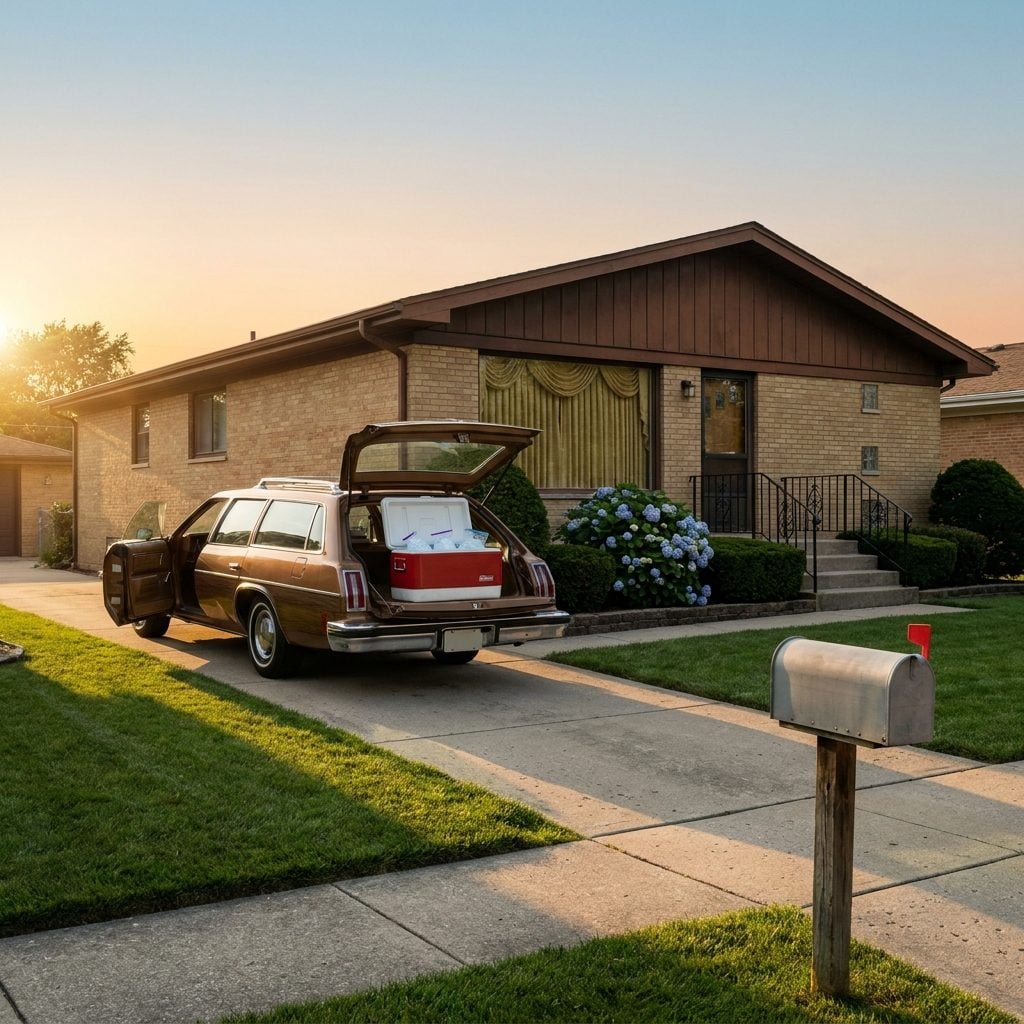
The freezer had ice—two full trays and a bag left over from last Saturday’s party. Something about store-bought ice, though—the kind that came in a real bag from the gas station—said the drinks were going to be taken seriously tonight. Whether it was truly needed was almost beside the point; the errand also got Dad out of the kitchen while the last ten things came together.
Dad grumbled. He grabbed the car keys. Fifteen minutes later he was back with a five-pound bag sweating onto the floor mat, and Mom would nod once from the kitchen. That nod meant everything was on schedule.
6. Cranking the Thermostat Down Two Degrees Before Anyone Arrived
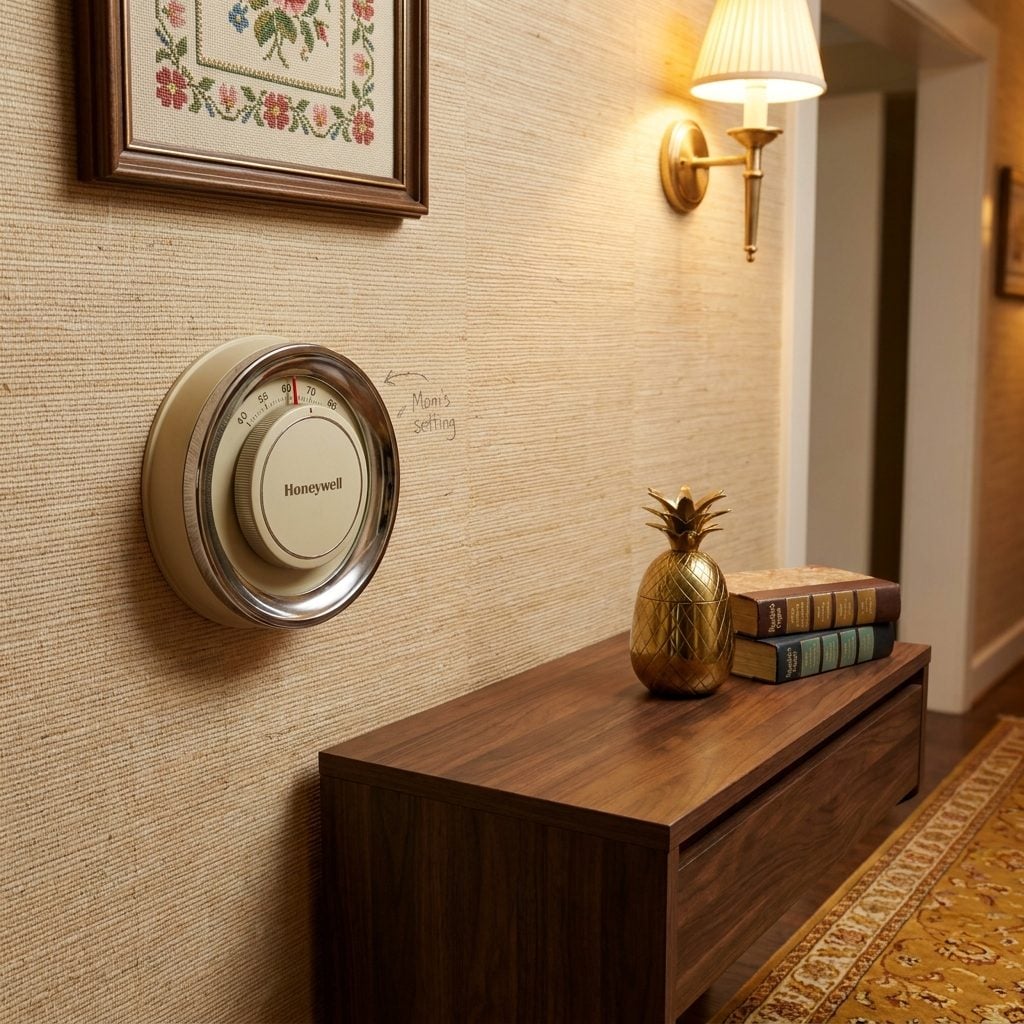
Mom knew something the guests didn’t. Eight people crammed into a closed dining room around a bubbling casserole would warm the room faster than anyone expected, so she started cold.
Sixty-eight on the dot. Dad would wander through complaining he could see his breath, and she’d tell him to put a sweater on and stop being dramatic. By the time dessert hit the table, everyone was rolling up their sleeves, and Dad was quietly annoyed she’d been right again.
5. Fluffing the Throw Pillows and Turning the Best Side Forward
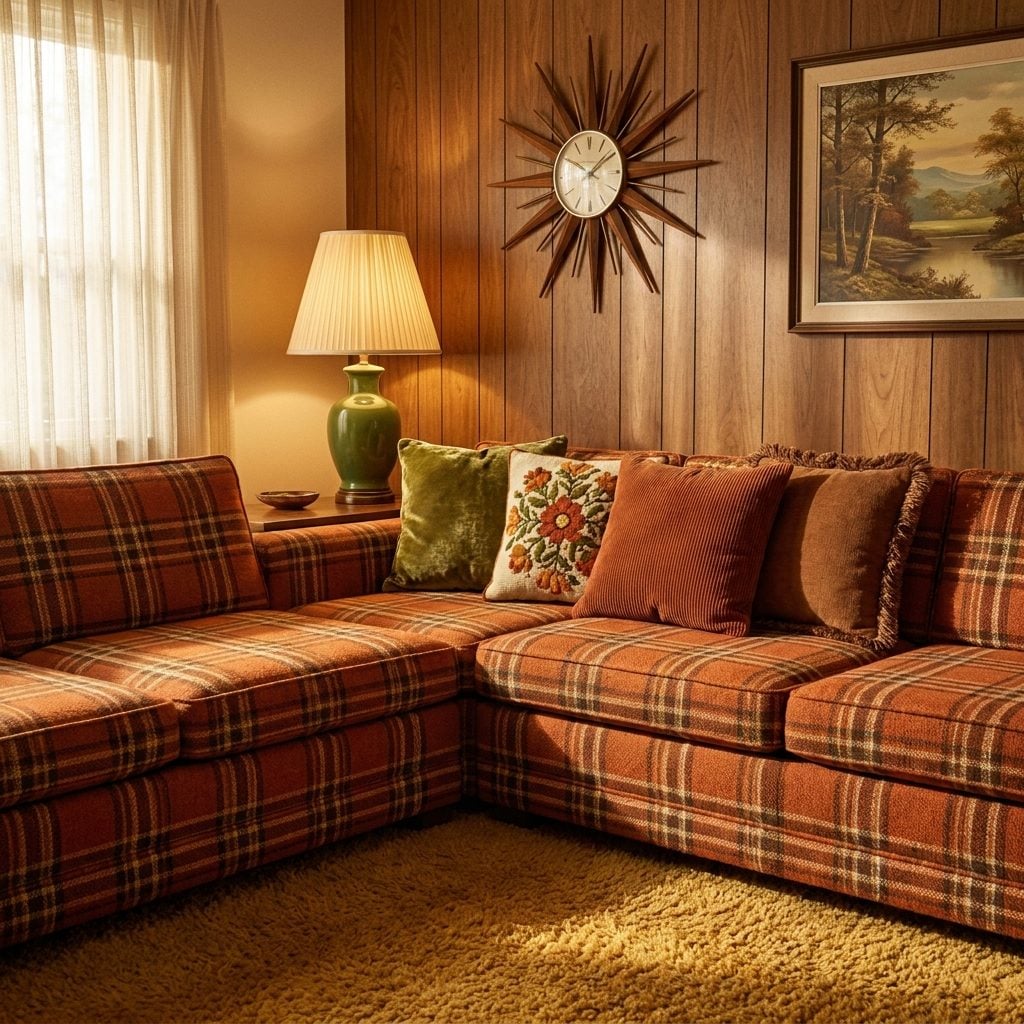
Mom lifted each pillow by the corners, thumped the filling back into place, smoothed the fabric, and turned the least-faded side toward the room. Then she set every one against the sofa arms at the same careful angle. Repeat times four.
Nobody was allowed to sit on that sofa until the doorbell rang. When guests finally settled in and leaned back, Mom watched the pillows flatten and made peace with it, because that was the whole reason you invited them over.
4. Turning On Every Lamp in the Living Room but Leaving the Overhead Off
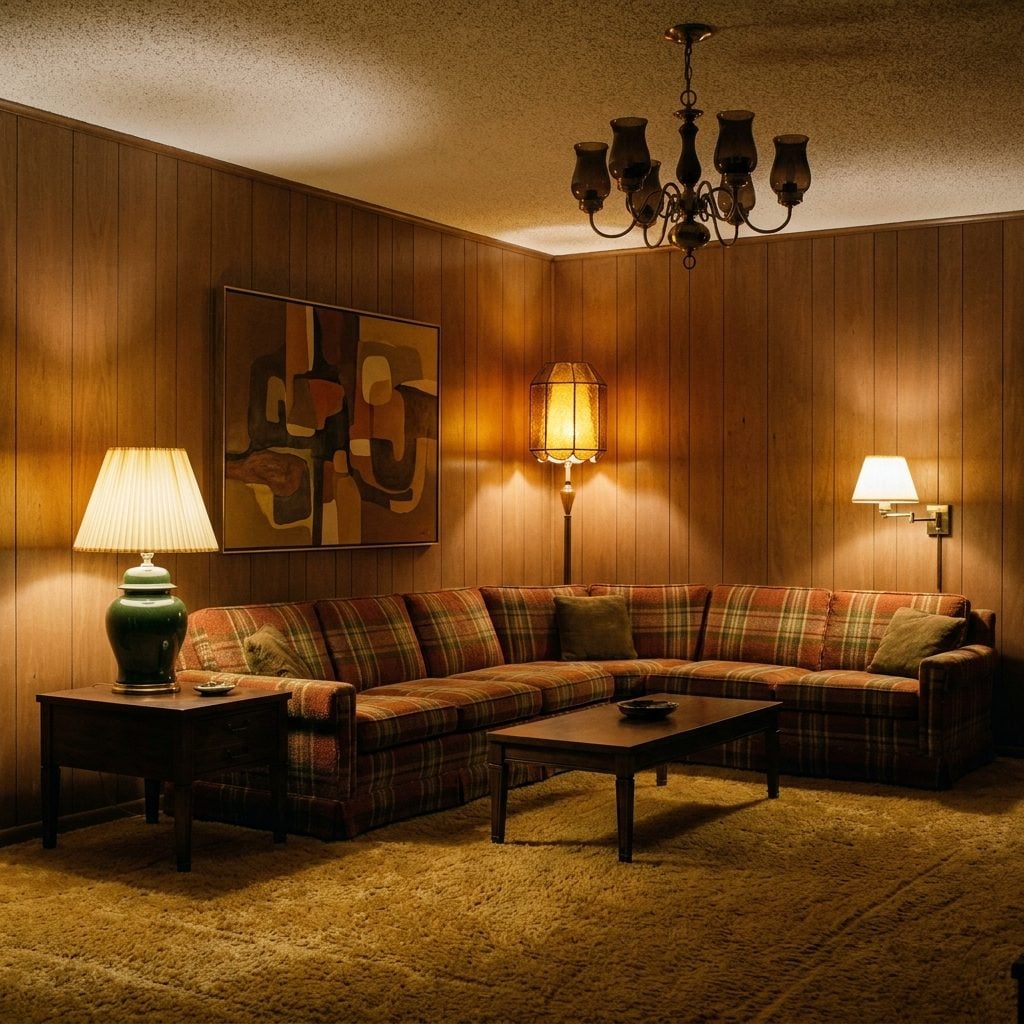
The overhead light was for finding things you’d dropped on the carpet. The lamps were for company.
Mom worked her way around the room clicking on every table lamp, floor lamp, and picture light she could find, and the space went from bright and flat to golden and layered in under a minute. Faces looked better. The carpet looked deeper. Even Dad’s recliner, which had seen better decades, took on a kind of dignity in that light.
She never used the word ambiance in her life. Didn’t need to. She knew a room lit from above looked like a doctor’s waiting area, and a room lit by lamps instead of the ceiling fixture looked like somewhere people wanted to stay past ten.
3. Making Sure the Kids Knew Exactly How to Behave
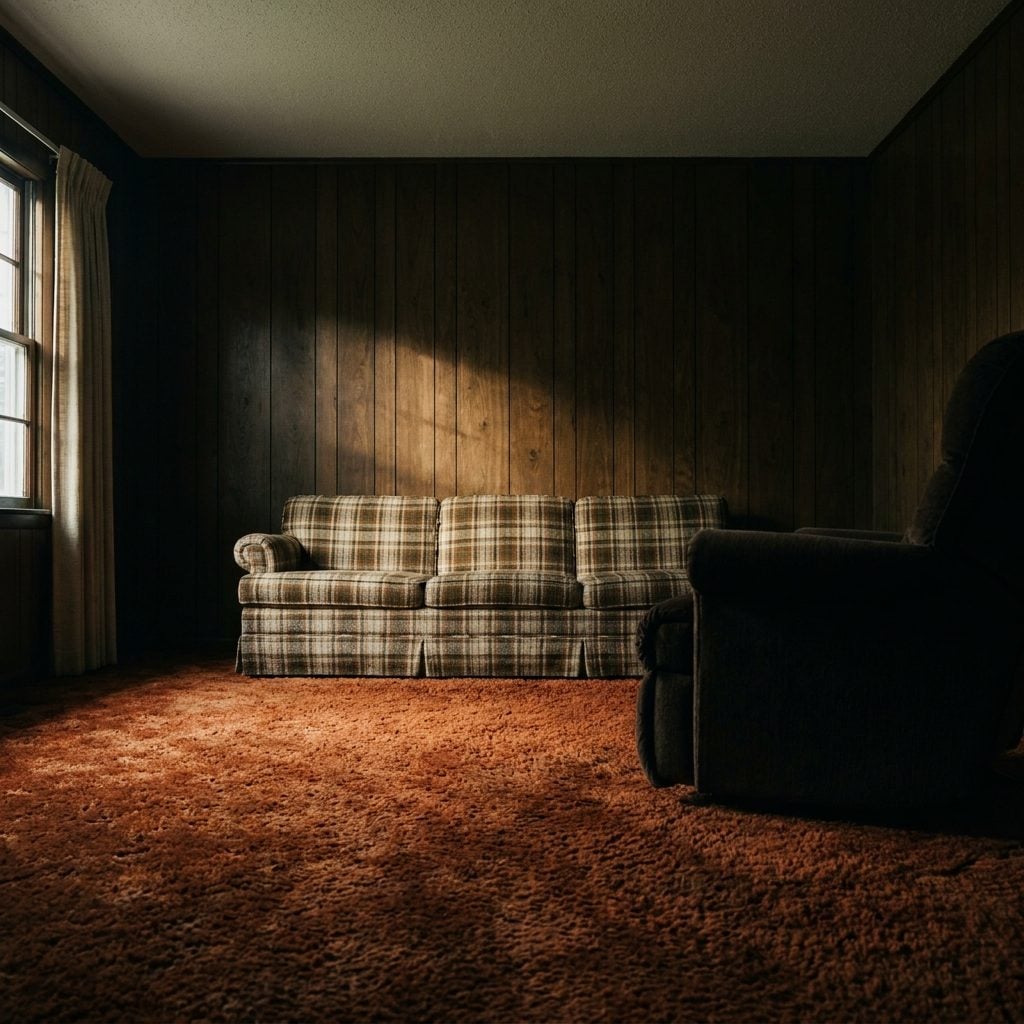
There was a briefing. Not formal, not written down, but everyone knew it happened. You did not interrupt adults. You did not ask for things in front of company. You said hello, you shook hands if prompted, and then you made yourself small and quiet in a way you were never required to be on any other night of the year.
The rules weren’t cruel, just specific. Don’t run through the living room. Don’t eat more than your share of the appetizers. If you were allowed to stay up, you were allowed to stay up quietly. It was a whole other gear the household shifted into, and the kids felt it the moment the preparations started.
2. That Final Walk Through Every Room Before the Doorbell Rang
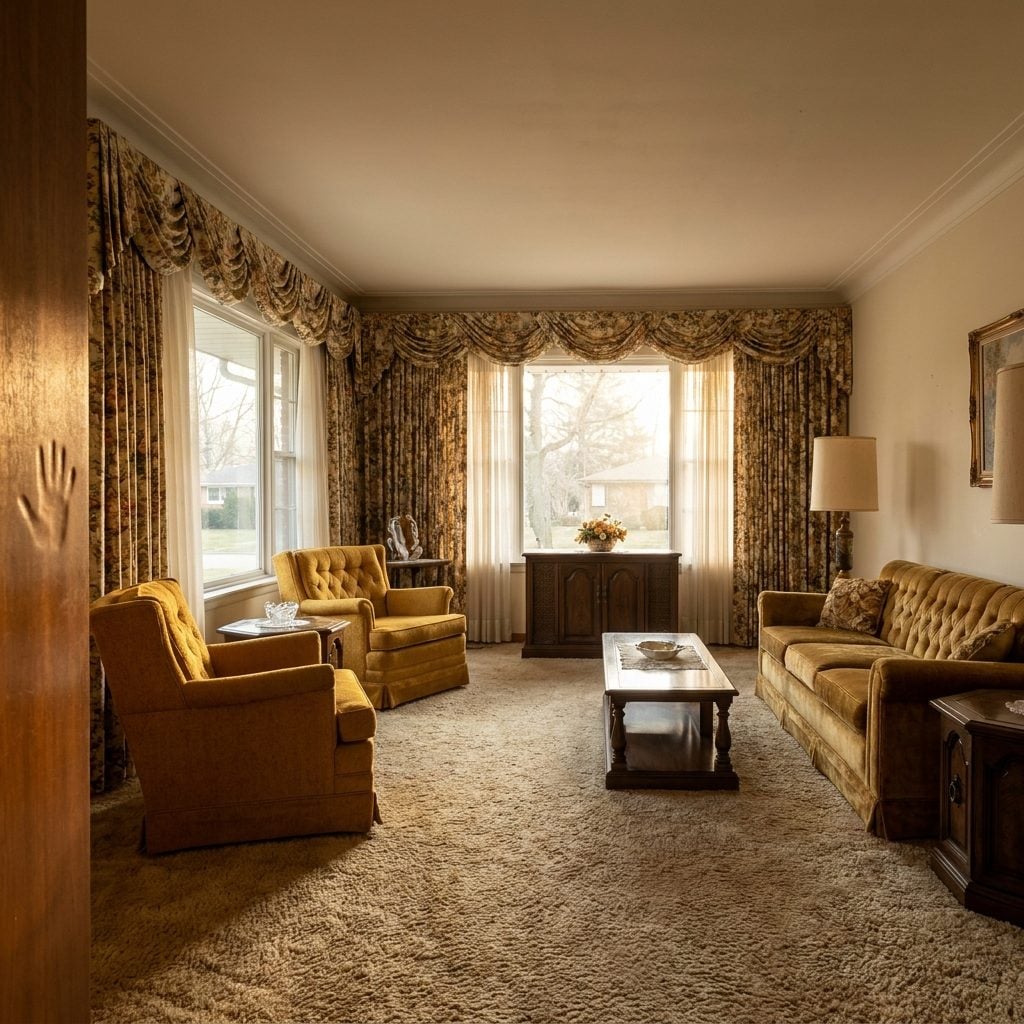
Right before the doorbell rang, there was always one last circuit. Living room, dining room, bathroom, kitchen. A hand adjusting a pillow that didn’t need adjusting. A quick check that the toilet paper was facing the right direction. A candle lit, or a light dimmed, or a dish of mints placed on the coffee table that had not been there five minutes ago.
This was the moment the house stopped being a place people lived and became the place company was about to see. It was a transformation that happened in about ninety seconds, carried out by one person moving quickly through every room. And then the doorbell rang, and the whole performance began.
1. Standing at the Door to Wave Goodbye, Because Company Didn’t Just Leave, They Were Sent Off
🔥 Would you like to save this?
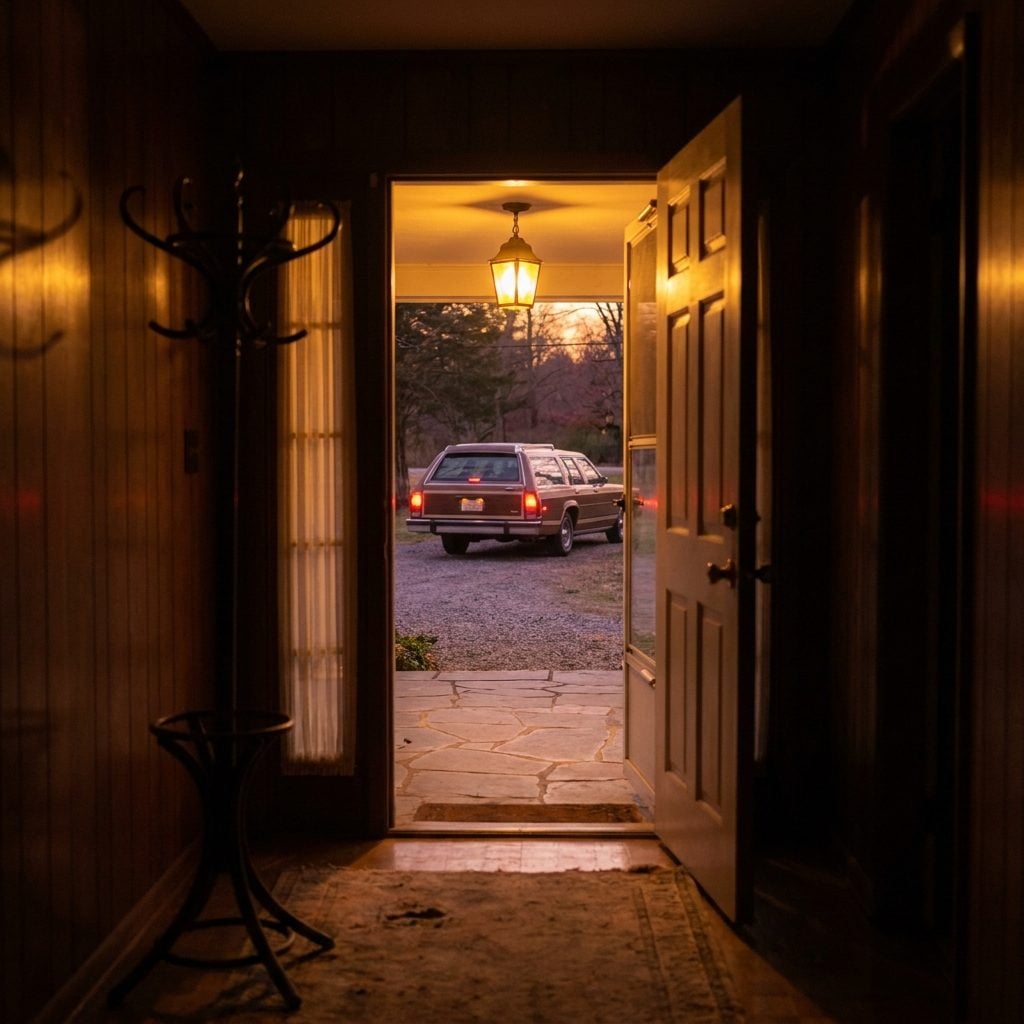
The dishes could wait. The leftover coffee cake could sit on the counter another ten minutes. When company left, you stood at the door—the wooden one swung open, the storm door pushed out—and waved until the car backed down the driveway and disappeared around the corner. Not a quick wave. A real one. Both hands if it was family from out of town.
It was the punctuation mark on the whole evening. All that preparation, all those hours of cleaning and cooking and arranging, and this was the last note: standing in the threshold between the warmly lit house and the cool night air, making sure nobody drove away feeling anything less than thoroughly, genuinely seen off. Mom understood something no magazine could quite capture: the welcome mattered, but the goodbye was what people remembered on the drive home.