🔥 Would you like to save this?
A floor lamp for less than $30. A television that cost more than the sofa. A wall unit heavy enough to make moving day everybody’s problem. Furnishing a living room in 1978 was cheaper in raw dollars, but the prices look different once they are measured against a median household income of $15,064 and a federal minimum wage of $2.65 an hour. Here is what the major pieces could cost when a bare room was turned into the place where the family watched television, played records, and received company.
21. Wall-to-Wall Shag Carpeting: About $6 to $9 per Square Yard in 1978
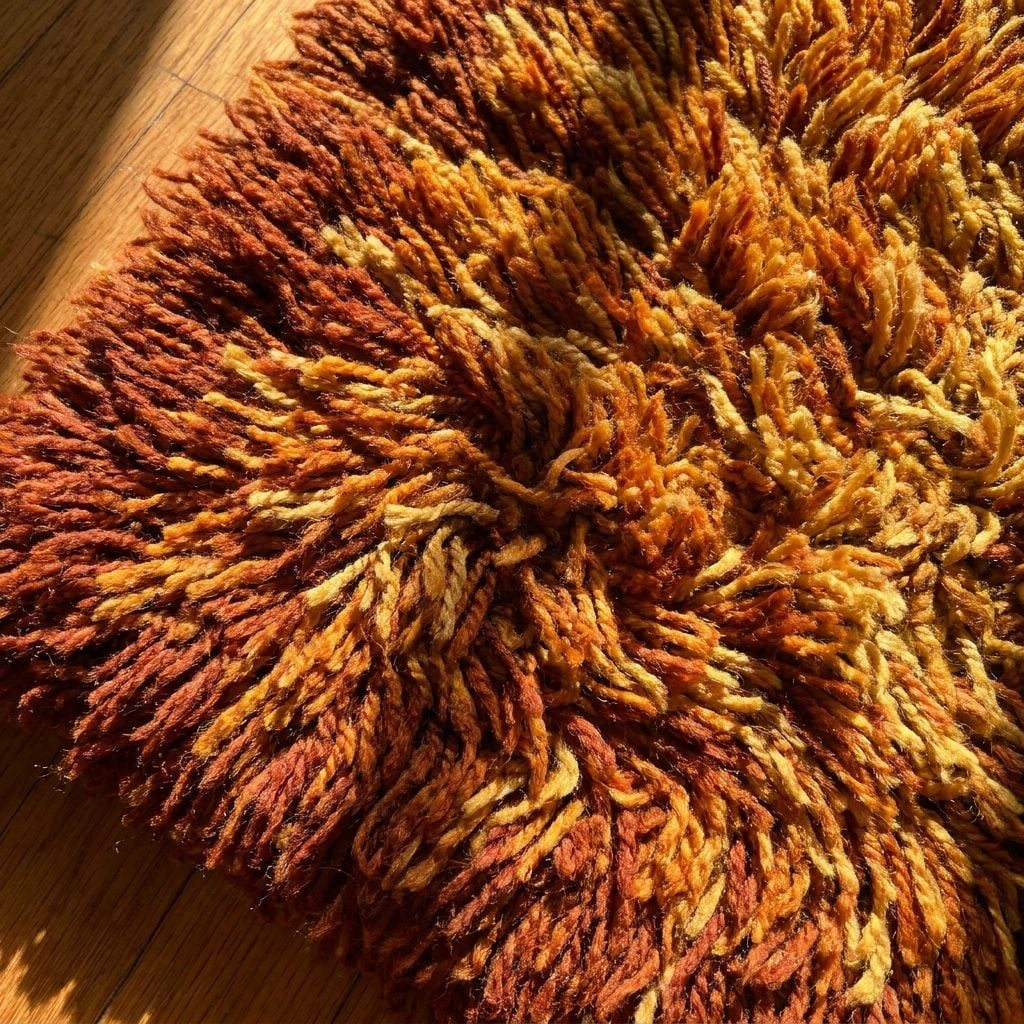
Shag carpet was one of the decade’s signature materials, and an installed price of roughly $6 to $9 per square yard put it within reach of many households. A 15-by-18-foot living room covered 30 square yards, bringing the estimated total to about $180 to $270 before any unusual preparation work.
In order to come up with the very specific design ideas, we create most designs with the assistance of state-of-the-art AI interior design software. Also, assume links that take you off the site are affiliate links such as links to Amazon. this means we may earn a commission if you buy something.
Polyester and nylon production had expanded rapidly by the late 1970s, helping manufacturers turn deep-pile carpet into a mass-market product. The thick surface softened footsteps, absorbed sound, and made a room feel warmer underfoot, although it also collected crumbs, pet hair, and any small object unlucky enough to disappear into it.
20. A Console Stereo System for Around $350 to $450 in 1978
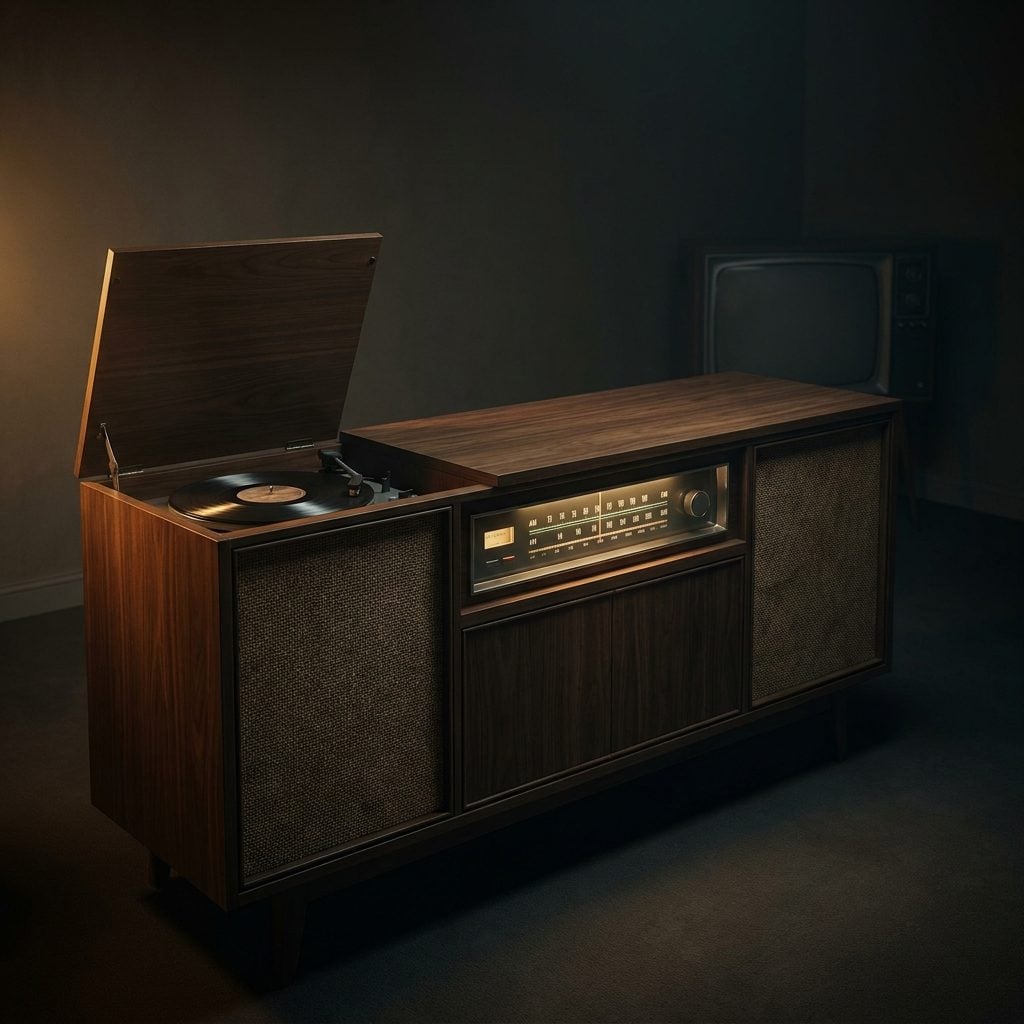
The console stereo was both an appliance and a major piece of furniture. A system with a turntable, AM/FM radio, 8-track player, and speakers housed in a walnut-veneer cabinet could run about $350 to $450 at a department store or audio shop.
That was a substantial household purchase, not something tossed into the cart on a Saturday afternoon. Owners displayed these systems prominently, built record collections around them, and often kept the cabinets long after 8-tracks had faded from regular use in the early 1980s.
19. A Set of Matching End Tables for About $45 to $65 in 1978
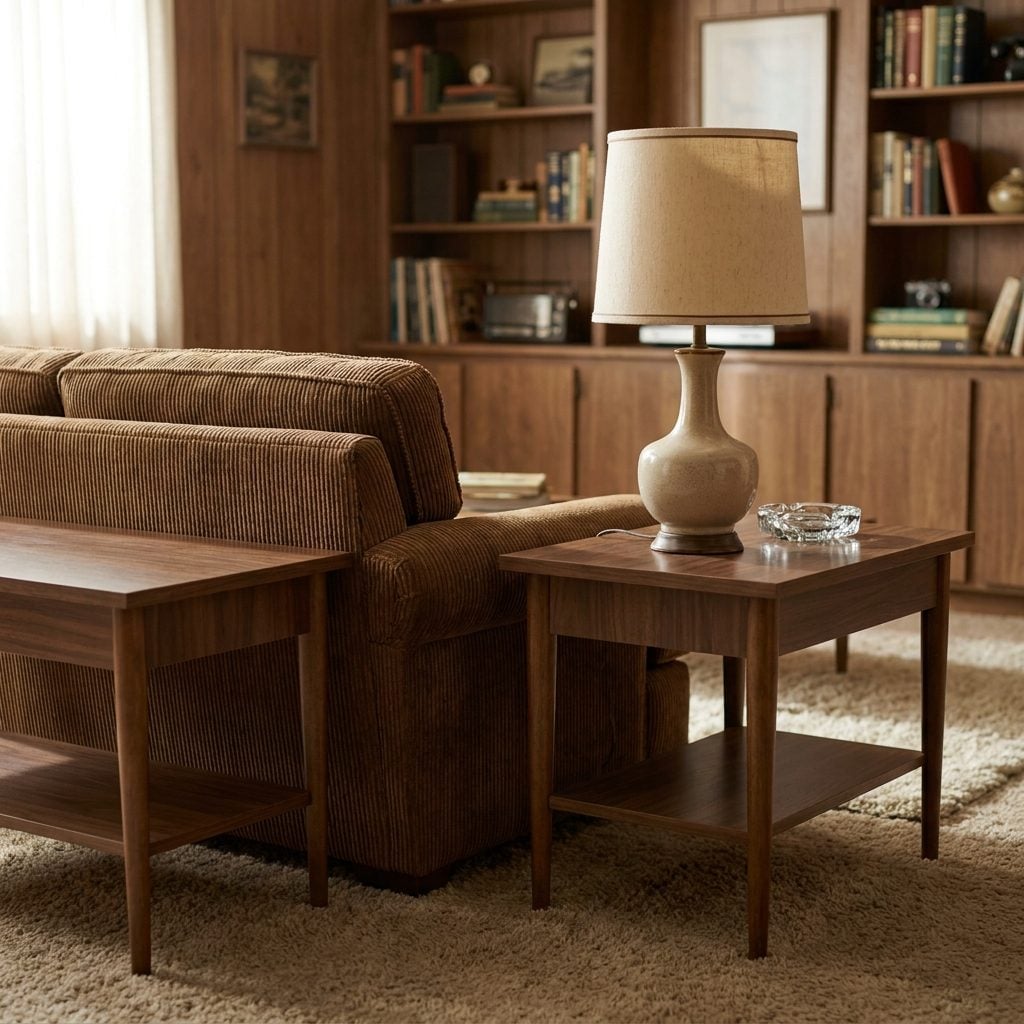
A pair of matching end tables cost about $45 to $65. The usual formula was a dark walnut finish, tapered or blocky legs, and a lower shelf reserved for magazines that nobody was ready to throw away.
Mass-market furniture stores strongly promoted coordinated rooms, so end tables were often sold beside a matching coffee table or as part of a larger collection. Eclectic interiors certainly existed, but the showroom ideal favored pieces that shared the same finish, proportions, and decorative details.
18. A Braided Area Rug for About $35 in 1978
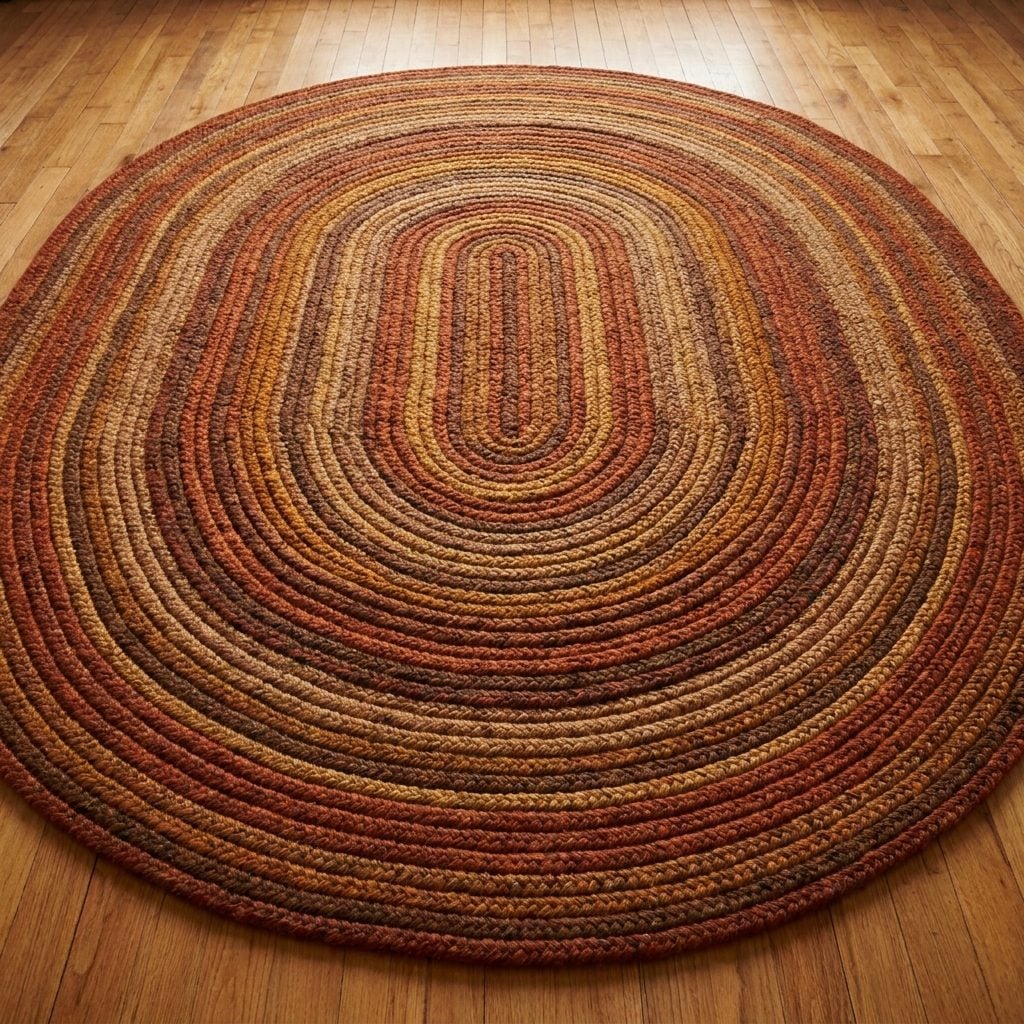
Braided area rugs were a practical alternative to wall-to-wall carpet. A 5-by-8-foot oval rug could cost roughly $35, with rust, brown, gold, and muted green appearing again and again in catalog photographs.
The rug defined a seating area without covering every inch of hardwood or resilient flooring. Better examples used wool or wool-blend material and could survive years of traffic, which helps explain why so many still turn up at estate sales in usable condition.
17. A Pair of Macramé Wall Hangings for Around $24 to $36 in 1978
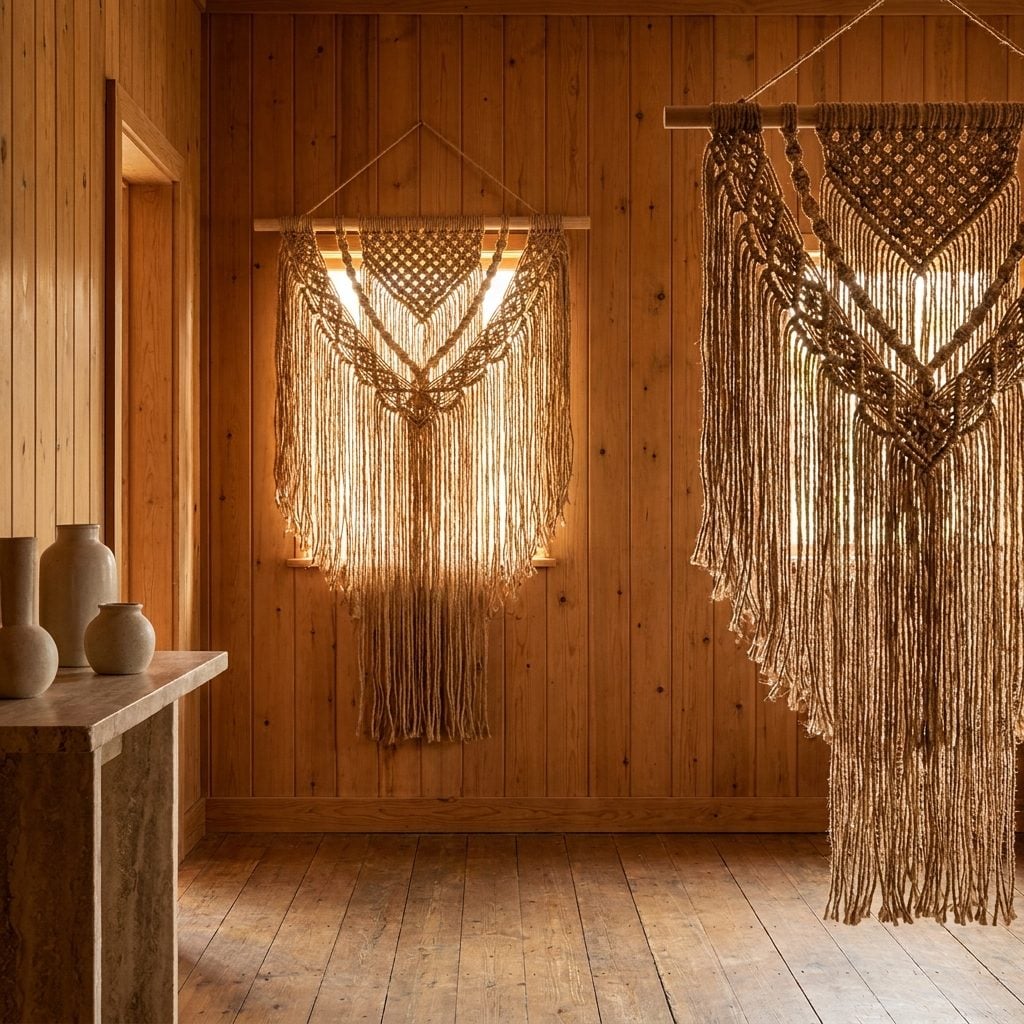
Macramé was the decade’s most recognizable fiber craft. Large jute wall hangings with long fringe, wooden beads, and dowel supports commonly sold for about $12 to $18 each, putting a pair at roughly $24 to $36.
They appeared in craft boutiques, import shops, department stores, and mail-order catalogs, but plenty were also made at home. Macramé lost much of its mass-market appeal in the early 1980s, then returned decades later as part of the renewed interest in handmade-looking interiors.
16. A Recliner Chair for About $120 to $175 in 1978
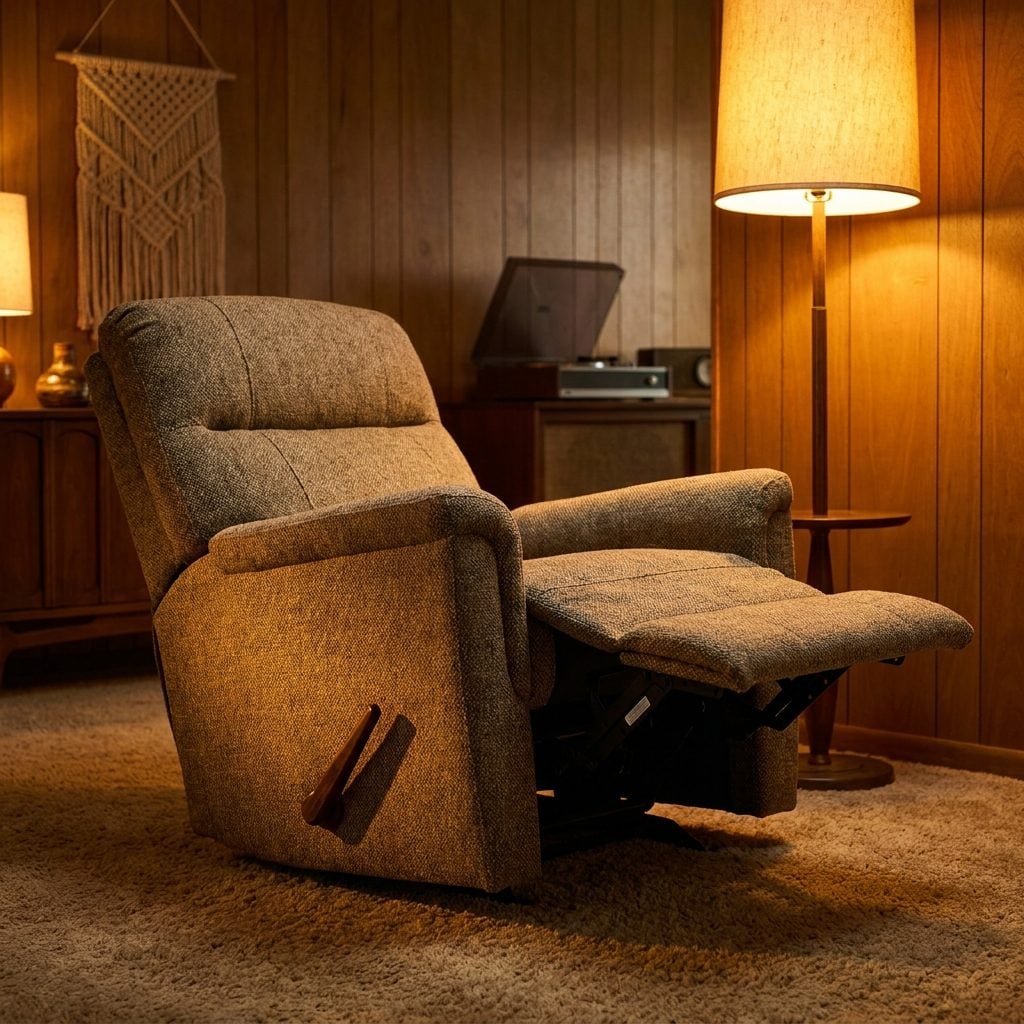
A recliner could cost about $120 to $175, with La-Z-Boy competing against lower-priced house brands from department and furniture stores. Vinyl upholstery was common in this range, while leather generally belonged to more expensive models.
At the 1978 federal minimum wage, a $150 chair equaled more than 56 hours of gross pay. Families might wait for a sale, use a store payment plan, or keep the same chair until the mechanism objected louder than the person sitting in it.
15. A Full Set of Living Room Curtains for About $55 to $80 per Window in 1978
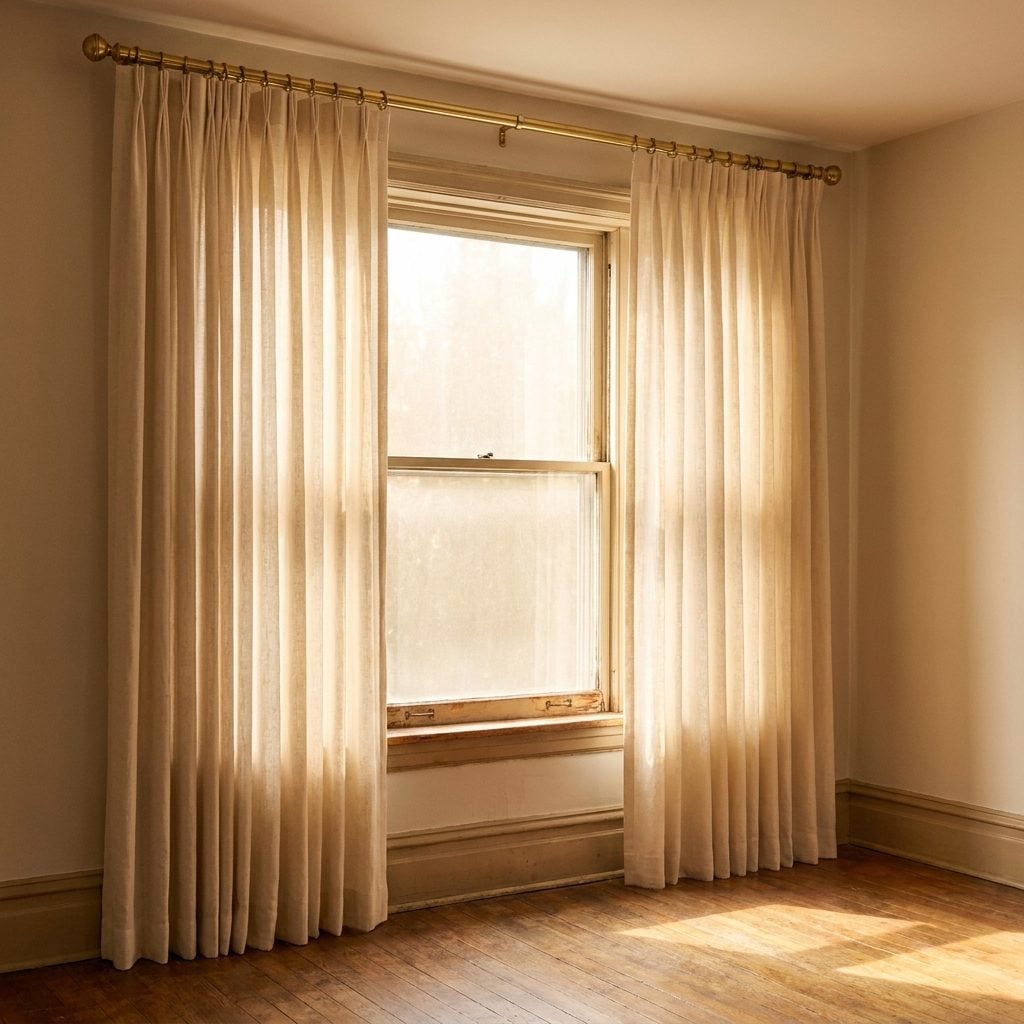
Two lined panels, a pinch-pleat heading, and basic hardware could cost about $55 to $80 per window. Covering two or three living room windows could therefore cost well over $100 before a picture was hung.
Polyester blends were common because they resisted wrinkles and held their shape. Harvest gold, avocado green, rust, and large florals dominated the ready-made market, while custom drapery from a local shop could push the total considerably higher.
14. A Solid-Wood or Wood-Veneer Bookcase: About $45 to $80 in 1978
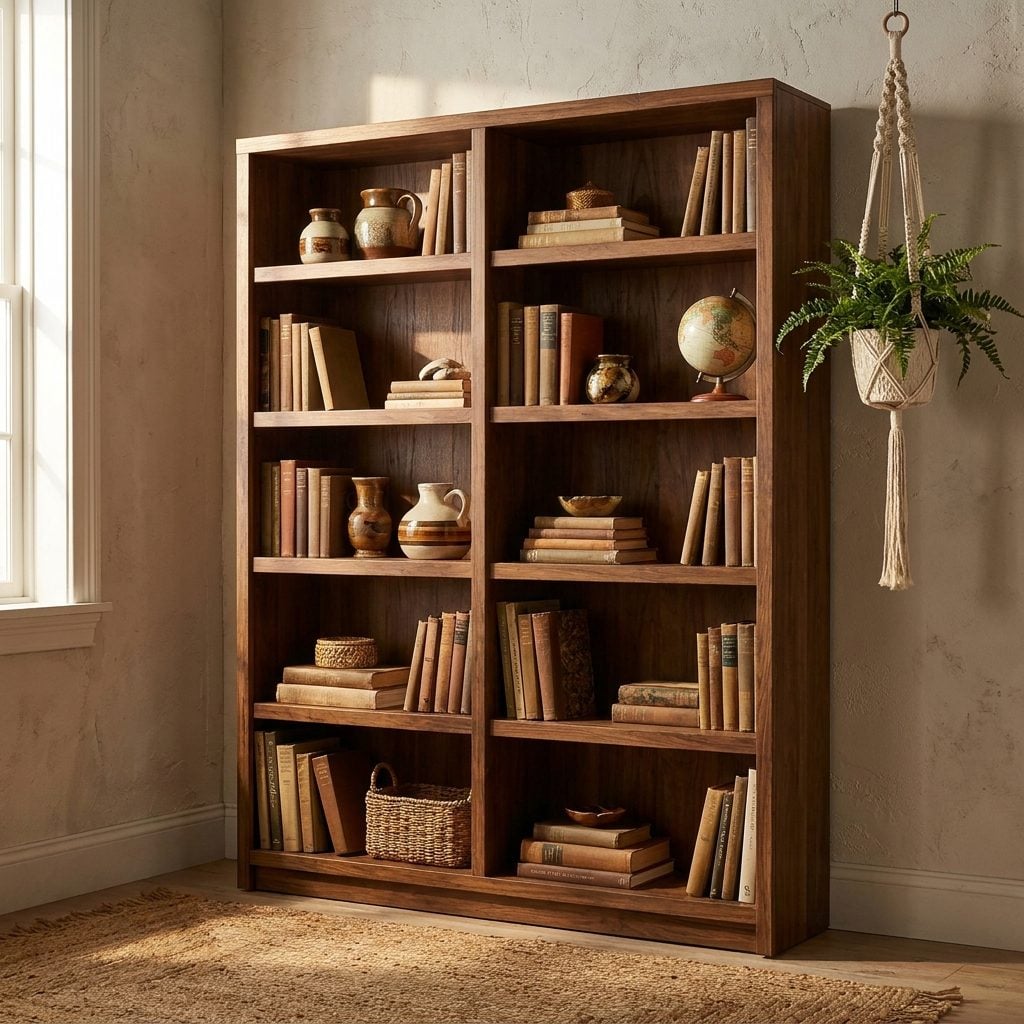
A small three-shelf bookcase could cost about $45, while a taller five-shelf model might approach $80. Construction varied from solid wood to veneer over engineered cores, depending on the store and price level.
These were expected to stay in the house for years. The shelves held hardcovers, record albums, framed school photographs, decorative pottery, and the encyclopedia set that usually cost far more than the case supporting it.
13. A Brand-New Floor Lamp for About $28 in 1978
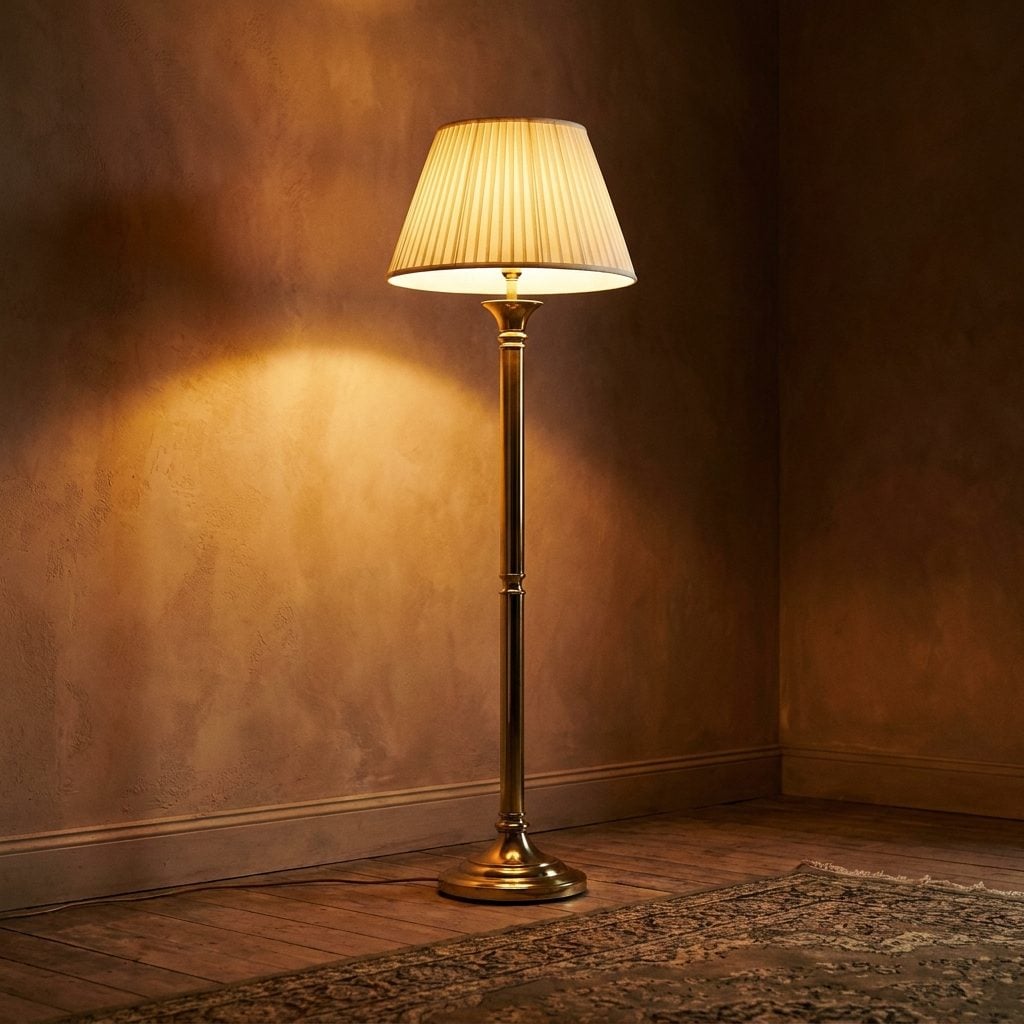
About $28 bought a decent floor lamp from a department store or mail-order catalog. Brass-toned finishes, dark wood details, and pleated fabric shades were common, although upward-facing bowl lamps and reading lamps with adjustable arms were also widely sold.
Lamps did most of the evening work in these rooms. Many households used several rather than relying on one bright ceiling fixture, creating small pools of incandescent light beside chairs, sofas, and end tables.
12. A Glass-Topped Coffee Table on a Brass Base for Around $120 in 1978
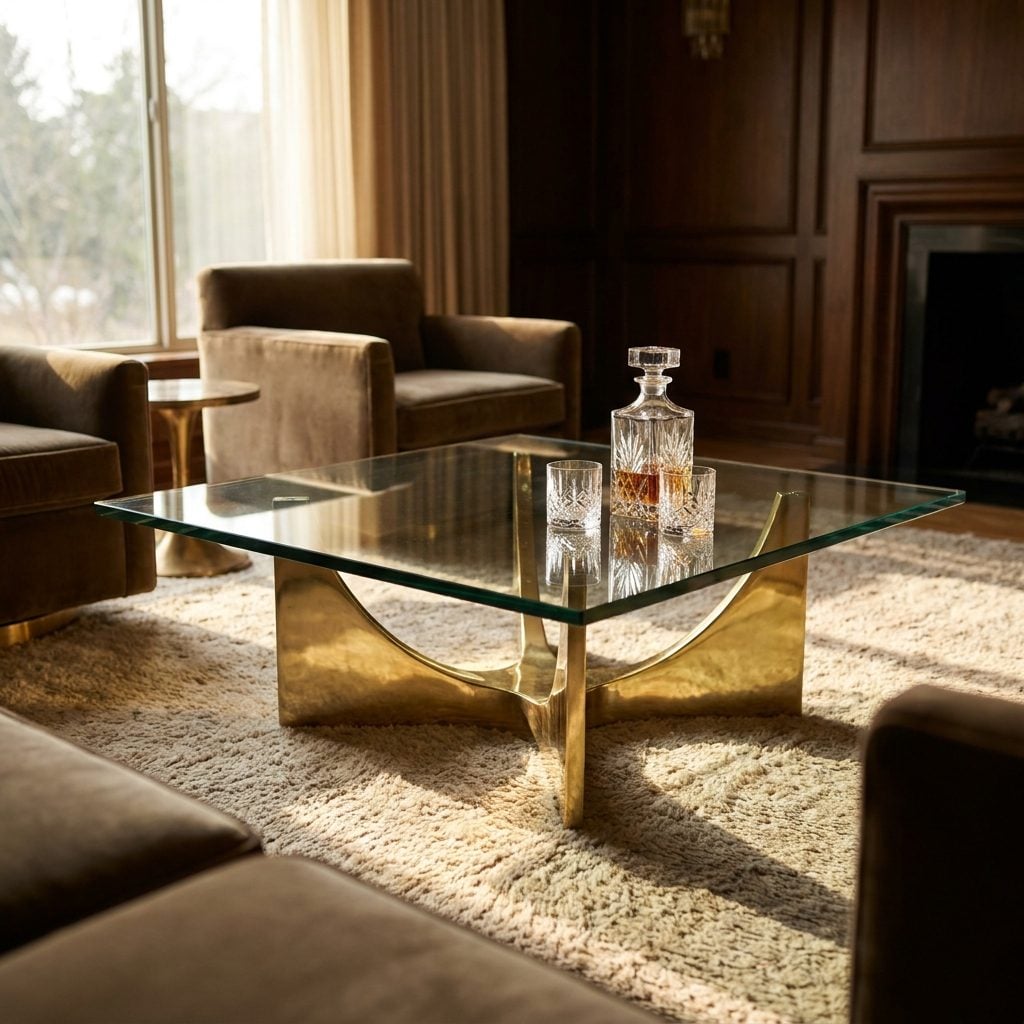
A glass-topped coffee table with a brass-finished base could cost about $120. The combination looked lighter than the heavy wood furniture surrounding it and allowed the carpet or rug beneath to remain visible.
That visual openness helped in smaller rooms crowded with a sofa, loveseat, lamps, stereo equipment, and patterned drapes. The glass also guaranteed a permanent supply of fingerprints, but no 1978 showroom photograph mentioned that part.
11. A Complete Living Room Furniture Set for Around $800 to $1,200 in 1978
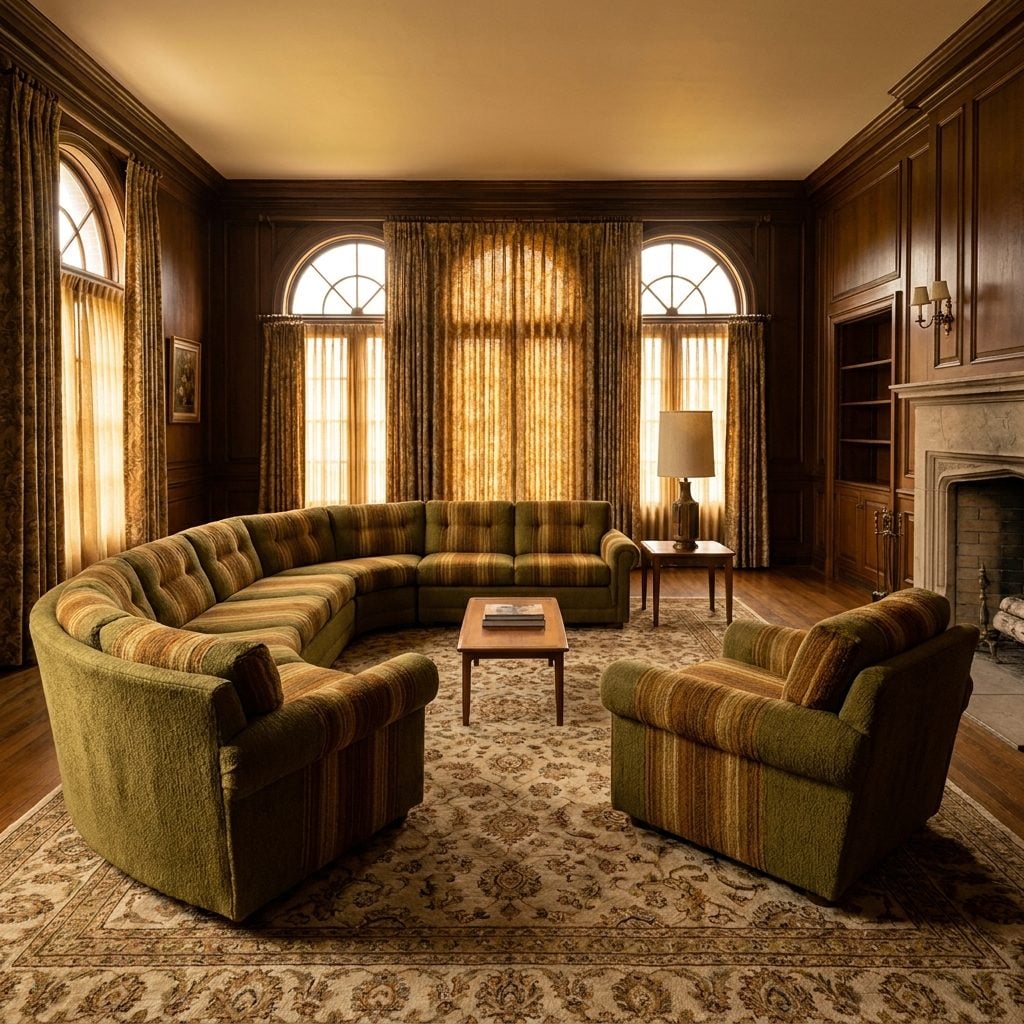
Buying the sofa, loveseat, and chair as one coordinated package ran roughly $800 to $1,200 at a midrange furniture store, usually a modest discount compared with purchasing each piece separately. Against a median household income of $15,064, that represented about 5% to 8% of an entire year’s gross income.
Stores made the purchase easier with installment plans, financing, and layaway. In return, the buyer received a room in one move: the same fabric on every seat, the same finish on every exposed leg, and no anxious afternoon spent wondering whether two shades of brown were close enough.
10. A Complete Entertainment Wall Unit for About $290 to $380 in 1978
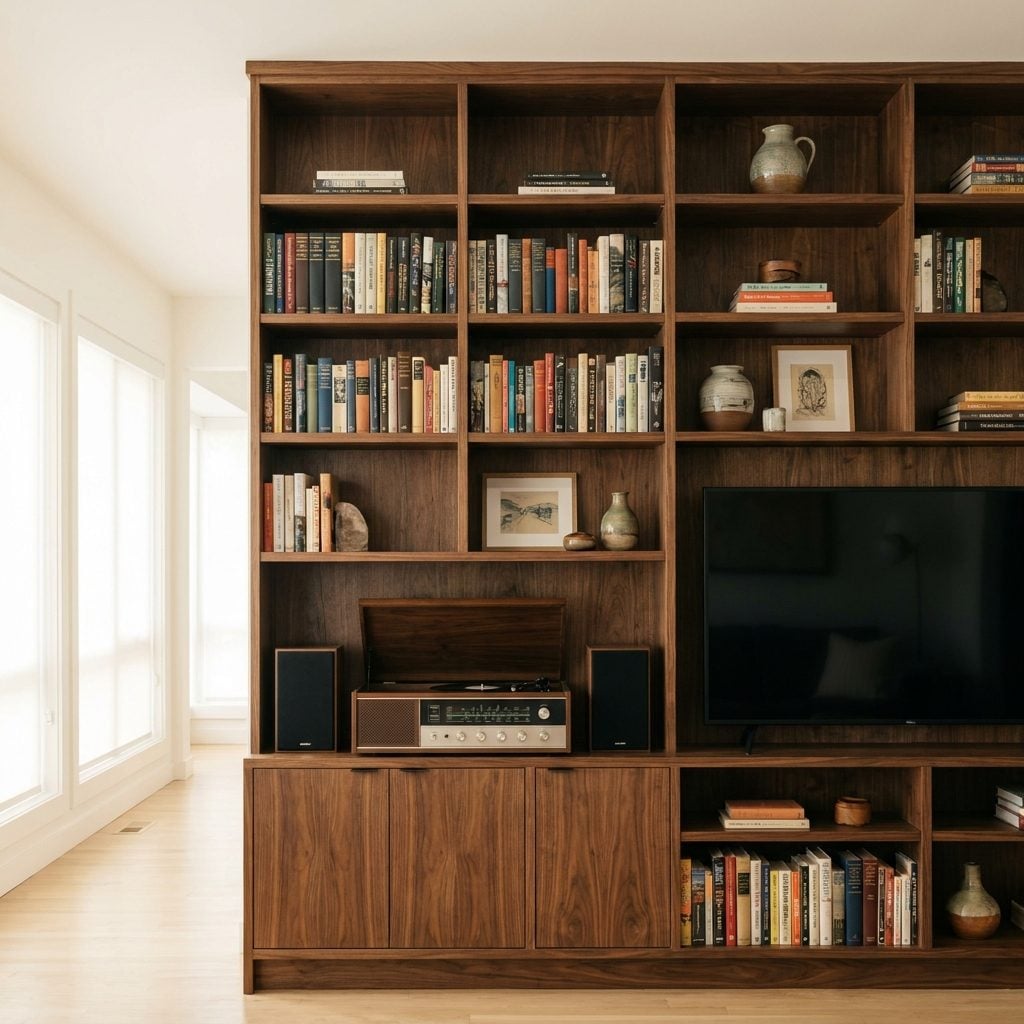
About $290 to $380 bought a large walnut-veneer entertainment wall unit with shelves, cabinets, smoked-glass doors, and space for books, records, decorative objects, and audio equipment. Some designs also framed or supported the television.
These units were sold as organizing systems and status pieces at the same time. They gave every object a designated compartment, then reminded the household of their size and weight whenever somebody suggested moving the furniture six inches to the left.
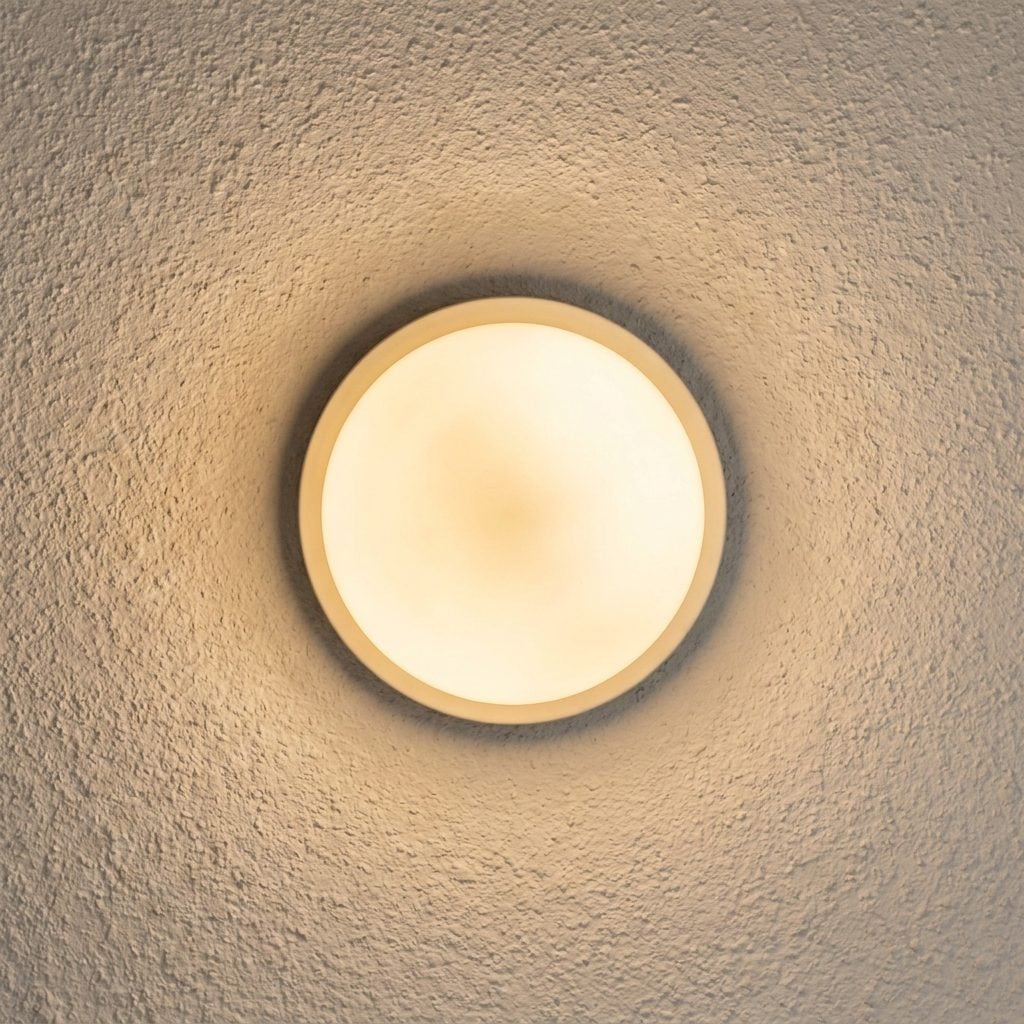
9. The Living Room Ceiling Light Fixture for Around $18 to $35 in 1978
🔥 Would you like to save this?
An amber-glass pendant, smoked globe, or simple flush-mount fixture sold for about $18 to $35 at a hardware store or through a catalog, making it one of the least expensive decisions in the entire room.
The style was unmistakably late 1970s: brass-toned hardware, warm tinted glass, and diffused incandescent light. These fixtures cost a fraction of what the furniture did, but they could date the entire room before anyone noticed the sofa.
8. A Velvet Sofa in Harvest Gold or Avocado for Around $340 to $475 in 1978
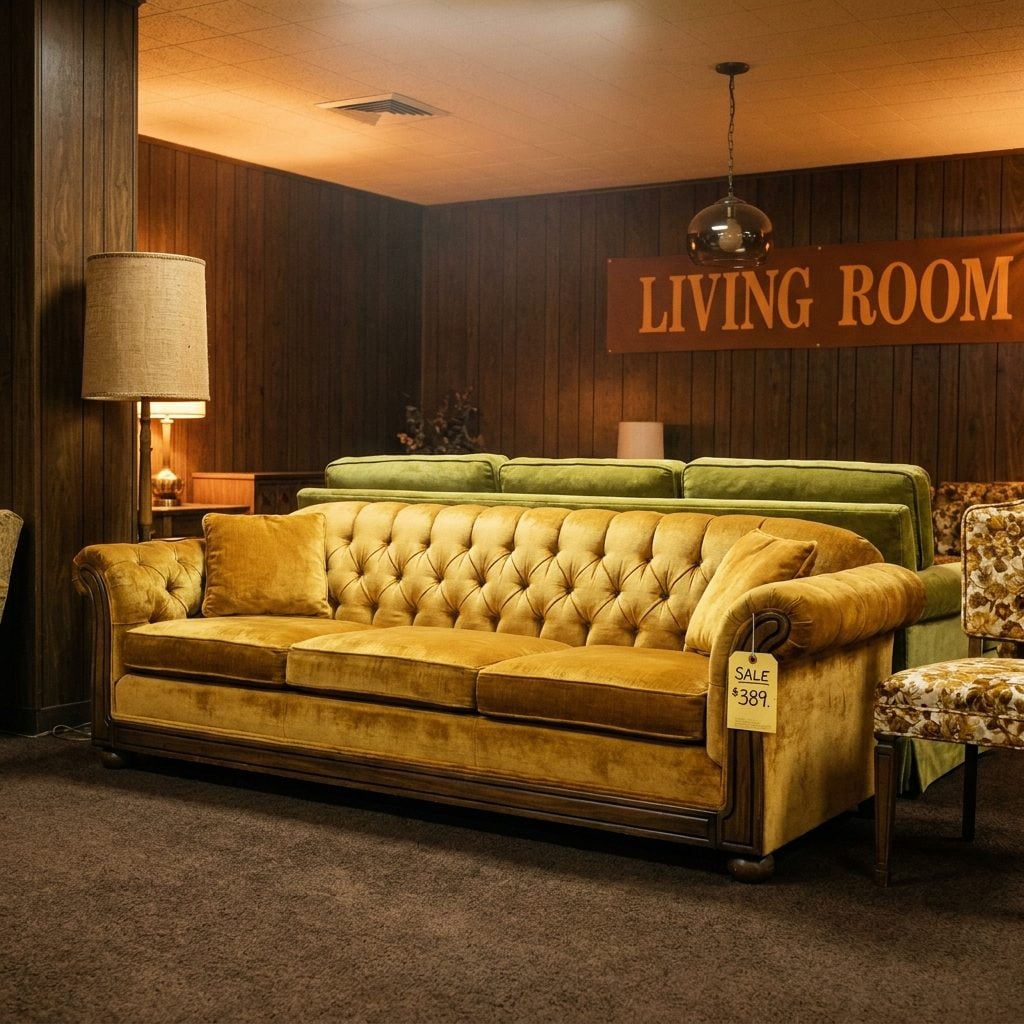
For households buying one piece at a time instead of a full set, the sofa came first, and a new velvet or crushed-velour model in harvest gold, avocado green, rust, or brown ran about $340 to $475. Plusher tufted models, elaborate wood trim, and matching pillows pushed the price higher.
Measured against the federal minimum wage, the range represented roughly 128 to 179 hours of gross pay. That helps explain the payment plans, protective arm covers, and household rule that nobody was eating spaghetti anywhere near the new couch.
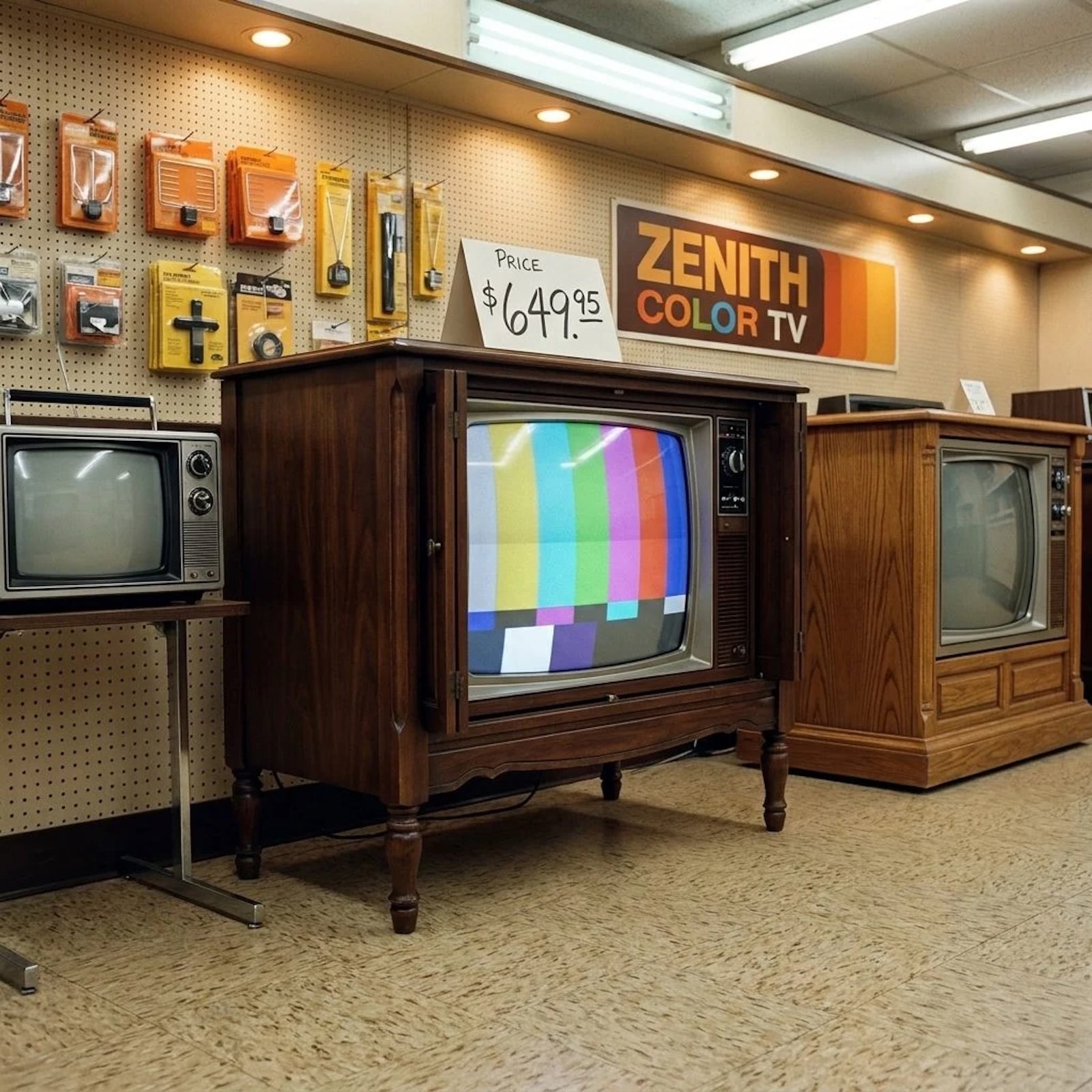
7. A 25-Inch Console Color TV for About $650 in 1978
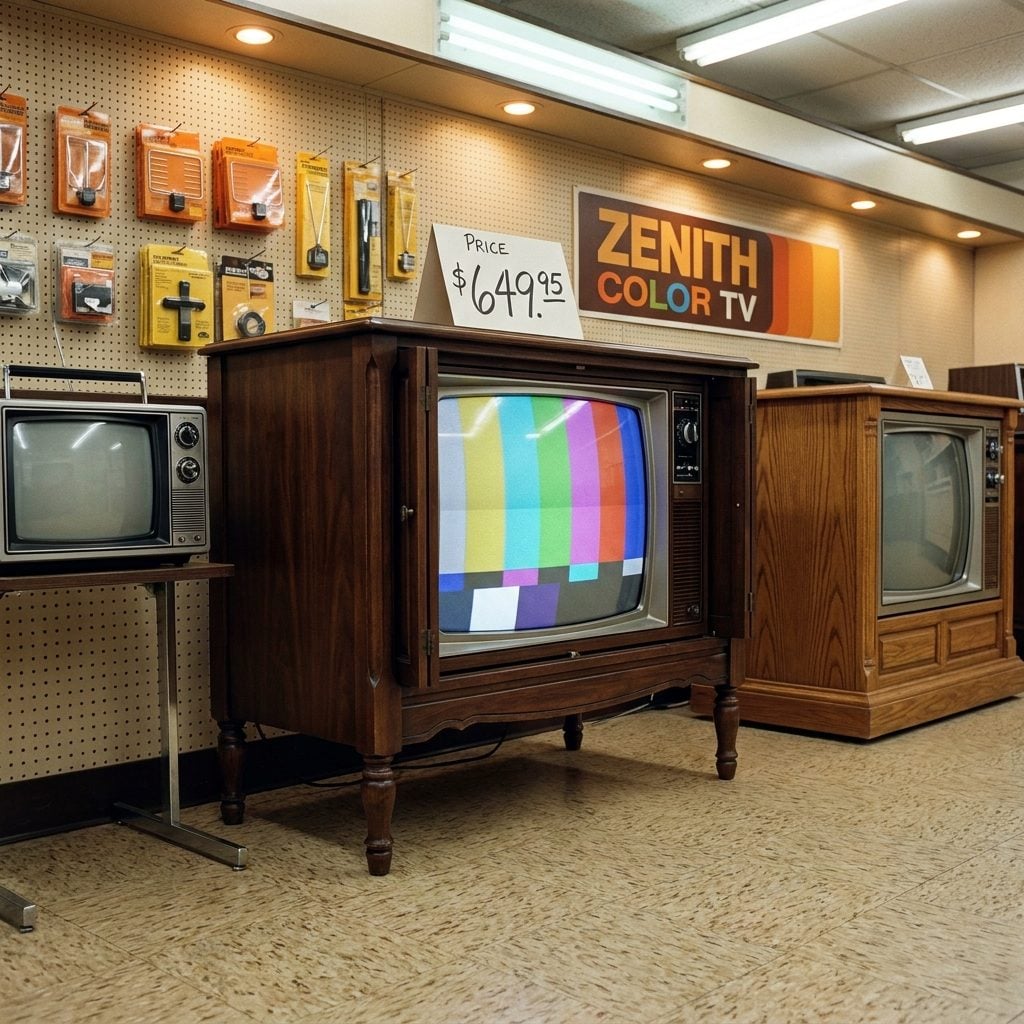
A 25-inch console color television in a walnut cabinet could cost about $600 to $700. Zenith, RCA, Magnavox, and other major manufacturers sold sets that weighed well over 100 pounds and stood on decorative legs because the television was expected to behave like furniture.
A $650 set equaled about 245 hours of work at the federal minimum wage, or more than six 40-hour weeks of gross pay. When the picture failed, many families called a repair technician rather than replacing the entire set.
6. A Plaid Loveseat to Match for Around $220 in 1978
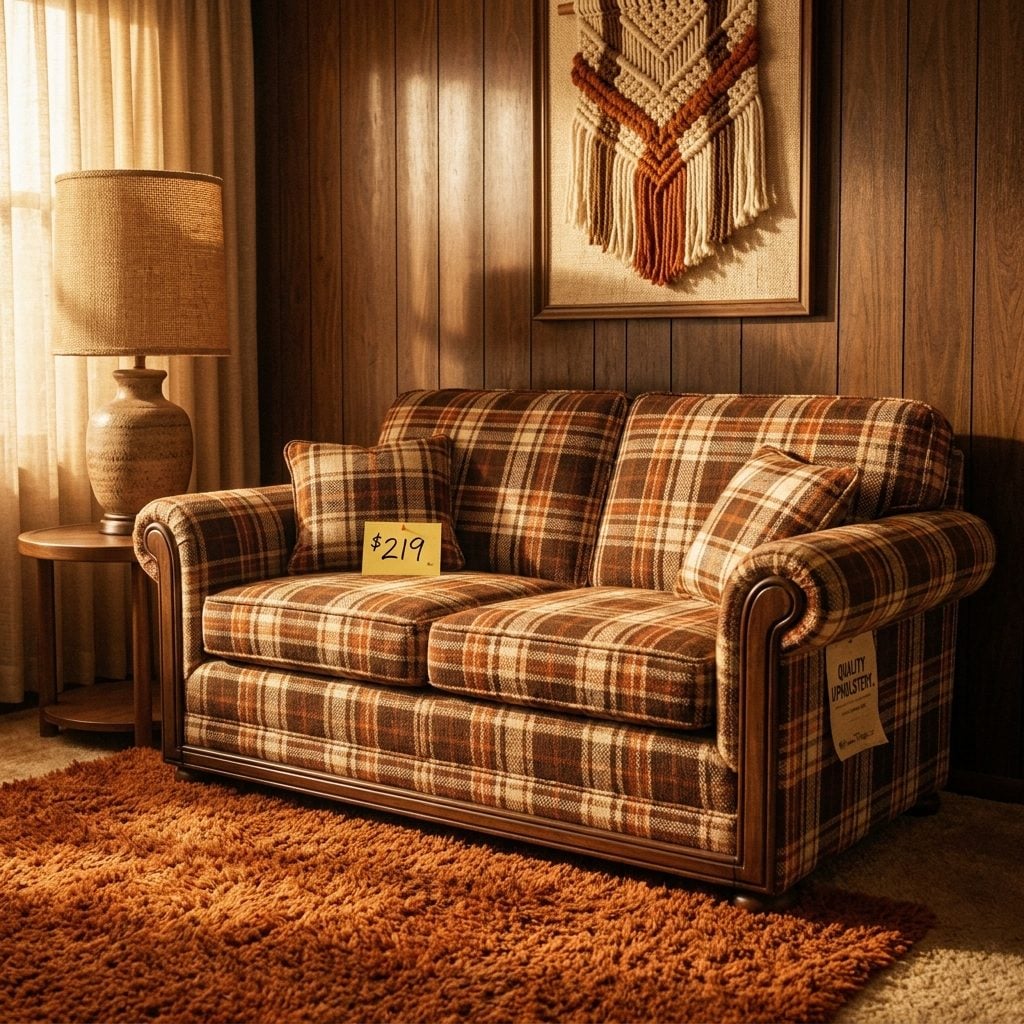
The companion loveseat added roughly $200 to $250, especially in the nubby Herculon, velour, or plaid upholstery widely sold at the time. Stores often displayed it beside the sofa so the buyer could see the whole room before the first payment was due.
Plaid appeared in combinations that now seem unusually committed: brown with orange, green with gold, or rust crossed with cream. Once the sofa and loveseat were purchased together, the recliner, ottoman, and drapes had little choice but to cooperate.
5. A Ceramic Table Lamp with a Burlap Shade for About $22 in 1978
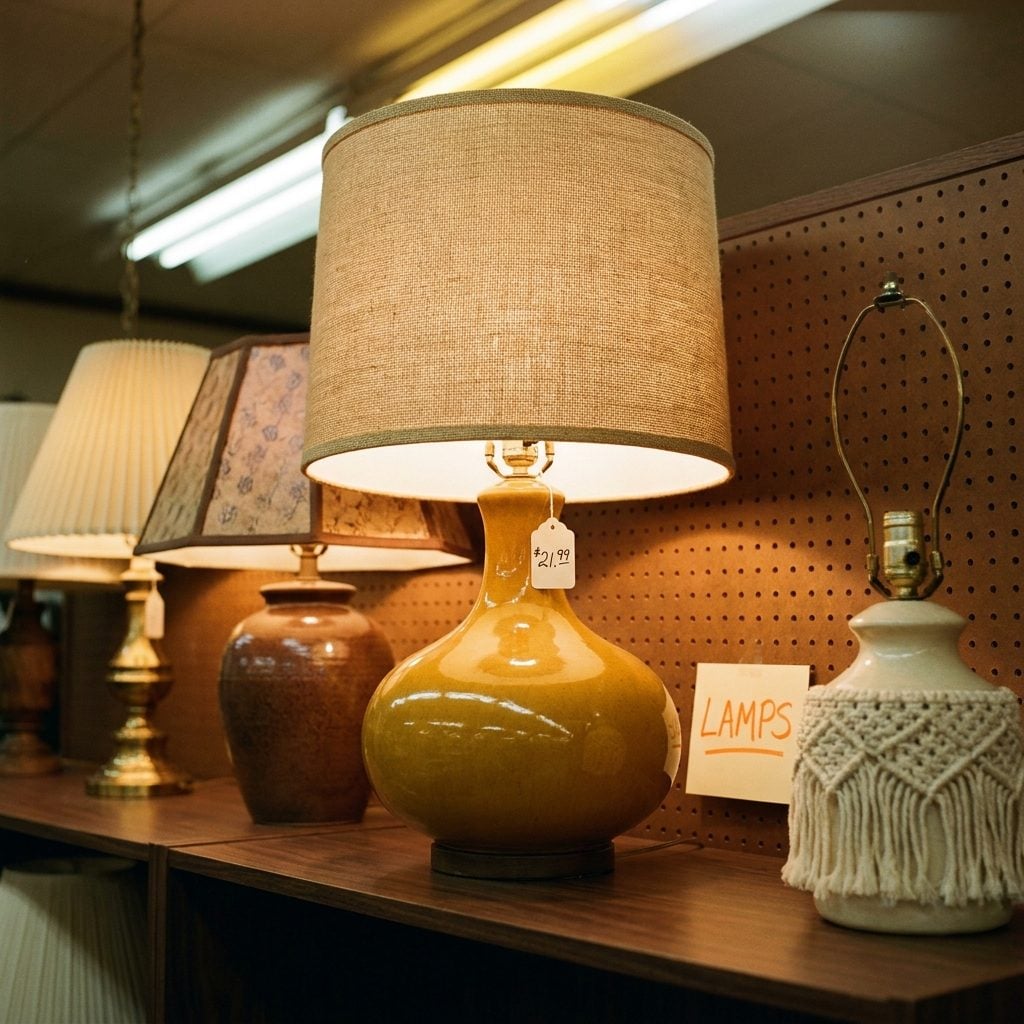
A ceramic table lamp with a burlap or coarse fabric shade cost about $20 to $25. Hand-glazed pottery bases, textured finishes, or macramé details could push the price closer to $35.
Families commonly bought lamps in pairs for matching end tables. The bases picked up a color from the upholstery, while the shade echoed the drapes without looking as though anyone had tried too hard.
4. A Sculpted Nylon Wall-to-Wall Carpet in Rust or Gold for About $7 to $10 per Square Yard in 1978
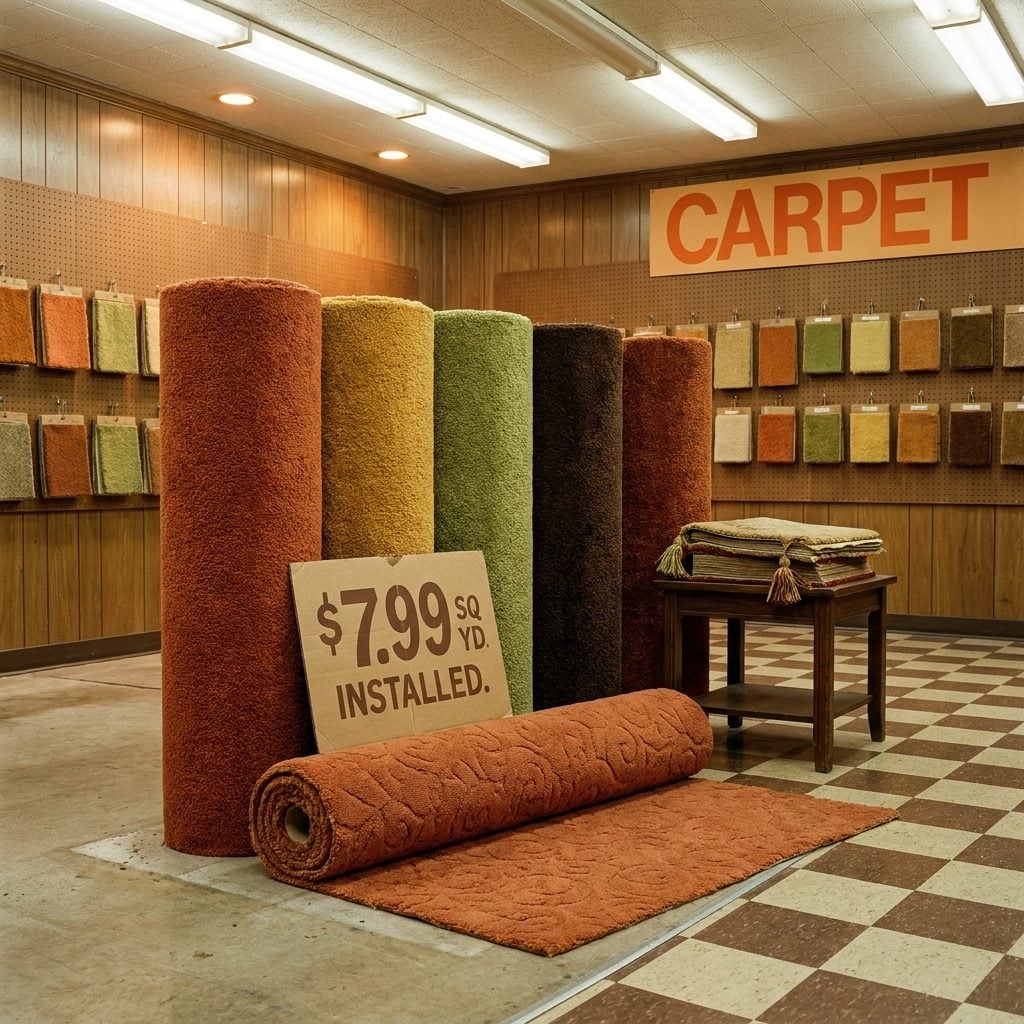
For households that found shag too informal or too hard to vacuum, sculpted nylon was the tailored alternative. The lower pile was carved into swirls, geometric patterns, or floral textures, and installed prices of roughly $7 to $10 per square yard put a 12-by-18-foot living room at about $168 to $240.
Homeowners covered plywood, concrete, vinyl flooring, and sometimes perfectly good hardwood, because wall-to-wall carpet made a room feel finished in one decisive afternoon. The carved patterns also hid vacuum tracks and footprints better than a uniform deep pile.
3. A Formal Coffee Table in Mediterranean Style for Around $95 in 1978
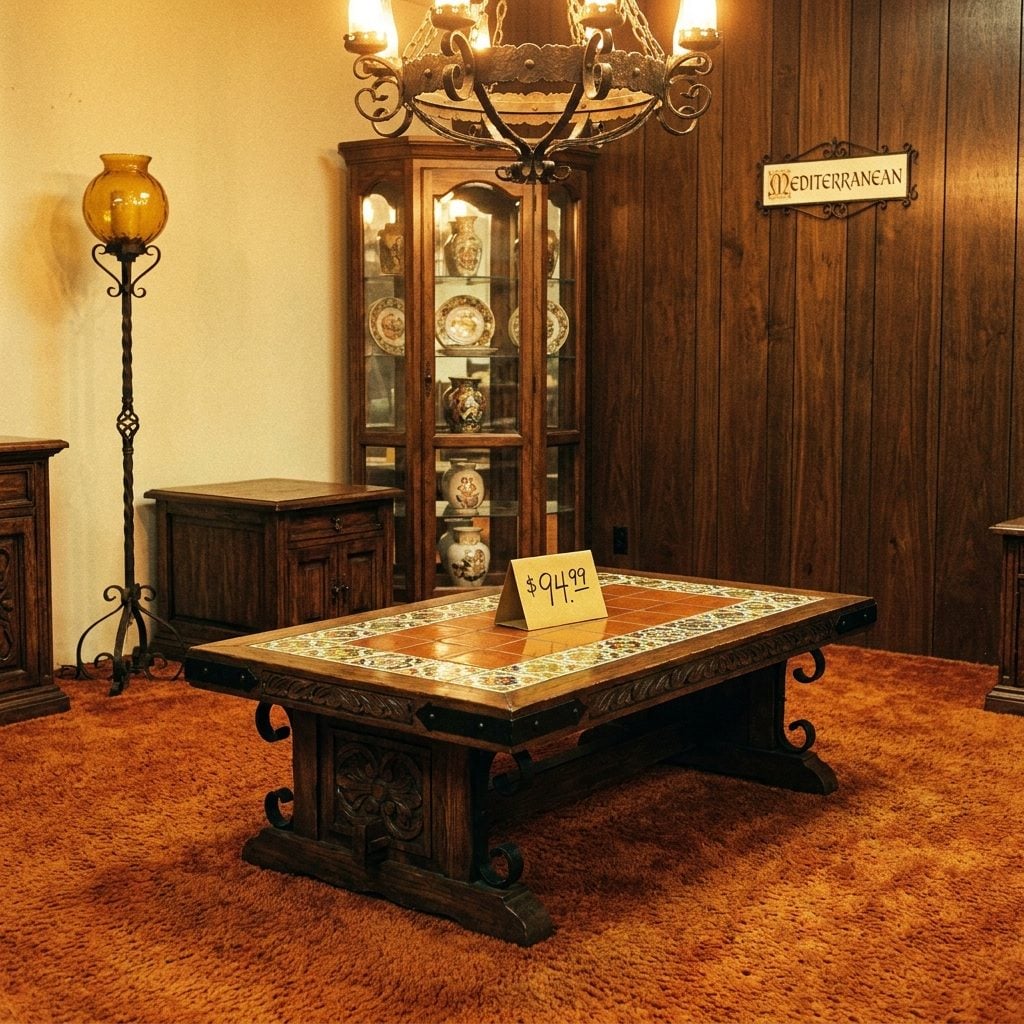
Where the glass-and-brass table aimed for lightness, Mediterranean style went the opposite direction: dark wood, turned legs, wrought-iron details, and occasional ceramic tile insets. A coffee table in that style ran about $85 to $110, a premium over plainer designs that reflected the carving and hardware involved.
The pieces were visually and physically heavy, which suited a room designed around permanence rather than frequent rearranging. Once the sofa, table, stereo, and wall unit found their positions, the traffic pattern tended to stay settled.
2. A Set of Three Framed Prints for the Wall for About $30 in 1978

Three coordinated prints in thin gold frames sold for about $25 to $35 at Woolworth, JCPenney, Sears, or another mass-market retailer. Autumn landscapes, still lifes, florals, and sentimental portraits were chosen as much for their colors as for their subjects.
Selling the pictures as a set removed the hard part. The frames already matched, the scale was balanced, and the palette had been planned around popular furniture finishes. All the buyer had to do was hang them in a reasonably straight line.
1. A Full Room’s Worth of Latex Paint for About $30 to $40 in 1978
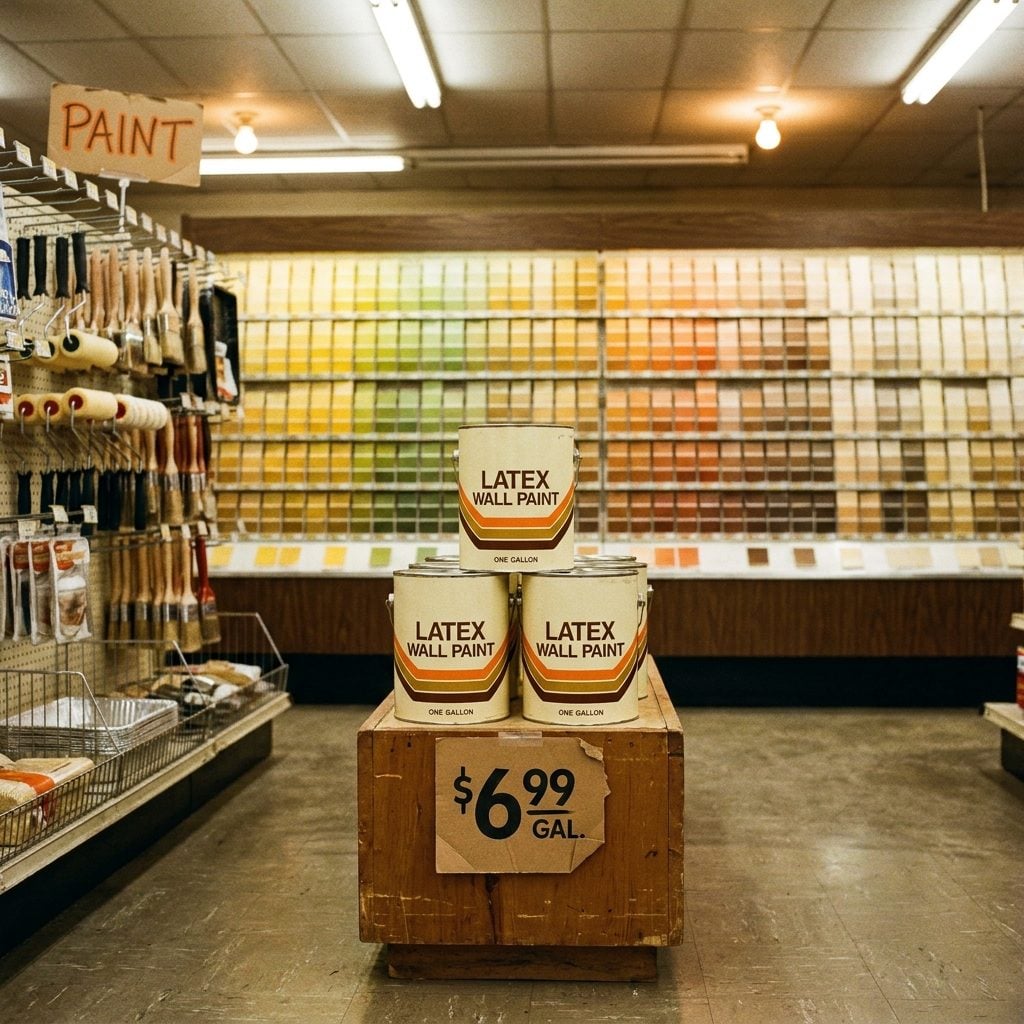
Three to four gallons of latex wall and ceiling paint at about $6.99 a gallon cost roughly $21 to $28 before supplies. Add rollers, a brush, tape, and a drop cloth, and a basic do-it-yourself repaint could land around $30 to $40, depending on the room and the number of coats required.
The color cards did not whisper. Antique gold, spice brown, cream, and beige with a pink undertone all had their moment. A few gallons could change the entire room, although covering the darker shades later would become somebody else’s weekend problem.