🔥 Would you like to save this?
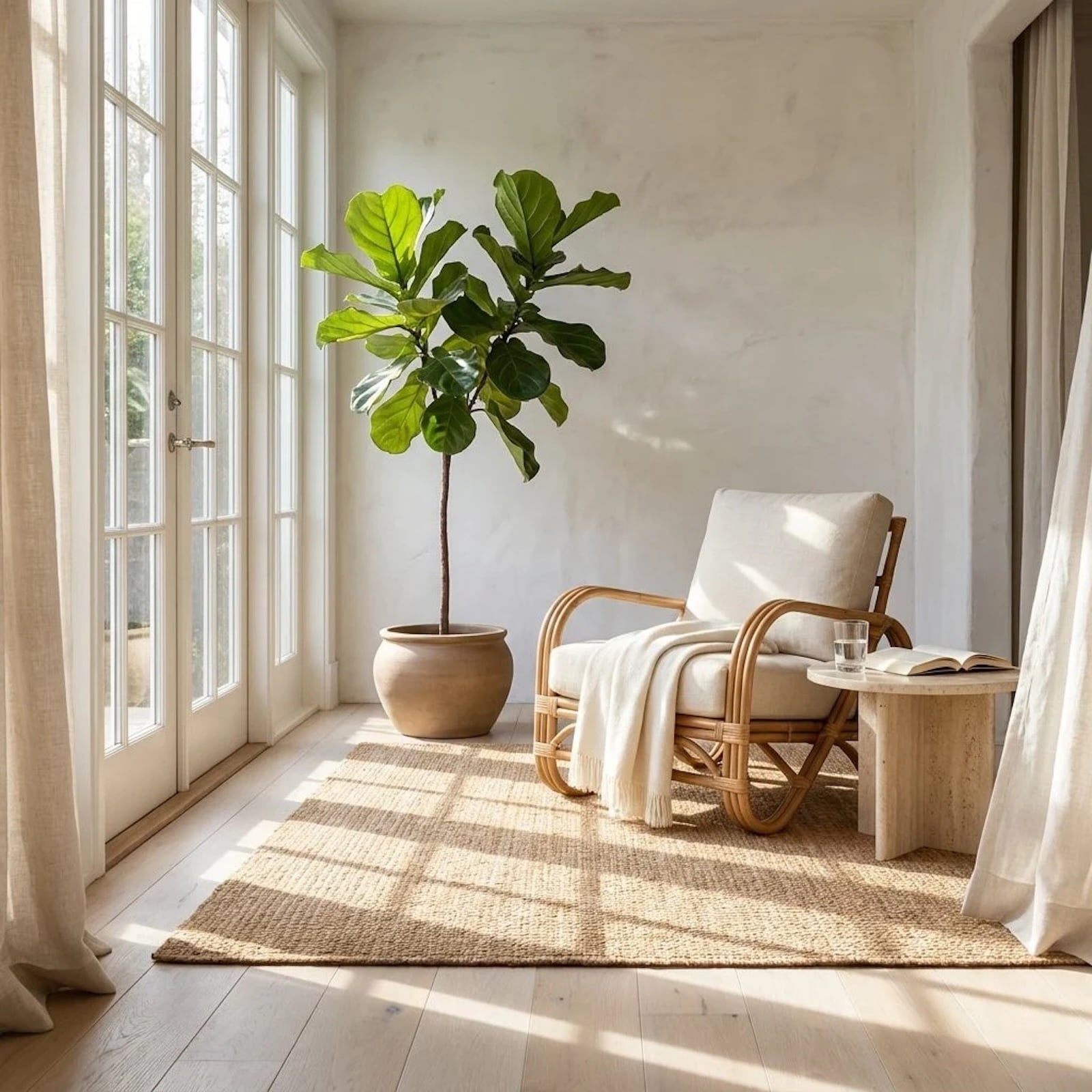
There is a room in your house you drift toward without planning it. Maybe it is the one with the reading chair nobody else uses. Maybe it is the kitchen at 11 p.m., after the lights have been lowered. Maybe it is a corner of the basement that makes more sense to you than it does to anyone else.
The choice is not always mysterious, and it is not a diagnosis. Rooms differ in noise, light, privacy, scale, temperature, and the number of demands they place on us. Childhood memories, current routines, and simple physical comfort can all influence which combination feels restorative.
In order to come up with the very specific design ideas, we create most designs with the assistance of state-of-the-art AI interior design software. Also, assume links that take you off the site are affiliate links such as links to Amazon. this means we may earn a commission if you buy something.
What follows are 24 ways a retreat space can meet a need the rest of the house does not.
The Room You Pick First May Be Correcting Something the House Once Lacked
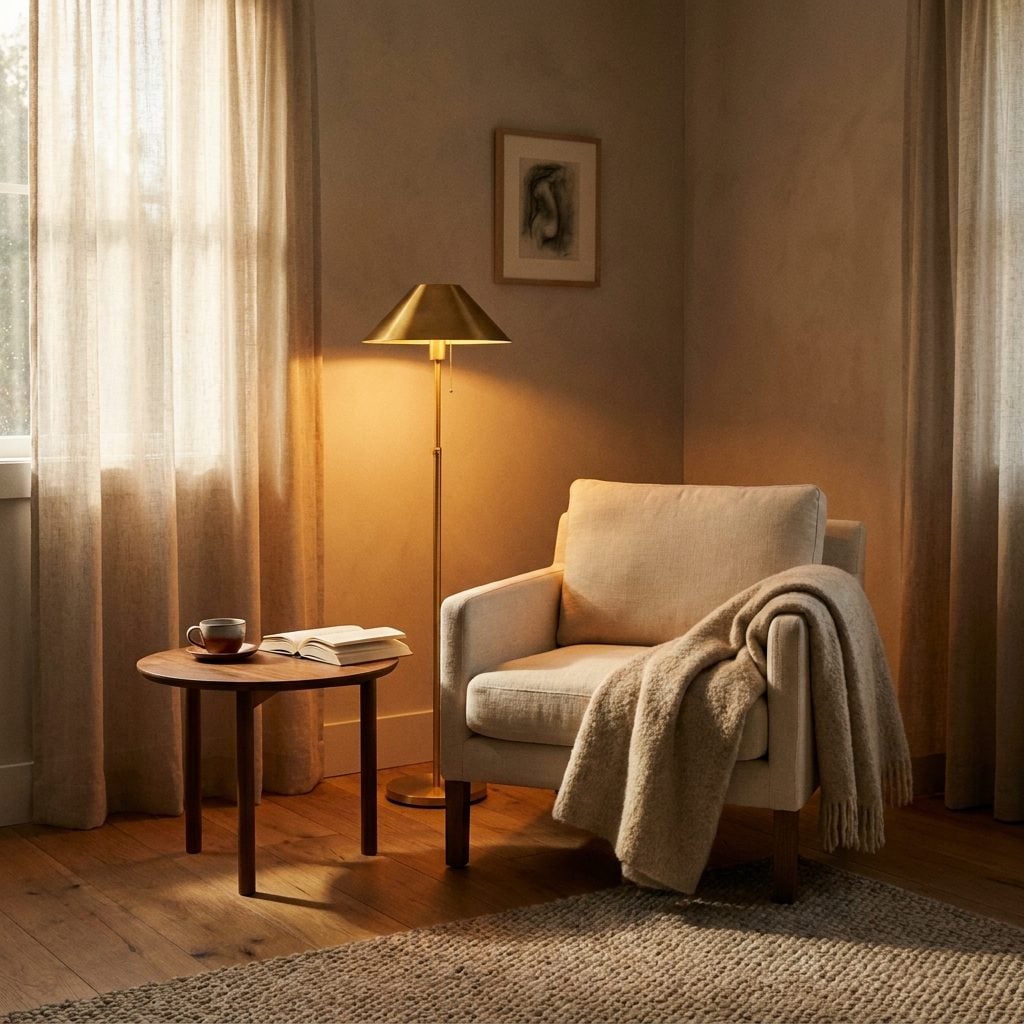
The room an adult reaches for after a difficult day is rarely chosen by square footage alone. A soft bedroom may feel especially valuable to someone who once shared a noisy room. A quiet den may appeal to a person whose childhood living room was controlled by a television that never seemed to turn off.
Environmental psychology studies how physical surroundings affect attention, emotion, and restoration. That does not mean every room preference can be traced to childhood, but earlier homes can establish powerful expectations about noise, privacy, warmth, and control. Source
Sometimes the reading corner is comfortable and nothing more. Sometimes it also supplies something that was once scarce: a door, a lamp, a quiet hour, or a place that belongs to one person.
Why the Corner Seat Feels Better Than the Middle of the Room
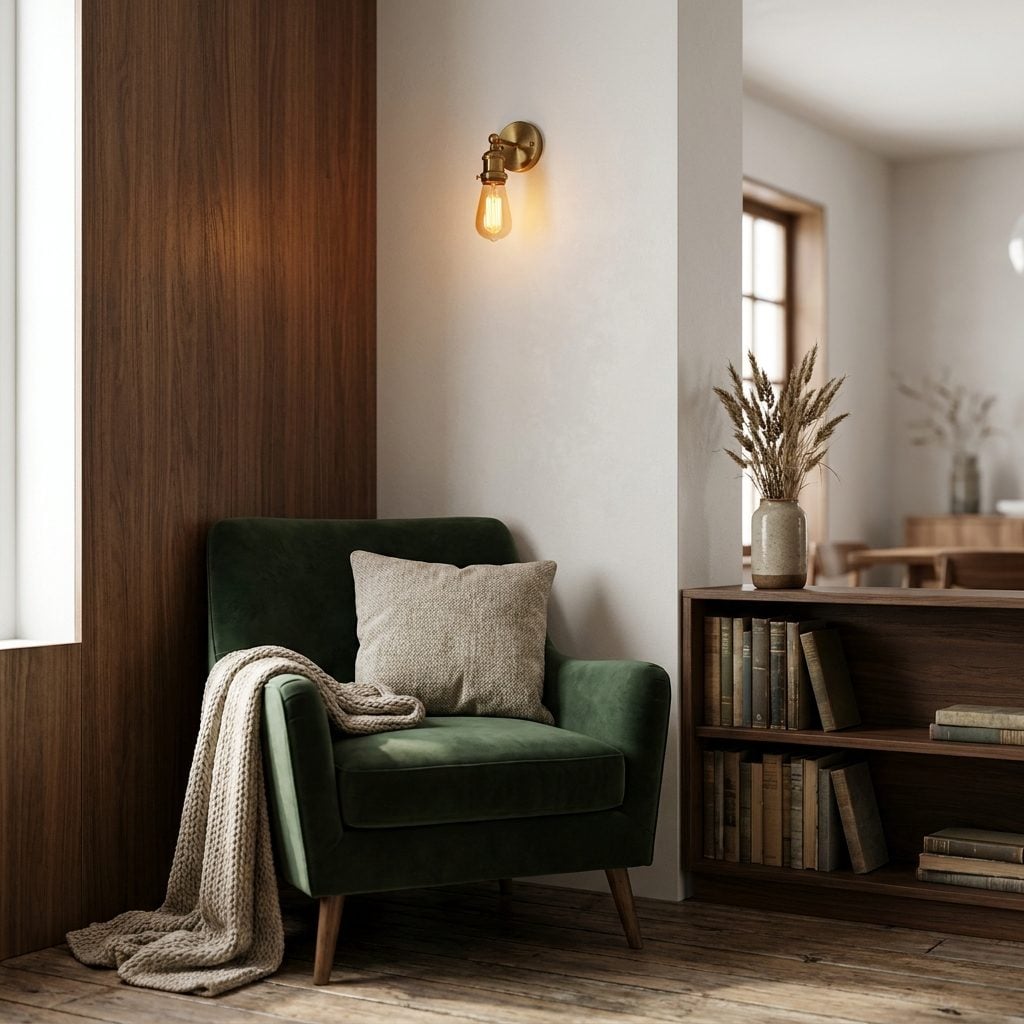
Walk into a restaurant and plenty of people will look first for the booth, the corner, or the chair with its back against a wall. The position offers a broad view without leaving the sitter exposed on every side.
British geographer Jay Appleton described this balance as prospect and refuge: the ability to see outward while remaining partly sheltered. Source Later seating-preference research has also examined how layout, visibility, and furniture orientation influence where people choose to sit. Source
The corner is an efficient seat: less activity behind you, a clear view ahead, and one fewer direction demanding attention.
The Quiet Room That Becomes Essential After a Loud Day
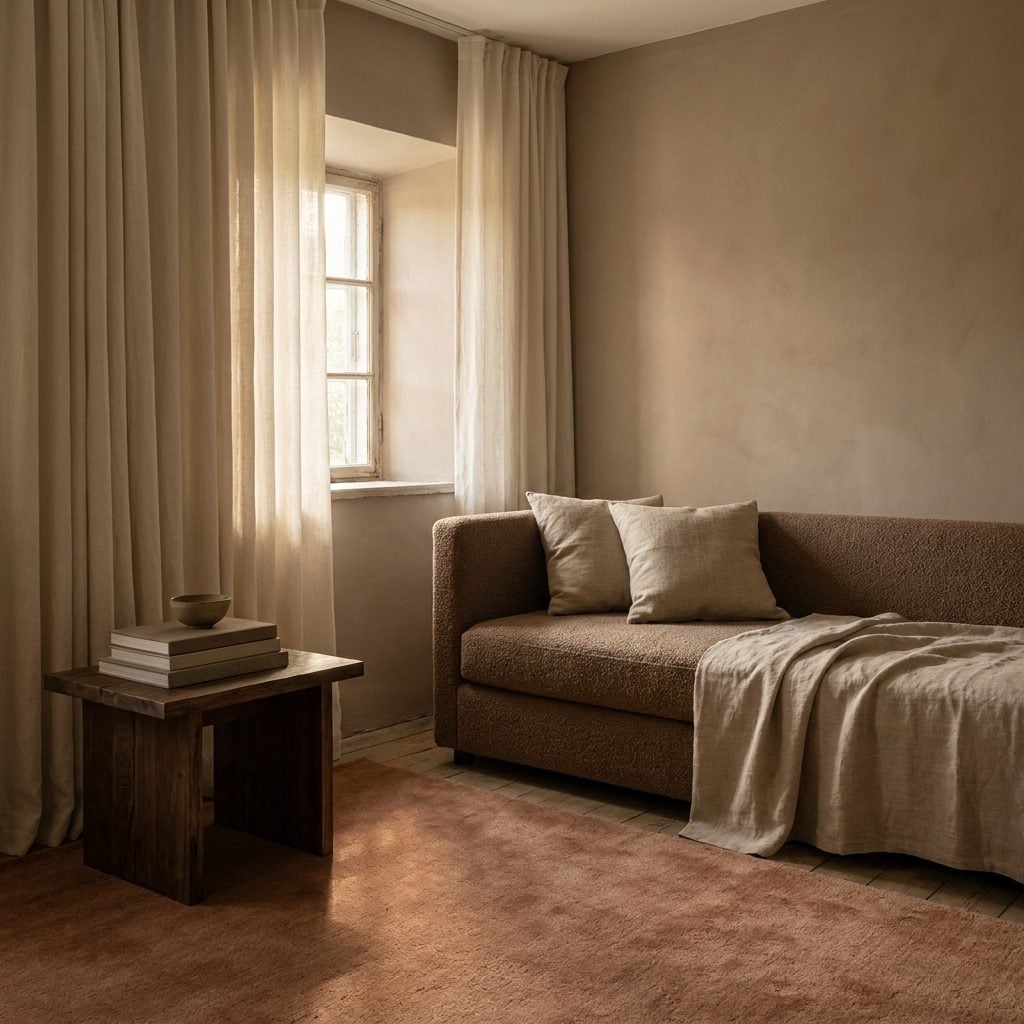
Some people keep their homes at library volume. Rugs cover hard floors, drapes soften echoes, and doors close without announcing themselves to the whole house. That preference can come from childhood, temperament, work, or the accumulation of a noisy day.
A retreat designed for quiet often has three useful features: soft materials that absorb sound, a door that closes fully, and some distance from the front entry, television, kitchen, or street. Research on interior environments has long treated acoustics as part of comfort rather than a decorative afterthought. Source
The room does not need to be silent. It only needs to lower the background noise enough for the person inside it to stop competing with the house.
Lower Ceilings Can Make a Room Feel More Settled
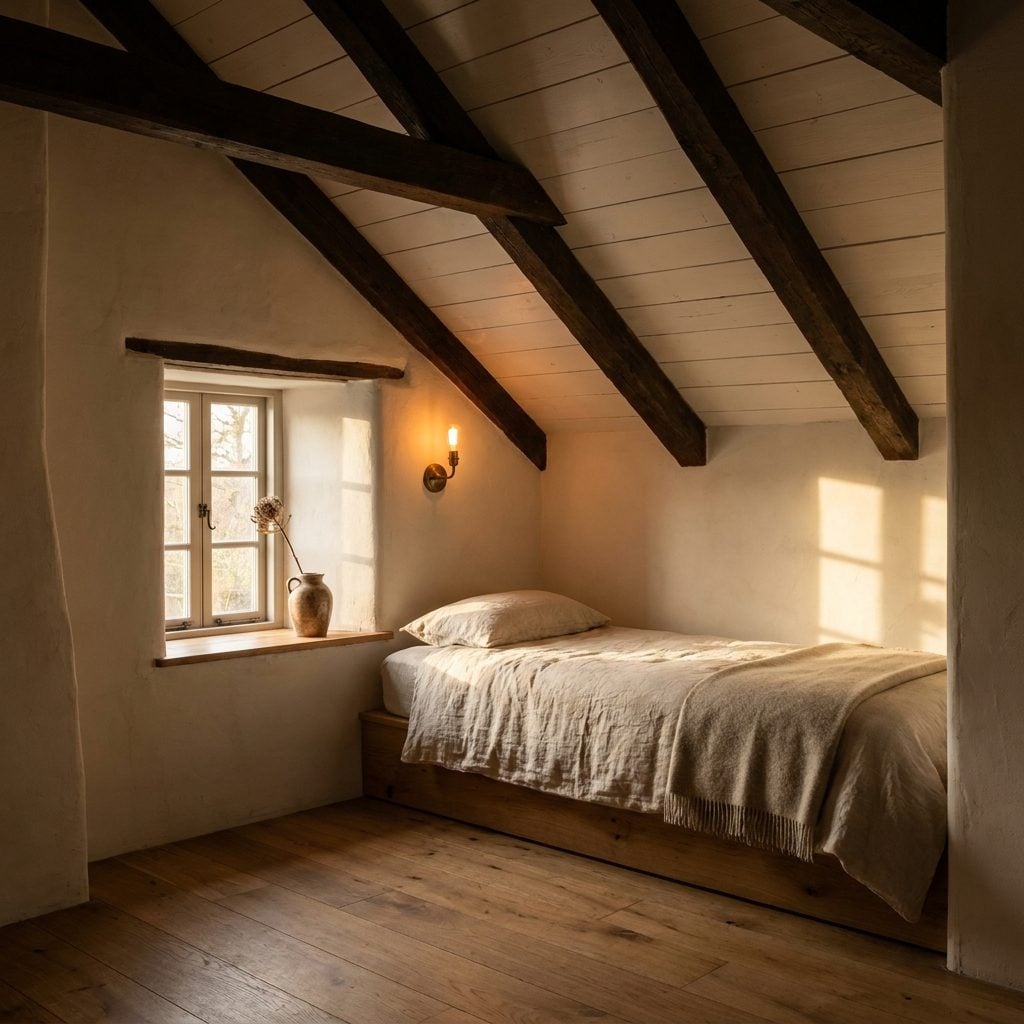
A soaring open-concept room can look impressive and still feel difficult to settle into. The finishes may be beautiful, but the scale keeps the room feeling public, exposed, or slightly formal.
Research often described as the cathedral effect suggests that ceiling height can influence how people process a space, with taller ceilings associated with broader, more abstract thinking and lower ceilings associated with greater focus on detail. Source
That does not make one height psychologically superior. It helps explain why a tall room may suit entertaining while a lower den, alcove, or canopy bed feels better for close conversation and rest. The smaller volume asks less of the person sitting inside it.
The Reading Nook Keeps Winning
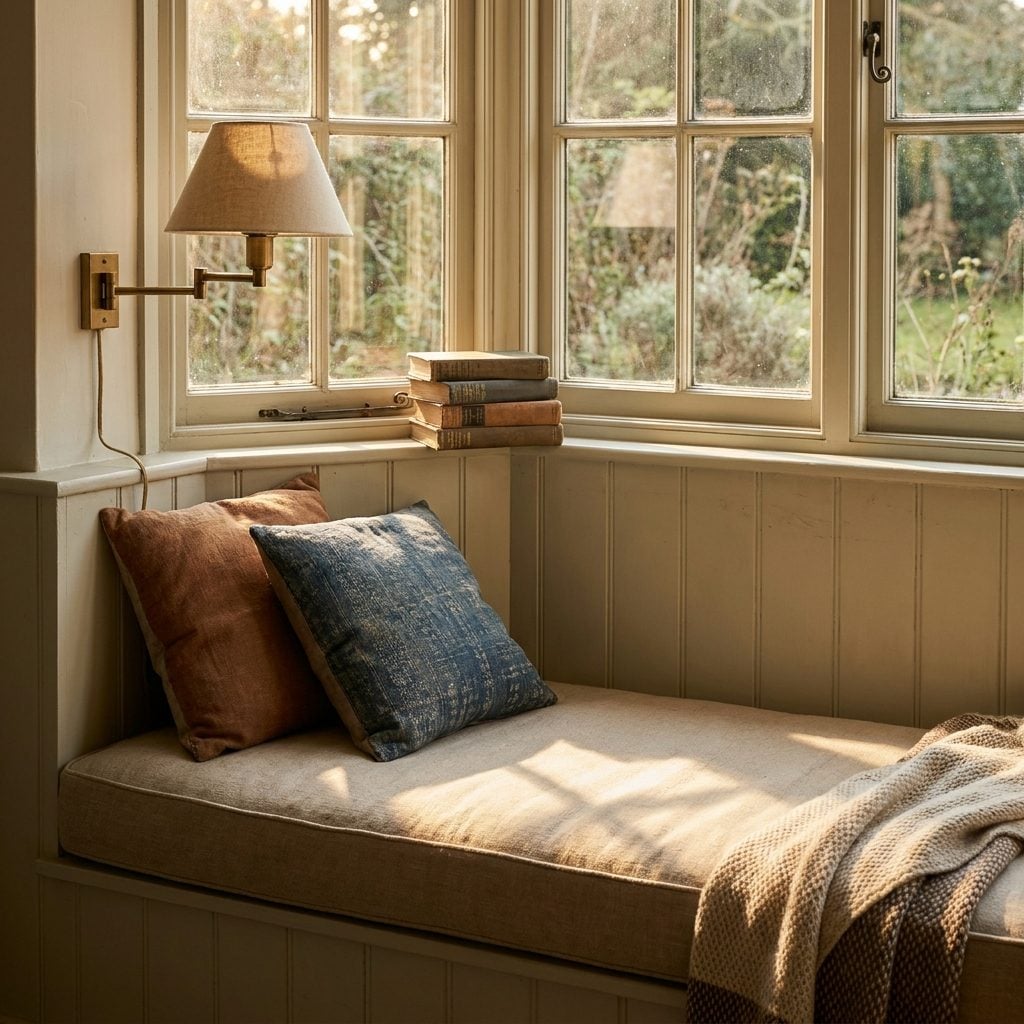
A chair near a window, a footrest, a lamp, and a surface large enough for a mug can outperform an entire formal living room. The nook succeeds because its purpose is narrow and its scale is human.
It encloses the body without blocking the view, gives the eyes somewhere beyond the room to rest, and makes multitasking inconvenient. Those qualities repeat the same see-out-while-sheltered balance that draws people to the corner seat, a pattern frequently discussed in neuroarchitecture and environmental design. Source
- Only one person fits comfortably, reducing the need to perform for anyone else.
- The view often lands at a middle distance instead of on another screen.
- The chair becomes more inviting as it is used, softened, and claimed.
A good reading nook demonstrates that a small amount of space can be designed around one uncomplicated activity.
The Kitchen as a Place to Wind Down
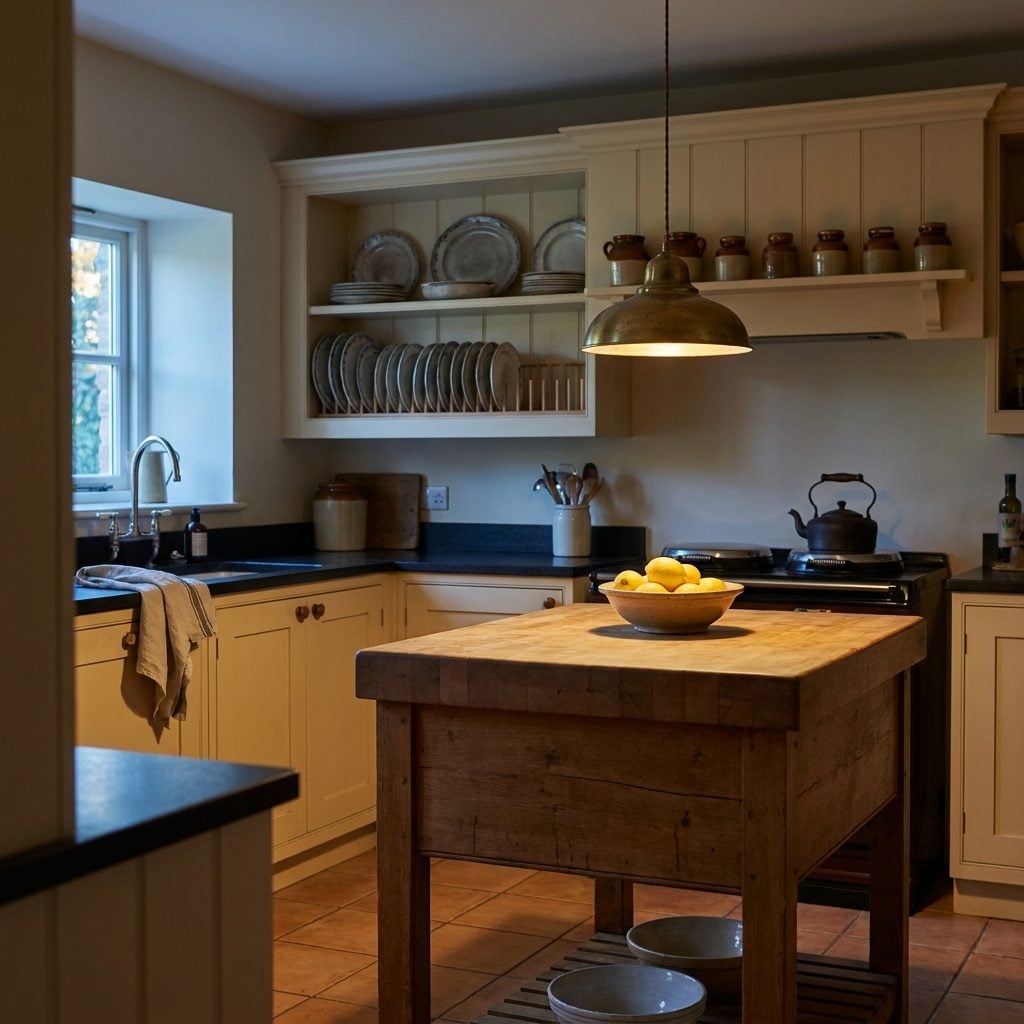
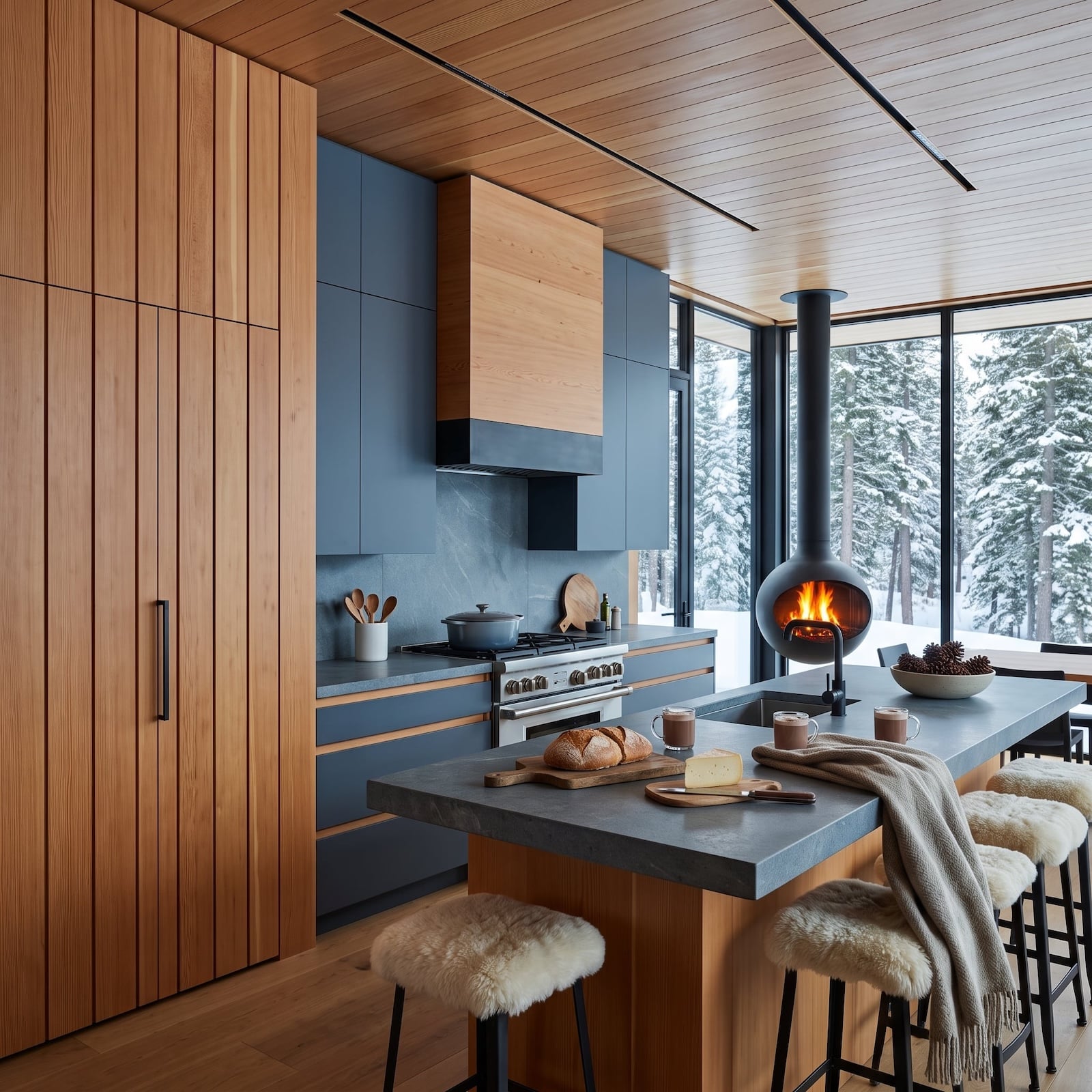
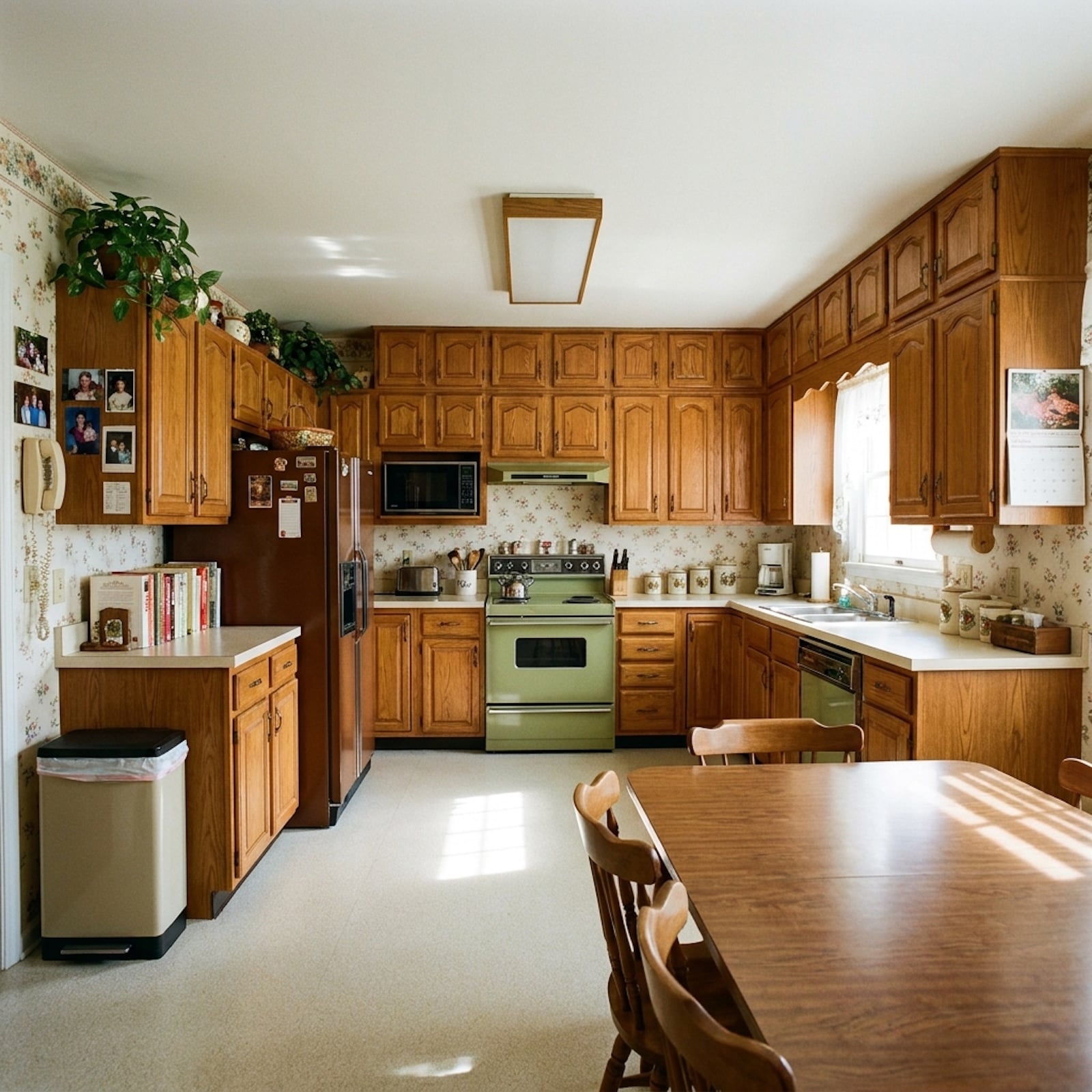
There is a particular kind of evening pause that happens at the kitchen counter with the lights half on. Nobody is cooking. Nobody is cleaning. The room is simply easier to occupy than the rest of the house.
Kitchens have long combined warmth, food, routine, and informal conversation, which helps explain why people gather there even when another room offers more seating. Source Familiar smells, repeated tasks, and memories of being fed can make the room feel steady without requiring anyone to name the feeling.
Someone who associates food with care may find the kitchen comforting even when hunger has nothing to do with it. The room carries the rhythm of being looked after: a kettle starting, a refrigerator humming, and a light left on for whoever comes in next.
Why the Basement Can Feel More Restful Than the Main Floor
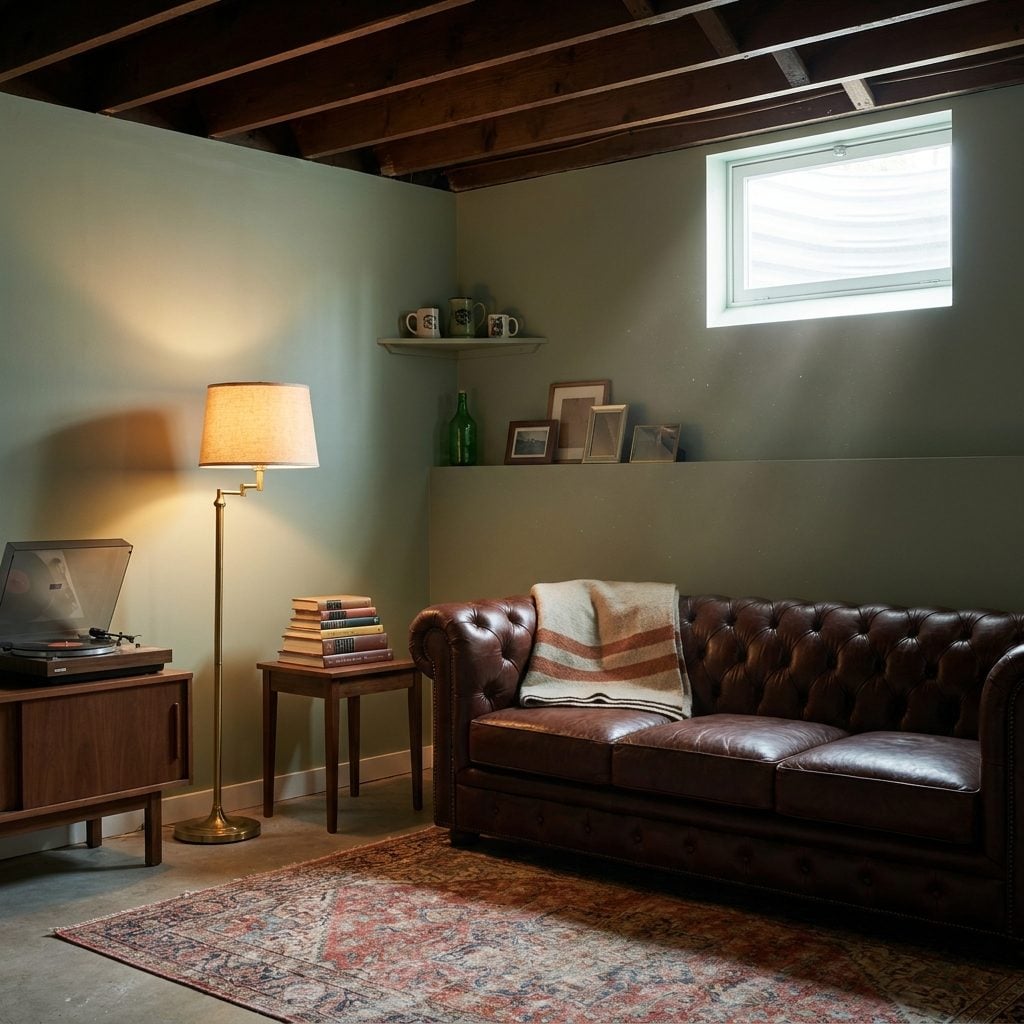
Basements are not universally comforting. They can be dark, enclosed, and separated from easy exits, all qualities that make many people uneasy. Source
For someone who likes them, however, those same qualities can create distance from the busiest parts of the house. Footsteps, kitchen noise, doorbells, and passing traffic arrive softened. The stairs establish a boundary before the room has even been entered.
A basement retreat may provide what the main floor cannot: a lower temperature, fewer interruptions, and one full floor between the occupant and whatever everyone else is doing.
How the Attic Lets You Leave Without Going Anywhere
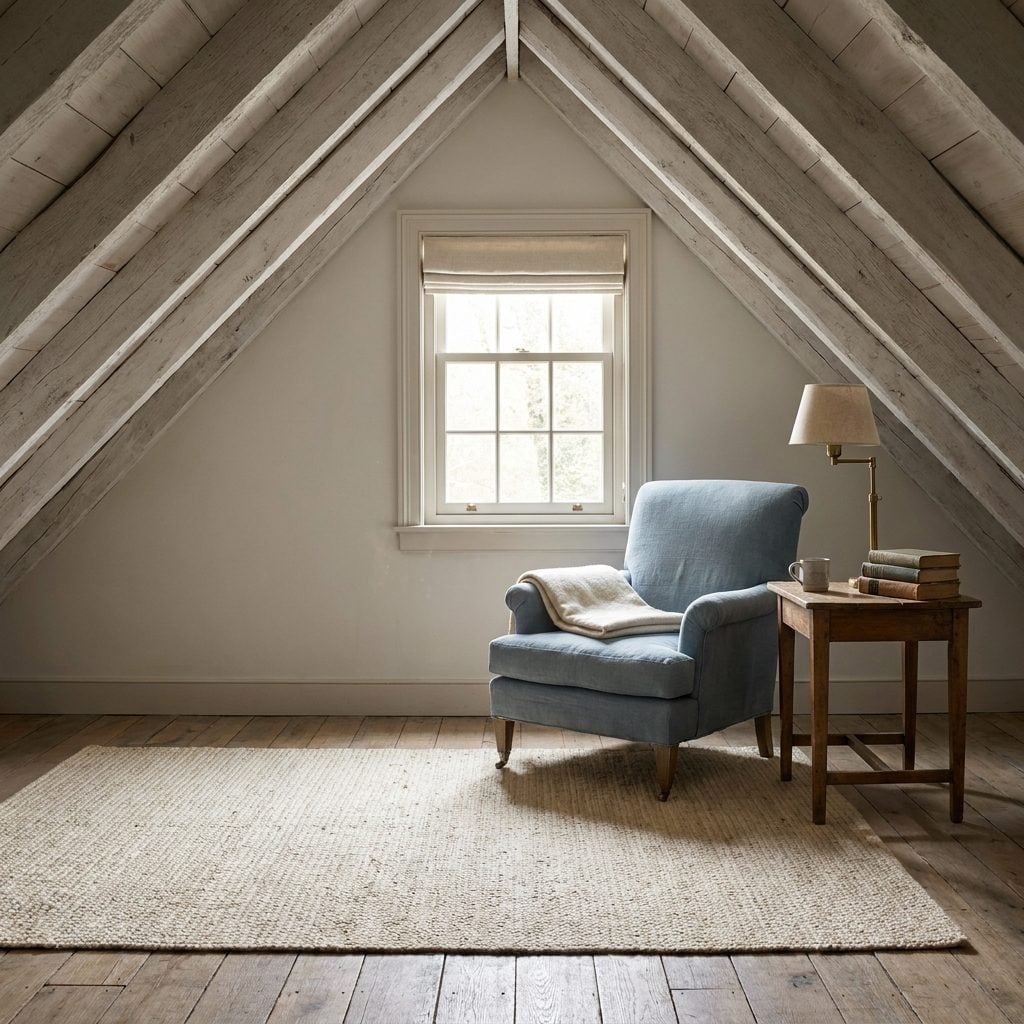
A slanted ceiling, a small window, and a floor that announces every step can make an attic feel more removed than a closed room on the main floor. The climb matters. It creates a brief transition between the household and the person retreating from it.
Part of the attraction is the familiar balance of outlook and enclosure. Source An attic can offer shelter under the roofline while preserving a view through a dormer or gable window. It is private without being fully cut off; household sounds remain audible below, but participation becomes optional.
The appeal is less about a universal instinct to climb than about separation made physical. By the time the attic door closes, the rest of the house is already one level away.
The Garage Works as a Retreat Even When Nothing Gets Fixed
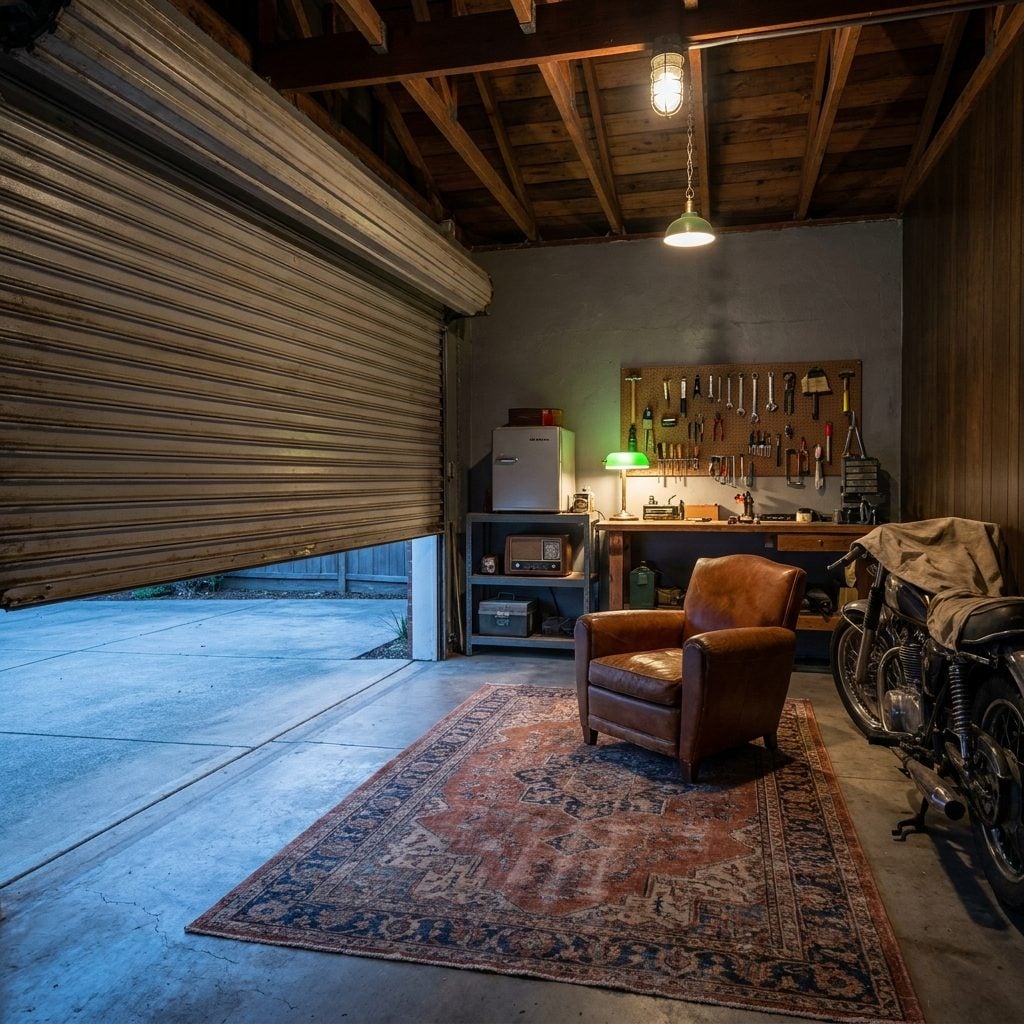
Someone walks into the garage without a clear task and comes back half an hour later looking less compressed. No shelf was built. No engine was repaired. The time alone did the work.
Personal retreat spaces give people control over interruption, sound, arrangement, and the objects around them. Research inspired by psychologist Sam Gosling’s work on personal spaces has emphasized how environments can support identity and emotional regulation. Source
The garage occupies a useful middle ground. It belongs to the house but feels slightly outside it. Nobody expects the same level of finish, conversation, or hospitality there. Tools and storage provide a plausible reason to stay, even when the real purpose is forty quiet minutes.
The Porch Suits People Who Want Company at a Distance
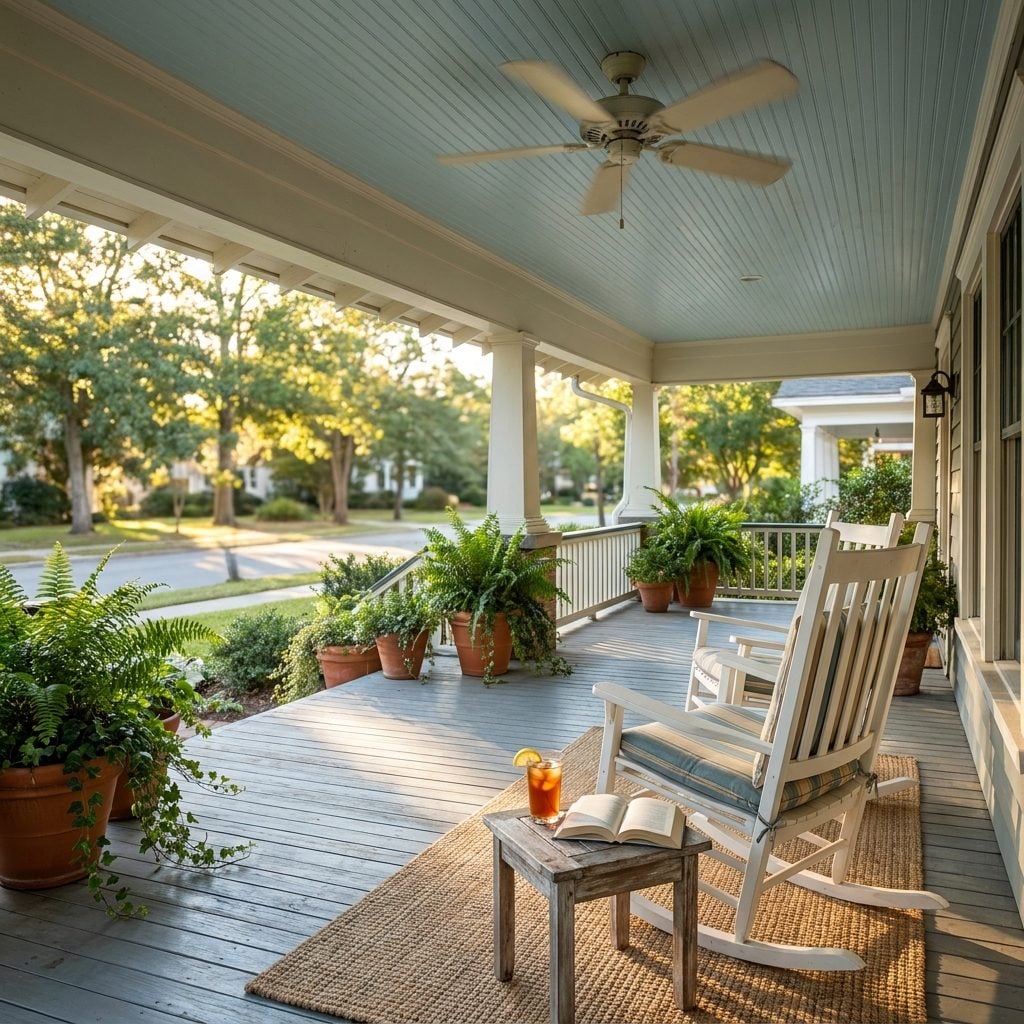
Some people go inside to recover. Others go to the porch.
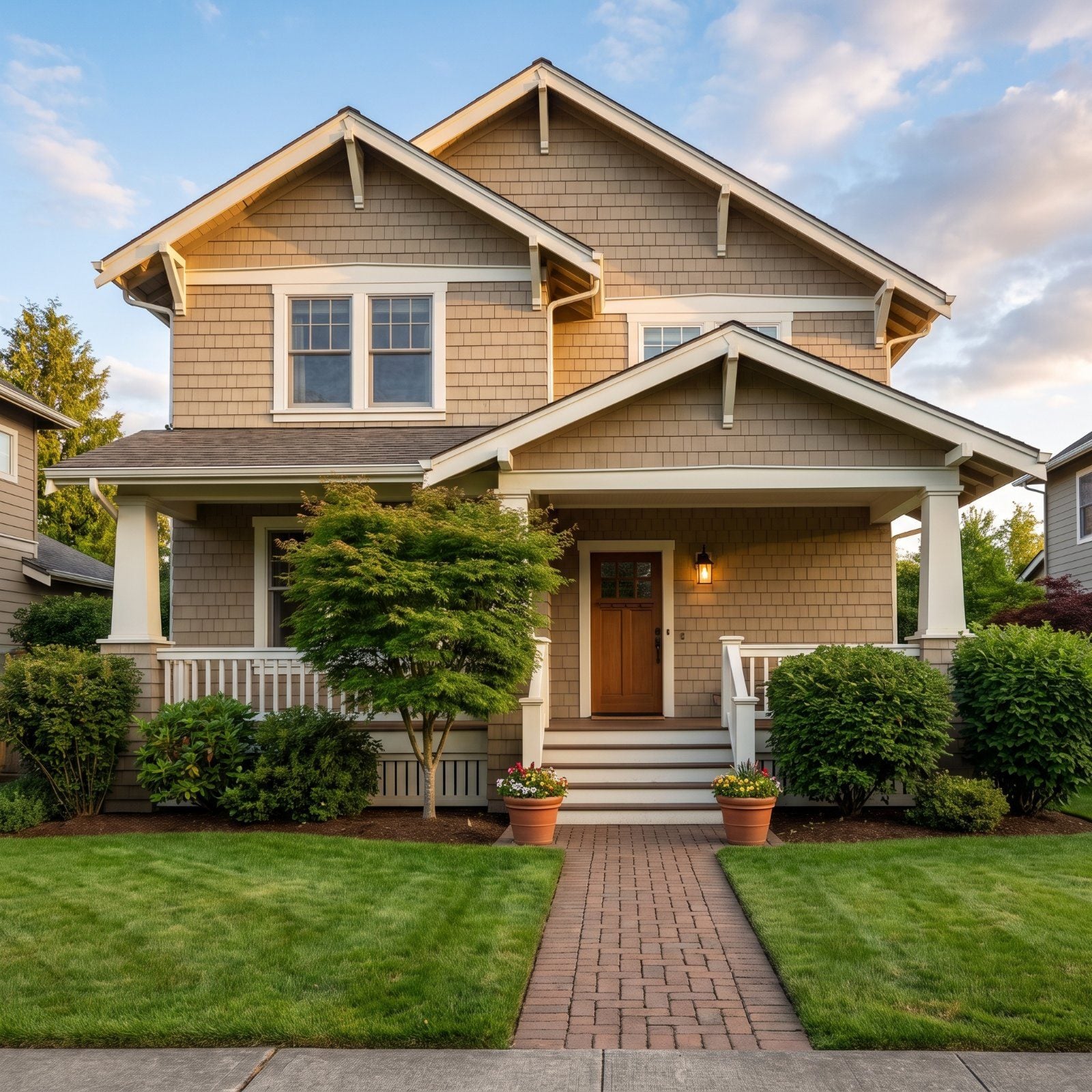
The porch is neither fully indoors nor fully outside. It offers weather without complete exposure and neighborhood activity without requiring participation. Researchers who study liminal spaces describe these thresholds as environments where ordinary roles can loosen and reflection can become easier. Source
That makes the porch useful for anyone who wants contact without conversation. The world remains visible and audible, but the house still provides a roof, a chair, and a quick route back inside.
What Sitting in the Car Before Going Inside Can Accomplish
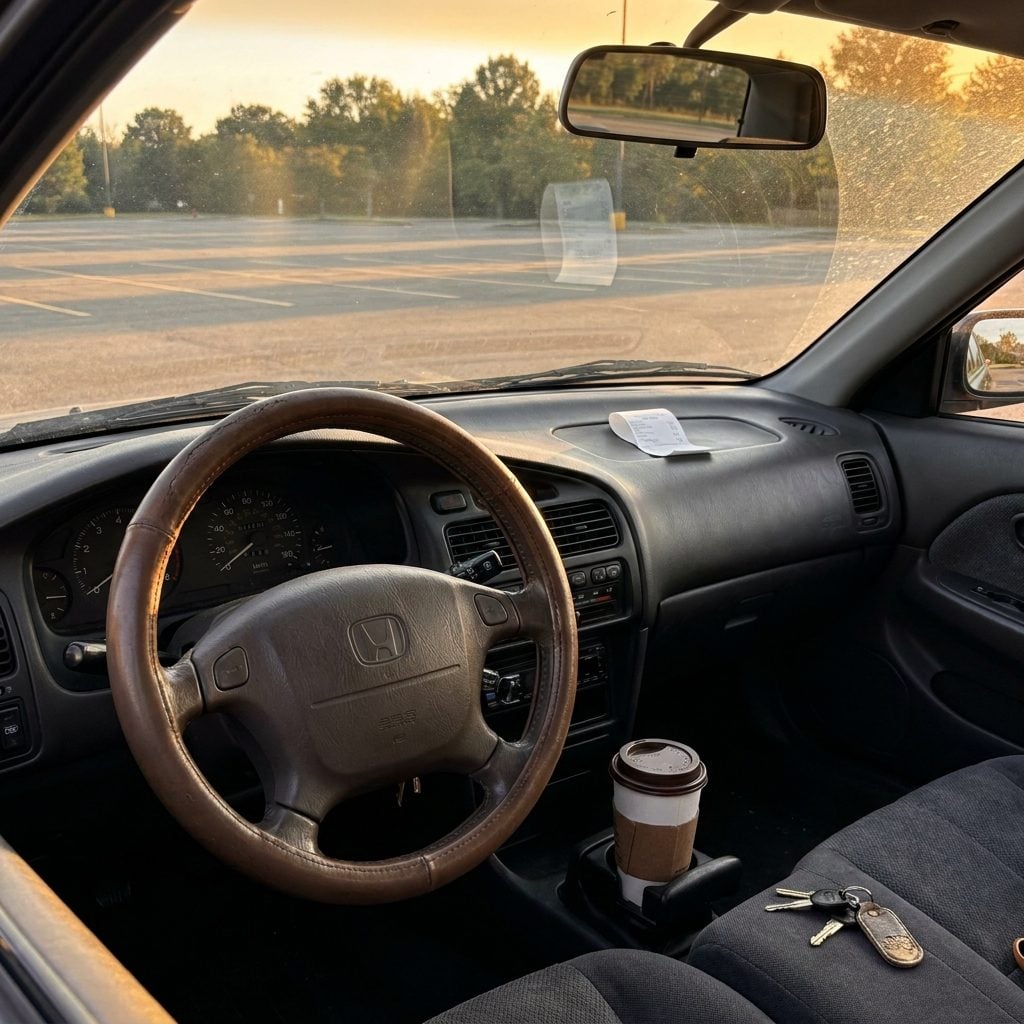
Twenty minutes early to an appointment, plenty of people remain in the parking lot with the engine off and the radio low. Others reach their own driveway and sit for another song before carrying the groceries inside.
The pause creates a transition between roles. Worker becomes parent. Driver becomes guest. Caregiver becomes a person alone for three minutes. Moving between those roles too abruptly can feel jarring, and the driveway pause absorbs the switch.
The car helps because it is enclosed, controllable, and temporary. The windshield keeps the destination visible, while the closed doors delay the moment of entry. It is a small room that makes room for the change of role.
The Home Office That Became a Retreat by Accident
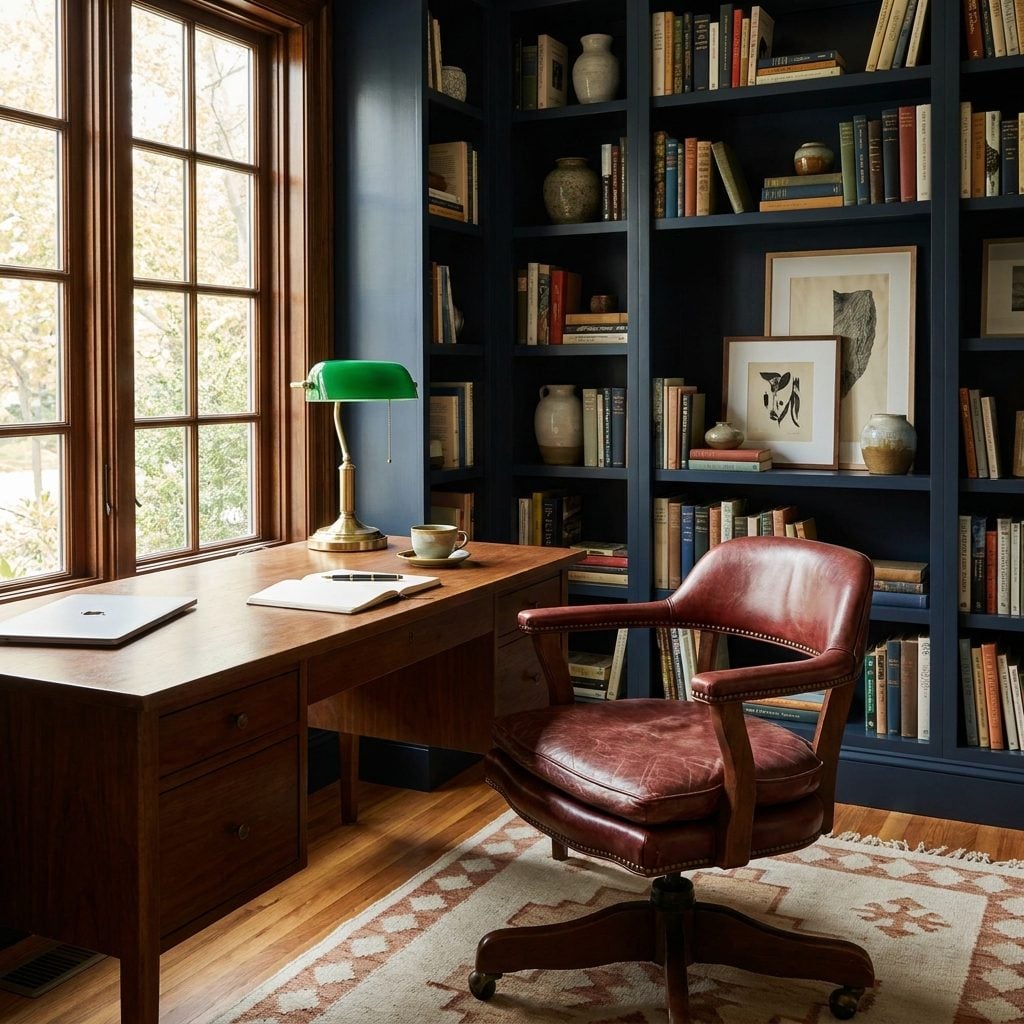
A long-used home office is rarely a perfect productivity machine. A chair from an old apartment remains in the corner. Books unrelated to the job fill a shelf. The desk faces the window even though the light is wrong for video calls.
Those apparent inefficiencies may be the reason the room works. The office provides a socially accepted explanation for closing the door, controlling interruptions, and remaining unavailable for a while. Work paid for the room, but it does not own every hour spent inside it.
Watch what happens on a Saturday afternoon. Someone who insists the office is strictly for work ends up there reading, sorting a drawer, or sitting in the chair that never appears on camera. The room became a retreat because it already had a boundary.
Why the Floor Sometimes Beats the Furniture
🔥 Would you like to save this?
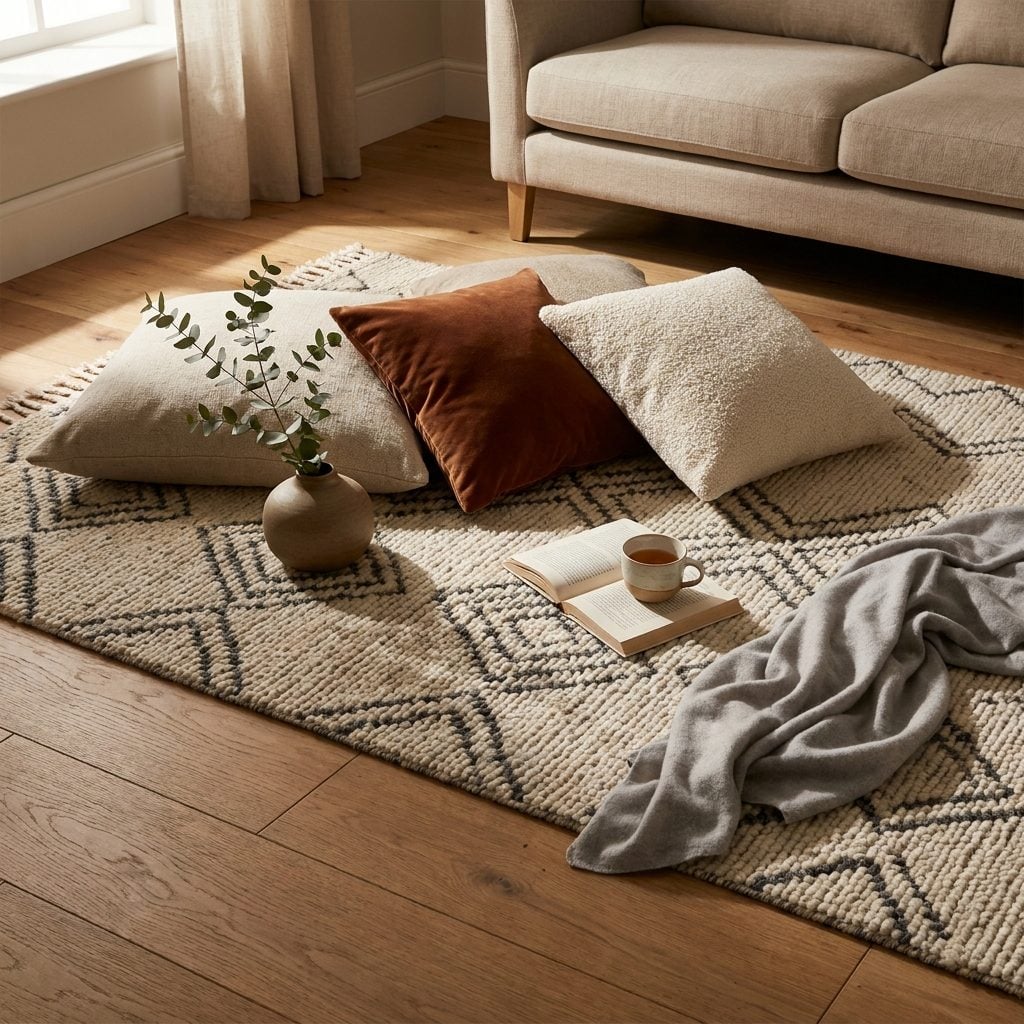
You bought the sofa, arranged the room around it, and still end up sitting on the floor beside it. The choice can look odd until the physical differences are considered.
The floor provides a broad, stable surface and changes how weight is distributed through the body. Some people like the firmness, the cooler temperature, or the reduced feeling of wobble that comes with a deep cushion. Source
That does not mean floor-sitters are secretly asking to be held or processing a particular kind of news. Sometimes the body wants a surface that does not move, swallow a hip, or tell anyone how a living room is supposed to be used.
When the Guest Room Feels Easier Than Your Own Bedroom
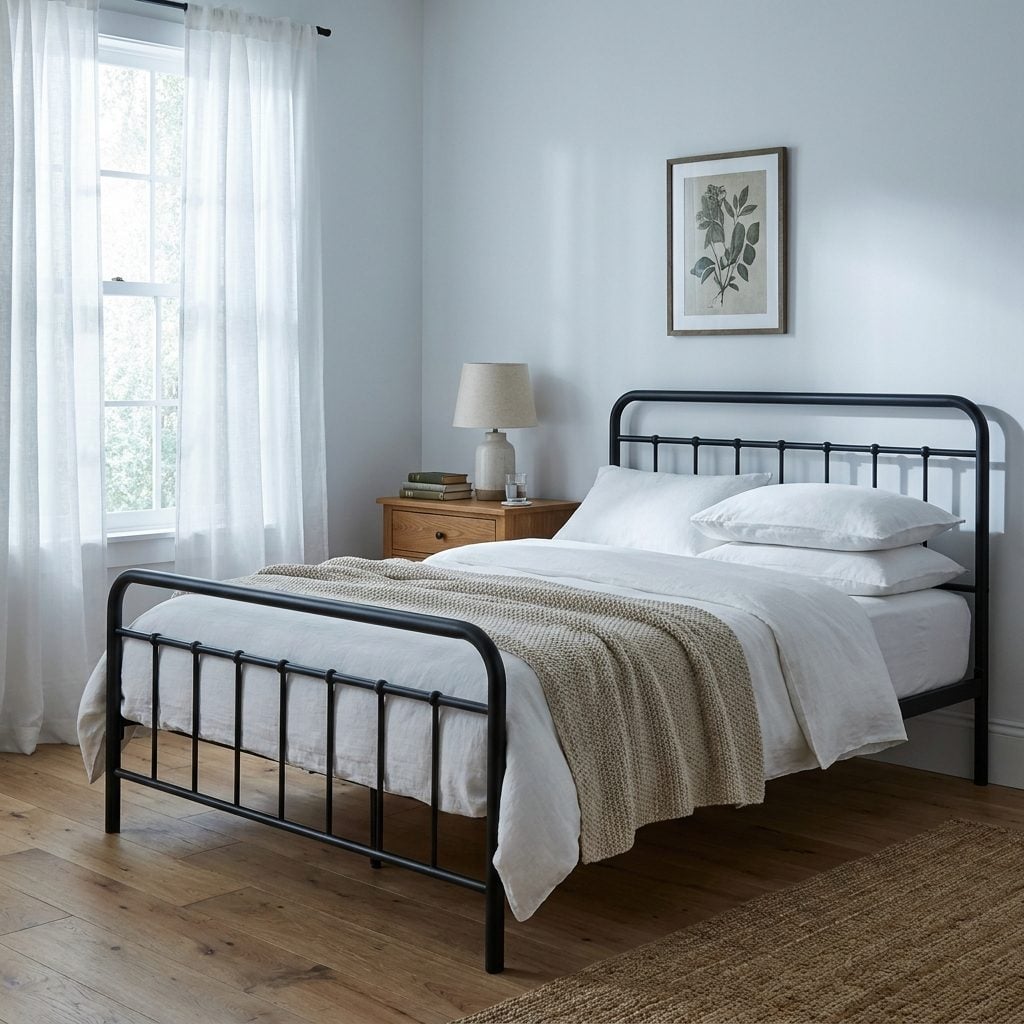
Plenty of adults occasionally sleep better in the guest room. The mattress may be firmer. A partner may be snoring. The room may be cooler, darker, or farther from the street.
It can also feel psychologically neutral. The guest room is less likely to contain work equipment, unfinished laundry, bedtime arguments, or the specific routines that have become attached to the primary bedroom. Research on refuge spaces suggests that people often seek a balance between separation and connection: far enough away to feel private, but not so far that they feel cut off. Source
An occasional night there may be nothing more than a reset. Frequent migration may be a useful signal to examine noise, temperature, mattress comfort, shared routines, or the amount of waking life that has moved into the bedroom.
How a Working Lock Changes the Feeling of a Room
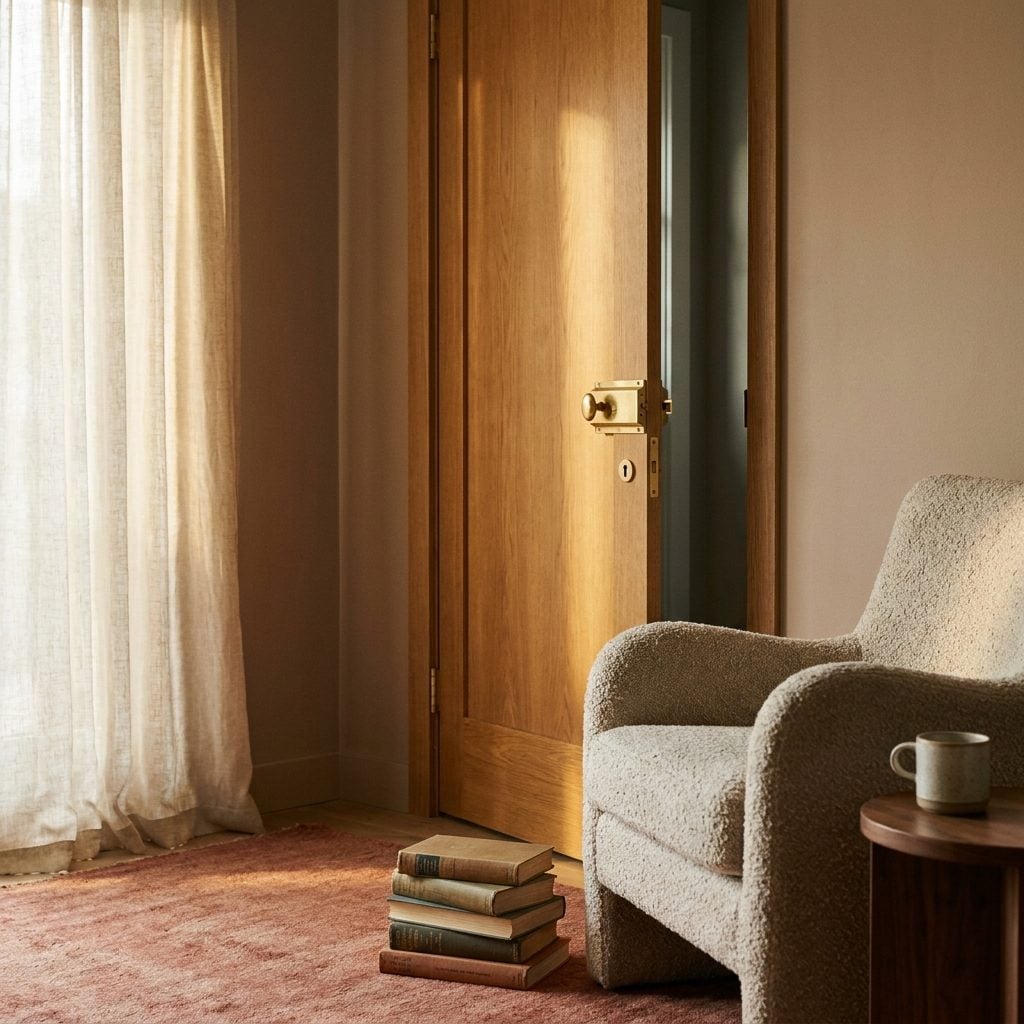
The click of a lock can matter even in a safe house. It turns privacy from a request into a condition of the room.
Children benefit from age-appropriate privacy and a growing sense of control over personal space. Source Source Adults who grew up with frequent interruptions may value locks especially strongly, but the preference is not limited to people with difficult childhoods. Parents, remote workers, light sleepers, and anyone sharing a crowded home may feel the same relief.
The useful feature is not secrecy. It is the certainty that an interruption has to pause, knock, and wait.
Why Some People Will Pay More for a Sunroom
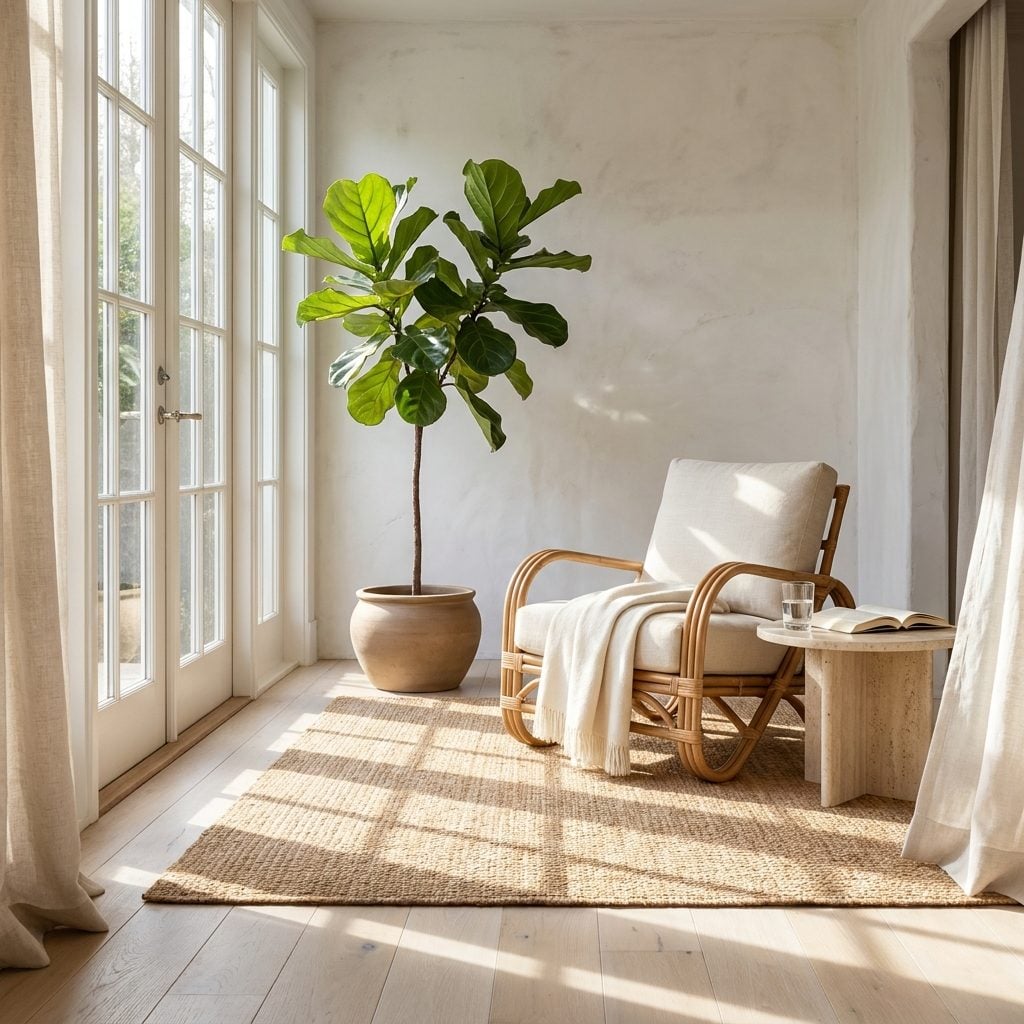
Certain adults will compromise on storage, lot size, or a second bathroom to get one room drenched in daylight. The attraction begins with biology: light reaching specialized retinal cells helps regulate circadian timing, alertness, and mood.
A 2016 workplace study found associations between sunlight exposure and lower reported depressed mood and anxiety among employees. Source That does not create a distinct “sunroom personality,” but it helps explain why the room can feel different from a bright kitchen or a single large window.
Personal history may strengthen the preference. Someone who spent years in a basement bedroom, a north-facing apartment, or a house where the blinds remained closed may value abundant light more intensely. The sunroom is the room where daylight becomes the main event.
When Falling Asleep on the Couch Is Easier Than Going to Bed
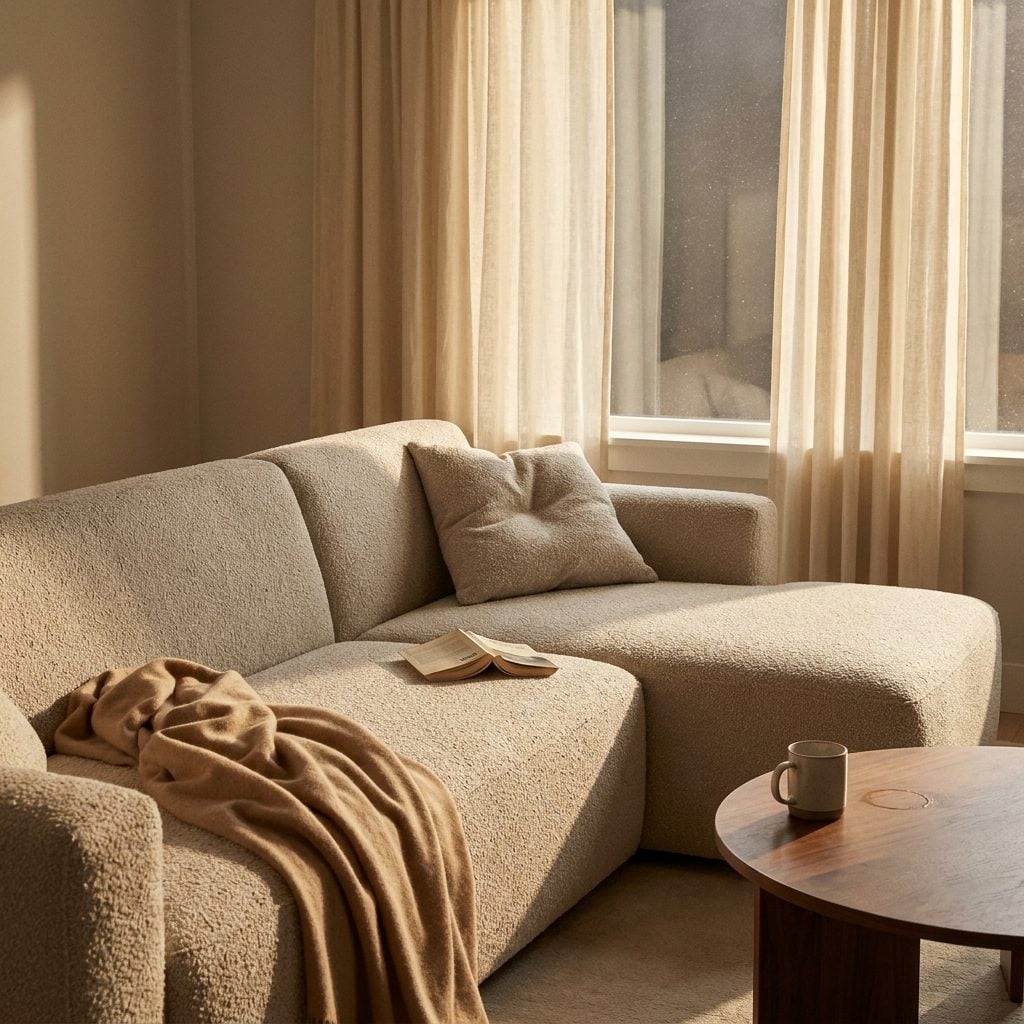
The bed is designed for sleep, yet some adults doze off easily on the sofa and become wide awake the moment they move to the bedroom.
Sleep psychologists use the term conditioned arousal when a bed or bedroom becomes associated with wakefulness, worry, work, or repeated attempts to force sleep. Source The couch may carry lighter associations: television, reading, snacks, or an evening in which sleep was not being graded.
There are plenty of physical explanations too, including temperature, noise, pain, mattress comfort, and a partner’s movement. The couch’s advantage may be that nobody lies down on it demanding immediate success.
Why a Backyard Shed Feels Farther Away Than It Is
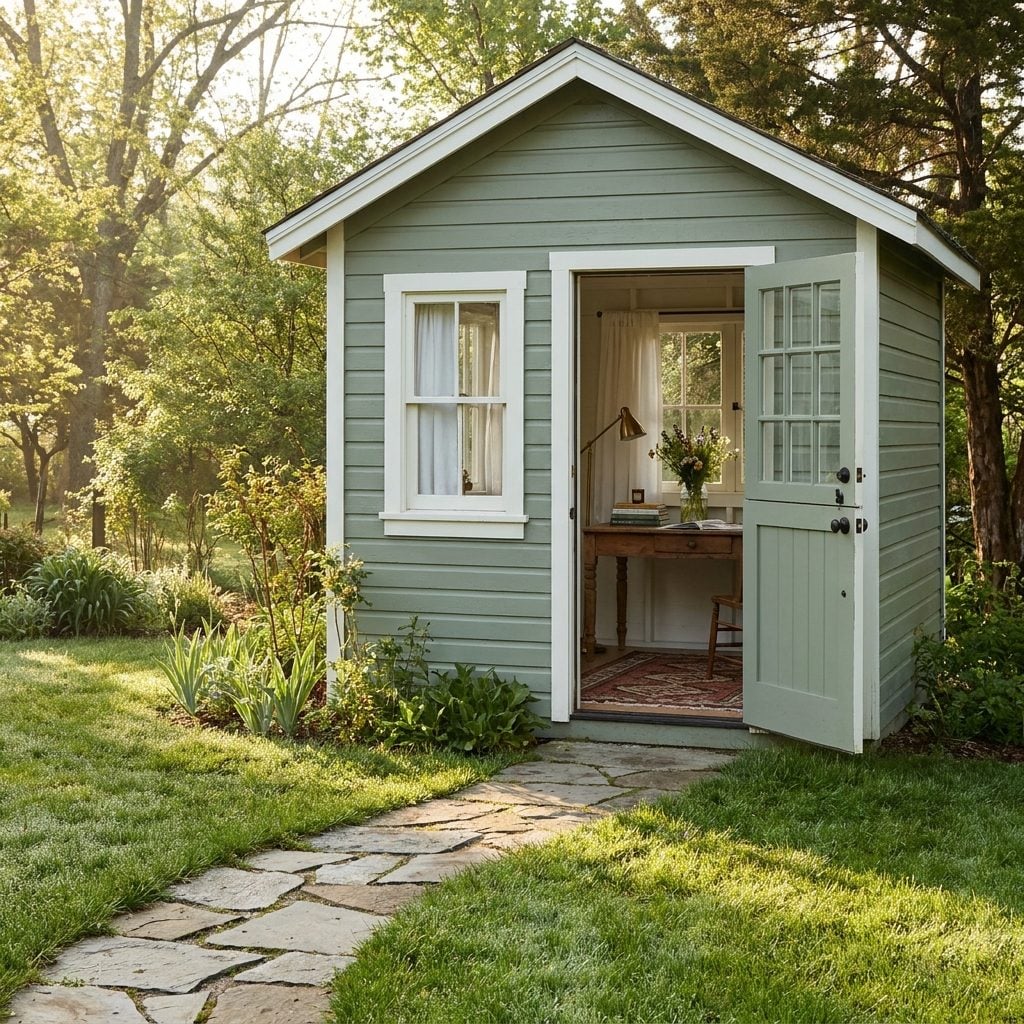
Twenty feet from the back door can feel like another address.
The writing hut, potting shed, backyard studio, and workshop all use distance as part of the design. A spare room inside the house may offer the same square footage, but it still shares the hallway, plumbing sounds, and expectation that its occupant can be reached immediately.
The underlying logic is environmental separation: the physical act of leaving one setting and entering another marks the retreat as real in a way a closed interior door cannot quite match.
A shed supplies a door to close and a strip of grass between the occupant and the house. The gap is small on a survey and enormous when somebody inside is looking for help with the printer.
The Bedroom That Stopped Feeling Like a Retreat
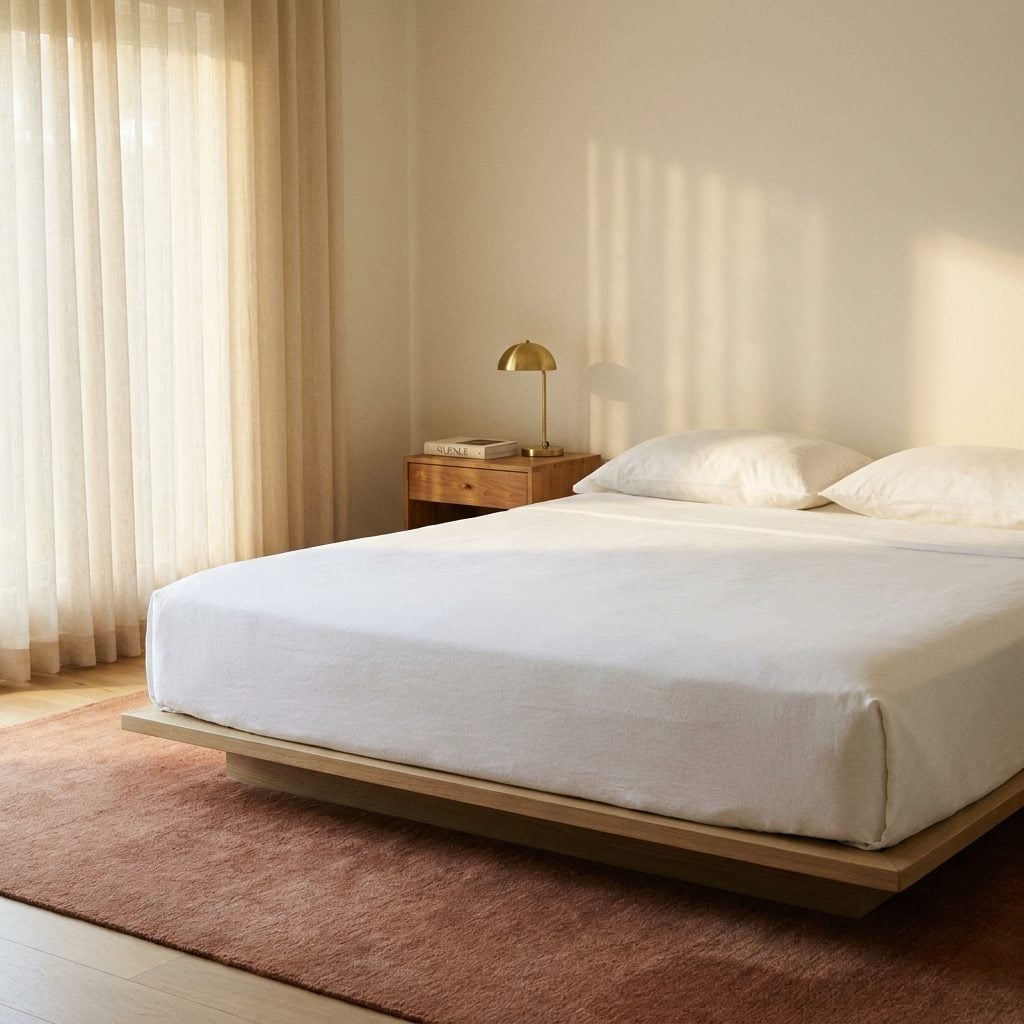
The room was supposed to be restful. Somewhere along the way, it became a coworking space with a mattress.
Laptops sit on the duvet. Phones charge on both nightstands. A basket of unfolded laundry has been there since Tuesday. This is the same conditioned arousal that makes the couch so effective, running in reverse: the bed has collected the day’s most alert associations, so the body stays alert in it.
More square footage will not necessarily fix the problem. Reducing the room’s competing functions may help restore a clearer signal: this is where the day ends. That can mean moving work elsewhere, lowering visual clutter, and giving the phone somewhere to sleep that is not beside the pillow.
The Bathtub as an Emotional Reset
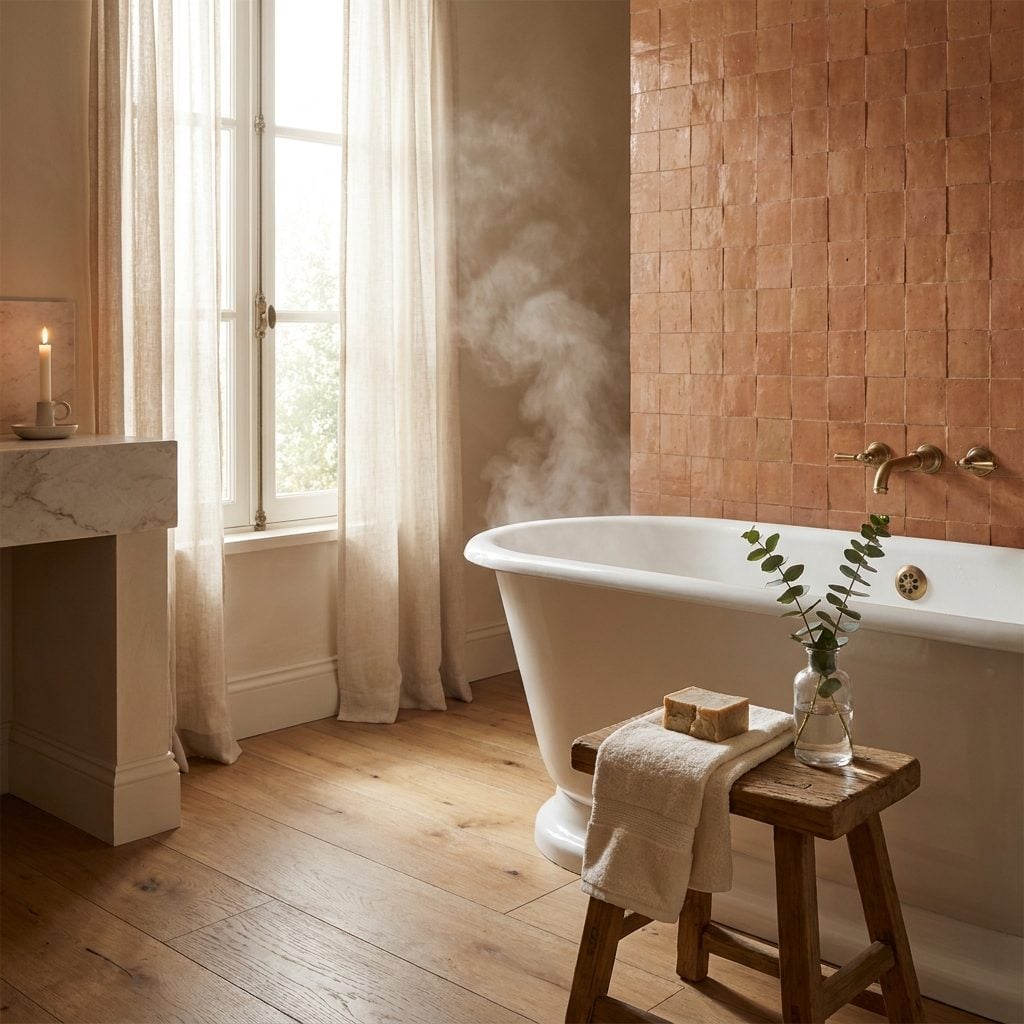
A bath can clean the body, but that is rarely its only purpose. Warm water, reduced movement, a closed door, and a temporary break from screens make immersion a highly structured pause.
Research has associated warm bathing with relaxation and improvements in some measures of stress and mood. Source A 2018 randomized study reported better fatigue, stress, and mood outcomes after immersion bathing than after showering. Source
Buoyancy reduces the load on joints, while warmth and stillness provide sensations that are difficult to reproduce while answering messages or moving through a busy house. The bath works because the body receives a clear physical instruction to stop doing other things.
Why a Windowless Room Can Be Easier to Concentrate In
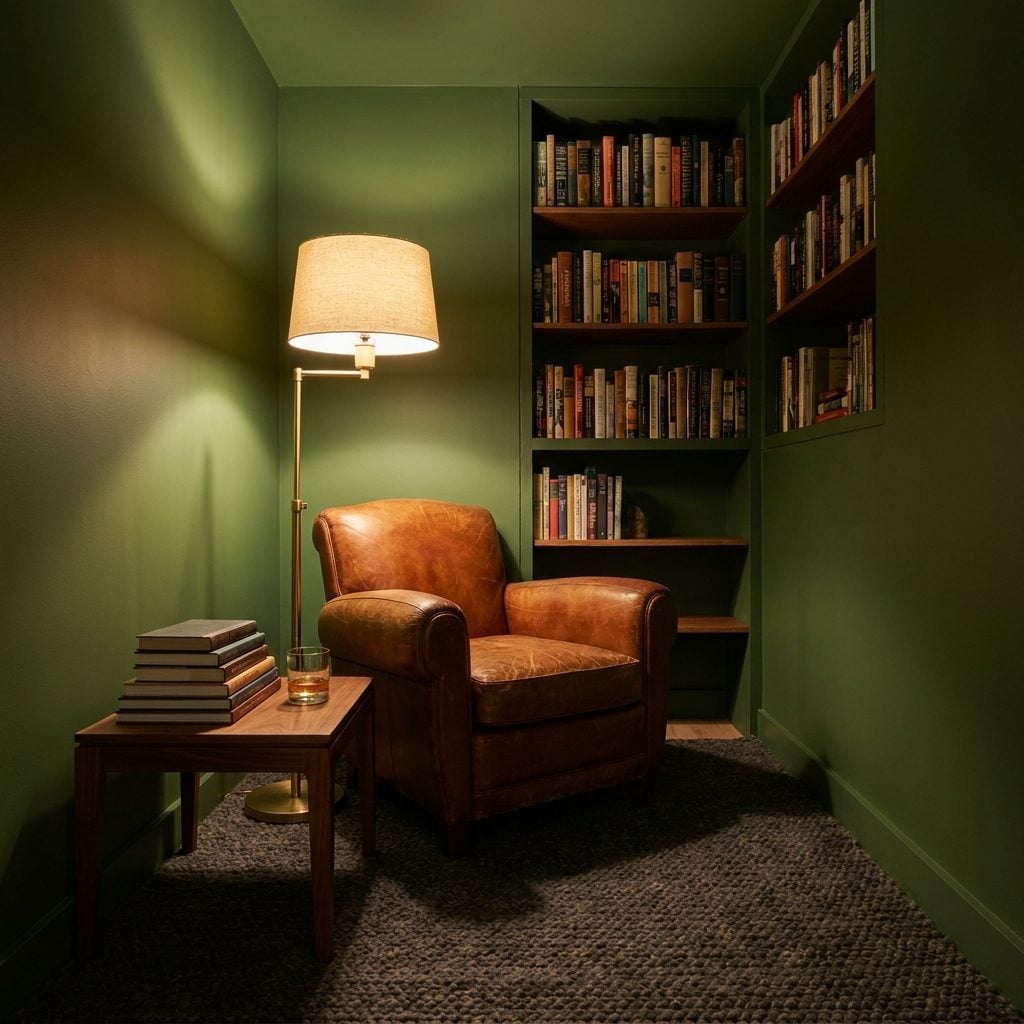
Natural light offers major benefits, but a window also introduces motion, changing weather, traffic, neighbors, and a steady supply of reasons to look away.
A 2025 study examined cognitive responses to windowless environments and spaces with real or artificial windows. Source Windowless rooms may reduce engagement or connection to the outside, but some occupants still value the lower level of visual distraction for short periods of focused work or rest.
Preferring such a room does not reveal whether someone is introverted, depressed, overstimulated, or unusually deep-thinking. It reveals only that, for the task at hand, fewer moving objects in the visual field may be useful.
How a Staircase Landing Becomes a Place to Pause
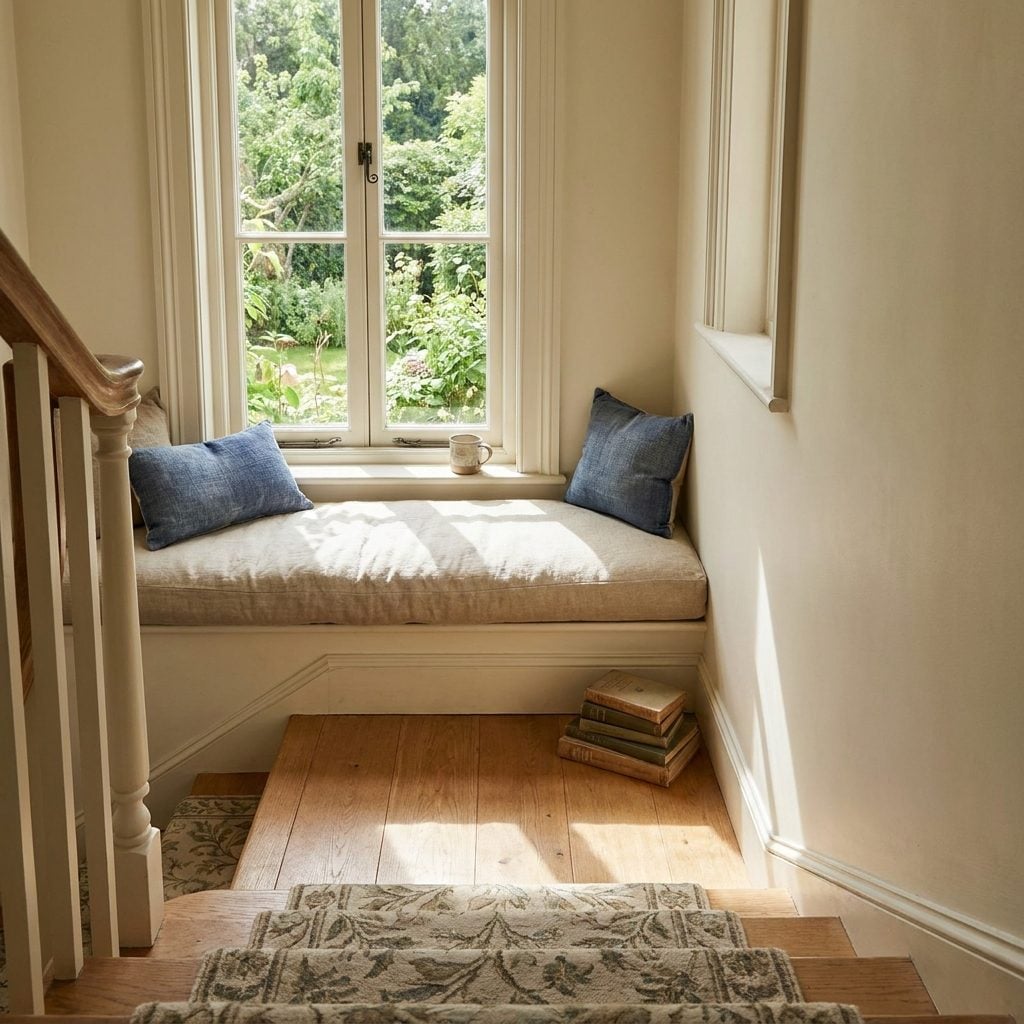
A wide landing halfway up the stairs, a bench under the window, and a shelf holding three forgotten books can become one of the most used places in the house. Nobody announces it as a retreat. People just begin stopping there.
The landing offers a useful combination of overview and separation. From one small seat, the occupant may see both floors while belonging fully to neither. A half wall, banister, or turn in the staircase supplies partial enclosure without shutting out the household.
Its usefulness is modest and specific. The landing gives someone four minutes between going upstairs and returning downstairs. Sometimes an in-between place works because it does not require a larger decision.
Why the Room You Use Most May Not Be the One You Designed Most Carefully
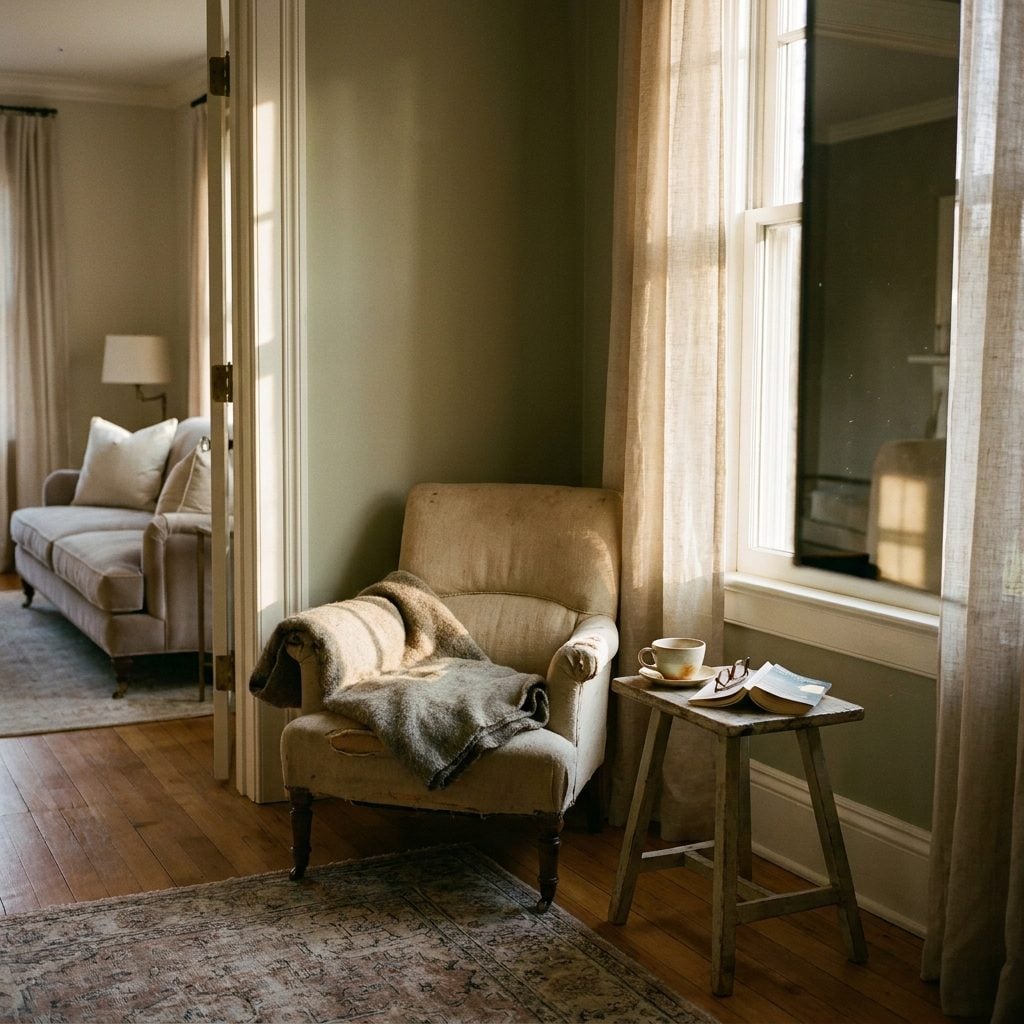
You spent months choosing the living-room paint, rug, and sofa. At 9 p.m., you are standing at the kitchen counter or sitting in the little chair near the bedroom window.
The rooms designed most carefully often have several jobs. They receive guests, look good in photographs, seat a group, and represent the household to other people. A retreat space answers a narrower set of demands: little noise, comfortable light, no performance, and nothing urgent to complete.
Attention-restoration research has examined how environments can replenish directed attention when they provide distance from demands, gentle interest, coherence, and compatibility with what a person needs. Source
The formal room is not a failure because the unplanned corner gets more use. They are doing different jobs. One represents the home. The other lets someone disappear inside it for a while.
The One Question That Can Clarify Why a Retreat Space Works
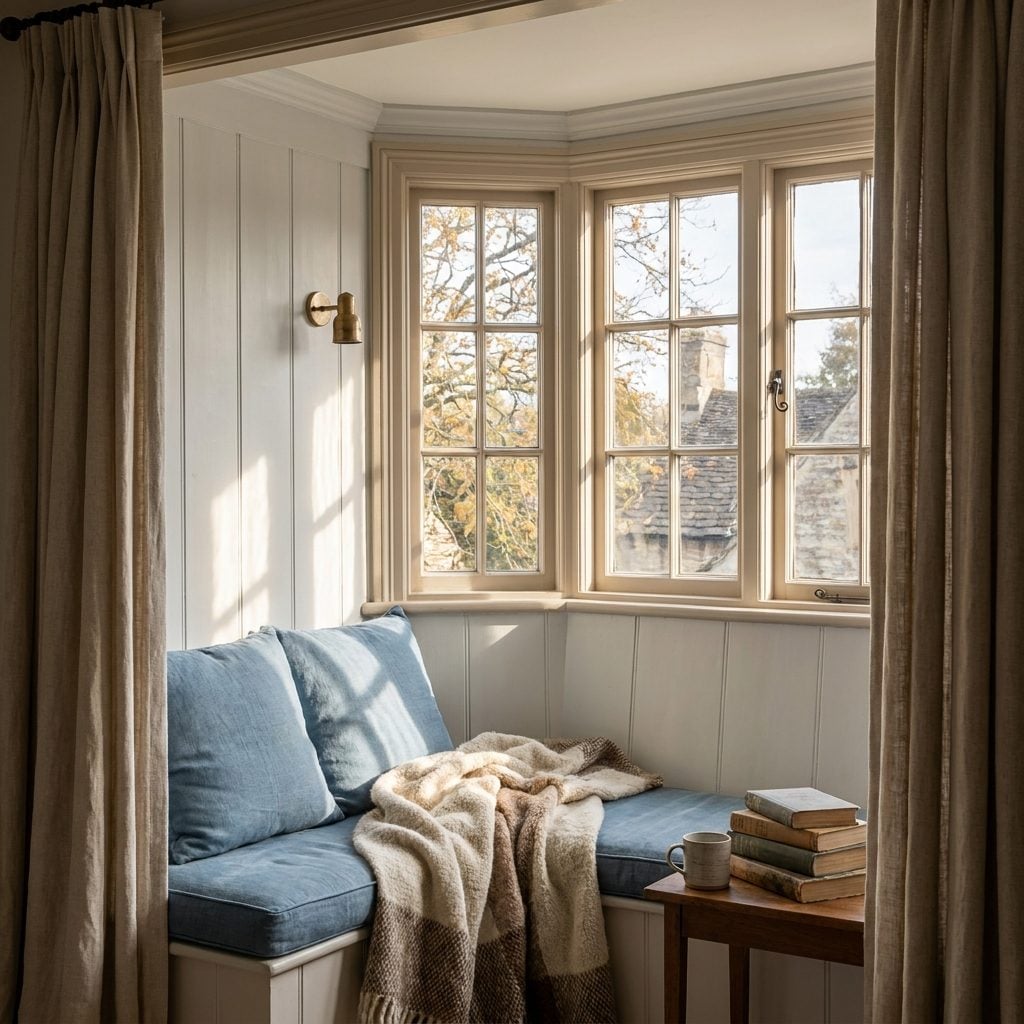
Where did you go when you wanted to be alone as a child?
Not necessarily where you hid from danger. It may have been the dining table with a blanket over it, a closet with the coats pushed aside, a window seat behind the curtain, or a step where the adults could be heard without seeing you.
Place-attachment research suggests that repeated experiences in meaningful settings can shape the qualities that later feel familiar and comforting, with memory playing a central role in how people bond to places. Source That influence is not destiny, and a favorite adult room cannot be predicted from one childhood memory. The comparison can still reveal useful continuities.
Perhaps both spaces were enclosed. Perhaps both offered a view outward. Perhaps both were warm, quiet, or just beyond the normal traffic of the house. The value of the question is not that it diagnoses the room. It helps name the feature that has mattered all along.
A retreat room is not always a memory wearing new furniture. Sometimes it is simply the first place that gives the body what the day has taken away.
The Bottom Line
The room you drift toward may echo an earlier place, correct an old frustration, or solve a thoroughly present-day problem. Its appeal might come from light, quiet, enclosure, distance, temperature, habit, or the fact that nobody expects anything from you there.
The most useful question is not what the room proves about your childhood or personality. It is what changes when you enter it. Once that need is clear, the rest of the house becomes easier to understand—and perhaps easier to improve.