🔥 Would you like to save this?
A basic new crib in the early 1980s could cost less than $100, with the mattress sold separately. Add the rocking chair, bedding, monitor, bottles, diapers, stroller, and enough plastic toys to fill every open shelf, and the total still looks strangely small from here. Paychecks were smaller too.
The 1980s were the decade of primary-color activity centers, pastel diaper bags, wallpaper borders, and Fisher-Price everything. Preparing for a baby happened item by item, sale by sale, and often layaway payment by layaway payment. These 25 price tags show what the whole undertaking really cost.
In order to come up with the very specific design ideas, we create most designs with the assistance of state-of-the-art AI interior design software. Also, assume links that take you off the site are affiliate links such as links to Amazon. this means we may earn a commission if you buy something.
1. A Can of Baby Formula Cost About $3.50 in 1982
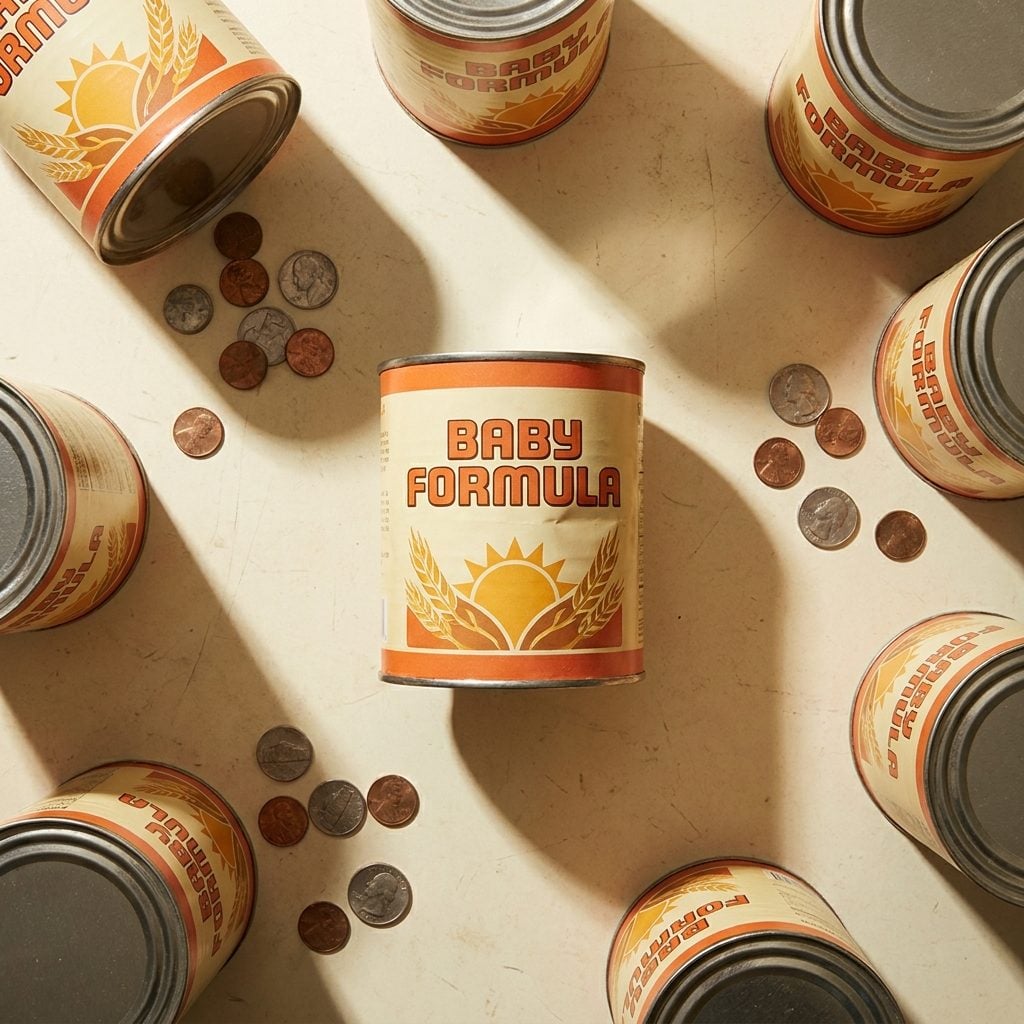
A standard can of powdered baby formula could cost roughly $3 to $4 in the early 1980s. The monthly total depended on the brand, package size, the baby’s age, and whether formula was used exclusively or alongside breastfeeding.
The price of one can looks modest now, but formula was a recurring household expense at a time when median annual household income was only about $20,000. It was not cheap for the families buying it. The number on the receipt was simply smaller because nearly every other number was smaller too.
2. A Changing Table With Storage Shelves Cost About $65 in 1984
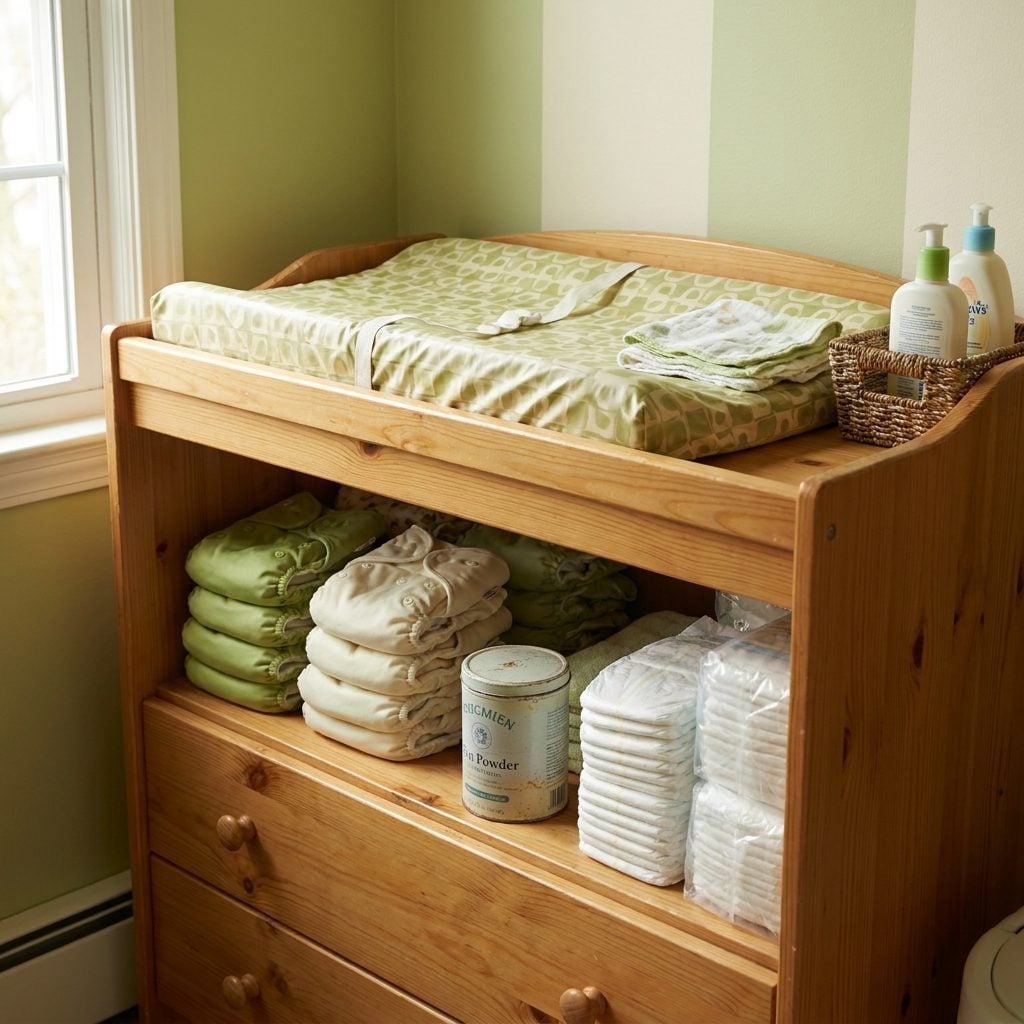
Changing tables in 1984 were simple affairs: a pine frame, open shelves, and a vinyl-covered foam pad on top. Department-store and discount-chain models commonly landed somewhere around $55 to $80.
Many parents skipped the dedicated table and secured a changing pad to a dresser instead. The furniture was never the lasting expense anyway. Disposable diapers, wipes, creams, and powders kept moving through the shelves long after the table had been paid for.
3. A Wind-Up Baby Mobile Cost Around $18 in 1987
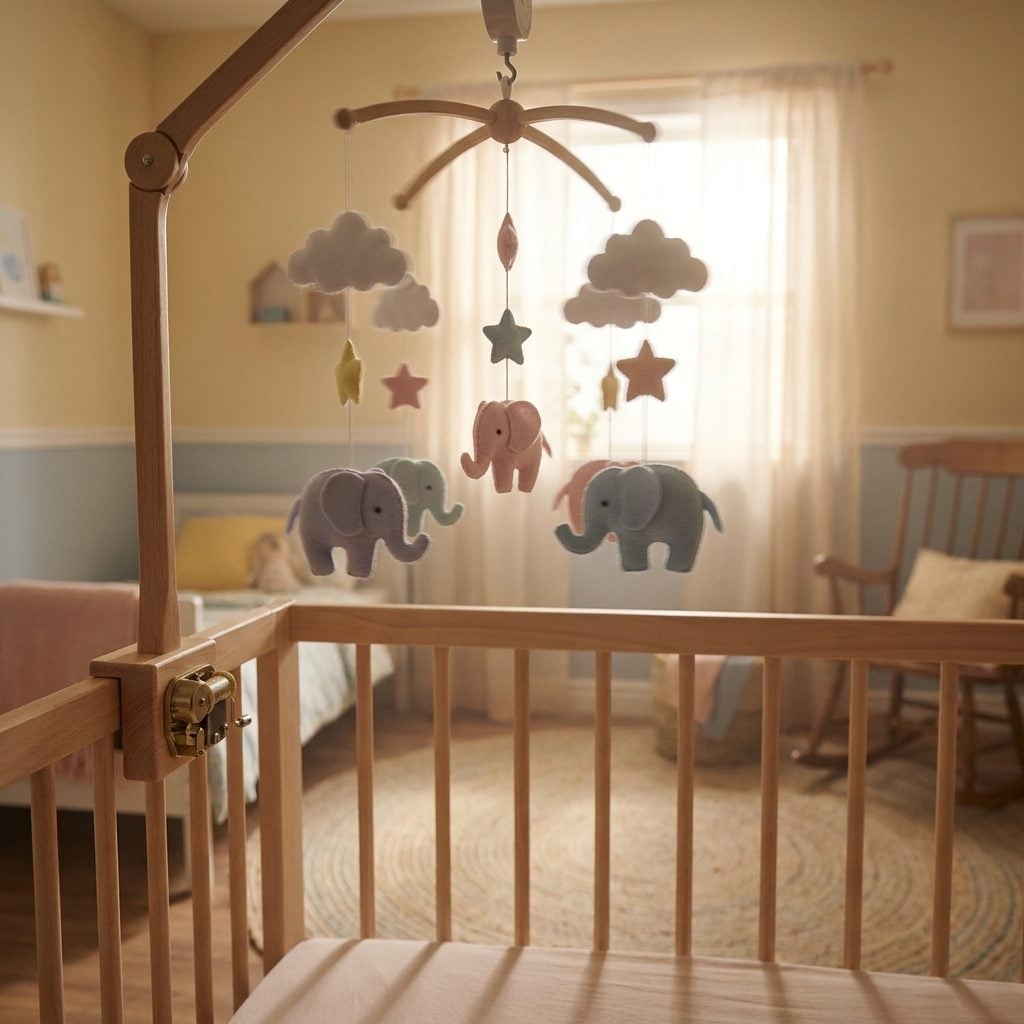
Wind-up mobiles were nursery fixtures in the 1980s and generally cost around $15 to $22. Turn the key, get a few minutes of music, and repeat as often as patience allowed.
Battery-operated versions with several songs appeared later in the decade at higher prices. They promised more variety but introduced a new nursery problem: batteries that seemed to fail at the exact hour every store was closed.
4. A Practical Diaper Bag Cost About $22 in 1986
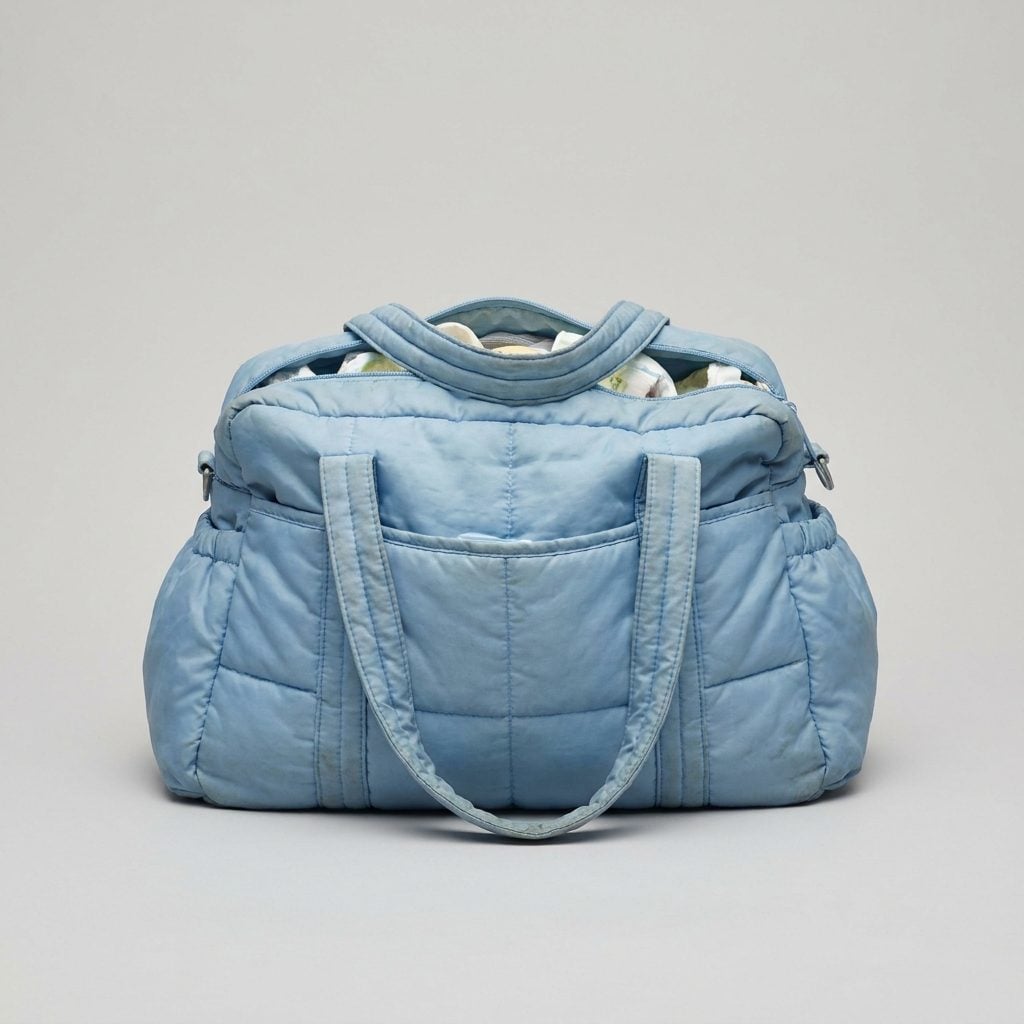
The practical diaper bag of the 1980s was quilted nylon, usually pastel, and commonly sold for $18 to $25. It was not pretending to be a handbag. It had a plastic-lined compartment, a fold-out changing pad, and enough room for diapers, bottles, spare clothes, and whatever toy had briefly become indispensable.
Boutique versions with embroidery or decorative trim could cost considerably more. Six months into parenthood, both versions usually contained the same crushed crackers and one bottle nobody remembered packing.
5. A Johnson’s Baby Care Starter Kit Ran About $8 in 1983
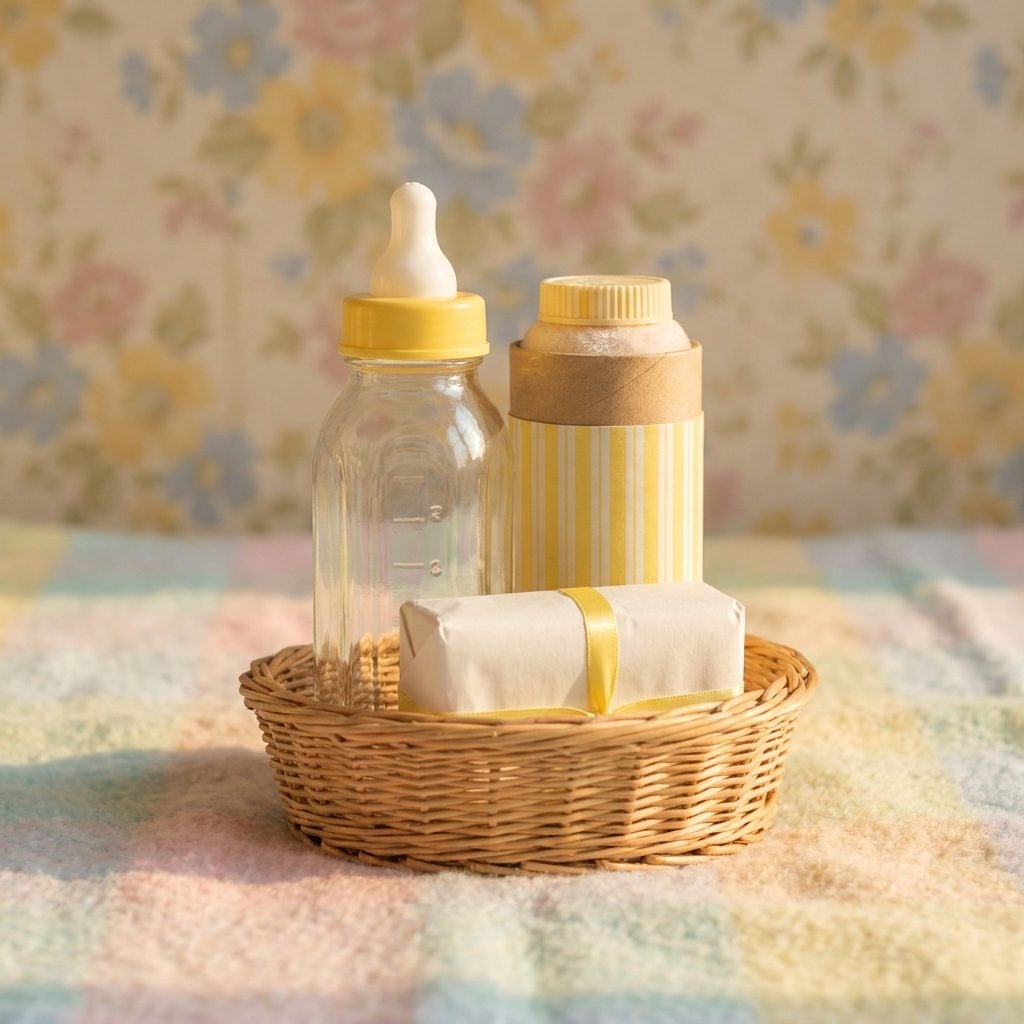
A 1983 Johnson’s starter assortment—with shampoo, powder, lotion, and bar soap—ran about $6 to $9 as a gift set, or slightly less when the pieces were bought separately.
The yellow bottle with the white cap is so firmly embedded in nursery memory that it barely reads as packaging anymore. It reads as an era.
6. A Baby Bouncer Seat Cost About $25 in 1988
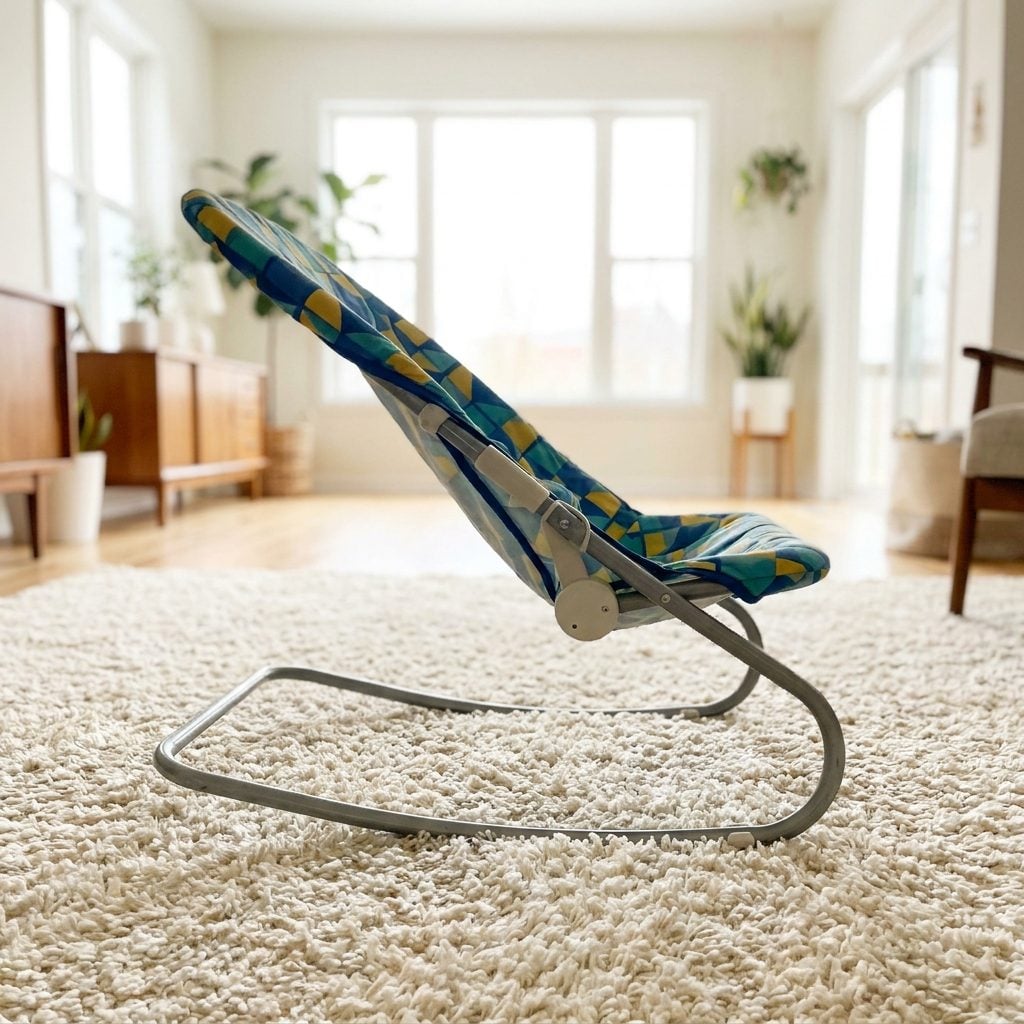
The late-1980s baby bouncer was a wire frame covered by a fabric sling, weighted so the baby’s movement created the bounce. Basic versions generally cost $20 to $30.
There were no song libraries, phone connections, or rows of settings. Parents who needed ten minutes to eat dinner valued the simplicity. Battery-powered vibrating models arrived at higher prices and added another household supply to monitor.
7. A Full Set of Cloth Diapers Cost About $35 in 1981
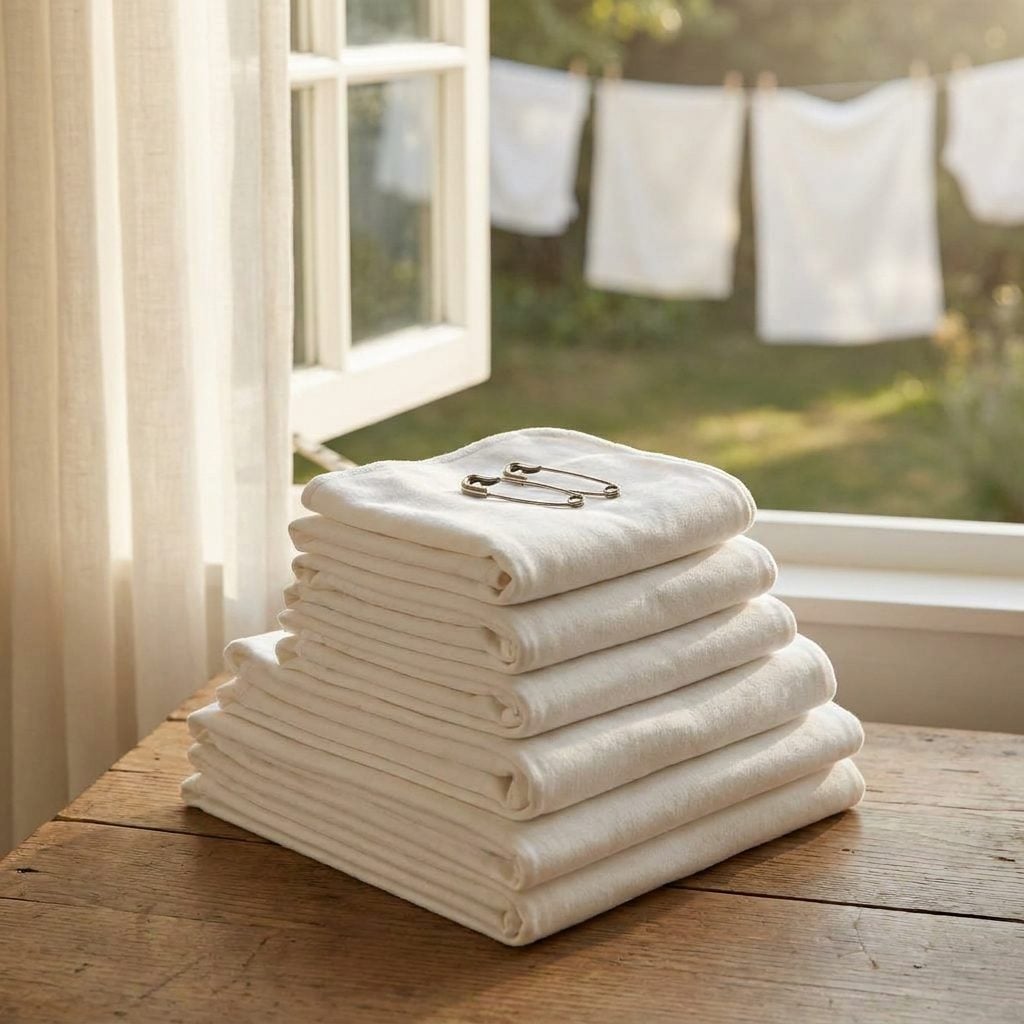
Cloth diapers were not a boutique lifestyle product in 1981. For many families, they were the economical option. A dozen flat cotton diapers could cost around $10 to $14, while two or three dozen might run roughly $30 to $40.
Add rubber pants, pins, a diaper pail, detergent, and a relentless laundry schedule. Cloth could reduce the year’s diaper bill substantially, but the savings arrived carrying a basket.
8. A Fisher-Price Activity Center Ran About $14 in 1984
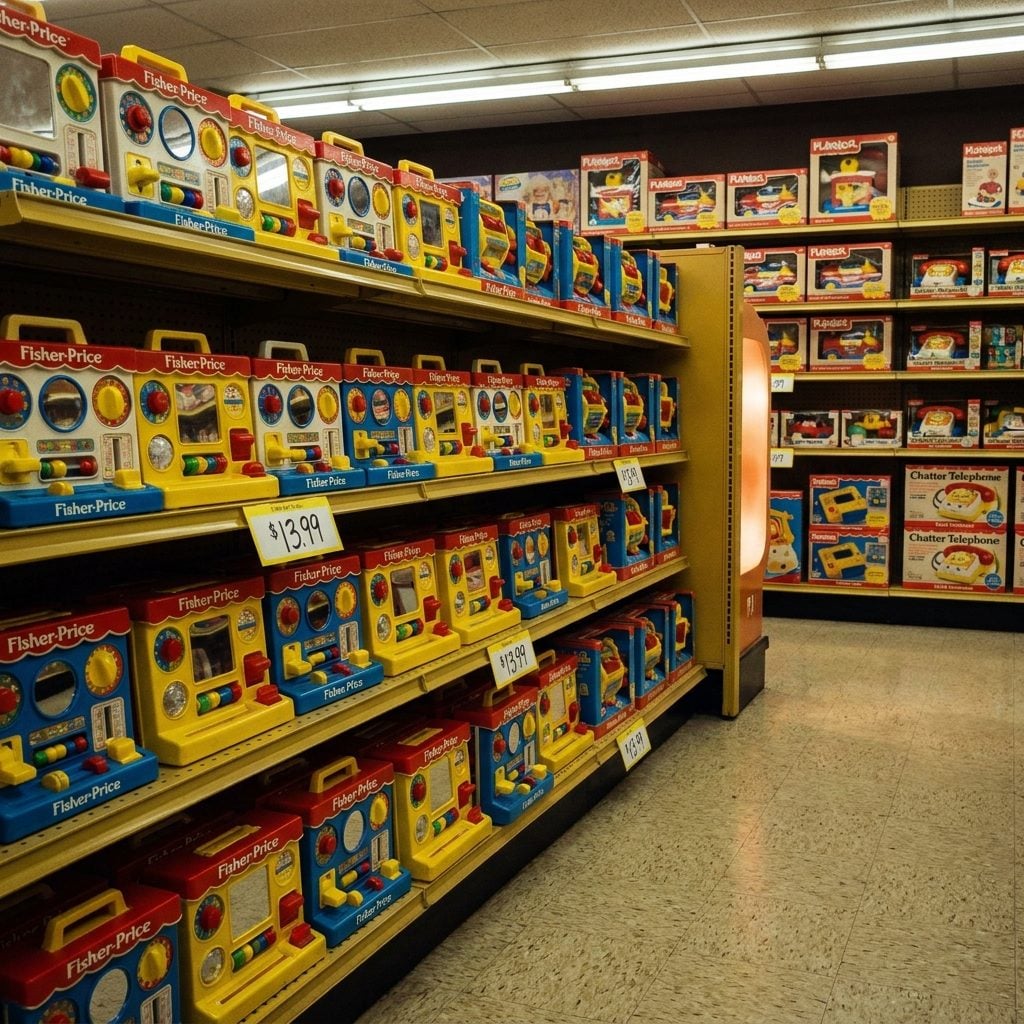
The Fisher-Price activity center clamped onto crib rails and became the most interesting object in the room for months. A new one could cost around $14, sometimes less during department-store sales.
Babies stared into the small mirror, hit the squeaker, spun the dial, and worked the same plastic pieces until their surfaces dulled. The design offered several simple actions without requiring a charger or parental tutorial.
9. A Graco Baby Swing Cost Around $45 in 1986
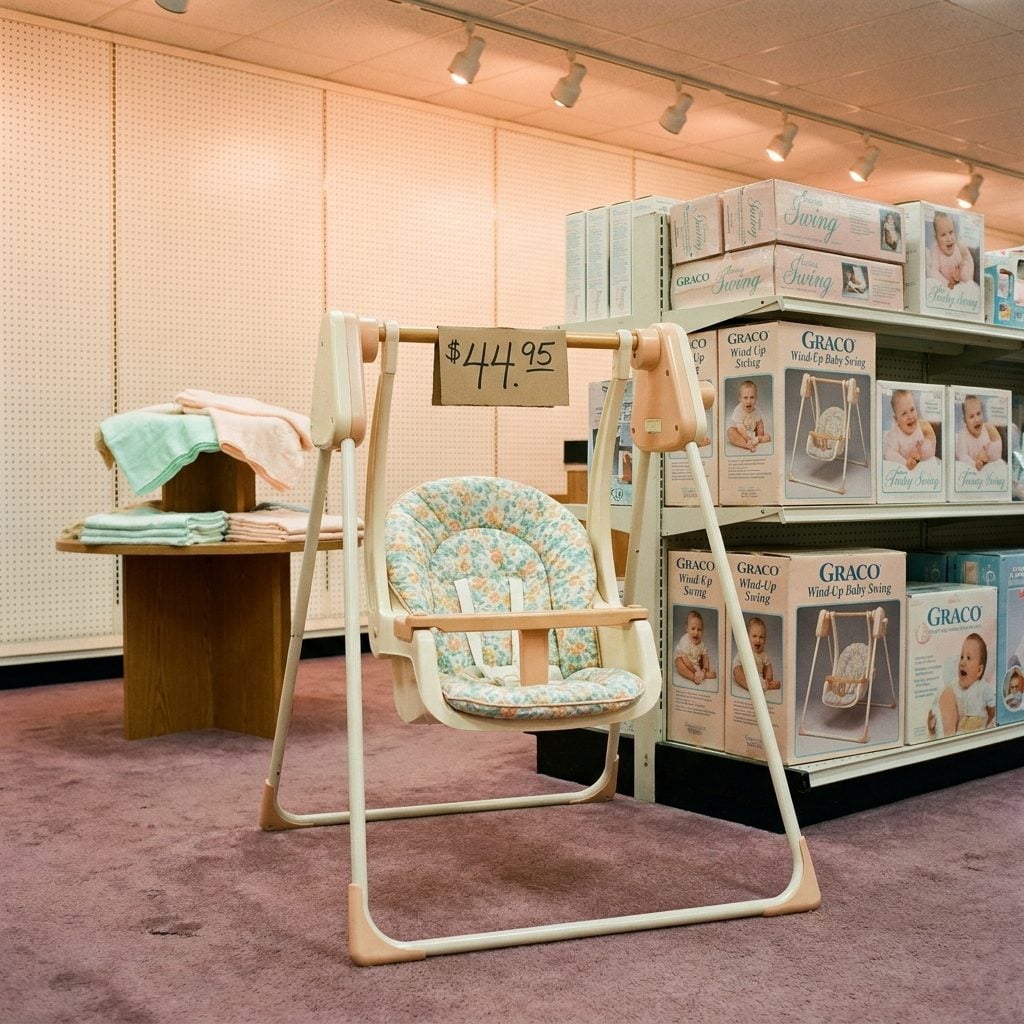
About $45 bought a wind-up swing that ran for several minutes before someone had to crank it again. On a long evening with a baby who refused to settle, that mechanical timer could feel like the household’s most important clock.
Battery-powered swings appeared at higher prices as the decade continued. They reduced the winding but added fresh expenses, extra weight, and a battery compartment that always seemed harder to open than necessary.
10. A Sesame Street Crib Sheet Set Ran About $12 in 1985
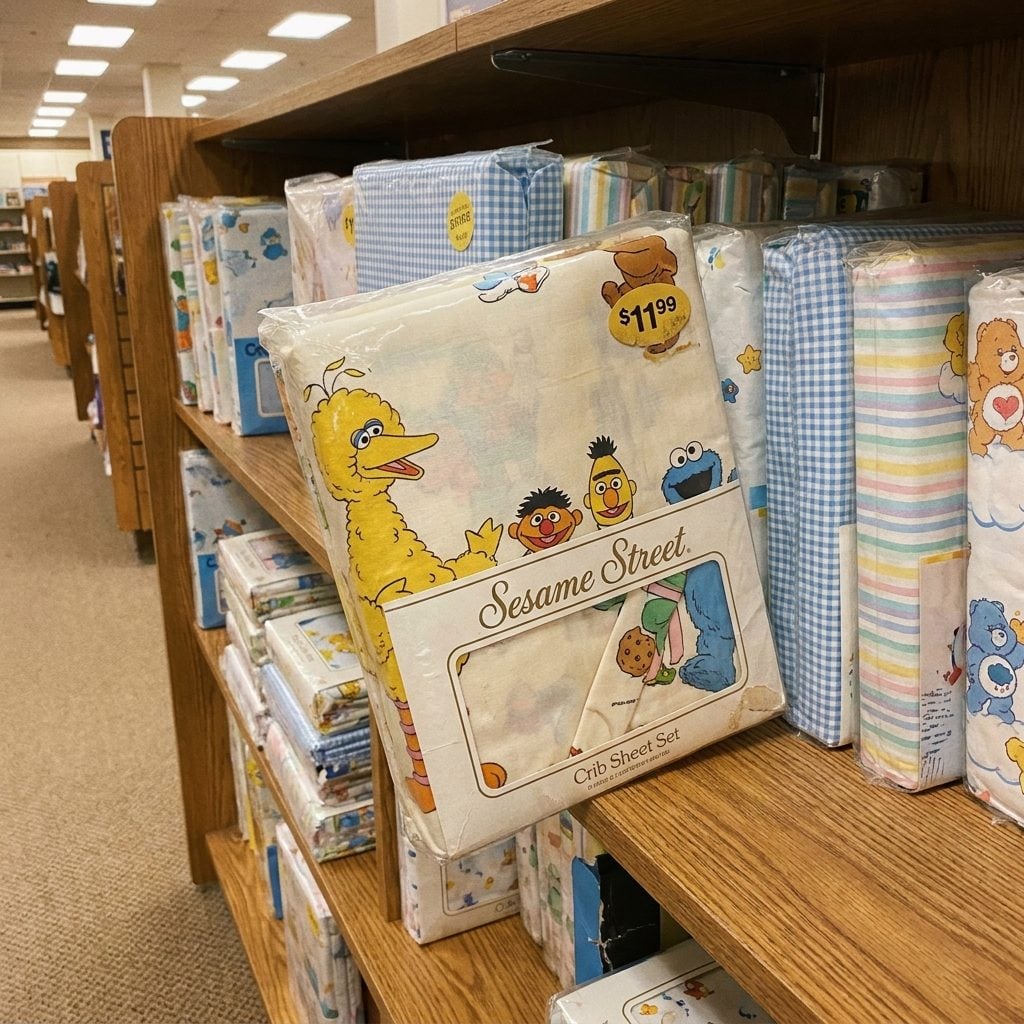
Character bedding supplied much of the personality in an 1980s nursery. Sesame Street, Care Bears, Rainbow Brite, and Strawberry Shortcake spread across cotton-poly sheets in colors that refused to be quiet.
About $12 could buy a coordinated set, and many parents kept two or three in rotation because babies rarely respected laundry schedules.
11. A Wooden Nursery Rocker Cost About $180 in 1988
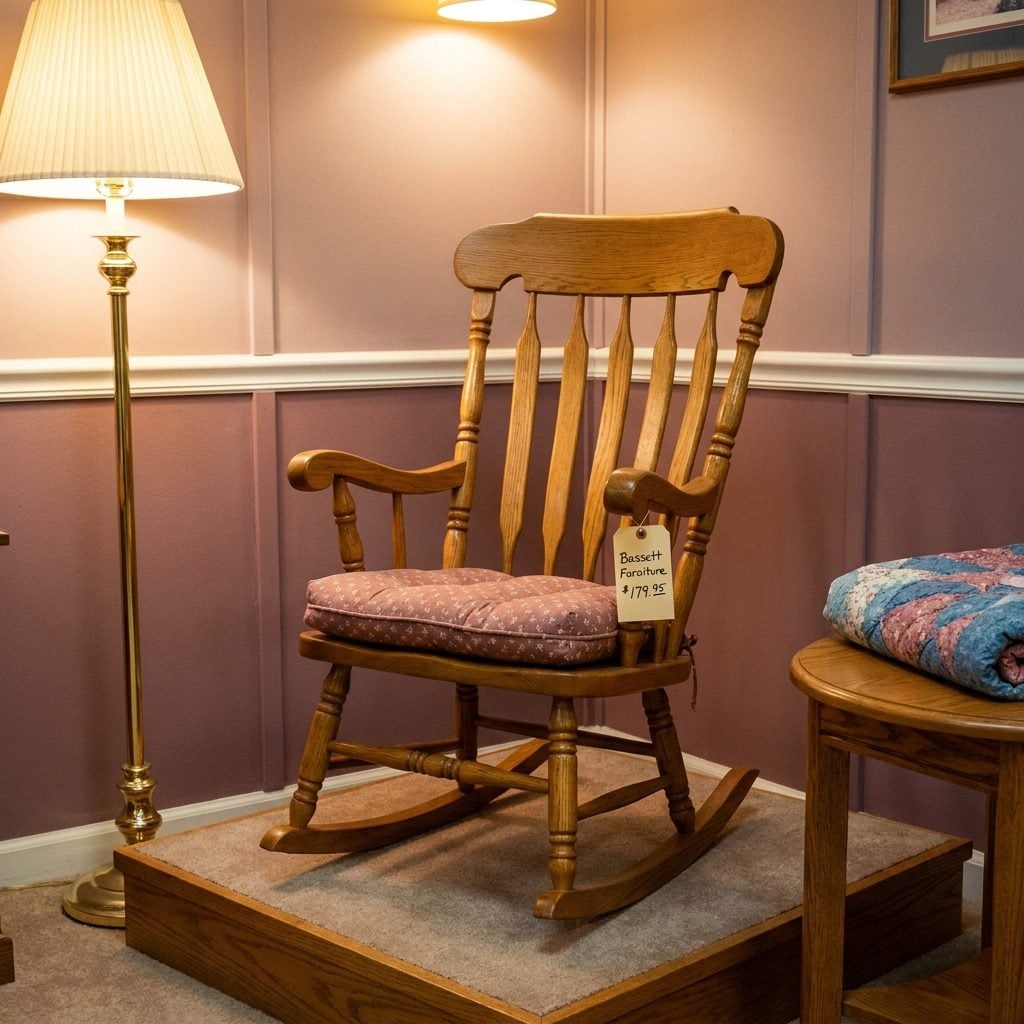
Rocking chairs occupied their own category in 1980s furniture stores. Nursery models came in honey oak, white, or country blue, often with a calico cushion tied on by fabric ribbons.
A midrange rocker might cost around $180. Less expensive versions could squeak almost immediately, while premium Boston-style rockers climbed well beyond that. Either way, the chair earned its keep during long nights when nobody else in the house was awake.
12. A Wooden Drop-Side Crib Cost Around $120 in 1985
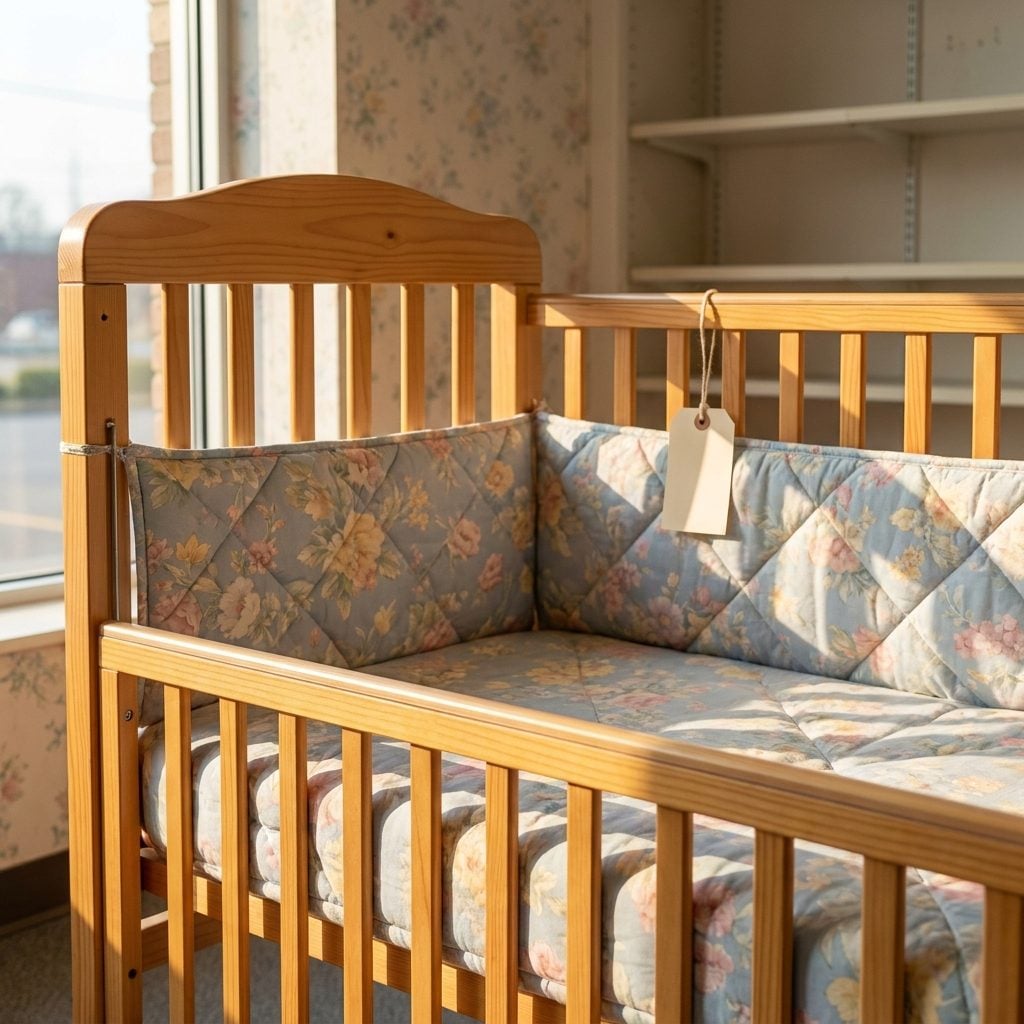
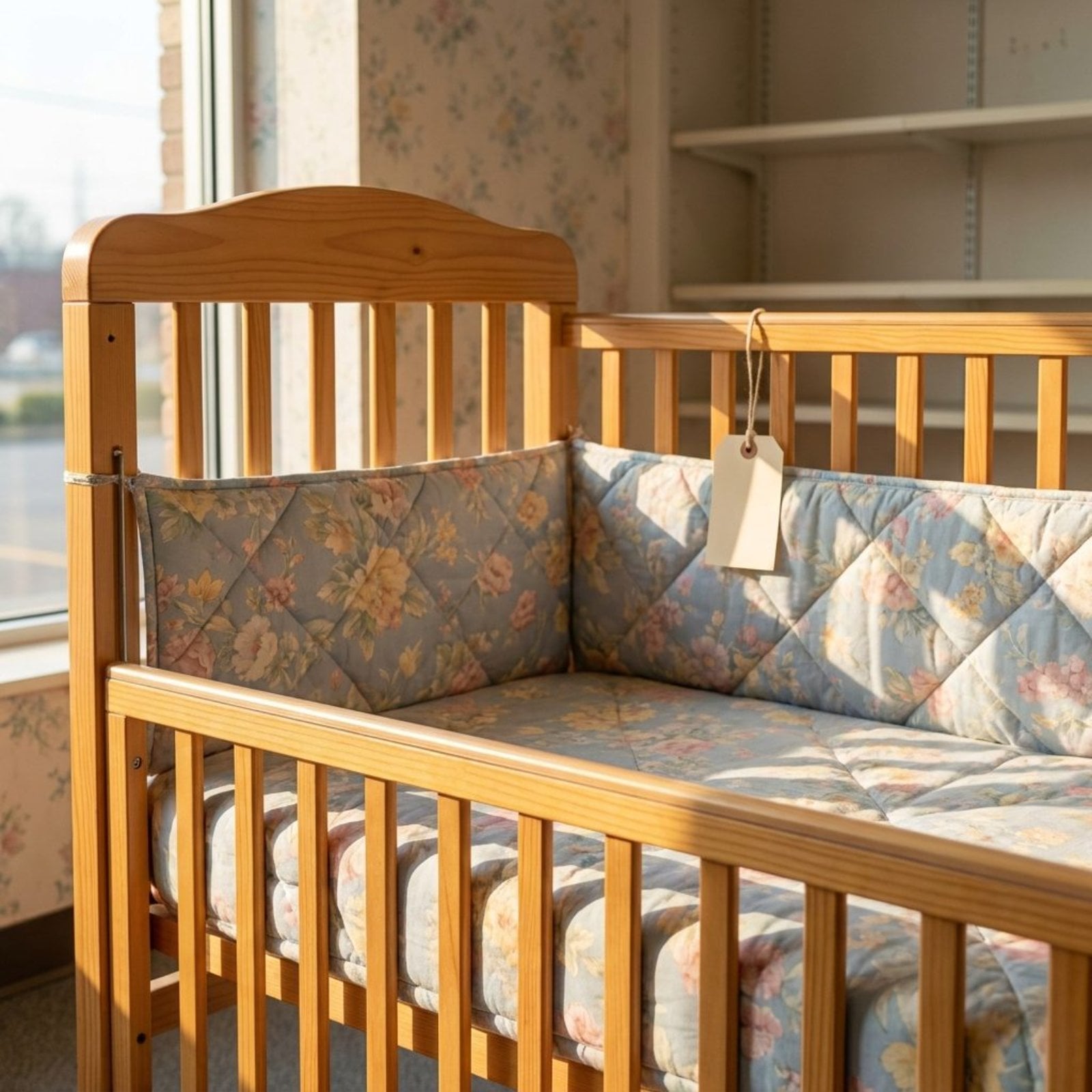
In the mid-1980s, a standard wooden crib with drop-side rails commonly sold for roughly $100 to $150. Parents often expected one crib to serve several children, and the mattress was usually another $30 to $50.
The drop-side rail was marketed as a convenience for nighttime pickups. Traditional drop-side cribs could no longer be manufactured or sold under federal safety standards that took effect in 2011, following serious concerns about entrapment and structural failure.
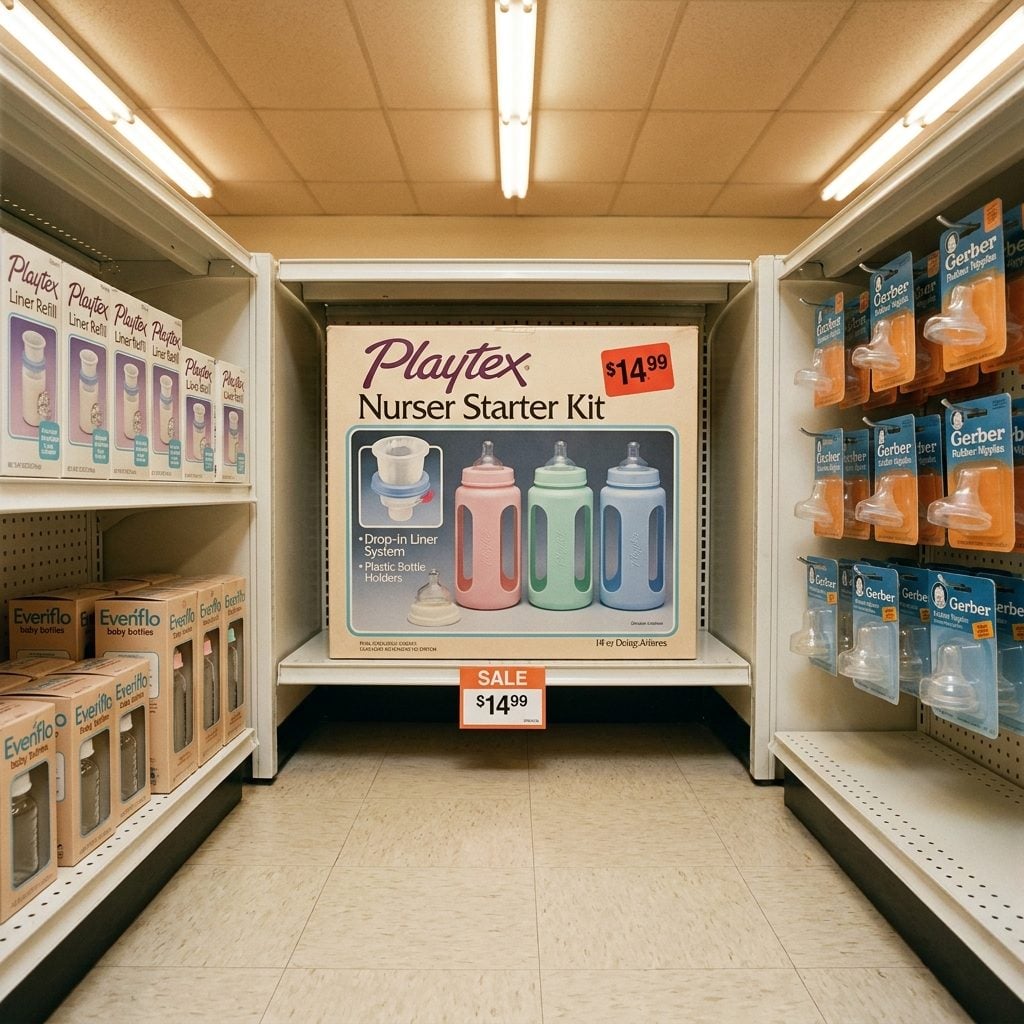
13. A Playtex Nurser Kit Ran About $15 in 1983
🔥 Would you like to save this?
Playtex Nursers looked futuristic in 1983. The collapsible drop-in liners promised less bottle scrubbing and less swallowed air, all for about $15 for a starter kit.
The liners became a recurring expense, with the replacement rate depending on how often the baby was bottle-fed. Parents still washed nipples, rings, and caps, so the system reduced part of the job without making the sink disappear.
14. A Chunky Baby Monitor Cost About $55 in 1987
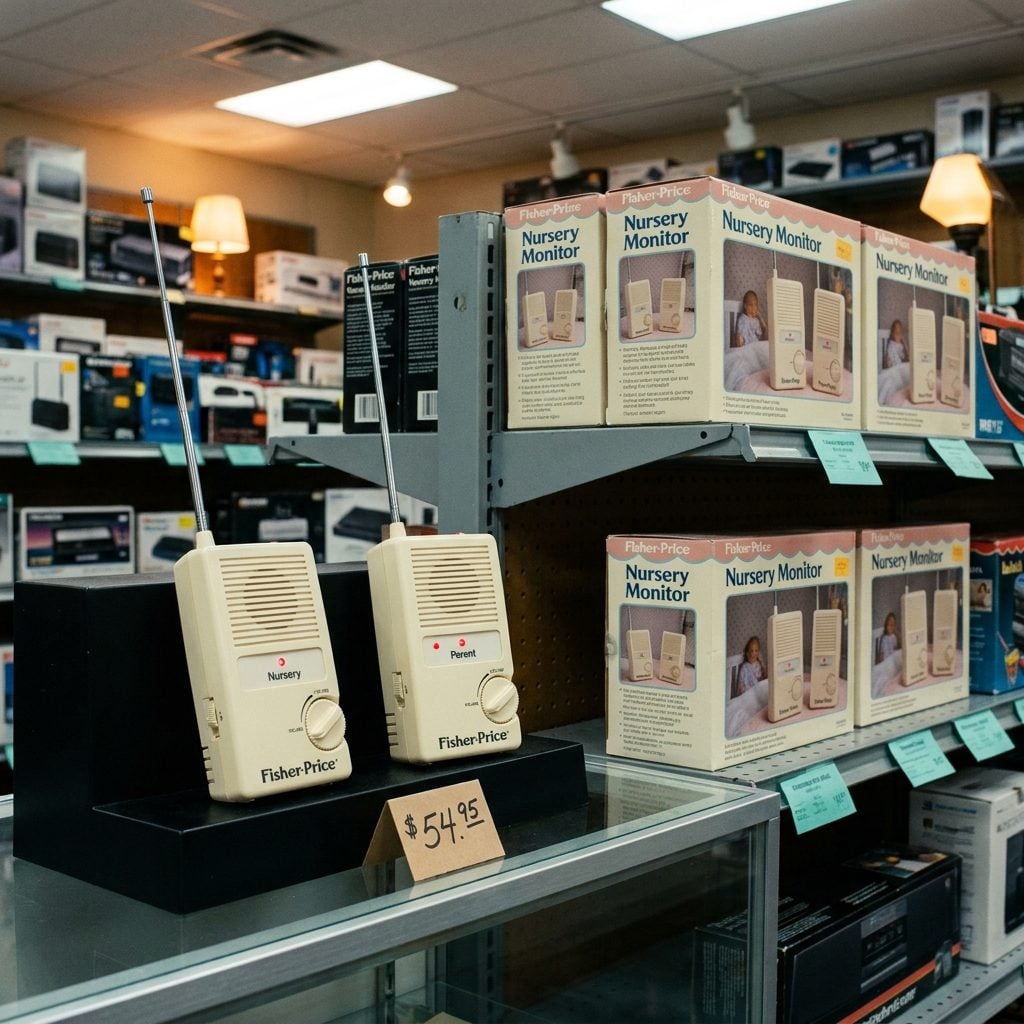
The 1980s baby monitor could be the size of a lunchbox and cost around $55 for the transmitter and receiver. Some higher-priced models offered two-way communication, though “communication” often included a generous amount of static.
Interference from nearby electronics and other household signals was common. Parents still valued the device because it allowed them to hear the nursery without walking down the hall every four minutes.
15. A Nursery Wallpaper Border Cost About $8 a Roll in 1986
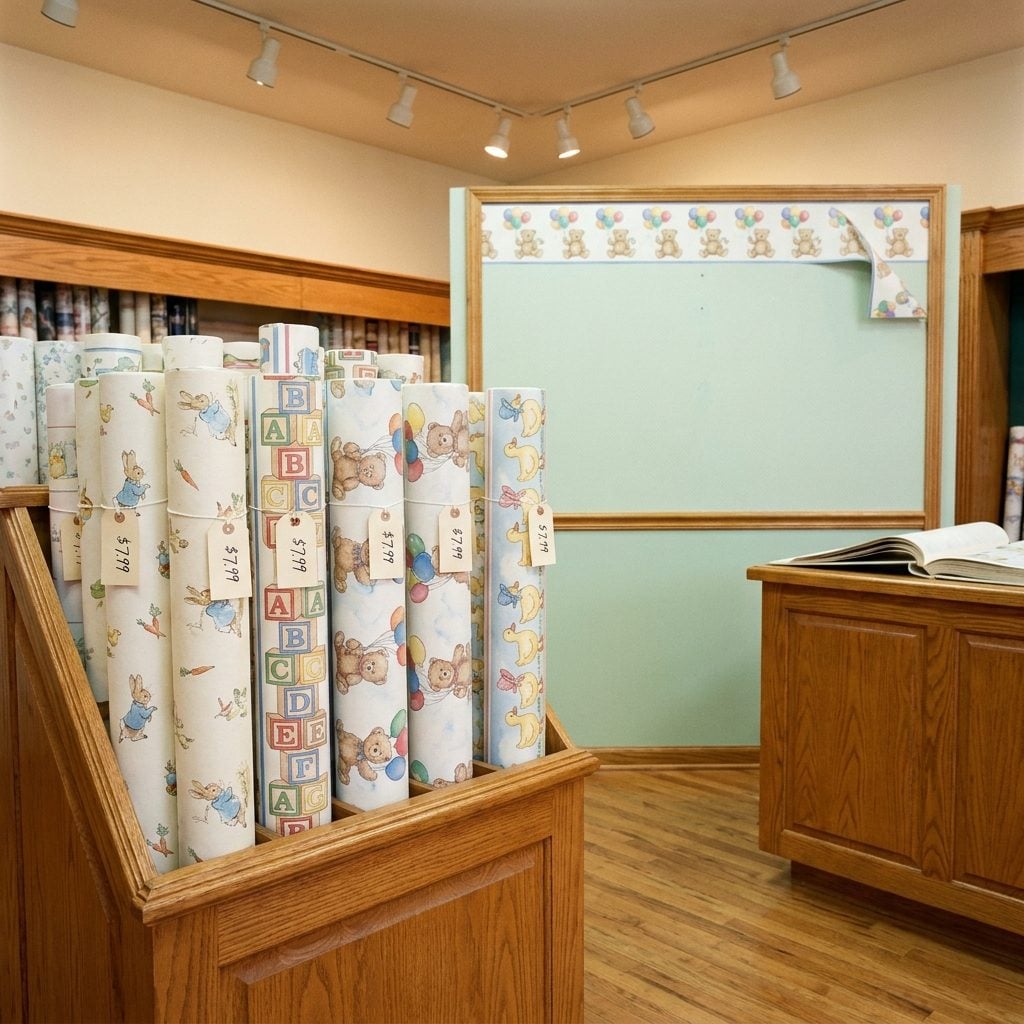
Wallpaper borders defined the 1980s nursery the way accent walls define many nurseries now. A roll might cost about $8, and an average room could require several. Ducks, bunnies, alphabet blocks, and Beatrix Potter characters circled the walls at chair-rail height or just below the ceiling.
The installation took an afternoon. Removal could take a weekend, a putty knife, and language the baby was not supposed to hear.
16. An Infant Car Seat Cost About $50 in 1985
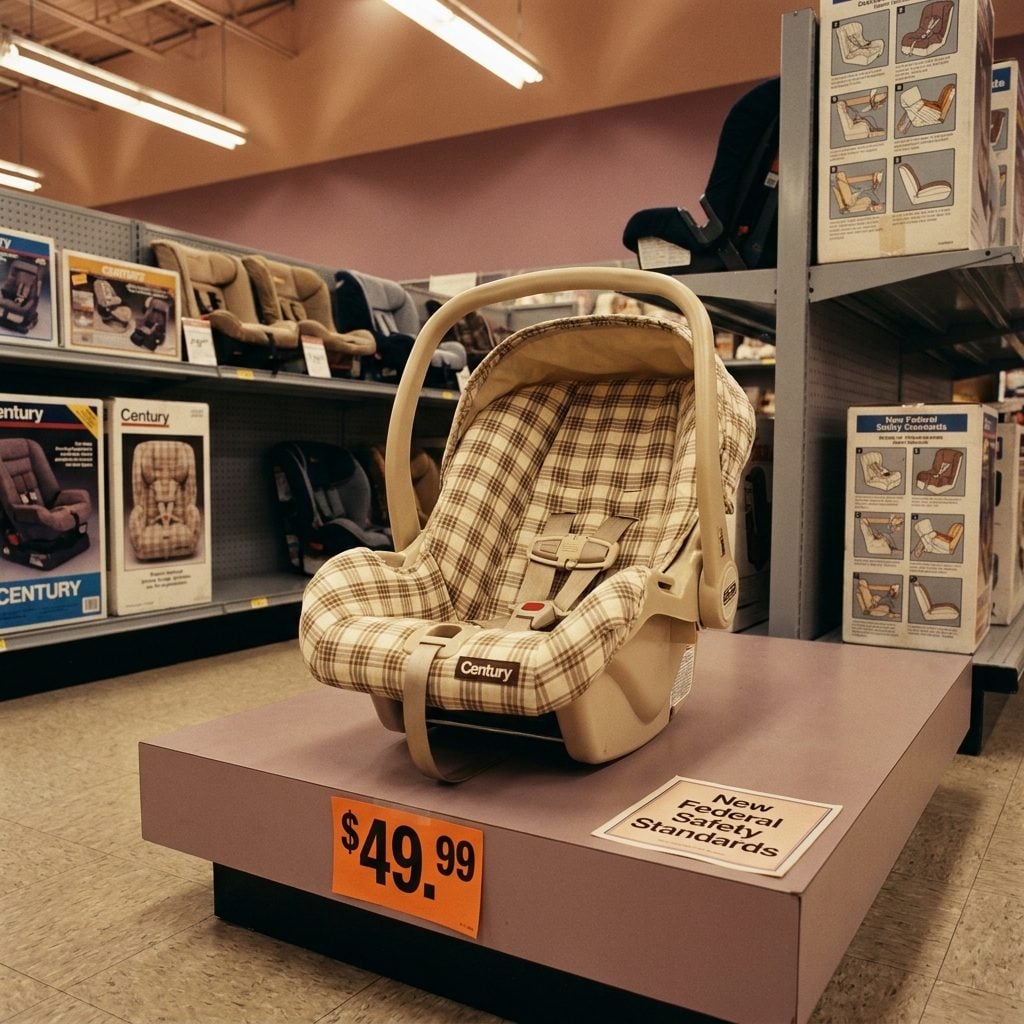
A basic infant car seat could cost around $50 in 1985, while larger convertible models with higher weight limits cost more. As child-restraint laws spread across every state, the car seat increasingly became a required purchase rather than an optional one.
The plaid upholstery aged less gracefully than the molded shell. Graham crackers, juice, and warm cars saw to that.
17. An Umbrella Stroller Cost About $22 in 1984
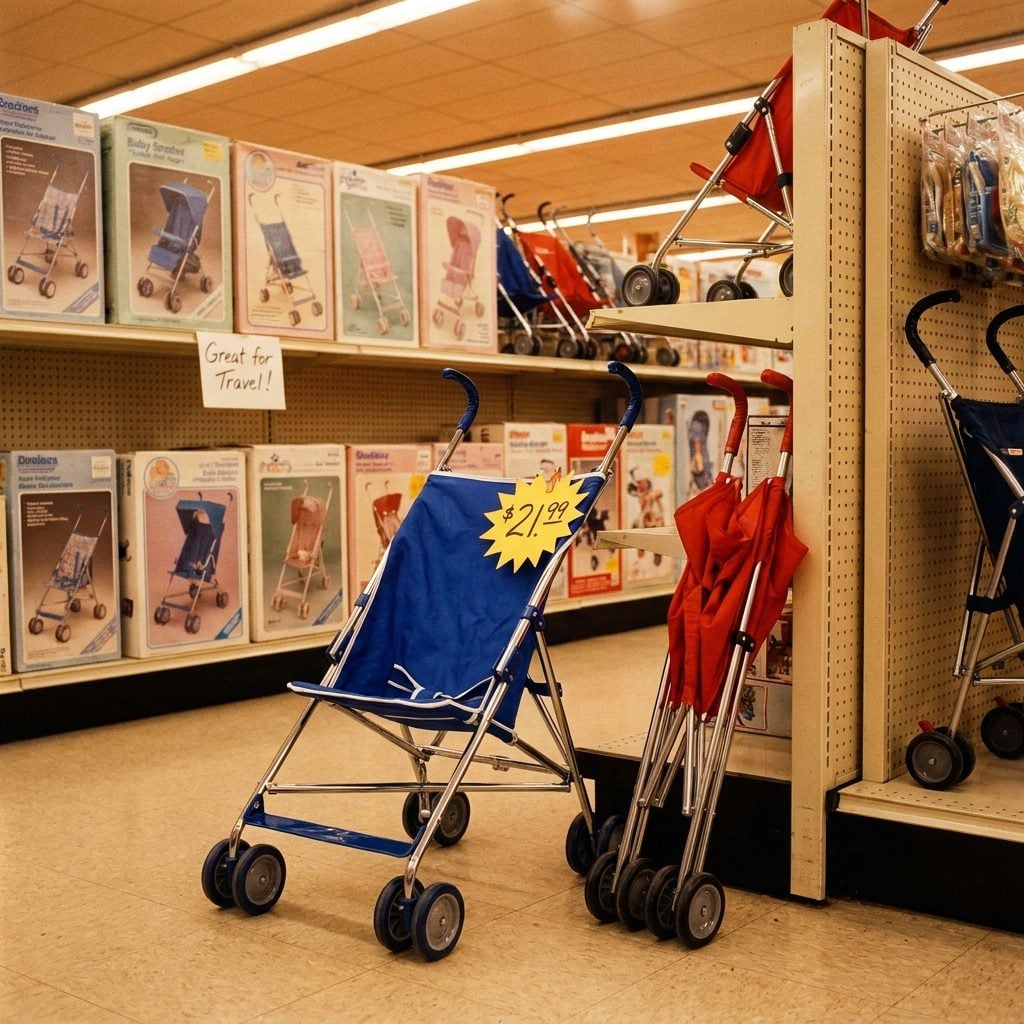
Umbrella strollers were the runaround option of the decade. About $22 bought a lightweight frame that folded into a long narrow bundle and could live beside the front door.
Every parent quickly learned what happened when a loaded diaper bag was hung from the handles: the center of gravity moved backward and the stroller followed. Full-size carriage models cost much more, occupied most of the trunk, and stayed home for shorter errands.
18. A Basic Diaper Pail Cost About $18 in 1988
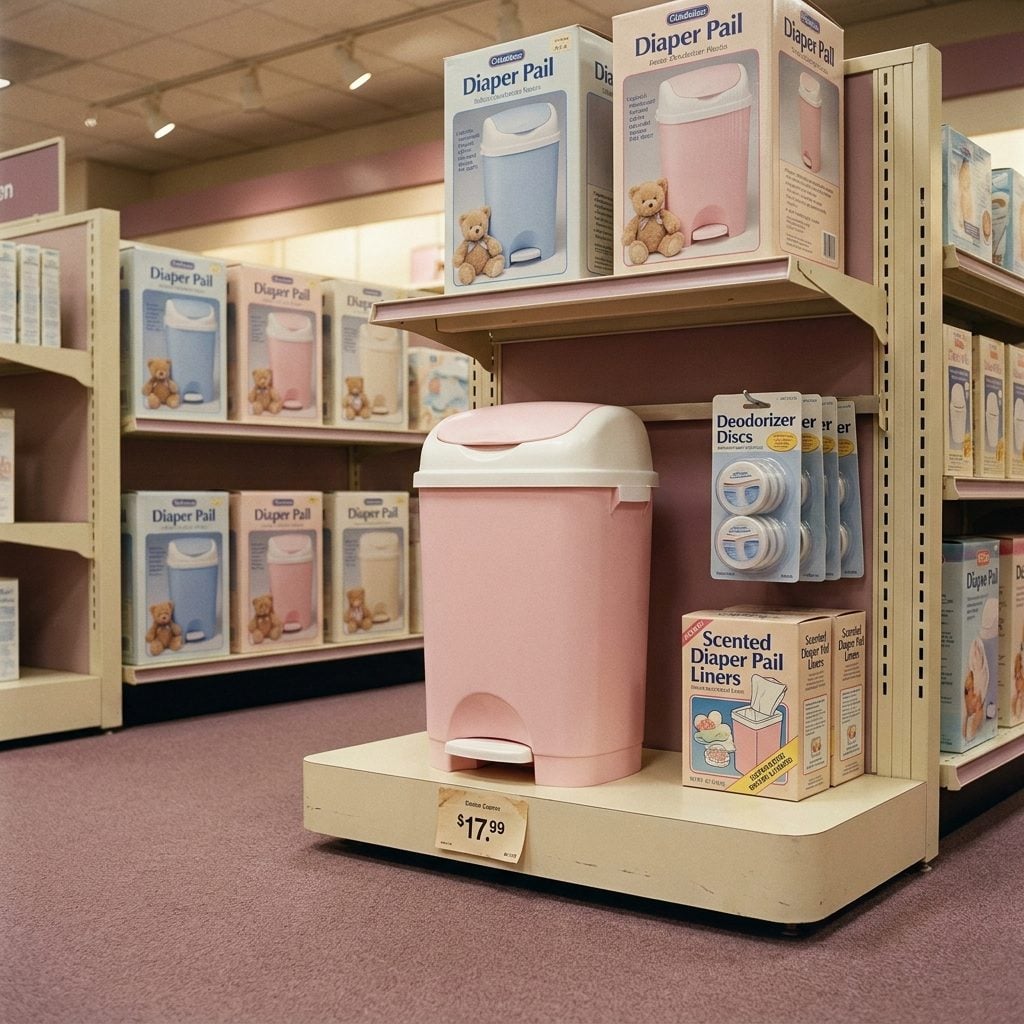
Before the Diaper Genie arrived in the 1990s, the standard diaper pail was a plastic container with a tight lid and a deodorizing disc. A basic setup cost around $18, with replacement deodorizers adding a few dollars over time.
The nursery was usually the first location. The hallway came next. The garage became the final destination after the household reached a democratic decision about whose room was closest.
19. A Wooden High Chair Cost About $42 in 1985
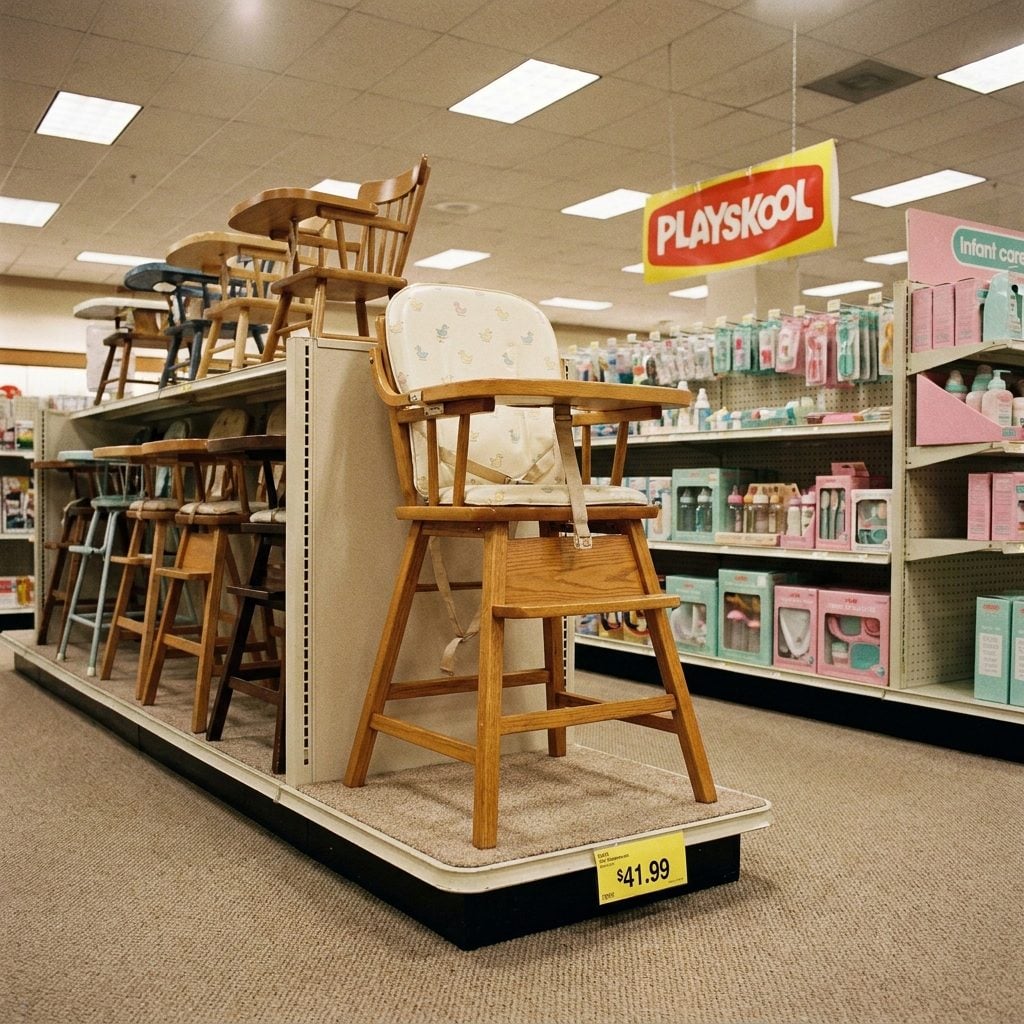
Solid maple, a padded vinyl seat in peach or dusty blue, and a metal tray that locked into place with a heavy clunk. A wooden high chair could cost around $40 to $45 at a major department store.
The tray lip caught cereal, spoons, and unexplained puddles. The chair itself could survive years of use, which is why so many remained in basements long after the padding cracked and the finish darkened.
20. A Nursery Night Light Cost About $6 in 1986
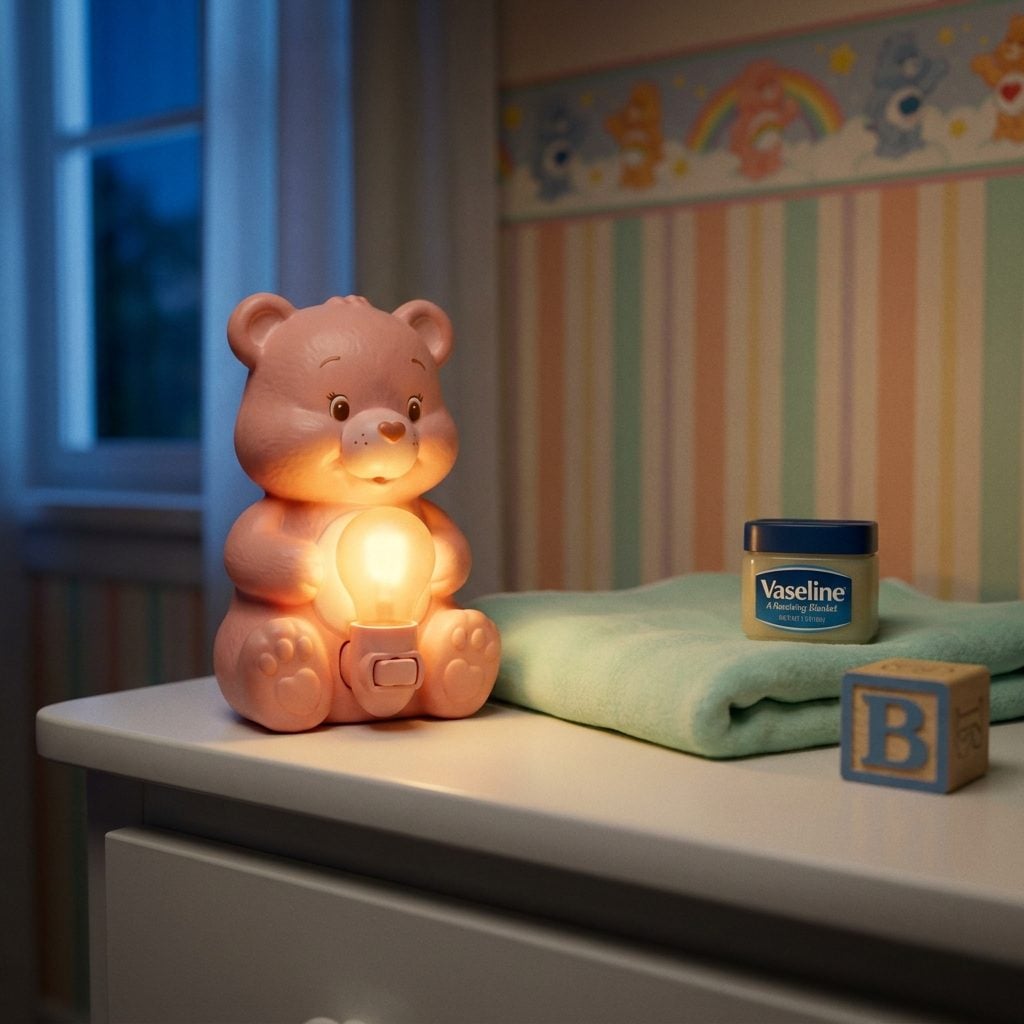
Six dollars bought a plug-in light shaped like a lamb, moon, cartoon character, or smiling cloud. The small incandescent bulb produced an amber-orange glow that made every nursery corner look slightly older than it was.
Those bulbs became hot during use, and plastic housings could discolor or warp when installed carelessly. More expensive versions included a photocell that switched the light on automatically at dusk, a feature that felt impressively advanced at the time.
21. A Mesh-Sided Playpen Cost About $38 in 1987
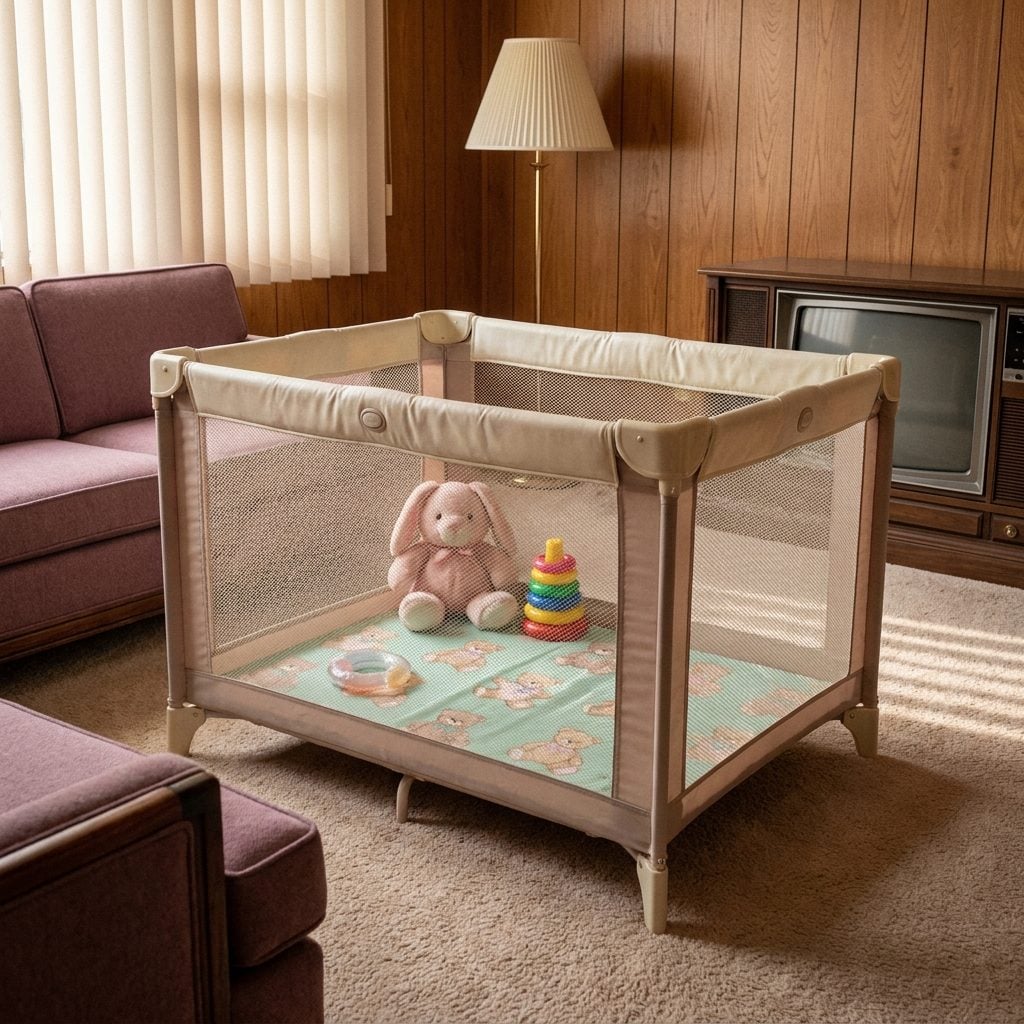
Mesh sides, padded vinyl rails, and a frame that folded like an accordion made the playpen a fixture in living rooms. A typical model might cost around $38.
Parents did not need a lifestyle pitch. Laundry required two hands. The baby needed to remain out of the houseplant. One square of padded floor addressed both problems.
22. A Baby Bathtub With a Sponge Insert Cost About $9 in 1984
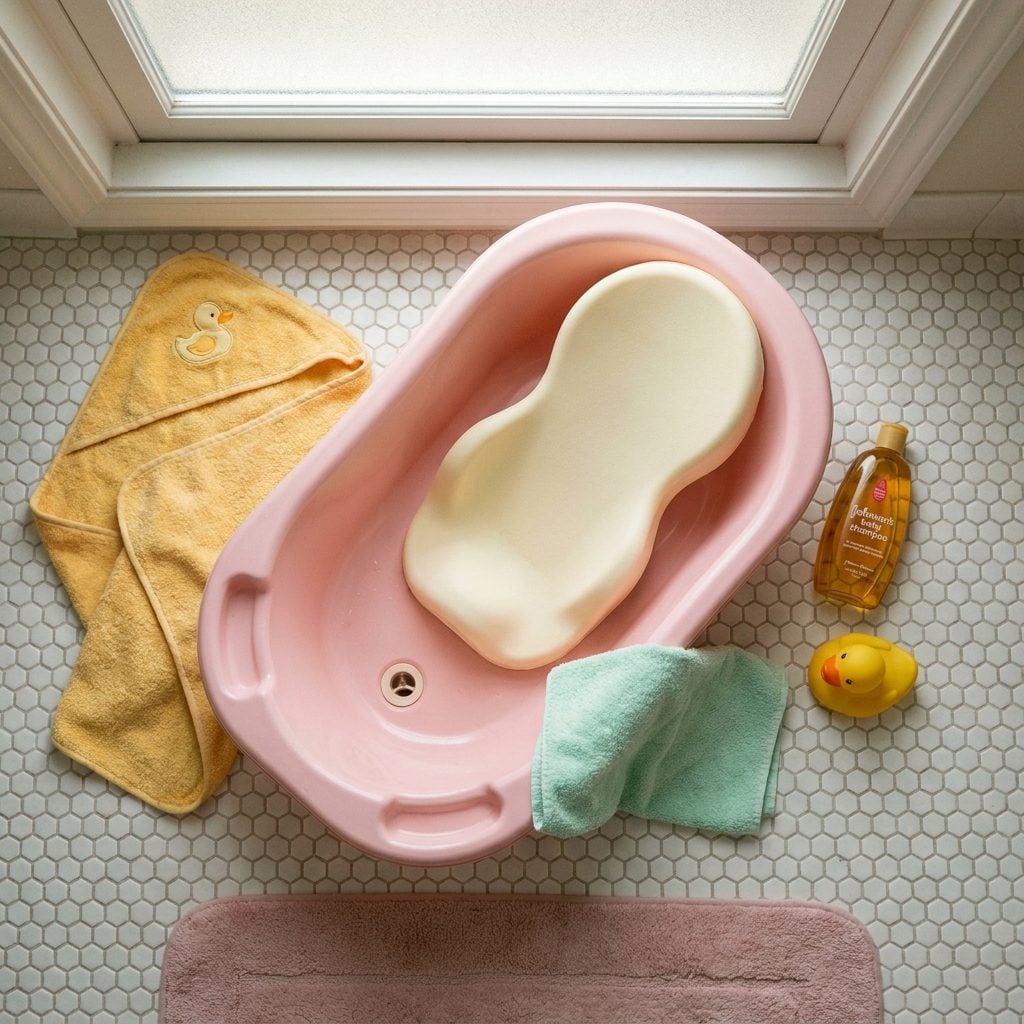
Nine dollars bought a hard plastic tub in pastel pink, mint, yellow, or peach, often fitted with a contoured foam insert intended to keep the baby from sliding.
The foam was the weak point. It absorbed water, dried slowly, and needed frequent cleaning and replacement. The molded tub could last for years. The insert could begin developing its own ecosystem before anyone admitted defeat.
23. A Set of Board Books Cost About $10 in 1988
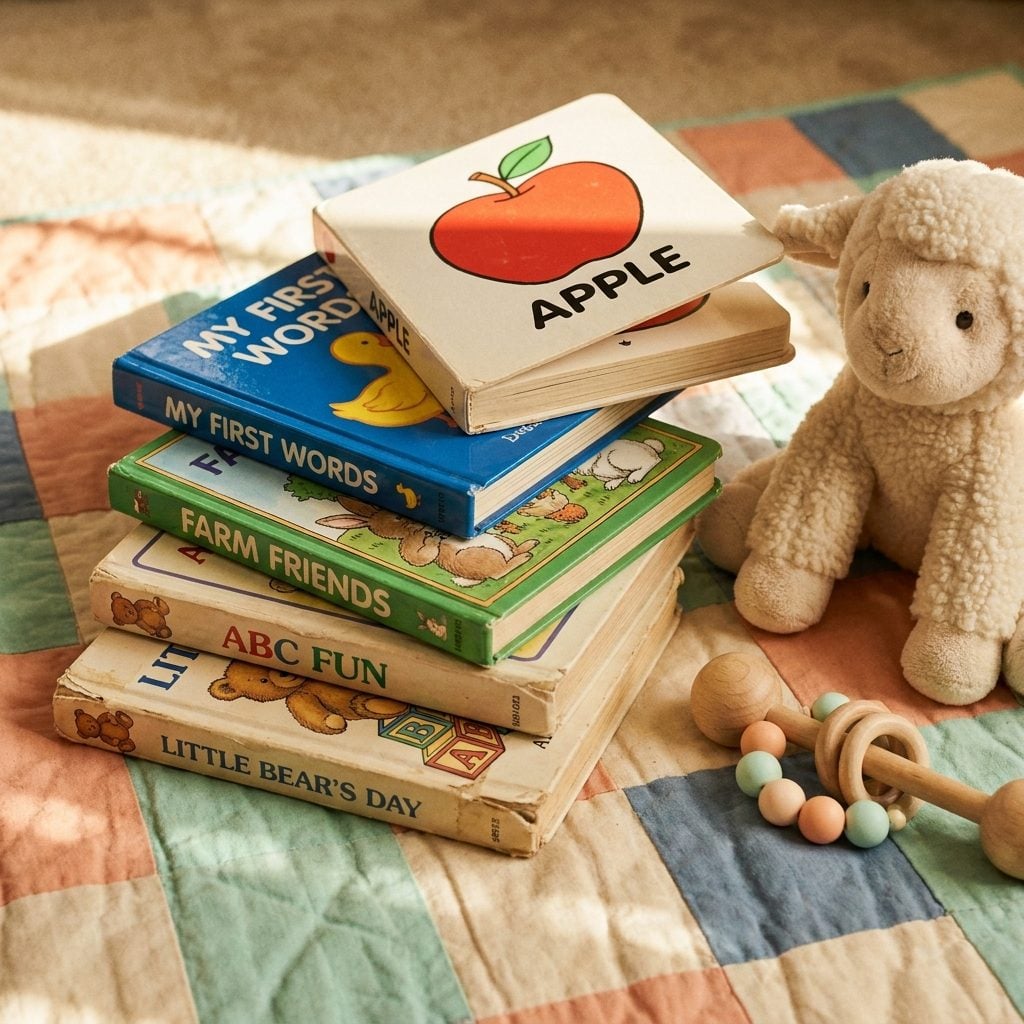
Four or five board books could cost about $10 in 1988, with individual titles often priced at only a few dollars. Sandra Boynton and Eric Carle board books shared nursery shelves with foil-spined Little Golden Books and other picture-book favorites.
They were objects a one-year-old could gum, drop, bend, and request again before the final page had been reached. Missing corners and sticky fingerprints only documented the reading history.
24. A Wooden Toy Chest Cost About $75 in 1989
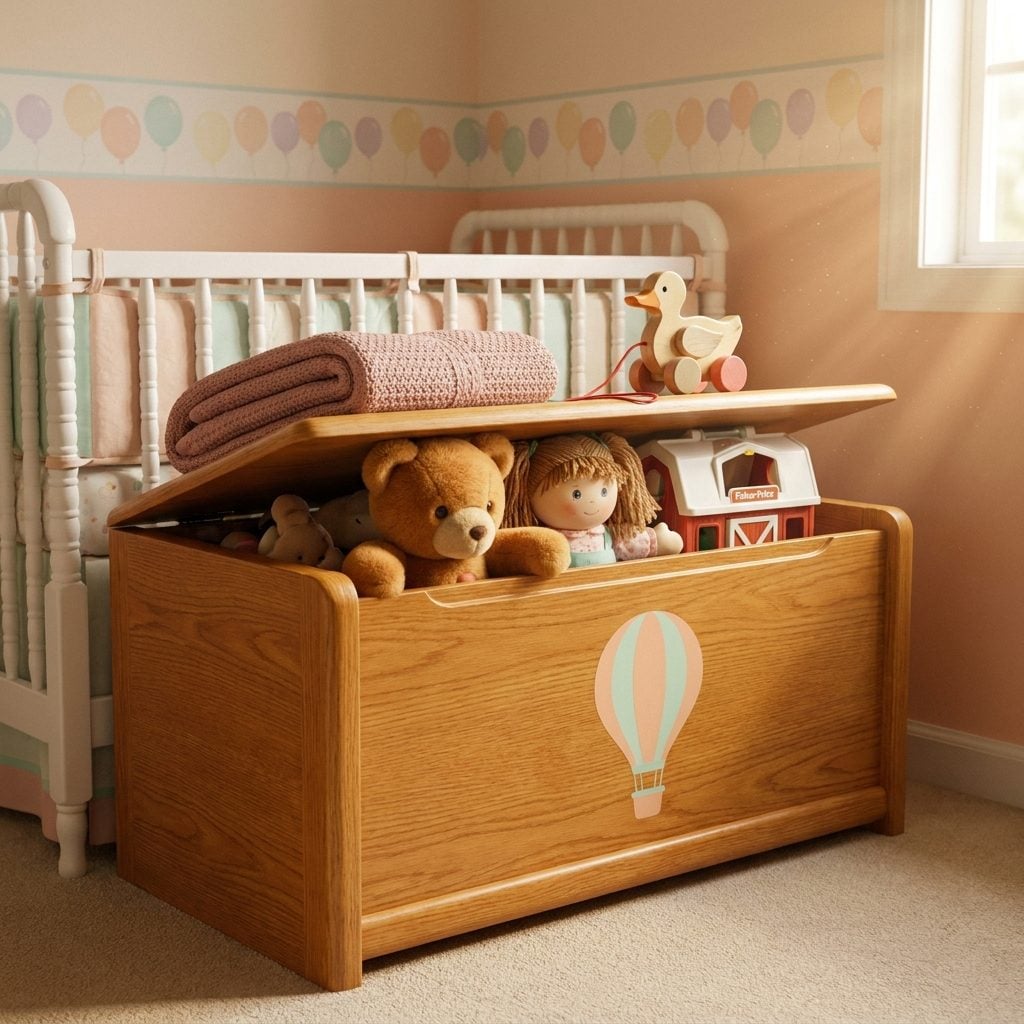
A solid wooden toy chest—the kind intended to survive several children and at least one household move—could cost around $75 in 1989. Oak and pine models often carried stenciled rabbits, balloons, alphabet blocks, or a child’s name across the front.
The box solved the problem of visible clutter without addressing what happened when the lid opened again. By the late 1990s, many were being stripped, repainted, sold, or sent to the curb. The survivors now circulate as storage benches and restoration projects.
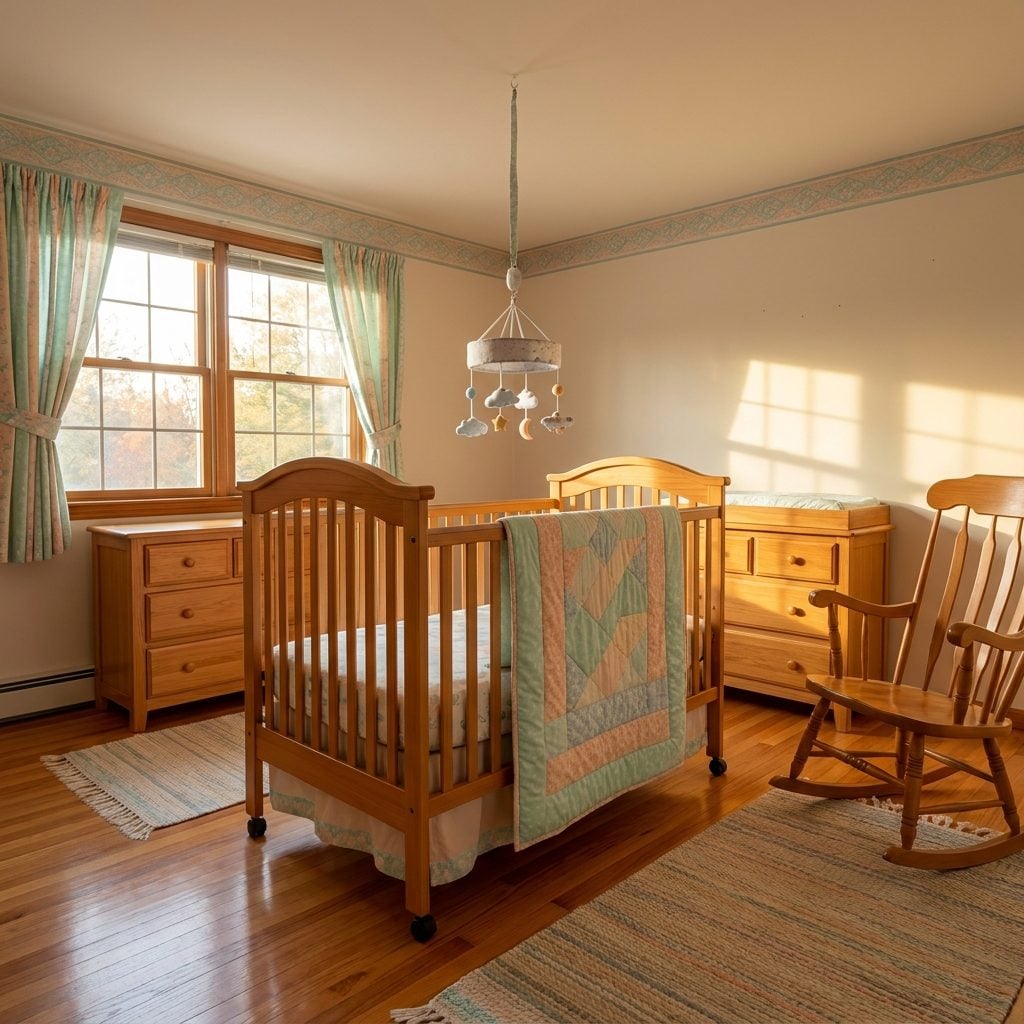
25. The Complete 1989 Baby Setup Could Cost $800 to $1,400
🔥 Would you like to save this?
Add the crib, mattress, dresser, rocker, bedding, monitor, mobile, changing supplies, bottles, diapers, car seat, stroller, high chair, playpen, bath, lamp, books, and toys, and a broadly equipped setup in 1989 could land somewhere around $800 to $1,400, depending on how much was bought new.
That total represented a substantial household expense when median annual income was under $30,000. Hand-me-downs, baby showers, department-store sales, and layaway plans were not side notes. They were often what made the room possible.
There was no digital registry feeding parents a coordinated “complete the look” cart. The room and the larger collection of baby gear accumulated one object at a time. A crib from one store. A rocker from another. A swing borrowed from a cousin. A mobile received at the shower. Nothing matched perfectly, which is part of why the rooms remain so easy to recognize.
The 1980s nursery was not purchased as one finished look. It was assembled, inherited, financed, gifted, and slowly made complete.