There’s a reason certain rooms make you exhale the moment you step inside, and others leave you vaguely on edge without being able to say why. You notice the furniture, the art, the color on the walls. What you almost never notice consciously is the thing that’s actually controlling how you feel: the lighting. Specifically, where it’s coming from.
Guests who’ve spent real time aboard luxury yachts have been recalibrated by spaces engineered around one obsessive principle. They walk into your home, and something registers before a single word is spoken. They couldn’t explain it at a dinner party. But they felt it. Here’s exactly what that is, and why it matters far more than any paint color you’ve ever agonized over.
In order to come up with the very specific design ideas, we create most designs with the assistance of state-of-the-art AI interior design software. Also, assume links that take you off the site are affiliate links such as links to Amazon. this means we may earn a commission if you buy something.
The Lighting Flaw That Yacht Designers Eliminated Decades Ago, and That Every Guest Silently Judges the Moment They Enter Your Home
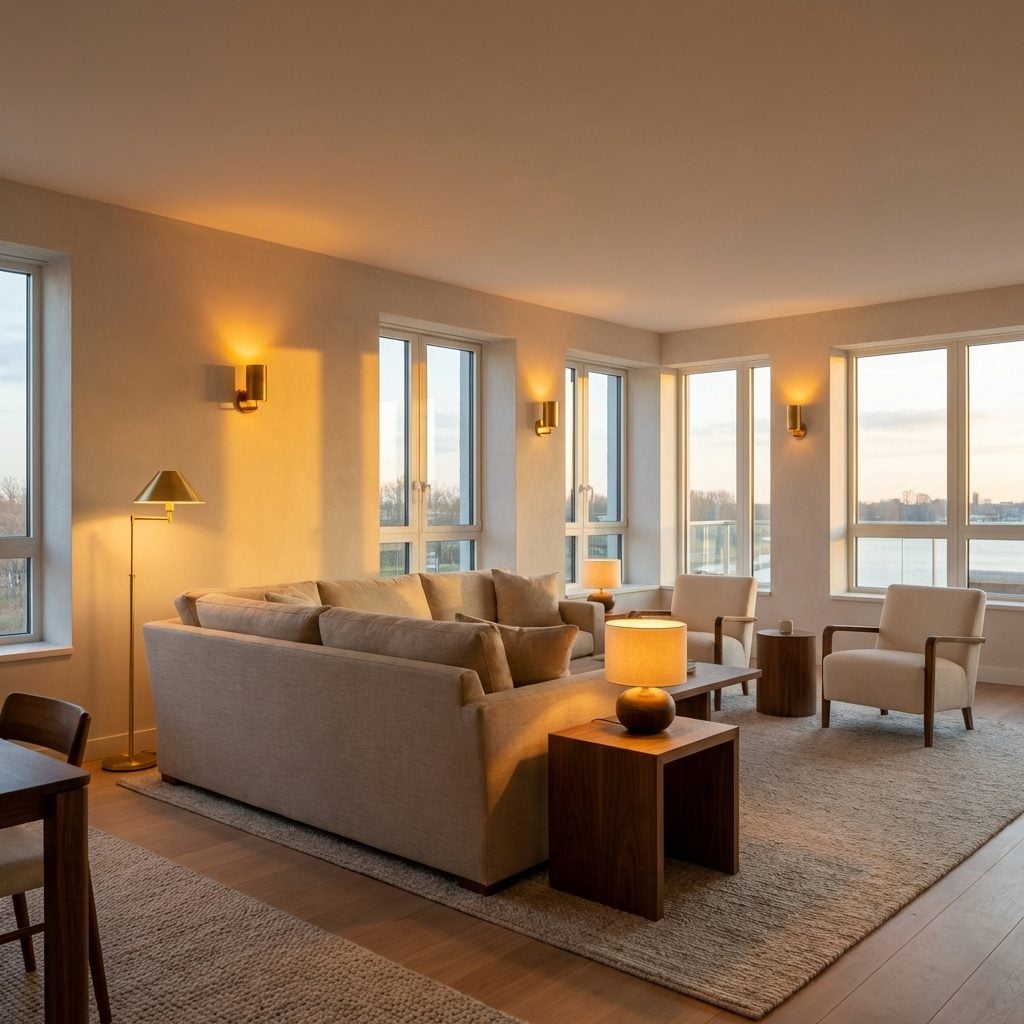
There’s a detail that separates the interiors of luxury yacht interior design from virtually every standard home in the world, and it has nothing to do with materials, square footage, or furniture cost. Yacht designers figured it out early, partly because they had no choice: space constraints on the water forced them to rethink how light moves through a room. What they landed on wasn’t a new fixture or a brighter bulb. It was the complete removal of something most homes still have front and center.
The result? Step aboard almost any serious private vessel and you’ll feel a shift you can’t quite name. The room looks more considered. Faces look better. The atmosphere feels dialed in rather than accidental. Guests who’ve spent time in those environments carry that calibration with them. When they walk into your home, something registers, quietly, not unkindly, before they’ve even said hello.
What they’re noticing is the thing that isn’t there. And once you understand the psychology of why its absence changes everything, you can’t unsee it in your own living room.
Why Your Brain Instantly Knows a Room Is ‘Cheap’ Before You Can Name a Single Thing Wrong With It
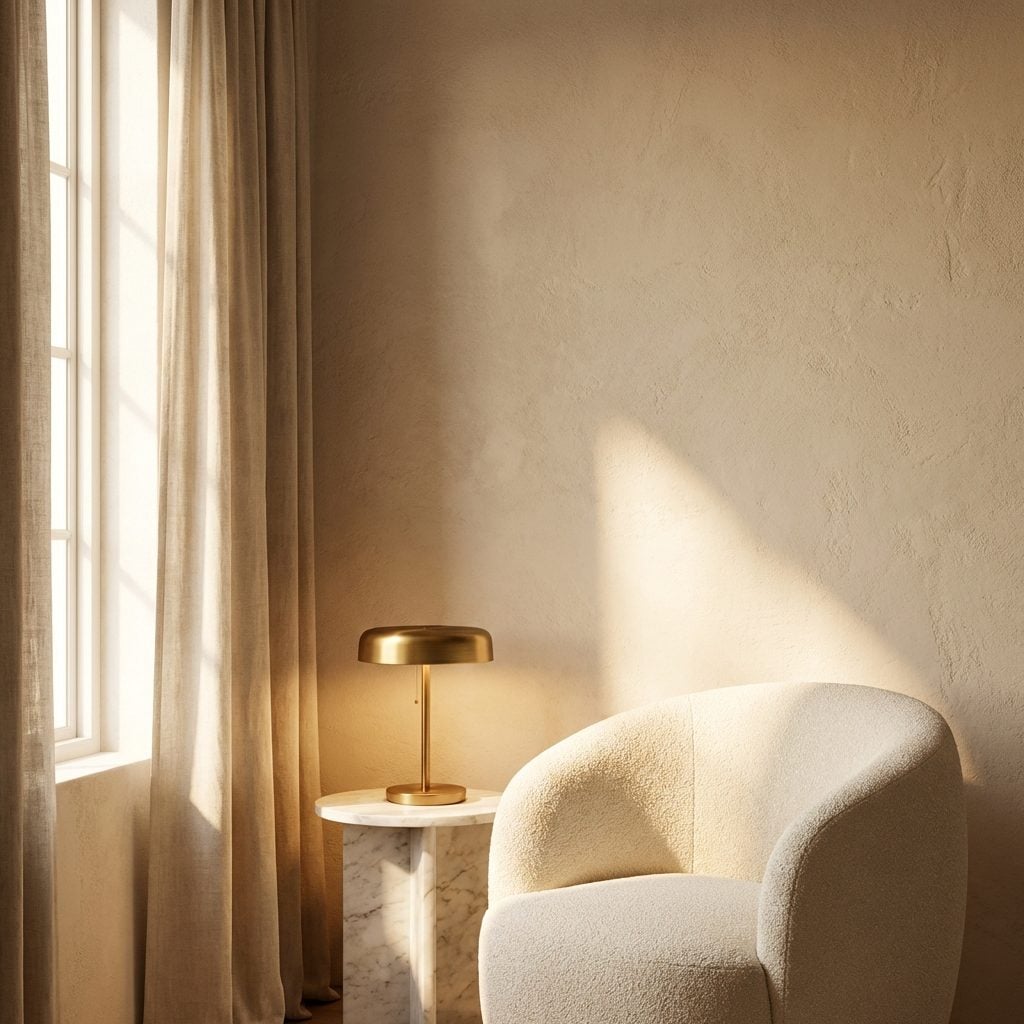
Your brain is doing real-time quality assessment the moment you enter a room, and it works faster than your conscious mind can form opinions. This isn’t snobbery. It’s pattern recognition built from millions of accumulated experiences in spaces that felt right and spaces that didn’t. The signal usually arrives first as a vague dissatisfaction, a low-grade sense that something is off, even when every individual element, the sofa, the rug, the art, is perfectly fine on its own.
Lighting is one of the primary inputs in that instant assessment. According to (Source), neuroscience research confirms that light color, intensity, and placement all influence our emotional and behavioral responses before we consciously register them. The brain reads these cues through the same pathways it uses to evaluate whether an environment is safe or threatening, which means the “this feels cheap” signal isn’t a design opinion. It’s a survival-adjacent appraisal dressed in aesthetic clothing.
Expensive rooms rarely feel expensive because of any single element. They feel expensive because the light is doing something right, something that makes the whole composition read as intentional rather than assembled. That “intentionality signal” is what the brain picks up instantly, and it’s almost always rooted in how the room is lit.
The One Direction Light Should Never Come From, and Why Every Luxury Space on Earth Already Knows This
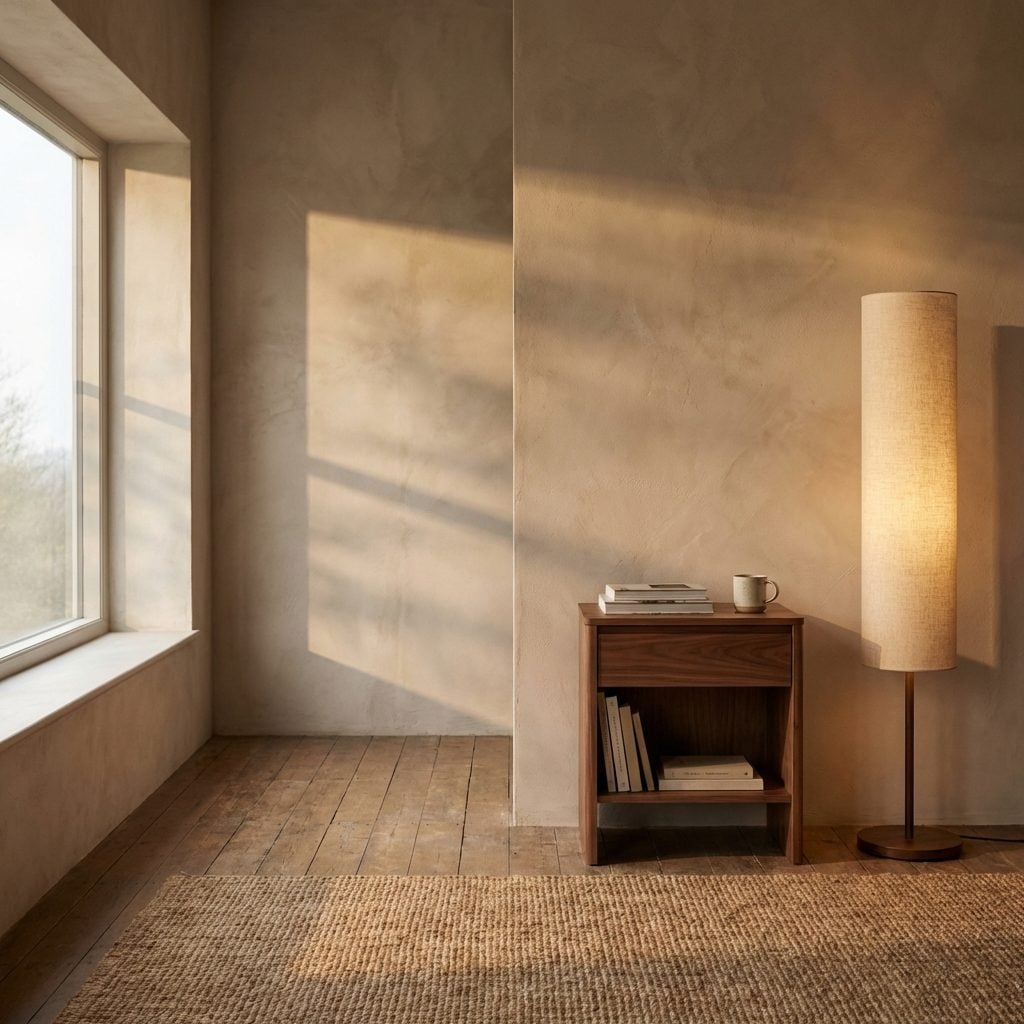
Film directors have known it for a century. Cinematographers call top-down illumination “monster lighting” for a reason, it hollows out eye sockets, deepens shadows in all the wrong places, and makes even the most familiar face look vaguely sinister. A 2025 study published in Frontiers in Psychology examining light directionality and brain responses found that top-lit faces triggered measurably different early neural processing compared to faces lit from the front or sides, meaning the discomfort registers at a pre-conscious level, below the threshold of deliberate thought.
The same directional problem plays out across entire rooms, not just faces. When light falls strictly from above, it flattens every surface underneath it. Textures disappear. Walls look plain. Furniture loses its shadow depth and starts looking like set dressing rather than real objects in a real space. The room stops looking designed and starts looking functional, like a workspace, a corridor, a place to pass through rather than dwell in.
What Candlelight and Five-Star Hotel Lobbies Have in Common That Your Living Room Probably Doesn’t
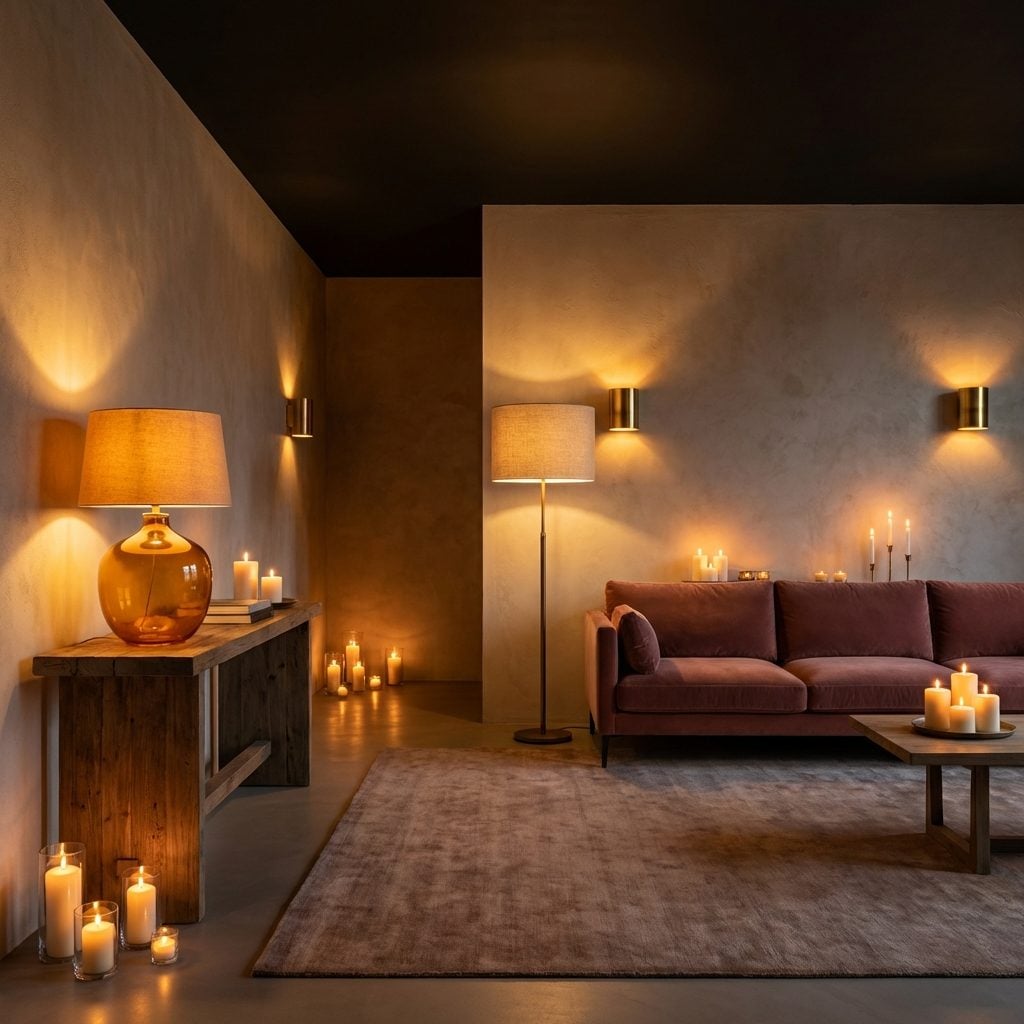
Candlelight has been doing psychological work for thousands of years. (Source) shows that candlelit environments encourage social bonding and self-disclosure, people in dimly lit, warm-toned rooms are measurably more likely to open up and connect than those under bright overhead light. This isn’t cultural conditioning. It’s likely rooted in a primal association: fire meant safety, warmth, and the company of your tribe. Your nervous system still reads a warm, low, flickering light source as “you are safe here.”
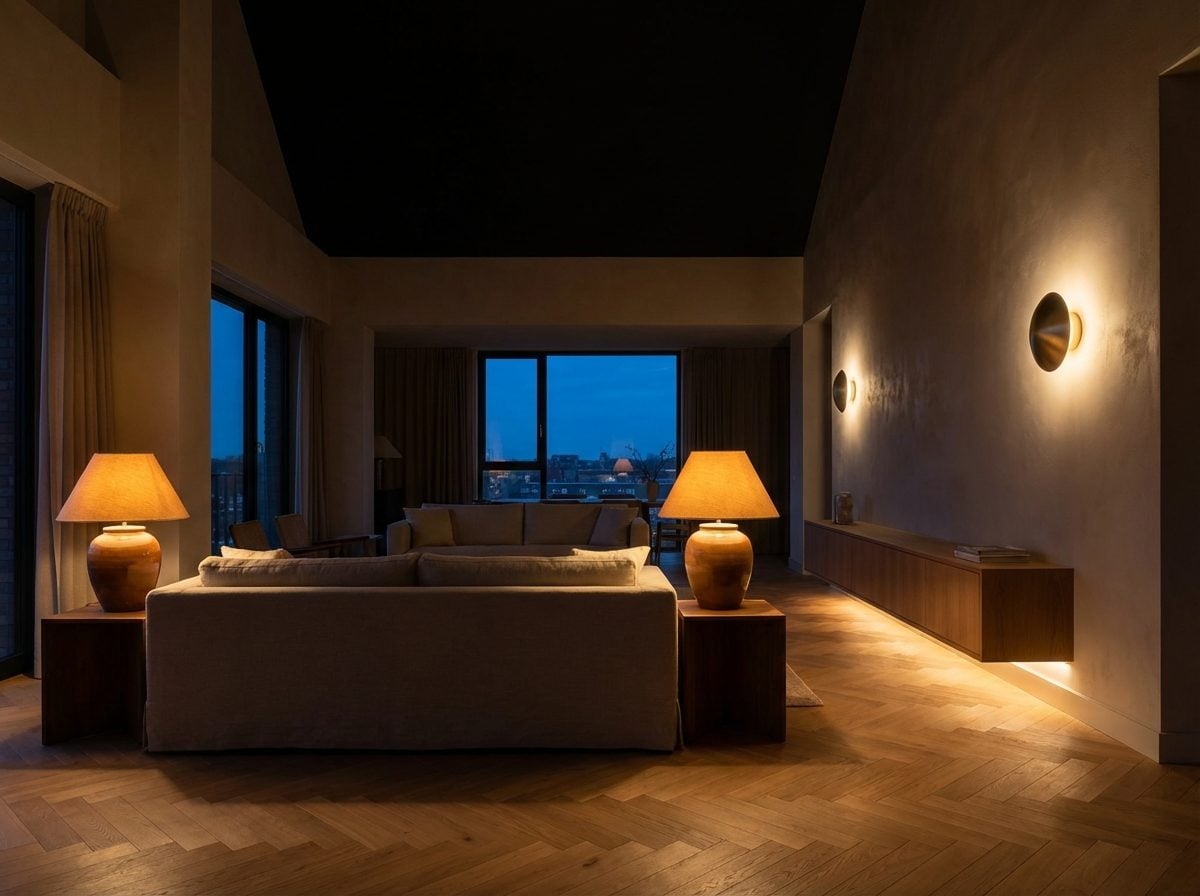
Five-star hotel lobbies spend enormous sums engineering exactly this feeling at scale. Walk into any serious luxury property, a Four Seasons, a Rosewood, an Aman, and you’ll notice the light never announces itself from a single overhead source. It arrives from multiple directions, all of them low: brass wall sconces, recessed accent strips at floor level, warm table lamps on low consoles, pendant chandeliers hung low enough to function as ambient sculpture rather than overhead floodlights. The result is a room that feels like the best version of candlelight, without a single candle required.
Your living room probably has the furniture right. It might even have the art right. But if the light is still coming from the ceiling, it’s missing the one ingredient those spaces never compromise on.
The Psychological Reason Overhead Lighting Makes People Feel Vaguely Uncomfortable (Without Knowing Why)
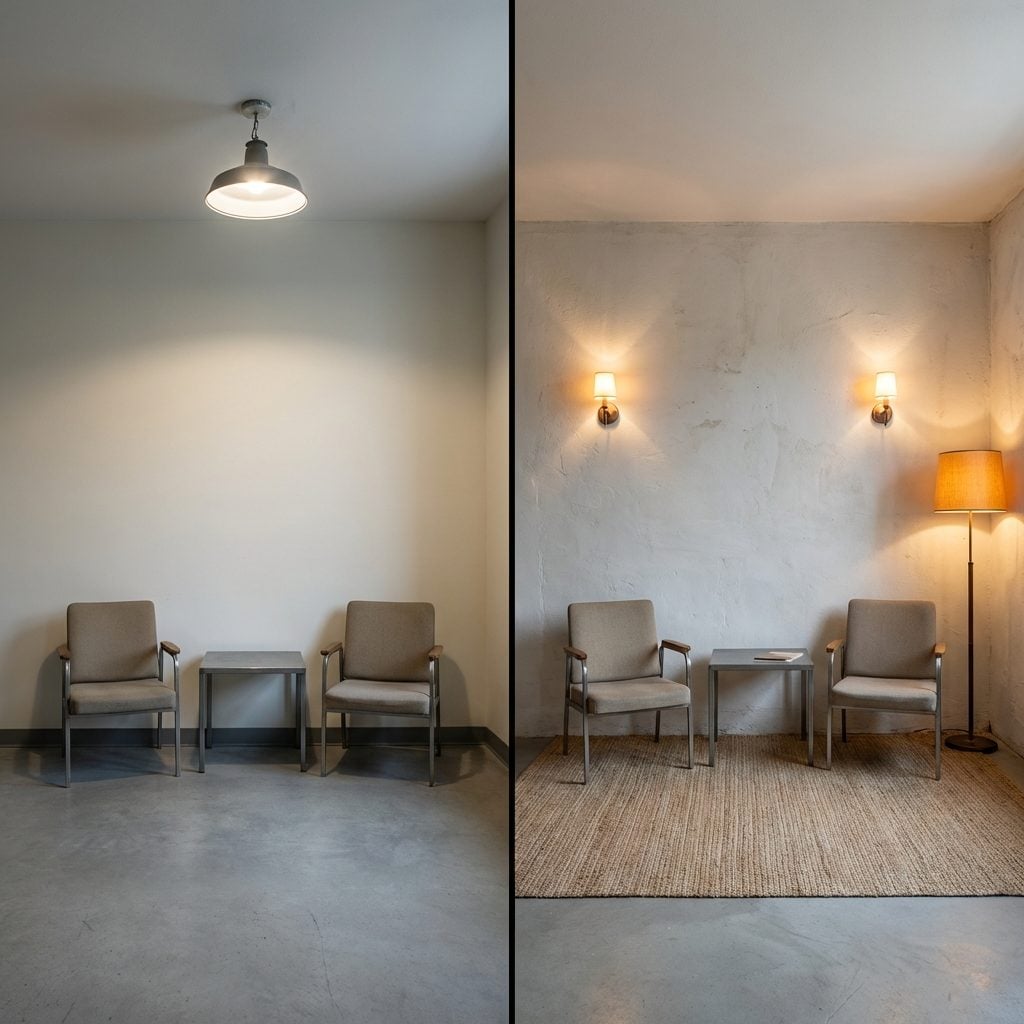
Ask someone why they feel uneasy in a room and they’ll describe the furniture arrangement, the wall color, the lack of windows. Almost no one will point at the ceiling. But that’s exactly where the problem often lives. Luxury interior designers have noted that softly diffused light tells your nervous system that everything is under control, while harsh overhead glare does the opposite, it signals your brain to activate, stay alert, possibly prepare to move.
This makes biological sense. In nature, direct overhead light means noon on an open plain, the moment of maximum exposure, maximum vulnerability, maximum alertness. It is the evolutionary opposite of rest. Your body knows this. Bright, downward-hitting light suppresses melatonin, elevates cortisol, and increases physiological arousal. (Source) found that nighttime light exposure disrupts circadian rhythms and affects mood stability and stress response, even when the person isn’t consciously registering the light as a problem.
None of this discomfort is dramatic. It doesn’t announce itself as stress. It just settles in as a low-level restlessness, a subtle inability to fully exhale, that makes guests reach for their phones, shift in their seats, and leave earlier than they might have otherwise.
Why the Wealthiest Interiors on Earth Are Lit From Below and From the Sides, Never From Above
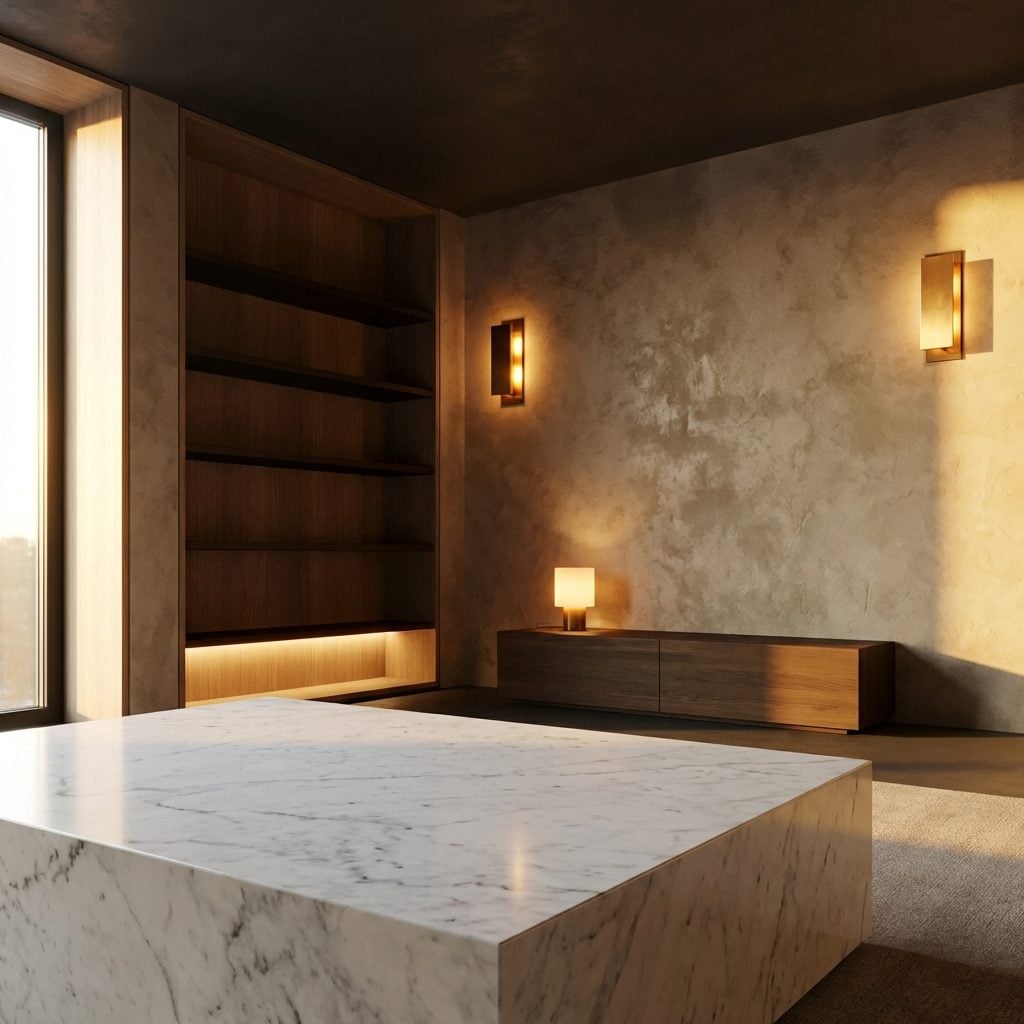
This is not an accident or an aesthetic preference. It’s the result of a design discipline that treats lighting as architecture, not afterthought. In the finest private residences, the most considered hotel suites, and, tellingly, the yacht interior design world where every inch is deliberate, the same decision has been made independently and repeatedly: light belongs at human height, or below it. Not above it.
Three reasons this rule holds across every luxury context:
- Side lighting reveals texture. When light travels horizontally across a wall or surface, it catches every grain of the plaster, every weave of the fabric, every vein in the stone. The same surface under overhead light looks flat and inert.
- Low lighting creates depth. Shadows that fall upward and sideways make a room feel three-dimensional. Shadows that fall straight down compress everything into a single plane.
- Human-level light is emotionally legible. Lighting designers note that warm, indirect light enhances the perception of luxury specifically because it mimics the light sources humans have gathered around for millennia, fire, candles, low windows, all of which sit at or below eye level.
The ceiling is the one surface in a room that doesn’t need to be illuminated. Light it from below with uplighting floor lamps if you want drama, or leave it in soft shadow. Either way, pointing the light source upward at the ceiling costs nothing and changes everything.
The Silent Signal That Tells Every Guest Whether a Room Was Designed for Living or Functioning
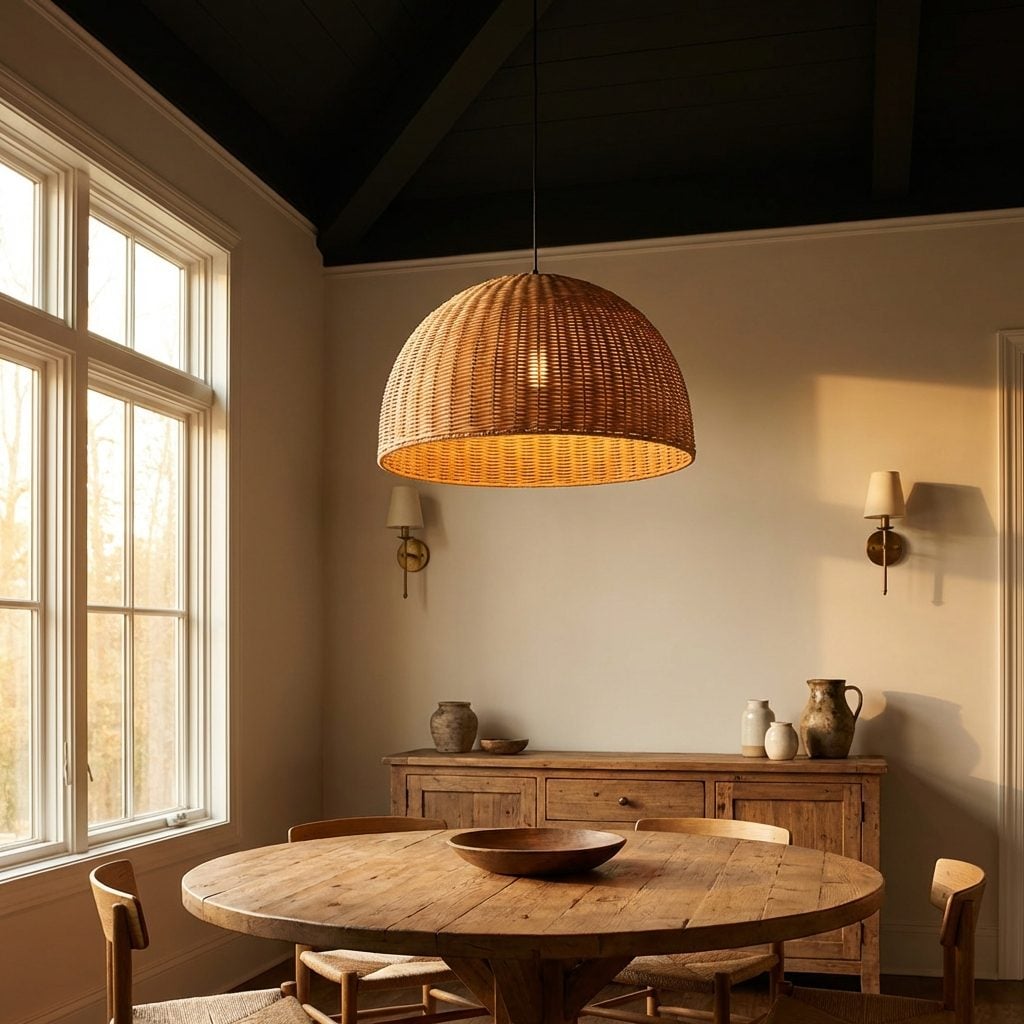
Hospitals are lit from overhead. Offices are lit from overhead. Grocery stores, parking garages, school corridors, all overhead. There’s a reason: maximum visibility with minimum installation complexity. The lighting decision in these spaces communicates something specific and entirely appropriate: this room exists to serve a function, and you are here to perform it.
When the same lighting logic gets applied to a living room or a dining room, the subconscious message travels with it. The room reads as functional rather than experiential. (Source) confirms that stark, cool overhead lighting that might feel appropriate in a gym or retail setting creates discomfort and irritability in lounge and relaxation spaces. The brain categorizes the environment before the conscious mind has even formed an opinion, and a room lit like a workspace gets treated like one, guests stay alert, conversations stay transactional, and the sense of genuine ease never quite arrives.
The question a lighting scheme answers without saying a word is: was this room made for efficiency, or for life? The answer changes everything about how people feel inside it, and whether they want to come back.
What Happens to the Human Face, and Human Mood, When a Room Is Lit From Overhead
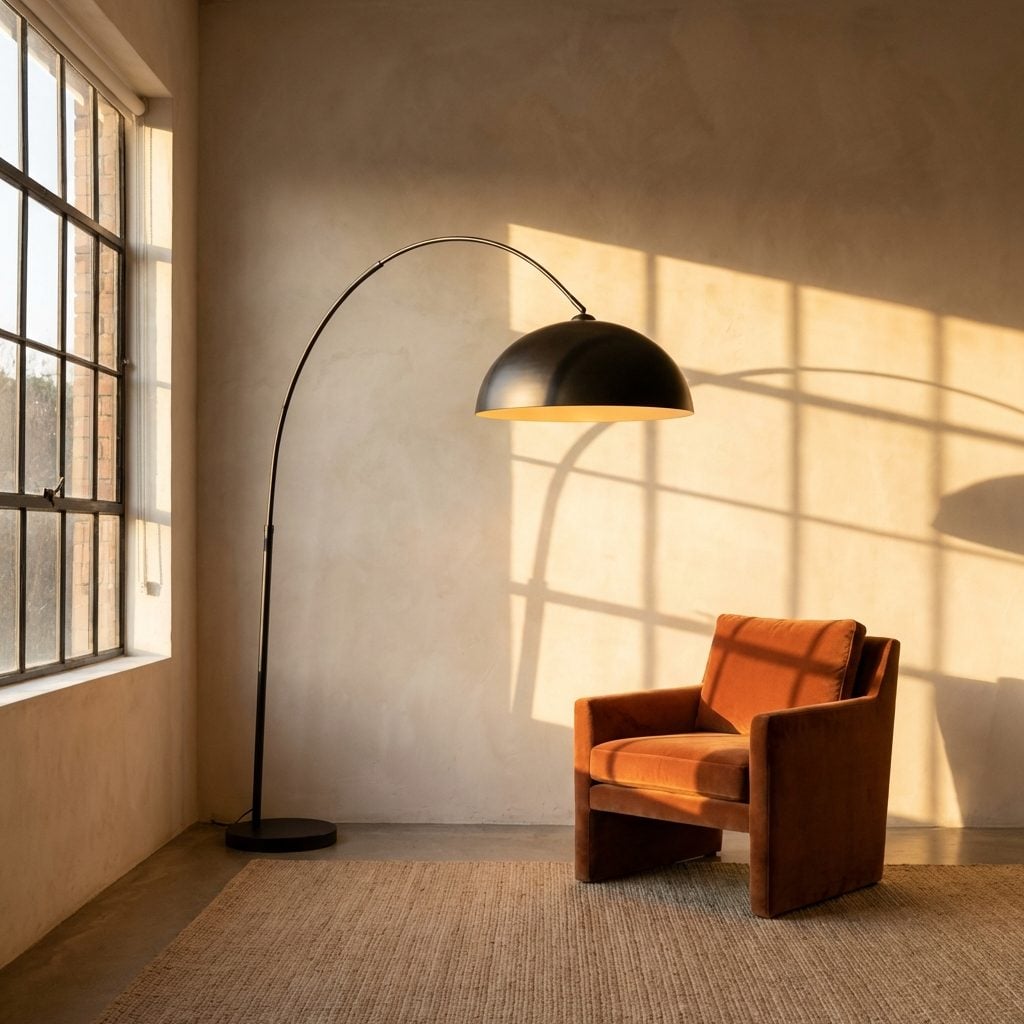
Makeup artists call it the worst-case scenario. Cinematographers call it a mistake. Photography research on facial lighting shows that overhead light casts shadows directly into eye sockets (creating hollow, dark circles), over-illuminates foreheads, and deepens every crease and pore, the exact shadow pattern that reads as age, illness, or exhaustion. The same person, relit from the front or sides at face level, looks visibly younger and more at ease. Lighting professionals note that light at face level actually washes out wrinkles and makes us look younger compared to overhead lighting, which is why news networks use multiple face-level sources rather than a single overhead rig.
This matters in a domestic context for reasons that go beyond vanity. When people don’t look their best, when the light is making everyone appear more tired and drawn than they feel, a subtle collective deflation sets in. Social confidence drops slightly. The conversation becomes more guarded. The evening never quite finds its footing. Nobody identifies the lighting as the cause. But remove the overhead source and replace it with warm lateral light, and watch the room change not just visually but socially. People sit differently. They look better and they know it, even if they can’t say why.
The Cognitive Trick That Makes a Layered Room Feel Three Times More Expensive Than It Actually Is
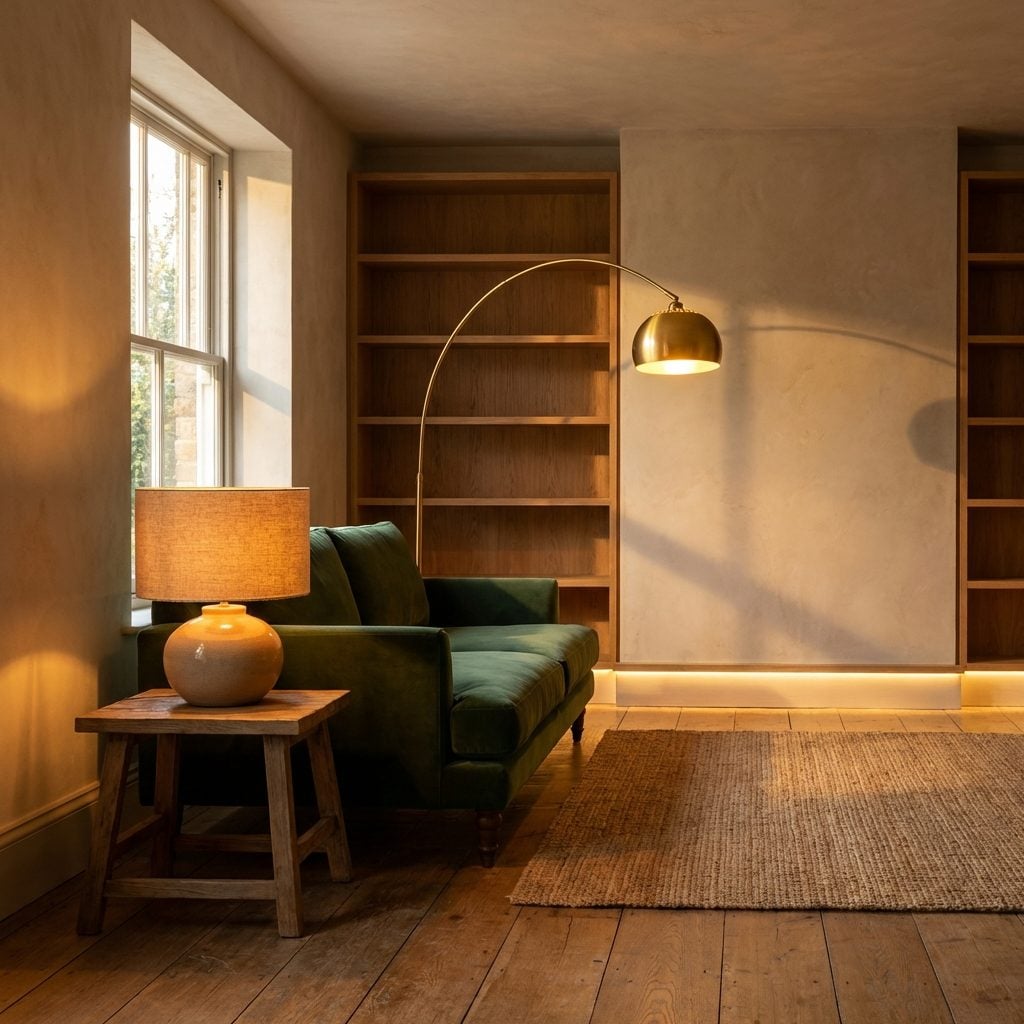
Layered lighting, multiple light sources at different heights, from different directions, does something measurably interesting to our perception of a room. (Source) that high-quality layered light can significantly increase the perceived value of a space. The mechanism isn’t mysterious: multiple light sources create depth, shadow variation, and visual complexity, and the human brain reads complexity as richness.
A room with a single overhead light source has no shadow gradient. Every corner is equally visible, equally flat. There’s nothing for the eye to discover, no sense of the space unfolding. A room with four or five sources, a table lamp here, a sconce there, an accent strip grazing the bookshelves, a low floor lamp near the sofa, creates a shifting landscape of warm and dark zones. The eye moves through the room the way it would move through a forest: finding light, then shadow, then light again.
This is also where AI-assisted design tools are starting to have a genuine impact, spatial planning software can now model the exact lumen output and shadow patterns of multiple overlapping sources before a single bulb is installed, letting designers test whether a room will feel layered and rich or flat and functional. The result in both cases is the same insight: light sunroom or dark living space, the number and placement of sources matters more than their individual quality.
Why Your Brain Reads ‘Warm’ and ‘Cold’ Light as Two Completely Different Emotional Environments

The difference between a 2700K bulb and a 5000K bulb is roughly the difference between a fireside conversation and a fluorescent-lit supermarket. Studies on correlated color temperature and mood have consistently shown that high CCT (cool/blue-white) light decreases positive mood compared to low CCT (warm) light at equal illuminance. The mechanism runs through the same neural pathways that process emotional faces: (Source) found that participants under warm 2700K lighting actually labeled ambiguous facial expressions as less fearful, meaning warm light doesn’t just feel more pleasant, it literally changes how you perceive other people.
Cool light, meanwhile, activates the brain’s alertness systems. It elevates cortisol slightly. It sharpens focus and reduces the desire to linger. These are useful properties in an office. In a living room, they work quietly against everything you’re trying to create, the unhurried conversation, the sense that this evening has nowhere to be.
Home gym ideas are one of the few residential contexts where cool light makes actual sense, you want that cortisol spike during a workout. Everywhere else in the home, the warmth of the light is doing psychological work that no amount of soft furnishings can compensate for if you get it wrong.
The Reason Restaurants That Make You Feel Beautiful Are Never Using the Same Bulbs as Your Kitchen
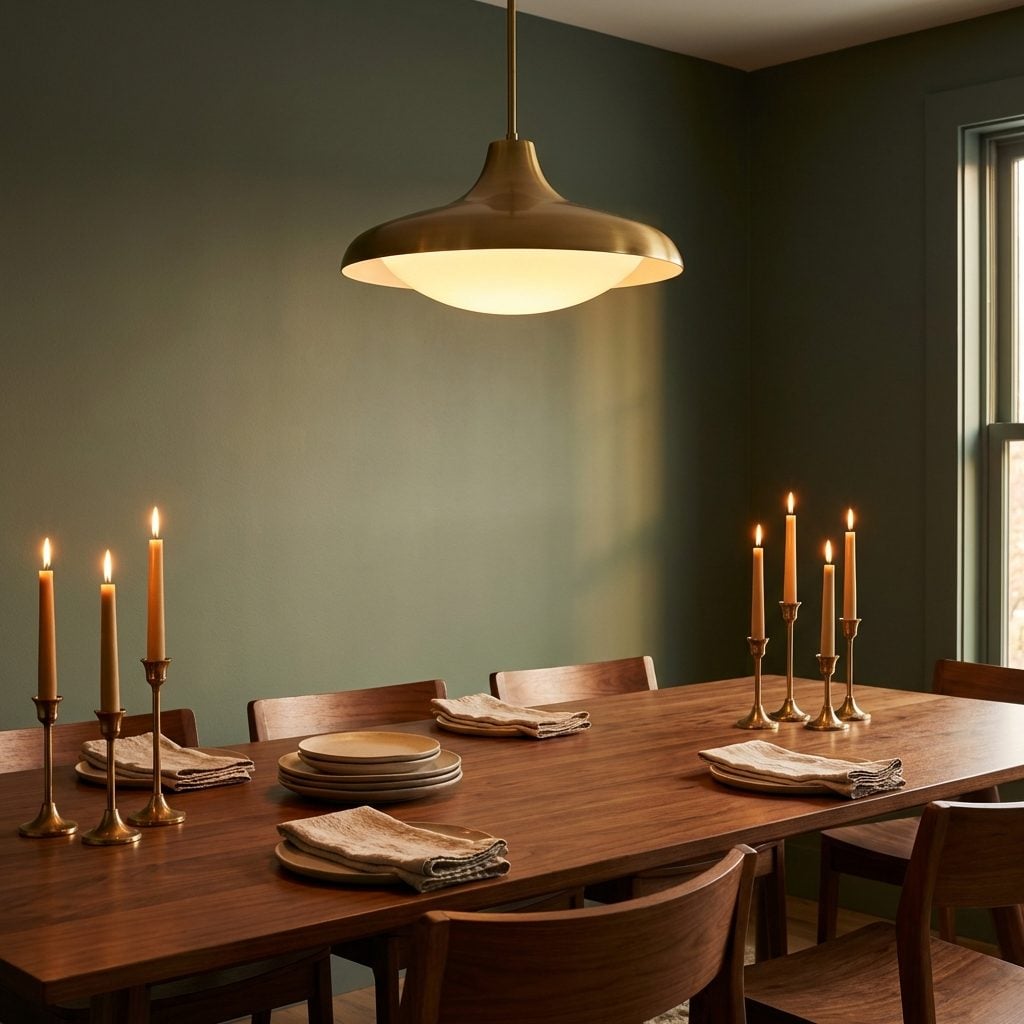
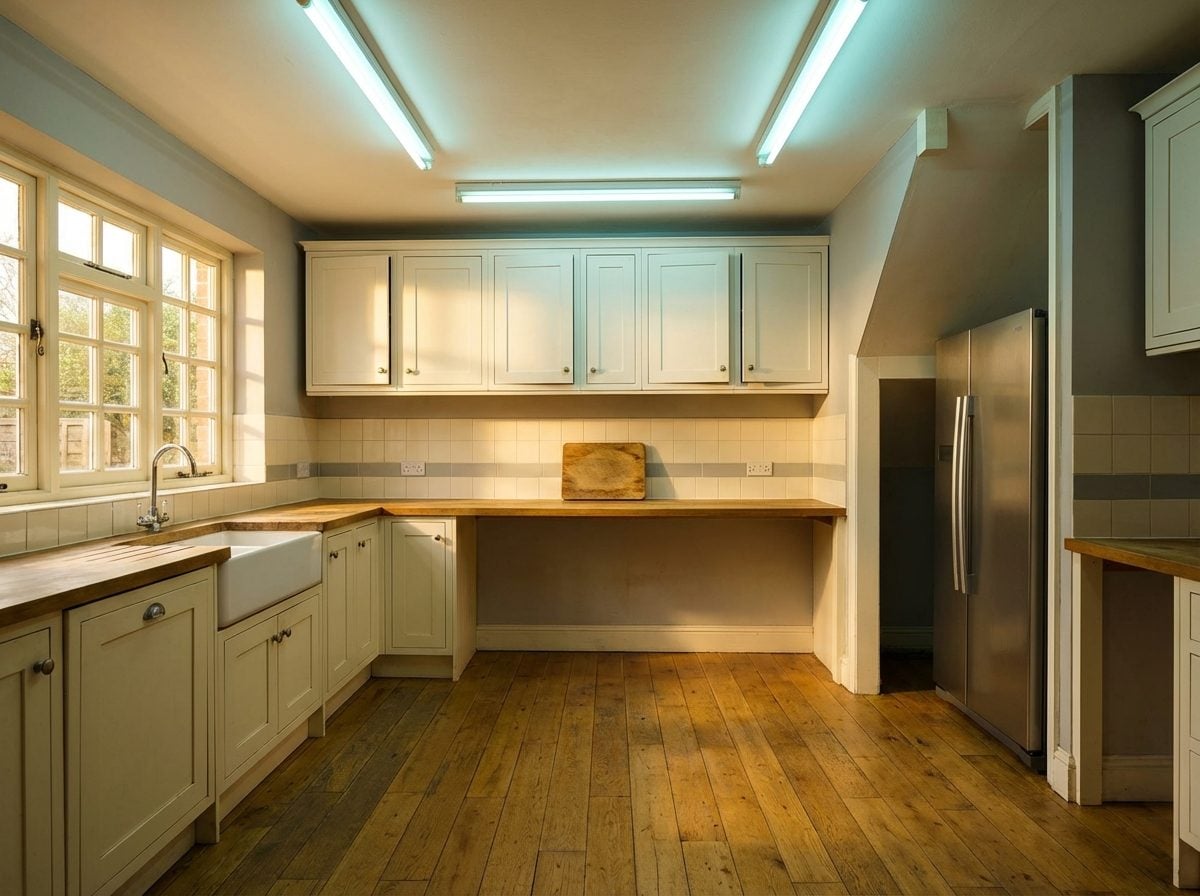
There is a specific number on the side of a light bulb that either flatters every face in the room or quietly drains it. Your kitchen almost certainly uses a bulb rated somewhere between 4000K and 5000K, cool, bright, clinical. The restaurants where you feel effortlessly at ease, where your companion looks somehow more interesting, where the food tastes richer? They’re running warm white at 2700K to 3000K, sometimes lower. That amber-toned band of color temperature isn’t a style choice. It’s a biological one.
A 2024 study in the Journal of Environmental Psychology found that warm lighting at 2700K evoked feelings of happiness, relaxation, and privacy in dining environments compared to cool lighting at 5600K (Source). The effect isn’t subtle. Warm light lengthens the wavelengths that reach our eyes, which is the same shift that happens at golden hour, the time of day humans have been hardwired to associate with rest, safety, and gathering. Cool overhead kitchen light, by contrast, mimics noon sun. Your nervous system reads that as task time, not ease time.
What’s particularly interesting is the face-flattering dimension. (Source), while flat overhead light makes faces look tired and flat regardless of how the person actually looks. Great restaurants aren’t just selling food. They’re selling you a better version of yourself at the table, and the bulb choice is doing most of that work. The puzzle starts to assemble: if the bulb matters this much, what else about your lighting scheme is quietly undermining how your home feels to the people inside it?
What Interior Designers Call the ‘Flatness Problem’, and Why It’s the First Thing a Yacht Guest Clocks
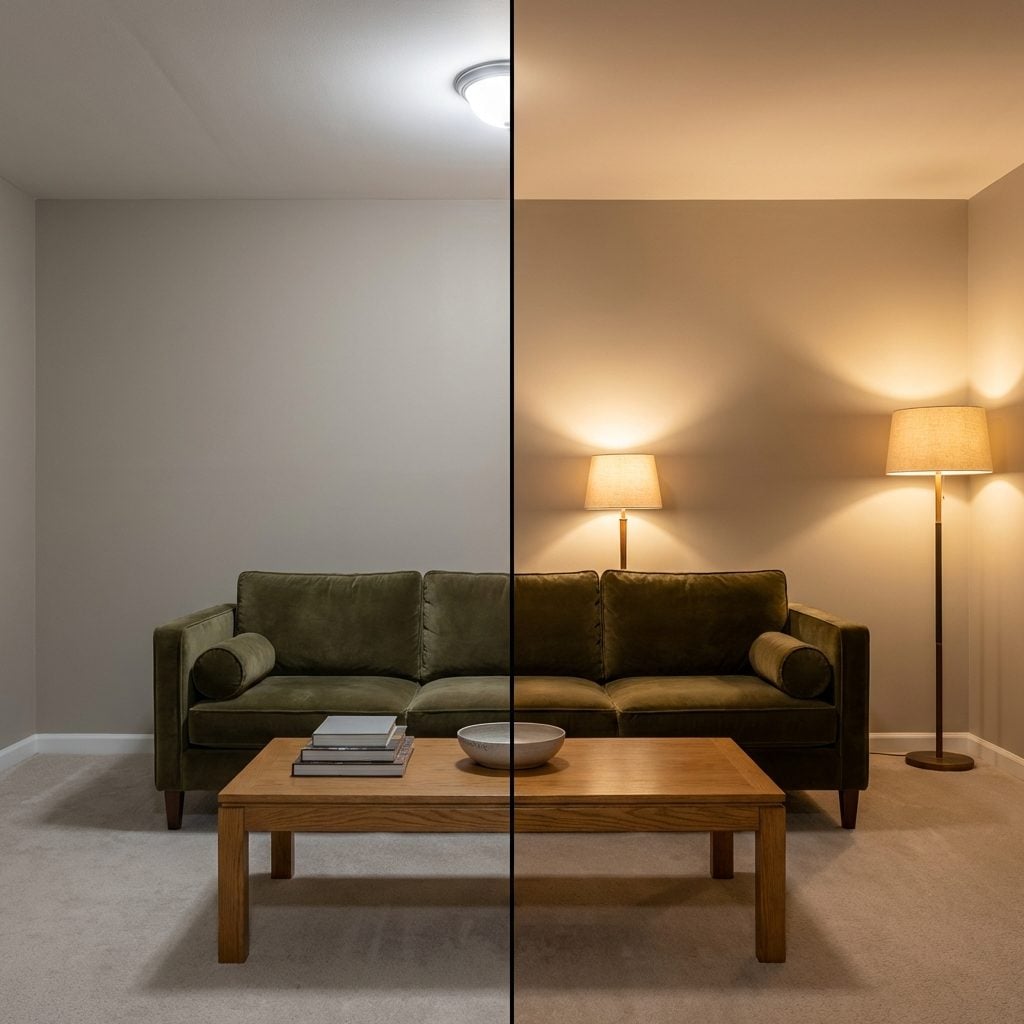
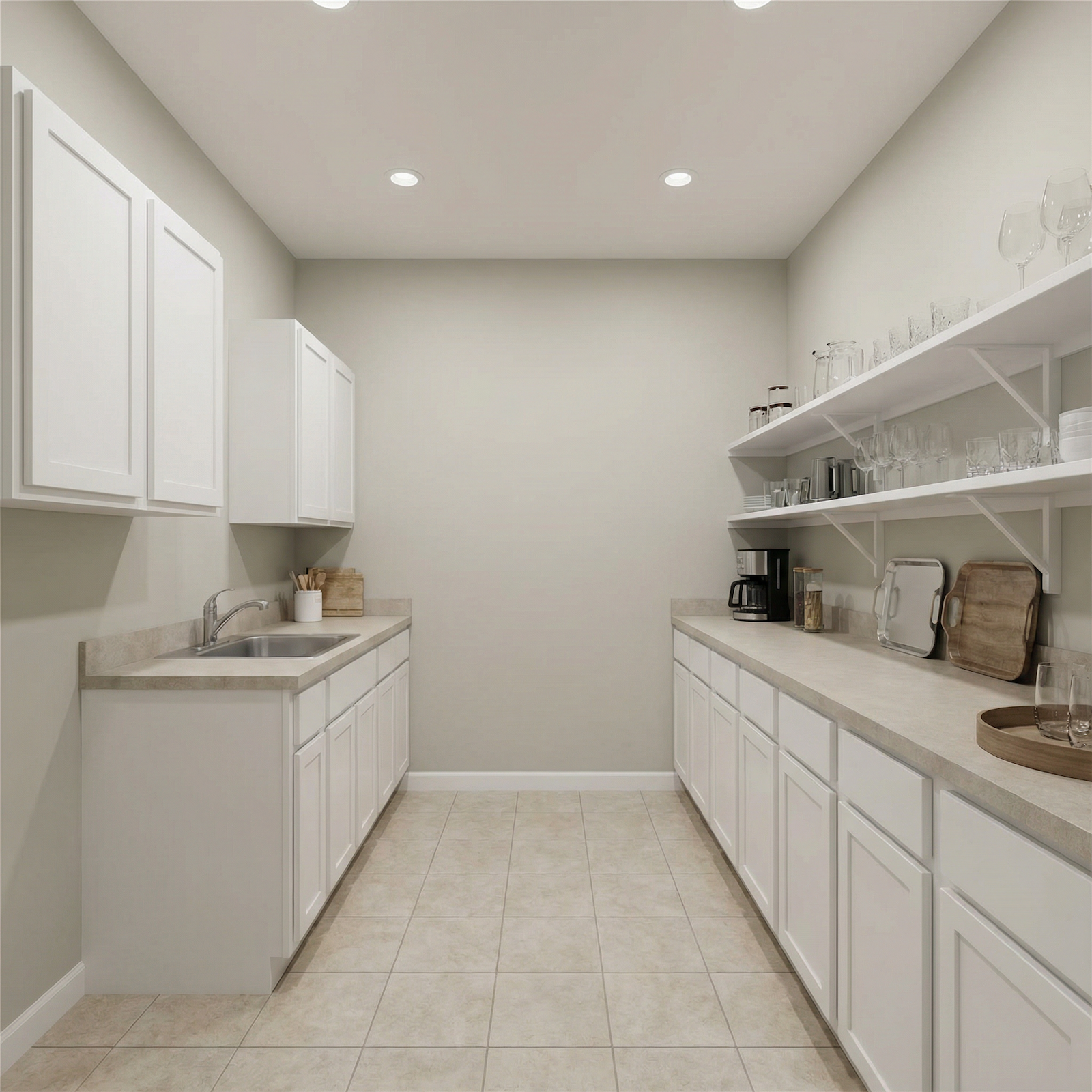
Ask any experienced interior designer what kills a room faster than bad furniture choices, and they’ll use a phrase you’ve likely never heard: the flatness problem. It’s what happens when a single overhead source, a ceiling fixture, recessed cans, the classic builder-grade flush mount, washes a room from above with even, undifferentiated light. Every surface receives the same emphasis. Every shadow is eliminated. The result isn’t bright. It’s dead.
Overhead lighting casts harsh shadows downward from a single high point, making spaces look cold, and your body registers this before your brain does. Compare that to a room where light comes from a brass floor lamp in the corner, a pair of linen table lamps on side tables, and a low pendant over the seating area. That room has depth. It has shadow. It has something to look at.
Someone who has spent time aboard a luxury yacht interior has been conditioned, even unconsciously, to read layered, low-source light as the baseline of luxury. When they step into your home and the big light is on, their brain clocks the flatness in under a second. Not as a judgment, exactly. More like a quiet recognition that the room hasn’t been designed for comfort. It’s been designed for visibility. Those are very different things, and the gap between them is where every memorable room lives.
The Ancient Psychological Reason Low Light Sources Feel Intimate and High Light Sources Feel Institutional
🔥 Would you like to save this?
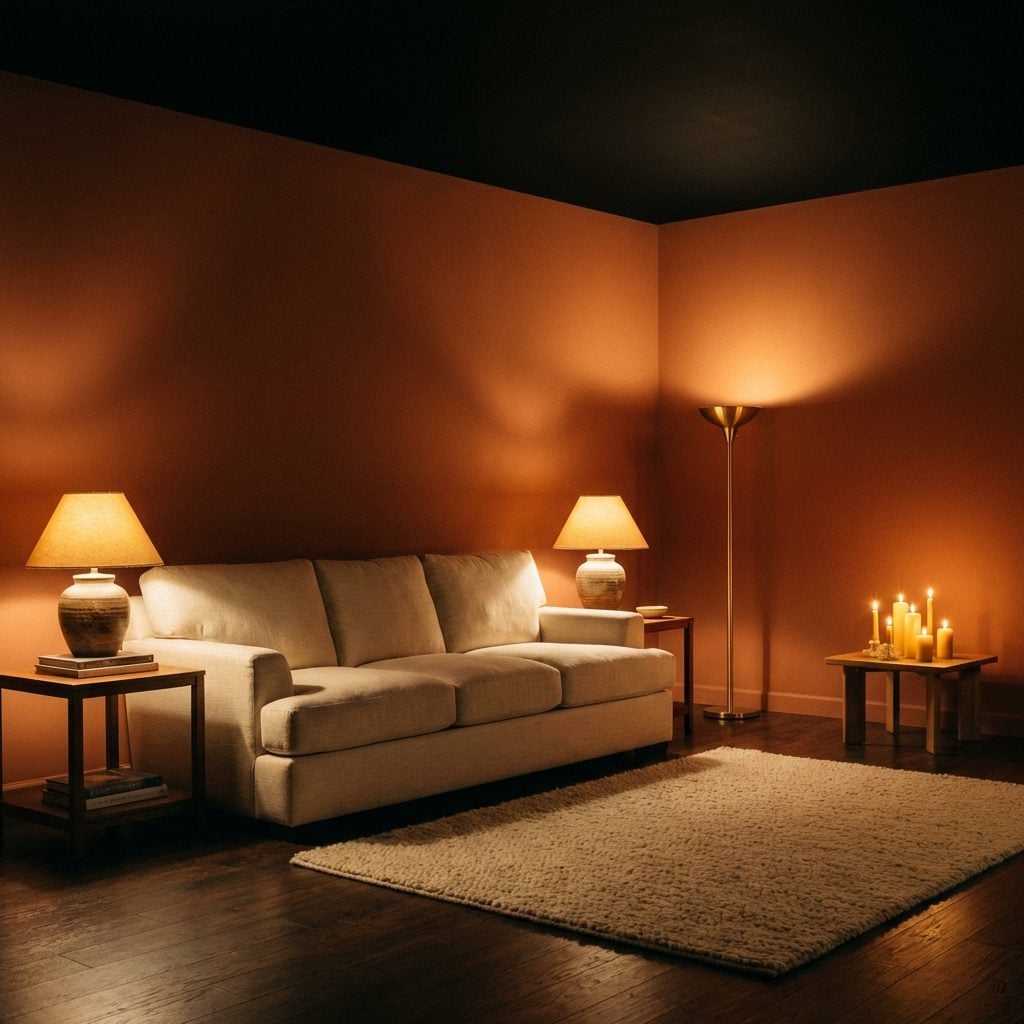
There’s a simple rule your nervous system learned before language did: light from above means daytime, exposure, the open sky. Light from the side and below means evening, enclosure, fire. One signals alertness and vulnerability. The other signals rest and safety.
Jay Appleton’s prospect-refuge theory, first published in 1975 and still foundational to environmental psychology, argues that humans instinctively prefer spaces where they can observe without being fully exposed. (Source), and that this preference is an evolutionary byproduct of survival. Low, lateral light is part of refuge. It creates enclosure. It reduces the sense that you’re standing in the middle of an open field at noon.
That’s why hospital waiting rooms feel tense (overhead fluorescents, no shadow), why interrogation rooms in films are always lit from above, and why every space ever designed for genuine relaxation, spas, fine restaurants, private members’ clubs, sources its light from the sides. (Source), shaping the emotional character of a gathering rather than merely illuminating it.
A pair of brass wall sconces or a cluster of warm table lamps isn’t just an aesthetic preference. It’s an ancient biological preference given a fixture and a dimmer switch.
The Bottom Line
The answer every heading has been circling is this: overhead lighting is the single flaw that instantly marks a room as functional rather than designed, and it is the first thing anyone who has lived inside genuine luxury quietly registers the moment they step through your door. Light that comes from above flattens faces, flattens rooms, and triggers a low-grade institutional unease that your guests will never mention but will absolutely feel. Start tonight, replace one overhead fixture with a lamp placed at hip height, and notice what changes in the room, and in the people standing inside it.