🔥 Would you like to save this?
When you’re preparing to sell your home, you might think that any outdoor upgrade will boost your property’s appeal and value. Unfortunately, many well-intentioned improvements can actually send potential buyers running in the opposite direction. Some outdoor features that homeowners love can significantly reduce your home’s marketability and even lower its perceived value.
In order to come up with the very specific design ideas, we create most designs with the assistance of state-of-the-art AI interior design software. Also, assume links that take you off the site are affiliate links such as links to Amazon. this means we may earn a commission if you buy something.
Your backyard and front yard create the crucial first impression that sets the tone for a buyer’s entire experience with your property. From overgrown gardens and peeling paint to quirky decorative choices that seemed charming at the time, certain outdoor elements can make buyers question the overall maintenance and care of your home. Understanding which improvements help versus hurt can save you thousands in lost value and lengthy time on the market.
Please note that some of the imagery in this article was created with the assistance of AI.
43. Overdone neon ‘Welcome’ signs
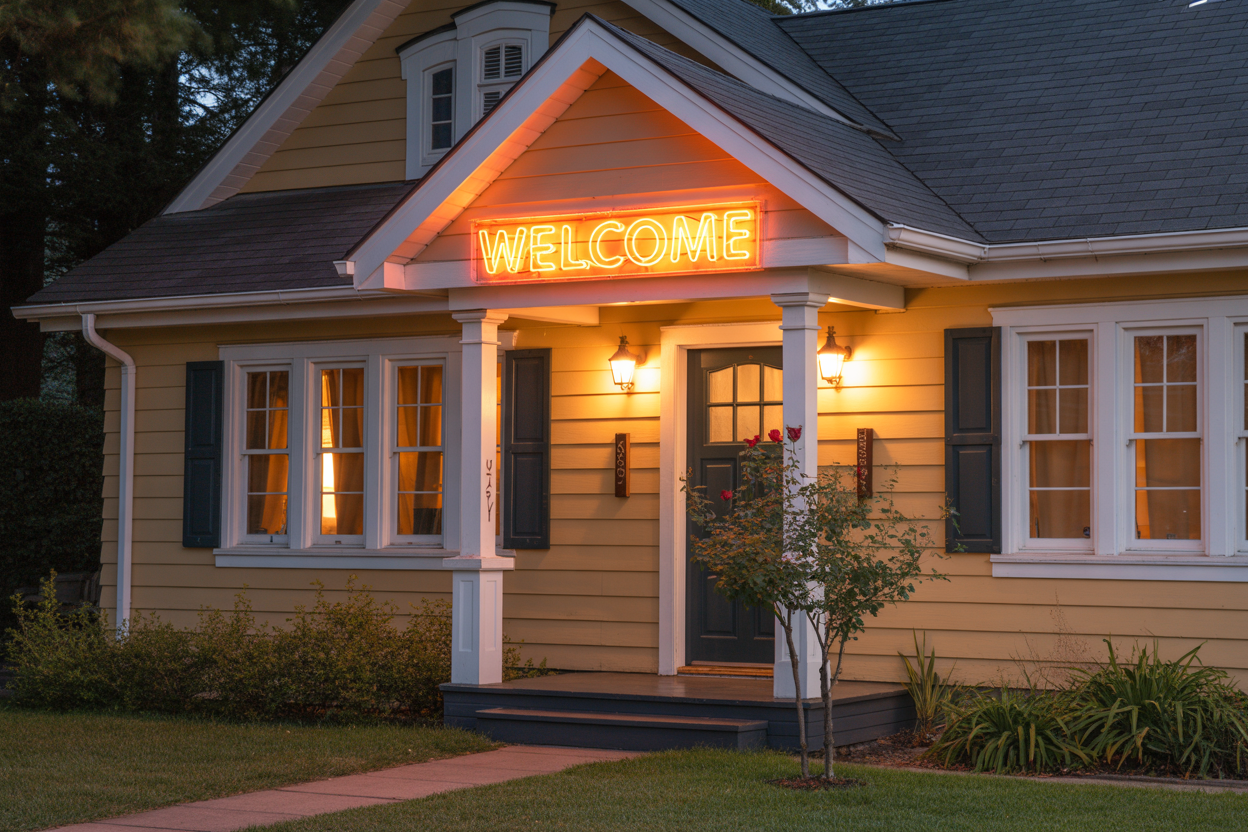
Your bright pink neon “Welcome” sign might seem inviting to you, but it’s sending the wrong message to potential buyers. These flashy displays scream “personal taste” rather than “move-in ready home.”
Outdoor neon signs have their place in commercial settings, but your front porch isn’t a Vegas casino. Buyers want to envision their own style, not feel like they’re entering a roadside diner.
The problem isn’t welcoming guests—it’s the execution. A gaudy neon sign suggests you might have made other questionable design choices throughout the property. It raises red flags about your overall taste level.
Custom LED neon welcome signs come in every color imaginable, which is exactly the problem. That electric blue cursive “Welcome” glowing 24/7 will haunt buyers’ dreams.
Your neighbors probably aren’t thrilled either. Nothing says “there goes the neighborhood” quite like a blinking neon beacon disrupting the streetscape’s harmony.
Save the neon for your man cave or she-shed. Stick with classic materials like wood, metal, or stone for your main entrance signage. Your realtor will thank you.
42. Rusty, squeaky swing sets and playgrounds
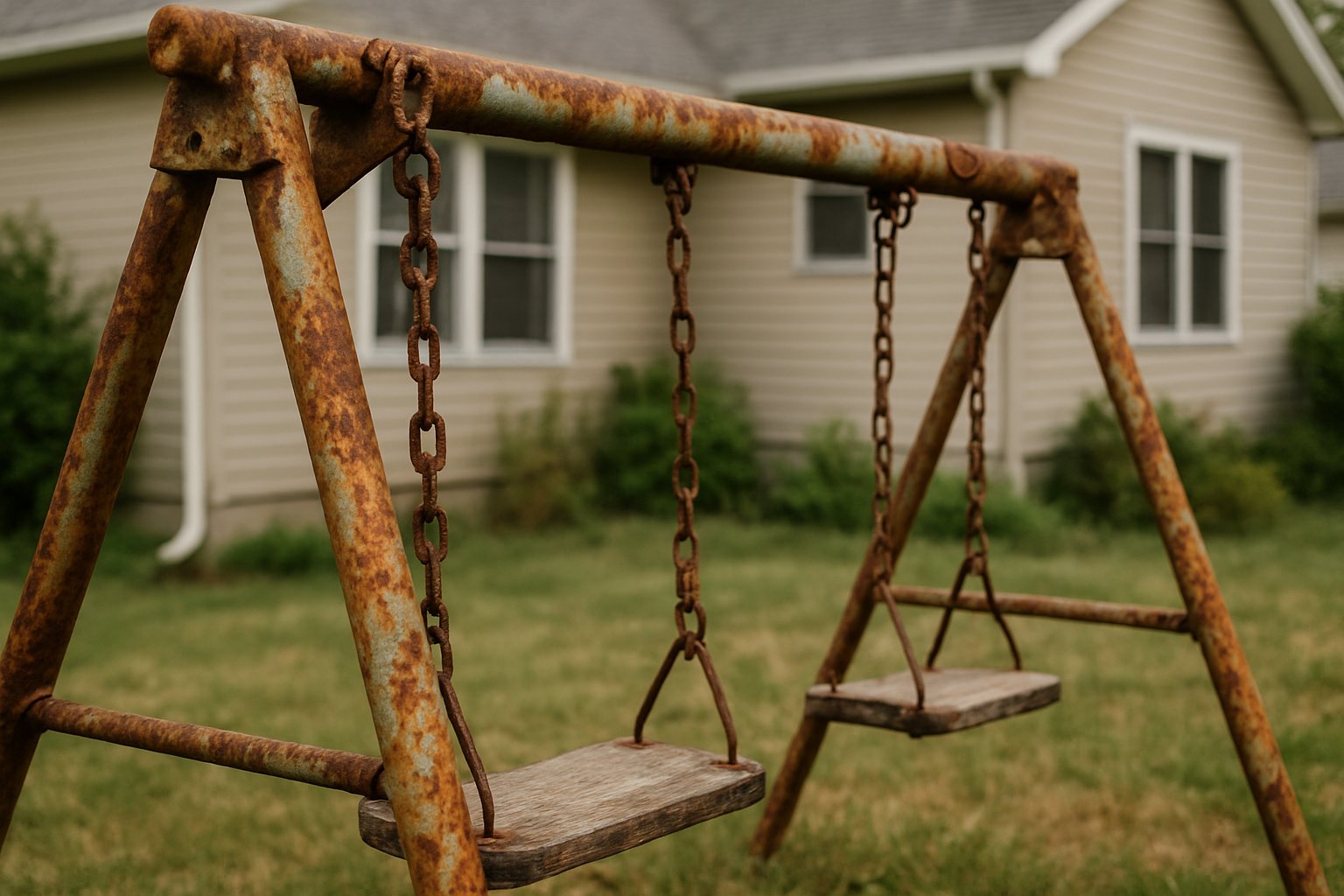
Nothing screams “maintenance nightmare” quite like a rusty swing set creaking ominously in the breeze. Potential buyers will immediately envision tetanus shots and lawsuit liability.
Rust weakens metal components significantly over time, making your backyard playground look more like a hazard zone than a family fun area. The orange stains spreading across once-pristine metal tell a story of neglect that buyers won’t ignore.
Those ear-piercing squeaks from metal-on-metal contact announce your swing set’s problems to the entire neighborhood. It’s like advertising your property’s maintenance issues with a built-in alarm system.
Missing or loose bolts create serious safety concerns that smart buyers will spot immediately. They’ll calculate replacement costs faster than you can say “structural integrity.”
Even if you think kids love rusty playground equipment, buyers with children will see only danger and dollar signs. Your charming vintage swing set becomes their expensive removal project before they can even think about installing something safe.
41. Junk Littering the Outdoor Space
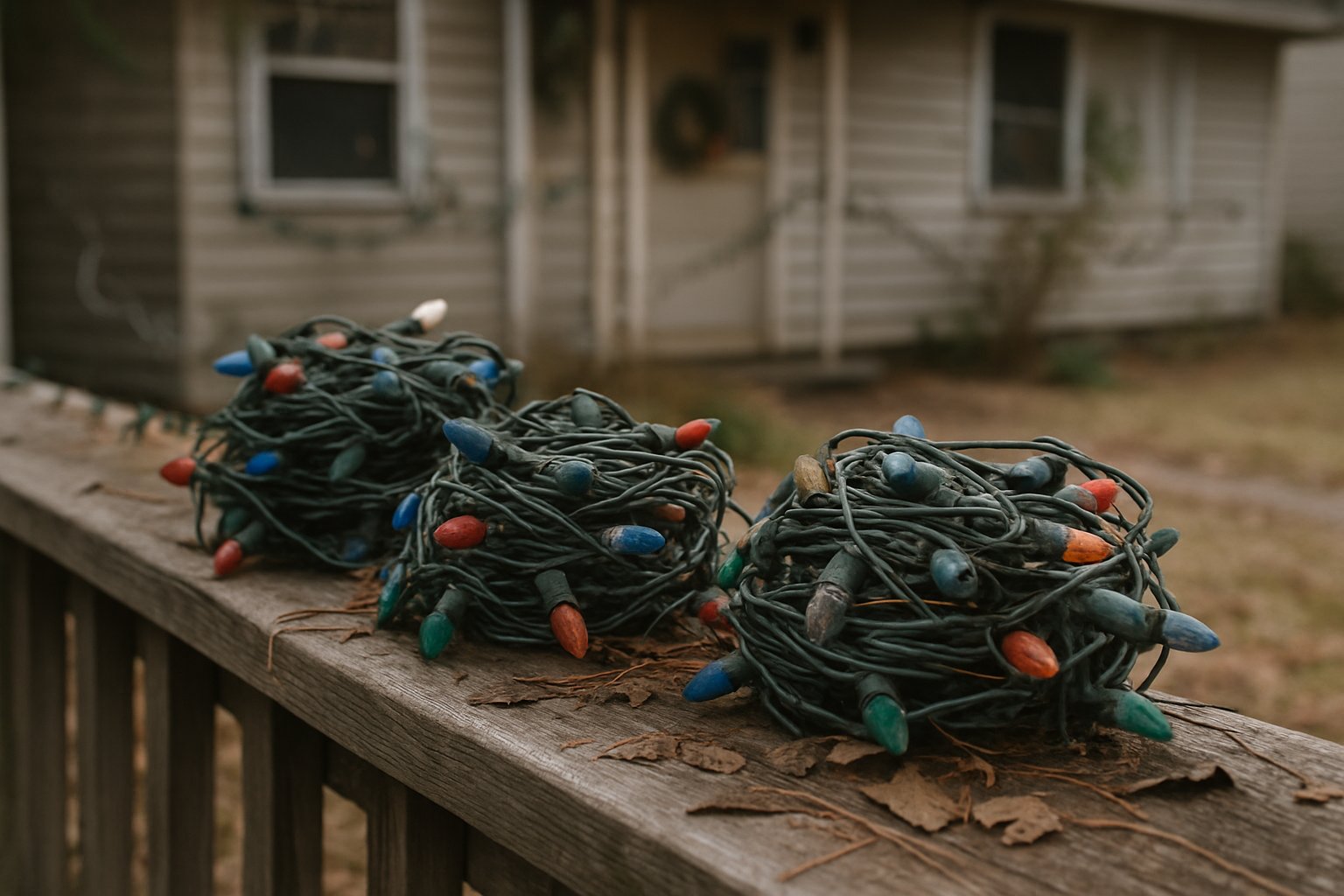
Nothing screams “maintenance nightmare” quite like a wadded ball of Christmas lights dangling from your gutters in July. You might think they’re barely noticeable, but trust me—buyers see them.
These tangled eyesores suggest you either can’t be bothered with basic upkeep or you’re planning the world’s earliest holiday display. Neither interpretation helps your home’s appeal.
The worst part? Those lights are probably dead anyway. Weather, squirrels, and time have likely turned your festive display into an expensive bird nest.
Buyers wonder what other seasonal disasters await them. Are there Easter decorations moldering in the basement? Halloween props scattered in the garage?
Instead of leaving buyers guessing about your housekeeping habits, invest in permanent outdoor LED lighting systems that stay up year-round by design. These durable aluminum fixtures blend seamlessly with your home’s exterior when not in use.
If permanent systems aren’t in your budget, at least store your holiday lights properly. A simple afternoon of untangling and organizing saves you from looking like the neighborhood’s resident holiday hoarder.
Your home should sparkle during showings, not remind buyers of last Christmas’s cleanup failures.
40. Fences in Disrepair

Your bamboo fence might look zen in the catalog, but buyers see a maintenance nightmare waiting to happen. These natural barriers have a nasty habit of weathering poorly under real-world conditions.
Bamboo poles split and crack when exposed to temperature changes and moisture. The joints between panels become loose over time, creating unsightly gaps and wobbly sections.
Wind storms turn your peaceful garden accent into scattered debris. Common mistakes like poor installation and lack of maintenance accelerate the deterioration process significantly.
Buyers worry about replacement costs and ongoing upkeep. They calculate how often they’ll need to repair or replace sections that snap under pressure.
The lightweight nature that makes bamboo easy to install also makes it prone to leaning. Posts shift in their holes, creating a domino effect of tilting panels.
Unlike traditional wood or vinyl fencing, bamboo doesn’t age gracefully. It goes from tropical paradise to shabby eyesore faster than you can say “property value.”
Smart buyers recognize that bamboo’s eco-friendly appeal doesn’t offset its structural shortcomings. They’d rather inherit a fence that survives the next thunderstorm.
39. Faded and torn outdoor rugs with grass stains
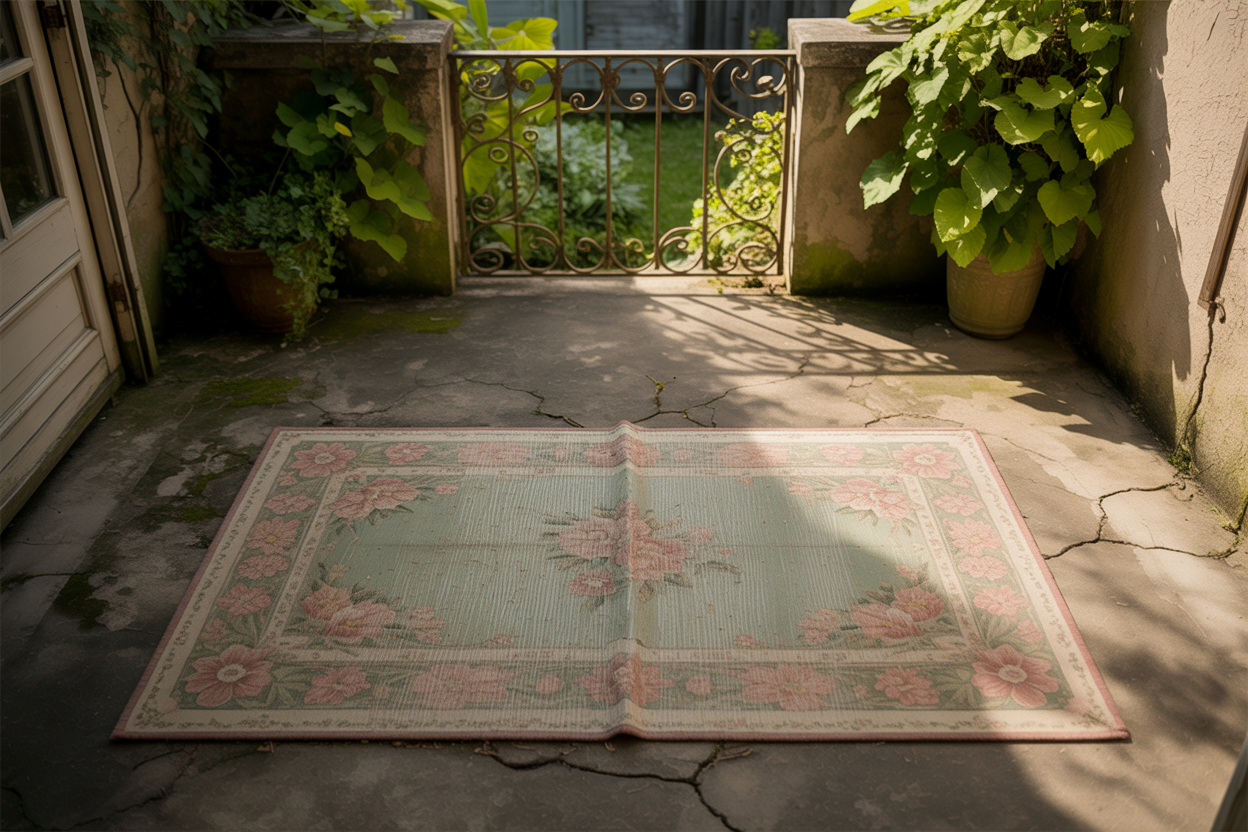
Nothing screams “neglected property” quite like a weathered outdoor rug that looks like it survived a lawn mower accident. These sad fabric casualties tell buyers you don’t maintain your outdoor spaces.
Sun-bleached rugs with colors that have faded to unrecognizable hues make your patio look tired and dated. When potential buyers see faded outdoor rugs with grass stains, they immediately question what other maintenance issues you’ve ignored.
Torn edges and frayed corners create tripping hazards that buyers notice immediately. These safety concerns raise red flags about your attention to detail throughout the property.
Grass stains embedded in outdoor rugs suggest poor drainage or overwatering issues in your yard. Buyers worry about underlying moisture problems when they see these telltale green marks.
Professional cleaning might restore your outdoor rugs to their former glory, but severely damaged rugs should be replaced entirely. Fresh, clean outdoor rugs instantly modernize your space and show buyers you care about presentation.
Consider removing questionable outdoor rugs completely rather than leaving eyesores that distract from your home’s better features.
38. Overcrowded stacked firewood piles
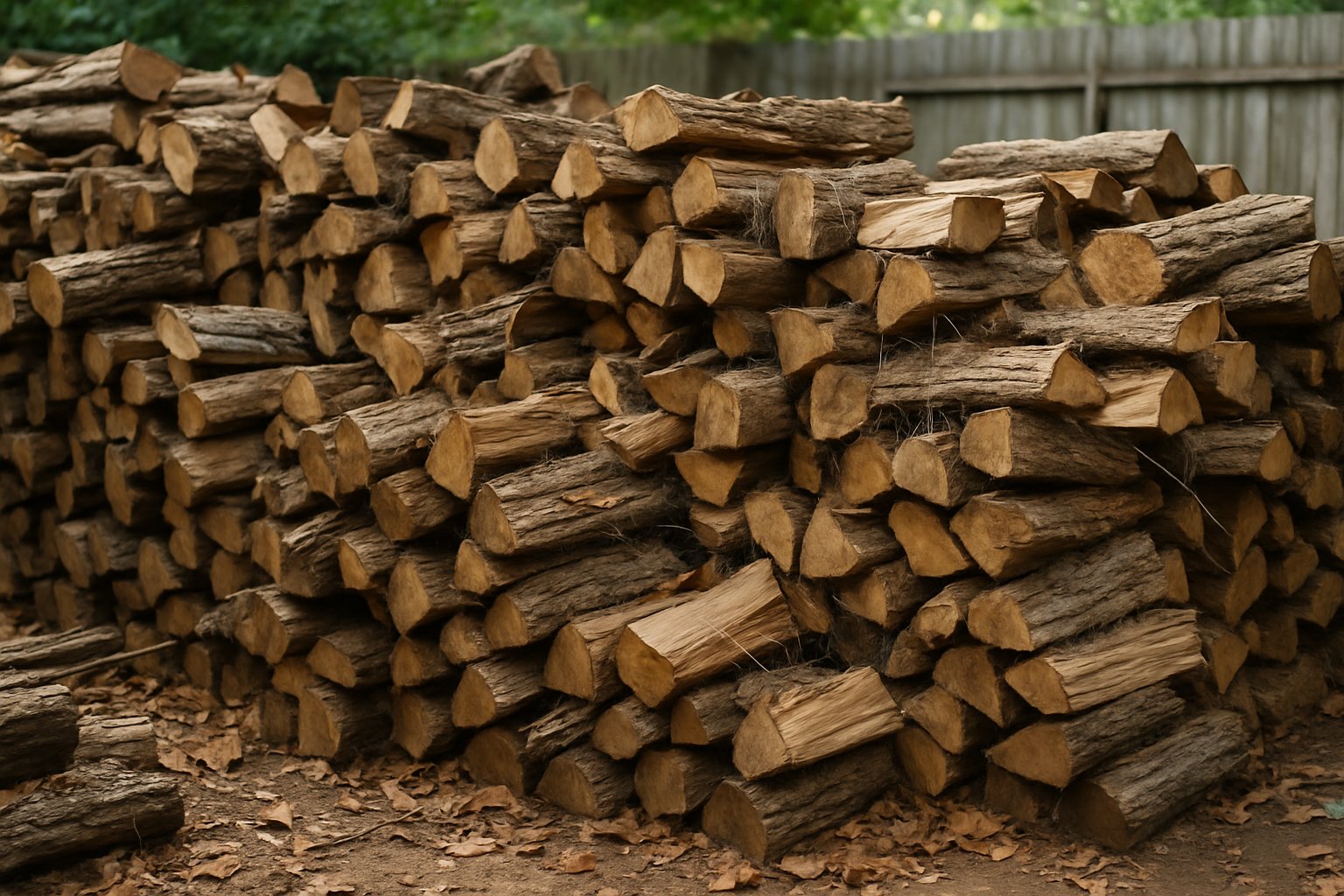
Your messy firewood pile isn’t the rustic charm you think it is. Potential buyers see overcrowded wood stacks as maintenance headaches and pest magnets.
Firewood piles attract cockroaches, spiders, ants, termites, and rodents that make buyers nervous. Those dramatic spider webs draped across your wood pile scream “neglected property” rather than “cozy cabin vibes.”
Spiders are naturally drawn to quiet, undisturbed spaces where they can build webs and hunt other insects. Your towering wood fortress provides the perfect spider metropolis.
Buyers worry about wood-boring insects potentially finding their way to nearby trees and damaging the landscape. An unkempt pile suggests you might not maintain other property features either.
Stack firewood at least five feet from your home’s walls and elevate it off the ground. Clean, organized wood storage shows you care about property maintenance.
Remove those horror-movie spider webs before showings. Buyers shouldn’t feel like they’re entering a haunted house.
37. Delapidated Hot Tub
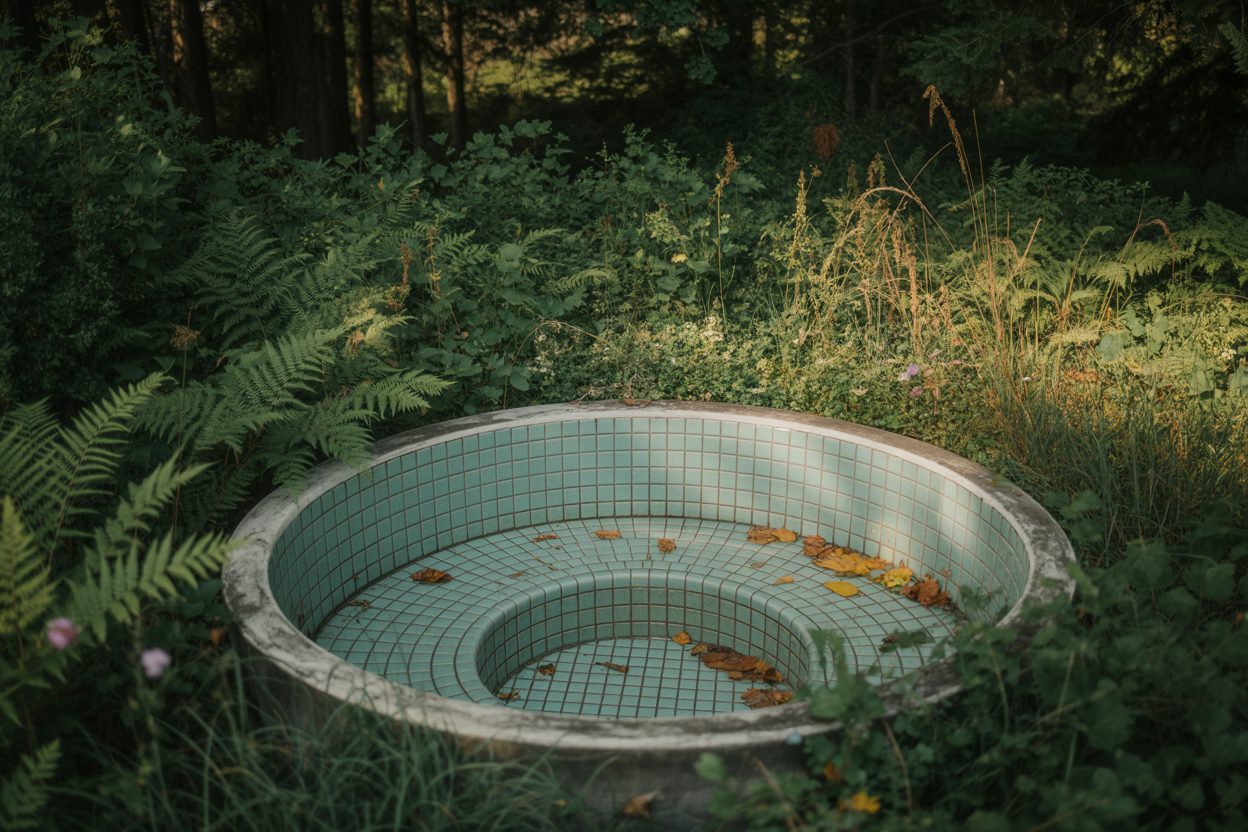
Nothing screams “maintenance nightmare” quite like a neglected hot tub drowning in autumn’s leftovers. Your once-luxurious backyard retreat now looks more like a seasonal compost bin with jets.
Buyers take one look at that leaf-clogged disaster and immediately calculate cleanup costs. They’re not seeing relaxation potential—they’re seeing dollar signs flying out of their wallets.
That murky water hiding beneath the debris cocktail tells its own horror story. Most buyers assume the worst about filtration systems, pumps, and whatever creatures might have taken up residence.
The real kicker? Outdated hot tubs require careful disposal planning and can’t simply be hauled away like regular junk. Buyers know this means extra headaches and expense.
Your overgrown spa sanctuary has become a liability that suggests you’ve given up on outdoor maintenance entirely. If you can’t keep leaves out of the hot tub, what other property upkeep have you neglected?
Consider professional junk hauling services or transform it into a garden planter. Either option beats leaving buyers to imagine the cleanup bills.
36. Soggy, muddy yard patches without drainage
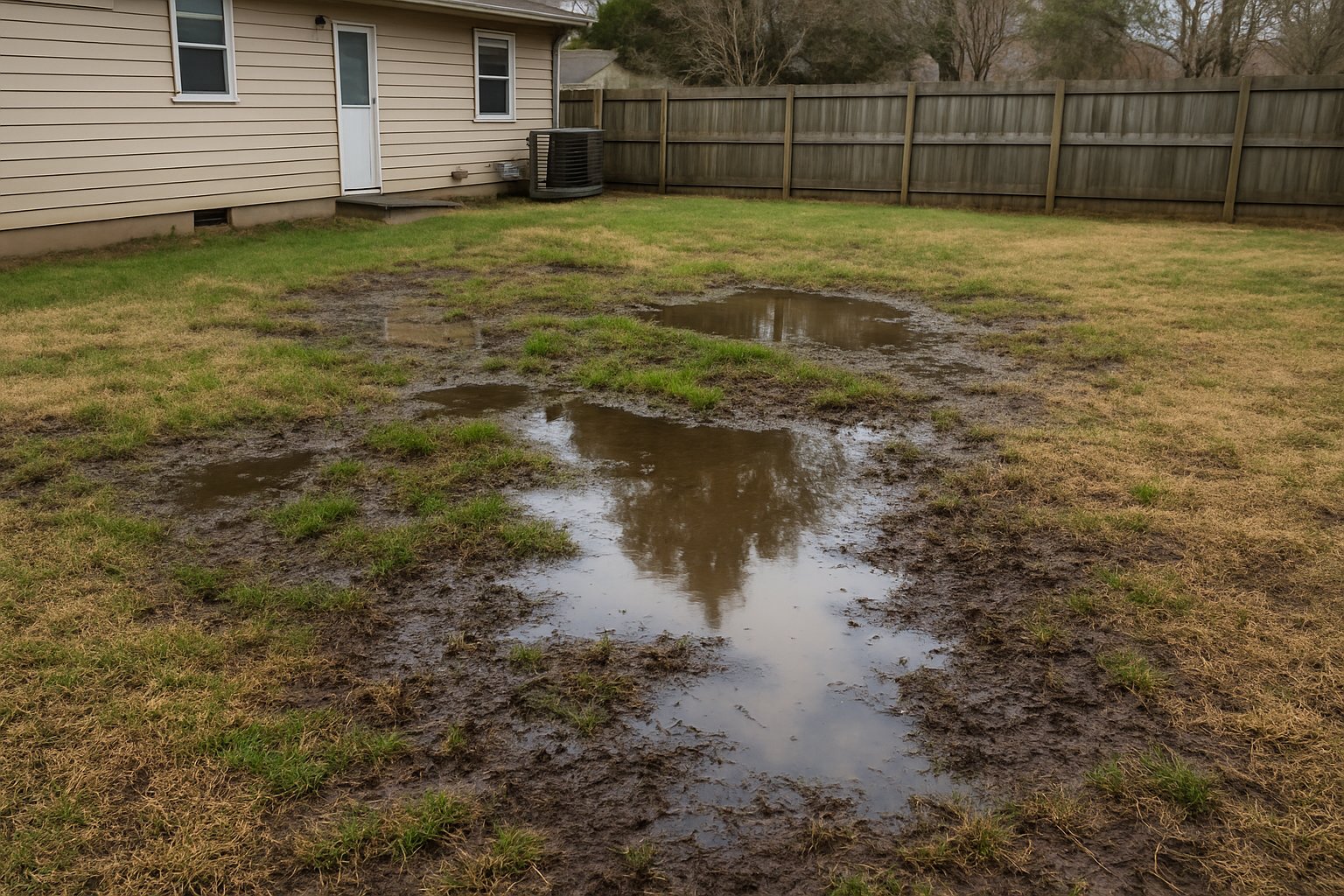
Nothing kills a home’s curb appeal quite like a yard that resembles a swamp after every rainfall. Buyers expect to see lush grass, not muddy patches that squish underfoot.
These soggy yard problems signal poor drainage to potential buyers. They’ll immediately start calculating expensive fixes in their heads.
Your beautiful landscaping means nothing when buyers are focused on avoiding mud puddles during the walkthrough. They’ll wonder what other water issues lurk beneath the surface.
Standing water creates breeding grounds for mosquitoes and other pests. Nobody wants to inherit a bug-infested backyard along with their new home.
The smell of stagnant water and decomposing organic matter doesn’t exactly scream “dream home” to prospective buyers. It’s more like a warning sign.
Muddy backyard solutions exist, but buyers don’t want the hassle. They’d rather find a property where someone else already solved the drainage problems.
Your yard should invite outdoor activities, not require rain boots for basic navigation. Fix the drainage before listing, or watch buyers slip away faster than water down a proper drain.
35. Pets’ waste areas with poor cleanup or lingering smells
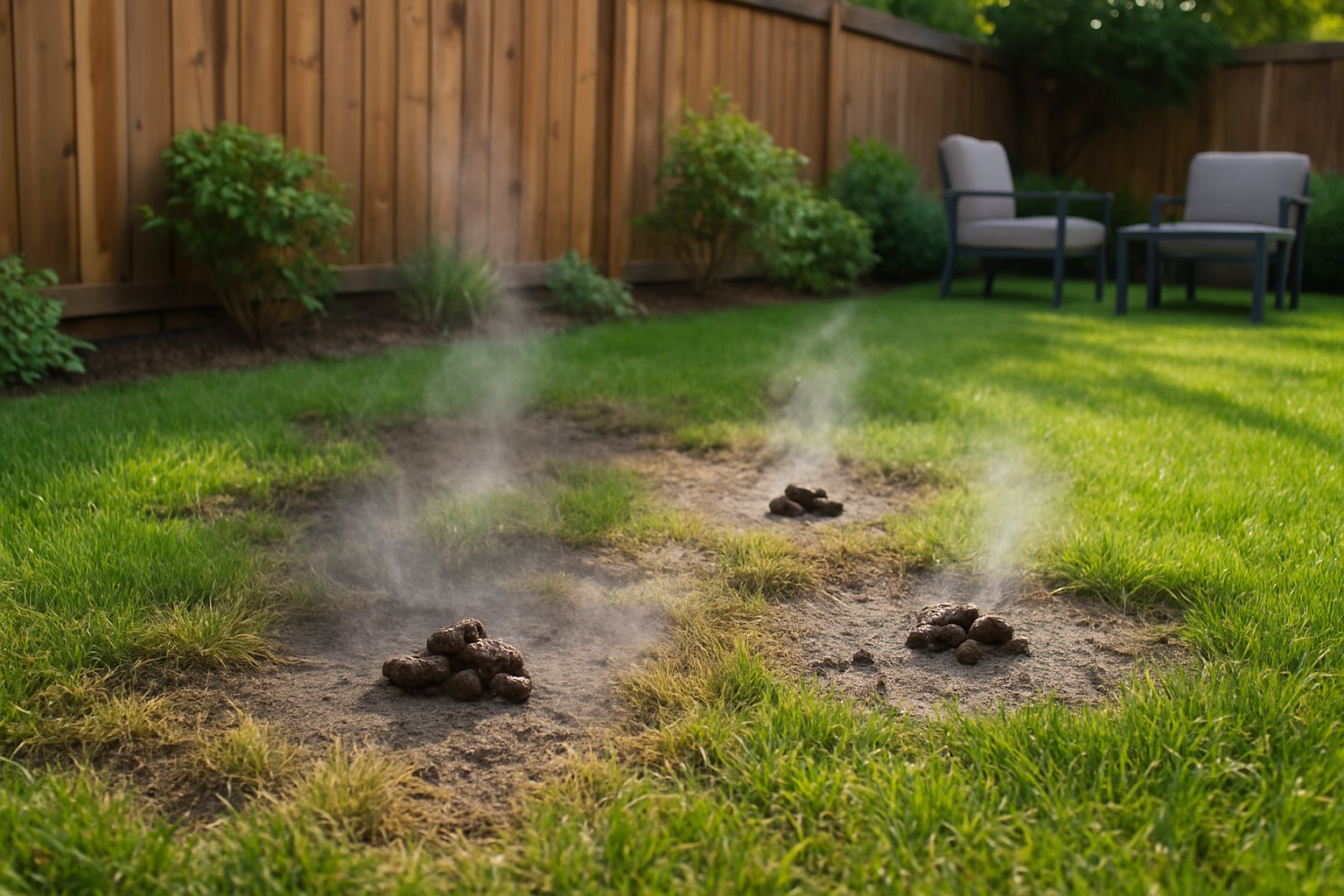
Your backyard might be your dog’s favorite bathroom, but it shouldn’t announce that fact to every potential buyer who walks through your gate. Nothing kills a home sale faster than stepping into a yard that smells like a kennel.
Pet odors can significantly affect your home’s value and lead to lower offers. Trust me, I’ve watched buyers literally turn around and walk back inside after one whiff of lingering waste odors.
The obvious solution is thorough cleanup, but that’s just the beginning. Pet odors linger in cracks and crevices and are enhanced by humidity, so dampness will carry these smells around your entire outdoor space.
Baking soda works well for general odor elimination. Sprinkle it on affected areas, let it sit for ten minutes, then thoroughly rinse.
Consider investing in an outdoor odor eliminator designed for pet waste that works on grass, concrete, and other surfaces.
34. Overgrown vegetable gardens overwhelmed by weeds
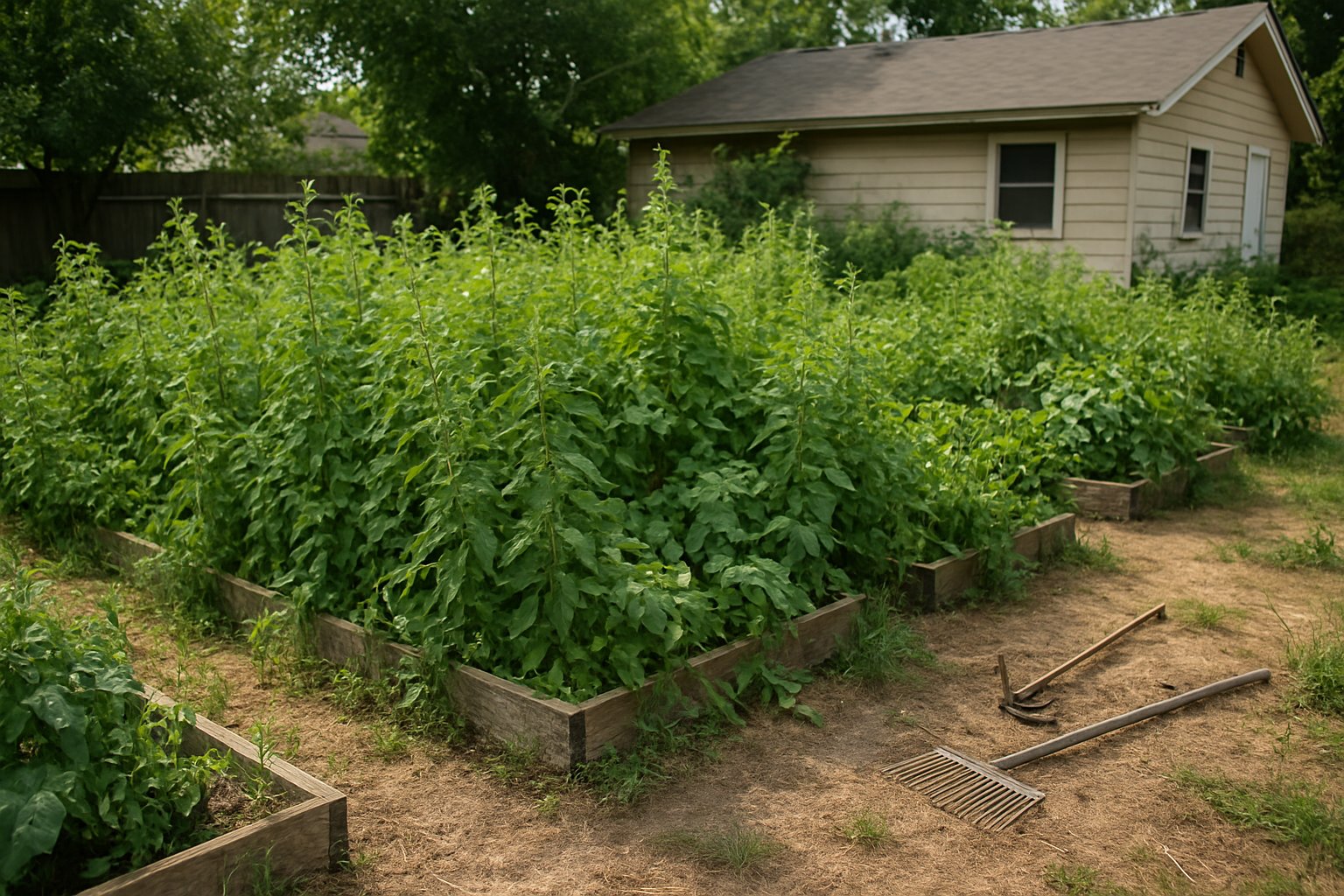
Nothing screams “maintenance nightmare” quite like a vegetable garden that’s been surrendered to the weeds. What was once someone’s hopeful attempt at homegrown tomatoes now looks like a botanical wrestling match where the weeds clearly won.
Buyers take one look at these overgrown garden disasters and immediately start calculating cleanup costs. They’re not wrong to worry.
Weed-choked vegetable patches suggest neglect that extends beyond gardening. Buyers wonder what other maintenance issues you’ve ignored around the property.
The tangled mess of overgrown vegetation creates safety hazards with hidden obstacles that could cause injuries during property tours. Sharp tools buried under weeds don’t help your case either.
These eyesores can also attract unwanted pests and wildlife that buyers definitely don’t want inheriting with their new home purchase.
Your best bet? Either restore the garden to its former glory or remove it entirely. A well-maintained lawn beats a weed jungle every time.
33. Garishly painted garden statues that look like a carnival
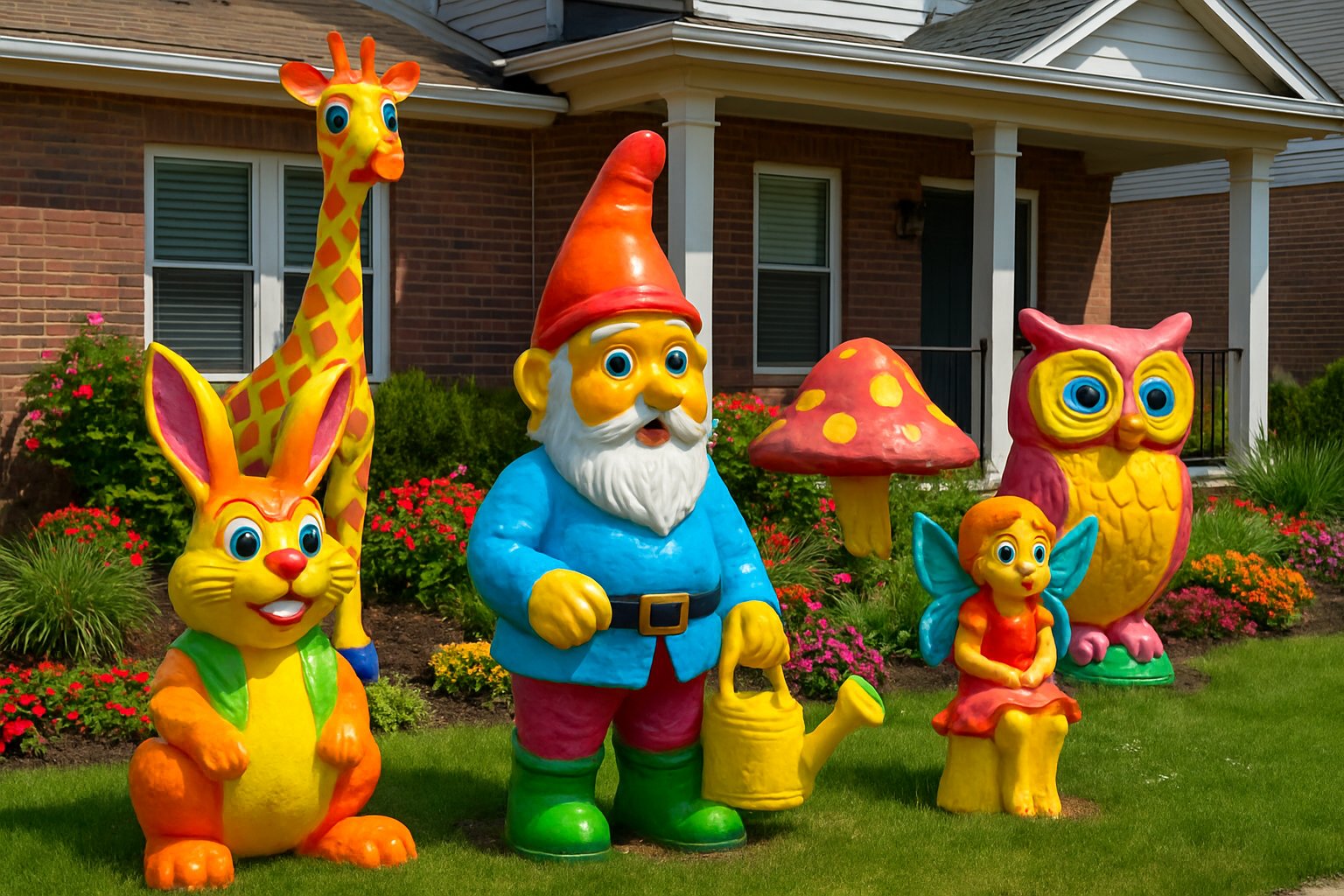
Your garden shouldn’t look like a funhouse exploded. Those neon-pink flamingos and electric-blue gnomes might make you smile, but they’ll make potential buyers run.
Bright carnival colors scream “amateur hour” to discerning buyers. They suggest you lack restraint and good taste in design decisions.
Professional landscaping focuses on natural tones that complement plants and architecture. Garden sculptures work best when they enhance rather than overpower your outdoor space.
Consider how your neighbor’s acid-green Buddha statue makes you wince every time you look out your window. That’s exactly what buyers experience when they see your rainbow collection.
Natural materials like weathered bronze, aged stone, or classic terra cotta blend seamlessly with garden elements. These finishes develop beautiful patinas over time instead of looking like they belong at a county fair.
If you love colorful art, save the bold palette for indoor spaces where you can control the lighting and context. Your garden deserves sophistication, not a circus atmosphere that sends buyers fleeing.
32. Dated, tatty awnings flapping in the wind
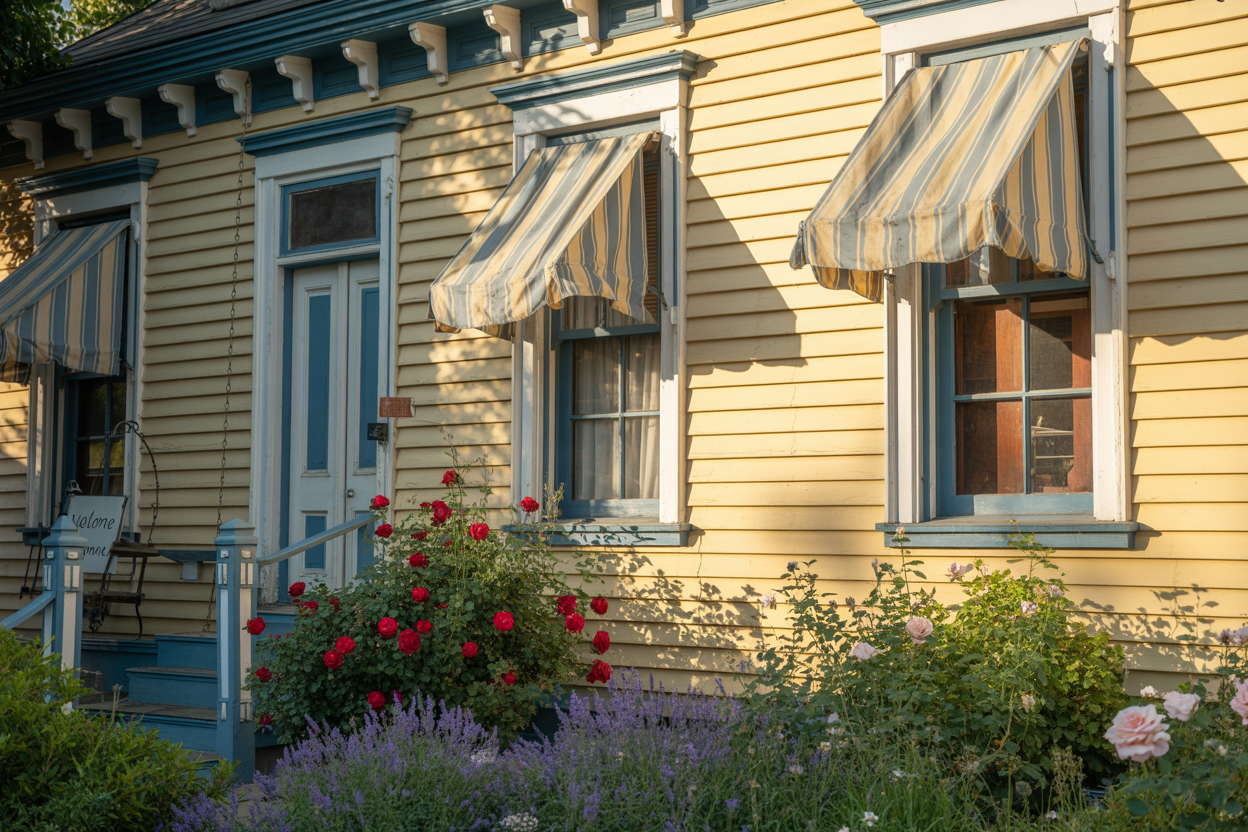
Nothing screams “maintenance nightmare” quite like a shabby awning that sounds like a helicopter landing every time the wind picks up. Your buyers will hear that incessant flapping and immediately start calculating replacement costs.
Those faded, torn fabric panels tell a story of neglect that buyers don’t want to inherit. The constant awning flapping in wind creates an annoying soundtrack that drowns out any sales pitch about outdoor living.
Buyers notice when awnings are pulling away from mounting brackets or showing rust stains. These visual cues suggest bigger structural problems lurking beneath the surface.
The relentless noise factor alone can kill a deal. Slide awnings catching wind during home tours creates an atmosphere of chaos rather than tranquil outdoor enjoyment.
Smart sellers either invest in quality replacements or remove deteriorating awnings entirely. A clean, well-maintained exterior always trumps a patched-up eyesore that broadcasts deferred maintenance to every potential buyer walking through your property.
31. Unused trampolines gathering leaves and dust
🔥 Would you like to save this?
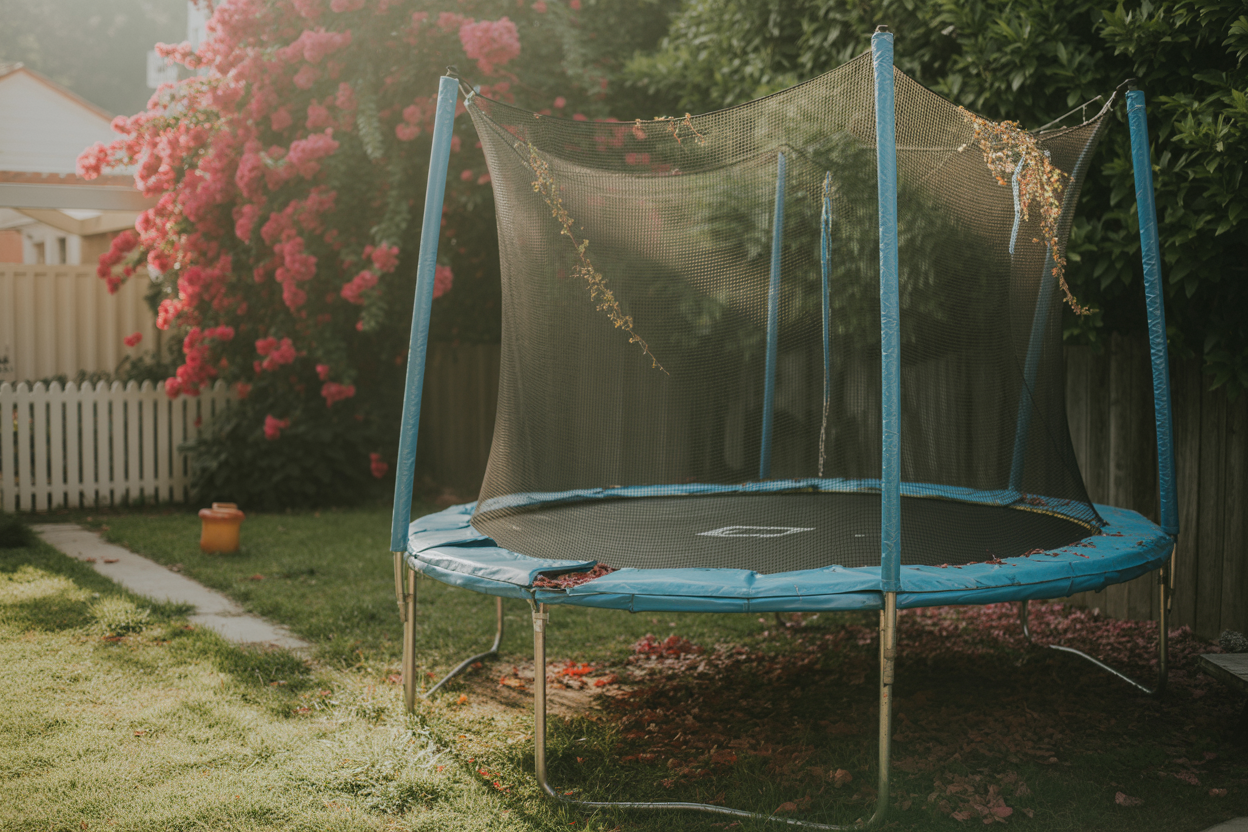
That rusty trampoline in your backyard isn’t fooling anyone. What once brought joy to your kids now looks like a forgotten relic from better times.
Potential buyers see exactly what you’ve been ignoring. A deteriorating eyesore that screams “more work to do.”
Outdoor recreational trampolines typically last 2-5 years, and yours clearly exceeded its welcome. The torn mat flapping in the wind doesn’t exactly scream “well-maintained property.”
Your buyers are already calculating removal costs. They’re wondering what other maintenance you’ve been putting off around the house.
Don’t let a $20 disposal fee cost you thousands in negotiations. Creative repurposing options exist if you’re feeling crafty, but honestly, most buyers just want it gone.
That dead trampoline is prime real estate for leaf collection and rust development. Your pristine landscaping loses its impact when dominated by abandoned playground equipment.
Remove it before listing. Your yard will look instantly larger and better maintained.
30. Untrimmed, wild hedges blocking windows
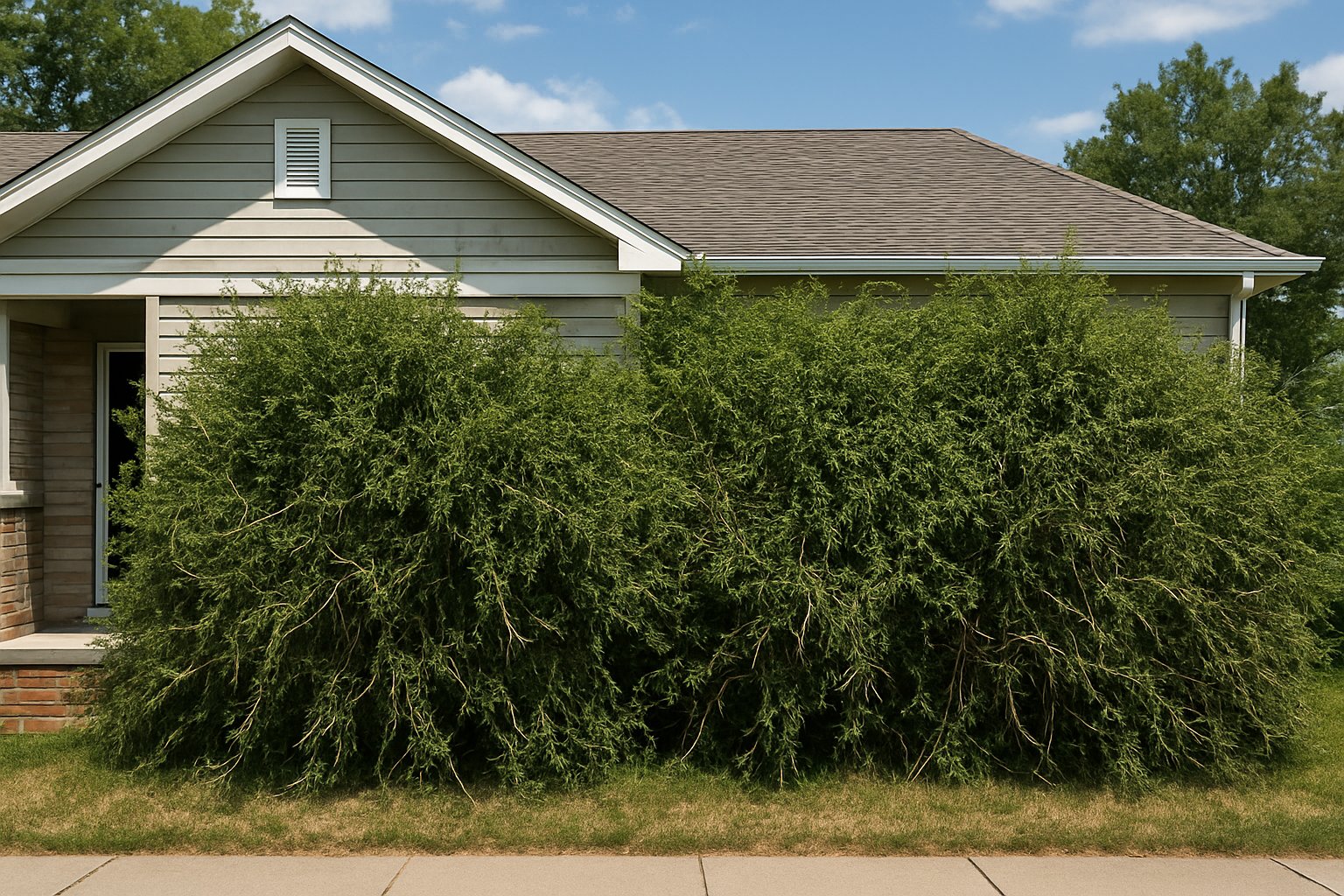
Nothing screams “abandoned property” quite like massive hedges swallowing your windows whole. Your beautiful bay window becomes invisible behind a wall of overgrown greenery that would make a jungle proud.
Overgrown hedges block natural light from entering your home, creating dark, cave-like interiors that buyers find depressing. Those leafy monsters cast shadows that make rooms feel smaller and gloomier than they actually are.
Buyers see untrimmed hedges and immediately think “maintenance nightmare.” They’re calculating the cost of professional trimming or complete removal before they even step inside your front door.
Neglecting overgrown plants diminishes curb appeal and home value by blocking windows and walkways. Your charming cottage-style home disappears behind an unruly green fortress that suggests you’ve given up on basic property care.
Wild hedges also create security concerns. Buyers worry about what’s lurking behind those dense branches, and frankly, so do their insurance agents.
Keep hedges trimmed to below window sills to maintain views and natural light while preserving privacy.
29. Peeling or cracked concrete patios
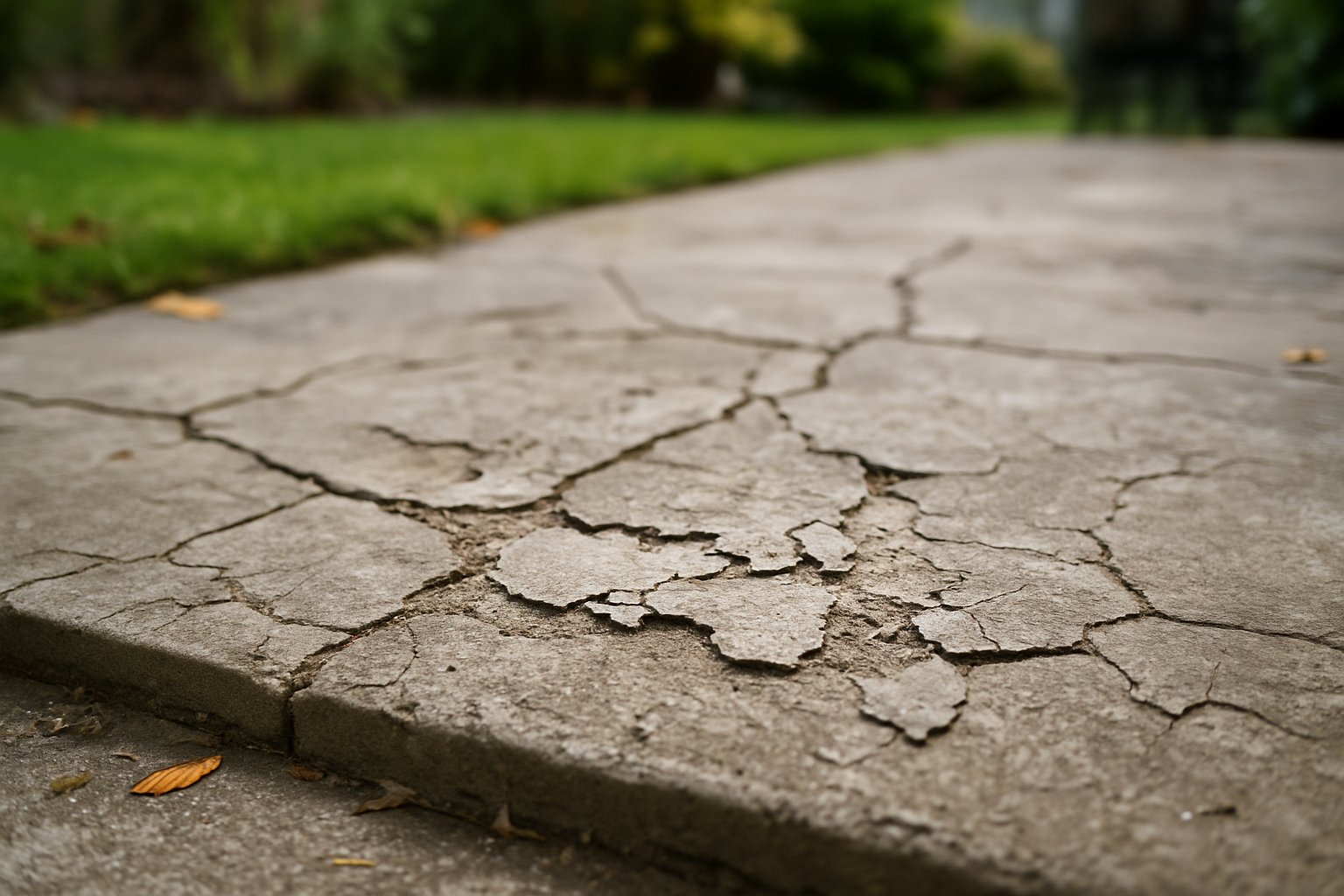
Your cracked concrete patio screams “deferred maintenance” louder than a teenager’s music. Buyers see those spider web cracks and immediately start calculating repair costs in their heads.
Peeling concrete surfaces look like a skin condition nobody wants to inherit. The visual impact hits before potential buyers even step foot on the actual surface.
Smart buyers know that cracked concrete can indicate deeper structural issues. They’ll wonder what other problems you’ve been ignoring around the house.
The good news? Budget-friendly resurfacing options can transform your patio without breaking the bank. Polymer overlays and stamped finishes work wonders for tired concrete.
Quick fixes include outdoor rugs to cover problem areas. This instant upgrade masks imperfections while you plan permanent solutions.
Don’t let buyers fixate on your patio’s flaws when they should be admiring your home’s potential. A smooth, well-maintained concrete surface suggests you care about property upkeep.
Consider resurfacing with decorative overlays before listing your home. The investment pays dividends in buyer confidence and perceived value.
28. Outdoor kitchens packed with rusty, unused appliances
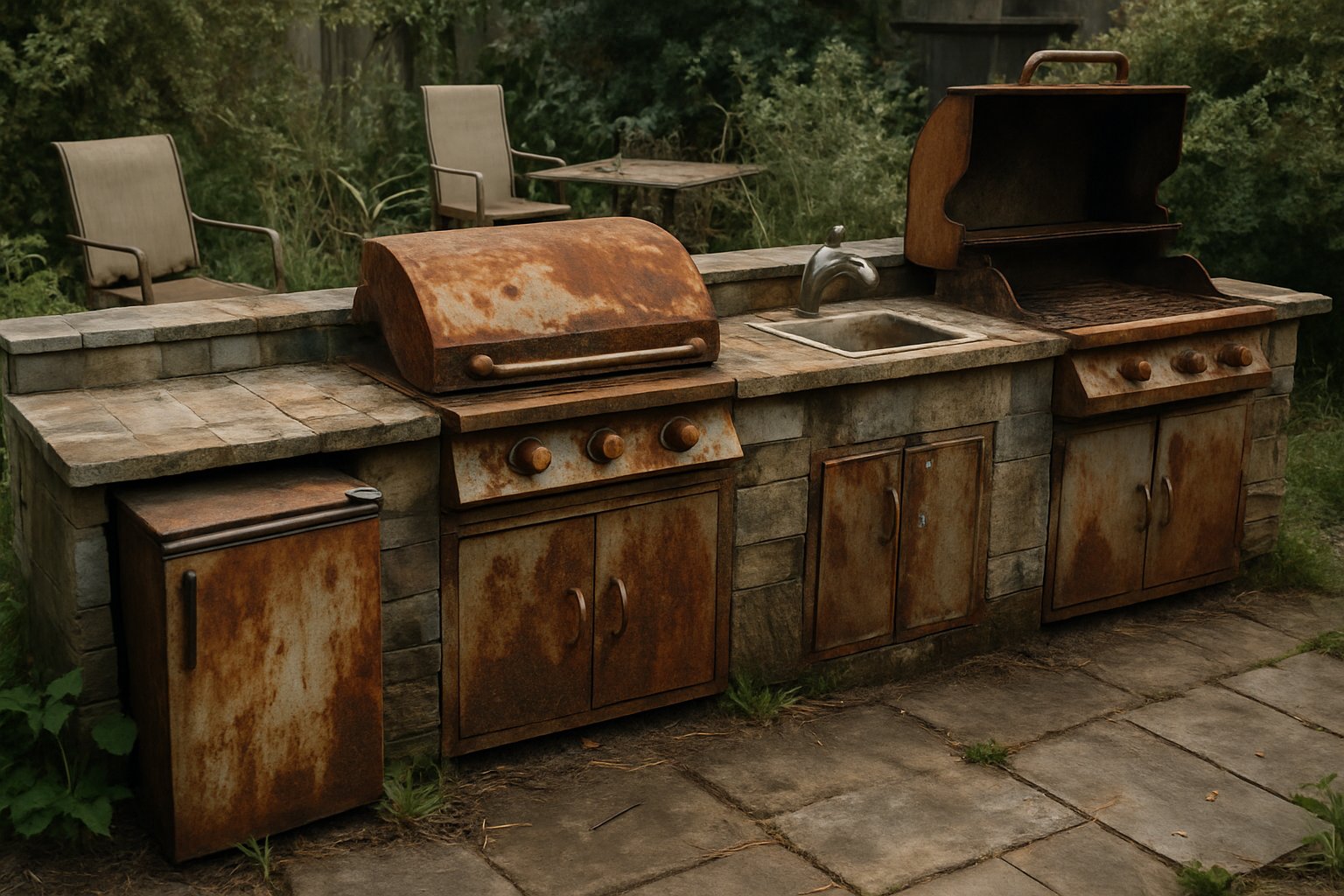
Your outdoor kitchen package might have seemed like a great investment five years ago. But now it’s become a graveyard of neglected appliances that scream “maintenance nightmare” to potential buyers.
That outdoor refrigerator with the rust-stained door tells a story nobody wants to read. The grill covered in corrosion suggests you gave up on backyard entertaining sometime during the Obama administration.
Buyers today want outdoor kitchens that can withstand the elements with energy-efficient features. Your collection of weathered appliances sends the opposite message.
The pizza oven that hasn’t fired up since 2019 isn’t charming. It’s a liability that buyers will mentally add to their repair budget before they even make an offer.
Outdoor kitchens can increase home value when they’re well-maintained. Yours currently decreases it by suggesting the entire property lacks proper care and attention.
Either restore these appliances to working condition or remove them entirely. Half-hearted outdoor cooking spaces are worse than no outdoor cooking spaces at all.
27. Unkempt Pool
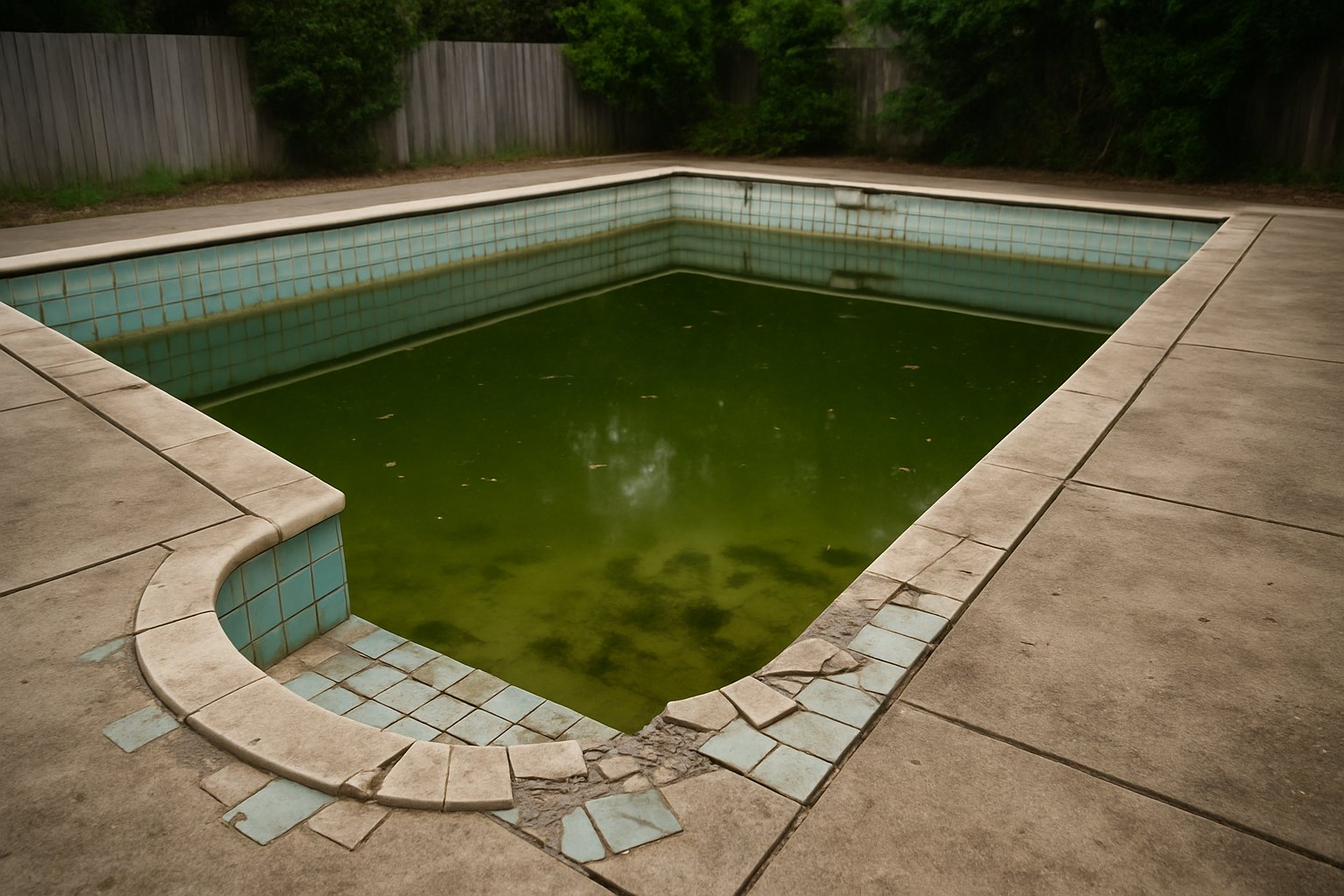
Nothing says “money pit” quite like a pool that looks like a swamp and feels like a cheese grater. You might think that crystal-clear water is just a quick chemical fix away, but buyers see dollar signs swimming before their eyes.
Broken tiles around the pool edge scream deferred maintenance. They suggest years of neglect and hint at bigger structural problems lurking beneath the surface. Pool damage repair and upgrades become essential when addressing these issues promptly.
Murky water raises red flags about filtration systems, pumps, and chemical balance. Buyers worry about common problems like broken pumps that require immediate attention and ongoing maintenance costs.
The visual impact is devastating. Instead of seeing a refreshing backyard retreat, potential buyers envision endless weekends spent scrubbing algae and replacing equipment.
Nobody wants to worry about broken tiles and surfaces so rough you cut your feet every time you take a dip. Smart sellers address these issues before listing, turning potential deal-breakers into selling points.
A well-maintained pool adds value. A neglected one becomes a negotiation nightmare that can sink your sale faster than a concrete block.
26. Rotting wood pergolas with loose boards
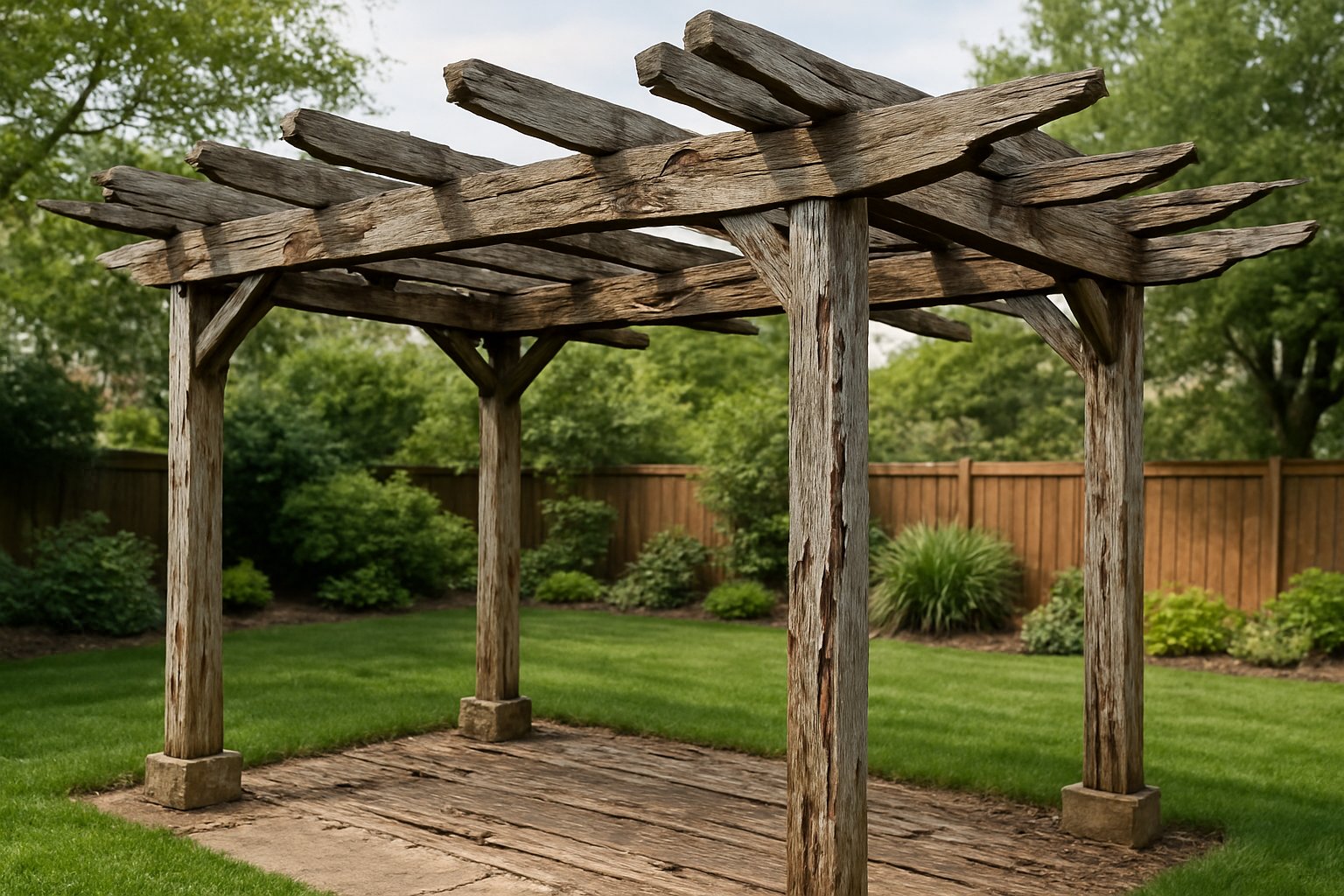
Nothing screams “maintenance nightmare” quite like a pergola that’s falling apart. Your beautiful outdoor structure becomes an eyesore when boards start sagging and wood begins to rot.
Buyers spot these problems immediately during home tours. They see dollar signs floating away as they calculate replacement costs and safety concerns.
Loose boards create liability issues that make insurance companies nervous. One strong wind could send pieces flying into neighboring yards or worse.
Wood pergolas require regular maintenance to prevent deterioration. When you skip this upkeep, rot sets in quickly around joints and hardware.
Water damage spreads faster than gossip in a small town. Once rot starts, it compromises the entire structure’s integrity.
Buyers often assume the worst when they see rotting pergolas. They worry about what other maintenance issues you’ve ignored throughout the property.
The irony is that pergolas should add value to your outdoor space. Instead, deteriorating ones suggest you don’t maintain your investments properly.
Smart buyers will either demand significant price reductions or walk away entirely rather than inherit your wooden headache.
25. Funky, peeling paint on home exterior (doors, shutters, sides, etc.)
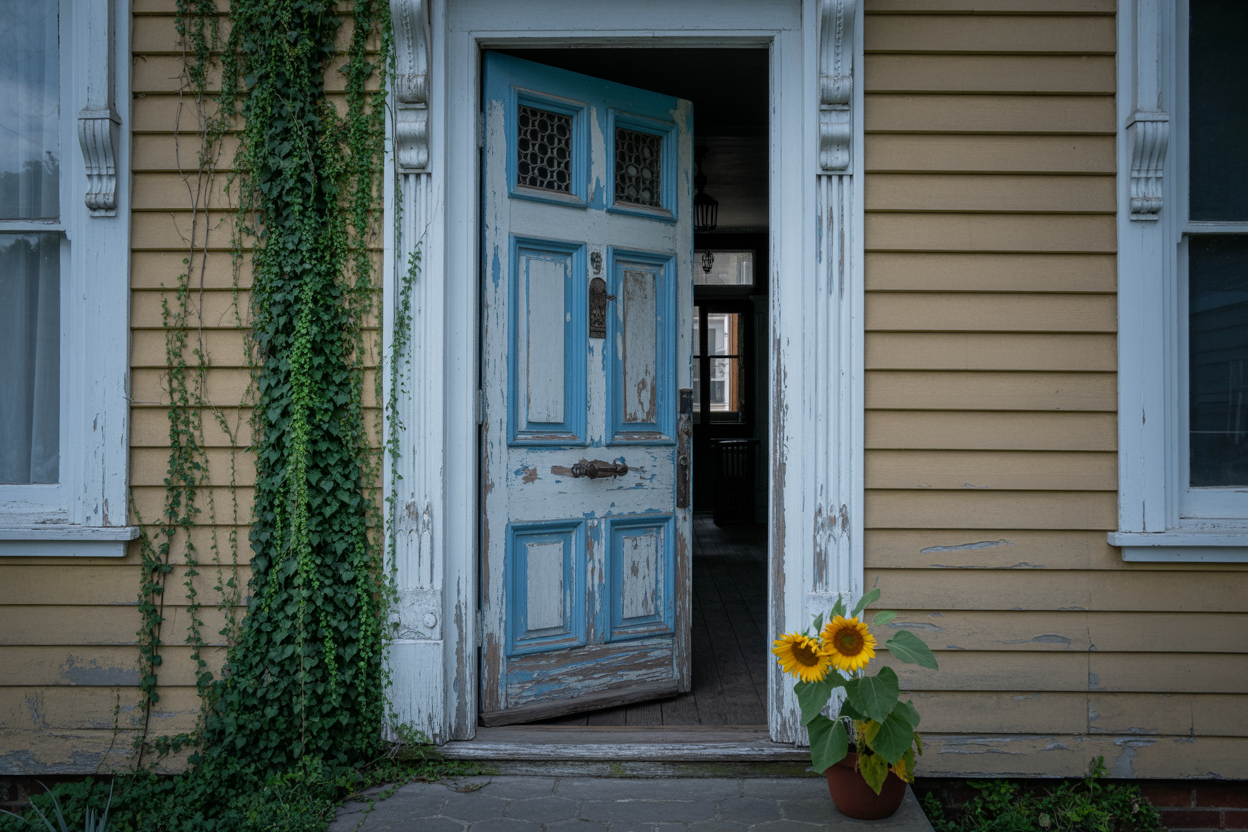
Your front door creates the first impression for potential buyers. When paint is peeling, bubbling, or looking shabby, it screams “maintenance nightmare” before anyone even steps inside.
Peeling paint on doors and shutters happens for several reasons. Poor surface preparation, wrong paint type, or weather exposure all contribute to this eyesore.
Buyers will immediately wonder what other maintenance issues you’ve ignored. If you can’t keep your front door looking decent, what’s happening with the plumbing or electrical?
Fresh paint peeling on vinyl shutters is particularly problematic. It suggests you attempted a quick fix that failed, raising red flags about your approach to home maintenance.
The solution isn’t complicated. Sand down the peeling areas, prime properly, and apply quality exterior paint. Choose colors that complement your home’s style rather than bold, polarizing shades.
Your front entrance should welcome buyers, not warn them away. A crisp, well-maintained door and shutters signal that you’ve cared for the entire property.
24. Cluttered front porch full of outdated patio furniture
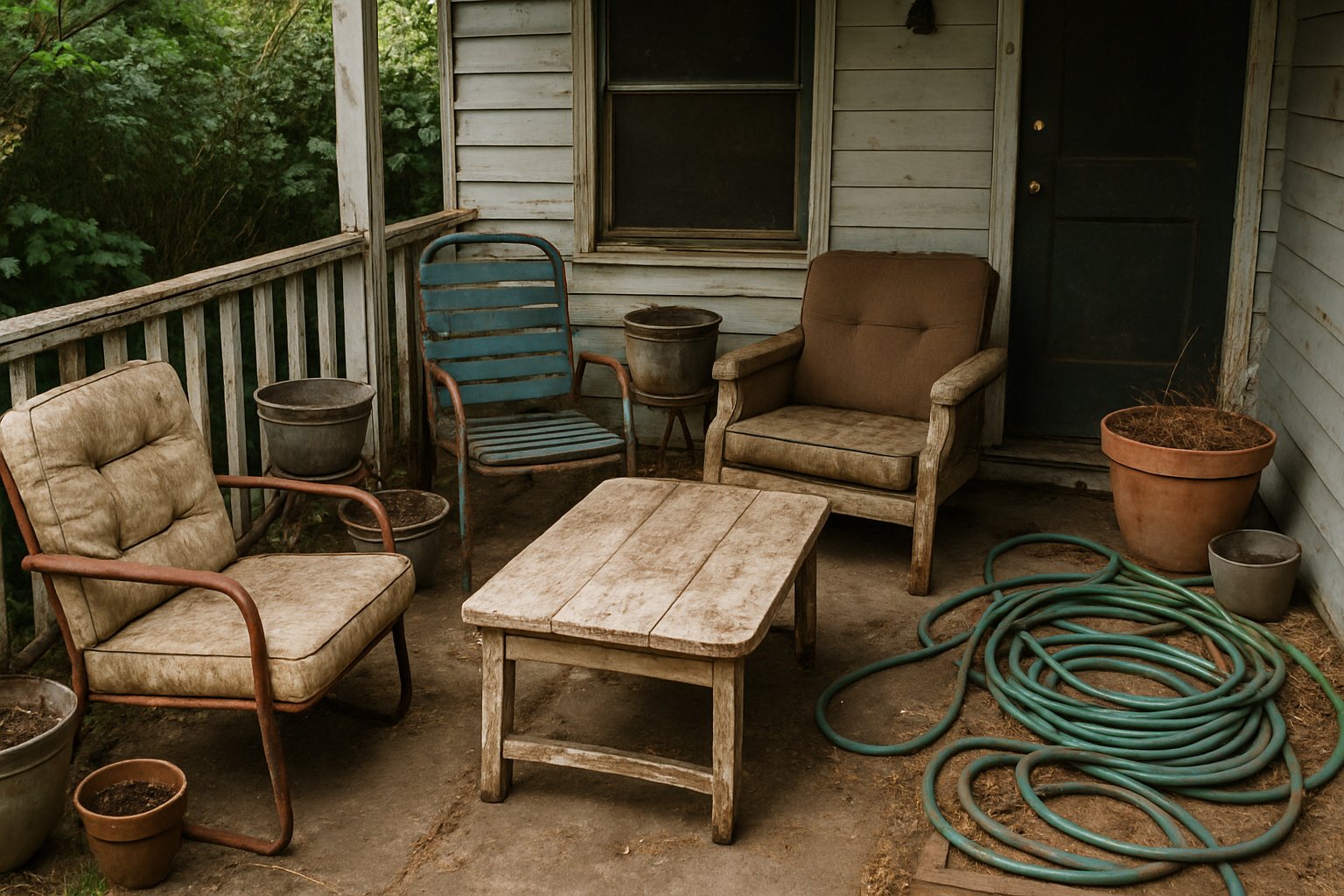
Your front porch creates the first impression visitors have of your home. A cluttered space packed with mismatched furniture sends the wrong message entirely.
Outdated porch décor trends can seriously damage your curb appeal. That plastic resin furniture from 2003 isn’t doing you any favors.
Overgrown plants blocking pathways and faded furniture make your porch look neglected. Buyers notice when spaces feel abandoned or poorly maintained.
Multiple seating areas crammed into a small porch create visual chaos. You’re not running a furniture warehouse.
Farmhouse décor that once seemed trendy now makes homes look dated. Those rustic signs and mason jar planters have overstayed their welcome.
Mismatched cushions, broken furniture, and accumulated clutter transform your welcoming entrance into an obstacle course. Front porch furniture mistakes can date your entire home.
Choose quality pieces that complement your home’s architecture. Less is more when it comes to porch furniture.
23. Dead or unkempt flower beds left unattended
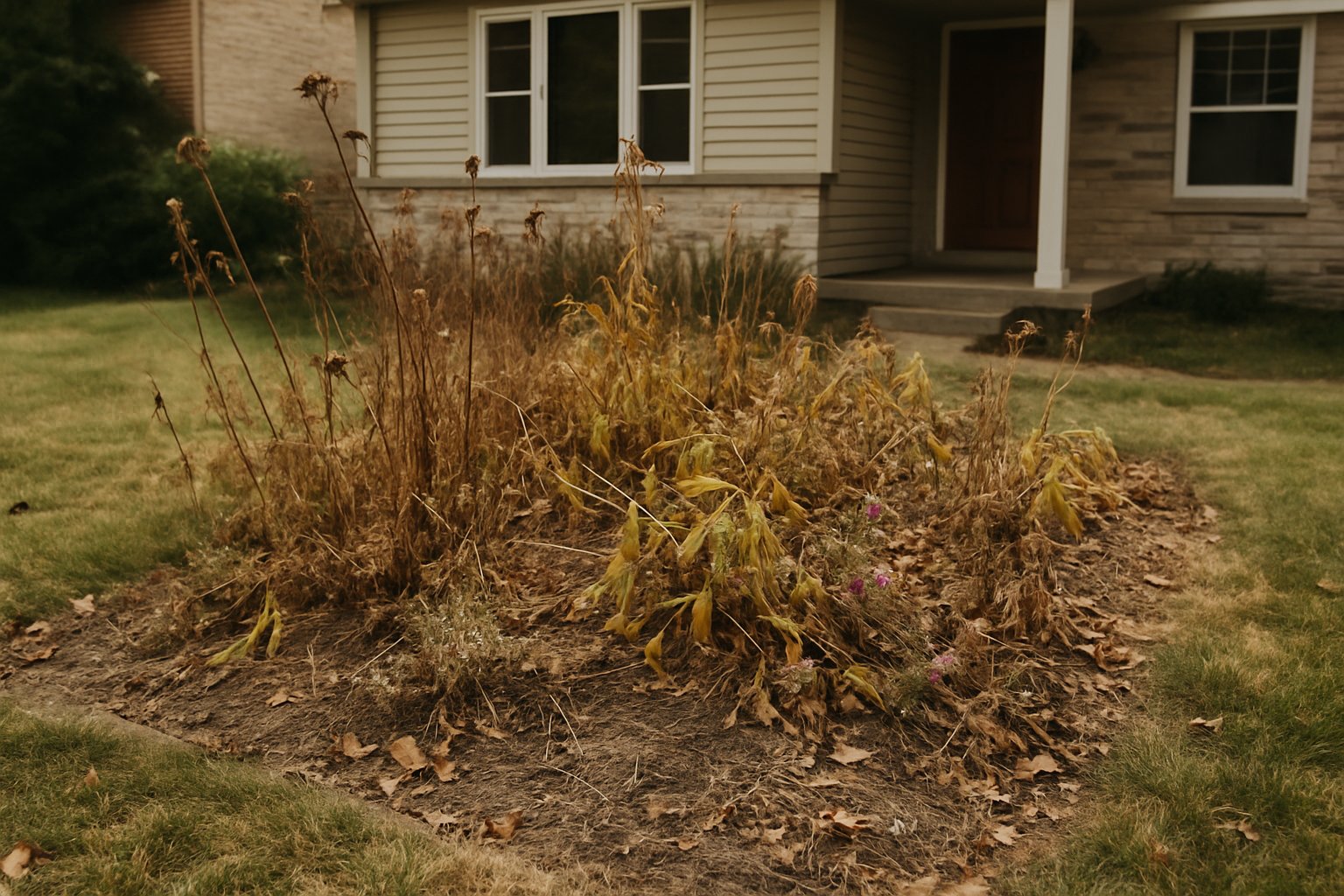
Nothing screams “maintenance nightmare” quite like flower beds that look like they’ve been abandoned since the Clinton administration. Those brown, crispy remnants of what might have been petunias are basically putting up a neon sign that says “run away.”
Neglected flower beds make even charming homes look unkempt. Buyers see dead plants and immediately start calculating how much work and money they’ll need to invest.
Weeds taking over your flower beds isn’t much better than dead plants. It suggests you either don’t care about your property or don’t have time to maintain it properly.
The fix is surprisingly simple but requires some elbow grease. Remove all the dead vegetation, pull the weeds, and add fresh mulch for an instant improvement.
If you’re not ready to replant, at least keep the beds clean and weed-free. Empty, tidy flower beds look intentional rather than neglected. Your wallet will thank you when potential buyers aren’t mentally deducting landscaping costs from their offers.
22. Mismatched Exterior
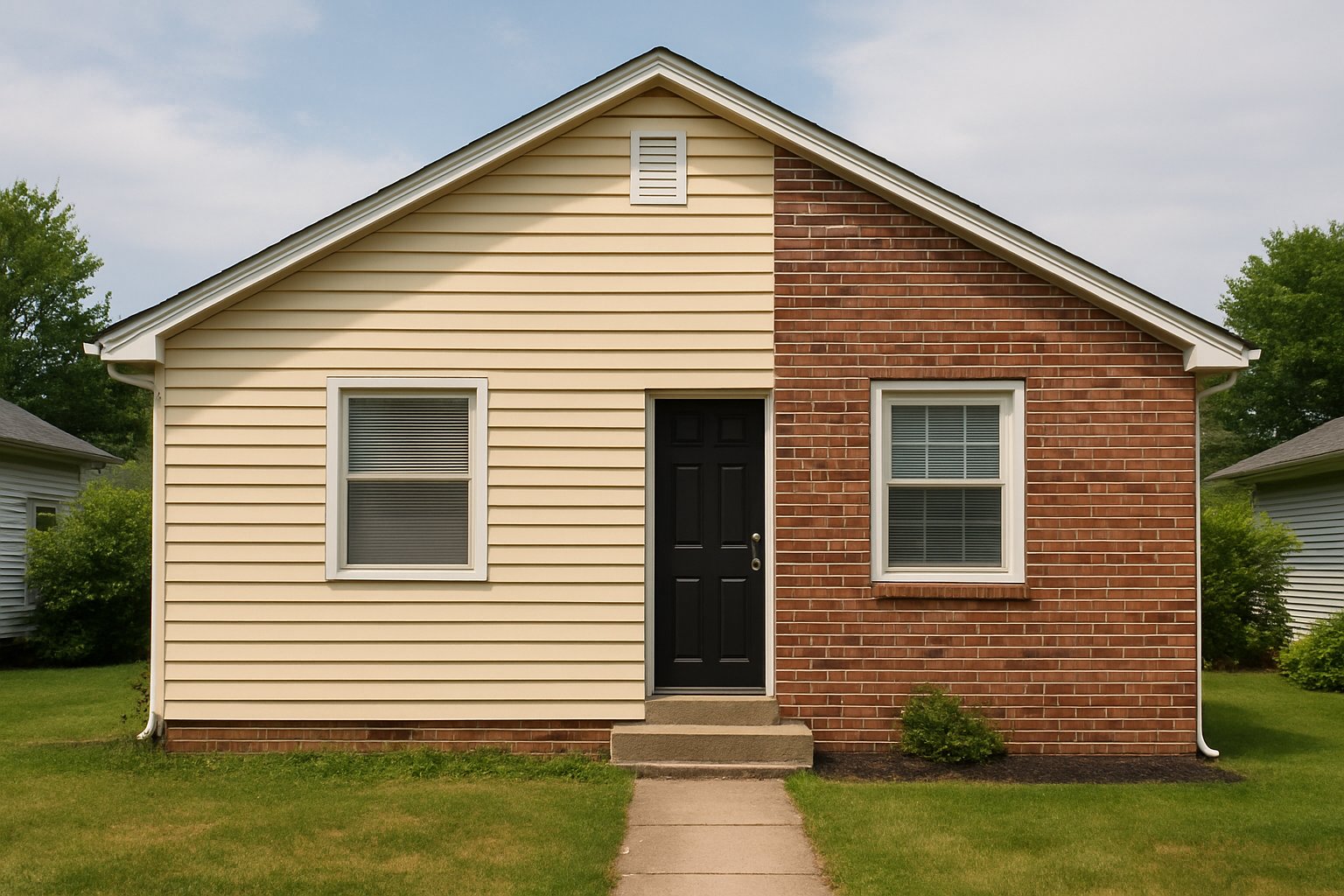
Your beige vinyl siding might seem like a safe choice, but when it clashes with your brick accents, it creates a jarring visual mess that sends buyers running.
The problem isn’t beige itself. It’s when your beige vinyl doesn’t harmonize with your brick’s undertones, creating an awkward exterior that looks like two different houses mashed together.
Red brick paired with cool-toned beige vinyl creates a particularly unfortunate combination. The warm, earthy brick fights against the cold beige, making your home look confused and dated.
Vinyl siding and brick combinations require careful consideration of undertones and color temperature. When these elements clash, your curb appeal plummets.
Buyers notice these mismatched materials immediately. They see a home that lacks cohesive design vision and wonder what other poor choices await inside.
Your brick accents should complement your siding, not compete with it. When beige vinyl appears washed out next to vibrant brick, it cheapens your home’s entire appearance.
The solution involves choosing vinyl colors that share similar undertones with your brick or creating intentional contrast that actually works together.
21. Cheap plastic flamingos that scream ‘buy me’… just no
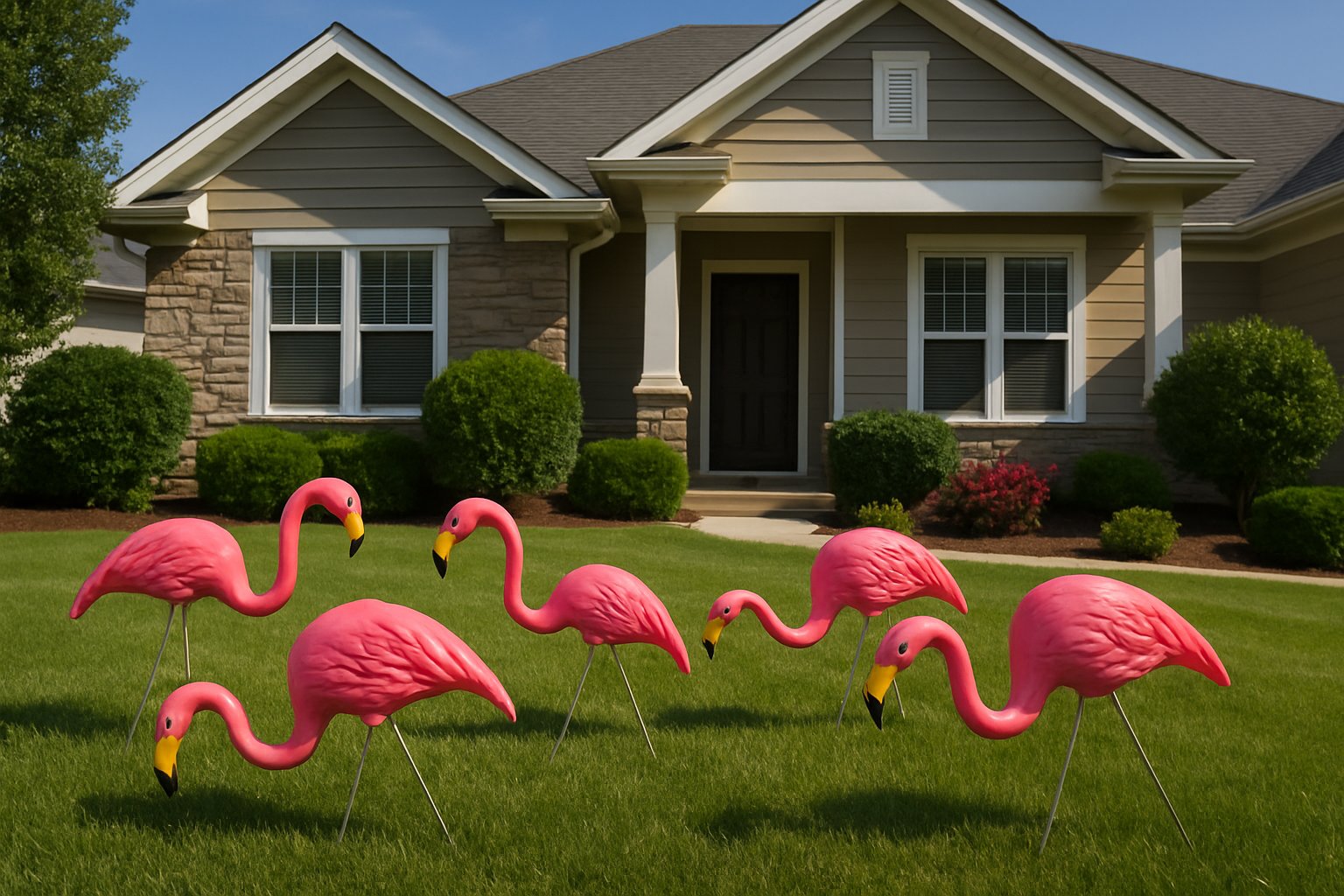
Nothing says “I gave up on landscaping” quite like a flock of bright pink plastic flamingos scattered across your front yard. These kitschy lawn ornaments might have been ironic fun in the 80s, but they’re design poison today.
Buyers see cheap plastic decorations as a red flag. They signal neglect, poor taste, and a homeowner who prioritizes novelty over property value.
The problem isn’t flamingos themselves—it’s the quality and placement. Dollar store versions look exactly like what they are: cheap plastic that will fade, crack, and blow away in the first strong wind.
Your landscaping should enhance your home’s natural beauty, not compete with it. When potential buyers drive up, they should notice your well-maintained garden beds and thoughtful design choices.
Save the flamingo flock for your beach house or backyard patio where they won’t be the first thing people see. Your curb appeal—and resale value—will thank you for choosing timeless elegance over temporary trends.
20. Massive, high-maintenance koi ponds
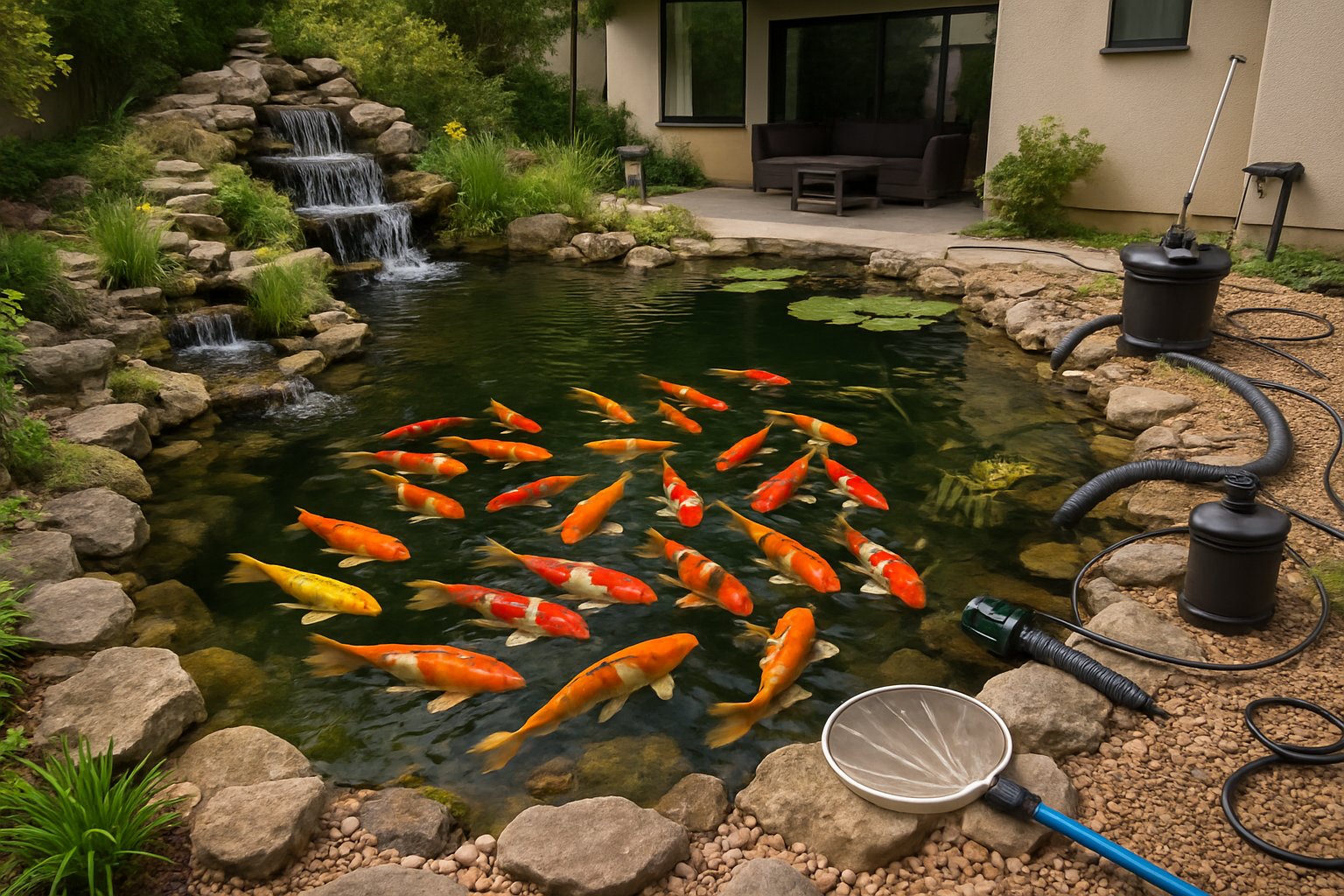
Your backyard koi pond might be your zen retreat, but it’s likely a nightmare for potential buyers. Those elaborate water features with underwater lighting and cascading waterfalls look impressive until someone realizes the maintenance involved.
Large koi pond construction requires specialized equipment and ongoing care that most homeowners aren’t prepared for. Weekly water testing, filter cleaning, and seasonal pond preparation become full-time hobbies.
The fish themselves add another layer of complexity. Koi require specific water conditions, proper feeding schedules, and protection from predators. During winter, you’ll need pond heaters and aerators to keep your expensive fish alive.
Upgrading pond equipment becomes necessary as filtration systems wear out or become inadequate. Skimmers, pumps, and UV sterilizers all need regular replacement.
Most buyers see dollar signs when they encounter your aquatic paradise. They’re calculating electricity costs, fish food expenses, and the inevitable repair bills that come with complex water systems.
Unless you’re targeting serious pond enthusiasts, consider simpler water features that provide tranquility without the intensive maintenance requirements that scare away practical buyers.
19. Overly bright, garish outdoor lighting setups
🔥 Would you like to save this?
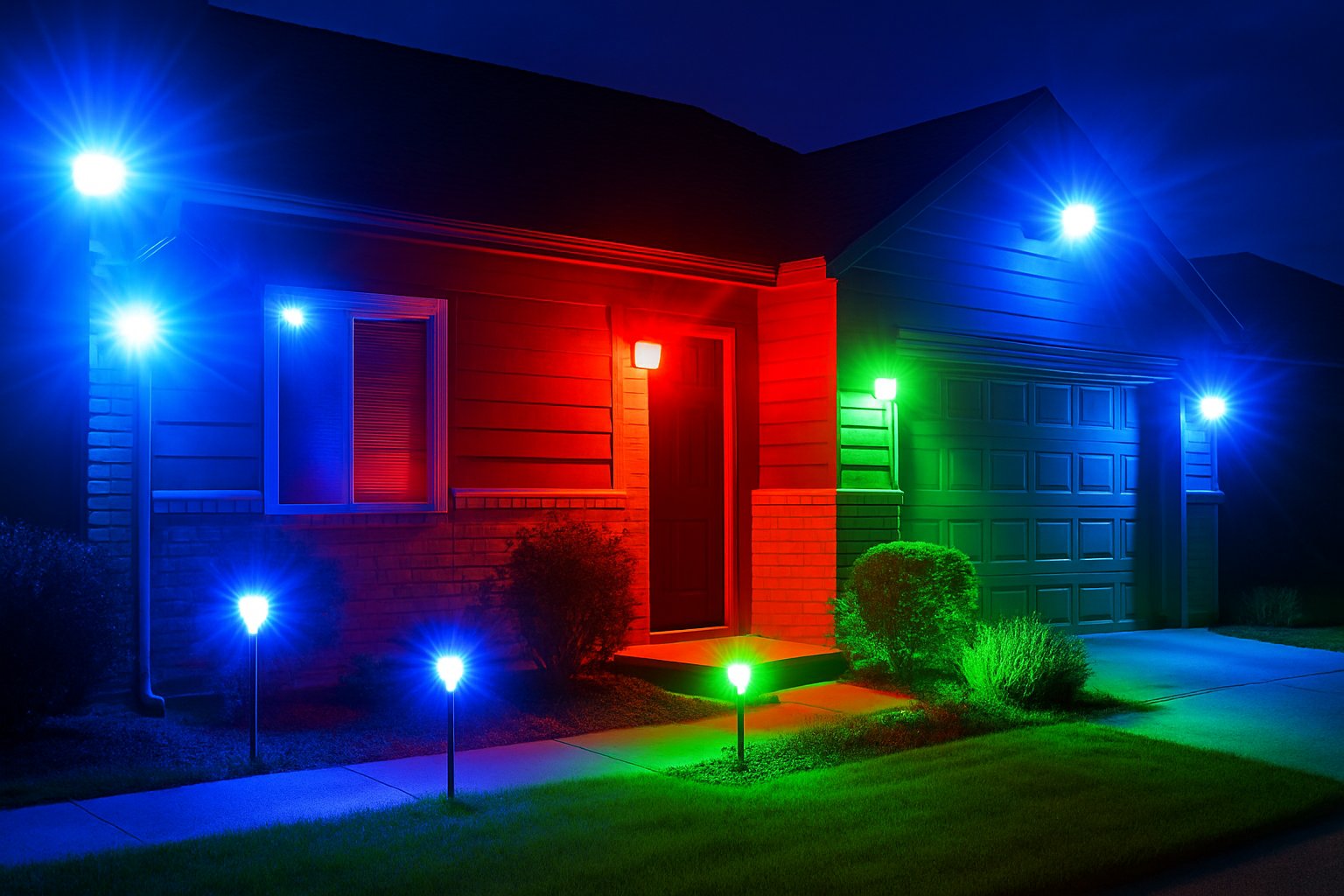
Your neighbors shouldn’t need sunglasses to check their mailbox at night. Yet some homeowners install outdoor lighting that could guide aircraft to landing strips.
Those blazing floodlights you thought would showcase your prize-winning roses? They’re actually creating a horror movie set that makes your home look like a prison yard.
Buyers want outdoor lighting that enhances curb appeal, not lighting that requires hazard pay for the pizza delivery driver. The goal is ambiance, not interrogation.
Placement is key and you should avoid over-illumination. Your lighting should create welcoming pools of light, not turn your front yard into a stadium.
Consider this: if your outdoor lighting can be seen from space, it’s probably too much. Buyers associate excessive brightness with high energy bills and poor taste.
The worst offenders are those colored LED strips that make your home look like a nightclub. Unless you’re planning to charge cover at the front door, tone it down.
Smart buyers know that overly bright outdoor lighting suggests someone who doesn’t understand the difference between functional and obnoxious.
18. Splinter-prone natural wood decks in need of extensive repairs
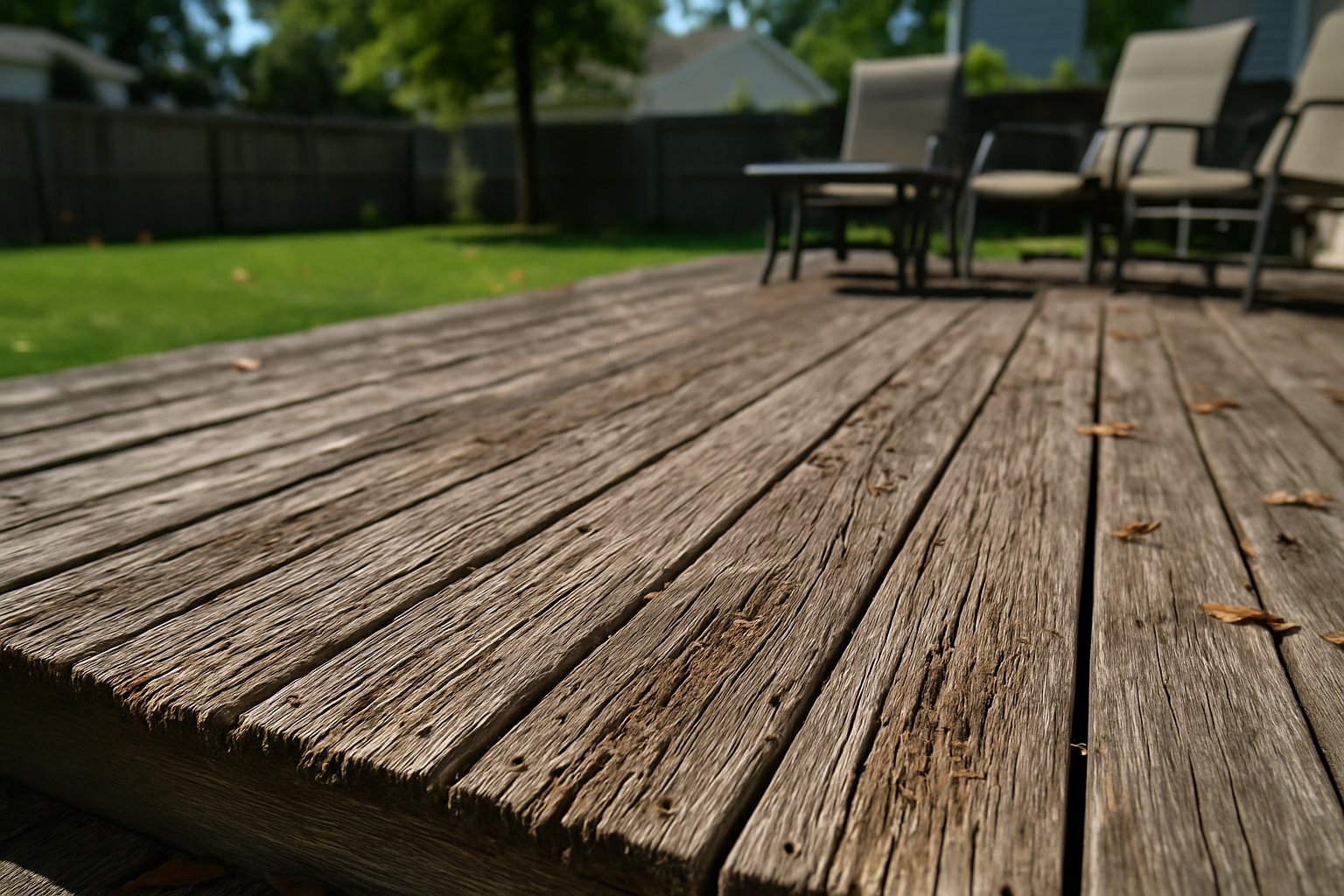
Your beautiful cedar deck seemed like a great investment five years ago. Now it’s become a maintenance nightmare that makes potential buyers cringe.
Traditional wood decks require frequent sealing, staining, and painting to protect them from the elements. Most homeowners discover this reality too late.
Wood decking requires annual sanding, sealing, and staining to prevent rot due to constant exposure to weather. That’s a weekend project nobody wants to inherit.
The splinter factor alone sends buyers running. A deck that’s warped, splintered, or spongy underfoot isn’t just an eyesore—it’s a safety hazard.
Experts recommend staining your wooden deck every two to three years while constantly monitoring for mold and moisture damage. That’s a commitment most buyers aren’t willing to make.
Smart buyers calculate the long-term costs. They see your tired deck and mentally subtract thousands from their offer for composite replacement.
17. Patchy Lawn Repair with Mixing Grass Types
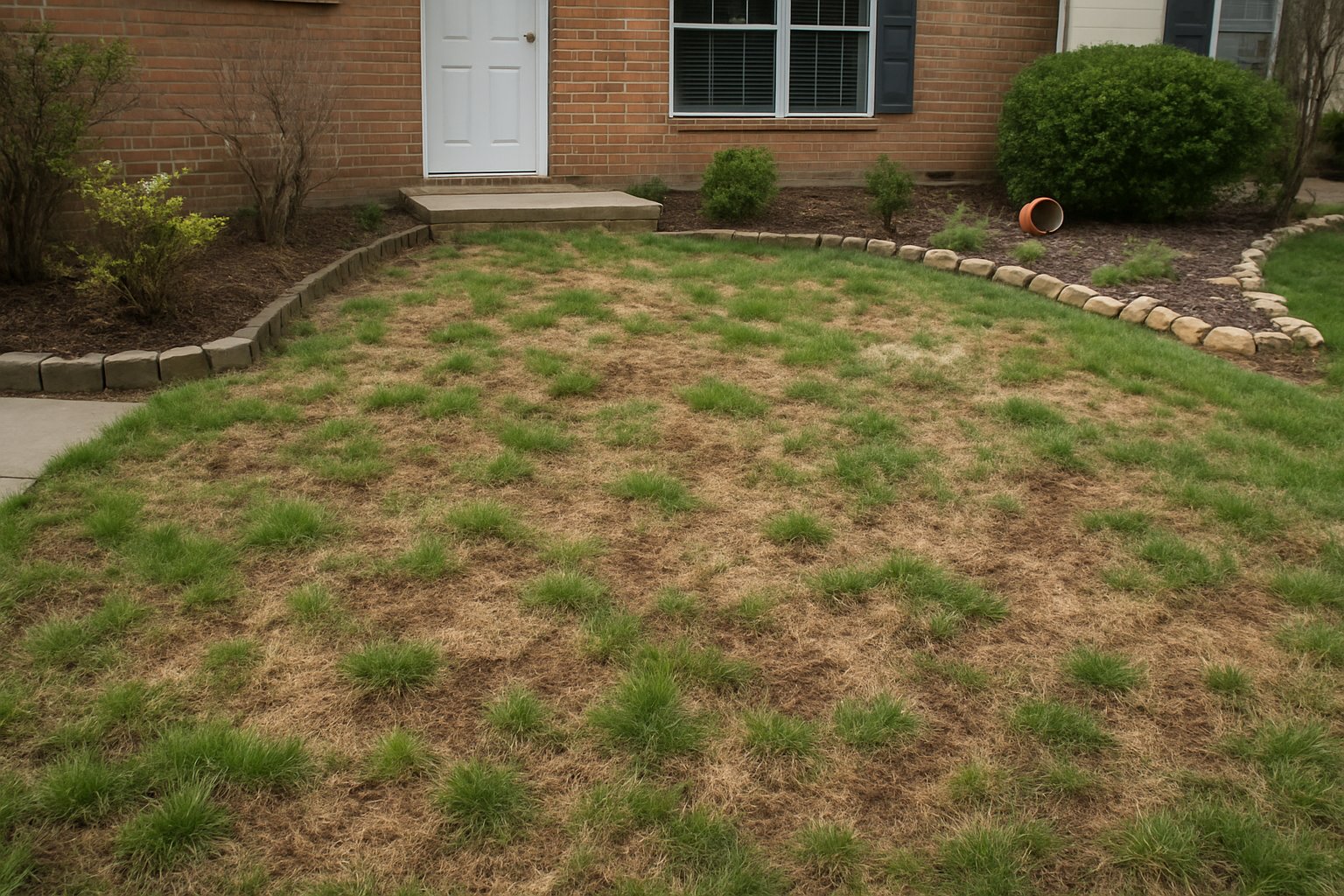
Your patchy lawn screams for attention, but mixing different grass types creates a patchwork nightmare that’ll haunt your curb appeal. Those well-meaning attempts at fixing patchy grass often backfire spectacularly when you grab whatever seed is on sale.
Different grass varieties have distinct colors, textures, and growth patterns. Your Kentucky bluegrass doesn’t play nice with that random fescue you tossed on bare spots last spring.
The result? A lawn that looks like a quilt made by someone who ran out of matching fabric. Some patches grow thick and dark while others stay thin and light green.
When overseeding patchy areas, you must match your existing grass type exactly. Otherwise, you’re creating a botanical identity crisis that screams “amateur hour” to potential buyers.
Smart buyers notice these mismatched repairs immediately. They see dollar signs for complete lawn replacement rather than your “creative” patchwork solution.
Your lawn should look intentional, not like a science experiment gone wrong. Stick to one grass type for a cohesive, professional appearance that enhances rather than detracts from your home’s value.
16. Ill-Placed Satellite Dishes in the Front Yard
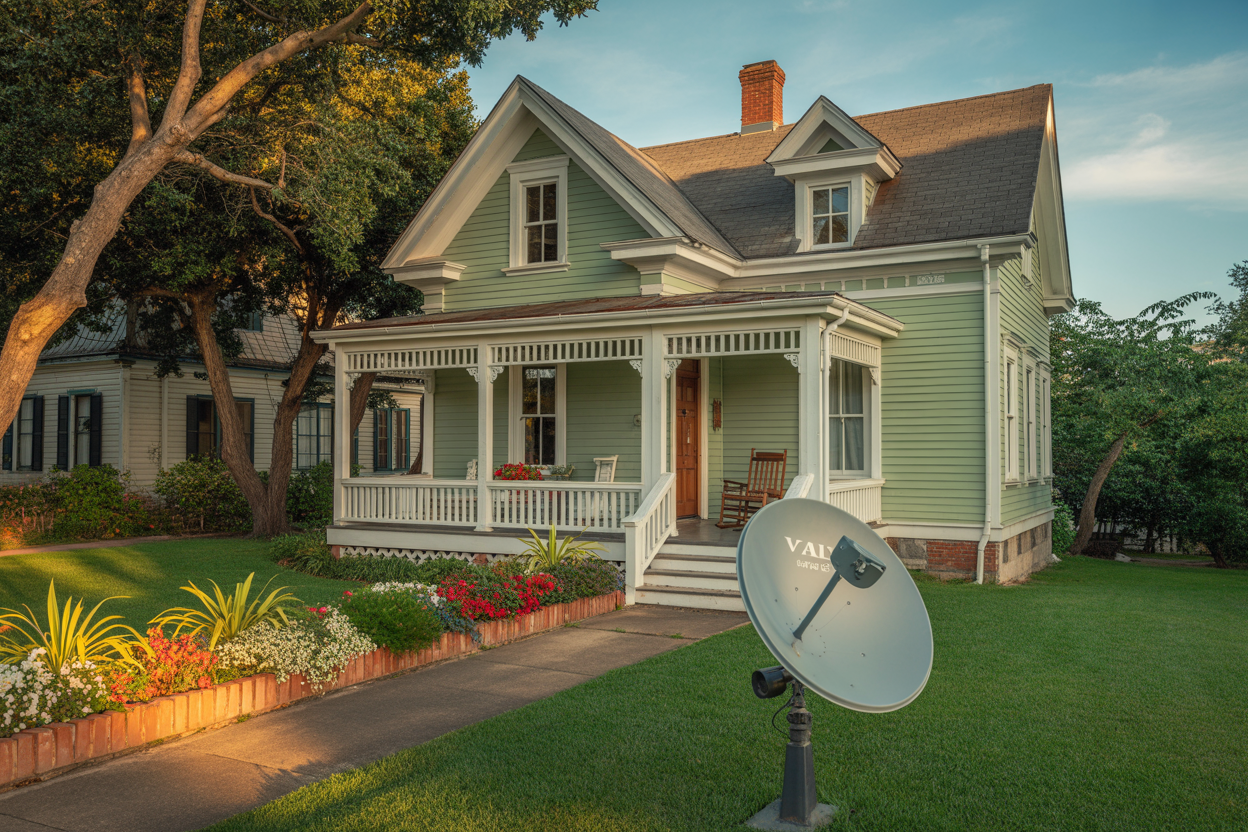
Nothing screams “curb appeal killer” quite like a satellite dish prominently displayed in your front yard. These technological eyesores instantly date your home and suggest you haven’t discovered streaming services yet.
Front yard satellite dishes create visual clutter that distracts from your home’s architectural features. They’re particularly jarring when placed near landscaping or decorative elements you’ve carefully arranged.
Most satellite dishes may not be placed in the front or side yards according to many community guidelines. This restriction exists because these installations negatively impact neighborhood aesthetics.
Your potential buyers will immediately notice these dishes during their first impression of your property. They’ll wonder why you chose the most visible location possible for equipment that could easily be hidden elsewhere.
Modern alternatives like smaller streaming devices or discreetly mounted equipment make large front yard dishes completely unnecessary. Even when satellite service is required, dishes located on the ground should be screened so as not to be visually obtrusive from the street.
Consider relocating your dish to a backyard location or behind landscaping. Your home’s marketability will thank you for this simple but impactful change.
15. Haphazardly Placed Solar Garden Lights
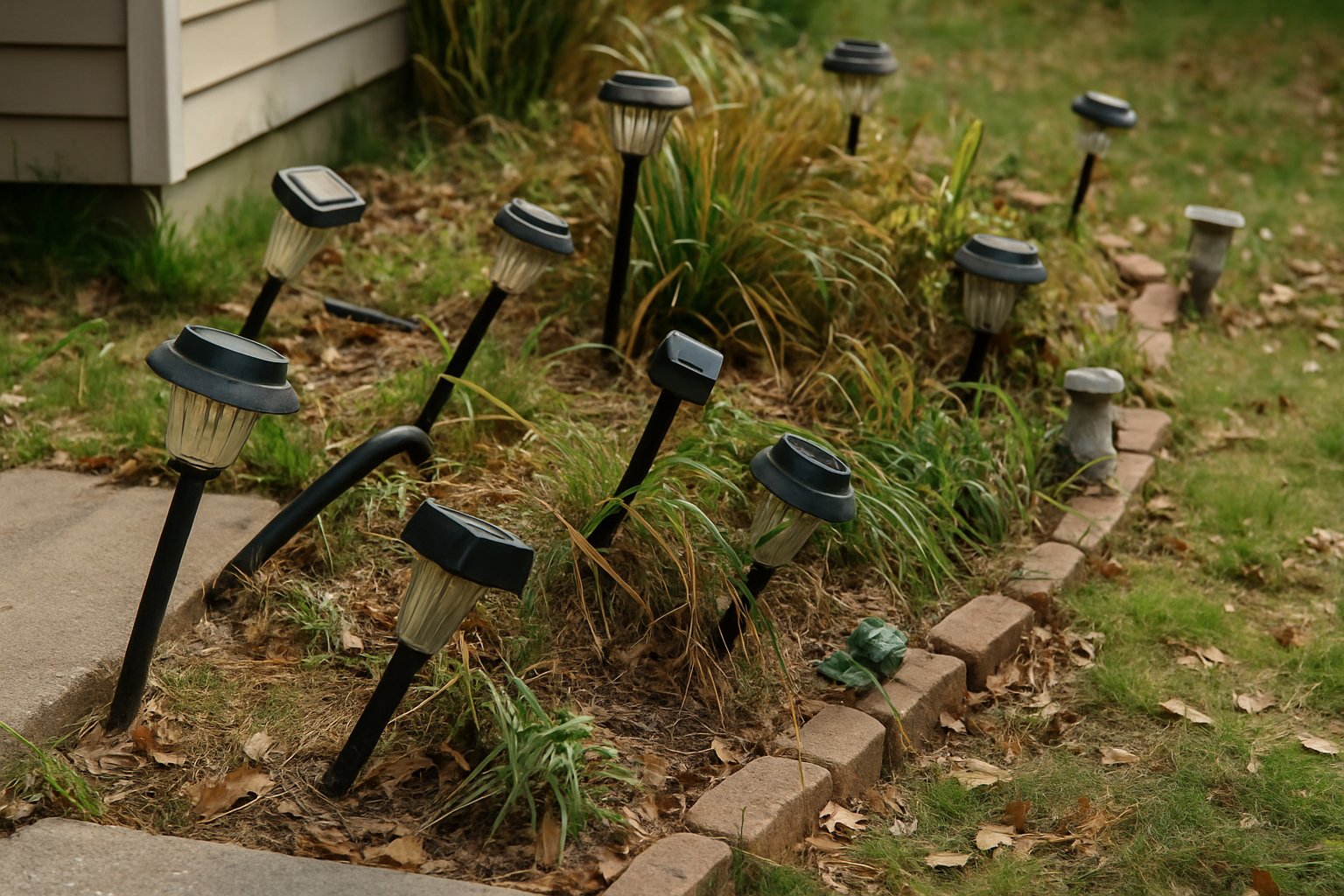
Solar lights scattered randomly across your yard create the aesthetic appeal of a suburban airport runway. Your buyers will wonder if you’re guiding lost planes to safety rather than creating ambiance.
The biggest mistake is installing lights haphazardly around your yard without considering proper positioning. This approach provides zero benefits and makes your landscaping look amateurish.
Dollar store solar lights stuck wherever you felt like it that day scream “I gave up on design.” The uneven spacing and random placement make your outdoor space look chaotic rather than intentional.
Those crooked lights leaning at various angles after the first windstorm don’t help either. Nothing says “maintenance nightmare” like a collection of tilted fixtures dotting your landscape.
Smart buyers recognize common solar light mistakes that signal poor planning. Your random light placement suggests you might have made similar shortcuts throughout the property.
The harsh, uneven illumination from poorly placed fixtures creates an unwelcoming atmosphere. Instead of enhancing your garden’s beauty, you’ve created a minefield of glaring spots and dark shadows.
Your yard deserves better than the “throw and hope” lighting strategy.
14. Over-Decorated, Junky Outdoor Gazebos and Spaces
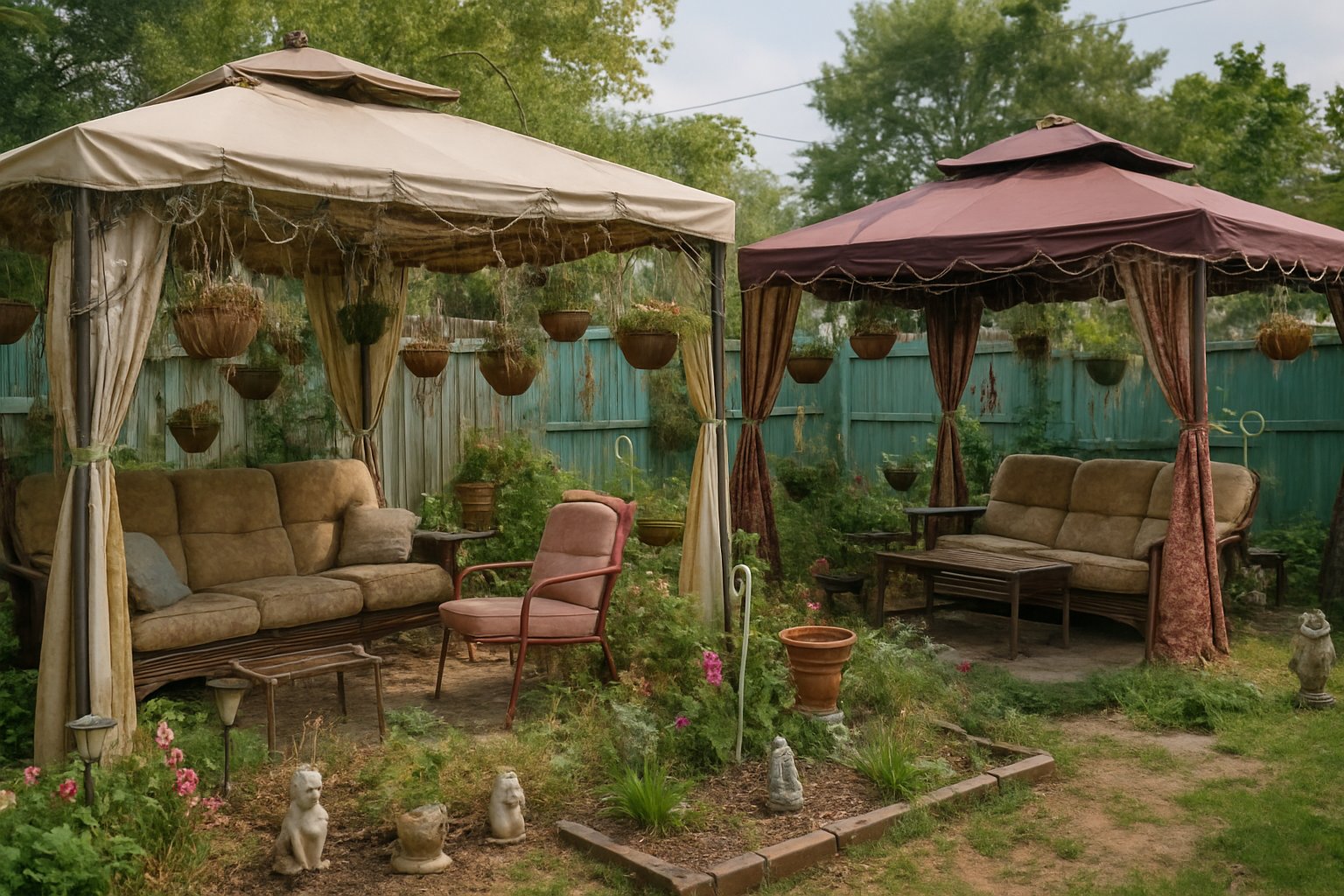
Your gazebo should provide elegant shelter, not look like a craft store explosion. When you pile on excessive decorative elements, you create visual chaos that overwhelms your yard.
Those plastic flowers, rainbow wind chimes, and glittery ornaments might seem festive to you. But they scream “maintenance nightmare” to potential buyers who envision themselves relaxing in a peaceful outdoor space.
Multiple curtain panels, elaborate lighting fixtures, and busy patterned fabrics turn your gazebo into a cluttered eyesore. The structure loses its architectural appeal under layers of unnecessary decoration.
Buyers want to see the bones of your outdoor features. They’re imagining how they’ll use the space, not wondering how long it’ll take to remove your collection of seasonal decorations.
Your gazebo works best when it complements your landscape rather than competing with it. Modern gazebo designs focus on clean lines and functional beauty.
Strip away the excess and let your gazebo’s natural charm shine through. A well-designed structure needs minimal decoration to make its statement.
13. Giant, Overpowering Evergreen Trees Near the Home
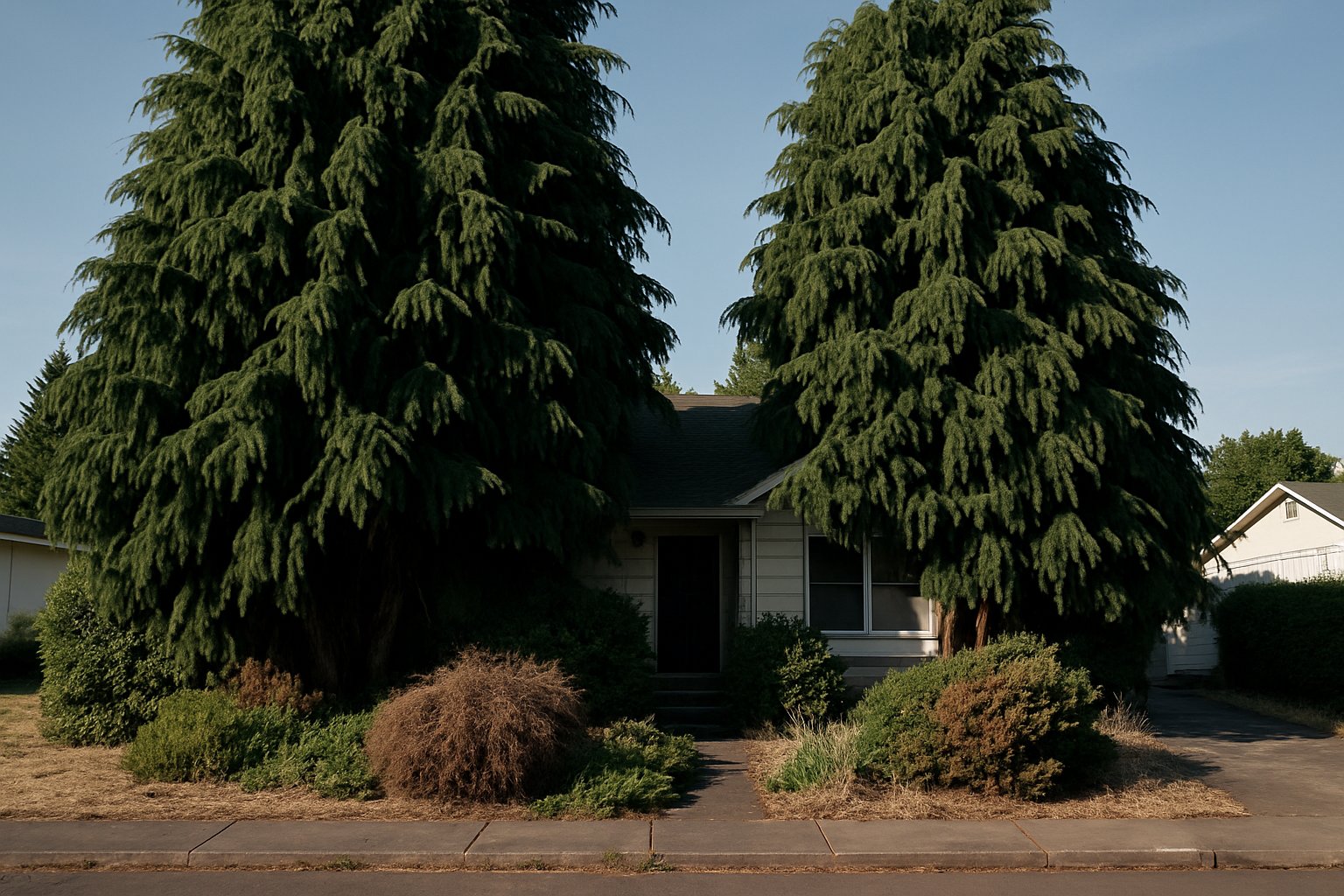
You’ve seen them – those towering evergreen monsters looming over houses like dark sentinels. What started as innocent little privacy screens have morphed into house-swallowing giants that make your home look like a cottage lost in the woods.
These overpowering trees create several problems that buyers immediately notice. They block natural light from entering your home, making interiors feel dark and cave-like during the day.
The massive scale throws off your home’s proportions entirely. Your house appears smaller and less significant when dwarfed by enormous evergreens pressing against the structure.
Maintenance becomes a nightmare as these trees mature. Root systems can threaten foundations, and fallen branches pose serious risks to your roof and siding.
Buyers worry about the ongoing costs and hazards. They see expensive tree removal, potential property damage, and the constant threat of storm damage.
The dense foliage also traps moisture against your home’s exterior, creating conditions for mold, mildew, and wood rot. Smart buyers recognize these red flags immediately.
Your home’s curb appeal suffers when visitors can barely see the house through the evergreen fortress you’ve accidentally created.
12. Excessive Use of Wood Chips as Mulch
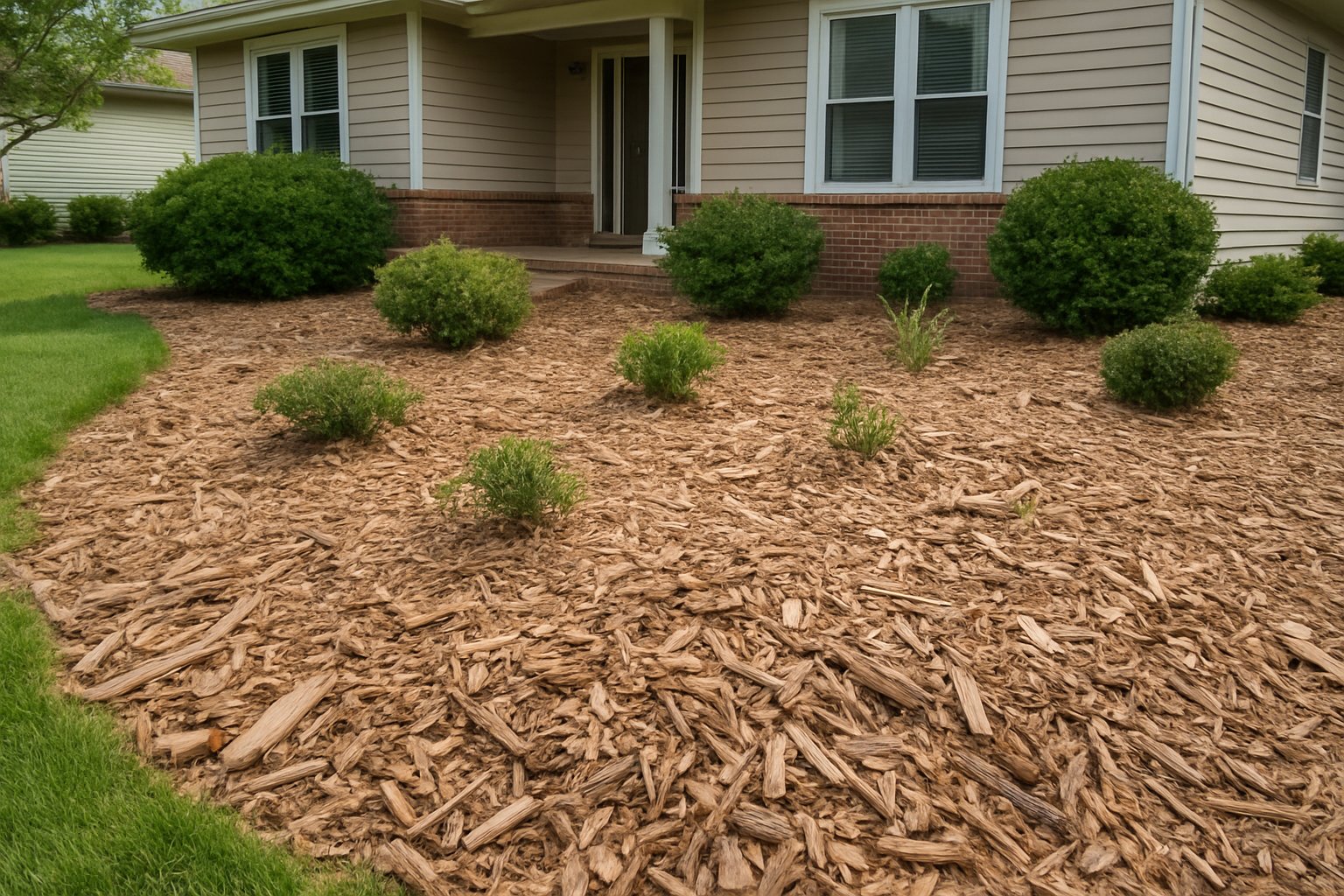
You’ve seen those yards where wood chips dominate every surface like a beige tsunami. While wood chips can be useful for mulching, overdoing it creates a monotonous landscape that screams “I bought in bulk.”
Your flowerbeds shouldn’t look like a lumber mill exploded. When you pile wood chips everywhere, you eliminate visual interest and texture variety that makes landscaping appealing.
Fresh wood chips create another headache. They can deplete nitrogen from soil as they decompose, leaving your plants struggling for nutrients.
The thickness matters too. Apply wood chips too heavily and you’ll create drainage problems and prevent air circulation around plant roots.
Smart buyers notice when landscaping looks cheap or poorly planned. Your wood chip wonderland sends the message that you took shortcuts rather than investing in thoughtful design.
Mix your mulching materials instead. Combine wood chips with decorative stones, bark mulch, or groundcover plants. This creates depth and visual appeal while still providing the benefits of mulching.
Your landscape should tell a story, not remind visitors of a wood processing facility.
11. Ill-Fitting Cheap Outdoor Furniture
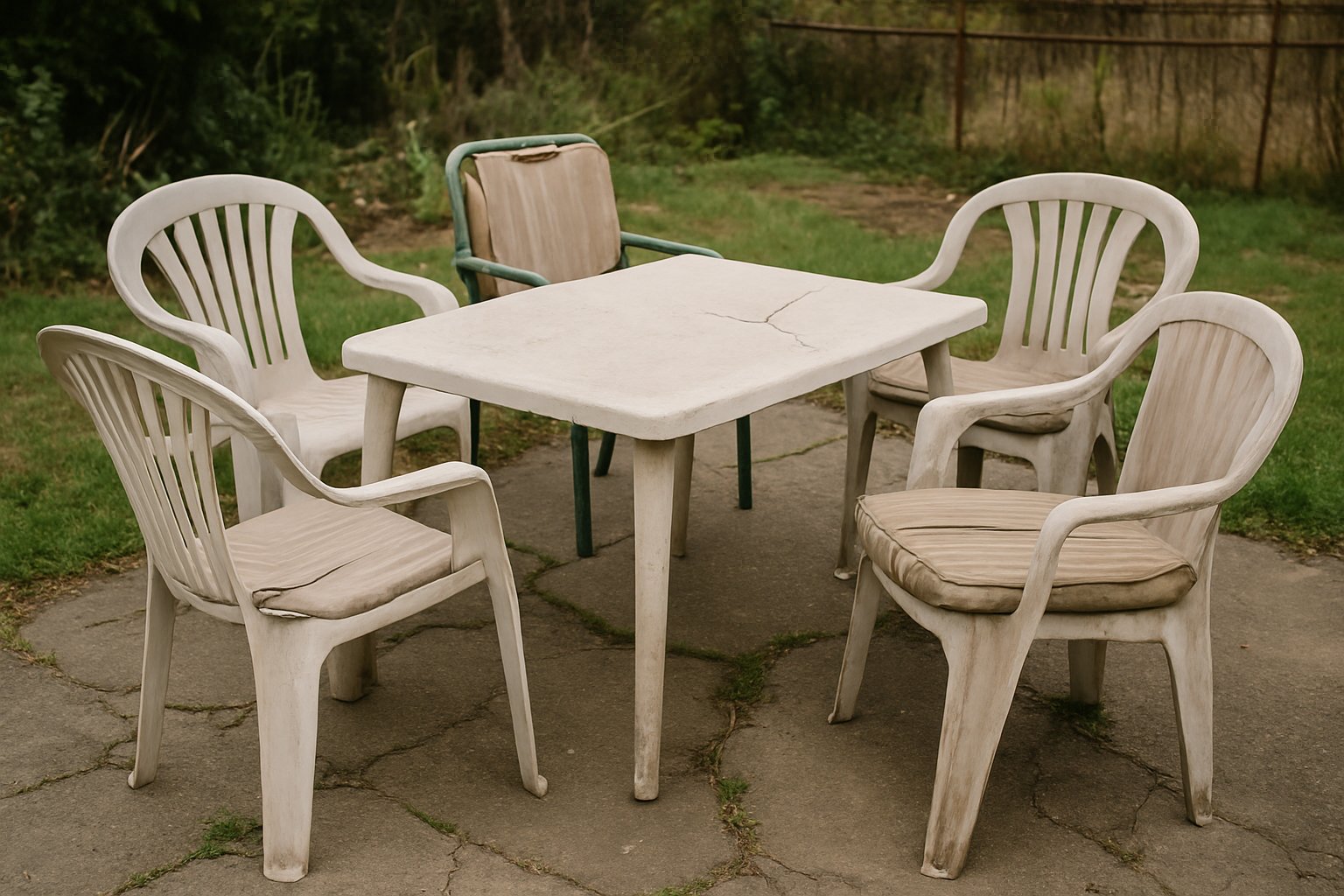
Your patio furniture choices reveal more about your home’s style than you might realize. Cheap, mismatched pieces scattered across your deck scream “afterthought” to potential buyers.
Oversized furniture crammed into small spaces makes your outdoor area look even smaller. That massive sectional might seem like a bargain, but it’s actually shrinking your patio’s perceived value.
Common patio furniture mistakes can downgrade your entire outdoor space without you realizing it. Plastic chairs that look like they belong at a gas station don’t exactly inspire buyers to envision elegant dinner parties.
Scale matters tremendously in outdoor spaces. Tiny bistro sets lost in large patios make the area feel incomplete and poorly planned.
The worst offense? Leaving weathered, sun-bleached furniture outside year-round. Those once-white plastic chairs now sport an attractive shade of dingy gray that no amount of scrubbing will fix.
Your outdoor furniture should complement your home’s architecture, not fight against it. Modern pieces paired with traditional homes create visual confusion that buyers notice immediately.
Quality doesn’t require breaking the bank, but it does require thoughtful selection that fits your space properly.
10. Dead or Dying Trees Left Untouched
🔥 Would you like to save this?
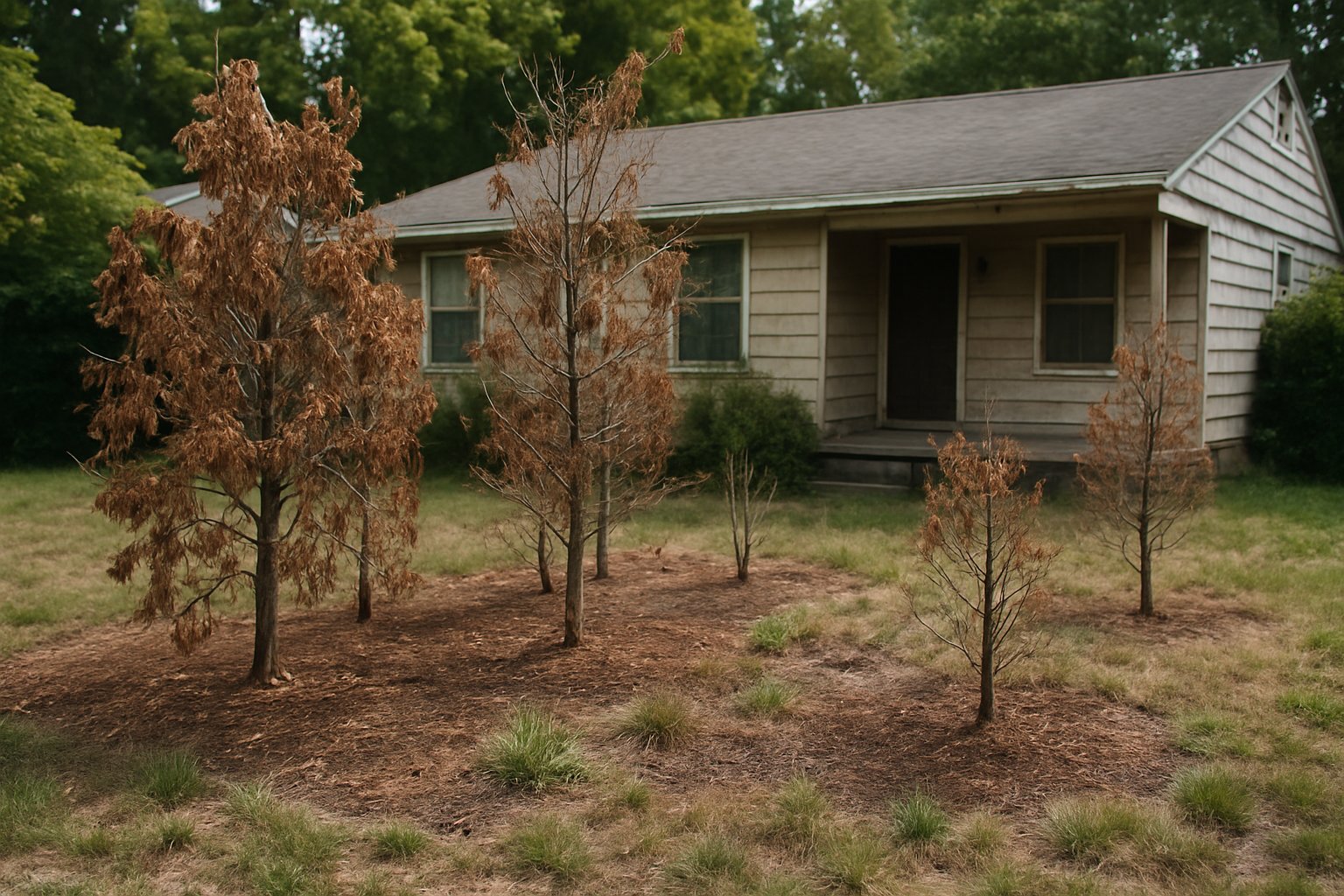
Nothing screams “deferred maintenance” quite like a skeletal tree standing guard over your property. You might think that towering dead oak adds character, but buyers see dollar signs flying out of their wallets.
Dead trees present safety concerns that make potential buyers nervous. Heavy branches can fall without warning, creating liability issues that insurance companies love to discuss at renewal time.
Your dying maple isn’t just an eyesore—it’s a red flag about your property maintenance habits. Buyers wonder what other issues you’ve ignored if you can’t handle basic tree care.
Professional tree removal services aren’t cheap, but neither is scaring away qualified buyers. Most people don’t want to inherit your arboreal disasters along with their mortgage payments.
Even if your dead tree isn’t immediately dangerous, it’s still dragging down your curb appeal. That brown, leafless giant makes your entire landscape look neglected and uninviting.
Don’t expect buyers to see the creative potential in transforming dead trees into landscape features. They’re too busy calculating removal costs to appreciate your artistic vision.
9. Fake Topiary Shapes
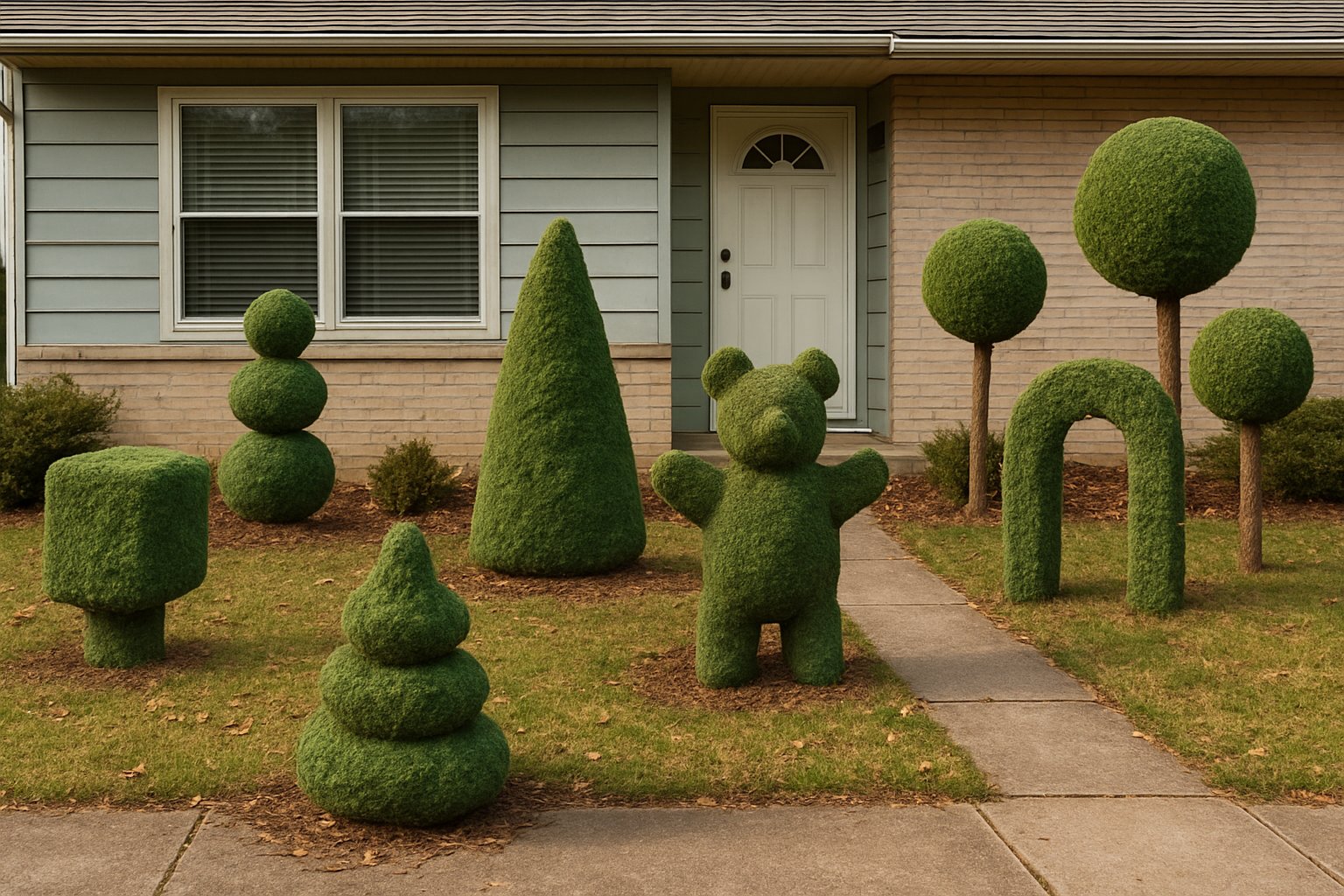
Your artificial topiary collection screams “I gave up on gardening” louder than a wilted houseplant. Those perfectly uniform fake boxwood plants flanking your front door fool absolutely no one.
Real topiaries require skill, patience, and years of careful trimming. Your plastic knockoffs skip all that artistry and land straight in tacky territory.
The problem isn’t just authenticity. Artificial topiary figures often look cartoonish with their overly bright green color and synthetic sheen. They fade unevenly in sunlight, creating an even more obvious fake appearance.
Buyers notice these shortcuts immediately. They suggest you prioritize convenience over quality throughout your home. The static, lifeless quality of artificial plants creates an institutional feel rather than welcoming warmth.
Your 30-inch artificial topiary trees might require zero maintenance, but they also provide zero charm. Consider low-maintenance live plants instead, or embrace hardscaping elements that don’t pretend to be something they’re not.
8. Overly Complicated Waterfalls
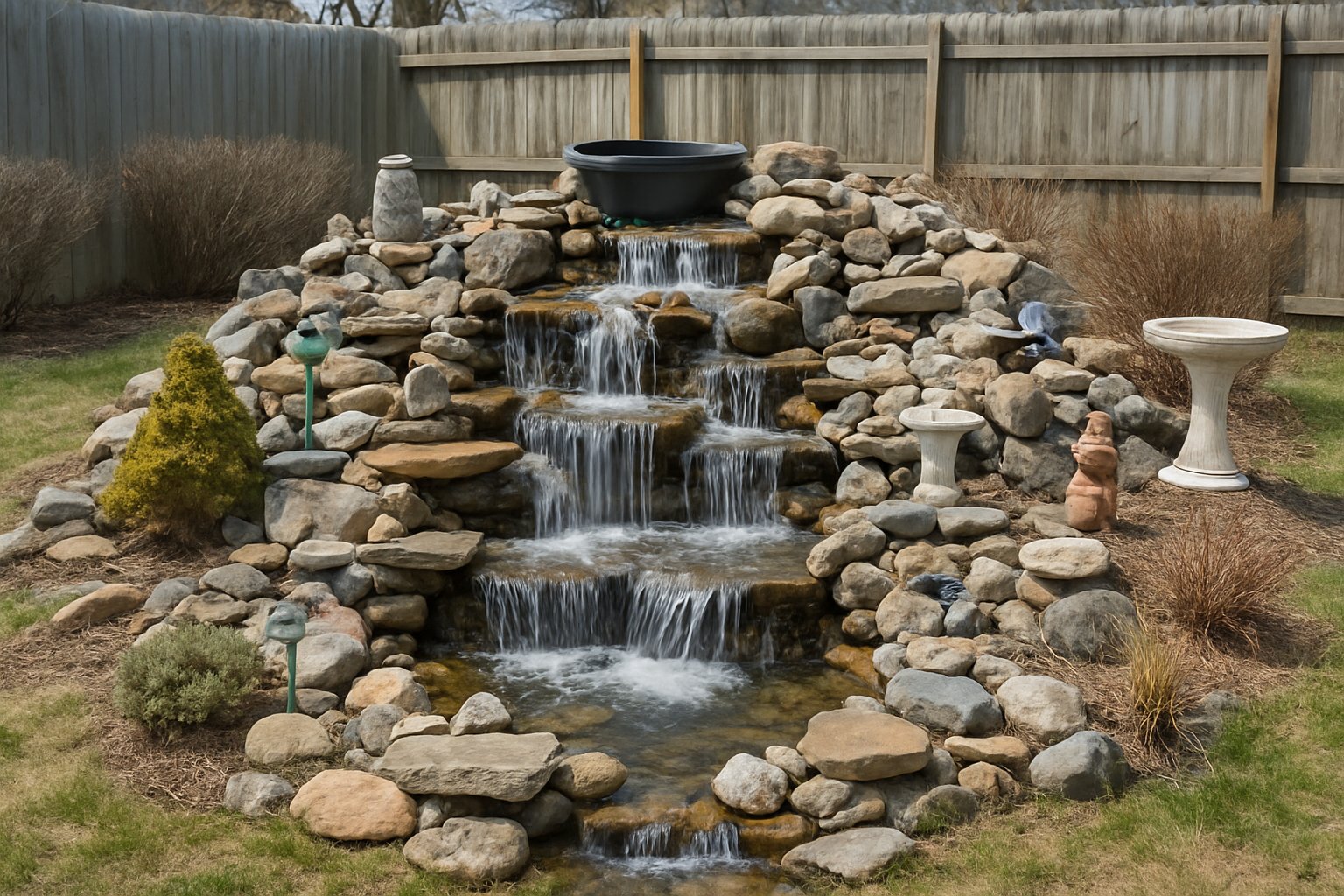
Your elaborate five-tier waterfall with LED light shows and musical accompaniment isn’t the zen feature you think it is. Most buyers see dollar signs when they encounter these complex water features – and not in a good way.
These engineering marvels require constant maintenance, specialized pumps, and professional repairs. The more moving parts your waterfall has, the more things can break down when you’re trying to sell.
While simple water features can enhance landscaping, buyers often view overly intricate designs as future headaches. They’re imagining winter shutdowns, algae management, and expensive pump replacements.
The real estate truth? Some landscaping projects cost more than they’re worth. Your waterfall wonderland falls into this category when it resembles a theme park attraction more than a backyard feature.
Consider pondless waterfall alternatives instead. These simpler designs offer water sounds without the maintenance complexity that scares off potential buyers.
Your cascading masterpiece might be your pride and joy, but it’s likely your future buyer’s nightmare.
7. Neglected Hedges
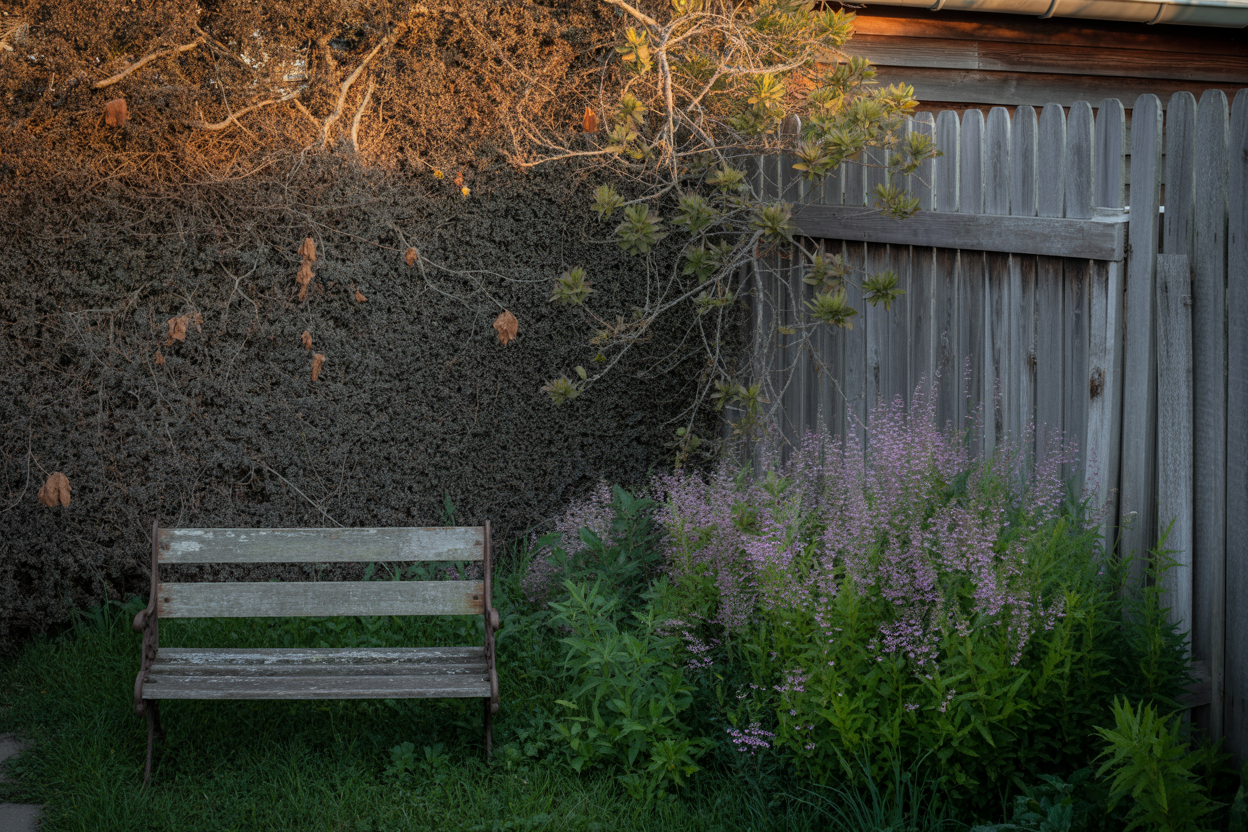
Synthetic hedges looked promising when they first appeared in home improvement stores. You probably thought they’d solve your maintenance woes forever.
The reality is far less appealing. Dust, dirt, and debris accumulate in the artificial foliage over time.
Your once-green hedge now looks gray and lifeless. Weather exposure fades the plastic leaves, creating an obviously fake appearance that screams “shortcut.”
Real estate agents know that buyers immediately spot outdated landscaping choices that hurt curb appeal. Synthetic hedges rank high on this list.
The texture becomes brittle after a few seasons. Pieces break off and scatter across your yard, creating an unkempt look that’s worse than no hedge at all.
You might think cleaning them solves the problem. But hosing down artificial hedges rarely restores their original appearance.
Modern buyers expect authentic landscaping that connects with nature. Your synthetic solution sends the wrong message about your property’s overall maintenance and attention to detail.
The installation probably seemed clever at the time. Now it’s a glaring reminder that some home improvements age poorly, no matter how practical they initially appeared.
6. Over-Use of Rock Gardens
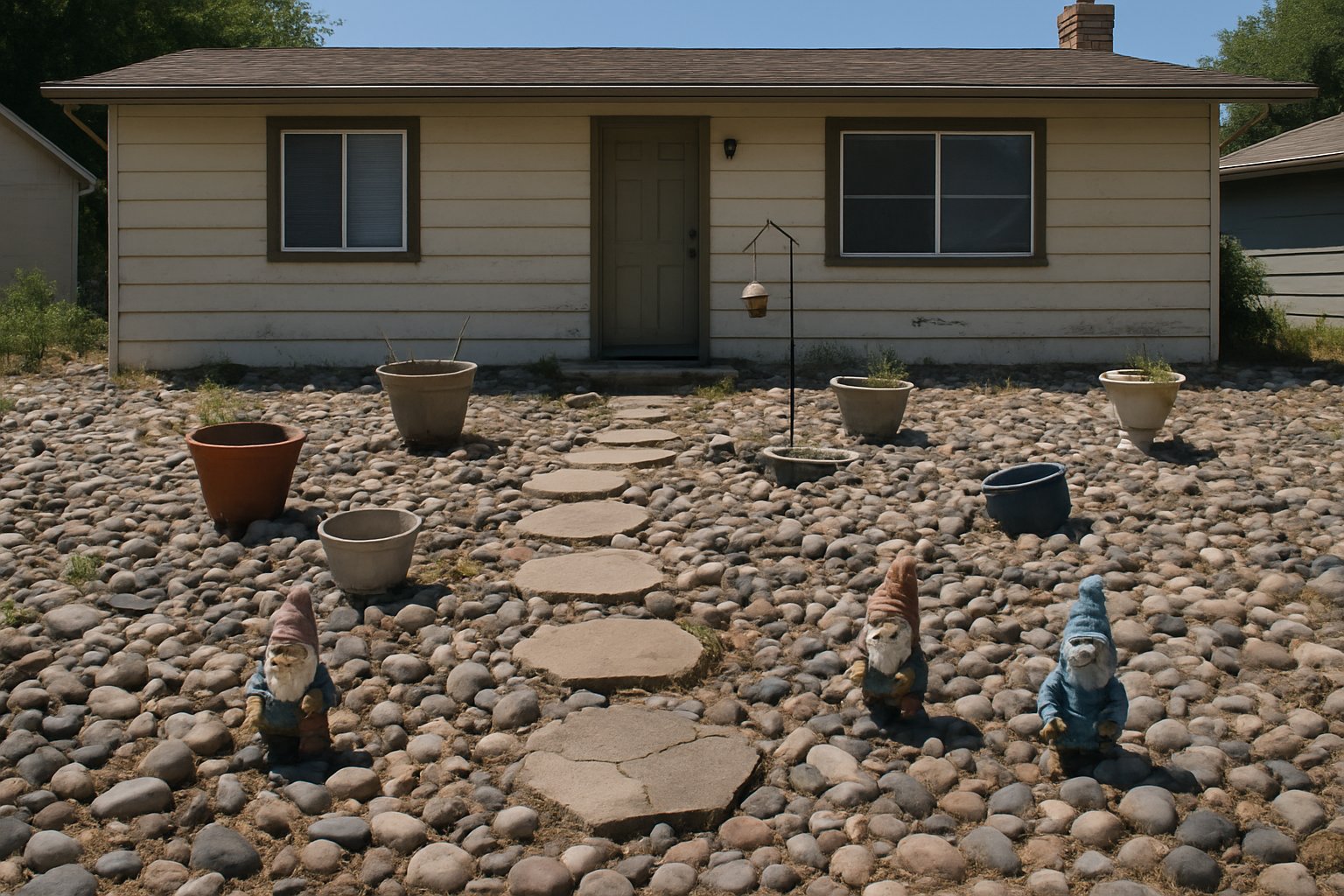
Rock gardens can be stunning landscaping features when done right. The key word here is “when done right.”
Too many homeowners think more rocks equals more impact. They’re wrong, and potential buyers will notice immediately.
An overcrowded rock garden looks like a geological disaster struck your yard. Rocks fighting for space create visual chaos rather than the serene balance that makes rock gardens appealing.
Your carefully chosen boulders lose their individual character when crammed together. Each stone needs breathing room to showcase its unique shape and texture.
Plants suffer the most in overcrowded designs. They get squeezed between rocks with nowhere to spread naturally. This creates a cramped, uncomfortable appearance that screams amateur hour.
The beauty of low-maintenance rock gardens comes from thoughtful placement and negative space. When you eliminate that space, you eliminate the garden’s peaceful appeal.
Buyers want landscaping that looks intentional and professionally designed. An overcrowded rock garden suggests poor planning and questionable taste in outdoor design choices.
5. Excessive Use of Artificial Turf (and/or Cheap Turf)
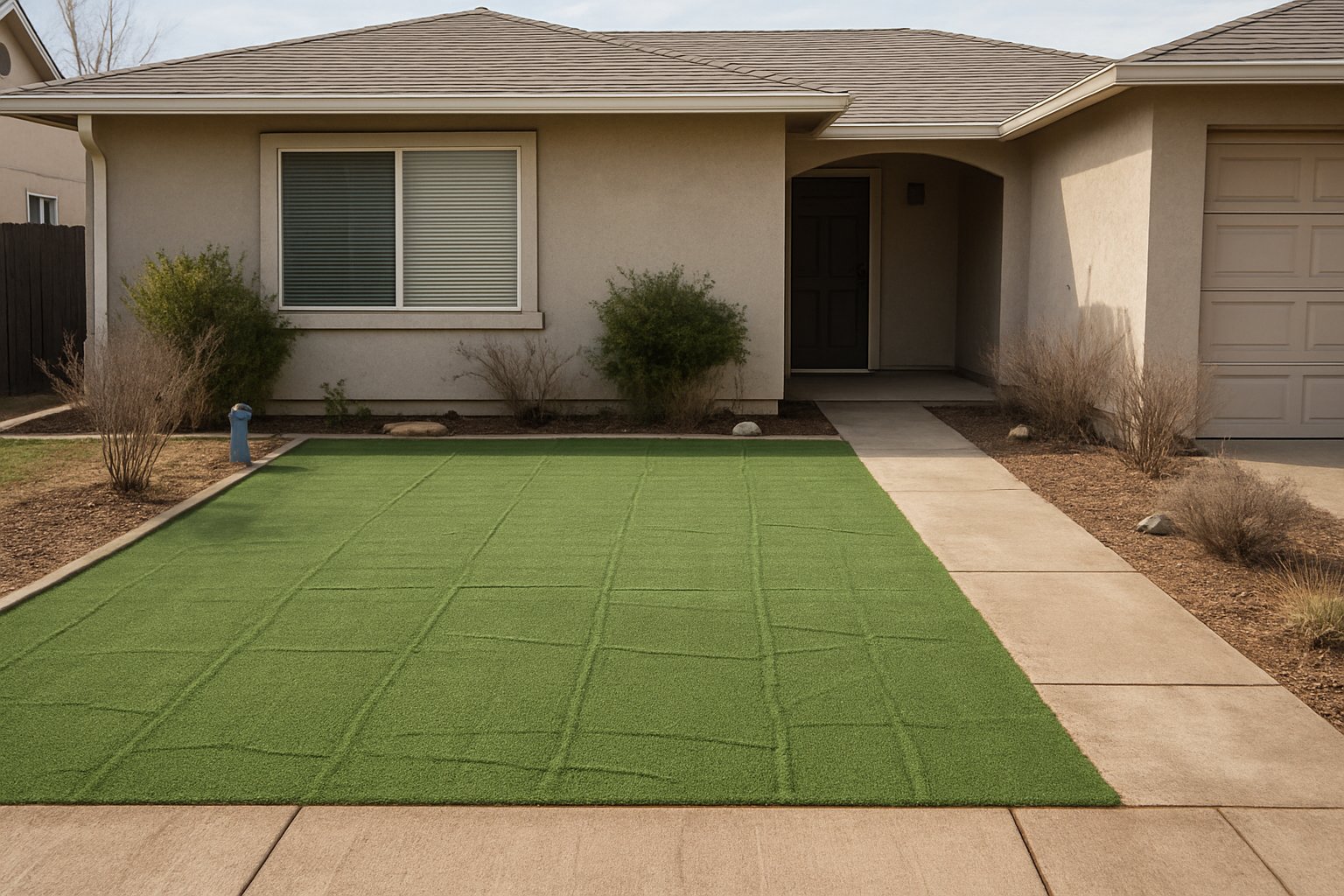
Your entire yard shouldn’t look like a miniature golf course. While artificial grass has its place, covering every square inch of your outdoor space screams “I’ve given up on real gardening.”
The problem isn’t artificial turf itself—it’s the overuse. When you replace all natural elements with synthetic alternatives, your landscape loses its soul and authenticity.
Using artificial grass may lower home value according to garden experts, especially when buyers can spot the fakery from the curb. The telltale signs are hard to hide: uniform color, lack of seasonal variation, and that slightly plastic sheen.
Real buyers want some connection to nature. They’re looking for spaces that feel alive, not like outdoor carpet showrooms.
Top-quality artificial turf installations can reduce heat buildup and other common problems, but they can’t eliminate the fundamental issue: too much fake grass looks cheap and uninspired.
Consider limiting artificial turf to high-traffic areas or spots where real grass struggles. Mix it with natural plantings, stone pathways, or garden beds to create visual interest and maintain some organic appeal.
4. Outdated Pea Gravel Paths
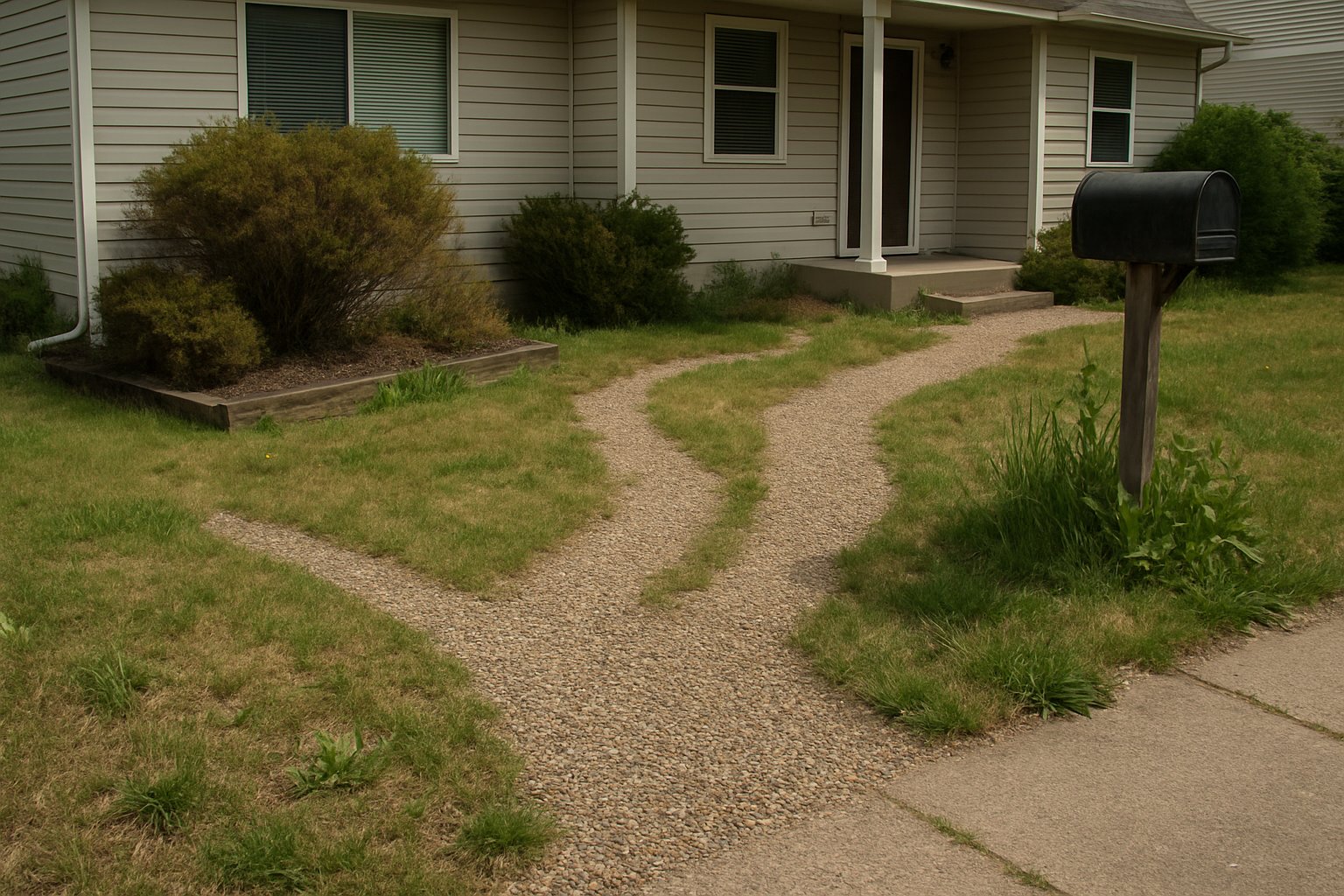
Your plain pea gravel walkways scream 1990s suburban landscaping. Those monochrome beige paths that meander aimlessly through your yard feel as dated as frosted tips and dial-up internet.
The biggest problem? Most homeowners dumped pea gravel directly onto soil without proper edging or base preparation. This creates a messy, shifting surface that spills into your lawn and flower beds like an uninvited guest at a dinner party.
Those shallow applications of pea gravel also look cheap and temporary. When you can see dirt patches peeking through, it signals poor planning and cut corners to potential buyers.
Common pea gravel mistakes include skipping landscape fabric and using inadequate depth. Your path ends up looking more like a construction zone than intentional design.
Modern buyers expect more sophisticated hardscaping. They want defined edges, proper drainage, and materials that complement your home’s architecture rather than generic gravel scattered haphazardly.
If you’re committed to gravel paths, at least upgrade to mixed aggregates with proper borders and adequate depth for a more polished appearance.
3. Unkempt Gravel Driveways
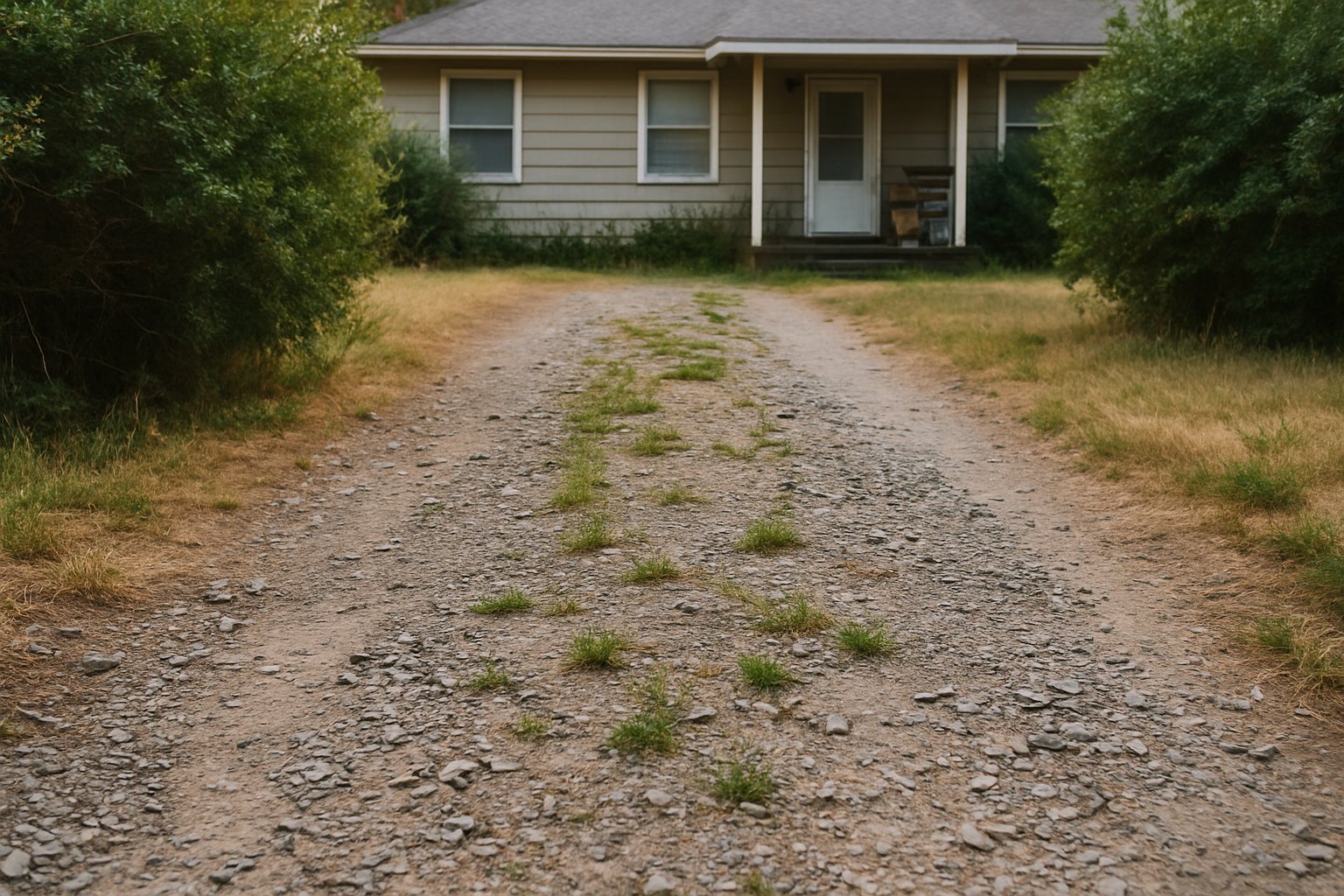
While gravel driveways can enhance curb appeal when properly maintained, neglected ones tell a different story entirely. Your driveway becomes an eyesore when weeds sprout through scattered stones and potholes crater the surface.
Buyers notice when gravel has migrated to your lawn and flowerbeds. The irregular edges and patchy areas signal deferred maintenance throughout your property.
Outdated driveway designs paired with poor upkeep create a double whammy for first impressions. That charming country cottage vibe quickly turns into “abandoned farmhouse chic” when your gravel looks like it survived a tornado.
Missing edging allows stones to scatter with every rain or snowplow visit. The result resembles a geological experiment gone wrong rather than an intentional design choice.
Professional buyers often calculate driveway replacement costs into their offers. Your unkempt gravel suggests they’ll need to invest in proper driveway upgrades sooner rather than later.
Regular maintenance keeps gravel driveways attractive, but neglect transforms them into liability magnets that scream “money pit” to potential purchasers.
2. Stagnant Water Features with Algae
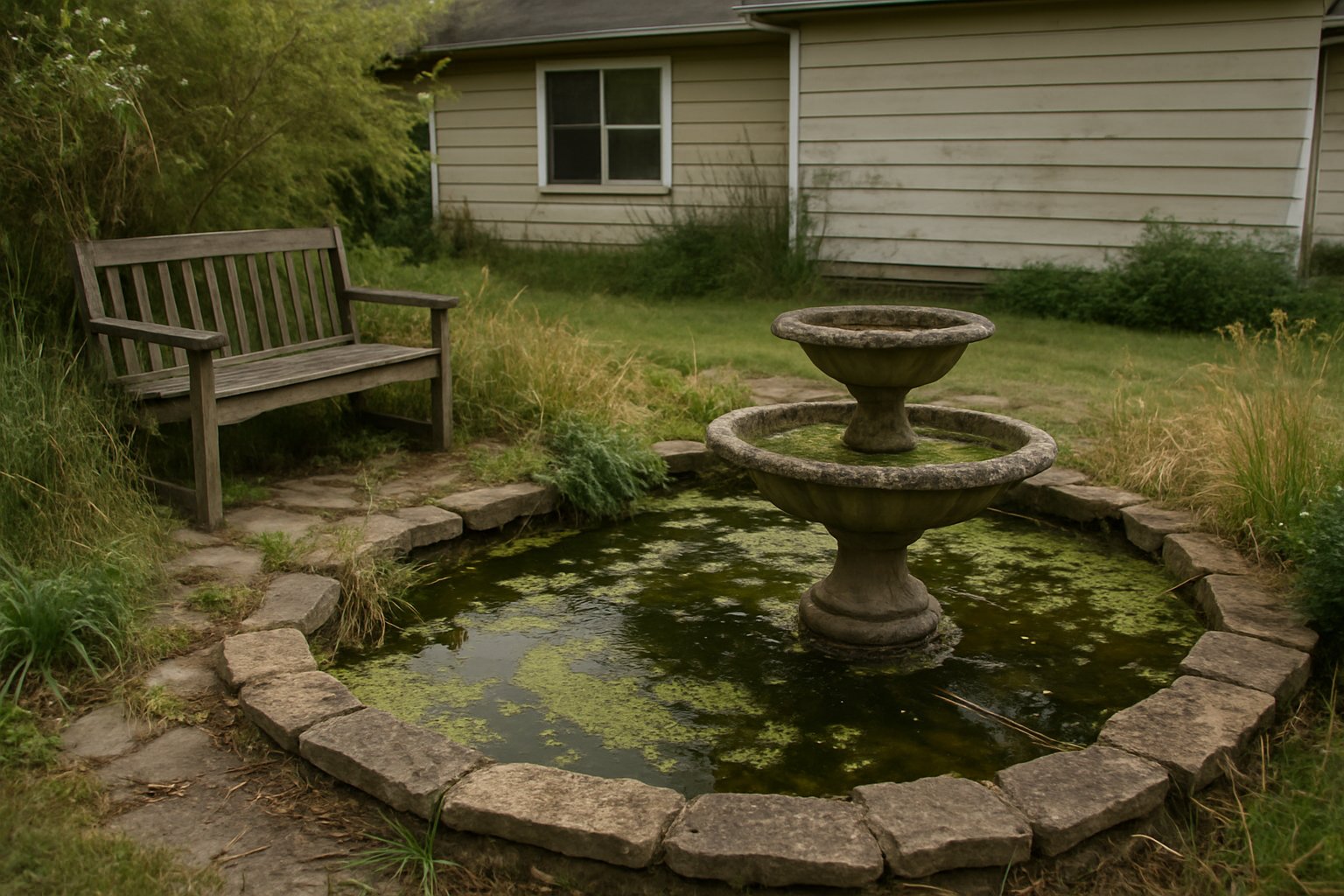
Nothing says “neglected property” quite like a murky pond sporting a thick green carpet of algae. Your once-charming water feature now resembles a science experiment gone wrong.
Stagnant water allows algae particles to take hold and multiply quickly, transforming your backyard oasis into a smelly eyesore. Potential buyers will take one look at that green soup and mentally subtract thousands from their offers.
The real problem starts when water stops moving. Areas with slow to almost stagnant flow create prime locations for algae formation, turning your investment into a liability.
Stagnant water poses significant risks to both human health and the environment. Mosquitoes love breeding in still water, adding pest problems to your aesthetic nightmare.
Your maintenance-free water feature has become anything but maintenance-free. Buyers see dollar signs floating away when they spot algae-covered fountains or ponds that smell like swamp gas.
1. Overgrown Shrubbery Blocking Entryways
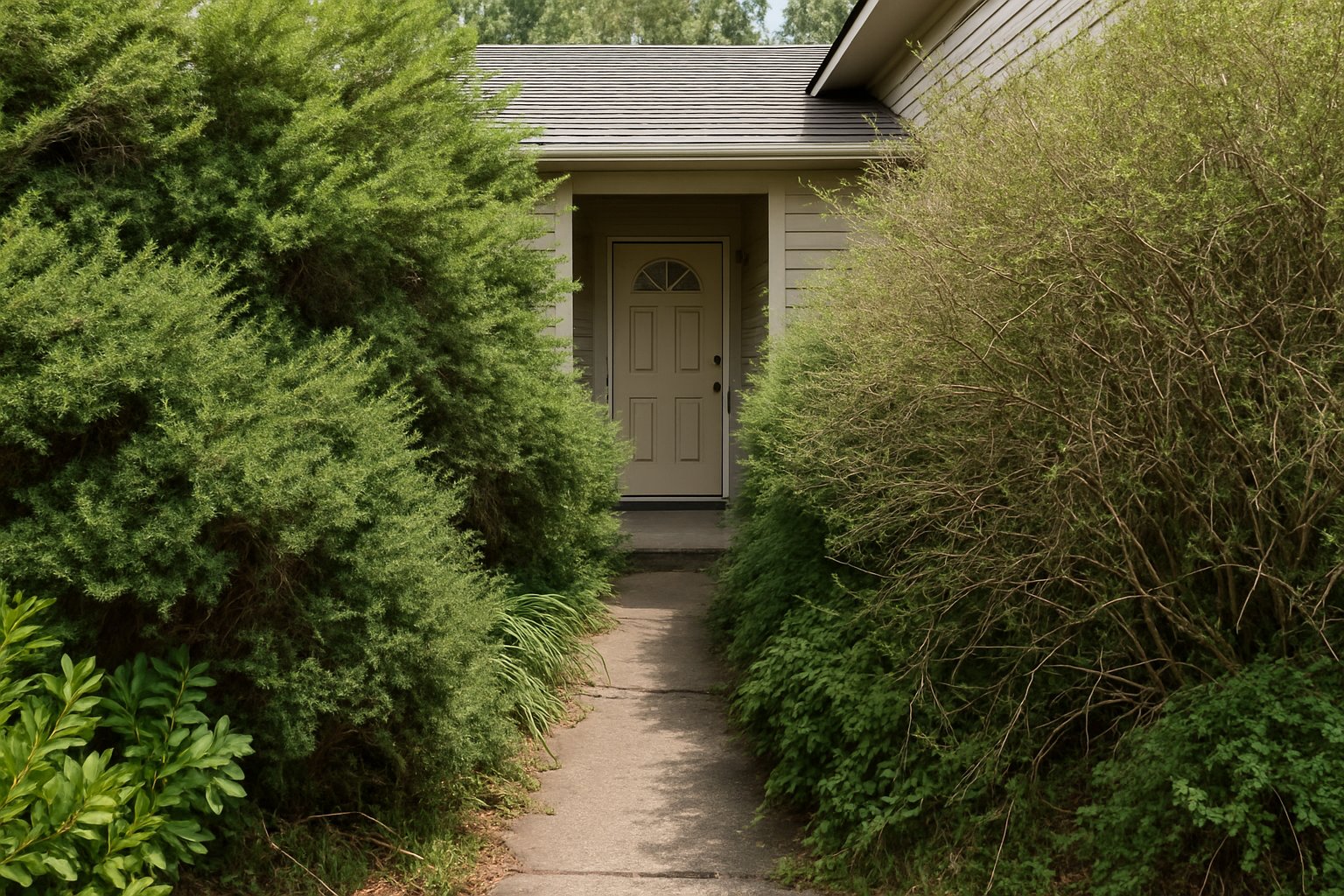
Your front door should welcome guests, not hide behind a wall of untamed greenery. When shrubs obscure windows and entryways, they create an uninviting fortress that screams “keep out” rather than “come in.”
Overgrown landscaping can decrease property value because it sends a clear message of neglect. Appraisers and potential buyers assume the same level of care has been ignored inside your home.
Those towering hedges you planted ten years ago have likely grown beyond their intended purpose. They now make your home look smaller and darker while raising safety concerns about visibility.
Your architectural features deserve to shine, not disappear behind overgrown foliage. Buyers want to see what they’re purchasing, and mystery isn’t attractive in real estate.
The fix involves either strategic pruning or complete removal of problem plants. Your entryway should feel open and accessible, not like navigating through a jungle maze.