🔥 Would you like to save this?
Nobody wakes up wanting a fluted walnut island. You see one, then you see forty, and by the fifth saved photo you’ve decided it was your idea all along. That’s not taste. It’s the same wiring that drives people to buy a stock at the top because everyone else already did. Kitchens and markets both run on herd behavior, loss aversion, and the quiet terror of being the last one still holding the old finish. We’ve watched it play out in showrooms and in spreadsheets, and the parallels are uncomfortably exact. Below are the renovation decisions that feel like good judgment in the moment and read like speculation in hindsight. You’ll recognize at least one. Probably the one you just paid for.
16. One Designer’s Viral Kitchen Becomes Your Market Research

You didn’t choose this kitchen. A designer with a large following chose it, posted it, and the algorithm did the rest. By the time you’re pinning it, you’re not scouting ideas — you’re doing market research on a trade that already made its gains.
In order to come up with the very specific design ideas, we create most designs with the assistance of state-of-the-art AI interior design software. Also, assume links that take you off the site are affiliate links such as links to Amazon. this means we may earn a commission if you buy something.
Call it social proof wearing a tool belt. When we can’t judge something ourselves, we outsource the call to the crowd, and a viral room feels like crowd verdict even though it’s one person’s Tuesday. The same instinct packs people into a stock after it’s already run up. The move looks safe precisely because it’s crowded, which is exactly when the easy money is gone.
The cream shaker cabinets with brass pulls, the navy island, the honed slab, the brass gooseneck faucet — all of it reads as a sure thing because a million feeds confirmed it. And that’s the tell. Sure things announced by the crowd are rarely early and never cheap.
15. Fluted Cabinets Look Safer Once Every Feed Has Them
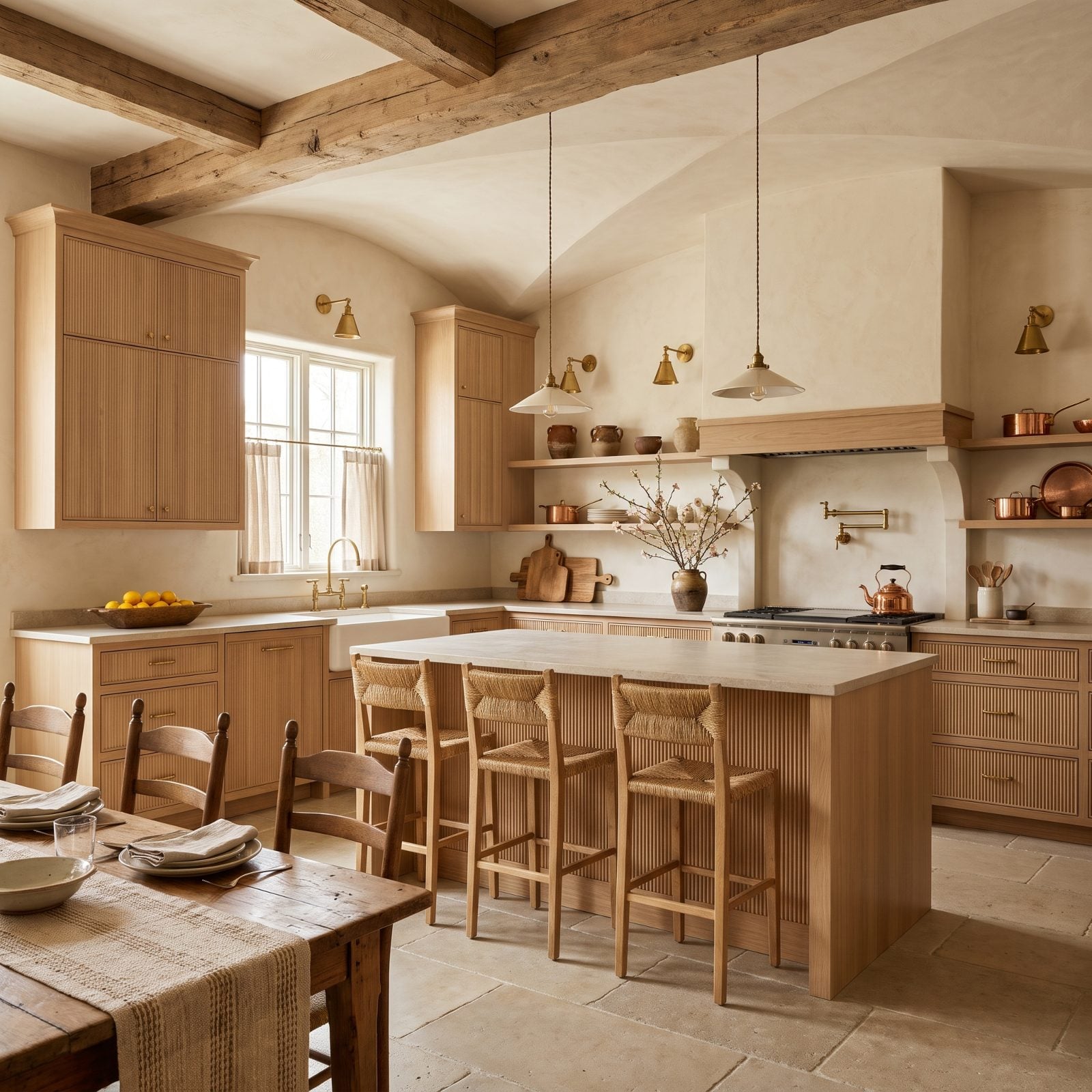
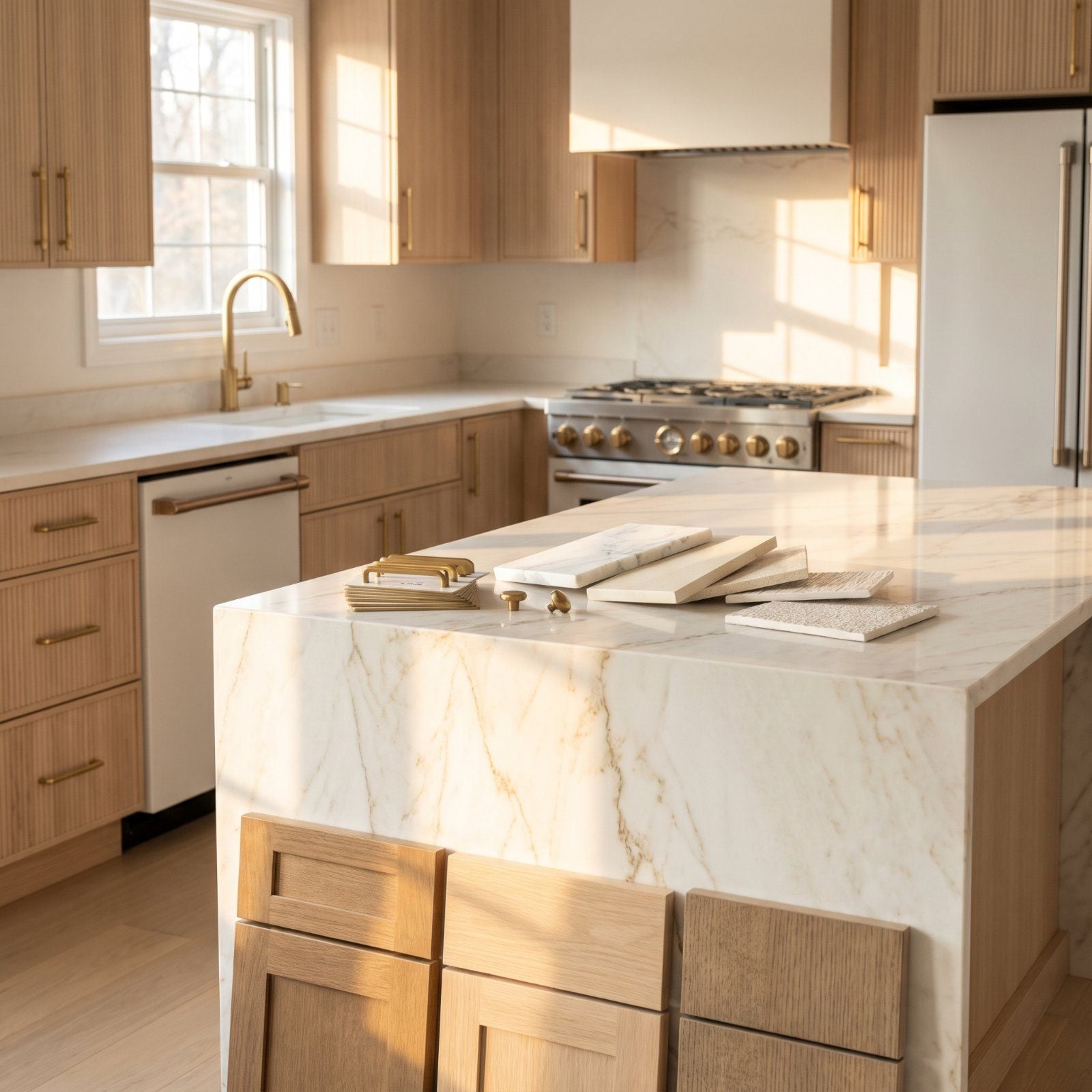
Two years ago fluted cabinet fronts felt like a gamble — too specific, too of-the-moment, the kind of thing you’d regret explaining to a buyer. Now you can’t open a feed without ridged oak staring back, and suddenly the risk evaporated. Same cabinet. Different crowd.
What changed isn’t the design. It’s the number of people standing next to it. Loss aversion flips when enough others commit: the scary move becomes the safe one, and not doing it starts to feel like the real risk. Bubbles inflate on exactly this reversal, where the asset nobody wanted becomes the asset nobody can afford to skip.
Reeded fronts photograph beautifully and date in a very particular way — something the crowd never prices in while it’s piling in. If you love the texture, run it. Just know you’re buying at consensus, not before it.
14. Your Neighbor’s New Range Makes Yours Feel Embarrassing
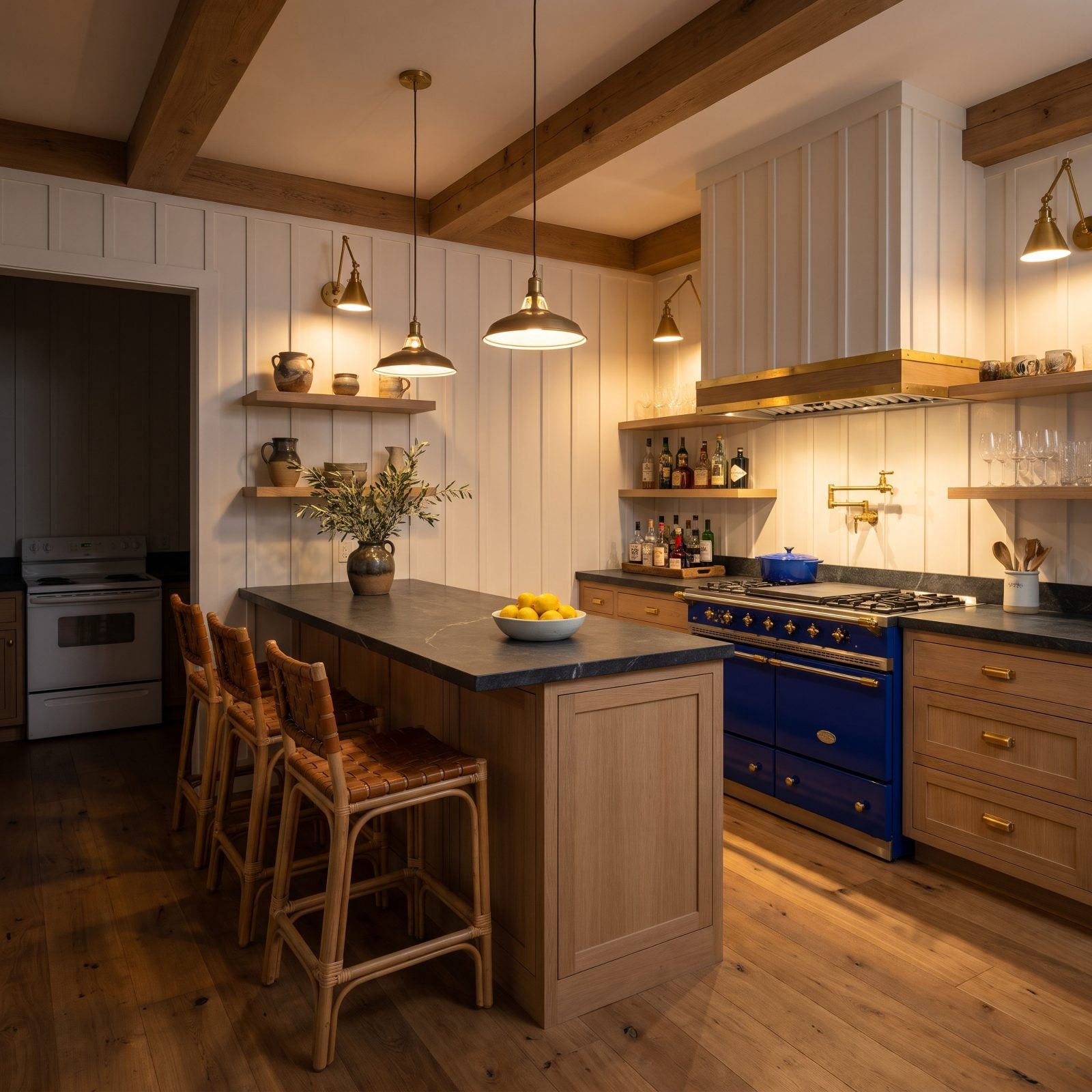
Your range worked fine until you saw theirs. Six burners, cobalt enamel, brass knobs the size of doorknobs. Yours cooks dinner exactly as well as it did last week, but now it looks like an apology.
That sting is relative deprivation — the quiet math where satisfaction isn’t about what you have but about the gap between you and the person next door. It’s the engine behind keeping-up spending, and behind every investor who felt poor watching someone else’s position triple. Nothing you own changed. The comparison did.
A blue kitchen inspiration moment like a statement range is genuinely great if you cook on it daily. It’s an expensive splurge if you bought it to close a gap that only exists when you’re staring at a feed.
13. Waterfall Island Skeptics Suddenly Sound Hopelessly Behind
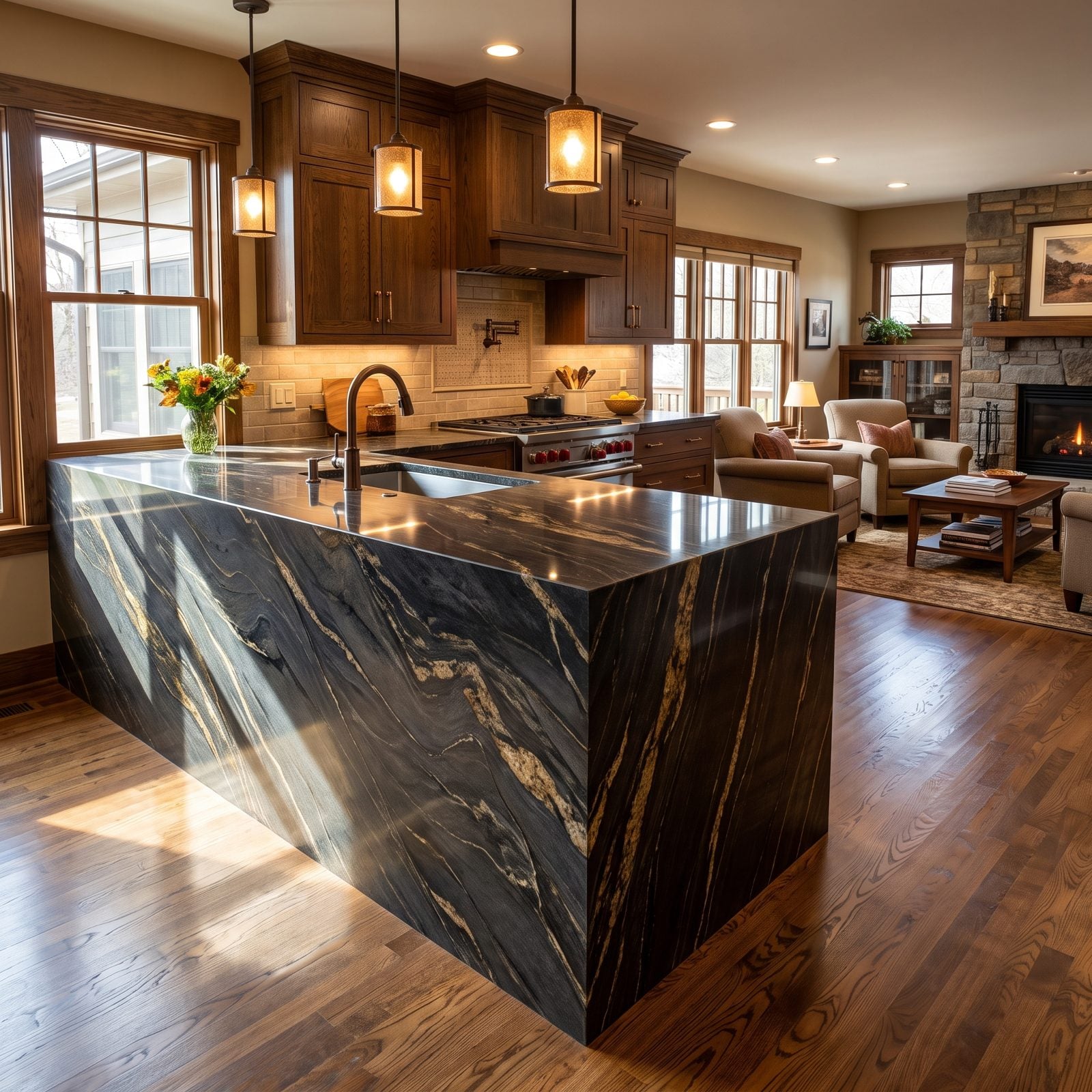
Remember when the waterfall island was “a lot”? When reasonable people said it was expensive stone poured down the sides for no reason? Those people now sound dated at dinner parties. The skeptics didn’t win the argument. They just stopped being invited to it.
This is herd silencing. Once a trend crosses from debated to default, dissent reads as ignorance rather than judgment, and the smart money looks dumb for sitting out. Every mania has this phase, where caution gets reframed as being slow. It’s the moment valuation stops mattering because mood took over.
A waterfall edge is handsome and costs real money in fabrication and slab. Loving it is fine. Just notice when your reason shifted from “I want this” to “I’ll look behind if I don’t.”
12. You Rush to Buy Before That Finish Gets Discontinued
The salesperson says the finish is being discontinued next quarter. Suddenly a decision you’d been circling for weeks needs to happen today. You weren’t even sure you wanted unlacquered brass. Now you’re worried you’ll never get it again.
That’s scarcity doing its oldest trick. The threat of losing the option makes us want it far more than the thing itself ever did, which is why limited editions and ticking clocks move product that logic wouldn’t. It’s the same pressure that stampedes buyers into an asset on the rumor of a closing window. Urgency is a feeling, not a fact — and usually a feeling someone manufactured on purpose.
But finishes don’t run out. Another one always comes. The exact unlacquered brass finish and brass bar faucet you panicked over gets replaced by something that’ll feel equally essential in eighteen months.
11. Last Year’s Hot Kitchen Starts Feeling Permanently Inevitable
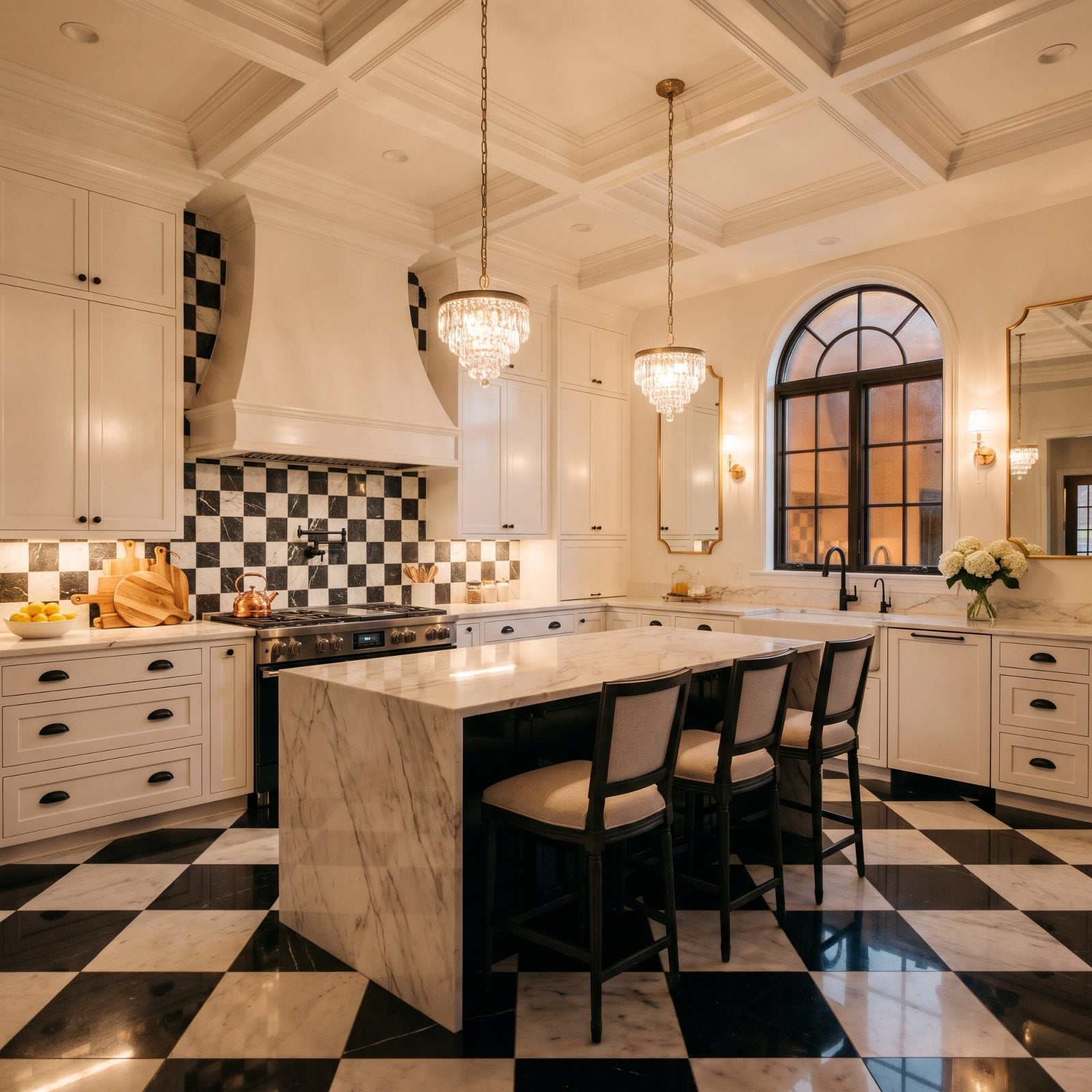
At the peak of a trend, it stops feeling like a trend at all. White shaker cabinets with black hardware didn’t feel trendy in 2019. They felt like how kitchens simply are now — the natural endpoint, the thing all previous kitchens were building toward.
That’s the extrapolation error. We take whatever’s winning right now and project it forward as permanent, which is exactly how people at a market top convince themselves the line only goes up. The present always feels inevitable. It never is.
A clean neutral kitchen makeover like this ages gracefully, which is partly why it felt eternal. But “timeless” is a story we tell ourselves at the top of a cycle. Every dated kitchen was once someone’s inevitable.
10. The Pricier Faucet Starts Looking Like the Timeless Choice
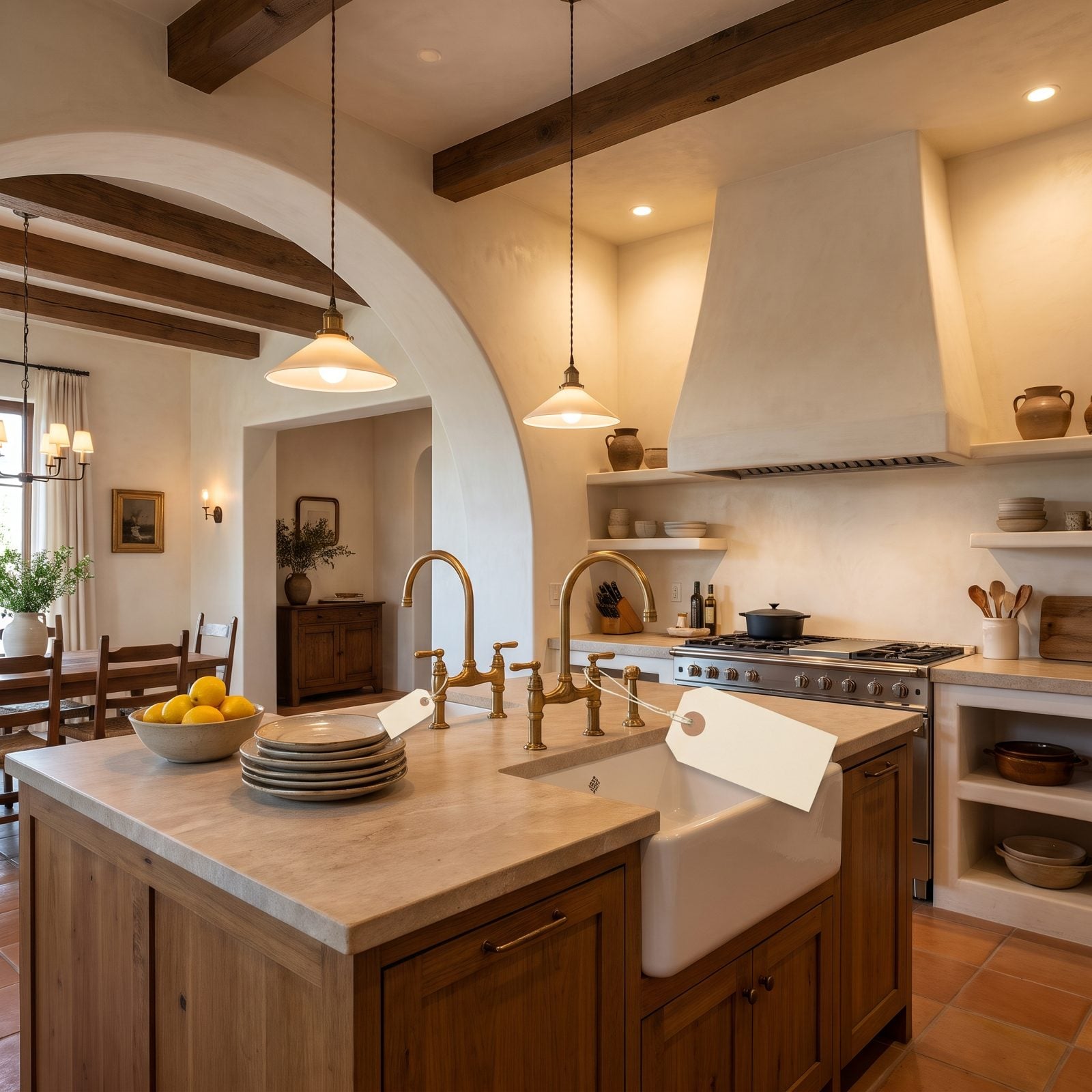
Two faucets, same function. One is a fair price. The other costs triple, and you’ve started calling it the “timeless” one, the “investment” one, the one that’ll “never need replacing.” Notice how the price did that. The number went up and your brain supplied the virtues to justify it.
This is the price-signals-quality bias, where cost becomes a stand-in for worth even when nothing about the object earned it. Expensive feels permanent. Cheap feels disposable. Markets run on the same spell, bidding an asset up and then treating the high price as proof it deserved to be high.
Sometimes the pricier faucet genuinely is better built. Often it’s the same ceramic cartridge in a fancier shell. The word “timeless” is almost never a fact about the object — it’s a feeling the price gave you.
9. You Call the Splurge Resale Value Without Checking Comps
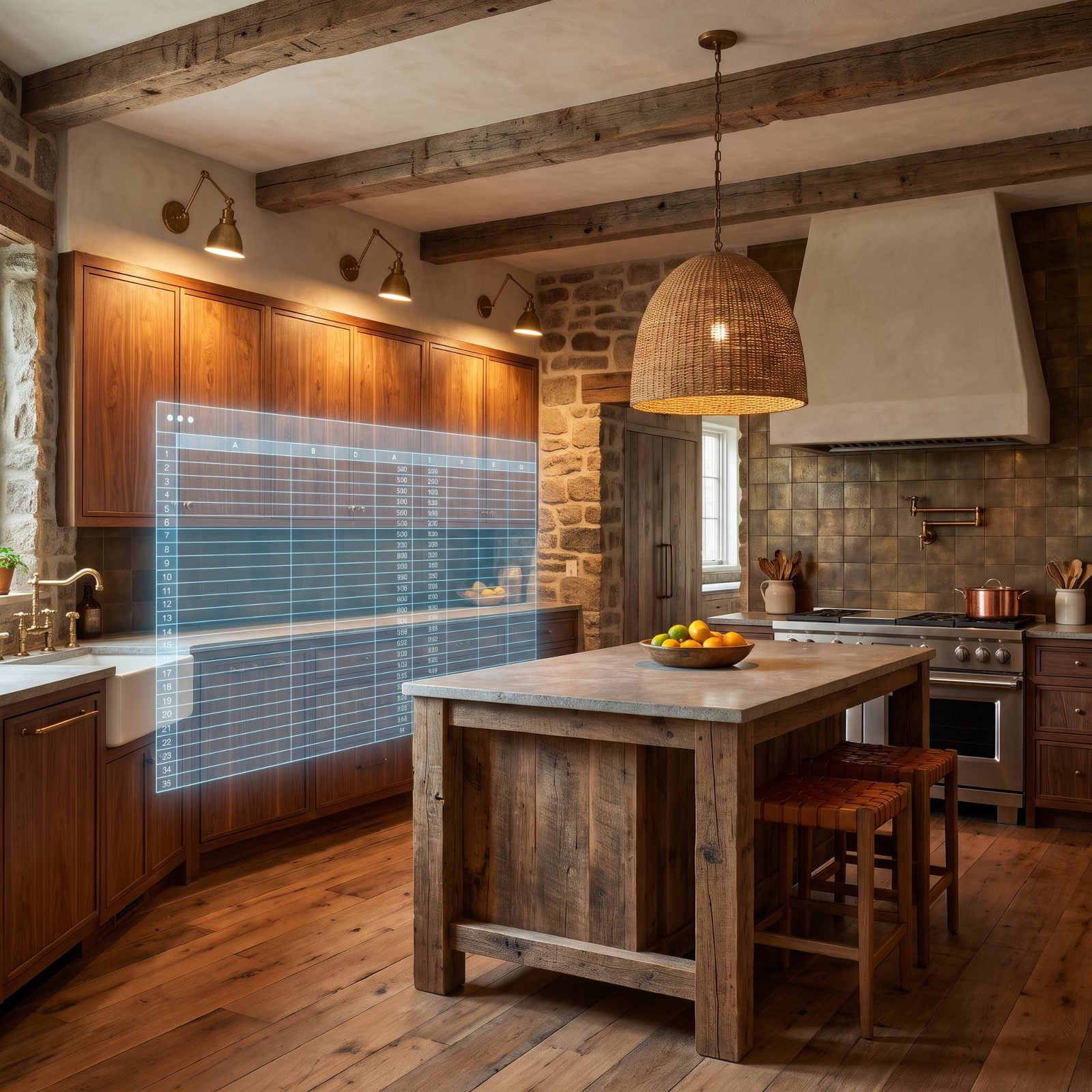
You dropped serious money on walnut slab cabinets and told yourself it’s fine, it adds resale value. Did you pull comps? Call an agent? Look at what the last few sales in your zip actually got for the kitchens they had? Of course not. “Resale value” was a feeling, not a figure.
This is motivated reasoning in a hard hat. We decide what we want, then recruit a respectable-sounding justification so the splurge feels like strategy. Investors do it constantly, calling a purchase they wanted anyway a “long-term hold” or a “hedge.” The want comes first. The thesis comes after.
Walnut is handsome and you may genuinely love it. So love it on purpose. A kitchen almost never returns its full cost at sale, and telling yourself otherwise just lets you skip the part where you admit you bought it for you.
8. You Finance the Dream Range by Shrinking Monthly Payments
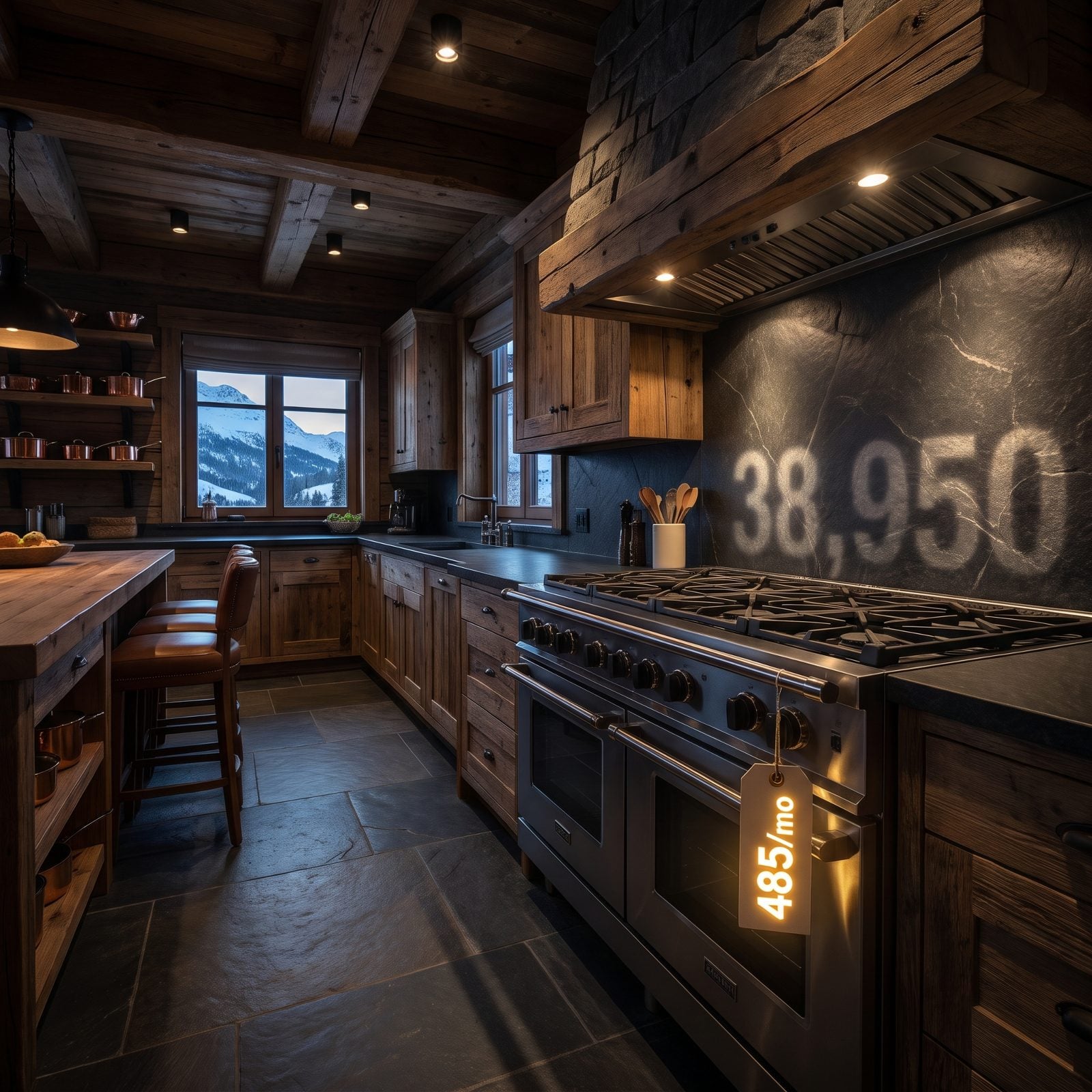
The dream range costs more than your first car. But the financing offer reframes it as a tidy monthly number, and suddenly it fits. You stop seeing the total and start seeing the payment — which is exactly how the total gets to be so large.
Economists call this the monthly-payment bias, where we judge a purchase by the small recurring slice instead of the whole. It’s how big-ticket anything gets sold, and it rhymes with buying on margin, where leverage makes an expensive position feel manageable right up until it doesn’t.
A serious range is a joy if you actually cook like a line chef. Just add up the full number first, interest included. If the total gives you pause and the payment doesn’t, the payment is doing a job on you.
7. You Save Only Kitchens That Confirm Your Cabinet Choice
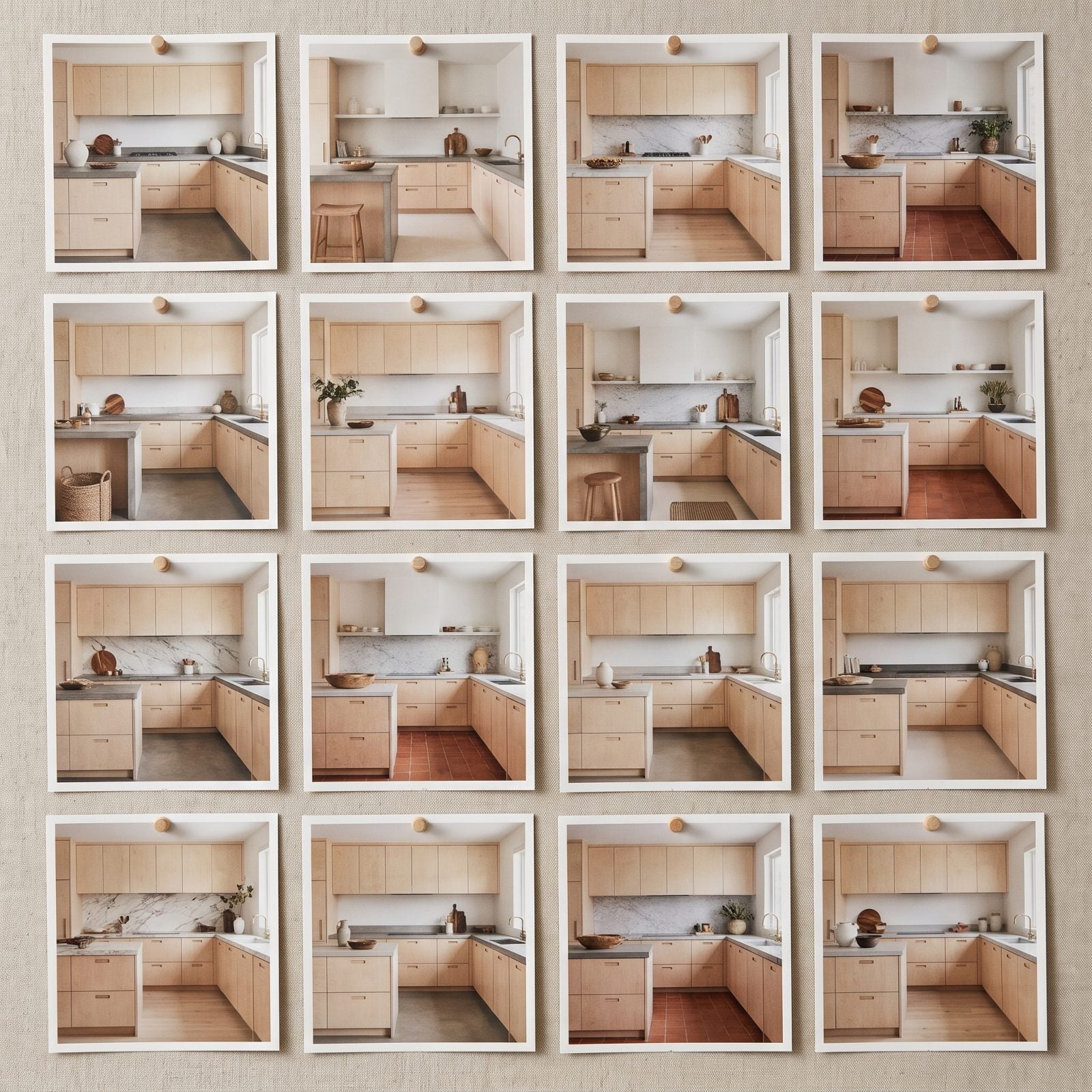
You picked pale birch cabinets. Now your saved folder is two hundred photos, and every single one has pale birch cabinets. You didn’t research the decision — you built a shrine to it. Scroll past a gorgeous dark green kitchen and you barely register it. Doesn’t fit the thesis.
That’s confirmation bias curating your inspiration board. Once we commit, we hunt for evidence we were right and go blind to everything that complicates it. Same tunnel vision keeps a trader reading only the bullish takes on a position they already hold, mistaking a wall of agreement for a wall of proof.
A clean bohemian kitchen design or a moody navy might have been a better fit for your room, but you’ll never know, because you stopped letting them in the moment you decided. The board isn’t research anymore. It’s a mirror.
6. Open Shelves Seem Risk-Free Until Nobody Photographs the Grease
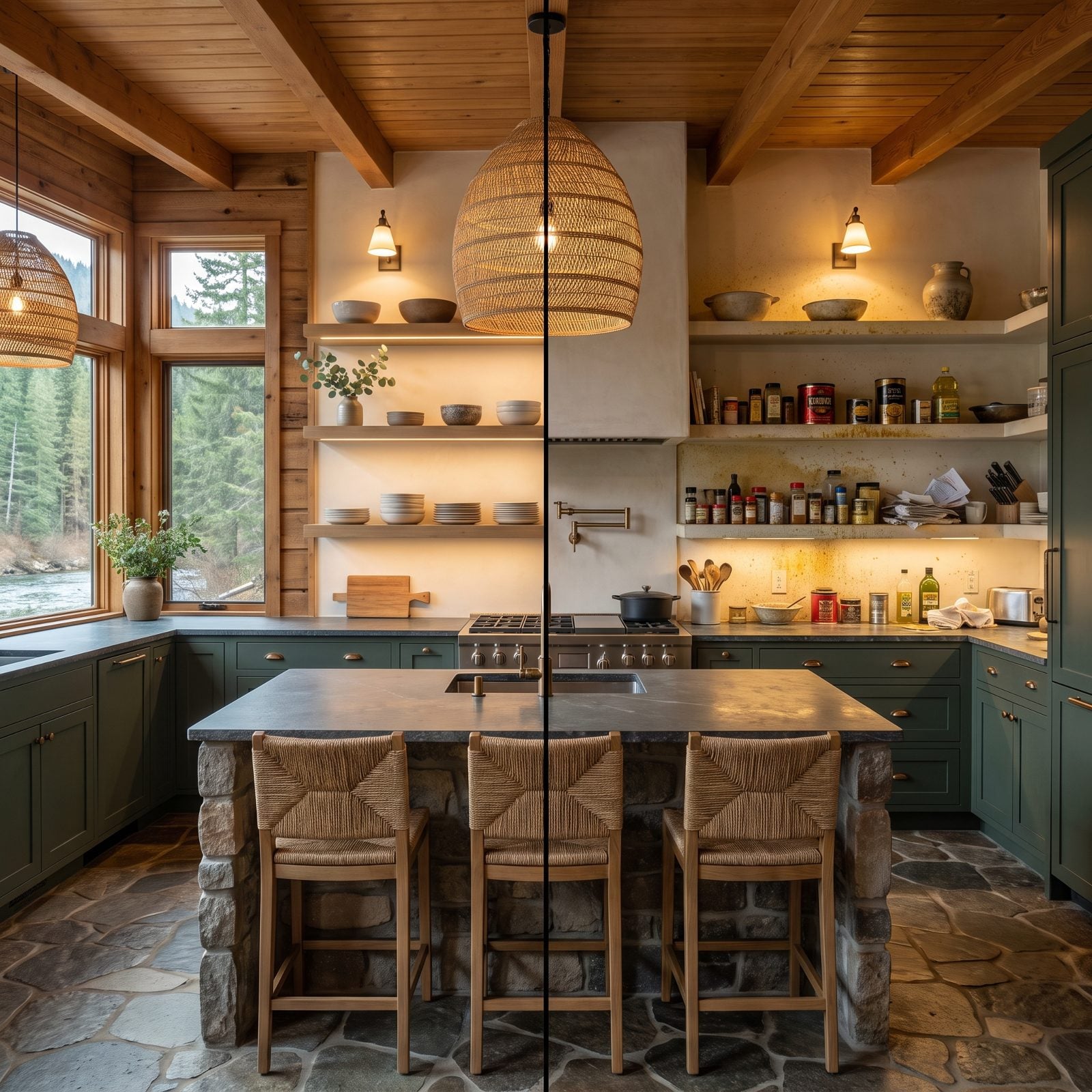
That first styled shot of open shelving is irresistible. Three ceramic bowls in graduated sizes, a sprig of eucalyptus, jars of pasta no one eats. It looks like a cafe you’d drive across town for. You see the photo, not the fingerprints.
Here’s what the picture leaves out. Open shelves live four feet from a stove, so oil mist settles on everything and dust lands on the rims. That gorgeous display becomes a weekly chore you signed up for without reading the terms.
Social proof is doing its usual trick here. You watch everyone else install open shelving, you see only the curated frame, and you assume the upside with none of the scrubbing. The crowd makes the risk feel like no risk at all. Bubbles inflate the same way — on the shiny before, and the silence about the after. Still want the look? Mix closed farmhouse kitchen decor with one short shelf for the pretty stuff.
5. You Bet the Whole Kitchen on One Trending Color
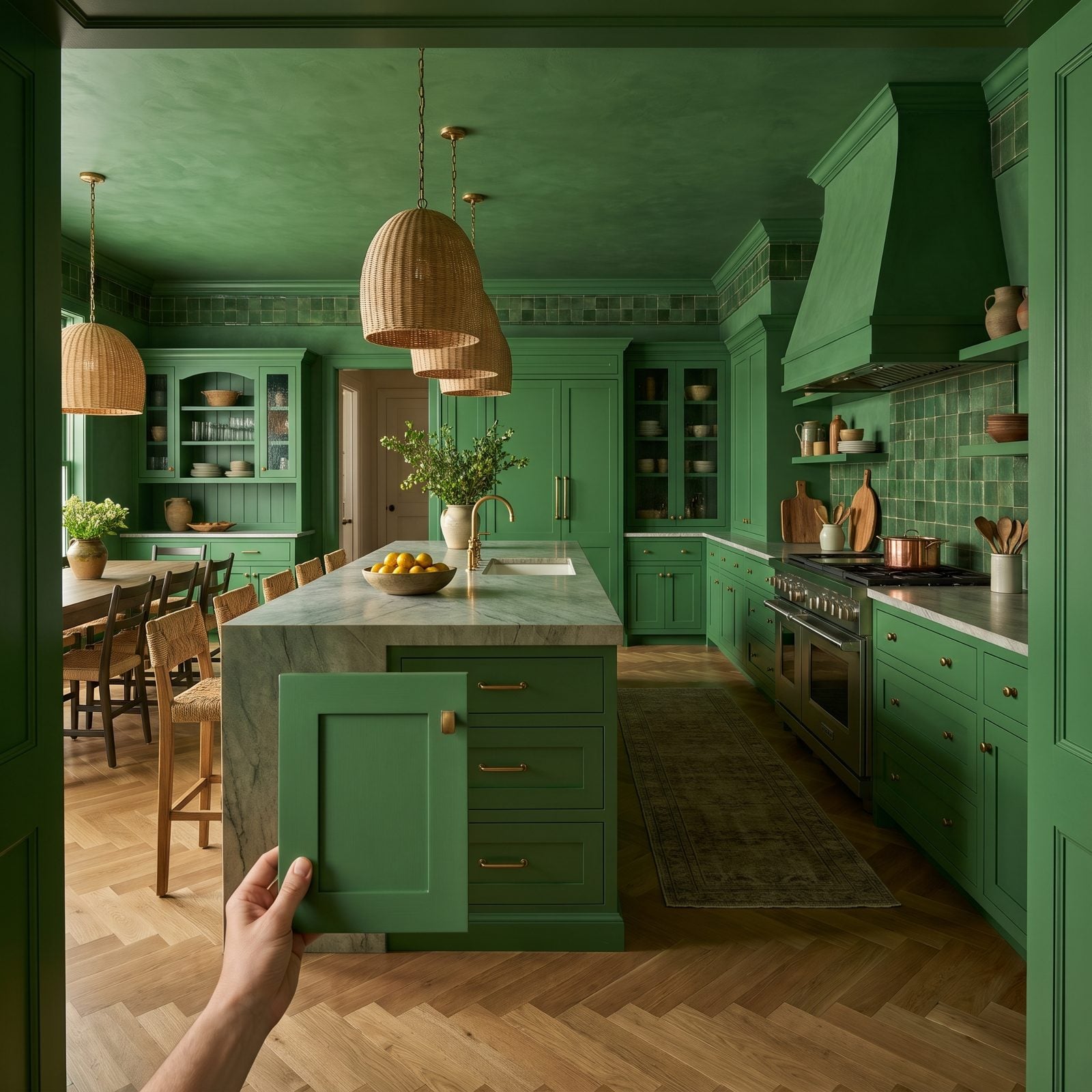
Green cabinets everywhere. Green island, green hood. You went to the showroom for a sample door and walked out having painted the entire kitchen the color of the moment. It felt bold. It felt decisive.
It also felt a lot like dumping your whole retirement account into one hot stock because the chart only pointed up. When a trend is cresting, the color feels permanent and obviously correct, and that certainty is the trap. The more saturated and specific the choice, the faster it reads as dated once the wind shifts.
There’s a reason designers quietly keep big surfaces calm: risk lives in concentration. One statement island in a bold hue gives you the thrill without wagering the whole room. Spread the color thin and you can change your mind for the price of a weekend instead of a second mortgage. Love the drama? Test it in a blue kitchen inspiration moment on the island alone.
4. Demolition Starts Before Anyone Prices the Whole Remodel

🔥 Would you like to save this?
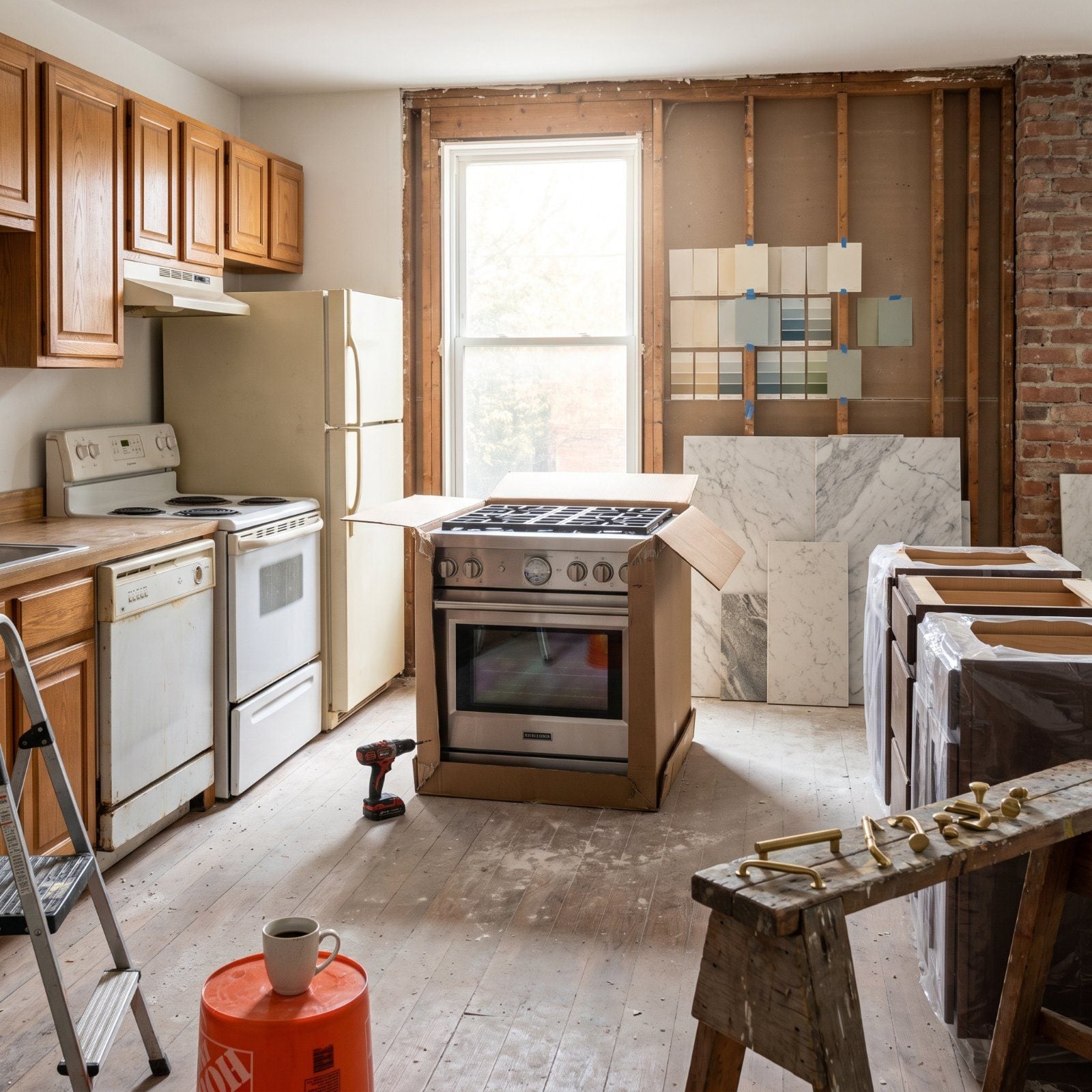
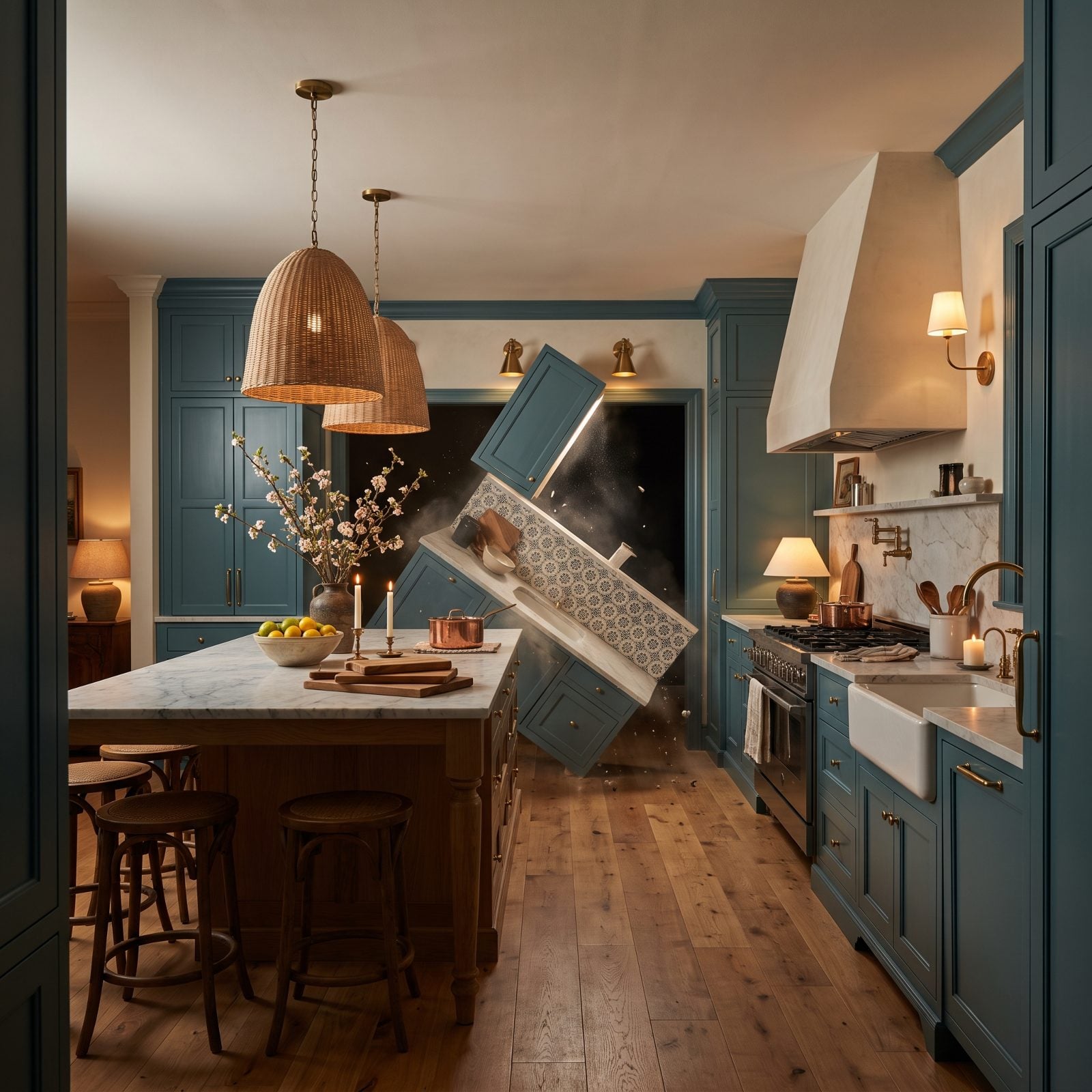
The sledgehammer came out on a Saturday, and the cabinet doors were off by noon. The budget? That was going to be a next-week problem. You tore out the known kitchen before you’d priced the unknown one.
This is the planning fallacy in a dust mask. We’re wired to picture the finished room — bright, done, gleaming — and to badly underestimate everything standing between here and there. The excitement of starting feels like progress, so we start. Pricing the full job feels like homework, so we skip it.
Bubbles run on that same optimism. Everyone’s sure the number only climbs, and nobody runs the full math until the walls are already open. By then you’re committed by physics, not by plan. A kitchen with a rubble pile where the island countertop used to be is not a kitchen you can walk away from.
3. You Keep Upgrading Because Demolition Already Cost So Much
You planned to reface the cabinets. Then the new cabinets made the old counters look tired, so those went too, and new counters made the backsplash look sad, and a fresh backsplash made the range look cheap. One upgrade justified the next, all the way up the price ladder.
That’s the sunk-cost fallacy wearing a tool belt. Every dollar already spent whispers that quitting now would waste it, so you spend more to protect the spend. The logic is backwards. It also feels completely reasonable in the moment.
The money that’s gone is gone. The only honest question is whether the next dollar is worth it on its own.
Investors do this when they average down on a losing position, throwing good money after bad to avoid admitting the first bet soured. A kitchen escalates the same way. Decide each upgrade on its own merit, not as a rescue mission for the last one. Look at a finished neutral kitchen makeover for proof that restraint can still look rich.
2. You Defend the Cabinet Trend Harder After Friends Hate It
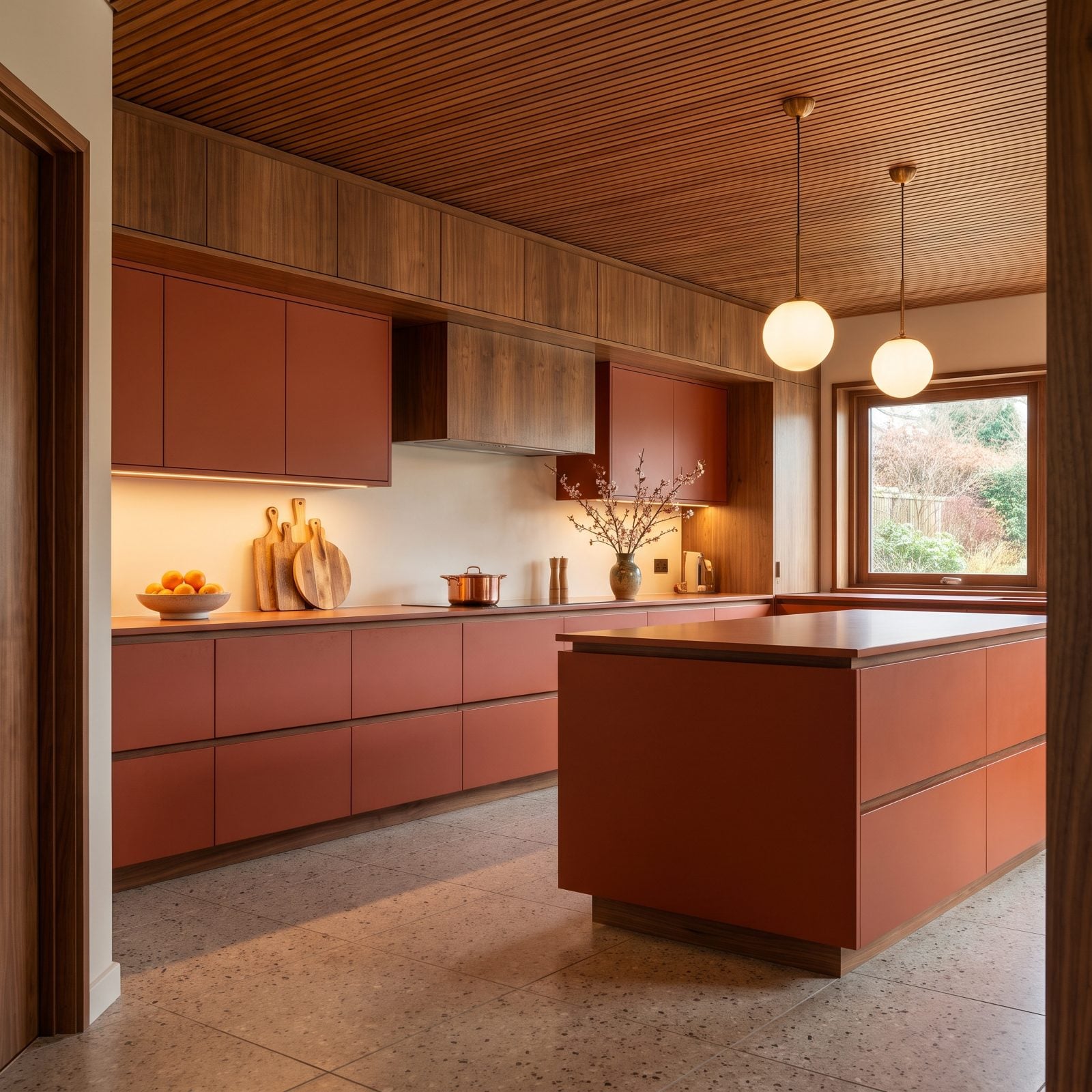
Someone at dinner wrinkled their nose at your rust-colored slab cabinets, and something odd happened. Instead of wavering, you dug in. Suddenly you had a whole speech ready about warmth and personality and how beige is for cowards.
That’s confirmation bias plus a little ego. Once we’ve committed money and identity to a choice, criticism doesn’t make us reconsider — it makes us louder. We collect every reason we were right and wave away every reason we might not be.
You’ll recognize it from anyone holding a sinking investment who gets more bullish as the price drops, hunting for the one analyst who agrees. The cabinets became a flag, not a finish. And the real tell is the energy: if you were genuinely at peace with the choice, a raised eyebrow wouldn’t rattle you at all.
1. You Rip Everything Out the Moment the Feed Moves On
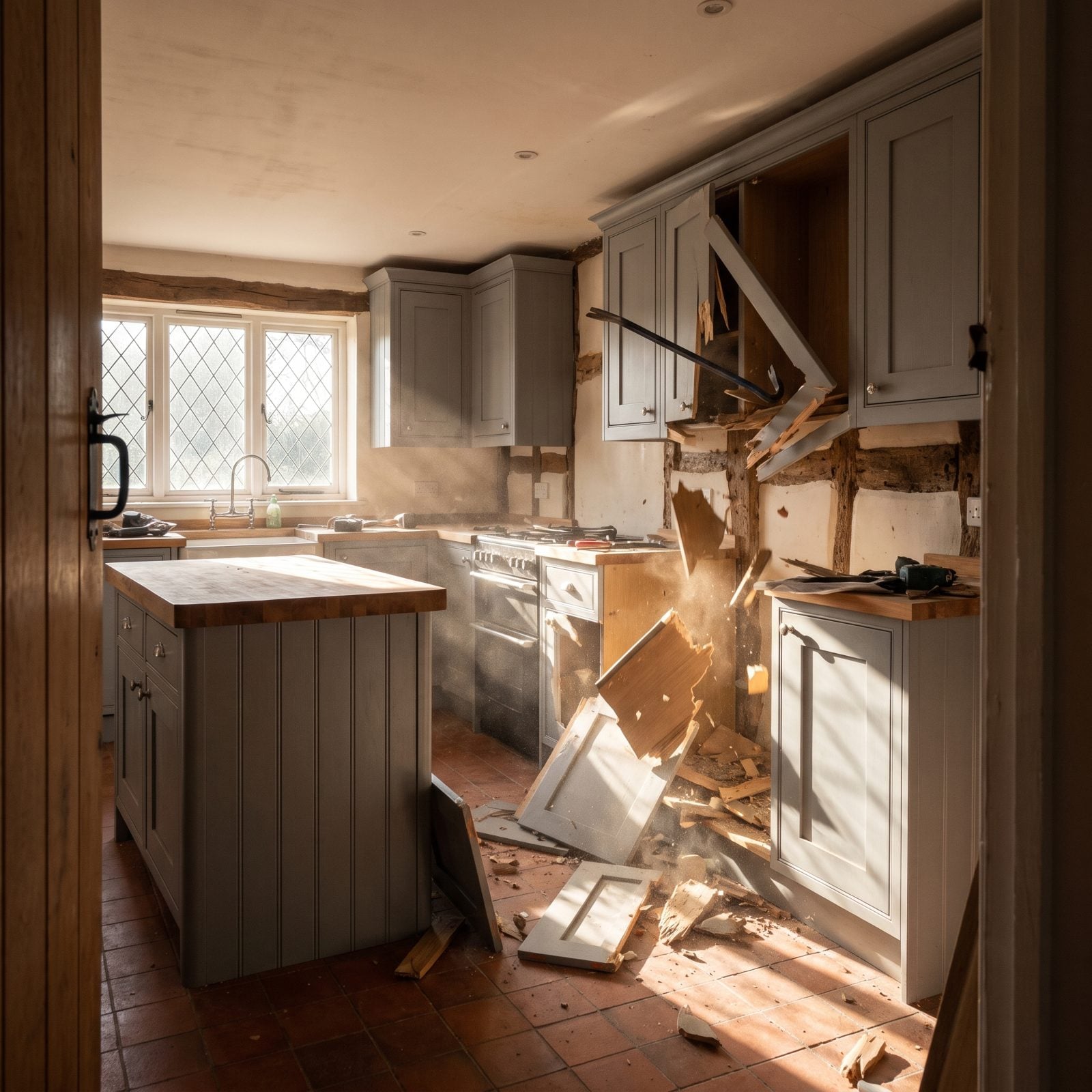
The grey shaker kitchen was fine. Better than fine, actually — four years old, not a scratch, everything working. Then the feeds pivoted to warm woods and creamy tones, and overnight your perfectly good kitchen felt embarrassing. Out it came.
That whiplash is how every bubble ends. The crowd piles in on the way up and sprints for the exit the second sentiment turns, selling what was precious yesterday for pennies today. Nothing about the kitchen changed. Only the story around it did.
Hedonic adaptation does the quiet damage. The thrill of any finish fades, and when it fades we blame the finish instead of the fading, so we chase the next hit, then the next — each one a brief high followed by the same flatness. The way off that treadmill? Choose finishes you’d still like with the phone face-down. A classic shape dates slower than a trending one, which is why a red kitchen done right can outlast three fad cycles.