🔥 Would you like to save this?
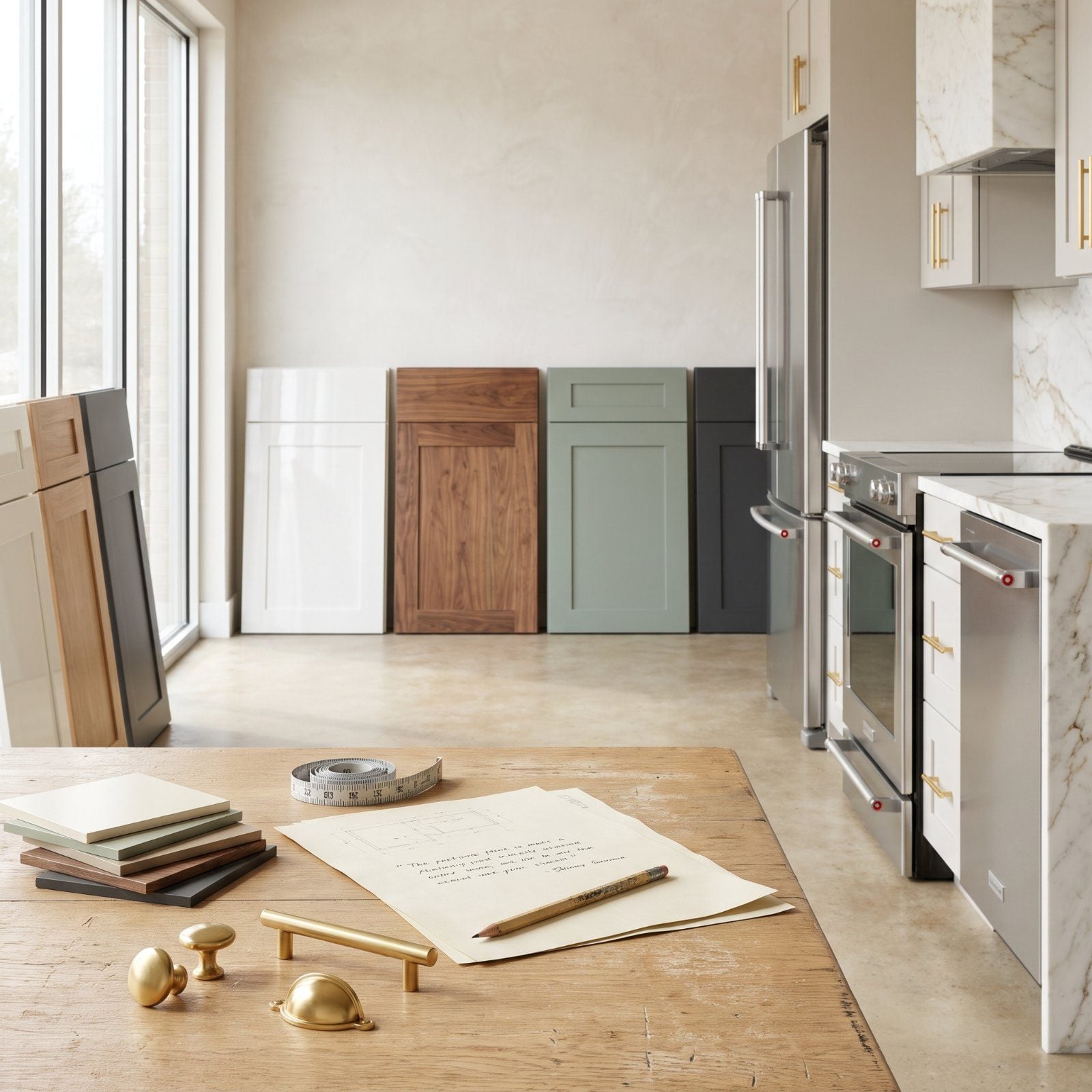
The showroom is lit like a jewelry counter. You pick up the sample door, feel its weight, watch the finish catch the light just so, and something in your chest says yes, this one. You stop asking questions and start planning the rest of your life around a slab of painted wood.
We’ve watched this happen with cabinets and with people, and the wiring behind it is identical. The same brain that falls for a face falls for a slab door. The same part of you that explains away a bad habit will explain away a drawer that sticks. What follows are the ways cabinet shopping mirrors a relationship you stayed in too long, plus the quiet psychology driving both. You’ll recognize yourself. That’s rather the point.
In order to come up with the very specific design ideas, we create most designs with the assistance of state-of-the-art AI interior design software. Also, assume links that take you off the site are affiliate links such as links to Amazon. this means we may earn a commission if you buy something.
18. You Mistake Showroom Beauty for Everyday Cabinet Compatibility
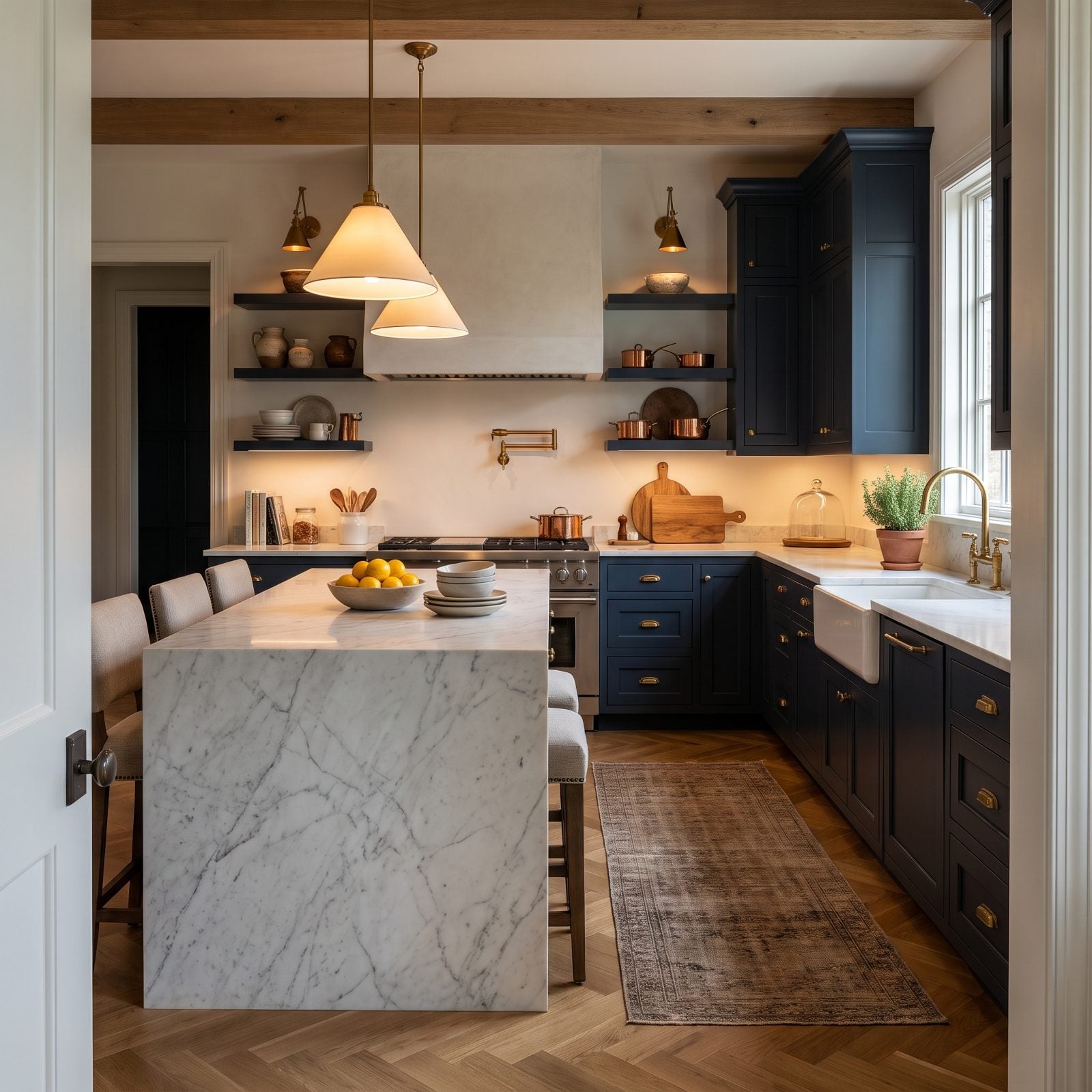
The showroom kitchen never cooks. Nobody slams its drawers at 6 a.m. hunting for a travel mug. It just stands there under flattering light with bare counters, finish buffed, hardware gleaming, and you fall for the version of it that will never once live in your house.
This is the white kitchen ideas trap in miniature. You meet the highlight reel and assume it’s the daily reality, exactly the way we judge people at their most presented and then sign up for the rest sight unseen.
Ask to see the same door after a year of real use. Ask how the paint holds up near the stove. The pretty version isn’t lying to you. It just isn’t telling you everything.
17. You Ignore the Sticky Drawer Because the Finish Is Gorgeous
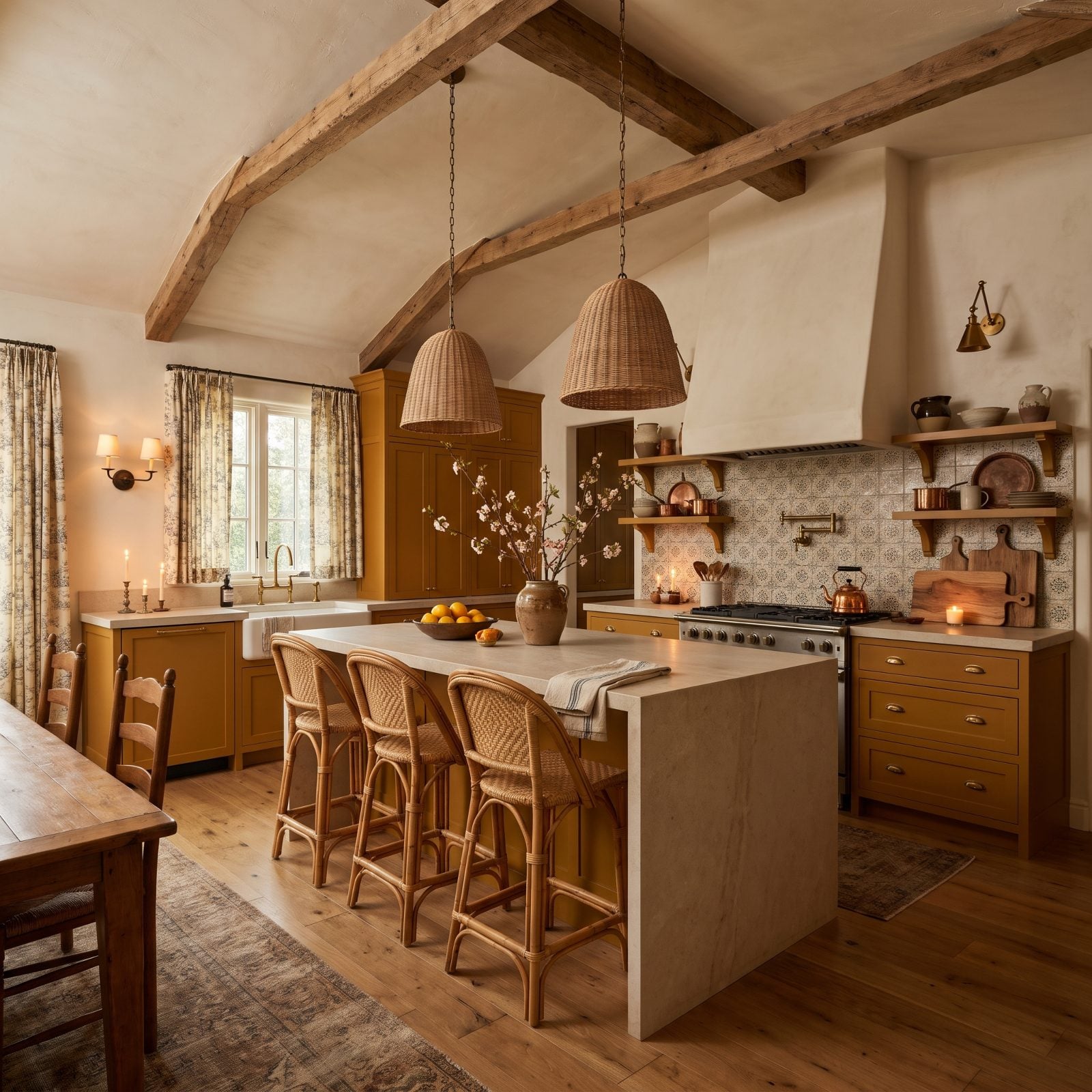
One drawer catches. You notice it on day one, give it a little shove, and tell yourself it’ll loosen up. It never loosens up. Three years later you’re still doing the hip-check and the double-pull, and you’ve stopped mentioning it entirely.
We talk ourselves out of the sticky drawer because the rest of the kitchen looks so good. The friction is small and daily, the finish is immediate and lovely, and the brain is hopeless at weighing a tiny recurring annoyance against one big upfront reward.
Same move in a relationship. That small thing that grates, the one you decided early wasn’t worth the fight, is the thing you’ll be living with at breakfast for years. Little frictions don’t shrink. You just get quieter about them. So open and close every drawer and door before you commit. Twice. A smooth soft-close is a kindness you’ll feel every single day.
16. Your Friends Spot the Cabinet Red Flags First
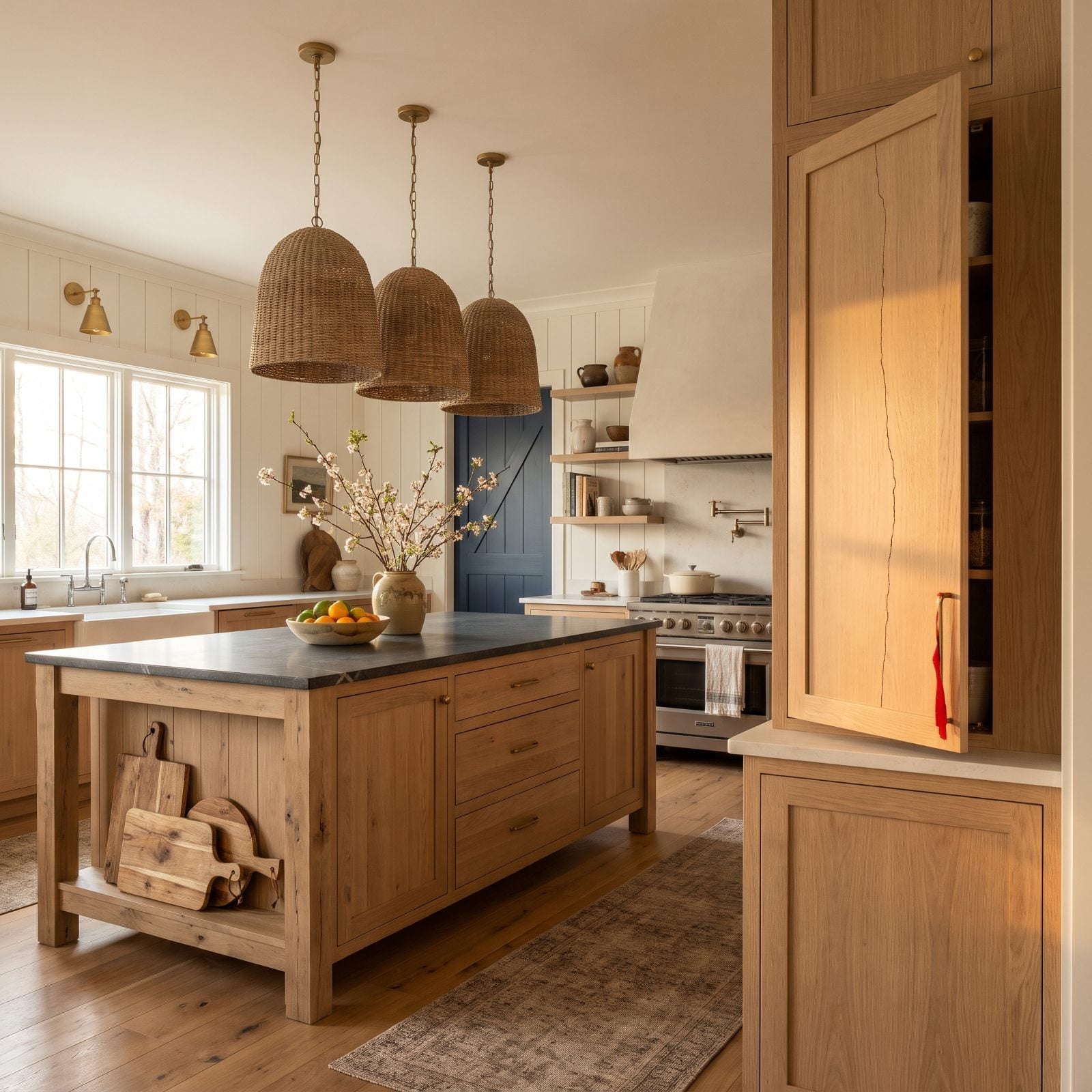
You bring a friend to the showroom and within ten minutes they say the quiet part out loud. “The paint’s already cracking at that joint.” “That hinge looks flimsy.” You’d clocked both and filed them under not-a-big-deal. They say it plainly and suddenly it’s a very big deal.
Distance does the whole trick. You’ve already poured feeling into these cabinets. Your friend hasn’t, so they see the flaws without the fog of wanting it to work.
The people who love you are often right about the thing you refuse to see, which is exactly why it stings.
This is the same friend who met your questionable ex and went quiet in the car afterward. Not cynicism. Just a clear view you’d temporarily lost. Bring the honest one to the showroom and let them be rude about the cabinets. Better now than after the deposit clears.
15. You Assume New Hardware Will Fix Their Personality
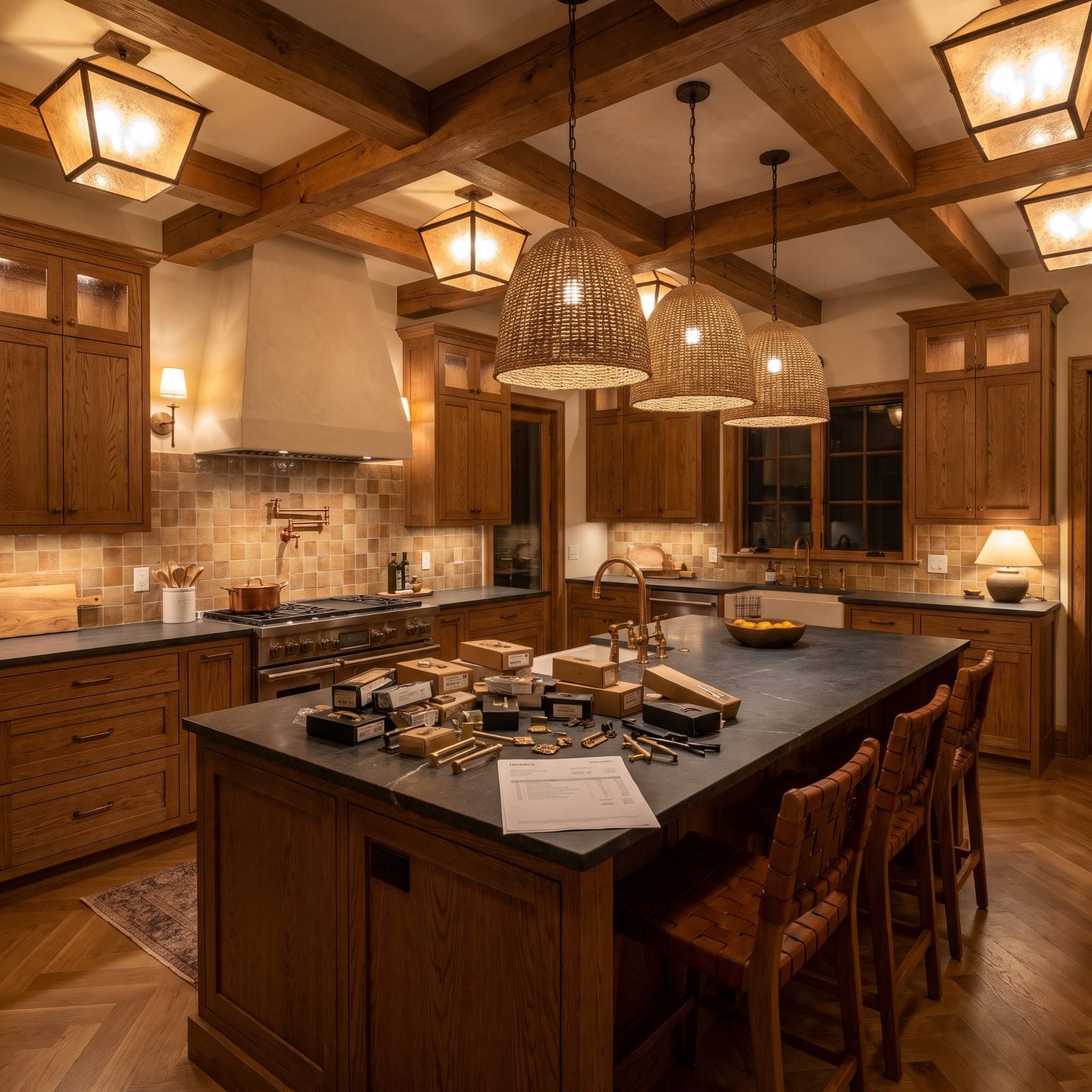
The cabinets are fine, you say, they just need new pulls. So you buy the brass handles, then the nicer hinges, and before long you’re eyeing a fresh coat of paint because surely with the right hardware these dated oak boxes will finally become the kitchen you wanted.
New knobs don’t change a cabinet’s bones. A cheap carcass with a flimsy drawer box is still exactly that, now wearing better jewelry.
We do this with people constantly. The accessory upgrade, the hope that one changed detail rewrites the whole character. It doesn’t. The core of the thing was already there the day you met it.
14. You Keep Upgrading After Paying the Cabinet Deposit
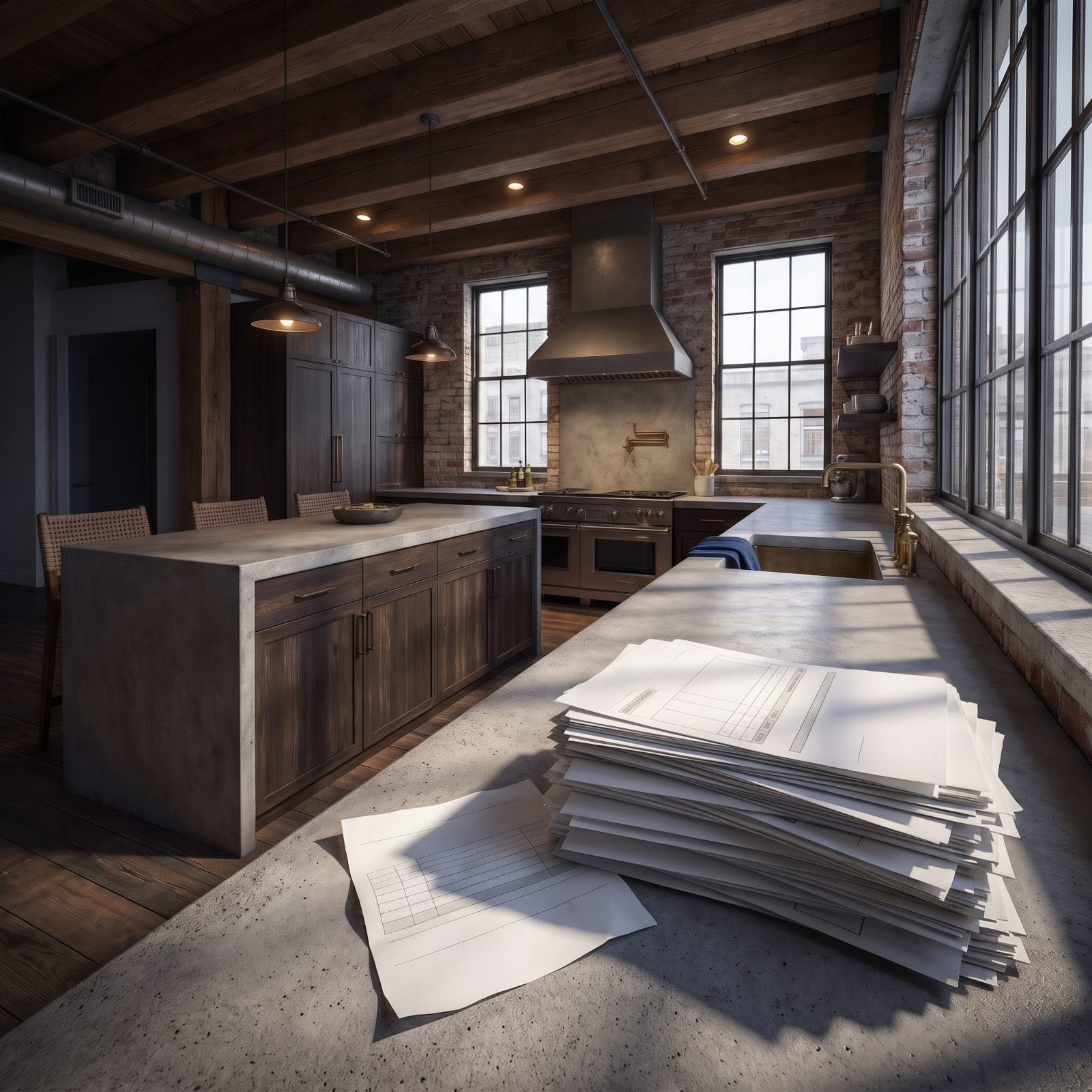
The deposit is paid. That number is gone, non-refundable, locked in. And because it’s locked in, you suddenly can’t stop. Might as well add the pull-outs. Might as well upgrade the hinges. Might as well do the glass fronts, we’re already this deep.
That’s sunk-cost logic running the whole show. The money already spent shouldn’t change what the next dollar is worth, but it does, every time. We throw good money after committed money because walking away feels like admitting the first spend was a mistake.
Same reason people stay together on the strength of the years already in it. Those years are spent. They’re no argument for the next one. Set your budget before the deposit, then let the deposit mean nothing about what comes after.
13. Backordered Cabinets Get Hotter the Longer You Wait
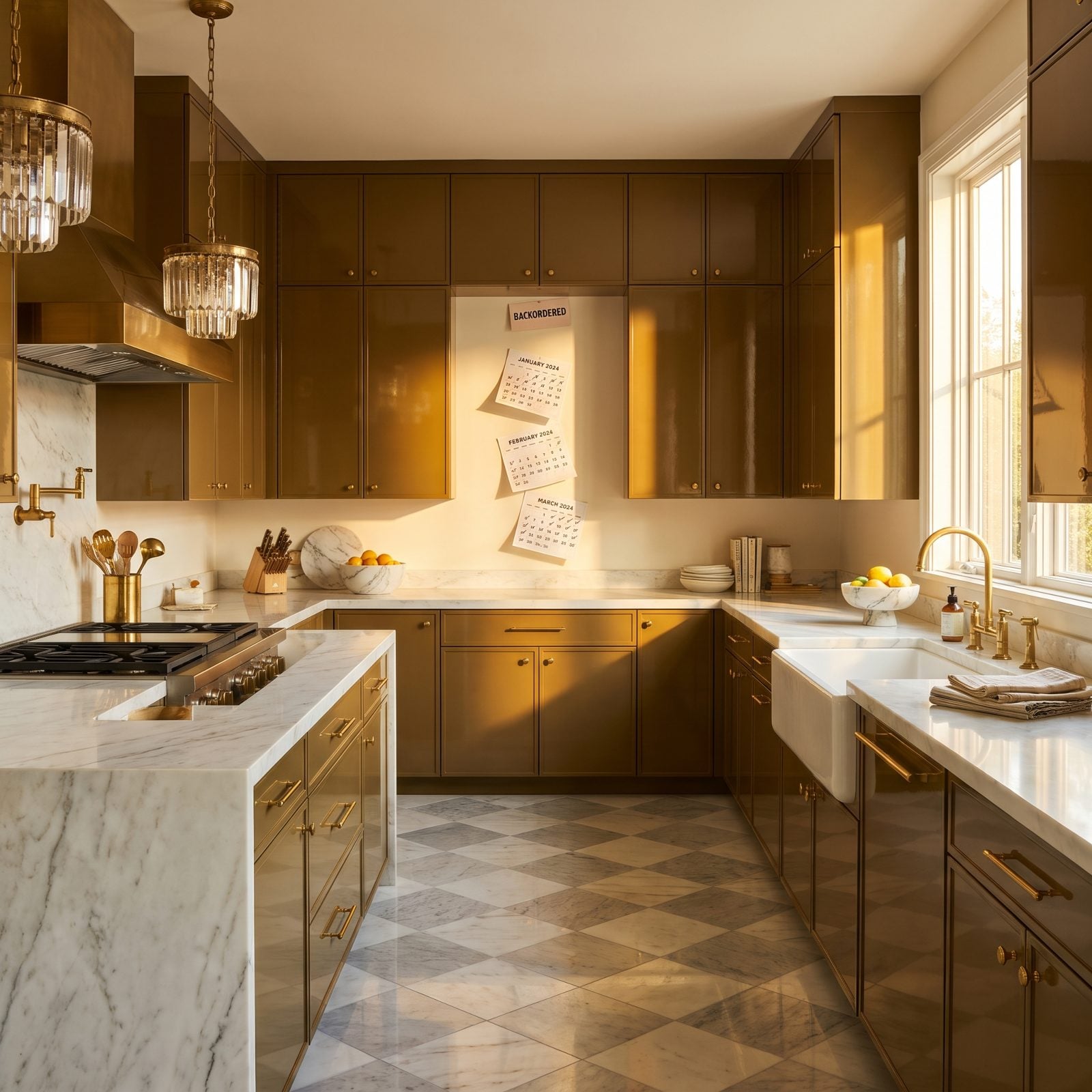
A few months, they said. Then a few more. Then the one finish you chose went on backorder, and somewhere in the waiting it became the only acceptable finish on earth. You will not substitute. You will wait. It’s the best cabinet you’ve never received.
Scarcity does a number on the mind. The harder something is to get, the more we want it, and delay reads as proof that it must be special. The waiting inflates the prize.
You know this ache from the person who was slow to text back, the one whose unavailability somehow made them more magnetic. Not because they were better. Because they were harder to have. So ask yourself whether you’d still want these cabinets if they shipped tomorrow, no drama. If the answer wobbles, it was never really the cabinets.
12. You Pick Familiar Shaker Doors and Call It Chemistry
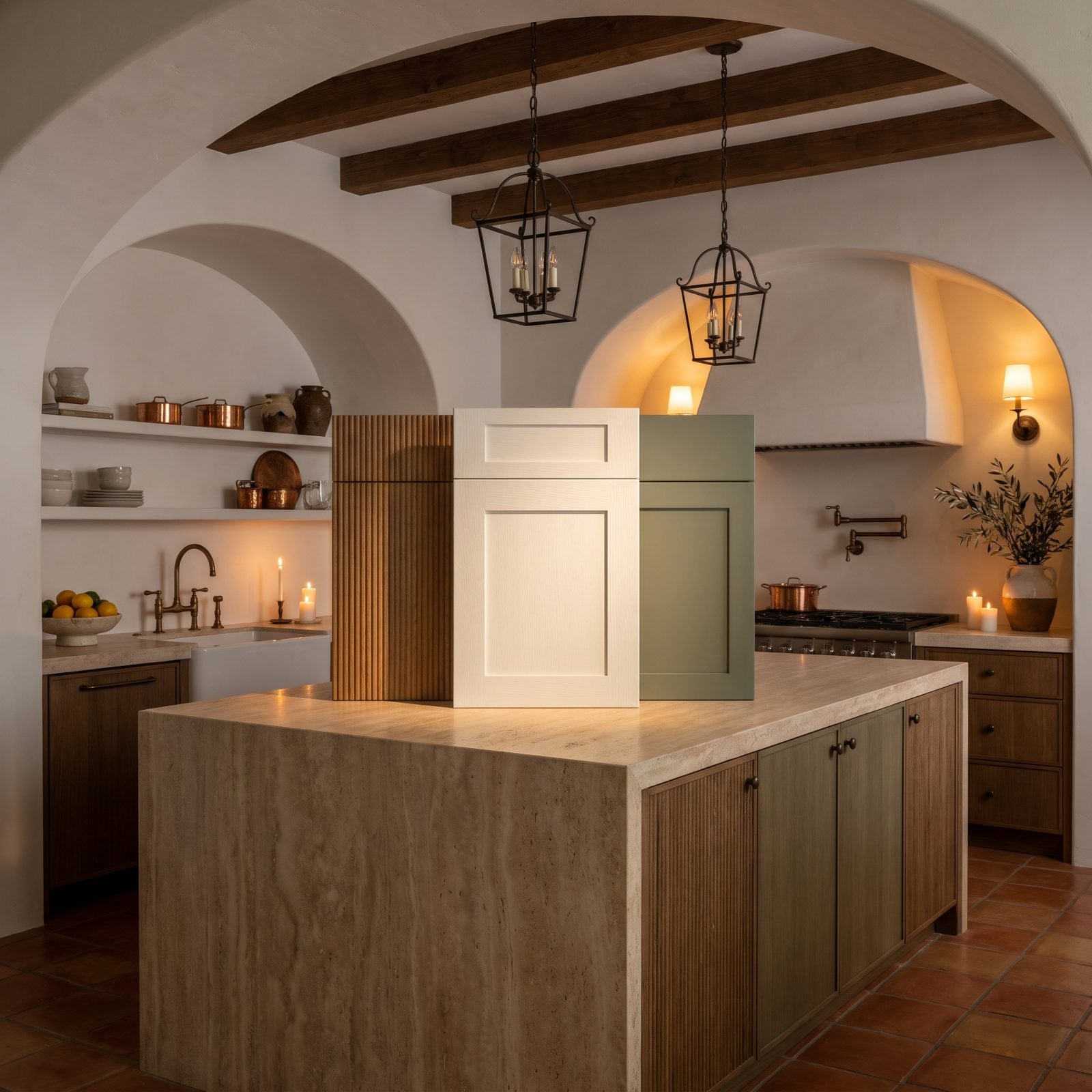
You looked at fluted doors. You flirted with a sage-green Shaker front. Then you picked white Shaker, because white Shaker is what you know, what everyone has, what feels right in your hands. You call it chemistry. It might just be familiarity.
Here’s the mere-exposure effect at work: we prefer what we’ve seen before. Shaker feels correct partly because it’s everywhere, and “everywhere” registers in the brain as “safe.” That’s not wrong, by the way. A classic shaker-based traditional kitchen ideas layout ages beautifully and resells well.
But comfortable and compatible aren’t the same word. Sometimes the familiar choice is genuinely right for you. Sometimes it’s just the path of least resistance wearing the mask of a decision, the same tug that keeps people with what they know instead of what actually fits.
11. You Choose Cabinets for Your Fantasy Kitchen Self
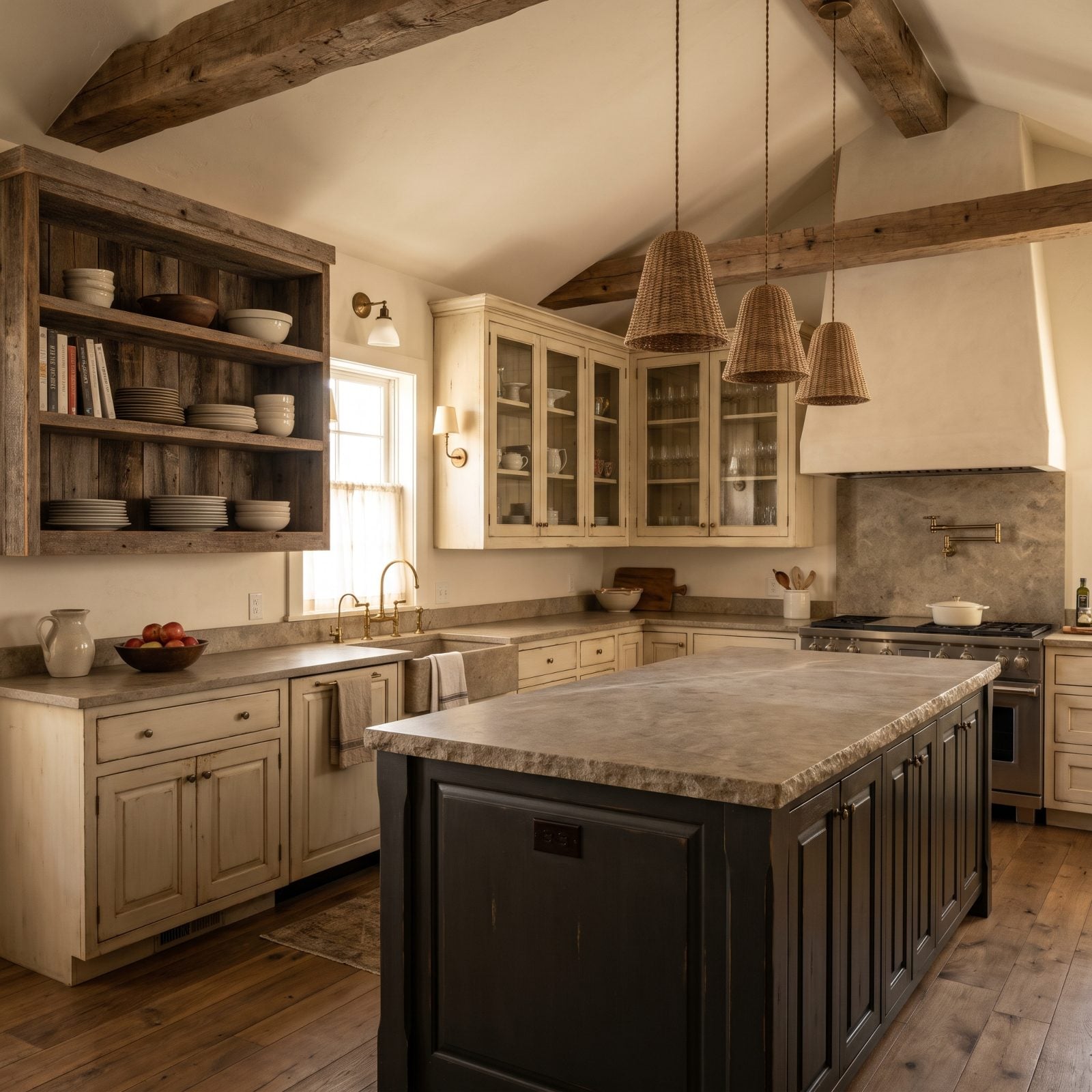
You spec the open shelving and the glass-front uppers because the future you is organized, hosts dinner parties, and keeps the good dishes dust-free and photo-ready. The current you shoves everything in a cabinet and shuts the door fast.
We buy for the self we plan to become, never the self we actually are. Same reason the aspirational kitchen in a green kitchen ideas spread looks nothing like how most of us live. Projection bias: we assume our future habits will finally match our current intentions. They rarely do.
People pull this in relationships too, choosing a partner for who they’ll surely grow into someday. Design instead for the person who loads the dishwasher the way you really load it. Closed doors forgive a messy human. Glass fronts and open shelves demand a tidiness most of us can’t keep up past the first week.
10. You Force Oversized Cabinets Into a Kitchen That Cannot Fit
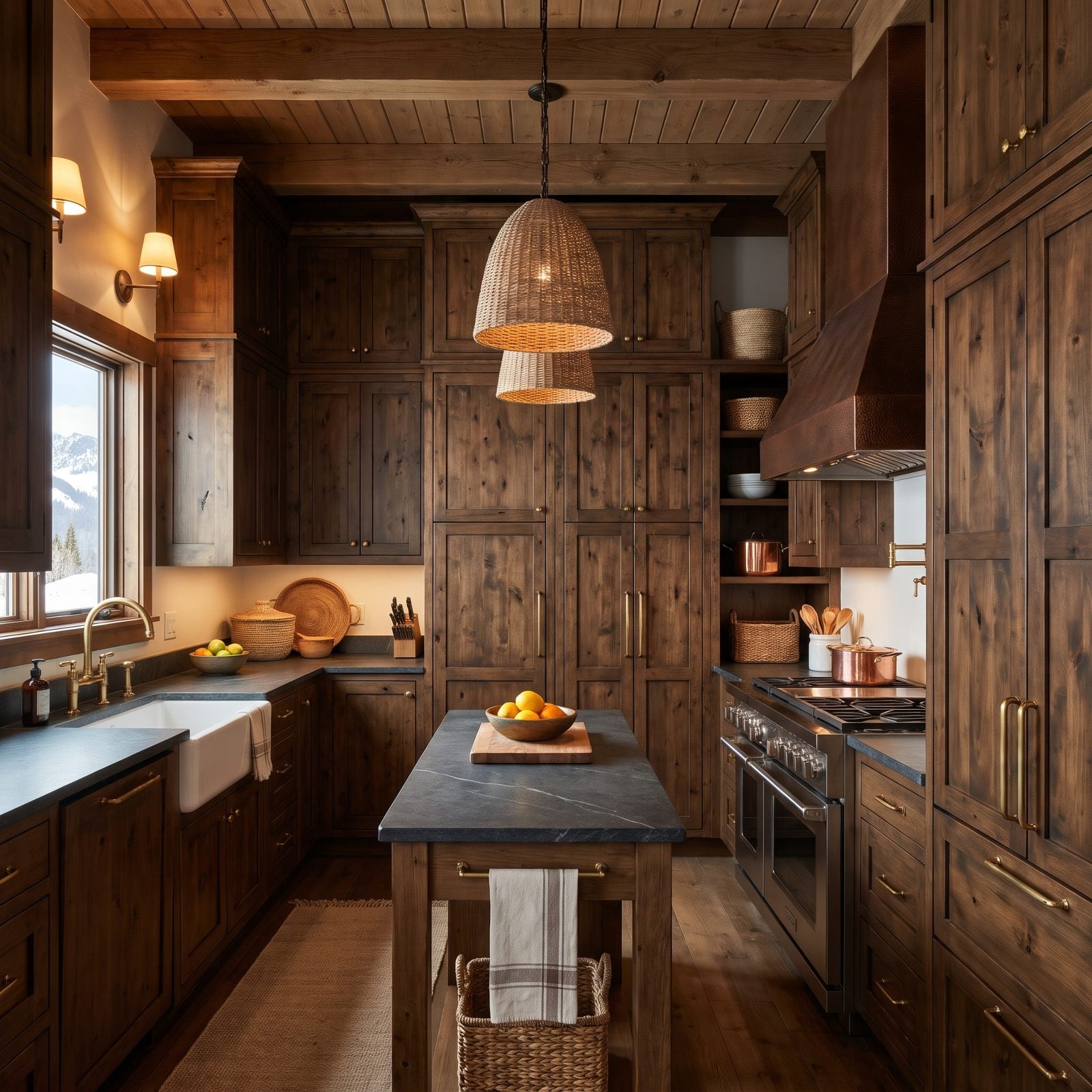
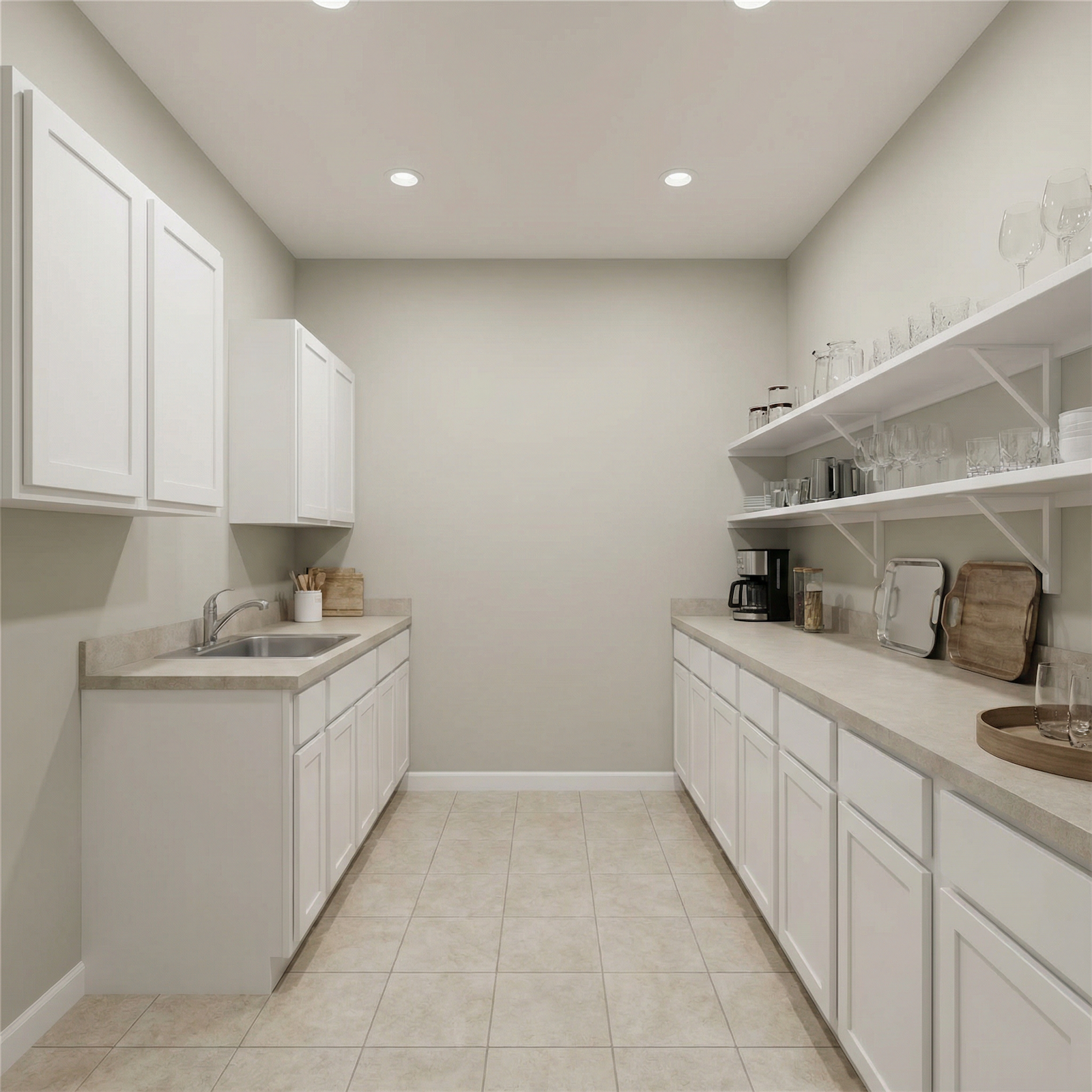
You fell for the big double-stacked uppers and the deep pantry towers, the kind of statement storage that fills a Pinterest board overnight. Picture a narrow, galley-like room with tight aisles. Cram towers like these into a space that slim and the drawers can barely clear the opposite run, and the dishwasher door clips a cabinet when it swings down.
This is wanting the thing so badly you ignore whether it fits your actual life. The grand big cabinet look is gorgeous in a big room. In a small one it’s a daily traffic jam.
Love doesn’t override physics. Neither does a renovation budget. Measure the clearances first, then fall for what fits. A cabinet that doesn’t suit your space will fight you in the same spot for years.
9. You Excuse Fussy Cabinets Because They Look So Good
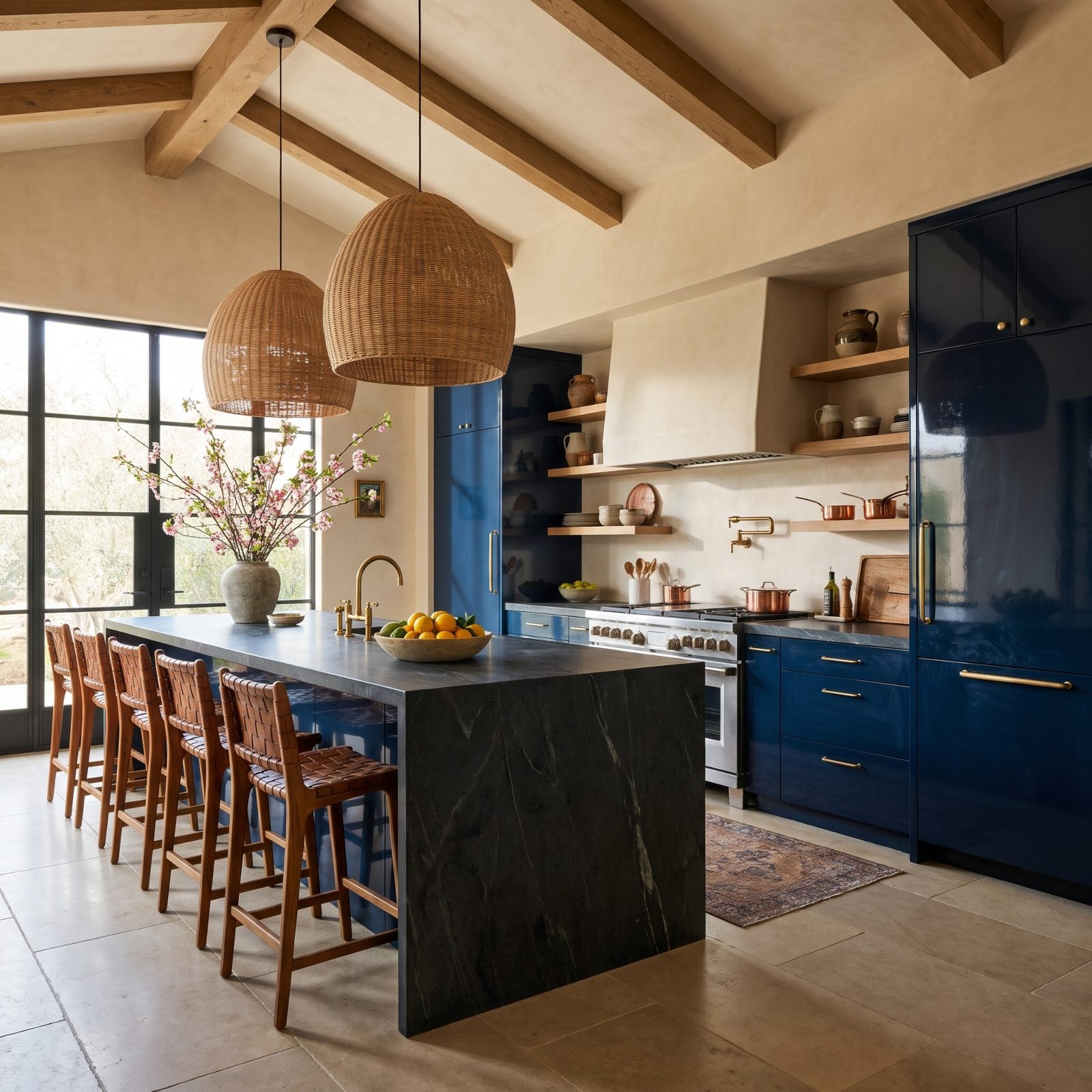
The high-gloss navy lacquer stopped you dead in the showroom, so you brought it home. Now every fingerprint shows, the marble etches if you so much as look at it with a lemon, and you keep a microfiber cloth within arm’s reach like a nervous tic.
You excuse all of it, though. Look how it catches the light. Look how it photographs. You trade real daily labor for a look you’d already decided was worth it before you understood the cost.
High-maintenance beauty runs on a seductive logic, the oldest one around. We tolerate a lot from gorgeous things, and gorgeous people, because the beauty keeps re-selling us on the deal. The question isn’t whether these cabinets are worth admiring. It’s whether you want to clean up after them for the next decade and a half. Be honest about that before, not after.
8. You Compare Every Cabinet to the Discontinued One
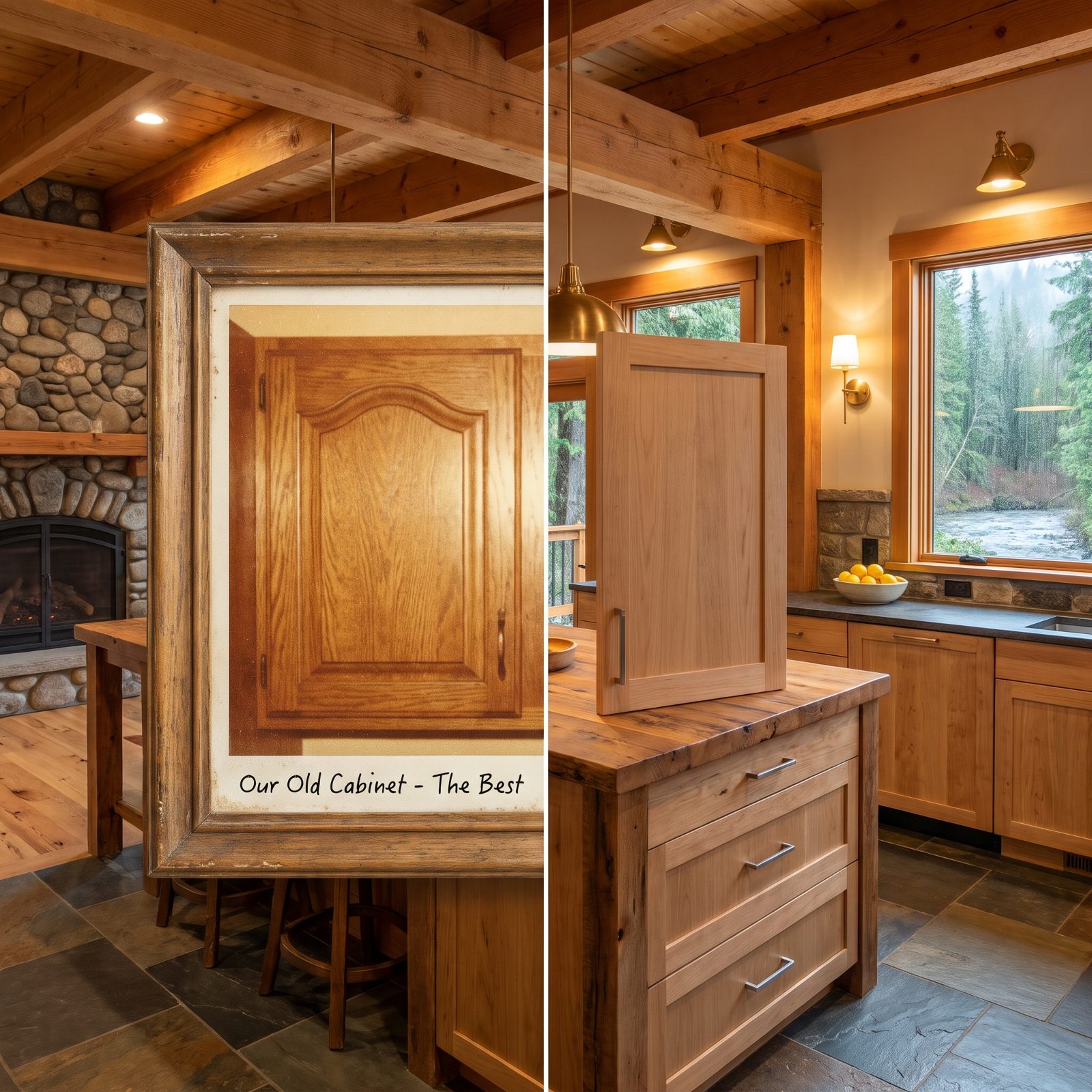
There’s a door you can’t have. Maybe it was the finish in your parents’ first kitchen, maybe it was a line the manufacturer quietly dropped last spring. Every sample you pick up now gets held against that ghost, and every sample loses.
It’s the same trick memory plays after a relationship ends, when the one who got away keeps getting edited into something that never existed while the real options in front of you compete against a highlight reel. Psychologists call it the contrast effect. You’re not judging the cabinet on its own merits — you’re judging it against an idealized standard that has stopped aging, stopped sticking, stopped having any flaws at all.
It’s easy to spend a solid month waving away perfectly good doors because they aren’t the exact warmth of one you saw in a traditional kitchen ideas feature years earlier. The honey oak sitting in front of you can’t win a fight against a memory. Nothing can.
7. You Say Yes to Cabinets Just to Stop Looking
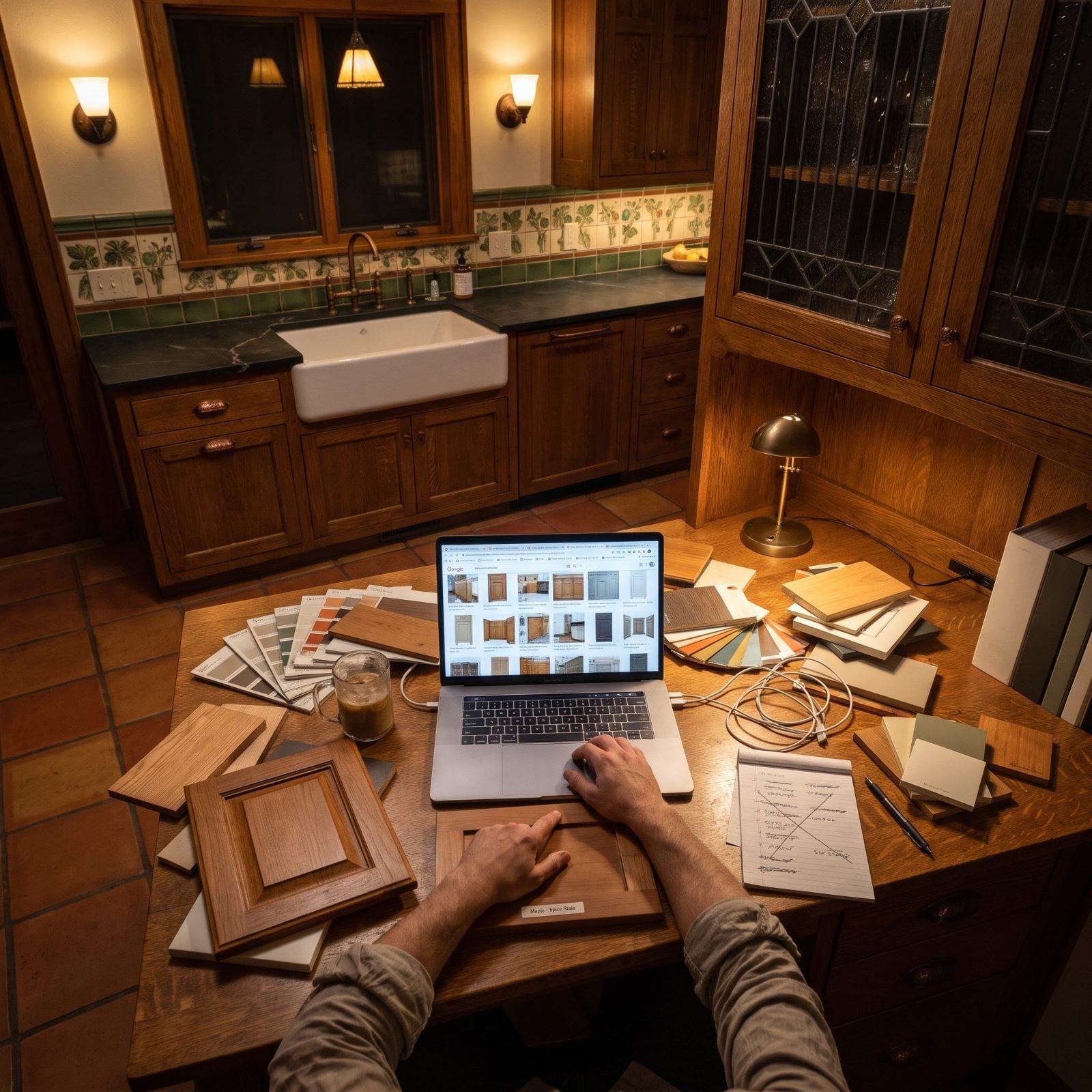
At some point the swatches stop being exciting and start being homework. Twelve browser tabs. Three showroom visits. A pile of samples your family has learned to eat around. And then one afternoon you pick something — not because it’s right, but because you cannot look at one more door.
That’s decision fatigue, the same thing that makes people settle. After enough options the brain’s capacity to weigh them degrades, and “good enough to make the noise stop” starts masquerading as the one. Judges hand out harsher sentences late in the day. Shoppers grab the nearest acceptable thing. Exhausted renovators sign off on greige laminate they’ll resent by Thanksgiving.
The craftsman kitchen design tools don’t help, honestly, because they hand you infinite combinations and no stopping rule. The cure isn’t more browsing. Narrow to three finalists early, then close every other tab.
6. You Trust the Cabinet Price More Than the Joinery
🔥 Would you like to save this?
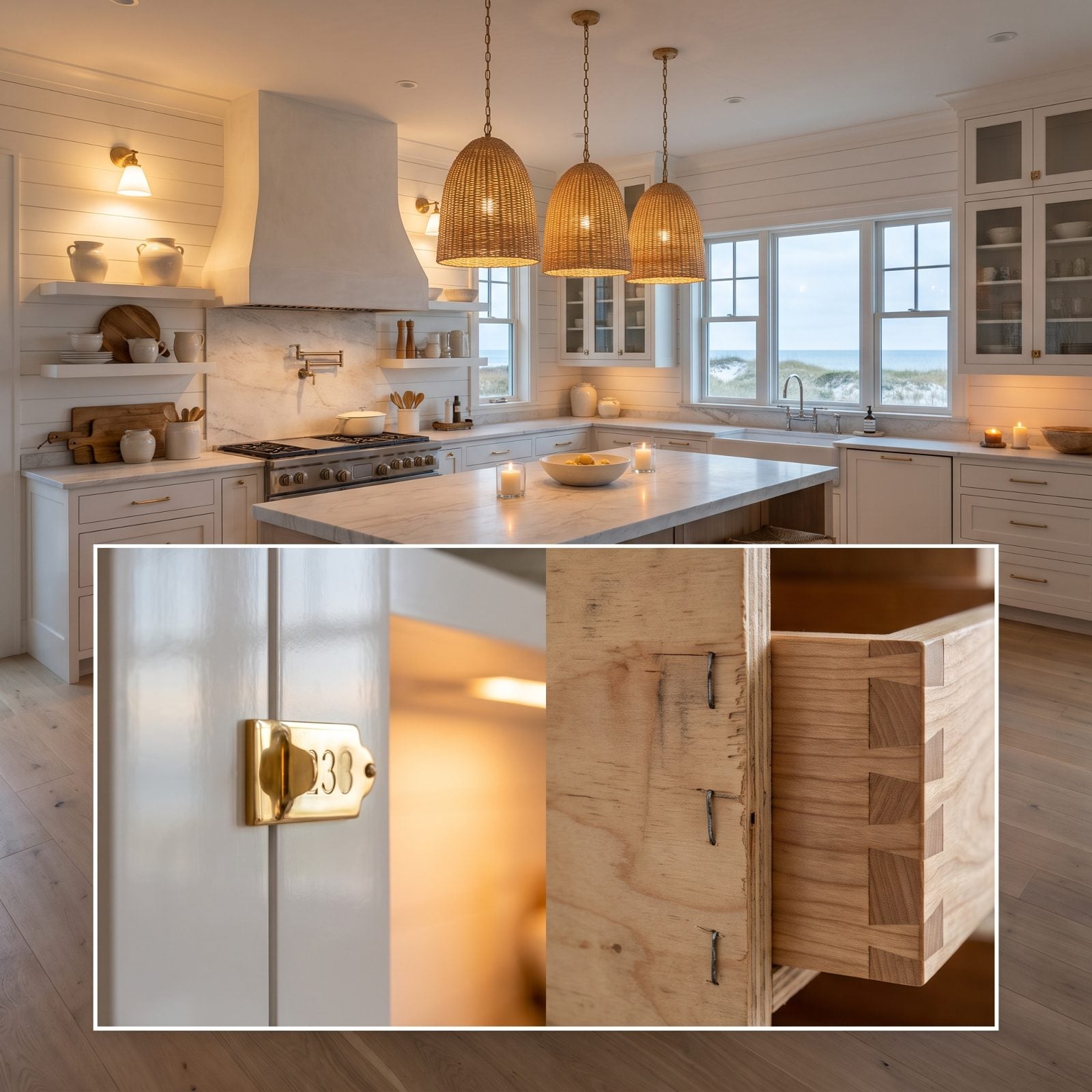
A number on a tag feels like a fact. The joinery feels like a chore to inspect. So you let the price stand in for quality and skip the part where you actually open the drawer, pull it fully out, and look at how the thing is held together.
Price is a signal we trust because it’s easy. Dovetails versus staples takes effort to assess, and effort is exactly what we avoid once we’ve already fallen for the photos. People do the identical thing with a charming partner — the surface is appealing, so the structural stuff, how they handle stress and money and a bad week, goes unexamined until it’s too late to return anything.
Cheap cabinets are cheap twice. Once at the register, and again a few years later when the stapled corners sag and the soft-close hinges give up. A big cabinet investment deserves a full pull of the drawer, not a glance at the tag.
5. Everyone Loves the Cabinets, So You Ignore Your Doubts
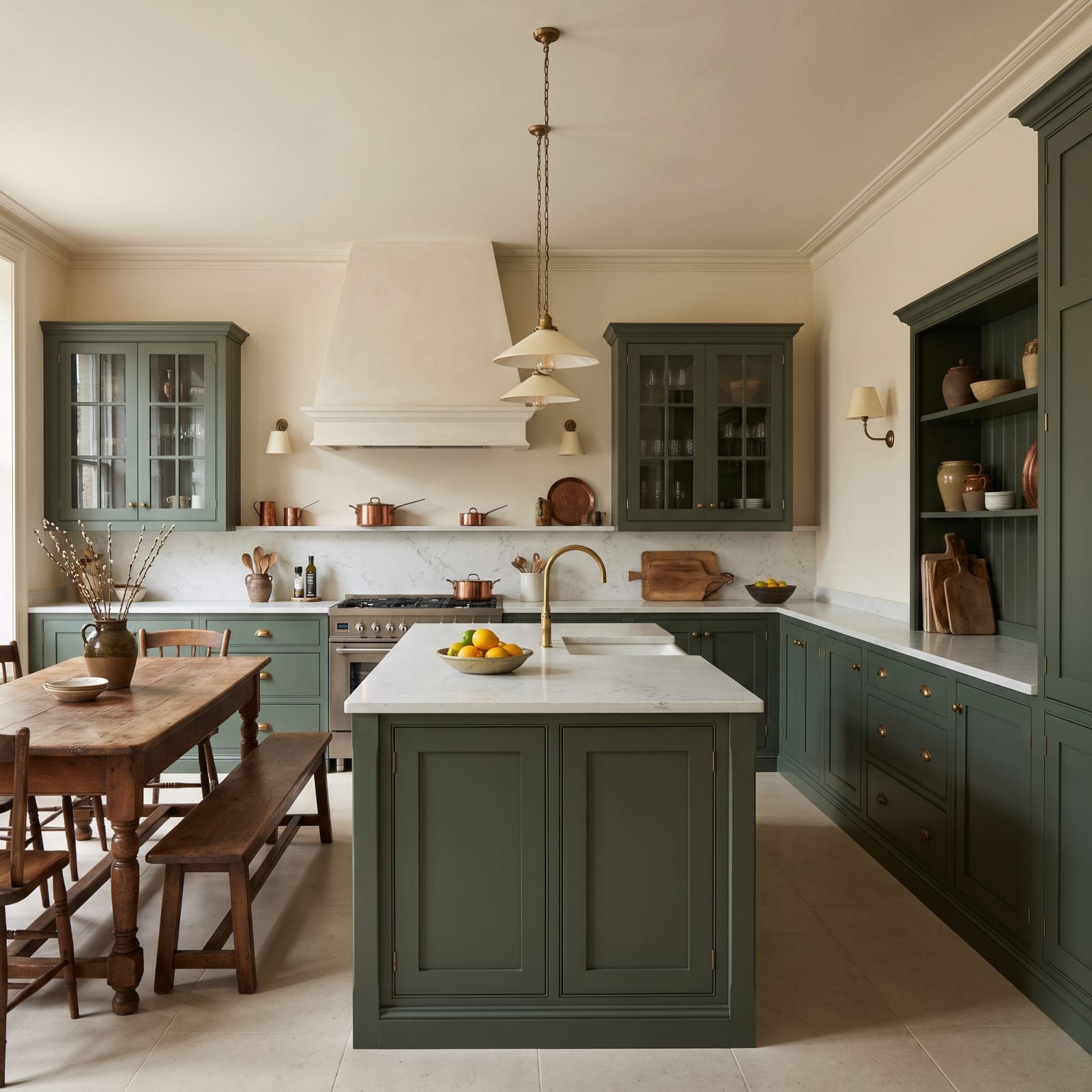
The showroom crowd loves them. Your sister loves them. Three strangers photographed them. And so the small voice in your head — the one that noticed the color might read cold in your north-facing kitchen — gets politely asked to sit down.
Social proof is a powerful shortcut. When lots of people approve of something, we assume they know something we don’t, and we quietly downgrade our own reservations. It’s how people stay in relationships everyone else adores while privately feeling off. The applause drowns out the instinct.
Here’s the catch. Those admirers don’t cook in your light, don’t live with your habits, and won’t open these doors every morning for fifteen years. The white kitchen ideas that photograph like a dream in a studio can feel flat under your actual bulbs. Popular is not the same as right for you. Your doubt showed up for a reason. Let it finish its sentence.
4. You Pick Trendy Cabinets for Guests Who Rarely Visit
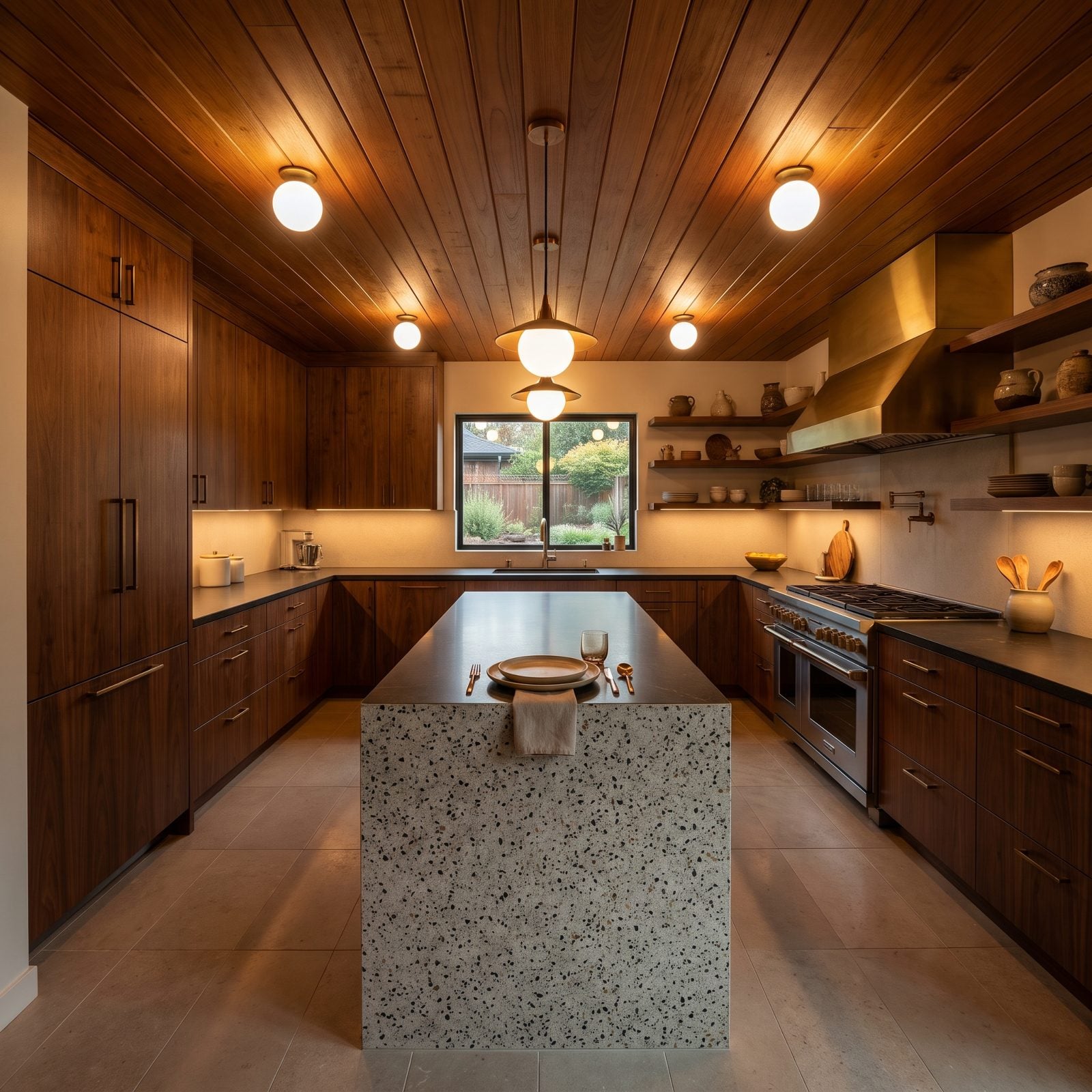
You chose the dramatic finish imagining the dinner party — the gasp from guests, the compliment by the island. Except the dinner parties happen maybe twice a year, and the rest of the time it’s just you, the coffee maker, and a finish that shows every fingerprint.
This is designing your life for an audience instead of for yourself, the same impulse that has people choosing a partner who looks impressive on their arm over one who’s good to be around on a Tuesday. We overweight the rare, visible moments and discount the daily, invisible ones.
Trends age fast, too. The green kitchen ideas dominating feeds right now can date within a few years, and you’re the one living with them long after the algorithm moves on.
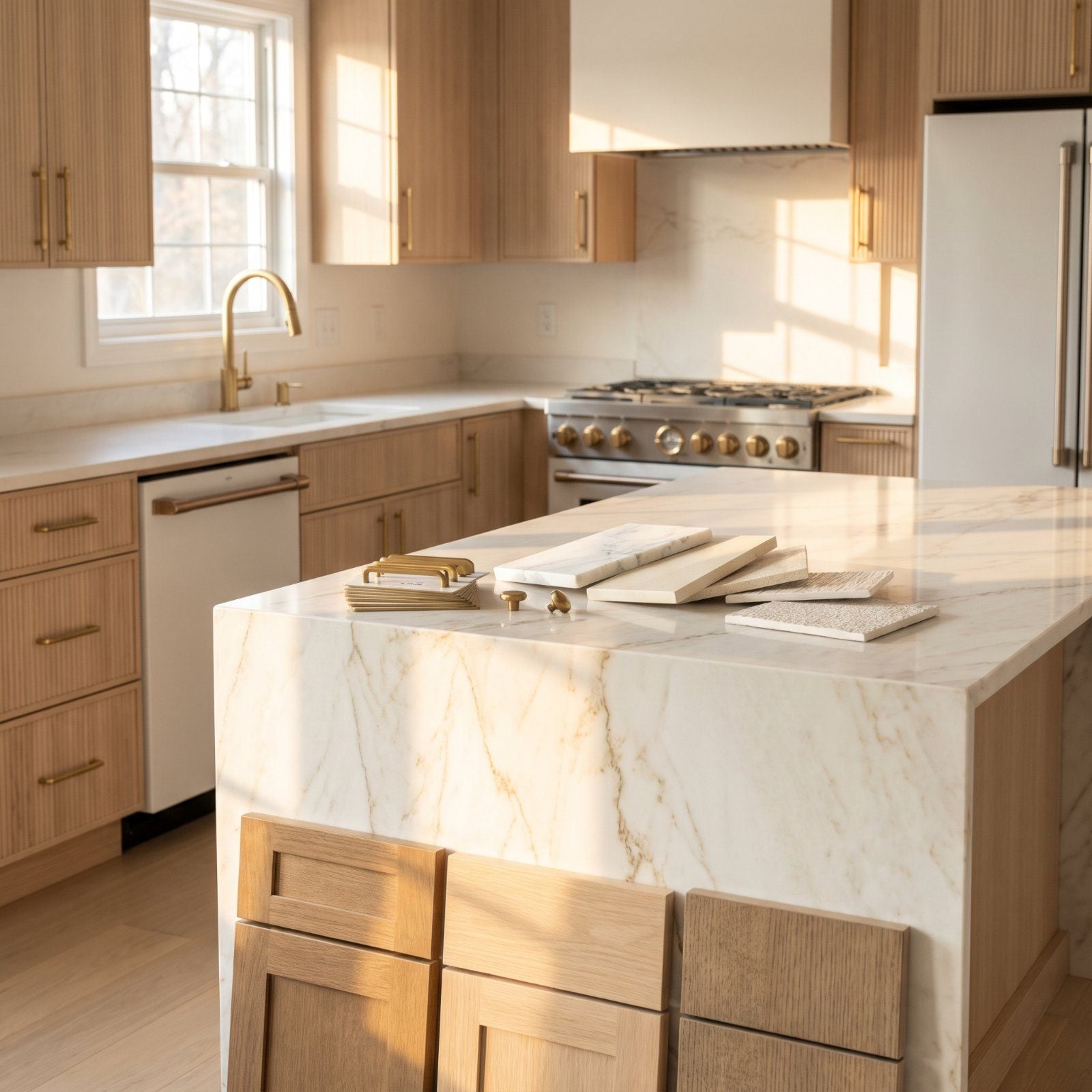
3. You Keep Ordering Door Samples Instead of Committing
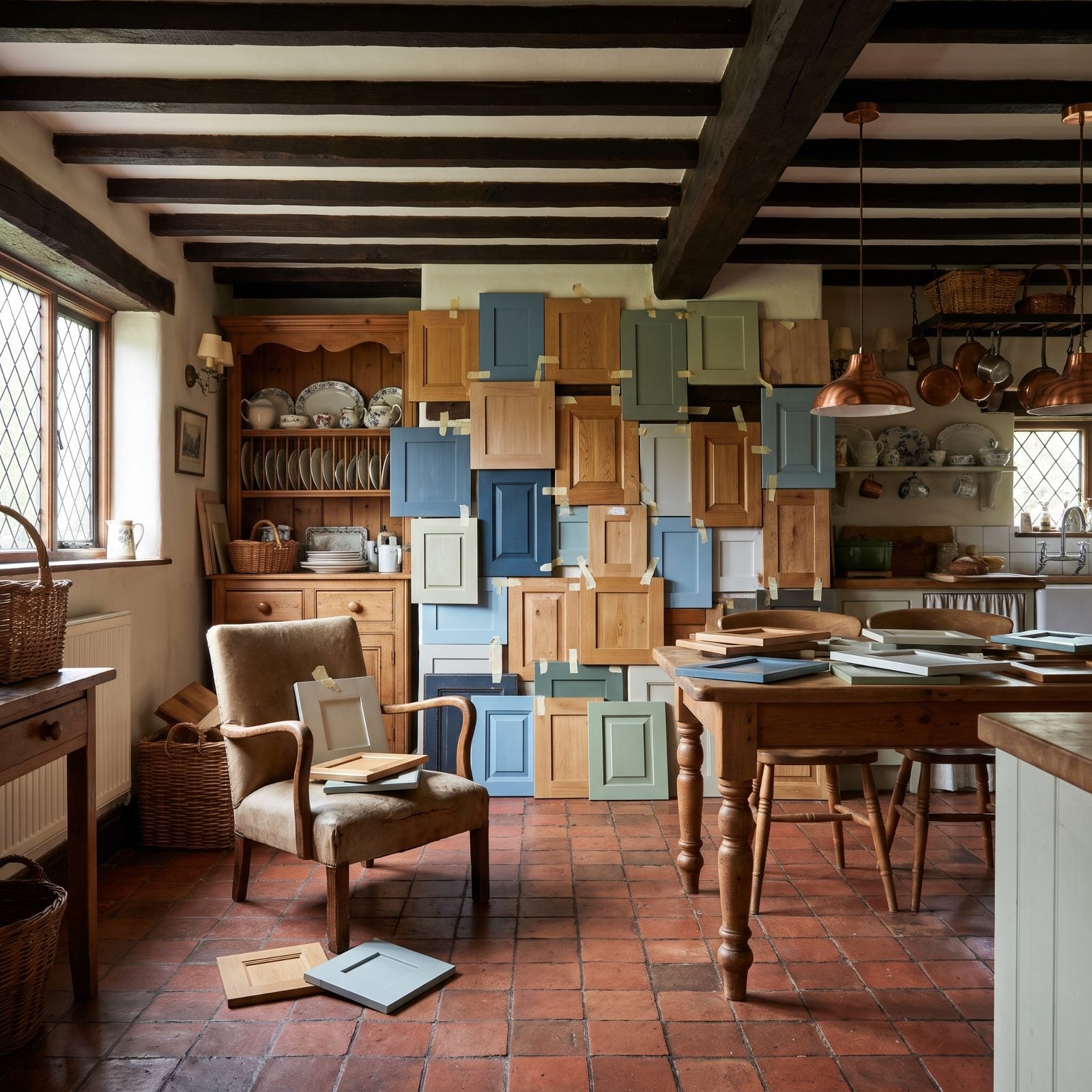
How many door samples is too many? You’ll know, because they’re taped to the wall in overlapping rows and you still haven’t ordered a kitchen. Each new one arrives with a little hit of possibility, and each one postpones the moment you have to actually choose.
Collecting options feels like progress. It isn’t. It’s a way to stay in the thrill of potential without the risk of commitment — the same reason people keep every door open and never walk through one. We irrationally overvalue keeping options alive, even when holding them open costs us the thing we actually want.
Samples are free. Indecision is not. Somewhere in that taped-up wall is a perfectly good choice you already made weeks ago, before you talked yourself out of it with sample number nine.
2. Your First Cabinet Quote Makes Every Other Price Feel Wrong
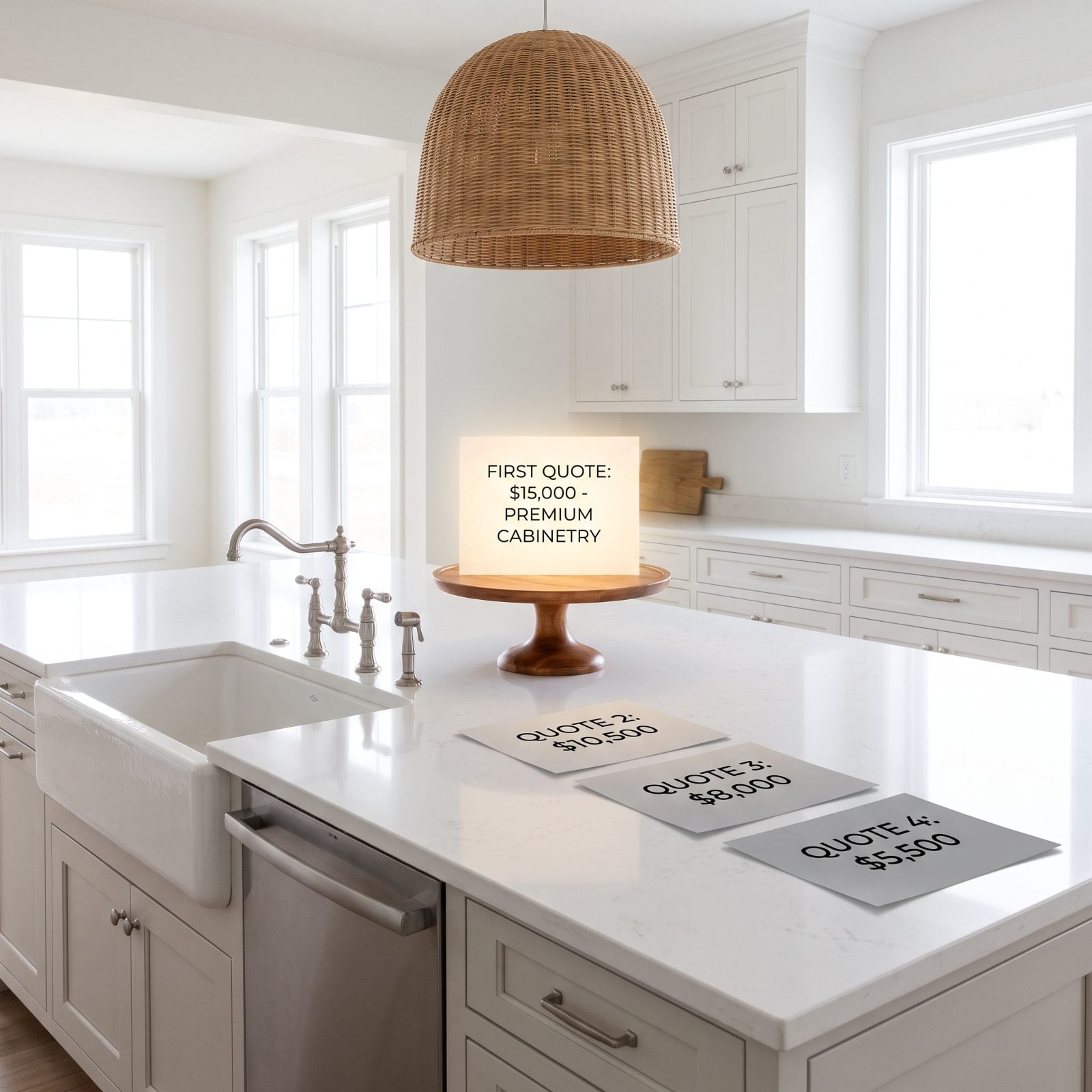
The first quote lands and, right or wrong, it becomes the number. Everything after gets measured against that first figure — a cheaper one feels like a steal, a pricier one feels like a rip-off. Meanwhile the actual value of the cabinets, the materials and the build and the install, barely gets a look.
This is anchoring, one of the stickiest biases there is. The first number you hear drags all your later judgments toward it, even when you know it was arbitrary. It’s why your first serious relationship sets an invisible baseline you keep comparing people to for years.
Judge a quote against what you’re getting, not against whatever showed up in your inbox first. Get three quotes before you let any single one become the anchor, and ask each estimator to break out materials, hardware, and labor so you’re comparing kitchens — not just headline totals.
1. You Defend the Cabinets Harder After Someone Questions Them
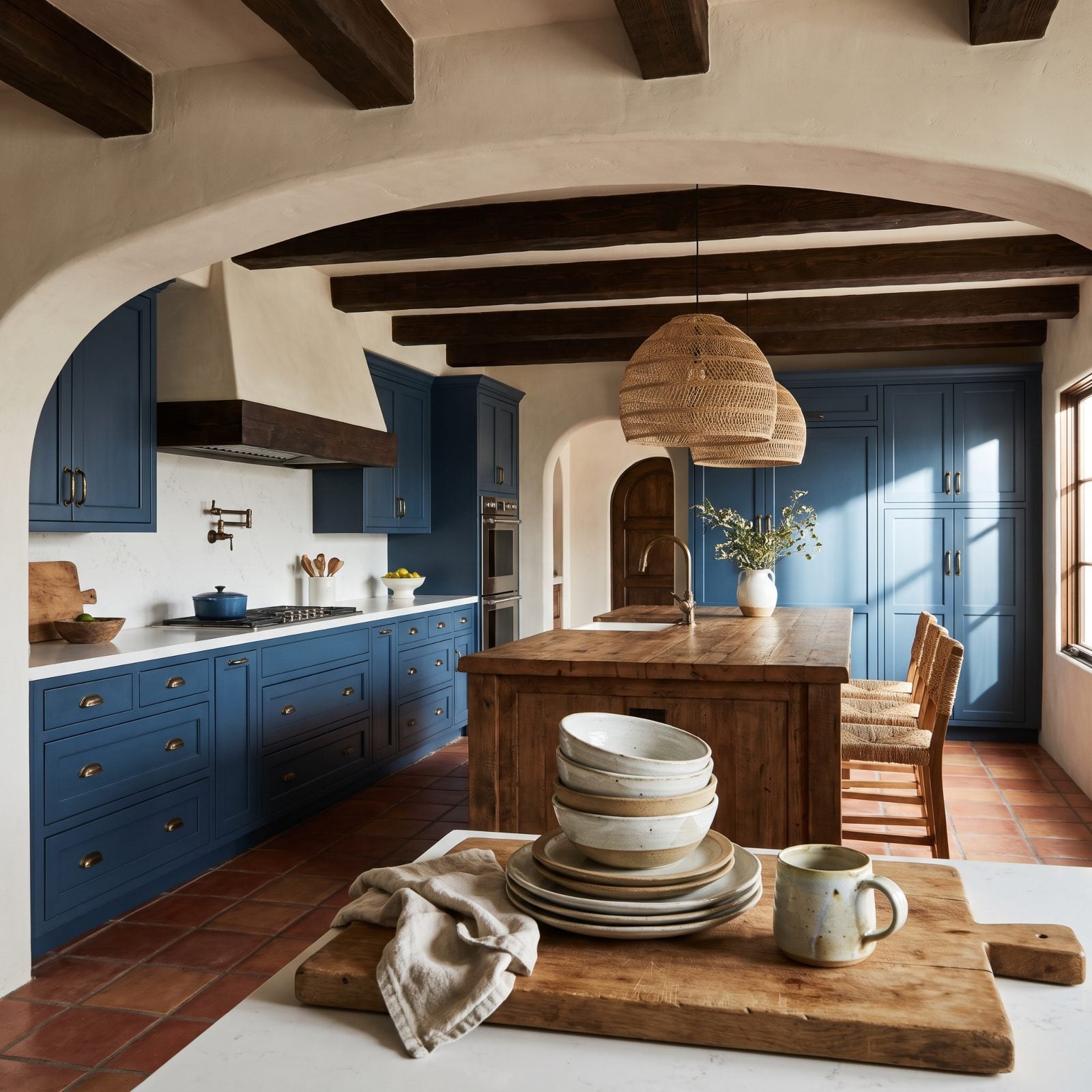
Someone raises an eyebrow at your cabinet choice, and instead of wobbling, you dig in. Suddenly you’re reeling off every reason the bold blue was the smart call, defending it harder than you ever did while you were actually deciding. The more they question it, the more certain you sound.
That’s commitment escalation meeting a little cognitive dissonance. Once you’ve spent the money and signed the deposit, your brain works overtime to prove you were right, because admitting doubt now would mean living with a mistake you paid for. Same mechanism that makes people defend a struggling relationship most fiercely to the one friend who dared to question it.
Loud certainty after a purchase isn’t the same as being right. Sometimes it’s just the sound of a mind protecting itself. A genuine blue kitchen makeover can absolutely work — but it should win you over because you love it, not because someone else dared to doubt it.