🔥 Would you like to save this?
A fresh coat of white paint hides a lot. That’s the whole business model behind a fast flip. But people working on tight timelines leave fingerprints everywhere, and once you know where to look, you can’t unsee them. A lifted tile edge. A door that sticks. A light switch painted shut. None of it is random. Every shortcut has a tell, and every tell points to a corner someone cut to make the sale. Here’s what the careful eye spots before the realtor finishes their pitch.
29. Fresh Paint Over Water-Stained Ceilings
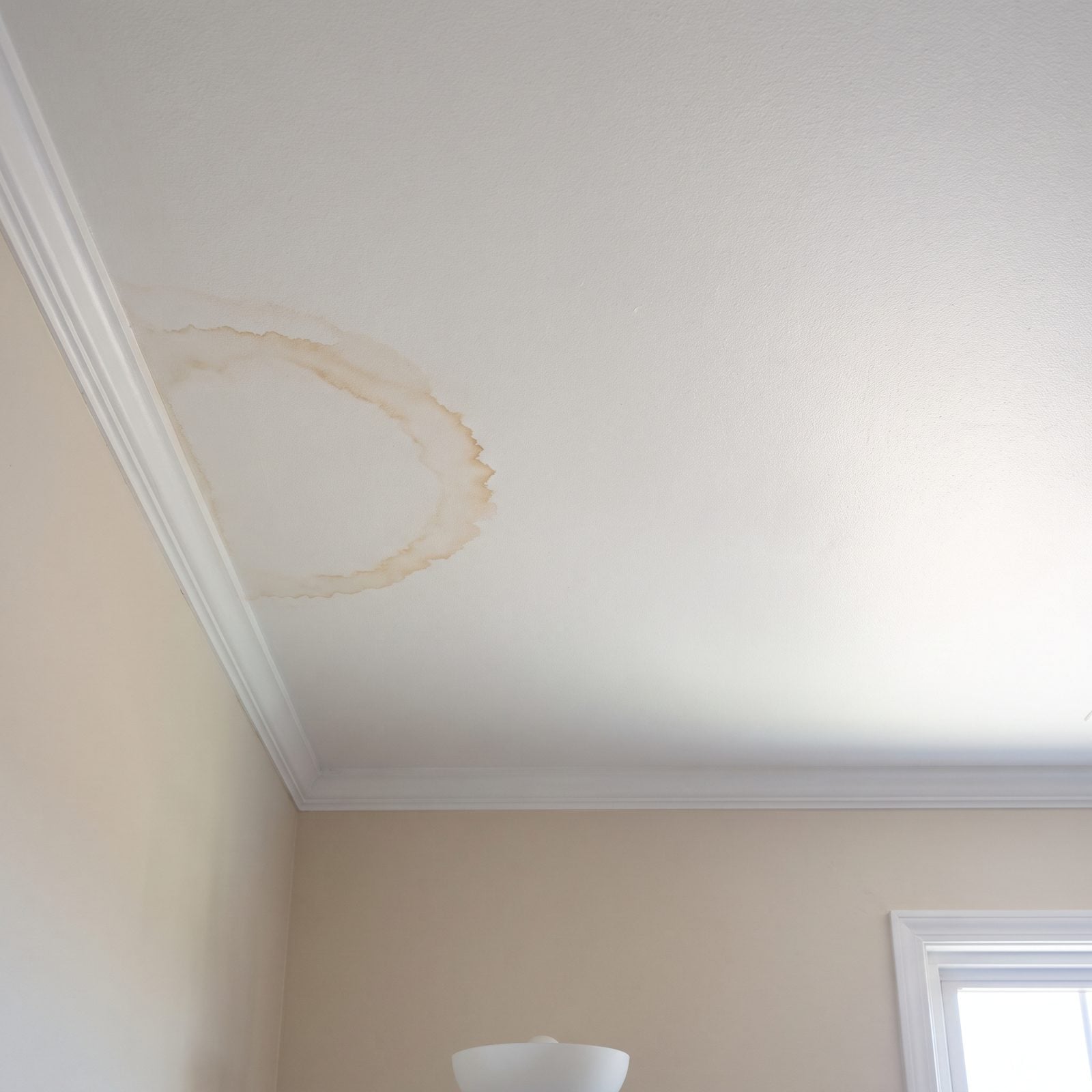
Water stains are liars that come back. Paint over one without fixing the source and the brown ring resurfaces within months, sometimes weeks, right through the fresh coat.
In order to come up with the very specific design ideas, we create most designs with the assistance of state-of-the-art AI interior design software. Also, assume links that take you off the site are affiliate links such as links to Amazon. this means we may earn a commission if you buy something.
The tell is the ghost. Even a good primer job leaves a faint amber shadow when the leak was never sealed, so look up in every room, especially near chimneys, under bathrooms, and in ceiling corners. A single cloudy patch means someone reached for a paintbrush instead of a plumber.
28. New Flooring Laid Over Old Subfloor Problems
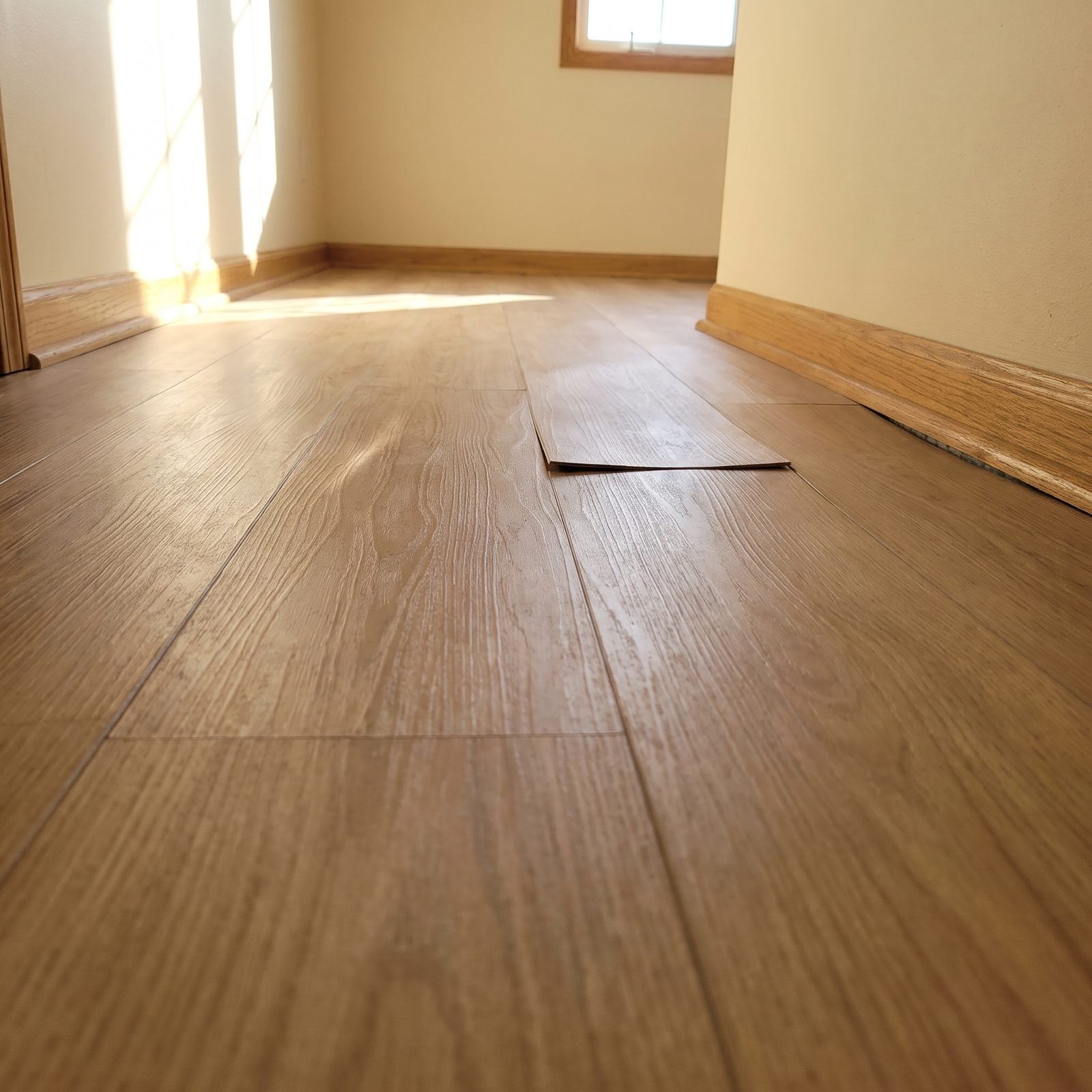
A flat floor is invisible. You only notice flooring when it’s wrong, and new planks over a bad subfloor announce the problem fast.
Walk the whole floor slowly and watch the light. Ripples, soft dips, and seams that don’t sit flush mean the crew skipped the leveling compound to save a day. That dip won’t settle — it’ll grow, the planks will separate at the seams, and the warranty will quietly expire while you’re not looking.
27. Mismatched Grout Lines in the Bathroom Tile
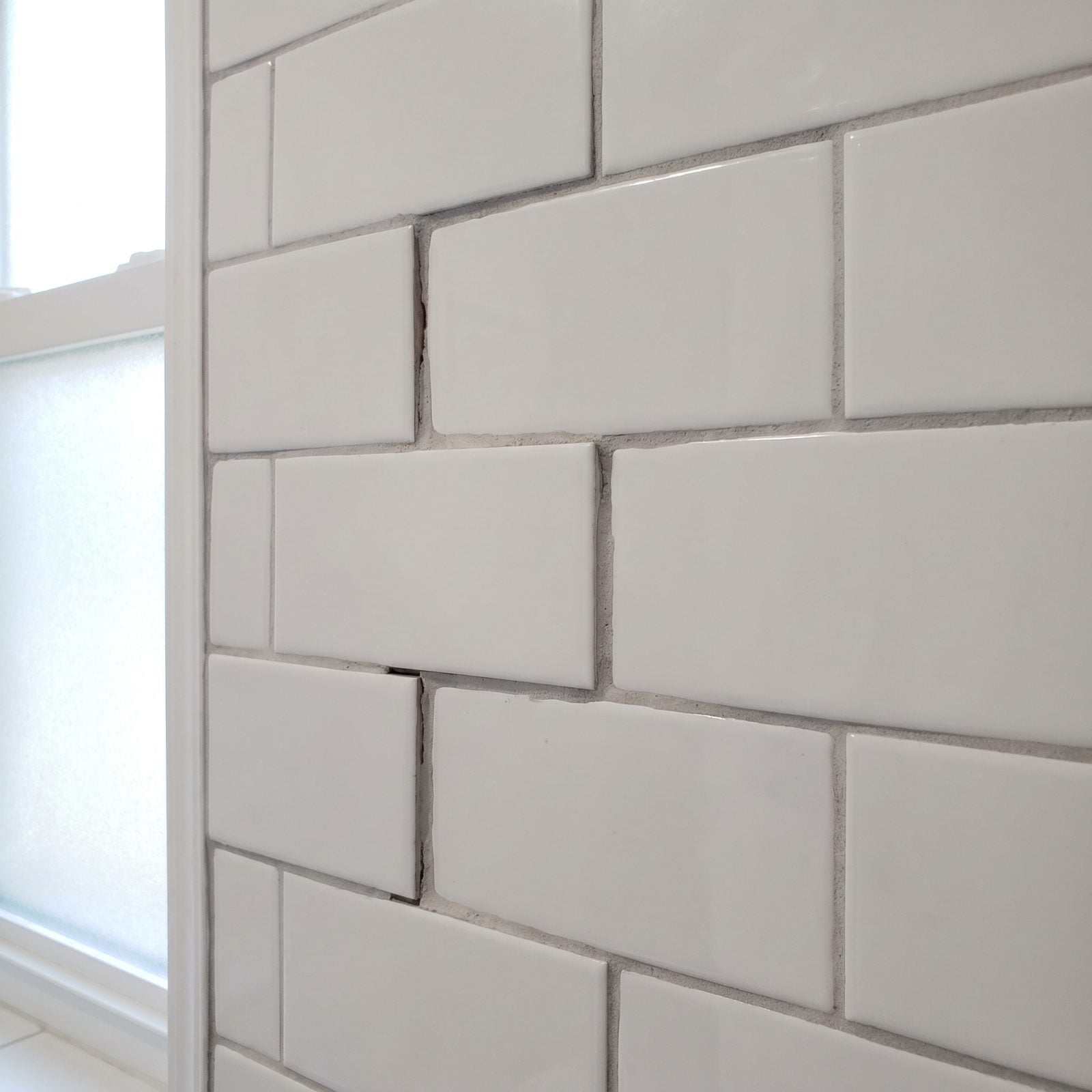
Tile is where rushed hands show the most. A good tiler keeps every grout line the same width, like a ruled page. A flipper on a deadline does not.
Look for lines that widen and shrink across the same wall, grout that changes color from one section to the next, and tiles that catch your fingernail where one sits higher than its neighbor. Those shifts mean no spacers, no patience, and a surface that will crack and leak at the weak joints.
26. Builder-Grade Light Fixtures in Every Room
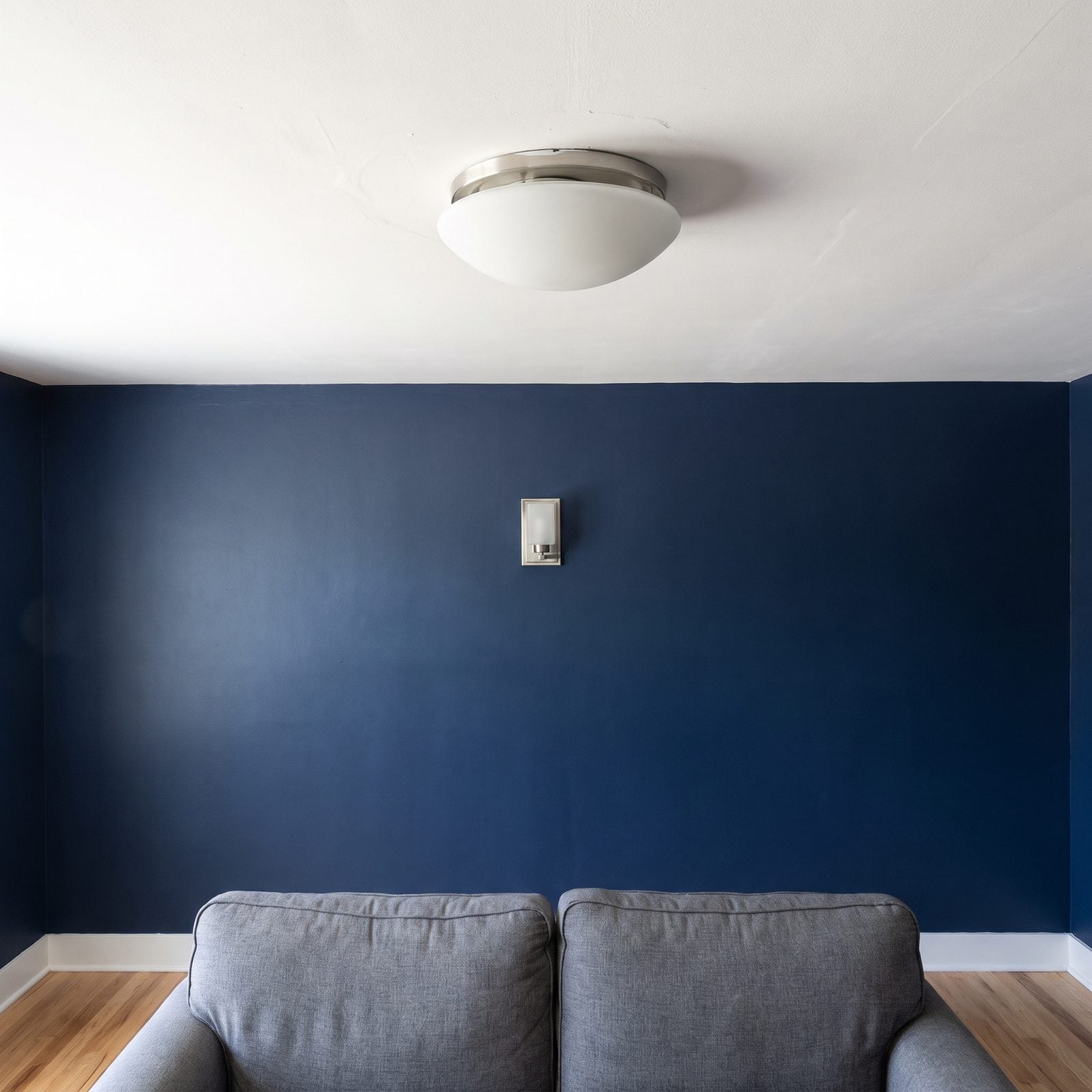
The same dome light in every room is a budget confession. You’ve seen it — that flat white disc that shows up in bulk-buy sheds and ends up screwed to every ceiling in the house.
Nothing wrong with saving money. But when every fixture is the cheapest option and the base doesn’t even sit flush to the ceiling, it tells you where the renovation spending stopped. If this is what they chose where you can see it, picture what went into the walls where you can’t.
25. Peel-and-Stick Backsplash Lifting at the Edges
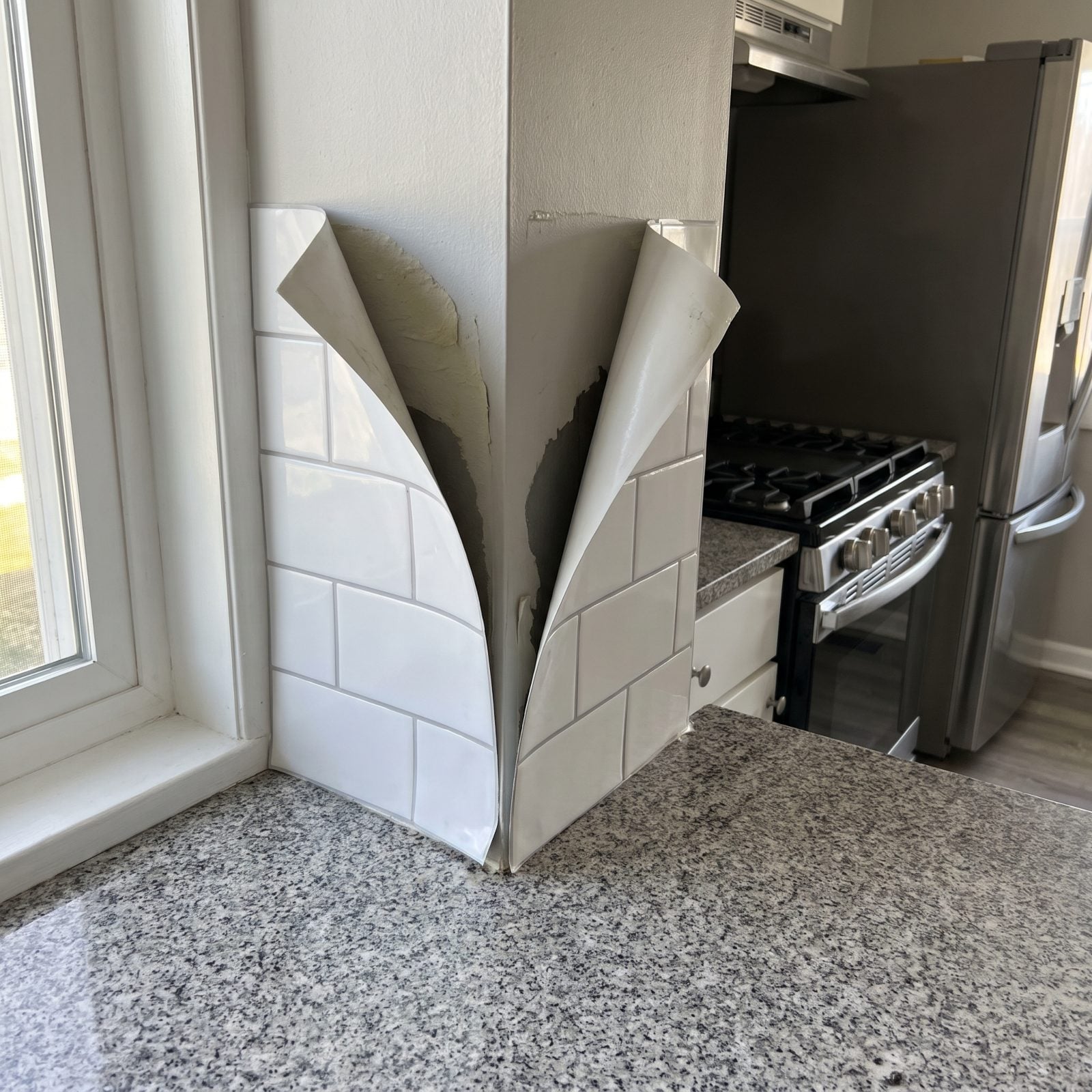
Run your thumbnail along the top edge of the backsplash. If it catches and lifts, that’s not tile. That’s a sticker pretending to be tile.
Peel-and-stick looks convincing from across the room and falls apart up close. The corners curl first, usually near the stove where heat and steam kill the adhesive. Real tile doesn’t peel. It’s one of those kitchen details that separates a genuine renovation from a weekend disguise.
24. Painted-Over Outlets and Switch Plates
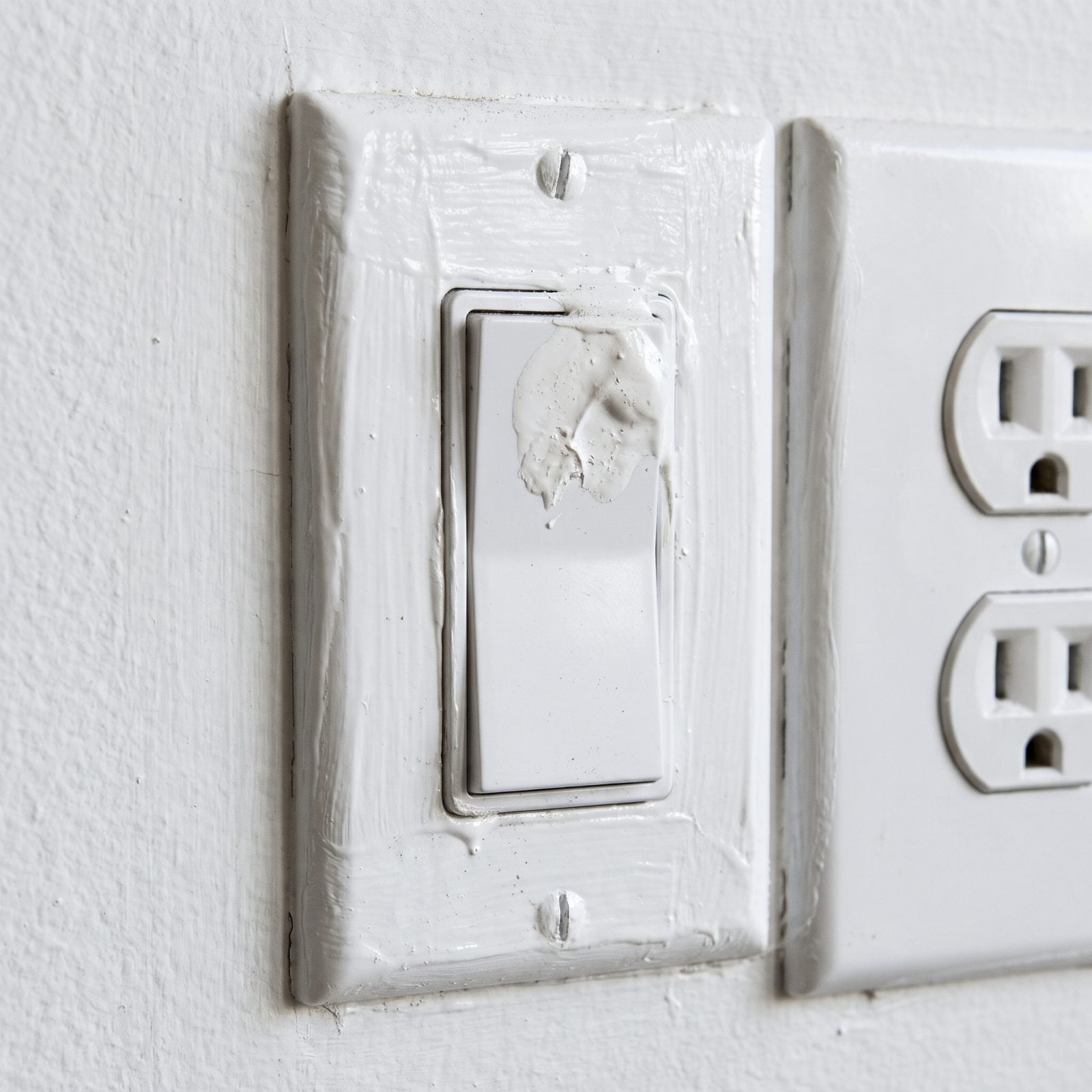
Painters who tape nothing leave a trail. The clearest one is the outlet cover sealed to the wall with a bead of dried paint, sometimes with the switch itself glued half-shut.
This is a two-dollar fix nobody bothered with, and that’s the point. The crew rolled paint over everything at speed and didn’t remove a single plate. Small laziness — but it’s a reliable window into how the rest of the job went.
23. Caulk Hiding Gaps Between Cabinets and Walls
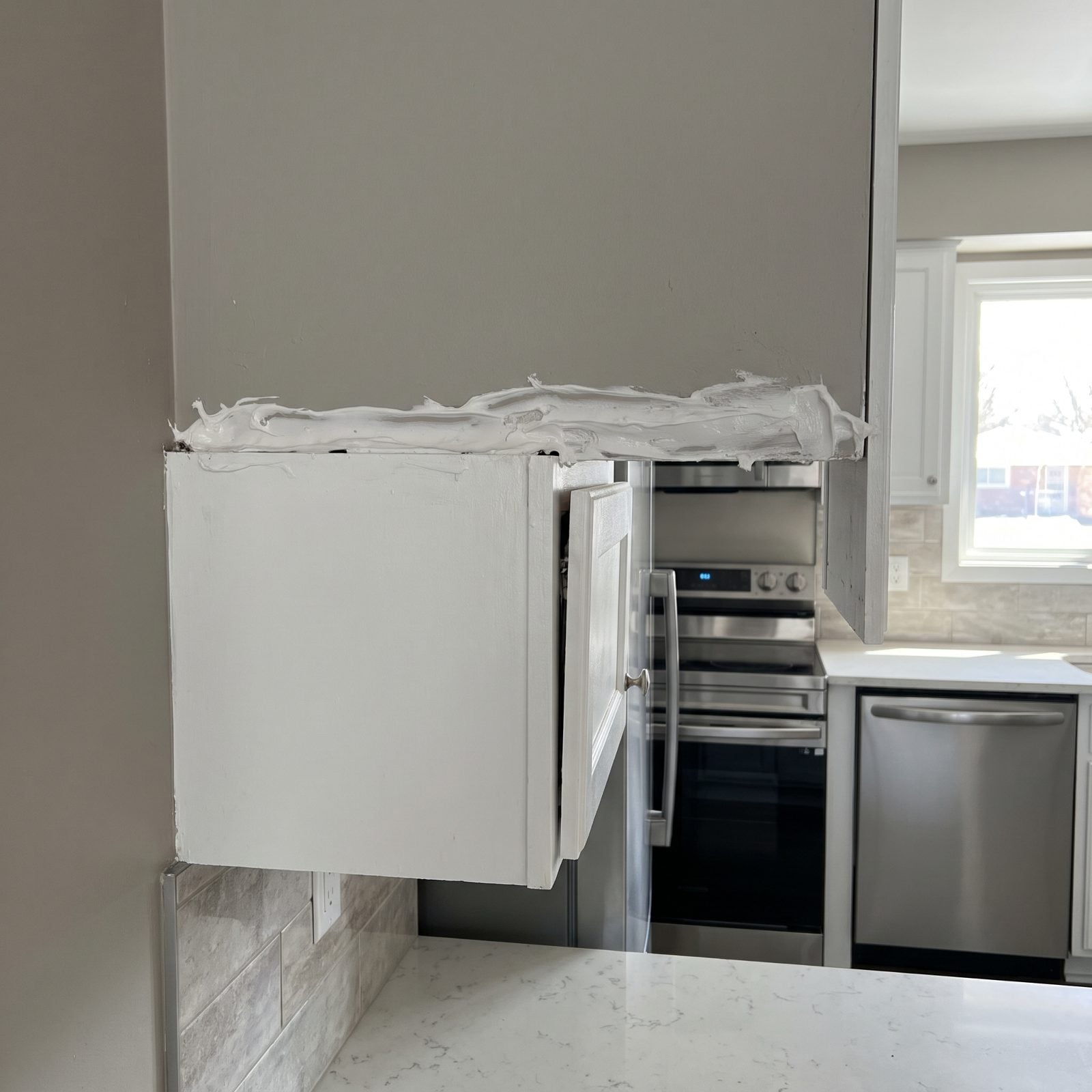
Caulk is a finishing touch. It is not a construction material, no matter how hard a flipper tries to use it like one.
A thin, clean bead seals a tight joint. A fat, lumpy rope of it means the cabinet was hung crooked and someone filled the triangle-shaped gap rather than rehang it. Look where cabinets meet walls and where crown molding meets the ceiling. The wider and messier the caulk, the bigger the problem it’s covering.
22. Doors That Don’t Close Flush in the Frame
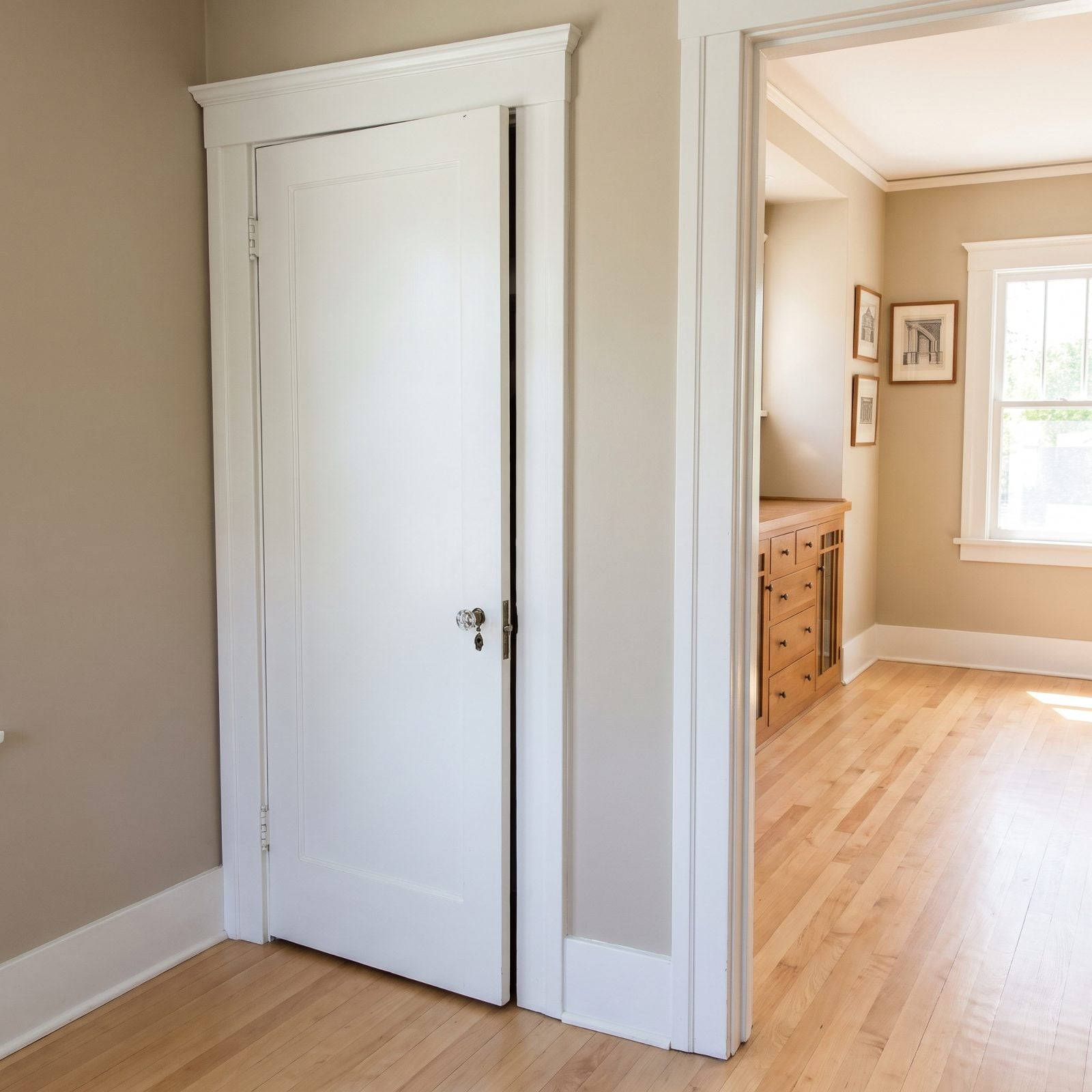
Open and close every interior door before you fall for the kitchen. A door that won’t latch, drags on the frame, or swings shut on its own is telling you the house has moved.
Uneven margins around a door — wide at the top, tight at the bottom — mean the frame is out of square. Sometimes that’s just a sloppy hang. Sometimes it’s settling or foundation movement, which is a conversation you want to have before you buy, not after. Either way, fresh paint on a crooked door changes nothing about the crooked.
21. A Brand-New Kitchen Sitting on an Un-Level Floor
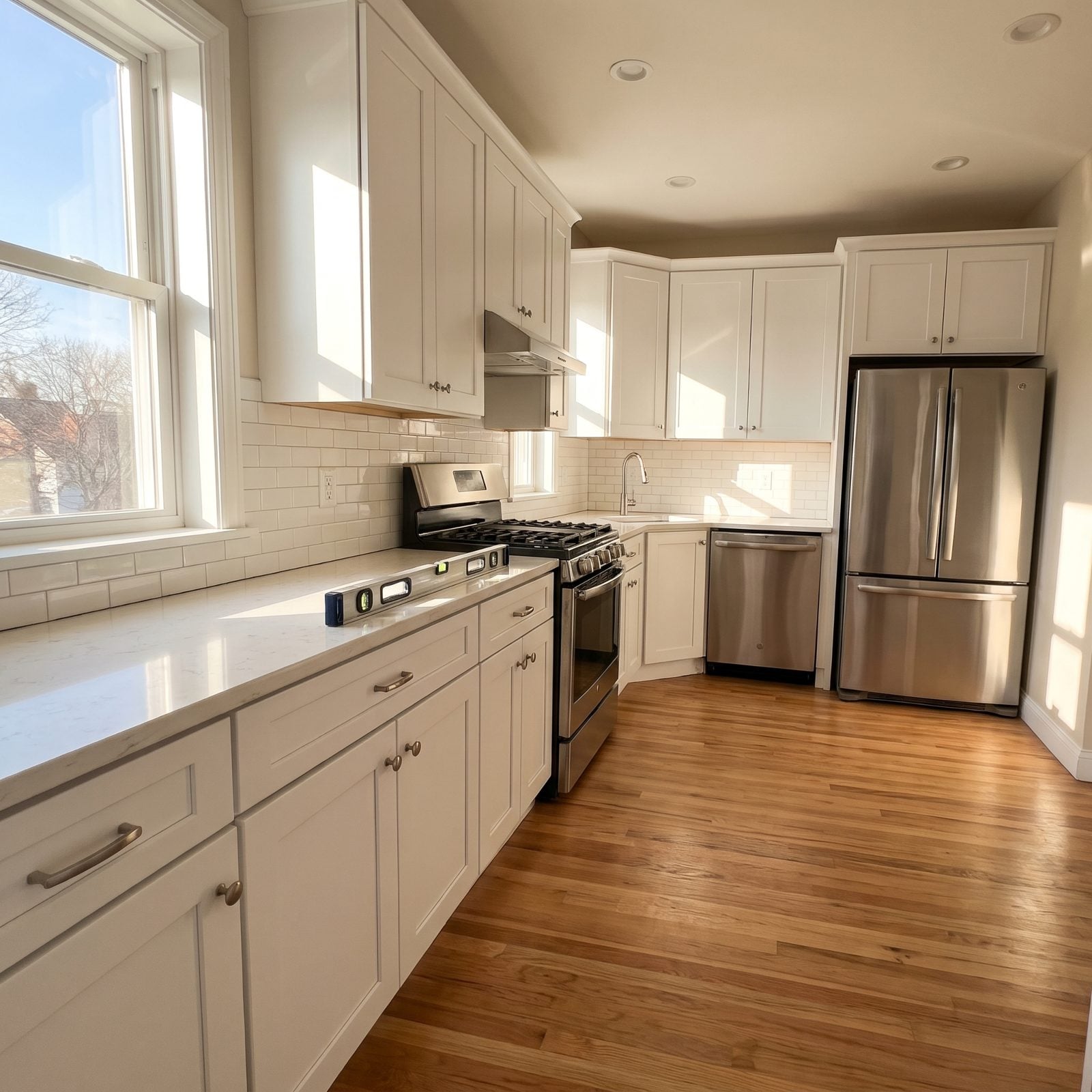
The cruelest trick in flipping is a beautiful kitchen on a floor that was never leveled. Everything looks new, and everything is slightly wrong.
Set a marble or a round pencil on the counter and watch it drift. Check the gap under the toe-kicks — tight on one end and open on the other means the whole run of cabinets is riding a slope. New appliances can’t fix a bad floor. The refrigerator doors drift open, the dishwasher won’t drain evenly, and the stove won’t cook flat.
A stainless kitchen bolted to a crooked floor is lipstick on a problem that costs five figures to actually solve.
This one catches careful buyers off guard, because the surfaces are so convincing. But the floor underneath is the bones, and no amount of new cabinetry rewrites the bones. Walk it, roll something, trust the drift.
20. Trendy Gray Everything With No Warmth
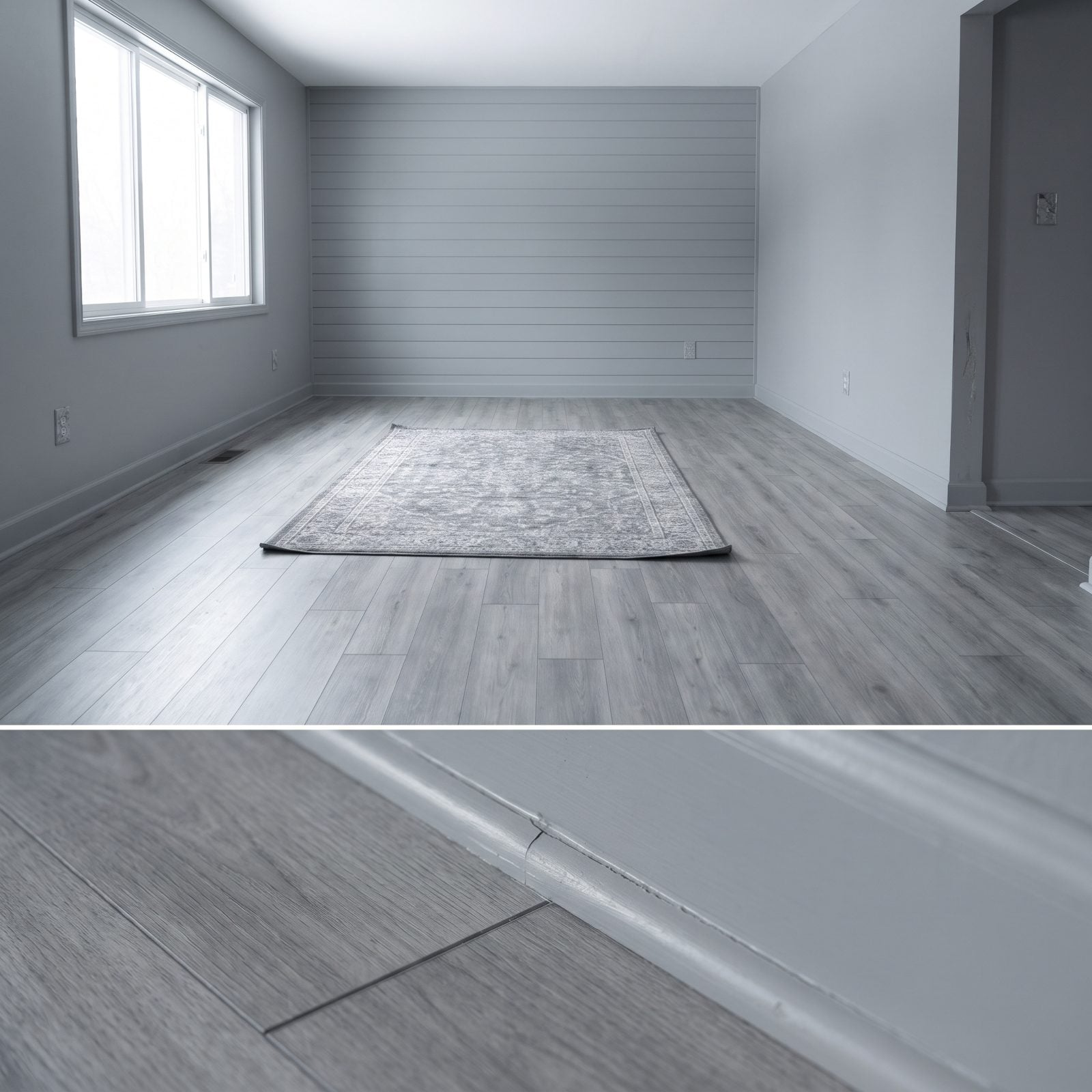
Gray flooring, gray walls, gray trim, even gray outlet covers. When a flip goes all-in on one cool tone, the room stops reading as calm and starts reading as a DMV waiting area — nowhere for your eye to land, nothing to warm your hands on.
Practical buyers clock it fast. Gray hides nothing. It just announces that someone painted everything the same safe color to dodge a real decision. Add one warm wood tone or a brass fixture and the whole thing breathes again.
19. Hollow-Core Doors on a ‘Luxury’ Listing
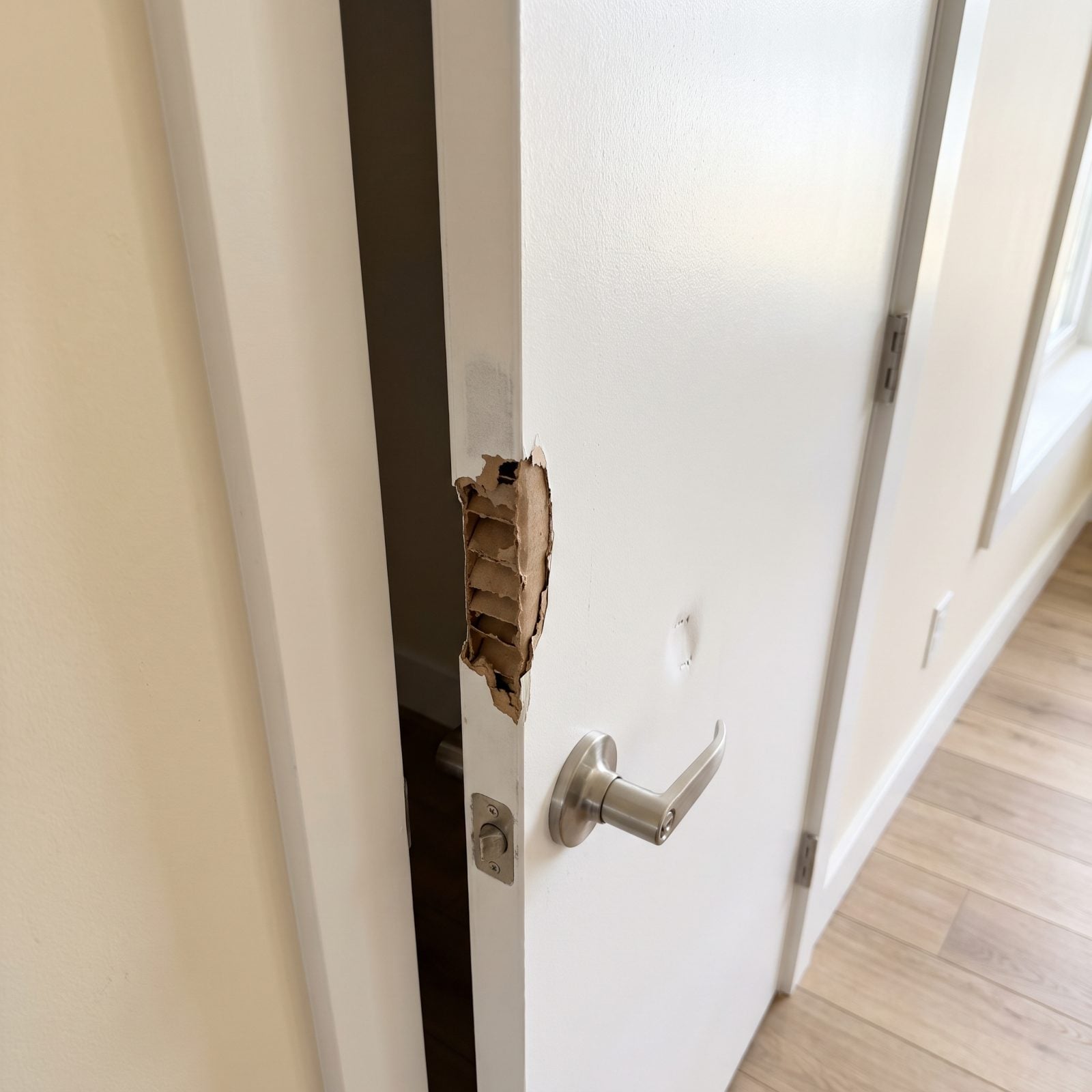
Knock on the bedroom door. If it sounds like a drum, the luxury story just fell apart.
Hollow-core doors are fine in a starter home. On a listing calling itself high-end at a high-end price, they’re a tell: the flip spent money where cameras point and saved it where fingers knock. A solid-core door has weight and a quiet thud. The hollow one swings too easily and rattles in its frame.
18. Painted Brass Hardware Already Chipping
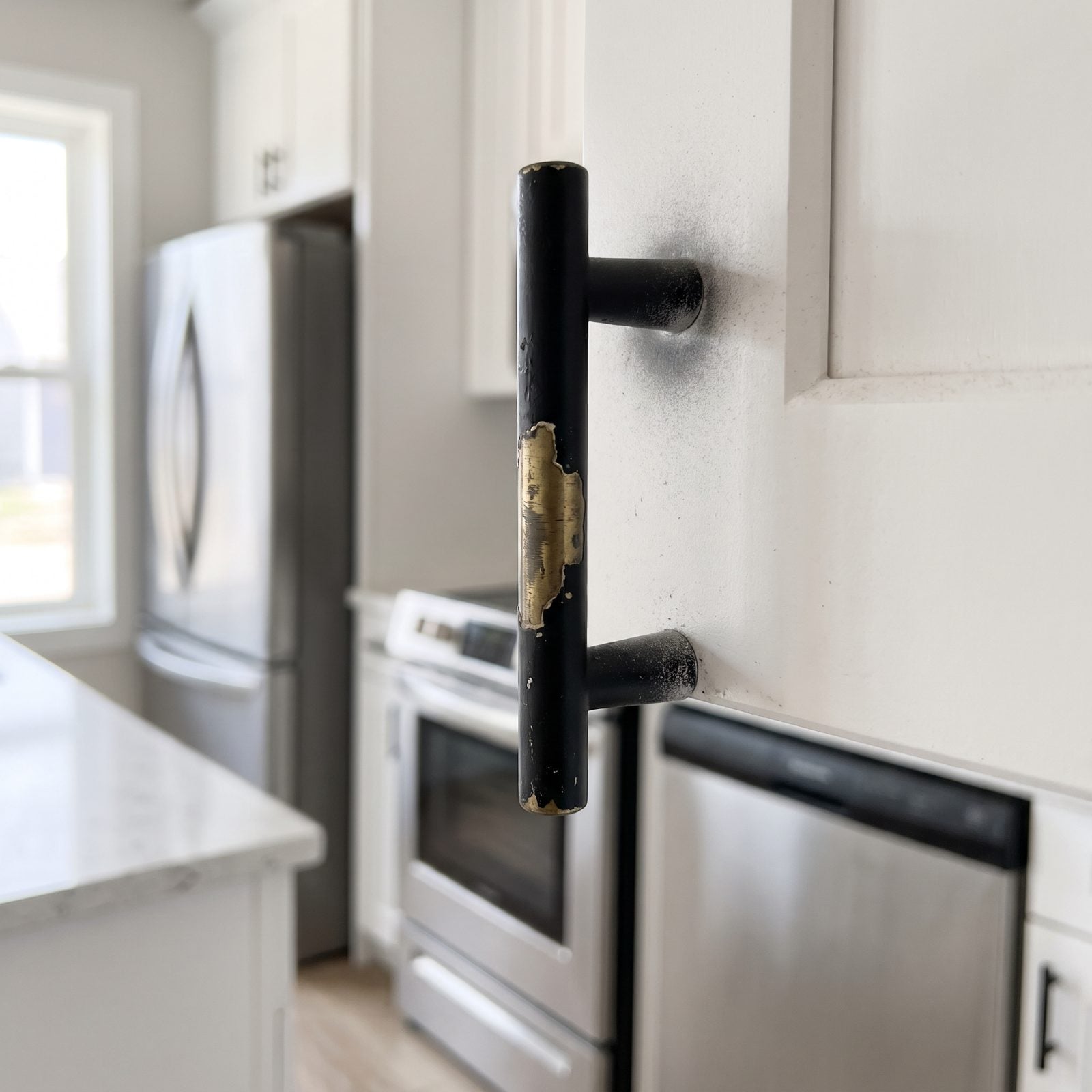
That trendy matte black pull? Scratch the edge with a fingernail. If a glint of yellow brass winks back, it was never new hardware — someone rattle-canned the old 1990s pulls and called it an update.
Spray paint on a handle wears off right where your thumb lands, so it starts failing the day you move in. We’ve seen whole kitchens of it. The overspray halo on the cabinet face usually gives it away before the chipping does.
17. New Countertops Over Old Sagging Cabinets
🔥 Would you like to save this?
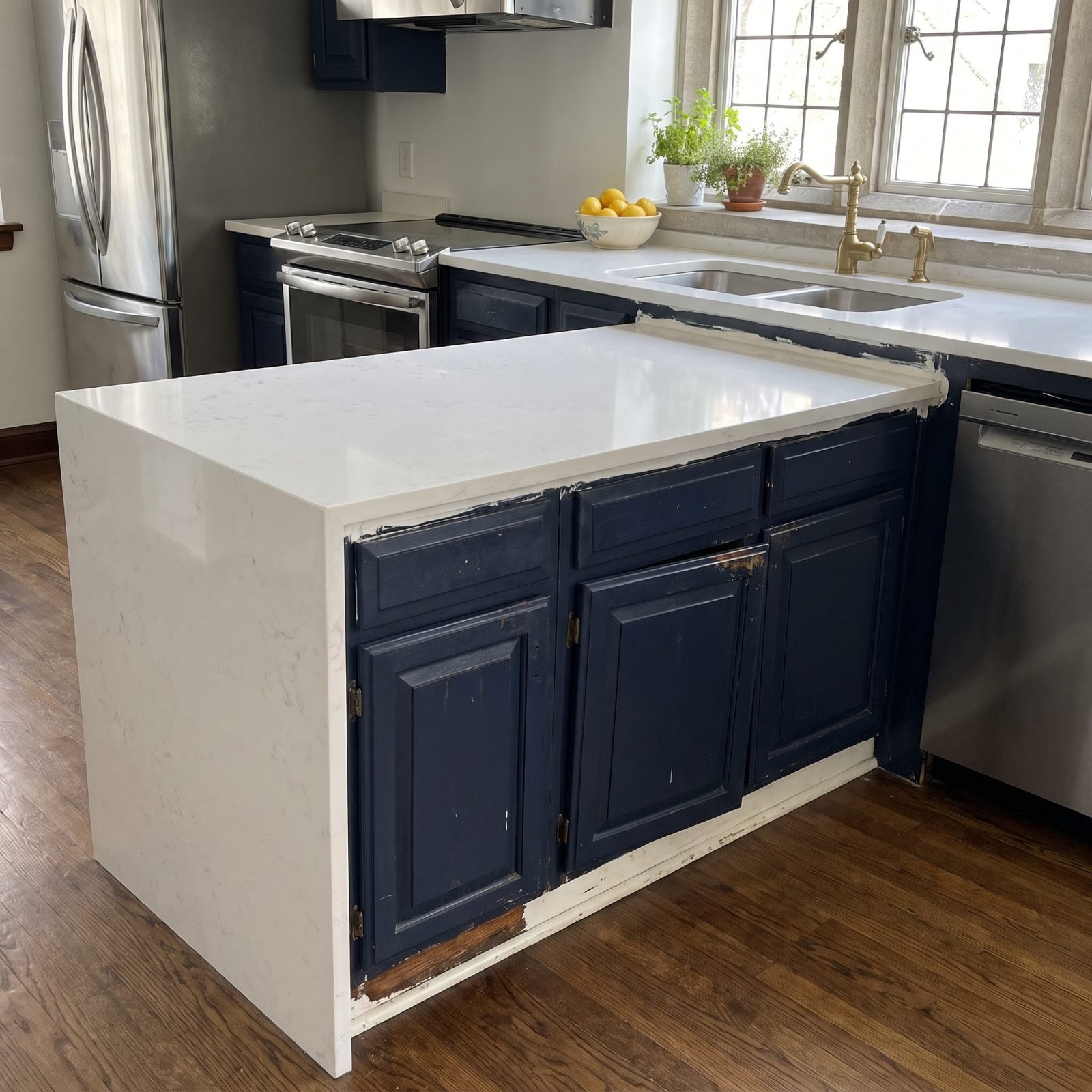
The quartz is new. The boxes holding it up are twenty years old and tired.
Open and close a few doors. Look for a face frame that bows, a hinge that sags, a toe-kick where old oak stain peeks under fresh white paint. A flip loves a new countertop because it photographs like a full renovation for a fraction of the cost — but that counter is only as good as the cabinet carcass under it, and old kitchen details have a way of outing themselves the moment you load a drawer.
16. Shiny New Vents, Same Ancient Furnace
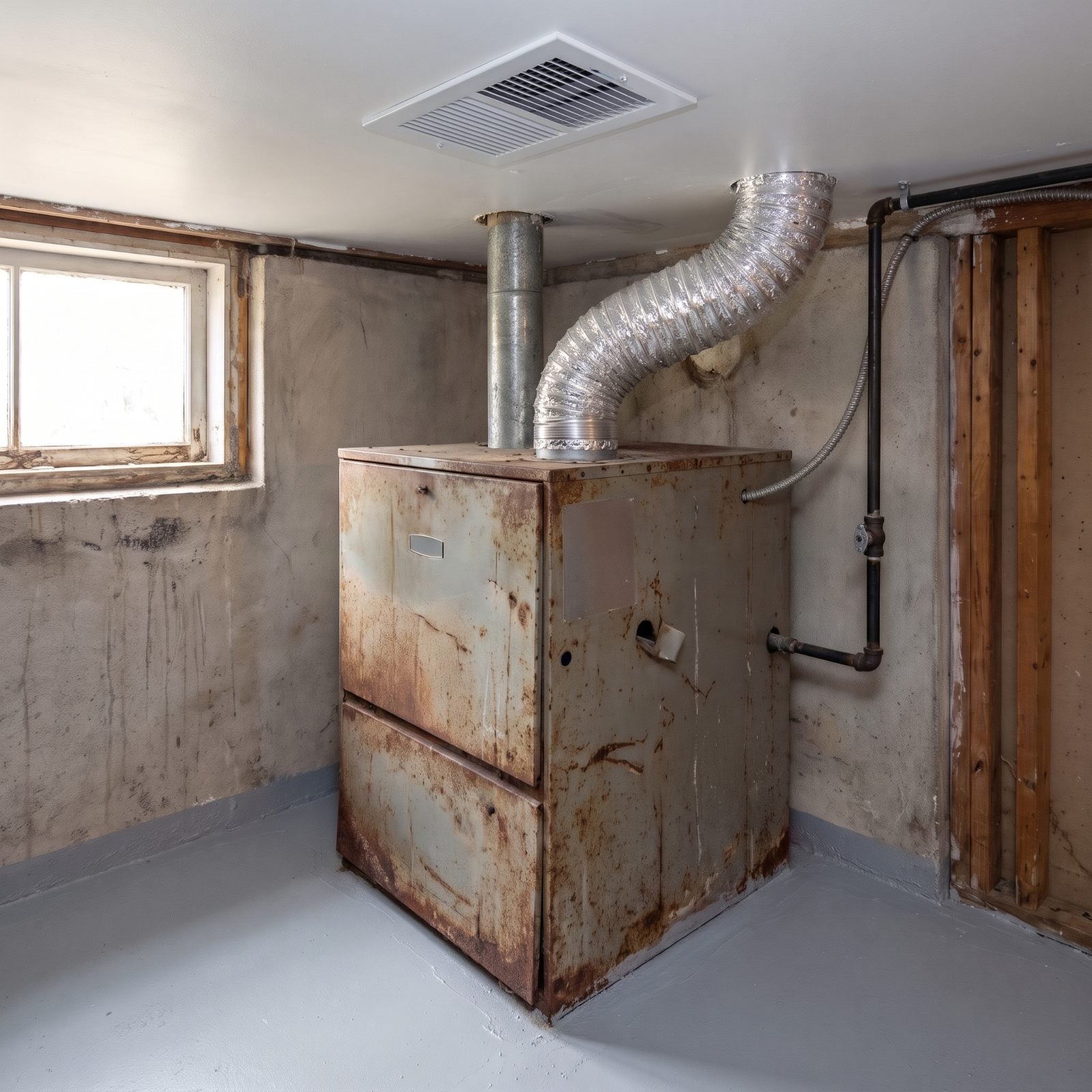
Fresh white registers in every room. New flex duct snaking up to the ceiling. And then you turn the corner and meet a furnace that remembers the first Bush administration.
Vents and registers cost a few dollars each. A furnace runs thousands. Guess which one a flip replaces for the photos. Check the label for a manufacture date, then look at the rust around the base — new ductwork bolted to a dying unit is lipstick on a very expensive problem.
15. Fresh Mulch Hiding a Cracked Foundation
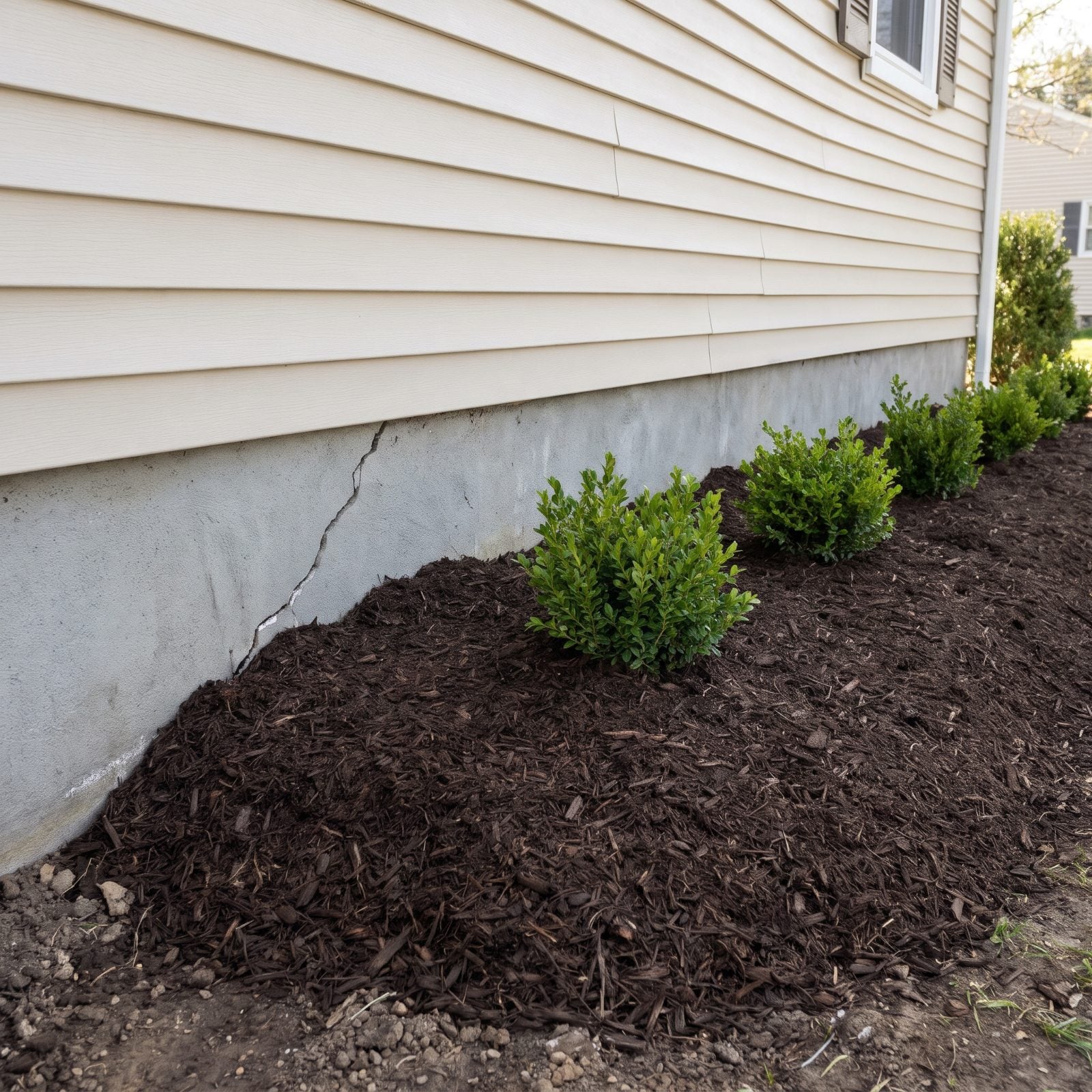
Mulch piled suspiciously high against the foundation is rarely about the garden.
Fresh landscaping is one of the cheapest ways to make a house look loved, and a convenient place to bury a problem. Rake back a handful near the base. If the mulch is mounded right where the concrete meets the dirt, ask what it’s covering. A diagonal crack widening at the bottom costs real money — and nobody plants a shrub by accident over the one spot you most want to see.
14. Torn or Missing Window Screens Behind New Trim
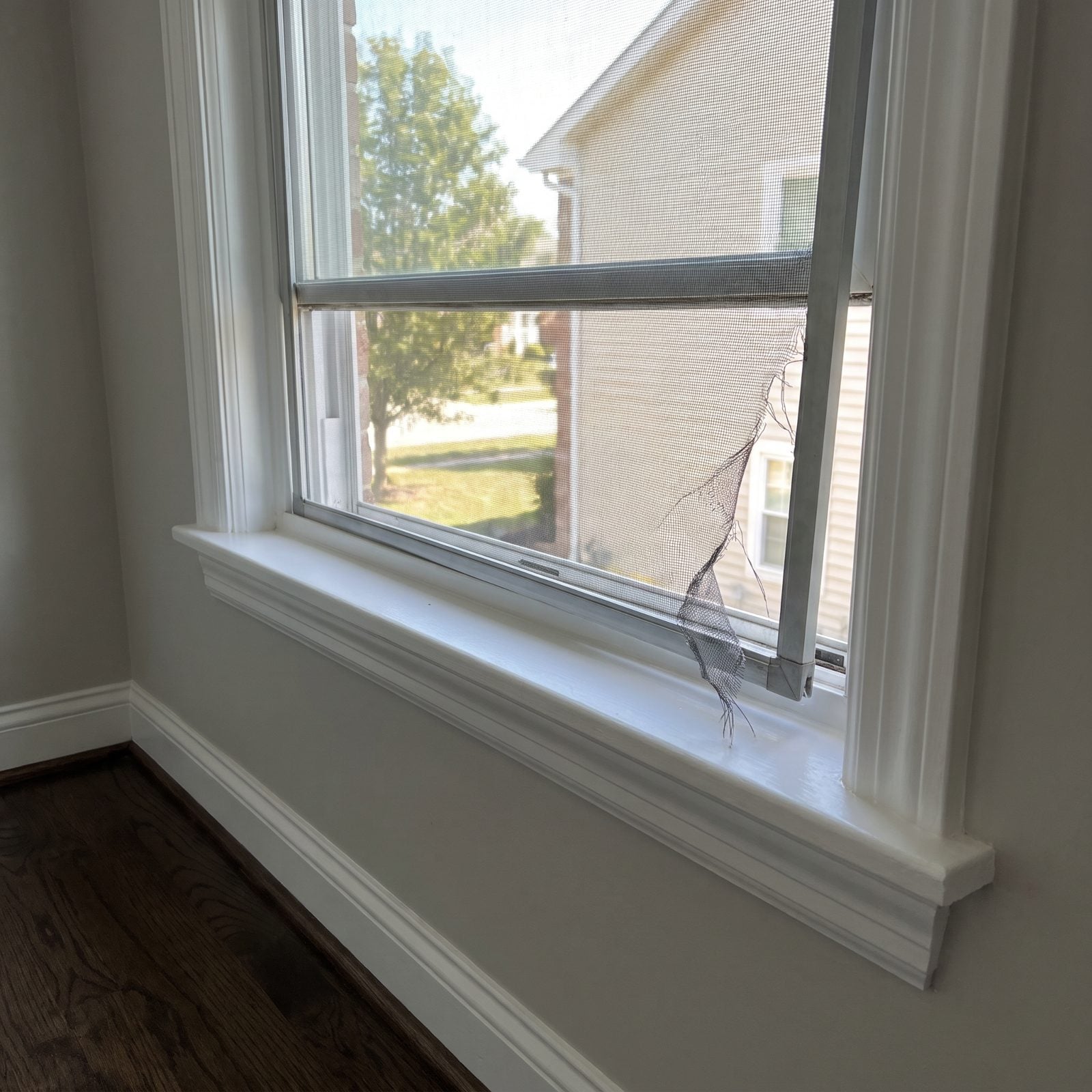
Crisp new trim, fresh paint on the sill, and a window screen torn at the corner or gone entirely.
Screens are the thing a flip never bothers to fix, because they don’t show in a photo. But they tell you exactly how deep the work went. New casing, old everything you can’t see from the staged angle. If the screens got skipped, so did a dozen other quiet things.
13. Bathroom Vanity Plumbing That Doesn’t Line Up
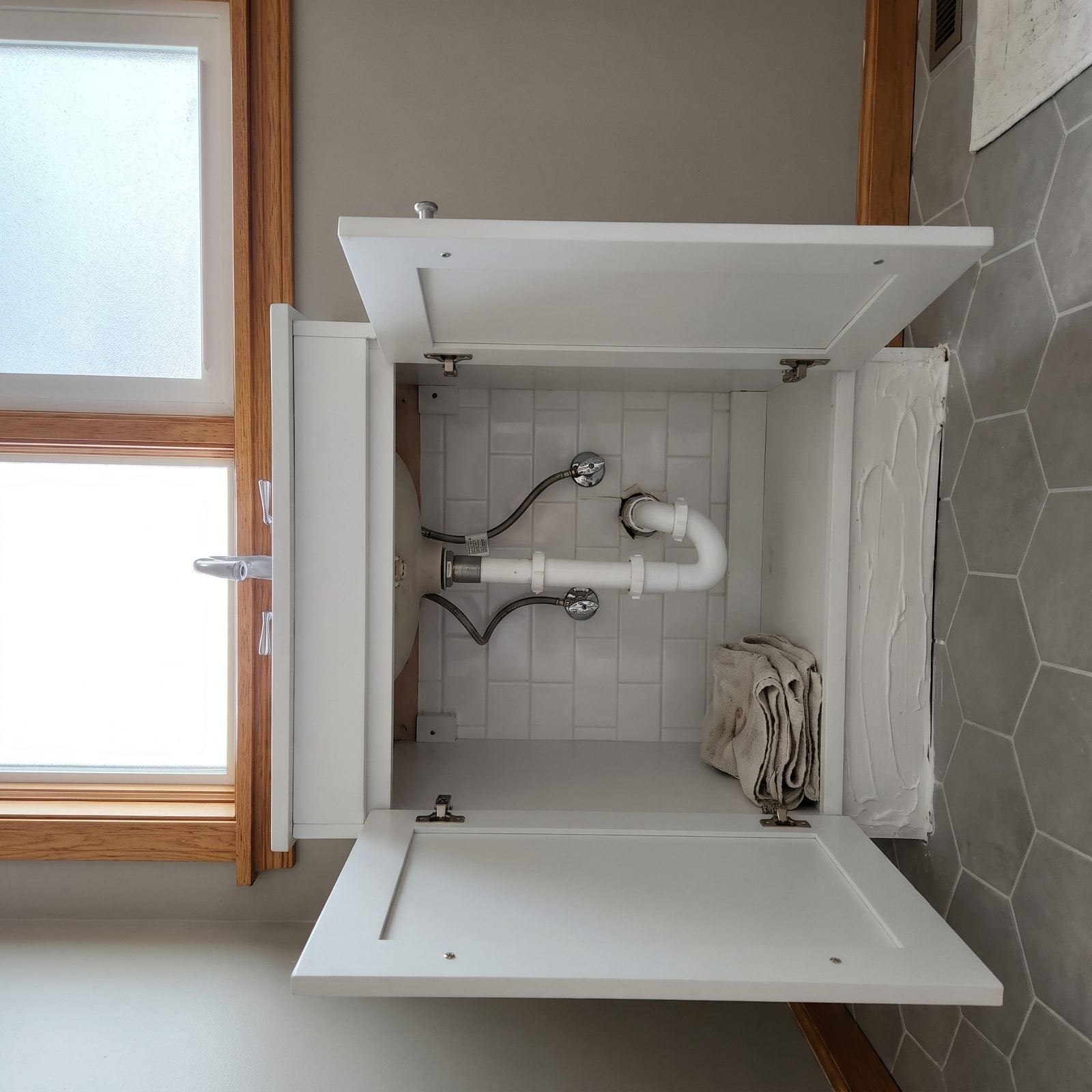
Open the vanity cabinet and look underneath. That’s where the honesty lives.
When a flip drops a new vanity in place without moving the rough plumbing, the supply lines angle sideways to reach and the P-trap sits at a tilt it was never meant to hold. It works, barely. A tilted trap holds water wrong, and a strained supply line is a slow leak waiting for a reason. That caulk smear at the base is trying to tell you the vanity doesn’t quite fit the floor either.
12. Recessed Lighting Cans Spaced By Guesswork
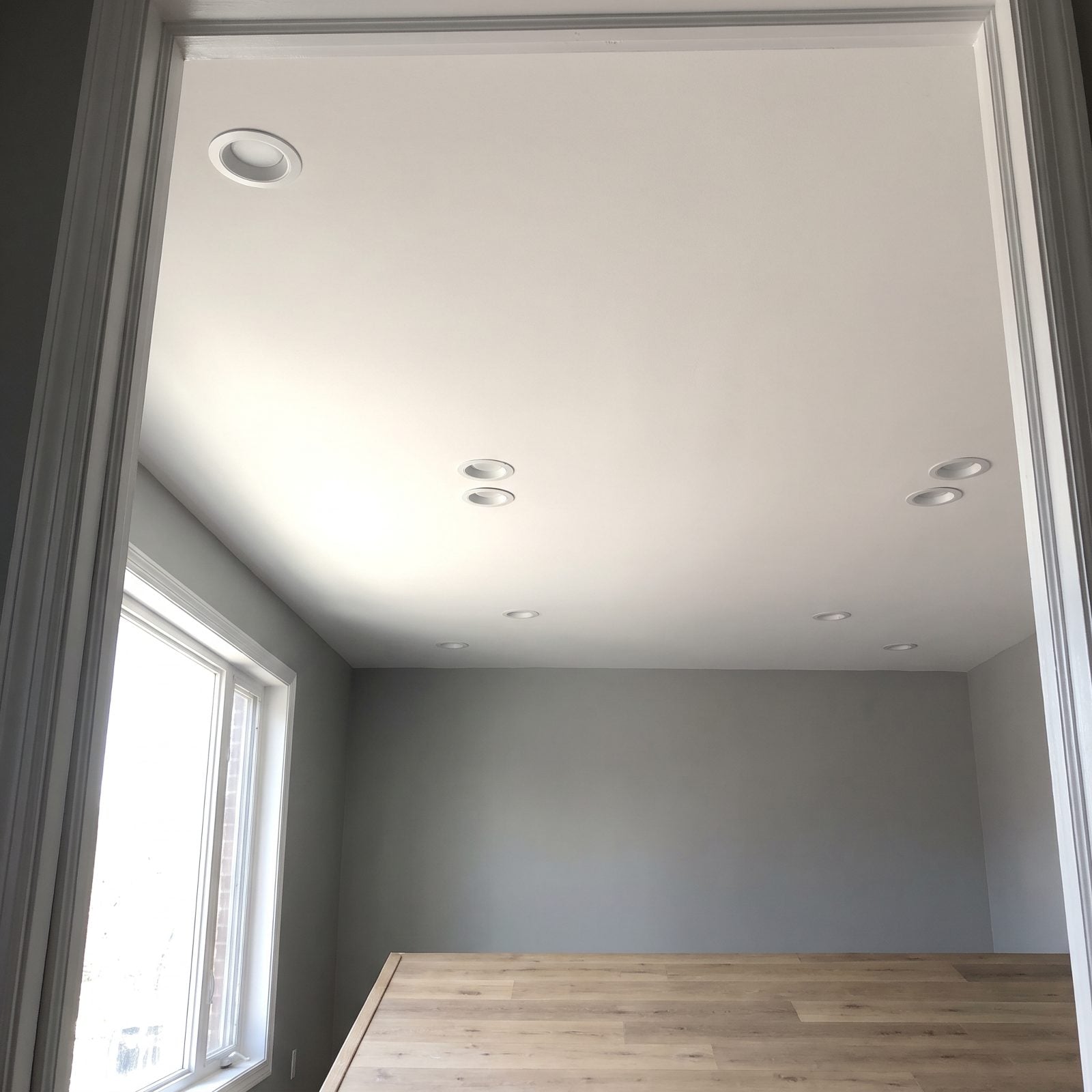
Stand in the middle of the room and look up. Pros snap a chalk line and center the cans. A rushed flip eyeballs it.
Once you see uneven recessed lighting you can’t unsee it. One can crowds a wall, two sit too close, one floats alone in a corner like it got lost. It means the electrical was cut in fast, between the holes they already found in the joists, and nobody measured. Small thing. But it quietly tells you how careful the rest of the hidden work was.
11. Fresh Exterior Paint That Stops at Eye Level
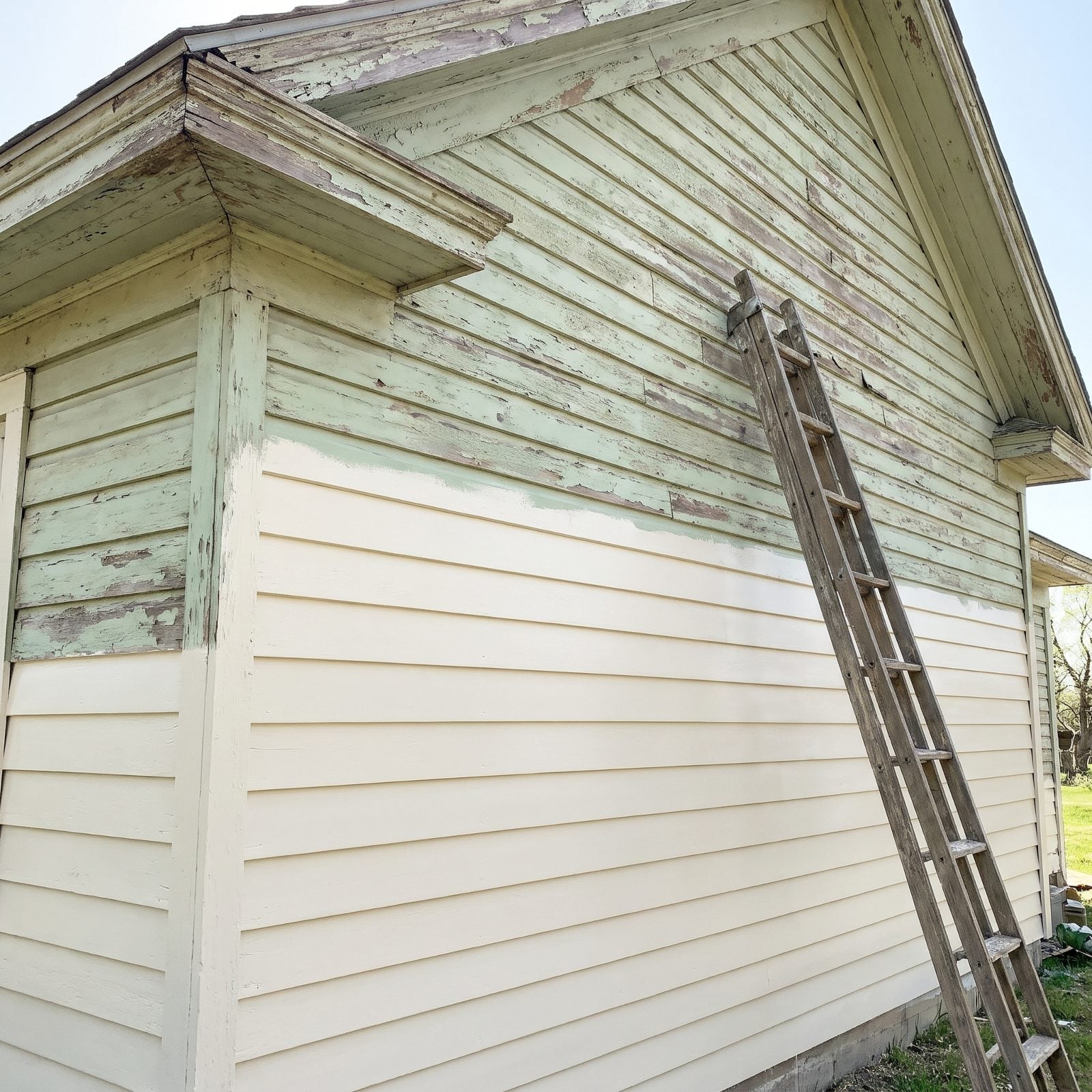
Step back across the street and look up.
The front of the house looks freshly painted. Then your eye climbs past the first floor and the fresh coat just quits, leaving old chalky siding and peeling trim up near the eaves. Someone painted what you’d see from the sidewalk and skipped the ladder work. Once you catch that paint line you’ll notice it on half the flips you tour. The expensive part of exterior paint is the height, and that’s exactly the part they skipped.
10. The Brand-New Water Heater Bolted to Rotting Pipes
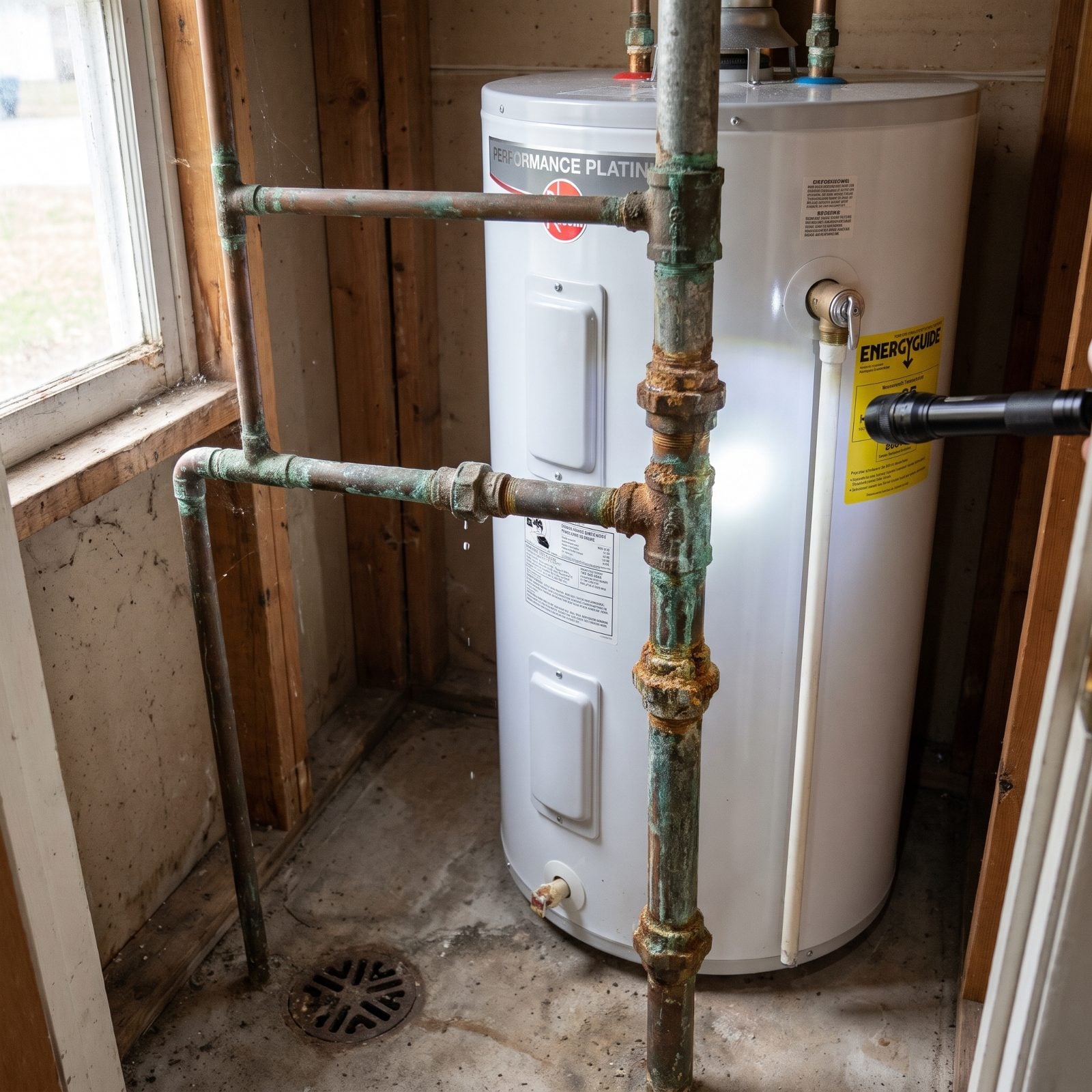
A new water heater is the oldest trick in the flip. Buyers love shiny appliances, so one gets swapped in cheap while the corroded supply lines feeding it never got touched.
Follow the pipe. A spotless tank sitting on green-stained copper tells you the fix was skin deep, and the money went where it would be seen rather than where it mattered.
9. Laminate Counters Wearing a Stone Costume
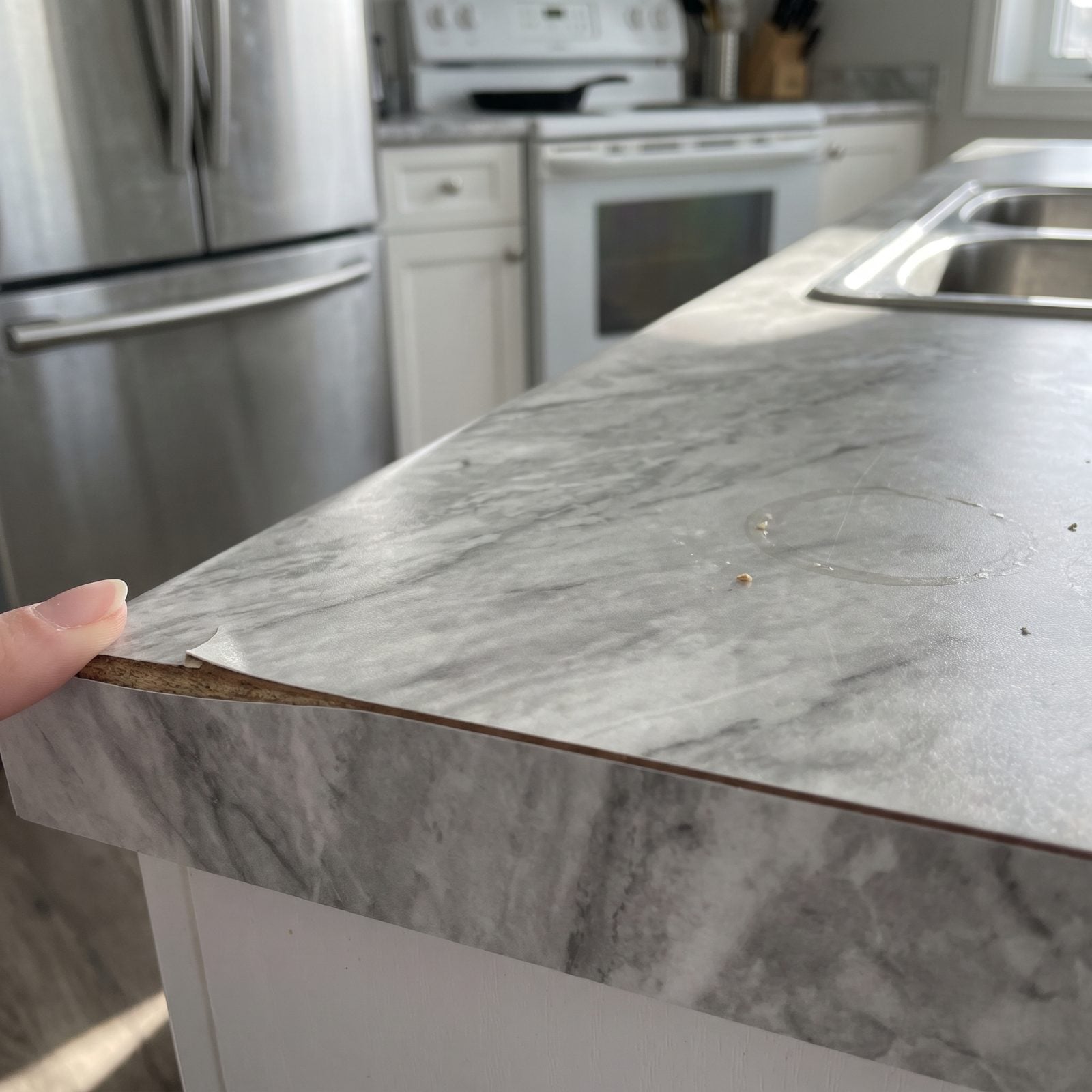
Run your hand along the edge. Real stone has weight and a cool, solid feel, and laminate gives itself away at the lip where a thin printed seam meets exposed particleboard.
The real tell is uniformity. Natural quartz and granite carry random movement and tiny imperfections, so a pattern that repeats every few feet is just a photograph glued to wood. And look, there’s nothing wrong with laminate at a laminate price. The problem is paying stone prices for it.
8. Plug-In Air Fresheners Working Overtime
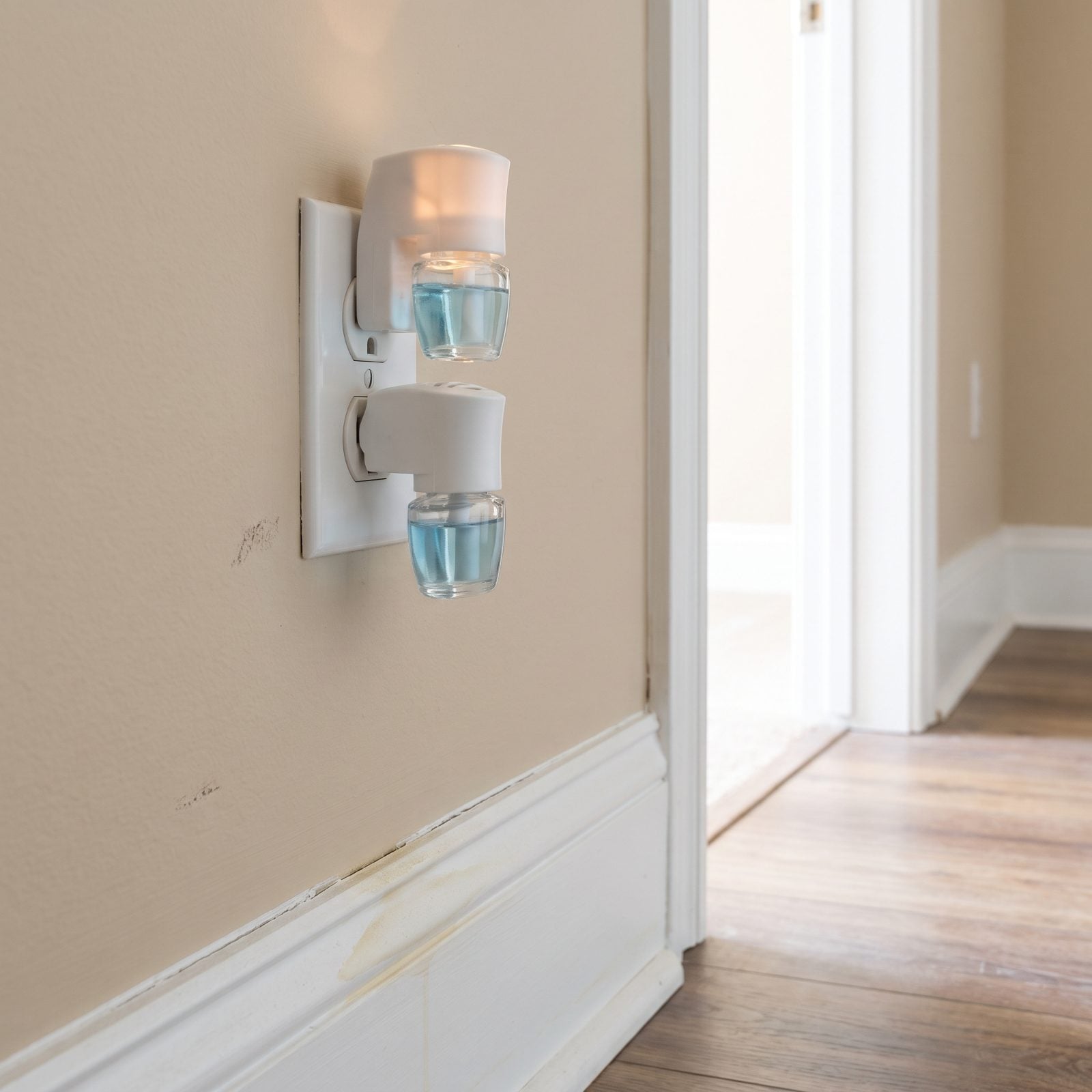
Two fresheners in one hallway is not a decorating choice. It’s a cover story.
Fresh paint and new carpet don’t need help smelling clean. When a house is fighting its own air with vanilla and “ocean breeze,” something underneath is losing — musty basements, old pet damage, moisture in the walls. Smell beats sight every single time, which is exactly why a flipper reaches for the plug-in before you ever walk through the door.
7. Quarter-Round Trim Hiding the Flooring Gaps
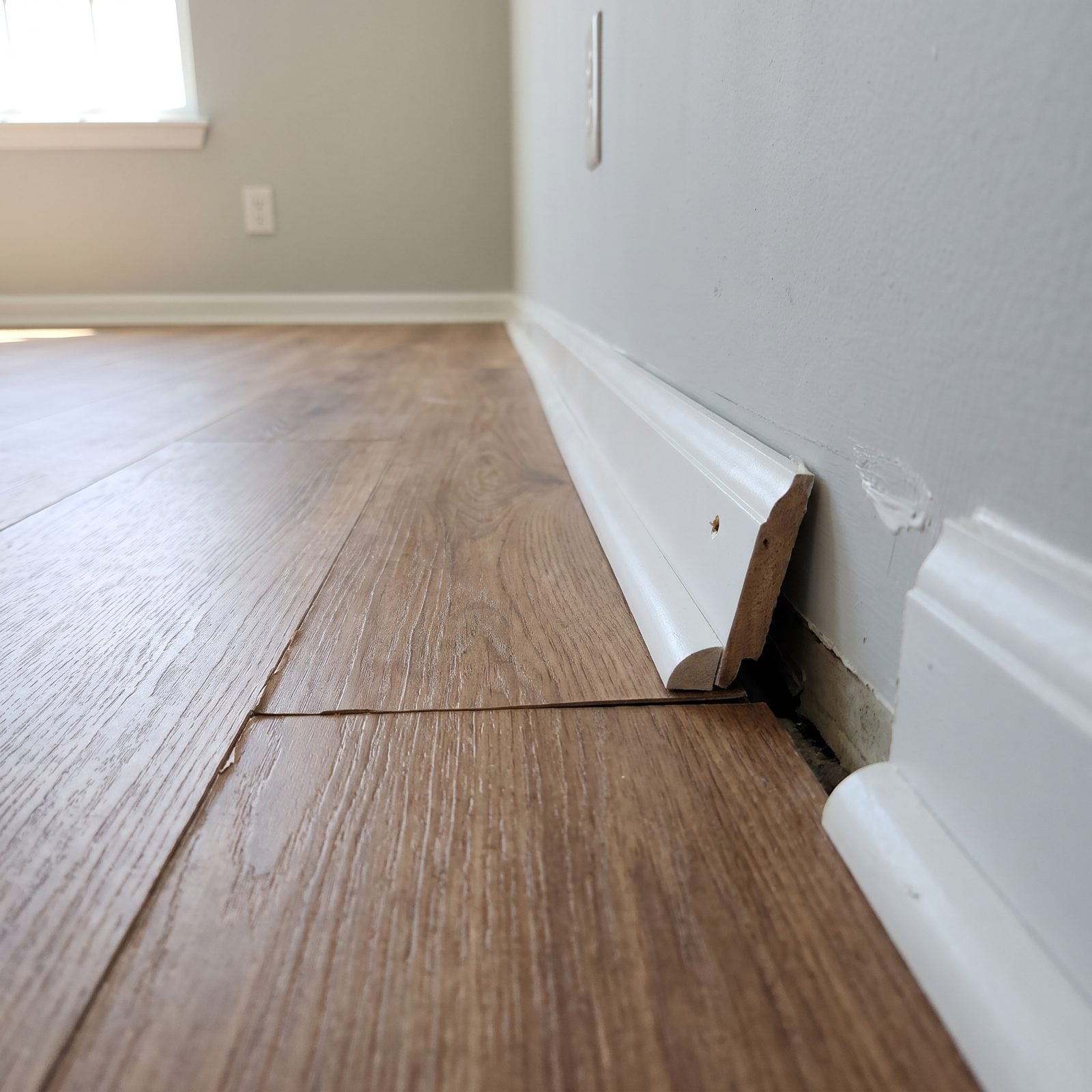
Quarter-round has an honest job and a dishonest one. The honest one is hiding the normal expansion gap good flooring needs. The dishonest one is covering a sloppy cut that left a two-inch canyon against the wall.
Crouch down and look where the trim pulls away. If the gap behind it swallows a pencil, the install got rushed. Decent flooring runs tight and even, and trim should finish the work — not bury it.
6. Paint Overspray Freckling the Windows and Hardware
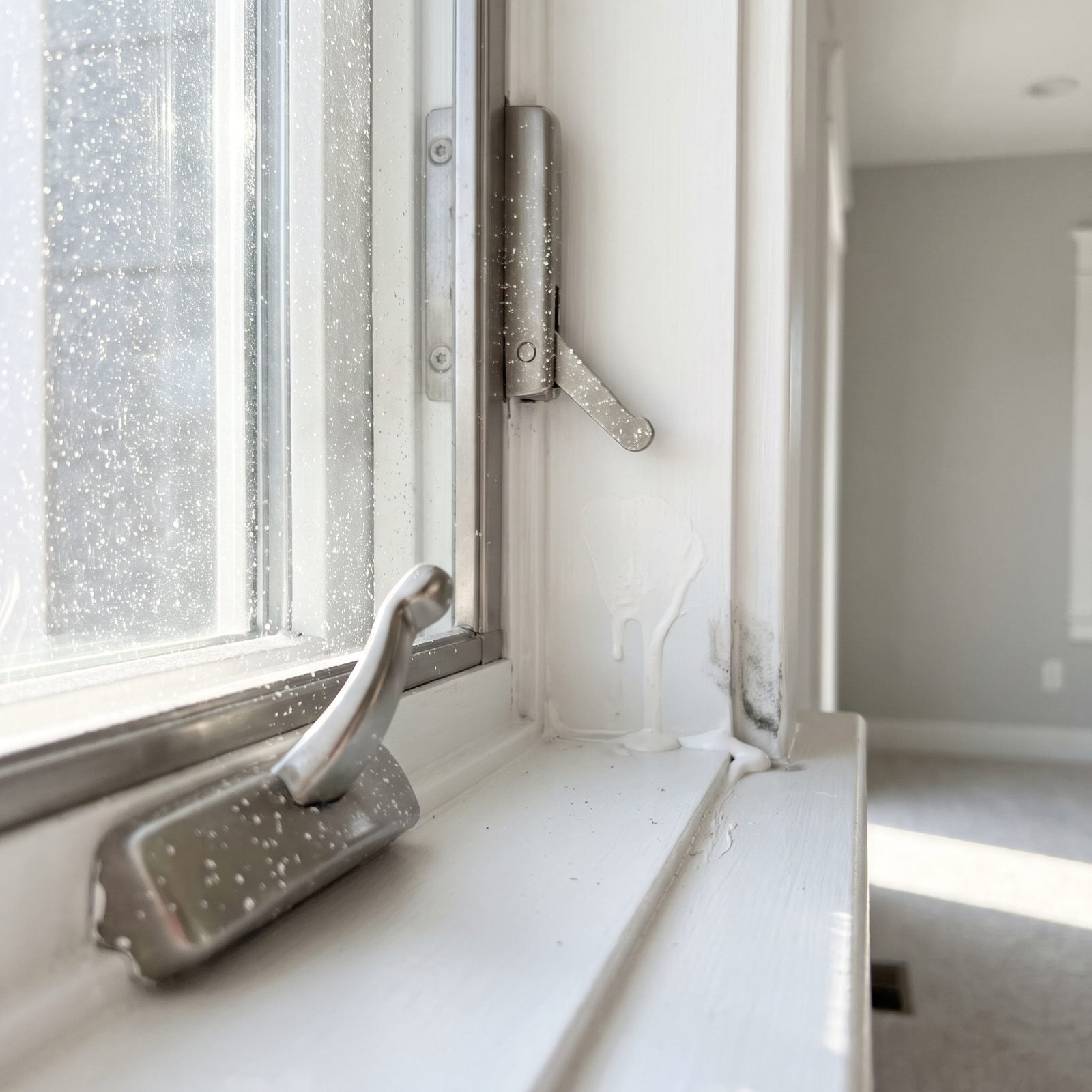
Look at the hinges. Look at the window latches. Look at the outlet covers.
A careful painter tapes and masks. A fast flip sprays everything and wipes down whatever shows at eye level, which means the overspray that lands on hardware, glass, and door hinges is the stuff nobody bothered to clean. Those speckles are a small thing, sure. But they tell you how the whole job got done, because a crew that cuts corners on prep cuts corners everywhere.
5. New Carpet That Can’t Hide a Tilting Floor
🔥 Would you like to save this?
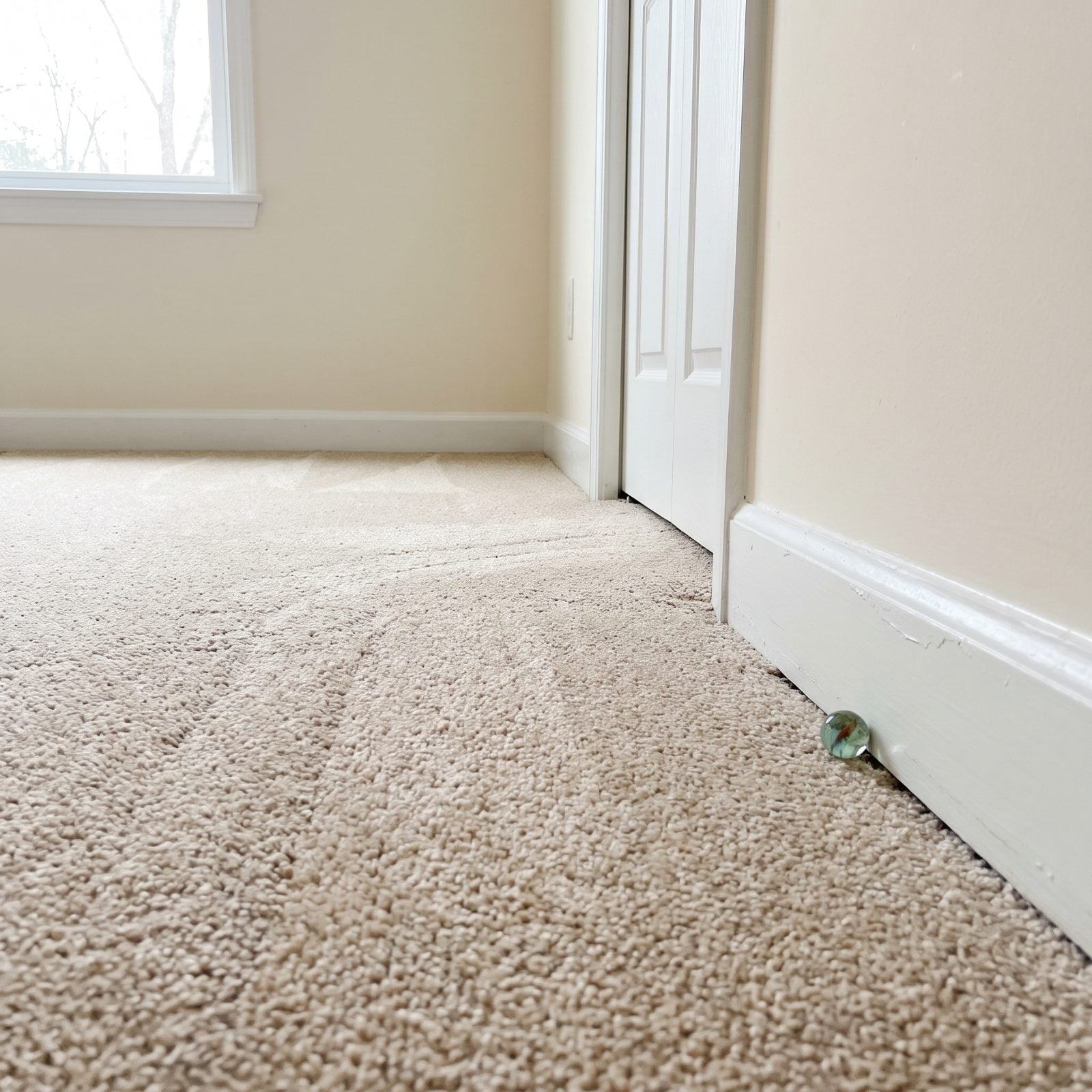
New carpet smells like progress, and it also hides a lot.
Set a marble on the floor. If it rolls to the same corner every time, the subfloor is telling you something the carpet won’t — settling, a cracked joist, foundation movement. Fresh pile covers the surface, not the problem underneath. The baseboard line gives it away too, so watch for a gap that widens as it crosses the room.
4. The Electrical Panel Frozen in 1974
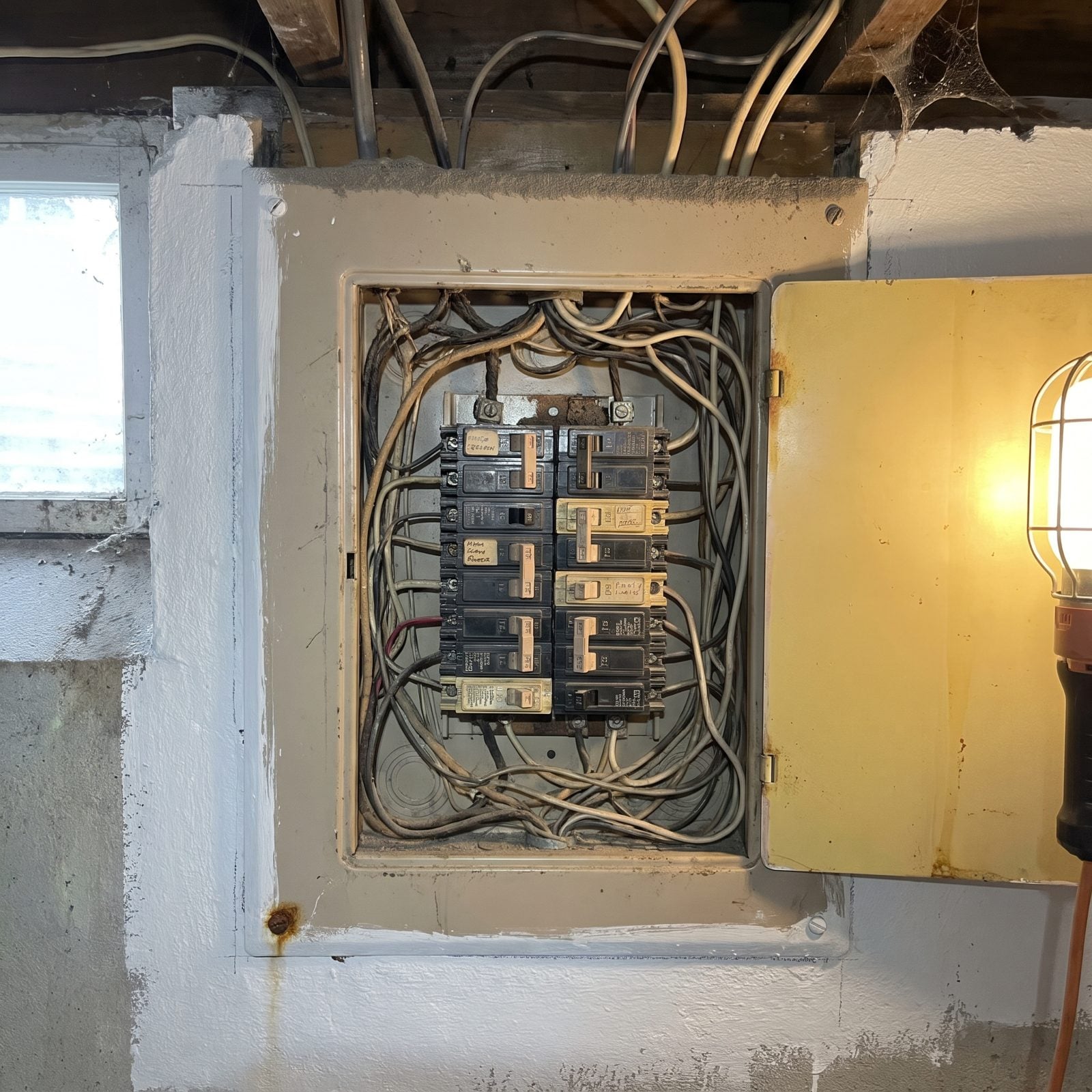
Flippers love to paint over a house. They rarely touch the panel, because real electrical work costs real money and hides behind a metal door.
Pop that door open. Faded labels in someone’s handwriting, mismatched breaker brands, cloth wiring tucked in the corner. If the panel looks untouched since bell-bottoms were new, no amount of granite upstairs changes the fact that the bones are old. Unlike the kitchen details a flip loves to show off, the panel is something a cosmetic flip almost never reaches, and it happens to be the one that can actually hurt you.
3. The Toilet That Rocks on an Uneven Base
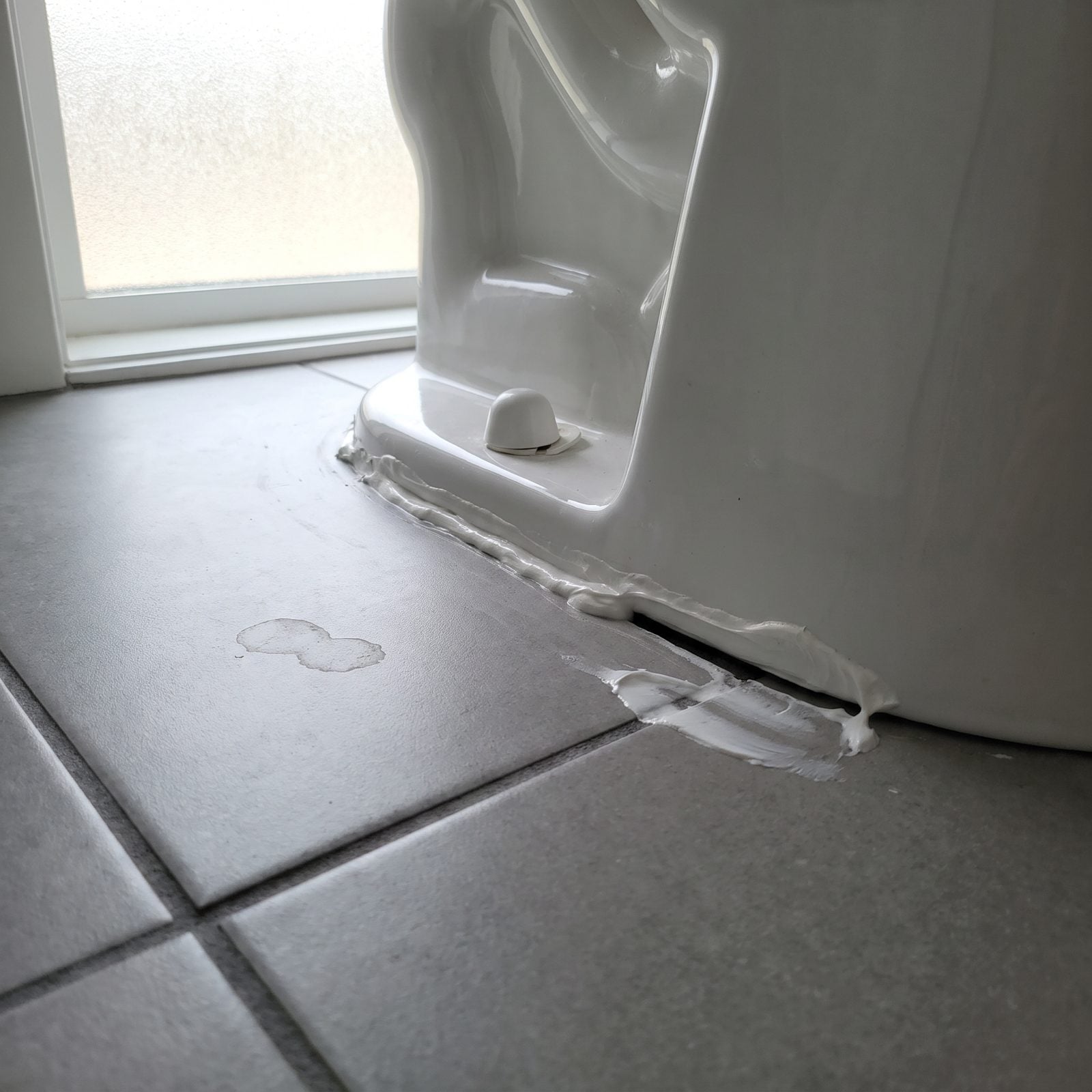
Give the bowl a gentle wiggle. A properly set toilet doesn’t move, and one that rocks is sitting on an uneven floor or a bad flange — with caulk around the base holding the secret in.
Thick, ropey caulk piled around a toilet is filling a gap that shouldn’t exist. Over time that movement breaks the wax seal, and you get slow leaks seeping into the subfloor. Thirty seconds of wiggling saves you a very expensive surprise.
2. Cabinet Pulls Marching Out of Line
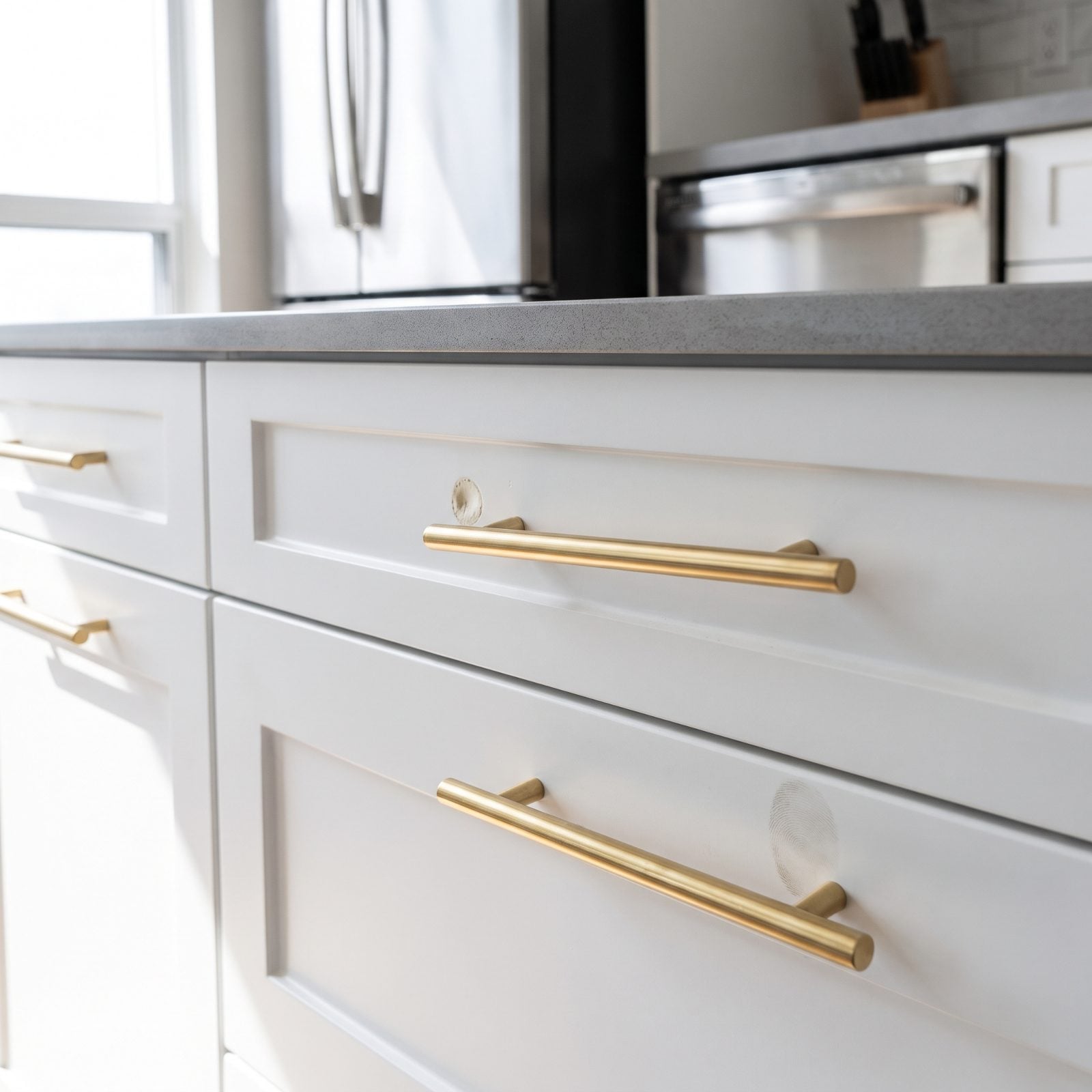
Hardware is where rushed work shows its face.
Crooked pulls, pulls set at different heights across a row, an extra drilled hole filled with putty and prayed over. None of it is structural. But all of it tells you the crew didn’t measure twice, which means they probably didn’t measure twice anywhere else either. These brushed brass pulls could’ve looked tidy with a ten-dollar jig. The mess is a habit, not an accident.
1. Fresh Deck Boards Over Rotted Joists
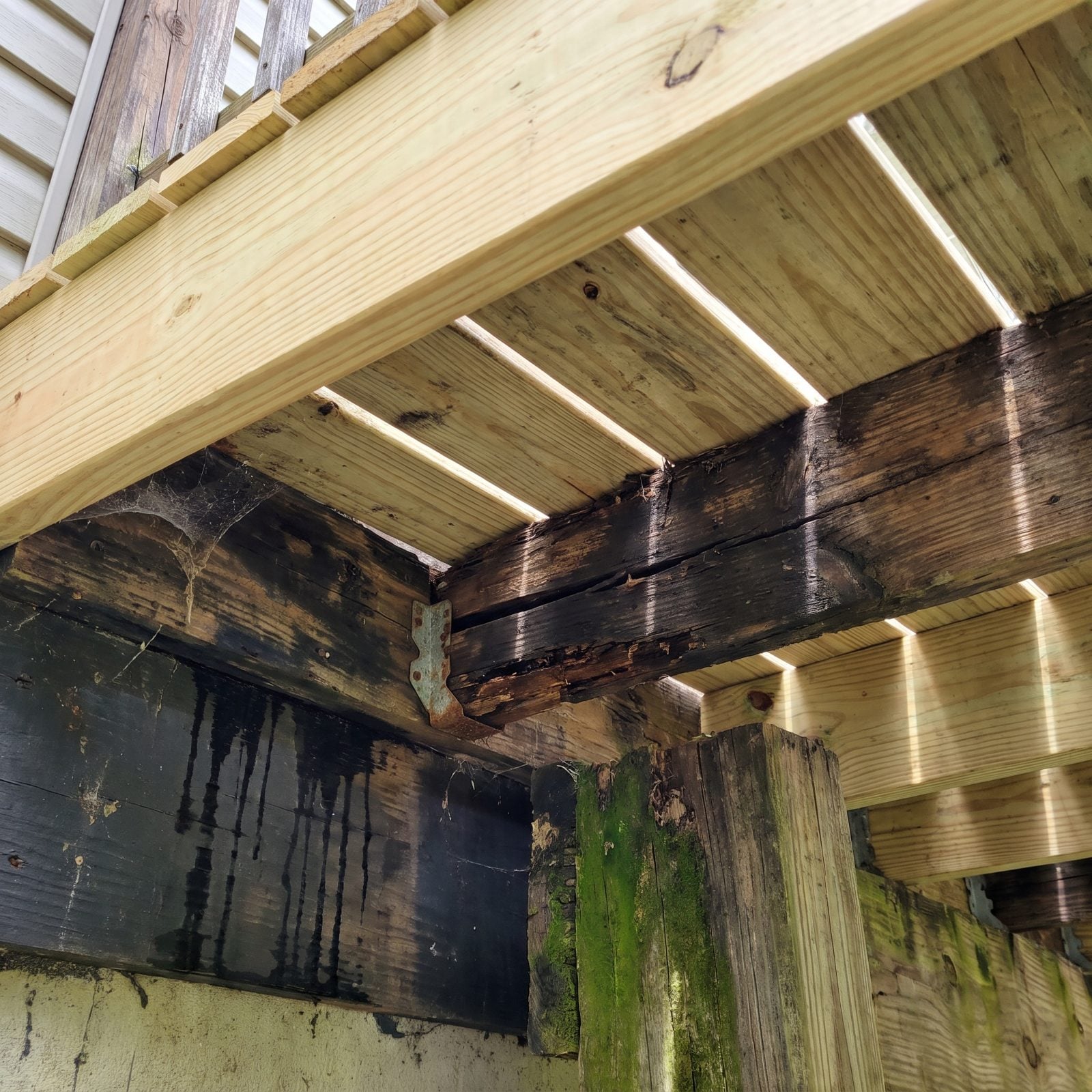
New deck boards are the easiest upgrade in a flip and the most dangerous lie. A crew lays fresh lumber on top and never looks at what’s holding it up.
Get underneath. Shine a light on the joists and the ledger where the deck attaches to the house. Soft, dark, crumbling wood under a crisp new surface means the frame is failing while the top still looks fine. A deck rots from the bottom up, and the part you actually walk on is the last to show it.