🔥 Would you like to save this?
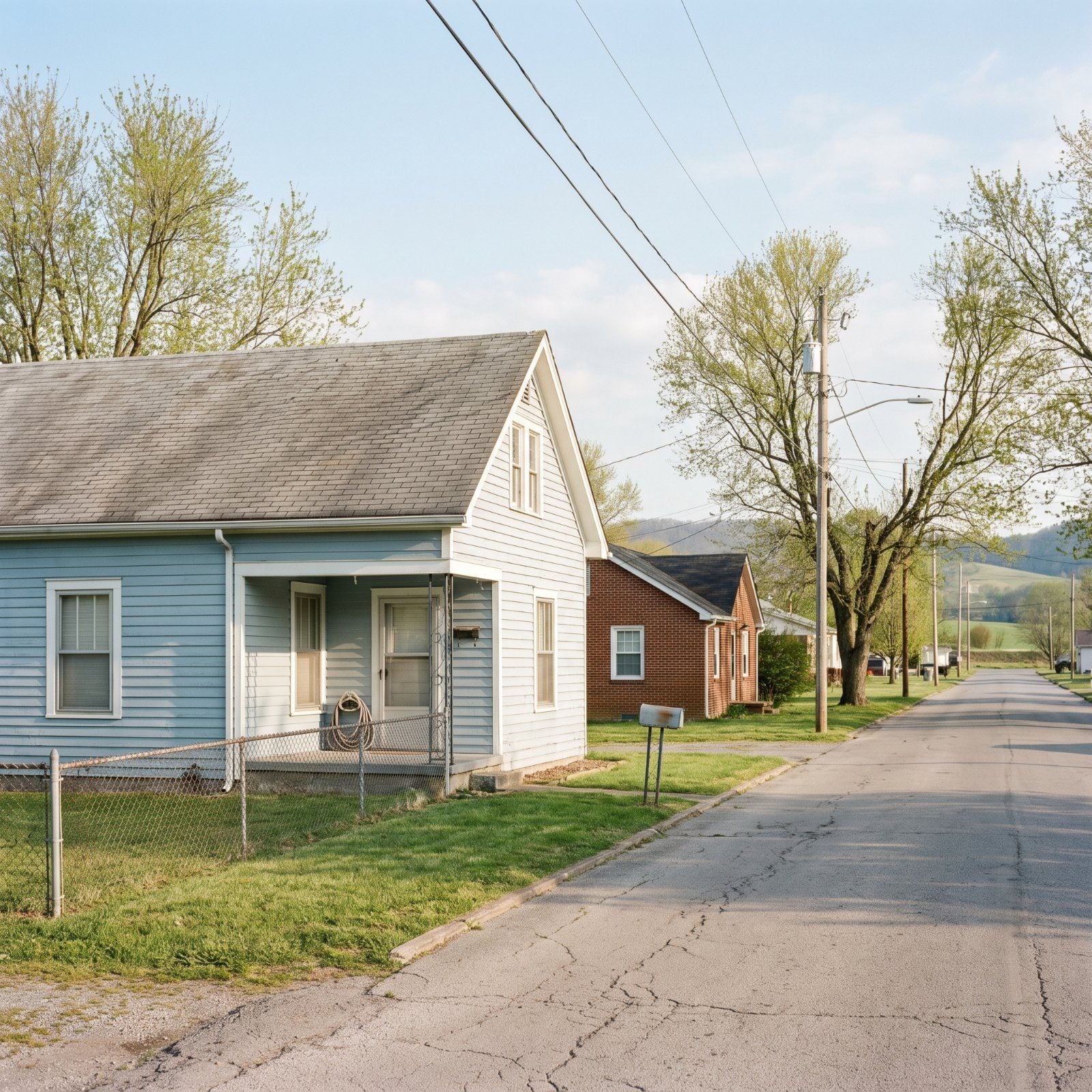
A new full-size pickup now runs past fifty thousand dollars and nobody blinks. Meanwhile there are towns where a whole house, roof and yard and all, lists for less than the truck sitting in the dealer’s lot. These are not teardowns, not all of them. Some are solid brick cottages built by companies that expected them to outlast everyone involved. There’s always a catch, and it shifts town to town: a leasehold clause, a flood map, a job market that packed up and left decades ago. Here’s where the math gets strange, plus the context that explains why.
48. Salamanca, New York, Where the House Is Yours and the Land Is Not
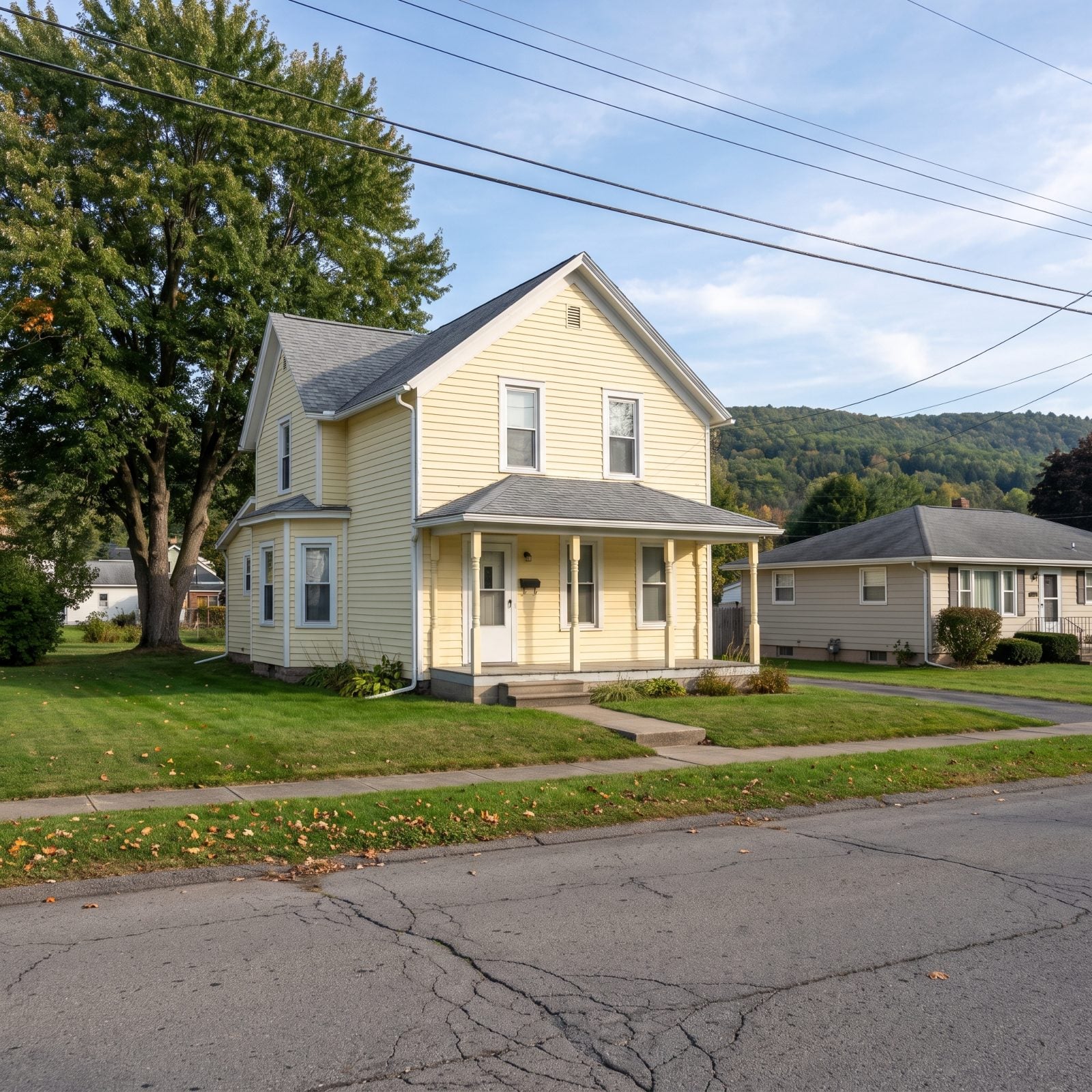
Salamanca is the surprise most buyers never see coming. The city sits almost entirely on land held by the Seneca Nation, so you buy the house but lease the ground under it. That’s why prices stay so low, and it’s the thing a cheerful listing mentions last, if it bothers at all.
In order to come up with the very specific design ideas, we create most designs with the assistance of state-of-the-art AI interior design software. Also, assume links that take you off the site are affiliate links such as links to Amazon. this means we may earn a commission if you buy something.
The homes themselves are honest turn-of-the-century wood-frame stock with deep porches, good bones, and real forested hills behind them. Then there’s the lease. Understand it fully before you fall for the porch.
47. Cairo, Illinois, River-Town Grandeur at Bargain-Bin Prices
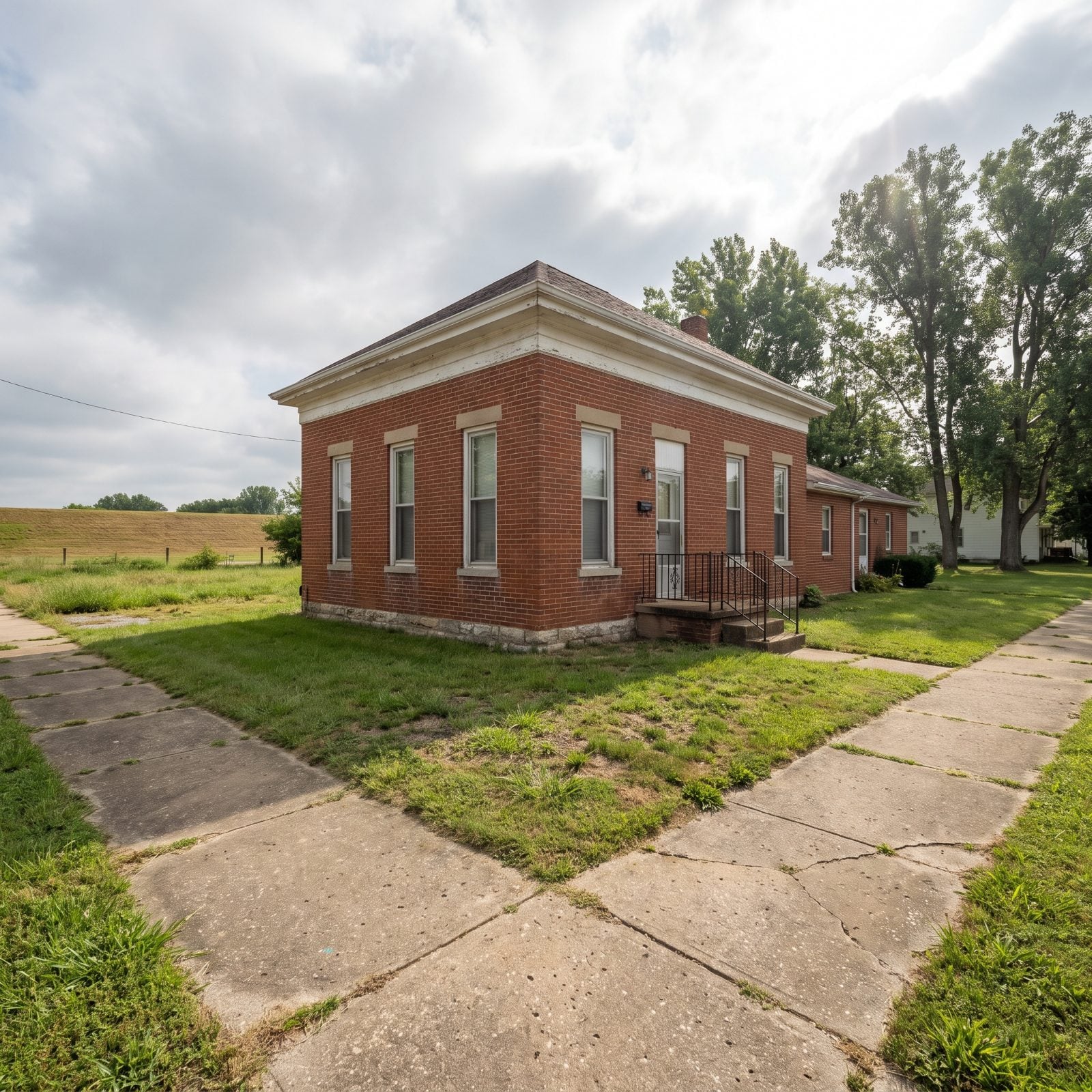
Cairo had money once. You can read it in the leftover buildings, the tall windows and brick two-stories, the proportions of a town that fully expected to boss the spot where the Ohio meets the Mississippi.
The barges moved on. Prices fell through the floor. What’s left is grand housing stock at numbers that look like typos, and the caveat is bluntly economic: small population, thin job base, services that have shrunk right along with the tax rolls. You’re buying history and a gamble in equal parts.
46. Mound Bayou, Mississippi, Delta Cottages With a Landmark Pedigree
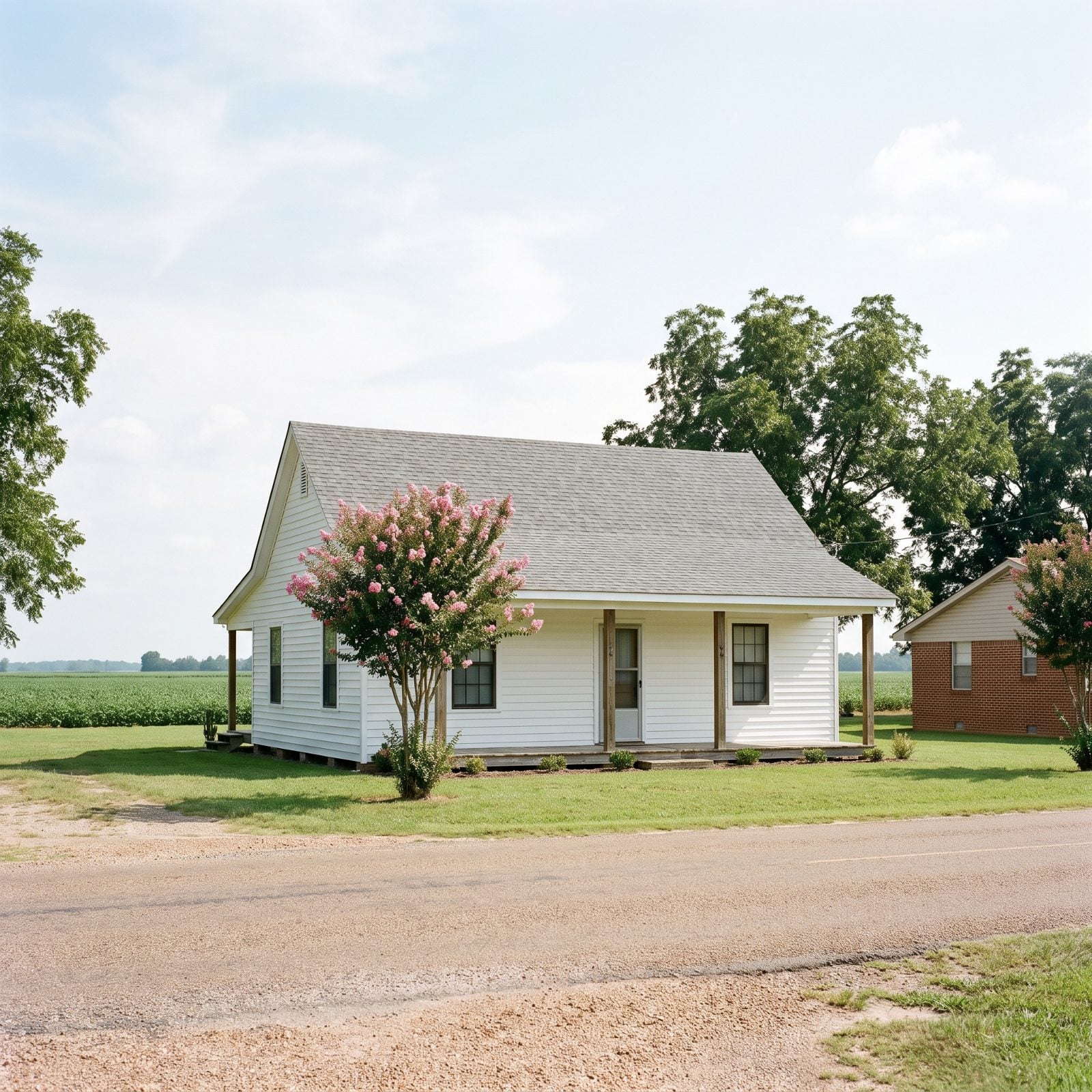
Founded in 1887 as an independent Black community, Mound Bayou carries a weight most cheap-house towns never do. This is historic ground, and the modest Delta cottages come with a story worth more than the asking price.
The homes are small and plain in the best way: clapboard, a shade porch, a yard with room for a crepe myrtle. A simple small bench on that porch is about all the furniture the setting asks for. Jobs are the honest caveat, as they are across the rural Delta.
45. Gary, West Virginia, Coal-Camp Cottages Built to Last a Century
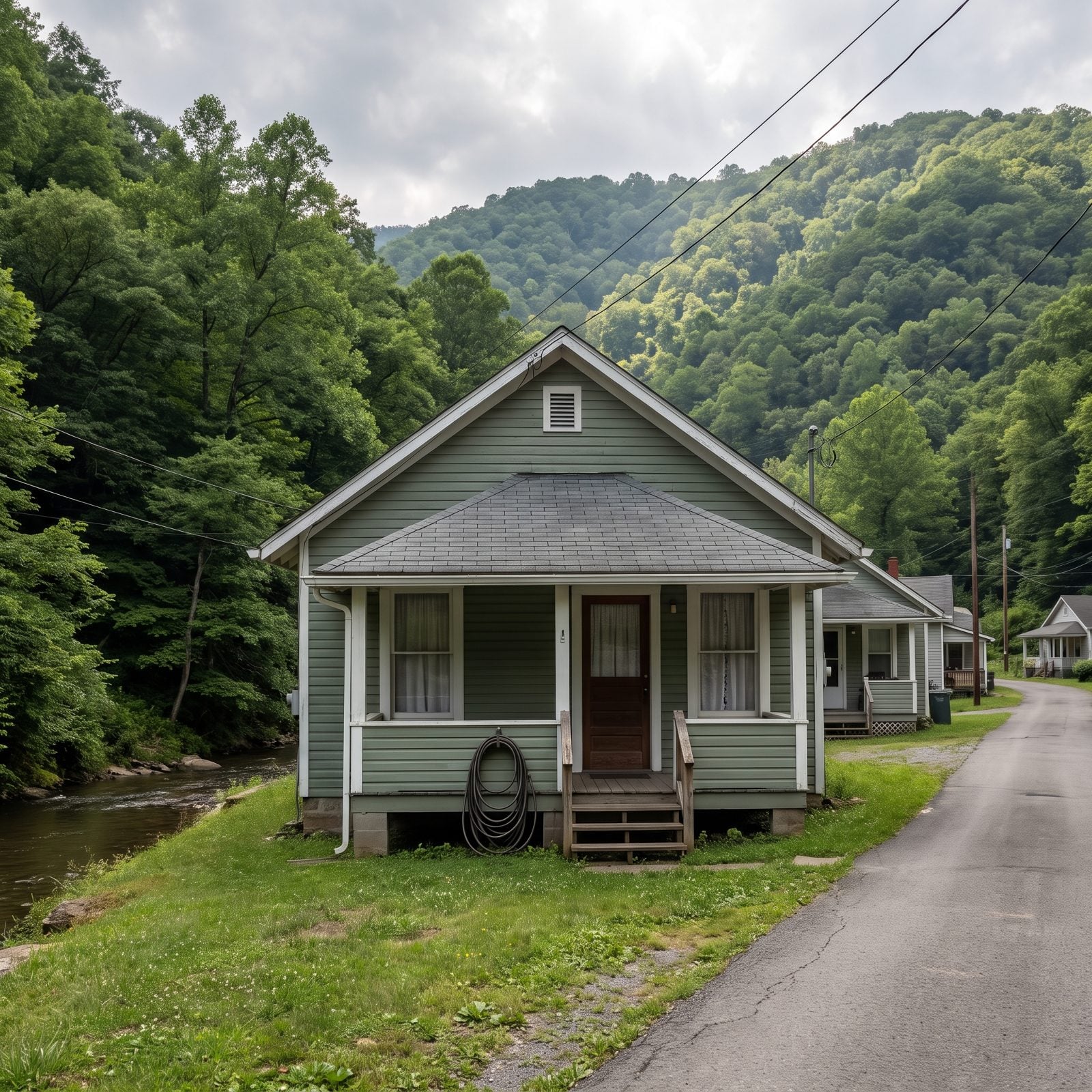
The coal company put these cottages up for the men who worked the seams, and they built them to last. Simple frames, steep roofs to shed the mountain rain, porches facing the hollow.
The uniformity gives it away. Whole rows of near-identical houses, because one outfit raised them all at once. Prices are low because the mines closed and the paychecks walked out with them. But the carpentry is often a lot better than the sticker suggests.
44. New Madrid, Missouri, Cheap Houses Sitting on a Fault Line
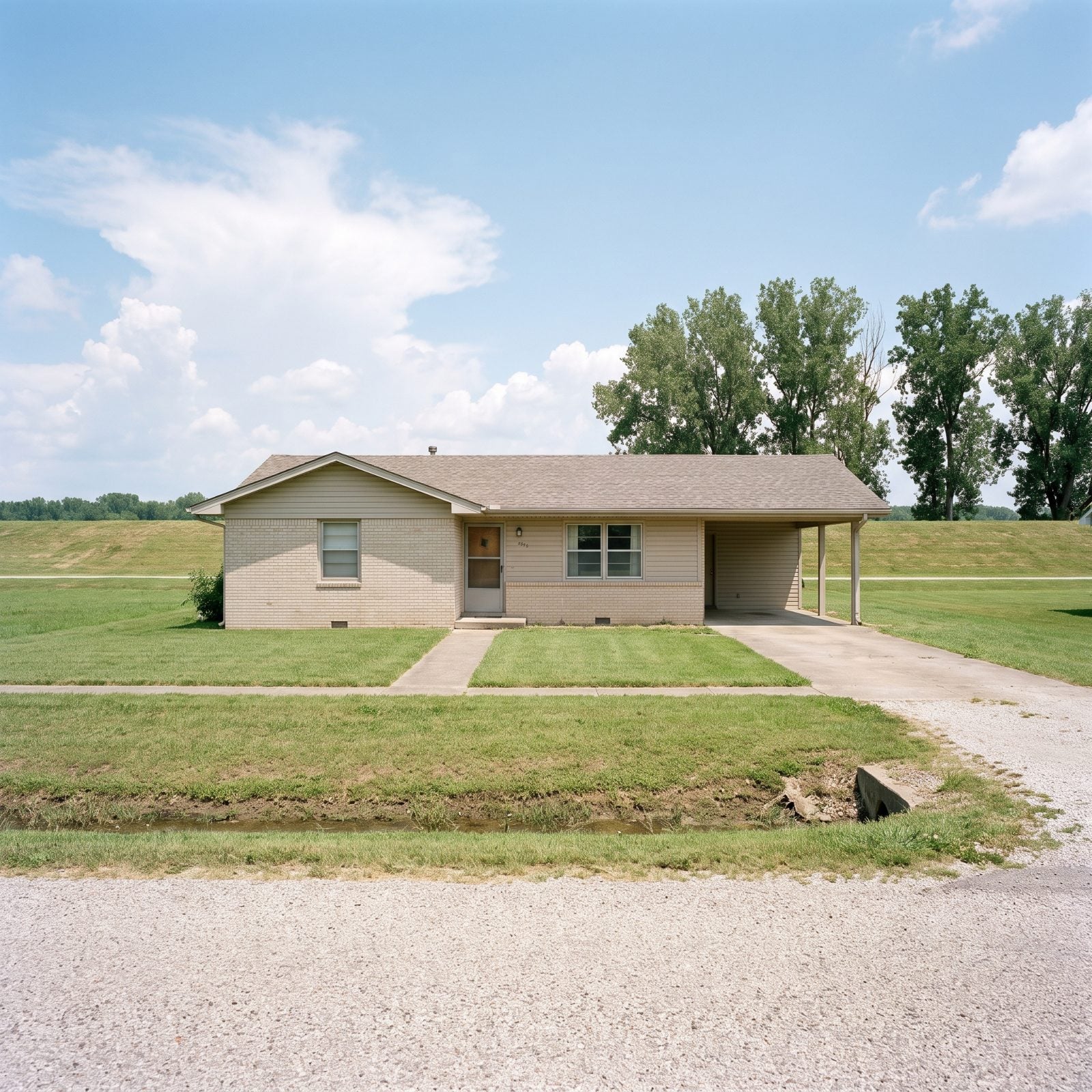
Two risks shape every price tag here: floods and earthquakes. New Madrid sits in the Mississippi floodplain, behind levees, in a region famous for a series of massive earthquakes in the early 1800s.
That geography keeps houses cheap and insurance expensive. The homes are honest small-town stock, modest ranches and older frame houses on generous lots. Read the flood maps and the elevation certificate before anything else. The number on the listing is not the number you’ll actually spend.
43. Benton Harbor, Michigan, A Short Drive From Lake Michigan Money
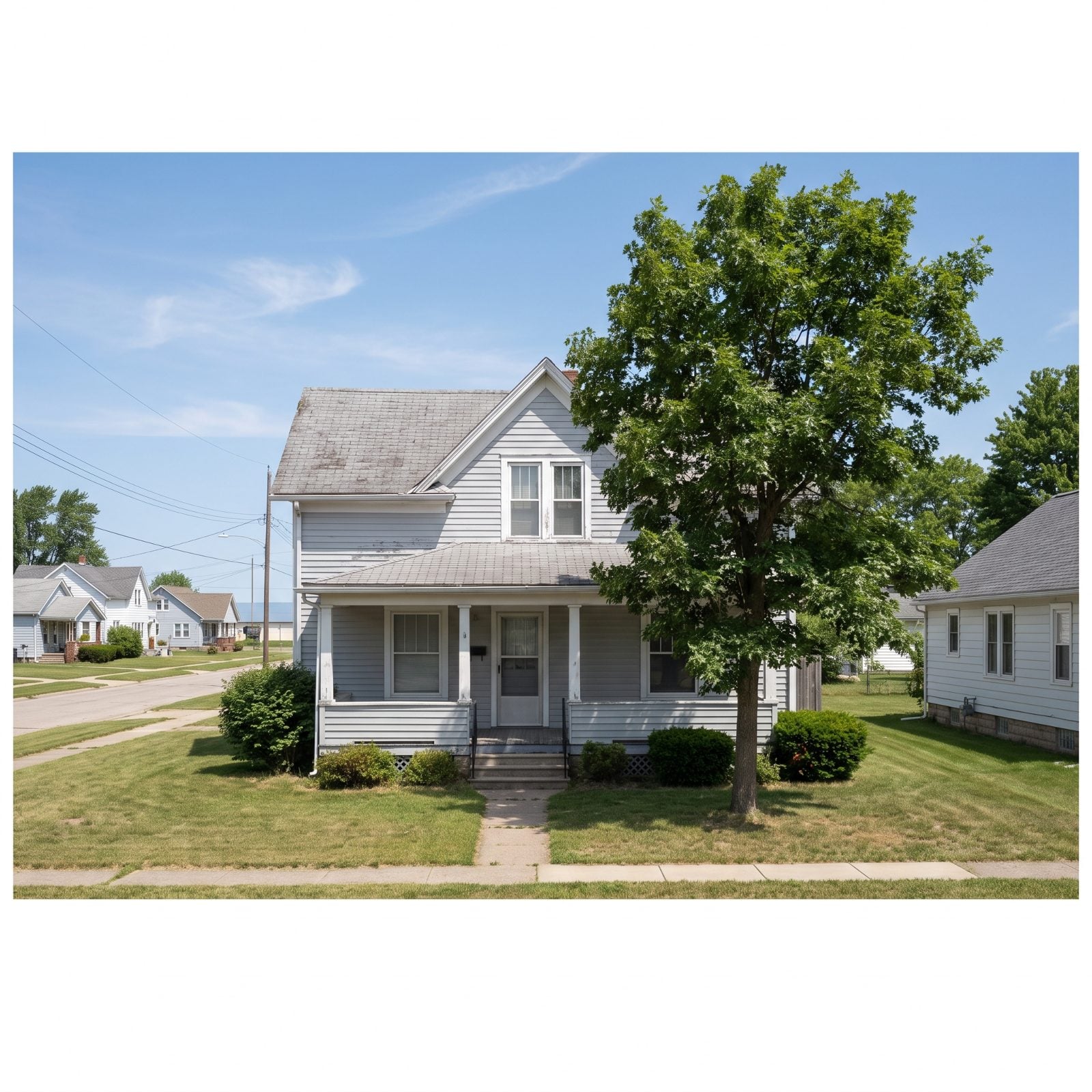
Now here’s an oddity worth staring at. Benton Harbor’s modest homes list for very little, and a few miles up the shore sit resort towns where lake-view cottages trade for a fortune.
That contrast is the whole story. Compact, walkable housing stock, older frame homes close to the water that priced its neighbors out of reach. Investment has been uneven, and the reasons are real, so do your homework block by block. But the geography is genuine, and Lake Michigan isn’t going anywhere.
42. War, West Virginia, Small Houses on the Tug Fork
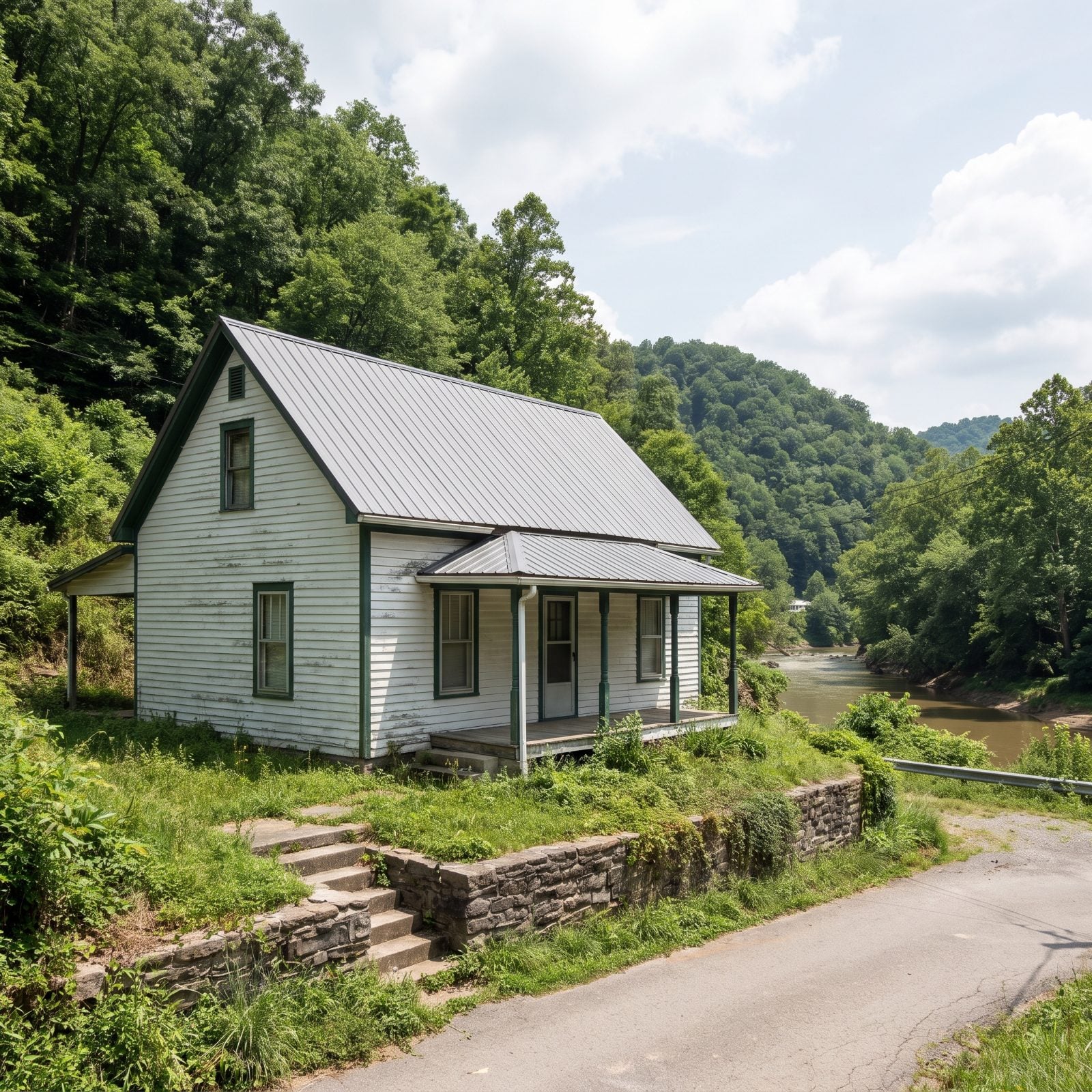
War is one of the southernmost towns in West Virginia, tucked so tight into the mountains that the houses crowd right up to the road and the river. Space is the one luxury the land simply refuses to give you.
So the homes are compact by necessity, perched on narrow lots along the Dry Fork, and prices run among the lowest in the country. Remoteness is the honest caveat. The nearest everything is a drive, and the drive is all switchbacks.
41. Tucumcari, New Mexico, Route 66 Houses Behind the Neon
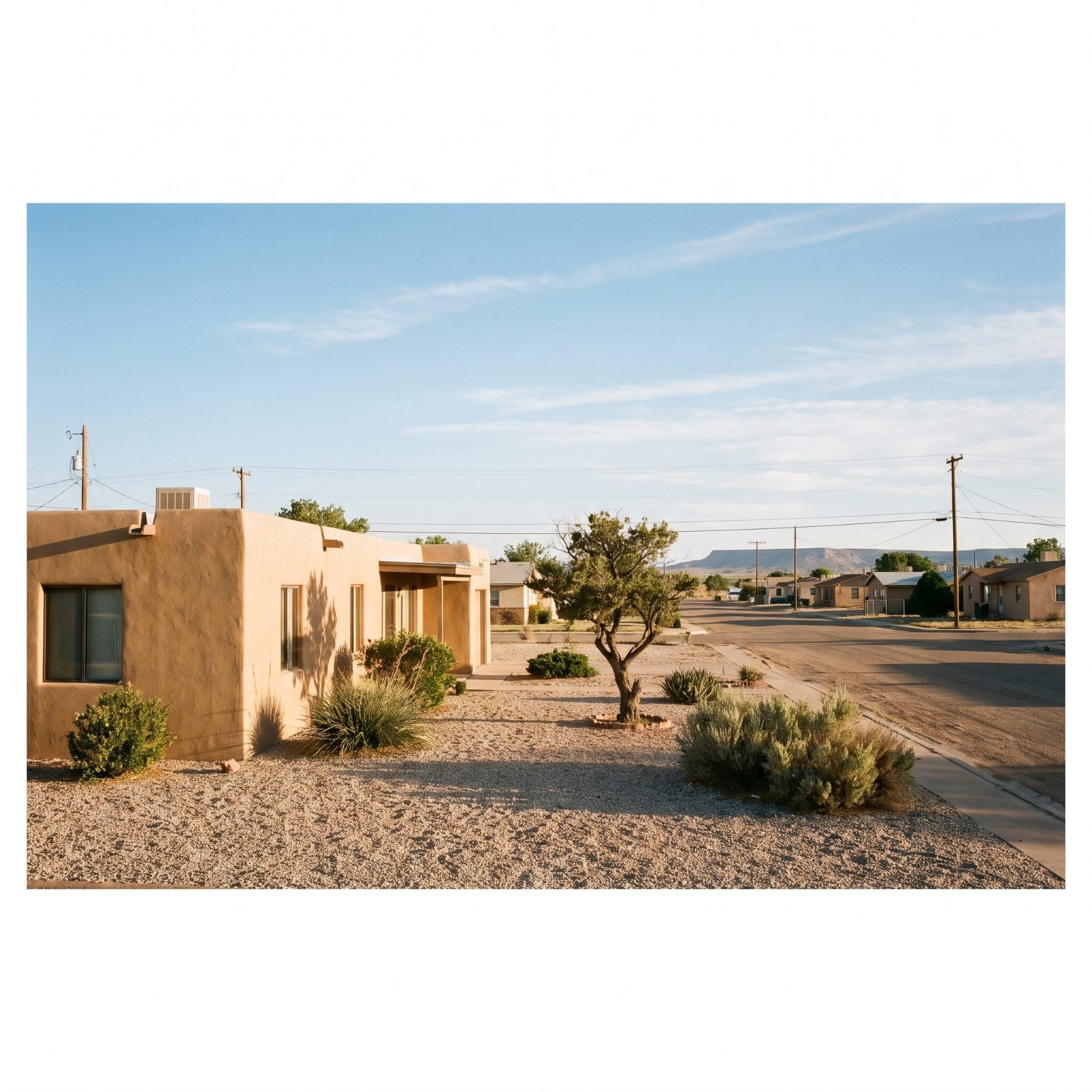
Everyone knows Tucumcari for the neon. Those restored motel signs glowing along old Route 66 make the postcard. The residential streets a block back are where the actual bargain hides.
Stucco and adobe-style homes sit on dry lots under an enormous high-plains sky, built for heat and light rather than rain. Tan is the native palette, and the inside tends to follow: warm neutrals, tan curtains, earth tones that match the mesa out the window. Remoteness and a thin economy keep prices low.
40. Keystone, West Virginia, Hillside Homes From the Boom Years
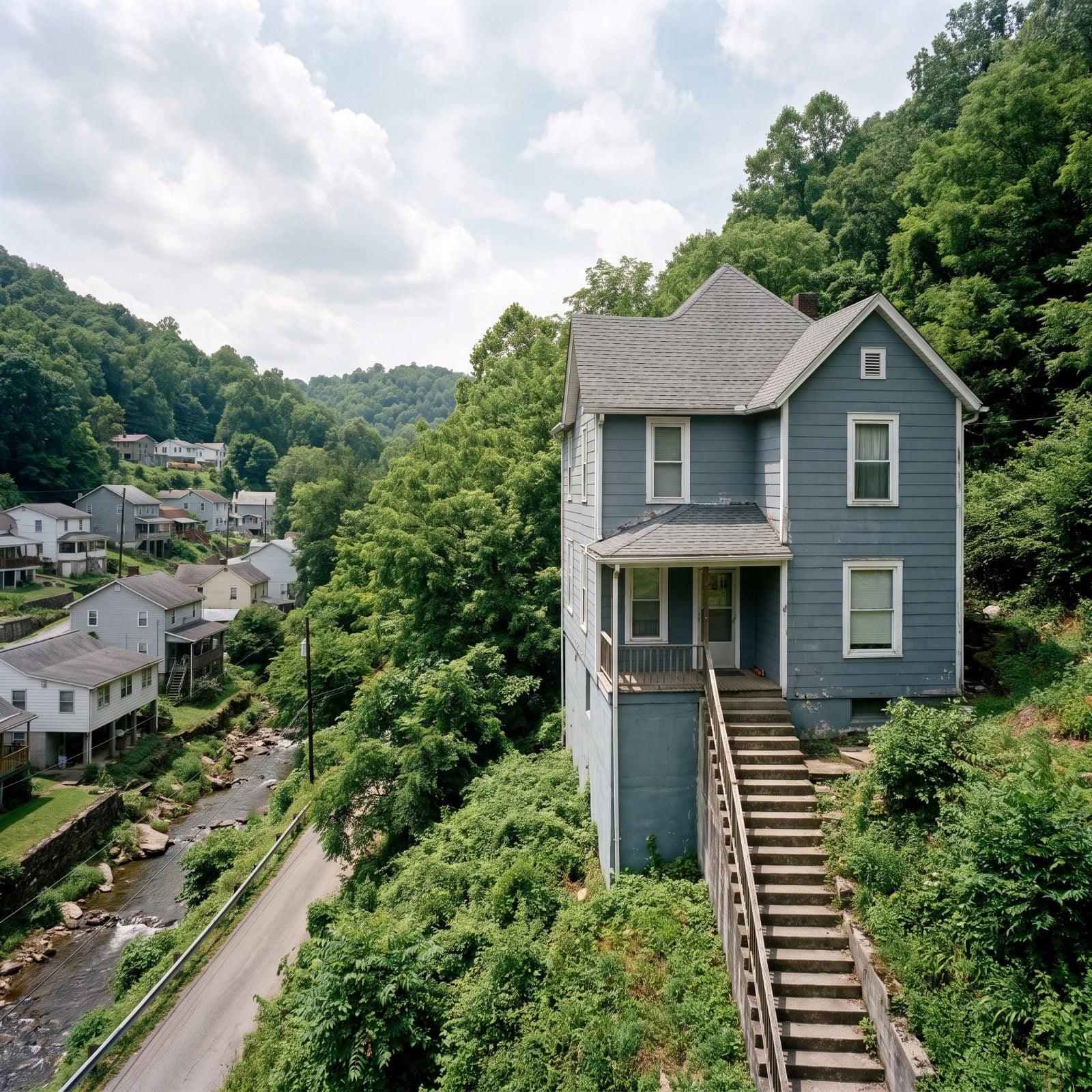
Keystone was built for a boom, and the houses climb the hillsides like they were racing to fit everyone in before the flat ground ran out, which it did. Those long flights of steps up to a front porch are the signature of a town with nowhere level to build.
The homes are small, vertical, and stubbornly charming. A compact interior rewards a small fireplace and not much else. Coal built the place. Coal leaving is why you can buy in for so little. One warning worth taking seriously: hillside sites bring grading and drainage questions, so study the land as hard as the house.
39. East Liverpool, Ohio, Pottery-Town Houses Above the Ohio River
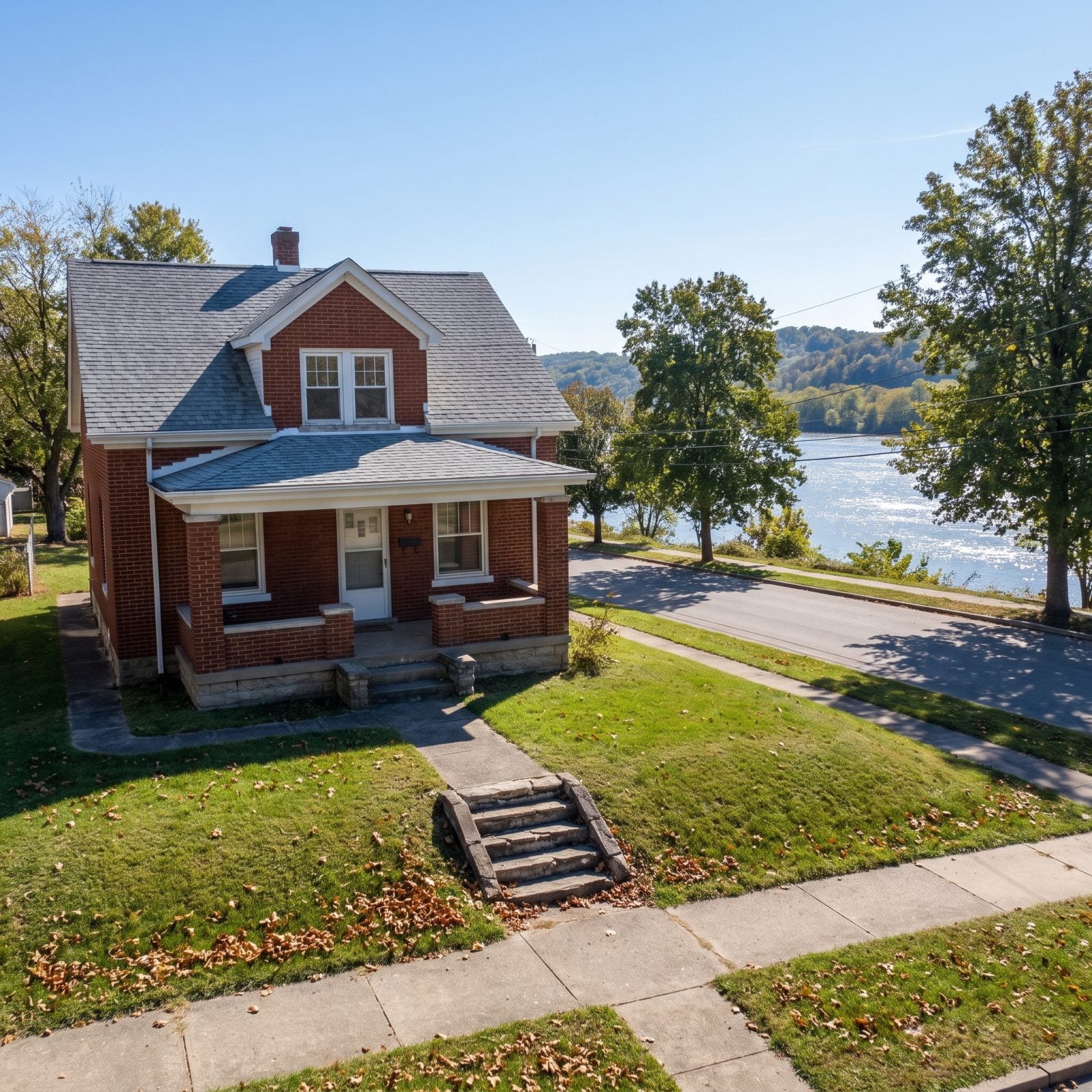
East Liverpool once made dishes for half the country. They called it the pottery capital, and the solid brick housing from those working years still stands above the Ohio River.
Brick two-stories, real porches, bluffs with a river view, all at prices that reflect the industry’s long exit and not the quality of the build. The bones are good. The caveat is the one you’ll hear up and down these river towns: the factories that paid for these houses are mostly gone, and the local economy is still finding its footing. Buy for the house, not the forecast.
38. Monessen, Pennsylvania: Millworker Houses Above the Monongahela
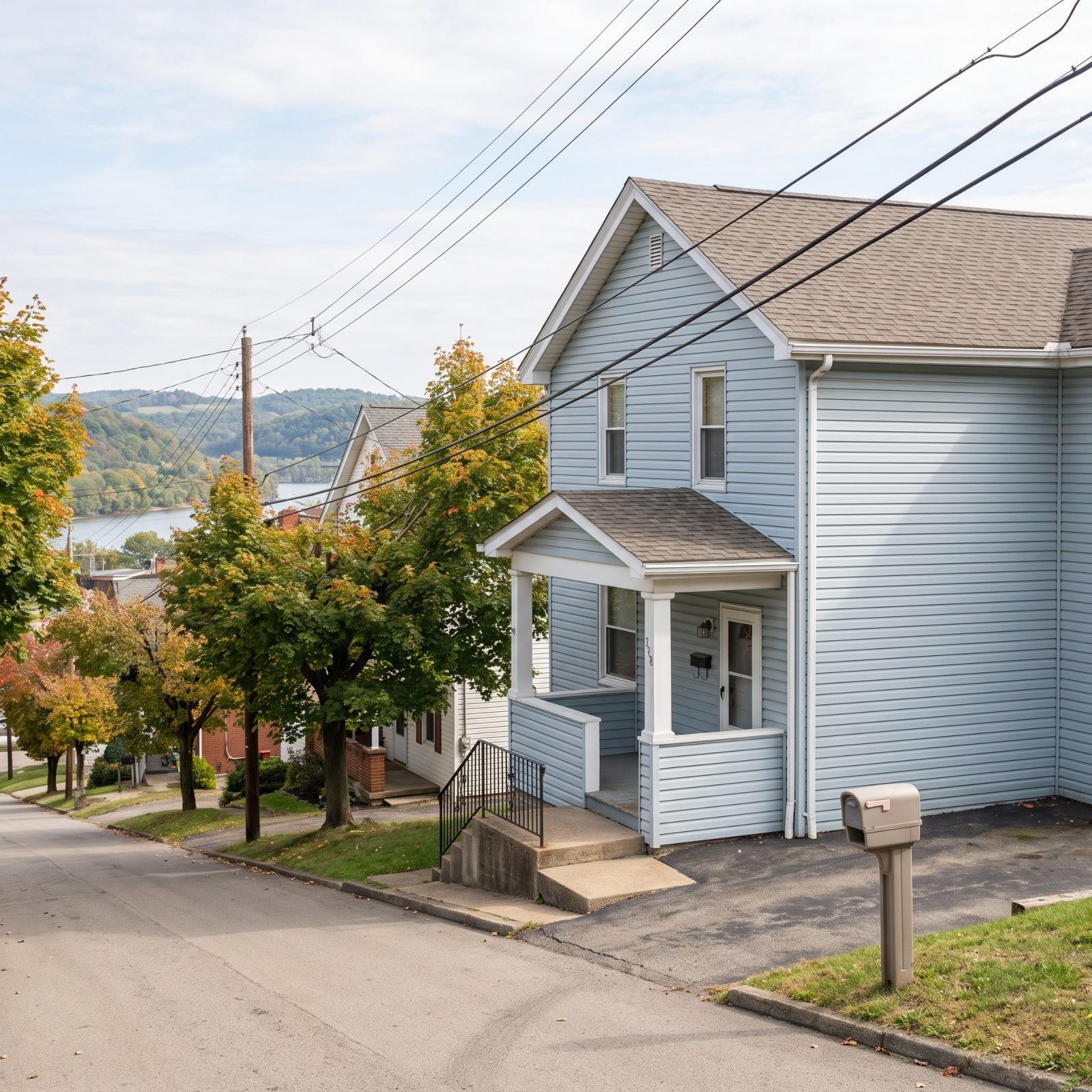
Steel built this town, then steel left. What stayed is the housing: compact frame homes stacked up hillsides so steep the back door and the front door sit a full story apart. Listings here routinely come in below the sticker price of a new crew-cab pickup, which says more about the regional economy than it does about the bones of the house.
Here’s the catch. Many of these homes are a century old, carrying knob-and-tube wiring ghosts and foundations that have settled into the slope. Budget for inspection before you budget for paint.
37. Shamokin, Pennsylvania: Anthracite-Era Rowhouses Near Downtown
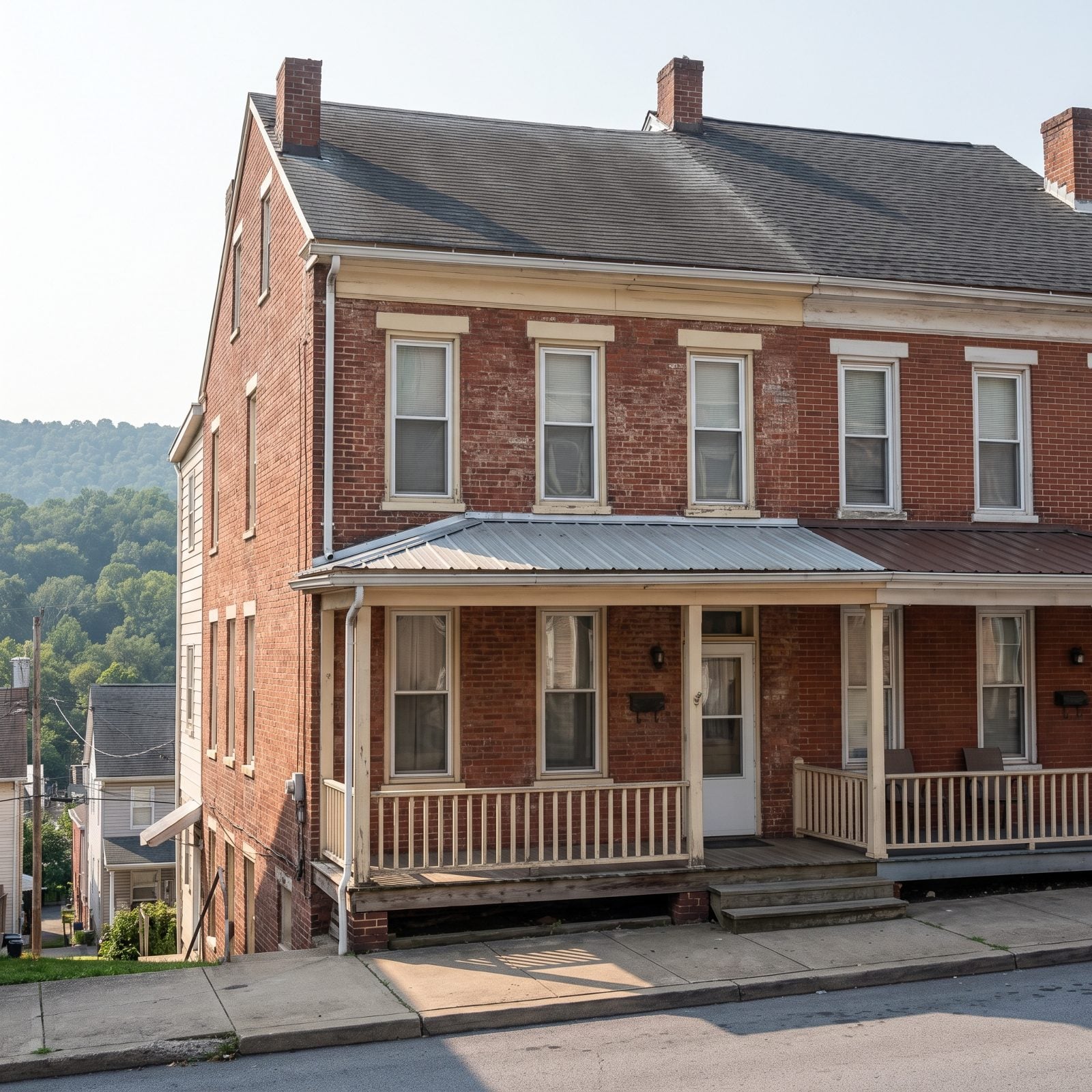
Narrow, deep, and wall-to-wall with the neighbors, Shamokin’s rowhouses were built to pack miners close to the colliery. That density is now the bargain. You can find habitable ones listed for the cost of a mid-trim truck.
Shared walls mean shared headaches, though. A roof or a drainage problem next door becomes partly yours, so smart buyers read the whole block rather than the one house.
36. Ironwood, Michigan: Mining-Era Houses in the Western Upper Peninsula
🔥 Would you like to save this?
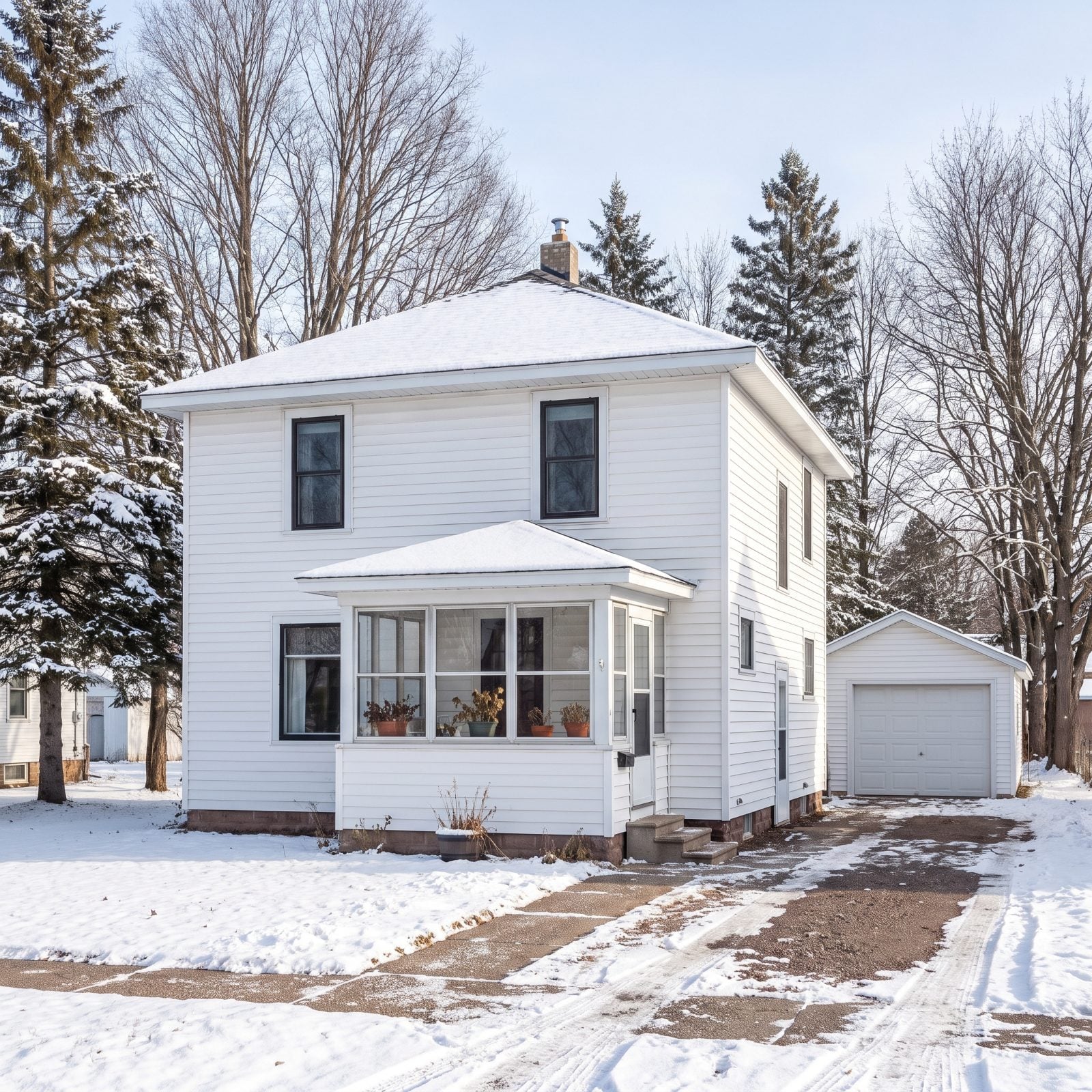
The snow is the headline here. Ironwood sits in a lake-effect belt that buries the western U.P. under some of the deepest seasonal totals anywhere in the Midwest, and the houses were built to answer it: steep roofs, enclosed porches, basements that earn their keep.
Prices stay low partly because the mines closed decades ago, partly because winter does the vetting for you. Handle a long, dark, white season and a sound old four-square here runs well under pickup money. Just price out the heating bill before you fall in love with the woodwork.
35. Coffeyville, Kansas: Craftsman Houses From an Oil-and-Railroad Boomtown
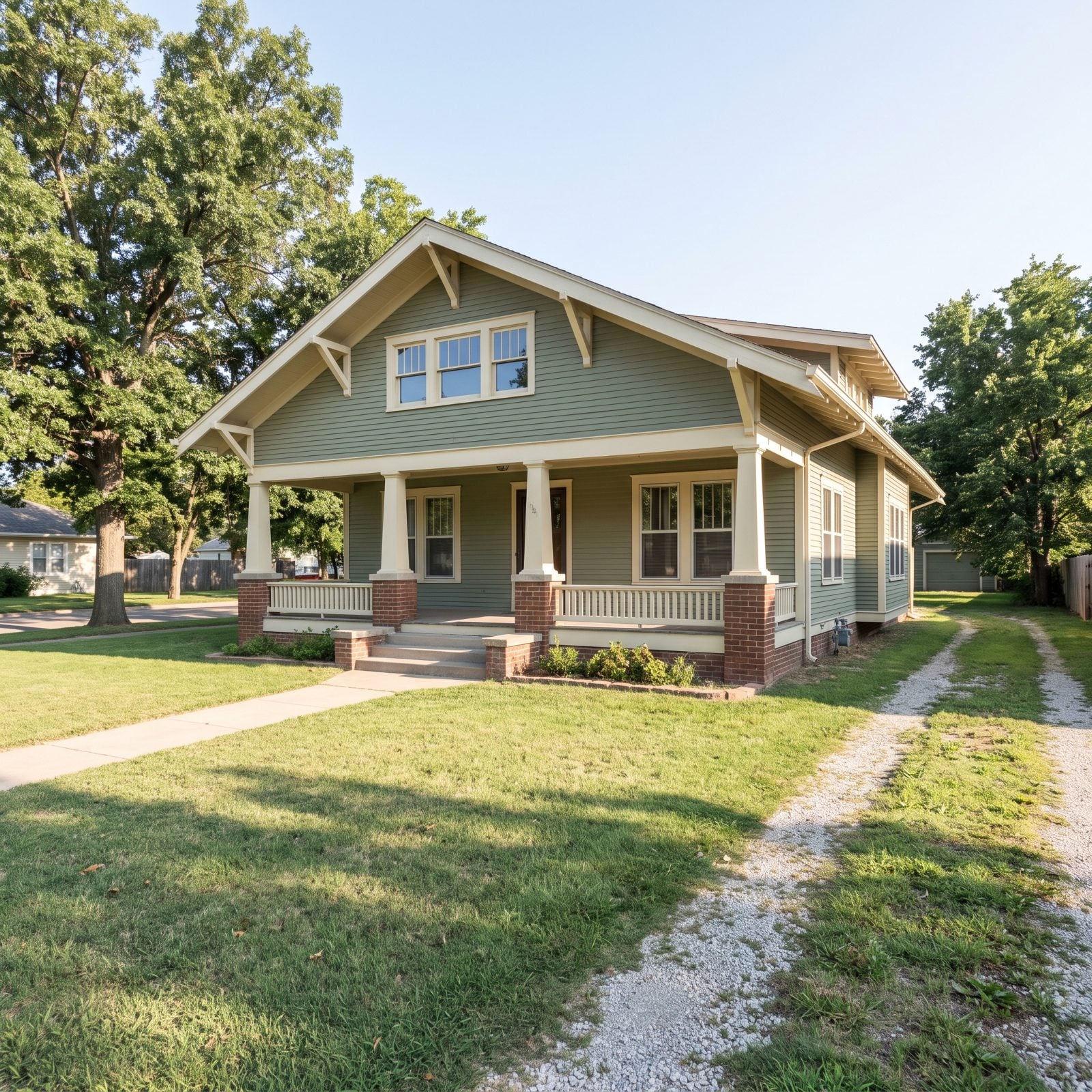
Oil and rail money built real houses in Coffeyville, which means the Craftsman stock here outclasses the prices. Deep porches, boxed eaves, built-in cabinetry waiting behind the front door. You can still find these listed below new-truck territory.
The flip side is location in a tornado-prone stretch of southeast Kansas, where insurance and a reliable storm shelter aren’t optional. Factor both in. The millwork is worth protecting.
34. Quanah, Texas: Railroad Cottages on the Rolling Plains
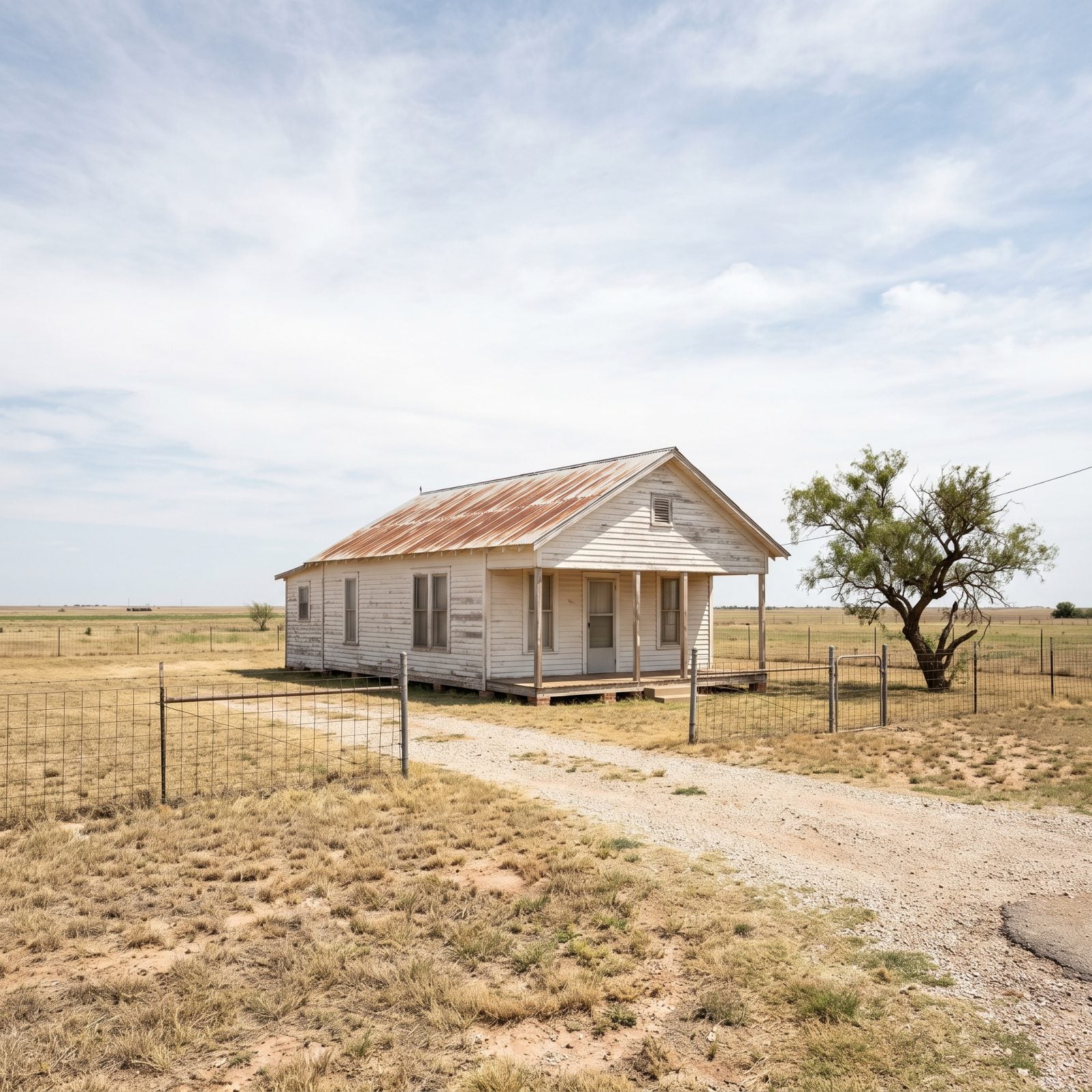
Quanah was a railroad town, and its houses still read that way. Small, square, practical, shaded by whatever tree could survive the wind. A sound cottage here can list for less than a loaded half-ton.
Remoteness is the trade. The nearest full-service everything is a drive, and summer heat on the Rolling Plains is no joke. For the right person, the space and the sky more than answer for it.
33. Benld, Illinois: Miner-Built Bungalows in Macoupin County
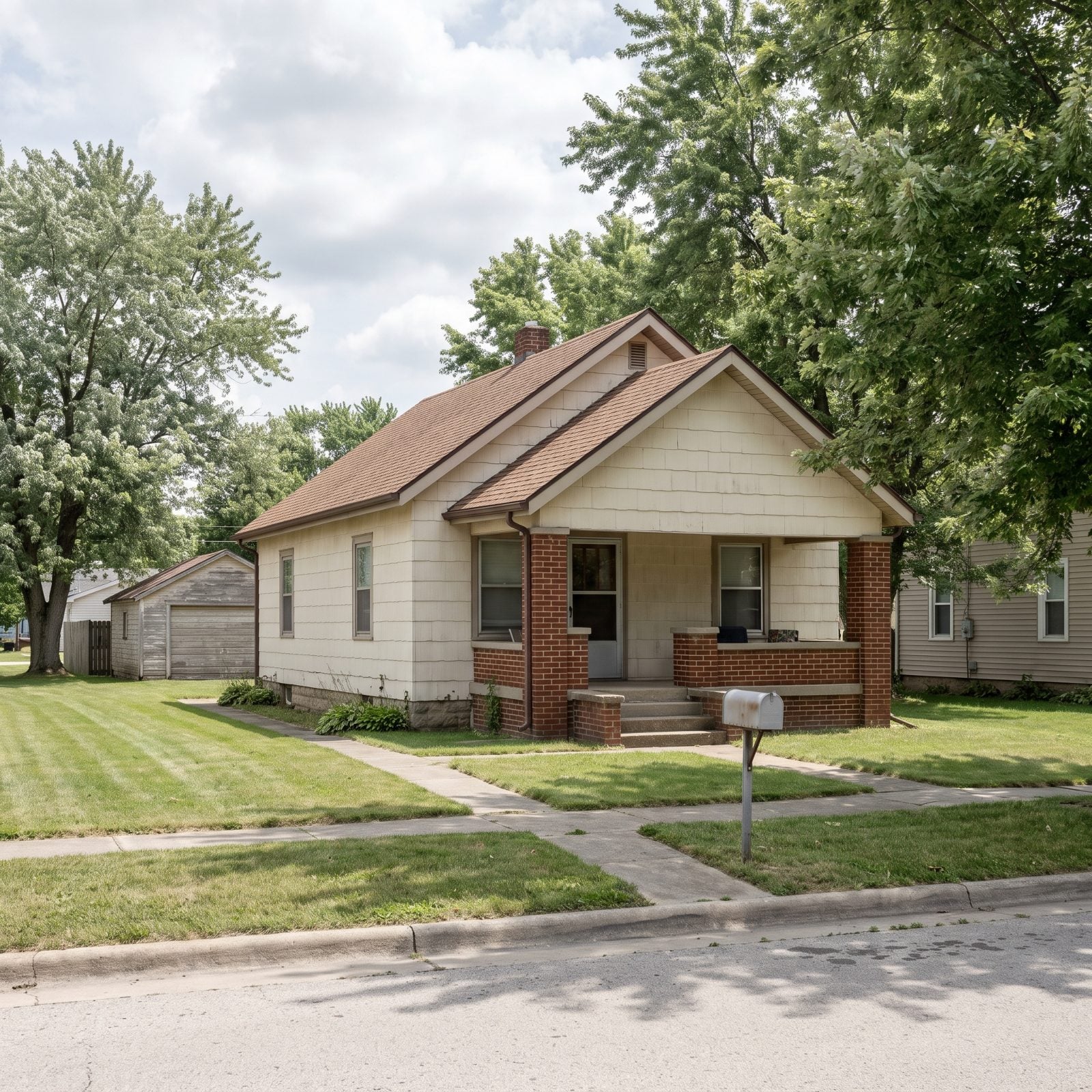
Benld’s bungalows were thrown up fast for miners, close to the shafts, and they’ve outlasted the industry that paid for them. Modest footprints. Honest framing. Listings that routinely slide under pickup money.
What’s underneath is the thing to watch in old central-Illinois coal towns: former mine works can mean subsidence risk on certain parcels. Ask about it directly before you sign anything.
32. Sedan, Kansas: Limestone and Frame Houses in the Chautauqua Hills
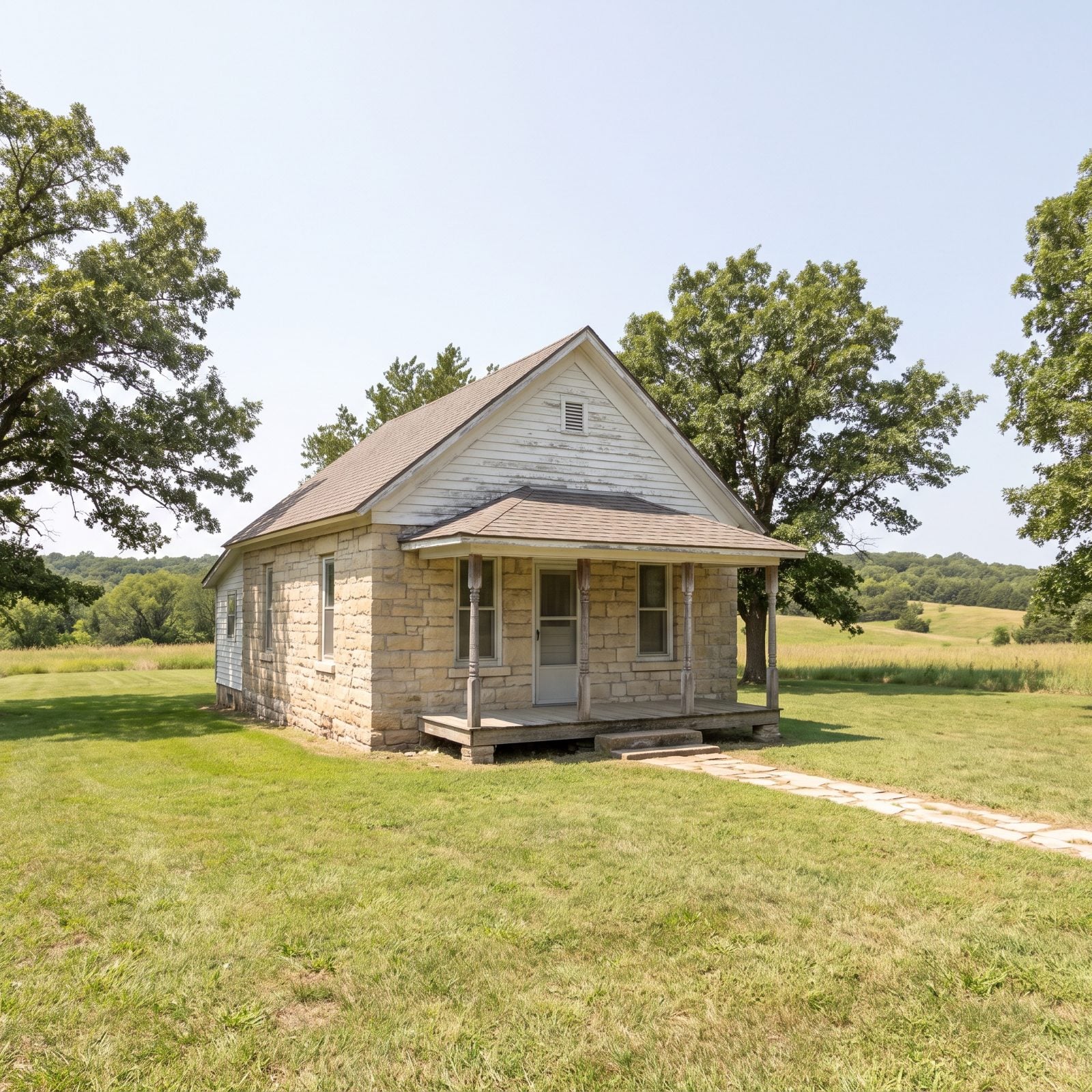
That buff limestone at the base of so many Sedan houses came out of the ground a few miles away. It gives the older stock a weight frame alone can’t manage, and it ages beautifully in the Chautauqua Hills light.
Small-town Chautauqua County means thin services and a long haul to a big grocery store. But a stone-footed cottage with a covered front porch on turned wooden posts, for less than a new truck, is a real thing here. Not a fantasy.
31. Mangum, Oklahoma: Early-20th-Century Houses Around a Red-Brick Square
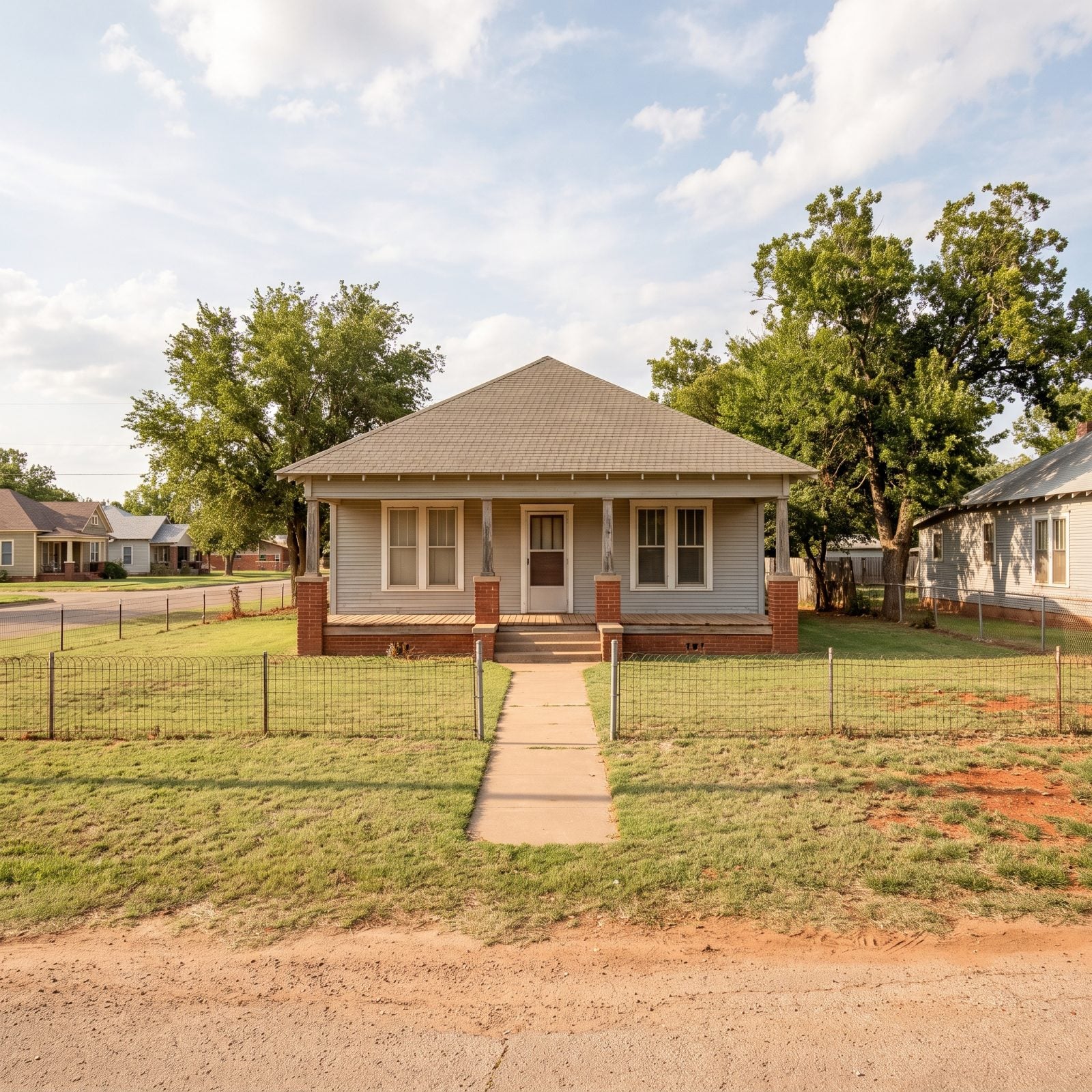
Mangum organizes itself around a red-brick courthouse square, and the surrounding houses carry that same early-century dignity: full porches, hipped roofs, pecan trees doing the shading. Many list well below a new full-size pickup.
Southwest Oklahoma runs dry and hot, so water planning matters more than curb appeal out here. Still, a porch wide enough for two chairs and a table, in the shade of an old elm, is the kind of thing money can’t usually buy this cheap.
30. Bogalusa, Louisiana: Millworker Homes in a Pine-Country Paper Town
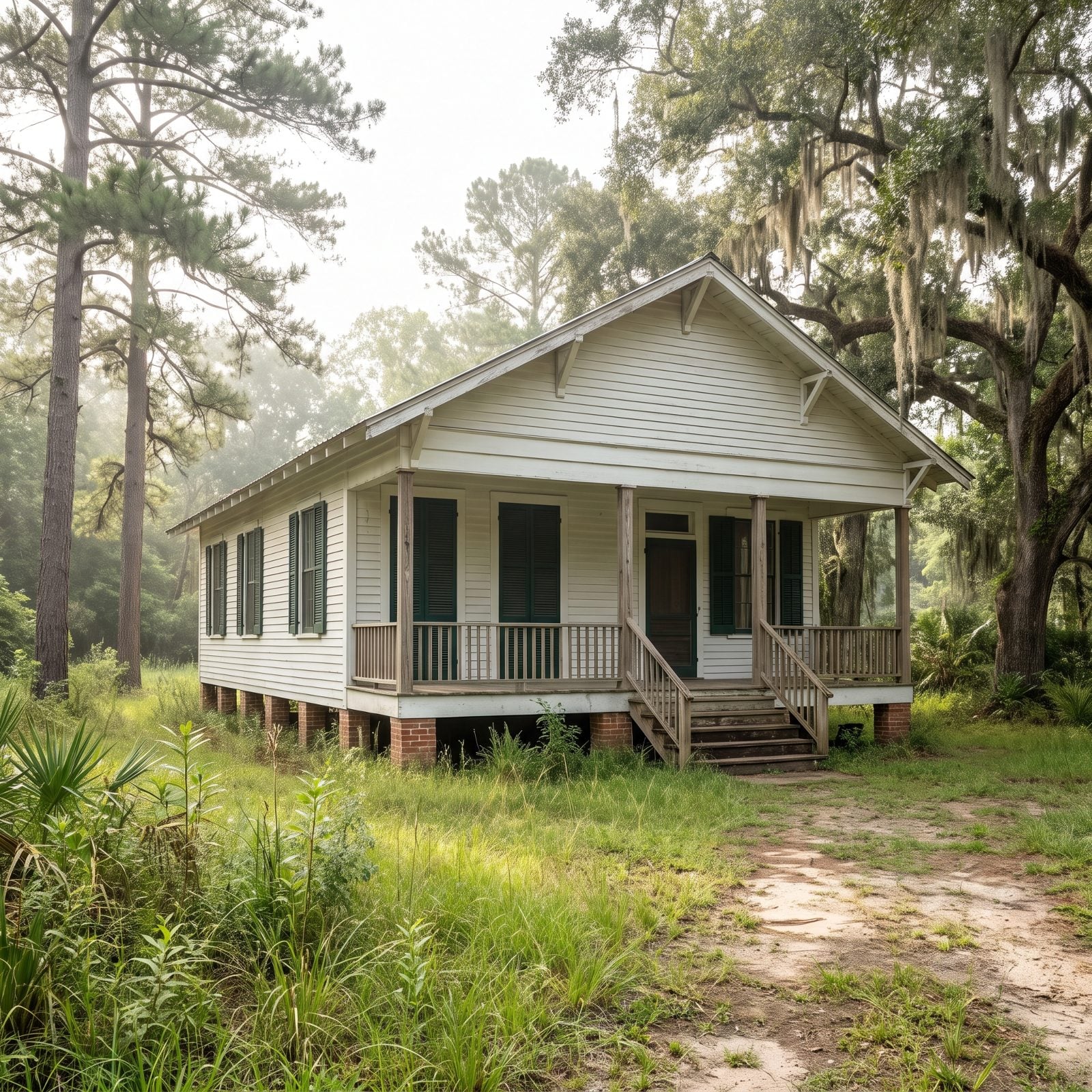
Bogalusa grew around a single giant lumber-and-paper operation, and the worker housing shows it. Raised frame homes on piers, built for airflow and the occasional high water, with listings that can land under new-truck money.
Flood zones are the real variable in south Louisiana. Pull the FEMA map, ask about elevation certificates, and price insurance before you fall for the deep front porch and the live oaks.
29. Uniontown, Alabama: Black Belt Cottages Around a Small Commercial Core
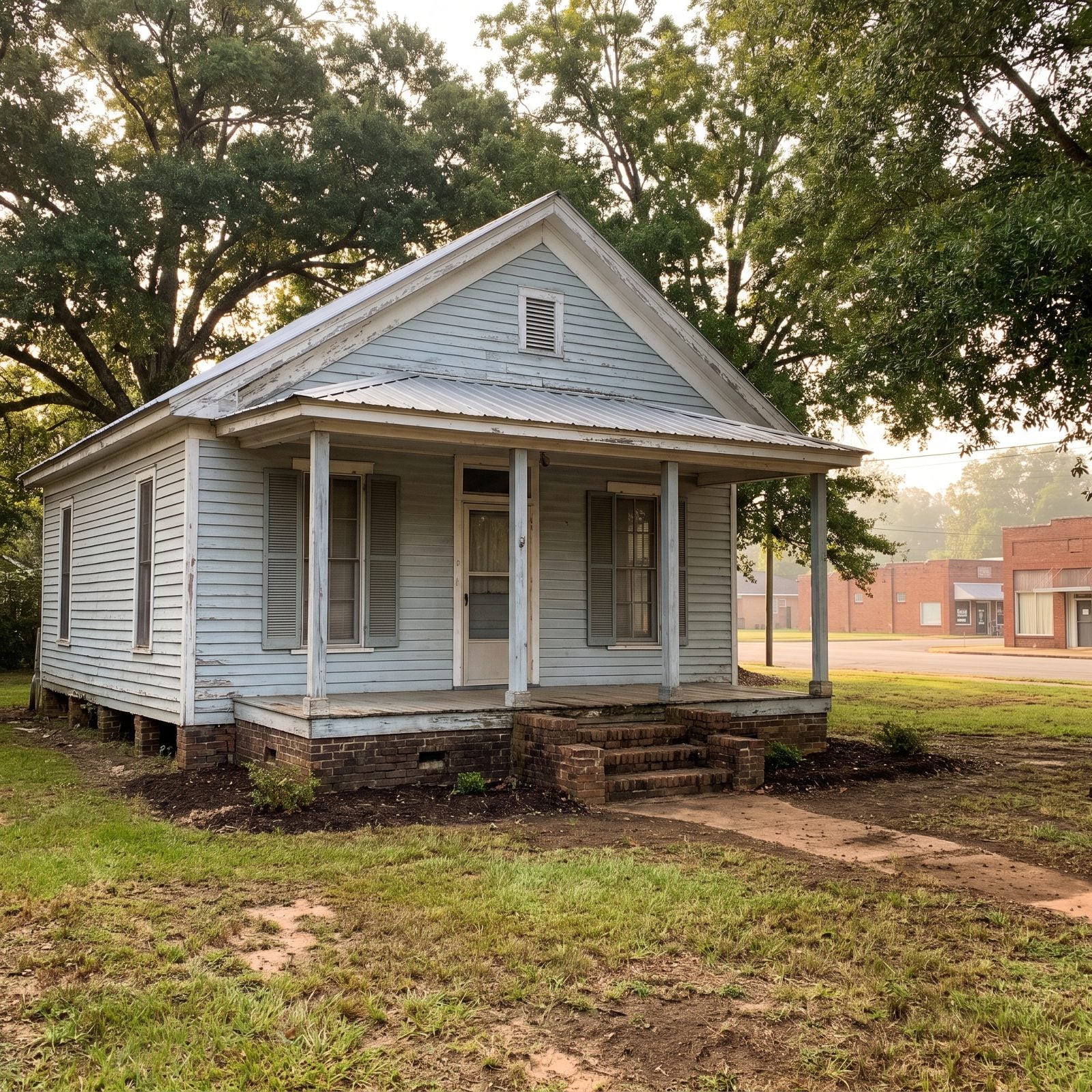
Named for the deep dark soil, Alabama’s Black Belt holds some of the most affordable habitable houses in the country. Uniontown’s cottages are small and plain and genuinely cheap, often listing for a fraction of a new pickup.
Honesty matters here more than in most of these towns. Services are thin, infrastructure has been underfunded for generations, and some listings need real work rather than cosmetic touch-ups. Walk the whole property, test the water, read the town and not just the house. For a patient buyer with a repair budget, the value is real.
28. Wewoka, Oklahoma: Oil-Era Bungalows at the Seminole Nation’s Doorstep
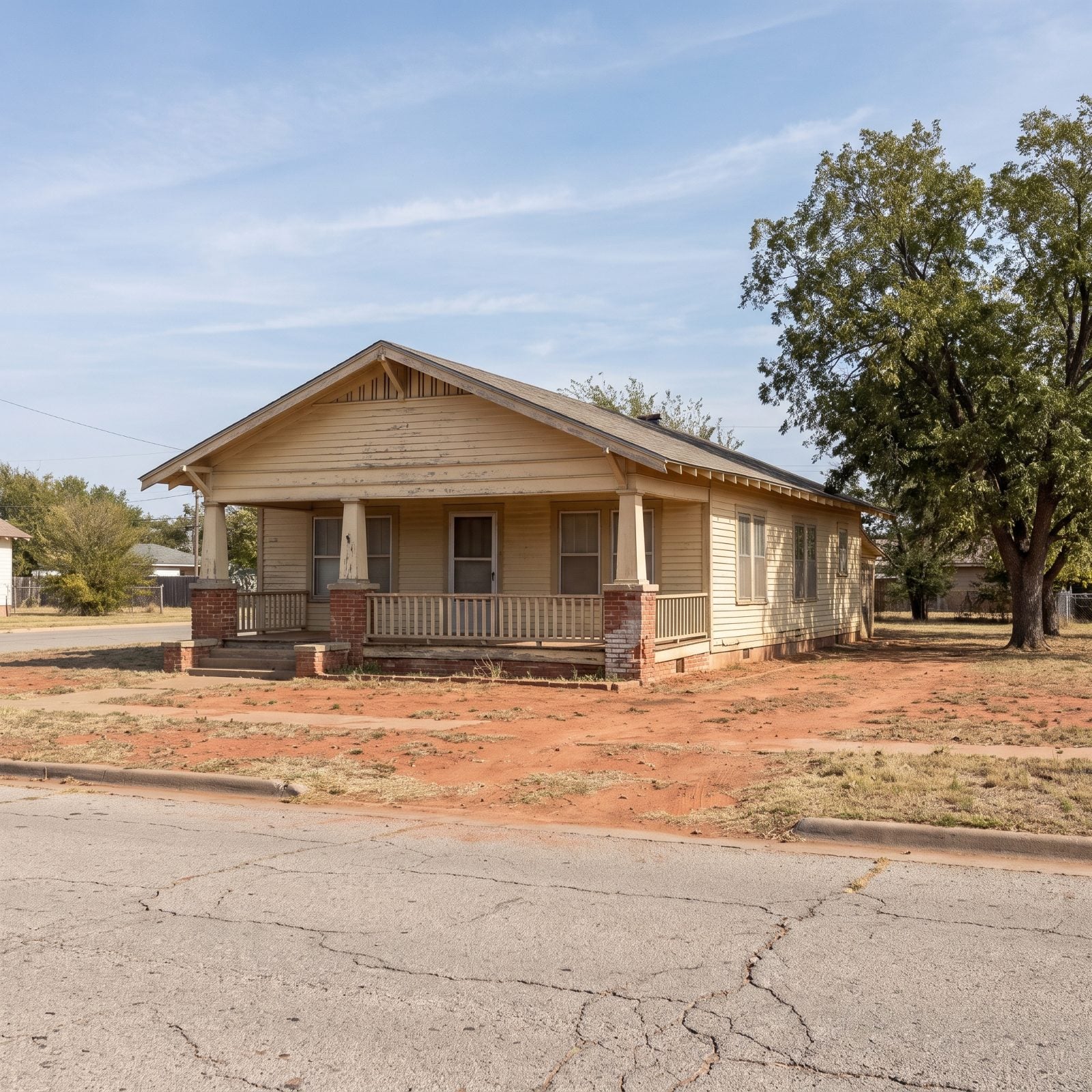
Wewoka sits at the center of the Seminole Nation, and its oldest neighborhoods still carry the stamp of the oil money that once ran through here. The bungalows are small, square, and solidly framed — the kind of lumber that got milled back when wood was cheap and everywhere.
What drags listings here down under pickup-truck money isn’t collapse. It’s distance. The town sits an hour from anything larger, and remote markets price accordingly, so you end up with sound houses and a buyer pool that’s thin to the point of lonely.
27. Hugo, Oklahoma: Railroad Houses in the Heart of Choctaw Country
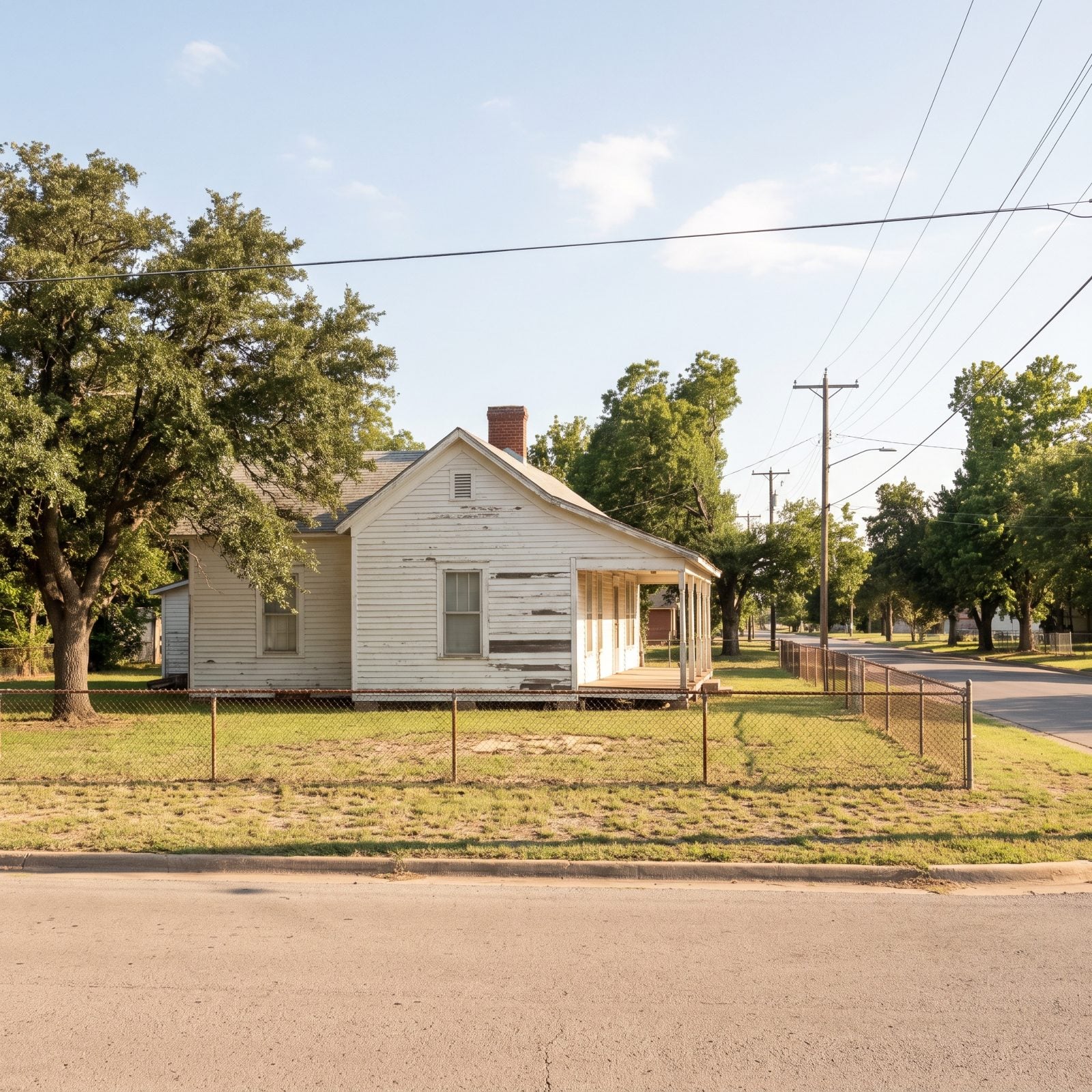
Hugo grew up around the rail lines that cut through the Choctaw Nation, and the housing stock still reads like that history — compact worker cottages, foursquares, a scattering of early bungalows, most of them built within walking distance of the old depot and the jobs it anchored.
You get a lot of house for the number here. The trade-off is the one that shadows most of this list. Jobs left when the rail traffic thinned, and people followed the jobs out. A cheap house in a shrinking county is cheap for a reason worth understanding before you sign anything.
26. Keokuk, Iowa: Brick River Houses at the State’s Bottom Corner
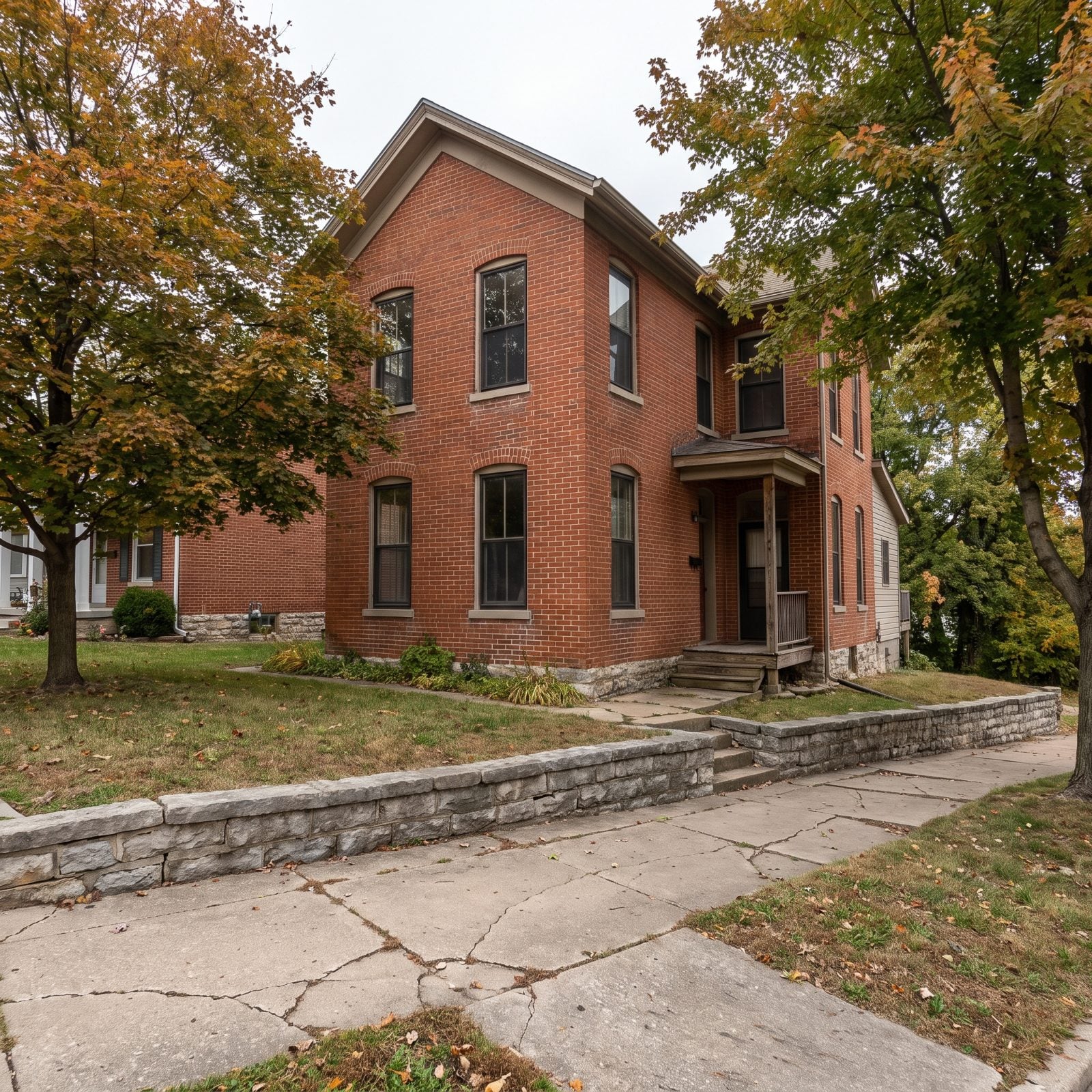
Keokuk anchors the far southeastern tip of Iowa, where the Mississippi and Des Moines rivers meet. It was a river port of real consequence once, and the houses still show that ambition — brick two-stories, deep lots, the occasional carved porch bracket hanging on past all reason.
The affordability is partly age and partly geography. Some of the cheapest stock sits in older low-lying sections where flooding is a live question, so the inspection and the insurance quote will tell you far more than the sticker price ever does.
The number on the listing is the easy part. The flood map is the conversation.
25. Lanett, Alabama: Mill-Village Cottages by the Chattahoochee
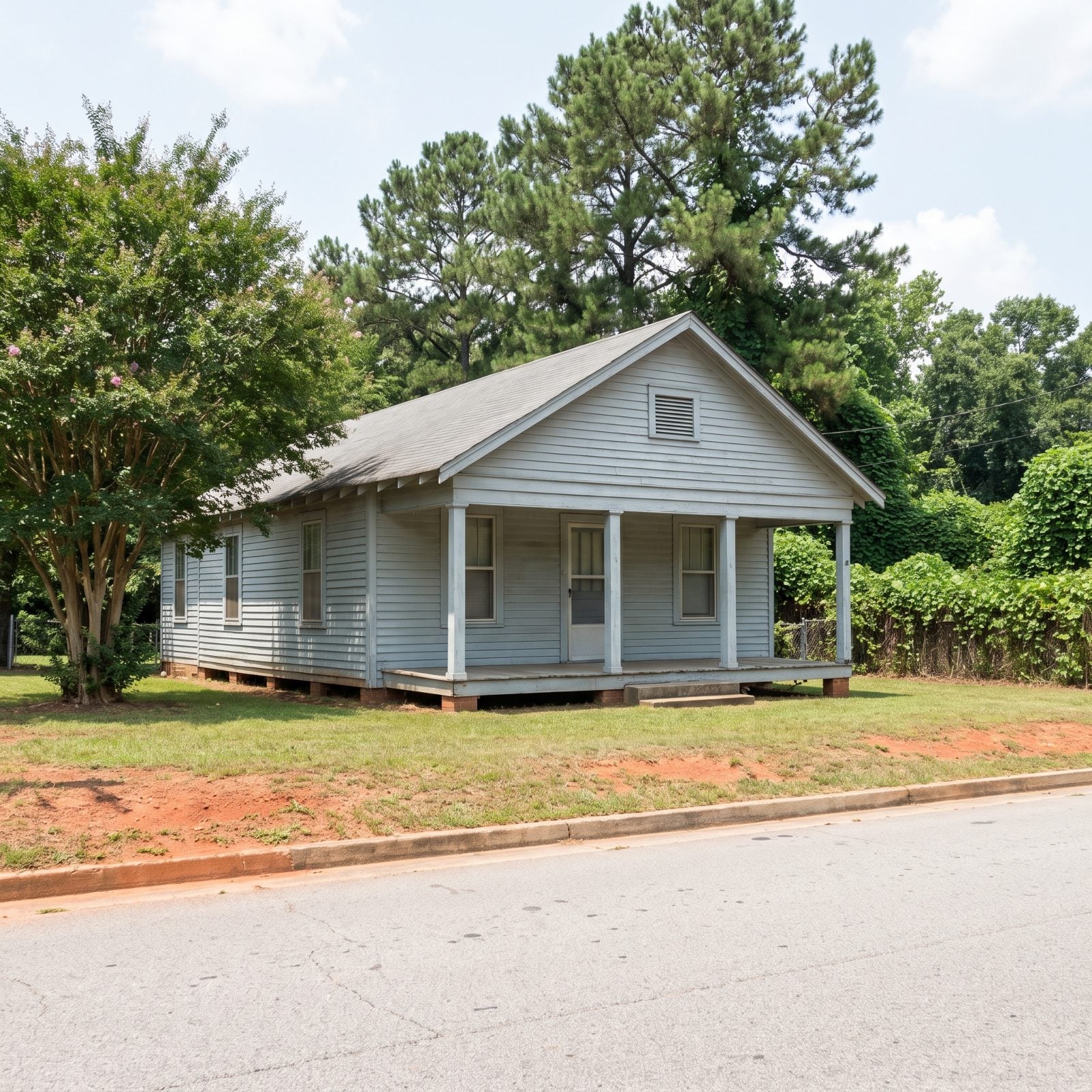
Lanett was a mill town, and the mill built the houses. Row after row of near-identical frame cottages went up for the workers who ran the looms along the Chattahoochee, which is why so many survive today in that same tight, repeating pattern.
These cottages were made to a formula, so the bones are predictable and the lots are snug. The low prices trace straight back to the mill’s exit decades ago. Look hard at wiring and foundations — worker housing was built fast and cheap on purpose. A small bench on that full-width porch tends to be the first thing a new owner adds.
24. Neodesha, Kansas: Oil-Boom Bungalows on the Verdigris
🔥 Would you like to save this?
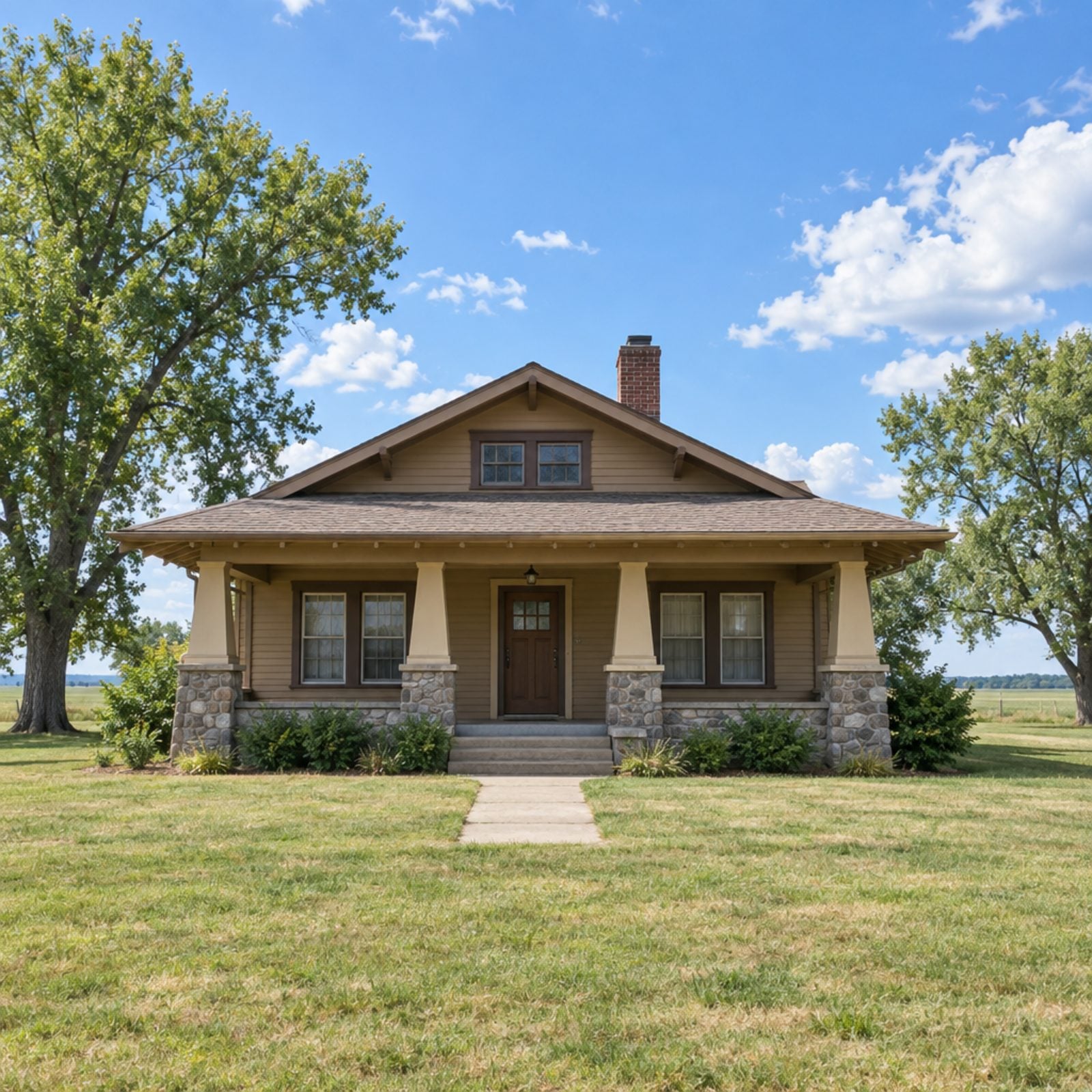
Neodesha claims one of the first commercial oil wells west of the Mississippi, and the money from that era paid for a lot of its best bungalows: stone fireplaces flanked by built-in bookcases, crisp dark brown-painted window trim, and that warm, solid oak furniture and flooring the craftsman form does so well.
Prices sit low because the oil economy that built the town contracted long ago and the population has drifted down for decades since. The houses are often more interesting than the asking price lets on, and that gap is exactly what draws people in.
23. Dennison, Ohio: Depot-Town Houses Near the Old Rail Yards
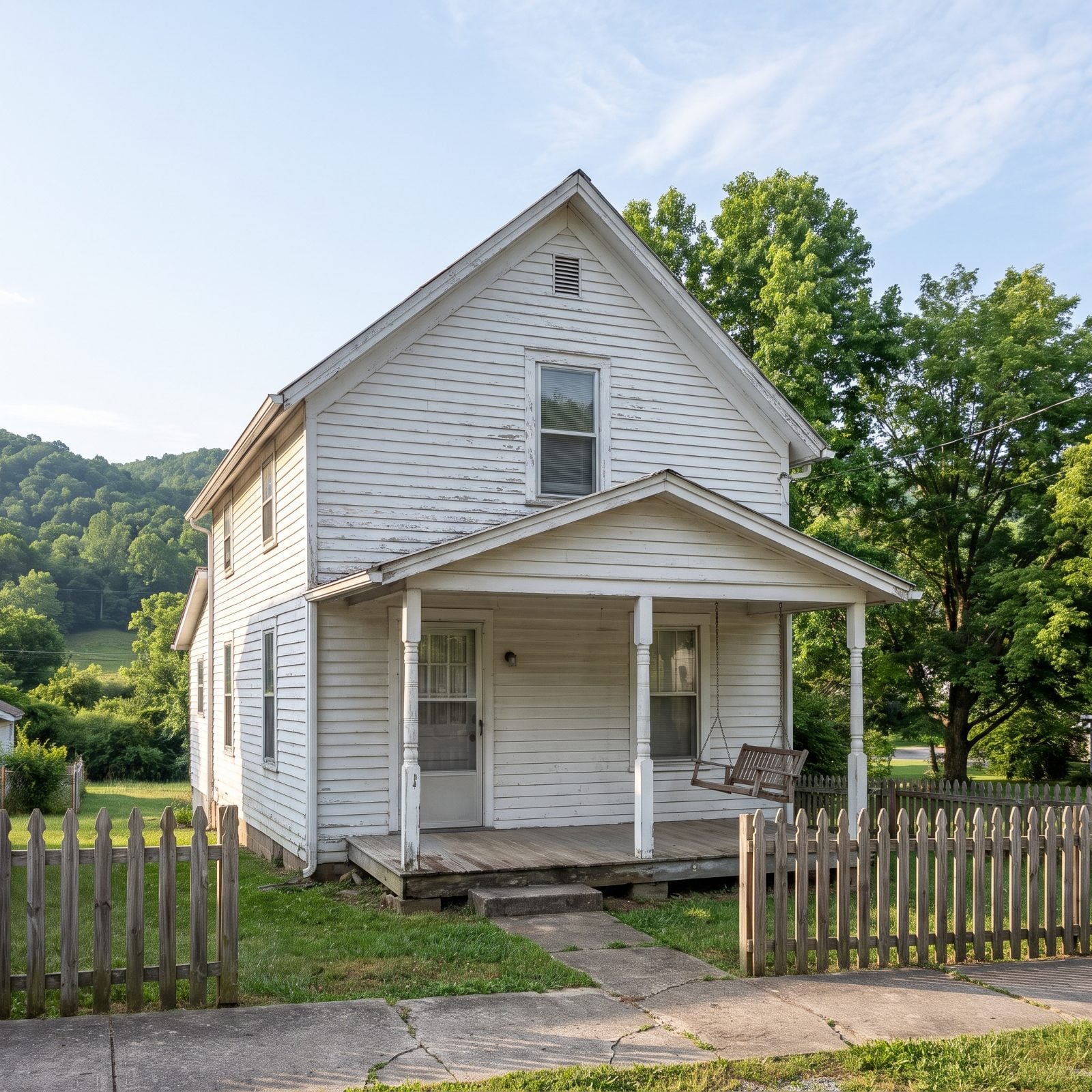
Dennison exists because of the railroad. The depot here was a major servicing point, and the town filled up with houses built close to the yards for the men who kept the trains running.
That nearness to the old rail grounds cuts both ways — it explains the town’s charm and its low prices in the same breath. Industrial-adjacent lots can carry history in the soil, so put the environmental questions on the list right next to the structural ones.
22. Jasonville, Indiana: Coalfield Bungalows in Greene County
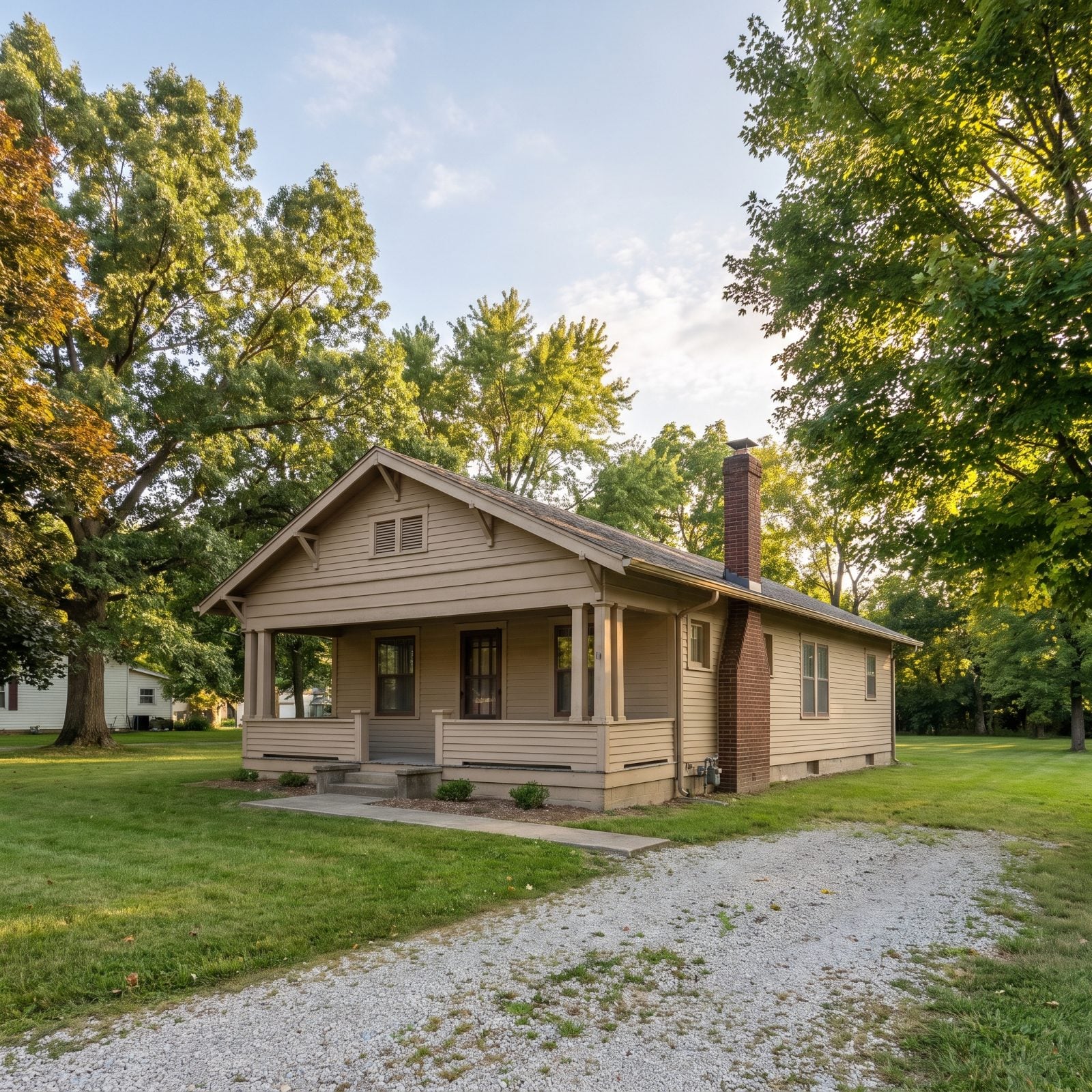
Jasonville sat in the middle of Indiana’s coalfield, and when the mines were hiring, the town built bungalows to match — modest, well-framed, the sort of house a working family could own outright and never owe a bank over.
The coal left. The bungalows stayed. Prices here are among the gentlest on this list, and much of the stock is genuinely livable, which is more than you can say for every cheap-house town in the country.
21. Centerville, Iowa: Old Houses Ringing a Giant Courthouse Square
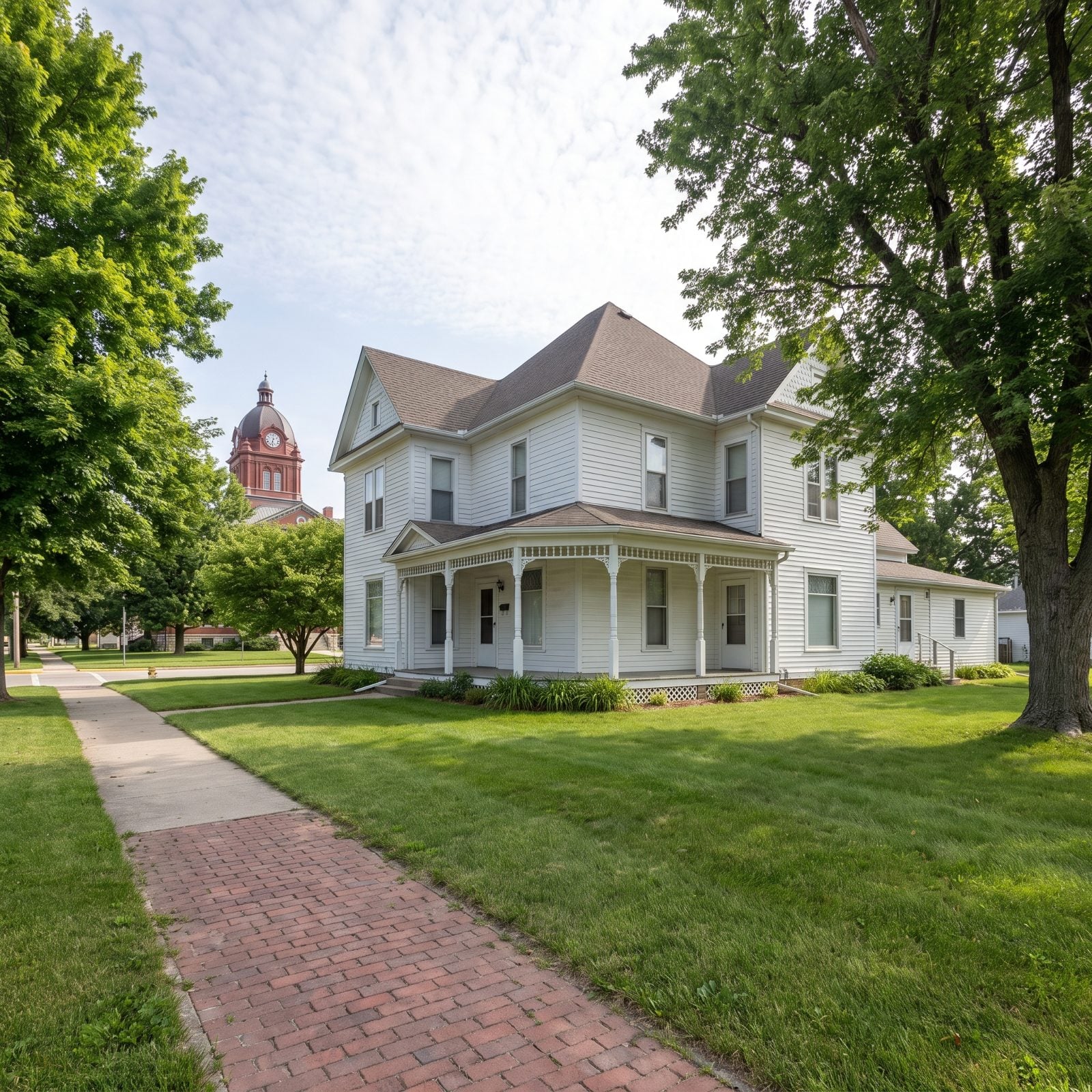
Centerville built one of the largest courthouse squares in the country, and the town that grew around it has housing to match that early swagger: Victorians, foursquares, early bungalows, many of them a short walk from that enormous square.
Southern Iowa’s farm-and-coal economy thinned over the last century, and that’s the real reason older houses here trade so low. The square still functions. The houses still stand. And the distance between what they ask and what they actually charm you into feeling is a wide one.
20. Frederick, Oklahoma: Prairie Homes Around a Historic Square
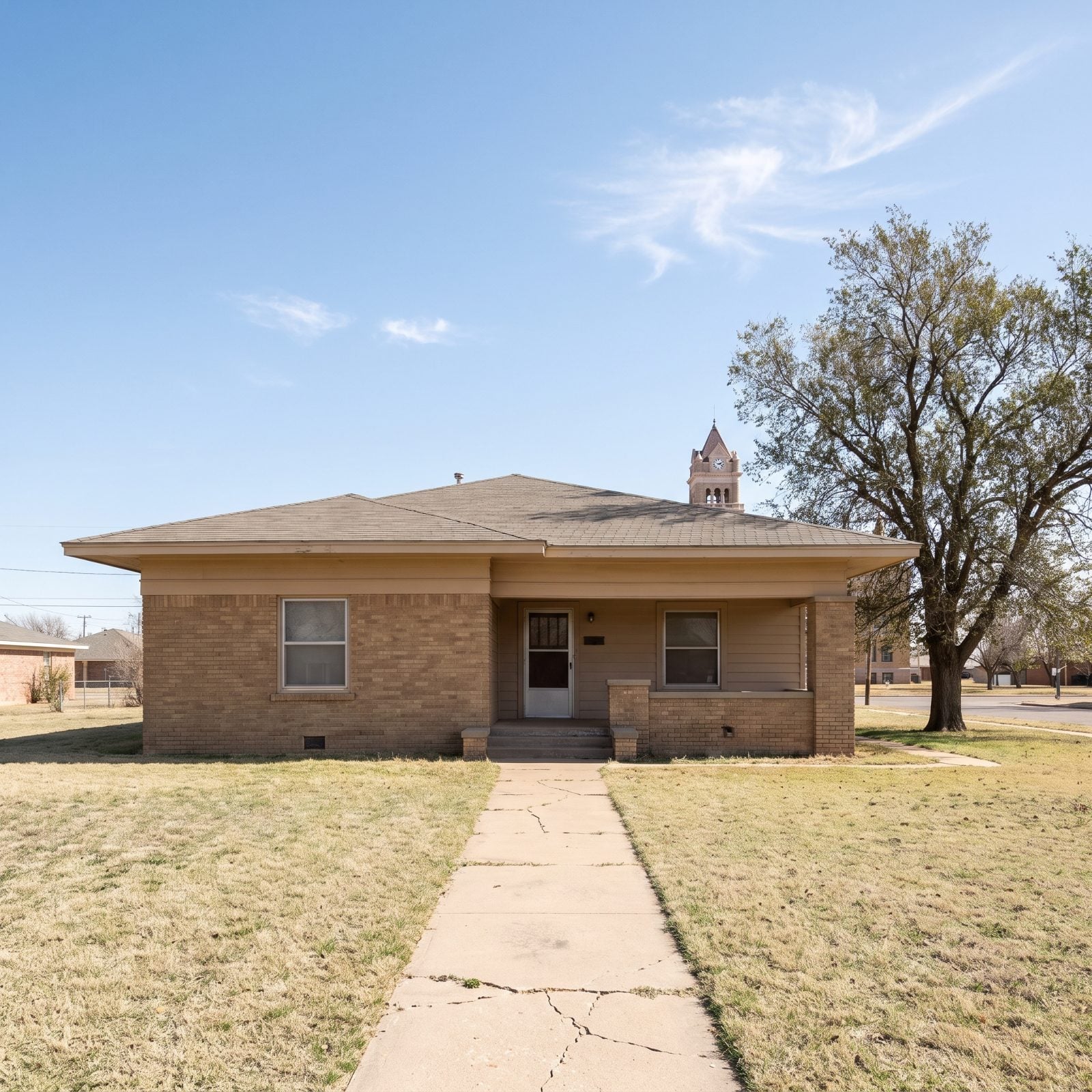
Frederick spreads out across the southwest Oklahoma prairie, flat and wide under a sky that never seems to quit. The older homes sit low and horizontal, built to live with the wind instead of fighting it, and a good number of them cluster near the historic square.
This is wheat and cotton country. Like most of the farm belt, it’s been shedding people to bigger metros for generations, and that’s the engine behind the prices. The catch is remoteness — the nearest real city is a long drive, and that isolation is precisely what keeps the numbers where they are.
19. Lordsburg, New Mexico: Adobe-Touched Ranches Off Interstate 10
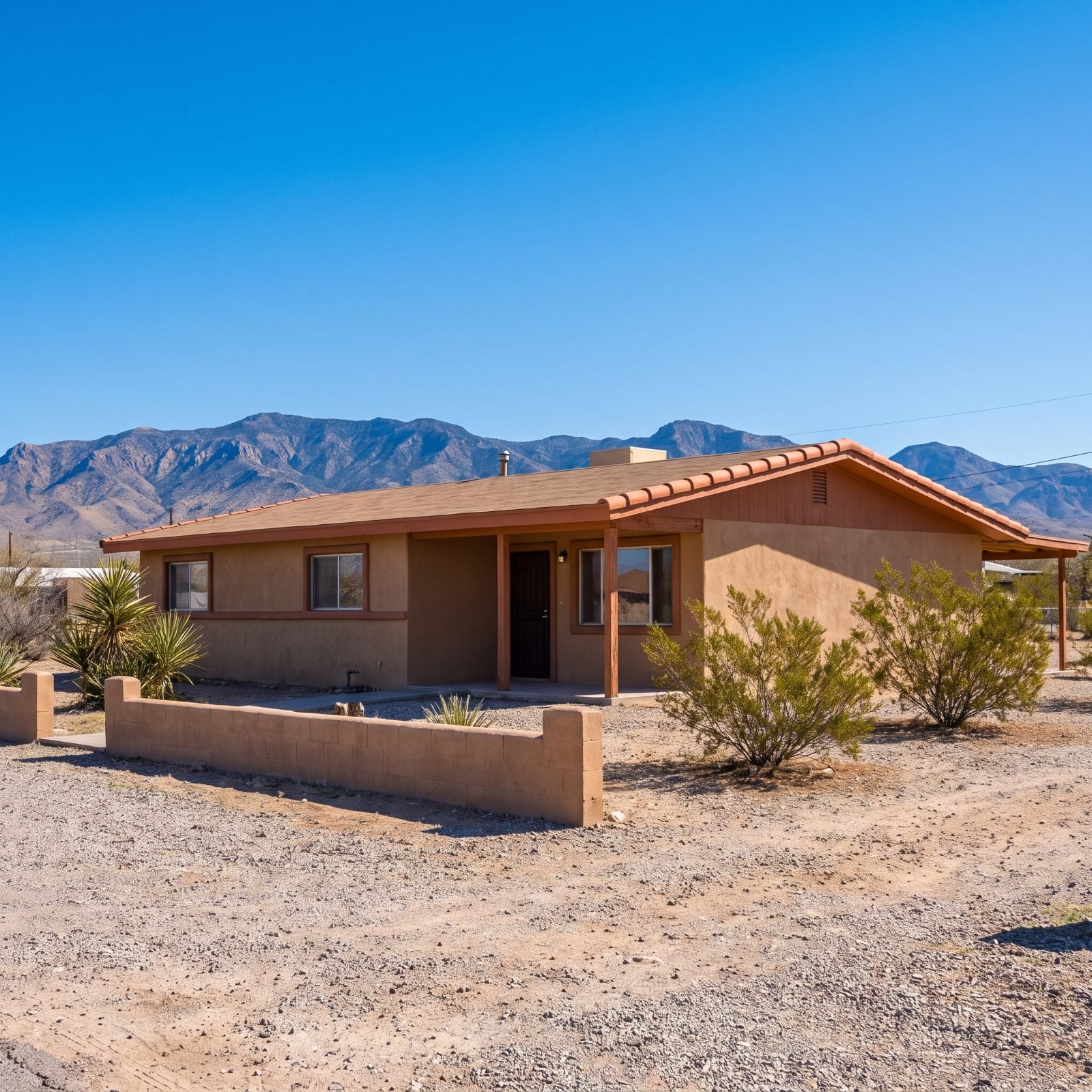
Lordsburg sits in New Mexico’s bootheel, a high-desert stop along Interstate 10 where the horizon runs out to bare mountains. The housing mixes modest ranch homes with adobe-touched stucco — low tan walls that hold cool air through a summer that means business.
Why so cheap? Remoteness, mostly. The town is far from any metro, the desert economy is lean, and the heat is no joke. But those thick, light-toned walls are a quiet lesson in how old desert builders handled climate long before anybody ran a condenser line. The prices reflect the market, not the merit of the construction.
18. Paducah, Texas, Plains Homes Circling a Small Courthouse Square
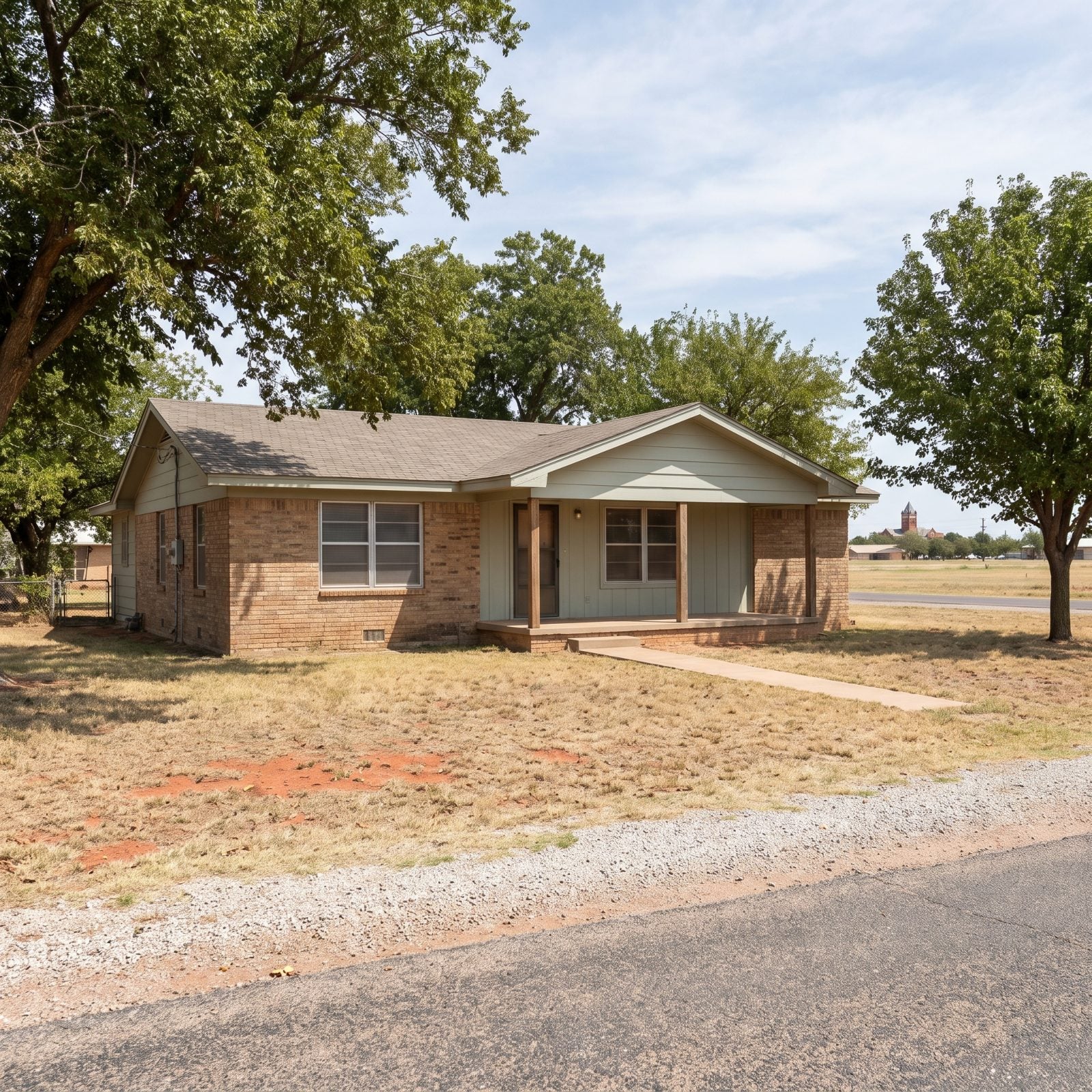
Paducah sits at the center of Cottle County, and the housing stock reads exactly like that: solid, practical, built to outlast whoever ordered it. The homes ringing the courthouse square run to mid-century brick-and-frame cottages with deep porches meant for shade, not show.
What you get for the price of a truck here is space and sky. What you don’t get is a crowd. Jobs are scarce and distances are long, so weigh the drive before you fall for the porch.
17. Rotan, Texas, Compact Houses in West Texas Cotton Country
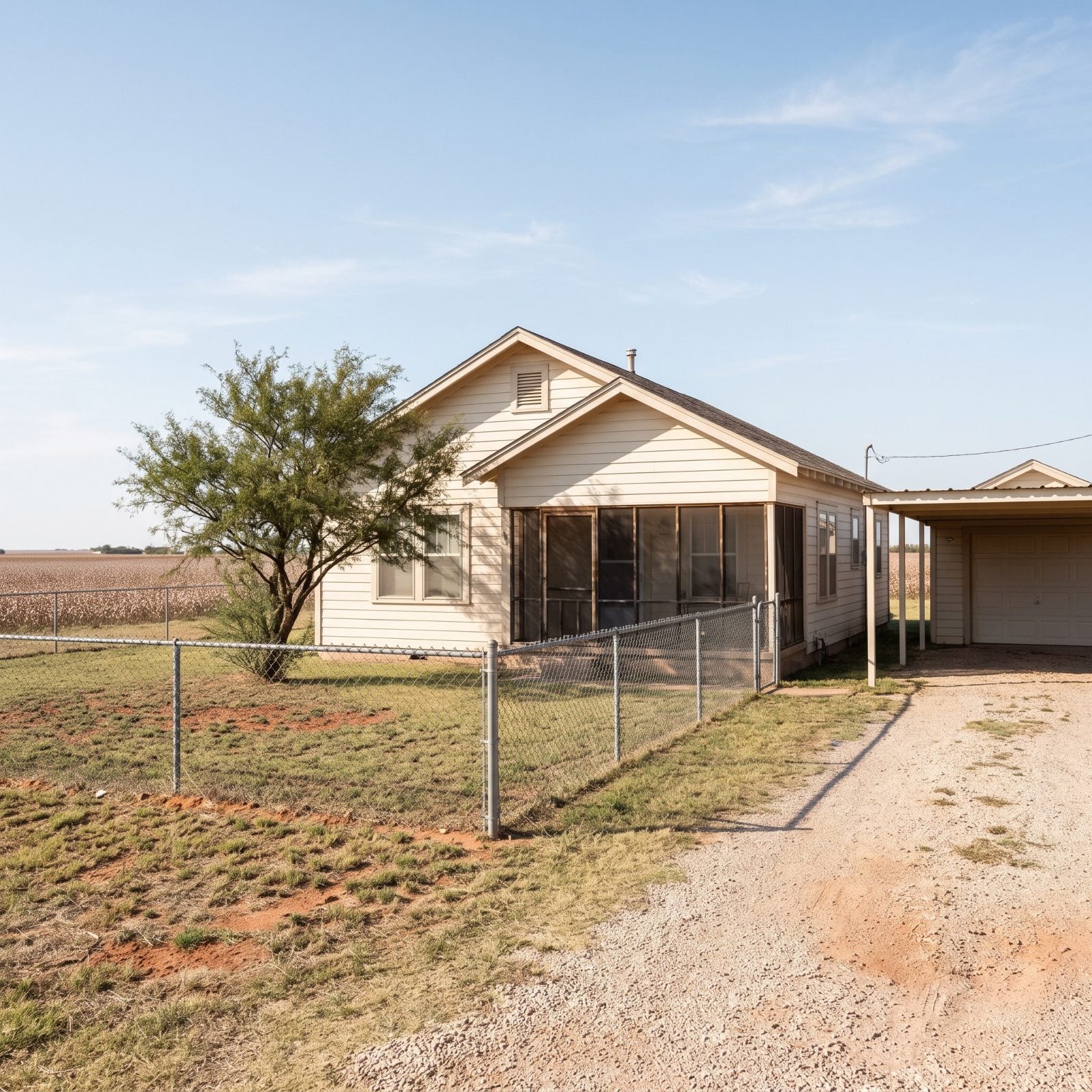
Cotton built Rotan, and the houses wear their farm roots plainly. These are small, square-footed frame homes on generous lots, the kind where the detached carport and the lone mesquite come standard.
Listings here regularly land under the sticker of a new pickup. The caveat is real: this is remote country, water matters more than you’d think, and resale moves at the pace of molasses.
16. Wellsville, Ohio, Hillside Houses Looking Down on the River
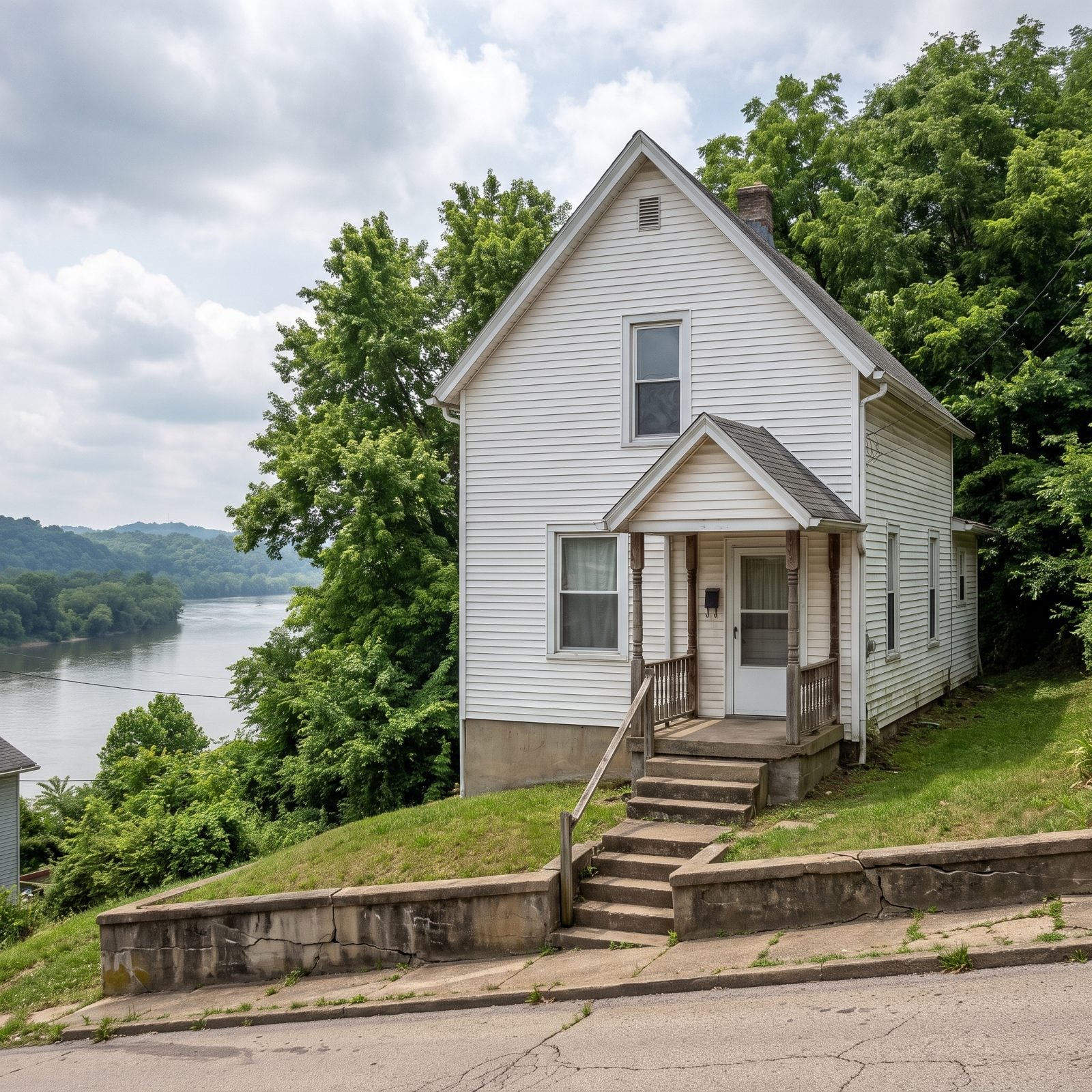
Built into the hillside above the Ohio River, Wellsville’s old frame houses stack up the slope like books crammed onto a shelf. Steep lots. Concrete stairs. Porches angled to catch the river view.
This is former pottery and steel country, and the prices mirror a town that lost its industry. Ask hard questions about foundations and hillside drainage before anything else. That small fireplace you’ll find in many of these homes isn’t decorative, it earned its keep through long river-valley winters.
15. Welch, West Virginia, Steep-Slope Homes in the Coalfields
🔥 Would you like to save this?
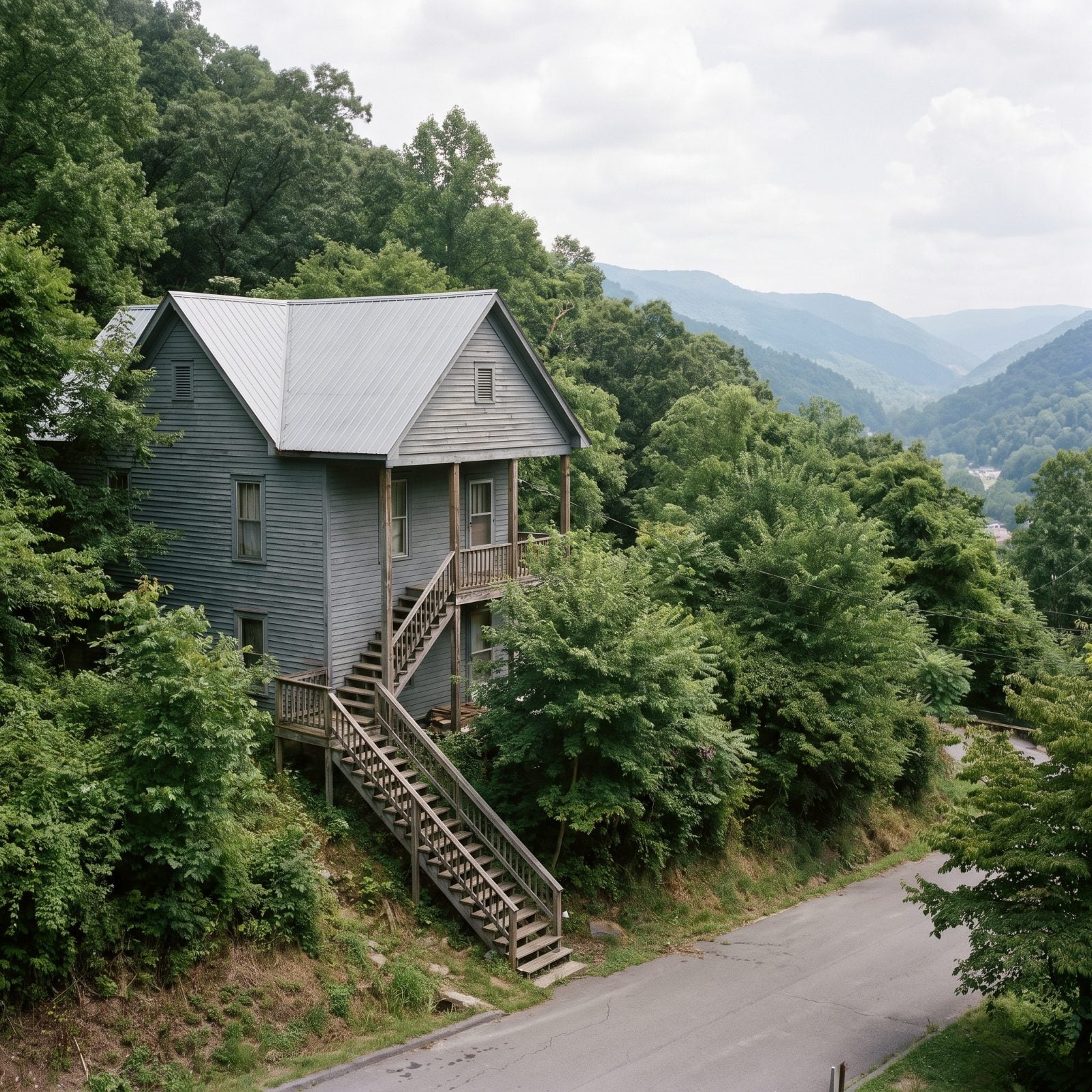
Welch clings to the mountainsides of McDowell County, and the homes cling right along with it. These narrow coal-era houses went up wherever the flat land ran out, which in this terrain is pretty much everywhere.
Prices here rank among the lowest in the country, and the reasons are honest ones: steep slopes, a flood history down in the valleys, and a population that has thinned for decades. Buy here for the mountains and the quiet, not the spreadsheet.
14. Eudora, Arkansas, Delta Cottages by the Mississippi Levee
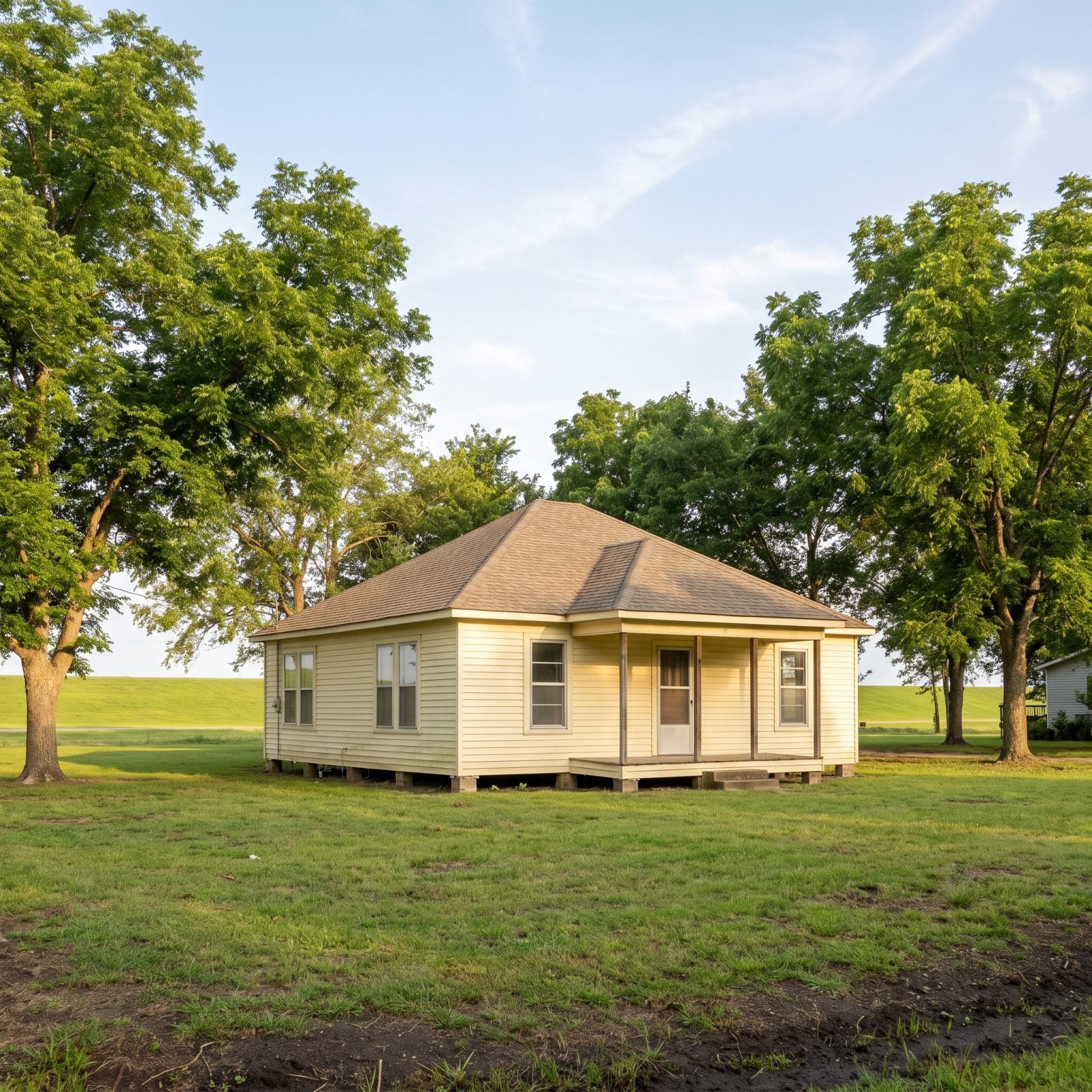
Flat as a tabletop and green as July, Eudora sits in the far southeast corner of Arkansas, close enough to the Mississippi levee to feel the river’s weight without ever quite seeing it.
The cottages here are classic Delta: low, wide-porched, raised just enough off the ground for a reason. That reason is flooding, so flood zone status and insurance should be the first thing you check, not the last.
13. Dermott, Arkansas, Small Delta Homes Among the Pecan Groves
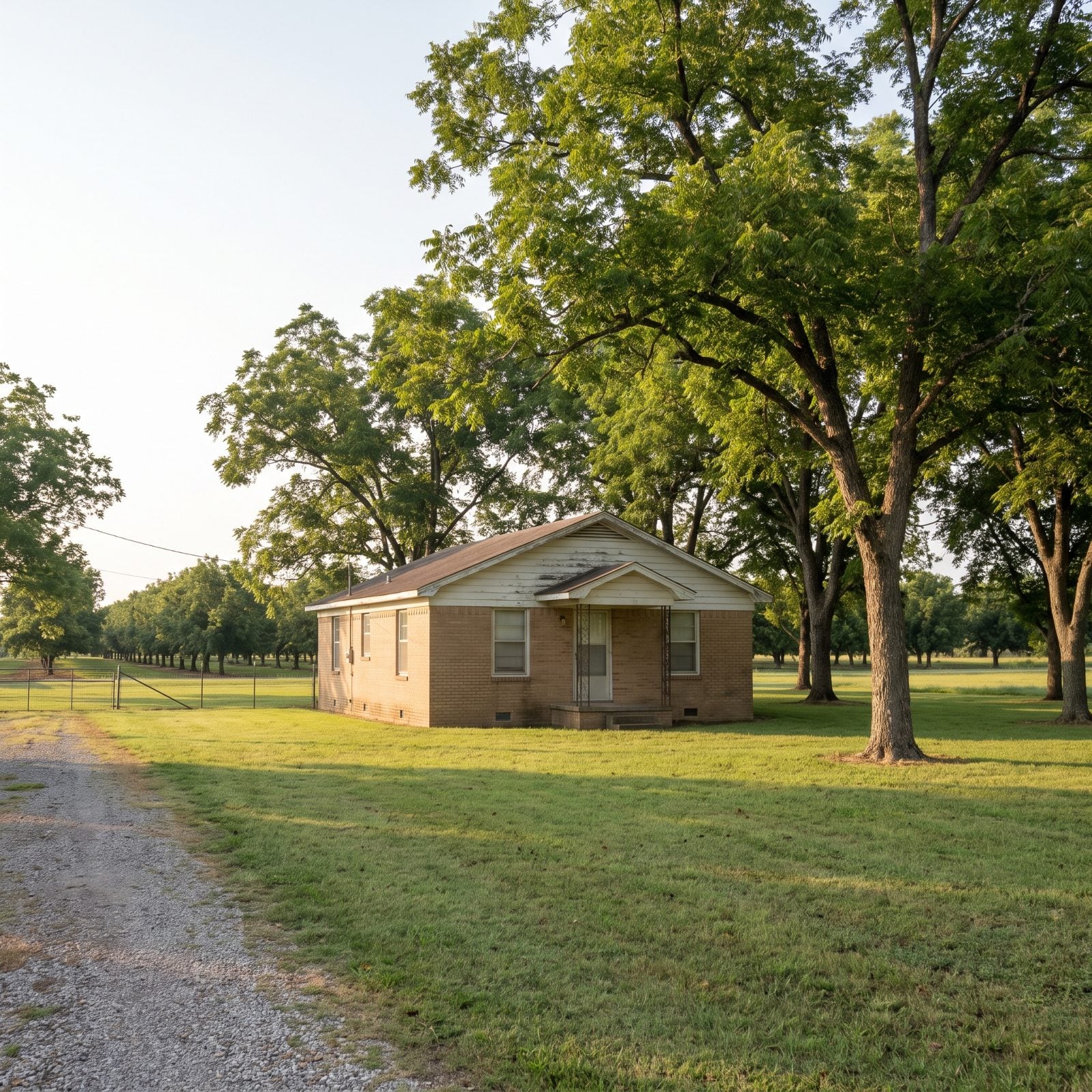
Pecan trees do a lot of the talking in Dermott. The compact brick-and-frame homes sit tucked under their canopies, picking up free shade and a nut harvest every fall.
Small-town Delta economics keep prices low, and these are honest, modest houses for people who’d trade bright lights for land, trees, and a little room to breathe.
12. Tallulah, Louisiana, Modest Homes Near a Historic Commercial Core
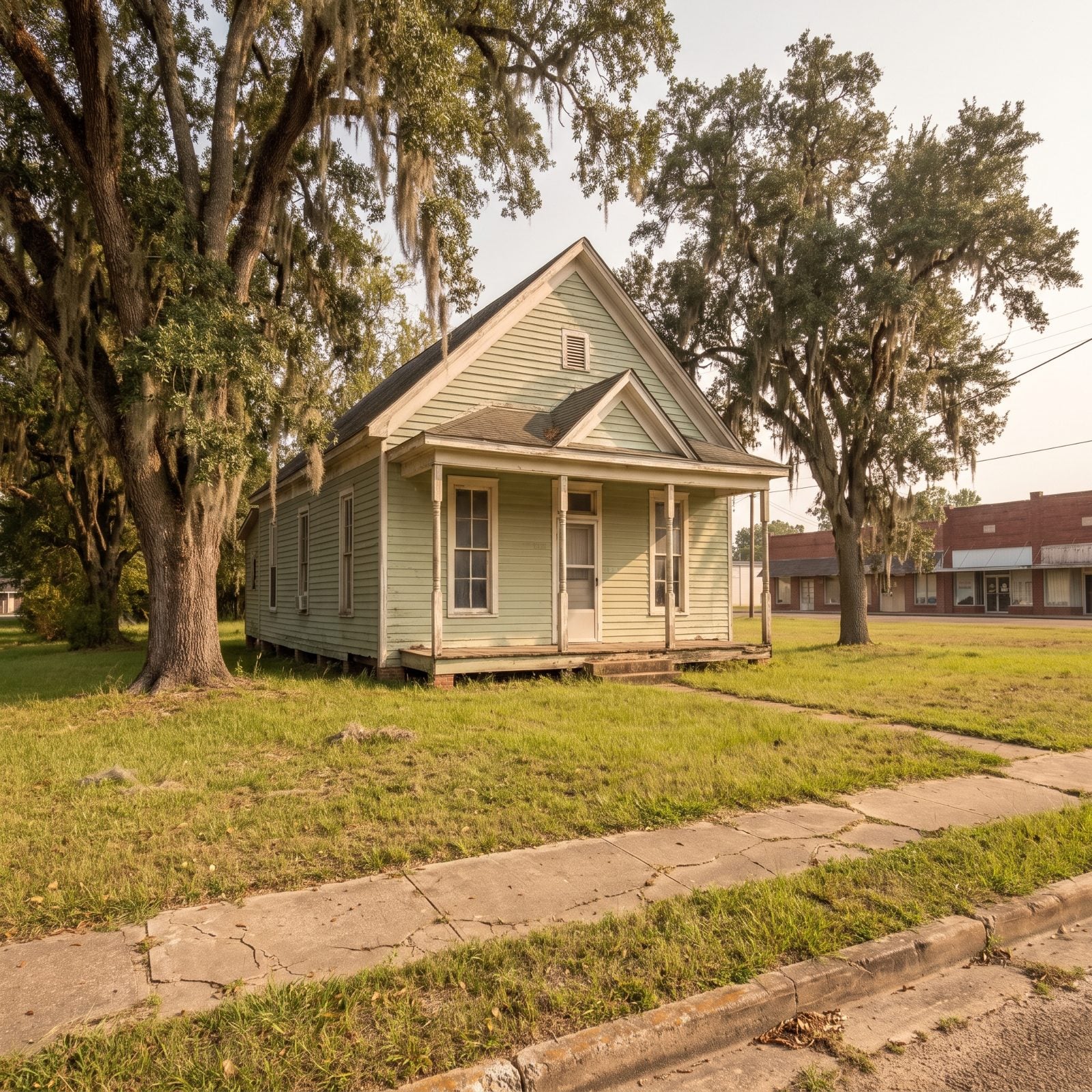
Live oaks, Spanish moss, and brick storefronts that remember busier decades. Tallulah wears its Delta heritage right out in the open, and the modest frame homes near the old commercial core sit close enough to walk to whatever’s left of Main Street.
Prices are low and the character runs high, but do your homework on flood maps and local services before you commit. Those steep front gables and tall windows were built for cross-ventilation back when air conditioning wasn’t an option.
11. Leland, Mississippi, Delta Cottages Along Deer Creek
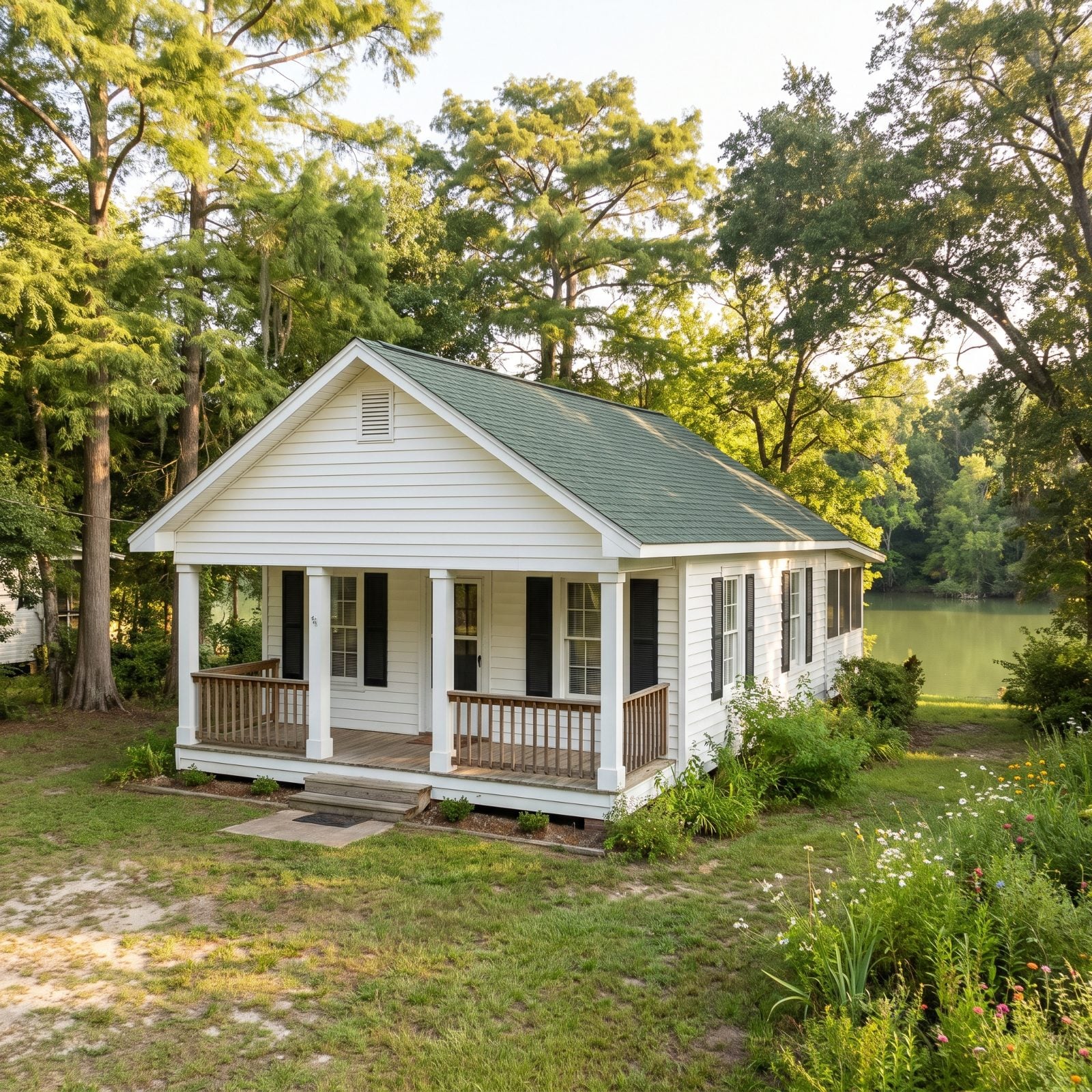
Deer Creek winds right through Leland, and the best cottages sit a stone’s throw from its slow green water. White clapboard, black shutters, deep front porches on square columns, a Delta look that just plain holds up.
This is blues country with deep musical roots, and that gives the town a cultural pull bigger markets can’t manufacture. The usual Delta homework still applies, though: check the flood zone, check the job prospects, check the drive.
10. Caruthersville, Missouri, Bootheel Houses Behind the River Levee
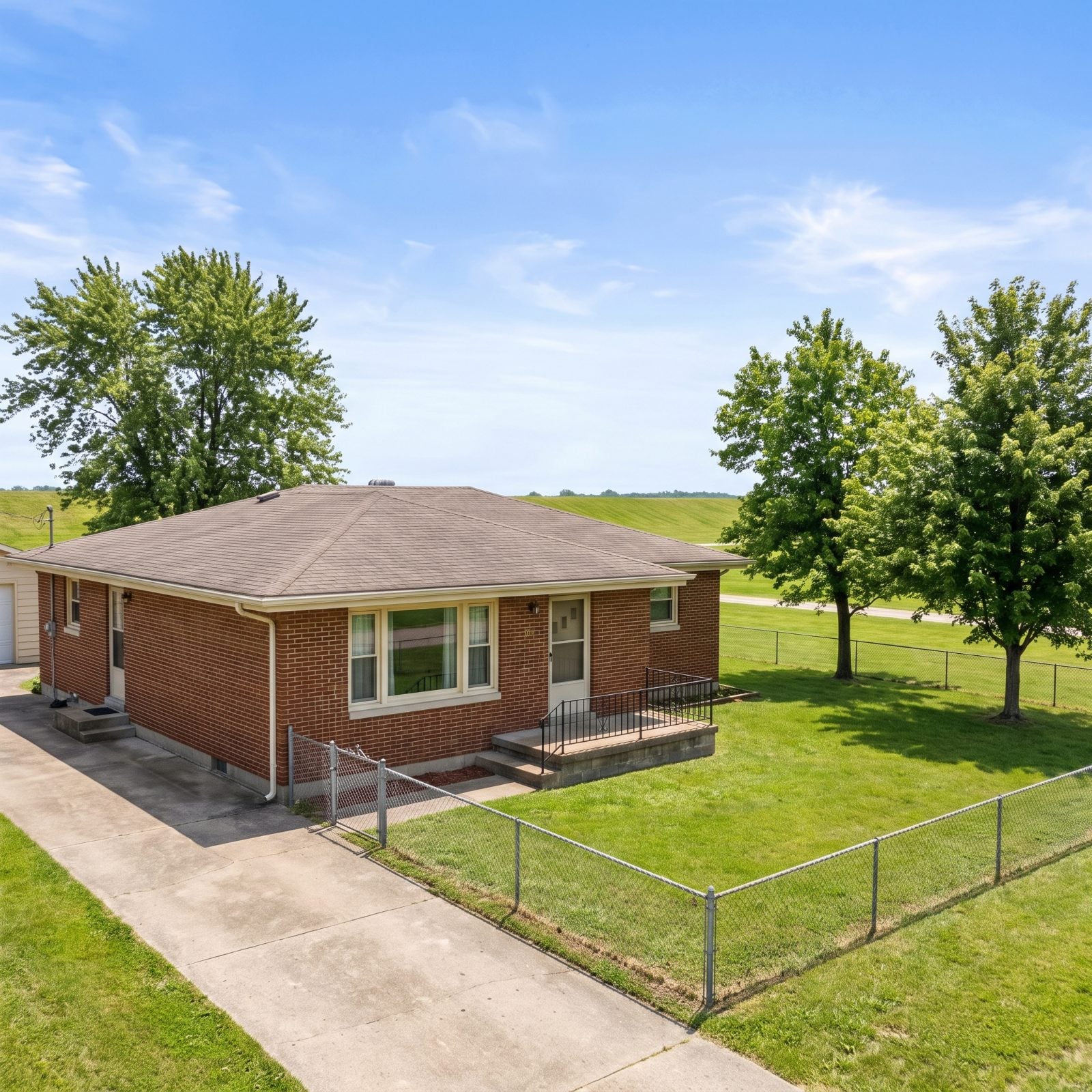
Caruthersville sits in the far southeast toe of Missouri, tucked behind a levee that keeps the Mississippi where it belongs. Expect solid brick ranches on flat, generous lots.
You get real square footage for the price of a new truck, with the obvious catch that you’re buying in a floodplain town. The levee is the whole reason this place exists, so understand what it does before you sign anything.
9. Kennett, Missouri, Bootheel Bungalows in a Farm-Country Hub
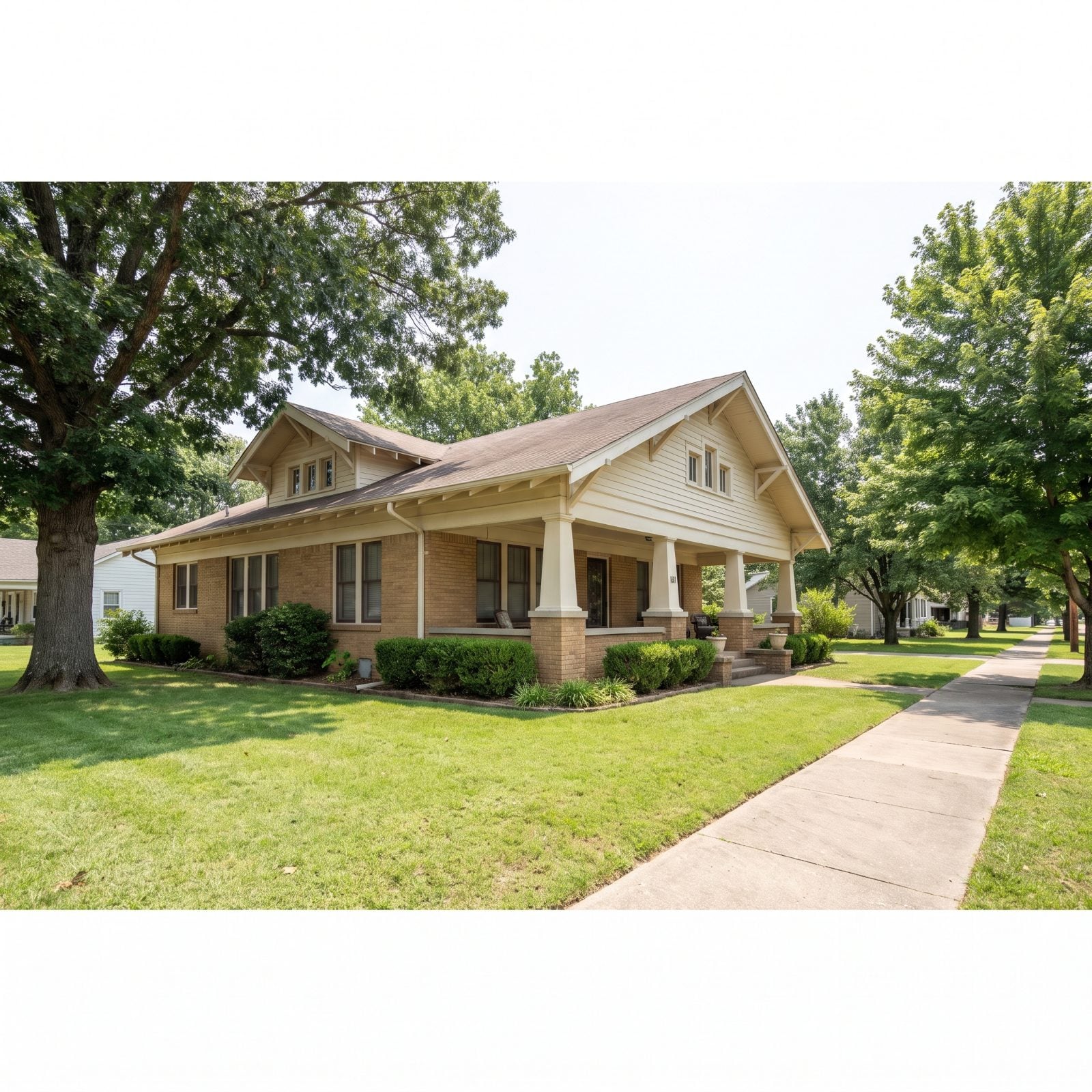
As the commercial anchor of Dunklin County, Kennett offers what the smaller Bootheel towns can’t: a working downtown, real services, a bit more stability. For buyers, the payoff is the housing stock.
These 1920s craftsman bungalows are the find of the bunch. Deep porches on brick piers, tapered columns, exposed rafter tails tucked under wide eaves, all built with a level of care you almost never get at this price.
Budget for updated systems, because original bungalows usually come with original wiring and plumbing. But the bones are good, and good bones are the one thing you can’t add later.
8. Charleston, Missouri, Traditional Houses in a Mississippi County Seat
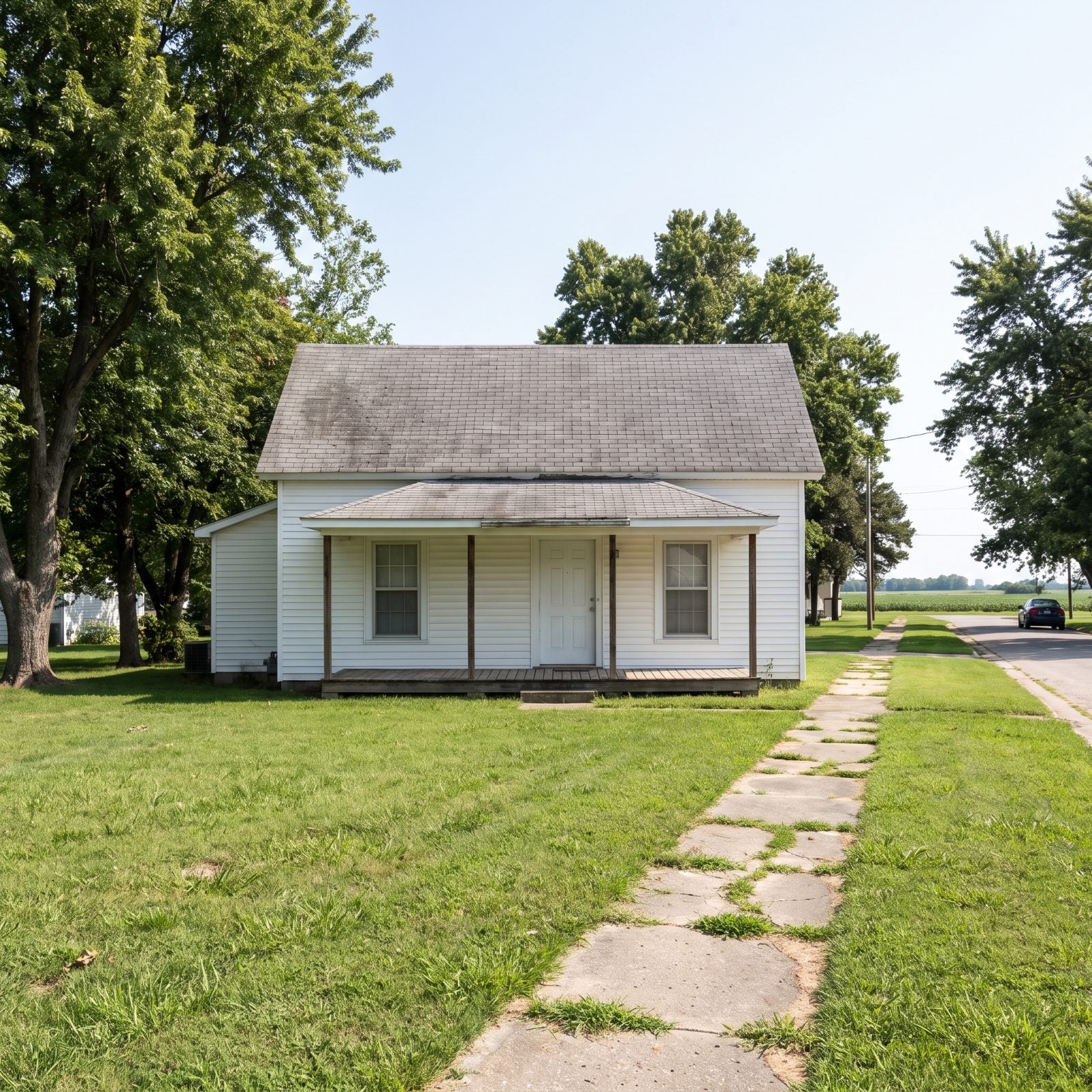
Charleston sits in the Missouri Bootheel, flat cotton and soybean country where the housing stock skews older and the lots run generous. At the low end you’ll find modest frame cottages, the occasional brick ranch, usually with a porch wide enough for two chairs and a pot of coffee between them.
Here’s the catch nobody puts in the listing: a cheap purchase price rarely means a cheap house to own. Older frame homes in the Delta need roof, wiring, and foundation attention before they’re genuinely comfortable, so budget for the work and not just the sticker.
7. Newport, Arkansas, Railroad-Era Houses Near the White River
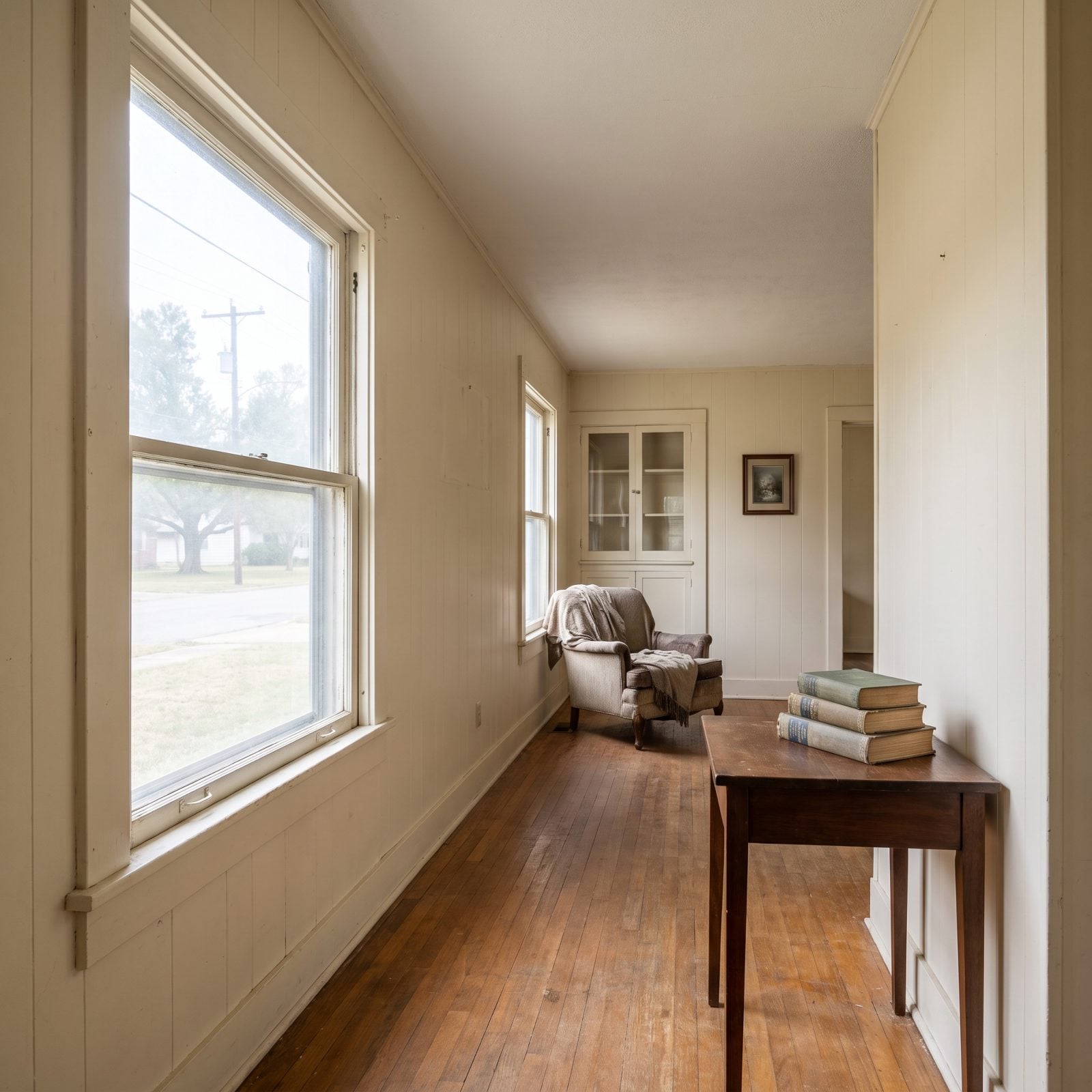
Newport grew up around the railroad and the river, and the houses still carry that history: tall, narrow, built close to the street back when freight mattered more than front lawns. The pickup-price listings tend to be older two-stories or compact bungalows that have passed through several owners.
The White River is the asterisk. Flood history and insurance costs shift block to block, so the cheapest address and the smartest address aren’t always the same one.
6. Blytheville, Arkansas, Brick Ranches and Bungalows in the Upper Delta
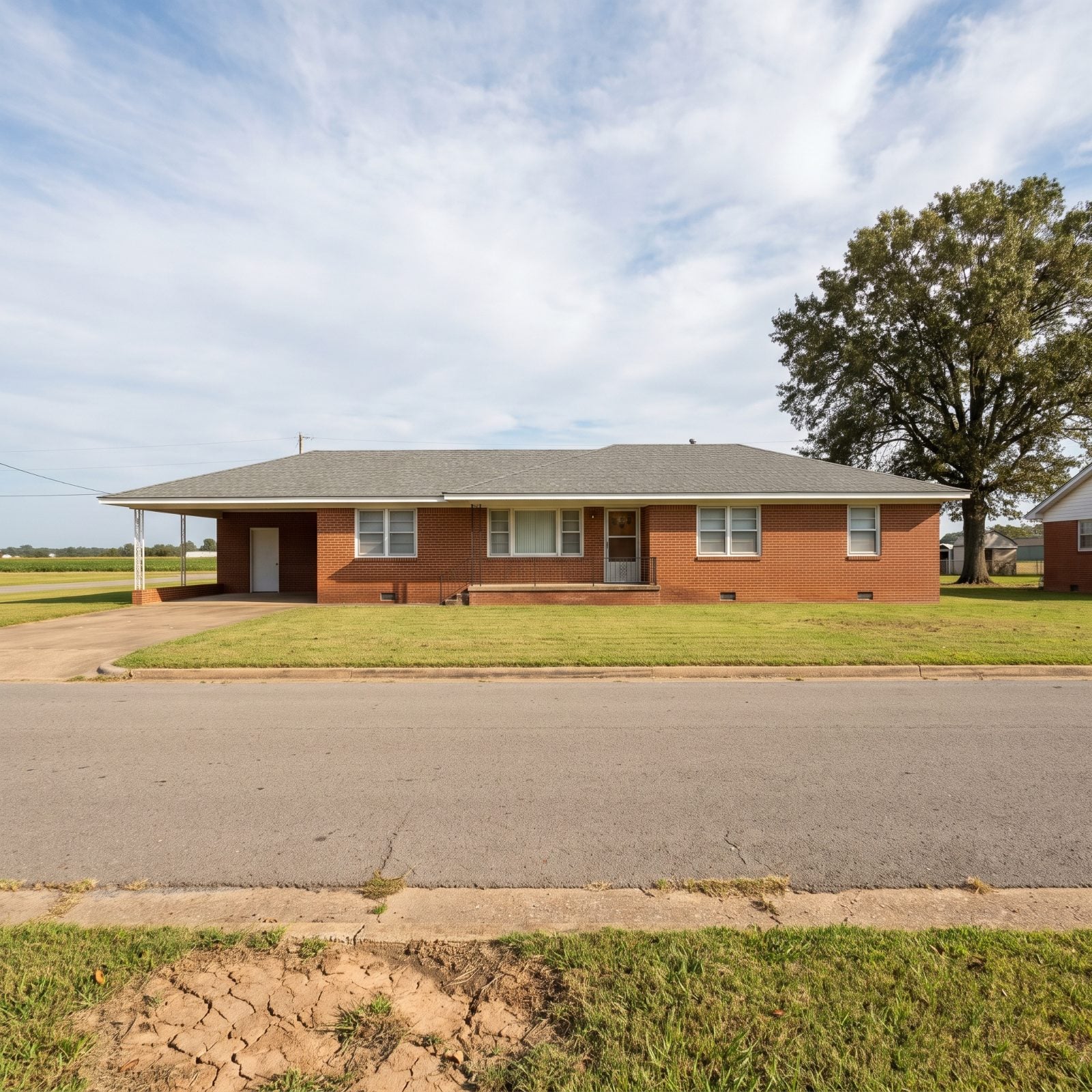
Brick ranches dominate the affordable band here, and for a buyer that’s good news. Brick needs far less upkeep than painted frame, and the mid-century ranch layout, all one floor and open to the yard, ages gracefully.
Blytheville leaned on the old air base and cotton for years, then shifted toward the steel mills up the road. That turn shaped the inventory you see now: solid 1950s and 60s houses on big lots, priced for a market that moves slowly.
5. Helena-West Helena, Arkansas, Bungalows and Cottages in the Delta
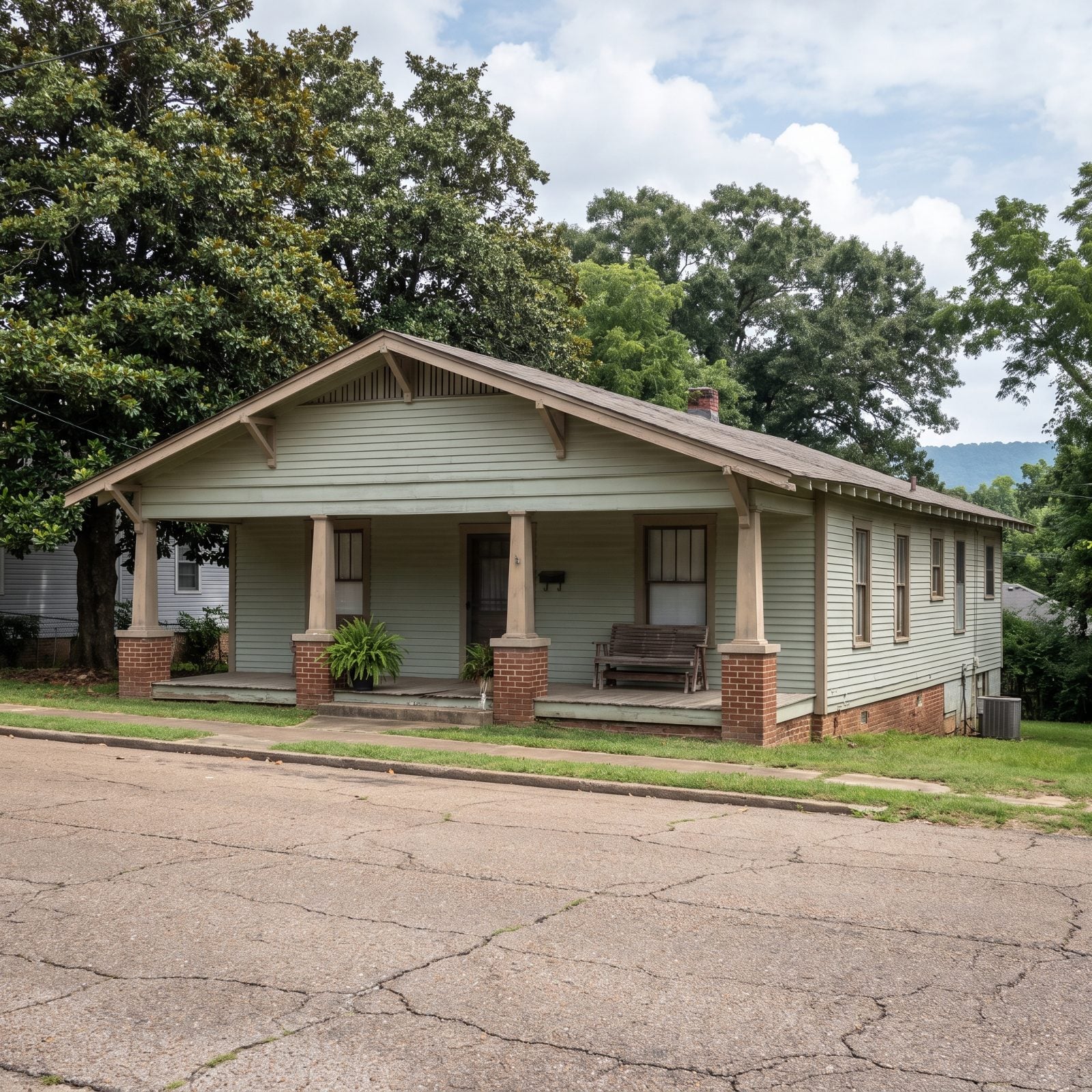
Tapered columns on brick piers, a porch that runs the full width of the house. That’s pure Delta craftsman, and it’s the detail that makes these cottages worth a second look. Helena-West Helena sits where flat river bottom meets the wooded rise of Crowley’s Ridge, so some streets actually have a grade, which is a rarity down here.
Now the honest part: this town has lost population for decades, and the cheapest listings often need real rehab. The bones can be lovely. The budget has to be realistic.
4. Aberdeen, Mississippi, Modest Cottages Beyond the Antebellum Landmarks
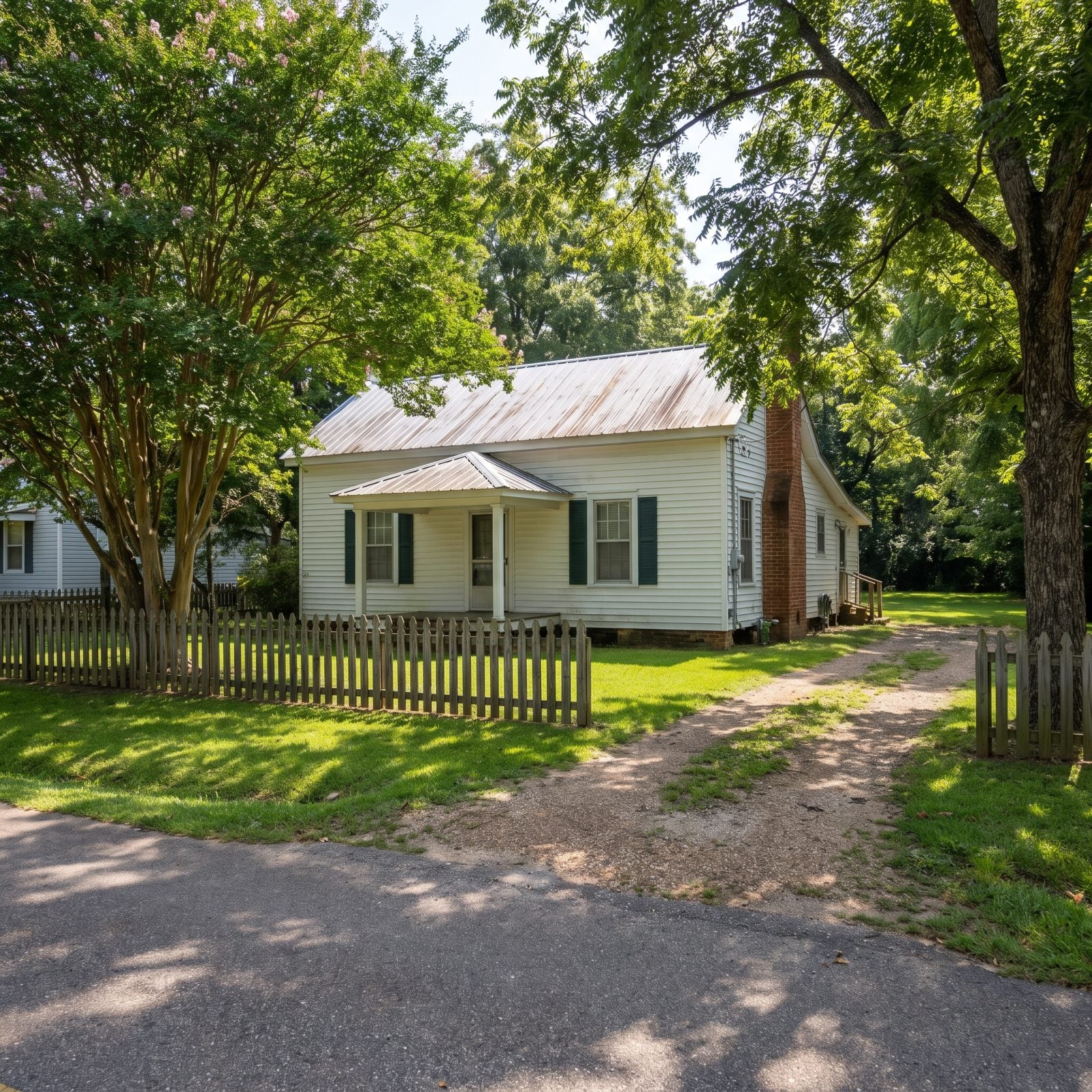
Aberdeen is famous for its columned antebellum houses, but those aren’t the ones in the pickup-price range. The affordable stock is the quieter cottage: white siding, a tin roof that drums in a rainstorm, a porch sized for exactly one rocking chair.
Green shutters and slim porch posts give these places genuine charm for almost no money. What you trade is location and services, a small town where you plan your errands around a shorter list of options.
3. Clarksdale, Mississippi, Blues-Country Bungalows Beyond the Tourist Stops
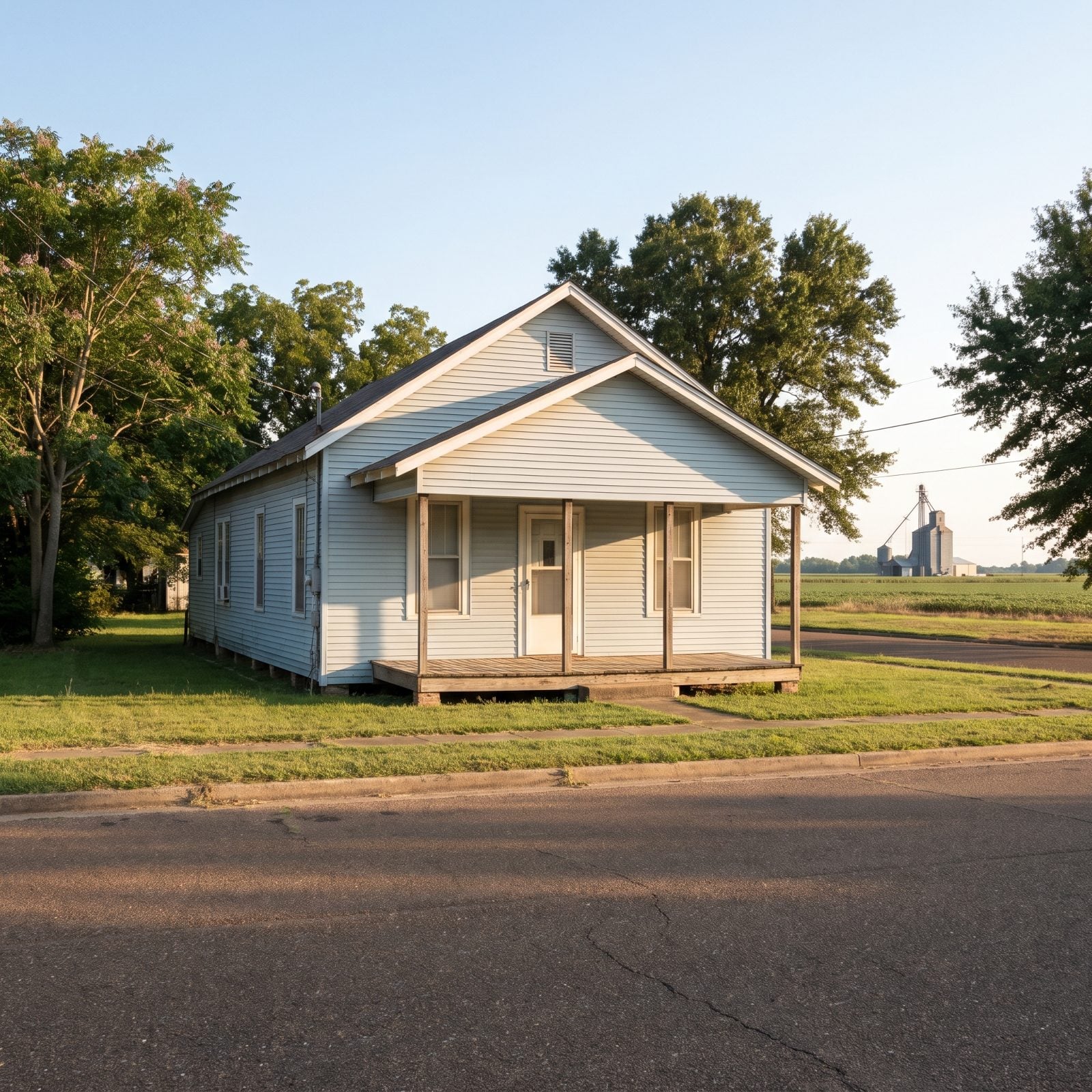
The shotgun house is Clarksdale’s signature low-cost form, one room wide and several rooms deep, a straight shot from the front door clean through to the back. It was built narrow because narrow lots were cheap, and it survives because the plan is honest and dead simple to live in.
Tourists come for the crossroads and the juke joints. A few blocks over, the pale-blue weatherboard bungalows sit on residential streets, priced for the people who actually live here.
A shotgun house wastes nothing. No hallways, no square footage you pay to heat and never use.
2. Holdenville, Oklahoma, Railroad- and Oil-Era Homes in Hughes County
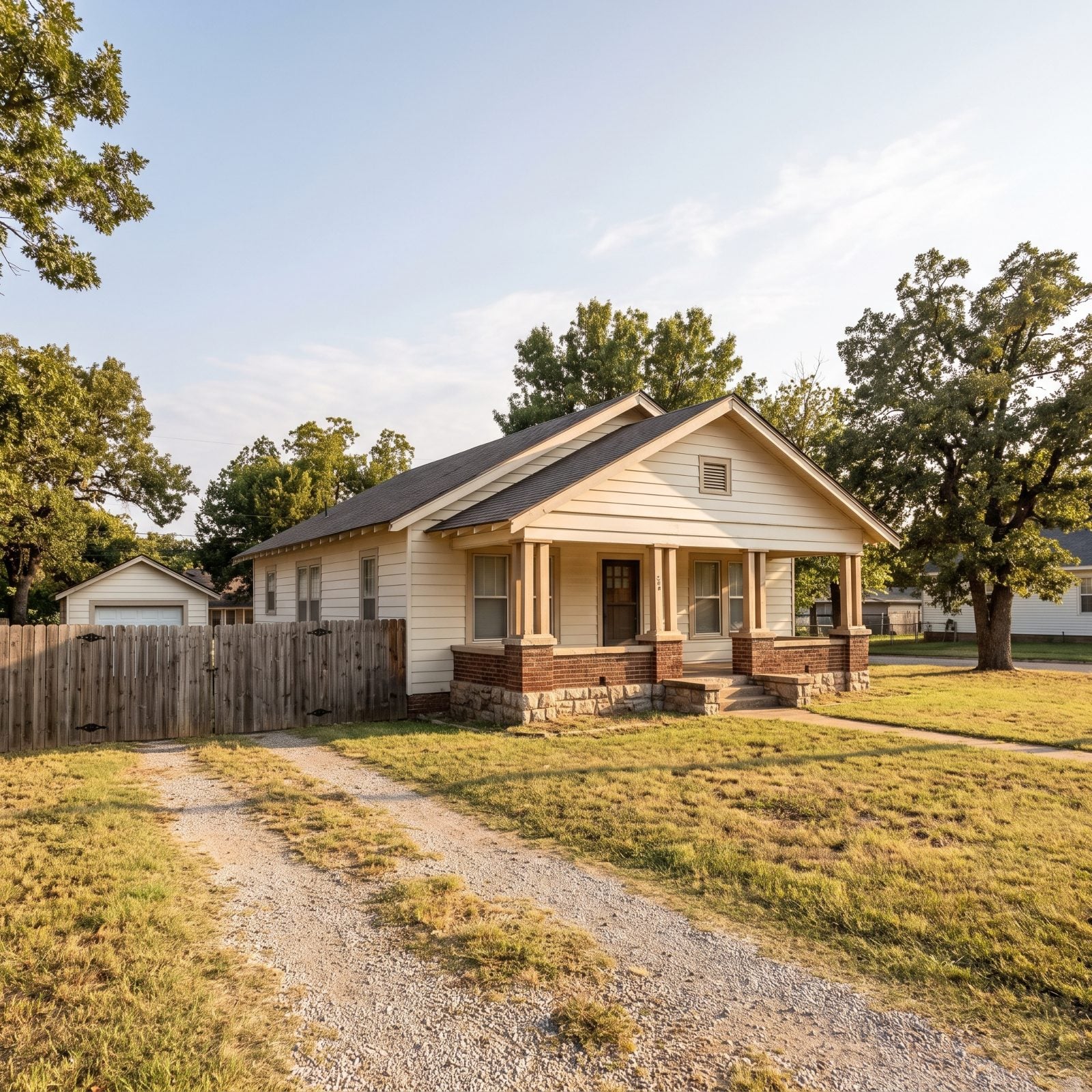
Holdenville came up in two waves, the railroad first and then the oil boom, and the inventory still reflects both. Expect tidy frame bungalows with paired porch posts and brick foundations, built when the town fully expected to keep growing.
Eastern Oklahoma hands you a landscape most people never picture, post oak and blackjack scrub rolling toward actual woodland. The catch is distance. Jobs and bigger stores mean a drive, so the low price buys you the house and charges you some windshield time.
1. Chetopa, Kansas, Small Houses Beside the Neosho River
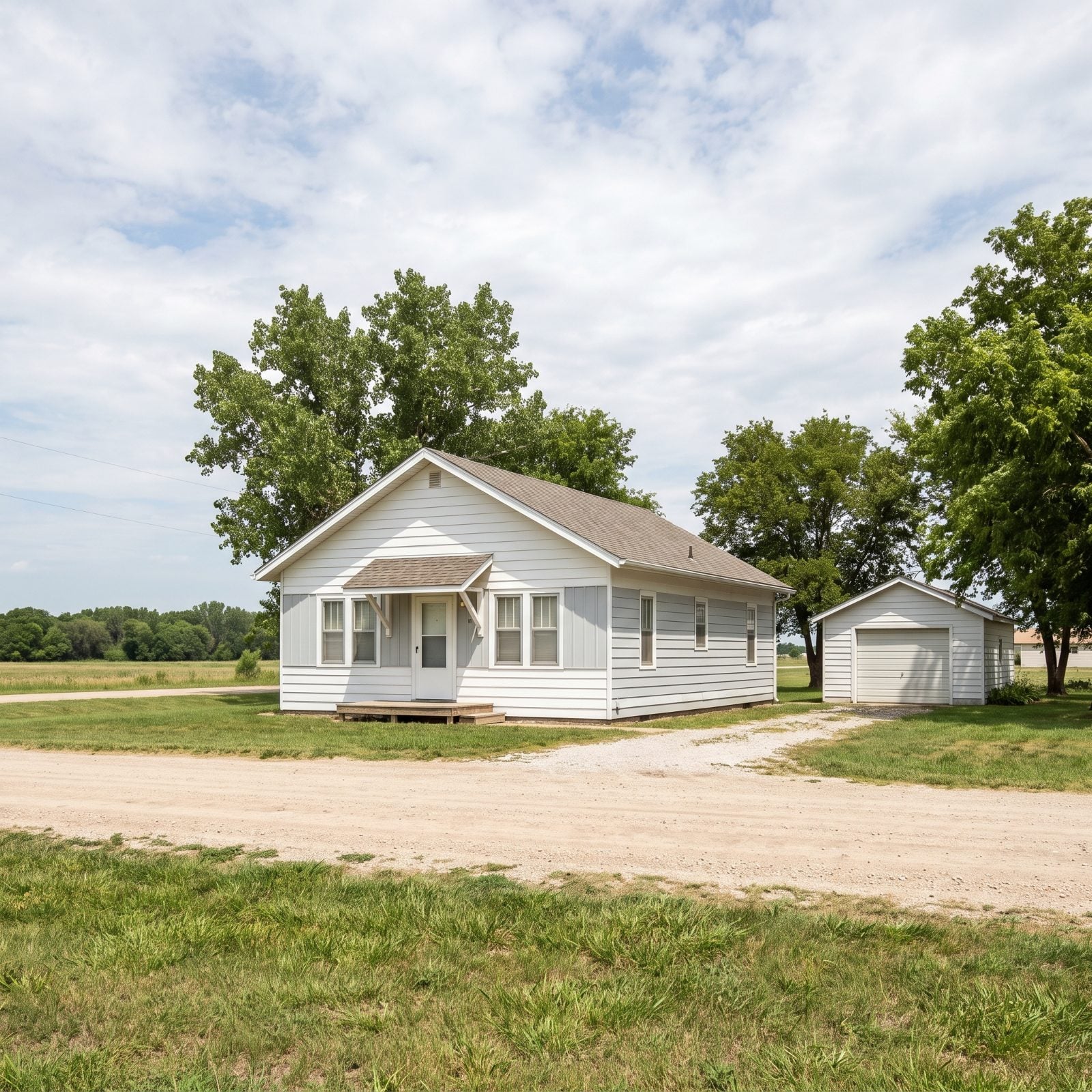
Chetopa tucks into the far southeast corner of Kansas, right where the Neosho River bends and cottonwoods line the bottoms. The low-end houses are small and plain, a gabled roof, two front windows, maybe a detached garage someone built by hand on a weekend.
Towns like this trade price for proximity. You get a river, big walnut trees, real quiet, and a cheap roof over your head. You give up the nearby grocery and the short commute. And for a certain buyer that’s no loss at all.