You’ve walked into a house that checked every box on paper, right neighborhood, right square footage, right price, and still felt a creeping urge to leave. Not because anything was visibly wrong. The walls were intact. The floors weren’t caving in. But something in the air made your stomach quietly clench, and by the time you reached the back bedroom, you already knew you weren’t making an offer.
That feeling wasn’t random. It wasn’t pickiness. It was your brain running a sophisticated, mostly unconscious scan for emotional and environmental signals that have nothing to do with countertop upgrades or square footage. Buyers sense the psychological residue of how a home has been lived in, and the science behind why certain homes sell fast while others sit is far stranger, and far more specific, than anyone in real estate likes to admit.
In order to come up with the very specific design ideas, we create most designs with the assistance of state-of-the-art AI interior design software.
The Invisible Emotional Residue That Lingers in Unloved Rooms
You walk into a room and something is just off. The paint is fine, the floors are clean, the windows let in light. And yet your mood drops half a degree. This isn’t your imagination working overtime, it might be something researchers actually have a name for.
Psychologist Krishna Savani of Columbia University spent years studying what he called emotional residue: the lay belief that emotions leave physical traces in spaces, which can later be sensed by others. In one of his most striking experiments, participants read about a woman who moved into an apartment where the previous tenant had spent months in sadness. They fully expected the new tenant to feel sad too, almost as if the unhappiness had soaked into the walls. According to his 2011 study published in the Journal of Personality and Social Psychology, when emotional residue was measured implicitly, rather than just by asking people directly, both Americans and Indians believed to a remarkably similar extent that the emotions of previous occupants could influence the moods of people who came after them.
What’s especially strange is that this belief seems to operate below conscious awareness. You don’t walk into a house thinking, “I wonder how miserable the last owners were.” You just feel something. Something vague and hard to name. And in real estate, vague and hard to name is exactly what tanks a deal. The brain flags it before the logical mind can dismiss it.
Why Your Brain Decides a Home Is ‘Wrong’ Before You’ve Seen the Kitchen
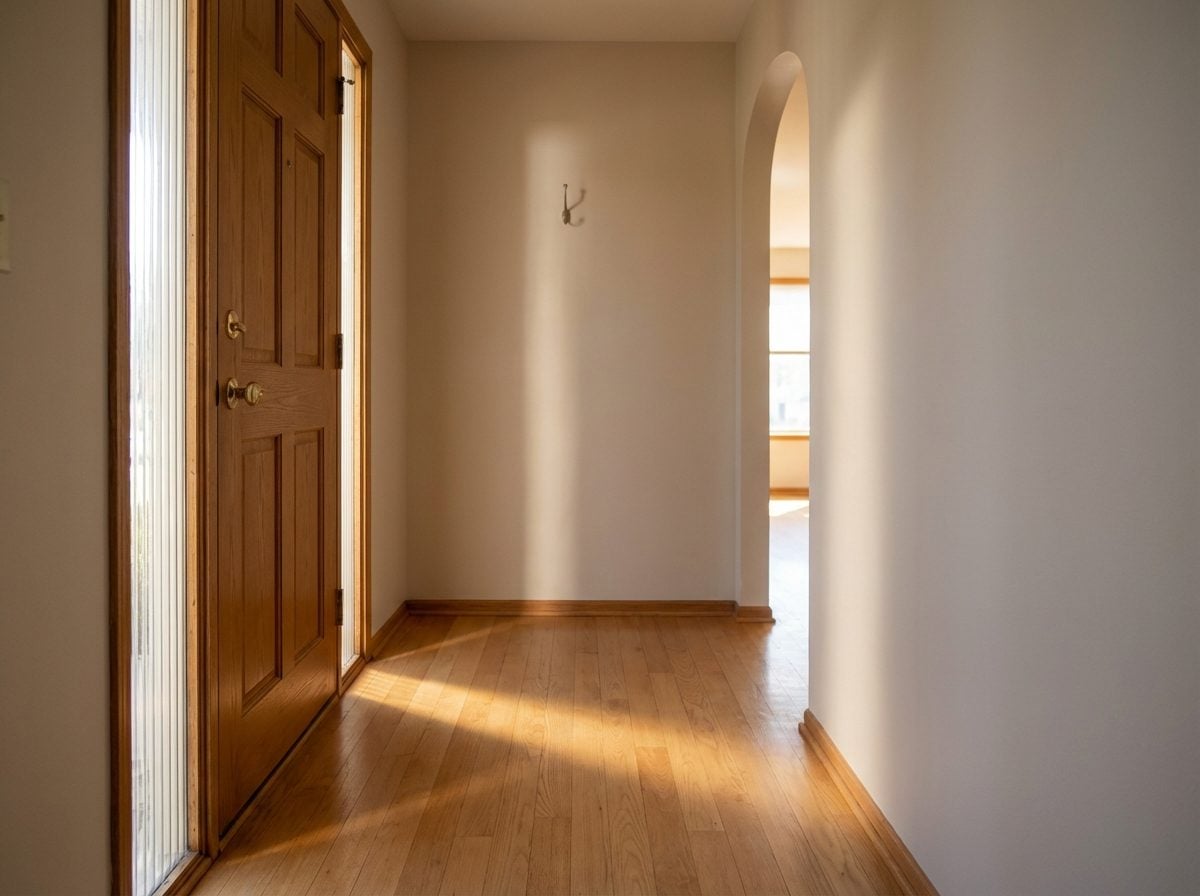
The first eight seconds inside a home can determine whether any amount of granite countertop or subway tile will save the sale. That’s not a real estate cliché, it maps to something very real happening in your brain’s decision-making circuitry.
Research using fMRI scans has shown that brain activity predicts choices seconds before a person is consciously aware of deciding anything. As one National Geographic report on this research put it, brain regions like the frontopolar cortex show activity that can predict a person’s choice up to seven seconds before they consciously register their decision. The brain is constantly processing the environment before you’ve even begun to think about it.
Apply that to a home tour. The moment you step through a door, your brain is already running a threat assessment. It’s clocking the smell, the light quality, the temperature of the air, the sounds. By the time you reach the kitchen, maybe 45 seconds in, the subconscious verdict is largely written. The tour becomes a search for evidence to justify a feeling that formed before a single cabinet was opened.
This is partly why price reductions on emotionally cold homes sometimes don’t work. The problem was never the price. The brain made a call at the front door.
The Scent No Air Freshener Can Fully Erase, And What It Signals to Buyer Brains
Smell is the one sense that bypasses the brain’s rational gatekeeper entirely. Where sight and sound pass through layers of cognitive processing, odor takes a direct shortcut. According to a US News Real Estate report on home-buying psychology, the sense of smell connects directly to the brain’s limbic system, the region that governs memory and emotion, which is exactly why a certain smell can trigger a fully formed emotional response before you’ve consciously identified the scent at all.
In a home context, this matters enormously. Stale air, the particular flatness of a space that hasn’t been opened in weeks, the faint presence of old carpet or unventilated bathrooms, communicates something specific to a buyer’s brain. Not “this house smells bad” as a thought. More like a low-frequency signal that says: nobody thriving has lived here recently.
The problem with artificial cover-up is that buyers know. Real estate agents confirm it repeatedly: a buyer who walks in and detects the cloying sweetness of plug-in air freshener over a base note of something else starts doing math. Research cited by Houzz suggests that people even subconsciously spend cognitive energy trying to identify complex or mixed scents, which pulls attention away from the home and toward unease.
What Peeling Paint Actually Tells the Subconscious (It’s Not About Aesthetics)

Peeling paint isn’t just a cosmetic issue your buyer will price-reduce for. It’s a signal, and the subconscious reads it as a message about the people who lived there, not just the house itself.
The mechanism is rooted in what criminologists James Q. Wilson and George Kelling called the Broken Windows Theory, first introduced in a landmark 1982 Atlantic article. Their central argument: visible signs of neglect, a broken window, peeling surfaces, untended disorder, communicate that no one is watching, no one cares, and normal standards don’t apply. In urban settings, this predicts crime escalation. In residential ones, it predicts something quieter but just as powerful: a buyer’s subconscious threat response.
When you see peeling trim on a windowsill or bubbling paint along a baseboard, your brain isn’t just calculating repair costs. It’s pattern-matching to a schema: this is a place that has been abandoned, emotionally if not literally. The visual cues of neglect activate mental associations that are hard to override with good intentions or a cheerful real estate brochure.
The Ceiling Height Secret That Separates Homes That Sell From Homes That Sit
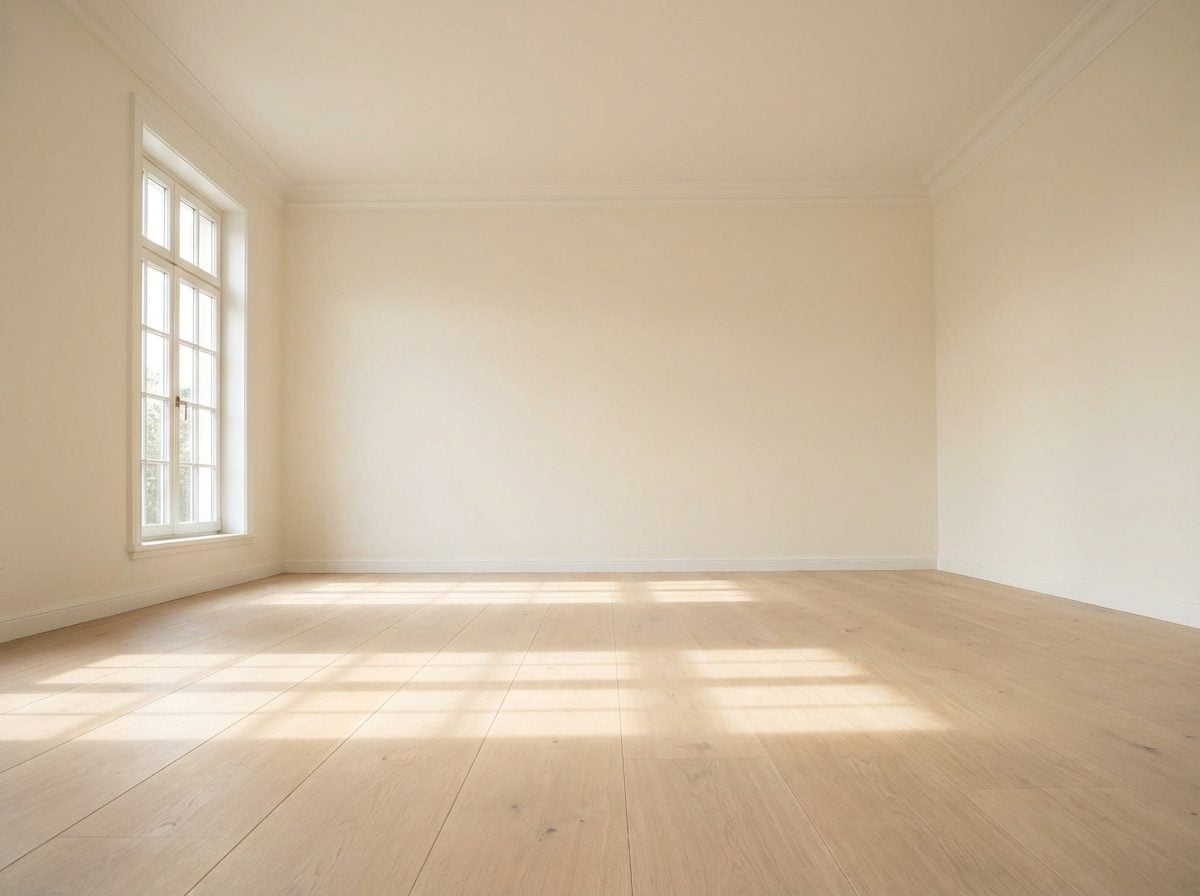
Stand in a room with a nine-foot ceiling and then stand in the same square footage with an eight-foot ceiling. The floor area is identical. The psychological experience is not.
In a series of experiments at the University of Minnesota, marketing researchers Joan Meyers-Levy and Rui Juliet Zhu found that ceiling height fundamentally changes how a brain processes the space it occupies. As ScienceDaily reported on the research, people in rooms with ten-foot ceilings think more freely and abstractly, their brains prime concepts of freedom and openness, while people in eight-foot ceiling rooms default to more confined, detail-focused thinking. The researchers even named this phenomenon: the Cathedral Effect.
What This Means for Home Buyers
When a buyer tours a low-ceilinged home, their brain isn’t just noticing the measurement. It’s entering a psychological state associated with constraint. They feel it as vague resistance, even mild unease. They may spend the entire tour mentally focused on small specifics, every imperfection, every creak, rather than imagining the life they could build there. The ceiling is shaping the quality of their imagination.
Homes that sell fast tend to give buyers room to dream. And according to a 2023 study in Frontiers in Psychology, rooms with higher ceilings and open spaces are more likely to be judged as inherently beautiful, activating brain structures tied to exploration and positive emotion. Lower ceilings, by contrast, activate emotional response regions associated with the urge to exit. Buyers don’t know that’s happening. They just know they don’t want to make an offer.
Why Buyers Trust Their Gut More Than the Listing Price, And When That Gut Is Right
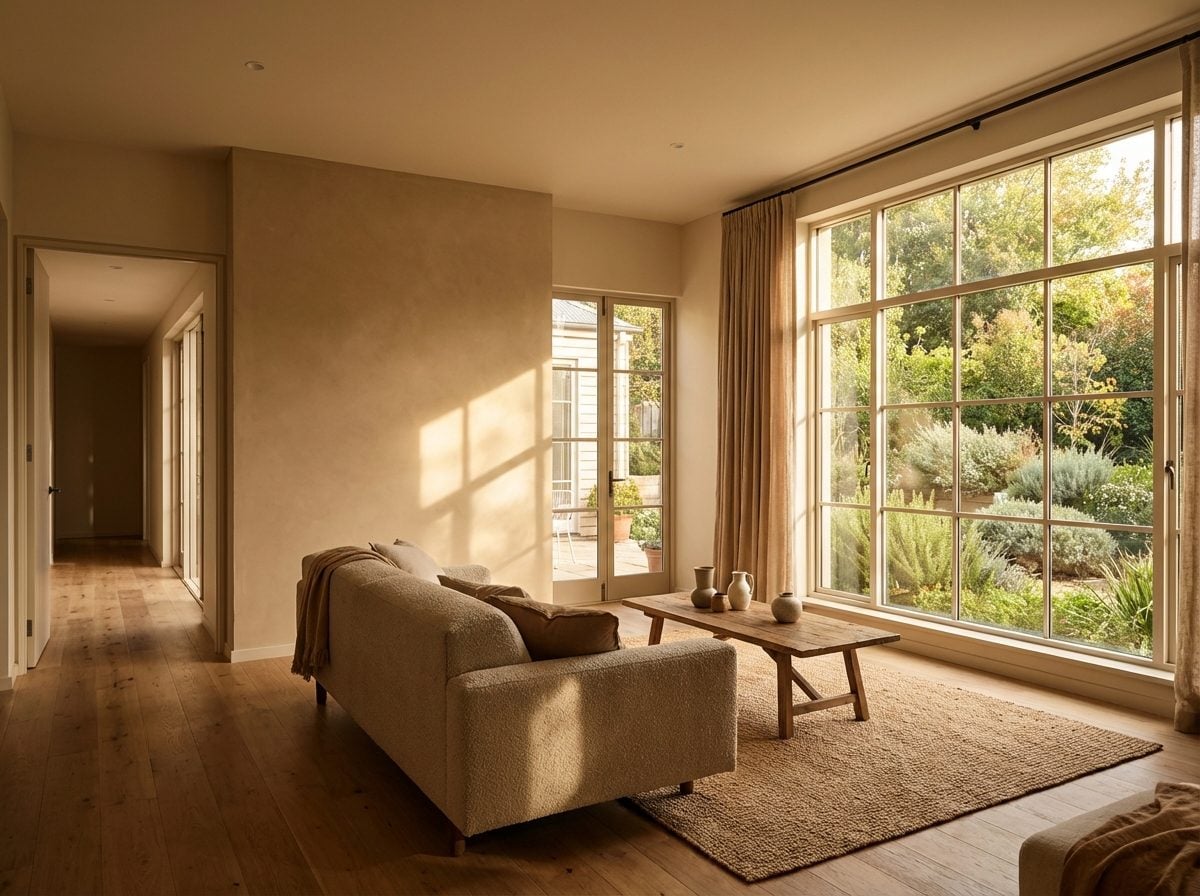
Here’s the thing about gut feelings in home buying: they are often correct, even when the buyer can’t explain why.
According to Jay Appleton’s Prospect-Refuge Theory, first outlined in his 1975 work and now widely discussed in environmental psychology, humans have a deeply embedded preference for spaces that offer both a wide view of their surroundings and a sense of protected enclosure. Spaces that fail to deliver this balance register as uncomfortable in ways the conscious mind struggles to articulate. A room that’s too exposed, a layout where you can’t see the entrance from the seating area, a floor plan where nothing feels anchored: these all violate ancient wiring about safety, even in a perfectly renovated 2024 kitchen.
The gut read isn’t random. It’s a rapid, unconscious synthesis of dozens of spatial cues, ceiling height, natural light, the location of exits, how much of the space you can survey from any given point. When buyers say “something felt off” about a home they couldn’t fault on paper, they’re often describing a real perceptual mismatch, not buyer anxiety.
The unsettling part, from a seller’s perspective, is that the gut rarely gets argued out of its position by comparable sales data.
The Light That Says ‘Nobody Happy Lives Here’
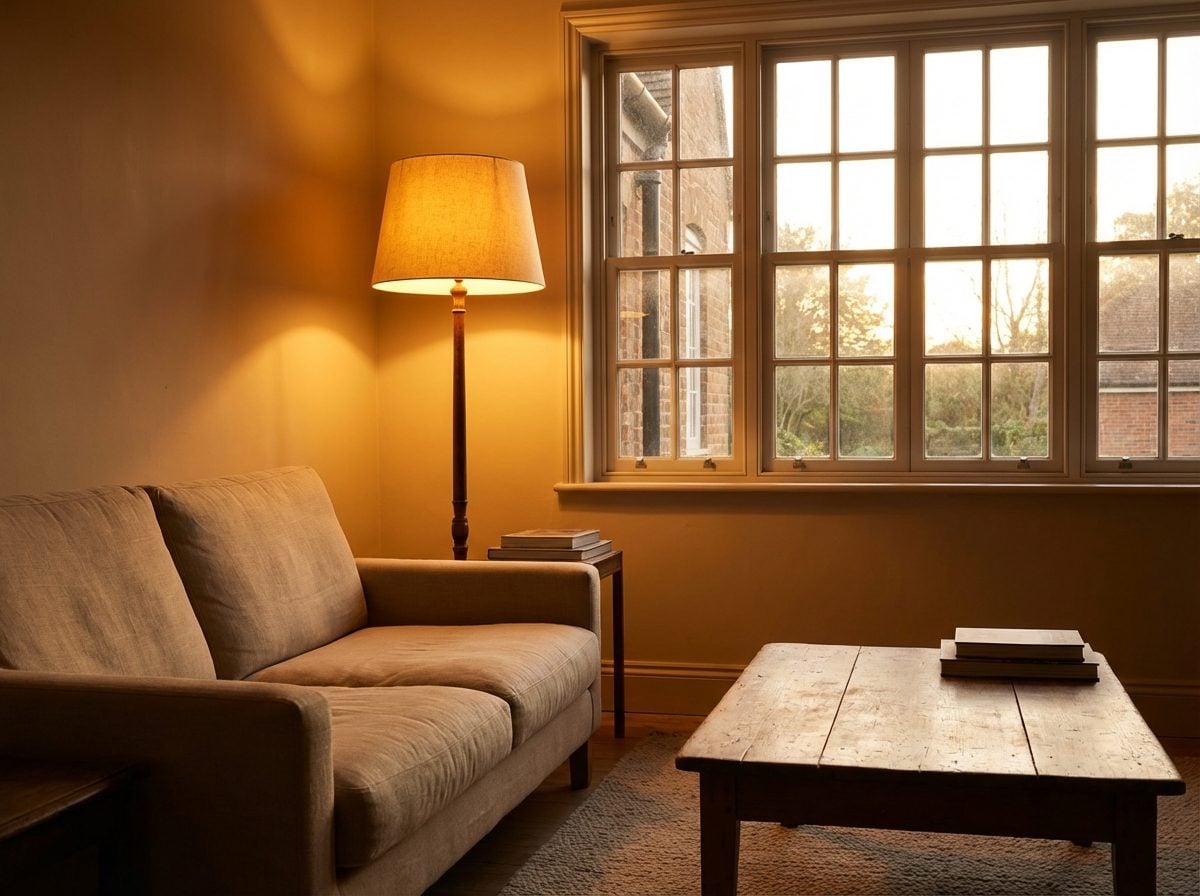
Lighting color temperature is measured in Kelvin, and your brain has strong opinions about it that you’ve never consciously formed. Warm light, in the 2700K to 3000K range, mimics the amber glow of late afternoon sun and candlelight. Research in color temperature psychology consistently shows that this range triggers associations with comfort, relaxation, and safety, the light frequencies evolution trained us to associate with rest and home.
Cool-spectrum light, upward of 4000K, does the opposite. It reads as clinical. Alert. Institutional. It’s the light of hospitals and office corridors. When a home relies exclusively on overhead cool-white bulbs, often the cheap, flat brightness of basic LED replacements, buyers feel the difference in their body before they process it in their mind. The room looks bright. It doesn’t feel warm. Those two things are not the same, and buyers feel the gap between them as a kind of atmospheric emptiness.
A single burned-out bulb in a lamp or a socket is its own psychological hazard. It reads as negligence, a small signal, but signals compound. The accumulated effect of wrong-temperature bulbs, missing lamps, and overhead-only light sources is a home that reads as nobody-cared-enough, even when every surface is freshly cleaned.
What a Missing Doormat Communicates to a Buyer’s Limbic System
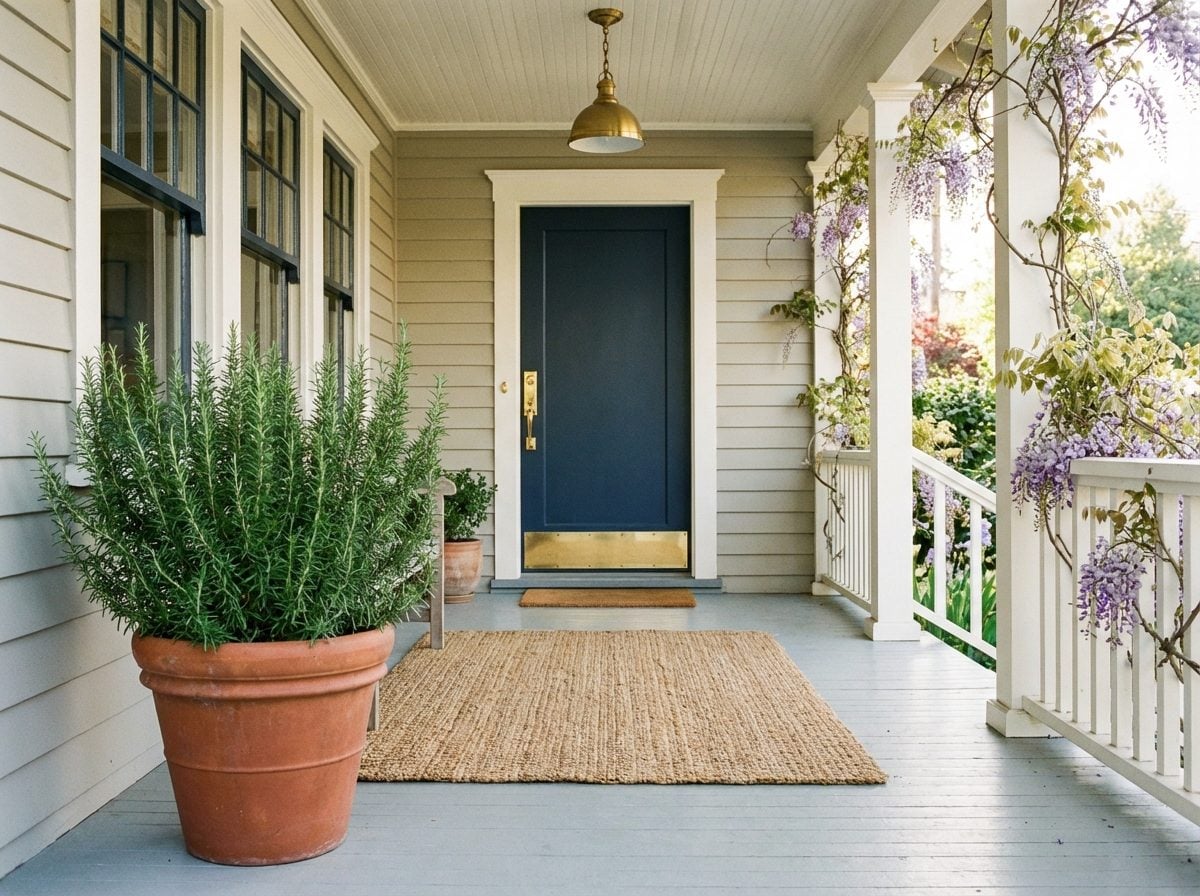
A bare front step is a surprisingly loud message. Not loud consciously, you probably couldn’t tell a friend why a missing doormat bothered you, but loud in exactly the register that shapes first impressions.
The doormat is one of the smallest and least expensive items in a home. Its absence, in the context of a home for sale, reads as a very specific form of signal: the hospitality protocol has been abandoned. And the limbic system, which processes threat and safety, pays close attention to protocol. Humans are intensely attuned to signs that a social space is or isn’t set up for welcome. A threshold without a mat communicates that no one has thought about your arrival. And a space that wasn’t prepared for you, on a neurological level, is a space that may not be safe for you.
This sounds like an extreme inference from a rubber rectangle. But the psychology of environmental cues suggests these signals aren’t processed individually, they accumulate. The missing doormat is one data point. The dead plant by the door is another. The two together trigger a pattern-match that the brain files under: nobody is taking care of this. And that filing happens in the limbic system, not the prefrontal cortex. It cannot be argued away by a great kitchen.
The Clutter Paradox: Why Too-Empty Rooms Feel Just as Threatening as Overfull Ones
The staging advice is always: declutter, depersonalize, clear the surfaces. And it’s right, up to a point. Neuroscientists have found that visual clutter forces the brain to split its attention across competing stimuli, making it harder to focus and triggering a persistent low-level stress response, which is bad news when you want a buyer relaxed and imagining themselves living there.
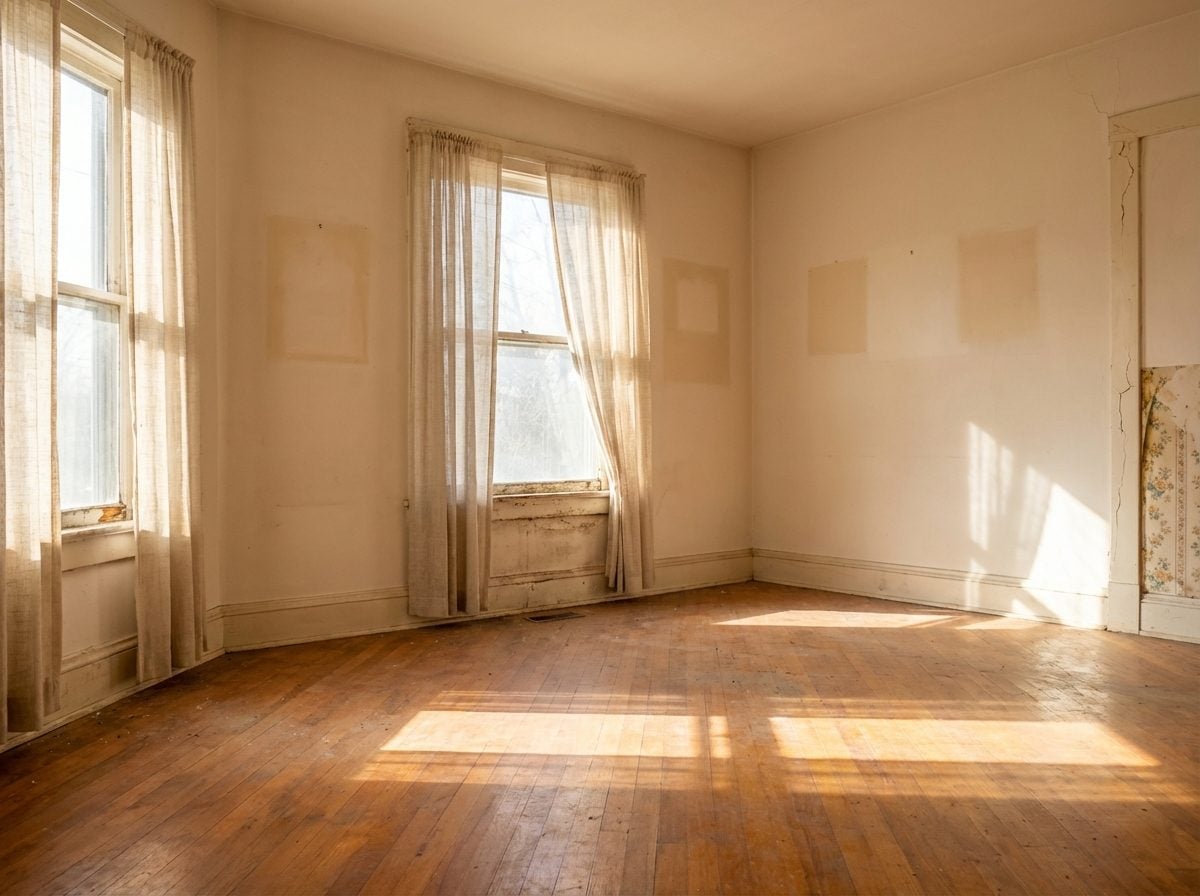
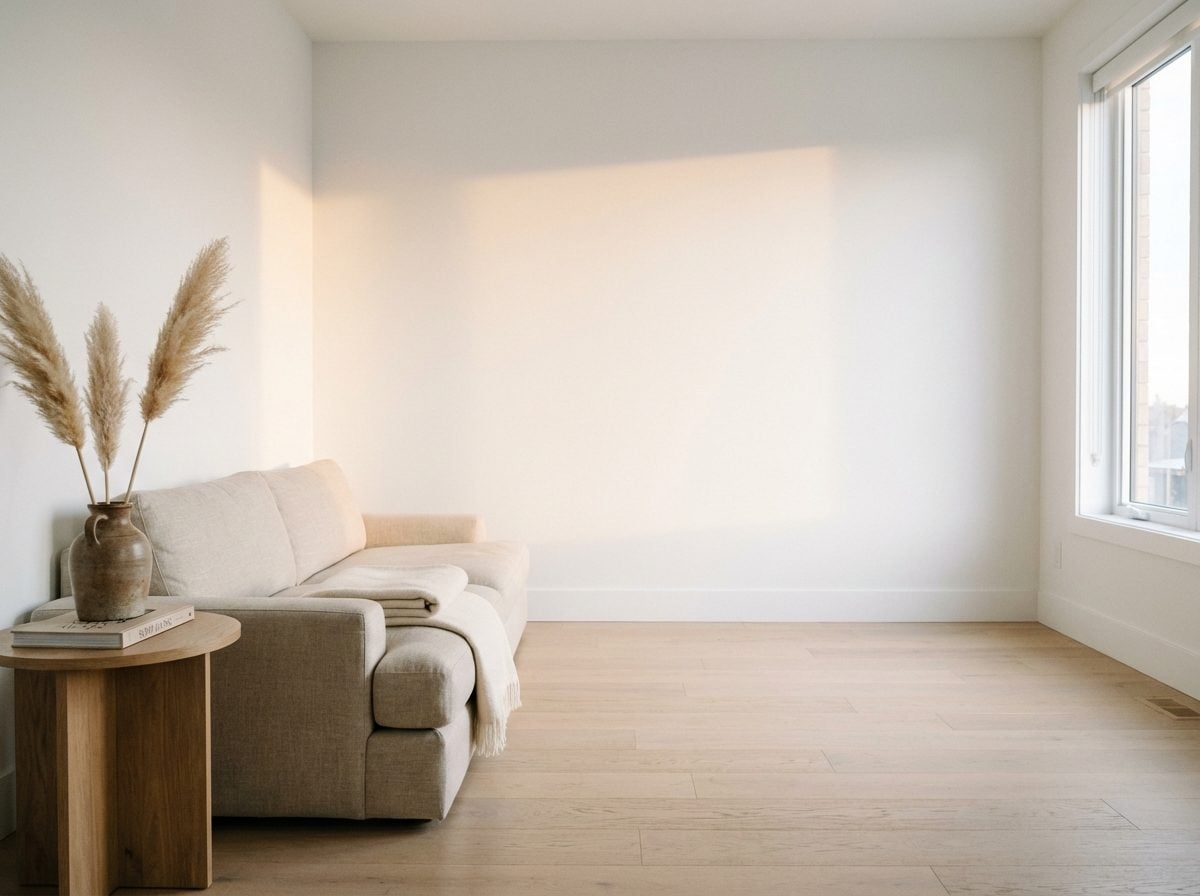
But there’s a flip side almost nobody talks about. A room stripped to bare walls, bare floors, and complete absence of any human trace doesn’t feel calm. It feels like a waiting room, or a vacancy, or something that has been abandoned rather than prepared. The brain, wired for social detection, asks: why is nothing here? An echo-y empty box triggers a different kind of unease, not the chaos anxiety of clutter, but the threat response of a space that has been vacated rather than offered.
The ideal is a narrow psychological corridor between too much and too little: enough objects to signal life was lived here, few enough that the buyer’s imagination can move in over the top of what they see. A single throw on a sofa. One piece of art with breathing room. A vase with three stems of something green. These aren’t just staging props, they’re signals to the brain that this space has been inhabited with intention, and that intention was directed at comfort.
The Color That Quietly Signals Neglect Without a Single Crack in the Wall
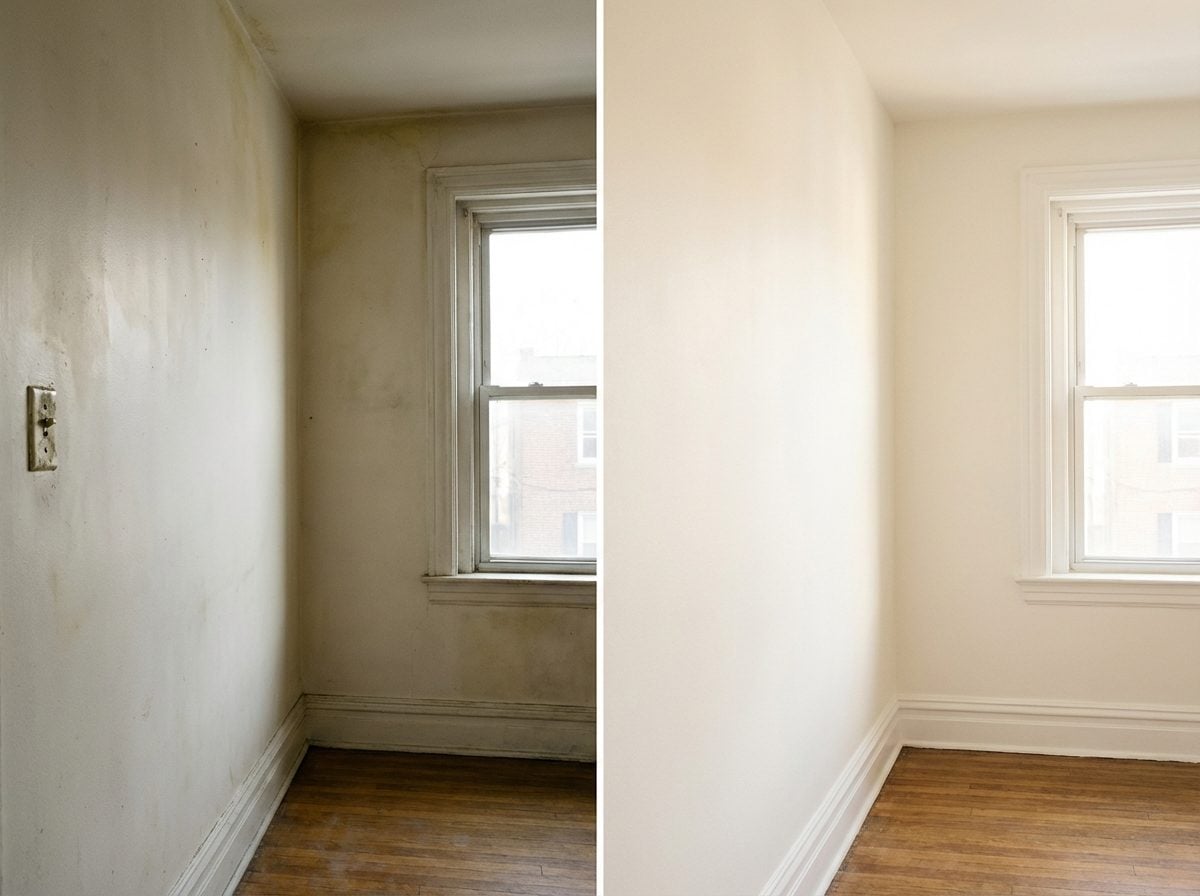
Color psychology in real estate is often discussed in terms of what sells, warm whites, soft greiges, nature-adjacent greens. Less discussed is the color that subtly poisons a first impression without anyone being able to name exactly why.
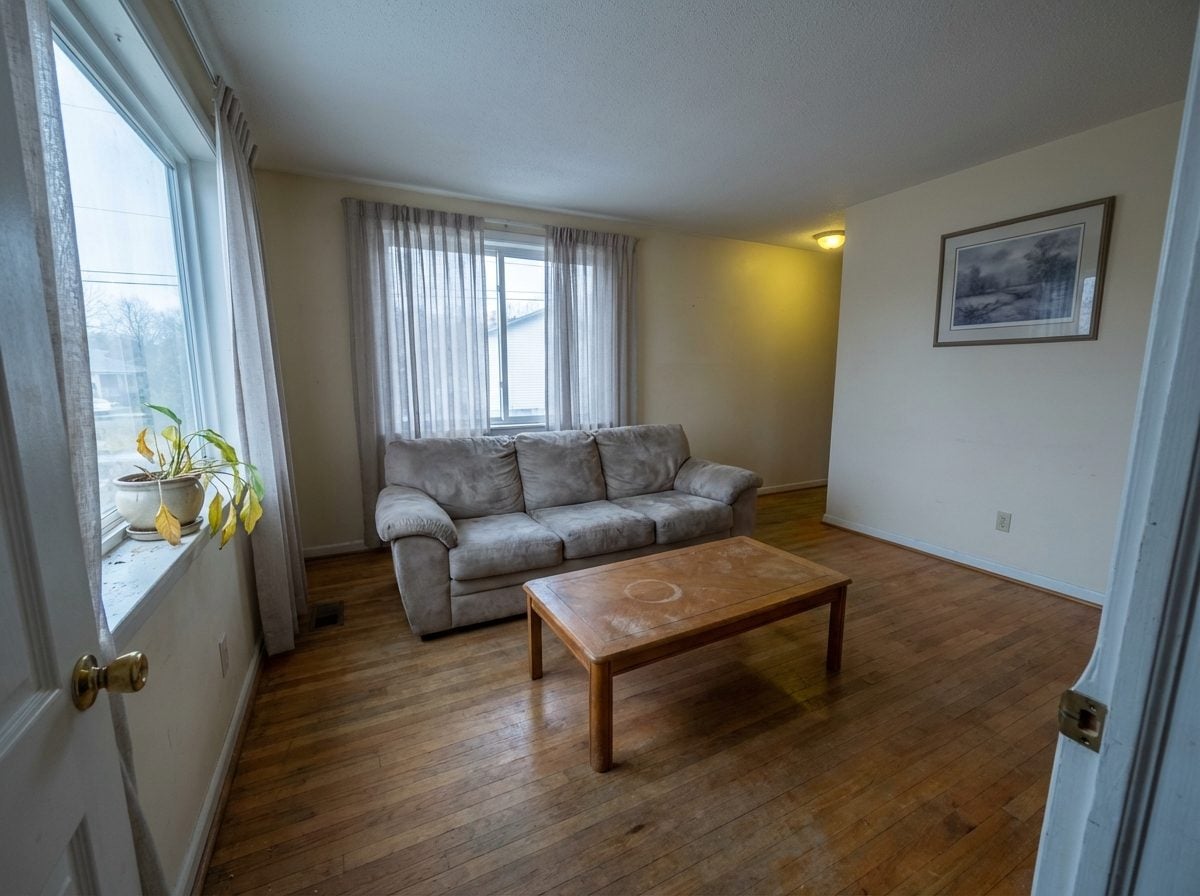
Dingy yellow is that color. Not a deliberate warm yellow, not a bold designer choice, but the particular tone that off-white walls age into over years of cigarette smoke, cooking grease, and unventilated rooms. The brain doesn’t see this as a paint color. It reads it as a biological signal: oxidation, aging, the residue of closed, unhealthy air. The same instinct that makes humans avoid discolored food or water kicks in, quietly, in response to discolored walls.
The problem is that sellers who have lived with it for years have adapted completely and genuinely cannot see it. What was once white is now “just the walls.” But a buyer stepping in fresh, with unacclimated eyes, registers the shift immediately, not as a thought, but as a vague physical aversion. Studies in color psychology confirm that color significantly affects mood, visual perception, and anxiety levels in ways that operate independently of conscious preference.
A coat of fresh paint in a clean white or warm greige doesn’t just make a room look better. It removes a subconscious biological flag that was quietly telling every buyer’s nervous system: something has been wrong in here for a long time.
Why Silence in a Showable Home Is Louder Than Any Sales Pitch
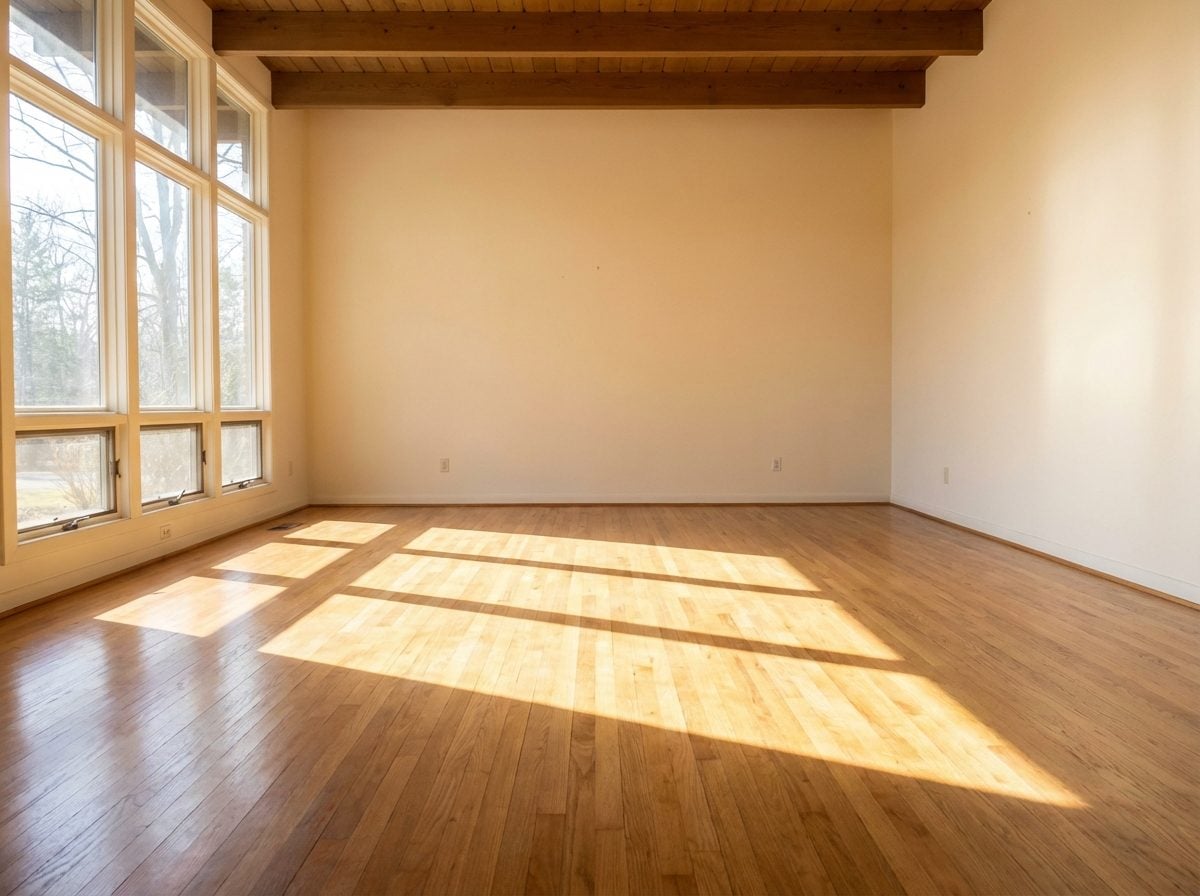
Walk into a home that’s been lived in, loved, softly occupied, and you barely notice the sounds. The refrigerator hum, a clock ticking, maybe the creak of a floorboard underfoot. Now walk into a vacant one. That same creak becomes a report. Every footstep announces itself. Sound bounces off bare walls and returns to you slightly wrong, slightly too loud, like an echo in a place that hasn’t quite agreed to exist yet.
This isn’t just acoustic physics. It’s psychology. Your brain uses ambient sound to calibrate safety. Occupied spaces carry a low, continuous background hum, what acousticians sometimes call the “noise floor” of habitation. When that floor disappears, the nervous system quietly registers its absence. You’re not consciously thinking “this place is abandoned.” You’re just feeling vaguely, persistently ill at ease.
Research into why vacant homes take longer to sell consistently points to the same cluster of psychological triggers: buyers report feeling uncertain, unable to picture the space as livable, oddly reluctant to linger. Sound is part of that picture. A home that returns only your own voice back to you isn’t inviting you in. It’s reminding you that no one lives here, and your brain files that under a category it doesn’t particularly like.
The Subconscious Math Buyers Do With Every Dead Plant They See

A shriveled succulent on the windowsill. A spider plant turning brown at the edges. A pot of what was once something and is now clearly nothing. Individually, each one reads as a minor oversight. Collectively, they do something specific to a buyer’s brain that the seller never intended: they narrate a story of neglect.
The psychology here runs deeper than aesthetics. Humans have a deeply wired response to decay. Visual cues of dying organic matter trigger what psychologists call a “threat appraisal” response, a fast, below-conscious evaluation of an environment’s safety and viability. It’s the same ancient circuitry that makes you hesitate before eating food that looks slightly off. A dead plant isn’t a health hazard. But it shares enough visual vocabulary with “things are going wrong here” that the amygdala doesn’t bother waiting for your rational brain to weigh in.
What makes this particularly insidious during a home showing is the inference chain it sets off. Real estate professionals note that buyers consistently assume small visible issues signal larger hidden problems, and a dead plant is a visible issue with roots (so to speak) in the seller’s attention and care. If they let this die, what else did they let slide? The peeling caulk around the tub? The slow drain they stopped noticing? Buyers don’t think this consciously. They just feel a vague unease they’ll later describe as the house “not feeling right.”
What Mismatched Furniture Actually Tells the Brain About Who Lives, and Struggles, Here
🔥 Would you like to save this?
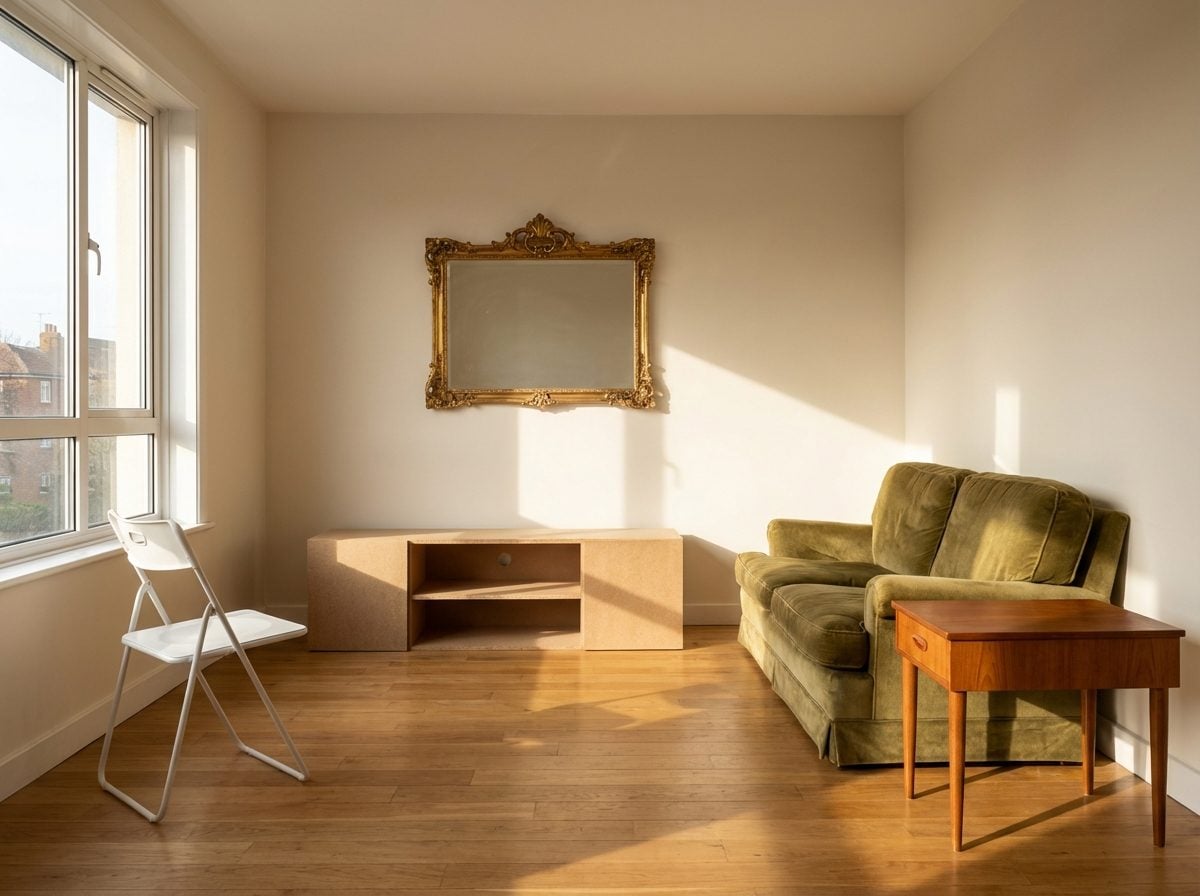
Three different chair styles around a dining table. A sofa that’s clearly from one decade parked next to a coffee table from another, and a rug that belongs to a third story entirely. Mismatched furniture isn’t inherently a problem, in a deliberately curated space, it reads as eclectic and intentional. The key word is intentional.
The problem is when the mismatch doesn’t read as a design choice. When it reads as accumulation. When the pieces feel like they arrived at different points in someone’s financial life and stayed because nothing ever got upgraded. Your brain is pattern-seeking by nature, and it’s extraordinarily good at distinguishing between “chosen” and “settled for.” The difference registers as a feeling rather than a thought, a sense that this household has been managing rather than thriving.
Home staging psychology research consistently shows that buyers associate a well-presented, visually cohesive home with one that’s been well-maintained, and extend that assumption backward to the home’s hidden systems and structural care. The inverse is equally true. Visual incoherence signals that decisions have been reactive rather than intentional, and reactive homeownership is exactly the kind of story a buyer doesn’t want to inherit.
This doesn’t mean a home needs to look like a showroom. It means the visual narrative needs to feel authored. Buyers are reading between the lines of every room they walk into, and mismatched furniture, especially in living areas and master bedrooms, is a sentence that can quietly undercut everything else going right.
The One Sensory Detail That Triggers a Primal ‘Escape’ Response in Walkthrough Visitors
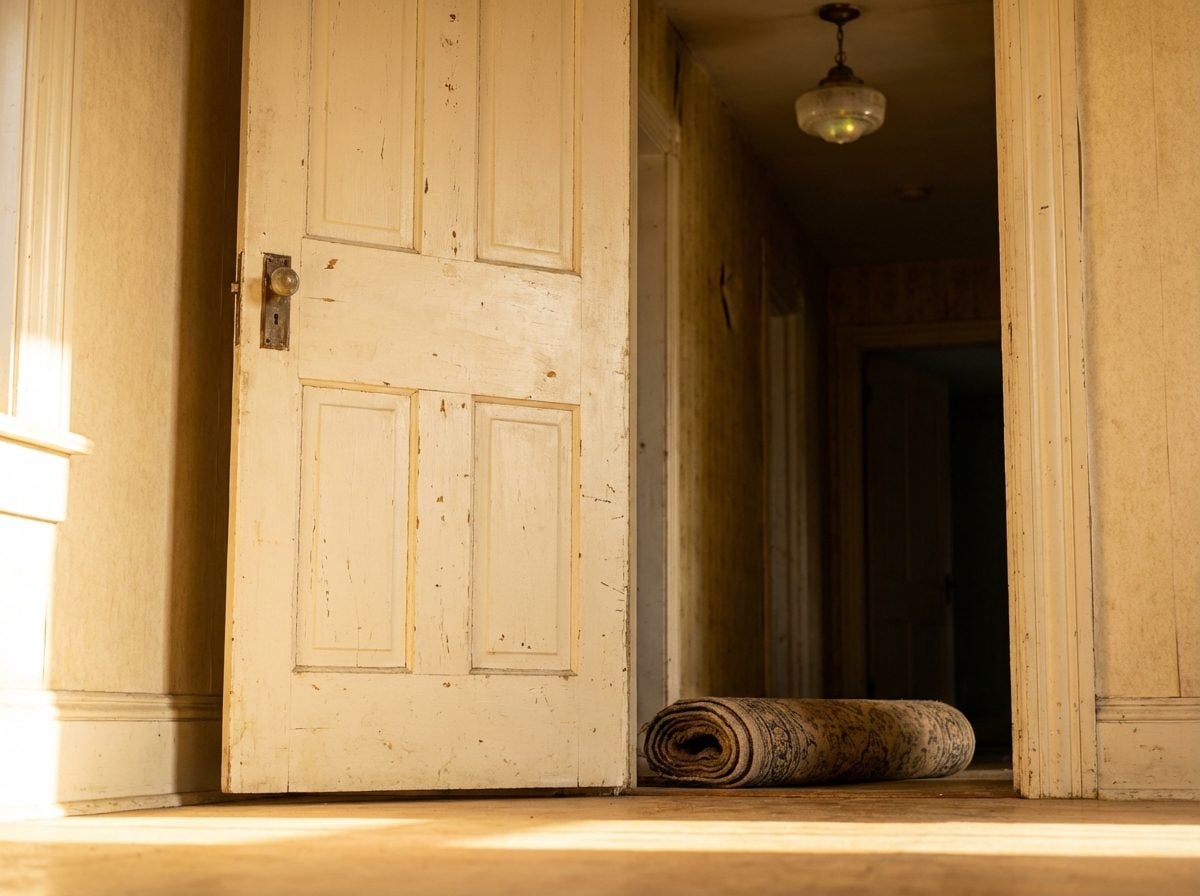
Smell arrives before thought does. Of all the senses, olfaction is the only one with a direct neural highway to the amygdala and hippocampus, the brain’s emotional command center and memory archive, bypassing the thalamus entirely. This means an odor doesn’t pass through rational processing on its way to triggering a response. It just triggers.
This is why a single bad smell in a home showing can functionally end the visit before it’s begun. Not because the buyer consciously decides “this house smells, I’m leaving,” but because research on olfactory psychology confirms that the sense of smell can directly stimulate the amygdala, producing aversive reactions that bypass conscious reasoning. The body responds, a slight tension, a desire for fresh air, an impulse to move toward the exit, before the thinking brain has finished forming an opinion about the kitchen layout.
Pet odors, moisture, stale cooking smells, cigarette residue embedded in drywall, even the particular mustiness of a house that’s been kept too closed, all of these carry information the nervous system interprets as environmental threat. The buyer may rationalize it later as “it just wasn’t the right vibe.” But what actually happened was older and faster: a primal system flagged the air quality as wrong and prompted withdrawal. No amount of fresh flowers on the counter is going to fully override a smell the limbic system has already logged as danger.
Why Deferred Maintenance Reads as Danger, Not Just Inconvenience
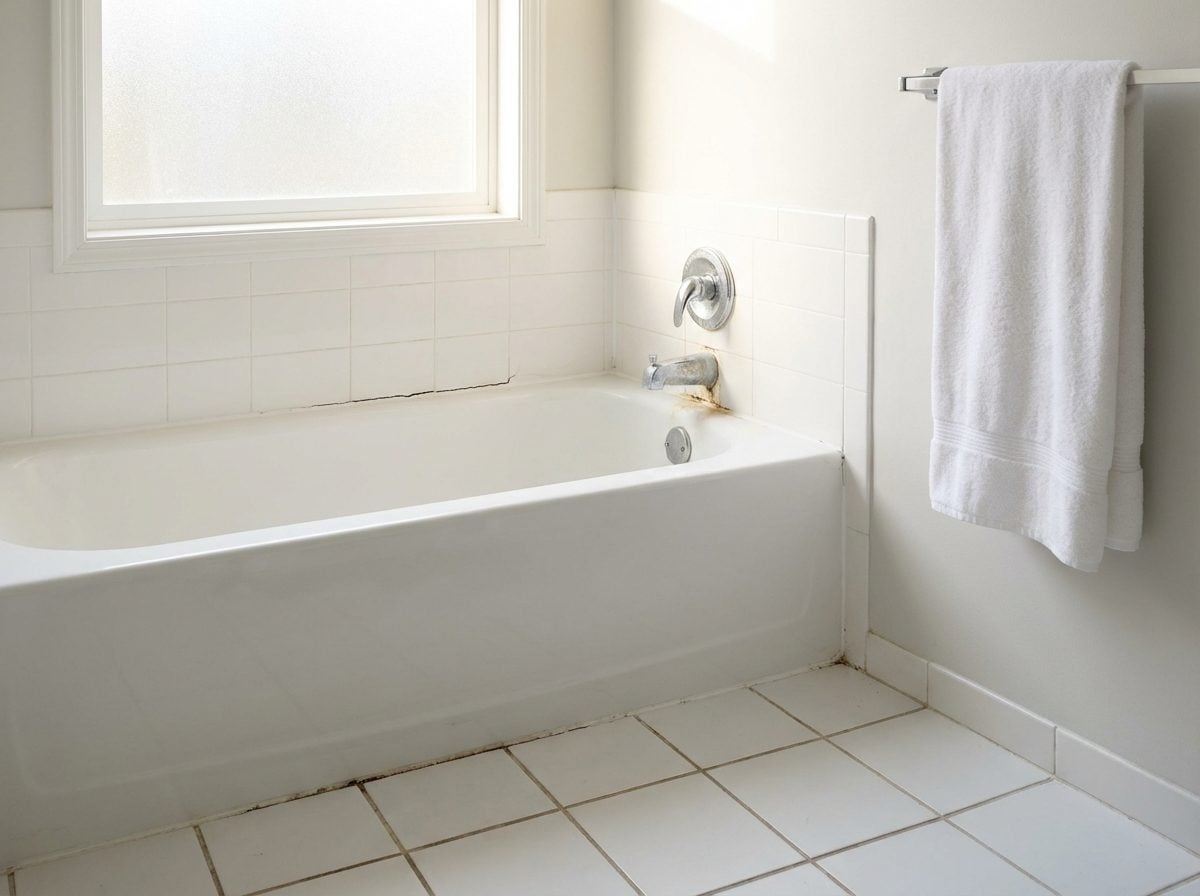
A crack running across a ceiling corner. Paint lifting at a windowsill. Grout that’s gone from white to gray to something darker. These things cost money to fix, sure, but that’s not actually what’s happening in a buyer’s brain when they see them.
What’s happening is pattern recognition. Real estate professionals and buyer psychologists consistently observe that buyers don’t evaluate maintenance issues individually, they read the pattern. One small issue is a one-time oversight. Three small issues across three different rooms is a narrative. And the narrative the brain constructs is: the person who lived here stopped paying attention.
Why That Narrative Is So Expensive
Stopped paying attention is code for: what else did they ignore that I can’t see? The roof. The plumbing. The electrical. Deferred maintenance above the surface implies deferred maintenance below it, and buyers will mentally pad their perceived repair budget with imaginary horrors to compensate for the uncertainty. According to HAR.com’s real estate analysis, homes with noticeable maintenance issues consistently appraise lower and see longer days on market, and once a house has been sitting, it accumulates its own stigma, a feedback loop where the wait itself signals that something is wrong.
The cruelest part? The seller has often genuinely stopped noticing these things. They adjusted. They normalized. But the buyer walks through with fresh eyes and sees every single one of them, all at once, in about twelve minutes.
The Window Effect: What Natural Light (or Its Absence) Does to a Buyer’s Sense of Time
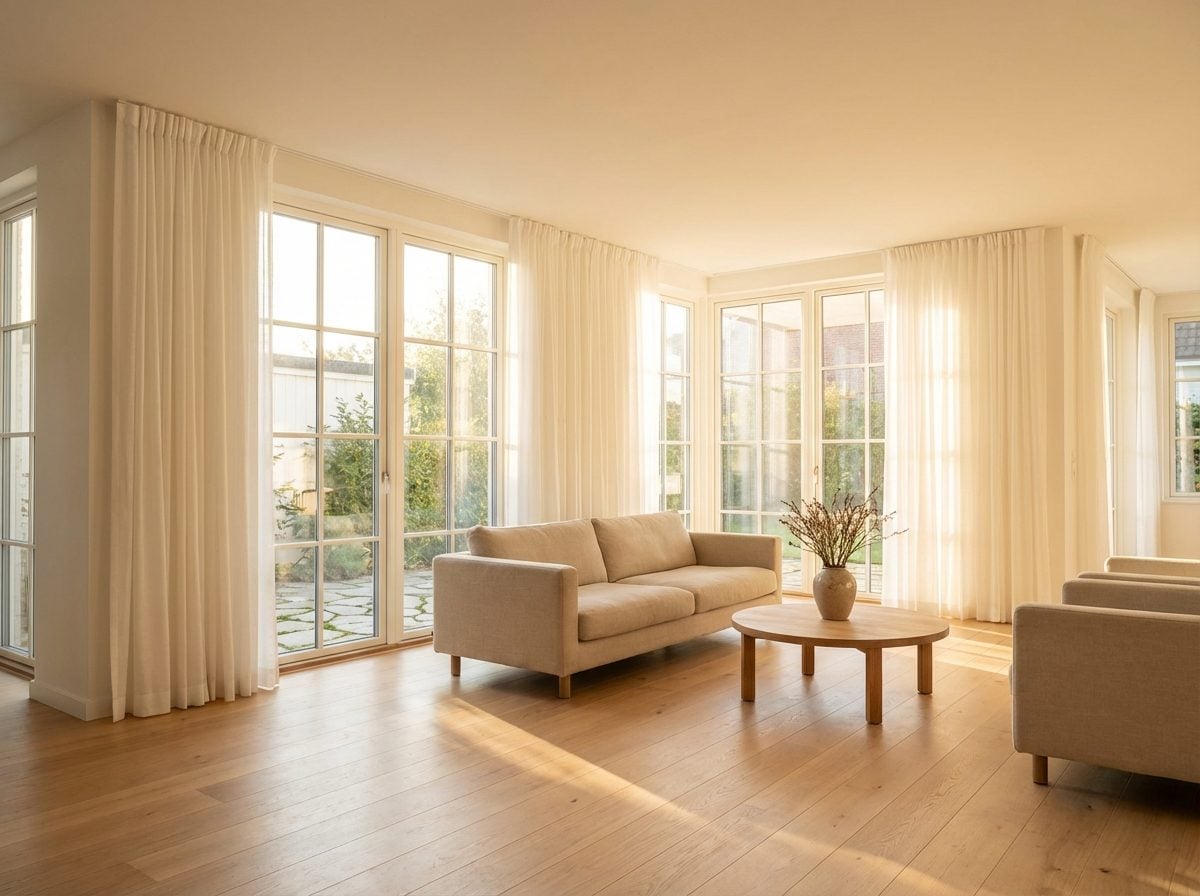
Step into a room with covered windows and within about ninety seconds, something shifts. You don’t feel unhappy exactly. You feel slightly out of sync, a little flattened, a little slow, like the room has no relationship to the world outside it. That feeling has a biological mechanism behind it.
A 2025 study published in the Journal of Psychiatric Research found that spending morning hours in dim indoor light, similar to what you’d find in a heavily curtained home, caused healthy adults to exhibit disrupted cortisol rhythms and sleep patterns that mirrored the physiological state of people with depression. This happened within days, not weeks. The brain’s circadian system uses light as its primary orienting signal, and when that signal is weak or absent, the system quietly begins to malfunction, and it takes your mood right along with it.
For buyers walking through a home during a morning or afternoon showing, a dark space doesn’t just look dim. It feels dim, in a way that compounds quickly. The brain is calibrating time and alertness through the available light, and a home with blocked or insufficient natural light creates a low-grade neurological fog that buyers will later describe vaguely as the house feeling “heavy” or “depressing”, without knowing why. Research from a crossover daylight study confirms that access to natural daylight at home directly improves mood, sleep quality, and circadian alignment, and by extension, how we feel in a space is inseparable from how much light reaches us while we’re in it.
How Emotional Contagion Turns a Seller’s Anxiety Into a Buyer’s Cold Feet
Emotional contagion is one of social psychology’s most well-documented phenomena: people unconsciously absorb and mirror the emotional states of those around them. It happens through micro-expressions, vocal tone, body language, and even the physical traces of an emotional environment. You don’t need to see someone cry to catch their sadness.
Now consider what happens when a seller is present during a showing, anxious, over-explaining, hovering slightly too close, filling every pause with information the buyer didn’t ask for. Real estate professionals widely note that sellers often experience acute anxiety, vulnerability, and emotional exposure during showings, and that this emotional state has a measurable effect on the transaction. A buyer who picks up on seller anxiety doesn’t think “this seller is nervous.” They think, or rather feel: something about this situation warrants nervousness.
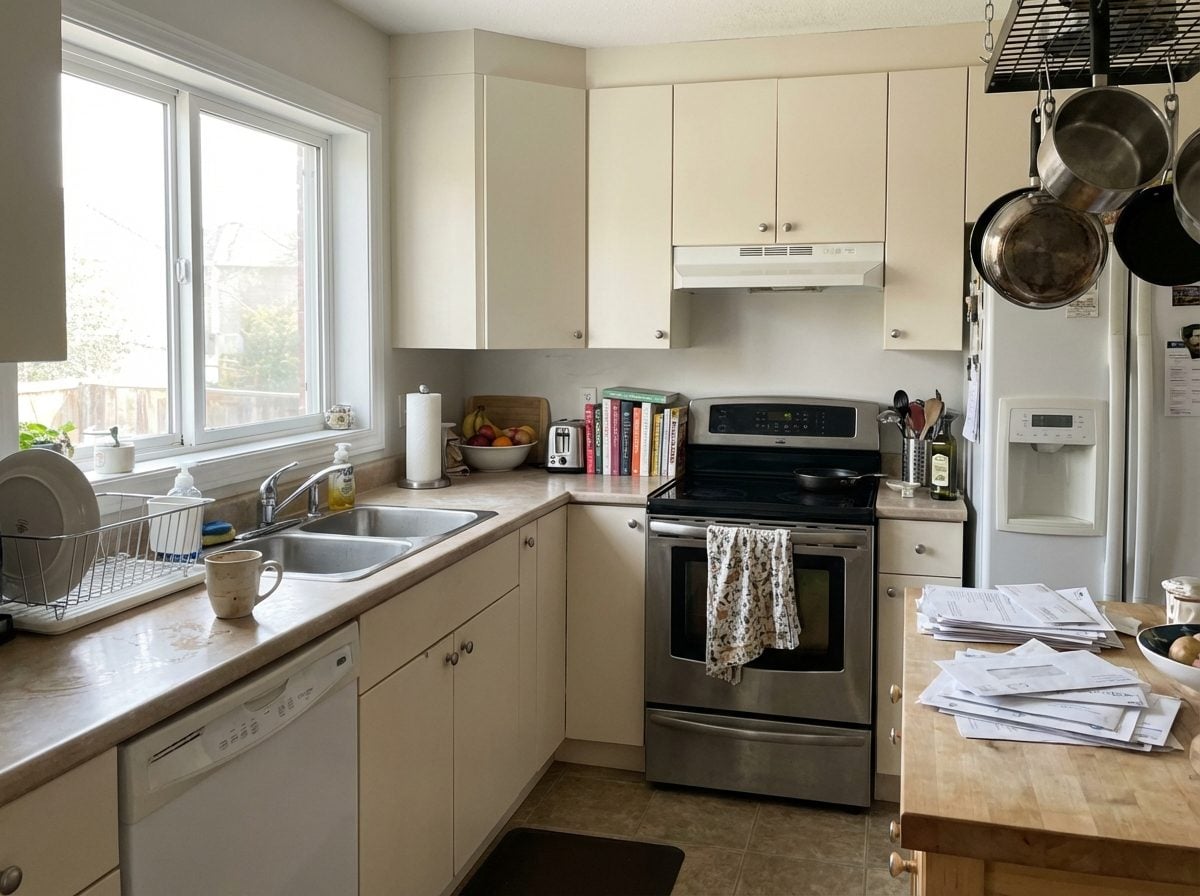
The same principle applies to the physical space itself. A home where someone has been living in stress, where things are unfinished, where rooms feel abandoned mid-use, where the energy of a difficult period has settled into the corners, transmits something. Buyers are remarkably sensitive to this, even when they can’t articulate it. They describe it as a feeling that the house has “bad energy” or “doesn’t feel happy.” What they’re actually responding to may be the accumulated sensory residue of an anxious household: the slight disorder, the deferred tasks, the undone things that didn’t get done because life got heavy.
The Threshold Moment: Why the First Seven Seconds in a Doorway Determine Everything
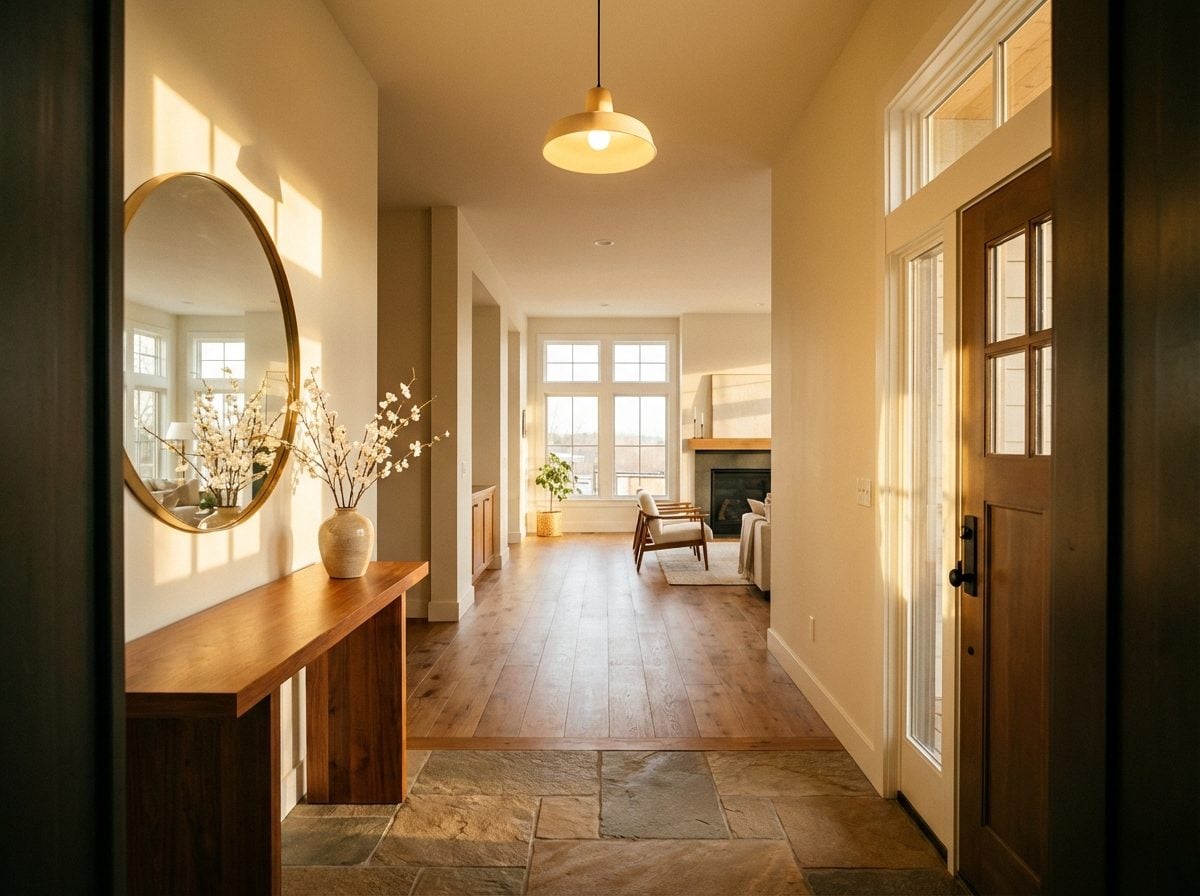
Seven seconds. That’s roughly how long psychological research suggests we have before a first impression locks into place. According to Psychology Today’s overview of first impression research, it takes a mere seven seconds to form a first impression, and those impressions are primarily driven by non-verbal, sensory input, not by what’s said or consciously evaluated.
Apply that to the front door of a home for sale, and the stakes sharpen considerably. The moment a buyer crosses a threshold, their nervous system is running a rapid-fire assessment: light levels, air quality, spatial scale, temperature, sound, smell. This is the brain’s ancient “is this place safe?” protocol, updated slightly for the modern context of “is this place worth $650,000?” The two questions are processed by surprisingly similar neural machinery.
What determines those seven seconds? The entry’s ceiling height relative to the rest of the house. The quality of light hitting the foyer, warm or cold, direct or diffuse. Whether the first visual cue (a piece of art, a mirror, a coat rack, an empty wall) signals care or neglect. Whether the air smells fresh or enclosed. Whether the space feels like it opens toward something, or closes in. Prospect-refuge theory, developed by geographer Jay Appleton, proposes that humans instinctively evaluate new spaces for their balance of visibility and shelter, and that evaluation begins at the literal moment of entry.
The halo effect does the rest. A positive first impression cascades forward through the entire showing, making even genuinely mediocre features feel more acceptable. A negative one works the same way, in the other direction, and it is almost impossible to reverse mid-tour.
What Bare Walls Whisper to the Part of the Brain That Evaluates Belonging
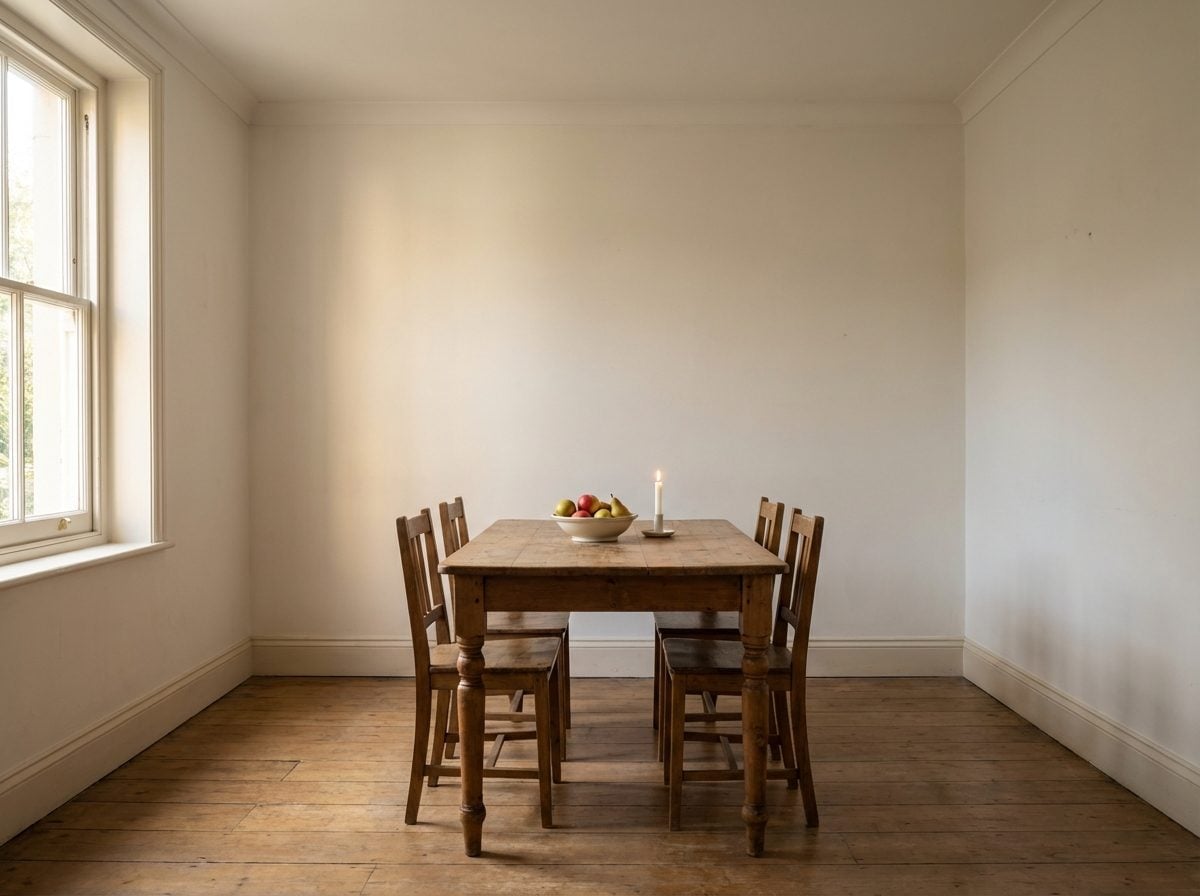
There’s a specific kind of unease that comes from looking at bare walls during a home tour. It’s not the unease of emptiness exactly, it’s something more specific. Bare walls in a lived-in, otherwise furnished home don’t say “minimal.” They say “temporary.” And temporary is the last thing a buyer wants to feel when they’re considering the largest financial commitment of their life.
Belonging is one of homeownership’s deepest psychological promises. Research into homebuying psychology consistently identifies the desire for belonging and rootedness as primary emotional drivers, buyers aren’t just purchasing square footage, they’re purchasing an identity, a story, a place where their life is meant to happen. Bare walls undercut that narrative at the source. They suggest a household that hasn’t fully committed to the space, either because they’ve just moved in or because they’re already halfway out the door.
This reading is often unconscious. The buyer doesn’t articulate it as “the lack of wall art signals emotional impermanence.” They just feel, standing in the dining room, that they can’t quite picture themselves here. The imaginative leap that a home needs to inspire, my life could happen in this room, requires some scaffolding. Art, objects, the evidence of someone having chosen to make a space theirs, provides that scaffolding. Without it, the buyer’s imagination has nothing to grip.
Why Homes That Have Never Been Staged Feel Like They’re Hiding Something
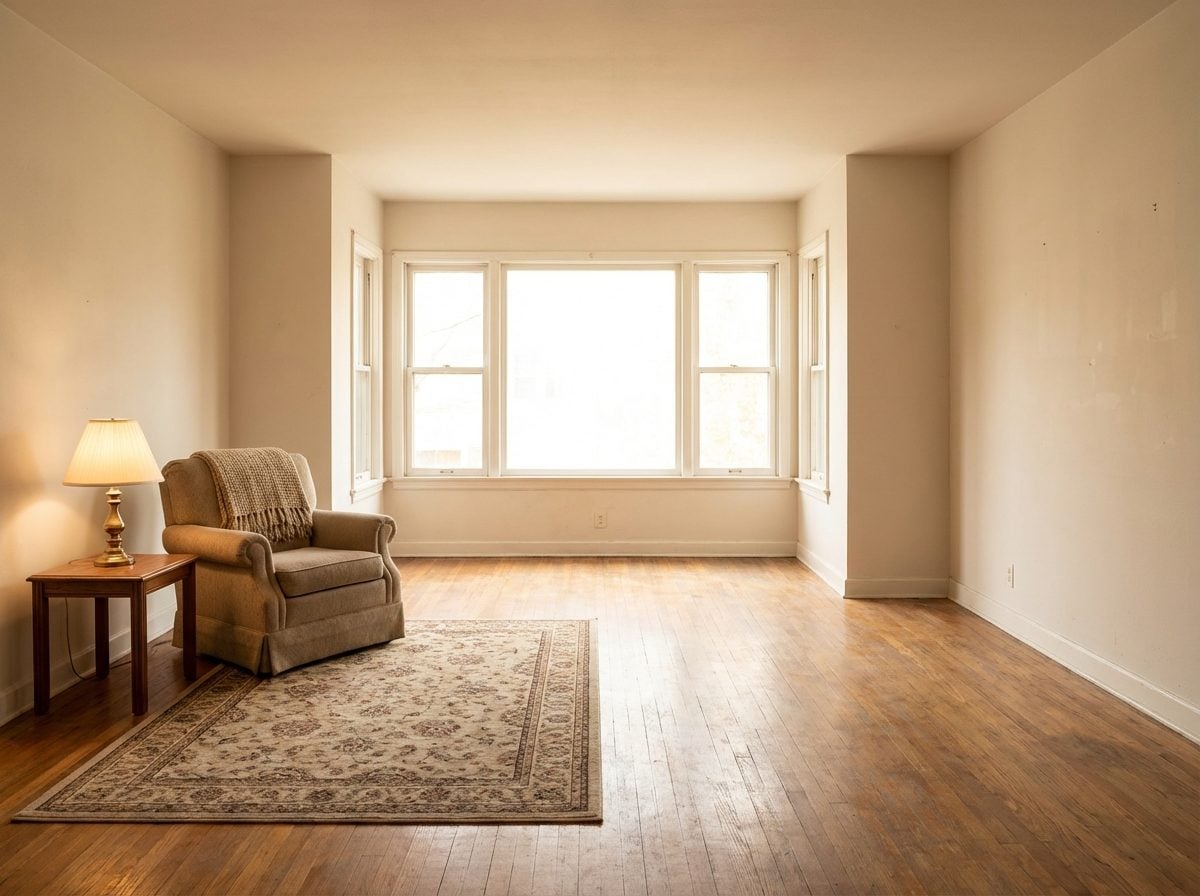
Staging is, at its core, a form of communication. It tells buyers: someone thought carefully about how you would experience this space. That deliberateness signals something beyond aesthetics, it signals that the seller takes this transaction seriously, which gives the buyer subconscious permission to take it seriously too.
An unstaged home sends a different signal. Not necessarily a bad one, but an ambiguous one, and ambiguity in a high-stakes financial decision is something the brain actively dislikes. The National Association of Realtors has found that 82% of buyers’ agents report that staging helps clients visualize a property as their future home, but what that stat actually measures is the buyer’s ability to perform the necessary imaginative leap. Without staging, that leap has no runway.
A 2019 study referenced by HomeLight found that vacant homes sold for around $11,000 less on average and took six days longer to sell than occupied ones, a gap that staging often exists to close. But the psychological effect runs deeper than the data captures. An unstaged home, particularly one with sparse or inconsistent furnishing, places the entire cognitive burden of visualization on the buyer. Some buyers are good at that. Most aren’t.
What buyers often feel in an unstaged home is a vague sense that they’re being shown something unfinished, a draft, not a final version. And drafts don’t command full-price offers.
The Bottom Line
The definitive answer is this: a home feels sad because it has stopped being cared for, and the human brain, wired for survival, reads neglect as danger within seconds of crossing the threshold. Every dead plant, dim bulb, bare wall, and stale smell is a data point, and the limbic system tallies them faster than any conscious thought can intervene, triggering the urge to leave before the buyer even knows why. Before your next walkthrough, whether you’re buying, selling, or simply living, ask yourself honestly: does this space show evidence of being loved?