Your Home Should Feel Like You.
It Doesn’t. Here’s Why.
Every room you’ve decorated has been guided by advice written for someone else’s brain. Trends, palettes, layouts — none of it was built around how you actually think, restore, or move through a space.
Designed by Type is the first complete home design system built around all sixteen personality types, the eight cognitive functions, and the four temperament families — with room-by-room guidance specific enough to take straight to a paint store, a furniture showroom, or a renovation conversation.
Your Room Looks Good.
So Why Doesn’t It Feel Right?
You’ve done everything you were supposed to do. Scrolled the inspiration boards. Bought the throw pillows. Hired someone to choose the paint. You’ve returned furniture that looked perfect in the showroom and fell completely wrong in your living room. You’ve repainted the same wall twice. And the space is — fine. Not wrong, exactly. Just not yours.
The design industry produces advice for an imaginary average person. It optimizes for trend cycles, for the magazine photograph, for the model home. It was not built for an introvert who finds open-plan living genuinely depleting. It was not built for the dominant intuitive who needs a room with a single coherent vision, not seventeen curated ideas.
The advice isn’t wrong. It just wasn’t written for you. Which explains the pile of returns, the Pinterest board you’ve never quite translated into reality, and the room that, despite everything, still feels like it belongs to someone else.
- You’ve bought something, brought it home, and known immediately it was wrong — but couldn’t explain why
- You’ve seen a room you loved in a photograph and hated in real life
- You’ve followed every rule correctly and still ended up with a space that feels like a stranger’s home
- You share a home with someone whose instincts pull in a completely different direction from yours
- You have a picture in your mind of what your home should feel like, and no idea how to get there from here
None of this is a failure of taste. Every one of these experiences has the same source. You’ve been designing against your own grain.
What If the Problem Was Never
Your Taste?
Personality type research — serious cognitive function theory, not surface-level quiz results — has documented consistent, predictable, reproducible patterns in how different types of minds relate to private space, public space, material qualities, sensory density, visual order, and restoration environments.
The introvert and the extrovert don’t just prefer different things. Their nervous systems are measurably different in how they respond to the same environment. A dominant intuitive and a dominant sensor don’t just have different aesthetics. They have different neurological requirements for what makes a space feel right. The Judging type and the Perceiving type don’t just organize differently. One experiences visual incompletion as genuine cognitive discomfort. The other experiences a “finished” room as a closed system that no longer invites engagement.
“The home designed for your cognitive architecture will always outlast the home designed for who you thought you should be.”
This isn’t a quiz that tells you to paint your bedroom the color associated with your type. This is a complete design system — built on the same cognitive function theory used by practicing psychologists — translated into specific, actionable room-by-room guidance for every space in your home.
For the first time, you’ll have the vocabulary, the framework, and the specific instructions to design a home that works the way your brain actually works. Not the brain the trends assumed you had.
🔥 Would you like to save this?
Designed by Type
The Complete Personality Type Home Design System
How the way you think, restore, and move through the world shapes the home you actually need. A room-by-room design system built around all sixteen personality types, the eight cognitive functions, and the four temperament families — synthesizing deep expertise in type psychology with serious knowledge of spatial design, materiality, atmosphere, and how homes actually function for real people.
Each lesson delivers a complete design profile specific enough to take straight to a paint store, a furniture showroom, or a renovation conversation. This is not a personality quiz with a room attached. It is a complete design education built on the only framework that accounts for how your specific brain experiences space.
This guide operates at the level of cognitive function theory — not surface-level type descriptions. It is not “clean types like white kitchens and chaotic types like bohemian clutter.” It works at a fundamentally different level of specificity: how your dominant function shapes what your bedroom must do for your nervous system at rest. How your auxiliary function governs the impression your shared spaces make on people who enter them. How your temperament family determines the broader aesthetic language your specific type operates within.
The psychological interpretations are grounded in cognitive function theory and developed in collaboration with a certified personality type practitioner with extensive experience applying type theory to behavioral patterns and environmental preferences. The design applications were developed at the level of Architectural Digest. Written for Home Stratosphere.
56 Lessons. Five Parts.
Everything You Need.
Here is what the system covers — module by module, lesson by lesson.
Foundations — How Personality Type Maps to Space
The complete framework before a single room is designed
Your Personality Type and Your Home
- Why beautiful rooms can still feel fundamentally wrong for the person living in them
- The three layers that determine your design identity: four-letter type, dominant function, and temperament
- Why standard design advice fails introverts, perceivers, and dominant intuitives systematically
How to Read Your Type Design Profile
- What each layer of your type reveals about different spaces in your home
- Why the dominant function matters most for bedrooms and private retreats
- Worked examples across three contrasting types showing how the layers produce a single coherent aesthetic
The Four Temperaments and Space
- The spatial signatures of Analyst, Diplomat, Sentinel, and Explorer temperaments
- The materials, palettes, and design failure modes for each temperament family
- How to identify your temperament’s room from twenty feet away
The Eight Cognitive Functions and Design
- Complete spatial profiles for all eight functions: Ni, Ne, Si, Se, Ti, Te, Fi, Fe
- The materials, forms, and lighting each function gravitates toward — and the design failure mode specific to each
- Why this is the design layer most people never reach — and why it changes everything
Introversion and Extroversion
- Why the introvert’s home must be designed as a restorative environment first — and why mainstream advice never does this
- The open-plan problem for introverts and specific architectural solutions
- The entryway as decompression infrastructure: the most important transitional space in an introvert’s home
Judging and Perceiving — How You Organize Your World
- Why visual incompletion creates genuine cognitive discomfort for J types — and how to design for it
- P-type storage: flexible, low-commitment solutions that work with how Perceivers actually move through space
- The most common shared-home design tension — and spatial solutions that actually resolve it
The Sixteen Types — Full Home Profiles
One complete lesson per type: design DNA, room by room, palette, traps, materials
The Architect of Controlled Environments
- Why INTJ homes are the most fully realized design visions in the type system — when complete, they hold their ground with absolute conviction
- The five design traps: perpetual planning, the cold room, designing for the exception, the system only INTJ understands
- Palette: Farrow & Ball Pitch Black anchor through to Pointing relief — with full room-by-room application
The Design Philosopher
- The home as an ongoing intellectual project: interesting, genuinely original, permanently in considered development
- Books as primary design material — and the difference between the INTP library and every other type’s
- The permanent beta trap: the room always being improved, never declared finished
The Command Space
- The home as an extension of the personal brand — quality and authority communicated by every material choice
- The monastic ENTJ bedroom: the one room where the command function is genuinely suspended
- The dining room as a venue for strategic social connection — how to design it correctly
The Conceptual Provocateur
- The ENTP design test: one thing in this room that has never been in any other room anyone has seen
- The provocative juxtaposition as design strategy — and the logic that makes it hold together
- The calm bedroom: the deliberate counterpoint to the intellectual energy everywhere else in the home
The Private Sanctuary Builder
- Candlelight as a design system — how the INFJ room transforms completely after dark
- Every object was chosen because it is irreplaceable: nothing accidental, nothing merely decorative
- The retreat within the retreat — the most important design element in an INFJ home
The Meaning-Maker
- The INFP home as total autobiography — visitors should understand who lives here after five minutes
- Vintage and found objects as primary design material: the home that grew organically rather than was designed
- The INFP garden: the most personally expressive outdoor space in the type system
The Home as a Gift to Others
- The ENFJ design challenge: dominant Fe can over-design for others and under-design for the self
- The dining room as the spiritual center of the ENFJ home — how to design it
- The ENFJ’s own bedroom: the one room designed entirely for the person who does the giving
The Inspired Nest
- Plants as non-negotiable design infrastructure — and the ENFP plants problem honestly addressed
- Art as autobiography: chosen because it is true, not because it matches
- The genuine nest — the bedroom that finally delivers complete enclosure and rest
The Refined Traditionalist
- The highest durability-per-choice ratio in the type system — and how to channel it correctly
- Why ISTJ homes age better than any other type’s — and the one trap that produces a frozen room
- Complete palette: Farrow & Ball Elephant’s Breath through to Forest Green with room-by-room applications
The Comfort Keeper
- The ISFJ home as the primary love language — every design decision made in consideration of the people who live there
- Heirlooms and family objects integrated correctly: preserved and meaningful without overwhelming the room
- The ISFJ’s own bedroom: the correction for the type most likely to under-invest in their own space
The Organized Authority
- The most systematically excellent domestic environment in the type system — and the one thing it typically lacks
- The ESTJ garden: the best-maintained outdoor space on the street, and how to get there
- Organization at the expense of warmth: the most common ESTJ design failure and how to correct it
The Gathering Home
- Practical abundance as a design philosophy: full fruit bowls, fresh flowers, a kitchen always ready
- The guest bedroom actually prepared and welcoming — not aspirational
- The ESFJ private space: the room the door never opens onto, and why it matters
The Functional Minimalist
- Function as the only aesthetic — and how executed perfectly with quality materials, it produces the most quietly beautiful rooms in any type group
- The workshop/making space: the most important room in the ISTP home
- The one warm material that prevents the functional room from becoming cold
The Sensory Artist
- The home as a living work of art — composed instinctively, piece by piece, as the eye moves through a room
- ISFP color: combinations that should not work but do — and why the instinct that chose them was consistent
- The ISFP garden: the most instinctively beautiful outdoor space in the type system
The Bold and Immediate
- Material quality as the primary design metric: the leather that ages perfectly, the wood that shows use beautifully
- The ESTP outdoor space: as deliberately designed as the interior — fire, activity, sensory pleasure outdoors
- The quality obsession trap: when purchasing only the best delays rooms from being complete
The Joyful Stage
- Color as the primary design language — used with more instinctive confidence than any other type
- The ESFP room that makes people smile when they enter: how to design it without over-saturation
- The genuine rest bedroom: sensory comfort applied with the same conviction as the joyful social spaces
The Dominant Function — Your Restorative Spaces
The layer of design most people never reach — and the one that changes your bedroom, bathroom, and private retreat forever
Your Dominant Function and Your Private Spaces
- Why the dominant function matters more than the four-letter type for private spaces — it tells you what the space must do for your nervous system, not just what you prefer
- How to use dominant function guidance alongside your full type profile for a complete room-by-room picture
Dominant Ni — The Inner Vision Room
- What happens when Ni’s restorative needs go unmet: shallow sleep, persistent cognitive activation, the inability to fully decompress
- Complete bedroom designs for both INTJ (dark, architectural, spare) and INFJ (dark and atmospheric — the room that communicates a specific feeling of depth)
The Possibility Space
- Why the bedroom must have fewer interesting objects per square foot than any other room in the house — by deliberate design
- The two-room solution: a stimulating retreat distinct from the bedroom so the bedroom can be deprived of fuel
The Comfort Archive
- The Si bedroom rule: the best bedroom is not the most designed but the most consistently excellent — calibrated over years of personal experience
- What happens when Si’s restorative needs are unmet: a persistent sensory dissatisfaction that cannot be precisely named
The Sensory Studio
- Dominant Se types know immediately whether a mattress is good — and they know without a night’s sleep
- The Se bathroom as the most important investment room: a shower system that is physically extraordinary, quality materials that are also genuinely pleasurable
The System Room
- Ti restores when the environment makes complete sense as a coherent system — when nothing is arbitrary
- Every object in this room has a function that justifies its presence: what the elimination of decorative elements actually produces
The Command Center
- The Te bedroom rule: no work-related objects — not a laptop, not a document, not a phone charging in sight
- The one room from which the organizing function is completely suspended — and why this is the most important room in the Te-dominant home
The Soul Room
- What happens when Fi’s restorative needs are unmet: a persistent low-level inauthenticity, the vague distress of a room that could belong to anyone
- Every object chosen because it produced a specific and genuine emotional response — no substitutes, no objects kept out of obligation
The Hearth Room
- Fe reads and responds to the emotional needs of everyone in every room — the bedroom must be the room from which that perceptual field is definitively removed
- Why designing this room entirely for themselves is genuinely difficult for dominant Fe — and the specific design correction
The Auxiliary Function and Your Home’s Social Spaces
What your home says when you’re at your best — the living room, dining room, kitchen, and entryway by type
The Structured, Warm, Inspired & Sensory Social Room
- How each auxiliary function shapes the impression your shared spaces make on people who enter them
- The entryway for each auxiliary type — the ten-second self-portrait your home makes before you say a word
The Living Room and Dining Room by Temperament
- How to tell an NT room from an NF room from twenty feet — and what each temperament’s living room must deliver to succeed
- The dining room test for each temperament: the question that determines whether the room actually works
The Entryway — First Impressions by Type
- Why the entryway is the most type-revealing room in the home — and the most under-invested
- The five elements every type needs in an entryway — and how each type customizes them correctly
- The highest-impact entryway investments for each of the four temperament families
The Kitchen by Temperament
- NT kitchen: a system designed around the way this type actually cooks — clear surfaces, organized systems, dark cabinetry
- NF kitchen: the room that makes cooking feel like love — warmth, plants, the kitchen that smells of something always
- SP kitchen: quality over organization, materials over systems, the tool that works perfectly over the organizational container
Special Topics — Every Situation Covered
Shared homes, children’s rooms, small spaces, rentals, outdoor spaces, home offices, and more
Two Types, One Home
- The four most common design conflicts between types — and the spatial principle that resolves each one
- Spatial sovereignty: why every person in a shared home needs at least one room designed entirely for them
- Five high-profile type pairings with specific design guidance for each
The Five Most Common Type Pairings
- ISTJ & ISFP, ENFJ & INTJ, ENTP & INFJ, ESFJ & INTP, ISFJ & ESTP — complete design frameworks for each pairing
- Which rooms each partner should have primary design authority over — and how to negotiate the contested ones
Type Tensions + Children’s Rooms by Type
- Room-by-room solutions to clutter tolerance, open vs. closed plans, J organization vs. P flow
- Children’s rooms for all four temperament families — from the NT child who needs a door that closes to the SP child who needs a space for making
The Home Office + The Creative Studio by Type
- Complete home office design for all 16 types — from the INTJ command center to the ENFP inspiration station
- The types for whom a creative studio is an absolute necessity — and how to build one within any home
Small Spaces + Rental Design by Type
- The types that thrive in small spaces — and specific adaptations for those who struggle
- The complete rental transformation toolkit: textiles, lighting, art, and objects that create your type’s aesthetic without touching a wall
Outdoor Spaces + Introvert & Extrovert Deep Dives
- Outdoor space for all four temperament families: from the INFJ enclosed atmospheric garden to the ESTP outdoor room with fire
- A complete deep dive into designing as an introvert — including the five decisions mainstream advice never recommends
- The extrovert deep dive: the five design decisions that acknowledge your home’s role as a genuine social hub
Type Growth + Seasonal Rhythms
- How the inferior function makes demands on your home as you develop — and how to provision them without disrupting your dominant type’s coherence
- The annual design audit by type: from the INTJ systematic review to the ENFP seasonal room reinvention
AI Visualization + Building Your Design Brief
- How to use AI image generation to visualize your type’s home before committing money or time — with sample prompts for every temperament
- The complete type-based design brief template: your palette, your materials, your non-negotiable requirements, your design traps — formatted to use with a designer, a contractor, or a paint store
The Home That Finally Makes Sense
- The single highest-impact change each temperament can make immediately — before any of the rest of it
- The deeper truth about type-based design: every type, without exception, has the capacity to create a home of genuine beauty — because genuine beauty is always an expression of genuine self
Every Type Gets a Completely Different Home
Not variations on the same room. Genuinely different design languages, palettes, layouts, and spatial priorities — built from the cognitive architecture up.
Each type receives a complete design DNA analysis · room-by-room guidance · signature materials · color palette with exact paint names · top 5 priorities · biggest design traps · 4 custom room images
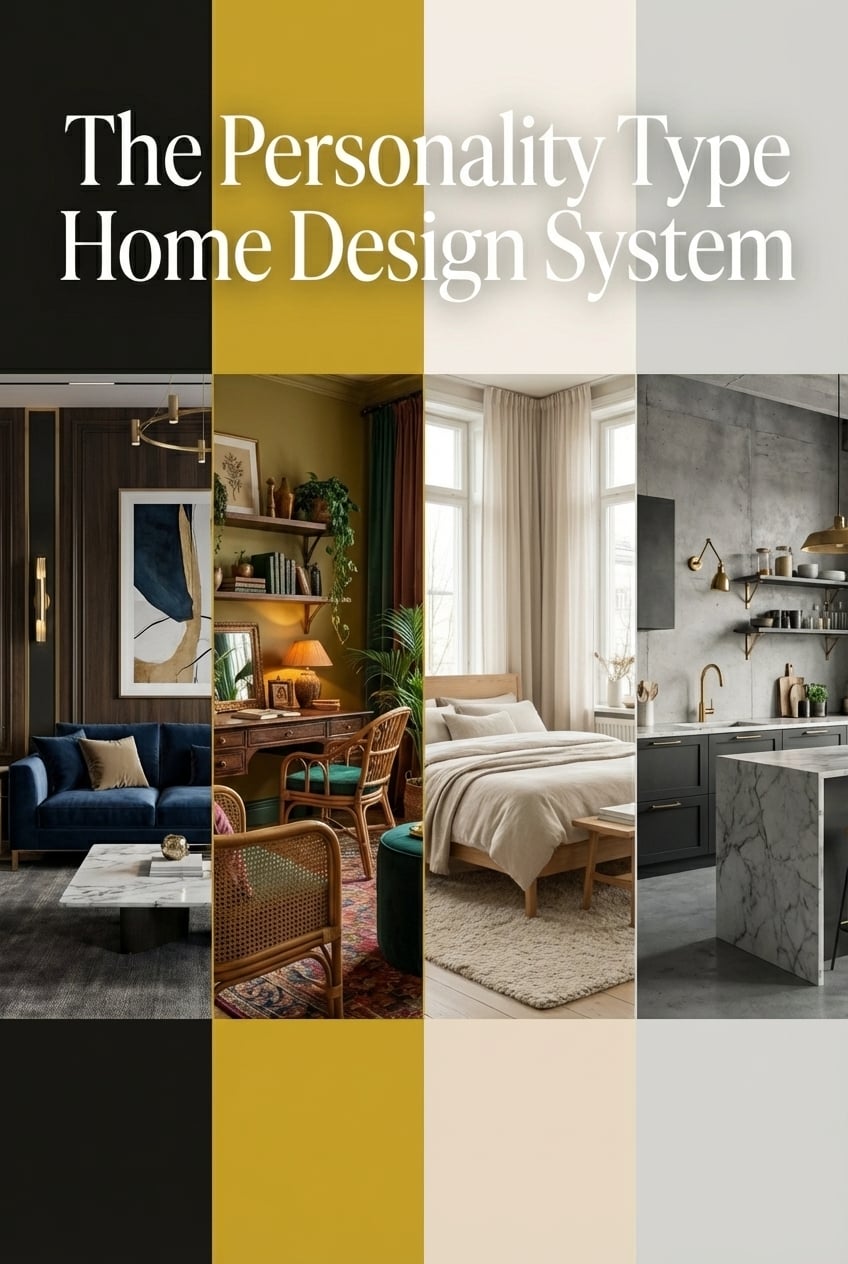
224 Custom Room Images Across All 16 Types
Four images per lesson — bedroom, living room, kitchen, and signature space — rendered at Architectural Digest quality for every type.
+ ISTP · ESTJ · ESFJ · ISTJ · ENTP · ENFJ · INFP — all 16 types covered
This Is Not a Personality Quiz
With a Room Attached
Here is what makes this system genuinely different from everything else in this space.
Layers of Design Identity
Four-letter type gives you your overall aesthetic. Dominant function tells you what your private spaces must do for your nervous system. Temperament gives you your broader design language. All three layers applied, room by room.
Cognitive Function Chapters
One complete lesson per dominant function — not just “introverts like quiet rooms.” Detailed guidance on what Ni, Ne, Si, Se, Ti, Te, Fi, and Fe each require from a restorative environment at the neurological level.
Rooms Per Type
Living room, bedroom, kitchen, home office or primary space, outdoor area. Not a single room suggestion dressed up as a profile. A complete, room-by-room design system for every type.
Exact Color Palettes
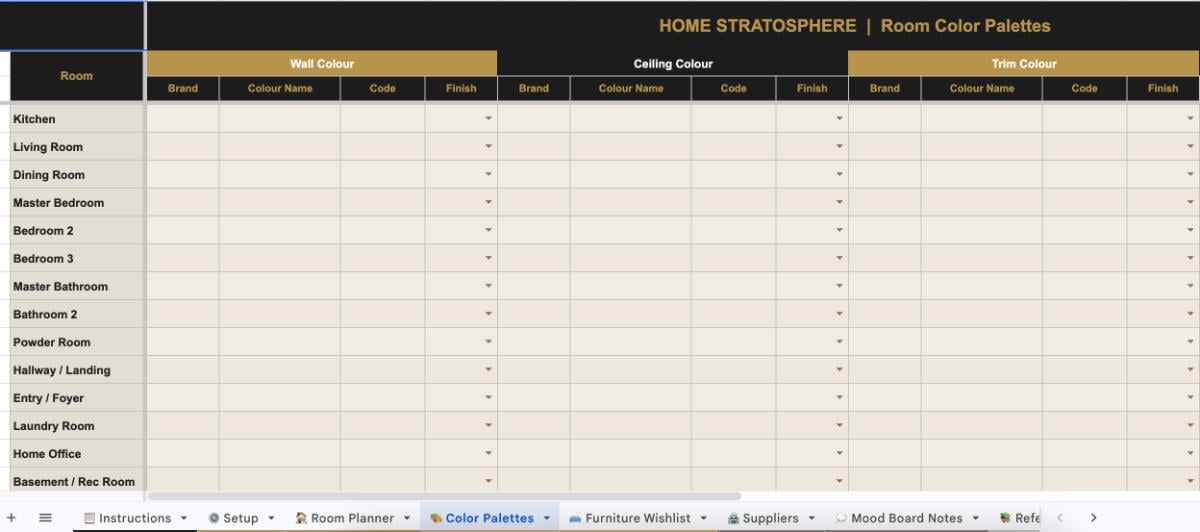
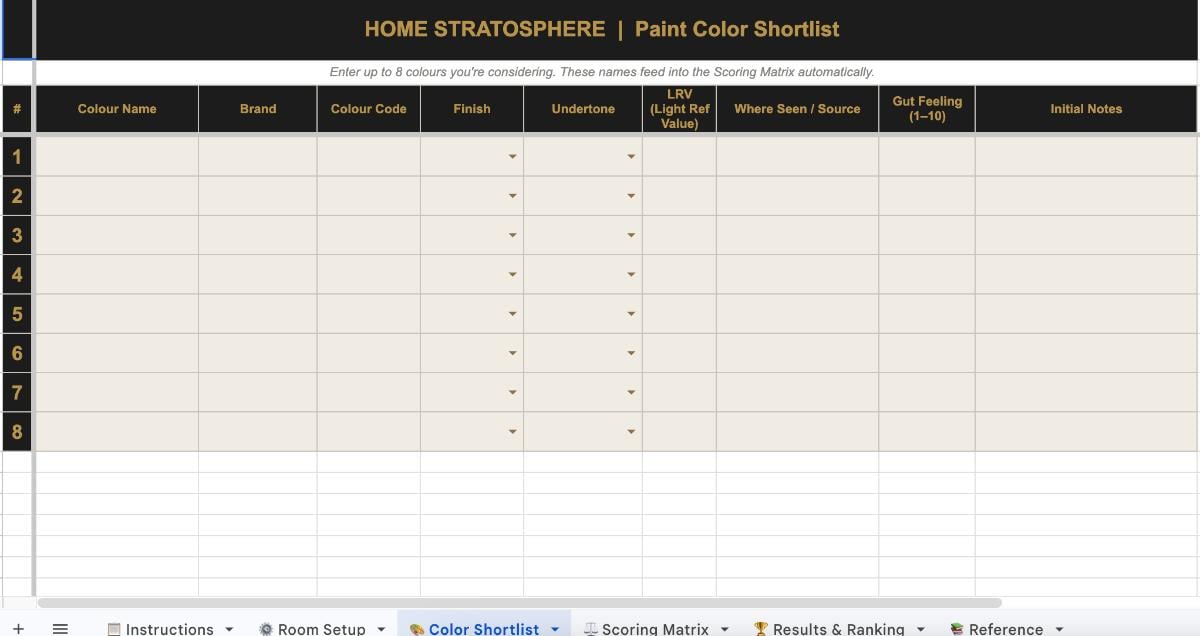
Every type profile includes four curated colors with specific paint names from Farrow & Ball, Benjamin Moore, and Sherwin-Williams. Walk into any paint store and ask for it by name. No guesswork, no approximation.
Design Trap Analyses
The specific, predictable mistakes each type makes — not generic “buy quality pieces” advice. The INTJ perpetual planning trap. The INFP beautiful pile. The ESTJ organizational room that forgot to be warm. Named, specific, correctable.
Special Topic Lessons
Shared homes and type compatibility. Children’s rooms by temperament. Small spaces, rental design, outdoor spaces. Type growth and the inferior function. AI visualization tools. A complete design brief template. This system covers every situation.
Exact Paint Names. Real Stores. Zero Guesswork.
Every type profile includes a curated four-color palette with specific paint names from the brands you already know. Here are four examples.
Every Situation Has a Chapter.
Shared Homes & Type Compatibility
Conflict maps, compromise frameworks, spatial sovereignty principles, and five detailed pairing scenarios. The design system for the home that belongs to two people.
Children’s Rooms by Type
Room design for all four temperament families — from the NT child who needs a door that closes to the SP child who needs a space for making. Rooms that grow with them.
The Home Office by Type
Complete office design for all 16 types. Not generic “good lighting and a clear desk.” The specific spatial, acoustic, and organizational requirements for each type’s cognitive style.
Small Spaces by Type
The types that thrive with containment and those that struggle — with specific adaptations for every temperament at every size constraint.
Rental-Friendly Type Design
The complete toolkit for creating your type’s aesthetic without permanent modification. Textiles, lighting, art, and objects. Your home, whoever owns the walls.
Outdoor Spaces by Type
From the INFJ enclosed atmospheric garden to the ESTP outdoor room built around fire and physical activity. The garden as a complete personality profile.
The Introvert’s Home — A Deep Dive
Five design decisions every introvert should make that conventional advice never recommends. Acoustic privacy, decompression infrastructure, and the open-plan solution.
Type Growth & AI Visualization
How your home evolves as you develop. Plus: how to use AI image generation and Claude to visualize, plan, and build a complete type-based design brief for any professional conversation.
Share a Home With Someone Who Has Completely Different Taste?
Part Five includes a complete shared-home design framework — because “we can’t agree on anything” is one of the most common reasons people find this system.
You’ll learn exactly where your types clash — from the Open Plan War to the Stuff vs. Space Standoff — and get room-by-room compromise strategies that genuinely work. Five detailed pairing scenarios. The spatial sovereignty principle that makes it possible to honor two different types under one roof without designing for neither.
The five most common type pairings get their own dedicated chapter: ISTJ & ISFP, ENFJ & INTJ, ENTP & INFJ, ESFJ & INTP, ISFJ & ESTP — with specific room-by-room negotiation guidance for each.
If you share a home, this section alone is worth the price of enrollment.
Stop Guessing.
Start Knowing.
Here is what changes when you design from your type, not against it.
Is This System Right for You?
This Is for You If…
- Your home feels fine but not quite right — and you can’t precisely name why
- You’ve spent real money on your home and still feel like something is missing
- You’re genuinely curious about personality type and suspect it explains more than you’ve been told
- You share a home with someone whose instincts feel completely opposite to yours
- You want room-by-room specificity — exact colors, real paint names, concrete design priorities
- You’re renovating, redecorating, or starting from scratch and want to do it right this time
- You’ve tried following design trends and found the results feel like someone else’s home
This Is Not for You If…
- You already work with an interior designer who understands your specific cognitive preferences (in which case, this system gives you the language to brief them better)
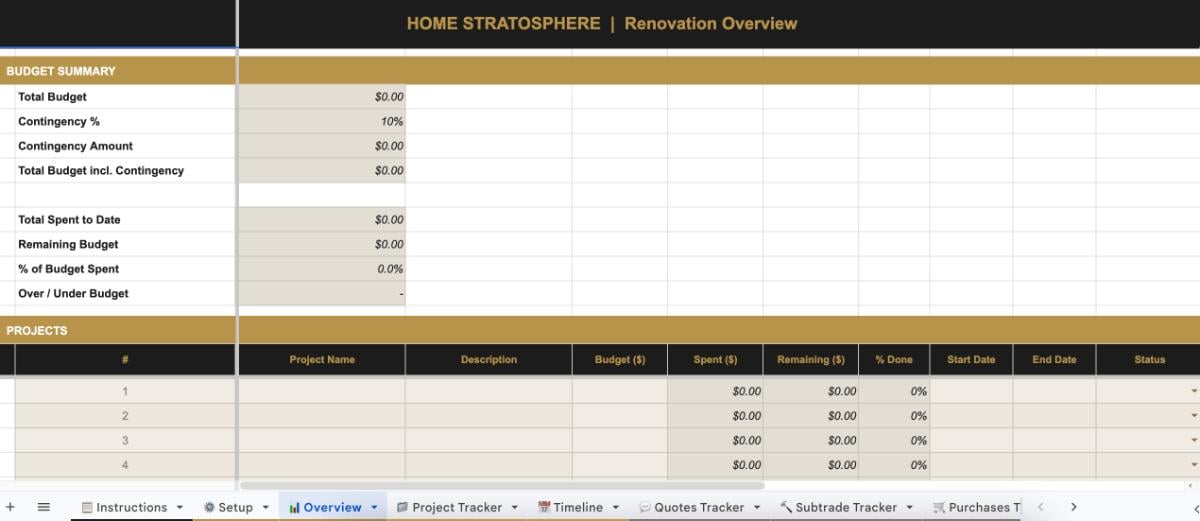
- You want a technical construction or renovation manual — this is a design system, not a building guide
- You believe personality types are fundamentally meaningless as a framework — this guide operates at a depth of cognitive function theory that won’t persuade a skeptic
Grounded in Serious Cognitive Function Theory — Not a Surface-Level Quiz
The psychological interpretations in this system were developed in collaboration with a certified personality type practitioner with extensive experience applying type theory to behavioral patterns, relationships, and environmental preferences.
This is cognitive function theory — the same framework used by practicing psychologists and serious type researchers — applied to spatial design for the first time at this level of depth and specificity. The difference between a type paragraph and a room-by-room design brief is what this system was built to bridge.
The design applications were developed at the level of Architectural Digest, written for Home Stratosphere. This is not a blog post with a personality quiz attached. It is 56 lessons of expert-level guidance, grounded in the deepest available framework for understanding how different minds experience space.
Premium Home Design for Homeowners Who Take Their Spaces Seriously
Home Stratosphere is one of the most trusted home design destinations on the web — built for the homeowner who wants real expertise, not generic inspiration. We write at the intersection of beautiful design and practical application, for people who care deeply about how their spaces look and function.
Designed by Type is developed with a certified personality type practitioner with extensive experience applying cognitive function theory to behavioral patterns and environmental preferences. The psychological interpretations in this guide are grounded in function stack theory — not surface-level type descriptions — and translated into design guidance specific enough to take into any professional design conversation.
Designed by Type
The Complete Personality Type Home Design System
- 56 complete lessons — written at Architectural Digest depth
- 16 full home profiles, room by room, for every personality type
- 8 dominant function chapters — the bedroom and private space deep dives
- 9 auxiliary function chapters — living room, dining room, entryway, kitchen by type
- 16 color palettes with exact Farrow & Ball, Benjamin Moore, and Sherwin-Williams paint names
- 224 custom room images, 4 per lesson
- Shared home compatibility framework for the five most common type pairings
- Home office, creative studio, children’s rooms, small spaces, rental design by type
- AI visualization guide + complete type-based design brief template
- Approximately 140,000 words of original, expert-level design guidance
Delivered instantly upon purchase · Compatible with all devices
Questions Before You Enroll
Your Home Should Feel Like You.
Finally, It Can.
Not like a trend. Not like a showroom. Not like the person who lived here before you or the person you thought you were supposed to be. Like the specific, irreplaceable person who actually lives in this house — with the brain you have, the cognitive architecture you were born with, and the design vocabulary you now possess to build the space that reflects it.
Enroll in Designed by Type →Instant access upon enrollment · All 16 types · 56 lessons · 224 images
🔥 Would you like to save this?
Designed by Type was developed using AI-assisted research and writing with thorough human editorial oversight, in collaboration with a certified personality type practitioner. Room images were created using AI image generation to illustrate design concepts specific to each personality type. The system uses the term “personality type” and four-letter type designations throughout. The terms Myers-Briggs and MBTI do not appear. Full transparency details are provided within the system. © Home Stratosphere. All rights reserved.