You made the down payment. You got the rate. You’ve been paying on time, keeping up with maintenance, even putting a little extra toward the principal. By every conventional measure, you are doing homeownership correctly. So why does it feel like you’re running on a treadmill that’s quietly tilting steeper every month?
The answer isn’t in your mortgage statement or your HOA fees. It’s in your brain. Decades of financial culture, behavioral psychology, and some very deliberate marketing have quietly rewired the way homeowners think about money, risk, and what it actually means to build wealth. What you’re about to read isn’t a case against owning a home. It’s an honest look at why the experience feels the way it does, and why that feeling is costing you more than the house itself.
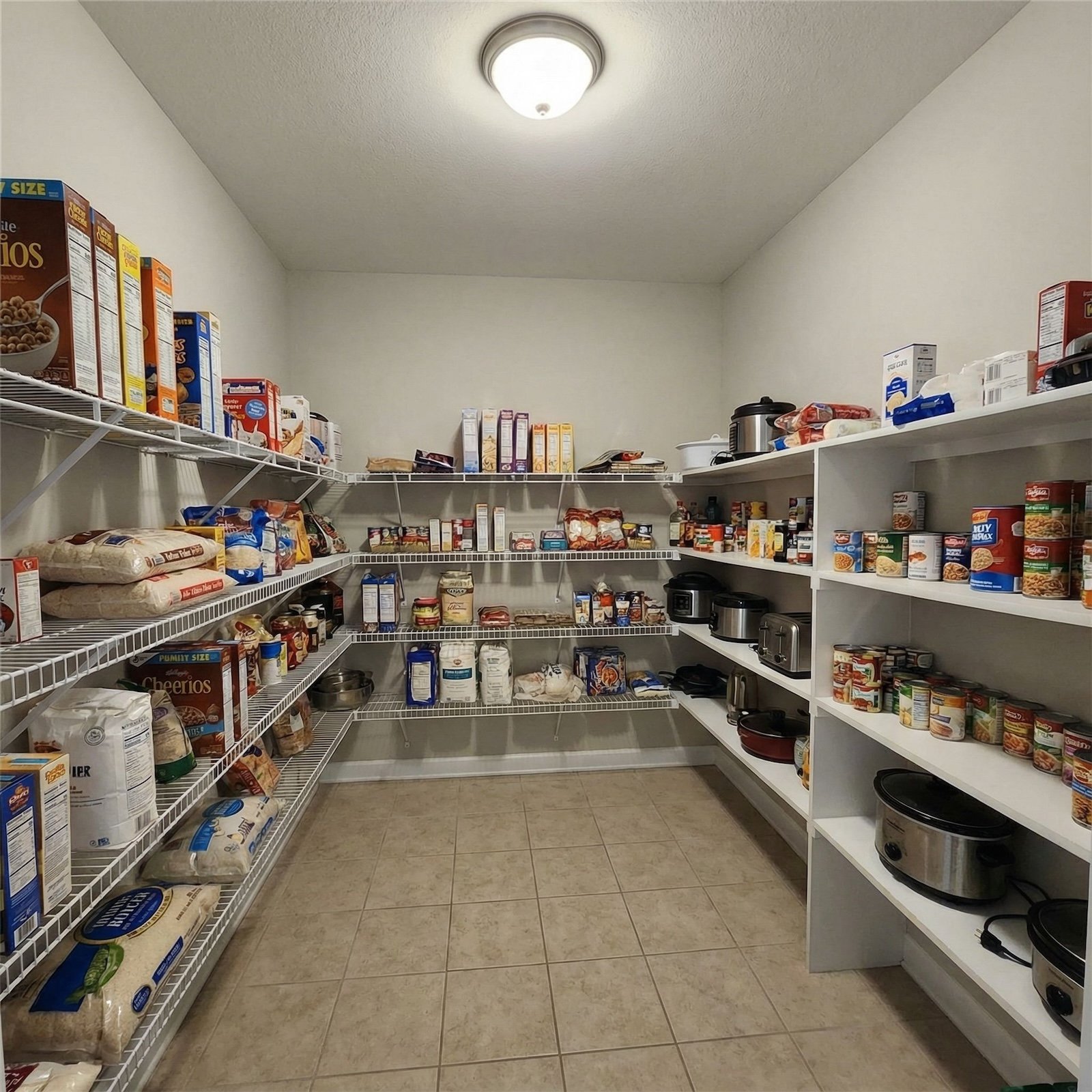
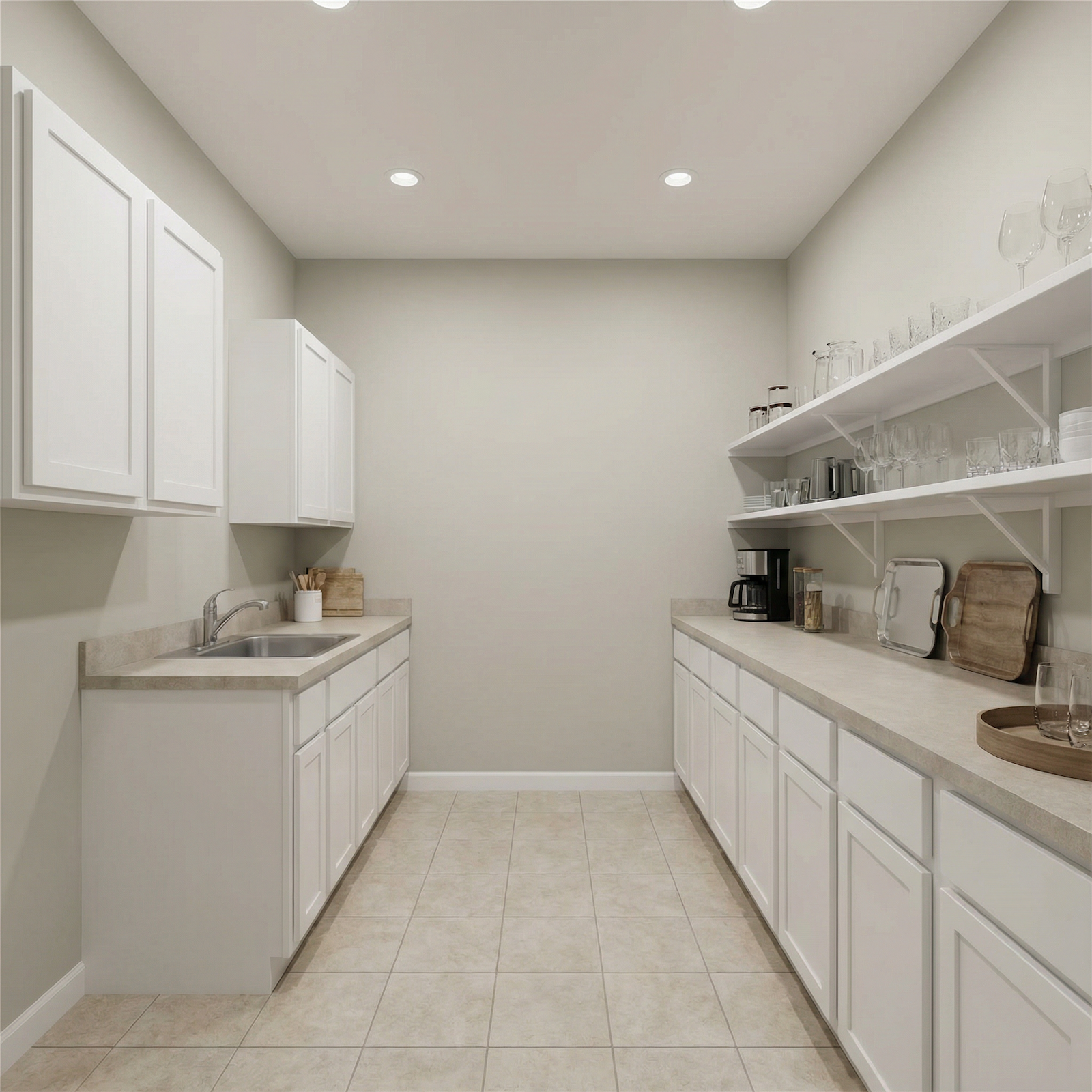
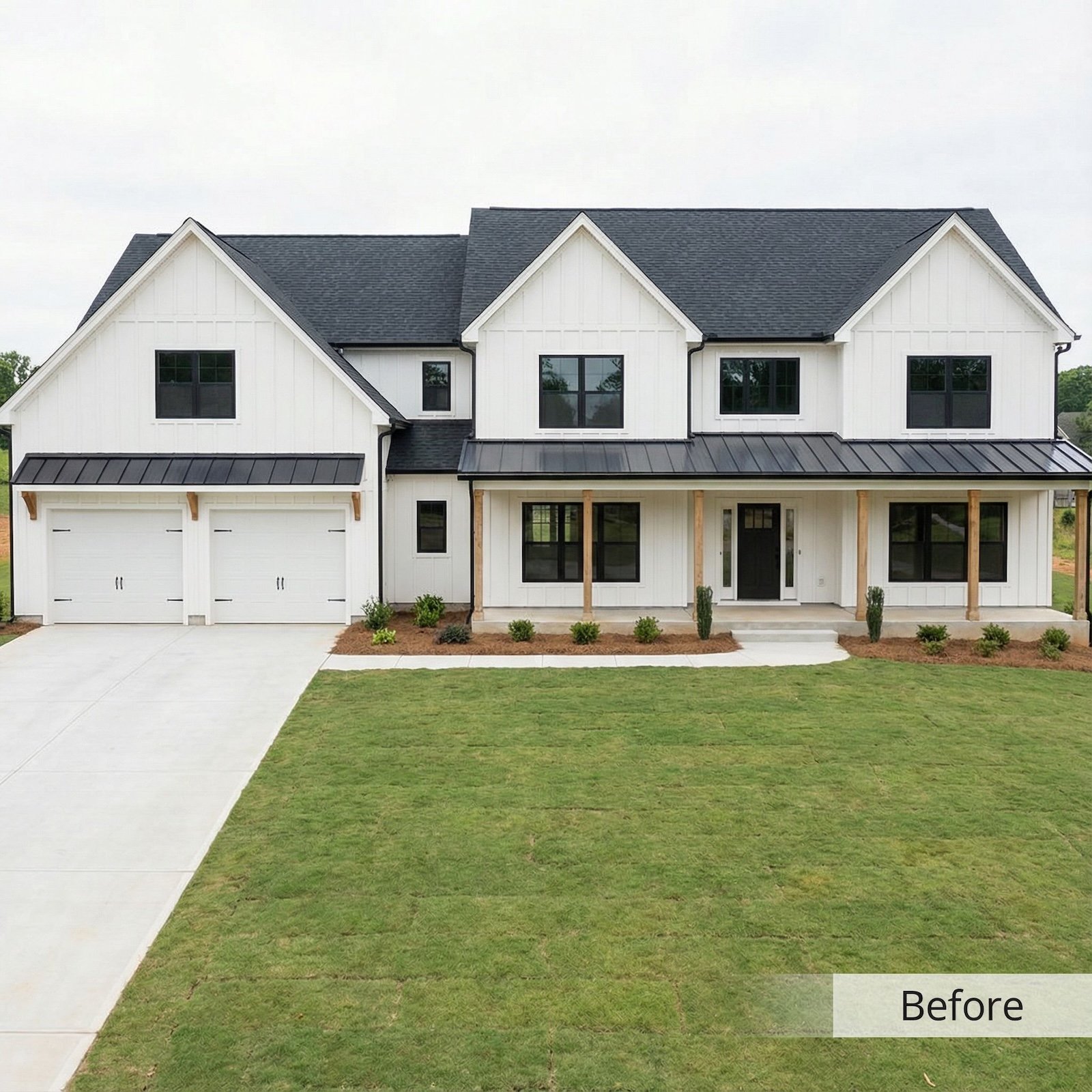
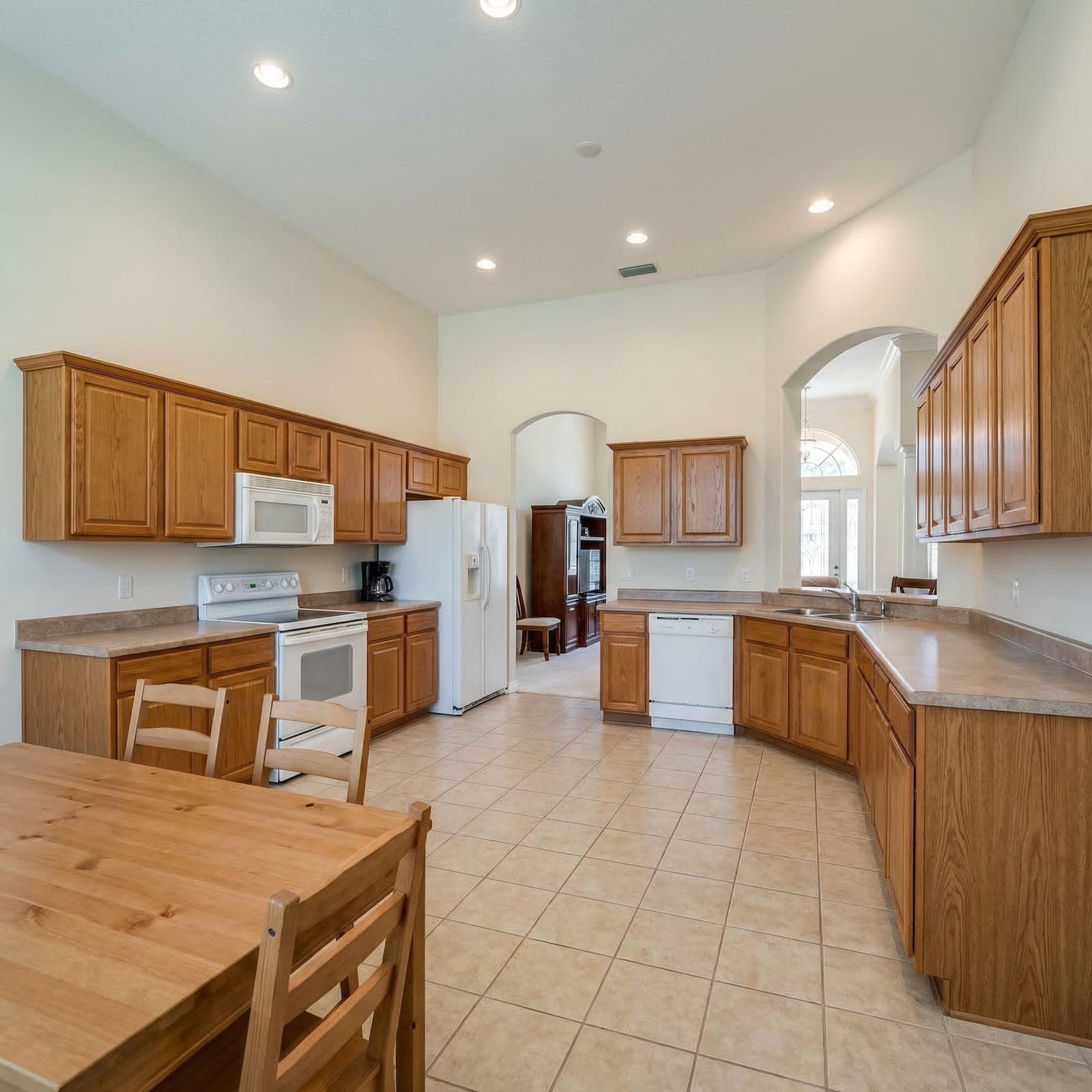
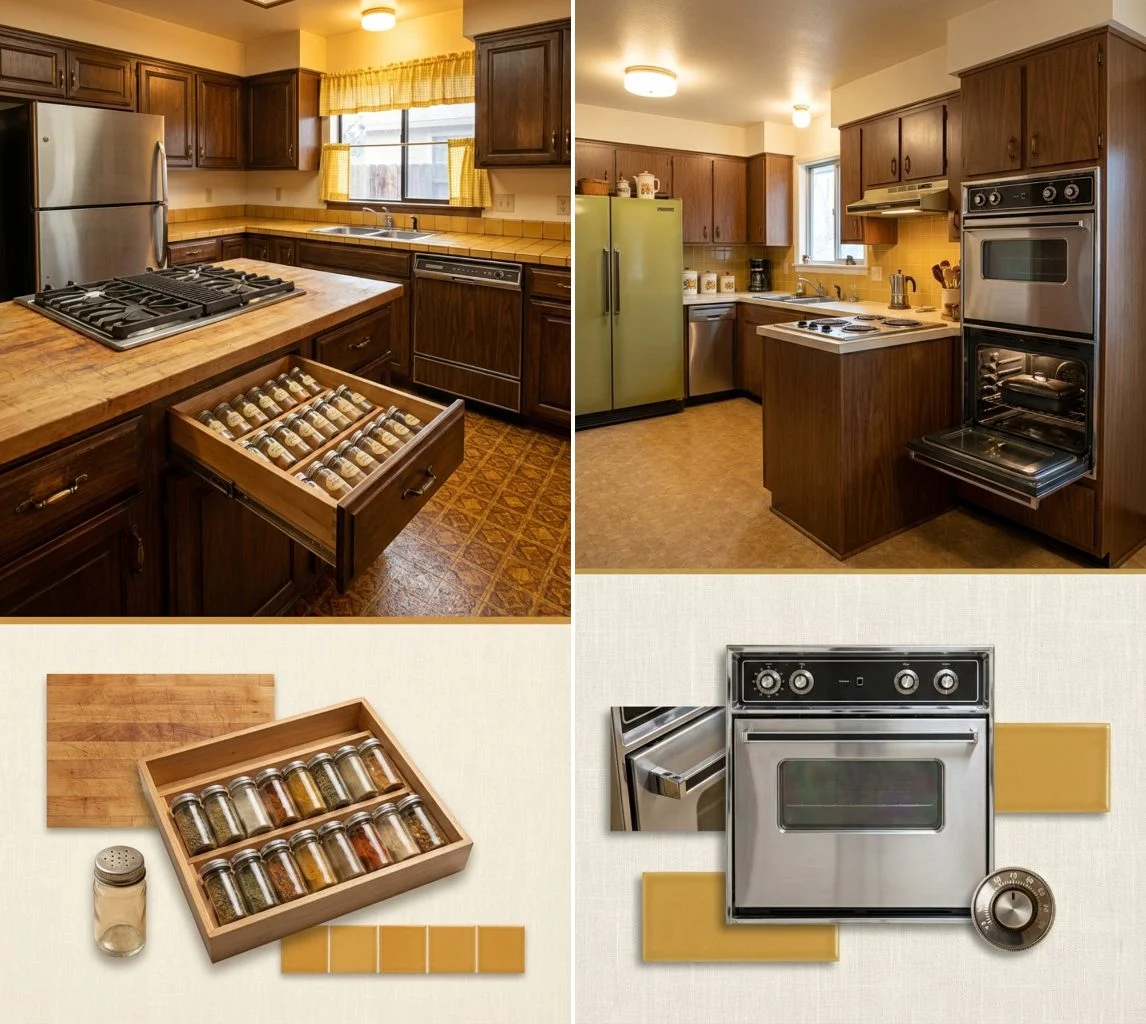
In order to come up with the very specific design ideas, we create most designs with the assistance of state-of-the-art AI interior design software.
The Invisible Tax Your Brain Keeps Paying Long After You’ve Closed on Your Home

You signed the papers, got the keys, painted the living room a color you actually love. And yet something sits heavy. Not financial stress exactly, something more ambient, more exhausting. Researchers have a name for what’s happening: housing cost stress, and it doesn’t only hit people who are struggling. According to a study published in the journal Health and Place on homeownership, mortgages, and psychological distress, even high-income homeowners with mortgage payment ratios above 30% of income showed significantly elevated levels of psychological distress, comparable to lower-income households under the same proportional burden.
That number matters more than most people realize. Your brain doesn’t evaluate financial stress in absolute dollars. It evaluates it in proportion, how much of your life does this cost consume? When one obligation quietly occupies a third of your income, the cognitive load is real and ongoing. It competes for mental bandwidth every time you look at your bank account, every time a bill arrives, every time you consider what you’d do if the water heater failed. That hum of low-grade financial vigilance? It’s not anxiety. It’s the invisible tax your central nervous system collects every single month.
Why the Moment You Sign the Deed, Your Financial Risk Tolerance Quietly Collapses

There’s a specific thing that happens in the weeks after closing on a house. You stop thinking about index funds. You become oddly conservative about spending. You feel, for the first time, genuinely risk-averse in a way that surprises you. This isn’t just you being responsible, it’s a predictable behavioral shift that Duke University’s Fuqua School of Business research on homeownership and financial risk perception helps explain. When a single asset represents the majority of a family’s wealth, the brain recalibrates toward protection. Not growth. Protection.
Behavioral economists call this the concentration effect. Your home isn’t just a house, it’s now your emergency fund, your retirement plan, your collateral, and your largest liability, all at once. That single fact reshapes every other financial decision you make. You don’t start a business. You don’t max out a brokerage account. You don’t take the career risk that might pay off in three years. The house has quietly become the gravitational center of your financial life, and everything else orbits it cautiously.
The Sunk Cost Spiral That Makes Every Repair Feel Like a Personal Failure

The furnace fails in January. You spend $3,200 on a repair. Six months later, the same furnace needs another $1,800 part. Every rational signal says cut your losses, but you don’t. You authorize the second repair without much deliberation, because walking away from the first $3,200 now feels like admitting it was wasted. This is the sunk cost fallacy operating exactly as described in a peer-reviewed study on loss aversion and sunk cost psychology, which found that people were significantly more likely to continue investing in a home office remodel when 85% of the budget had already been spent, even when stopping was objectively the better financial decision.
The home is uniquely cruel here because every repair arrives as a continuation of prior investment. The roof follows the HVAC. The HVAC follows the foundation crack. Each one feels less like a new expense and more like the next chapter of a story you’ve already committed to finishing. And because the house carries personal identity, your choices, your neighborhood, your address, abandoning that story feels like something more than financial loss. It feels like failure.
- The prior investment anchors you. The more you’ve already spent on a property, the harder it is to evaluate new expenses objectively.
- Personal responsibility amplifies the effect. Research shows sunk cost bias hits hardest when we feel personally responsible for the initial investment, which homeowners always do.
- Stopping feels like losing. But continuing often just multiplies the loss quietly, over years.
What Behavioral Economists Call the ‘Money Pit Illusion’, And Why Smart People Fall For It

The phrase “money pit” entered the culture as comedy, but the underlying phenomenon is genuinely strange: highly intelligent, financially literate people regularly pour resources into homes in ways they would never accept in any other investment context. Part of the reason is that the home conflates two completely different value systems, use value (how much you enjoy living there) and exchange value (what a buyer will pay). Your brain handles these in the same mental account, which means the $18,000 kitchen you love to cook in feels like a financial asset. It largely isn’t.
According to The Decision Lab’s analysis of mental accounting theory, originally developed by Nobel laureate Richard Thaler, people systematically fail to treat money as fungible, they assign subjective values to different pools of spending that bear no relationship to objective financial reality. The money you spend on your house gets filed mentally under “investment.” The money you spend on a vacation gets filed under “consumption.” The actual ROI data on most renovations, however, suggests that distinction is often an illusion. Most major kitchen remodels return less than 70 cents on the dollar at resale.
The Reason Your Neighbor’s Kitchen Renovation Feels Like a Threat to Your Net Worth

Your neighbor redoes their kitchen. Quartz counters, the waterfall edge, new cabinet pulls that look like they came from a design magazine. You hadn’t thought about your kitchen in months. Now you think about it constantly.
This isn’t envy in the classical sense. It’s a form of reference point anxiety, your brain has just recalibrated what “normal” looks like on your street, and your kitchen now exists below that line. Social comparison in home design operates with unusual psychological force because the home doubles as social proof of financial status. According to a behavioral finance analysis from Mission Wealth, social proof is one of the most powerful cognitive biases driving housing decisions, we rely heavily on what our reference group is doing, and we feel the gap acutely when we fall behind.
What makes this genuinely interesting is that the effect doesn’t require you to believe your kitchen is inferior. You just need to perceive that others might think so. Status in residential design isn’t about your actual satisfaction with your space, it’s about the imagined judgment of people who haven’t even seen it.
“Buying a home is more than a financial transaction; it represents safety, control, success, and often a deep personal identity.”, Mission Wealth behavioral finance analysis
Why Your Brain Refuses to Count Mortgage Interest as ‘Real’ Money Lost

Over a 30-year mortgage at a typical interest rate, a homeowner on a median-priced home will pay somewhere between $200,000 and $400,000 in interest alone, money that builds no equity, no ownership stake, nothing. It disappears into the bank. And yet almost no homeowner thinks about this number with the same psychological weight they give to, say, a stock that declined in value by $20,000.
The reason is a well-documented quirk of mental accounting described by economist Richard Thaler: when a cost is integrated into a large, ongoing payment, the brain stops processing it as a discrete loss. Your mortgage interest isn’t a separate line item you consciously approve every month, it’s buried inside a single payment that also includes principal and escrow. The brain registers it as “housing payment,” a necessary and fixed cost of life. Meanwhile, behavioral economists at the BE Works consultancy have noted that homeowners routinely fail to account for mortgage interest when comparing the true cost of ownership to renting, treating interest as fundamentally different from rent when, economically, both are payments for occupying a space you don’t yet fully own.
The Psychological Trap Hidden Inside the Phrase ‘Building Equity’

‘Building equity’ is one of the most emotionally potent phrases in American personal finance, and one of the most psychologically misleading. It frames a passive process as active accumulation. You’re not building anything. You’re waiting. Your home’s value is rising (or not) based on forces almost entirely outside your control: interest rates, municipal investment, neighborhood demographics, zoning decisions, regional employment trends.
The phrase also smuggles in a false comparison. “At least you’re building equity” is almost always said in contrast to renting, the implicit argument being that rent is wasted. But as behavioral economists have pointed out, mortgage interest also goes to someone else’s pocket. The principal portion does build equity, but in the early years of a standard amortization schedule, the majority of each payment is interest. You might be a decade into a mortgage before the equity-to-interest ratio tips meaningfully in your favor.
The deeper trap is this: equity is illiquid. You can’t spend it on retirement at 55. You can’t deploy it to cover a medical bill without taking on additional debt. It exists on paper, growing slowly, accessible only when you sell or borrow against it, which resets the clock. The phrase makes homeowners feel financially productive. The math is considerably more complicated.
How the Endowment Effect Turns Your Home Into a Financial Blindspot

Richard Thaler, the behavioral economist who coined the term, demonstrated the endowment effect in a now-famous series of experiments: people given a coffee mug consistently demanded roughly twice as much to sell it as buyers were willing to pay for the identical object. The mere fact of ownership inflated perceived value, not through rational analysis, but through psychological attachment. A 2007 fMRI study cited in endowment effect research found that the brain’s insula, associated with loss aversion, activates specifically when people consider relinquishing objects they own, suggesting the bias is neurological, not just cognitive.
Scale that mug experiment up to your most expensive asset and the implications become significant. Research published on endowment bias in real estate contexts notes that homeowners consistently price their properties above comparable market sales, not through strategic negotiation, but through genuine psychological inability to see the home as others do. You remember every upgrade. You feel the Saturday mornings you spent on the garden. A buyer sees square footage, condition, and comparables.
The financial blindspot isn’t just about selling price. It’s about every decision you make while you still own the home. Overvaluing it means overweighting it in your mental financial picture, which means underinvesting in everything else.
The Cognitive Bias That Makes Every Home Improvement Feel Like an Investment (When It Usually Isn’t)

Spend $60,000 on a primary bathroom remodel with heated floors, a freestanding tub, and custom tile work. Walk into that bathroom every morning and feel, with complete sincerity, that you’ve made a sound financial decision. The optimism bias in home improvement is well-documented: research on the psychology of home improvement decisions consistently finds that homeowners overestimate the resale impact of upgrades because they assume future buyers will value what they value. That is rarely true at full dollar value.
According to industry data analyzed in RenoFi’s review of the Remodeling Cost vs. Value Report, the average home renovation returns roughly 70 cents on the dollar at resale, meaning you reliably spend more than you get back on most projects. Major kitchen overhauls can return as little as 38%. A swimming pool often returns less than half its cost. The data is consistent and has been for decades.
The bias runs deeper than optimism about resale. It’s about how the brain categorizes the spending. Money spent on a vacation is coded as consumption, enjoyed and gone. Money spent on the house is coded as investment, permanent, asset-building, prudent. That mental categorization feels true, even when the numbers disagree.
Why Homeowners Systematically Underestimate Maintenance Costs, And What That Does to a 30-Year Financial Plan

The number is so far off it almost sounds made up. According to Synchrony’s 2026 Lifetime of Home Care national study, the average homeowner expects to spend roughly $70,000 on maintenance over the course of owning their home. The actual figure? More than $339,000, and that climbs past $418,000 when major emergency repairs hit. That’s not a modest miscalculation. That’s a financial blindspot of a quarter million dollars sitting quietly inside the walls of a home people believe they’re managing responsibly.
The psychology behind the gap is almost more unsettling than the numbers. Human beings are notoriously poor at projecting long-horizon costs, especially on things we already own and love. The very emotional investment that makes a home feel like your home also makes you resistant to seeing it as a depreciating structure with aging systems and rising labor costs. You notice the kitchen remodel. You don’t notice the HVAC quietly approaching its 15-year lifespan.
And the compounding effect on a financial plan is brutal. Every dollar spent on a surprise repair is a dollar not invested, not compounding, not building toward anything. A 2026 annual report from Pearl found that total hidden costs of homeownership, maintenance, property taxes, insurance, utilities, now average $21,400 per year. The mortgage payment, it turns out, is just the opening line on a much longer bill.
The Status Anxiety Loop That Keeps You Renovating Rooms You Rarely Use

Think about the last renovation you initiated. Now ask yourself: how many hours per week do you actually spend in that room? For most homeowners, the honest answer and the financial investment don’t line up. Formal dining rooms that host two dinners a year get $15,000 kitchen-adjacent makeovers. Guest bathrooms used four days annually get the full tile-and-fixture treatment. The rooms we renovate most aggressively are often the rooms we use the least, and that’s not a coincidence.
Status anxiety operates on a specific frequency. It’s not about what you enjoy privately; it’s about what you fear others will judge. Psychologist Thorstein Veblen coined the term “conspicuous consumption” over a century ago to describe exactly this: spending calibrated not to personal utility, but to social perception. The guest bathroom is a performance space. So is the formal living room with the pristine sofa no one sits on. You’re not renovating for yourself, you’re renovating for a hypothetical visitor whose opinion you’ve decided matters.
The loop closes when you realize no renovation ever fully quiets the anxiety. A 2022 study in the Journal of Happiness Studies found that homeowners systematically overestimate the long-run satisfaction gains from home improvements and underestimate the financial burden that accumulates over time. The dopamine hit from a finished renovation fades faster than the credit card balance. So you start planning the next one.
What Happens to Your Brain When You Treat a Depreciating Asset Like a Savings Account

Your home is not a savings account. It is a consumption asset that occasionally appreciates. That distinction sounds clinical until you do the math, and then it starts to feel like something closer to a slow-motion financial mistake.
The cognitive mechanism at work is what behavioral economists call mental accounting, a concept developed by Nobel laureate Richard Thaler. According to The Decision Lab’s explainer on mental accounting, people assign different psychological values to money depending on where it lives and where it came from. Home equity gets mentally filed in the “safe wealth” bucket, insulated from the scrutiny we’d apply to, say, a stock portfolio. This creates a dangerous illusion: your net worth looks healthy on paper because your Zillow estimate keeps climbing, so you stop building liquid, diversified assets.
The endowment effect deepens the trap. The St. Louis Federal Reserve’s breakdown of the endowment effect explains how people value things they own far more than identical things they don’t, and that emotional premium distorts financial judgment. You’re not evaluating your home as an asset. You’re evaluating it as your home, which means you’re not evaluating it at all.
Meanwhile, the real carrying costs, insurance, property taxes, maintenance, interest, quietly consume returns that look great on paper. A home that “went up 40%” over ten years may have returned closer to 2-3% annually after expenses. Which is to say: roughly nothing, in real terms.
The ‘Nesting Instinct’ and Why It’s Being Quietly Monetized Against You

🔥 Would you like to save this?
The nesting instinct is real, documented, and ancient. Research published in a 2013 McMaster University study covered by ScienceDaily confirmed what most homeowners already feel: the drive to prepare, organize, and improve a living space is deeply wired into human behavior. It’s not vanity. It’s not even aesthetic preference. It is a survival-adjacent psychological mechanism tied to safety, control, and belonging.
But here’s where it gets expensive. That same instinct, ancient, pre-rational, powerful, has been mapped, studied, and packaged by an entire industry built to activate it on demand. The home goods market, the renovation platform, the seasonal décor drop: each of these is engineered to intercept the nesting impulse at its most emotionally charged moments. You just moved in. You just had a baby. The seasons changed. You feel unsettled for reasons you can’t name. The solution presented is always the same: buy something for the home.
Apartment Therapy’s deep dive into nesting psychology noted that the urge to control your environment intensifies during periods of stress or transition, which means the moments you’re most financially vulnerable are also the moments you’re most susceptible to home-related spending. The industry didn’t create that window. It just learned to sell through it.
Why the Feeling of ‘Finally Having a Home’ Makes You Dangerously Complacent About Wealth Building

Closing day produces one of the most potent emotional states in adult life. Relief, pride, arrival, the sensation of having crossed a finish line that culture has been promising you matters since childhood. You did it. You’re a homeowner. The mortgage is signed, the keys are in your hand, and for a significant stretch of time, that feeling of completion is so overwhelming that it quietly displaces the question you should be asking next: What am I building now?
Psychologists call this “goal completion illusion”, the cognitive tendency to treat a milestone as an endpoint rather than a waypoint. Research on life satisfaction and homeownership, including a 2022 study in the Journal of Happiness Studies, found that people hold systematically biased beliefs about the long-run life satisfaction gains from buying a home, and that those beliefs consistently overshoot reality. The emotional payoff of homeownership peaks early and normalizes fast. But the financial obligations don’t normalize, they compound.
The danger isn’t that owning a home feels good. The danger is that it feels like enough. Your 401(k) contributions stagnate because the mortgage payment feels like investing. Your emergency fund stays thin because the home feels like security. Your brokerage account sits empty because building equity feels like building wealth. And all of it is technically defensible, which is exactly what makes it so hard to see.
The Opportunity Cost Your Financial Advisor Mentioned Once and Never Brought Up Again

There’s a conversation most homeowners had somewhere around the time they bought, a brief, slightly uncomfortable mention of “opportunity cost” that got filed away under “things smart people say” and never revisited. It deserves a longer look.
What the Math Actually Says
A 2017 study covered by CNBC, conducted jointly by Florida Atlantic University, Florida International University, and the University of Wyoming, found that on average, renting and reinvesting the difference in the stock market wins in terms of wealth creation over homeownership, regardless of home price appreciation. The key phrase is “reinvesting the difference.” Most people don’t. But the math suggests they probably should.
The Association for Financial Counseling & Planning Education put it plainly: the opportunity costs of homeownership are enormous. Every dollar tied up in a down payment, in equity that can’t be accessed without refinancing, and in maintenance that reduces liquid savings is a dollar not compounding elsewhere. The S&P 500 has returned approximately 10% annually before inflation over long holding periods. Home values, historically, have tracked roughly with inflation, closer to 1-2% in real terms.
None of this means buying was wrong. It means the framing was incomplete. You were told homeownership builds wealth. You weren’t told what else the same money might have built.
How ‘Pride of Ownership’ Was Engineered to Make You Spend More Than You Planned

“Pride of ownership” is a phrase that enters every real estate conversation at a specific moment, the moment you’re being persuaded to spend more than you initially planned. It is a beautiful, emotionally resonant idea. It is also a sophisticated sales mechanism with roots in behavioral economics that stretch back decades.
The underlying bias is called the IKEA Effect, the documented tendency for people to value things they’ve invested effort into far more than their objective worth. As behavioral economist Dan Ariely described in his research on ownership psychology, the more labor and attention you pour into something, the stronger your pride of ownership becomes, and the more you overvalue what you’ve created. Apply this to a home, where every renovation, every weekend project, every painted accent wall represents hours of personal investment, and you get a homeowner who is psychologically primed to keep spending, not because the house needs it, but because each improvement deepens the emotional bond and justifies the previous expenditure.
The St. Louis Fed’s analysis of the endowment effect captures how this bias extends well beyond casual pride: people fall in love with their possessions, and that love inflates perceived value and dulls rational cost assessment. Combined with the sunk cost fallacy, the tendency to throw good money after bad because you’ve already invested so much, pride of ownership becomes a remarkably effective engine for sustained overspending. It doesn’t feel like a bias. It feels like caring about your home.
The Psychological Reason Homeowners Are the Last to Notice When Their House Becomes a Liability

Loss aversion is one of the most documented findings in behavioral economics. People feel the pain of losing something roughly twice as intensely as the pleasure of gaining something equivalent. Apply that to homeownership, and a troubling pattern emerges: the more you’ve invested in a home, financially, emotionally, physically, the harder your brain works to avoid the conclusion that it might be working against you.
This isn’t denial in the colloquial sense. It’s a systematic cognitive process. A 2023 literature review in Humanities and Social Sciences Communications found that loss aversion and anchoring bias are among the most extensively studied behavioral biases in real estate, and that homeowners facing potential nominal losses consistently set higher listing prices, hold longer, and make demonstrably worse financial decisions to avoid acknowledging a loss. The home you bought for $420,000 that the market now values at $390,000 doesn’t feel like a liability. It feels like a temporary misunderstanding that will correct itself if you just hold on.
But the liability doesn’t have to show up as negative equity to be real. It shows up as a property tax bill that’s outpacing income growth. As an insurance premium that jumped 40% after a claims cycle. As maintenance costs on a 1990s roof that need addressing but keep getting deferred because addressing them would make the financial picture undeniable.
The homeowners who catch it earliest are the ones who actively separate the emotional experience of home from the financial reality of the asset, and most people are never taught how to make that distinction.
The Bottom Line
The financial drain nobody warned you about isn’t the leaky roof, the rising property taxes, or even the kitchen you renovated twice, it’s the emotional ownership that makes your home feel like wealth while it quietly consumes it. Your house is a place to live, and for most people, it will never be the wealth-building engine they were sold. So before you approve the next quote or skip another contribution to your investment account, ask yourself one honest question: am I making this decision for my future, or for the feeling of having done something right?