🔥 Would you like to save this?
The appraiser walks past them without a note. The buyer walks in, stands there a second, and decides this is the one. There’s a whole category of home features that move people and smooth out daily life yet never earn a line on a standard residential appraisal. They don’t push up the number on the report. They push up the feeling, and feeling is what closes deals. Below are the ones worth knowing, starting with the features most buyers have never heard of and working toward the ones they’ll recognize but still covet.
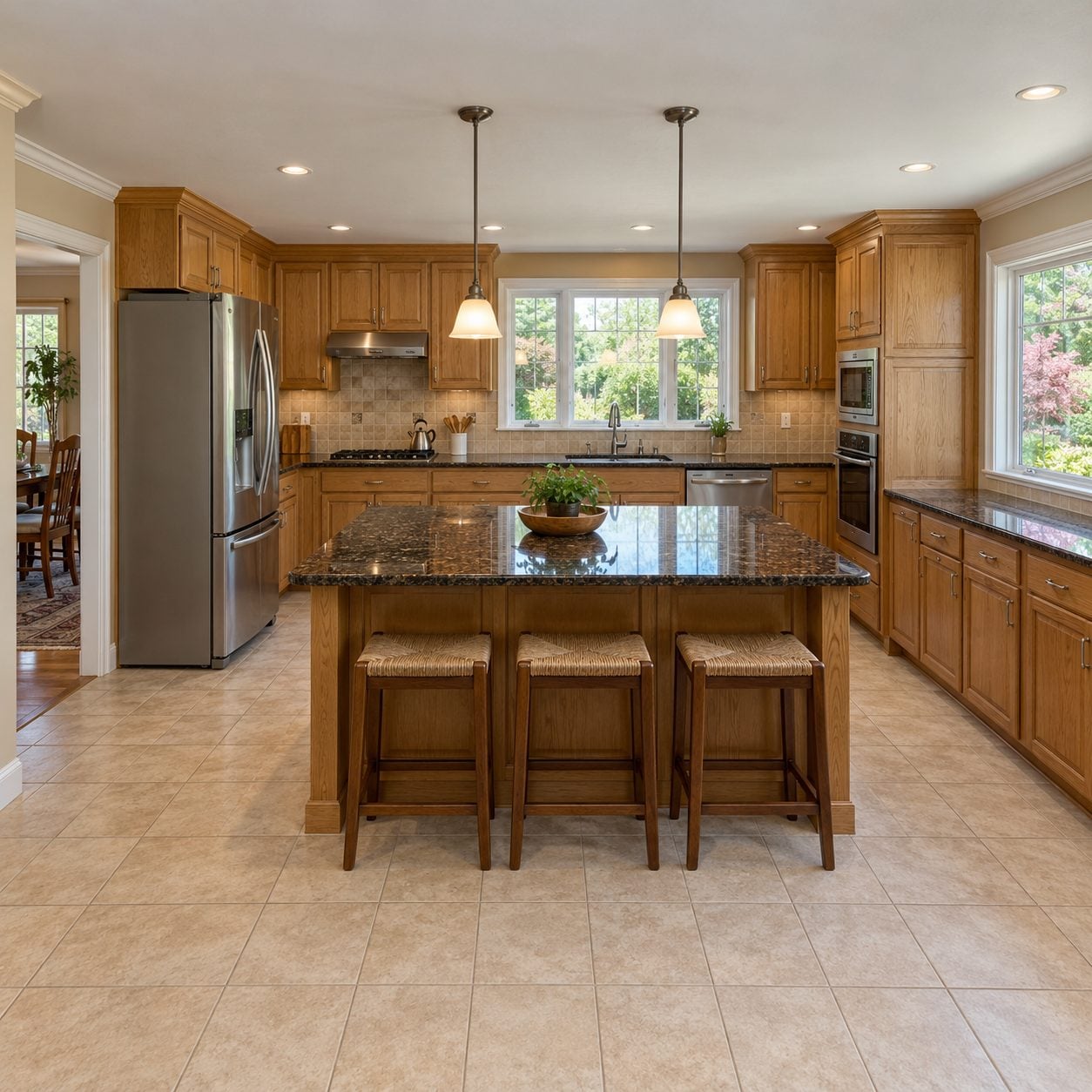
25. The Central Vacuum Toe-Kick Inlet Hiding Under the Cabinets
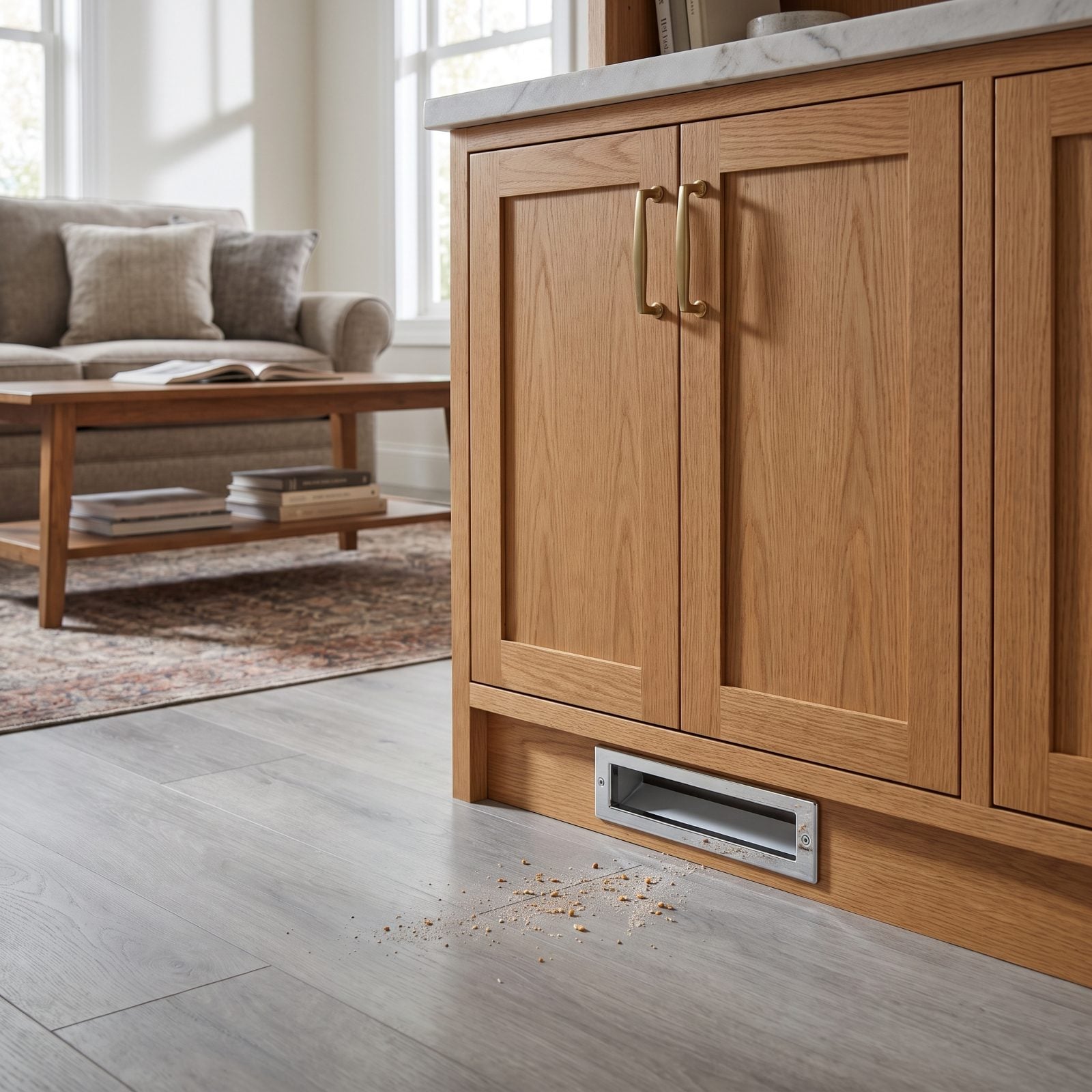
You sweep a pile of cereal toward the base of the cabinet, tap a slot with your foot, and it vanishes. No dustpan, no bending. That chrome slit at the toe-kick is the quiet payoff of a central vacuum system, and buyers who grew up chasing crumbs with a hand broom go a little weak when they see it.
In order to come up with the very specific design ideas, we create most designs with the assistance of state-of-the-art AI interior design software. Also, assume links that take you off the site are affiliate links such as links to Amazon. this means we may earn a commission if you buy something.
It reads as a home that was thought through. The appraiser notes the kitchen and moves on, but the buyer? They’re still thinking about that toe-kick at the dinner table that night.
24. A Hot-Water Recirculation Loop That Kills the Long Wait
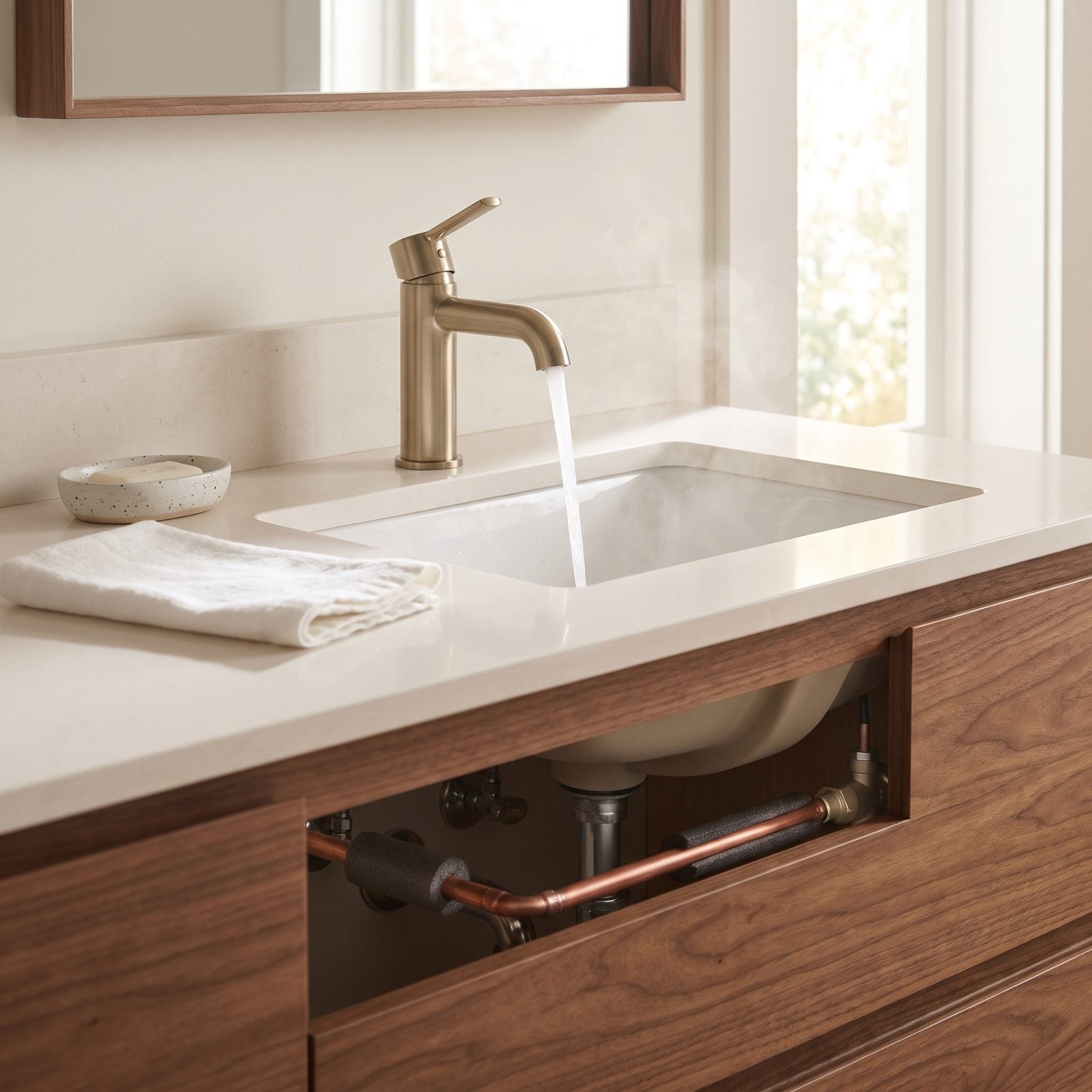
Standing at the faucet watching cold water run down the drain is a small daily insult. A recirculation loop keeps hot water moving through the pipes so it’s there almost the second you turn the tap. No long wait, no wasted gallons.
And here’s the part that lands: people who’ve lived with slow hot water never forget the morning they stop waiting. The appraisal sees a faucet. The buyer feels the mornings they’re about to get back.
23. A Whole-House Water Shutoff That Catches Leaks Before They Flood
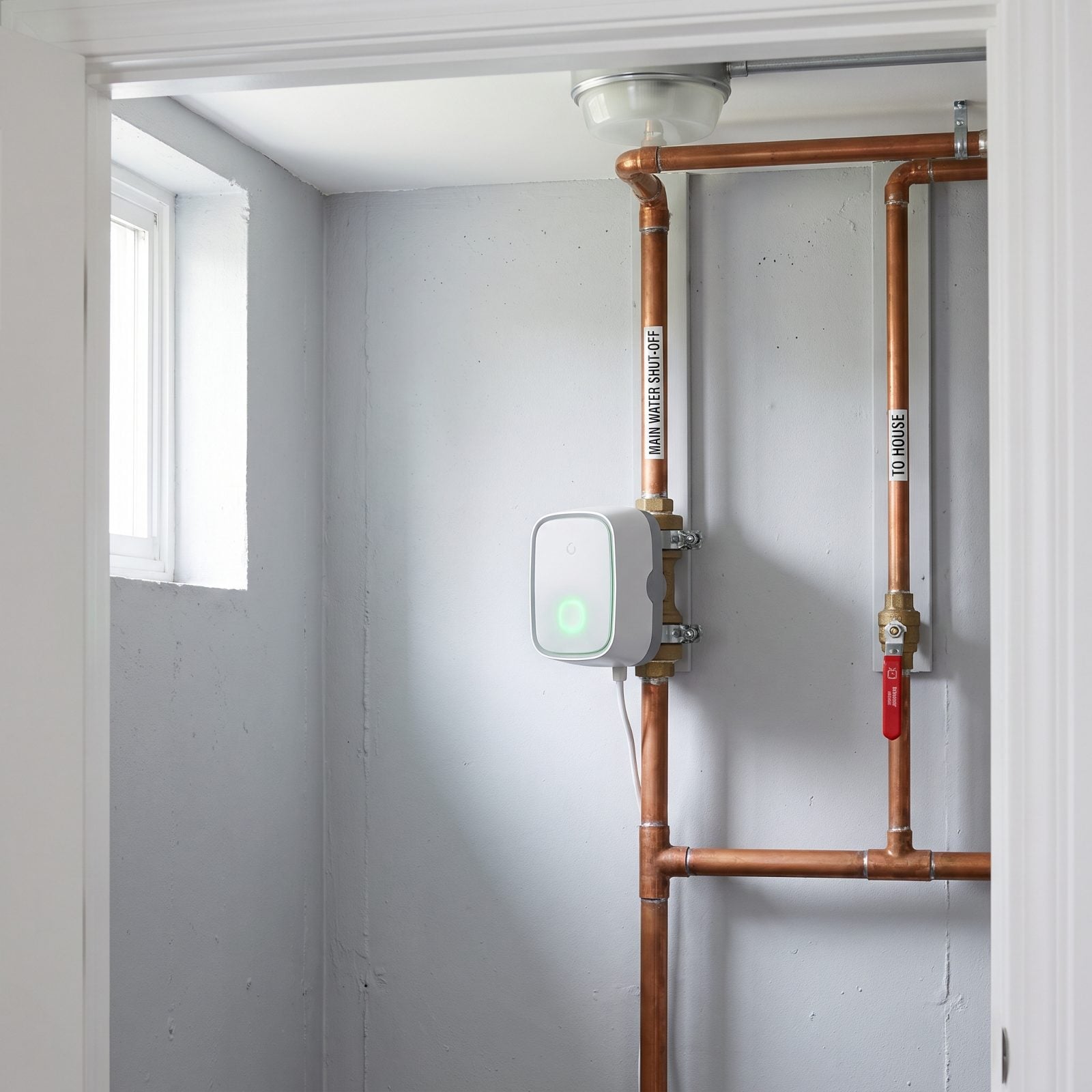
Picture coming home from a week away to a burst supply line and a ceiling on the floor. A whole-house shutoff makes that scene impossible. It watches flow, spots the pattern of a leak, and closes the valve before the damage spreads.
Buyers who’ve been through a flood get it instantly, and the ones who haven’t still feel the relief when it’s explained. An appraiser won’t give the valve a dollar. A nervous first-time buyer will give it their peace of mind.
22. Outlets Hidden Inside the Bathroom Vanity Drawers
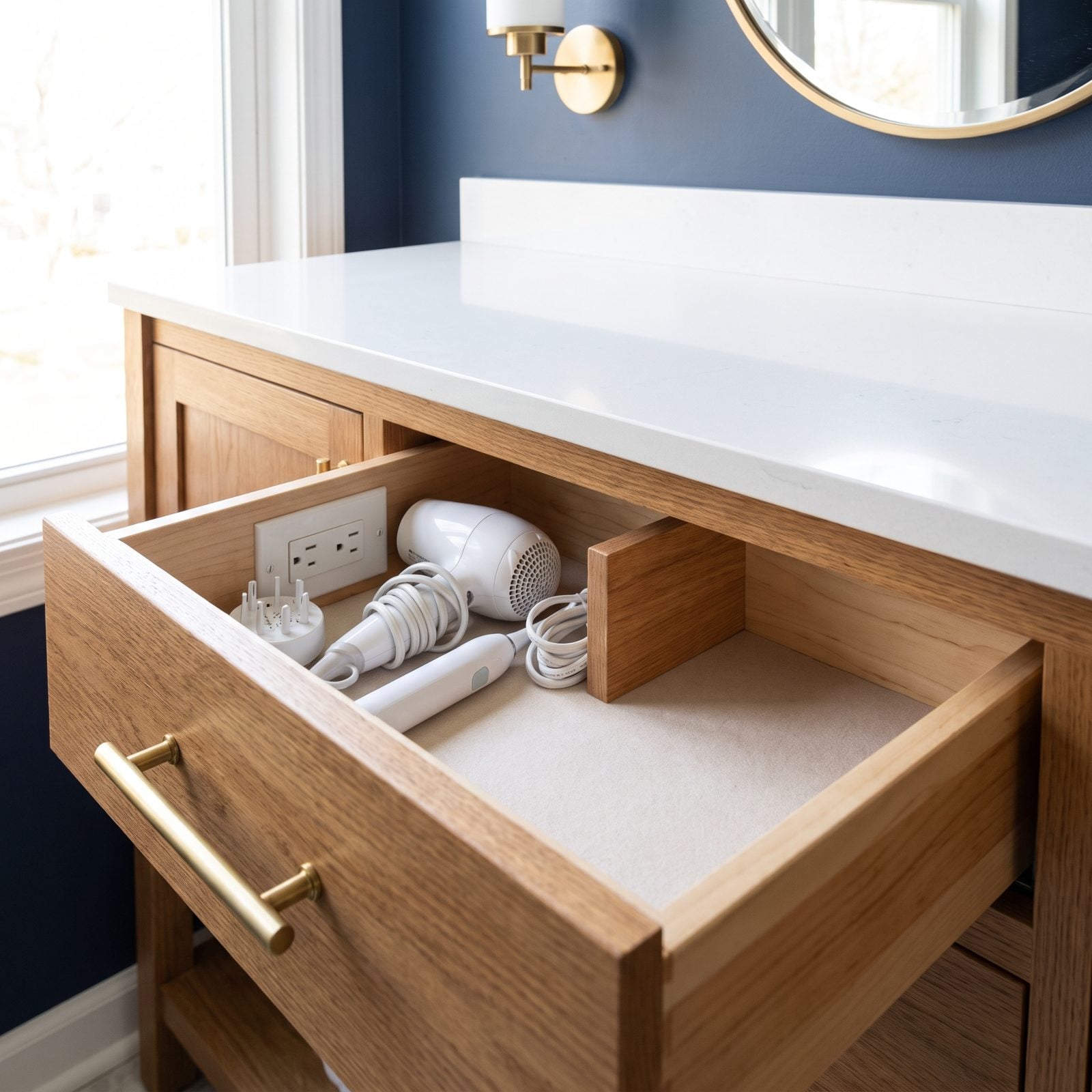
That clear countertop is the whole trick. Hair dryer, electric toothbrush, charger — all of it lives in a drawer with its own outlet, out of sight and ready to plug in. Open the drawer and the power’s already there. Close it and the counter looks like a hotel.
It signals a certain kind of care. Buyers notice clutter before they notice almost anything else, and a vanity that refuses to collect any feels calmer the moment they walk in.
21. Weatherproof Outlets Under the Eaves for Holiday Lights
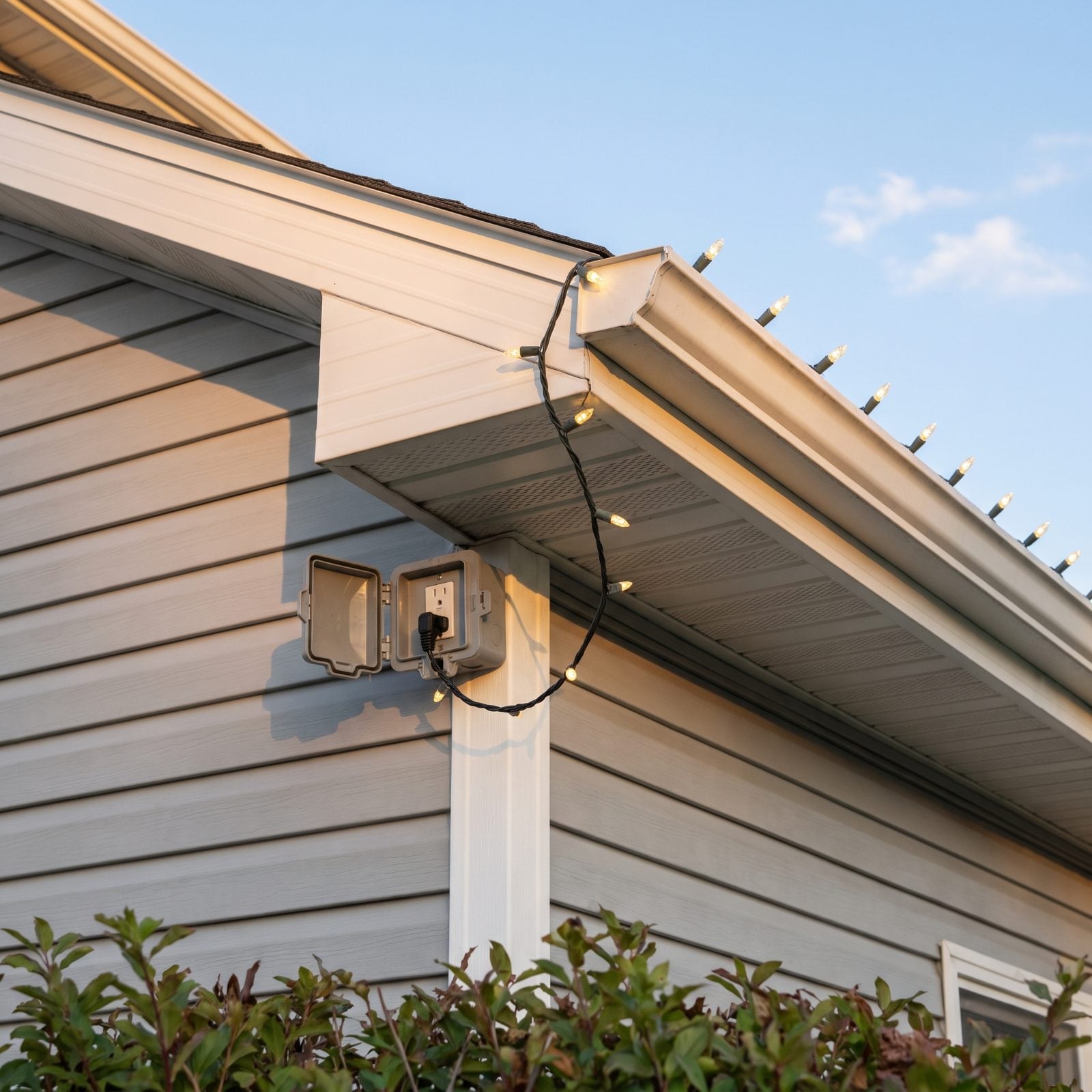
No ladder. No extension cord snaking out a cracked window in December. A weatherproof outlet tucked under the eave, ideally on a switch inside, turns the whole annual ordeal into flipping a light on.
Buyers picture the holidays the second they understand it. That’s the emotional play — a feature that sells a feeling about a season rather than a kilowatt.
20. An Exterior Hot-Water Tap for Dogs, Boots, and Muddy Gear
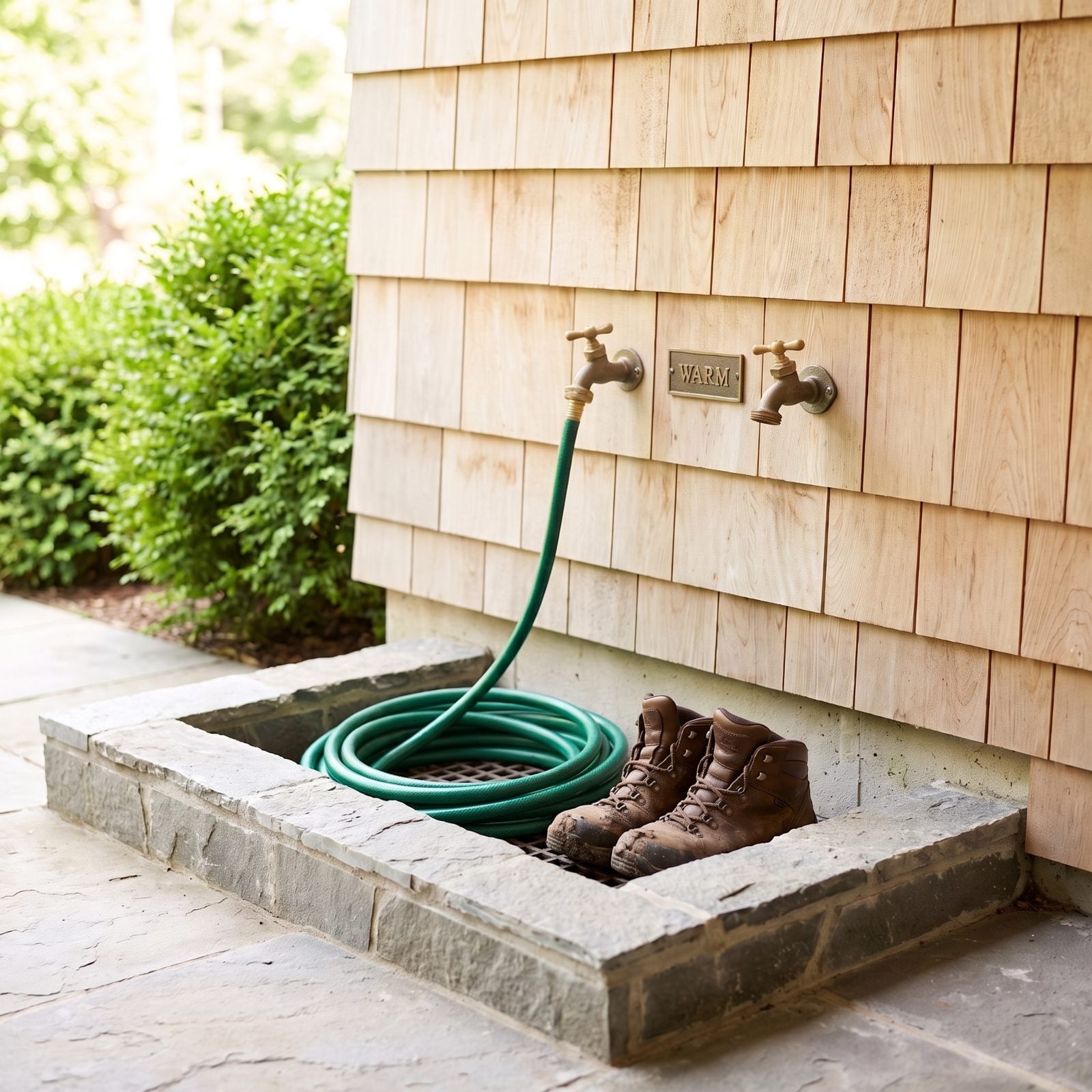
Anyone who has rinsed a muddy dog with a cold hose in April knows exactly why this matters. A hot-and-cold tap on an exterior wall means warm water for the dog, the boots, the kayak, the kids who found every puddle on the block.
It’s not glamorous. It’s the kind of thing a buyer with a retriever spots and immediately starts planning around. The report ignores it. The dog owner does not.
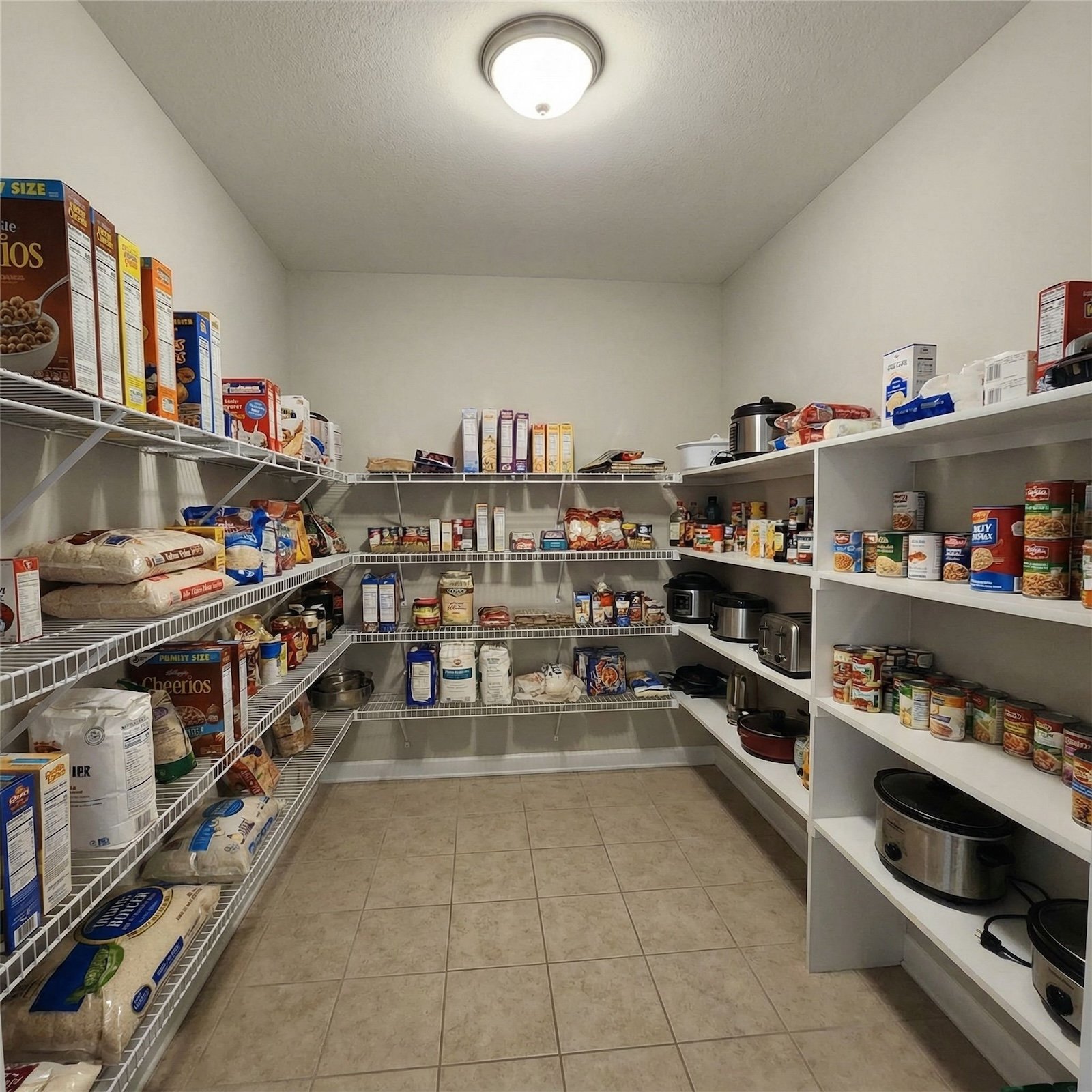
19. A Dedicated Freezer Outlet in the Garage or Pantry
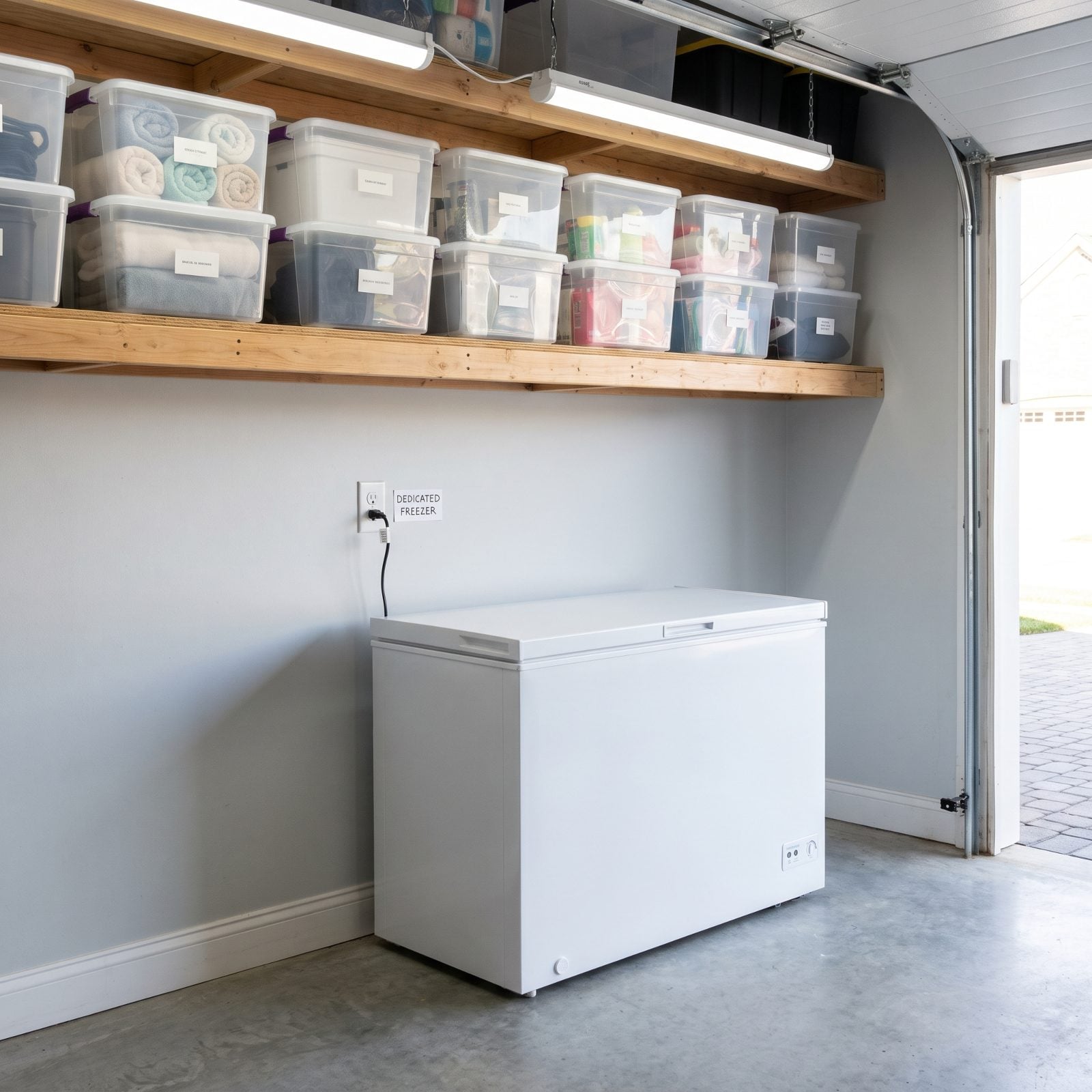
A freezer sharing a circuit with a power tool is a freezer waiting to quietly thaw while you’re on vacation. Put it on a dedicated outlet, its own breaker, and that garage freezer stays frozen no matter what else is running.
This one sells to the practical buyer — the one who keeps half a cow and a season of garden tomatoes downstairs. It whispers that someone here already thought about the stuff that actually goes wrong.
18. A Whole-House Surge Protector at the Electrical Panel
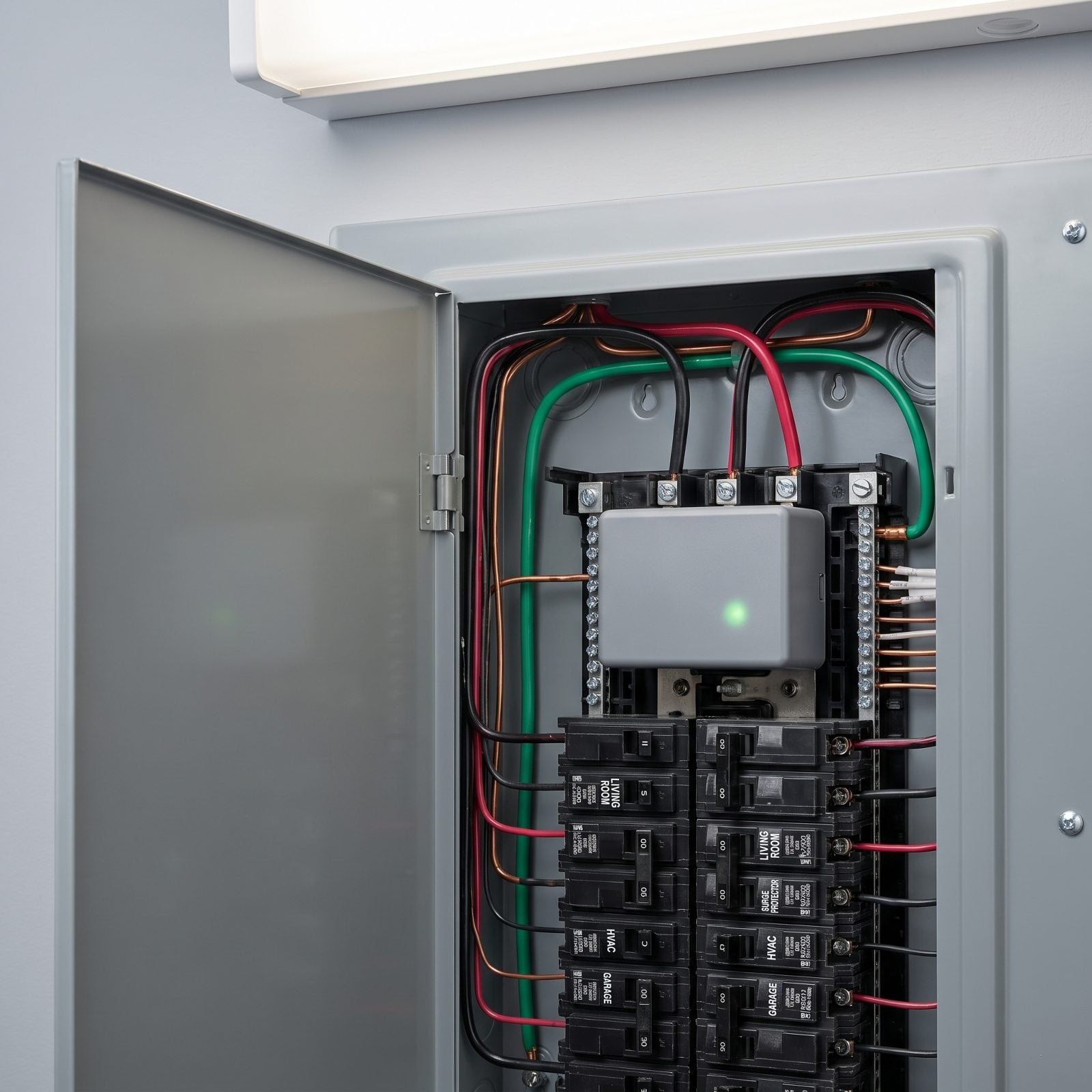
One lightning strike down the street, and the plug-in strip behind the TV does nothing useful. A surge protector mounted at the panel defends the whole house at once — the furnace board, the oven electronics, every appliance with a brain.
Buyers don’t always know it’s there until you point it out. Once you do, the math writes itself in their head: the box costs less than the refrigerator it protects.
17. A Generator Inlet and Transfer Switch Ready for an Outage

Say the power drops for three days after a storm. One house runs extension cords through a window to a space heater. The other plugs a generator into a proper inlet, flips the transfer switch, and keeps the fridge, the furnace, and the well pump alive.
Buyers in storm country understand this at a cellular level. The feature barely nudges the appraised number. It absolutely moves the person who’s sat in the dark before.
16. Ethernet Ports Wired Straight Into the Rooms You Live In
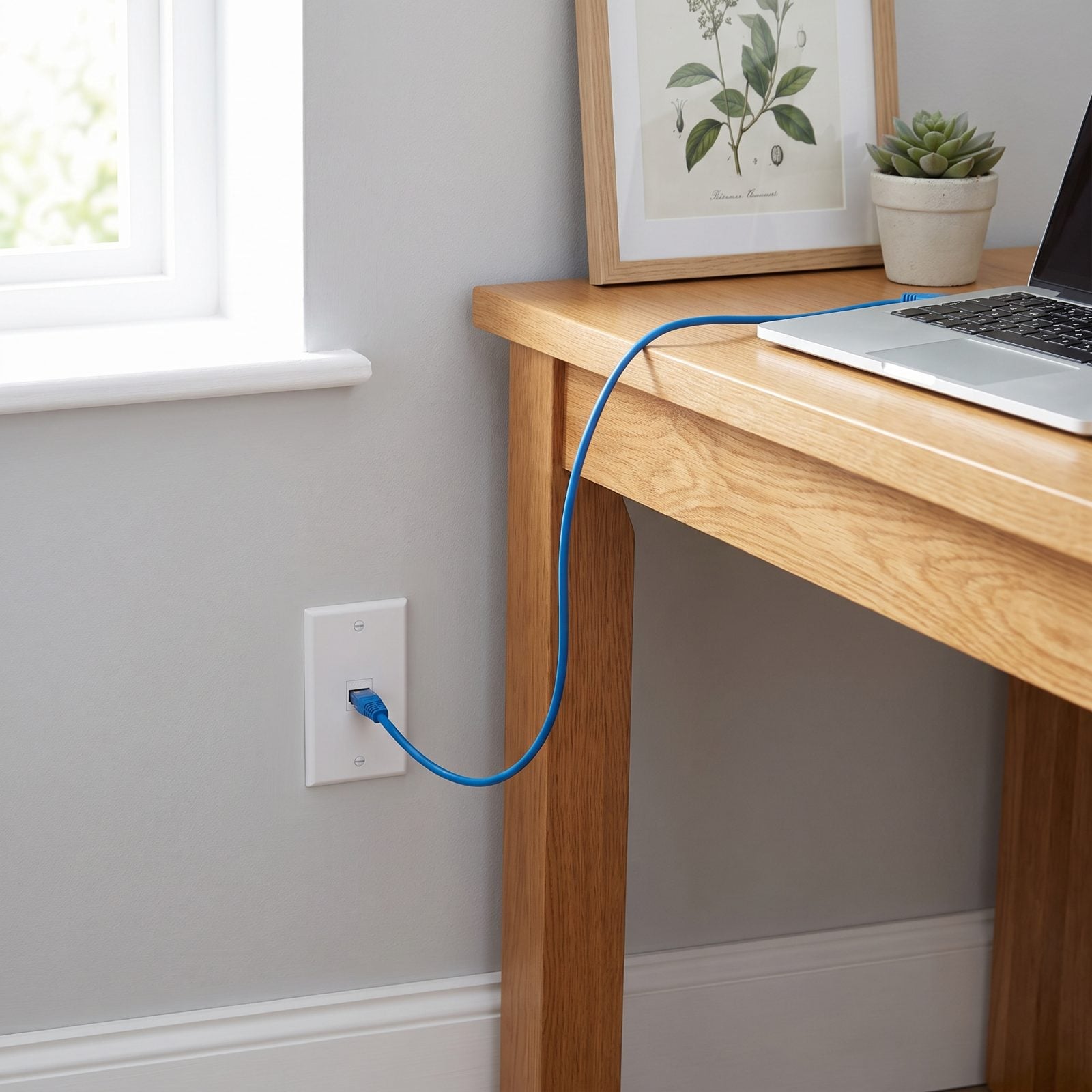
Wi-Fi is fine until the video call freezes mid-sentence and you’re wandering the house holding your laptop up like a torch, begging for one more bar. A hardwired ethernet port in the office, the living room, wherever the work actually happens, ends that. Stable, fast, no drama.
Remote work turned this from a tech-nerd luxury into something buyers now hunt for. Invisible on the report, front of mind for anyone who takes calls from home. It’s wiring that quietly answers a question before the buyer thinks to ask it, much like the practical layout of a well-planned victorian home office.
15. A Dedicated Dehumidifier Wired Into the Home’s HVAC System
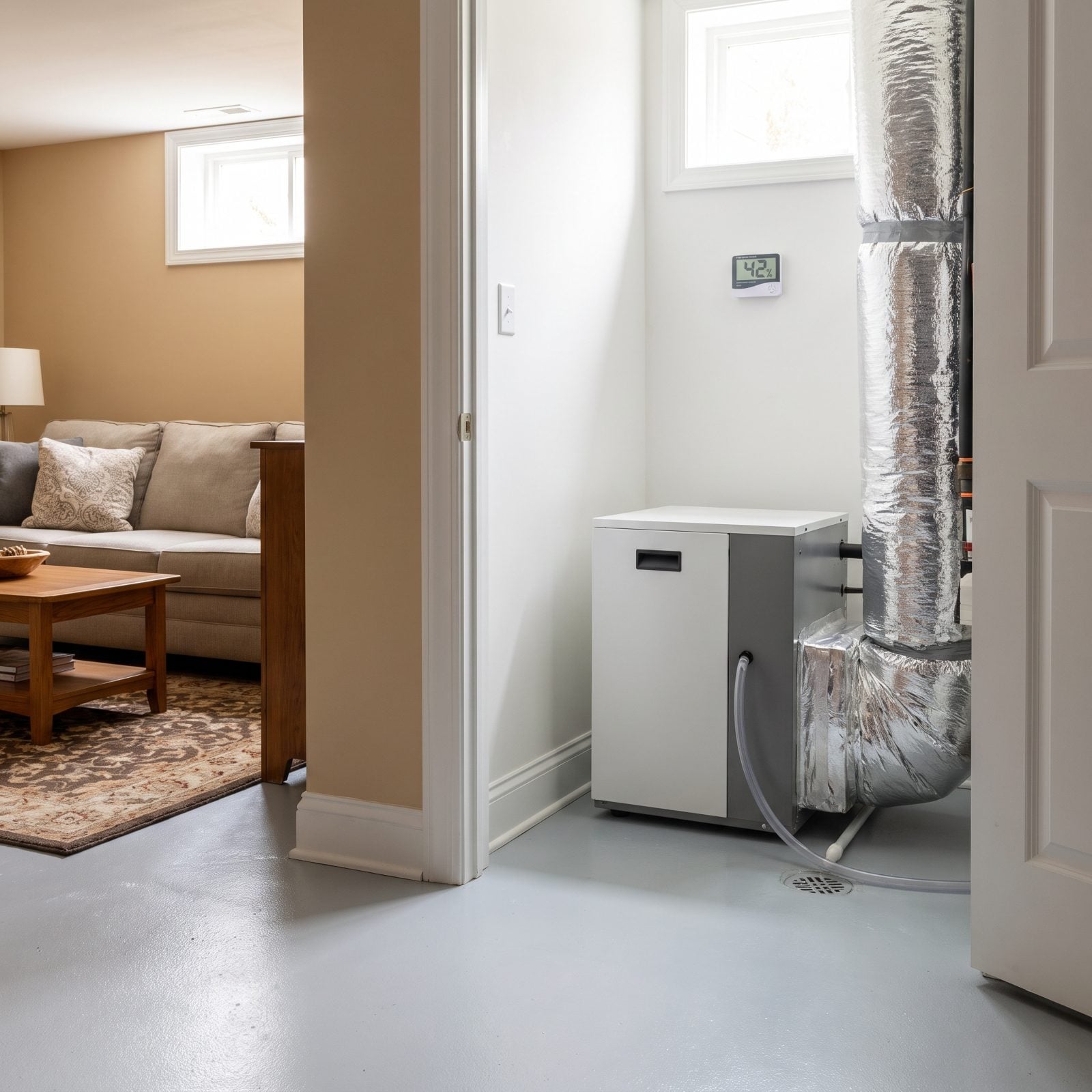
Humidity is the thing nobody mentions until it ruins something. Warped hardwood, musty closets, that damp smell in the basement no candle ever covers. A dehumidifier tied straight into the ductwork handles it before you ever notice a problem.
Buyers feel the difference the second they walk in. The air just sits right — nothing clammy, nothing stale. They can’t always name it, but dry, well-balanced air reads to the body as a house that’s been looked after.
14. A Whole-House Water Filtration System With an Easy-Reach Filter Station

Most filtration systems get stuffed into the worst corner of the basement — behind the furnace, reachable only by a contortionist with a flashlight. This one sits at waist height with the spare cartridge on the shelf right next to it.
That accessibility matters more than the filtration itself. A buyer who sees a shutoff valve, pressure gauges, and a filter they can actually swap understands something true: whoever lived here handled their own maintenance and wasn’t hiding anything.
13. An EV Charger Already Mounted Beside the Parking Spot
🔥 Would you like to save this?
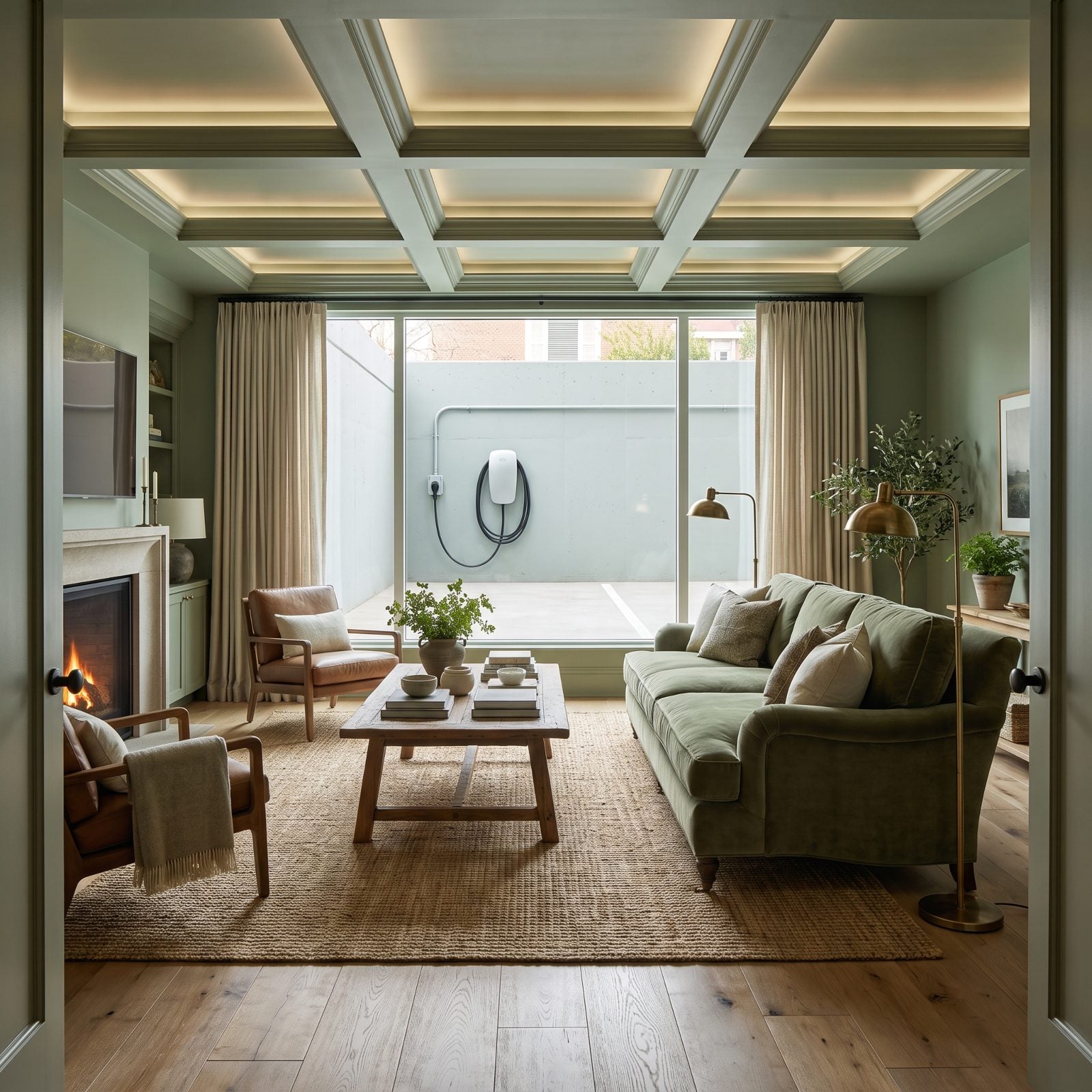
Here’s the math buyers run in their heads: an electrician visit, a permit, a panel check, a few weeks of waiting, and a bill that lands somewhere uncomfortable. Or a charger already bolted to the wall with the cable coiled and ready. One of those feels like a project. The other feels like a gift.
The appraisal sheet treats this as a footnote, if it notes it at all. But the buyer who drives an electric car treats it as the reason they’re writing the offer.
12. Smart Switches That Still Work Like Regular Switches

The dirty secret of smart homes? Half of them punish house guests. You flip a switch and nothing happens, because the light now lives inside an app on someone else’s phone.
Good smart switches skip all that. They dim and turn on from the wall the way a switch has worked since the 1880s, and the app sits there only if you want it. Grandma can use them. The dog walker can use them. Nobody has to download anything.
That’s the version buyers want — intelligence that’s optional, not a tollbooth.
11. A Smart Thermostat That Reads Individual Rooms

Every house has that one room — too cold in winter, baking in summer, forever losing the fight with a thermostat downstairs that has no idea the bedroom exists.
Room sensors settle the oldest argument in the house. Instead of heating an empty hallway, the system starts caring about where people actually sleep and work.
10. A Soundproofed Home Office Behind a Solid-Core Door
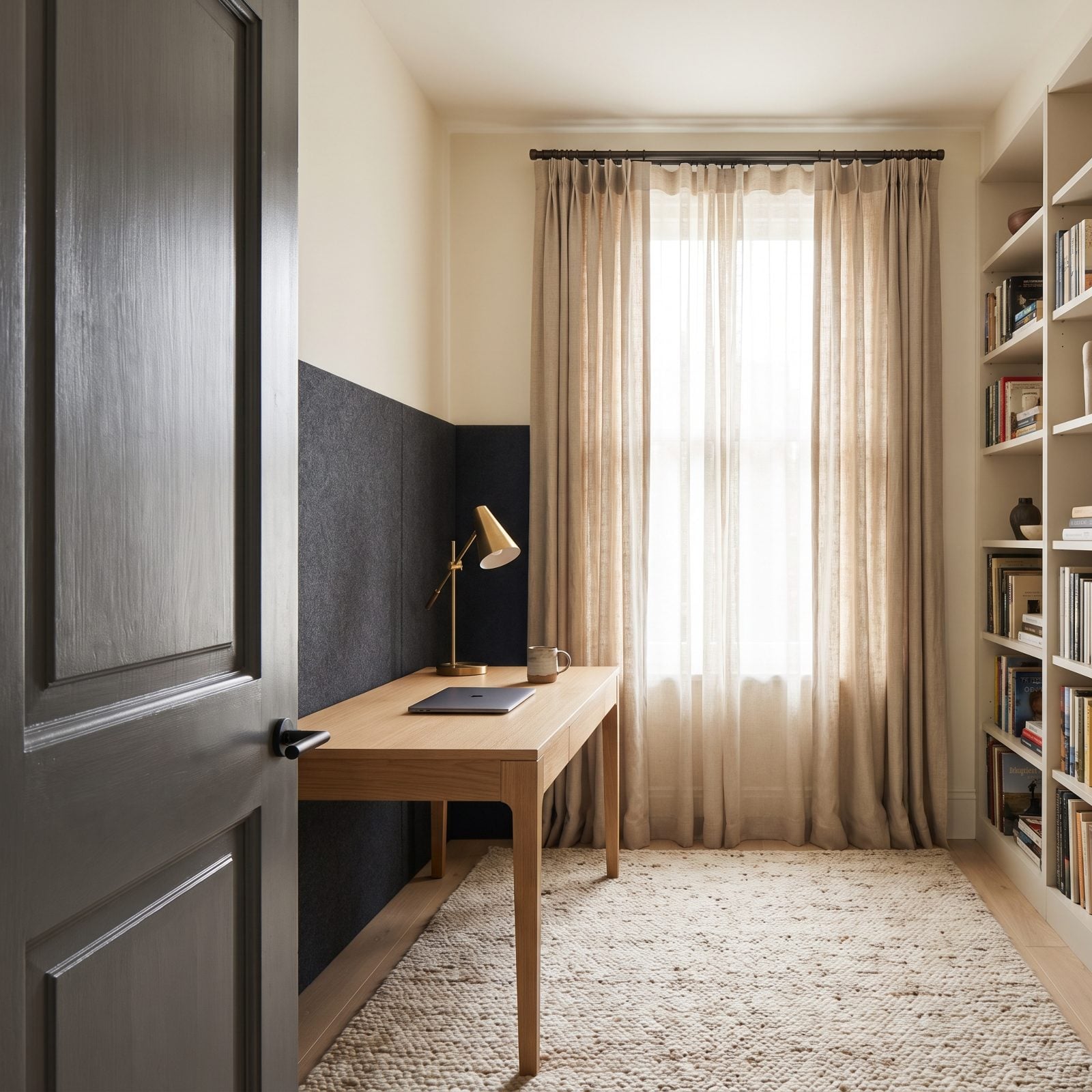
A hollow-core door is a sheet of cardboard with a knob. You can hear a conversation through it, a lawnmower through it, a dishwasher running two rooms away. For an office, it’s useless.
Swap in a solid-core door, seal the gaps, add a felt panel and a wool rug, and the room goes still. Calls stay in the room. The street stays outside. That stillness is what makes a good victorian home office actually work, and buyers who work from home will pay real money to skip building it themselves.
Knock on the door before you buy the house. The sound it makes tells you everything.
9. A Charging Drawer That Swallows Phones, Tablets and Cords
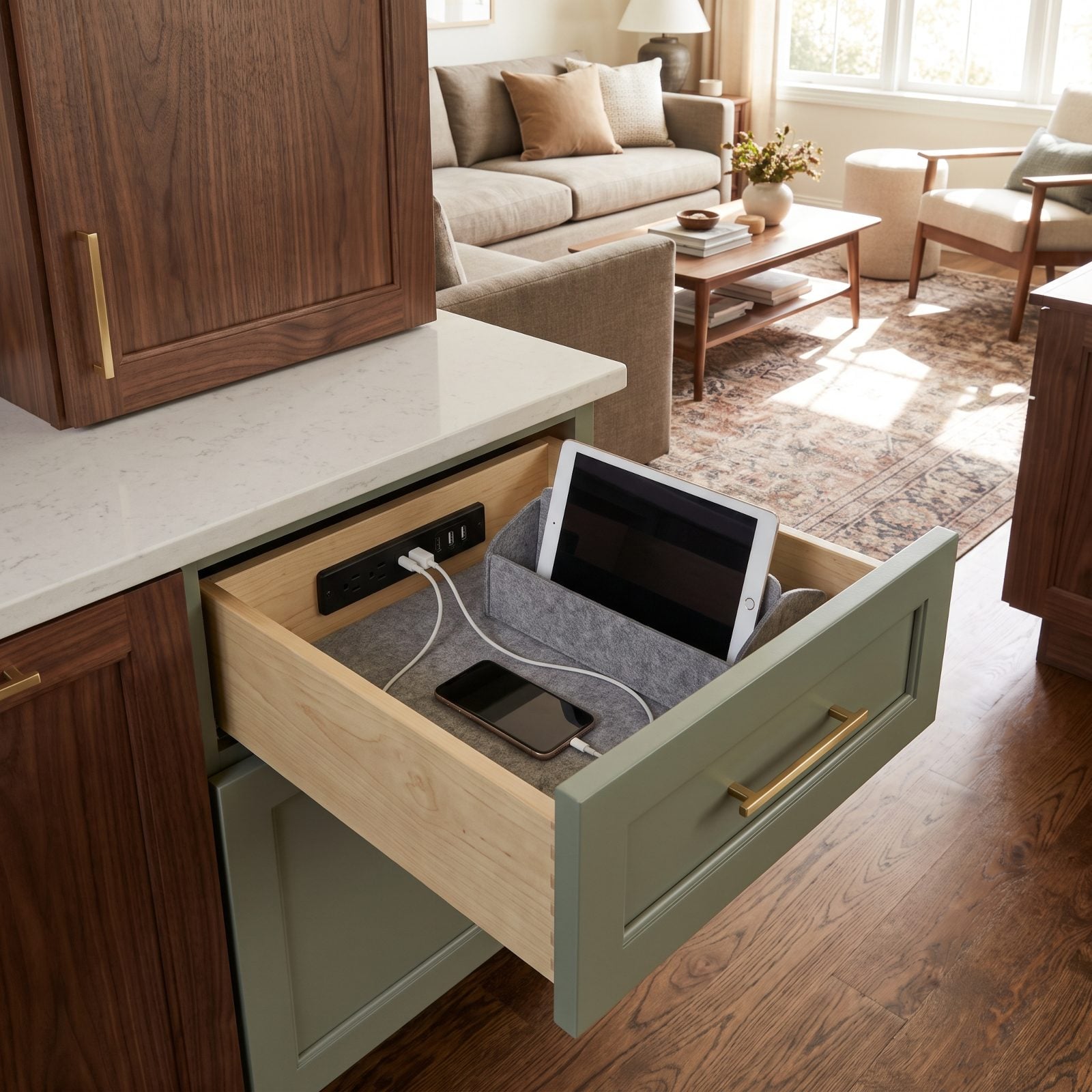
The counter near the back door is where cords go to die. Three chargers — two for devices nobody owns anymore — all tangled, all visible, all adding low-grade chaos to the first thing you see when you walk in.
A charging drawer eats the whole mess. Power strip mounted inside, felt lining, phones standing upright and out of sight. You close the drawer and the clutter disappears.
It’s a small thing. Small things are what make a house feel calm.
8. An Appliance Garage That Keeps Daily Gadgets Plugged In
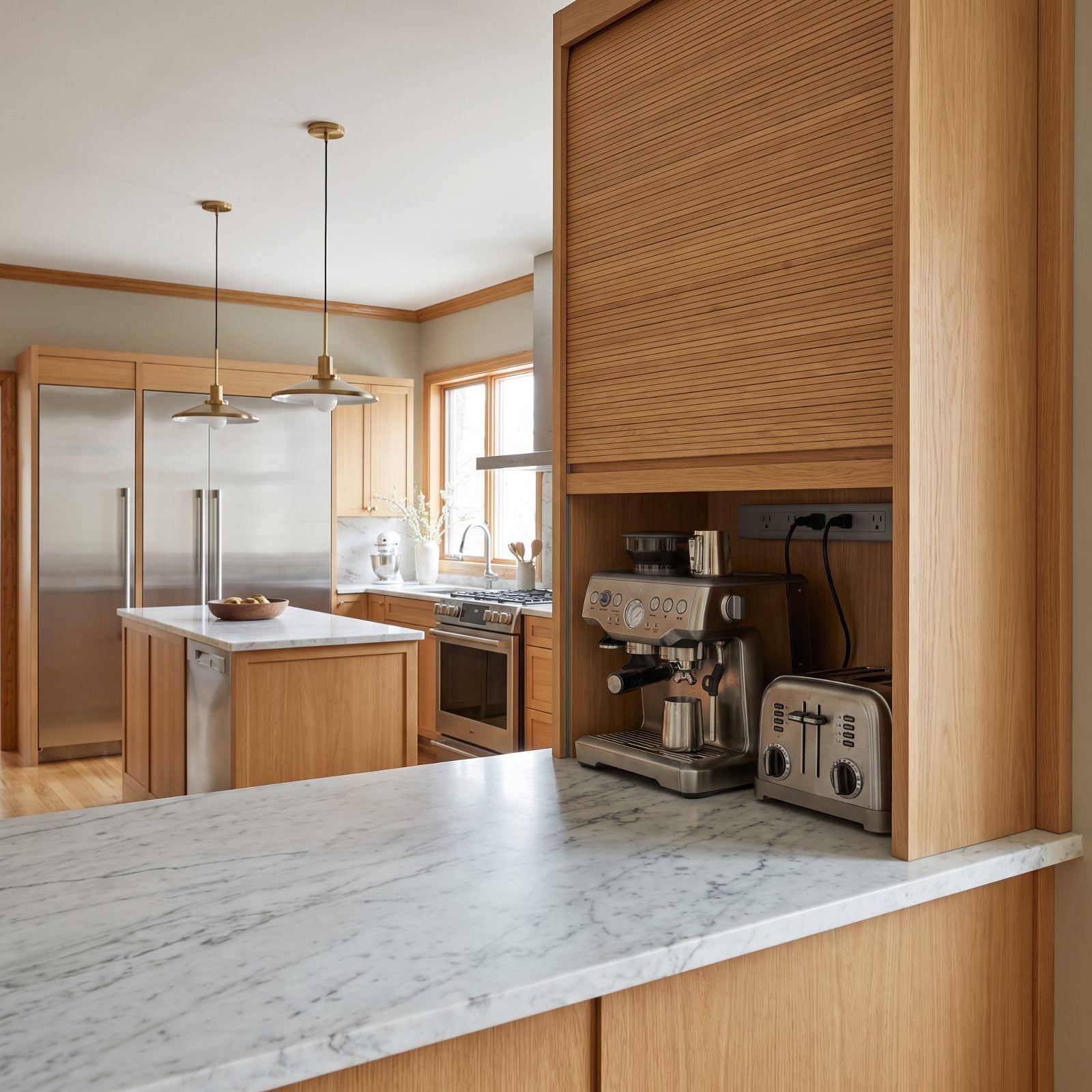
The espresso machine, the toaster, the stand mixer. They earn their counter space, but they also crowd it, and wiping around them every single morning gets old fast.
An appliance garage is a cabinet that keeps all of it plugged in, powered, and hidden behind a roll-up door. Lift the door, pull the coffee, lower the door. The counter stays clean the rest of the day while the rectangular kitchen layout keeps the sightlines open. Buyers who cook spot this before they ever notice the backsplash.
7. Deep Drawers That Retire the Hard-to-Reach Lower Cabinet
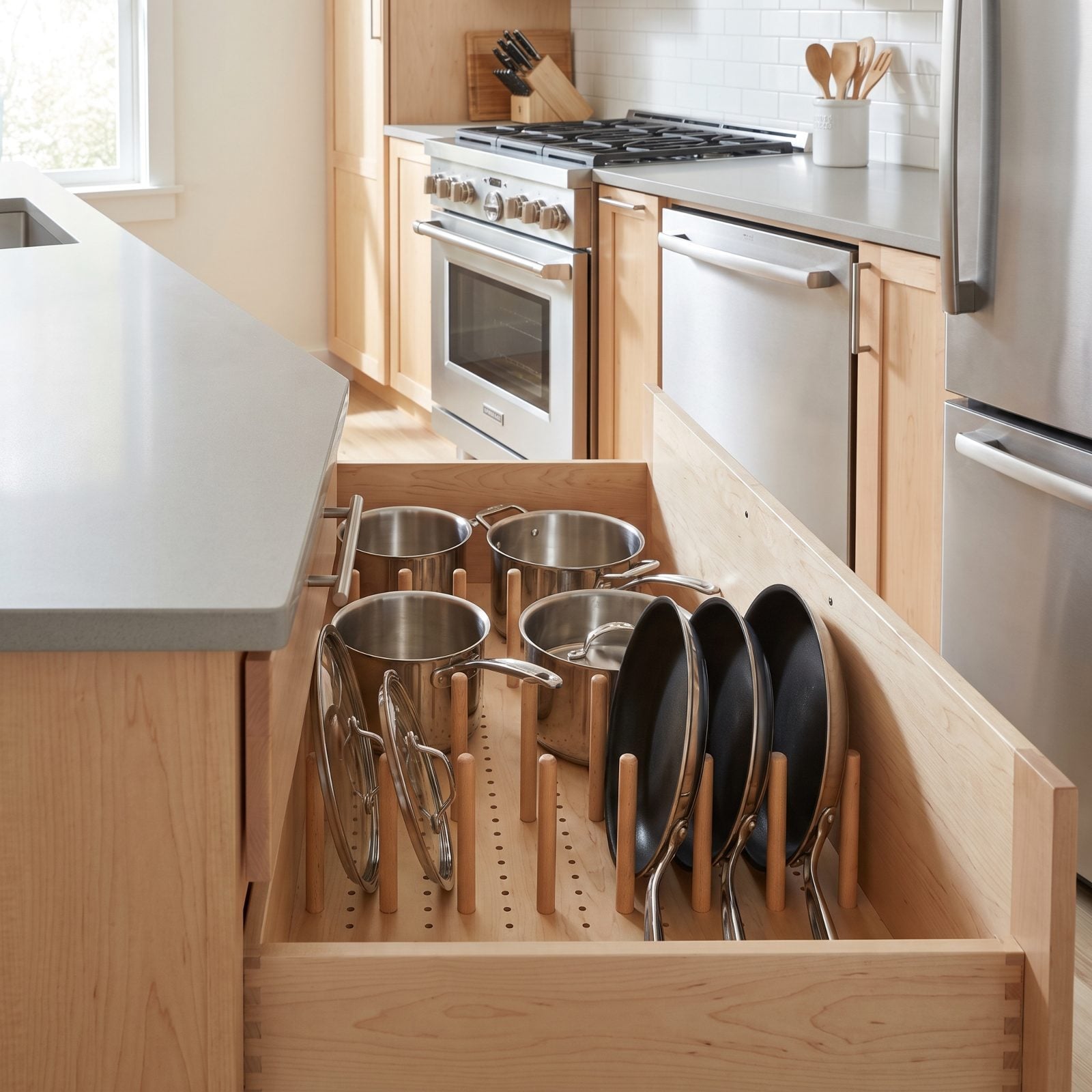
Nobody misses the lower cabinet — the one where pots go to hide, where you crouch on the kitchen floor and reach blindly past the stockpot for the lid you need, where half the real estate is wasted because your arm doesn’t bend that way.
Deep drawers end the crouching. Everything rolls out to meet you: pots standing upright, lids slotted into wooden pegs, all of it visible at a glance. Live with that for a month and standard lower cabinets start to feel like a design mistake somebody forgot to fix.
6. A Pull-Out Trash and Recycling Center Tucked Into the Cabinetry
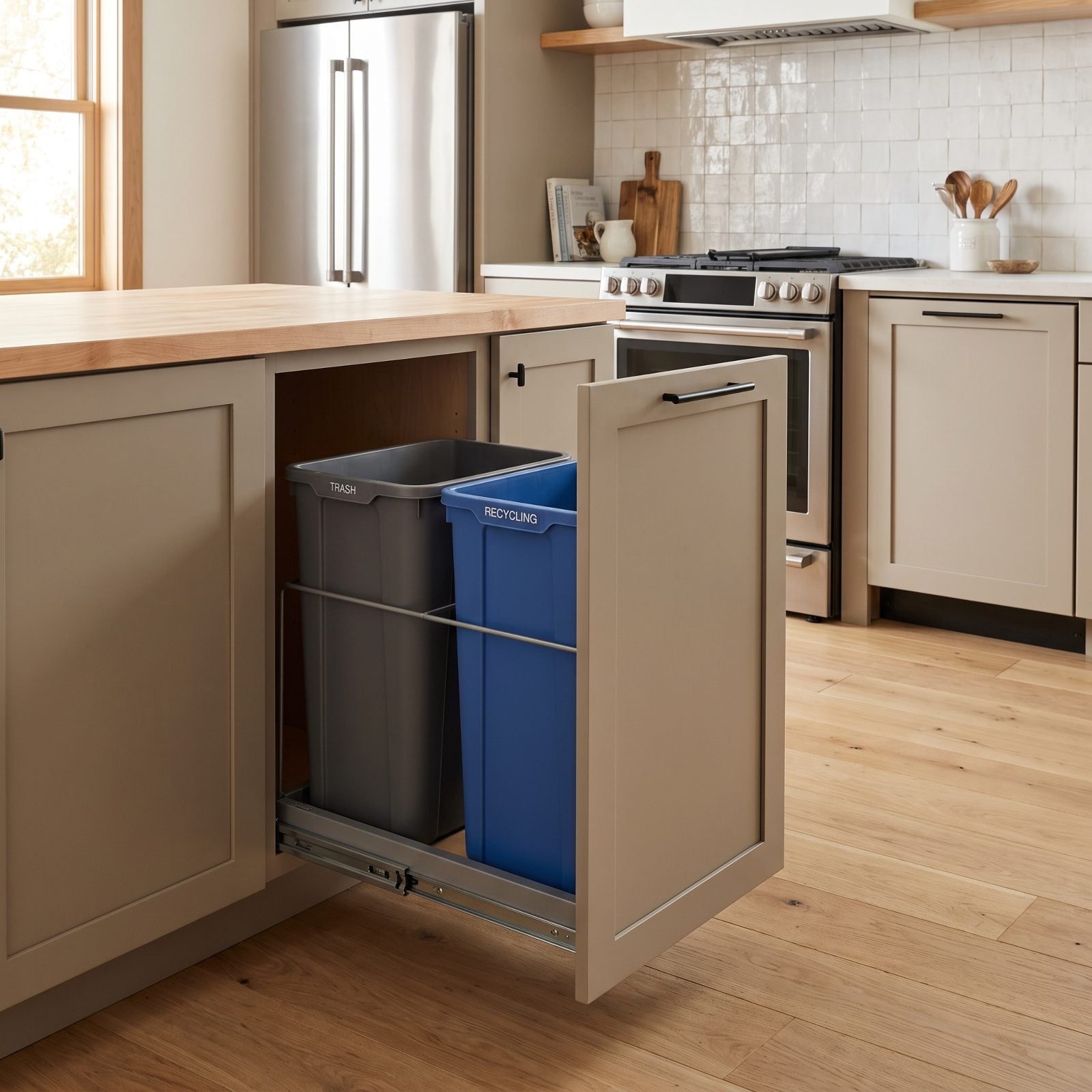
A standing trash can is the ugliest thing in most kitchens, and it’s usually parked right where you walk — visible, smelly on a bad day, kicked every time someone opens the oven.
Build it into a pull-out and the whole problem vanishes behind a cabinet front. Trash on one side, recycling on the other, both sliding out when you need them and gone when you don’t.
Buyers rarely admit out loud that a hidden bin sold them on a kitchen. But stand one person in front of a freestanding can and another in front of a tidy pull-out, then watch which kitchen they picture themselves living in. The cabinet front wins every time.
5. Under-Cabinet Lighting That Washes the Whole Counter in Light

Overhead lights throw your own shadow across the countertop. Under-cabinet strips fix that in one move, laying light down flat where you actually set things down.
The run here reads as one clean, crisp band because it’s cool white LED behind a thin diffuser instead of a row of visible dots. Buyers walk in at dusk, the counter glows, and something in them relaxes before they can explain why.
4. A Laundry Sink Deep Enough to Actually Soak Something
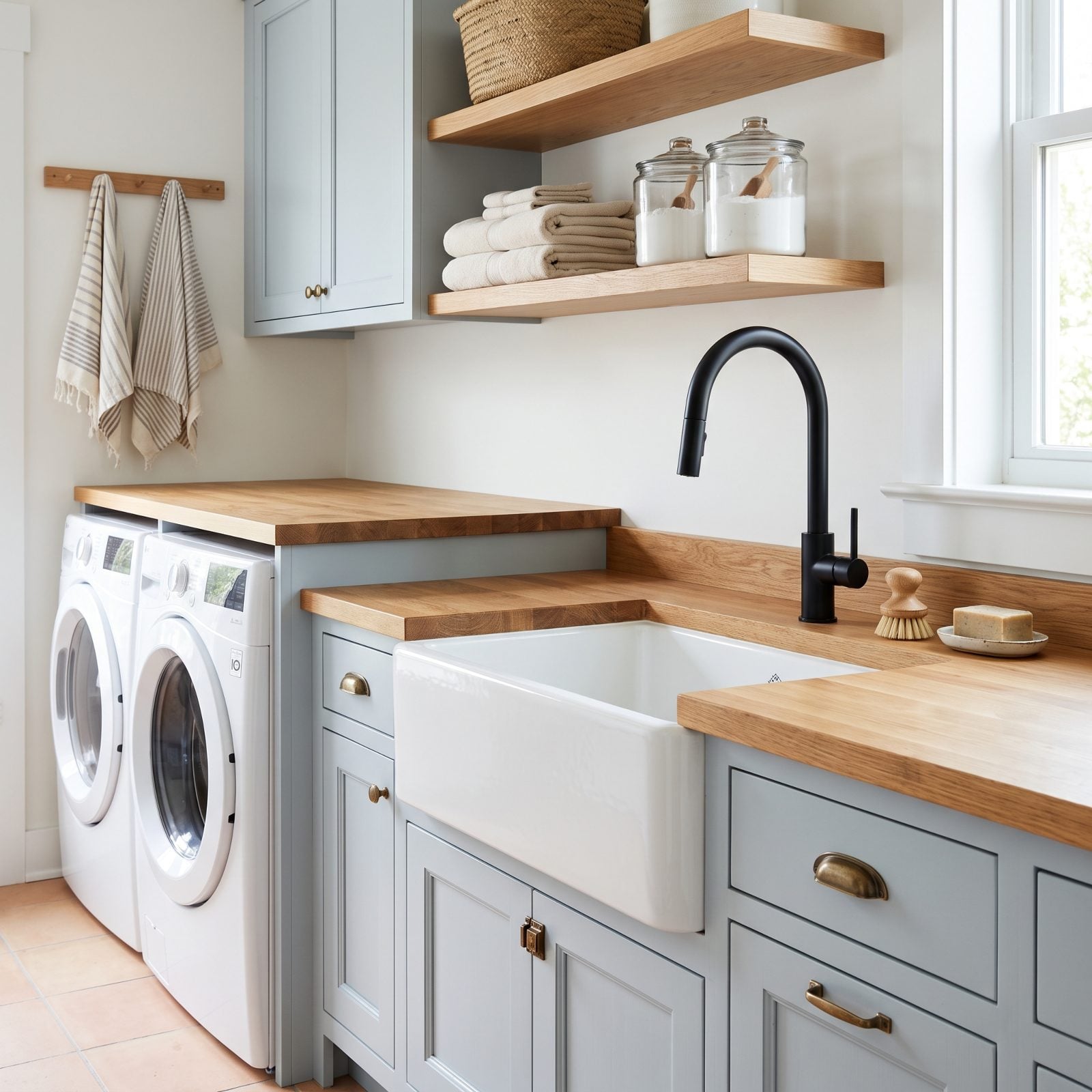
A shallow laundry sink is almost worse than none. You can’t soak a stained shirt, rinse a mop, or fill a bucket without slopping water down the cabinet fronts.
This deep fireclay basin changes what the whole room is for. Muddy cleats, paint rollers, the bucket for washing the car — all of it has somewhere to go now. Add a matte black gooseneck faucet and the blue-gray laundry room stops being a closet you hide and becomes a room that pulls its weight. No appraiser gives it a line. But it’s the thing a buyer remembers at 2am when they can’t fall back asleep.
3. Blackout Shades Fitted Flush Inside the Window Frame
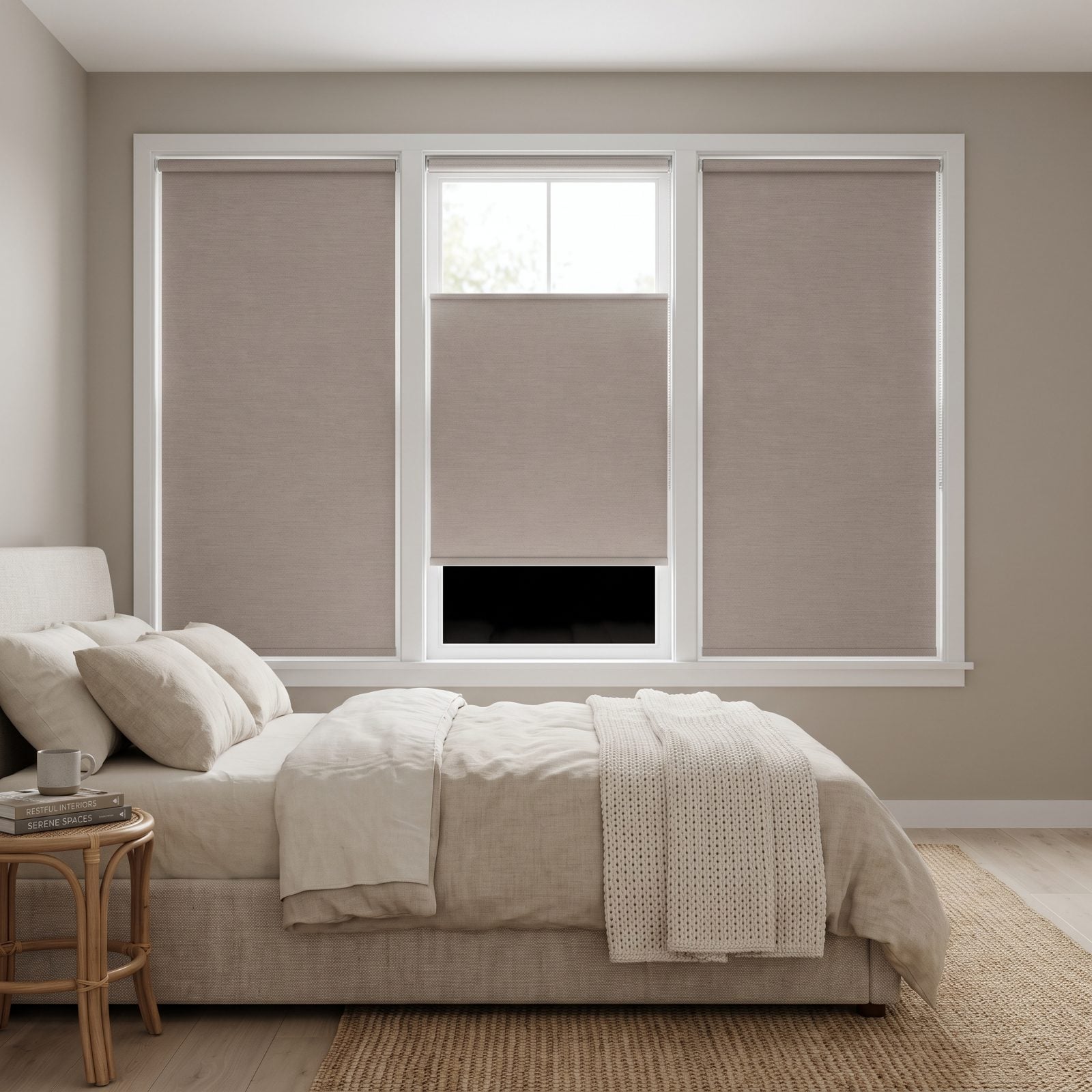
Cheap curtains leak light down both sides and across the top. You’ve slept in that room — the glowing halo around a thin panel at 5am in June, the one that wakes you an hour too early.
Shades fitted inside the window reveal, tight to the side edges, kill that halo. The center one here is lowered from the top to let daylight in above; close it fully and the room goes genuinely dark.
It’s a small spend that touches sleep every single night, and sleep is the one thing a buyer never negotiates away. The beds here stay low and soft so the shades carry the room.
2. A Recessed Shower Niche Built for Full-Size Bottles

Builder niches are often a joke. Four inches deep, good for a travel-size bottle and nothing else, so your real shampoo ends up balanced on the floor where it falls on your foot.
Size the niche for full-size bottles and you’ve made a tiny structural decision with outsized daily payoff. Line it in a sage green zellige tile, frame it in brass, and it reads deliberate rather than accidental.
1. Floored Attic Storage Behind a Real Pull-Down Stair
🔥 Would you like to save this?
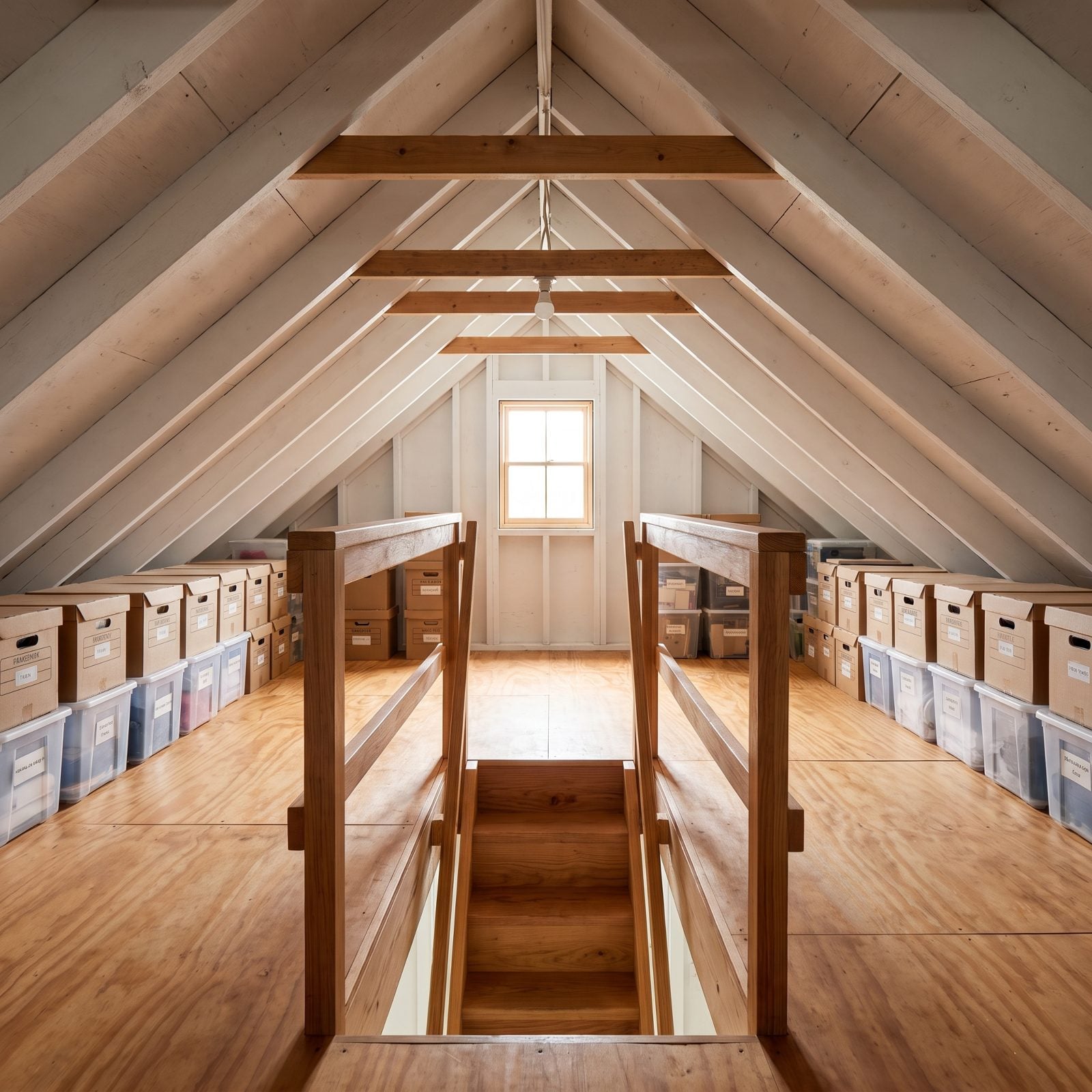
Most attics are a flashlight, a ladder, and a prayer you don’t put a foot through the ceiling. A proper pull-down stair and a plywood floor turn that dead zone into real storage.
Now the holiday bins, the suitcases, the stuff you can’t part with but never touch — all of it has a home that isn’t the garage or the spare room. And buyers do the math on the spot: more usable space, same footprint.
It never shows up as its own line on an appraisal. Doesn’t matter. This is the kind of practical generosity that makes a house feel like it was built by someone who’d actually lived in one.