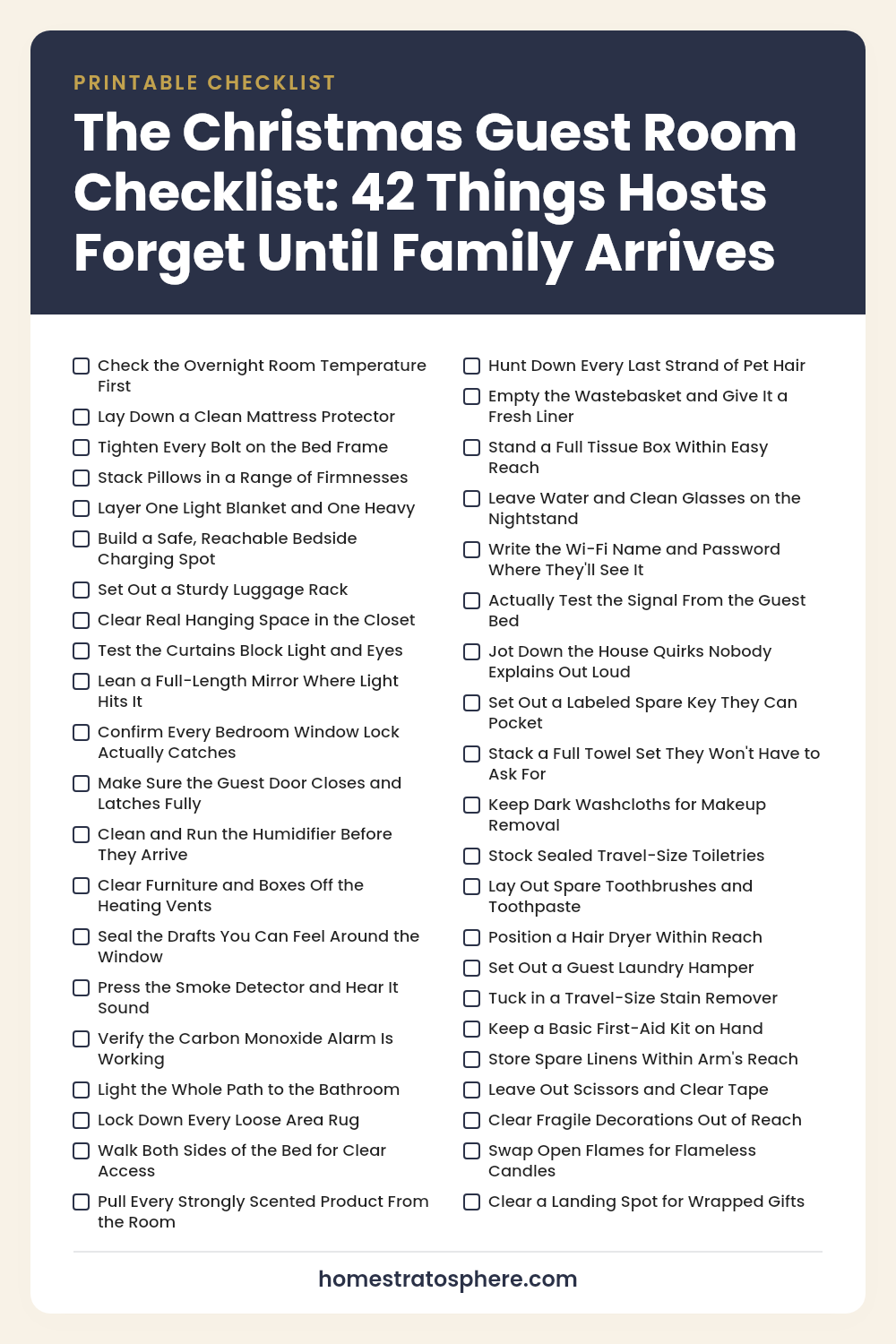

The guest room is where good intentions go to hide. You shut the door in March and open it again in December to find a single flat pillow, a wobbly bed frame, and a space heater you forgot you owned. Your family will be too polite to complain. But a cold room, a sagging mattress, and nowhere to set a suitcase add up to a rough night and a houseful of tired, cranky relatives the next morning. Work through these checks now, while there’s still time to fix them.
42. Check the Overnight Room Temperature First

A room that feels fine at 8pm with the lamps on can turn into a meat locker by 3am. Guest rooms sit farthest from the thermostat and get heat last, so the number on your hallway dial lies to you. Set up a cheap thermometer on the nightstand and actually sleep in there one night — or at least leave the door closed overnight and check the reading in the morning. Most people sleep best somewhere in the low-to-mid sixties.
In order to come up with the very specific design ideas, we create most designs with the assistance of state-of-the-art AI interior design software. Also, assume links that take you off the site are affiliate links such as links to Amazon. this means we may earn a commission if you buy something.
Drafts are what hosts miss. Hold the back of your hand near the window frame and the closet wall, and if you feel a cold ribbon of air, that’s weatherstripping or a rolled towel at the sill, not a reason to crank the furnace.
41. Lay Down a Clean Mattress Protector

Strip the bed and look at the mattress. A yellowed ring, a musty smell, or the simple fact that you can’t remember the last time anyone slept there — guests catch all of it the second they lie down. A washable quilted protector fixes the whole situation in five minutes.
Go for a fitted, zippered or deep-pocket cotton protector, not the crinkly plastic kind that sounds like a bag of chips every time someone rolls over. Wash it, dry it fully, and put it on before the sheets so the bed smells like laundry instead of storage.
40. Tighten Every Bolt on the Bed Frame
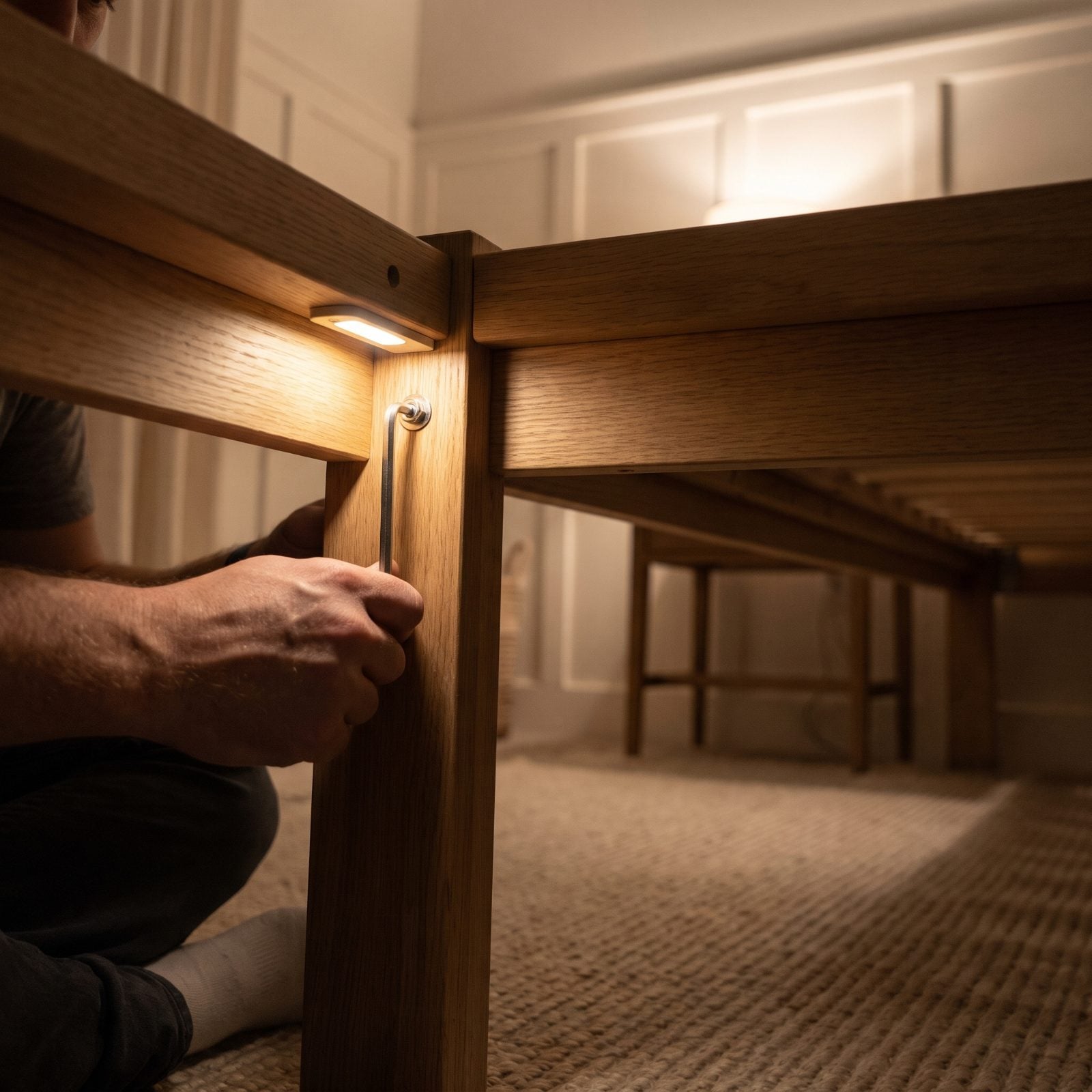
Nothing announces a neglected guest room like a bed that squeaks and shifts every time someone turns over. Bolts loosen on their own over months of nobody touching them, and a frame that rocks will slowly chew up the rail brackets until it fails outright.
Grab the headboard with both hands and give it a firm wiggle. Any play, any creak? Time for the allen wrench. Go corner to corner and snug every bolt, then re-check the center support slat — that’s the one that quietly gives out under weight.
Quick test: Sit on the edge and bounce once. Silence is the goal. A grinding sound means a bolt is still loose or a washer is missing.
39. Stack Pillows in a Range of Firmnesses

This is the one most people get wrong. Two identical pillows go on the bed, job done — except a side sleeper needs a tall, firm pillow to fill the gap at the neck, and a stomach sleeper wants something nearly flat or they wake up with a cricked spine. One pillow type can’t serve a whole family.
Put out two firm and two soft, all in clean cases, and your guest picks what works without having to ask. For light bed ideas that stay practical, keep the extras in one neat stack on a bench or chair at the foot of the bed so it doesn’t turn into a pillow fort.
38. Layer One Light Blanket and One Heavy

Everyone runs their own thermostat. Your sister sleeps hot and kicks everything off by midnight. Your father-in-law shivers under a single sheet. Make the bed so both can self-regulate: a heavy chunky-knit blanket as the base layer, with a breathable cotton or waffle blanket laid across it within arm’s reach.
Lay the light one across the top rather than adding more weight. A warm sleeper can push the heavy knit down and keep just the cotton, and a cold one pulls both up without crawling out of bed at 2am. For a brown bed design, a charcoal chunky knit under a cream throw reads cozy without screaming Christmas.
37. Build a Safe, Reachable Bedside Charging Spot

Your guest arrives with a phone at 12 percent and no idea where the outlet is. If the only socket hides behind the dresser, their phone ends up charging on the floor and their alarm never goes off.
Set a small surge-protected power strip on a marble-topped bench or side table near the bed with a couple of cables already plugged in. At minimum, leave a working outlet clear and know where it is so you can point to it. Add a warm-glow bedside lamp they can reach without standing up.
Skip the daisy-chained extension cords and never run a cable under a rug. That’s how a cozy room becomes a fire report.
36. Set Out a Sturdy Luggage Rack

Watch where a guest without a luggage rack puts their suitcase. The bed, the floor, or a chair that wasn’t built for it. On the bed means wheel grime and sidewalk dirt all over your clean duvet. On the floor means they’re bending down and digging through it a dozen times a day.
A folding wooden rack with woven straps holds a bag at a comfortable height and tucks flat against the wall when it’s empty. Put it near the closet, out of the walkway to the bathroom. And before you trust it with a loaded suitcase, press down hard in the center to confirm it’ll take real weight.
35. Clear Real Hanging Space in the Closet

A closet jammed with your off-season coats and holiday wrapping supplies sends one message: live out of your suitcase, you’re not really welcome to settle in. Someone visiting for several days needs to hang things up and stash a few items away, especially when a holiday dinner calls for a pressed shirt.
Clear a foot or two of rod and leave a handful of matching empty hangers — the real tell of a host who thought it through. Add a shelf or an empty drawer. A few folded towels up top save your guest the awkward hunt for the linen closet.
34. Test the Curtains Block Light and Eyes

Privacy is the thing guests are too polite to mention and most annoyed about later. A gap between the panels, or a thin unlined fabric that lights up like a lampshade after dark, means they’re dressing in the bathroom and wondering whether the neighbors can see in.
Draw the curtains, turn off the room light, then step outside after dark and look back at the window. If you can make out shapes moving inside, so can the neighbors. Check the center overlap, the sides against the frame, and that sneaky gap at the sill where morning light pours in at 6am.
A cheap blackout liner clipped behind existing panels fixes both light and privacy in an afternoon.
33. Lean a Full-Length Mirror Where Light Hits It

This one always gets left for last, and it shouldn’t. The holidays are nonstop outfits — dinners, church, photos, the works — and a guest checking their look in a dark phone screen is a guest you forgot to finish setting up for.
Lean a full-length leaning floor mirror against the wall where the room’s daylight or lamplight actually reaches it, not off in a shadowed corner. If it’s a leaner, strap the top to the wall. A mirror that tips onto a visiting kid is the one holiday memory nobody wants.
32. Confirm Every Bedroom Window Lock Actually Catches
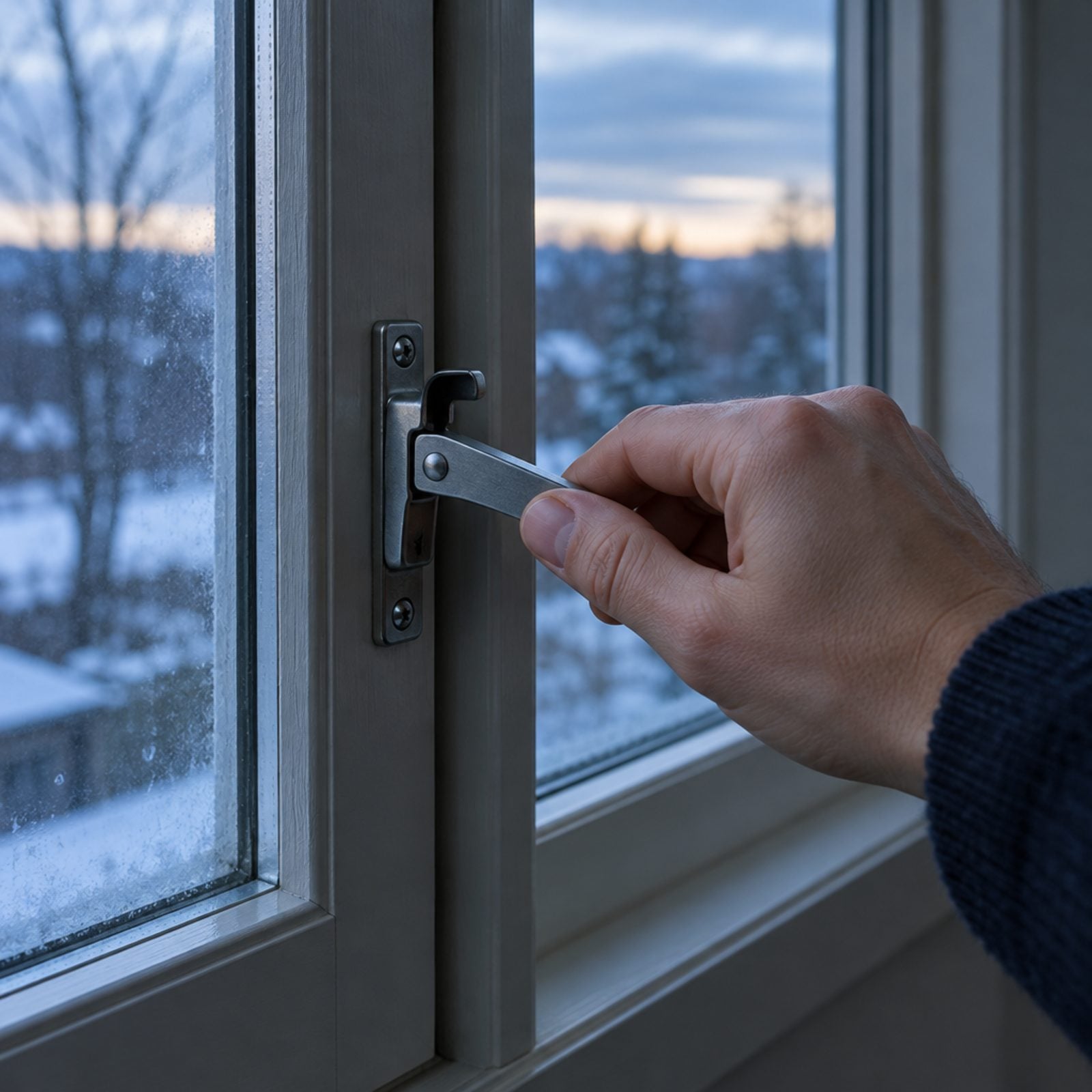
A guest will crack a window for air and forget it exists. By 3am the room is cold, the latch is half-caught, and nobody checks. So do the test now: swing the casement fully shut and turn the lever handle. If the handle doesn’t pull the window tight against the frame with a firm little snap, your lock is decorative, not functional.
What most people miss is the ground floor. Upstairs guest rooms get a pass in everyone’s head, but the spare room on the main level matters most for a sleeping visitor — check that one twice.
31. Make Sure the Guest Door Closes and Latches Fully

Privacy is the first thing a guest quietly judges, and a door that won’t latch tells them they don’t fully have it. Houses settle, hinges sag, and the door that latched fine when you moved in now needs a hip-check to catch. Your guest won’t do that at midnight. They’ll leave it cracked and feel exposed all week.
Close it slowly and watch the latch meet the strike plate. If the bolt lands above or below the hole, the door has dropped, and a small screwdriver at the top hinge usually brings it back into line.
Check the privacy lock too, if there is one. The little push-button kind seizes up when nobody’s touched it in years.
30. Clean and Run the Humidifier Before They Arrive
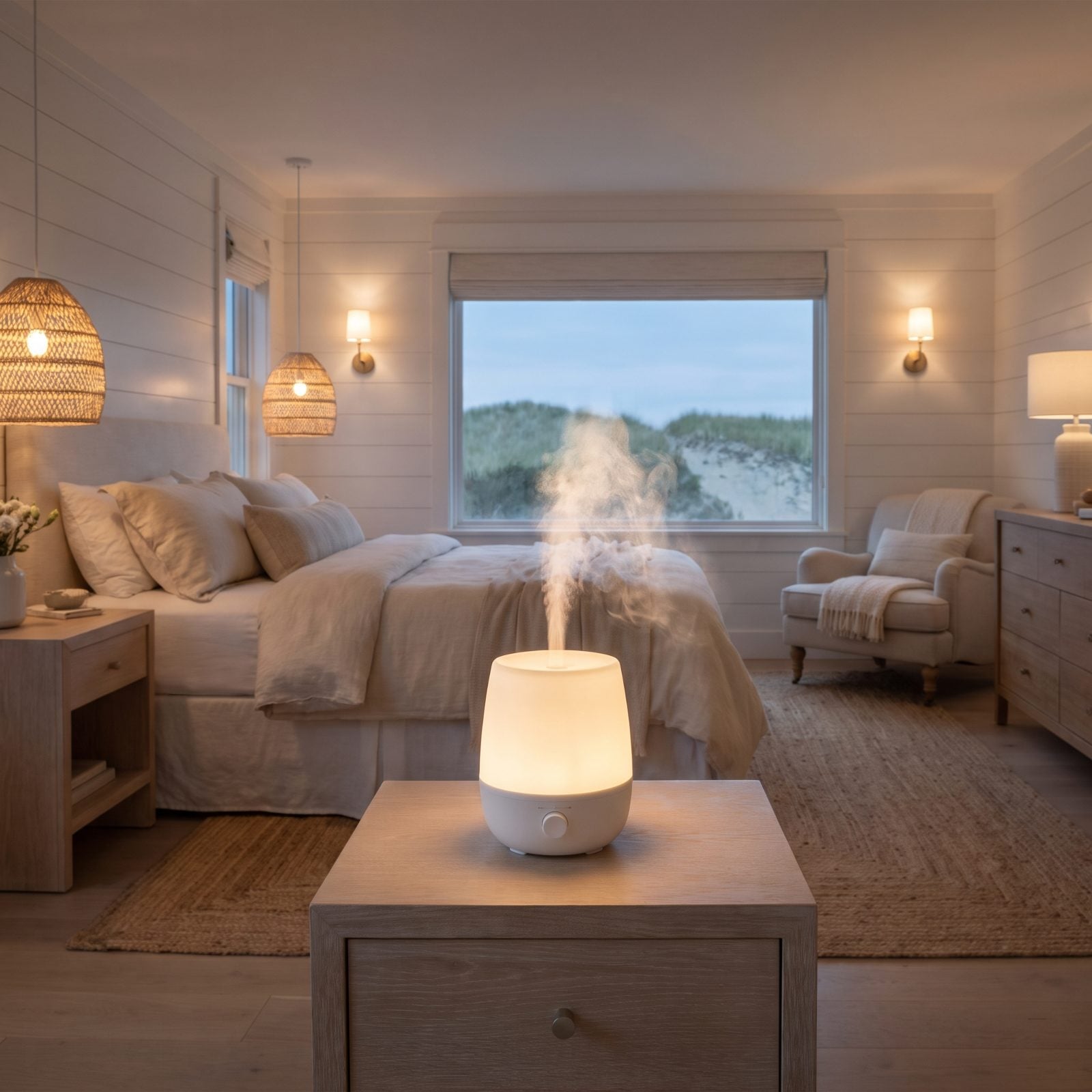
Winter heat dries a guest room to the point where throats scratch and noses bleed by morning. A humidifier fixes that. A dirty one makes it worse, pumping a fine mist of whatever’s been growing in the tank straight into the air your guest breathes all night.
Empty it, scrub the tank with warm water and a splash of white vinegar, then let it dry. And actually run it for ten minutes before they come. You want to hear the hum and feel the mist, not discover a dead motor at bedtime.
29. Clear Furniture and Boxes Off the Heating Vents
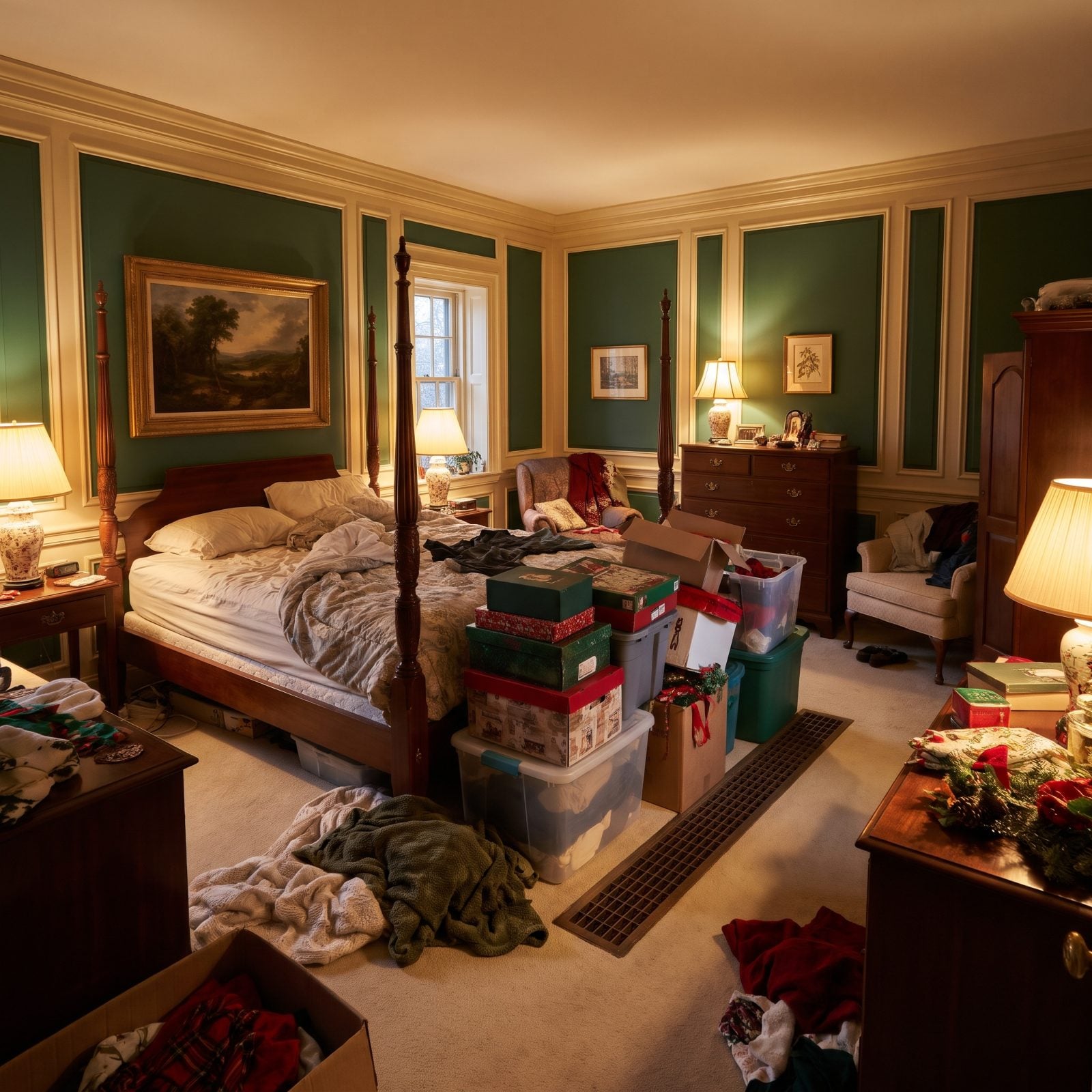
Spare rooms become storage rooms, and the heating vent is almost always where the Christmas boxes end up. A bed shoved against the wall, a tote of wrapping paper, a laundry basket — and suddenly the warm air is heating the underside of a dresser instead of the person trying to sleep.
Walk the room and find every supply register and return. Pull furniture back a few inches. If the vent sits under the bed, make sure air can actually move out from under there.
Blocked returns are the sneaky one. They choke the whole system and the room never warms up no matter how high you crank the thermostat.
28. Seal the Drafts You Can Feel Around the Window
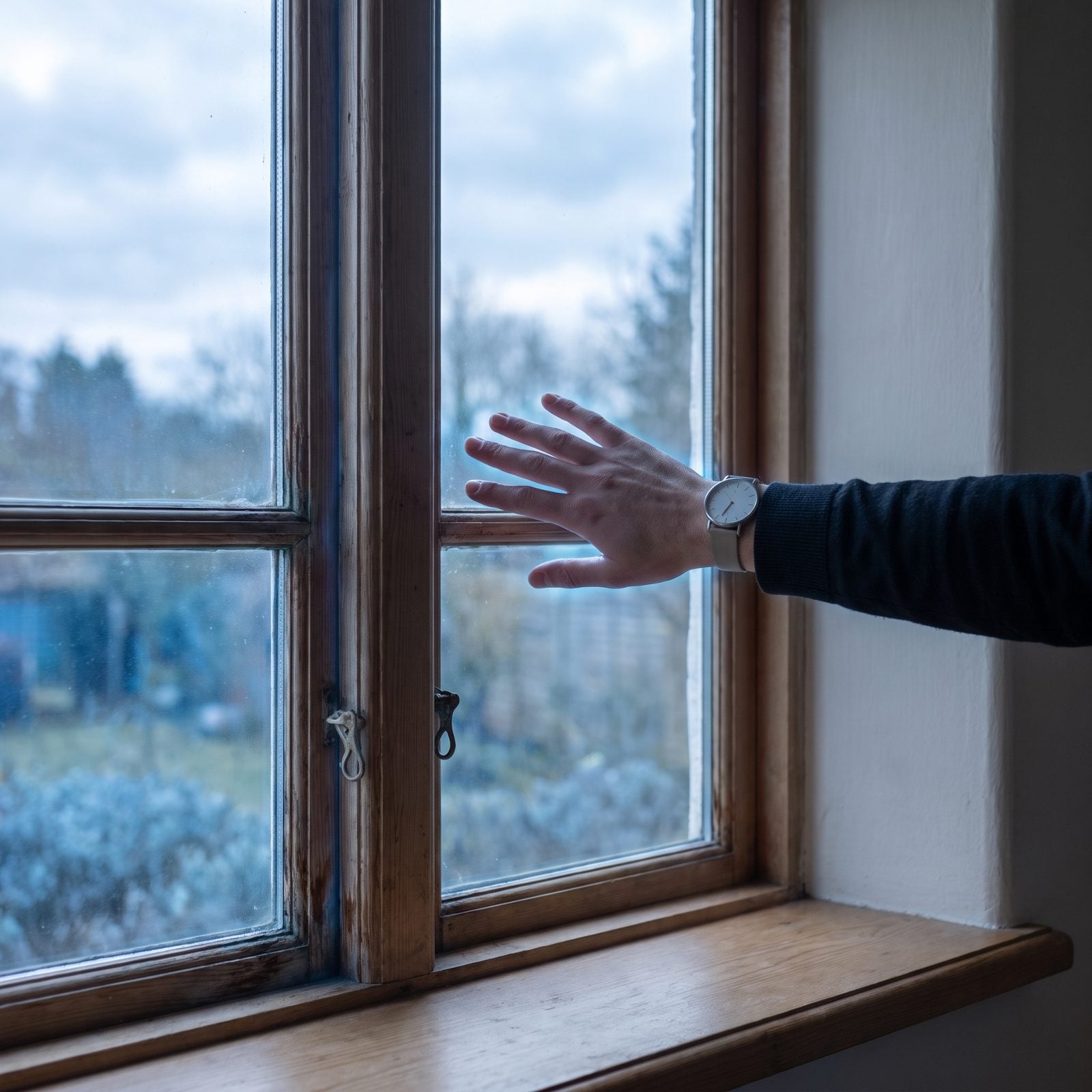
Hold your hand up near the window on a cold evening, just in front of the glass, then move it slowly toward the frame. Where you feel that cool ribbon of air, that’s the draft robbing the room of heat and keeping your guest awake. Big wood-framed windows are the usual culprits, and the gap is usually worst where the glass meets the frame or where an opening pane closes.
Rope caulk presses into the gap in seconds and peels off clean in spring. For a bigger leak, foam weatherstripping along the edges of the opening pane does the job. Neither is permanent, and neither needs anything you don’t already have in a drawer.
27. Press the Smoke Detector and Hear It Sound
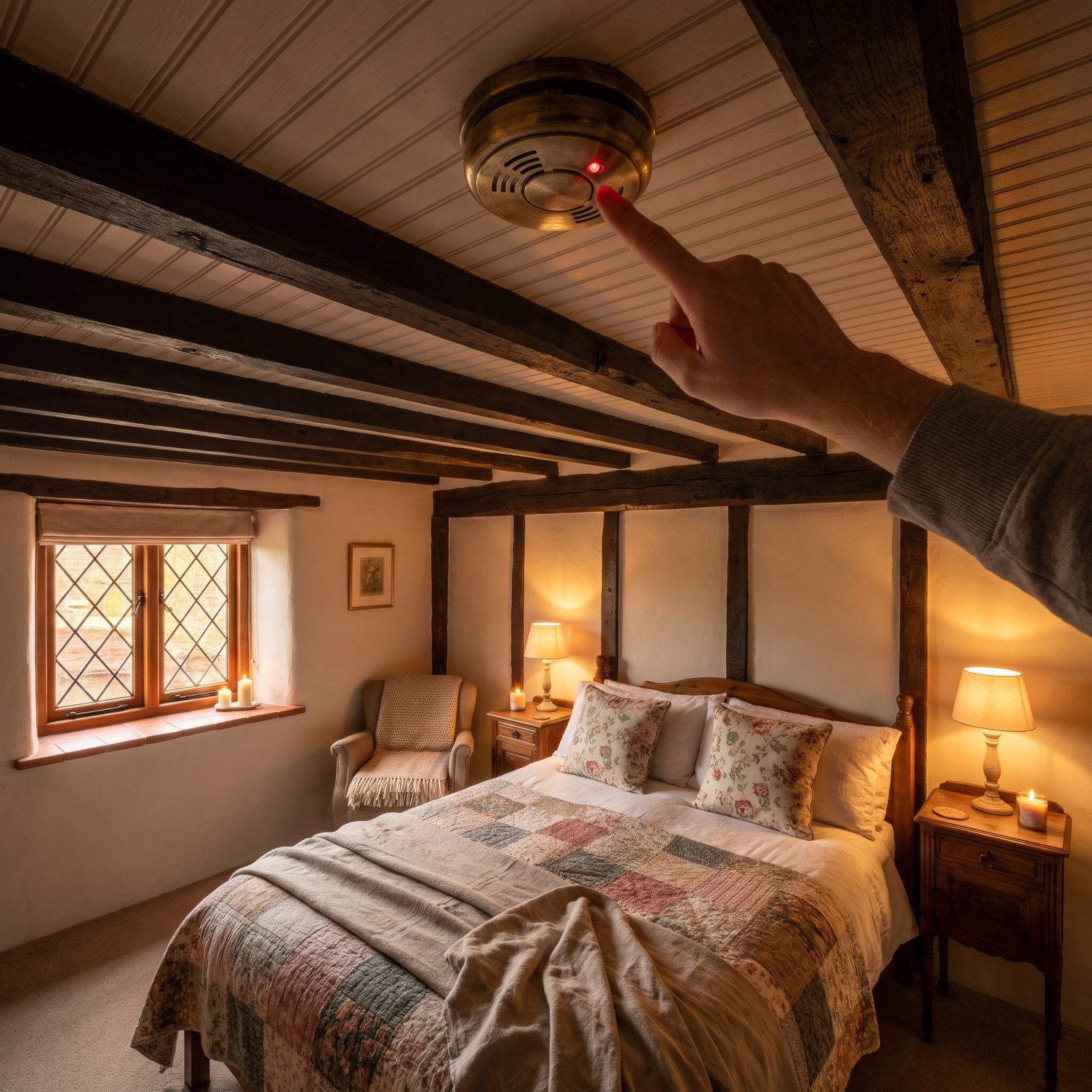
The smoke detector in the room nobody uses is the one most likely to have a dead battery, because nobody’s heard it beep in a year. Push the test button and hold it. You want a loud, healthy blast, not a weak chirp.
While you’re up there, wipe the vents with a dry cloth. Dust and spiderwebs inside the chamber cause both false alarms at 2am and slow response to real smoke, and a guest sleeping in an unfamiliar room needs that extra warning more than you do in your own bed.
Unit more than a decade old? Replace the whole thing, not just the battery.
26. Verify the Carbon Monoxide Alarm Is Working

People skip this one because they assume the smoke detector covers it. It doesn’t. Carbon monoxide is odorless, and a furnace working overtime in December is exactly when it matters. If your guest room sits on the same floor as the furnace, water heater, or an attached garage, you need a working CO alarm near it.
Hit the test button, then check the manufacture date on the back. These units expire too — a detector past its date reads fine and protects nobody.
The alarm that saves a life is the one someone remembered to test in a quiet room three weeks before anything happened.
25. Light the Whole Path to the Bathroom

Picture your guest at 3am in a house they don’t know, hand on an unfamiliar wall, trying to find the bathroom without waking anyone. That’s how falls happen, and almost nobody plans for it.
Walk the route yourself with the main lights off. Put a soft nightlight at the bedroom door, one in the hallway, and one in the bathroom. The motion-sensor kind that glow dim and brighten as you pass are worth every penny.
Leave the bathroom door cracked with a light on low inside. A visible destination beats groping for a switch on a strange wall.
24. Lock Down Every Loose Area Rug

A throw rug on a hardwood floor is a banana peel waiting for someone who doesn’t know the room. Curled corners, a rug that slides when you step on it, a runner that bunches at the door — all fine until an unfamiliar foot hits it in the dark.
Flip the rug up and check for a non-slip pad underneath. No pad means it moves, period. Rug grippers or a strip of double-sided carpet tape at each corner stop both the sliding and the curling. Press the corners flat and run your foot across to test.
23. Walk Both Sides of the Bed for Clear Access

Stand at the foot of the bed and look at how someone actually climbs in and out of it. If one side is jammed against a wall or a dresser, an older relative or anyone who gets up in the night has a problem you’ve never noticed — because you don’t sleep there.
You want clear floor on at least one long side, ideally both, with room to plant two feet and stand without grabbing furniture. Keep a nightstand within arm’s reach for glasses, a phone, and a glass of water, because hunting for a surface in the dark is how things get knocked over.
For a lower bed, make sure there’s something sturdy nearby to push up from. A firm armchair beats a wobbly stool every time.
22. Pull Every Strongly Scented Product From the Room

Scent is the fastest way to give someone a headache they can’t explain. Plug-in fresheners, heavy diffusers, that cinnamon spray you grabbed in a weak moment at the checkout line — they all read as pleasant to you because you stopped smelling them weeks ago. A guest walks in cold and gets hit with the full wall of it.
So try this. Step out of the house for ten minutes, come back, and walk straight into the room. If your nose registers anything before you clear the doorway, pull it. A cracked window and fresh linen beat any product on the shelf.
21. Hunt Down Every Last Strand of Pet Hair

You’ve stopped seeing it. The dog sleeps in there half the year and the hair has settled into the weave like it pays rent. A guest with even a mild allergy will know within an hour, and nobody wants to say “your spare room makes me sneeze” over Christmas dinner.
A lint roller handles the bedding. For the real work, run a rubber-edged squeegee or a damp rubber glove across the mattress, the headboard upholstery, and the underside of the throw. Then pull the bed away from the wall and get the baseboard, because that’s where it collects in drifts.
20. Empty the Wastebasket and Give It a Fresh Liner

An empty wastebasket signals the room was readied on purpose. A basket with a tissue from last spring in the bottom tells a guest they’re sleeping in storage. Small thing. Guests clock it instantly.
Empty it, wipe the inside if it needs it, and line it with a clean bag. Then comes the part most people skip — tuck a second folded liner at the very bottom, under the first. When your guest needs to swap it mid-stay, they won’t have to go hunting through your kitchen drawers or, worse, leave trash sitting because they couldn’t find a bag.
19. Stand a Full Tissue Box Within Easy Reach

Winter guests will need tissues, and they will not ask for them.
Dry heat, cold-weather sniffles, a little emotion at the holidays. A box on the nightstand is the kind of quiet courtesy people notice without naming. Set out a full box, not the one that’s down to its last three.
Pull the first tissue halfway up so it’s ready to grab in the dark. Keep the box off the floor and off a wobbly stack of books, too. It should be the first thing a hand finds at 3 a.m., not something that costs you a knocked-over lamp.
18. Leave Water and Clean Glasses on the Nightstand

A carafe of water by the bed is the oldest trick good hosts know. Your guest wakes up parched at 2 a.m. in an unfamiliar house and doesn’t have to feel their way to a dark kitchen, bump into your coat rack, and set off the dog.
Fill a small carafe or covered pitcher fresh that day, not the night before, and set a clean glass beside it, already filled, so it’s ready the moment they reach for it. A coaster under the glass catches drips and keeps your nightstand finish safe.
17. Write the Wi-Fi Name and Password Where They’ll See It

Nobody wants to interrupt your cooking to ask for the Wi-Fi password, then ask again an hour later because they typed the zero as an O. Spelling out your router credentials from memory across a crowded kitchen is a small holiday misery you can skip entirely.
Write the network name and password on a small card in an elegant hand and stand it on the nightstand. Pretty script is fine, but keep every character legible. Distinguish the tricky characters — a slash through the zero, a note on which letters are capitals. And if your password is a random jumble from the sticker on the router, this is the year you finally make it human-readable.
16. Actually Test the Signal From the Guest Bed

The password doesn’t matter if the signal dies three rooms from the router. Guest bedrooms are notorious dead zones, tucked at the far end of the house behind two walls and the laundry.
Don’t assume. Sit on the actual guest bed, pull up a video, and watch it load. If it stutters or drops, you’ve got time to fix it before anyone arrives. A cheap plug-in extender in the hallway outlet usually solves it. And a guest trying to video-call the grandkids on Christmas morning will remember a frozen screen longer than they’ll remember your pie.
15. Jot Down the House Quirks Nobody Explains Out Loud

Every house has a secret handbook only the residents know.
Which way the shower handle turns for hot. The bathroom fan that sounds like a jet engine. A front door that needs a lift-and-pull, the thermostat your guest shouldn’t touch. You navigate all of it on autopilot and forget none of it is obvious to someone who arrived yesterday.
Write the essentials on a card: the quiet-hours reality of the house, how the heat works, trash day, where the extra blankets live. Guests hate feeling like a bother almost as much as they hate standing in a cold shower. A short note means they can solve their own small problems without finding you.
14. Set Out a Labeled Spare Key They Can Pocket

A guest without a key is a guest who can’t go for a walk, run to the store, or get back in once you’ve stepped out. They end up trapped on your schedule, and that wears on everyone by day three.
Set a labeled spare in a little dish on the nightstand so it’s waiting without a conversation. A simple wooden or paper tag keeps it from vanishing into a coat pocket forever. It tells your guest they’re trusted here and free to come and go — no words required.
13. Stack a Full Towel Set They Won’t Have to Ask For

Reserve a full set per guest and set it in the room, not in the hall closet behind your own towels where they’ll never find it. A bath towel, a hand towel, a washcloth, folded and waiting. Pull these out of rotation before anyone arrives so they don’t end up in the regular wash on day one.
Fresh, matching, and generously sized reads as “we were expecting you.” A thin, faded towel that’s clearly the spare says the opposite. Top the stack with a small bar of soap and you’ve answered a need before it’s spoken. For the full considerate-guest-room treatment, borrow from this coastal bedroom inspiration that keeps the palette calm and the textures soft.
12. Keep Dark Washcloths for Makeup Removal

Mascara on a white towel is forever. You wash it, you bleach it, and it still comes out looking like a crime scene. Any guest knows this, which is why someone with freshly scrubbed foundation ends up patting her face with a wad of tissue instead.
Fold two or three dark charcoal washcloths and set them where they can’t be missed, on top of the duvet or next to the bathroom sink. Charcoal, navy, deep plum — anything that hides a smudge. The gesture reads as thoughtful without a word spoken.
11. Stock Sealed Travel-Size Toiletries

The sealed part matters more than you’d think. Nobody wants to pump a lotion bottle that a stranger’s hands have already visited, and a half-squeezed tube of shampoo on the shower shelf tells a guest they’re using leftovers.
Keep a small tray of unopened travel sizes. Shampoo, conditioner, body wash, lotion, a wrapped bar of soap. Hotel minis work, or buy a cheap variety pack in October and forget about it until December. A guest shouldn’t have to ask for anything, or go digging through your cabinet to find it.
10. Lay Out Spare Toothbrushes and Toothpaste

Somebody always forgets a toothbrush. It’s practically a law of travel. And a drive to a drugstore at ten at night, in a town they don’t know, in the cold, is the fastest way to make a guest feel like a burden.
A sealed toothbrush and a fresh tube of paste solve it before it happens. Lay them on a folded towel on the bedroom dresser so they’re found without a scavenger hunt. We keep a few in a drawer year-round now, because a guest who can brush their teeth the first night sleeps better. Small thing, real difference.
9. Position a Hair Dryer Within Reach

For years we made the same mistake — handed guests a towel and assumed they were sorted. They weren’t. Anyone with long hair in a cold house needs a dryer, and standing in a steamy bathroom hunting through your linen closet isn’t much of a welcome.
Set a dark gray and fuchsia hair dryer out on a tray on the bedroom dresser, right by the mirror. Let the cord drape over the front edge so it’s grab-and-go. And if your outlet count is thin, point out where to plug in before they even ask.
8. Set Out a Guest Laundry Hamper

Without a hamper, worn clothes go one of three places: back in the suitcase, draped over your nice chair, or in a pile on the floor your guest feels guilty about every time they walk past it.
A small woven laundry hamper in the corner gives them somewhere to stash the socks and tells them, quietly, that mess is allowed here. Staying more than a few days? Mention they’re welcome to run a load. Most won’t, but the offer lands.
7. Tuck in a Travel-Size Stain Remover

Christmas is a minefield of spills — red wine, gravy, cranberry sauce, the chocolate that somehow lands on a sweater sleeve. A guest who drips merlot on their only nice shirt spends the rest of the evening half-distracted by it.
A travel-size stain pen in the nightstand drawer fixes the small disasters on the spot, before they set. It’s the kind of thing nobody packs and everybody needs by day two. Toss one in next to the toiletries and consider yourself the most organized host in the family.
6. Keep a Basic First-Aid Kit on Hand

Nobody wants to knock on your bedroom door at midnight asking if you own a band-aid. It’s awkward for them, and it means you’re both up. A small kit near the guest room removes the whole exchange.
Stock the basics: a few bandage packets, small scissors, tweezers, and some rolled wraps and washcloths. Keep it in a zip-up canvas case on a lit shelf just outside the guest room so it’s easy to find.
5. Store Spare Linens Within Arm’s Reach

Houses run cold at night, and the one blanket you left out is never enough for the person who sleeps like it’s January in the Arctic. If the spares are buried in a hall closet behind the vacuum, nobody’s going looking.
Keep an extra set of sheets, a spare pillow, and a warm throw in a storage bench or on the closet’s lowest shelf, right in the room. Then a guest can grab what they need at 2 a.m. without waking the house. For green bedroom ideas that layer linens well, sage and white read calm and season-neutral once the tartan comes down in January.
4. Leave Out Scissors and Clear Tape

Think about what a guest actually does at Christmas. They arrive with gifts that need a last-minute wrap, a tag to re-tie, a box that won’t close. And every one of those little jobs sends them wandering the house asking, politely, whether you happen to own tape.
A small dish with scissors and a roll of clear tape on the guest desk ends the asking. Such a minor thing, yet leaving it out feels almost like mind-reading. Guests notice the hosts who think one step ahead, even if they never say so.
3. Clear Fragile Decorations Out of Reach

That heirloom glass ornament looks lovely on the nightstand until a half-asleep guest reaches for their water glass in the dark and sends it to the floor. Now you’re both apologizing, and something irreplaceable is in pieces.
Walk the room at bedside height. Anything breakable, sentimental, or sharp-edged goes up high or out entirely. Leave the surfaces clear enough for a phone, a book, and a glass of water. A guest relaxes in a room they can’t accidentally wreck.
2. Swap Open Flames for Flameless Candles

Nobody says this out loud, but a guest asleep in an unfamiliar room, in the dark, is exactly the person you don’t want near a live flame. They don’t know which way the door swings, can’t find the light switch, and a knocked candle at 2 a.m. is how a nice holiday turns into a very bad one.
Battery pillars solve it completely. The good ones flicker with a warm amber bulb, run on a timer, and shut themselves off, so set them to cut out a couple of hours after bedtime and your guest never has to think about it. Group three of varying heights on top of the dresser beneath a round mirror and you get all the glow, none of the dread.
1. Clear a Landing Spot for Wrapped Gifts

Your guest arrived with presents. Now they’re standing in the doorway holding a stack of wrapped boxes, wondering where on earth they go. If the answer is the bed, the floor, or your arms, you missed something.
Give them a landing spot before they ask. Clear the top of a dresser, empty a bench at the foot of the bed, or free up a chair and say “gifts go here.” Five minutes, and it tells them you thought about them.
One stack of gifts in kraft paper with twine and a bit of greenery reads as festive rather than cluttered. Leave actual floor space too. Suitcases live down there, and nobody can wrap or dig for a charger in a room where every surface is already claimed. For more ways to keep things restful rather than busy, some coastal bedroom inspiration leans on the same breathing-room idea.
Your Printable Checklist
Save it to Pinterest or print it — every check from the list above on one page.