🔥 Would you like to save this?
Nobody warns you. One day you trust professionals like a reasonable adult, and the next you’re on your knees on a dusty subfloor, double-checking a cabinet opening with a tape measure you’ve already used four times. A kitchen renovation does this to people. It takes a big pile of money, a hole in your house, decisions you can’t undo, a timeline nobody can promise, and then it hands all of it to strangers and tells you to relax. You won’t. These are the ways ordinary homeowners morph into clipboard-wielding supervisors mid-reno, plus the honest psychology underneath each one. You’ll recognize yourself in a few. Maybe all of them.
18. You Stage the Island With Cardboard Before Allowing Installation
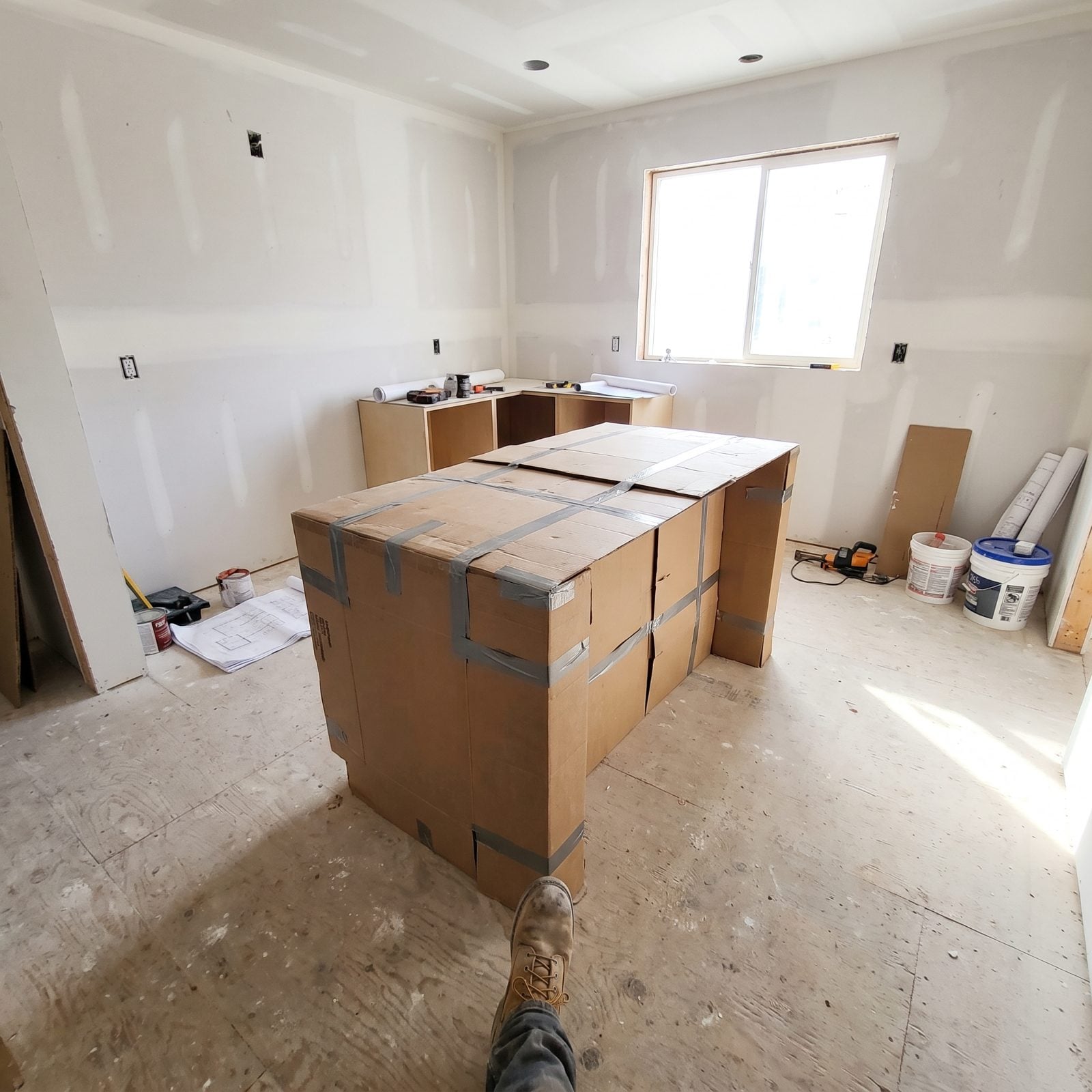
Before the island cabinets go in, with just a couple of base cabinets parked in the back corner, the cardboard island appears. Flattened boxes, packing tape, roughly the right height, parked dead center so you can walk the loop around it a dozen times. You open an imaginary dishwasher and pretend to carry a sheet pan from the range to the counter while your family quietly decides you’ve lost it.
In order to come up with the very specific design ideas, we create most designs with the assistance of state-of-the-art AI interior design software. Also, assume links that take you off the site are affiliate links such as links to Amazon. this means we may earn a commission if you buy something.
You haven’t. An island is the one move you cannot nudge six inches later, because plumbing runs into the floor, electrical gets poured over, and the whole walking pattern of the room locks around it. The cardboard is you buying certainty on the decision that bites hardest if it’s wrong.
Planning a bigger overhaul? This same instinct is why so many people sketch and re-sketch in craftsman kitchen design tools for weeks before swinging a hammer.
17. You Mock Up Every Outlet With Blue Painter’s Tape
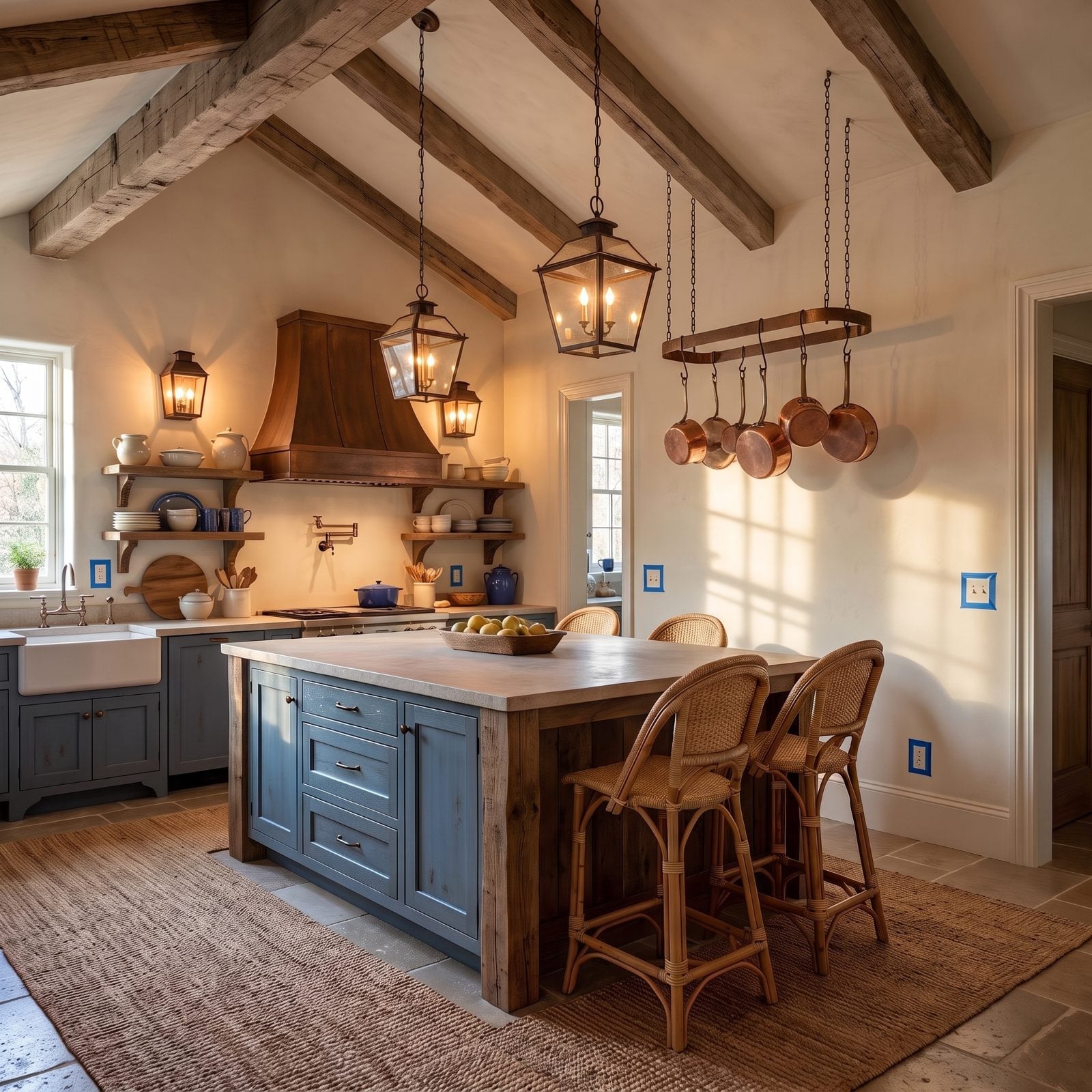
The big plaster wall looks like it caught a case of the measles. Blue rectangles everywhere, each one a future outlet or switch, each one placed, peeled, and shoved an inch to the left because the first spot felt wrong next to the doorway.
Outlets seem small until you realize they’re the difference between a kitchen that works and one that annoys you forever. Boxes get cut into that plaster. Once they’re in, moving an outlet means patching holes, so you tape, you squint, you step back to the island to judge the spacing, and you tape again.
The cheapest time to fix a mistake is before it exists. Blue tape costs three dollars. A plaster wall full of misplaced nail holes costs a weekend and a grudge.
This fussiness has a name in behavioral terms: loss aversion. The pain of a badly hung frame you have to live with dwarfs the small effort of getting it right now, so you over-invest in the free, reversible version of the decision.
16. You Measure the Cabinet Opening for the Fifth Time
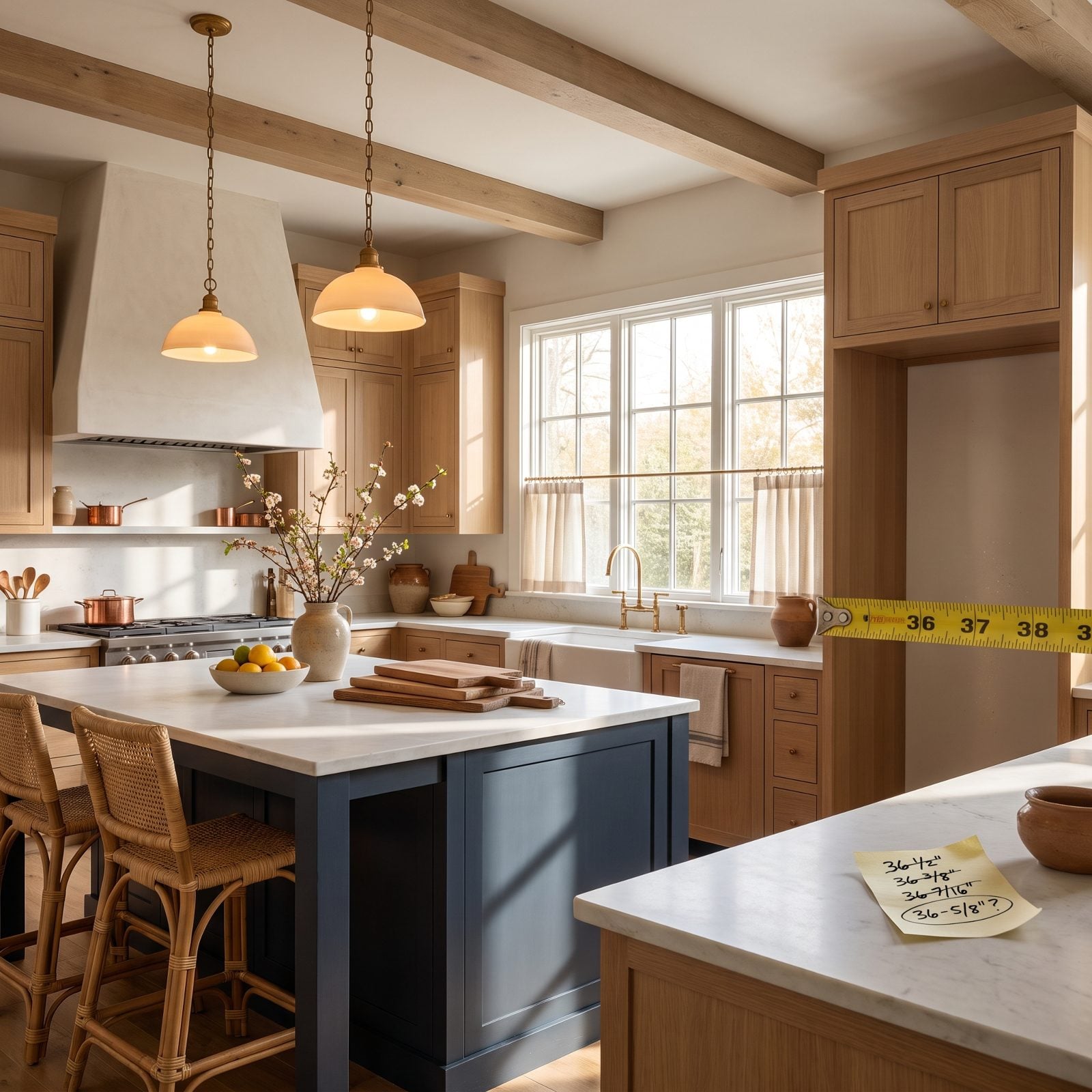
You measured when you ordered. You measured when the boxes arrived. Now you’re doing it a fifth time this morning because a half-inch of error on a range opening ruins a perfectly good afternoon.
Nobody measures five times because they distrust arithmetic. They do it because the stakes are lopsided. Measuring costs thirty seconds, while being wrong costs a restocking fee, a two-week reorder, and a blank hole in your kitchen while you wait.
15. Every Paint Swatch Gets Auditioned in Four Different Lights
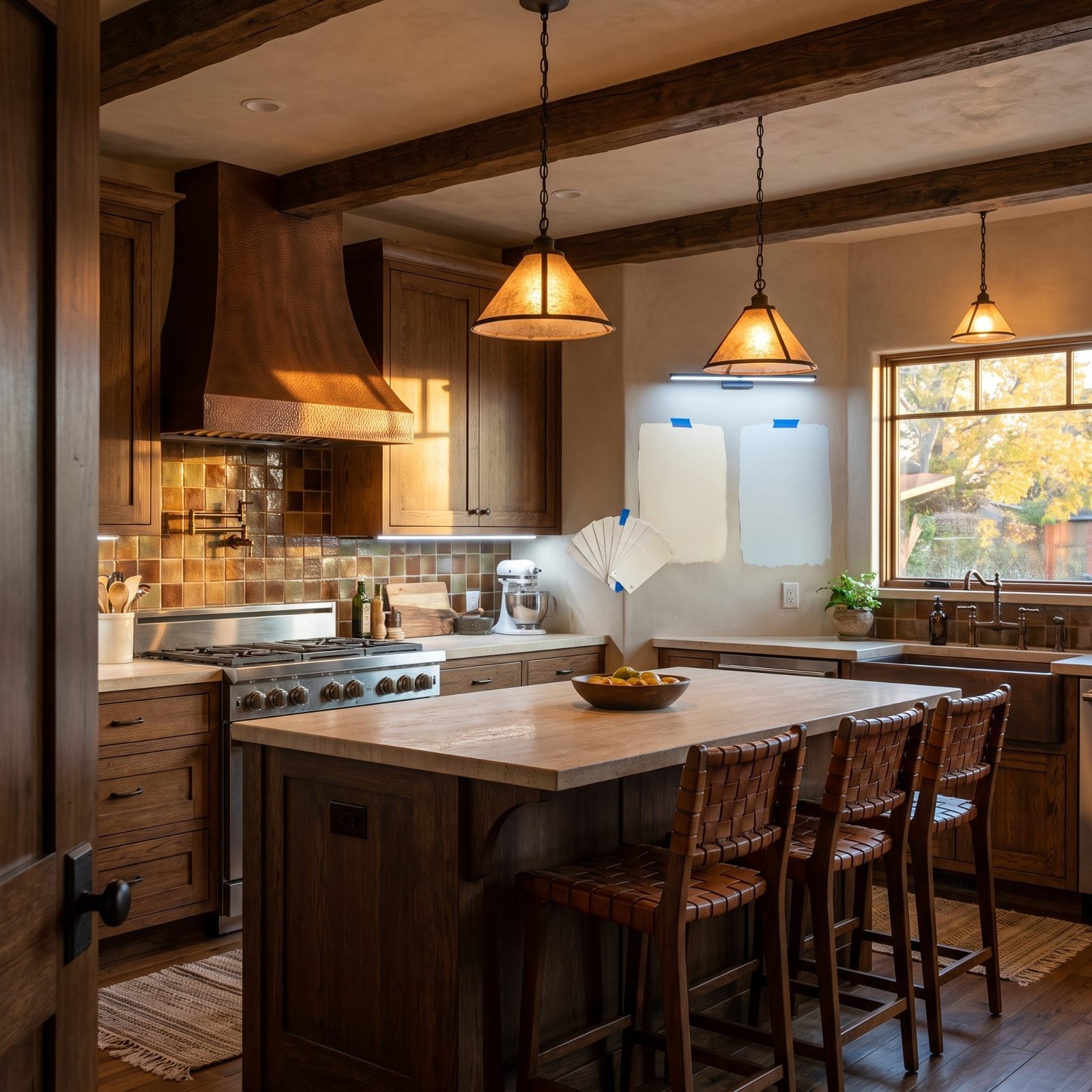
The same off-white looks like butter at 8 a.m., bone at noon, and faintly gray under the undercabinet LEDs. So you brush a dozen patches, tape up the big peel-and-stick swatches, and check them at breakfast, lunch, dusk, and lights-on. Your coffee goes cold while you stare at a wall.
Paint is cheap. Repainting a finished kitchen is not, and worse, it feels like an admission that you chose badly. The lighting audition is you trying to see the decision in every version of the room you’ll actually live in.
For rooms where color does the real work, see how a few shades carry a whole space in this blue home office breakdown.
14. You Build a Spreadsheet for Every Knob and Hinge
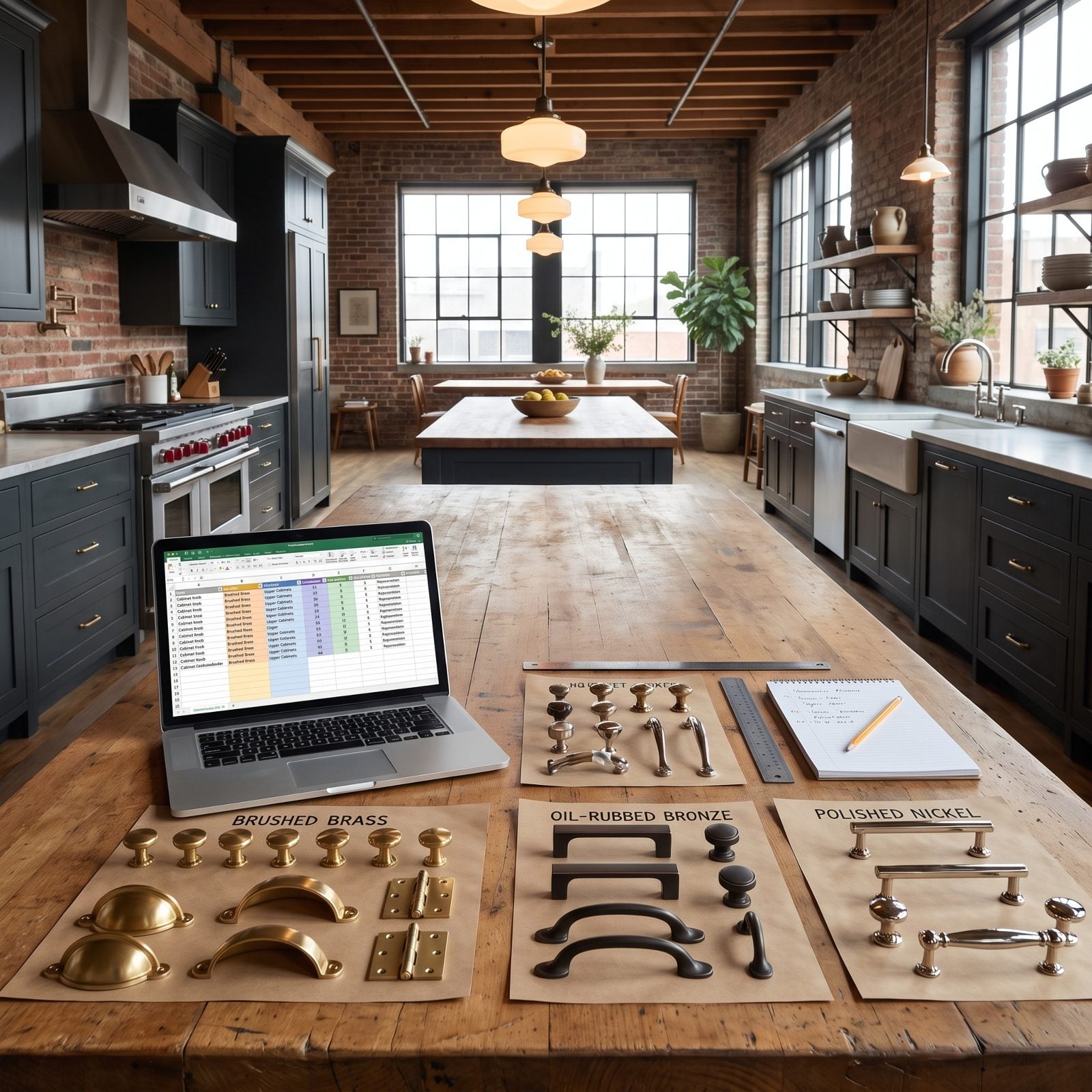
Row by row it grows: knob count, pull count, hinge type, finish, SKU, quantity ordered, quantity received, backordered. You started it to stay organized. Now you refresh it like it owes you money.
Most people won’t admit this, but the spreadsheet isn’t really about hardware. It’s about reclaiming a feeling of control on a project where contractors, suppliers, and a delivery truck two states away are all making decisions without you. Counting cabinet pulls is something you can finish.
Those tidy brass cup pulls everyone loves pair beautifully with white shaker fronts, which is exactly the energy in this full glam kitchen makeover.
13. You Keep the Cabinet Sample Like It’s Legal Evidence

The cabinet door sample gets a special spot. Not a drawer, not a bag, but propped up where you can grab it the second a finished cabinet looks even slightly off. You guard it like courtroom evidence, because in a way it is.
Cabinets are the single biggest line on most kitchen budgets. When that much money is on the line, you keep proof of exactly what you were promised. The sample is your reference against drift: wrong sheen, wrong stain depth, a wrong door style sneaking in on a reorder.
12. No Tile Box Enters Until You Check the Dye Lot
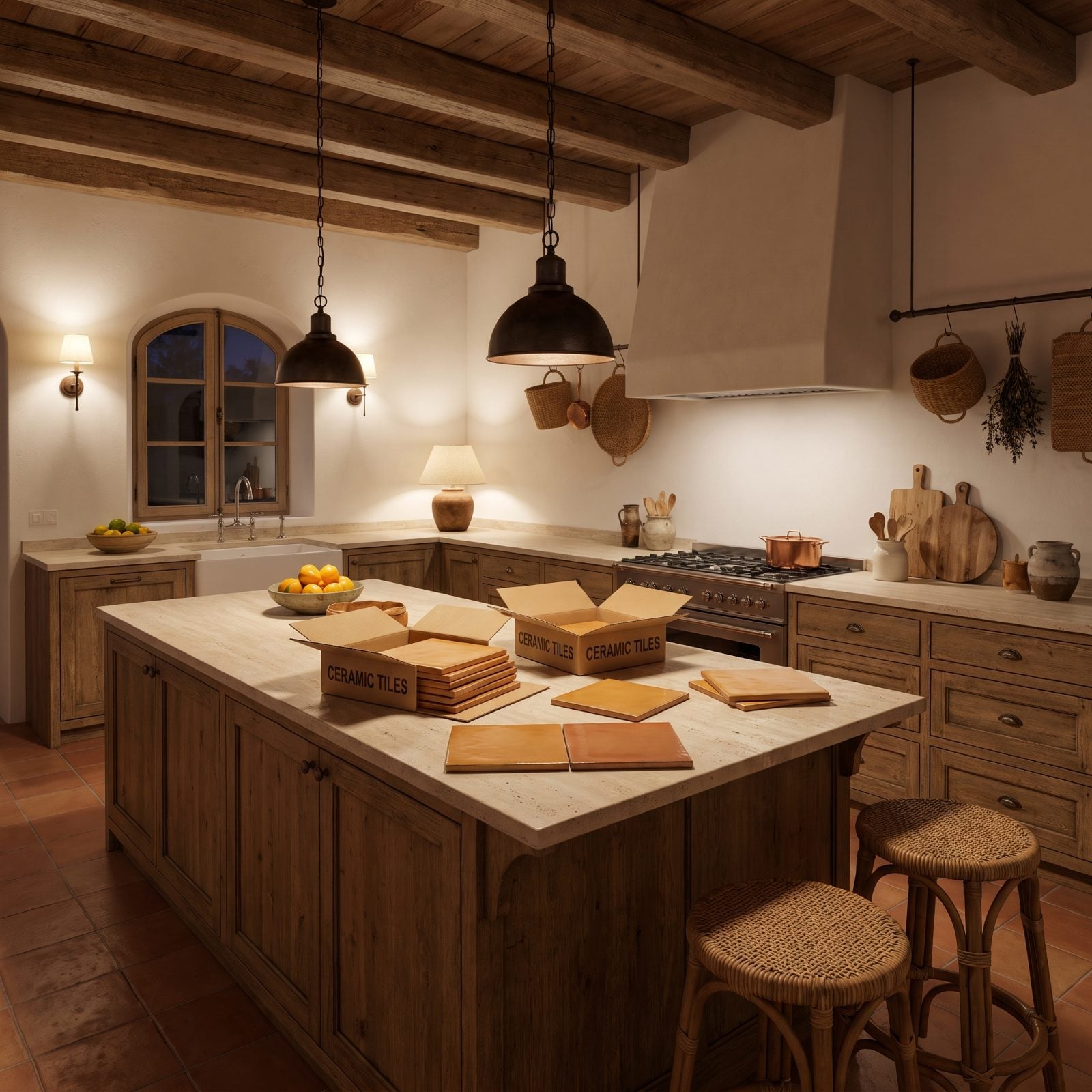
Before the tile guy opens a single box, you’re down on the floor comparing pieces from different cartons, hunting for the batch code. One shade too warm hiding in box four and your backsplash gets a faint stripe nobody can unsee.
Tile is manufactured in runs, and color shifts subtly between them. On a finished wall, a mismatched dye lot reads as a defect even when every tile is technically fine. You check now because the alternative is living with a flaw that only you will notice, forever, which somehow makes it worse.
11. The Appliance Delivery Gets Checked Against Every Model Number
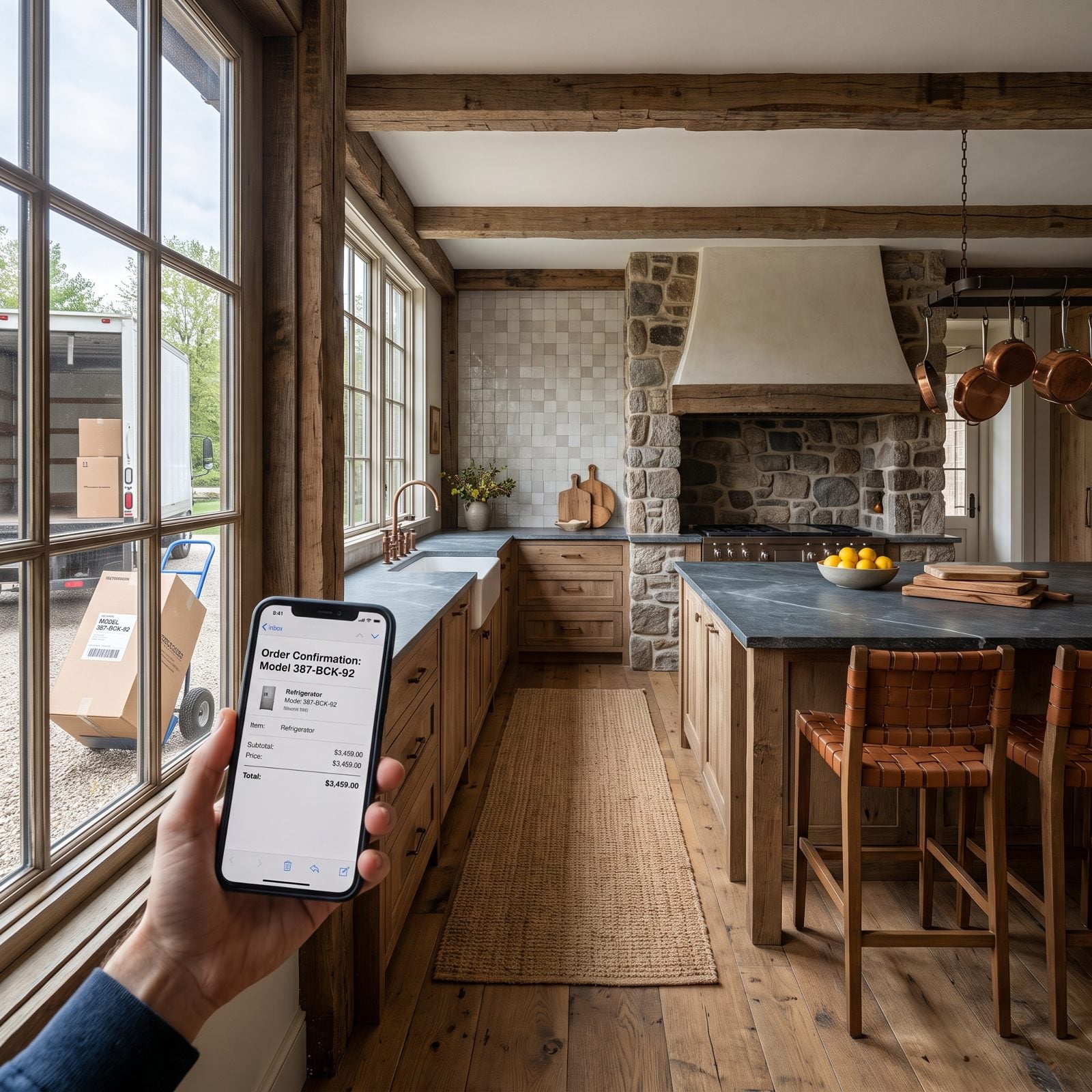
The truck pulls up, and before the driver can set the dolly down, you’ve got your order confirmation open on your phone. Model number, finish code, handle orientation, every digit checked against the sticker on the box.
Why the paranoia? Appliance mix-ups are common and expensive to unwind. Catch the wrong range at the curb and it rides back on the truck. Sign for it, let the driver leave, and now it’s your problem, your return, your delay.
10. Nobody Substitutes a Faucet Without Your Written Approval
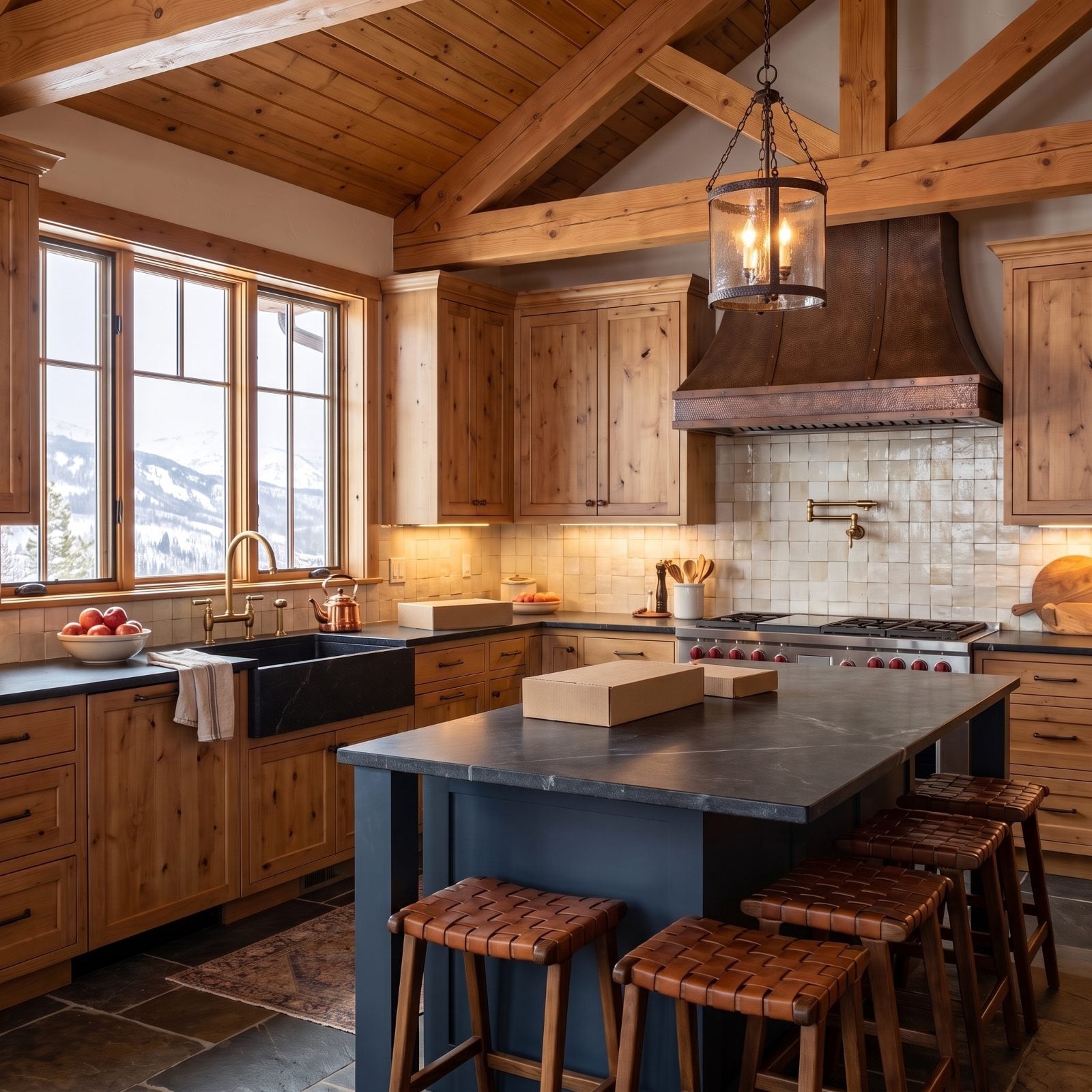
The contractor mentions the spec’d faucet is backordered and he’s got “basically the same one” in the van. You say no. Not “maybe,” not “let me think,” but a firm no, and then you ask for the swap in writing.
“Basically the same” is where kitchens go sideways. A faucet is the thing your hands touch a hundred times a day, and its finish has to agree with every other metal in the room. One well-meaning substitution and your warm brass suddenly has a cold chrome neighbor.
Written approval isn’t about distrust. It’s about making sure the person doing the work and the person paying for it are picturing the same finished room.
Fixtures carry more weight than people expect, something you notice fast in an open bathroom renovation where a single faucet finish can set the tone for the whole space.
9. You Need Every Change Order Itemized to the Penny

The change order lands with a lump sum at the bottom, and you send it right back. You want lines. Labor here, materials there, the markup spelled out. A single number on a kitchen budget feels like a stranger reaching into your wallet in the dark.
Renovation costs balloon through a hundred small “while we’re in there” moments, and each one is easy to approve when you can’t see what it actually buys. Itemizing keeps the budget from drifting past the point where you remember saying yes.
None of this makes you difficult. A kitchen is the most expensive, most disruptive, most permanent room most people ever redo. Of course you hover. The budget detail you insist on now is why the finished room feels like yours and not a surprise.
8. You Photograph the Plumbing Before the Drywall Hides It
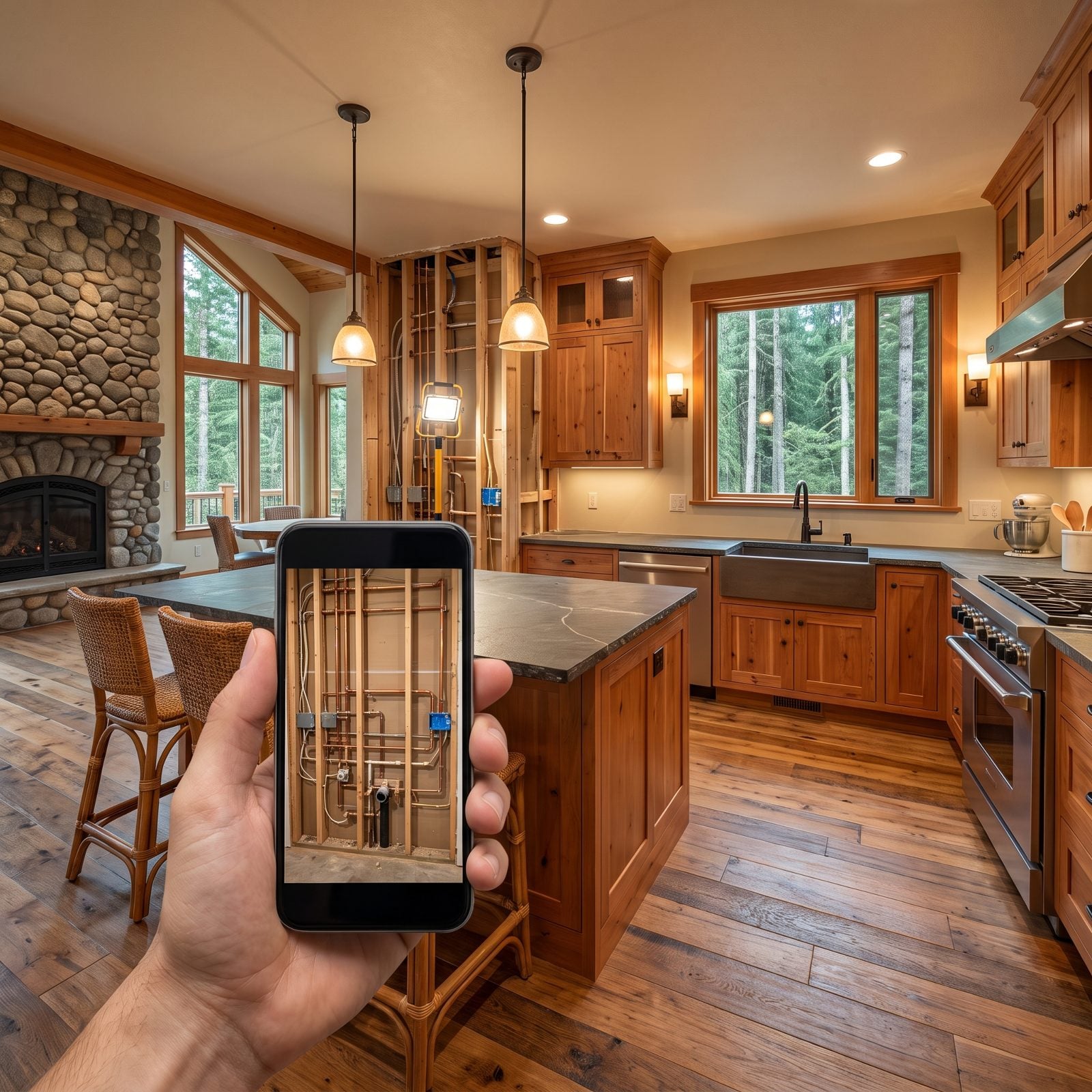
Before the drywall seals it up forever, you take forty photos of the wall cavity. Every pipe, every junction box, the exact spot where the water line turns. You tell yourself it’s for future reference, but really it’s for peace of mind, because once that board goes on you lose sight of what’s underneath — and losing sight of it makes you nervous.
Same instinct that makes people screenshot every receipt and keep the warranty for a blender they’ll never return. The wall is about to become a black box, and uncertainty about a thing you can’t see is worse than almost any bad news you could actually get. Psychologists call it ambiguity aversion. We’d rather have a known problem than an invisible one.
A documented layout does help later, when you’re hanging a shelf and don’t want to drill through a pipe. But the real reason you’re photographing it is that the house is making an irreversible decision, and you want evidence it was done right.
7. The Contractor’s Arrival Time Becomes Your Morning Forecast
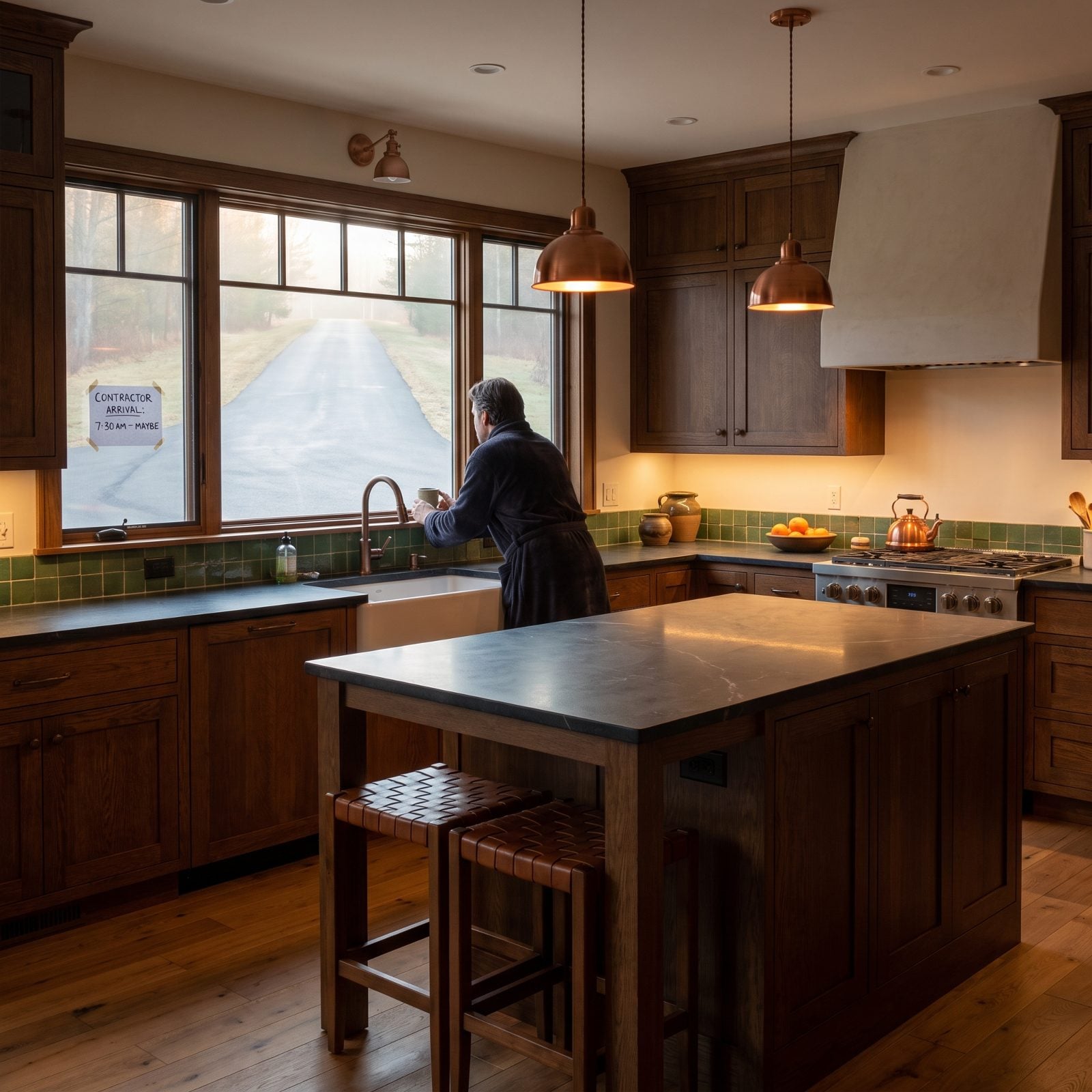
You said you wouldn’t do this. Yet here you are at 7:15 a.m., coffee going cold, watching the driveway like it owes you money. Was the truck supposed to come at eight, or eight-thirty? Did they even say today? The whole shape of your day now hinges on the sound of a diesel engine.
It’s the airport-gate feeling transplanted into your own home. You’ve surrendered control of your schedule to someone whose timing you can’t see, and the brain hates a blank where a plan should be, so we fill it with monitoring. Watching the drive feels productive even though it changes nothing.
What’s really going on is a loss of agency. Your kitchen — your single biggest renovation expense — is out of your hands and in theirs, and the arrival time is the one variable you can observe. So you observe it like weather.
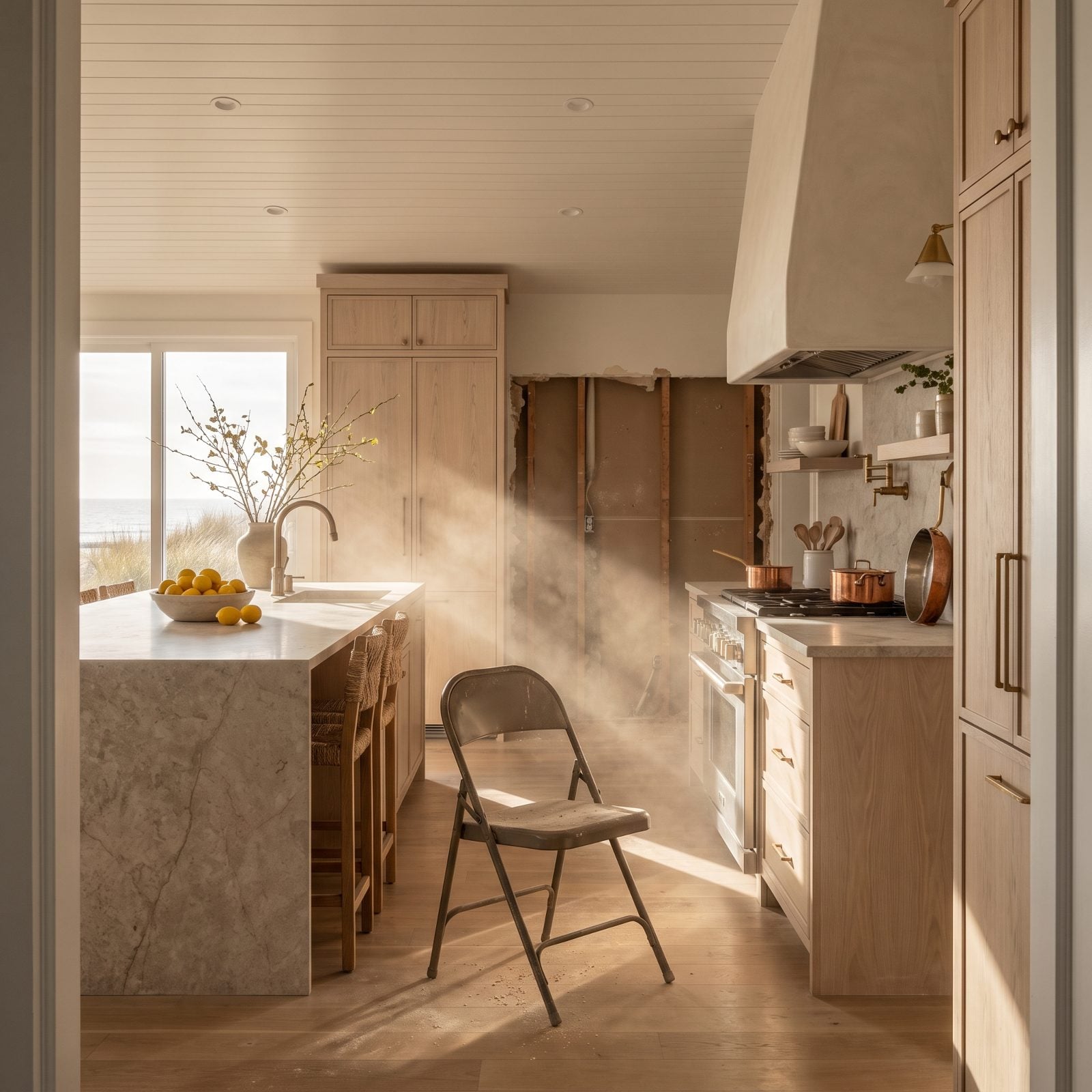
6. You Hover During Demo Like the Wall Might Confess
🔥 Would you like to save this?
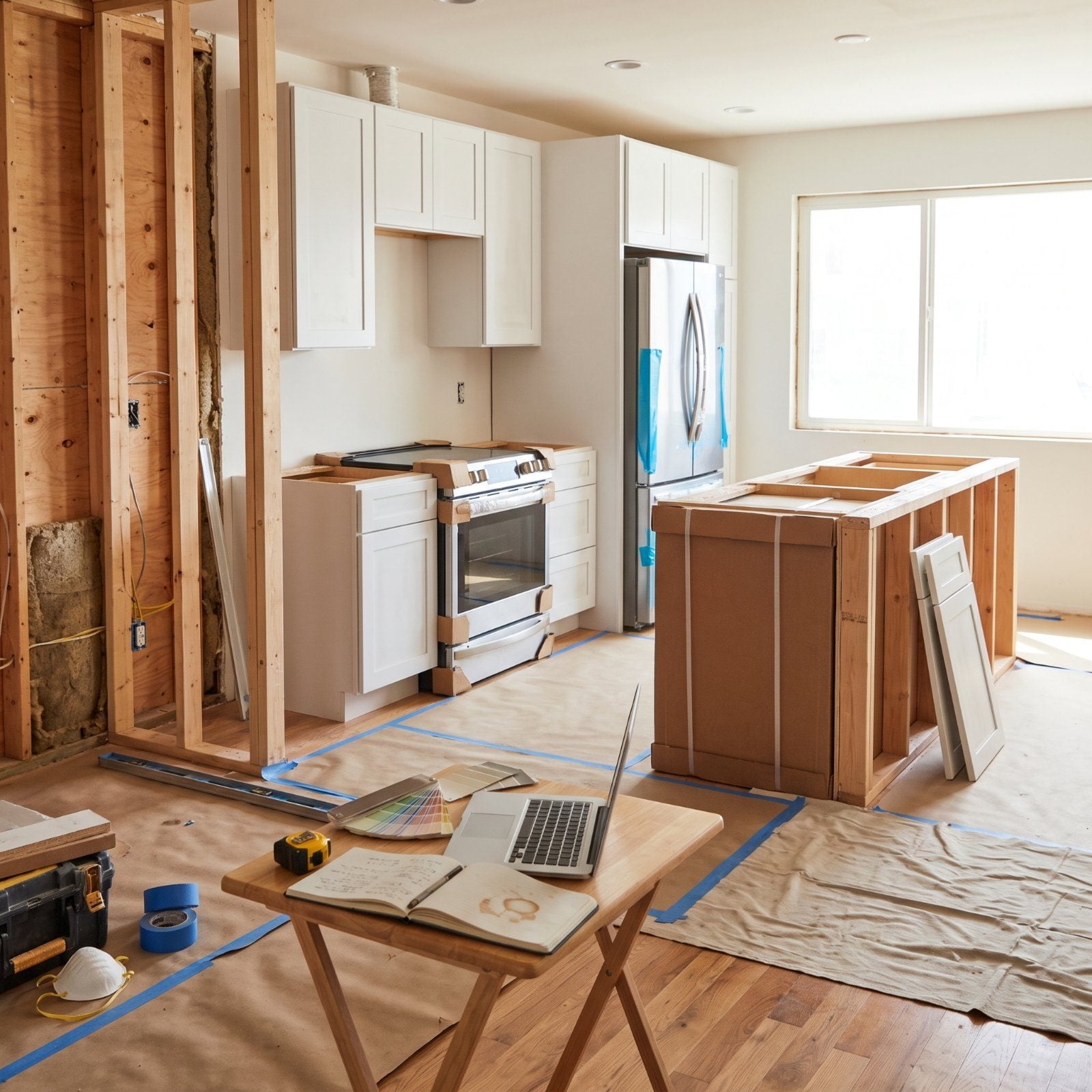
Demo day arrives and you cannot leave the room. You drag a folding chair just outside the dust line and watch every swing of the hammer, half convinced that the moment you walk away is the moment they find something terrible behind the plaster. Rot. Old knob-and-tube. A surprise that turns a budget into a crime scene.
Here’s the odd part. Your watching doesn’t make the wall more honest — it opens either way. What the hovering really buys you is the chance to be present for bad news the instant it arrives, because waiting to hear it secondhand feels unbearable.
That’s anticipatory anxiety, the mind rehearsing the worst so it won’t be ambushed. Renovations are full of hidden conditions, and hidden conditions are where budgets go to die. You stand guard not because you can change what’s in the wall, but because not-knowing costs you more than knowing. A gutted kitchen is a modern kitchen design turned inside out, and the honesty of an open wall is both the relief and the dread.
5. The Dust Barrier Becomes a Border You Personally Patrol
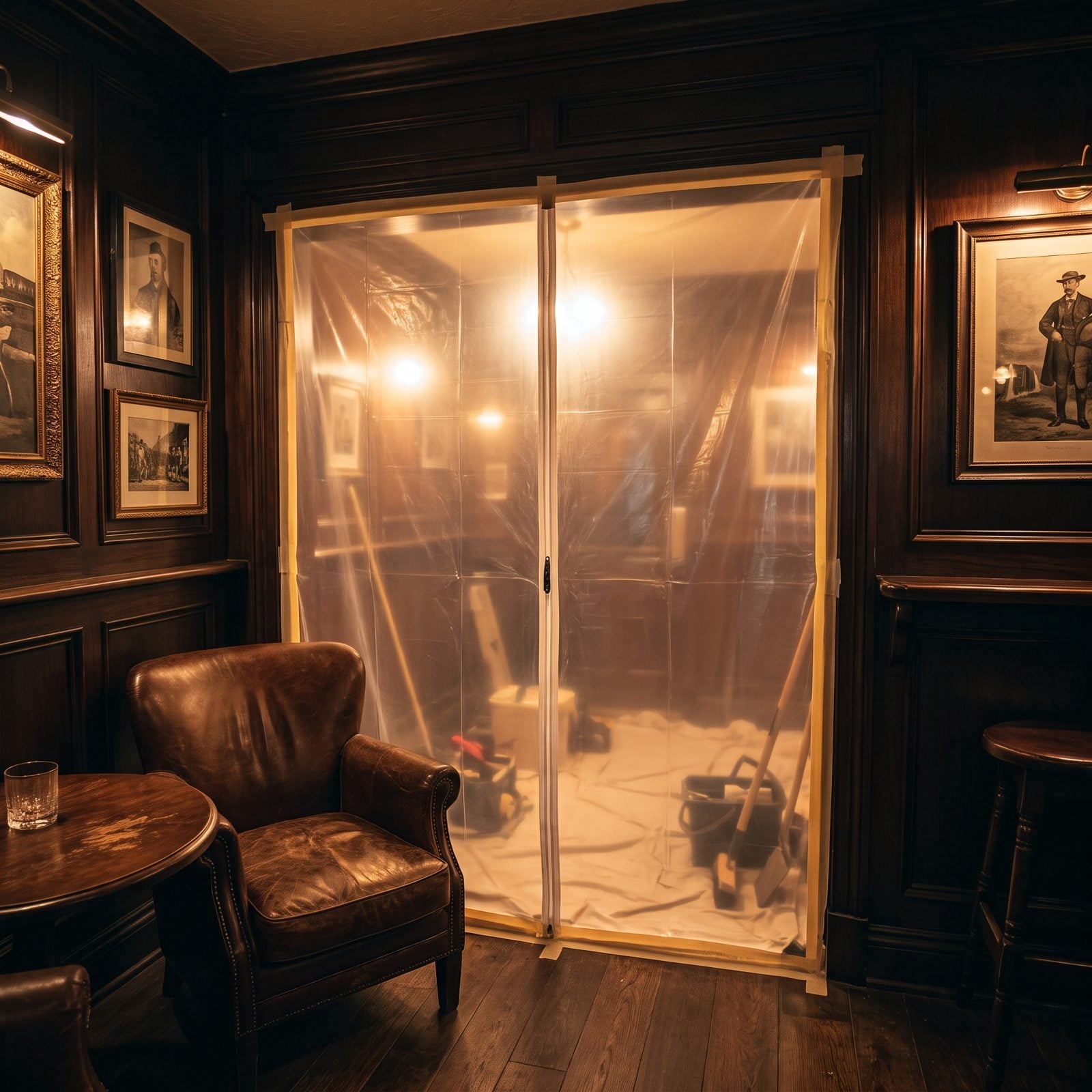
The plastic sheeting goes up and something in you shifts. That flimsy zippered barrier is now the single most important structure in the house. You check the seams. You re-tape a corner that lifted. And you eye anyone who approaches it like they’re about to breach a national border with contraband dust.
You’re defending the clean part of your life from the chaos of the renovation, and the barrier is the line where one ends and the other begins. Protect the line, protect your sanity.
This is contamination psychology — the same wiring that makes a single hair ruin an otherwise perfect bowl of soup. Dust doesn’t respect boundaries, and knowing that makes you hyper-vigilant about the one boundary you actually control. A well-sealed barrier keeps grit out of your warm hallway renovation and out of your lungs, so the patrolling isn’t entirely irrational. It just arrives with more feeling than tape and plastic usually warrant.
4. Family Members Need Permission to Move the Temporary Kitchen
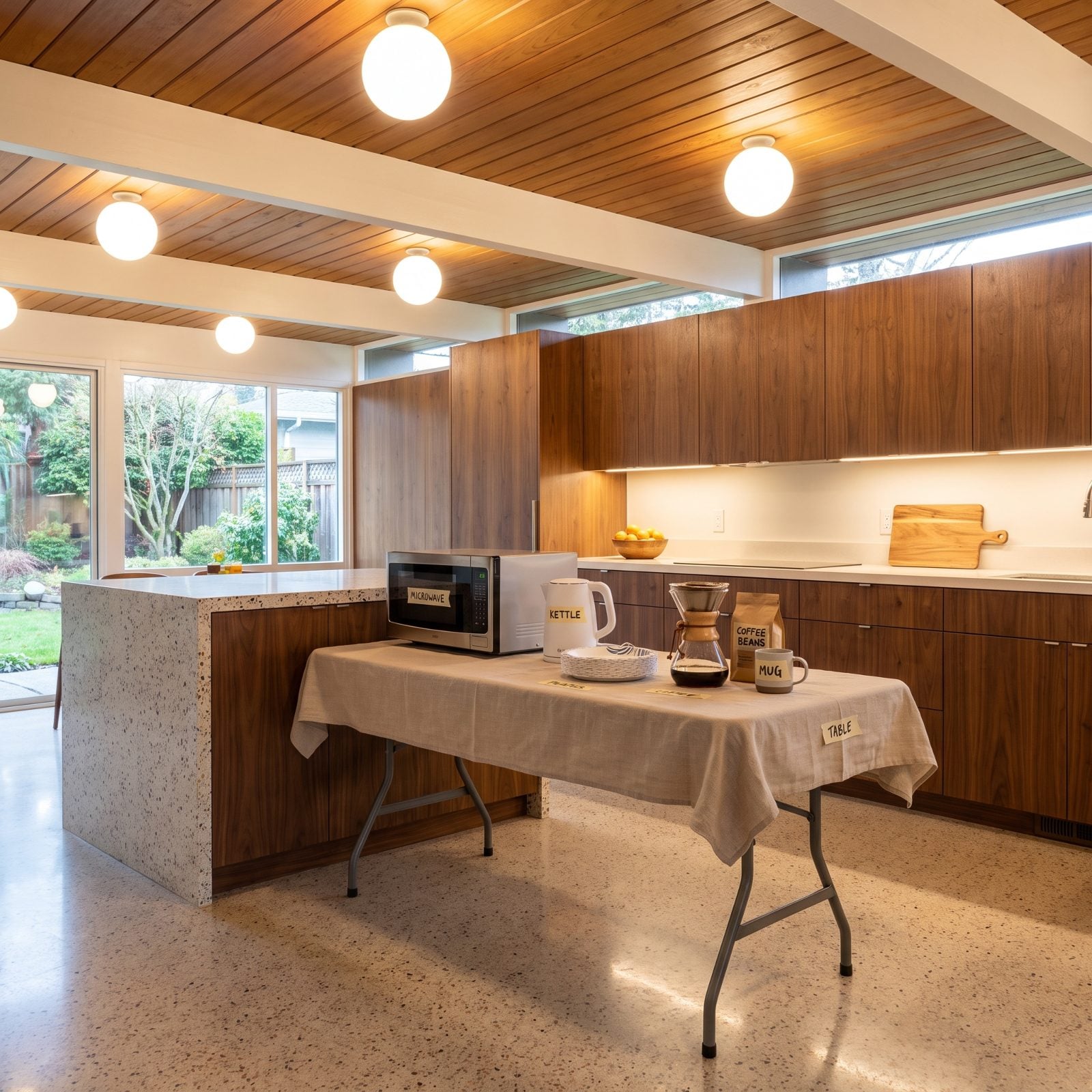
The microwave goes here. The kettle goes there. The paper plates live in this exact corner, and the coffee setup does not move, because the coffee setup is the one reliable thing left in your day. Then a family member rinses a mug and sets it down two feet to the left, and you feel it in your spine.
You’ve built a tiny functioning system on a folding table, and you’re guarding it the way you’d guard a campsite you finally got level. Every item has a place because places are the control you’ve claimed, while the real kitchen behind the table sits gutted.
Psychologists would point to the effort you poured into arranging it. We overvalue things we assembled ourselves — the IKEA effect — and this fragile little outpost cost you real sweat to build. Moving one piece feels like someone kicking the first domino. It isn’t about the mug. It’s about the only order you’ve got.
3. A Crooked Grout Line Can Ruin Your Entire Tuesday
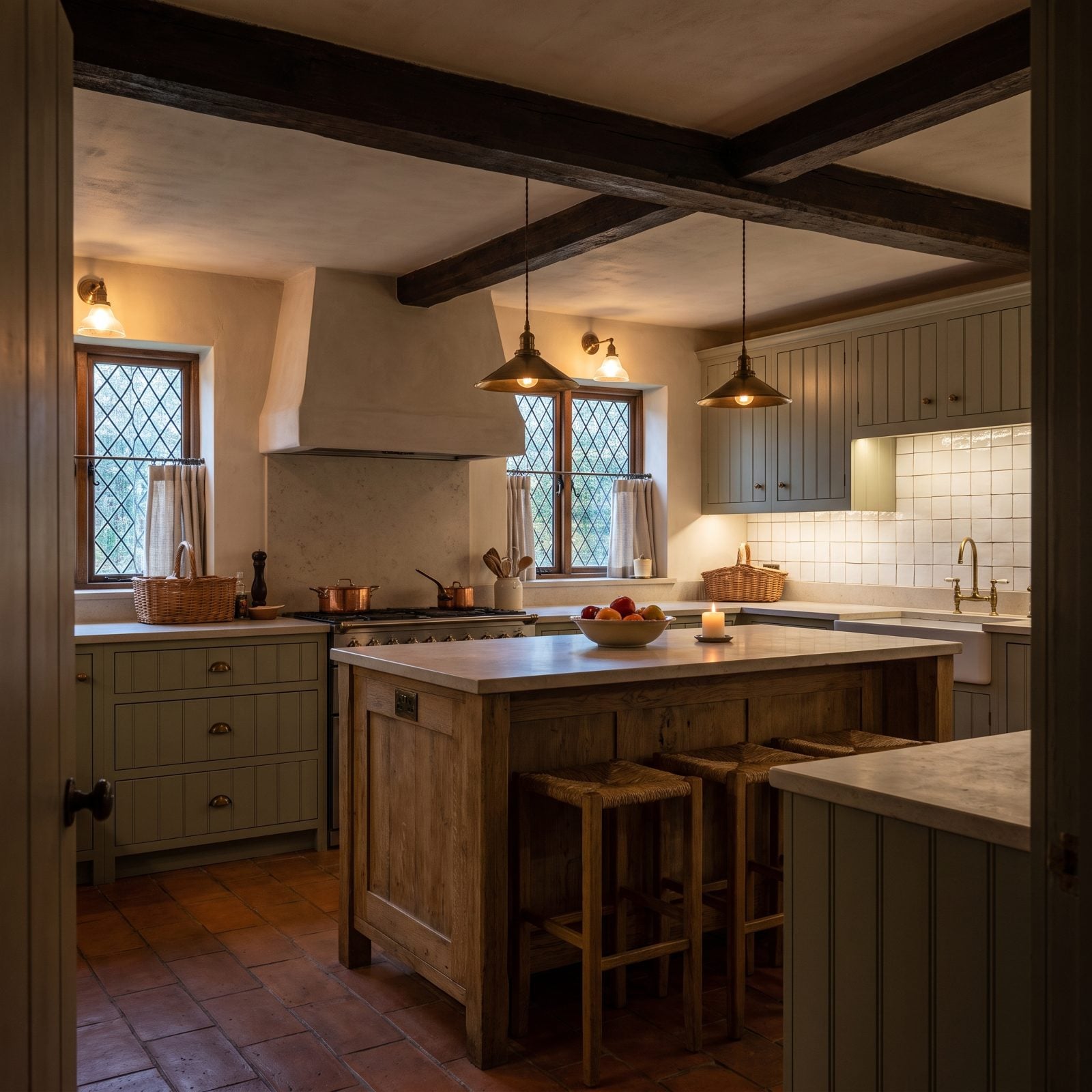
One grout line is off. Not dramatically — just enough that the light catches it when you pass at the wrong angle. And now you can’t un-see it. The whole backsplash, which is fine, which is genuinely good, has collapsed in your mind to this one wandering line.
Negativity bias, doing what it does best. One flaw drowns out a hundred things done right, because historically what was wrong was what killed us. A crooked grout line is not a saber-toothed tiger. Your nervous system never got the memo.
The stakes feel enormous because tile is permanent and expensive, and you’ll look at it every single day for years. A small defect in something irreversible reads as a big one. Whether it actually ruins the Tuesday is up to you.
2. One Missing Backsplash Tile Triggers a Supply-Chain Investigation

The backsplash is done except for one tile behind the range. Just one. There’s a bare rectangle of backerboard staring at you, and suddenly you’re on the phone with the tile shop, then the manufacturer, then googling whether this dye lot is discontinued, then measuring the gap for the fourth time as if the number might change.
A project that’s ninety-nine percent complete feels less finished than one that’s seventy percent along but moving. That’s the Zeigarnik effect: the brain clings to unfinished tasks and won’t let them go. The missing patch is a splinter in your attention that nothing else can soothe.
The expense magnifies it. Handmade tile means dye lots, and dye lots mean a replacement might not match, which blows a one-patch problem into a whole-wall problem in your imagination. The investigation feels proportionate because the worst case genuinely is bad. A finished red kitchen makeover with one wrong-colored patch would haunt you, and you know it.
1. You Rewrite the Punch List After Every Walkthrough
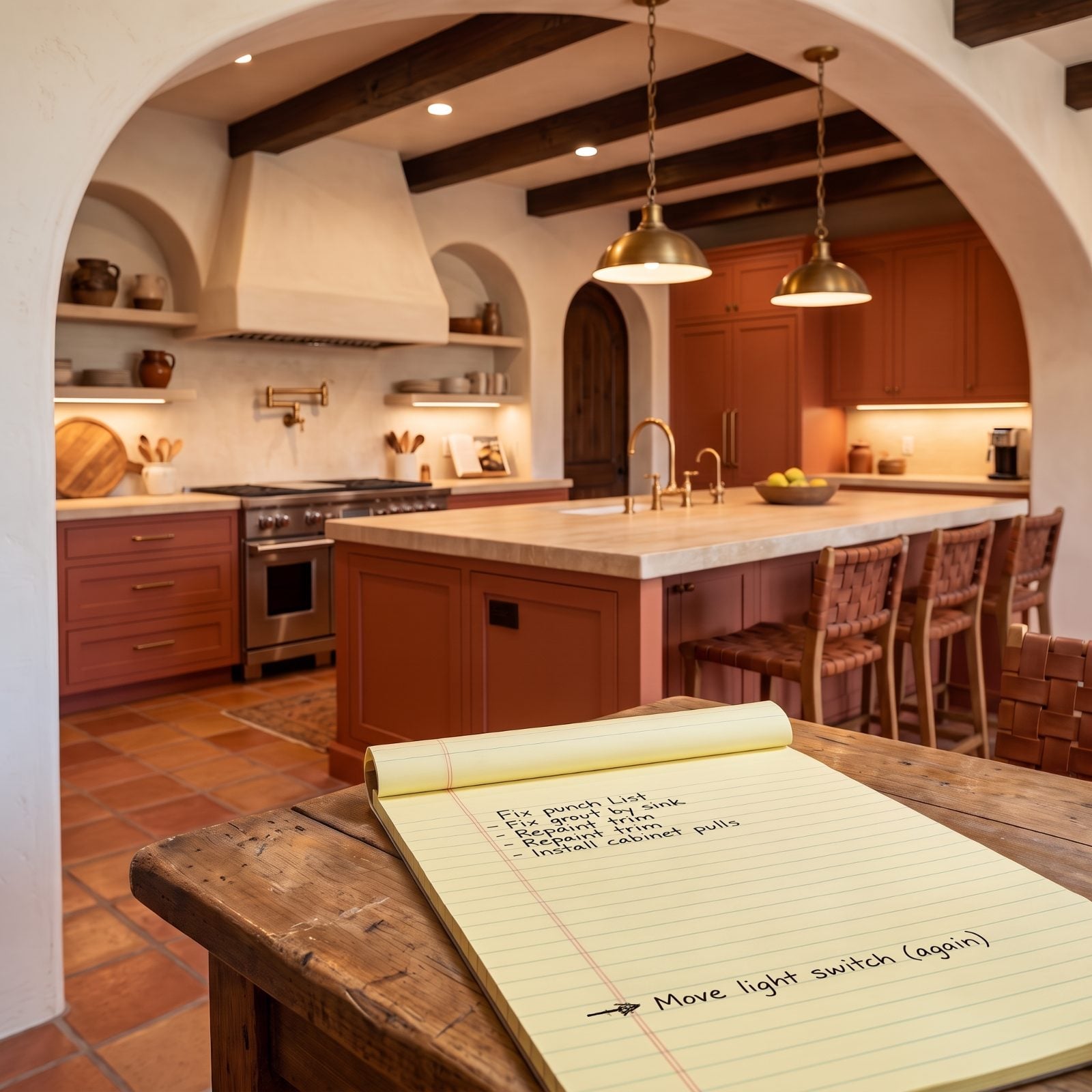
The kitchen is basically done, and you’ve got a legal pad. Every walkthrough adds more lines to the yellow page — repaint trim, install cabinet pulls, move the light switch — some of them written down more than once. Nothing gets crossed off, you just add more, and the list refuses to shrink.
This is the finish line doing something strange to your brain. Get close to done and your eye sharpens, because now the big stuff is handled and only the small stuff is left to scrutinize. Same reason a nearly spotless car makes you notice the one smudge. Standards rise as problems shrink.
And there’s a reluctance hiding in here. Finishing the punch list means the project ends, the crew leaves, and whatever’s wrong is now yours to live with. So you keep finding things — partly because you’re thorough, partly because the list is the last bit of control you have before it’s truly, finally done.
The list isn’t about the squeaky hinge. It’s the last lever you get to pull before the kitchen stops being a project and starts being a room.