🔥 Would you like to save this?
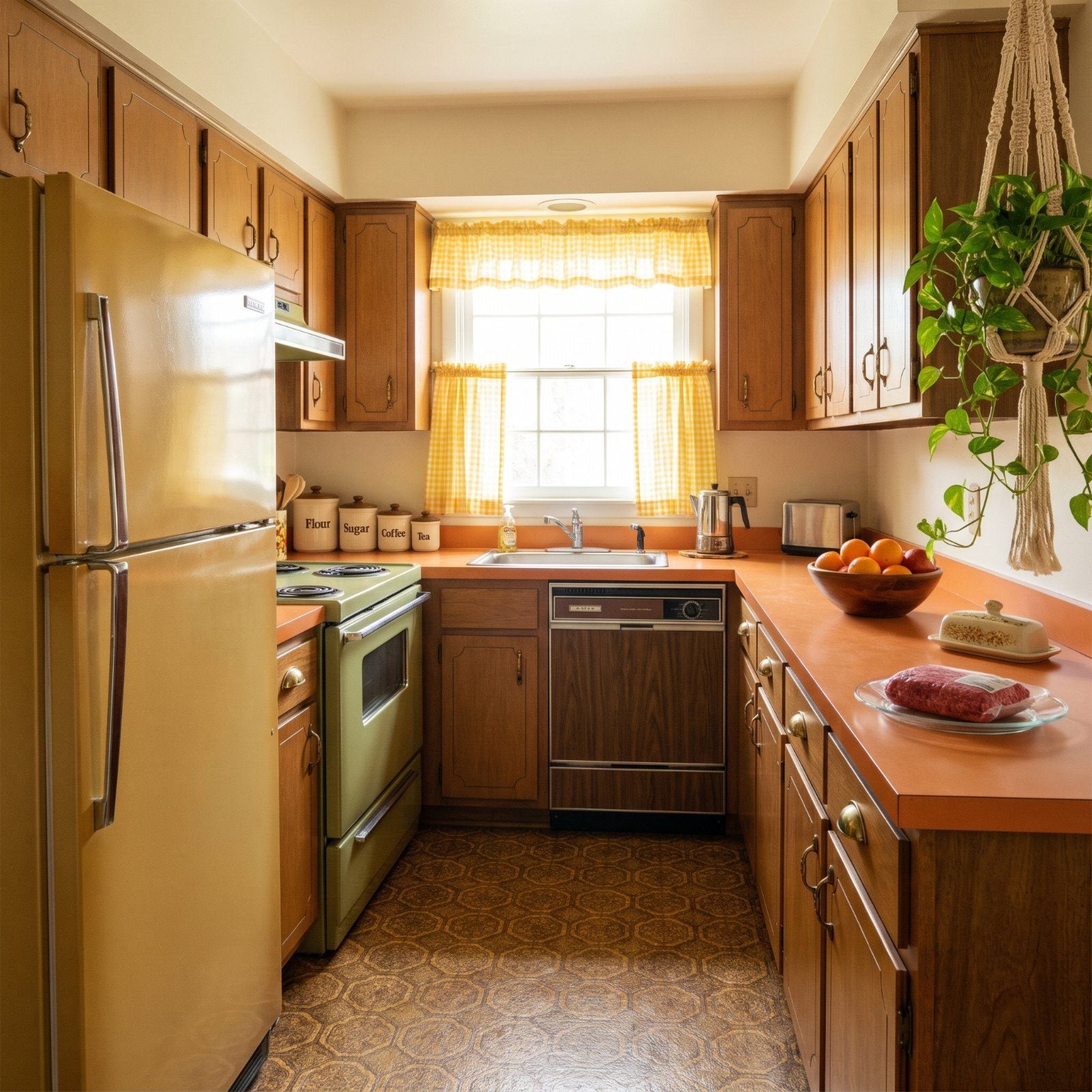
The kitchen always smelled like coffee and whatever was thawing on the counter. Nobody owned a meat thermometer, and nobody thought they needed one. The butter sat in a dish by the toast, soft and ready, for as long as anyone could remember. These were the rituals that ran a household before food safety became a science, and we loved every warm, slightly reckless minute of them. Here are the ones that would make a modern inspector reach for a clipboard.
28. The Pound of Ground Beef Thawing on the Counter All Day

The meat came out of the freezer before breakfast and sat on a plate by the window until dinner. That was just how you planned a meal. Nobody worried about the “danger zone” because nobody had ever heard the phrase.
In order to come up with the very specific design ideas, we create most designs with the assistance of state-of-the-art AI interior design software. Also, assume links that take you off the site are affiliate links such as links to Amazon. this means we may earn a commission if you buy something.
Here’s what I didn’t learn until I was an adult: bacteria on the surface of that beef multiply fast once it hits room temperature, and the inside stays frozen while the outside turns into a buffet. The USDA warns that anything above 40 degrees for more than a couple of hours is a gamble. We left it most of the day. Every single time.
27. One Cutting Board for the Raw Chicken AND the Salad
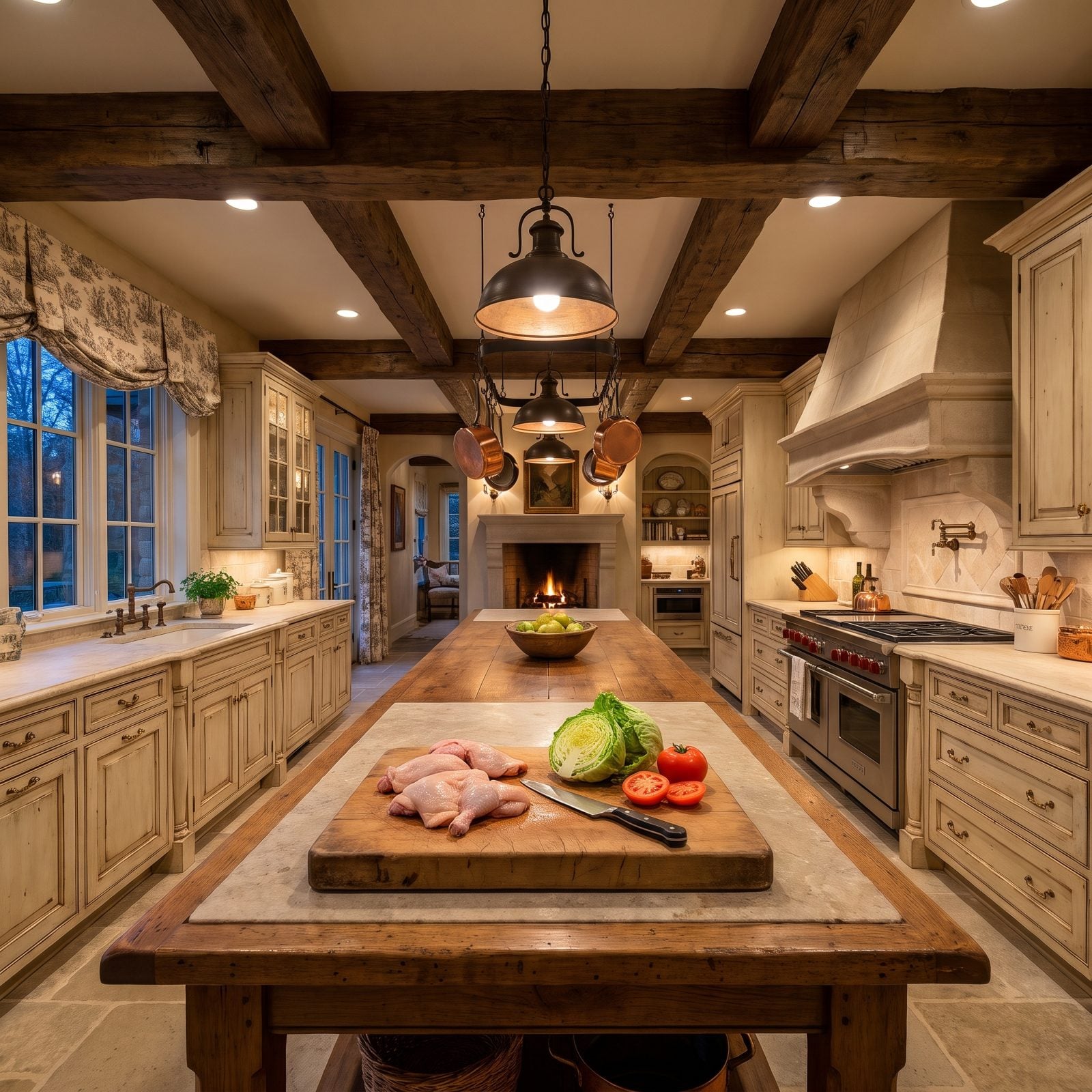
You cut the chicken, pushed it to one side of the board, and started on the vegetables right there in the same spot. Maybe you wiped the board with a dish towel first — the same towel you’d been using all week.
Cross-contamination wasn’t a word in the household vocabulary. Salmonella and campylobacter don’t care how clean the kitchen looks, and raw poultry juice on a board that then touches your salad is how a family of four ends up taking turns in the bathroom. One board, one knife, zero hesitation. We really pushed our luck.
26. Eggs and Butter Living on the Counter, Not in the Fridge

The butter dish was a permanent counter resident. It sat by the toaster, soft and spreadable, for days at a stretch. Eggs lived in a basket or in that little molded door shelf half the fridges of the era had and nobody uses correctly.
Butter’s mostly fat, so it’s more forgiving than people think. The eggs are the real question. In the US, eggs get washed and refrigerated, and once they’re cold they need to stay cold. Leave them out and you invite condensation and bacteria right through the shell. Charming counter. The science disagreed.
25. Washing the Whole Day’s Dishes in One Sink of Grey Greasy Water
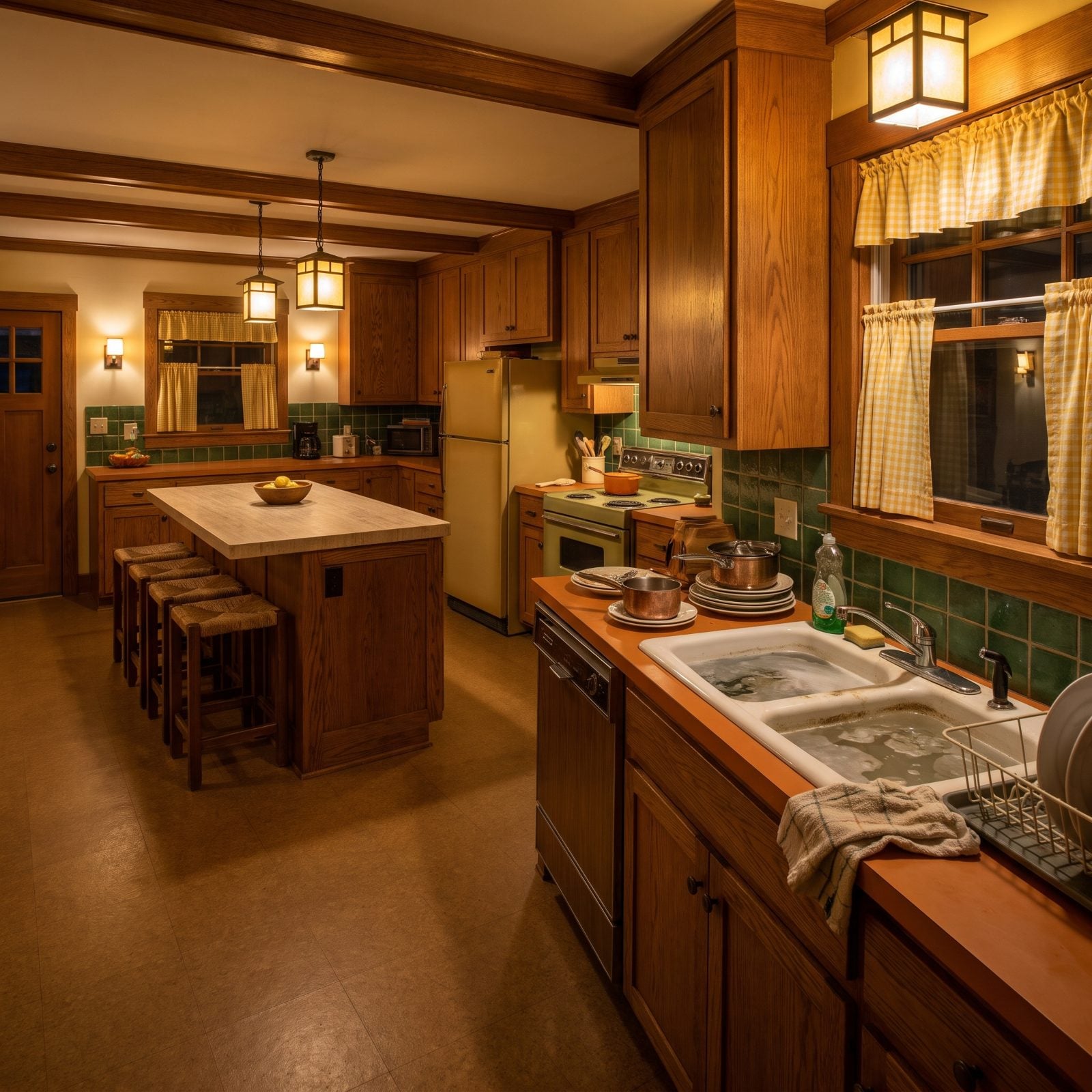
You filled the basin with hot soapy water in the morning and used it until the water went cold and grey and a slick of grease floated on top. Breakfast plates, lunch glasses, the roasting pan from the night before — all through the same tired water.
By the third load, you weren’t washing anything. You were redistributing it. Dishwashers existed, but plenty of households saved theirs for company and did everything by hand in that one sad bowl of water. If a kitchen deserved a modern cool kitchen makeover, it was usually the one with the dishpan that had seen things.
24. The Casserole That Sat Out Till Supper, Then Got Reheated
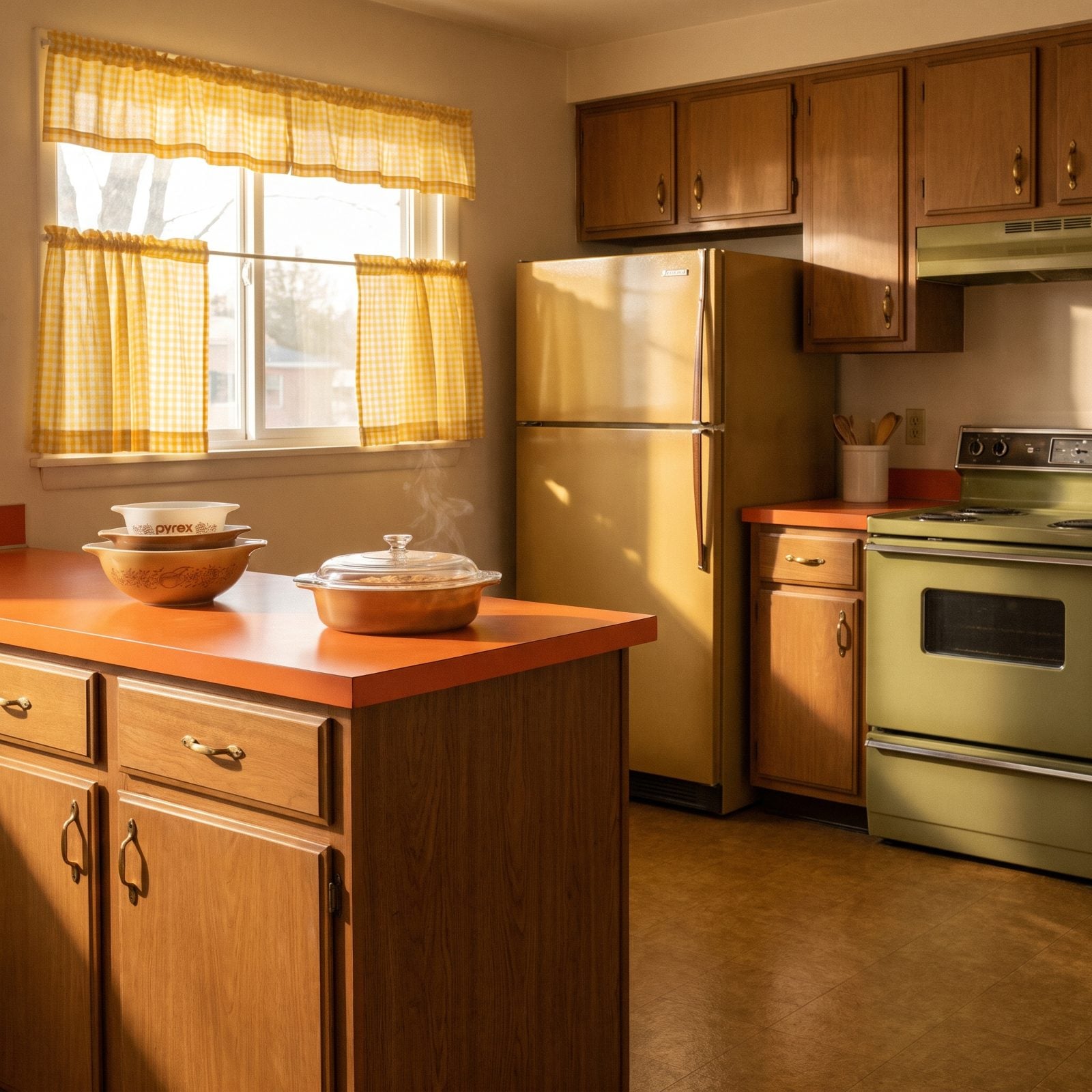
Lunch ended and the casserole stayed on the stove, covered with its glass lid, waiting there for whoever got hungry again at five. Then you warmed it up and called it dinner.
That afternoon on the counter is exactly the window bacteria want. Reheating kills some of it, but the toxins certain bacteria leave behind don’t care how hot you get the dish. You can nuke it to lava and still end up sick. We treated “reheated” like a reset button. It isn’t.
23. The Back-of-the-Fridge Mystery Containers Nobody Would Open

Every fridge had the graveyard shelf. Foil-wrapped lumps, margarine tubs holding something that was definitely not margarine, a bowl covered with a saucer that you’d stopped recognizing weeks ago. You moved them to reach the milk and put them right back.
Leftovers hold up for a few days, not a few weeks. The problem was always the opaque tub: out of sight, out of mind, until it became a science experiment somebody eventually had to volunteer to dump. Clear containers and a little masking-tape date would have saved us. We preferred the mystery.
22. Canned Goods Kept Long Past the Bulge and the Rust

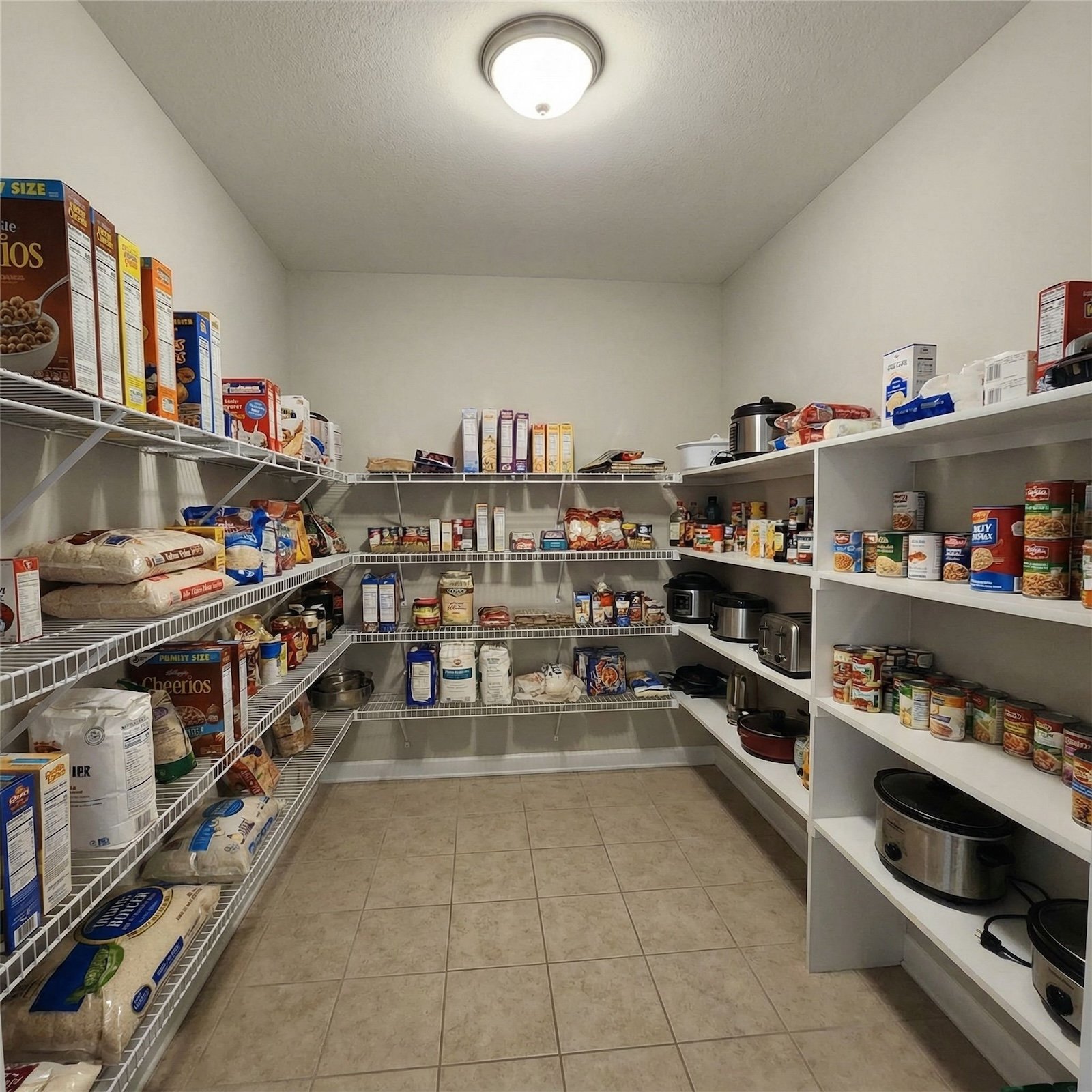
A can was forever, as far as the pantry was concerned. It got pushed to the back and stayed there through two presidents, label fading, rim rusting, sometimes the lid quietly swelling.
A bulging can is the one that should genuinely scare you. That’s gas from bacteria growing inside, and in the worst case it’s botulism — rare, but no joke at all. Rust around the seam can breach the seal and let air in. The rule is simple and we ignored it: if it’s bulging, leaking, or rusted through, it goes in the trash, not the pot.
21. Tasting the Pot With the Same Spoon, Over and Over
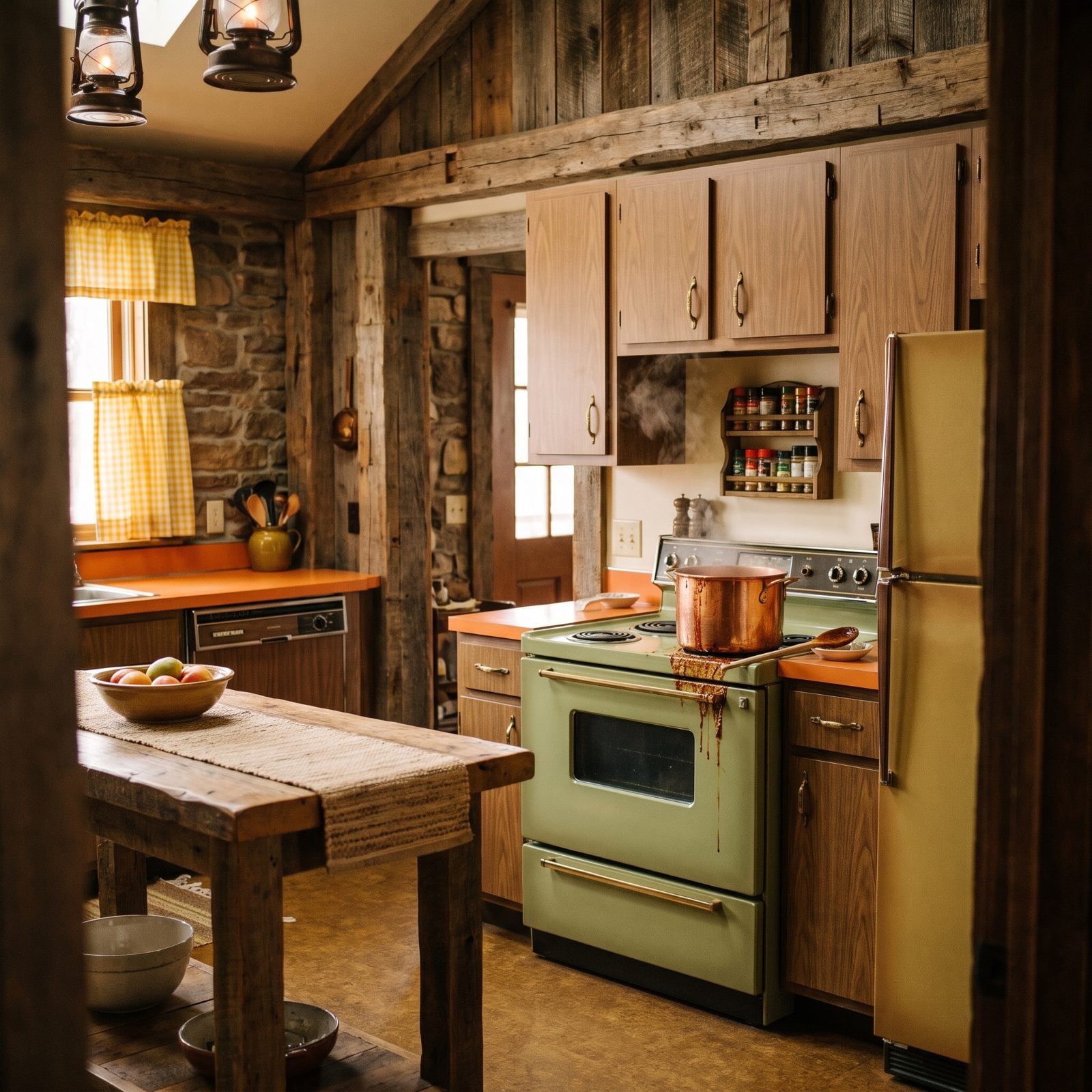
Dip, taste, dip again. The spoon went from the cook’s mouth back into the family’s dinner more times than anyone wanted to count. It was efficient. It was also a direct line from one person’s saliva into everyone’s spaghetti sauce.
Nobody thought twice about this one, and it’s among the easiest to fix. Grab a second spoon for tasting and never let it return to the pot. That’s it. Two spoons and the problem’s gone. We just never bothered.
20. Handing the Kids the Beaters Full of Raw Cookie Dough
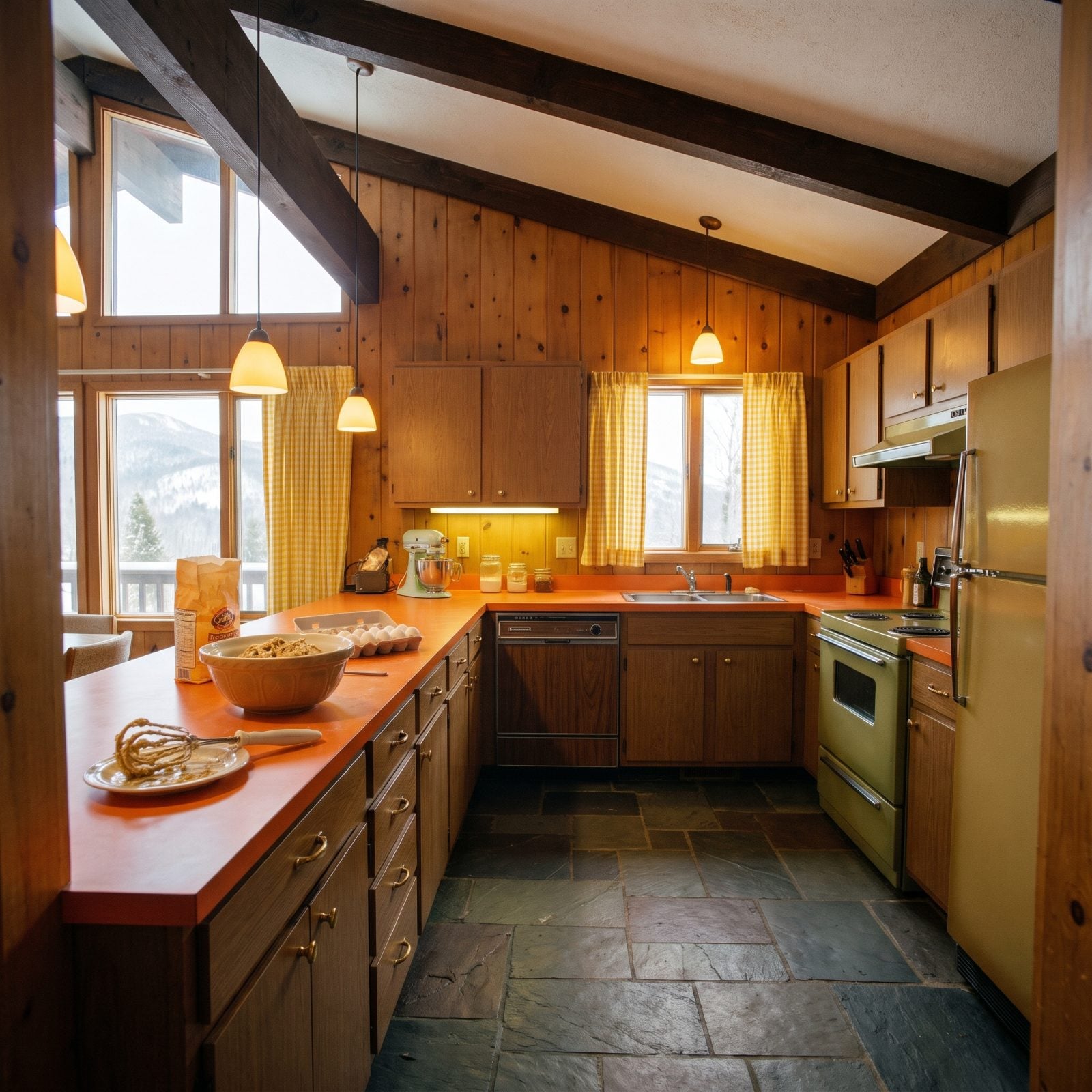
The beaters were the prize. Licking the bowl was practically a birthright, and no baking session ended without somebody’s finger making a run through the leftover dough.
We always blamed the raw egg, and that’s real, but the bigger surprise is raw flour. Flour isn’t treated to kill bacteria before it hits your bag, and it’s been behind plenty of E. coli outbreaks. So the dough was a double risk nobody was counting. I’m not going to pretend I’d turn down a beater today — but I at least know what I’m agreeing to now.
19. The Wooden Spoons That Had Been in the Crock Since the Nixon Years
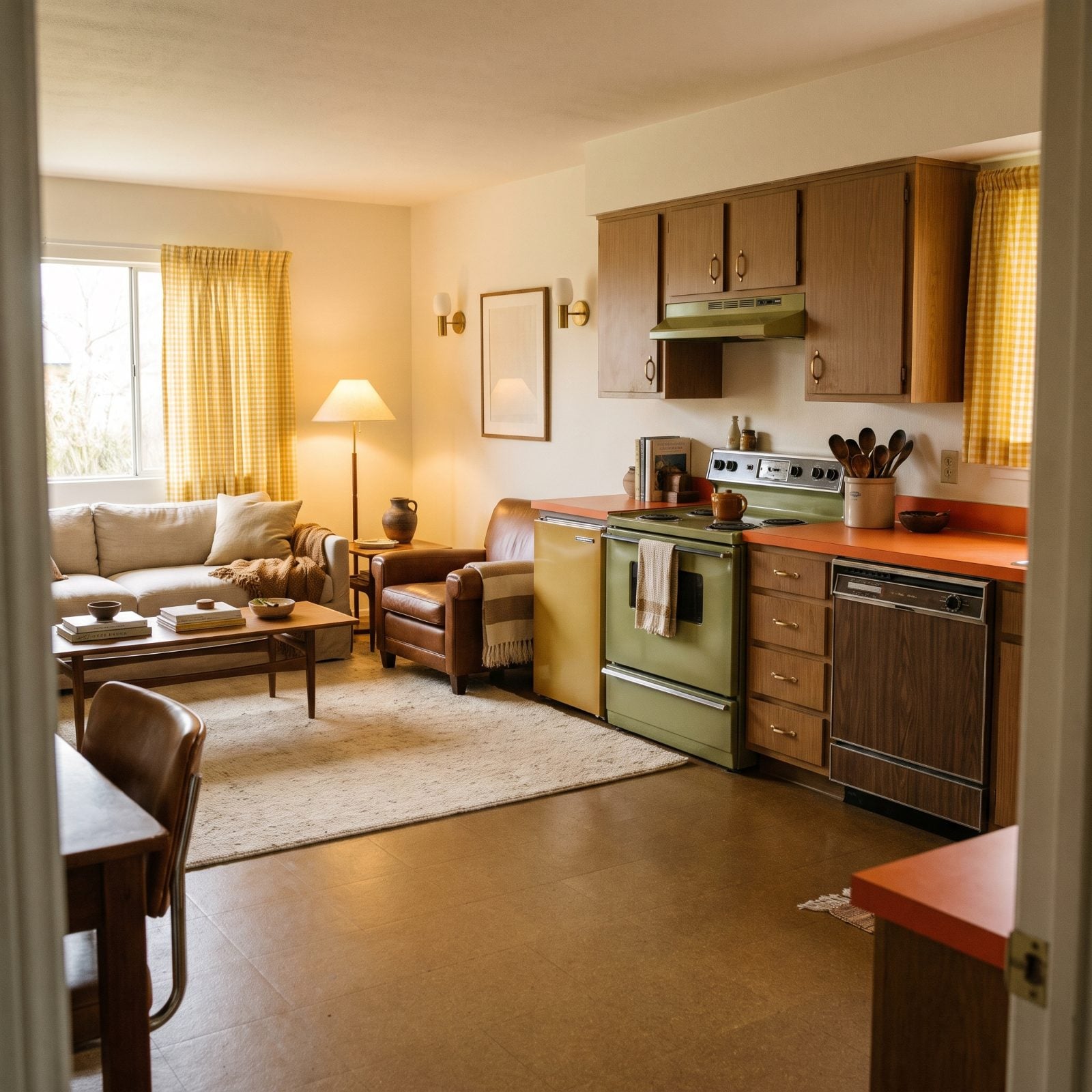
They sat in the crock by the stove, dark and worn smooth, with cracks you could lose a grain of rice in. Some of those spoons were older than the kids using them, and nobody ever considered replacing one. They got better with age, we figured.
Wood is porous, and those splits and grooves cling to moisture, oil, and whatever was in last night’s pot no matter how hard you scrub. A cracked, fuzzy, splintering spoon isn’t seasoned. It’s a sponge for bacteria that never fully leaves.
I keep my favorite one too, so I’m not throwing stones. But the deeply split ones earned their retirement a long time ago, and replacing them is about the cheapest kitchen upgrade going. Sometimes the heirloom is just old.
18. The Poison Shelf Under the Sink, Right Next to the Potatoes
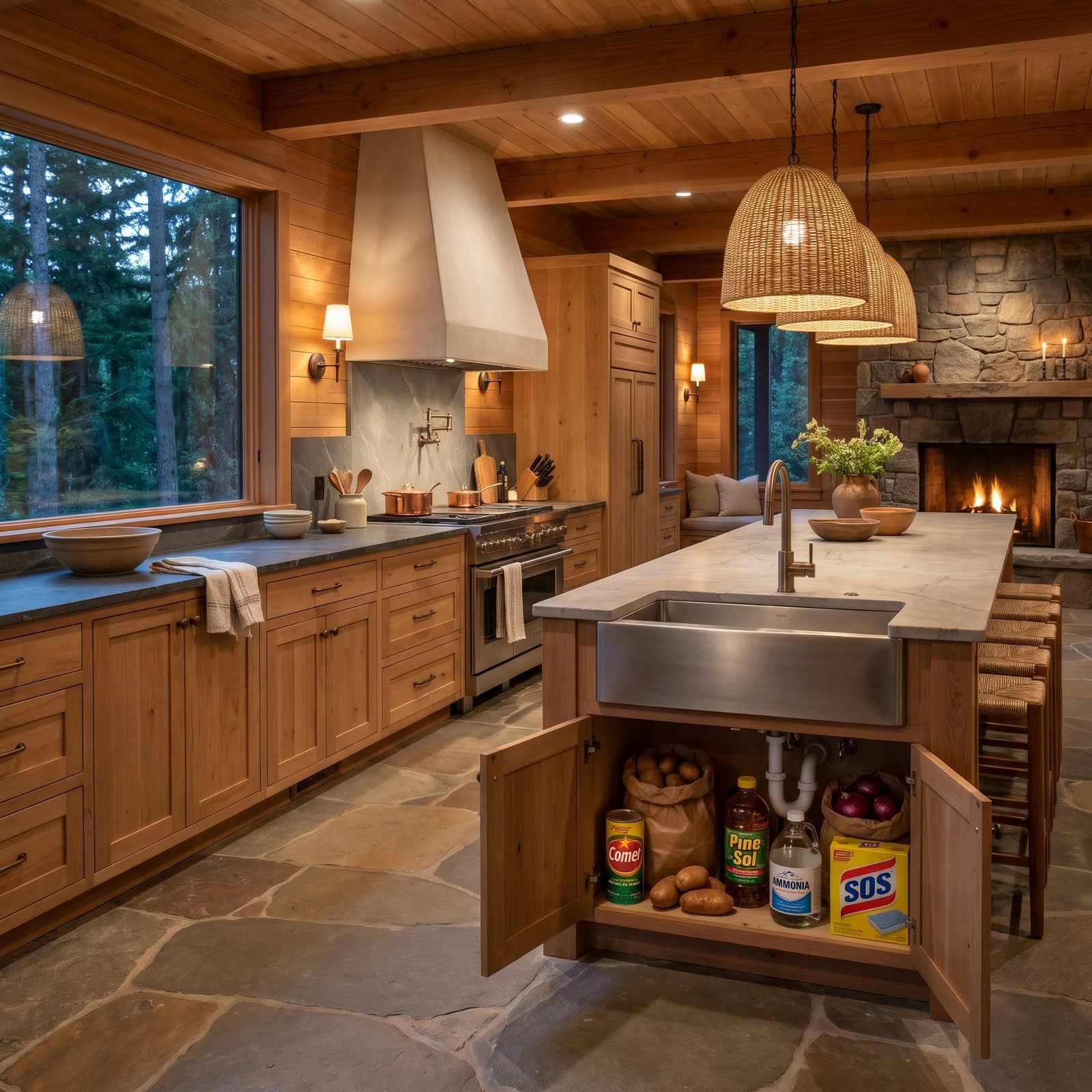
Open any cabinet under a kitchen sink in 1975 and you got the same still life: a can of scouring powder, a bright yellow, red and blue box of SOS pads with its label still crisp, a bottle of ammonia, and a bag of potatoes sprouting in the dark, all within arm’s reach because that was simply where things went.
Nobody thought twice about it. The cleaning supplies lived under the sink, the overflow pantry lived there too, and the two shared a shelf like old roommates who’d stopped noticing each other. A modern inspector would have a quiet breakdown over it — open chemicals, no child locks, food contact surfaces a few inches from the drain cleaner.
I grew up reaching past a jug of bleach to grab the onions. We all did. That under-sink cabinet was the most dangerous square foot in the house and somehow the one we trusted most.
17. The Hand-Painted Dinner Plates That Leached Lead With Every Meal
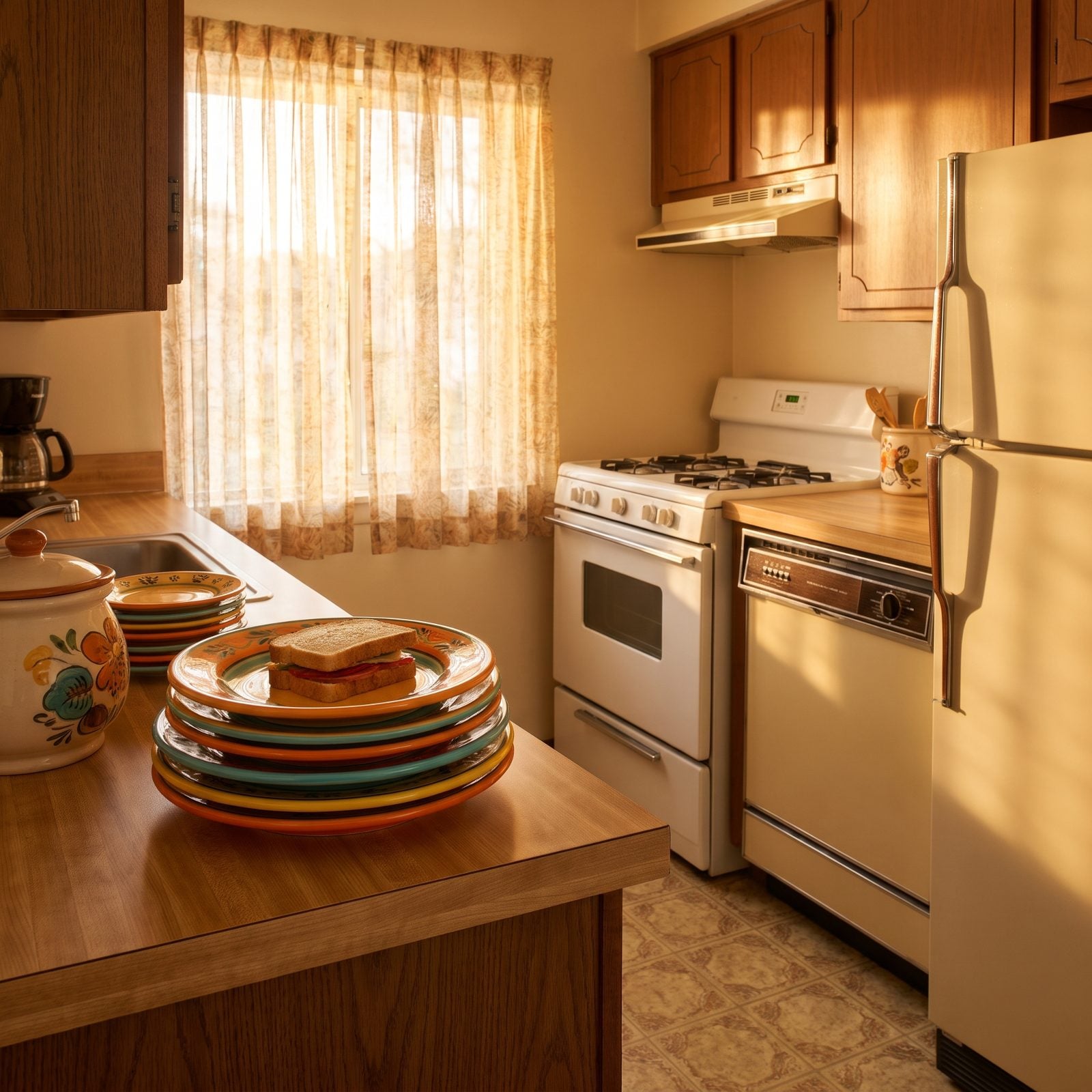
Those plates were the pride of the cabinet. The ones with the thick, candy-bright glaze — orange and turquoise and that particular acid yellow — hand-painted around the rim and heavy as a hymnal. They came out for Sunday dinner and holidays, and the color never faded no matter how many times they went through the wash.
The color was the problem. A lot of that pre-1970s glaze got its brilliance from lead, and acidic foods like tomato sauce or citrus would pull it right out of the surface and onto your fork.
I’m not saying throw out your grandmother’s dishes. I’m saying maybe don’t eat spaghetti off them every night. And here’s the irony — the ones that worry me most are the cheerful ones. The brighter and glossier the vintage plate, the more I’d hang it on a wall instead of under a pork chop.
16. The Fuzzy Gray Pipe Insulation Nobody Knew to Fear
🔥 Would you like to save this?
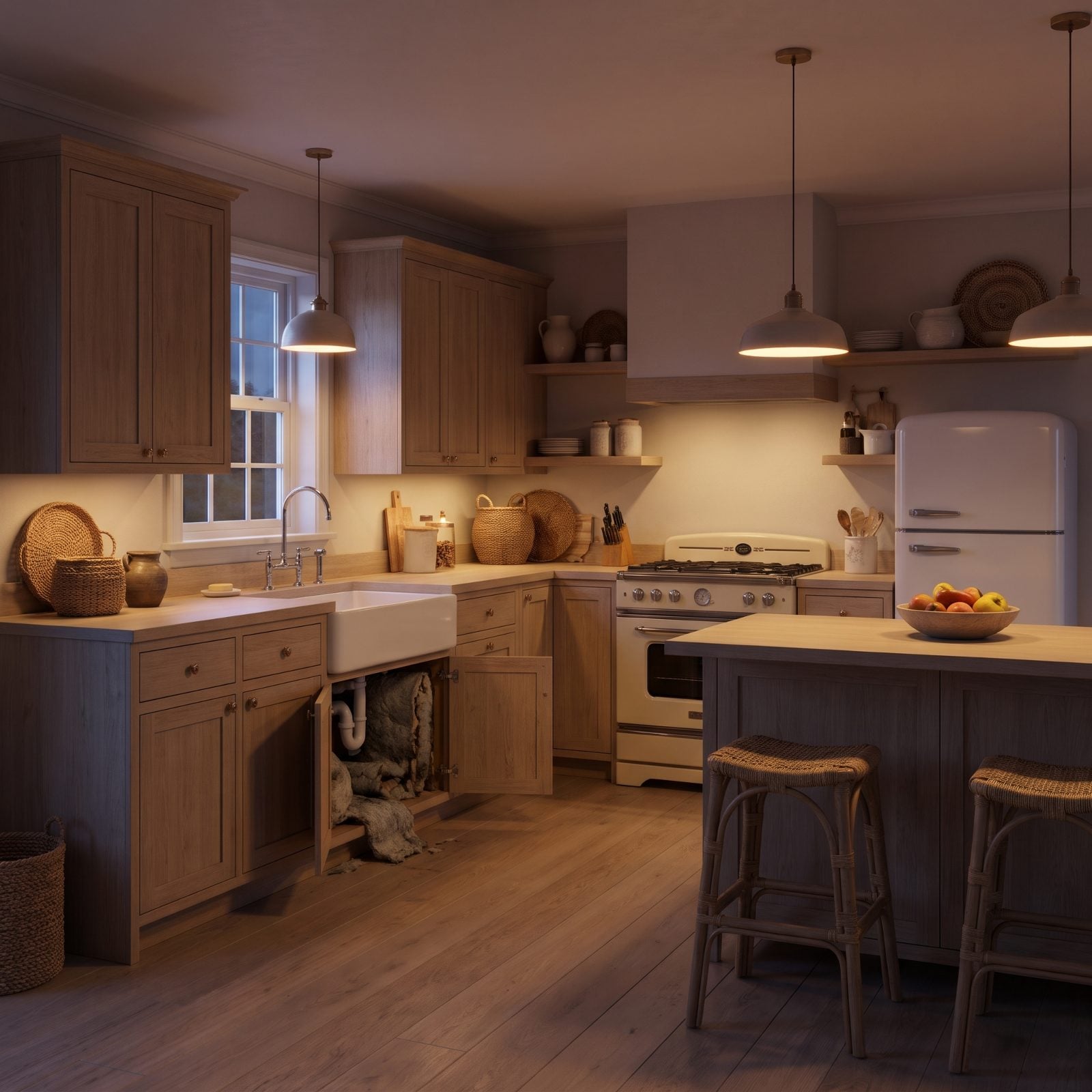
You never looked at it. It was just there — a grayish, chalky heap piled loosely behind the pipes under the sink, crumbling and spilling out onto the floor, soft and fibrous, somewhere between felt and cardboard. It kept the pipes from sweating, and that was its whole job.
For decades that stuff was asbestos, and the moment it dried out and started shedding fibers, it became the single most dangerous thing in the kitchen you couldn’t see doing anything.
The worst part is how innocent it looked. No warning, no smell, no reason to think twice. A plumber poking around under there with a wrench in 1965 had no idea what he was breathing. If you’ve got an old house and fuzzy gray pipe insulation under the sink, don’t pick at it. Get someone who knows what they’re looking at.
15. Fogging the Oven With Aerosol Cleaner and the Window Shut
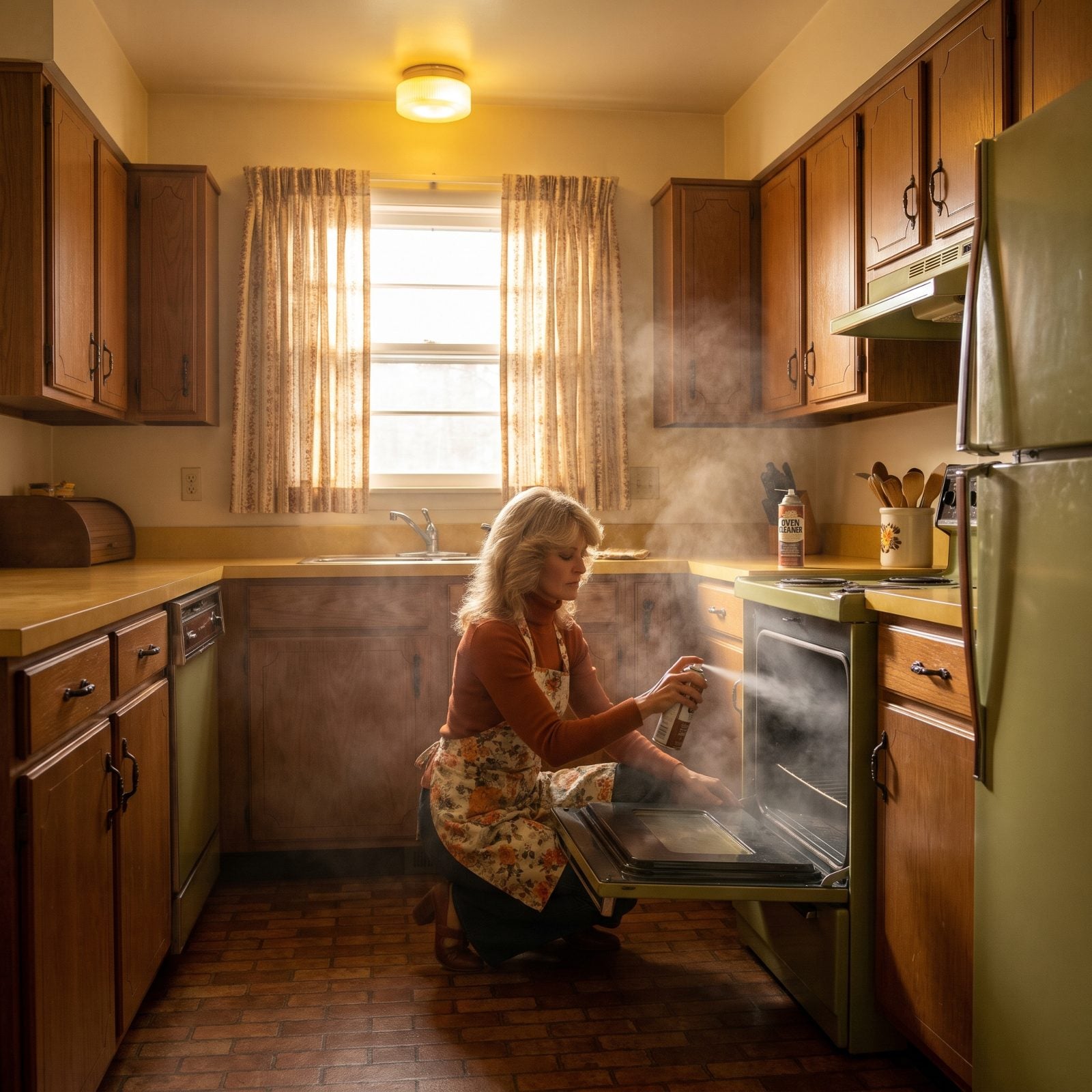
You knew oven-cleaning day by the smell — sharp, chemical, caustic enough to make your eyes water from the next room. The window was almost always shut, because it was winter or because nobody thought to open it.
The routine ran the same in every house. Drop the oven door wide open, pull the rack out, and spray until a thick cloud of mist billowed out across the kitchen. Those fumes from the lye-based aerosol were no joke, and breathing them in a sealed kitchen was asking for a headache at best.
We treated ventilation as optional. You powered through, eyes stinging, because the oven needed doing and there wasn’t a better way yet. Tackling a greasy oven today? Crack a window and put a fan in it. Your lungs will thank you.
14. Deep-Frying in an Open Pot Over a Roaring Flame, No Lid in Sight
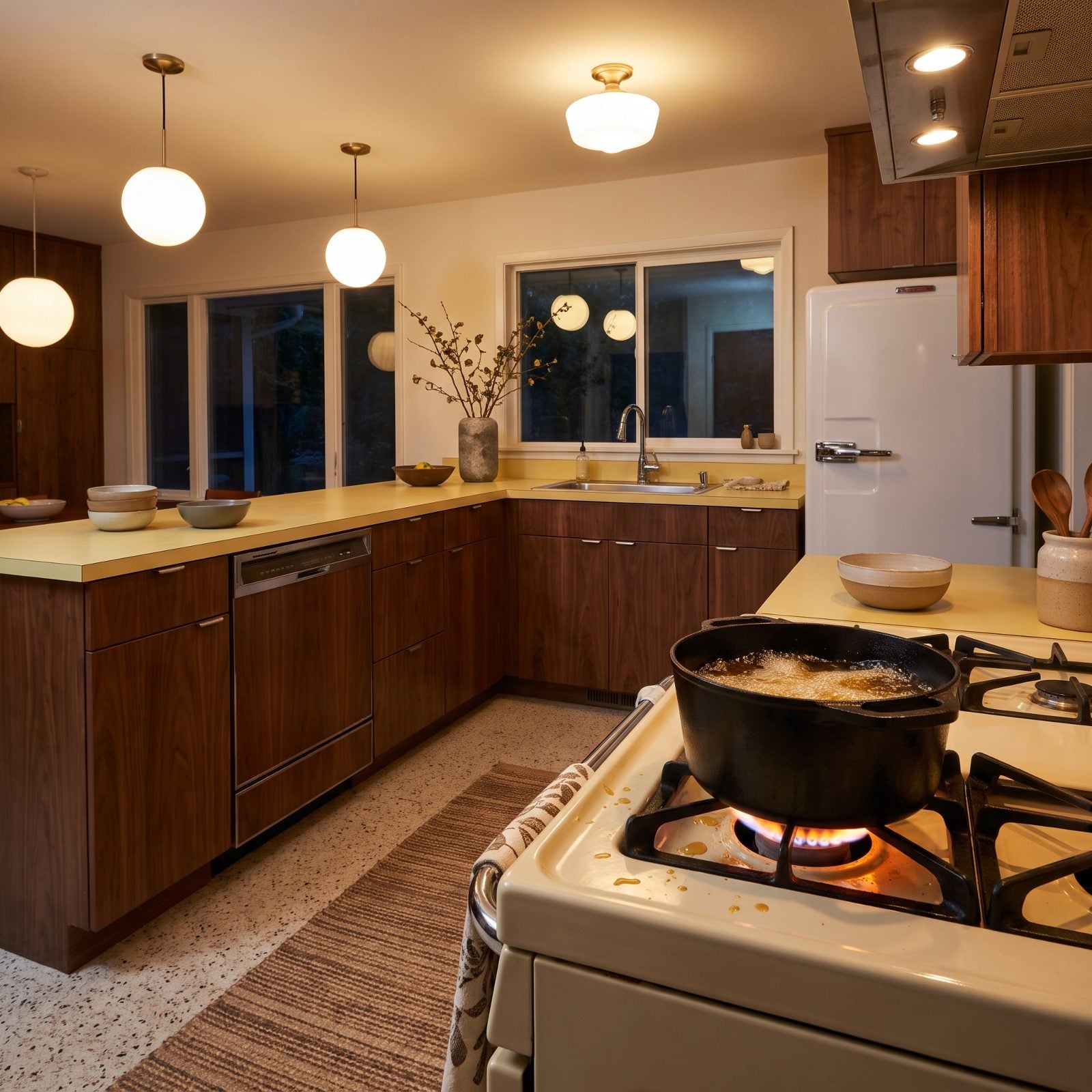
No lid. No thermometer. Just a deep pot of oil and the flame cranked high.
Friday fish fry, doughnuts, chicken — it all happened in the same tall pot set over a burner turned up past where it needed to be, oil shimmering and spitting, a dish towel hanging off the oven handle a few inches from the heat. If a grease fire ever caught, the nearest lid was usually in a drawer across the room.
We still love deep-frying, and plenty of us still do it in exactly this pot. What’s different now is we know to keep a lid within reach, keep the heat moderate, and never, ever reach for water. If this is still how your kitchen works, a decent countertop fryer with a thermostat is one of the better small upgrades you can make — worth factoring into a cool kitchen makeover if you cook like this often.
13. Pouring Hot Bacon Grease Straight Down the Drain
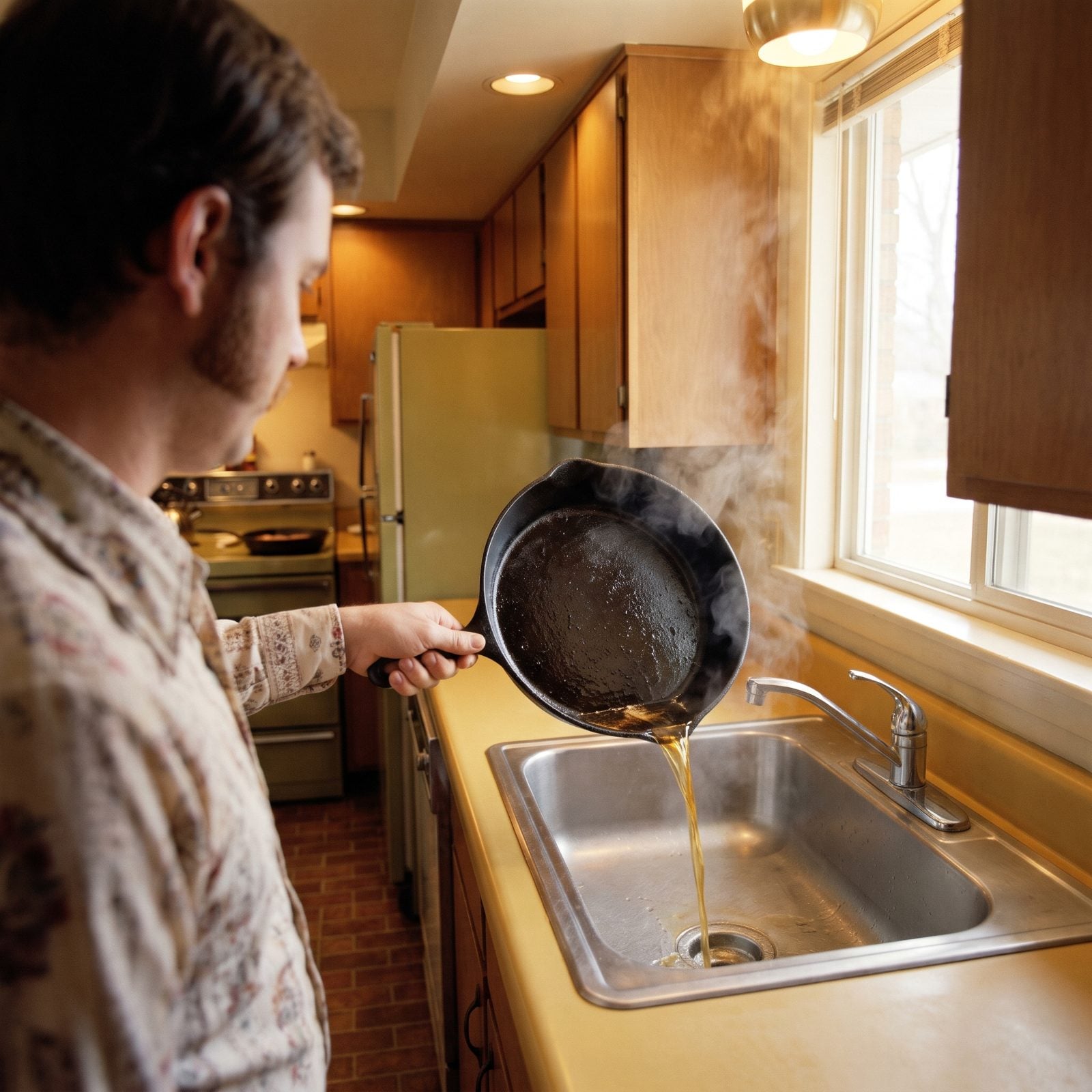
Breakfast ended the same way every morning. The skillet went to the sink, got tipped over the drain, and all that golden bacon grease slid down with a satisfying little whoosh — followed by a blast of hot water to “clean it out.”
It felt responsible. It was the opposite. Grease cools, hardens, and coats the inside of your pipes like plaque in an artery, and the hot-water chaser just shoves the problem further down where you can’t reach it.
Plumbers have built entire careers on this one habit. The old-timers knew better and kept a coffee can by the stove for grease. The rest of us learned the hard way — usually on a holiday, with a sink full of standing water and every drain company closed.
12. The Gas Range With the Pilot Light That Burned Day and Night

The old gas stoves never truly turned off. A small pilot flame burned in the guts of the range around the clock, ready to light the burners, and if you leaned in close you could hear the faint hiss and catch that unmistakable whiff of gas.
When that pilot went out, or the fitting cracked, the gas kept flowing anyway. No automatic shutoff. The house just quietly filled.
Most of the time it worked fine for decades. But a cracked pilot assembly on an aging range is exactly the kind of slow, invisible hazard that gives modern inspectors nightmares. The standing pilot is mostly gone now, replaced by electronic ignition that sparks only when you need it. A small mercy, delivered one click at a time.
11. Lace Curtains Fluttering Inches From the Open Burners
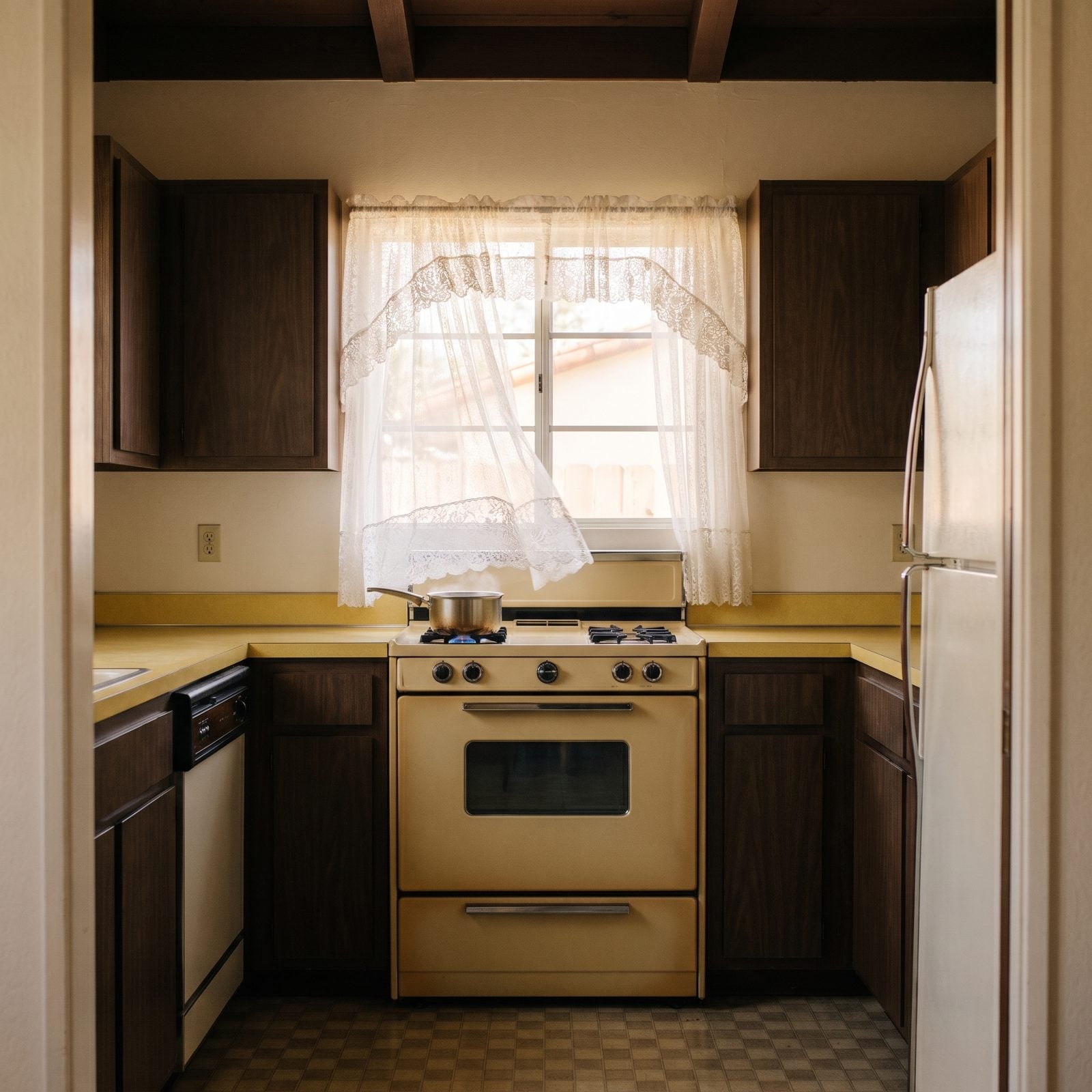
Every kitchen had a window over the stove, and almost every window had curtains.
Light cotton, often lace, sometimes gingham, hung right beside the burners so the morning light came in soft. On a breezy day they’d lift and drift toward the flame, and nobody got up to move them. That was just how a kitchen looked.
It’s a small thing until it isn’t. A gust, a tall flame, and a dry cotton panel is all it takes. The homes that avoided trouble were mostly lucky, not careful.
If your sink and stove sit under the same window — which they often do in a narrow kitchen renovation — keep the fabric short, keep it snug, and pick something that won’t go up like a torch. A tidy Roman shade solves the whole thing.
10. Stacking the Cast Iron Right on Top of the Stove

Even in a spacious kitchen with cabinets and counters to spare, the stovetop became shelving. Cast iron skillet on the front burner, stock pot on the back, lids wedged against the backsplash, a whole battery of cookware parked on the range until dinner.
It worked right up until someone turned the wrong knob. A burner lit under a dry pan. A plastic handle resting on a hot grate. A tower of heavy iron ready to slide. Kitchens of every size fall into this habit, and this was the classic shortcut.
The fix is boring but it matters: hang them, rack them, drawer them. Got cabinets? A wall rail or a deep drawer sorts it out fast. It’s one of the cheapest fixes in any kitchen makeover, and it clears your actual cooking surface at the same time.
9. Using the Oven as a Second Pantry (Until Someone Preheated It)
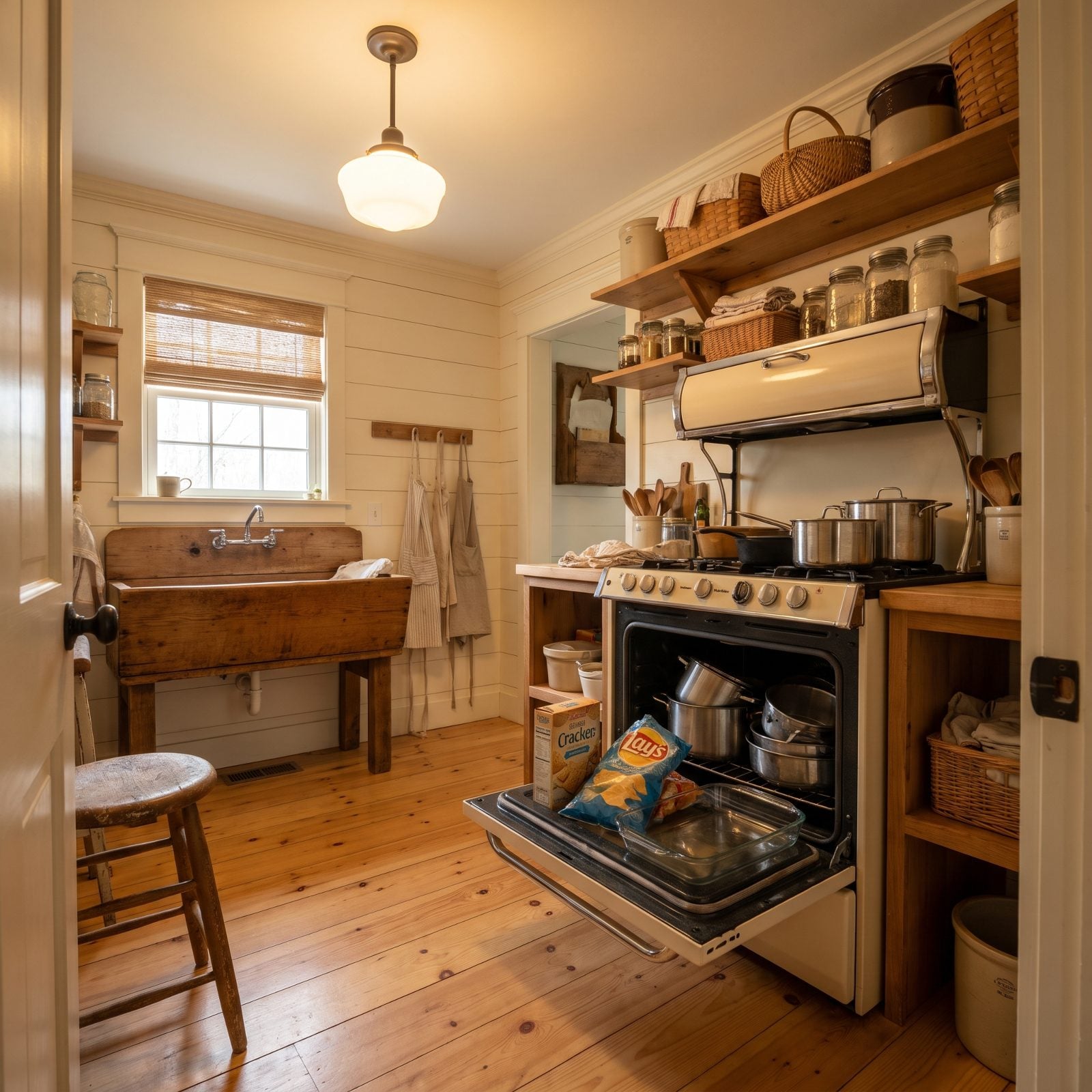
The oven pulled double duty in a lot of houses. In the long stretch between Thanksgivings it sat empty most of the year, so it quietly became a pantry — extra pots, the big roasting pan, a box of crackers, a bag of chips tucked inside where nothing could get at them.
The danger was obvious only in hindsight. Someone decides to bake, cranks the dial without a glance inside, and ten minutes later the kitchen reeks of scorched cardboard and melting plastic. A bag of chips does not survive 400 degrees.
I’ve done this. Preheated an oven with a sheet pan and a bag of bread still in it, and the smell hung around for days. If your oven moonlights as a cupboard, build the habit of looking before you light. Better yet, give that overflow its own home. A little more shelving — even open modern bookshelf designs repurposed for the kitchen — keeps the oven doing the one job it’s actually for.
8. A Lit Cigarette Balanced on the Counter While Dinner Came Together
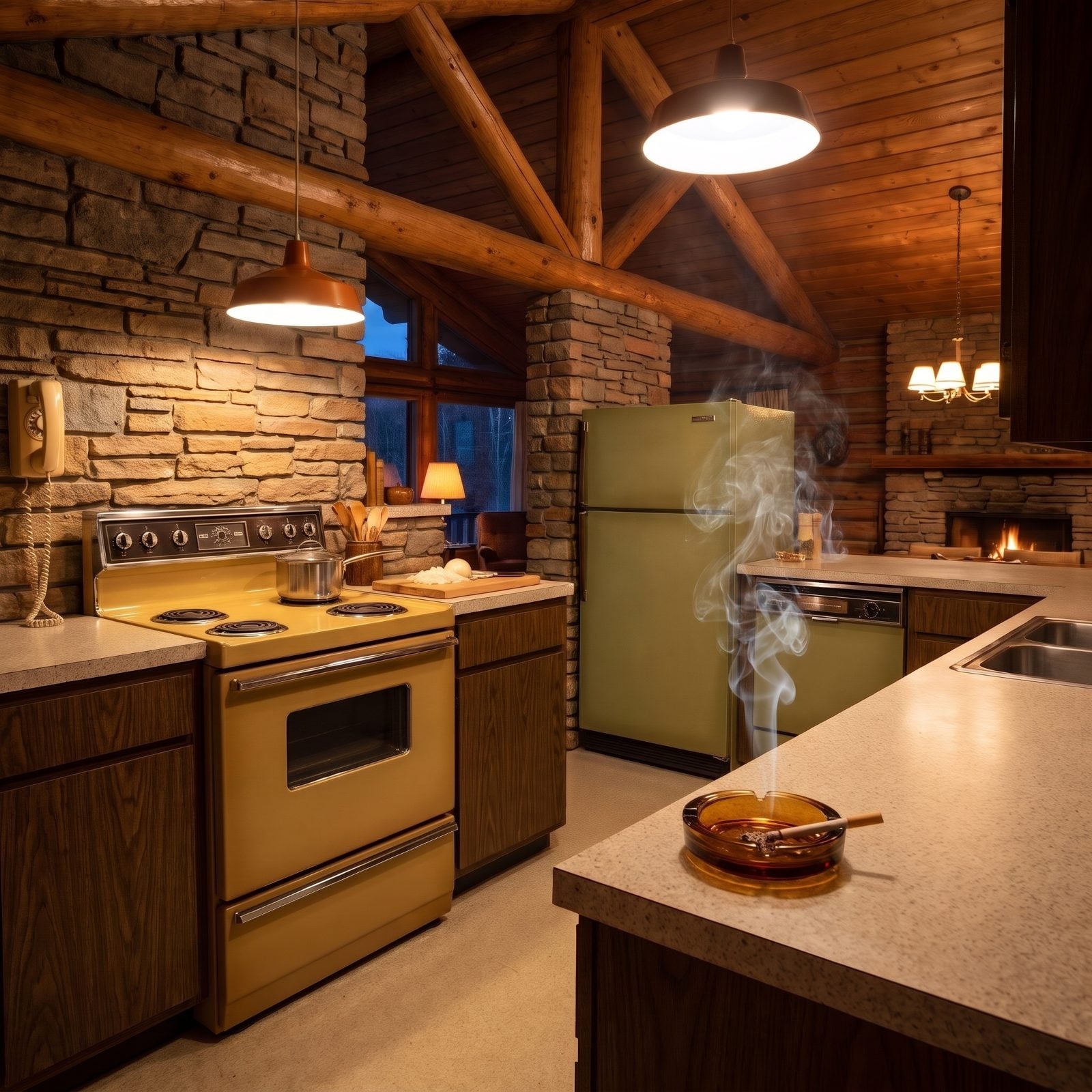
The cigarette lived in the ashtray between stirs. A puff while the sauce reduced, a drag while the pasta boiled, ash tapped off in the general direction of the sink while the kitchen filled with garlic and Marlboro and nobody thought twice about any of it. Nobody flinched.
A modern inspector would stop cold here — electric coil burners beside a smoldering cigarette, ash drifting near the food, bare stone wall above the range quietly soaking it all up. Back then it was just Tuesday.
7. Not a Single Smoke Detector in Sight
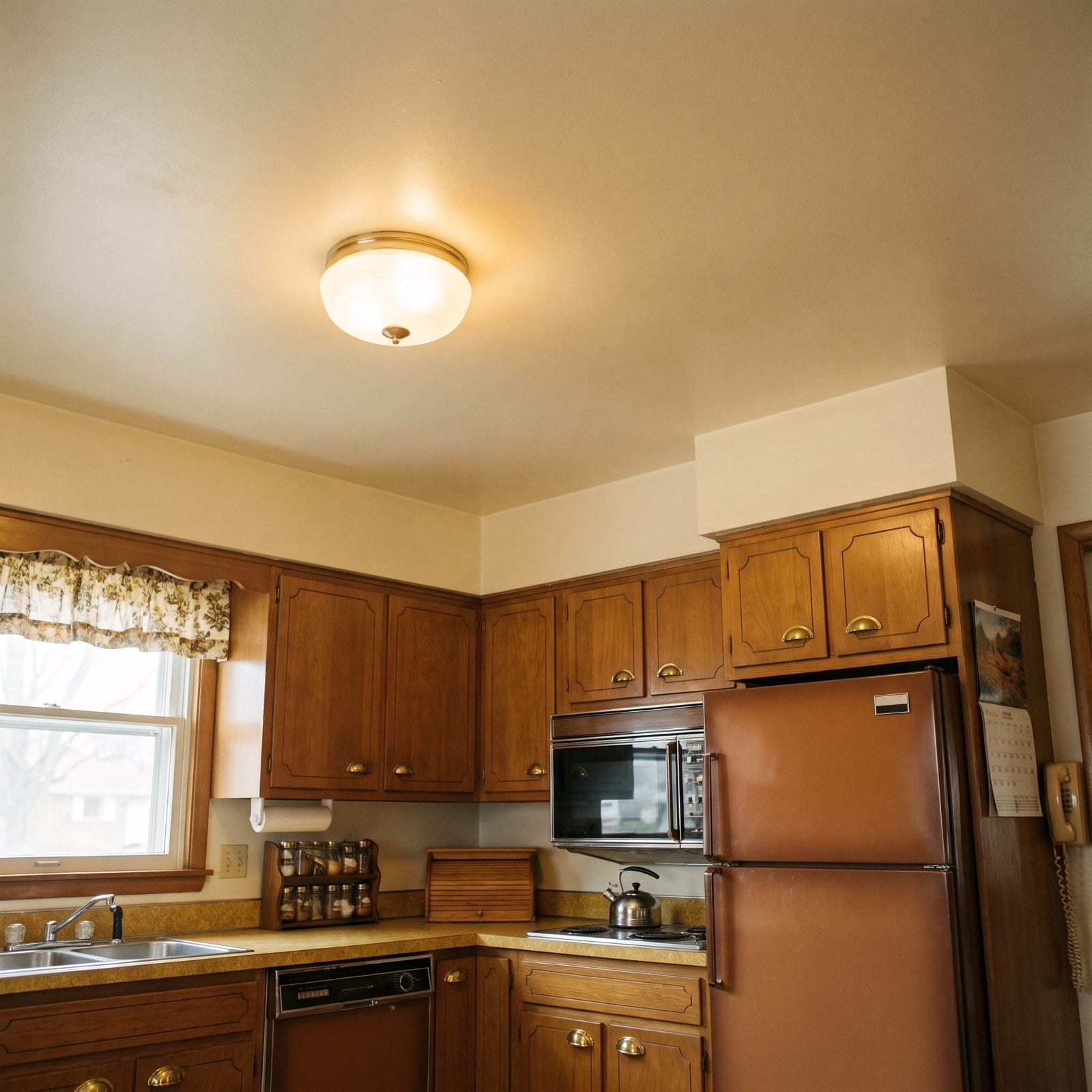
Look up at the ceiling of a typical kitchen back then and you’d find nothing. One flush-mount frosted-glass dome light, and otherwise plain cream-painted ceiling where a smoke detector should be screaming at you over burnt toast.
Affordable home smoke alarms have been around since the mid-1970s, yet plenty of 1970s kitchens still had a bare ceiling. So the early warning system was a person. Usually whoever stood closest to the stove, yelling.
6. A Fire Extinguisher That Simply Did Not Exist

Ask where the fire extinguisher was and you’d get a blank look. Under the sink? No. In the pantry? No. The honest answer in most homes was that there wasn’t one, and if a grease fire ever flared up the plan amounted to a box of baking soda, a wet dish towel, and raw panic.
Some families kept a small canister bolted near the garage door, about as far from the stove as the house allowed. The one spot where it actually belonged usually had nothing.
5. The Junk Drawer Empire Jamming the Back Door
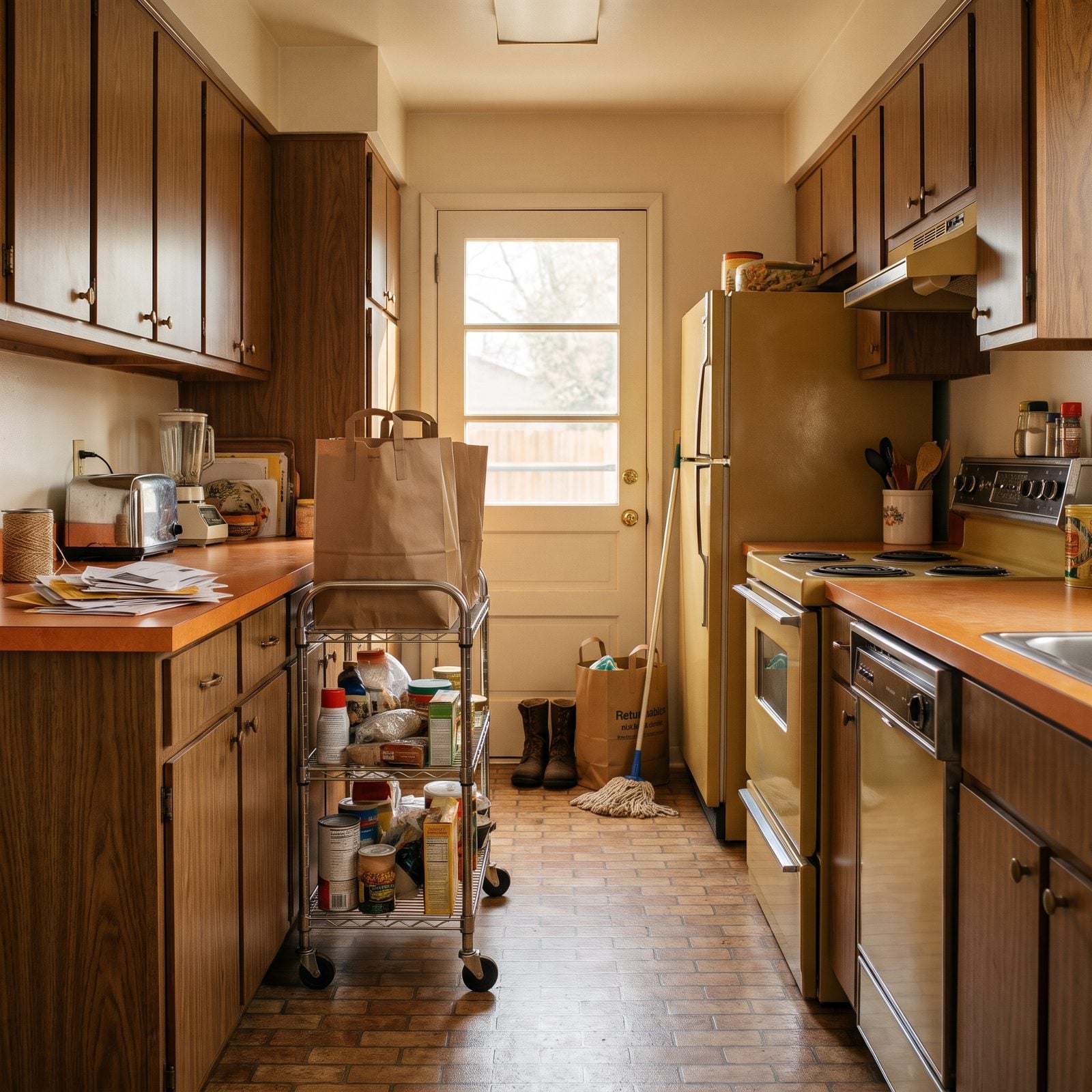
Every house had the counter that never cleared — a pile of unopened mail, a spool of twine, a toaster and blender crowding the outlet. And right in front of the back door, the only other way out, sat the overflow: paper bags for returnables, a mop, winter boots, a wire utility cart stacked with cans, boxes and bagged groceries that nobody ever unpacked.
In a fire, that door was your lifeline. Buried behind a slow-motion avalanche of stuff. If you’re tackling a narrow kitchen renovation, keeping that exit path genuinely clear is the one rule I’d never bend.
4. One Outlet Behind the Fridge Doing the Work of Four

🔥 Would you like to save this?
Swing open the lower panel of the built-in fridge and there it was: one ordinary duplex outlet tucked inside the compartment, both of its sockets filled and a splitter adding more. The refrigerator and a string of other appliance cords, all feeding off the same overworked outlet.
Modern code wants the fridge on its own dedicated circuit. Plenty of kitchens back then ran their built-in appliances through a single shared outlet, and the only warning was a faint warm smell nobody ever bothered to investigate.
3. The Extension Cord Snaking Across the Counter to the Toaster
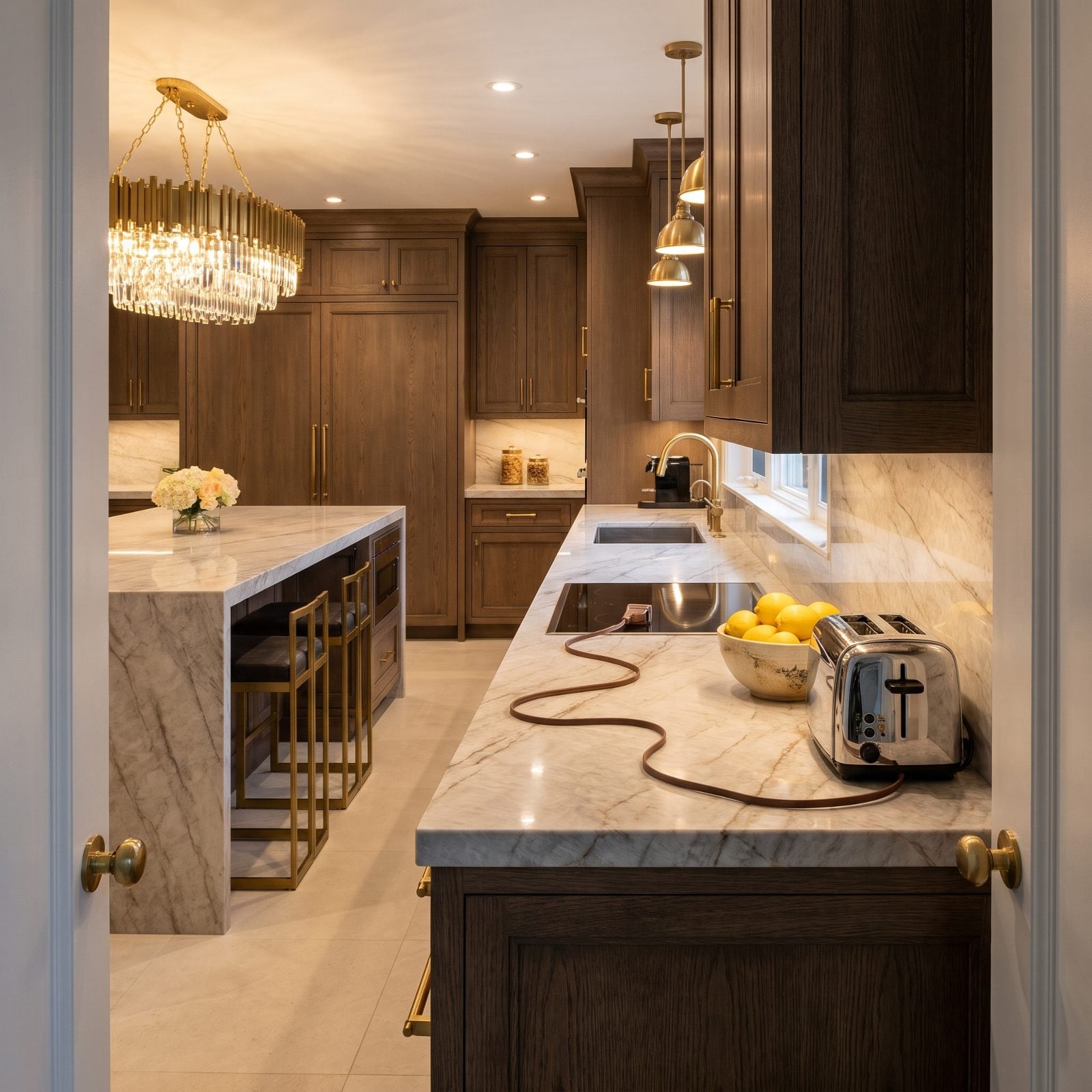
The outlet was never where you needed it. So the toaster got plugged into a brown extension cord that stretched across the counter, draped past the cooktop and the bowl of lemons, and looped in a loose tangle at the front of the peninsula like it was asking for trouble.
Hot appliance, cheap cord, a loop right where elbows and feet could snag it. It worked until it didn’t. A smart compact kitchen makeover today adds outlets exactly where the small appliances actually live, and that one fix retires the cord forever.
2. A Sink Flanked by Outlets With Zero GFCI Protection
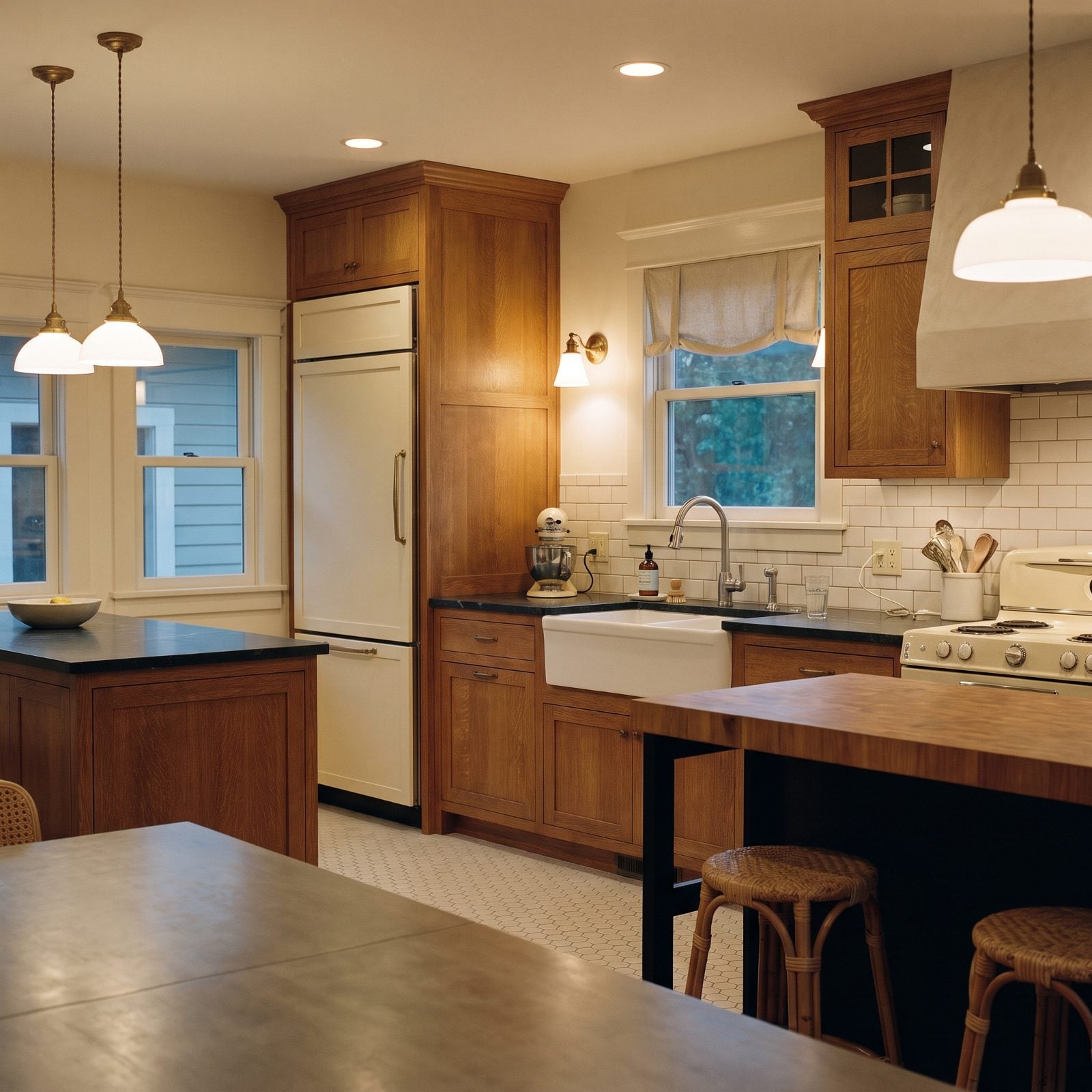
The outlet sat right there on the backsplash, a few inches from the faucet, with a hand mixer or an electric knife plugged in while water ran below. Two plain sockets. No little test and reset buttons. No safety cutoff whatsoever.
GFCI outlets, the ones that trip in a fraction of a second when they sense a ground fault, weren’t required near kitchen sinks for years. Picture a frayed cord and a wet hand before any of that existed. Genuinely dangerous — and almost nobody gave it a second thought.
1. Knives Loose and Clattering in a Crowded Drawer
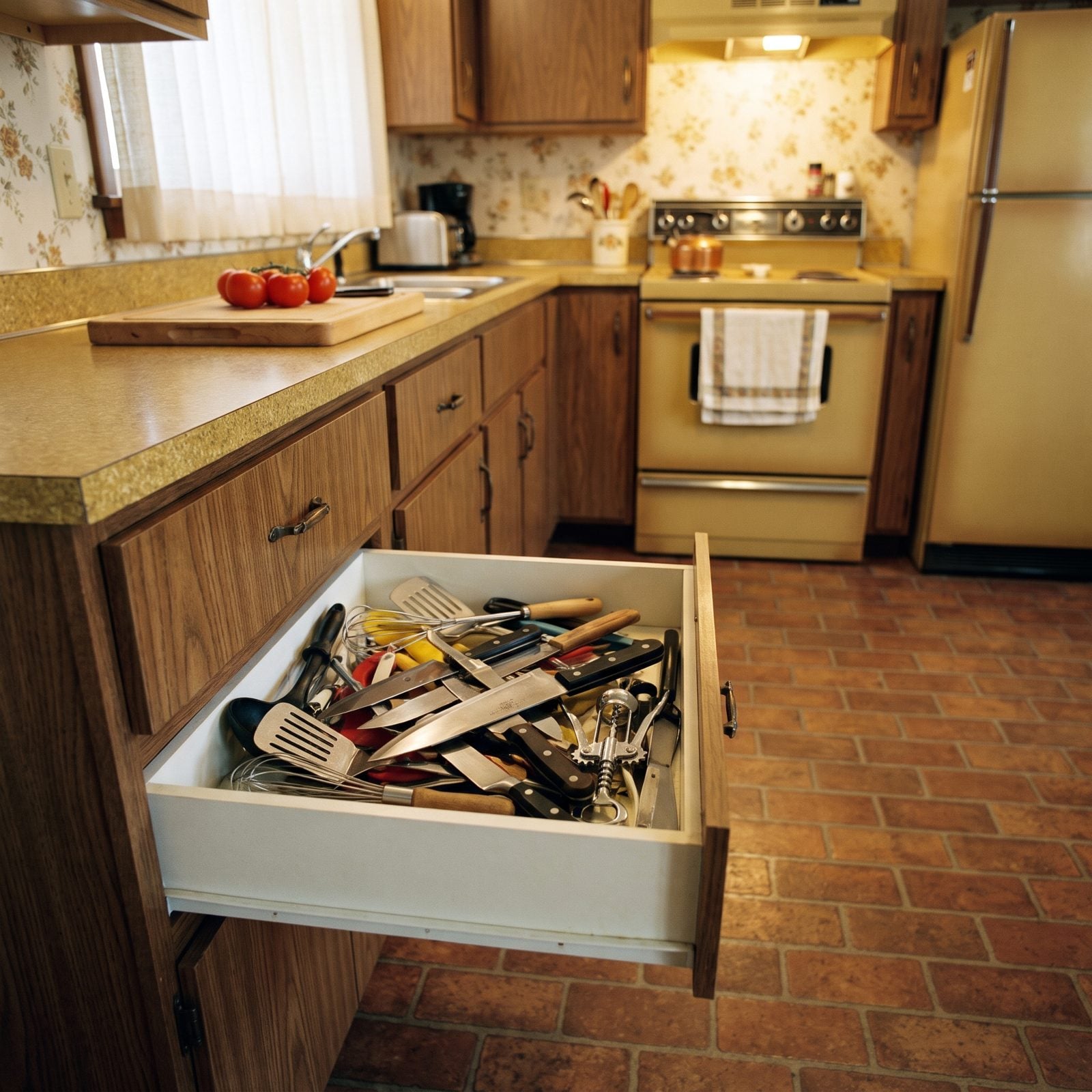
No block, no magnetic strip, no in-drawer tray. The chef’s knife, the paring knife, the bread knife, and the serrated steak set all lived loose in one crowded drawer, tangled up with the can opener and a wooden spoon.
You learned to reach in slow and grope around with respect, because blind fingers found blades edge-first more often than anyone cared to admit. A modern craftsman kitchen renovation almost always builds in a slotted knife drawer now. Honestly one of the best small upgrades going.