
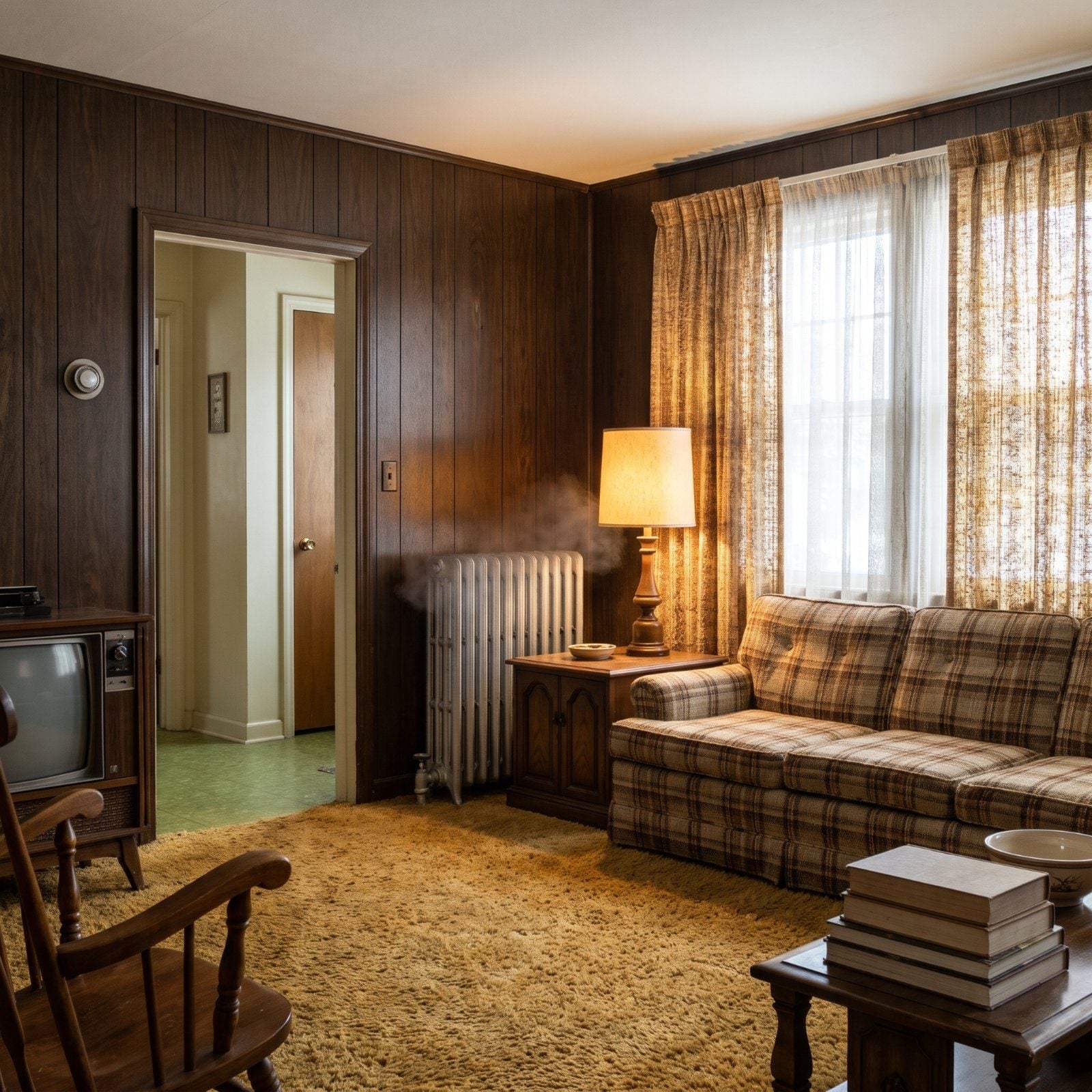
You could smell the furnace kick on. That dry, dusty, slightly singed scent that meant winter was officially here, pumped up through a floor grate hot enough to brand the bottom of your sock. Heating a house in the 1970s was a hands-on, occasionally alarming operation: pilot lights to relight, grates to step around, pipes that banged in the night like someone was trapped in the walls.
What follows is a tour of how we actually kept the cold out back then. Most of it took a lot more nerve than a tap on a phone.
In order to come up with the very specific design ideas, we create most designs with the assistance of state-of-the-art AI interior design software. Also, assume links that take you off the site are affiliate links such as links to Amazon. this means we may earn a commission if you buy something.
43. Standing Pilot Lights Burned Day and Night and Got Relit by Hand
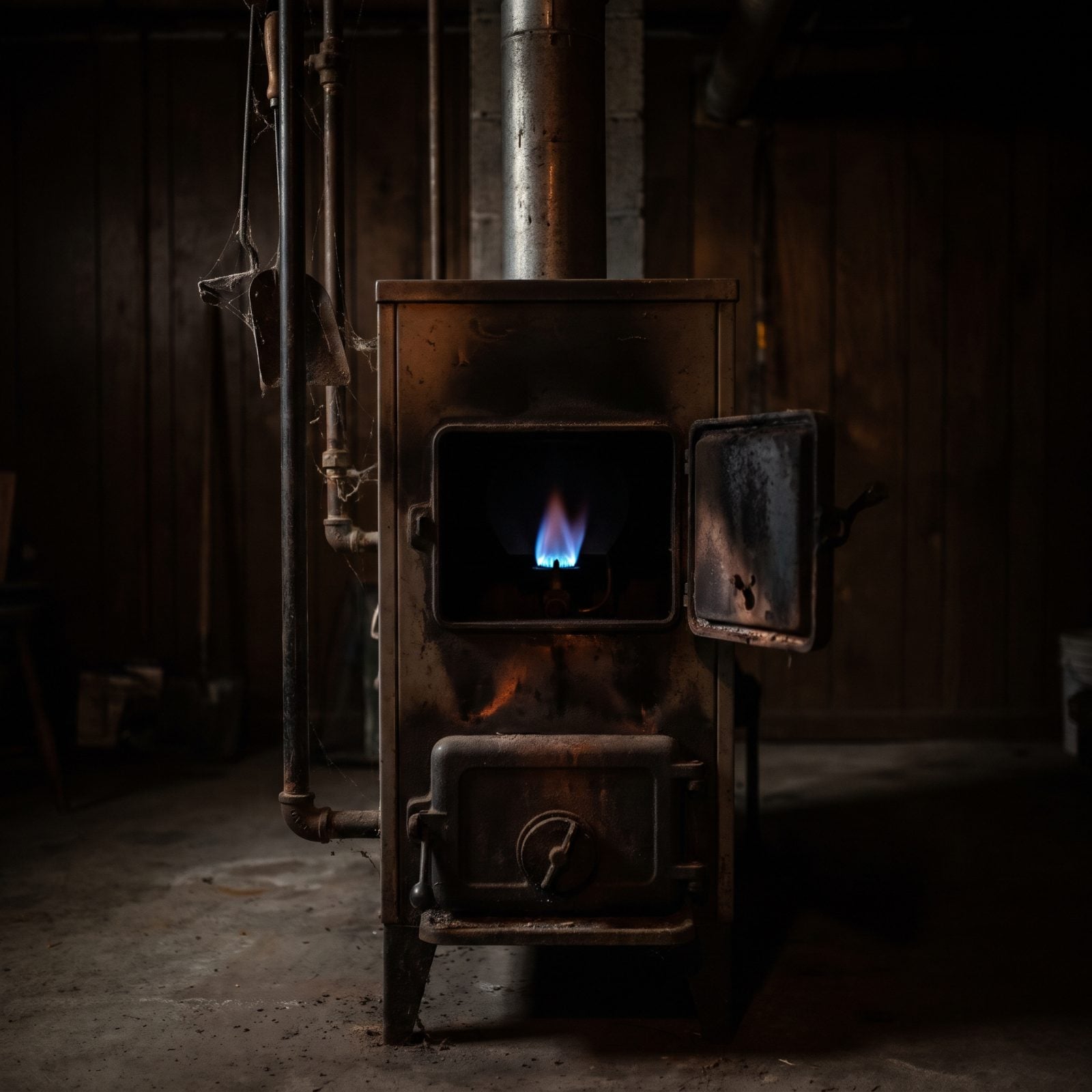
There was always a little blue flame living inside the furnace, the stove, the water heater. It never went out — except when it did. One draft, one hiccup in the gas line, and suddenly the house went cold and the hot water ran out.
Relighting it was a rite of passage. You cracked the panel, held the knob, struck a long match, and leaned in close enough to singe your eyebrows. The smell of gas while you waited for it to catch was its own small thrill. And that constant flame burned fuel around the clock whether anyone was home or not.
42. Gravity Furnaces Sprawled in the Basement Like Giant Metal Octopuses
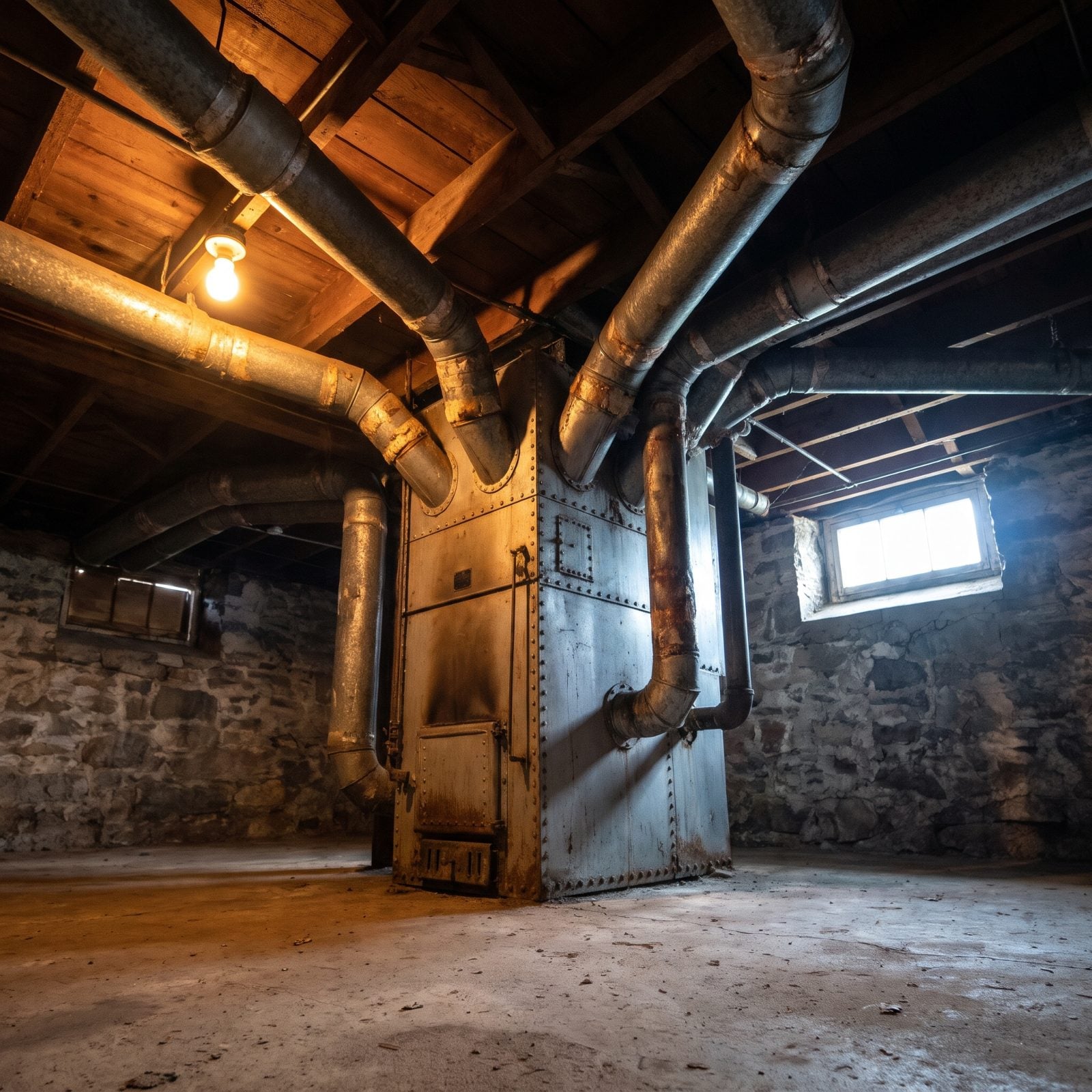
No fan. No blower. Just physics. Hot air rose on its own through enormous ducts that branched off the furnace in every direction, which is exactly why people called them octopus furnaces. The thing looked like a creature living in the basement.
They were slow, gentle, and oddly comforting. Heat drifted up through big floor registers with no mechanical whir behind it, just warm air finding its way. A lot of them were wrapped in asbestos insulation, which nobody thought twice about at the time. When one finally got torn out in the eighties, it usually took two days and a crew.
As a home inspector puts it, “These intriguing contraptions, often affectionately referred to as "octopus furnaces," owe their nickname to the remarkable way numerous oversized ducts protrude from the top of the furnace, resembling the tentacles of an octopus.”
41. Floor Furnaces Delivered Heat Through Grates Hot Enough to Mark Your Socks
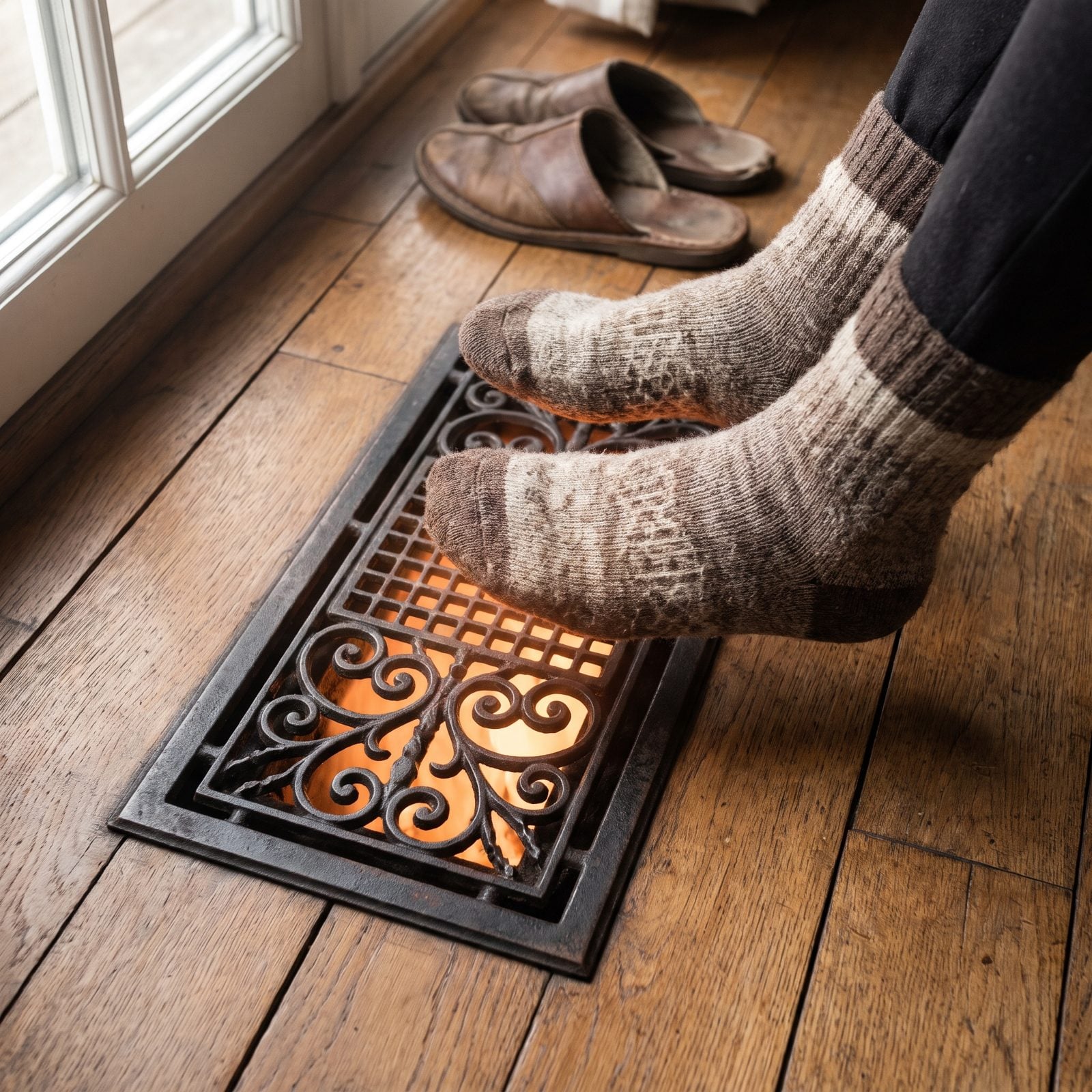
You learned fast which square of floor to avoid. The floor furnace lived directly under a big cast-iron grate, and that grate got hot enough to leave a waffle pattern on your bare foot. Everyone stood on it anyway on cold mornings, hopping off before it bit.
Cheap to install, one room of real heat, and a genuine hazard for kids and pets. Toys dropped through the slots. The metal clicked and ticked as it expanded. It heated one spot gloriously and left the far corners of the house to fend for themselves.
As one home inspector puts it, “Because they use a metal grate, these grates can become hot. Rugs, furniture, blankets, and kids’ toys being placed on the grates can catch fire. Touching the grate can burn a child or pet.”
40. Wall-Mounted Gas Heaters Warmed One Room at a Time
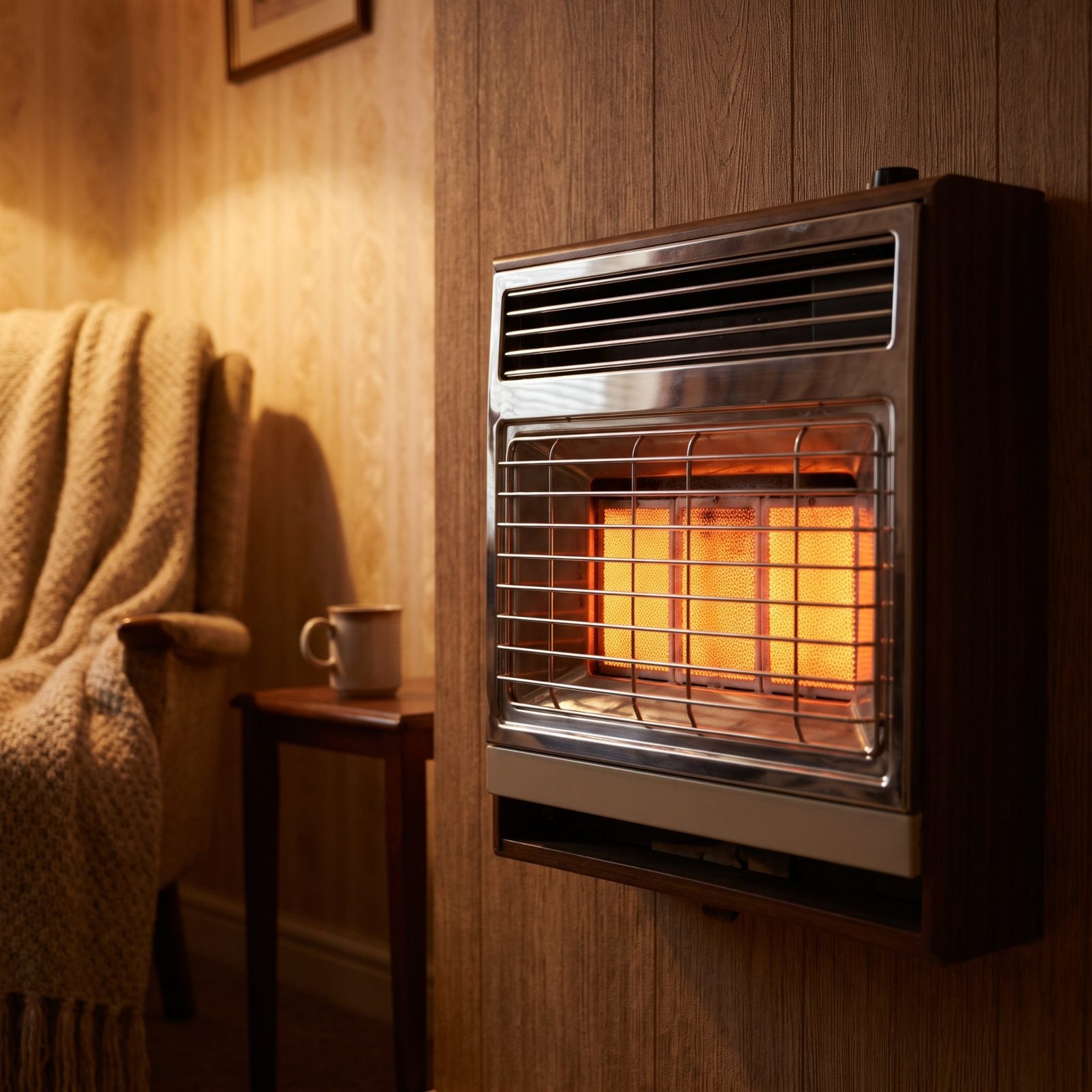
You could watch it work. Behind the grille, ceramic elements glowed orange, and the warmth came off in a focused wave that heated the chair in front of it and not much else. People parked themselves within three feet and stayed put.
You found these in rentals, additions, and older homes with no ductwork. They ran on natural gas or propane and vented, hopefully, through the wall — though plenty of them didn’t vent at all. The glow was hypnotic on a winter night. It was also the only warm spot in a room where you could still see your breath in the far corner.
39. Steam Radiators Hissed, Spat, and Banged Their Pipes All Night
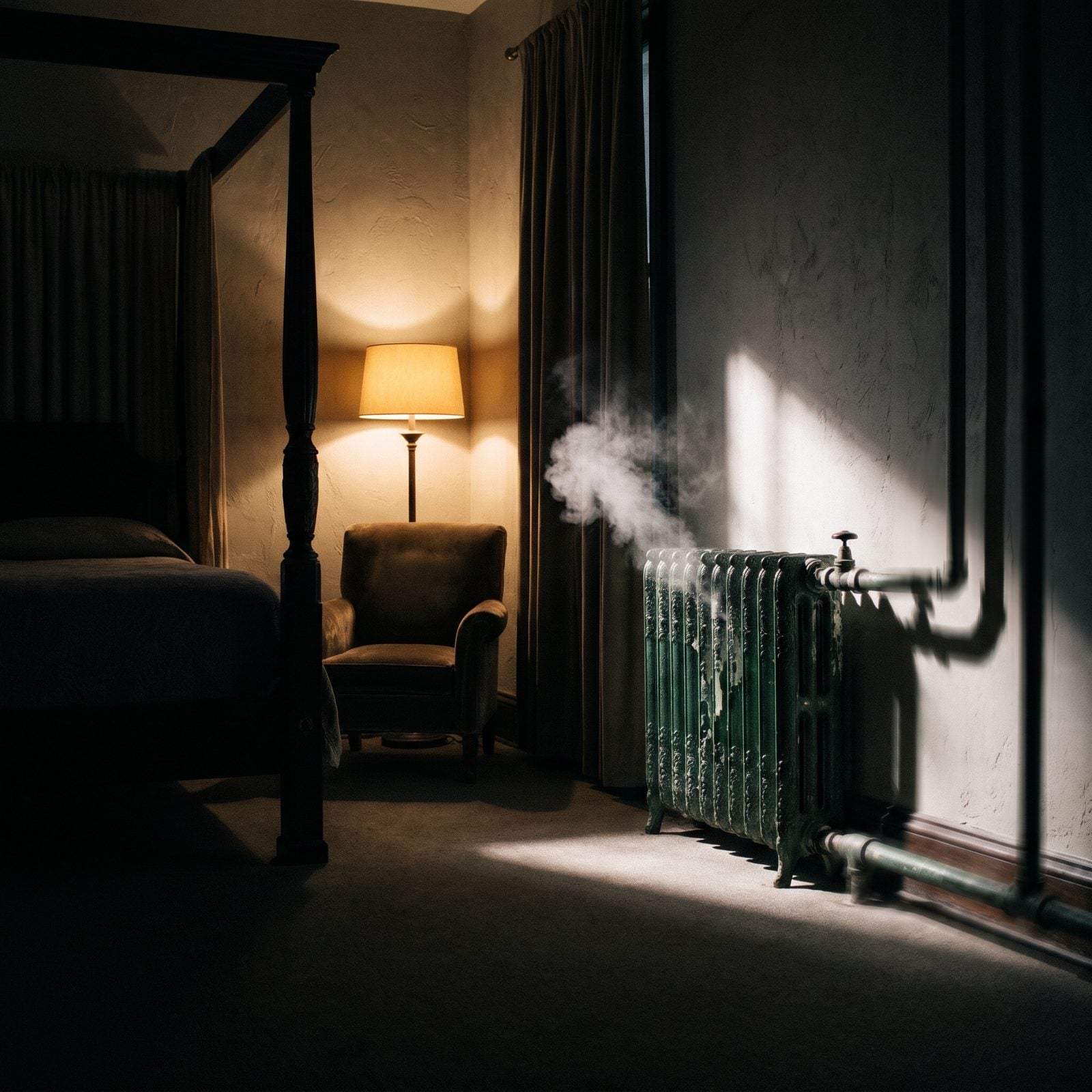
The banging was the soundtrack. Pipes clanked and knocked as steam shoved through them, loud enough to wake you, and you learned to sleep through it the way you sleep through a passing train. Then the little valve would start hissing, spitting a thread of steam into the room.
These things got genuinely hot to the touch, so they doubled as clothes dryers, mitten warmers, and the one place the cat refused to leave. Bleed the valve wrong and you got a puddle. Bleed it right and the room stayed warm long after the furnace cycled off. A radiator held heat like a stone.
38. Electric Baseboards Finally Gave Every Room Its Own Dial
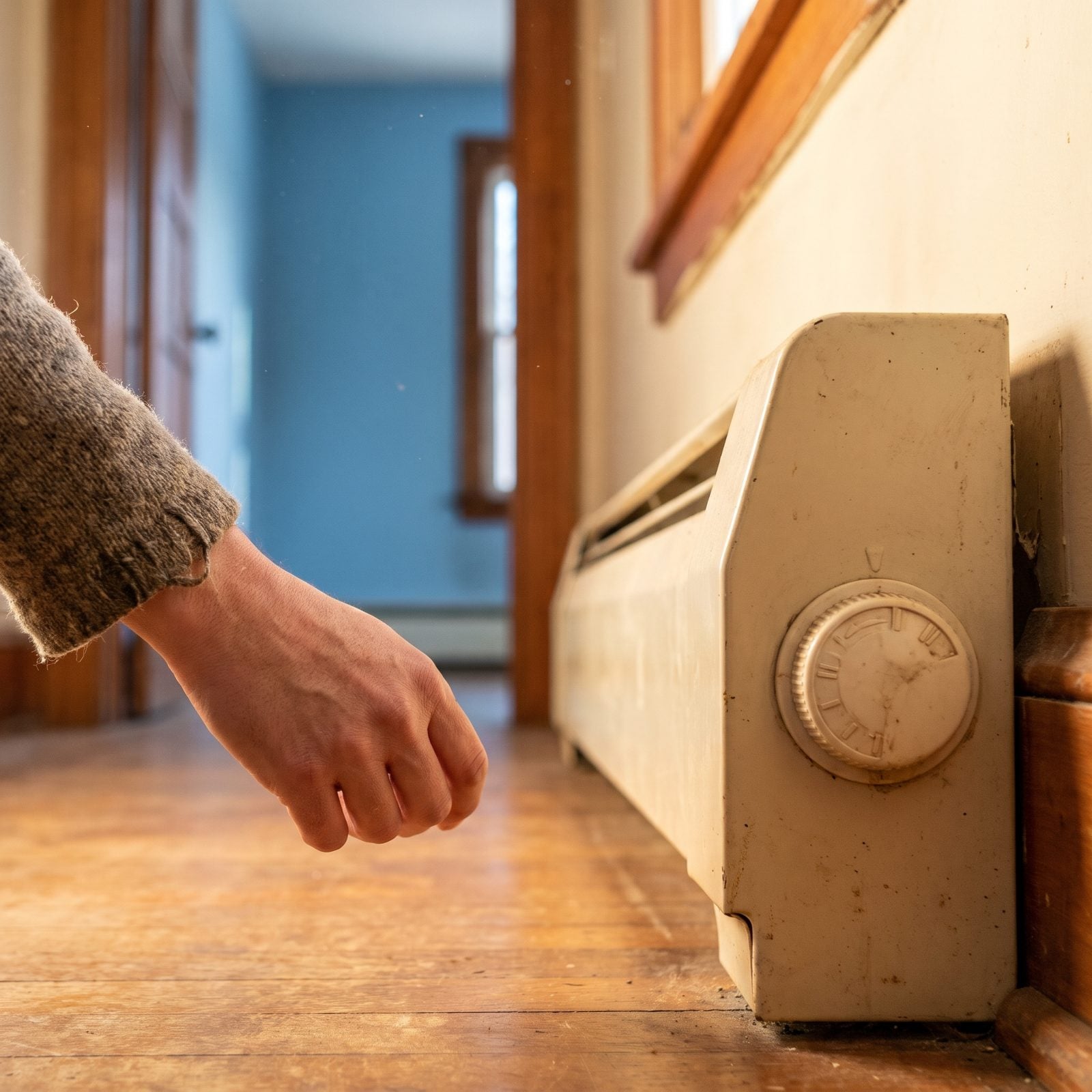
Finally, independence. Electric baseboards meant the bedroom could be toasty while the hallway stayed arctic, each one on its own little thermostat. No ducts, no pilot, no furnace at all in some houses. Just a long metal fin heater humming quietly along the wall.
The catch showed up on the electric bill, which could be brutal, especially in the oil-crunch years when everybody was already worried about energy costs. The fins collected dust and scorched it on the first cold day, filling the room with that unmistakable hot-metal smell. You did not put the curtains too close.
37. Electric Heating Cables Were Buried Right in the Ceilings
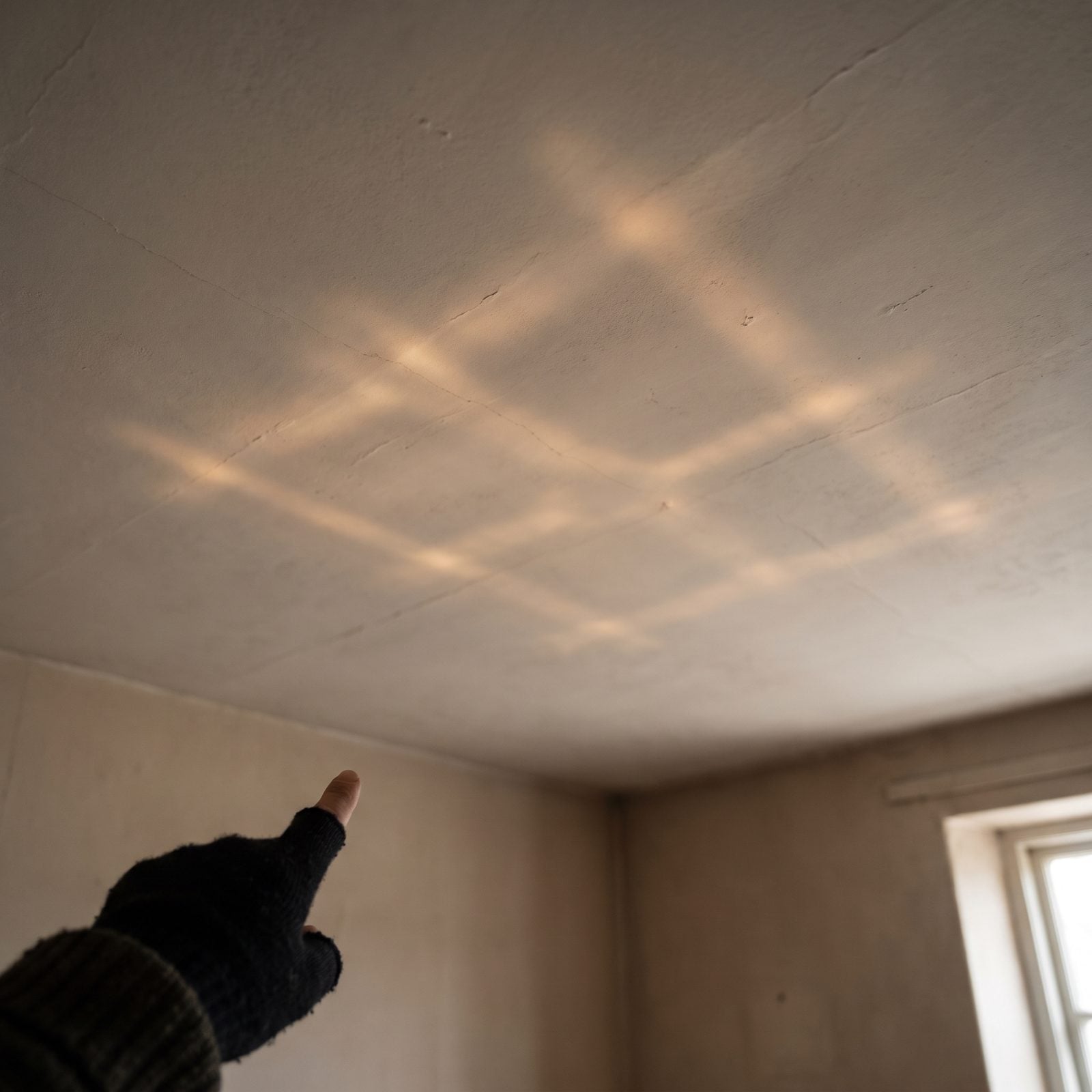
Look up. The heat came from above, out of a ceiling that looked perfectly ordinary. Thin electric cables were plastered right into it, warming the drywall so the whole ceiling radiated down on you like a low invisible sun.
When it worked, it was silent and even, which felt almost futuristic. When a cable failed, though, you couldn’t exactly reach it, and finding the break meant a specialist and a mess. Hanging a light fixture or driving a nail into that ceiling was asking for trouble. People eventually learned not to touch the ceiling at all.
36. Early Heat Pumps Kept Falling Back on Resistance Heat in the Cold
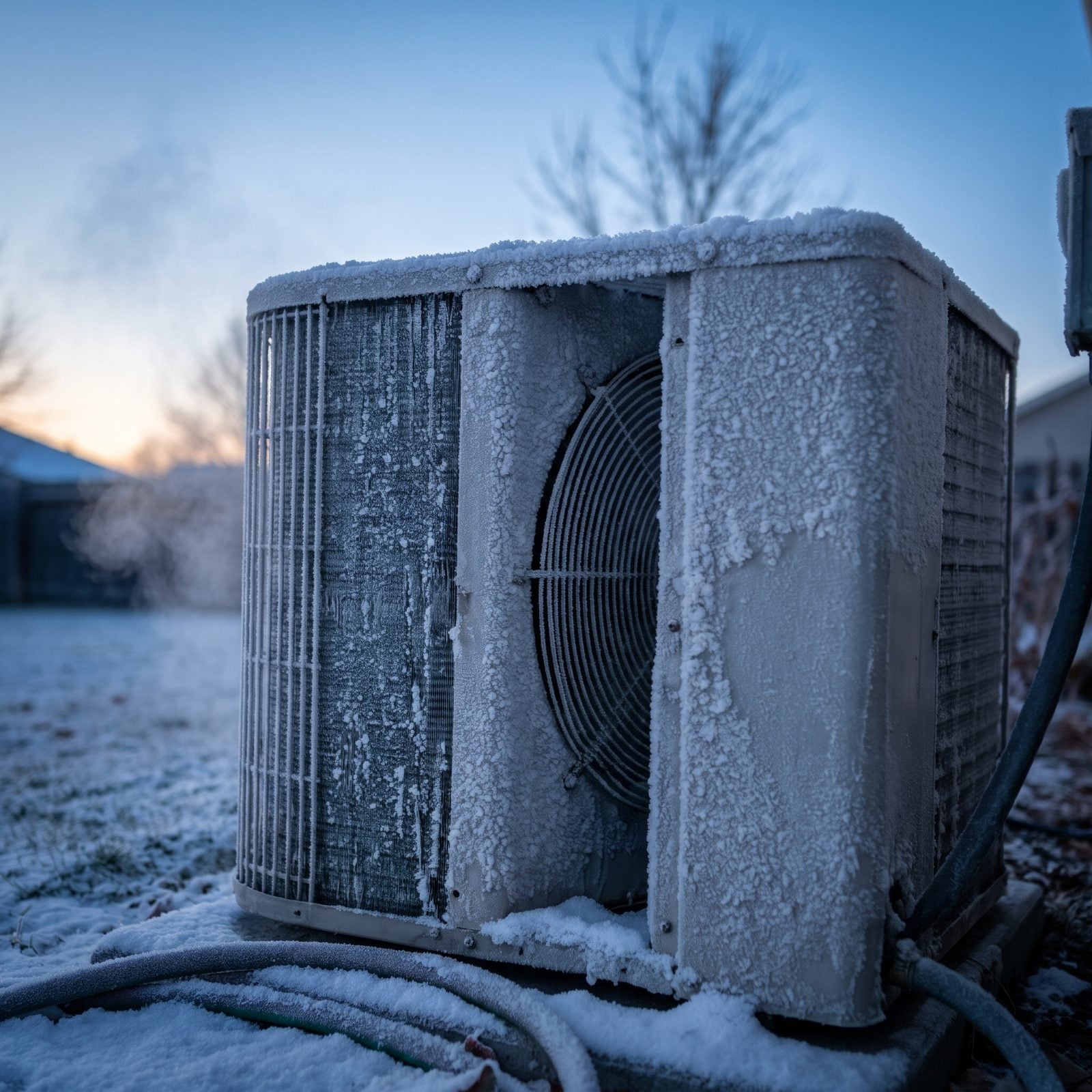
They were the clever new thing, pulling heat out of cold outside air — which works great until the air gets really cold. Then the outdoor coil frosted over, the pump kicked into defrost, and the system quietly flipped on its expensive backup electric resistance coils to keep you warm.
So the energy-saving miracle burned power like a space heater every time a real cold snap hit. You’d hear it switch over and feel the vents go from pleasantly warm to blazing. Early units struggled below freezing, and plenty of homeowners learned the hard way that the fine print matters.
35. Portable Electric Heaters Ran on Red-Hot Glowing Coils
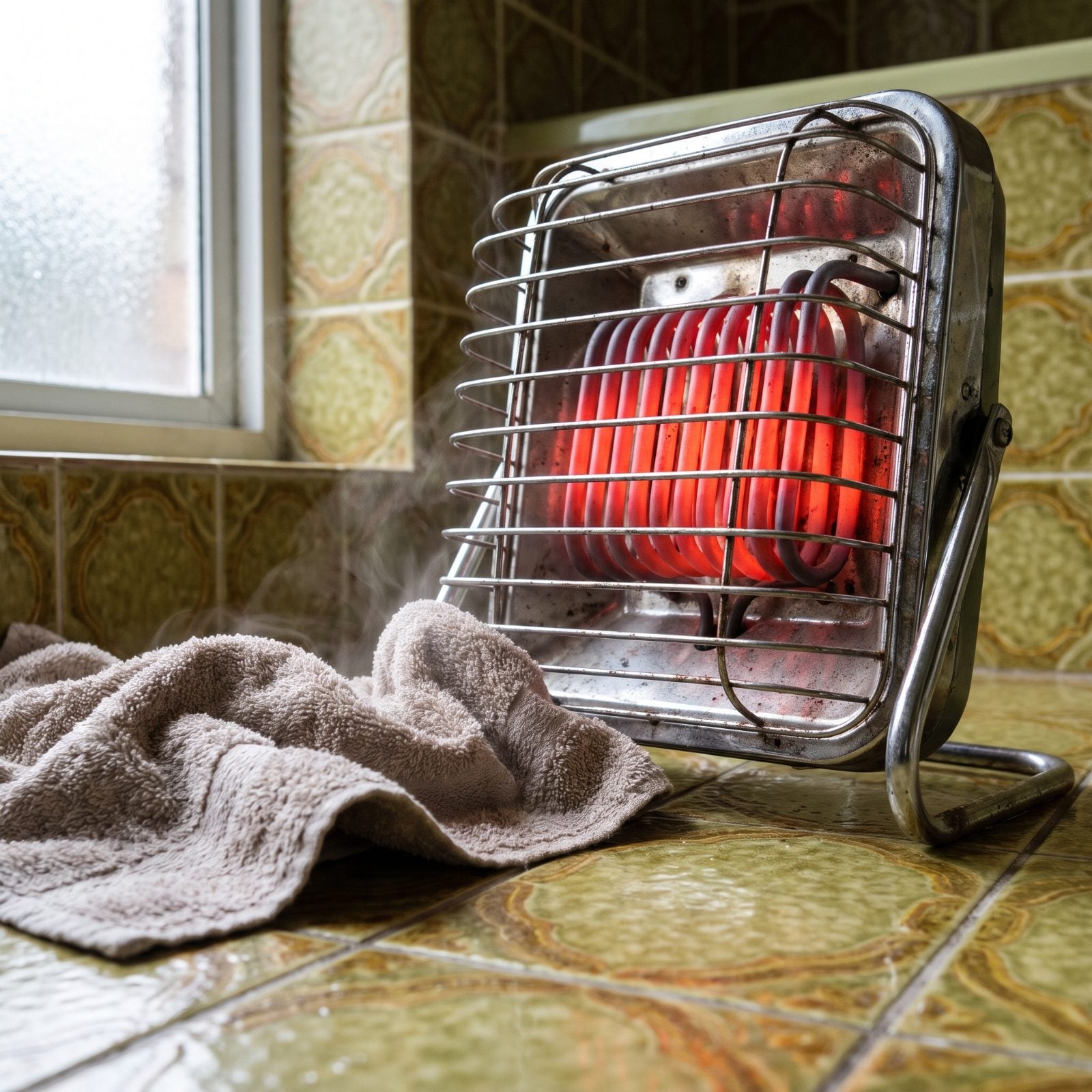
Bright orange coils in a cheap metal cage, sitting on the bathroom floor two feet from a damp towel. That was winter morning comfort in a lot of houses, and honestly it’s a small miracle more of them didn’t burn down.
No tip-over switch worth trusting, no cool-touch anything. Just visible, glowing, exposed heat you could set a sock on fire with. People hauled them room to room by the handle, plugged them into overloaded outlets, and warmed their hands close enough to feel the hair singe. The glow was honest, at least. You always knew exactly how hot it was.
34. Portable Kerosene Heaters Became an Energy-Crisis Alternative
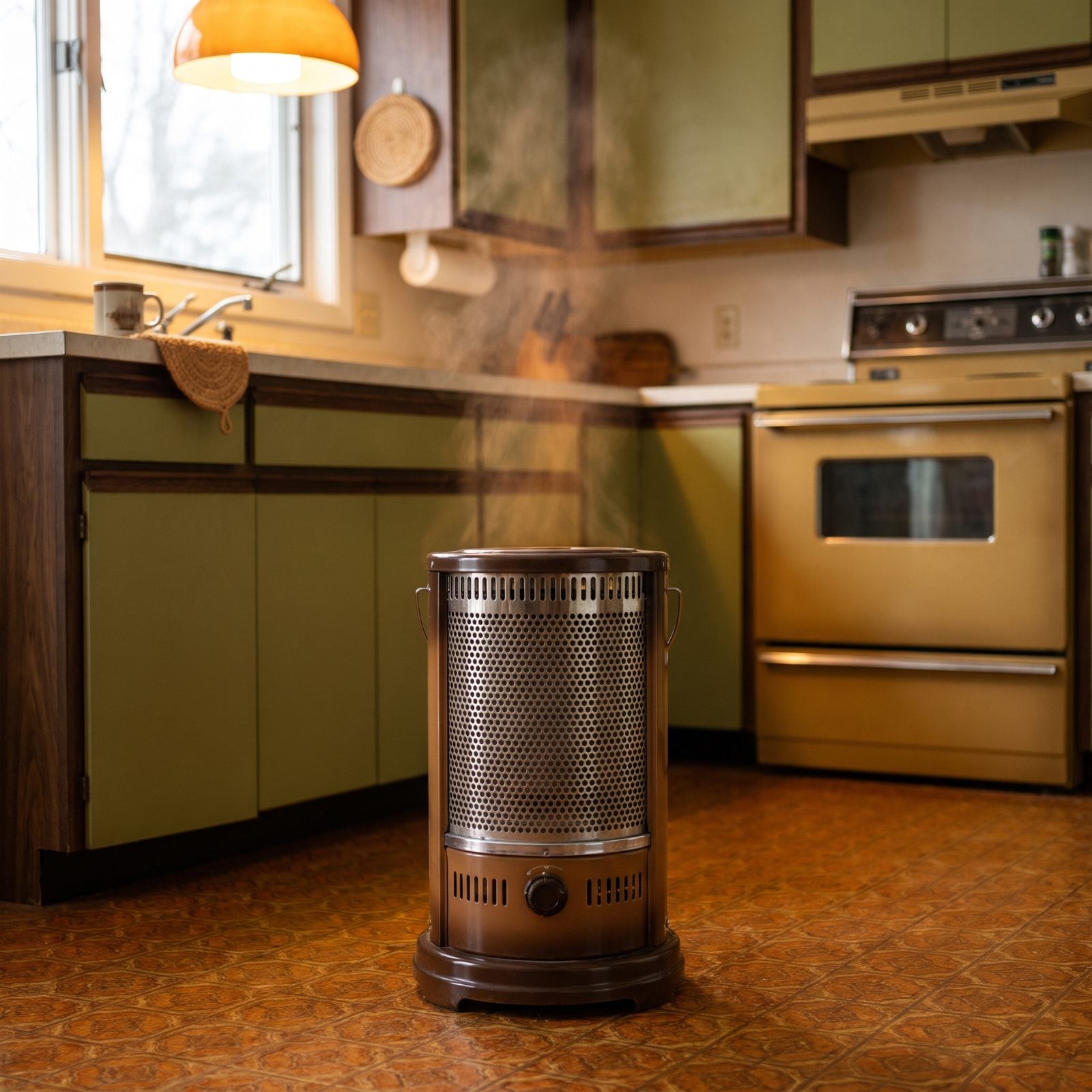
You could smell one the second you walked in the door. That sharp kerosene tang hung in the air all winter, the price of a little extra heat in a room the furnace barely reached.
These portable units showed up fast after 1973, when the oil embargo made every degree feel expensive. You filled them from a red jug in the garage, pumped the siphon, and hoped you got the wick trimmed even. Too high and it smoked. Too low and it sputtered out around 2 a.m.
33. Unvented Gas Heaters Released Combustion Moisture Indoors
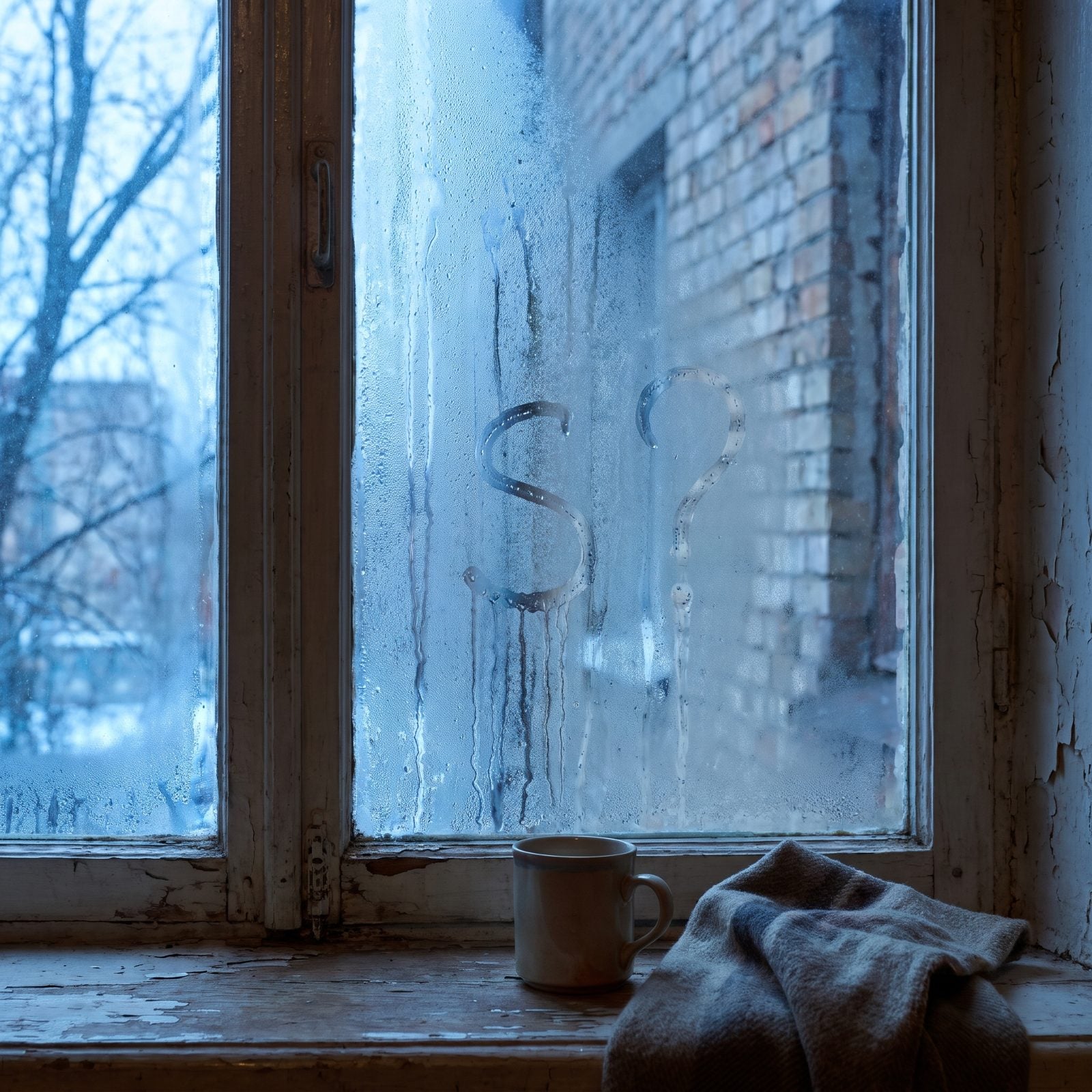
The window wept. That was the tell. You’d wake up to glass fogged thick enough to write your name in, streaks running down to pool on the sill.
Unvented gas heaters dumped every bit of their combustion straight into the room, heat and water vapor both. No flue, no chimney. The warmth was real and immediate, which is exactly why people loved them, and the moisture was the hidden cost that showed up as peeling paint, musty closets, and mildew creeping along the cold corners of the wall.
We cracked a window to let it breathe, which sort of defeated the point. Nobody talked about carbon monoxide the way we would now. You just knew the room felt heavy by morning.
32. The Energy Crisis Brought Wood-Burning Stoves Back Into Fashion
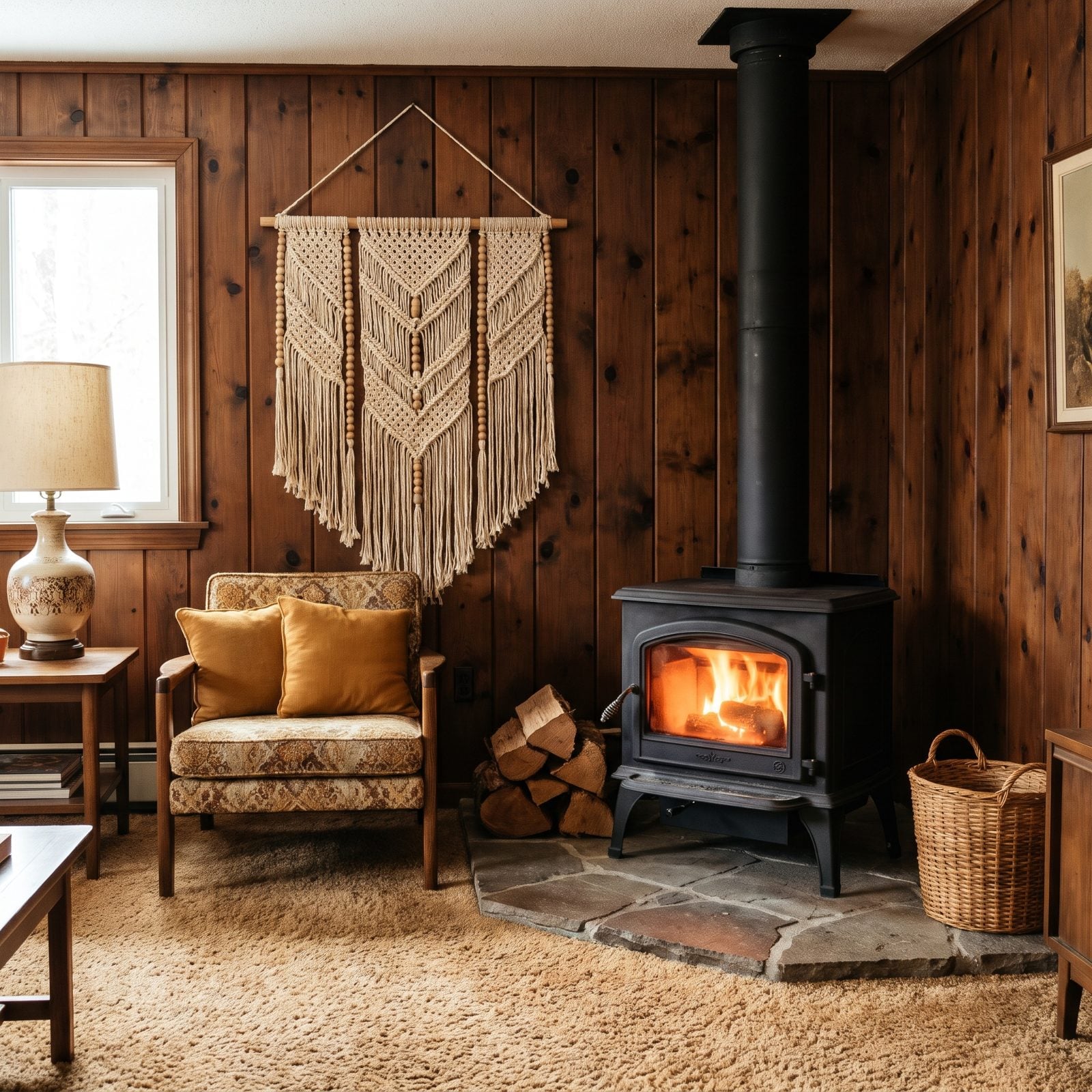
Suddenly everyone’s uncle had a wood stove. The black cast-iron box in the corner became a point of pride, a way to thumb your nose at the oil company and heat the house on your own terms.
Chopping, stacking, splitting, hauling: it was work, and people leaned into it. That back-to-the-land feeling of the decade folded neatly into the warm bench ideas and hearth-centered rooms people started building around the stove. You learned to read the draft, to bank coals overnight so you weren’t relighting at dawn.
The whole house orbited the stove. You dressed near it, dried mittens on it, and argued about who forgot to bring in wood.
31. Coal Furnaces Meant Feeding Fuel and Shoveling Out Heavy Ash
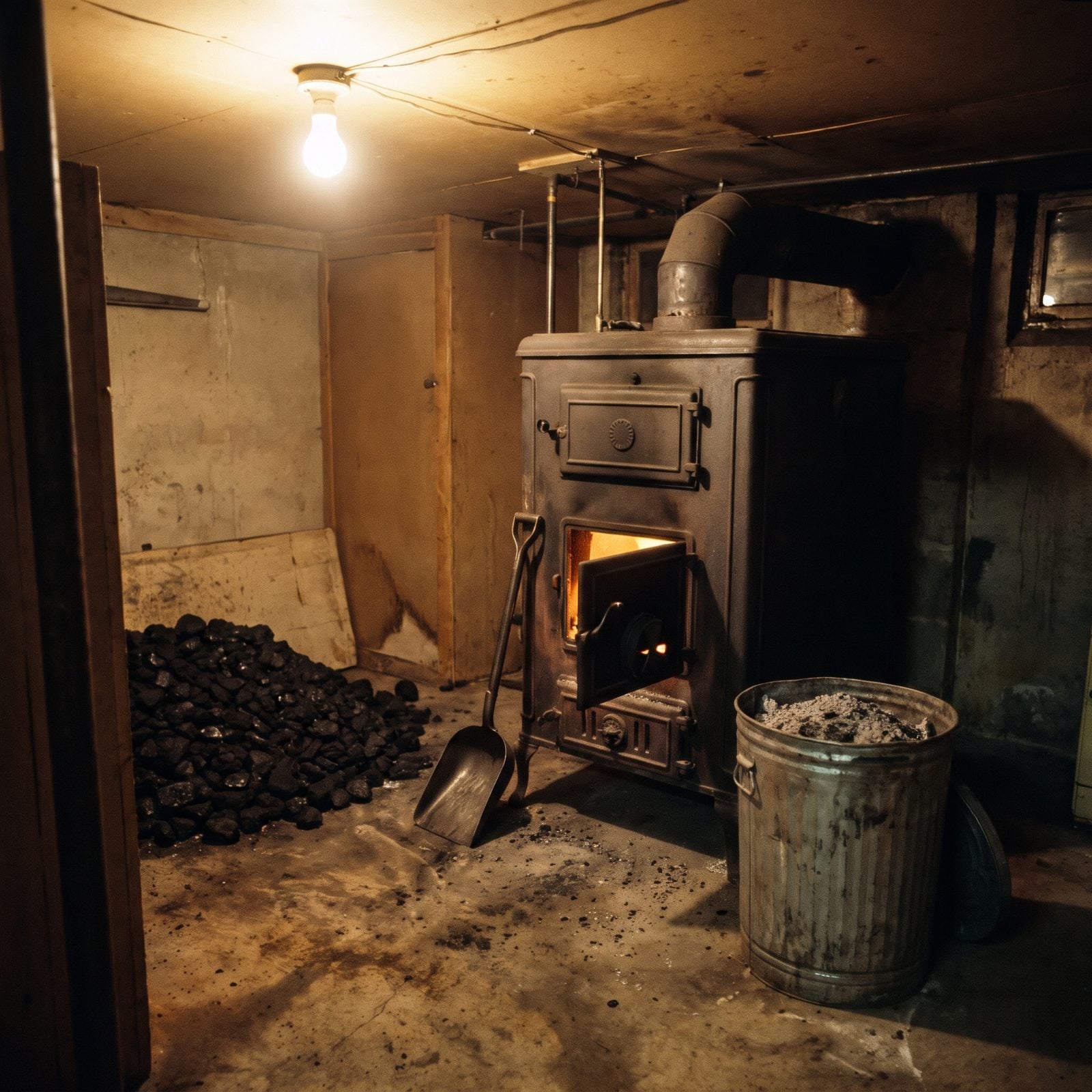
Twice a day, somebody went down to the basement. Feed the furnace, shake the grates, haul the ash can up the stairs without spilling it across the kitchen floor.
Coal heat was dirty and relentless. A fine gray dust settled on everything in the basements of those old homes, and the coal truck backing up to the chute left a black smear you never quite scrubbed out. The firebox needed tending or it died. Let it die and the whole house woke up cold.
30. Families Watched Oil-Tank Gauges and Waited for Winter Deliveries
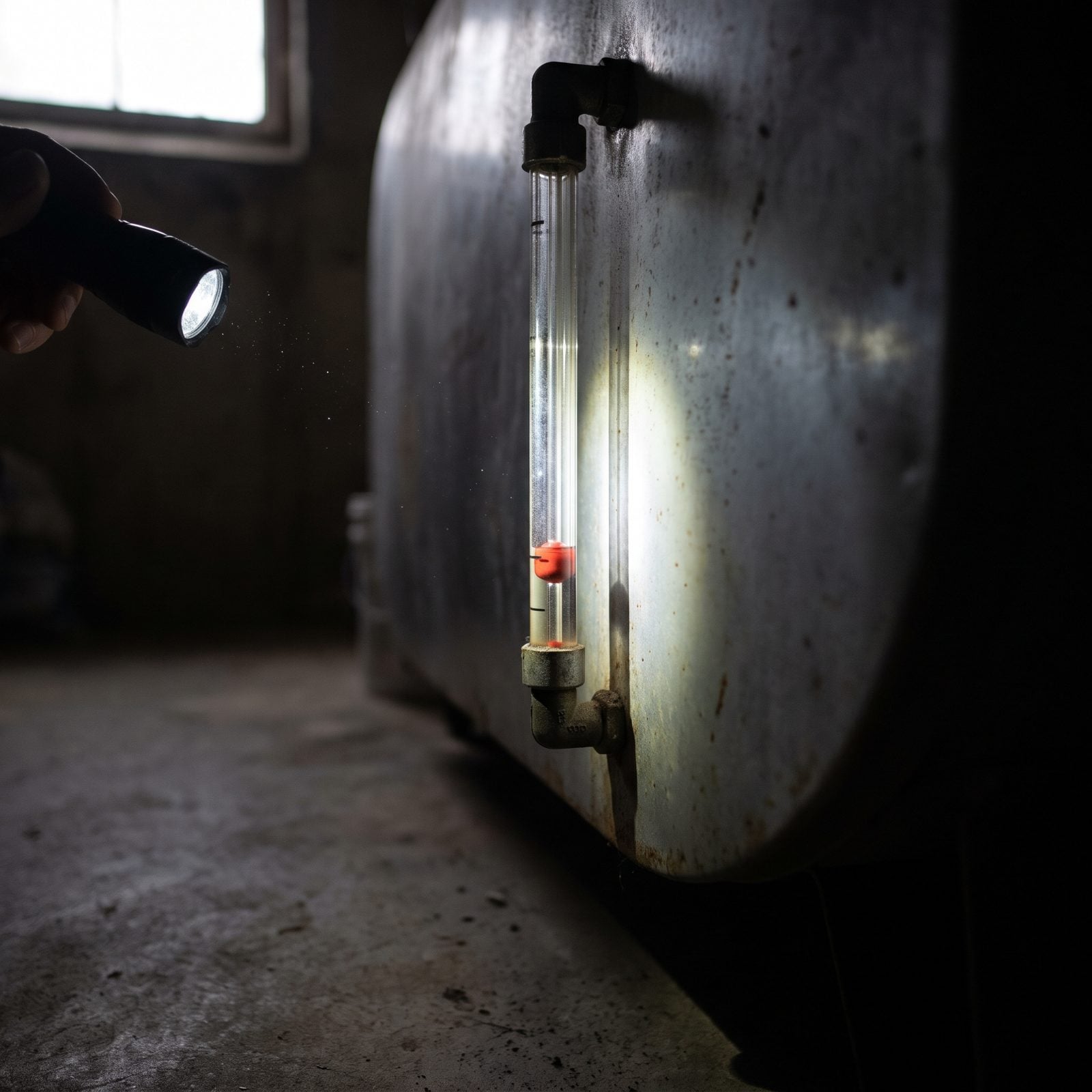
That little sight-glass gauge on the side of the oil tank ruled the whole winter. You’d flick the flashlight on it, squint at the red float sitting low in the clear tube, and feel your stomach drop a little.
Running out meant a cold house and a service call to re-prime the burner, which cost more than the oil. So you watched it. You rationed, called the company early, and hoped the truck came before the next cold snap.
The delivery guy dragging that heavy hose across the yard in the snow was a genuinely welcome sight. You’d hear the fill pipe gurgle and finally exhale.
29. The 1973 and 1979 Energy Crises Made Heating Costs a National Anxiety
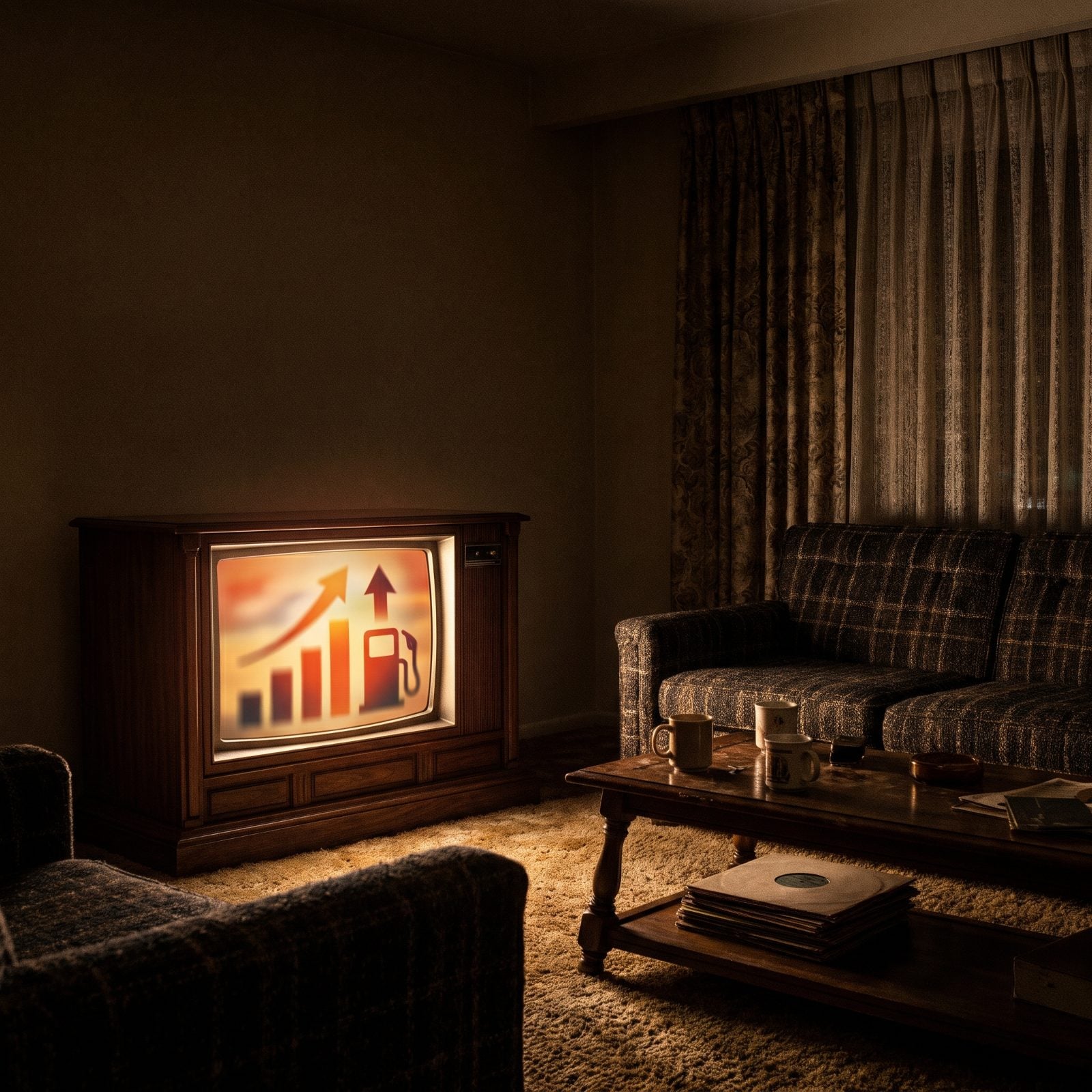
Heat stopped being invisible. For the first time, the cost of staying warm showed up on the evening news and at the kitchen table in the same week.
Gas lines, odd-even rationing, prices climbing fast: the 1973 embargo and the 1979 shock turned a boring utility bill into a household stress point. People taped the thermostat down, counted the oil deliveries, and did the math on every lightbulb.
It changed how homes got built, too. Insulation got thicker, windows got tighter, and the open, drafty floor plans of earlier decades started to feel like a liability.
28. Turning Down the Thermostat and Wearing a Sweater Became Patriotic
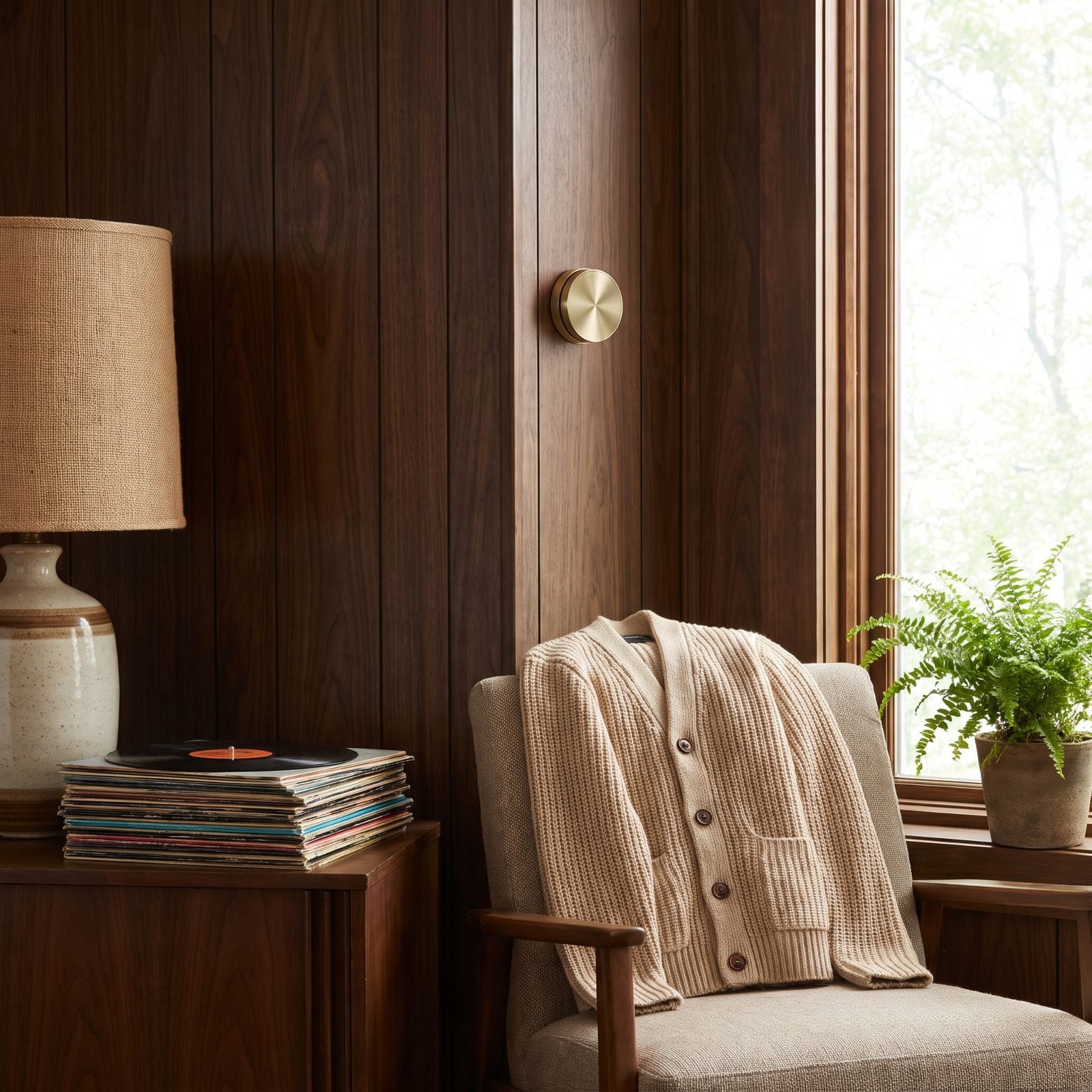
Sixty-eight degrees became a moral position. The president went on television in a cardigan and told everyone to turn it down, and plenty of households actually did.
You wore the sweater inside. You pulled the afghan over your legs on the sofa, kept the heat low during the day, and only bumped it when company came. There was a warm, slightly smug satisfaction in going without, the sense that it was its own small act of national duty.
What Our Readers Say
- When our readers disliked a living room photo and gave a reason, “too cold” came second at 18%, just behind “not my style” and ahead of “too busy.”
From Home Stratosphere reader polls and votes.
27. Oil Burners Needed Sooty Tune-Ups and Nozzle Cleaning
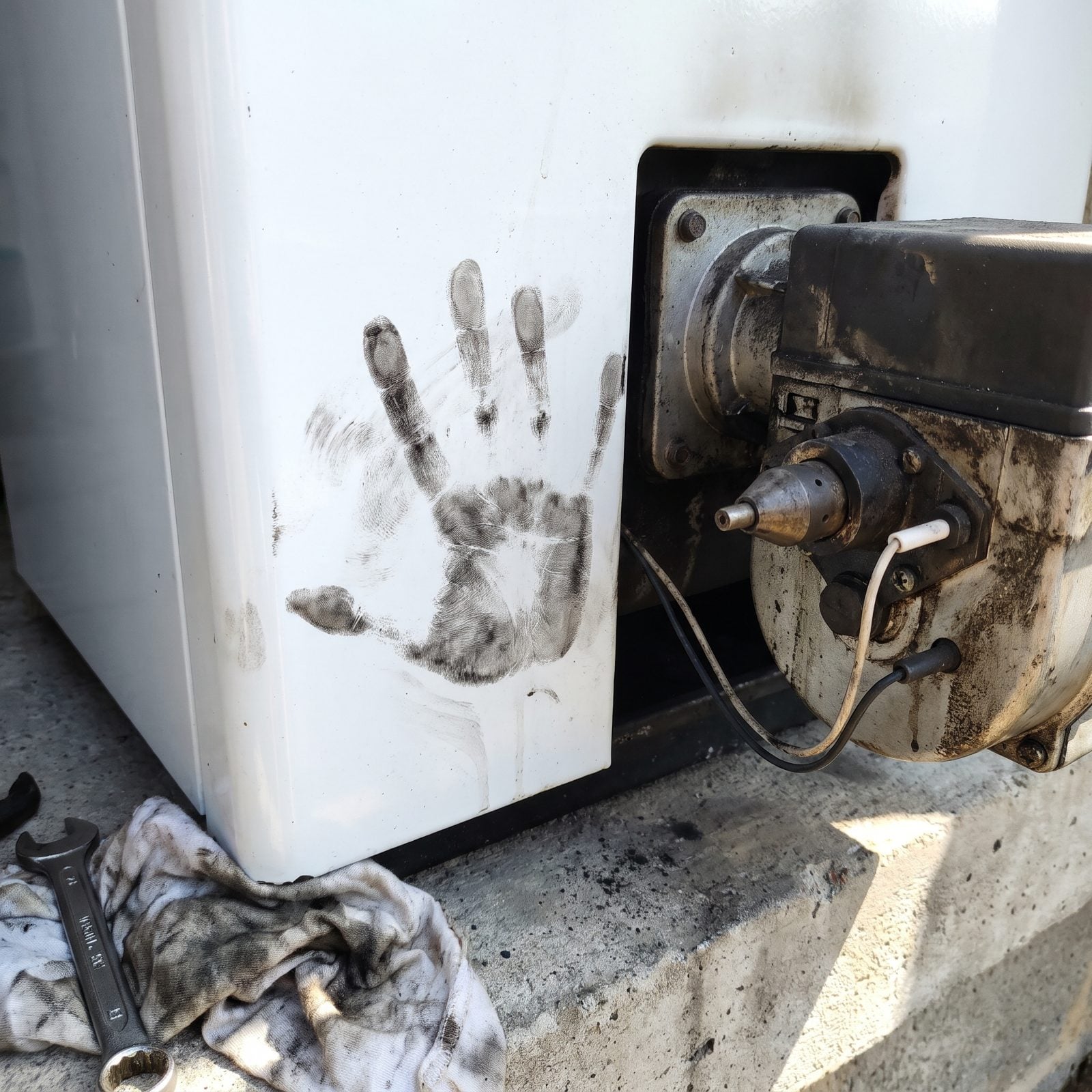
Once a year, the furnace guy came and left black fingerprints on everything. The oil burner was a fussy machine, and it ran dirty.
The nozzle clogged, the electrodes fouled, the filter choked with soot. A neglected burner would puff black smoke, waste fuel, and eventually quit on the coldest possible night, which is the only kind of night it ever chose. So you booked the fall tune-up and watched a man in coveralls pull the assembly apart and scrub it down with a wire brush.
The smell of hot oil and soot by the bright windowsill was the smell of the furnace still working, for now.
On a heating trade forum, one oil heat service technician explains that a tune-up can mean opening up the boiler, pulling the flue pipe, checking the chimney base, and cleaning out any soot found.
26. Radiators Had to Be Bled by Hand to Release Trapped Air
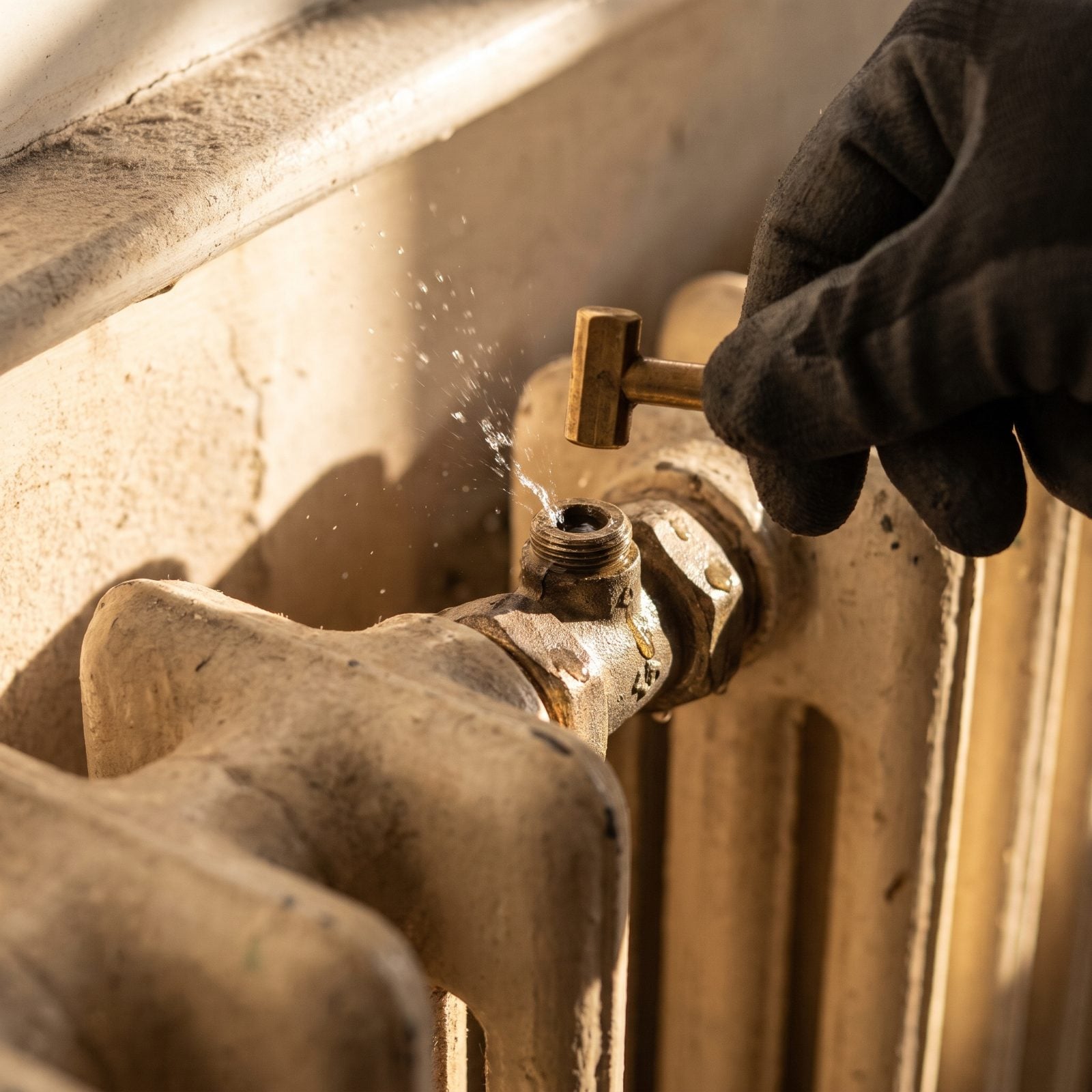
The radiator knocked and hissed and stayed cold in patches, and you knew exactly what that meant. Air had crept into the system again, and the only fix was the little brass winged key.
You cracked the bleed valve down by the foot, listened for the hiss, and waited for that first spit of water before closing it back up. A cup underneath caught the drip. Do the whole house and you could usually chase the cold spots out before anyone complained.
25. Water Pans on Radiators Added Humidity to Dry Rooms
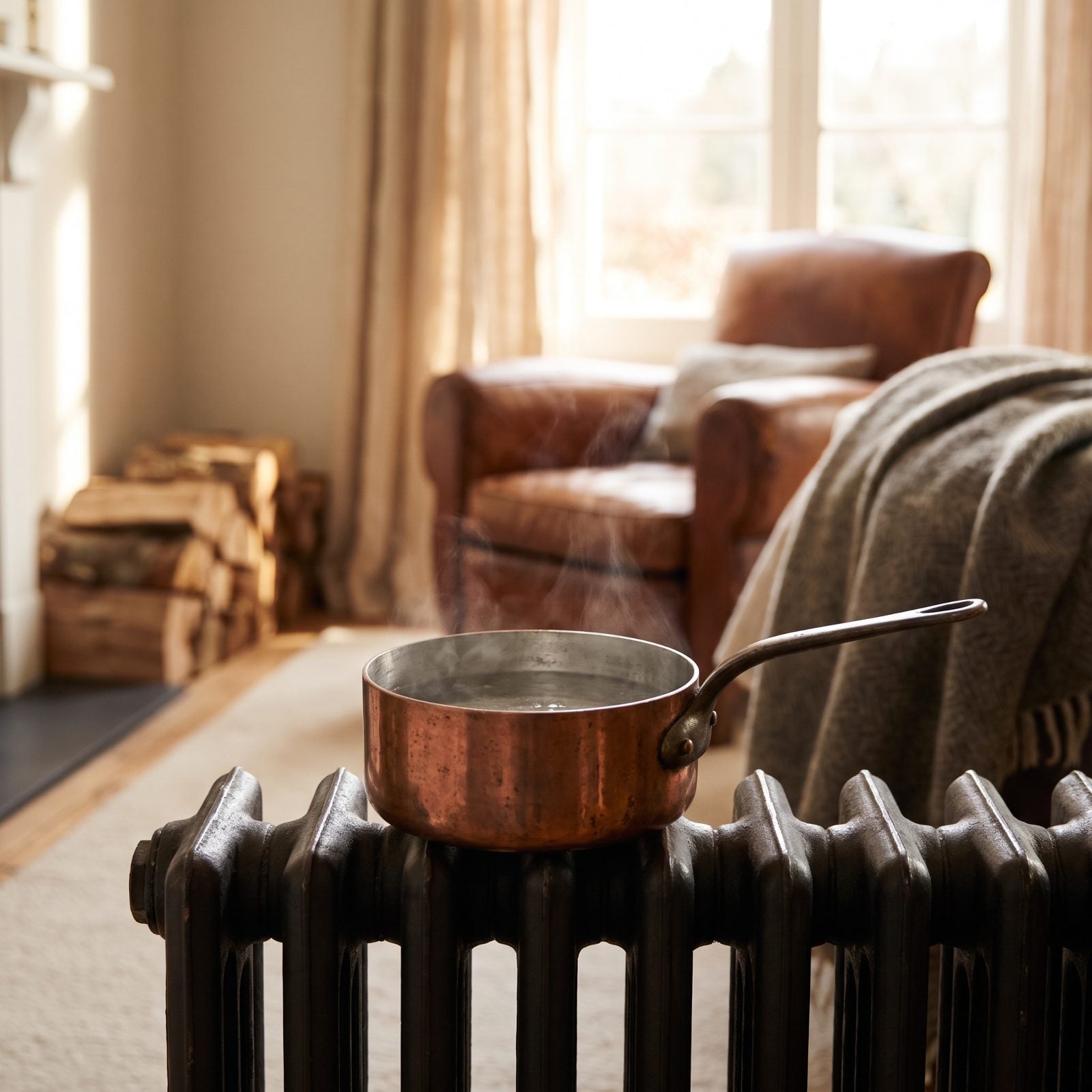
Winter heat dries a room out like a desert, and everyone in the 1970s felt it. Chapped lips, bloody noses, static shocks off the doorknob, houseplants crisping at the leaf tips.
The fix was a shallow metal pan of water set right on top of the radiator. Heat slowly evaporated it, pushing a little moisture back into the air, and you refilled it when it ran dry, which was often. Some folks used tin pie plates. Others sprang for fancy clip-on reservoirs shaped to hook over the radiator fins. Either way, the water went green and scummy if you forgot about it for a week, and you’d find a chalky ring of mineral crust at the bottom. A low-tech trick that mostly worked, and asked very little of you beyond remembering it existed.
24. Furnace-Mounted Drum Humidifiers Needed Constant Cleaning
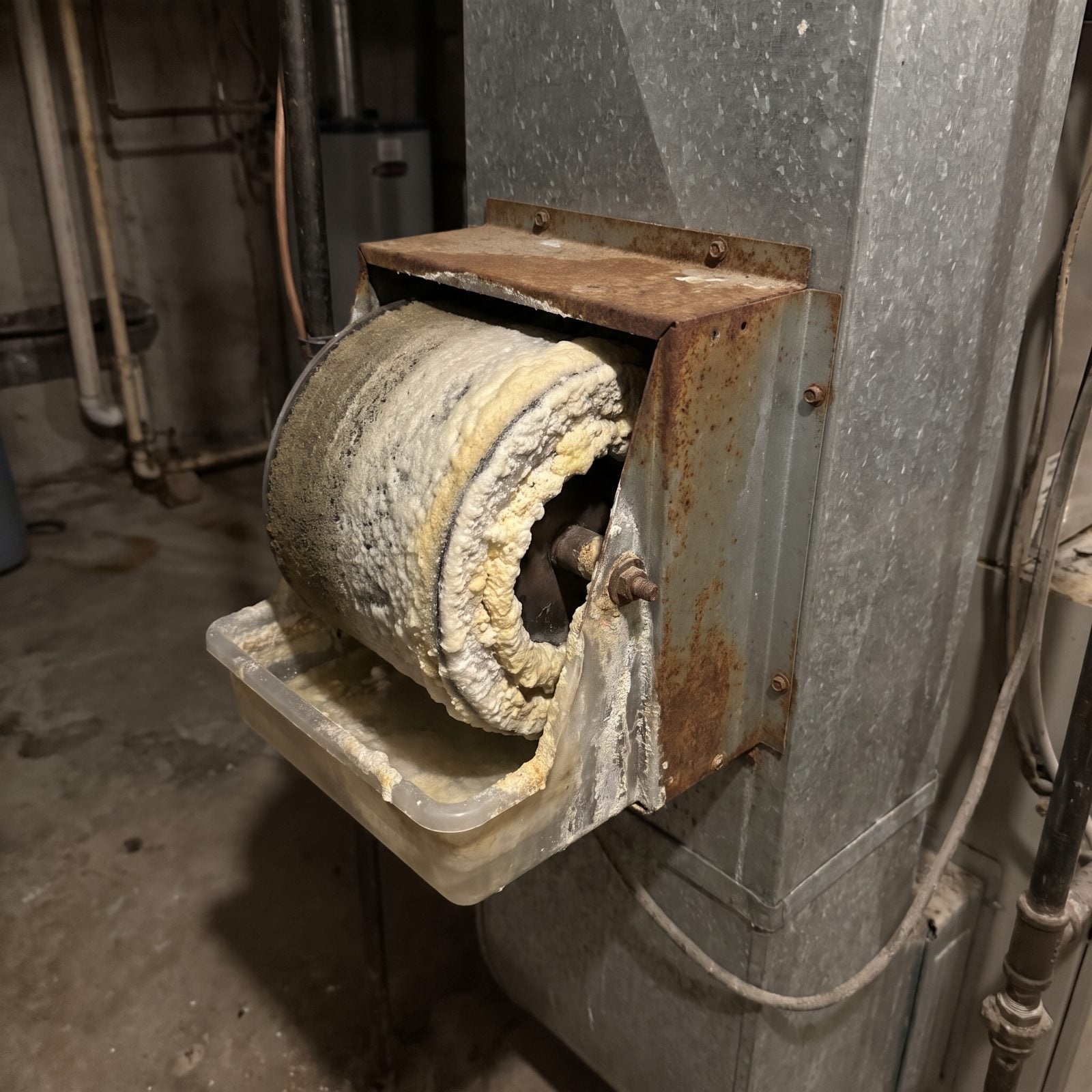
Bolted to the side of the furnace duct, the drum humidifier was a foam-covered wheel turning slowly through a tray of water. Warm air blew across it and carried moisture through the house. Tidy enough, in theory.
In practice, it was a petri dish. The reservoir grew a slick film, the foam pad went stiff and crusty with lime scale, and if you let it go too long the whole thing smelled faintly of pond. Dad’s late-fall ritual meant pulling the drum, scraping the mineral crust off the pad, scrubbing the tray, and swearing at the float valve that never seated right.
Skip the cleaning and you weren’t humidifying your air. You were aerosolizing whatever had been quietly growing down there since March.
Writing about drum humidifiers, a Canadian home inspector who sees many furnace-mounted units cautions: “These types of humidifiers must be cleaned regularly as there is a high chance of mold growth from the standing water.”
23. Wet Mittens and Socks Dried Directly on Radiators or Registers
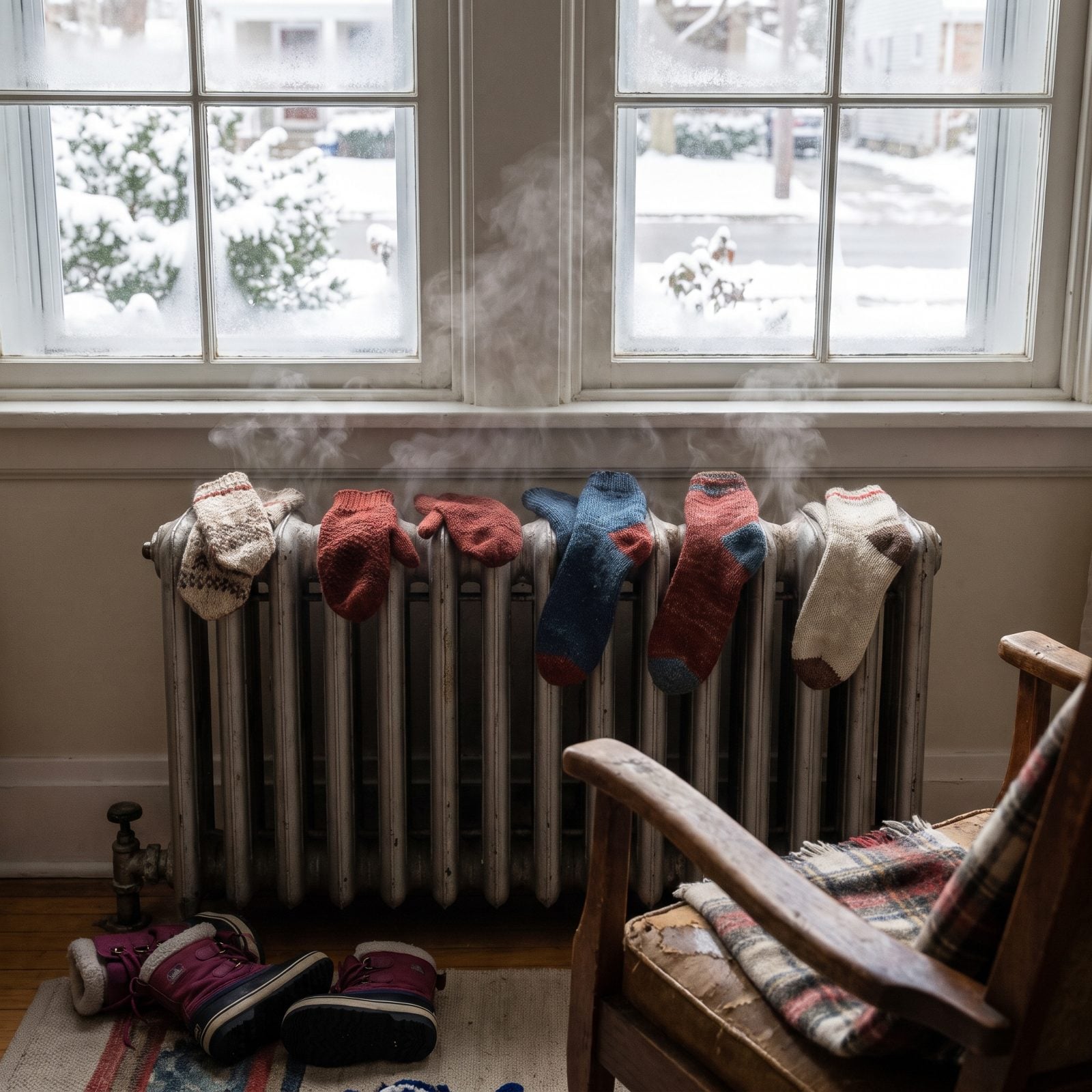
Come in from building a snowman and the first stop was the radiator. You’d peel off soaked wool mittens and lay them across the hot fins, line up your socks, balance your hat on top, and the whole hallway took on that smell of warm wet wool, part barnyard, part comfort.
By the time you’d thawed out with hot chocolate, the mittens were toasty and stiff enough to stand up on their own. Floor registers worked too. You’d straddle one and let the hot blast balloon your pajamas.
Was it a fire hazard to pile wet gloves on a heat source? Probably. Did anyone think twice about it? Not once.
22. The First Heating Day Filled Rooms With a Burnt-Dust Smell
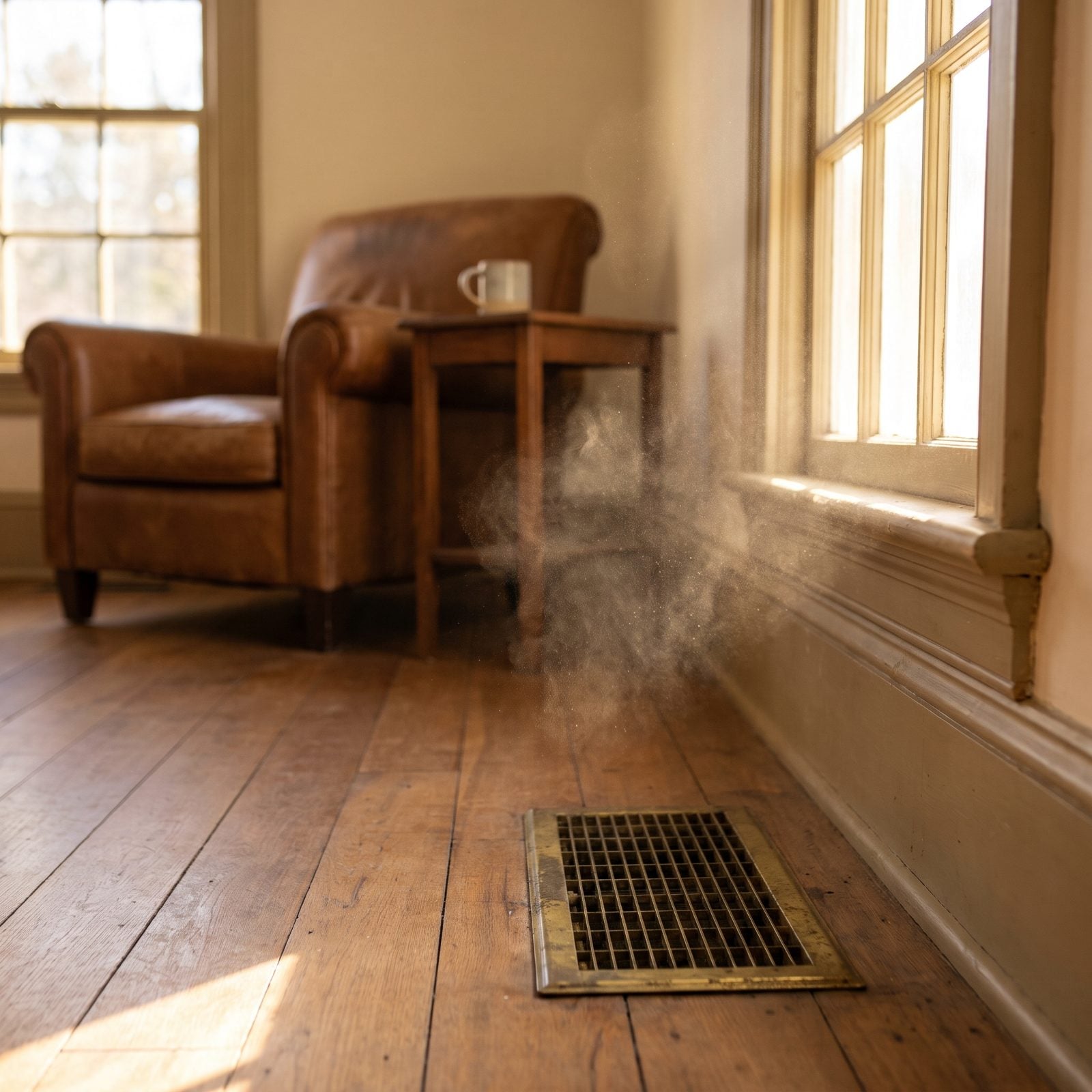
Every household knew it. That first genuinely cold morning in October, somebody cranked the dial thermostat for the first time since spring, and within minutes the house filled with a dry, scorched smell.
That was a summer’s worth of dust burning off the furnace heat exchanger and the inside of the ducts. It stung the nose a little, caught in the back of your throat, then faded by afternoon, as reliable a seasonal event as the leaves turning.
The smart move was swapping the furnace filter before that first burn, though plenty of people forgot and just rode out the dusty haze. A warm hallway renovation today would hide every bit of that ductwork, but back then you could hear and smell the whole system doing its job.
Explaining the first-cold-day smell, one heating and cooling contractor writes: “Because it has been sitting cold and collecting sticky dust for six months, that first ignition sequence essentially incinerates a half-year’s worth of accumulated debris all at once.”
Today’s homes smell by choice: asked which home scent they would buy, Home Stratosphere readers split almost evenly between warm, fresh and woody, a real coin toss.
21. Chimneys Needed Regular Sweeping to Remove Soot and Creosote
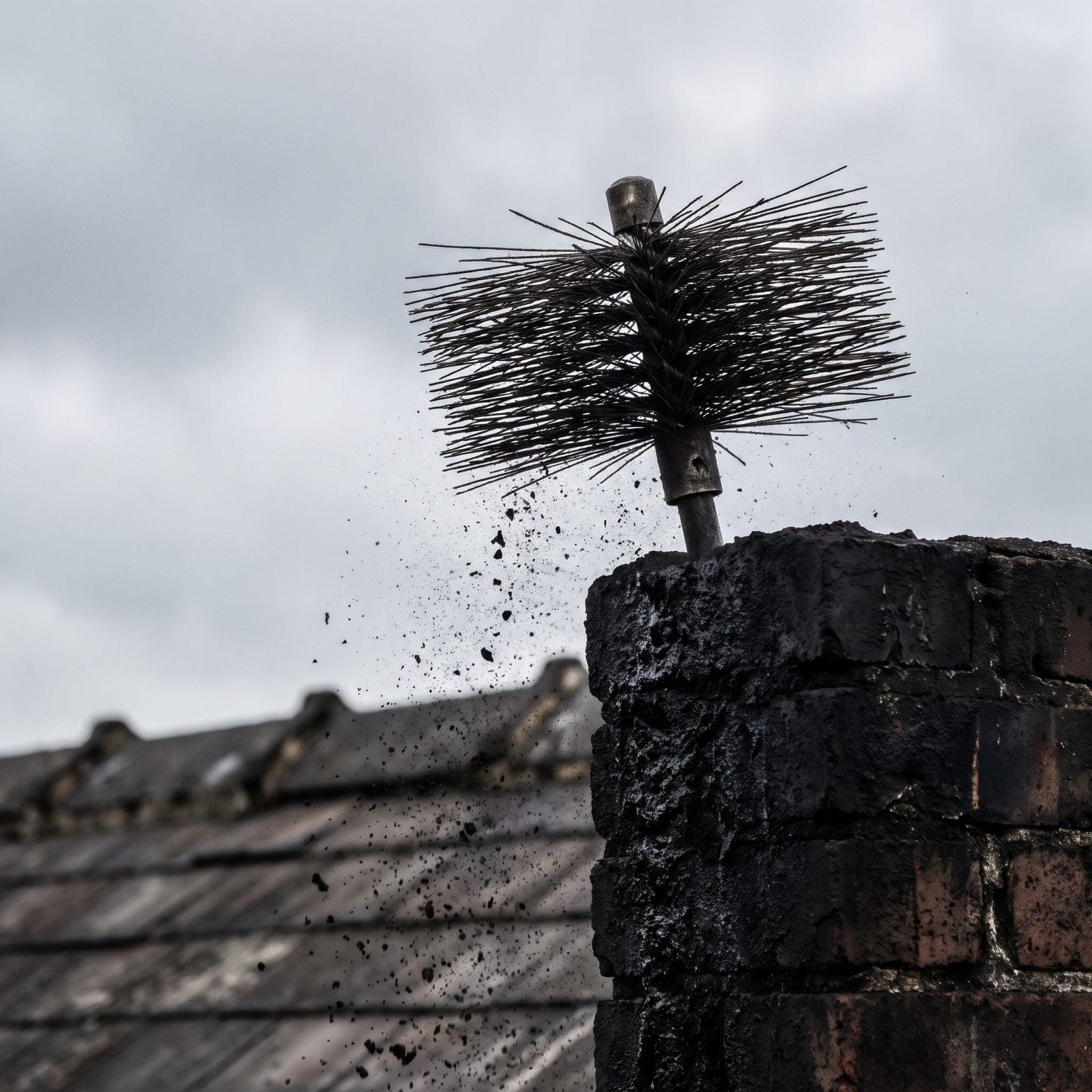
If your house burned wood, the chimney was keeping a secret, and the secret was flammable. Every fire coated the flue with a little more creosote, a tarry black residue that builds up and, left alone, can catch fire and send flames roaring up the chimney.
So the sweep came. Weighted wire brushes dropped down the flue or pushed up from the firebox, scraping soot into a bucket and dusting everything in a fine black film. Some families did it themselves with a rented brush and a lot of newspaper on the floor. Others called the guy in coveralls.
Dirty, annual, and genuinely a safety job, not just housekeeping. Skip it a couple of years and you were gambling with a chimney fire.
As a chimney sweep puts it, “If a chimney is not regularly swept, creosote (and soot) build up on the walls of the chimney in thickening layers.”
20. Wood Heat Required Chopping, Stacking, and Seasoning a Winter’s Fuel
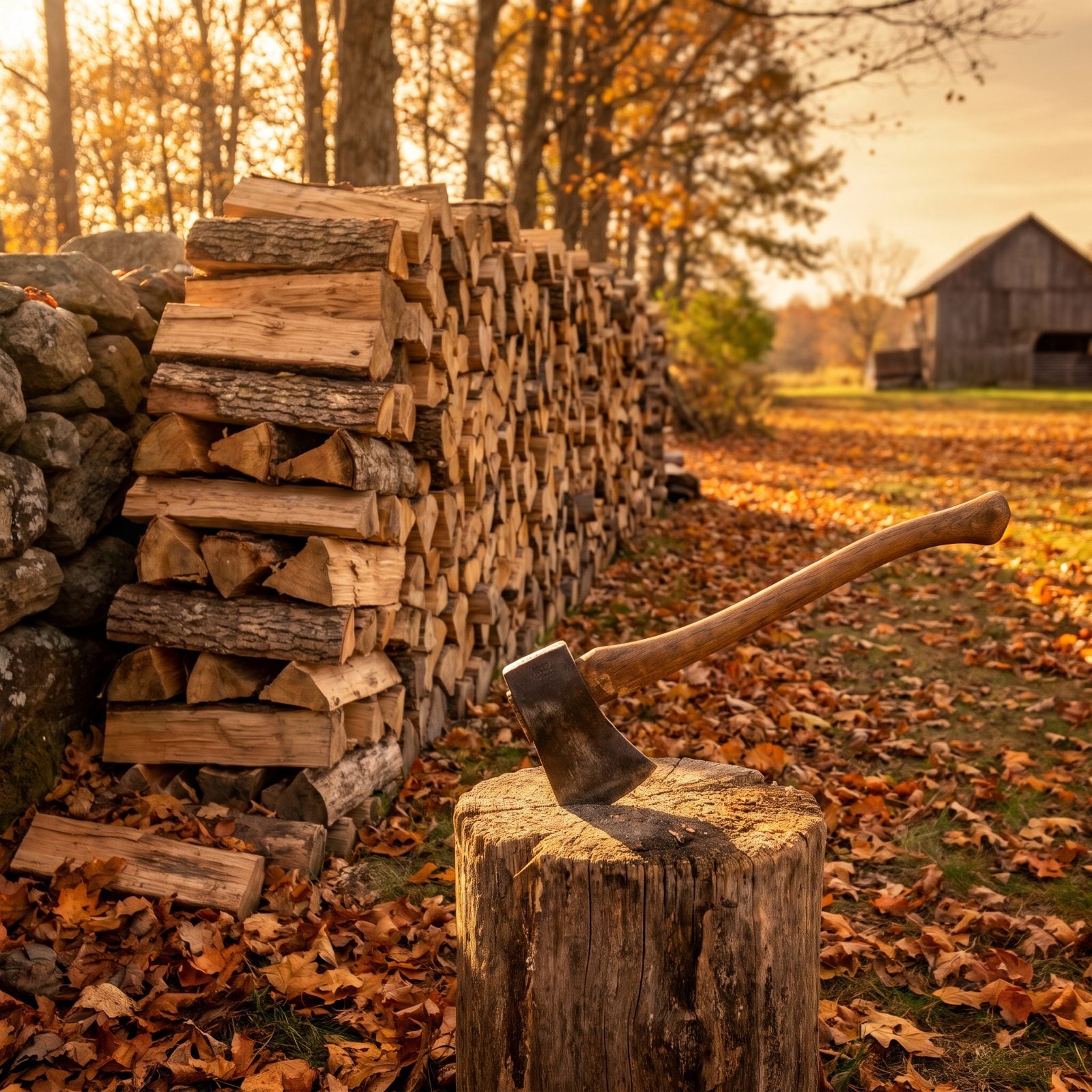
Wood heat was not a thermostat. It was a second job.
A winter’s worth of fuel meant felling, bucking, splitting, and stacking cords of oak and maple, then letting it sit and dry for a season. Green wood hisses, smokes, and barely burns, so the seasoning wasn’t optional. Everyone with a wood stove had a woodpile, and the size of it told you how organized they were.
The splitting itself was the ritual: the thunk of the maul, that satisfying crack when a round let go on the first swing, the ache in your shoulders afterward. Kids got drafted into the stacking crew. A good tight stack along the fence line was a quiet point of pride. Turning a dial never earned anyone that.
19. Indoor Firewood Piles Could Bring Insects Into the House
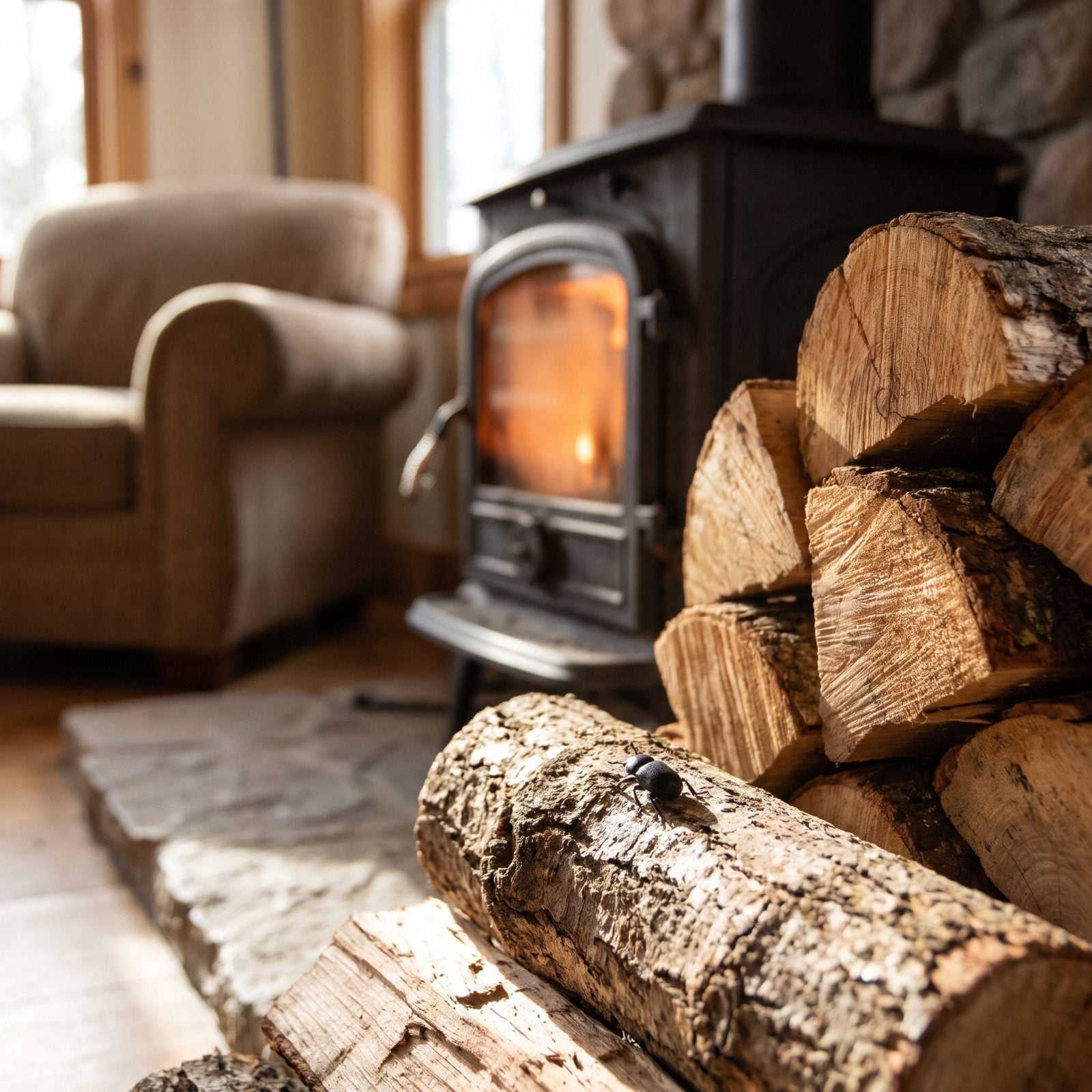
Bringing wood inside felt efficient. A stack right by the stove meant you weren’t trudging to the backyard in a blizzard every time the fire burned low.
But firewood is a hotel. Spiders ride in on the bark, beetles bore out of the splits when the warmth wakes them, and the occasional earwig drops onto the hearth rug. Nothing dangerous, usually. Just an unexpected roommate skittering across the floor in January.
The seasoned rule was to bring in only what you’d burn that day and knock the logs together outside first. Plenty of households ignored that and kept a cozy indoor pile anyway, bugs and all, because a fire crackling a few feet away made the whole room feel like a warm sunroom design in the dead of winter. A few hitchhiking insects was the price of admission.
18. Newspapers Were Saved for Lighting Fires
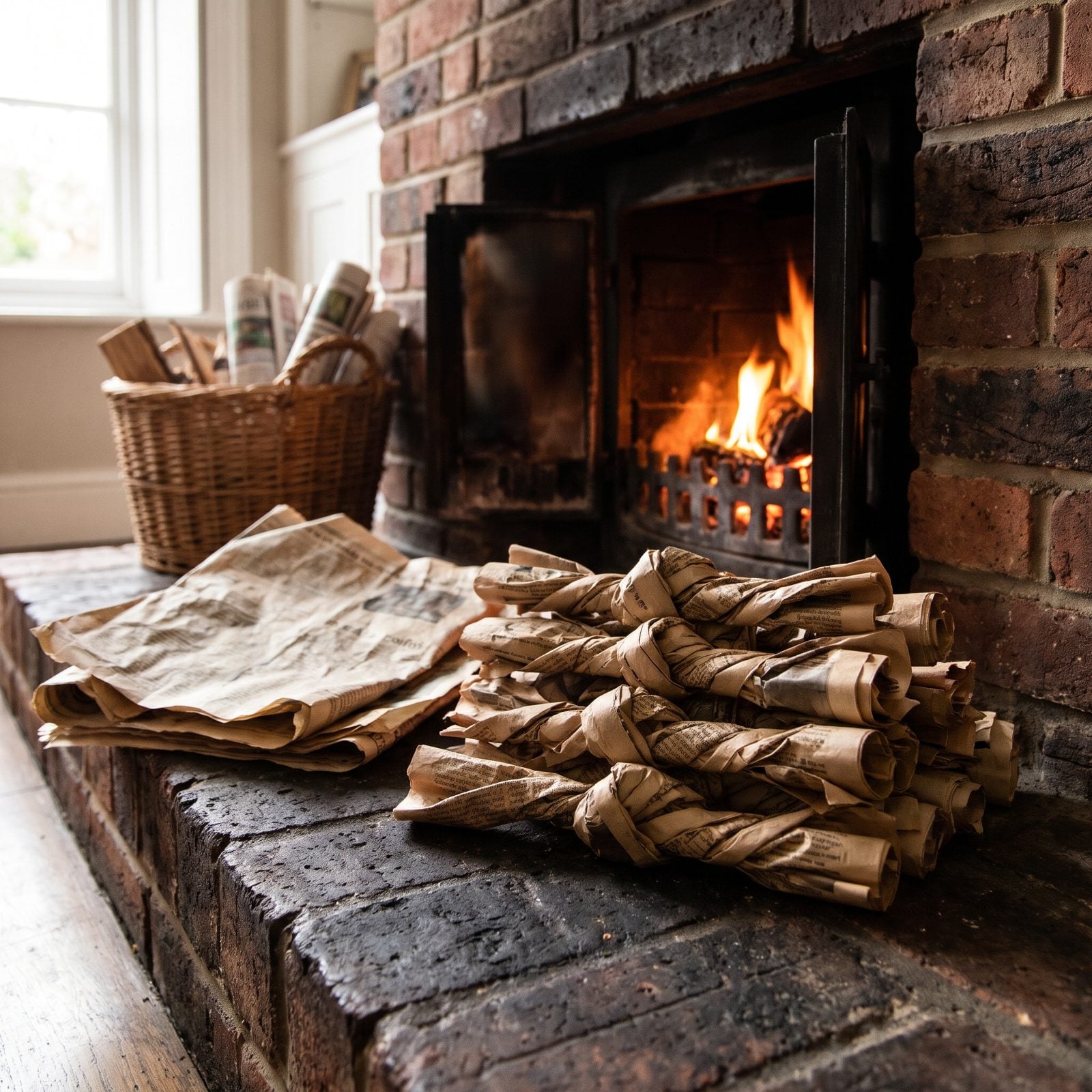
The Sunday paper got read, then it got a second job. You’d fold it, twist it, knot it into those tight little paper logs and tuck them in a bucket by the hearth. Nobody threw away a newspaper in heating season. That was free kindling, and you knew it.
There was a whole quiet skill to it. Too loose and it flared out before the wood caught; too tight and it smothered itself. The right twist held a flame long enough to get the splits going, and lighting that first fire without wasting three matches felt like a small win every single morning.
17. Fireplace Dampers Were Opened and Closed Manually
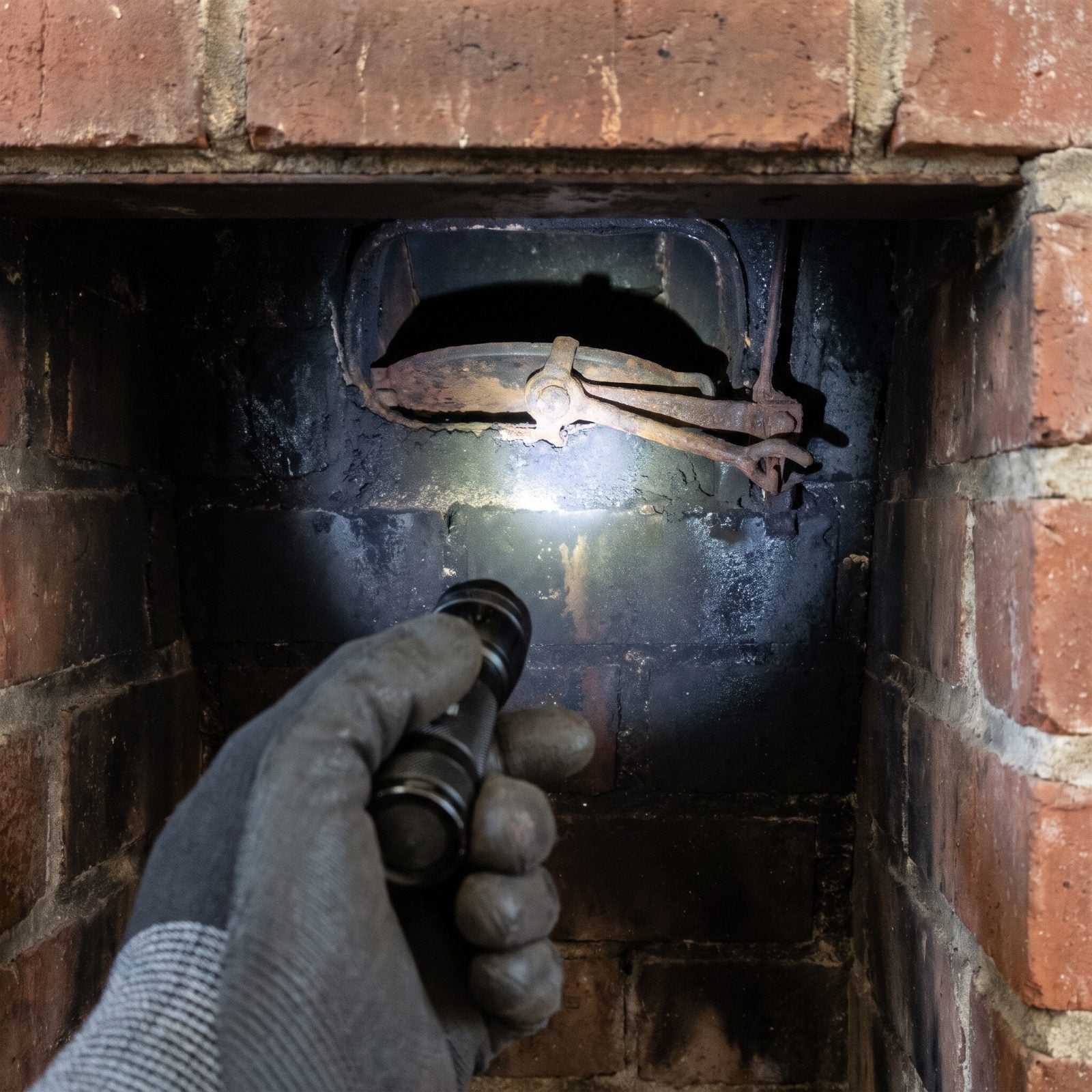
Before any fire, you reached up into the cold throat of the chimney and shoved the damper lever open. After the fire died and the ashes went gray, you reached back up and closed it — or you’d feel the heat leaking out all night like a window left cracked in January.
Forget to open it and the room filled with smoke in about forty seconds, which taught you fast. Forget to close it and you’d heated the neighborhood. The open damper deserves special mention. It’s the single most expensive mistake a fireplace lets you make, and it costs you nothing to fix.
16. An Open Fireplace Could Send More Household Heat Up the Chimney Than It Produced
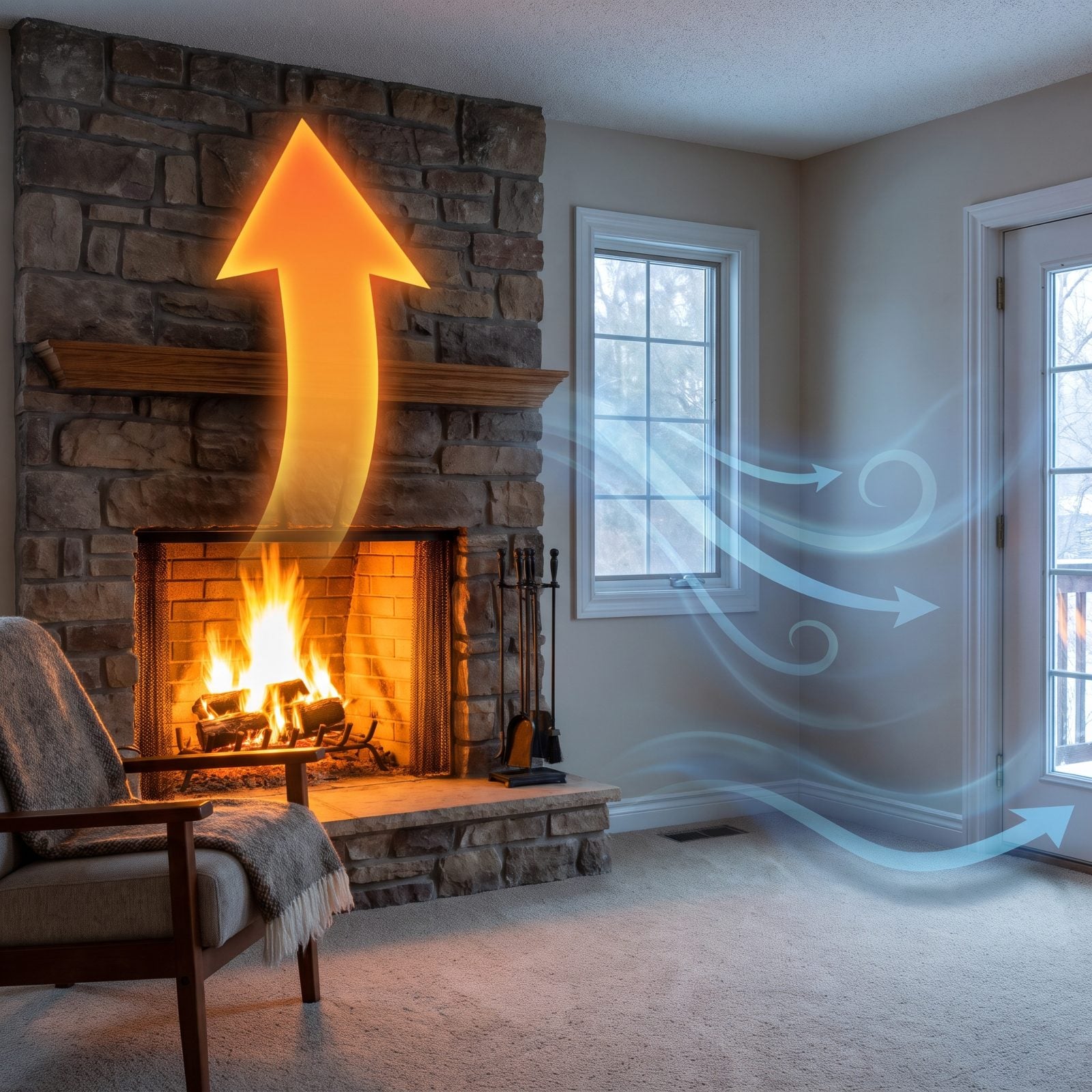
Here’s the quiet joke of the traditional fireplace. You sat there watching the flames, toasty on the front of your legs, while cold drafts swirled in around the window and streamed across the room toward the door, and your heated air went up the flue into the night sky. The hearth felt wonderful. The house, measured end to end, was often losing heat on net.
An open masonry fireplace could run shockingly inefficient, sucking already-heated air out of the room to feed the draft, and the furnace then worked harder to replace it. We loved these things anyway. No space heater on earth competes with watching a real fire, and efficiency was never why anyone lit one.
Inefficient or not, the romance of the hearth lives on: bedroom photos with a fireplace got more hearts from our readers than the other images in the same articles, 68% versus 54%.
15. Single-Pane Windows Radiated Cold Into Heated Rooms
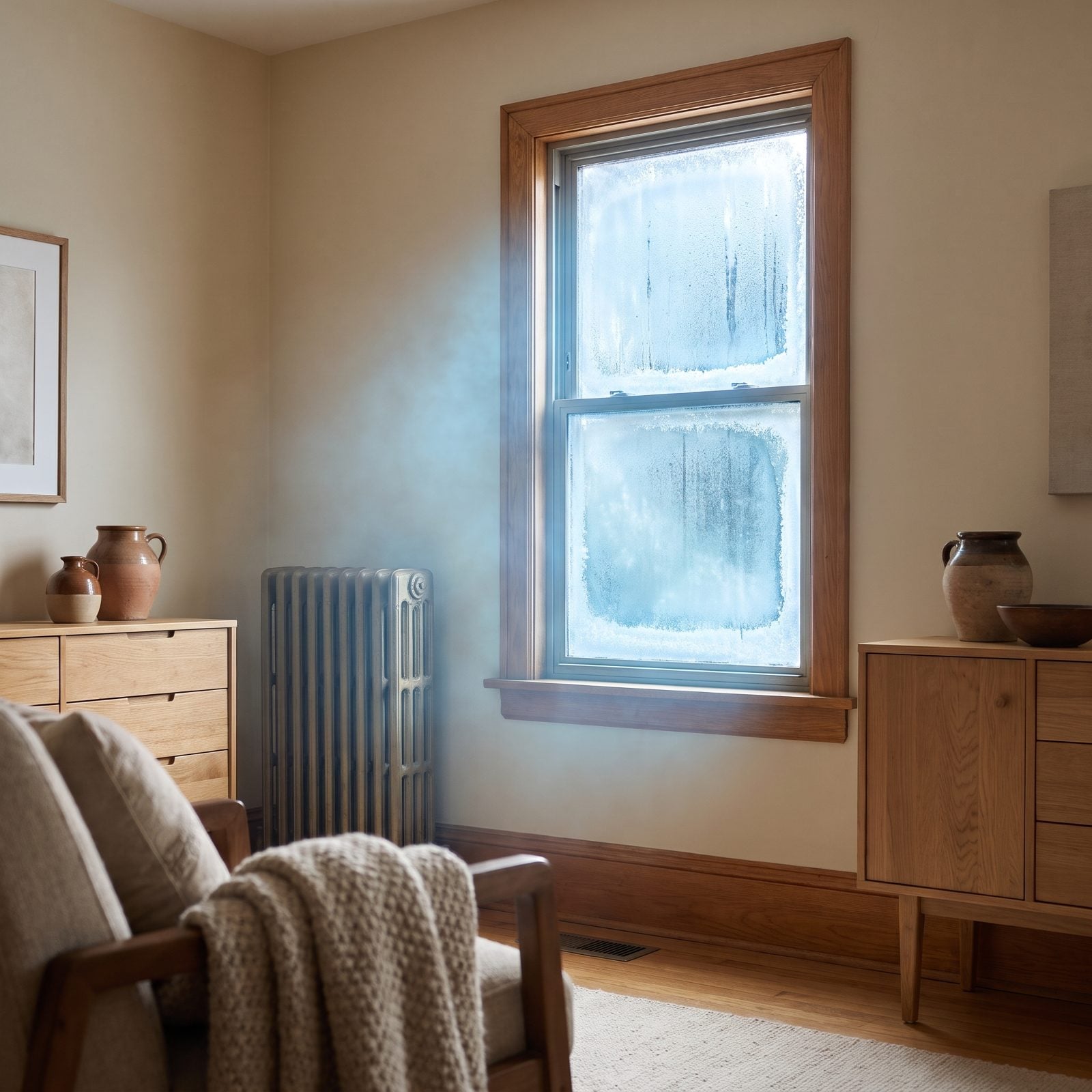
Stand near a single-pane window on a January night and you could feel the cold coming off it from two feet away. The glass didn’t just let cold in. It pulled the warmth right out of your body, radiating it away toward that freezing sheet. You learned not to put the good chair by the window.
One thin layer of glass, nothing between you and the outside temperature but a quarter inch of it. The furnace ran and ran, and the room near the window stayed stubbornly cool no matter what the thermostat down the hall claimed.
14. Ice and Frost Commonly Formed on the Inside of Windows
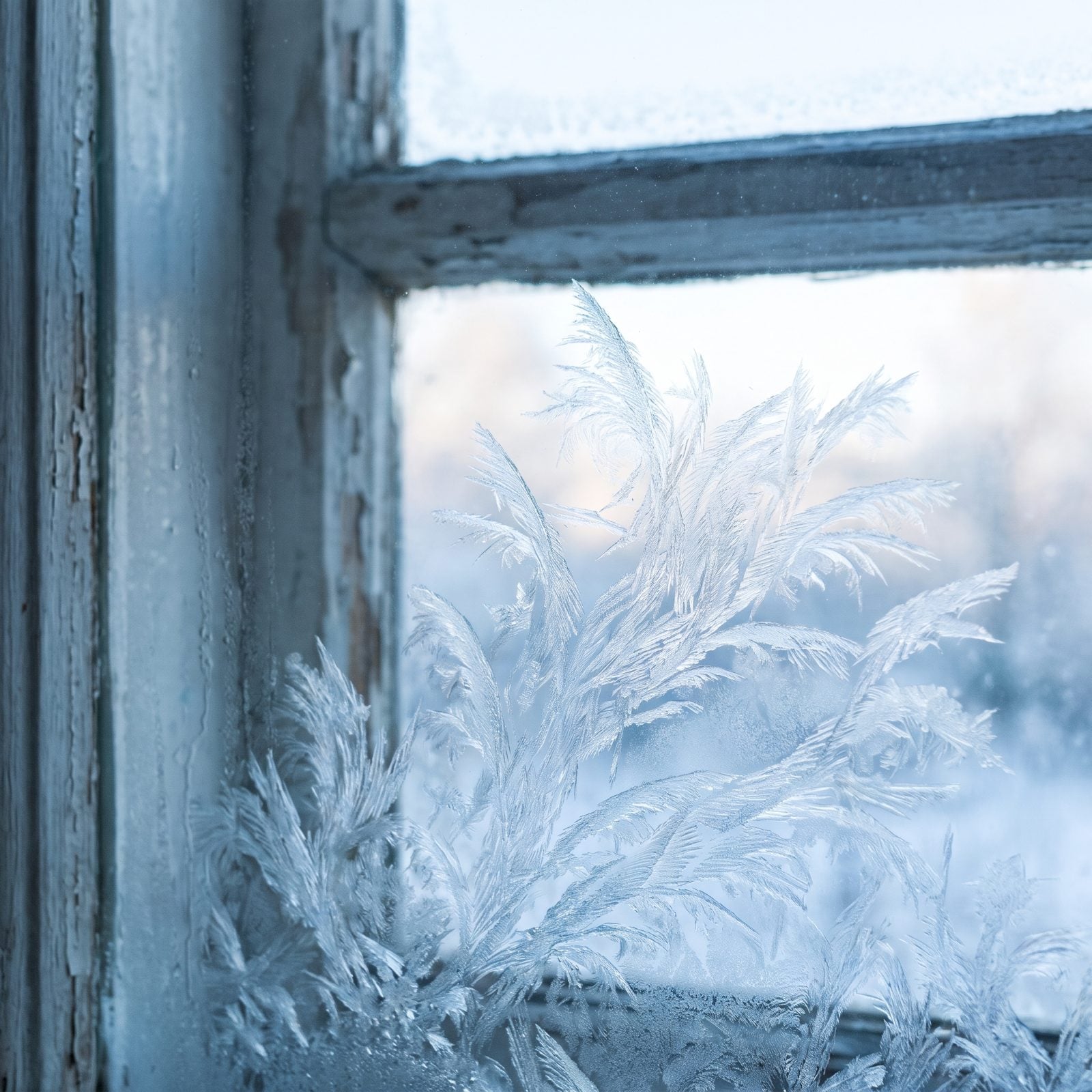
You woke up and the window had grown a garden overnight. Feathery ferns of frost, spread clear across the inside of the glass, close enough to touch from your warm bed. Kids traced lines through it. Everybody did. It was genuinely lovely and also a sign the room had gotten brutally cold.
That happened because warm, humid indoor air hit a single pane chilled nearly to the outside temperature, froze on contact, and built up crystal by crystal. We thought of it as a little winter wonder. Really it was the house telling you exactly how badly that window was losing the fight.
13. Heavy Storm Windows Were Installed and Removed Seasonally
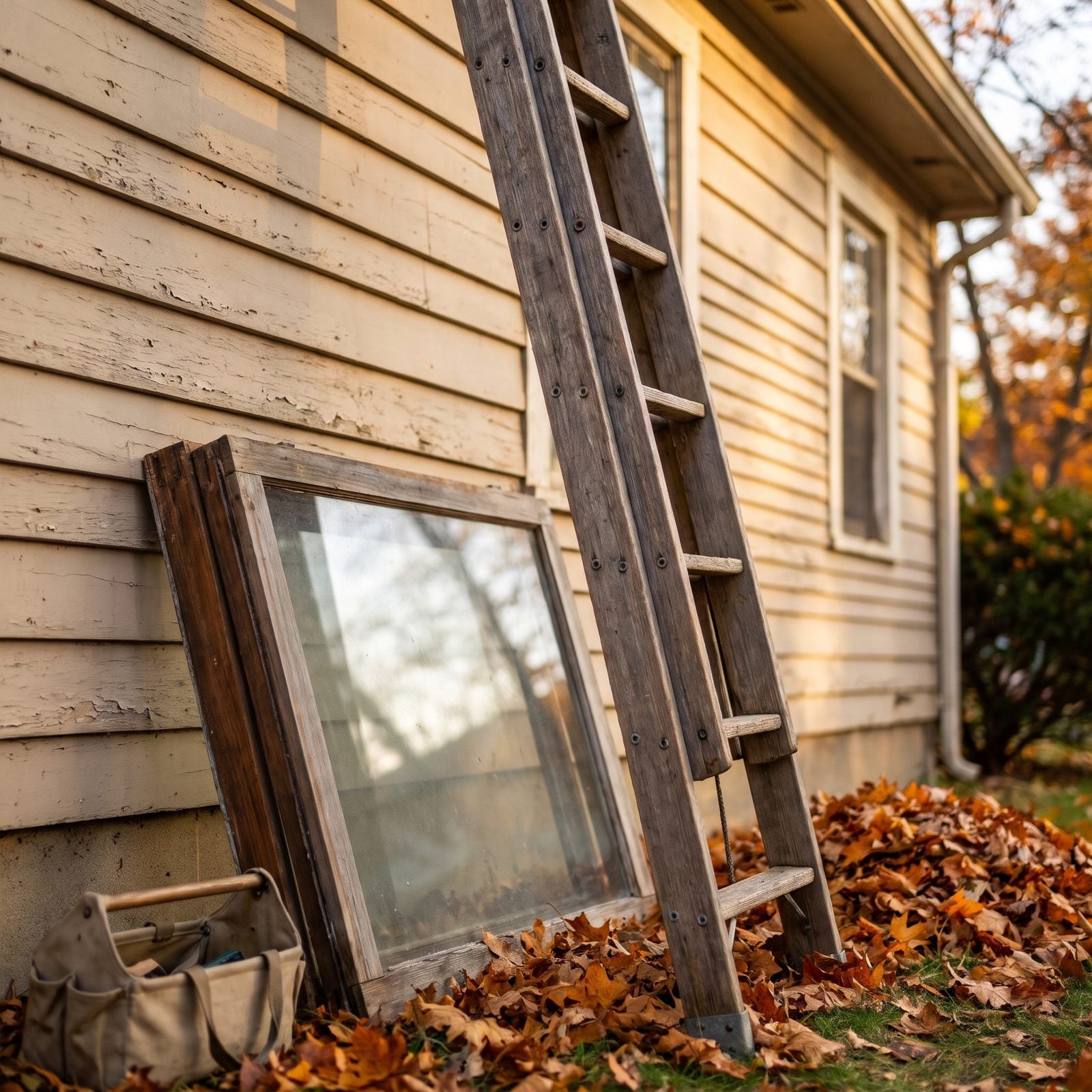
Twice a year, out came the ladder. Storm windows were real objects, often wood-framed with glass, heavy enough that you carried them one at a time and leaned them against the house like a row of patient guests. In fall you hung them over the regular windows for that extra air gap; in spring you took them all down, cleaned them, and stacked them in the garage or basement.
Everybody had a numbering system scratched into the frames, because window seven did not fit opening three and you only learned that lesson once. It was a whole weekend of work, and the basement where they lived all summer could’ve used its own warm basement design treatment.
12. Clear Plastic Sheeting Was Taped Over Drafty Windows
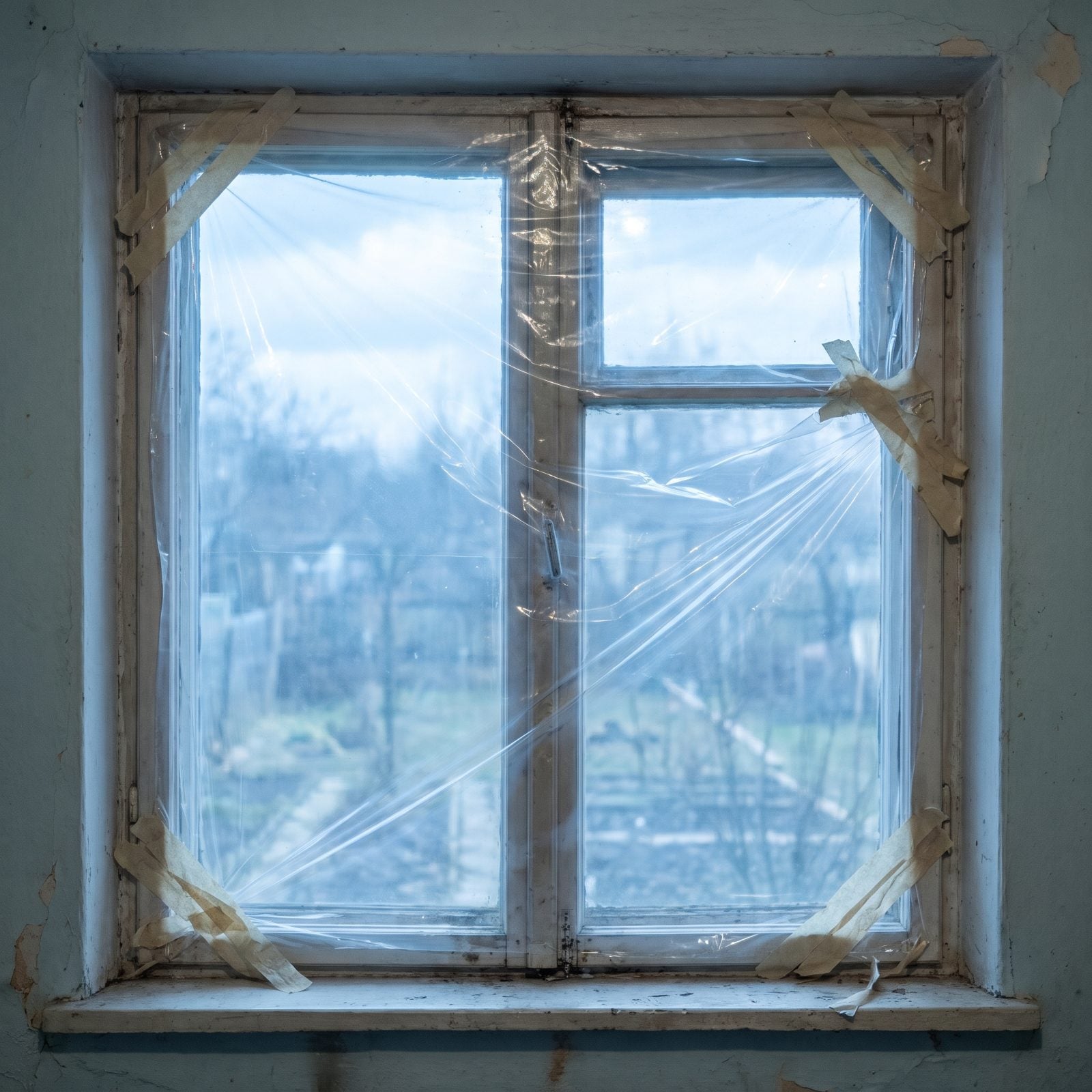
Before shrink-film kits came with their hair-dryer trick, the fix was blunter. A sheet of clear plastic, a roll of tape, and a window you’d decided to sacrifice for the season. You stretched it tight, taped the edges down, and accepted that this window was now for looking through, not opening, until April.
It rippled. It fogged. It crinkled every time the wind pushed on it. But hold your hand near the sealed glass and you could feel the difference against the bare drafty ones, and that settled the argument. Ugly, cheap, and it worked.
11. Removable Rope Caulk Was Pressed Into Window Gaps Each Winter
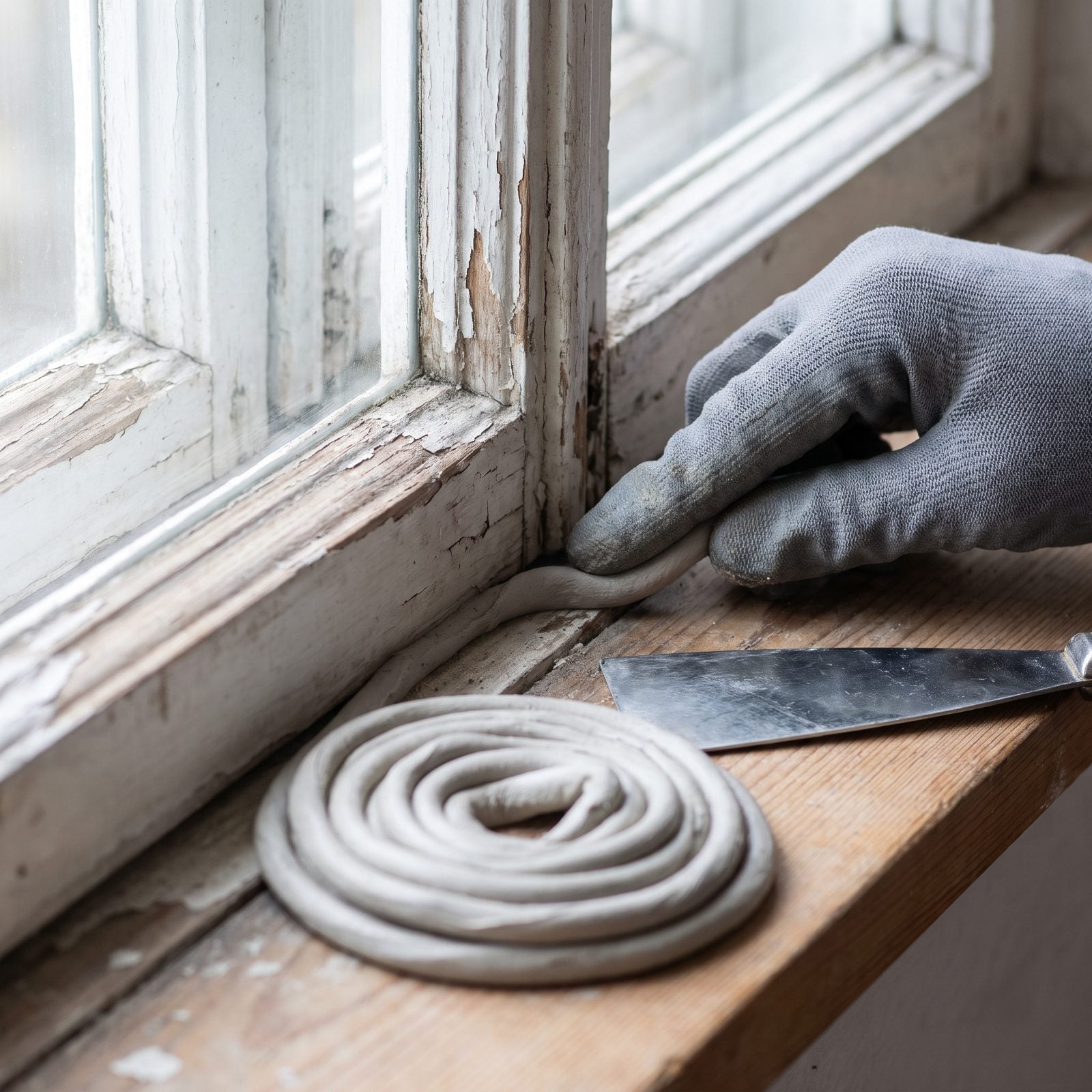
It came in a flat coil and felt like cold modeling clay. You’d peel off a strand of that putty-soft rope caulk and press it right into the gap where the window sash met the frame, thumbing it down until the draft stopped whistling. Best part? It came back out clean in spring — no scraping, no mess, ready to roll up for next year.
You’d walk the house with a candle or a wet hand, hunting the leaks, then plug each one. Tedious and oddly satisfying, the kind of small winter chore that made the whole room feel sealed up and settled.
10. Homemade Fabric Draft Snakes Guarded the Bottoms of Doors
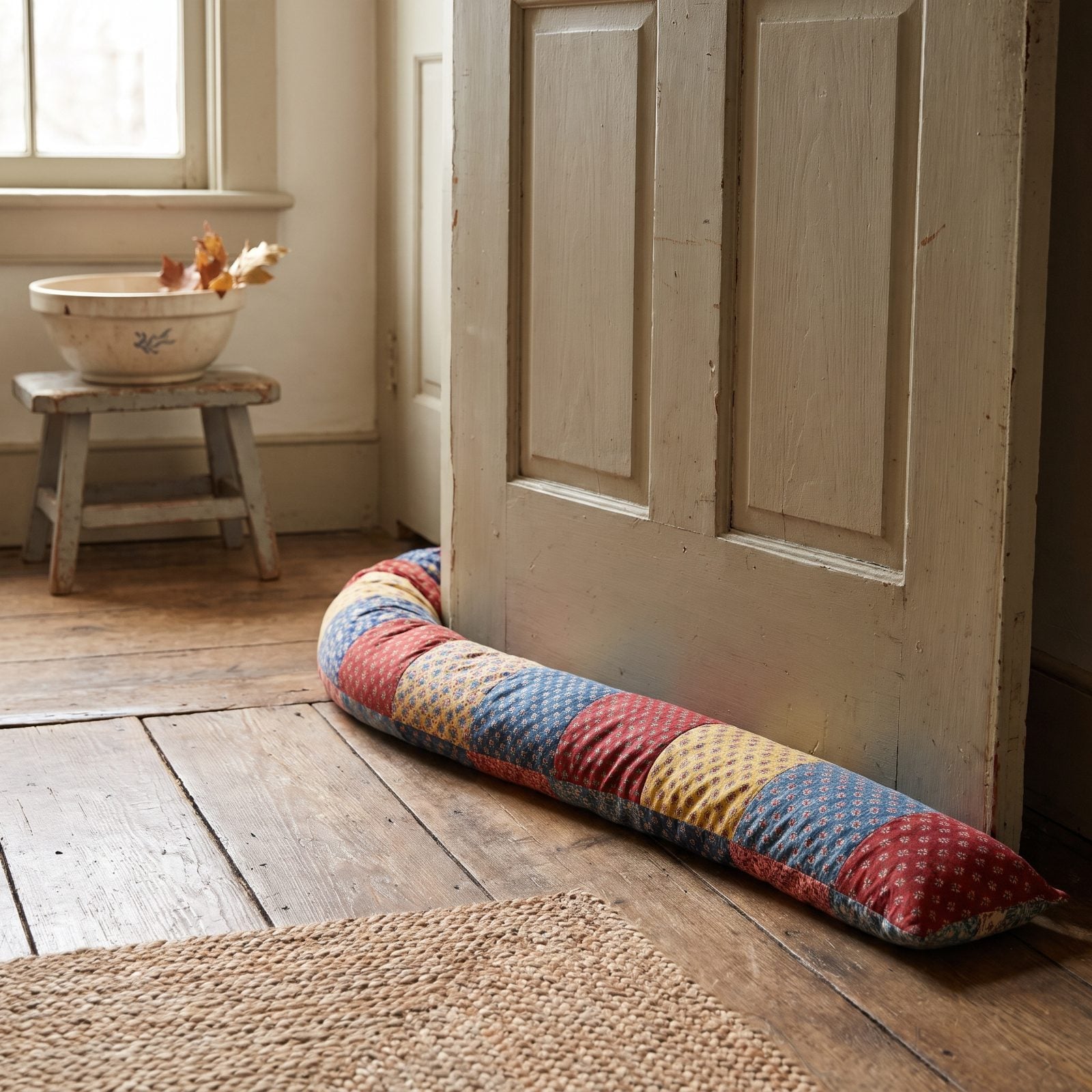
Somebody in the house sewed it, usually from fabric scraps left over from a dress or a set of curtains, and stuffed it with rice, sand, or old pantyhose cut into pieces. The draft snake was a long fabric tube that lay along the bottom of a door and stopped the cold air sneaking in under the gap. Half the ones in America looked like actual snakes, with button eyes and a felt tongue.
You nudged it back into place every time someone opened the door, and it migrated across the floor all winter. It cost nothing. It worked. And it was about the warmest, most hand-stitched defense a cold house ever had.
9. Heavy Drapes Were Pulled Shut at Night to Block Window Drafts
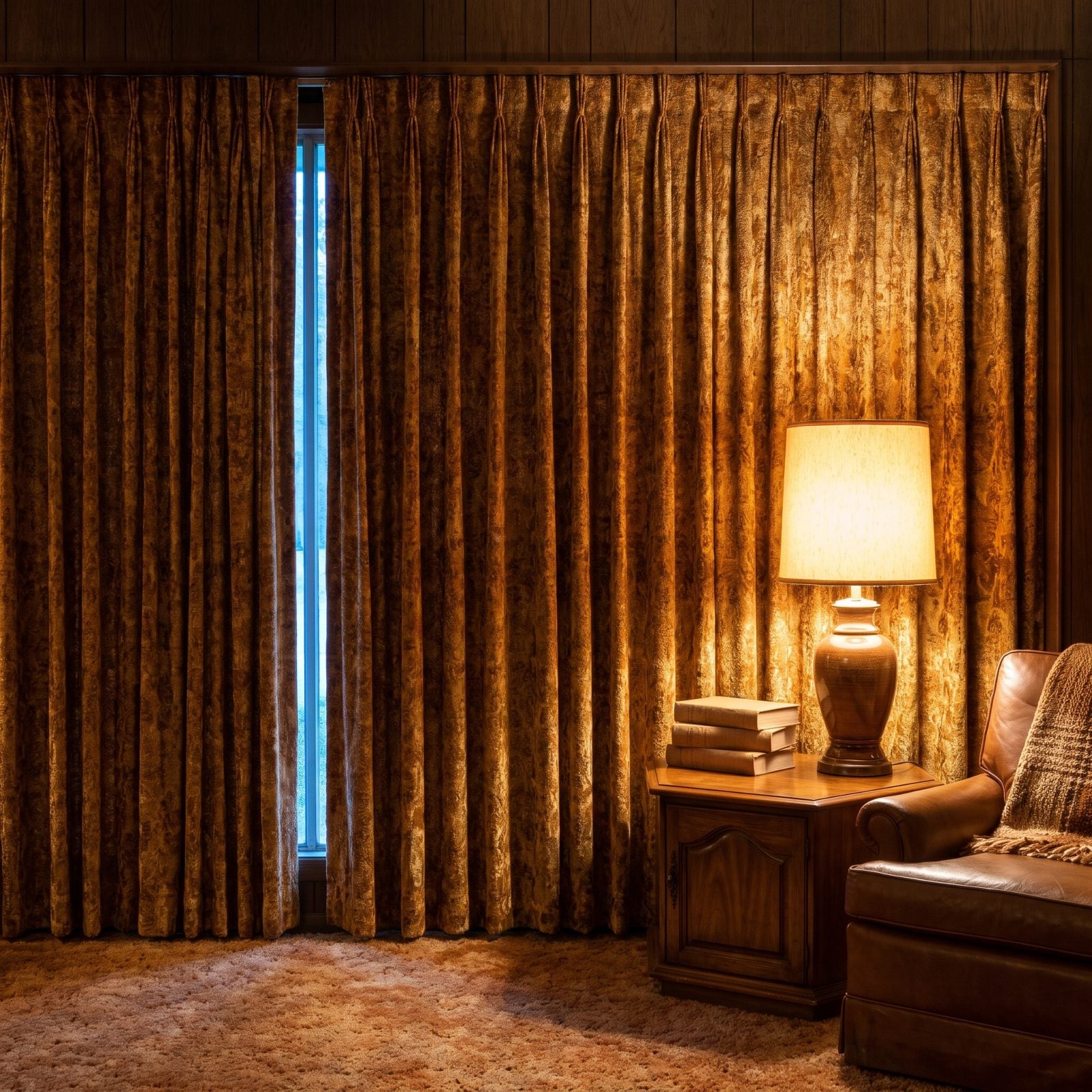
Those drapes weren’t decoration. They were the second layer of your heating system, and everybody knew it. Single-pane windows leaked cold like a sieve, so the ritual started the minute the sun dropped: walk the house, pull every curtain shut, trap whatever warmth you’d paid for on the inside.
The heaviest ones were lined, sometimes backed with a stiff rubbery coating that held the heat better. You pulled them open in the morning for daylight and shut them again at night against the draft, and you could feel the difference standing near a bare window versus a curtained one. The air just sat there, colder, waiting to find your ankles.
Want that same insulating weight today without the cold? Good warm sunroom design leans on the same principle: layered glass and fabric doing the work the furnace shouldn’t have to.
8. Doors and Heat Registers Got Closed to Concentrate Warmth in Occupied Rooms
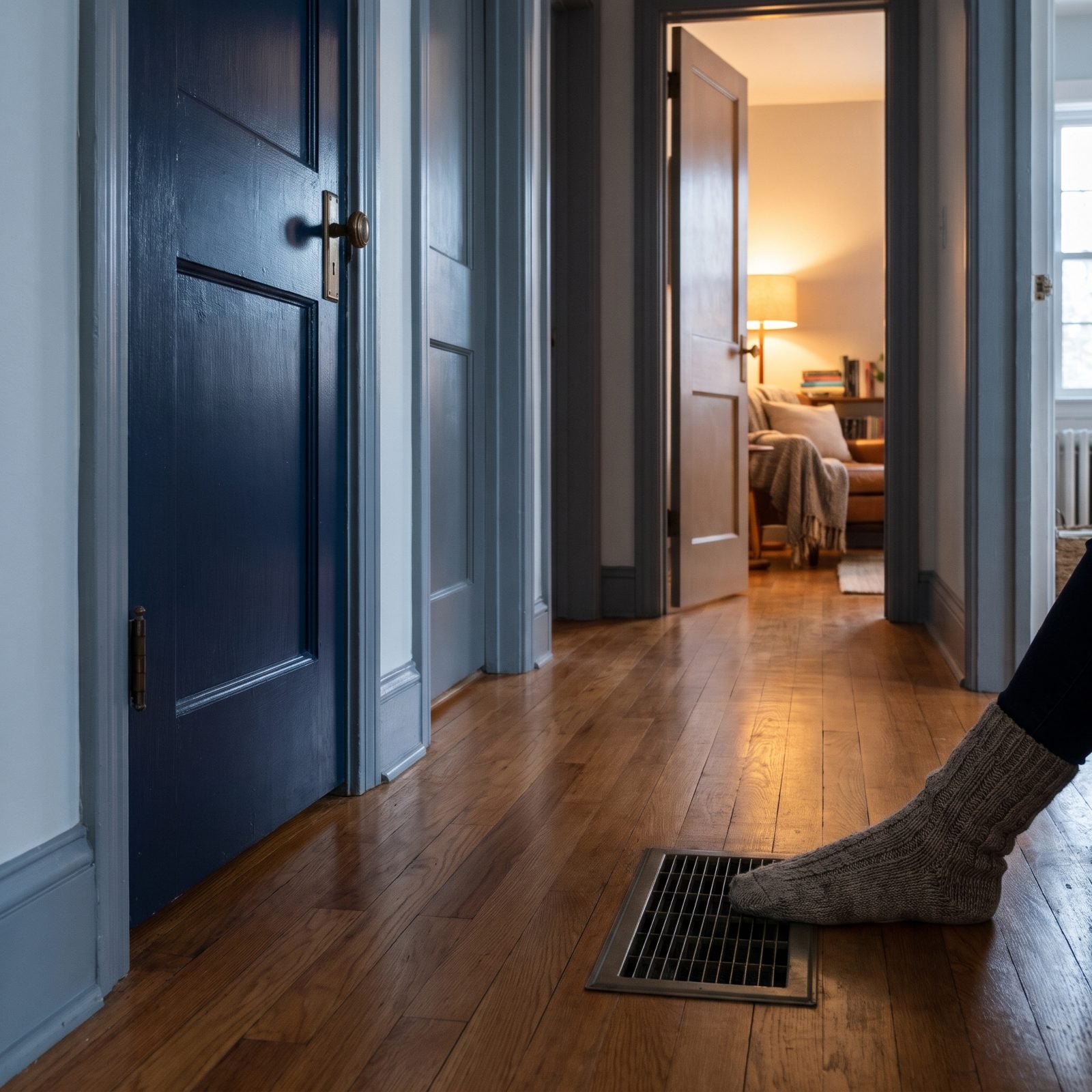
You heated the rooms you lived in. The rest could fend for themselves. Bedrooms you weren’t sleeping in got their doors shut and their registers cranked closed, the little lever stiff from disuse. The idea was simple: push the warm air toward the kitchen and den where people actually were.
It mostly worked, in the way a lot of 1970s fixes mostly worked. The occupied rooms warmed up faster, while the closed-off ones turned into meat lockers you’d sprint through on the way to the bathroom. Guest bedrooms in winter had their own particular chill, a cold that clung to the bedspread.
7. Attics Had a Thin Layer of Insulation, and Older Walls Often Had None at All
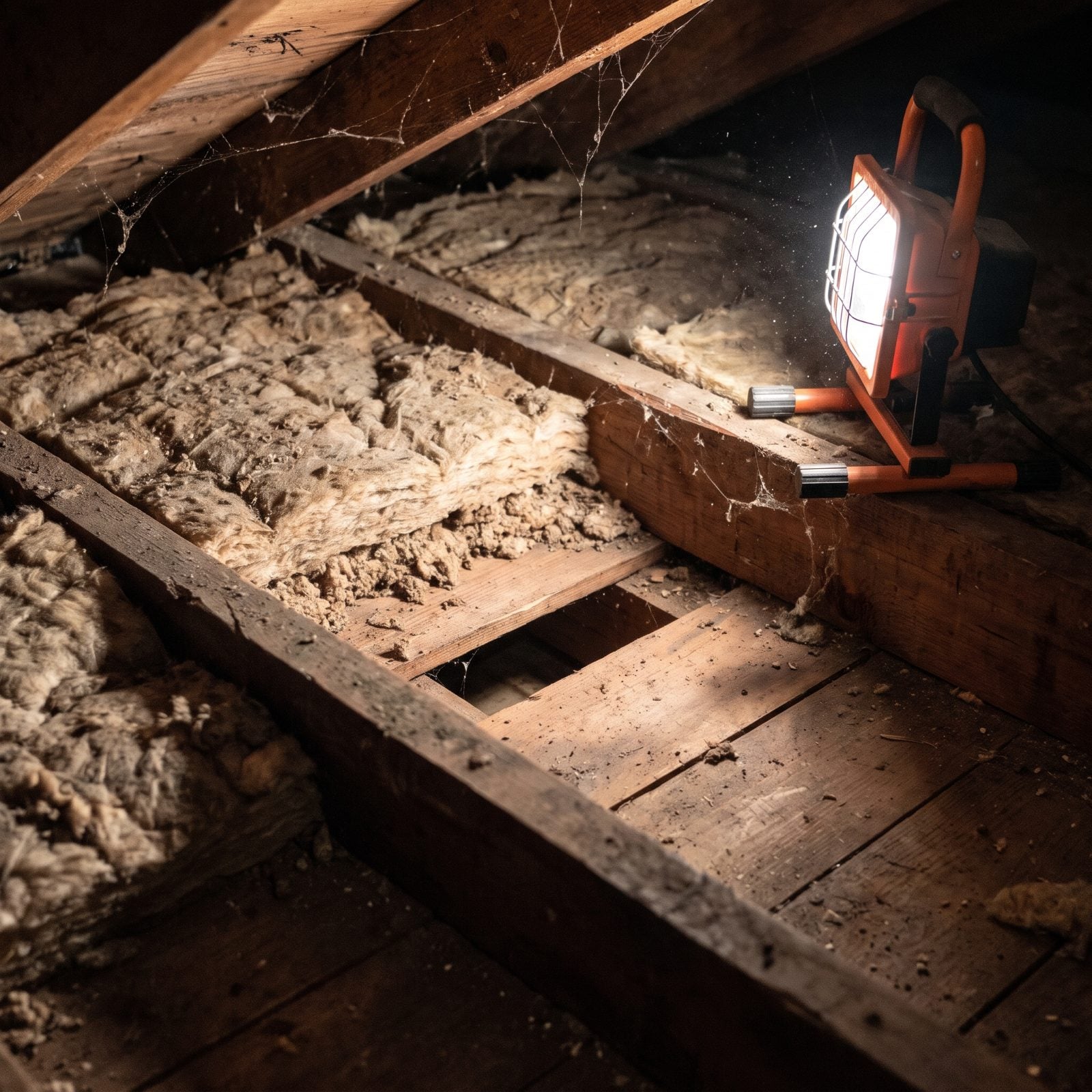
Climb into the attic of a typical 1970s house and you’d find a layer of insulation that looked more like an afterthought than a plan. A few inches of rock wool or loose fill, matted down, with gaps where you could see straight to the ceiling drywall below.
Older houses had it worse. Walls built before insulation was standard were often hollow, just a cavity between the studs where cold air circulated freely. Stand against an exterior wall on a windy January night and the draft came right through the plaster.
Then the energy crisis changed everything, fast. By mid-decade, blown-in insulation and attic upgrades had become a weekend obsession, right up there with lowering the thermostat and wearing a sweater indoors.
6. Asbestos Wrap Was Everywhere, Hugging Boilers, Pipes, and Ducts
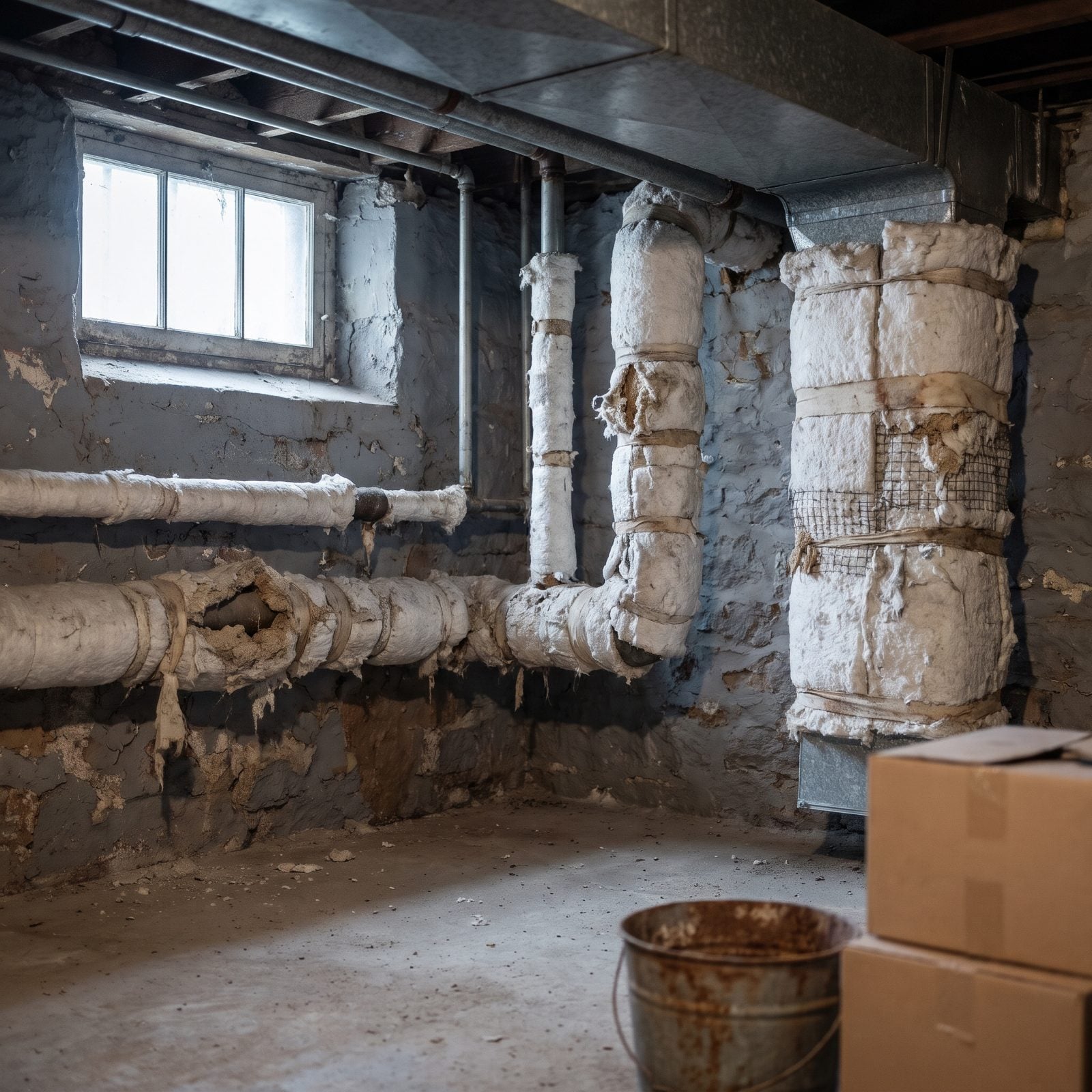
That chalky white wrapping on the basement pipes had a name most people didn’t say out loud: asbestos. It hugged the boiler, sheathed the heating pipes, and sealed the duct joints, prized because it handled heat beautifully and cost next to nothing.
Nobody thought twice about it. Kids brushed past it on the way to the laundry. Dads patched the cracked sections with more of the same, breathing in dust that wouldn’t show its damage for decades. The stuff was practically a building material of the era, as common in basements as the workbench and the pegboard.
5. Smoke Alarms Were Still Missing From Plenty of Homes Early in the Decade
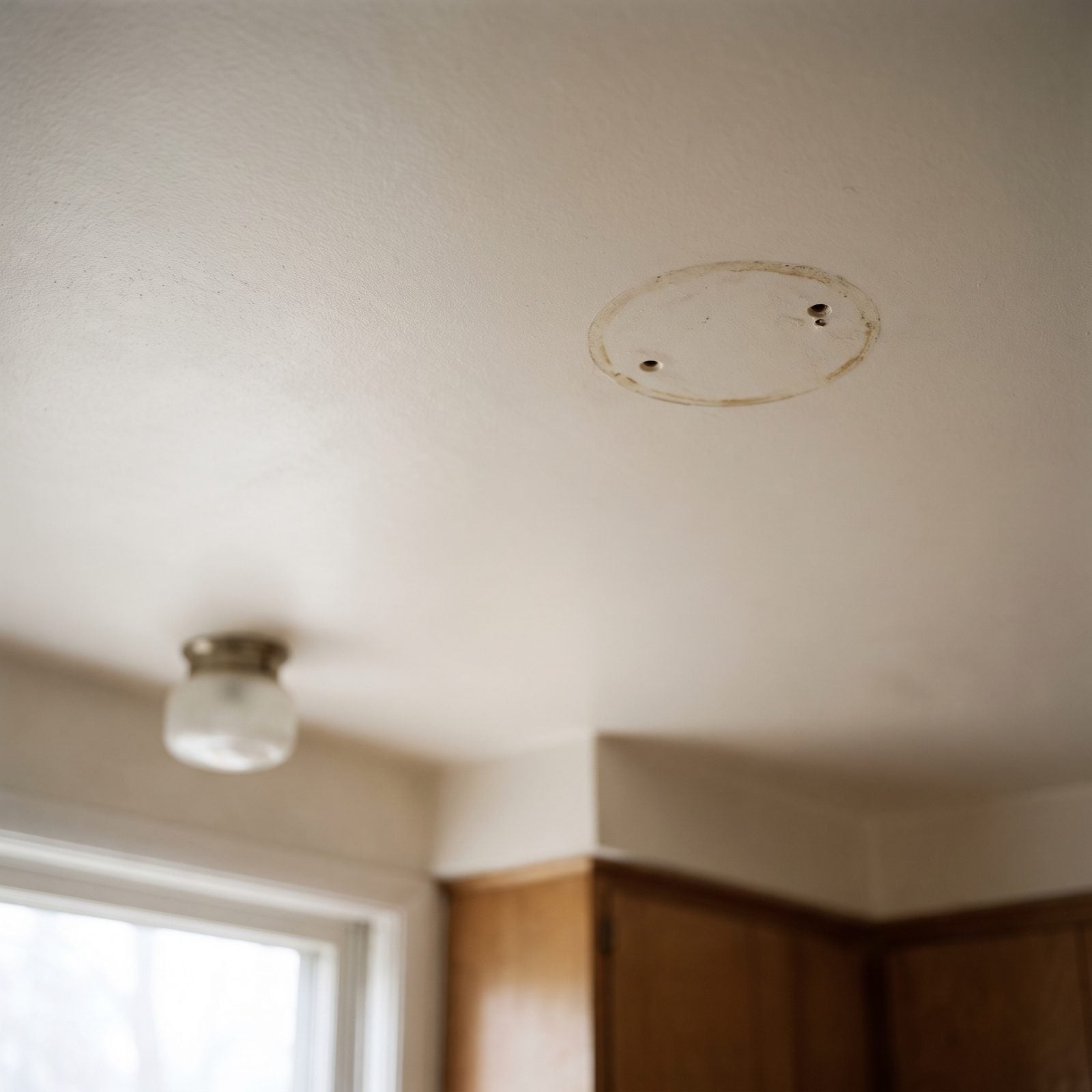
Picture a lot of early-1970s ceilings: no blinking light, no plastic disc, no chirp at 3 a.m. when the battery died. Smoke alarms existed, but they ran expensive and were far from standard, so most families simply didn’t have one.
You relied on your nose and a light sleeper. A pan left too long, a space heater too close to the curtains, and the first warning you got was the smell. Human senses and a bit of luck — that was the entire system.
Battery-powered residential units arrived mid-decade and got cheap fast. By the early 1980s they were everywhere. For that first stretch of the 1970s, though, a sleeping house was an unwatched one.
4. Carbon-Monoxide Alarms Simply Didn’t Exist for Homes Yet
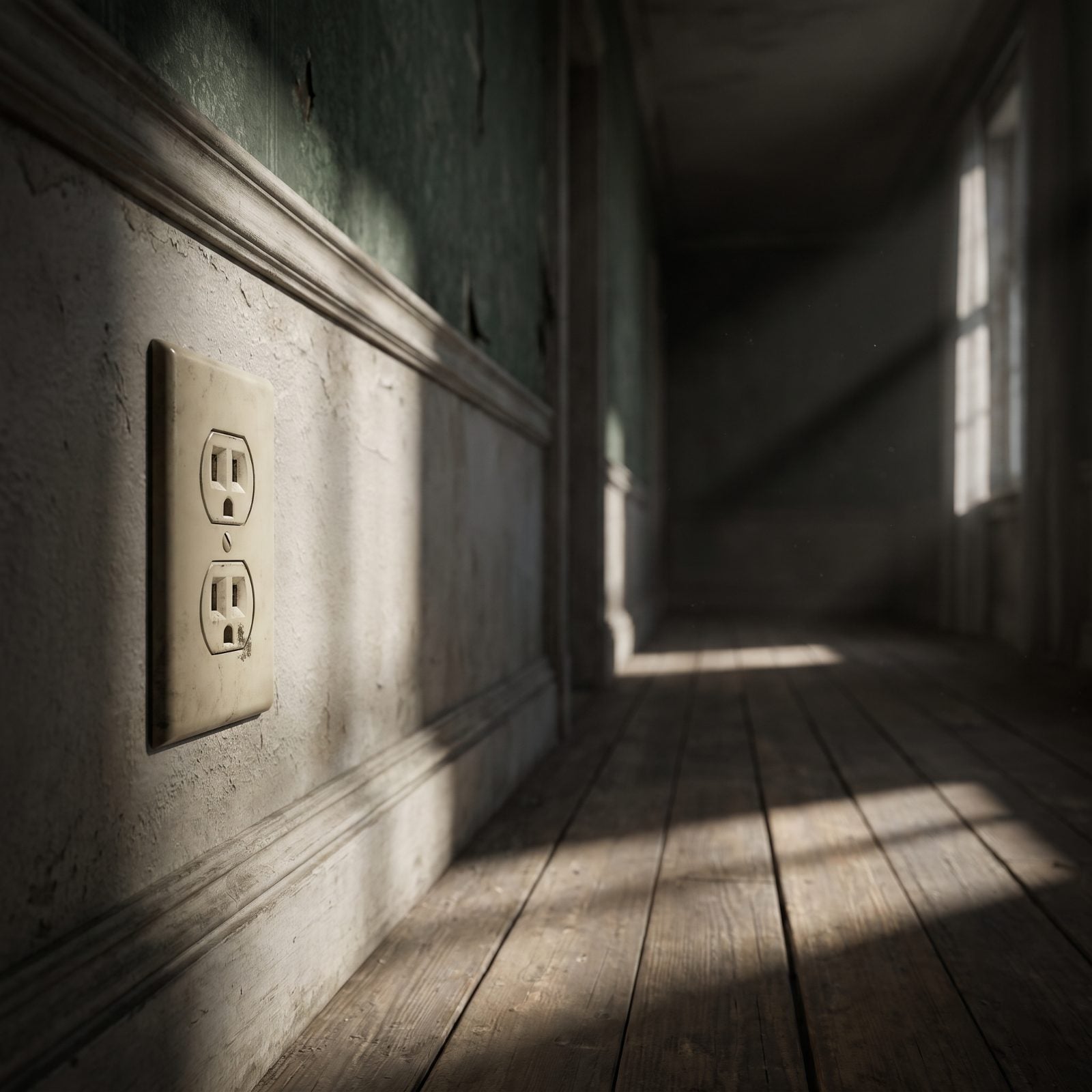
Here’s the quiet part. Through the entire decade, no little plastic box sat plugged into the hallway outlet watching for carbon monoxide. Residential CO alarms wouldn’t become widely available until the 1990s. In the 1970s, the gas was invisible, odorless, and completely unmonitored.
That mattered more than people realized. Cracked heat exchangers, blocked flues, back-drafting furnaces, a gas appliance burning in a sealed-up house — all of it could fill a home with carbon monoxide while everyone slept, and nothing would tell them. The headache, the drowsiness, the nausea got blamed on the flu.
The most dangerous thing in a lot of 1970s homes was the one thing nobody could see, smell, or hear.
3. Space Heaters Ran Through Undersized Extension Cords, Which Is a Story That Ends Badly
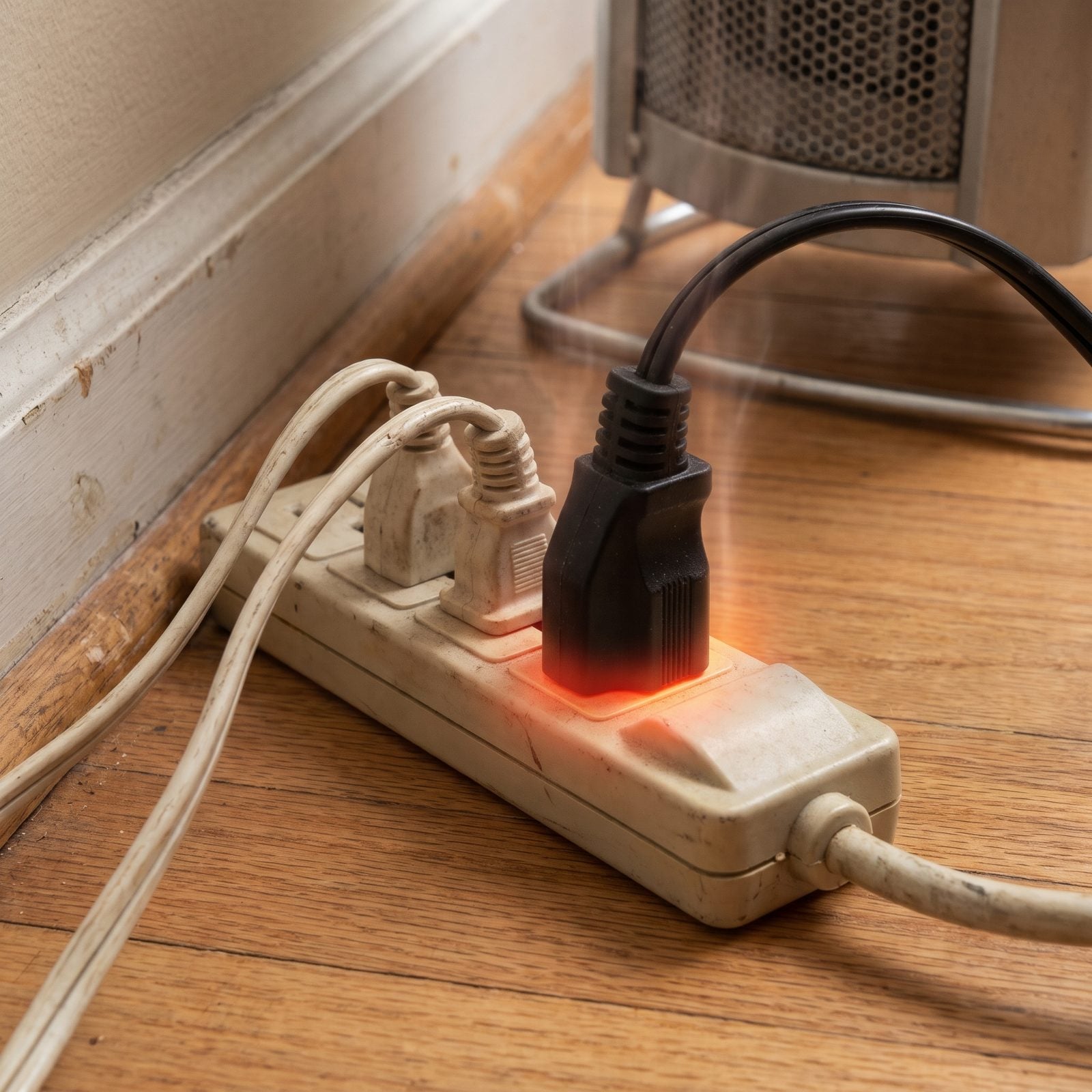
The heater itself was fine. The cord was the problem. A high-wattage electric heater draws serious current, and plugging it into a thin, cheap extension cord — the kind you bought for a lamp — meant that cord ran hot the whole time it worked.
You could feel it if you touched the cord, warm and sometimes alarmingly so where it coiled under a rug or behind a dresser. That heat is what started fires: an overloaded conductor melting its own insulation somewhere you couldn’t see it.
People did it anyway, every winter, because the outlet was never where you wanted the heater. The cord reached, the room got warm, and most of the time nothing happened. Most of the time.
2. Rooftop Solar Collectors Turned Houses Into 1970s Energy Experiments
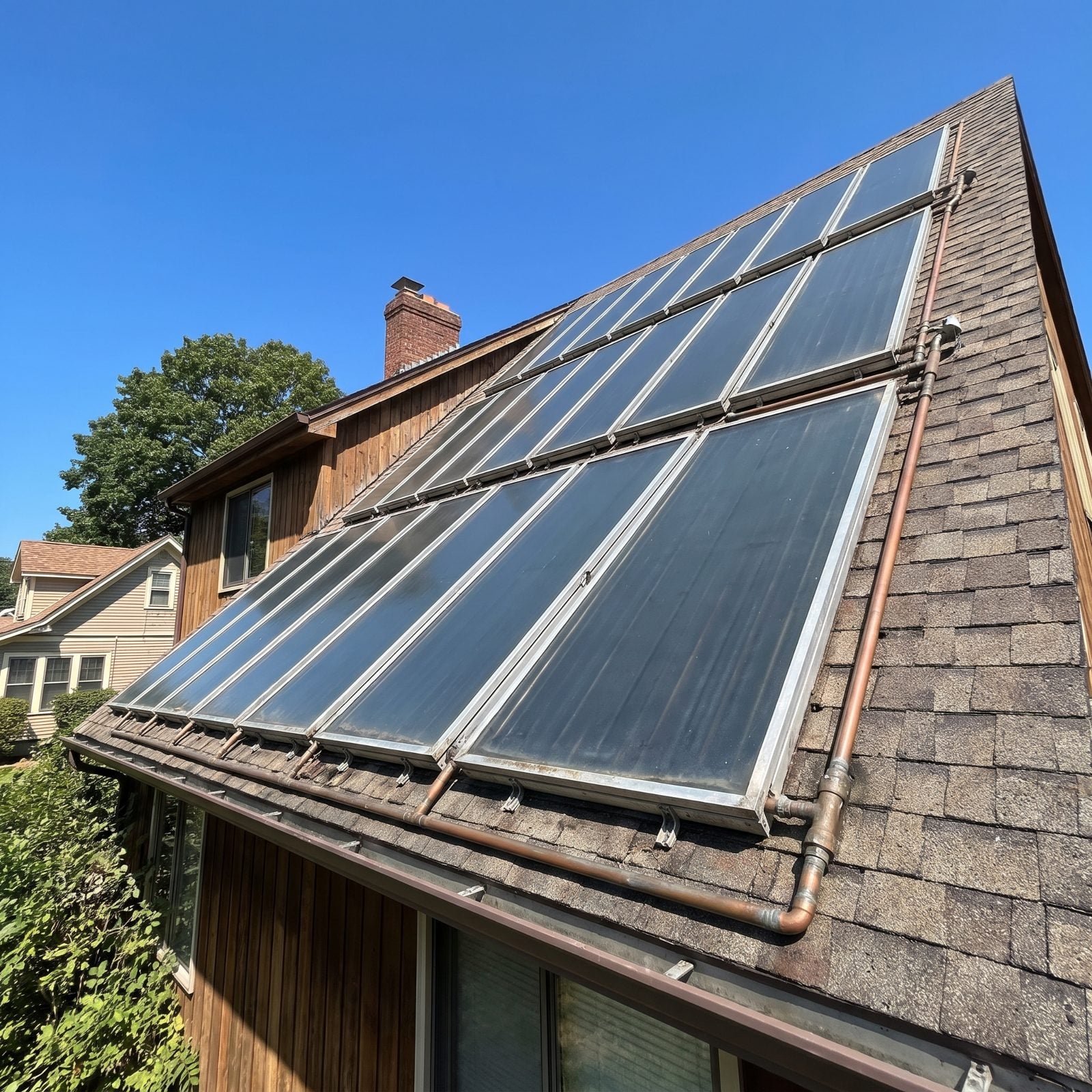
When fuel prices spiked, a wave of homeowners looked straight up. Rooftop solar collectors — flat glazed panels that heated air or water with sunlight — started appearing on suburban roofs, backed by tax credits and a do-it-yourself optimism that defined the decade.
The air collectors pushed sun-warmed air into the house. The water versions preheated your hot water tank so the furnace or heater worked less. Some folks bought kits. Some built their own from plywood, glass, and black-painted metal.
They were clunky, they leaked, and they didn’t always pay off the way the brochures promised. But they were genuinely ahead of their time, a first real crack at heating a home without burning something. A lot of the thinking behind a modern warm studio that runs on passive solar gain traces straight back to these rooftop experiments.
1. Homemade Barrel Stoves Turned Steel Drums Into Wood Heaters
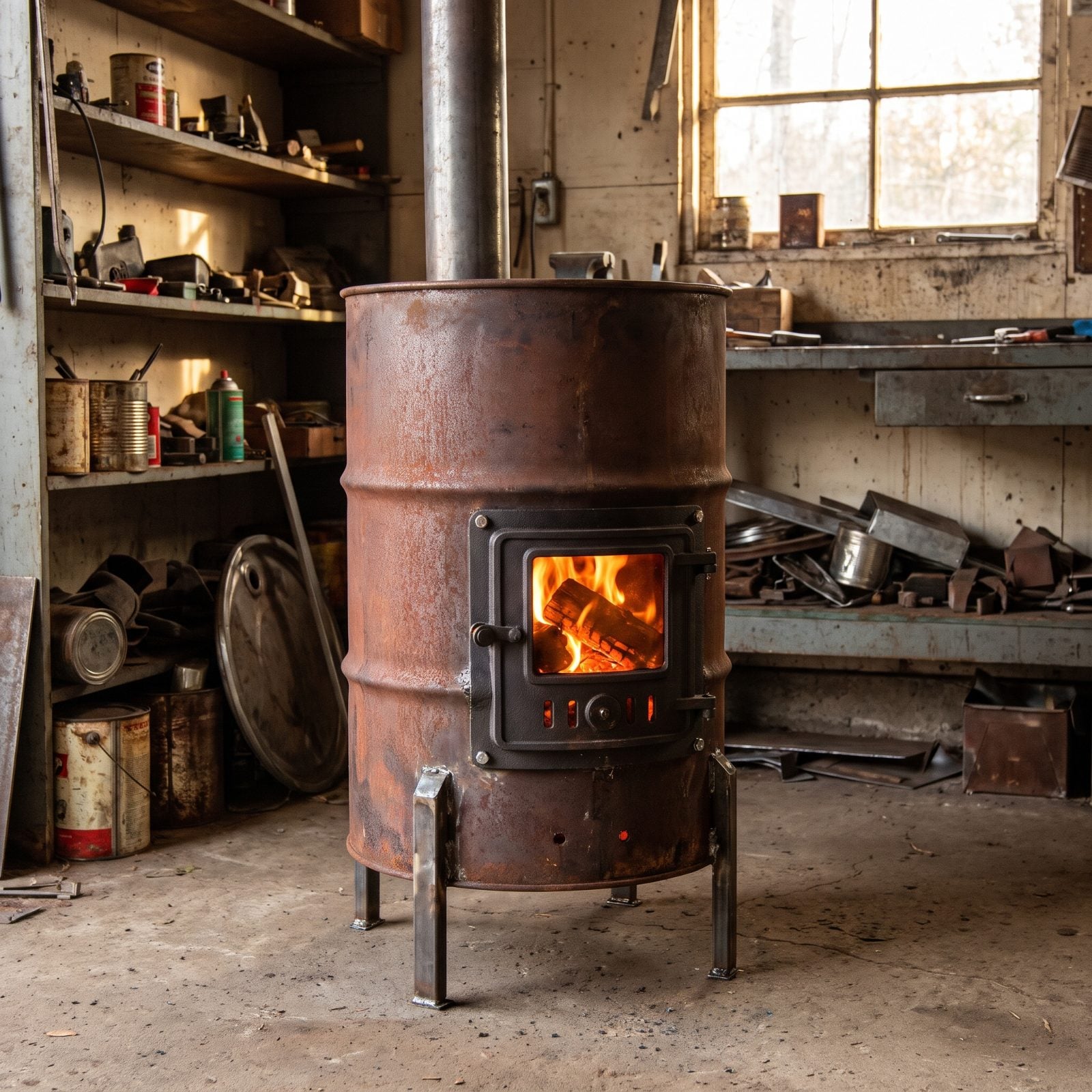
You bought a kit — a cast-iron door and a set of legs — and a 55-gallon steel drum turned into a wood stove for a fraction of the price of a store-bought one. Lay the barrel on its side, mount the door on one flat end, run a pipe up through the roof, and you had heat for the cost of firewood and a Saturday.
These things could throw out serious warmth. They could also glow dull red if you overfed them, and a barrel stove set too close to a wall or run with a bad pipe was a fire waiting for its moment. Clearances were guesswork. Craftsmanship varied wildly from one basement to the next.
Still, there was something deeply satisfying about it. You built the thing that kept your family warm, out of a trash barrel, with your own hands. That self-reliance was the whole 1970s energy ethos burning right there in your workshop.