
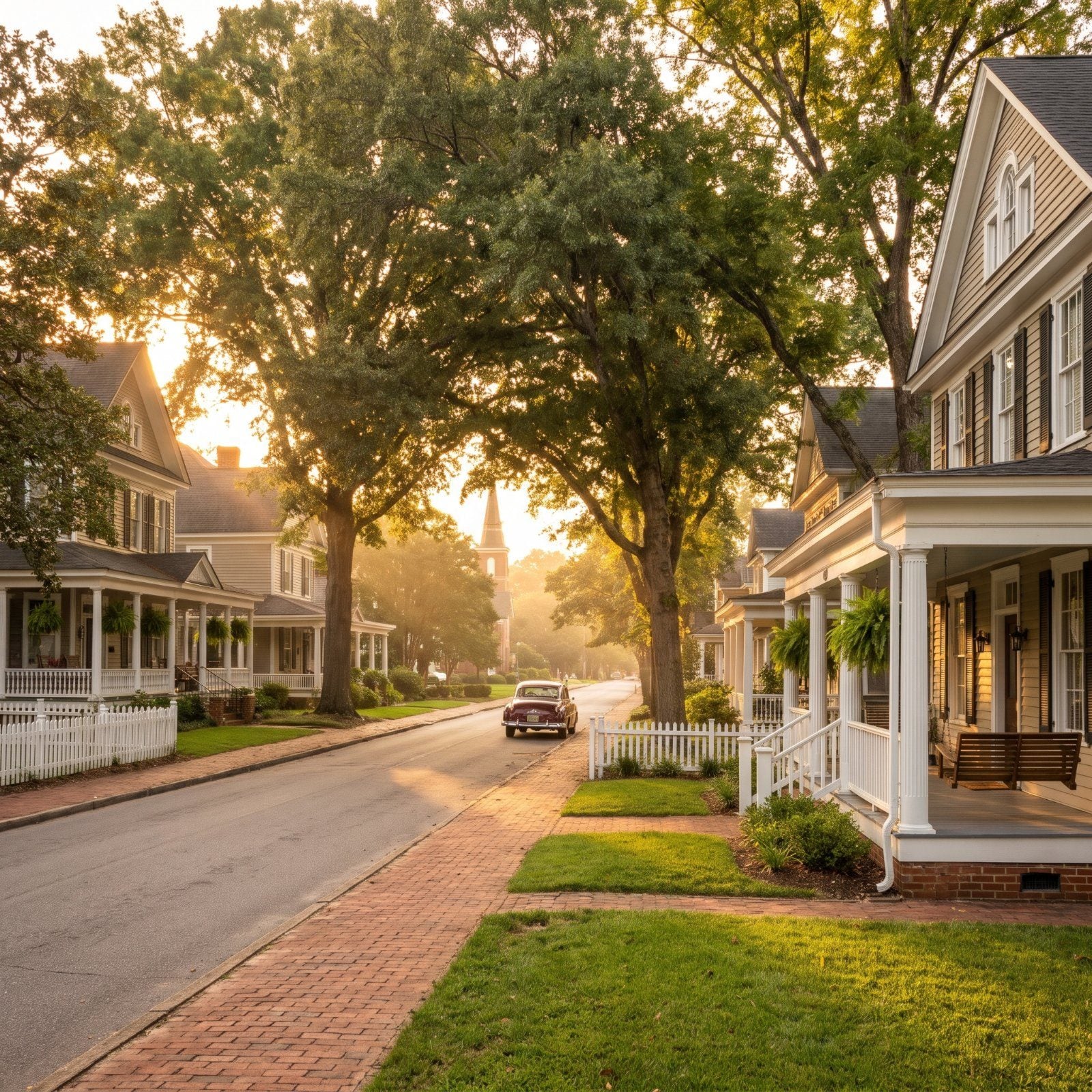
A good front porch does one thing a house can’t: it slows you down. You’ve driven through a town where the oaks close over the road and every third house has a swing hanging off the ceiling, and you took your foot off the gas without deciding to. North Carolina has a surprising number of these places — old capitals, cotton-mill villages, waterfront ports that burned twice and rebuilt in brick and bay windows. The ones below earn the word historic honestly, with districts you can walk end to end on a Saturday afternoon.
12. Tarboro: The Common Nobody Paved Over
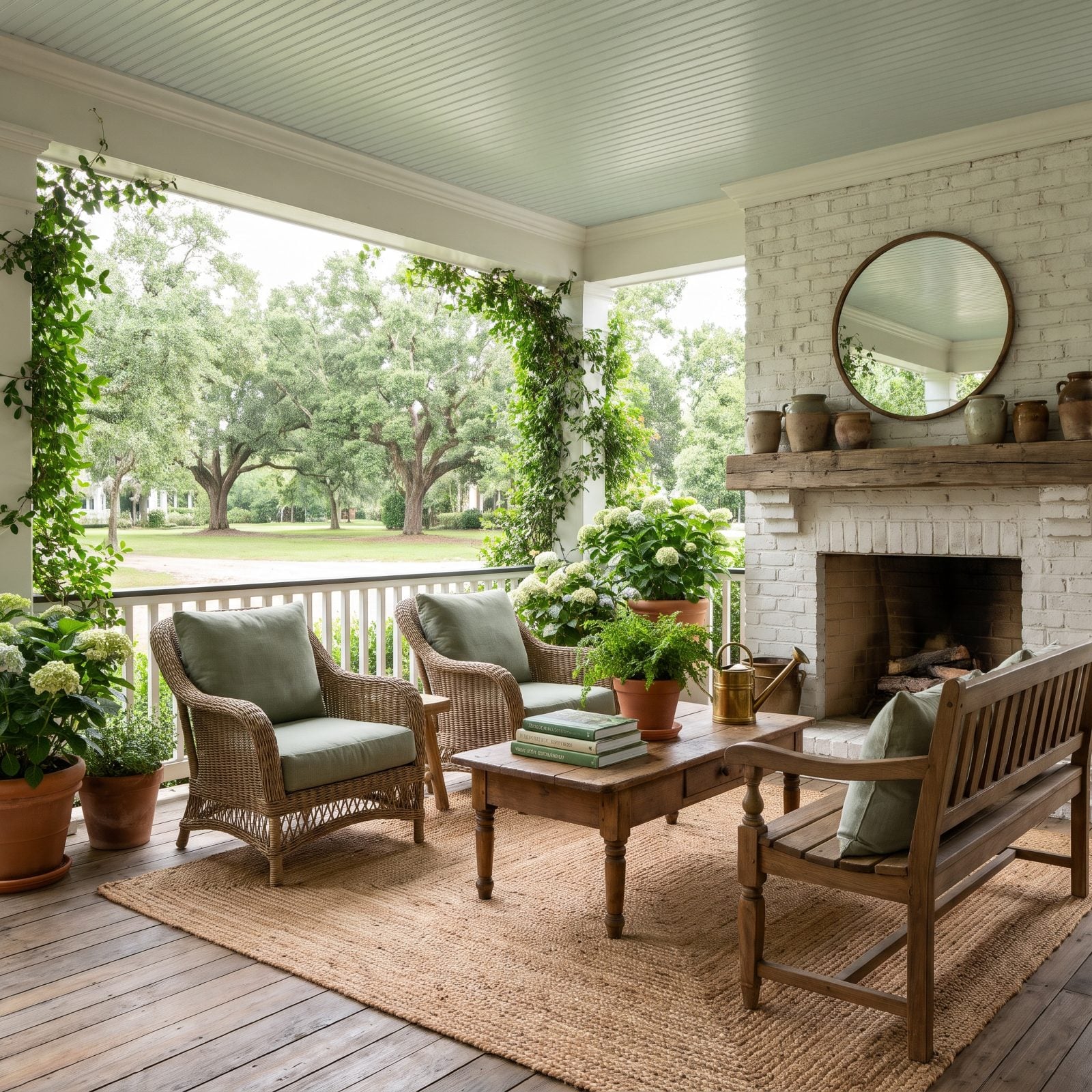
Only two original town commons are left in the whole country. One is in Boston. The other is here, laid out in 1760 — an oak-shaded lawn with the country porch homes of 1890 to 1910 standing guard around it. That’s the kind of fact a town leads with, and Tarboro earns it.
In order to come up with the very specific design ideas, we create most designs with the assistance of state-of-the-art AI interior design software. Also, assume links that take you off the site are affiliate links such as links to Amazon. this means we may earn a commission if you buy something.
The historic district runs 45 blocks and hundreds of structures, which Tarboro calls the largest in the state. Walk north of the Common, between Albemarle and the Tar River, and you get block after block of distinctive porches, bay windows, Arts and Crafts woodwork. It never feels like a museum. People still live here.
11. Edenton: Porches That Look Out Over the Sound
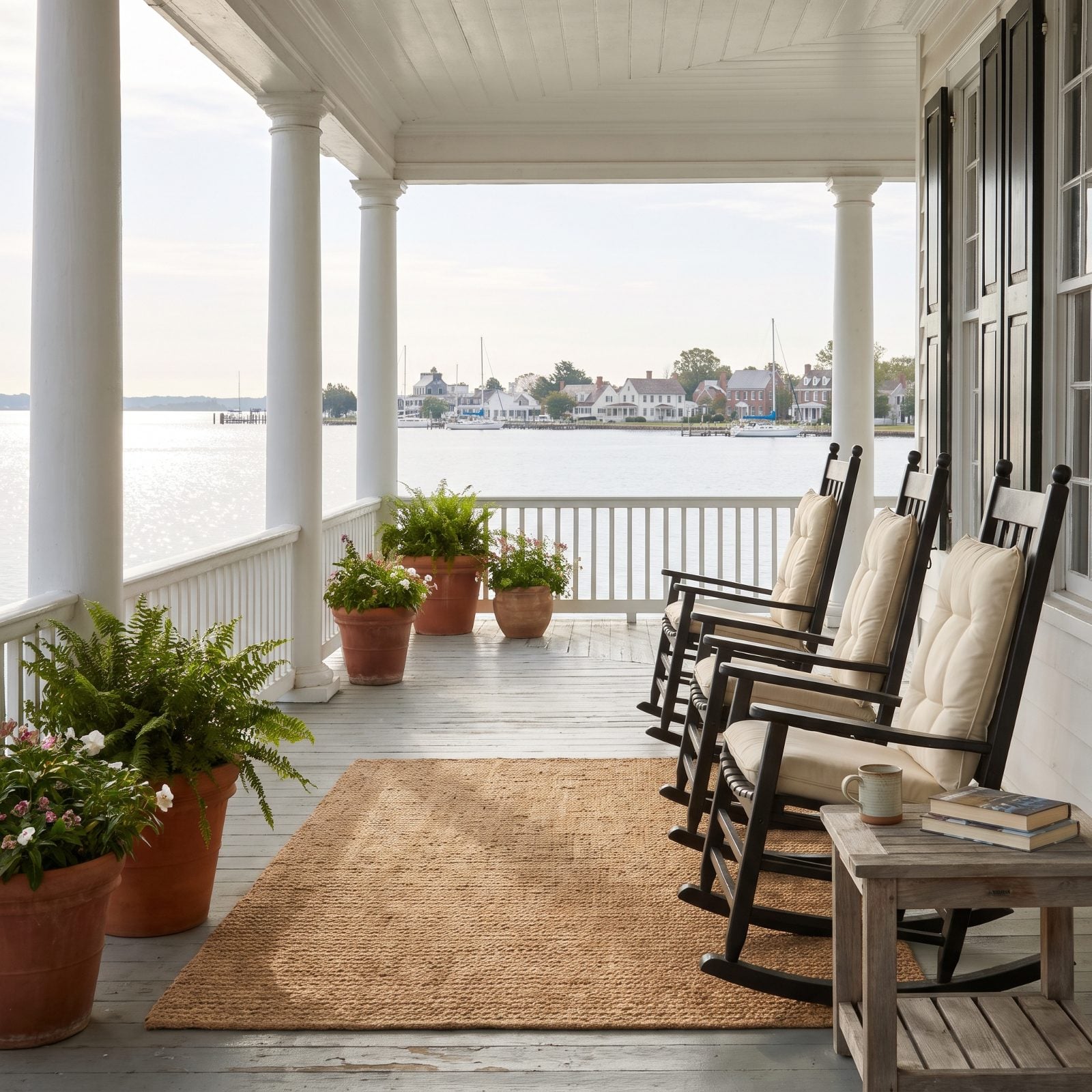
Incorporated in 1722, and it looks every bit of its age in the best possible way. Edenton sits right on Albemarle Sound, and its historic district carries buildings in styles spanning three centuries, National Historic Landmarks among them.
Start at the Penelope Barker House at 505 S. Broad, the one locals call Edenton’s Living Room — grand porches, water views, and the town welcome center rolled into one. From there a narrated vintage trolley loops the downtown district and the old cotton mill village. Time a visit for December and you’ll catch the Historical Commission’s self-guided Christmas tour of decorated private homes, a tradition they’ve run for decades now.
What Our Readers Say
- In our reader polls, a wraparound porch won easily, with 61% picking it over a full front porch at 29% and a small entry porch at 6%.
- Home Stratosphere readers like a front door with some personality: just over half voted for a bold colour, well ahead of wood or black.
From Home Stratosphere reader polls and votes.
10. Beaufort: Front Street and the Plaques That Name the Dead
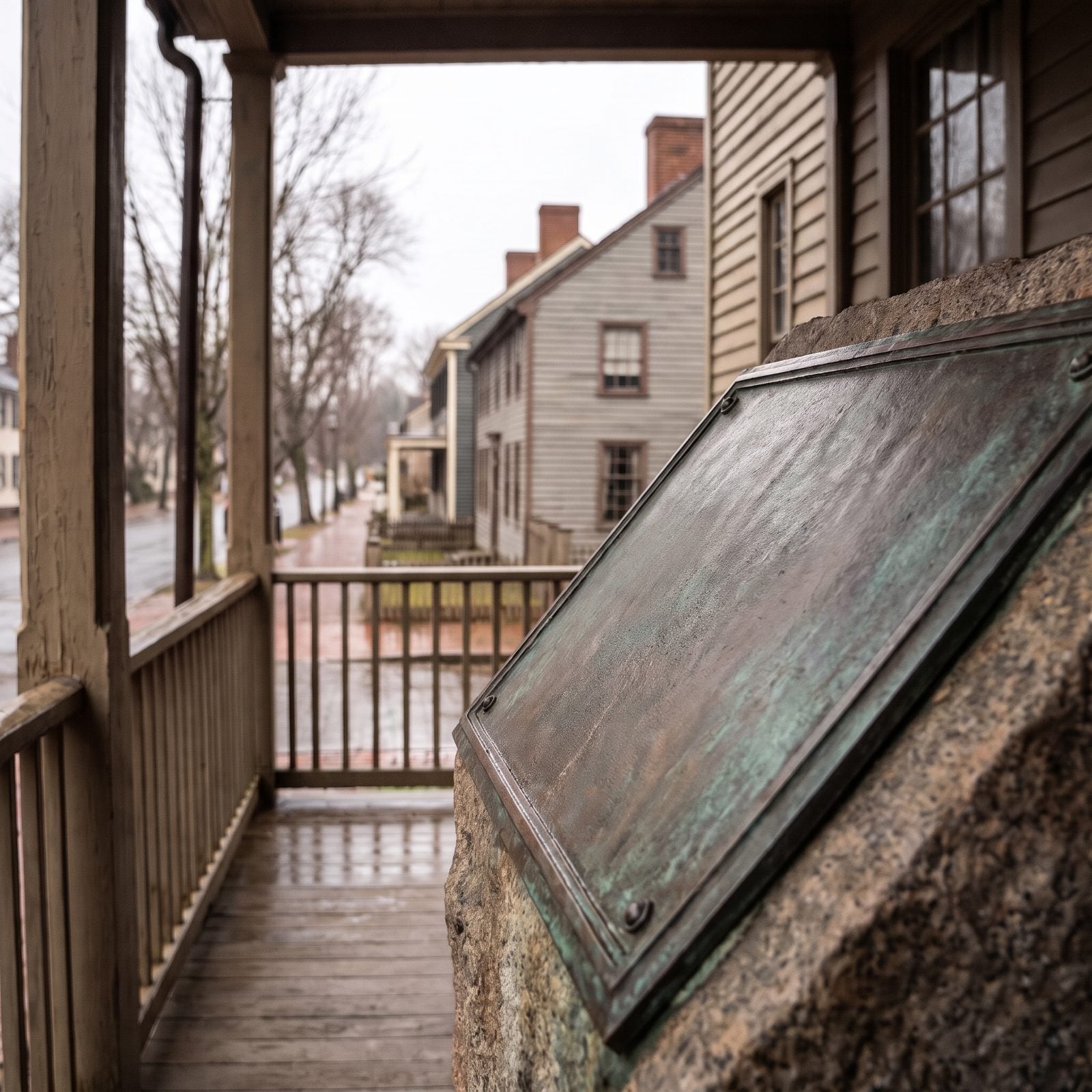
Beaufort is North Carolina’s third-oldest town, and it wears its age plainly. No show-off mansions here, mostly. The district runs about a dozen blocks, most of it along Front Street beside Taylor’s Creek, and the houses lean simple: gable roofs, front porches, good honest chimneys.
What gets me is the markers. Right on the edge of one porch sits a rough, weathered boulder bearing a rectangular bronze plaque, gone green with age, its face worn almost smooth by the weather. You stand there squinting at words time has all but rubbed away, like a quiet census of everyone who ever lived here.
9. Hillsborough: A Riverwalk and a Former State Capital
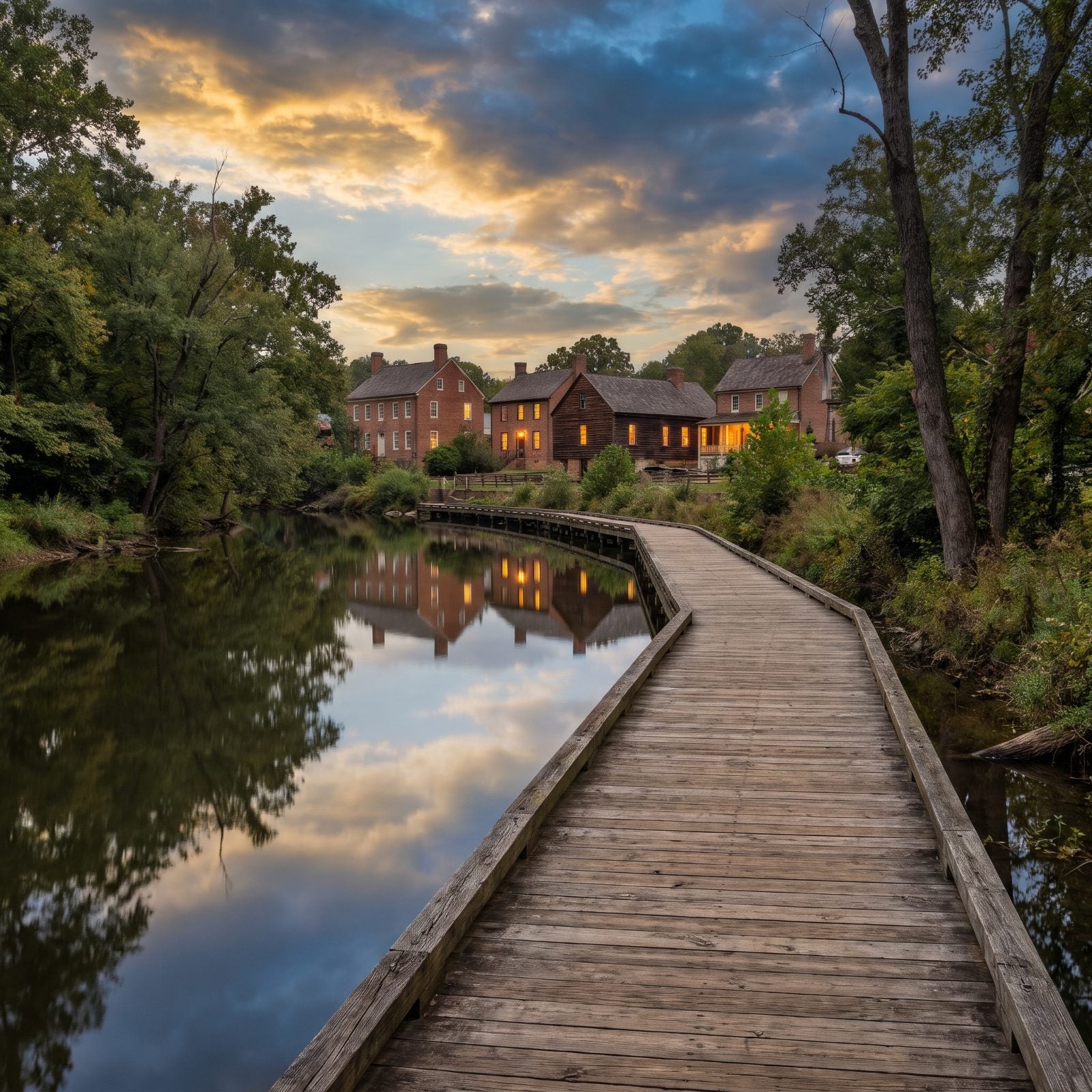
Founded in 1754, a state capital during the Revolutionary years, and the Orange County seat ever since. Hillsborough has the kind of résumé you’d expect to come with velvet ropes. It doesn’t.
The historic district is brick homes and old clapboard houses a short walk from the Eno River, with the Riverwalk greenway following the water at the edge of it. The Alliance for Historic Hillsborough runs cheap guided walking tours out of the Visitor Center at 150 E. King St. Check the Alliance’s events calendar for upcoming dates. Ten bucks for someone who actually knows which house is which? I’ll take that every time.
8. Wake Forest: North Main and the Street They Called Faculty Avenue
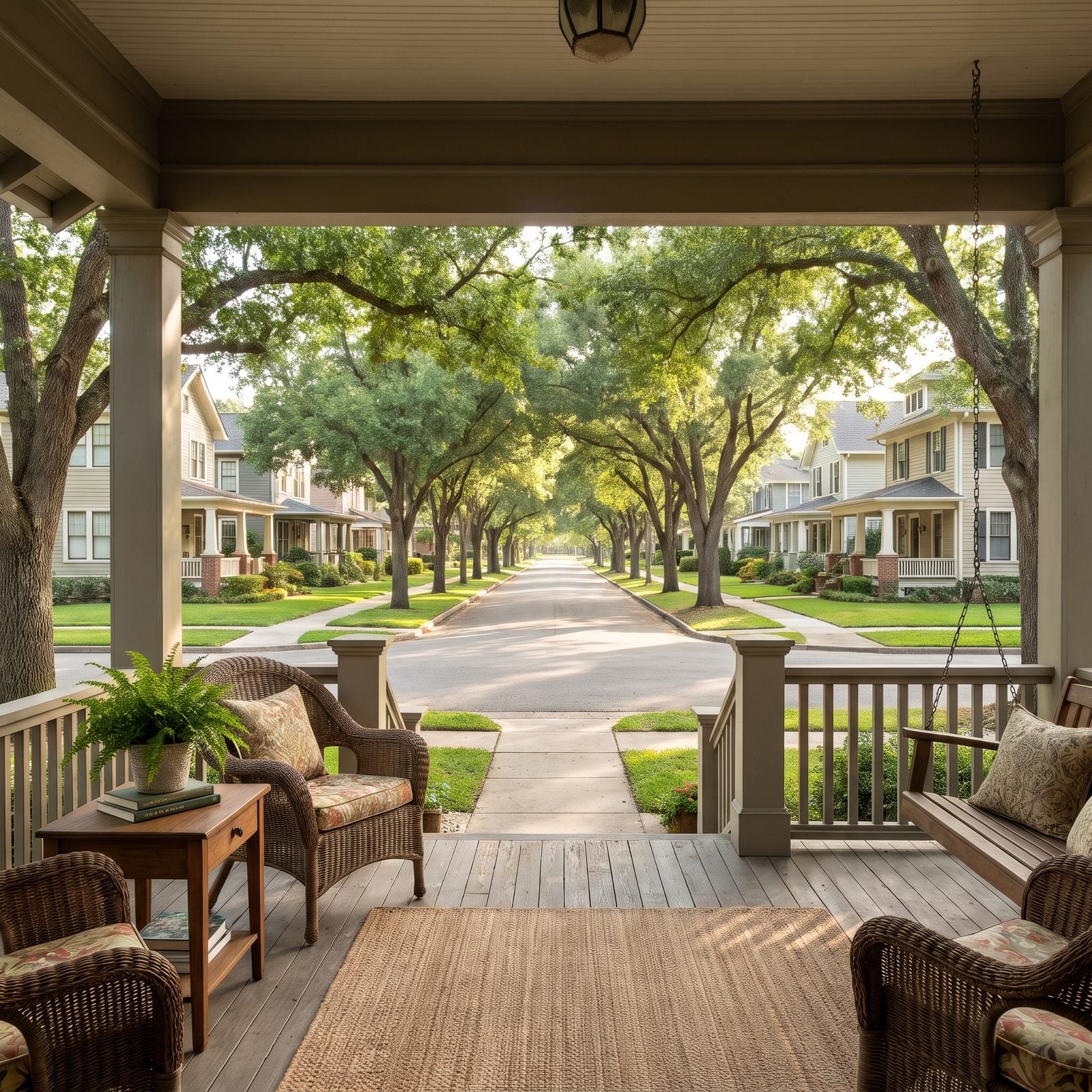
Four historic districts in one town, which is greedy by any measure. Three sit on the National Register and one’s been locally designated since 1979 — strict enough that any exterior change needs a Certificate of Appropriateness before you touch it.
The star is North Main Street, once nicknamed Faculty Avenue because so many college professors lived there. It’s the oldest residential stretch in town and holds nearly every American style from 1820 to 1956 on a single walk. Prefer something humbler? The Glen Royall Mill Village kept its old yard patterns and shade-tree layout, and the Wake Forest Historical Museum sits right on North Main to fill in the rest.
7. Southern Pines: Longleaf Pines and Porches Near the Golf Club
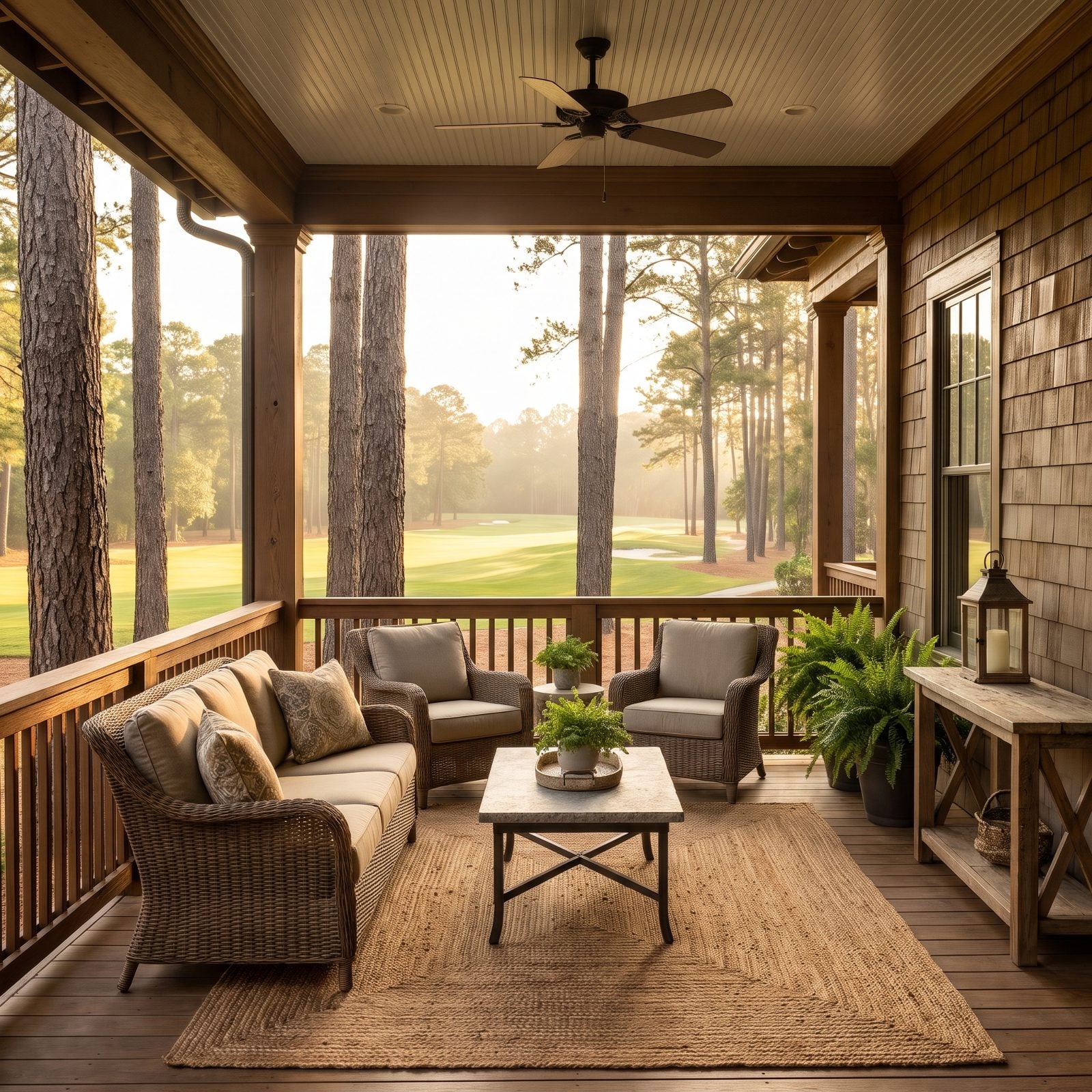
The thing you notice first in Southern Pines is the smell. Longleaf pines, warm needles underfoot, the whole town carried on that resinous sandhill air. The Weymouth Center for the Arts & Humanities on E. Connecticut Avenue is open to the public, its shaded paths winding through dozens of acres of those pines.
For the houses, the tourism bureau points you down E. Massachusetts Avenue and S. Valley Road near Southern Pines Golf Club. Walkable downtown, historic homes, tree-lined streets, with much of the historic core listed on the National Register as the Southern Pines Historic District. It’s the kind of place that makes you consider a gray front porch for a house you don’t own yet.
6. Salisbury: The West Square and an October Ritual
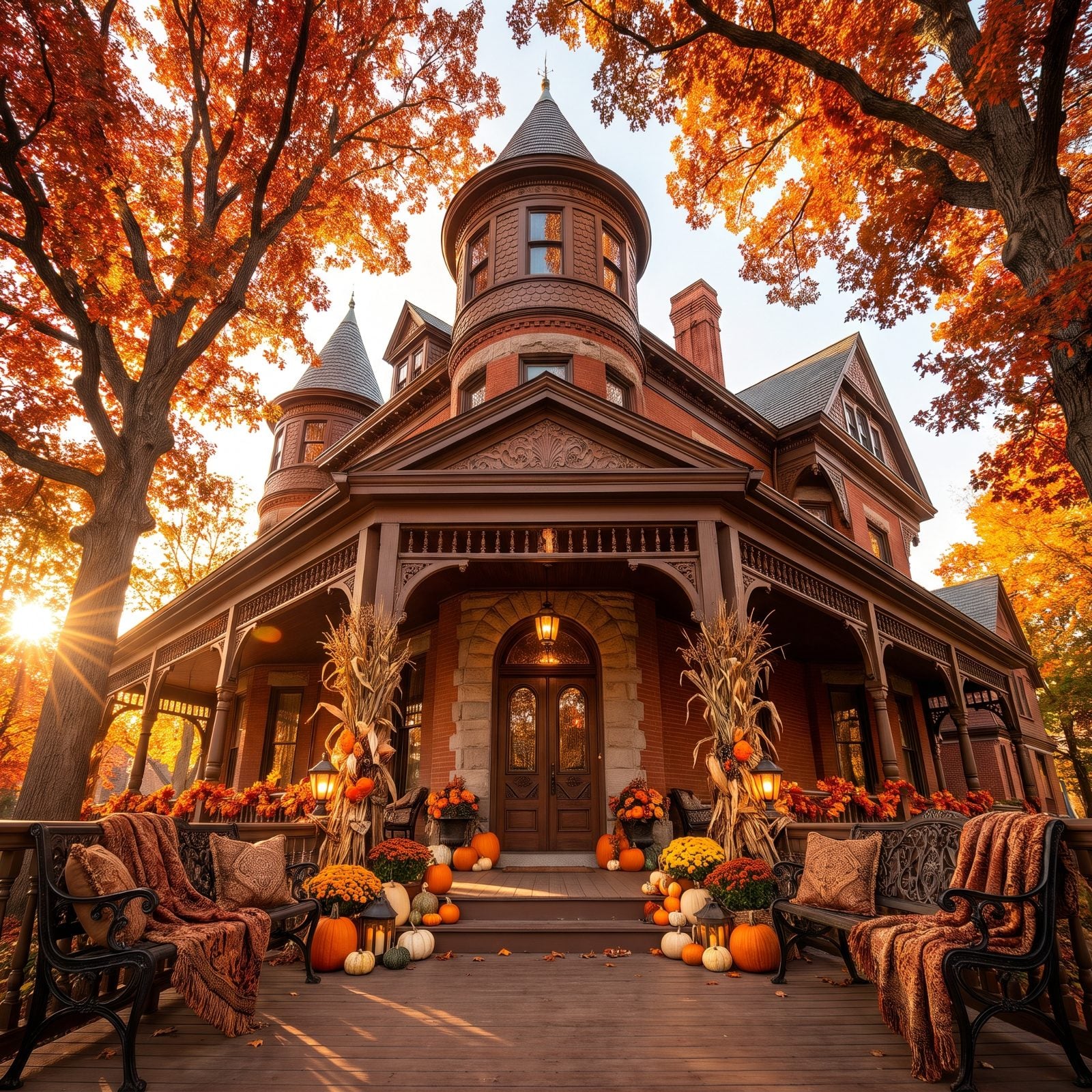
The West Square is where Salisbury keeps its grand old bones. The self-guided Heritage Walking Tour runs through downtown and the square’s stately homes, with brochures waiting at the Rowan County Visitors Center, 204 E. Innes St.
Want the inside of these houses? OctoberTour is the ticket. The latest annual run was set for Oct. 10 to 11, 2026, covering the West Square, the Hurley Park area and downtown. Look for the Italianate Murdoch-Wiley House at 203 W. Bank St., all tall windows and bracketed eaves. Decades of a town opening its front doors once a year says something about how much pride is baked into the place.
5. Washington: Little Washington and Its Waterfront Victorians
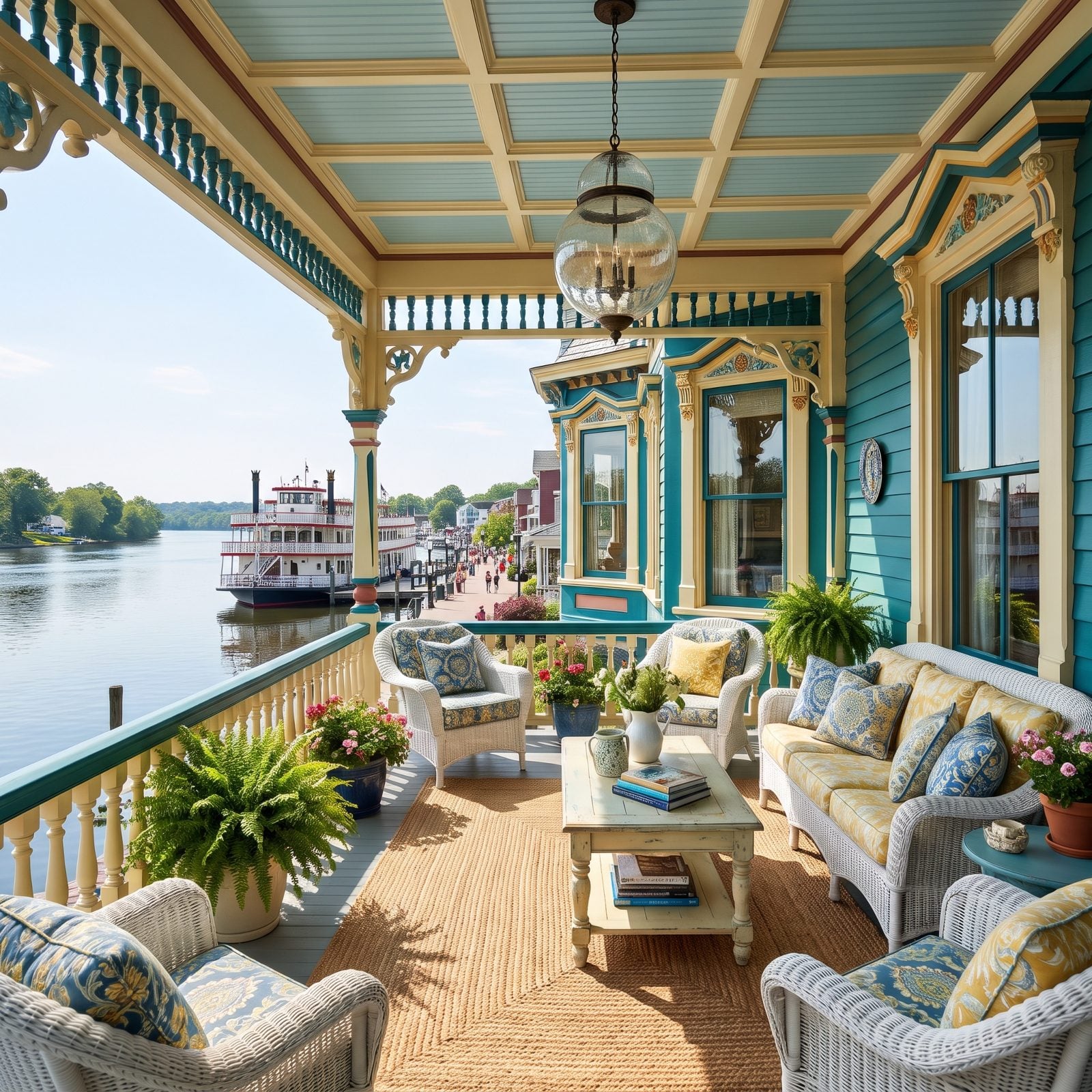
Little Washington has burned down twice and come back looking better both times. The town went up during the Civil War, then again in 1900, which is why so much of downtown wears that late-Victorian look — much of it dates to the rebuilding, though some older buildings survived.
Historic homes line Water Street right along the Pamlico River waterfront. The self-guided Historic Walking Tour offers several themed routes, one heading east down Main Street past the grand old houses. Come in April for the Spring Homes & Gardens Tour, when the porches and yards get their proper audience.
4. New Bern: Two Historic Districts and Doors That Open Twice a Year
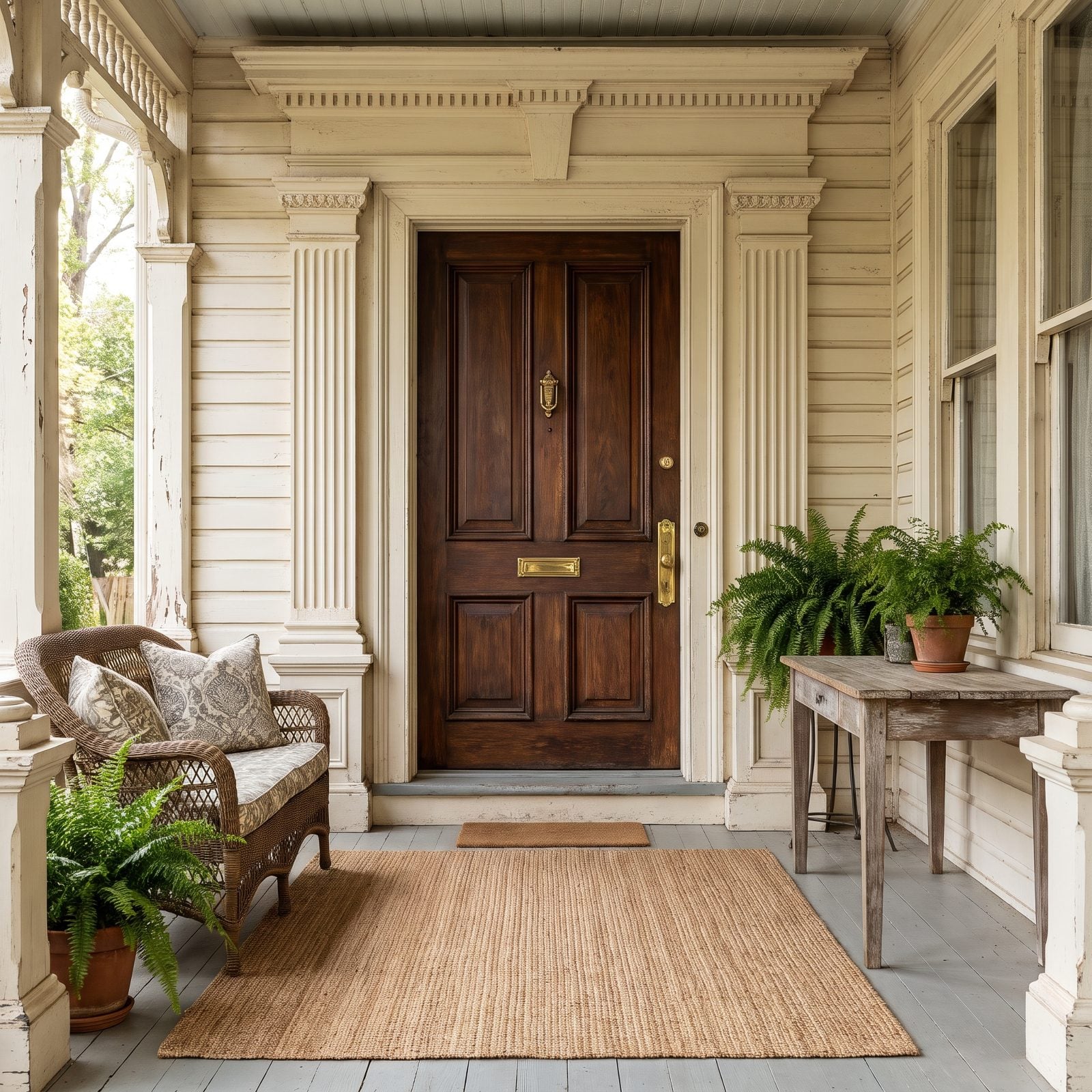
New Bern gives you two residential historic neighborhoods to roam, the Downtown and the Riverside districts. The New Bern Historical Society’s self-guided Heritage Homes Tour opens private houses in both, ranging from 18th-century homes to restorations still mid-repair. That last part is the fun one. You get to see the work before it’s finished, scaffolding and all.
The latest tour ran May 1 to 2. The county tourism bureau also promotes a twice-yearly historic homes tour downtown, so there’s more than one window to catch it.
3. Hyman Heights, Hendersonville: Bungalows Built on a Hospital’s Fortune
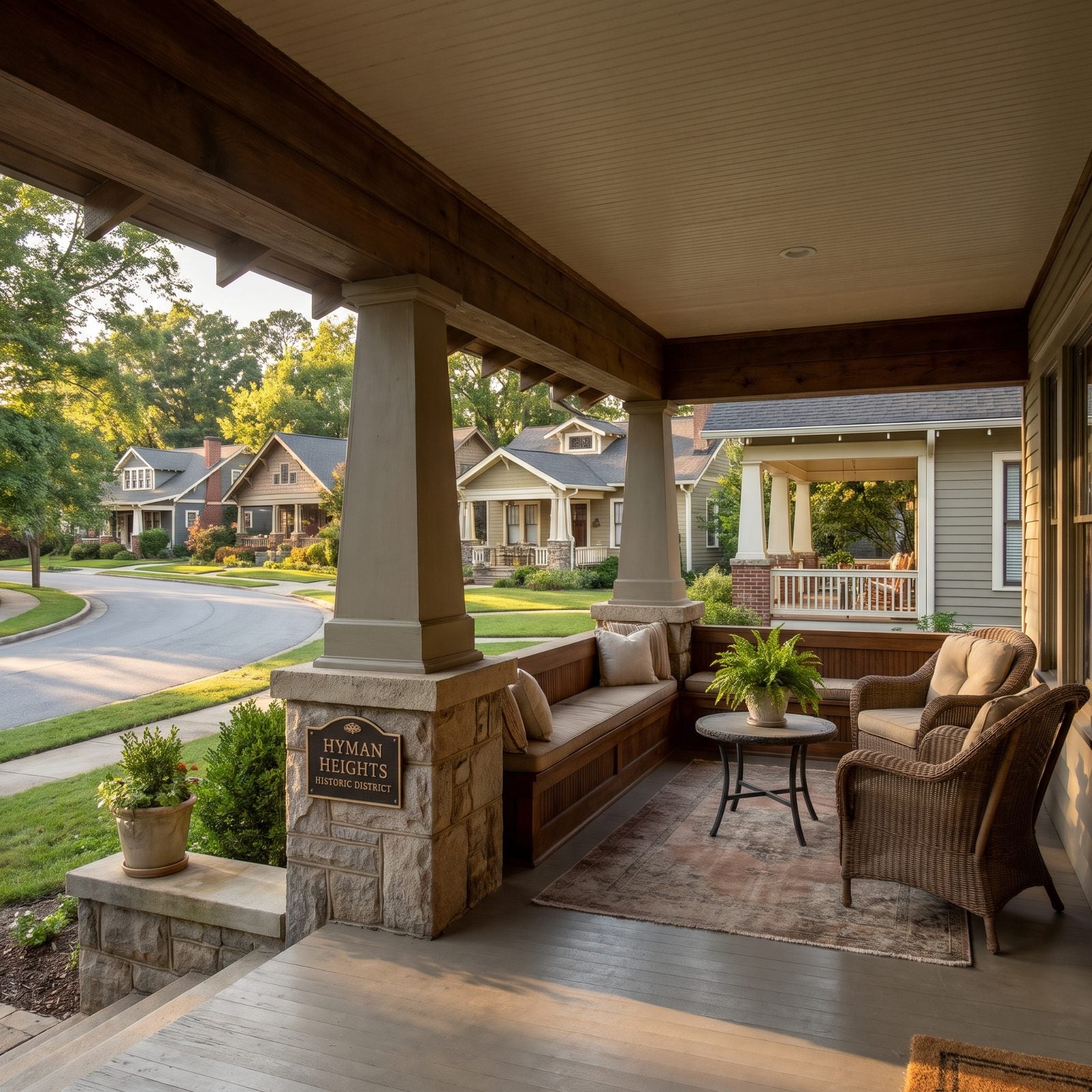
Here’s a neighborhood built on good timing. Hyman Heights was platted in 1908, and when Patton Hospital opened in 1913, the local doctors needed somewhere to live. So they built, and built well: Craftsman bungalows, Colonial Revivals, Four Squares, spread across the hilly acres northeast of Five Points.
The National Register district counts well over a hundred contributing houses and outbuildings. The oldest, Killarney, is a stone Gothic Revival from 1858 that predates the whole plat. If the porch bug bites, Hendersonville has the Druid Hills district northwest of downtown too. For anyone eyeing their own place, these bungalows are a master class in boho porch ideas before the term existed: deep, shaded, built to be lived on.
2. Davidson: College-Town Porches Just Off Main Street
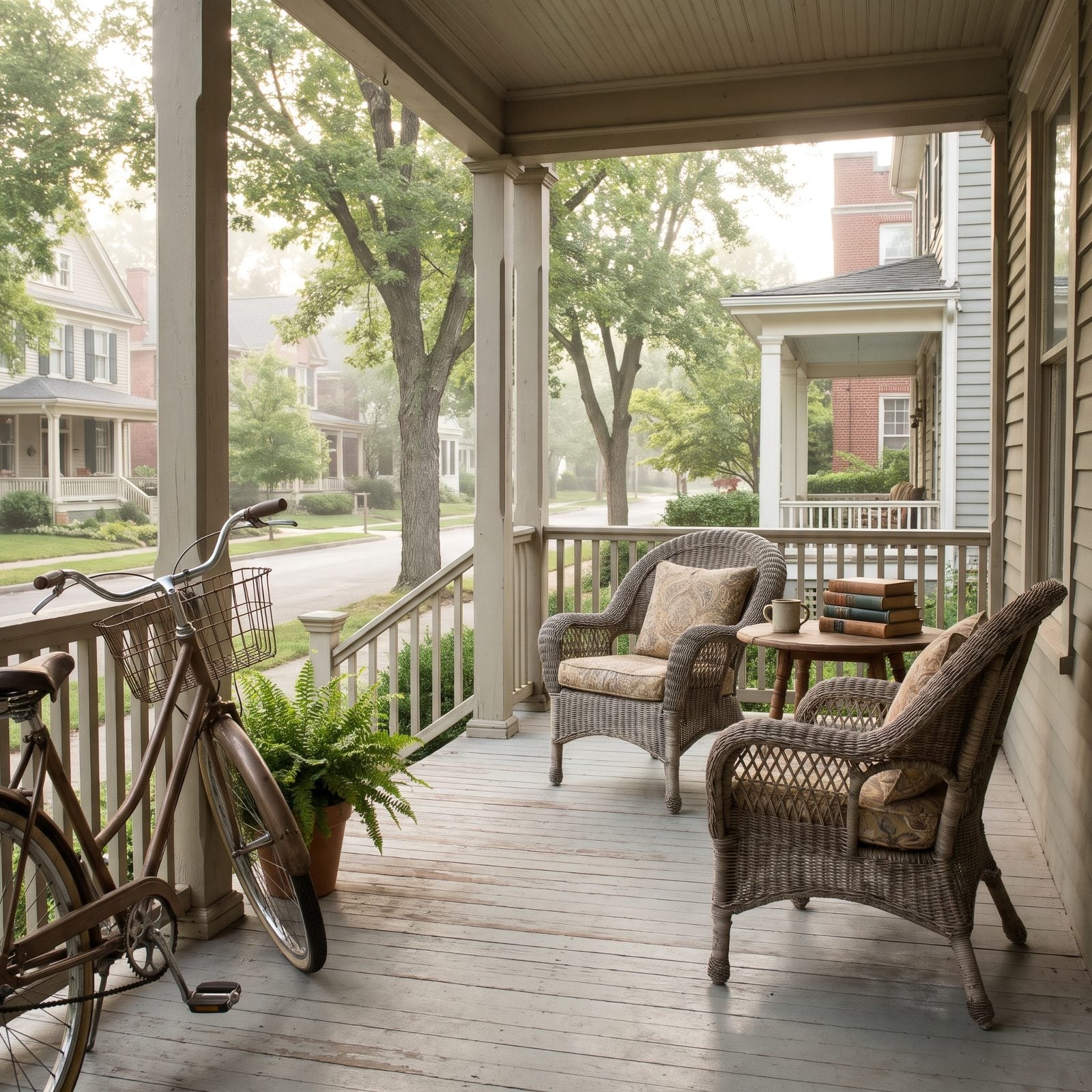
Davidson grew up around its college, and the oldest houses show it. The town’s own records trace North Main Street back to the mid-1800s, when it went up as housing for Davidson College faculty. You can read that academic pedigree in the restraint of the place — upright Four Squares and Colonial Revivals that never raise their voice.
Walk a few minutes off Main Street into a neighborhood like McConnell and everything softens: deep porches, trees arching over the road, those easy Southern proportions. The mill-house areas held onto their original forms too, which is rarer than you’d think. Most towns would’ve flattened that history by now. Davidson didn’t.
1. Oxford: Broad, Tree-Lined College Street and Granville County’s Oldest Homes
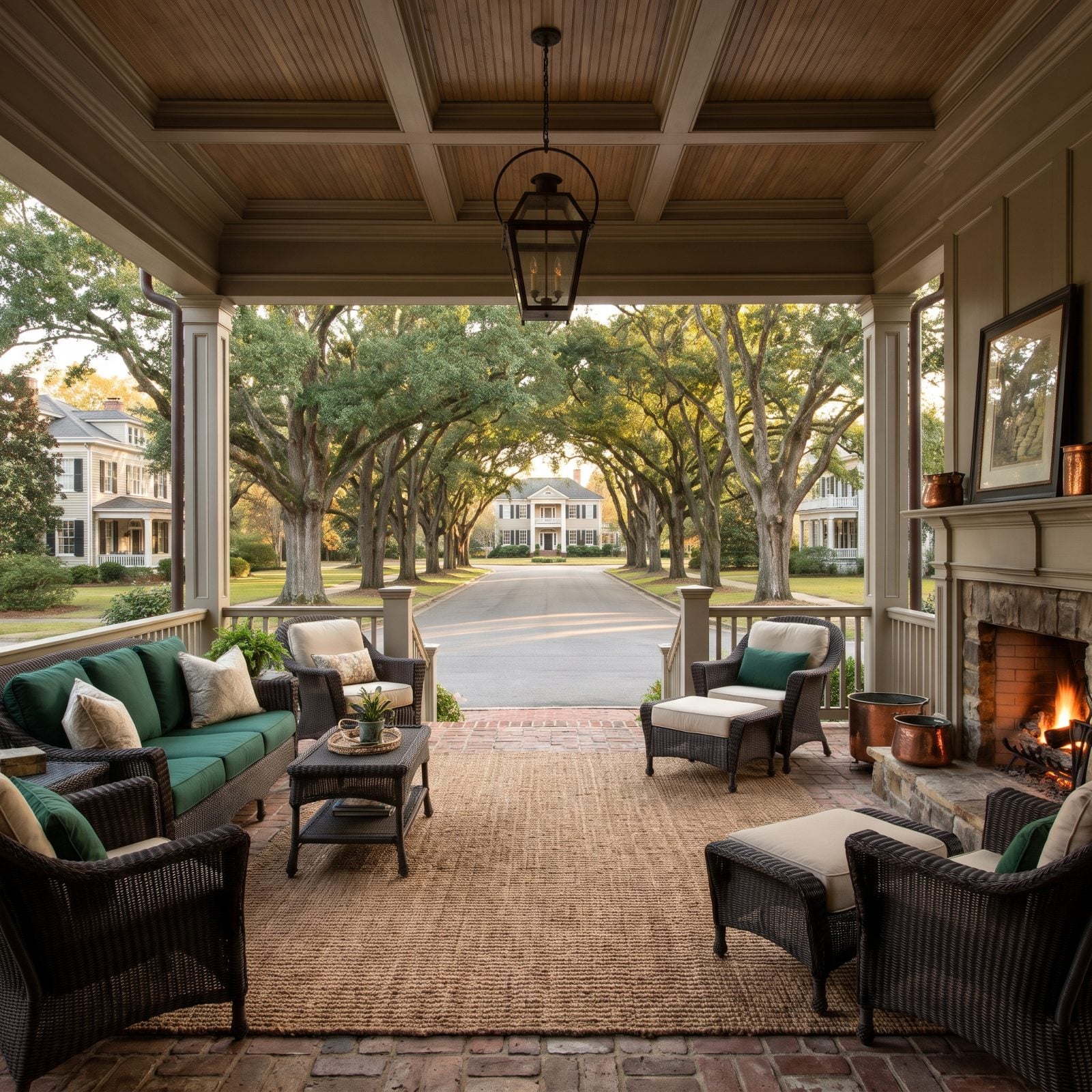
What gets you in Oxford is the sheer width of the street. The National Register nomination calls out the “broad, tree-lined expanse” of College Street, and once you’re standing on it, the phrase makes sense. The houses have room to breathe, and the canopy overhead stretches clear across.
Granville County’s courthouse has stood on this ground since 1764 (Oxford was formally made the county seat in 1811), so the district carries that layered, worn-in kind of age. The Taylor-McClanahan-Smith House at 203 College Street dates to about 1825, making it one of Oxford’s oldest residences. And the porches? Not decoration. They’re how this town has always sat and watched the day roll past.