🔥 Would you like to save this?
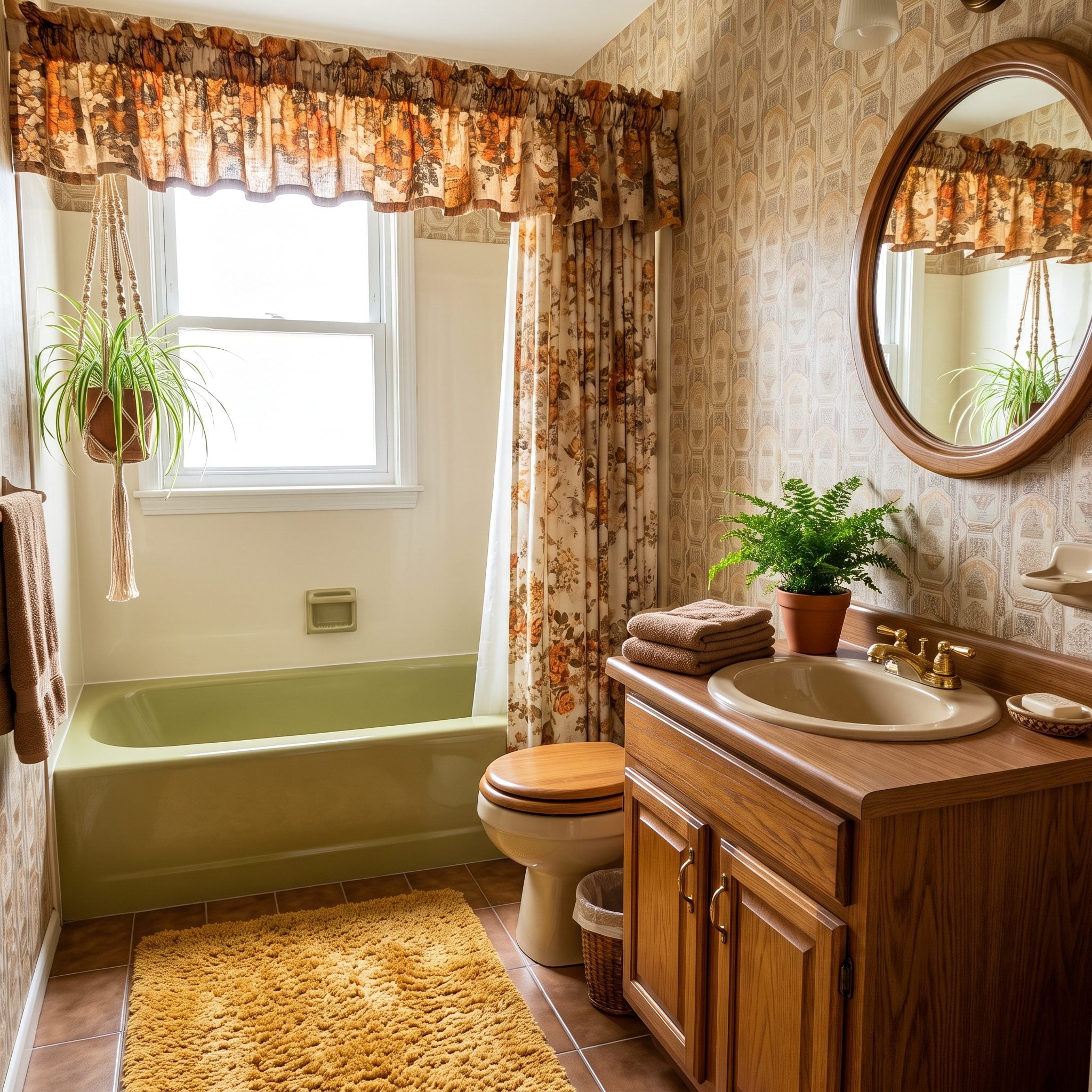
Avocado green wasn’t a mistake. People walked into showrooms, saw an avocado bathtub under fluorescent lights and said, yes, that one. Then they bought the matching toilet. Then the sink. By the time the towels arrived, an entire bathroom had been drafted into the color scheme.
The prices are just as startling as the colors. A cast-iron tub could hover around $90 in the early 1970s. A basic ceiling light might cost ten bucks. Wallpaper, chrome faucets, shag toilet rugs and faux-wood paneling could all be added for sums that now sound almost fictional — although paychecks were much smaller too.
In order to come up with the very specific design ideas, we create most designs with the assistance of state-of-the-art AI interior design software. Also, assume links that take you off the site are affiliate links such as links to Amazon. this means we may earn a commission if you buy something.
These 31 period price points are best read as ballpark figures rather than one national price list; year, region, brand and installation could move the numbers considerably. What they reveal is more interesting anyway: where homeowners spent, where they saved, and how a room full of green porcelain, foil wallpaper and one extremely confident toilet-lid cover became somebody’s idea of modern.
If a home upgrade is on the horizon, check today’s home equity offers before making your financing decision.
31. The Avocado-Green Bathtub That Started It All: About $90 in 1972
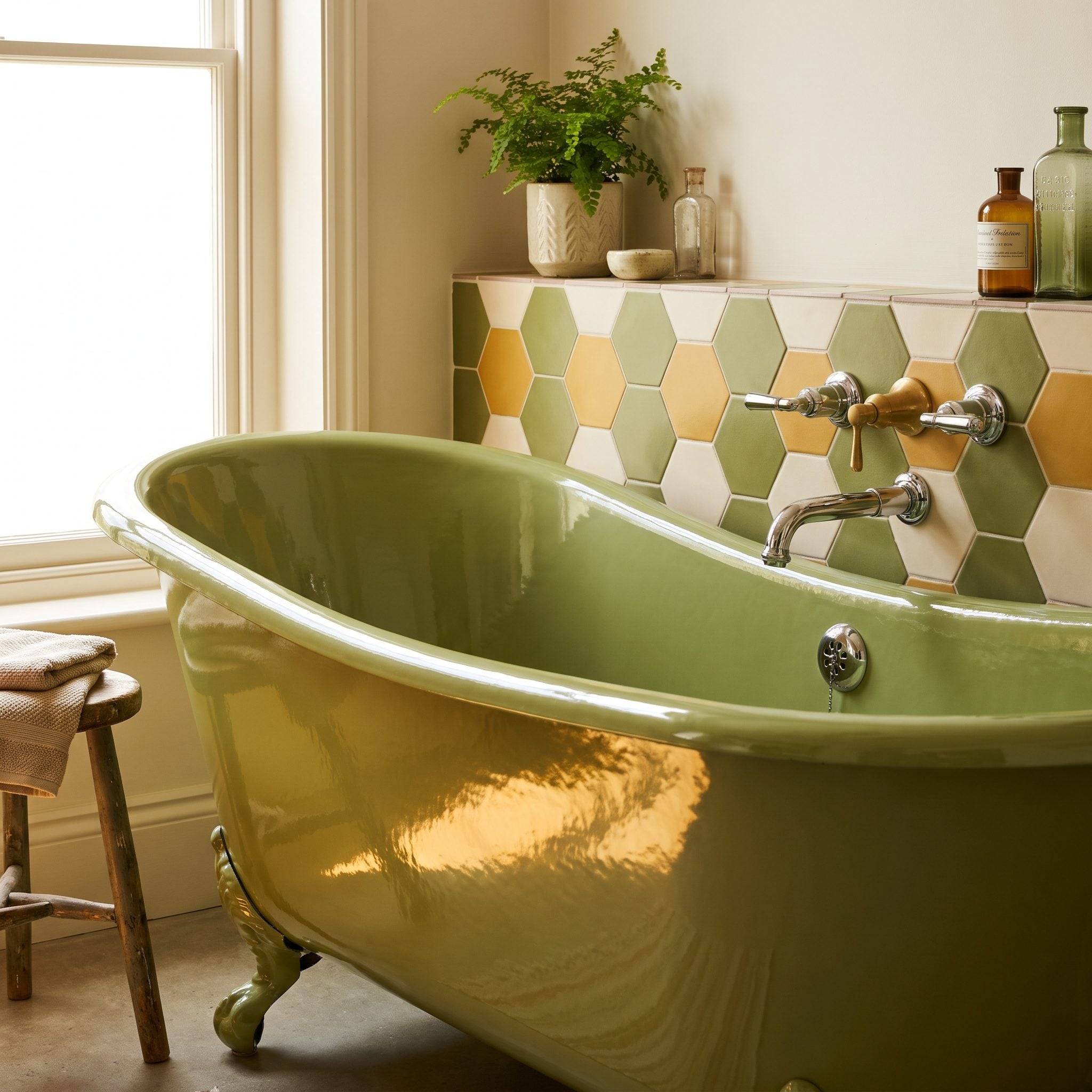
The star of the show, and very often the decision that dictated everything around it. A new avocado cast-iron tub could land somewhere around $85 to $100 in the early 1970s. It was heavy, permanent and far too large a color commitment to pretend was accidental.
Once the tub went green, white porcelain elsewhere could suddenly look like the thing that did not belong. That is how one fixture quietly recruited the toilet, sink, tile and towels into the same campaign.
30. The Wall-to-Wall Bathroom Carpet Some People Actually Chose: About $4 to $8 a Square Yard
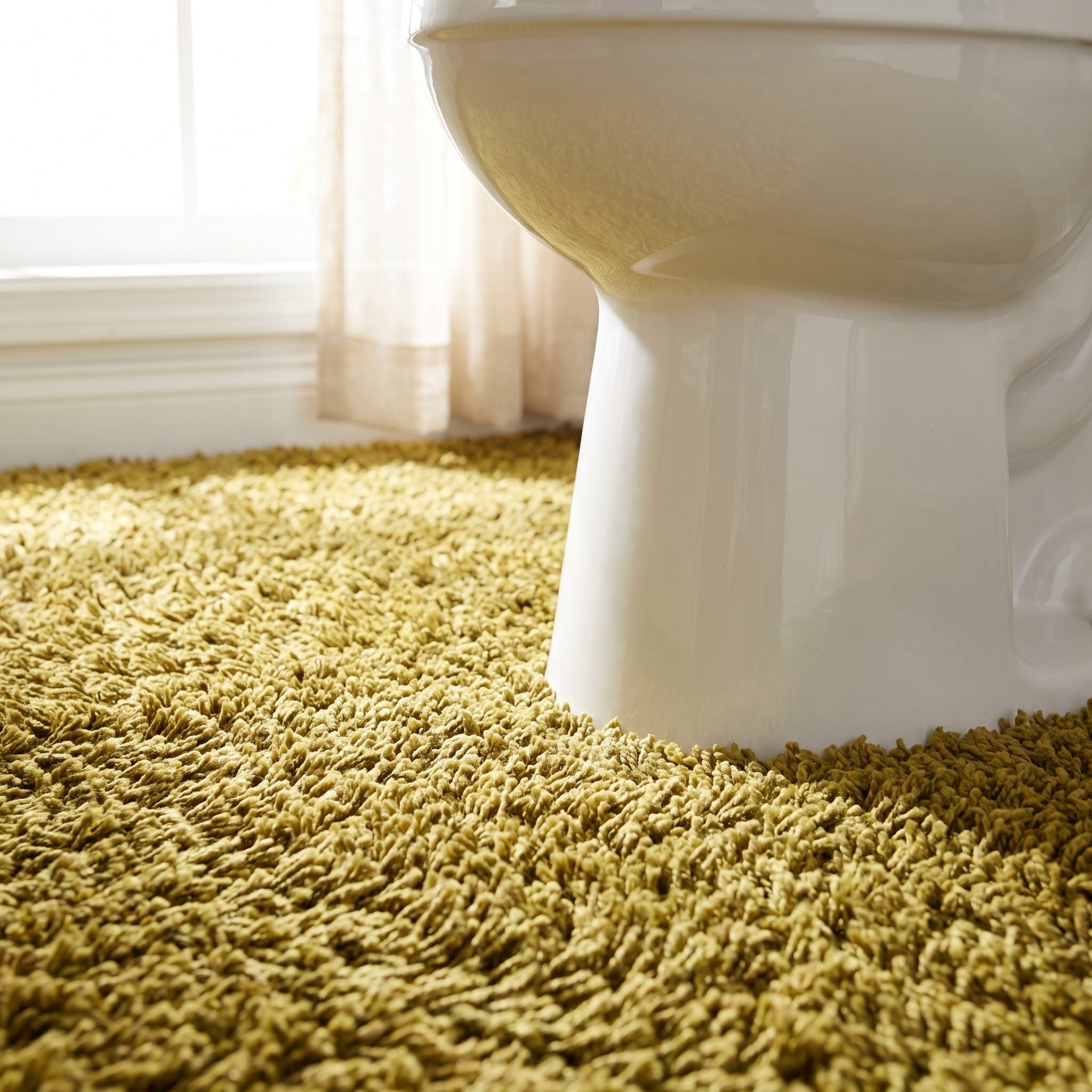
Somebody has to say it: bathroom carpet happened on purpose, and people paid for it. Wall-to-wall carpeting could run roughly $4 to $8 a square yard before the cutting, fitting and inevitable negotiation around the toilet base.
The logic was not completely unhinged. Ceramic tile was cold, shag was warm, and the 1970s were not a decade frightened by texture. Then moisture entered the conversation. Of all the period bathroom ideas waiting patiently for a revival, this may be the one nostalgia has wisely left behind.
29. The Mirrored Medicine Cabinet Above the Sink: About $22
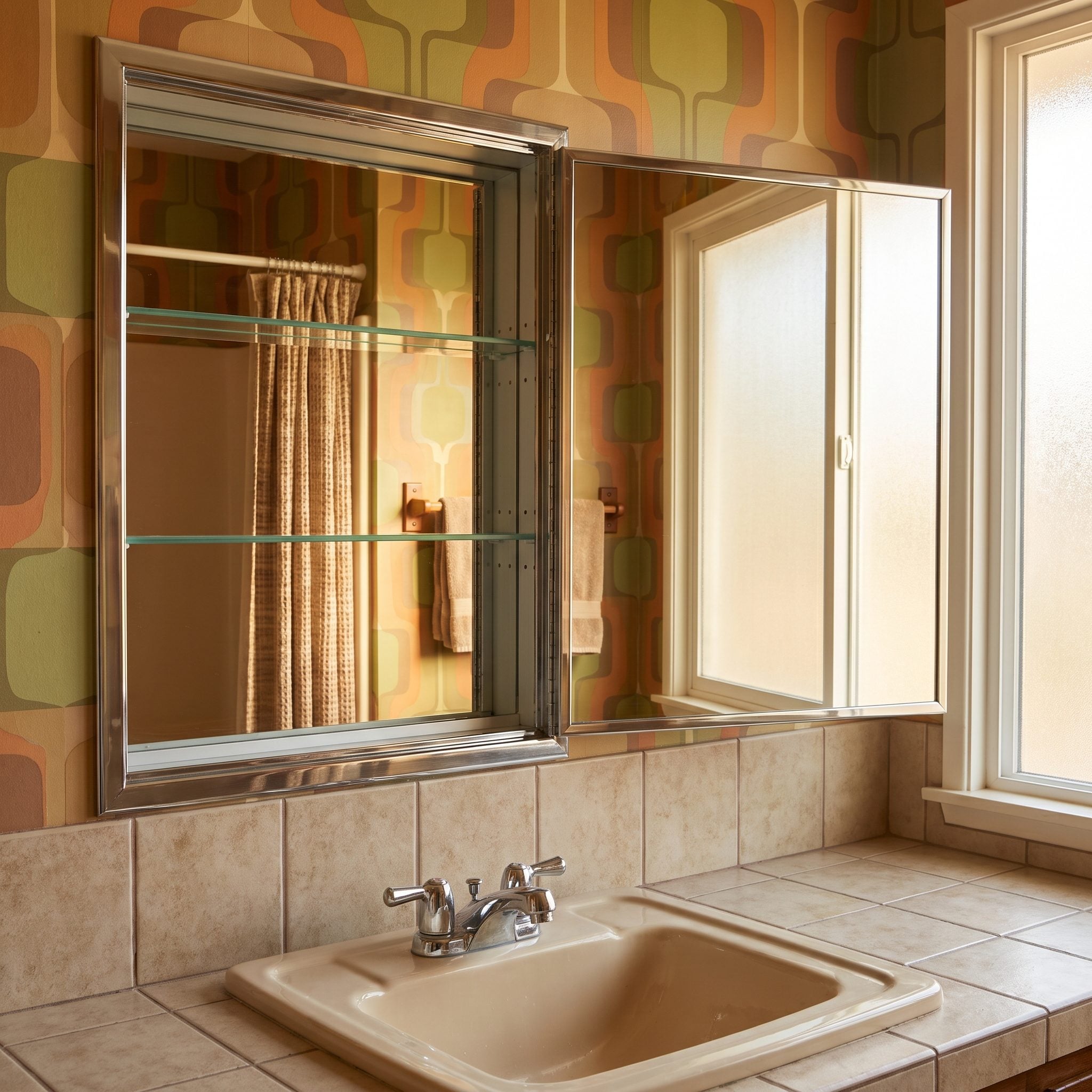
The mirrored medicine cabinet was the bathroom multitasker: mirror outside, aspirin and razor blades inside, all for roughly $18 to $28. Recessed versions disappeared neatly between the studs and stole almost no room from a small bathroom.
Some period cabinets even included the notorious razor-blade disposal slot that let used blades drop into the wall cavity. Efficient? Technically. Slightly alarming fifty years later when somebody renovates the wall? Also yes.
28. The One-Piece Fiberglass Tub-and-Shower Surround: Around $150 to $250 Installed
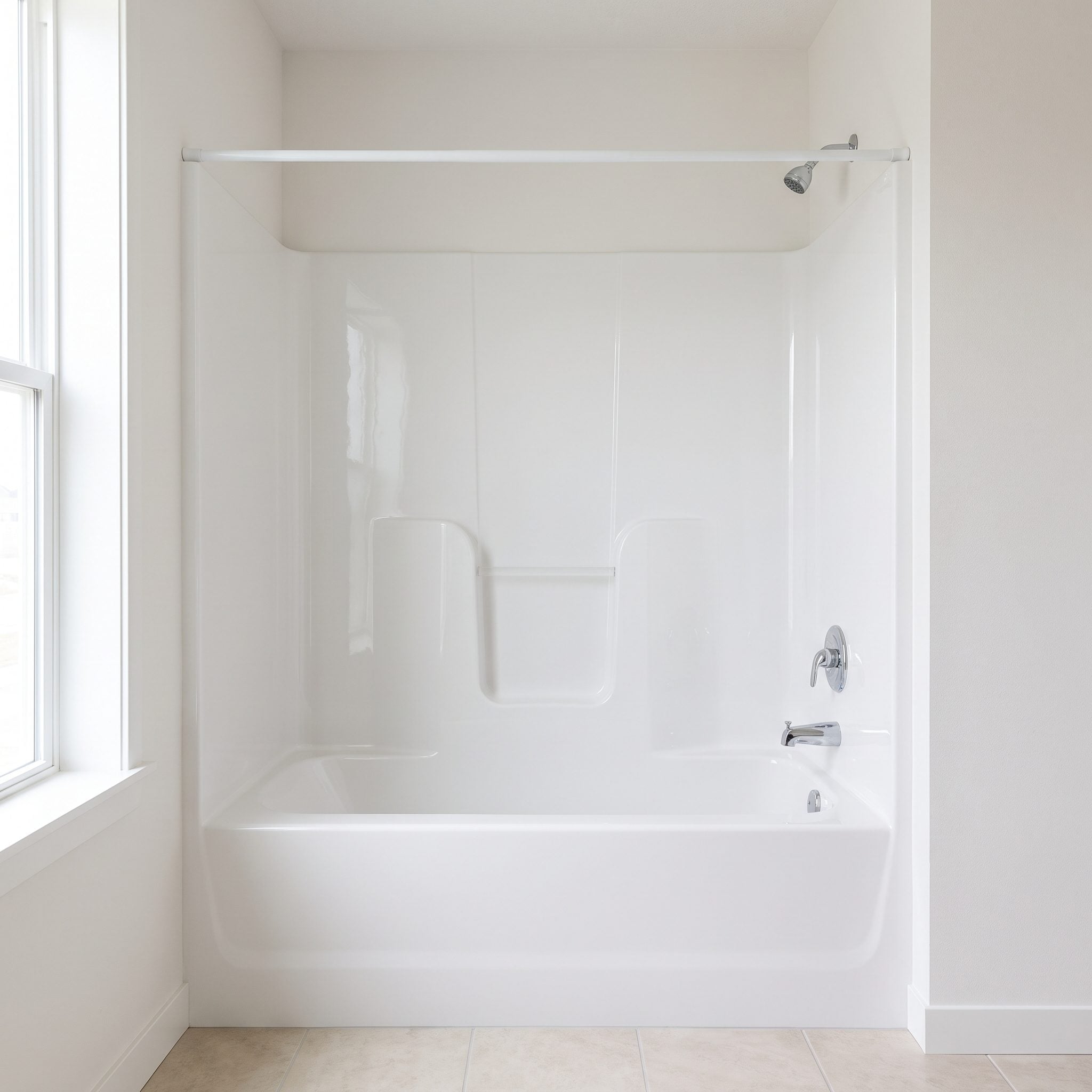
For builders and homeowners tired of grout, molded fiberglass looked like a minor miracle. A basic tub-and-shower unit could fall around $150 to $250 installed in straightforward applications, trading hundreds of grout joints for one wipe-clean shell.
The attraction was speed and simplicity. The drawback arrived with age: fiberglass could discolor, scratch or crack, and there was no single tile to swap when one area failed. When the shell looked tired, the whole shell looked tired.
27. Foil and Floral Wallpaper: Around $8 a Double Roll in the 1970s
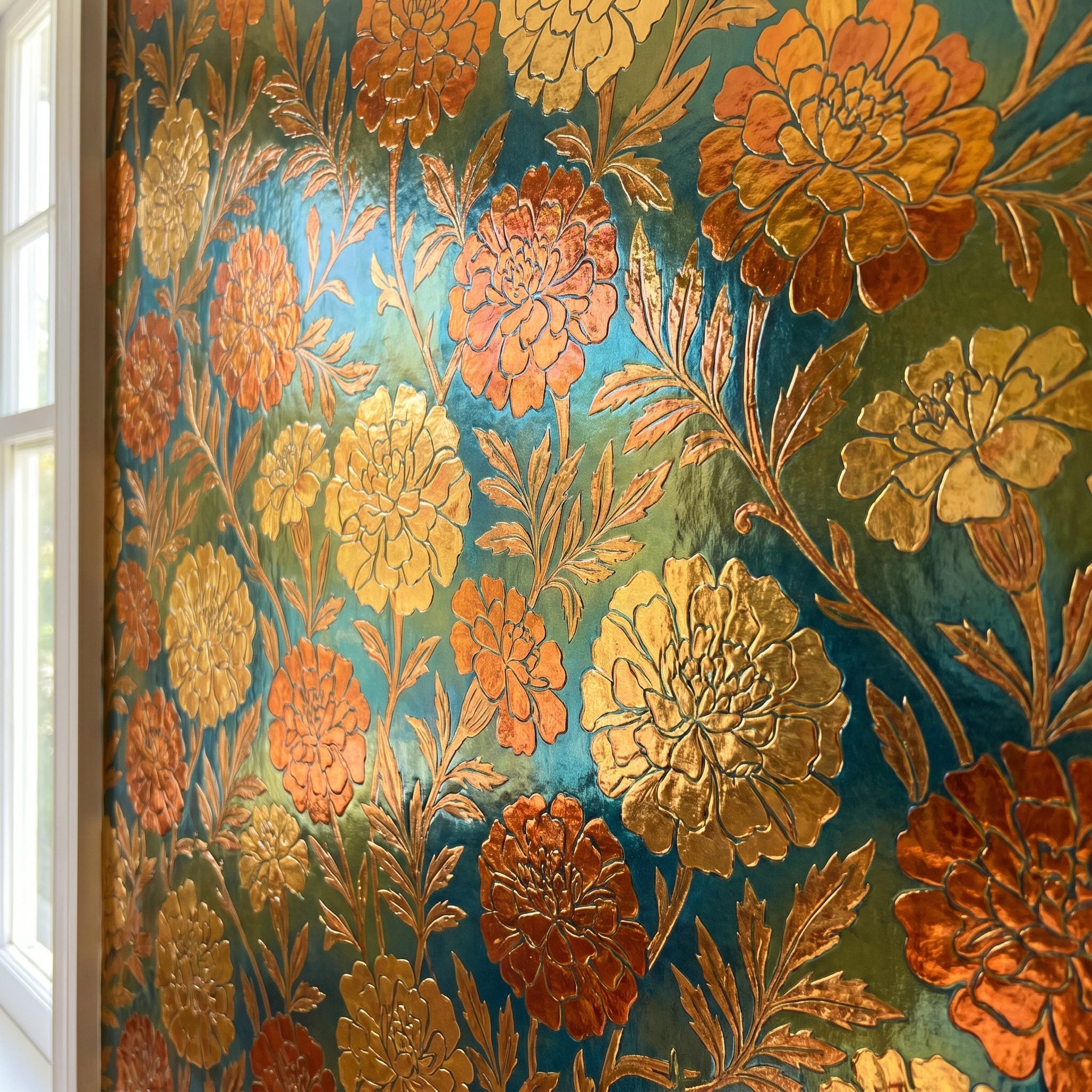
A double roll of the showier stuff — foil trellis, metallic geometrics, heroic flowers — might run around $8 to $12 in the mid-1970s, while simpler vinyl papers could cost less.
Foil papers were pricier in part because the metallic material and manufacturing were more elaborate. They also had an unforgiving habit of advertising every bump beneath them. Still, in a tiny half-bath with one weak lightbulb, that glint could make four square walls feel like an event.
26. The Chrome Faucet Set With Separate Hot and Cold Handles: Roughly $18
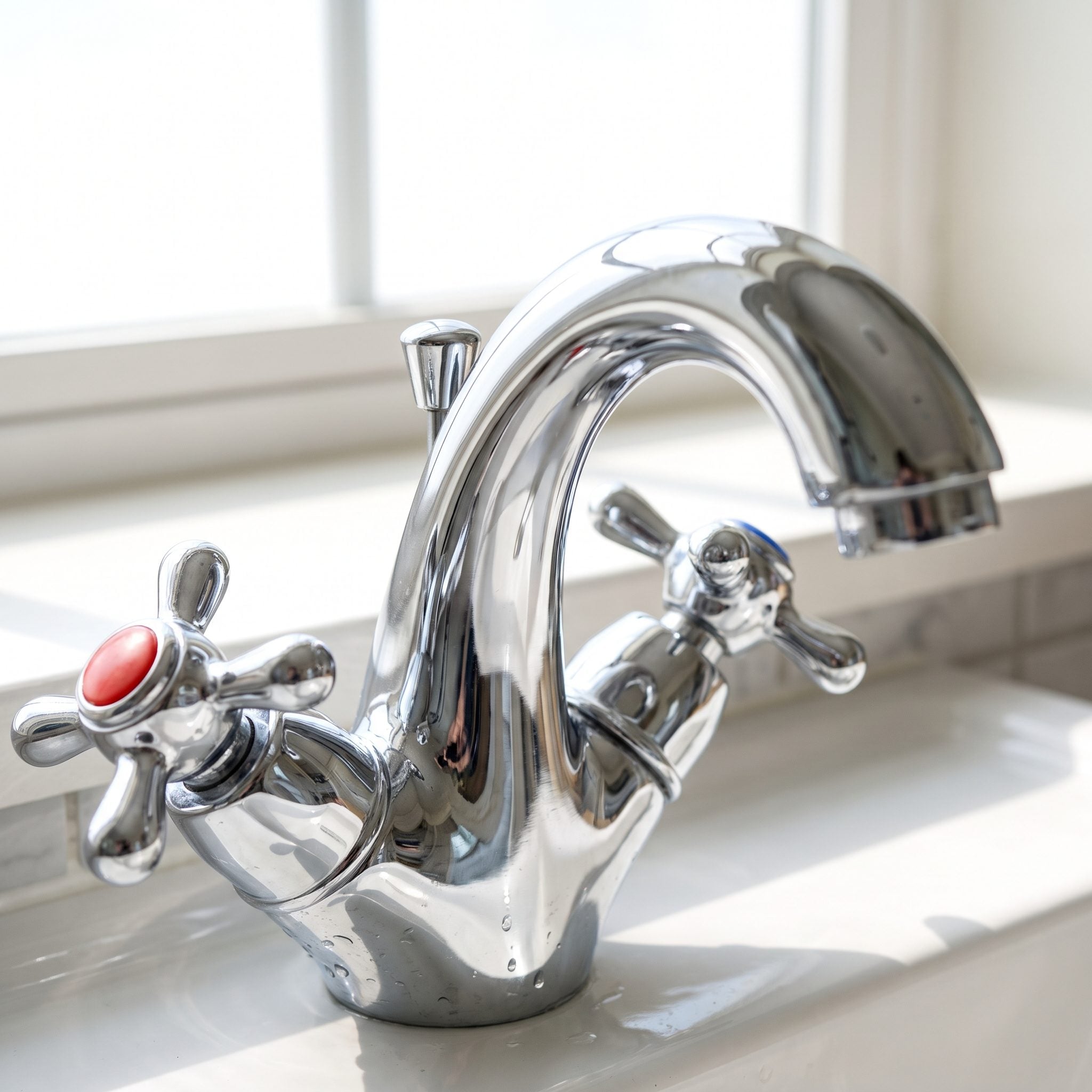
Two handles, one spout, red on the left, blue on the right. A basic chrome lavatory faucet could cost roughly $15 to $25, and nobody needed a tutorial to understand it.
Single-handle mixers already existed, but two-handle sets remained common because they were familiar, widely available and inexpensive. The hot and cold supplies still met at the fixture; the difference was simply how the valves controlled and mixed the water. Plenty of those old chrome sets are still doing the job.
25. The Wood Vanity Cabinet Under the Sink: Around $50 to $120
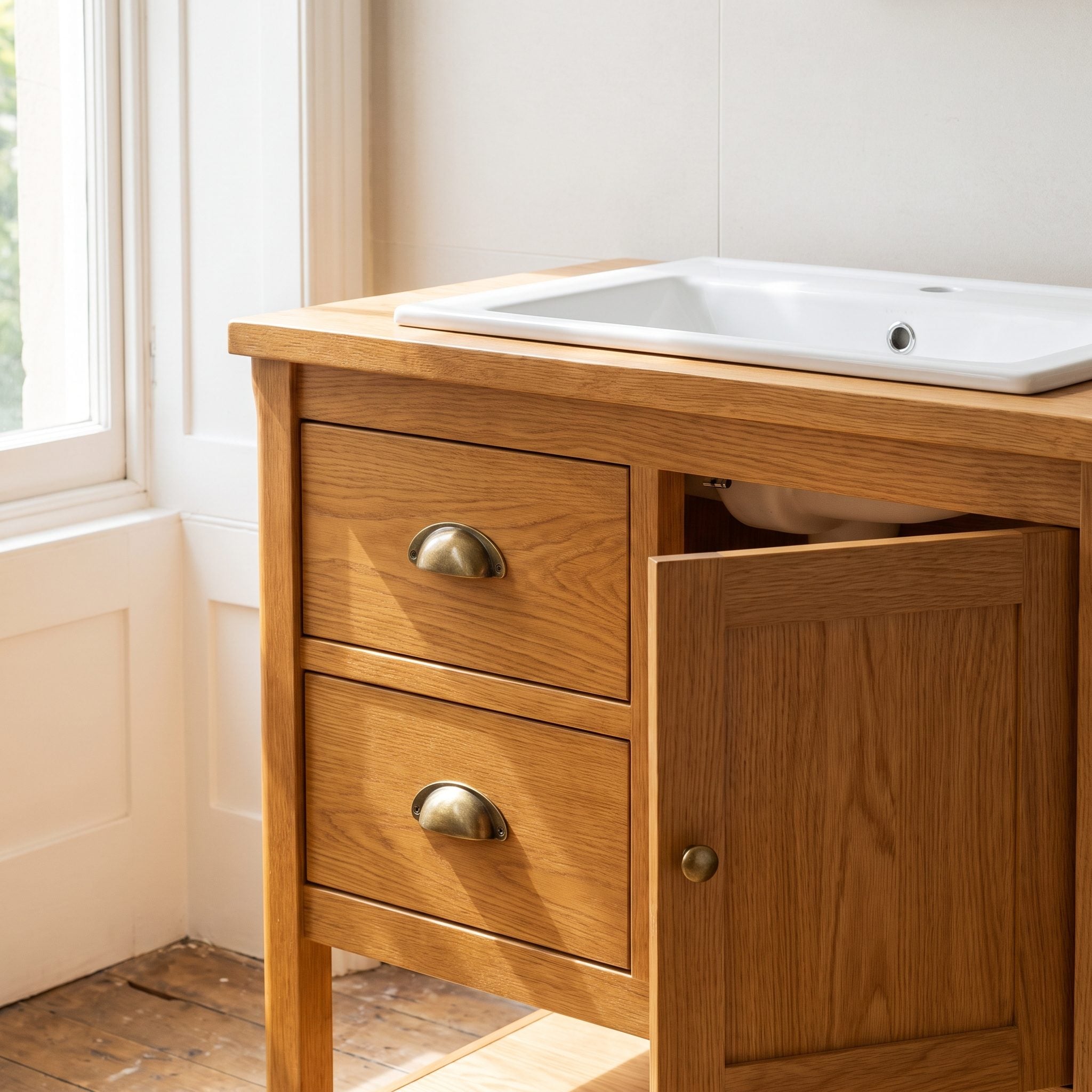
A vanity cabinet could run roughly $50 to $120 depending on width, construction and finish. Warm oak and walnut looks dominated, usually with raised or routed doors and enough wood tone to make the bathroom feel adjacent to a den.
Construction varied widely: solid wood, plywood, veneer and particleboard all existed in the period. The survivors tend to bias our memory toward the heavy ones because those are the cabinets still fighting demolition crews half a century later.
24. The Sliding Glass Shower Doors in an Aluminum Frame: Around $60
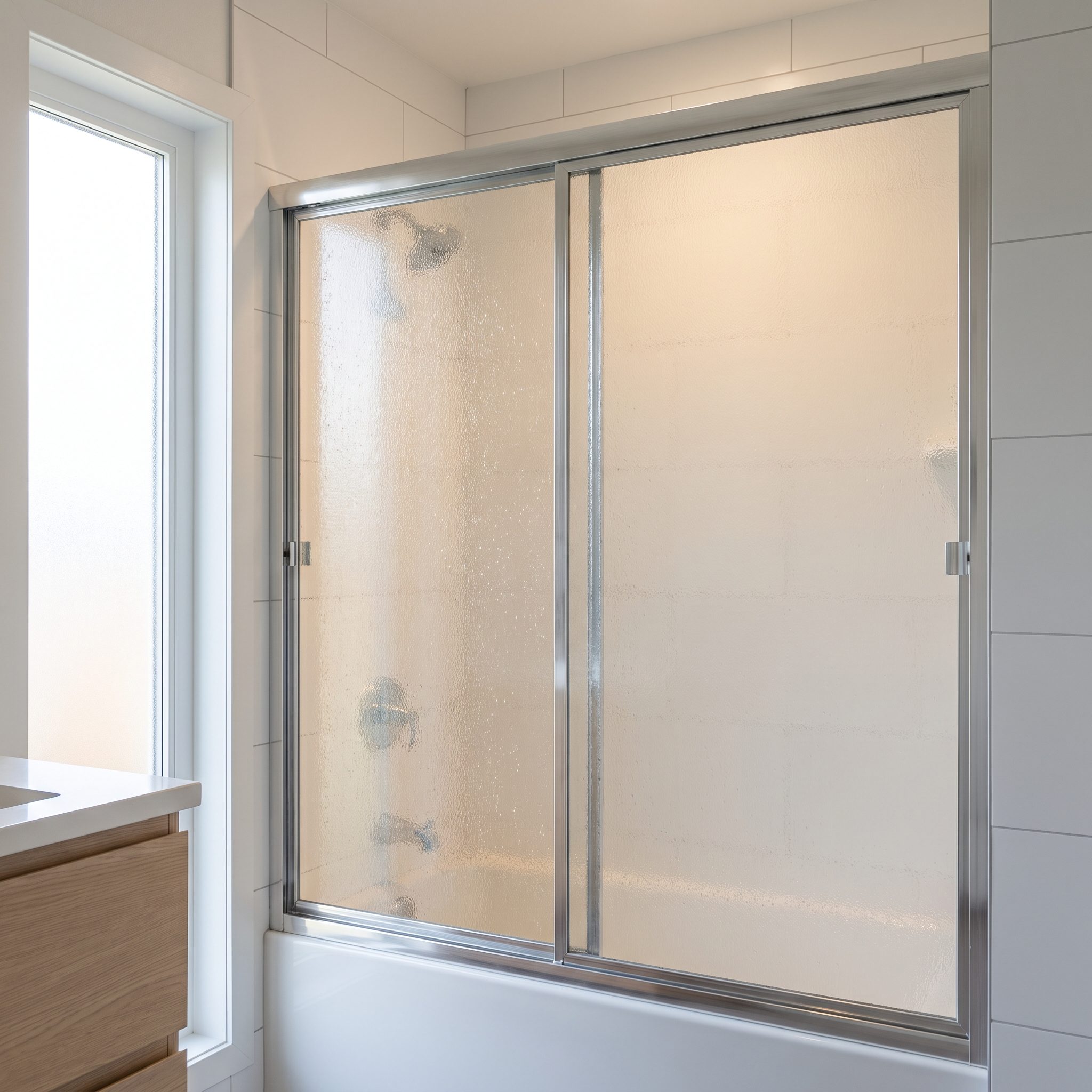
Replacing a shower curtain with sliding doors made a tub suddenly look permanent, polished and faintly luxurious. An aluminum-framed kit might run around $50 to $75, often with textured or frosted glass riding in a silver track.
The elegance lasted right up to the bottom rail. Soap, water and assorted bathroom archaeology collected there with extraordinary determination, while the aluminum eventually dulled and pitted.
Sliding glass doors said the bathroom was finished. The track underneath eventually filed a dissenting opinion.
23. The Matching Avocado Toilet: Roughly $60 to $80
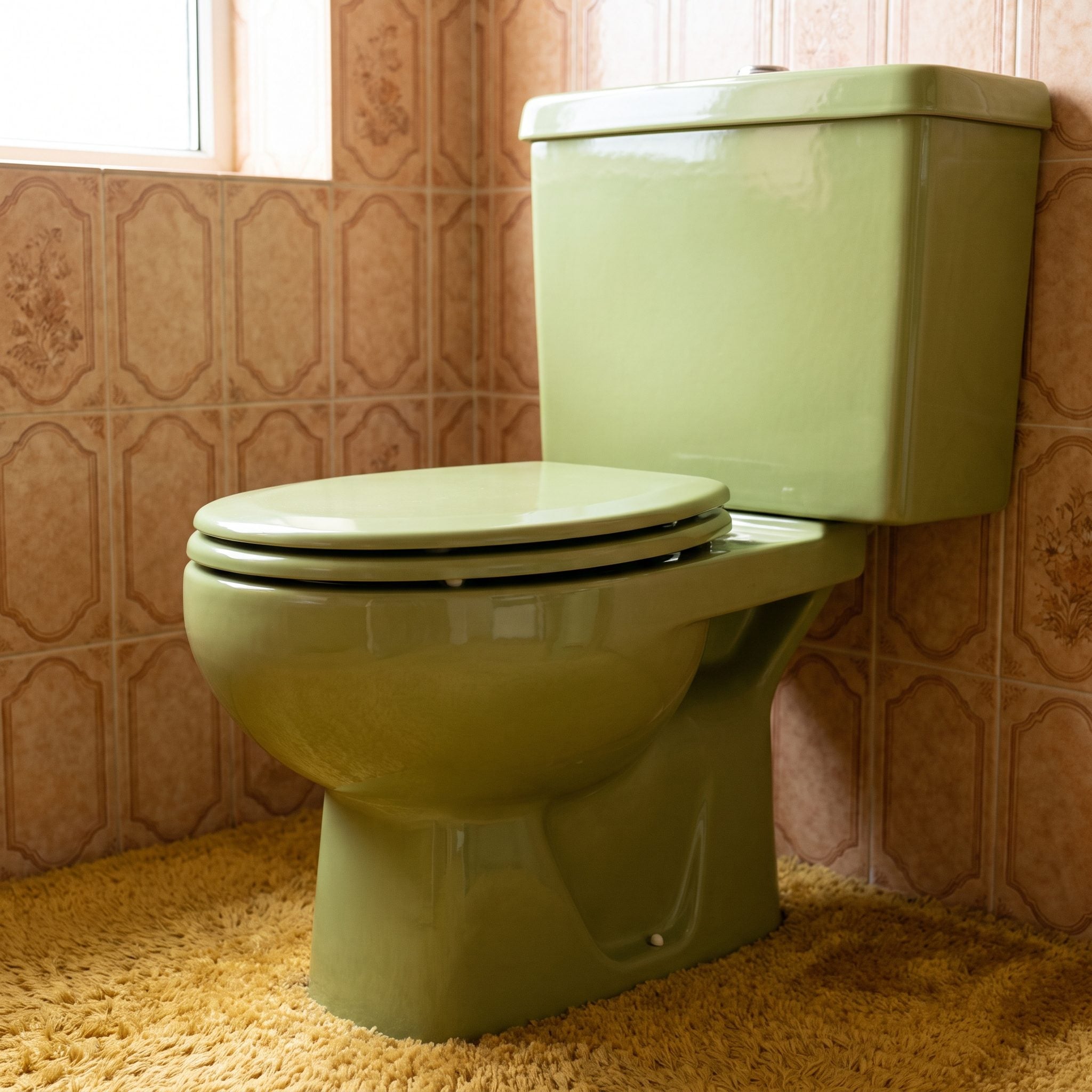
Once the tub went green, the toilet was under enormous social pressure. A matching two-piece model could run about $60 to $80 in the mid-1970s, and color coordination was part of the appeal.
The strange afterlife of these fixtures is that many remained perfectly functional long after the color became unfashionable. Porcelain outlasted taste. A toilet could work flawlessly for decades and still lose its job because somebody finally wanted white.
22. The Large Wall Mirror for a More Modern Vanity Setup: Roughly $30
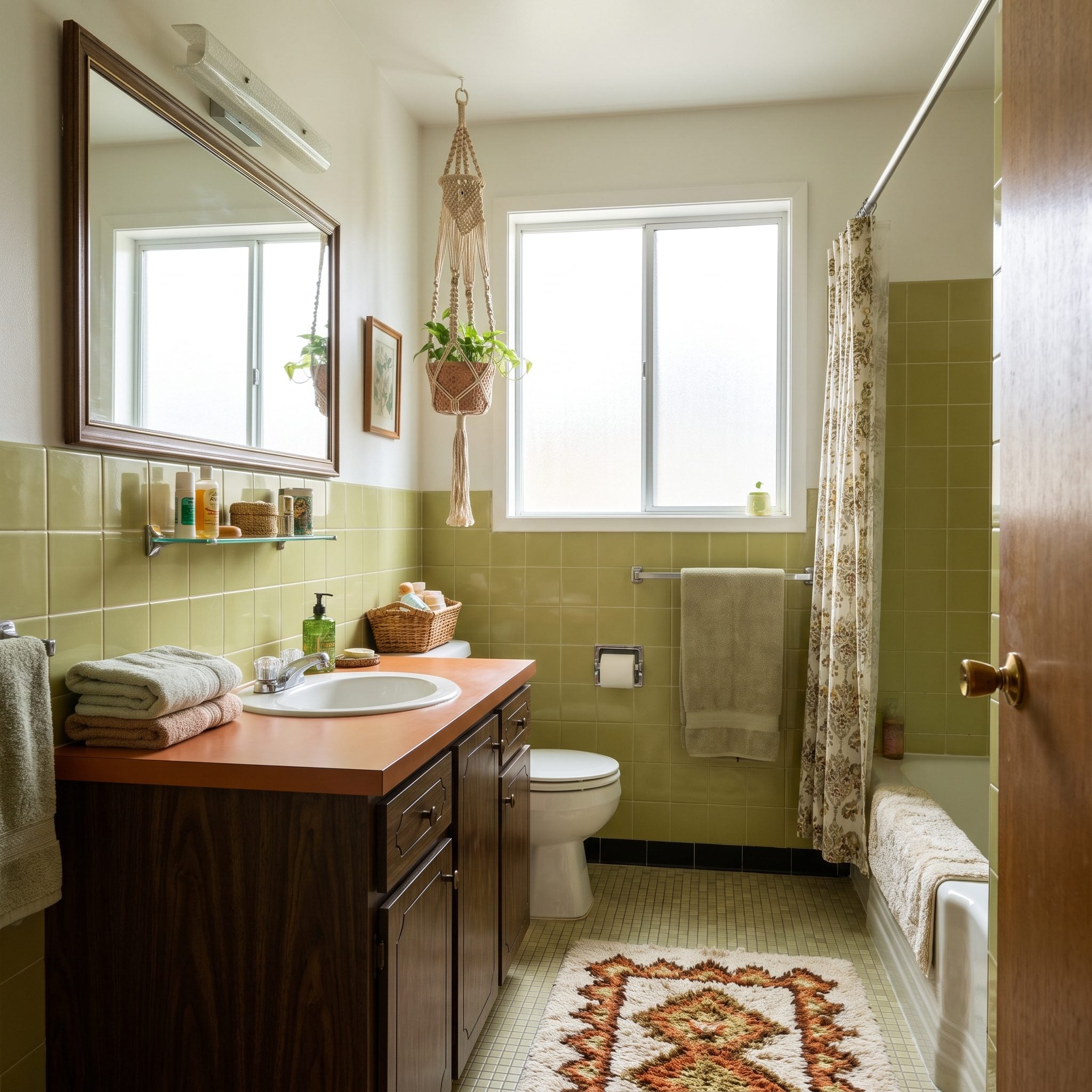
By the mid-1970s, a wide sheet of plate glass offered a cleaner alternative to the compact medicine cabinet. Depending on size, it could land around $25 to $40.
You surrendered hidden storage but gained reflected light and a much broader visual field. In a small bathroom, that extra reflection can make the walls feel less abrupt even though not one inch of floor space has changed.
21. The Sheet-Vinyl Floor That Undercut Tile: Around 50 Cents to $1 a Square Foot
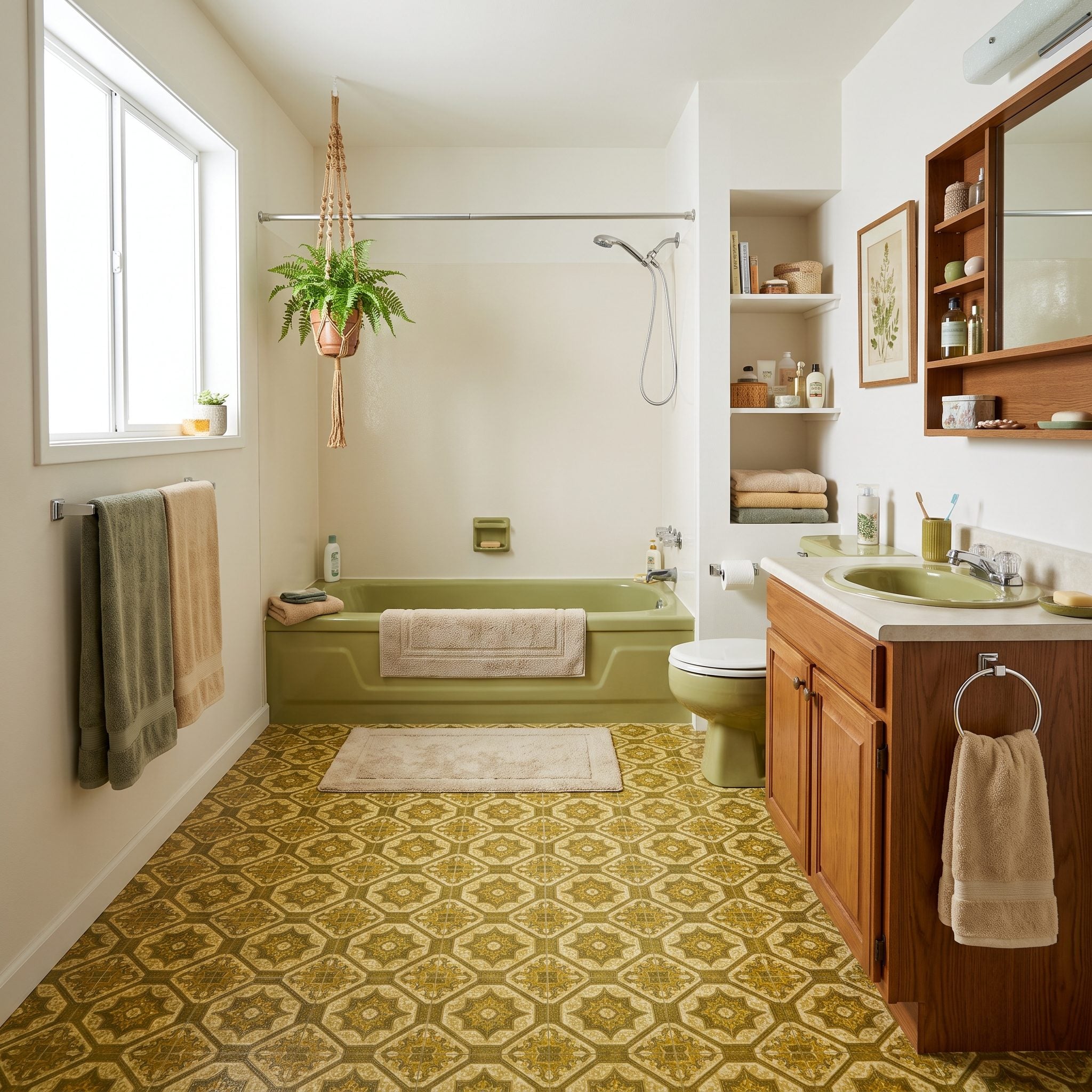
For the budget-minded, sheet vinyl could come in around 50 cents to $1 a square foot for the material, depending on pattern and quality. It was warmer underfoot than tile, quick to cover a floor and available in designs with absolutely no fear of orange.
Faux brick. Faux ceramic. Gold-and-brown geometrics with enough visual activity to disguise a dropped hairpin from across the room. It could scuff, dent or tear, but replacement was comparatively painless. That was part of the bargain.
20. The Cultured-Marble Vanity Top That Felt Like an Upgrade: About $60 in the Mid-’70s
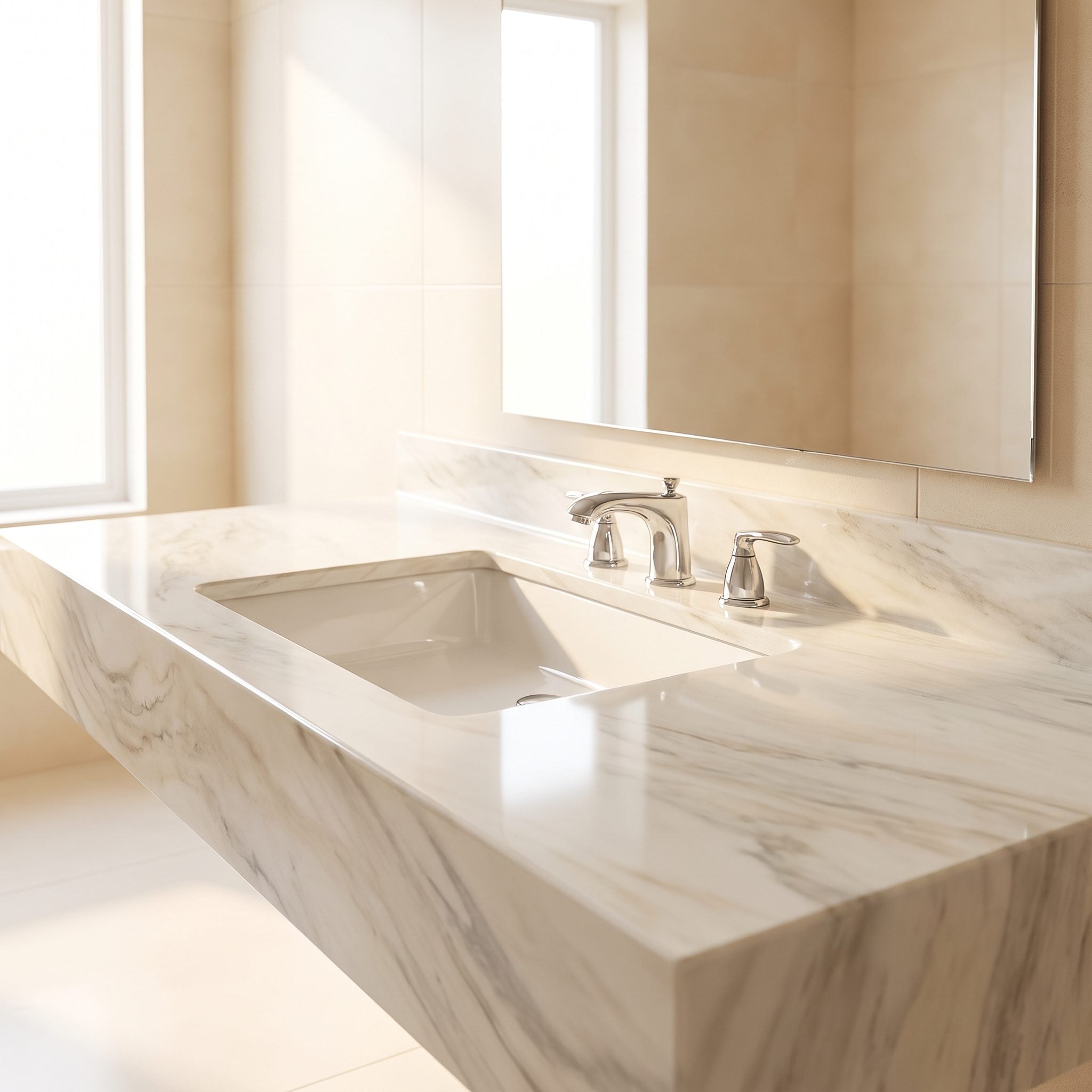
A cultured-marble vanity top could fall around $50 to $70 in the mid-1970s, putting the glamorous idea of stone within reach of an ordinary bathroom budget. The molded sink and counter could arrive as one continuous piece with no separate basin rim to interrupt the surface.
The veining was imitation and nobody was calling the quarry. That was almost beside the point. For a few years, the glossy sweep of resin and marble dust looked remarkably upscale. Later came scratches, yellowing and a less forgiving verdict from fashion.
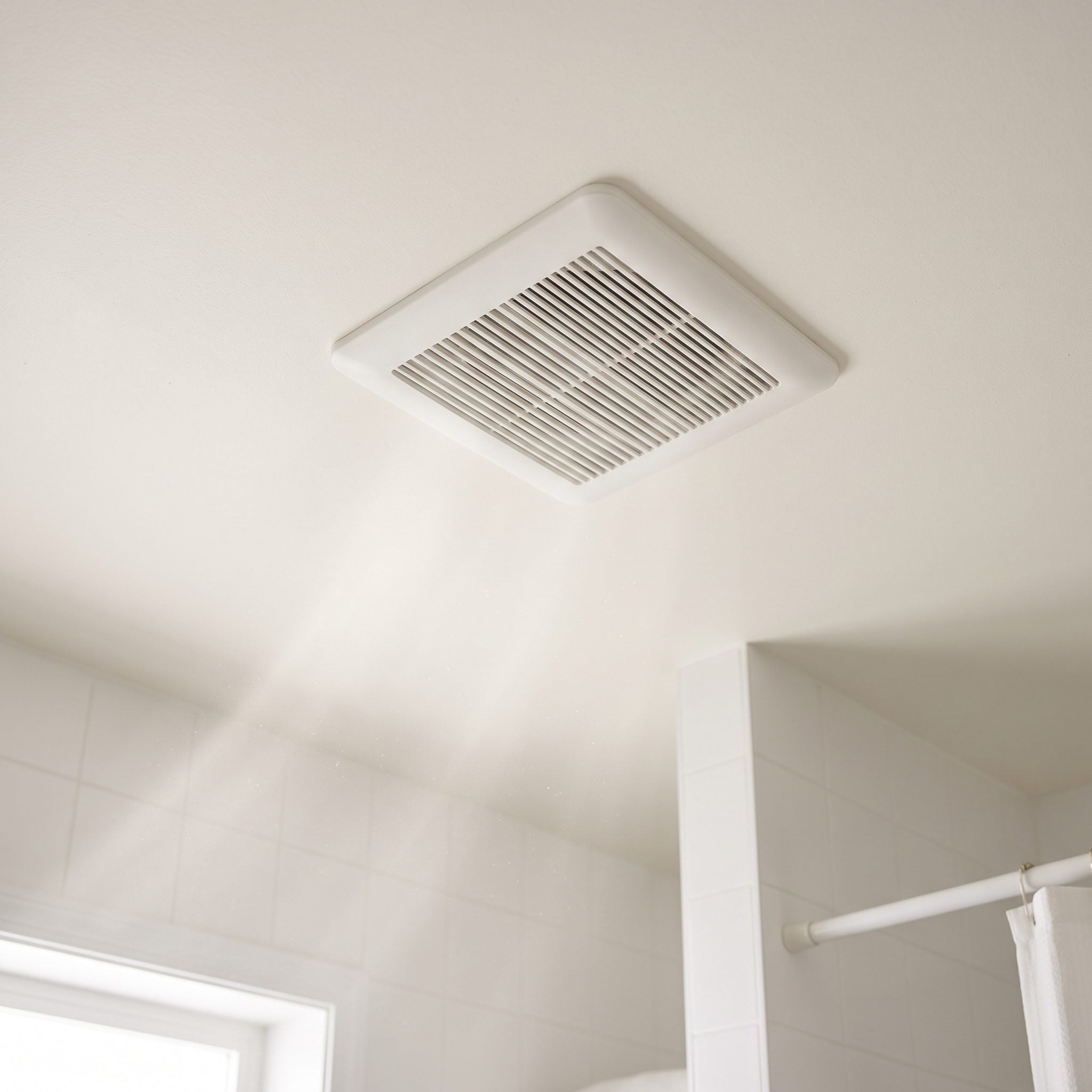
19. The Bathroom Exhaust Fan: About $12 to $20 for a Basic Unit
🔥 Would you like to save this?
The least glamorous purchase in the room may also have protected the most expensive ones. A basic exhaust-fan unit could cost roughly $12 to $20, with installation varying depending on wiring, ducting and where that damp air had to go.
No guest ever admired it. That was not the assignment. Moving moist air outside helped reduce condensation on paint, grout, cabinetry and windows — a remarkably practical job for something hidden behind a little plastic grille.
18. The Colored Sink That Completed the Green Trinity: About $40 to $70
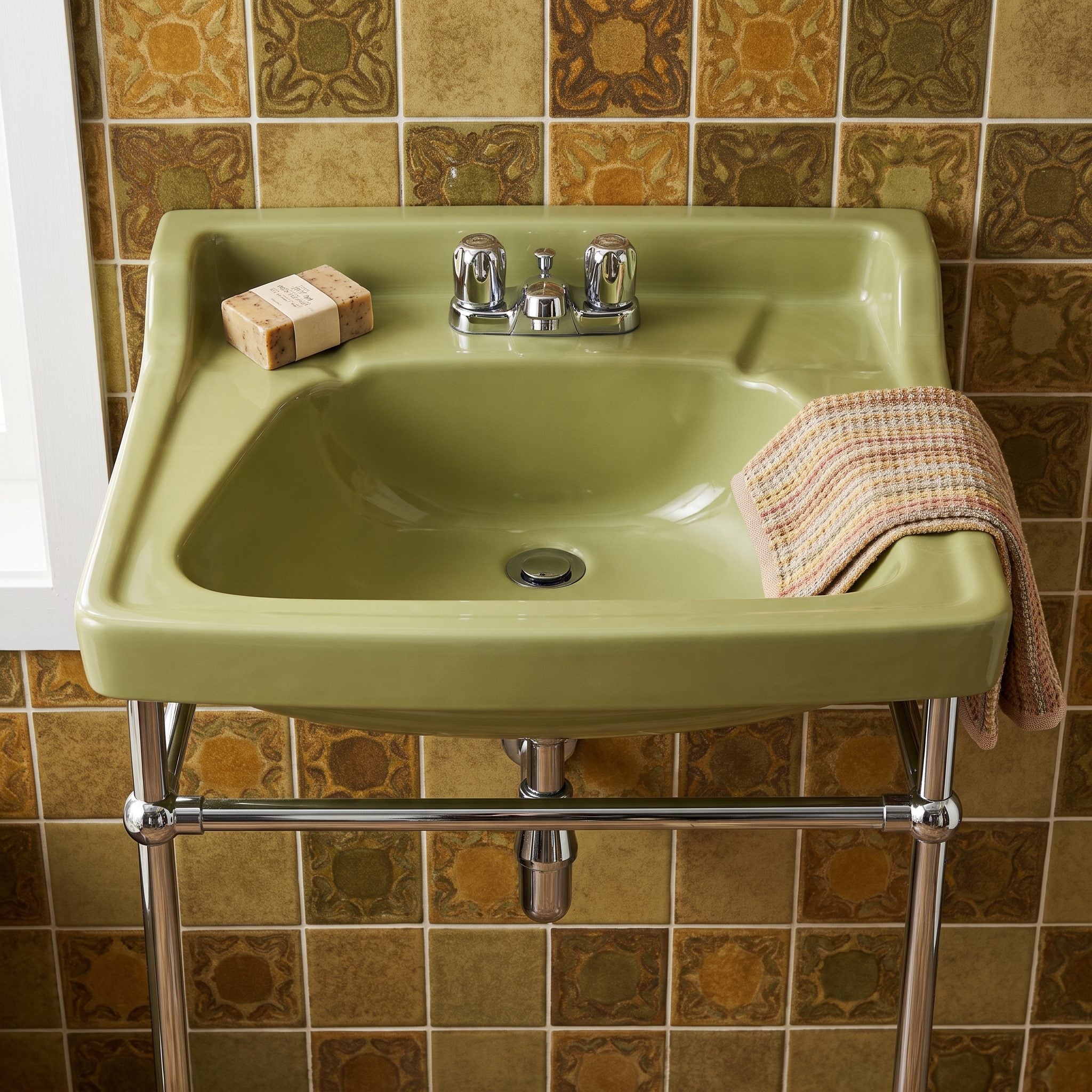
The third member of the suite could cost around $40 to $70, depending on style and manufacturer. Drop-in, wall-hung or fitted into a vanity, the basin was where the color scheme finally stopped being a coincidence.
Green tub. Green toilet. Green sink. Chrome faucet. The bathroom had chosen a side. A complete colored fixture suite could easily represent a few hundred dollars before installation, tile or cabinetry entered the conversation.
17. The Frosted-Glass Ceiling Light for Around $10
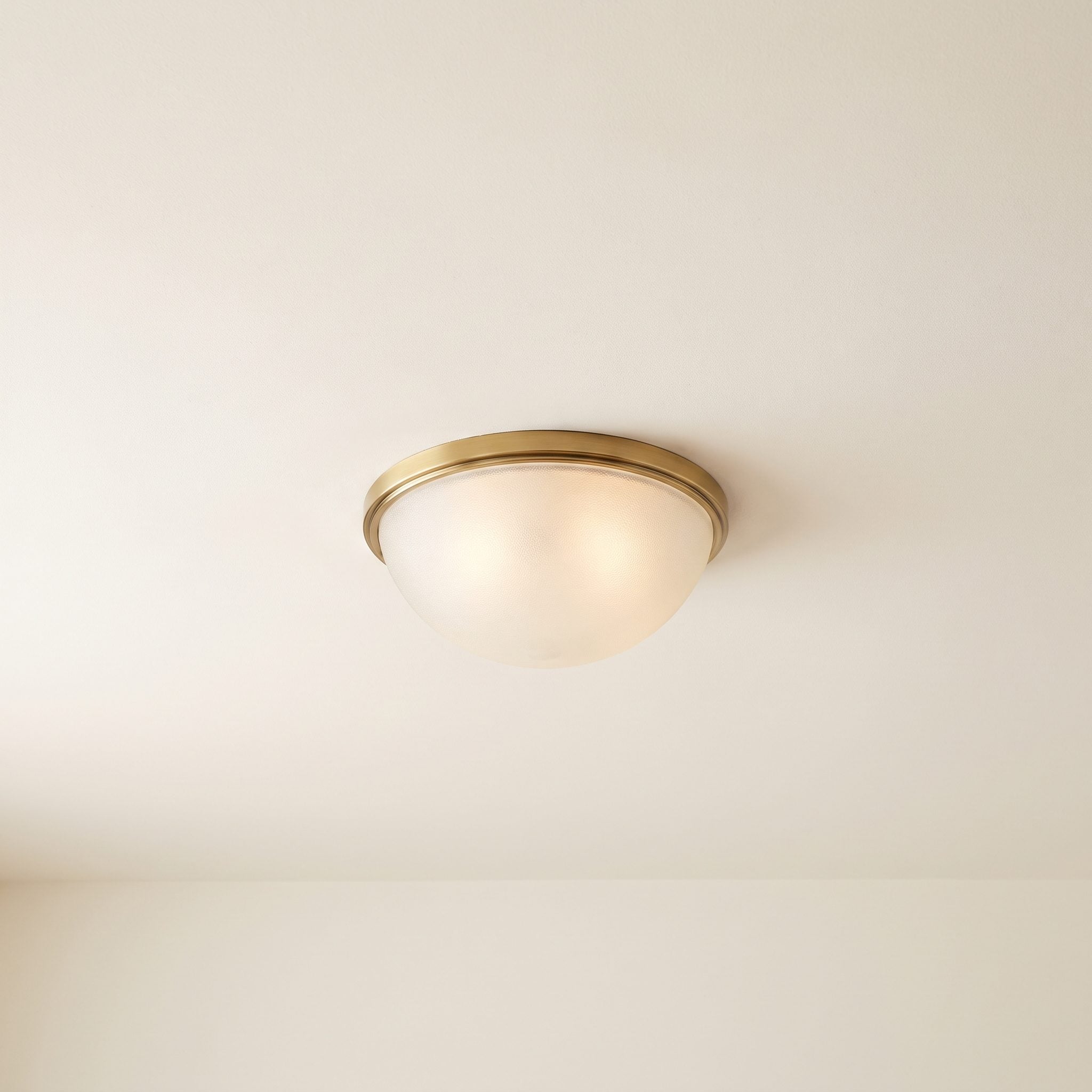
A plain frosted-glass ceiling fixture could cost around $8 to $12: milky shade, metal ring, one bulb and no attempt whatsoever to become the room’s conversation piece.
It provided basic general illumination and then disappeared into the ceiling. That anonymity may explain its extraordinary lifespan. Plenty survived three wallpaper changes, two vanity tops and every color the toilet ever was.
16. Small Ceramic Floor Tile Across the Whole Bathroom: About $2 to $4 a Square Foot Installed
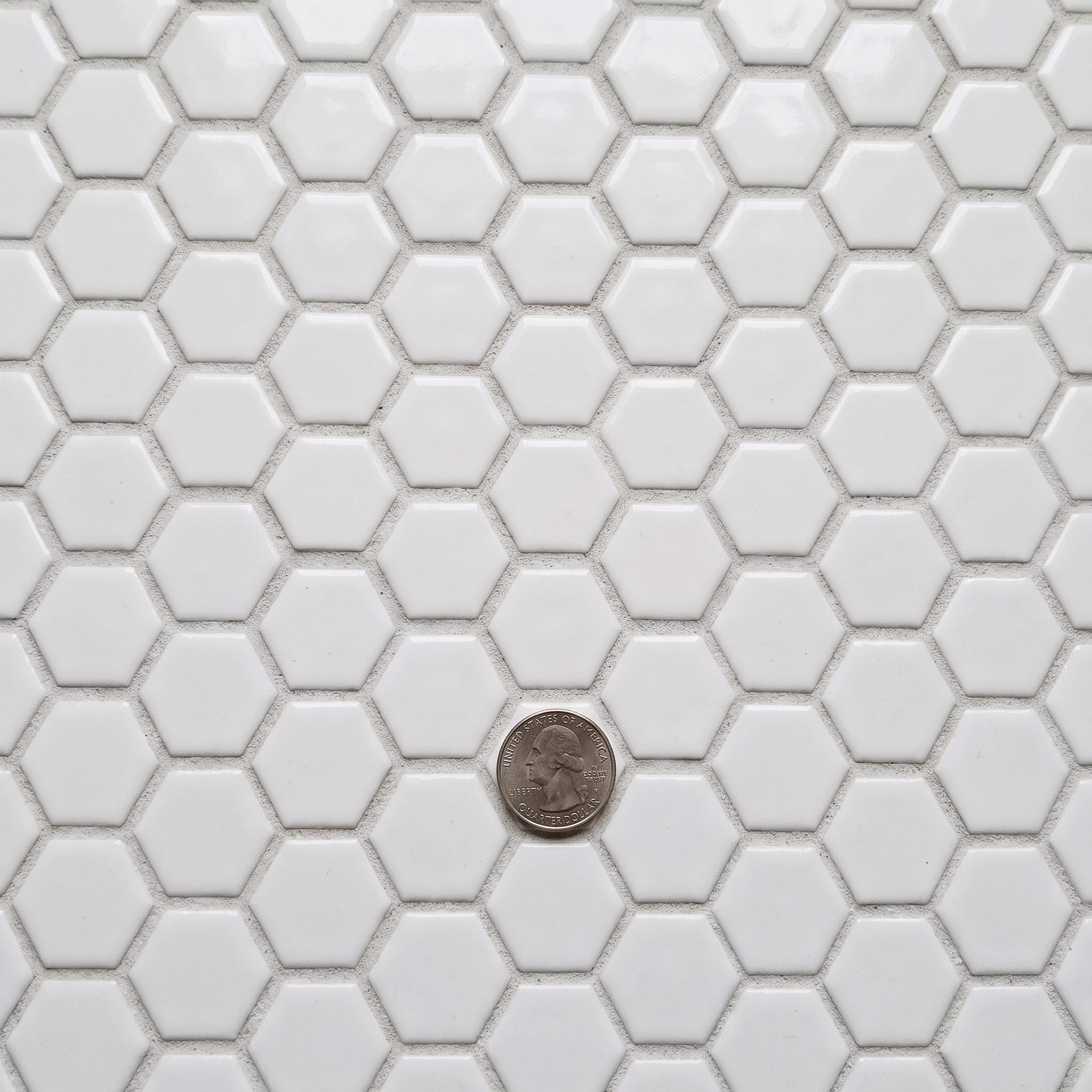
Small ceramic tile — one-inch squares, mosaics, hexagons — could run roughly $2 to $4 a square foot installed. In a compact bathroom with perhaps 35 to 40 square feet of exposed floor, that could put the finished surface somewhere around $70 to $160.
It was durable, water-friendly and visually busy enough to forgive a fair amount of daily life. It was also spectacularly cold under bare feet on a winter morning, which helps explain why the decade kept searching for softer alternatives.
15. The Metal-Rimmed Drop-In Sink for Around $12
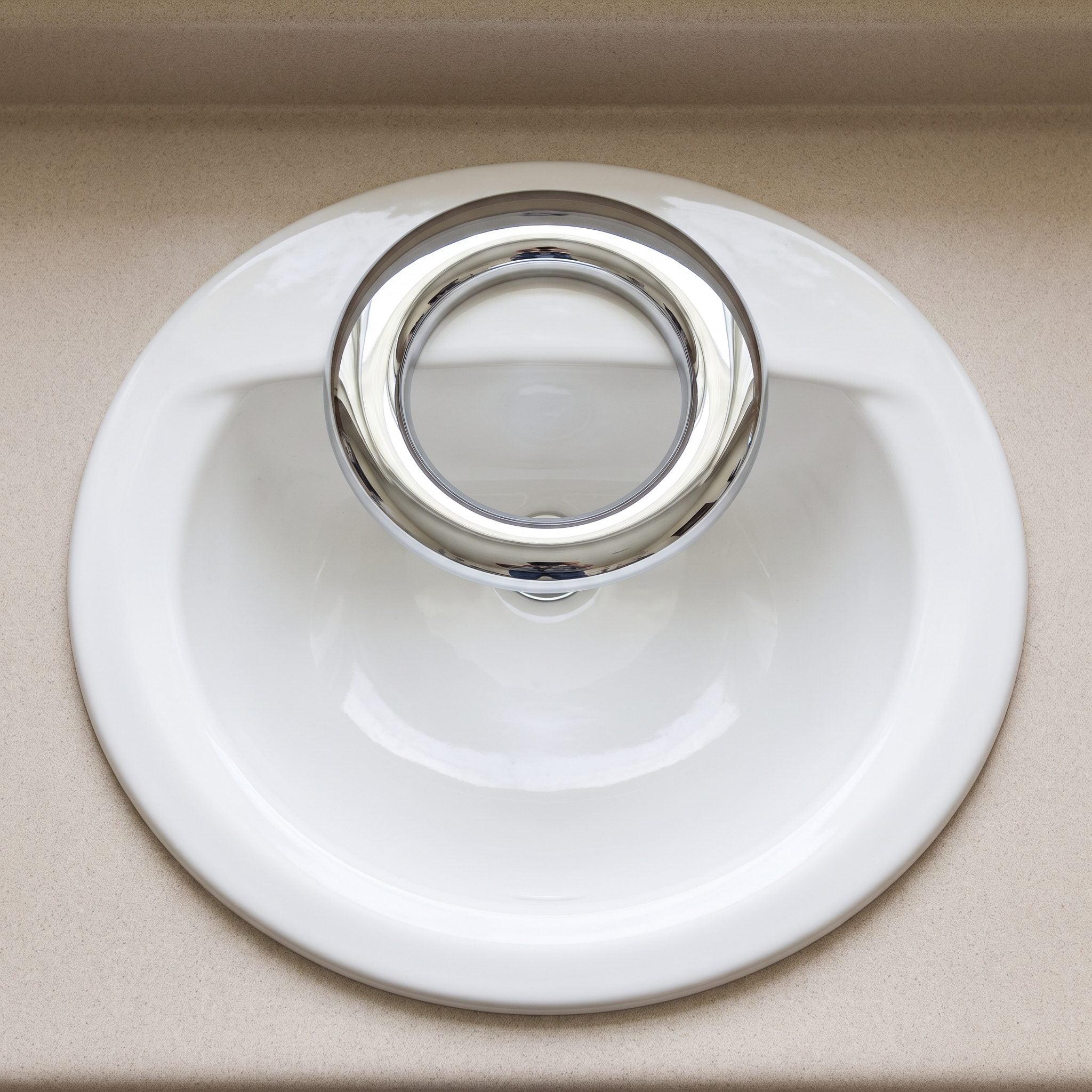
The metal-rimmed drop-in sink was the budget workhorse: roughly $10 to $15 for a basic china bowl, with the bright metal rim clipping it neatly into the countertop.
On installation day, that shiny border looked precise and finished. Years of trapped water and cleaning residue could turn the same seam into a dark or rusty-looking outline that no amount of determined scrubbing quite defeated.
14. Wood Paneling by the Sheet: Roughly $4 to $9 in the 1970s
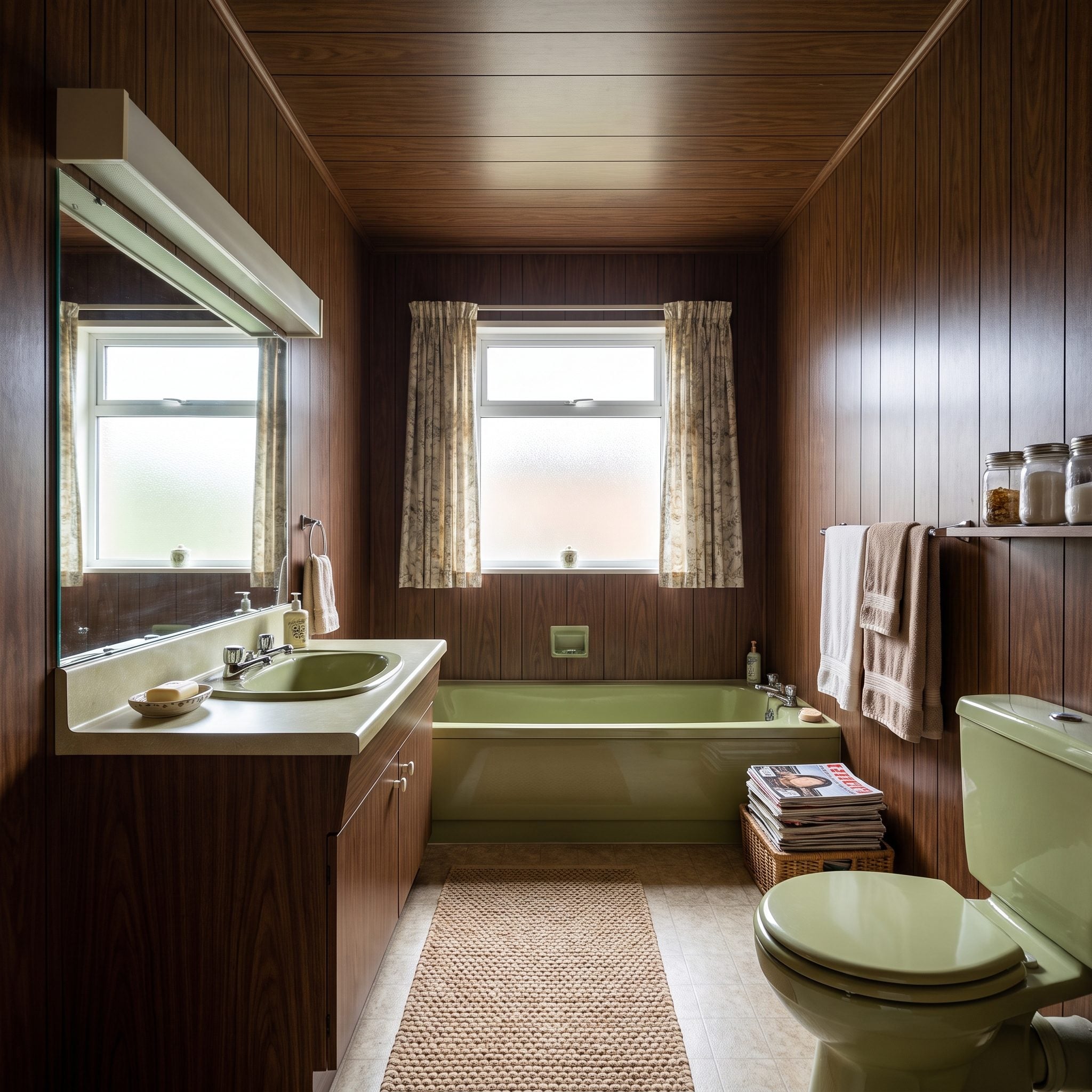
Thin faux-wood paneling could start around $4 for a 4-by-8 sheet, while better veneer-faced panels moved toward $8 or $9. For a homeowner staring at cracked or ugly plaster, the appeal was obvious: cover the problem and be finished by dinner.
Nobody had to mistake it for a forest. It was brown, grooved, economical and startlingly effective at changing the entire personality of a room. In a bathroom, the result could feel less like a spa than the interior of a station wagon — which was apparently not disqualifying in 1974.
13. The Vanity Light Bar or Globe Fixtures Above the Mirror: About $20
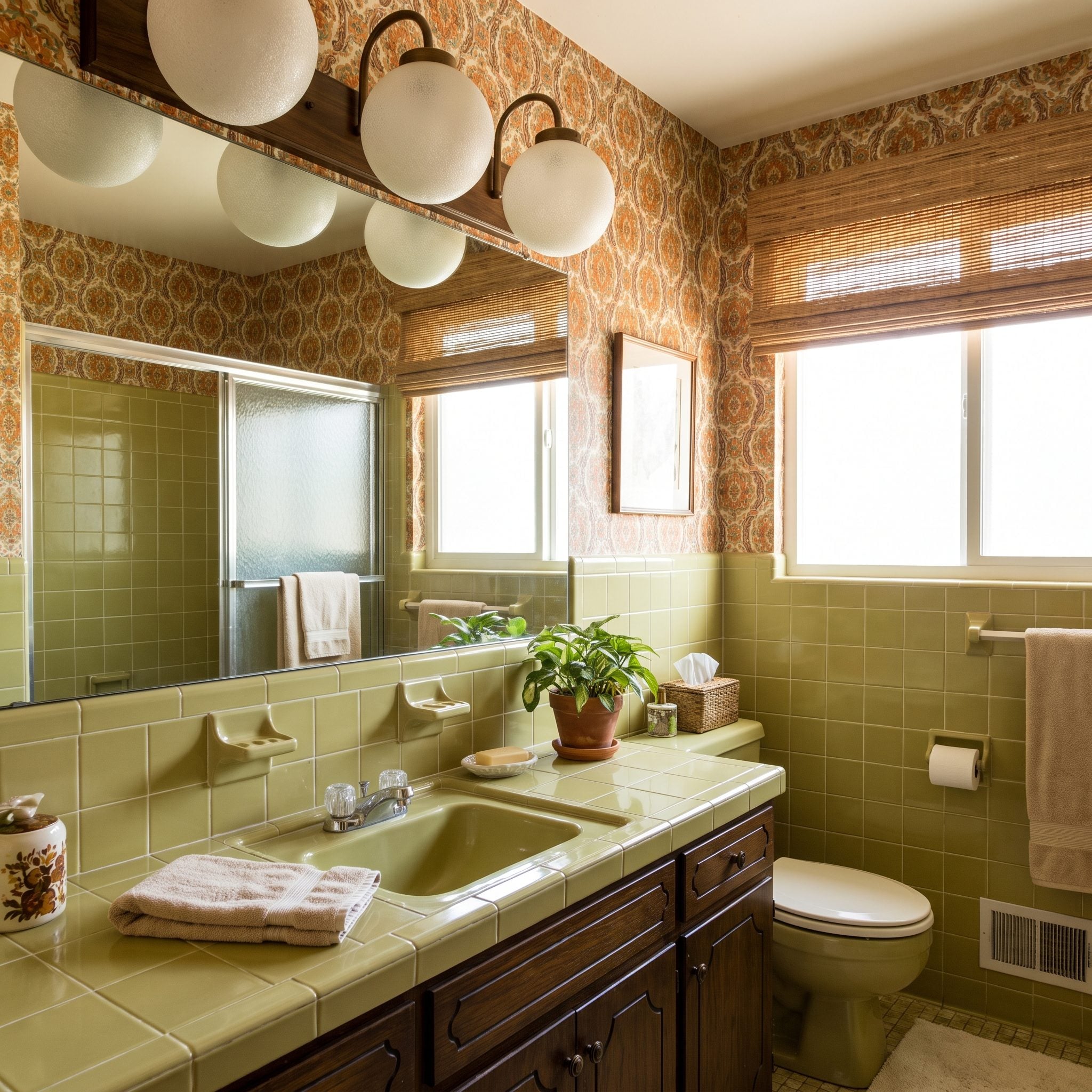
A brass or chrome bar carrying a row of round globes could cost roughly $15 to $25. Against a plain mirror, it delivered instant dressing-room drama for remarkably little money.
Whether the light was flattering depended heavily on placement and bulb choice; fixtures above the face can create shadows just as easily as glamour. But visually, those glowing spheres made a standard vanity feel like somebody had spent more than they actually had.
12. The Ceramic Tile Tub Surround Done the Traditional Way: $200 to $400 Installed
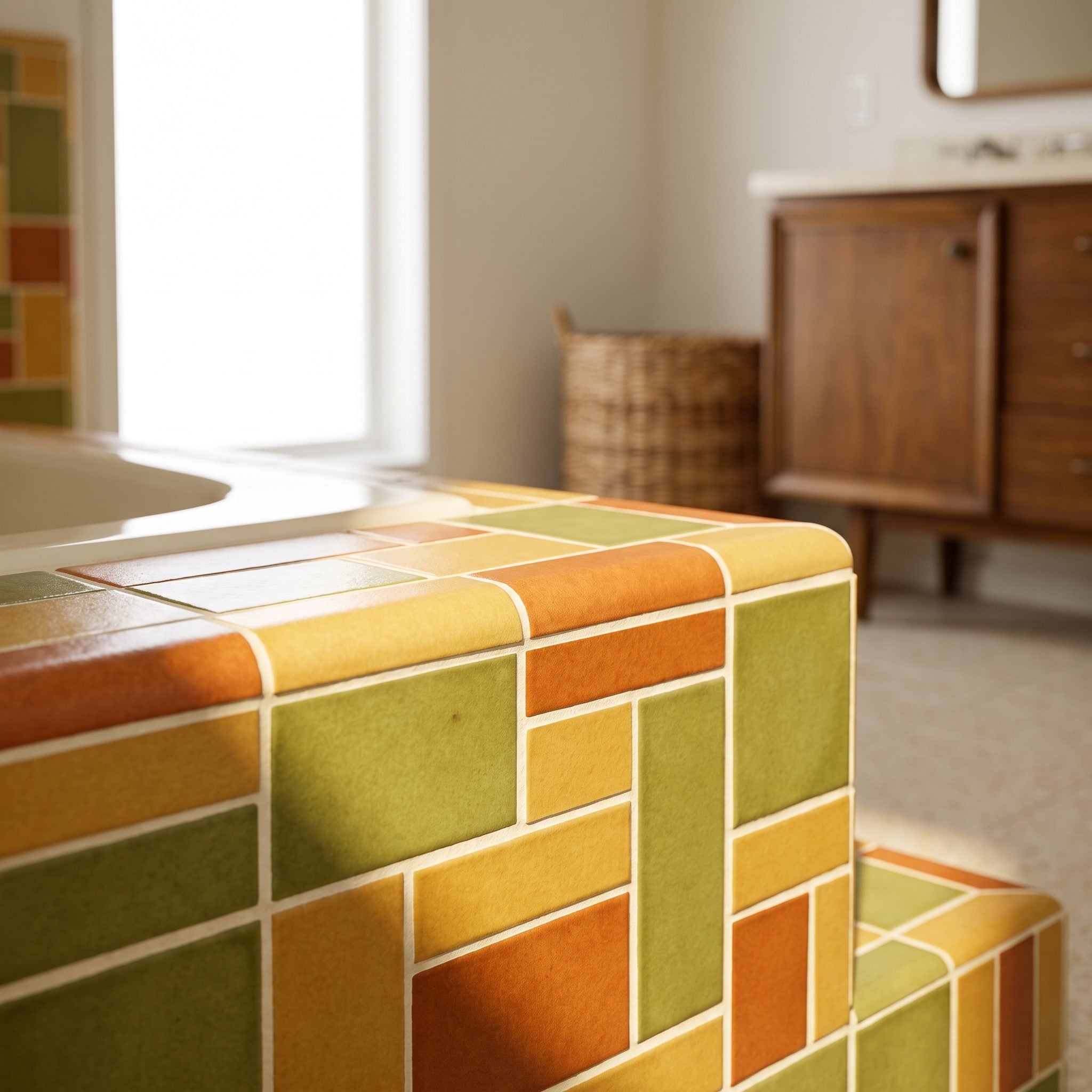
A tiled tub surround was the more labor-intensive alternative to molded fiberglass. Depending on the tile, substrate, layout and labor, a straightforward installation might run around $200 to $400.
The charm often sat in one decorative row: green, gold or patterned tile interrupting an otherwise quiet field. Properly installed ceramic could outlast several rounds of wallpaper and paint, which is why so many surviving 1970s bathrooms still have their original tile waiting for fashion to circle back.
11. A Matching Towel Bar Set for About $6 to $15 in the 1970s
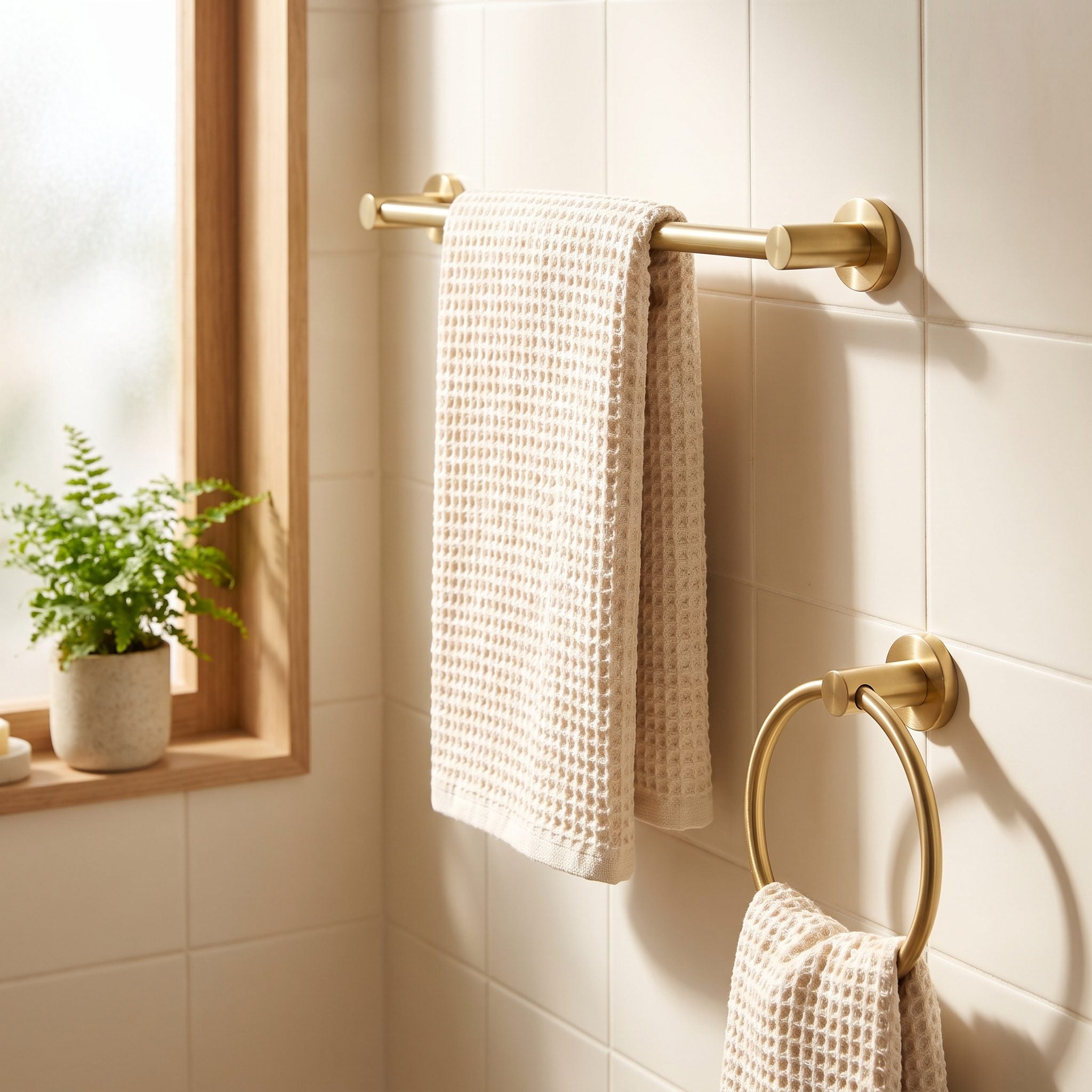
A coordinated towel bar, ring and paper holder could start around $6 for simple ceramic-and-chrome pieces and climb toward $15 for heavier metal sets.
The important word was matching. Chrome wanted chrome. Gold-tone wanted gold-tone. Colored ceramic could even echo the fixture glaze. Individually these were tiny purchases; together they made the room look as though somebody had actually finished the thought.
10. Bathroom Storage Furniture: Roughly $30 to $120 in the 1970s
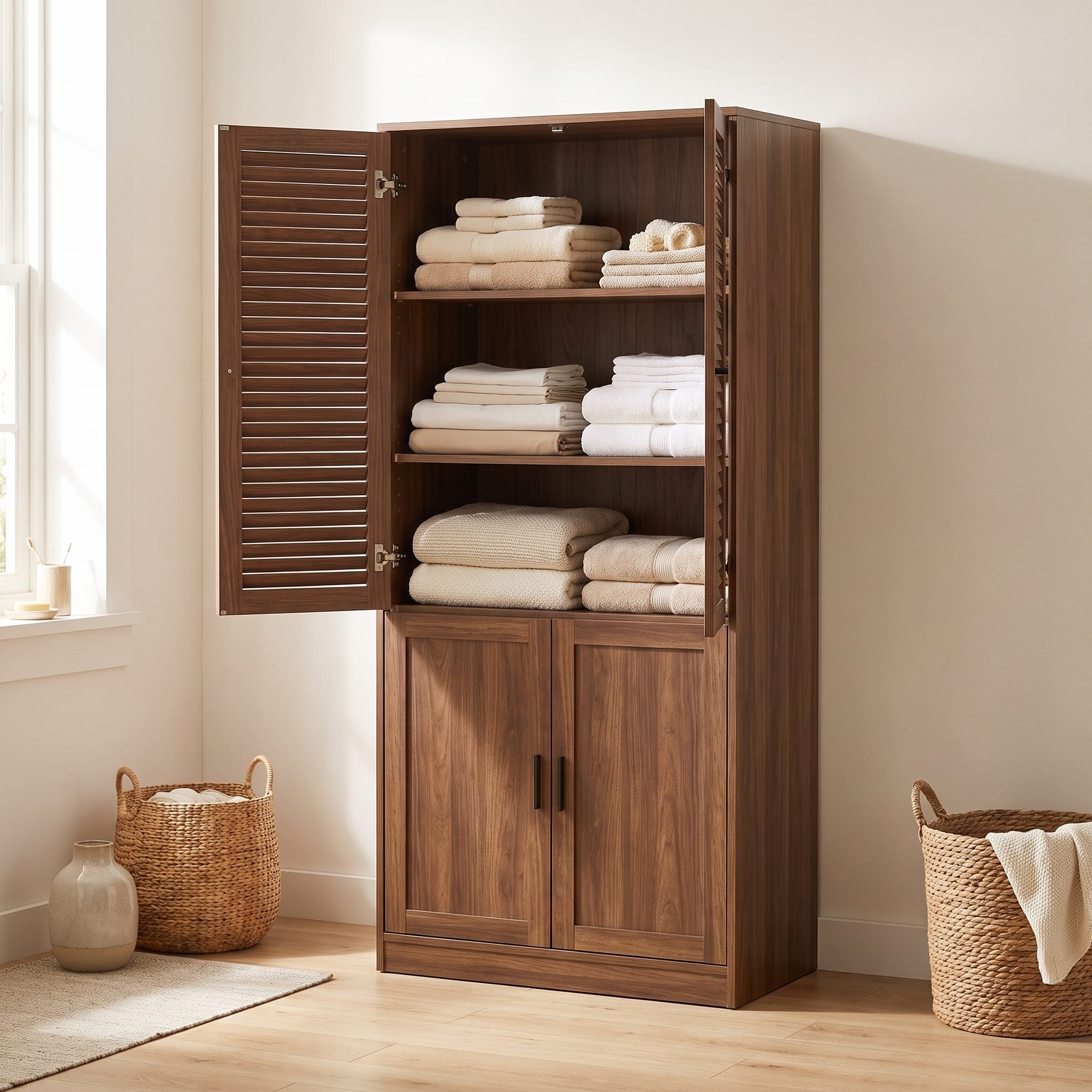
A simple freestanding linen cabinet might start around $40 and rise toward $120 for larger or more furniture-like models. The over-the-toilet étagère occupied the cheaper end of the same storage problem, often around $30 to $60.
Towels, extra paper, bottles, hair dryers: small bathrooms generated possessions faster than vanities generated drawers. Tall storage used vertical space instead, which is why those louvered walnut cabinets kept turning up wherever floor plans were stingy.
9. The Matching Tub-and-Shower Faucet Set for About $35
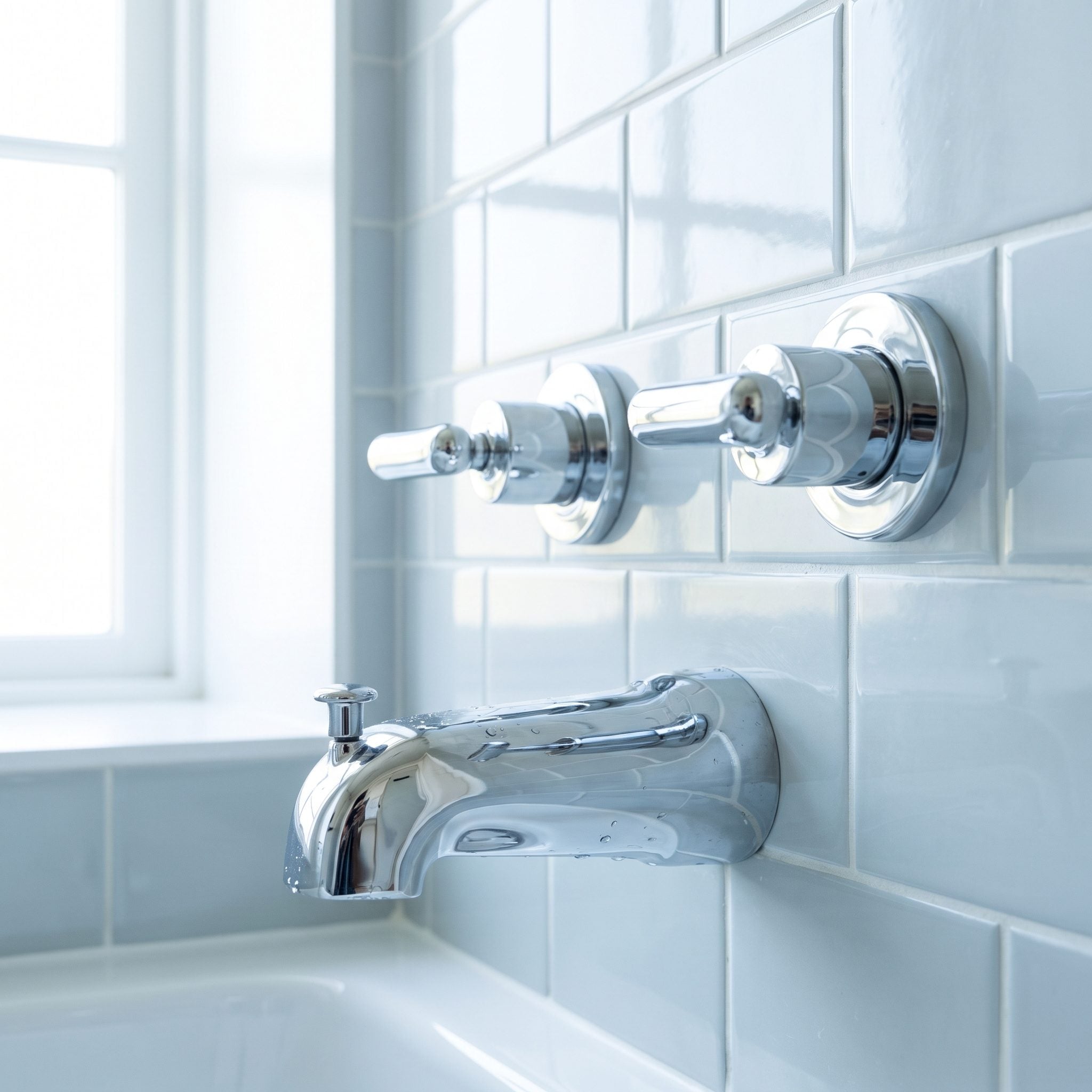
A coordinated tub-and-shower trim set could cost roughly $30 to $45 in the mid-1970s. Two handles, tub spout or diverter arrangement, showerhead, chrome everywhere.
Matching the sink faucet mattered because repetition made an ordinary room feel planned. One faucet style at the basin and another at the tub could make a remodel look half-finished even when every individual part worked perfectly.
8. The Bath Rug, Toilet Rug, and Lid Cover Set: Around $10 to $25 in the 1970s
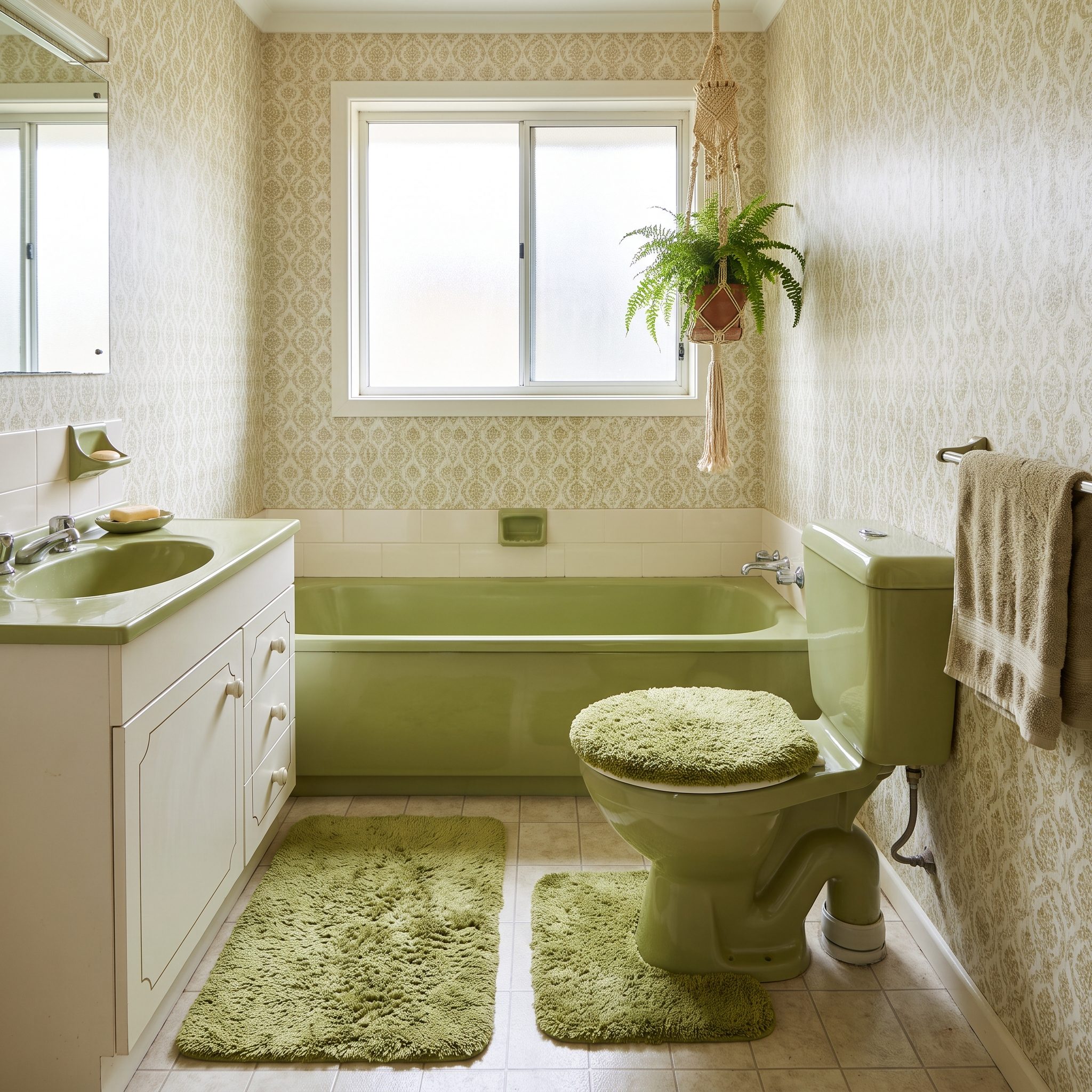
The three-piece plush set — bath mat, contoured toilet rug and fitted lid cover — could cost around $10 to $25, with deeper pile generally pushing the price upward.
Everything matched. Everything was soft. The lid cover remains the masterpiece: unnecessary, unmistakable and completely committed to the proposition that no exposed porcelain surface should have to face the decade alone.
7. The Built-In Ceramic Soap Dish: Around $2 to $5 in the 1970s
🔥 Would you like to save this?
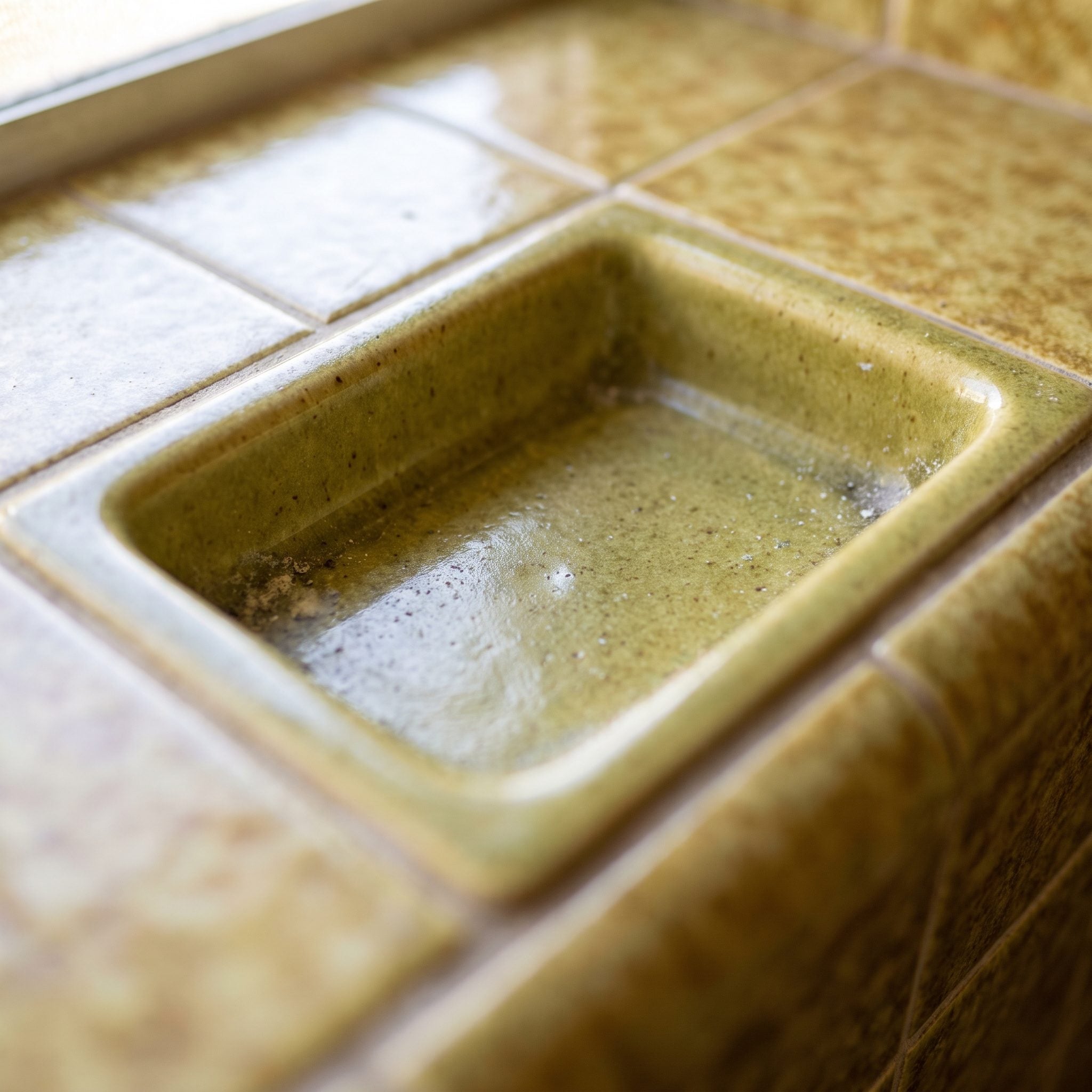
A ceramic soap dish or toothbrush holder could cost roughly $2 to $5, often available in glaze colors coordinated with popular tile and fixture palettes.
Cheap to buy, considerably less charming to replace once it was embedded in a finished tile wall. That is why so many bathrooms carried one chipped pink, gold or avocado accessory years after every movable object around it had been updated.
6. The Formica or Laminate Vanity Countertop: About $8 to $15 a Running Foot
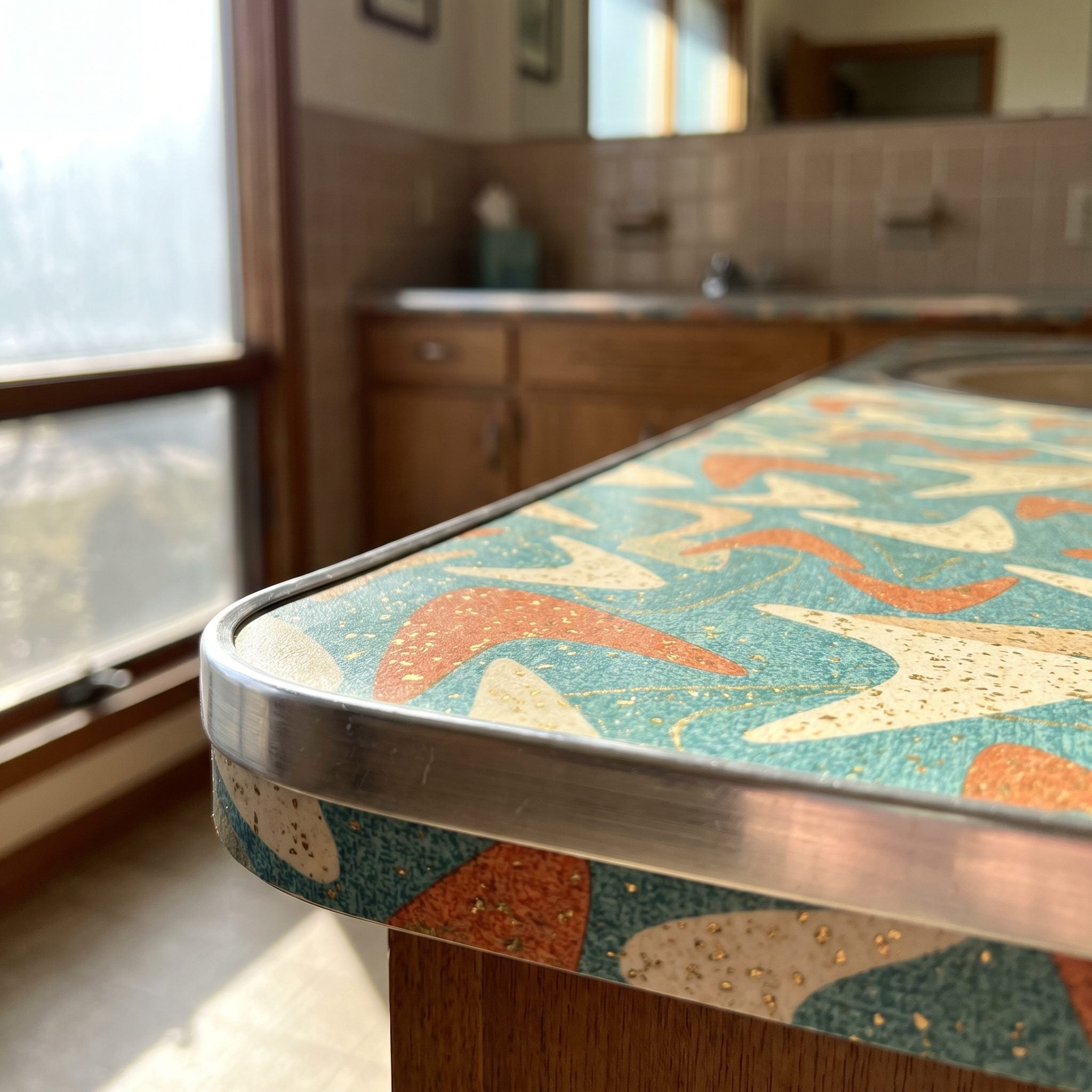
A laminate vanity counter might cost roughly $8 to $15 a running foot, putting a compact top with backsplash and sink cutout somewhere around $30 to $60 depending on configuration.
Faux marble, gold flecks, abstract patterns — laminate could imitate almost anything except subtlety. It was durable enough for toothpaste, hairspray and daily abuse, but deep scratches and burns were another matter. Unlike solid material, there was very little surface to sand back into innocence.
5. Shower Curtain, Rod, and Rings: About $10 to $22 in the 1970s
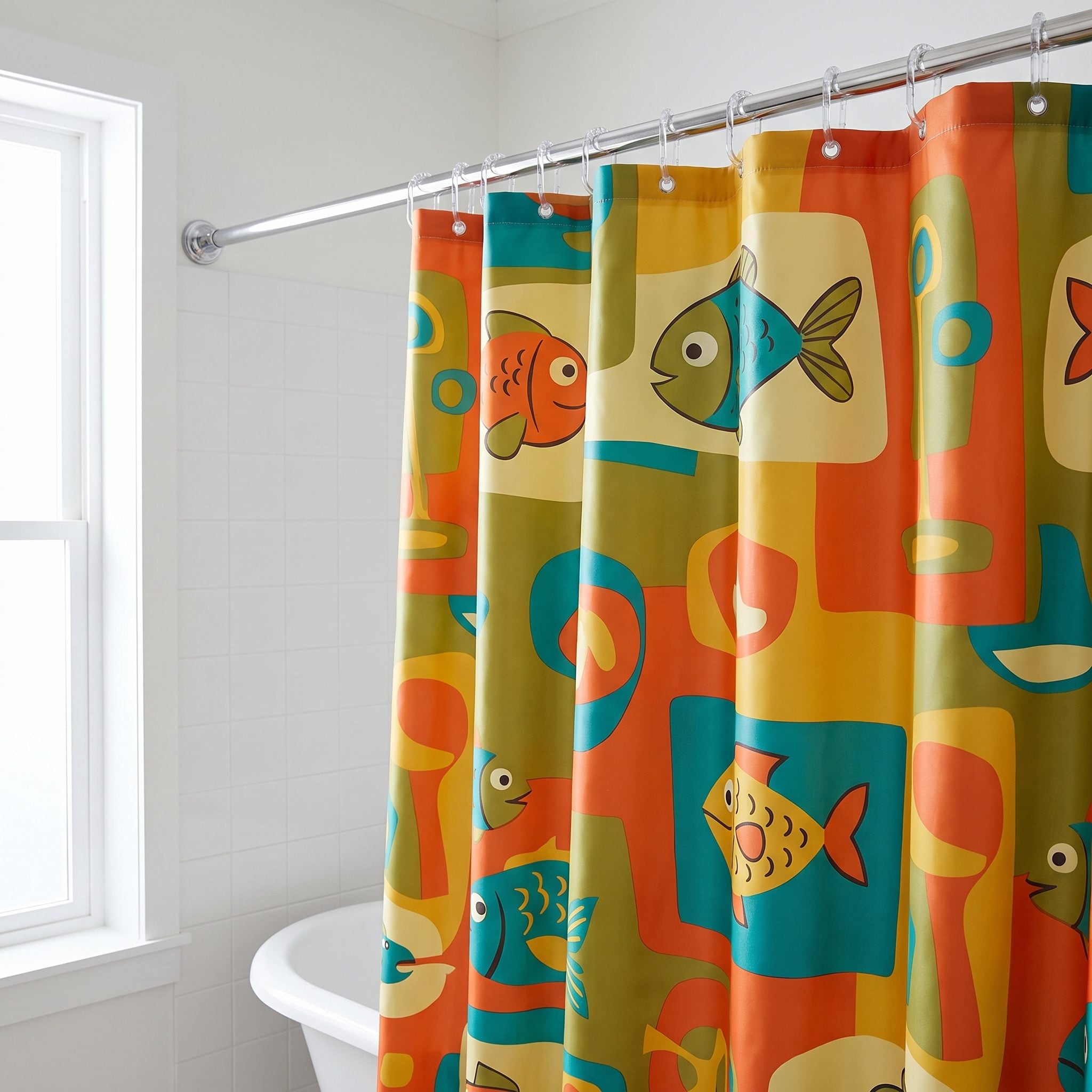
For tubs without glass doors, the curtain did everything. A vinyl or fabric curtain might cost $5 to $12, a rod another $4 to $8, and the rings roughly a dollar or two — putting a basic complete setup around $10 to $22.
The curtain was also the easiest place to lose all restraint. Orange poppies. Mod bubbles. Brown geometric grids. When the room started feeling stale, you did not retile it. You spent ten bucks and gave the bathtub a new personality.
4. A Ruffled Valance or Café Curtain for $5 to $18 in the 1970s
The bathroom window rarely escaped undecorated. A gathered valance could run around $5 to $10, while café-curtain sets might reach $10 to $18. Anyone with a sewing machine and a bolt of calico could bring the number down even further.
The café curtain was actually clever: privacy across the lower half, daylight through the top. Then came the ruffles, because this was not a decade inclined to stop while ahead. Against all that tile and chrome, a little fabric softened the room and politely hid the curtain rod.
3. New Plumbing Lines and Valves: Roughly $150 to $500 in the 1970s
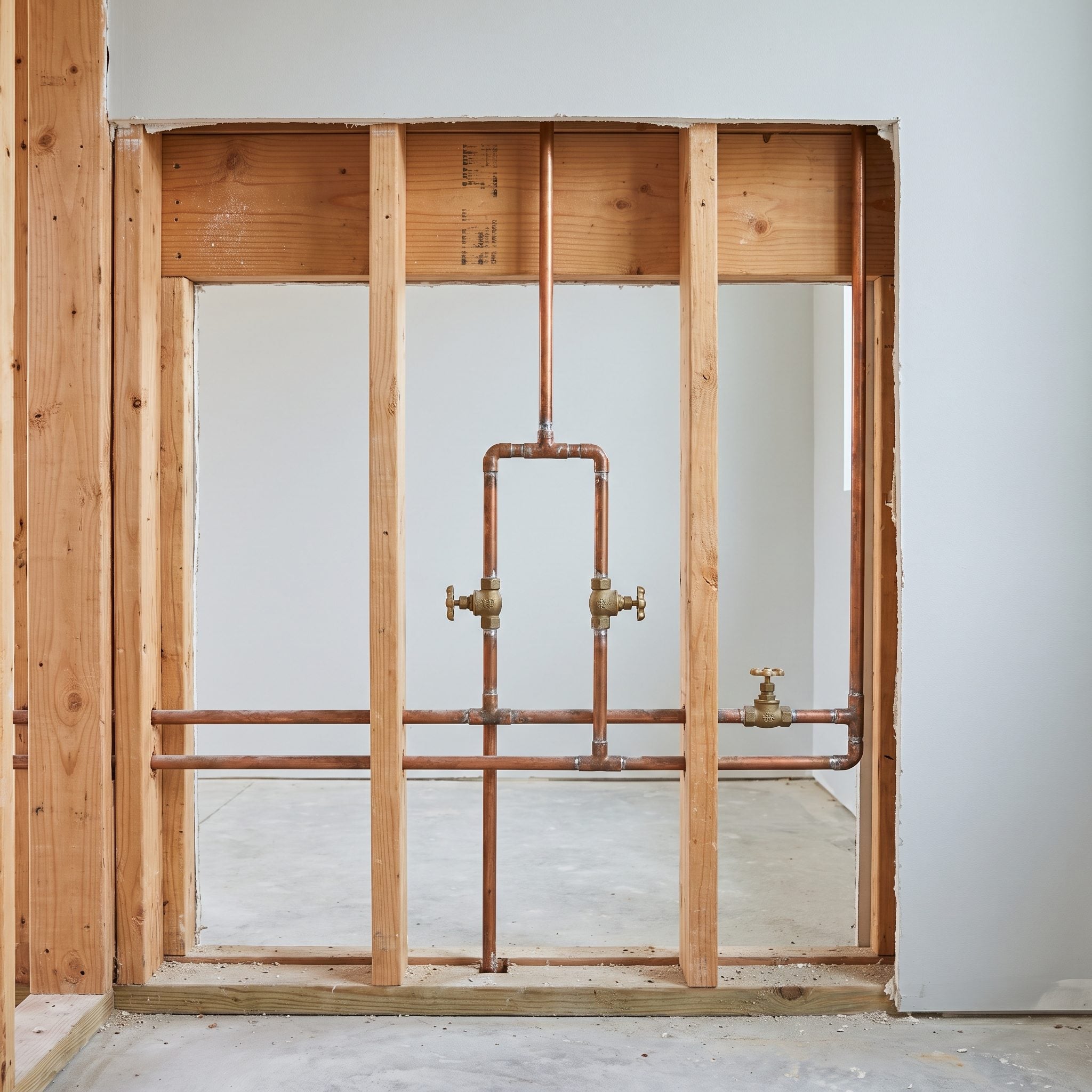
Then came the part nobody photographed. Reworking supply lines, valves and drains during a bathroom remodel could run roughly $150 to $500, depending on how much old piping had to be replaced and whether fixture locations moved.
This was where saving money could become expensive later. If the wall was already open and an old valve looked questionable, replacing it before the tile returned usually made more sense than rediscovering it through a finished wall.
2. Labor to Rip Out and Rebuild the Bathroom: About $400 to $1,200 in the 1970s
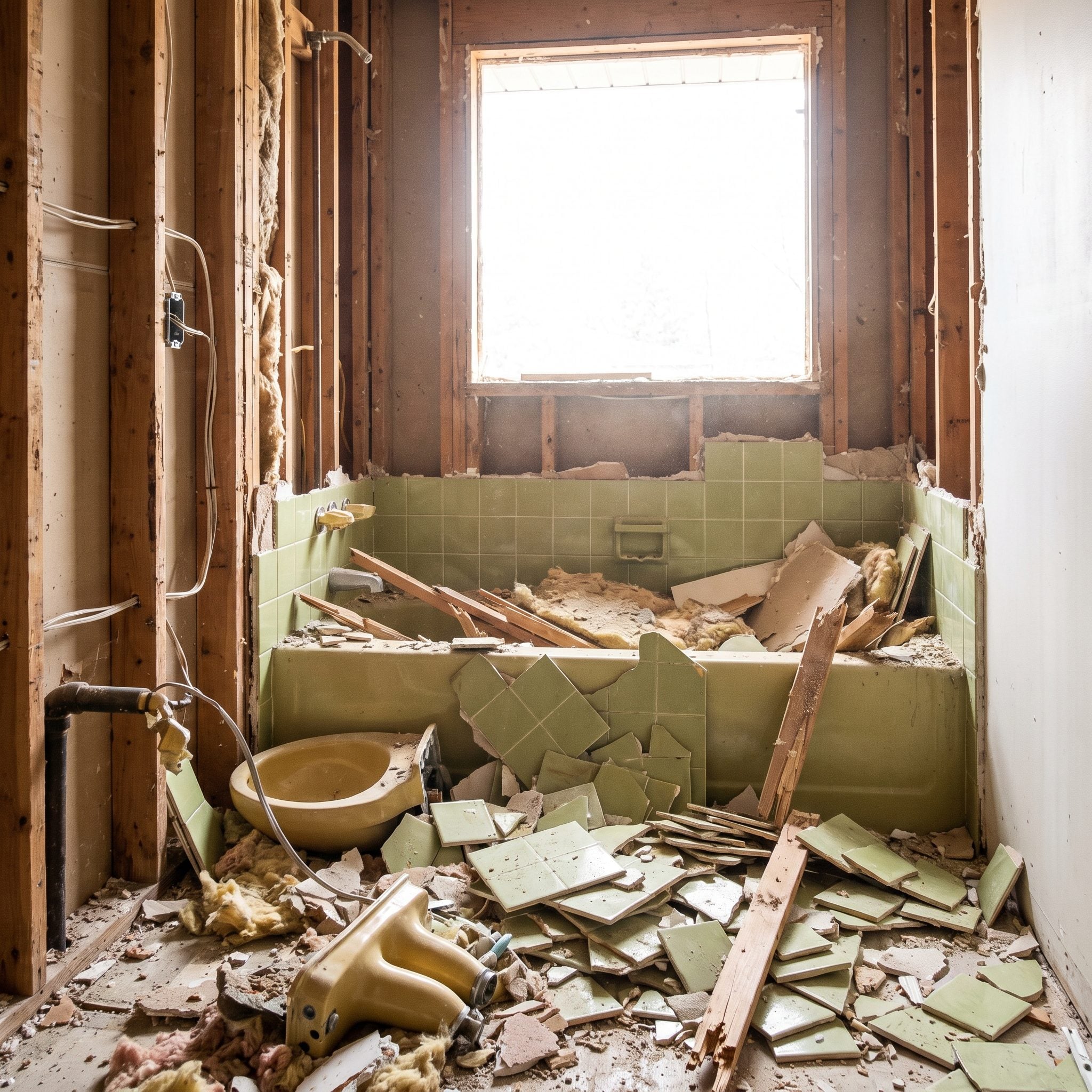
Labor could dwarf the price of individual fixtures. A mid-1970s bathroom remodel might devote roughly $400 to $1,200 to demolition, carpentry, installation, tile work, trim and other labor, with a simple refresh at one end and a more complete gut job at the other.
The number depended as much on complexity as square footage. Cast-iron tubs had to move. Subfloors had surprises. Tile took time. Plumbing invited another trade into the room. The avocado bathtub itself might have been inexpensive; persuading it to leave fifty years later is another financial category.
1. The Final Paint, Trim, and Caulk That Cost About $60 to Finish the Job in 1978
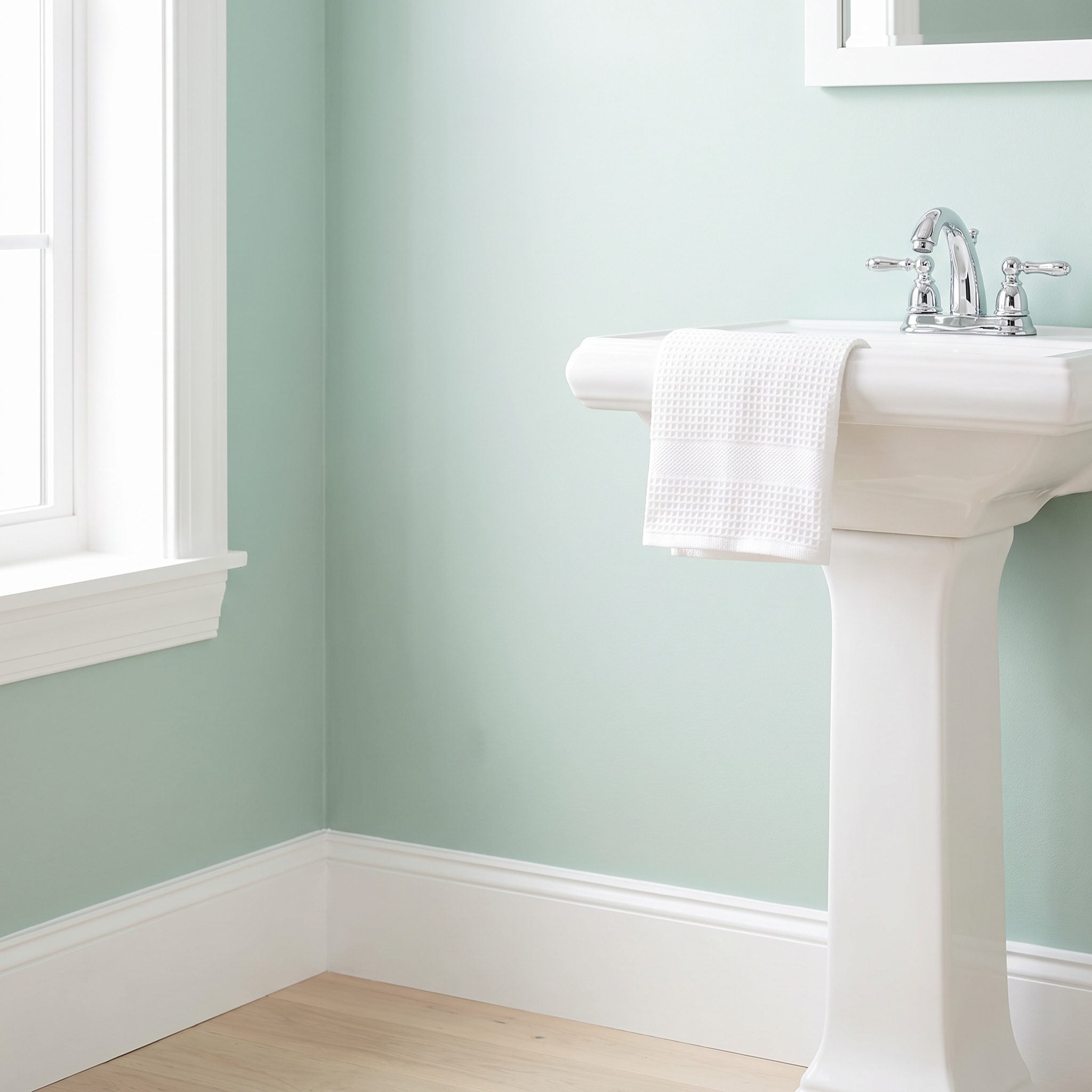
After the expensive work came the surprisingly modest finish. Around $60 in 1978 could cover a straightforward collection of paint, caulk, brushes, tape and smaller trim materials, depending on what the room actually needed.
This was the stage where an aging bathroom could change character without changing its bones. Fresh semi-gloss. White trim. A clean caulk line around the tub. Suddenly the room looked cared for again even though the cast iron had not moved an inch.
And quite often, that was the point. Removing a sound cast-iron fixture was heavy, messy and expensive, so homeowners could refresh around it instead. The avocado tub stayed. The walls became cream. The trim went white. A color that had once controlled the entire room became one eccentric survivor inside a newer scheme.
That may be the most 1970s renovation lesson of all. Sometimes the expensive thing stayed exactly where it was, and sixty dollars’ worth of finishing work convinced everybody to live with it for another decade.