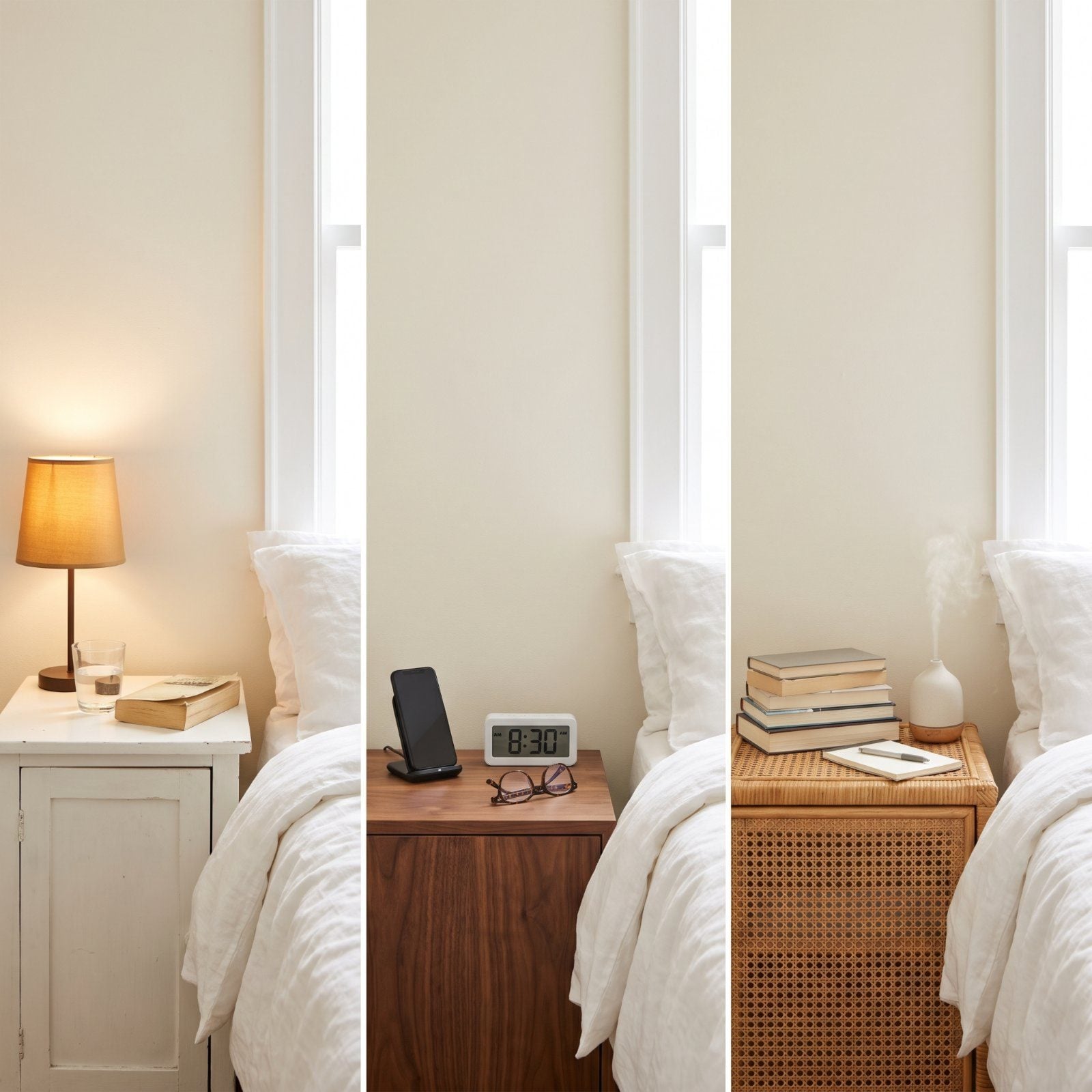
🔥 Would you like to save this?
Open a stranger’s nightstand drawer and you learn more about them than an hour of conversation would ever give up. The water glass that’s always half full. The phone cable snaking under the lamp. The paperback with the bookmark stuck on page 40 for the better part of a year. None of it is accidental.
Every object within arm’s reach of your pillow is a small confession about how you wind down, what you’re bracing for, and whether mornings feel like a door opening or a wall closing in. Your brain stages that little surface while you’re half asleep, following instincts you’ve never examined. We went looking at 18 of the most common bedside setups to figure out what they’re really saying. Some of these will feel like being read a little too accurately. Keep going anyway.
In order to come up with the very specific design ideas, we create most designs with the assistance of state-of-the-art AI interior design software. Also, assume links that take you off the site are affiliate links such as links to Amazon. this means we may earn a commission if you buy something.
The Nightstand Arrangement That Reveals Who Actually Falls Asleep Fast
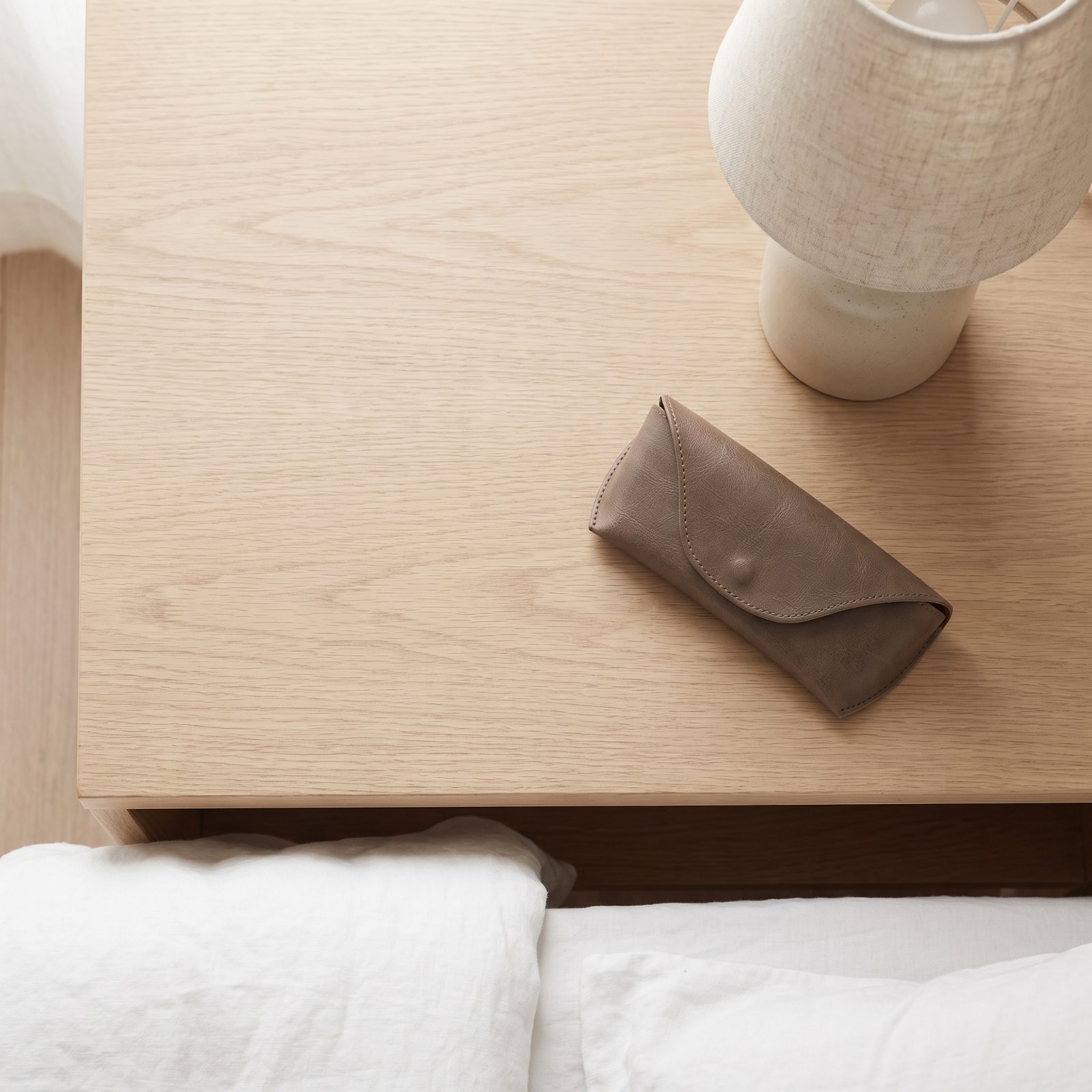
Look at the top of a nightstand belonging to someone who drops off in four minutes flat. There’s almost nothing on it. A lamp. Maybe a book, spine cracked, face down. That’s it. The surface isn’t tidy because they cleaned it. It’s bare because they don’t do anything up there before sleep. No wind-down ritual, no staging area, no checklist of objects to touch in order.
The fast sleepers aren’t fighting their way to bed. They lie down and the lights go out in their head almost immediately. Research on bedtime behavior keeps pointing at the same thing: the people who delay sleep aren’t tired-resistant, they’re doing something instead. Source
So a nightstand loaded with activities, three devices, a journal, a water bottle, two kinds of eye mask, a little light, is often the stage set of someone who negotiates with sleep every single night. The empty one belongs to someone who never learned the negotiation because they never needed it. Annoying, isn’t it. I say that as a person whose nightstand looks like a cockpit.
Why the People With the Clearest Surface Are Often the Most Anxious
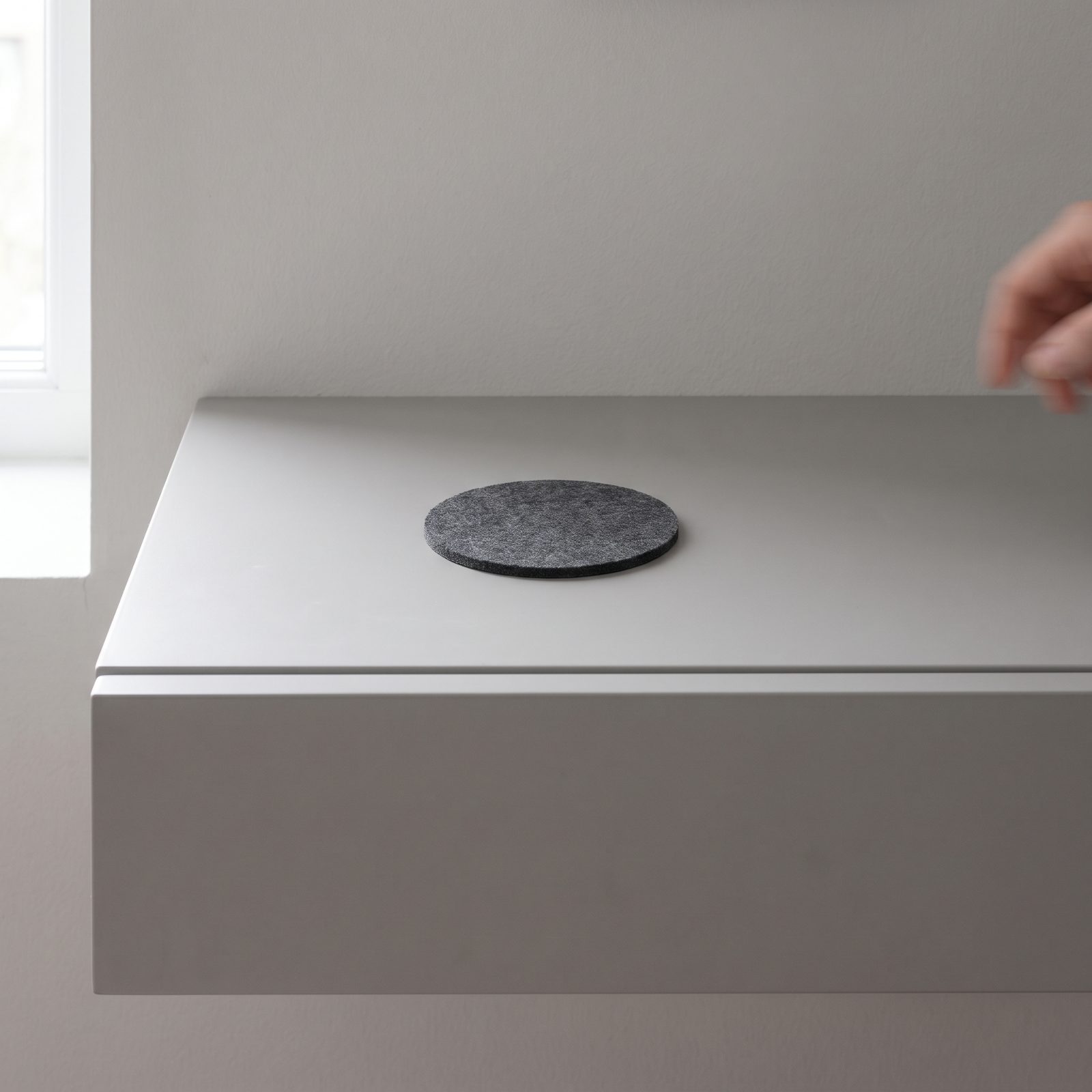
Here’s the twist nobody expects. A bare, controlled nightstand doesn’t always mean a calm mind. Sometimes it means the opposite.
Watch what happens when someone can’t tolerate a single object out of place before they turn off the light. The alarm squared to the edge. The book stacked perfectly. The phone face down at a right angle. That’s not relaxation. That’s a nervous system trying to buy control over a day that didn’t give any. Researchers have a name for the late-night version of this, and anxiety sits right in the middle of it. One study found more anxious people slept fewer hours and showed more bedtime procrastination, which the authors read as a kind of anxious avoidance. Source
The perfectly arranged surface can be the visible edge of that same impulse. Order up here because there’s no order down there. If your nightstand looks like a hotel’s and you still lie awake, the clean surface was never the fix. It was the symptom.
The One Object That Quietly Announces You’re Running on Empty
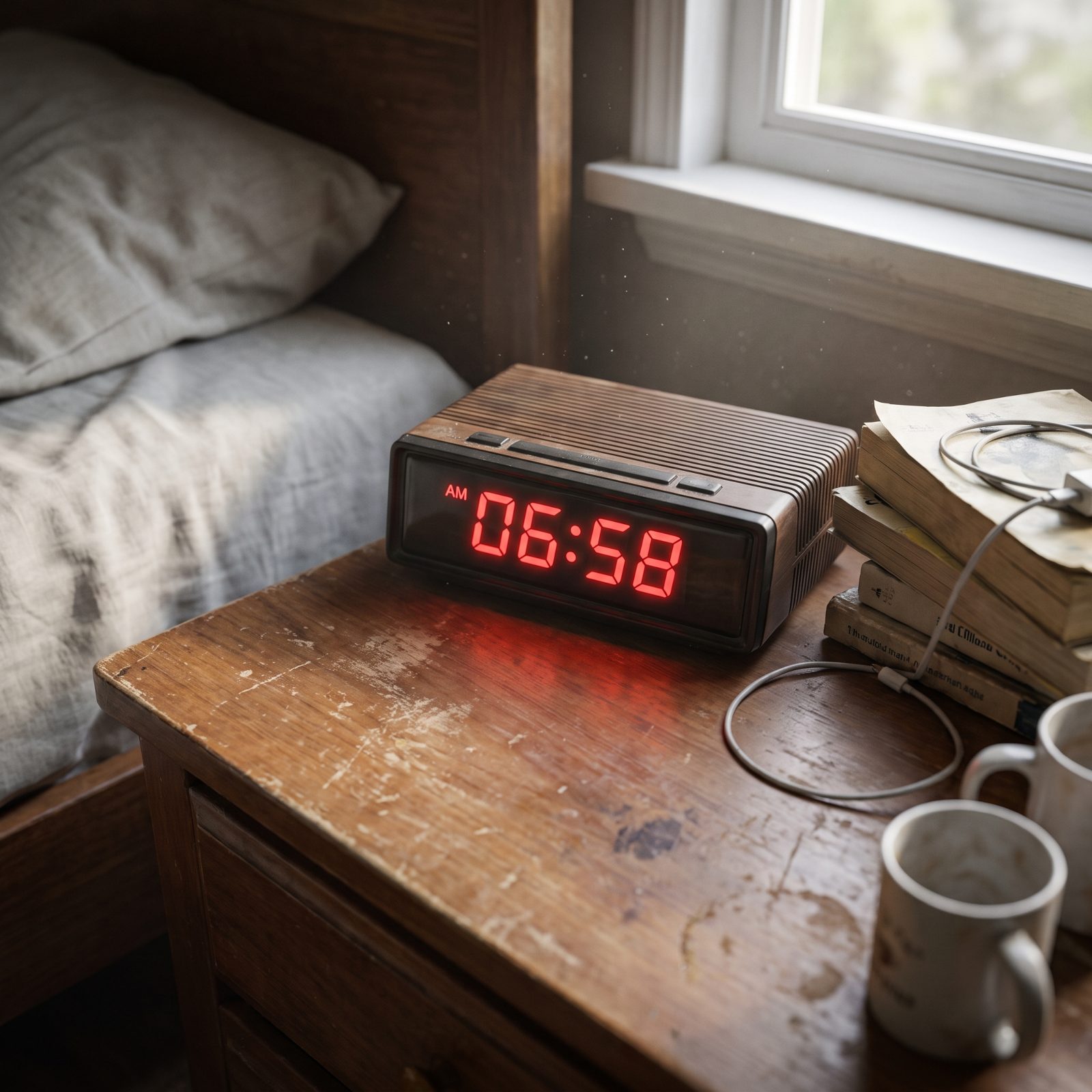
You already know the object. The alarm clock set to the absolute last possible minute, propped where you have to physically sit up and reach to kill it. People don’t rig that trap for fun. They rig it because the normal alarm stopped working, because they’ve learned they’ll silence anything within easy reach and lose another twenty minutes they didn’t have.
That setup is a confession. It says the morning is already a fight before it starts. And the reason behind the fight usually traces back to the night before, to a bedtime that kept getting pushed later by scrolling, by one more episode, by dopamine-seeking activity when the body wanted off. Source
A second alarm on the far dresser. A phone propped across the room on a chair. Two clocks, in case the first fails. Each one is a small monument to a person who has run out of trust in their own waking self. The elaborate wake-up rig is the tell. Nobody who sleeps enough needs a machine to physically drag them out of bed.
What a Glass of Water Within Arm’s Reach Says About Your Nervous System
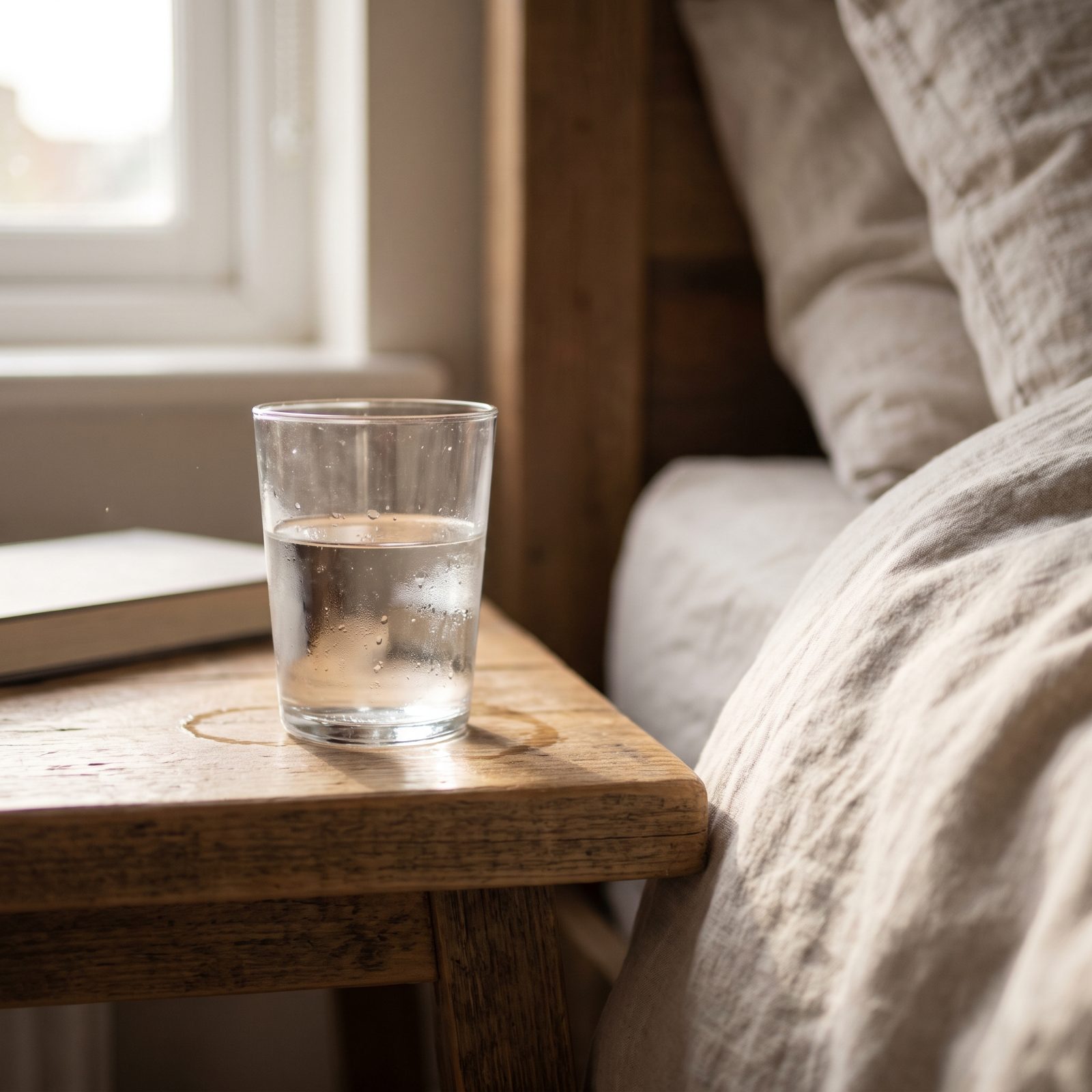
The glass of water on the nightstand is almost universal, and almost nobody drinks the whole thing. It sits there sweating a ring onto the wood. So why keep refilling it?
Part of it is pure biology. You lose a surprising amount of water just breathing through the night, and the body is wired to want a buffer against that. Source But the glass also does something your nervous system quietly needs: it removes a reason to get up. A person who wakes anxious at 3am doesn’t want a trip to the kitchen that fully boots the brain. The glass is insurance against being pulled all the way awake.
There’s a catch, and it’s a real one. Drink too much right before sleep and you trade one problem for another, because large volumes near bedtime reliably trigger nighttime bathroom trips that fragment your sleep. Source
The Stack of Books Nobody Finishes (And Why You Keep It Anyway)

Four books. Maybe six. One has a bookmark stuck on page 40 and hasn’t moved since spring.
You keep the stack because it’s not really about reading. It’s about who you intend to be after the lights go off, the version of you who winds down with a novel instead of a phone. The pile is aspirational furniture.
And honestly, keep it. The intention behind it points at something real. The people who delay sleep aren’t lacking willpower so much as running low on self-regulation by the end of the day, after resisting desires for sixteen hours straight. Source By 11pm the tank is empty, and the book loses to the easier dopamine every time.
I’ve got a stack like this. I will die on the hill that it’s still better than a phone on the pillow, even unread. A paper book on the nightstand is a standing invitation. The phone is a trapdoor. For anyone building a calmer corner, a few well-chosen pieces of nightstand inspiration go a long way toward making the book the easy choice instead of the screen.
The Charging Habit That Predicts How Badly You Sleep
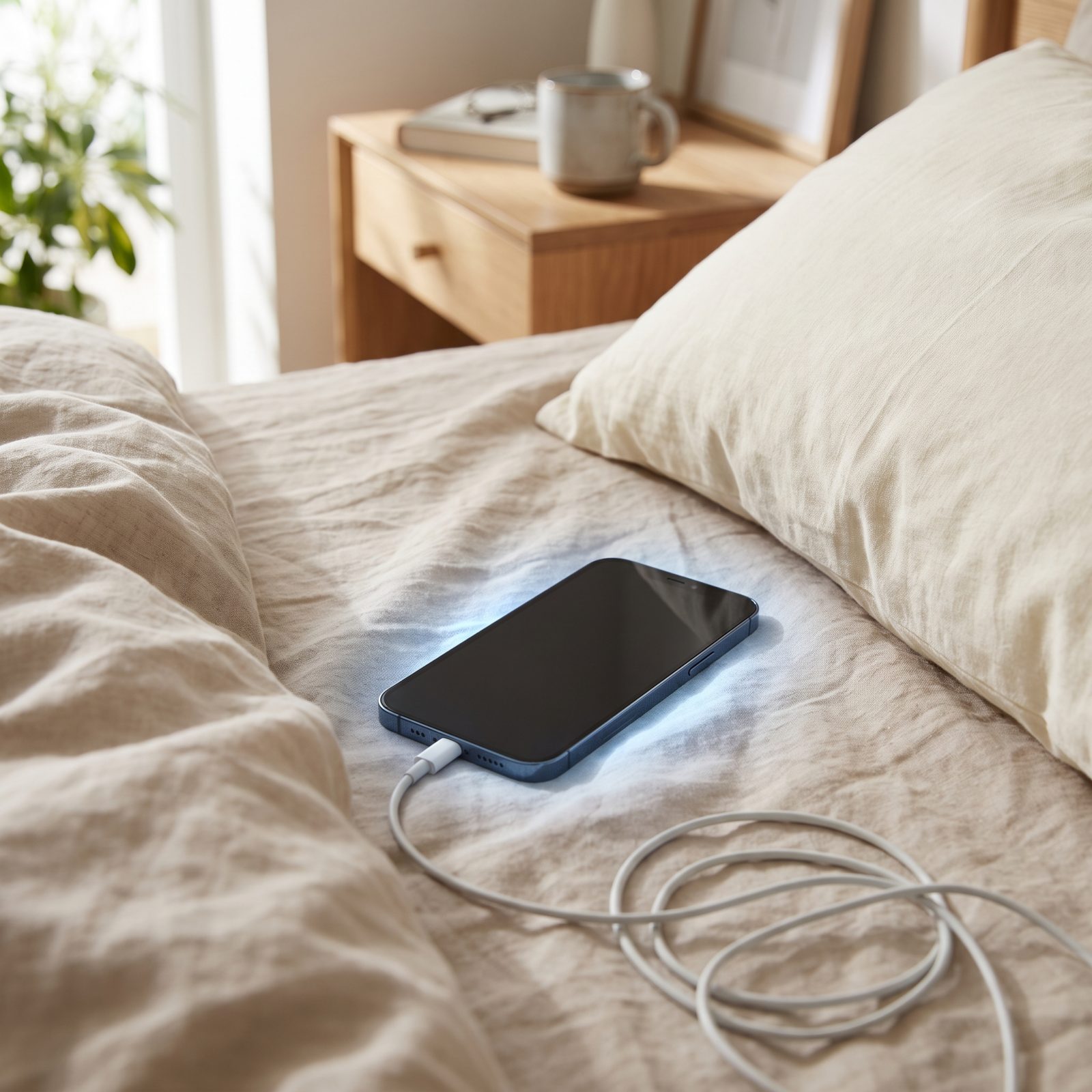
Where you plug in your phone tells the whole story. Charger on the nightstand, cable within reach of the pillow, phone face up? That’s the setup of someone who checks it in bed, and the data on this is blunt.
One study tracking 75 people with a wearable sleep ring found participants spent about 42 percent of their time in bed on their phones, and that in-bed use had measurable adverse effects on how long they took to fall asleep and how often they woke. Source The blue-light panic may be overblown, with some reviews putting the actual sleep delay from screen light at under three minutes. Source The real thief isn’t the color of the light. It’s that the phone keeps you awake and interruptible.
The people who sleep well tend to charge the phone across the room, or in the hall, or anywhere that isn’t an arm’s length away. The distance is the discipline. If your charger is on the nightstand, your sleep already lost a round it didn’t know it was fighting.
Why a Second Pillow on an Empty Side Isn’t About Comfort
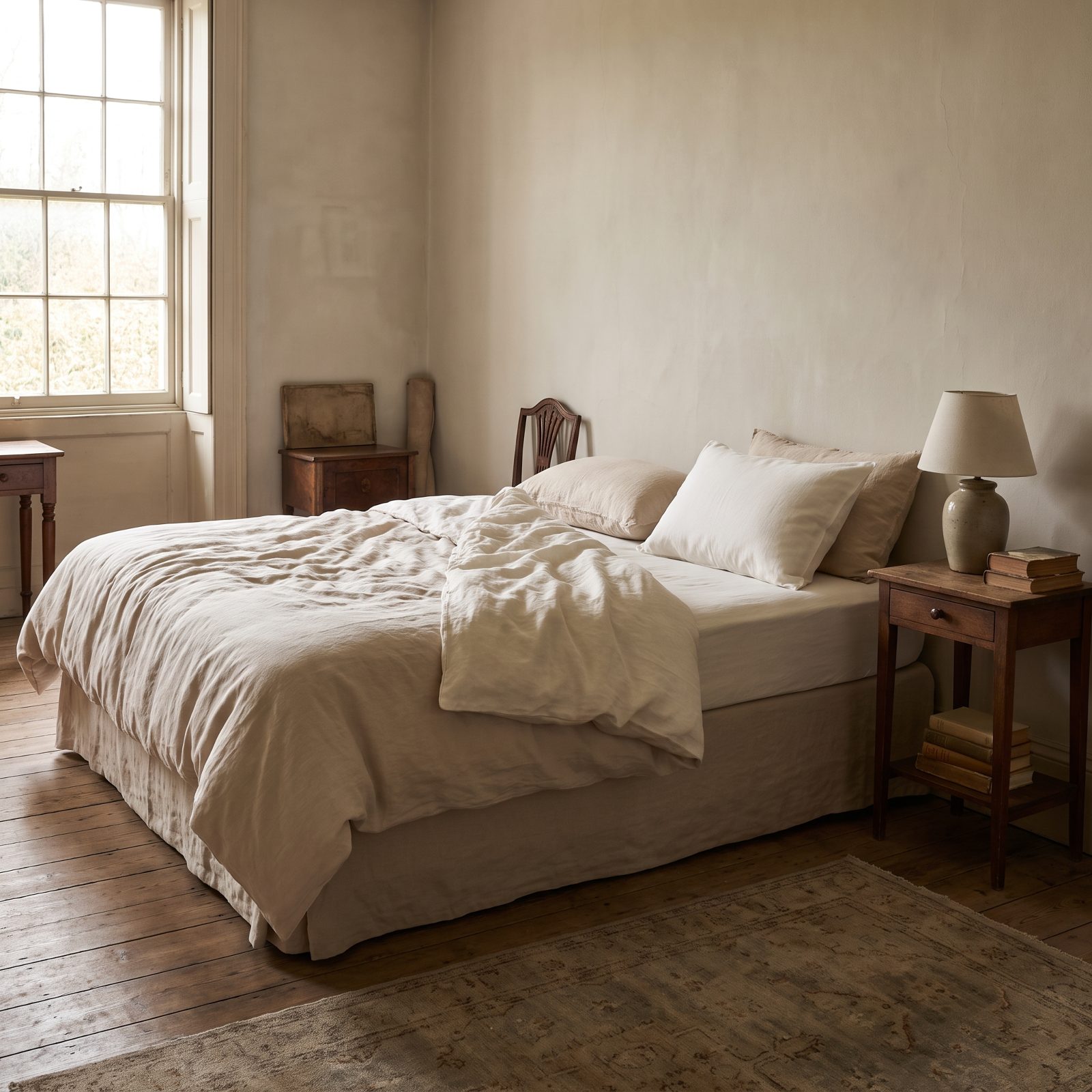
Someone sleeps alone and still makes up both sides of the bed. Two pillows, plumped. A second nightstand that holds nothing but a coaster and a lamp nobody turns on. The arrangement says a presence is expected, or remembered, or hoped for.
The body-pillow version is its own thing entirely, often doing the job of weight and pressure that a sleeper’s nervous system reads as safety. But the empty-side setup kept symmetrical is almost always about the shape of a life rather than the physics of comfort. It’s a space held open.
We notice this constantly in the bedrooms we style. A room balanced for two, occupied by one, isn’t a mistake. It’s a quiet statement about how someone sees their own story, and reworking that side, even swapping in a beige nightstand that’s actually used, is often the first thing that signals a person is ready to claim the whole bed as theirs.
The Lamp Color Your Brain Reads as Permission to Shut Down
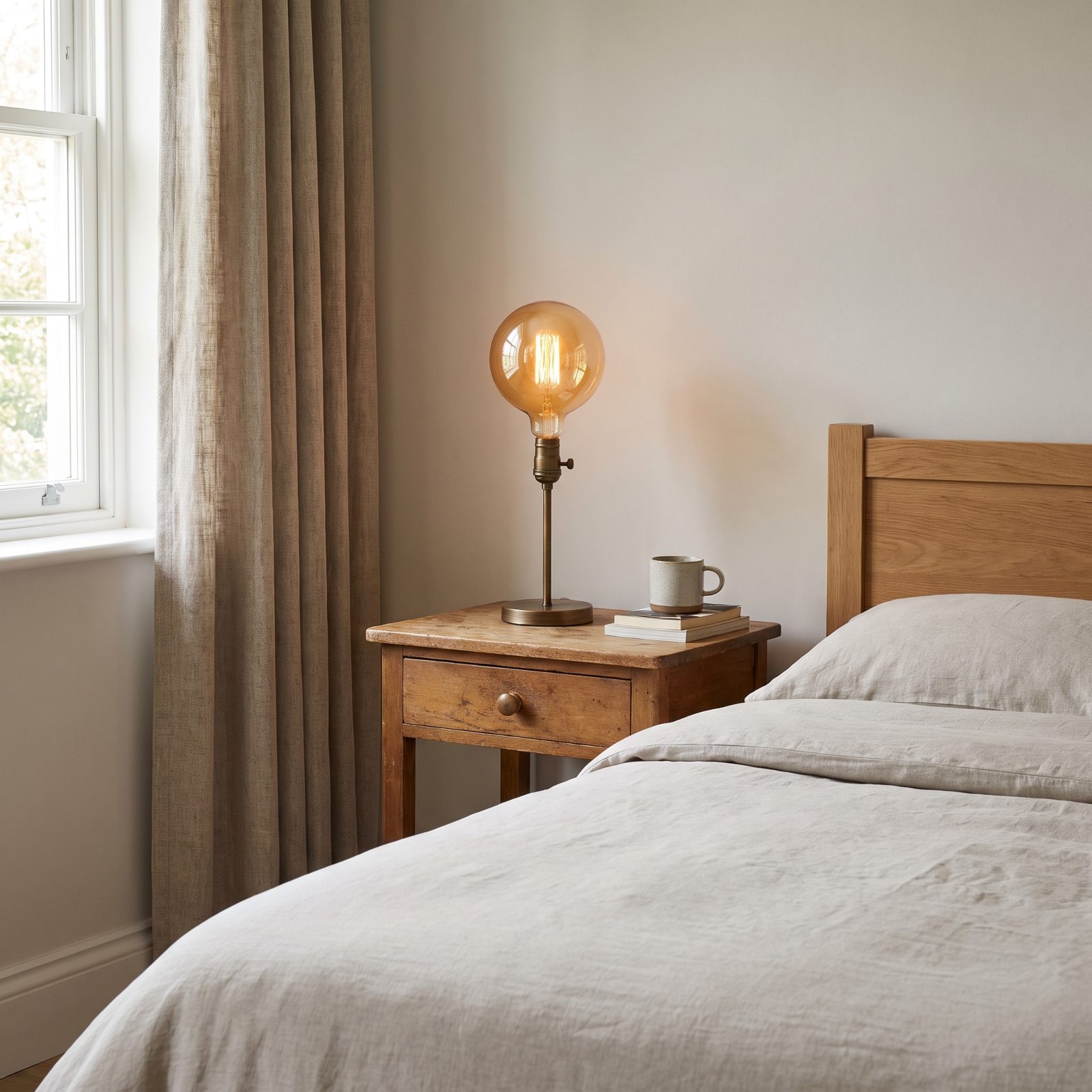
Swap a cool white bulb for a warm amber one and watch what your body does without being asked. The shoulders drop. The room reads as evening. That reaction isn’t taste, it’s chemistry.
Warm, low color-temperature light in the 2700K range contains very little of the short blue wavelengths that tell your brain it’s daytime, so it lets melatonin rise on schedule instead of flattening it. Source One comparison found warm LEDs suppressed melatonin far less than cool ones, which is why that honey-colored lamp genuinely feels like permission to power down. Source
Red sits even further from blue on the spectrum and barely touches melatonin at all, which is why it shows up in so many nightlights. The bedside lamp you reach for says a lot: cool and bright means someone still working, scrolling, wired. Dim and amber means someone whose body has been trained to read the signal and start letting go.
If your lamp still glows the color of an office, that’s the easiest fix on this whole list. Pull it from contemporary bed ideas and start with a amber bedside lamp or a warm 2700K bulb in the brass table lamp you already own.
What Reaching for Your Phone First Thing Reveals About Your Day
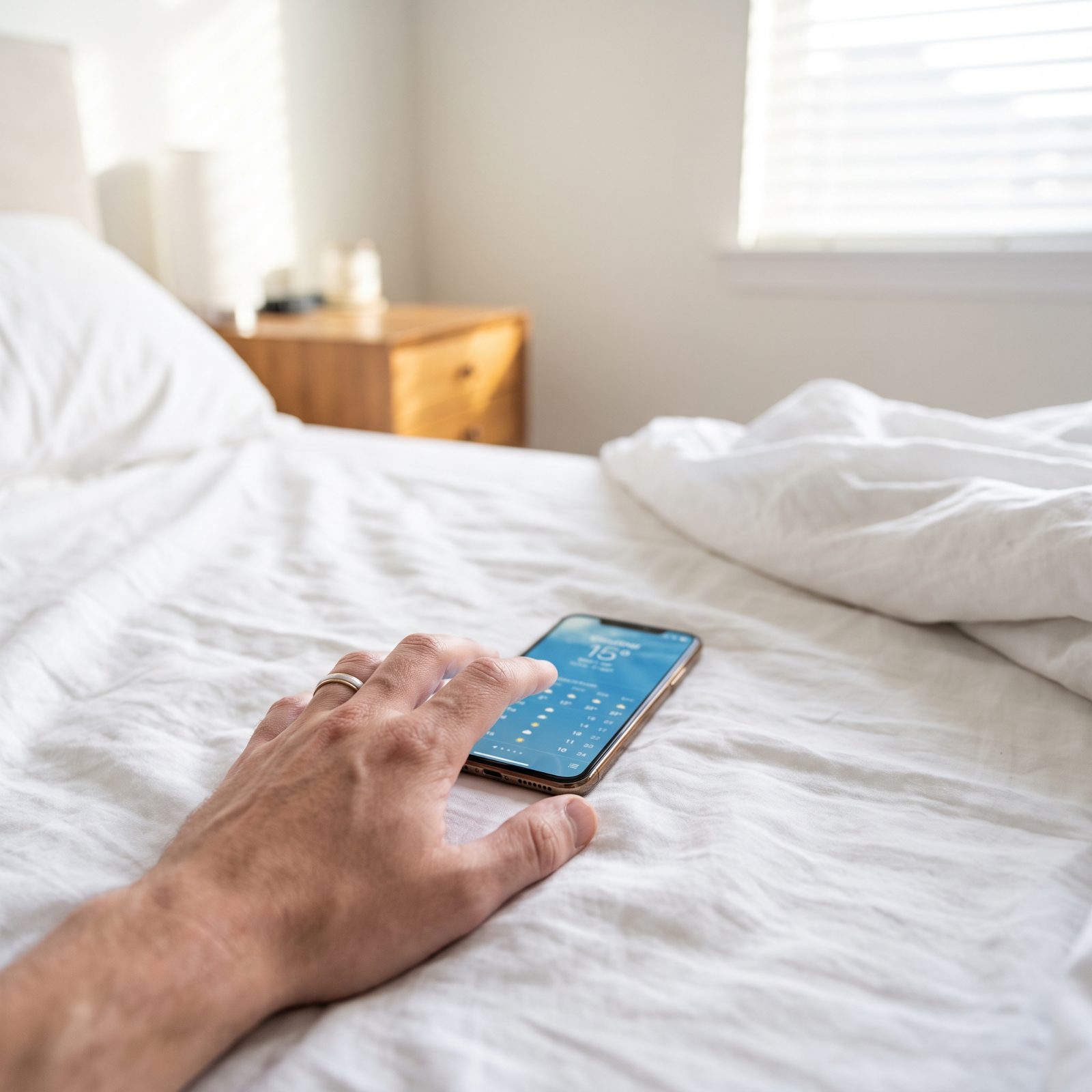
The phone sits six inches from your face, charging, and your hand knows the distance in the dark. You grab it before your eyes fully open. That reflex says more about you than any personality quiz.
Here’s the mechanical reality. Your body runs a Source called the cortisol awakening response, a gentle hormone rise meant to bring you online slowly. Reach for the feed and you flood that natural curve with emails, bad news, and group-chat drama before your feet hit the floor. One analysis tracked people who checked immediately against people who waited thirty minutes, and the phone-first group showed Source cortisol peaks that ran higher and never fully settled.
So the person with the phone on the nightstand, screen-down, cord taut, is running their whole day on borrowed adrenaline. The person with the phone charging in the hallway decided they’d rather wake up as themselves first. Same object. Two different relationships with the morning.
The Hidden Drawer That Tells You Who Runs the Household
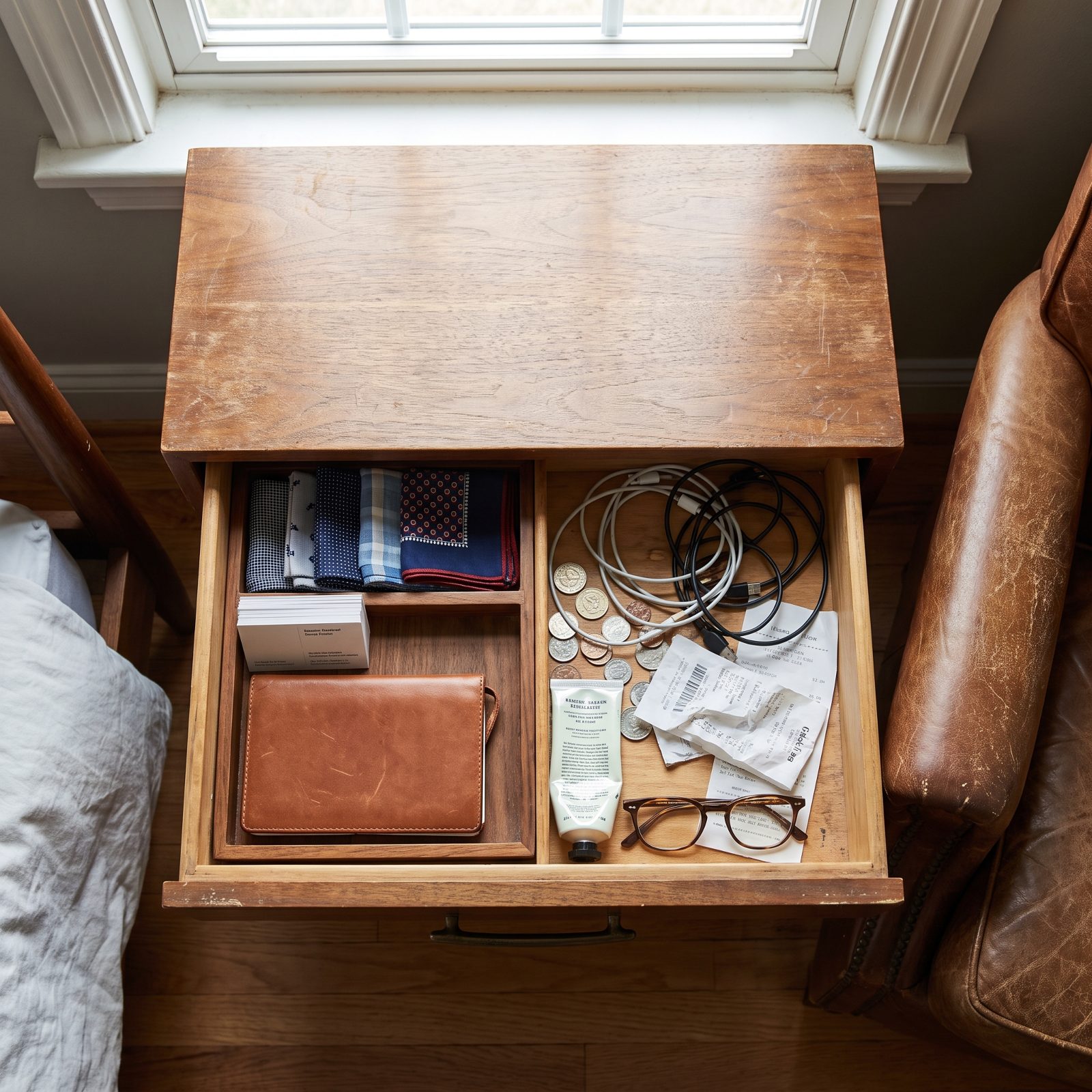
Open the top nightstand drawer and you learn who holds the house together. One side keeps the spare phone charger, the backup reading glasses, the children’s cough medicine, the appointment cards, a flashlight that actually has batteries. The other side has a pen that died in 2019 and a single AirPod.
The loaded drawer belongs to the person running the mental load, the invisible scheduling and tracking and remembering that keeps a family functioning. It’s not about neatness. It’s about who the household quietly depends on at 2am when someone has a fever.
You’ve seen this exact thing in your own house. One drawer is a tiny emergency kit. The other is a junk drawer that wandered upstairs. Swap a dark nightstand for something with two deep drawers and the pattern only gets clearer, because more storage just means more evidence of who’s actually managing things.
Why Some People Need an Army of Remotes Beside the Bed
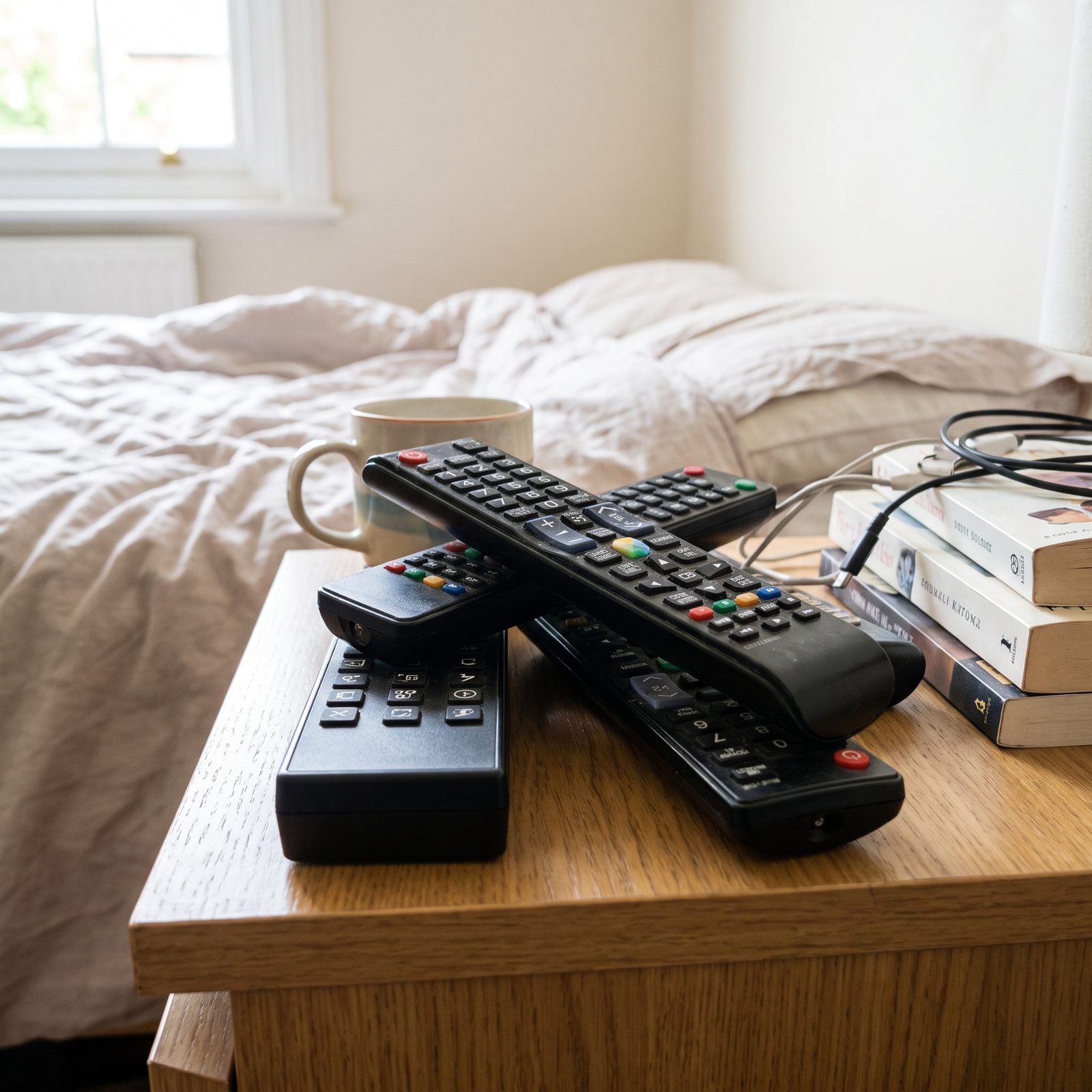
Four remotes. The TV, the soundbar, the cable box, and the one nobody can identify but everyone’s afraid to throw out. They live in a neat row on the nightstand like soldiers waiting for orders.
This is a control signature. The bed became command central, the one place the day finally answers to you. After eight hours of other people’s demands, the remote lineup is a small kingdom where you decide the volume, the channel, the exact moment the room goes dark.
The arrangement matters too. A fanned-out pile says someone who unwinds by surrender, clicking until sleep takes over. A squared, parallel row says someone who needs order before they can let go. Both are reaching for the same thing: the feeling of being in charge of something, anything, before consciousness clocks out. Add a tray to corral them on a beige nightstand and you’ve basically built a cockpit.
The Wellness Object That’s Really a Bargain With Yourself

The lavender spray. The weighted eye mask. The little brown bottle of melatonin. The meditation card deck you bought with real intention. They cluster on the nightstand like a promise you keep making to sleep better, be calmer, do this right.
Here’s the honest part. Half of these objects are aspiration, not habit. The eye mask gets used. The $40 crystal does not. But the wellness corner isn’t really about the products. It’s a nightly contract you sign with yourself: tonight I’ll wind down properly, tonight I’ll be the person who takes care of me.
Some of it genuinely works. The science on winding down points toward one simple, unglamorous tool, and research on bedtime mindfulness shows that even a few minutes of calming practice can lower the Source physiological churn that keeps you staring at the ceiling. The spray probably doesn’t matter. The ritual of reaching for it, the pause it forces, quietly does. Style the corner on an nightstand inspiration tray so the ritual looks as deliberate as it’s meant to feel.
The Alarm Setup That Exposes Your Relationship With Mornings
🔥 Would you like to save this?
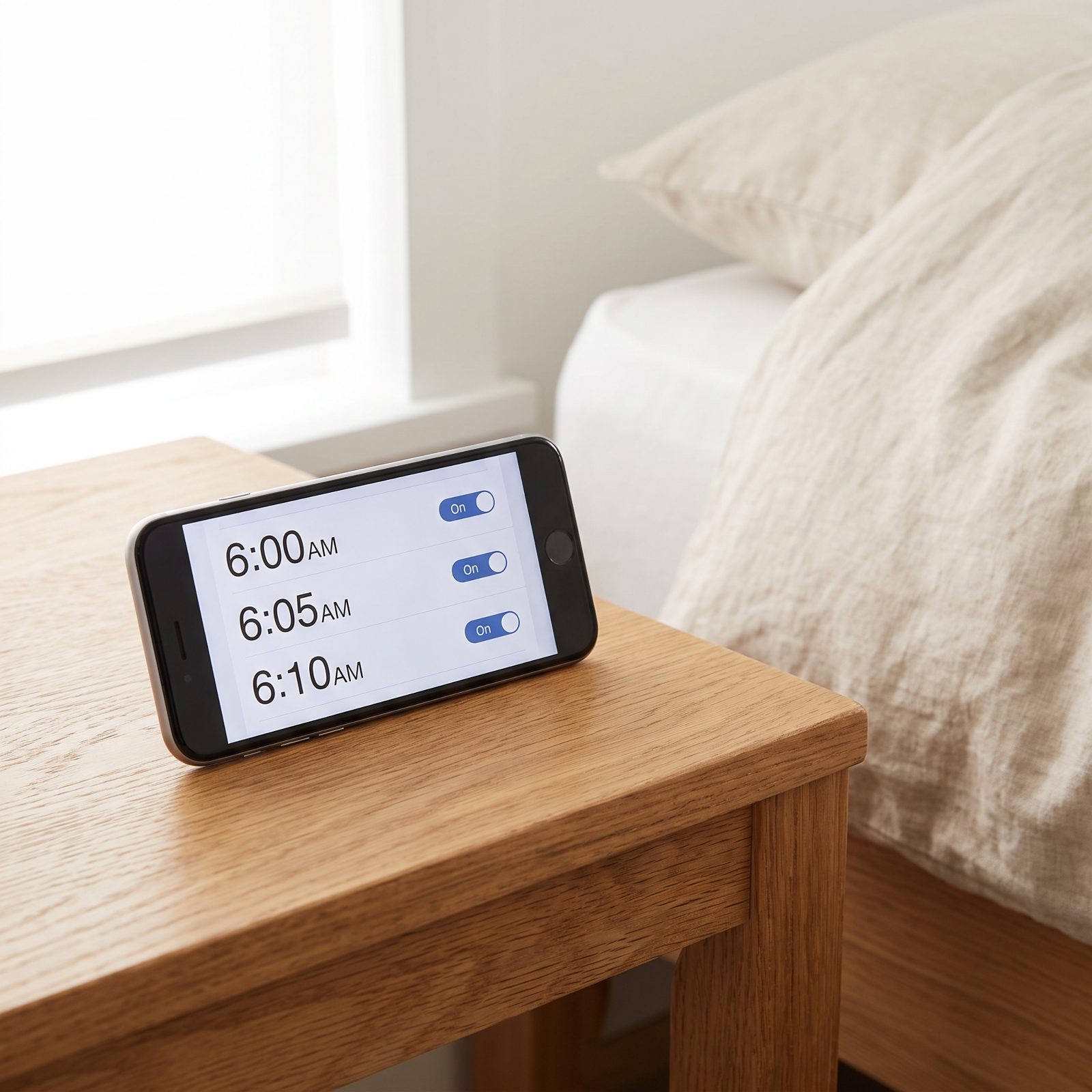
Three alarms, five minutes apart, starting twenty minutes before you actually plan to move. That’s not a wake-up plan. That’s a negotiation you lose every single morning.
The snooze stacker and the single-alarm riser are two different animals, and the research backs it up. A large study found that around Source 57 percent of people snooze, and snoozers skewed toward evening chronotypes, lower conscientiousness, and lighter sleep in the hour before waking. In plainer terms, if you’re wired to come alive at night, the morning alarm is fighting your biology, not your willpower.
And here’s the twist that annoys the early-risers: snoozing might not be the sin everyone assumes. One sleep-lab study found a brief snooze period could actually Source ease sleep inertia for late types without wrecking the rest of their sleep. So the phone propped against the lamp with three alarms set isn’t laziness. It’s a body clock quietly disagreeing with the day’s schedule.
What a Single Framed Photo Does to Your Last Waking Thought
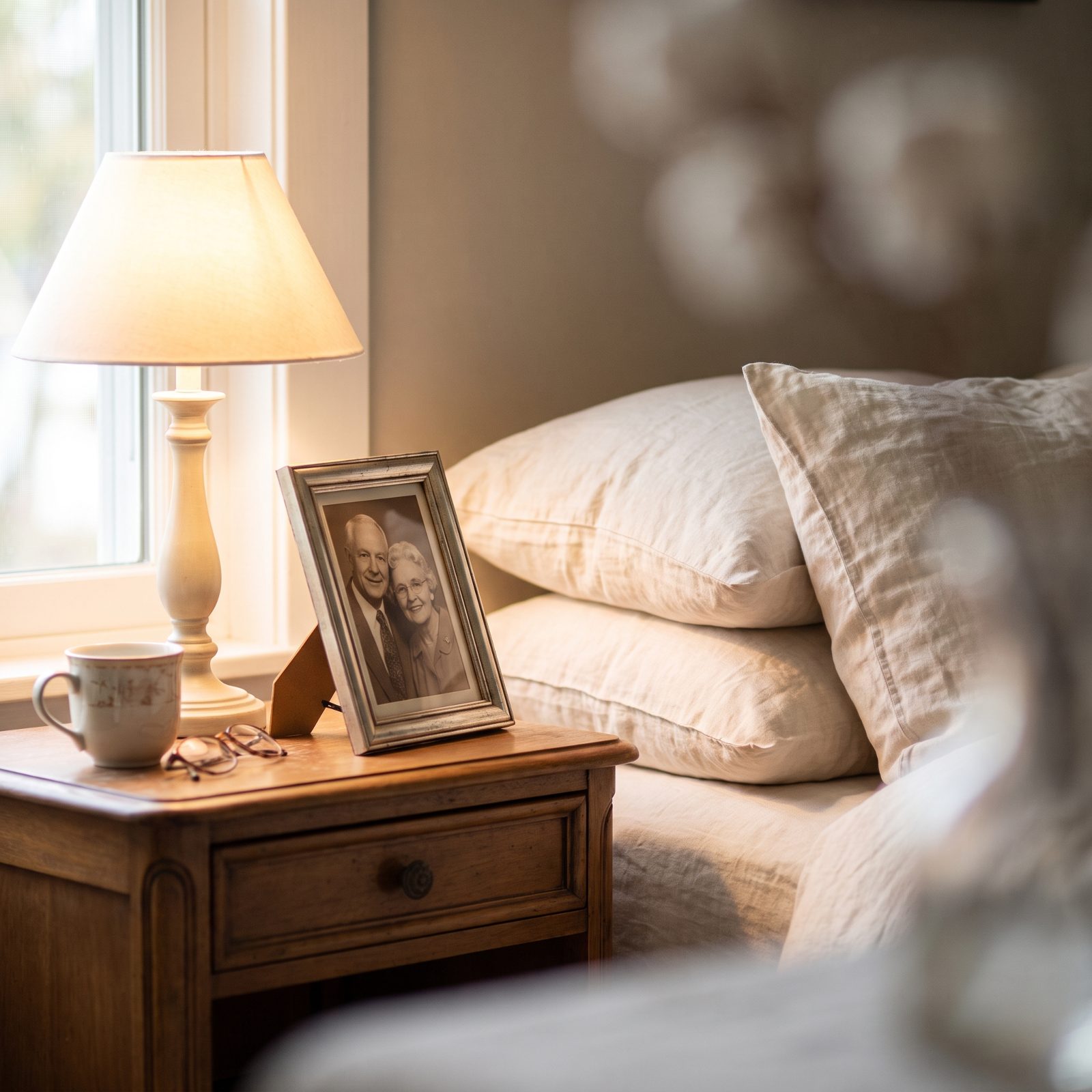
One small frame, angled toward the pillow. A partner, a kid, a dog that’s gone now, a wedding, a summer. It’s the last thing seen before the lamp clicks off and the first thing the eyes land on at dawn.
That placement isn’t decoration. It’s engineering your final conscious moment on purpose, pointing your drifting brain toward the people who make you feel safe. And the effect is measurable. In one fMRI study, simply viewing a photo of a romantic partner Source lit up the brain’s reward and pain-dampening systems, enough to reduce experimentally induced pain. A piece of printed paper in a $12 frame is doing real neurochemical work.
Notice what’s absent too. A nightstand with no personal photo, only a clock and a charger, tends to belong to someone who keeps the sleeping space purely functional. Neither is wrong. But the framed face says this is where I come back to what matters, and the bare surface says this is where I power down. Prop the frame against a white bed inspiration headboard and it reads like a small altar to whoever’s in it.
The Notepad That Means Your Mind Won’t Clock Out
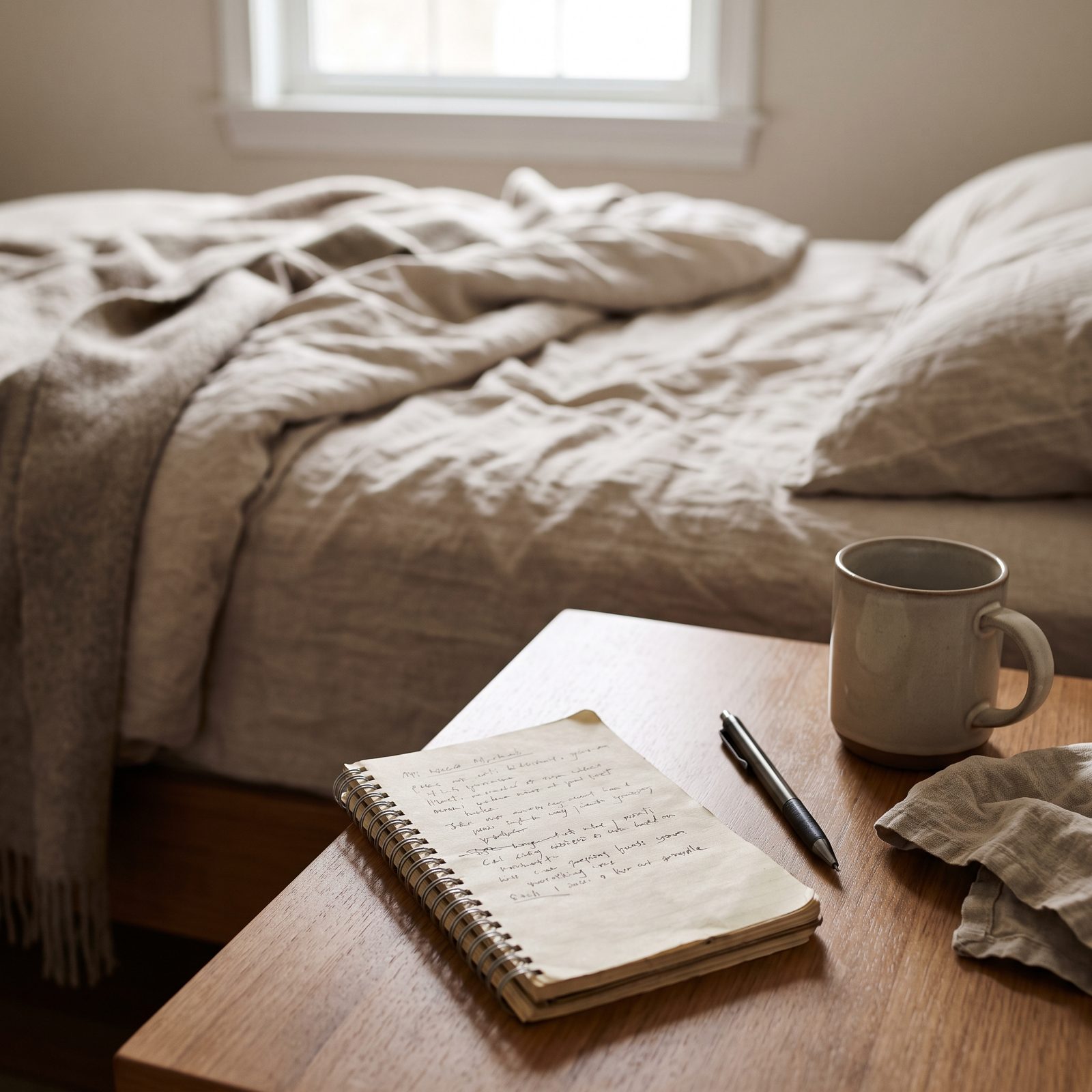
A pad and a pen, right where the hand falls. Maybe a few lines already scrawled in the dark, half-legible by morning. This is the nightstand of a brain that refuses to stop processing after lights-out.
Most people assume this is a stress signal, and sometimes it is. But the better interpretation is almost the opposite. There’s a well-known Baylor University study where people spent five minutes writing a specific to-do list before bed and fell asleep Source measurably faster than those who journaled about tasks they’d already finished. The more detailed the list, the quicker they dropped off. Writing tomorrow down offloads it, so the mind stops rehearsing it in a loop.
So the notepad isn’t a sign of a racing, anxious sleeper. It can be the tool of someone who figured out how to evict the day before closing their eyes. The scribbled grocery items and that one work email to send are a brain emptying its pockets. Keep it on a contemporary bed ideas nightstand and it looks less like clutter and more like a system.
Why the ‘His and Hers’ Nightstand Split Says More Than You Think
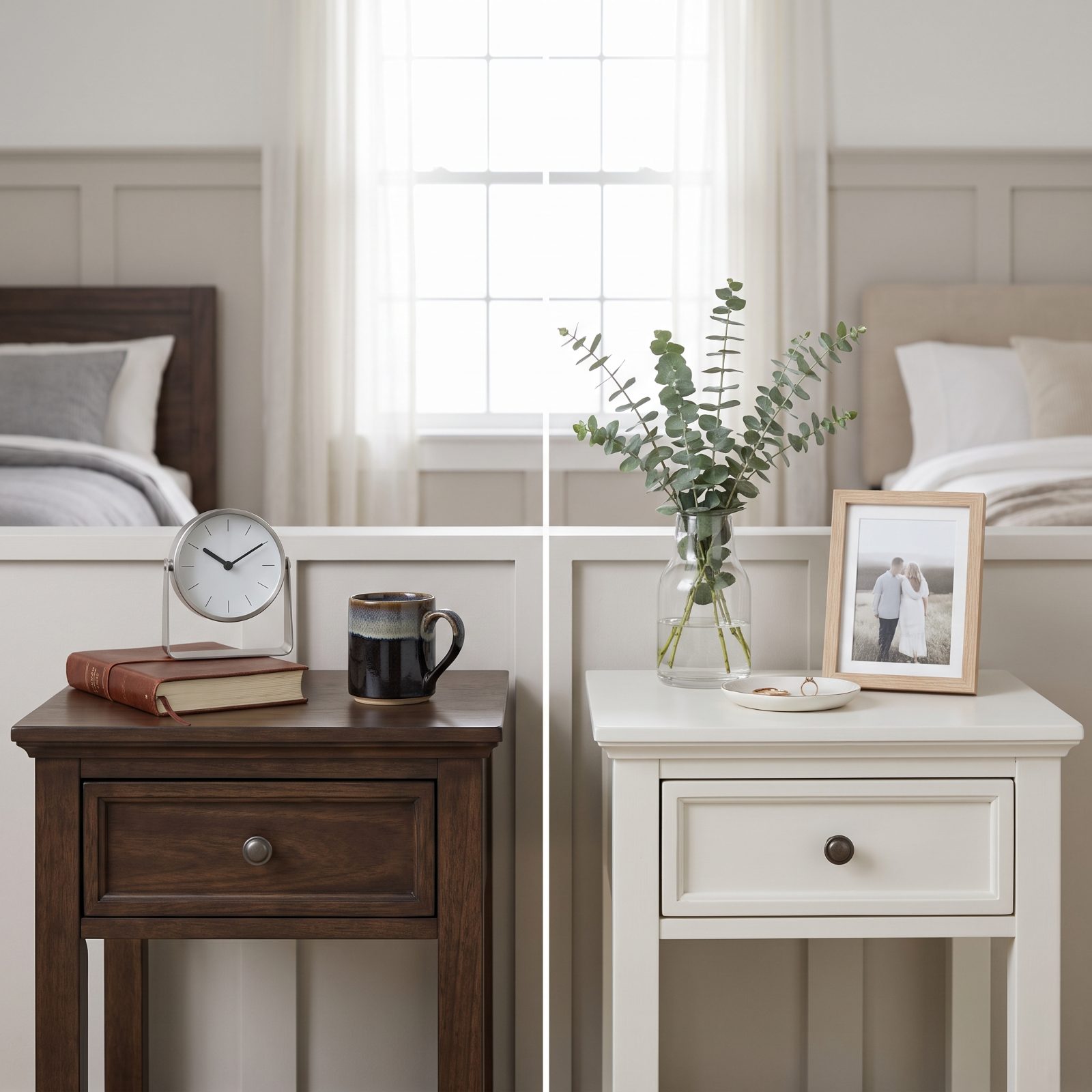
Stand at the foot of the bed and read the two nightstands like a before-and-after. One side: lip balm, a novel face-down, hand cream, a hair tie, a glass of water gone flat. The other: a watch, loose change, a phone charger, a single book that hasn’t moved in a month. Two people, two nervous systems, declared in objects.
The split is a map of how each person decompresses, and the gap between them is worth noticing. One side layers in comfort objects, the tactile and the soothing. The other keeps it spare and transactional. Neither style is better. But a couple who understands the difference tends to sleep better together, and sleeping better together feeds the relationship back. Research on older couples found that those sleeping in separate rooms reported Source worse psychological well-being than those who shared a bed, and other work ties shared sleep to Source lower anxiety and higher relationship satisfaction.
So the mismatched nightstands aren’t a problem to fix. They’re two people keeping their own rituals an arm’s length apart while sharing the same dark. Matching lamps on each pull the two sides into one bed without erasing either person. Shop a pair in bold bed inspiration tones and the split starts to look like harmony instead of a divide.
Two nightstands, one bed. The objects differ. The dark is shared.
The Smell You Keep Within Reach Without Knowing Why
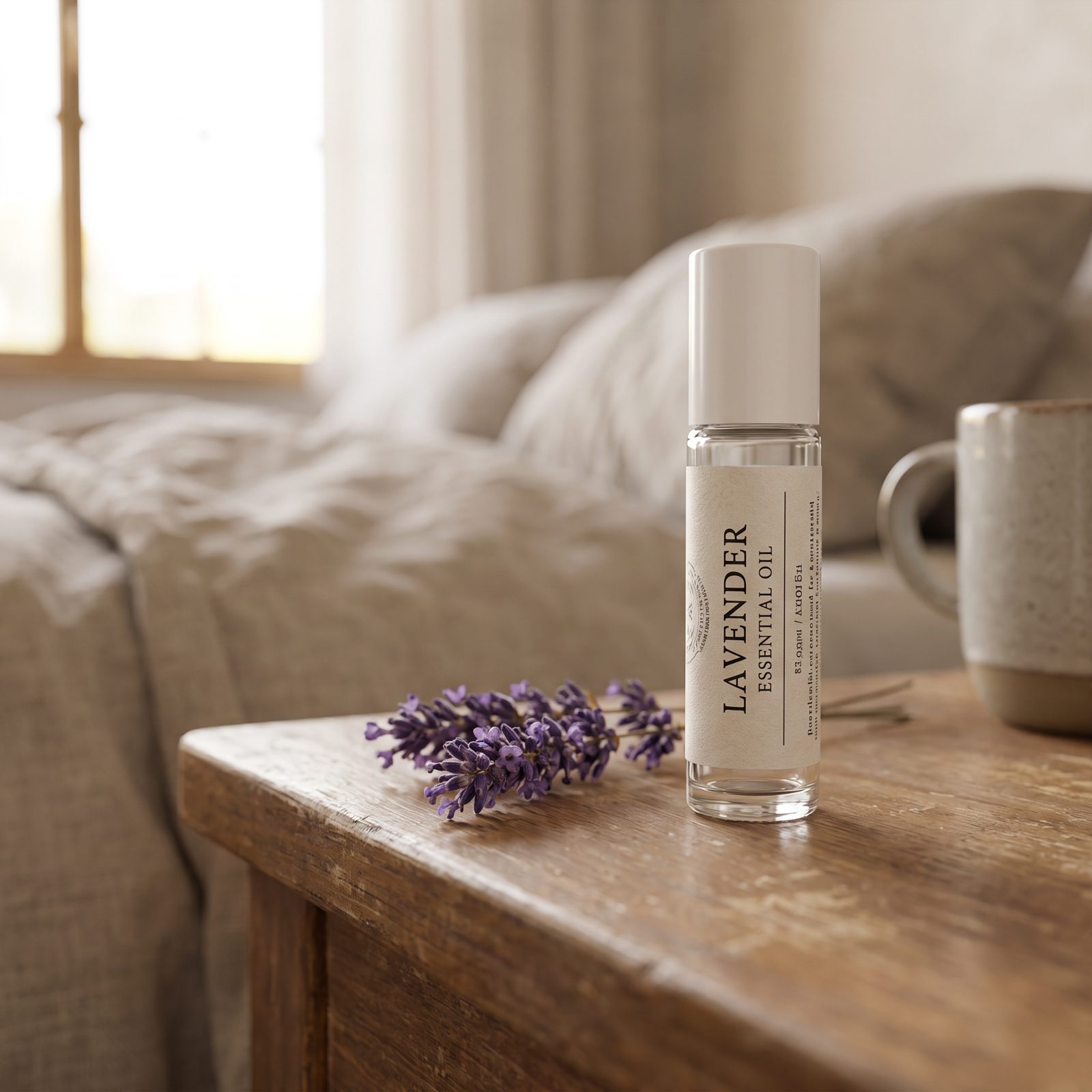
You didn’t put the lavender roller on your nightstand because a magazine told you to. You put it there because the first time you used it, you slept, and some quiet animal part of you filed that away. Smell is the one sense that skips the line. Research on olfactory memory consolidation explains that the olfactory pathway runs straight into the limbic networks that handle emotion and memory, with no thalamic middleman slowing it down.
So that little amber bottle, the eucalyptus balm, the candle you light and blow out before your head hits the pillow, they’re not decor. They’re a switch. A consistent nighttime scent becomes a cue your nervous system reads as permission to power down. Scientists even use this directly: (Source) did better on word-recall the next morning.
Look at what sits by your bed. The smell you reach for without thinking is a diary entry. It tells you what your brain decided safety smells like, long before you could have explained it.
The Clock You Can See vs. the Clock You’ve Hidden From Yourself
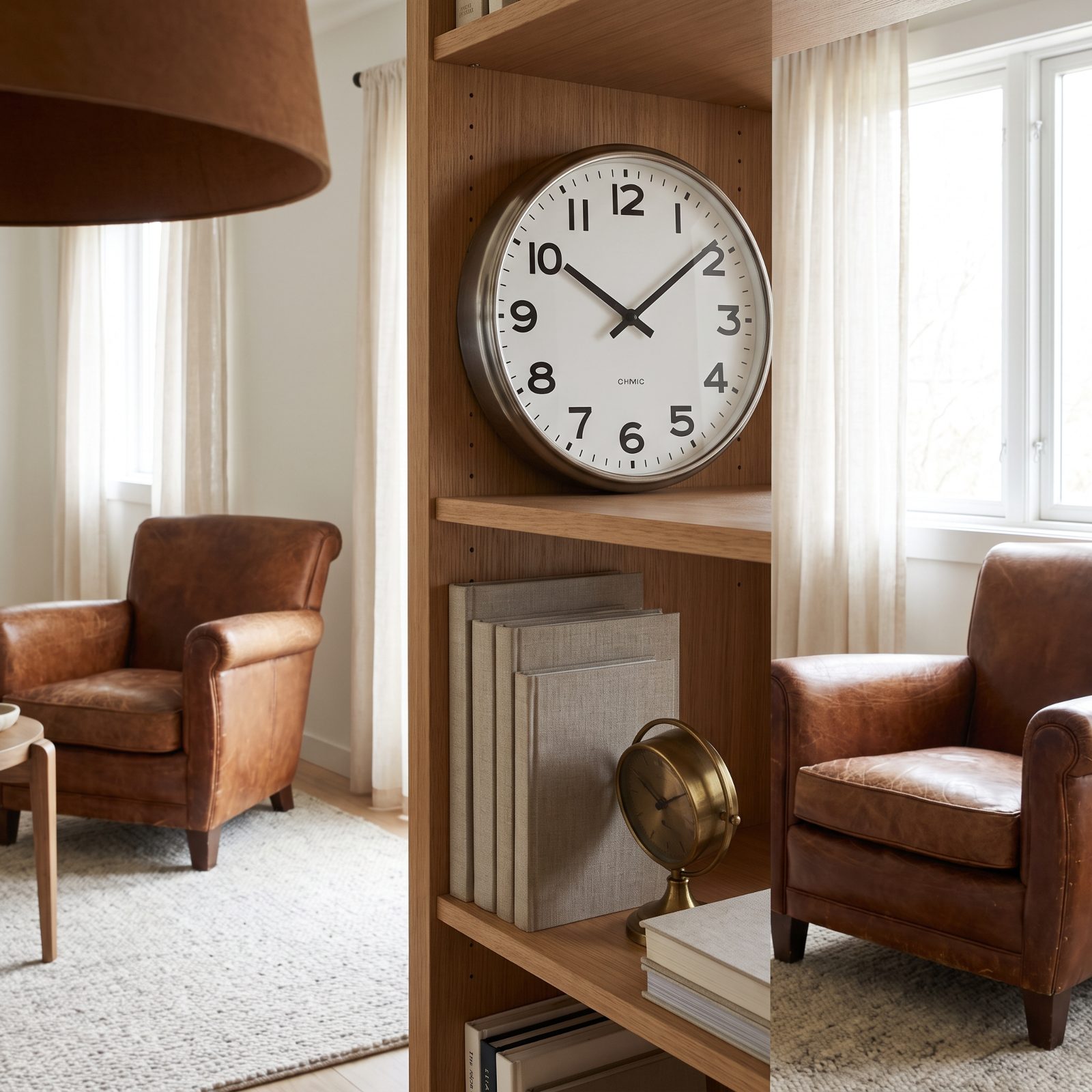
There are two kinds of sleepers, and their nightstands give them away instantly. One keeps the clock face turned toward the pillow, red numbers glowing, visible from anywhere in the bed. The other has turned it to the wall, buried it in a drawer, or banished it across the room entirely. That single choice is a confession.
The turned-away clock usually belongs to someone who learned the hard way what checking does at 3 a.m. The moment you read the time, you stop sleeping and start calculating. (Source) out of the parasympathetic rest state and into sympathetic fight-or-flight, the exact wiring you cannot sleep inside of.
And it isn’t a soft hunch. A study of nearly 5,000 sleep-clinic patients found that watching the clock worsened insomnia and pushed people toward sleep aids, the stress of estimating lost hours feeding the very problem.
So ask yourself which camp your nightstand belongs to. The visible clock says I need to know. The hidden one says I’ve made peace with not knowing. One of those sleeps better, and it isn’t close.
The Bottom Line
Here’s what your nightstand actually knows: it’s a map of what you’re still bracing for after the lights go off. Every object within arm’s reach is something you’ve decided you can’t fully let go of, the water in case you wake, the phone in case you’re needed, the notepad in case your mind won’t stop. Tonight, look at what’s beside you and ask which of those things you’re keeping close out of genuine need, and which you’re keeping close because you don’t trust the night to leave you alone.