🔥 Would you like to save this?
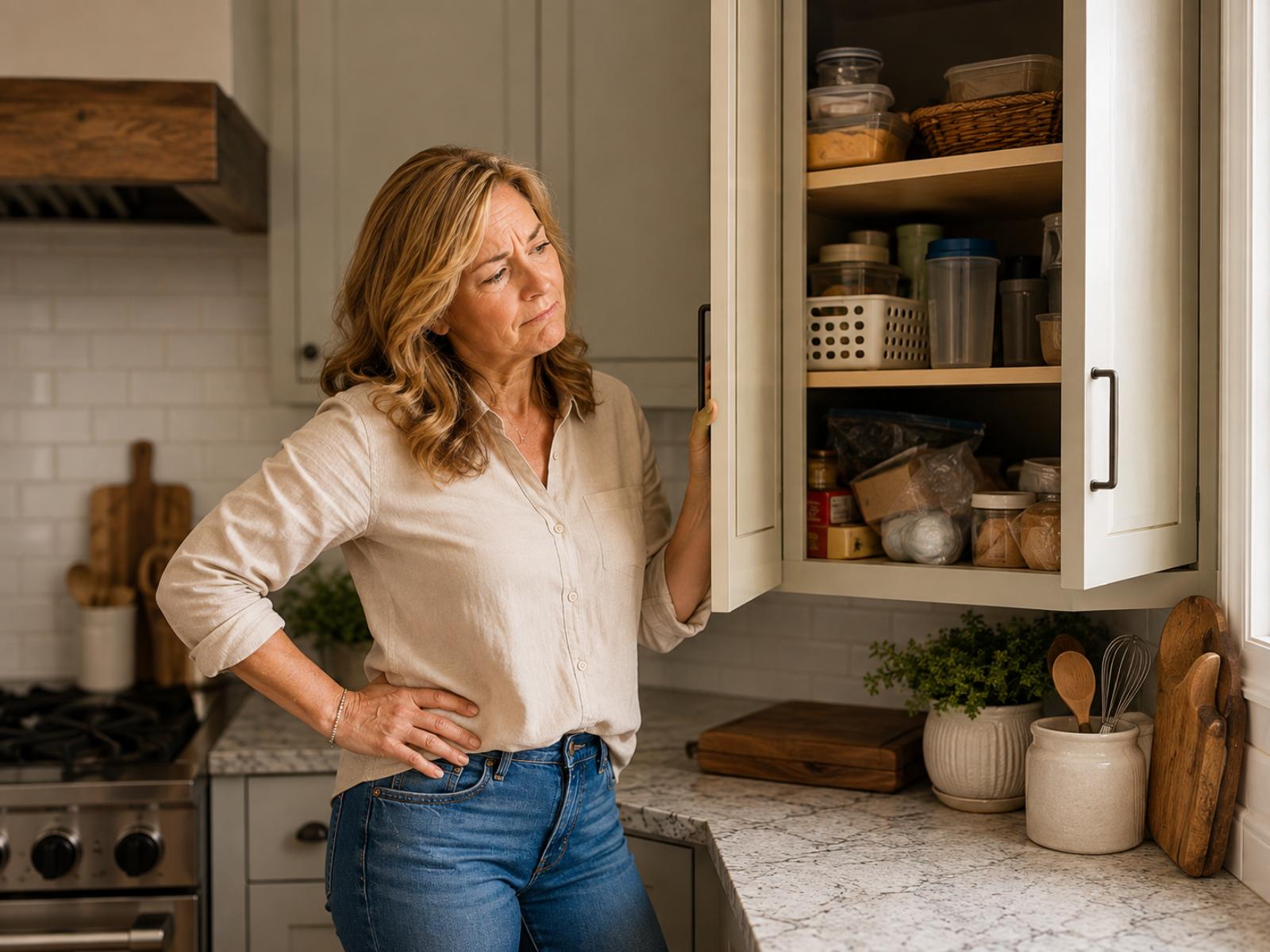
Everyone has one. The cabinet you open with your body already braced. Maybe it’s the corner one that swallows pots whole. Maybe it’s the shelf of lids that no longer match anything. You know exactly which door it is, and your hand hesitates on the handle before you even touch it.
In order to come up with the very specific design ideas, we create most designs with the assistance of state-of-the-art AI interior design software. Also, assume links that take you off the site are affiliate links such as links to Amazon. this means we may earn a commission if you buy something.
Here’s the strange part. It’s rarely the mess that gets you. It’s something quieter and older than that. That flinch is your brain doing math you never asked it to do, filing away a small daily defeat until the cabinet stops being storage and starts being a mood.
What’s happening behind that door has less to do with organization than you’d think, and more to do with regret, avoidance, and the way we quietly train ourselves to give up. Ten reasons why one cabinet holds so much power over you.
The One Cabinet That Broke Your Brain’s Trust Years Ago
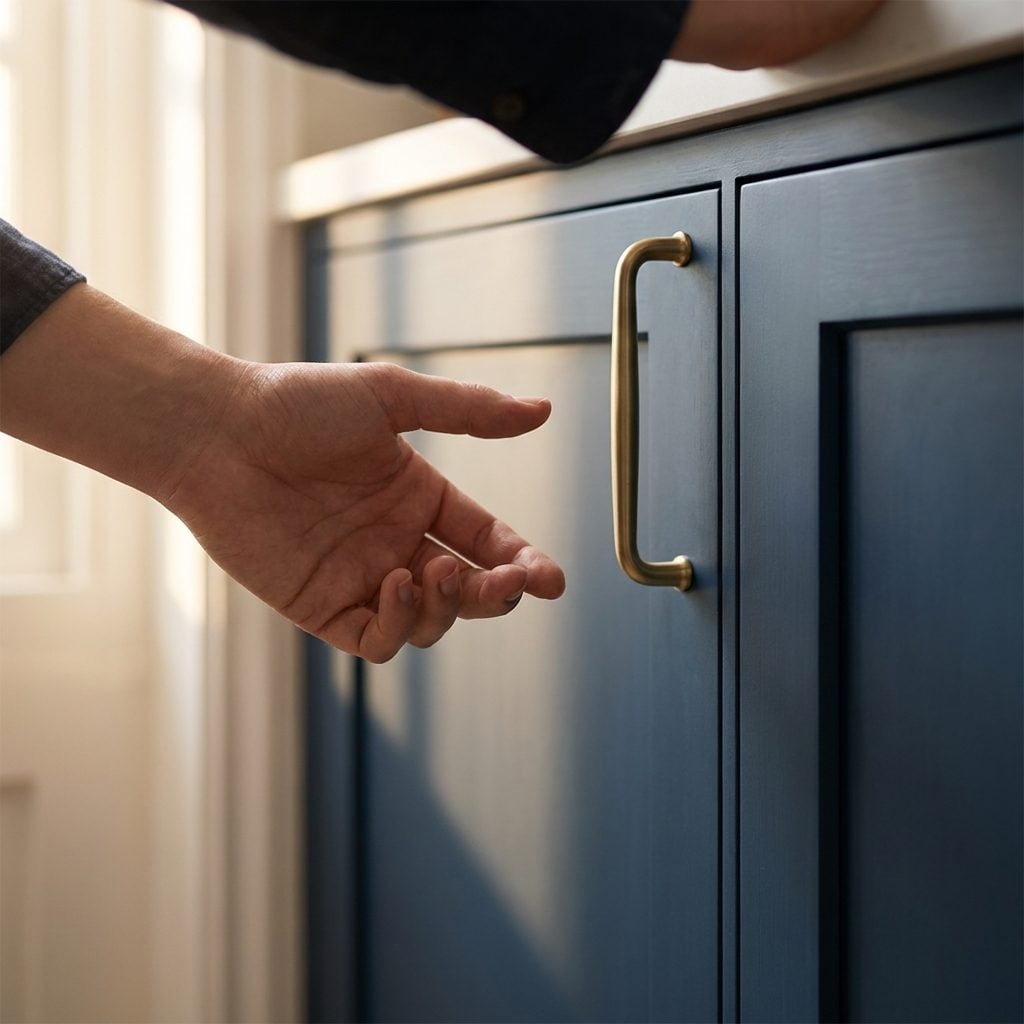
You reach for it and your shoulders tense before your fingers even touch the handle. That flinch is learned. Your brain filed this cabinet under threat a long time ago, probably the third or fourth time a mixing bowl slid out and cracked your shin, and it never bothered updating the file.
This is conditioning, plain and simple. The cabinet became a small, reliable source of unpleasantness, and the nervous system does what it always does with reliable unpleasantness. It braces. Research on cluttered environments notes that Source visual chaos triggers a low-grade stress response, with some people’s brains simply more reactive to what they see than others.
So the cabinet you hate isn’t really about the cabinet. It’s a memory wearing a door. Every open is a tiny re-litigation of every bad open that came before it.
Why Your Mind Slams a Door Shut Before You Even Open It
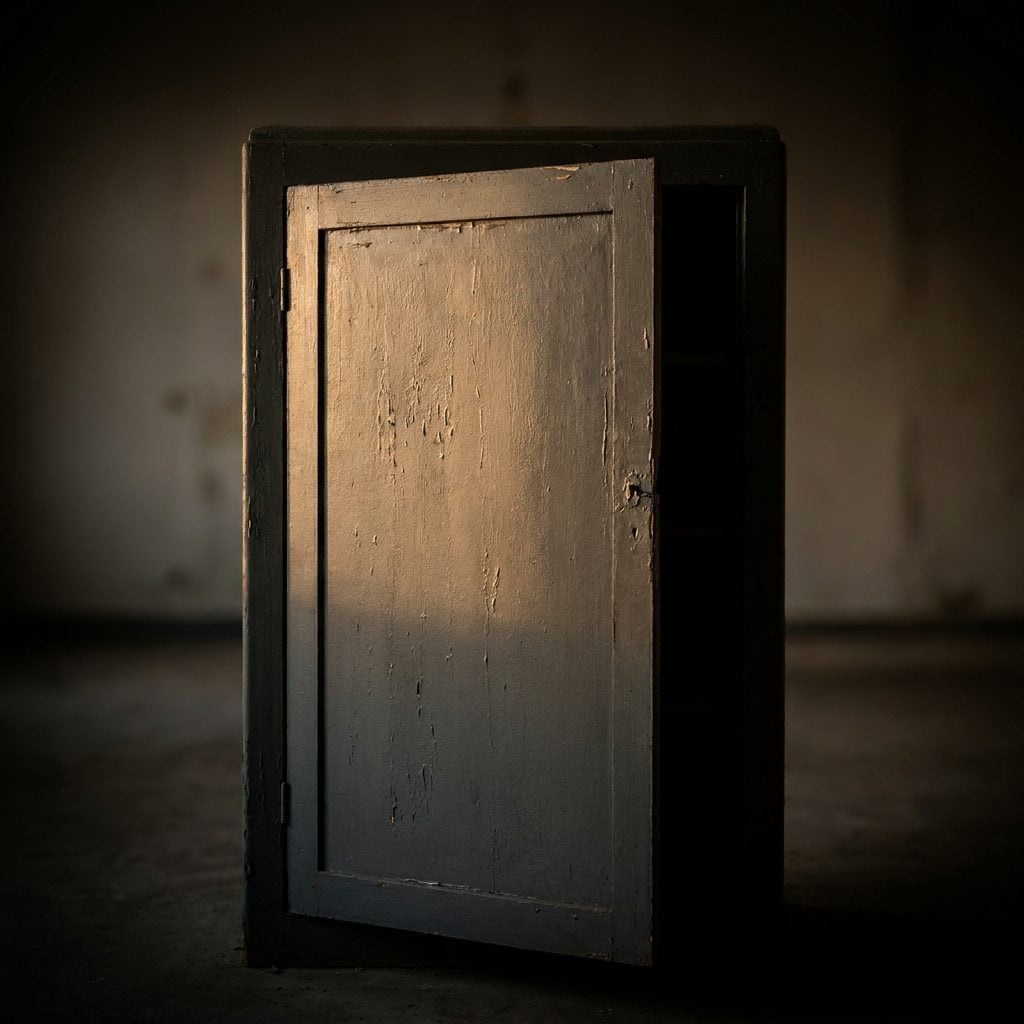
The dread arrives before the door does. You’ve already decided how this goes, and your brain built that prediction from a lifetime of tiny data points: the sticky hinge, the item that never sits right, the reach that always turns into a two-handed rescue mission.
Personality plays a bigger role here than most people admit. Research on the psychology behind everyday household habits (Source) suggests that Source people high in conscientiousness and anxiety find disorder genuinely distressing and feel compelled to fix it, while others barely register it. So two people can share a kitchen and only one of them lies awake thinking about the cabinet.
That’s the strange part. The cabinet is neutral. Your wiring is not. One person opens it a hundred times a year without a thought. Another rehearses the whole grim sequence every time and closes it fast, like ripping off a bandage in reverse.
The Hidden Reason Chaos Behind a Closed Door Feels Worse Than Chaos in Plain Sight
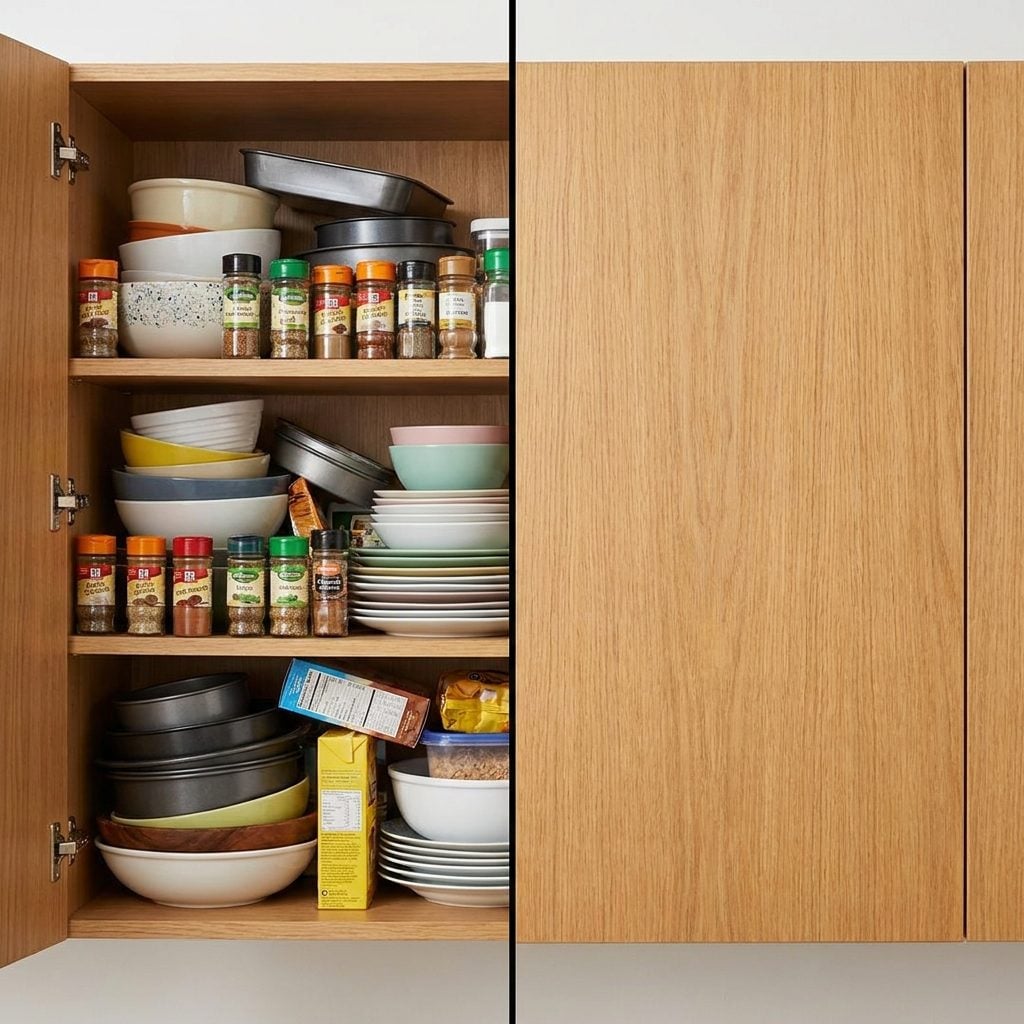
Here’s the trick your mind plays. Visible mess you can size up. You glance, you assess, you know exactly what you’re dealing with. Hidden mess gets to be whatever your imagination decides it is, and imagination always inflates.
A closed door becomes an open question, and open questions are expensive. The Zeigarnik effect describes how Source the brain keeps unfinished business active in memory, like a browser tab that won’t close, quietly draining resources until the thing is resolved. That cabinet is an open tab. You know it needs sorting. You haven’t sorted it. So it hums in the background of every other thing you do.
Avoidance makes it worse, not better. NeuroLaunch’s breakdown of the psychological reasons behind clutter (Source) puts it bluntly: Source it’s easier to close the door on a mess than tackle it, and that relief is exactly what keeps the mess alive.
The Cabinet That Became a Monument to a Decision You Regret
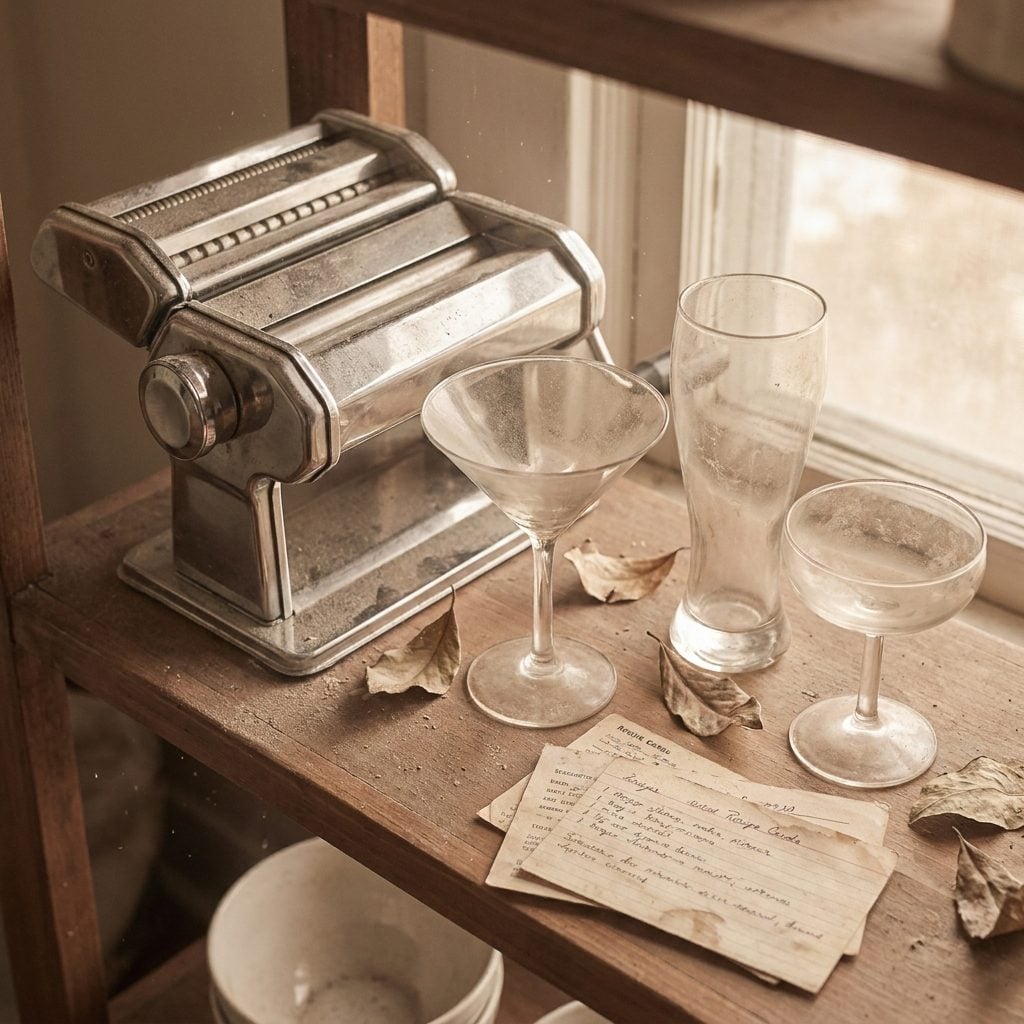
Somewhere in that cabinet is the pasta machine you used once. The bread maker. The set of specialty glasses for a hobby you dropped by February. You don’t reach past them so much as you nod to them, these little tombstones for the person you thought you’d become.
You keep them because throwing them out means admitting the money was wasted. That’s the sunk cost fallacy doing its quiet work. Economic writing on this bias makes the case plainly: Source because you can’t recover sunk costs, they shouldn’t enter your current decisions, and yet they always do.
And there’s a second hook. The endowment effect means Source you value a thing more simply because it’s yours, demanding far more to part with it than you’d ever pay to buy it again. So the cabinet fills, and every opening is a small confrontation with your own optimism.
Why the Corner Cabinet Feels Like a Small Betrayal Every Time
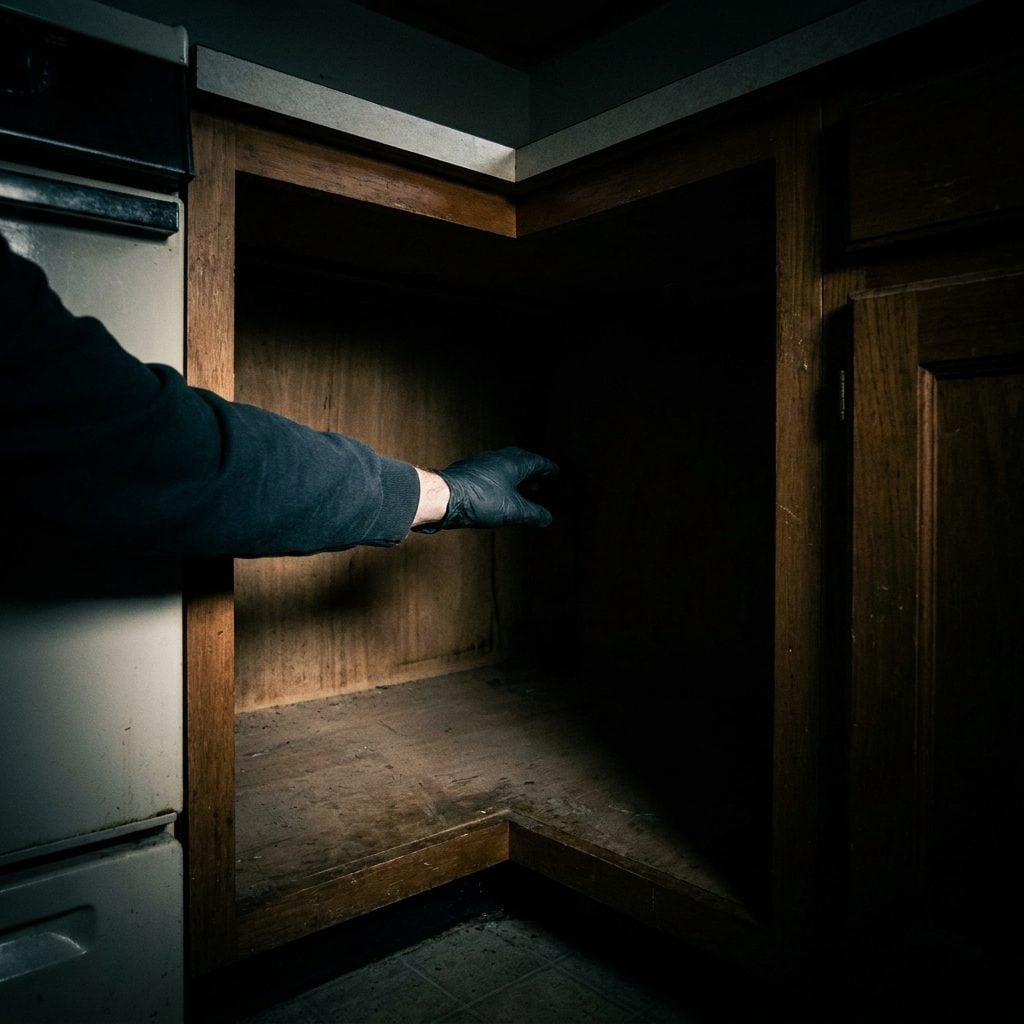
The corner cabinet promised you something. All that depth, that generous mouth of storage, and then you learned the truth: half of it is a black hole you need to be a contortionist to reach. Whatever goes to the back essentially leaves this world.
That gap between promise and delivery is the specific sting. Your brain expected a reward, got a wrestling match, and the mismatch registers as a tiny grievance. There’s also a plain design failure at play, the kind a good small cabinet ideas layout would have solved with a lazy Susan or pull-out tray, turning dead space into something you’d actually use.
Instead you keep the salad spinner you forgot you owned in a spot your arm doesn’t bend to reach. The corner cabinet isn’t badly stocked. It’s badly designed, and you inherited the argument.
The Psychological Toll of the Avalanche You Can’t Stop Anticipating
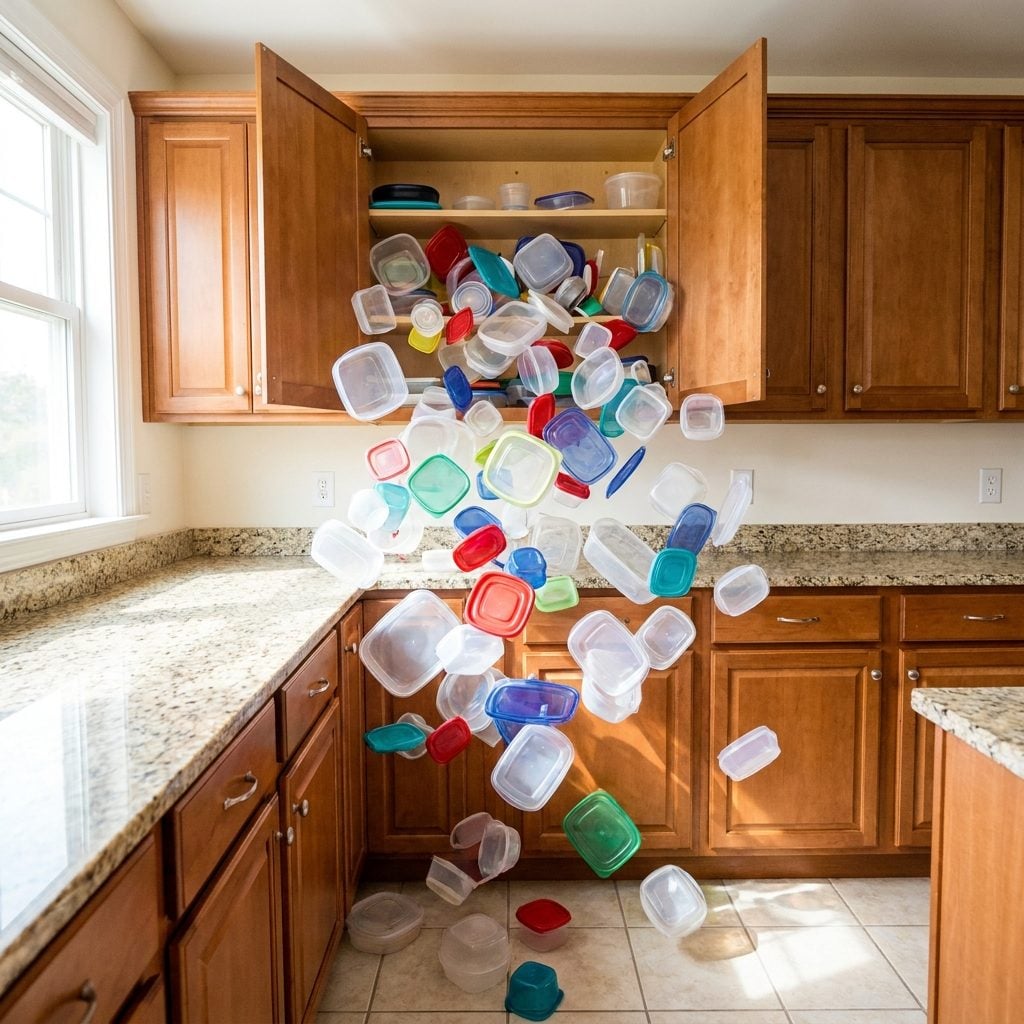
You know the cabinet. Open it wrong and the Tupperware lids come for you, a plastic landslide with no survivors. So you’ve developed a technique. One hand cracks the door, the other braces, you extract what you need through the smallest possible gap and shut it fast.
That daily bracing has a cost. Living with visible or anticipated disorder keeps the body in a low simmer of stress. A landmark study of dual-income couples and their homes (Source) found that Source women who described their homes as cluttered showed cortisol patterns linked to worse health outcomes, while men in the same houses showed no such effect.
The avalanche cabinet is that dynamic in miniature. It’s not one big stressor. It’s a hundred tiny ones, each too small to complain about, all pointing at the same unfinished job you keep not doing.
Why You Keep Things You Hate in the Place You Refuse to Look
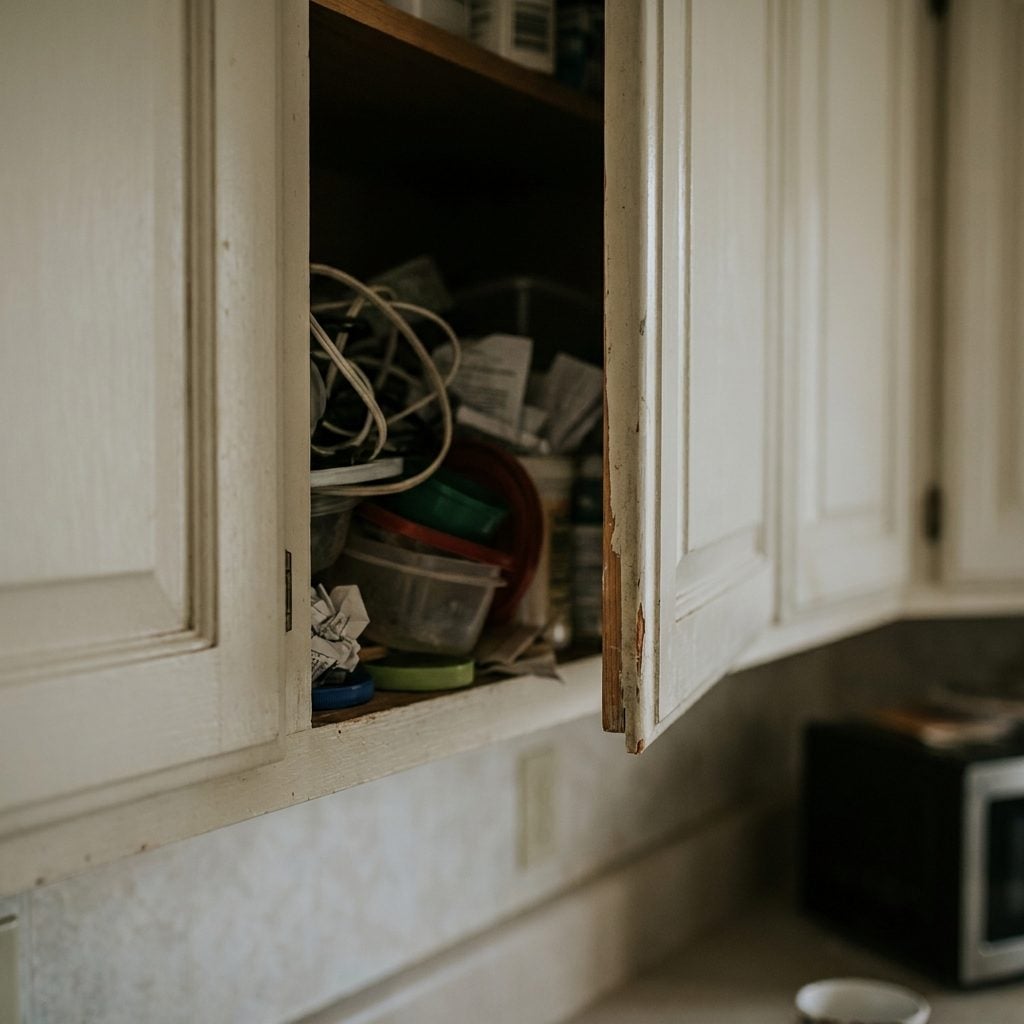
Odd pattern, isn’t it. The cabinet you avoid tends to fill with exactly the things you don’t want to deal with. The chipped mugs. The takeout sauce packets. The travel adapter for a country you visited once. You don’t decide to store them there. They drift there, because it’s the place you’ve stopped looking.
This is avoidance building a home. Research on avoidance and clutter describes how Source closing a door on mess gives temporary relief that quietly reinforces the avoidance while the clutter keeps building underneath it.
Every unresolved item is also an unmade decision, and the meta-decisions pile up: keep it, toss it, deal with it later. Studies on unfinished goals show Source they siphon attention and working memory even when you’re not touching them.
The Cabinet That Holds Your Guilt, Not Your Tupperware
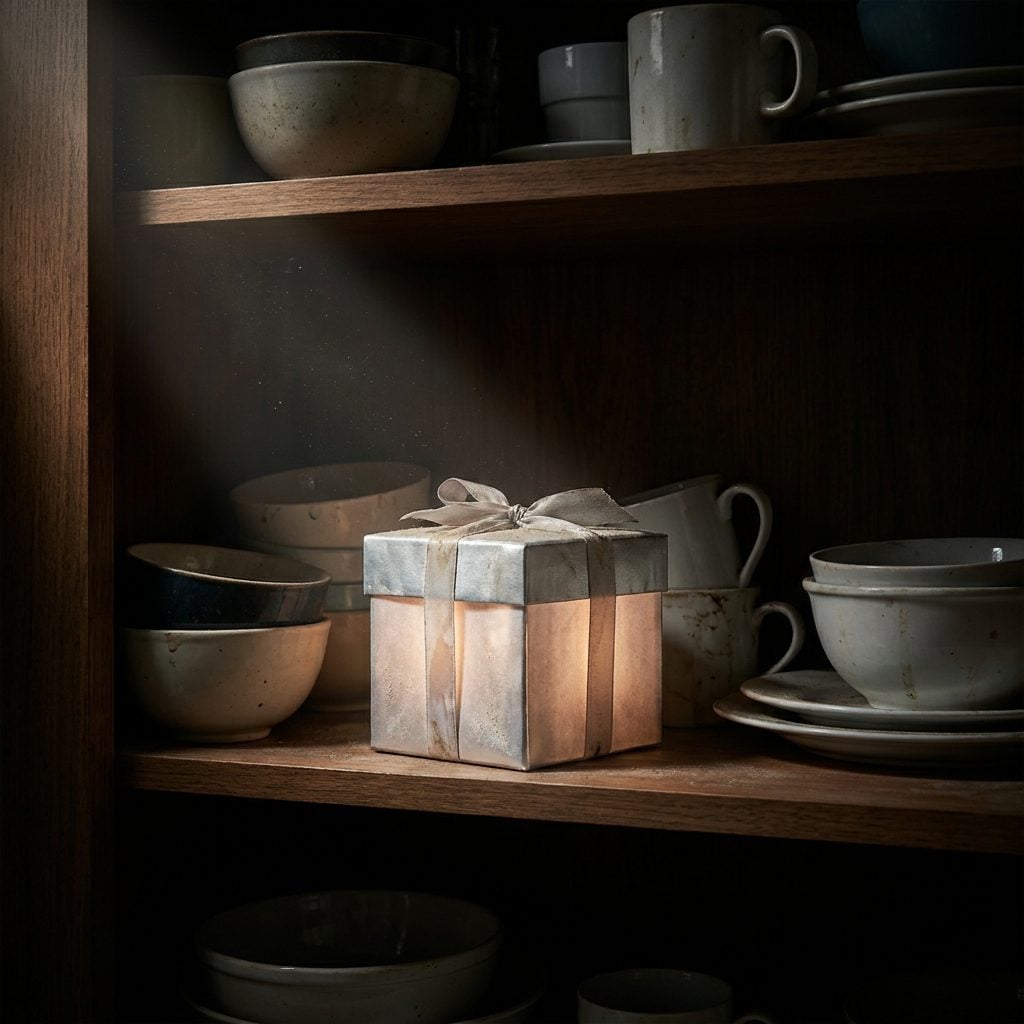
Strip away the mixing bowls and the mismatched lids and here’s what’s really in there. Guilt. The wedding gift you never used from someone who’ll ask about it. The expensive blender you swore justified its price. The vitamins you bought the week you were going to change your life.
Clutter is rarely about objects. It’s the physical form of unfinished business, and it presses on you accordingly. Writing on the emotional weight of clutter captures why Source you can get disproportionately angry at the cabinet that won’t close right: it’s carrying the load of every unresolved task and expectation packed into one small space.
So the answer to why everyone has that one cabinet starts to come into focus. It was never a storage problem. It’s the one square foot of your home where your regrets, your optimism, and your avoidance all agreed to live together, behind a door you’d rather not open.
How One Bad Shelf Trains You to Stop Trying
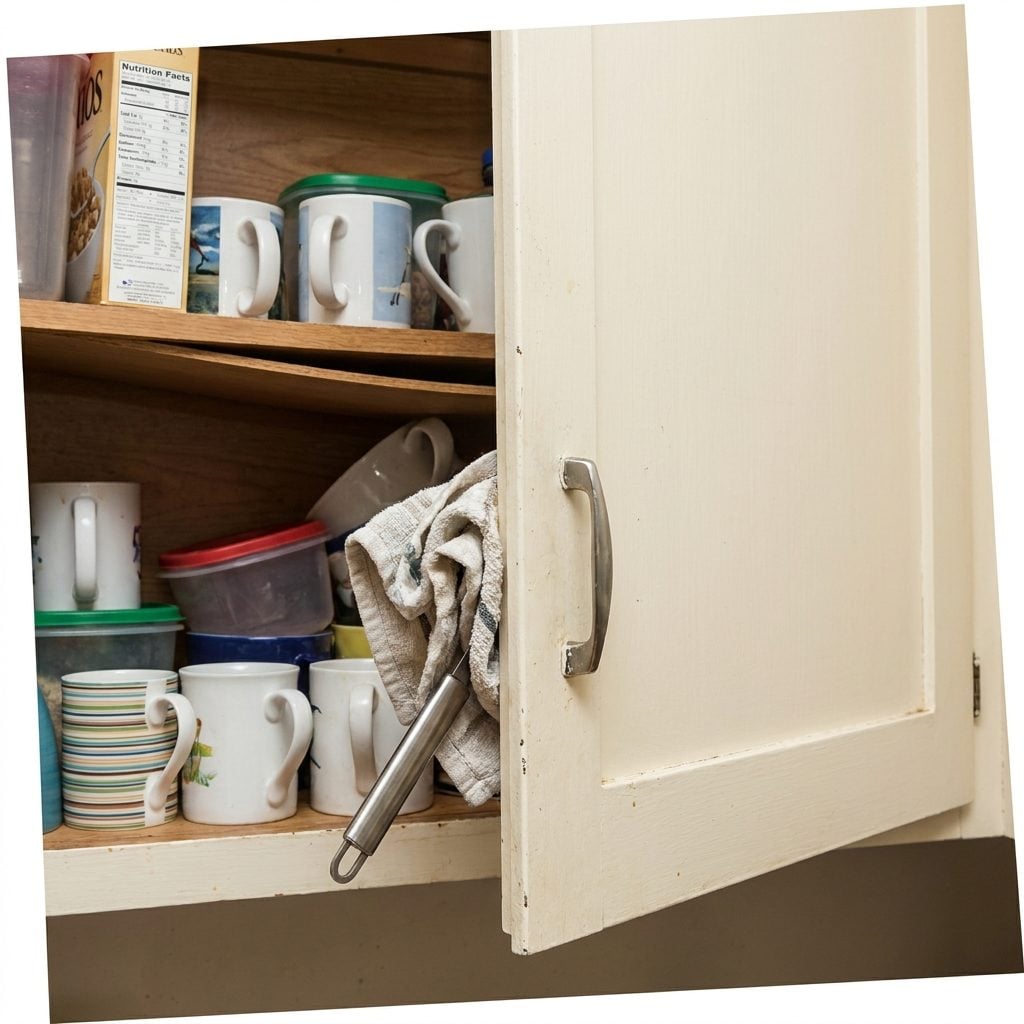
There’s a cabinet in your kitchen you’ve written off. You know the one. The door catches on something, or the shelf sits at an angle where cans go to die, and at some point you just stopped fighting it. That surrender has a name.
Martin Seligman coined it in 1967: learned helplessness. Source The idea is that when your effort repeatedly fails to change an outcome, your brain quietly files the whole thing under “not worth it.” You stop trying even when trying would work. Source
The wild part is how small the trigger can be. A cabinet doesn’t have to torture you. It just has to disappoint you a few times. Reach in, knock something over, sigh, close the door. Do that on a Tuesday, again on a Thursday, and your nervous system starts routing around it like a pothole you’ve memorized.
I’ve got one of these. Top-left, above the fridge. I say this as someone who has owned three step stools and used none of them for it.
The Reason Reaching Above Eye Level Feels Like Surrender
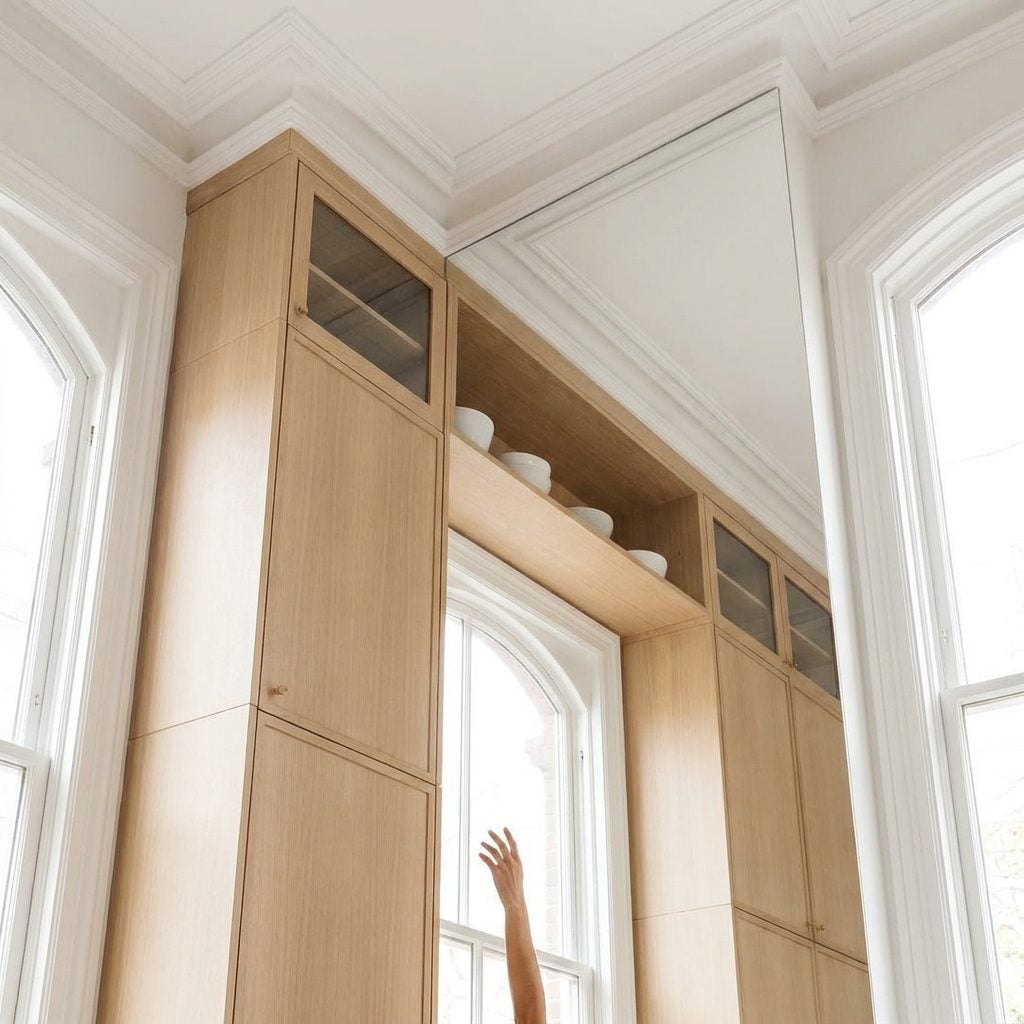
Your arms know something your brain won’t admit. That top shelf isn’t just high. It’s asking your shoulder, your balance, and your patience to cooperate all at once, and most days they’d rather not.
Standard upper cabinets often sit 16 to 20 inches above the counter and run right up toward the ceiling, which pushes the useful shelves well past comfortable reach. (Source) Designers keep spices and everyday dishes closer to eye level for a reason, because anything higher turns a two-second grab into a small negotiation. Source
There’s real research behind the flinch. A study on ergonomic kitchen furniture found that lowering wall cabinets dramatically improved how usable people found them, and that reach capability drops noticeably with age. Source So when the good glasses live above your fingertips, your body runs a fast cost-benefit and usually votes for the mug you can actually reach.
Which is why the top shelf of every kitchen becomes a museum. A fondue set. A gravy boat. The waffle maker from a wedding you barely remember. Up there, out of reach, quietly winning.
Why That Cabinet Is Really About Someone Who No Longer Lives Here
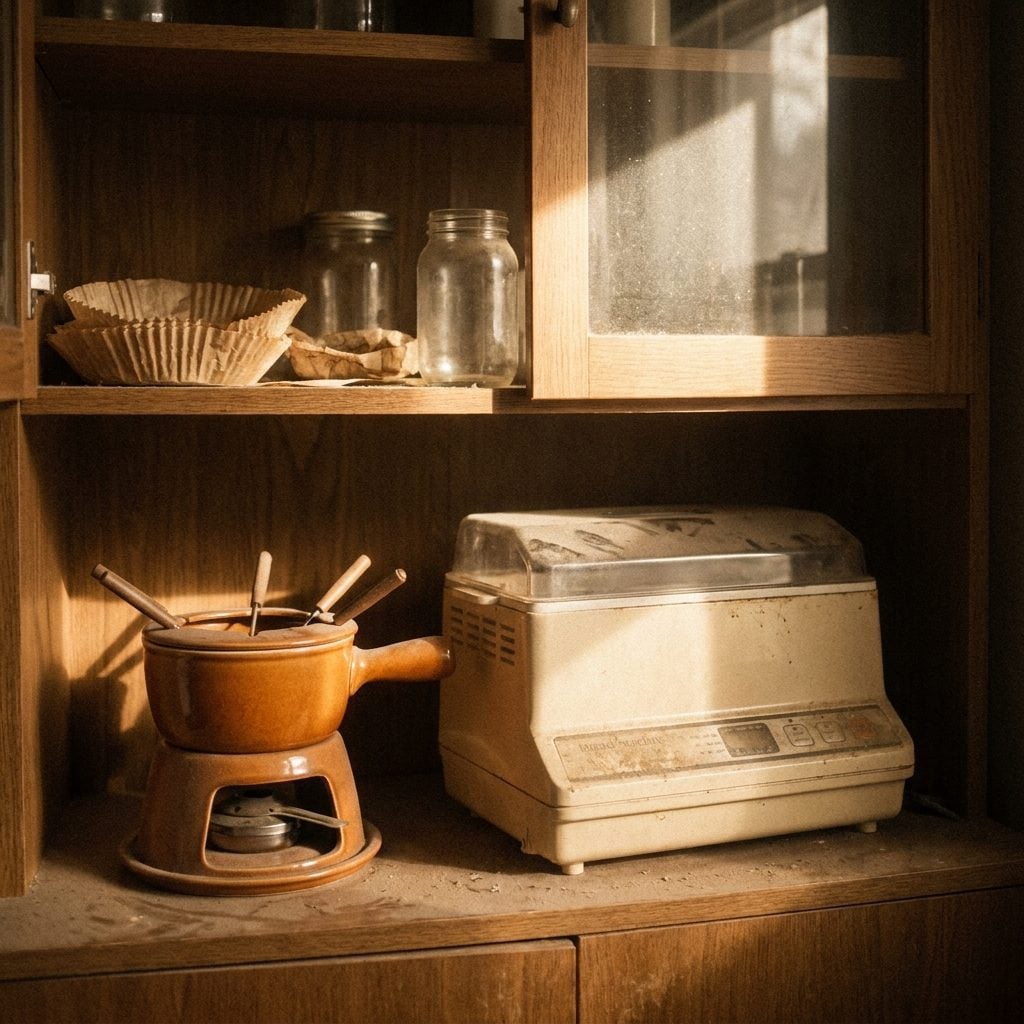
Open it. There’s the fondue set from a wedding you’d have to think hard to place. A bread machine used twice. A stack of mismatched mugs that belonged to a roommate, a marriage, a version of the house that has since moved on.
The reason you can’t just toss it runs deeper than laziness. Source notes that the brain treats prized possessions as extensions of identity, firing the same neural circuits tied to physical pain when we try to discard them. So the cabinet isn’t storing objects. It’s storing people. The friend who gave you the salad spinner. The grandmother whose casserole dish you’ll never actually cook in.
Researchers found that people who see their home as a reflection of themselves struggle hardest to let go of possessions Source. That corner shelf is a quiet argument with your own past, and you lose it every time you open the door.
The Cabinet That Punishes You for Being a Different Person Than You Planned to Be
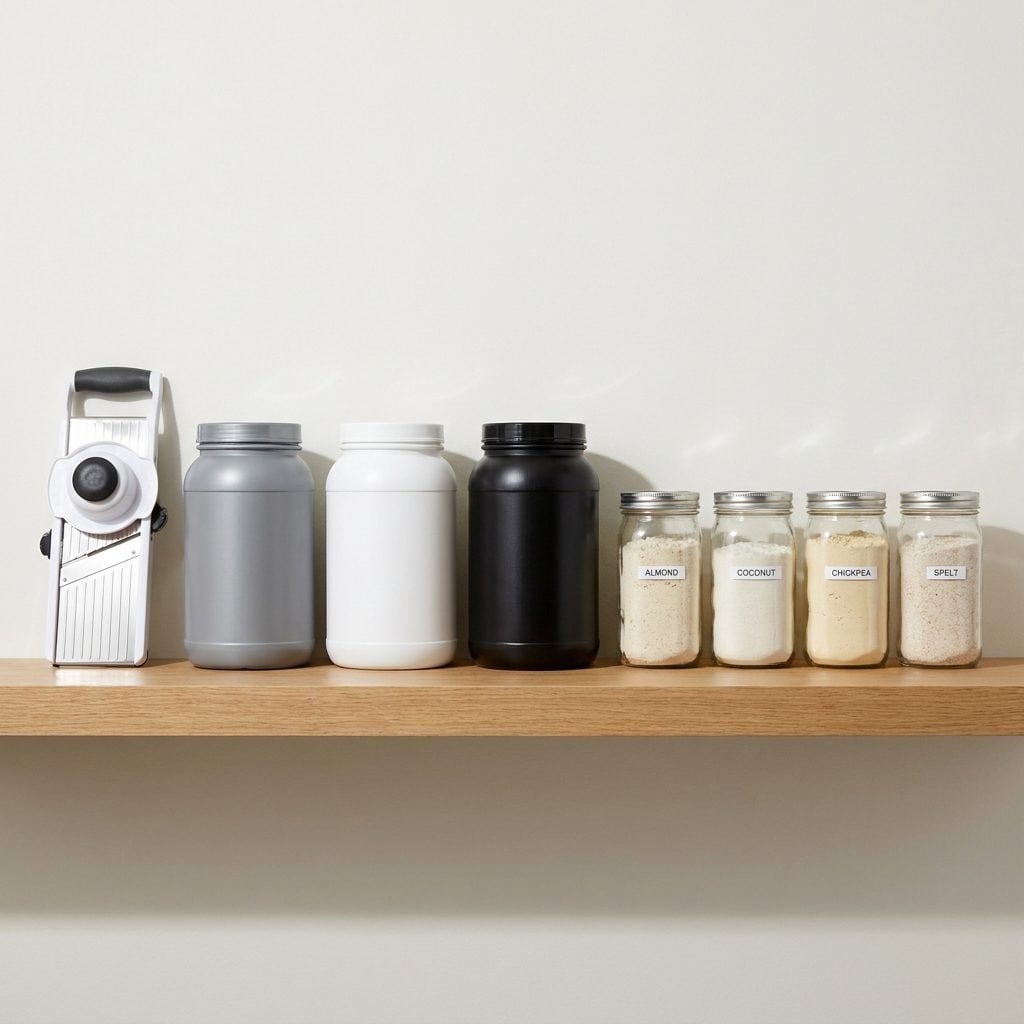
You bought the mandoline because you were going to become someone who juliennes. The protein powders, the specialty flours, the juicer with fourteen parts. That cabinet is a museum of your aspirational self, and every time it swings open, it hands you a small invoice of guilt.
The pull to keep this stuff is real and documented. Objects come to symbolize not just memory but aspiration, standing in for the achievements and identities we still hope to claim Source. Tossing the bread proofing basket feels like admitting you’re never going to be the sourdough person. So it stays.
And loss aversion makes the math worse. Kahneman’s work established that the pain of losing something runs about twice as strong as the pleasure of gaining its equal Source. The relief of a clean shelf never quite outweighs the sting of releasing the future you planned. So you keep the juicer. You keep the person you meant to be, boxed and shelved, right next to the mixing bowls.
Why the Sound of a Sticky Hinge Rewires How You Feel About the Whole Room
🔥 Would you like to save this?
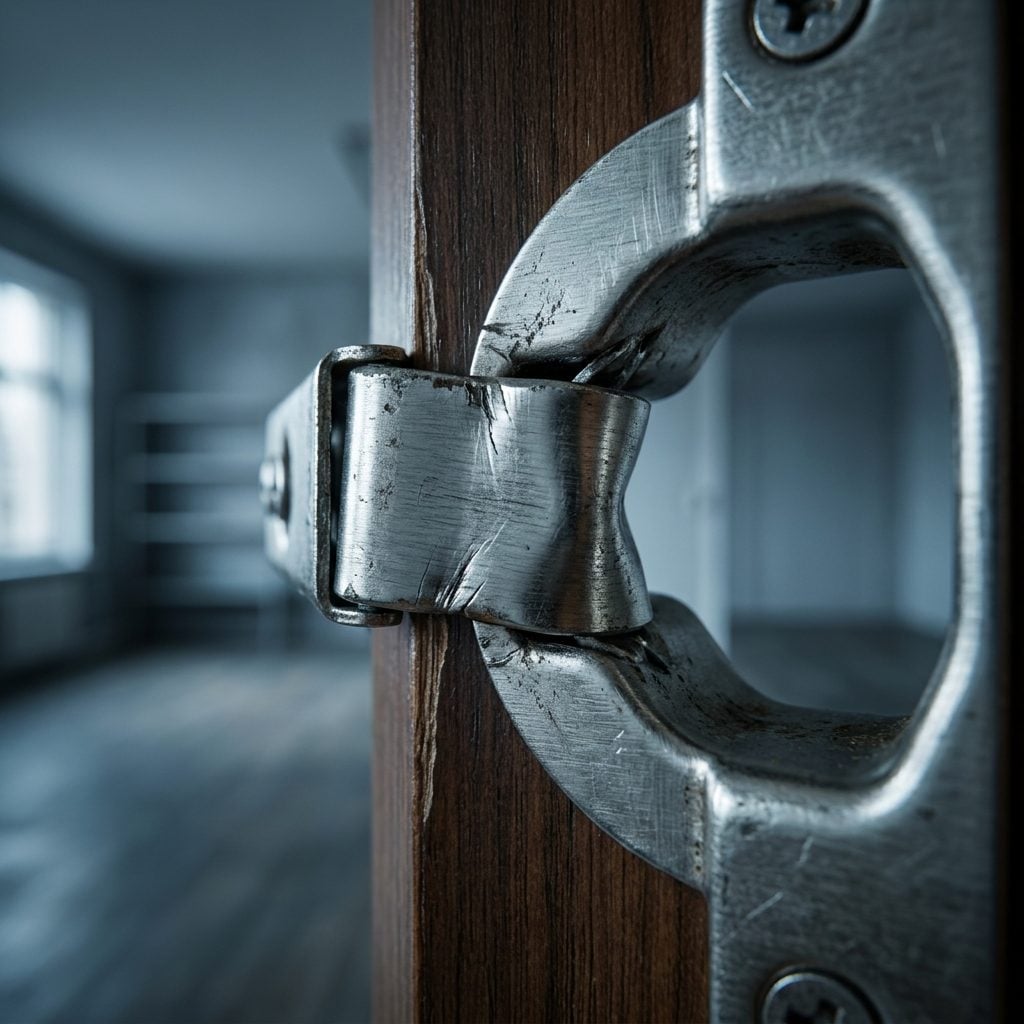
That groan. The one specific cabinet that shrieks on its hinge or catches on a warped runner every single time. You’ve stopped consciously hearing it. Your nervous system hasn’t.
Small, repeated, irritating sounds do real work on the body. Noise exposure triggers the secretion of stress hormones, cortisol among them Source. And here’s the twist that matters for one bad cabinet: annoyance isn’t really about volume. Whether a sound grates on you depends heavily on non-acoustic factors, on your attitude toward it and whether you feel able to control it Source.
So the sticky hinge isn’t loud. It’s uncontrollable. Every open is a tiny reminder that this thing defies you, and your brain files that under low-grade threat. One repair you keep meaning to do, quietly taxing the room’s whole mood.
The One Space in Your Home Where You Gave Up on Order Entirely
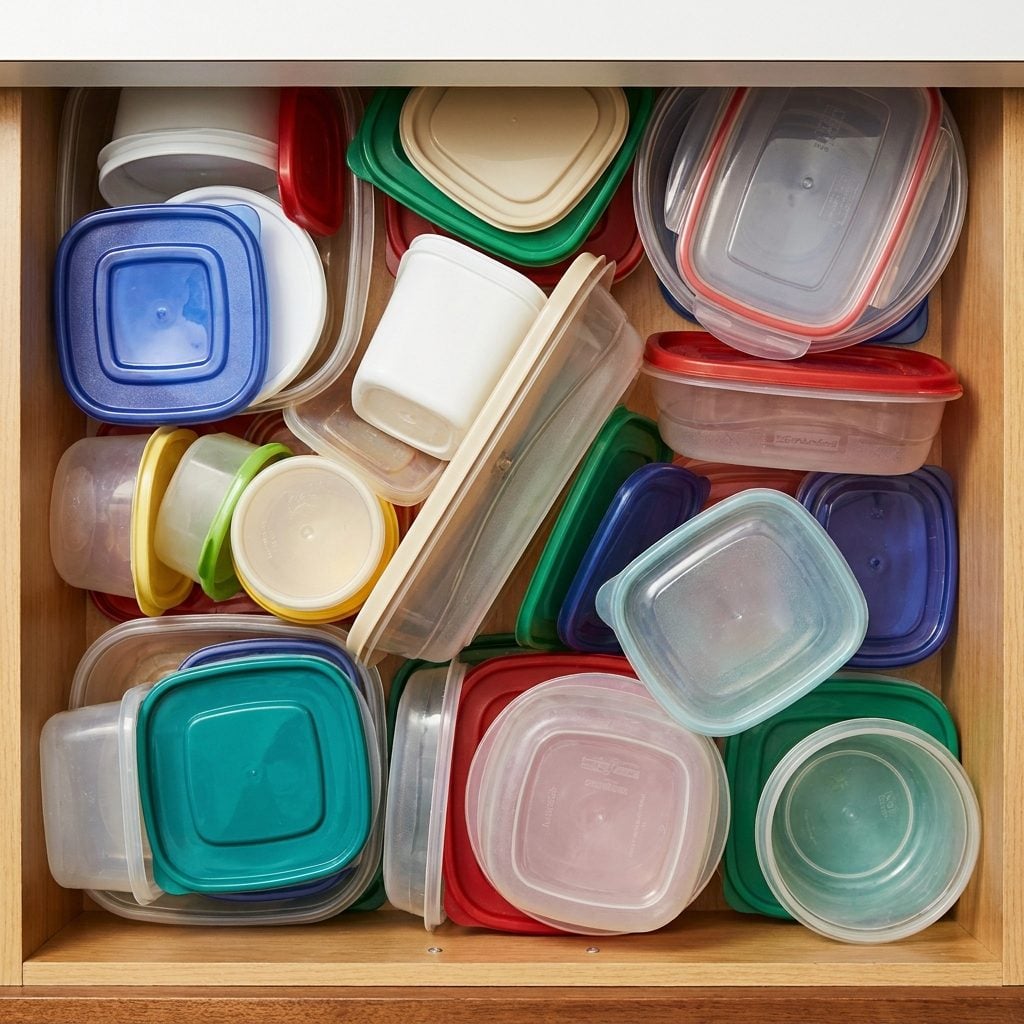
Every kitchen has it. The lid drawer. The plastic-container graveyard where nothing has a match and closing the drawer requires a small act of violence. You organize the spice rack. You alphabetize nothing else, ever, but you’ll square up the spices. This one, though? You surrendered.
There’s a mechanism for that surrender. When we’re repeatedly exposed to a situation we can’t seem to control, we eventually stop trying to fix it, even when a fix is within reach Source. The lids won. You learned the lids would always win. So you stopped fighting.
Control, it turns out, isn’t a luxury for the mind. It’s closer to a requirement, and environments that strip it away quietly wear us down Source. That chaotic drawer is one square foot of your home where you conceded defeat. Reclaiming it does more for your head than the size of the win suggests.
How the Cabinet You Hate Quietly Runs Your Whole Kitchen
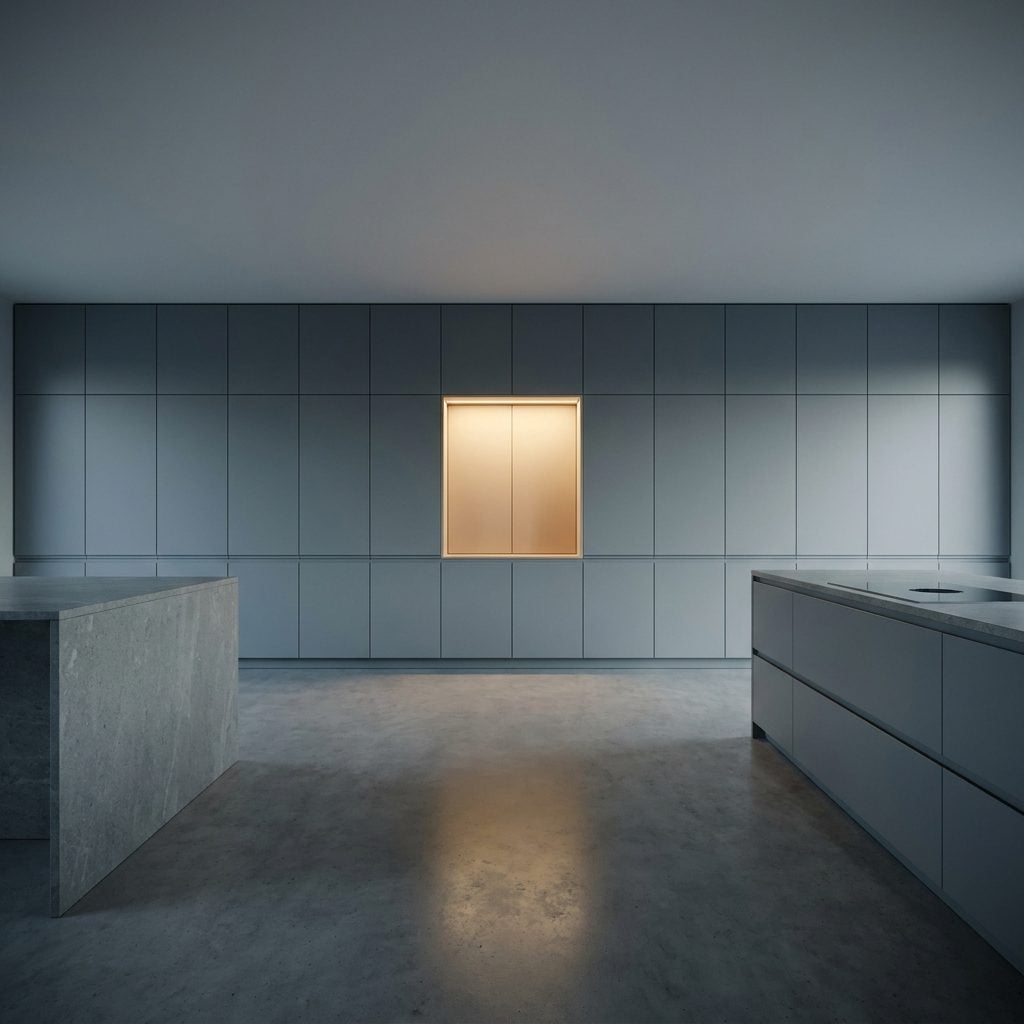
Here’s the strange part. The cabinet you avoid ends up dictating how you use every other cabinet.
Because you dread opening it, you reroute. The good pans migrate to the easy shelf. The everyday plates end up wherever the annoying door isn’t. Over months, your entire kitchen reorganizes itself around one spot you refuse to touch, the way a river bends around a rock it can’t move.
This is avoidance doing architecture. When an outcome feels out of our hands, we drift into passive, reflexive behavior, working around the problem instead of at it Source. The cabinet doesn’t need to be used to hold power. It just needs to be avoided, and avoidance is a decision you make dozens of times a day without noticing.
Kitchens that flow well tend to sit inside homes with generous sightlines, an open sunroom or connected living space, where nothing gets stuffed into a corner and forgotten. The layout invites you to use all of it. Your problem cabinet is the opposite of that invitation.
The Bottom Line
It’s the Tupperware cabinet, the one where mismatched lids and warped containers wait to spill out the moment you crack the door. You dread it because it’s the one place in your home where you’ve quietly accepted defeat, a small daily agreement to keep failure behind a door instead of fixing it. Open it this week and empty it completely; the point isn’t organizing plastic, it’s proving to yourself that you don’t have to live around the things you’ve given up on.