🔥 Would you like to save this?
A box of laundry detergent cost about 35 cents in 1963. Bleach might add another 20 cents, dish soap 30, and a roll of paper towels a quarter. Then came the week when the floor wax ran dry, the last sponge split, the trash bags were gone, and somebody used the final sheet of aluminum foil. Suddenly, all those dimes and quarters began stacking up.
That is the week this list captures—not 32 products consumed in seven days, but the kind of restocking run that could empty a housekeeping envelope in one trip. Most purchases would last for weeks, months, or even years. The prices still look astonishing now, but the paycheck buying them was smaller too. Here is what each shelf tag meant in a household where every coin already had a job.
In order to come up with the very specific design ideas, we create most designs with the assistance of state-of-the-art AI interior design software. Also, assume links that take you off the site are affiliate links such as links to Amazon. this means we may earn a commission if you buy something.
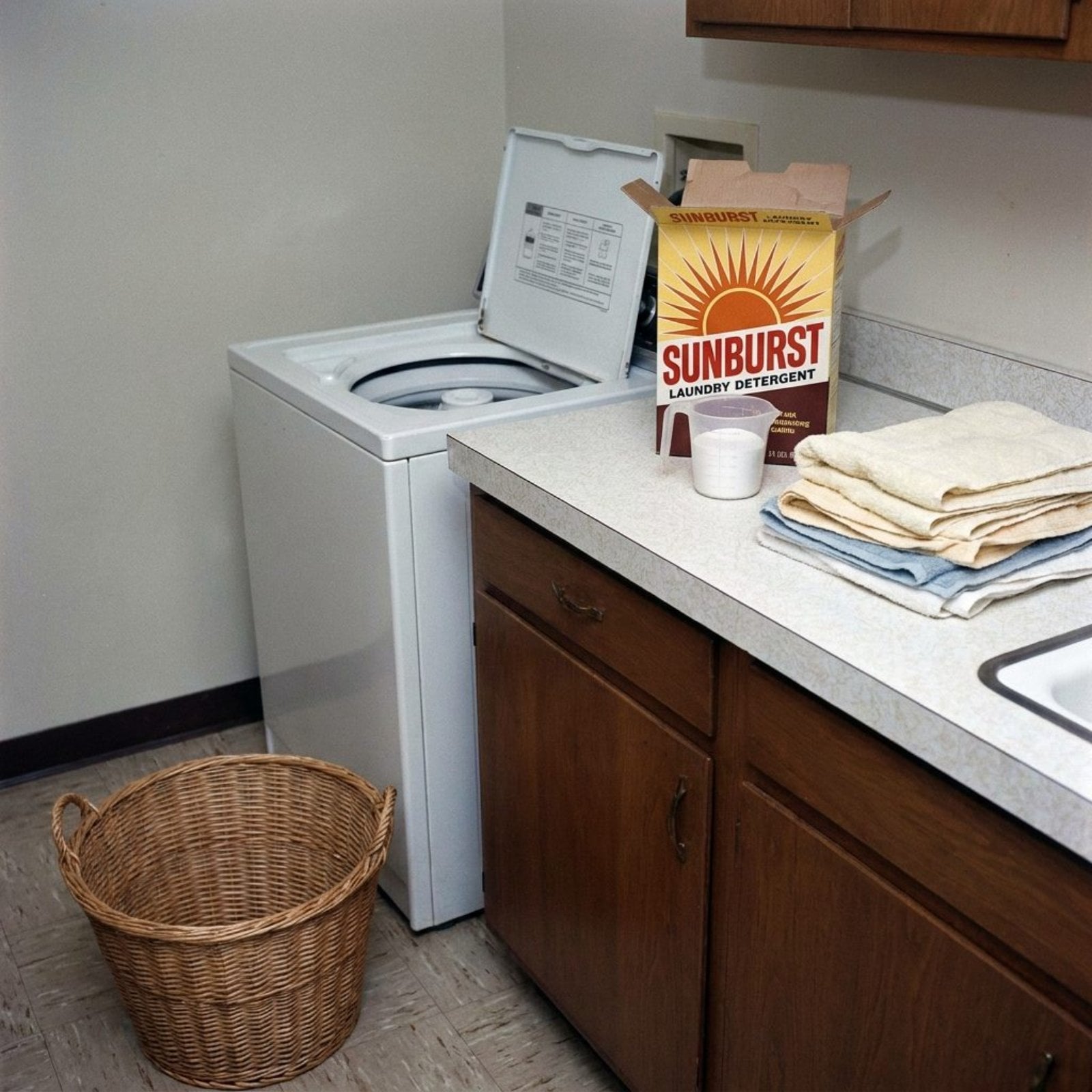
32. Laundry Detergent: About 35 Cents a Box in 1963
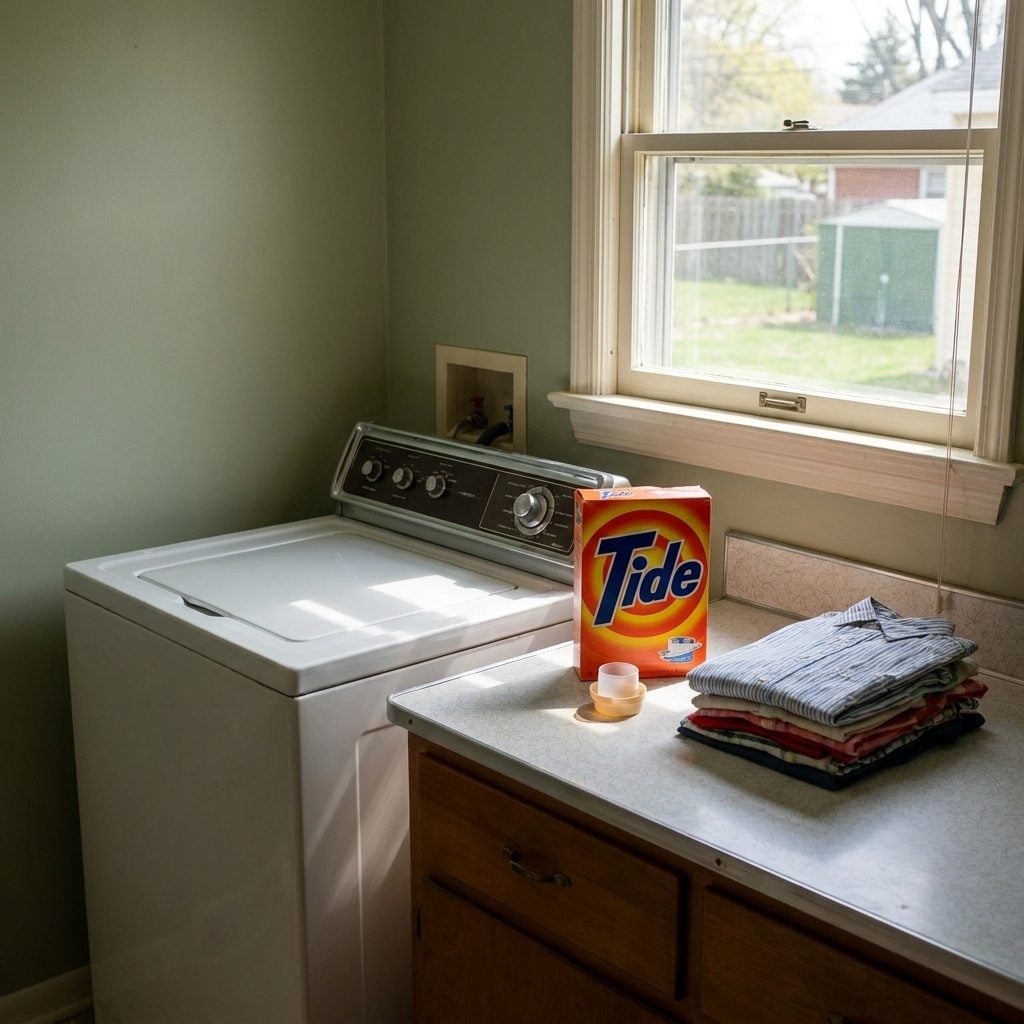
A box of powdered laundry detergent could sell for roughly 30 to 40 cents in the early 1960s, depending on the brand, package size, and weekly advertisement. It sat beside the washer with a cardboard scoop buried somewhere beneath the powder.
At a wage near two dollars an hour, 35 cents represented about ten minutes of factory work. The box itself lasted beyond a single washday, but it also had to handle work shirts, school clothes, towels, and sheets before it was eventually replaced.
31. Bar Laundry Soap: Roughly a Dime
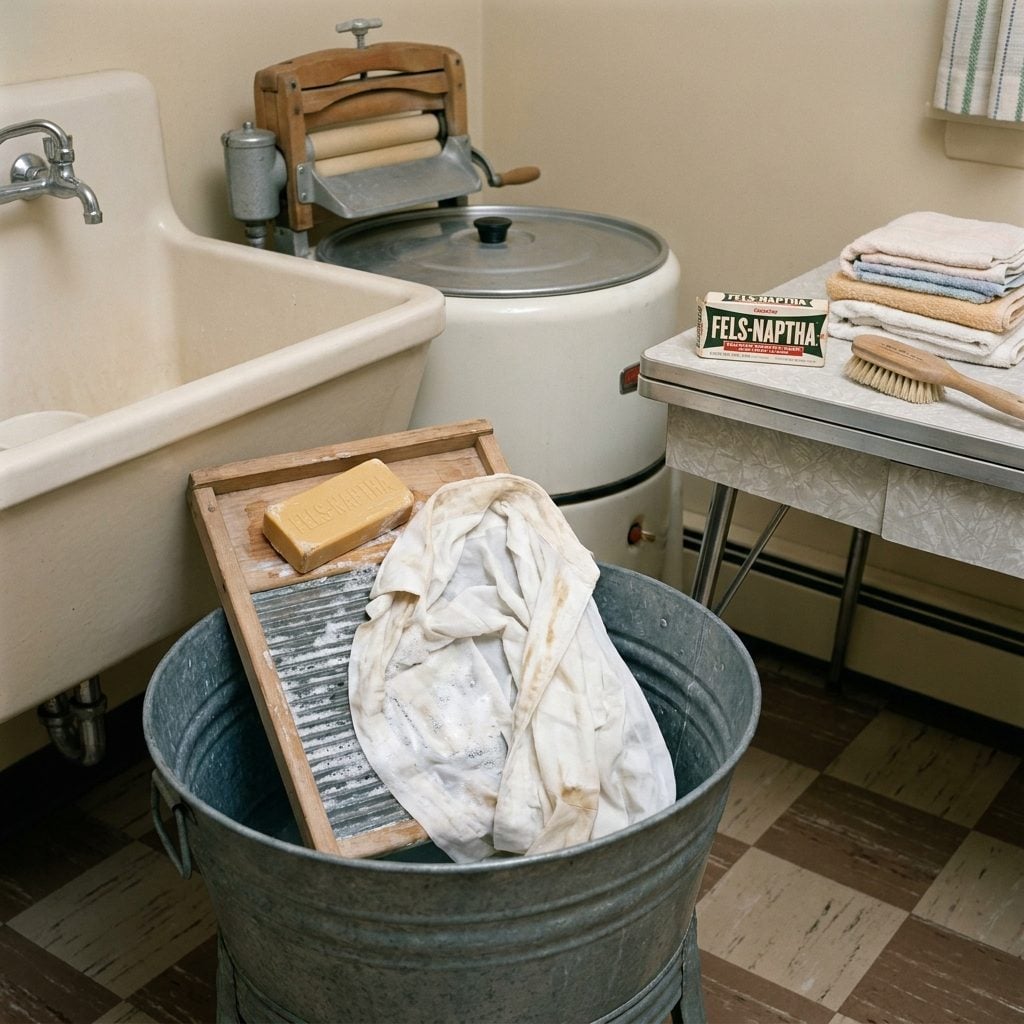
Powder had taken over much of the machine washing by the 1960s, but the laundry bar still had work waiting at the sink. A dime bought a solid block used directly on the places the regular cycle had missed.
Grass stains at the knee, gray shirt collars, and grime worked into a cuff received the same treatment: wet the fabric, rub the soap across the spot, and let the bar concentrate the cleaning where it was needed. Because it was used a little at a time, one inexpensive bar could remain beside the sink through many loads.
30. Chlorine Bleach: About 20 Cents a Jug
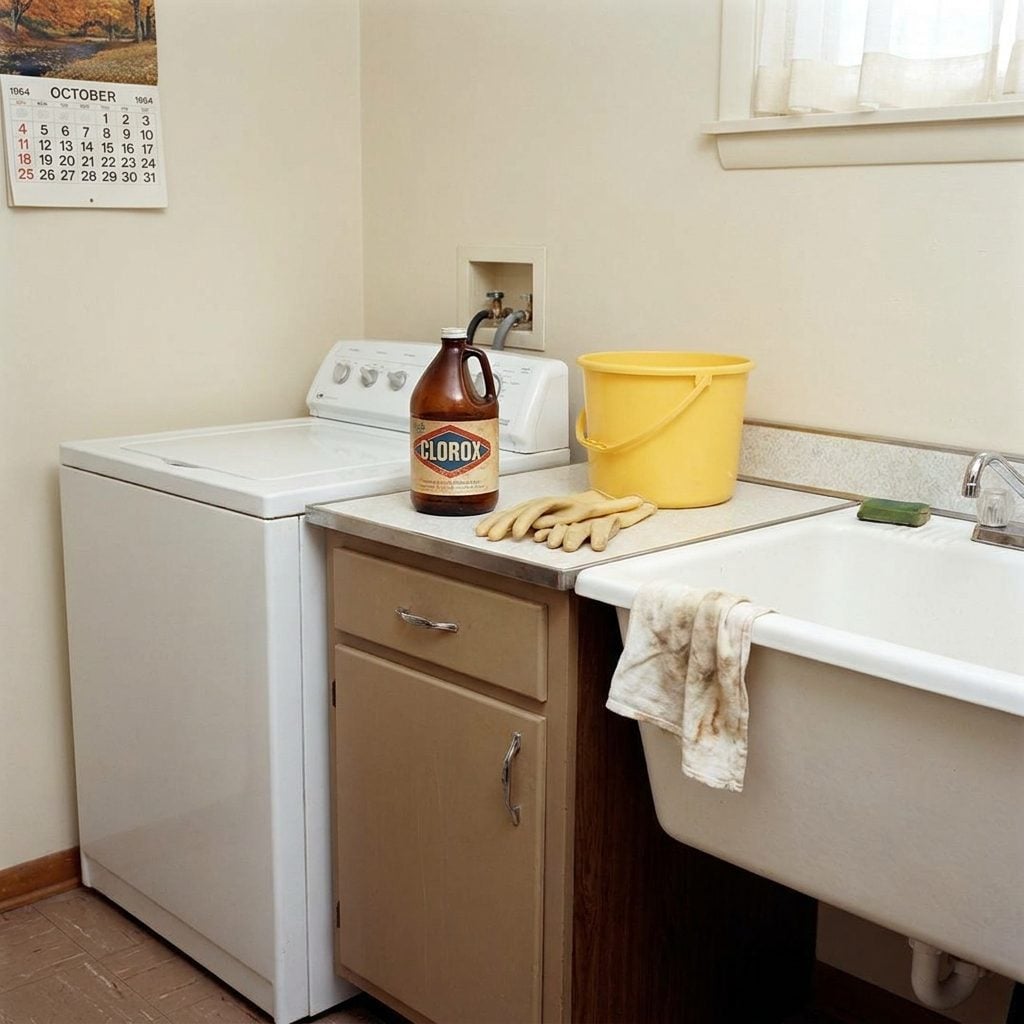
A jug of household chlorine bleach might run roughly 15 to 25 cents. It whitened sheets, treated mildew, sanitized certain surfaces, and erased stains that ordinary soap left behind.
Twenty cents represented about six minutes of work at a two-dollar hourly wage. The low shelf price did not make the product harmless, however. Bleach could damage colored fabric, irritate skin and lungs, and create dangerous fumes if mixed with ammonia or incompatible cleaners.
29. Fabric Softener: Roughly 40 Cents a Bottle
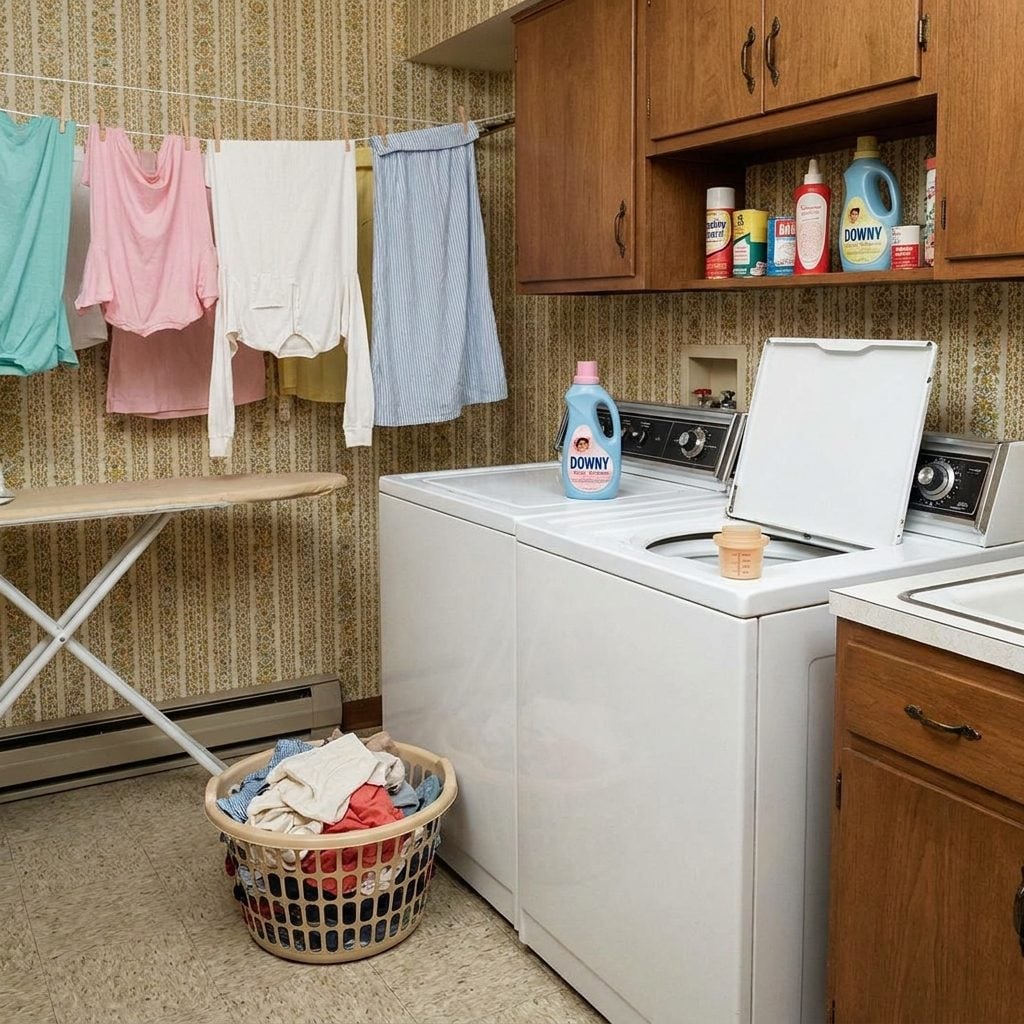
Liquid fabric softener was still a relatively modern addition to many household routines in the early 1960s. A bottle might cost around 35 to 45 cents and promised towels, sheets, and clothing that felt less stiff after washing.
The appeal was not simply cleanliness. This was a product selling touch, fragrance, and a small improvement to an ordinary chore. A measured capful went into the rinse water, and the bottle lasted through repeated washdays rather than disappearing in one week.
28. Spray Starch: About 45 Cents a Can
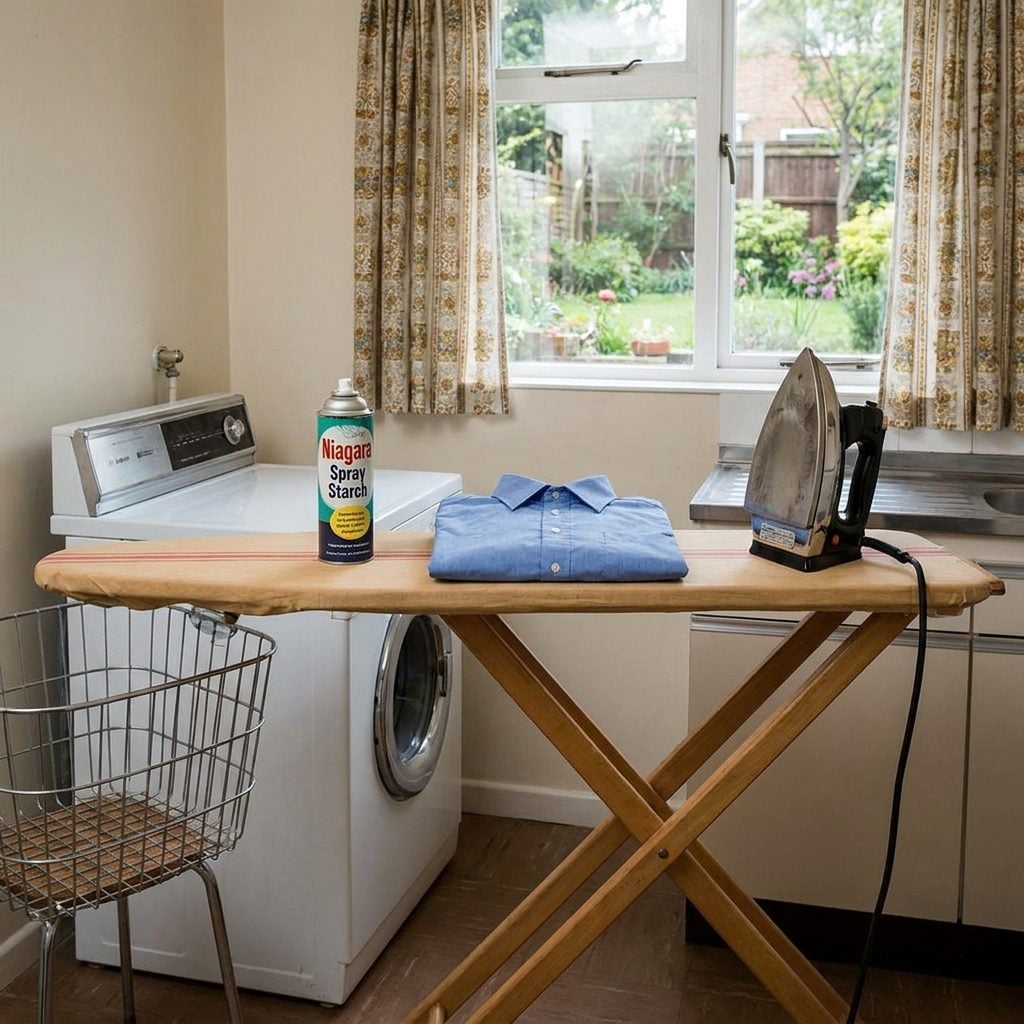
A can of spray starch could cost somewhere between 40 and 50 cents. It entered a household culture where many shirts, collars, cuffs, dresses, linens, and church clothes were expected to leave the ironing board with a crisp finish.
The aerosol can simplified a job that had once required mixing starch separately. The price was not insignificant, but it bought consistency and speed on days when the laundry had already taken hours.
27. Dishwashing Liquid: Roughly 30 Cents a Bottle
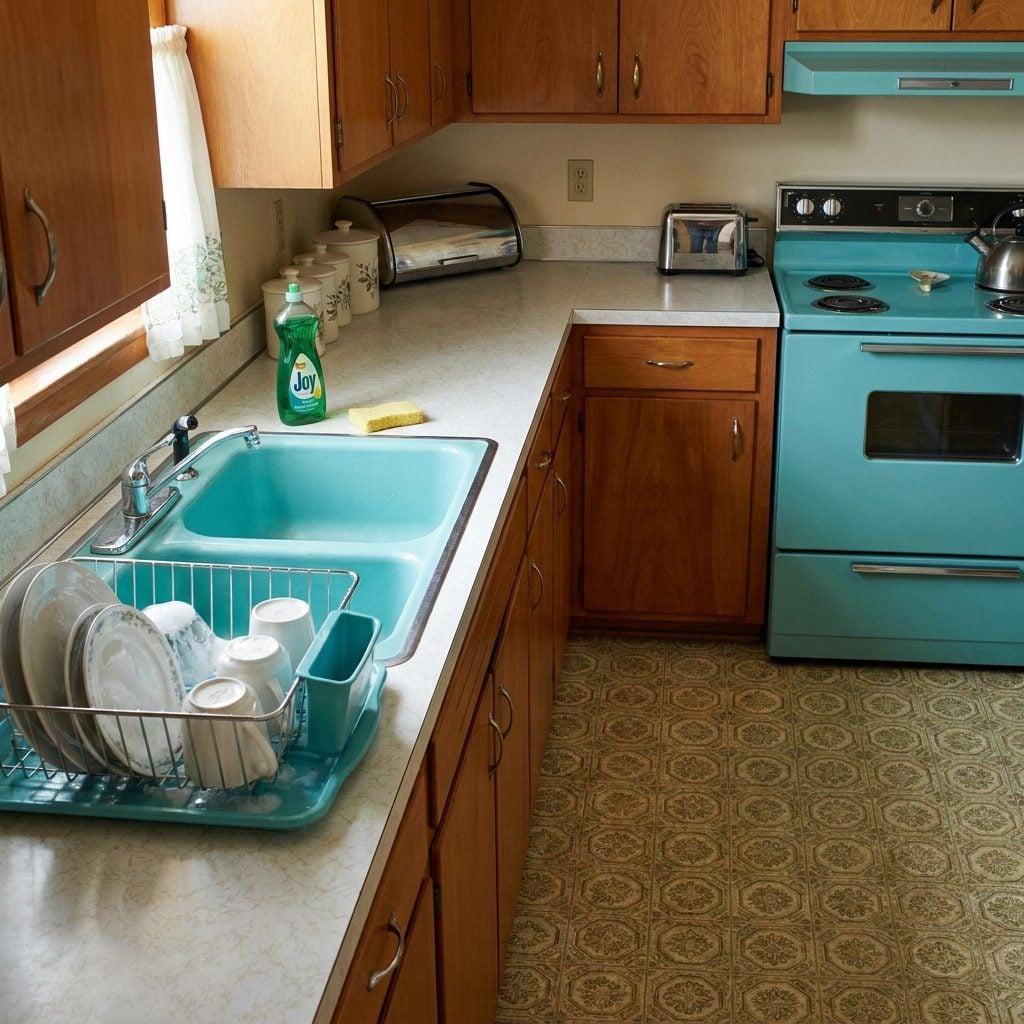
Dishwashing liquid commonly sold for around 25 to 35 cents during the decade. In kitchens without a dishwasher, that bottle returned to work after breakfast, lunch, and dinner.
Pink, green, or golden soap often sat beside a metal drying rack and a stack of cotton dish towels. Used a squeeze at a time, one bottle could last far beyond the week in which it was purchased.
26. Scouring Powder: Around 15 Cents a Can
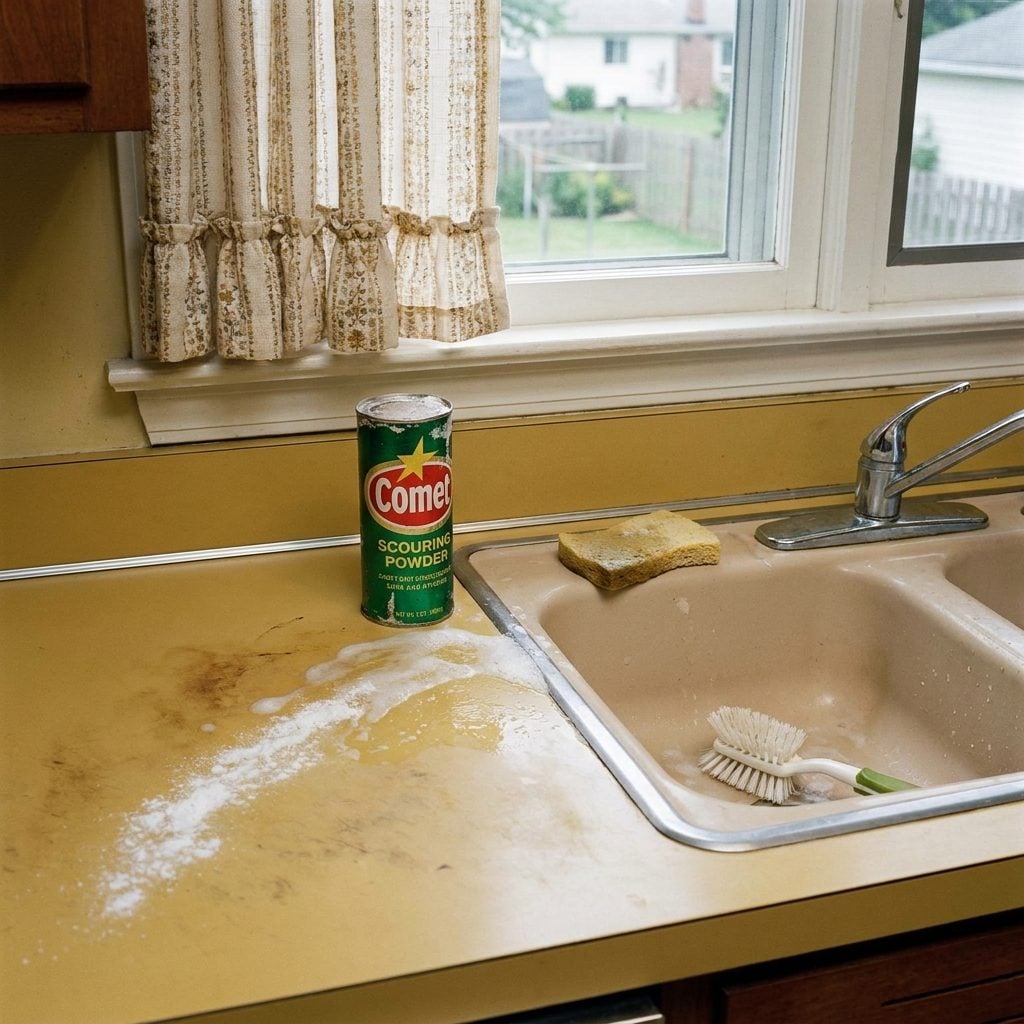
A can of scouring powder might cost around 10 to 20 cents, depending on its size and brand. The abrasive powder tackled bathtub rings, stained sinks, scorched enamel, and cookware that a soft cloth could not rescue.
The can tended to remain on the back of the tub or beneath the kitchen sink until its cardboard softened and its metal top dulled. A small purchase bought weeks of concentrated scrubbing power, though abrasive cleaners also had to be used carefully on surfaces that could scratch.
25. All-Purpose Cleaner: Around 50 Cents a Bottle
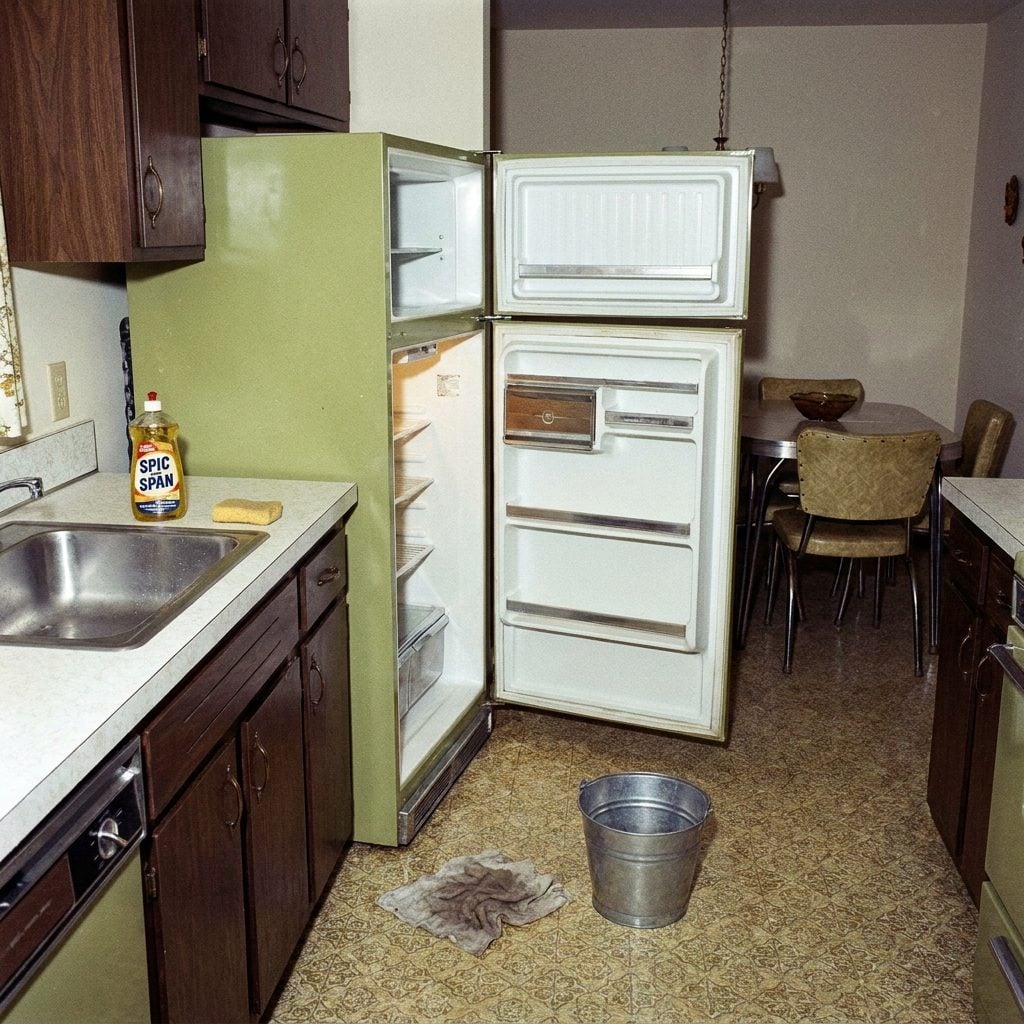
A commercial all-purpose cleaner could cost around 50 cents, give or take a nickel. It offered one ready-made solution for counters, painted cabinet fronts, appliance exteriors, and greasy areas near the stove.
That convenience mattered in houses where vinegar, soap, ammonia, washing soda, and other ingredients were still mixed according to the job. The store-bought bottle did not eliminate homemade cleaners, but it reduced the number of separate solutions that had to be prepared from scratch.
24. Glass Cleaner: Roughly 40 Cents a Bottle
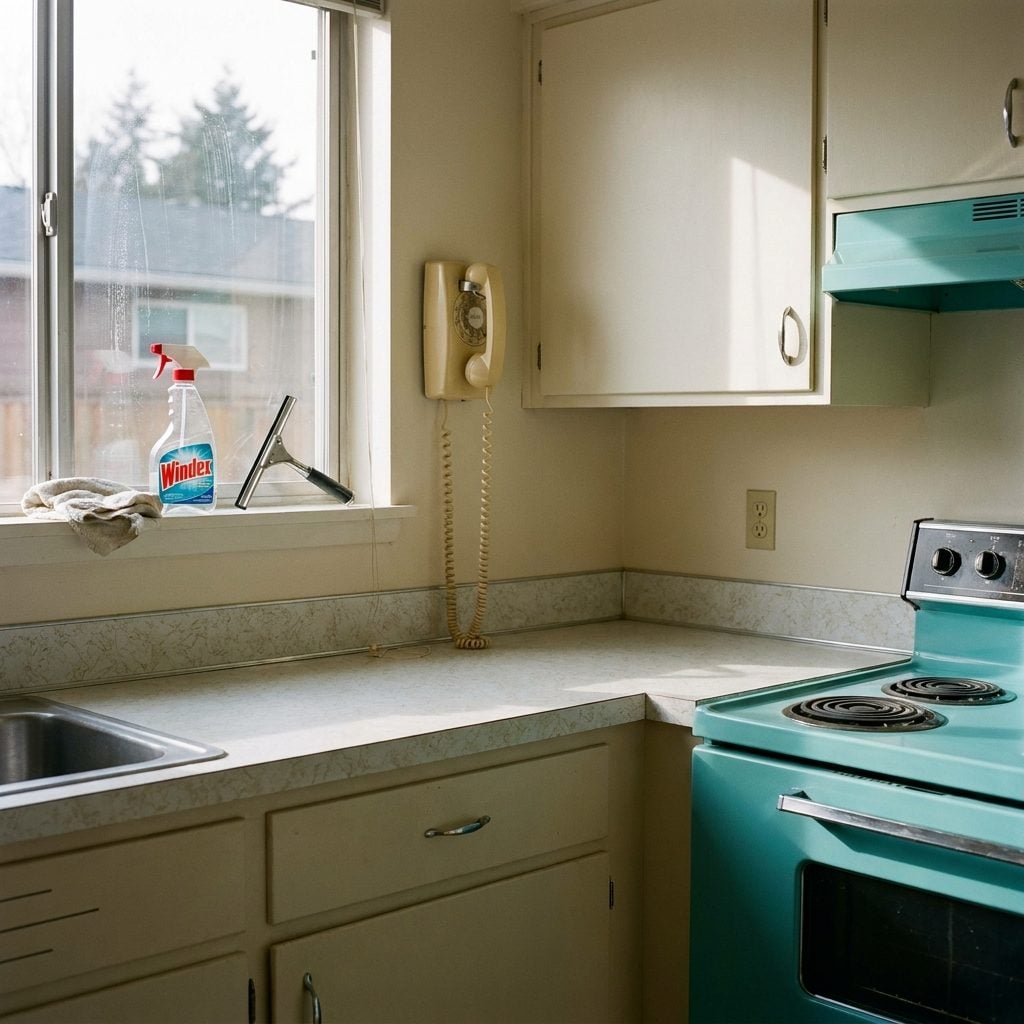
A bottle of glass cleaner could sell for roughly 35 to 45 cents. Large postwar windows, mirrored medicine cabinets, chrome fixtures, and polished appliance surfaces gave the product plenty to do.
The convenience was immediate: spray, wipe, inspect the light, and go back over the streak that somehow remained. The bottle might have been inexpensive, but spotless glass still depended on the cloth, the angle of the sun, and the patience of the person cleaning it.
23. Furniture Polish: About 55 Cents a Can
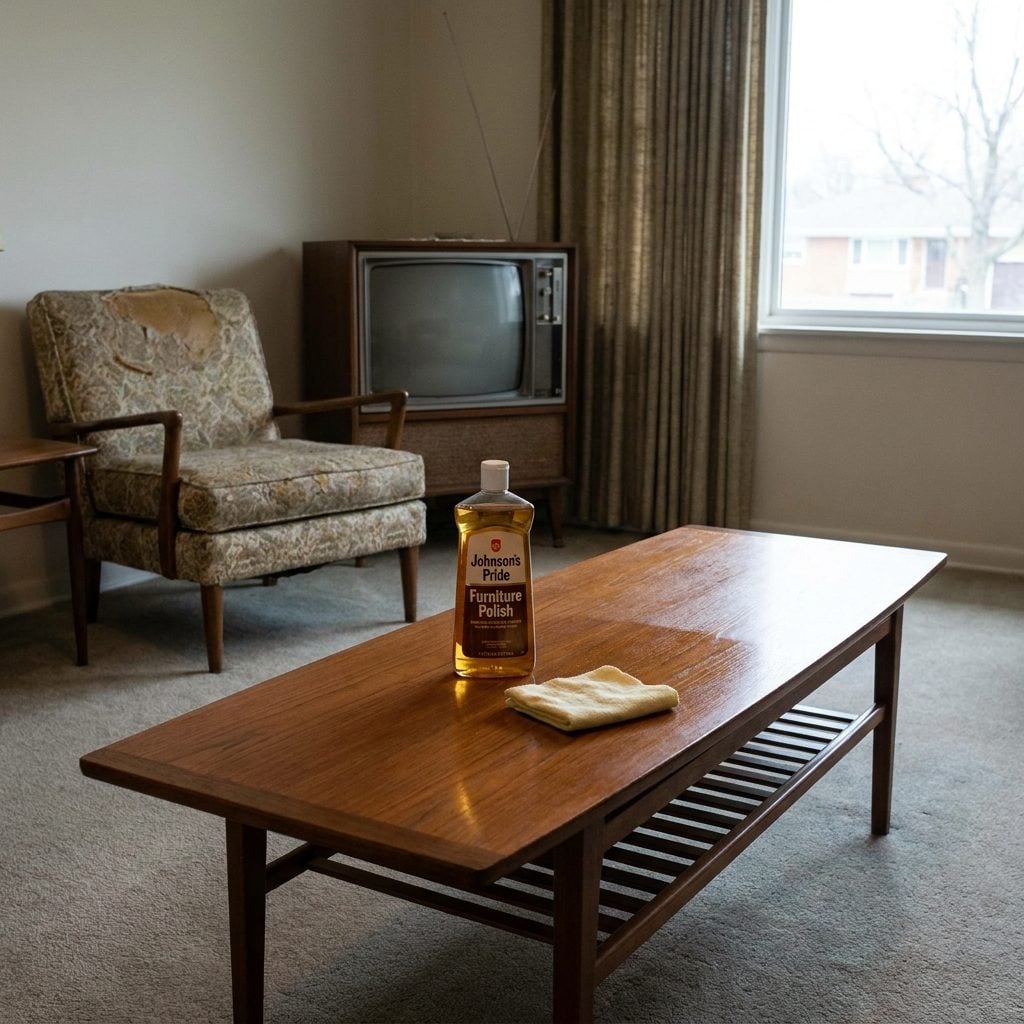
Furniture polish might cost around 50 to 60 cents a can. A light spray and soft cloth brought shine to coffee tables, dining sets, television cabinets, and the wooden arms of living-room chairs.
Wood furniture was generally expected to remain in the household for years, so polishing was partly about appearance and partly about care. The lemon scent became its own Saturday signal, arriving before anyone entered the room and noticed the shine.
22. Paste Floor Wax: About 89 Cents a Can in 1963
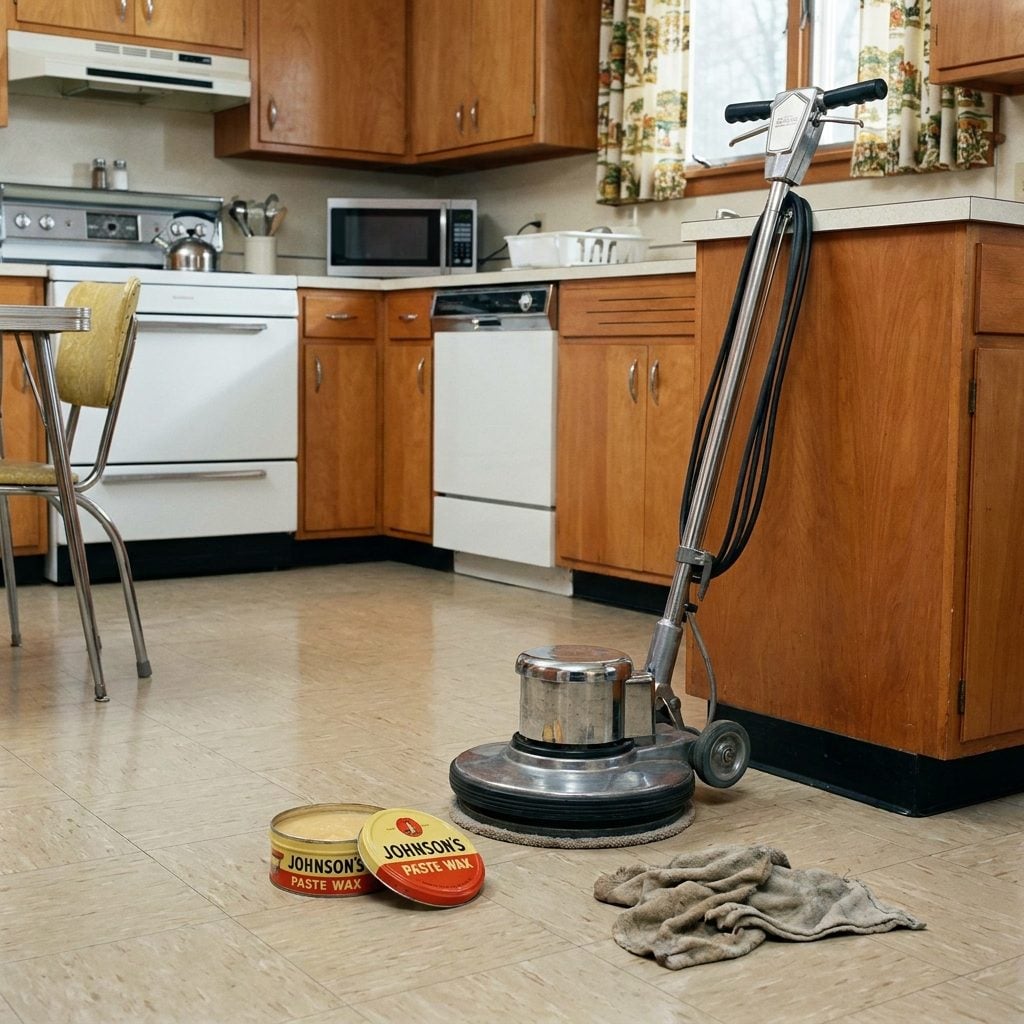
A can of paste floor wax could approach 89 cents, making it one of the more expensive purchases on the cleaning shelf. It was spread thinly across compatible resilient or sealed floors and then buffed until the surface reflected the room.
The price was only part of the cost. Kneeling, applying, waiting, and polishing turned floor care into a substantial household job. One can lasted through repeated applications, but every shine required another investment of time.
21. Floor Cleaner: Roughly 55 Cents a Bottle
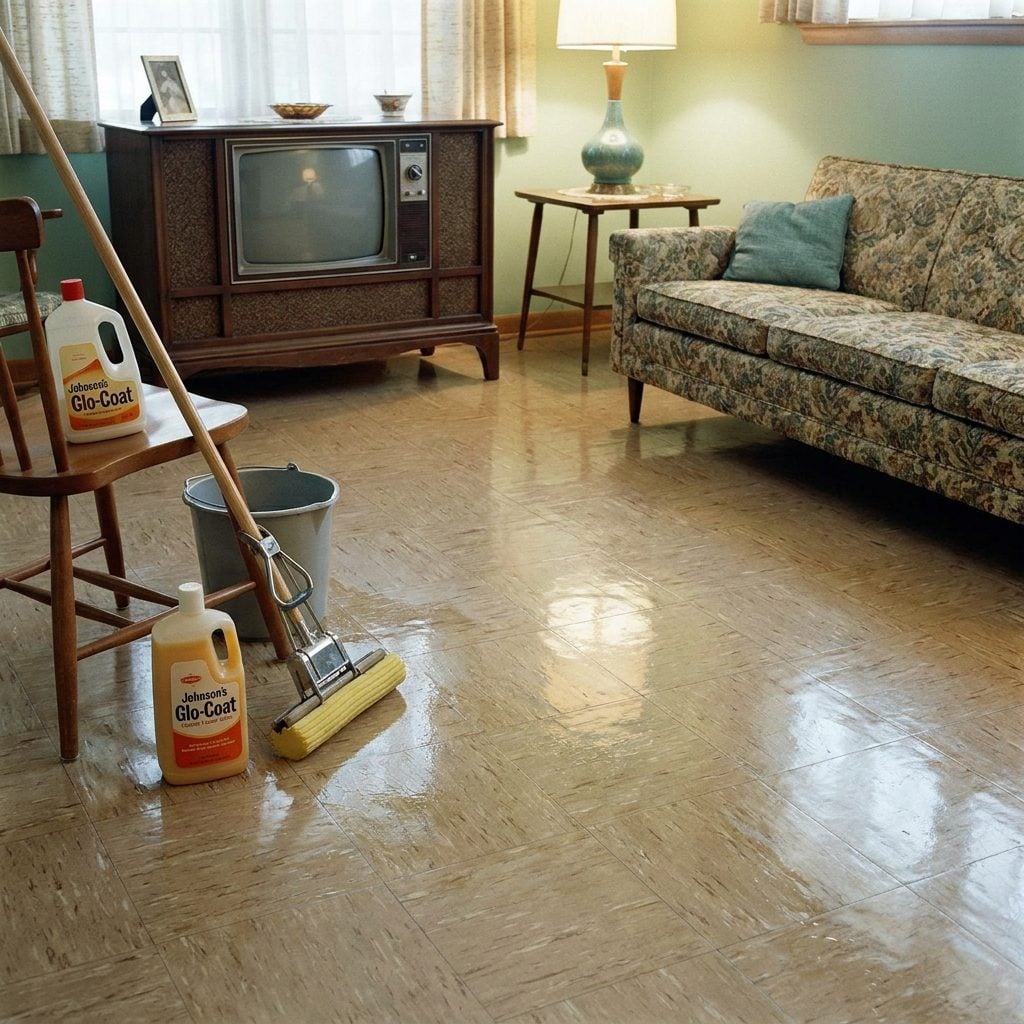
Before waxing came washing. A bottle of concentrated, pine-scented floor cleaner might cost about 55 cents and was diluted with water in a bucket before the mop entered the room.
The fragrance announced itself early and lingered long after the floor dried. Because only a measured amount went into each bucket, one bottle could remain in service through many weekly cleanings.
20. Toilet Bowl Cleaner: Around 39 Cents in 1965
🔥 Would you like to save this?
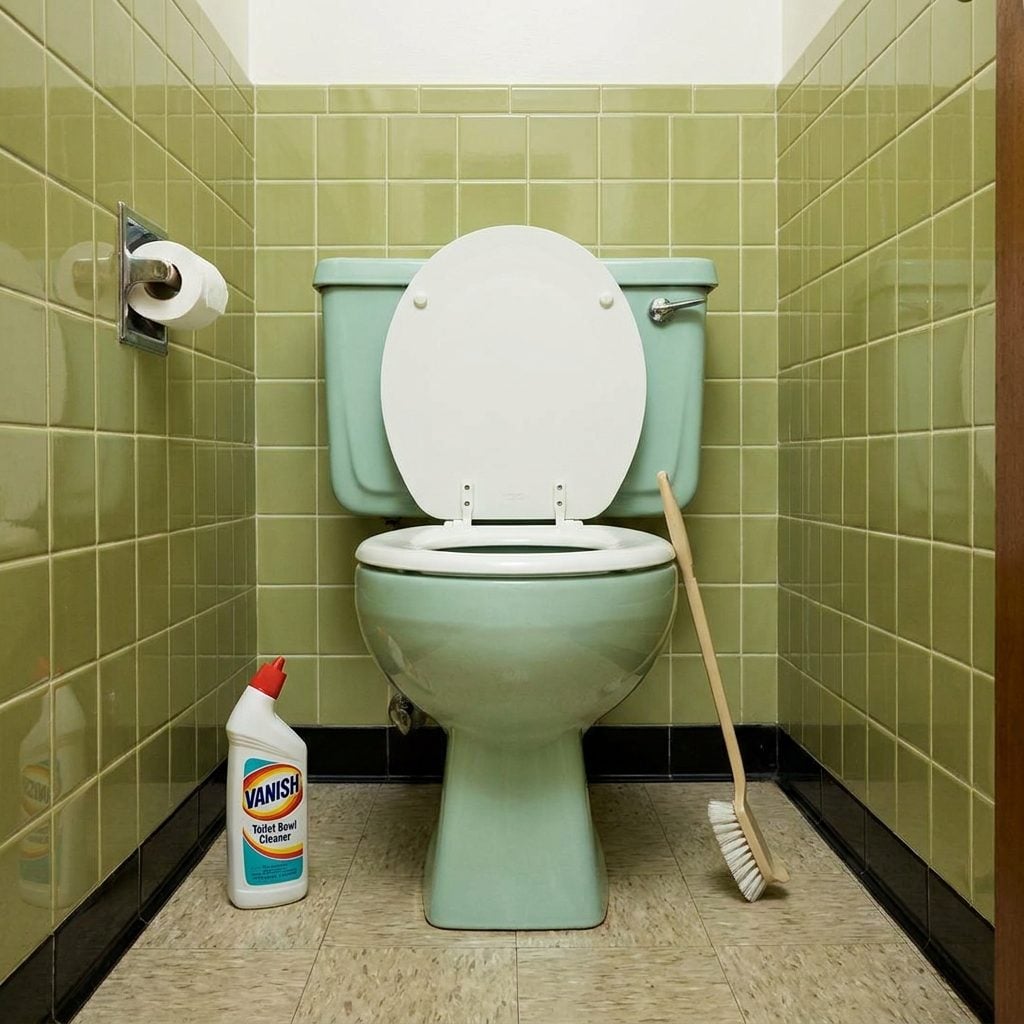
Powdered toilet bowl cleaner could sell for around 39 cents in the middle of the decade. Some products arrived in shaker-style cans, while liquid cleaners in specially shaped bottles became more familiar over time.
The packaging could resemble scouring powder, but the chemistry and intended use were different. A single can or bottle lasted through numerous cleanings, spreading the purchase price across many bathroom scrubs.
19. Concentrated Disinfectant: About 69 Cents a Bottle
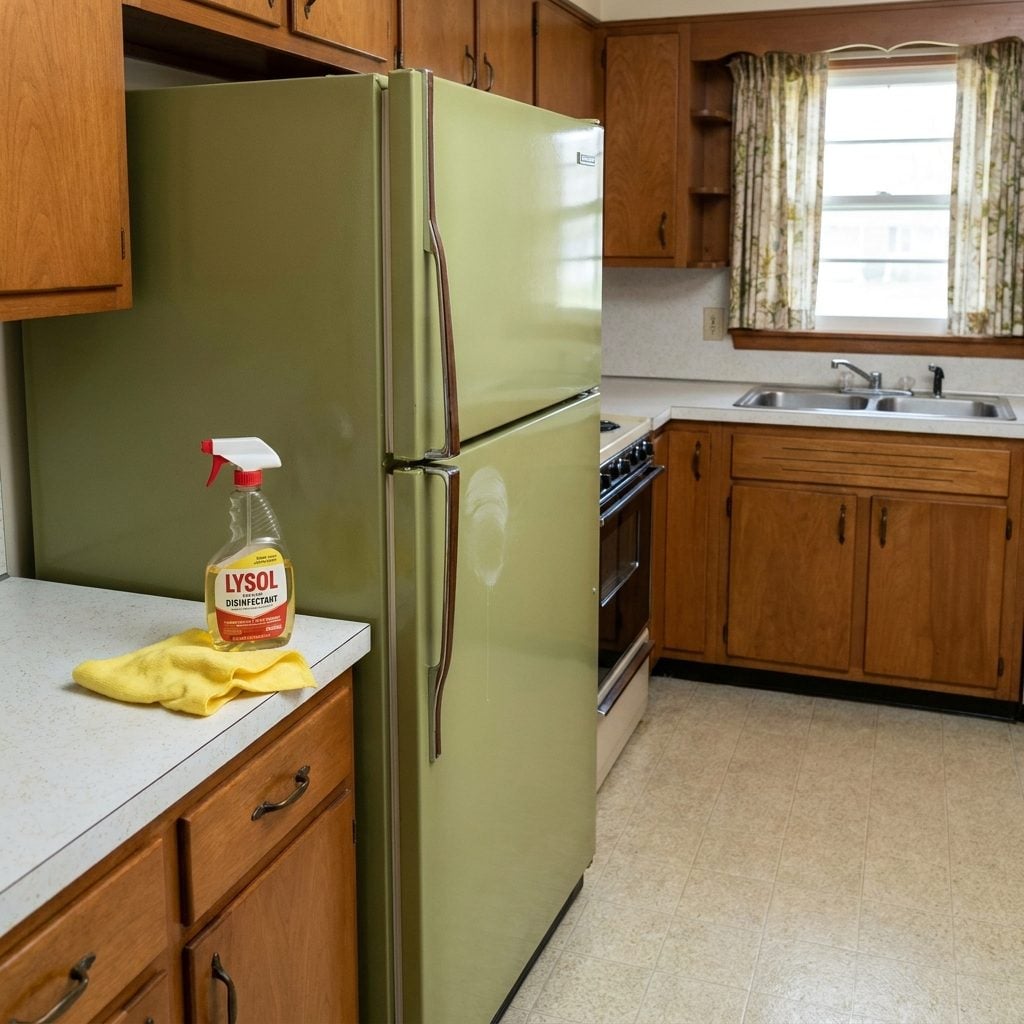
A bottle of concentrated disinfectant could cost around 69 cents. Because it was diluted according to the label, one purchase could serve multiple rooms and last through many cleaning sessions.
The amber bottle often stood apart from the brighter powders and sprays around it. Its value came from concentration rather than novelty: a small measured amount went into a bucket, leaving the rest sealed beneath the sink for the next job.
18. Household Ammonia: Roughly 29 Cents a Jug
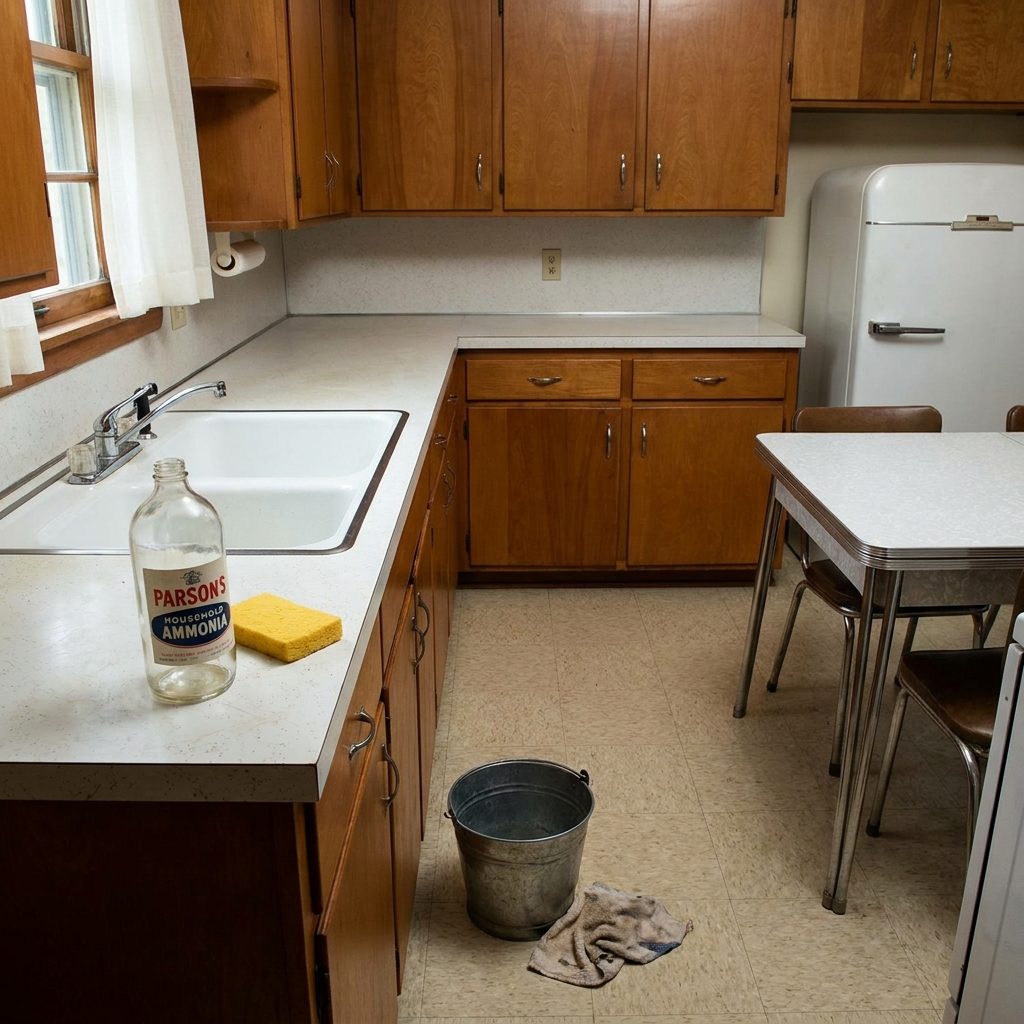
Plain household ammonia could cost around 29 cents and was used, in properly diluted form, for certain greasy surfaces, windows, and floors. Its sharp odor made ventilation essential.
The low price and concentrated formula made it economical, but it demanded respect. Ammonia should never be combined with chlorine bleach or other incompatible cleaners because the mixture can release dangerous gases. Historical household recipes varied widely; safe modern use should always follow the current product label.
17. Oven Cleaner: About 79 Cents a Can
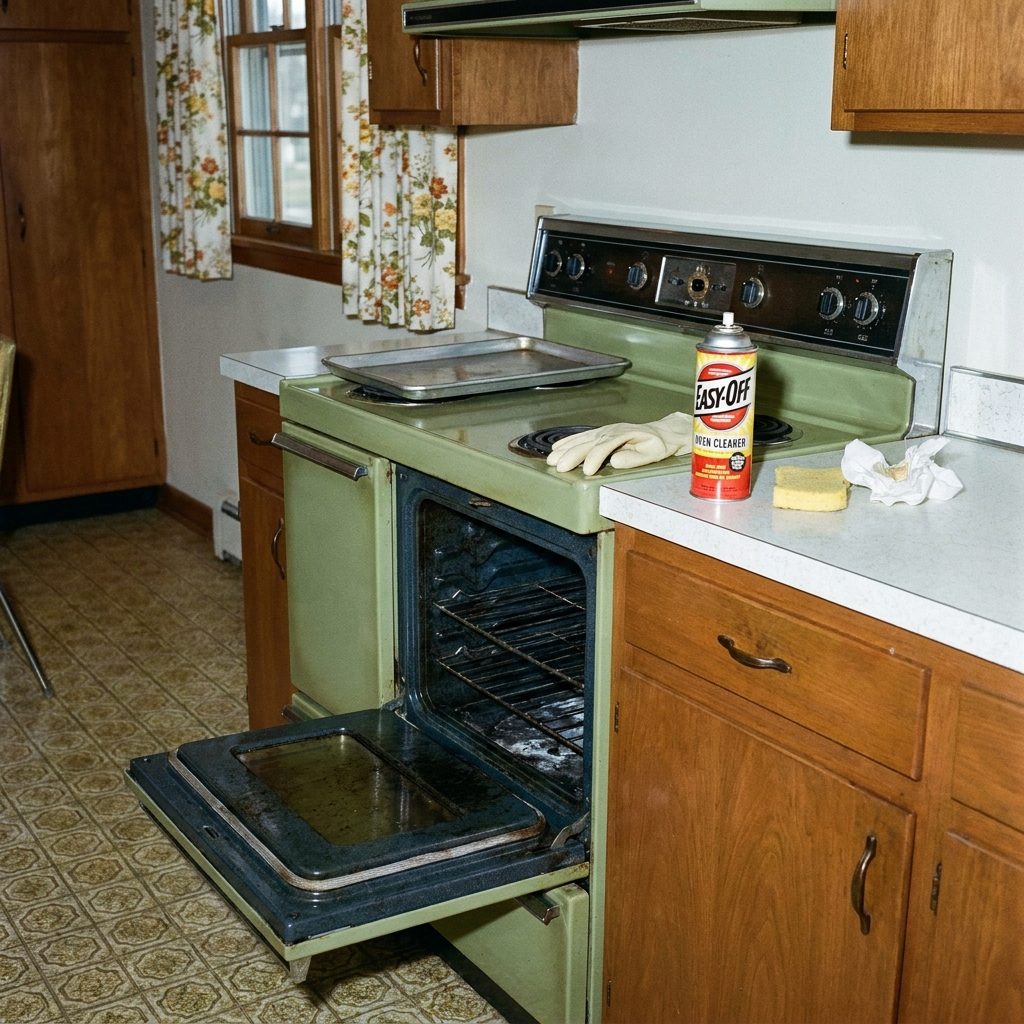
Aerosol oven cleaner could cost around 79 cents, steep compared with a jug of ammonia or a can of scouring powder. Its appeal was the promise of loosening baked-on grease without hours of scraping.
The product saved effort, but the job still required ventilation, protective gloves, careful rinsing, and close attention to the label. The convenience came from reducing physical scrubbing, not from making powerful chemicals casual.
16. Drain Opener: Roughly 49 Cents a Can
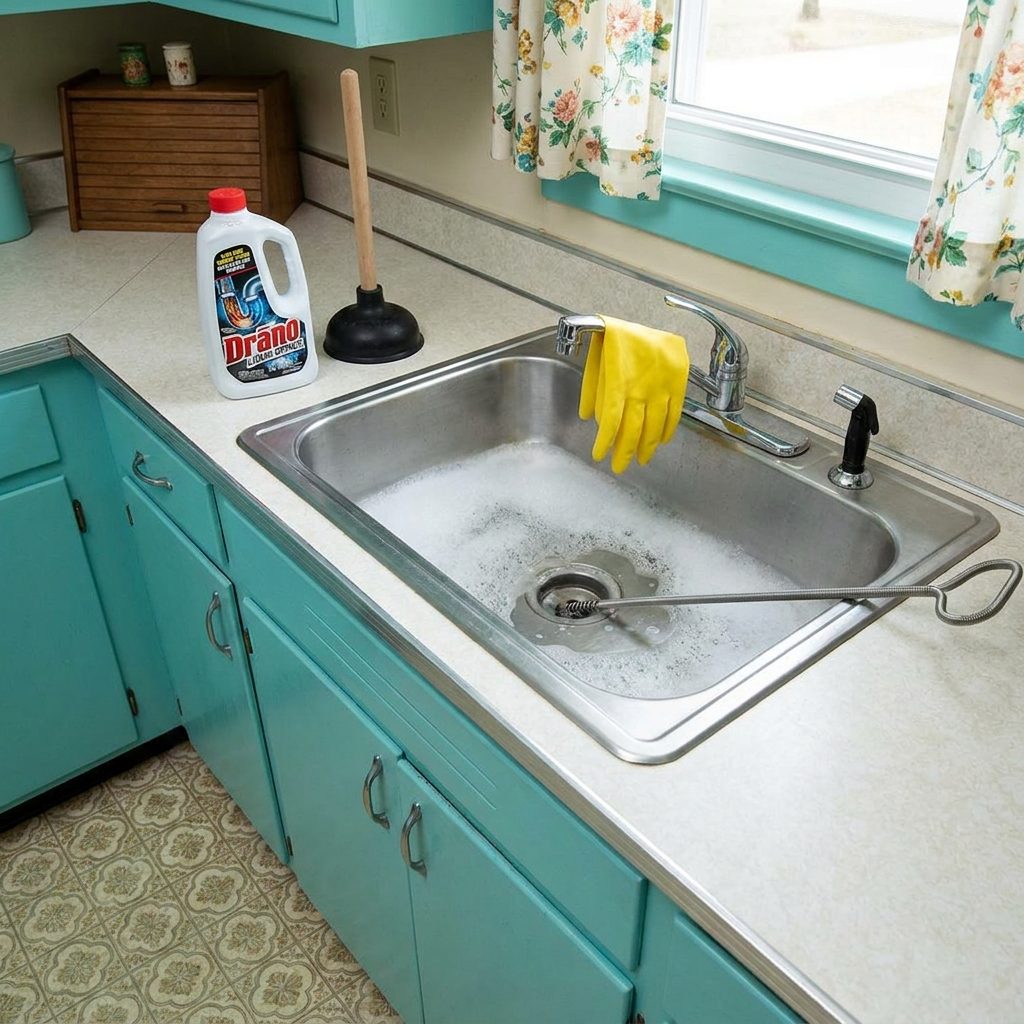
Crystal drain opener could sell for around 49 cents and usually came with prominent warnings. The container appeared only when an ordinary plunger or mechanical clearing method had failed.
Caustic drain products were inexpensive compared with a service call, but they could burn skin, damage certain materials, and react dangerously with other chemicals. The shelf price was low; the need for caution was not.
15. Aerosol Air Freshener: About 65 Cents in 1967
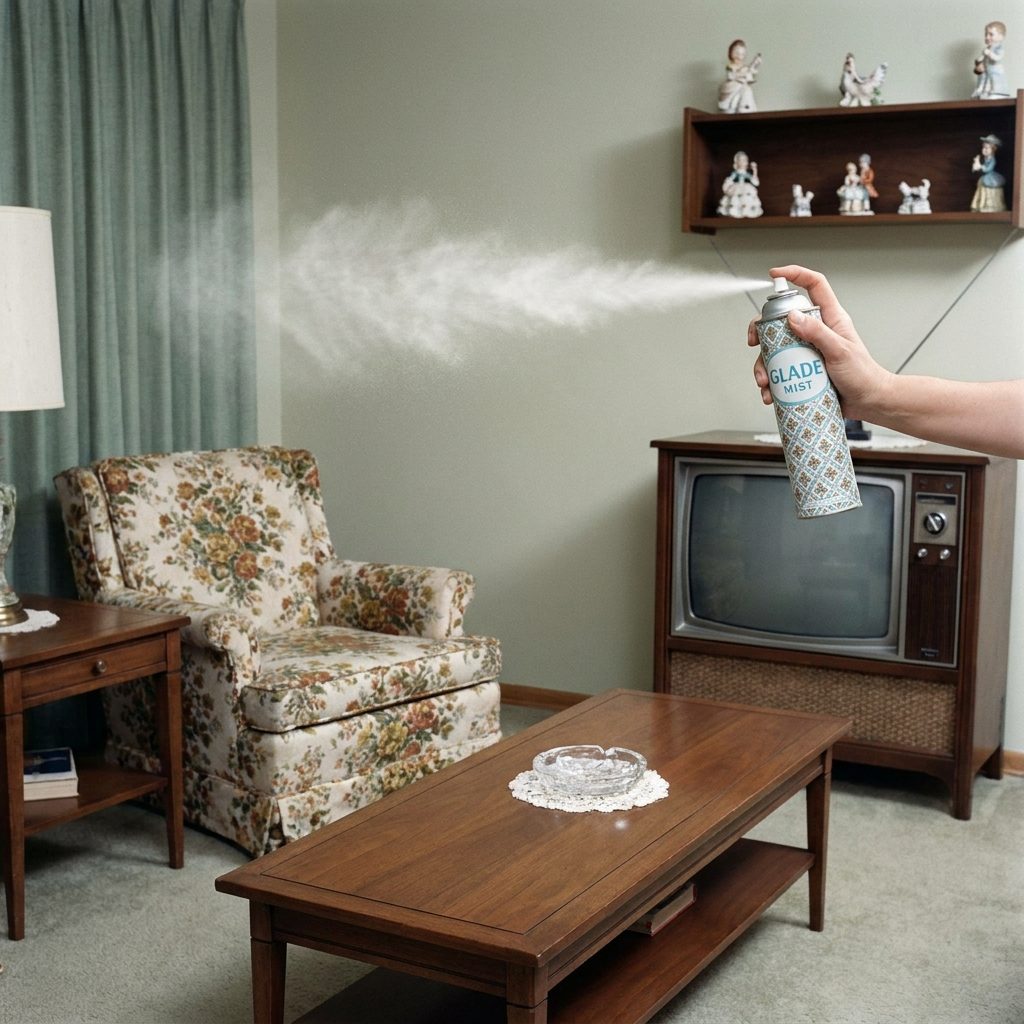
An aerosol air freshener could cost around 65 cents in the later 1960s. One press of the nozzle replaced cooking odors, cigarette smoke, or a closed-up hallway with something labeled meadow, garden, pine, or spring rain.
The scents rarely resembled anything growing outdoors, but the cans sold a quick atmospheric reset. That same desire to control how a room smells later expanded into plug-ins, diffusers, sprays, and scented candles.
14. A Roll of Paper Towels: Around 25 Cents
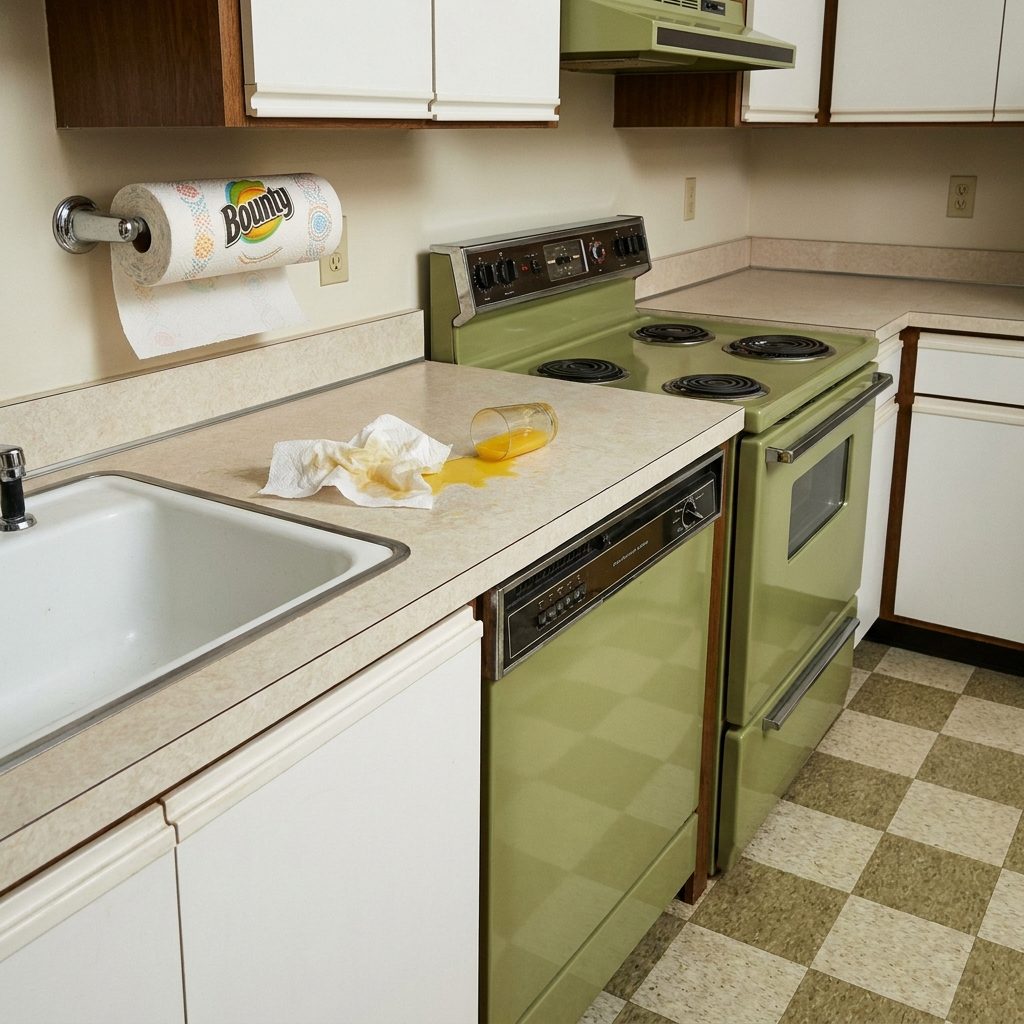
A roll of paper towels might cost around 25 cents. Many households still reached for a washable rag first because using something once and discarding it could feel wasteful.
That instinct was especially strong in families shaped by Depression-era thrift or wartime rationing. The roll remained available for grease, spills, and jobs that no one wanted transferred to a dish towel, but it was not always the automatic first choice.
13. Toilet Paper: Roughly 10 Cents a Roll
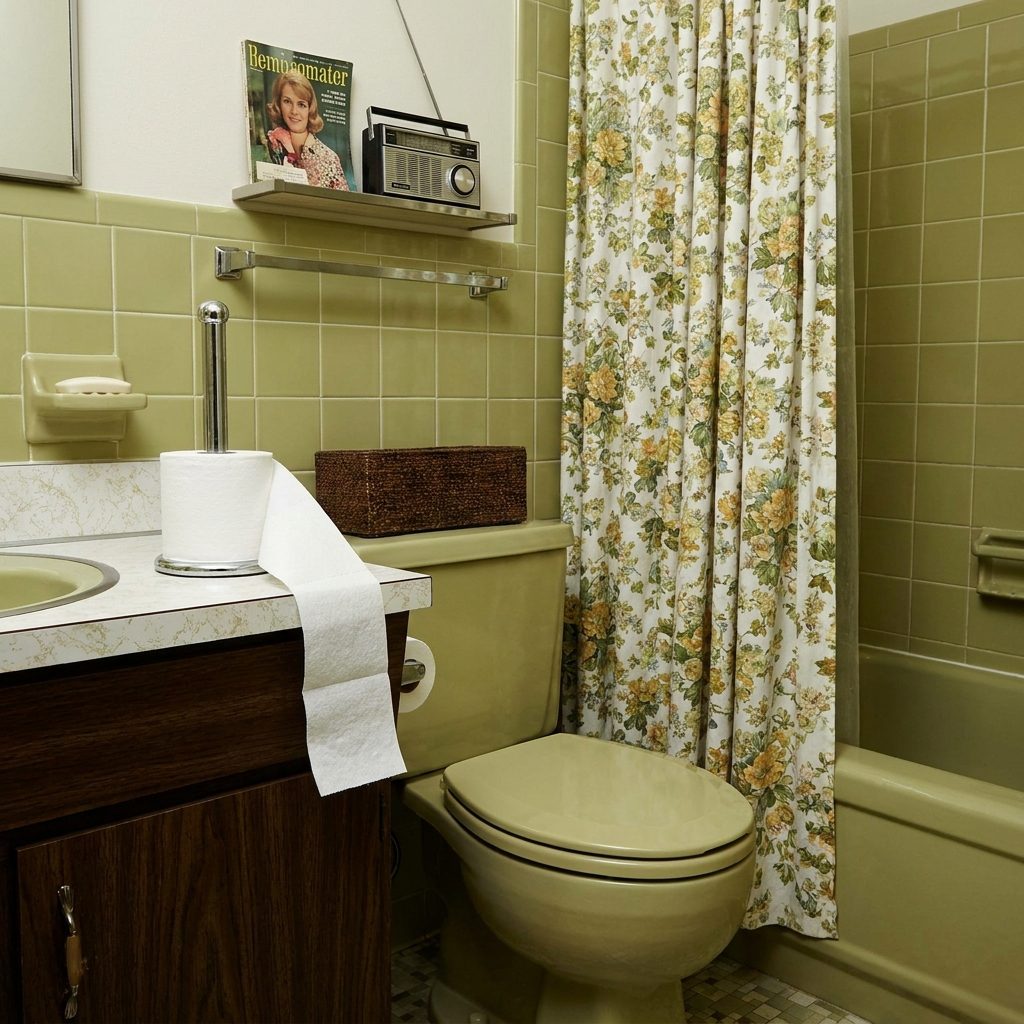
Toilet paper could sell for around a dime per roll, with four-packs advertised near 39 cents. The precise price depended on the brand, paper quality, location, and year.
Colored toilet paper was one of the decade’s more memorable details. Pink, blue, green, and yellow rolls were marketed to coordinate with bathroom tile, towels, and fixtures, turning an unavoidable purchase into another opportunity for matching decor.
12. A Box of Facial Tissues: About 25 Cents in 1962
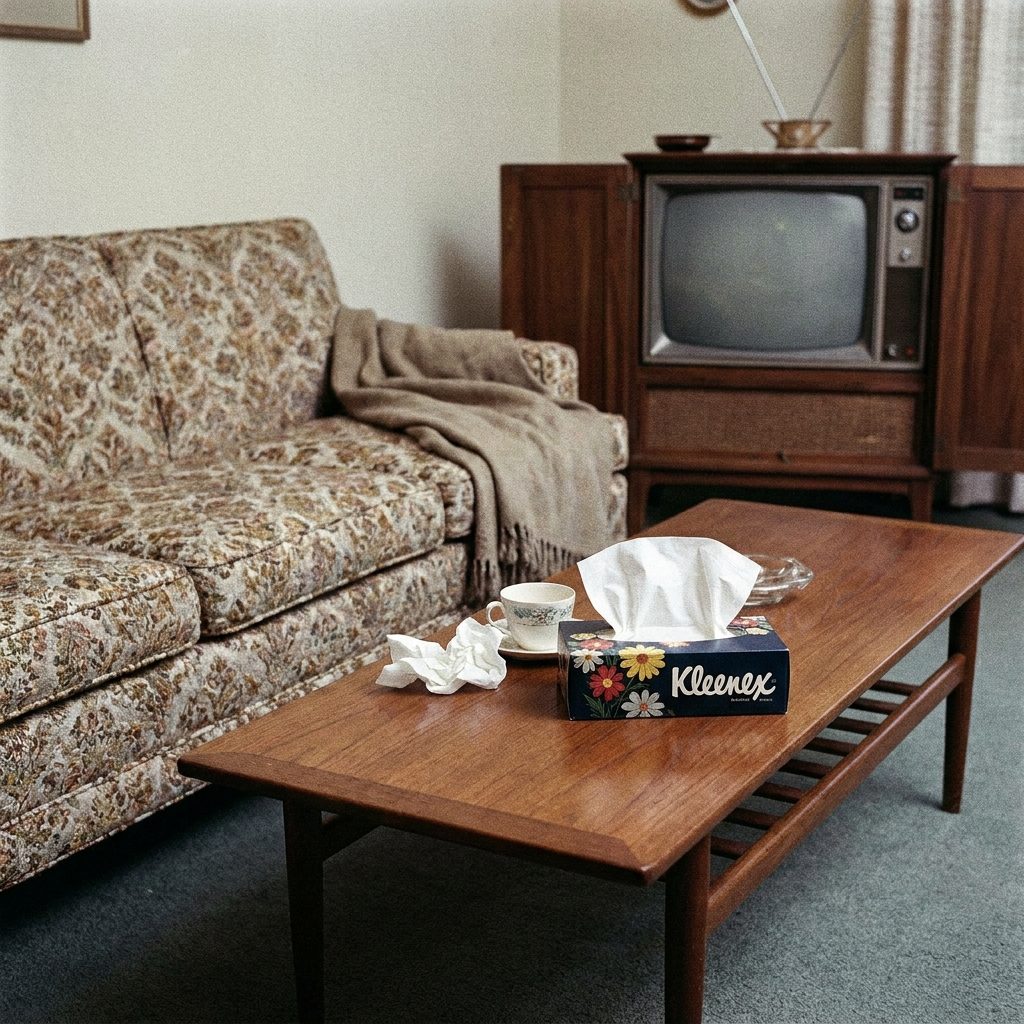
A pop-up box of facial tissues could cost about a quarter. At two dollars an hour, that equaled roughly seven and a half minutes of work—not a major purchase, but not free either.
Boxes appeared in bedrooms, bathrooms, and living rooms, sometimes wrapped in printed cardboard designed to coordinate with the surroundings. The tissue itself was disposable; the box was expected to look as though it belonged in the room.
11. Aluminum Foil: Roughly 30 to 40 Cents a Roll
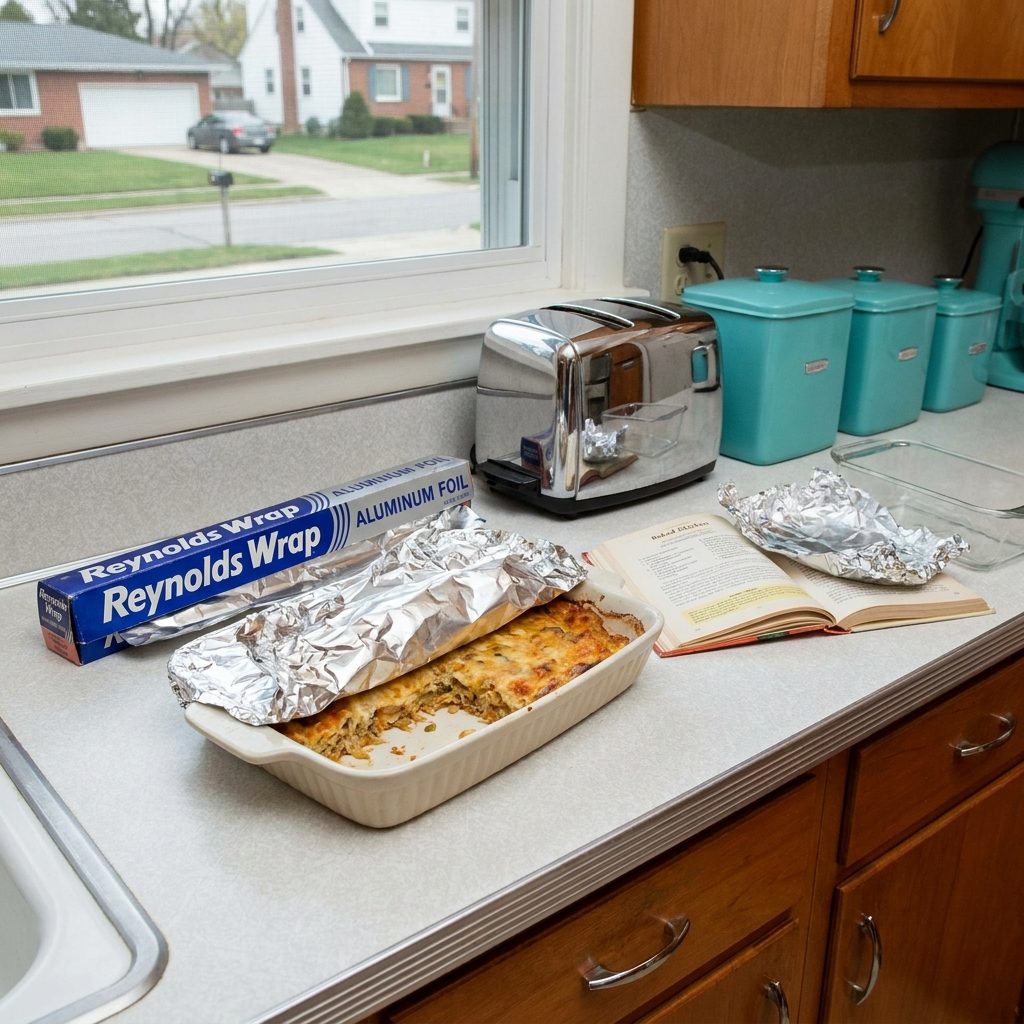
A standard roll of aluminum foil might cost around 30 to 40 cents. By the 1960s it was already an established kitchen product used for leftovers, roasting, broiling, freezer storage, and countless improvised covers.
Many thrifty cooks reused clean pieces when practical. A sheet might be wiped, folded, and tucked into a drawer rather than discarded automatically, helping a single roll last through weeks of meals.
10. Wax Paper: About 20 Cents a Carton
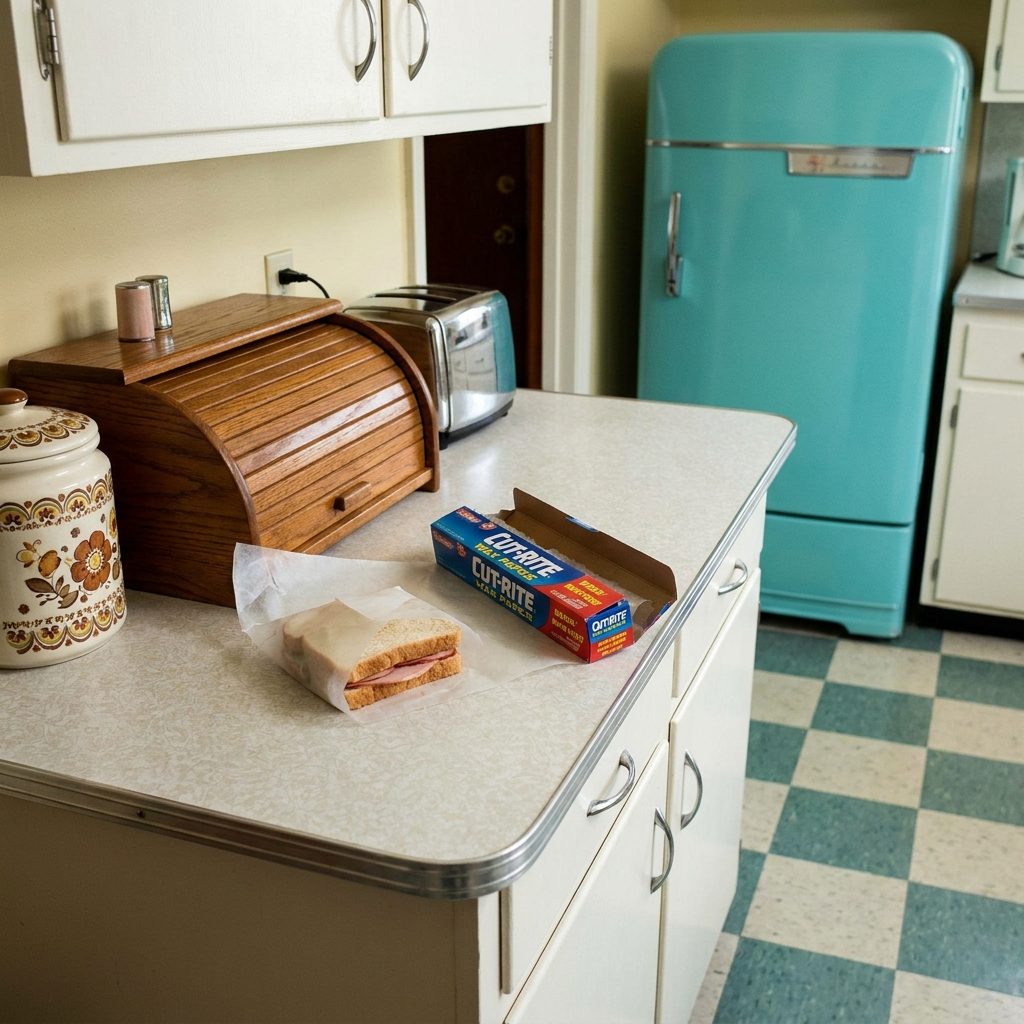
A carton of wax paper could cost about 20 to 25 cents. It wrapped sandwiches, separated baked goods, covered dough, lined work surfaces, and protected food during countless small kitchen jobs.
Its faint paraffin smell and dry crinkle made it unmistakable. Foil and plastic wrap overlapped with some of those tasks, but wax paper retained its own place anywhere flexibility and a nonstick surface mattered more than an airtight seal.
9. Plastic Food Wrap: Around 30 to 40 Cents
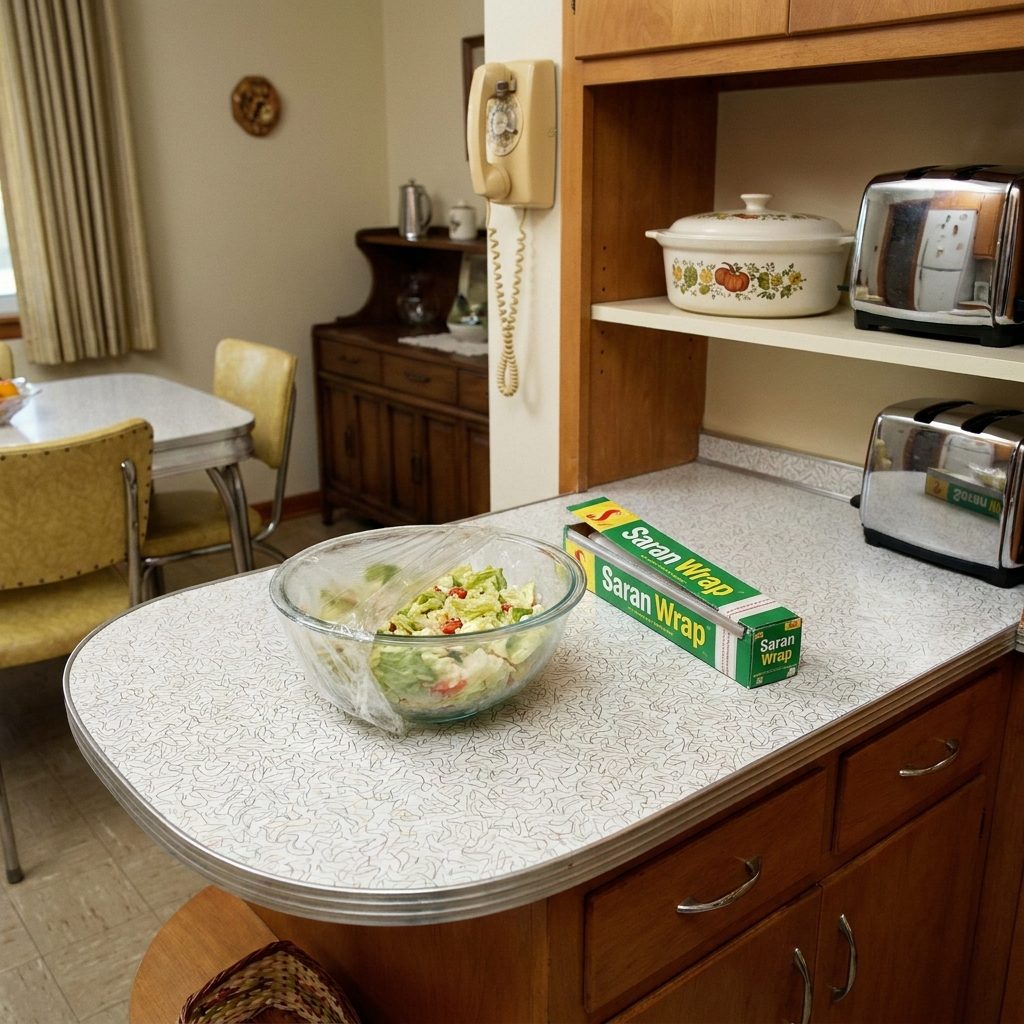
Plastic food wrap could sell for around 30 to 40 cents. It was not brand new by the 1960s, but it still represented the modern side of the kitchen drawer beside older standbys such as wax paper and glass containers.
The appeal was obvious: a transparent sheet could stretch across a bowl without a plate, rubber band, or rigid lid. Early products and formulations varied, but the category grew quickly because it kept leftovers visible and made covering them faster.
8. A Box of Trash Bags: Roughly 60 Cents to a Dollar
🔥 Would you like to save this?
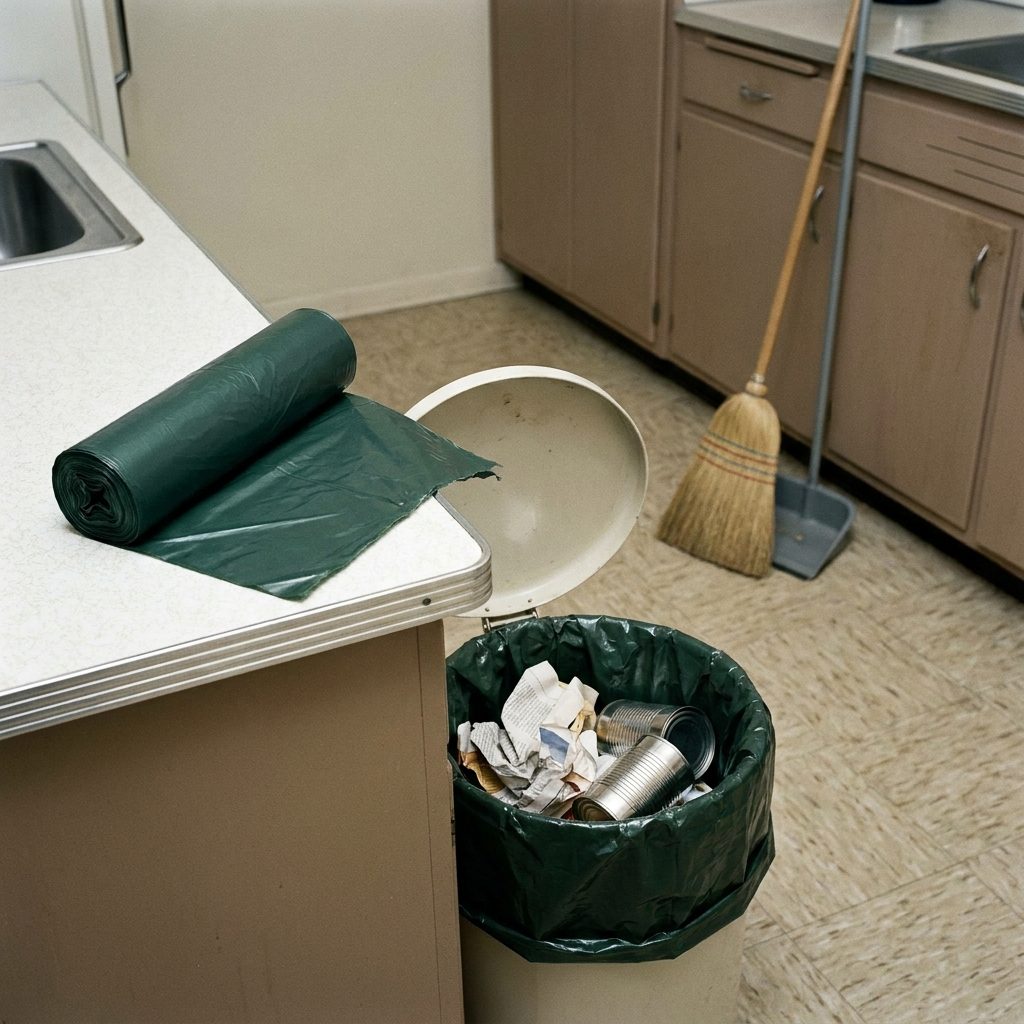
Plastic trash bags could be among the more expensive disposable products on the list, with a box running from about 60 cents to a dollar. Many households continued lining cans with newspaper, paper grocery sacks, or nothing at all.
Buying a product whose only purpose was to hold other things being thrown away could feel extravagant. The calculation was not simply convenience against cost; it was convenience against a deeply established habit of finding another use for whatever had already entered the house.
7. Cellulose Sponges: About 15 Cents Each
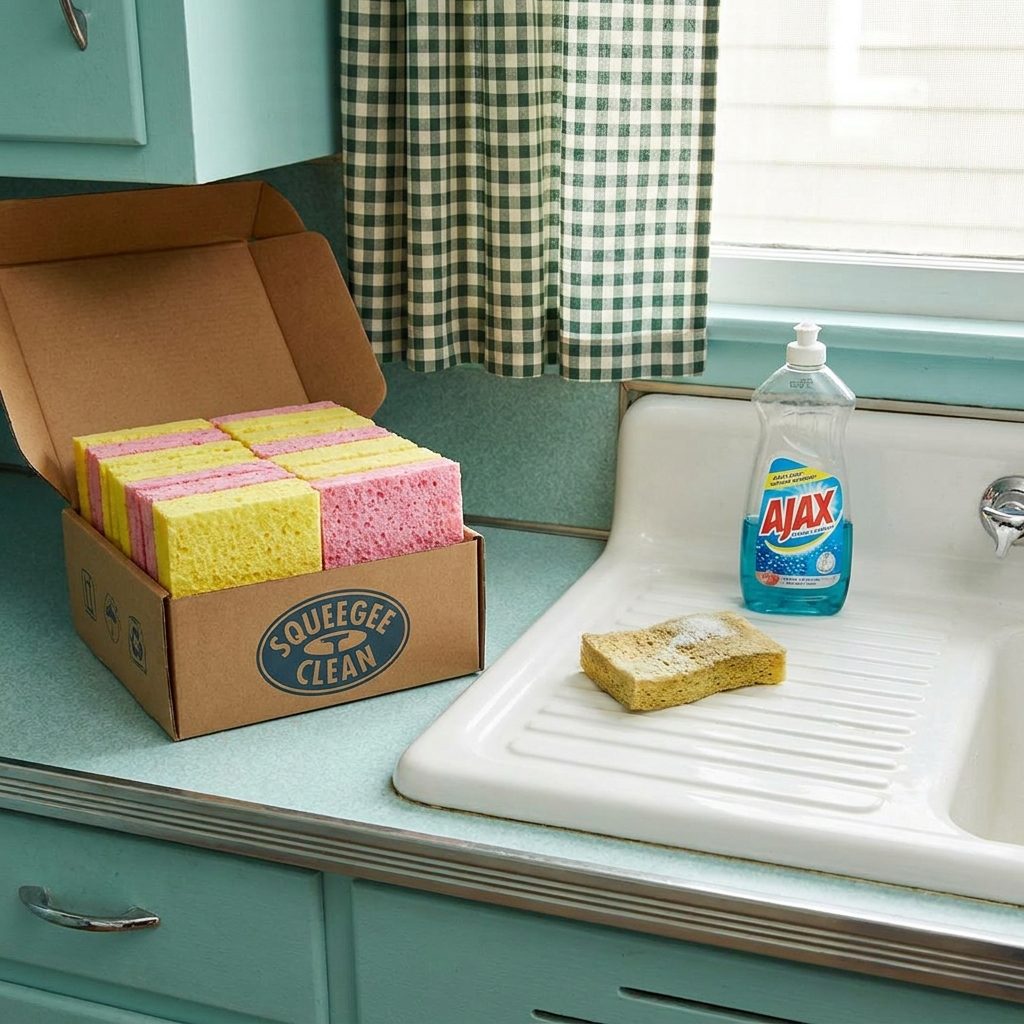
A cellulose kitchen sponge might cost around 10 to 20 cents. Yellow, pink, and pale green versions brought color to the sink even when every sponge performed essentially the same work.
They were rinsed, squeezed, dried, and used until the edges broke down. A small bright object beside the faucet could make a practical kitchen feel cared for without pretending it was anything more than a hardworking sponge.
6. Steel Wool Soap Pads: Around 15 to 20 Cents a Box
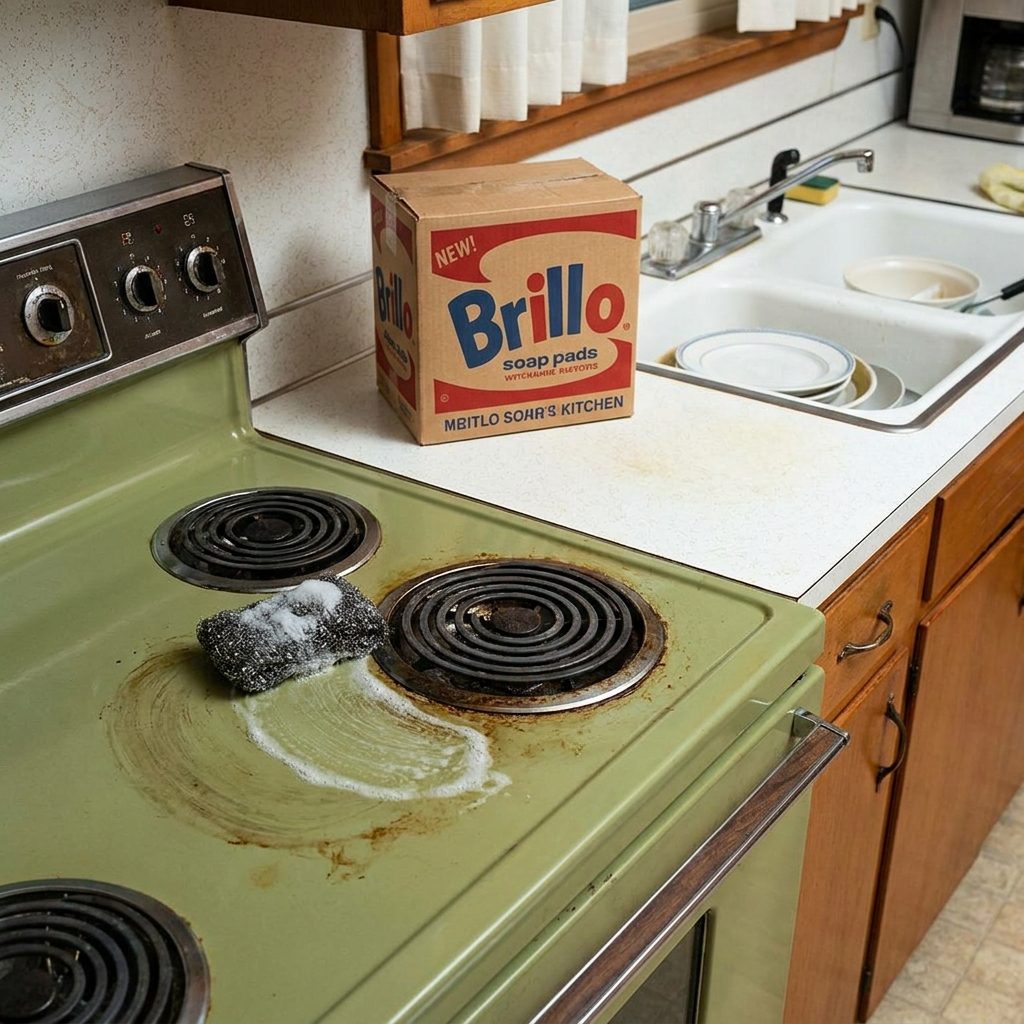
A box of soap-filled steel wool pads could cost around 15 to 20 cents. They were saved for scorched pans, broiler racks, and baked-on residue that an ordinary dishcloth merely moved around.
Some thrifty users cut the pads in half so the box would last longer. The saving was small, but the habit belonged to a household economy in which wasting half a useful pad made less sense than reaching for a pair of scissors.
5. Rubber Cleaning Gloves: Around 40 Cents a Pair
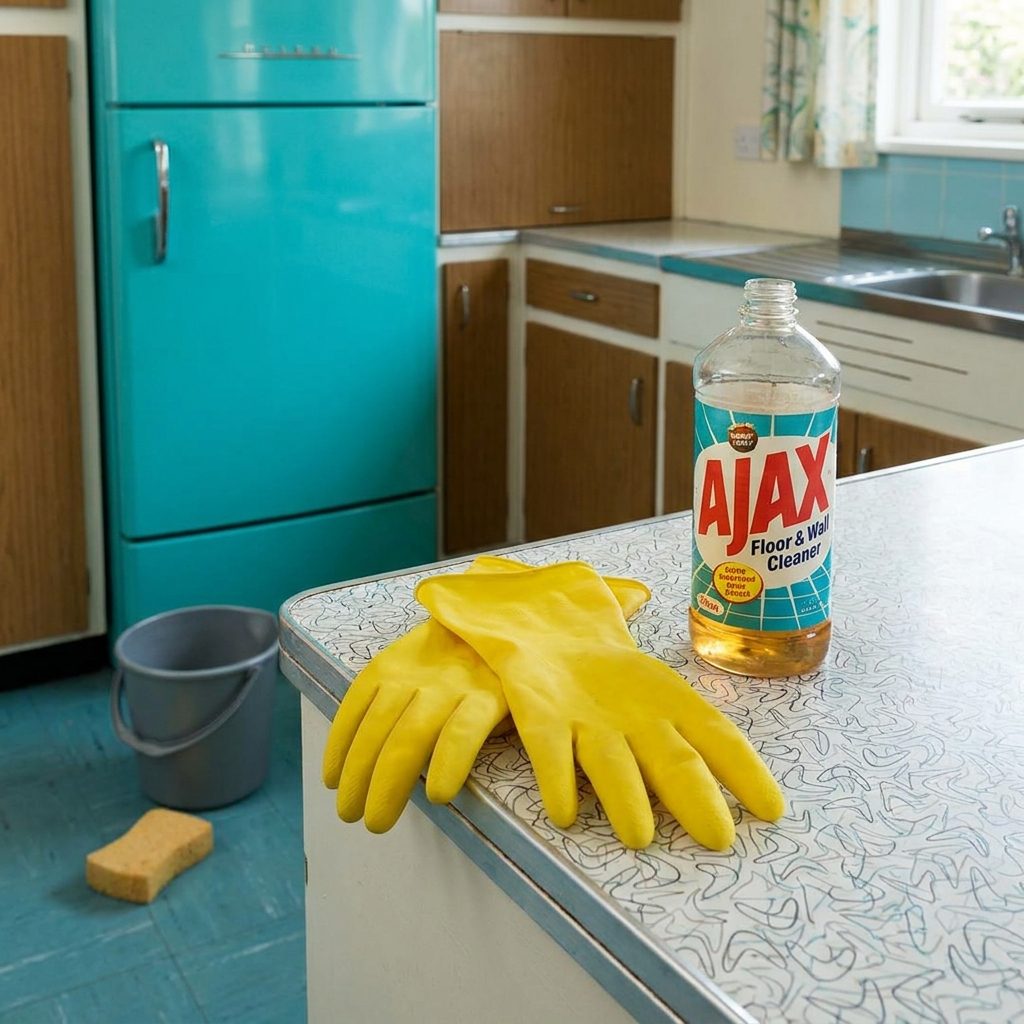
A pair of rubber cleaning gloves might cost around 30 to 50 cents. For hands moving repeatedly between hot water, detergent, scouring powder, and other cleaners, the barrier earned its place beside the sink.
The fingertips usually showed wear first. Households often continued using a pair until a split or puncture made protection impossible, then replaced it during the next supply run.
4. A Cotton String Mop Head: About 60 Cents
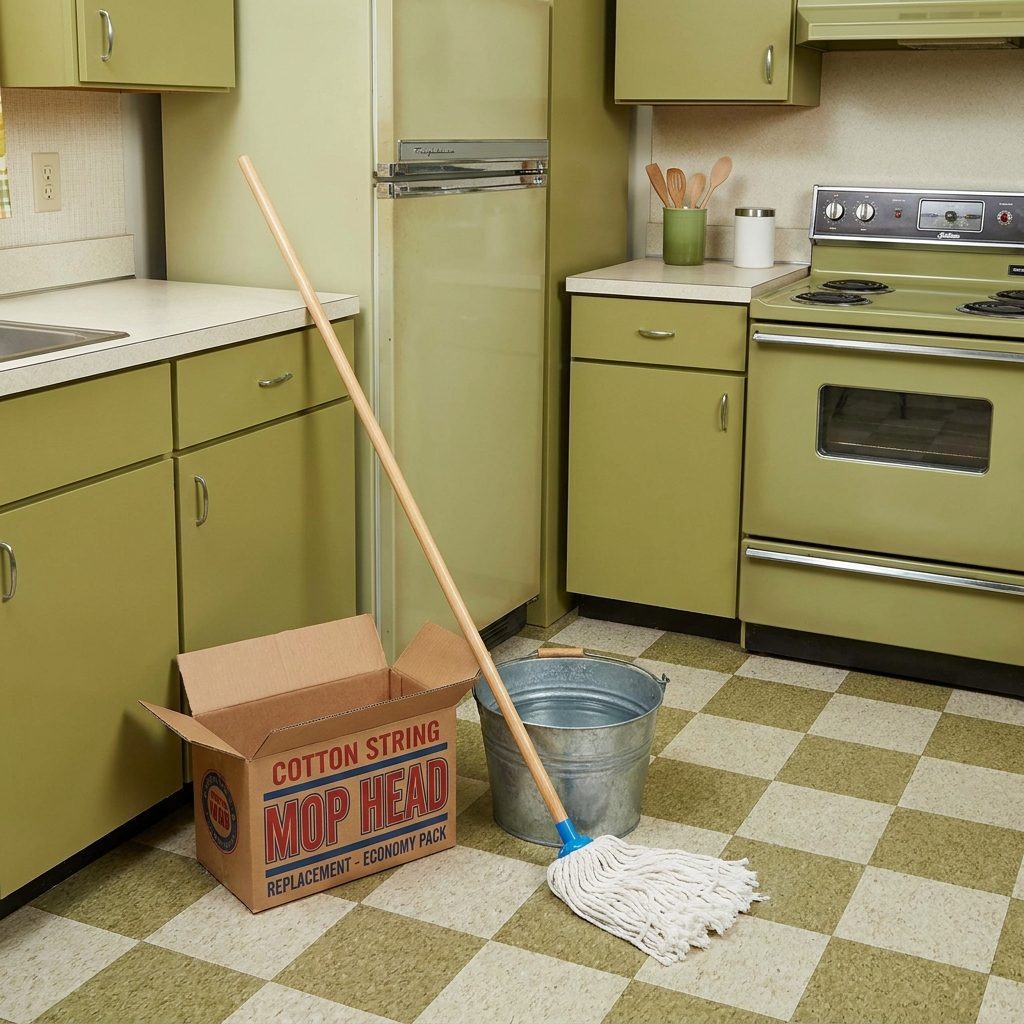
A replacement cotton string mop head might cost between 50 and 75 cents. The wooden handle stayed; only the worn cotton section was removed and replaced.
That separation between permanent tool and replaceable component shaped the purchase. A household did not need to buy an entirely new mop because the strings had thinned or soured. The replaceable cotton part was designed to wear out, while the handle could remain in the closet for years.
3. A Feather Duster: Around 75 Cents
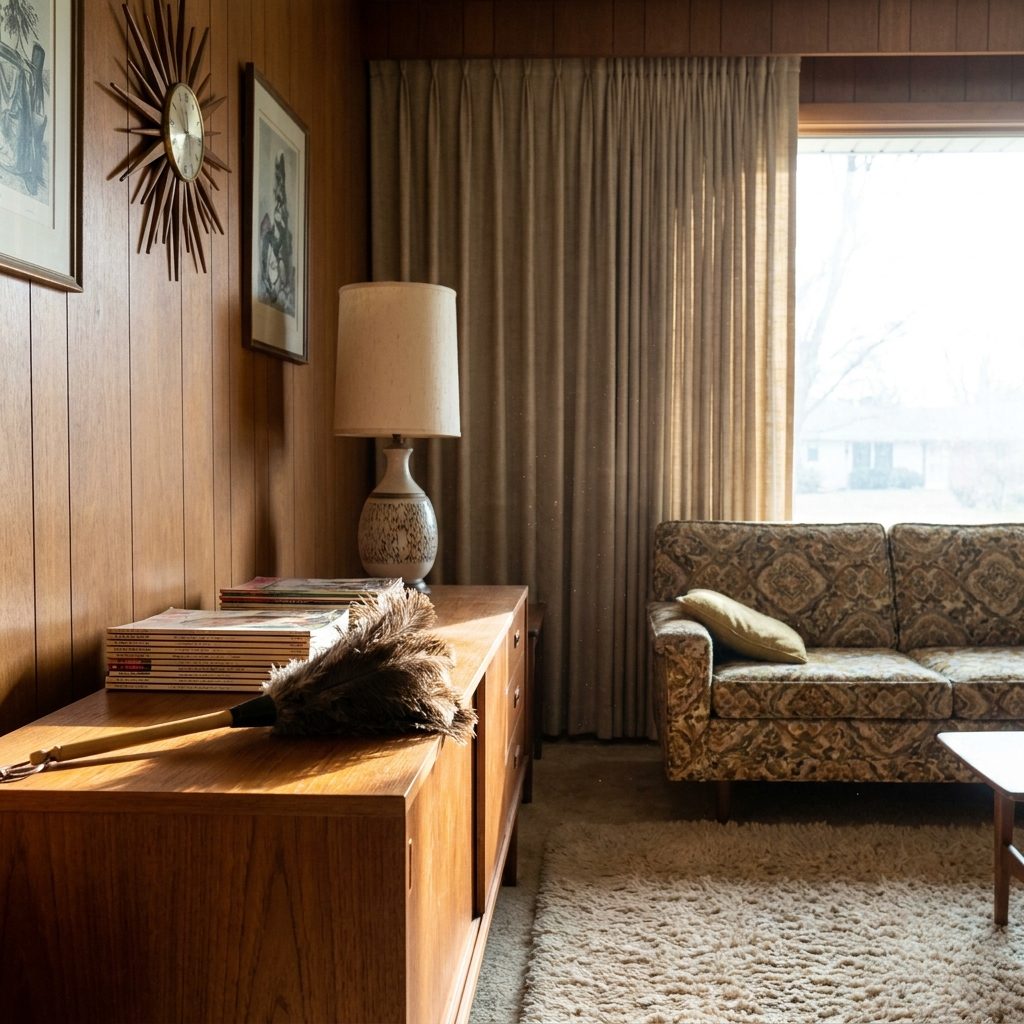
A feather duster could cost from about 60 cents to a dollar, depending on its size and feather quality. Softer feathers trapped light dust on lampshades, picture frames, figurines, and intricate furniture where a damp cloth was awkward.
The typical living room offered plenty of small surfaces: a console television, framed photographs, open shelves, ceramic ornaments, and a hi-fi cabinet. One duster might remain useful for years if it was shaken outdoors and stored dry.
2. A Bag of Wooden Clothespins: About 29 Cents
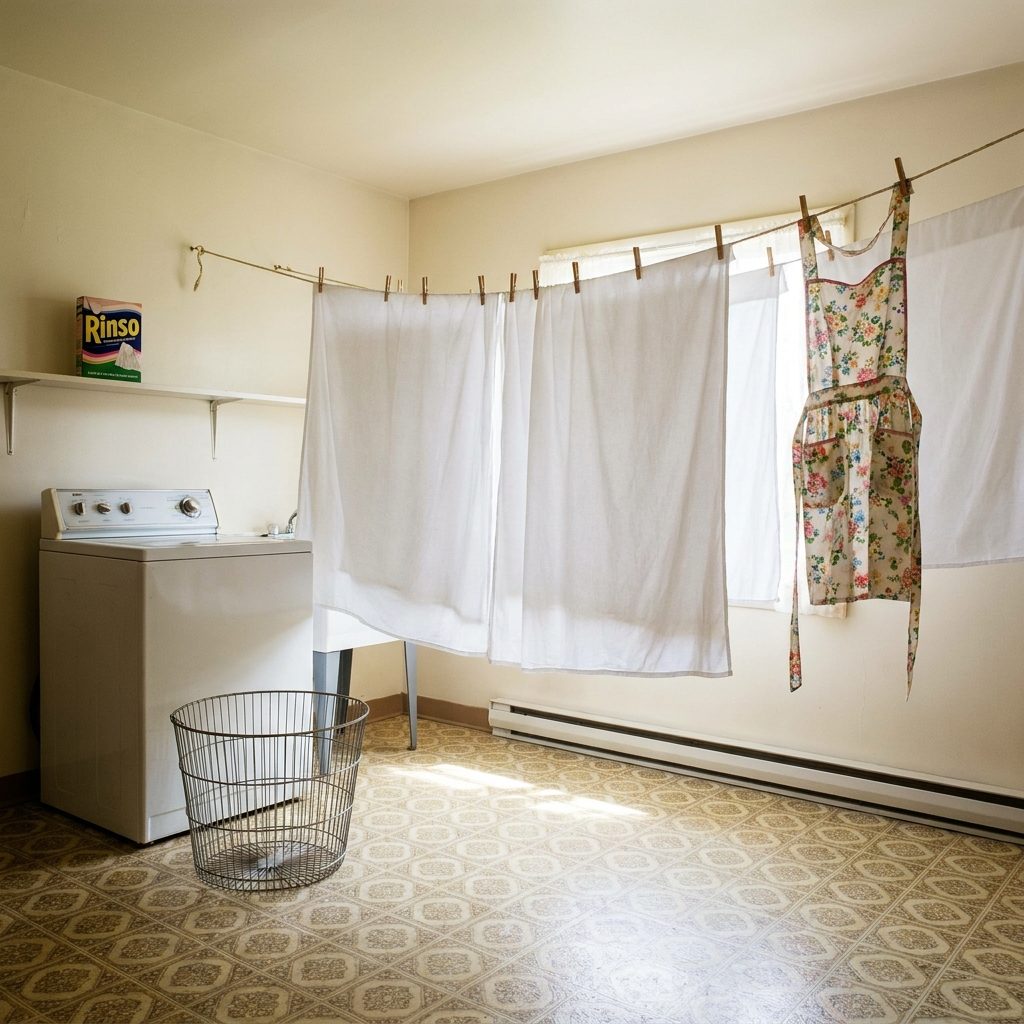
A bag of wooden spring clothespins could cost roughly 29 cents in the middle of the decade. At two dollars an hour, that represented just under nine minutes of work.
The pins cracked, rusted at the spring, faded in the sun, and occasionally vanished into the grass. Yet a household might keep the same tin for years, adding new pins while the older chipped ones continued holding towels and sheets against the wind.
1. What One Heavy Restocking Week Could Reach: Around $8 to $12
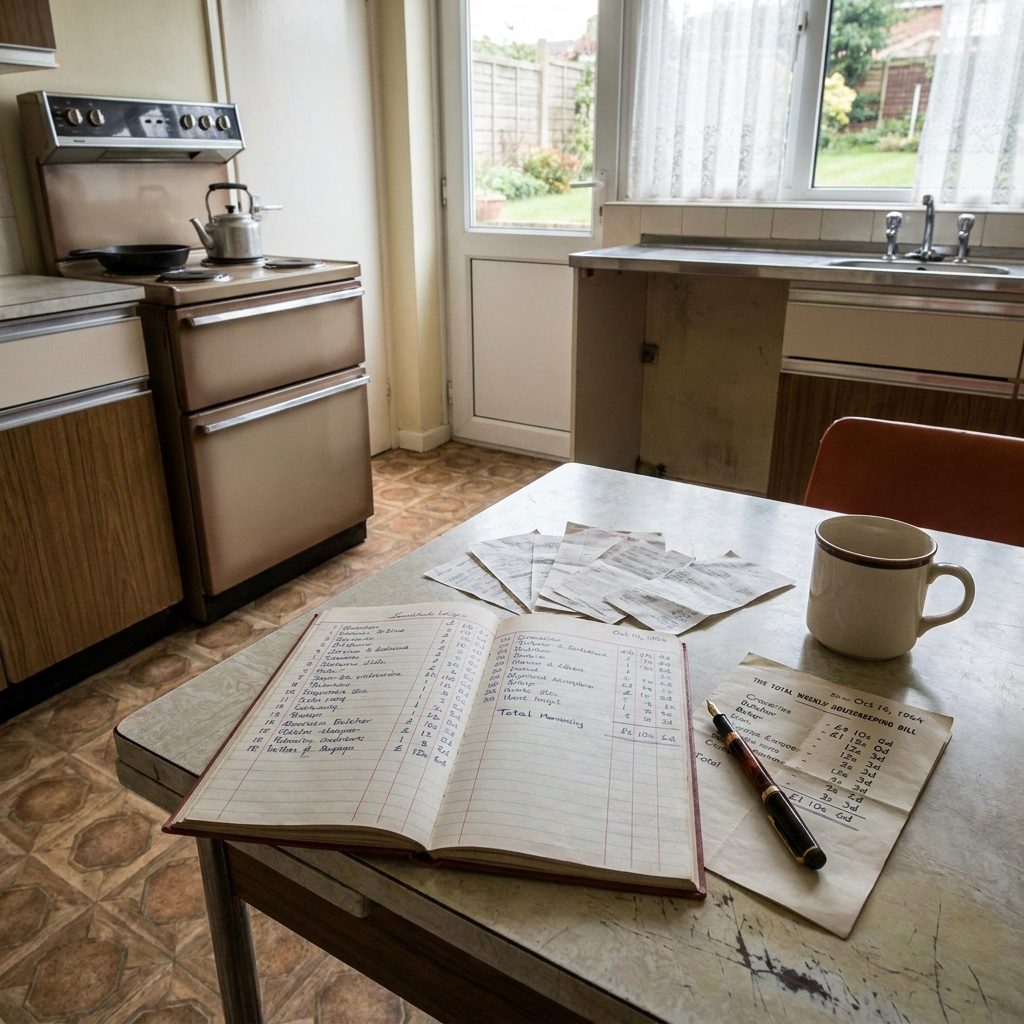
Most weeks did not require detergent, wax, foil, ammonia, trash bags, a mop head, gloves, and clothespins all at once. But when several containers emptied together and one or two durable tools failed, the housekeeping total could climb quickly.
A selective restocking trip might land around $8 to $12, depending on what the family needed, which package sizes were chosen, and which products were on sale. Buying one example of nearly every item in this gallery would push the total slightly higher, even though many purchases would remain in use for months.
That is what makes the old price tags so deceptive. The numbers look tiny, but the household was not spending modern wages. Every bottle also carried a second cost measured in scrubbing, ironing, rinsing, hanging, polishing, and time.