🔥 Would you like to save this?
Nobody warns you that the first casualty of a kitchen renovation is the word “we.” One minute you’re both leaning over a laptop admiring the same quartz island. The next, one of you is defending a cabinet color like it’s a legal position while the other quietly googles how long demo takes.
Tearing out a kitchen tears out a few other things too. Old money arguments. Old family loyalties. The polite fictions two people lean on to avoid saying what they actually want. A renovation runs on the same emotional wiring a bad split does, which is why the backsplash fight is never about the backsplash. Below, the moments you’ll recognize from your own house, plus the psychology that explains how a tile sample can make grown adults stop speaking.
In order to come up with the very specific design ideas, we create most designs with the assistance of state-of-the-art AI interior design software. Also, assume links that take you off the site are affiliate links such as links to Amazon. this means we may earn a commission if you buy something.
18. Your Dream Kitchen Reveals Two Completely Different Futures
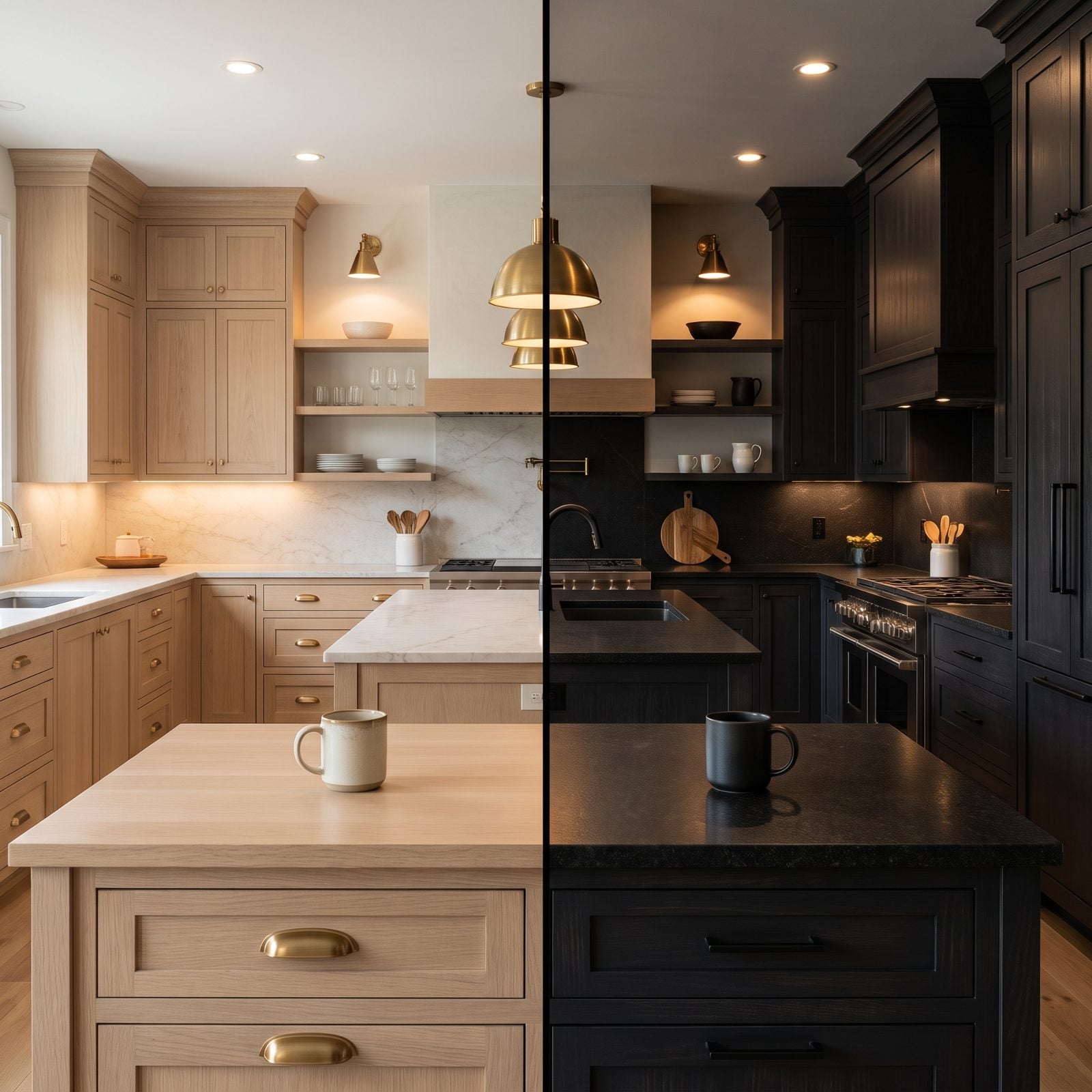
You both said you wanted the same kitchen. Then the samples came out, and one of you is pulling pale oak and brass while the other stacks forest-green chips next to black soapstone. Same word, two entirely different pictures living inside two heads.
This is the renovation version of discovering, years in, that you married someone who pictured a very different life. The cool kitchen makeover you each imagined was never the same room. You just never had a reason to say it out loud.
The fix isn’t compromise yet. Name the two futures honestly before you spend a dollar trying to average them into a third one nobody wants.
17. You Stop Saying “We” When the Cabinet Quote Arrives
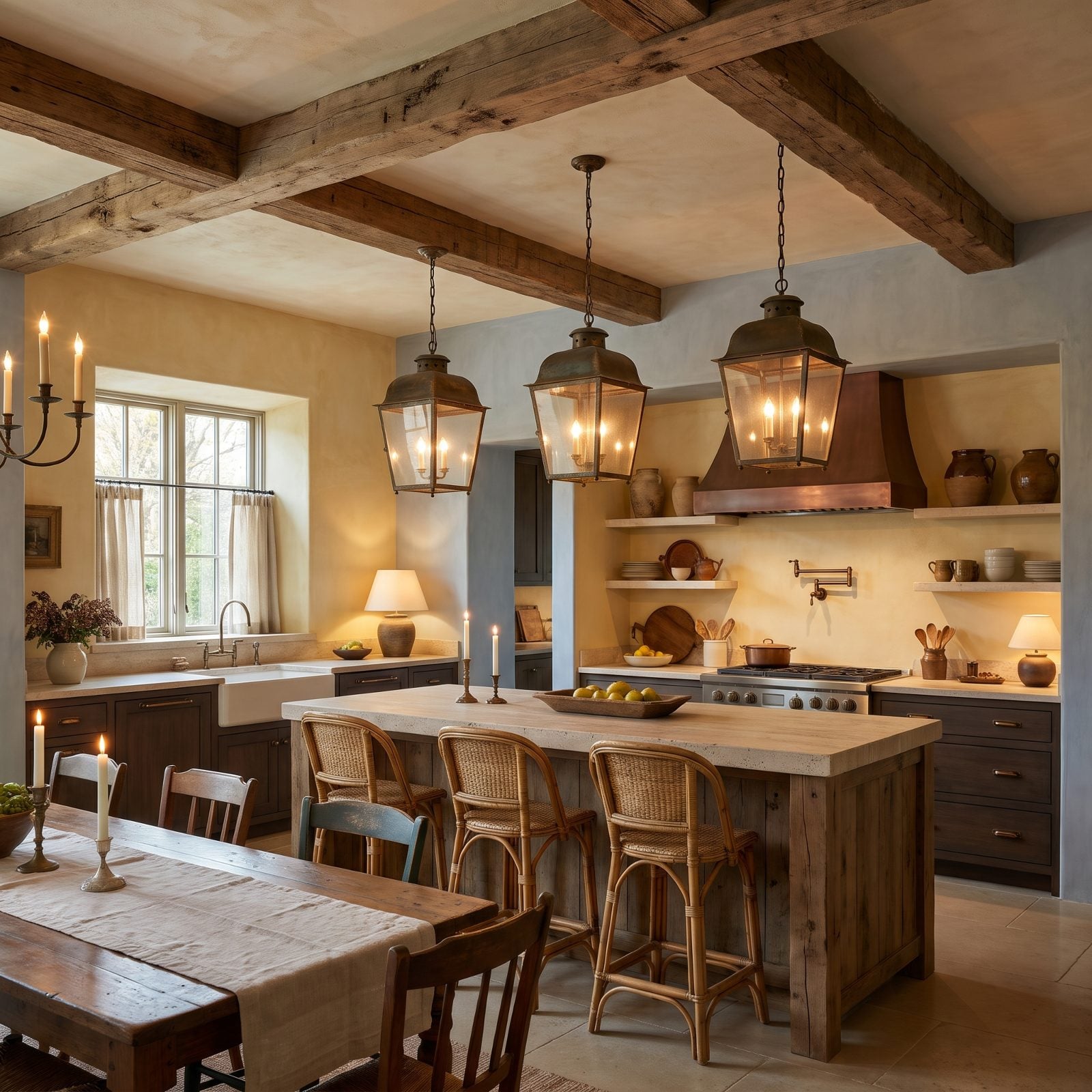
The quote lands in your inbox and the pronouns change. A minute ago it was “what should we do.” Now it’s “well, you’re the one who wanted the inset doors.” Ownership of the budget quietly reassigns itself to whoever can be blamed.
Couples pull the same trick mid-fight. The shared project becomes a solo decision the second it goes sideways. Linguists have studied pronoun shifts in struggling relationships, and “we” drying up is one of the earliest tells.
Watch your own language when the number stops feeling like a dream and starts feeling like a bill. The kitchen hasn’t changed. Your footing has.
16. The Budget Expands, but Nobody Admits Who Approved It
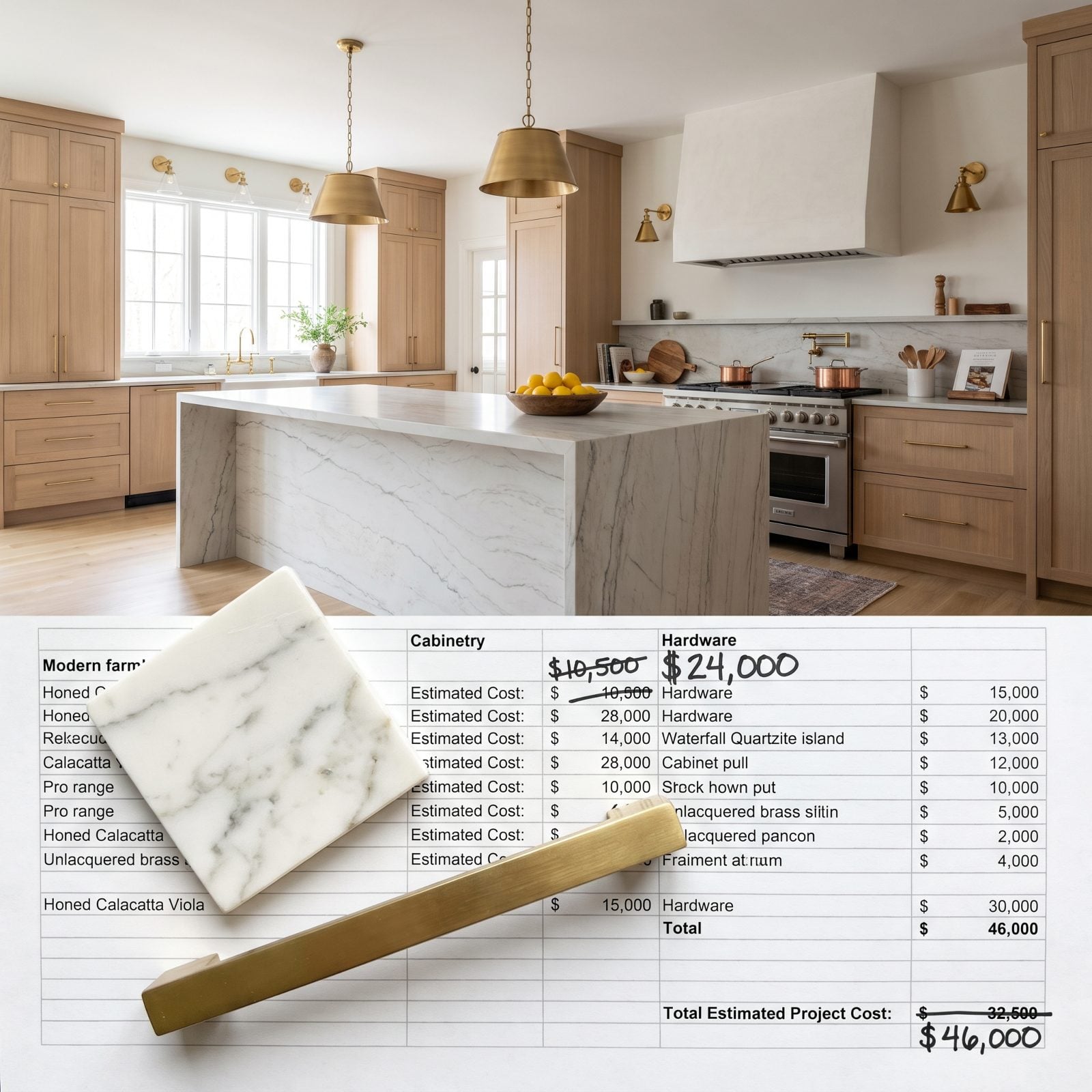
The budget was firm. Then it breathed. A line item here, an upgrade there, a “since the wall’s already open” that added four digits. Ask who signed off and the room goes quiet. Somehow the number grew by itself.
This mirrors the slow spending creep that erodes trust at home: no single decision felt reckless, so no single person feels responsible. Diffusion of accountability, the same mechanism that lets a crowd of people all fail to call for help because surely someone else will.
One running document, visible to both people, kills this fast. Not to assign blame — to make the yeses visible while they’re still small enough to take back.
15. Someone Starts Hiding Appliance Receipts in a Drawer
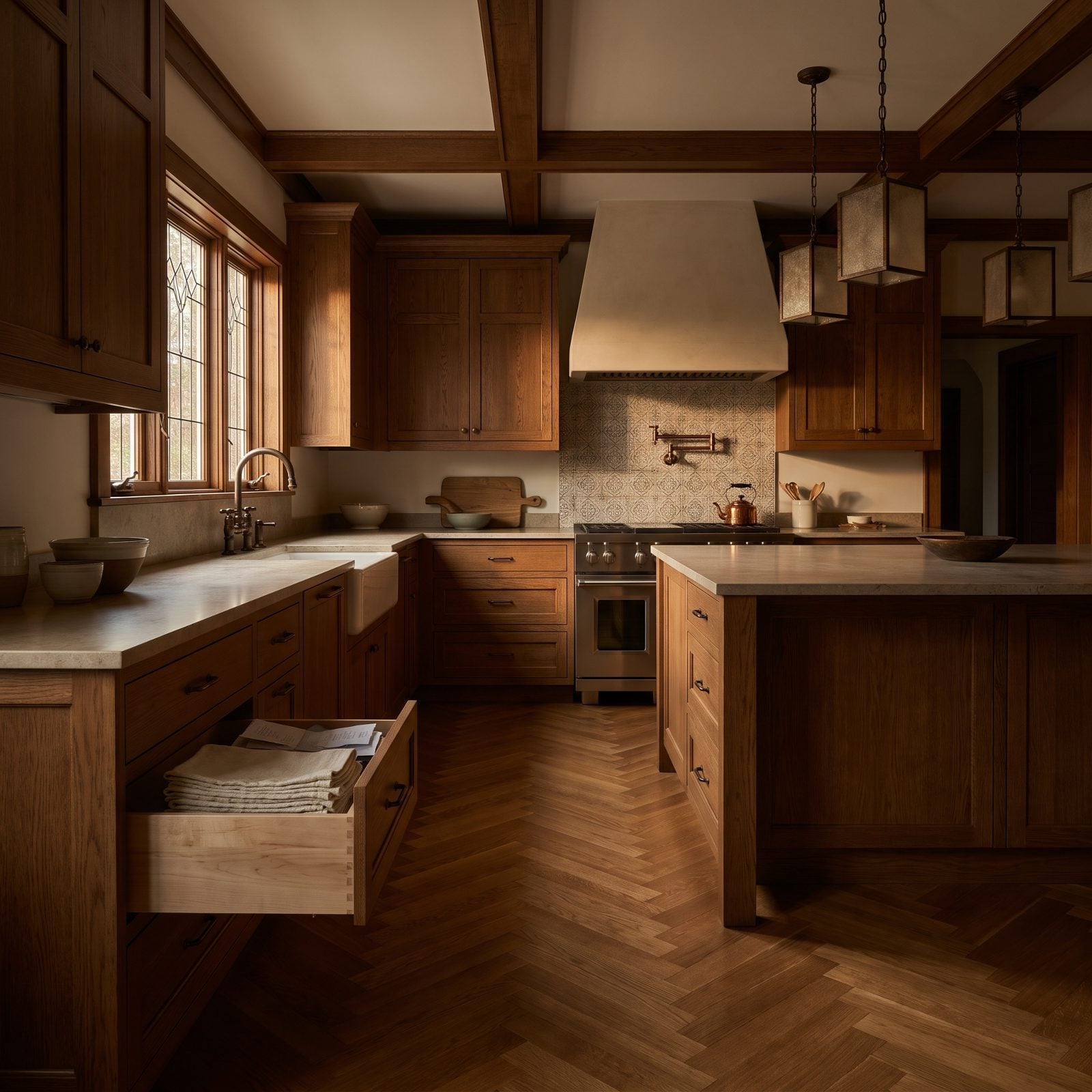
You find them later: receipts folded small and tucked behind the dish towels. The pro-range that cost more than agreed. The faucet that was “basically the same price.” Not lies, exactly — purchases managed quietly to skip the conversation.
Financial secrecy is a well-documented fault line in marriages, and a renovation builds the perfect conditions for it. Dozens of transactions, a chaotic timeline, and an easy excuse that it all got approved somewhere in the blur.
Here’s the uncomfortable part. People don’t hide spending they think is wrong. They hide spending they think the other person will overreact to, which is really a statement about how the money conversations have been going.
If receipts are ending up in a drawer, the drawer isn’t the problem.
14. The Backsplash Fight Is Never Just About Tile

Four tile samples taped to the bare plaster wall, and a disagreement that’s way too heated for grout. One of you wants the handmade zellige with all its wobble and shine. The other wants the clean white subway that “won’t date.” The volume rises. Nobody’s talking about tile.
The backsplash is standing in for everything underneath it. Who gets to decide. Whose taste is “the safe one.” Whether being practical has quietly become a way of saying no to the other person’s joy.
Small decisions carry big arguments when the big arguments have nowhere else to go.
Therapists call it displacement. The real conflict is too scary or too old to touch, so it rides in on something small and safe. A tile. A thermostat. Whose turn it is to load the dishwasher. When a fight feels disproportionate to its subject, the subject isn’t it.
13. Old Grievances Resurface While Choosing the New Refrigerator

You’re standing between two refrigerators and somehow you’re arguing about the vacation from 2017. Choosing an appliance opened a door, and out walked every old grievance that never got put away properly.
Renovations are stressful, and stress lowers the drawbridge on buried resentment. The refrigerator conversation didn’t cause the fight. It just gave the fight a reason to show up.
If a spat about ice makers is somehow about something that happened years ago, call a timeout. You can’t pick an appliance and relitigate your history in the same hour. One of them will go badly.
12. Cabinet Samples Follow You Into Bedtime Arguments

The cabinet samples have taken over the kitchen island. They follow you into the hours that used to be renovation-free. You mean to wind down for bed and end up debating stained wood versus cream paint under the pendant lights.
When a project refuses to stay in its lane, it colonizes the hours meant for rest. Couples under strain lose their boundaries the same way — the argument has no closing time, so it leaks into the night.
A simple house rule helps more than you’d think. No renovation talk after a certain hour. Not because the decision doesn’t matter, but because a tired brain makes worse choices and picks meaner words. Put the samples away for the night. Let the evening be the evening.
11. You Recruit Relatives to Take Sides on the Island
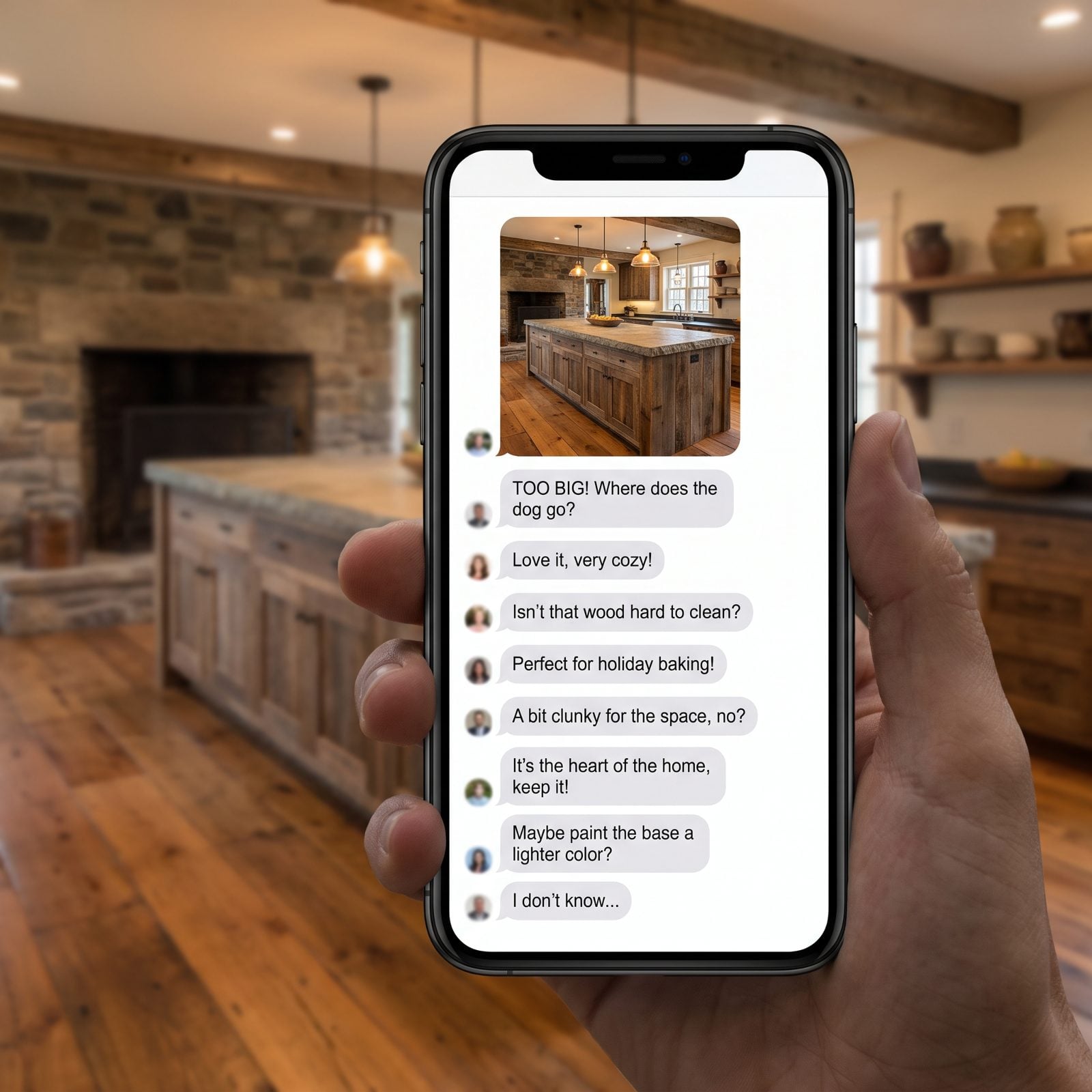
Suddenly your mother has opinions about the island overhang. So does your brother, who got texted a photo and a leading question. Each of you is quietly assembling a jury, because a decision feels safer when someone agrees with you.
Coalition-building. It’s the exact move that turns a two-person disagreement into a family event during a bad split. You’re not really asking for advice — you’re collecting votes.
The island will outlast everyone’s input anyway. Relatives move on. You two are the ones who live with the seating.
10. The Contractor Becomes Your Reluctant Couples Counselor

At some point the contractor stops talking about load-bearing walls and starts mediating. He catches the tension in the room, looks from one of you to the other, and carefully suggests you “both think about it and let him know.” He did not sign up for this.
A neutral third party in the room changes how two people behave. You perform a little. You soften the attack because a stranger is watching. He’s become an accidental referee, keeping the fight inside the rules without anyone asking him to.
It works, oddly, the same way a counselor does. The presence of a witness makes both people reach for their better selves. The sad part? Needing a tile installer to get there.
9. One Person Runs Contractor Meetings Like a Cross-Examination
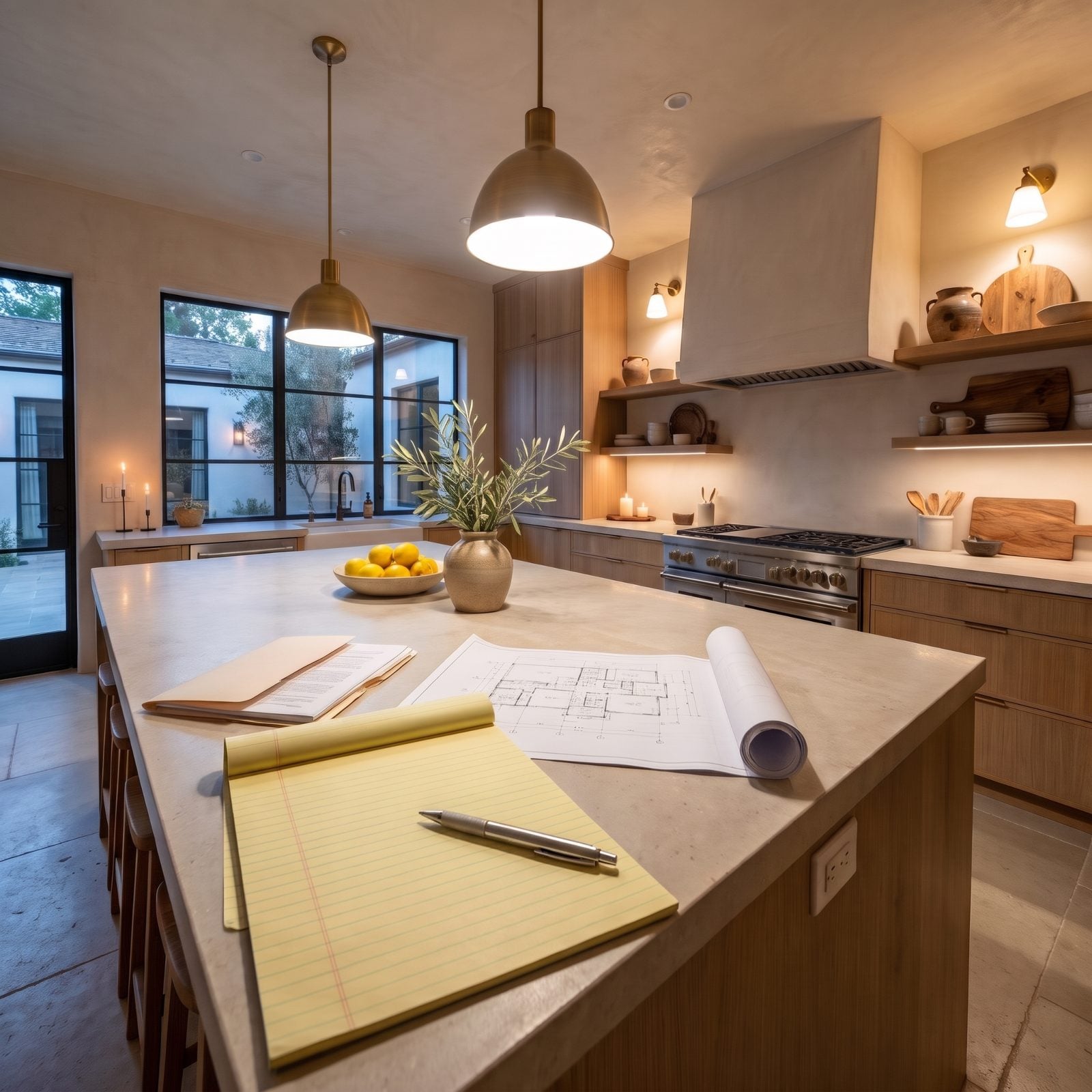
One of you shows up to every meeting with a legal pad and a tone. Follow-up questions. Dates pinned down. A folder of quotes within arm’s reach. The other shrinks into the corner, half mortified and half relieved someone’s doing it.
Control tightens when trust feels thin. The cross-examiner isn’t a bully by nature. They’re scared the whole thing is slipping, and interrogation feels like the only lever left to pull. It’s the same posture that hardens in a marriage when one person stops believing things will get handled unless they handle everything.
The contractor isn’t the real audience for all those questions. The person standing next to you is.
8. Every Change Order Gets Saved Like Courtroom Evidence

Somewhere around week three, the folder appears. First it’s a few emails, then a shared drive with dated subfolders, then you’re screenshotting a text that says “yeah we can swap that” because deep down you know somebody is going to claim they never agreed to the farmhouse sink.
It’s the same instinct that turns a shaky marriage into a paper trail. When trust thins, people start keeping receipts. Psychologists call it defensive documentation, and the trigger is identical in both cases: you no longer assume the other party remembers things the way you do, so you build a record to protect yourself from an argument that hasn’t happened yet.
Here’s the part nobody admits. The documenting doesn’t calm you down — it winds you tighter. Every saved message is a small vote of no confidence, and the more evidence you collect, the more you expect to need it.
7. The Temporary Kitchen Turns Daily Chores Into Negotiations

You’ve seen this setup. The microwave balanced on a dining chair, the mini fridge humming in the hallway, a two-burner electric hot plate that somehow has to produce every meal for three people and a houseguest who will not leave.
What breaks first isn’t the cooking. It’s the division of labor. Back when the kitchen worked, nobody discussed who rinsed what. Now every cup is a tiny summit — who fills the wash tub, who empties it, who used the last paper plate and said nothing. Scarcity does this. Strip away the infrastructure that let chores run on autopilot and suddenly every small task has to be assigned out loud, which means it can be contested.
It’s the exact mechanism that surfaces in a household under strain. Routines are peace treaties. They let two people avoid renegotiating the same hundred decisions daily. Break the routine and the negotiations come roaring back, usually over something as small as a kettle.
6. Separate Takeout Orders Replace Dinner at the Kitchen Table
🔥 Would you like to save this?
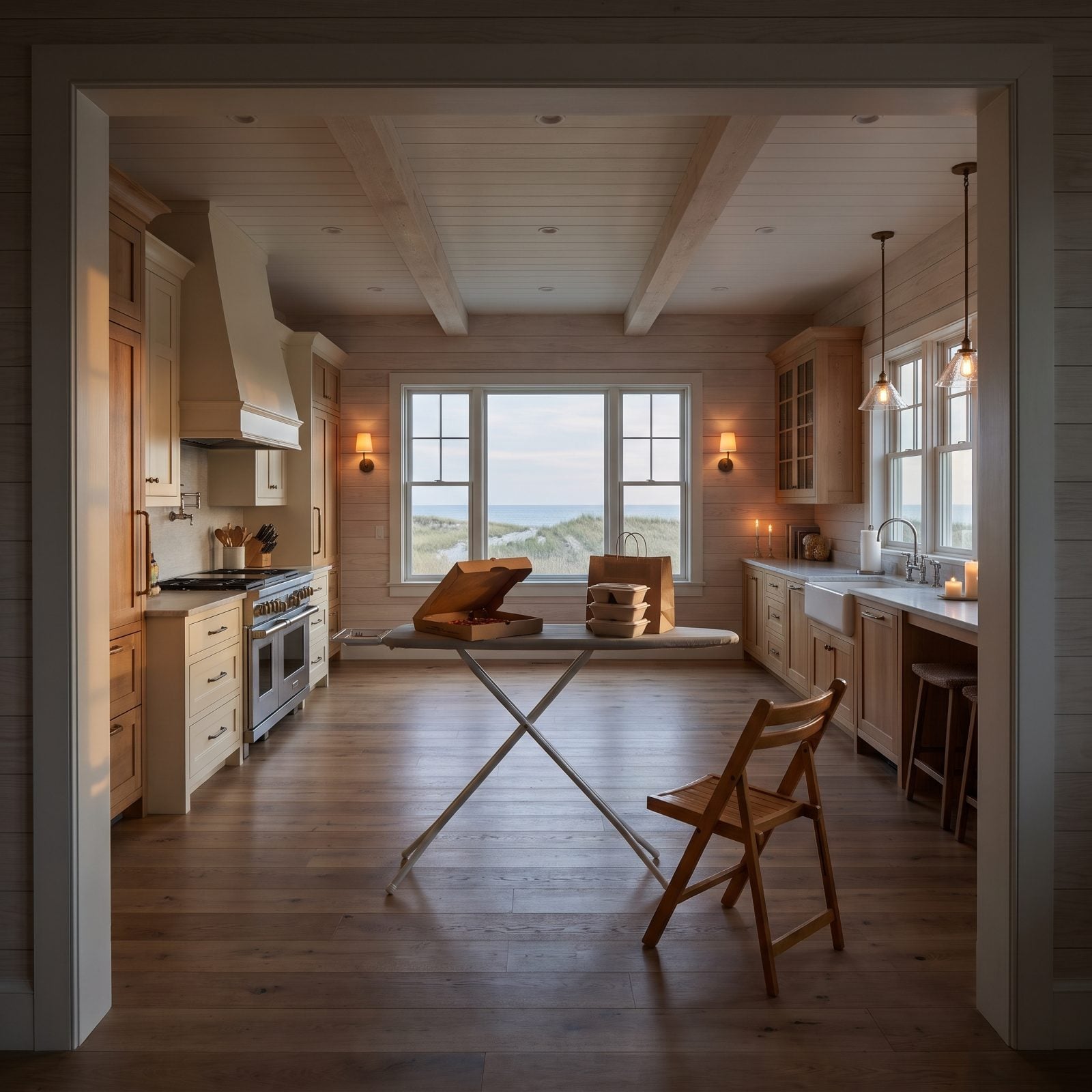
First week without a kitchen table, you share. Everybody’s in it together, laughing about eating lo mein off the ironing board. By week five the orders have quietly split. One person wants the salad place again; the other has given up and ordered the same pizza four nights running. You eat on opposite ends of the couch, facing your own phones.
The shared table was never just about food. It was the daily checkpoint where a household reconfirmed it was a household. Take away the table and you lose the ritual, and rituals are load-bearing. Without the forced overlap of a dinner table, people drift into parallel lives under one roof — each managing their own hunger, their own evening, their own small comforts.
This is the no-table version of a couple who stop eating together long before anyone names the problem. The meals splitting is rarely the cause. It’s the earliest visible symptom.
5. You Mourn the Old Kitchen After Demolition Starts
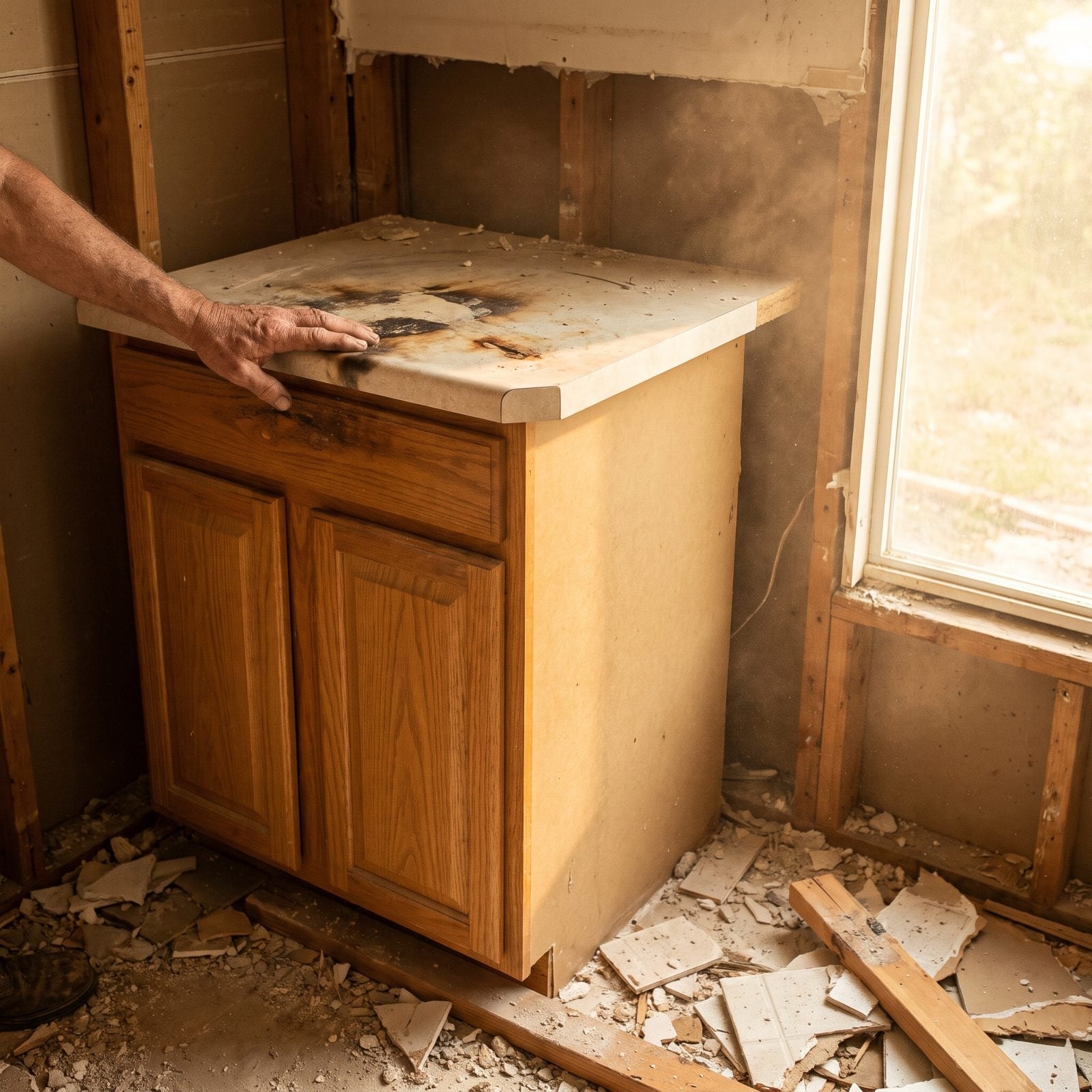
You couldn’t wait to be rid of the old kitchen. The cabinets you hated, the counter with the burn mark. Then the crew pulls the first upper off the wall, and there’s that bare patch of torn drywall and exposed studs where it lived for twenty years, and something in your chest does a thing you didn’t plan for.
You start noticing stuff. The pencil marks on the doorframe. The drawer that stuck in a way you’d stopped registering until it was gone. The spot where morning coffee always happened.
Loss aversion runs this. We feel the pain of losing something roughly twice as sharply as we feel the pleasure of gaining its replacement, even when we chose the replacement ourselves. So the kitchen you were desperate to demolish suddenly feels like a place you’re abandoning. It’s the same backward tenderness people feel when something long-wanted finally ends and they catch themselves grieving what they fought to leave.
You wanted this. You can want something and still mourn it. Both are true.
4. You Keep a Bad Layout Because You Already Paid
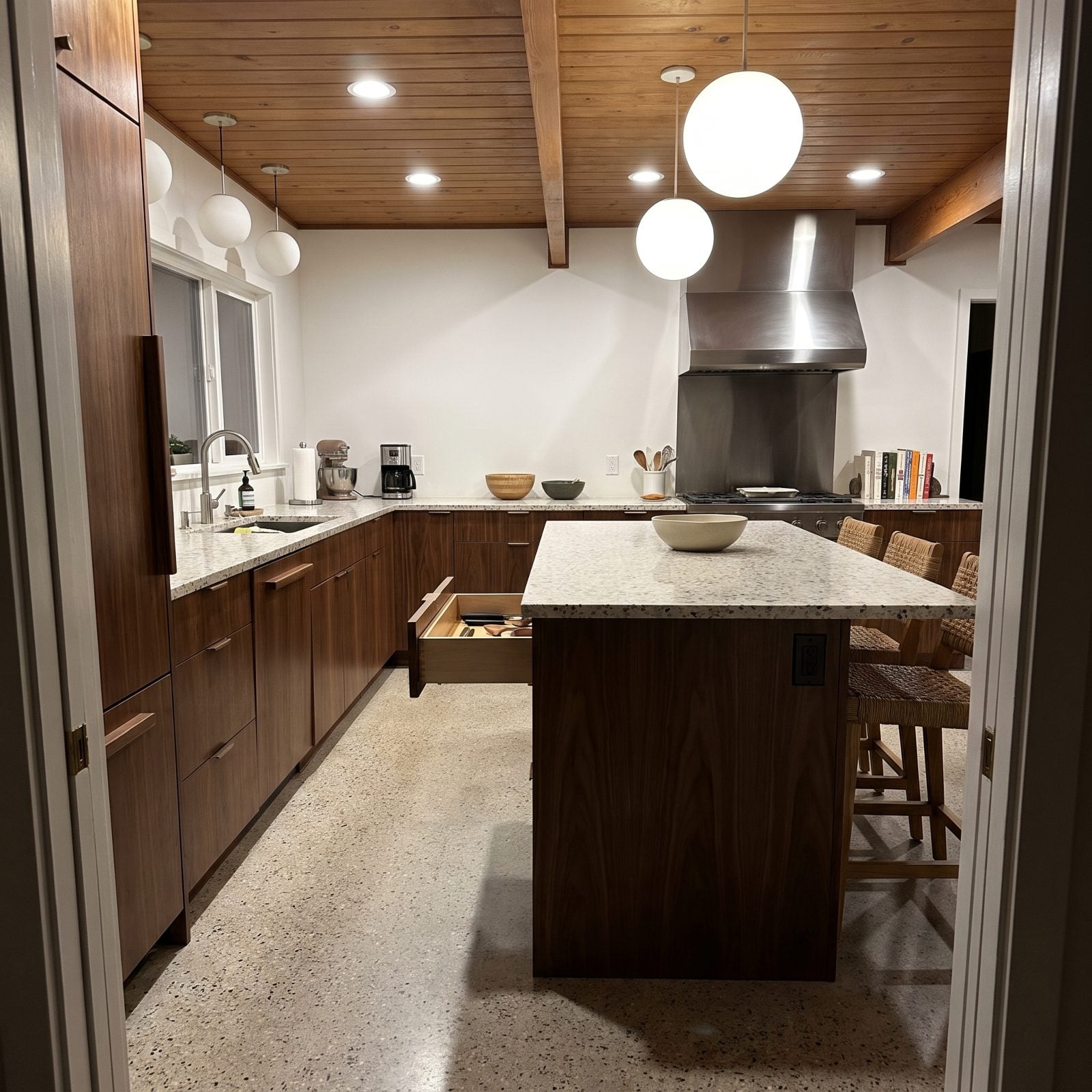
The island is eighteen inches too close to the cabinets. You knew it on the plan. You felt it the first time you tried to open the dishwasher and the oven at once. But the quartz is in, the cabinets are paid for, and ripping it out means admitting the money’s gone and then spending more.
So you keep it. You develop a little sideways shuffle to squeeze past the island, you stop inviting people into the kitchen because two bodies don’t fit, and you tell yourself it’s fine.
This is sunk-cost fallacy wearing an apron. The money already spent is gone no matter what you do next, but your brain refuses to treat it as gone, so it keeps paying rent on a bad decision just to avoid the sting of calling it a mistake.
People stay in all sorts of things this way. Years in, counting what they’ve invested instead of what it’s costing them. The counter, at least, you can replace.
3. You Claim Counter Space Before the Counters Even Arrive
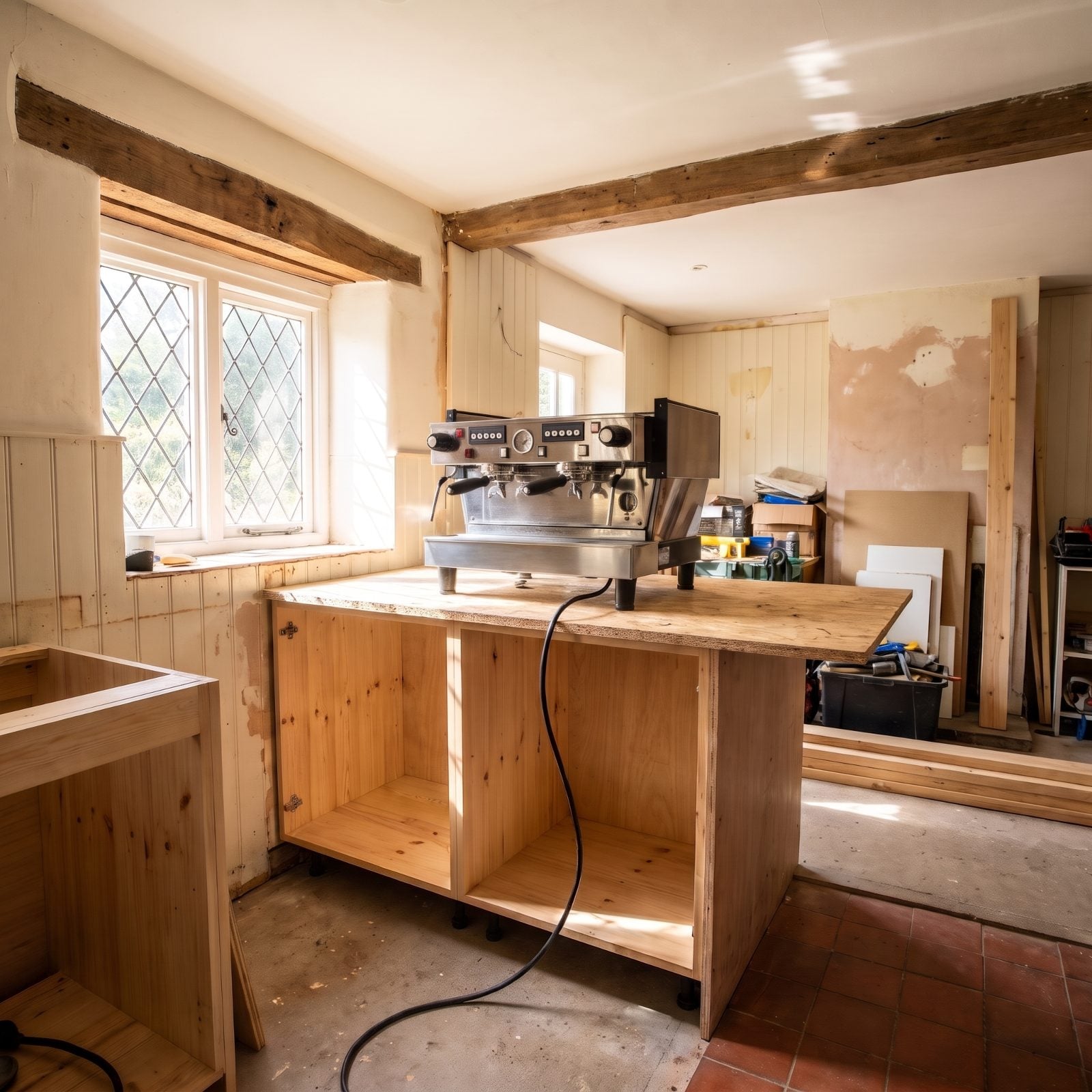
The counters aren’t even in yet and the coffee station has already appeared. Someone set the machine down where they want it, a gleaming two-group espresso machine staking the flag. There’s no countertop yet, just a sheet of plywood laid over bare cabinets, the cord trailing down across the bare concrete floor. Nobody discussed any of this. It just happened, fast, the way people grab seats on a train.
Territorial marking is wired deep. Give humans a shared space and we immediately start claiming zones, often before there’s even a surface to claim. It isn’t greed. It’s the brain reducing future friction by establishing who controls what while the ground is still soft.
You’ll recognize it from every household that divides turf as things get tense. Her side of the closet. His garage. The chair nobody else sits in. The counter does the same thing, early and silent, and that map tends to hold for years.
2. The Punch List Becomes a Catalog of Resentments

The kitchen is basically done. It looks great. And yet the punch list keeps growing, because once you start hunting for flaws, the flaws multiply. A gap in the caulk. A knob that’s a half-degree off. A paint smudge only you can see. Each one gets a line, and each line gets a little angrier in your head than the flaw actually warrants.
By the end, the list isn’t really about caulk. It’s a ledger — every delay, every missed call, every time you felt dismissed, all of it reindexed and stapled to a crooked cabinet door.
Negativity bias is the engine here. One unresolved irritation outweighs ten things that went right, so the brain files grievances with far more detail than it files wins. It’s the same accounting that happens when a relationship sours and the small stuff — the dishwasher never loaded right — becomes a stand-in for the big stuff nobody wants to say out loud.
1. Finishing the Kitchen Does Not Instantly Fix Dinner

Here’s the quiet disappointment nobody warns you about. The kitchen is finished, it’s everything you pictured, the lighting is perfect and the island is gleaming, and you stand in it on the first real evening fully expecting to feel different.
You don’t. You still don’t know what’s for dinner. The people who weren’t talking much during the reno still aren’t talking much. The room changed. The life inside it didn’t.
Hedonic adaptation is the culprit. We overestimate how much a new thing will change how we feel, and we adjust to the upgrade far faster than we expect — often within weeks. The thrill of the big reveal fades, and you’re left with the actual relationships, routines, and habits that were there before the first cabinet came down.
It’s the renovation echo of expecting a fresh start to repair something a fresh start was never going to reach. A beautiful kitchen is a wonderful thing. It is still just a room. Dinner, and everything that happens around it, was always the harder project.