🔥 Would you like to save this?
You know the type. The friend who shrugs off flight delays, who lets the dog eat the remote, who has never once panicked about a dentist appointment. Then they gut their kitchen, and overnight they’re standing in a drop-cloth war zone with a tape measure and a clipboard, interrogating a tile installer about grout color at 7 a.m.
What happened? The same thing that gets all of us eventually. Uncertainty, a terrifying pile of money, daily disruption, and the fact that this is where you feed the people you love — four pressures stacked until the brain decides the only safe move is to control everything. Below are the behaviors that produces, and the quiet psychology under each. You’ll recognize yourself. You might even forgive yourself.
In order to come up with the very specific design ideas, we create most designs with the assistance of state-of-the-art AI interior design software. Also, assume links that take you off the site are affiliate links such as links to Amazon. this means we may earn a commission if you buy something.
13. They Build Color-Coded Schedules Like Campaign Managers
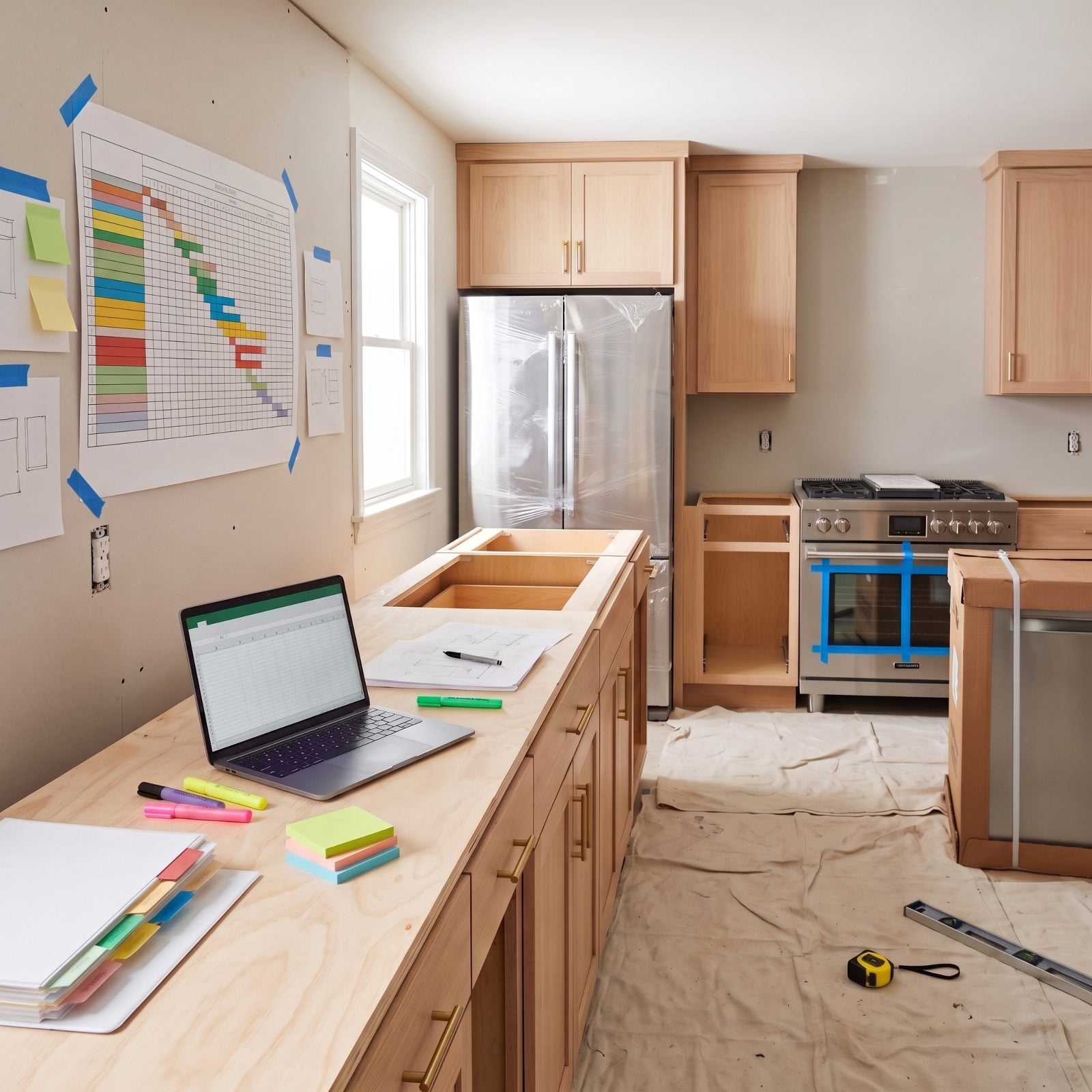
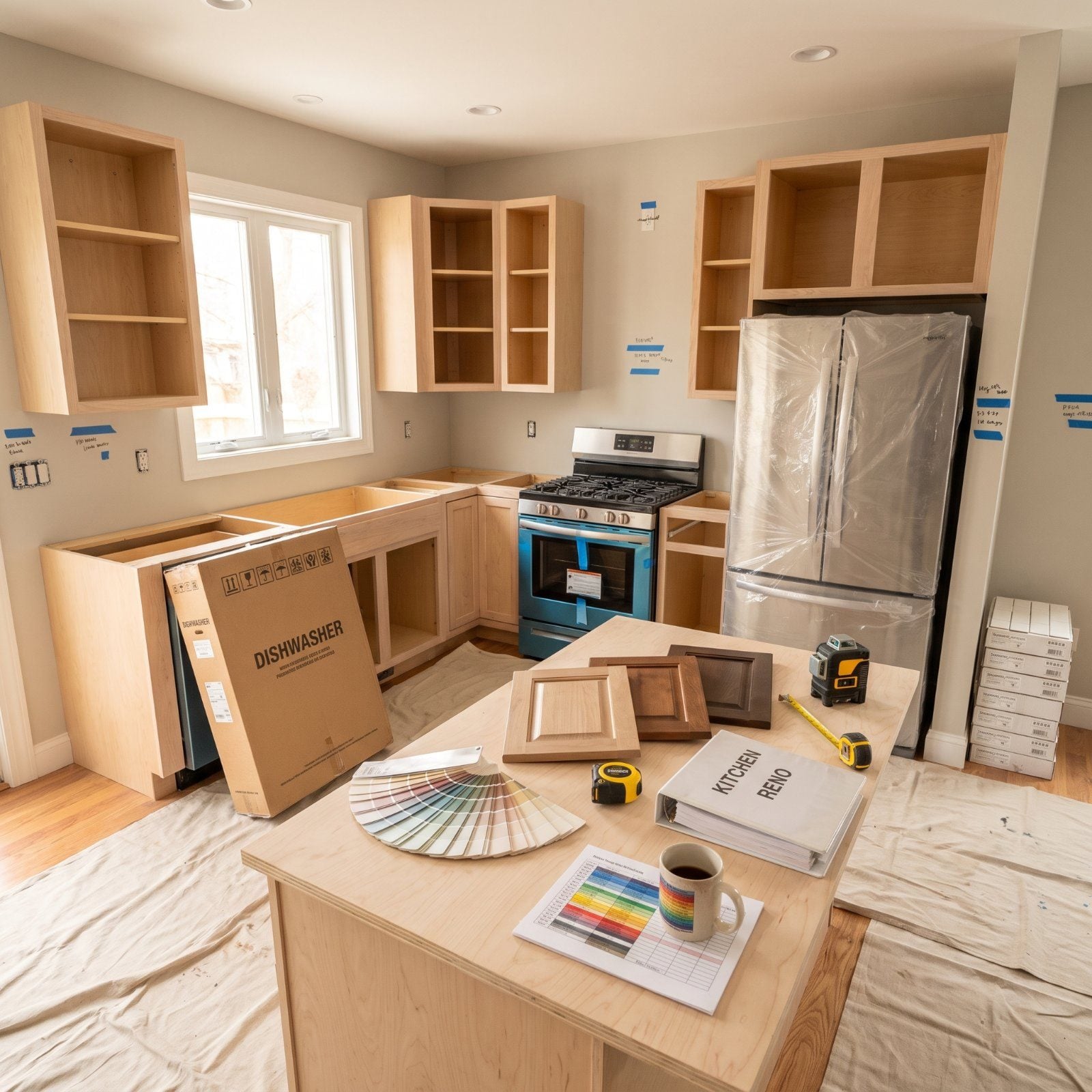
Somewhere between demo day and the first cabinet going in, a normal person discovers Gantt charts. Suddenly there’s a printout taped to the drywall with electrical in yellow, blue and green bars stepping down the page, and a couple of short red blocks that everyone is quietly afraid of.
The schedule isn’t really about dates. It’s about shrinking a terrifying unknown down to something that fits on one page. When a project has dozens of moving parts and you can’t predict a single one, a color-coded plan hands your brain the feeling of control, even when the control is pure fiction. Psychologists call it the illusion of control — same reason people blow on dice before a roll. The chart doesn’t make the plumber show up. It makes you feel like he might.
Started a country kitchen renovation and caught yourself laminating a timeline? You’re not crazy. You’re scared, and your brain handed you a highlighter instead of a therapist.
12. Setting Up Communication Protocols Worthy of Air-Traffic Control
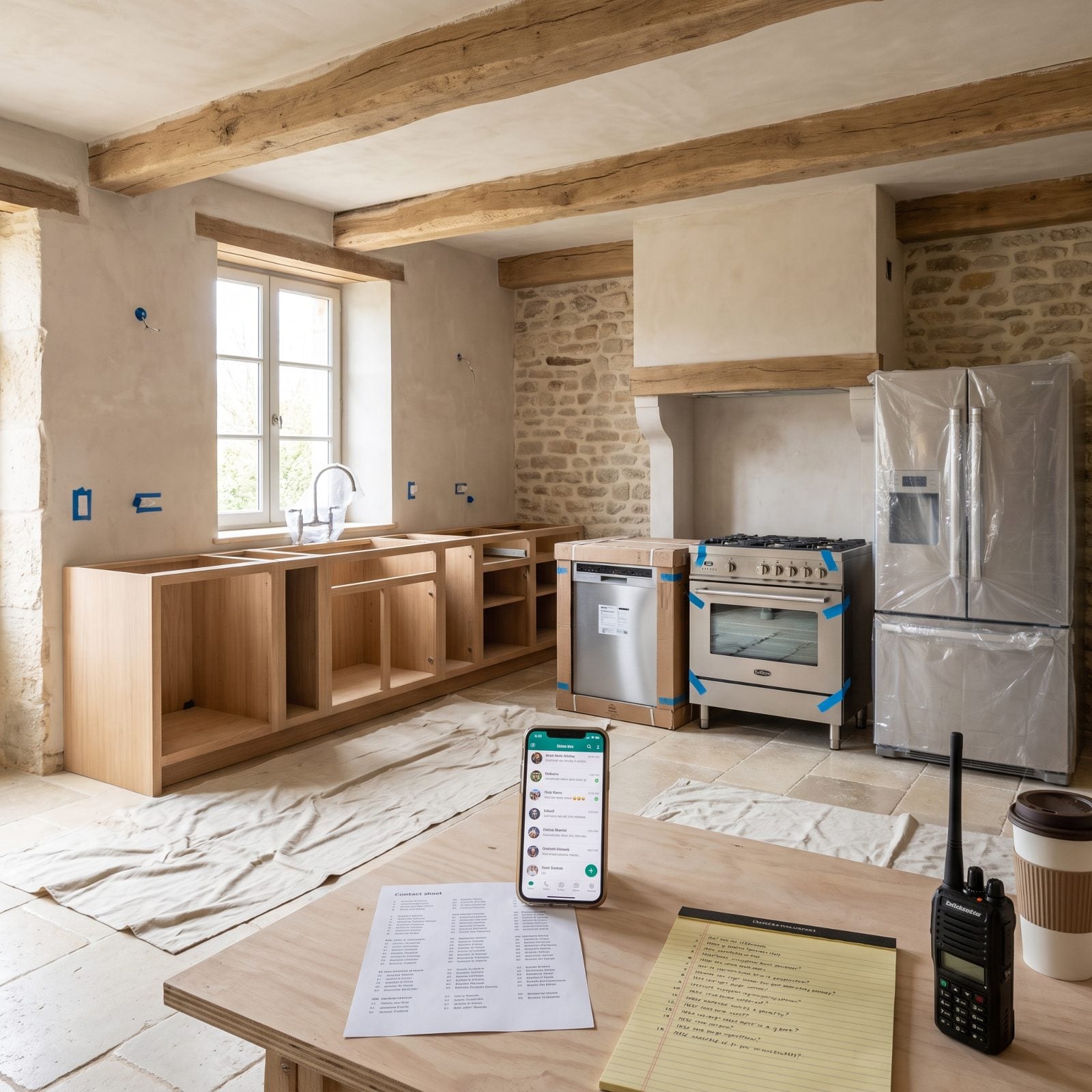
First it’s a friendly text thread. Then it’s a whole stack of chats crowding the phone screen. Then there’s a rule that the contractor must confirm receipt within an hour, plus a separate thread for the electrician because mixing them up once caused an “incident.”
The communication machine grows because silence is the scariest thing in a renovation. When you can’t see progress, no news doesn’t read as no news — it reads as everything going wrong behind a closed door. So you build protocols to force a steady drip of confirmation, the way a control tower needs every plane to check in whether anything’s wrong or not.
What you’re really managing is your own anxiety, one reply at a time. And honestly? A little of this is reasonable. A lot of it is you trying to hear a heartbeat.
11. Prepping for Every Disaster Like You’re Packing for All Four Seasons
Here’s a confession: the overpacking instinct runs the same whether it’s a suitcase or a construction zone.
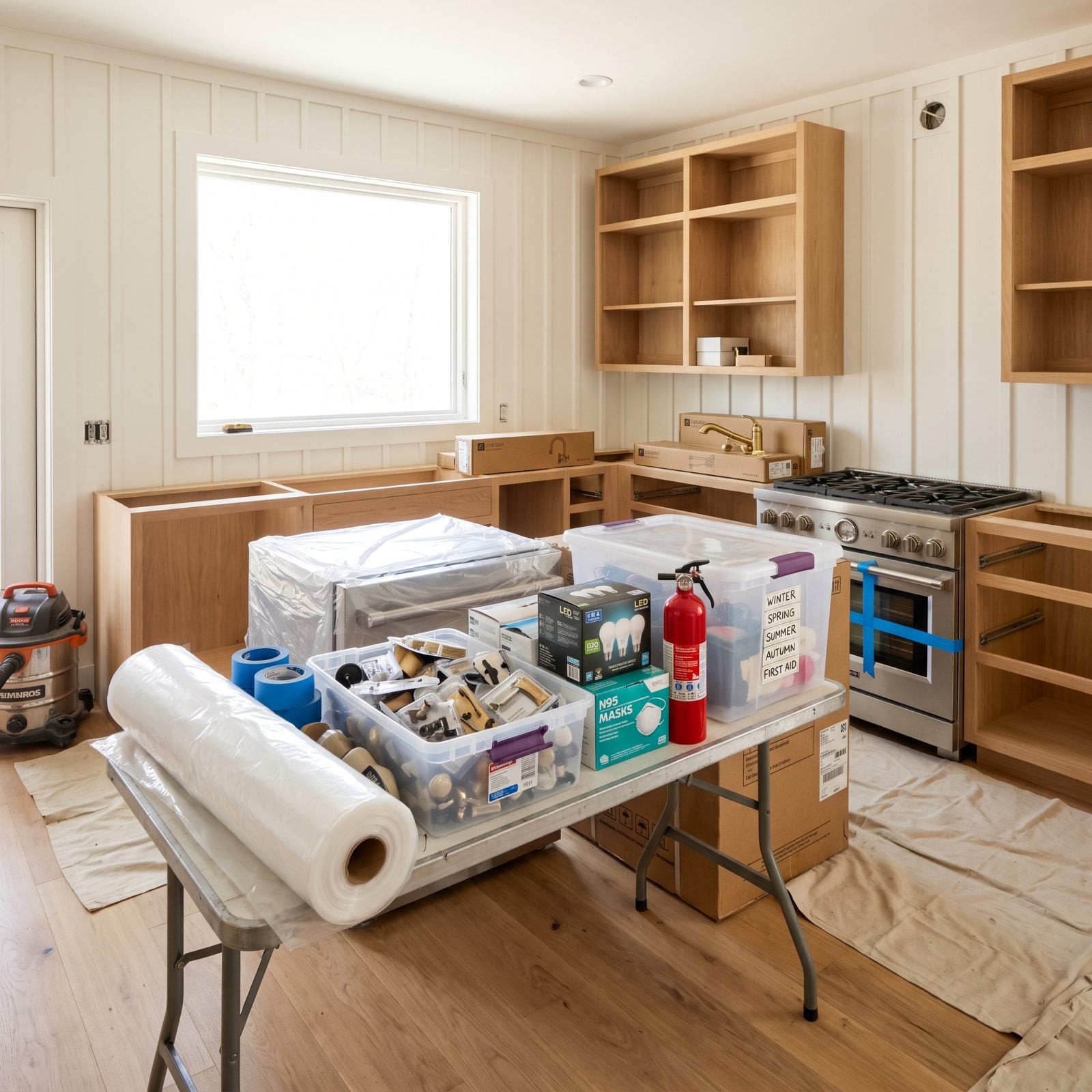
You’ve watched someone fold six sweaters for a weekend in case it gets cold, then pack sandals in case it doesn’t. The kitchen version is a tote of spare hardware, three kinds of tape, a backup faucet “just in case the first one’s defective,” and enough plastic sheeting to wrap a small car.
This is loss aversion wearing work gloves. The pain of a problem you didn’t prepare for stings far worse than the relief of one you did. So the brain overweights every imaginable catastrophe and stockpiles against all of them at once. Most of that tote never gets opened. But it’s not there to be used. It’s there so you can sleep.
10. Measuring Every Opening Three Times Like a Pilot Running a Checklist

Measure twice, cut once is carpenter wisdom. The renovating homeowner upgrades it to measure three times, photograph the tape, then measure again tomorrow in case the wall shifted overnight.
The ritual isn’t about distrusting the number — it’s about the consequence bolted to it. A pilot runs the same safety list on every flight not because planes usually fail, but because the one time it matters, it really matters. A countertop cut an inch short can’t be un-cut, and you’ll stare at that mistake every single day for fifteen years.
That permanence is what cranks the vigilance. Irreversible plus expensive plus always-visible equals a person re-measuring the fridge gap at midnight. Not paranoia. Math.
9. Hoarding Samples While Hunting for the One Perfect Choice
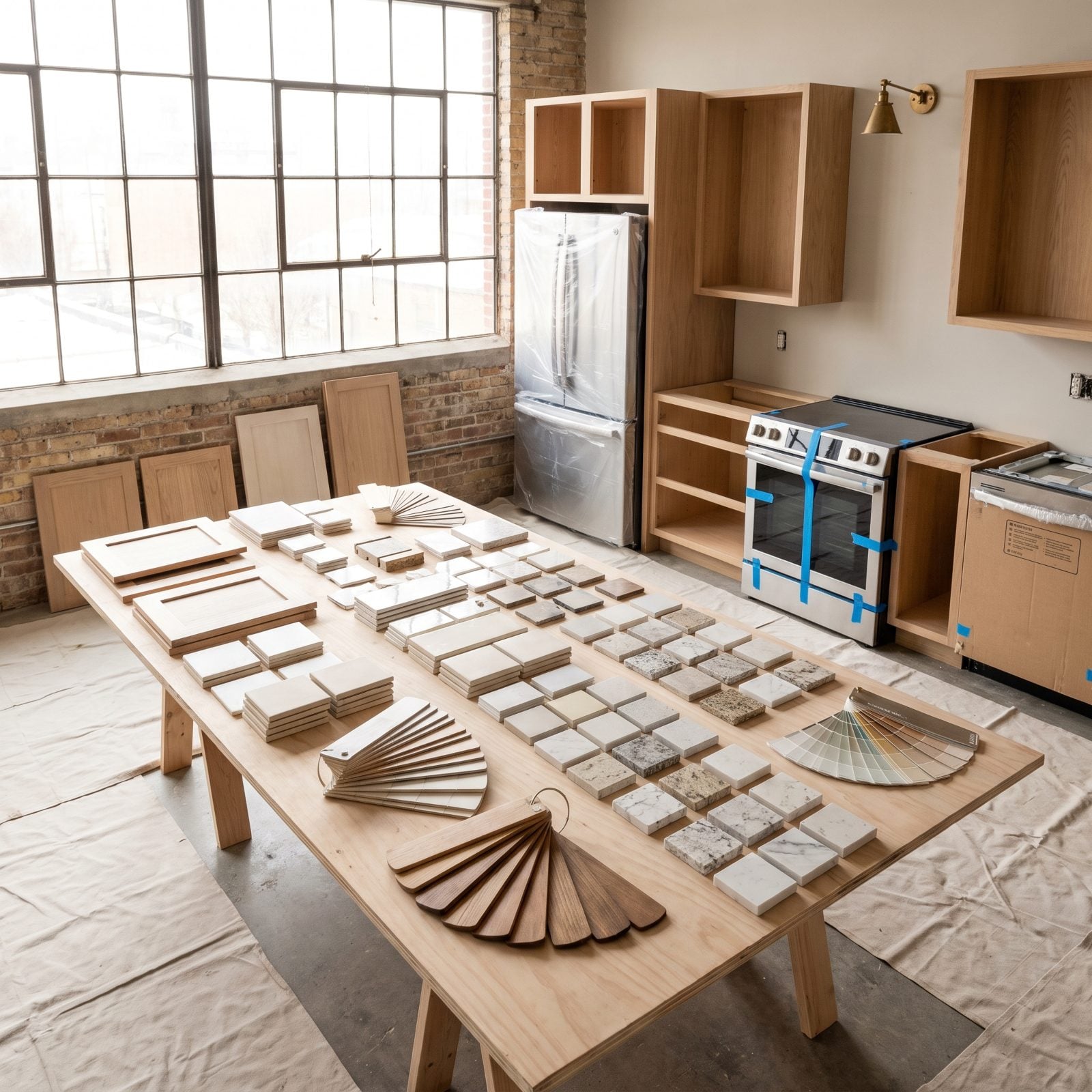
The counter disappears under tile squares. Then come the stone chips, the stain fans, the twelve nearly identical whites with names like Cloud, Chantilly, and Oh For The Love Of God Just Pick One.
Behavioral researchers split people into satisficers, who grab the good-enough option and move on, and maximizers, who need to be sure they found the best before committing. A big permanent purchase turns almost everyone into a maximizer — and maximizers are famously less happy with their choices even when the choice is great. More options, more second-guessing, more samples taped to the wall at eye level for a week.
The irony? The tenth white looks identical to the first under your actual kitchen light. You already had the answer. You just needed permission to stop looking.
8. Guarding Separate Budget Categories Like Stacks of Poker Chips
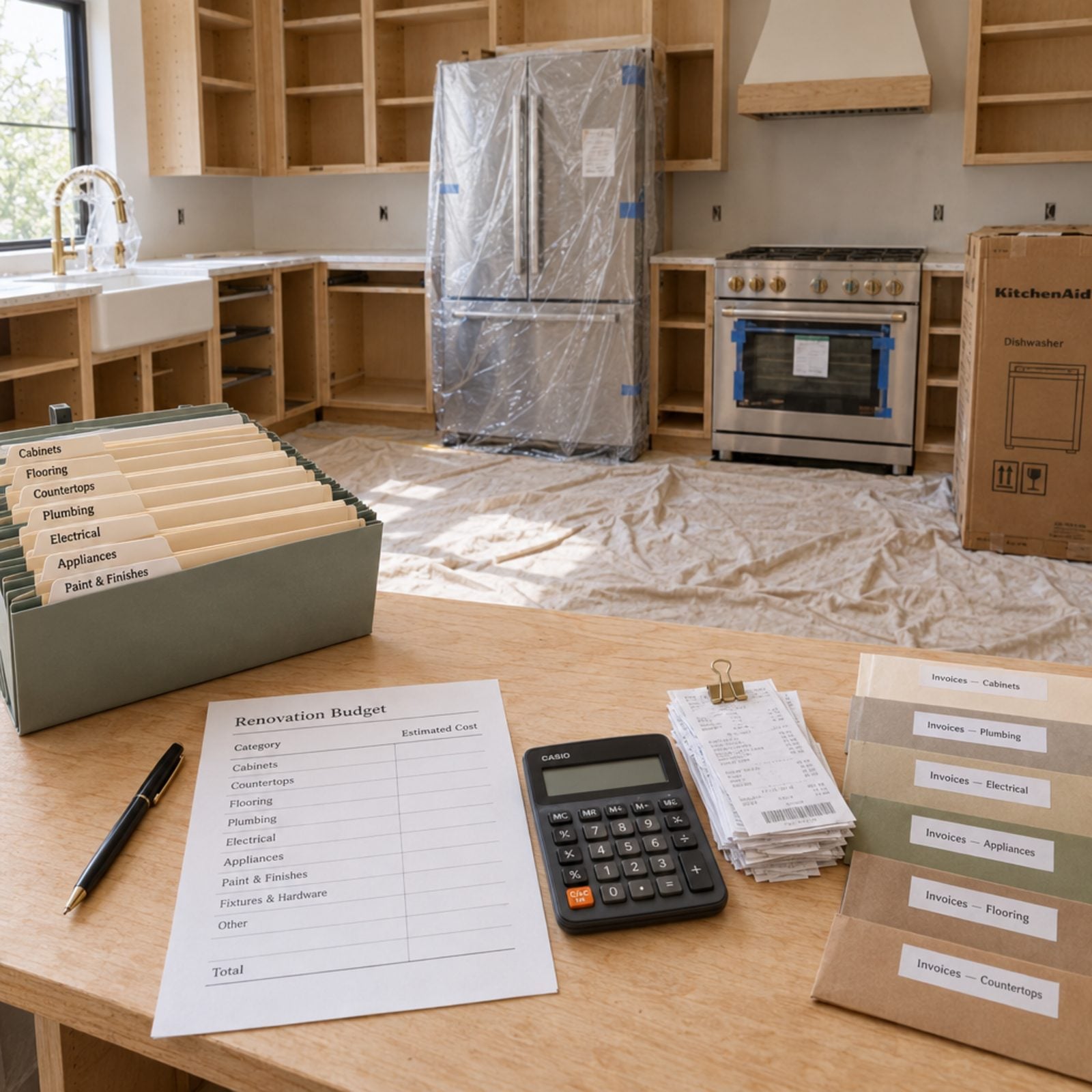
The budget stops being one number and splits into a dozen little fiefdoms.
Flooring has its own envelope. Electrical has its own tab. Cabinets are sacred and must not be touched. When an overage threatens one category, there’s real resistance to moving money from another, even though it’s all the same dollars going to the same house.
Economists call this mental accounting. We treat money differently based on which mental bucket it lives in, even though a dollar doesn’t care what label you slapped on it. Same reason people drive across town to save five bucks on a blender, then shrug at a five-hundred-dollar upgrade on a thirty-thousand-dollar remodel.
Fencing off those stacks feels disciplined. Sometimes it is. Sometimes it means you denied yourself the better faucet to protect a pantry budget you’ll never spend. The money was always one pile.
7. Tracking Every Delivery Like It’s a Missing Suitcase
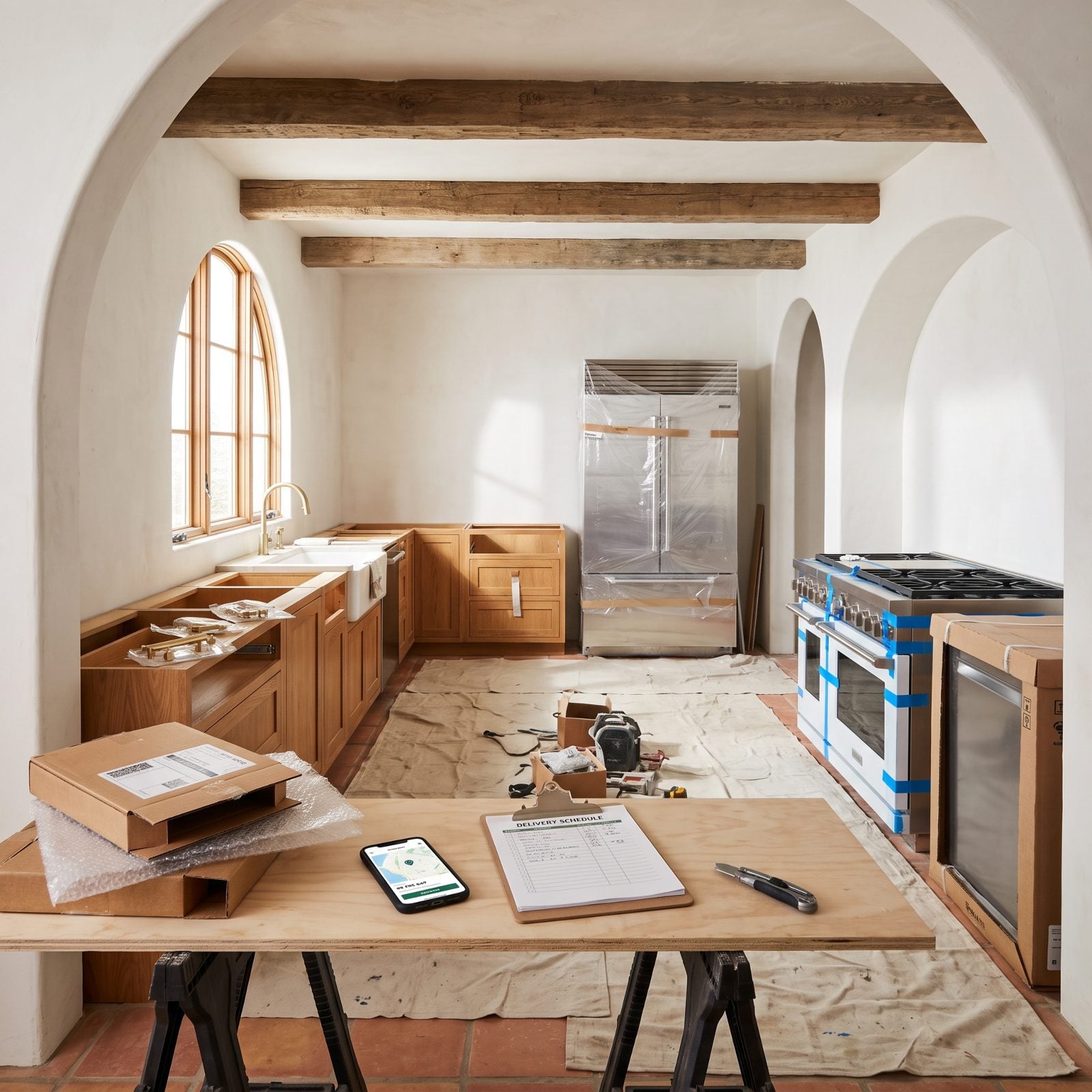
The countertop shipped. You know it shipped. You’ve checked the tracking number so many times the website recognizes you. It’s sitting at a distribution hub three states away, and you are taking that personally.
Deliveries become fixations because every box is a bottleneck. One late countertop and the plumber can’t come, so the backsplash waits, so the whole schedule slips, so your kitchen stays a plywood cave for another week. Waiting with no information triggers the same low-grade dread as standing at a baggage carousel watching other people’s suitcases go by.
Refreshing the tracker doesn’t speed up the truck. But it scratches the itch of needing to do something — which, if we’re honest, is what this whole phase really is.
6. Demanding Firm Dates From a Process Built on Variables
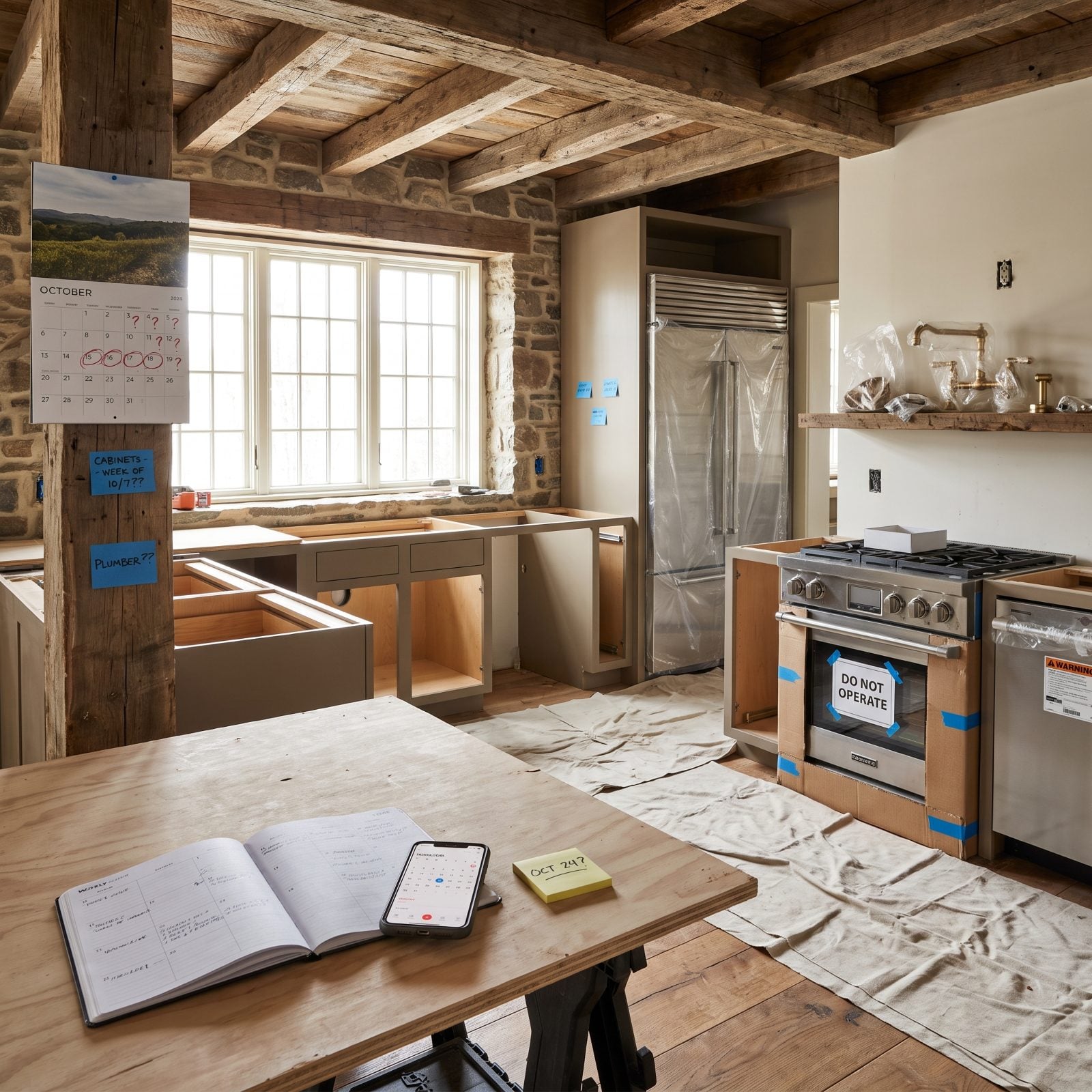
“Just give me a date.” The contractor explains that the stone fabricator is backed up, the inspector schedules in windows, and the weather affects the delivery. You nod. Then you ask for a date again, slightly firmer.
This is the planning fallacy from the client side. We systematically lowball how long complex things take, and we crave a single committed deadline because ambiguity feels like chaos. A firm date, even a wrong one, calms the nervous system more than an honest “somewhere in the next two weeks.”
The cruel part is that renovations are stacks of dependencies, each able to slip and shove everything behind it. Demanding certainty from that is like demanding the sky commit to a specific cloud. Understandable. Hopeless.
A firm date, even a wrong one, calms the nervous system more than an honest “somewhere in the next two weeks.”
5. Taking Material Substitutions Like Someone Changed Your Order
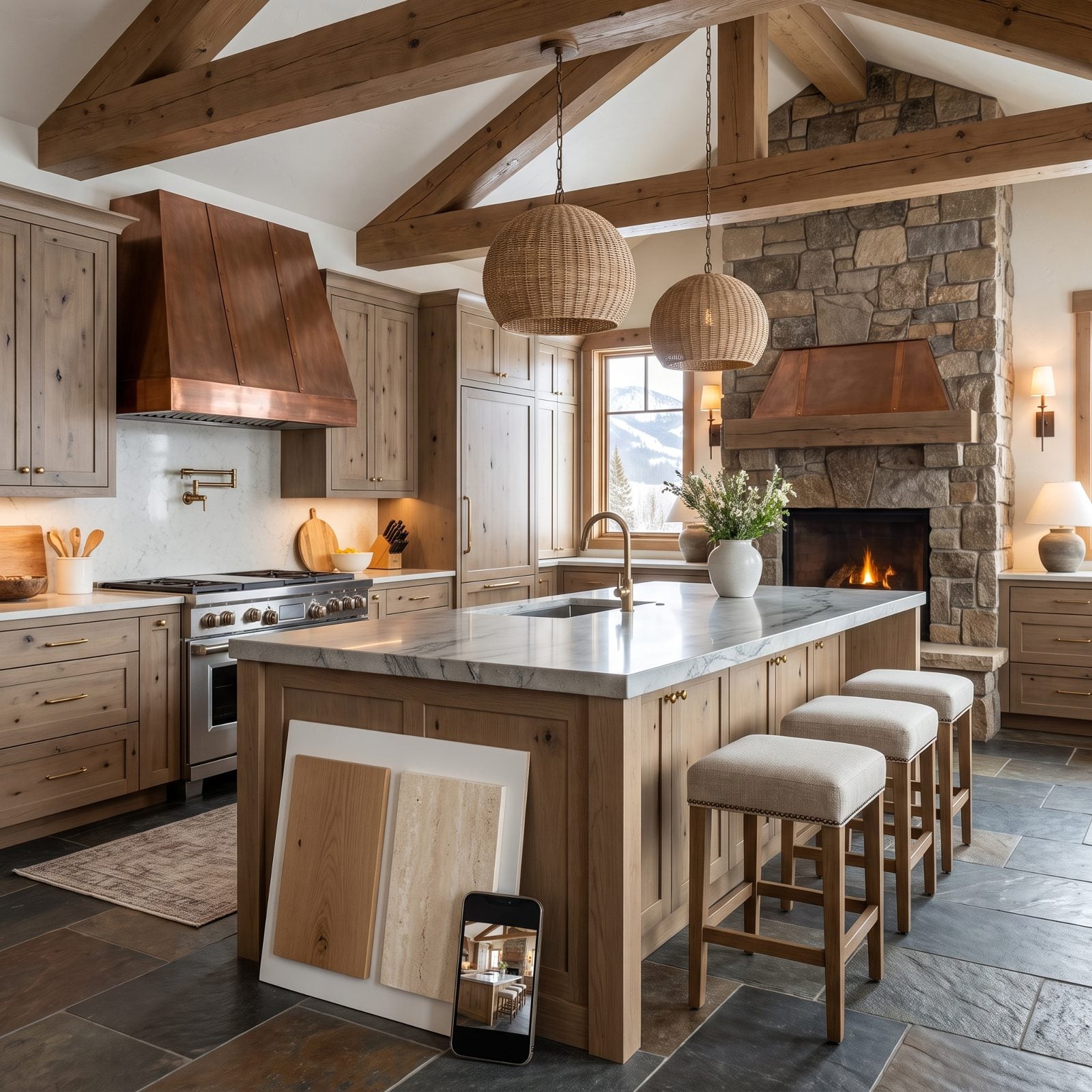
The brass you picked is backordered until next spring. The supplier offers a near-identical brass, available now, that nine people out of ten couldn’t tell apart in a lineup. And something inside you flares.
It feels like being handed a dish you didn’t order. Part of that is the endowment effect — the second you chose that specific finish, you mentally owned it, and giving it up registers as a loss rather than a swap. Part of it is the sheer effort you poured into deciding. You earned that choice. Changing it feels like someone discounting your work.
Nine times out of ten the substitute is fine, sometimes better. But fine isn’t the point. The point is that it wasn’t yours, and after weeks of fighting for control, surrendering one more decision is the hill you pick.
4. After the First Mistake, Hovering Over Everything Like a Backseat Driver
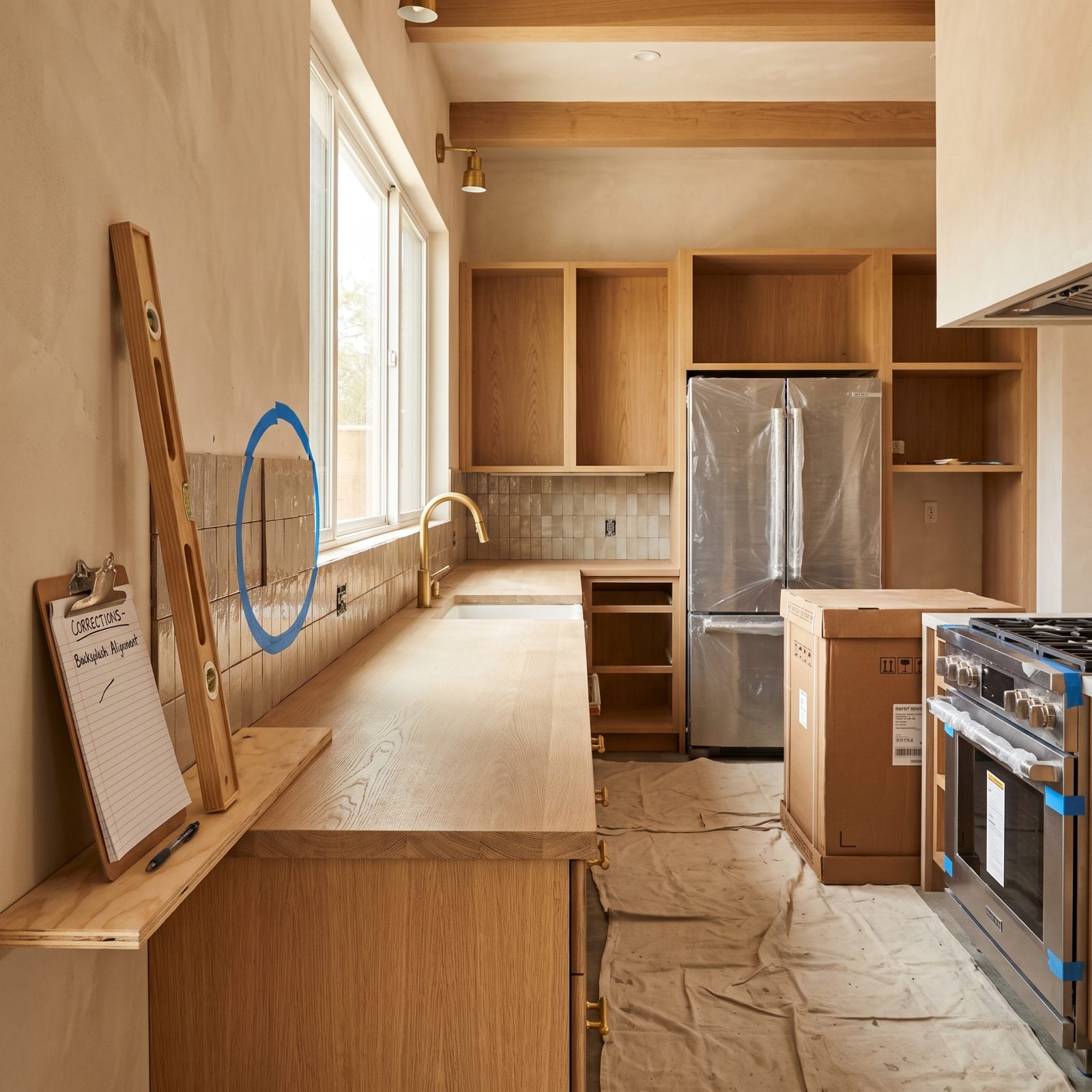
One crooked outlet. One tile set a hair off. One cabinet hung with the grain running the wrong way. Up to that moment you were a relaxed, trusting homeowner. After it, you’re inspecting every grout line with your phone’s flashlight at an angle no human eye hits by accident.
A single visible error rewires how you watch everything. Negativity bias means the one mistake looms far larger than the hundred things done right, and it quietly revokes the benefit of the doubt. Now every later detail gets the suspicious squint — because if they missed that, what else slipped past?
The hovering is exhausting for everyone, you included. But it’s not really about this tile. It’s your trust trying to heal from a small wound, one over-checked seam at a time. Modern kitchen, cozy cottage, doesn’t matter. Want proof the aesthetic is irrelevant? Even these dramatic rustic kitchens turn their owners into supervisors the instant something goes sideways.
3. They Save Every Text and Photograph Like Lawyers Preparing for Trial
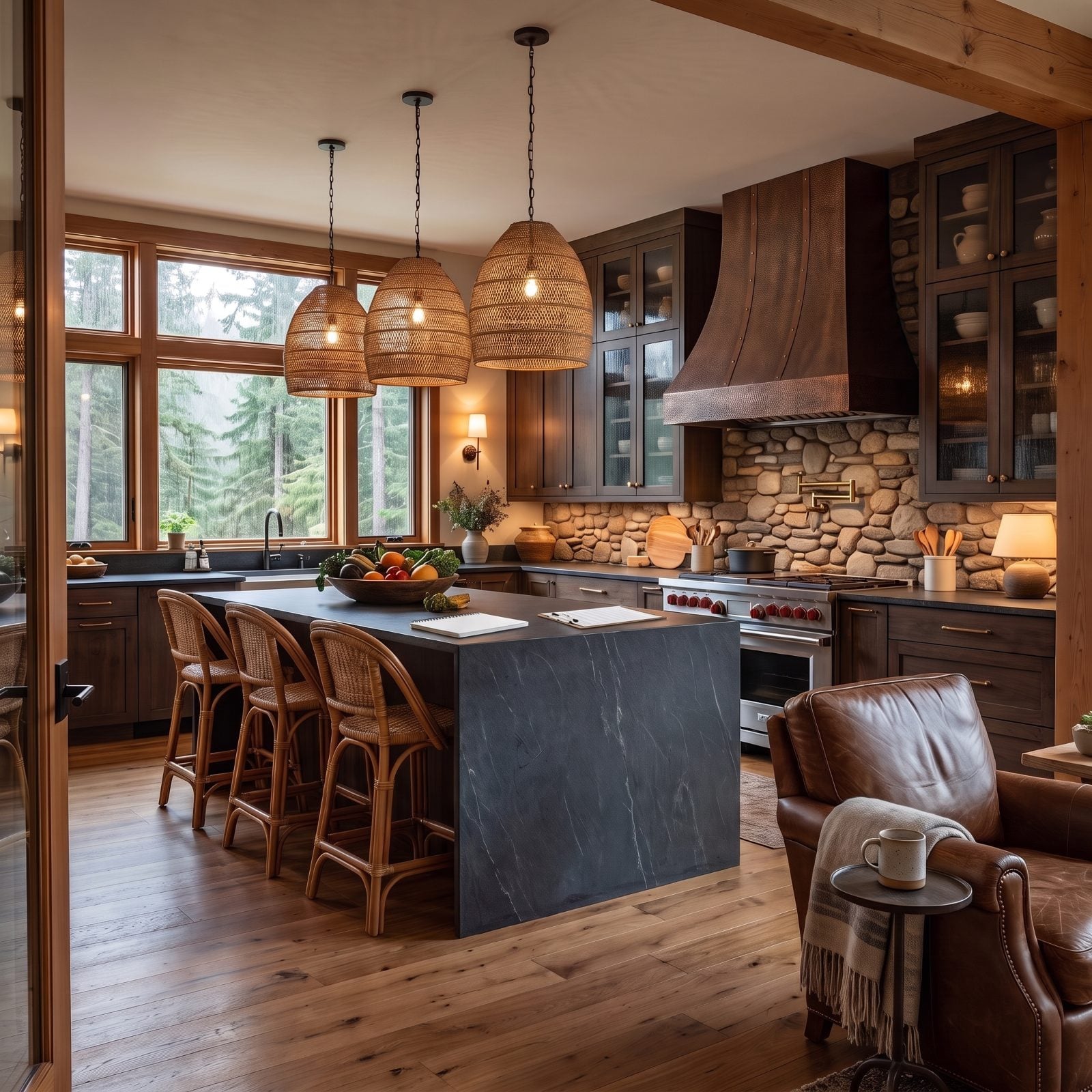
The folder starts innocent. A photo of the plumbing rough-in, just in case. Then a screenshot of the text where the contractor swore he’d be there Tuesday, then another photo, then the whole thing hardens into a case file — timestamped, sorted, ready to be entered into evidence.
It’s how people behave when they’re facing something they can’t control but refuse to lose. You keep receipts once you’ve decided, somewhere deep, that trust might not be enough. Call it loss aversion wearing a raincoat. A kitchen costs real money, and the sting of a mistake lands about twice as hard as the glow of it going right, so you build a paper trail against a disaster that probably won’t come.
And there’s comfort in the archive. Documenting feels like doing, even when the drywall sits exactly where it was yesterday. We’ve all mistaken activity for control.
2. They Collect Second Opinions Until One Agrees With Them

First you ask the installer. Then the designer, then a cousin who once watched a lot of HGTV, then a forum full of strangers. You’re not gathering information anymore. You decided on the honed marble days ago, and now you’re quietly shopping for someone with credentials to bless it.
This is confirmation bias in a hard hat. The opinions that agree with you sound wise and trustworthy. The ones that don’t? They just didn’t understand your specific situation, obviously. We’ve all pulled this move — with a kitchen, a relationship, a questionable used car.
The samples keep piling up on the island, honed marble beside soapstone beside a quartz nobody is seriously considering, and the point of the lineup was never comparison. It’s permission. Spreading out a few honed marble samples and a couple of aged brass faucets only helps if you let them genuinely argue back. Most of us don’t. We hold auditions and cast the answer we walked in with.
1. The Moment a Wall Won’t Move, Every Settled Choice Reopens
🔥 Would you like to save this?
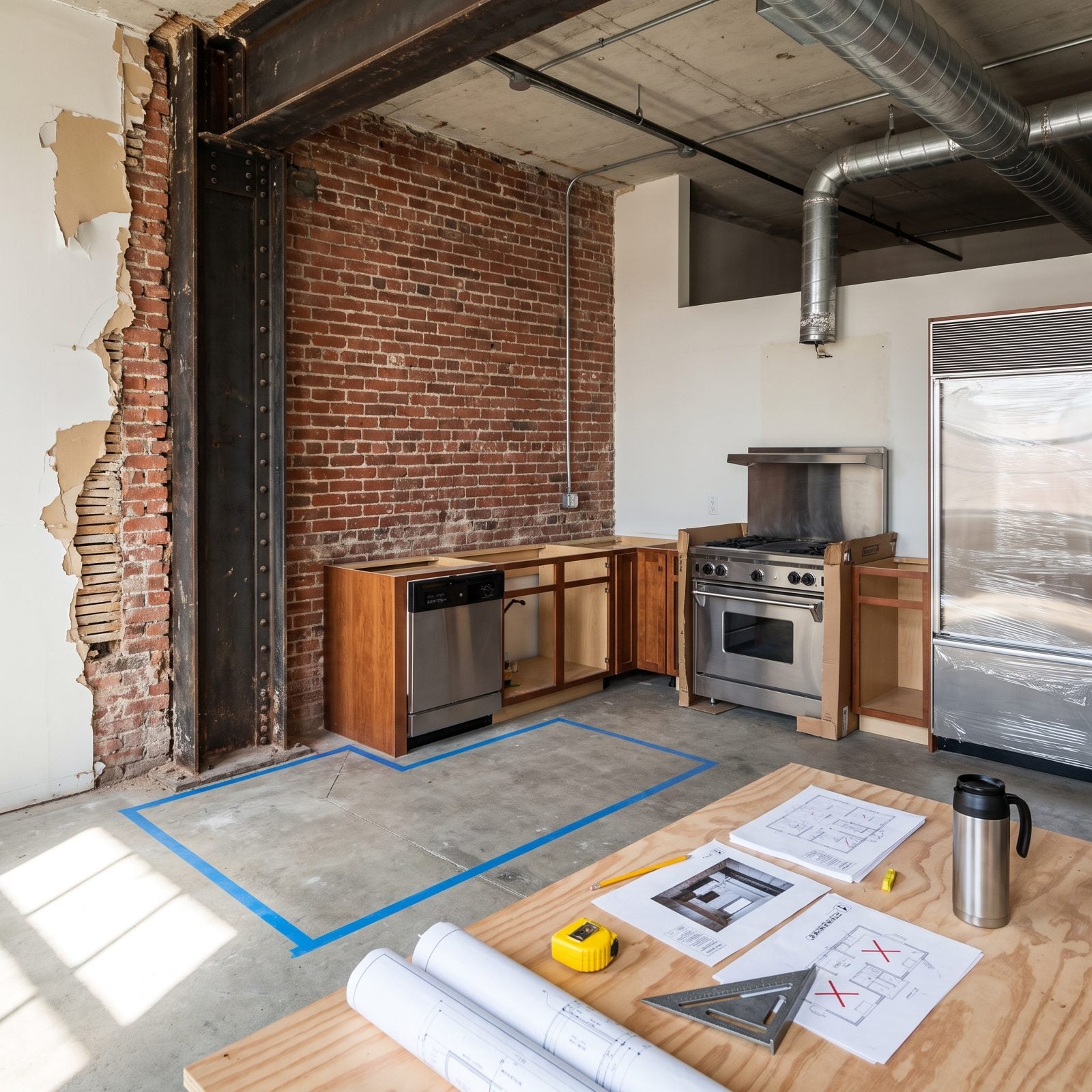
Everything was decided. Island here, range there, signed off, no notes. Then the crew opens the wall and finds a beam that isn’t going anywhere, and your perfect layout slides eighteen inches sideways. Suddenly the island is wrong, which makes the pendants wrong, which makes you wonder if the whole cabinet color was a mistake too.
One constraint, and you reopen a dozen choices that had nothing to do with it. That’s reactance — the gut-level flinch when a freedom you were counting on gets yanked away. Your brain doesn’t just mourn the lost option. It goes rummaging through all the settled ones, as if reasserting control somewhere else could make up for losing it here.
And in an industrial loft kitchen, that exposed beam is honestly the best thing in the room. The constraint you cursed becomes the detail you brag about. Old buildings do this all the time — the limitation and the character turn out to be the same chunk of brick.