🔥 Would you like to save this?
Nobody renovates a kitchen because the old one stopped working. The oven still heats. The faucet still runs, and the dishwasher still does its dull little cycle without complaint. Something deeper cracked, and the kitchen is where it decided to surface. One day the room you cooked a thousand dinners in feels like a stranger and you need it gone. You want new. You want proof you can still surprise yourself. Sound familiar? It should. The same human wiring that sends someone out to buy a convertible at fifty sends you to the showroom to price out quartz you cannot afford. Below are the behaviors where a kitchen remodel and a full-blown reinvention turn out to be the same impulse wearing a tool belt. You’ll see yourself in here somewhere. Bring a coffee.
18. Your Neighbor’s New Kitchen Suddenly Makes Yours Unbearable
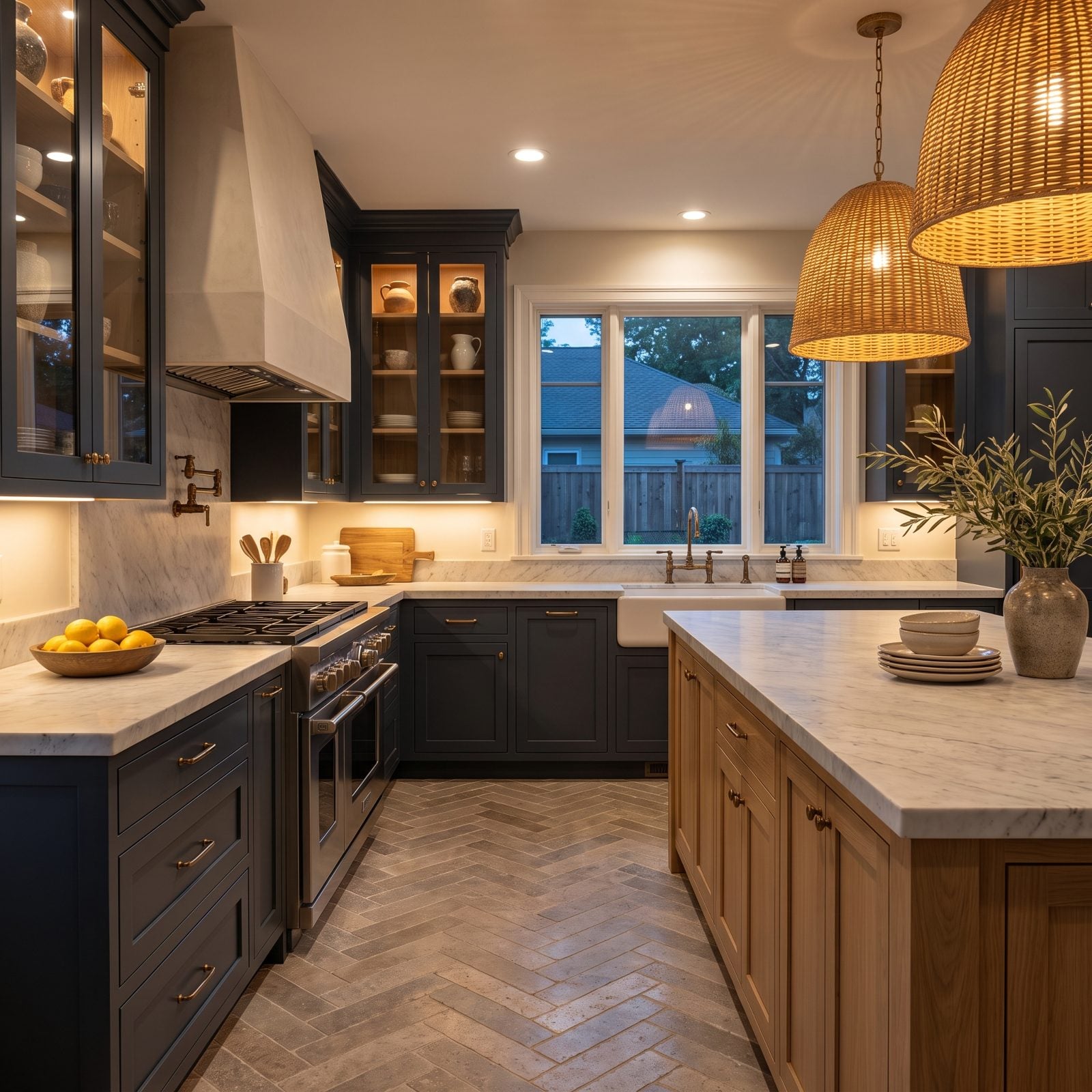
Your kitchen was fine on Tuesday. Then you saw the before-and-after reel of the house two doors down, and by Wednesday your own counters looked like a crime scene. Nothing changed except your reference point, which is the whole trick: we measure what we have against what someone else just got, never against what we had yesterday.
In order to come up with the very specific design ideas, we create most designs with the assistance of state-of-the-art AI interior design software. Also, assume links that take you off the site are affiliate links such as links to Amazon. this means we may earn a commission if you buy something.
This is the same force that makes a perfectly good life feel small the week a college friend posts their lake house. Psychologists call it social comparison, and it only runs one direction. You never feel better looking at a worse kitchen. The itch comes from the better one.
17. Every Bad Morning Becomes the Fault of the Layout
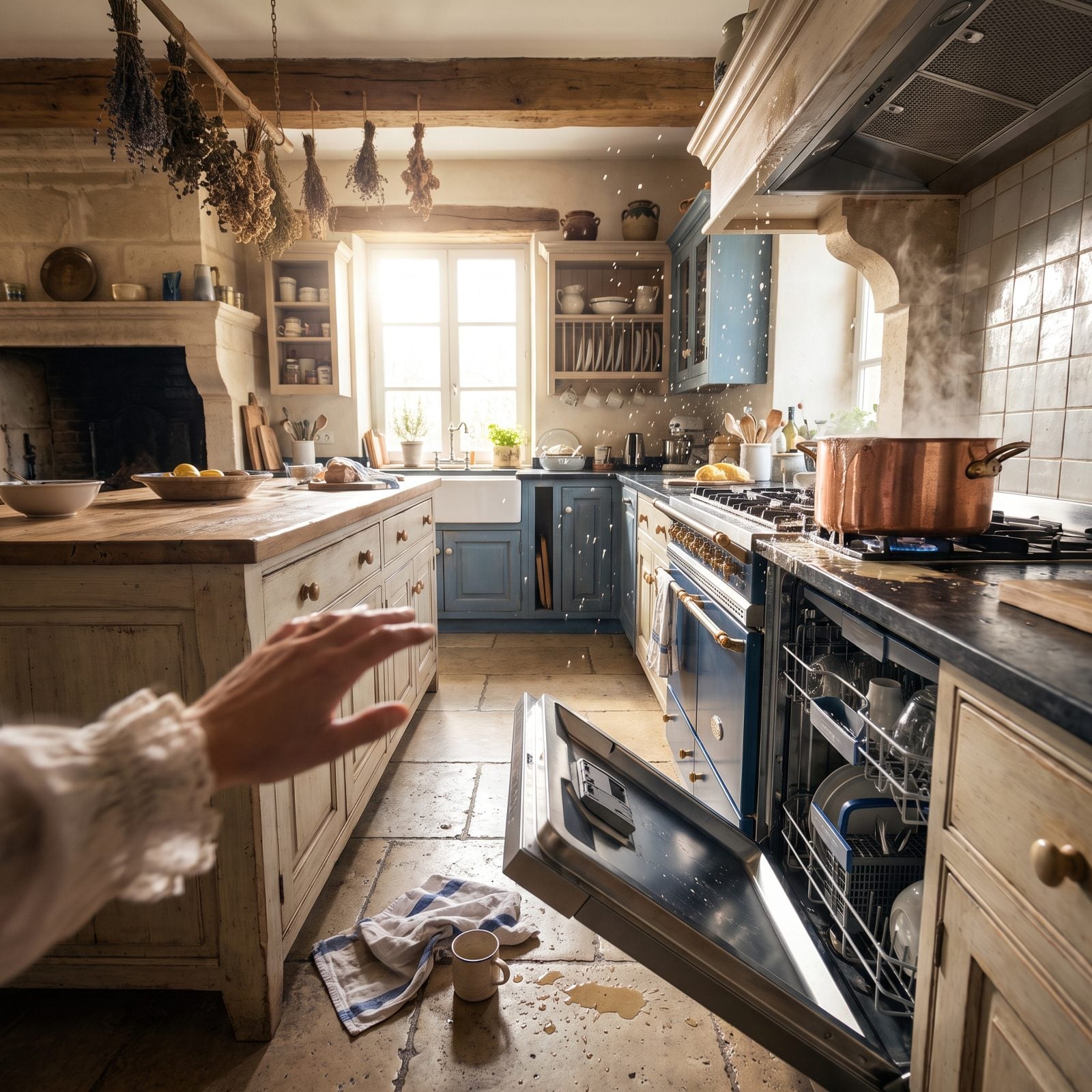
You stub your elbow on the open dishwasher, the coffee boils over, the good pan has vanished, and somewhere in the chaos you decide the real problem is the floor plan. Not the week you’ve had. Not the lousy sleep. The layout did this to you.
Same move as blaming the marriage for your restlessness, or the job for your Sunday dread. When we feel stuck we reach for the nearest structural thing to pin it on, because structures can be gutted. Moods can’t. A wall can.
Attribution bias loves a scapegoat with studs in it, and the kitchen becomes the stand-in for a hundred small frustrations. Tearing it out starts to feel like solving all of them at once.
16. You Demolish the Cabinets Before Finalizing the Plan
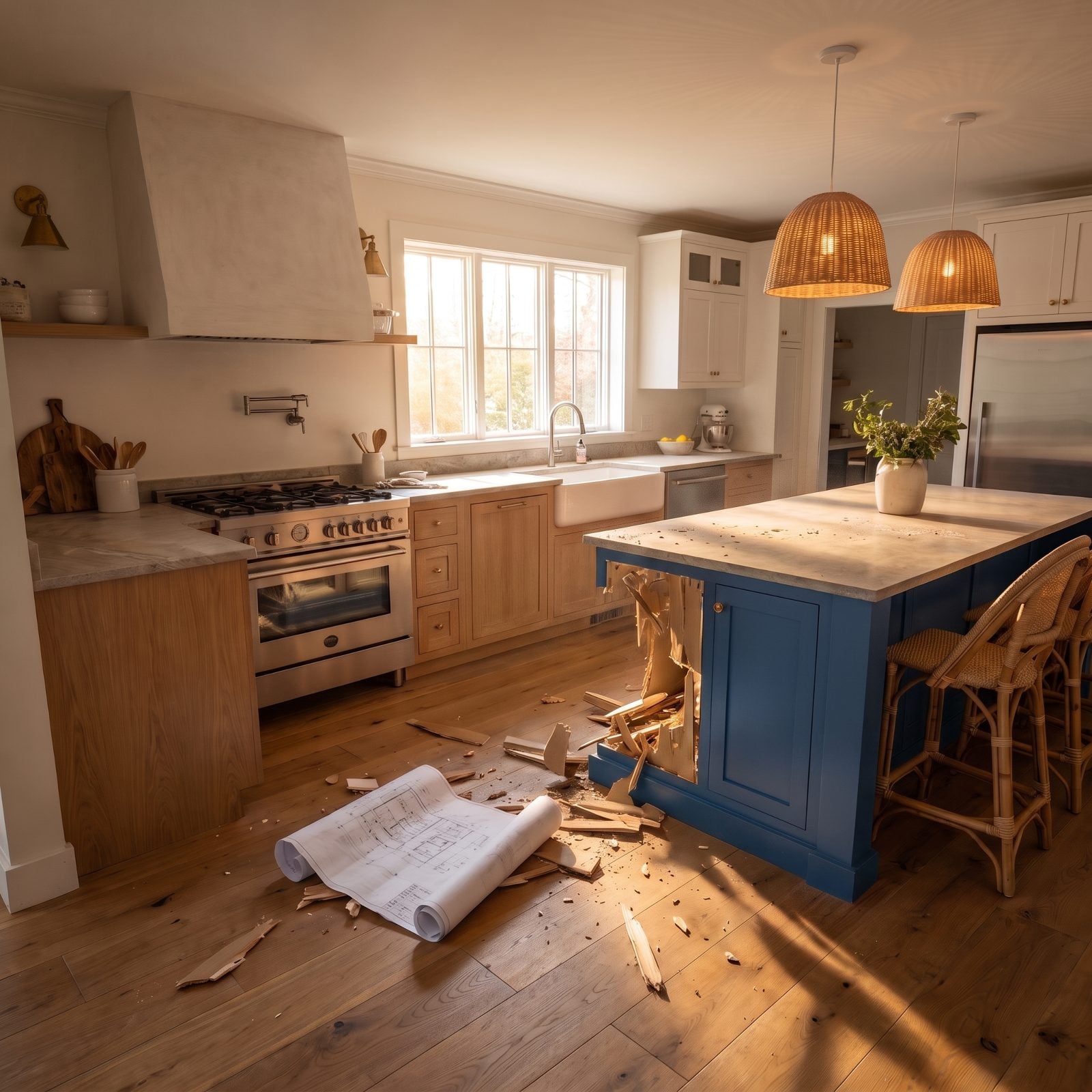
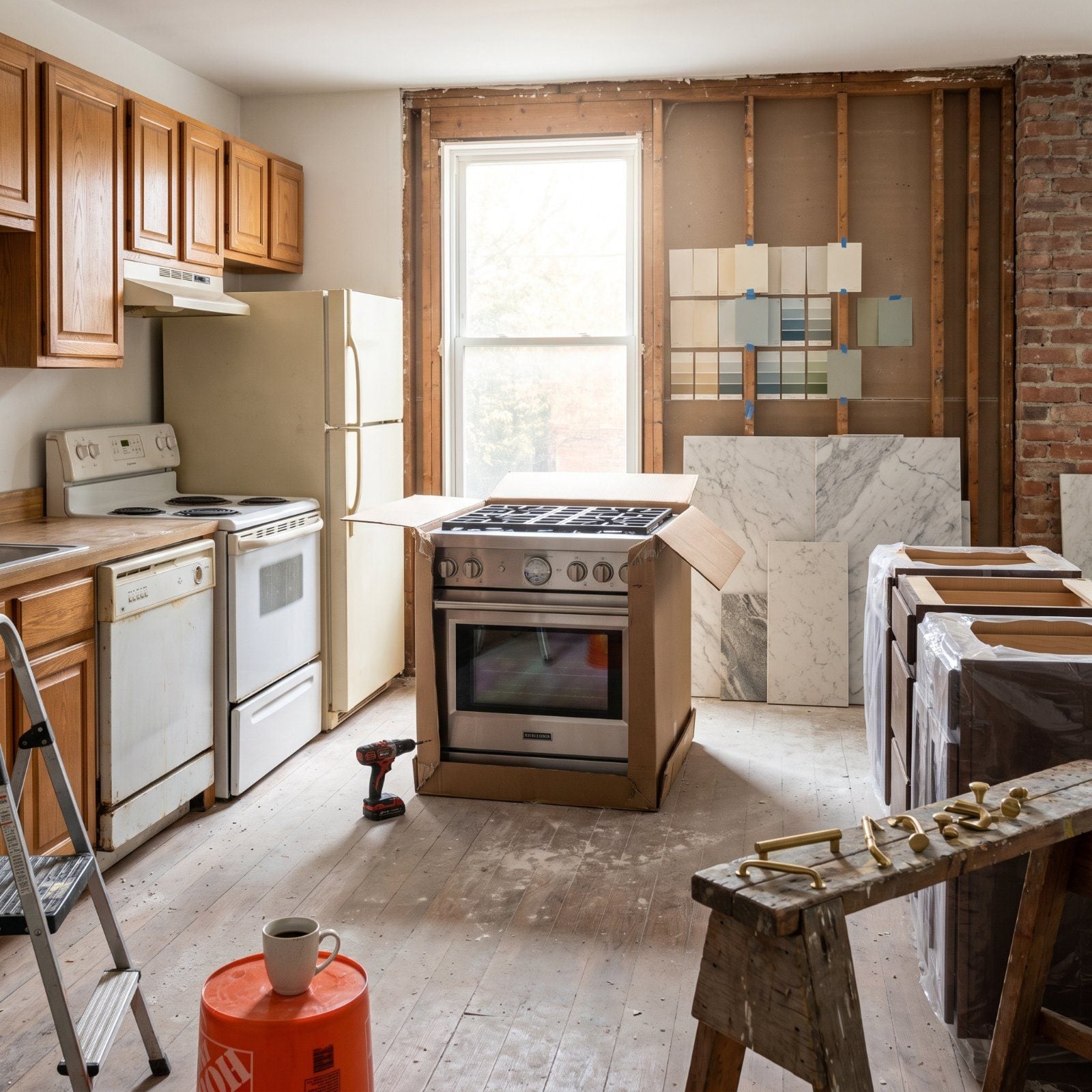
The plan isn’t done. The countertop isn’t chosen. You haven’t priced the island. But the sledgehammer has already gone through the island and those cabinets are coming out tonight, because waiting feels unbearable and smashing something feels like progress.
This is the convertible bought on a Friday impulse, the resignation letter sent before the next job exists. Action gives you the feeling of change long before any actual change is worked out. Demolition is the dopamine. The plan is homework.
Tearing out is instant. Building back is the part nobody films.
I’ve watched people live with exposed studs for eight months because the wrecking felt decisive and the deciding never came. If you’ve walked through a pink kitchen reveal and wondered how they got from chaos to calm, the honest answer is slowly, after the fun part ended.
15. Removing the Peninsula Feels Like Reclaiming Your Freedom
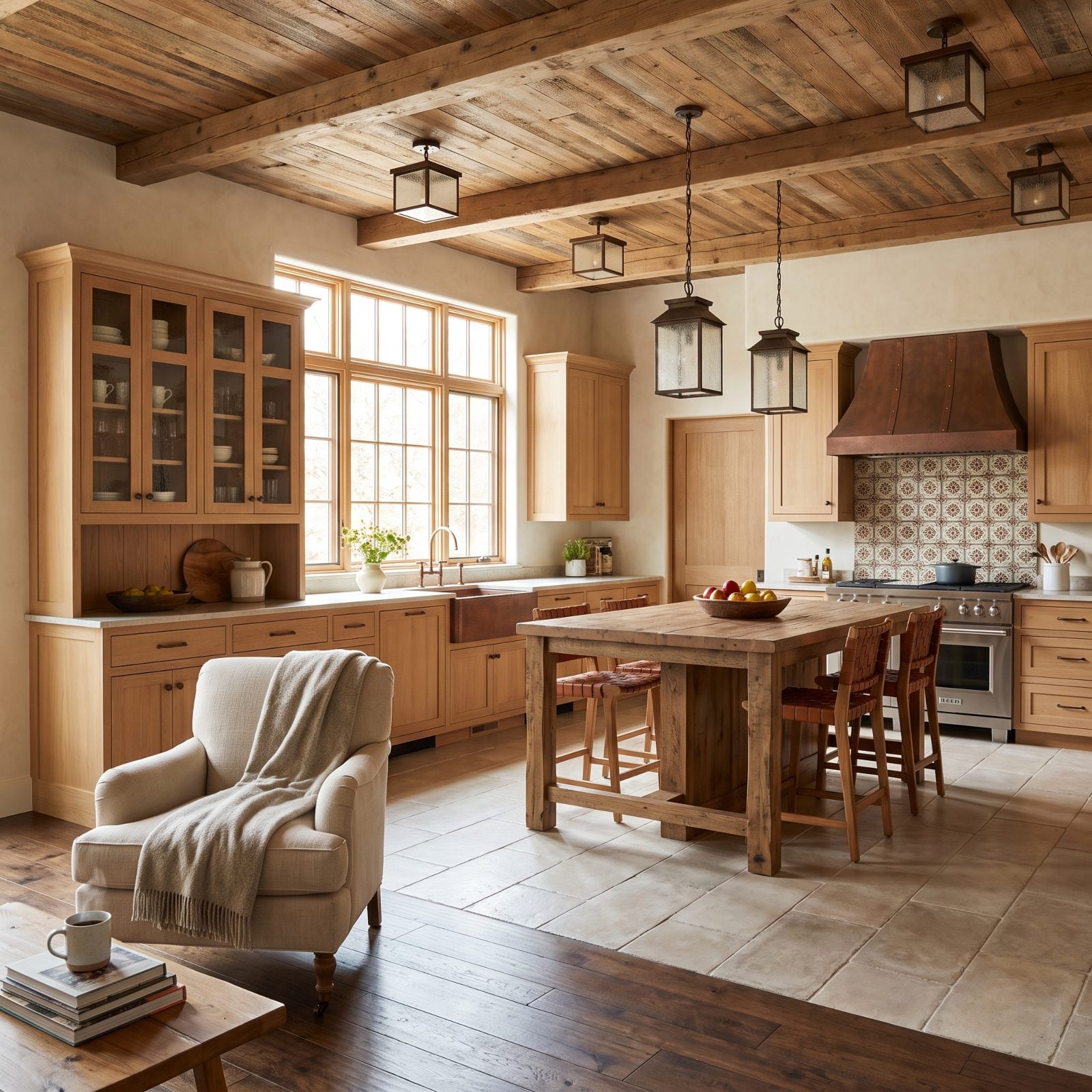
That peninsula held your mail, your groceries, your kid’s homework, half the toaster oven. The day it comes out you stand in the new open space and breathe like a different person — the room feels bigger, you feel lighter, and something that was penning you in is simply gone.
It’s the same exhale as quitting the thing you outgrew, or cutting the obligation you kept honoring out of habit. We confuse the removal of a constraint with the arrival of freedom, and for a few glorious weeks it works.
14. The Wild Tile Wins Because Beige Feels Too Safe
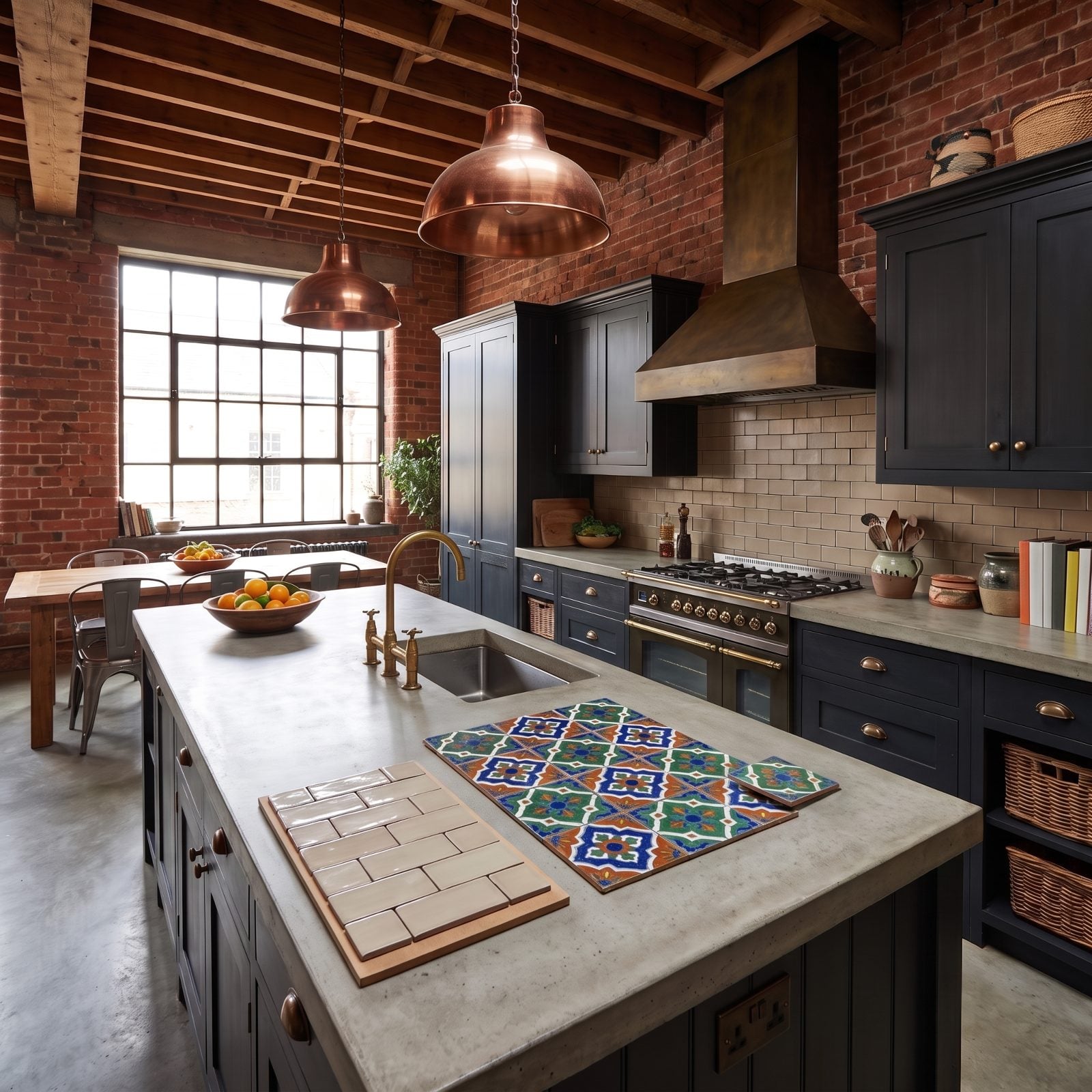
You brought home the sensible beige. You held it to the wall. And it whispered nothing will ever happen to you again. So back to the showroom you went, and now there’s a hand-glazed blue, green and orange tile laid out across your island like a declaration.
This is the leather jacket at fifty, the drastic haircut, the tattoo you’d been resisting. When a person feels the clock, safe stops reading as smart and starts reading as surrender. The wild tile isn’t about tile at all. It’s a refusal to disappear into greige.
Nothing wrong with the bold swing, for the record. I’d take a kitchen with a point of view over a builder-grade shrug any day. Some of the best bright kitchen decor happens exactly when someone decides beige was never the answer.
13. The Smart Fridge Becomes Proof You’re Still Current
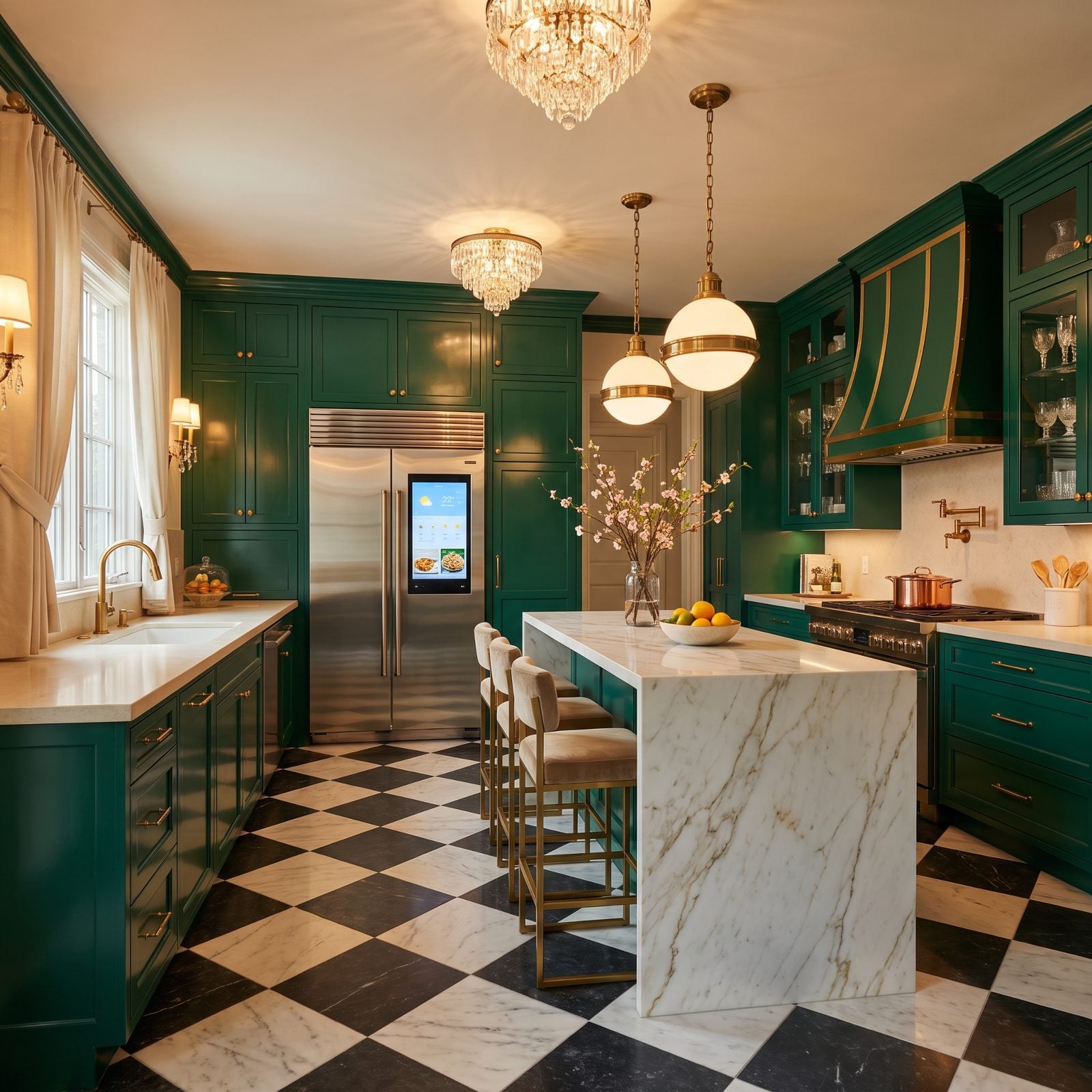
You did not need a refrigerator with a touchscreen that shows you the weather, your grocery list and, somehow, a recipe for shakshuka. You bought it anyway. Now you give the little demo to everyone who visits.
Same reason a person suddenly learns the slang, downloads the apps, references the show nobody asked about. The smart fridge is a flag planted in the present tense. See? I’m not behind. I’m keeping up.
12. You Buy the Pro Range for Your Future Chef Self
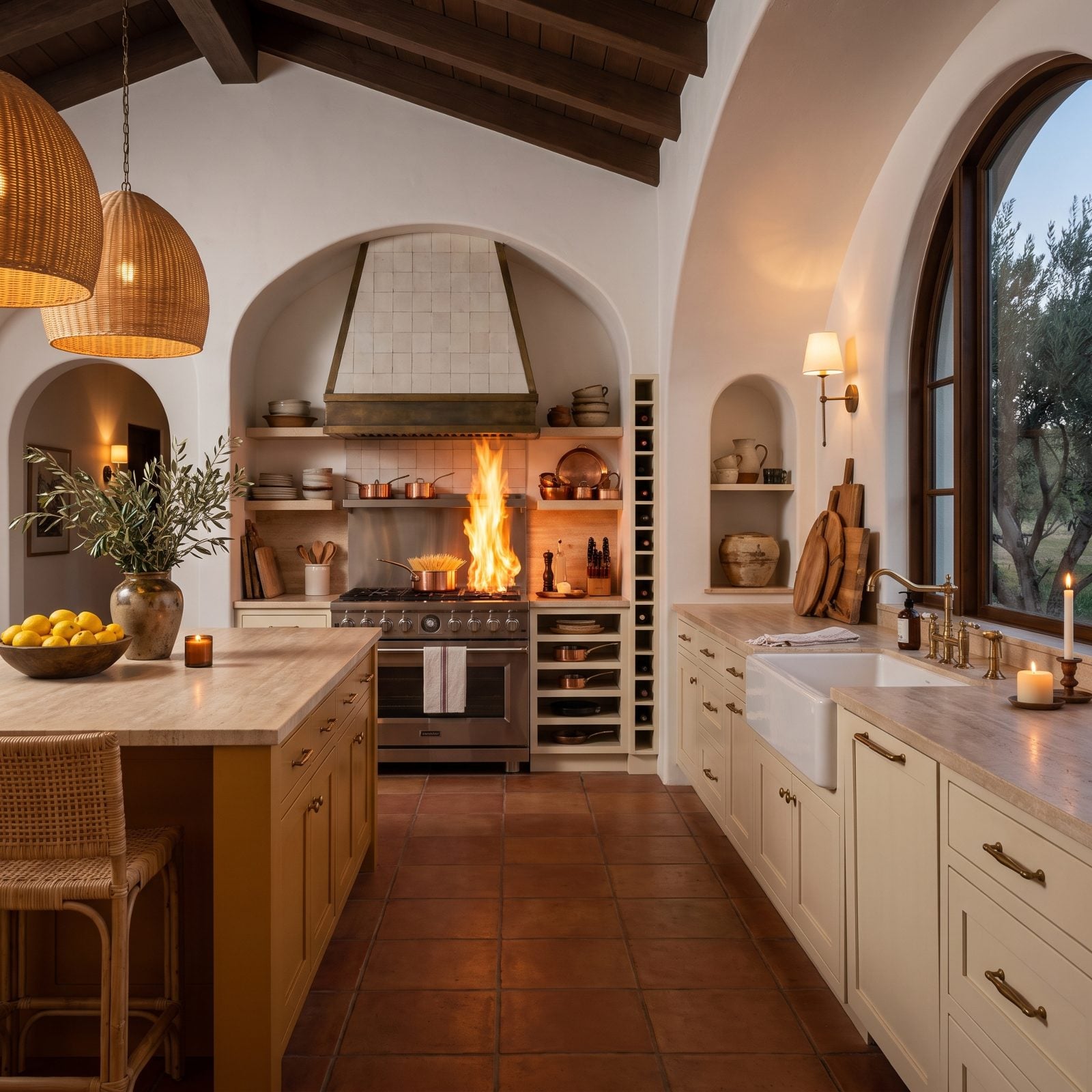
Six burners. A griddle. Enough BTUs to sear a steak through next Tuesday. You cook pasta four nights a week, but this range isn’t for who you are — it’s for who you’re about to become once you have the right equipment.
Same logic as the home gym bought in January, the guitar in the corner, the running shoes with the receipt still tucked inside. We buy the tools of our aspirational self and trust the behavior will follow. Sometimes it does. Mostly the kettle just lives on the fancy burner.
Honest truth: a good midrange stove paired with an actual habit beats a professional range and a vague intention. I say this as someone who once owned a very serious knife I was too scared to use. Plenty of gorgeous glam kitchen decor is built around appliances that get a workout on holidays and nap the rest of the year.
11. You Save One Vintage Handle Like It’s Family History
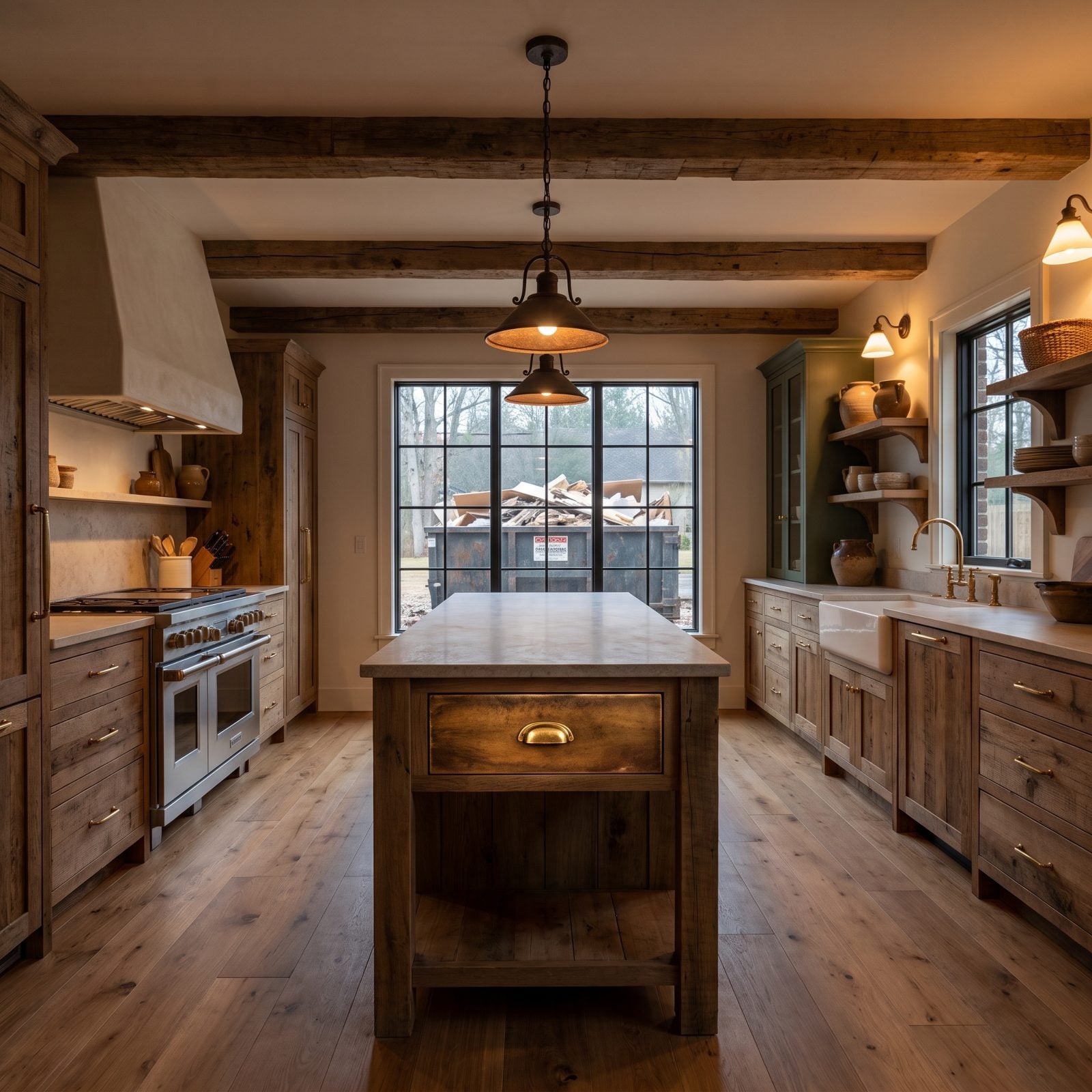
Everything else went to the dumpster — the cabinets, the counters, the forty-year-old backsplash. But one brass handle, worn smooth by every hand that ever opened that drawer, you wrapped in a cloth and set aside. You can’t explain it and you won’t throw it out.
In the middle of reinventing everything, we clutch one small artifact of who we were. The old band t-shirt. The dented watch. It’s nostalgia doing its quiet job, reminding you that starting over doesn’t have to mean erasing yourself. You can be new and still be you.
10. Thirty White Paint Swatches Leave You Less Certain
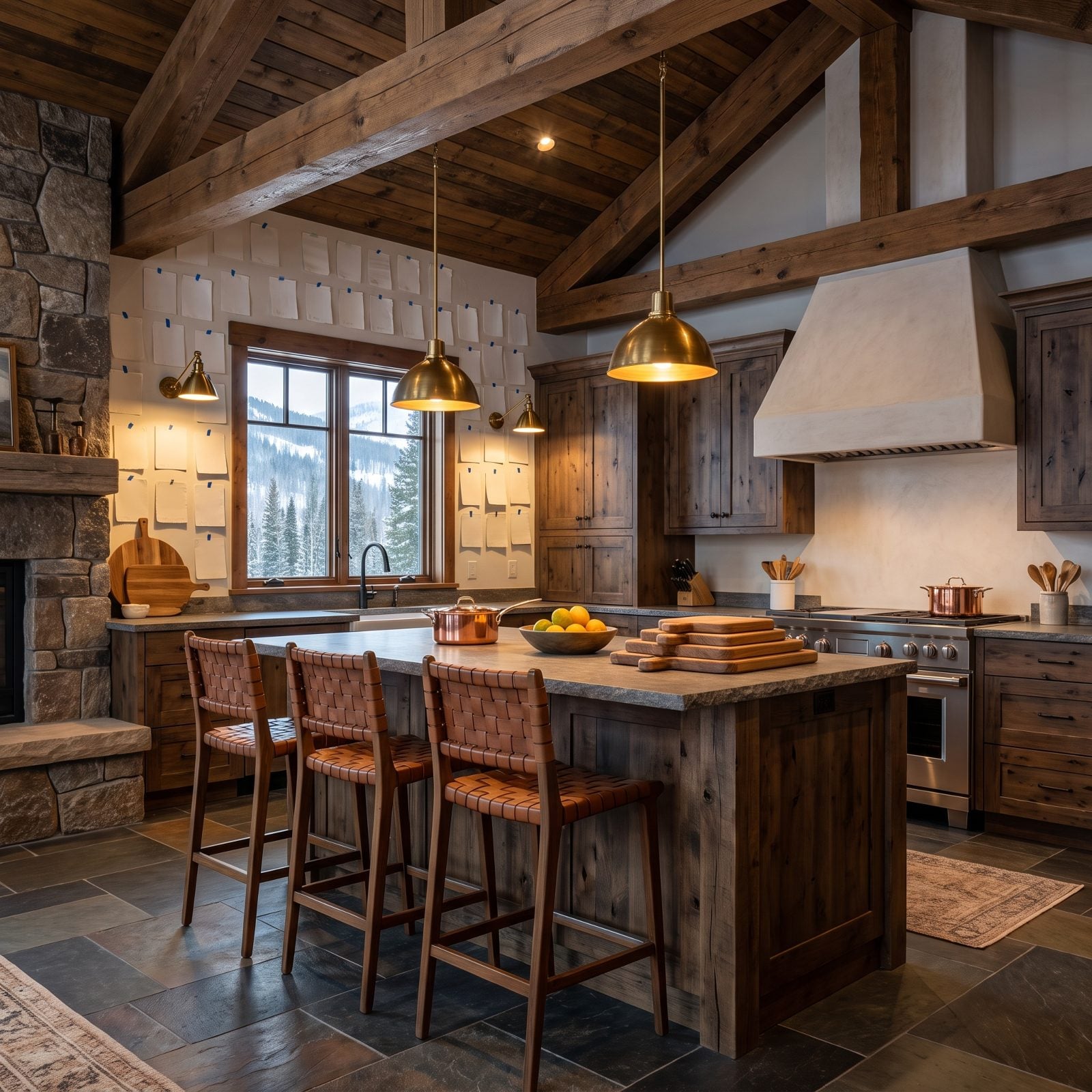
You started with a clear idea: white cabinets. Simple. Then the swatches arrived, and now your wall looks like a ransom note of thirty nearly identical whites, and you’re genuinely less sure than you were on day one. Is that one too pink? Does that read grey at night?
More options were supposed to help. They paralyzed you instead. Choice overload is real and ruthless. Past a handful of good options, every added choice chips away at both your confidence and your satisfaction with whatever you finally land on.
It’s the dating-app scroll, the restaurant menu with eleven pages, the career path with too many doors. Abundance looks like freedom and feels like quicksand. Pick three whites, test them big, choose by Friday. The thirtieth swatch is not going to save you.
9. You and Your Partner Want Completely Different Islands
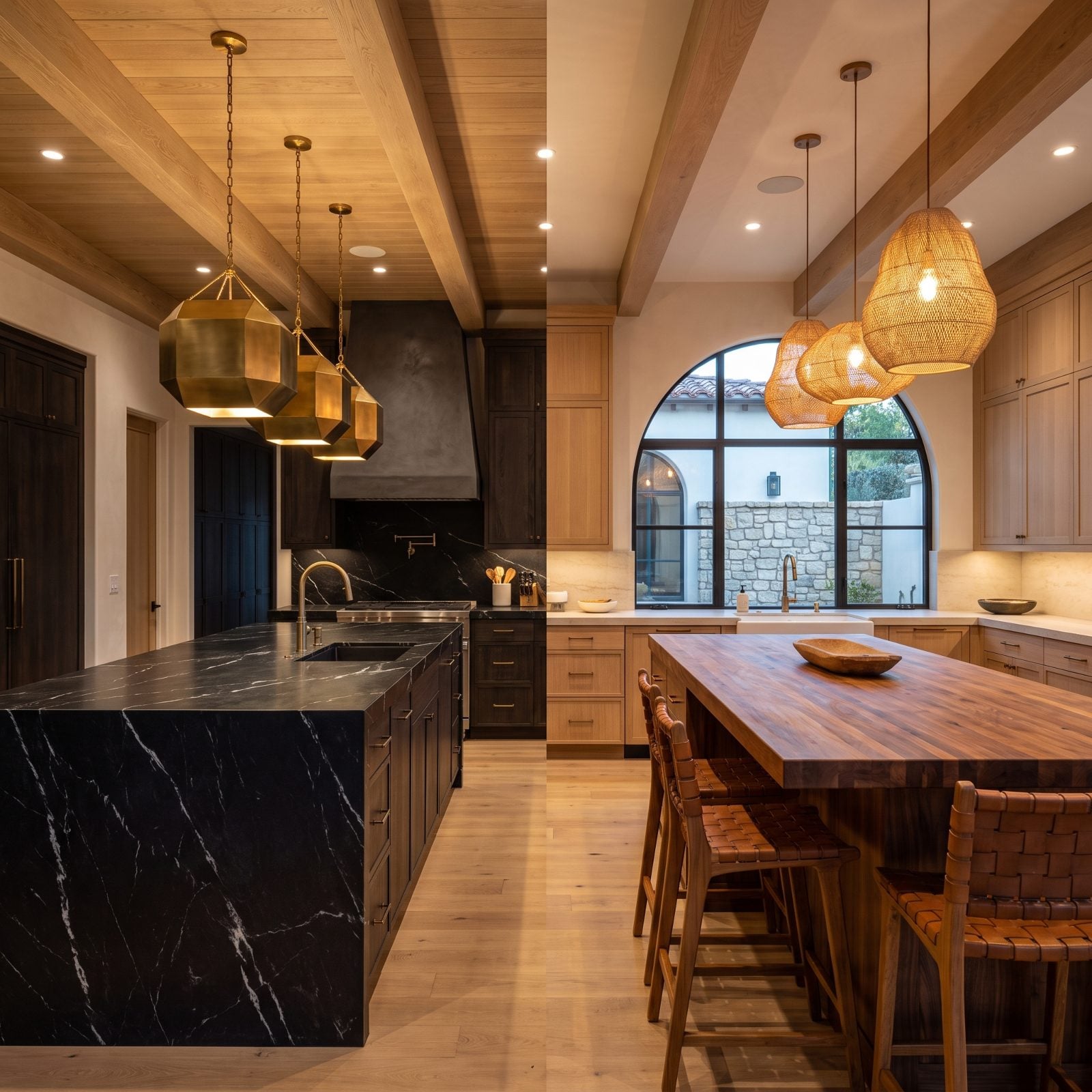
You want the dramatic black waterfall marble with brass pendants. Your partner wants warm butcher block and stools the grandkids can bang around. There’s tape on the floor from two different footprints, and neither of you is budging, because this island stopped being about the island a while ago.
The remodel is where two visions of the next chapter collide in real time. One of you is reaching for sleek and new. The other is holding the line on warm and lived-in. The island is just the battlefield you happened to pick.
Renovation has a way of surfacing the conversation you’ve been not-having for years: what do we actually want this life to look like now? And here’s the good news. A kitchen, unlike most of what midlife throws at you, can be negotiated into something you both love. A marble top on a wood base. You’d be surprised how often the fight was hiding a compromise all along.
8. Your Contractor Hears Feelings You Never Mentioned at Home
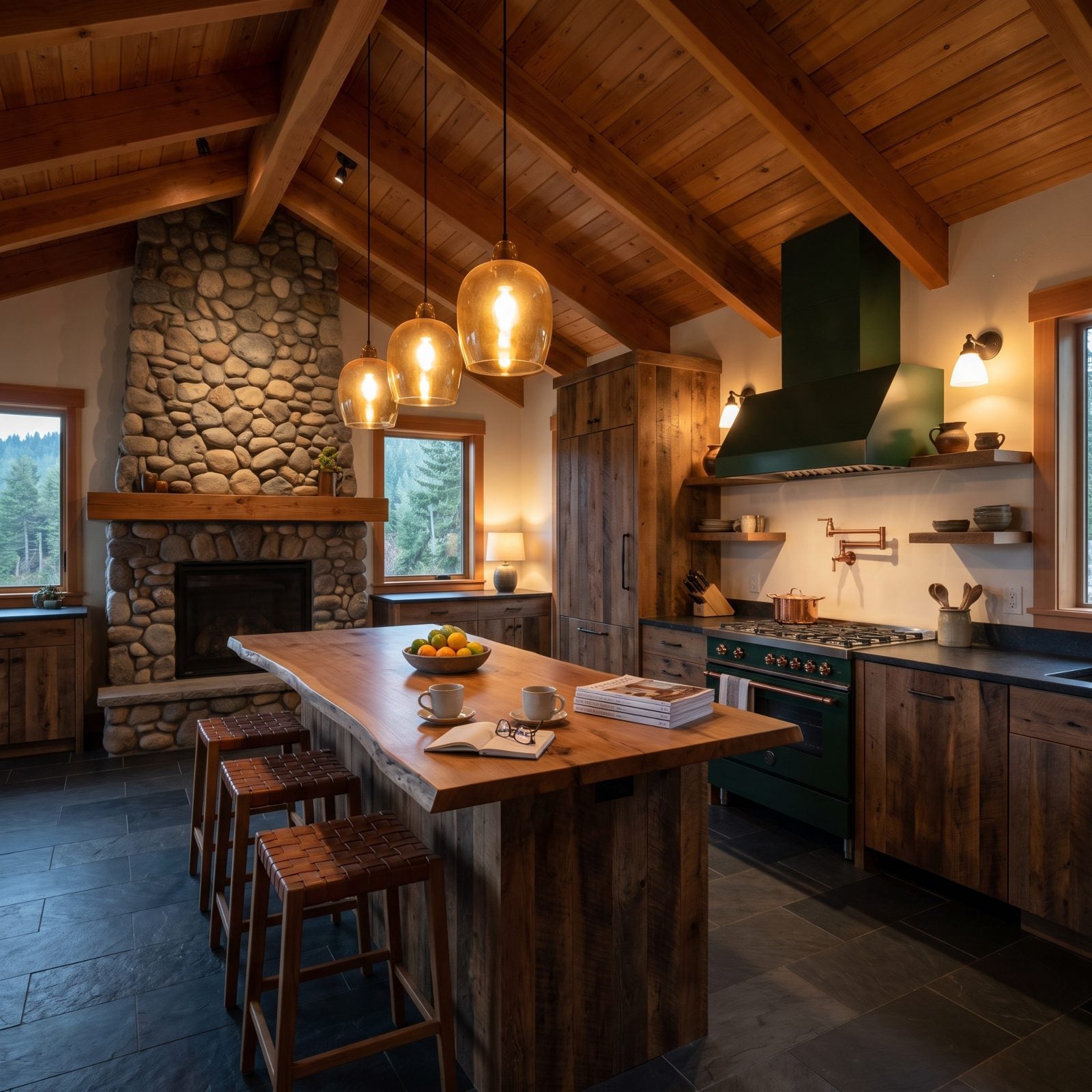
You stand in the half-gutted room and say the island needs to be bigger, but what you really mean is you want the family closer. Your contractor nods and writes something down. He already knows. People renovating a kitchen will confess things to a near-stranger in a tool belt that they’ve never once managed to say at their own dinner table.
Why? Because the contractor is a neutral party with no stake in the marriage. You can tell him the real reason you want a double oven without kicking off the same argument you’ve had for years. Psychologists call it the stranger-on-a-train effect — we unload more honestly on someone we’ll never have to face across the breakfast table.
Bring the real wish list to the kickoff meeting. The person pricing your cabinets can’t build what you’re too polite to name.
7. Drawer Pulls Trigger Tears That Aren’t About Drawer Pulls
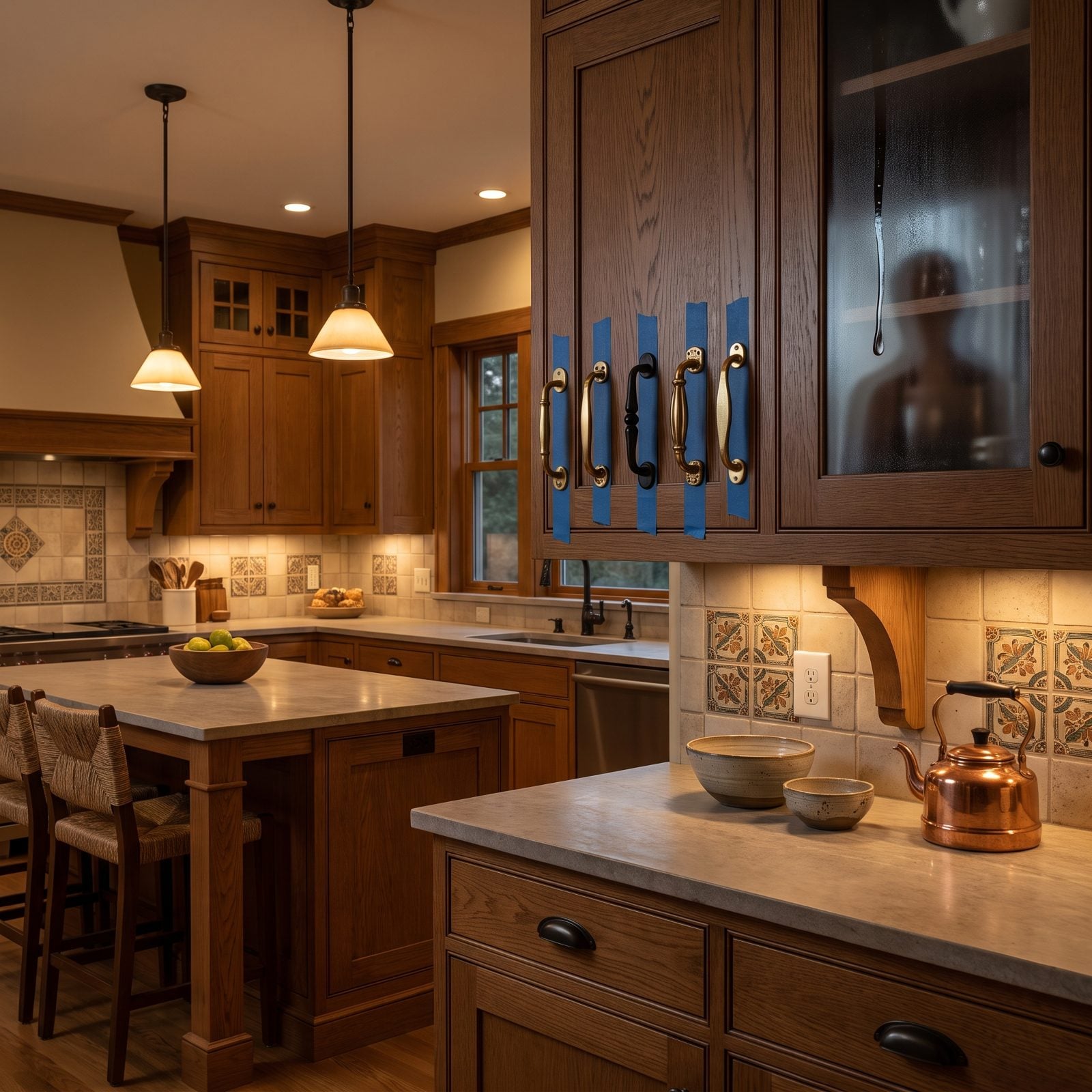
Five little pulls taped to a cabinet door, and suddenly your throat tightens — not because brass versus black is some weighty philosophical question, but because it’s the forty-seventh decision this week and the tank is bone dry.
Decision fatigue is real, and it’s measurable. Every choice, no matter how trivial, draws from the same reservoir, and by the time hardware comes up you’ve already picked grout, counter edges, paint sheen, and whether the trash pull-out swings left or right. So the pulls aren’t the problem. They’re the straw.
Honestly? The tears over drawer pulls are the same tears a person cries over a bad haircut at forty-five. Tiny object, enormous upheaval underneath. Let yourself table the low-stakes calls and save your strength for the ones that actually touch how you live.
6. The Real Budget Stops Appearing in Couple Conversations
🔥 Would you like to save this?
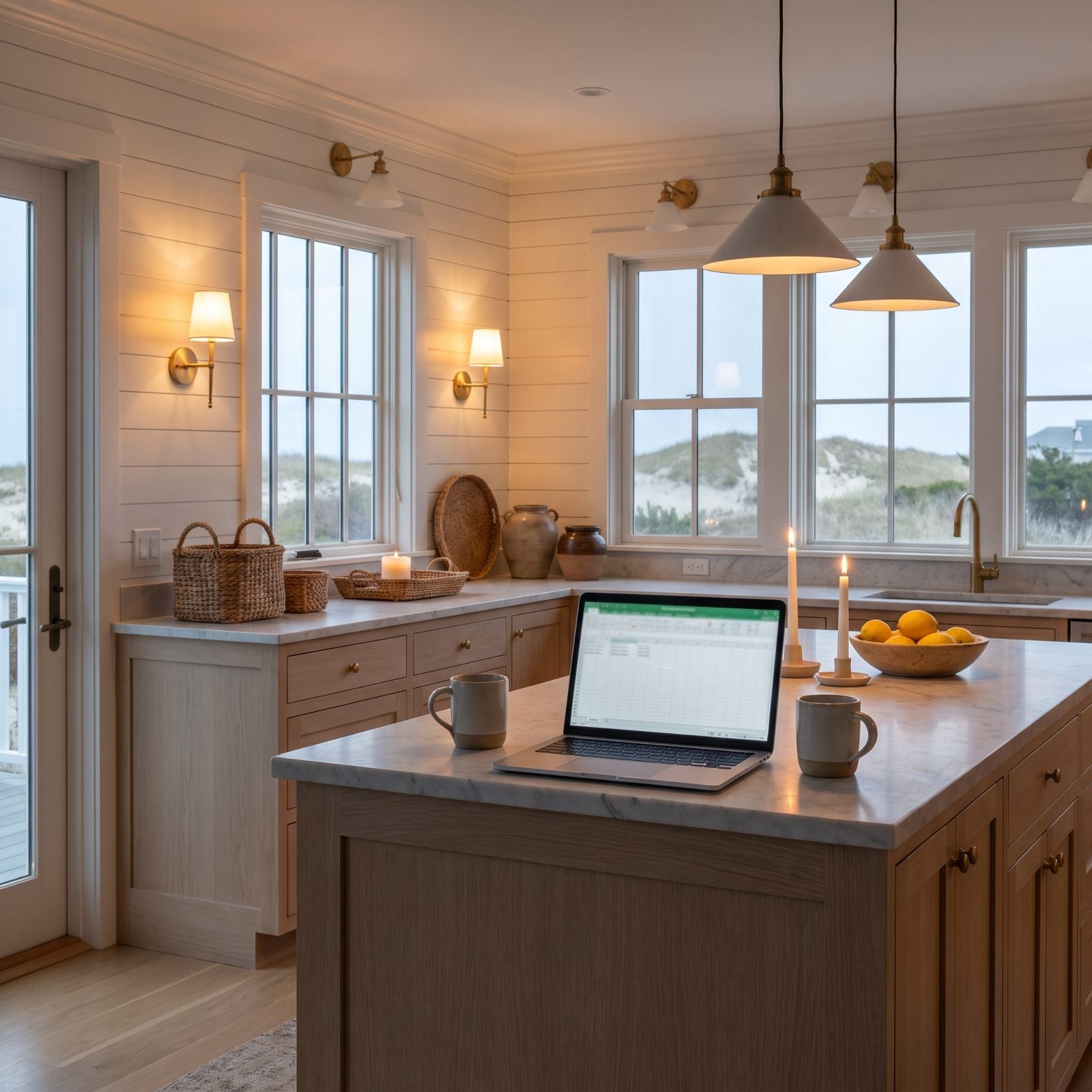
The spreadsheet exists. You just stopped opening it together. The original number had a nice round shape to it. The current number does not, and somewhere around the second change order you both quietly agreed to stop saying it out loud.
Call it the ostrich effect — the very human habit of ducking information we expect to hurt. The money is still being spent. You’ve just filed the total somewhere you won’t have to look at it, the way people stop checking the bank app after a bad month.
Nobody overspends on a kitchen in one dramatic moment. They overspend in forty small yeses nobody wrote down.
The fix is boring and it works: one shared running total, checked on the same day each week, out loud. Avoidance feels better for exactly as long as the project lasts. Then the final bill shows up, charging interest on all that silence.
5. Resale Value Explains the Features You Secretly Wanted
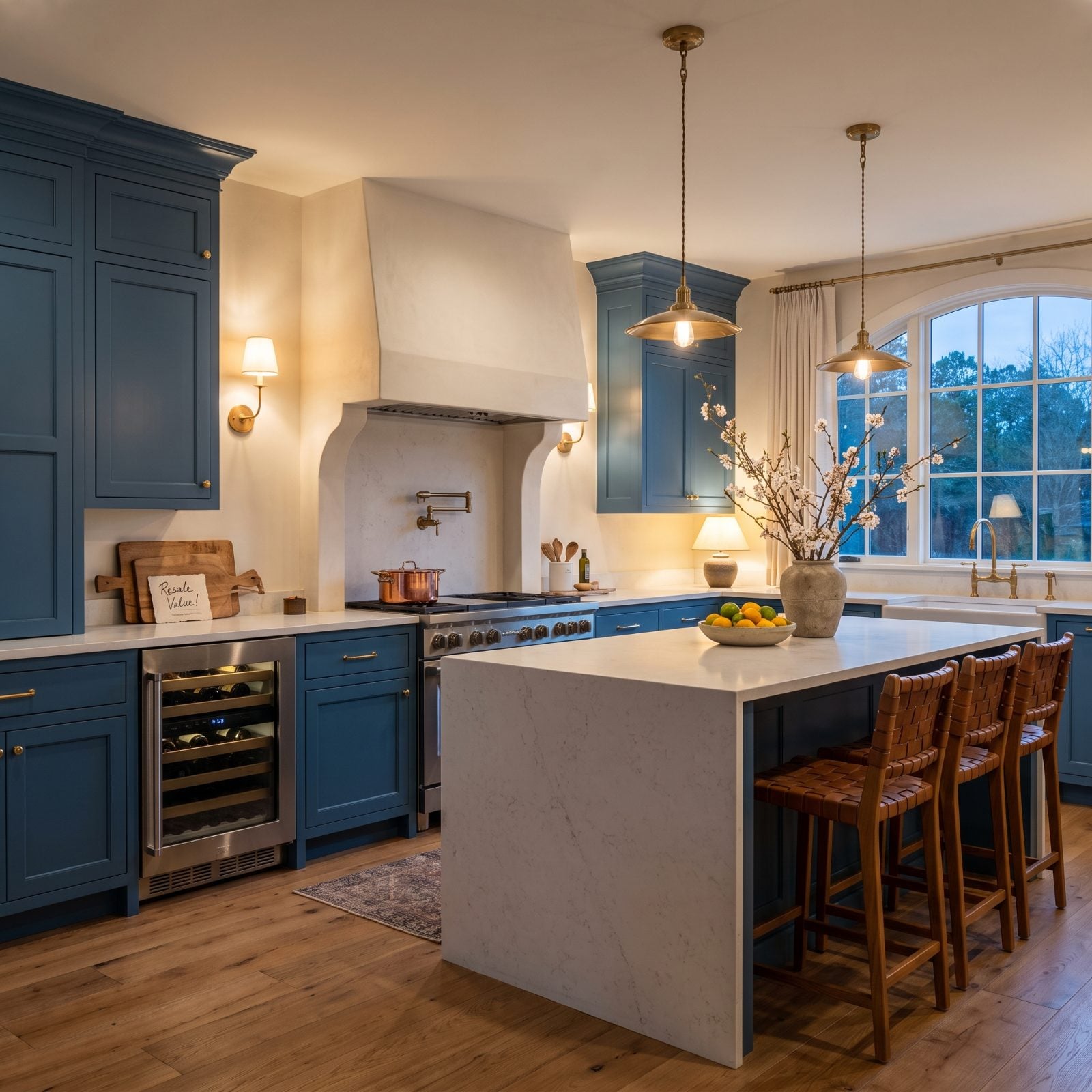
You want the wine fridge. You’ve wanted it for three years. But in the planning meeting you hear yourself say it’ll help at resale, as if some future buyer you’ll never meet is the one with a thing for chilled rosé.
Resale value is the socially acceptable mask for personal desire. It lets you spend on the thing you crave while sounding responsible about it, and we do this constantly — dressing up a want as an investment so nobody, ourselves included, has to admit it was simply wanted.
A proper glam kitchen decor setup leans hard into this. The brass-knobbed range, the honed marble, the built-in beverage drawer — all of it framed as value when really it’s pure joy. Buy the feature. Just be honest enough to admit it’s for you.
4. One Backsplash Replacement Somehow Reaches the Dining Room
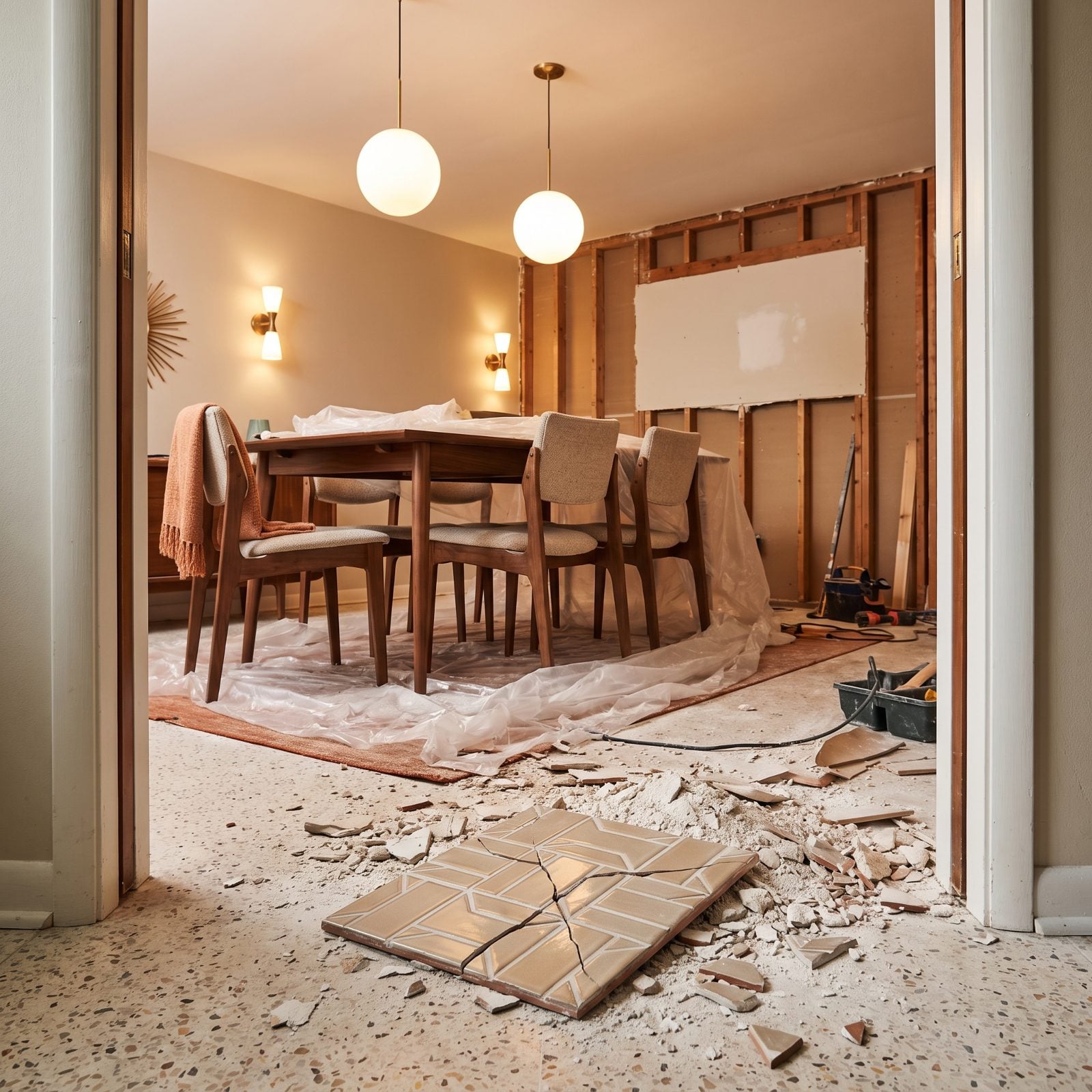
It started as a cracked tile. One backsplash, a weekend job. Now the dining room wall is stripped bare, there’s a paint swatch board propped by the window, and somebody just muttered the word “flow.”
Scope creep runs on a psychological engine, and it has a name: the Diderot effect. One new, nicer thing makes everything around it suddenly look wrong. Fresh tile makes the old wall color read tired, which makes the trim look dated, which makes the whole next room feel like it’s dragging you down.
And here’s the trap — each step feels perfectly logical in the moment. That sage den design you now want in the next room over? It didn’t come from nowhere. It came from one gorgeous backsplash making everything else look like it had quietly given up. Draw the line on paper before the line draws itself clean across your first floor.
3. You Sign Another Change Order to Take Back Control
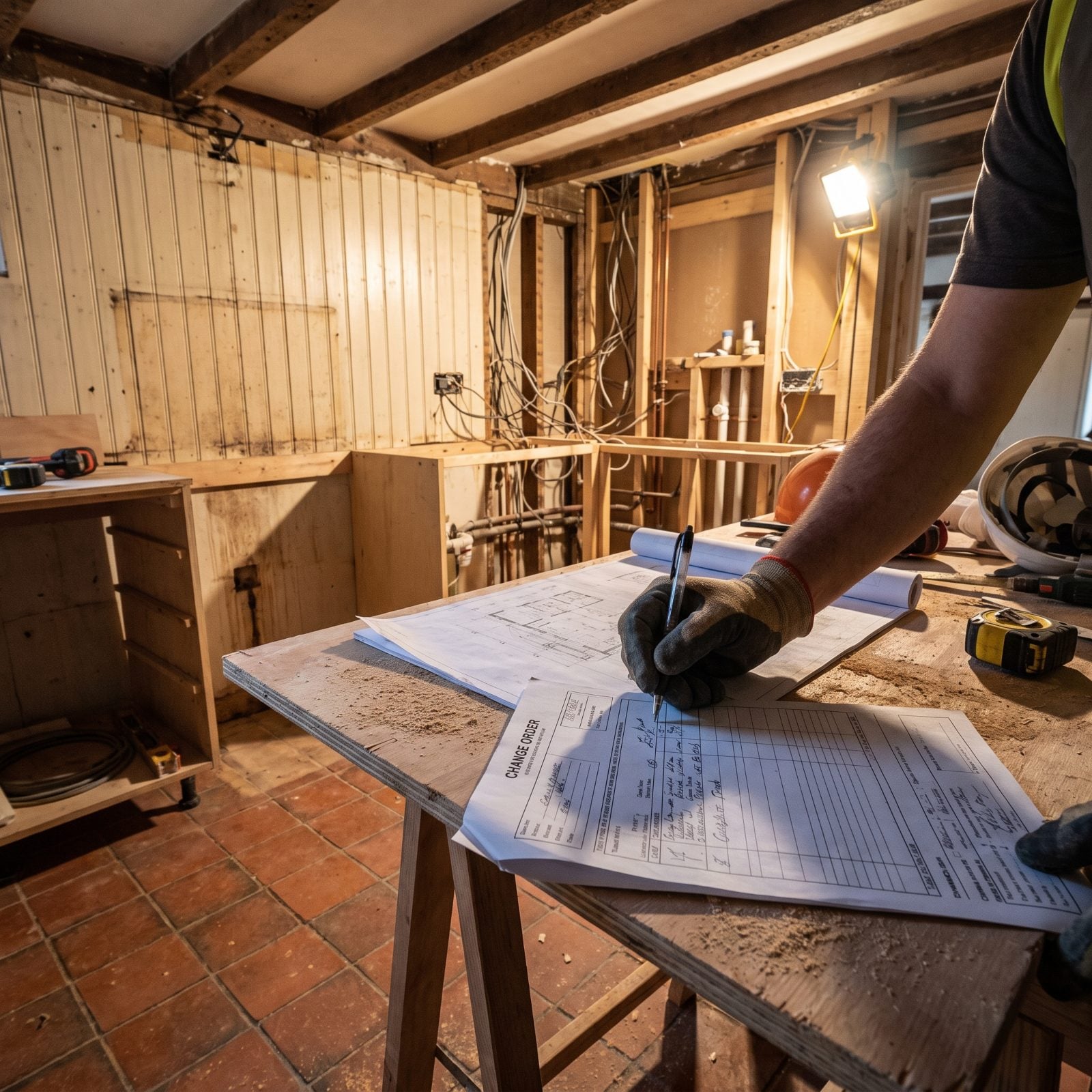
The timeline slipped. The electrician found something behind the wall. You can feel the whole thing drifting out of your hands, so you reach for the one move that feels like steering — you change something. Deeper drawers. A different faucet. A new order, signed.
That’s the illusion of control: our need to act on a situation we can’t actually command, just to feel we’re still at the wheel. The change order rarely improves the kitchen. It soothes the person signing it.
Real control on a renovation looks boring. It’s the decisions you locked before demolition, wrote down, and didn’t touch when the panic set in.
2. You Photograph the Demolition Like It’s a Major Life Event

Sledgehammer through the old laminate, and out comes the phone. You shoot the wreckage from three angles — the cracked tile, the exposed studs, the avocado-era cabinets hitting the dumpster. This isn’t documentation. It’s ceremony.
We mark transitions with ritual because the brain needs a before to measure the after against. These demo photos are the renovation’s answer to the dramatic haircut or the new car in the driveway: physical proof that something shifted, that you’re not quite who you were last Tuesday.
The mess itself turns meaningful. Even a pink kitchen getting torn out gets the full photo treatment, ugly flooring and all. You’re not really saving a picture of debris. You’re saving the moment you decided to change.
1. You Finish the Kitchen and Start Eyeing the Bathroom
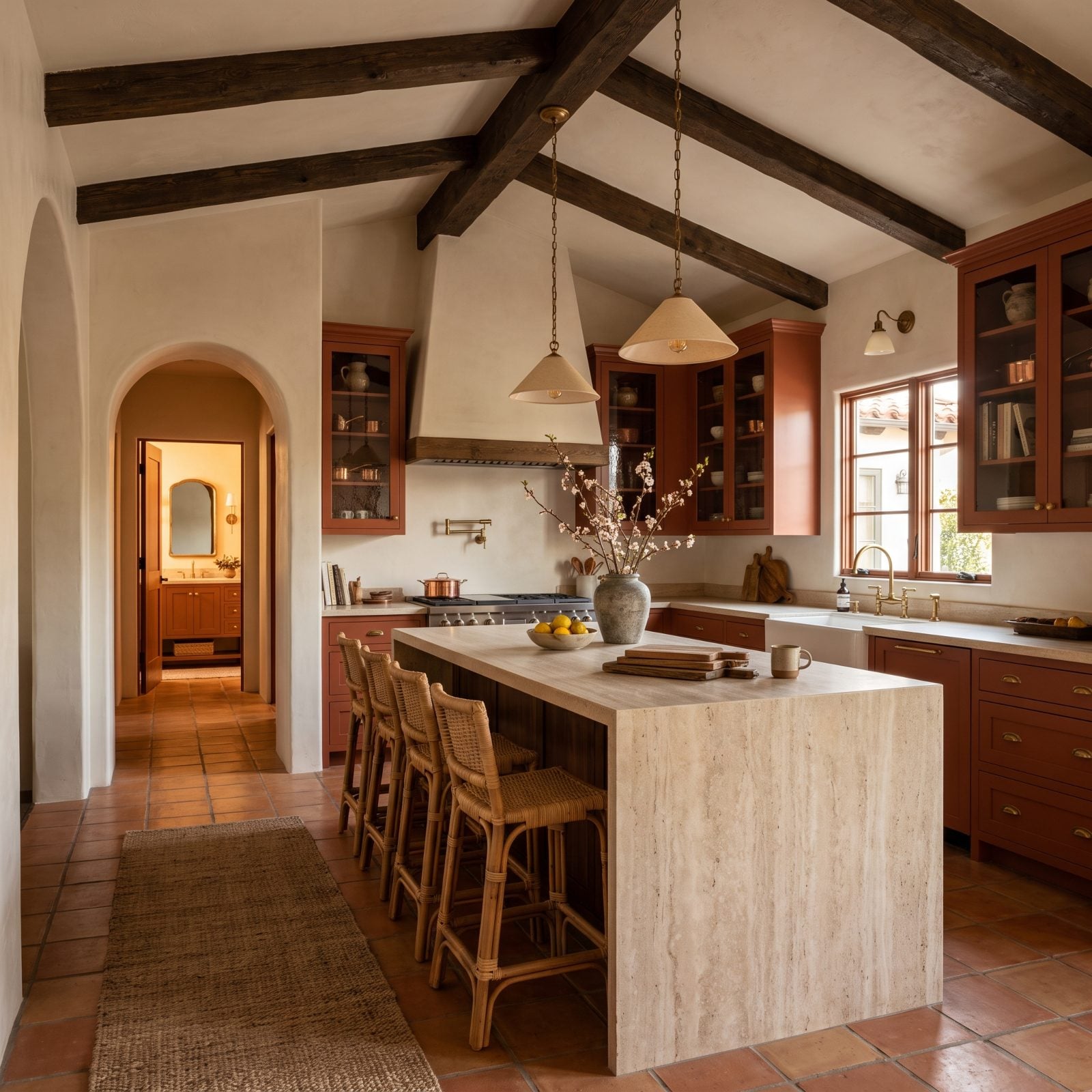
The kitchen is done. It’s lovely. You stand in it with your coffee, and within a week your eyes drift down the hall to the bathroom’s sad beige tile. Out comes the tape measure. Here we go again.
Hedonic adaptation is the culprit here. We adjust to the new normal astonishingly fast, and the thrill of the finished room fades until it’s just, well, the room. The high lived in the chaos — the deciding, the becoming. Once there’s nothing left to decide, off you go hunting for the next thing to fix.
Nobody warns you about this part. That bright kitchen decor you dreamed about for a solid year goes ordinary inside a month — not because it failed you, but because that’s what brains do, full stop. The itch was never really about the cabinets. It was about having a project. Name that, and you can finally decide whether the bathroom actually needs you, or whether you just need something to want.