🔥 Would you like to save this?
You stood in a showroom once, hand resting on a sofa you could not afford, already picturing the Sunday mornings you’d spend on it. Something in your chest did the thing. The same thing it did the first time someone across a room looked at you a beat too long.
That’s no accident. The wiring that pulls us toward a person pulls us toward a light fixture, a paint chip, a rug marked down to its last roll. Same shortcuts, same self-deception, same stubborn loyalty to a choice that stopped making sense a while ago. Below are the ways picking what goes in your home runs on the exact machinery as picking who you fall for. You’ve lived most of these. A few will sting.
In order to come up with the very specific design ideas, we create most designs with the assistance of state-of-the-art AI interior design software. Also, assume links that take you off the site are affiliate links such as links to Amazon. this means we may earn a commission if you buy something.
12. You Ignore Red Flags When the Chandelier Is Stunning
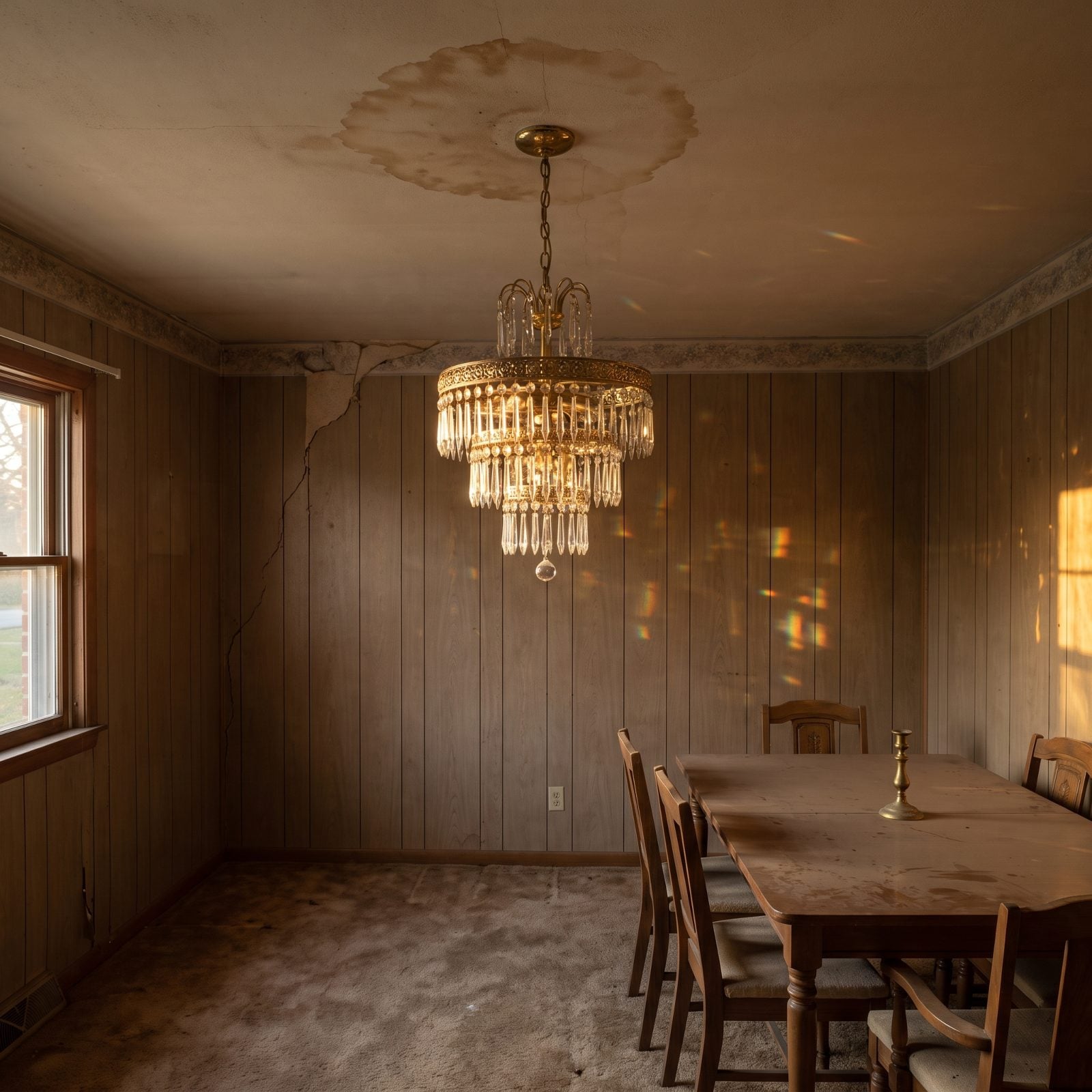
The listing had a chandelier that stopped you cold. Hand-cut crystal, the kind that scatters light across a ceiling. You were sold before you noticed the water stain creeping down the wall behind it or the subfloor that gave a little underfoot.
That’s the halo effect doing its work. One good feature so bright it lends its glow to everything near it. We decide the whole room is lovely because one thing in it is, the same way one great laugh across a dinner table makes you assume the rest of a person must be just as easy.
The brain hates assembling a full picture from parts, so it grabs the most vivid detail and lets that stand in for the rest. A dazzling fixture becomes evidence of a sound house. It rarely is.
11. You Project an Entire Lifestyle Onto One Showroom
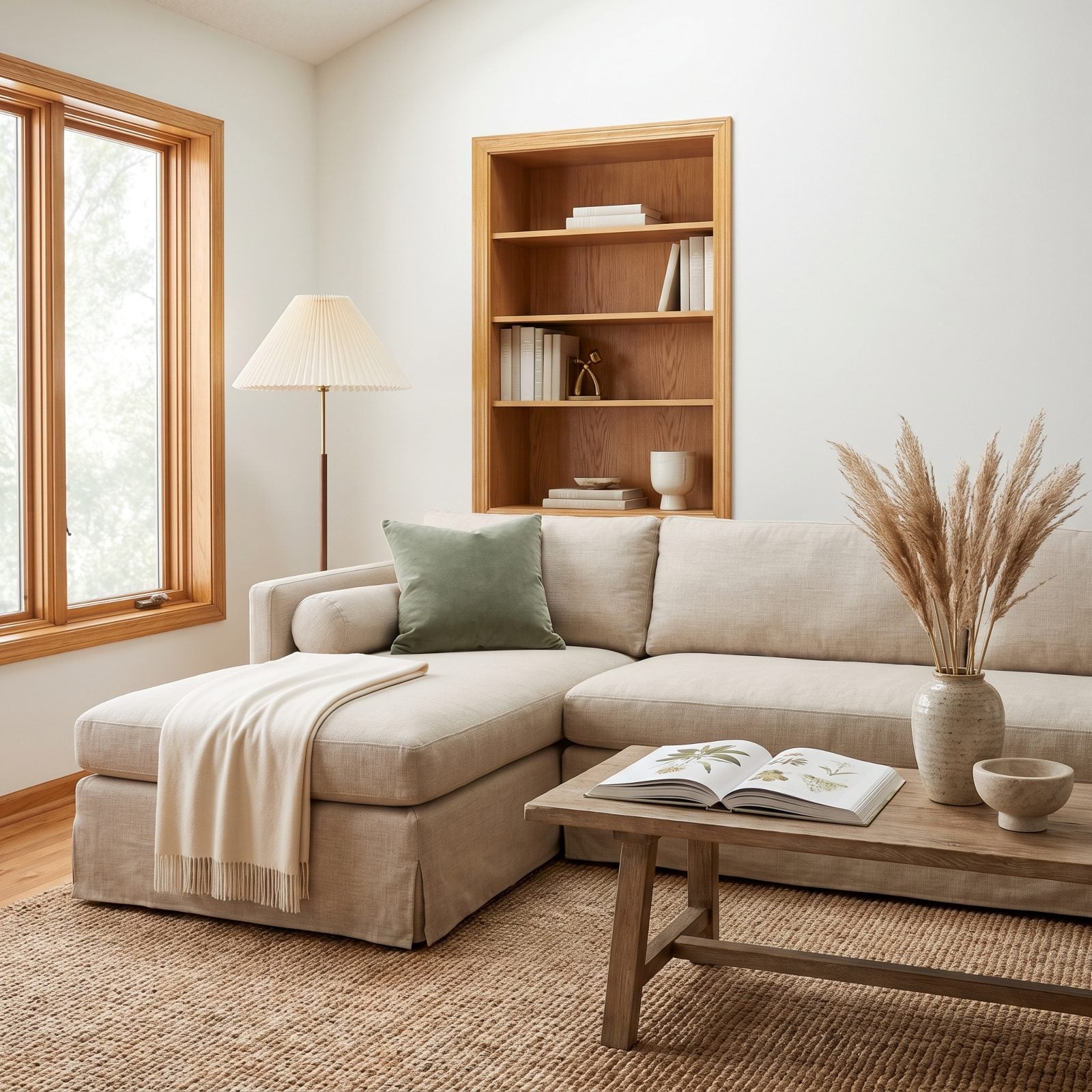
You sat on the oatmeal linen sectional in the showroom and for a moment you became someone else. Someone who reads by the window on Saturday mornings. Someone whose kids wipe their feet. Someone with a cashmere throw draped at exactly that angle, who never once leaves a cereal bowl crusting on the arm.
You weren’t buying a sofa. You were buying the person you’d be around it. We run the same fantasy when we meet someone new, projecting a whole future onto a stranger before we’ve seen how they load a dishwasher.
Showrooms are built for this. No clutter, no mail pile, no life happening — just the clean version of you the piece seems to promise. Then it arrives in your actual house, with your actual habits, and the throw slides onto the floor by Tuesday.
10. Everyone Wants Marble Until the Maintenance Talk Starts
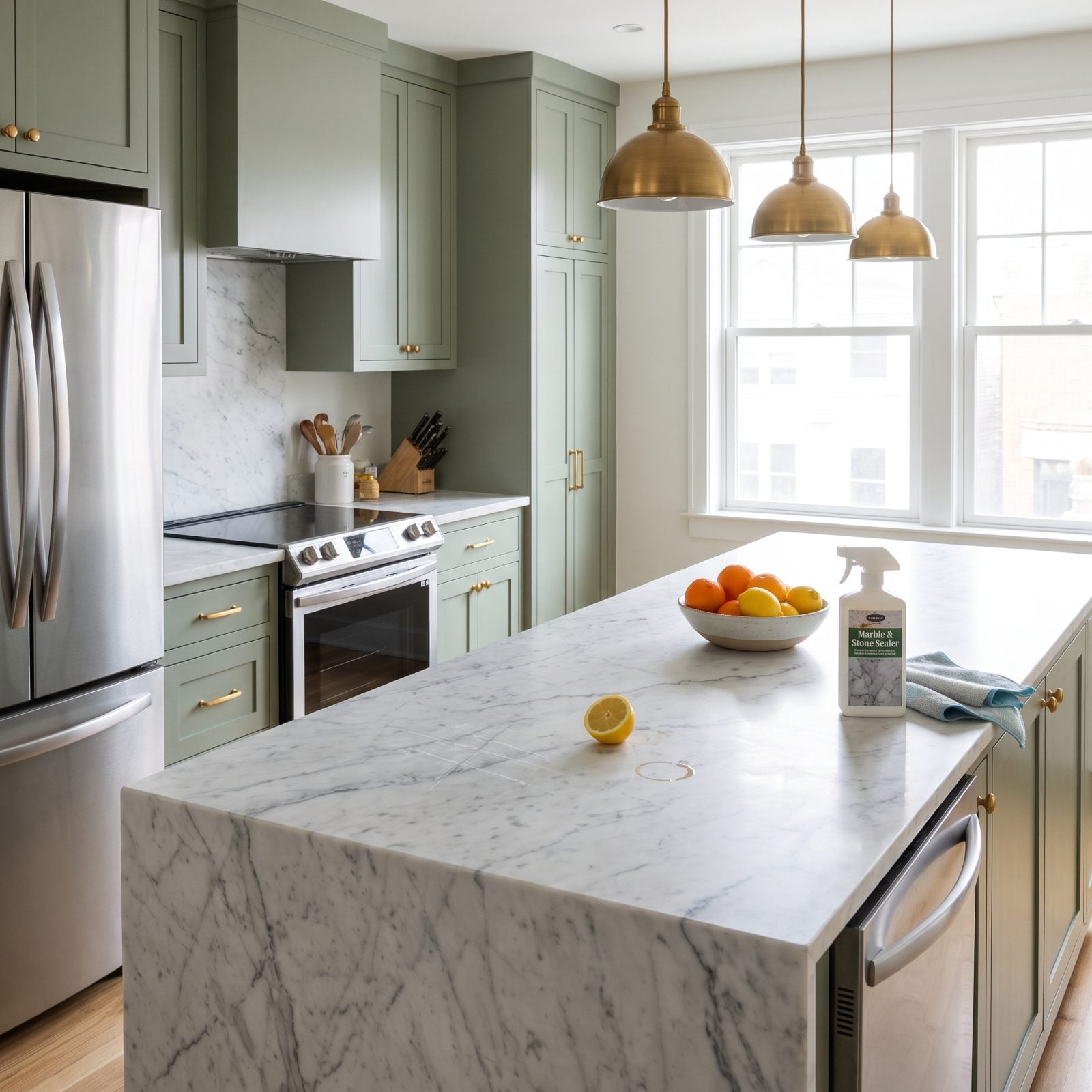
Everybody falls for marble. The veining, the cool of it under your palm, the way it looks in every kitchen you’ve saved to a folder. Then the fabricator mentions that lemon juice etches it, red wine stains it, and you’ll be resealing it twice a year for the rest of your natural life.
The swoon curdles fast. Suddenly quartz, which asks nothing of you, looks a lot more appealing. We do this with people constantly, drawn to the exciting, high-maintenance option until we tally what it costs to keep — and then low-drama starts to look like wisdom.
It’s the gap between wanting something and wanting to care for it daily. A honed Carrara island on a Pinterest board is a romance. The same island with three kids and a pizza night is a relationship, and relationships require sealer. Every kitchen we’ve seen marble regret in started with the same starry look.
9. That Familiar Paint Color Keeps Winning You Back
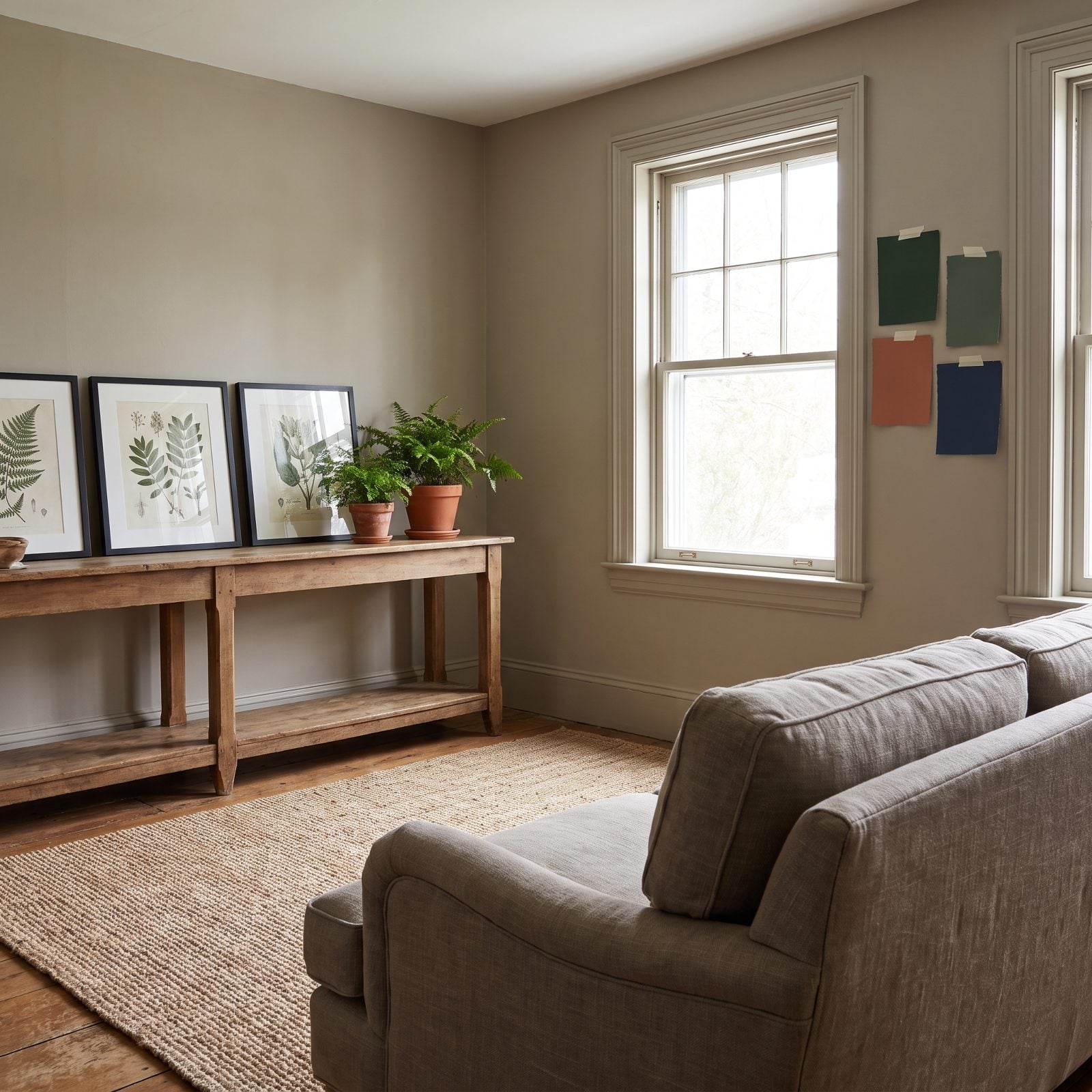
You taped up the forest green. You taped up the clay terracotta. You stood back, squinted, felt a little thrill. And then you painted the room the same warm greige you always paint it, the one you already know, the one that never surprised anybody.
The bold swatches were a crush. The greige was the thing you went home with. We mistake familiarity for rightness constantly — in paint and in people — because the known thing feels safe and the brain reads safe as good.
There’s a real pull toward what we’ve already lived with. It asks nothing new of us. Sometimes that’s genuine love for a color. Sometimes it’s just that trying the forest green meant risk, and the greige meant none.
8. Your Friends Loving the Sofa Makes You Want It
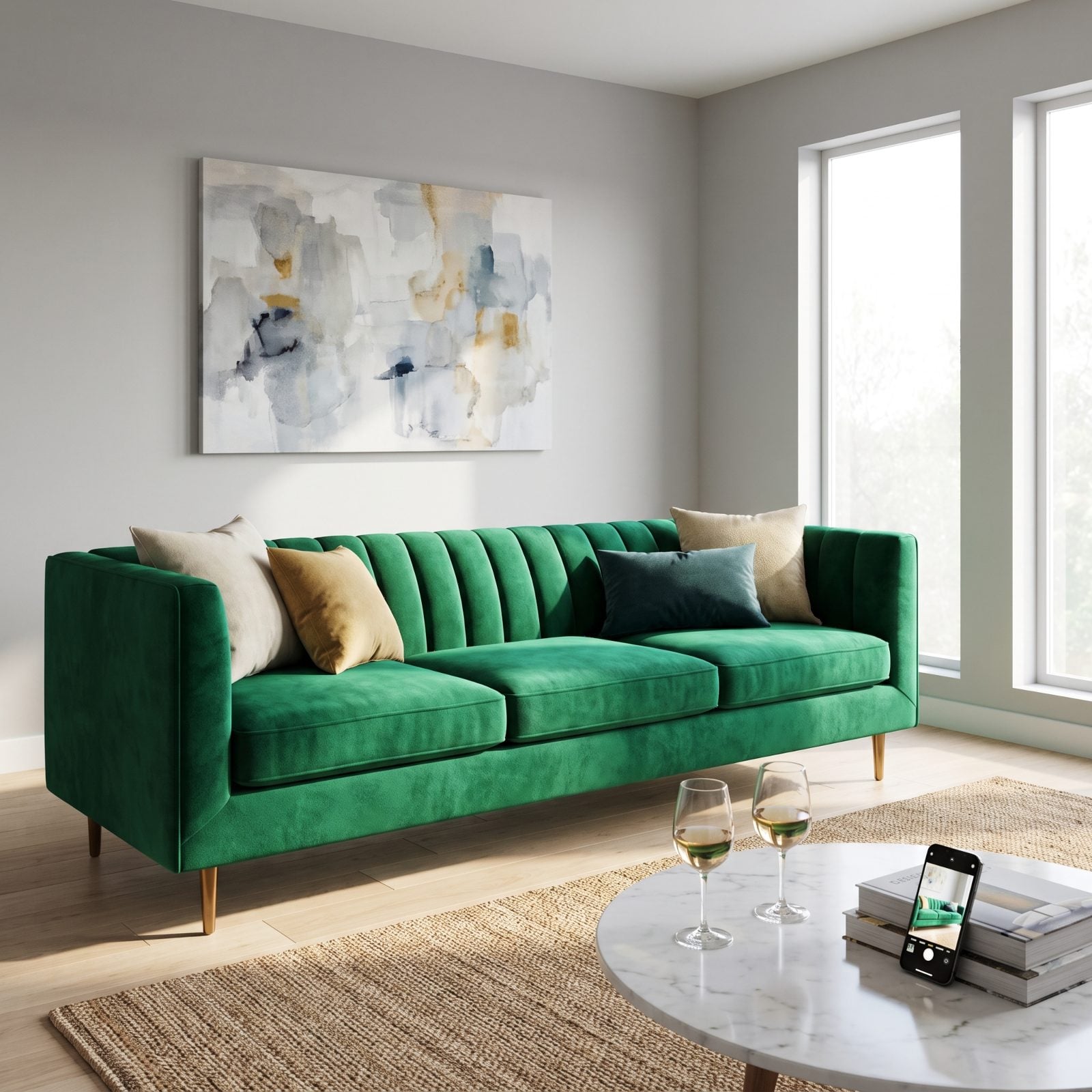
You were lukewarm on the emerald velvet sofa until your two sharpest friends walked in, gasped, and ran their hands across the emerald velvet sofa. Suddenly you loved it. Suddenly it was the best decision you’d ever made.
That’s social proof, plain as day. When people we trust approve of something, our own desire for it jumps, whether or not the thing changed. Same reason a person seems more attractive the moment you find out everyone at the party thinks so.
We’re not built to evaluate things in a vacuum. We read the room. Approval is a shortcut whispering that this is a safe bet, others have vetted it, go ahead. Mostly harmless with a sofa. Worth a raised eyebrow, though, when the reason you want something is that other people wanted it first.
7. You Want the Lamp More After Someone Dislikes It
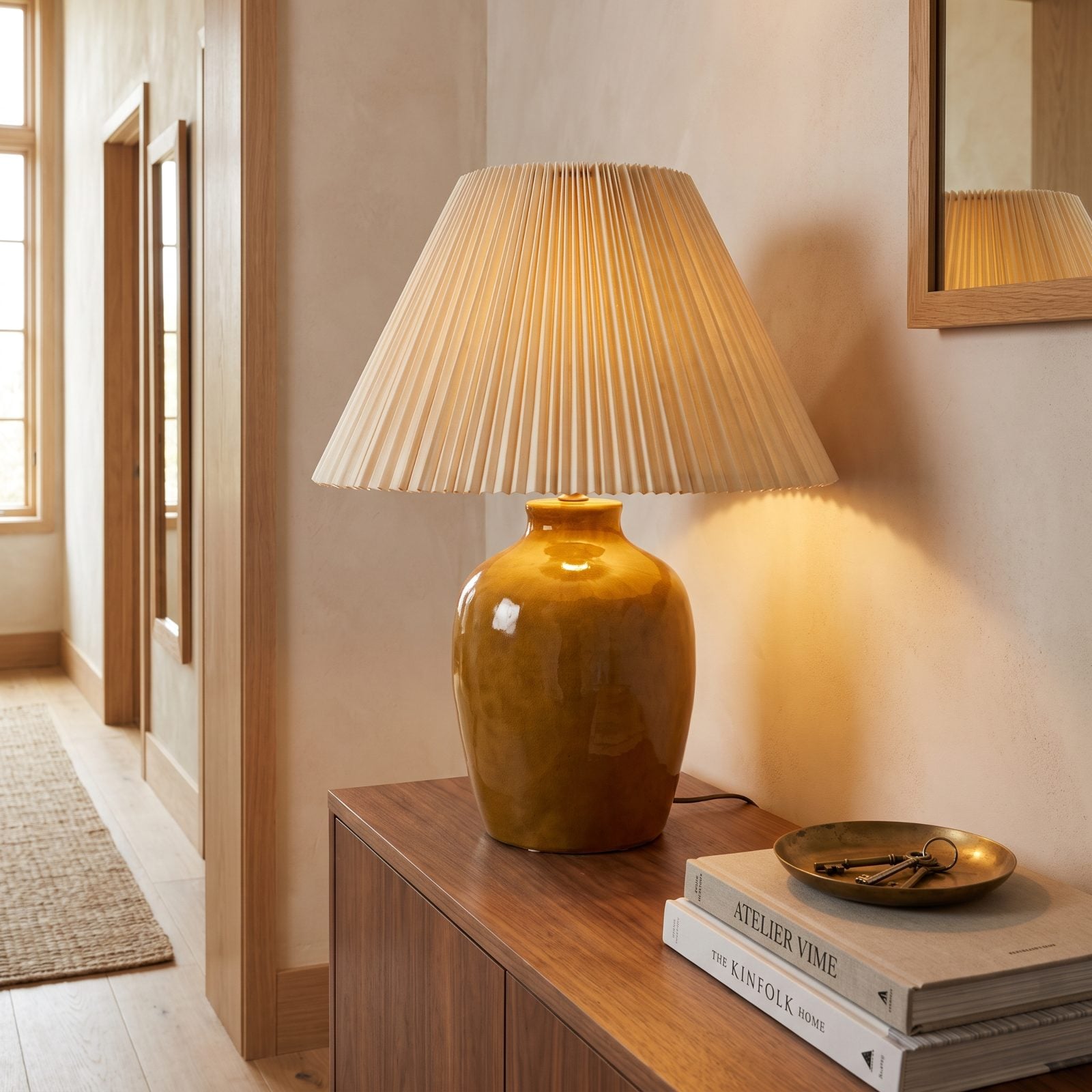
Someone you brought along wrinkled their nose at the mustard ceramic lamp. Called it ugly. Said it looked like something from a thrift store bin. And something in you dug in. Now you didn’t just want it — you had to have it.
Tell a person they can’t have something, or that their taste is wrong, and watch the wanting double. Psychologists call it reactance, the itch to reclaim a choice the moment it feels threatened. The forbidden lamp. The partner your family can’t stand.
Opposition flips a switch. The lamp stopped being a lamp and became a small matter of freedom. You weren’t buying ochre ceramic anymore, you were defending your right to decide. Plenty of us own a lamp we love only half as much as we defend it, and we know exactly why.
6. A Nearly Sold-Out Rug Suddenly Feels Irresistible
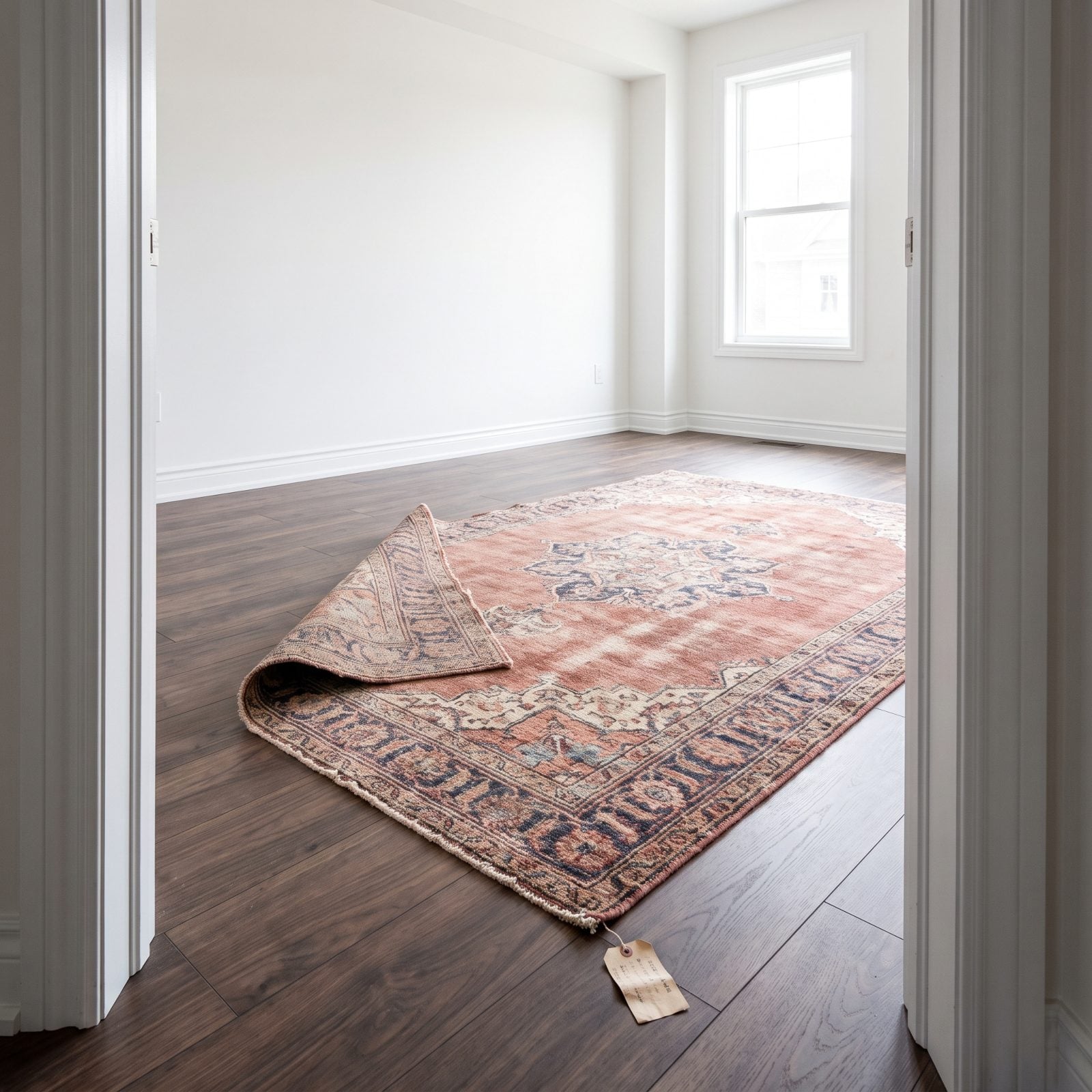
You’d scrolled past that faded rose Persian rug three times without flinching. Then the listing said 1 left in stock, and your heart rate changed. Suddenly it was the one. Suddenly you were adding it to the cart with the urgency of a bank heist.
Scarcity rewires value in real time. The exact same rug becomes more desirable the instant it might disappear, because loss aversion makes the sting of missing out louder than the pleasure of having. Same dynamic behind every romance that got interesting the moment the other person started pulling away.
We want what we might not get to keep. A rug that sat there patiently for weeks felt ordinary. The last roll of that rug feels like fate. Retailers know this. That little stock counter isn’t an accident.
5. Too Many Tile Samples Make Every Choice Feel Wrong
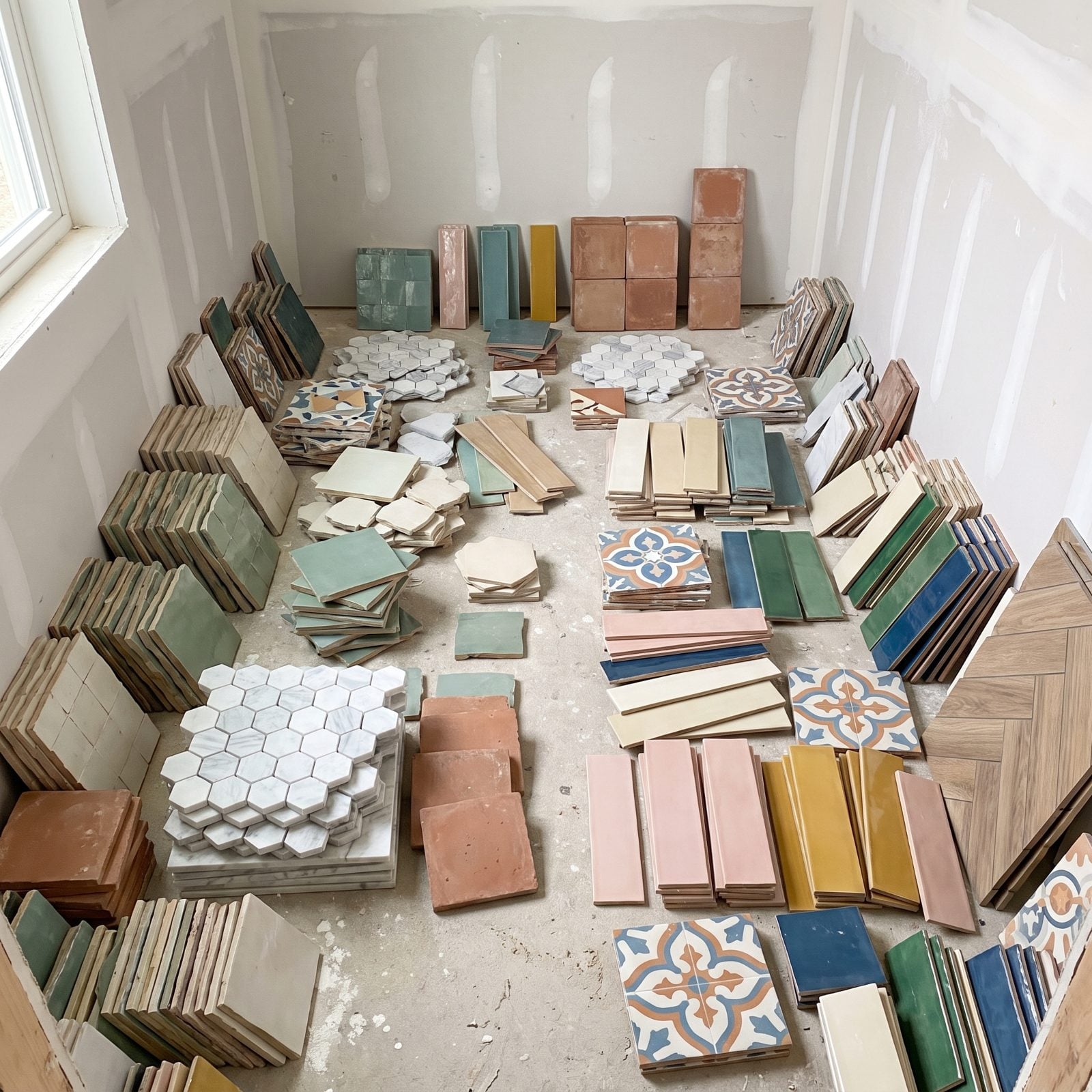
You started with a clear idea. Then the tile shop handed you forty samples, and somewhere around the fifteenth zellige you lost the plot entirely. Sage or teal or the blush? Glossy or matte? Every option now had a flaw you couldn’t unsee, and you left with nothing.
That’s choice overload. Past a certain point, more options don’t make us happier — they leave us frozen and dissatisfied with whatever we land on. A famous jam study found shoppers faced with two dozen jams bought far less often than those shown six.
The paradox is cruel. More to choose from should mean a better match. Instead it means a louder fear of picking wrong, the same spiral that makes endless dating apps feel emptier than a small-town bar. Abundance breeds doubt. Six tiles, you decide. Forty, you drown.
4. You Defend the Armchair Because You Already Bought It
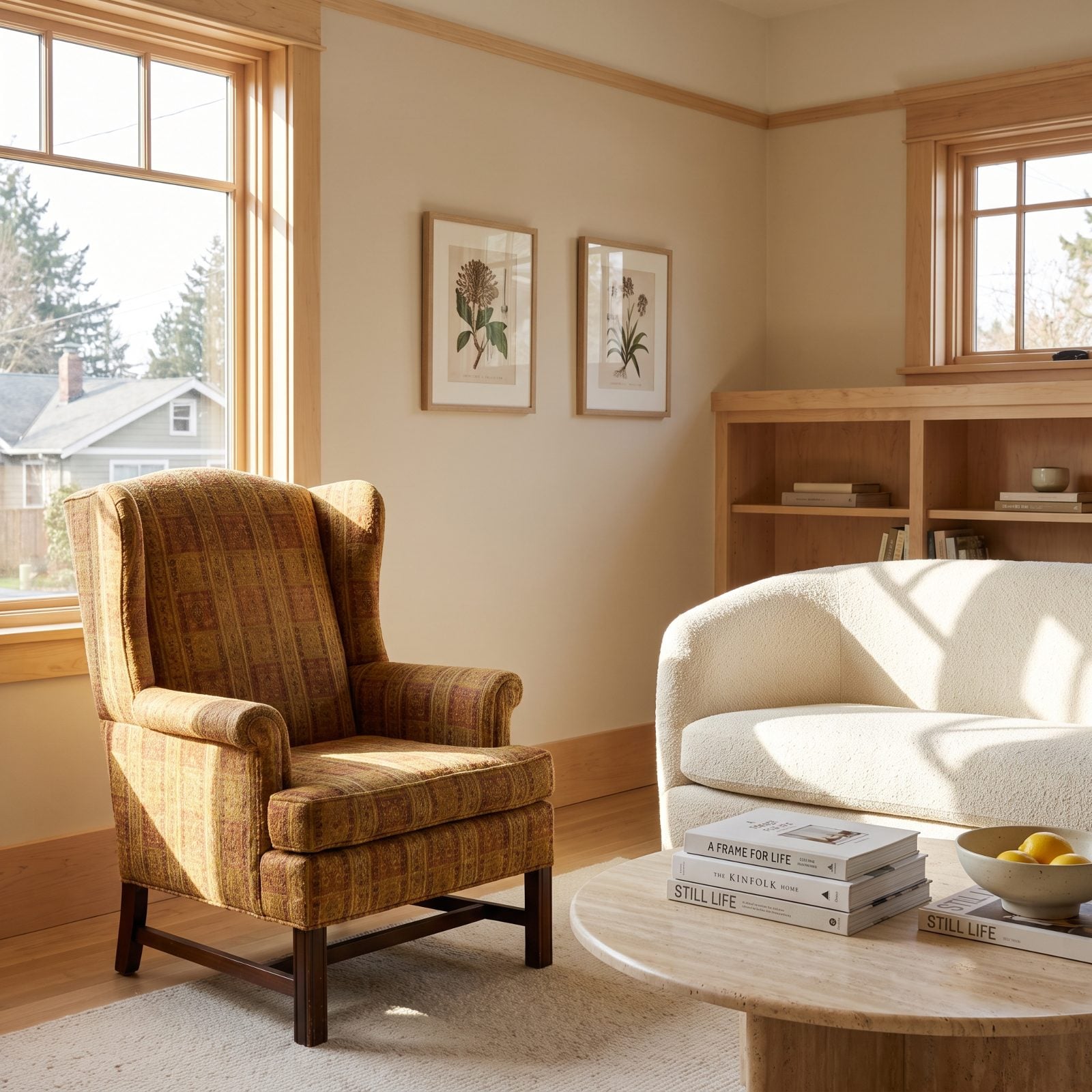
The patterned wingback doesn’t match a single other thing in the room. You know it. Your friends have gently said it. And yet you find yourself building a case for it, pointing out the good bones, the lumbar support, the way it grows on you. You paid real money for that chair, and you are not about to admit it was a miss.
Welcome to the sunk-cost fallacy. We stay loyal to things because of what we already spent, not what they’re worth going forward. The chair. The relationship you’ve poured years into. Identical logic, equally flawed.
The money is already gone — gone whether the chair stays or goes to the curb. But the brain treats quitting as a fresh loss, so we keep defending the thing to protect a decision we can’t take back. Give a chair like that away after years of defending it, and the room exhales.
3. Your Parents’ Taste Still Haunts the Paint Aisle
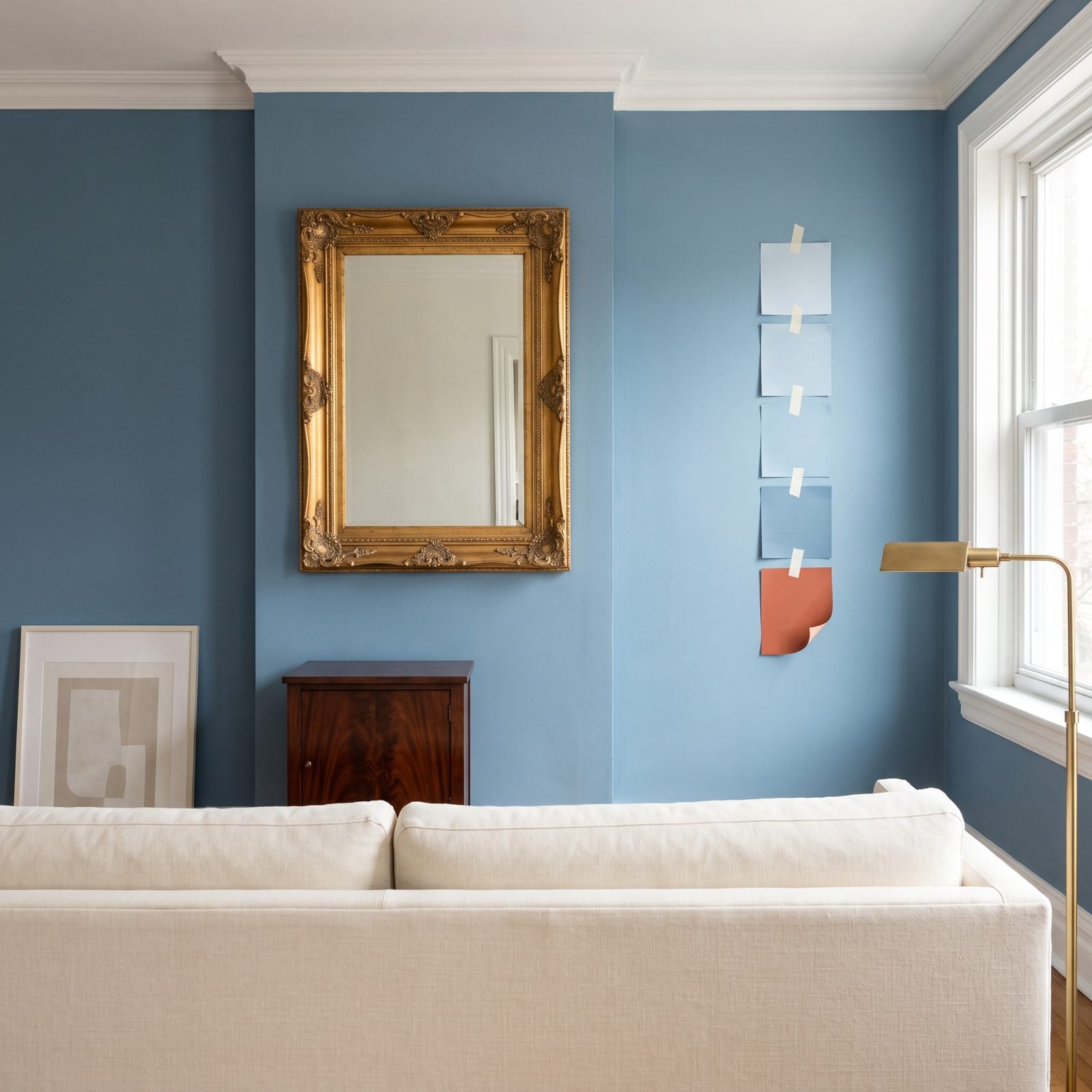
You’re a grown adult standing in the paint aisle, swatch in hand, and a voice in your head says your mother would hate that terracotta. Just like that, you drift back toward the colonial blue she’d have approved of. She isn’t even in the state.
Early taste imprints deep. The colors, the formality, the sense of what a “proper” room looks like — all absorbed before you could question any of it. We carry a parent’s standards into every aesthetic decision, the way we carry their voices into who we think we’re allowed to love.
Internalized approval, running quietly in the background. Choosing the bold color isn’t really about the color. It’s about permission, about deciding your own eye gets the final say. That same inherited standard shapes everything from a victorian home office to a country mudroom decor, whichever direction your upbringing pointed you.
2. The Trendy Kitchen Thrills You Until It Becomes Normal
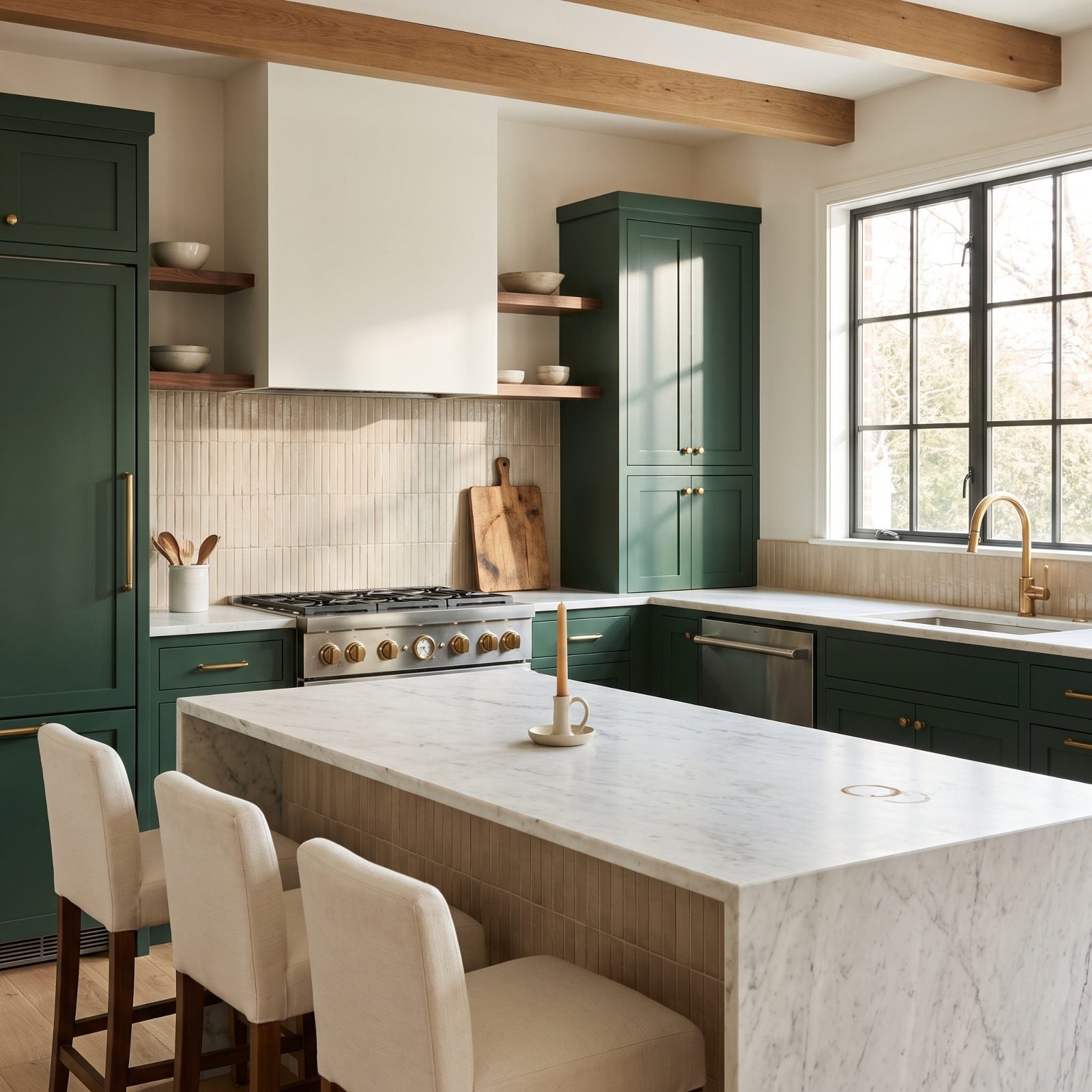
That first week, you walked into your new green-cabinet, brass-everything kitchen and your chest did a little flip. You took the same photo from the doorway four times and made coffee just to stand in there a minute longer.
Give it six months. Now it’s just where the dishes live, the brass has dulled a shade, and you don’t even notice it anymore. Same thing happens when a new relationship stops being a thrill and becomes a Tuesday. The person didn’t change — your brain adjusted.
This is hedonic adaptation, the most reliable thief in the house. We drift back to our emotional baseline after almost everything, good or bad. The marble, the mood, the person: the shine fades because shine always fades. That’s no flaw in your kitchen or your partner. It’s the thermostat in your head resetting to normal, same as it ever does.
The people who stay happy aren’t out chasing the next trend. They’re the ones who notice the warmth of the brass hardware on purpose, long after it stopped being new.
1. One Crooked Tile Can Ruin an Otherwise Lovely Room
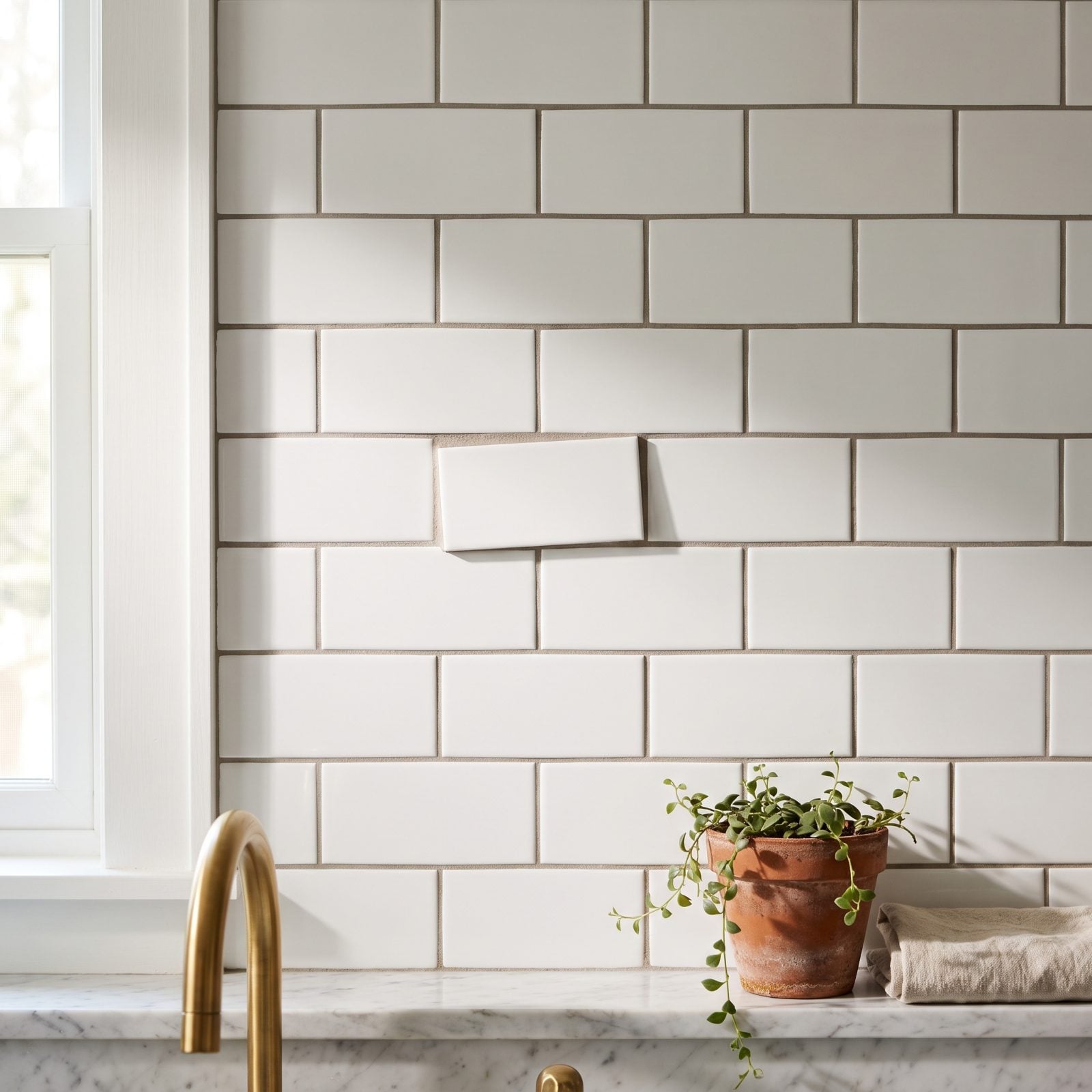
The whole room is right — good light, perfect paint, hardware that sings. And your eye still goes straight to the one tile the installer set a hair off, every single time you walk in.
We do the exact same thing to people we love. The partner who checks almost every box, and there you are at 2 a.m. cataloguing the one habit that drives you up the wall. The good stuff turns to wallpaper. The flaw gets a spotlight.
Psychologists call it the negativity bias. A single bad detail carries more weight in our heads than a handful of good ones, and it kept our ancestors alive — the rustle in the bushes mattered more than the pretty view. In a finished room, it just means one crooked tile can mug an afternoon of good work.
Worth knowing before you rip out something whole over one flaw. Sometimes the fix is a single tile. Sometimes it’s learning to quit staring at it.