🔥 Would you like to save this?
Most people guess the bedroom. Therapists almost never do. The room that quietly hosts the most resentment, the most loaded silences, the most arguments disguised as something trivial, it has a refrigerator in it.
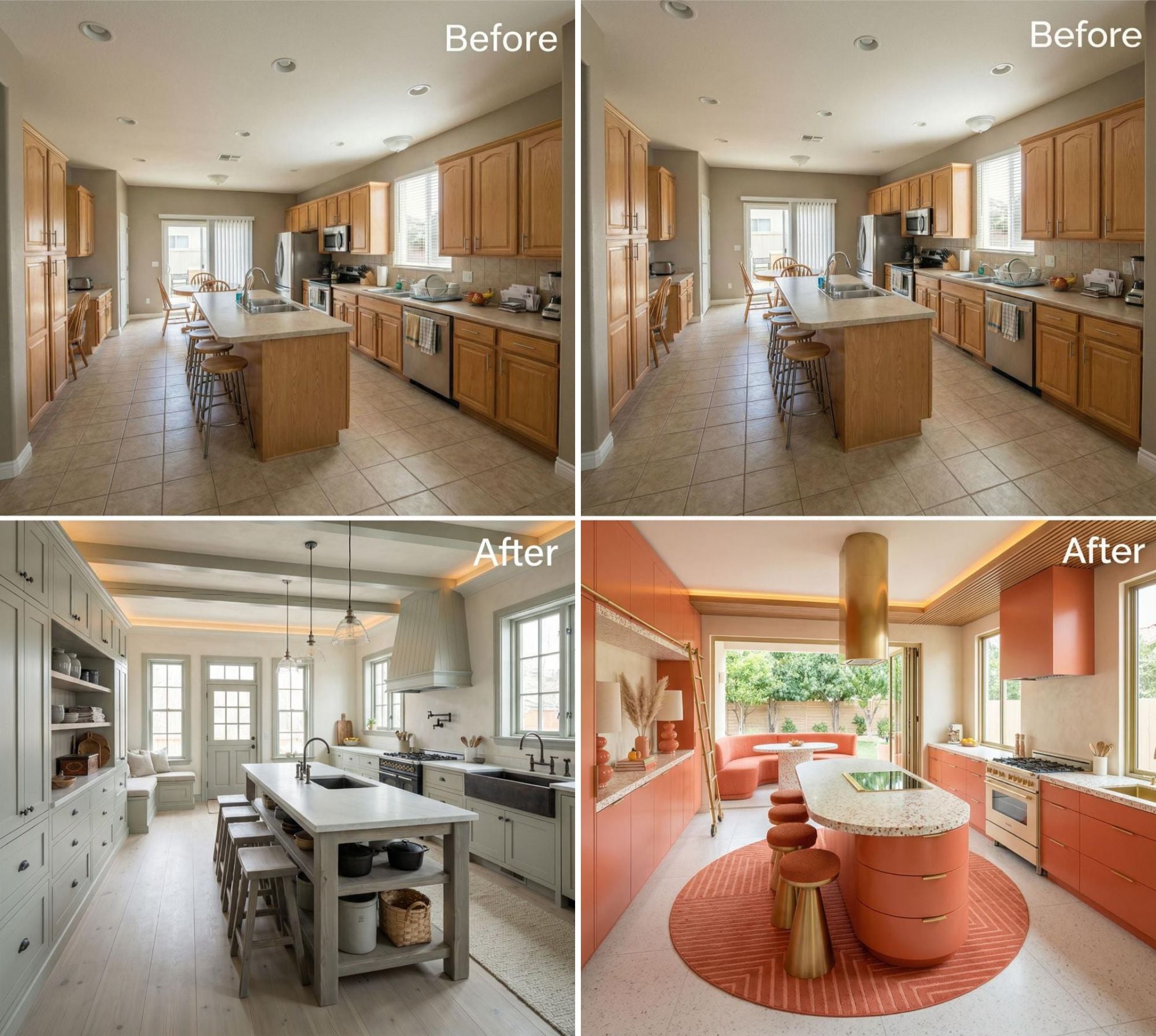
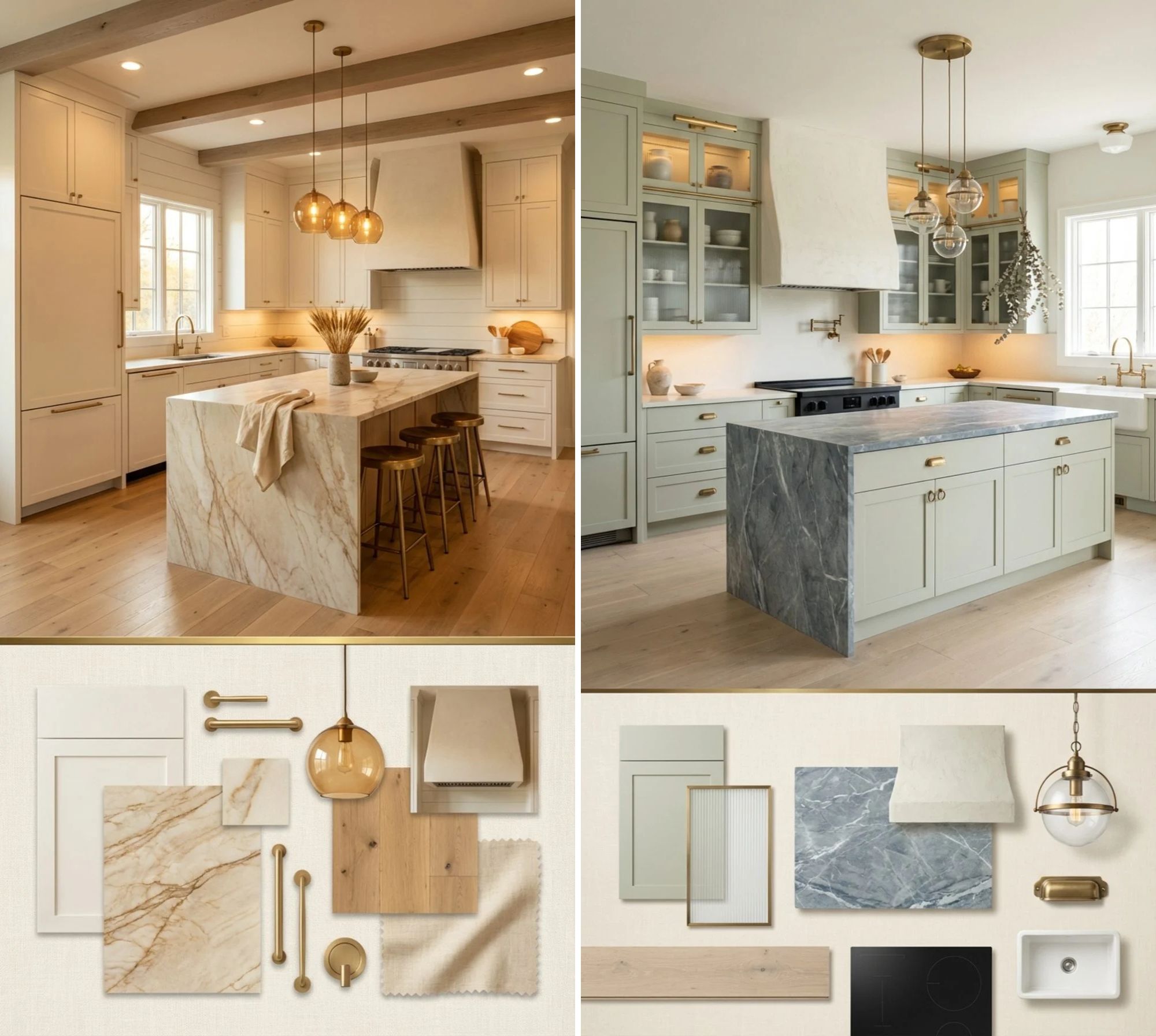
In order to come up with the very specific design ideas, we create most designs with the assistance of state-of-the-art AI interior design software.
Relationship psychology has spent decades mapping the geography of conflict inside the home, and the findings are genuinely surprising: the spaces we treat as purely functional are doing the heaviest emotional lifting.
The kitchen, it turns out, is where labor inequality becomes visible, where the 6pm tension finally boils over, and where a couple’s dynamic gets played out in plain sight every single day. Before you redecorate your bedroom hoping to save your relationship, read this.
The Room You Think Is the Problem (It Probably Isn’t)
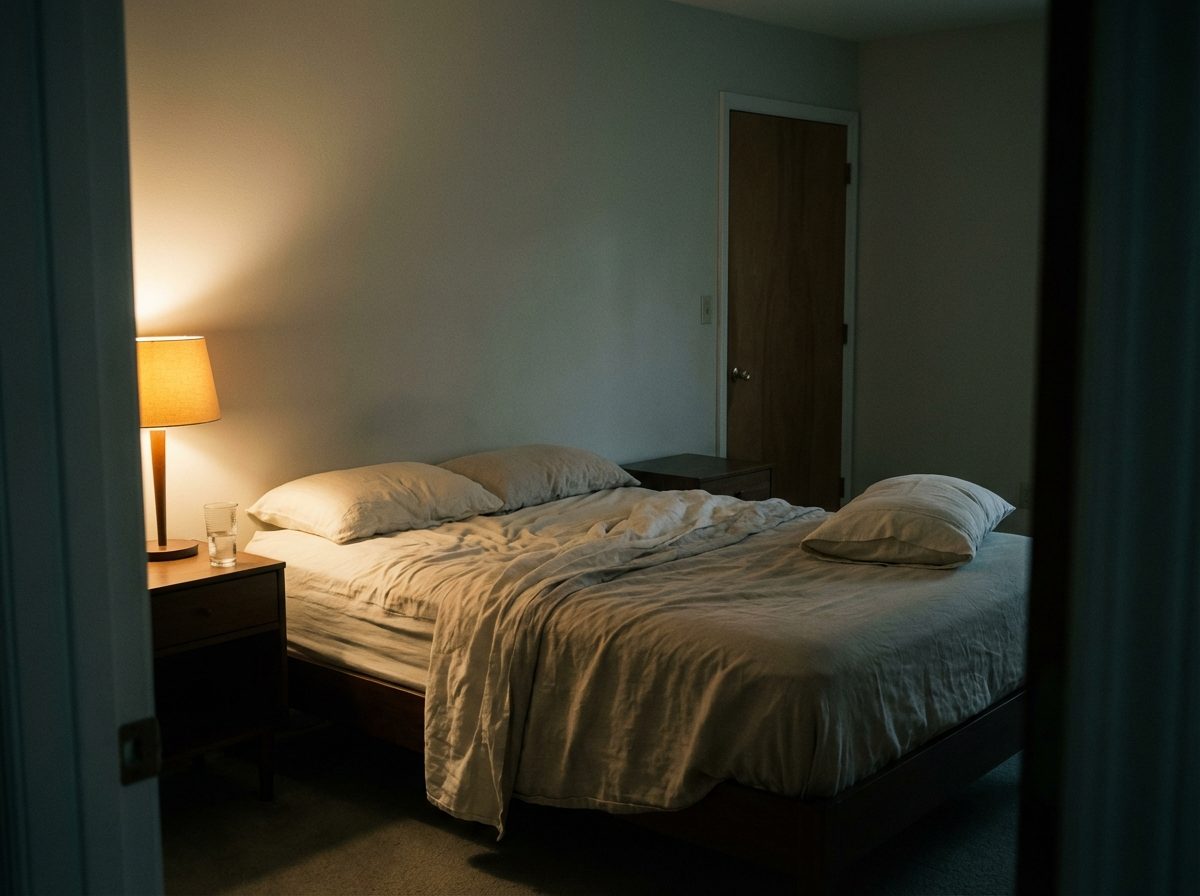
Every couples therapist has heard the same assumption: the bedroom is where marriages go to die. Sexual frequency, intimacy, the slow drift toward sleeping back-to-back, it all sounds like the obvious culprit. And sure, what happens (or doesn’t happen) in bed matters. But the bedroom is more often a symptom than a cause. It’s where the accumulated tension from everywhere else in the house finally shows up.
Sleep science backs this up in an interesting way. Researchers at UC Berkeley found that poor sleep makes couples more likely to fight, but the fights themselves tend to originate in other rooms, around other triggers, earlier in the day. As sleep scientist Wendy Troxel wrote for TED Ideas, the pressure placed on the shared bed is “largely a socially constructed belief system, not science based.” The bed absorbs conflict it didn’t start. The real flashpoints are happening in a different room entirely, one with fluorescent lighting, dirty countertops, and a sink full of dishes.
Why Therapists Always Ask Couples About the Kitchen First
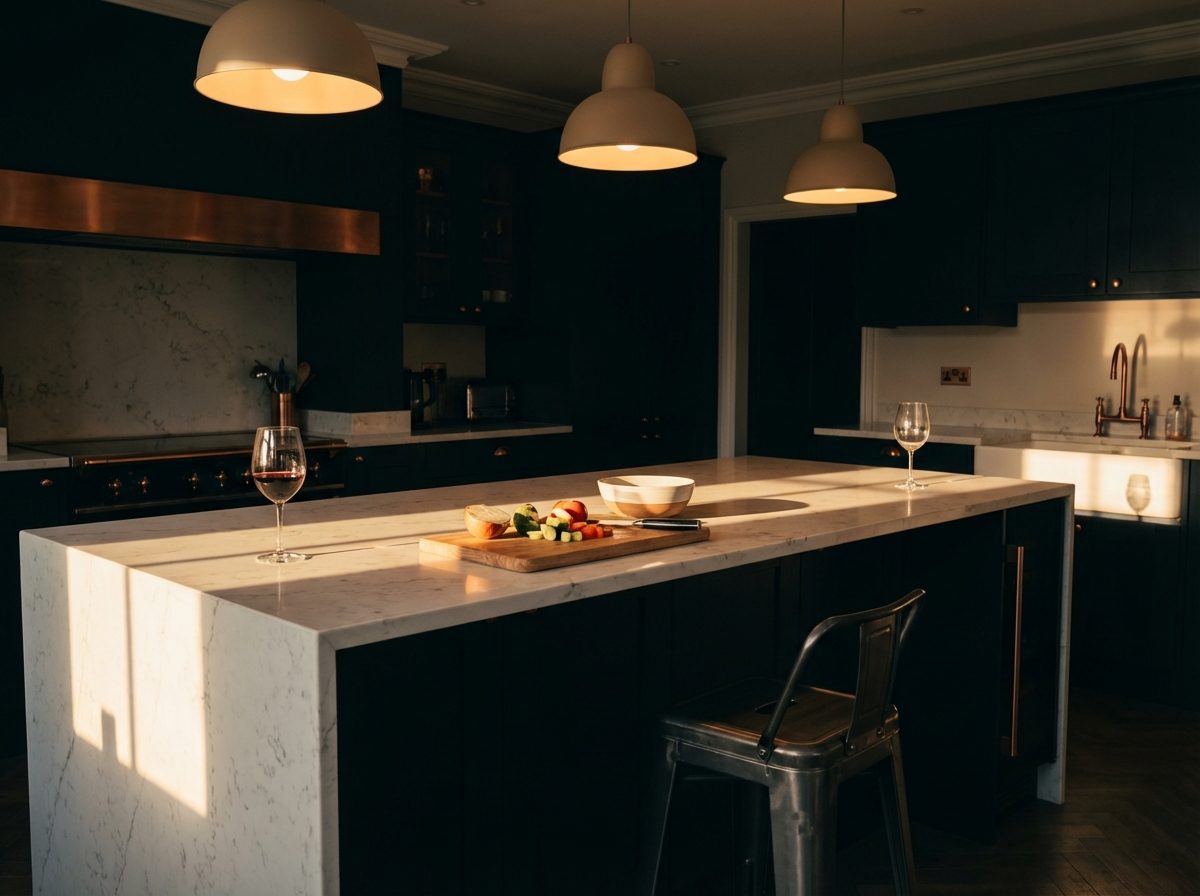
Walk into any kitchen and you’re looking at a relationship report card. The layout determines who controls the space, who is isolated during meal prep, who has their back to the room while the other one talks. Research in environmental psychology consistently shows that physical spaces directly influence behavior and communication, and the kitchen, more than any other room, is where the daily negotiations of partnership play out in real time.
Open-plan kitchens have been shown to increase family interaction by up to 40% compared to closed galley layouts. That sounds like good news, but more interaction also means more opportunity for friction. The kitchen is where couples reunite after work, where the chaos of the transition hour lands, and where unspoken expectations about who cooks, who cleans, and who gets a moment to decompress all collide at once. Relationship therapists call this convergence point the “second shift”, and it begins the moment someone walks through the front door.
The kitchen is also where the concept of “kitchen sinking” gets its name. As described in Psychology Today, kitchen sinking is the pattern where one partner brings up a cascade of past grievances during a single argument, burying the original issue under everything but the kitchen sink. The room and the behavior share a metaphor for a reason.
There’s a Two-Hour Window When Most Couples Unravel
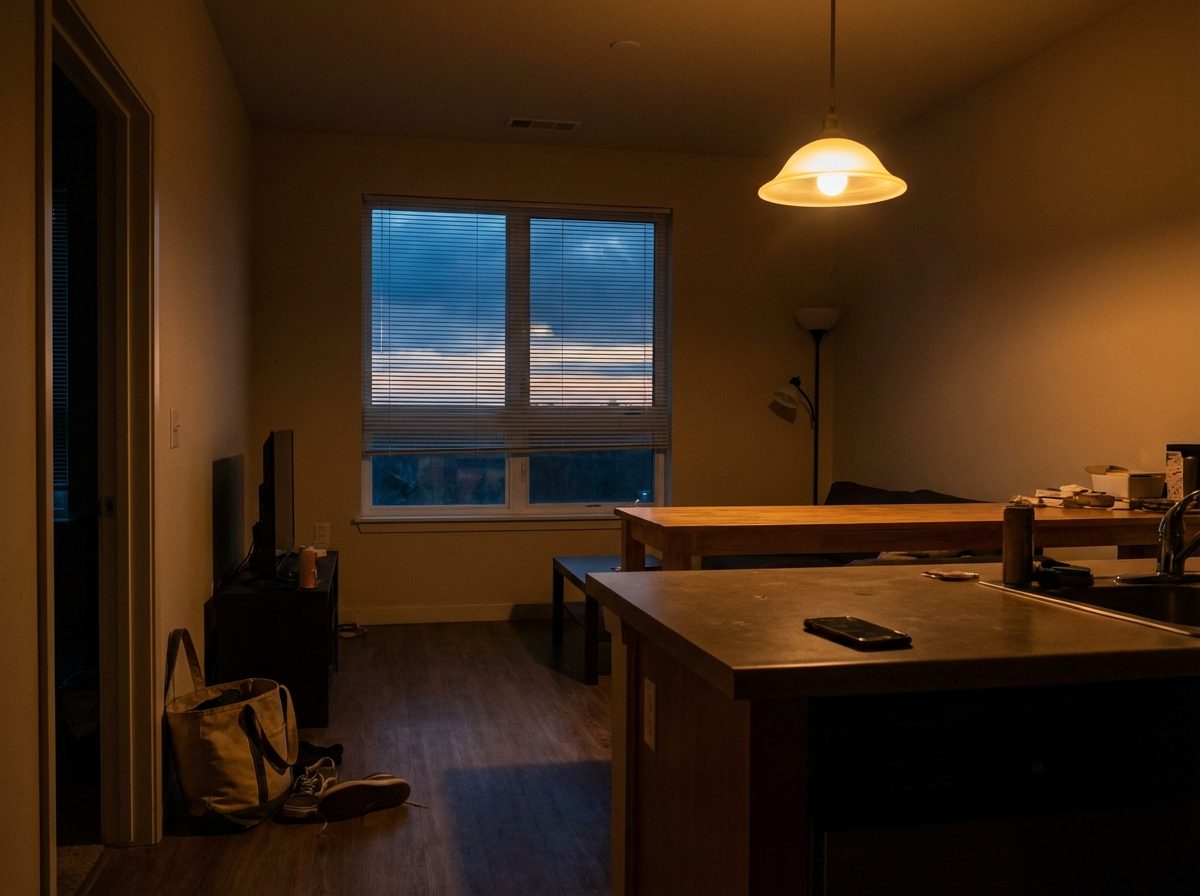
Call it the combustion zone: the roughly two hours between when the first person gets home and when dinner is over. Cortisol levels, the body’s primary stress hormone, peak in the morning but have a secondary spike in the late afternoon, right around the time most people are commuting, transitioning, and walking through the front door carrying everything the workday left behind. According to daily diary research published in PMC studying couples’ patterns of stress and conflict, some intervention approaches specifically address the repeated conflicts that occur during couples’ reunification after separate workdays, because the data consistently shows this is when things go sideways.
Here’s what makes it worse: both partners arrive depleted at the same moment. Neither has had a decompression buffer. The kitchen light flickers on. Someone asks “what do you want for dinner” in a tone that means something else entirely. And a fight that was never really about dinner gets started. The 6pm, 8pm window isn’t when couples are at their worst, it’s when they’re running on the least reserve capacity to be at their best.
“Couples who argue poorly also argue more, potentially increasing the opportunity for relationship damage to occur.”, PMC study on time spent together in intimate relationships
The Argument About the Dishes Has Never Once Been About the Dishes
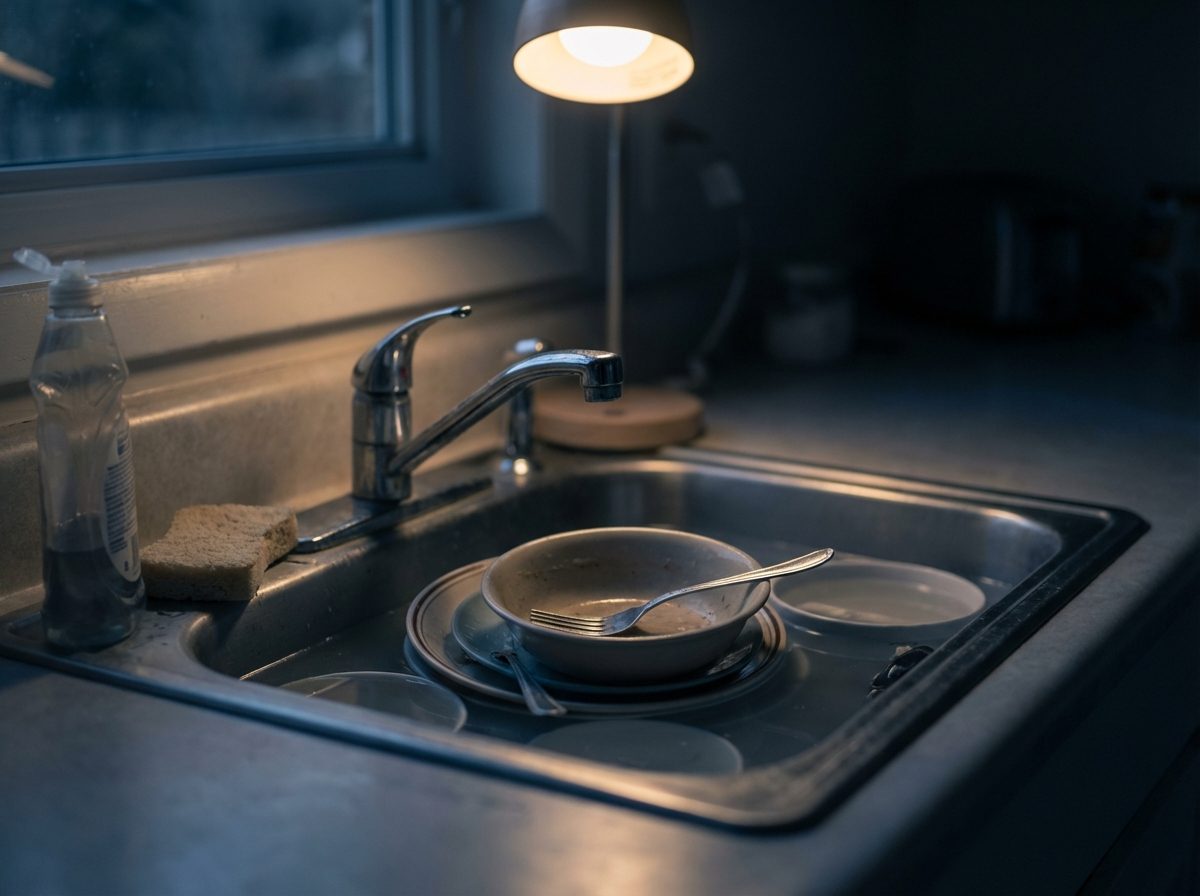
No couple has ever actually broken up over a plate. But tens of thousands of marriages have fractured over what the plate represents: who notices, who acts, who carries the weight of the home without being asked, and who doesn’t.
The research on this is striking. According to a 2019 article in Greater Good Magazine from UC Berkeley, it’s not just the inequality that damages marriages, it’s the perception of unfairness. Studies confirm that when people feel dissatisfied about how labor is divided, marriages suffer. A 2025 Harvard Business School paper studying 37 women and 41 men in dual-income couples found that expressions of gratitude and resentment revealed considerable divergence between men’s and women’s expectations around domestic work, with women still reporting spending roughly 50% more time on housework and parenting tasks.
The psychological injury isn’t the dish itself. It’s the accumulated proof, night after night, that you are not seen. That your effort is invisible. That the other person has decided, consciously or not, that this is simply not their problem. Resentment doesn’t arrive suddenly. It sediments.
What a Bare Refrigerator Is Actually Telling a Couples Therapist
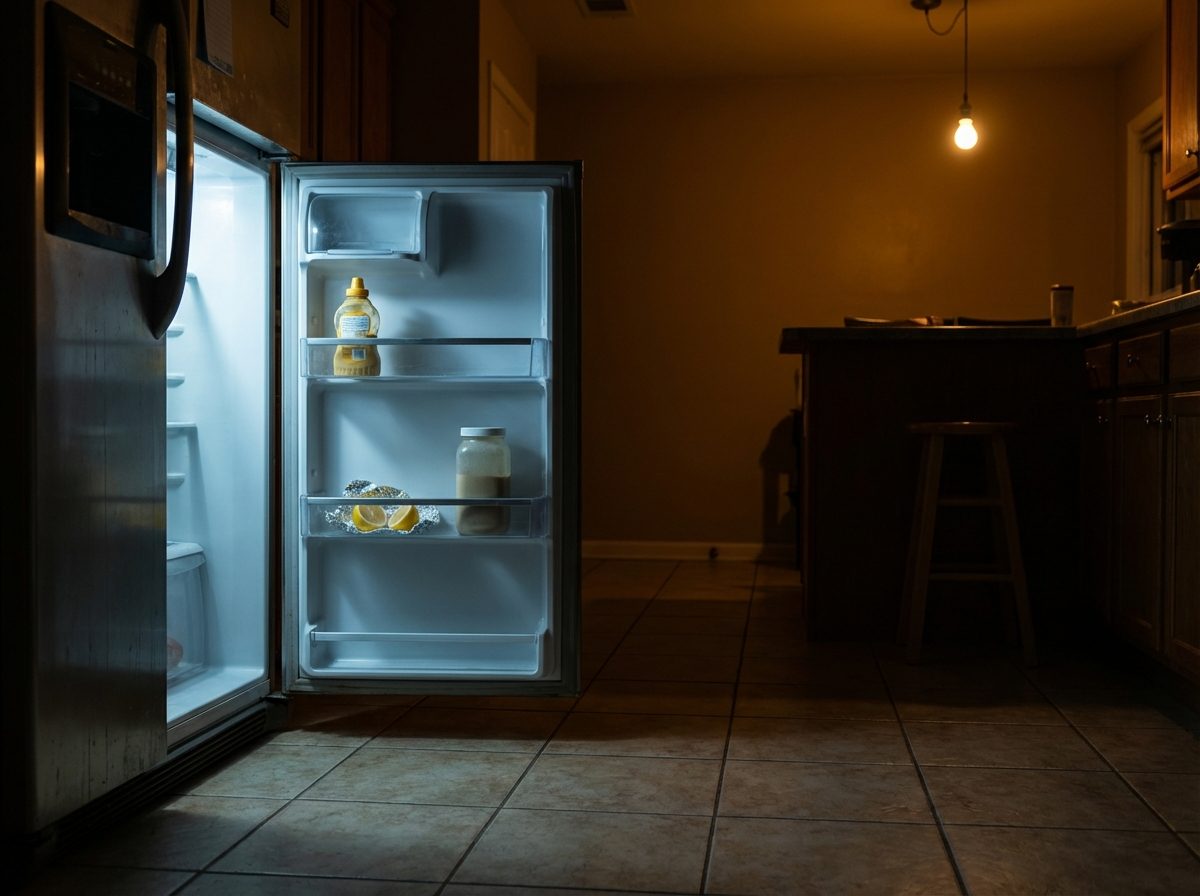
An empty fridge is never just a grocery problem. Walk into any kitchen under genuine financial strain and the refrigerator becomes a kind of daily emotional weather report, a physical record of scarcity, of anxiety, of decisions being deferred. For couples, money stress doesn’t stay neatly in the bank account. It leaks into every room.
According to a 2025 Psychology Today article on financial stress and relationships, a 2024 survey by the American Association of Marriage and Family Therapy found that 56% of couples argued about money more than any other topic. And critically, a study published in PMC found that when people worry about finances, they begin perceiving their partner’s behavior in a more negative light, fewer positive behaviors noticed, more negative ones magnified. The fridge isn’t causing the fight. It’s triggering a perception bias that makes everything the other person does look worse.
Money arguments are also the hardest to resolve. Research published in the Journal of Marriage and Family found that compared to non-money conflicts, financial disagreements were more pervasive, more recurrent, and less likely to reach resolution, even when couples tried harder to problem-solve them. A half-empty fridge might be the most honest thing in the house.
The Piece of Furniture That Quietly Ended Dinner Conversation
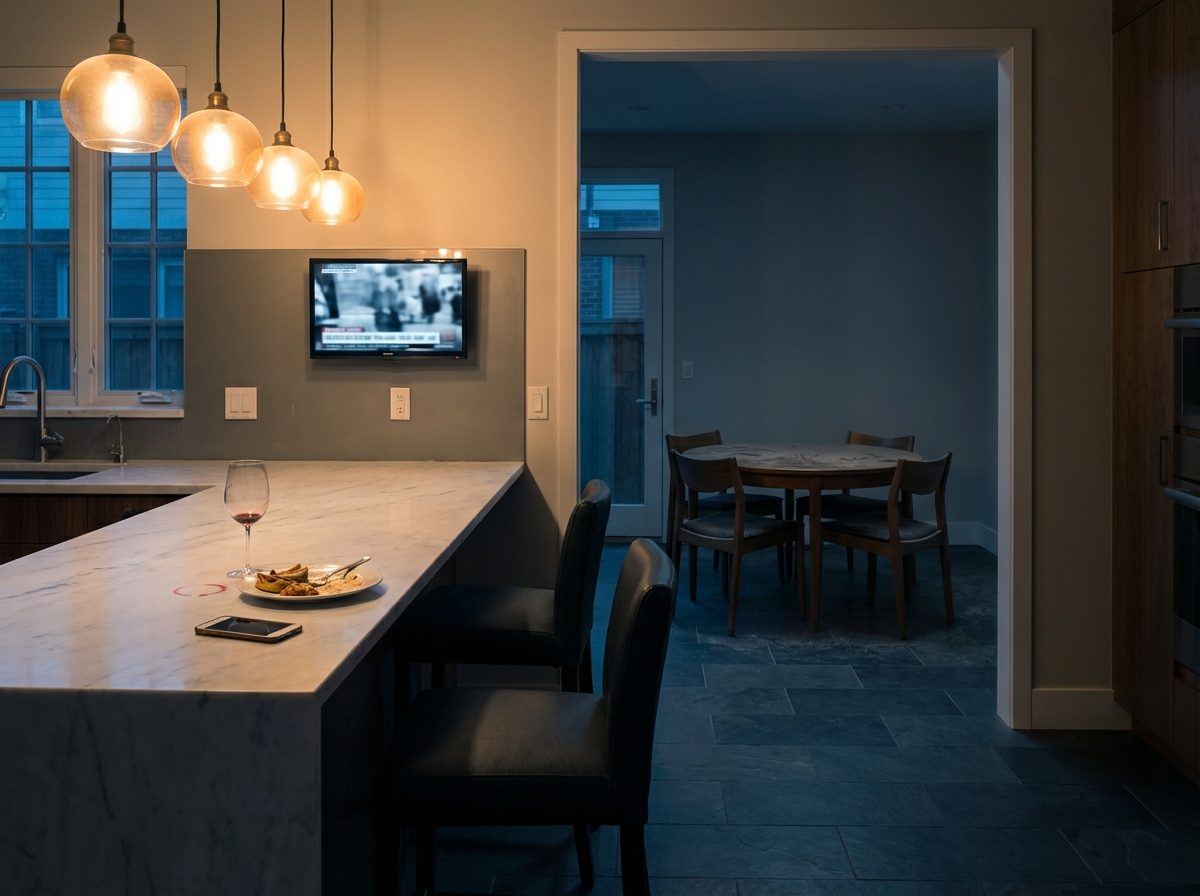
The breakfast bar is sold to us as a space-saver, a social hub, a casual upgrade. What it actually does is face people in the same direction, side by side, staring at a wall or a window, with no reason to look at each other. The dinner table, by contrast, is confrontational in the best possible sense: eye contact is mandatory, conversation is structural, and the ritual of gathering around it sends a signal that this time belongs to us.
The research behind this is hard to ignore. According to a Harvard EdCast interview with MGH clinical psychologist Dr. Anne Fishel, shared mealtimes are one of the most powerful bonding rituals available to families, with research pointing to five shared dinners per week as a meaningful threshold for relational benefit. That number has been declining for decades, and the architecture of modern kitchens is partly responsible. The breakfast bar didn’t just replace the table. It replaced the format: the face-to-face, the pause, the check-in. What feels like a design upgrade is, psychologically, a withdrawal. And withdrawals compound.
Why the Kitchen That Felt So Open Actually Boxed You In
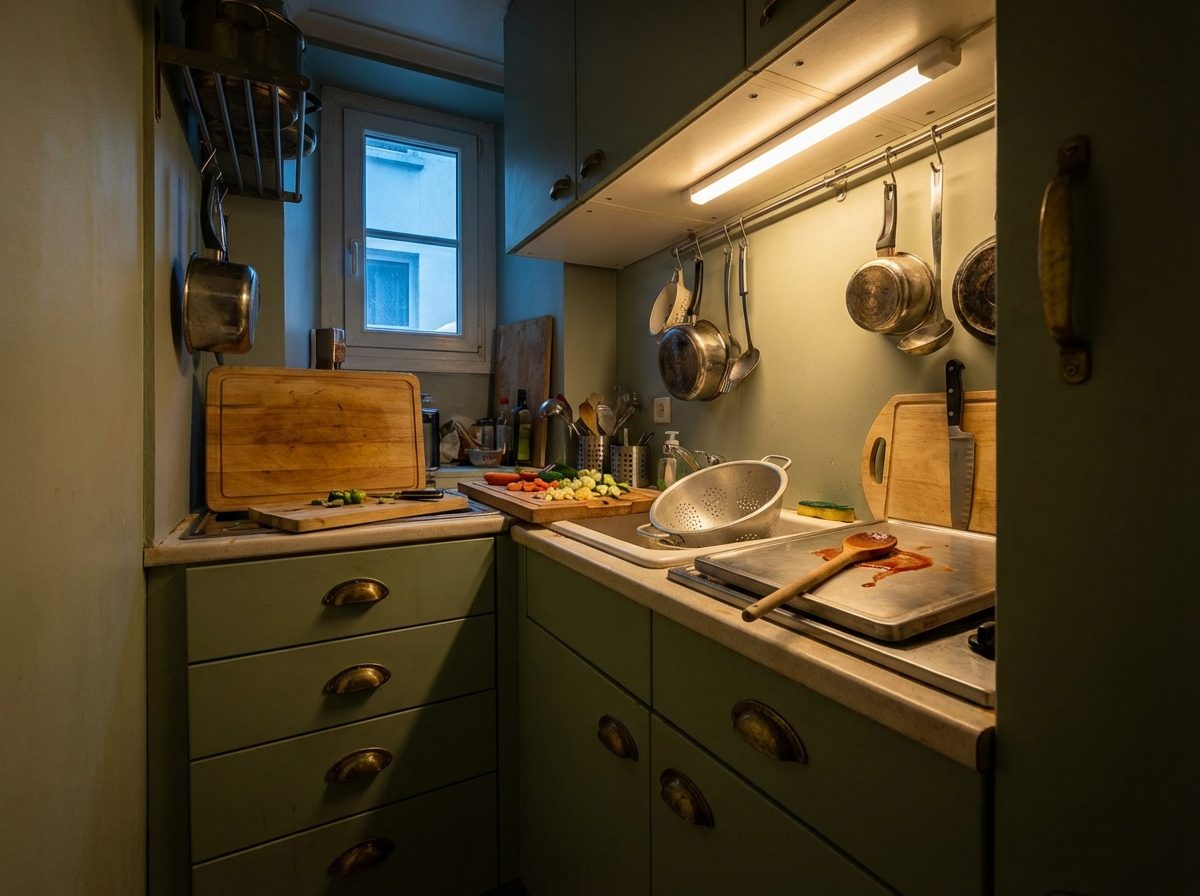
Proximity is not the same as intimacy. In fact, forced proximity under stress is one of the fastest routes to conflict. The modern open-plan kitchen, praised endlessly in real estate listings, puts two people into a shared workspace with limited escape routes, overlapping tasks, and competing sensory input, hot pans, noise, the choreography of who’s standing where. In a small galley kitchen, one person cooks while the other is physically excluded. In a large open kitchen, both people are in the space but may have no clear role, which creates its own friction.
A 2023 scoping review published in the Journal of Housing and the Built Environment identified kitchen size, layout, and connection to adjacent spaces as key variables shaping not just cooking efficiency, but the entire social and emotional experience of domestic life. The review found that design features like the provision of sufficient dining space and sightlines between cooking and living zones significantly affected how families interacted. Translation: the floor plan is writing the script for your evening before you’ve even opened the fridge.
Territory matters. When there’s no clear spatial logic to who owns which part of the kitchen, small irritations become stand-ins for larger resentments. The person who feels like a visitor in their own kitchen, or the one who can’t move without interrupting the other, isn’t just annoyed at the layout. They’re annoyed at the dynamic the layout keeps recreating.
The Room Couples Stop Sharing Before They Stop Sharing Everything Else
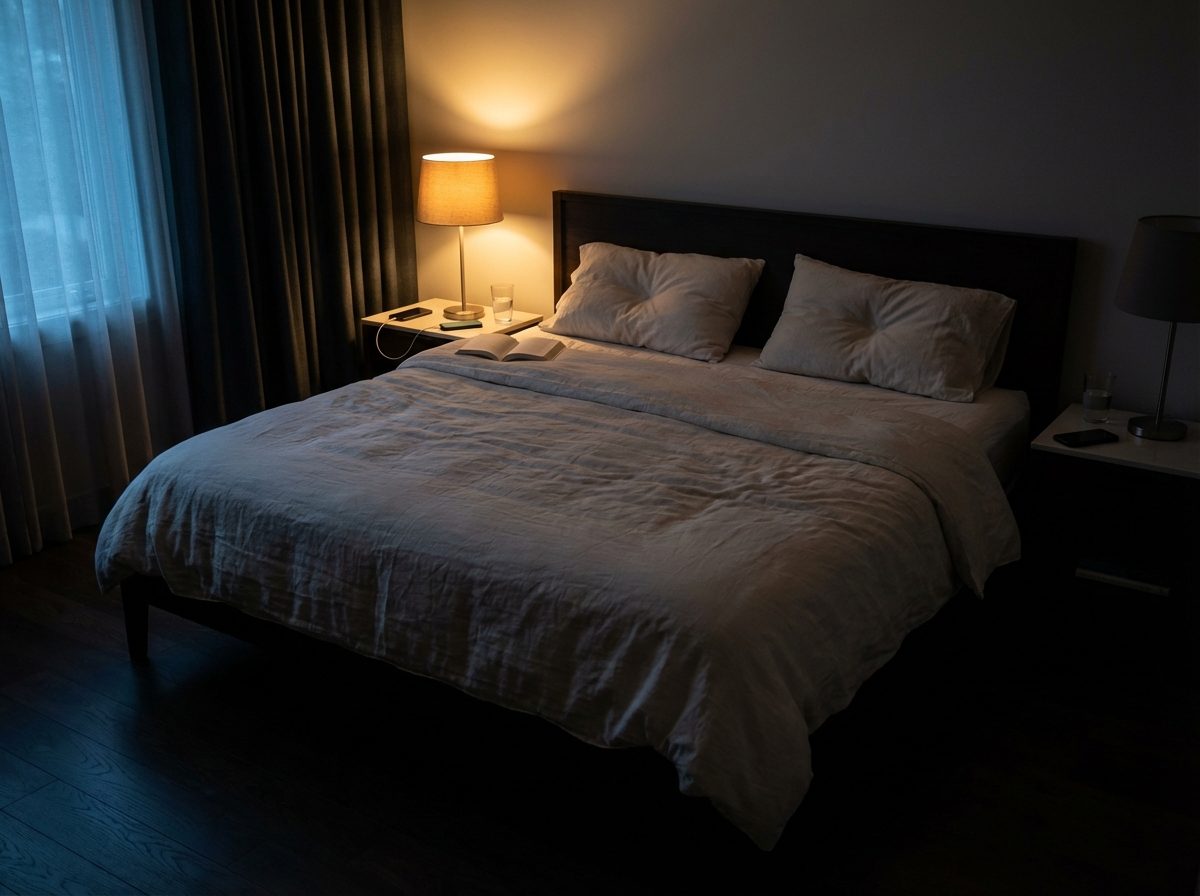
By the time a couple is sleeping in separate bedrooms, most therapists will tell you the bedroom isn’t the problem. It’s the last room to reflect a distance that began somewhere else, in how they talked at dinner, or didn’t; in how they handled the argument that went unresolved; in the small, accumulated choices to not reach across. But the bedroom makes it official. It encodes the separation in square footage.
The numbers are striking. A 2024 survey from the American Academy of Sleep Medicine found that 29% of Americans have opted to sleep in a separate bed or a different space in their home to accommodate a partner. Millennial couples lead the trend, with almost 43% occasionally or consistently sleeping apart, compared to just 22% of baby boomers.
Sleep researchers tend to frame this neutrally, and for some couples, sleeping apart genuinely improves both rest and mood. But marriage therapists are more cautious. Katherine Hertlein, a professor in the couple and family therapy program at the University of Nevada Las Vegas, has described choosing separate beds as “a little bit of a mild pink flag,” noting that it’s not a big leap from healthy solitude to creeping emotional distance.
The bedroom is symbolic in ways other rooms aren’t. It’s where vulnerability is highest, defenses lowest. When that space becomes solo territory, something shifts, not just logistically, but psychologically. The bed stops being a shared object and becomes a boundary.
The Smallest Room in the House Does Something Surprisingly Specific During a Fight
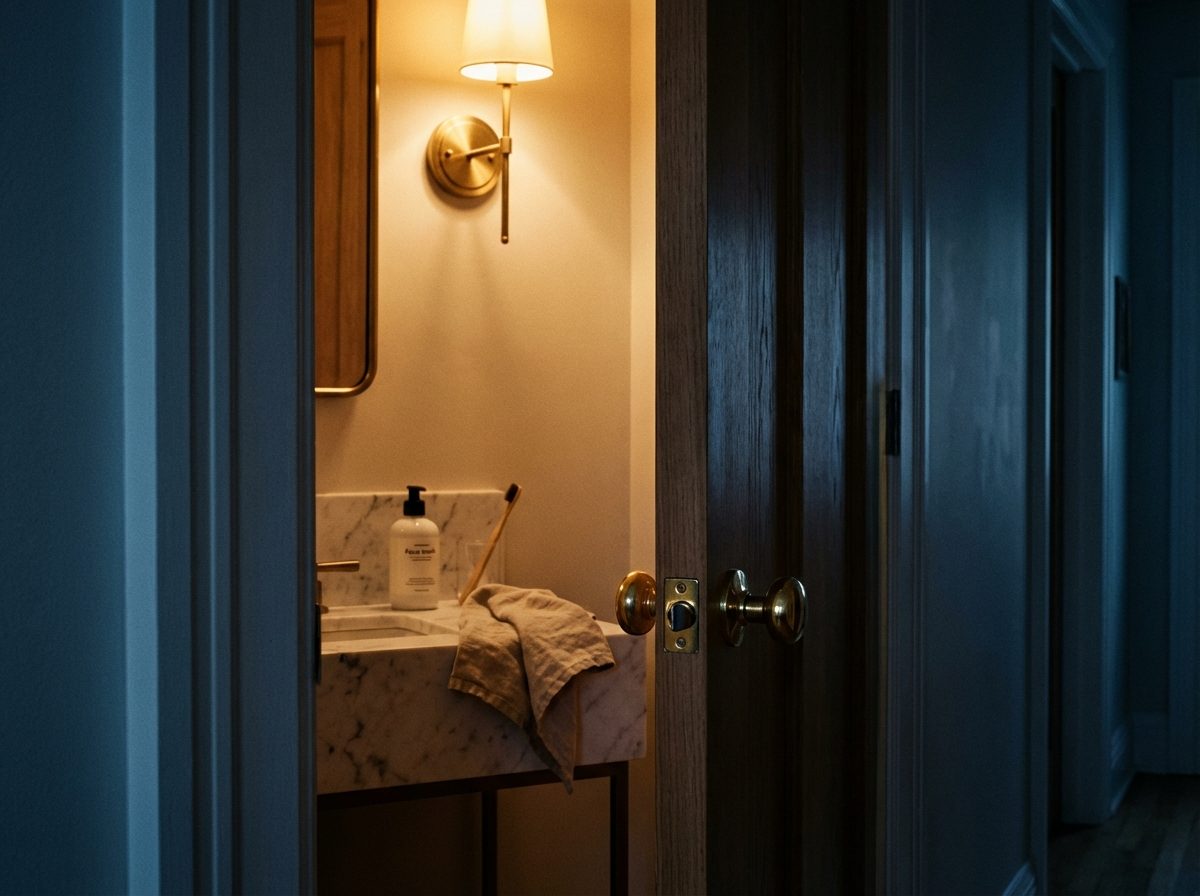
Nobody talks about the bathroom as a relational space. But they should. A consumer survey reported by StudyFinds found that many respondents use their bathrooms as a deliberate place to “hide away” from a significant other during moments of tension, and that 54% of people in shared bathrooms simply put up with a partner’s habits to avoid further conflict. That last number is worth sitting with. More than half of couples are actively suppressing irritation rather than addressing it, using tolerance of a shared space as a pressure valve for a relationship.
The bathroom has a unique psychological function: it’s the only room in a shared home where locking the door is socially acceptable. It’s the one space where you can be alone without it being a statement. During an argument, retreating to the bathroom is a way to physically deescalate without formally calling a timeout, and that ambiguity is both its strength and its problem. It can be restorative. It can also become a habit of avoidance, a way to pause a conflict without resolving it.
The Room That Reveals Whether a Relationship Is Actually Working
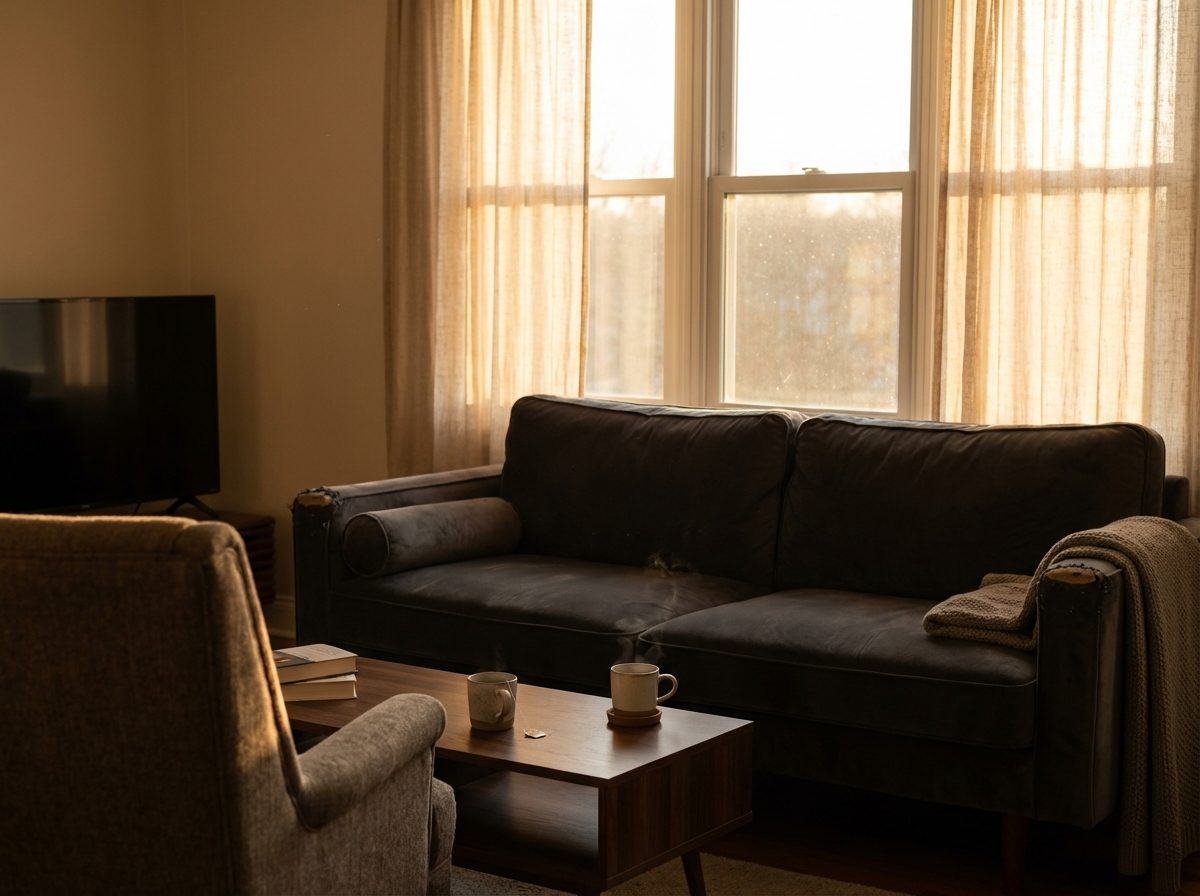
It isn’t the bedroom. It isn’t the kitchen. The room that most accurately predicts whether a relationship is thriving or quietly failing is the living room, specifically, how a couple uses it together.
Dr. John Gottman’s decades of research, which tracked more than 3,000 couples across longitudinal studies and allowed him to predict divorce with what his lab reported as remarkable accuracy through the Sound Relationship House framework, identified one micro-behavior as uniquely predictive: what he calls “turning toward” bids for connection. A bid is any small gesture, a comment about something on TV, a question about the day, a touch on the shoulder. Couples in healthy relationships, Gottman’s research found, respond to these bids positively about 86% of the time. Couples heading toward dissolution respond only about 33% of the time.
The living room is where bids happen in their most ambient, low-stakes form. It’s the room where you’re both present but not task-oriented. No dinner to cook, no sleep to negotiate. Just two people occupying space. The design of that space either encourages or discourages the micro-connections Gottman’s research identifies as the actual load-bearing infrastructure of a relationship.
What the layout is actually saying
Two sofas facing each other across a coffee table: conversation-ready. Two recliners angled toward a screen: parallel consumption, minimal eye contact. The furniture arrangement isn’t neutral. It’s a standing instruction for how this room gets used, and by extension, how much genuine daily connection actually happens here. The room that looks most lived-in is the room doing the most relational work. Or not.
The Bottom Line
The room where most marriages fall apart is the kitchen, not because of what’s cooked there, but because of what’s left unaddressed there, night after night, in the two hours when both of you are depleted and the smallest things carry the most weight. The bedroom just keeps the score. If you want to know the real state of your relationship, don’t look at where you sleep. Look at what happens between 6pm and 8pm, and whether you’re actually turning toward each other or just occupying the same room.