🔥 Would you like to save this?
It was warm underfoot in a way no other floor has ever been. Not warm like radiant heating or a bath mat, warm like something that had been absorbing the life of a house for years and giving it back through the soles of your feet. The shag carpet of the 1970s home was its own ecosystem: a landscape of color, texture, and buried LEGO pieces that somehow never stopped feeling like home. Here are 28 shag-carpet details we all remember.
28. The Avocado Green Shag That Somehow Matched Everything in the Room
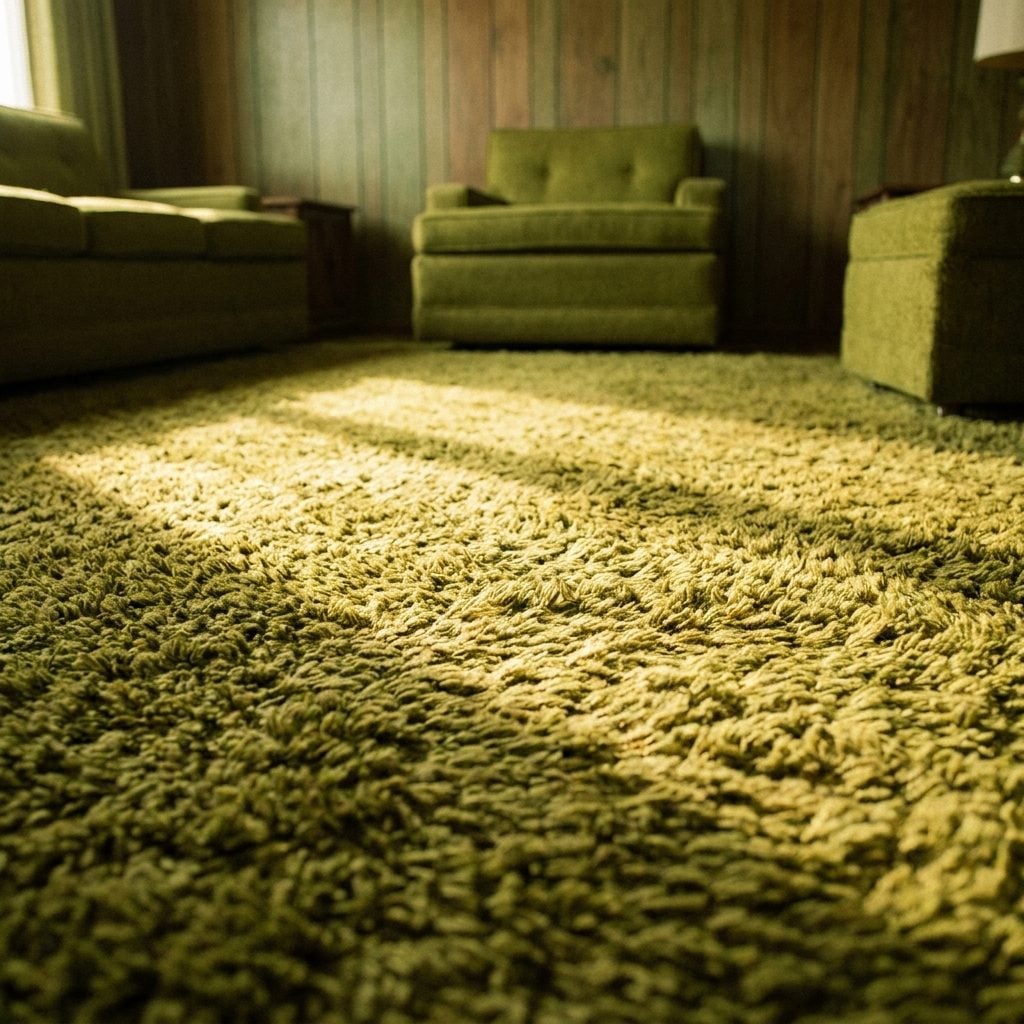
Avocado green was everywhere in the 1970s, on the refrigerator, the countertops, the dishes, but when it hit the shag carpet, it became something almost gravitational. The color should not have worked with orange throw pillows and a harvest gold lamp. It absolutely did. Every foot of that floor was the same muted, slightly dusty green, and somehow the whole room read as coordinated rather than chaotic.
In order to come up with the very specific design ideas, we create most designs with the assistance of state-of-the-art AI interior design software. Also, assume links that take you off the site are affiliate links such as links to Amazon. this means we may earn a commission if you buy something.
The fibers themselves were remarkable. Deep enough to lose a small toy, soft enough that bare feet sank in half an inch with each step. Running your toes through it felt like combing through something thick and alive.
27. The Shag Rake Hanging on the Wall Like a Piece of Art
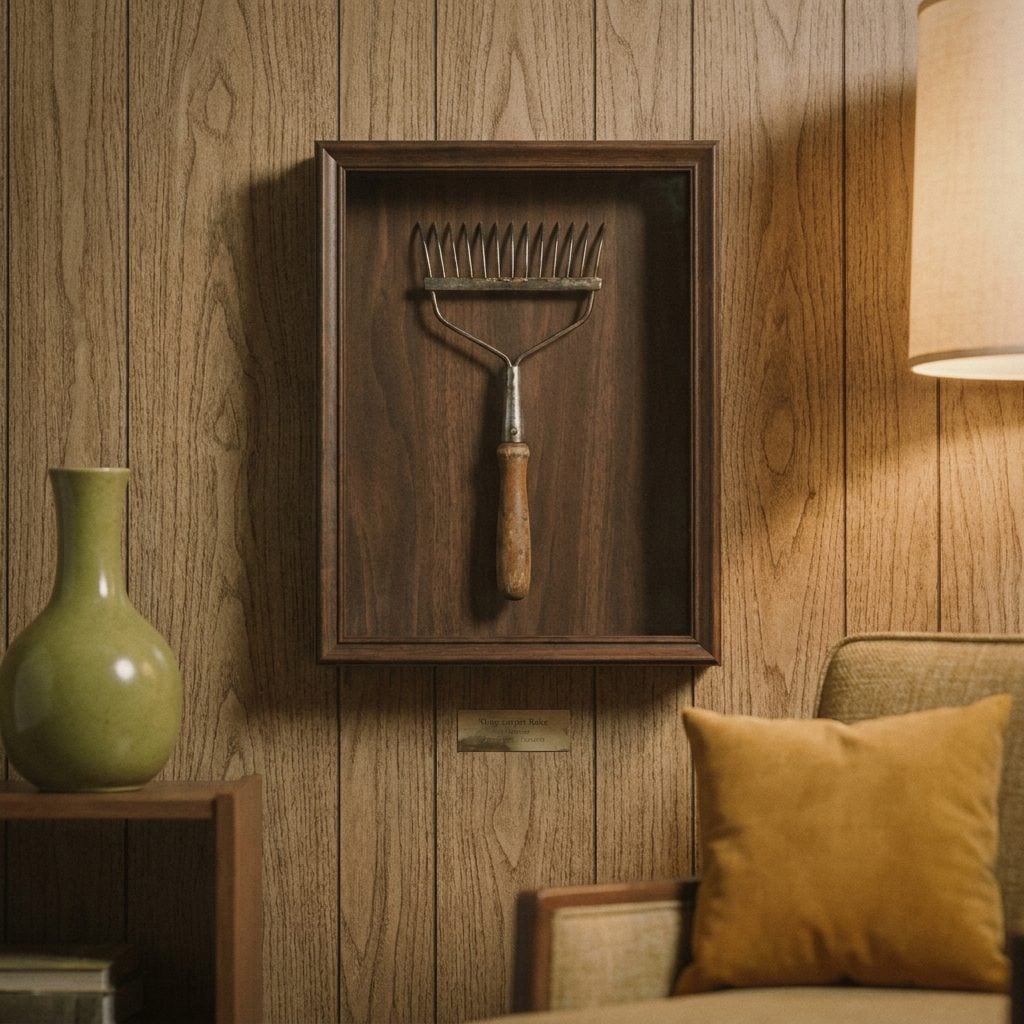
The shag rake was one of those objects that lived in the house for years before anyone questioned why a floor needed its own grooming tool. It hung on the wall near the broom, or leaned in the corner by the coat closet, or occasionally got propped against the baseboard after someone used it and didn’t feel like walking it back.
Running it through a matted stretch of shag was genuinely satisfying: the fibers lifted and separated, and the carpet went from flattened and sad to full and upright again in a single pass. Kids used it. Sometimes intentionally. Sometimes as a sled across the carpet when no one was watching.
26. The Way the Color Faded in the Sunny Spot by the Sliding Glass Door
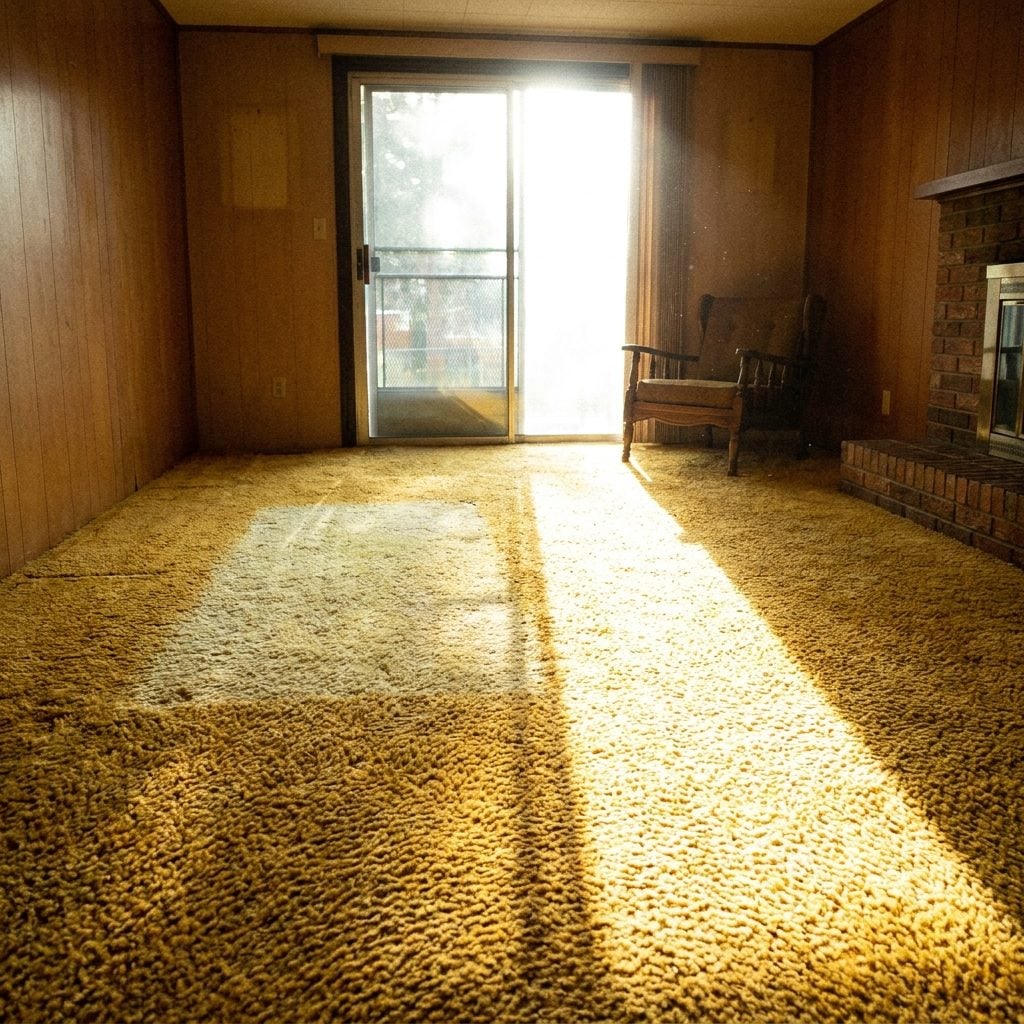
There was always a patch. Right where the sun hit longest, in front of the sliding glass door, or under the window that faced west, the shag went quieter in color, a little washed out, a slightly different hue than the rest of the floor. Nobody replaced that carpet because of it. Nobody moved the furniture to cover it either. It just became part of the room, like a watermark nobody felt the need to explain.
That faded rectangle was a record of every afternoon that house had ever had. The fibers still felt the same underfoot. The color just told a different story than the rest of the floor.
25. The Shag in the Den That Was a Completely Different Color From the Hallway
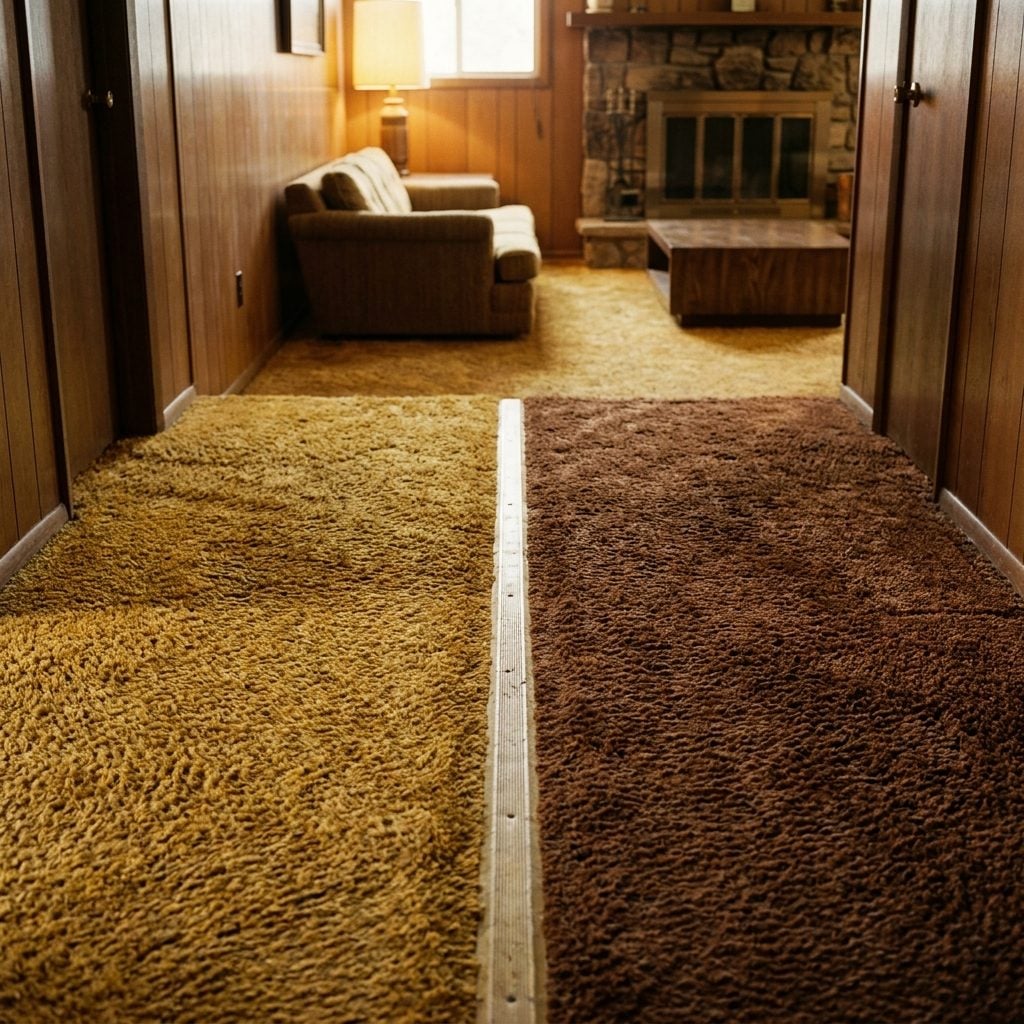
Nobody called it an accent carpet. Nobody called it anything. One room was gold, the next was brown, and the thin metal strip at the doorway threshold was the only acknowledgment that two different decisions had been made. The shag was consistent in texture but freely variable in color from room to room, and somehow that read as deliberate rather than scattered.
Every room got its own color. The hallway was harvest gold. The den was brown. The master bedroom was something that no longer has a name.
It was its own kind of accent-wall logic, with each space defined by its floor rather than its paint. The family just moved between colors without thinking twice about it, bare feet crossing that little brass strip like a border crossing nobody had to show papers for.
24. The Burnt Orange Bathroom Shag Set, Lid Cover, Tank Cover, and All
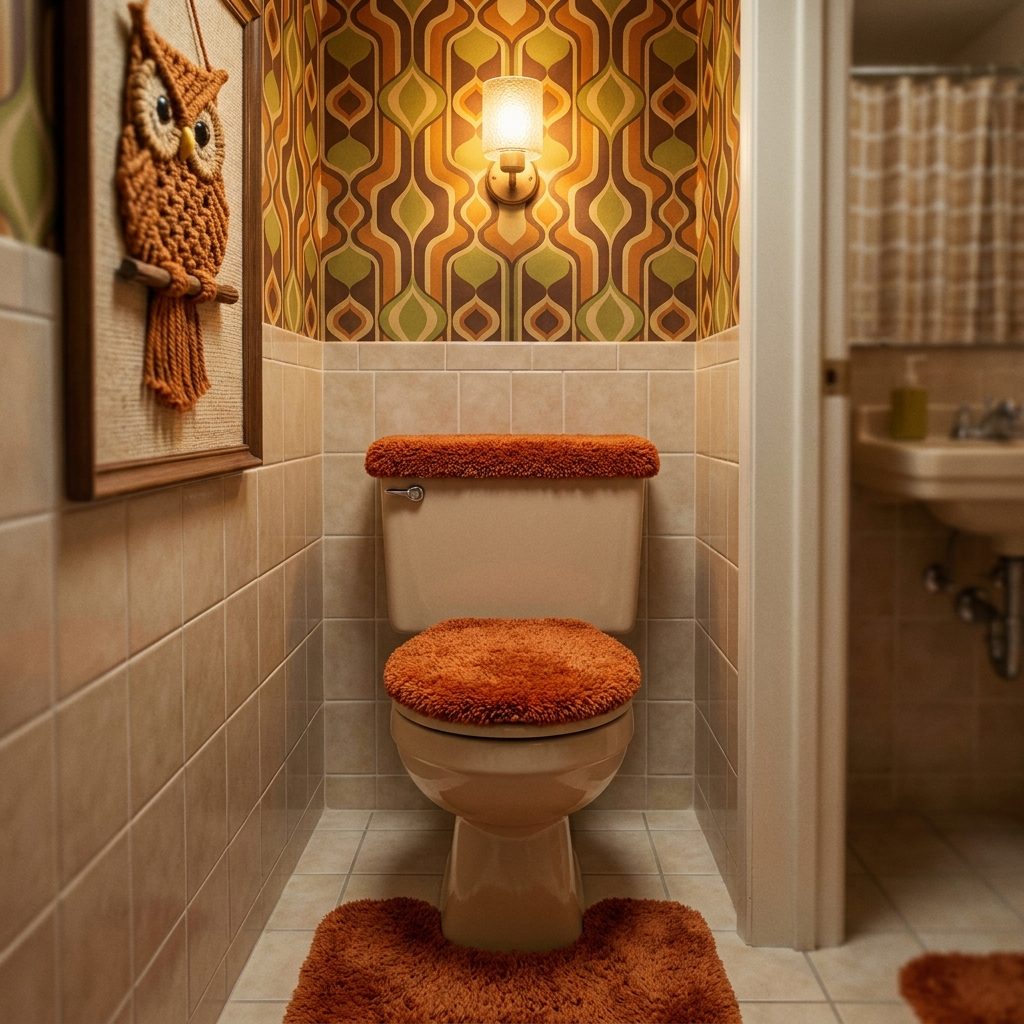
The shag bathroom set was a complete system. The contour rug, the toilet lid, and the tank behind it all matched: the same burnt orange or avocado green or harvest gold, the same impossible depth of fiber. It was coordinated in a way that felt genuinely committed. Someone bought all three pieces together, brought them home, and installed the full matching set with the same calm energy they brought to every other decision in that house.
The lid cover had elastic around the bottom edge to keep it seated. It never stayed perfectly centered. That slight tilt became just another part of the bathroom’s personality.
23. The Specific Static Shock You Got Every Single Time You Crossed the Shag in Wool Socks
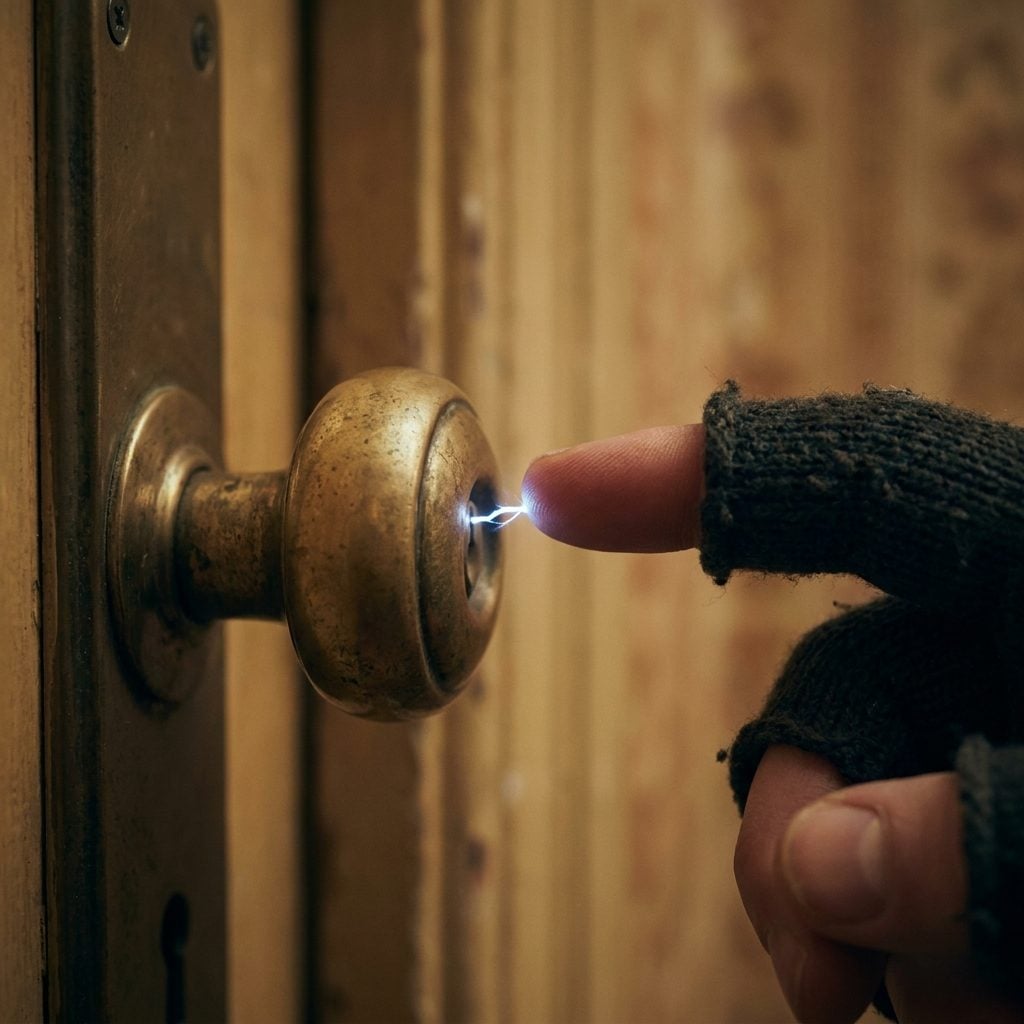
The shag carpet and wool socks together were a static electricity engine. You’d shuffle across the room, reach for the brass lamp or the metal doorknob or your sibling, and get a snap that was genuinely startling every single time despite the fact that it happened every single day. The carpet was the generator. The socks were the delivery mechanism. The doorknob was just doing its job.
It wasn’t unpleasant enough to change your behavior. You kept wearing socks. You kept shuffling. You kept getting shocked. There was something almost entertaining about it, the tiny, inevitable consequence of every winter evening spent on that floor.
22. The Shag Carpet on the Sunken Living Room Steps That You Ran Your Hand Along While Walking Down
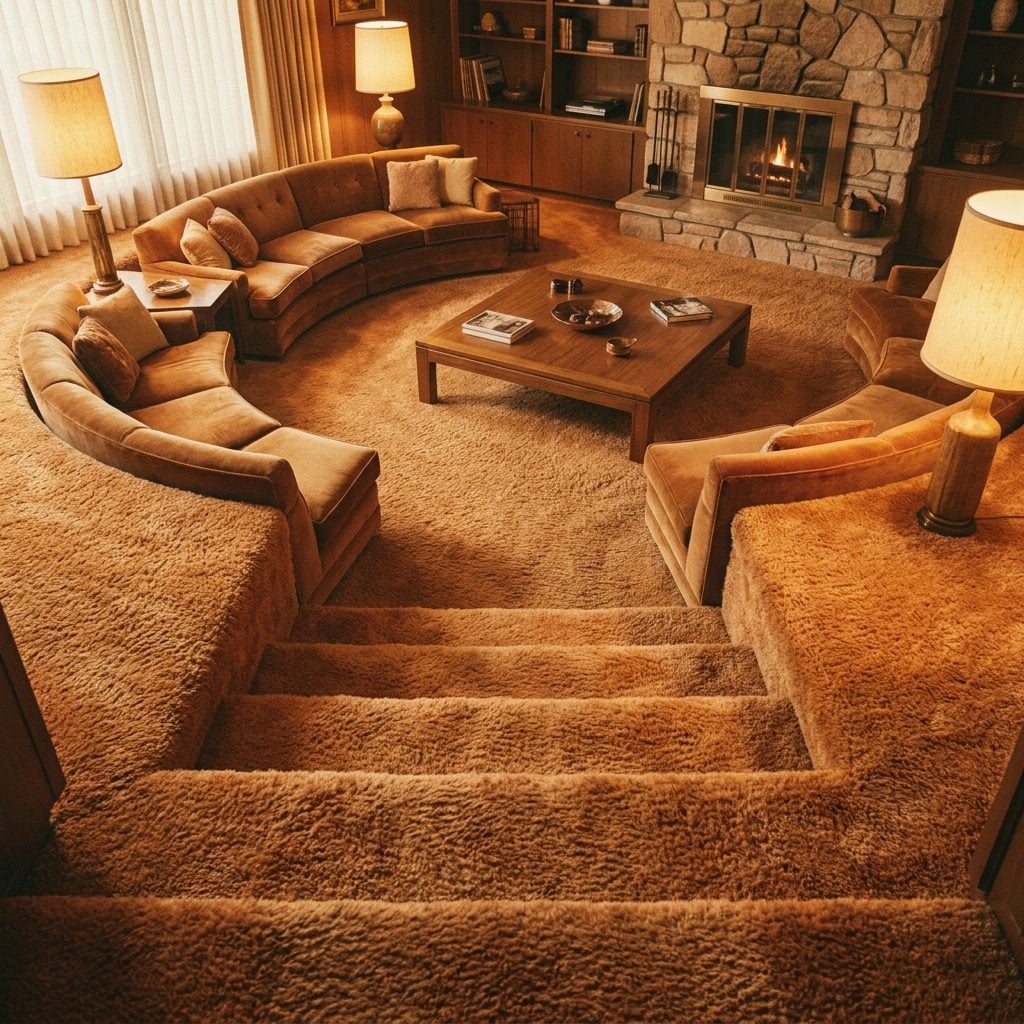
The sunken living room was its own architectural statement, and the shag carpet didn’t stop at the top of the steps. It came down every riser, wrapped every edge, covered every inch of that descent. Walking down meant dragging your hand along the carpet-covered step beside you, feeling the fibers brush your palm on the way into the room.
The steps always compressed first. The traffic pattern made itself visible there before anywhere else, slightly matted, the fibers pressed in the direction of traffic. But the shag at the bottom, in the pit itself, stayed full and deep and soft. That was the part you dropped into after school and didn’t come back up from for two hours. That was the whole point of the renovation era that built these rooms in the first place: a floor that rewarded you for sitting down in it.
21. The Vacuum That Left Perfect Tracks You Weren’t Supposed to Walk On
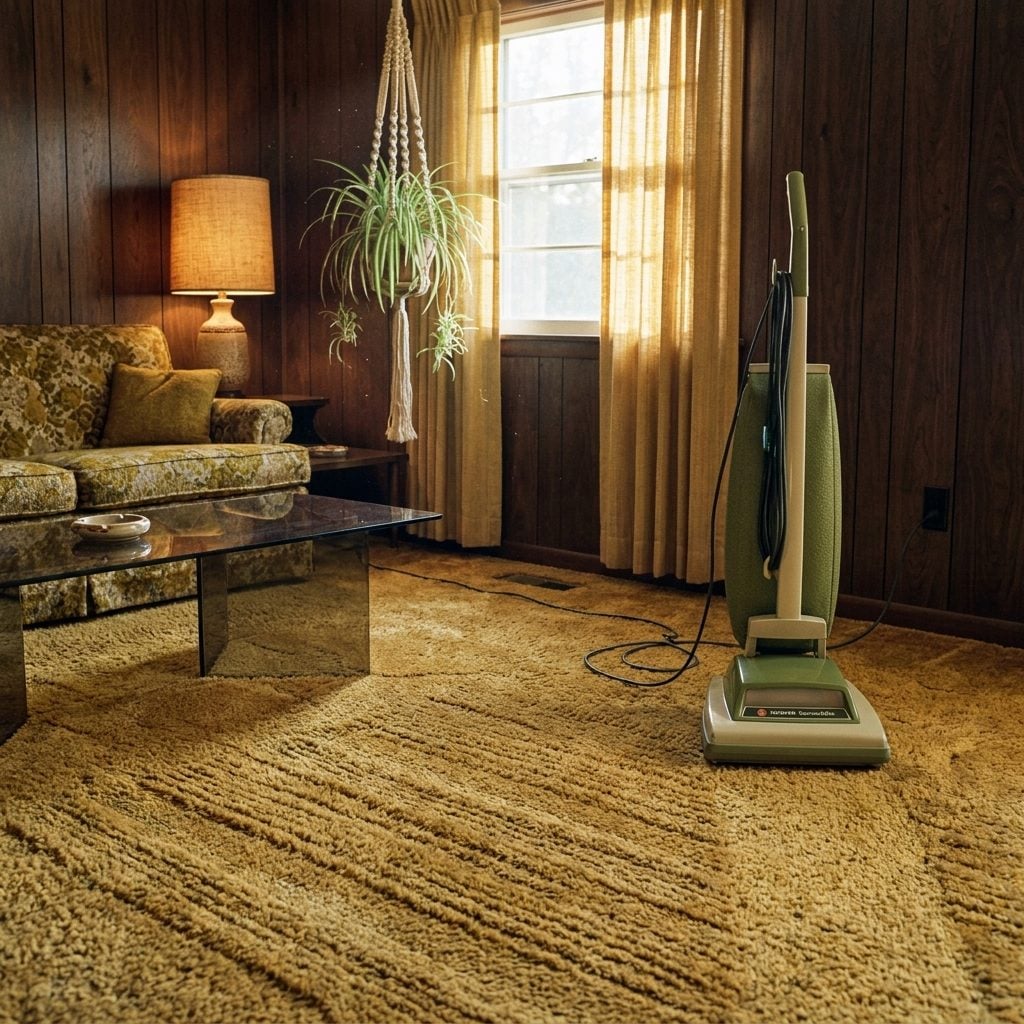
Mom vacuumed on Saturday morning and the tracks were sacred. Perfect corduroy rows running the length of the room, and somehow you were supposed to reach the couch without ruining them.
Nobody managed it. You’d tiptoe along the edge, take a giant leap for the ottoman, land with one heel sunk deep in the pile, and stand there guilty. Destroyed by 10 a.m. Re-vacuumed by dinner if company was coming.
20. The Coins, Cheerios, and Small Toys That Lived in the Pile Forever
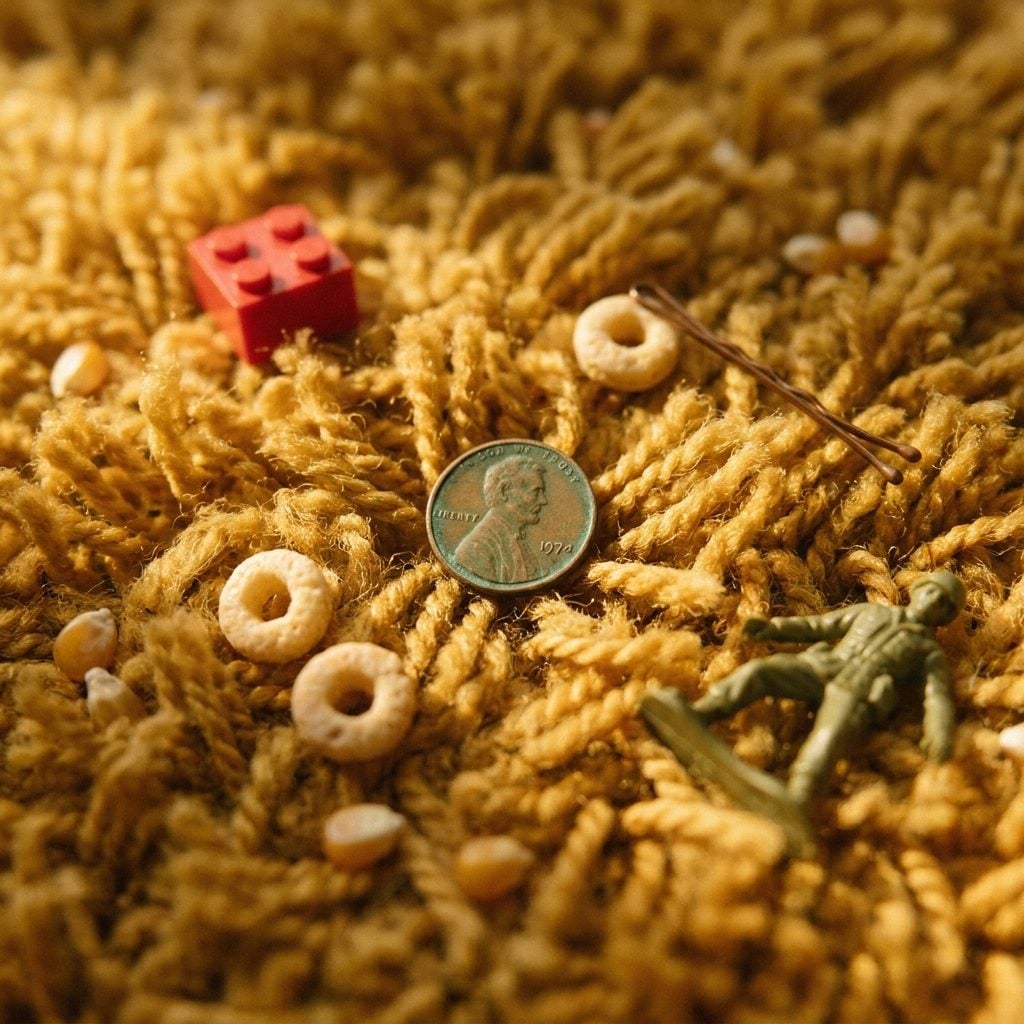
Drop a dime on shag carpet and it was gone. Not gone forever—gone until spring cleaning, which is a different kind of gone.
The pile swallowed everything: Cheerios from breakfast, the missing earring back, a Monopoly hotel, half a broken crayon. Months later you’d find them with your bare foot, which is how most of these discoveries happened. A sudden sharp pain, a reach down, and there was the LEGO piece you’d been accused of losing in October.
19. The Way You Could Draw Shapes in It With Your Fingers
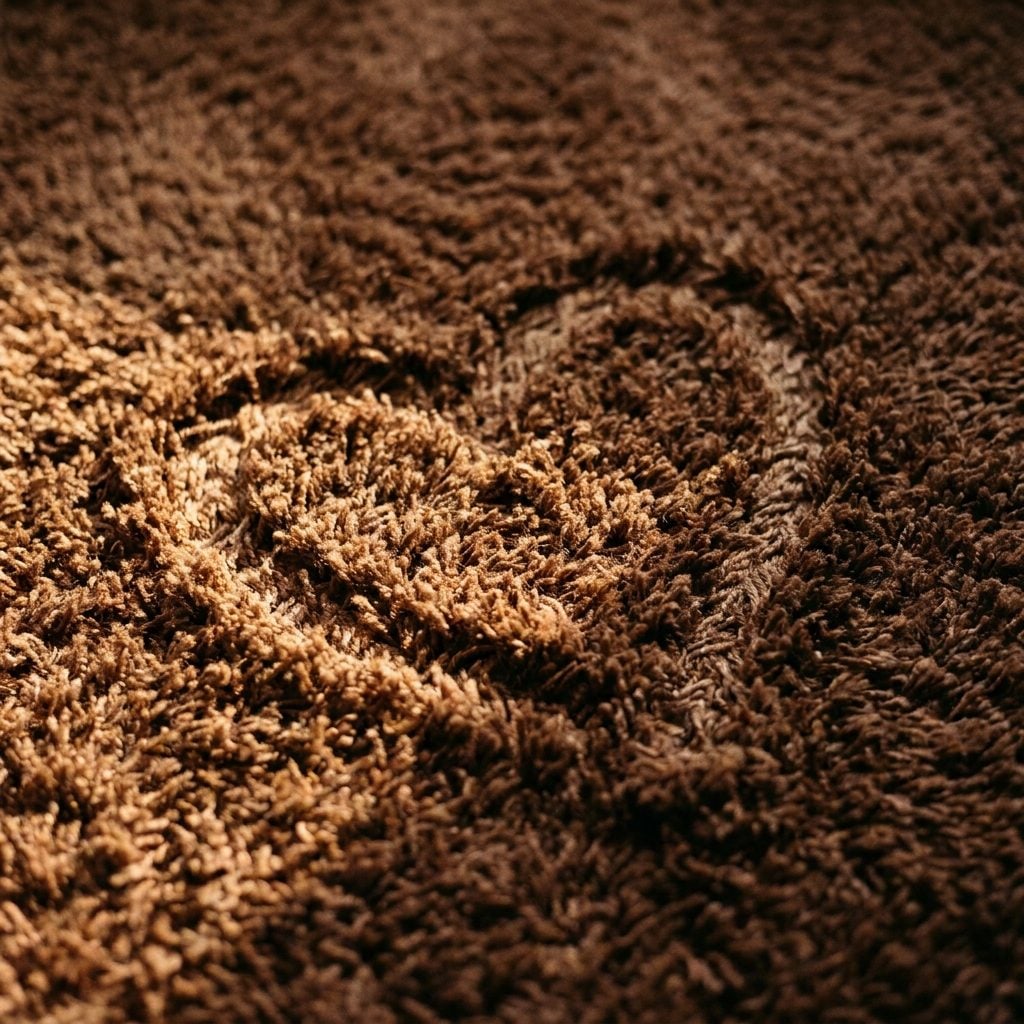
Every kid figured this out around age four. Push your fingers through the pile in one direction and the shag went a lighter shade; push it the other way and it went darker. Suddenly the floor was a canvas.
Hearts. Your name. A smiley face. A giant maze that took twenty minutes and got wrecked the second your brother walked through the room. The best part? You could erase the whole thing with one swipe of your palm.
18. The Shag on the Wall Behind the Waterbed
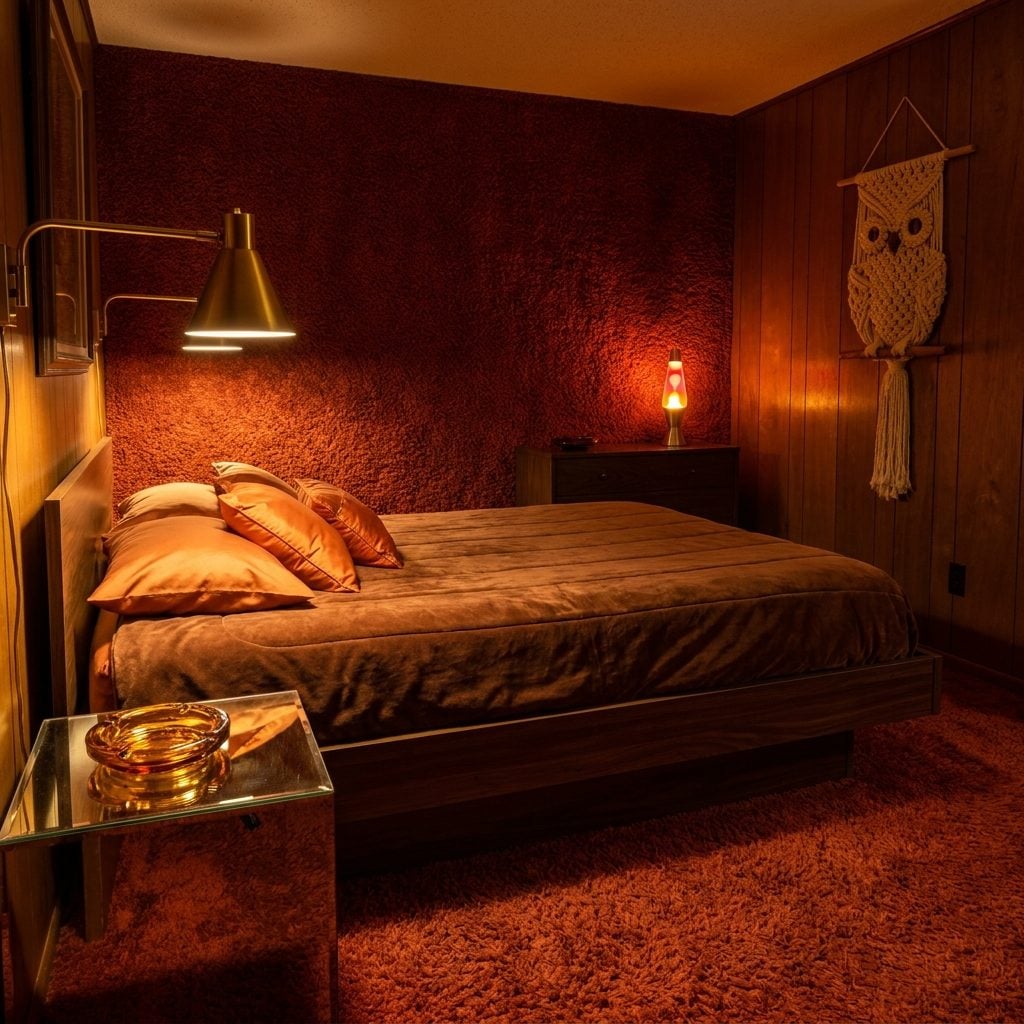
By the mid-1970s, someone had decided the floor wasn’t enough. Shag went on the walls—or at least one wall—usually behind the bed, usually the parents’ bed, usually in a color that matched nothing else in the room.
It absorbed sound. Squint and it looked like a bear pelt. And if you leaned back against it while sitting up in bed, the imprint of your head stayed there until someone raked it out.
17. The Rec Room Shag That Smelled Faintly of Basement
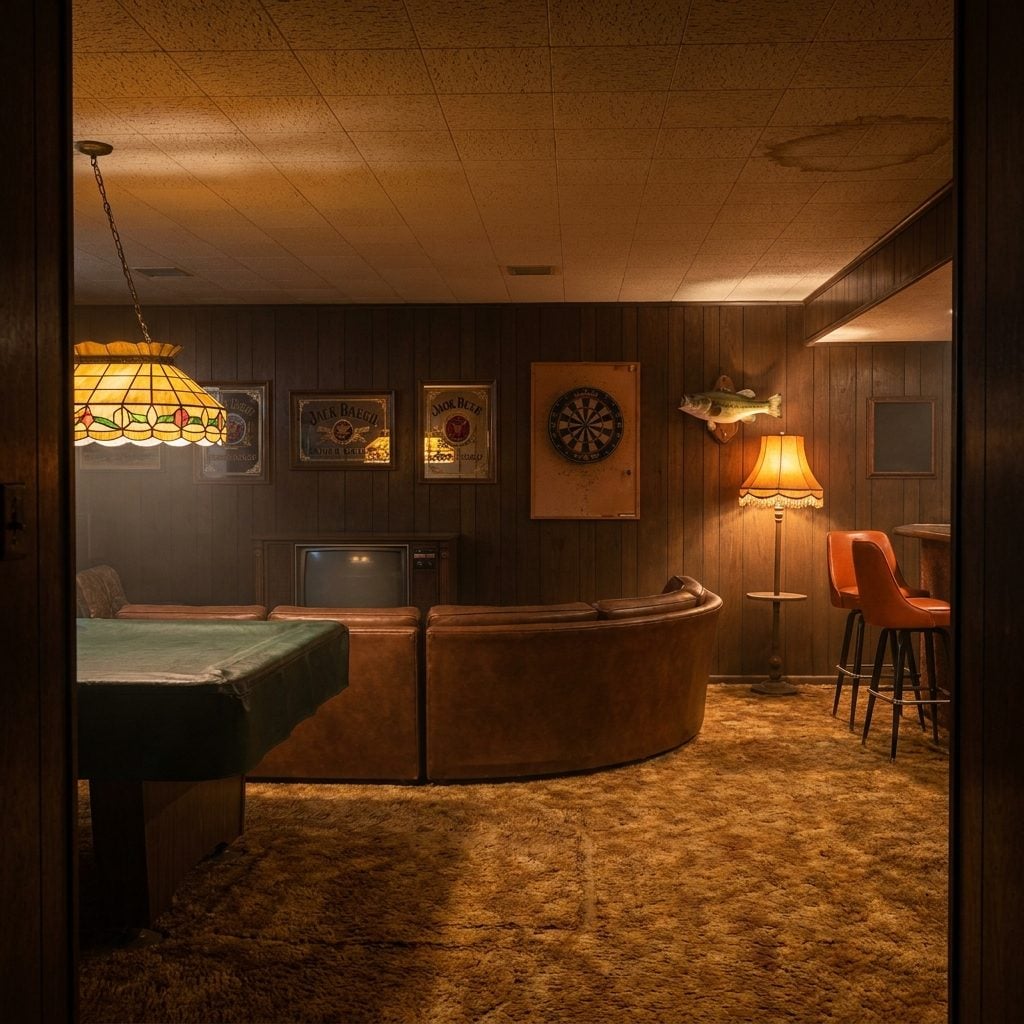
The rec room shag was different. Damper somehow. It held onto every smell the basement produced—cigarette smoke, spilled beer, the faint mildew of a room that never fully dried out after the flood.
You knew you were downstairs before you saw the paneling. Your feet just felt it. This was often the room with the home bar, the ping-pong table, the console stereo, and a couch that had been retired from upstairs after the cat incident.
16. The Shag That Went Right Up to the Fireplace Brick
🔥 Would you like to save this?
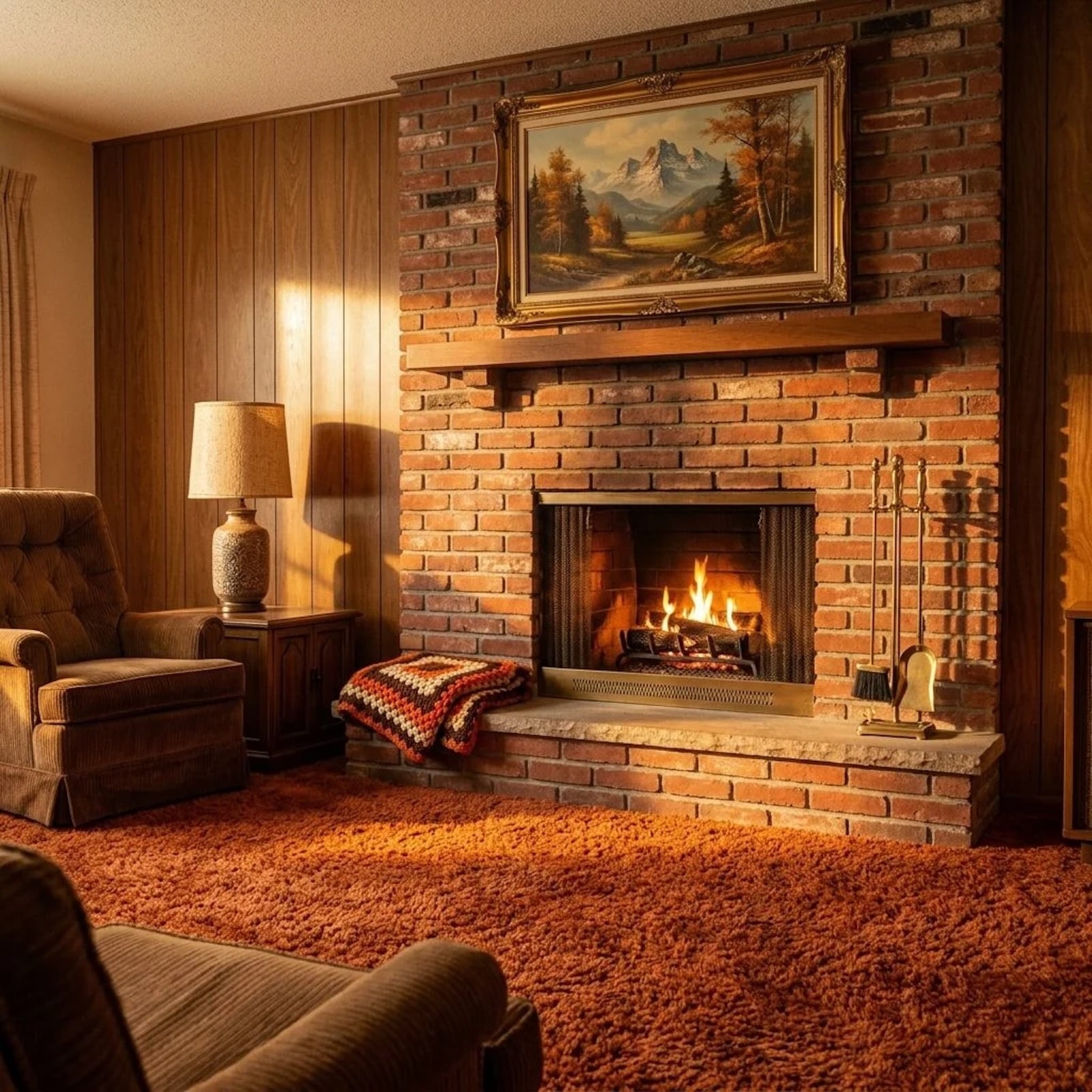
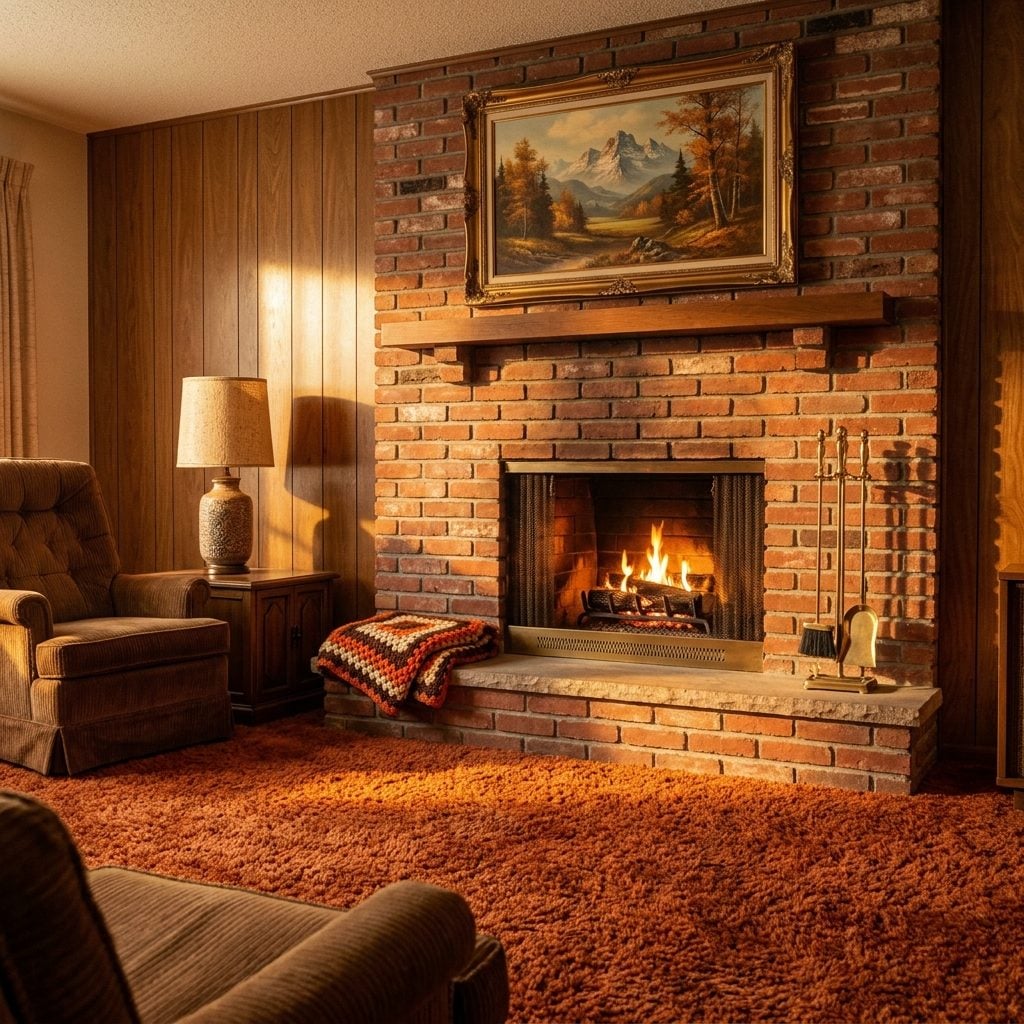
Modern building codes would faint. Deep shag pile ran straight up to the fireplace hearth—no tile apron, no stone border, just carpet meeting brick and a lot of faith.
Scorch marks near the hearth were a fact of life. A popping ember, a stray spark, and there was a new dark spot in the pile that nobody quite got around to fixing.
15. The Fringe Along the Edge of the Area Rug on Top of the Wall-to-Wall
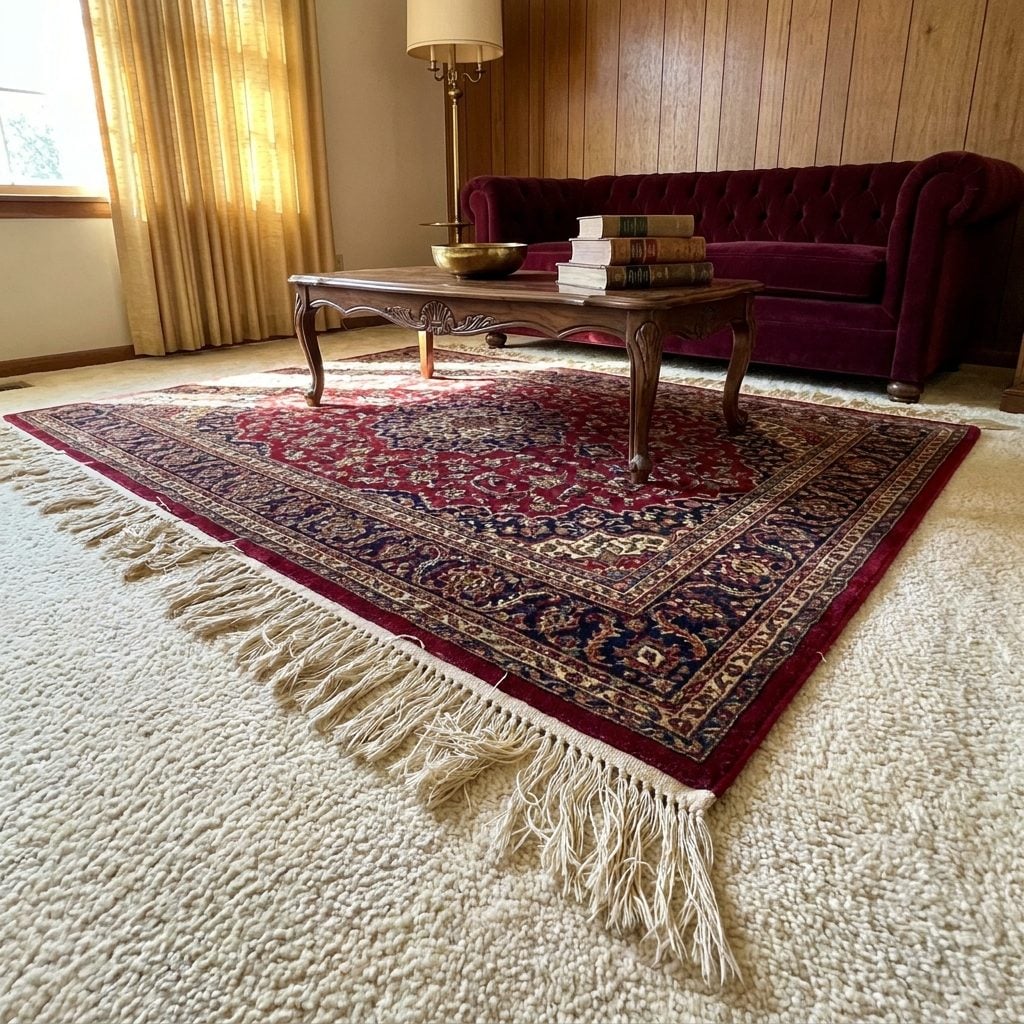
Yes, people put area rugs on top of wall-to-wall carpet. Yes, the rugs had fringe. And yes, the fringe was always a mess.
Every vacuum session ended with someone on their knees straightening those tassels by hand, combing the strands flat one row at a time. Then the cat walked across it, or somebody’s foot caught it, and the whole thing looked like a bad haircut again by the time dinner was served.
14. The Bedroom Shag You Slept On More Than the Bed
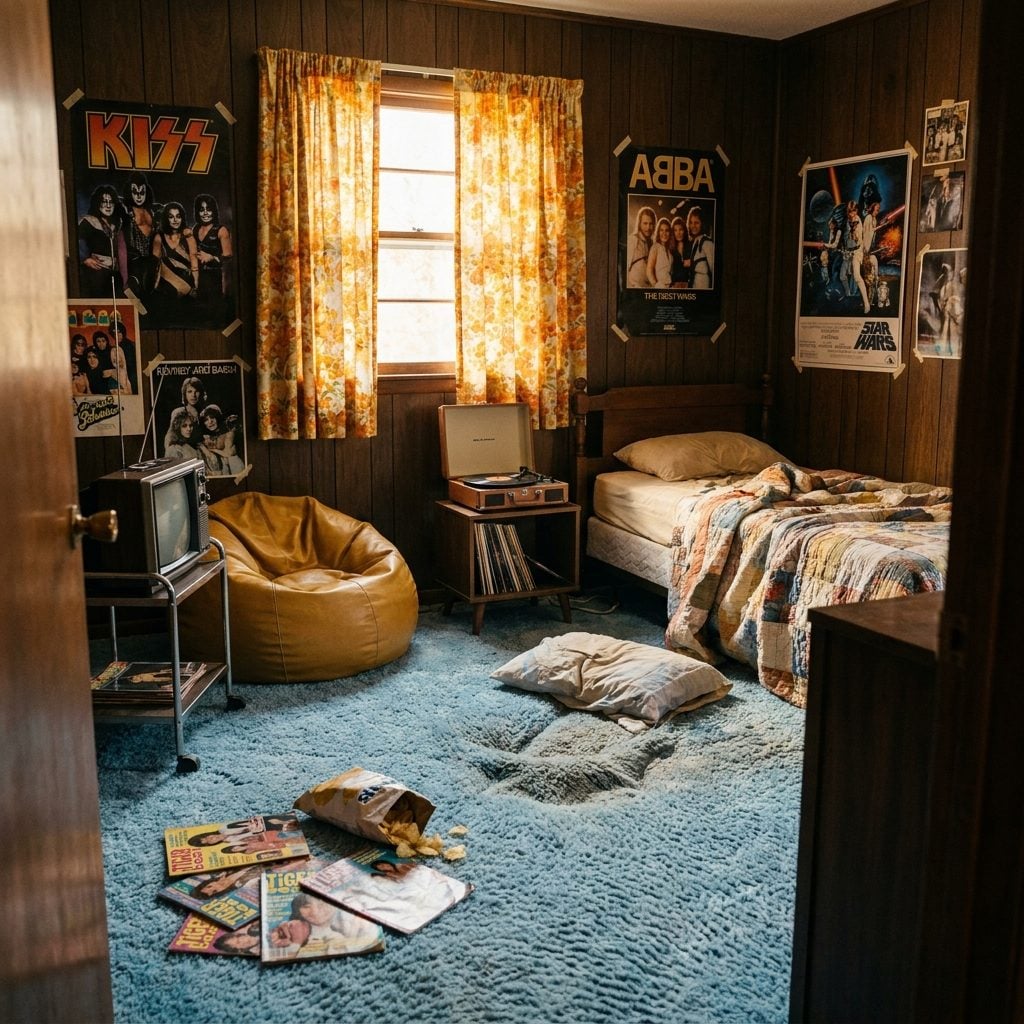
The bed was for sleeping at night. The floor was for everything else.
You did homework on the shag, listened to records on the shag, ate cereal on the shag while watching Saturday morning cartoons until your legs went numb. By the end of the day there was a permanent kid-shaped indent in the pile, a scattered ring of magazines around it, and the bed was still made from that morning.
13. The Shag Under the Console Stereo That Never Got Vacuumed
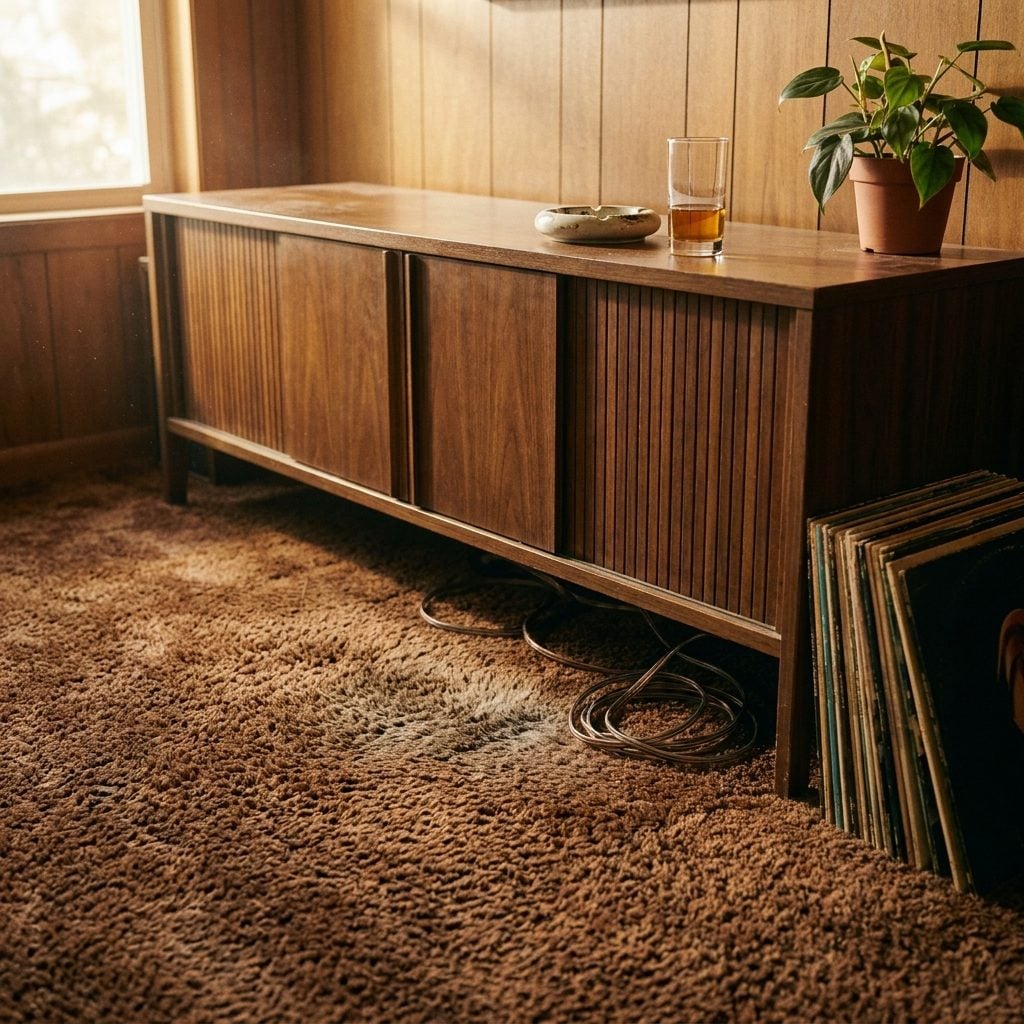
The console stereo was five feet long, weighed as much as a small car, and had not been moved since it arrived in 1973. The shag underneath was a time capsule.
Original color. Original pile height. A perfectly preserved rectangle of what the rest of the room used to look like before the sun, the traffic, and the dog got to it. You only saw it when the family finally upgraded to a stereo rack in 1985, and the shag under there was practically a different carpet from a different house.
12. The First Time It Got Replaced and Everyone Was a Little Sad
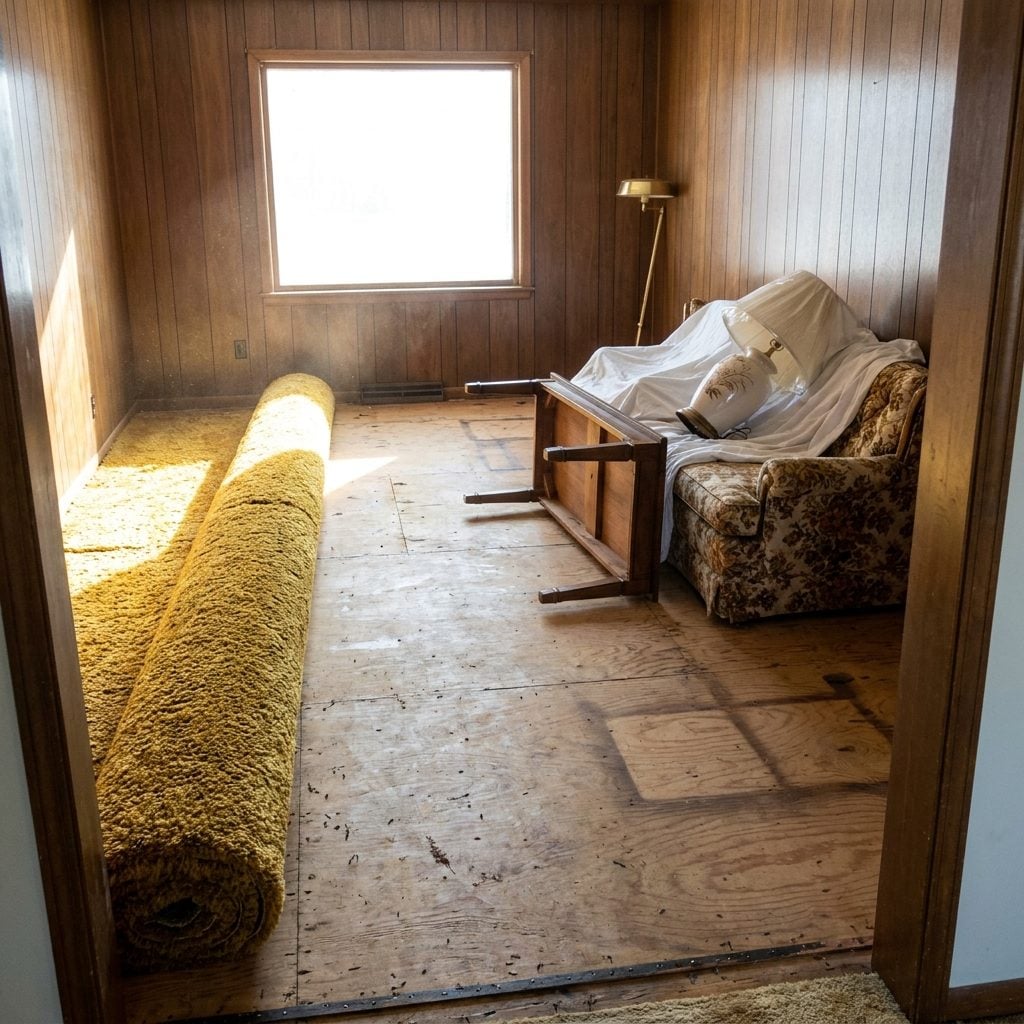
By the mid-80s the shag came up. Berber went down—or worse, that flat commercial-grade beige that felt like sandpaper compared to what had been there.
The day the installers rolled up the old gold pile was the day the house stopped feeling like the house you grew up in. Nobody cried. But everyone stood in the empty room for a minute and noticed how it echoed now, how the light bounced differently off the bare subfloor, how your socks slid on a surface that used to swallow them. Something about that carpet had made the whole place feel soft. And then it didn’t anymore.
11. The Shag Around the Base of the Grand Piano Nobody Played
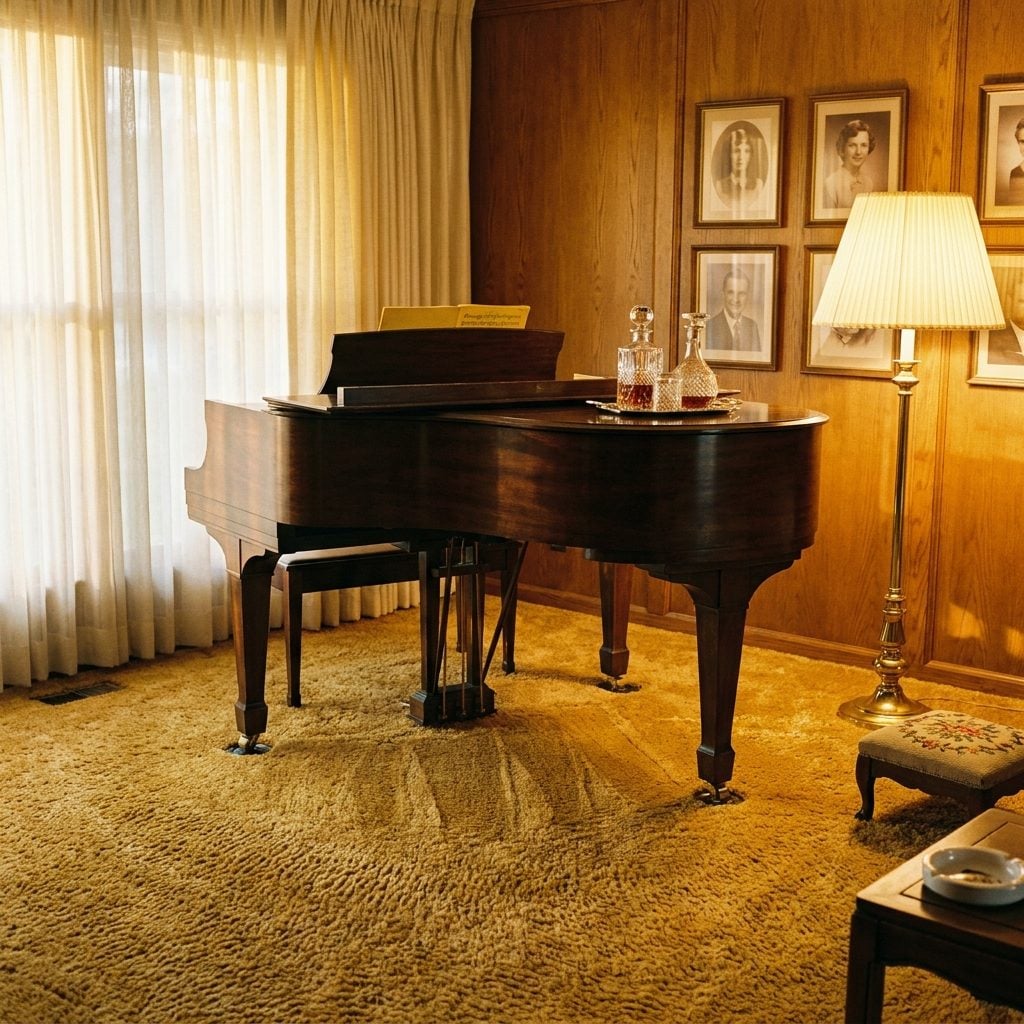
The piano sat in the corner of the living room like a piece of expensive furniture, which is mostly what it was. Somebody’s daughter had taken lessons for two years back in 1974 and quit by Christmas. Her sheet music was still tucked inside the bench.
The shag pooled around the three brass casters and swallowed them up to the axle. Once a year, maybe, the piano got shoved aside for vacuuming, and you’d catch the faint circular impressions before they sprang back. Otherwise, the pile underneath stayed pristine—a perfect rectangle no one had walked on, outlasting every worn patch around it.
When the piano finally sold, the shag underneath looked brand new. Everyone stood around staring at it like they’d discovered a room they didn’t know they had.
10. The Weird Damp Spot Near the Radiator That Never Quite Dried
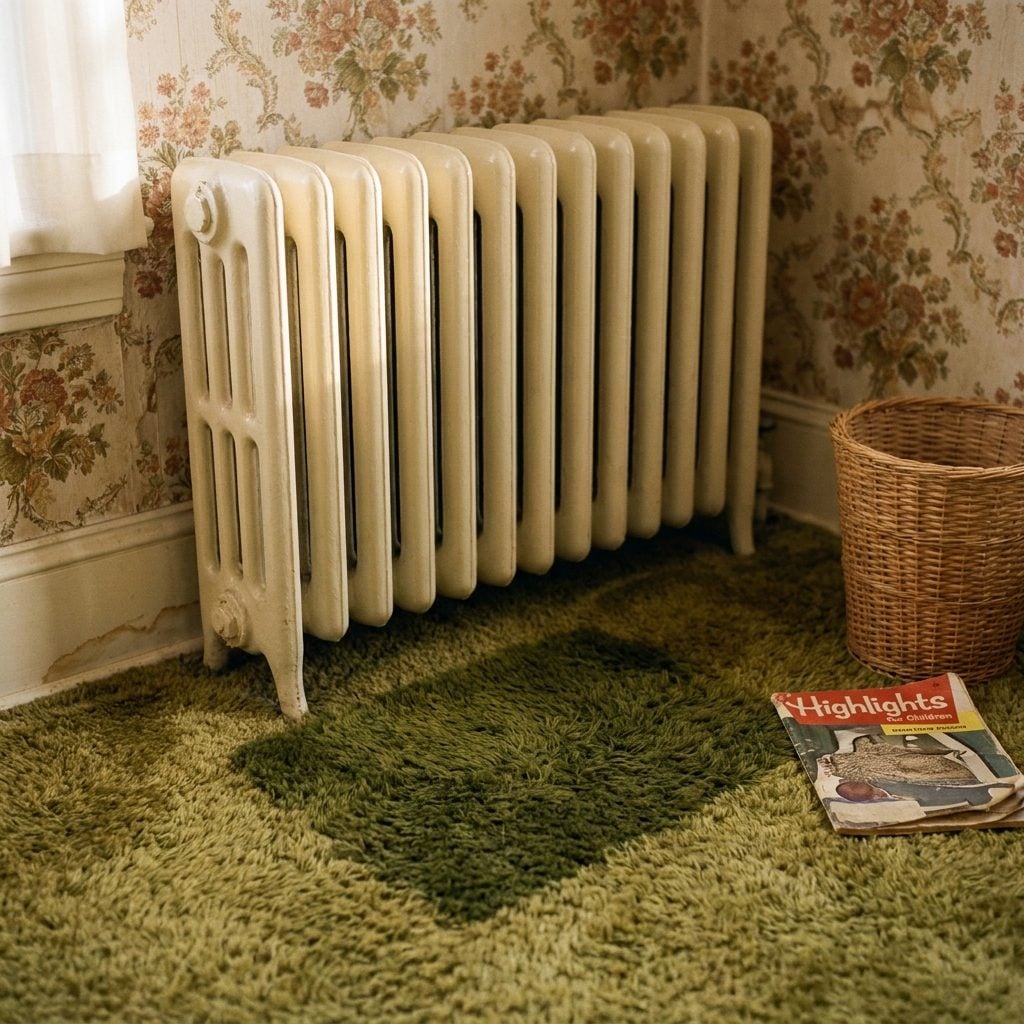
Some radiator-heated houses had a spot like this—a dark patch in the shag where the pipes met the floor, a shade deeper than the rest and cool to the touch even in July.
The dog found it first. Then you’d find the dog.
Nobody talked about it, nobody fixed it, and by the time the house finally sold, that spot had permanent residency. Part of the floor plan by then.
9. The Long Runner Down the Hallway That Muffled Every Late-Night Footstep
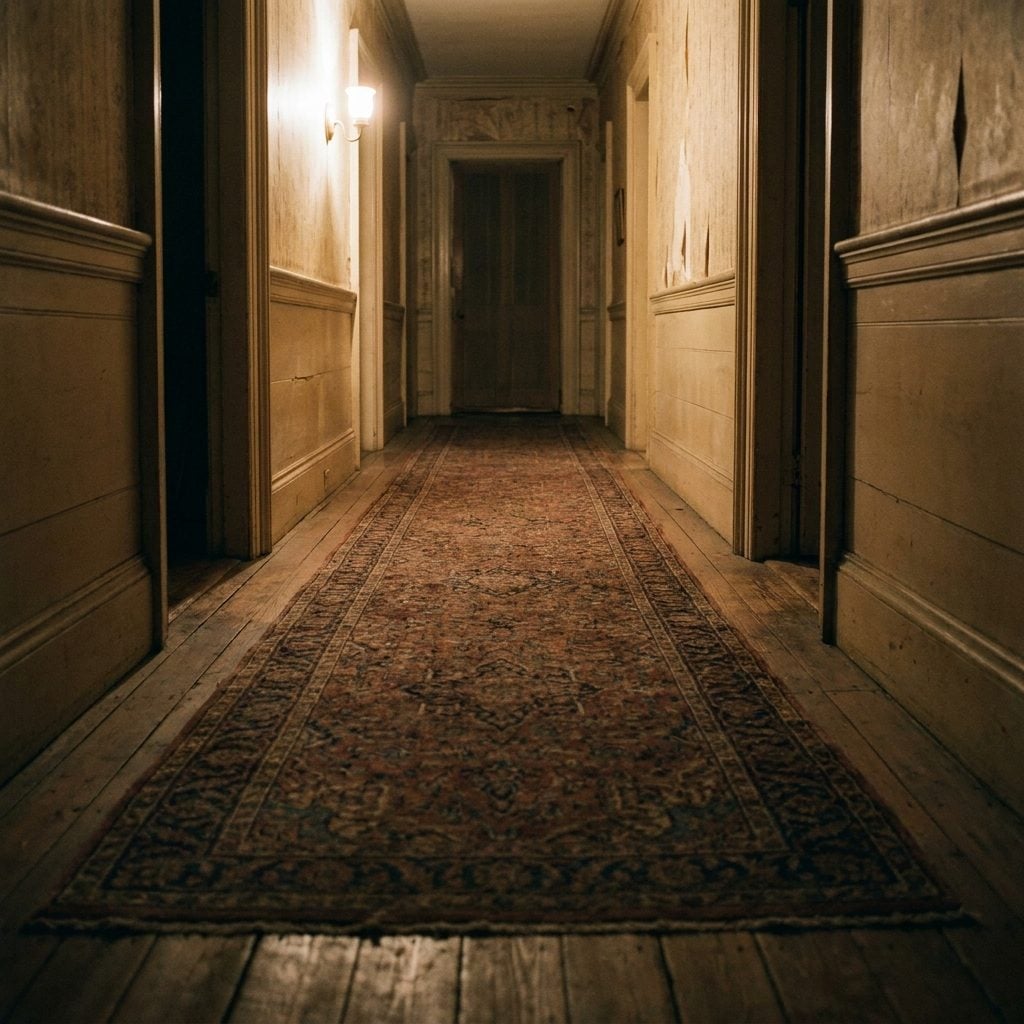
You knew the exact three floorboards that creaked, and the shag was there to save you from all of them—a twelve-foot runway of deep-pile carpet in bronze, copper, or one of those colors that does not have a name anymore. It ran down a narrow hallway lined with framed school photos beneath a lamp that always seemed slightly too dim.
Sneaking out for a glass of water at midnight became an art form. Bare feet, shag, silence. The house never heard you coming.
8. The Corner Where the Cat Had Been Working on the Same Patch for Six Years
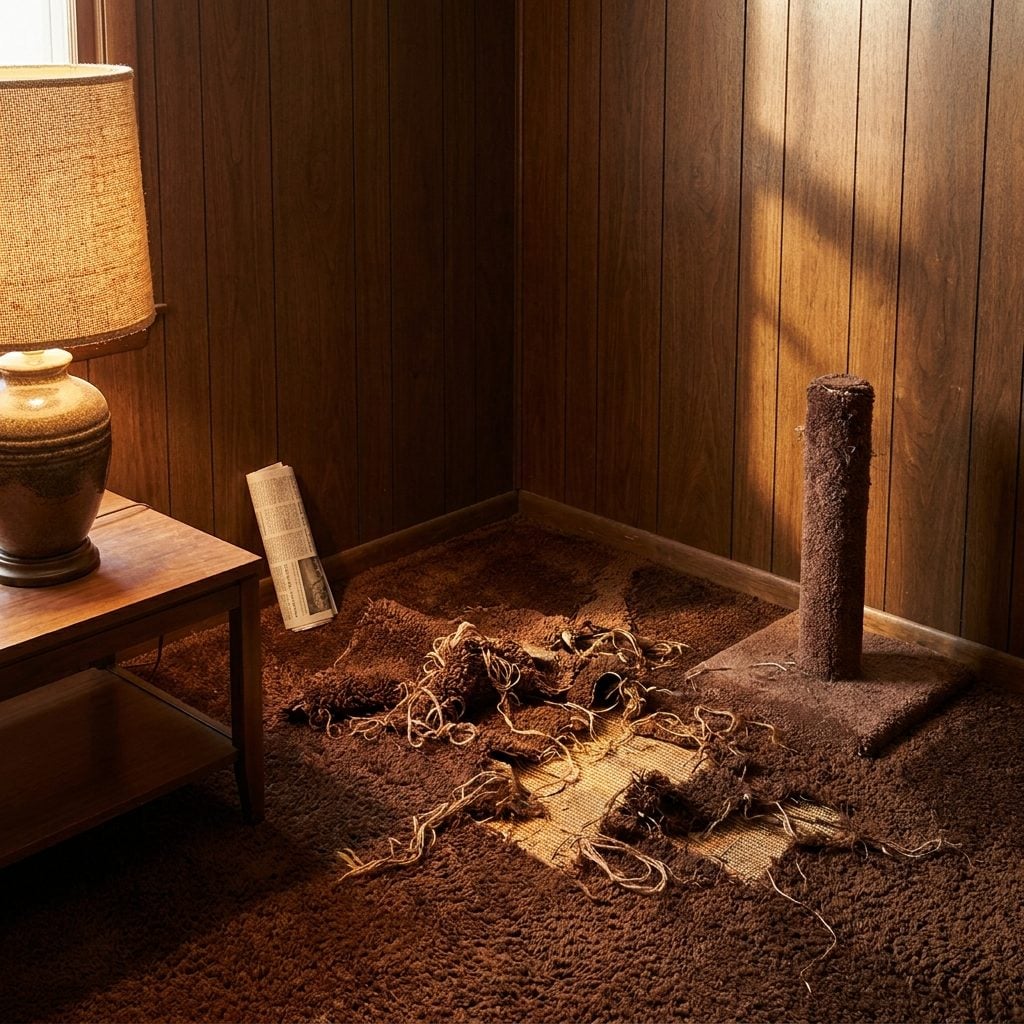
Every shag house had one. Behind the recliner, or in that sliver next to the stereo cabinet, the cat had been quietly conducting demolition since the Ford administration. The pile there wasn’t pile anymore—it was a matted, hooked, pulled-up zone of loops standing at attention, some yanked clean out and lying next to their former neighbors like little green corpses.
Nobody stopped her. You’d catch her mid-knead, glance at the damage, sigh, and keep walking. The corner was hers. Everyone had made peace with it years ago, and honestly, arguing with a cat about carpet was a losing proposition on principle.
When the shag finally came up during some late-80s renovation, that patch told the story of a whole cat’s life in one square foot of avocado green.
7. The Shag That Ran Right Up and Under the Baseboard Heater
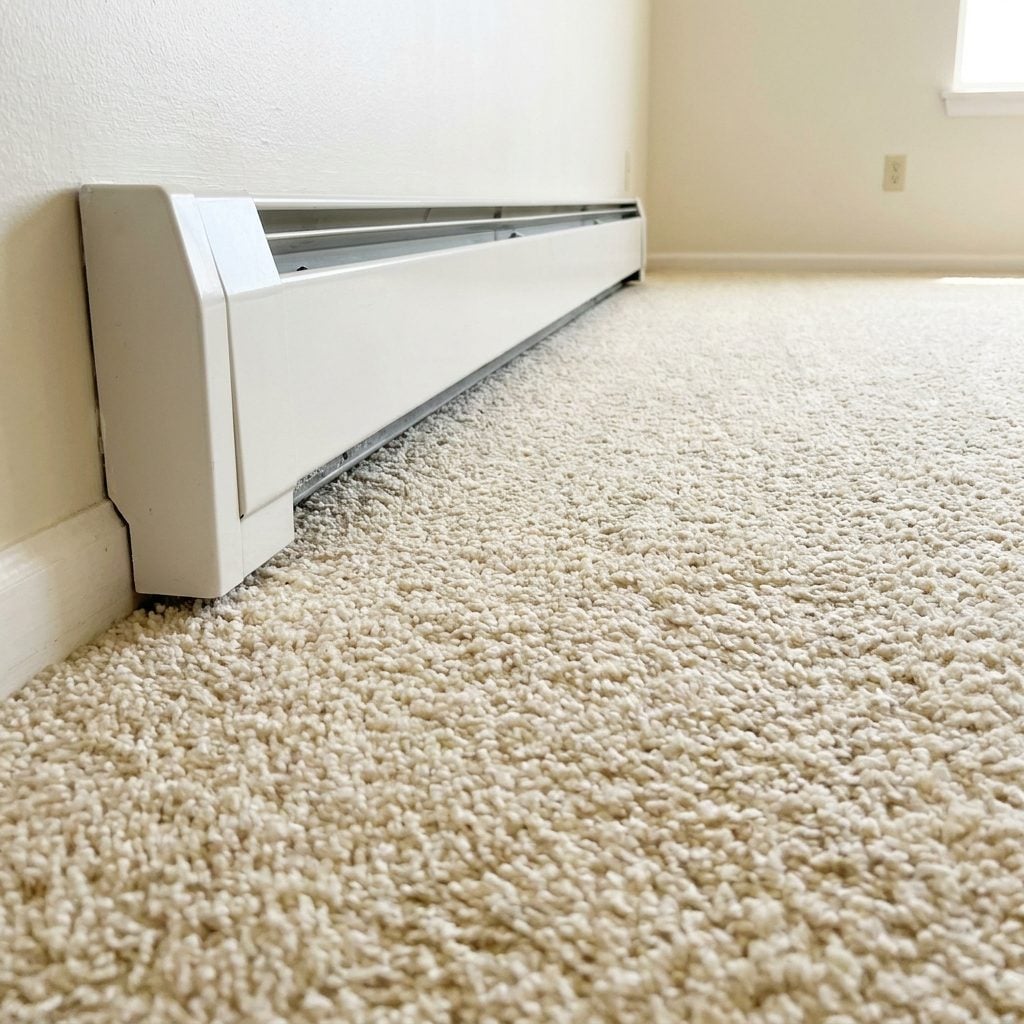
Somebody made a decision, and that decision was to let the shag meet the baseboard heater with no buffer zone whatsoever. Metal housing, heated fins, thick synthetic pile—what could possibly go wrong? The fibers right at the edge would get stiff and darker and faintly toasted looking, and you were told never to leave anything within a foot of it.
Every winter the house smelled faintly of warm carpet. Not burning. Just warm. You’d recognize it in a second, and you have not smelled it in forty years.
6. The Shag Under the Christmas Tree That Held Pine Needles Until March
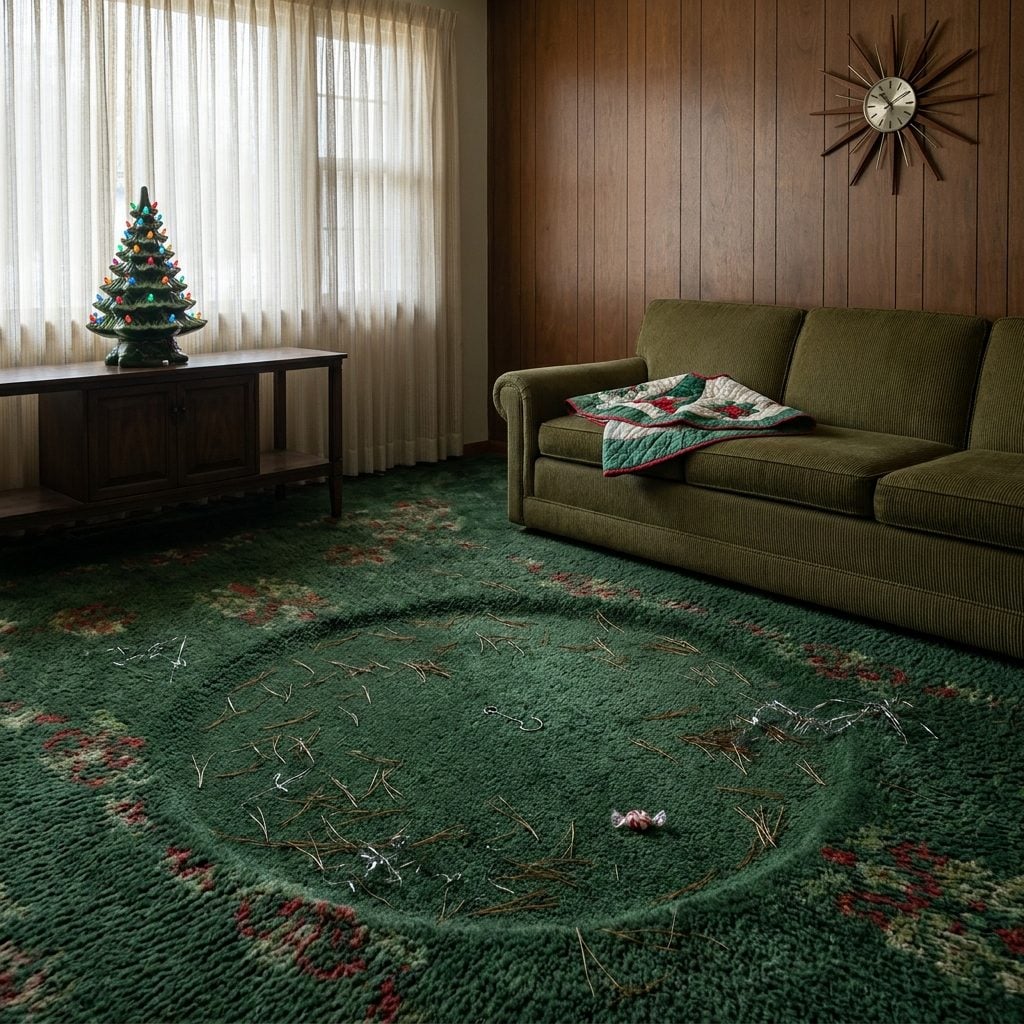
The tree came down on New Year’s Day. The needles stayed until the tulips came up.
You’d be walking through the living room in April, barefoot, and one would find the soft spot between your toes. Neither the vacuum nor the shag rake ever got them all. They worked their way down to the backing and set up camp, still holding that faint pine smell months after the tree itself had been dragged to the curb and forgotten about entirely.
Every so often your mom would give up, get on her hands and knees, and pick them out one by one while Phil Donahue played in the background. Half a coffee mug’s worth. Two weeks later, another one in your heel.
5. The Stiff Carpet Patch Where Something Terrible Once Happened
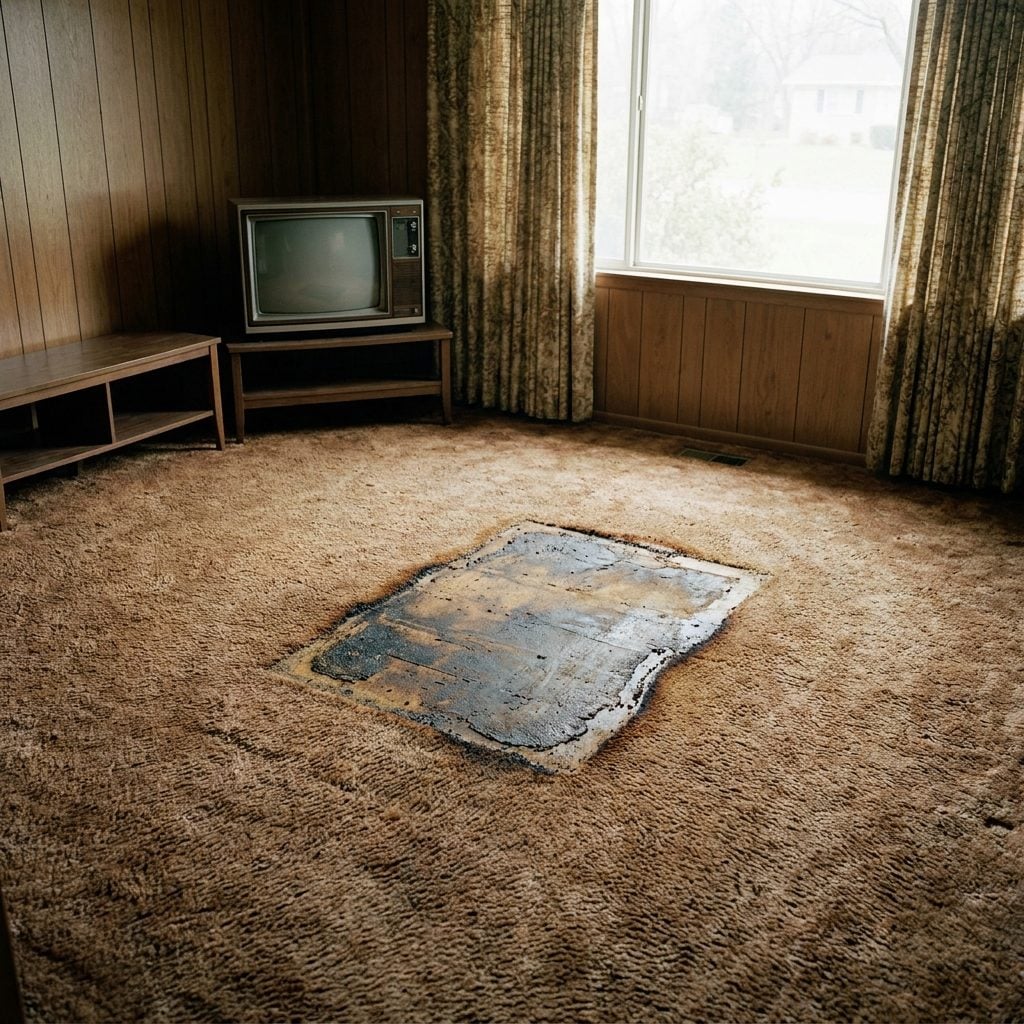
Grape juice. Nail polish. That one time with the fondue pot.
Every 1970s living room had at least one spot where the shag had been aggressively rehabilitated, and the evidence was a stiff, faintly discolored patch that never quite matched the surrounding pile. The stain was gone. Everyone agreed the stain was gone. But the patch was there, and the patch would be there forever, and you knew exactly where it lived even in the dark.
4. The Way You Could Feel the Concrete Slab Underneath in Certain Spots
🔥 Would you like to save this?
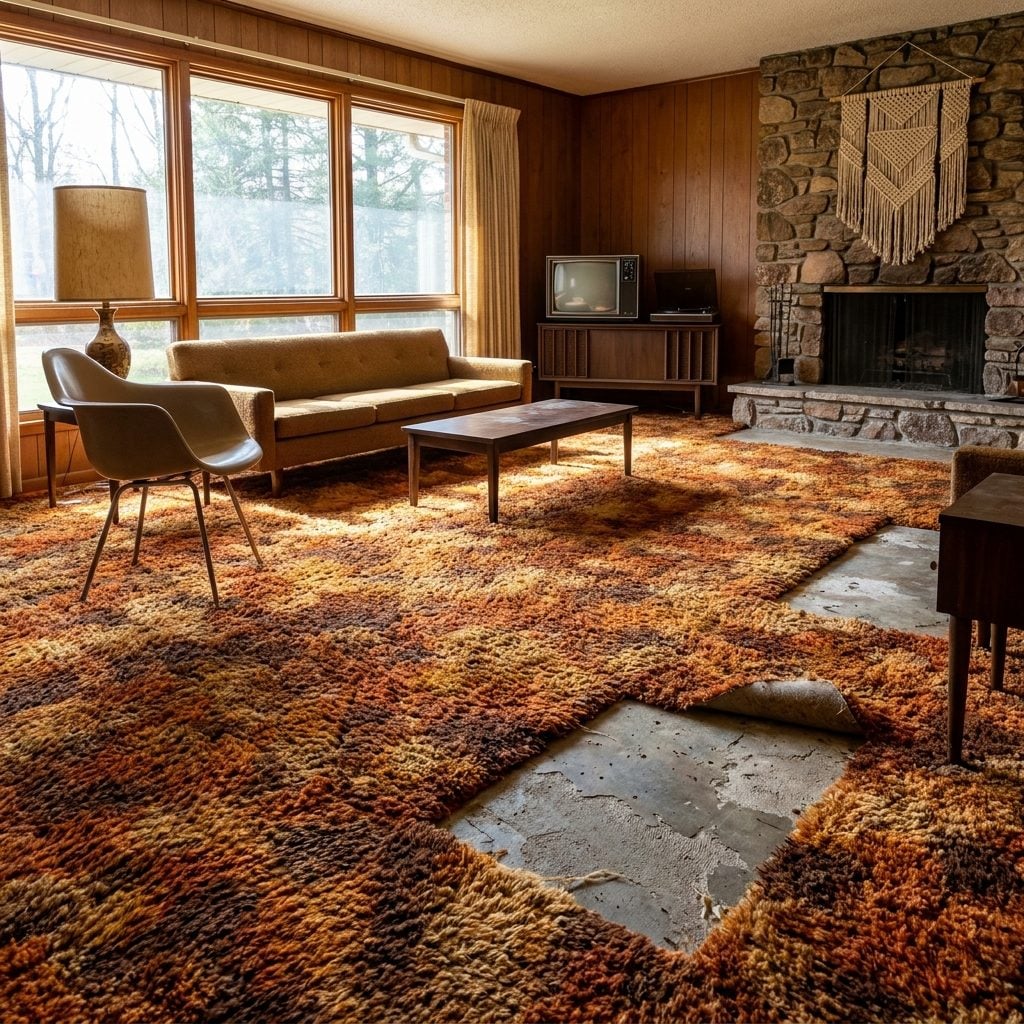
Basement rec room, converted garage, addition off the back of the house—somewhere in the pile, your foot found that one cold patch where the padding had thinned or given up entirely, and there was nothing between you and the slab but a quarter-inch of matted synthetic fiber.
You’d flinch. Step around it. Forget about it until next time. The shag was warm and forgiving everywhere else, but that one spot was the house reminding you it was, technically, still a building.
3. The Shag Under the Beanbag Chair That Left a Perfect Circle When You Moved It
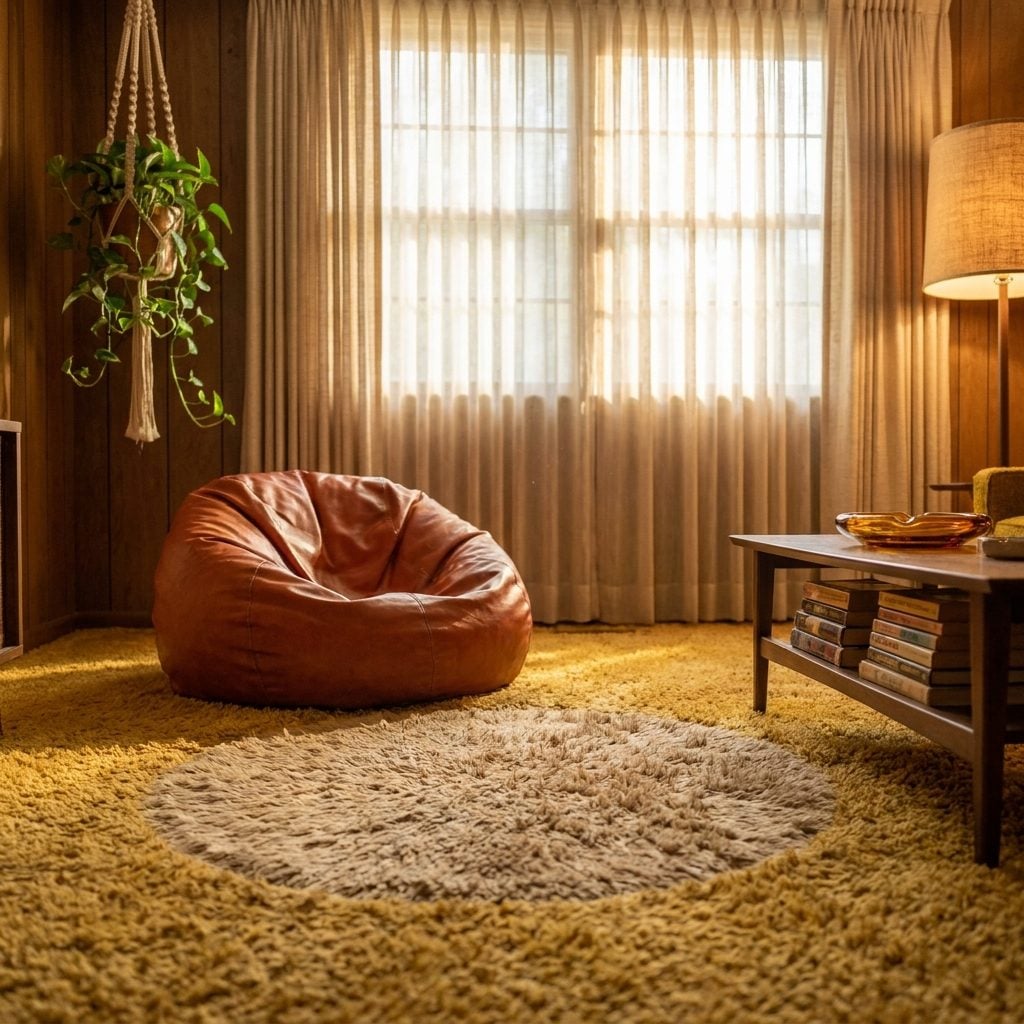
You’d drag the beanbag six inches to the left and there it was—a pale, flattened crop circle in the exact shape of your favorite reading spot, pile crushed so completely it looked like a different carpet altogether.
The fluffing never quite worked. You’d rake at it with your fingers, maybe attack it with the shag rake if you were feeling ambitious, and the circle would soften but never disappear. A receipt. Proof of every Saturday afternoon spent halfway inside that beanbag with a stack of comics and a warm can of Tab.
2. The Shag in the Formal Living Room You Weren’t Allowed to Walk On
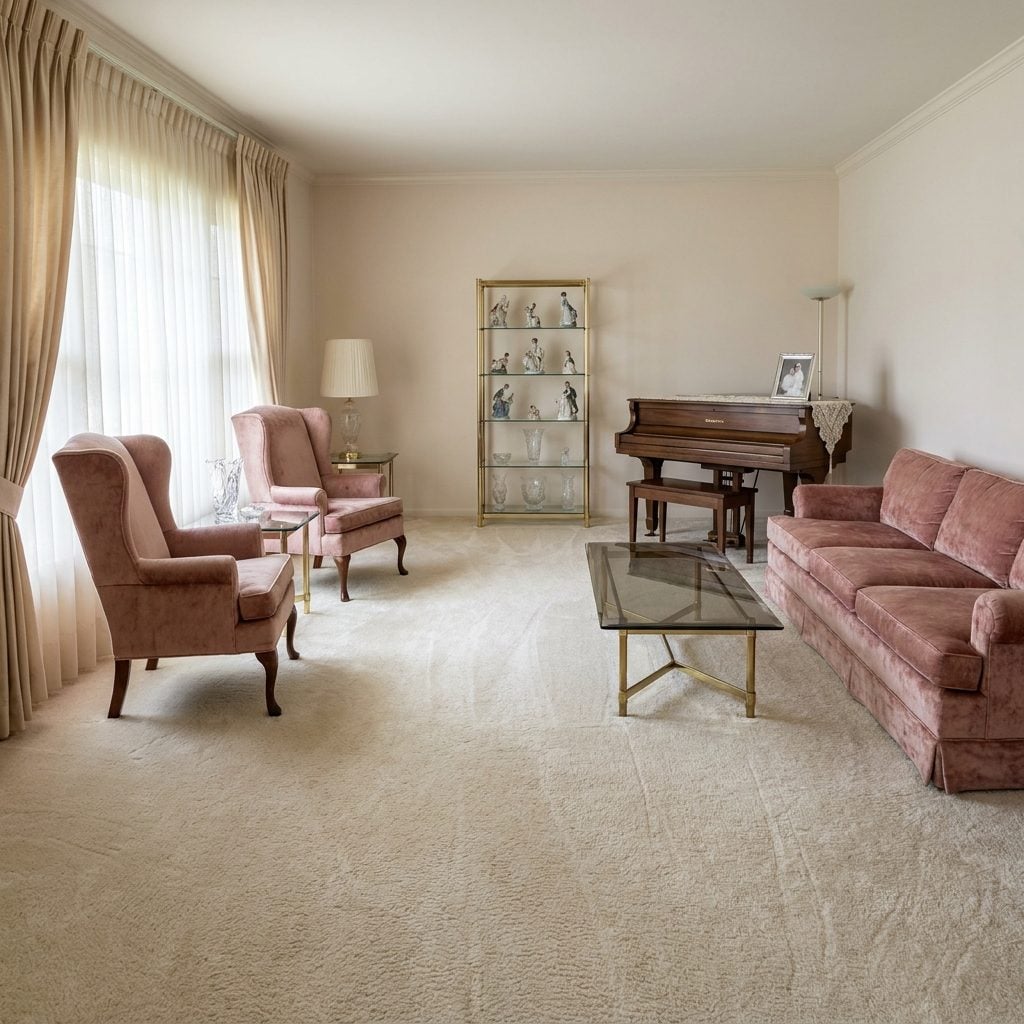
Every house had one. The room that existed purely to prove the family was doing fine.
Shag in there ran a shade lighter than everywhere else—cream, or the palest possible gold—and it never once carried a footprint. You walked around the doorway rather than through it, because the vacuum tracks were sacrosanct and your mother’s ear was tuned to the sound of pile being disturbed by anyone under thirty. Company sat in there twice a year, maybe on Easter and whenever the pastor came by. Grandma’s ceramic figurines got the good real estate on the étagère, and you got the den with the plaid couch and the wobbly TV tray.
Some kids never actually stood in their own formal living room until they were old enough to help move furniture out of it.
1. The Way the Shag Held the Shape of Every Piece of Furniture That Had Ever Sat On It
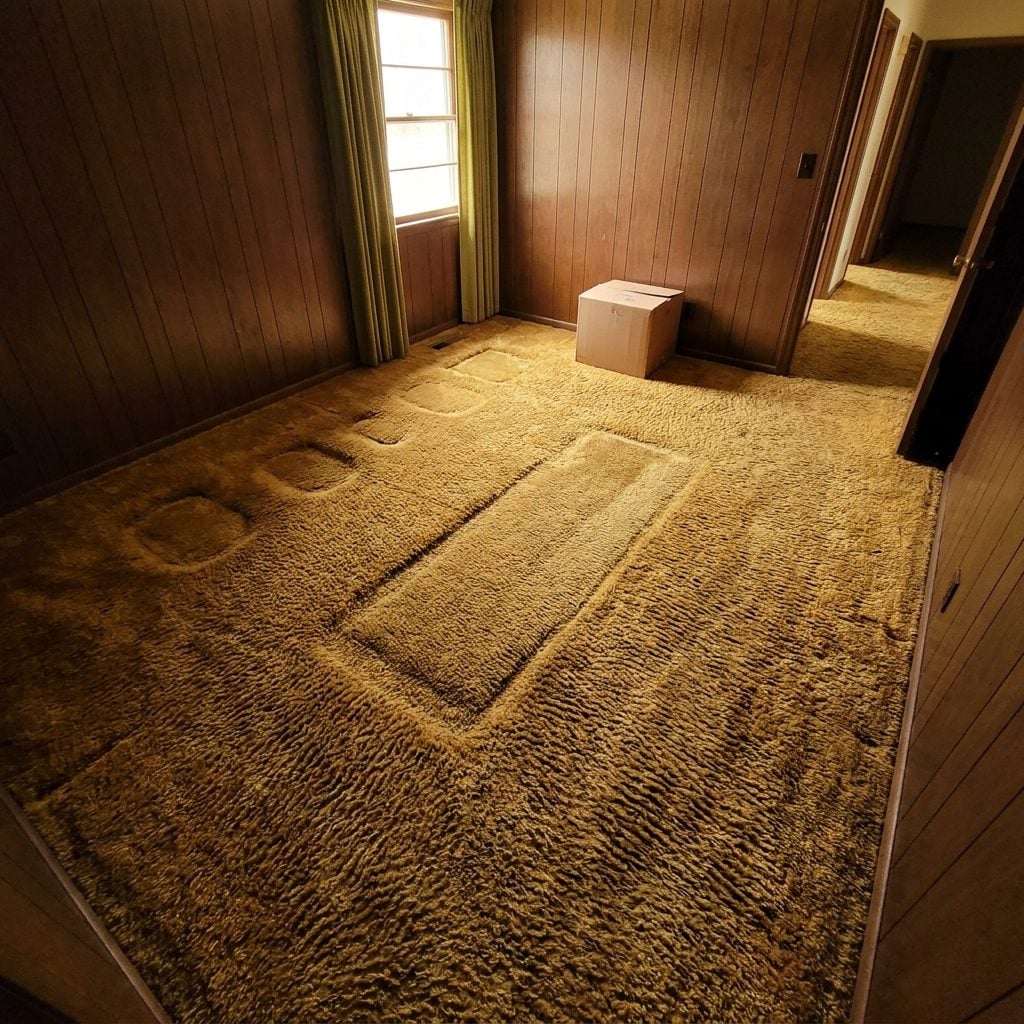
Moving day was when you learned the whole history of the room.
Four deep circles where the dresser feet had pressed for a decade, a long rectangle where the bed frame had lived, a smaller square by the window where the nightstand used to sit. The pile between those impressions was fluffy and full and a shade darker, because years of sunlight and vacuum tracks had worked it over while the protected patches underneath stayed frozen in some earlier version of the same room.
You’d stand in the middle of that empty room and read it like a floor plan of your own childhood. Bed went here. Desk went there. This was where you sat cross-legged doing homework with the radio on. And the shag remembered all of it, right up until Thursday, when it got rolled and hauled to the curb without ceremony.