🔥 Would you like to save this?
Every night at 9 p.m., Mari and her husband meet in the kitchen for snacks.
They’ve already had dinner together.
They’ve already cleaned up.
They’ve probably gone to separate rooms.
Doesn’t matter.
Nine o’clock: kitchen.
Then at 10 p.m., they meet there again to say goodnight.
I love this.
Mari is 57 and lives with her husband in Lexington, Kentucky. There’s also a cat, whom Mari listed as “Momma cat,” which feels like sufficient introduction.
The humans have their own bedrooms.
Their own spaces.
Quite a few of their own responsibilities.
And apparently scheduled kitchen rendezvous.
Mari describes herself as good at keeping a daily schedule, and after reading how evenings work in this house, I believe her.
Supper starts around 6 or 6:30.
They eat at the kitchen table around 7.
And then they stay there.
“sit talking at the table until we have to get up”
That’s a nice detail.
Not until dinner is over.
Until they have to get up.
Eventually they both clear the table. He unloads the dishwasher. Mari loads it and runs it.
Sometimes they’ll watch a movie together.
More often, they separate.
“he goes to his room and I go to the office”
And this is where their evening could easily end.
It doesn’t.
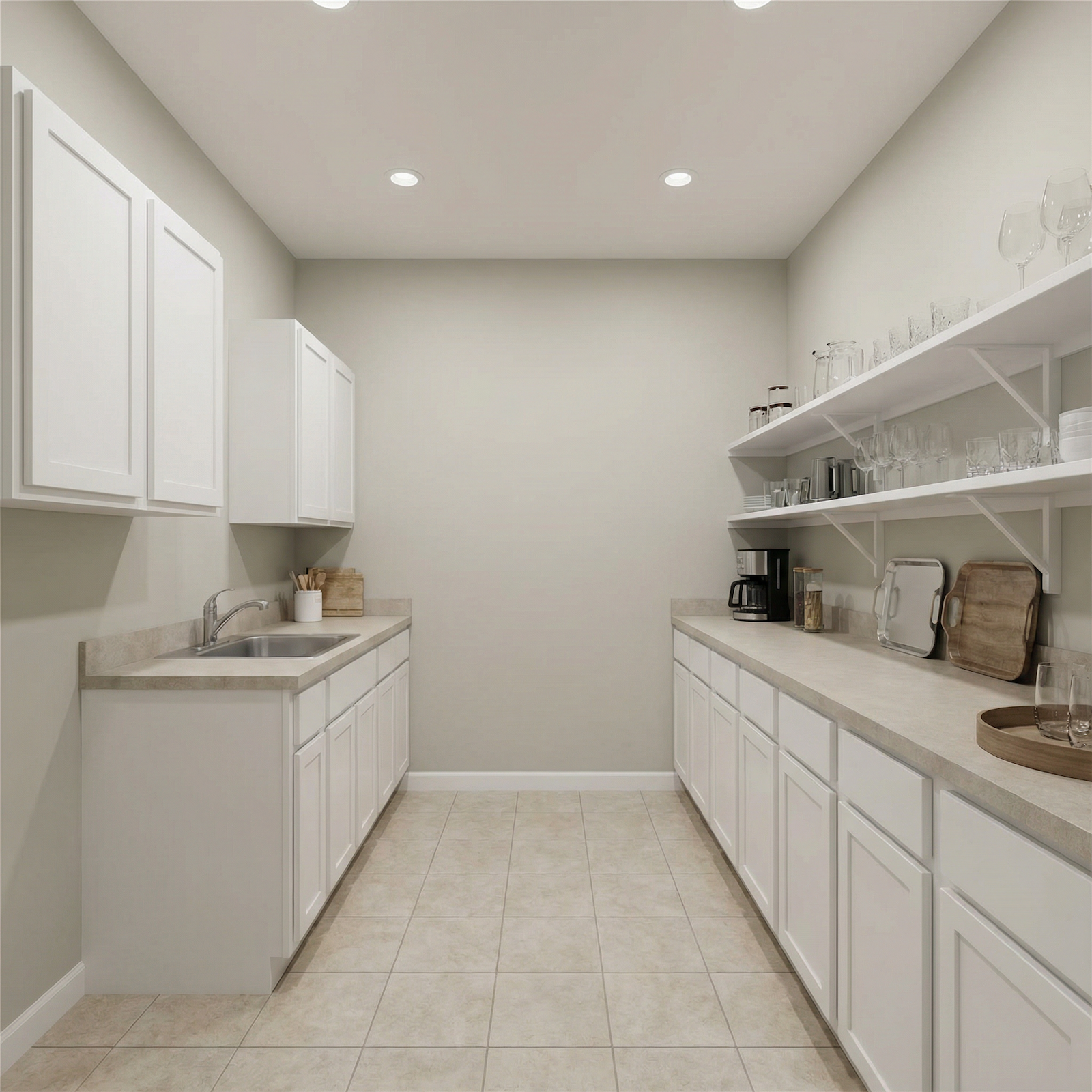
“we meet in the kitchen at 9 for snacks
we meet in the kitchen at 10 for good nights”
There’s something wonderfully specific about that arrangement.
I don’t know whether either meeting is officially scheduled. Mari didn’t say her husband has a recurring calendar notification titled SNACKS WITH WIFE.
I hope not.
Although I wouldn’t entirely rule it out in a household run by someone who lists “I have a daily schedule” as the thing she does particularly well.
After the 10 p.m. goodnight, her husband goes to bed.
Mari goes back to the office.
She stays there until one or two in the morning.
So these aren’t two people who happen to sleep separately because somebody snores and eventually bought a mattress for the guest room.
At least that’s not how Mari describes it.
They have their own bedrooms.
Her husband is responsible for his bedroom and his bathroom. He also handles his own laundry, the garbage and the litter.
Mari does most of the cooking.
Dishes are shared. Laundry overall is shared. General cleaning and grocery shopping are shared. They pay for help with repairs, maintenance and yard work, while her husband mostly handles the household finances.
It’s a fairly defined system without sounding like they’ve drafted bylaws.
And they eat dinner together seven nights a week.
Every night.
That detail matters more to me after learning about the separate bedrooms.
It’s easy to see “husband and wife have their own bedrooms” and start constructing a story around it.
We’re nosy. Of course we do.
Separate bedrooms must mean something.
Maybe it does.
But then you find out they eat dinner together every single night, sit at the table talking until they have to get up, meet again for snacks at nine and reconvene once more at ten just to say goodnight.
Now the separate bedrooms look different.
This is why I like asking people what actually happens on a Tuesday instead of asking them whether they have a “close relationship.”
People can do whatever they want with that phrase.
A 9 p.m. snack appointment tells me something.
Mari works from home in a call center for Baptist Health, and the home office is where she says the household spends the most time together.
The living room, meanwhile, barely gets used.
Again, not what I would have guessed.
Detached house. Married couple. Living room.
Nope.
Apparently the action is elsewhere.
There are also rules.
No shoes in the house.
And absolutely no smoking of any kind.
Straightforward enough.
Mari says her current household is completely different from the one she grew up in. When I asked for the biggest difference, she wrote:
“we live each other”
I’m almost certain she meant we love each other.
I’m leaving her answer alone because that’s what she wrote, but either way, it stopped me.
Completely different.
We love each other.
That’s quite a lot packed into four words.
She didn’t elaborate.
Sometimes people hand me an entire doorway into their life and then shut it before I can look around.
Fair enough.
Mari has fewer regrets about the house itself.
I asked what she wishes she’d done differently.
“had both showers converted to walk-ins instead of just the one. and I should have had that one made zero-entry.”
Now this is the sort of regret you acquire from actually living in a house.
Not marble versus quartz.
Not whether the kitchen should’ve been painted green.
I should have made the shower easier to step into.
At 57, Mari already knows something many of us discover after spending a ridiculous amount of money renovating a bathroom: you may eventually care considerably more about the height of a shower curb than the tile.
Her fridge door tells me nothing.
Literally.
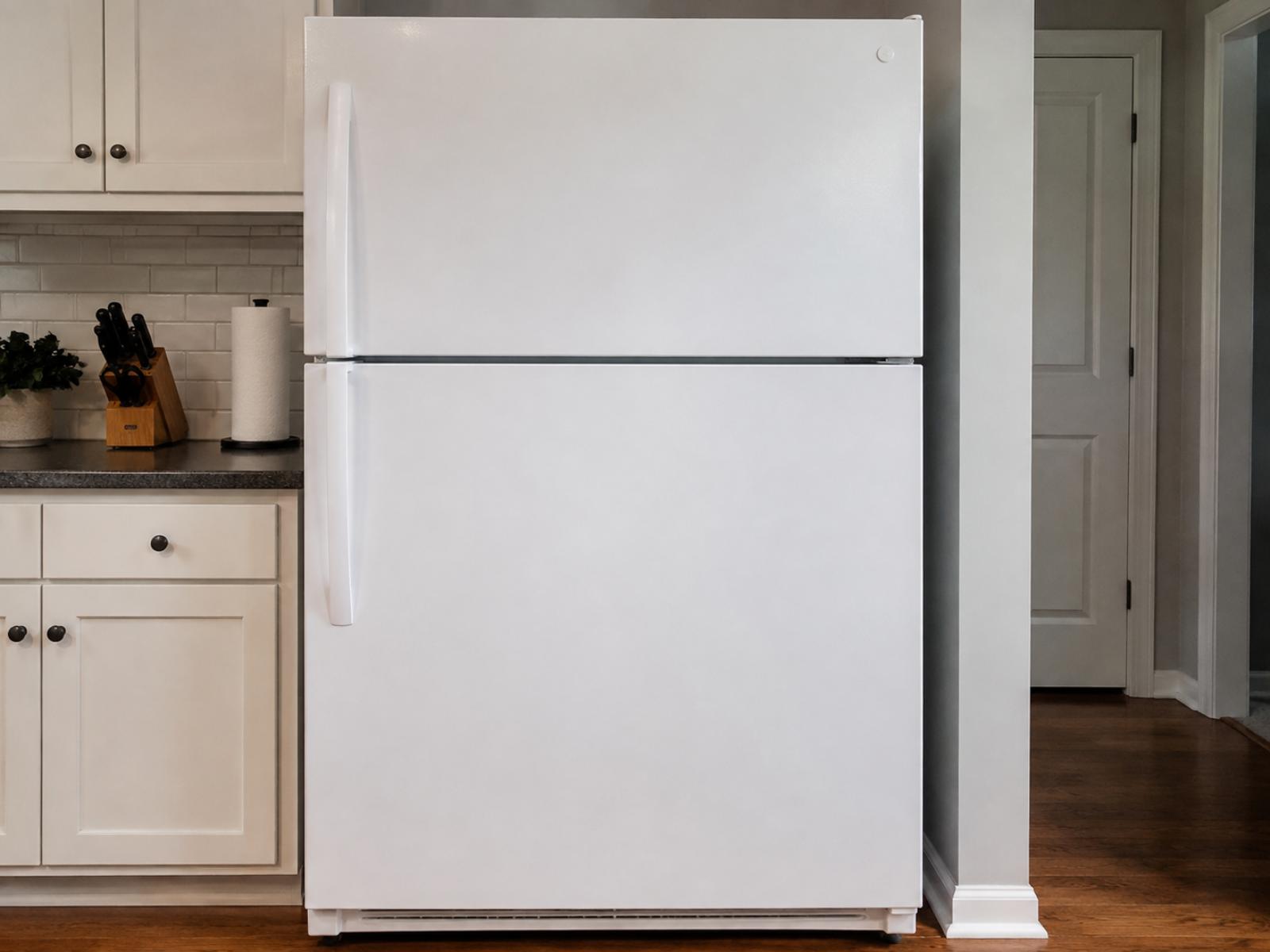
“nothing. the front of my fridge isn’t magnetic, sadly”
Sadly!
Finally, someone who understands why I keep asking this question.
Mari would apparently give me fridge-door material if the appliance would cooperate.
Instead I get a blank refrigerator through no fault of her own.
She also doesn’t offer much household dirt.
When I asked what they argue about most, she left it blank.
Wasteful spending? Blank.
Something she wouldn’t normally admit about the household? Blank.
I tried.
What would fall apart if Mari disappeared for a week?
“The litter”
Momma cat has entered the story again.
Not dinner.
Not laundry.
Not finances.
Not the household schedule.
The litter.
Which actually tells me something else about the way this house works.
Her husband already has assigned territory. His laundry. His bedroom. His bathroom. Garbage. Litter.
Mari has hers.
Some things are shared.
And presumably if one of them isn’t around, the other one can manage.
Although Momma cat may have complaints.
Mostly, though, I keep thinking about the kitchen.
Mari and her husband spend a surprising amount of their evening apart.
They have separate bedrooms.
They often go to separate rooms after dinner.
She stays awake for another three or four hours after he goes to bed.
You could describe that household as two people living fairly independent lives under one roof.
And you’d miss half of it.
Because at 7 they’re at the kitchen table.
At 9 they’re back for snacks.
And at 10 they come back one more time.
“we meet in the kitchen at 10 for good nights”